LPG Shortage Has Millions Unable to Cook. This Battery Induction Cooktop Never Needed Gas Anyway.

The street food vendors of Mumbai did not negotiate the terms of the Iran conflict. Neither did the factory managers in Vietnam, the government officials in Colombo, or the home cooks across a dozen nations who depend on liquefied petroleum gas. Yet the military standoff in the Strait of Hormuz, the chokepoint for 30% of the world’s traded LPG, is landing in their kitchens and economies with uncomfortable speed. In India, the government is rationing supply. In Sri Lanka, officials declared national holidays on Wednesdays specifically to curb fuel consumption. In Japan and South Korea, two of the world’s largest LPG importers, the primary energy artery is tightening, while European markets are bracing for wholesale gas prices to triple. A single geopolitical flashpoint is now determining whether millions can cook dinner.

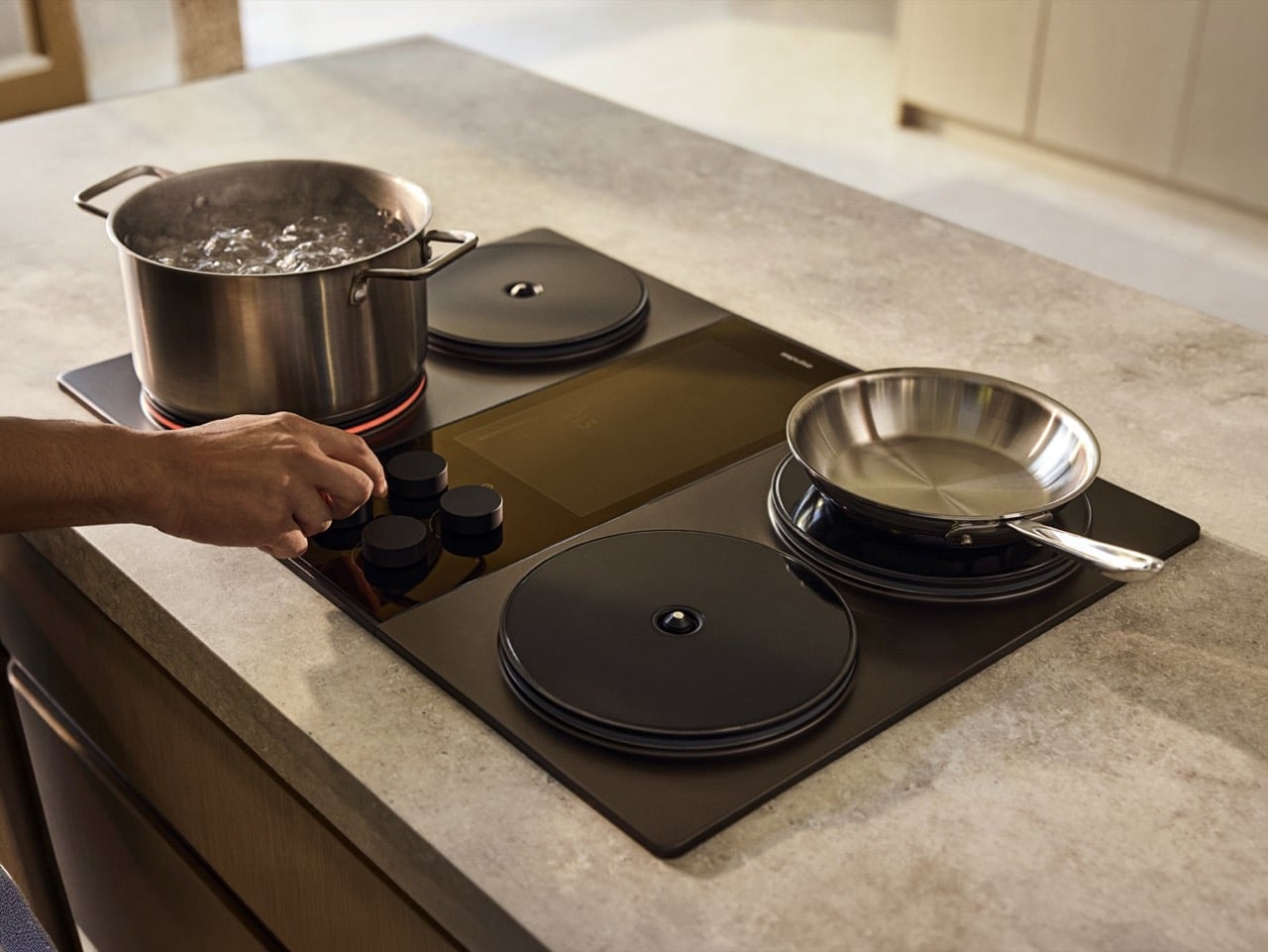
Against that dystopian backdrop, the Impulse cooktop occupies a category with very little company. The appliance, which earned the Red Dot’s Best of the Best and won Fast Company’s 2024 Innovation by Design Award, builds a battery directly into the cooktop body. It draws from stored charge and the grid simultaneously to deliver a staggering 10,000 watts per burner. BLOND, the industrial design firm behind it, gave the object the physical language of a considered luxury kitchen piece. The engineers gave it freedom from every fuel supply chain that currently has Asia and Europe in a headlock. Both things matter here; right now, one of them lands with a global urgency that the designers probably never anticipated.

Designer: BLOND
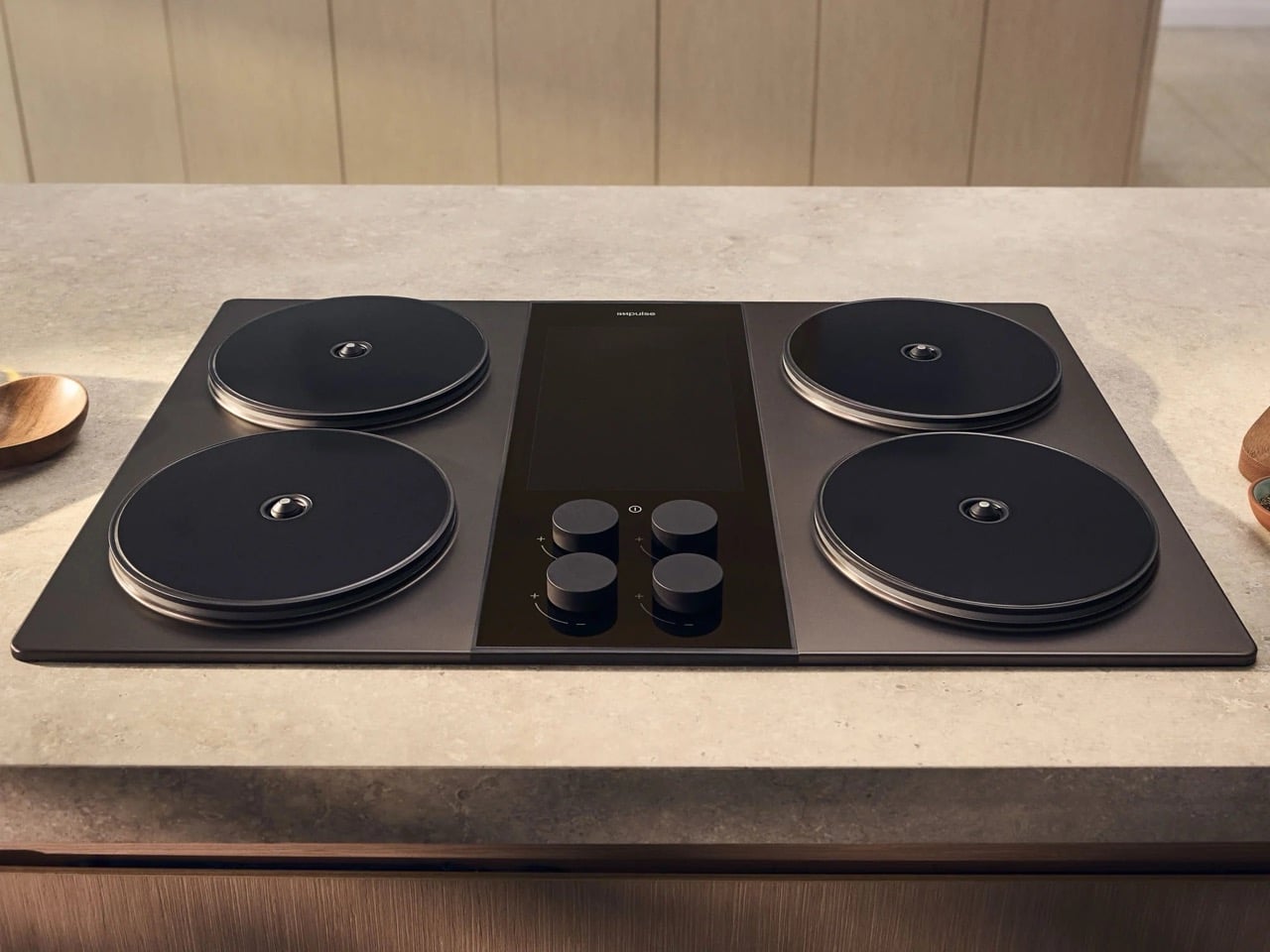
BLOND stripped the Impulse cooktop down to a precise, slab-like form with a magnetic control knob that carries the rotational weight of something deliberately engineered, and a ceramic cooking surface that reads more like high-end DJ equipment than kitchen accessories. The battery pack lives entirely inside the appliance body, with no external modules and no separate storage unit. That battery and the grid work in simultaneous tandem, together pushing up to 10,000 watts per induction zone, which is three times the output ceiling of the most powerful competing induction cooktop on the market. A standard gas burner tops out between 1,500 and 2,000 watts. A premium gas hob might hit 4,000. Impulse doubles that, through induction, from a domestic plug.
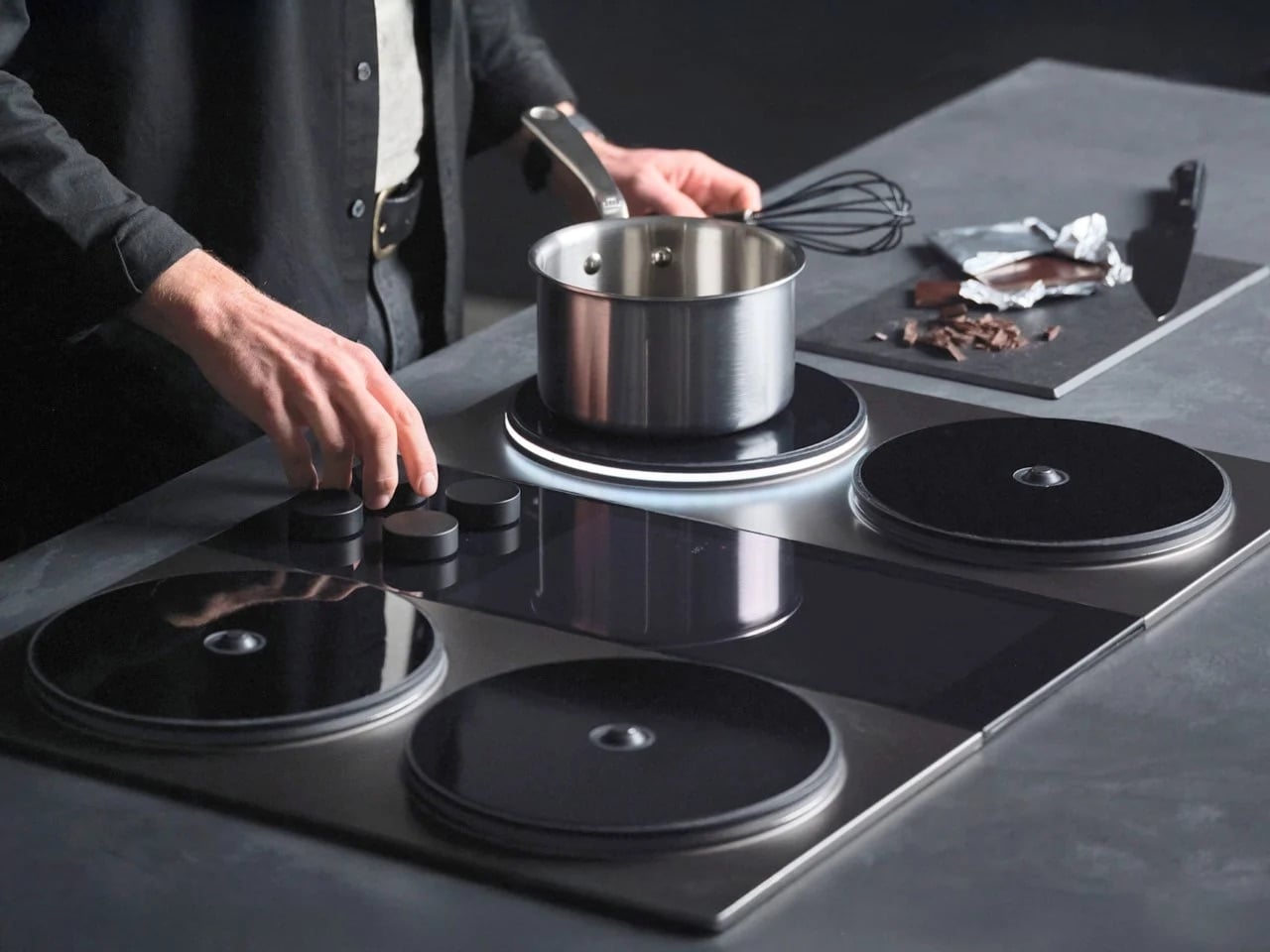
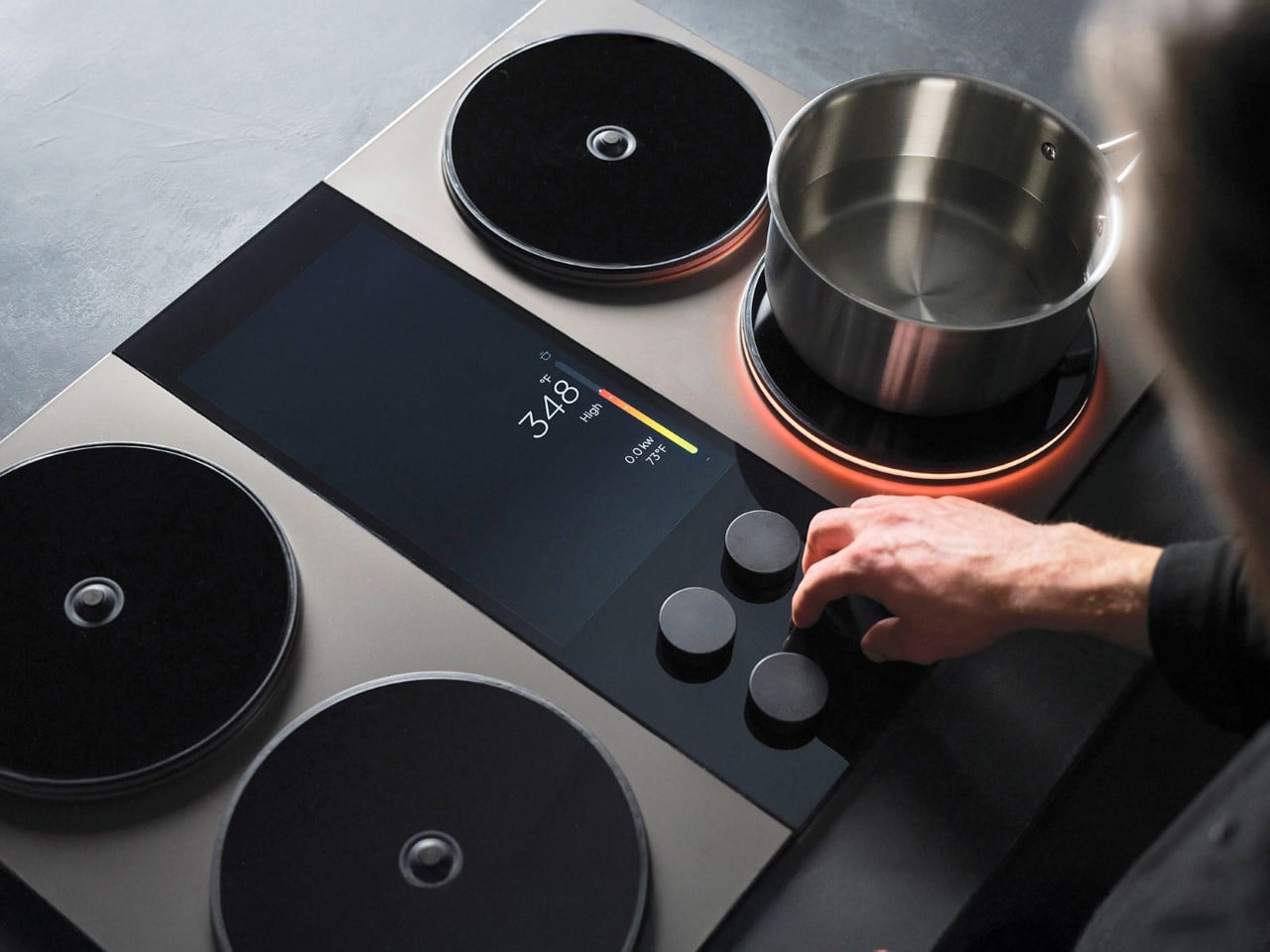
Impulse became the first battery-integrated appliance to earn UL 858 certification, the U.S. standard applied to household electric ranges, which matters because it signals a tested, production-ready product rather than a clever concept that survived the prototype stage. Most residential kitchens cannot realistically pull 10,000 watts through standard wiring without a costly electrical panel upgrade, which is the single biggest friction point in induction adoption globally. The onboard battery eliminates that bottleneck by buffering the peak load and recharging from a normal household outlet during lower-intensity cooking. The result is extreme performance on ordinary electrical infrastructure. Getting 10,000 watts into a domestic kitchen without rewiring the house turns out to be a harder problem than building a burner that can hit those numbers, and Impulse solves both in the same enclosure.
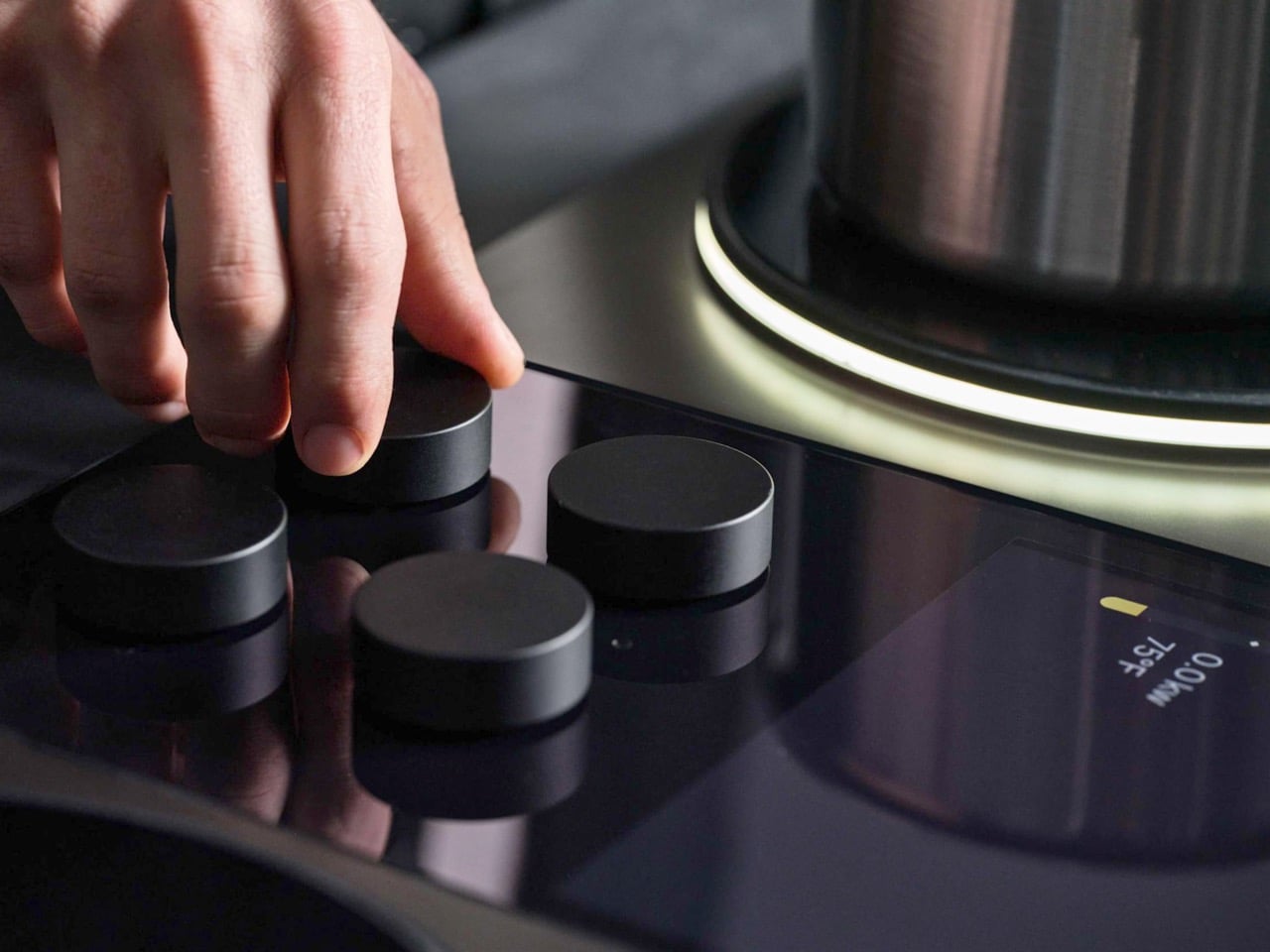
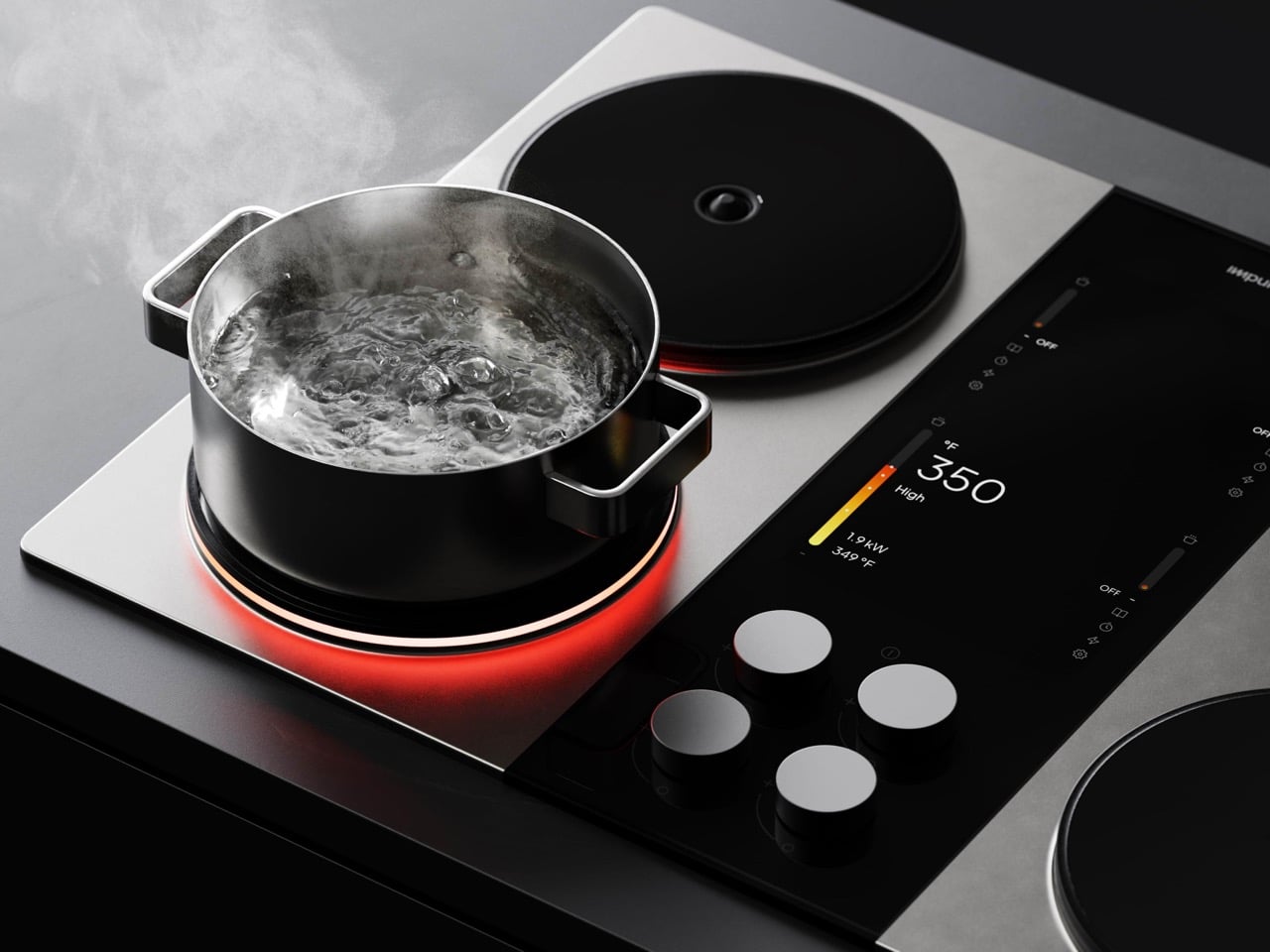
Amazon India reported induction cooktop sales jumping more than 30 times their normal volume last week as the LPG shortage deepened. That number tells you how fast behavior shifts when a supply chain snaps. The problem is that most of those units being panic-bought are budget induction plates capped around 2,000 watts, which work fine for boiling water but flounder with the kind of cooking that defines South and Southeast Asian cuisine. High-heat wok cooking, crispy dosas on cast iron, intense stir-fry; all of these demand fast, concentrated thermal output that conventional induction simply cannot generate. Impulse at 10,000 watts per zone changes that equation entirely, and it does so without a gas line anywhere in the picture.
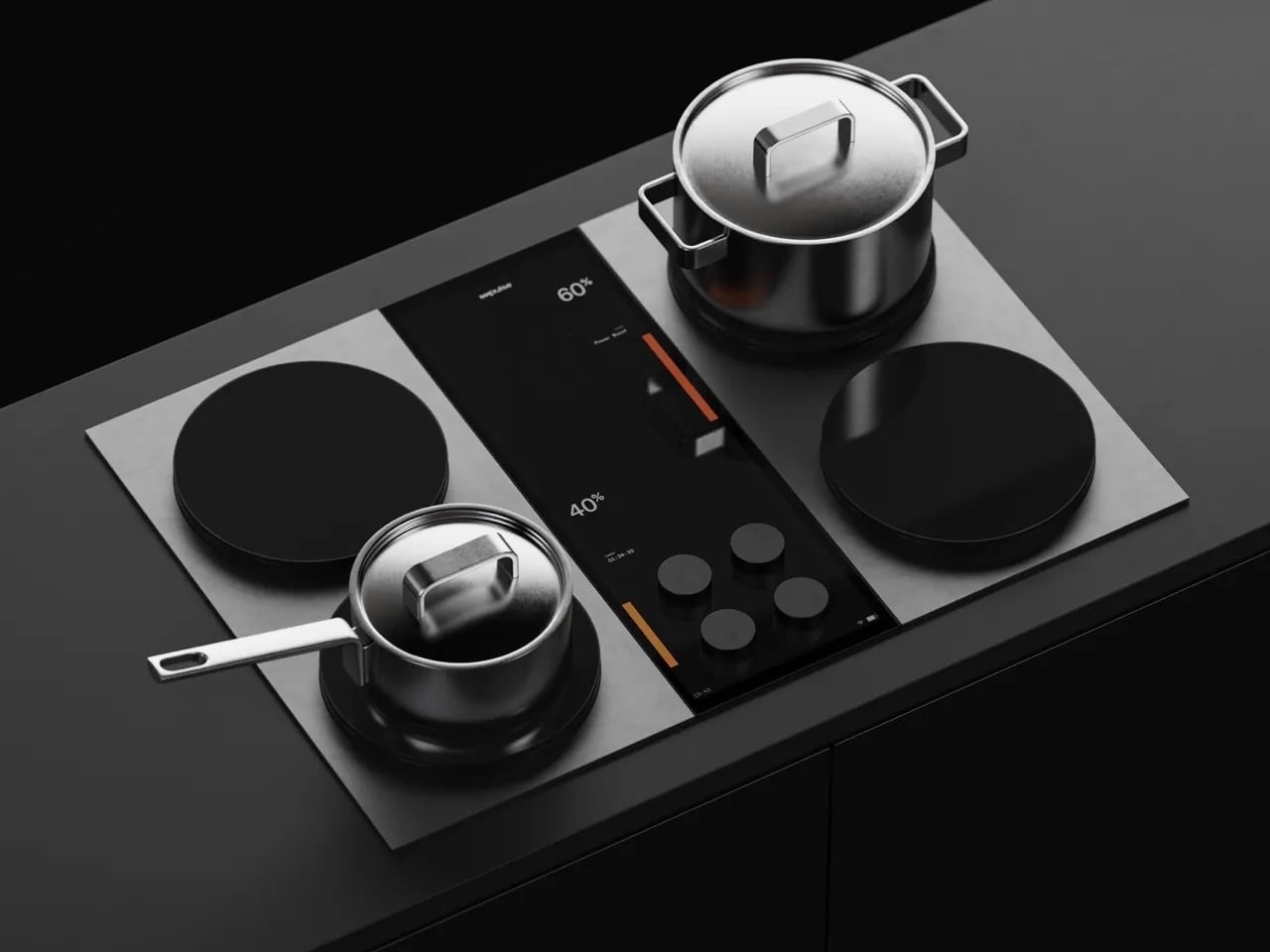
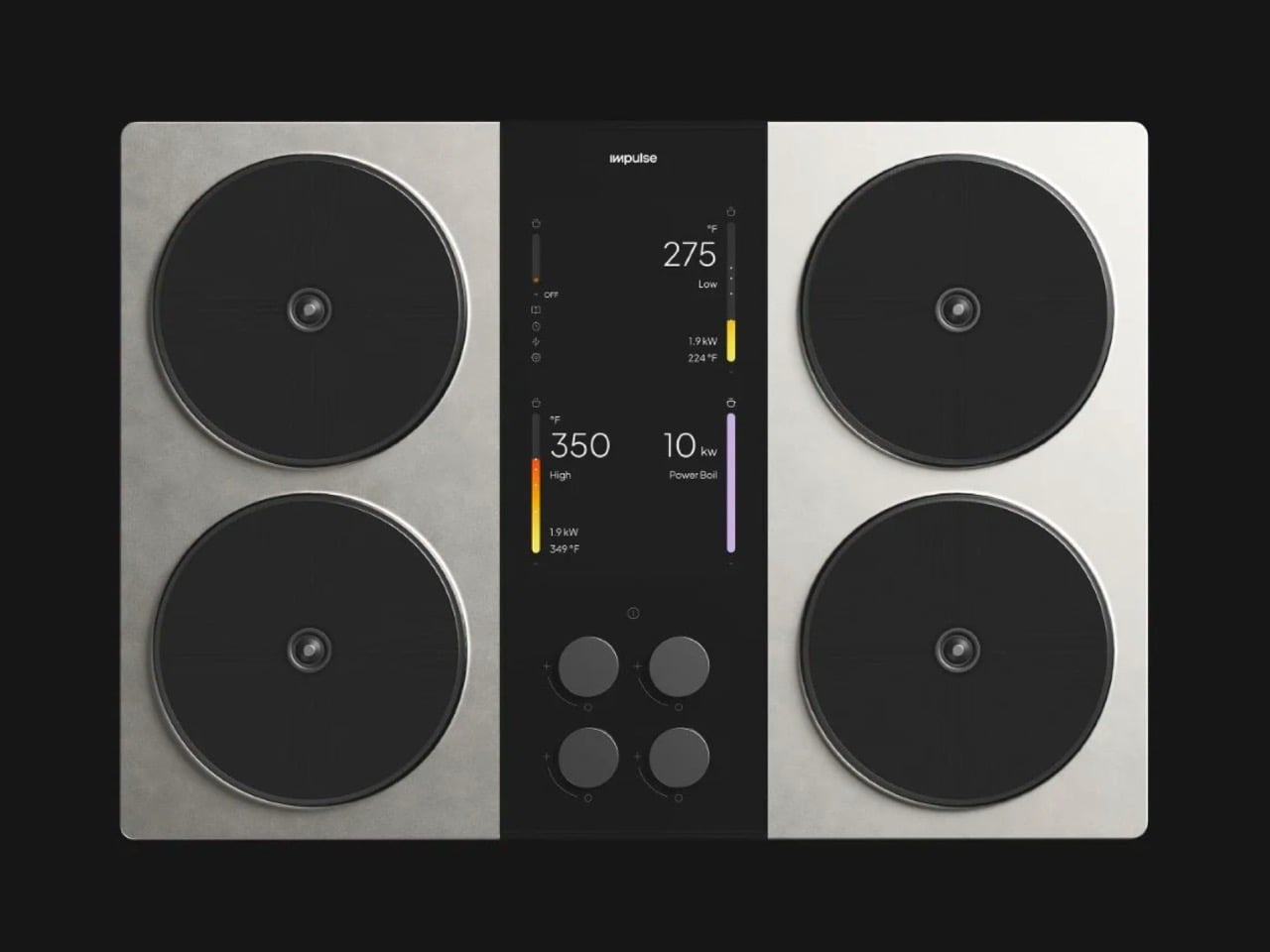
At KBIS 2026, THOR Kitchen debuted a full induction range built on Impulse’s battery-integrated platform, and it got recognized at the show. That partnership reveals the bigger picture: Impulse Labs is positioning its engineering as a licensable platform for the appliance industry broadly, treating the consumer cooktop as proof of concept rather than end product. If that model scales, the 10,000-watt battery system becomes the architecture that a generation of kitchen appliances gets built on, with real implications for manufacturers trying to electrify product lines without sacrificing performance. Whether the business reaches that scale fast enough to meet this particular moment depends on manufacturing capacity and pricing the company has not widely publicized. But the Strait of Hormuz did not ask for a roadmap before closing, and the people queuing for gas cylinders at 3am in New Delhi are not waiting on a product launch schedule either.

The post LPG Shortage Has Millions Unable to Cook. This Battery Induction Cooktop Never Needed Gas Anyway. first appeared on Yanko Design.
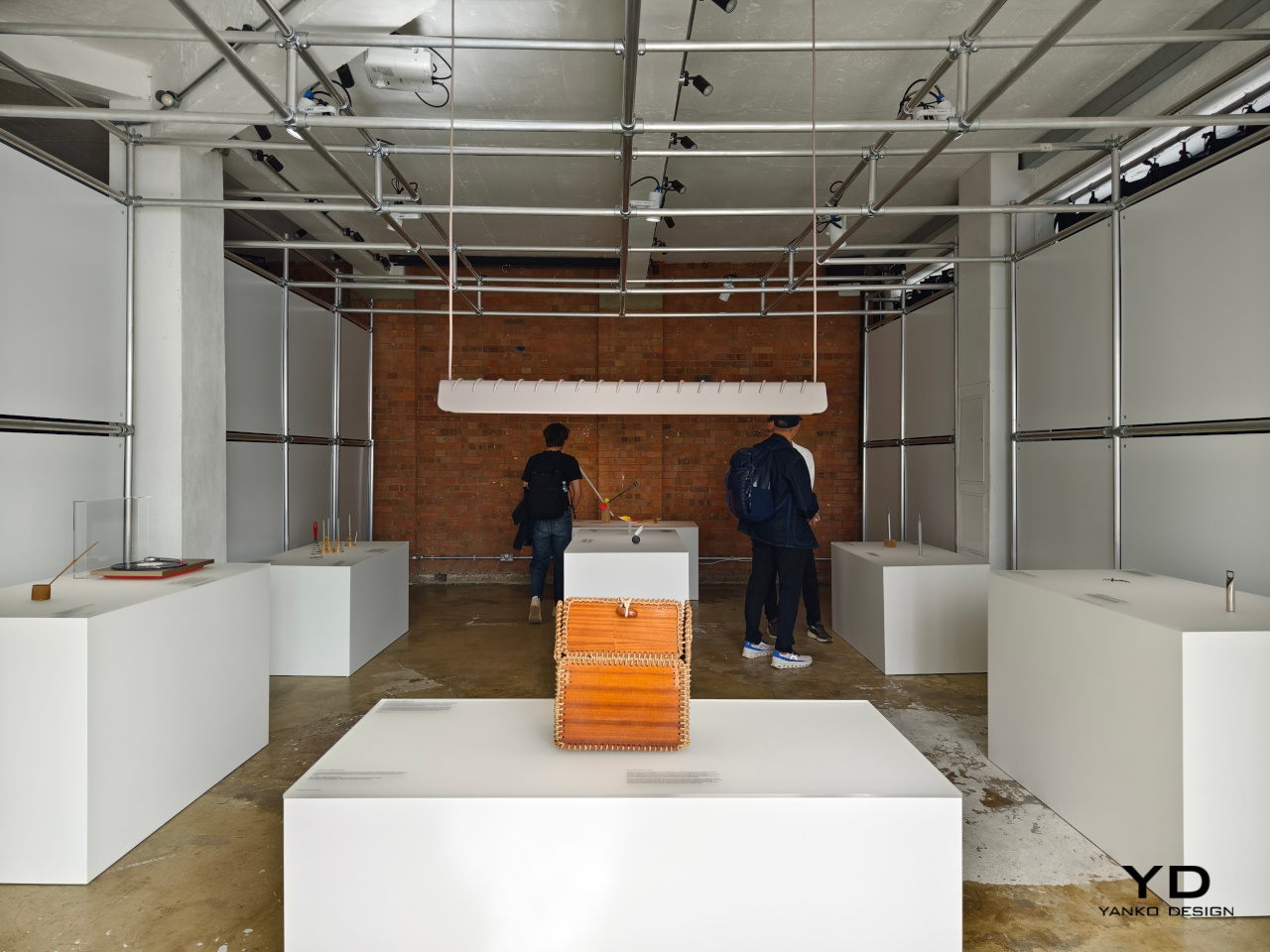
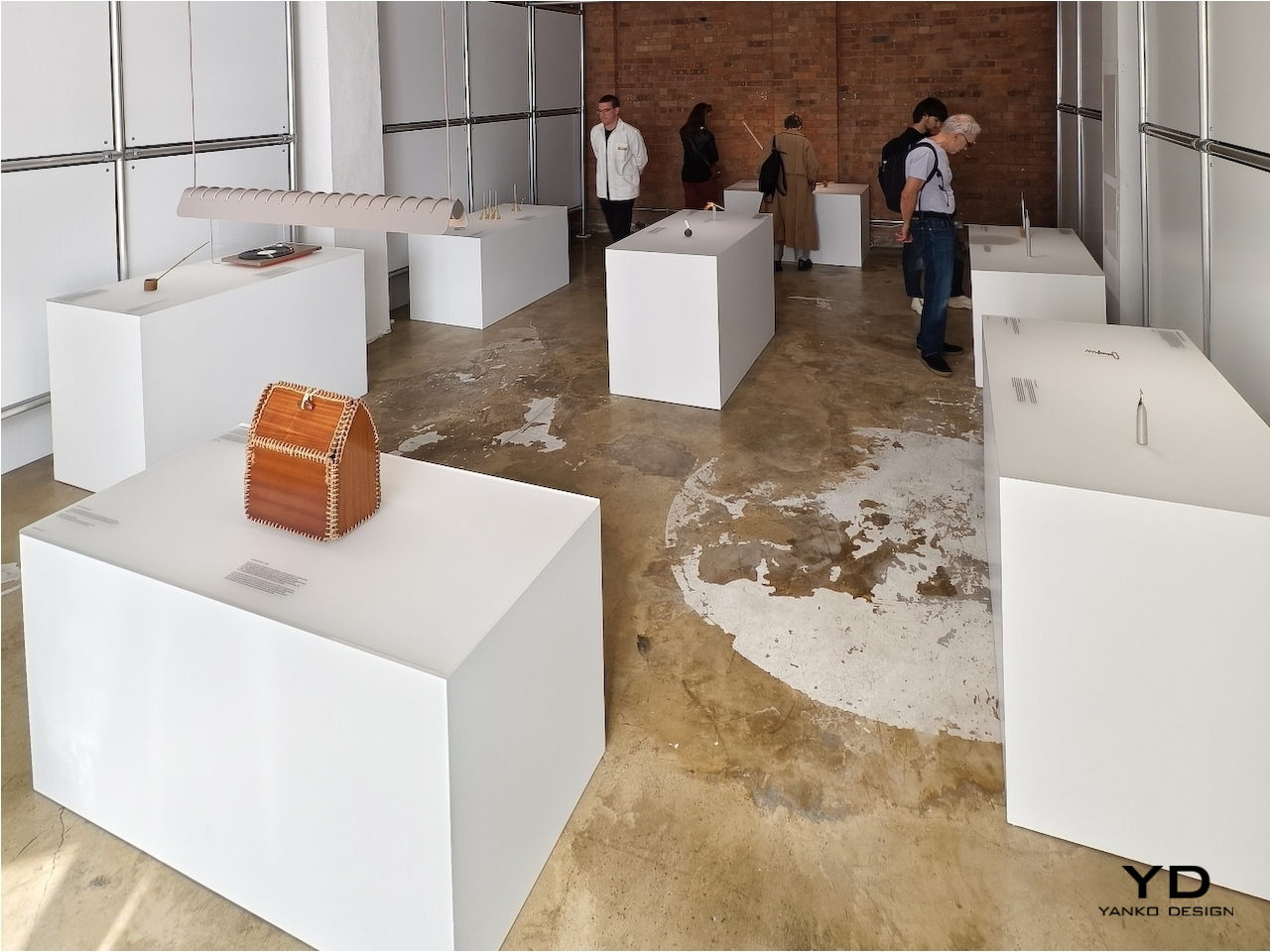
BLOND LABORATORY at London Design Festival 2024 revives old designs in unexpected ways

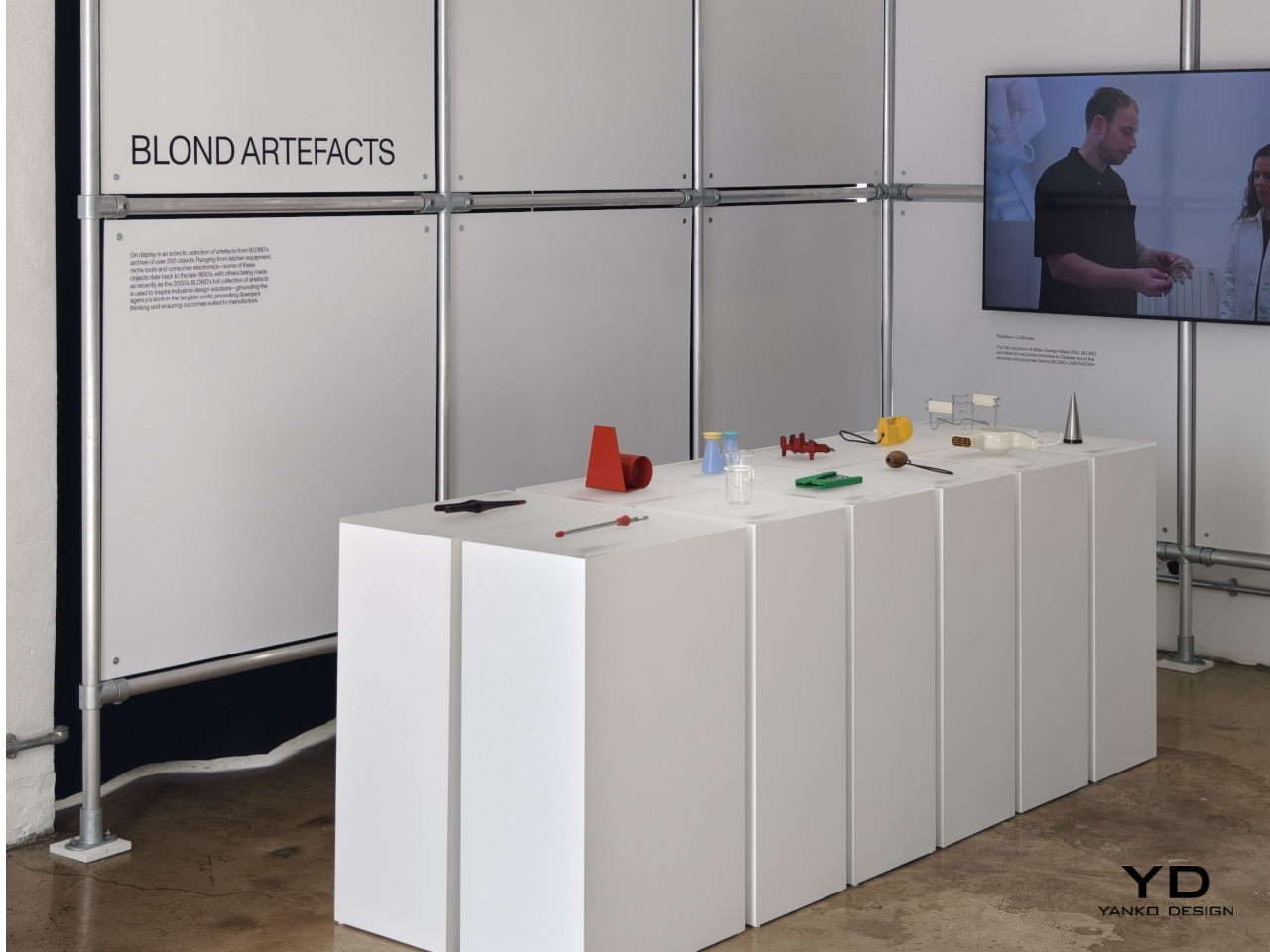
There are plenty of wise sayings about how the past guides our future, and nowhere is that perhaps more evident than in the design and fashion industries. “Retro” might seem like a passing fad, but this isn’t the first time that the design pendulum has swung back to the past for inspiration. This homage to the designs of our predecessors may be the guiding spirit behind famed London-based design studio BLOND’s ARTEFACT initiative, taking objects that are no longer in production or even in use and reimagining them in a completely different light. At the London Design Festival this week, the BLOND LABORATORY challenged a stellar roster of international designers and studios with this quest, and here are the responses that give these “offline” products a new kind of life in this modern world.

Designer: BLOND

From Us With Love: Mallet Flashlight

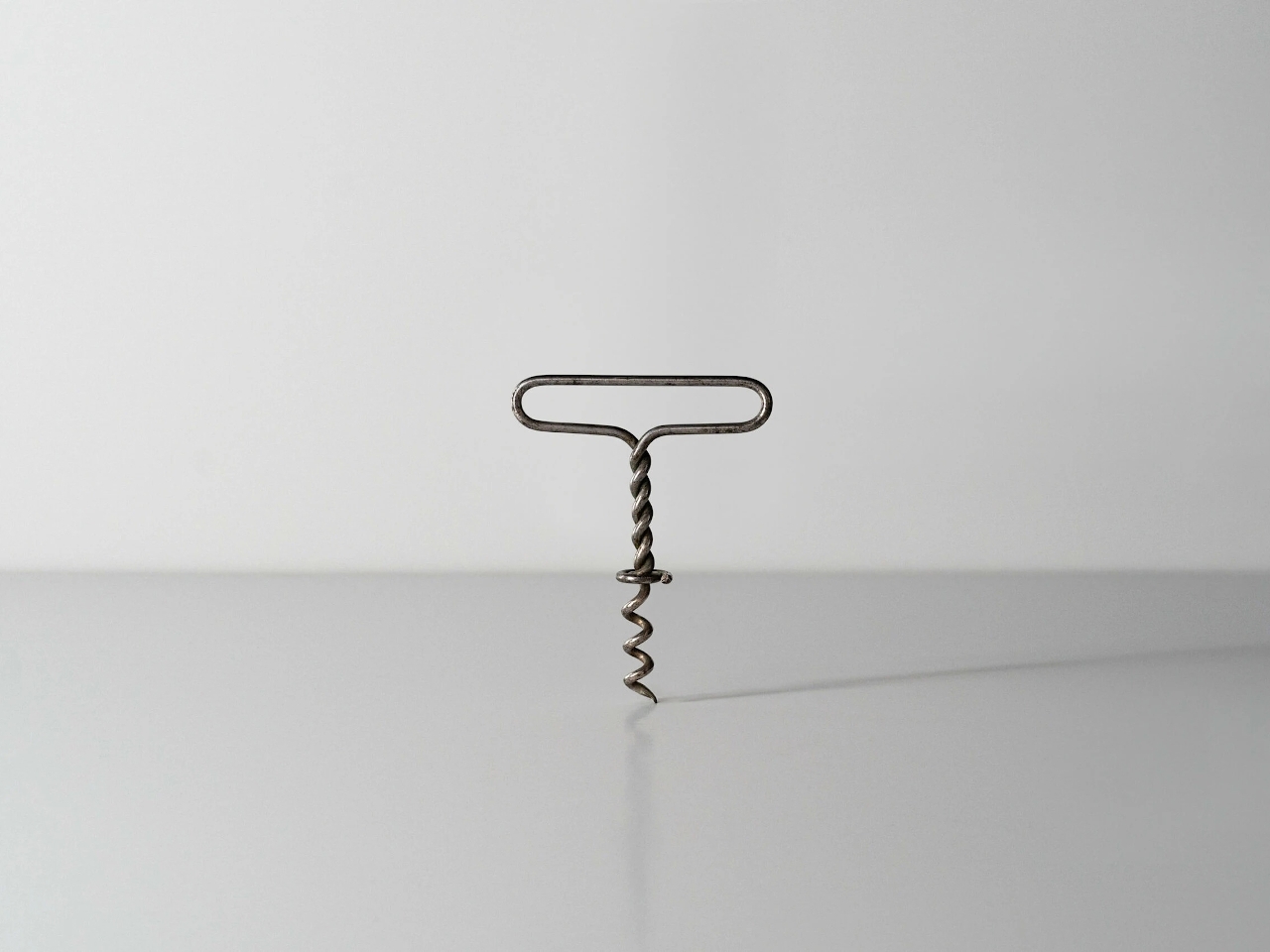
Opening wine bottles today is as easy as turning a cap, but true connoisseurs still prefer the classic cork that is just as difficult to remove as in the old days. Of course, we have it easy today as well with more modern tools, but the traditional corkscrew and its menacing metal spiral has always been the weapon of choice for that task. Even older designs used a single bent rod of metal, which is probably not as comfortable to use as those with wooden or even plastic handles.

Designer: From Us with Love

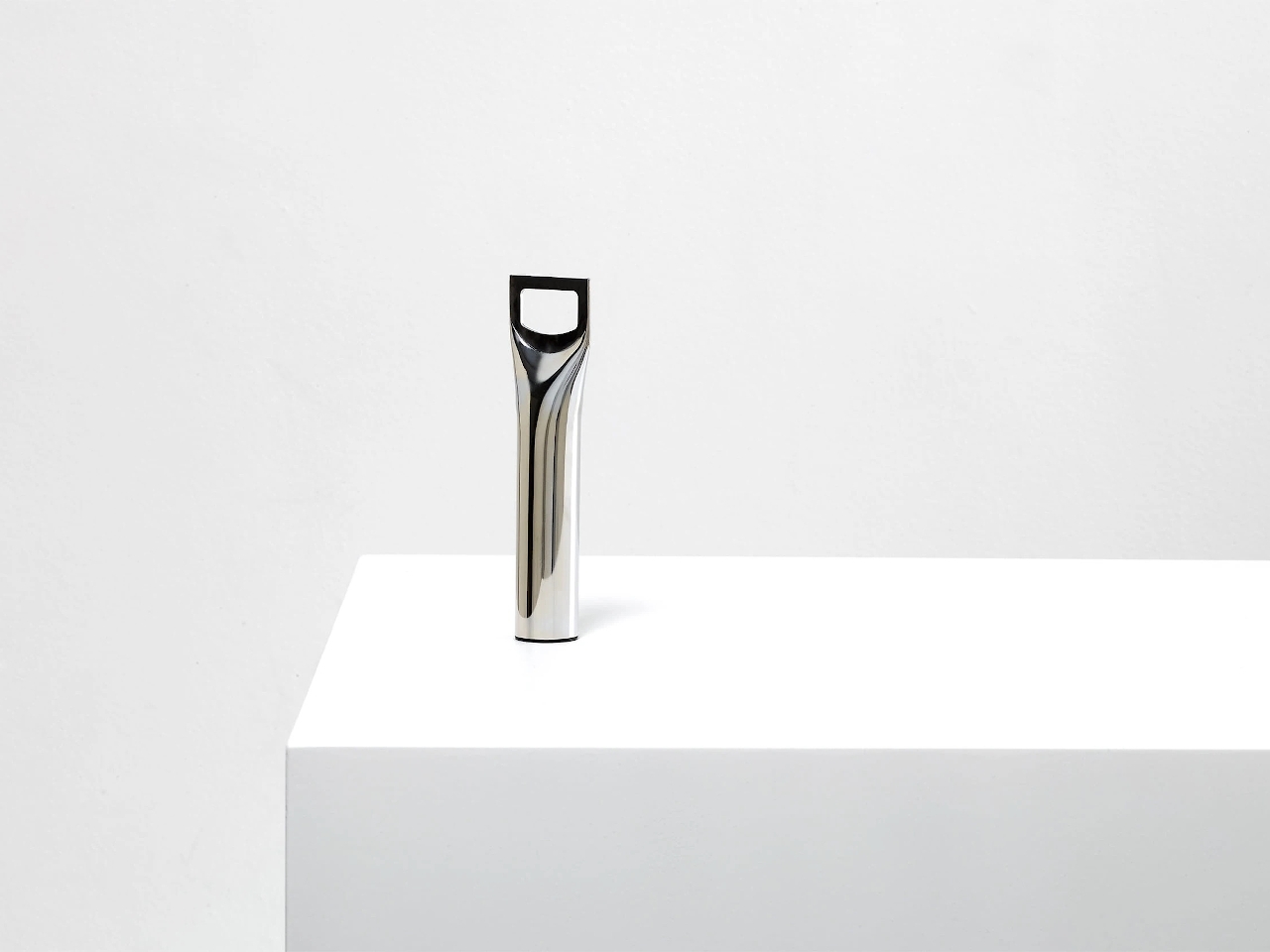
Turning something crude into an art object is the feat that From Us With Love accomplished. Taking a single rod of metal, flattening its top, and cutting out a hole in the middle resulted in a simple yet functional bottle opener. It embraces the functional minimalism of the old-school corkscrew and imbibed with the elegance of modern tools, a true retro design if there ever was one.

Hirotaka Tako: Marking Gauge Ikebana Lamp

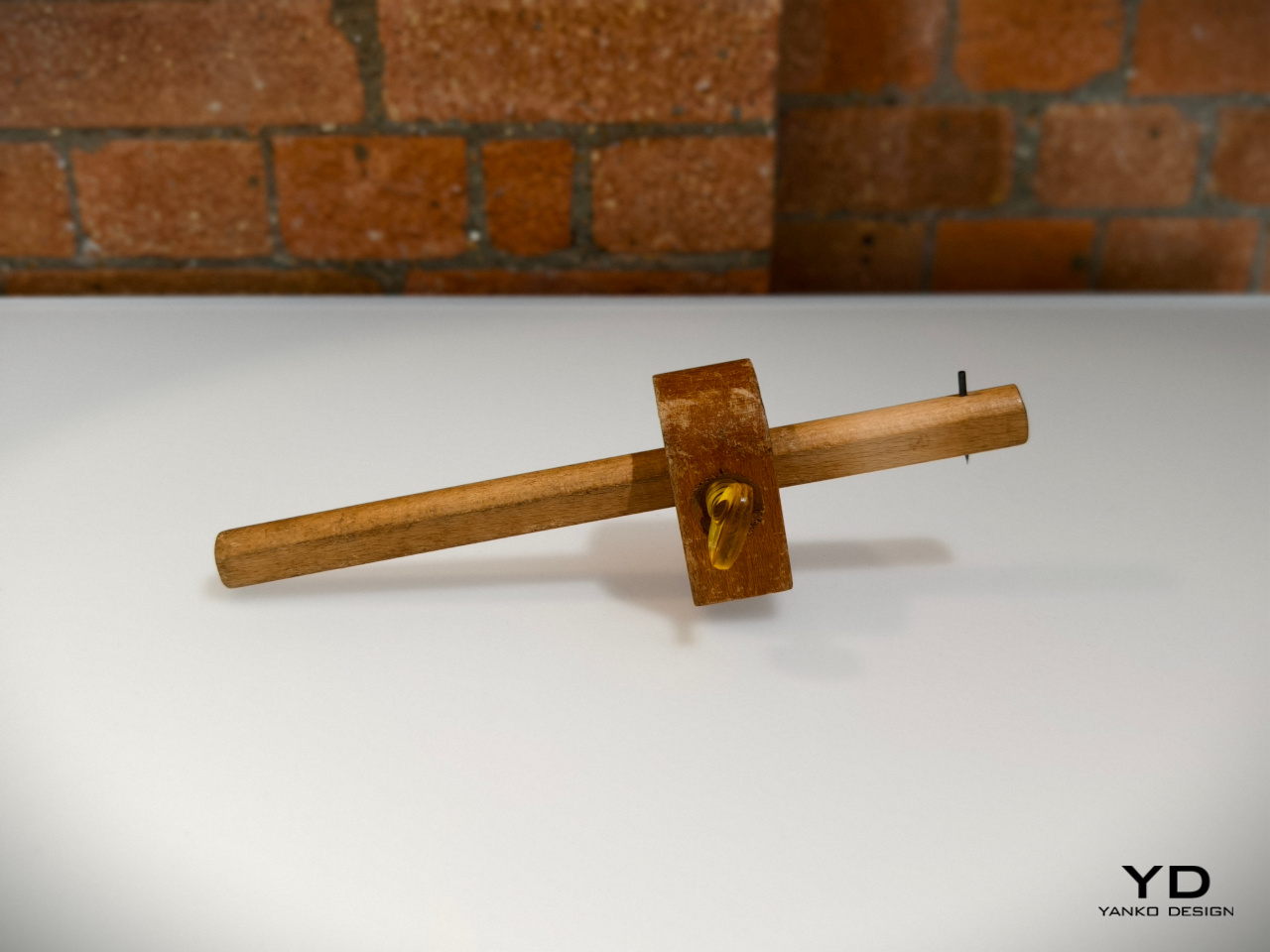
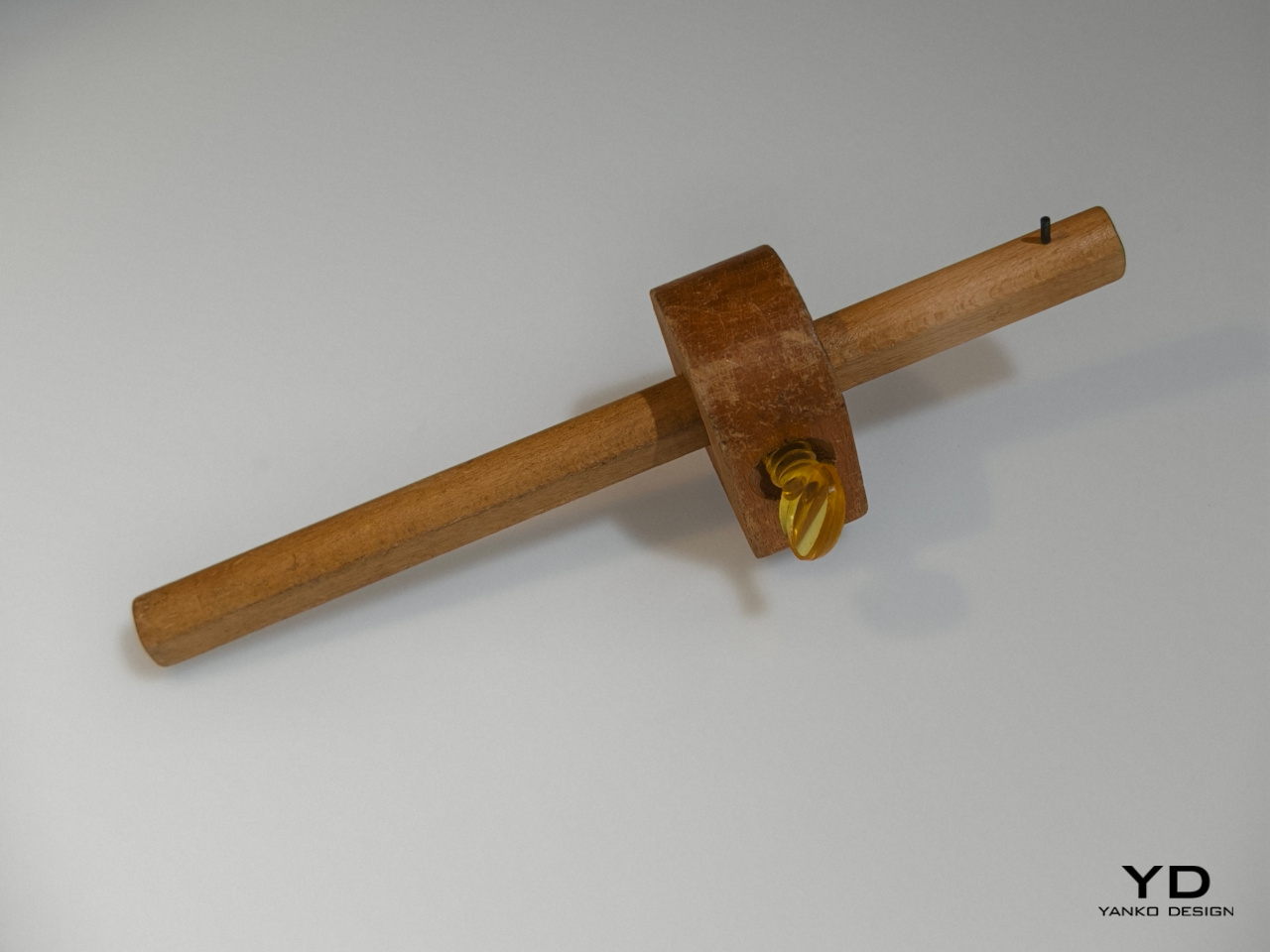
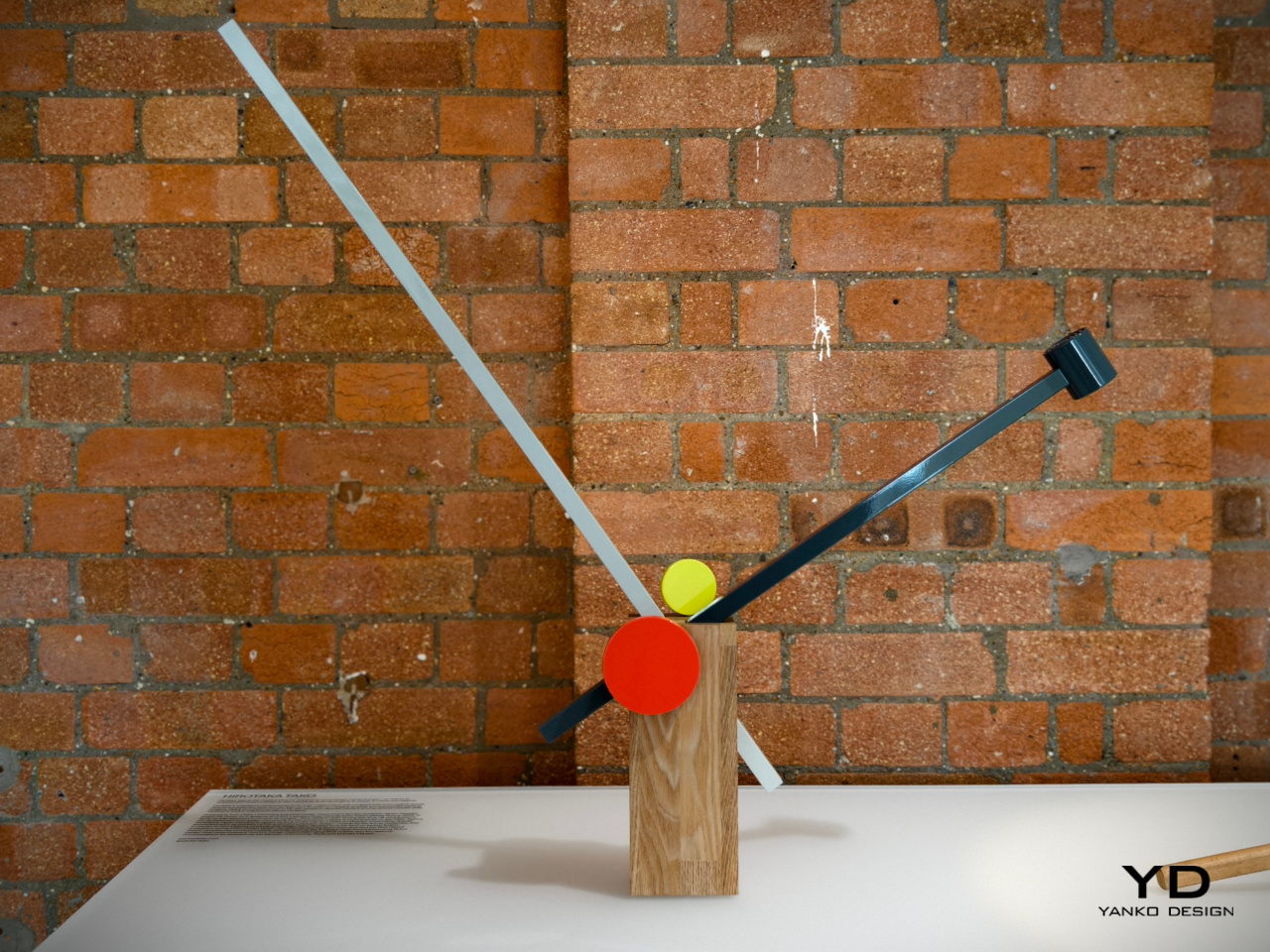
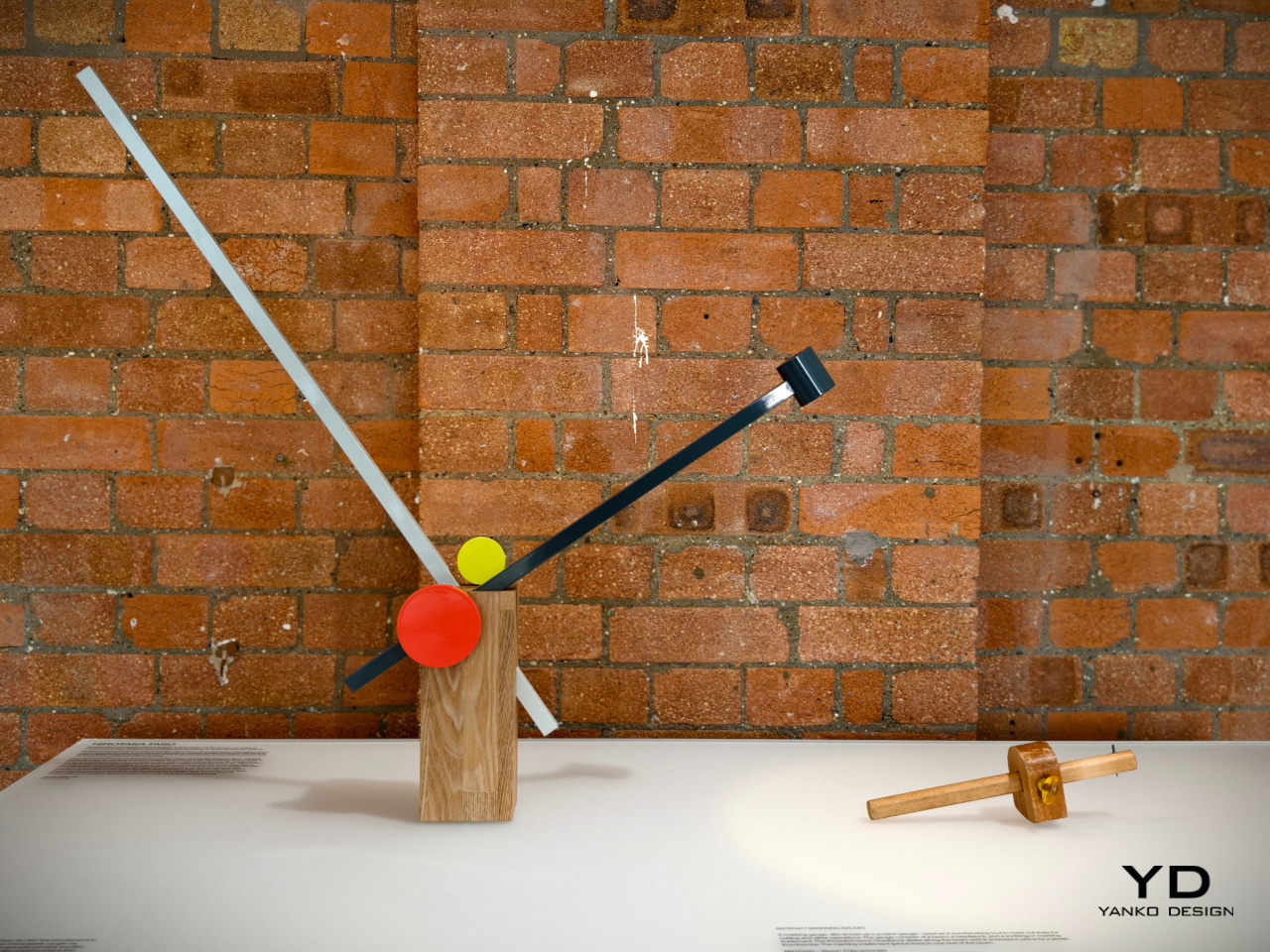
We enjoy a lot of convenient tools today that make it trivial to do things like measuring pieces of wood. In the old days before measuring tapes and meters, however, people had to make use of rather complicated tools that involved a wooden rod sliding inside a a block. This measuring gauge, though crude, created a rather interesting form that was not that different from a piece of art, which is exactly what inspired this rather geometric lamp design.

Designer: Hirotaka Tako

Taking inspiration from both this outdated tool as well as a Japanese art of floral arrangement, Hirotaka Tako designed a table lamp that similarly used the concept of inserting a long thin stick into something bigger. He likened the wooden rods to a flower stem inside a vase, exactly like an Ikebana arrangement. The result is a table lamp that is both functional and artistic, inspired by a tool that was anything but.

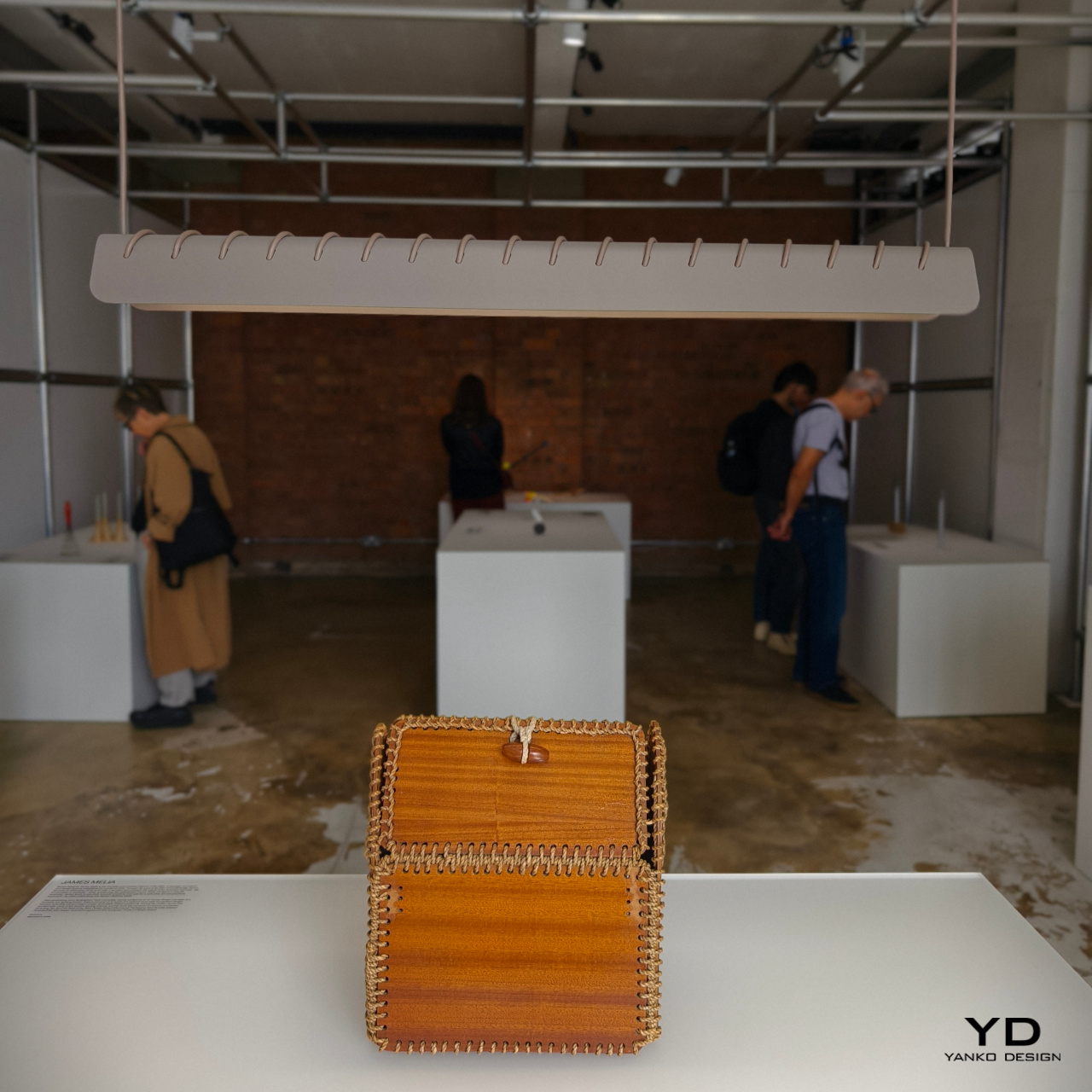
James Melia: Timber Basket Pendant Lamp

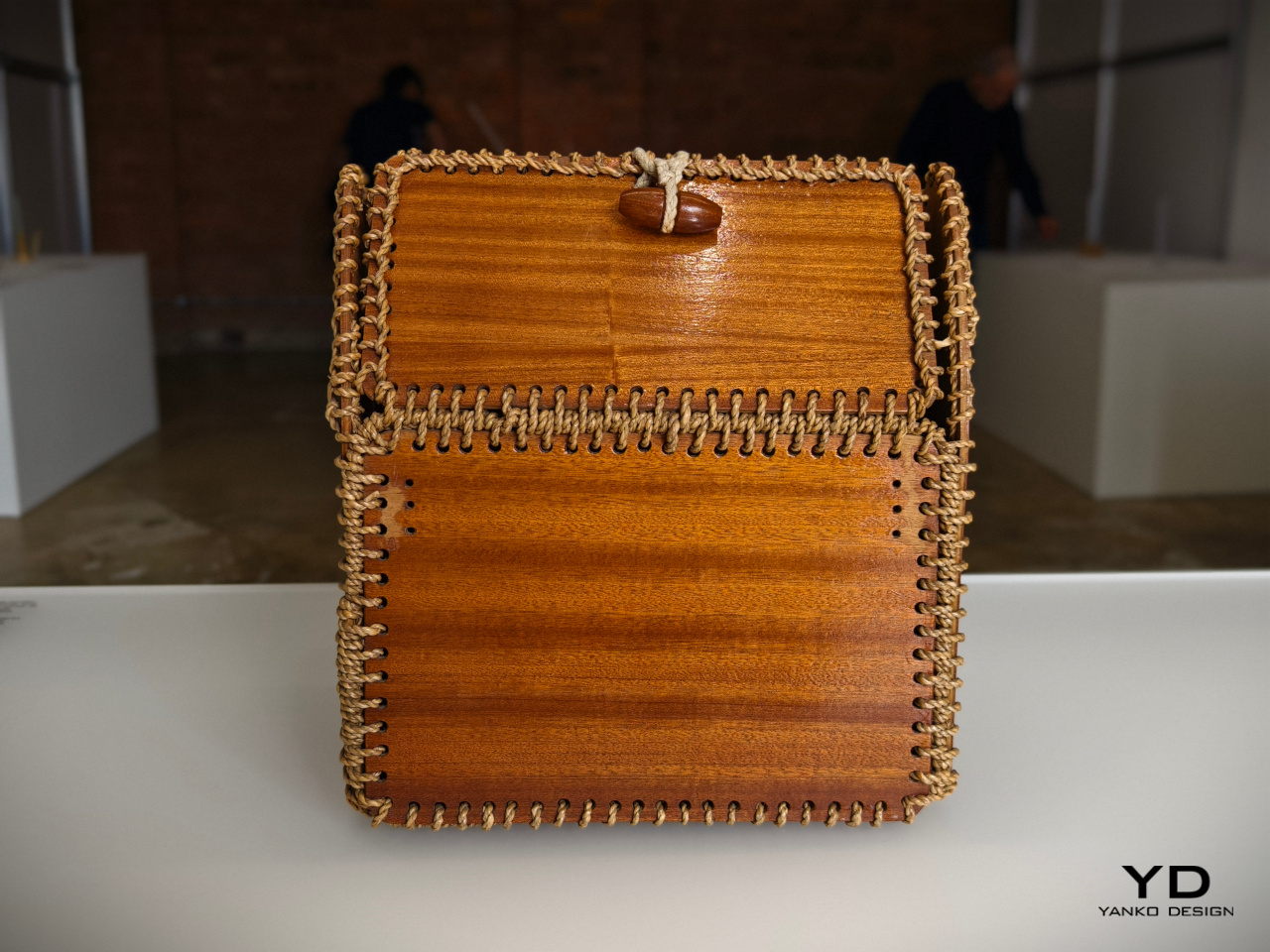
We take for granted the materials used to create modern products these days, not to mention the methods for making them. Today, we have machines that can print almost any shape imaginable, but past generations had to do things by hand, using stubborn and difficult materials. The rope patterns used to keep a timber basket together, for example, offered not only structural stability but also an interesting visual, one that can add a bit of a flair to an otherwise normal object.

Designer: James Melia

James Melia takes a hanging lamp’s power cord and stitches it along the length of its shade, creating a row of diagonal stripes that turns a plain lamp into an art object. That same cord is used to actually hang the lamp from a ceiling, reducing the number of parts involved in designing the lamp and creating a simpler and more sustainable design.

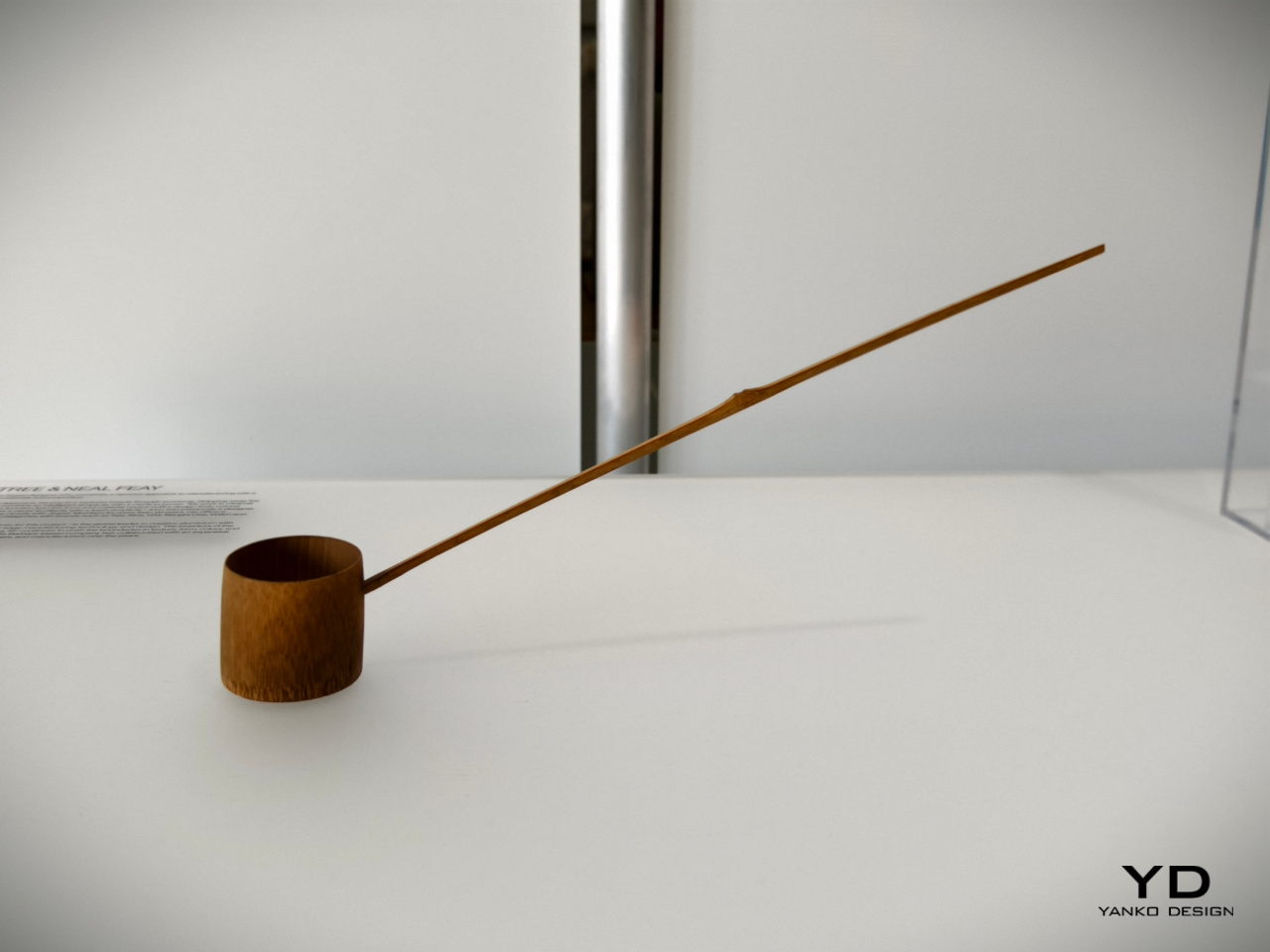
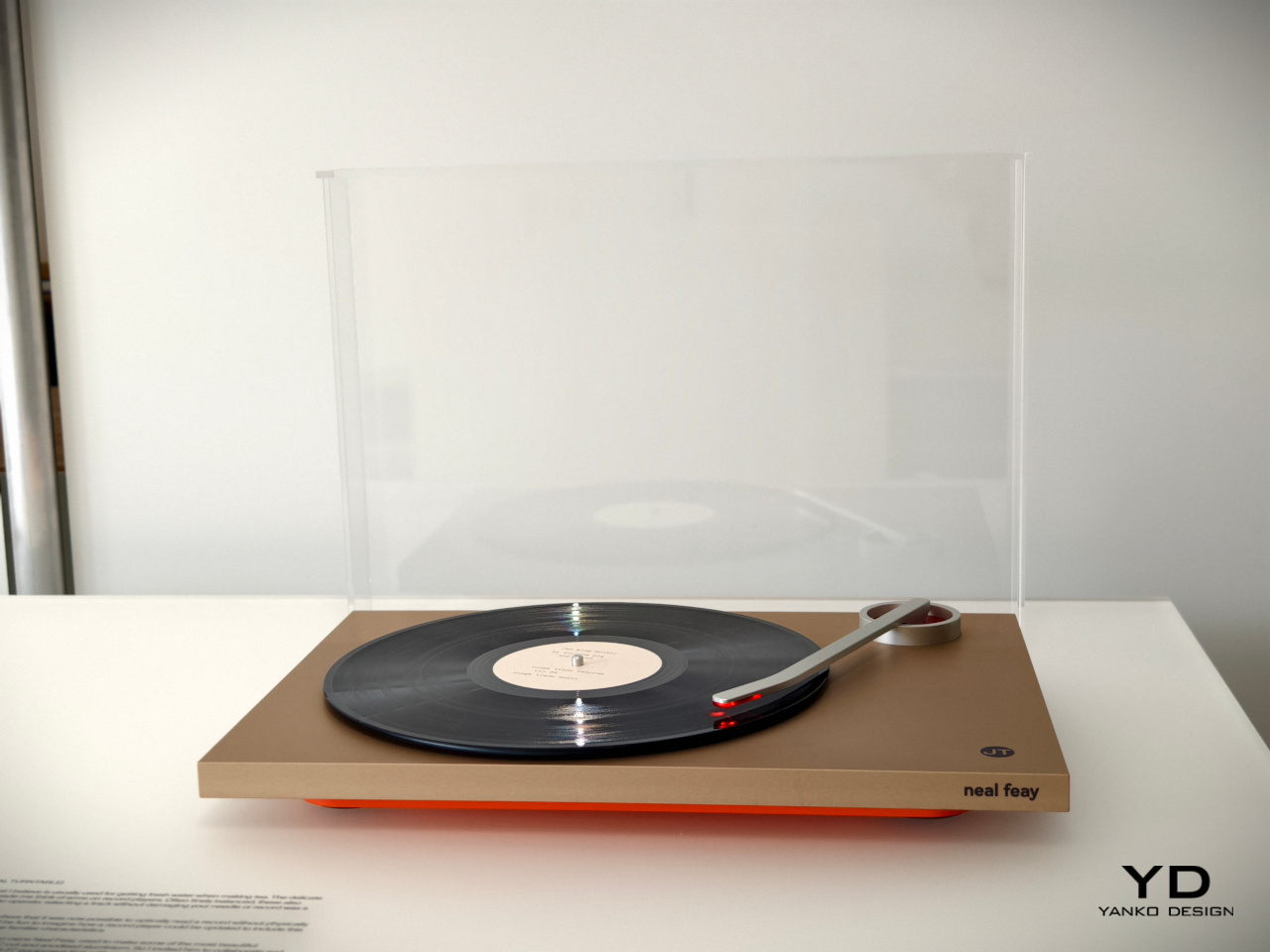
John Tree and Neal Feay: Tea Ladle Turntable

The Japanese are famed for their minimalist tools which are an art form in their own right. A simple scoop for tea powder, for example, takes the form of a bamboo ladle with a distinct charm. Though today’s tea lovers will probably use different tools, this traditional object still remains a staple in Japanese culture today as well as practices that recreate it. To some extent, it’s almost like the venerable turntable that has seen a renaissance and is getting some use even today.

Designer: John Tree x Neal Feay

This optical turntable takes that delicate-looking bamboo tea ladle and transforms it into a turntable arm that preserves that spirit of gentleness. Rather than using a sharp pin to read the grooves of the platter, it uses light to avoid any physical contact and help preserve the vinyl material. It’s a gentle and delicate spin on a classic retro design, no pun intended.

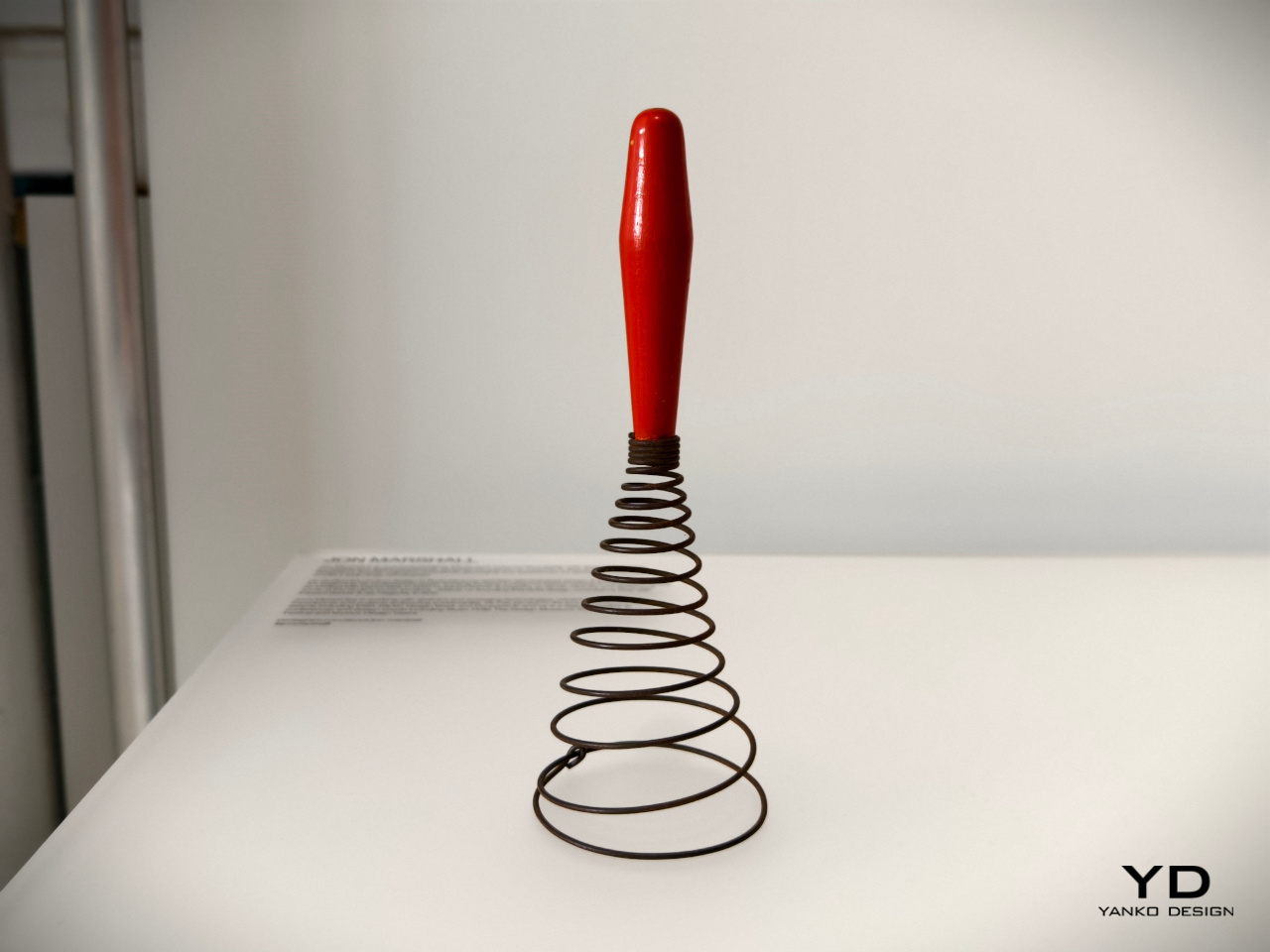
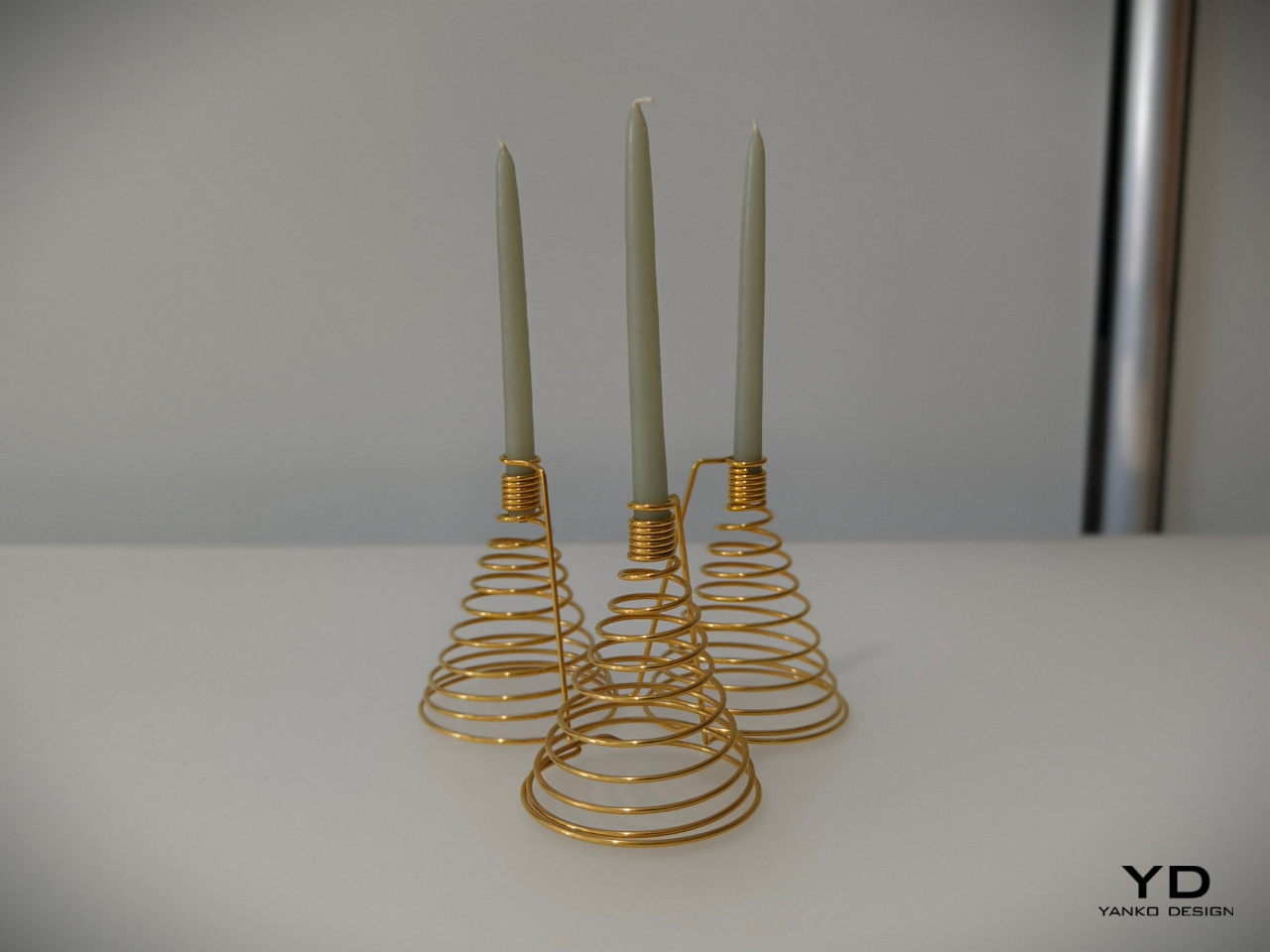
Jon Marshall: Whisk Candelabra

Today’s whisks are light, compact, and handy tools that use a few loops of bendable wire or plastic, a design that’s so far removed from the coiling iron wires of much older versions of the kitchen tool. Looking more like springs or even weapons, this antique whisk form isn’t very efficient at what it’s meant to do, but it admittedly looks novel and interesting to our modern eyes.

Designer: Jon Marshall

It might not make scrambled eggs, but this candelabra will definitely bring a bit of delight to your dinner table. The spiraling form of the base and the tight coils of the candle holder make for an interesting visual, but it’s when the candles are lit and the shadows dance that this rather luxurious-looking light fixture truly comes alive.

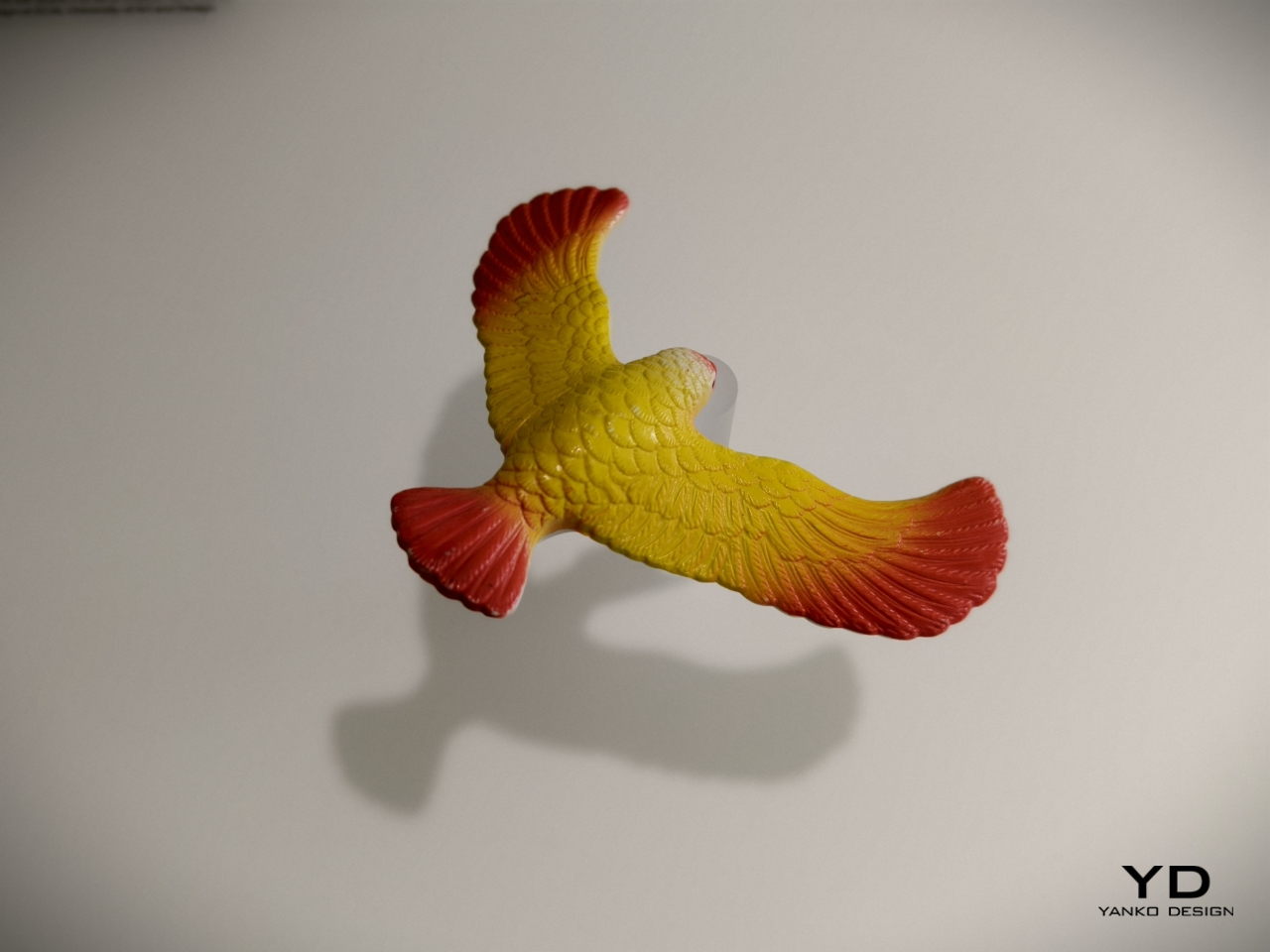
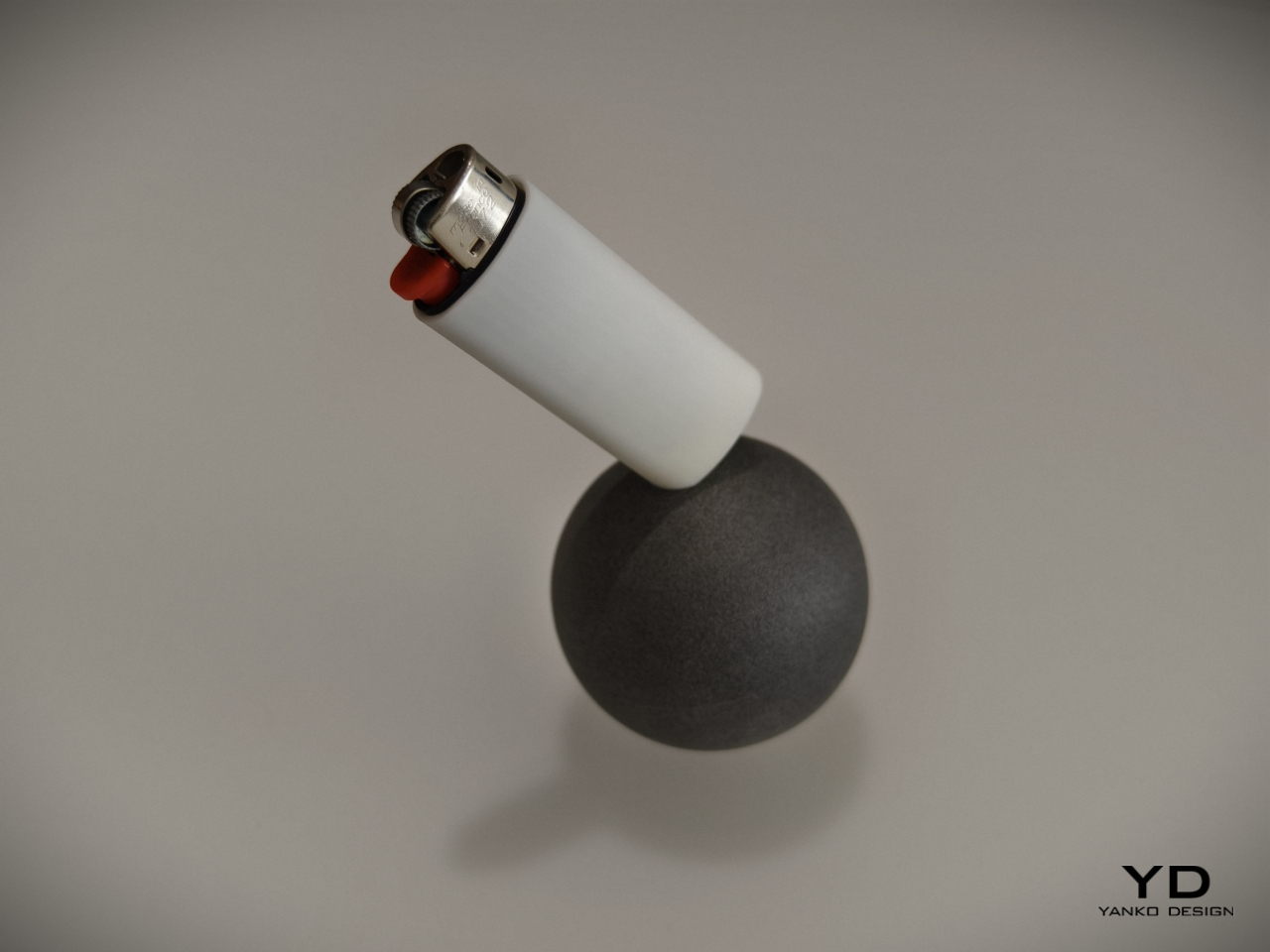
Julie Richoz: Balance Bird Balancing Lighter

Kids tend to find science and math lessons boring until they encounter puzzles and feats that really blow their minds. Something as simple as a perfectly balanced eagle held up only by its beak is sure to pique curiosity, even those of adults. This ingeniously disguised pendulum is not an uncommon toy or desk ornament, but the same principles can be used to the same effect for other objects, including more utilitarian ones.

Designer: Julie Richoz

A lighter standing only one of its corners is definitely going to make you the talk of the party, and it provides not only an entertaining piece of decoration but also practical use. It will be easy to see if the lighter is missing from its base, and people who use it will be more likely to put it back on its perch just to marvel at its balancing act. It’s a very simple twist to a simple object but one that has a nontrivial effect on those who see it, all thanks to some inspiration from old objects we have taken for granted.

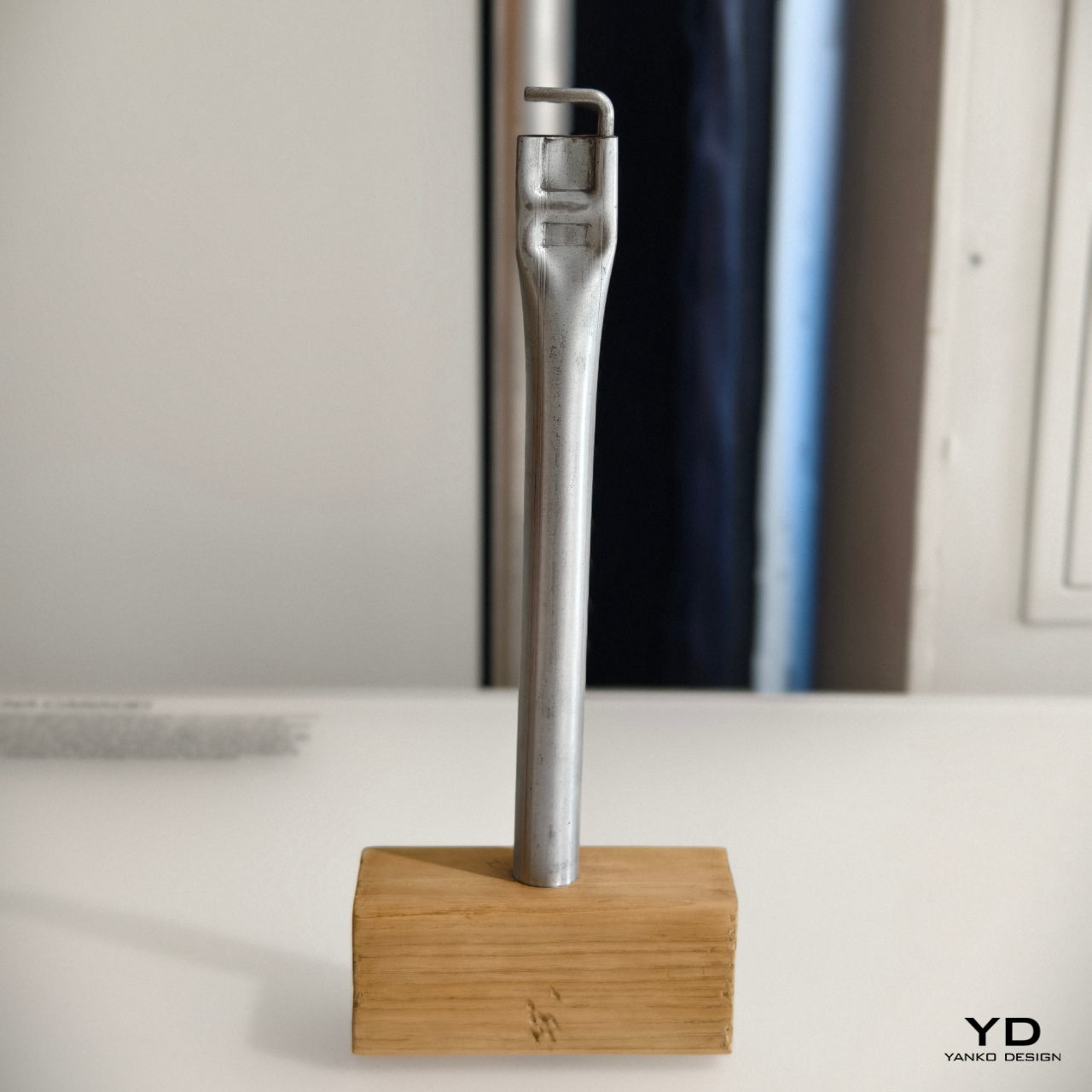
Maddalena Casadei: Mallet Flashlight

Most of us who have done any sort of handiwork may have used a hammer at one point in time or another. There are different kinds of hammers, of course, and one such type is the mallet. Often made with a heavy head to pound things flat, some old-school mallets would reverse the typical hammer design and use a steel rod handle with a wooden block for the head.

Designer: Maddalena Casadei

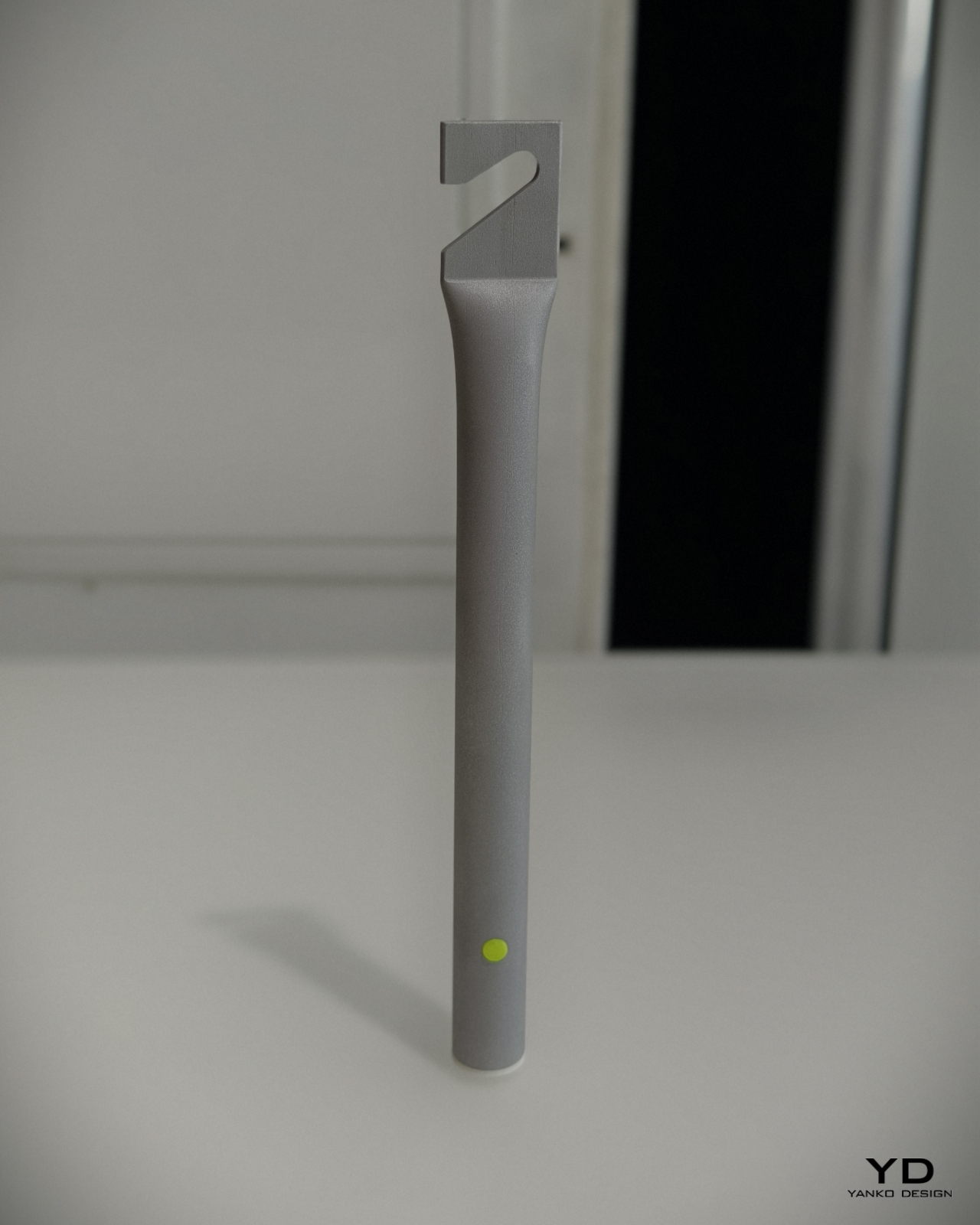
Maddalena Casadei took that raw-looking industrial metal handle to turn it into a cylindrical flashlight with similarly brutalist aesthetics. Instead of the wooden head, it has a small removable cone that serves as a diffuser for the light. On the opposite end is a flattened section with a hook that serves the same purpose as the hammer from decades ago: hanging the tool from walls or rods. It’s a rather interesting depiction of a flashlight that sheds off all the sleek and luxurious designs of its modern equivalents, embracing the utilitarian character of its inspiration.

The post BLOND LABORATORY at London Design Festival 2024 revives old designs in unexpected ways first appeared on Yanko Design.