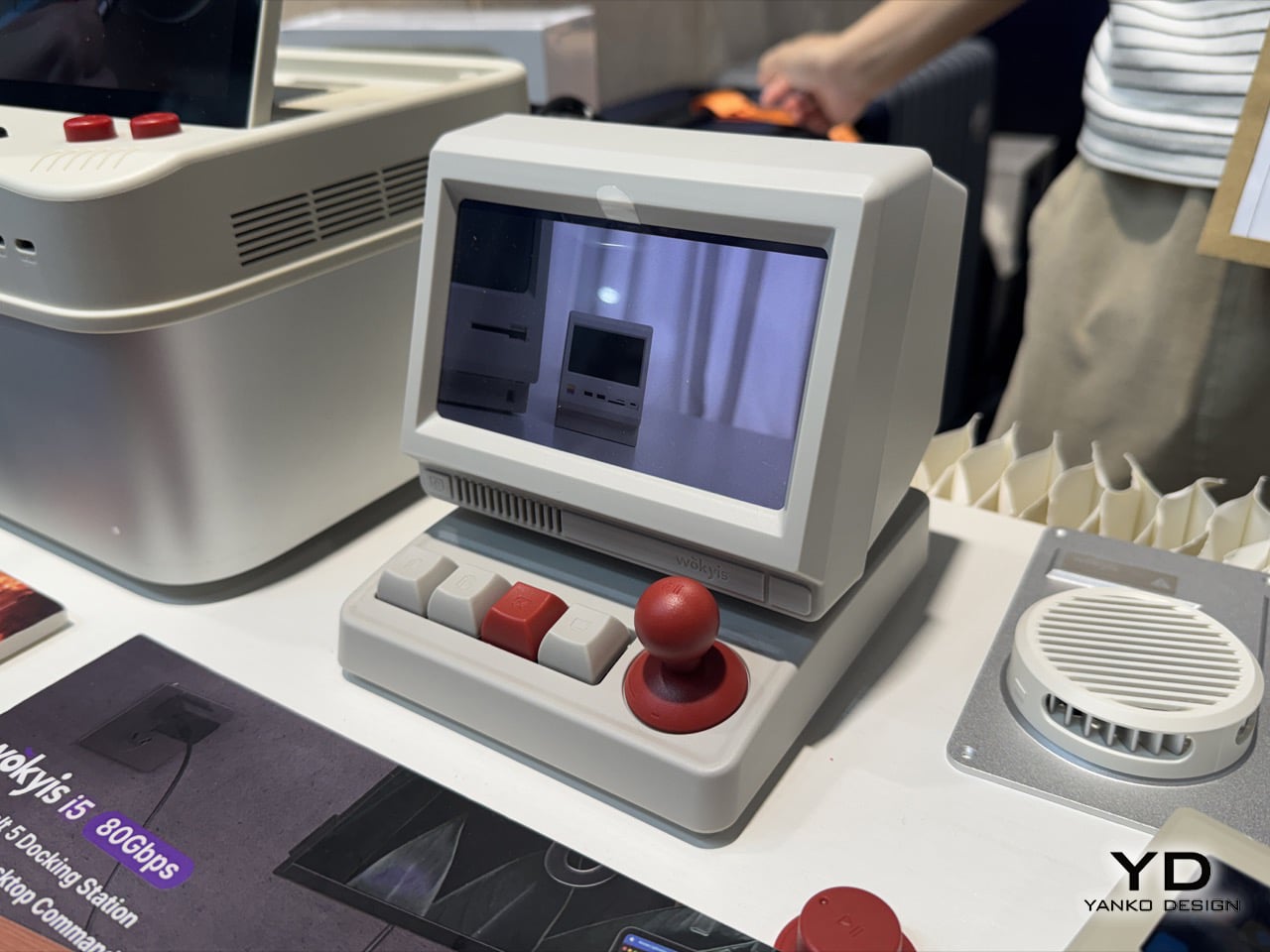
Edifier D32 Retro Hi-Fi Speaker Hides AirPlay and 11-Hour Battery

Music has become the backdrop to almost everything, cooking, working, reading, but the hardware that plays it often looks like a leftover from a tech store, plastic boxes that clash with furniture. There is a tension between wanting good sound in every room and not wanting your living space to feel like a gadget shelf. A speaker that behaves like hi-fi but looks like it belongs on a sideboard can quietly solve that.

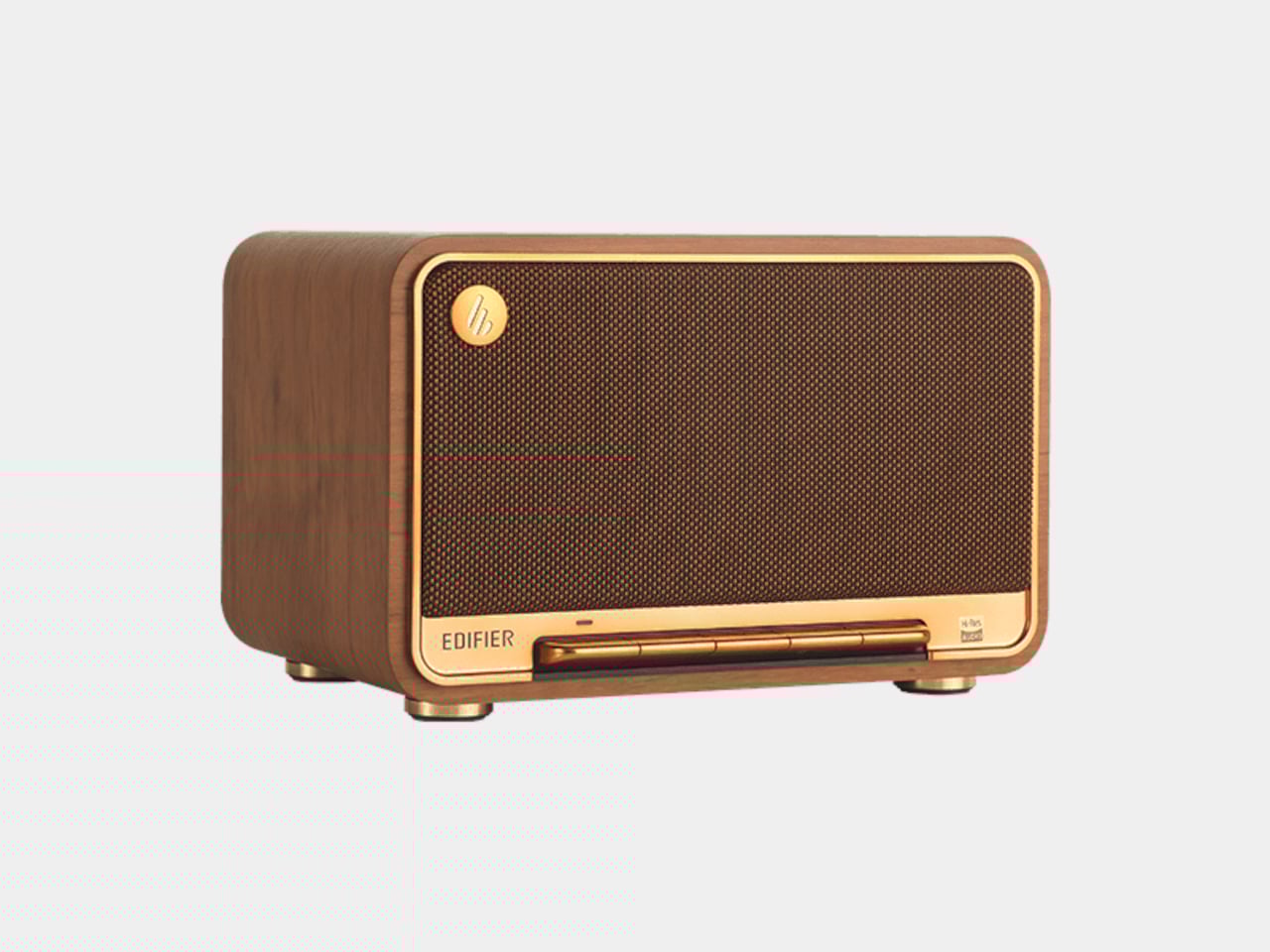
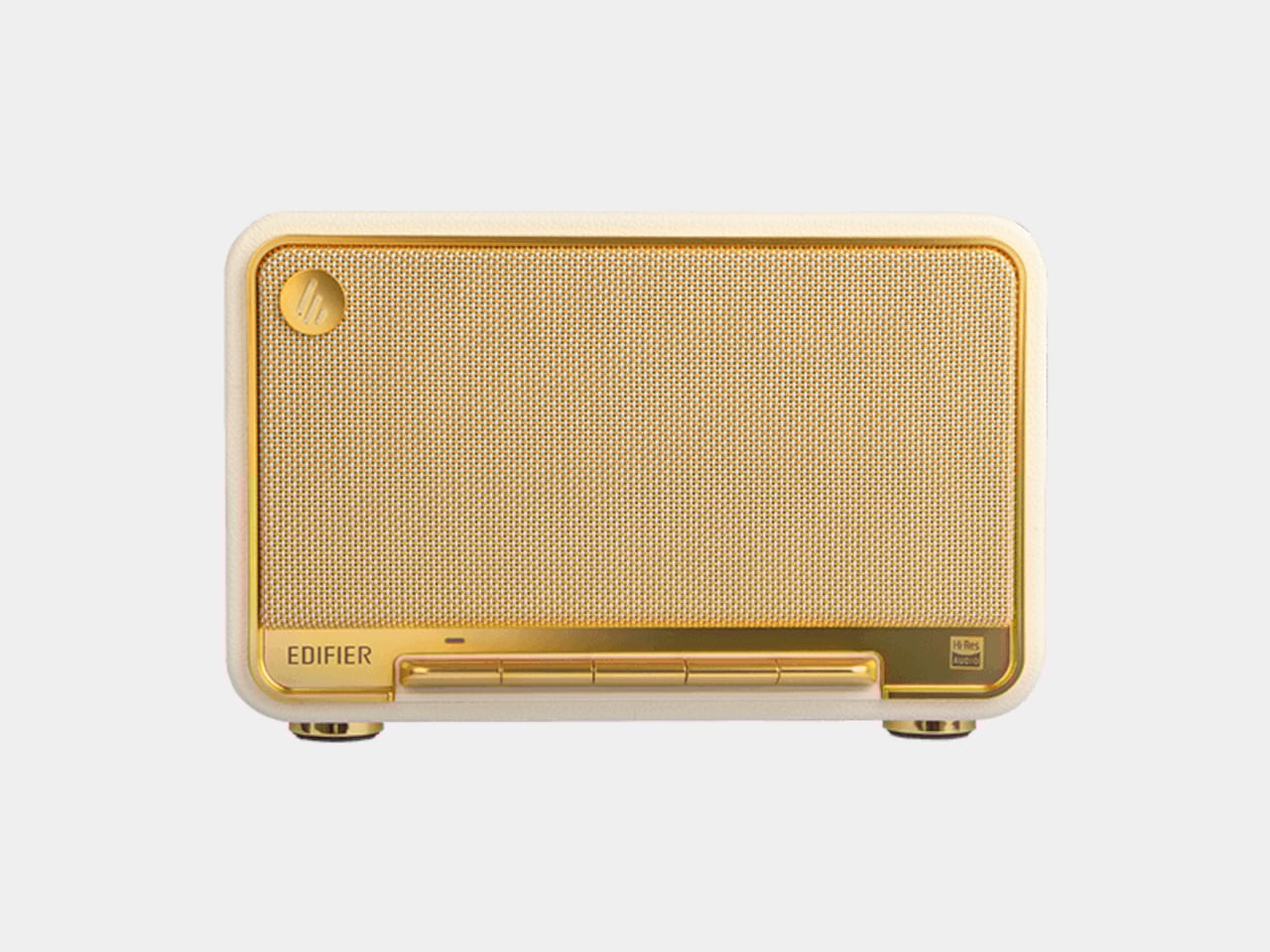
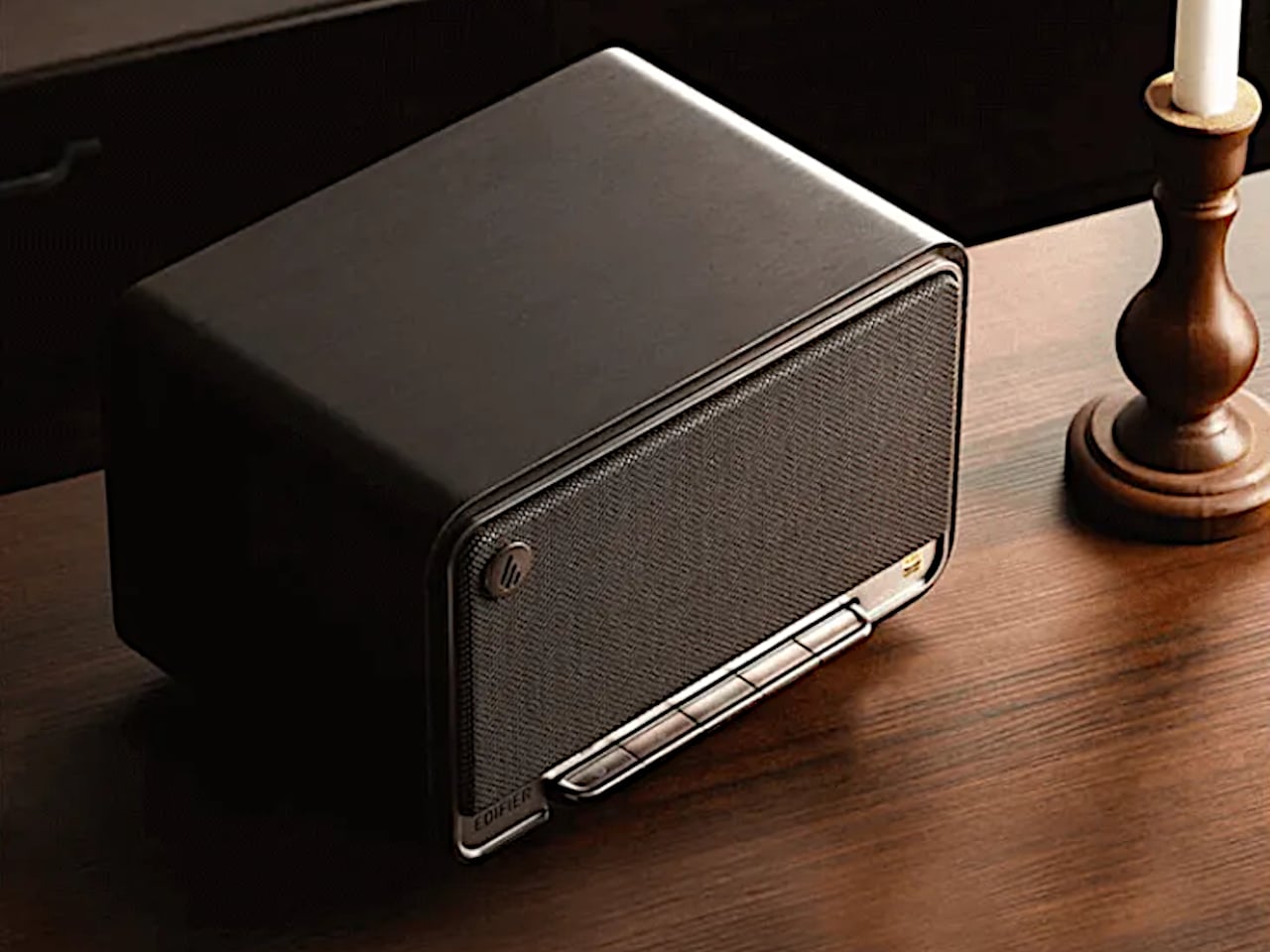
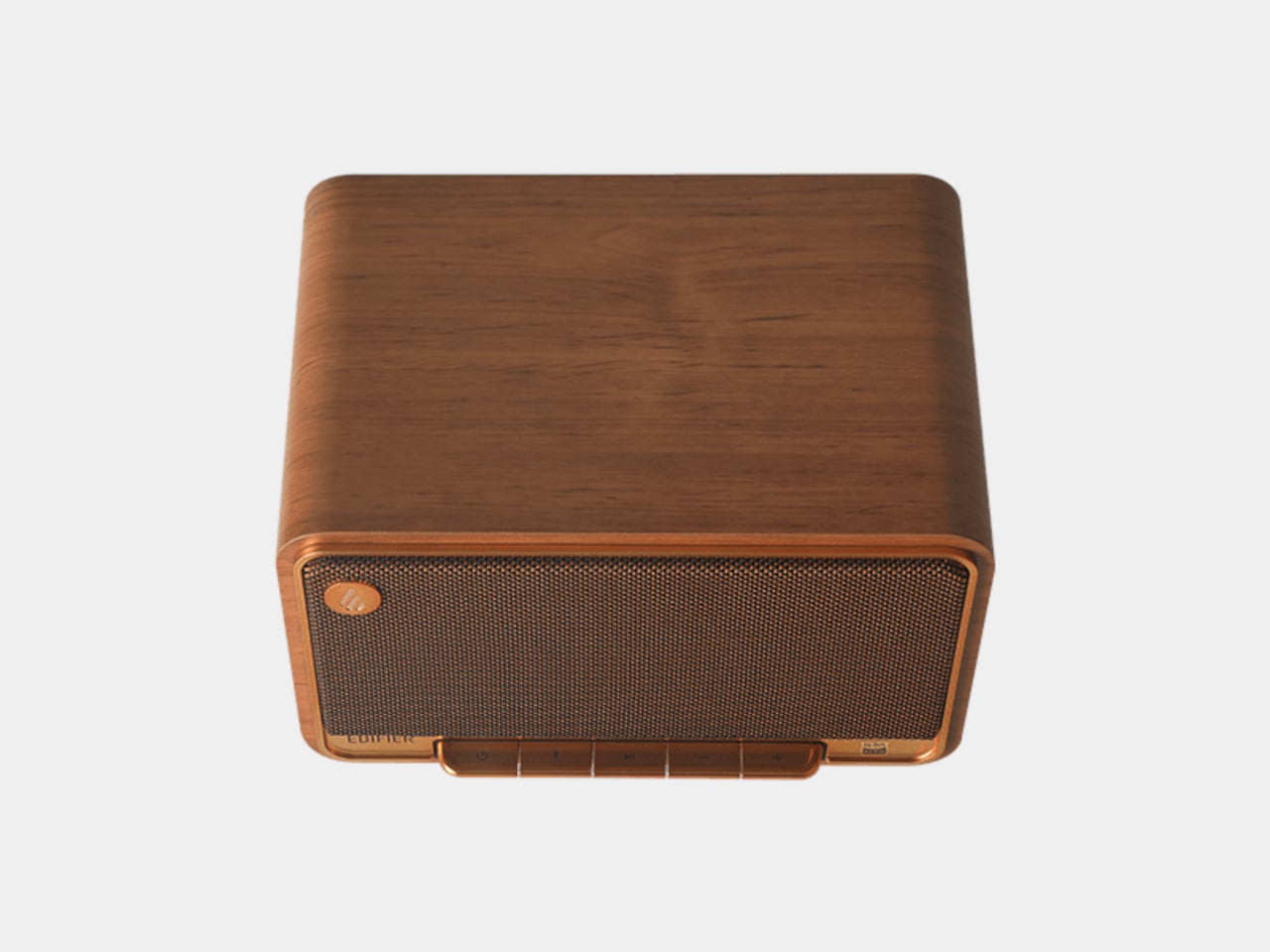
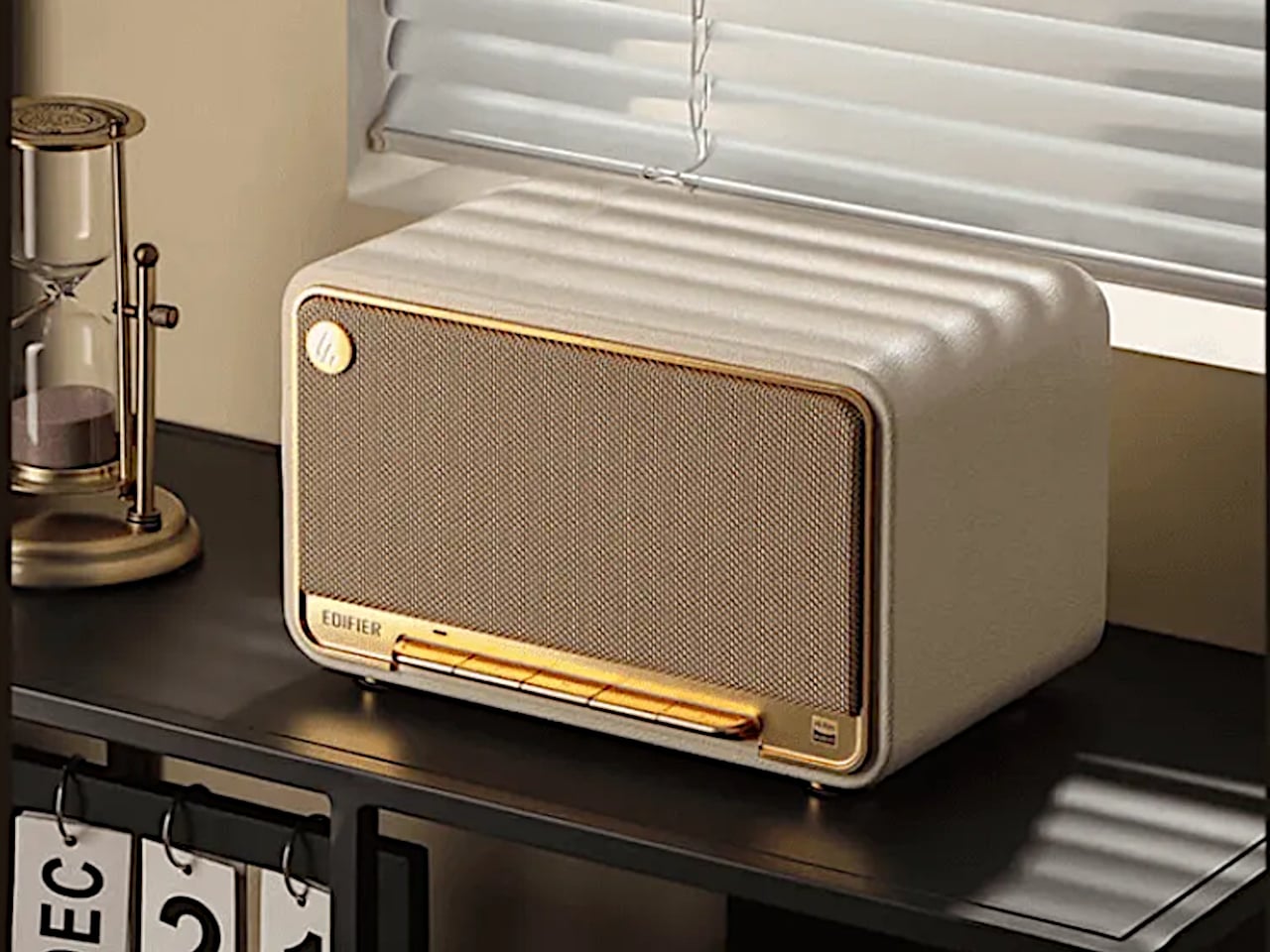
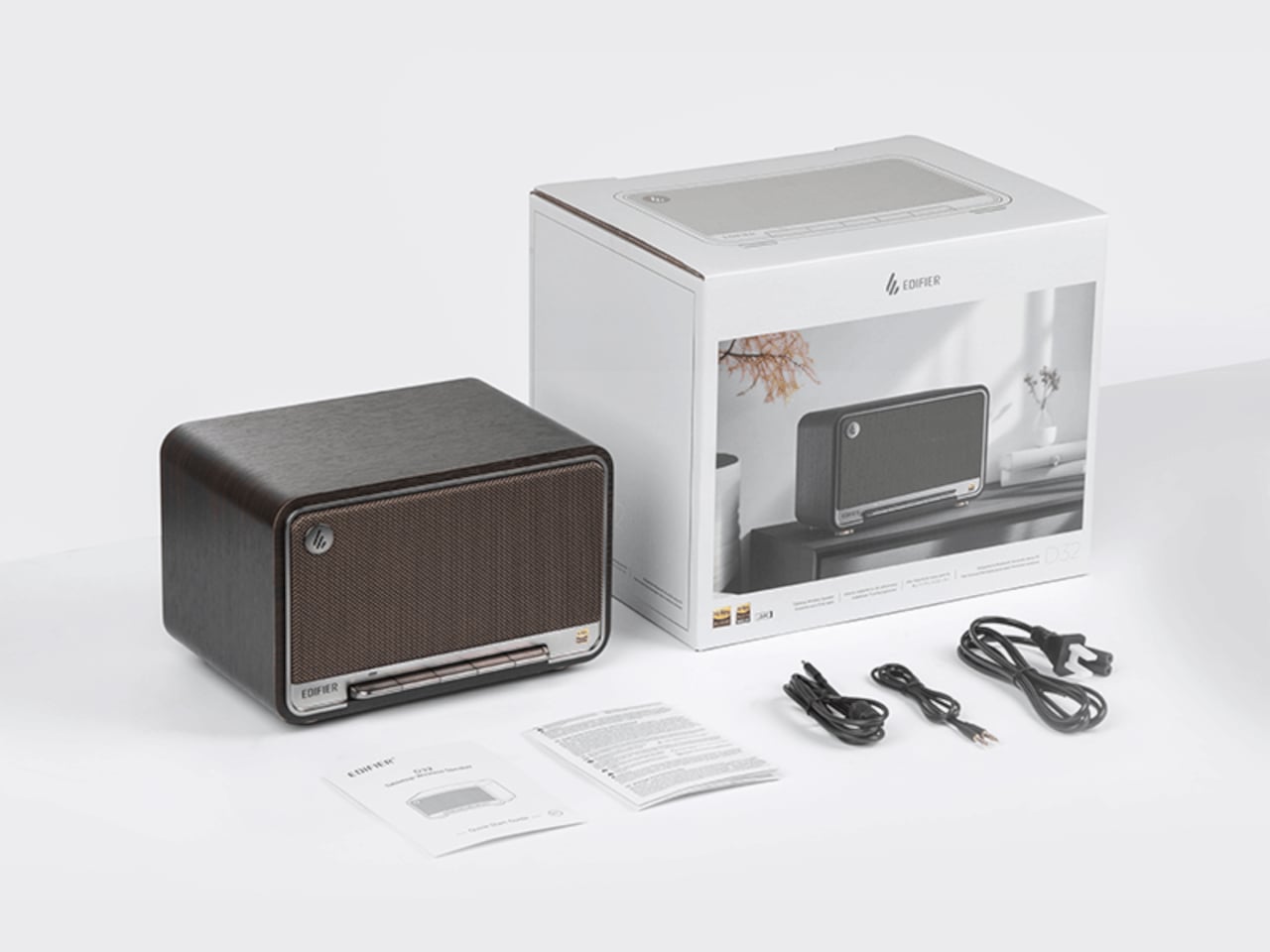
The Edifier D32 tabletop wireless speaker is that kind of object, a retro-styled piece with a hand-made wooden cabinet, braided grille, and accordion keyboard that feels closer to a mid-century radio than a Bluetooth brick. Behind the nostalgia is a modern 2.1 acoustic architecture and 60 W RMS of power, so it is not just a pretty box pretending to be a speaker. It is meant to fill a room with sound that actually holds up when you stop and listen.

Designer: Edifier

The D32 uses two 1-inch silk dome tweeters and a 4-inch long-throw mid-low driver inside an MDF cabinet with dual bass-reflex ports. The tweeters handle the crisp top end, the long-throw driver and ports take care of the low end, and the enclosure is tuned to minimize resonance and distortion. The result is a compact speaker that can throw clear highs, solid mids, and punchy bass without sounding strained when you turn it up, which is rare for something this size.

The signal path supports hi-res audio up to 24-bit/96 kHz and runs everything through full digital signal processing, a two-way active crossover, and dynamic range control. That means the tweeters and woofer get exactly what they need, and the electronics keep things clean and controlled even when tracks get dense. It is the kind of setup you expect in a bookshelf system, shrunk into something that can sit under a window or on a kitchen counter.

The wireless side covers Bluetooth 5.3 with LDAC for high-bandwidth streaming from compatible Android devices, plus AAC and ALAC support, and dual-band Wi-Fi with Apple AirPlay for network playback. There is an 11-hour built-in battery, so you can unplug and move it to another room or out onto a balcony without killing the mood. It can be a fixed living room piece most of the time, then wander when you need sound somewhere else.

Morning coffee with a low-volume playlist coming from the D32 on a sideboard, a workday where it pulls double duty as a Bluetooth speaker for a laptop and a Wi-Fi endpoint for lossless streaming, an evening where it becomes the main system for a movie or a focused album listen. The point is that you do not have to think about what it is connected to. You just pick a source and let the speaker handle the rest, switching smoothly between Bluetooth, Wi-Fi, USB, and AUX without fuss.

The D32’s mix of retro design and modern audio tech makes it feel like something you keep around, not cycle through. The wooden cabinet and accordion keys give it a presence that does not age the way glossy plastic does, while the 2.1 architecture, hi-res support, and flexible wireless stack mean it can keep up with whatever you are listening to next. It is the kind of speaker that quietly becomes part of the room, doing its job without shouting about it, which might be the best thing a piece of audio furniture can do.

The post Edifier D32 Retro Hi-Fi Speaker Hides AirPlay and 11-Hour Battery first appeared on Yanko Design.
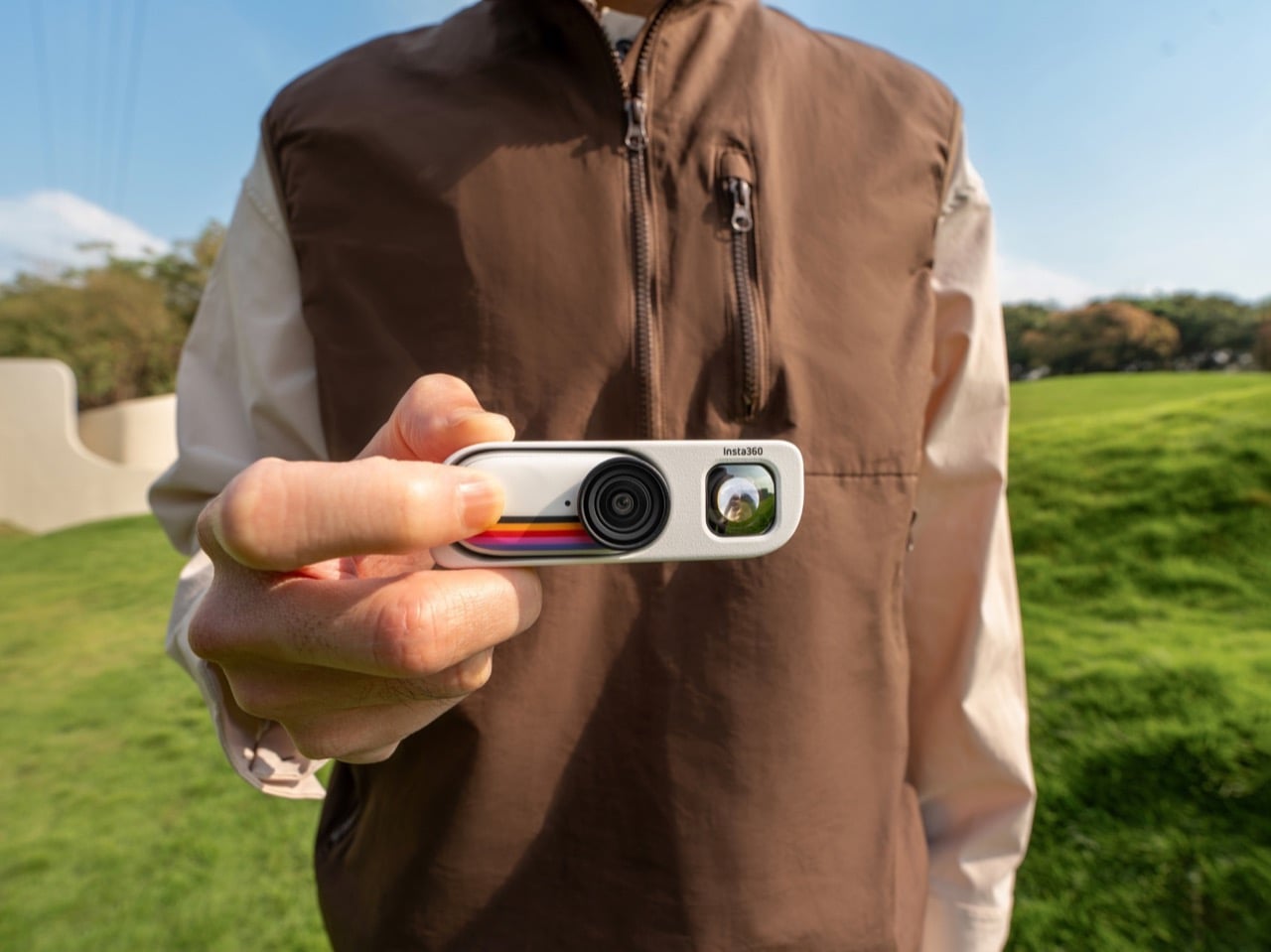
NAK Studio Imagines a Hi-Fi Stack You Would Actually Want on Display

Most Hi-Fi gear still looks like anonymous black rectangles, even in carefully designed living rooms. Serious listeners often hide their amps and speakers in cabinets because the hardware rarely matches the rest of the furniture, even when the sound is great. The default assumption is that audio equipment belongs out of sight, tolerated for its performance but not celebrated for its presence.

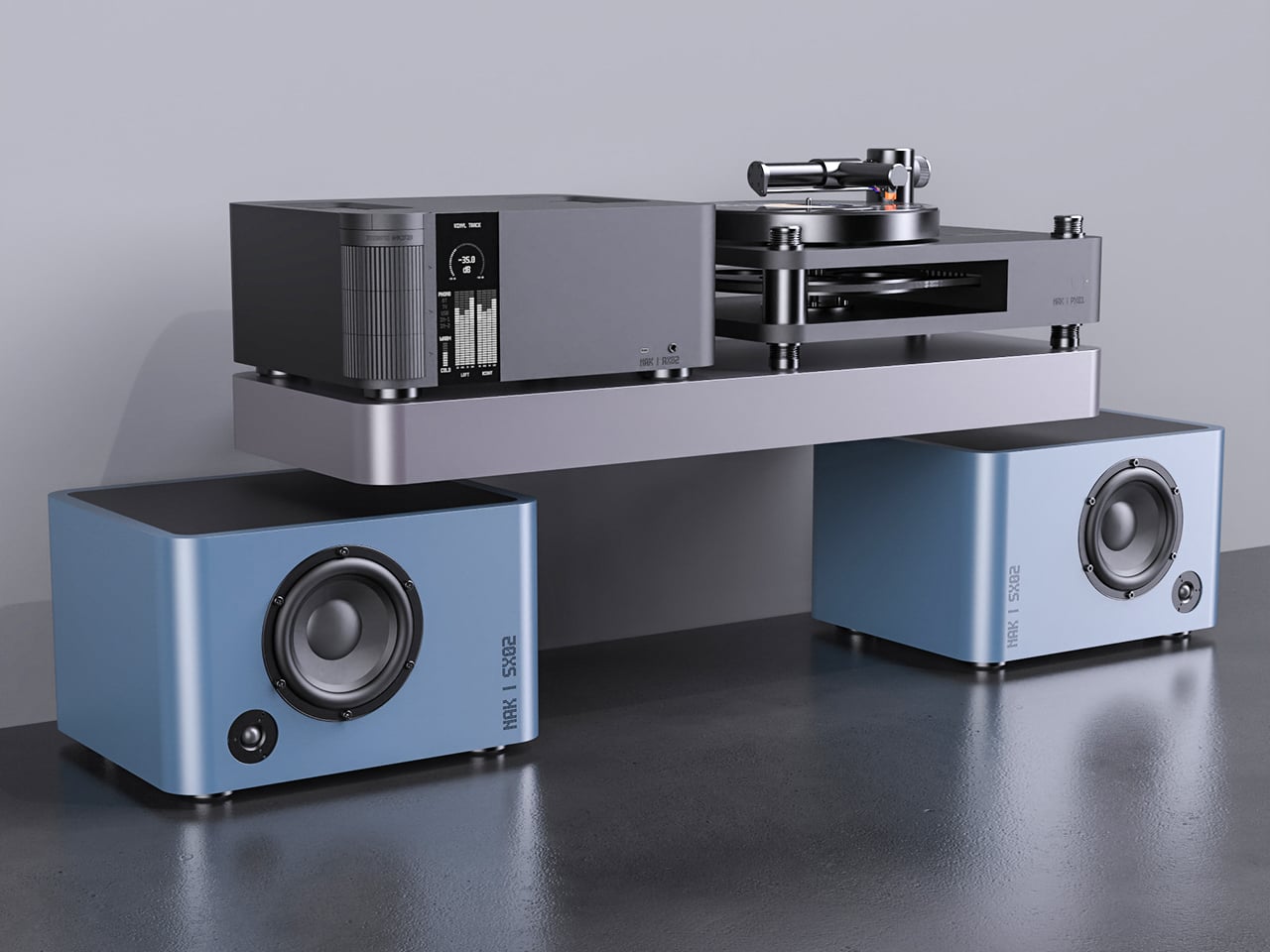
Antoine Brieux of NAK Studio designed a complete stack he would personally want at home, treating it as a thought experiment about what happens when an integrated amplifier, speakers, and turntable are drawn as one family from the start. Color, tactility, and proportions are treated as seriously as the signal path, so the system could earn a spot in the open rather than behind doors or under furniture.

Designer: Antoine Brieux (NAK Studio)

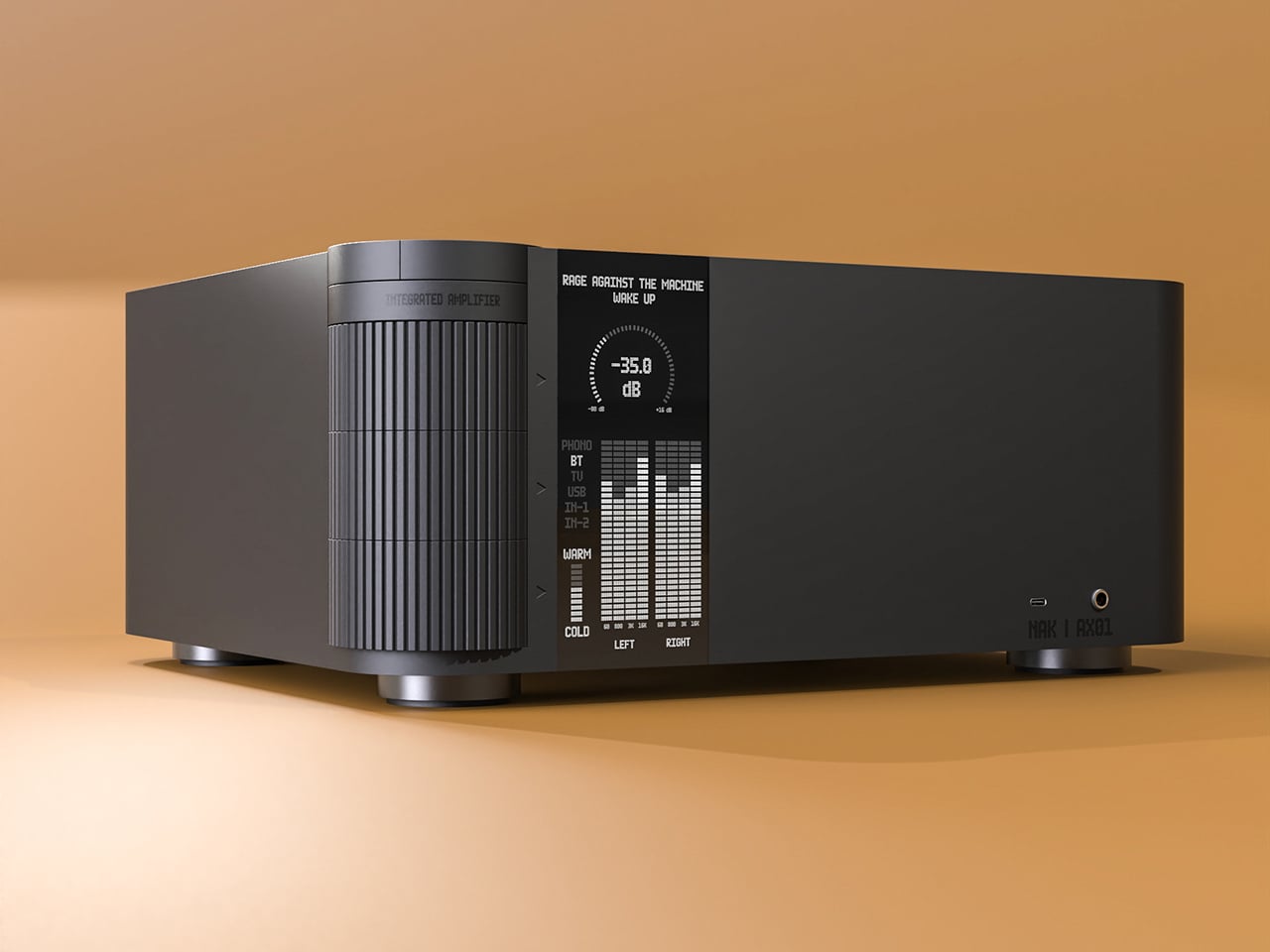
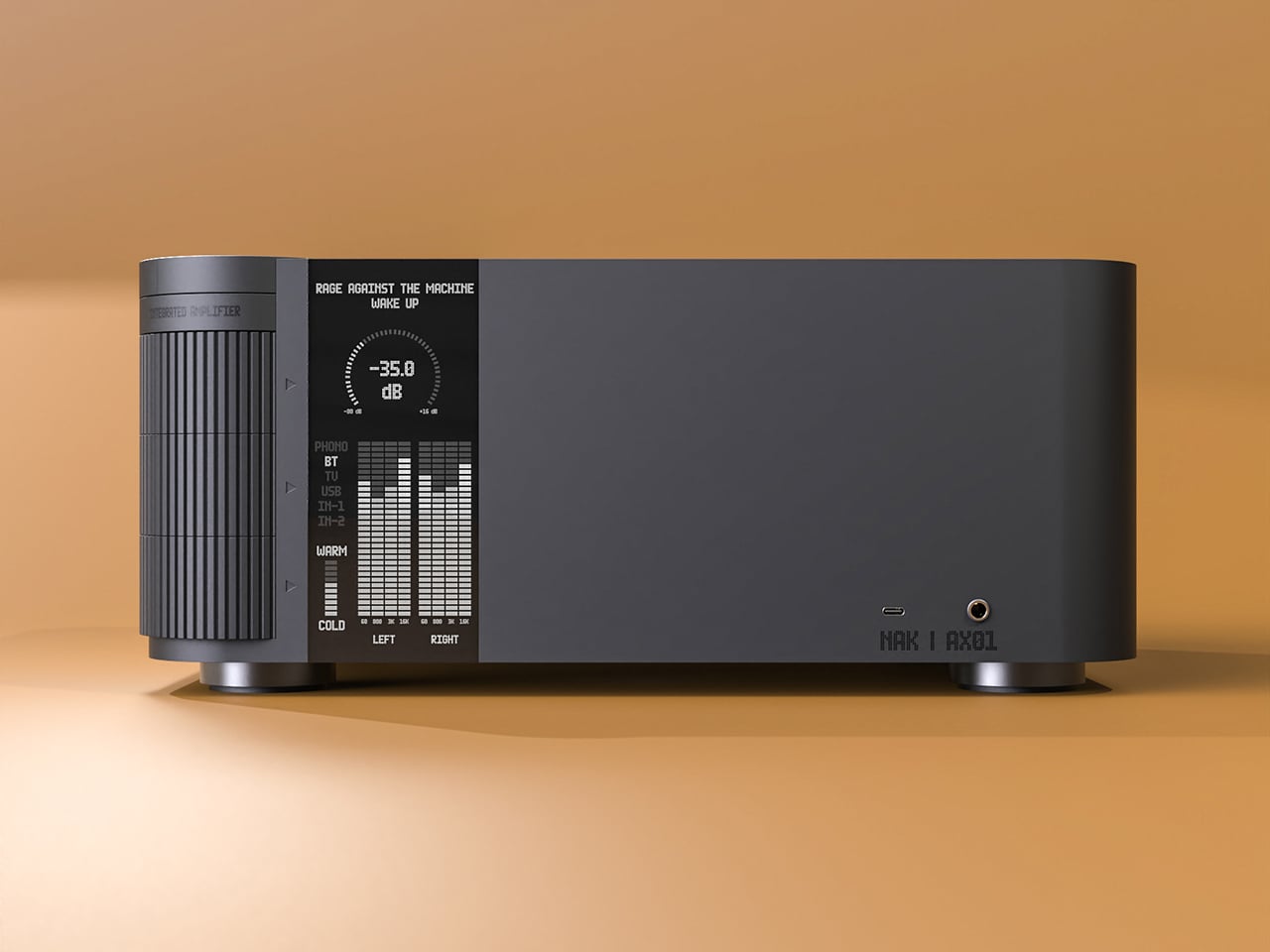
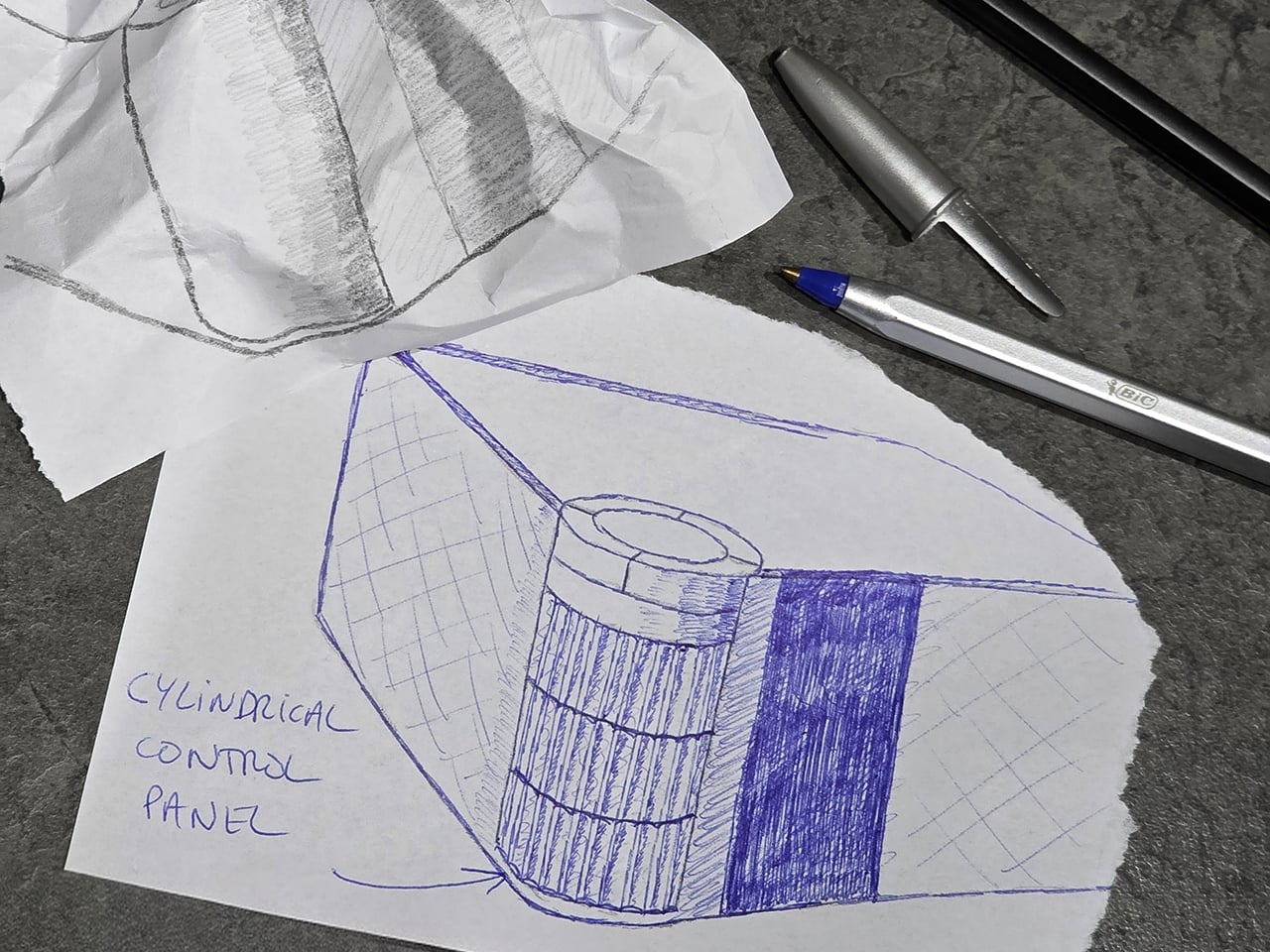
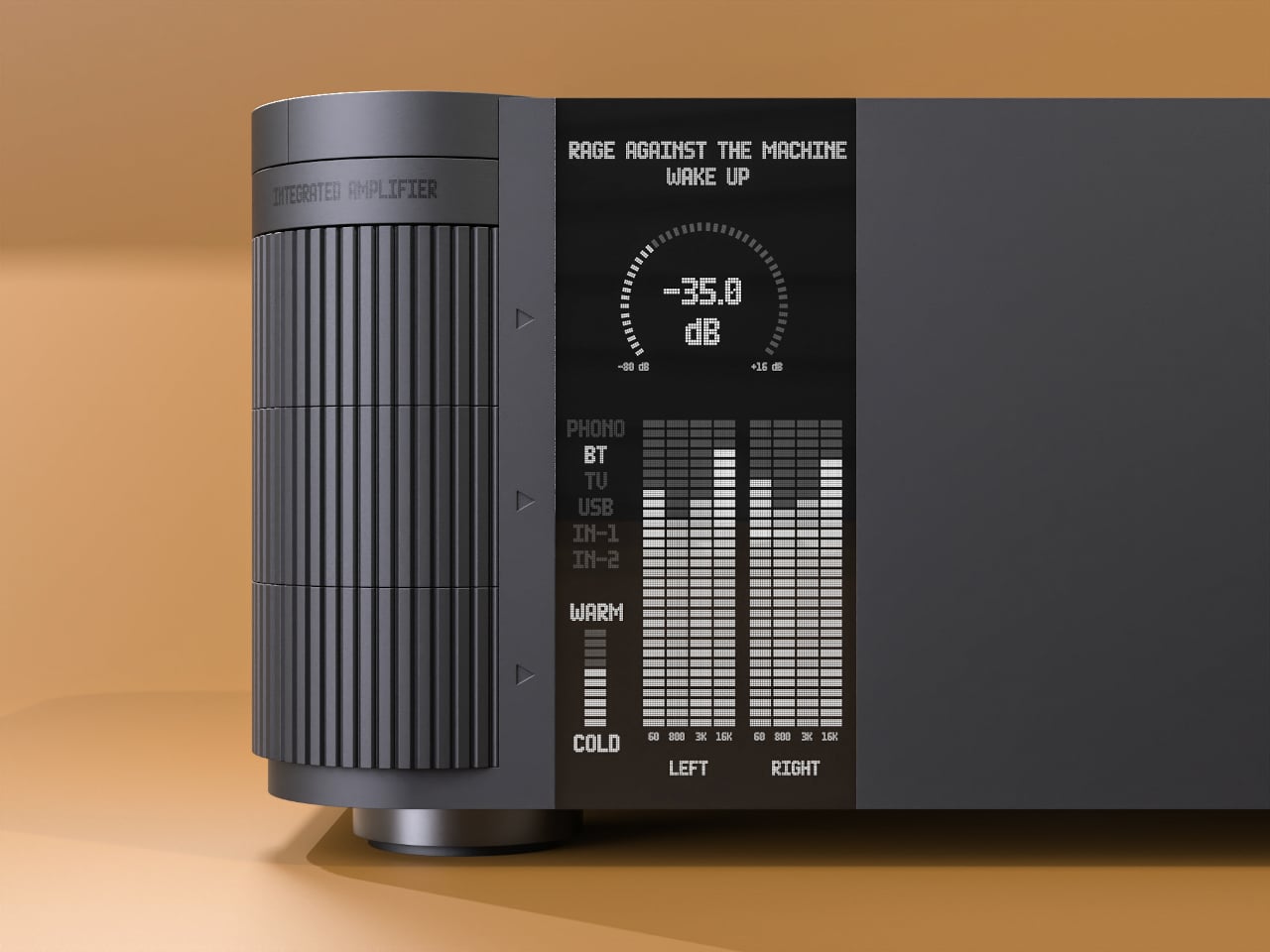
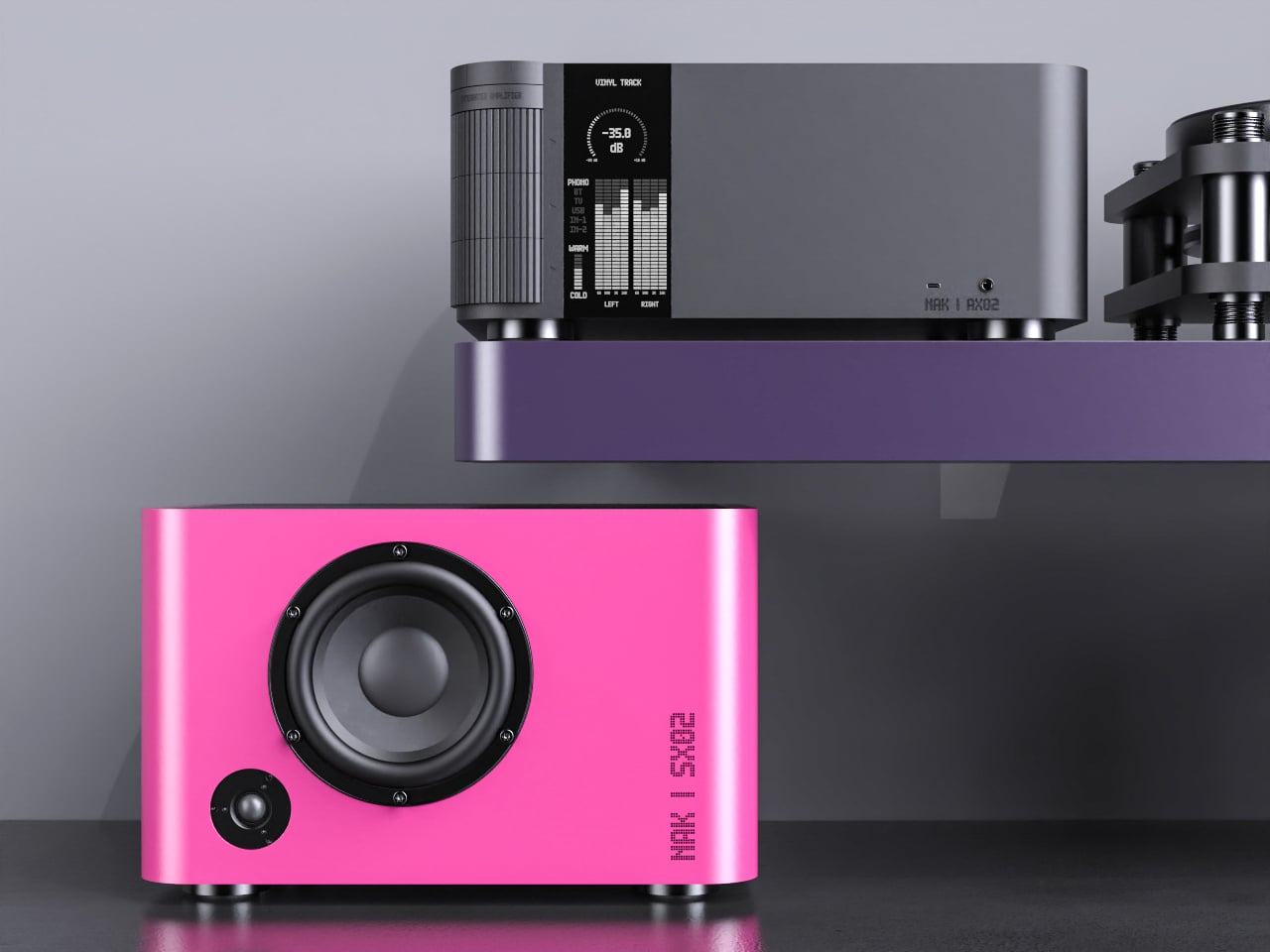
The integrated amplifier is a low, solid block with a ribbed cylinder grafted onto one corner, turning the usual volume knob into a full control column. That cylinder suggests precise, satisfying adjustments for volume, inputs, and tone, giving your hand a clear place to land instead of hunting for tiny knobs or touch buttons scattered across a cluttered front panel.

The tall monochrome display beside the cylinder shows track info, a big dB scale, and twin bar-graph meters dancing with the music. The list of inputs covers phono and TV to Bluetooth and USB, and a warm-to-cold tonal slider sits below, so the front of the amp feels like a calm, legible dashboard rather than a technical interface that demands constant attention or an instruction manual.

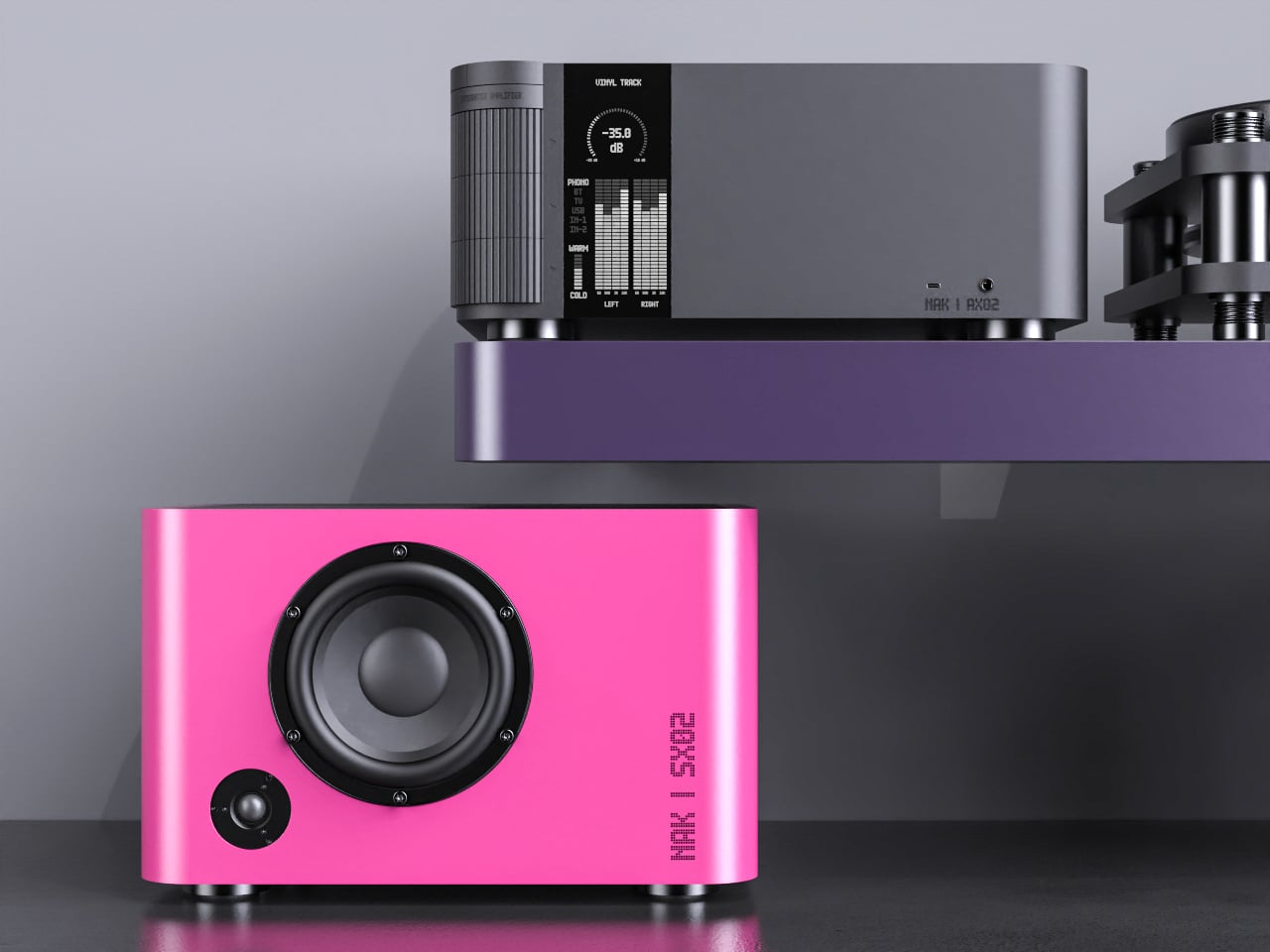
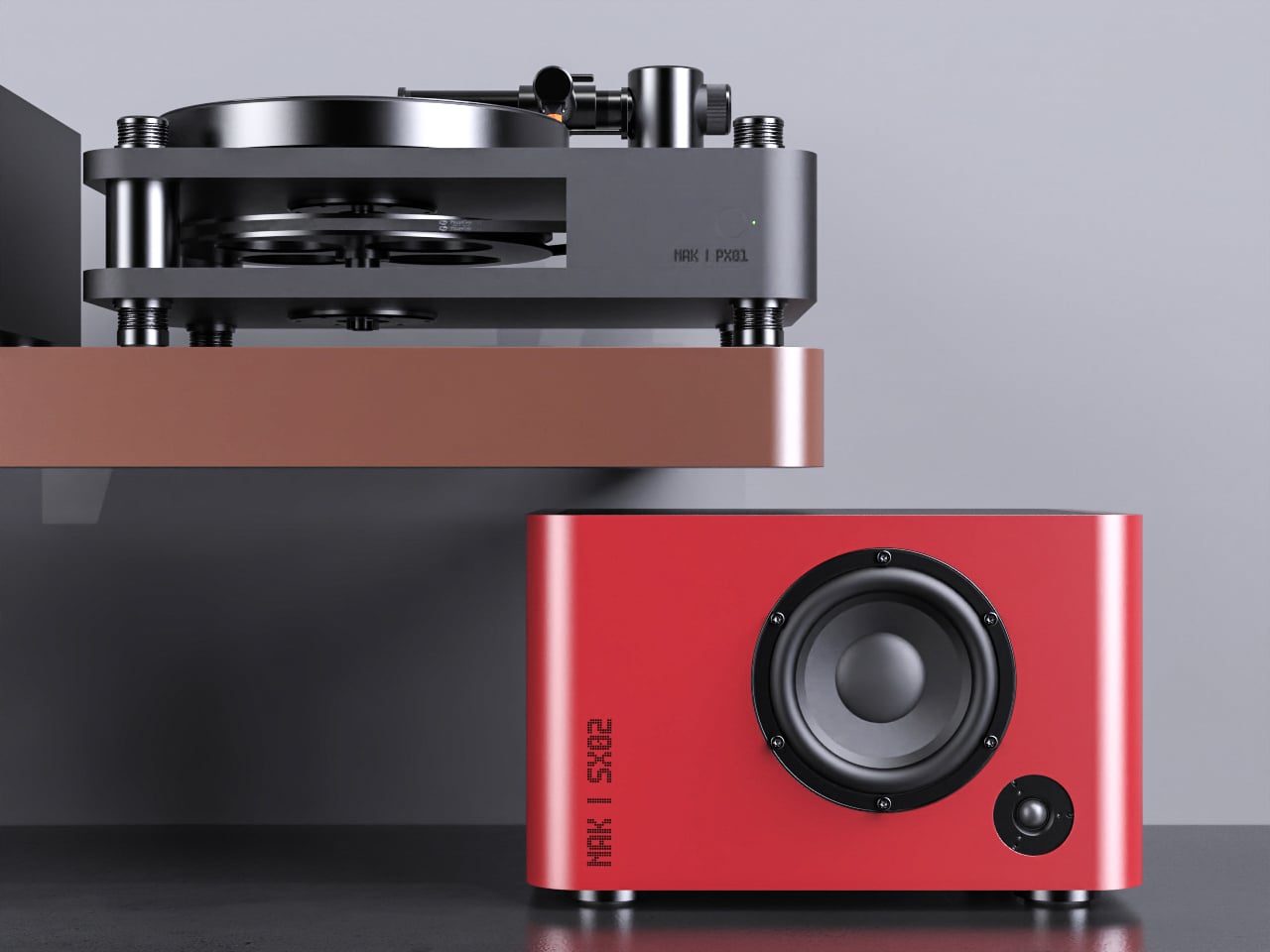
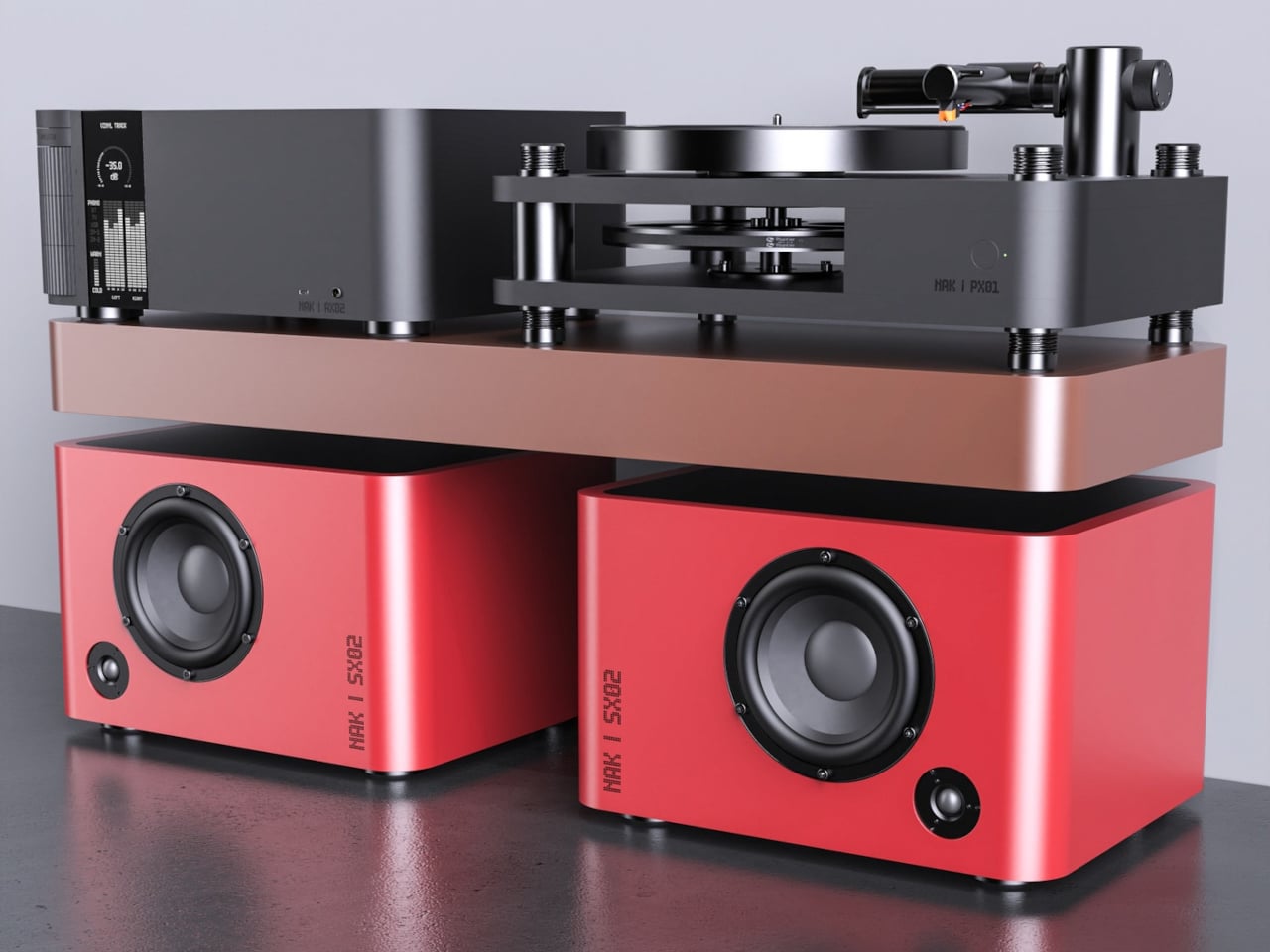
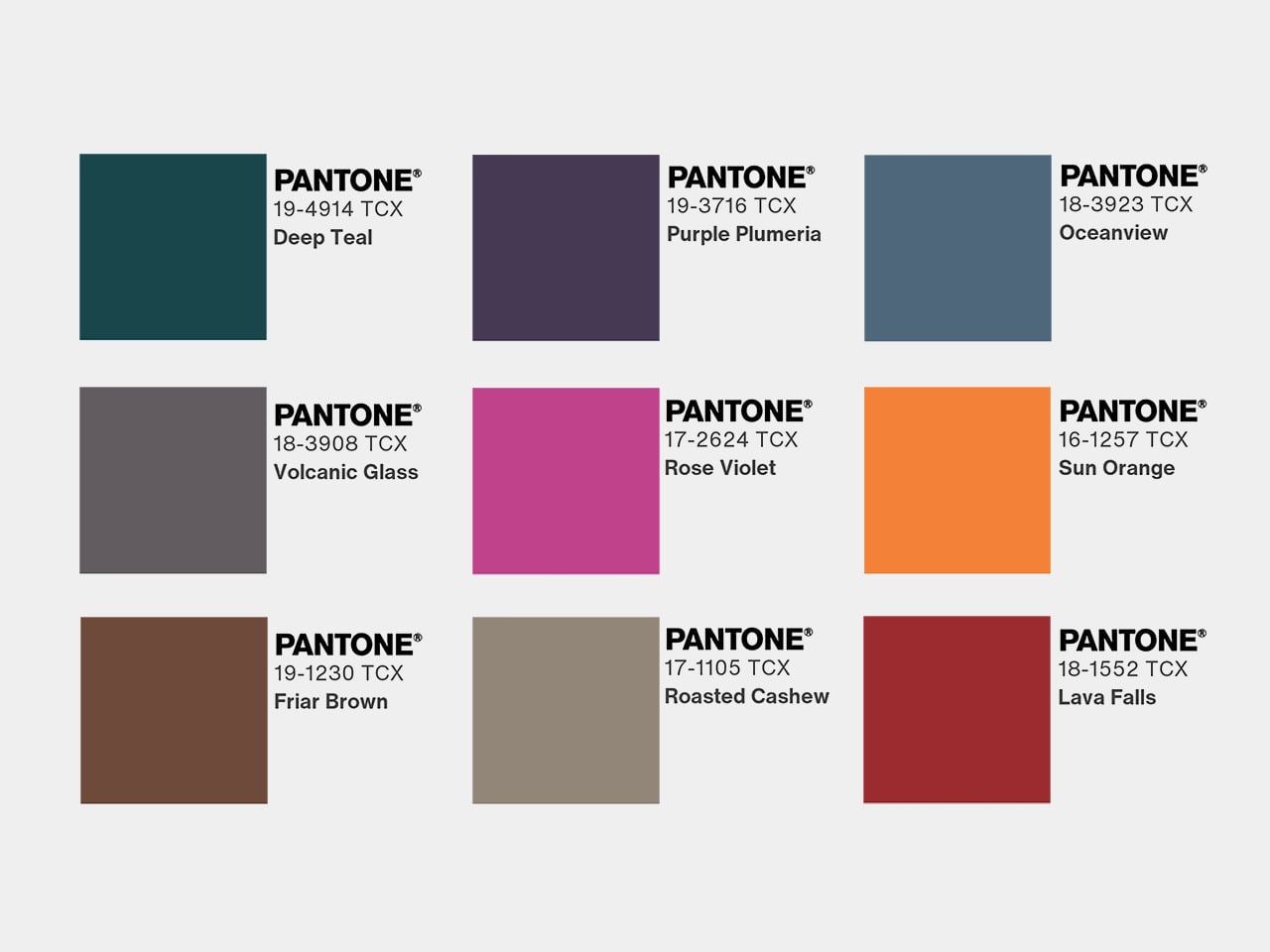
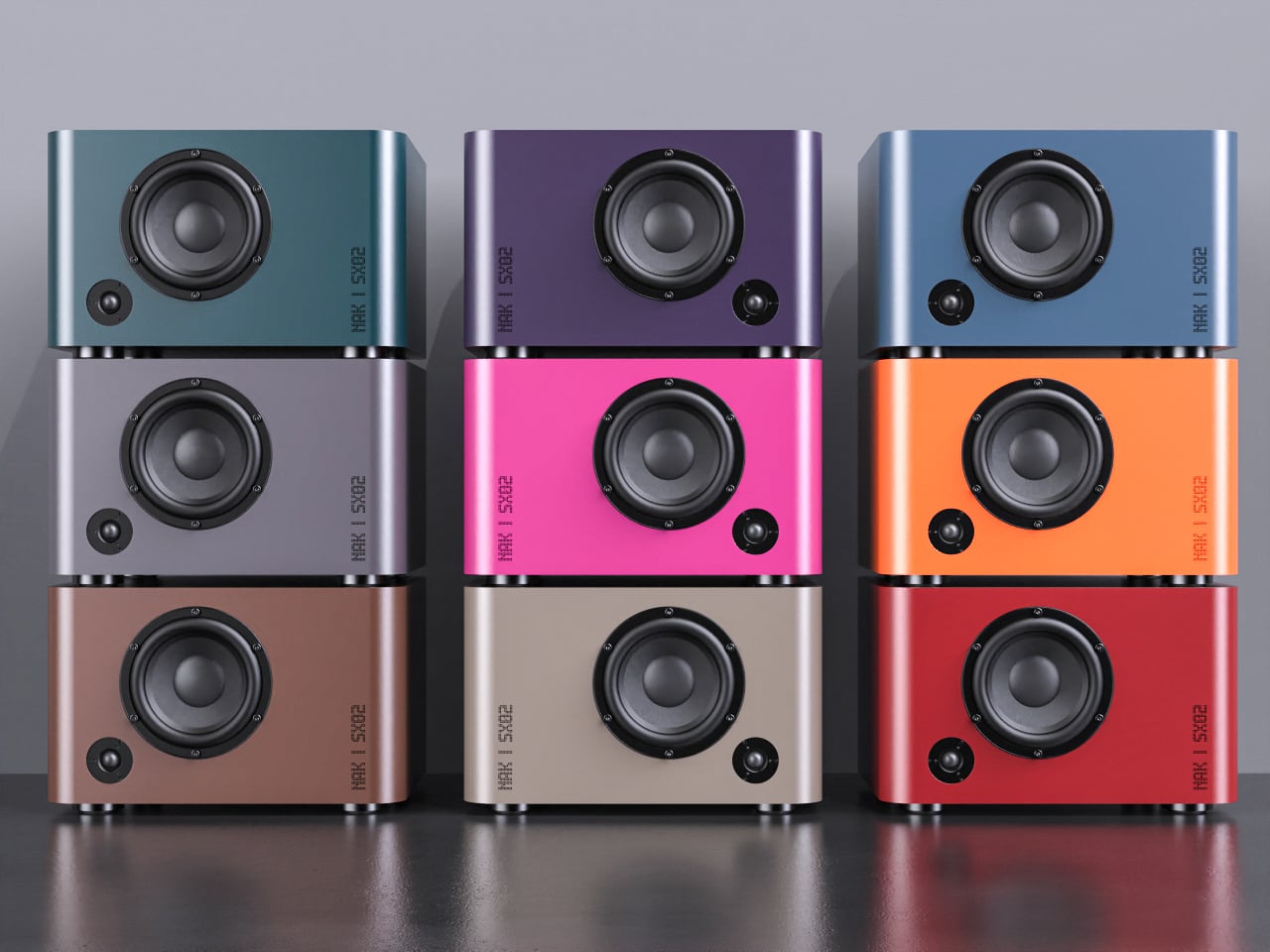
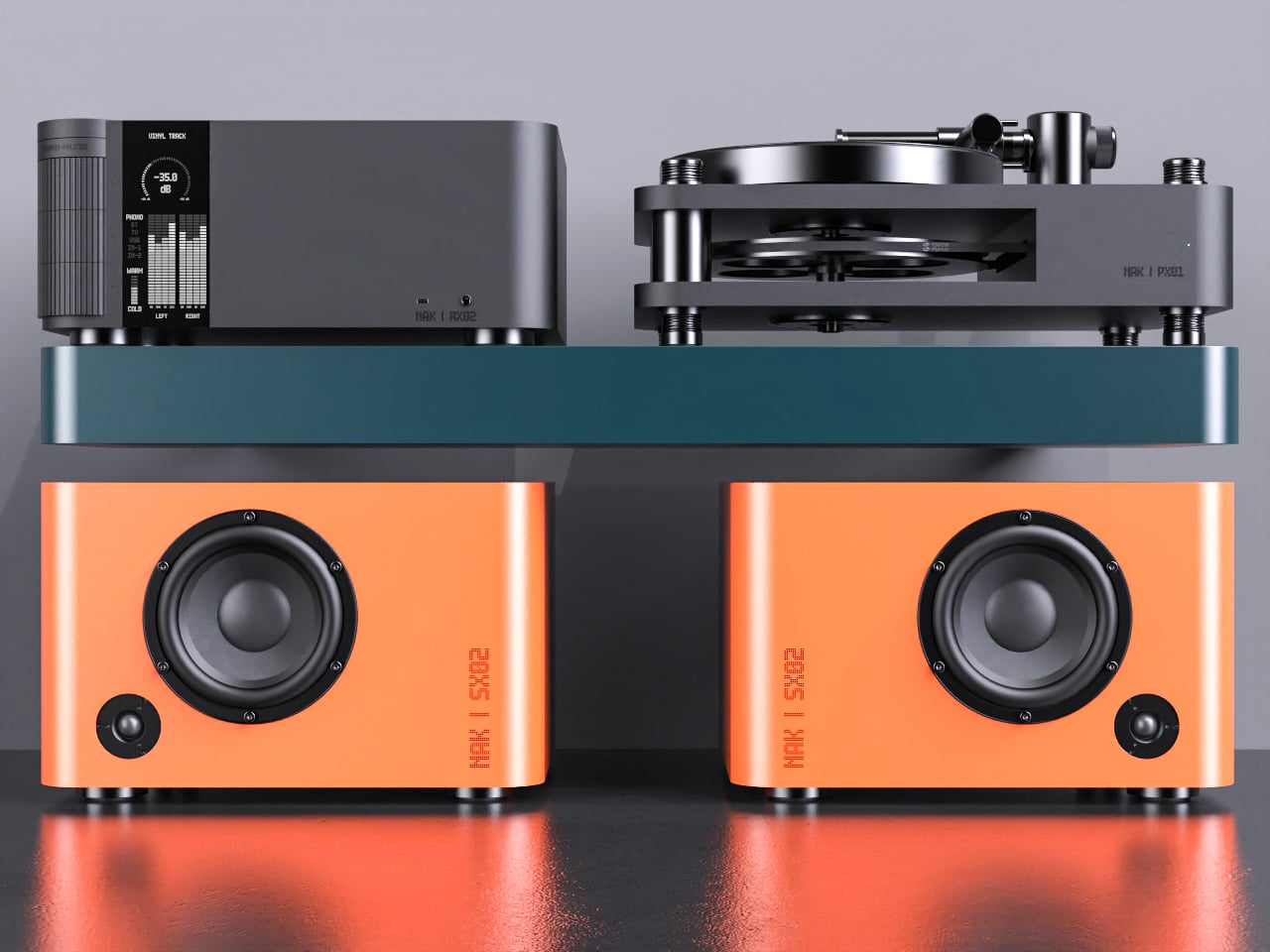
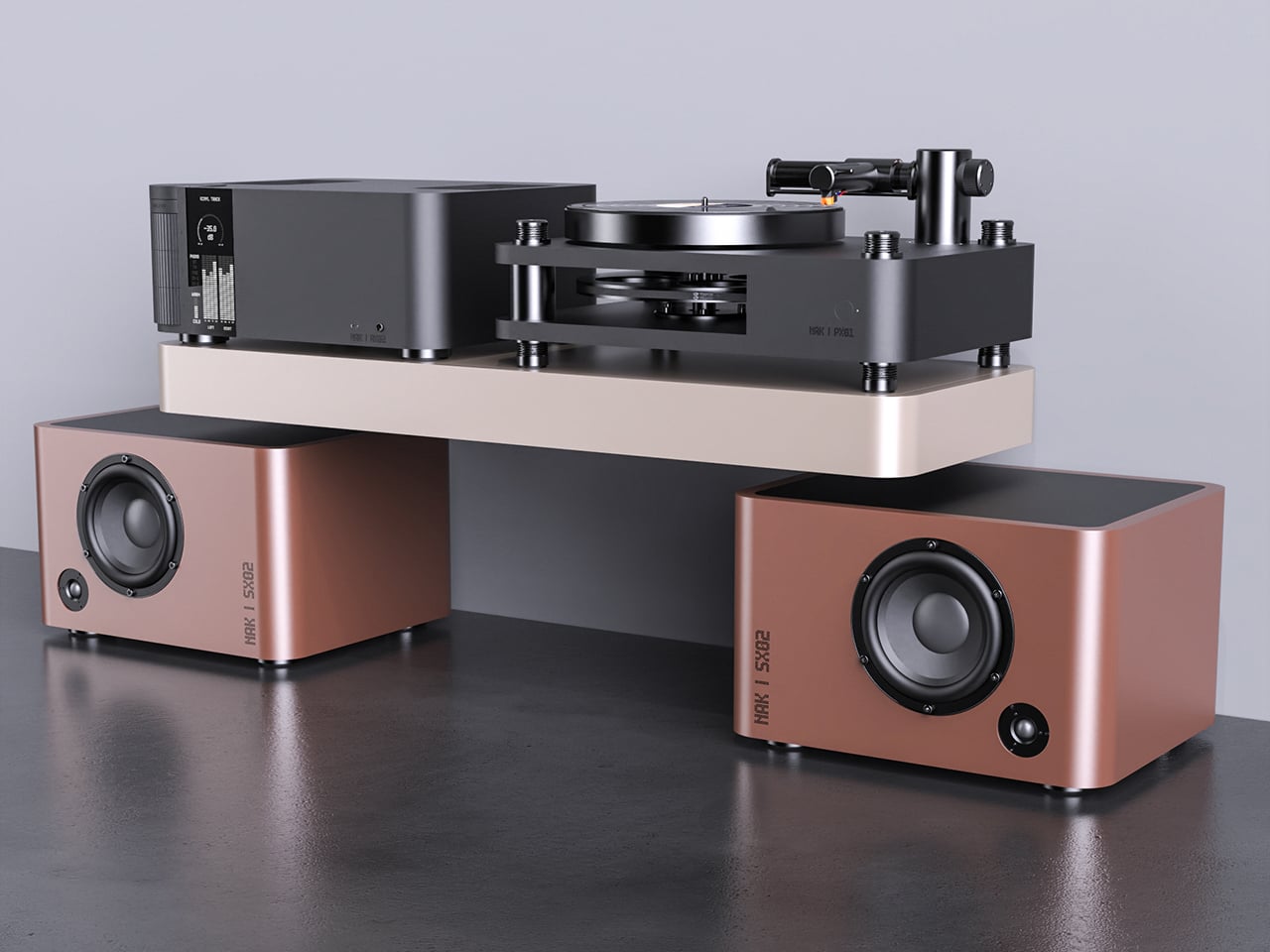
The compact speakers are each a rounded rectangle with a single driver and tweeter, but finished in mixable Pantone colors, letting you treat them as color accents in a room. You could pair teal with orange, or match a pair to a shelf or wall, so they become part of the space’s palette instead of something you try to hide or apologize for when guests visit.

The matching turntable sits on the same footprint as the amp, with exposed suspension pillars and a straight arm that echoes the cylinder theme. The three components stack visually into a tidy tower, making the whole listening setup feel intentional, almost like a piece of modular furniture for records and streaming alike, cohesive enough to anchor a sideboard or desk.

NAK Studio’s concept is not about chasing specs, but about imagining a Hi-Fi system that earns its place in the open. The controls invite touch, the colors play with the room, and the stack looks as considered as the music it is built to play. It starts to feel less like a fantasy and more like how audio gear should have evolved all along.

The post NAK Studio Imagines a Hi-Fi Stack You Would Actually Want on Display first appeared on Yanko Design.

NAK Studio Imagines a Hi-Fi Stack You Would Actually Want on Display

Most Hi-Fi gear still looks like anonymous black rectangles, even in carefully designed living rooms. Serious listeners often hide their amps and speakers in cabinets because the hardware rarely matches the rest of the furniture, even when the sound is great. The default assumption is that audio equipment belongs out of sight, tolerated for its performance but not celebrated for its presence.

Antoine Brieux of NAK Studio designed a complete stack he would personally want at home, treating it as a thought experiment about what happens when an integrated amplifier, speakers, and turntable are drawn as one family from the start. Color, tactility, and proportions are treated as seriously as the signal path, so the system could earn a spot in the open rather than behind doors or under furniture.

Designer: Antoine Brieux (NAK Studio)

The integrated amplifier is a low, solid block with a ribbed cylinder grafted onto one corner, turning the usual volume knob into a full control column. That cylinder suggests precise, satisfying adjustments for volume, inputs, and tone, giving your hand a clear place to land instead of hunting for tiny knobs or touch buttons scattered across a cluttered front panel.

The tall monochrome display beside the cylinder shows track info, a big dB scale, and twin bar-graph meters dancing with the music. The list of inputs covers phono and TV to Bluetooth and USB, and a warm-to-cold tonal slider sits below, so the front of the amp feels like a calm, legible dashboard rather than a technical interface that demands constant attention or an instruction manual.

The compact speakers are each a rounded rectangle with a single driver and tweeter, but finished in mixable Pantone colors, letting you treat them as color accents in a room. You could pair teal with orange, or match a pair to a shelf or wall, so they become part of the space’s palette instead of something you try to hide or apologize for when guests visit.

The matching turntable sits on the same footprint as the amp, with exposed suspension pillars and a straight arm that echoes the cylinder theme. The three components stack visually into a tidy tower, making the whole listening setup feel intentional, almost like a piece of modular furniture for records and streaming alike, cohesive enough to anchor a sideboard or desk.

NAK Studio’s concept is not about chasing specs, but about imagining a Hi-Fi system that earns its place in the open. The controls invite touch, the colors play with the room, and the stack looks as considered as the music it is built to play. It starts to feel less like a fantasy and more like how audio gear should have evolved all along.

The post NAK Studio Imagines a Hi-Fi Stack You Would Actually Want on Display first appeared on Yanko Design.
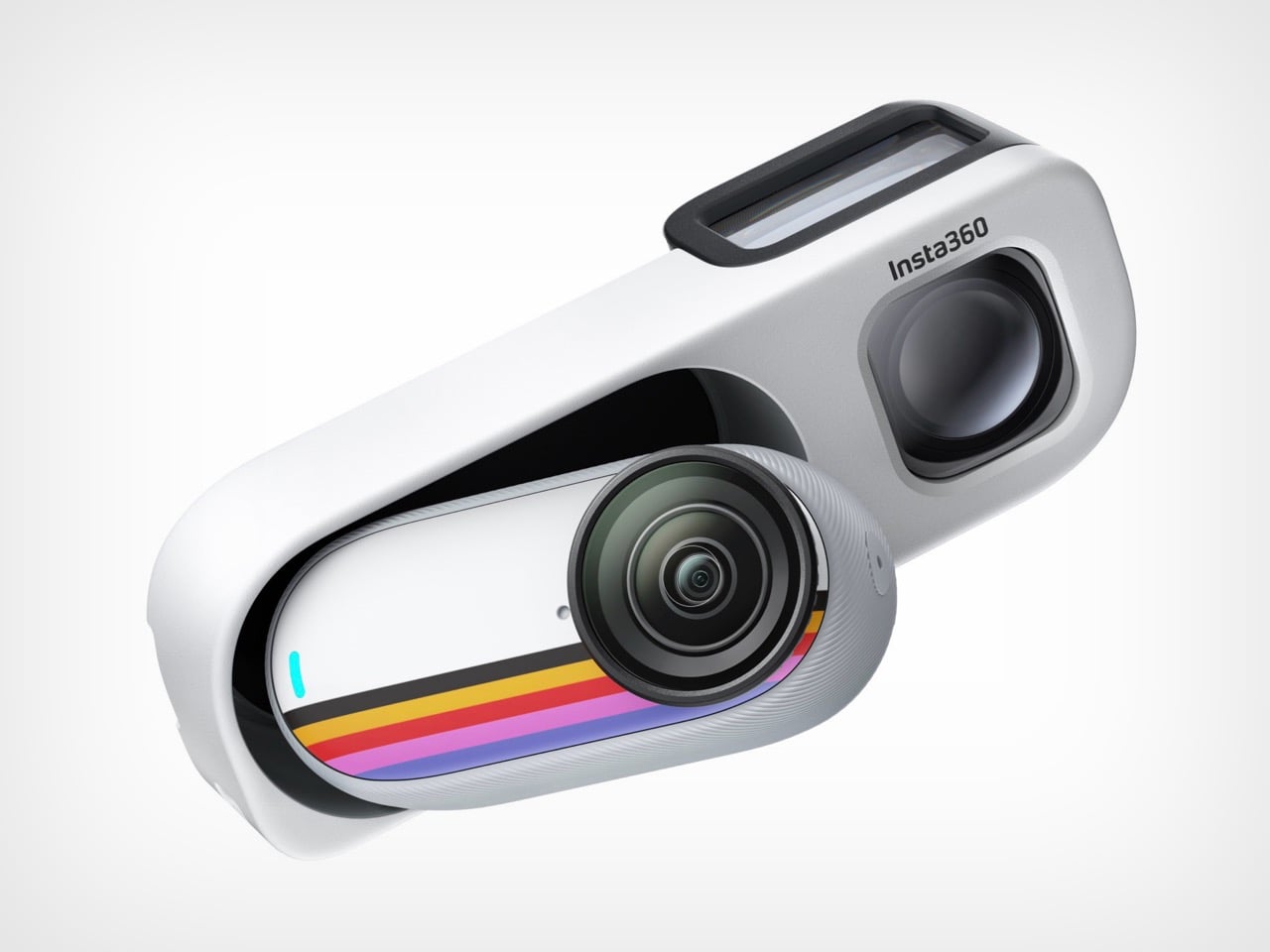
Apple’s 50th Anniversary Gets a Retro iPhone 17 Pro Case Inspired by the Lisa and Macintosh

Spigen keeps one foot planted firmly in Apple’s past. Their retro-inspired cases have become something of a signature move, from iMac G3 translucent homages to see-through AirPods cases that capture Jony Ive’s obsession with showing off internal components. The accessory maker has proven there’s a market for nostalgia you can actually use.

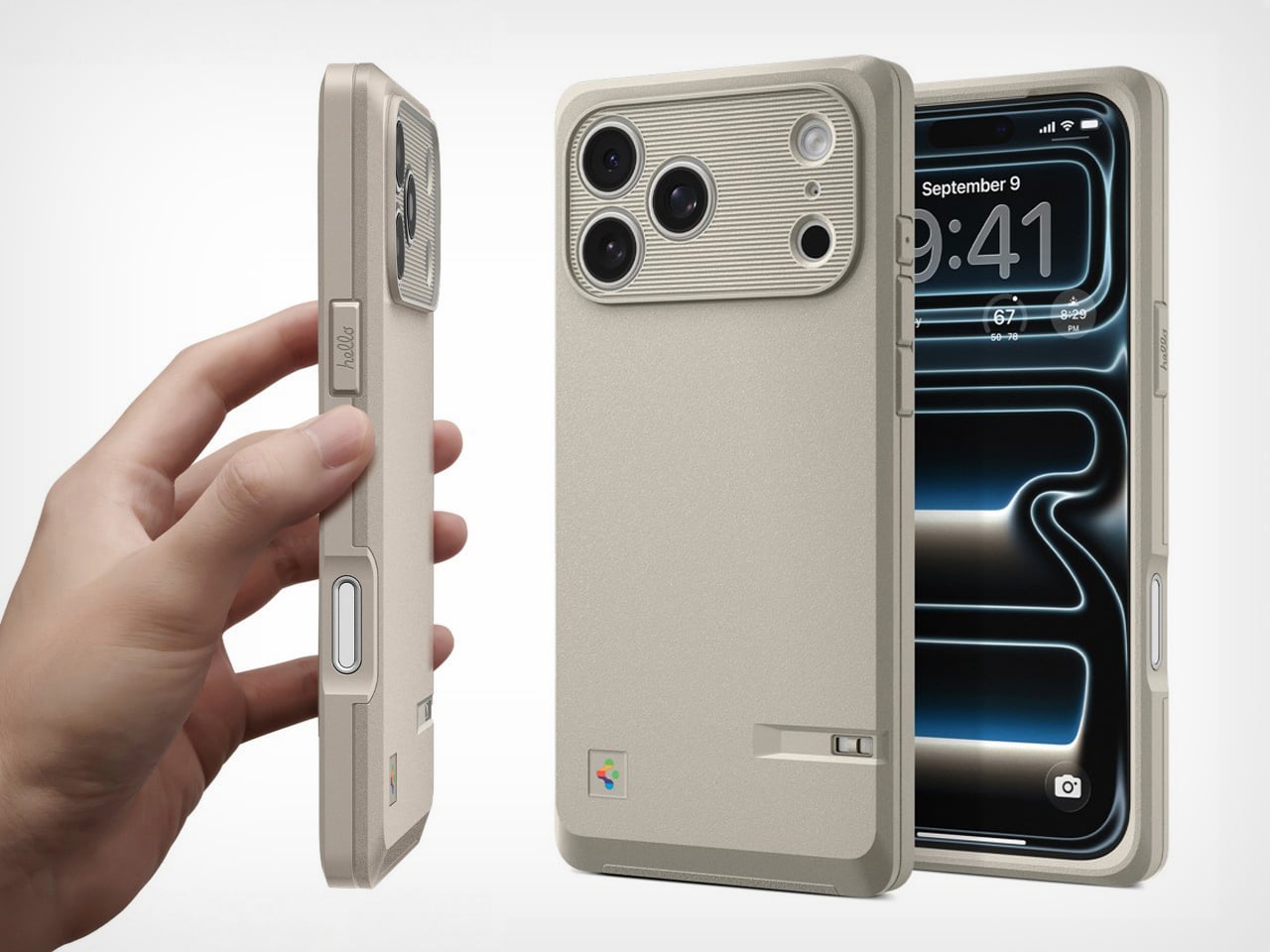
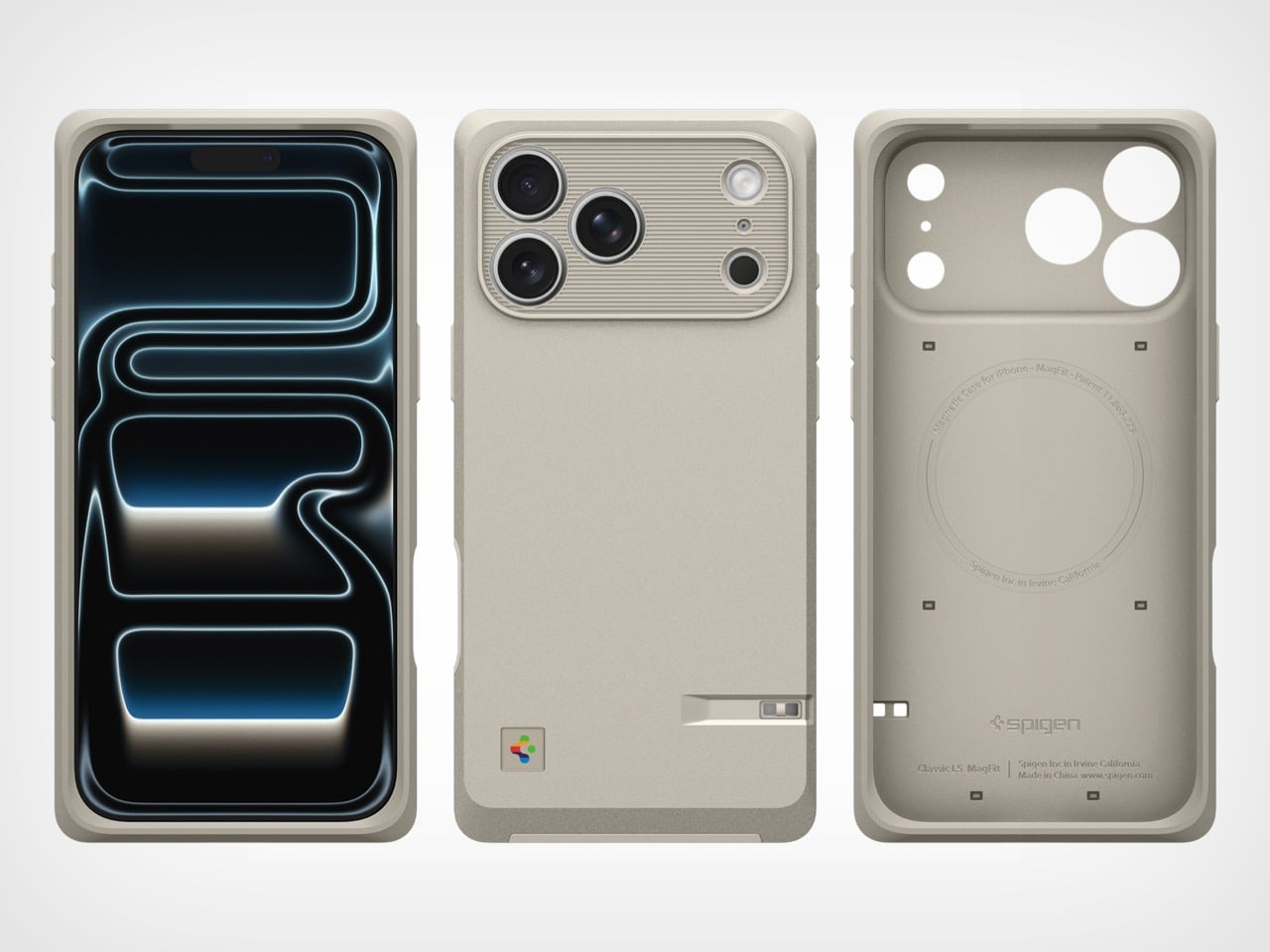
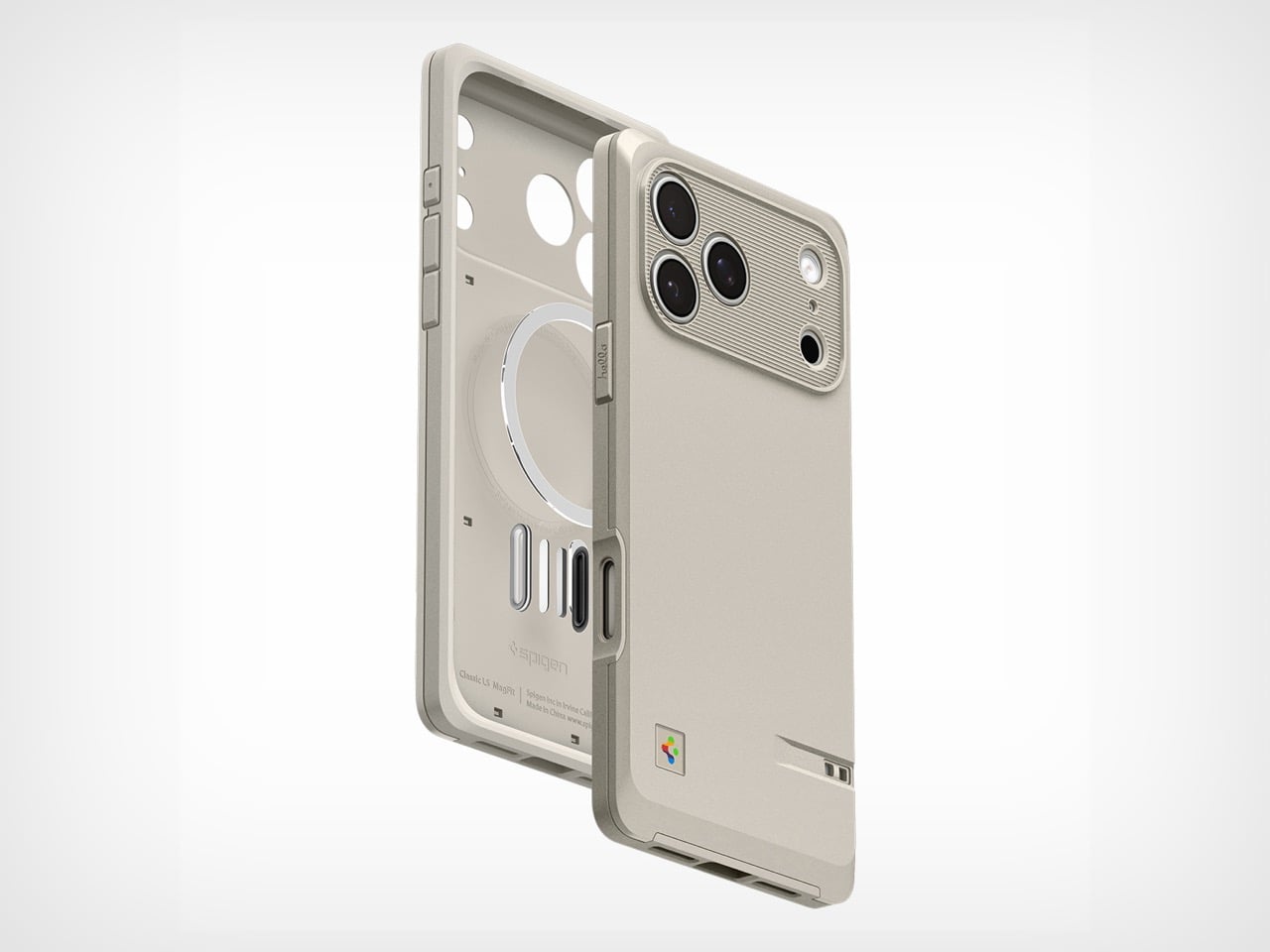
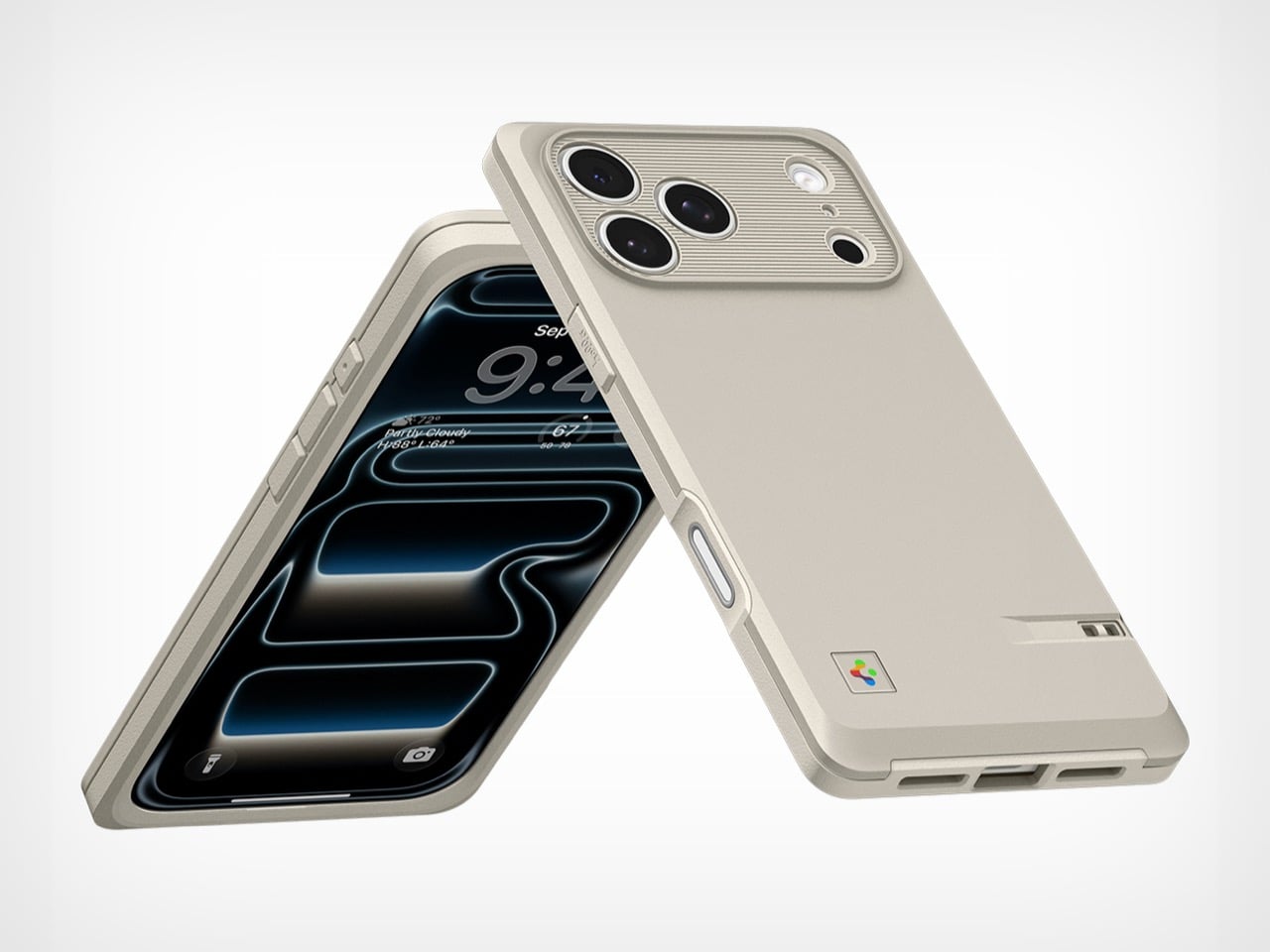
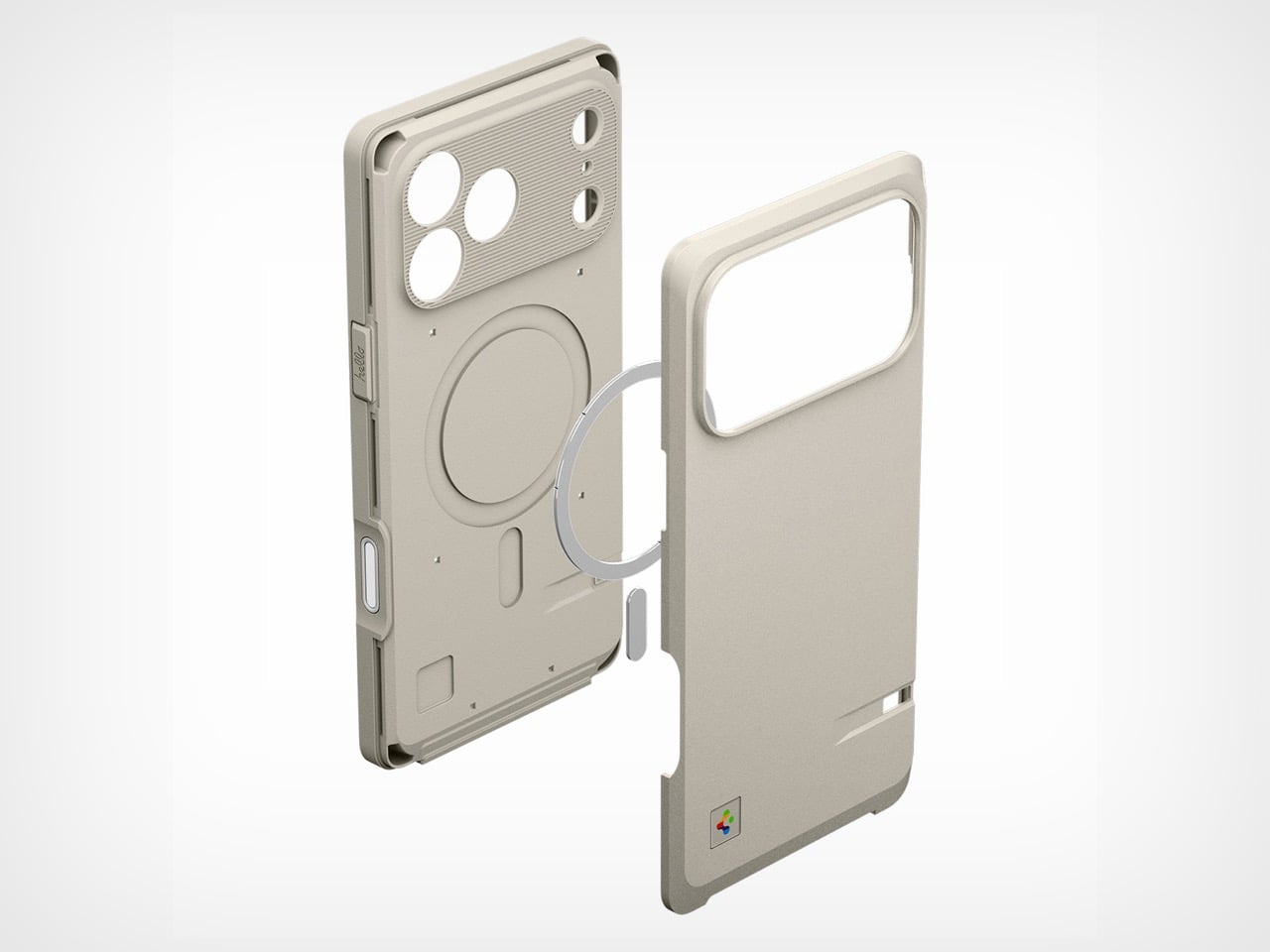
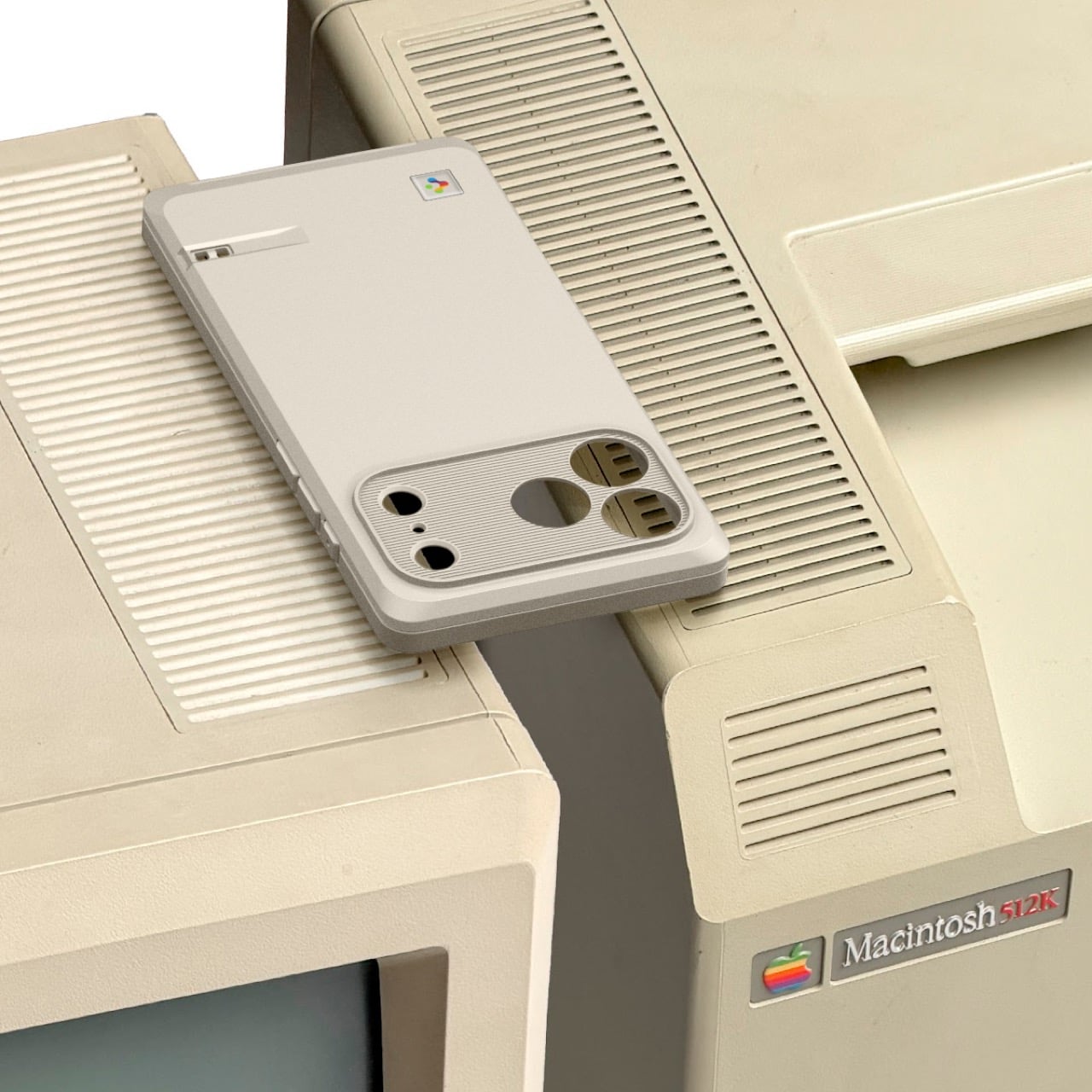
The Classic LS marks a pivot from colorful transparency to utilitarian elegance. Celebrating Apple’s 50th anniversary, this new case reaches back to the Macintosh 128k and Apple Lisa era, when computers came in beige enclosures and harbored revolutionary ambitions. The platinum-gray finish, ridged camera module, and rainbow logo placement all reference those iconic machines. Spigen has managed to honor the design legacy and vision Steve Jobs set in motion while keeping features like MagSafe and Camera Control Button functionality intact.

Design: Spigen

Click Here to Buy Now

Pivoting to the 128k and Lisa is a deliberate, almost academic move compared to their previous work. The iMac G3 was about making computers seem fun and harmless; the Macintosh was about making them seem possible. This case captures that earlier, more serious ethos. The horizontal ridges around the camera module directly evoke the necessary ventilation slats of those CRT-era machines, and the case’s texture feels like a direct nod to the plastics of the time.

All this design reverence would be wasted if it didn’t work as an actual case for a 2026 flagship. Spigen is limiting this to the iPhone 17 Pro and Pro Max, with built-in support for the Camera Control Button (rather than a mere cutout). For $39.99, you get the expected MagSafe ring and a discrete lanyard cutout, so the aesthetic doesn’t compromise modern convenience. This is a piece of designed history that actually functions as a daily driver, not just a shelf-bound novelty item.

It’s just refreshing to see an accessory that has a real, informed opinion. The market is drowning in a sea of identical clear cases and minimalist leather folios that say absolutely nothing. The Classic LS, however, makes a statement. It’s for a different kind of Apple enthusiast, one who appreciates the foundational designs that made today’s devices possible. It wraps a sleek, modern slab of technology in something with texture, history, and a point of view. Spigen has managed to create a product that feels both nostalgic and completely current.

Click Here to Buy Now

The post Apple’s 50th Anniversary Gets a Retro iPhone 17 Pro Case Inspired by the Lisa and Macintosh first appeared on Yanko Design.
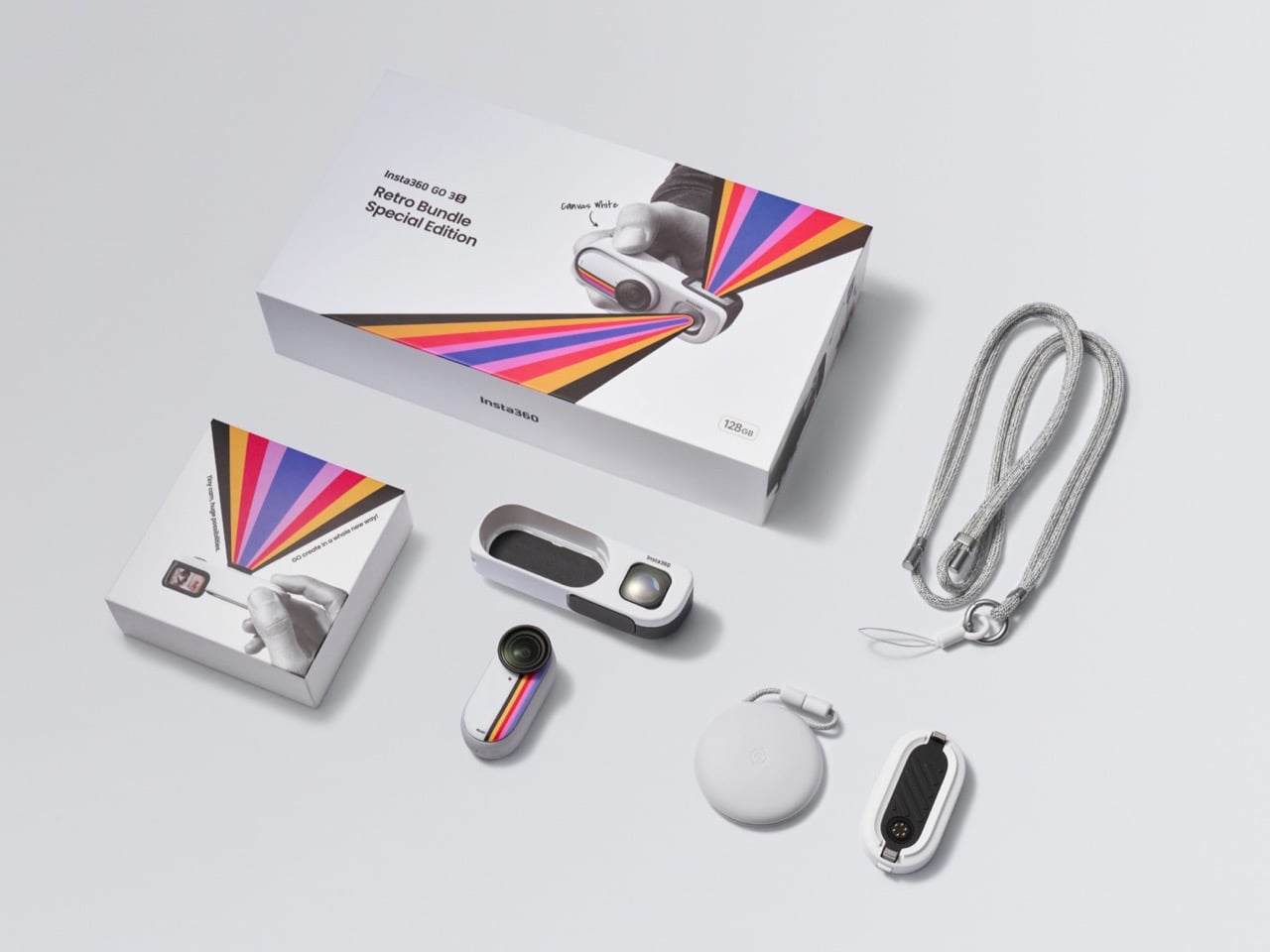
AYANEO AM03 Is Designed to Display on Your Desk, Not Hide

Most mini-PCs are treated like necessary clutter, small black rectangles taped to the back of a monitor or shoved behind a stack of books. That makes sense if you only care about ports and benchmarks, but it feels at odds with the attention people now give to desk setups, where everything else on the surface is chosen to be seen, from the keyboard to the mousepad to the plant in the corner.

The AYANEO Mini PC AM03 is a machine that is not trying to hide. It is pitched as a desktop setup essential and entertainment powerhouse, blending a retro-inspired shell with an Intel Core i9-12900H and AYASpace 3.0. The idea is that it should be both the performance core and the visual anchor of a desk, not just another anonymous box tucked under it or behind cables.

Designer: AYANEO

AYANEO has a habit of treating hardware as design objects, and the AM03 continues that with smooth contours, refined finishes, and two colorways, Sky Blue and Ink Black. One feels airy and bright, the other more serious and moody, both meant to sit comfortably next to a monitor, keyboard, and handhelds without looking like industrial equipment that wandered in from a server rack or a crowded electronics store shelf.

The foldable front panel keeps the face of the machine clean when closed and turns into a port bay when you flip it down. That means you can keep the front visually quiet most of the time, then reveal USB ports and other connectors when you need to plug in a drive, headset, or controller. It respects the difference between everyday viewing and occasional tinkering or heavy expansion.

Under the shell sits an Intel Core i9-12900H running at a 45 W TDP, which gives the AM03 laptop-class flagship performance in a compact body. Support for up to 64 GB of dual-channel memory and PCIe 4.0 SSDs makes it comfortable handling productivity, creative work, and gaming, especially when paired with an external GPU or cloud service for more demanding titles that need extra graphics horsepower.

The large cooling system keeps that 45W chip stable under load, so long renders or game sessions do not trigger throttling. Built-in stereo speakers handle office audio and light entertainment without separate desktop speakers, simplifying a setup for people who want fewer boxes and cables on the desk and more space for the things that actually earn their spot there, like a good lamp or a notebook.

AYASpace 3.0 is the software layer that makes the AM03 feel more like a console-grade device than a barebones PC. Users can switch performance modes, tweak TDP, organize game libraries, and monitor frame rates with FPS Thunder, all from a unified interface. It turns the box into something you tune and monitor as part of the desk experience, not just a Windows machine you forget about once it boots.

The AM03 tries to answer what gaming-grade hardware should look like when it lives in a living room or home office. By combining a fold-front design, Skyline Arc RGB, and serious silicon, it suggests that a mini-PC can be both a tool and a piece of desk art, something you keep in view because you like looking at it as much as you like what it can do.

The post AYANEO AM03 Is Designed to Display on Your Desk, Not Hide first appeared on Yanko Design.
MaClock Shrinks the 1984 Macintosh Into a $30 Rechargeable Clock

Nostalgia tech falls into two camps. Lazy references slap a retro logo on a modern object and call it vintage, while obsessive recreations feel like museum pieces. Most products lean too far in one direction, missing the sweet spot where memory and function coexist comfortably. The first feels cheap, the second feels precious, and neither ends up on your desk for very long once the initial charm wears off.

MaClock by Kokogol hits that balance. It is a miniature 1984 Macintosh that works as a rechargeable desk alarm clock, recreating the beige enclosure, rainbow Apple logo, CRT-style screen, and floppy disk slot at nightstand scale. It still behaves like a proper modern clock with 60-day battery life and USB-C charging, not just a static replica gathering dust next to other impulse buys that reminded you of childhood.

Designer: Kokogol

The physical details feel right. Warm beige ABS body, a recessed curved screen mimicking a cathode ray tube, horizontal ventilation grilles on the side, and a tiny floppy disk drive slot with a pink tab. At 80 x 91 x 112 mm, it is substantial enough to feel real in your hand, not a keychain trinket. The proportions match the original closely enough that it reads instantly as a Mac, even from across a room.

The included floppy disk acts as a power switch. You insert it to turn the clock on, a callback to the boot ritual of early Macs. The package includes a sticker sheet with rainbow Apple logos, a Macintosh label, and a dot matrix sticker, letting you customize and restore the design yourself. The unboxing becomes a small assembly project rather than a passive reveal, which makes it feel slightly more earned.

MaClock offers three display modes. Time mode shows large pixelated digits for hours, minutes, day, and temperature. Calendar mode centers the date in blocky characters. Easter egg mode wakes up Susan Kare’s Happy Mac icon, the smiling face from the original graphical interface. Seeing Happy Mac on your desk in 2025 is an unexpectedly emotional hit for anyone who grew up with early Macs and remembers what that face meant.

The adjustable backlight is controlled by a knob on the bottom left, which can be dialed down at night or turned off entirely. With the backlight off, the battery lasts up to 60 days, so it can sit on your desk for weeks without charging. It feels more like furniture than a gadget you babysit with a cable every few nights, which is exactly how a clock should behave.

MaClock treats nostalgia as something you participate in rather than just look at. The floppy disk, the stickers, the Happy Mac mode, and the CRT-inspired screen all ask you to engage with the memory. At just $30, it sits in the impulse buy zone, which might be the right price for functional nostalgia that earns its desk space by telling time and making you smile every morning when Happy Mac greets you with those chunky pixels.

The post MaClock Shrinks the 1984 Macintosh Into a $30 Rechargeable Clock first appeared on Yanko Design.
Starbucks China Is Selling a $28 Camera With Dual Sensors and Y2K Filters

Starbucks wants you to photograph your coffee so badly that they’ve started selling you the camera to do it with. The Seattle coffee chain has ventured into digital imaging with a retro-styled camera that’s generating buzz for being surprisingly functional rather than just another piece of logo-plastered merchandise.

Released in China for the 2025 holiday season, the Starbucks Retro Digital Camera comes with dual sensors, vintage filters, and a design aesthetic borrowed from classic rangefinder cameras. At 198 yuan (roughly $28), it undercuts almost every digital camera on the market while offering features like proper selfie framing through its rear sensor and Y2K photo overlays. The metal-and-leather construction in burgundy-gold or green-silver colorways suggests Starbucks contracted with an established camera manufacturer rather than creating novelty electronics from scratch.

Designer: Starbucks

Look, Starbucks absolutely did not design this camera from the ground up. That $28 price point screams white-label collaboration with one of China’s numerous budget camera OEMs, and honestly, why wouldn’t they? The country has an entire ecosystem of manufacturers churning out retro-inspired digital cameras for the nostalgia market. You’d be an idiot to build camera R&D infrastructure when you’re a coffee company. Slap your logo on proven hardware, customize the leather colors, engrave “EVERY MOMENT MATTERS” around the lens ring, and call it a day. Starbucks already did this dance with LOMO on an instant camera in 2024, so they know the playbook. Partner with people who actually understand imaging sensors and leave the coffee roasting to yourself.

What actually matters here is that dual-sensor setup, because it solves a problem that every budget camera has ignored for decades. Taking selfies with a traditional camera means holding it at arm’s length, pressing the shutter, and praying you’re somewhere in the frame. Maybe your face is cut off. Maybe you captured mostly ceiling. Who knows? Starbucks stuck a second sensor where the viewfinder would normally sit, turning decorative nonsense into a functional front-facing camera. You frame yourself on the rear LCD exactly like using a smartphone, which means the target audience (people who want filtered photos for Instagram) can actually use this thing without wanting to throw it against a wall. Those nine Y2K photo frame overlays and retro filters are pure nostalgia bait, but we’re drowning in millennium aesthetics right now anyway. Fashion’s doing it, UI design’s doing it, why shouldn’t cameras?

Resale prices jumped to $72 almost immediately, which tells you everything about actual demand. Triple the original price means people want these as functional devices, not just collectors hoarding Starbucks merch. The lychee leather texture and metal construction feel surprisingly premium when you hold one. Those decorative dials on top are completely useless, sure, but they nail the vintage rangefinder look well enough that you’d need to inspect closely to realize this costs less than a week of lattes. At some point, perceived quality matters as much as actual specs, especially when you’re targeting casual photographers who care more about vibes than aperture settings.

The post Starbucks China Is Selling a $28 Camera With Dual Sensors and Y2K Filters first appeared on Yanko Design.
Keycaps Shaped Like Tiny Retro TVs Take 47 Hours to Handcraft

For anyone who spends hours at a keyboard, the desk becomes more than just a workspace. It’s a personal canvas for self-expression and creativity. Keyboards are no longer just tools for typing, but a way to express personality, nostalgia, and a love for design in the smallest details. Every keycap, color, and texture tells a story about who you are and what you value in your daily environment.

Jelly Key’s Retro TV Series – First Frame artisan keycaps are a tribute to that spirit of personal expression and craft. Inspired by the golden age of home computing and the original Macintosh 128K from 1984, these miniature TVs bring a playful, handcrafted touch to any keyboard setup. They’re tiny works of art that celebrate the intersection of technology and nostalgia.

Designer: Jelly Key

Each keycap is shaped like a retro television, with a 65-degree angled front screen for perfect viewing when mounted on a keyboard. Details like floppy disk drives, power switches, and transparent or frosted back panels reveal intricate miniature “circuitry” inside, echoing the design language of vintage computers that defined an era. The angular, squared-off profile feels both classic and contemporary.

Every keycap is meticulously handmade using resin casting and multilayer coloring, not 3D printing or mass production. The process involves up to 47 hours of work from start to finish, with every component polished, assembled, and quality-checked by hand. Circuit traces measure just 0.3mm wide, requiring razor-sharp precision. Any flaw means starting over from scratch.

The TV screens feature pixel art, pop culture nods, greetings like “hello,” and sci-fi themes, all layered in resin for dimensional depth and vibrancy. With over 200 quirky variations and 12 case designs ranging from crystal clear to vintage frosted, no two keycaps are exactly alike. Themes include “HAL Eye,” “Comic Burst,” “Space Odyssey,” and “Galactic Intro,” among many others.

Transparent and frosted panels allow keyboard backlighting to shine through, illuminating the miniature “circuit boards” and components inside the keycap. This adds a new dimension to your typing experience, especially at night when the glow highlights every intricate detail. The effect is both functional and mesmerizing, turning your keyboard into a light-up showcase.

Each keycap is individually numbered and comes in a wooden box with a medal dog tag and a collectible sticker for authenticity. Orders of 12 or more unlock limited-edition designs and the full sticker set, making these keycaps as much about collecting as about customization. The MX stem ensures compatibility with most mechanical keyboards, while the hand-finished resin offers a unique tactile feel that’s satisfying to touch.

Swapping in a Retro TV keycap turns a routine typing session into a moment of nostalgia and delight, sparking conversation and adding personality to your desk instantly. For designers, writers, and anyone who loves a bit of retro flair mixed with modern craftsmanship, these keycaps are a daily reminder that art and technology can coexist beautifully in the smallest spaces we interact with every day.

The post Keycaps Shaped Like Tiny Retro TVs Take 47 Hours to Handcraft first appeared on Yanko Design.
Turntable-inspired graphics card concept adds a retro-futuristic flavor to desktops

In the not-so-distant past, desktop computers were almost literal black boxes, closed and obscured from view. Although they’re still enclosed today to block the easy entry of dust and harmful particles, many desktop towers have adopted transparent designs that show everything inside.

This aesthetic is mostly to appeal to gamers who dress up their rigs with RGB lights and fancy-looking cooling systems, but the majority of the hardware you can see inside is hardly aesthetic (unless you go for that look). Graphics cards are slowly getting a facelift, but they still have a more technical and geeky look. This concept tries to challenge that status quo with a GPU design that could interest even non-gaming computer users.

Designer: Seunghun Lee

Of all the components inside a desktop computer, at least the ones built for gaming or heavy-duty creative work, the graphics card is the bulkiest, boxiest, and most visible one. Of course, that design is intentional because of the electronics it has to pack inside as well as the large fans that keep things from overheating. Such graphics cards today come with some RGB lighting or accents to make them look a little livelier, but the overall aesthetic remains the same.

G-Turn360 is a concept design that tries to add some visual appeal by taking inspiration from a completely different product. It chose the turntable, now a staple of the retro movement, as the foundation of the GPU redesign, combining mechanical elements into a more pleasing composition using basic geometric shapes. The cooling fan, after all, is already a large circle, so why not use that form to represent a record player on a box?

The concept also goes beyond that simple association with the record player. It completely throws out the conventional LED lighting which, in addition to being over the top, also prevents visual consistency. In fact, the G-Turn360 embraces a lighter color scheme, which better fits desktop designs that are moving away from dark and black boxes commonly associated with gaming gear.

The result is a graphics card design that somehow looks both retro and futuristic at the same time, adopting a clean aesthetic that can appeal to a more diverse audience. That said, the G-Turn360 concept could be sacrificing performance and safety with its unconventional design, so it’s definitely not something that can simply be used without some modification and careful engineering.

The post Turntable-inspired graphics card concept adds a retro-futuristic flavor to desktops first appeared on Yanko Design.
BLOND LABORATORY at London Design Festival 2024 revives old designs in unexpected ways

There are plenty of wise sayings about how the past guides our future, and nowhere is that perhaps more evident than in the design and fashion industries. “Retro” might seem like a passing fad, but this isn’t the first time that the design pendulum has swung back to the past for inspiration. This homage to the designs of our predecessors may be the guiding spirit behind famed London-based design studio BLOND’s ARTEFACT initiative, taking objects that are no longer in production or even in use and reimagining them in a completely different light. At the London Design Festival this week, the BLOND LABORATORY challenged a stellar roster of international designers and studios with this quest, and here are the responses that give these “offline” products a new kind of life in this modern world.

Designer: BLOND

From Us With Love: Mallet Flashlight

Opening wine bottles today is as easy as turning a cap, but true connoisseurs still prefer the classic cork that is just as difficult to remove as in the old days. Of course, we have it easy today as well with more modern tools, but the traditional corkscrew and its menacing metal spiral has always been the weapon of choice for that task. Even older designs used a single bent rod of metal, which is probably not as comfortable to use as those with wooden or even plastic handles.

Designer: From Us with Love

Turning something crude into an art object is the feat that From Us With Love accomplished. Taking a single rod of metal, flattening its top, and cutting out a hole in the middle resulted in a simple yet functional bottle opener. It embraces the functional minimalism of the old-school corkscrew and imbibed with the elegance of modern tools, a true retro design if there ever was one.

Hirotaka Tako: Marking Gauge Ikebana Lamp

We enjoy a lot of convenient tools today that make it trivial to do things like measuring pieces of wood. In the old days before measuring tapes and meters, however, people had to make use of rather complicated tools that involved a wooden rod sliding inside a a block. This measuring gauge, though crude, created a rather interesting form that was not that different from a piece of art, which is exactly what inspired this rather geometric lamp design.
Designer: Hirotaka Tako

Taking inspiration from both this outdated tool as well as a Japanese art of floral arrangement, Hirotaka Tako designed a table lamp that similarly used the concept of inserting a long thin stick into something bigger. He likened the wooden rods to a flower stem inside a vase, exactly like an Ikebana arrangement. The result is a table lamp that is both functional and artistic, inspired by a tool that was anything but.

James Melia: Timber Basket Pendant Lamp

We take for granted the materials used to create modern products these days, not to mention the methods for making them. Today, we have machines that can print almost any shape imaginable, but past generations had to do things by hand, using stubborn and difficult materials. The rope patterns used to keep a timber basket together, for example, offered not only structural stability but also an interesting visual, one that can add a bit of a flair to an otherwise normal object.

Designer: James Melia

James Melia takes a hanging lamp’s power cord and stitches it along the length of its shade, creating a row of diagonal stripes that turns a plain lamp into an art object. That same cord is used to actually hang the lamp from a ceiling, reducing the number of parts involved in designing the lamp and creating a simpler and more sustainable design.
John Tree and Neal Feay: Tea Ladle Turntable

The Japanese are famed for their minimalist tools which are an art form in their own right. A simple scoop for tea powder, for example, takes the form of a bamboo ladle with a distinct charm. Though today’s tea lovers will probably use different tools, this traditional object still remains a staple in Japanese culture today as well as practices that recreate it. To some extent, it’s almost like the venerable turntable that has seen a renaissance and is getting some use even today.

Designer: John Tree x Neal Feay

This optical turntable takes that delicate-looking bamboo tea ladle and transforms it into a turntable arm that preserves that spirit of gentleness. Rather than using a sharp pin to read the grooves of the platter, it uses light to avoid any physical contact and help preserve the vinyl material. It’s a gentle and delicate spin on a classic retro design, no pun intended.

Jon Marshall: Whisk Candelabra

Today’s whisks are light, compact, and handy tools that use a few loops of bendable wire or plastic, a design that’s so far removed from the coiling iron wires of much older versions of the kitchen tool. Looking more like springs or even weapons, this antique whisk form isn’t very efficient at what it’s meant to do, but it admittedly looks novel and interesting to our modern eyes.

Designer: Jon Marshall

It might not make scrambled eggs, but this candelabra will definitely bring a bit of delight to your dinner table. The spiraling form of the base and the tight coils of the candle holder make for an interesting visual, but it’s when the candles are lit and the shadows dance that this rather luxurious-looking light fixture truly comes alive.

Julie Richoz: Balance Bird Balancing Lighter

Kids tend to find science and math lessons boring until they encounter puzzles and feats that really blow their minds. Something as simple as a perfectly balanced eagle held up only by its beak is sure to pique curiosity, even those of adults. This ingeniously disguised pendulum is not an uncommon toy or desk ornament, but the same principles can be used to the same effect for other objects, including more utilitarian ones.

Designer: Julie Richoz

A lighter standing only one of its corners is definitely going to make you the talk of the party, and it provides not only an entertaining piece of decoration but also practical use. It will be easy to see if the lighter is missing from its base, and people who use it will be more likely to put it back on its perch just to marvel at its balancing act. It’s a very simple twist to a simple object but one that has a nontrivial effect on those who see it, all thanks to some inspiration from old objects we have taken for granted.

Maddalena Casadei: Mallet Flashlight

Most of us who have done any sort of handiwork may have used a hammer at one point in time or another. There are different kinds of hammers, of course, and one such type is the mallet. Often made with a heavy head to pound things flat, some old-school mallets would reverse the typical hammer design and use a steel rod handle with a wooden block for the head.

Designer: Maddalena Casadei

Maddalena Casadei took that raw-looking industrial metal handle to turn it into a cylindrical flashlight with similarly brutalist aesthetics. Instead of the wooden head, it has a small removable cone that serves as a diffuser for the light. On the opposite end is a flattened section with a hook that serves the same purpose as the hammer from decades ago: hanging the tool from walls or rods. It’s a rather interesting depiction of a flashlight that sheds off all the sleek and luxurious designs of its modern equivalents, embracing the utilitarian character of its inspiration.
The post BLOND LABORATORY at London Design Festival 2024 revives old designs in unexpected ways first appeared on Yanko Design.