Someone Built a $3,500 Studio That Starts With You, Not the Gear

The studio setup has always been a deeply personal thing. Two producers with identical gear can arrange it in completely different ways, because the physical organization of creative tools shapes how ideas flow from head to hands. Most solutions involve buying a desk, then a rack, then stands and cables and panels until the accumulated sum starts to resemble something cohesive. The ToyBox starts from the opposite direction entirely.

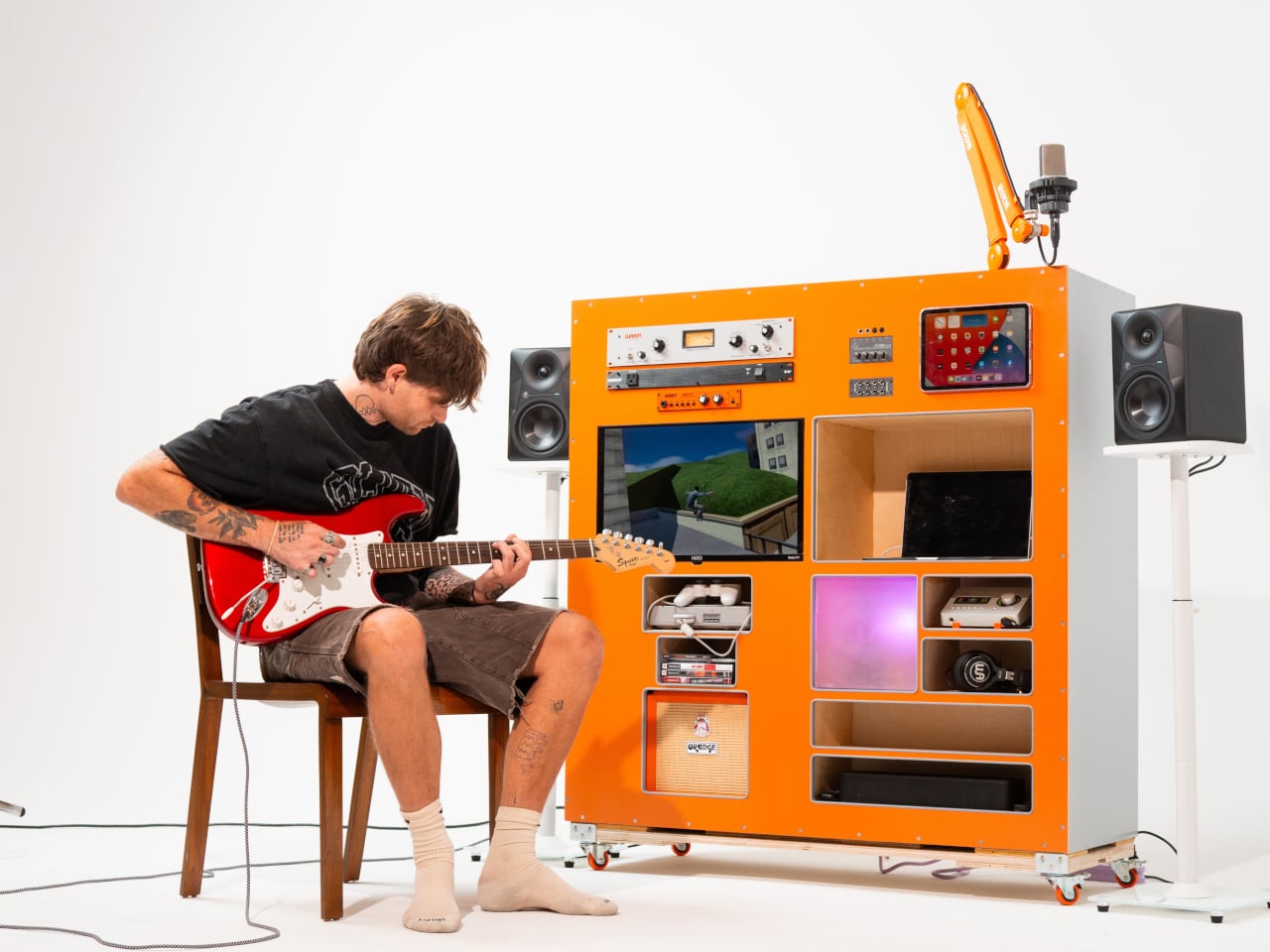
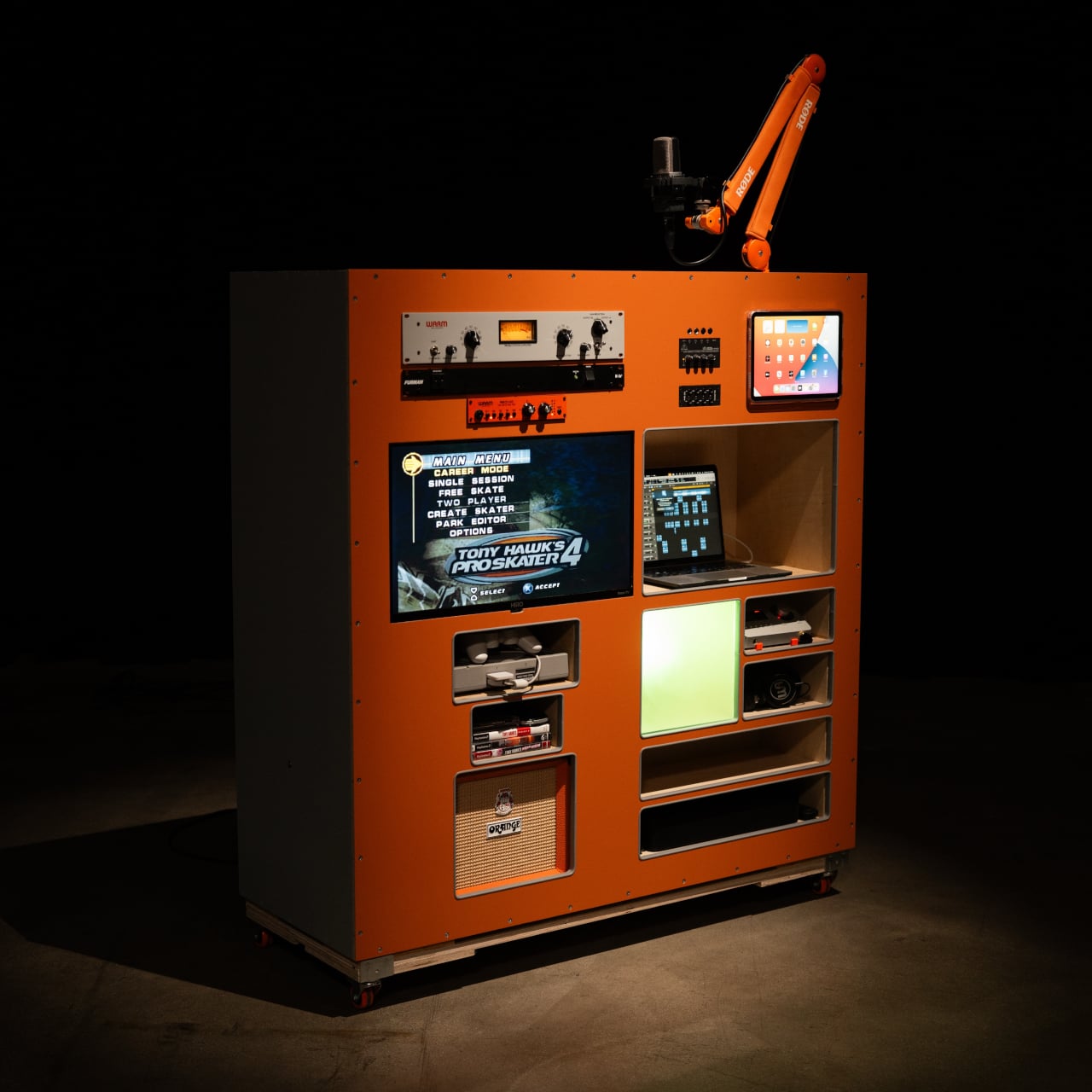
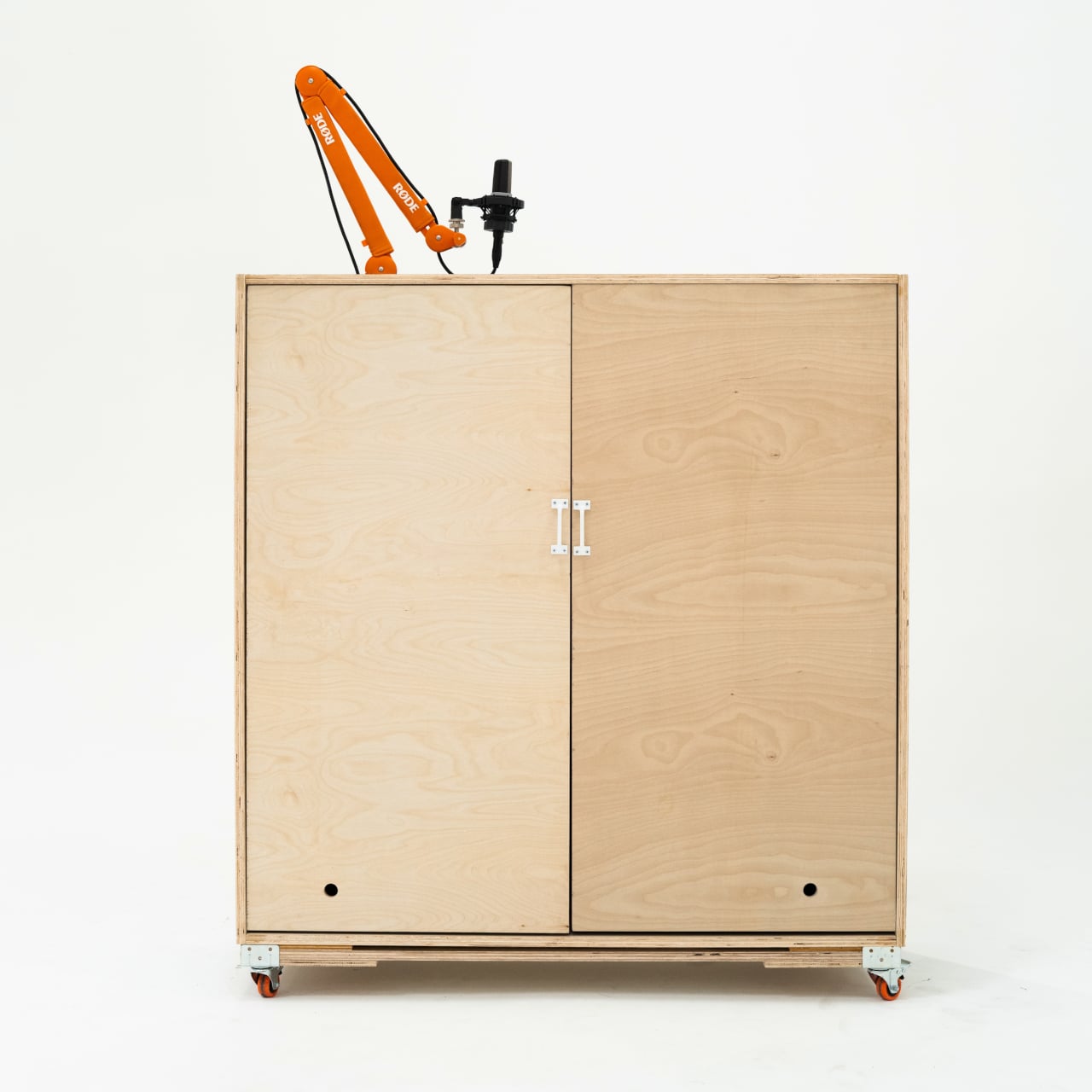
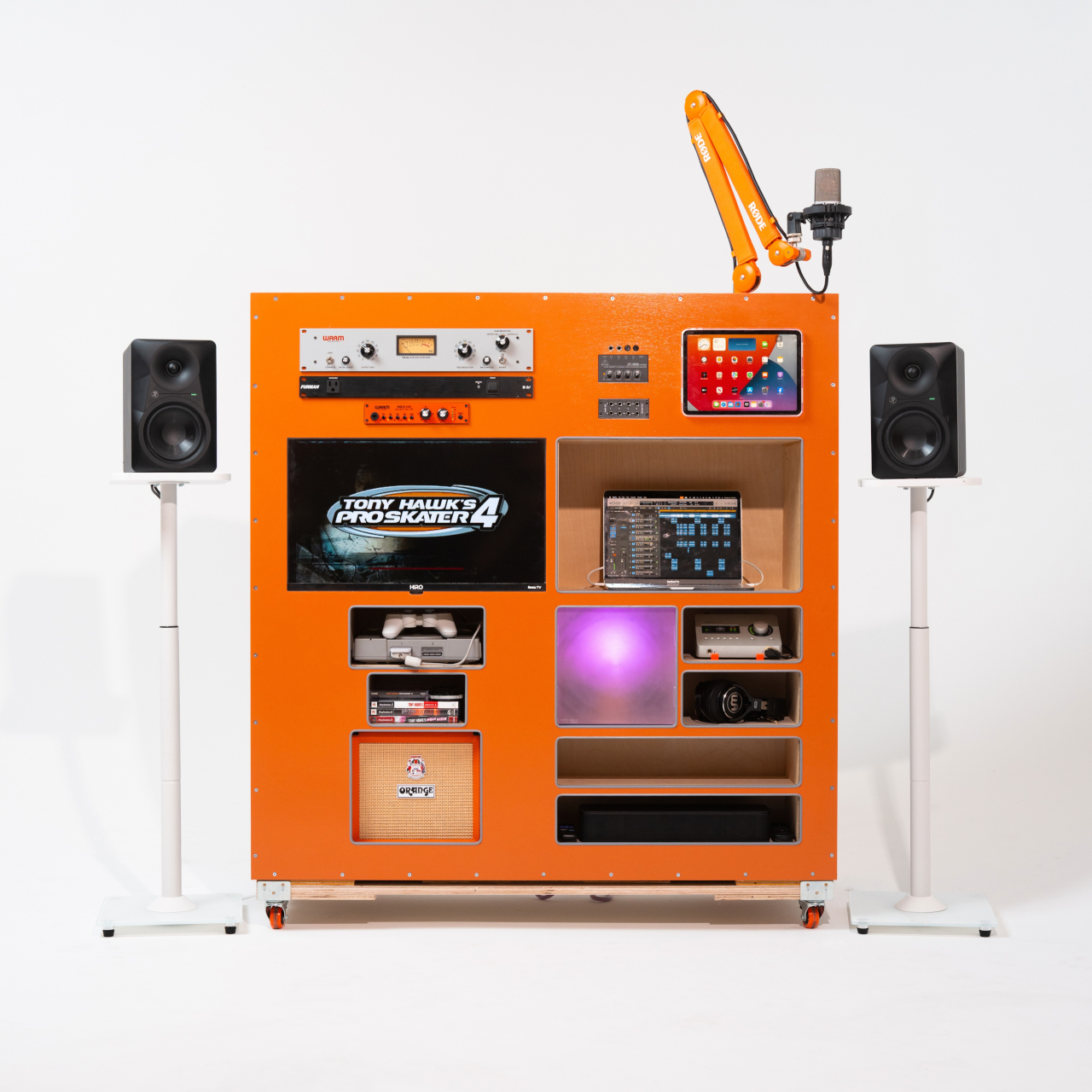
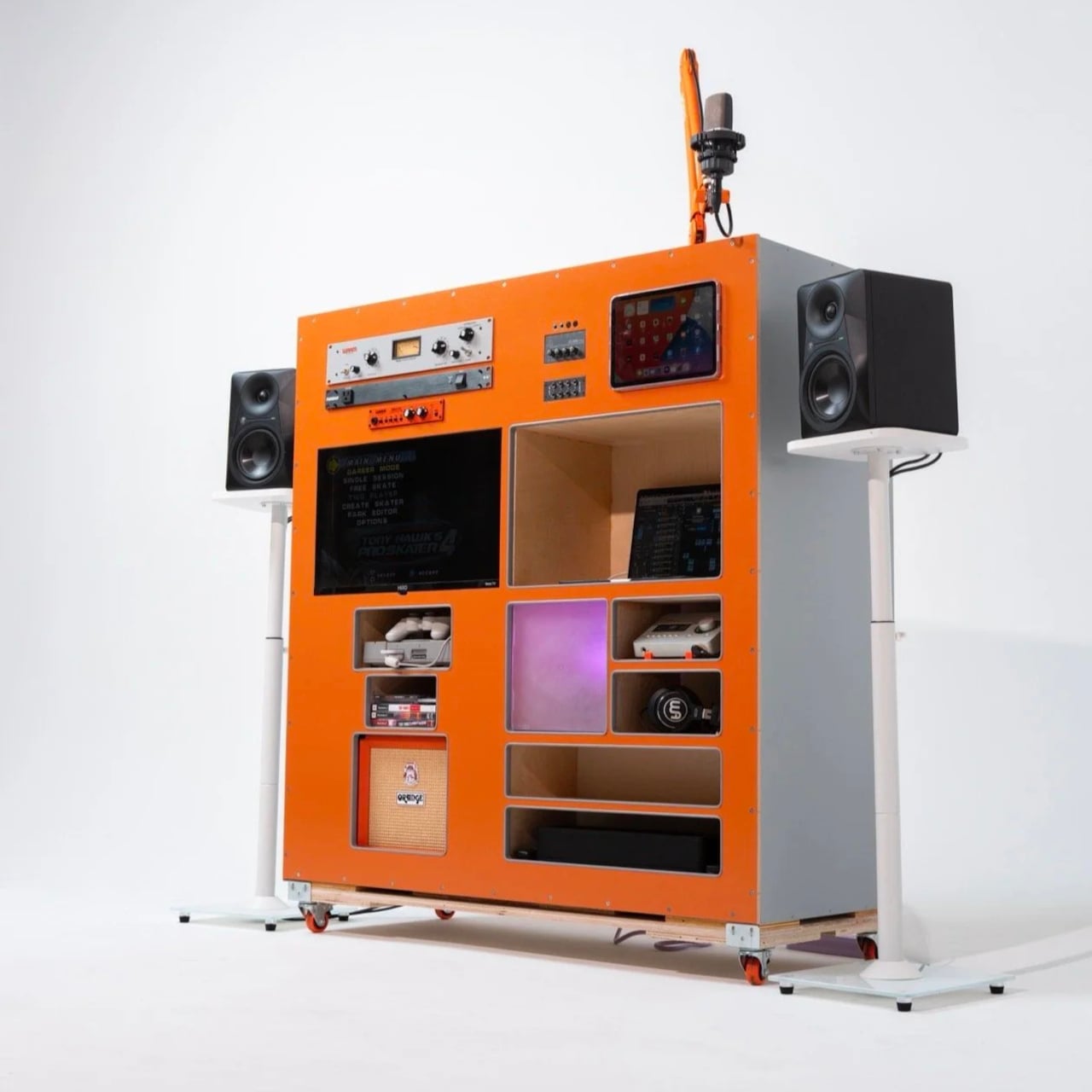
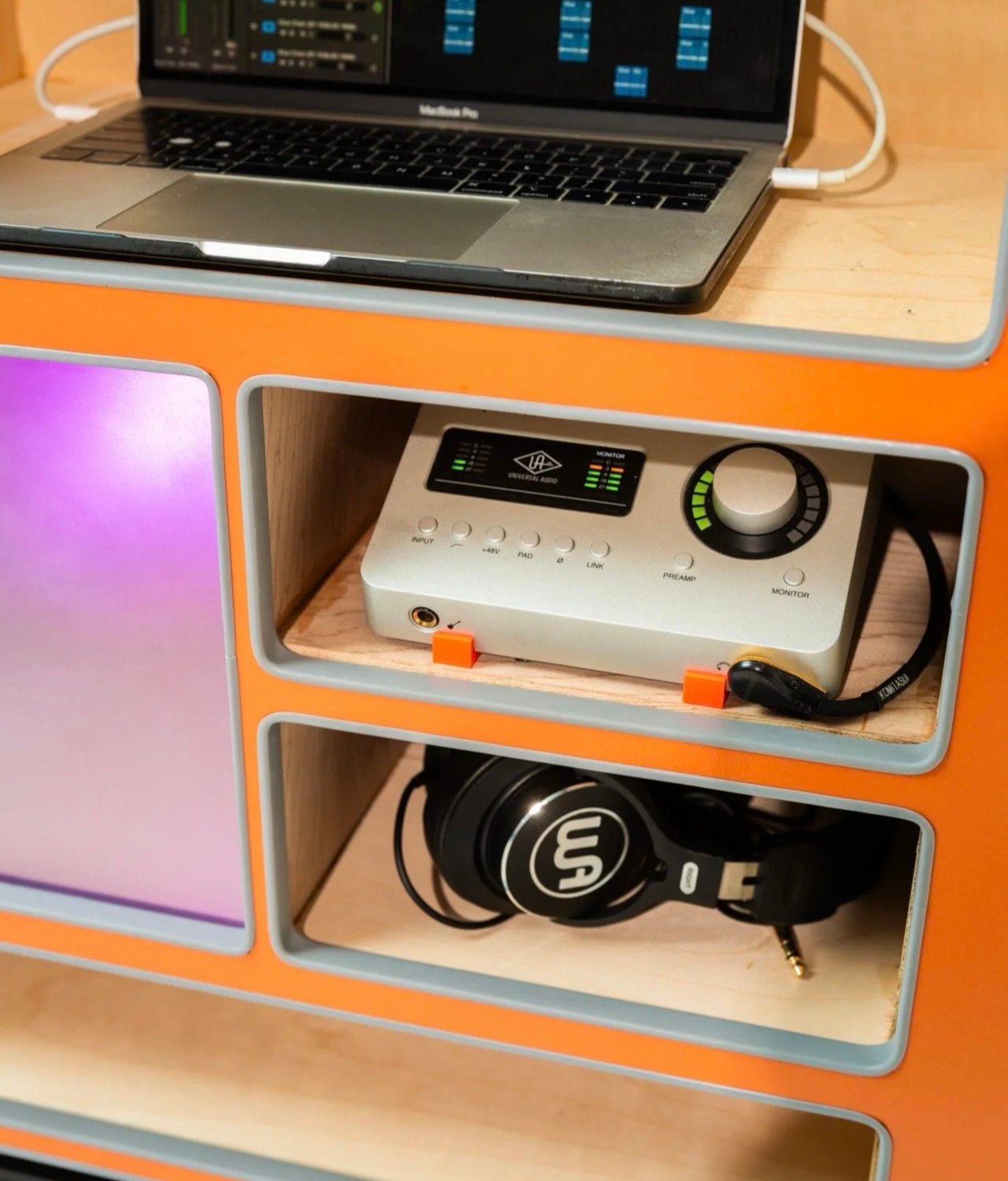
Weird Kid Engineering builds the ToyBox as a single, integrated physical object that collapses a full creative ecosystem into one custom-made enclosure. Music production gear, gaming systems, multiple displays, and storage all live inside the same structure, designed from the start to fit the specific workflow of whoever orders it. No two units are identical. Every ToyBox is hand-built to spec based on what each client actually does and needs.

Designer: Ellis Faulk (Weird Kid Engineering)

The hardware varies with each build, but a fully loaded configuration includes synthesizers, samplers, sequencers, effects pedals, gaming consoles, and displays, all integrated into the structure rather than resting on top of it. These aren’t tools that happen to share a surface; they’re components of a system designed around how they relate to each other and to the person using them. That relationship is what the build process is actually engineering.

The appeal to anyone who has stared down a cluttered studio is immediate. Instruments, screens, and gaming consoles physically consolidated into one object changes the spatial and psychological experience of the room. You stop navigating a spread of disconnected surfaces and start working within a contained system. The friction of reaching across two desks or hunting for a buried cable doesn’t exist when everything is designed to coexist from the start.

The flagship version, fully loaded with audio gear, screens, consoles, and equipment curated to the owner, costs $12,500. Base builds start at $3,500. That range reflects how deeply each order is customized and how extensively the hardware is selected to suit a specific creative workflow. It’s not the cost of a desk with gear on it; it’s the cost of a single integrated object designed around how a particular person works and creates.

There’s something about the ToyBox’s form that most studio furniture doesn’t attempt. It reads as an object rather than as furniture that happens to hold other things. The visual coherence that comes from designing everything together, rather than assembling incrementally over years, is a genuine design quality. That totality separates it from a better desk or a more organized cable management solution, and it’s a distinction that most studios never even think to make.

The post Someone Built a $3,500 Studio That Starts With You, Not the Gear first appeared on Yanko Design.
3 Brothers Finally Solved the LEGO Mess for £1,850

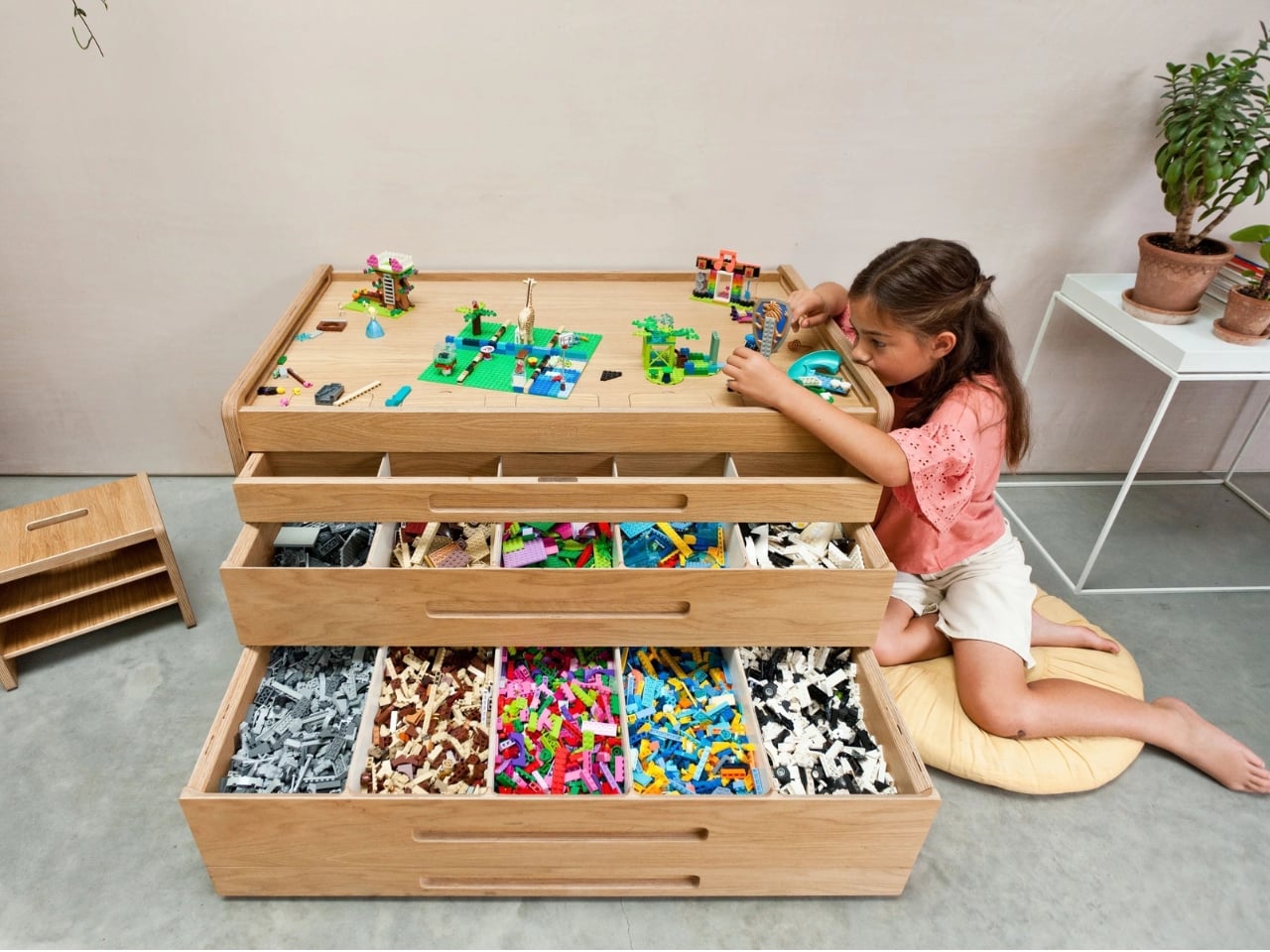
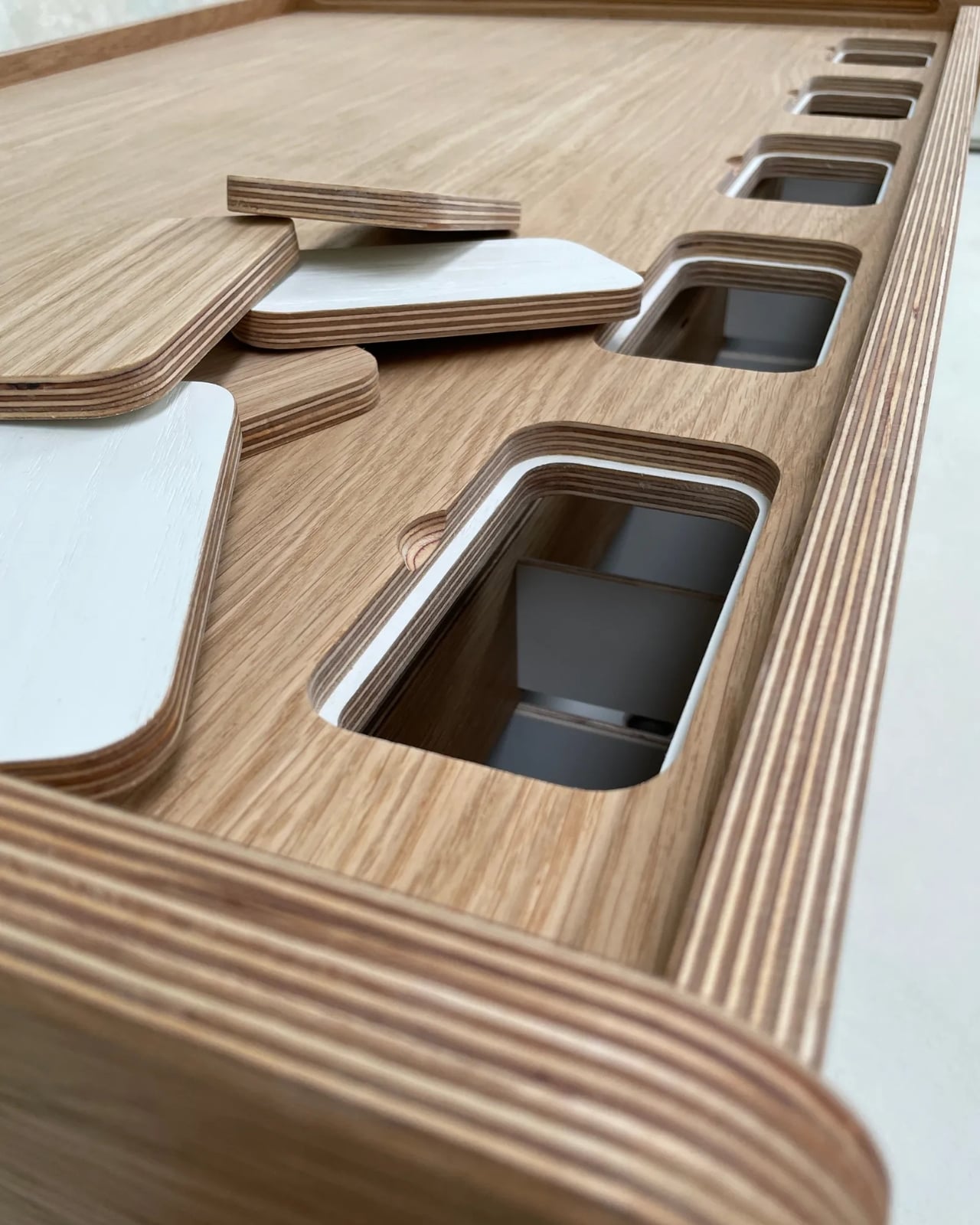
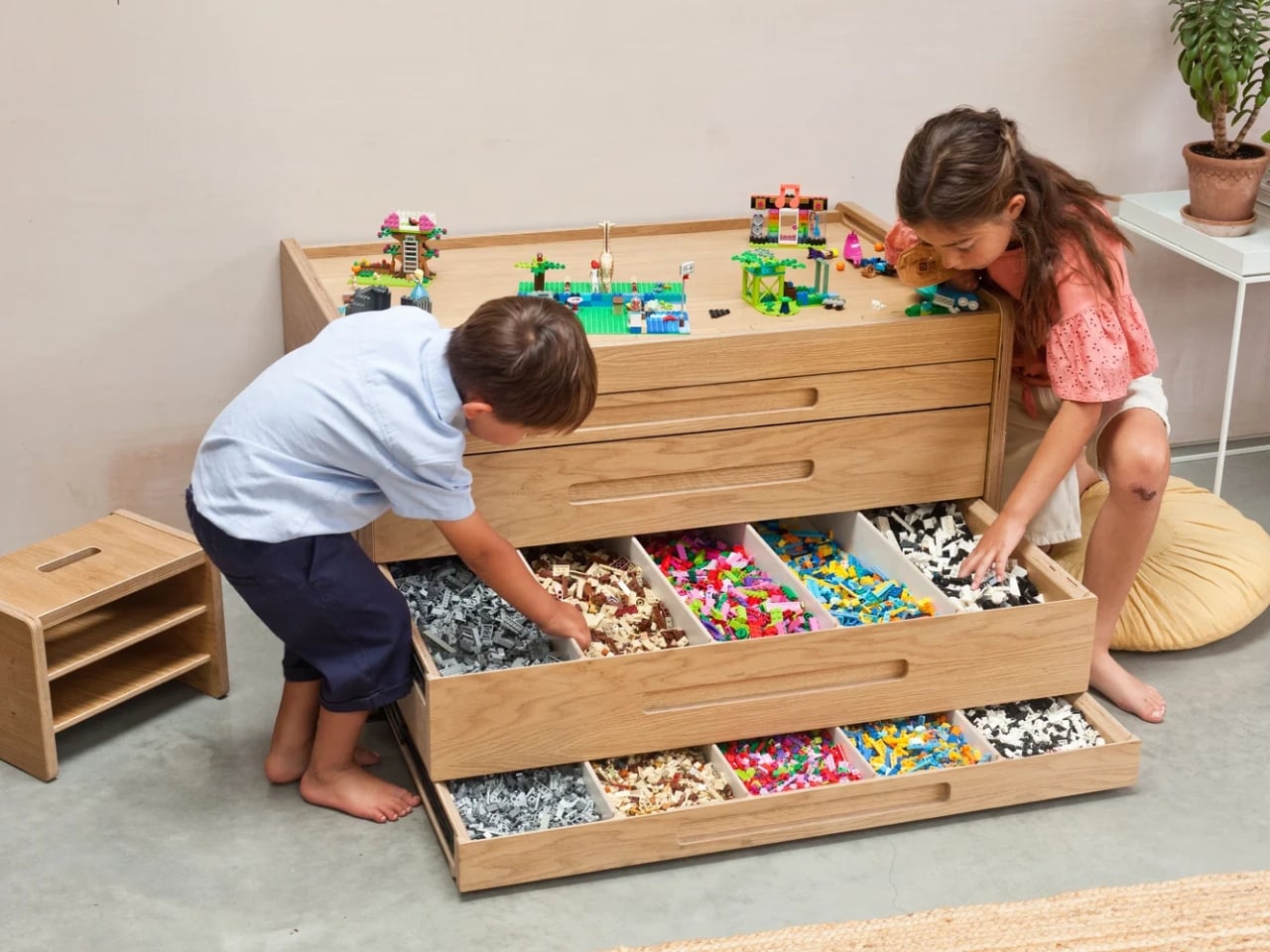
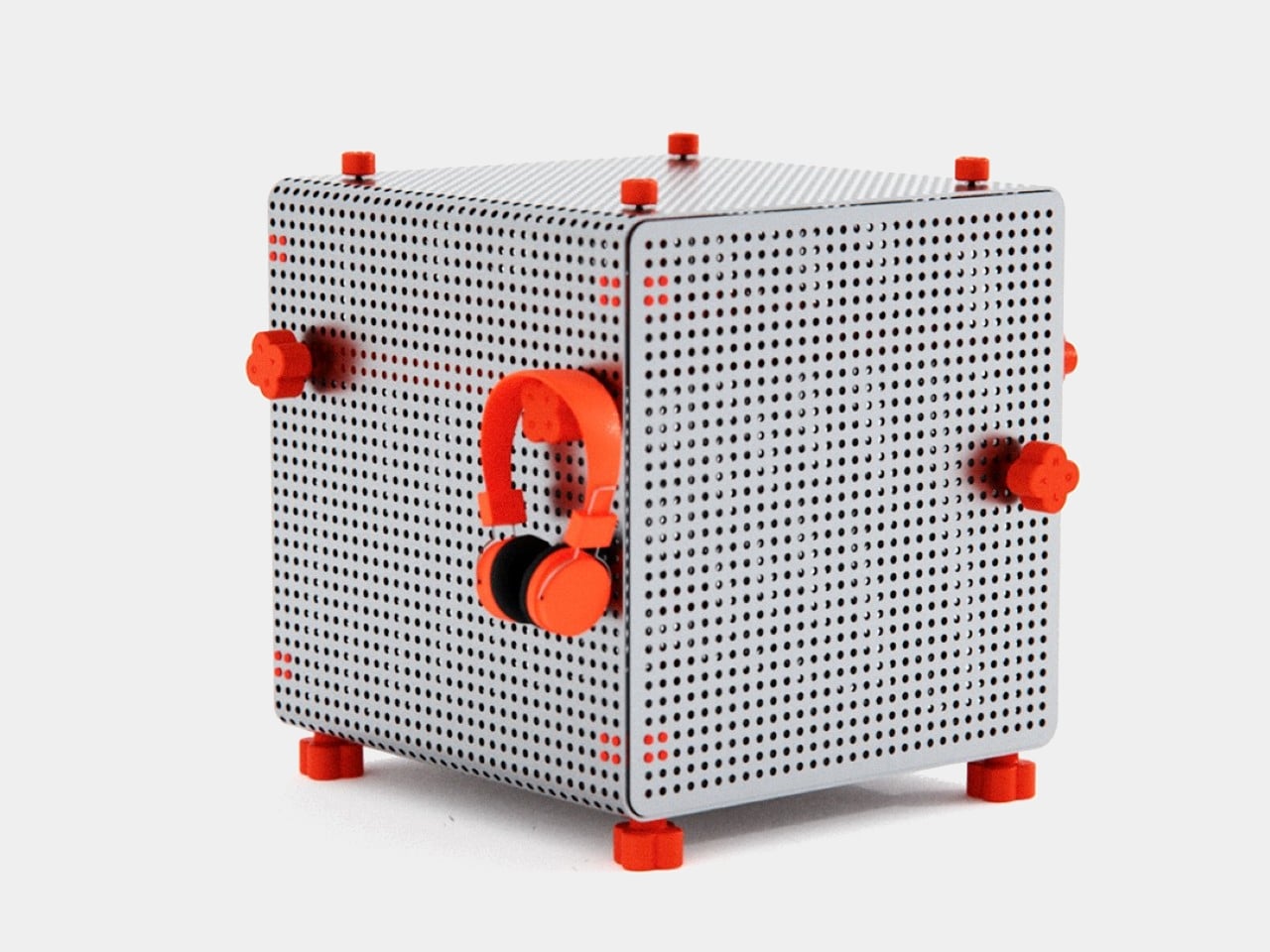
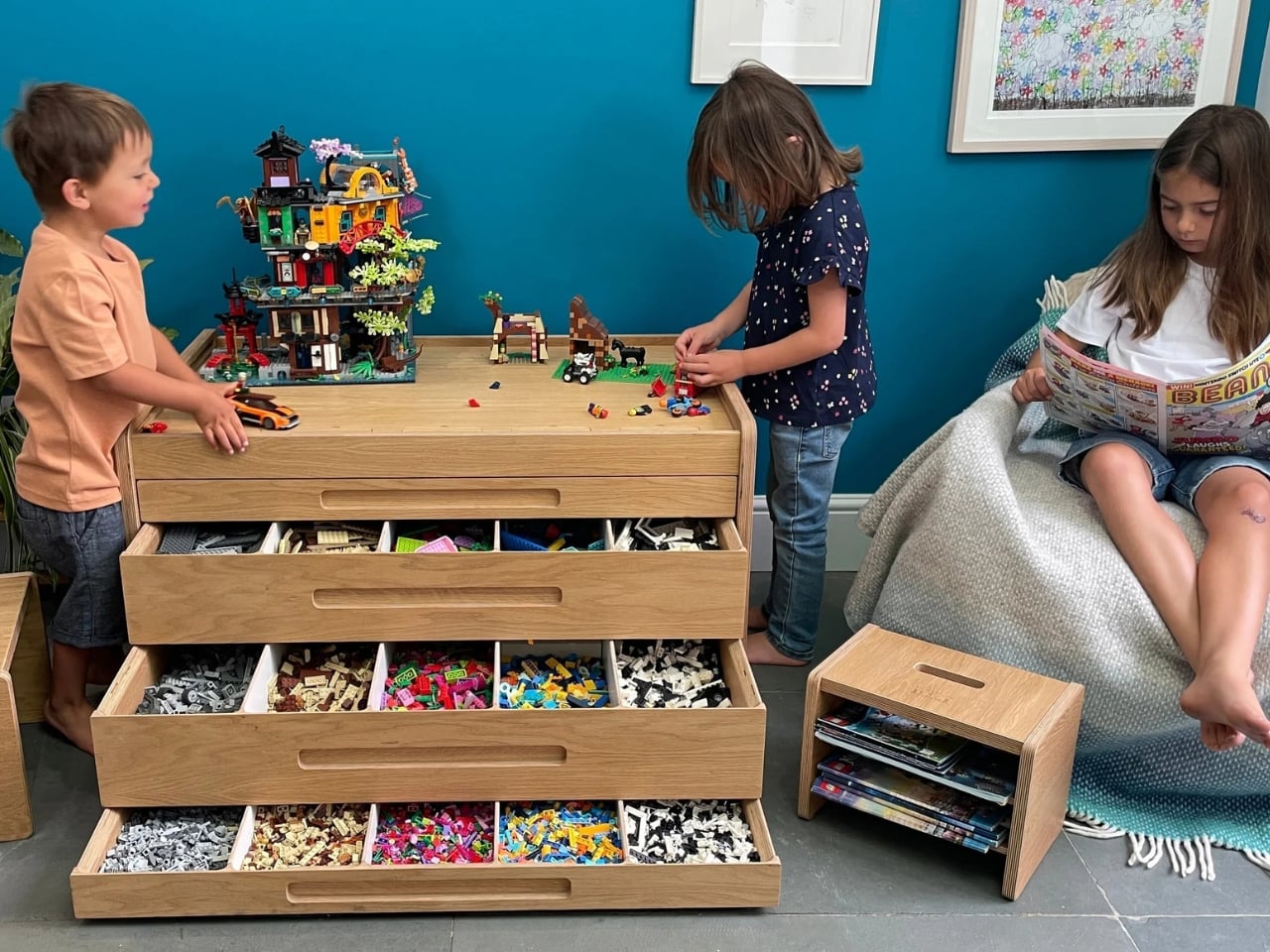
If you’ve ever stepped barefoot onto a LEGO brick at 2 a.m., you already understand the problem the Brickle was made to solve. But the solution the Newland brothers arrived at goes far beyond a plastic bin with compartments. It’s a piece of furniture. Real furniture. The kind that earns a permanent spot in your home and actually makes the room look better for being there.~

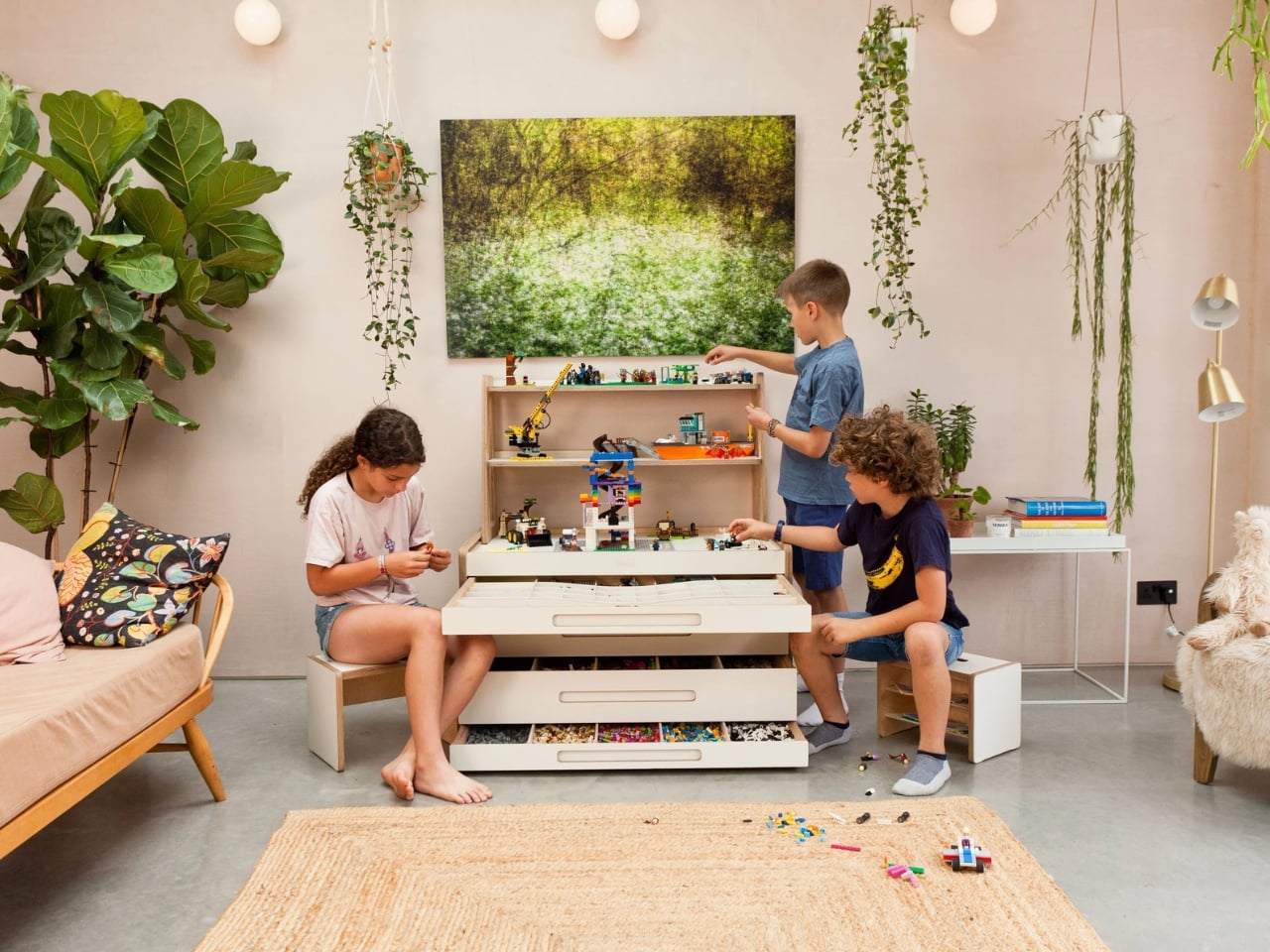
The Brickle is a LEGO storage and sorting table, handcrafted in Wales by three brothers: Ben, a nano-scientist; Matt, an engineer; and Geoffrey, an LSE graduate. The product came out of a very ordinary parental frustration. Ben noticed his kids had stopped building their own things. They were only following kit instructions, because digging through a jumbled pile of bricks to find the one piece you need takes too long and kills the creative momentum entirely. His first attempt at a solution started with rough MDF and a lot of trial and error. Fourteen prototypes later, the Brickle was born.

Designers: Matt, Ben, and Geoffrey Newland

That origin story matters because it’s what separates this product from every other overpriced gadget that promises to fix something you’ve been managing just fine without. The Brickle wasn’t designed in a boardroom. It came from a dad who wanted his kids to build more freely, and then happened to have two brothers with the right skill sets to help him do it properly.

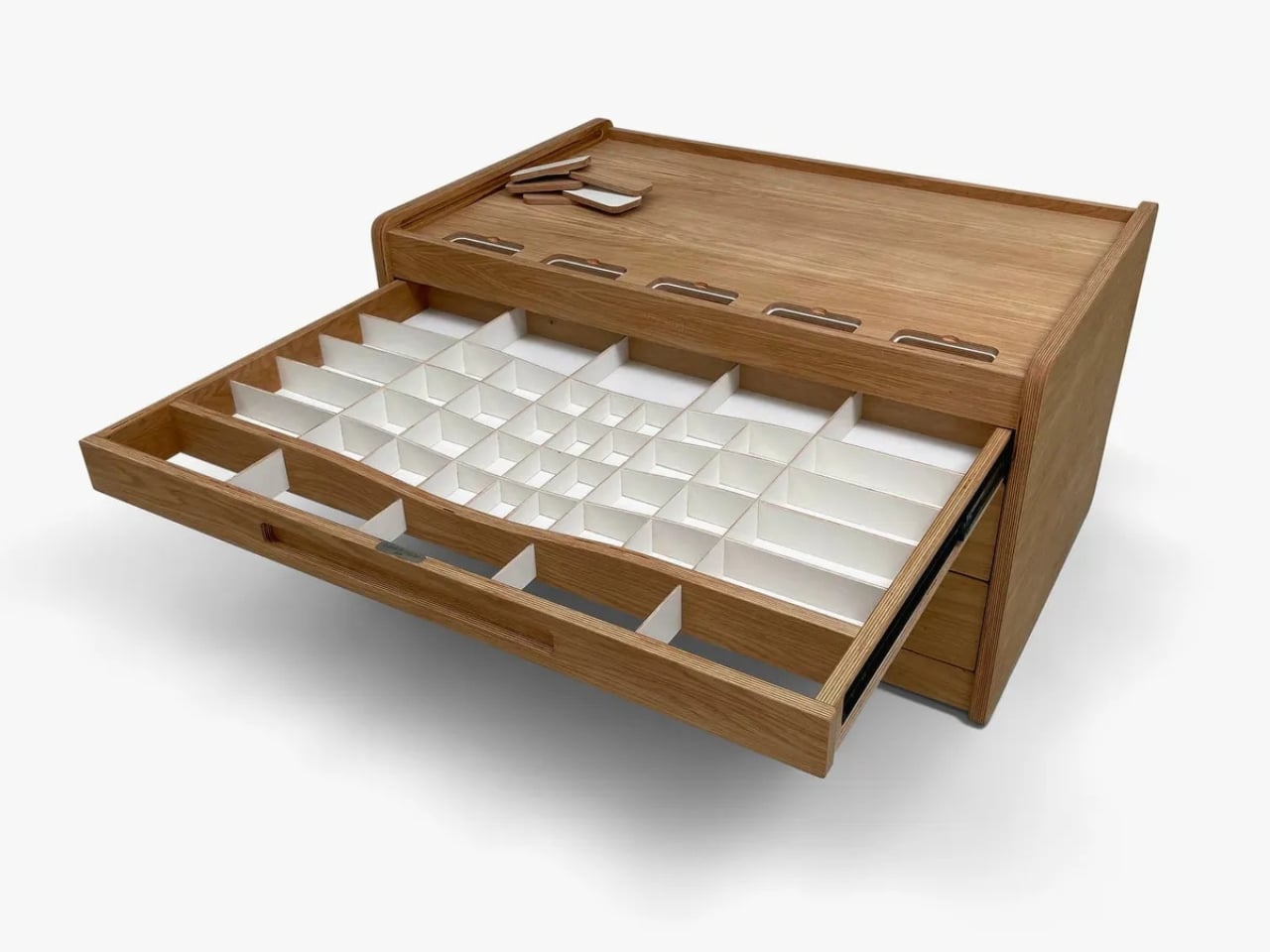
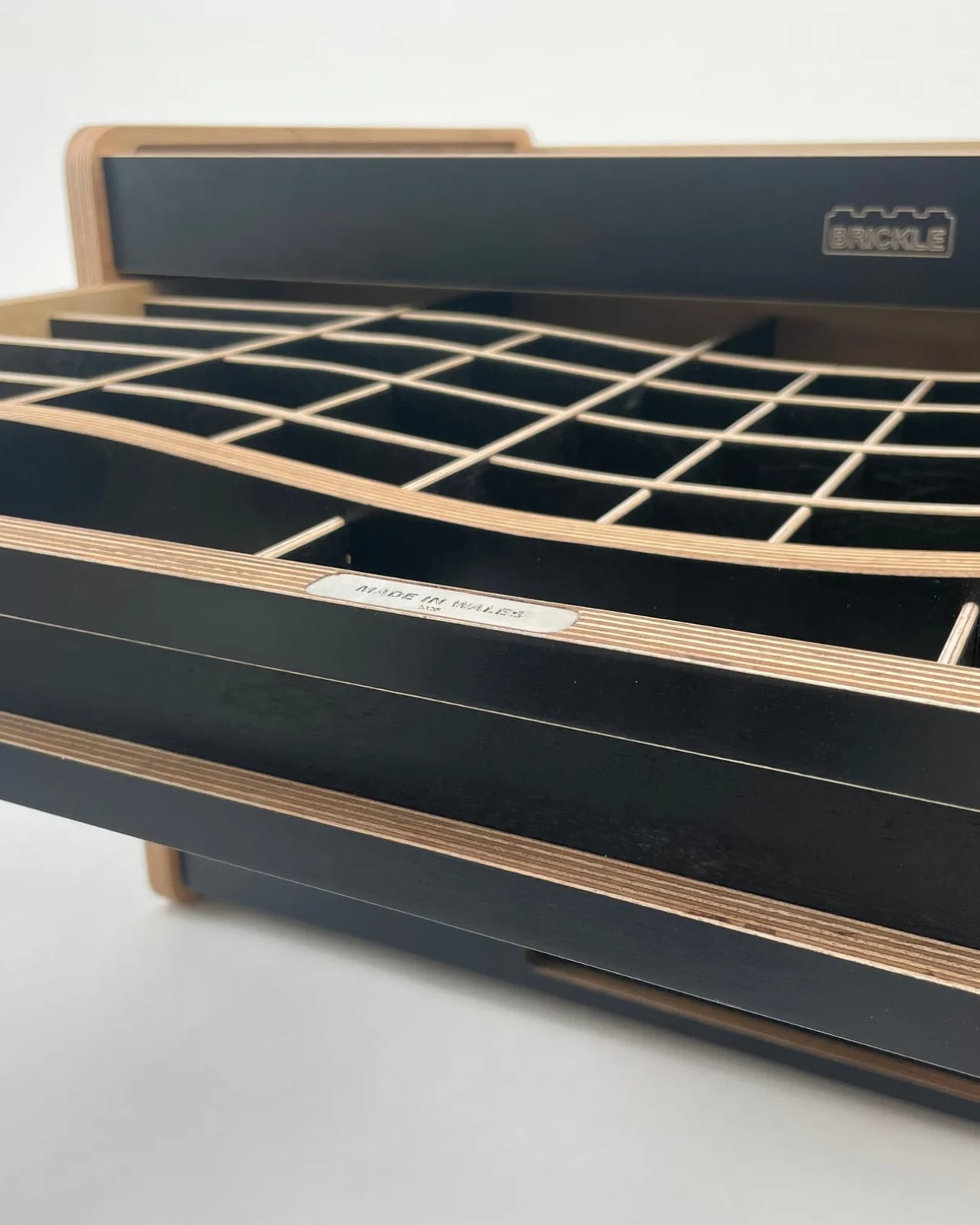
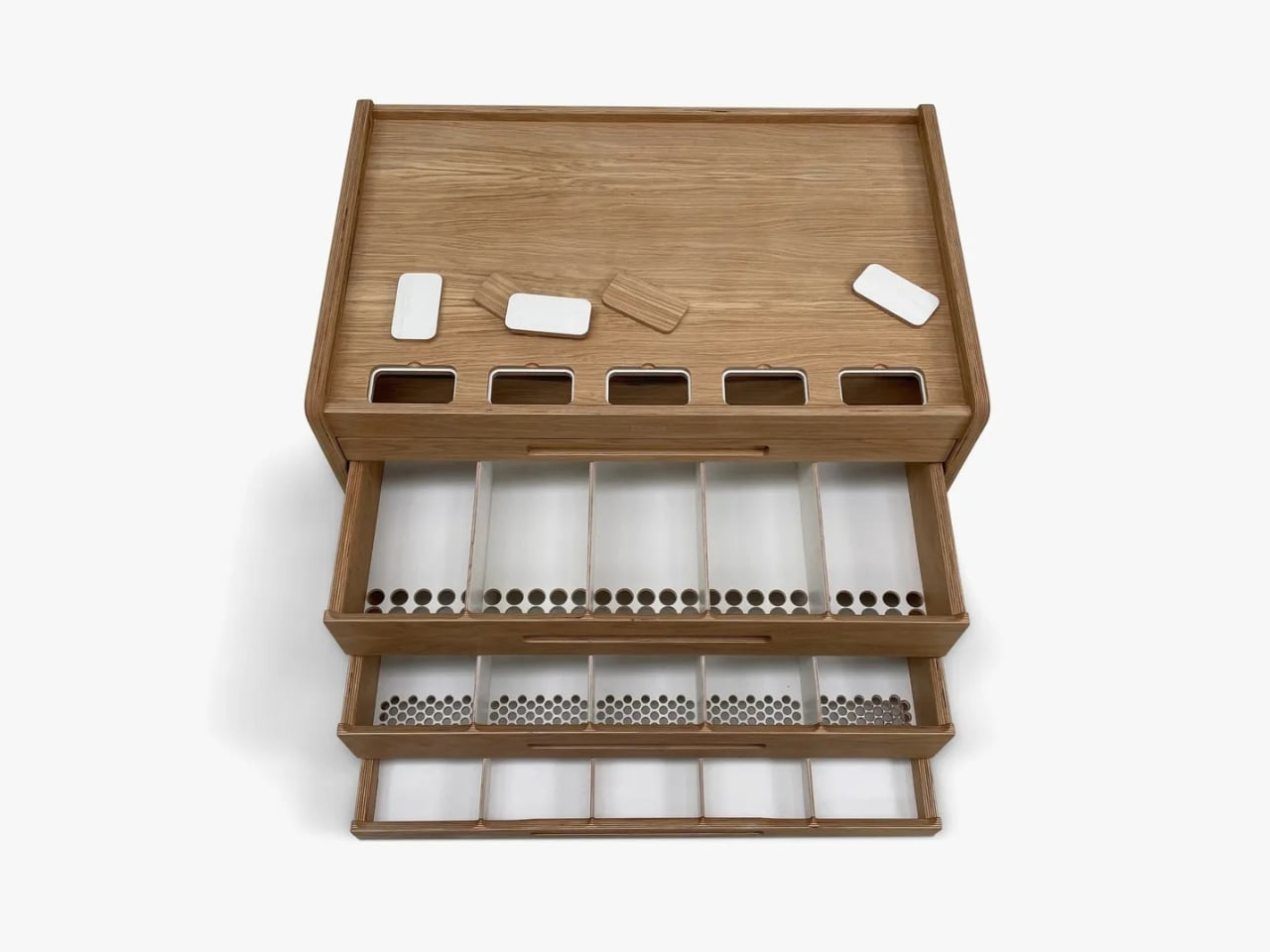
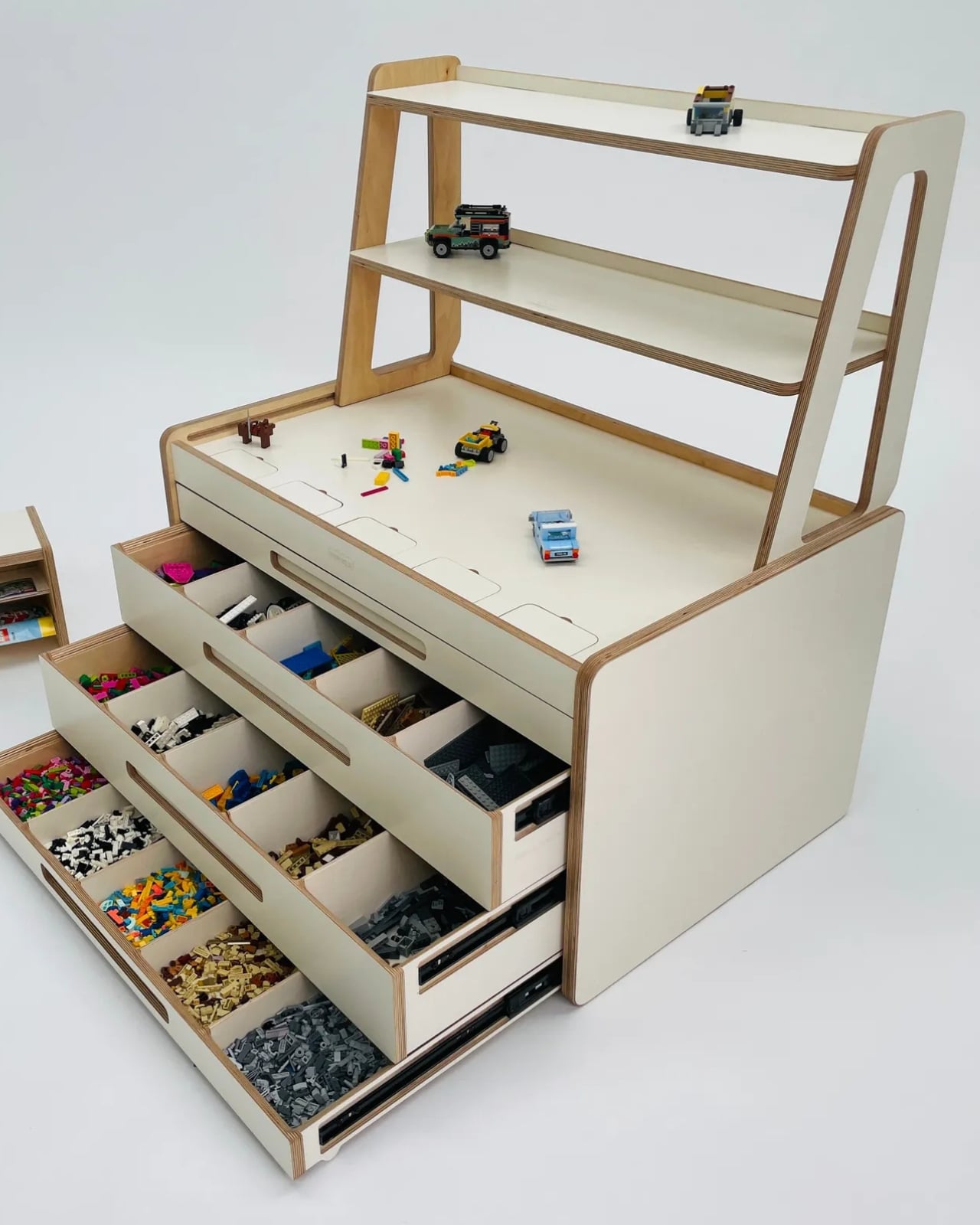
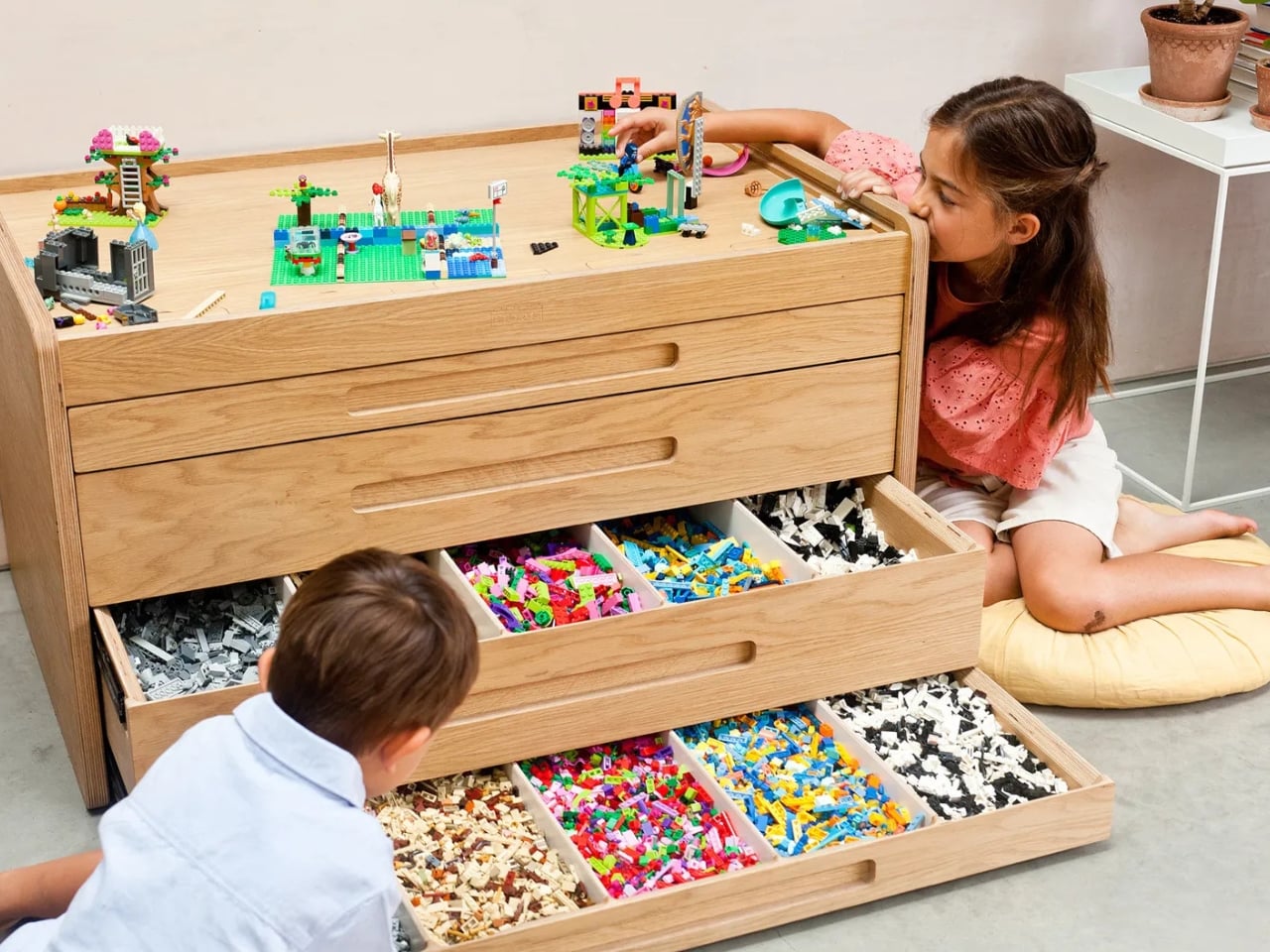
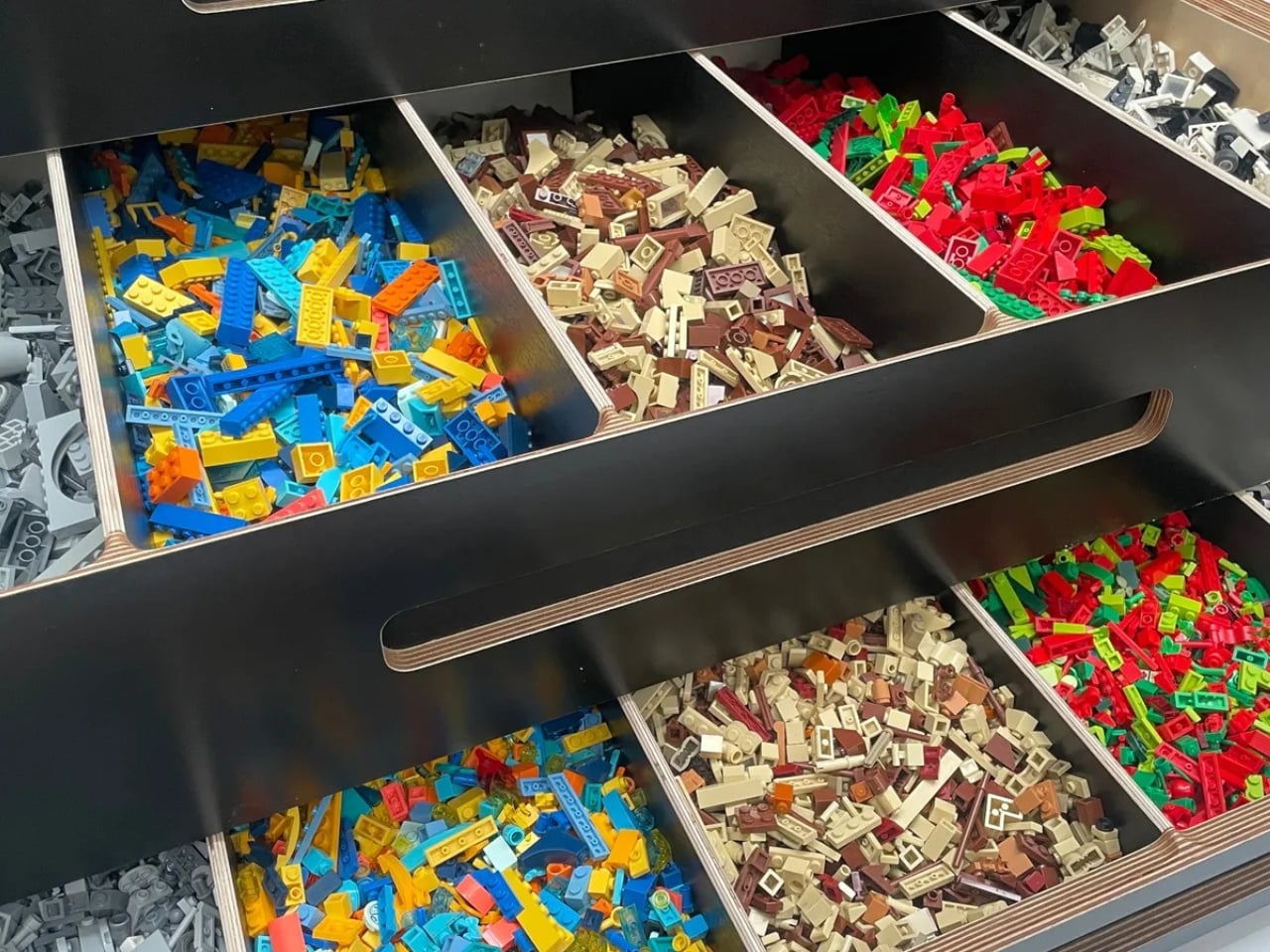
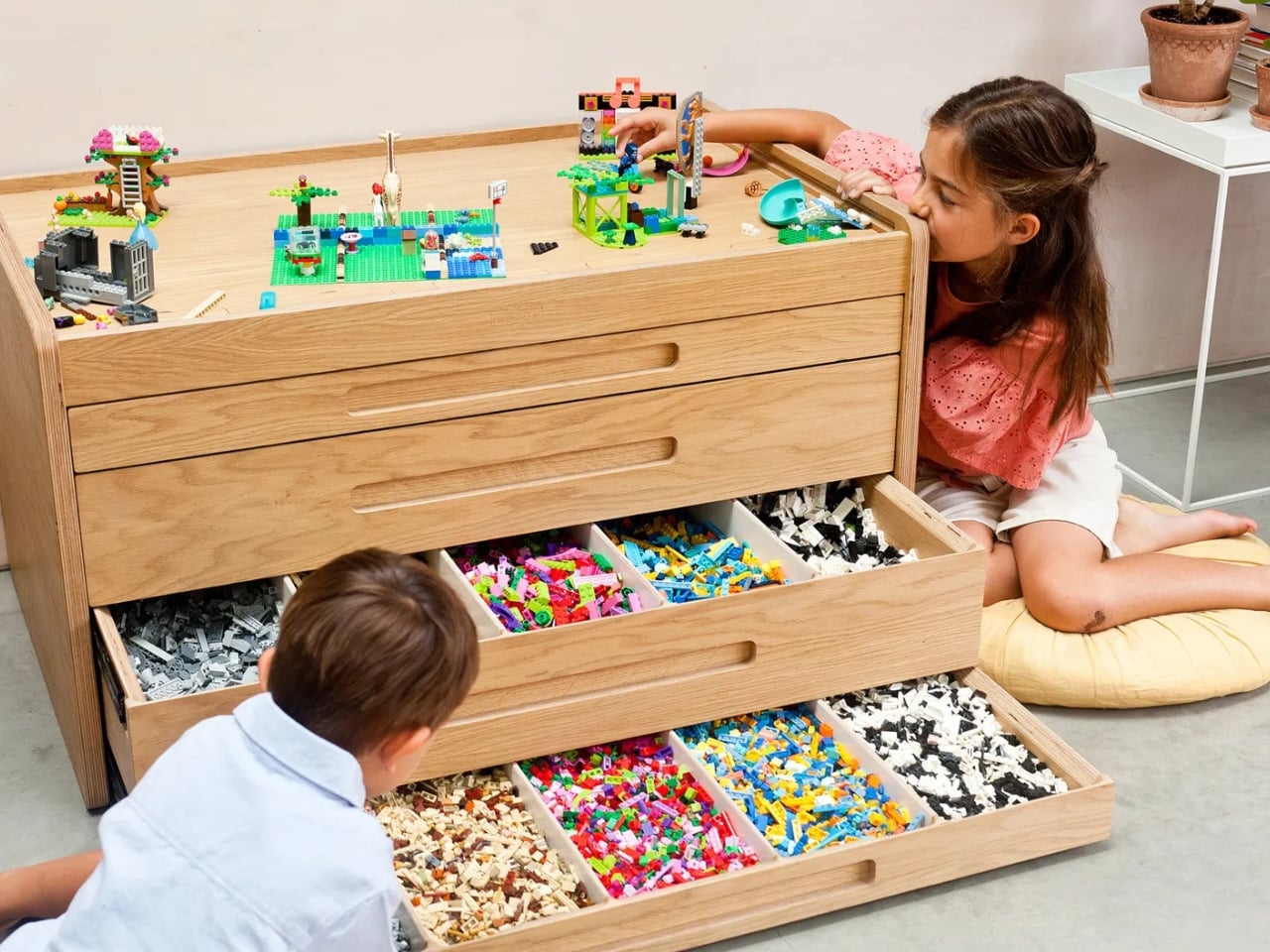
The design itself is genuinely considered. The filtration system sorts bricks by size as they’re dropped in, which means the sorting happens as part of play rather than as a separate chore nobody wants to do. The drawers are accessible, the surface doubles as a proper play table, and the whole unit is built to last long enough to hand down. Wallpaper* Magazine described it as “the most elegant LEGO storage system ever made,” and it’s difficult to argue with that. It looks like something from a high-end children’s furniture brand, not a toy storage category.

The price reflects that. The cream version starts at £1,850, with an oak version at £3,650. That’s a significant amount of money, and I don’t think it’s useful to pretend otherwise. But the conversation around the Brickle isn’t really about whether it’s affordable. It’s about what it represents: the idea that objects designed for children don’t have to be ugly, that good design and practicality aren’t mutually exclusive, and that some things are worth making extremely well even if fewer people can buy them. The Brickle sits comfortably alongside other premium design pieces that parents justify not as toys but as furniture investments. Which is exactly what it is.

The creativity angle is arguably its most compelling argument. Parents who own a Brickle consistently report that their kids started building original things instead of just following kit instructions. One parent noted that her daughters were finding it easier to create their own sets and games. Another mentioned that the sorted, accessible layout helped his son with ADHD stay focused long enough to actually finish builds. These aren’t polished marketing claims. They’re the kind of specific, unscripted feedback that usually only shows up when a product genuinely changes how someone uses a space.

The Brickle also comes in a smaller version called the Brickle Bach (Bach is Welsh for small), which handles up to 9 kilograms of bricks. Matching stools and shelves round out the range, meaning you can pull together an entire LEGO corner that looks like it was designed on purpose.

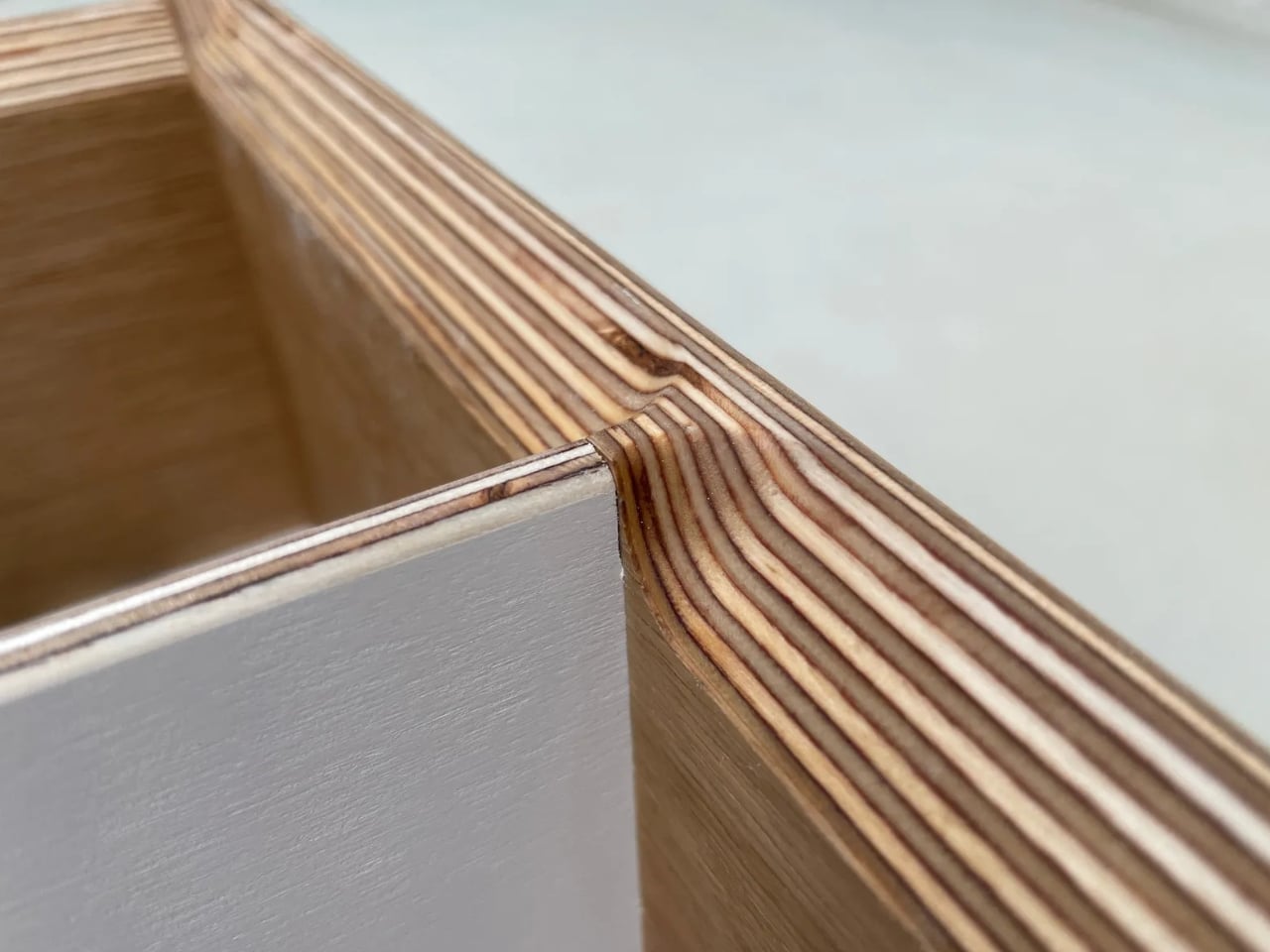
The Newland brothers still operate out of a workshop on the West coast of Wales, which adds a quiet layer of meaning to the whole thing. This isn’t a startup that found a manufacturer and slapped a logo on it. It’s a family making something they believe in, in a place that means something to them. The LEGO chaos in your home isn’t going anywhere. But with the Brickle, it might finally have a place that suits it.

The post 3 Brothers Finally Solved the LEGO Mess for £1,850 first appeared on Yanko Design.
The Corner 99.5% of Wardrobes Ignore Finally Has a Rack for It

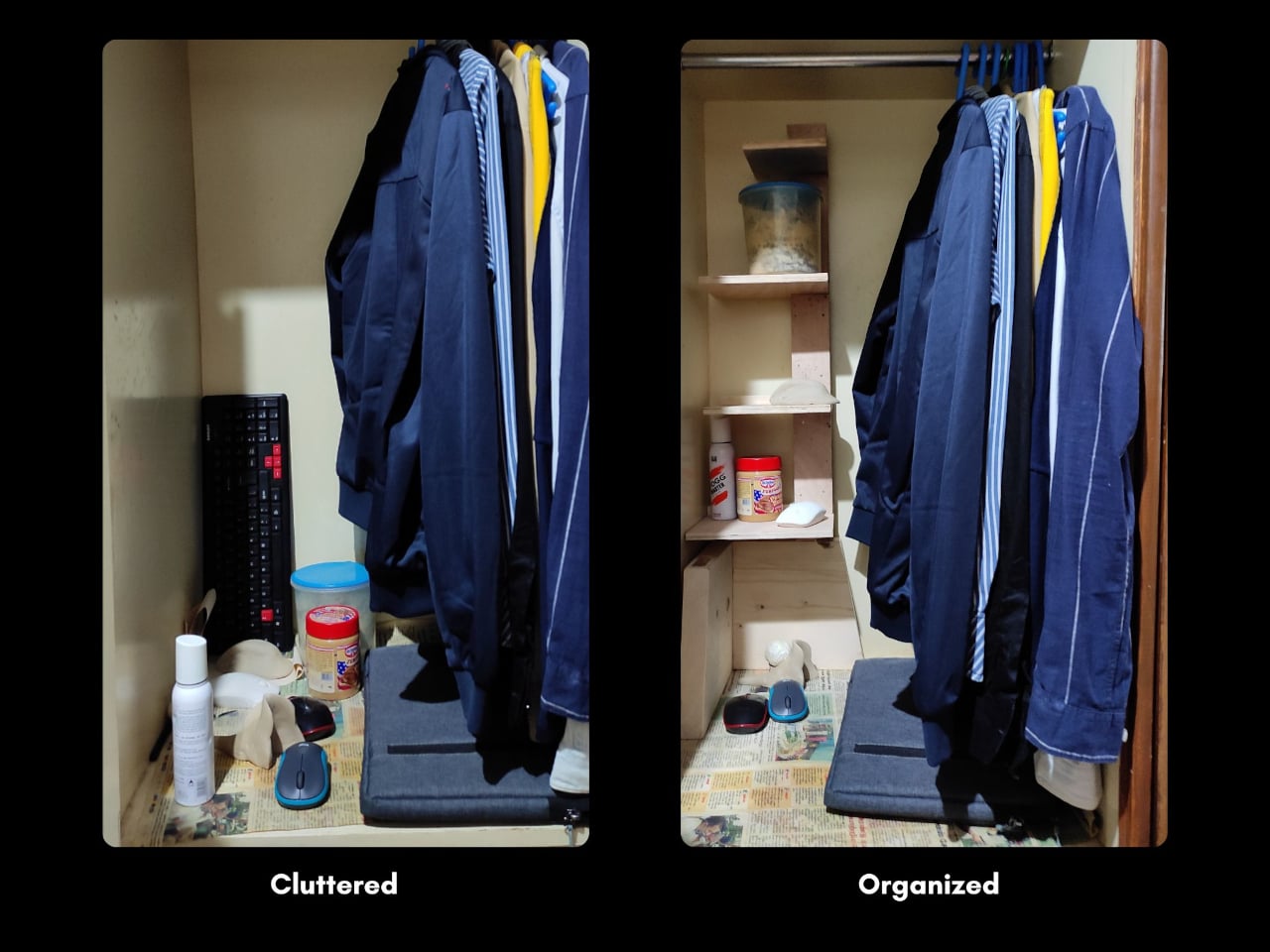
The wardrobe is one of those household objects that seems like it has plenty of room until it doesn’t. Most people eventually find themselves pushing hangers aside to make space, folding things into corners, and stacking items on whatever flat surface presents itself. Organization accessories exist in abundance, but the majority address the visible problem rather than the structural one.

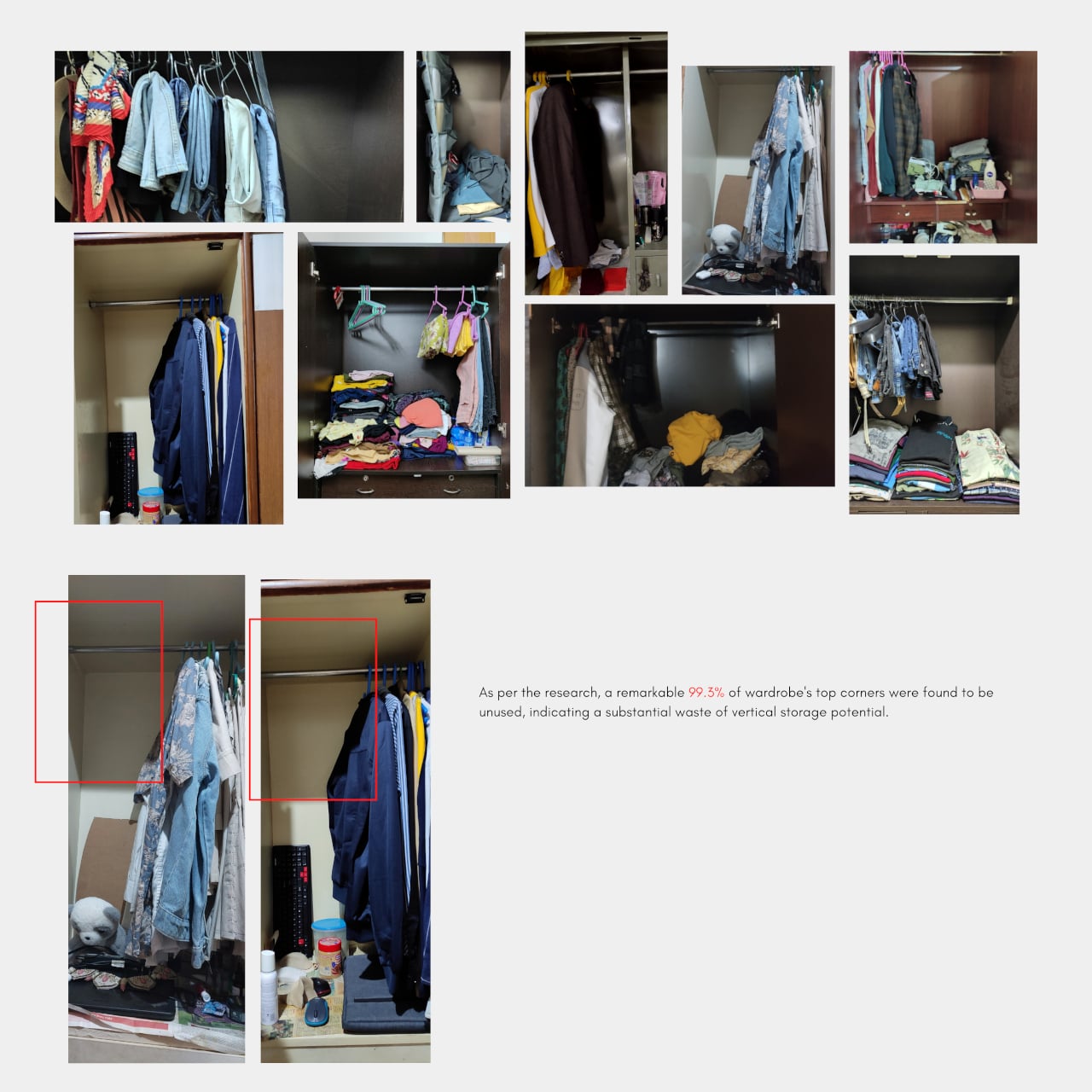
A user survey of more than 50 real wardrobes found that 99.5% of the top corners went entirely unused, prime vertical real estate that no hanging rod reaches, and no standard shelf fits. That specific insight became the starting point for CONCEPT II, a wardrobe rack designed not for the existing infrastructure of the wardrobe but for the part most people have simply given up on.

Designer: Arnav Ashwin

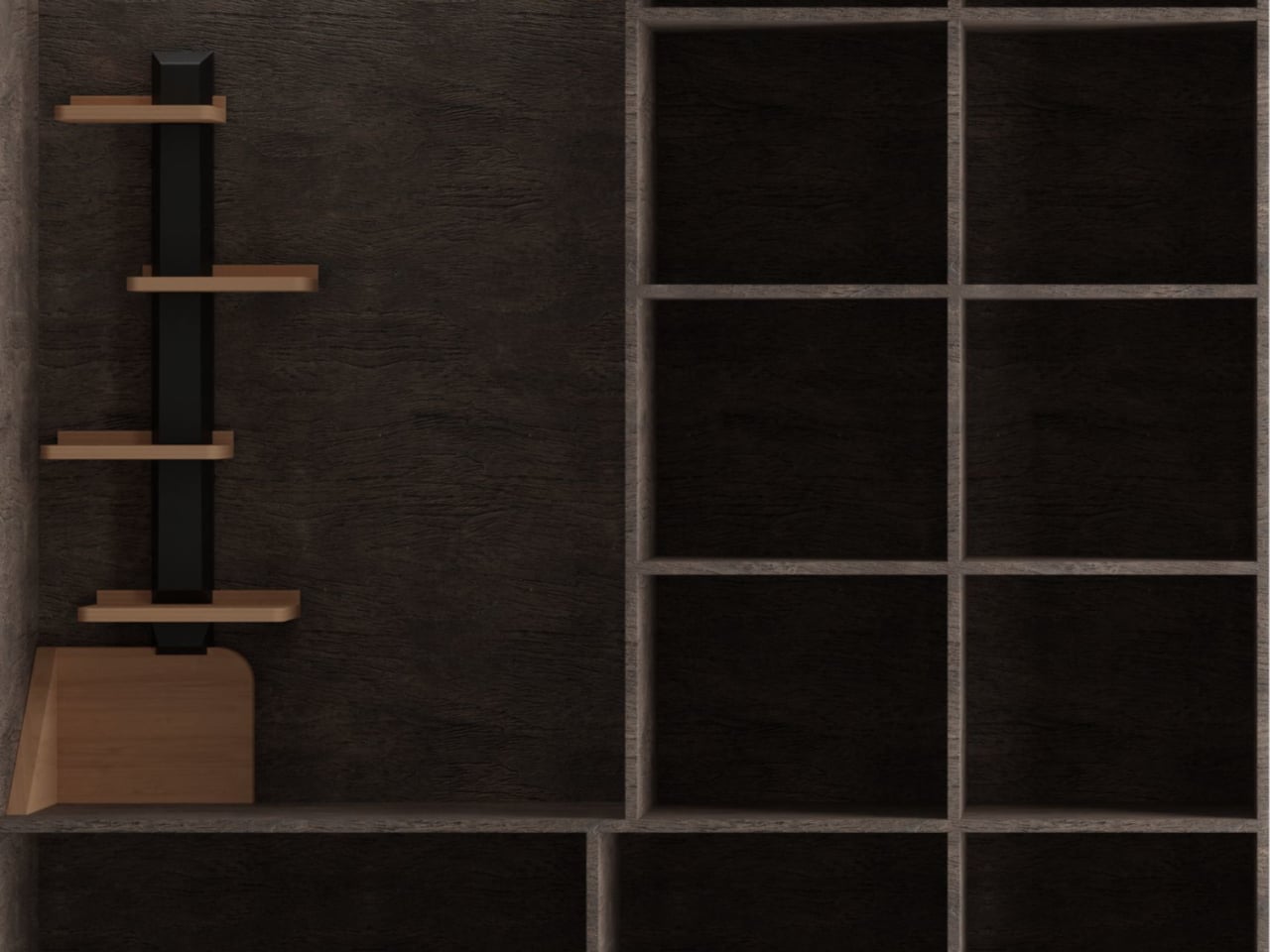
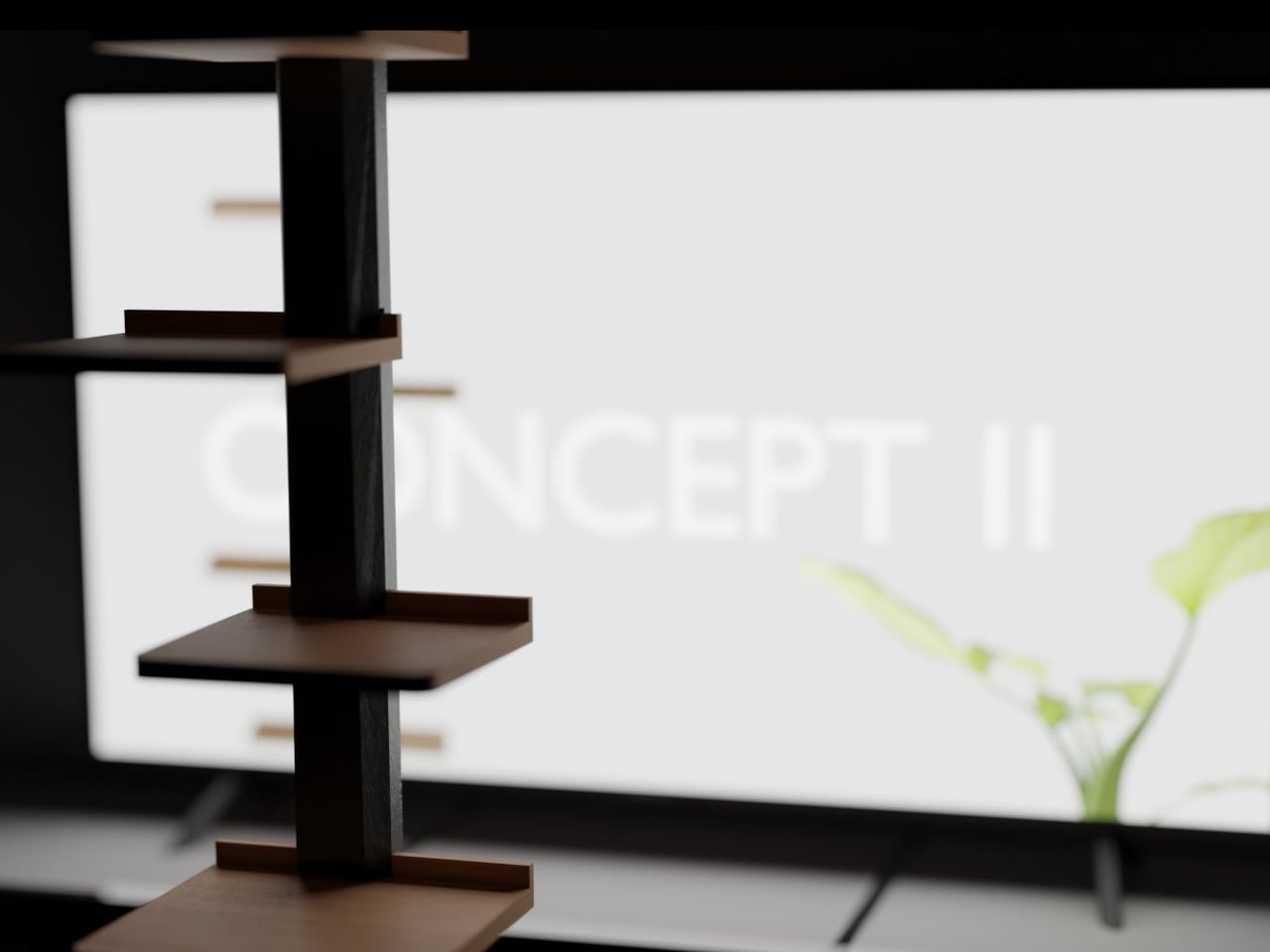
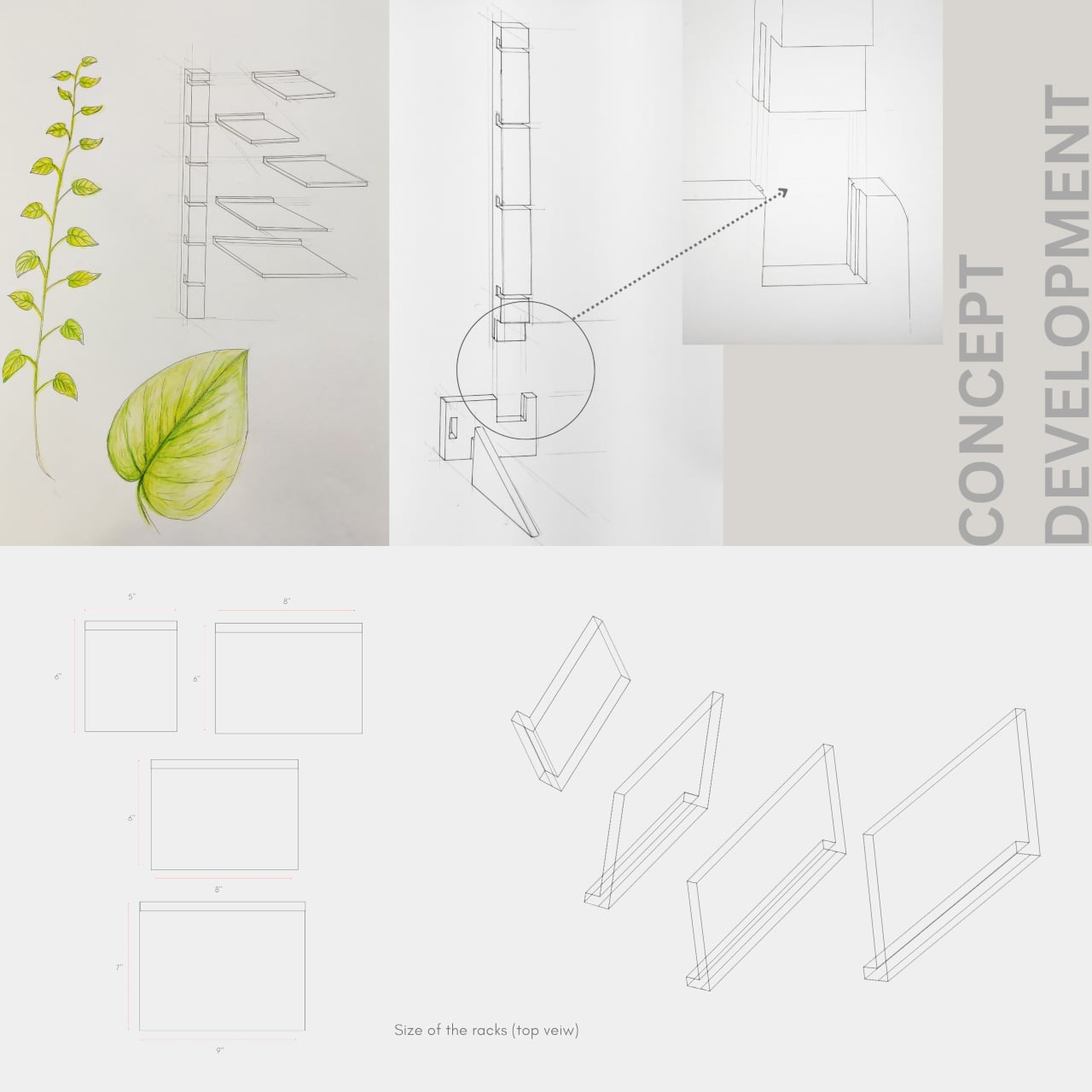
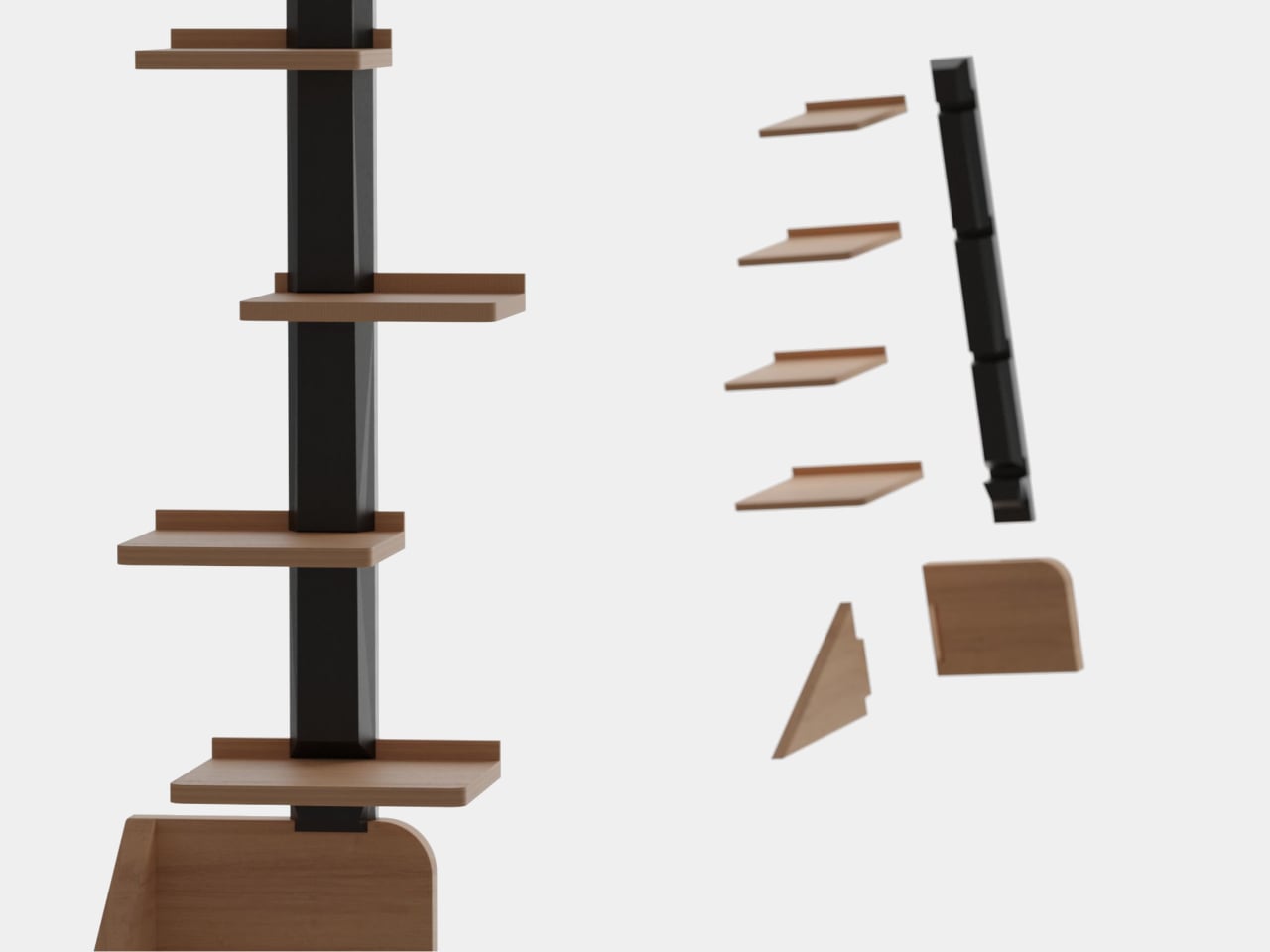
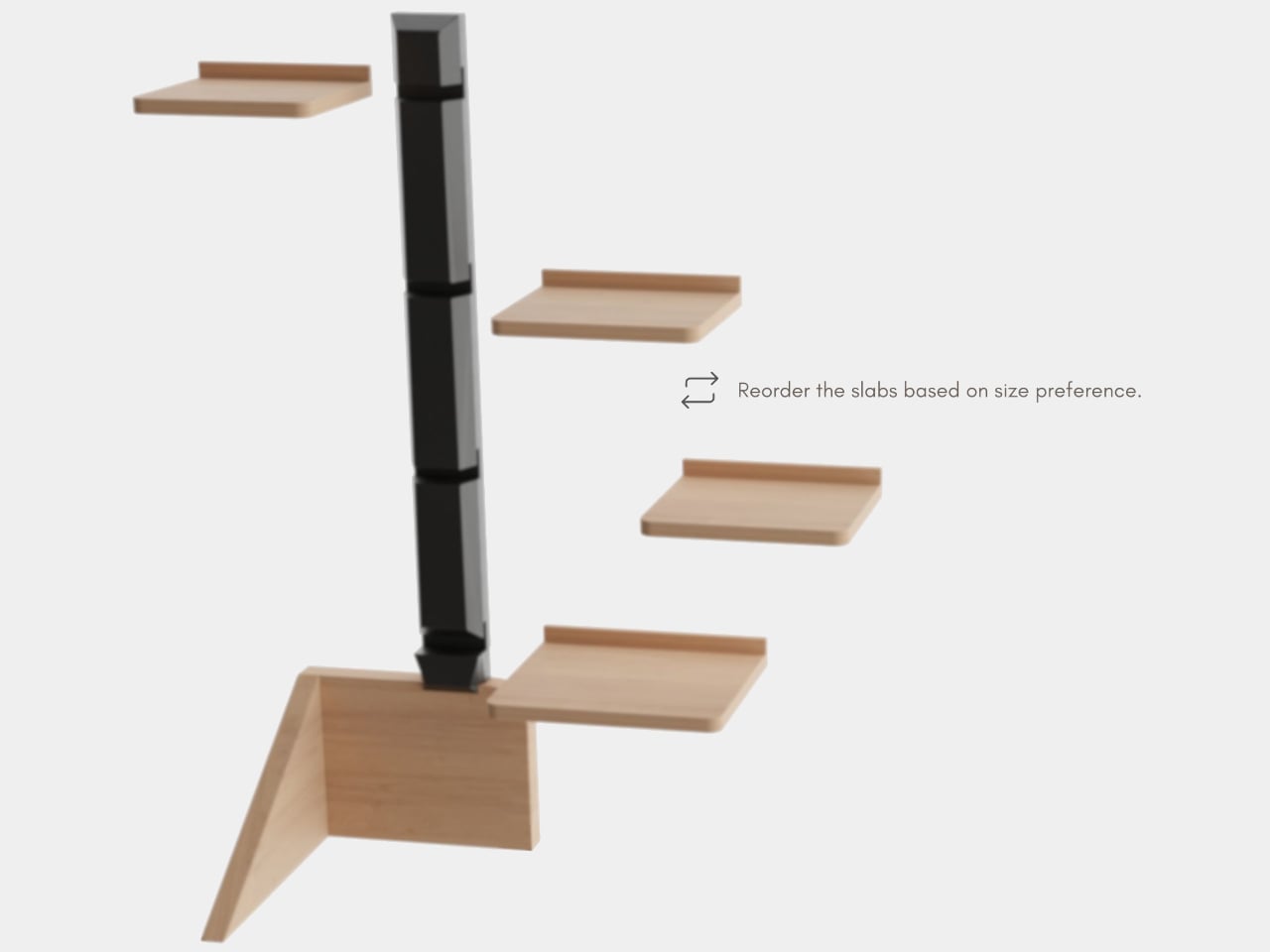
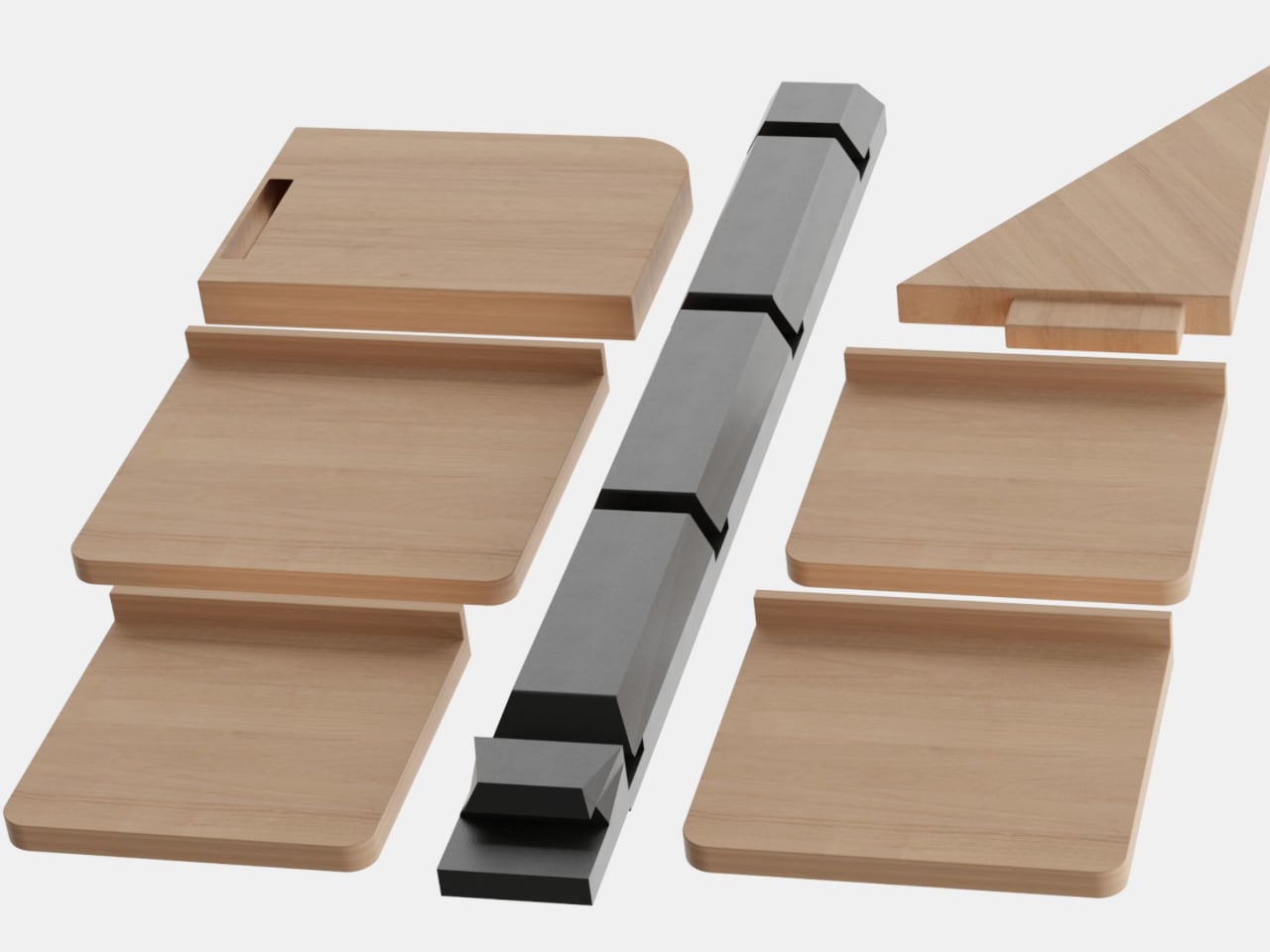
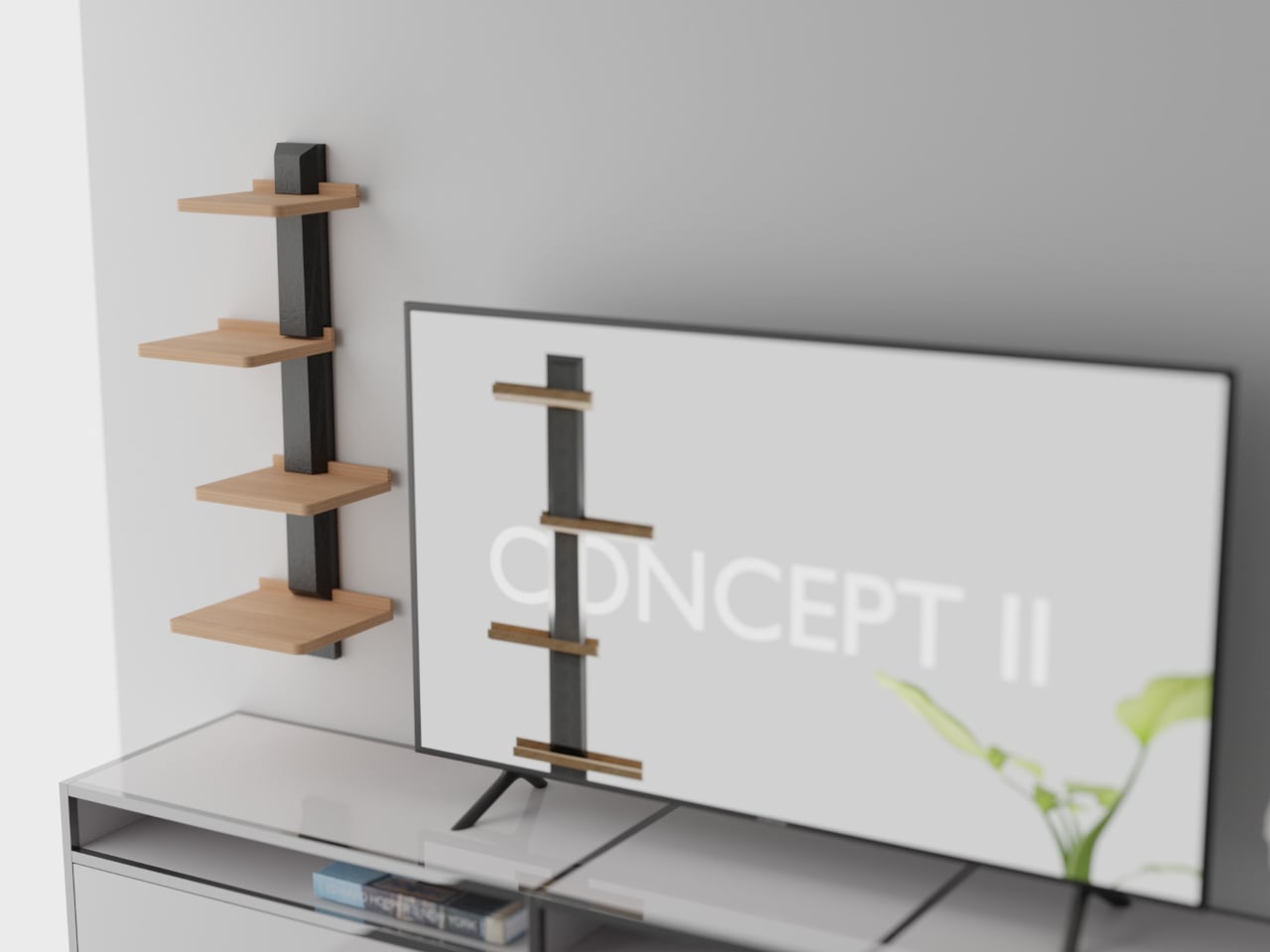
A single vertical post in a dark finish anchors the rack, with a series of wooden shelf slabs attached at staggered heights and alternating sides. The shelves vary in size, with the largest at the bottom and progressively smaller ones rising toward the top, giving the whole structure a stepped, almost branching silhouette that takes up almost no floor footprint while climbing the otherwise empty height of the corner.

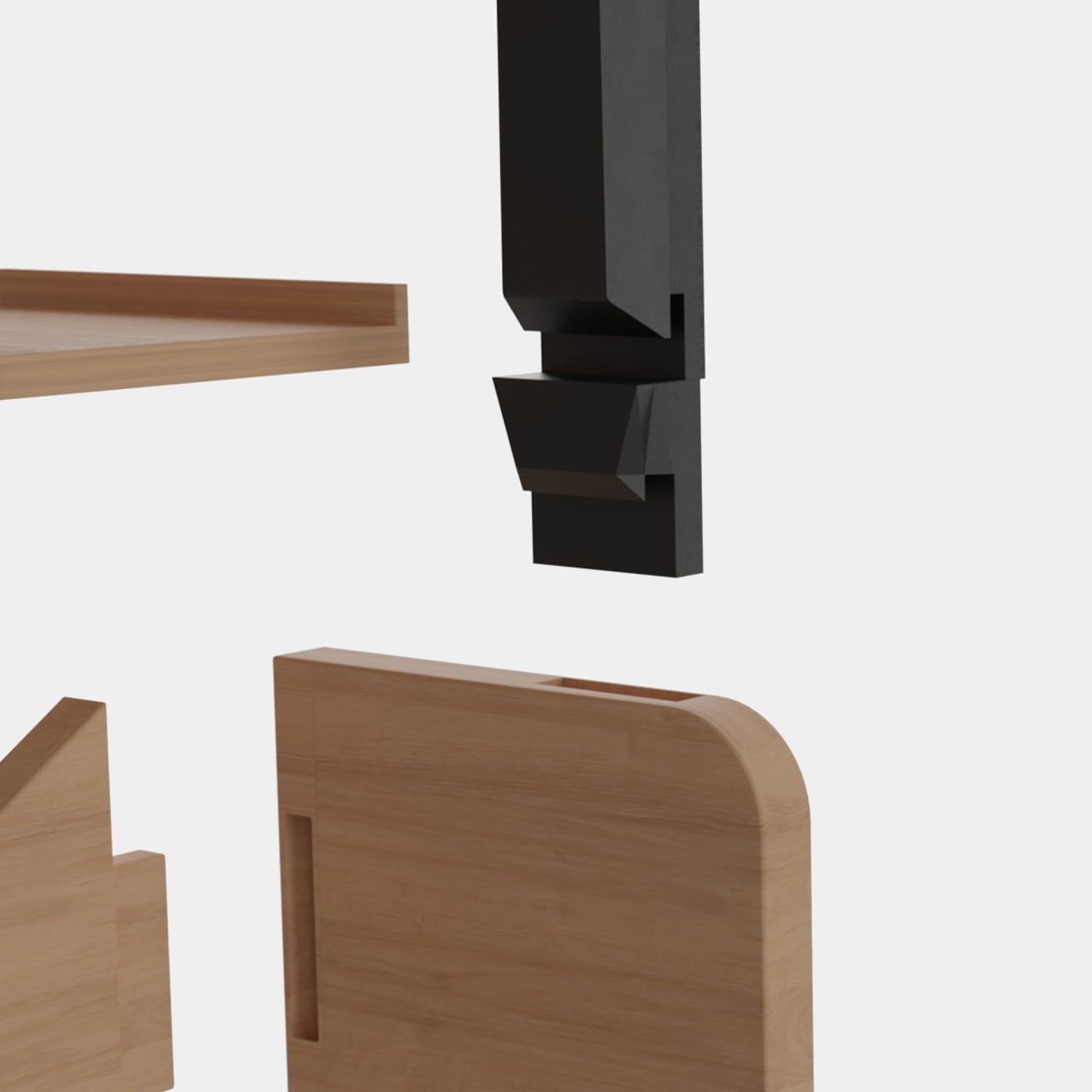
Each shelf slides into a slot in the post rather than being fixed, so the order can be changed based on what needs to go where. Taller items that wouldn’t fit between closely spaced shelves can be shifted to a wider gap. A triangular corner shelf piece also fits the post, filling the awkward dead angle that most corner storage solutions simply leave behind.

All the components come apart completely, which has a practical consequence beyond just being convenient to assemble. When it needs to move or doesn’t fit through a doorway assembled, everything lays flat for packaging. The slot-and-groove connection that makes the shelves adjustable is the same mechanism that allows the whole thing to disassemble without tools, keeping the design logic consistent from first assembly to eventual relocation.

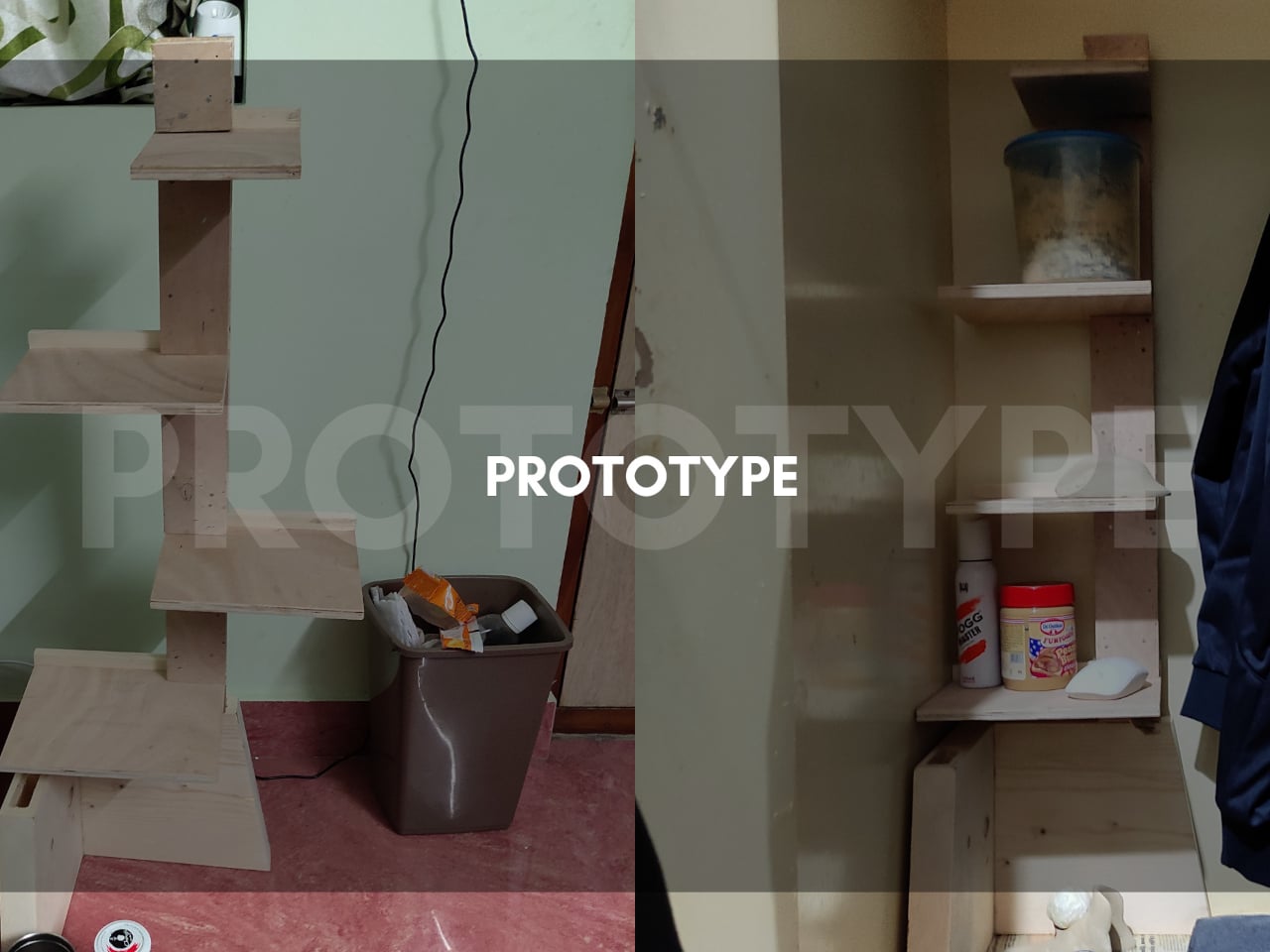
Someone who keeps cosmetics, accessories, or chargers on the wardrobe floor because there’s nowhere else for them now has a structured option that doesn’t involve buying new furniture or installing shelves in the wall. The rack sits in the corner, takes up the space that was already empty, and gives each category of item its own level without competing with the hanging clothes.

The rack doesn’t have to stay inside the wardrobe either. The warm wood tones and staggered profile work just as well against a living room wall or next to a television, where the shelves hold plants, small sculptures, or anything decorative. It’s the kind of piece that looks intentional rather than utilitarian in an open setting, which isn’t something most storage accessories can convincingly claim.

The material choice of solid wood paired with a dark post finish gives the rack a considered appearance that doesn’t telegraph “storage problem.” The user research behind it, drawn from a survey of more than 50 real wardrobes, makes the solution feel less like a product invention and more like an obvious fix that took a careful look at the actual problem to arrive at.

The post The Corner 99.5% of Wardrobes Ignore Finally Has a Rack for It first appeared on Yanko Design.