The Desk Organizer That Looks Like a Rice Field

Most desk organizers are an afterthought. You buy one because your pens are rolling off the edge or your sticky notes have formed some kind of autonomous colony, and you just need something, anything, to contain the chaos. The result is usually a sad plastic tray that technically does the job but adds nothing to the room. That’s what makes Mirko Romanelli’s KOMBO concept genuinely worth paying attention to. It’s a desk organizer that actually looks like it was designed.

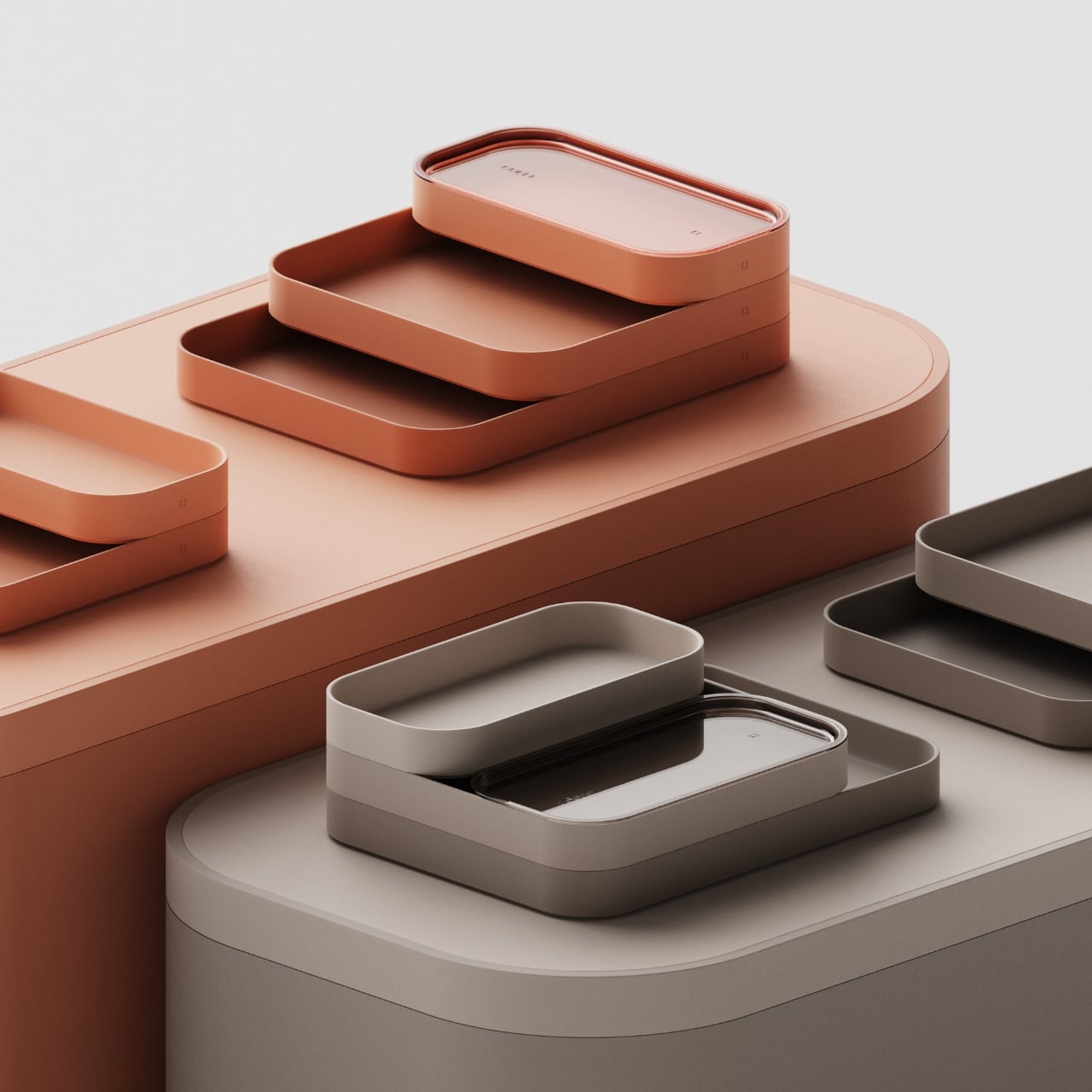
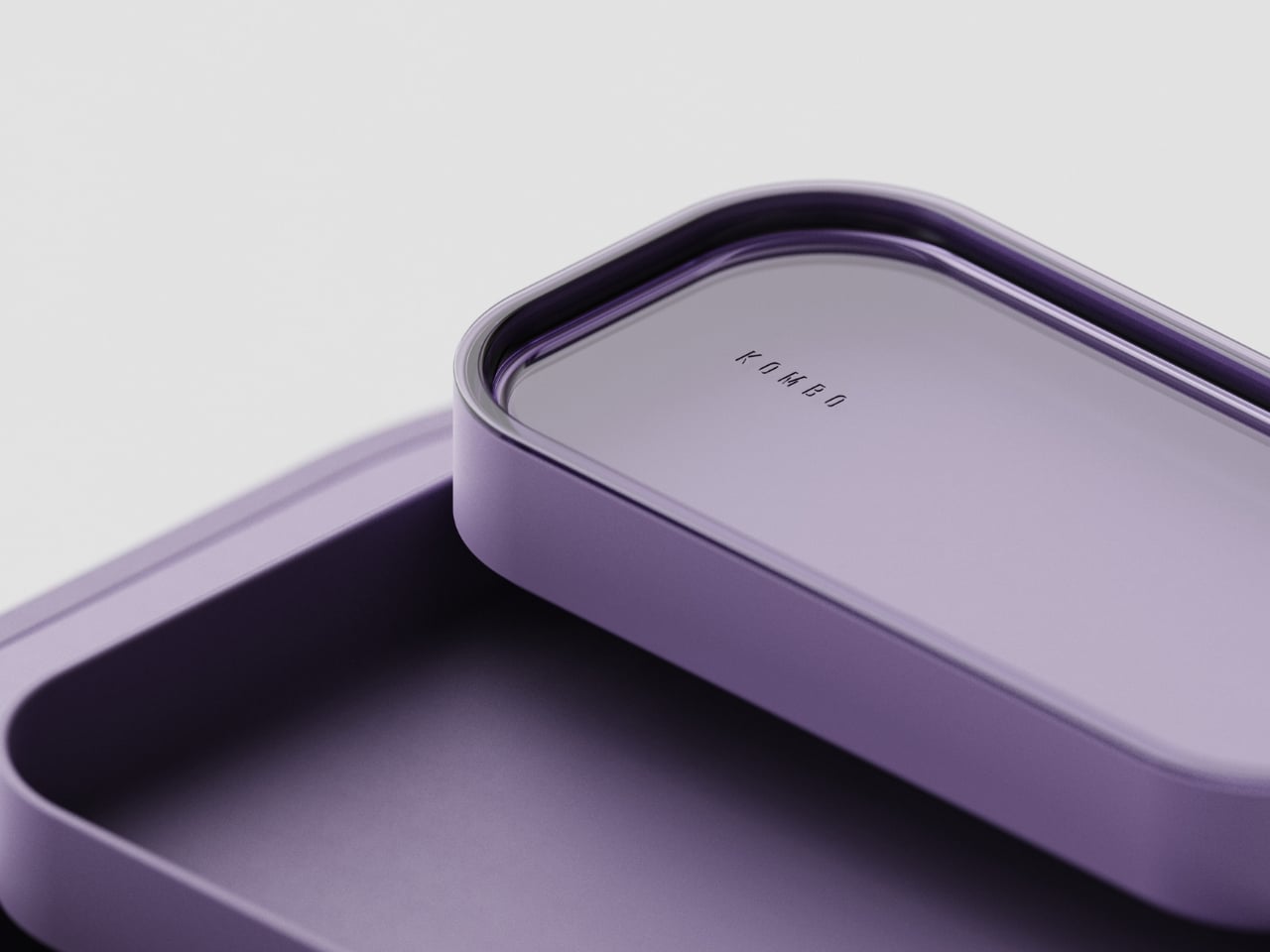
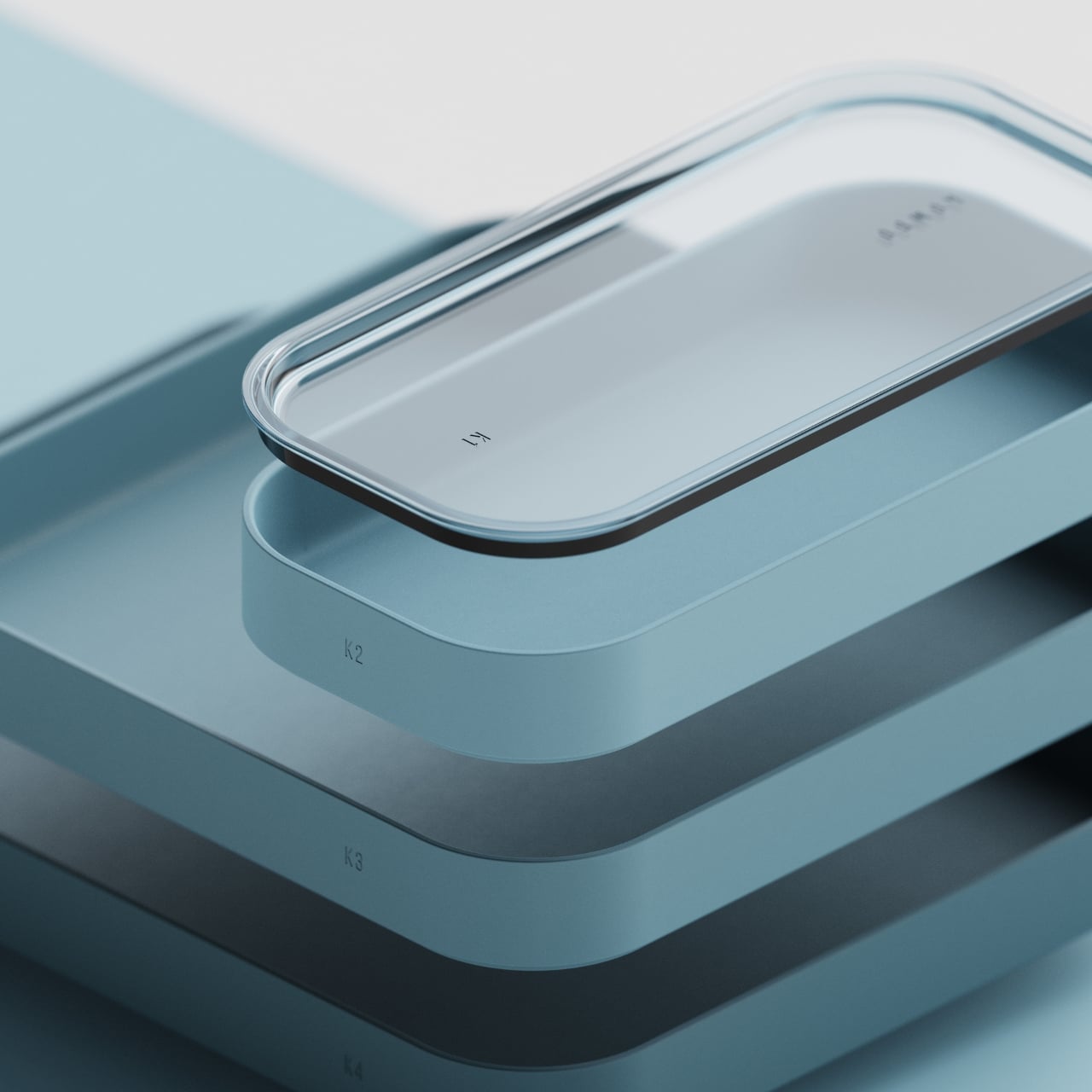
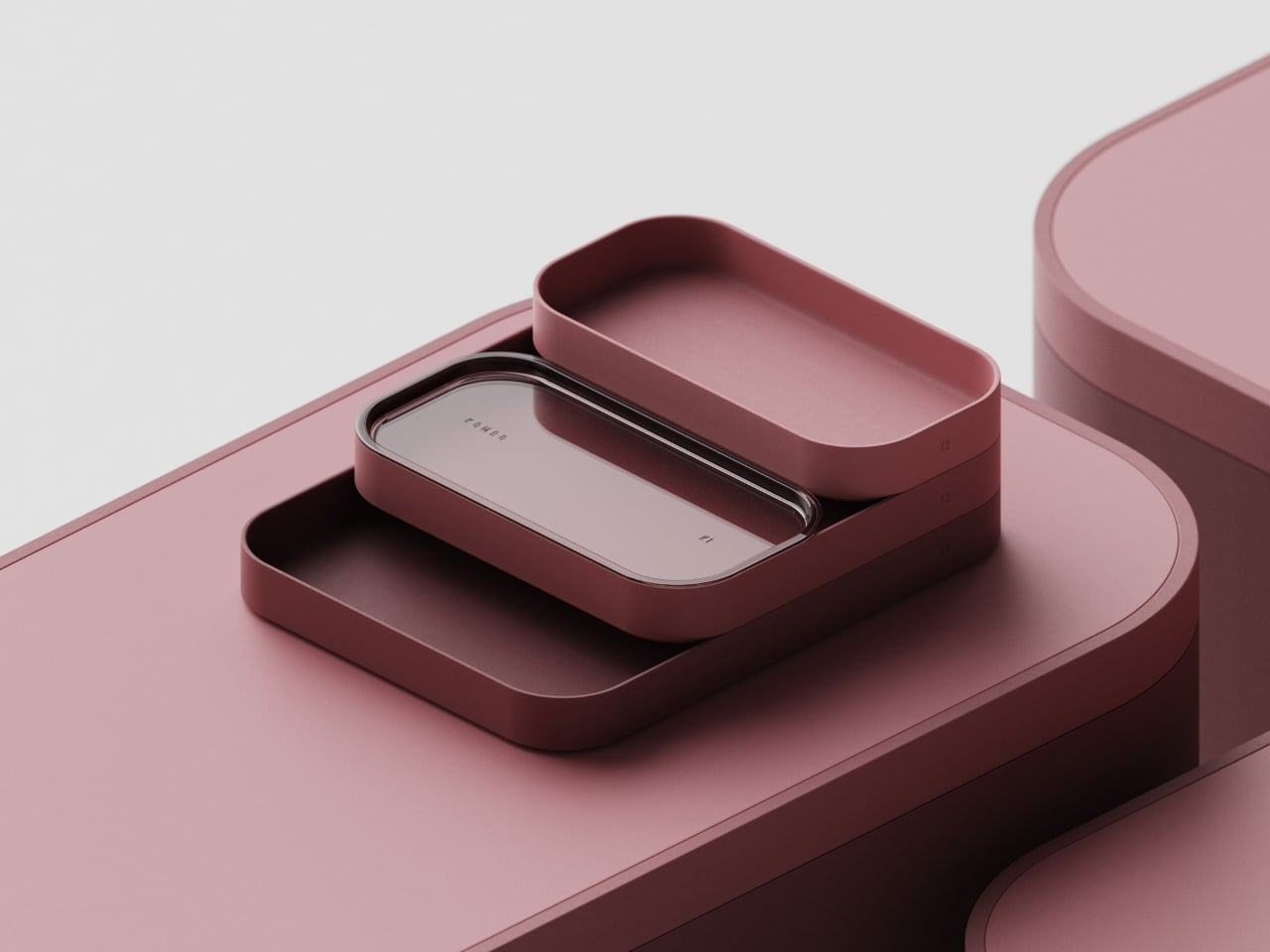
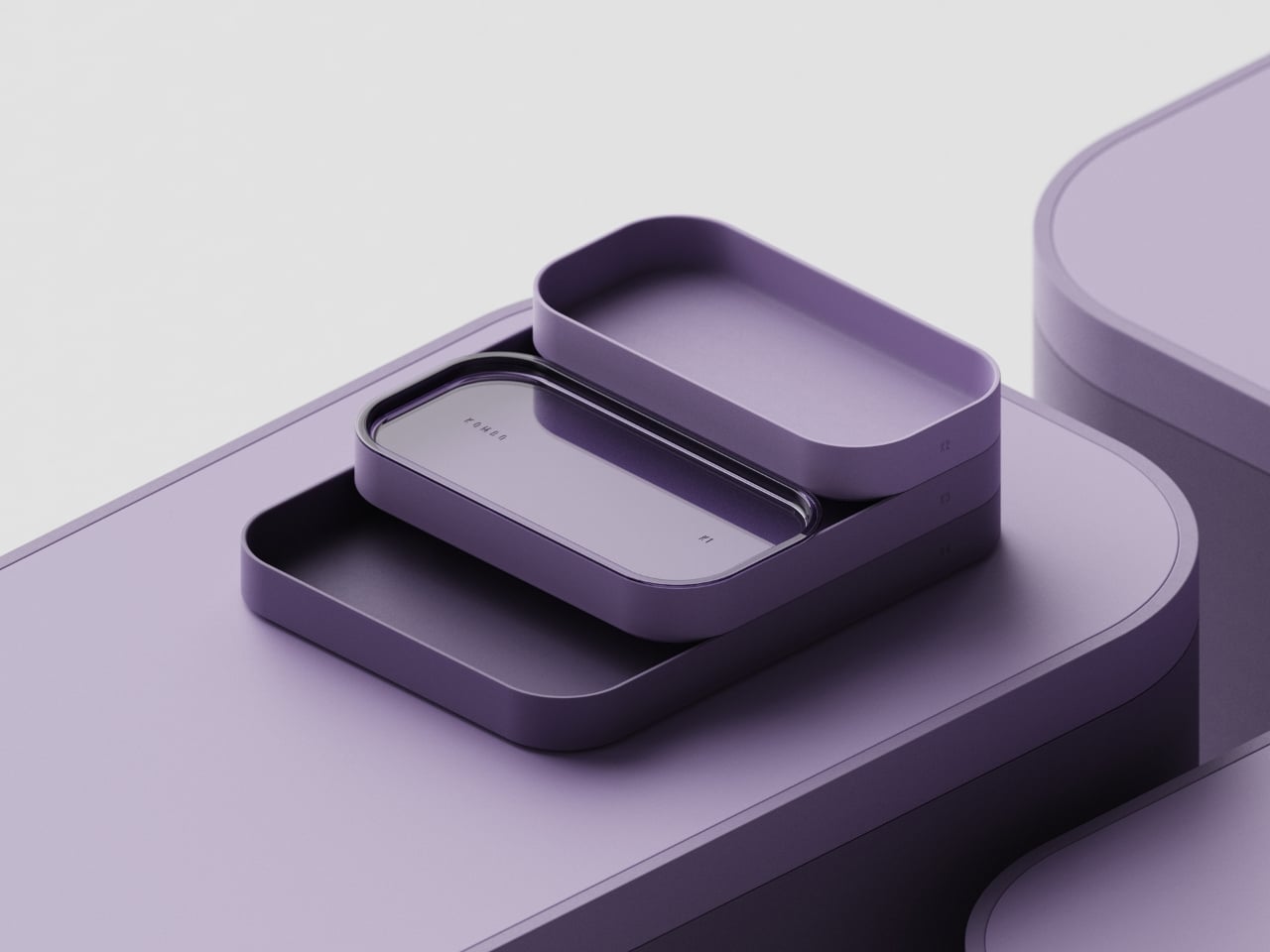
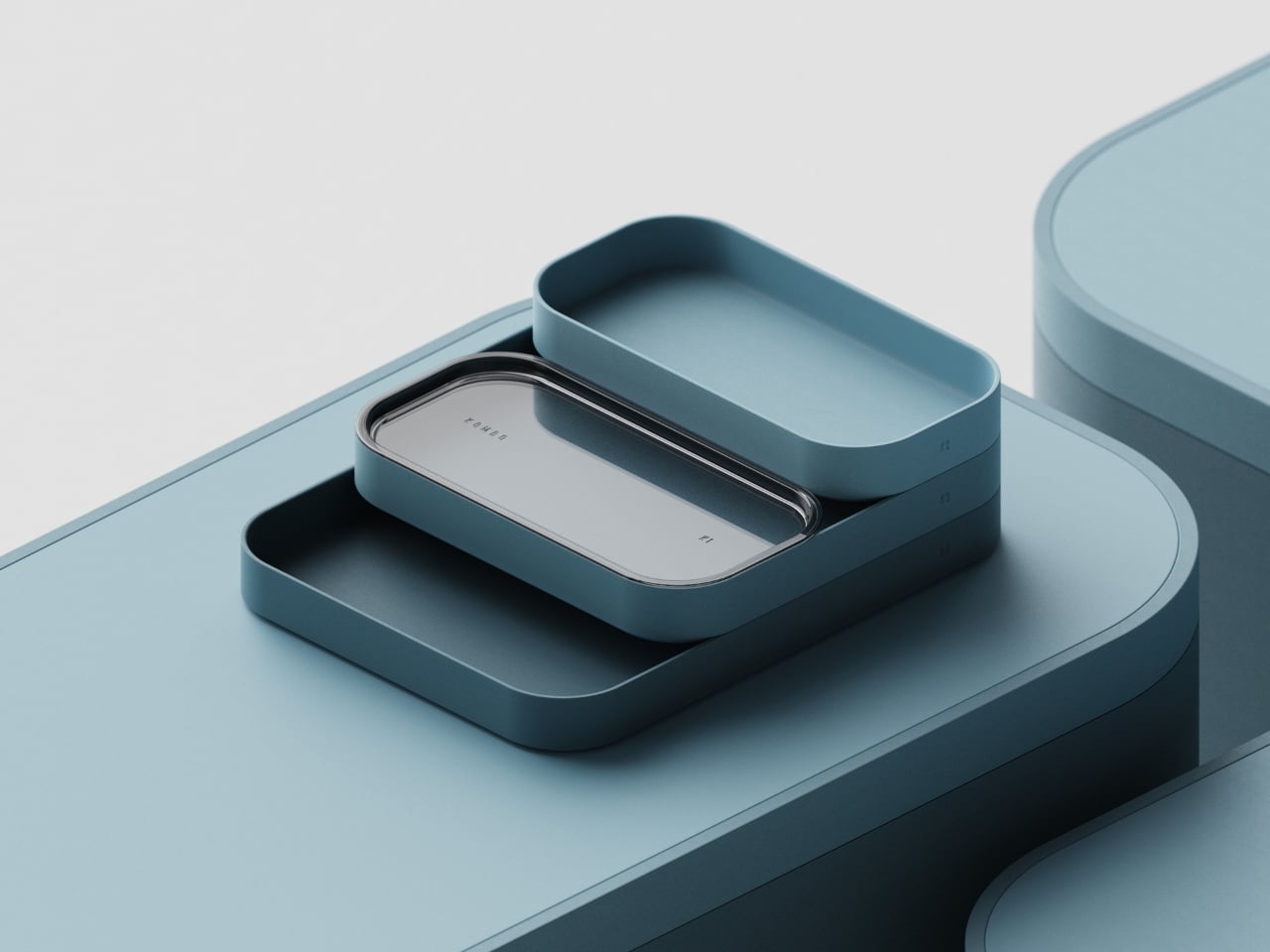
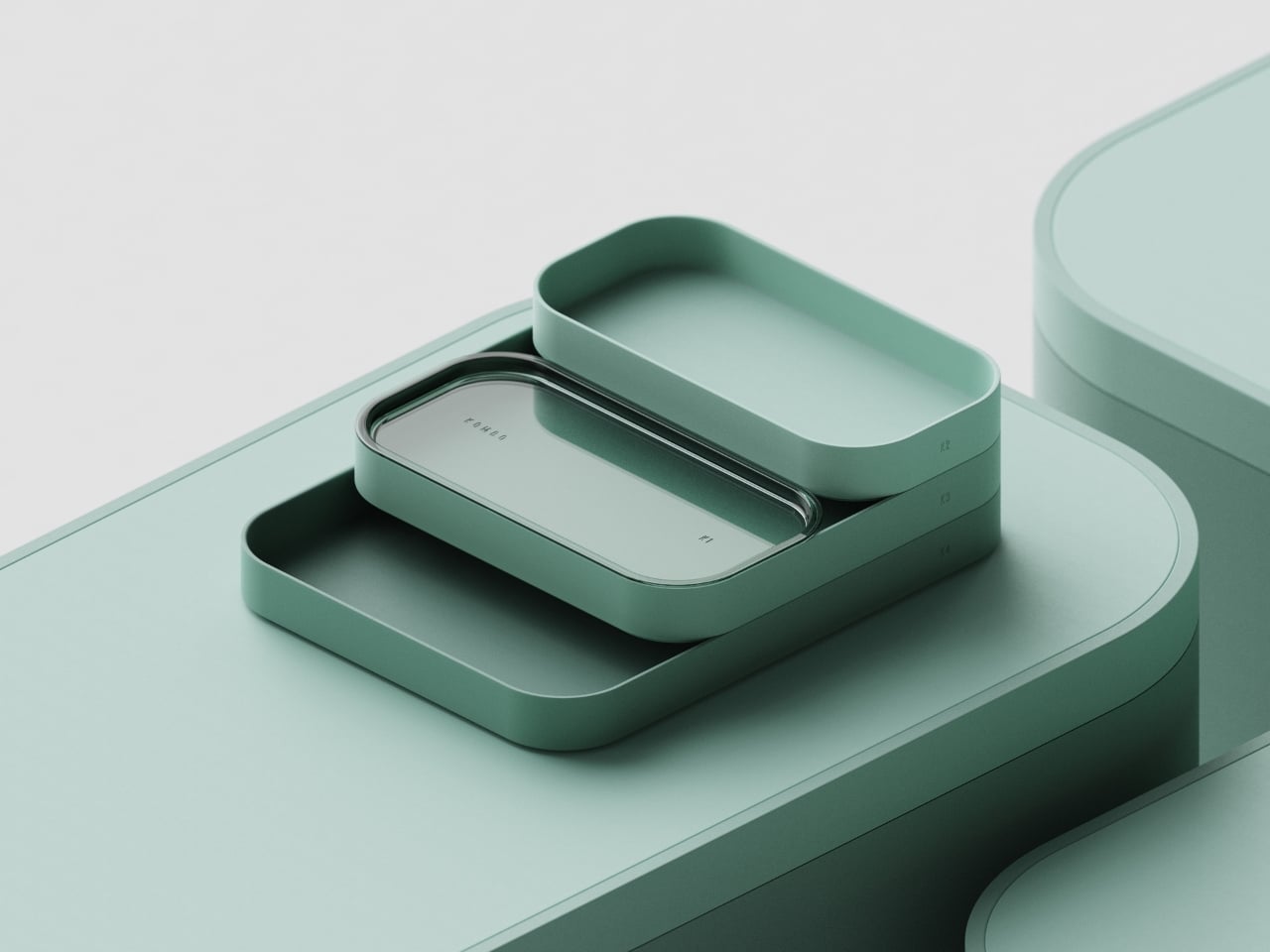
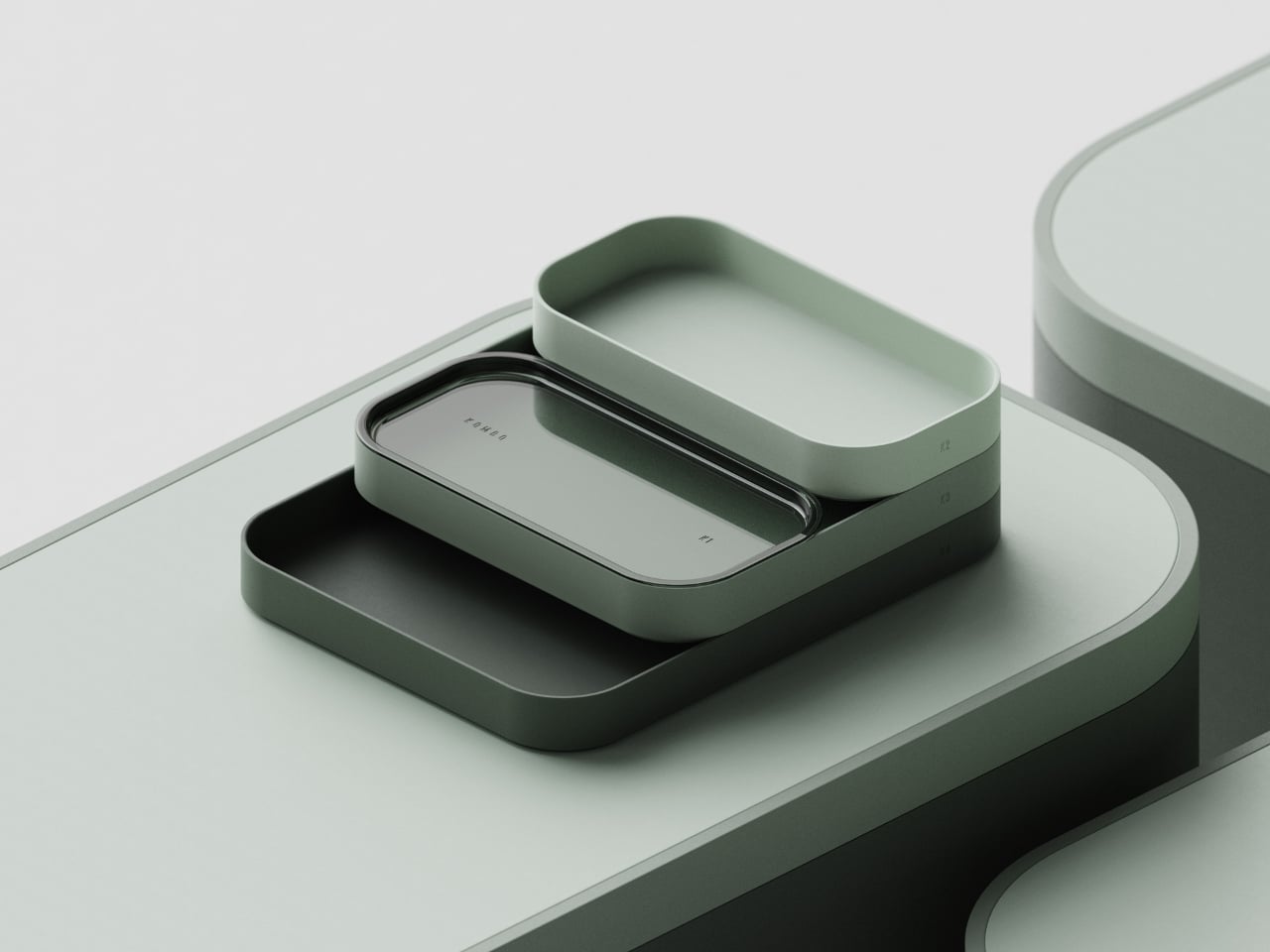
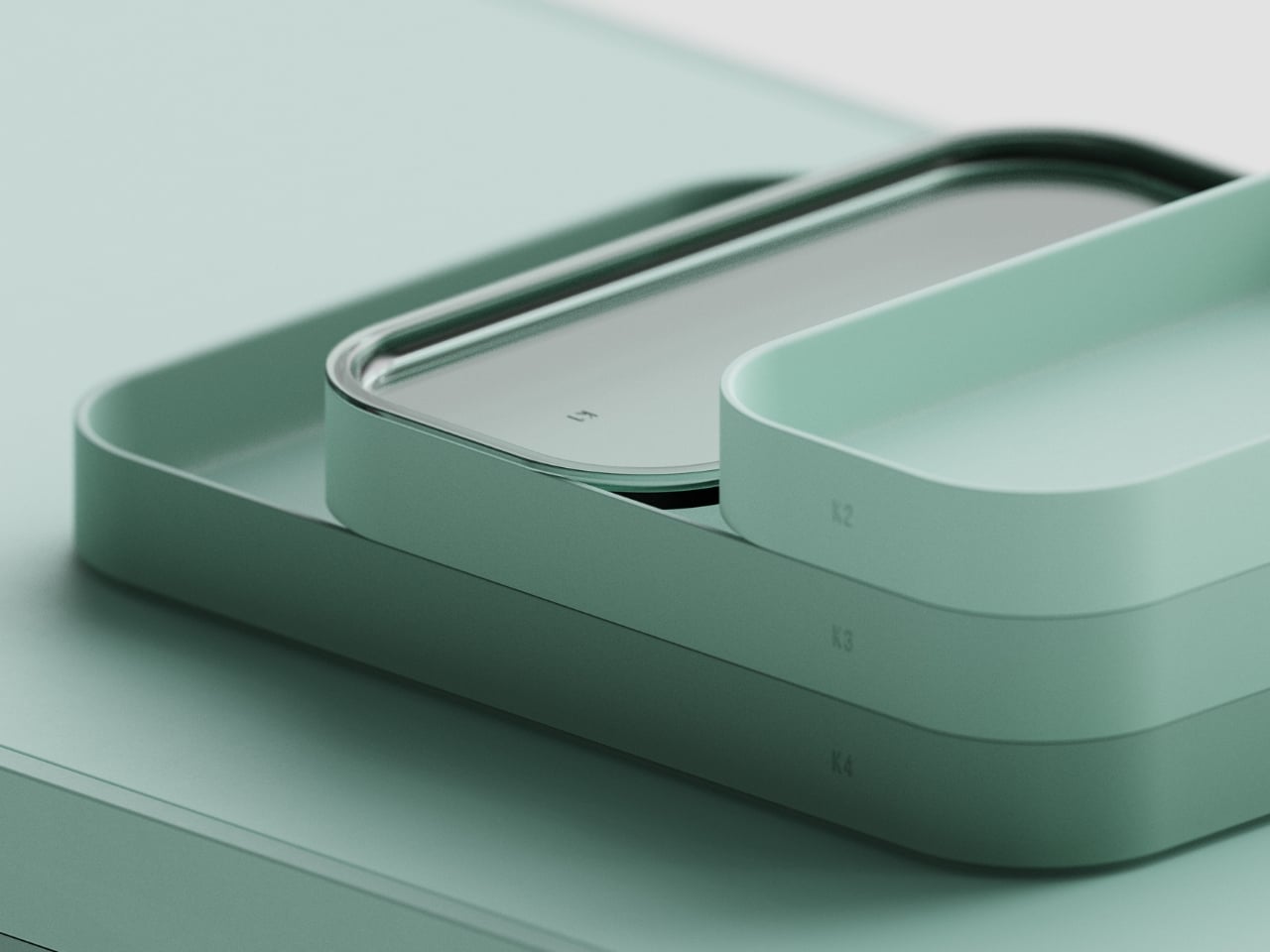
KOMBO is a concept by Florence-based product and industrial designer Mirko Romanelli, and the first thing that strikes you when you see it is the shape language. Every single piece in the system uses the same deeply rounded rectangle form. Not slightly rounded corners, but corners so soft and generous that the pieces read almost like smooth stones. The silhouette has that superellipse quality that makes you want to pick it up just to feel the edge in your hand. Sharp angles are entirely absent, and the effect is immediately calming in a way that most workspace products never manage.

Designer: Mirko Romanelli

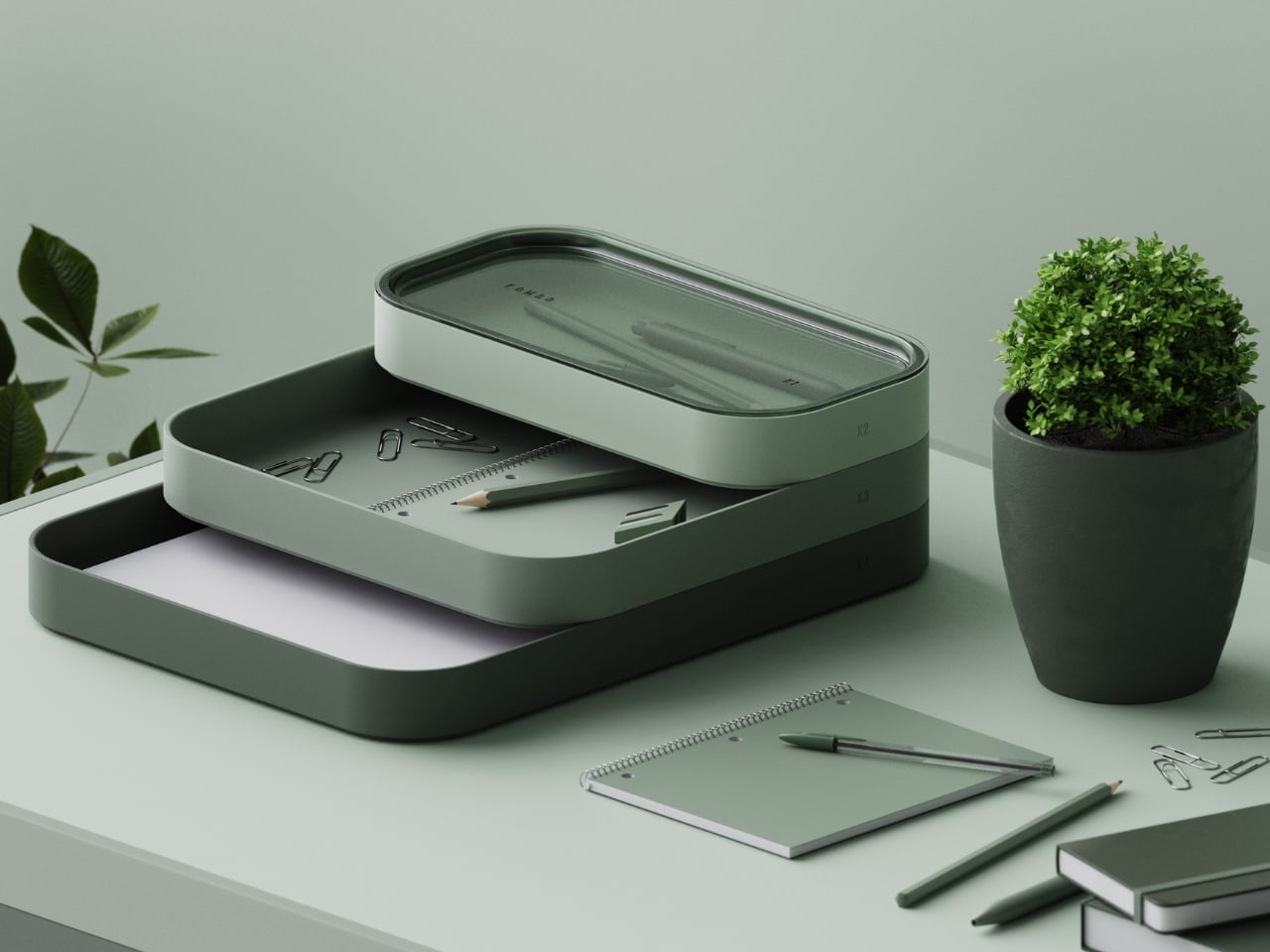
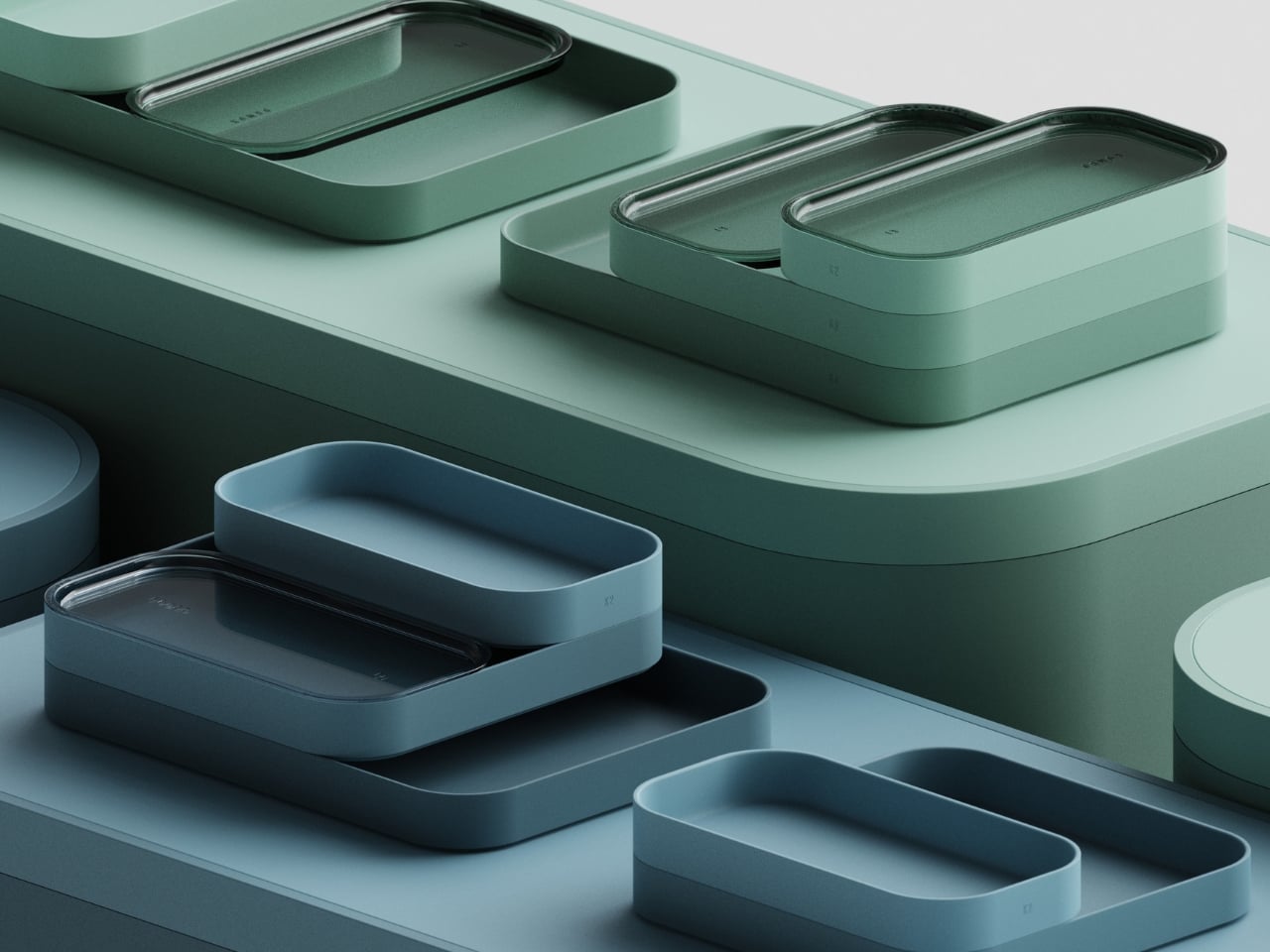
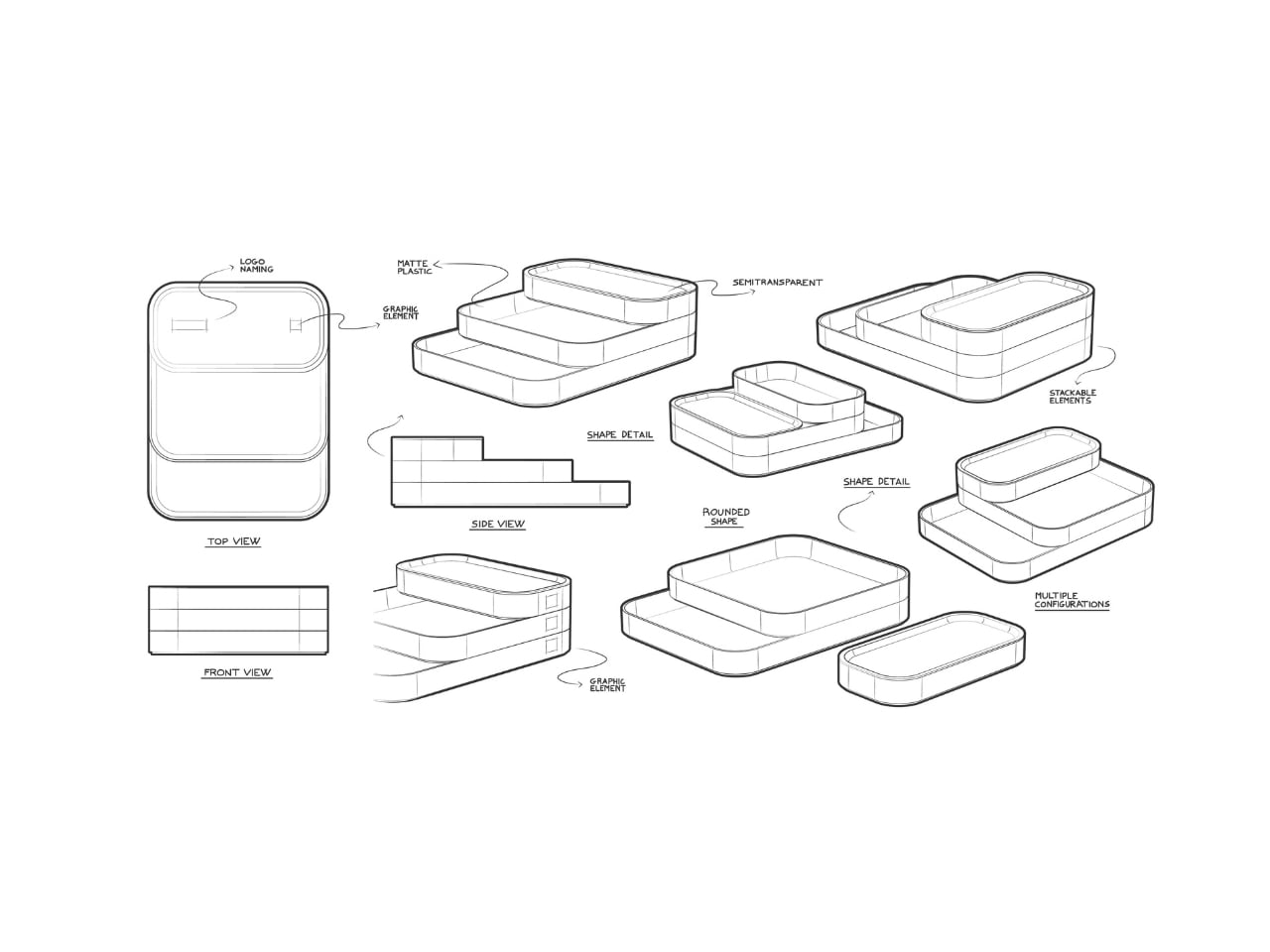
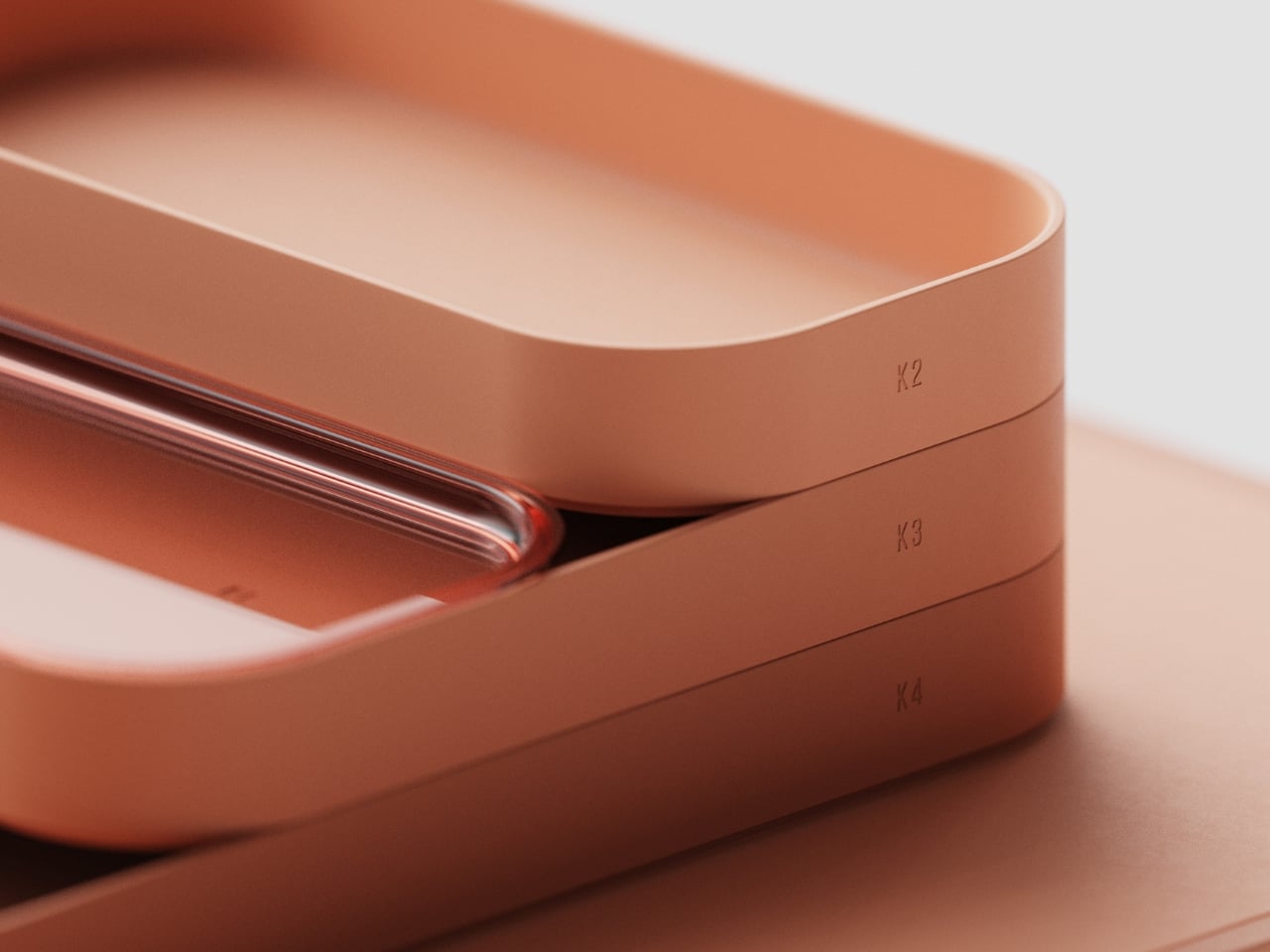
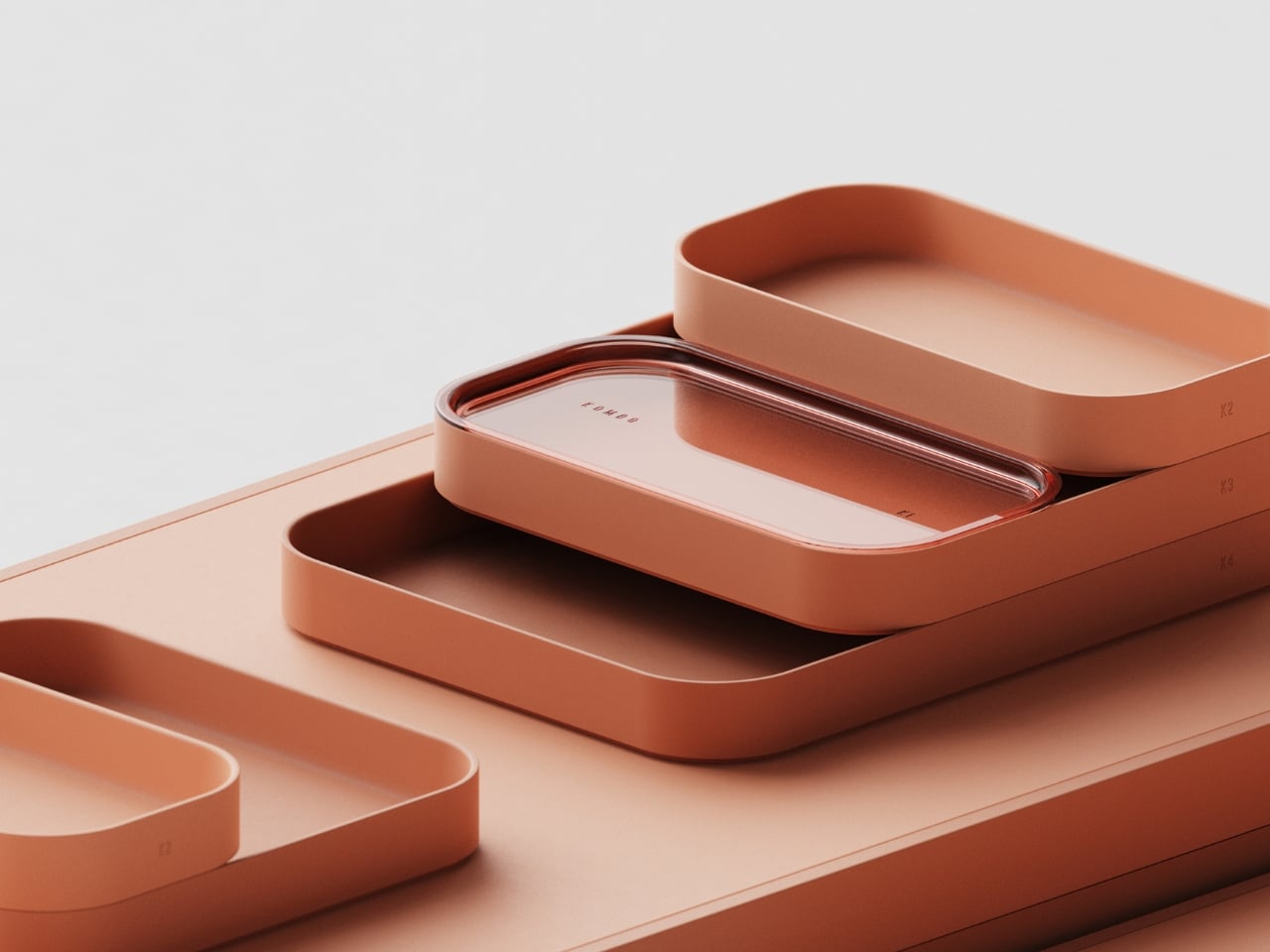
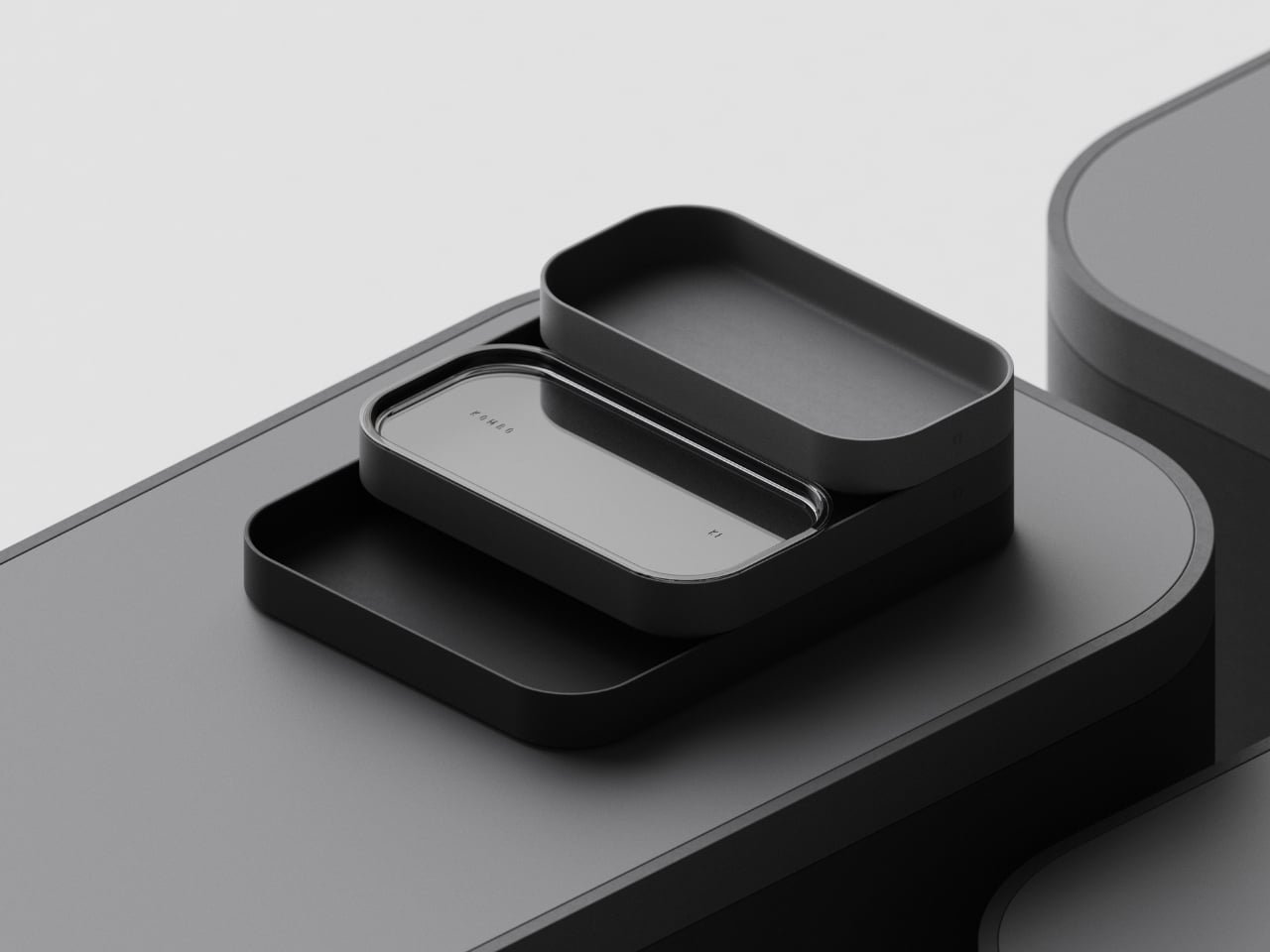
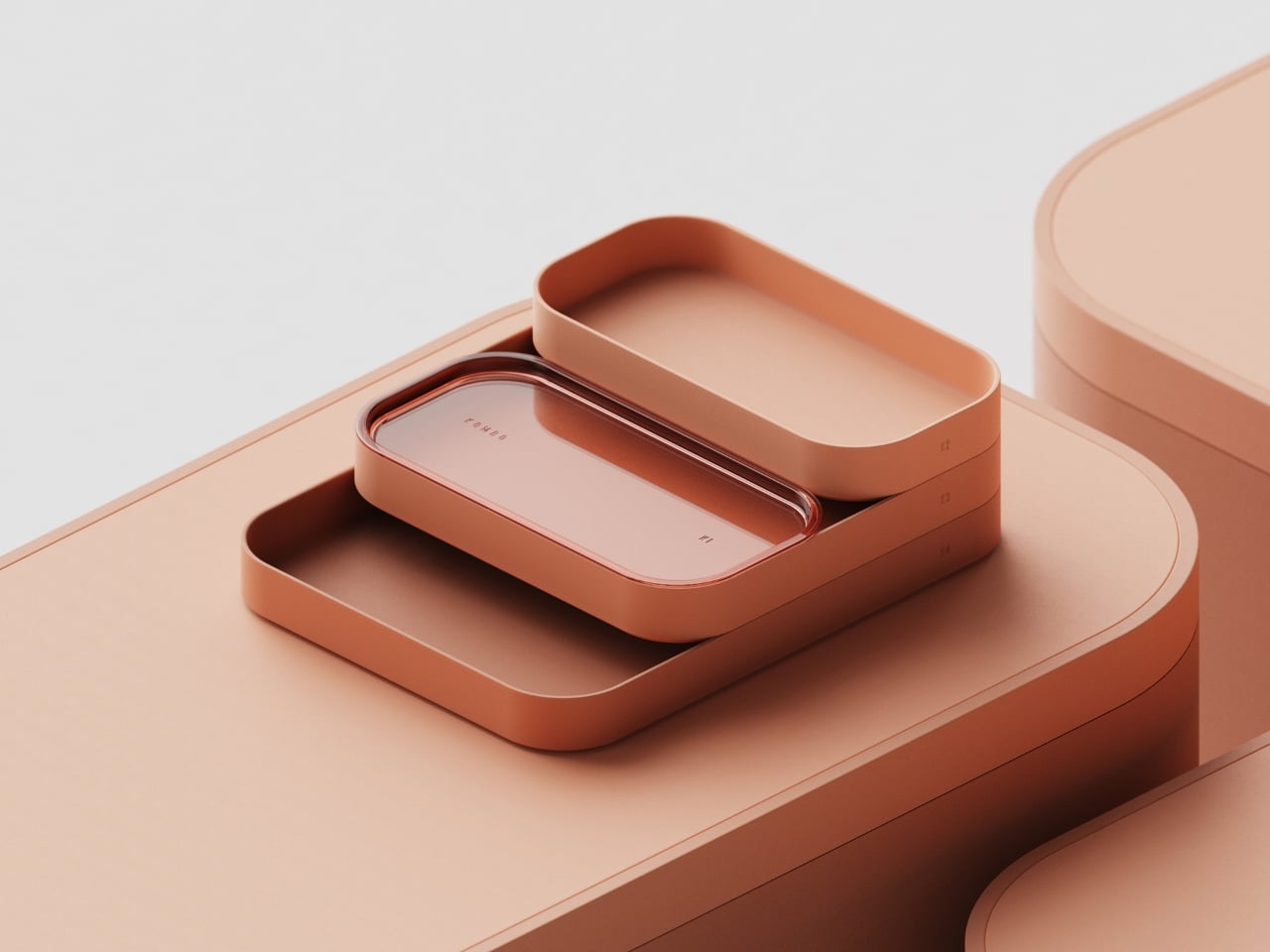
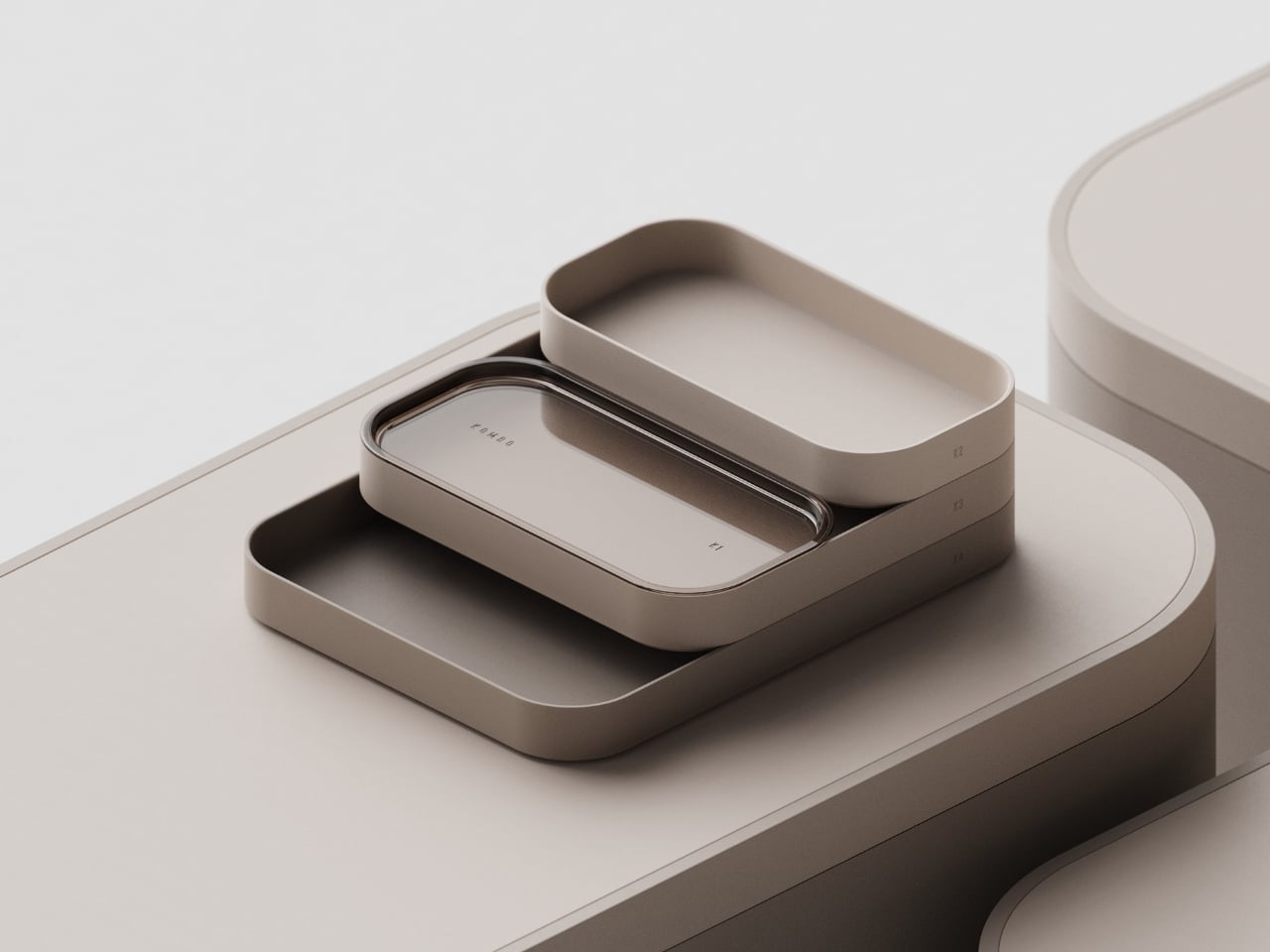
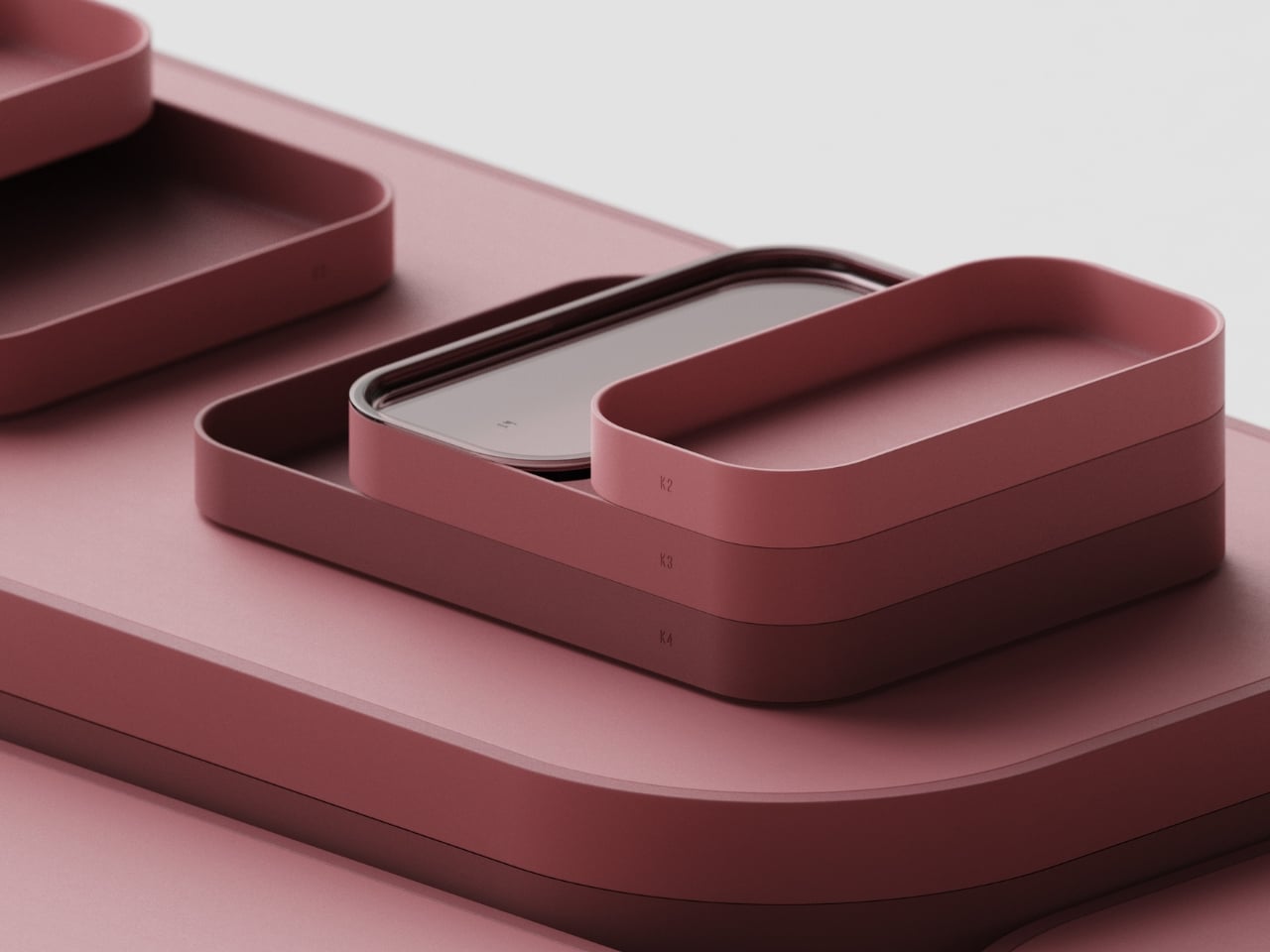
The system is made up of modular trays that stack into a tiered structure, labeled K1 through K4. Each layer is a different depth, creating a step-like formation when assembled that unmistakably echoes the terraced rice fields of China’s Yuanyang and Yunhe regions that inspired the concept. Romanelli wasn’t being abstract with that reference. You can see it plainly: the way the pieces descend in size from a wide, flat base mat up to the smallest top compartment mimics exactly how those agricultural terraces look when viewed from above. The poetry of that connection is that it works even if you’ve never heard the backstory.

The base layer is notably generous, a large flat mat with that same softly rounded edge running all the way around. It grounds the whole composition and gives the stacked pieces above it a stage to sit on. The trays above vary in height, allowing different categories of items to nest within different depths. A slim tray for paper and documents. A deeper one for pens and clips. The hierarchy makes sense without needing instructions.

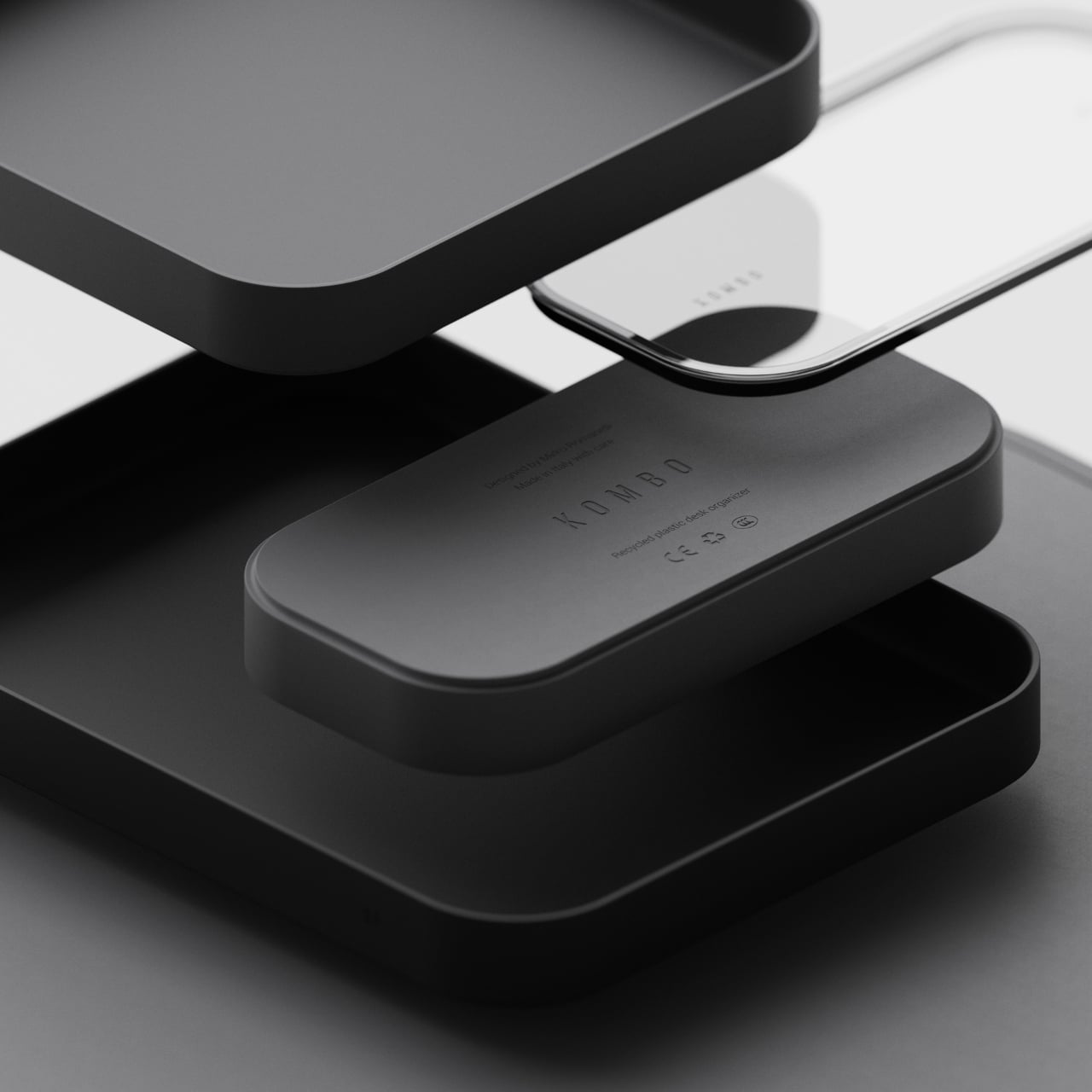
The standout detail in the system is the K1 module: a small compartment topped with a clear, transparent lid. It’s a subtle material contrast that breaks the otherwise monochromatic look in the most restrained way possible. The transparency lets you see what’s inside without opening it, and it also catches light differently from the matte surfaces below it. Small decisions like that are where considered design separates itself from generic product design.

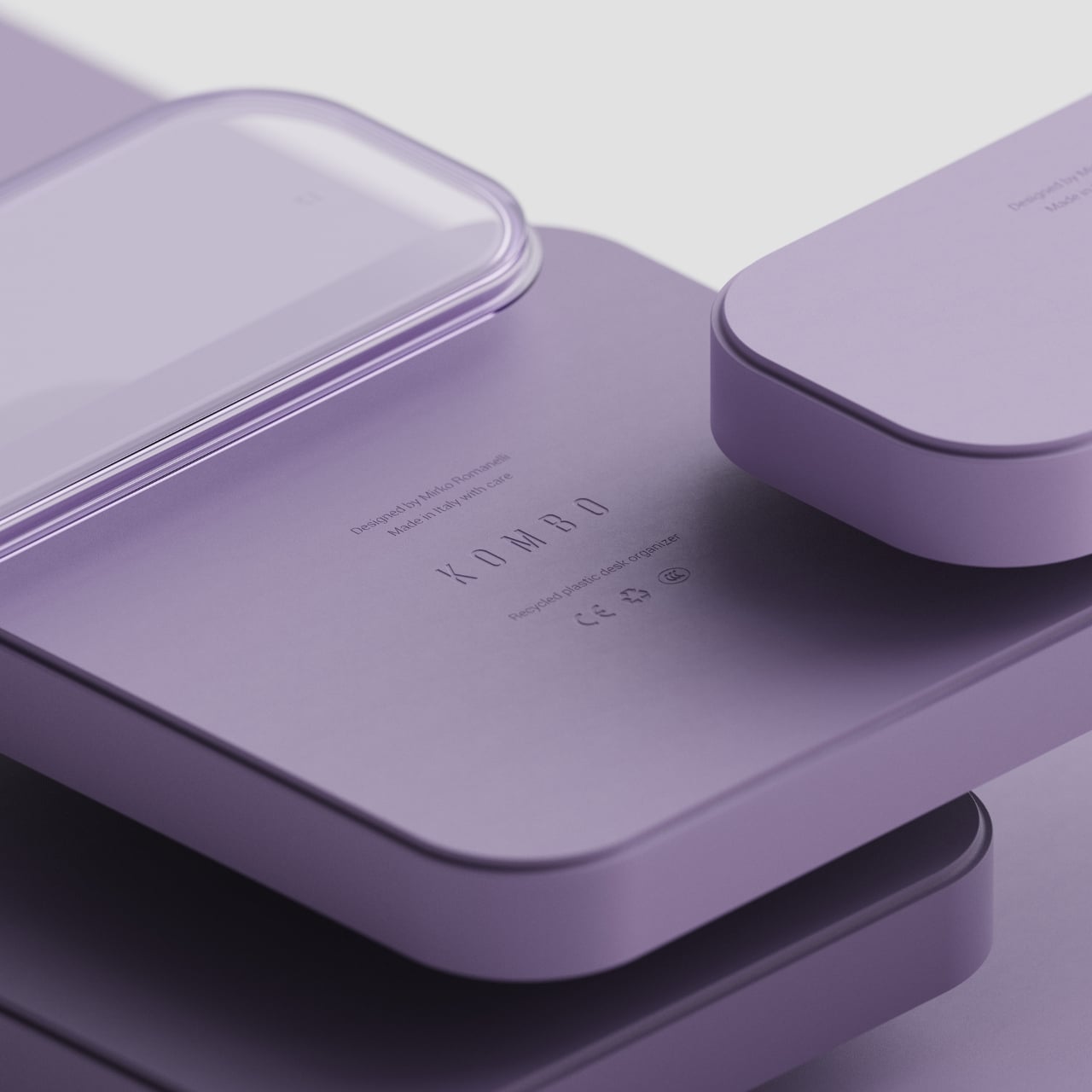
And those matte surfaces deserve their own mention. The finish across all pieces is smooth and consistent, almost velvety in the renders, with no visual noise or texture competing for attention. The whole thing operates in a single color per colorway, which is a bold choice that pays off. Romanelli presents KOMBO in a set of tonal palettes: a dusty slate blue, a warm terracotta, a deep mauve, and a soft sage green. Each one feels considered rather than arbitrary. The blue reads as cool and focused. The terracotta feels warm and lived-in. The sage is the obvious crowd-pleaser, and you can see why. Every version reads as the kind of object that belongs on a desk you’re proud of, not just a desk you tolerate.

The material is recycled plastic throughout, and it’s worth saying that you wouldn’t know from looking at it. The construction doesn’t announce its sustainability credentials in any visual way. It’s just a well-made thing that happens to be made responsibly.

KOMBO is still a concept, which is one of the more frustrating things about covering design at this level. You see something that clearly has a market, clearly has the craft, and clearly has the visual coherence to succeed on shelves, and it simply isn’t there yet. Romanelli has built something that understands a simple truth: the objects you put on your desk shape how you feel about the hours you spend there. That’s not a small thing to get right.

The post The Desk Organizer That Looks Like a Rice Field first appeared on Yanko Design.
This Designer Just Made Paper Clips Adorable With A Magnetic Tabletop Sheep

Your desk probably looks like everyone else’s. You’ve got the same black stapler, the same boring paper clip holder, maybe a pen cup that once held something else. There’s nothing wrong with functional, but there’s also nothing memorable about it. That’s precisely what makes Shearing Magnetic Absorption so refreshing.

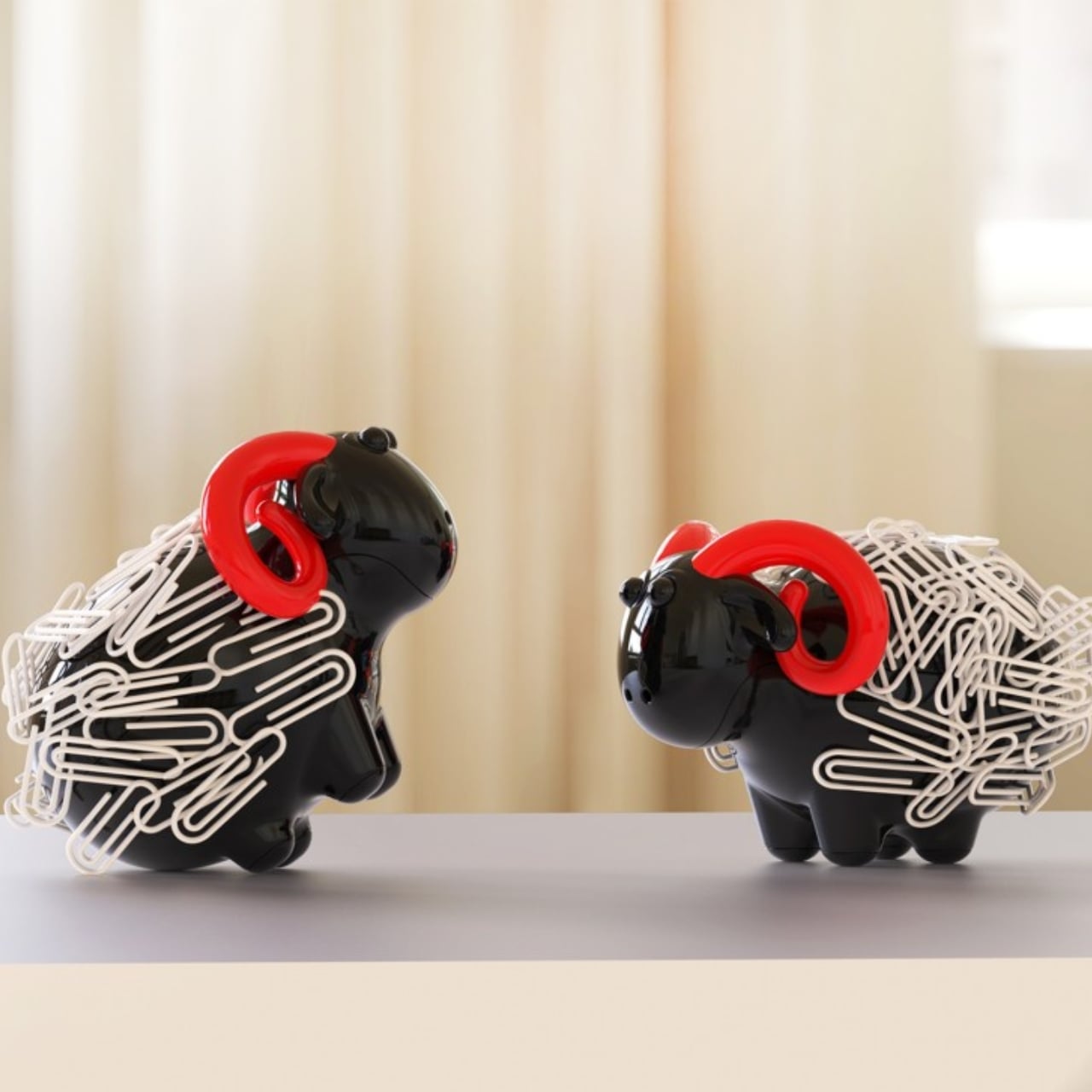
Designed by Xin Se and awarded the Golden A’ Design Award in 2025, this magnetic paper organizer does something most desk accessories fail to accomplish: it makes you smile. The concept is beautifully simple. Picture a small sheep standing on your desk, and those mundane silver paper clips you usually ignore become its fluffy wool. It’s one of those ideas that feels so obvious once you see it, yet nobody thought to do it before.

Designer: Xin Se

The genius lies in the transformation. Most organizers are just containers, passive objects that hold your stuff. Shearing actively reimagines what paper clips are. When you attach them to the magnetic sheep body, they cluster and create texture that genuinely resembles wool. The visual metaphor isn’t subtle, and it doesn’t need to be. The name itself, Shearing, plays on the dual meaning of sheep shearing and the act of gathering or organizing. It’s clever without trying too hard.

What’s particularly interesting about this design is how it taps into emotional engagement. We spend massive amounts of time at our desks, surrounded by objects that serve purely utilitarian purposes. Keyboards, monitors, staplers, they’re all tools designed to disappear into the background. Shearing takes the opposite approach. It wants your attention. It invites interaction. When you reach for a paper clip, you’re not just grabbing office supplies, you’re “shearing the sheep.” That tiny narrative moment transforms a mundane task into something playful.

The brand behind Shearing is Niceobject, and if you look at their philosophy, it tracks. They focus on small items that contain what they call “a touch of emotion.” It’s not about making big statements or revolutionary products. It’s about finding joy in the details, turning everyday objects into what they describe as “beautiful encounters” and “warm companionship.” That might sound a bit precious, but when you’re staring at spreadsheets for eight hours, having a little sheep companion on your desk actually matters more than you’d think.

From a design perspective, Shearing succeeds because it balances form and function perfectly. It’s not sacrificing practicality for aesthetics. The magnetic mechanism works, paper clips stay organized and accessible, and the footprint is small enough that it won’t clutter your workspace. But it also doesn’t hide what it is. The sheep silhouette is immediately recognizable, giving it personality without becoming cartoonish or juvenile.

This is part of a broader trend we’re seeing in product design where personality and emotion are becoming key differentiators. Technology has made manufacturing more accessible, which means the market is flooded with functional but forgettable products. Standing out requires more than just working well. It requires creating a connection, telling a story, or sparking a feeling. Shearing does all three.

Designer Xin Se has spent over two decades in product design, bringing numerous products to market. That experience shows in Shearing’s execution. It’s not trying to reinvent the wheel or force innovation where it’s not needed. Instead, it takes something familiar and adds a layer of delight. That restraint is harder than it looks. It would be easy to over-design this concept, to add too many features or make the sheep too detailed. The design stays simple, letting the core idea shine.

Shearing represents a philosophy worth paying attention to. Not every design needs to solve massive problems or disrupt entire industries. Sometimes the best design simply makes ordinary moments a little more enjoyable. Next time you’re organizing paper clips or reaching for office supplies, you might think differently about what those objects could be. That’s what good design does. It changes how we see the world, even in the smallest ways. And sometimes, that’s exactly what we need.

The post This Designer Just Made Paper Clips Adorable With A Magnetic Tabletop Sheep first appeared on Yanko Design.
This Lighthouse Calendar Turns Your Desk Into a Coastal Escape

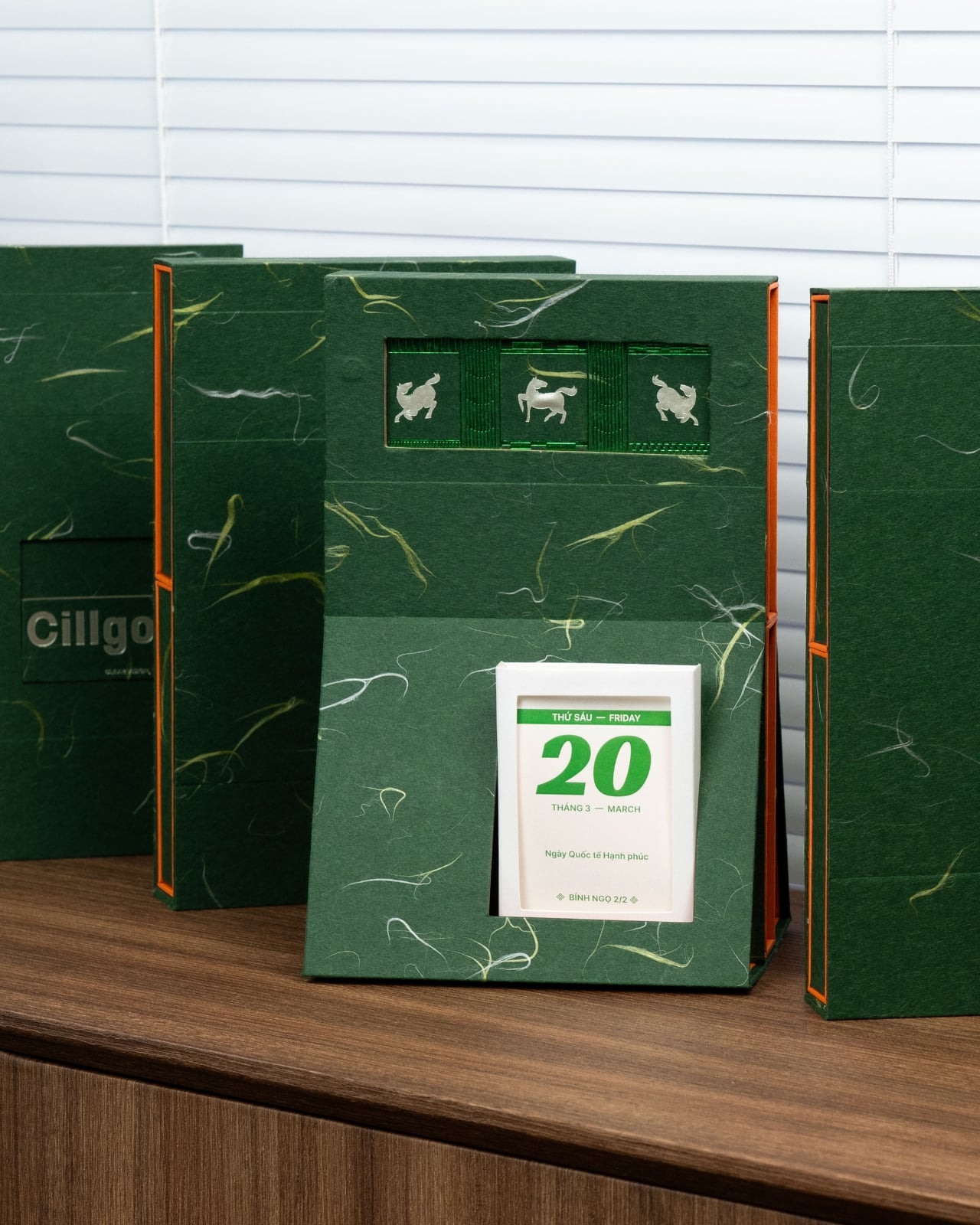
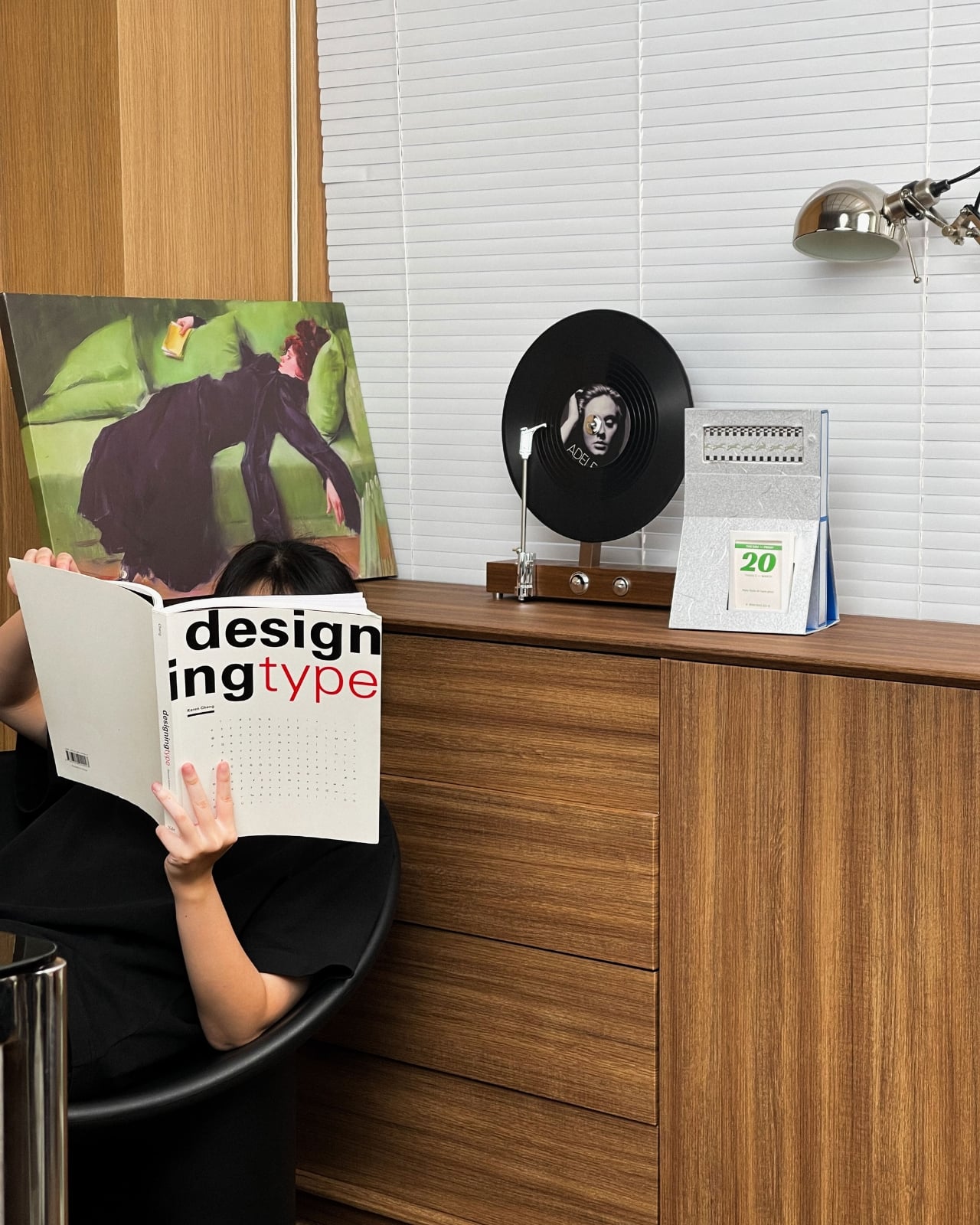
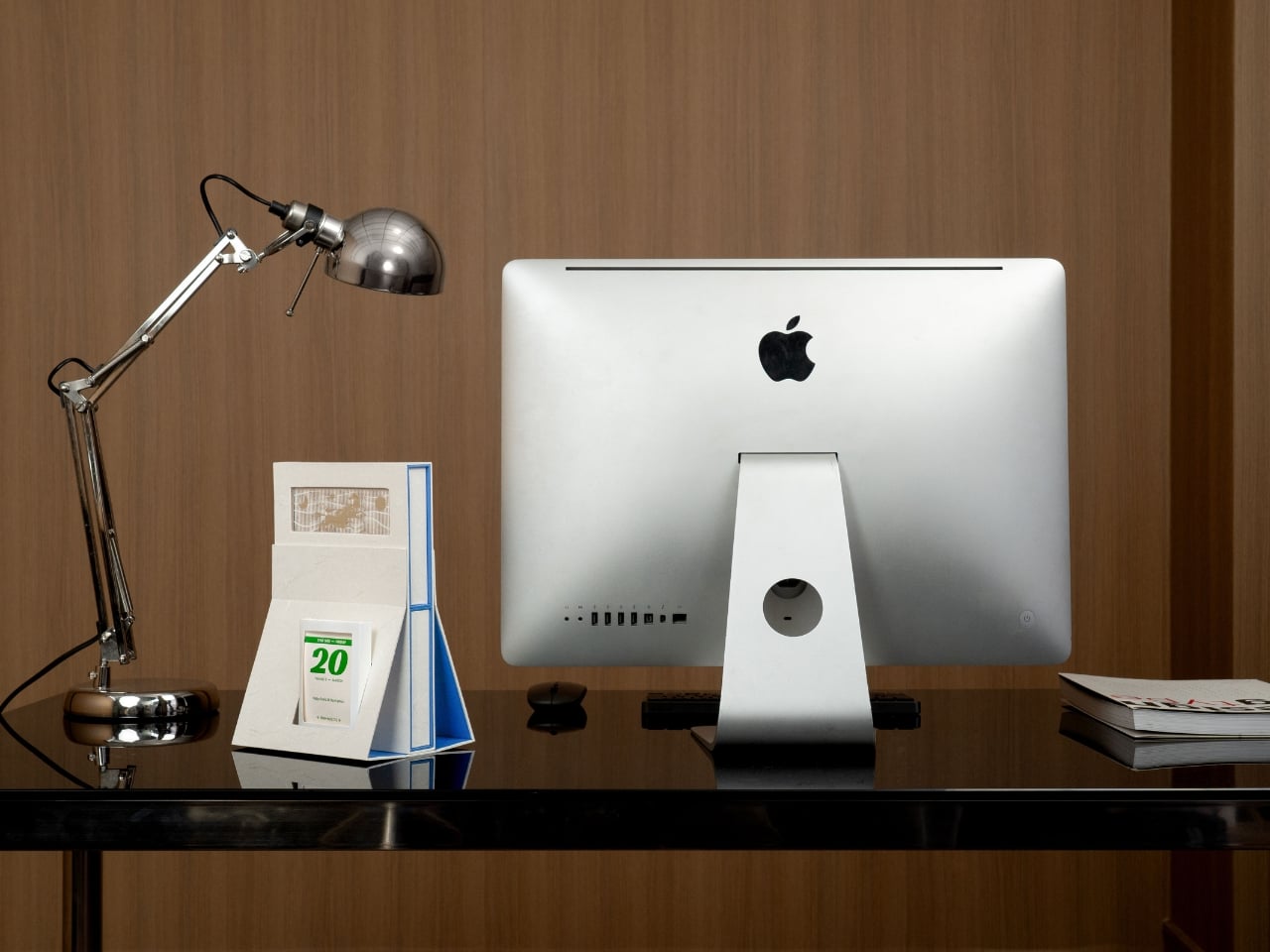
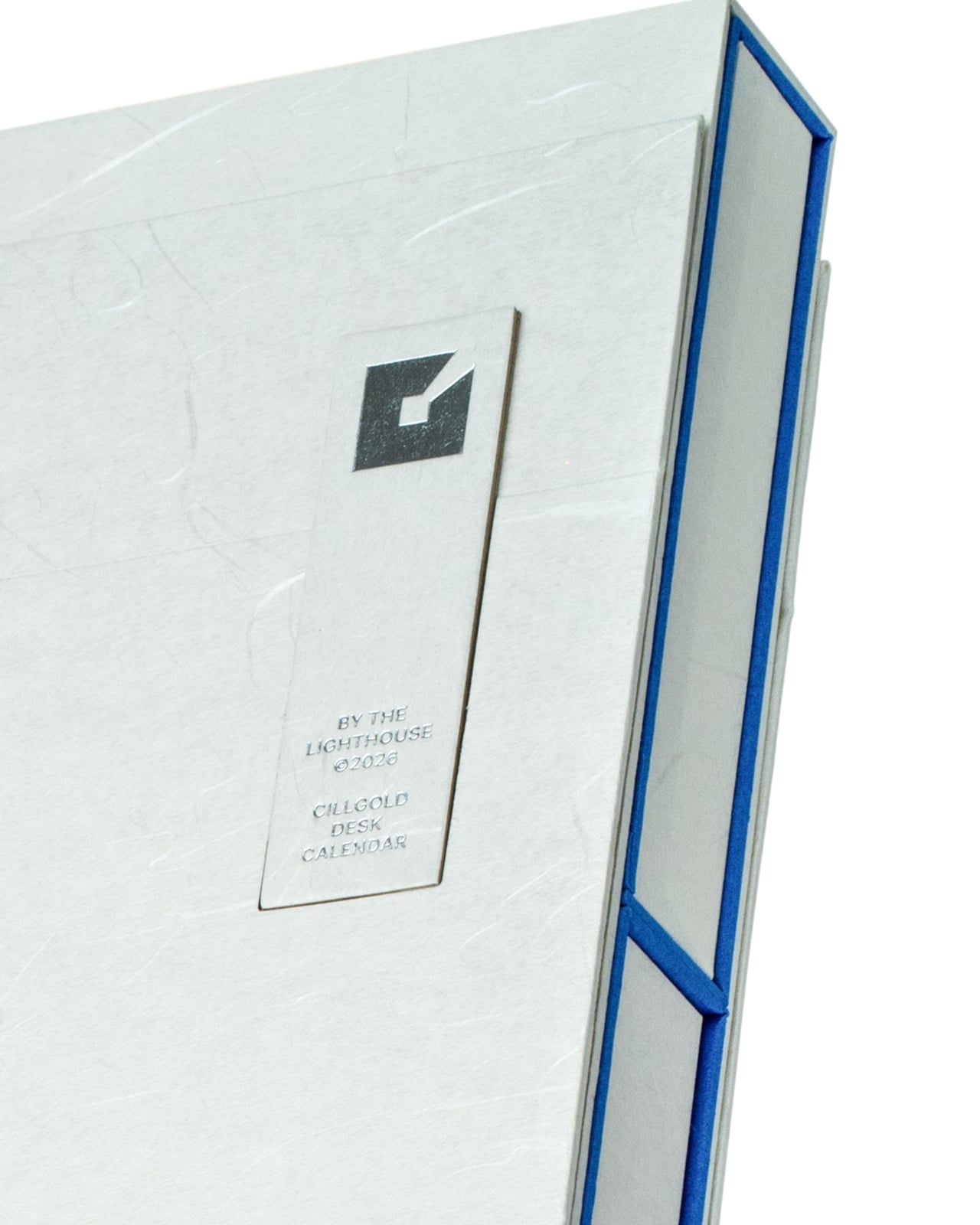
There’s something wonderfully audacious about a desk calendar that refuses to be just a desk calendar. Cillgold Agency’s “By the Lighthouse” for 2026 is exactly that kind of design rebel. Instead of being a forgettable square of paper you flip through mindlessly, it’s a miniature architectural statement that happens to tell you what day it is.

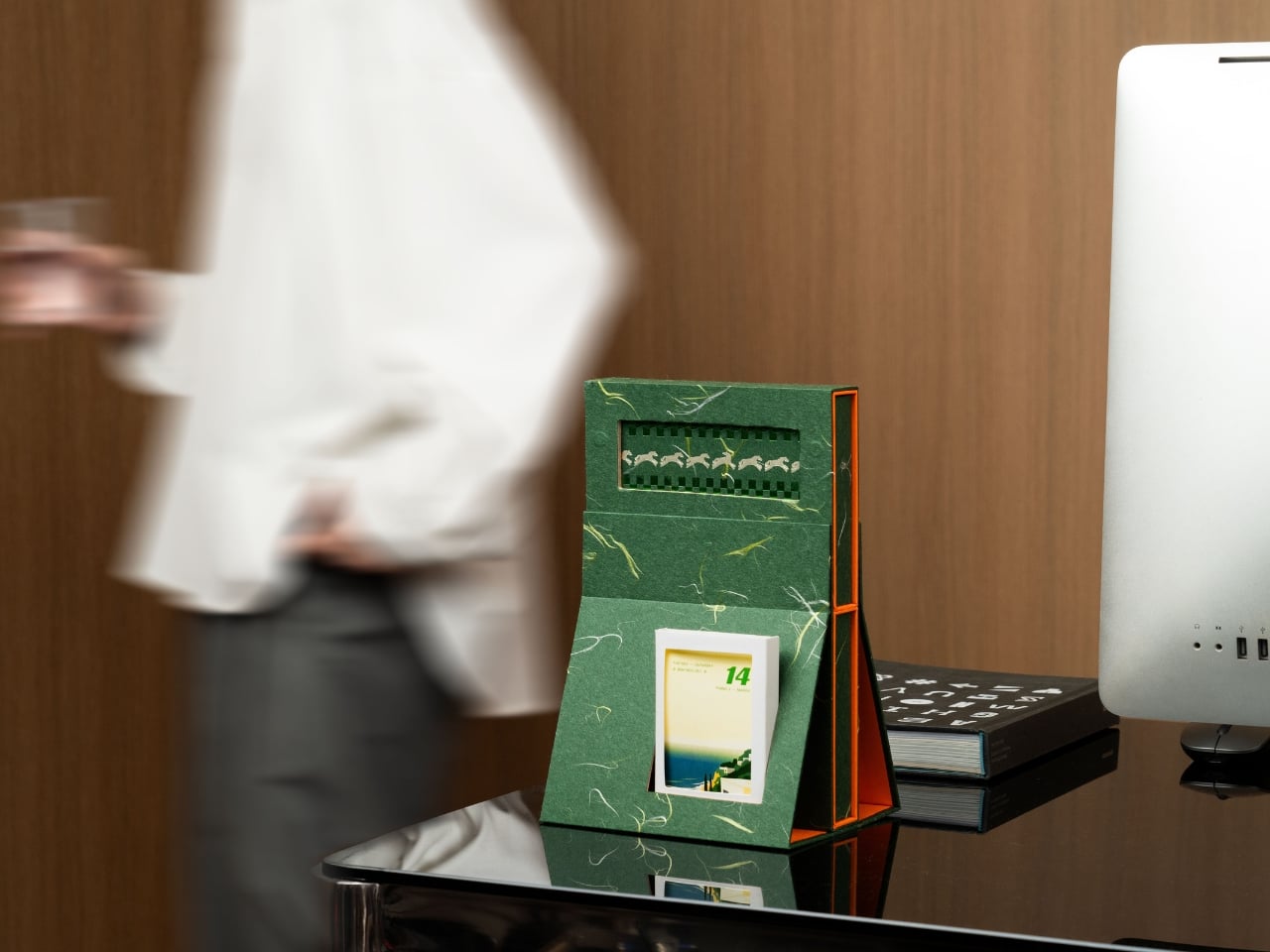
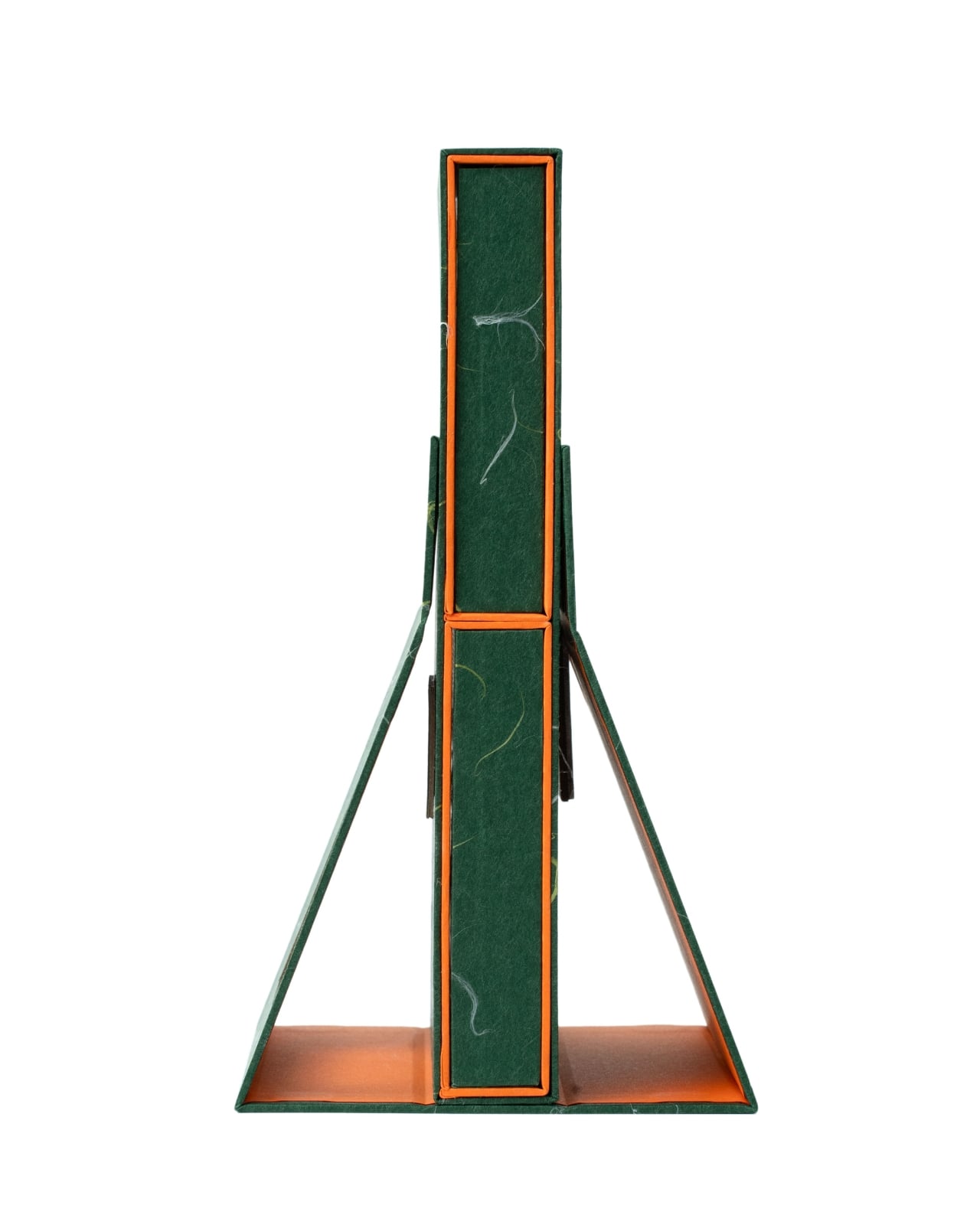
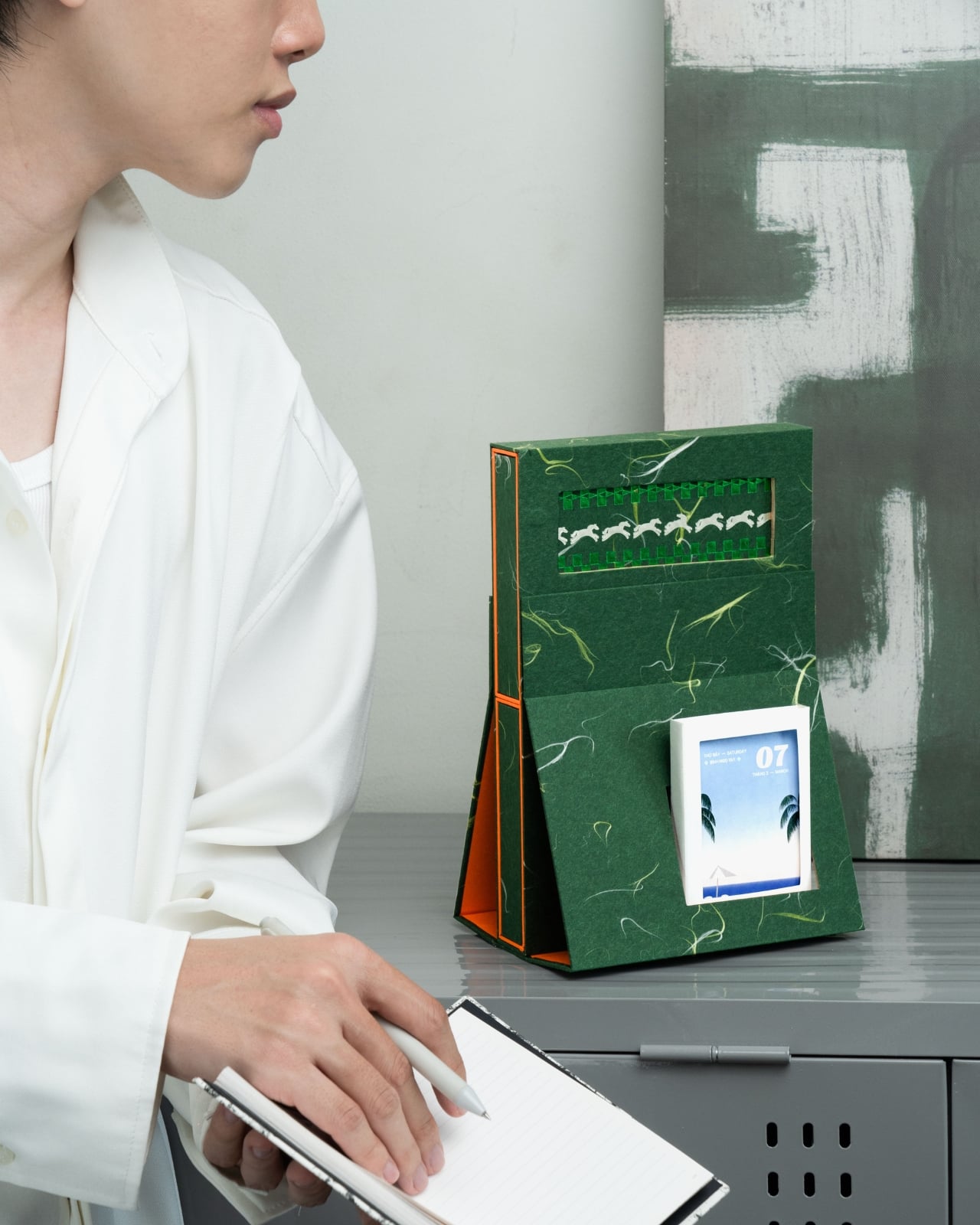
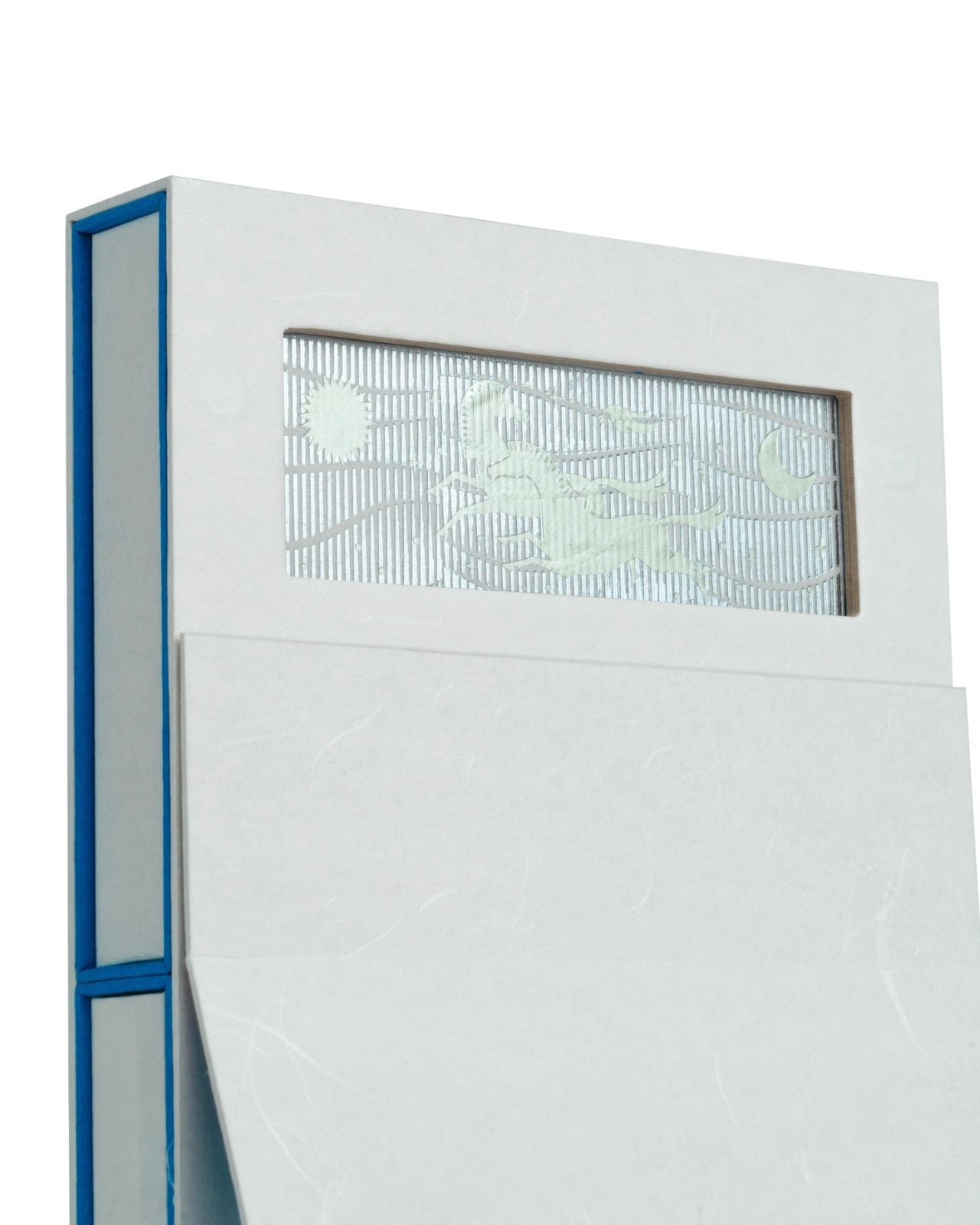
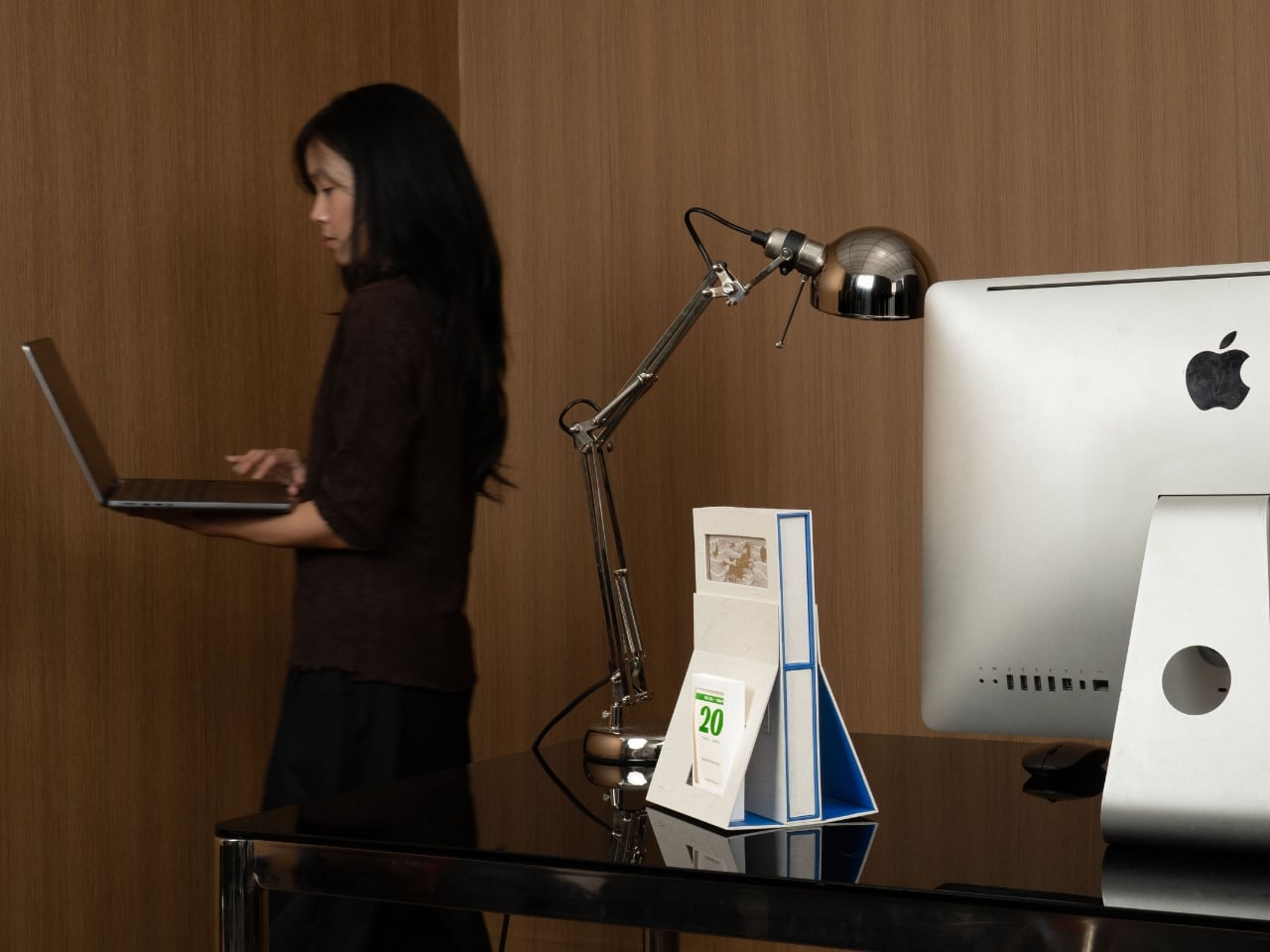
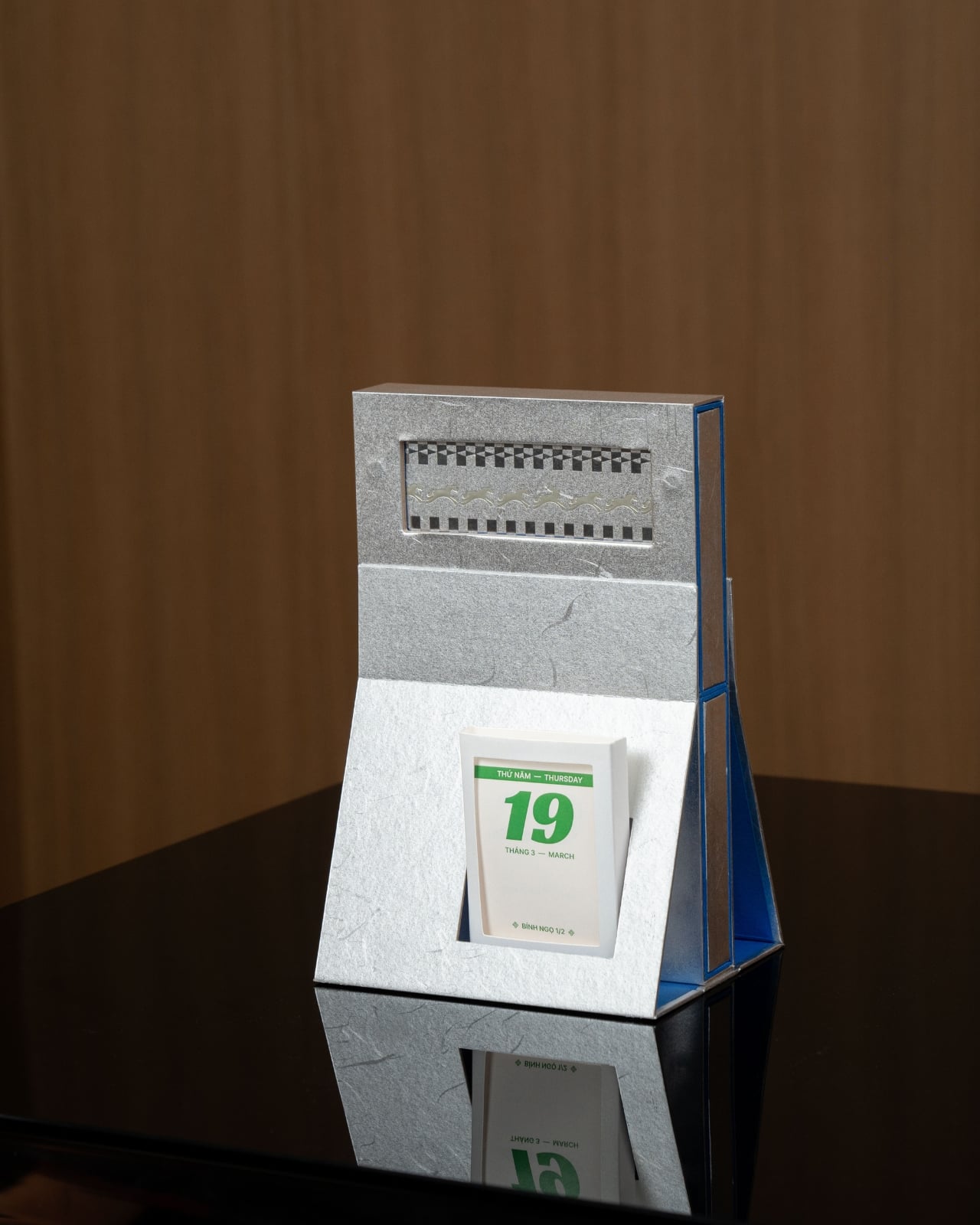
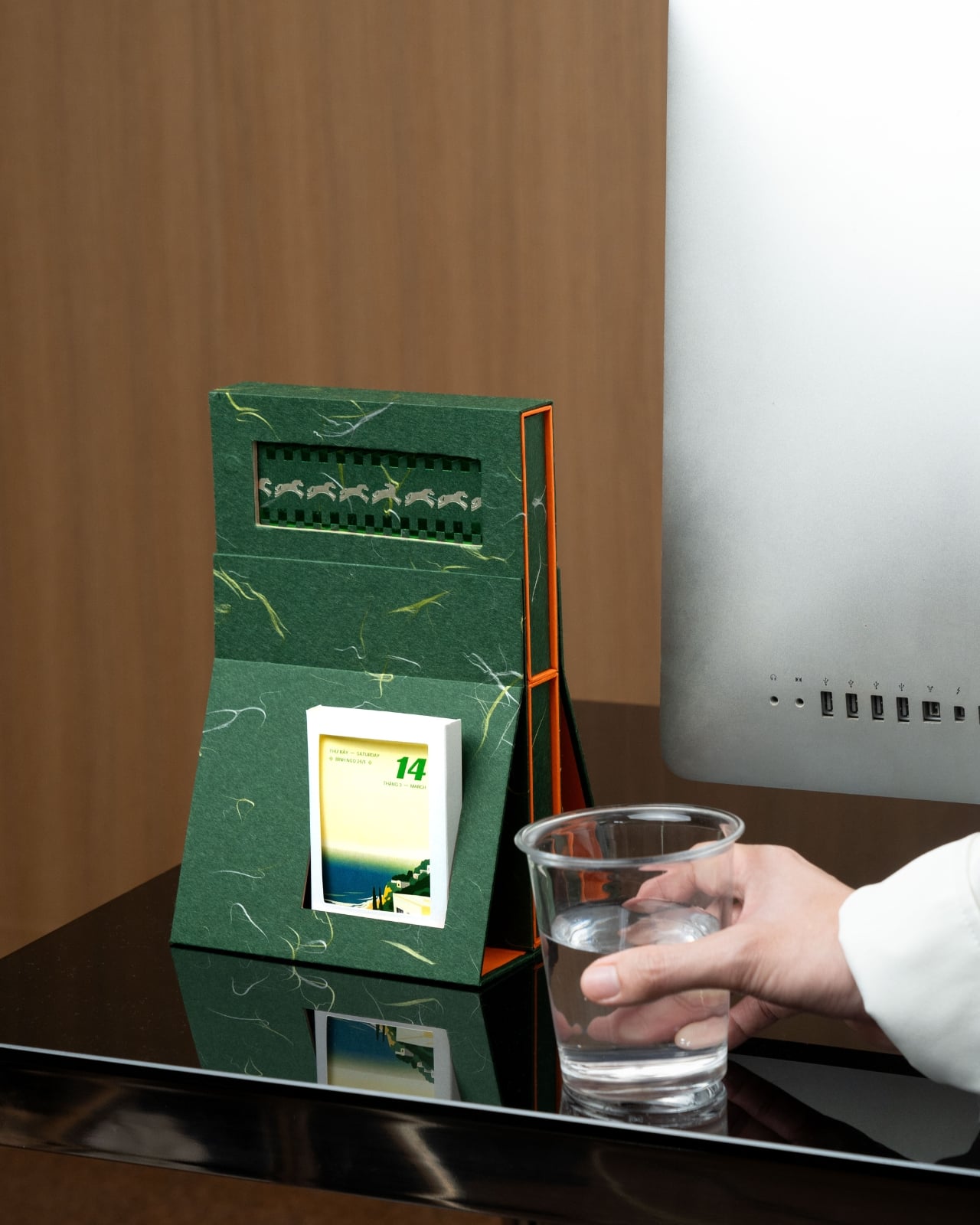
The piece stands tall on your desk like a proud beacon, mimicking the silhouette of an actual lighthouse with surprising accuracy. The structure tapers as it rises, supported by angular legs that give it a sense of purpose and stability. This isn’t some flimsy cardboard that’ll topple over when someone walks by too quickly. The design feels deliberate, substantial, like it’s actually guiding you through the year ahead.

Designer: Cillgold Agency

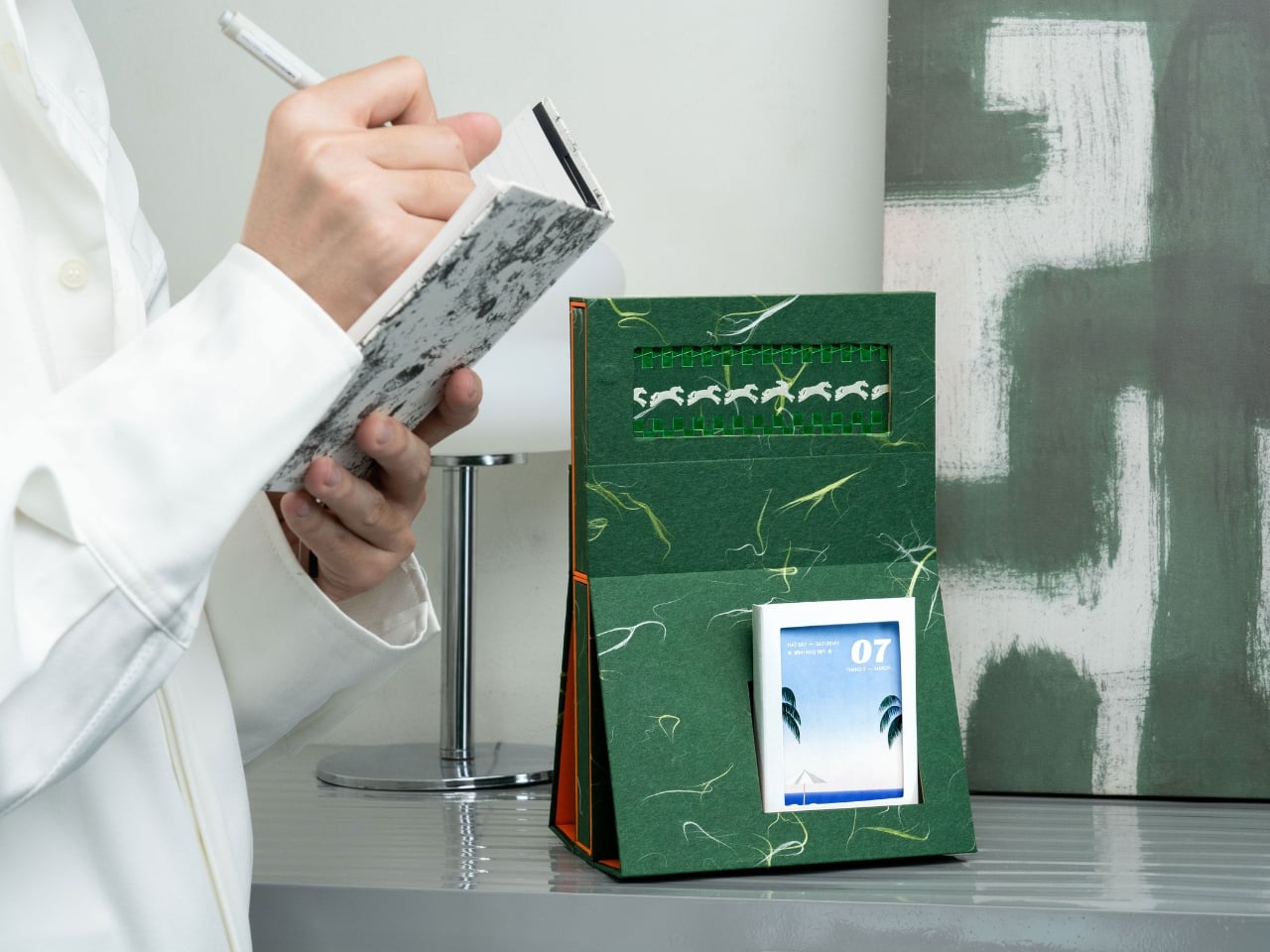
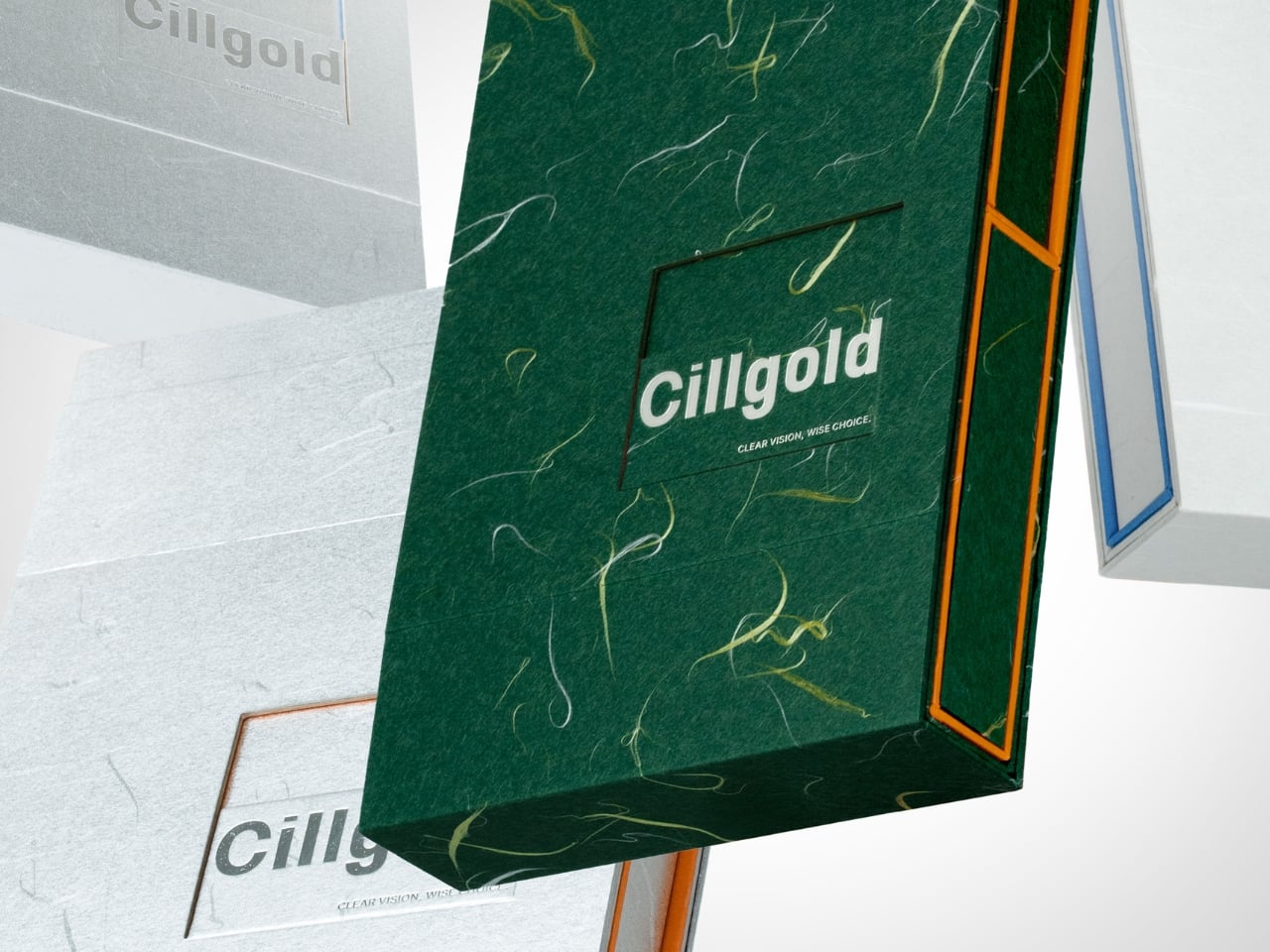
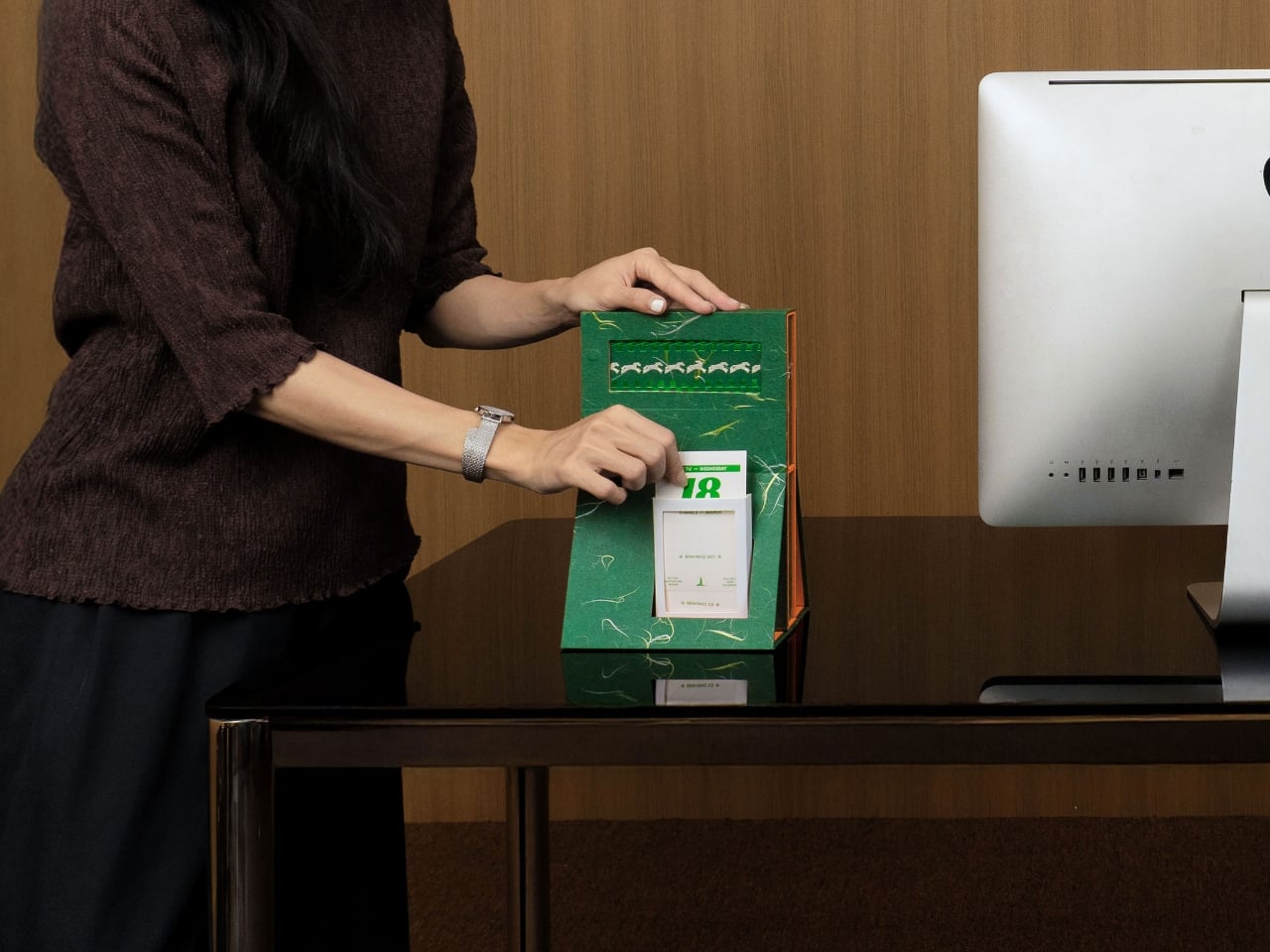
What really catches your eye is the material choice. The entire exterior is wrapped in this gorgeous deep green marbled paper with veins of gold running through it like captured lightning. It’s the kind of surface that makes you want to reach out and touch it, to trace those organic patterns with your fingertips. The marbling has a luxurious, almost geological quality, as if each calendar was carved from a block of precious stone rather than assembled from paper and cardboard.

Then there’s that pop of coral orange along the edges. It’s unexpected and bold, creating this beautiful contrast against the moody green. The orange trim follows the contours of the structure, outlining the lighthouse shape and drawing your eye upward. It’s a small detail that completely transforms the piece, adding warmth and energy to what could have been a somber color palette.

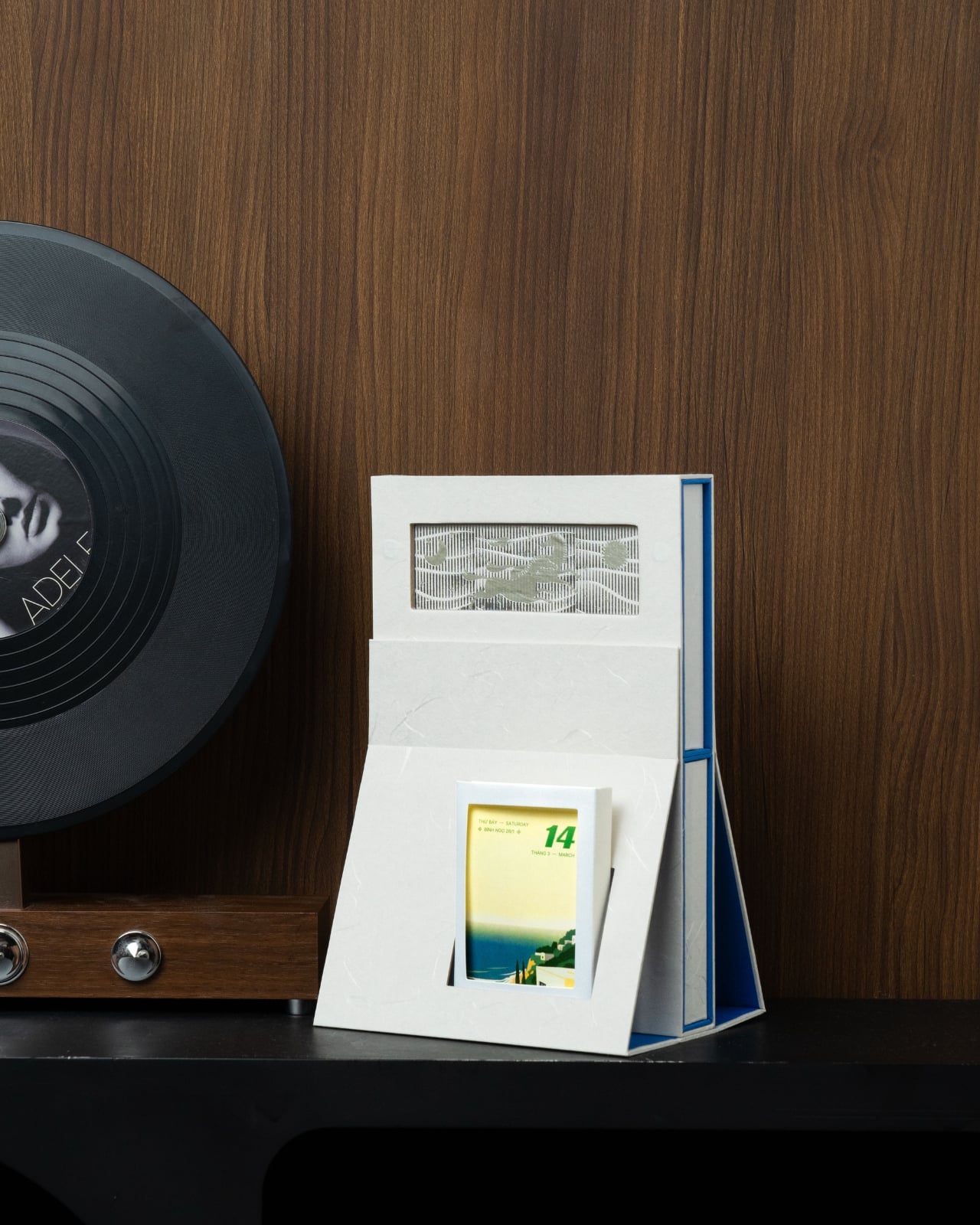
Near the top of the structure, there’s a rectangular cutout that reveals a row of white seagulls in flight, set against a ribbed green background. This little window is pure charm. It’s like peering through a lens into a coastal scene, a reminder of the lighthouse’s maritime purpose. The birds are simplified, almost pixelated in their rendering, which gives them a playful, graphic quality that bridges vintage and contemporary design sensibilities.

The actual calendar component sits in the lower portion of the structure, displaying date cards that feature their own coastal imagery. Each card shows serene beach scenes, lighthouses in the distance, palm trees swaying in ocean breezes. The photography has that dreamy, gradient quality that makes you want to book a seaside vacation immediately. Flipping through the days becomes a small daily ritual, revealing new vistas as the year unfolds.

What Cillgold Agency has really accomplished here is creating an object that lives in multiple categories at once. Yes, it’s functional. You can absolutely use it to track dates and plan your schedule. But it’s also decorative, sculptural, collectible. It’s the kind of thing that sparks conversations when people enter your workspace. “What is that?” they’ll ask, and you’ll get to explain that it’s a calendar, watching their faces light up with surprise and delight.

The design speaks to a larger trend in stationery and desk accessories where form and function merge into something more meaningful. We’re moving away from purely utilitarian objects and embracing pieces that bring joy, personality, and artistry to our everyday environments. Our workspaces shouldn’t be sterile or boring. They should reflect who we are and what we value.

From a collector’s perspective, this is absolutely a keeper. Once the year ends, you don’t toss it in the recycling bin. You might repurpose it, display it on a shelf, or store it carefully as an example of excellent paper craft and product design. Limited edition calendars like this often appreciate in value among design enthusiasts, but more importantly, they become personal artifacts, markers of a particular year and aesthetic moment.
The post This Lighthouse Calendar Turns Your Desk Into a Coastal Escape first appeared on Yanko Design.