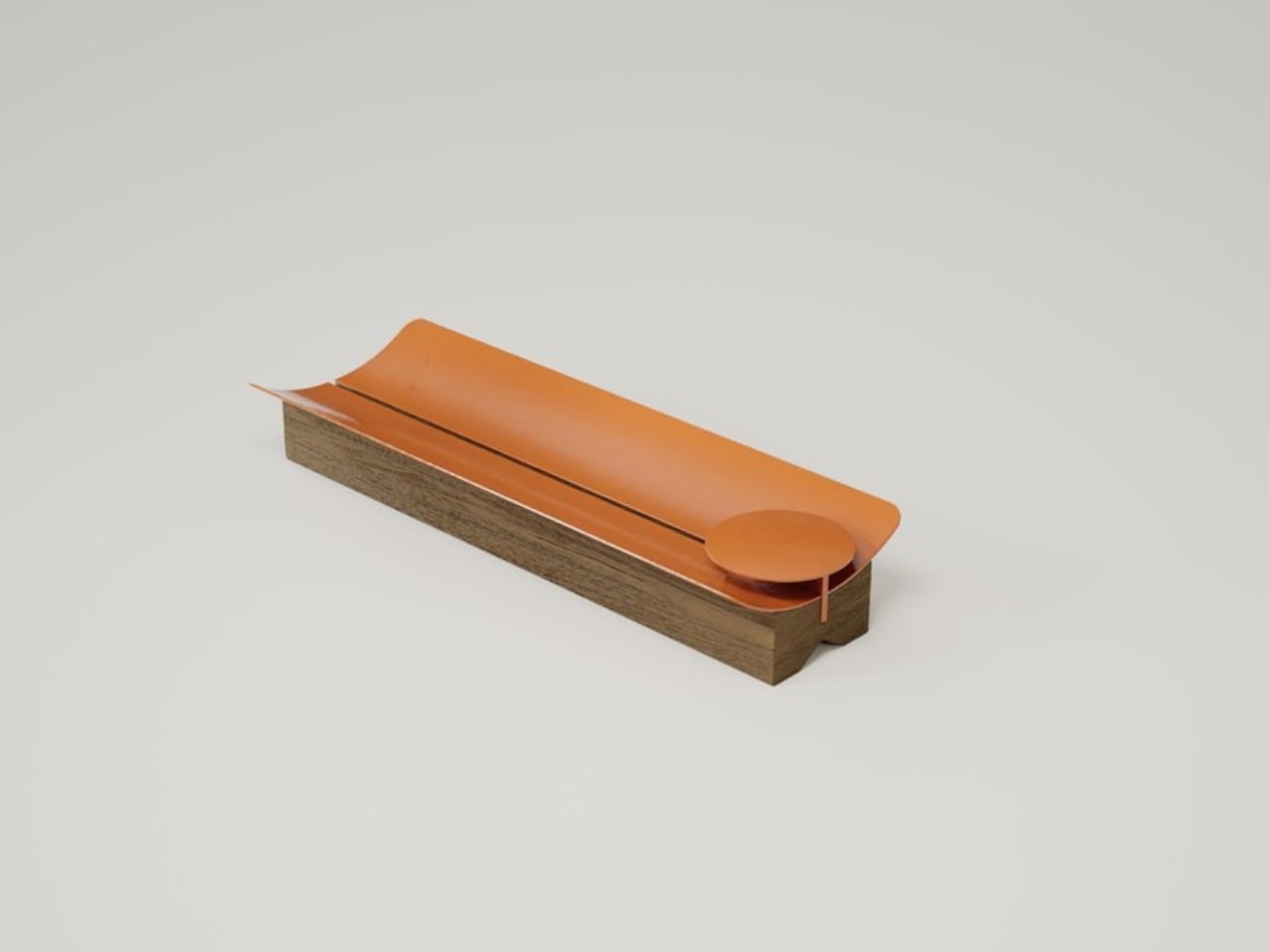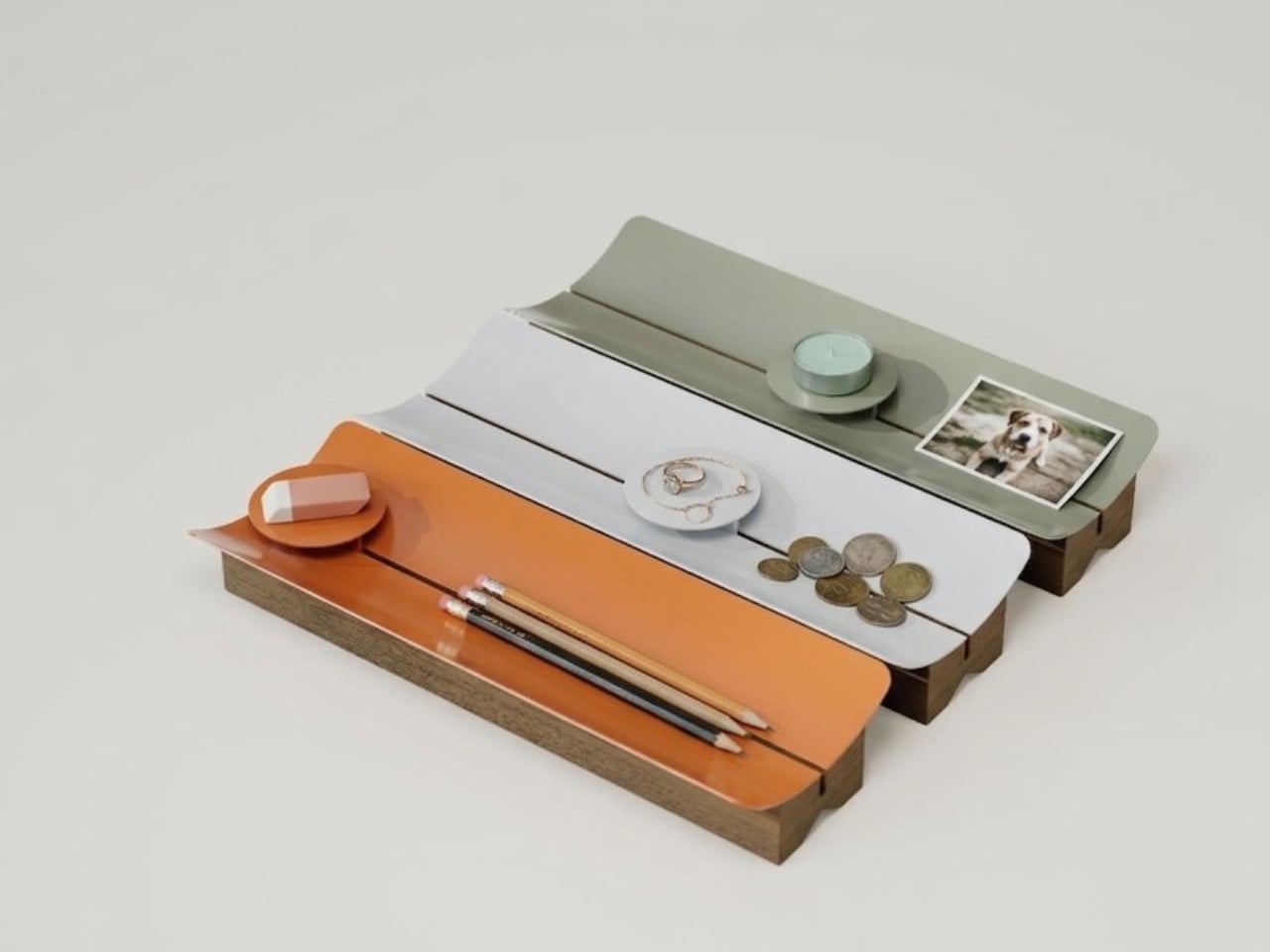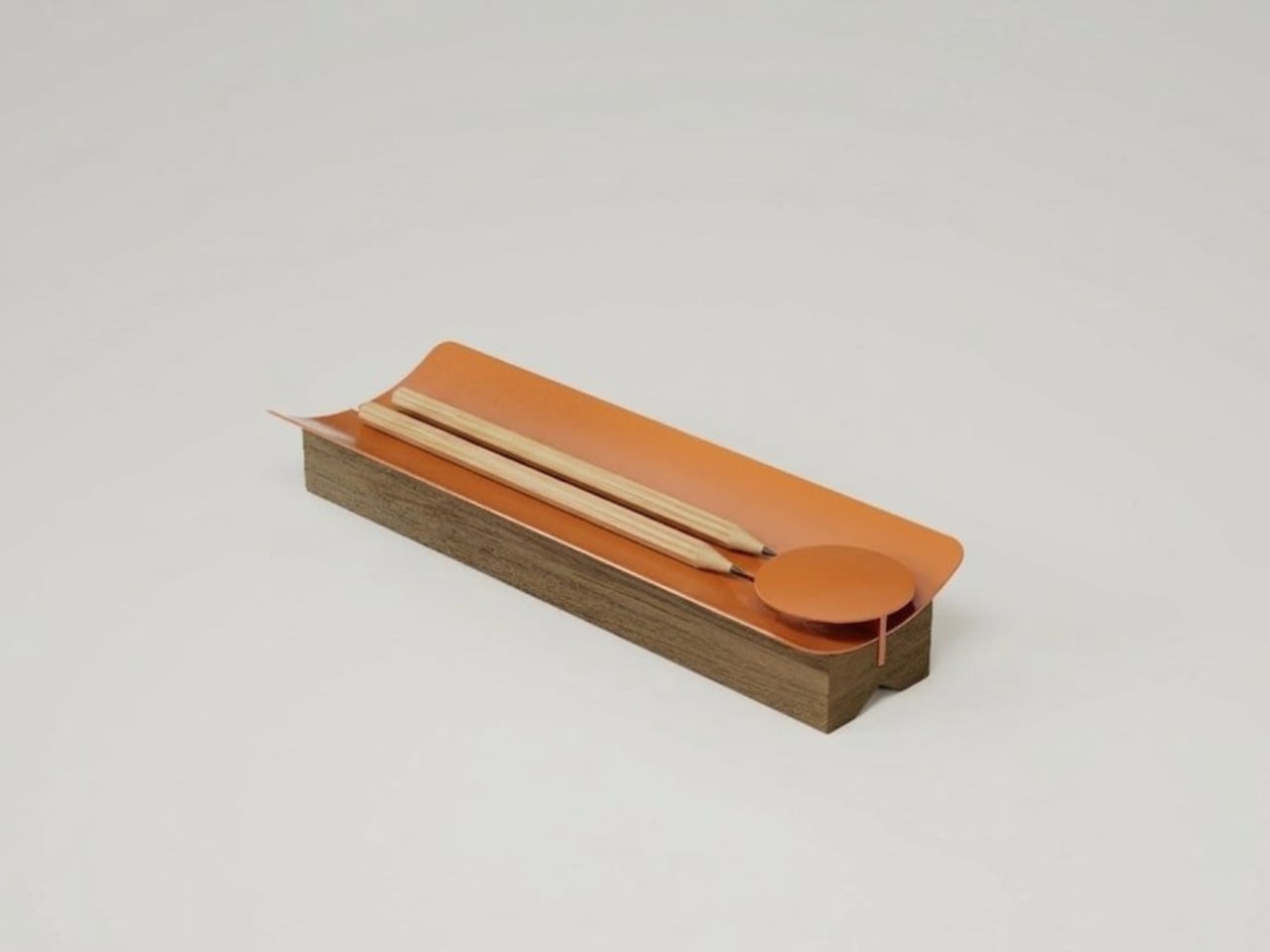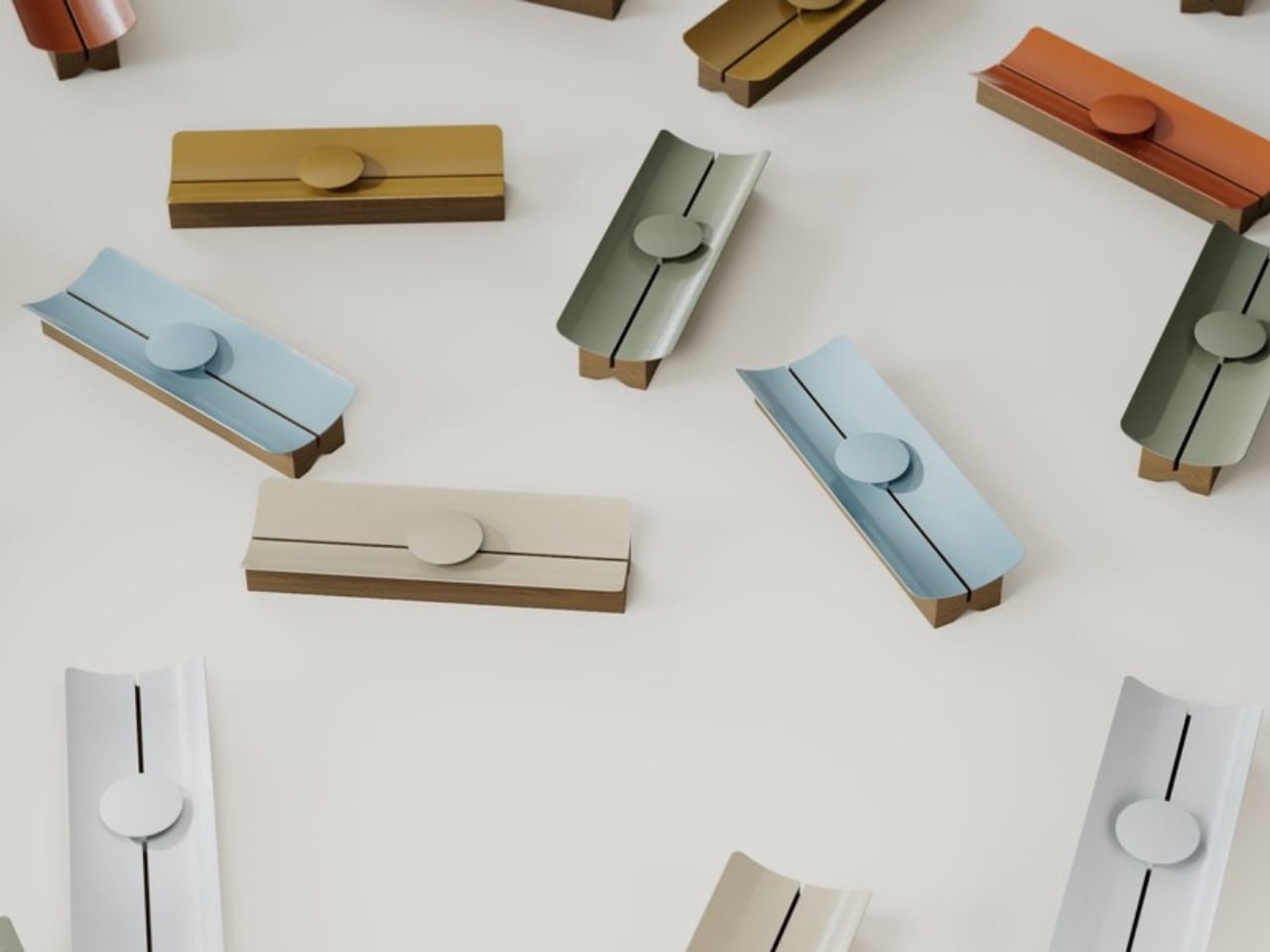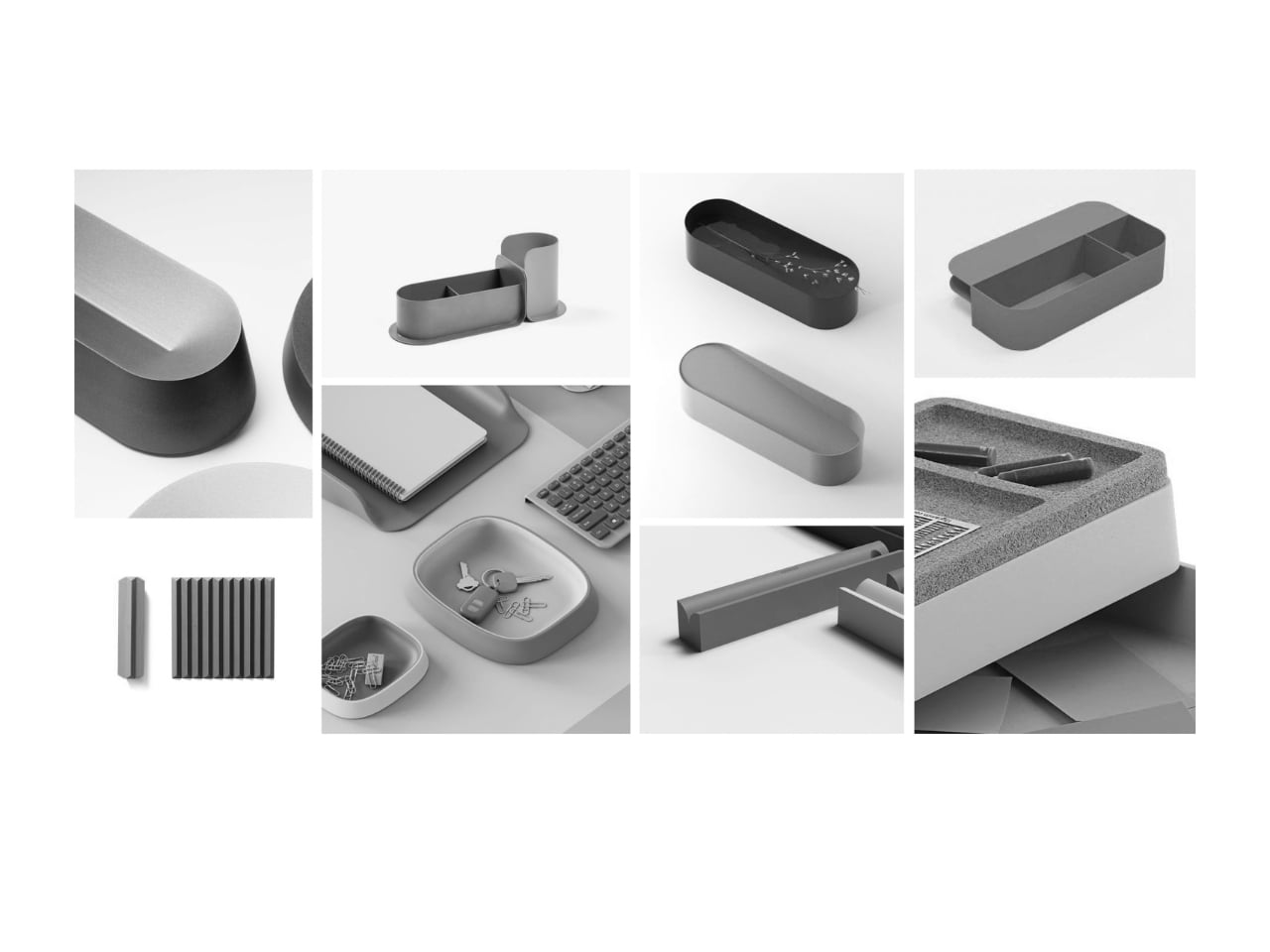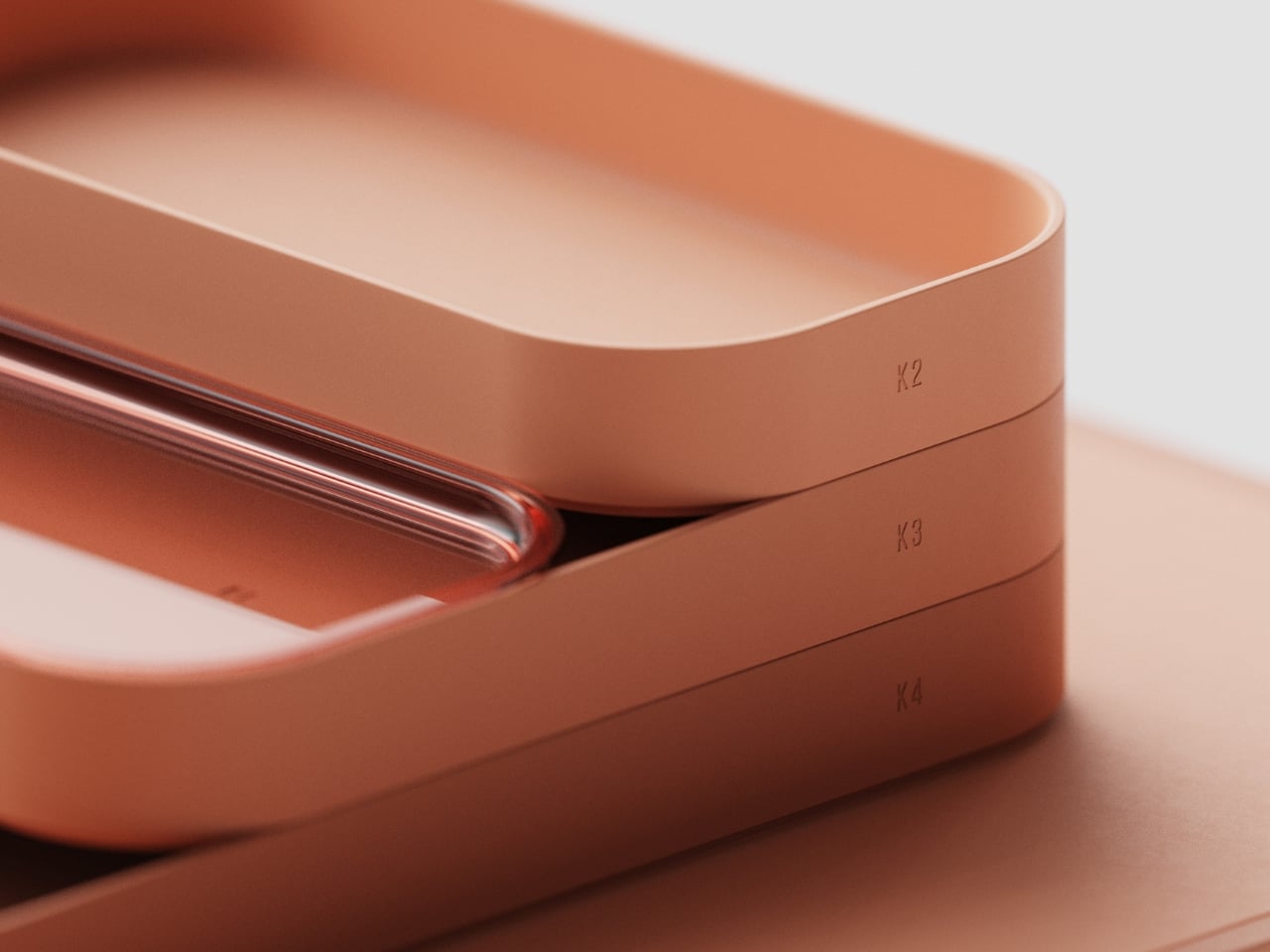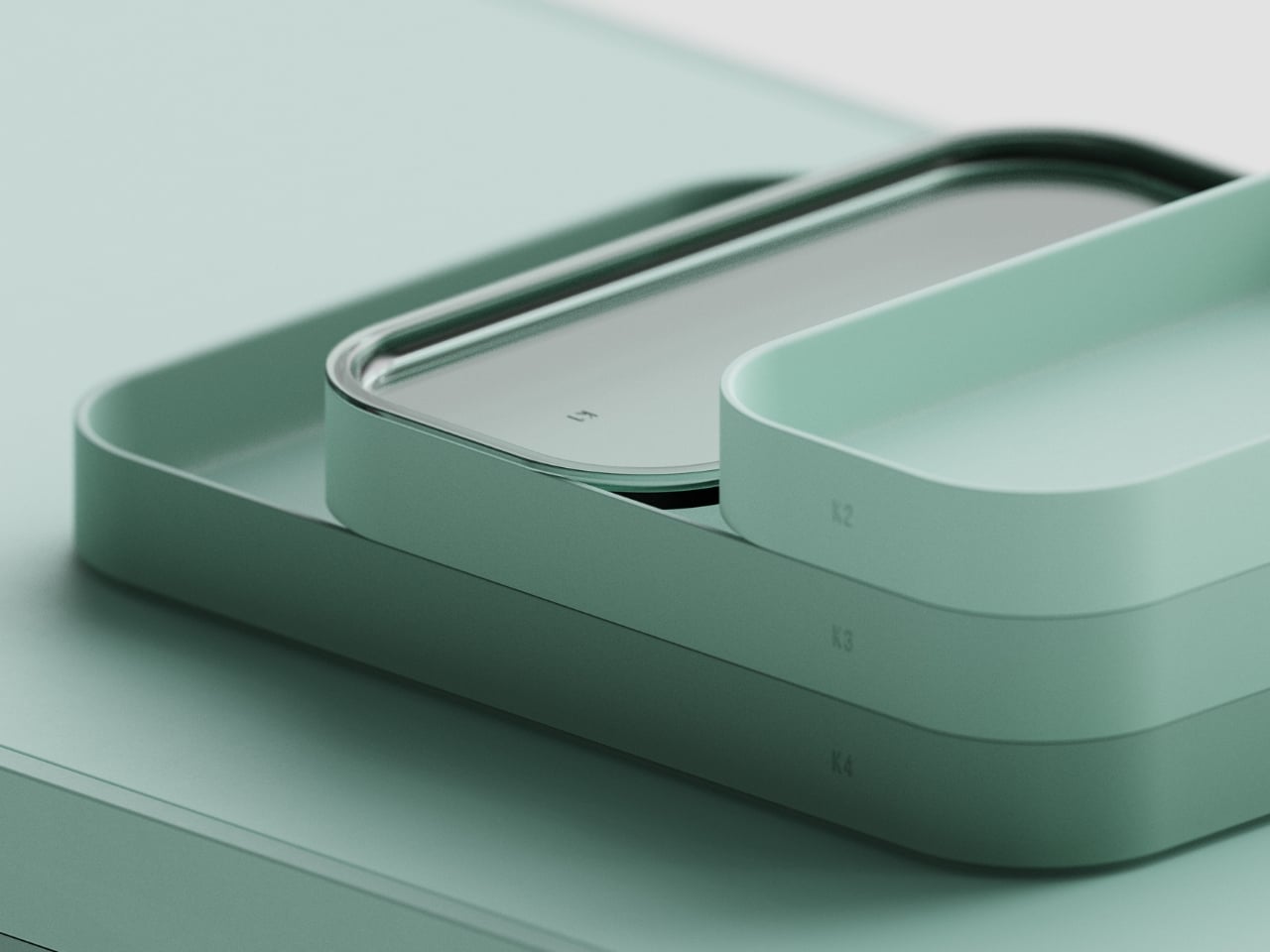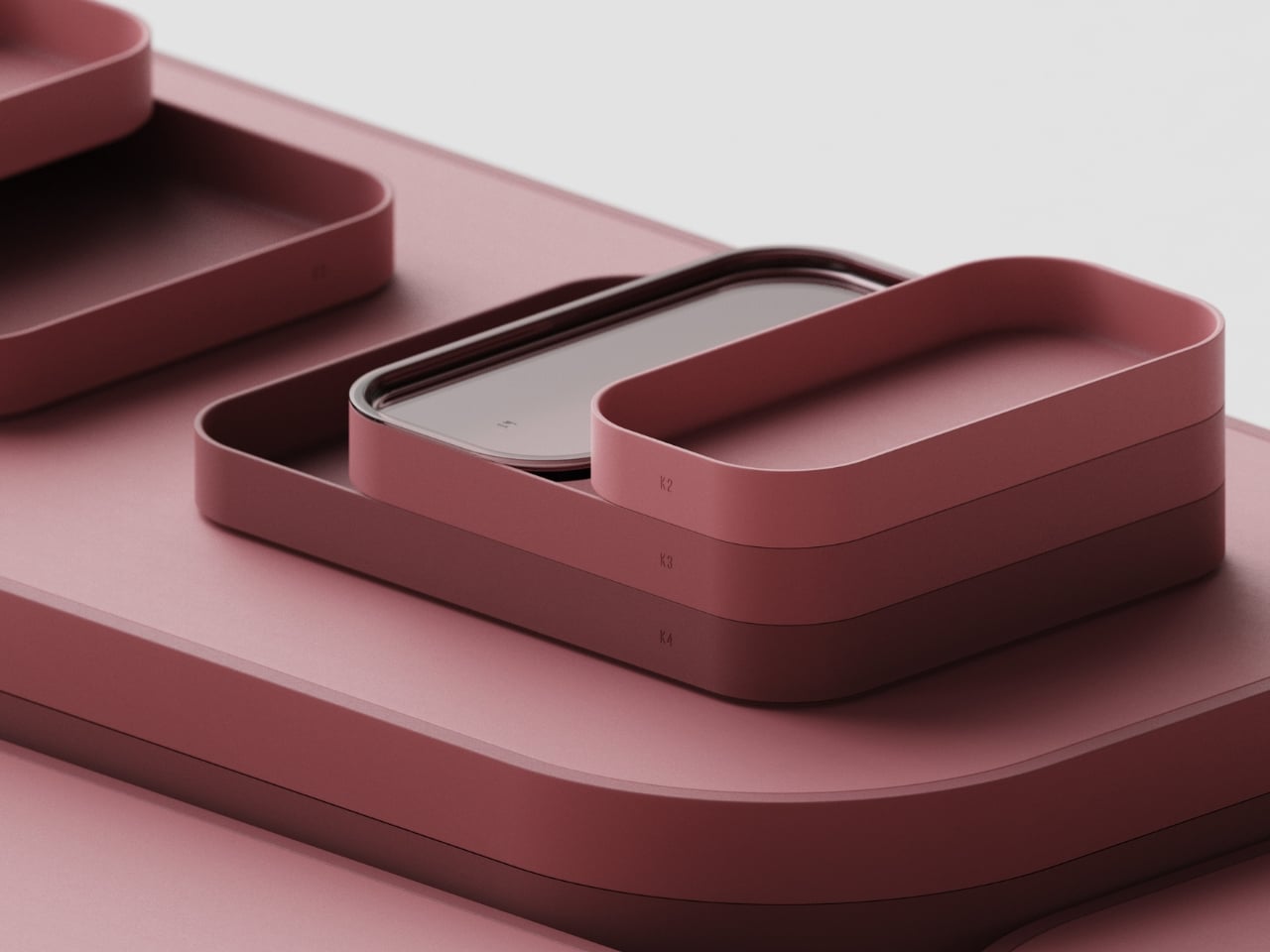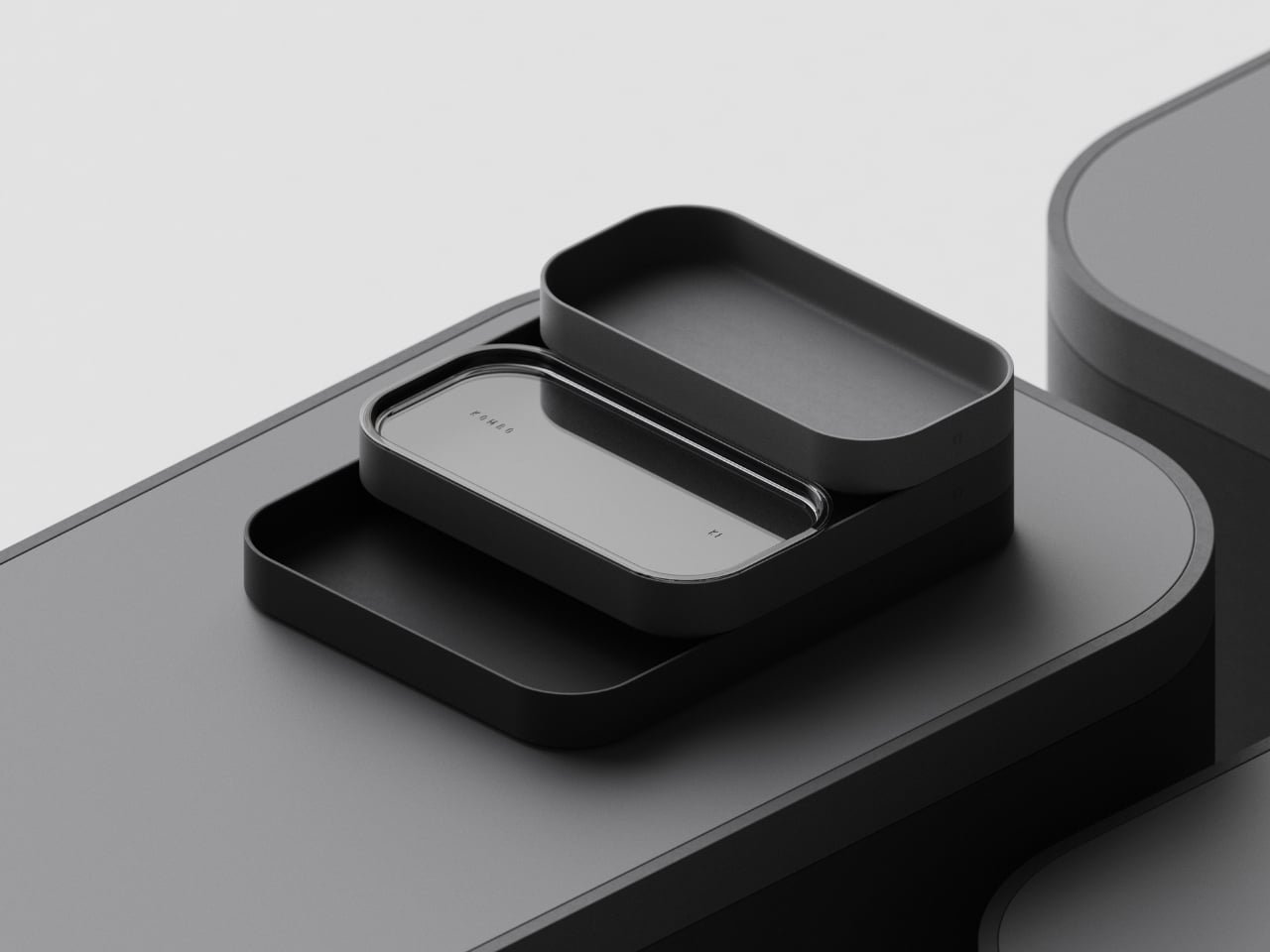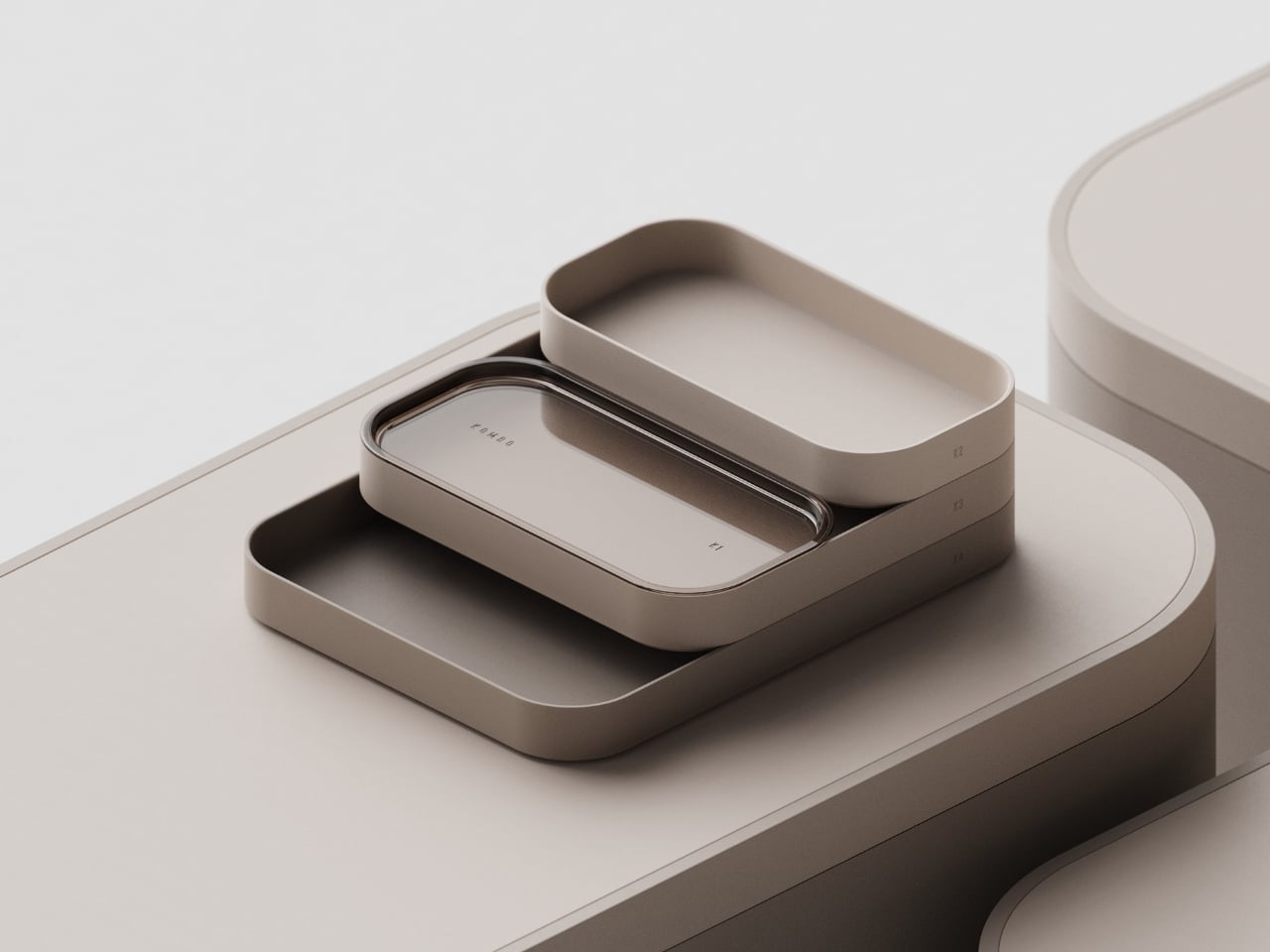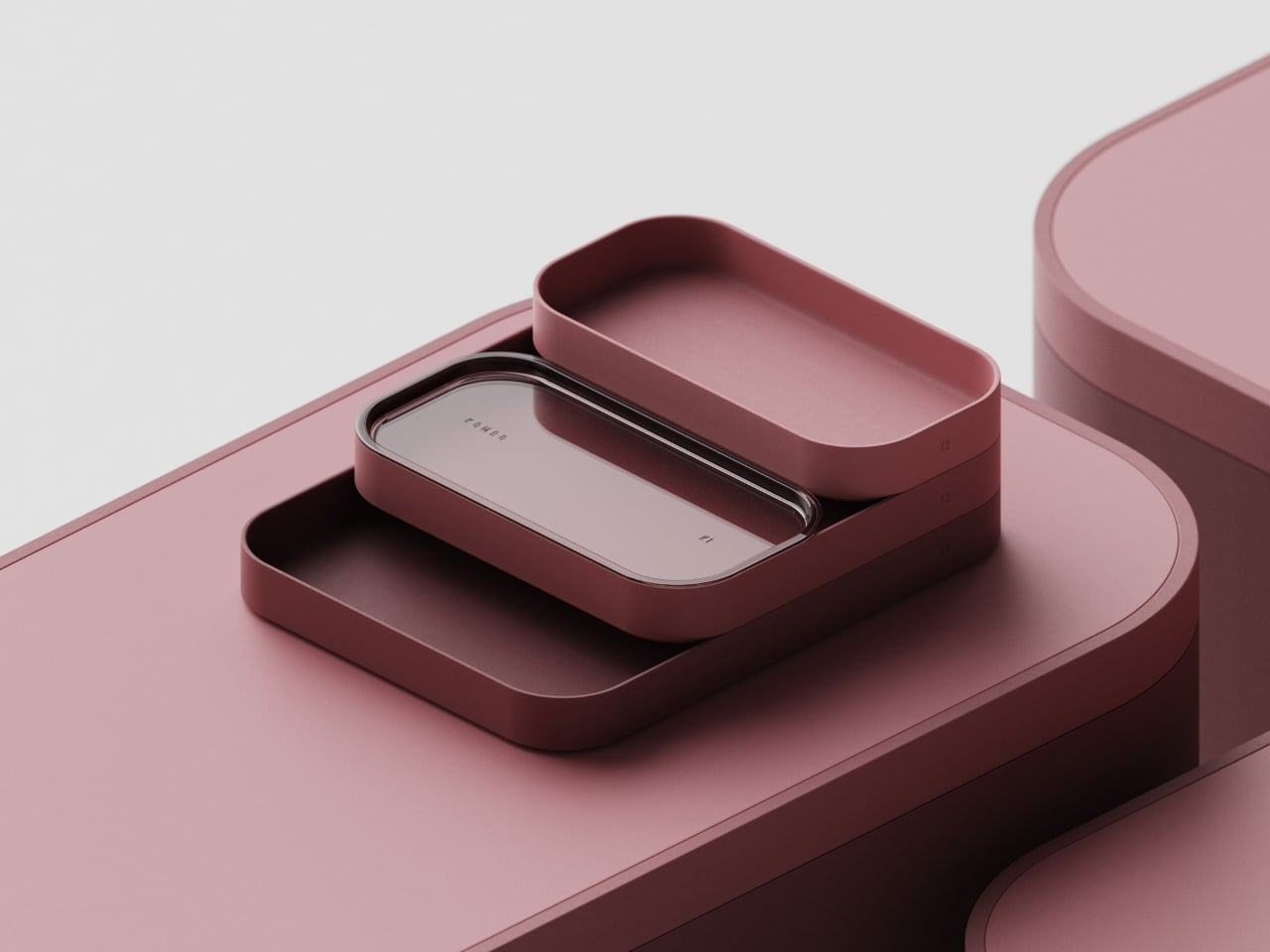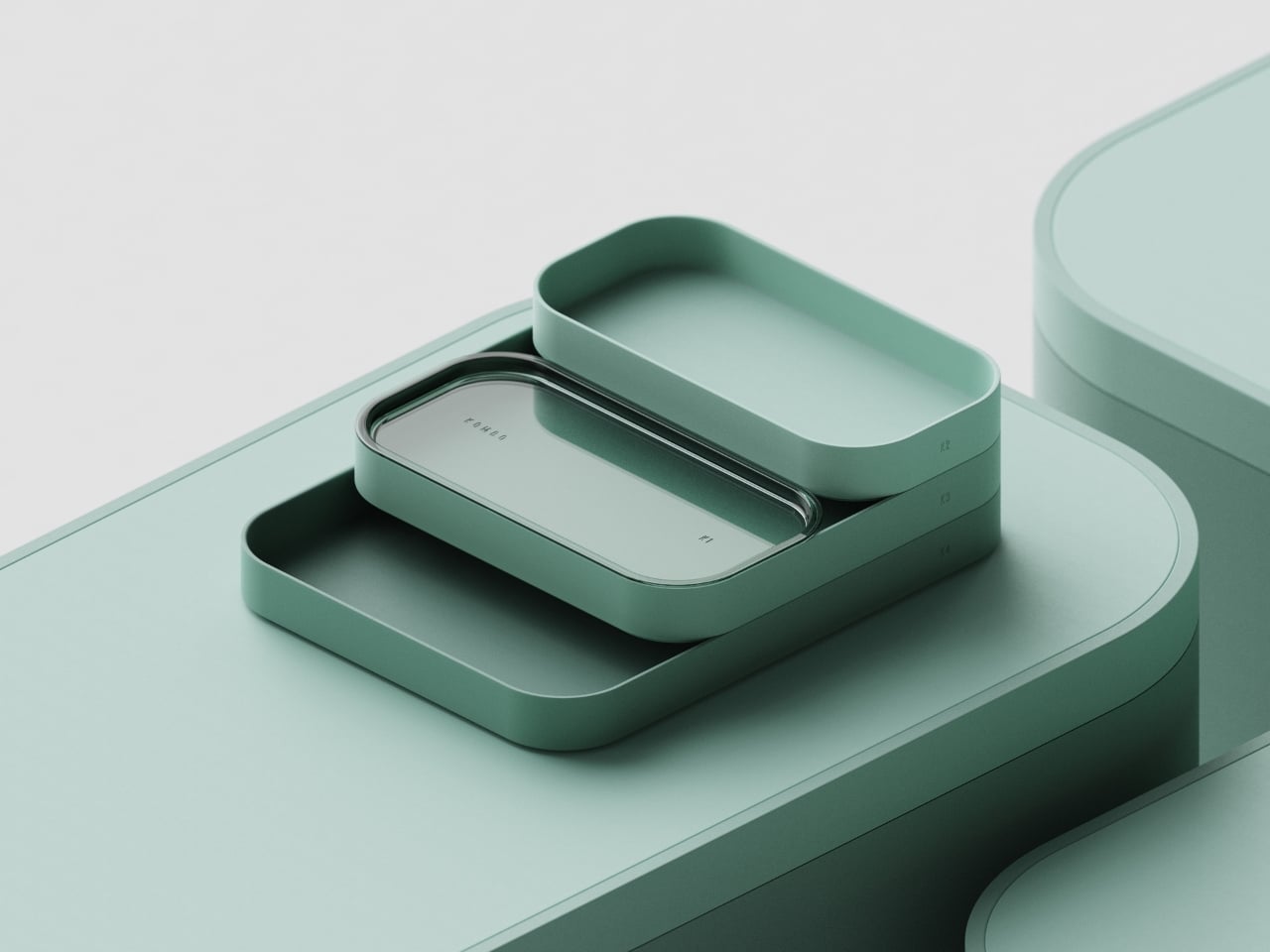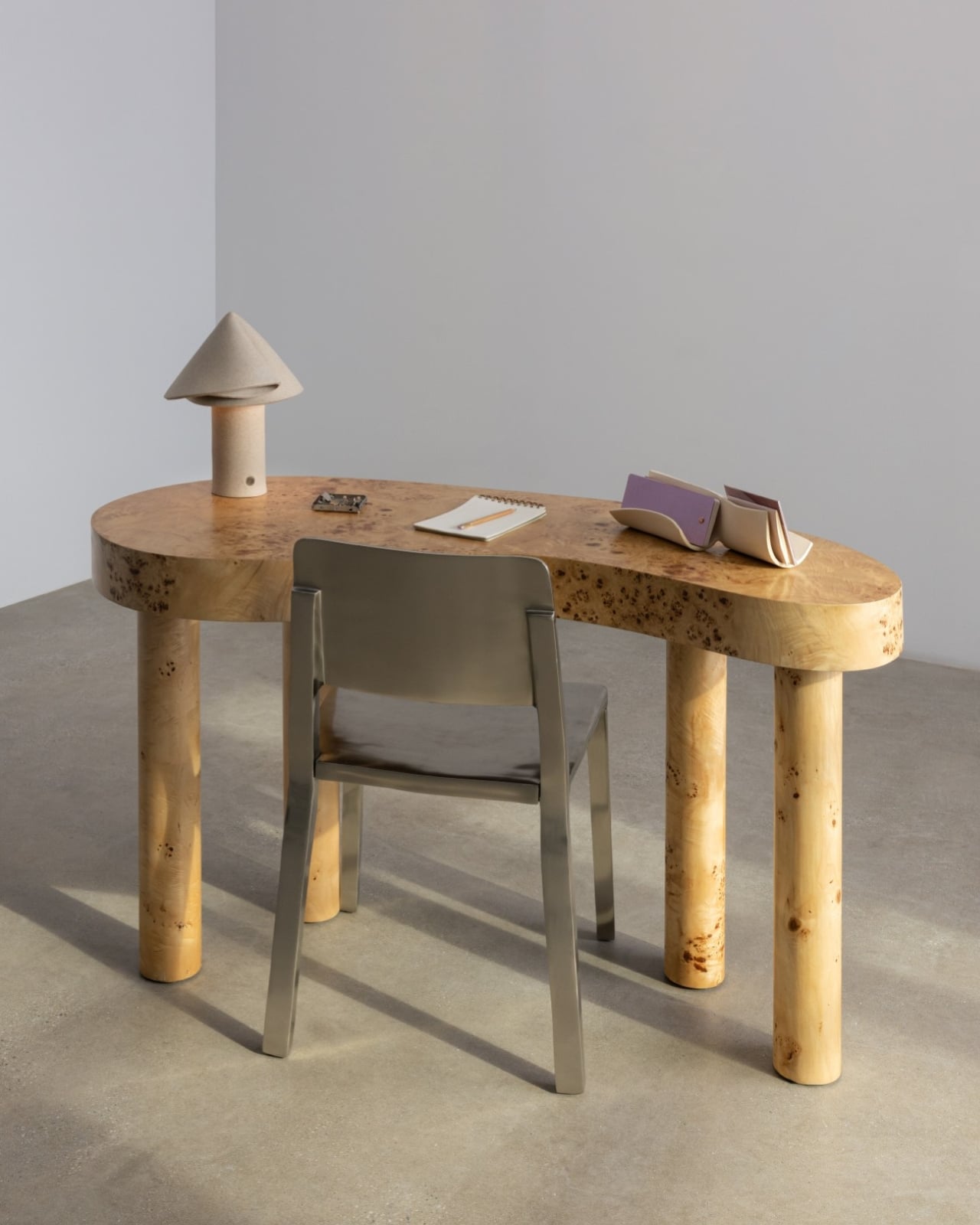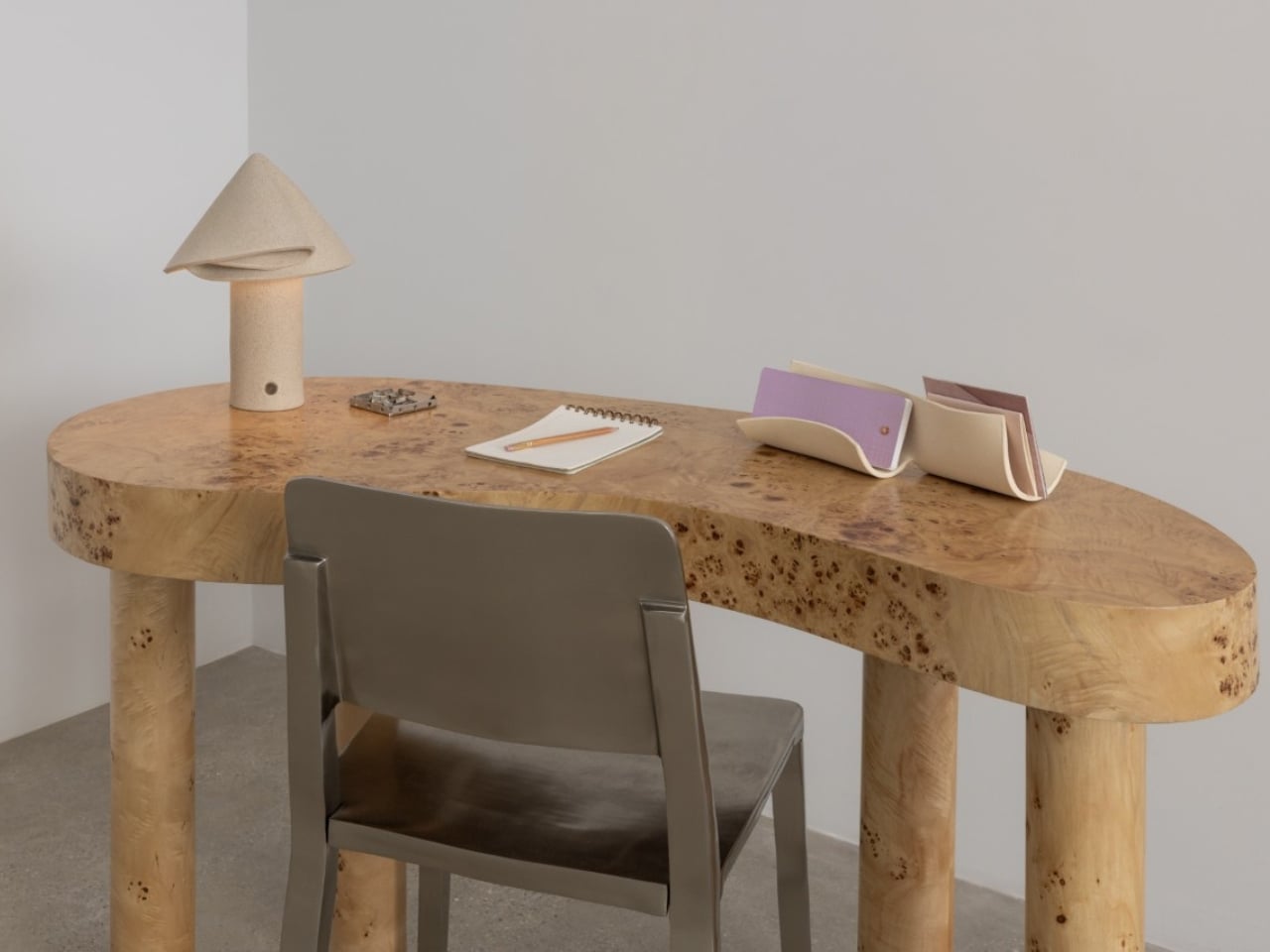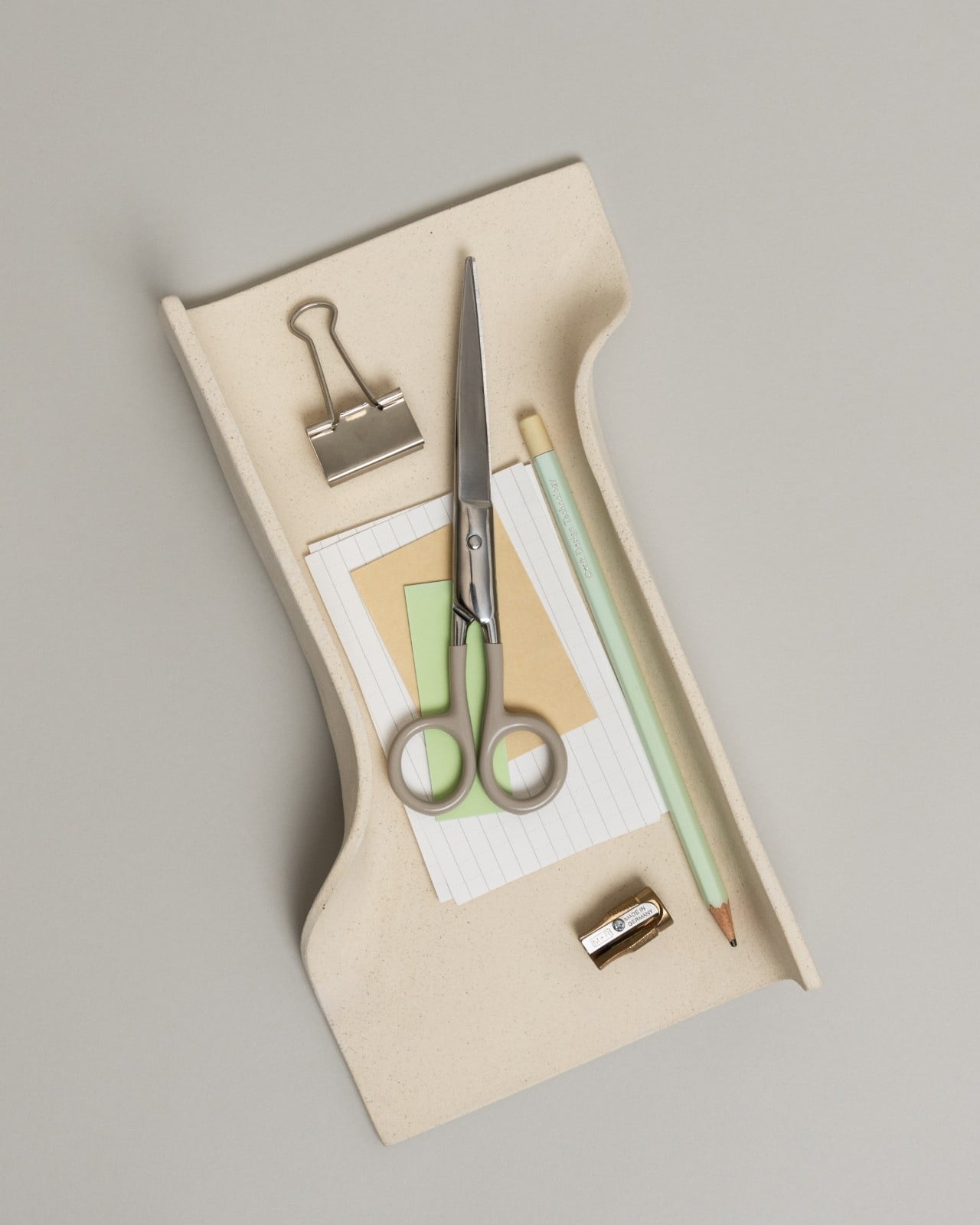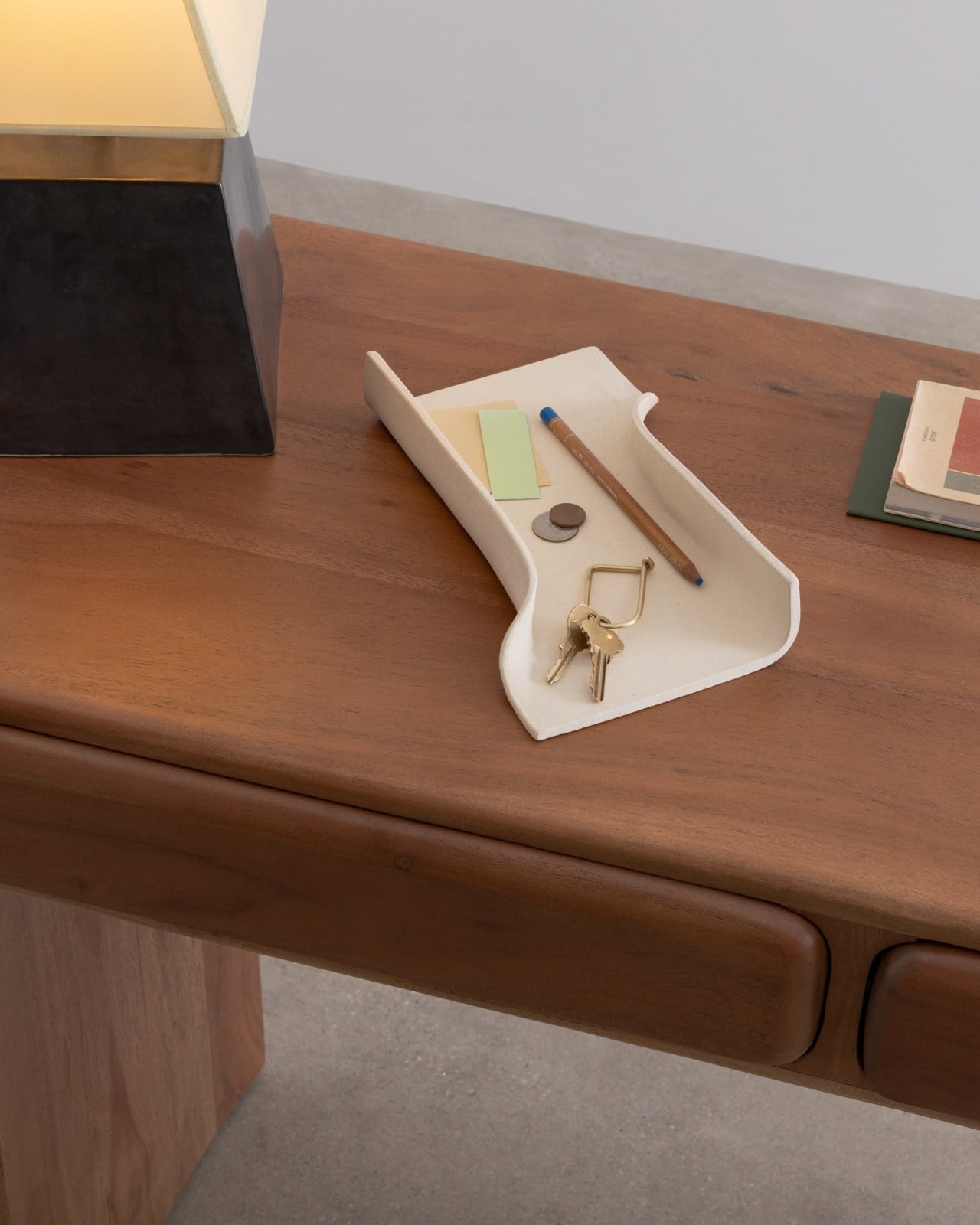
This 1970s Desk Organizer Works in Every Room But Your Office

Desk organizers have a reputation problem. Most are either forgettable plastic trays that could have come from any office supply aisle, or overdesigned contraptions that look busier than the mess they’re meant to fix. Joe Colombo, the Milanese designer who died at just 41, had a very different take on this problem back in 1970, and it looked like nothing else on a desk then or now.

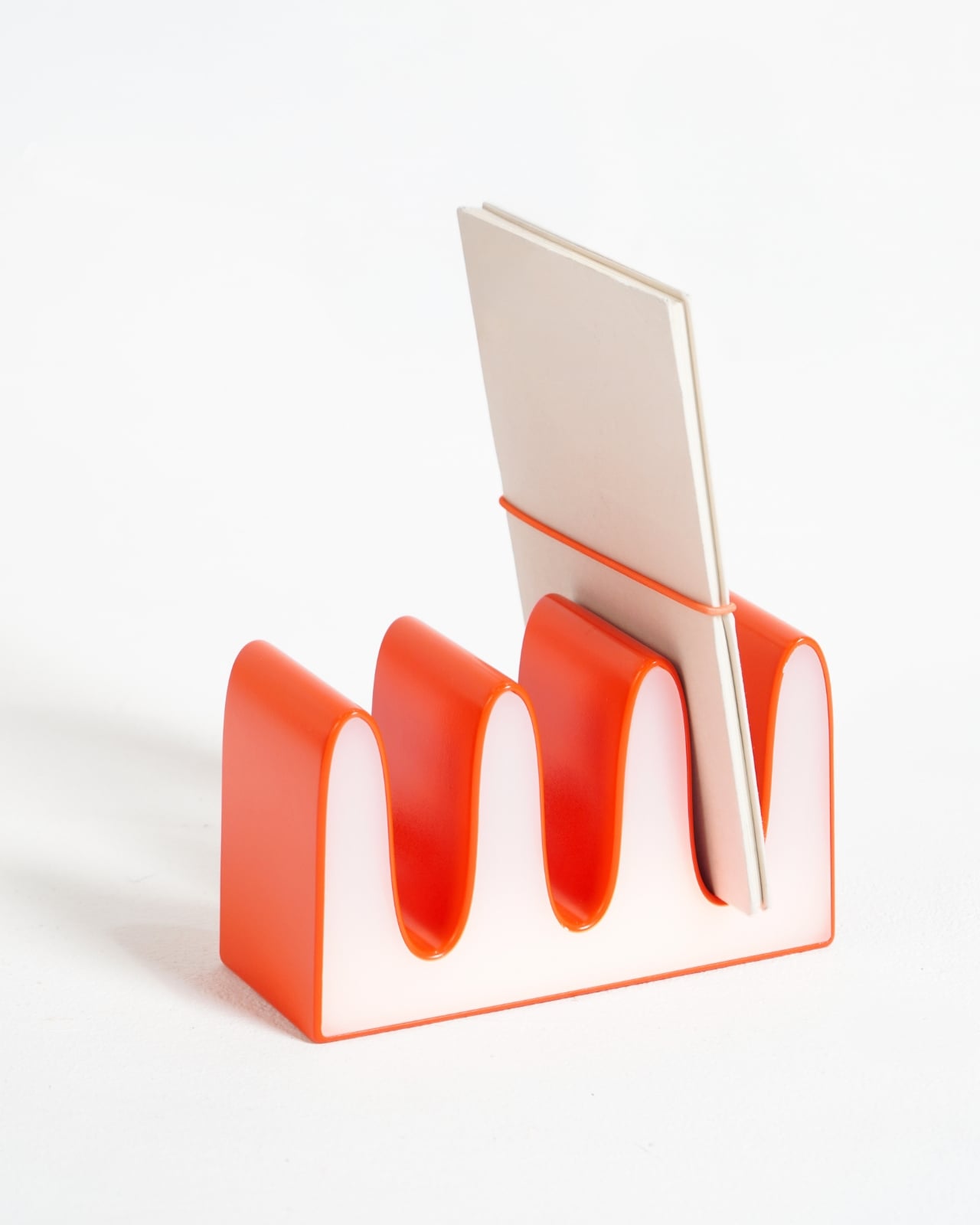
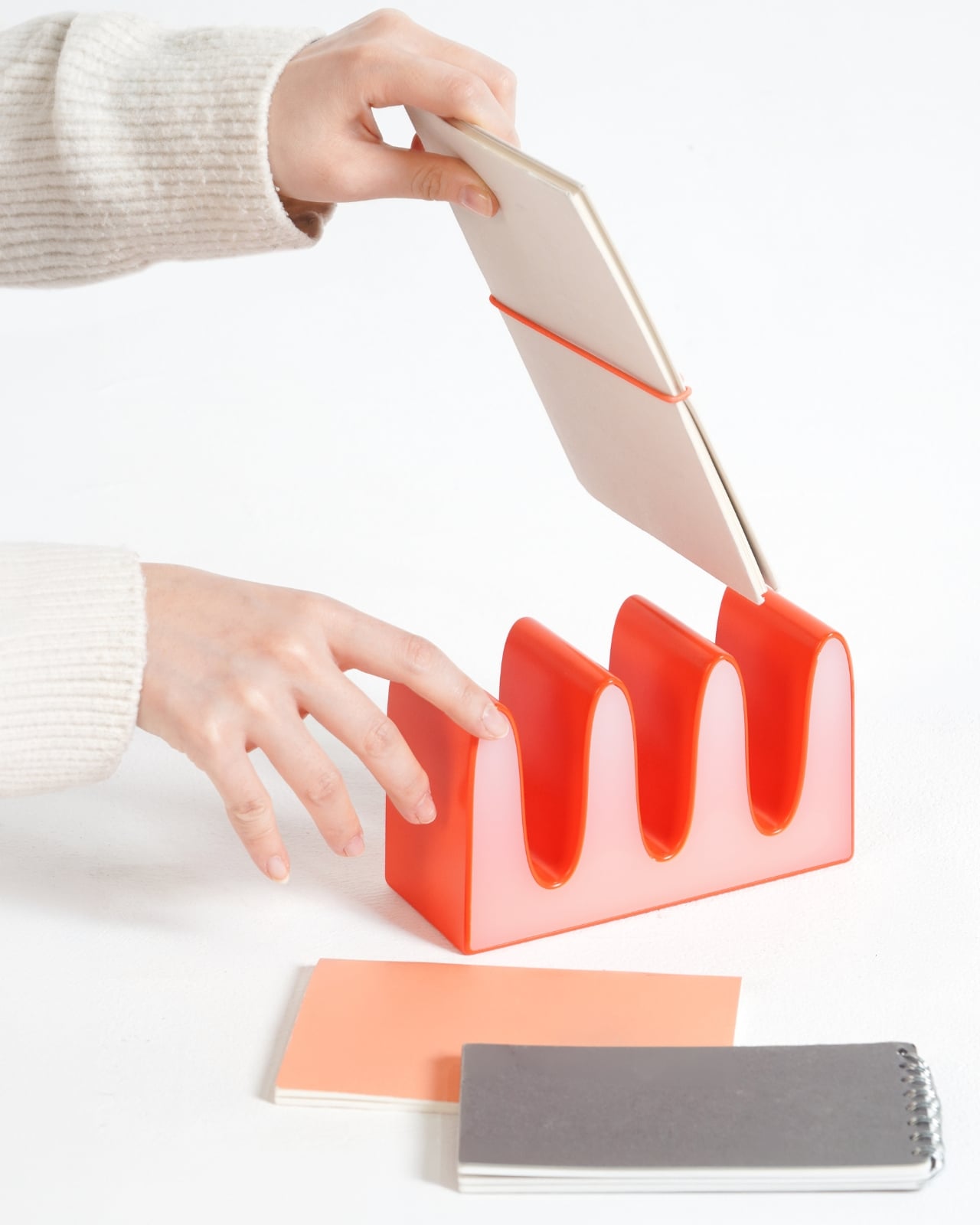
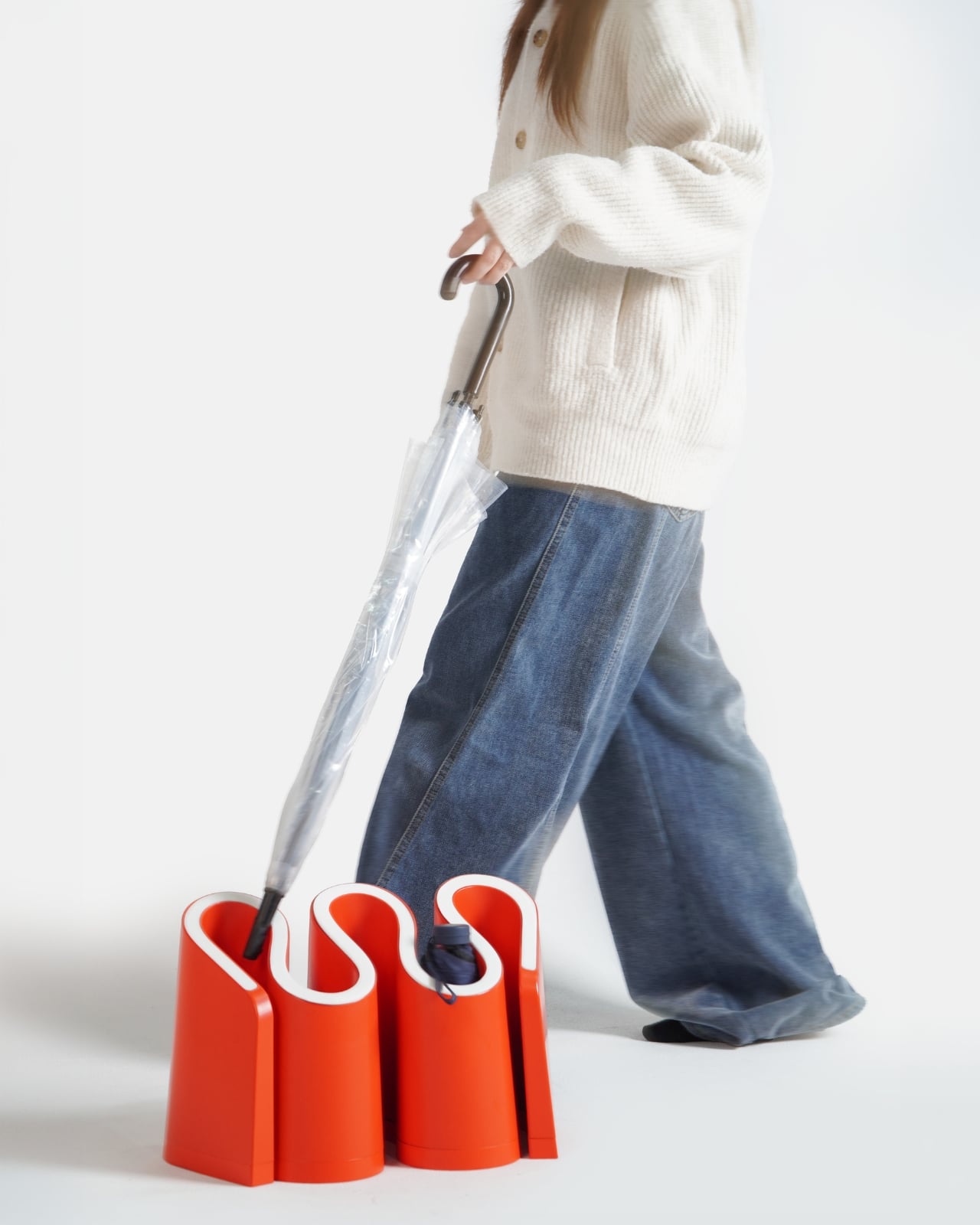
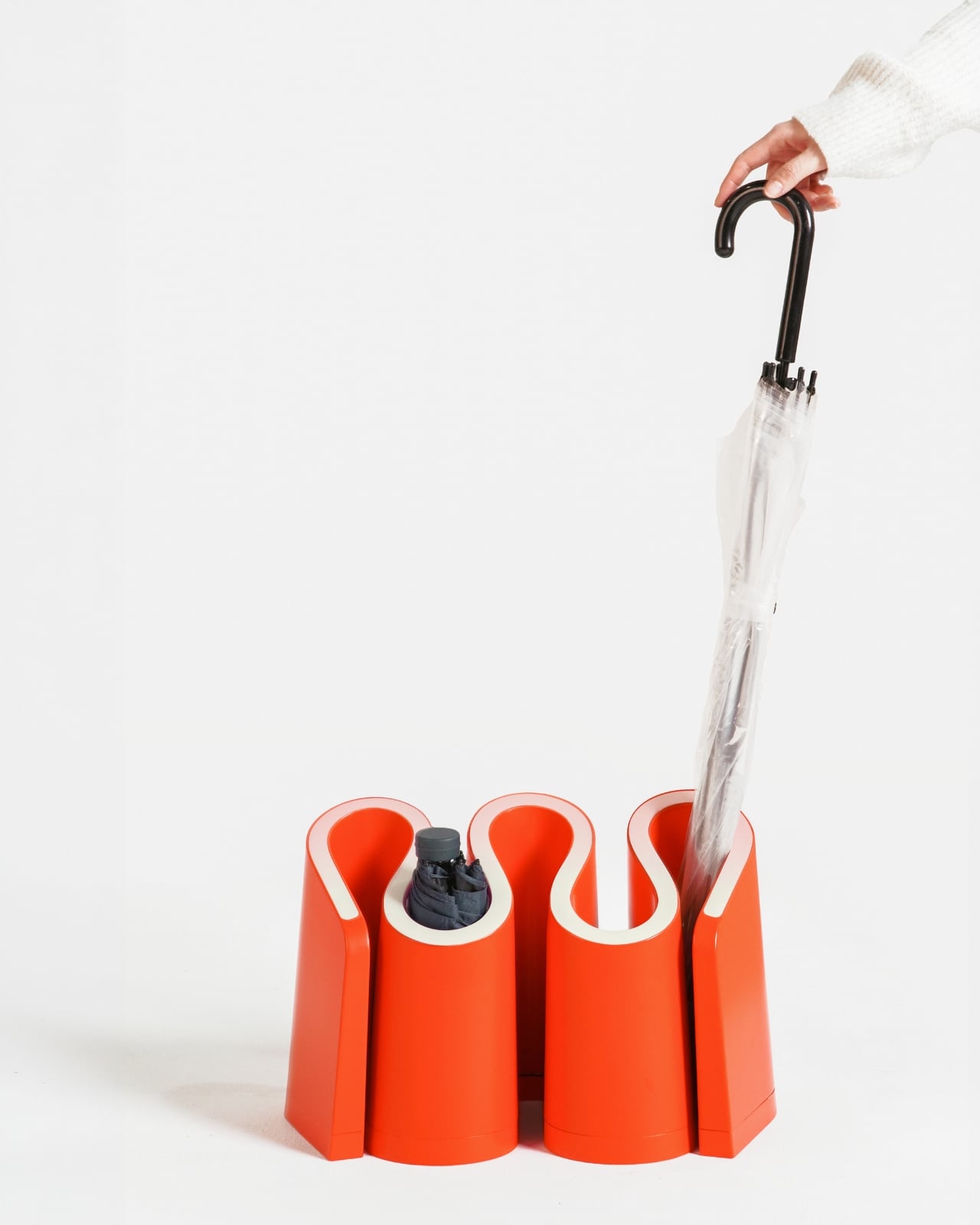
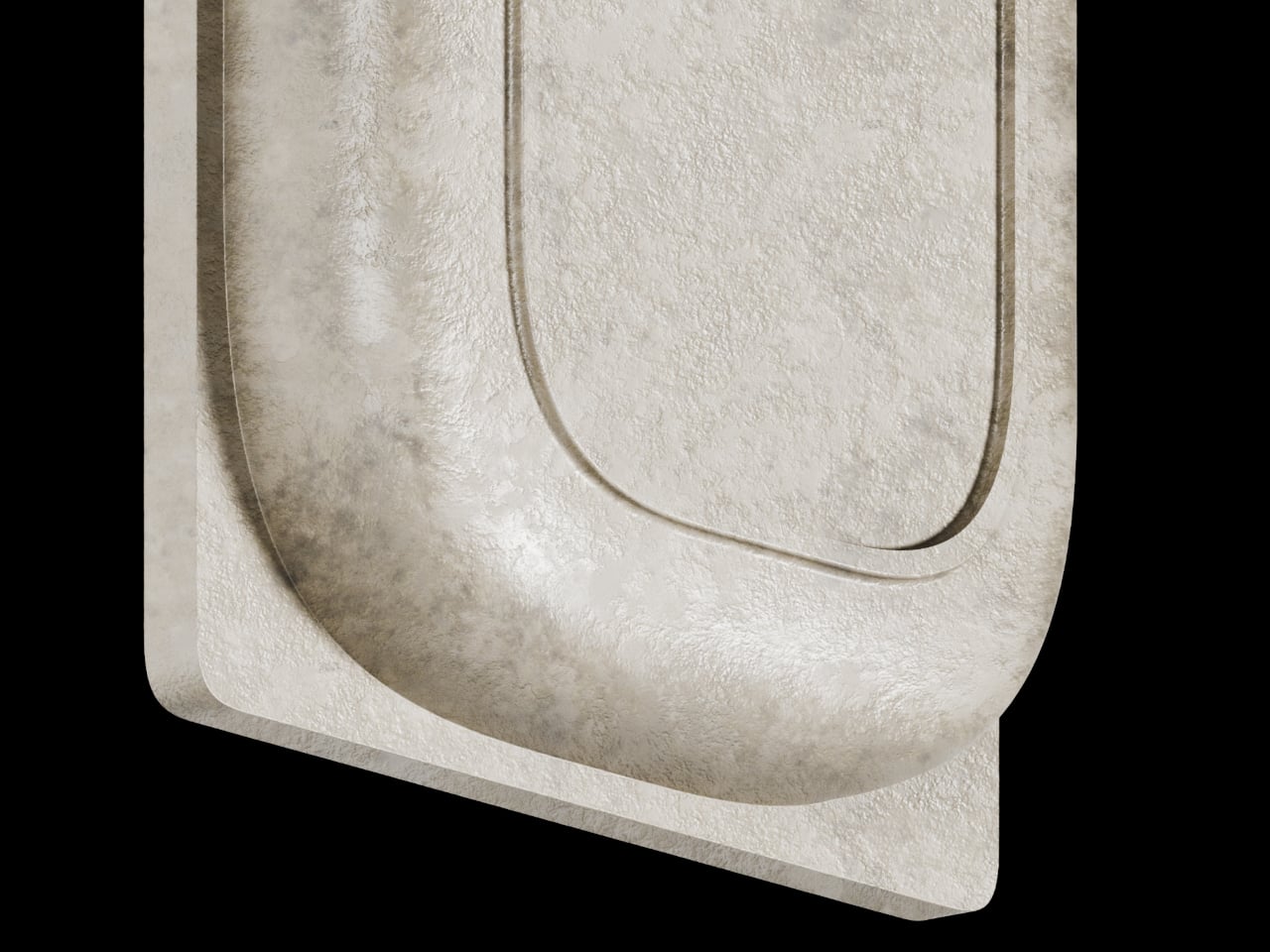
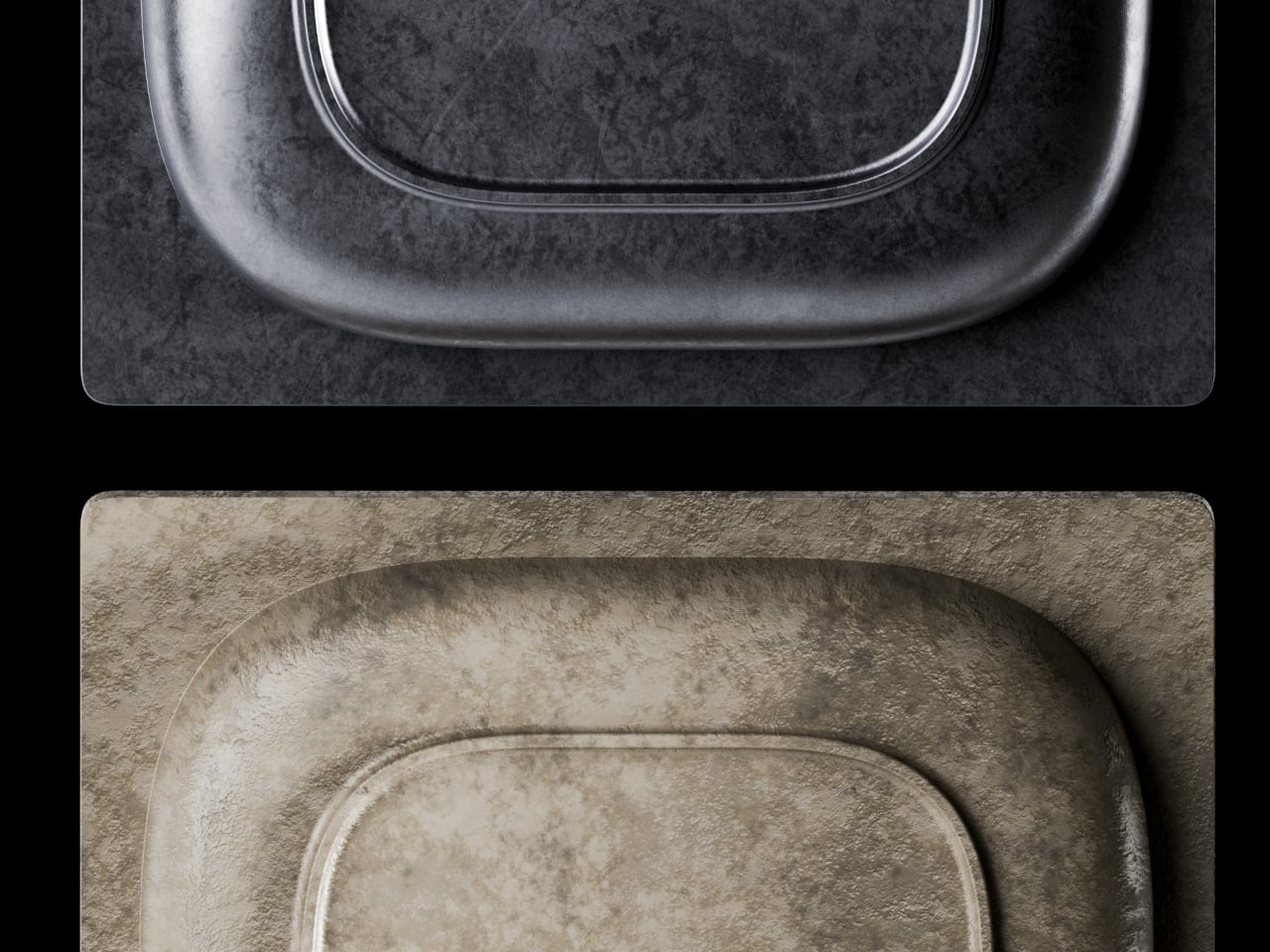
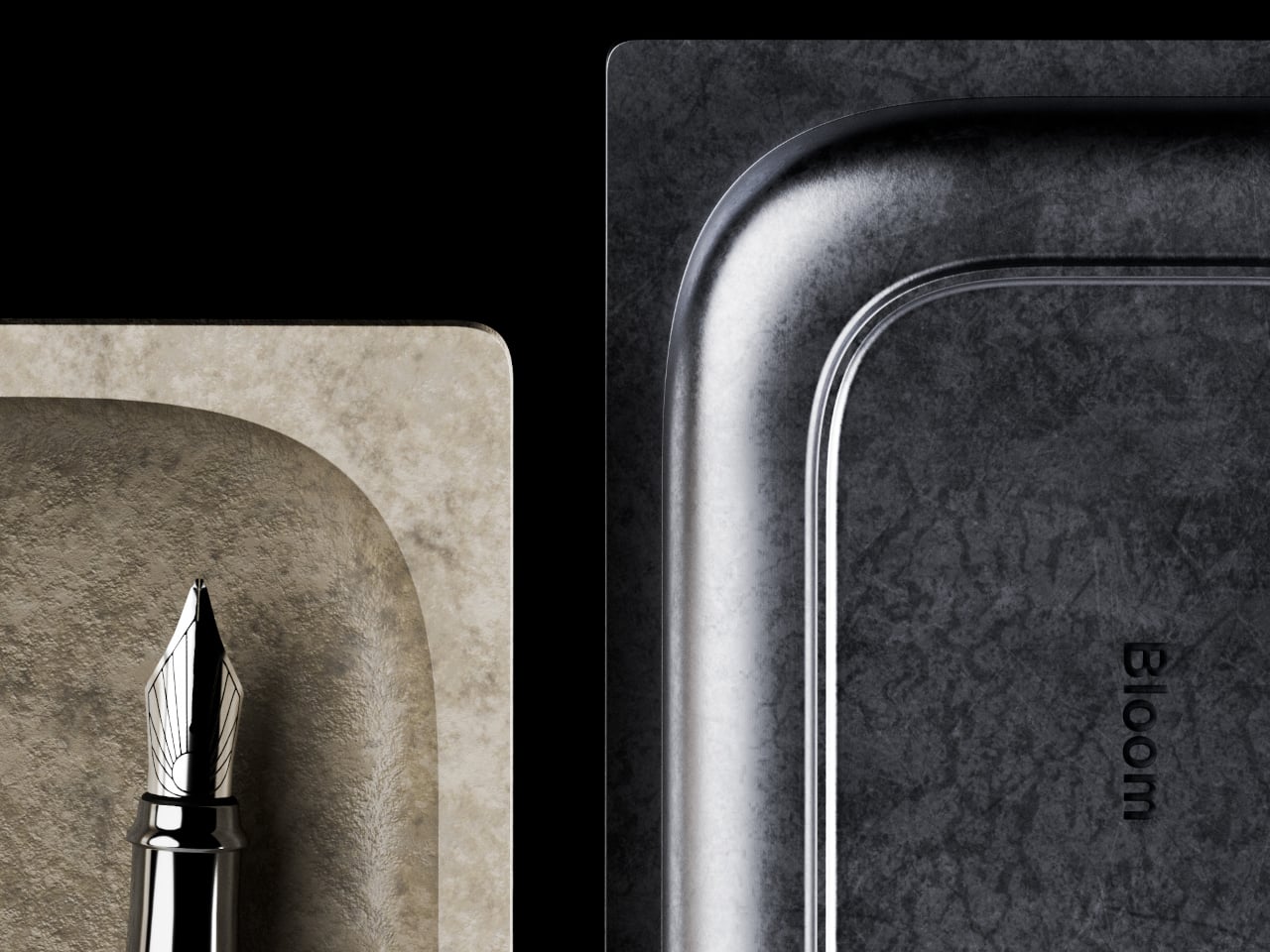
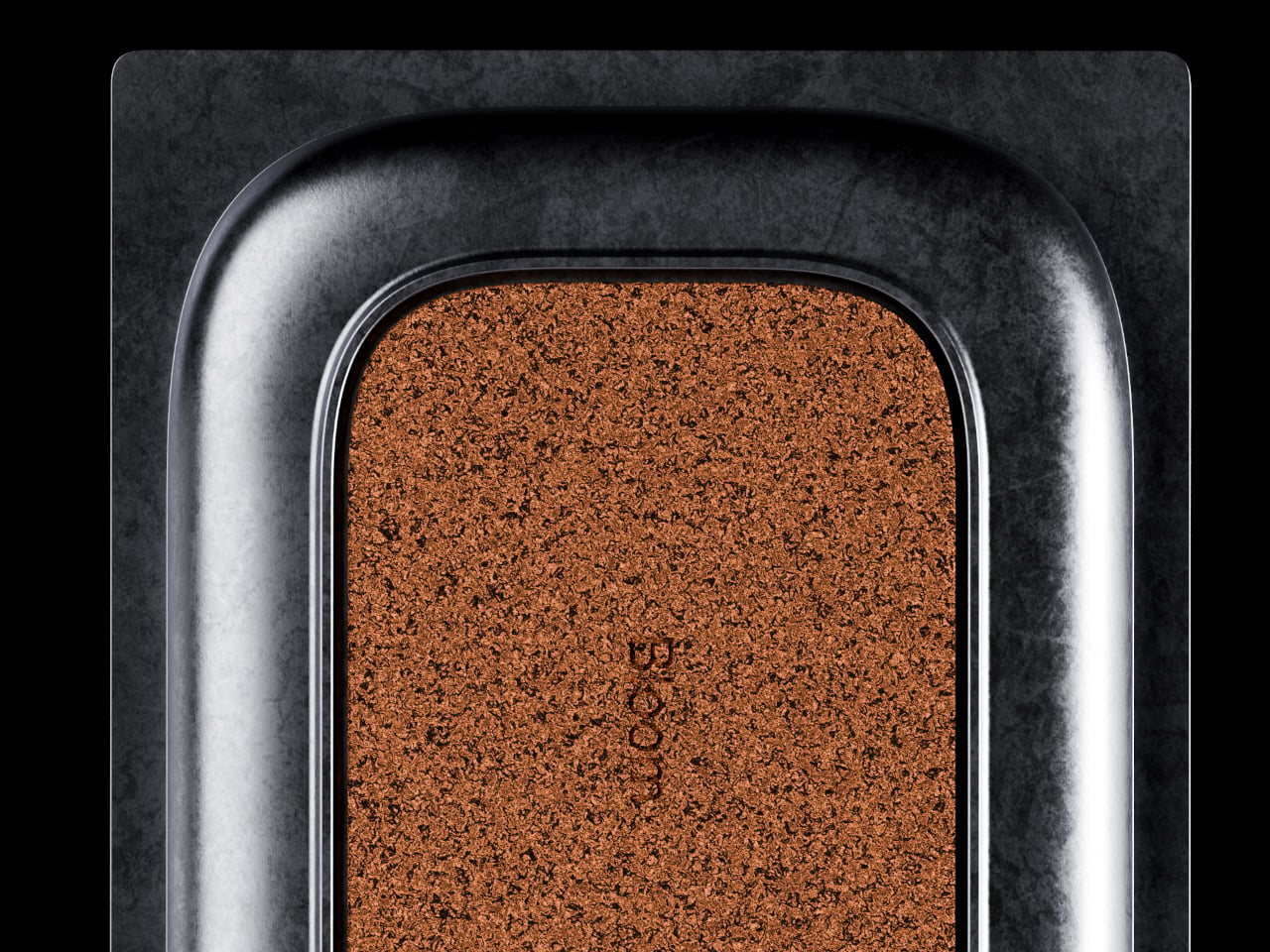
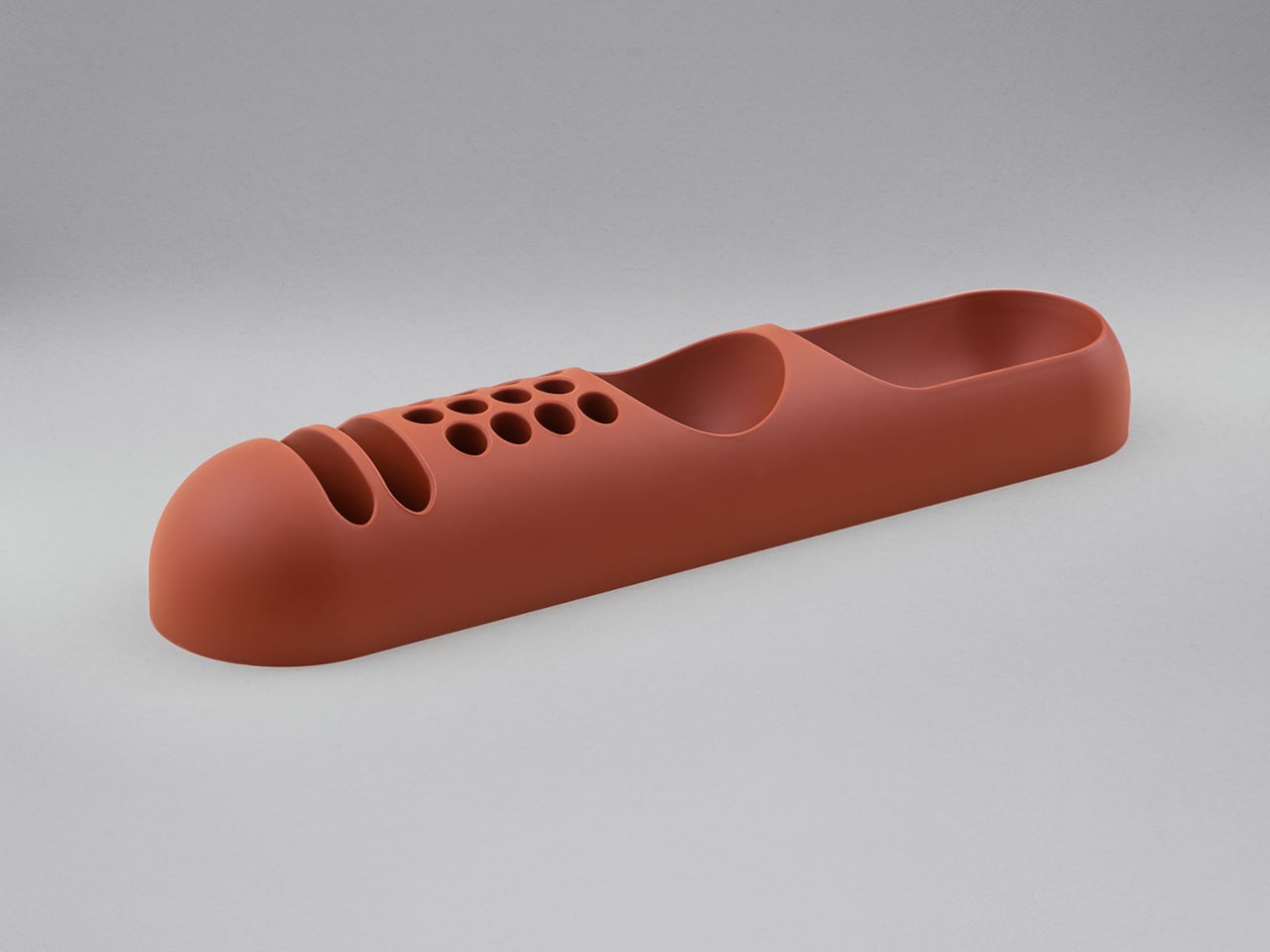
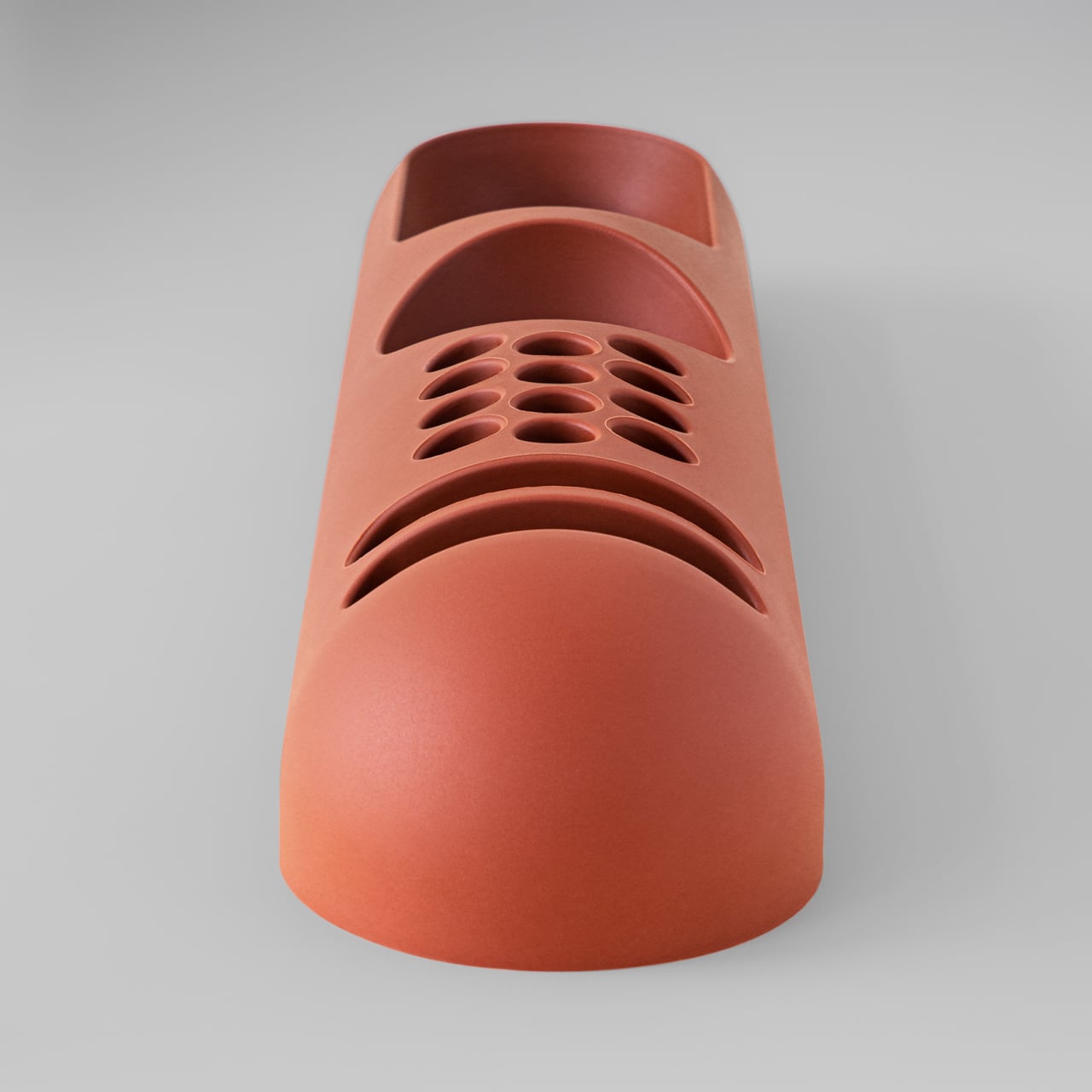
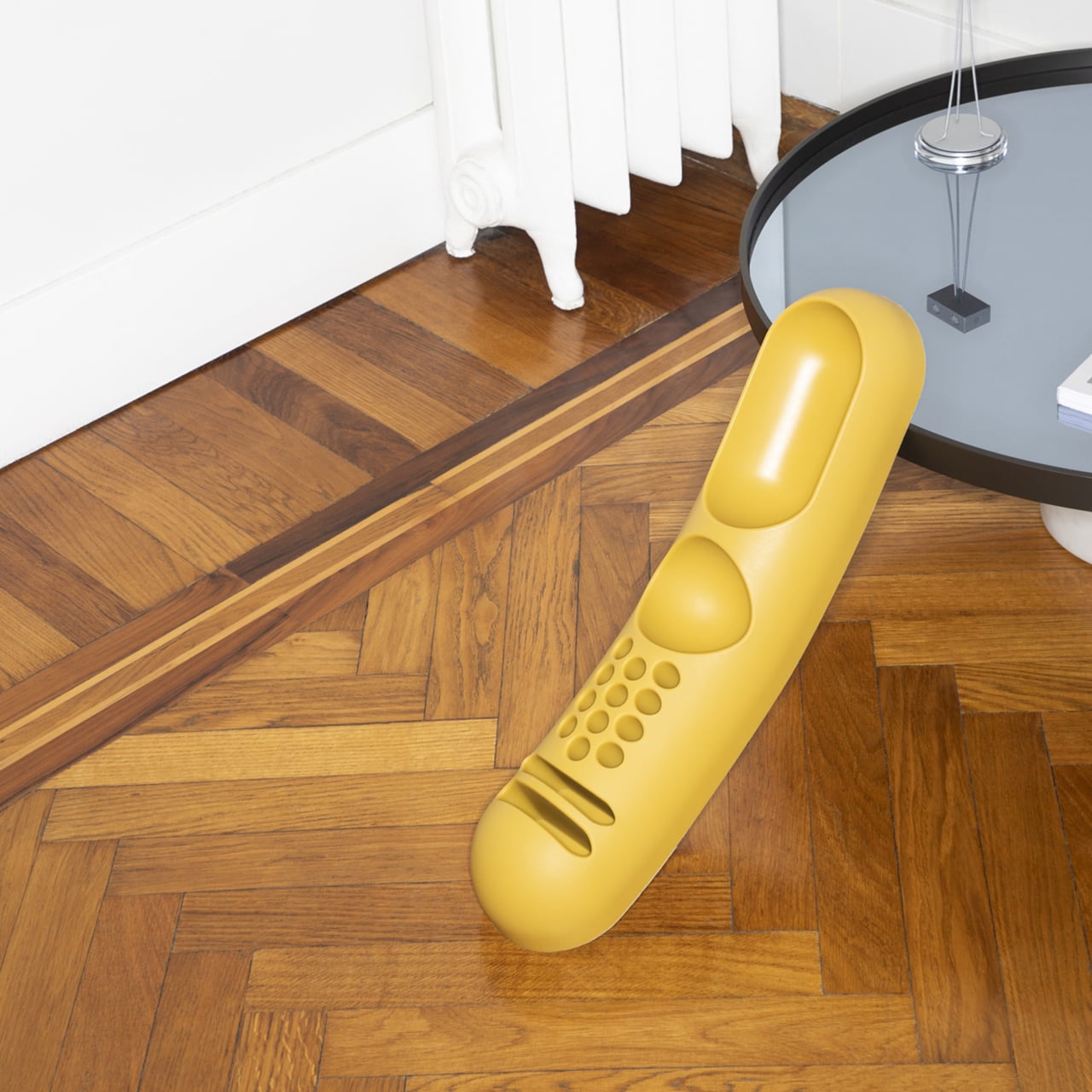
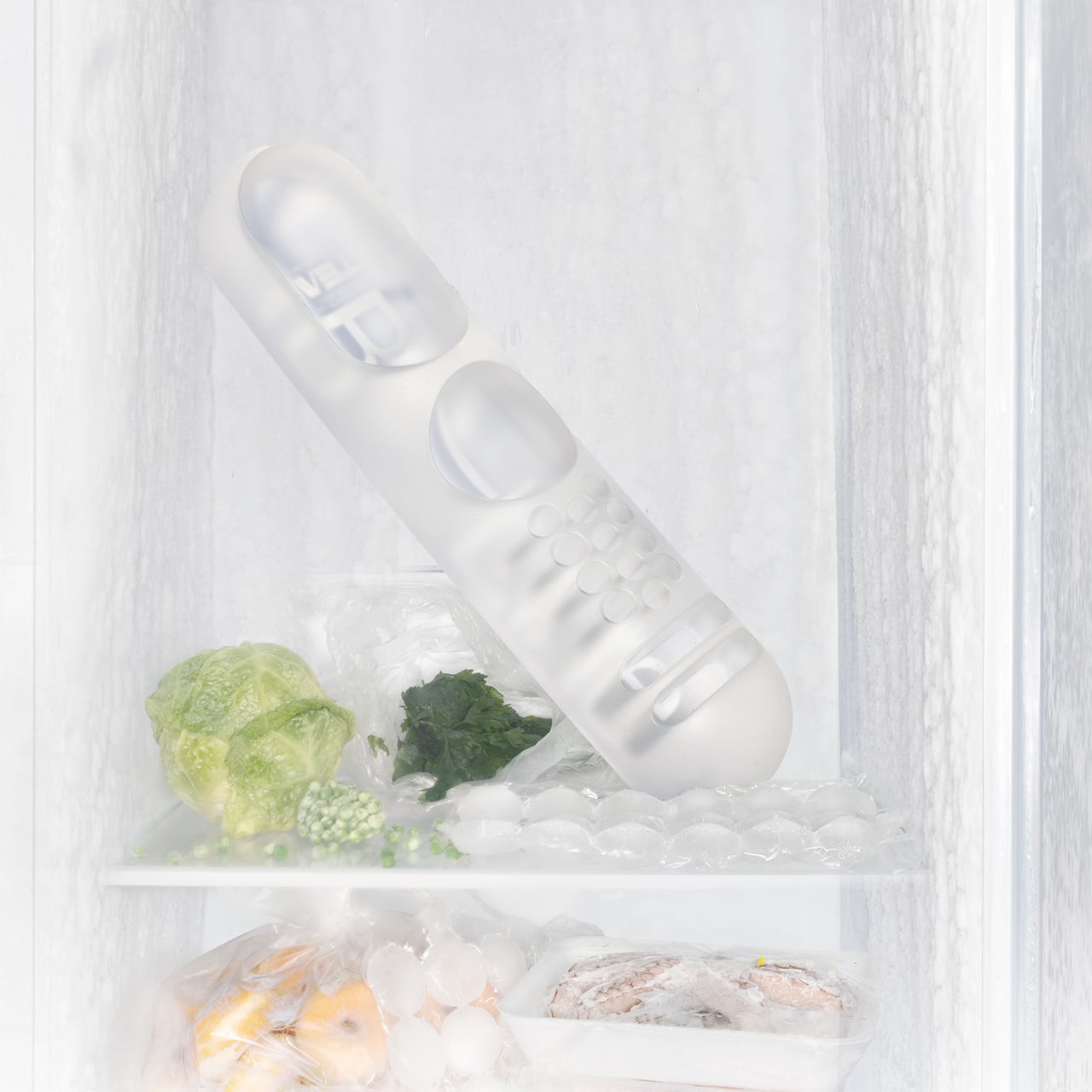
That design was BOB, a compact object holder made from polyurethane gel that Colombo shaped into something unmistakably organic. The form is elongated and low-profile, almost pill-shaped from above, with one end rising into a soft dome and the other tapering nearly flat. B-Line, an Italian label dedicated to acquiring original molds from discontinued Italian design objects, reissued it in 2023 in five colors: terracotta, slate blue, mustard yellow, warm white, and a translucent frosted version called “ice.”

Designer: Joe Colombo

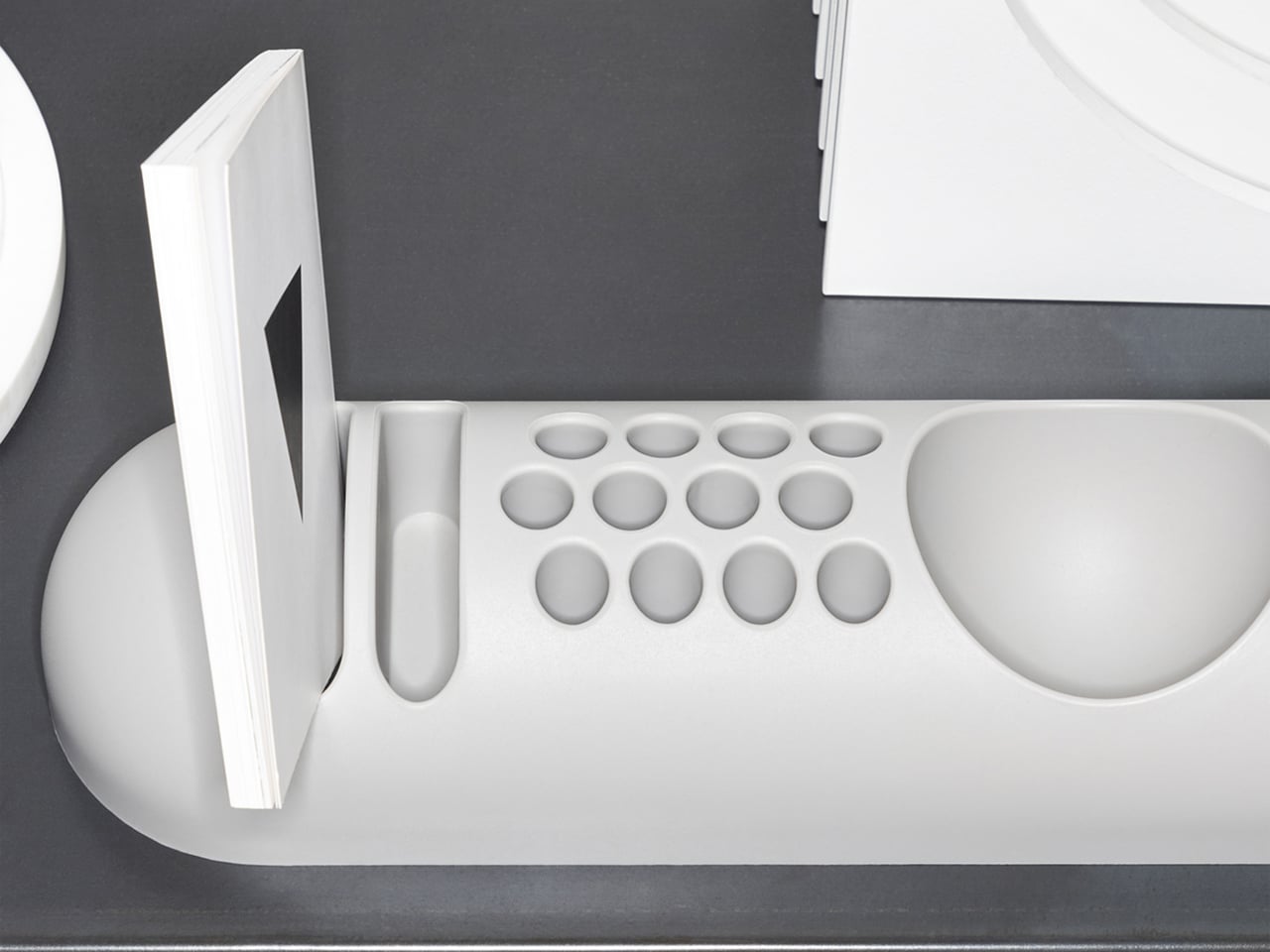
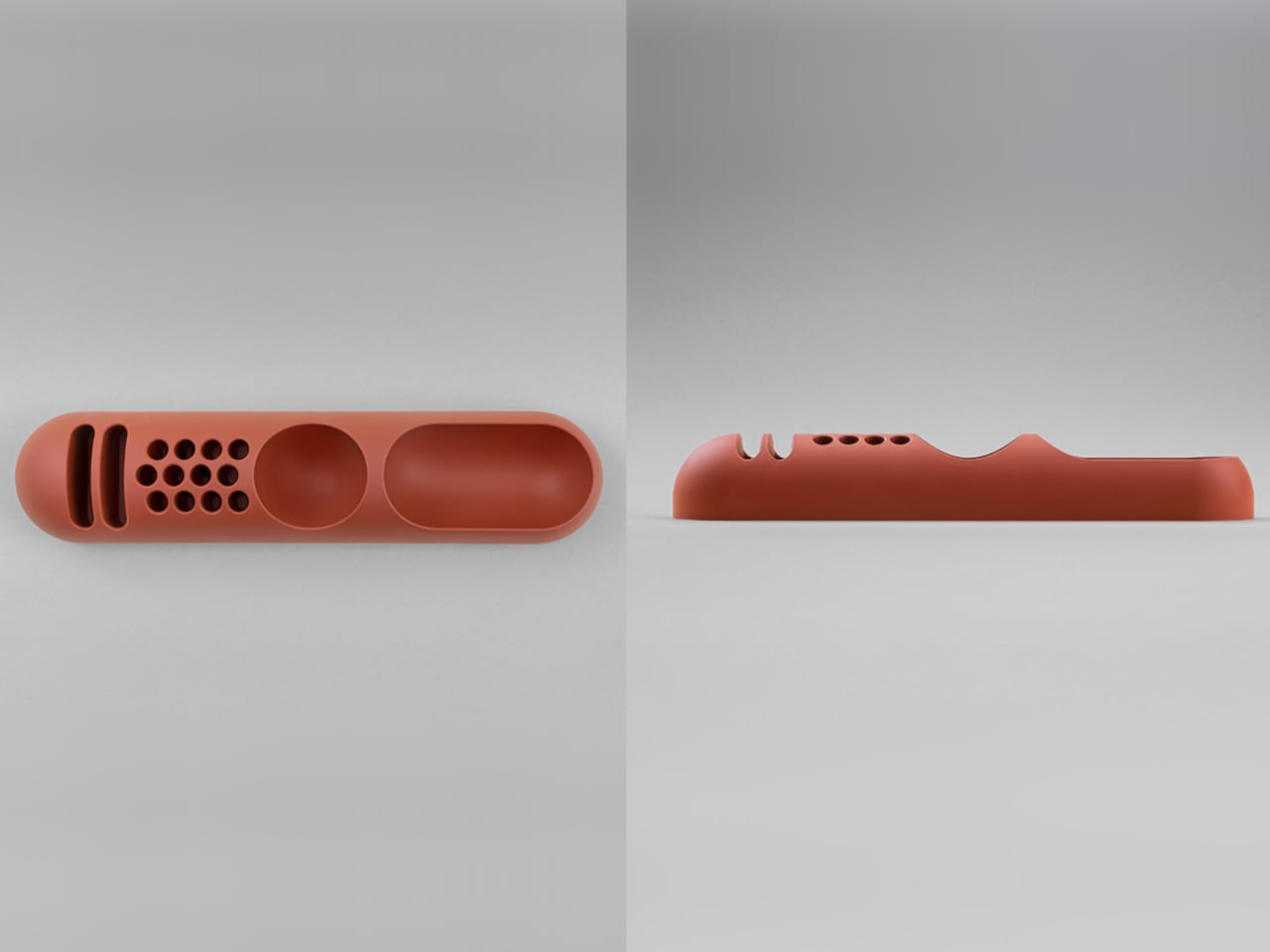
The top surface divides into three zones with no visible partition between them. The dome end opens into a large oval scoop for bulkier items; the center holds a 3-by-4 grid of individual circular holes, each sized for a single pen or brush; the tapered tail has two horizontal slot grooves that hold flat objects like rulers or small notebooks upright. None of this reads as a spec sheet in person. It reads as a single continuous gesture that happens to organize things.

Colombo was working at a moment when Italian design was treating plastic not as a cheap substitute for better materials, but as a medium with its own formal possibilities. Polyurethane gel has a tactile quality most rigid desk accessories never attempt: it gives slightly under pressure, has a matte surface that’s almost skin-like, and its flexibility is what makes the low, curved profile structurally possible in the first place. A stiffer material would have needed walls. This one doesn’t.

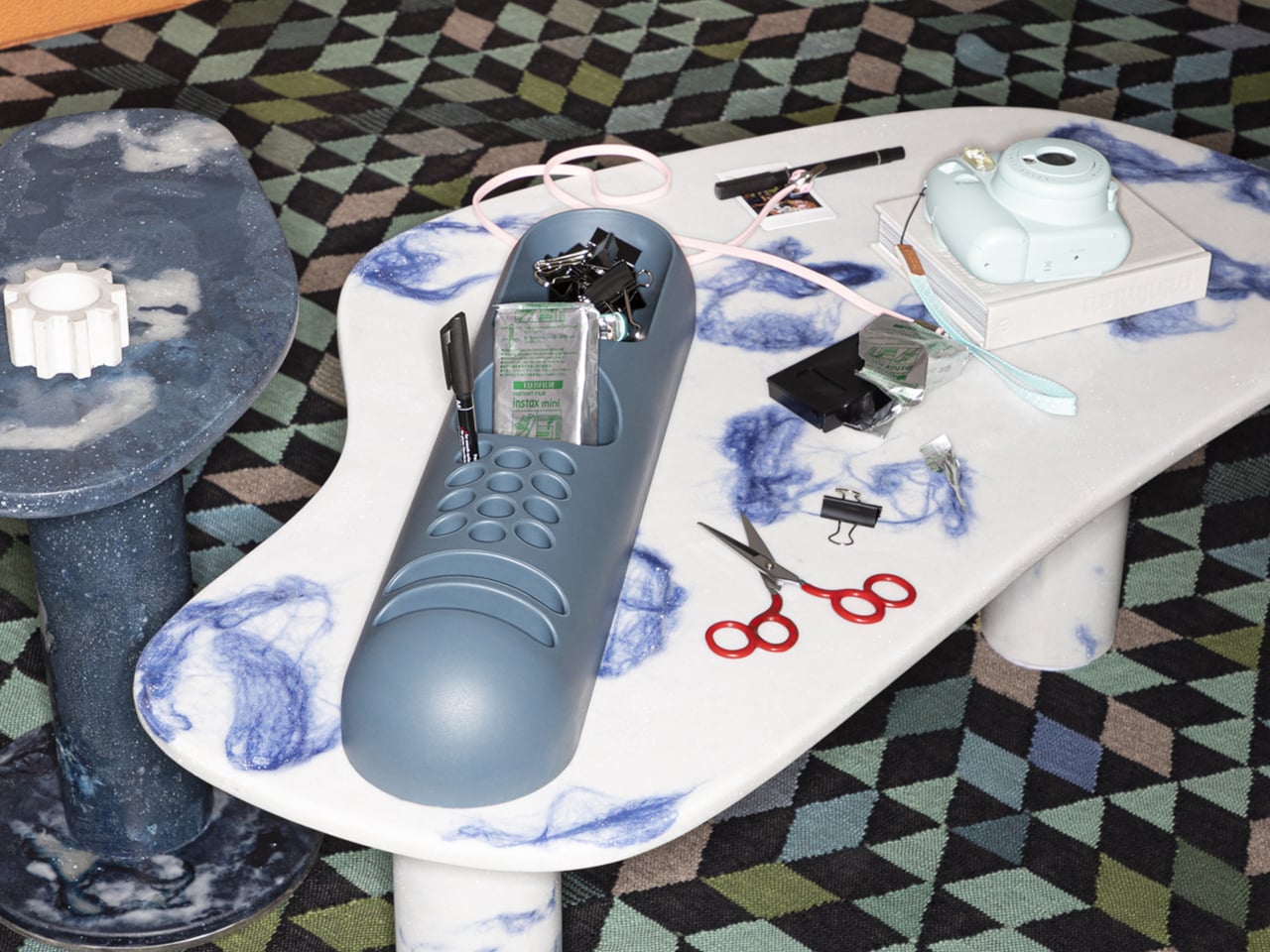
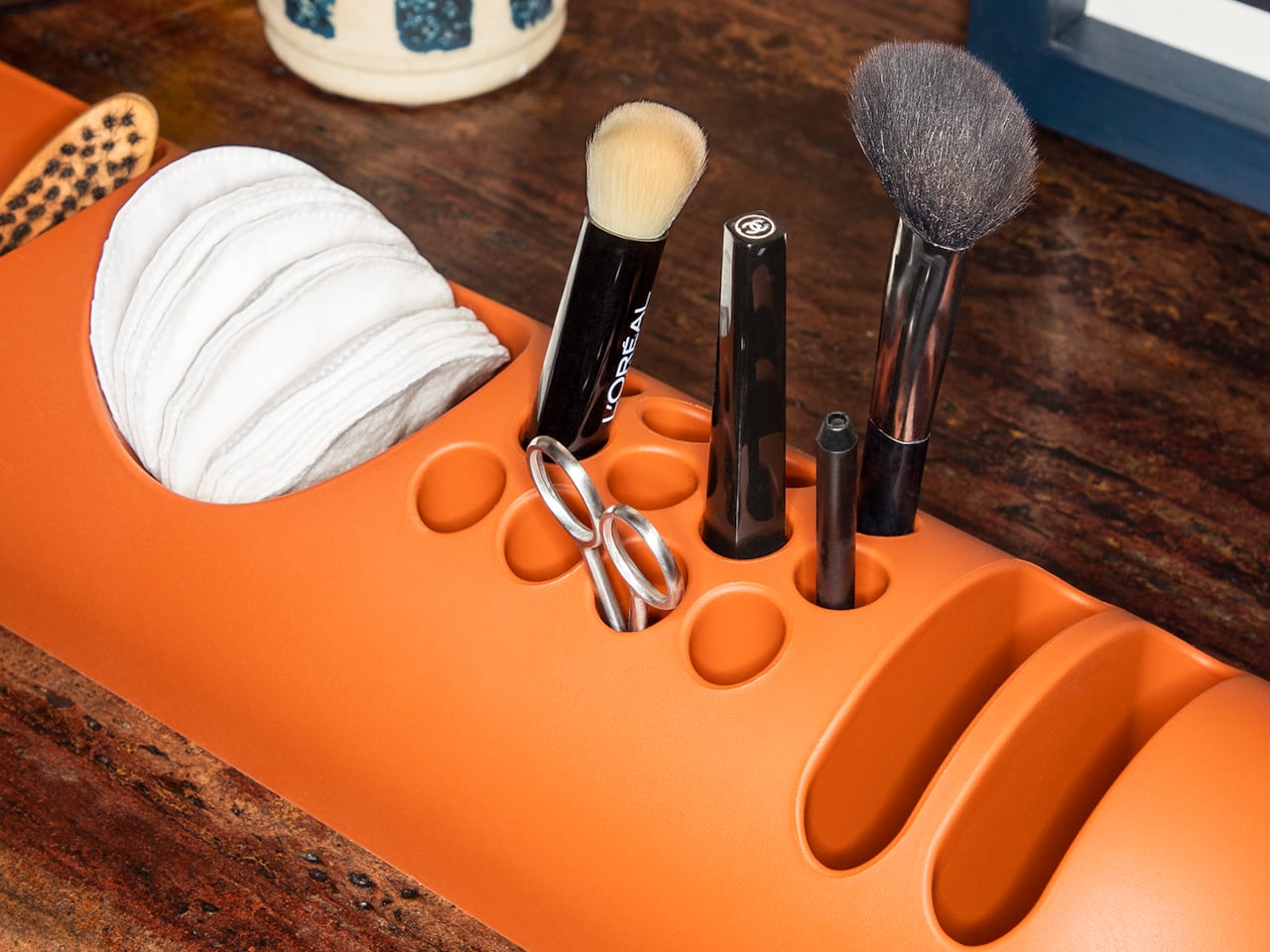
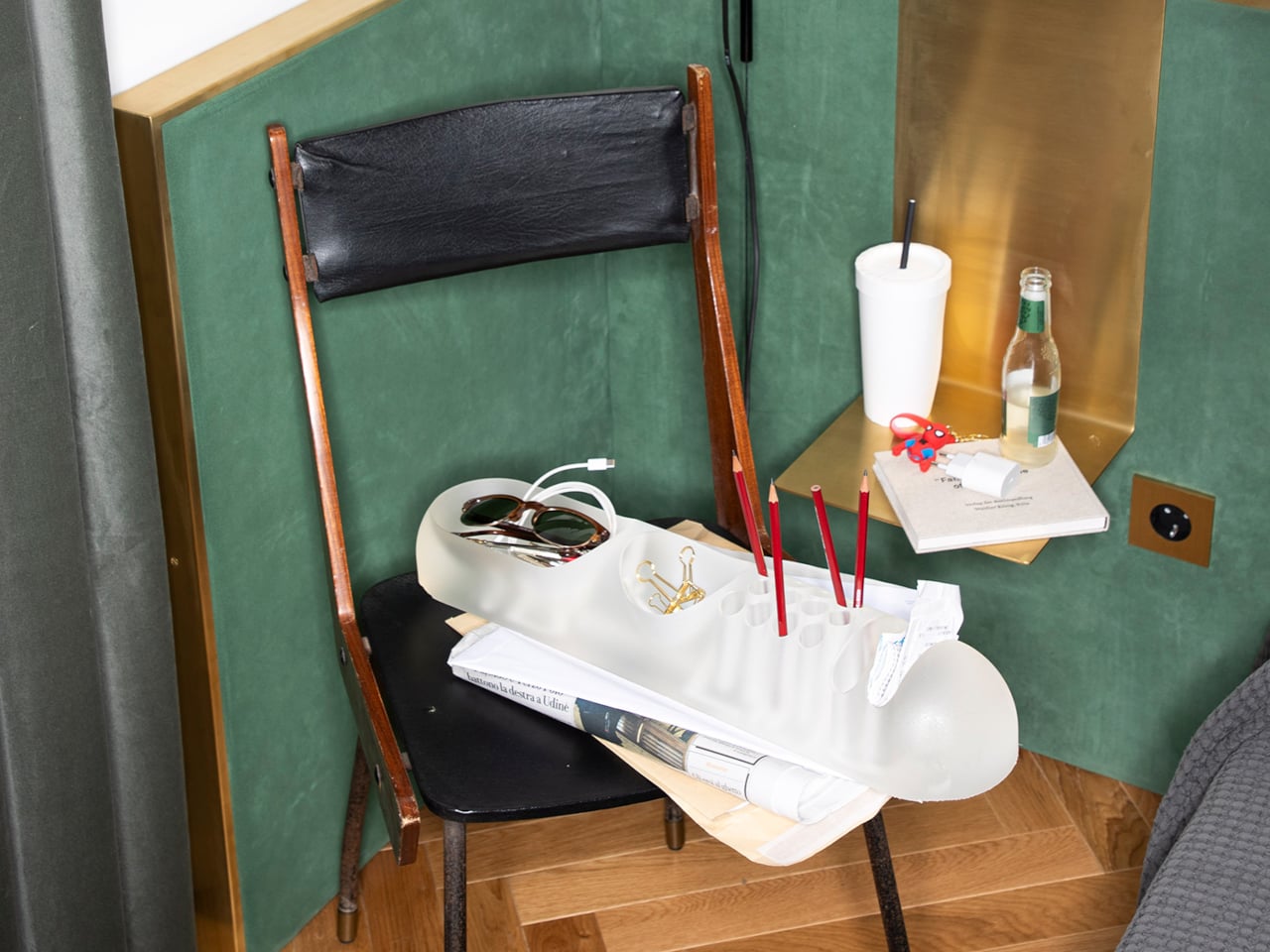
B-Line’s campaign photography makes a quiet argument for where BOB actually belongs. It appears on a marble coffee table holding binder clips and scissors, on a chair seat catching pencils and sunglasses, and on a bathroom vanity with makeup brushes in the pen holes and cotton pads in the scoop. One image places the ice-colored version inside a freezer, either a dry joke about the colorway name or a genuine hint that the flexible polyurethane handles cold fine. Probably both.

That flexibility is worth taking seriously. BOB lies nearly flat on any surface, which means it doesn’t create visual clutter the way upright organizers do. It also means the pen holes require implements long enough to stay upright on their own, which is a quiet limitation Colombo’s grid doesn’t advertise. Short lipstick caps, small erasers, and anything under roughly 10 centimeters will just rattle around rather than stand.

The price reflects provenance more than function. B-Line sells through retail partners, not directly to consumers, and those partners have set their own figures: Design Public at $190, Bauhaus 2 Your House at $427. Colombo’s other B-Line reissue, the Boby trolley, is in MoMA’s permanent collection. BOB is the quieter object from the same designer and the same era, and it raises a question the images don’t quite answer: how many rooms does a well-made desk organizer need to conquer before that price starts to feel reasonable?

The post This 1970s Desk Organizer Works in Every Room But Your Office first appeared on Yanko Design.

Virginia Sin’s KEEP Collection Makes Order Look Like Art

There’s a certain satisfaction in putting things exactly where they belong. Keys on the hook. Jewelry in a tray. Pens in their place. It sounds mundane, but anyone who’s experienced it knows it’s anything but. I am not the most organized person in the world but whenever I see well-designed stationery or office supplies, I feel the need to get them just to have something interesting looking in my workspace.

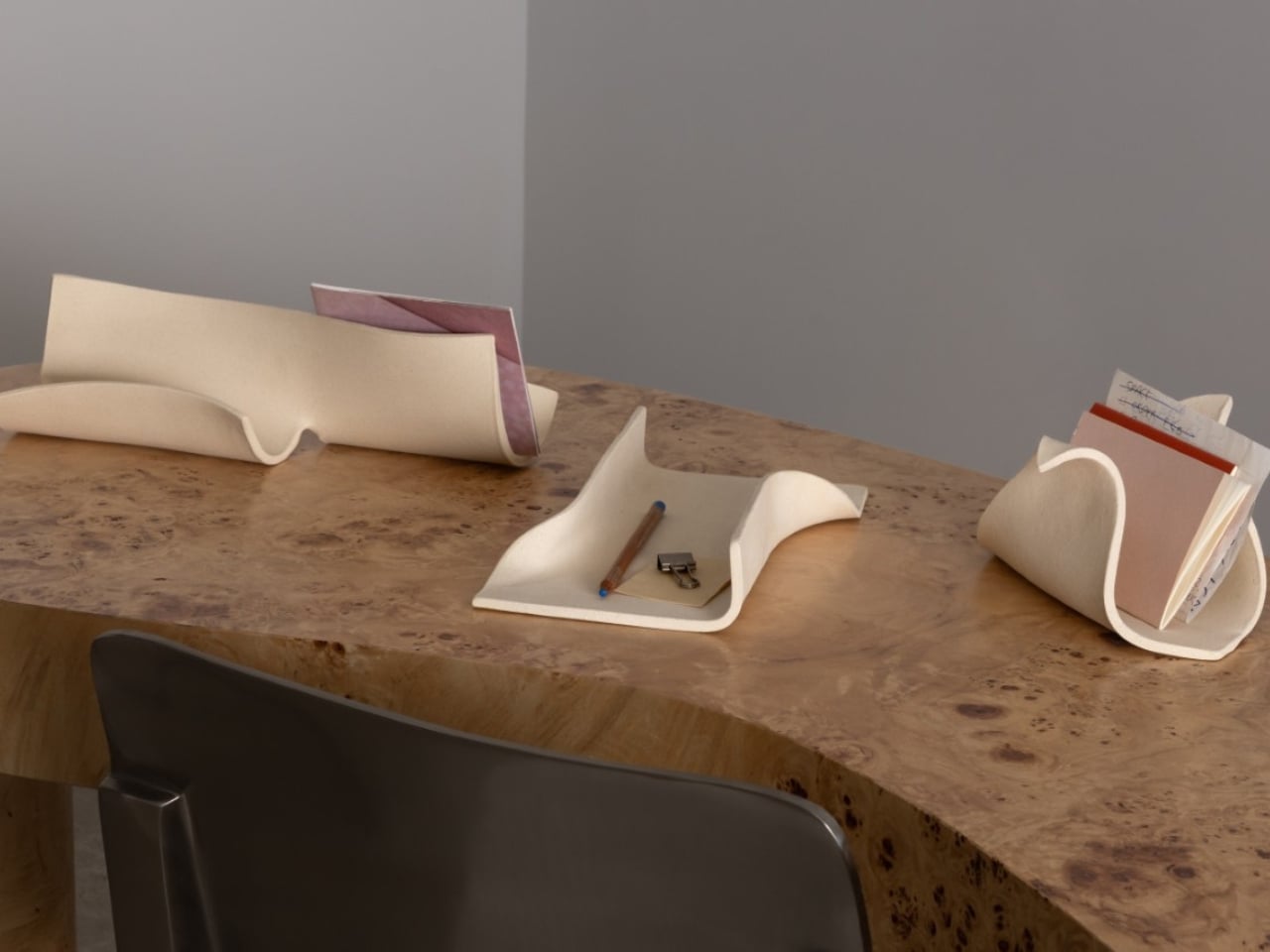
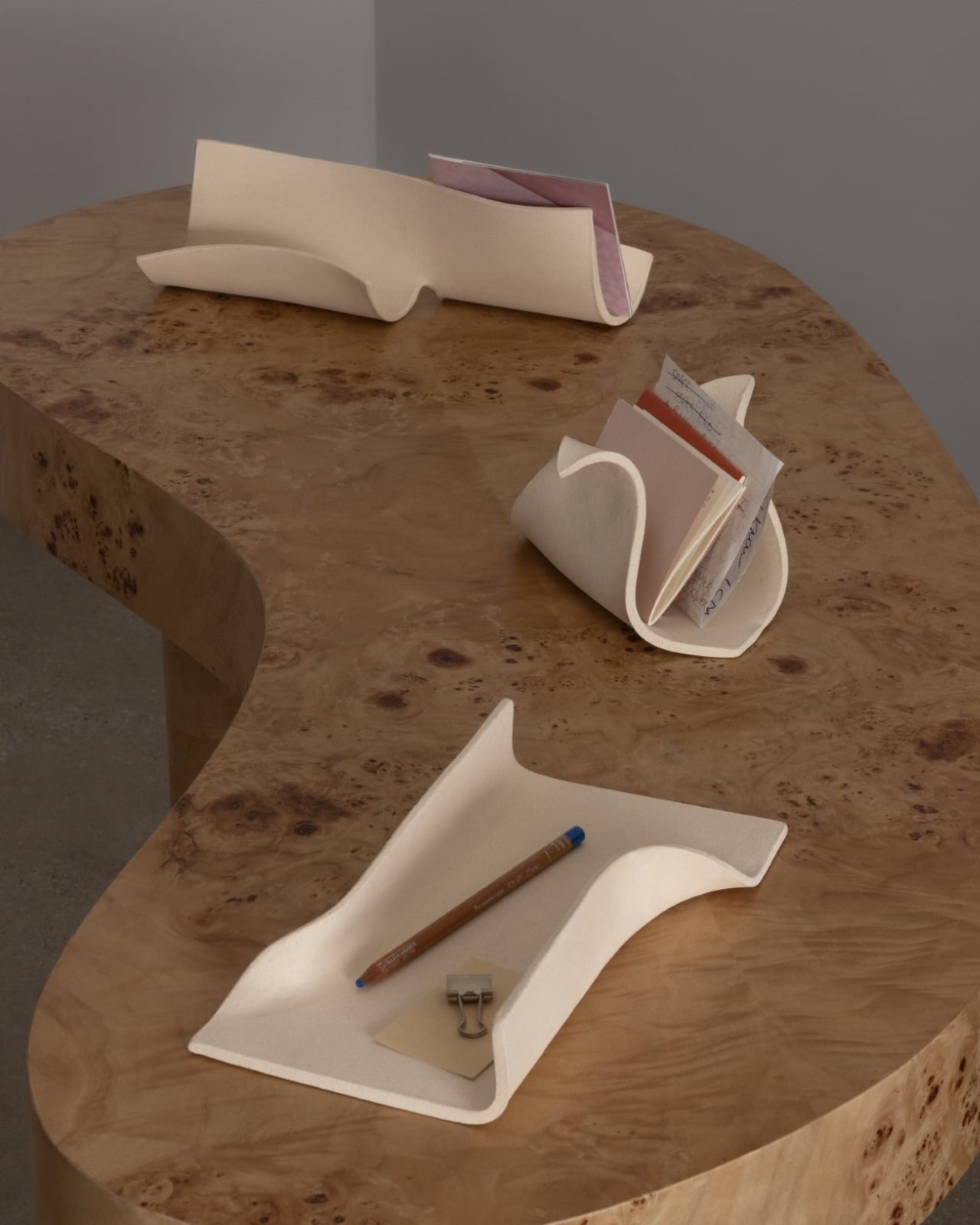
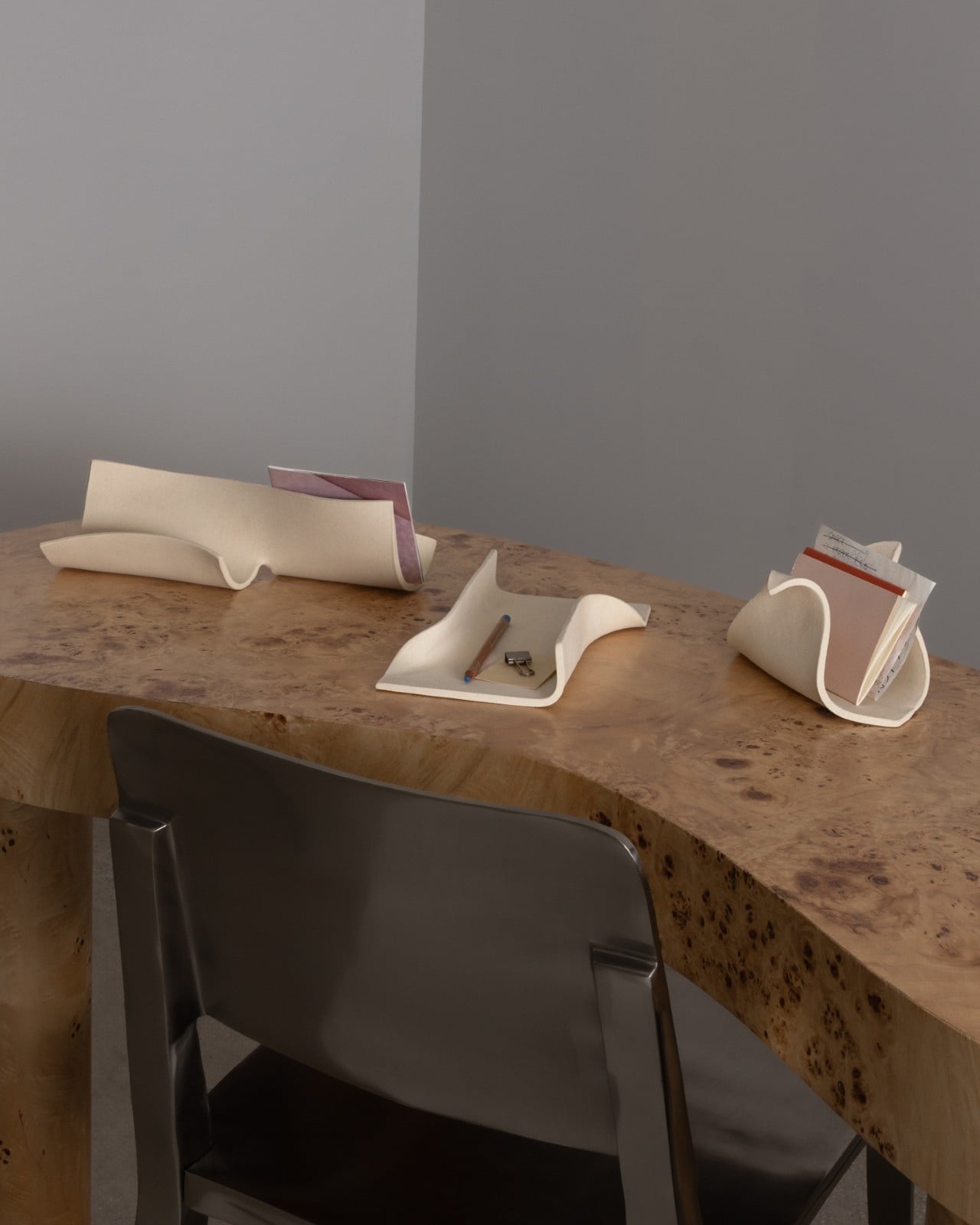
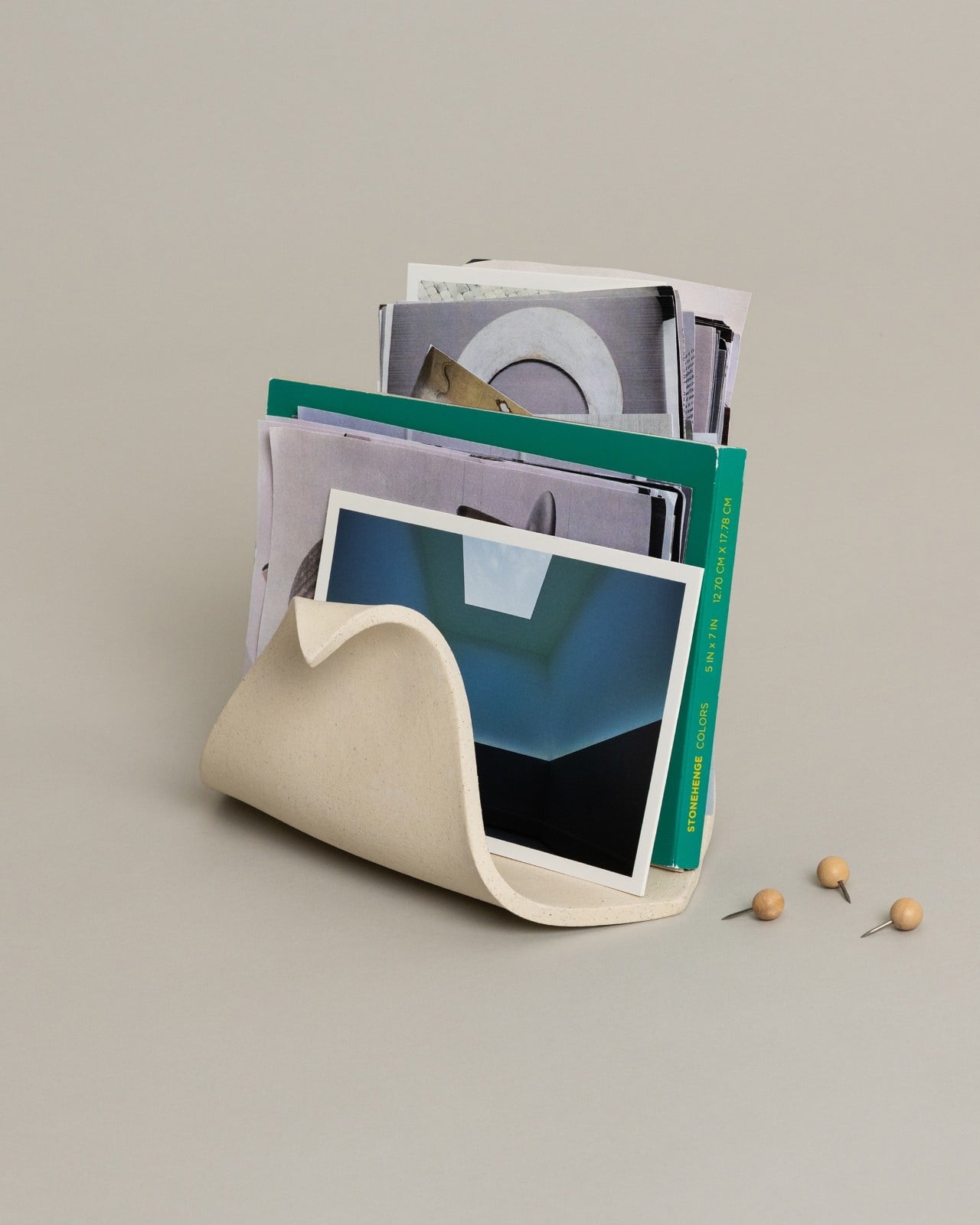
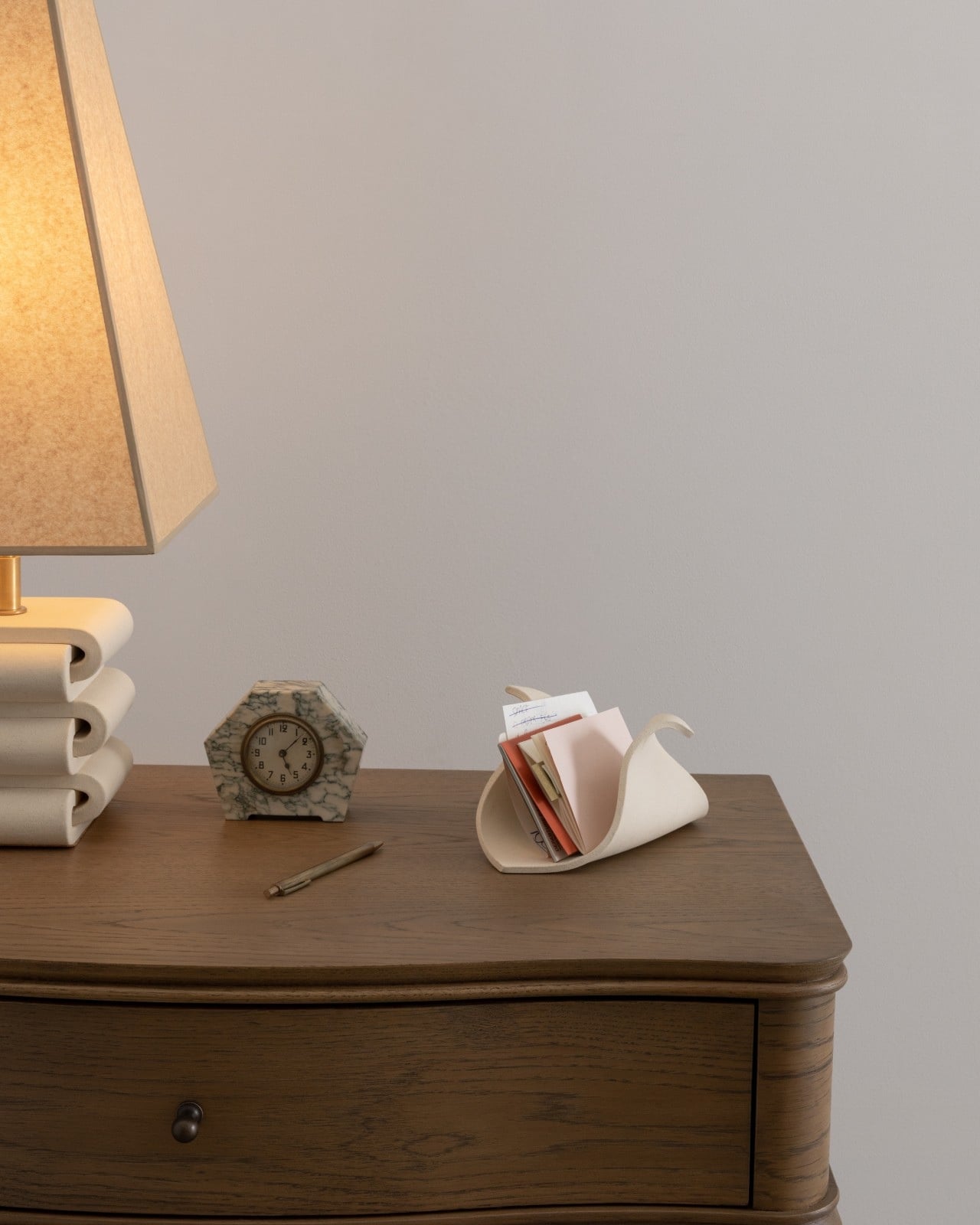
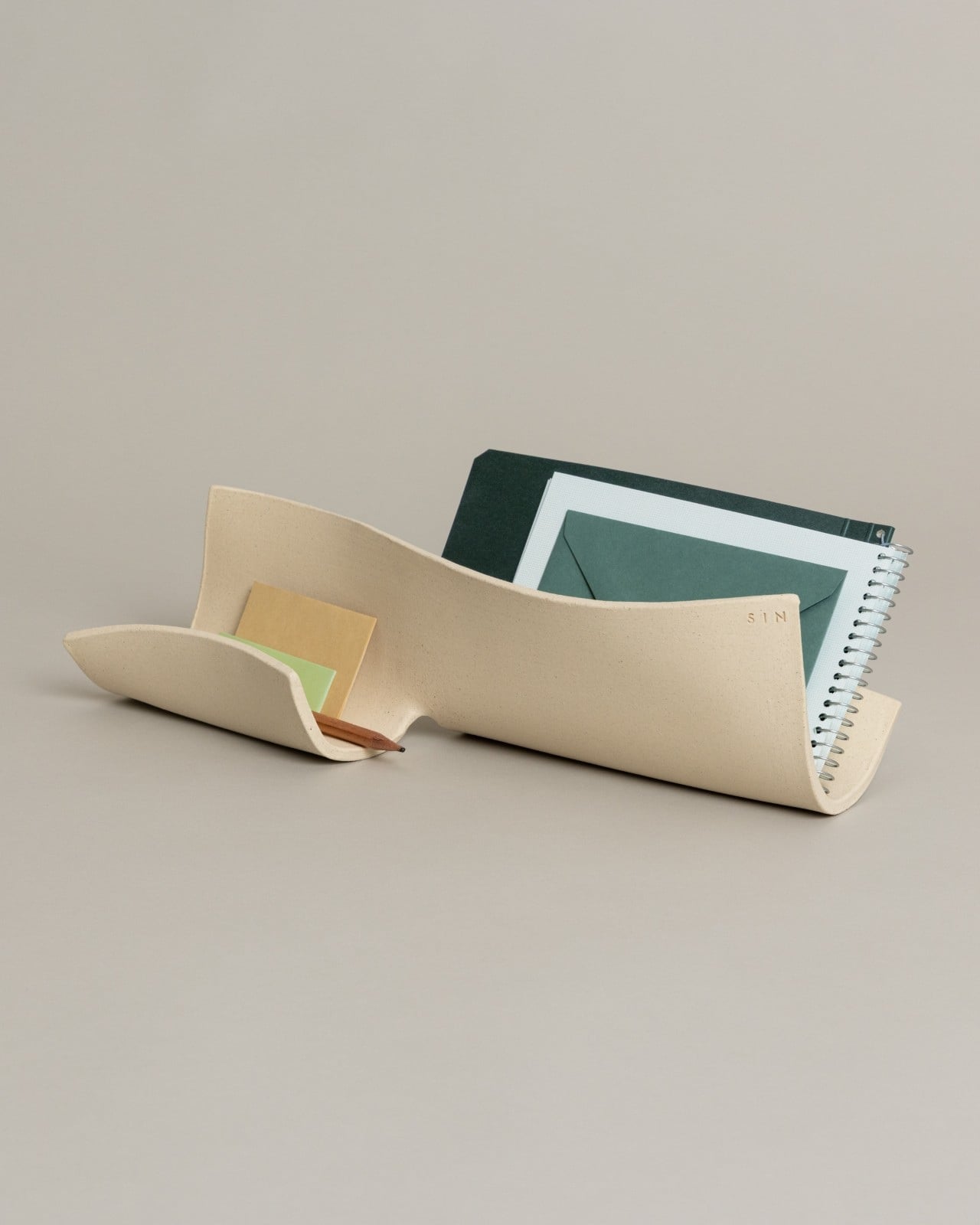
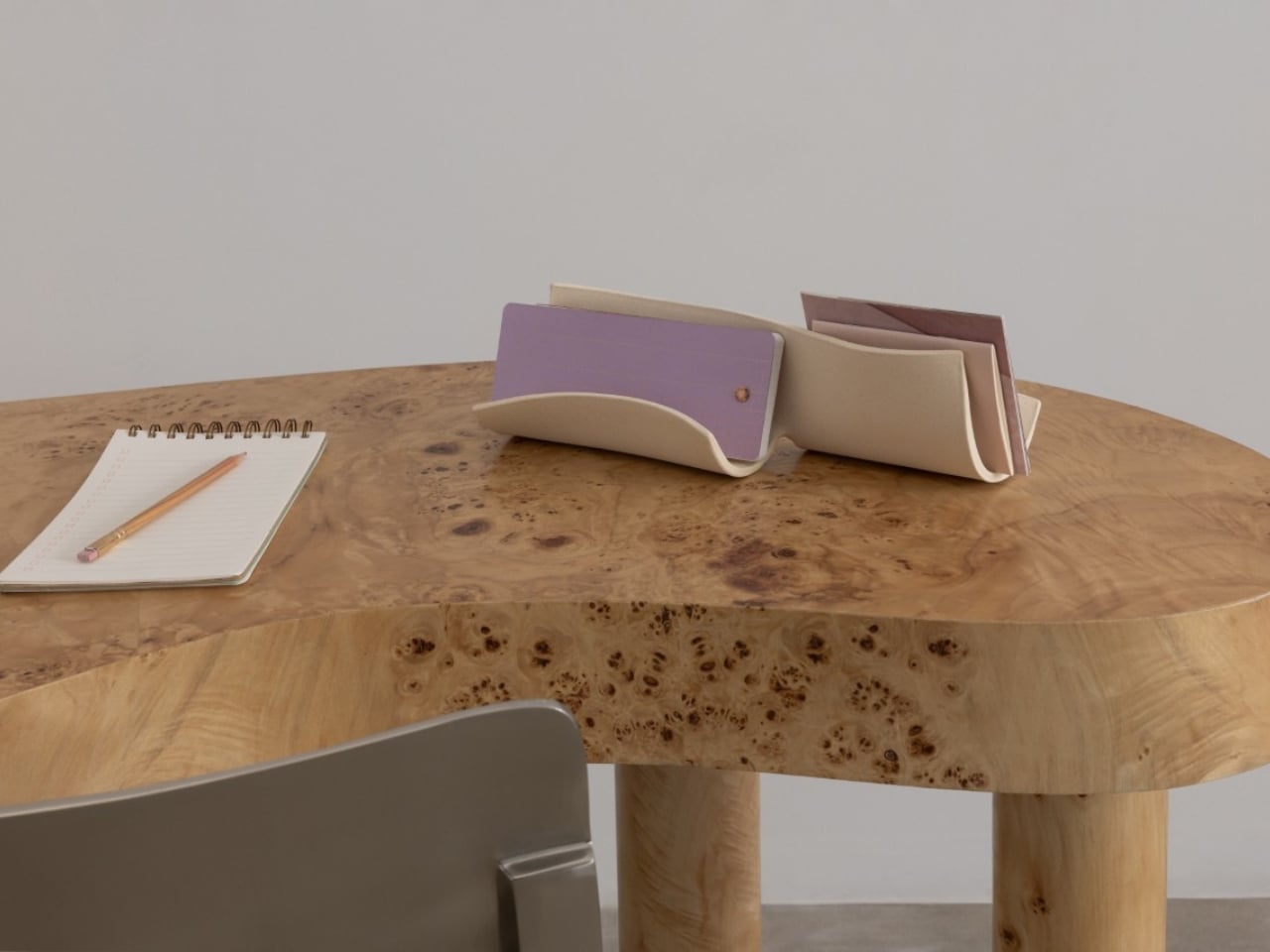
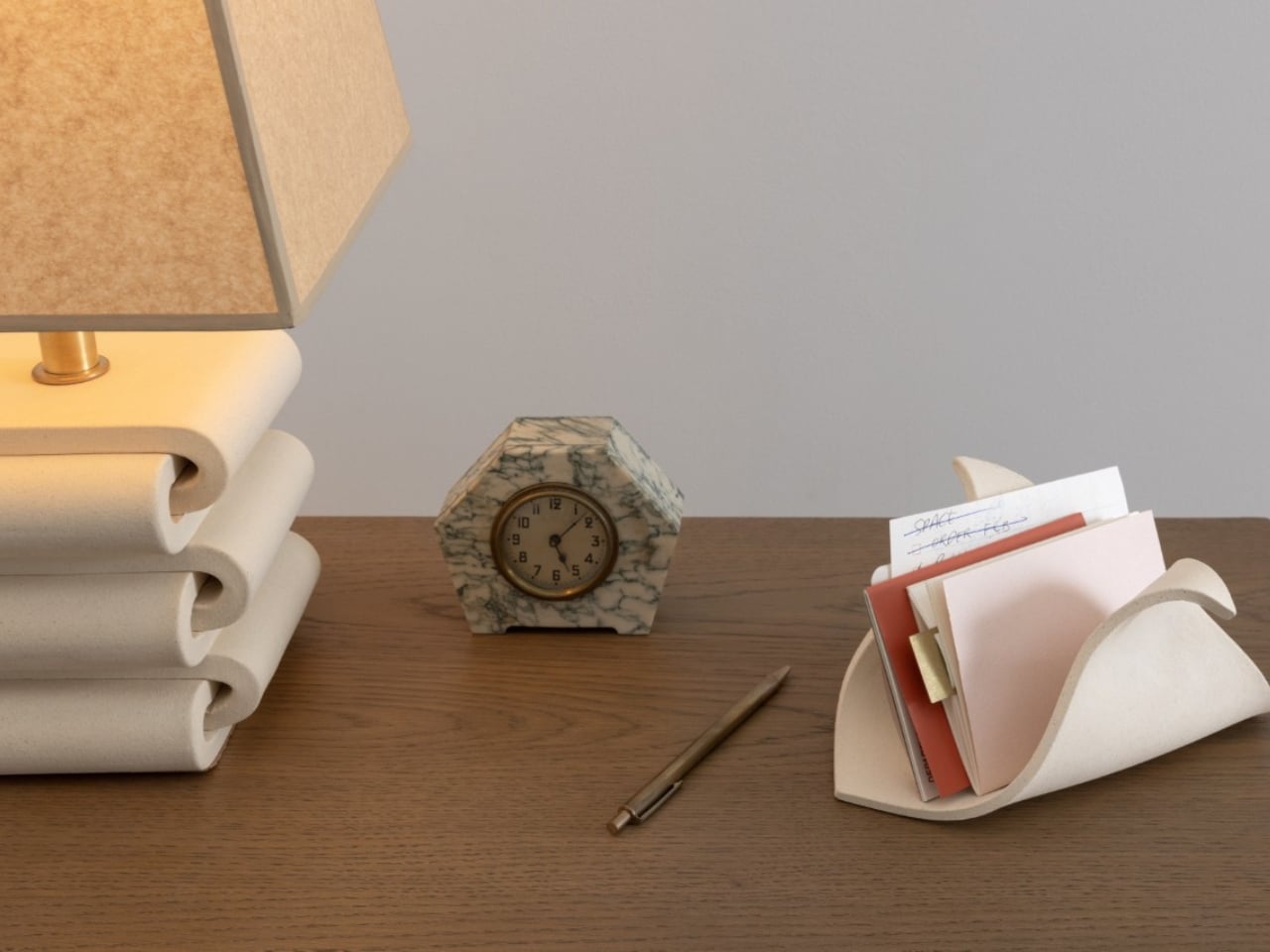
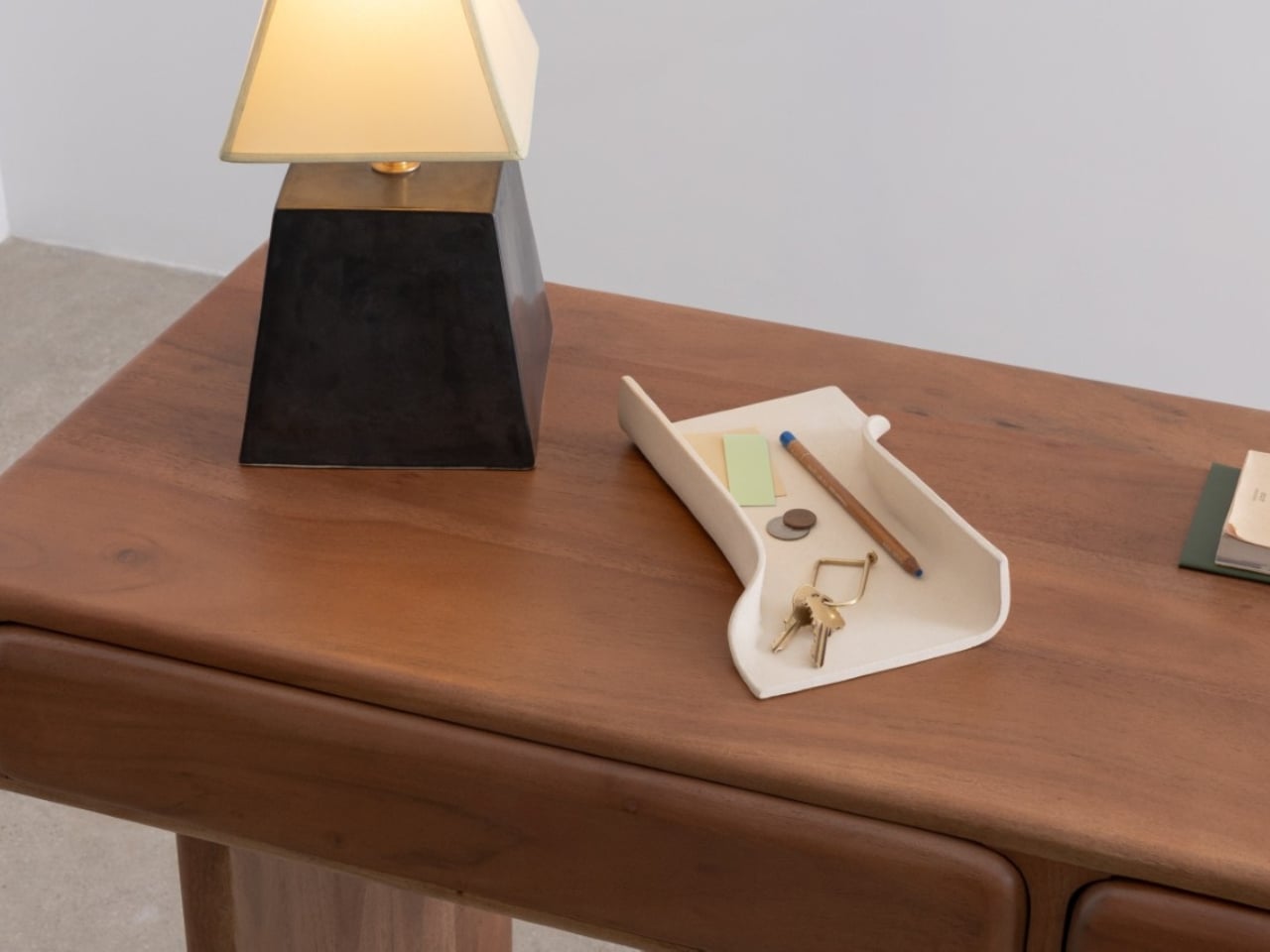
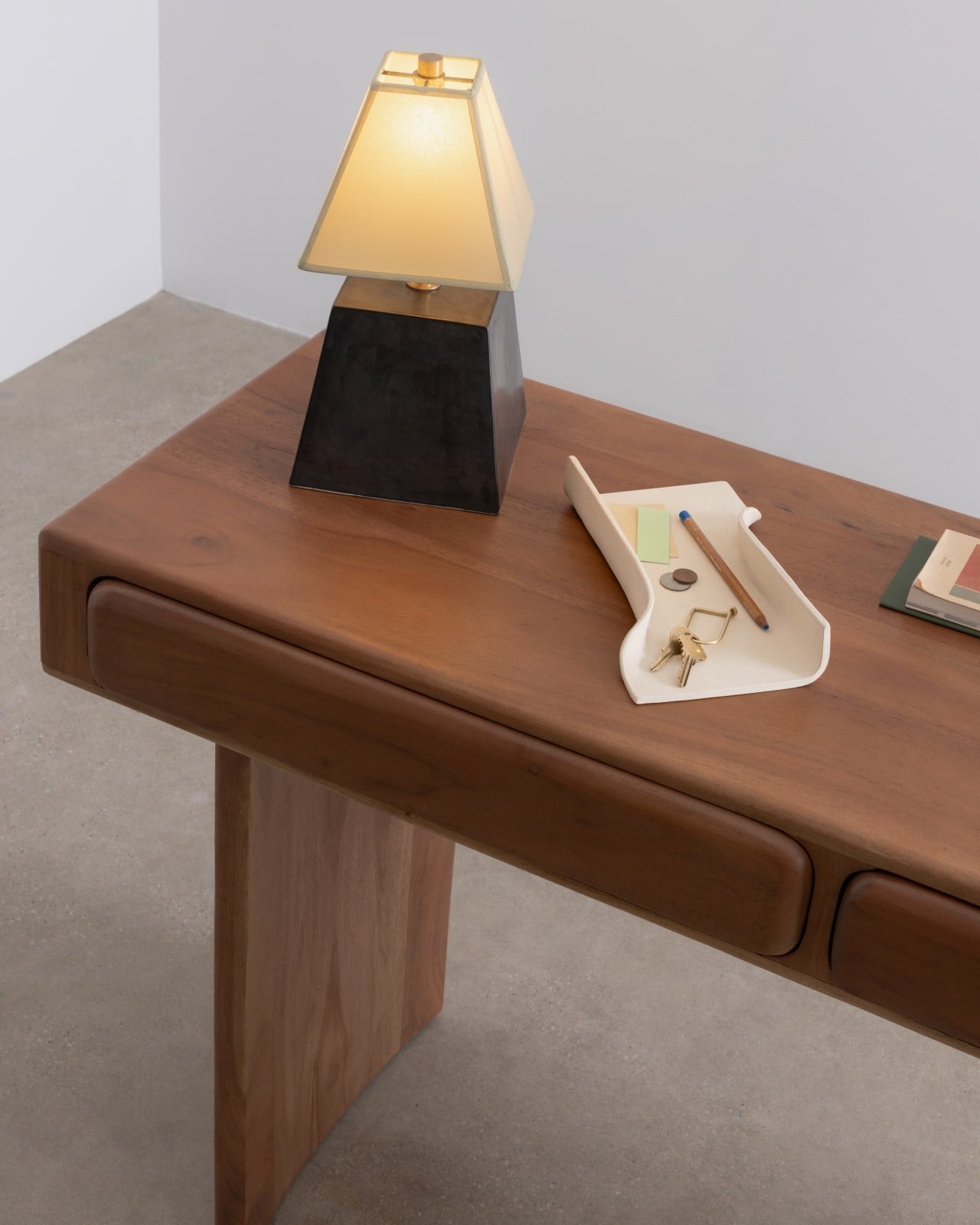
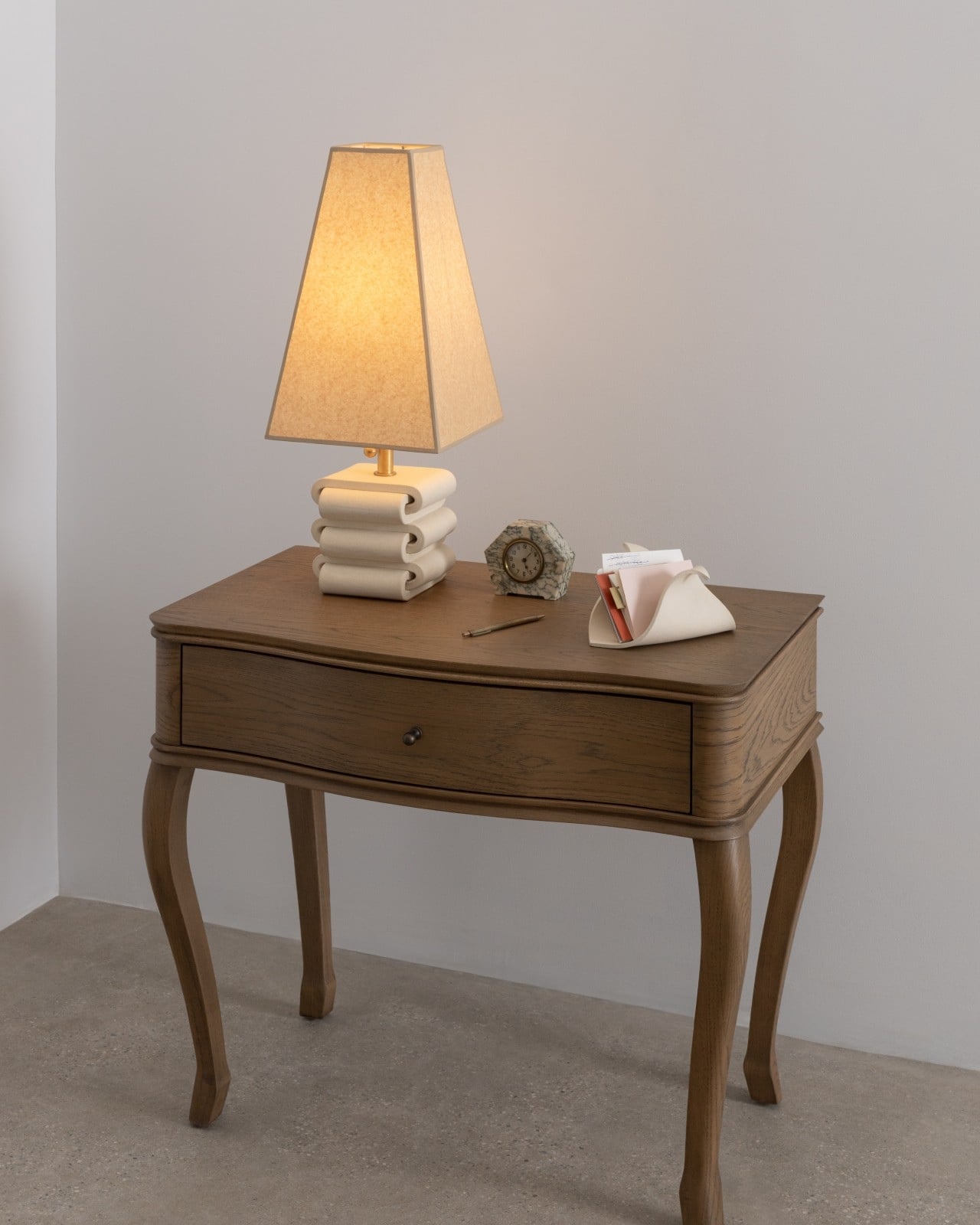
Virginia Sin, the Brooklyn-based ceramics designer and founder of SIN, built her latest collection around that very feeling. The KEEP Collection is three pieces: the FORMARA Organizer, the ARCHIVA Tray, and the CACHE Organizer. That’s it. No sprawling lineup, no unnecessary additions. Just three carefully considered ceramic objects designed to hold the small things that tend to scatter across your desk, dresser, or entryway table.

Designer: Virginia Sin

What makes KEEP different from your average catchall tray is how it treats visibility as a feature, not an oversight. The pieces are shaped to encourage intentional placement rather than concealed storage, so your objects remain visible and accessible at all times. The soft curves and contained volumes aren’t just pretty to look at; they’re doing quiet, practical work. Sin described the collection as “a meditation on how form holds space: for objects, for order.” She’s not just making storage. She’s making something you’d want to look at even when it’s empty.

Each piece has its own personality. The FORMARA Organizer ($148) is the most organic of the three. With two gentle compartments flowing side by side, it recalls the shape of a bamboo shoot split open or water running through carved channels. It’s the one you’d reach for when you want your jewelry or hair accessories somewhere beautiful, not just somewhere reachable. It’s perfect to also place some notebooks or paper materials in it since it’s high enough.

The ARCHIVA Tray ($120) takes the opposite approach. Its clean edges and angular planes recall the structure of an architectural model, sharp, balanced, and quietly commanding. At 10.5 inches long, it’s the workhorse of the collection, perfect for corralling pens, notes, or the rotating cast of small objects that always end up on a desk. It looks like something you’d find in a very well-edited design studio, which is exactly the point.

Then there’s the CACHE Organizer ($120), and it might be the most quietly clever of all. Its triangular form transforms what is essentially an everyday fold into something that feels like a gesture. The depth makes it practical for taller items like markers, scissors, or rolled-up sketches, but the shape gives it enough visual presence to hold its own as a sculptural object. At 8.5 inches long and 4 inches tall, it fits comfortably on a nightstand or shelf without demanding attention.

All three pieces are handmade in stoneware at SIN’s Brooklyn studio and finished in a warm bone colorway that sits somewhere between cream and natural clay. The matte finish keeps the focus on form rather than surface, which is the right call. These pieces are about shape doing the heavy lifting.

SIN is no small name in the design world. Virginia Sin’s work has been featured in Architectural Digest, The New York Times, and Goop, and her porcelain paper plates were used at Eleven Madison Park. The KEEP Collection is the latest chapter in a body of work that consistently asks what everyday objects can look like when someone genuinely thinks them through.

The collection lands at exactly the right cultural moment. There’s a growing appetite for owning fewer, better things. Pieces that earn their spot on a shelf. Design that doesn’t shout. KEEP fits that conversation without feeling like it was made for it. The forms feel too considered, too quiet, too genuinely useful to be trend-driven. That’s the mark of design built to last. The KEEP Collection is available now at virginiasin.com.

The post Virginia Sin’s KEEP Collection Makes Order Look Like Art first appeared on Yanko Design.

3D-Printed Guitar Amp Desk Organizer Brings Concert Energy to Your Boring Monday Morning

The contrast between Sunday night at a concert and Monday morning at your desk is brutal. One moment you’re lost in the music, feeling every guitar riff vibrate through your chest. The next, you’re answering emails and pretending last night’s euphoria wasn’t real. The transition back to routine work feels especially cruel when the weekend gave you a taste of something electric.

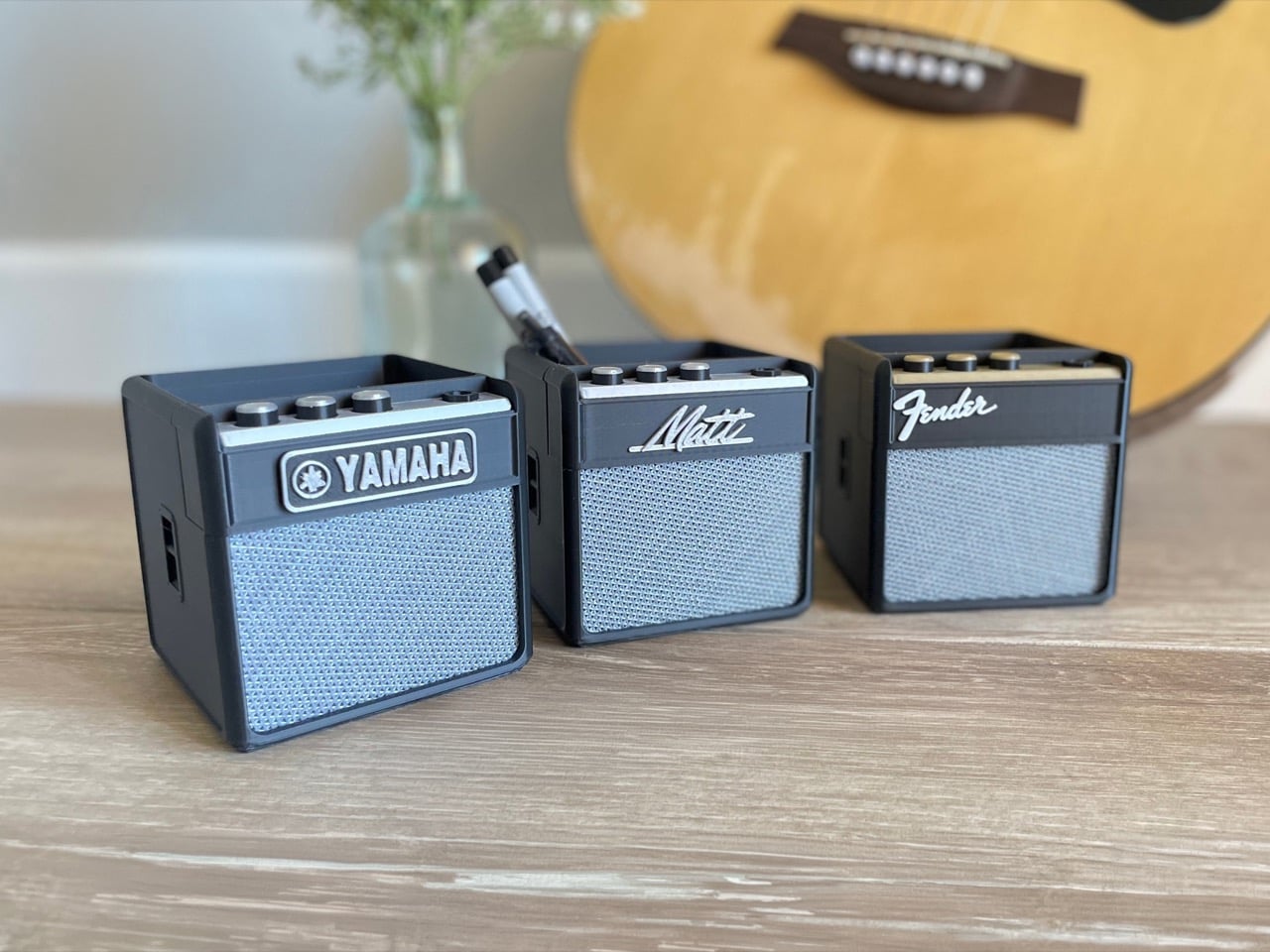
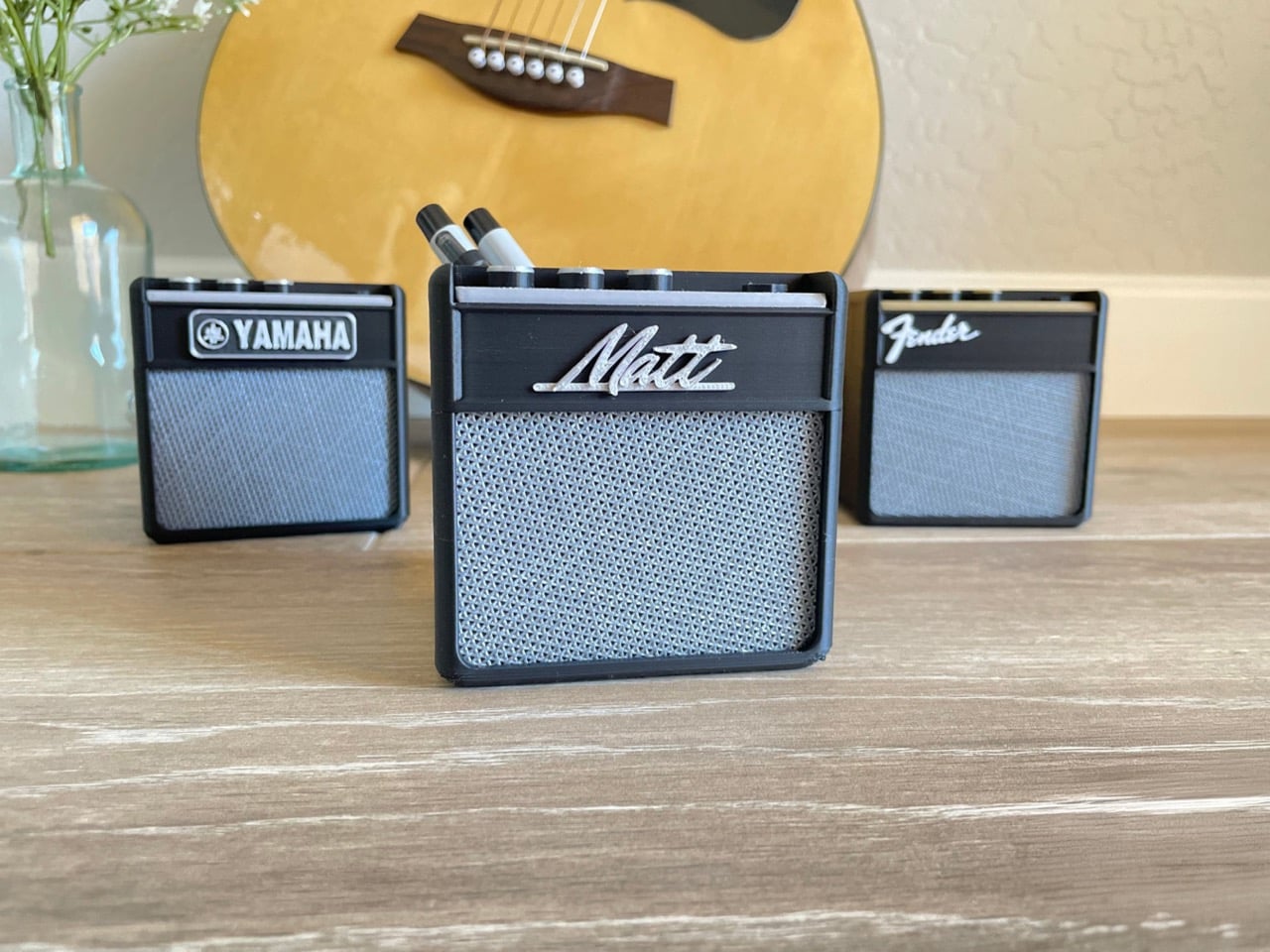
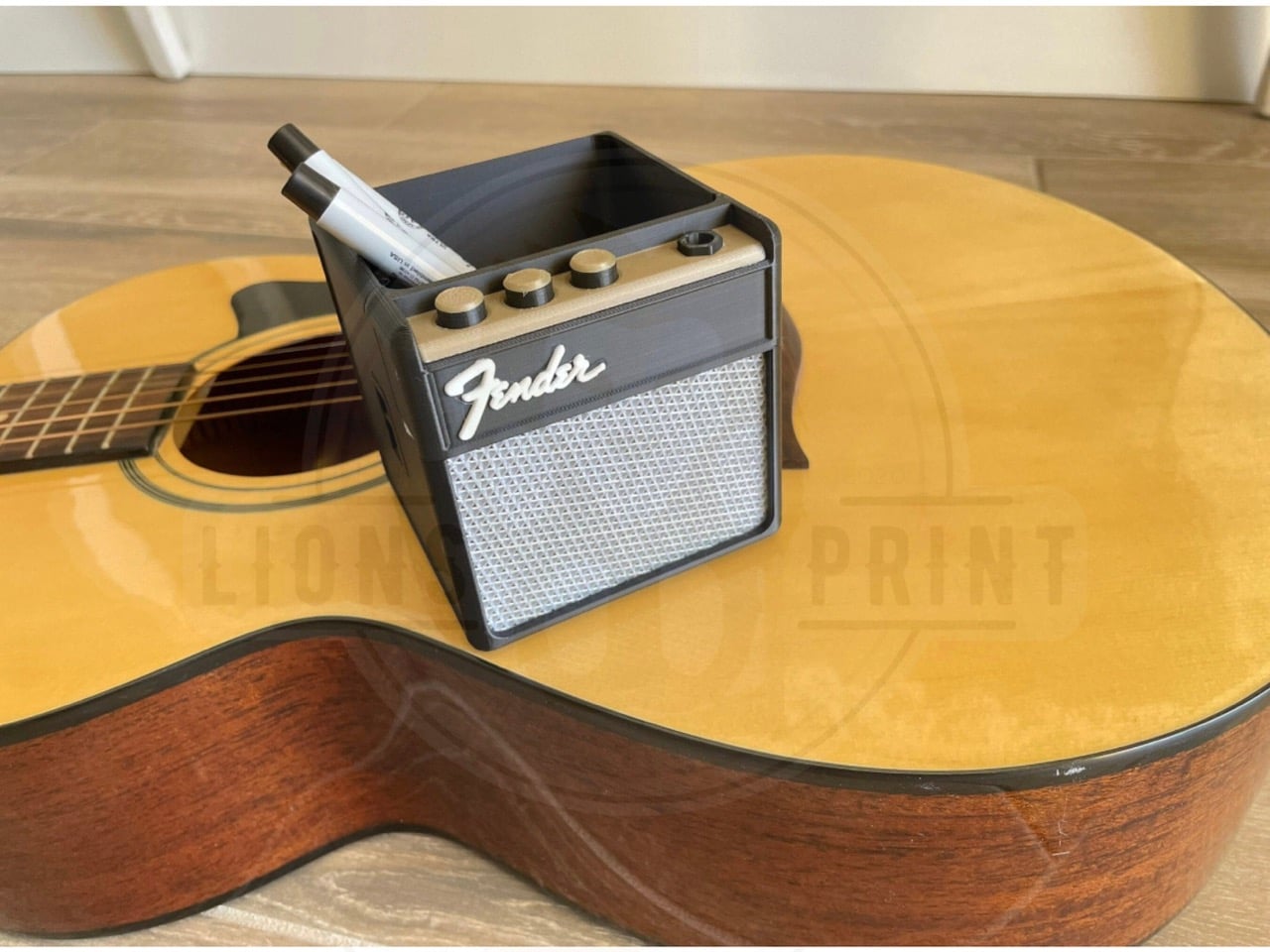
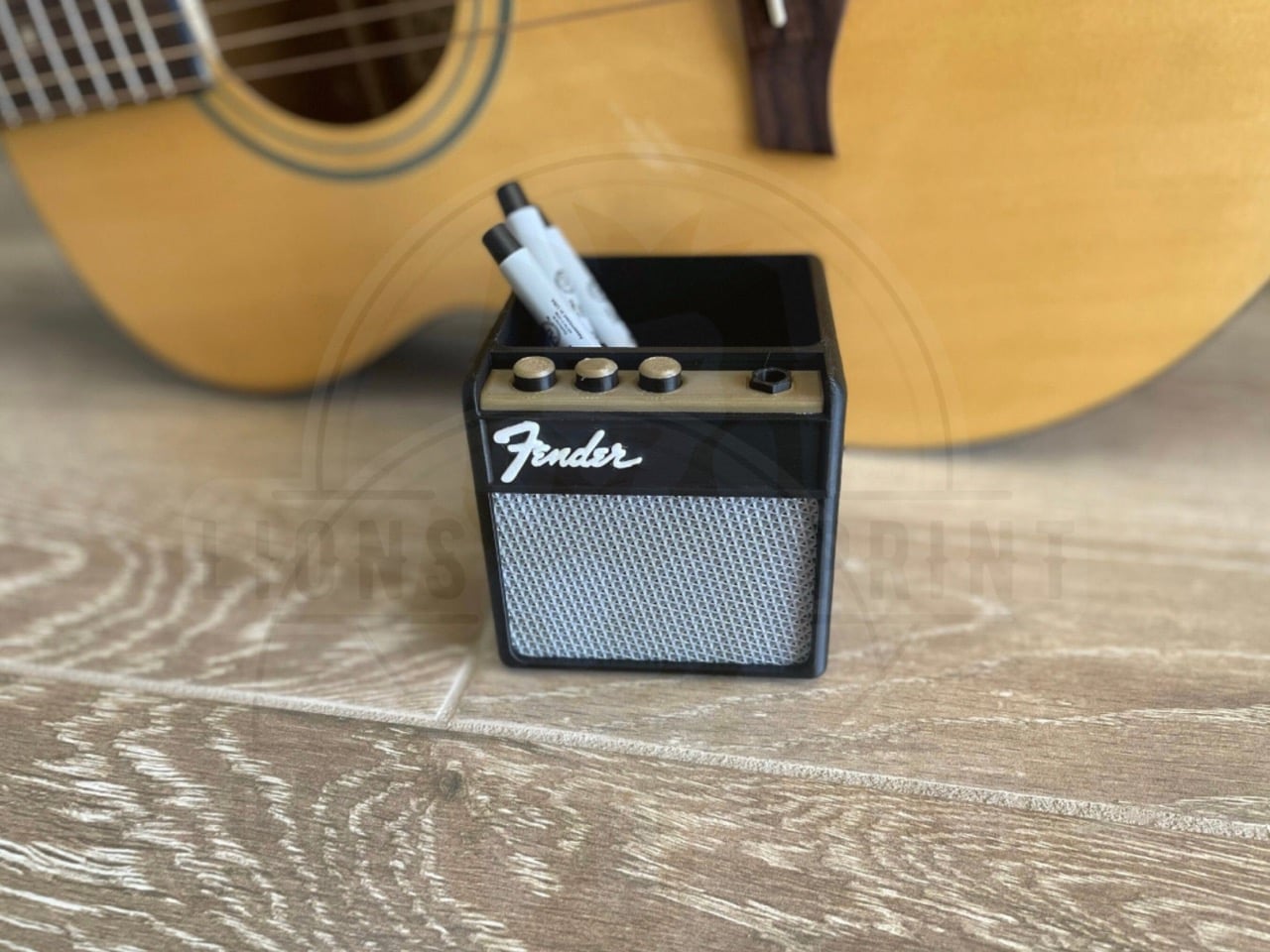
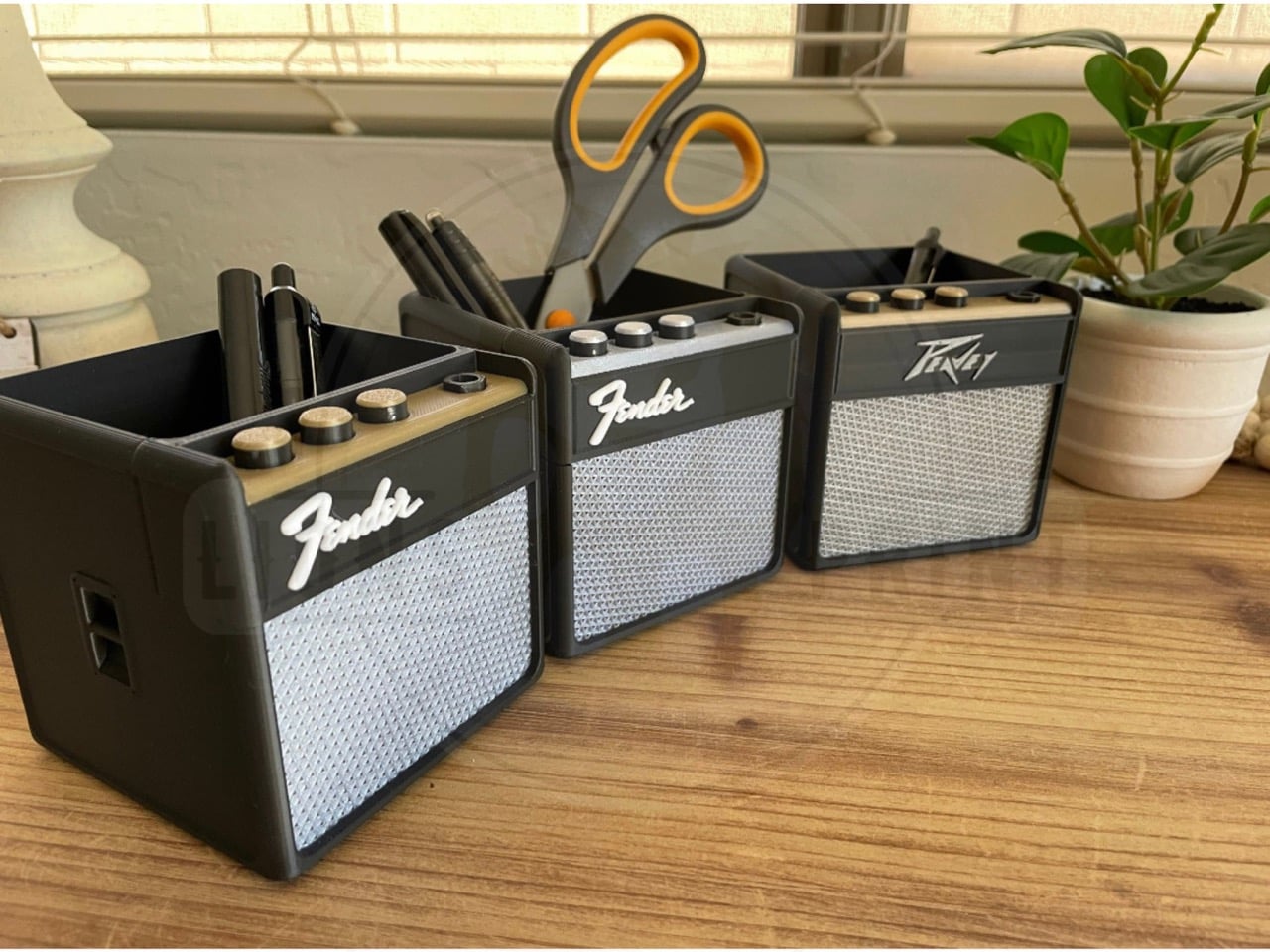
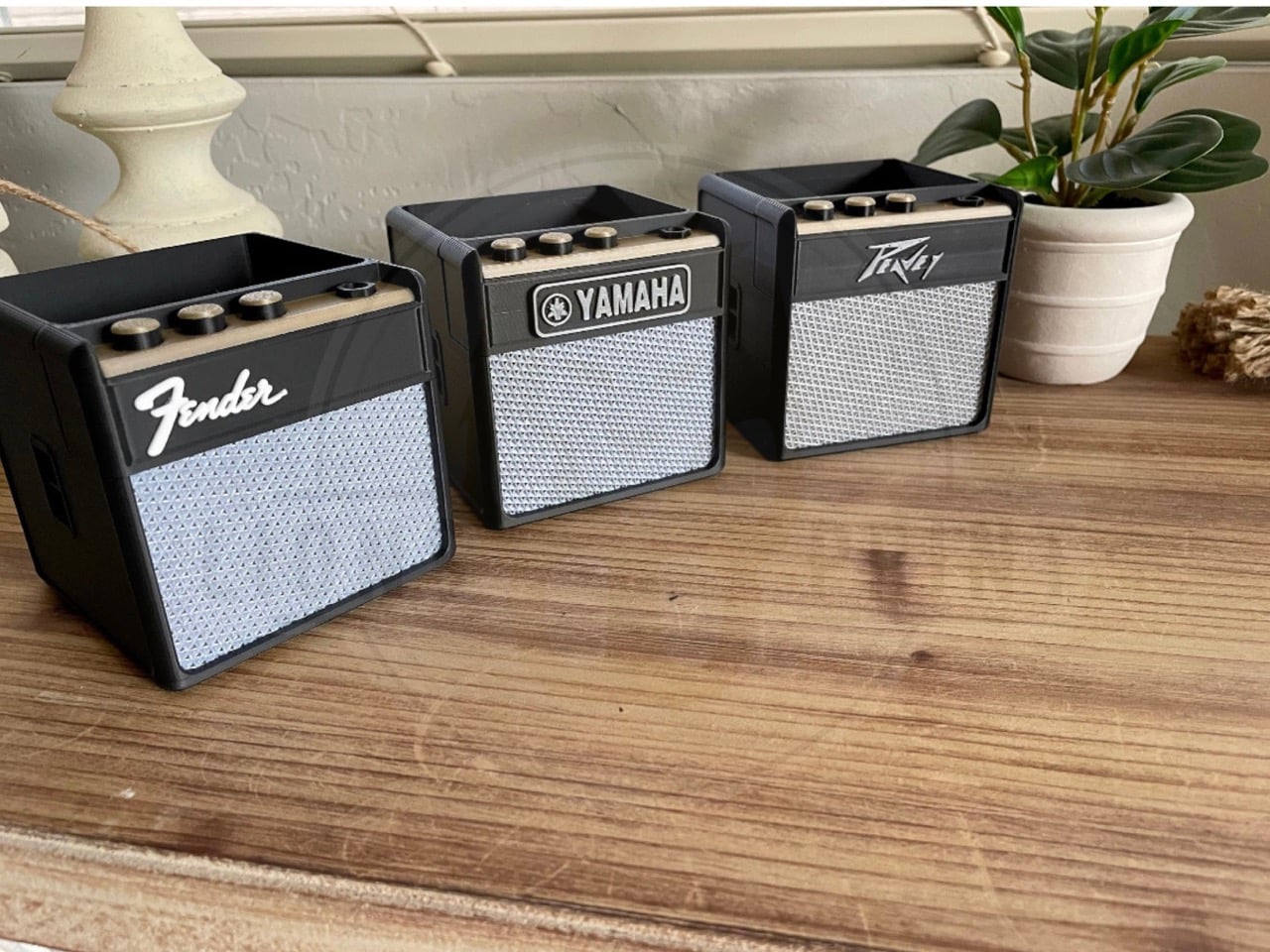
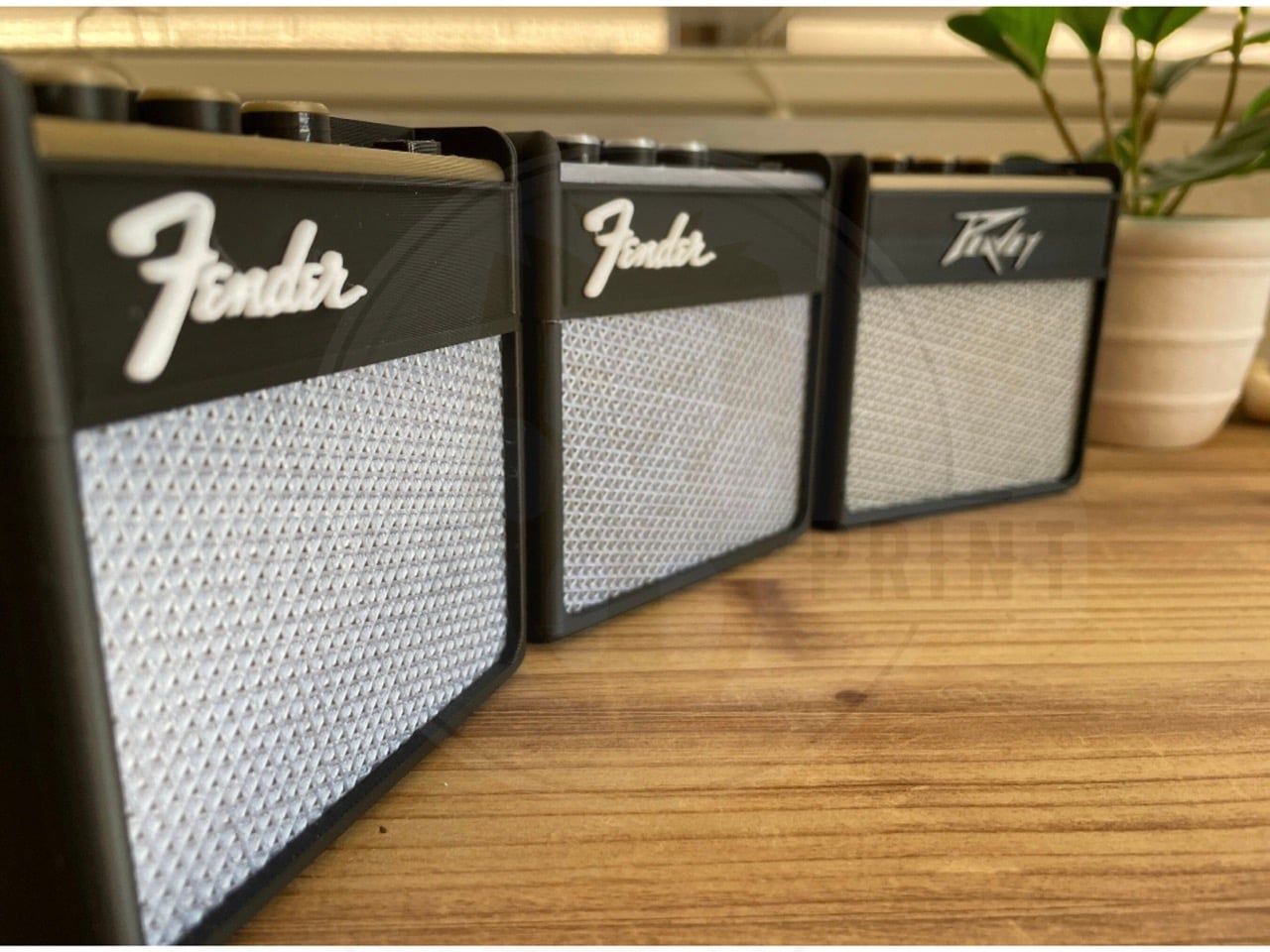
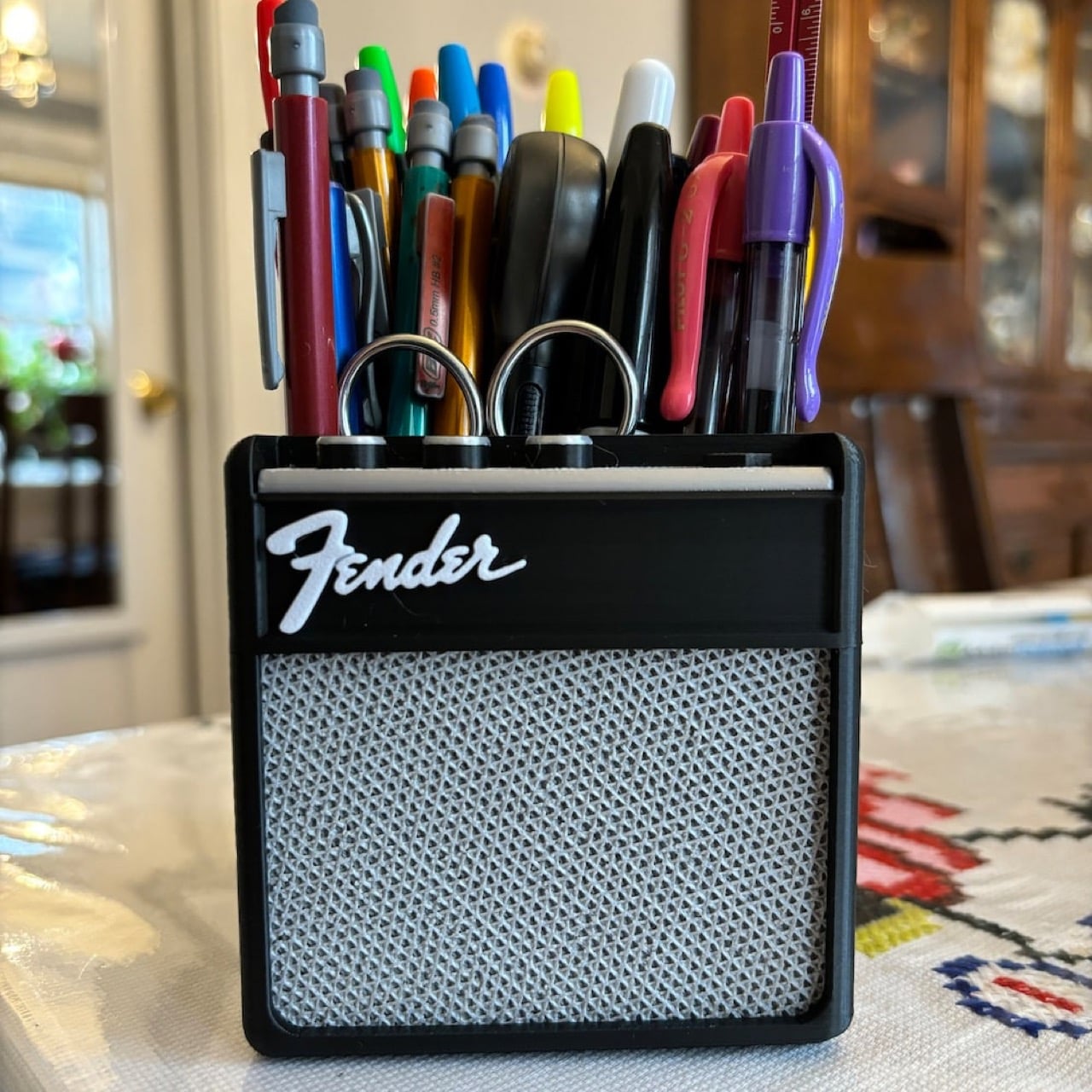
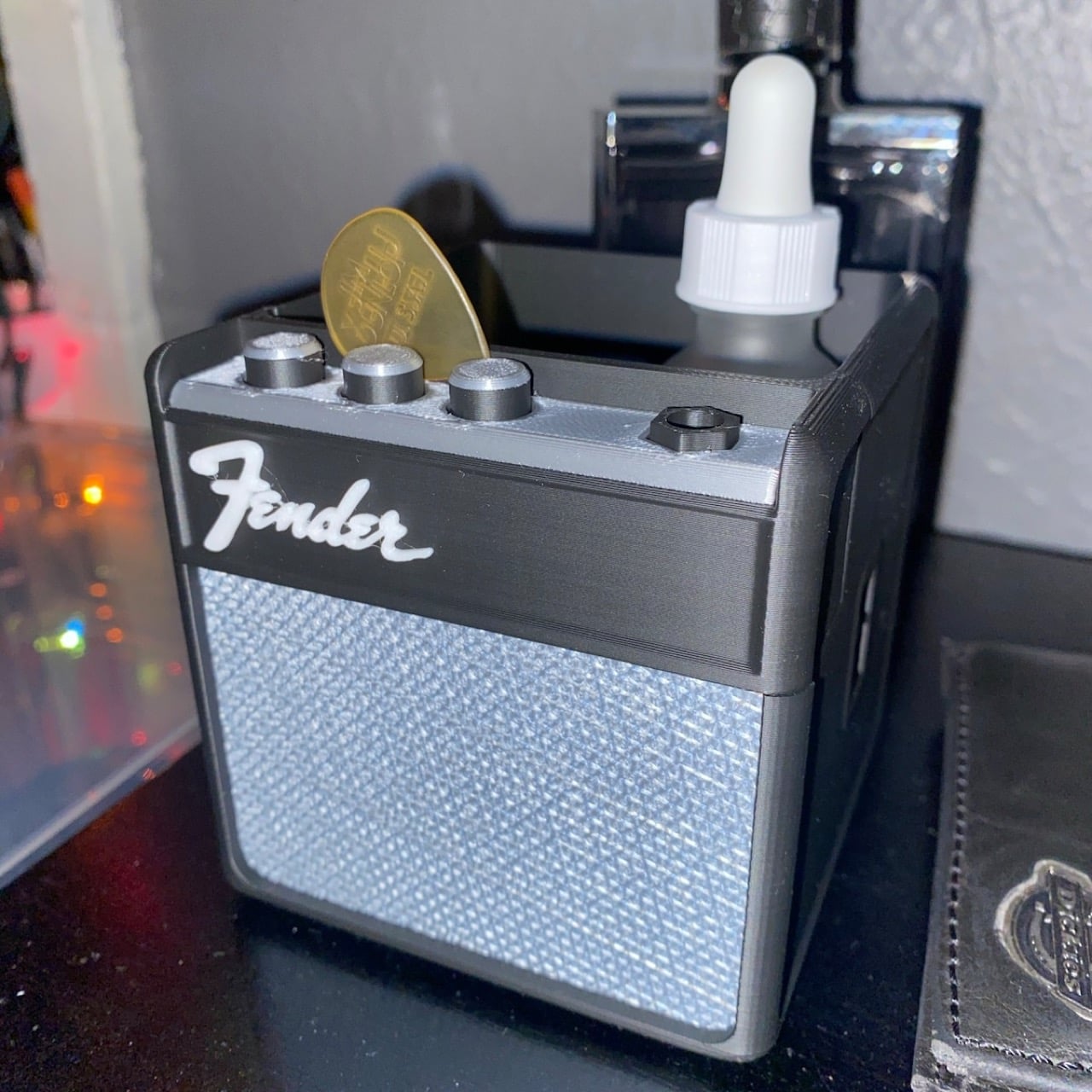
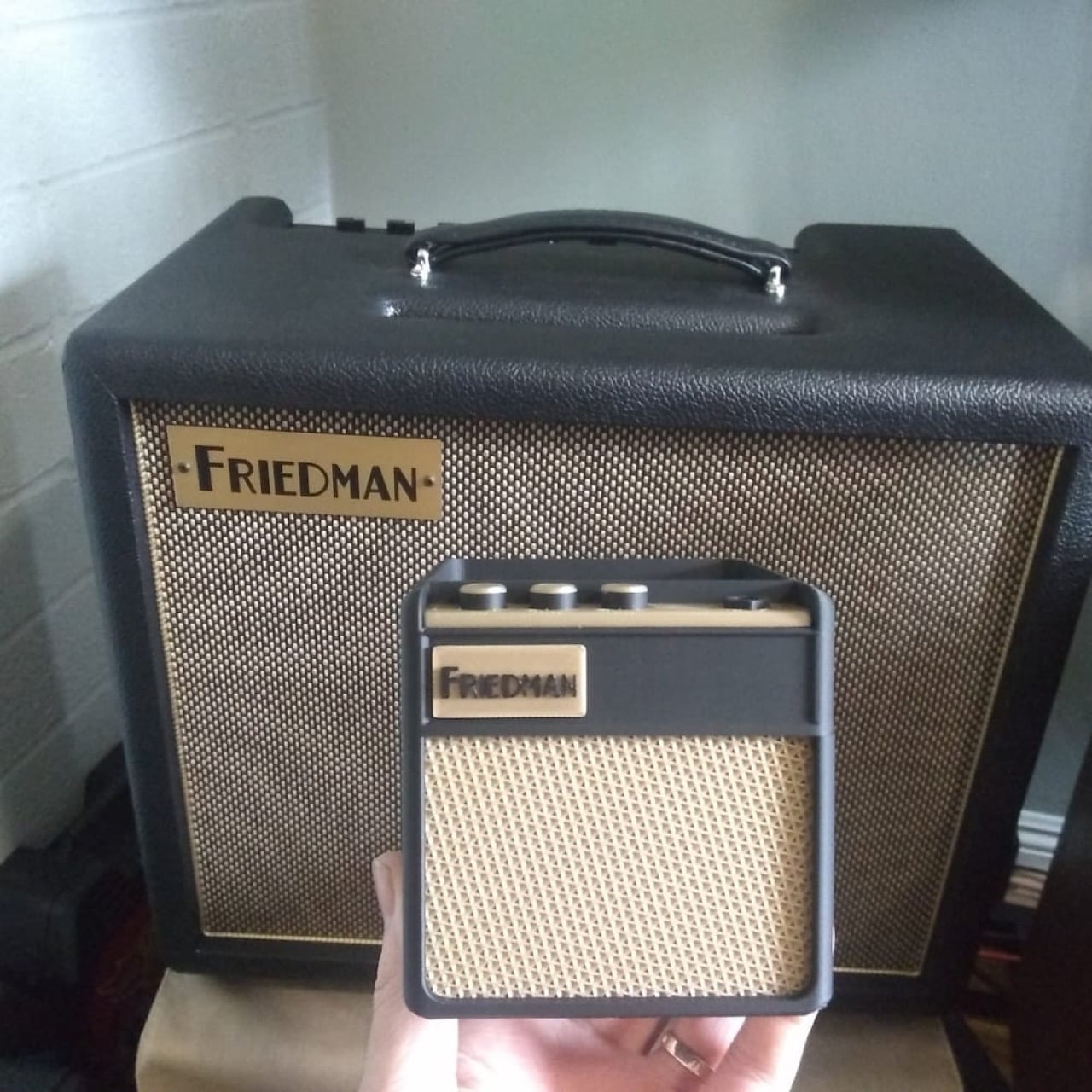
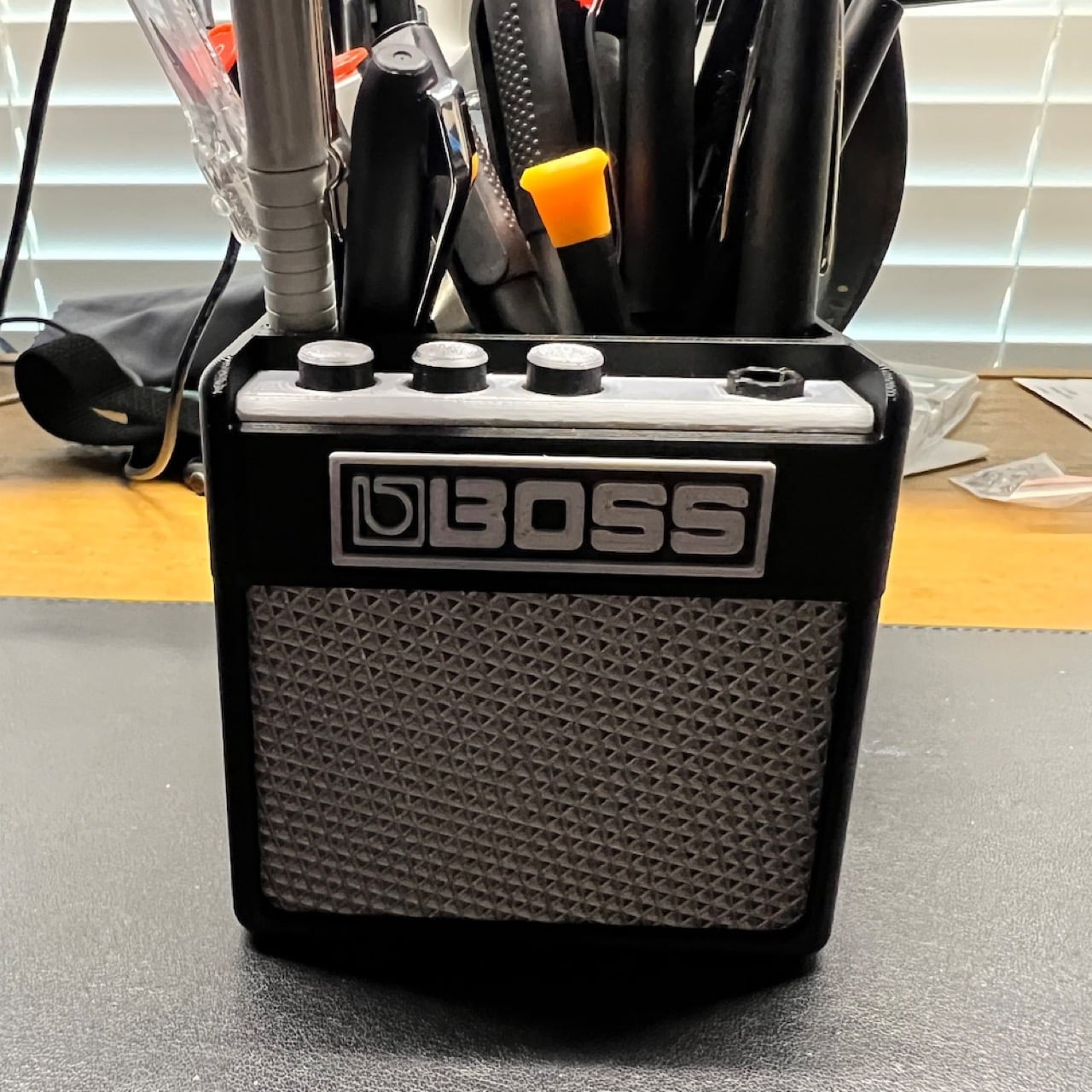
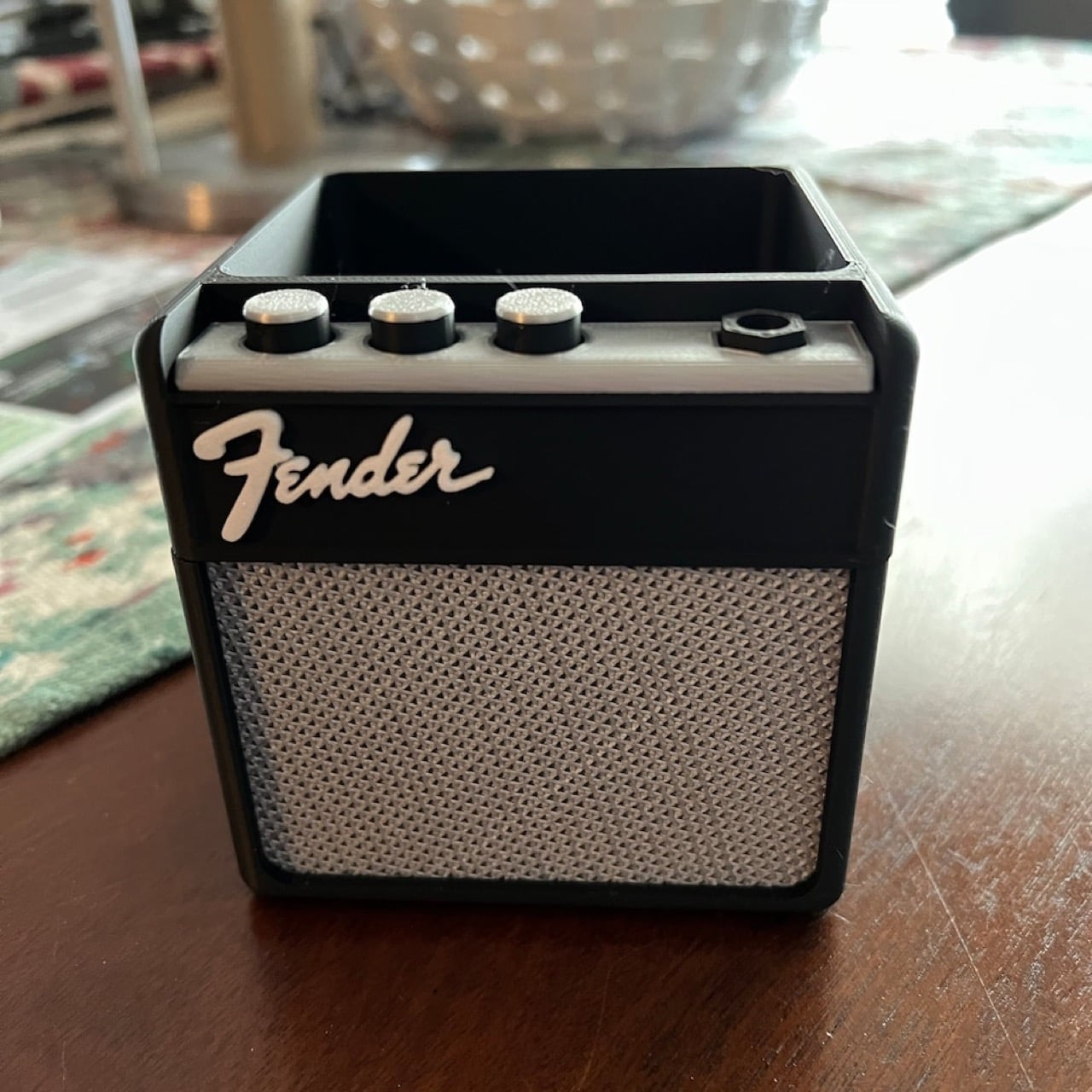
That’s where a little whimsy helps. These 3D-printed guitar amp pen holders from LionsPrint bring a fragment of that musical energy to your workspace. They’re compact at 3.5 inches per side, but the details are spot-on: authentic speaker grilles, control panels, and designs inspired by the amplifiers that power actual rock shows. You can personalize them with custom text in silver or gold. They won’t replace the thrill of live music, but they’re a small reminder that the mundane is just temporary.

Designer: LionsPrint

The thing about good desk accessories is they need to justify their existence beyond pure function. A pen holder is essentially a container with holes. You could use a coffee mug. But LionsPrint clearly understood that musicians and music fans have a specific relationship with amplifiers that goes beyond their utility. These aren’t random music references slapped onto office supplies. They’re recognizable silhouettes: Marshall stacks with their iconic script logo, Fender’s clean lines, Yamaha’s distinctive branding. The 3D printing allows for texture work that would be impossible with traditional manufacturing. Those speaker grilles have depth and pattern variation that catches light differently depending on angle.

At 3.5 x 3.5 x 3.5 inches, the dimensions work perfectly for standard desk real estate. Small enough that they don’t dominate your workspace, large enough that they actually hold a functional amount of pens, scissors, and whatever other tools accumulate throughout a workday. The cube format keeps them stable. No tipping over when you’re fishing for a specific marker at 2 AM during a deadline crunch.

The customization option elevates these beyond typical musician merch. You can add text in metallic silver or gold finishes, which means your studio name, your band’s logo, or even an inside joke with your bandmates can live on your desk. Most “gifts for guitarists” feel like afterthoughts, designed by people who think all musicians are the same. This actually lets you claim ownership of the aesthetic instead of just passively receiving someone else’s idea of what music fans want.

LionsPrint sells these through Etsy starting at $19.98 USD before shipping. The price sits in that sweet spot where it’s low enough to impulse buy after a particularly soul-crushing Monday, but high enough that the 3D printing quality actually delivers on the details. You pick your amp style, add your custom text if you want it, and suddenly your desk has at least one object that doesn’t make you question your life choices. Small victories count when you’re counting down to the weekend.

The post 3D-Printed Guitar Amp Desk Organizer Brings Concert Energy to Your Boring Monday Morning first appeared on Yanko Design.

Tower Desk Organizer Turns a Strip of Desk into a Calm Landing Zone

Desks and side tables collect phones, glasses, remotes, pens, keys, and watches by the end of the day. The half-hearted attempts to corral them in a bowl or let them drift into a loose pile never quite work, and by the next morning, you are hunting for your phone under a stack of papers or fishing keys out from behind the lamp. What is missing is not more storage, but a small, clear structure that tells each thing where to go.

Yamazaki’s Tower Desk Organizer is a compact steel and wood bar that behaves more like a miniature piece of furniture than a generic tray. It has a slim base tray divided into two zones, a vertical post, and a raised wooden rest for watches or bracelets, all within a footprint that fits between a keyboard and monitor or next to a sofa arm.

Designer: Yamazaki Home

Sitting down at a desk in the morning, you drop your phone into one side of the tray, slide a pen and small notebook into the other, and hang a watch on the wooden bar while you type. The silicone mat keeps the phone from sliding when notifications buzz, and the low walls of the tray stop things from drifting under papers or behind the laptop. It becomes a predictable spot instead of another improvised pile.

By evening, the same organizer moves to a living room table, where it now holds a couple of remotes, reading glasses, and a phone while you watch something or read. The two compartments make it easy to separate tech from analog items, so you are not fishing for a remote under a pile of keys. The watch bar doubles as a small display for a bracelet or everyday watch when you are off the clock.

The powder-coated steel body with its textured matte finish, available in white or black, and the plywood top plate that adds a warm accent, feel more like a quiet architectural element than a gadget. The combination lets it blend into both minimal workspaces and softer living-room setups without drawing attention to itself, staying useful while staying calm.

The organizer is designed for smartphones, not tablets, and the watch bar comfortably holds two large watches rather than an entire collection. It is a home for a curated set of essentials, not a dumping ground. That constraint is part of what keeps it from turning into another overstuffed catch-all that defeats its own purpose and ends up just as messy as the pile it replaced.

The Tower Desk Organizer treats everyday clutter as something worth designing for at a structural level. By giving phones, glasses, remotes, and watches a simple base, post, and beam to relate to, it turns a messy corner of the room into a small, legible landscape. Sometimes the most effective organizing tools are not big systems with a dozen compartments, but a single, well-drawn line on the desk that quietly suggests where things belong.

The post Tower Desk Organizer Turns a Strip of Desk into a Calm Landing Zone first appeared on Yanko Design.

Tab Keeps Papers Visible on Your Desk Instead of Buried in Folders

Desks start tidy and slowly fill with stacks of printouts, notebooks, sketchpads, and loose sheets. The half-hearted attempts to tame it with file folders and trays end up closed, stacked, and forgotten in a corner or drawer. Most filing systems are great at hiding things but not so great at keeping the work you are actually doing visible and ready, which means you either let the surface turn into chaos or you bury everything and lose track.

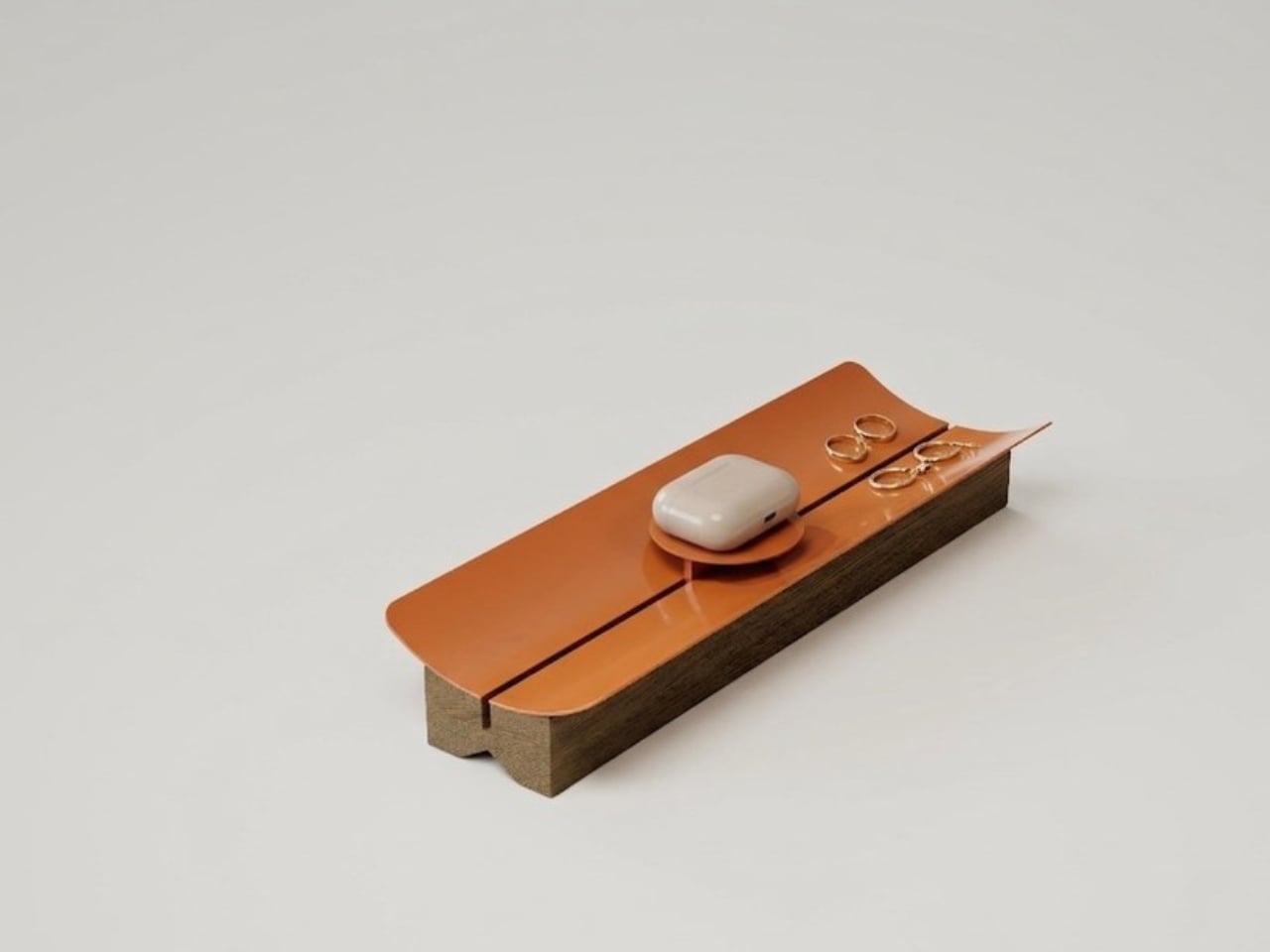
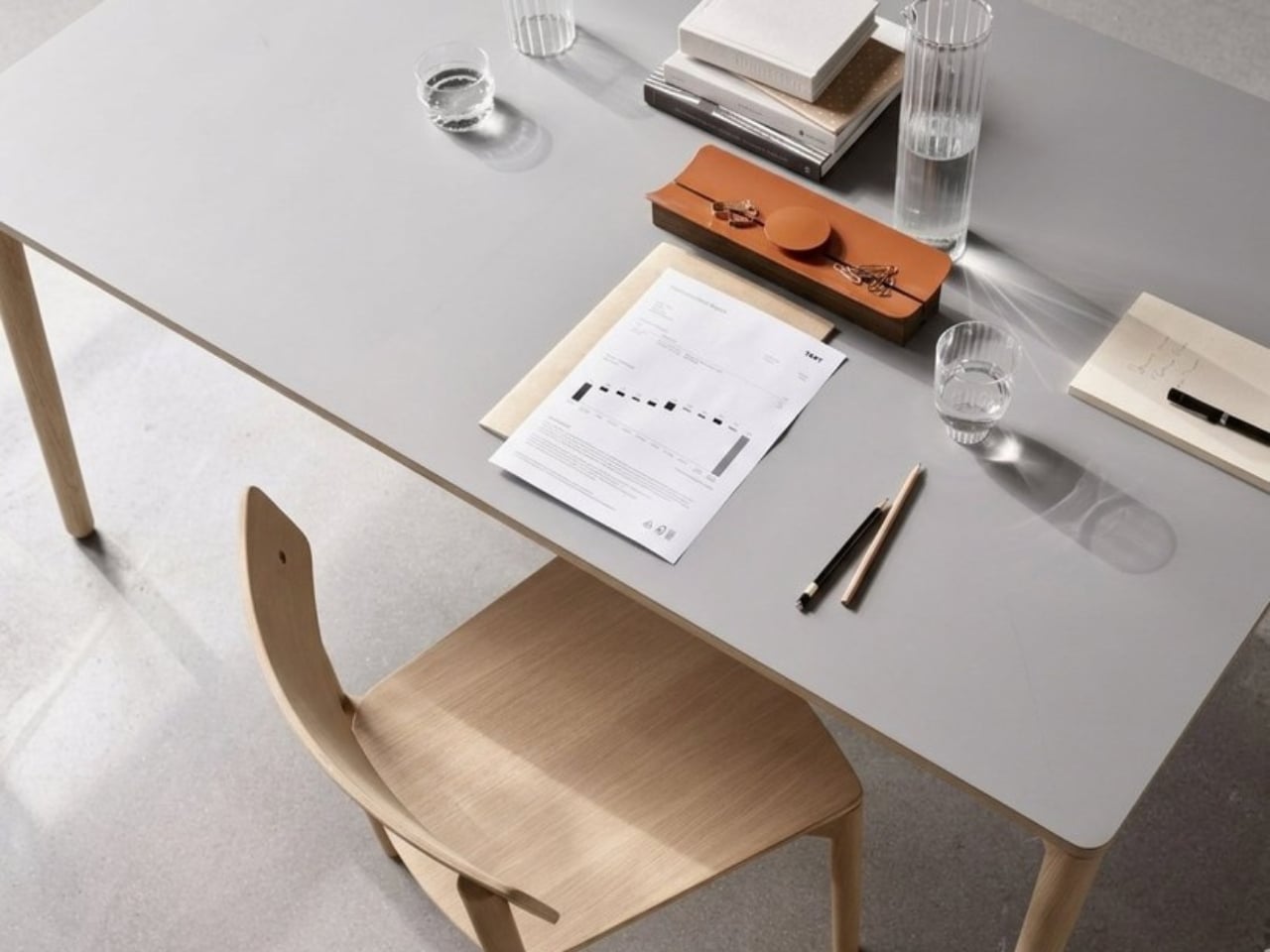
Tab is a desk organizer that rethinks the file through form, material, and use. It is made from a single folded sheet of metal, forming a self-standing sleeve that holds papers, books, sketches, and everyday tools in one continuous, open structure. Instead of zips, lids, or clasps, it borrows the logic of a folder but leaves everything accessible from the top and side, removing the need for hiding or closing.

Designer: Rithik Ravi

Sitting down to work with a few active projects, the current book, notebook, and reference prints slide into Tab, standing upright instead of spreading across the surface. When you switch tasks, you reach into the same place, pull out what you need, and drop it back when you are done. The organizer becomes a physical “now” stack that keeps the desk clear without burying anything in a drawer you will forget to check.

The open, continuous form changes behavior in small ways. Because there is no lid to open or box to slide out, grabbing a sketch or document feels as low-friction as picking something up off the table, which means you are more likely to put it back when you are done. The metal walls keep everything aligned and upright, so even a handful of items feels ordered rather than precarious.

The choice of a single folded metal sheet keeps the object visually quiet and structurally clear. There are no visible joints or added parts, just a few decisive bends that create the base, back, and front. The minimal geometry and solid color let it sit quietly on a desk, acting as a calm backdrop for whatever you place inside, rather than adding another fussy object to the mix.

Tab is not meant to swallow an entire archive. Its narrow footprint and single compartment work best when you treat it as a home for active work, not everything you own. Overfilling it would defeat the point, and people who need strict separation between projects might want more than one. But that constraint is also what keeps it from turning into another overstuffed in-tray that never gets emptied.

Tab turns a familiar storage object into a purposeful everyday design. By keeping active work visible and immediately accessible, it nudges you toward a simple rhythm of organizing, selecting, and returning without much thought. A single folded sheet of metal, shaped with the right intent, can do more for focus and clarity than a whole stack of labeled folders ever did, especially when those folders are closed and stacked somewhere you stopped looking six weeks ago.

The post Tab Keeps Papers Visible on Your Desk Instead of Buried in Folders first appeared on Yanko Design.
DIY foldable desk organizer is made from recycled Campus notebook paper

As a self-confessed hoarder and maximalist, my desk is anything but neat. I collect a lot of stationery and supplies (sometimes more than I need) and so I have a lot of things lying around. There are of course some desk organizers there but the small items can sometimes be just left scattered all over. This new DIY stationery items can help with that problem.

Designers: Erlend Storsul Opdahl/Milla Eveliina Niskakoski for Kokuyo

RAE is a desktop organizer that is made from recycled paper from scraps of Campus notebooks from Kokuyo’s manufacturing factories. Since the strength and abrasion resistance is affected if you fully use the recycled fibers as virgin materials, they decided to make that just 50% of the recycled paper.

What makes this even more interesting is that the user will be the one to “assemble” the organizer by folding the paper, origami-style. There are two sizes of the paper: the S size (W155 x D70 x H30mm) which is a smaller, squarish kind of organizer and the L size (W250 x D70 x H30mm), a more elongated version. You can place various stationery stuff on it, including pens, paper clips, washi tapes, and other small items you may have lying around.

The package, which contains two pieces, comes with an assembly practice sheet but there’s also a video on YouTube if you need more visual instructions. It comes in beige and khaki colors, keeping with the minimalist feel. It would be cute to have some of these paper organizers on my table, if I can actually follow the instructions.

The post DIY foldable desk organizer is made from recycled Campus notebook paper first appeared on Yanko Design.
Who Knew A Desk Organiser Could Help Increase Productivity?! The Sustainable Daizo Does!

Sustainability is becoming a crucial part of our daily lives nowadays, and Daizo stands at the forefront of eco-friendly innovation. With their focus on sustainable design and materials, Daizo brings us the Daizo Desk Organizer, a product that not only helps keep your workspace tidy but also supports the planet.

Designer: Mohit Joshi

The Daizo Desk Organizer is a shining example of how single products together can shape a sustainable future at large, made from recycled plastic PLA, a biodegradable and renewable resource. By using eco-conscious materials like recycled plastic bottle caps and cork, Daizo ensures that each organizer contributes to reducing landfill waste and minimizing the demand for virgin resources.

One of the standout features of the organizer is its compact yet highly functional design. Created to optimize small desk spaces, this organizer boasts a unique jigsaw puzzle structure with customizable sections, allowing users to arrange their desk tools in shapes that fit their needs. This flexibility transforms an ordinary desk into a more personalized, clutter-free environment, enhancing both productivity and creativity.

And as every desk warrior knows, coffee is an essential part of a productive workday. Daizo has thoughtfully integrated a built-in coaster, ensuring your coffee or drink has a designated spot while protecting your desk from spills. It’s a small but crucial detail that shows Daizo understands the real-world needs of its users.

Beyond its eco-friendly credentials, the organizer is a powerful tool for boosting productivity. A clean and organized workspace reduces distractions, helping you stay focused on the task at hand. It also promotes creativity, as a clear desk can lead to a clear mind, giving you the freedom to brainstorm and solve problems without feeling overwhelmed by clutter.

Moreover, the Daizo Desk organizer encourages healthy work habits. Maintaining an ergonomic setup and keeping your workspace clean, can prevent common issues like poor posture, eye strain, and general discomfort that often arise from cluttered, disorganized desks.

Many professionals today face challenges in keeping their workspaces organized. Limited desk space, combined with the need to store essential items, often results in clutter that hinders productivity. Daizo addresses this problem head-on with a product that is not only compact but also aesthetically pleasing. Unlike other desk organizers, which often sacrifice functionality or design, Daizo strikes a perfect balance between both.

In addition to keeping your desk in order, the Daizo Desk Organizer makes a positive impact on the environment. By using recycled plastic from bottle caps and crafting it into something both beautiful and practical, Daizo contributes to reducing landfill waste. But sustainability doesn’t end there, at the end of its life, the organizer can be recycled again, supporting the circular economy and further minimizing its carbon footprint. Daizo desk organizer is an investment in a healthier planet and a more organized, productive workspace.

The post Who Knew A Desk Organiser Could Help Increase Productivity?! The Sustainable Daizo Does! first appeared on Yanko Design.
Paper saddlebag hangs over the edge to keep your desk organized

We only have a very finite desk space, constrained by the available area in our rooms or offices. We can always stack up desk organizers or have drawers beneath to make up for it, but those can only go so far. One underutilized area of our desks is often the sides, and there will always be at least two free edges even if you have a corner table. Taking advantage of that unused space, this rather unusual desk organizer hangs a saddlebag on the side of your table, providing not only a place to put pens and notebooks inside, but even a spot for your phone or drink on top. Best of all, it’s made of a sustainable material that looks more like luxurious leather than paper.

Designer: Tilla Goldberg for Richard Lampert

You’d normally hear of saddlebags only in relation to horses or even camels, but our work desks are just as much beasts of burden as these animals. And just like on those, the SALTO dangles off to the side to provide more storage than our overcrowded desks can already accommodate. It’s deep and spacious enough for notebooks, pens, cables, or even headphones, just about anything you want to keep out of sight but still within easy reach.

It even has enough room for a power strip, which is probably the last thing you’d think of putting inside. The bag’s design actually creates a simple loop at the bottom for the strip’s cable to pass through, becoming the only location where it snakes its way to a power outlet. It’s an unusual but effective cable management system, letting those wires all drop off to the side and disappear into the abyss that is the SALTO bag.

There is one odd and potentially problematic part of the saddlebag’s design, at least in the way it’s being advertised. The half-circle tray that sits on top becomes a place for more important items you’ll always want to have access to, like your phone or a glass of water. The latter, however, might be a cause for concern, considering how the weight of the bag’s contents could very well be heavy enough to pull that tray off the table. You can probably imagine the disaster if that drink spills inside, especially if there’s a power strip there as well.

The SALTO is also a very sustainable design that’s surprisingly made of paper. Technically, it’s a type of washable vegan paper that’s being used as a leather alternative, which explains its fabric-like texture and composition. It definitely looks elegant and stylish, especially when hanging from a minimalist desk that has all its clutter cleared and dumped into this bag.
The post Paper saddlebag hangs over the edge to keep your desk organized first appeared on Yanko Design.