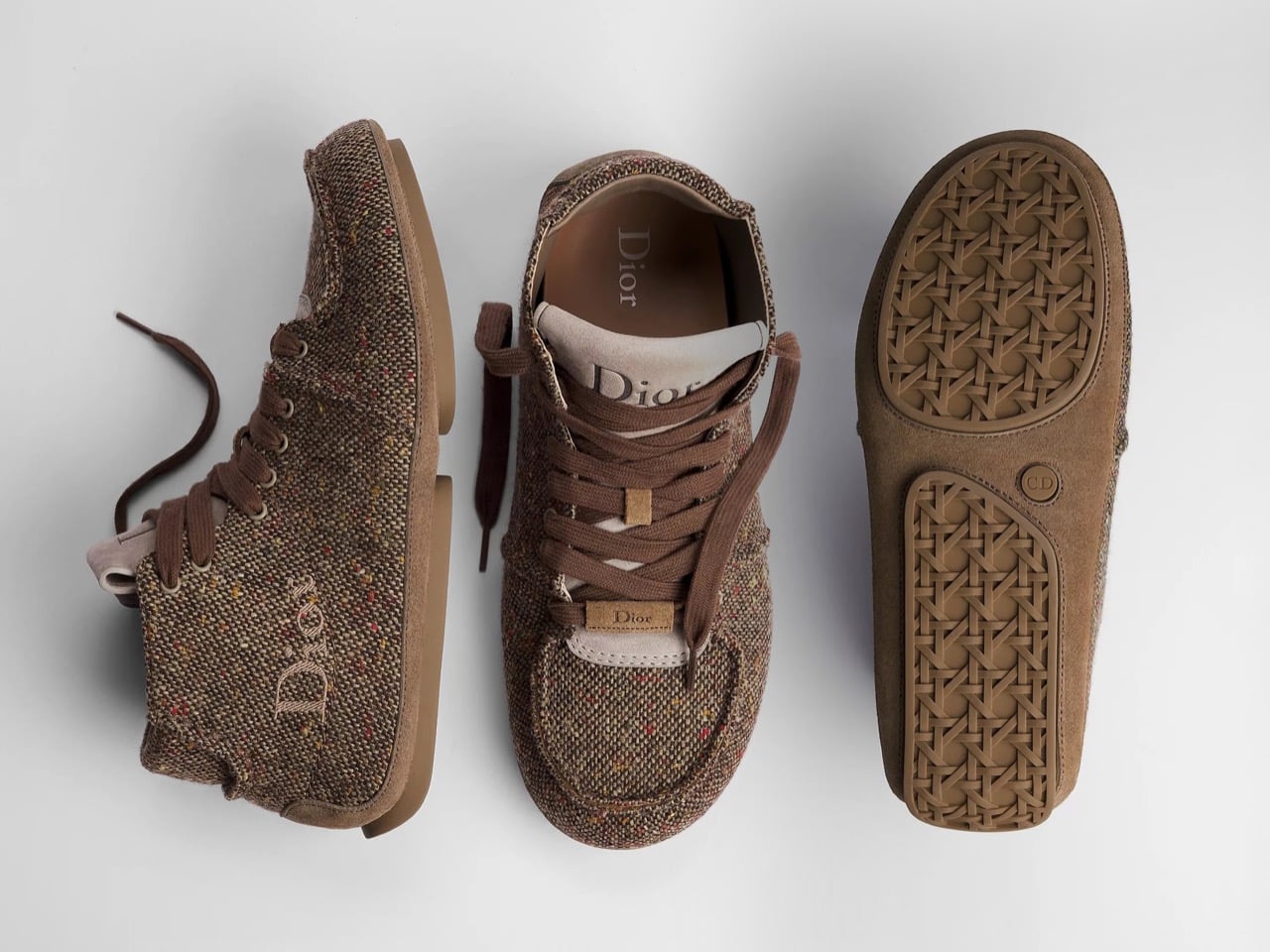
Shoes are usually designed from the top down. The leather, the laces, the silhouette, and the recognizable details tend to receive all the attention, while the sole quietly does the practical work underneath. Jonathan Anderson’s Dior Roadie lace-up boots make a convincing argument for looking down.
Created for the Dior Winter 2026 Menswear Collection, the Roadie takes the familiar language of the retro driving shoe and pushes it somewhere far less expected. The defining feature is its cylindrical sole, an exaggerated rubber structure that gives the shoe an almost architectural profile. It changes the proportions entirely. What could have been a rugged high-top in traditional materials suddenly feels peculiar, sculptural, and distinctly contemporary.
Designer: Dior
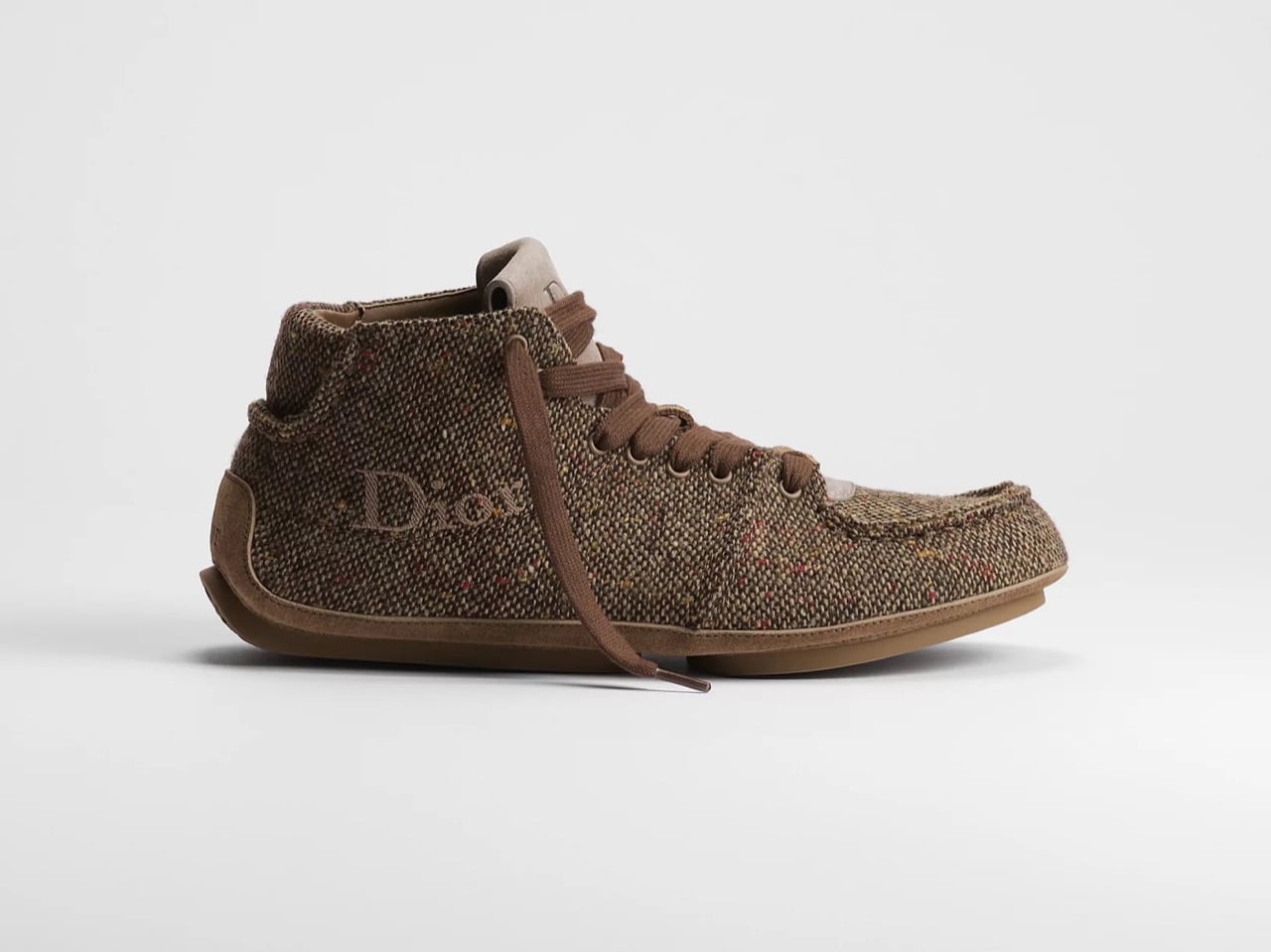
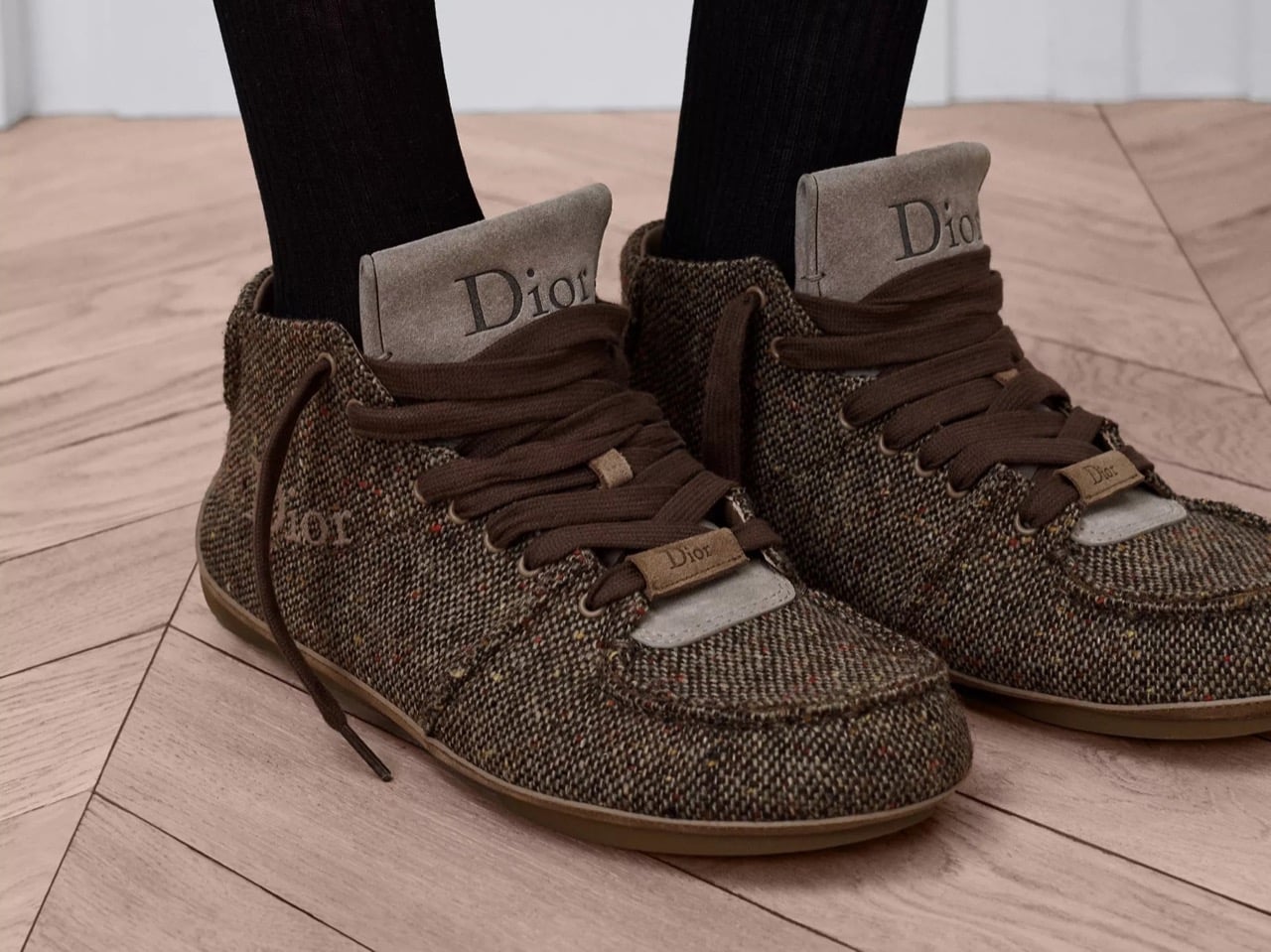
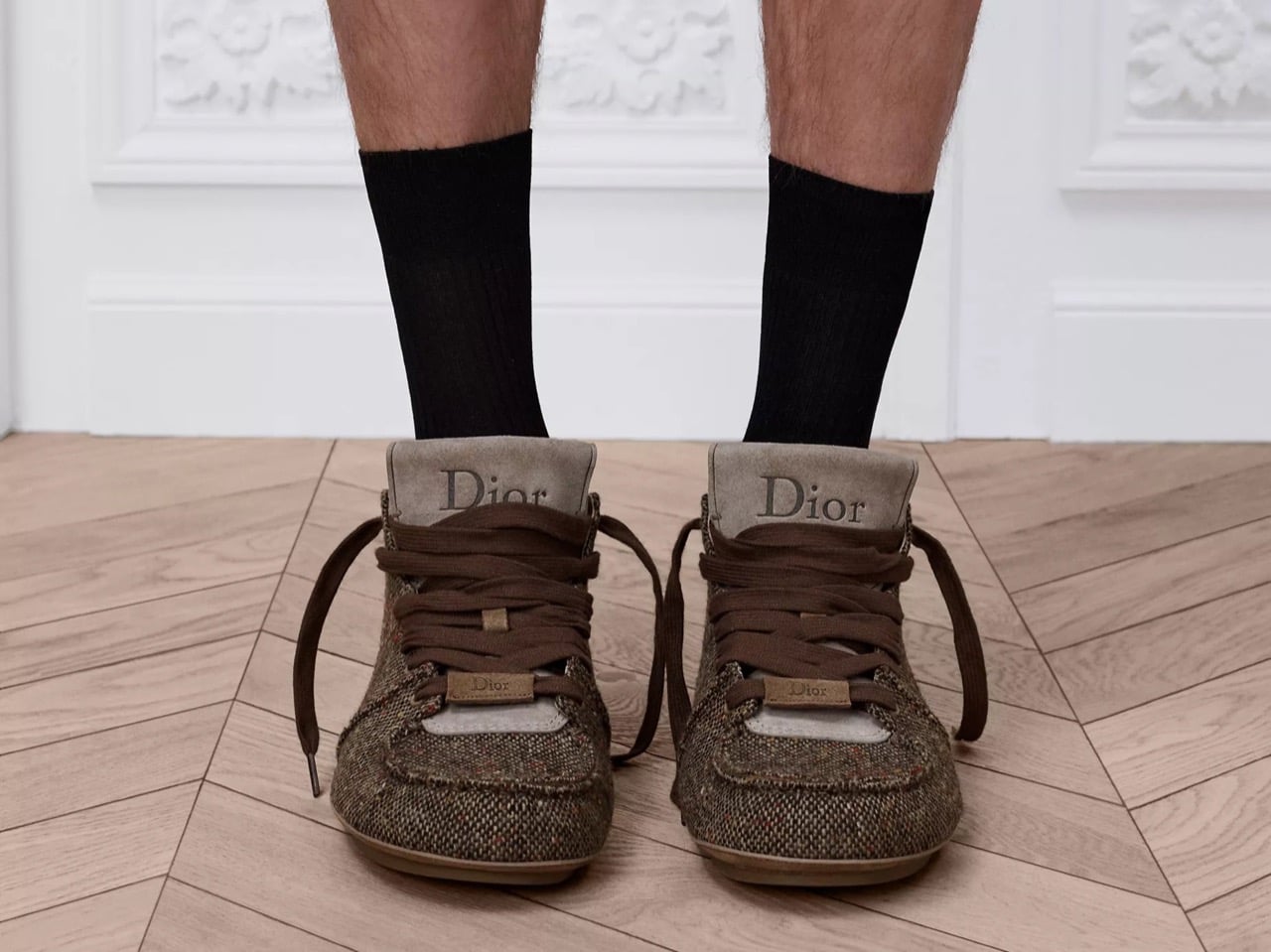
That tension is what makes the design interesting. Anderson draws from materials closely associated with his Irish heritage, including traditional Donegal tweed, here used alongside sheep wool and suede cowhide across the main body. The surface feels warm, textured, and familiar, carrying the character of something that might have existed for decades. Underneath it sits a sole that seems to belong to another design vocabulary altogether. Heritage meets experimentation without either side becoming decorative nostalgia.
The construction remains intentionally soft. Dior describes the shoe as unreinforced, allowing it to retain flexibility and comfort despite the substantial appearance of the sole. A padded collar supports the high-top silhouette, while the lining is made from sheepskin leather. Cotton laces run through leather lace loops finished with the Dior logo, adding another small point of craftsmanship to a shoe already rich in detail.
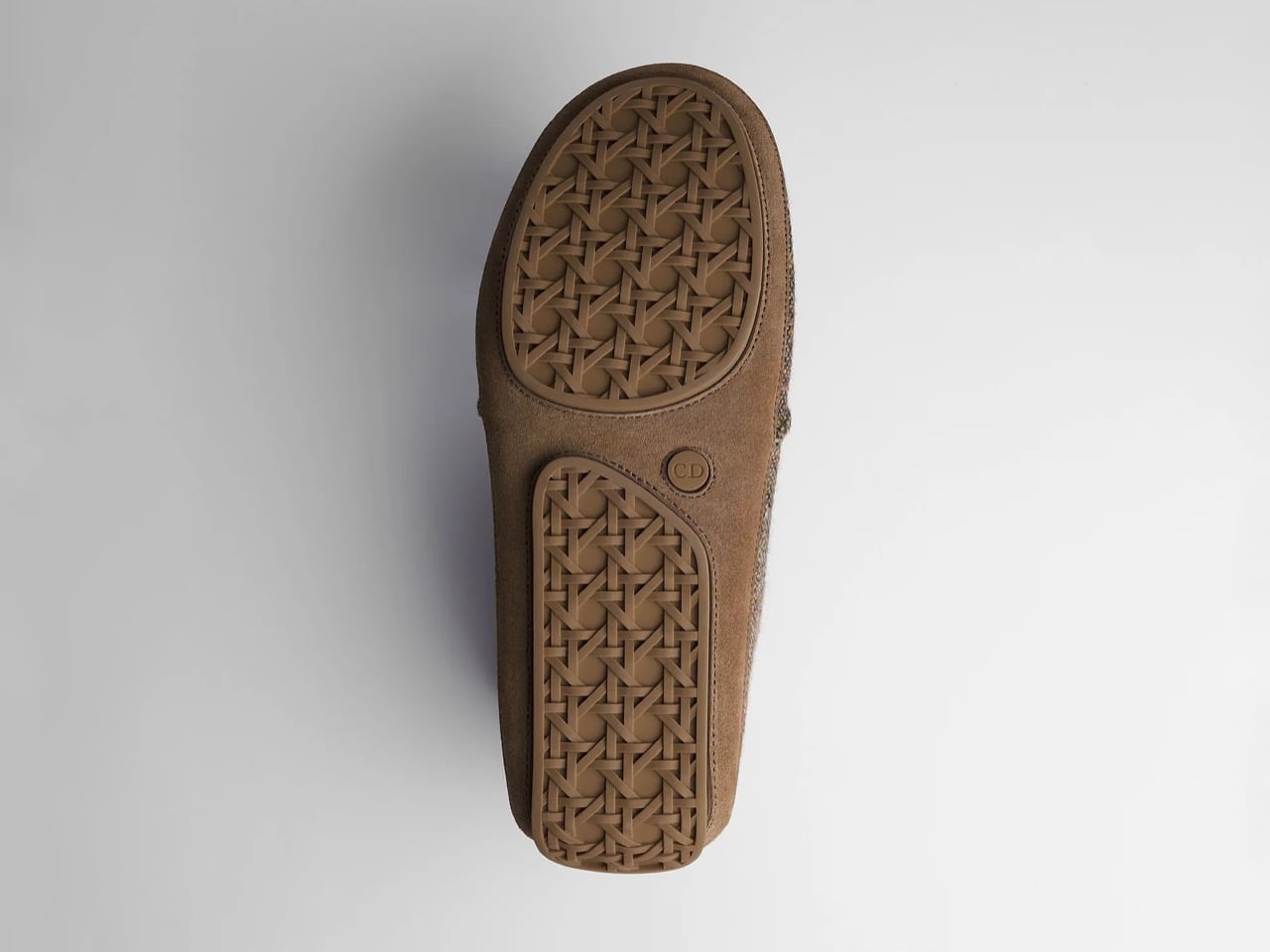
Branding is present, although it rarely interrupts the materials. Dior embroidery appears along the sides, while embossed logos are worked into the tongue and heel. The approach feels more integrated than applied. Even the sole continues the conversation. Its two-piece rubber construction features an engraved Cannage pattern with an inset CD logo, transforming a component that is usually treated as purely functional into one of the shoe’s most considered surfaces.
There is something especially satisfying about giving this much attention to the bottom of a shoe. The sole is the part that actually meets the world. It absorbs the pavement, gathers evidence of where you have been and, quite literally, leaves a print behind. Here, Dior turns that overlooked surface into a design signature. The woven effect and Cannage engraving mean that even the impression underneath carries an identity. It is a clever reminder that good design does not have to stop where visibility does.
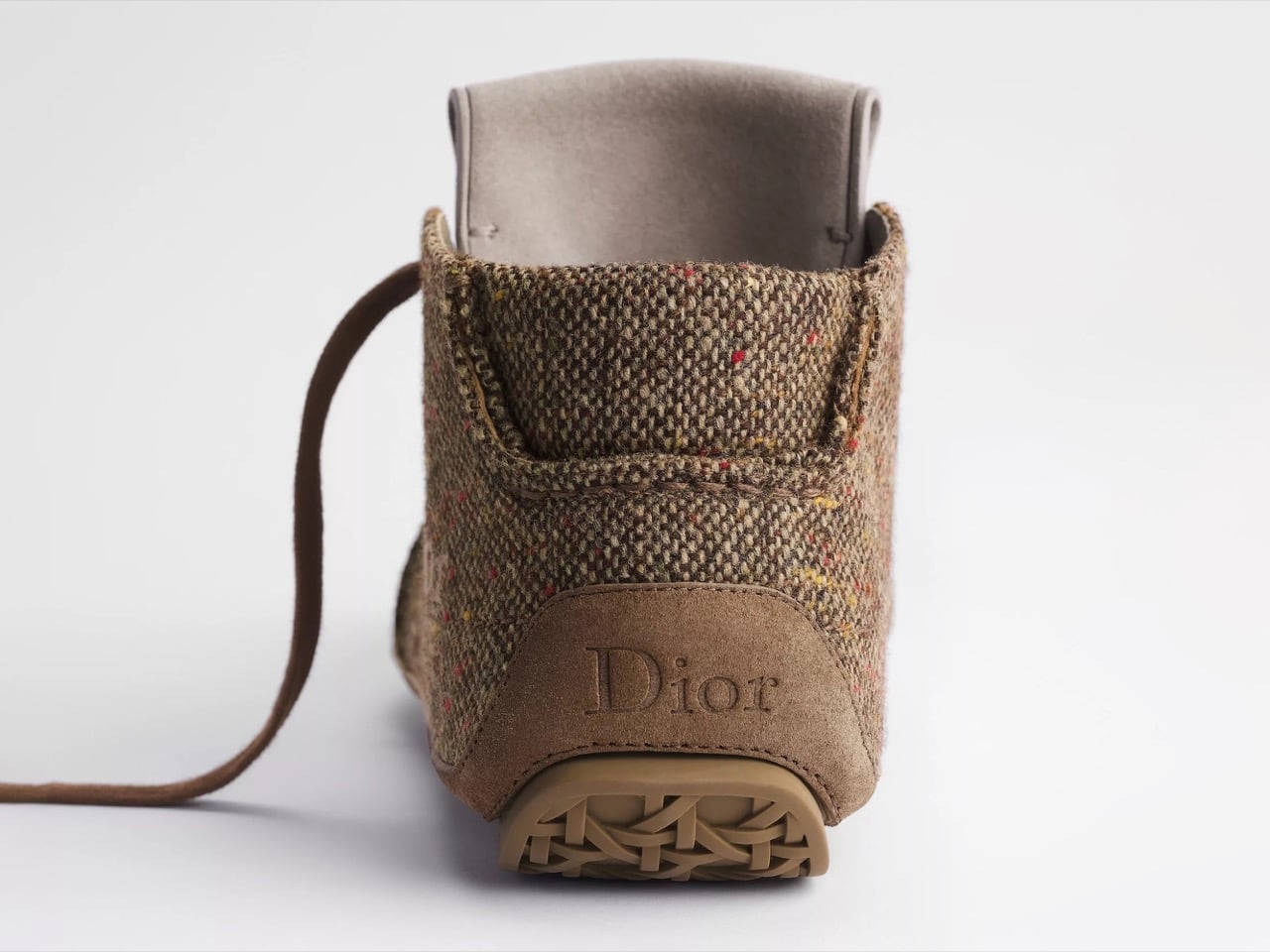
The cylindrical construction also gives the Roadie an unusual stance. From the side, the shoe feels almost inflated around the ground, with the outsole extending the visual weight of the upper rather than simply supporting it. There is humor in the proportion, but it is controlled. The result is avant-garde without becoming theatrical for its own sake.
This balance between eccentricity and familiarity feels particularly suited to Anderson’s approach at Dior. Donegal-inspired texture keeps the shoe grounded in craft and personal history, while the unusual sole pulls it firmly into the present. The Roadie does not discard the traditional codes of luxury footwear. It rearranges their hierarchy, asking the material, construction, and sole to share equal responsibility for the personality of the object.
Made in Italy, the boots come with a dust bag and an additional pair of shoelaces. Dior notes that minor variations in color, sizing, material composition or appearance may occur because of technical limitations, product improvements or differences between production batches, with the physical product taking precedence over online imagery.
The Dior Roadie ultimately feels like a shoe designed for someone who notices the parts of an object that most people ignore. The Donegal textures may attract the first glance, and the unusual proportions may hold it, but the most memorable idea sits underneath. In a category where soles are so often treated as an afterthought, Dior has made one worth turning the shoe over for.
The post Dior’s Roadie Boots Turn an Overlooked Sole Into the Main Design Event first appeared on Yanko Design.