Nike Quietly Dropped the Glowiest Dunk Low Yet for Halloween 2026

Nike’s Halloween 2026 sneaker lineup already includes a blood-red Jordan 5 and a screaming Air Force 1. The newest addition is quieter during the day and considerably stranger at night: a Dunk Low with glow-in-the-dark eyes built into its heel.

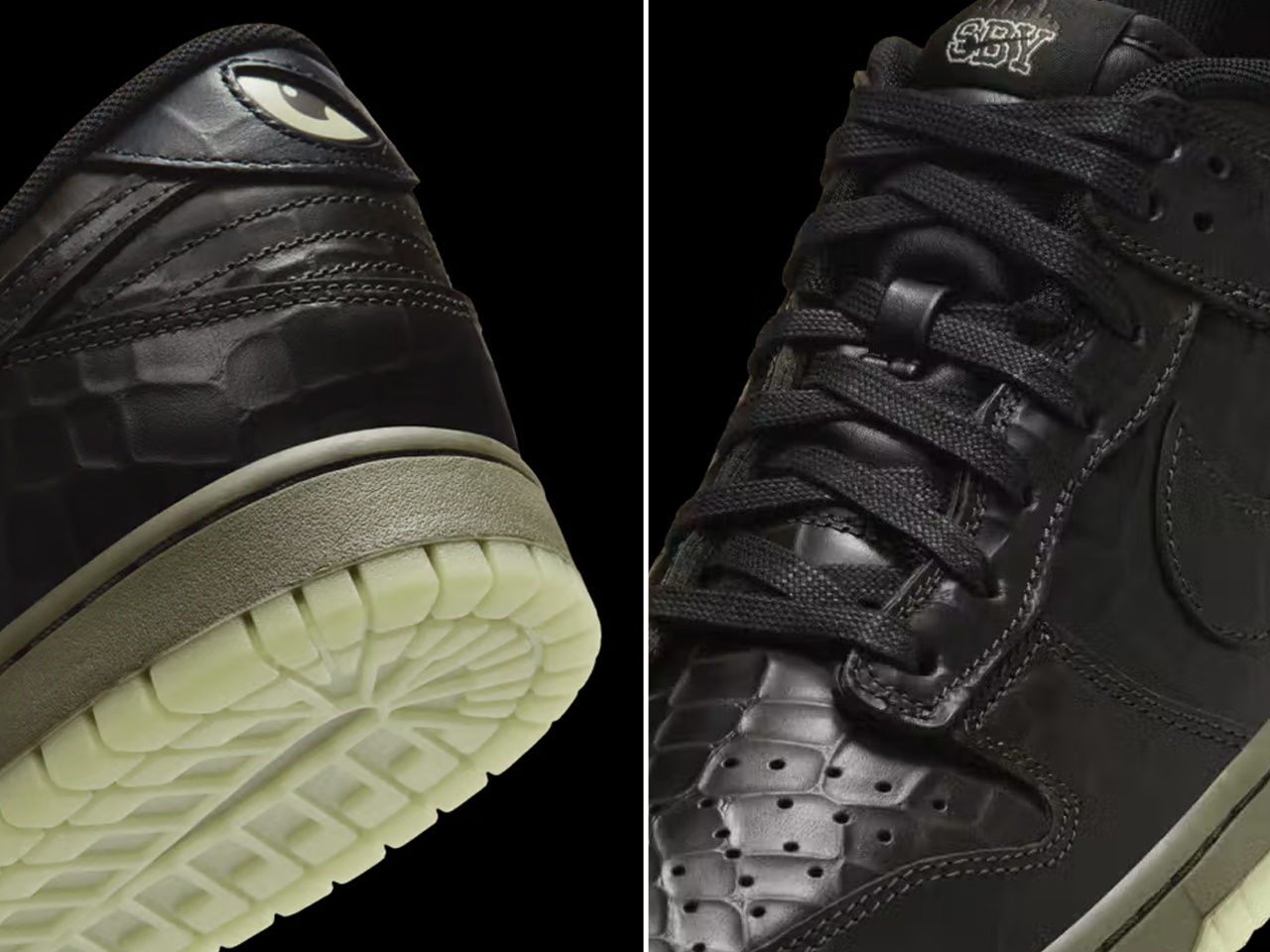
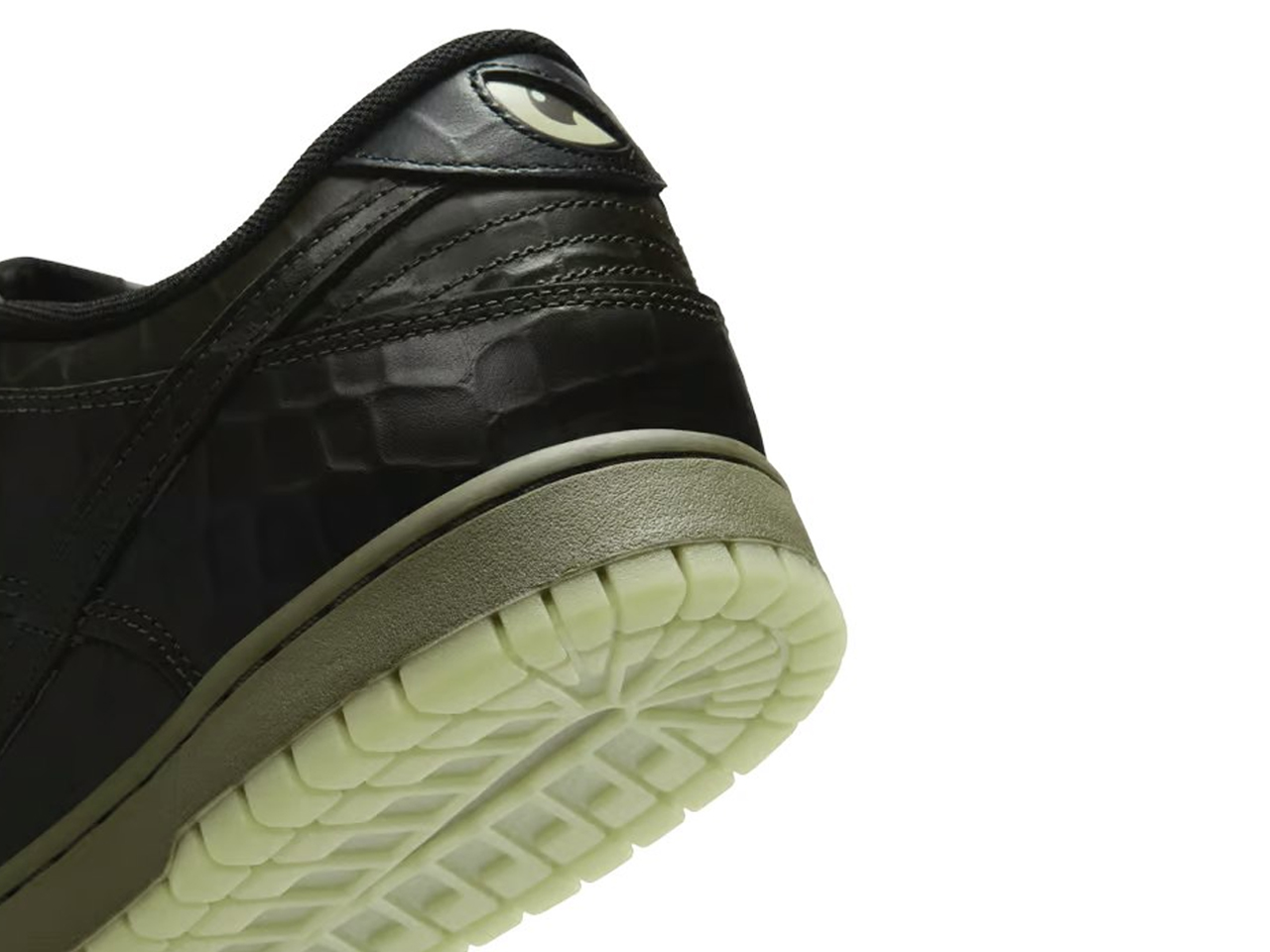
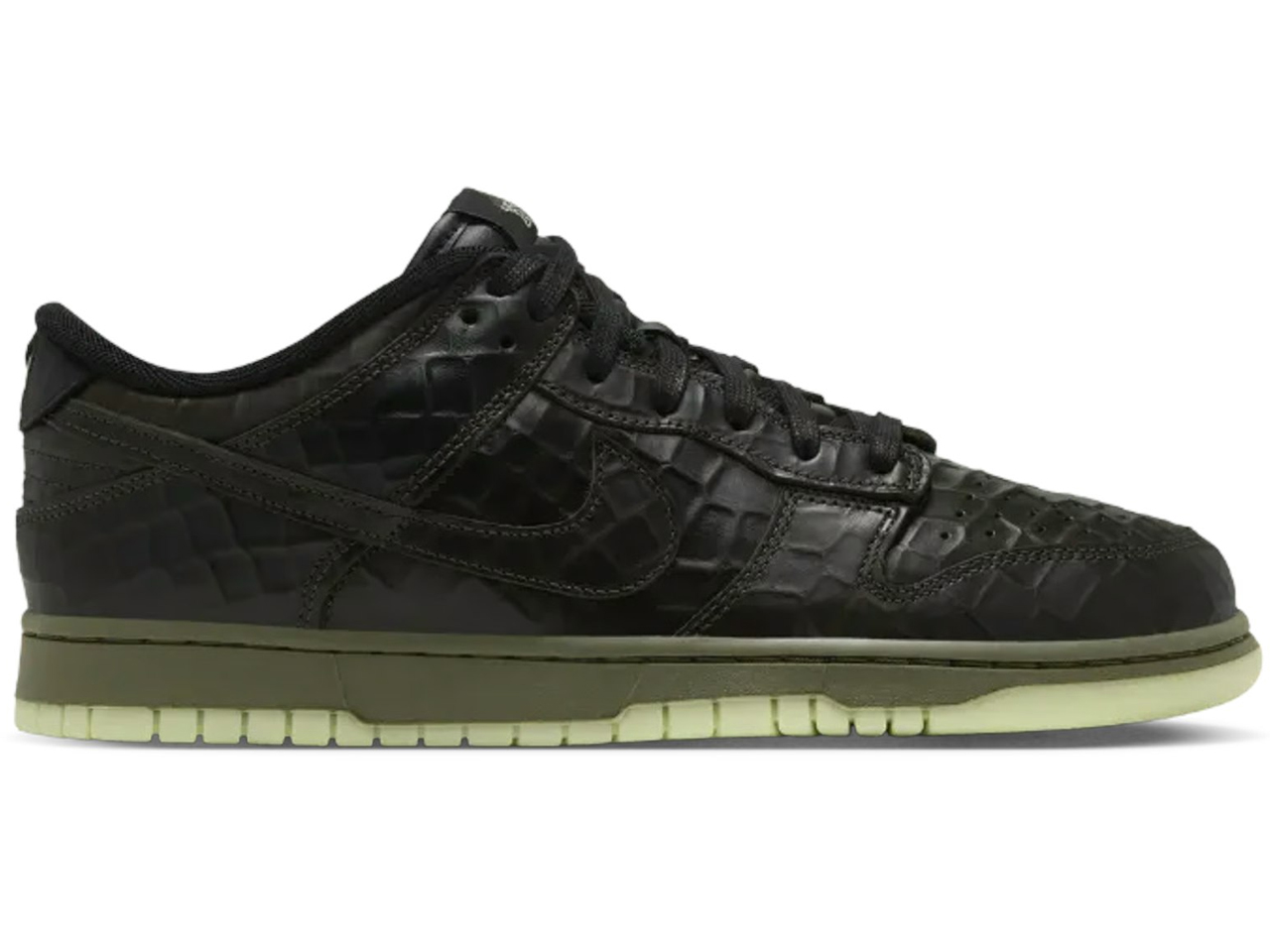
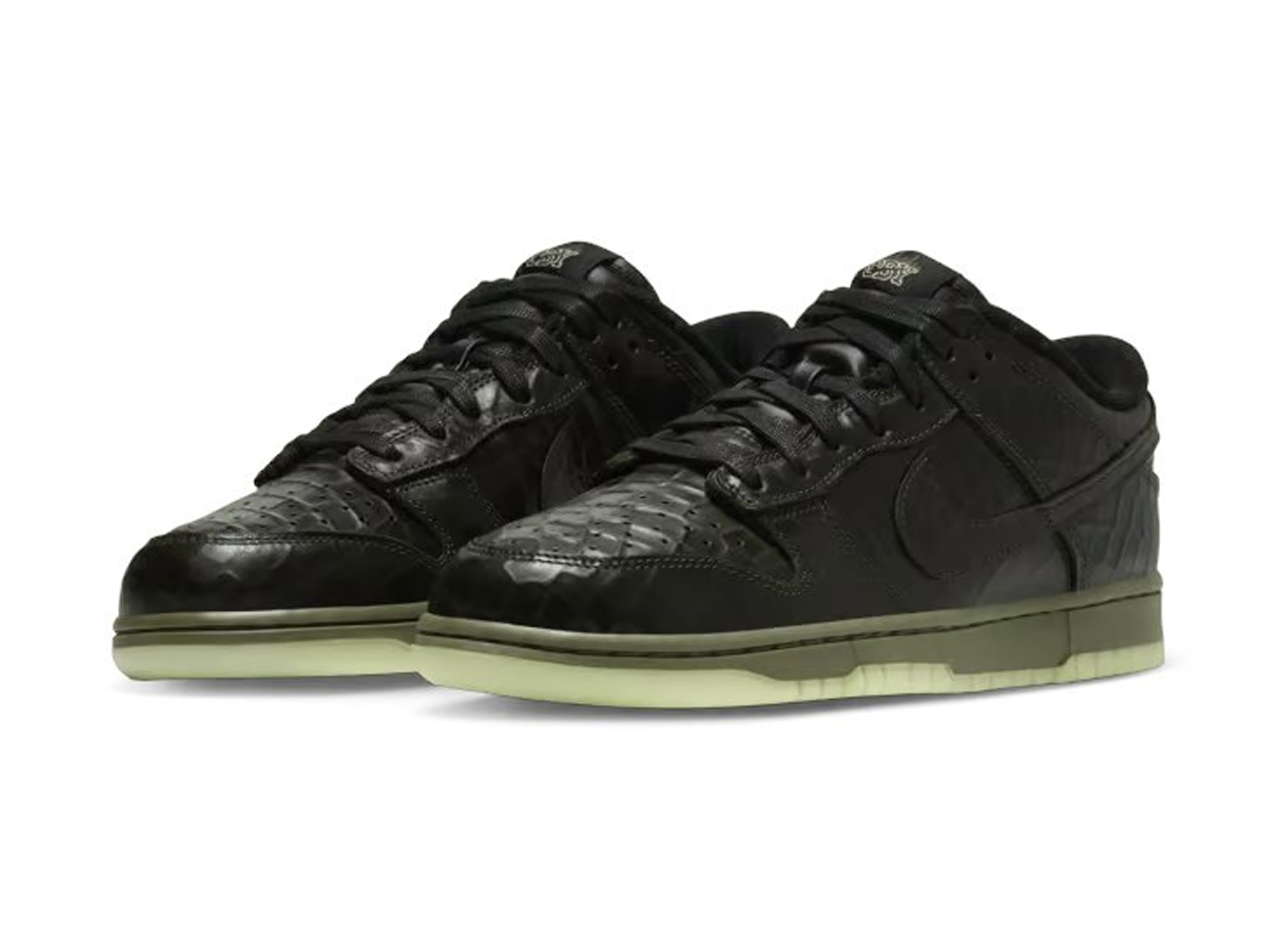
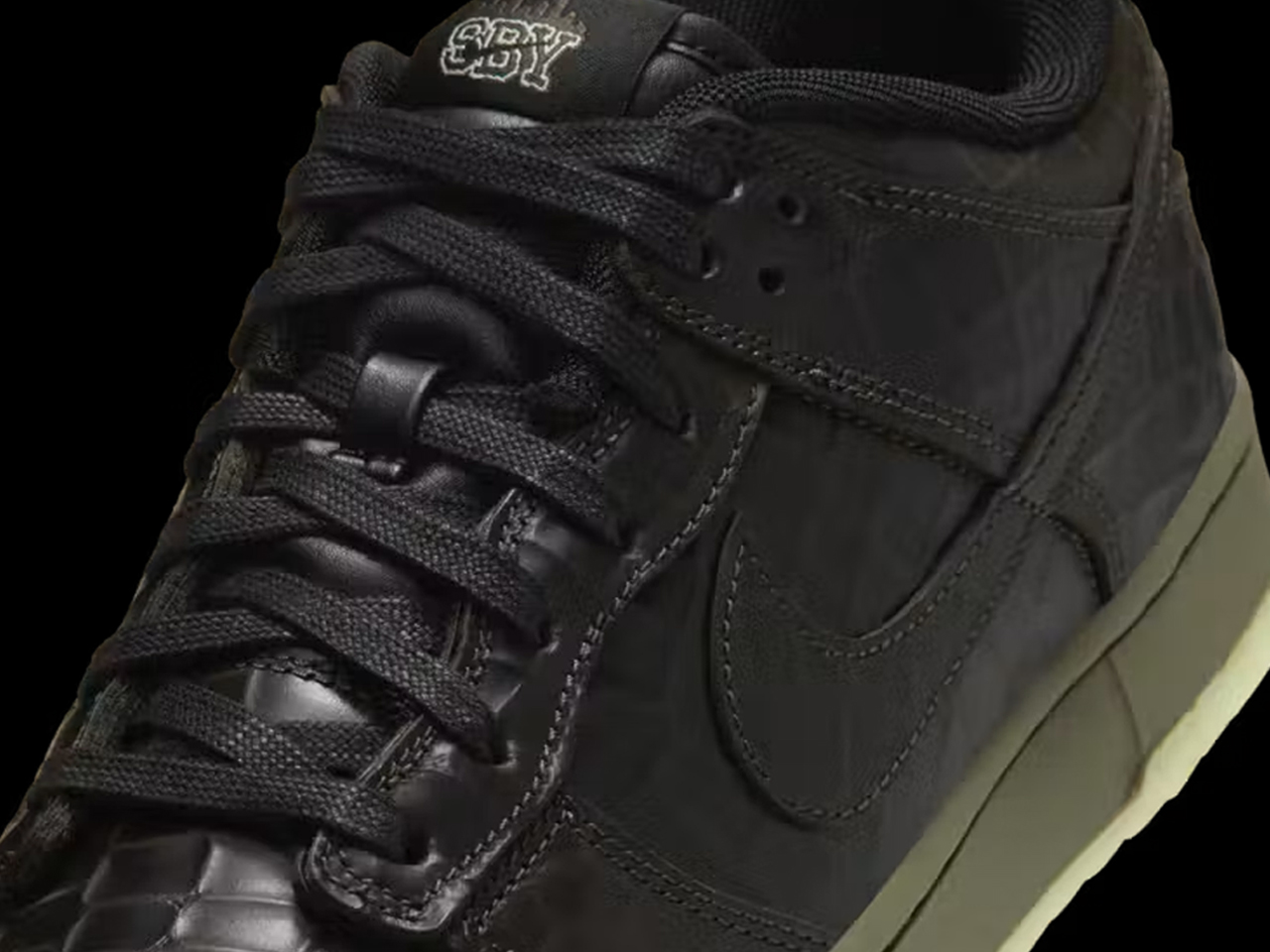
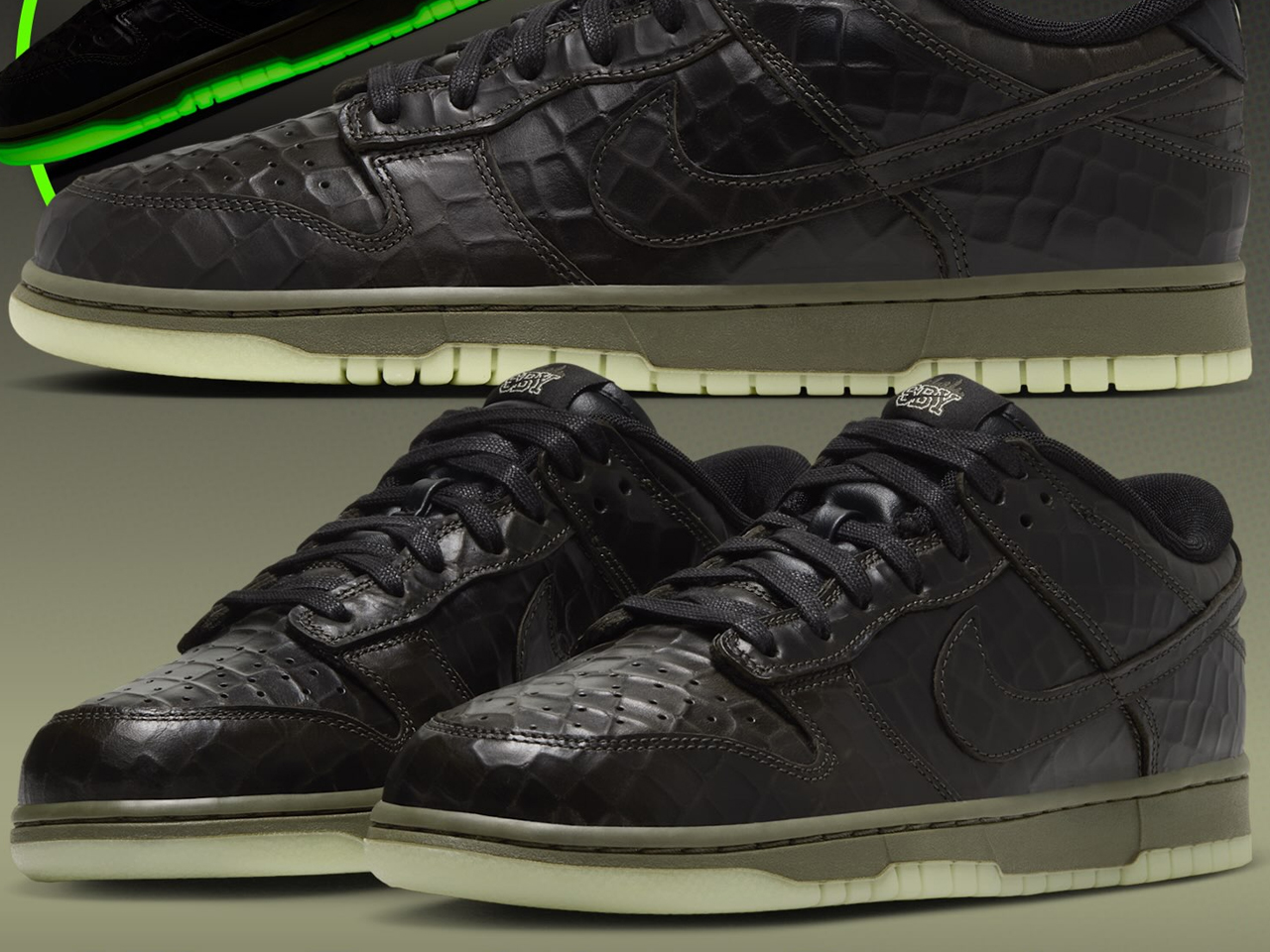
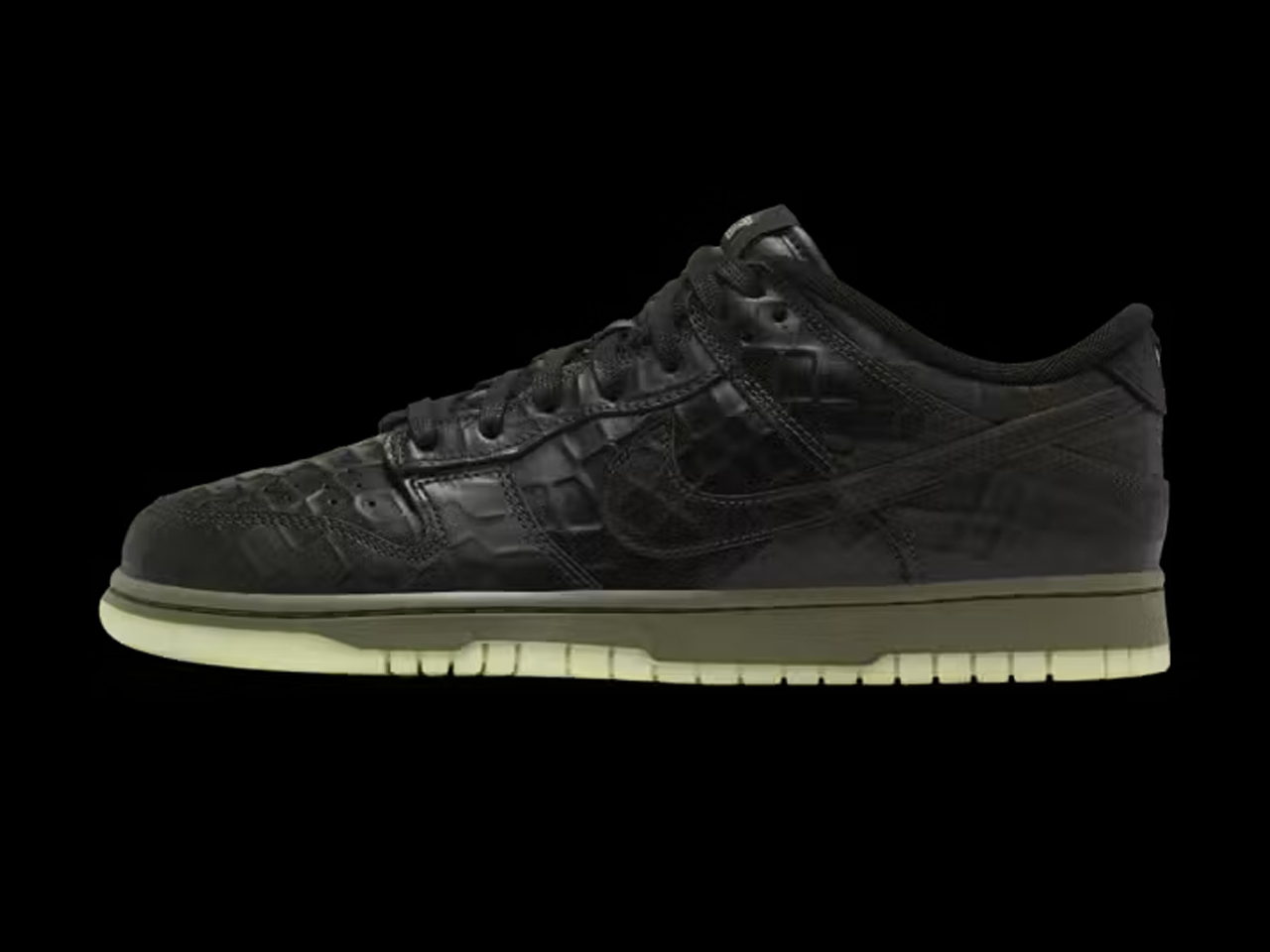
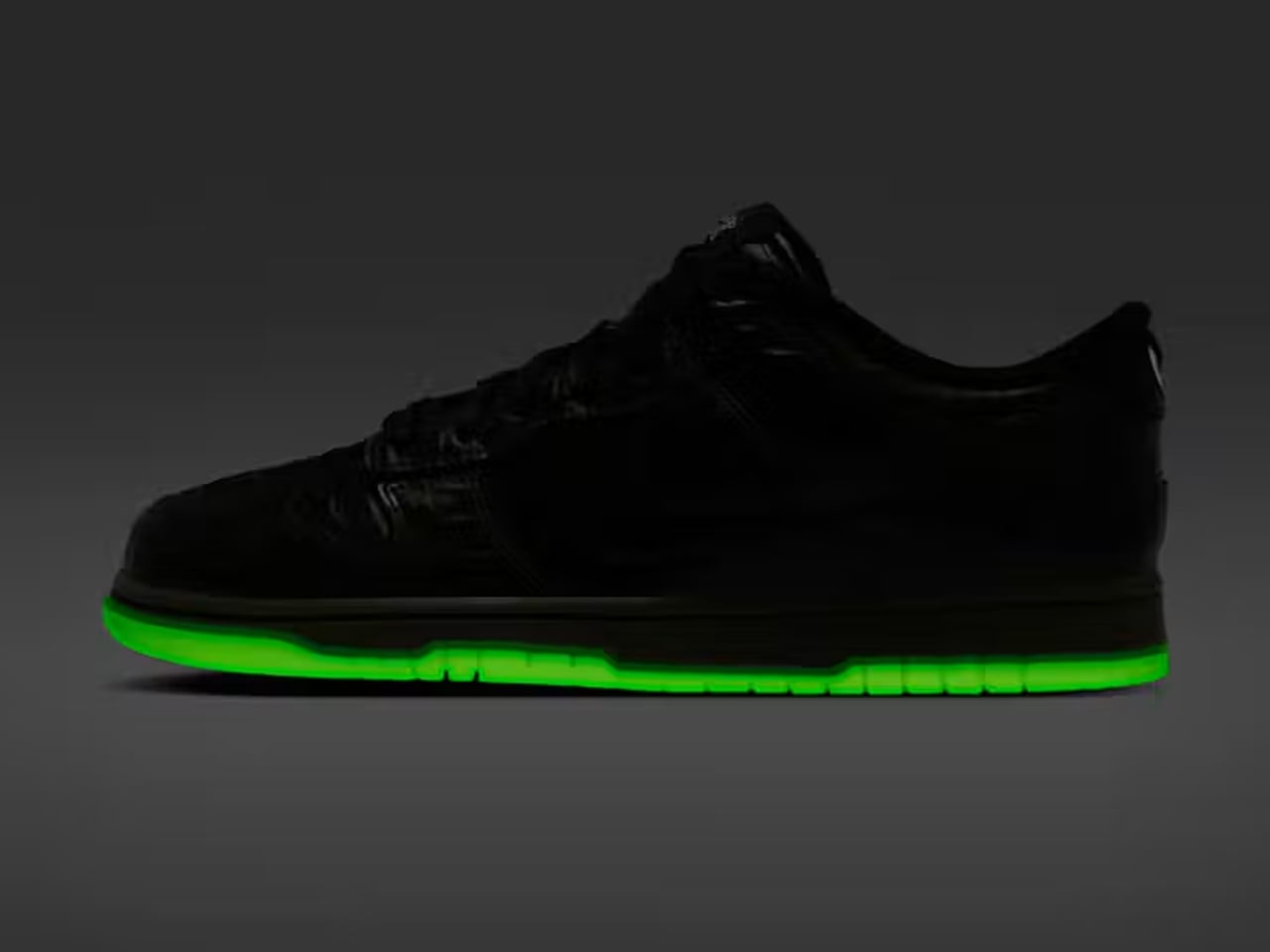
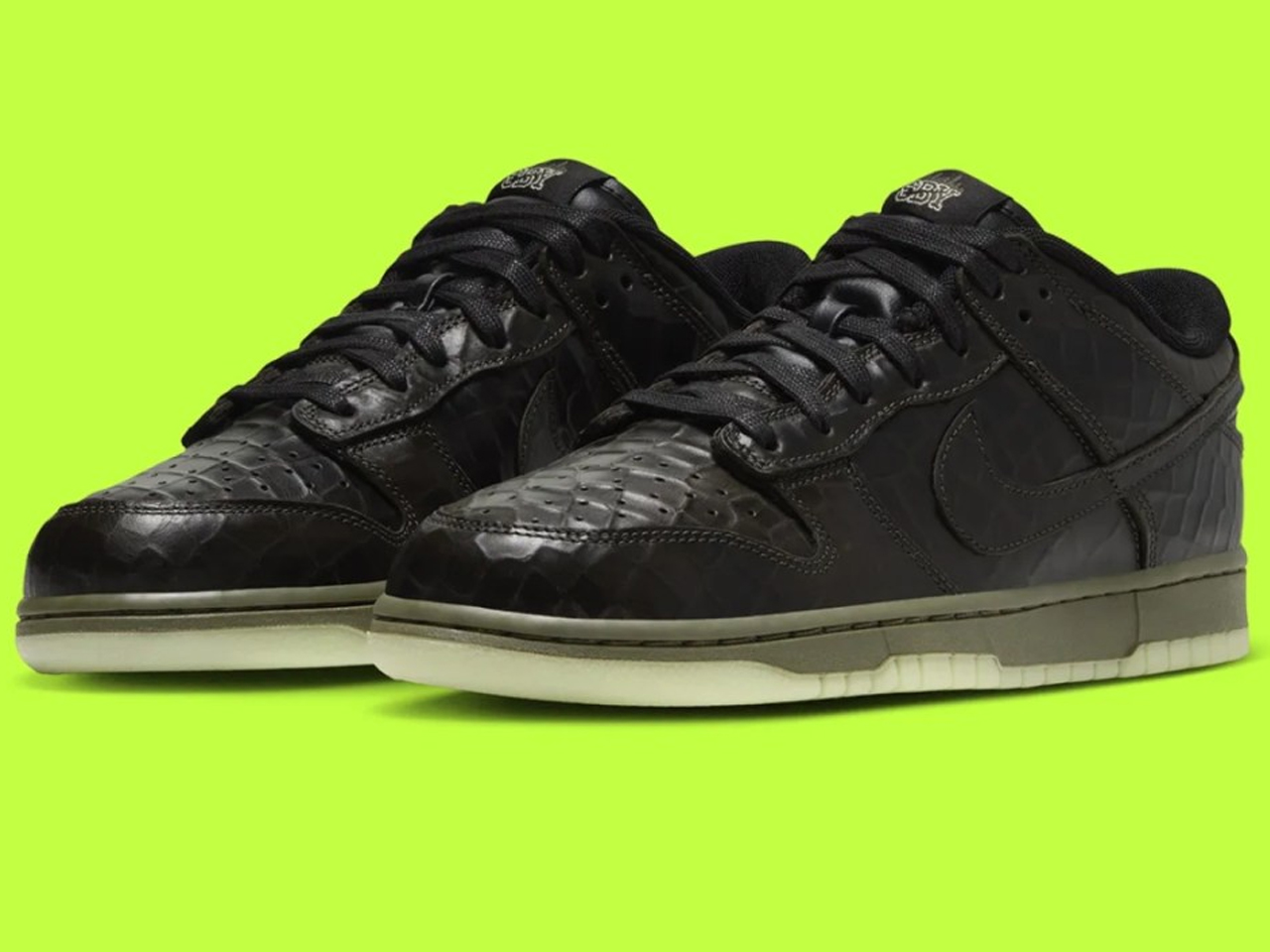
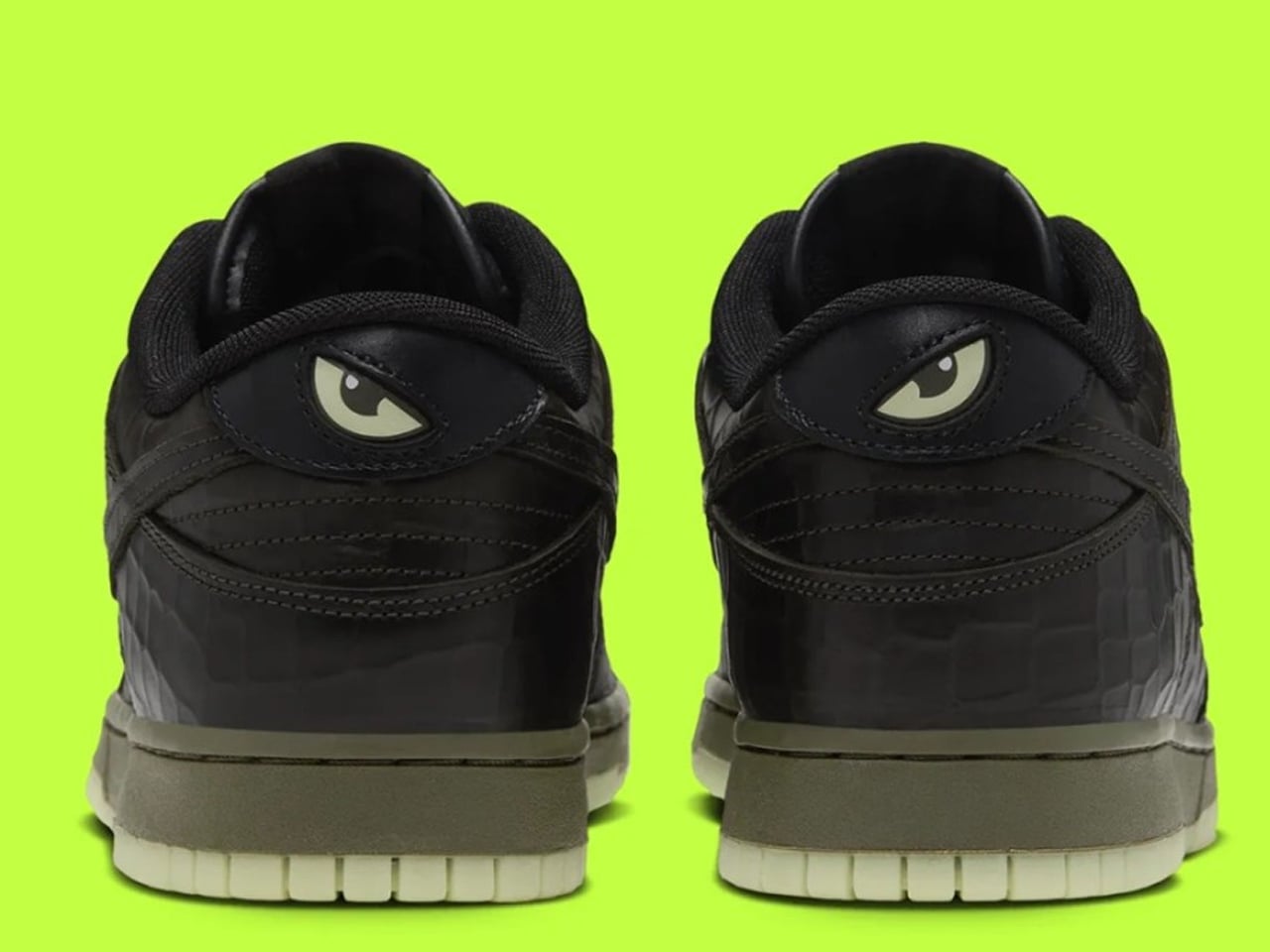
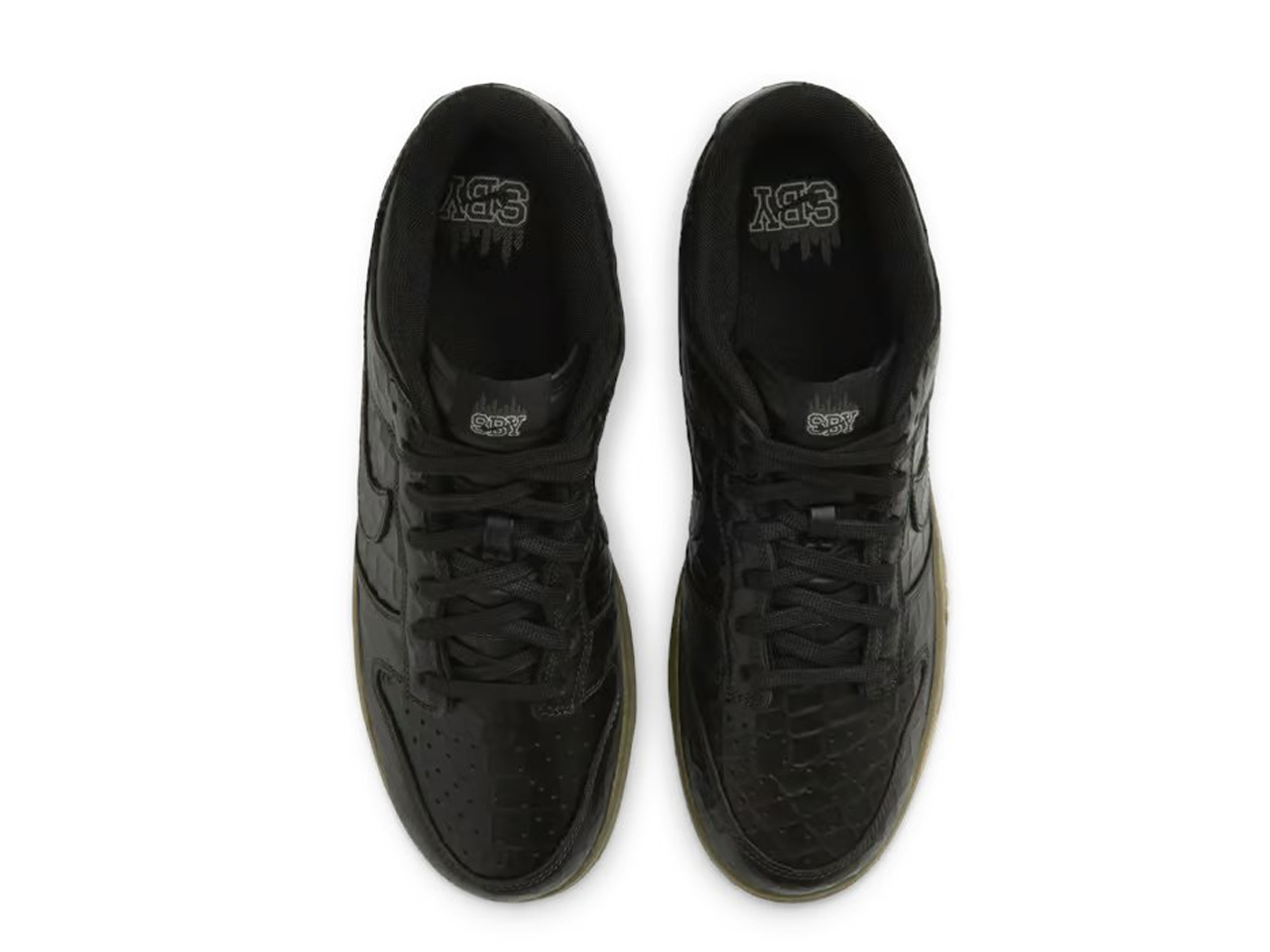
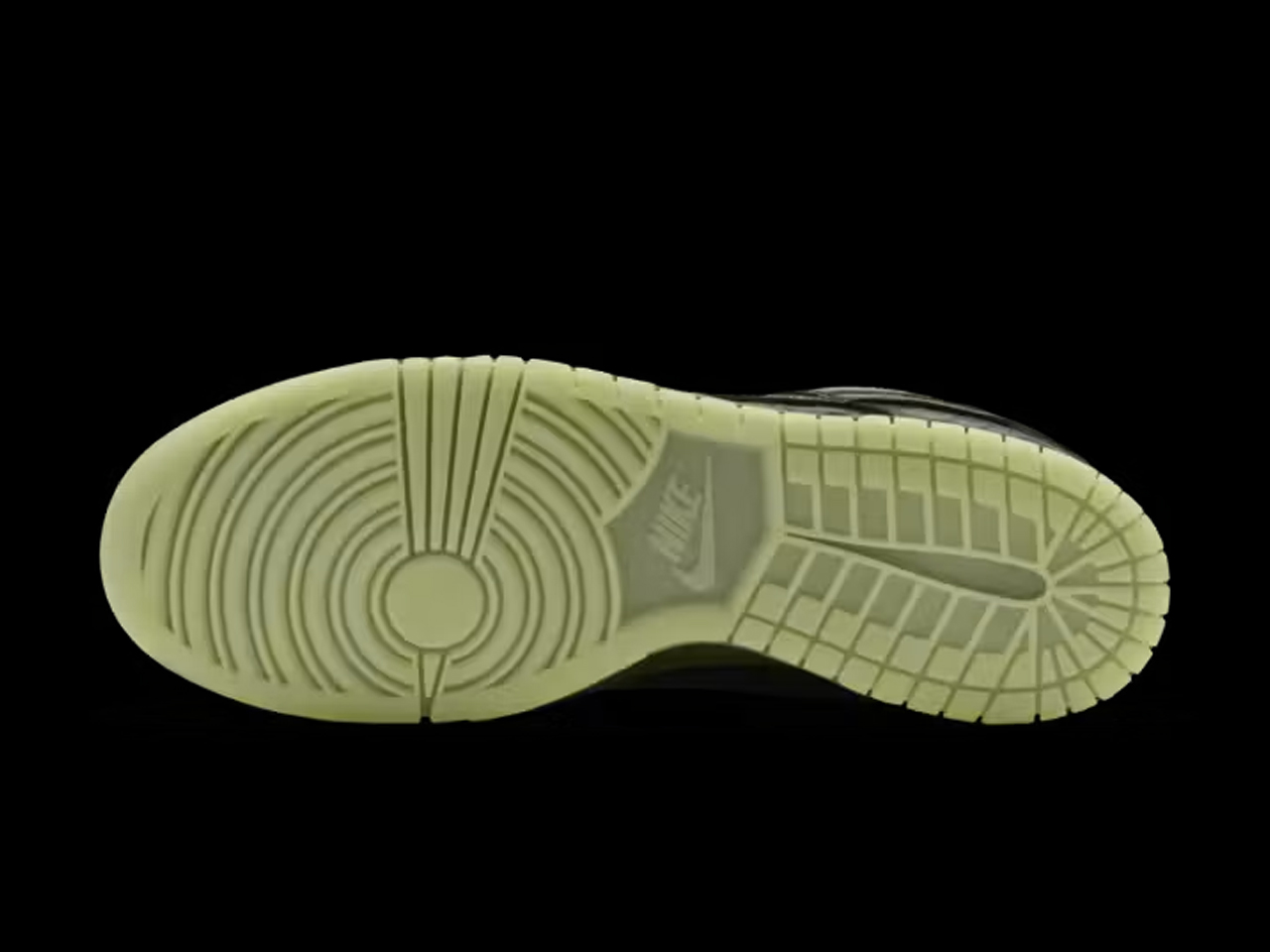
The Nike Dunk Low “Shibuya Halloween” (style code IX5169-300) pairs a black leather upper finished in a subtle scale texture, evoking something closer to snakeskin than canvas, with a two-tone green sole unit. Nike lists the colorway as Bog Green/Black-Luminous Green: a swampy, dark olive paired with a brighter green that’s been treated to glow once the lights go out. Under normal light, it reads as a moody, slightly reptilian take on a classic silhouette. Under a black light, or in a dark room on Halloween night, the outsole and the small eye-shaped details on the heel light up green.

Designer: Nike
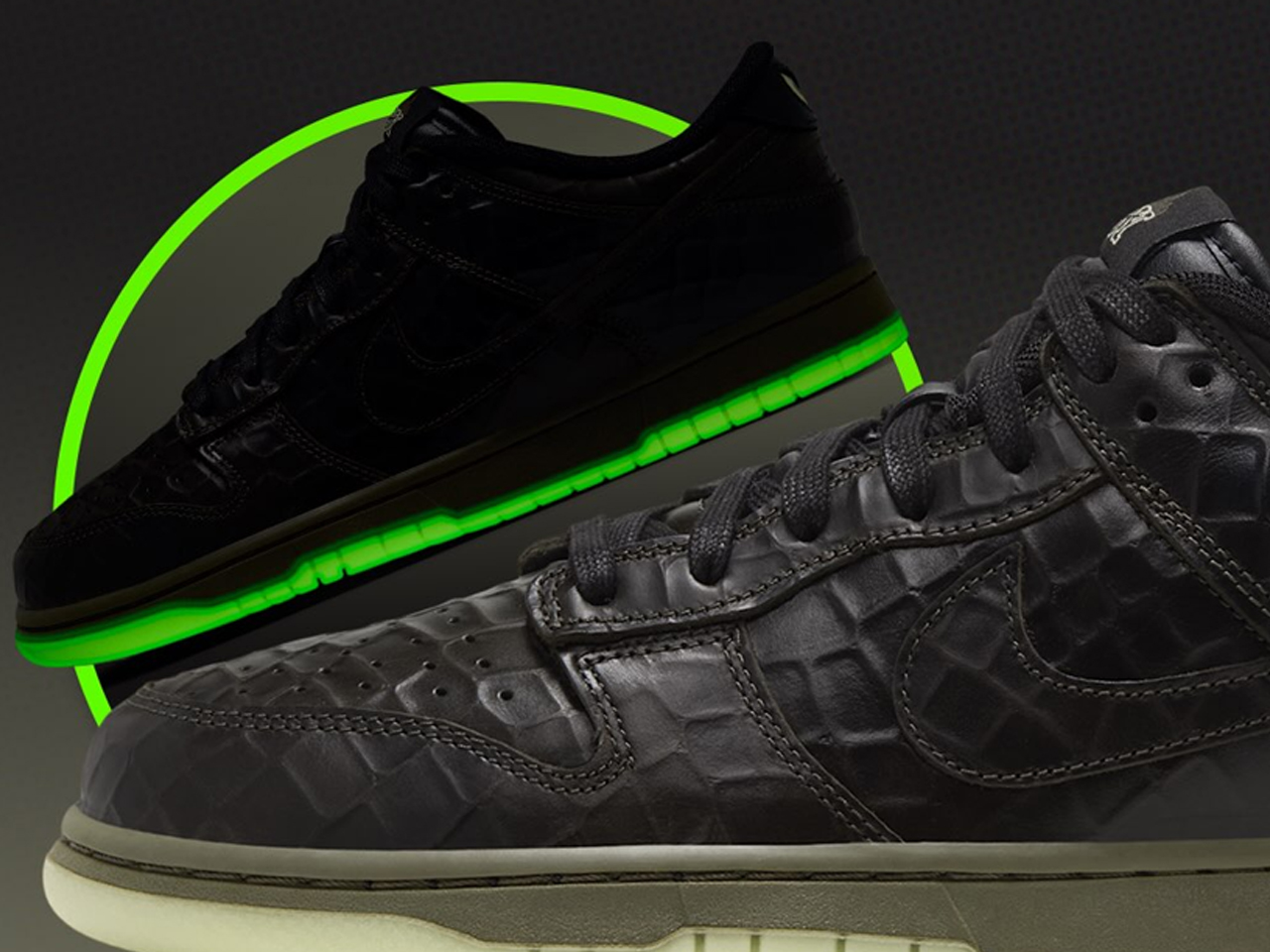
The design carries a second layer most shoppers will miss entirely: “SBY” branding stamped on the insoles and tongue, a reference to Shibuya, the Tokyo district best known for its scramble crossing and neon-lit nightlife, often compared to a Japanese answer to Times Square. Nike has used the Shibuya tie-in before, on a run of Air Force 1s back in 2019, which gives this detail some actual design history behind it rather than a random label.

Reporting on the release has been inconsistent on timing: most retailers and Nike’s own release calendar list it simply as “October 2026,” with Nike not having confirmed an exact date. What is confirmed is the price, $130, and the retail channel: SNKRS, Nike’s release app, alongside select Nike Sportswear stores.
Whether it lands in a costume box or just a closet, the shoe is built for the one night a year when a sneaker glowing in the dark isn’t strange at all. It also gives trick-or-treat duty, a Halloween party outfit, or a last-minute costume accessory an actual functional light source, which is more than most novelty Halloween gear can claim.

Are you planning on grabbing a Nike Dunk Low Shibuya Halloween? It is now available for $130 through select Nike Sportswear retailers and through the online store. Nike Dunk Low has been a design favorite for Halloween; we have seen it over the past few years now. If you’re not really a Low fan, which other Nike Sportswear model would you like to see in the Halloween colorway? Air Force 1? I’m certain that’s my favorite. Nike, hope you’re listening!
The post Nike Quietly Dropped the Glowiest Dunk Low Yet for Halloween 2026 first appeared on Yanko Design.
Dior’s Roadie Boots Turn an Overlooked Sole Into the Main Design Event

Shoes are usually designed from the top down. The leather, the laces, the silhouette, and the recognizable details tend to receive all the attention, while the sole quietly does the practical work underneath. Jonathan Anderson’s Dior Roadie lace-up boots make a convincing argument for looking down.

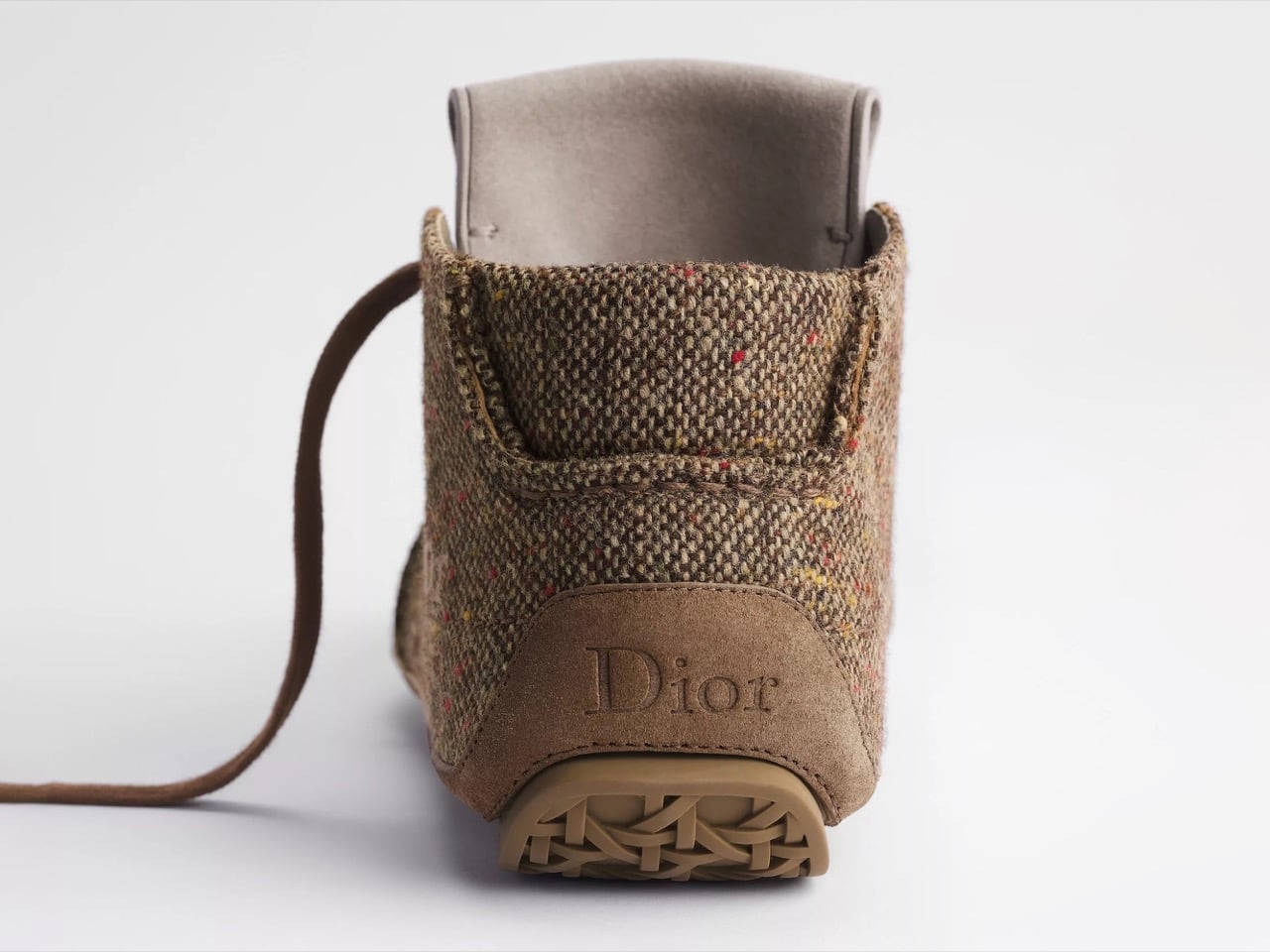
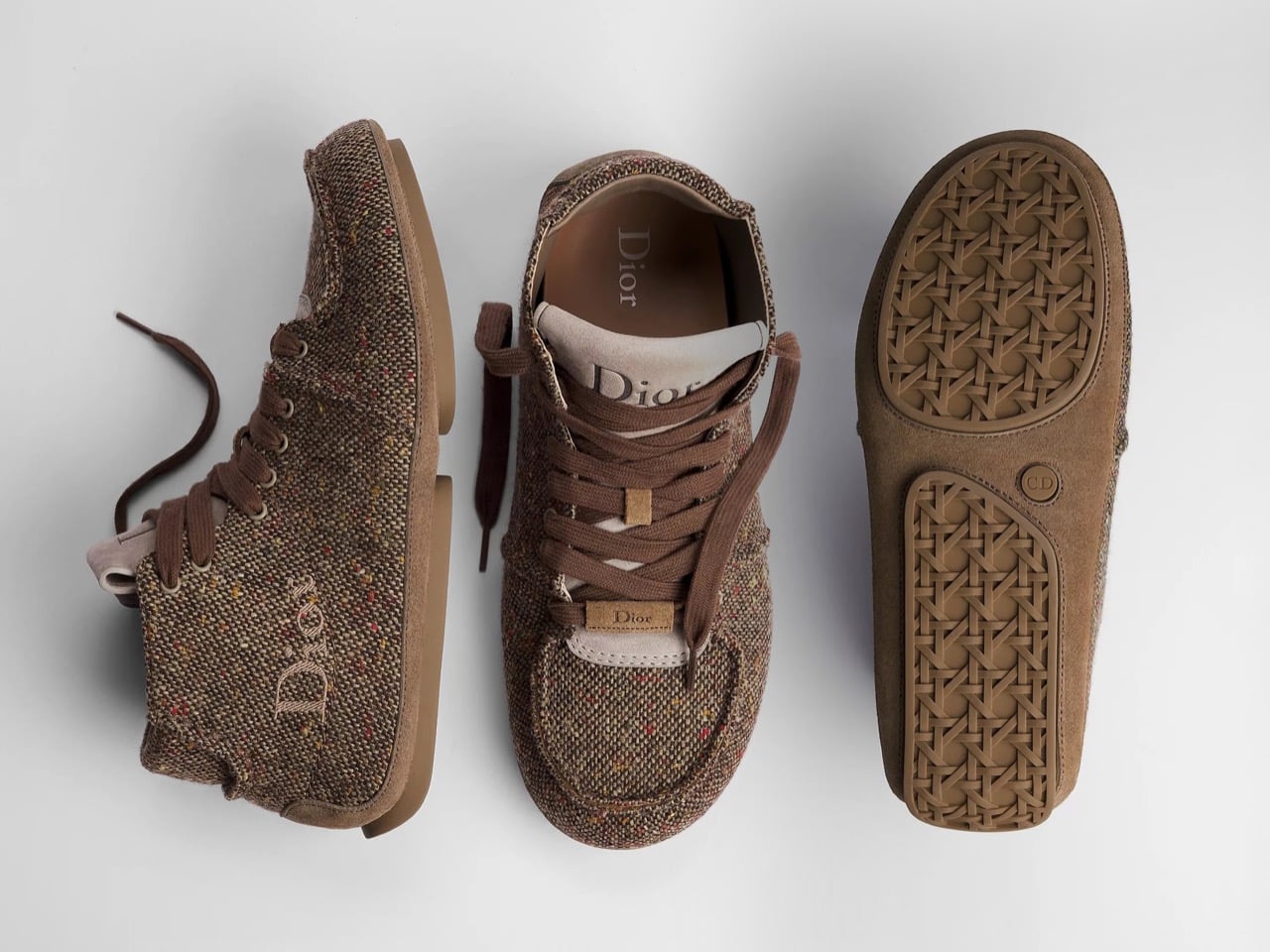
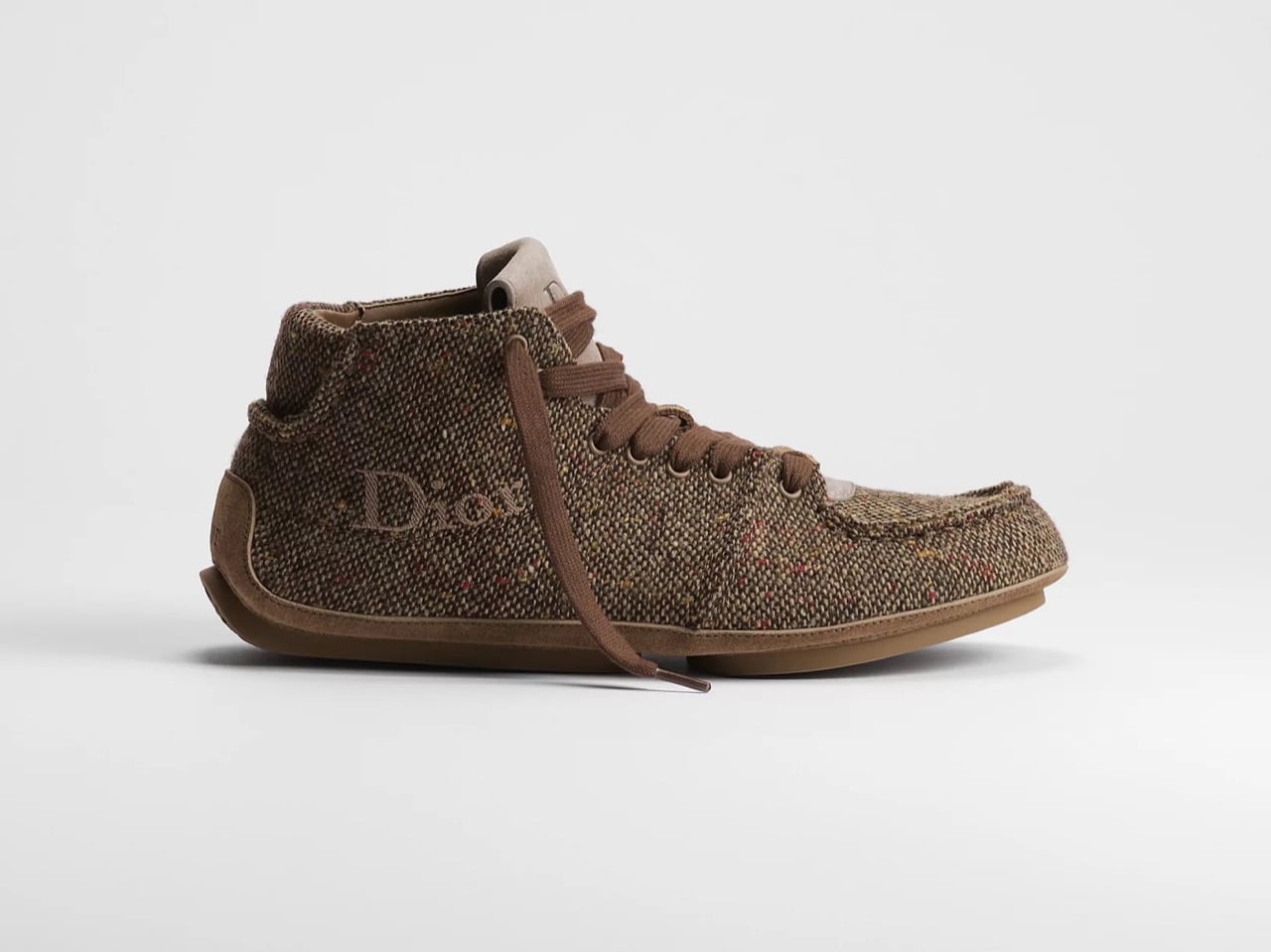
Created for the Dior Winter 2026 Menswear Collection, the Roadie takes the familiar language of the retro driving shoe and pushes it somewhere far less expected. The defining feature is its cylindrical sole, an exaggerated rubber structure that gives the shoe an almost architectural profile. It changes the proportions entirely. What could have been a rugged high-top in traditional materials suddenly feels peculiar, sculptural, and distinctly contemporary.

Designer: Dior

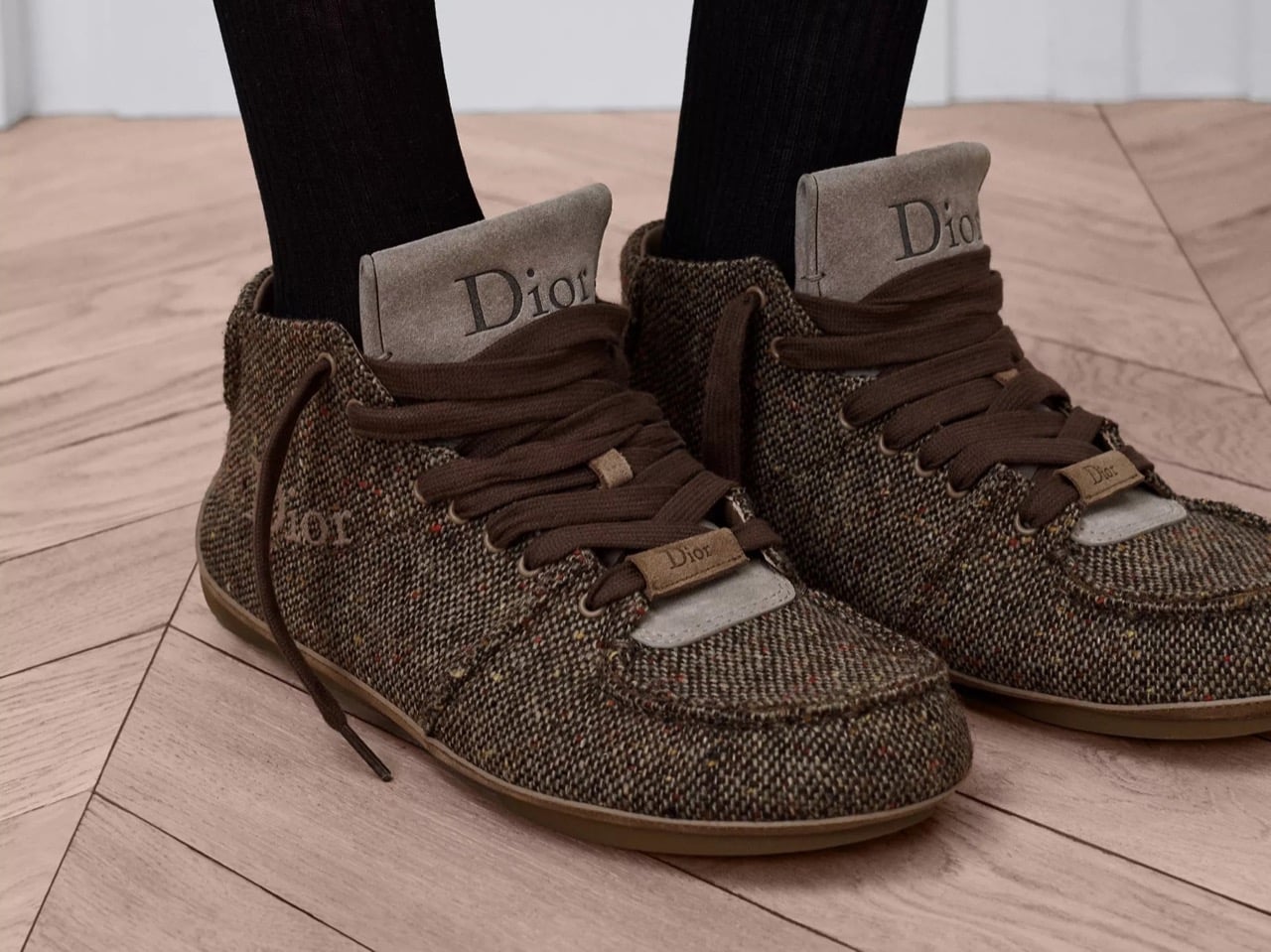
That tension is what makes the design interesting. Anderson draws from materials closely associated with his Irish heritage, including traditional Donegal tweed, here used alongside sheep wool and suede cowhide across the main body. The surface feels warm, textured, and familiar, carrying the character of something that might have existed for decades. Underneath it sits a sole that seems to belong to another design vocabulary altogether. Heritage meets experimentation without either side becoming decorative nostalgia.

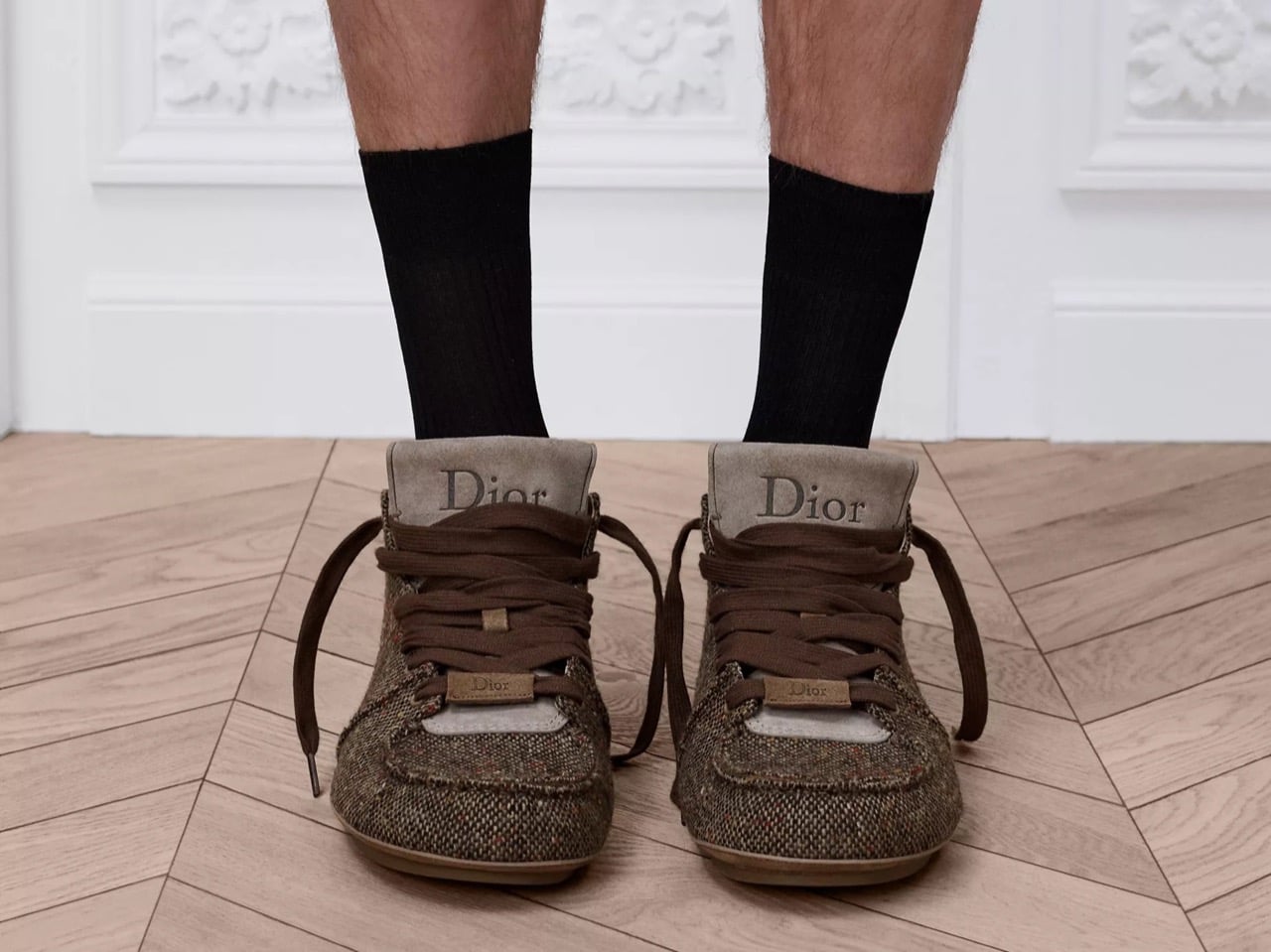
The construction remains intentionally soft. Dior describes the shoe as unreinforced, allowing it to retain flexibility and comfort despite the substantial appearance of the sole. A padded collar supports the high-top silhouette, while the lining is made from sheepskin leather. Cotton laces run through leather lace loops finished with the Dior logo, adding another small point of craftsmanship to a shoe already rich in detail.

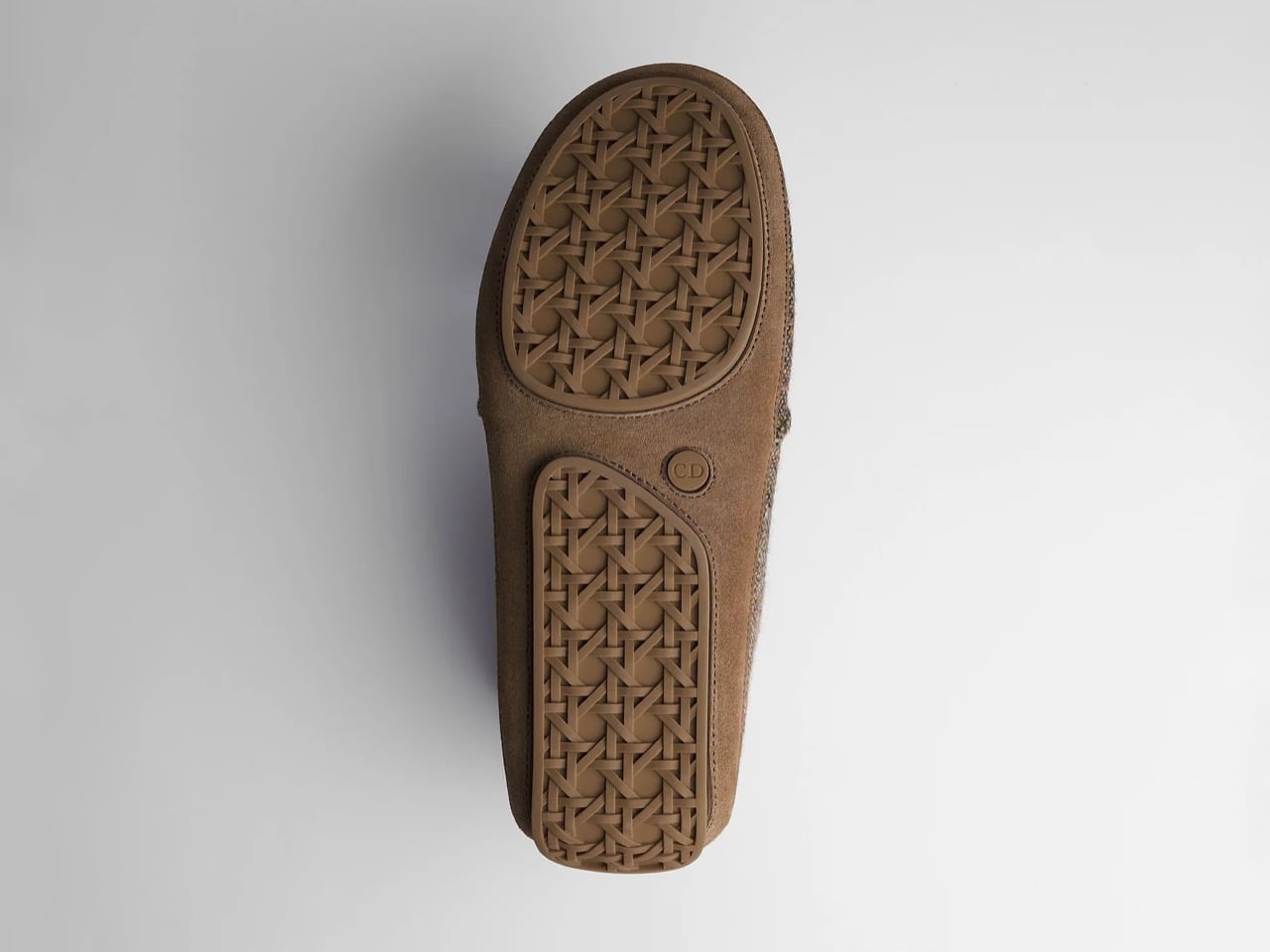
Branding is present, although it rarely interrupts the materials. Dior embroidery appears along the sides, while embossed logos are worked into the tongue and heel. The approach feels more integrated than applied. Even the sole continues the conversation. Its two-piece rubber construction features an engraved Cannage pattern with an inset CD logo, transforming a component that is usually treated as purely functional into one of the shoe’s most considered surfaces.

There is something especially satisfying about giving this much attention to the bottom of a shoe. The sole is the part that actually meets the world. It absorbs the pavement, gathers evidence of where you have been and, quite literally, leaves a print behind. Here, Dior turns that overlooked surface into a design signature. The woven effect and Cannage engraving mean that even the impression underneath carries an identity. It is a clever reminder that good design does not have to stop where visibility does.

The cylindrical construction also gives the Roadie an unusual stance. From the side, the shoe feels almost inflated around the ground, with the outsole extending the visual weight of the upper rather than simply supporting it. There is humor in the proportion, but it is controlled. The result is avant-garde without becoming theatrical for its own sake.

This balance between eccentricity and familiarity feels particularly suited to Anderson’s approach at Dior. Donegal-inspired texture keeps the shoe grounded in craft and personal history, while the unusual sole pulls it firmly into the present. The Roadie does not discard the traditional codes of luxury footwear. It rearranges their hierarchy, asking the material, construction, and sole to share equal responsibility for the personality of the object.

Made in Italy, the boots come with a dust bag and an additional pair of shoelaces. Dior notes that minor variations in color, sizing, material composition or appearance may occur because of technical limitations, product improvements or differences between production batches, with the physical product taking precedence over online imagery.

The Dior Roadie ultimately feels like a shoe designed for someone who notices the parts of an object that most people ignore. The Donegal textures may attract the first glance, and the unusual proportions may hold it, but the most memorable idea sits underneath. In a category where soles are so often treated as an afterthought, Dior has made one worth turning the shoe over for.

The post Dior’s Roadie Boots Turn an Overlooked Sole Into the Main Design Event first appeared on Yanko Design.

Nike Unveils 3D printed Air Max 1000 that reimagines Air Max 1 in red laceless silhouette

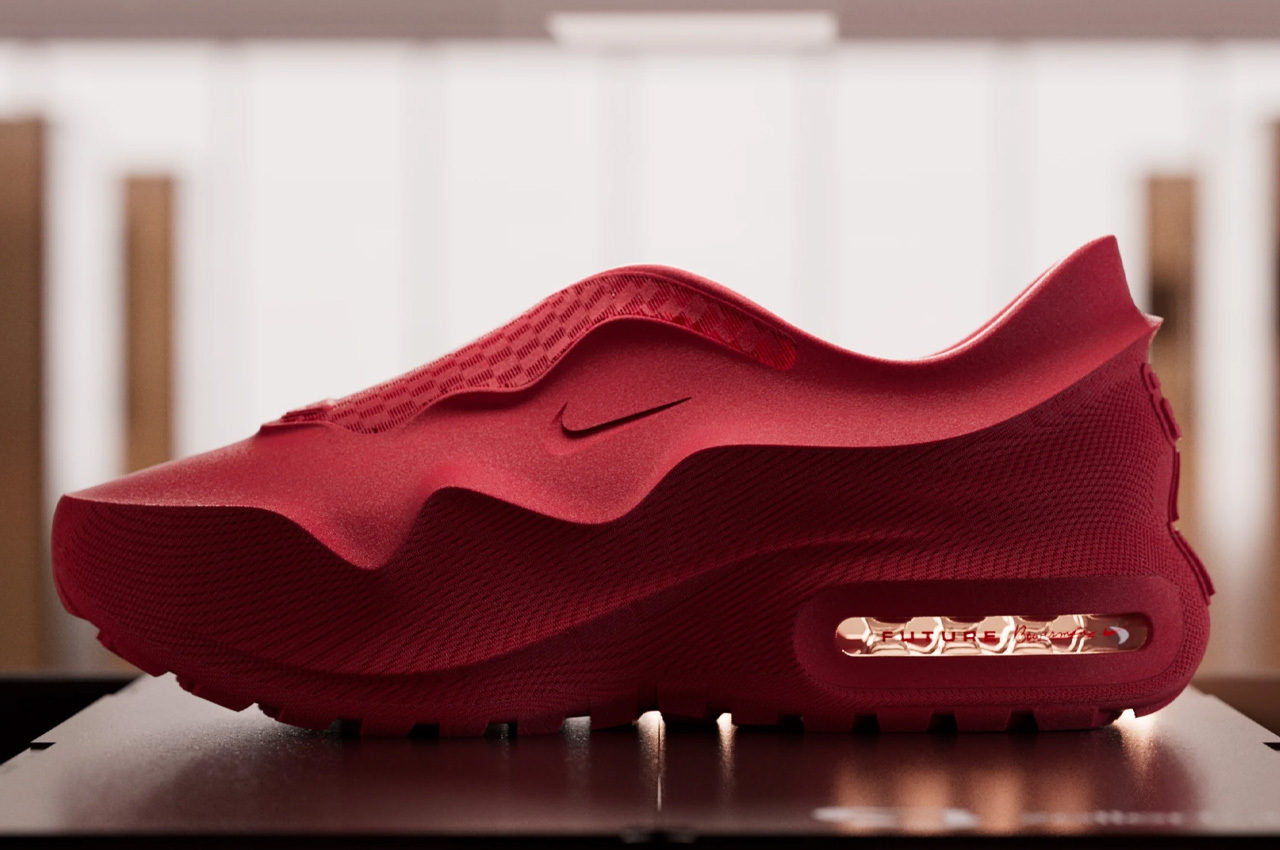
Nike seems to be on a roll, innovating beyond the obvious territories. After its collaborative Monopoly Game Set with Hasbro, the Swoosh brand is now teaming up with German shoe company, Zellerfeld, to give its original Air Max a 3D printed makeover in a vibrant red laceless design.

Nike Air Max 1 originally designed by Tinker Hatfield has always had a special place in our hearts for the incredible future-forward design. Easily the greatest sneaker, the Air Max is now a revolution, which has come a long way since its inception with continuous air technology innovations with every new release. This time it’s not the sole or regular manufacturing, in fact, it’s the entire thought of the shoe that will rock the show at ComplexCon 2024.

Designer: Nike

Zellerfeld founded in 2015, is a shoe company that specializes in 3D-printing thoughtful designs. Nike collaborated with the German outfit to delve into Air Max legacy and bring out a 3D-printed re-imagination that would launch at the ComlexCon on November 16 and 17, 2024. The groundbreaking rendition of the iconic Air Max 1, the Nike Air Max 1000, showcases the evolution of air technology along with new manufacturing techniques.

This combination of Air and 3D printing creates an engaging underfoot experience that according to the design team produces “the same comfort and responsiveness” of the original silhouette. At the foundation of this new creation of course is Nike’s obsession with cushioning besides that Air band and the mudguard wave make apparent nuances that tag the 3D printed version to the original.

The wavy lines forming the mudguard and the air unit in the heel do not make the Air Max 1000 much different, but the sneaker’s laceless design truly propels it into a new fan category – delightfully pleasing in a bright red colorway. The blend of smooth and textured print in the upper half of the AM 1000, goes well with the single Swoosh banding and the carved outsole. There is no word on the price, but I believe, the sneaker is worth whatever it comes for!


The post Nike Unveils 3D printed Air Max 1000 that reimagines Air Max 1 in red laceless silhouette first appeared on Yanko Design.

Nike self-lacing sneakers are losing their app and their biggest value

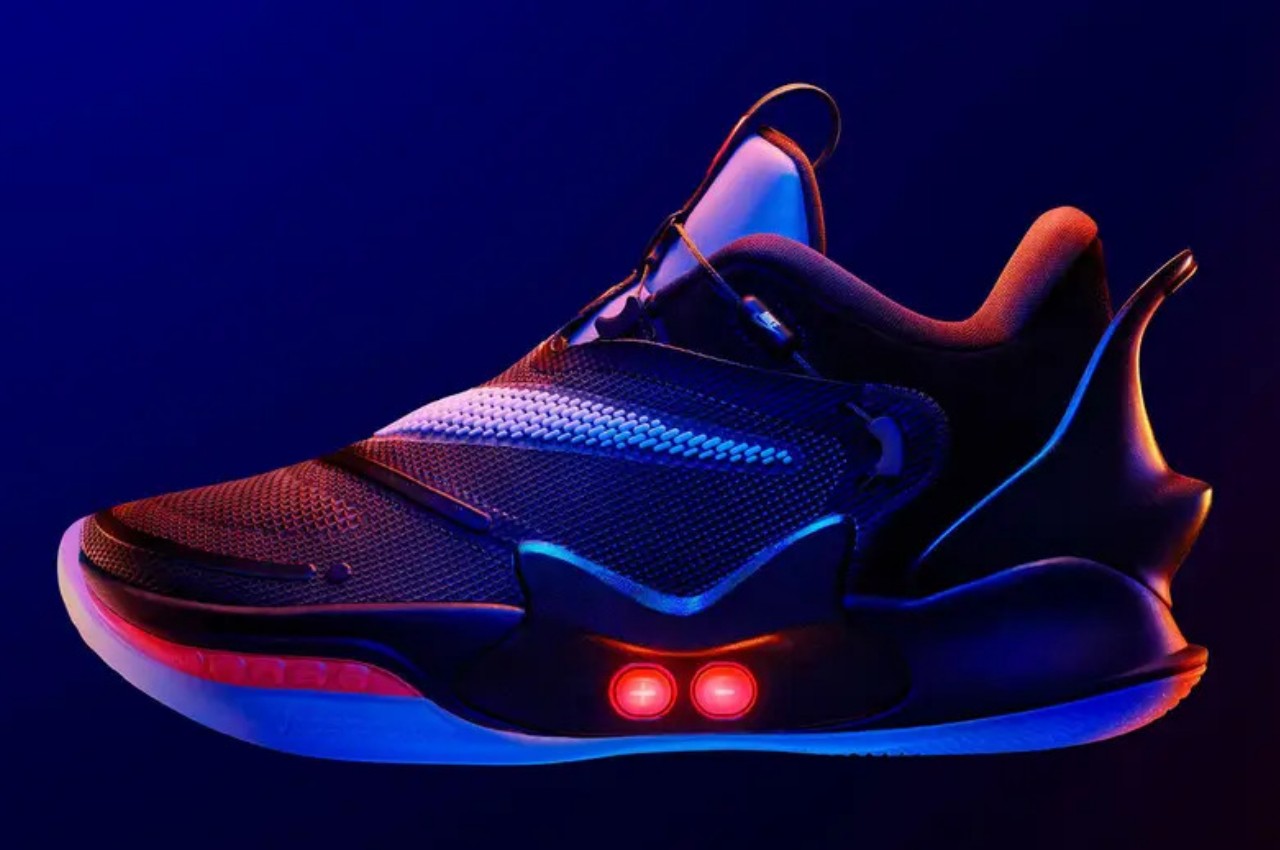
Ever since Marty McFly first showed off the idea of self-tying shoelaces in Back to the Future, the footwear industry has been trying to figure out how to turn that fantasy into a reality. As the brand that actually made the movie prop, Nike has been at the forefront of that endeavor and has, in fact, already launched a few pairs of “self-lacing” sneakers years ago. It may have been a hit back then because of its novelty, but the shoe company no longer found any reason to make new ones or to continue supporting the ones that already exist. In fact, it just announced not only the discontinuation of this unique Adapt BB line but also of its app, which will leave some owners rethinking their purchase.

Designer: Nike

“Self-lacing sneakers” are not as magical as they might sound, simply utilizing magnets and electronics to tighten or loosen the shoes. For the Adapt BB line that launched in 2019, you could do this, along with other functions, by pressing buttons on the side of the shoes or, more conveniently, using a smartphone app. That app also provided settings you can’t very well make on the shoes themselves, particularly changing the colors of the buttons’ lights or saving three preset tightness settings.

Nike, however, has discontinued its self-lacing sneakers, and on August 6th, it will also be dropping its mobile apps. Owners of Adapt BBs don’t have to panic, at least not yet, because they can still install the app until that date, and the app will stay installed on their phones even when it disappears from Google Play Store and the Apple App Store. That does mean, however, that you can no longer install or even transfer the app after that day, so if you lose your phone or change devices, you’ll be out of luck.

Fortunately, the shoes themselves will continue working even without the app, but it will mostly be a manual affair without some conveniences. You will not be able to change light colors anymore, for example, and there will only be one preset remembered. You can, however, still tighten or loosen the shoe by pressing the buttons, which require you to bend over like any ordinary shoe. It might still seem a bit advanced, but no longer as mind-blowing as the original.

The announcement, however, does bring a few concerns and questions to mind. For one, the Adapt BB will lose one of its biggest appeal: its accessibility for people who might have difficulty lacing and unlacing sneakers. It also paints a somewhat dubious future for smart wearables like these. While people are used to changing phones almost every two years and for manufacturers to drop support sooner rather than later, most of us keep our wardrobe and footwear until they’re no longer usable, and manufacturer support is rare if not unheard of.

The post Nike self-lacing sneakers are losing their app and their biggest value first appeared on Yanko Design.

Cooler Master’s new PC Cases look like something out of a Mecha Paradise

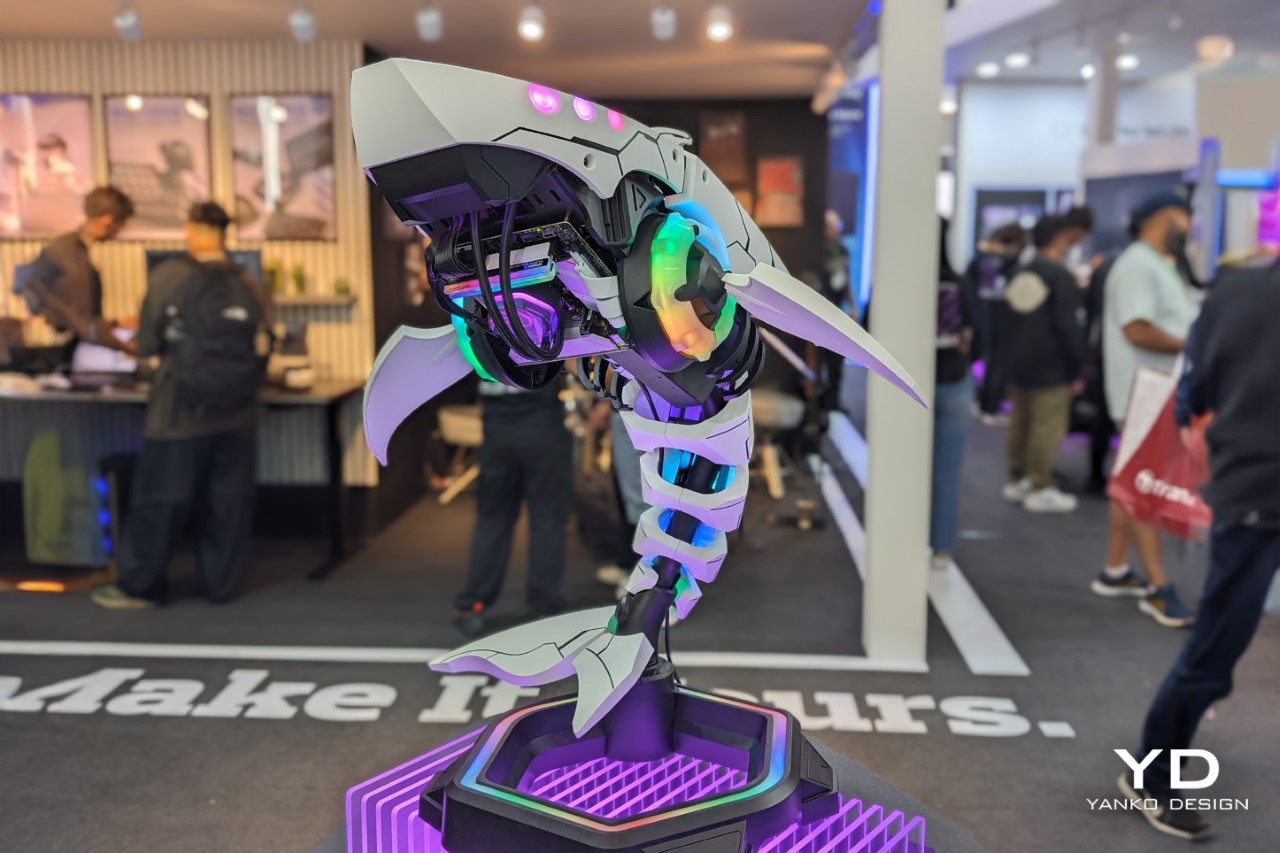
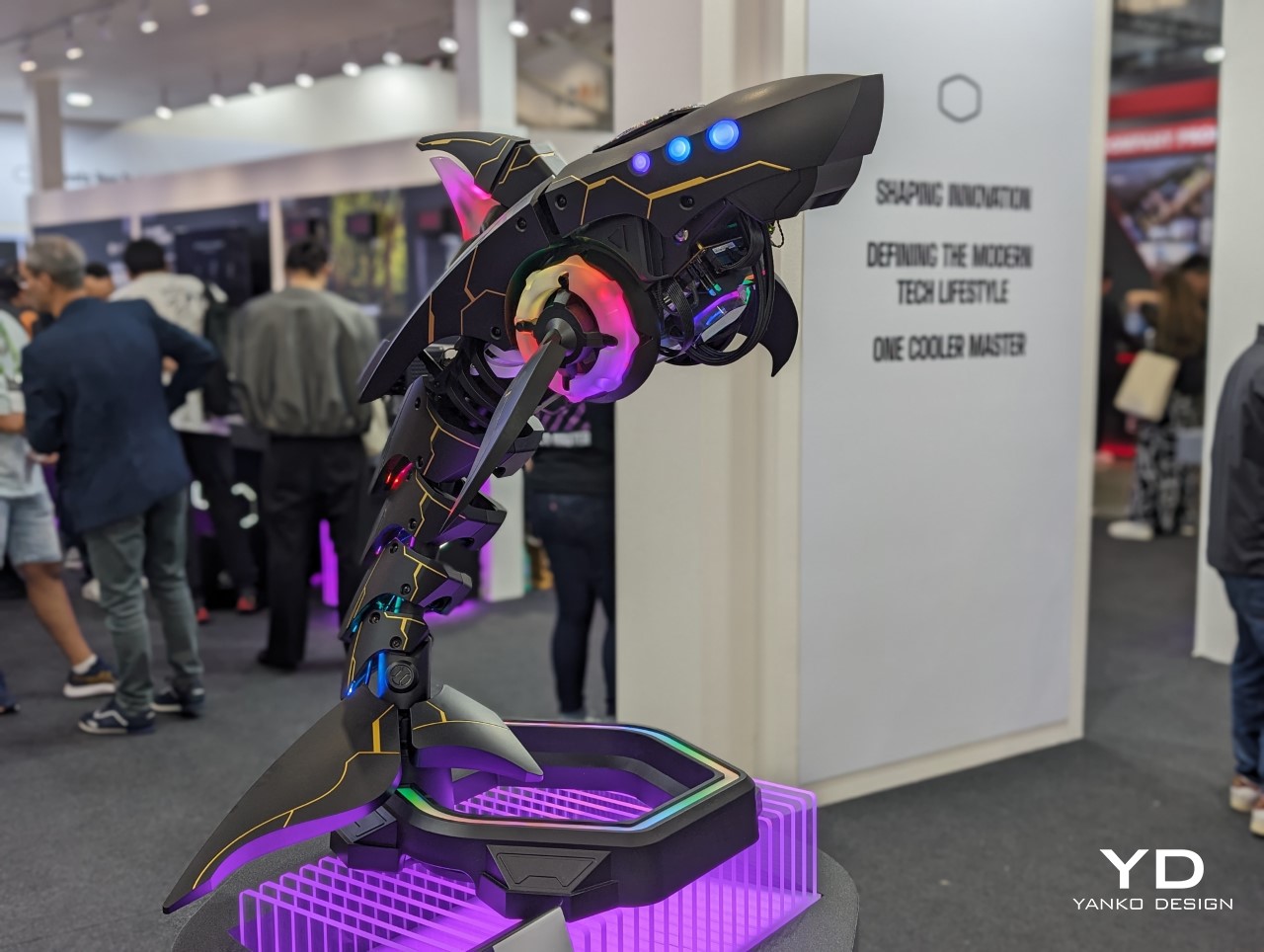
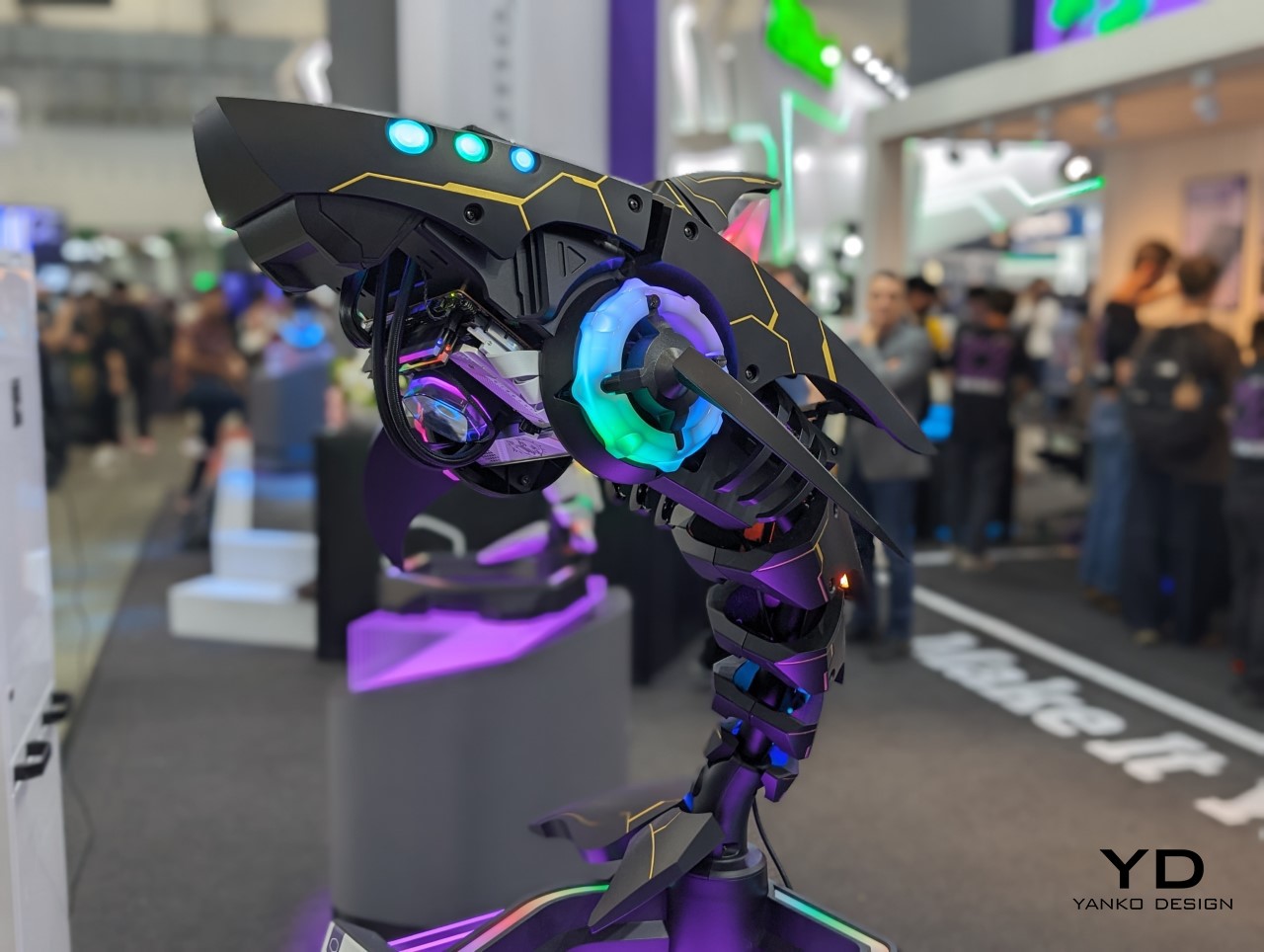
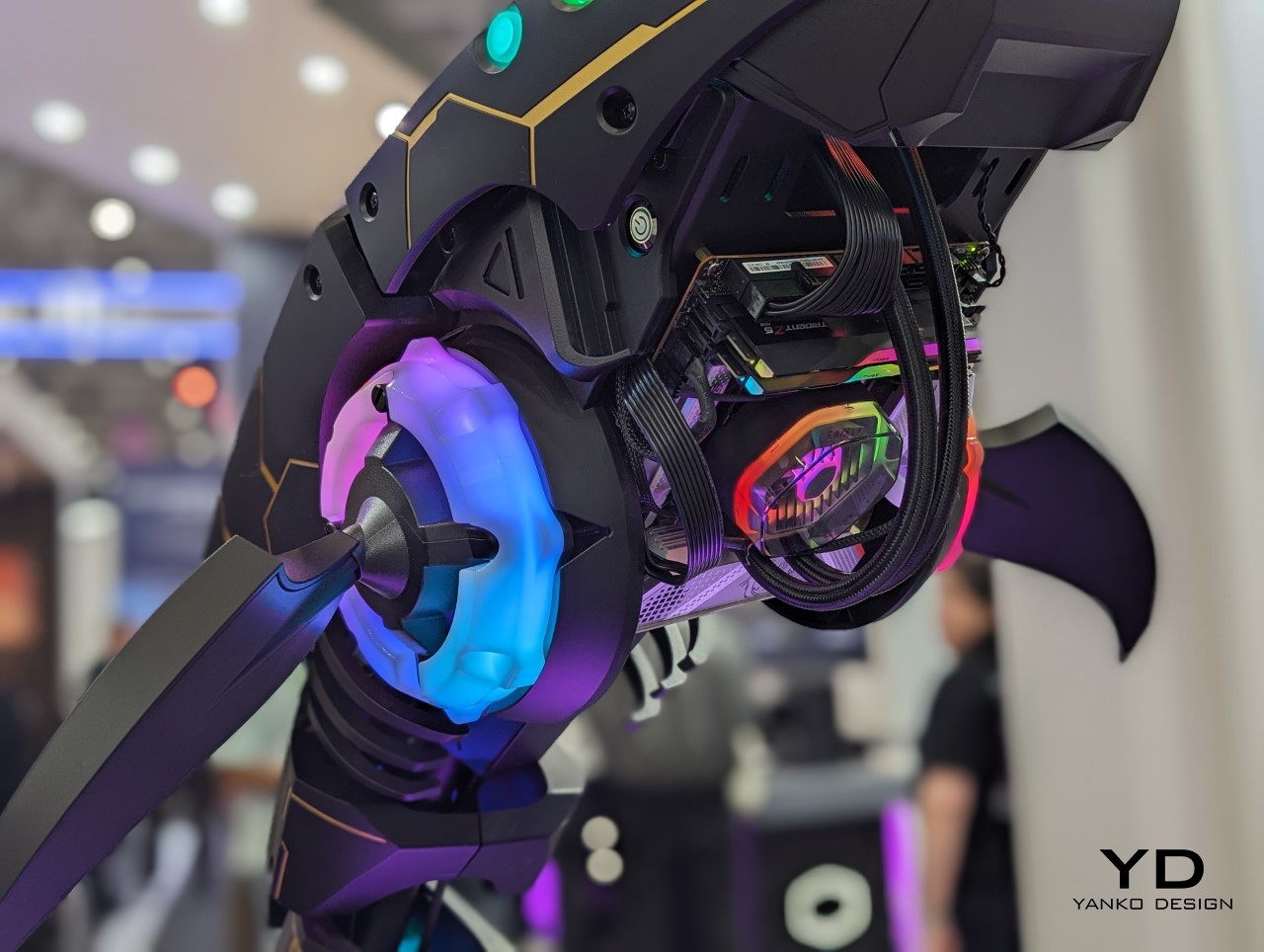
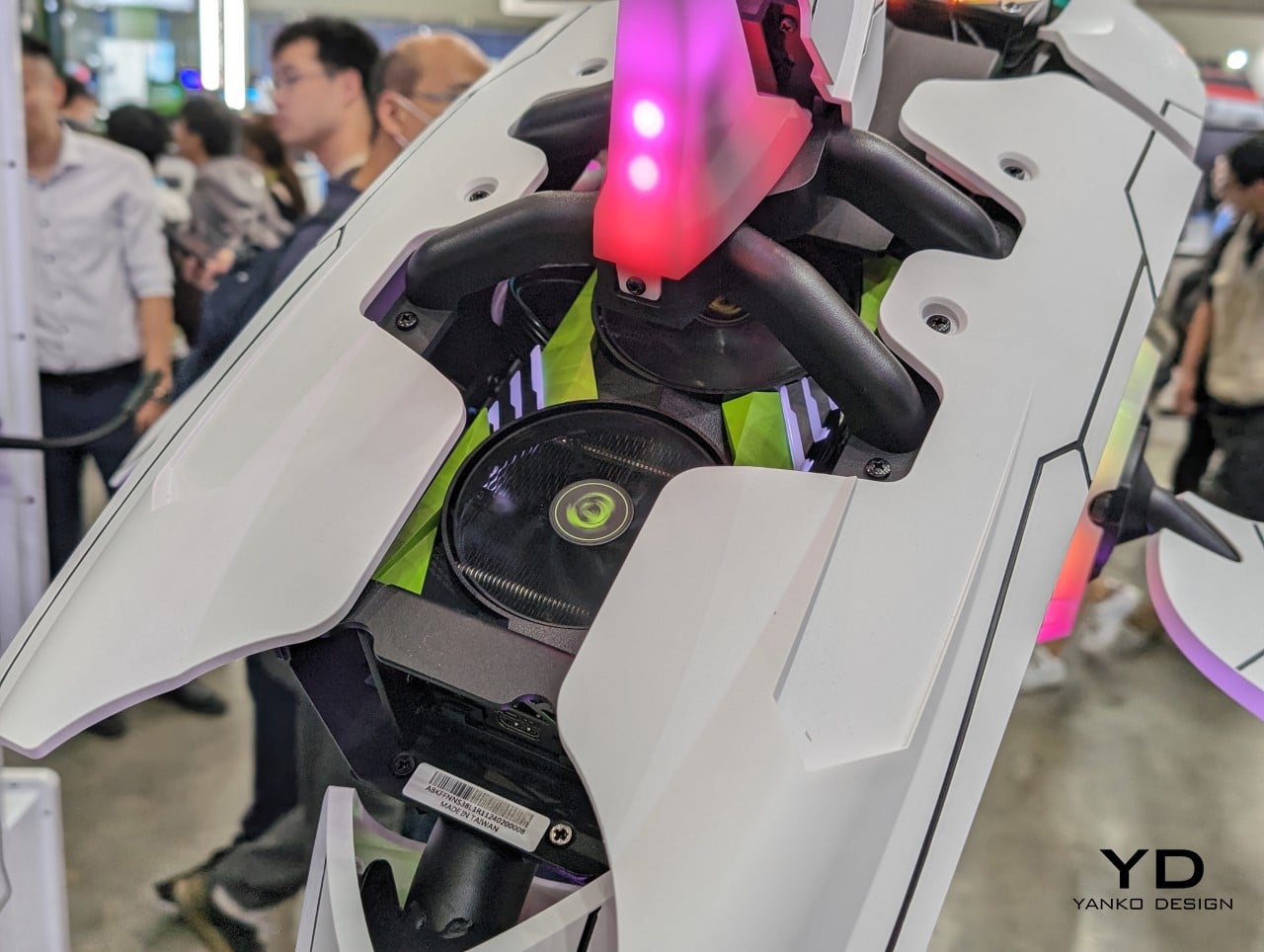
No that isn’t the latest prop or collectible from the obscure film franchise Mega Shark vs. Mecha Shark. It is, in fact, a high-end PC from the folks at Cooler Master. With a mission of wanting to build some of the world’s literally and slangily coolest PCs ever, Cooler Master’s latest showcases at Computex 2024 has us wondering if anything can be a PC (no, sometimes things are also cakes). The company brought out the Shark X and their sneaker-shaped PC designs, which should be available later this year. Standing at anywhere up to 3 feet tall, these PCs aren’t for making spreadsheets, they’re the sportscars of the PC world, designed to dominate both visually as well as in performance. Oh, and they cost upwards of $7000 as per sources, so maybe we’re better off relegated to more budget-friendly PCs, even though they may look boring.

Designer: Cooler Master

The Shark X is advertised as a “fully upgradeable” gaming PC. While the final specifications might change slightly, the current iteration boasts a powerful core: an Intel Core i9-14900KF processor and an MSI Gaming GeForce RTX 4070 Ti graphics card. That’s paired with 32GB of DDR5-5600 memory and a 1TB M.2 PCIe 4.0 SSD for speedy storage. Cooling is handled by a Cooler Master MasterLiquid 120 ATMOS liquid cooler, ensuring the system stays frosty during intense gaming sessions. The power supply is a Cooler Master SFX 850W Gold PSU, providing ample wattage for the hardware.

The price tag? Brace yourself – the Shark X is expected to cost upwards of $7,000. Let’s be honest, at that price point, raw performance upgrades become secondary. The Shark X is for those who prioritize an unforgettable conversation starter and a unique centerpiece for their battle station.

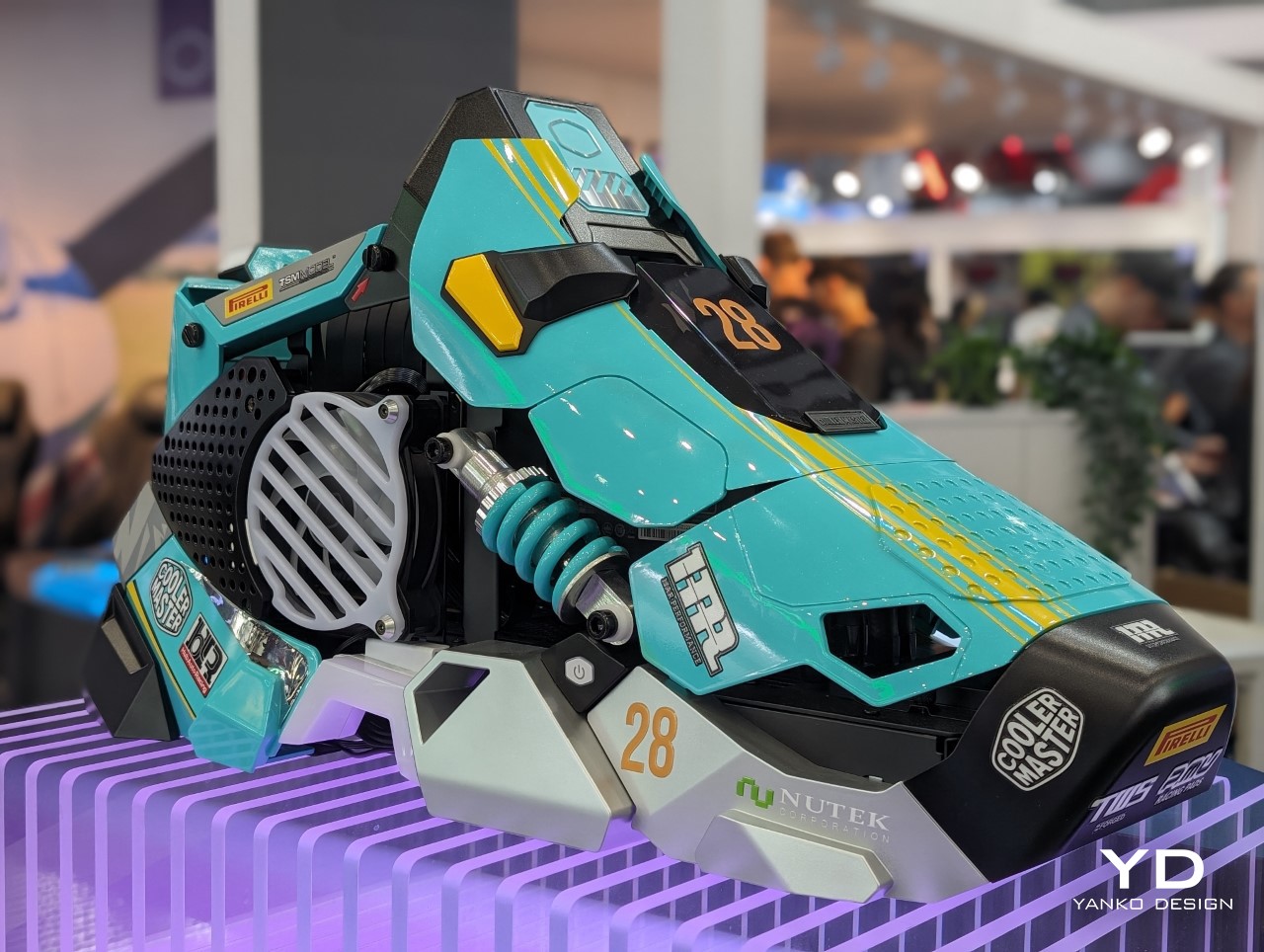
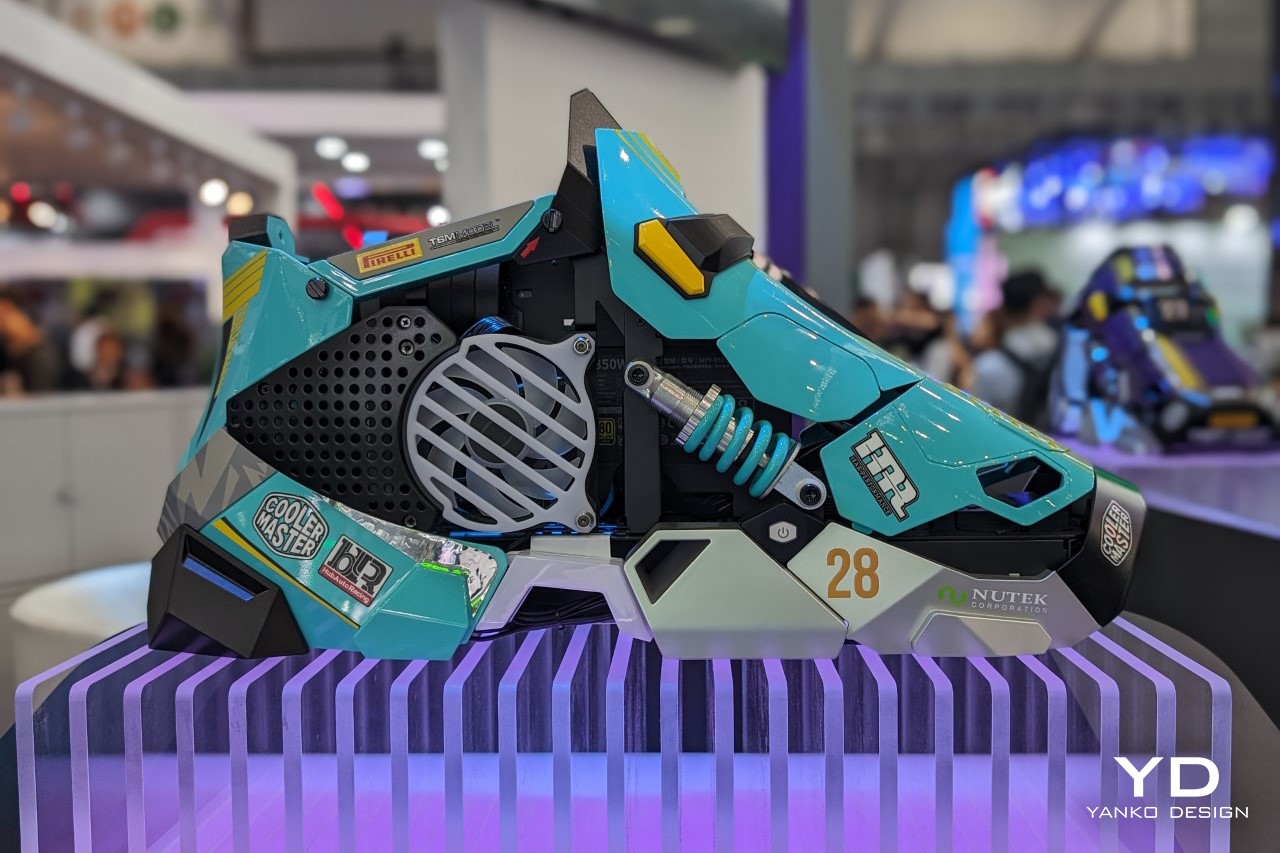
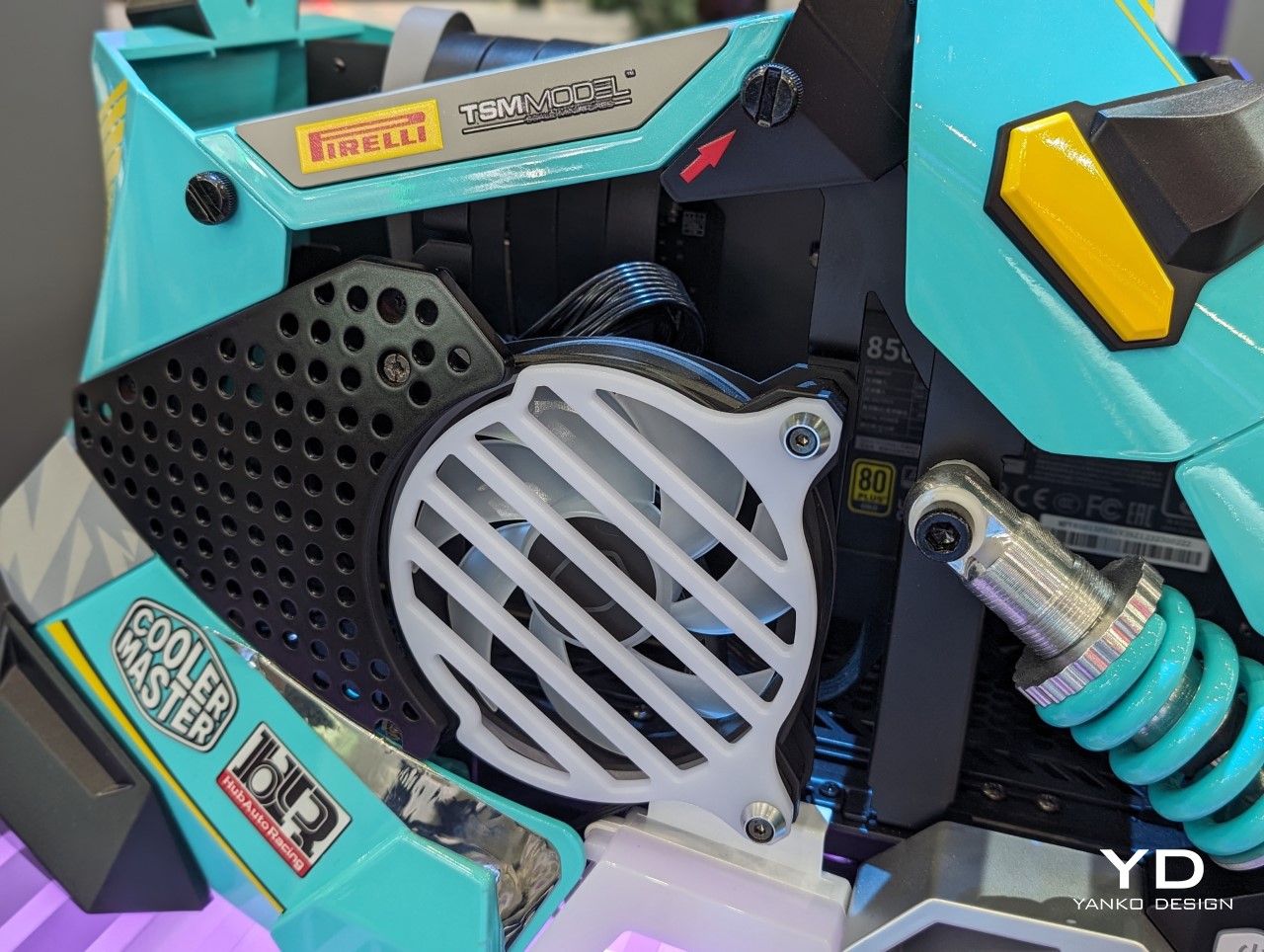
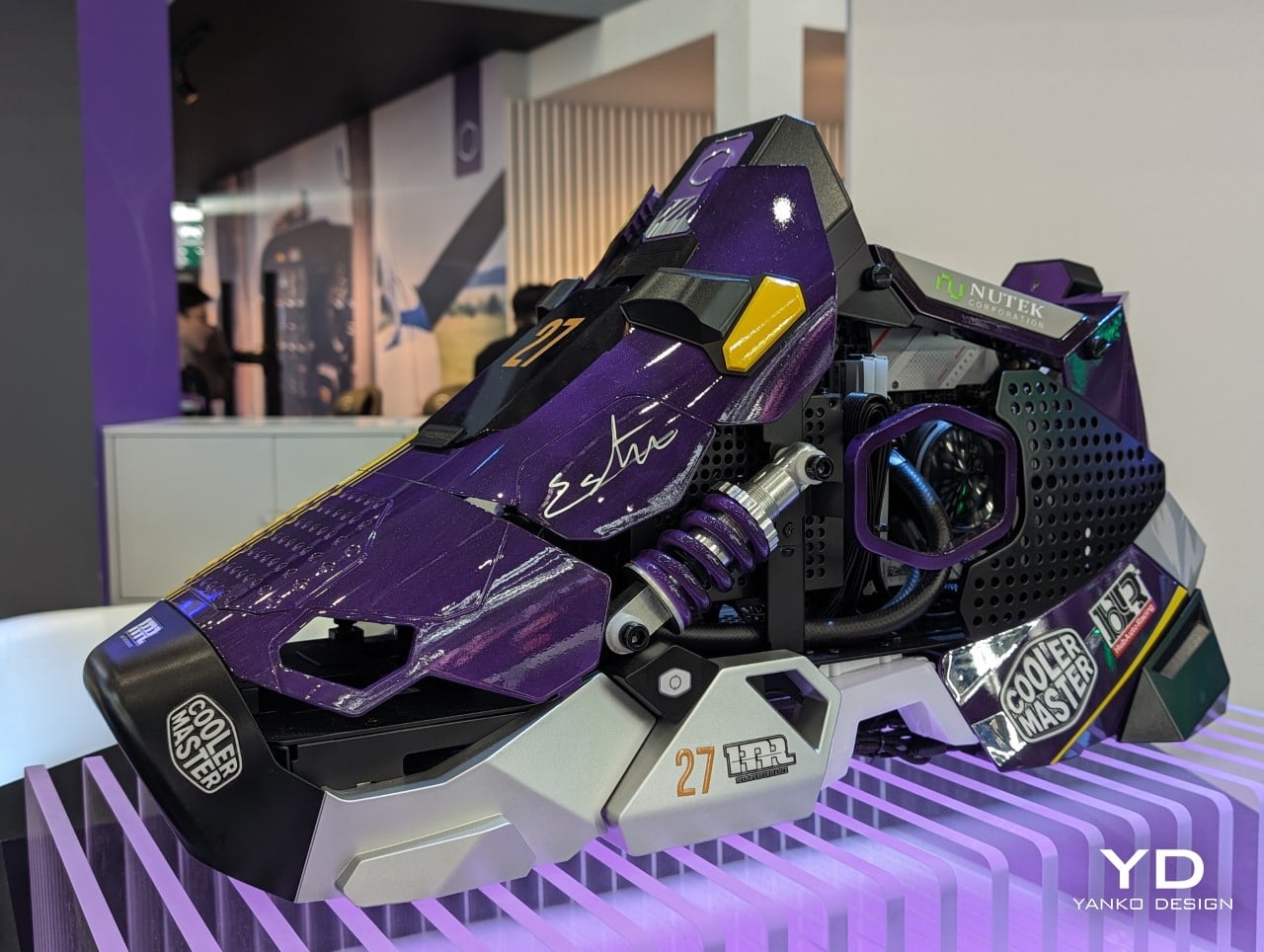
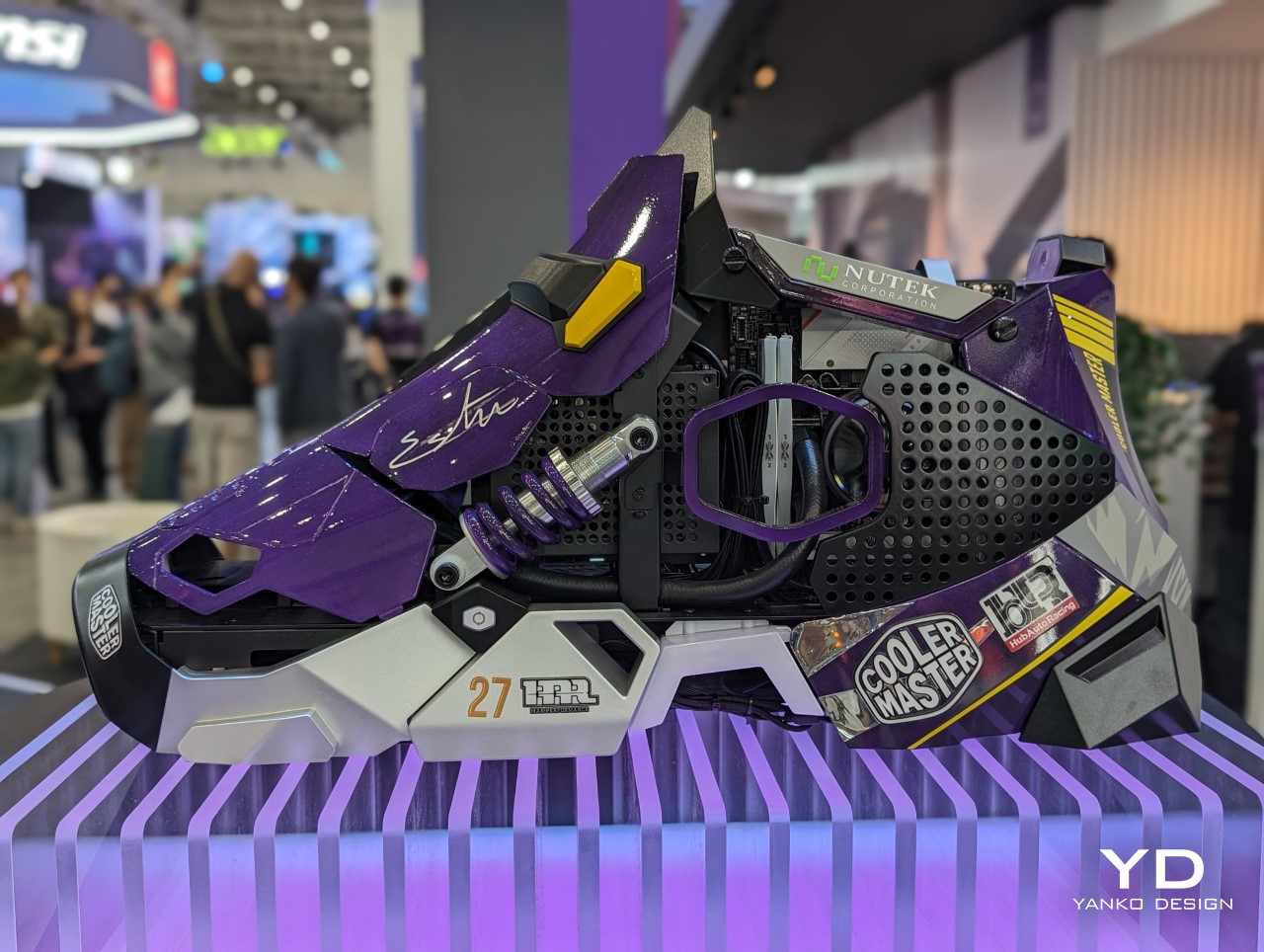
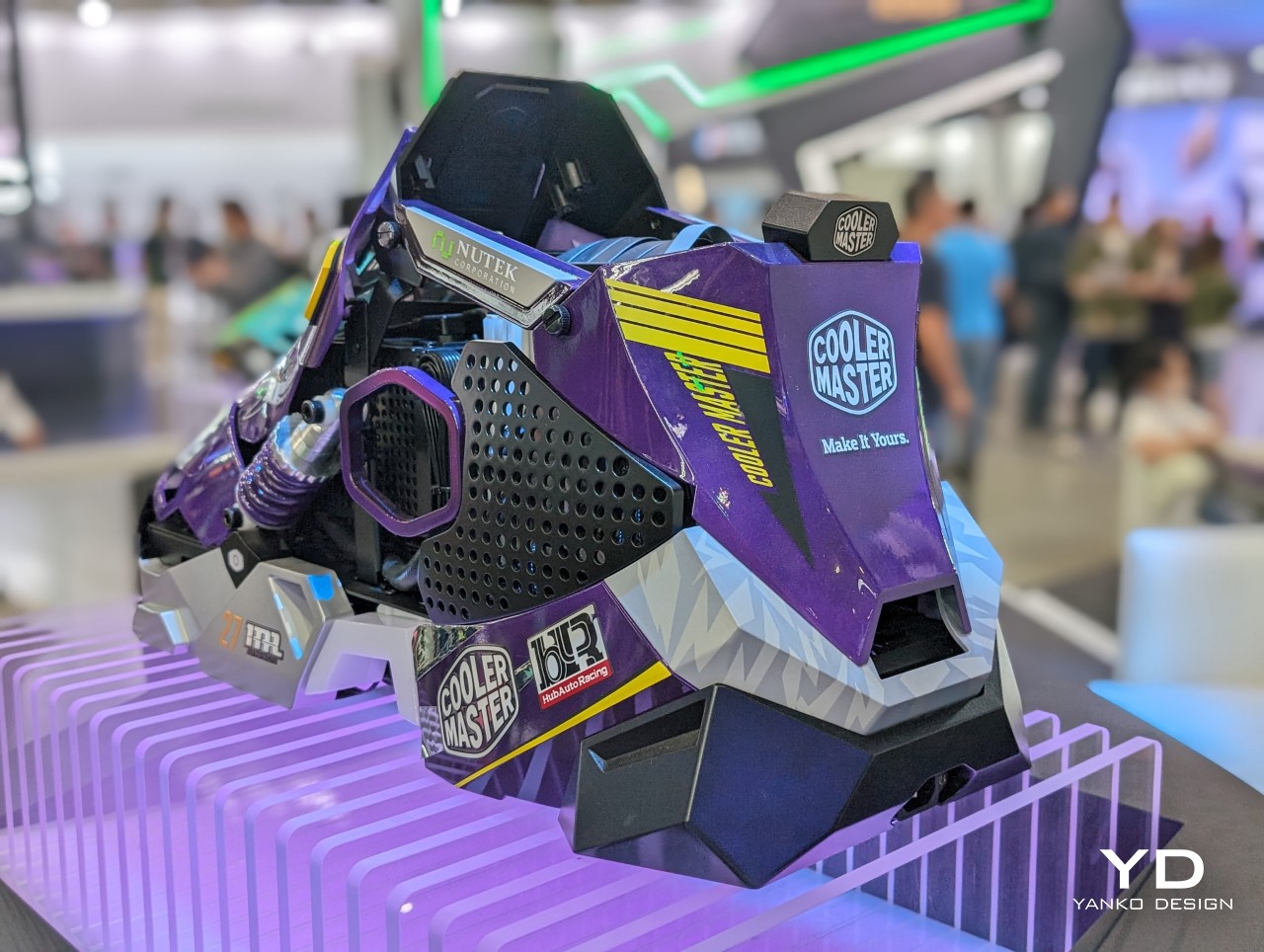
The Shark X was also accompanied by the Sneaker X, a more footwear-enthusiast-focused PC that comes with unique panels, stickers, and even a suspension spring giving the PC an over-the-top futuristic look. Both the Shark X and Sneaker X made appearances at CES in 2023, although it seems like Cooler Master’s refining them to a point of an eventual sale.

Cooler Master debuted the Sneaker X in a red variant last year, but this year sees the addition of newer colors. Word on the CPU is vague (the pamphlet says “latest high-end CPU”), but the PC also packs ITX motherboards, and supports Nvidia GeForce RTX 4090 GPUs. Cooling comes courtesy the Cooler Master PL360 FLUX 360mm AIO liquid CPU cooler. The Sneaker X also has a much more manageable price tag that starts at $3,500 as compared to the Shark X which is double the price. I can understand the appeal, though. A dynamic mecha shark leaping in mid-air does have more eye-catching appeal than a sneaker with suspension springs and a fan. You can’t deny that they’re both pretty gorgeous though…

The post Cooler Master’s new PC Cases look like something out of a Mecha Paradise first appeared on Yanko Design.

Nike is pushing the ‘Air’ to make a difference in the athletes’ stride at the Paris Olympics and beyond

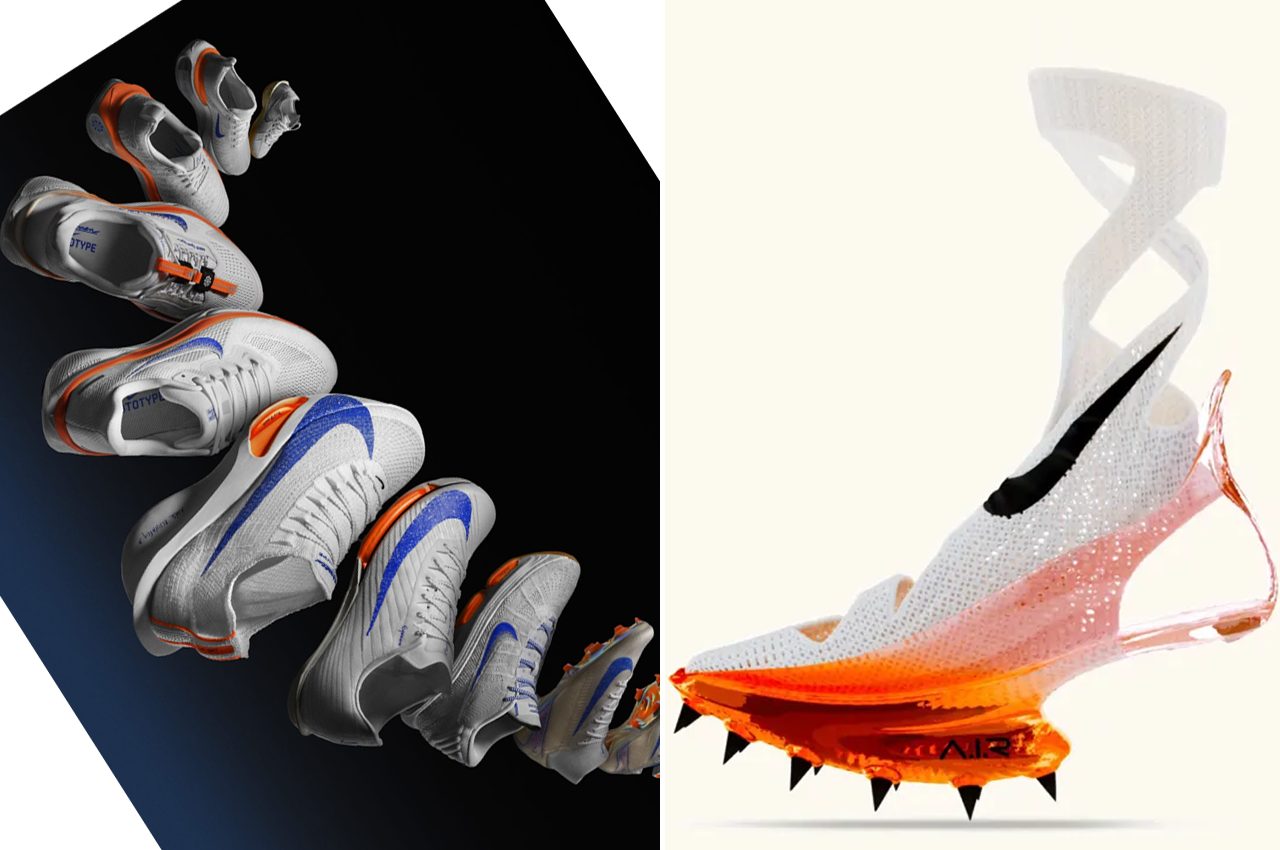
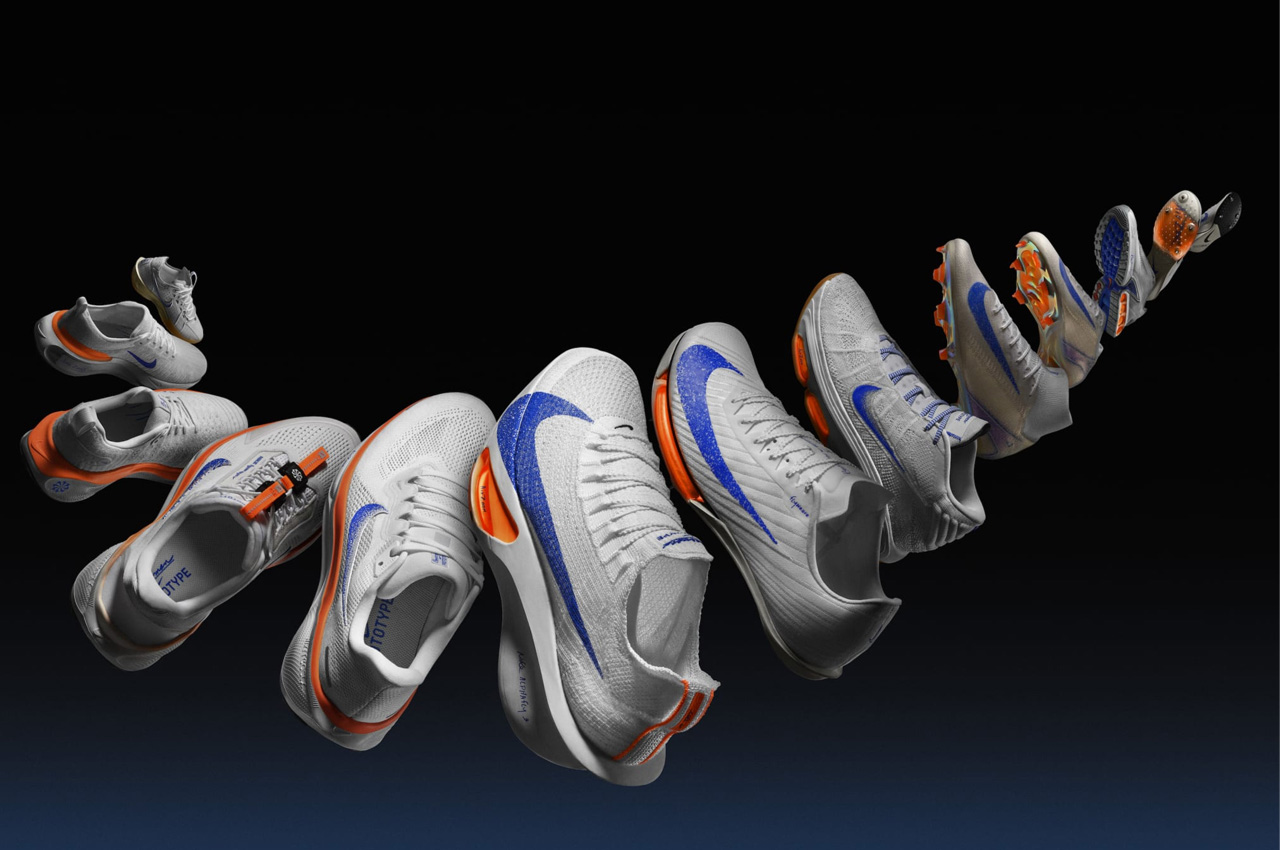
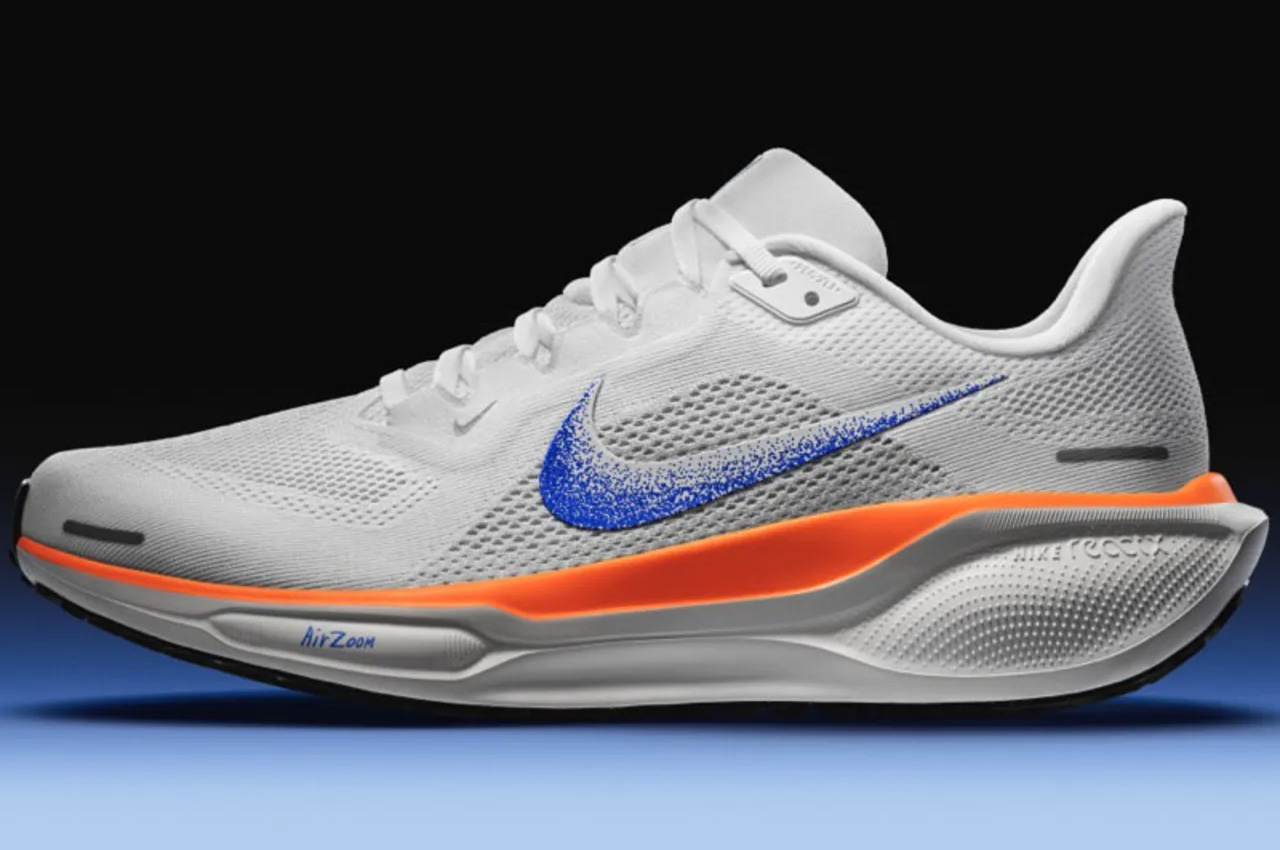
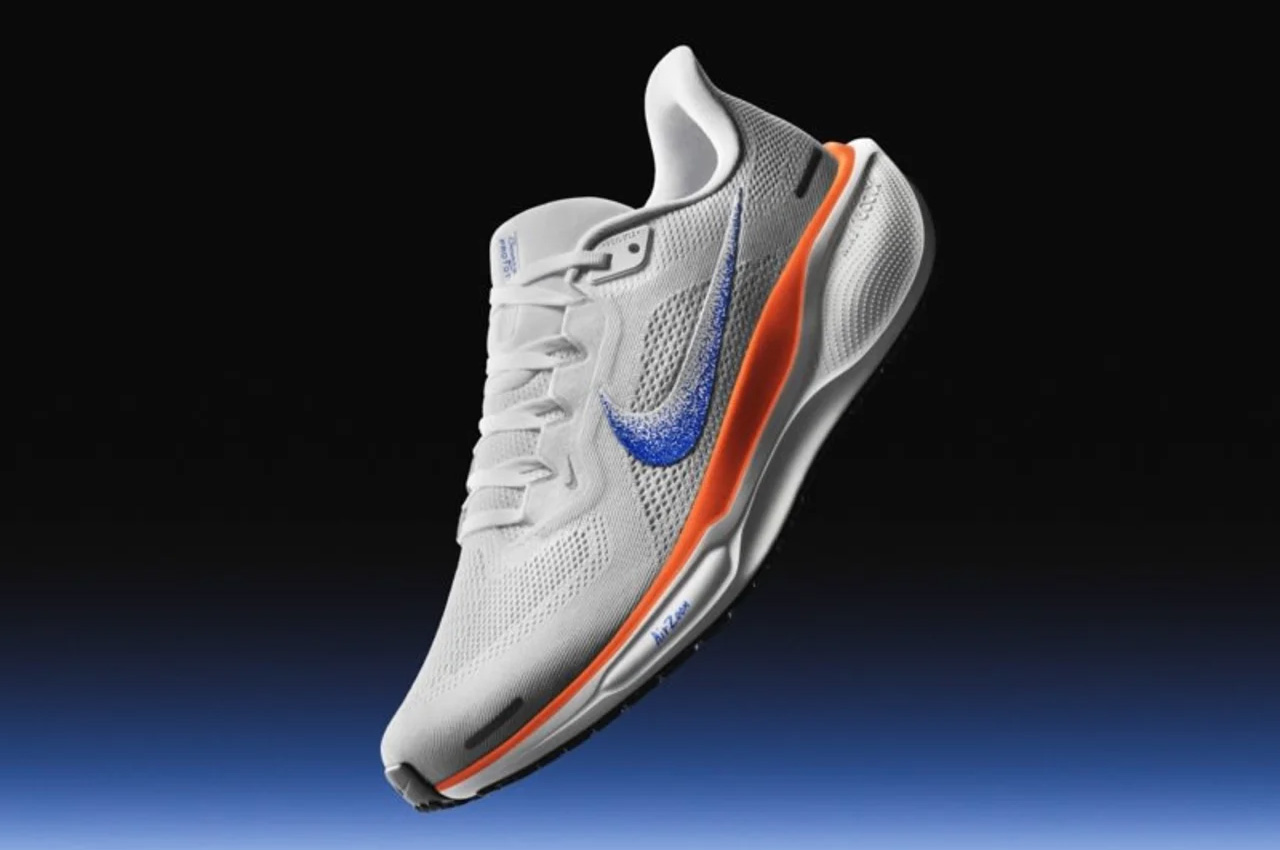
While athletes around the globe are preparing to compete at the Paris Olympics this year, there is one company that is pushing “Air” to make a difference in the competitor’s stride. We are talking about Nike which is going futuristic with the new Blueprint Pack, its upcoming set of sneakers that will thrive on the boundless properties of its Air cushioning for the athlete’s foot.
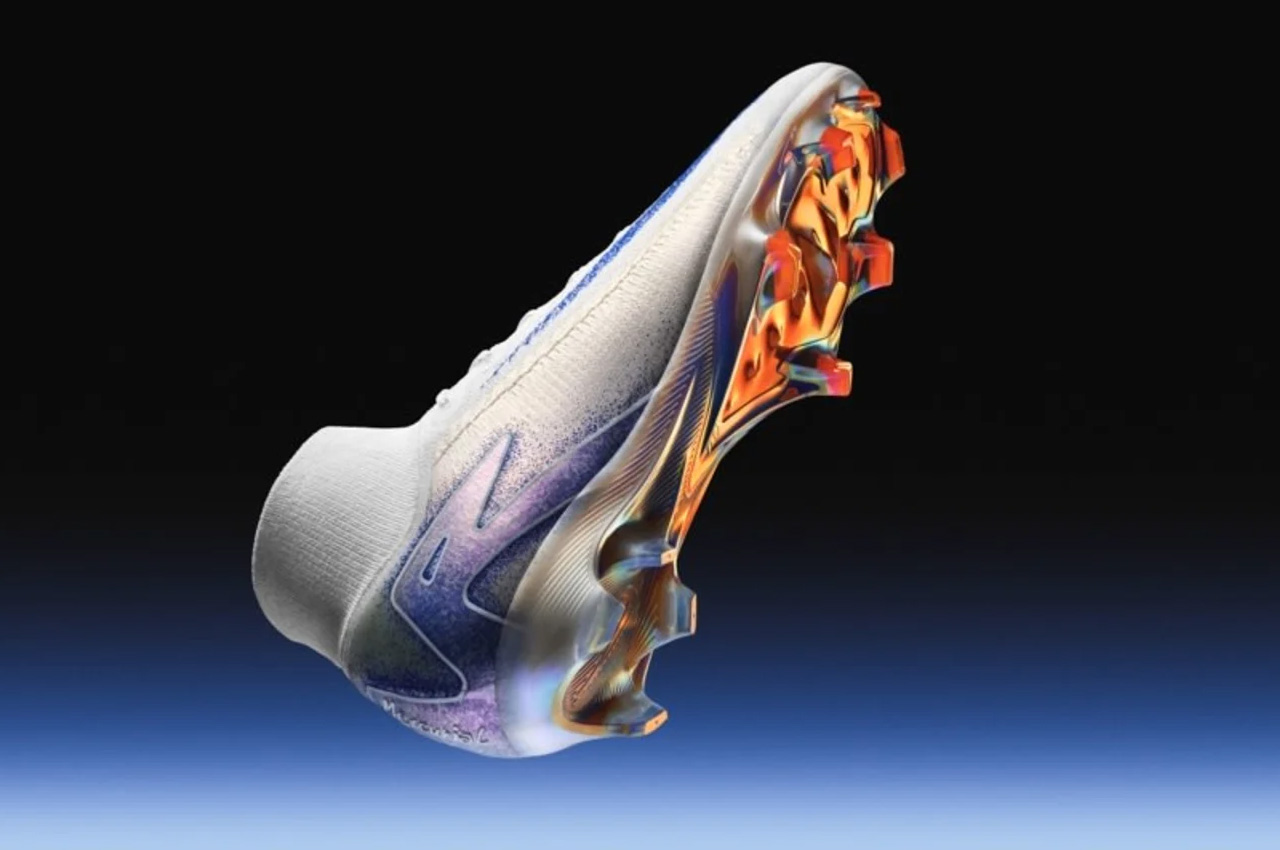
When it comes to long-distance runners’ preference for shoes, Nike is the name to reckon with. This is not only because of the brand name and robust marketing but also because the Swoosh brand has, over the years, perfected the comfort for enhancing the runner’s performance. With the new list of 13 products that will be released in time for the Summer Olympics in Paris, Nike is also targeting a new range of sports, including track, basketball, football, and even lifestyle footwear.

Designer: Nike

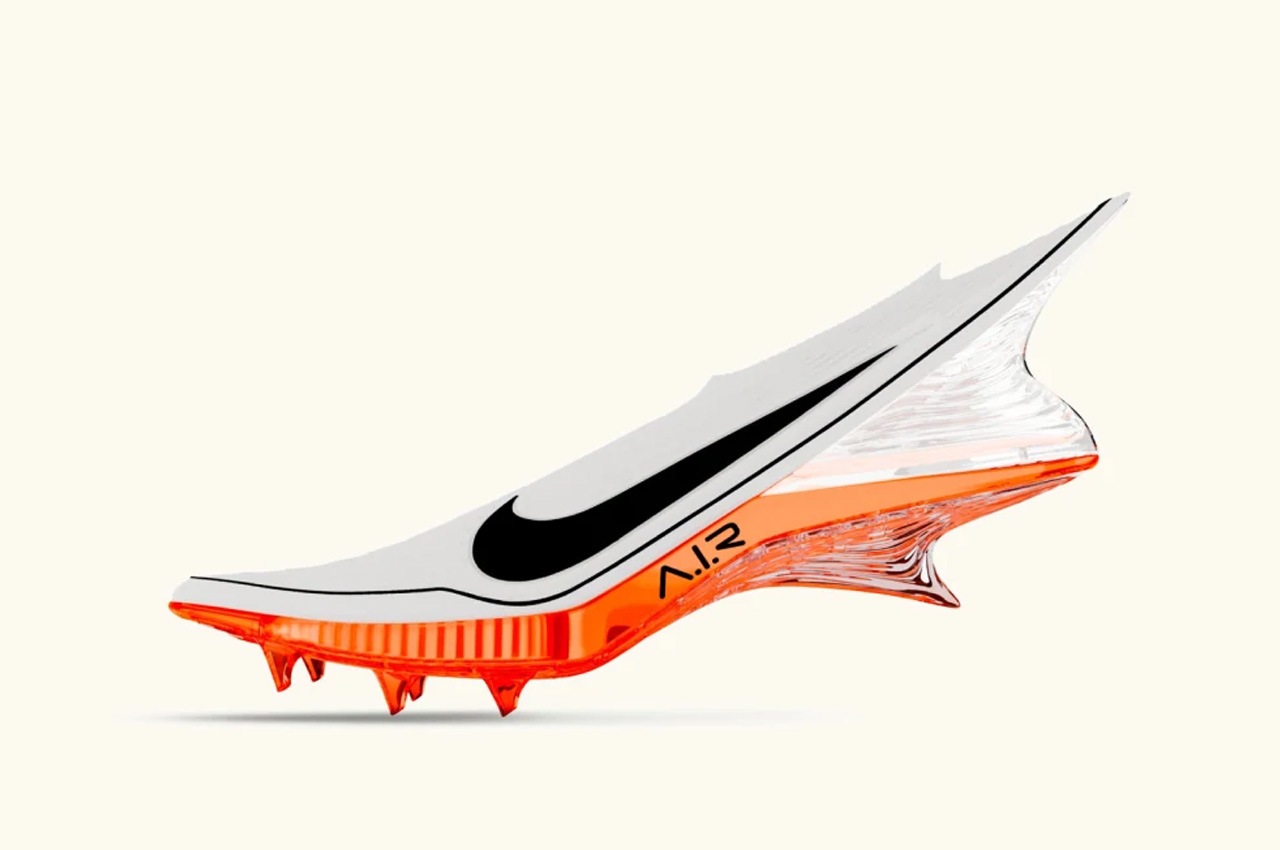
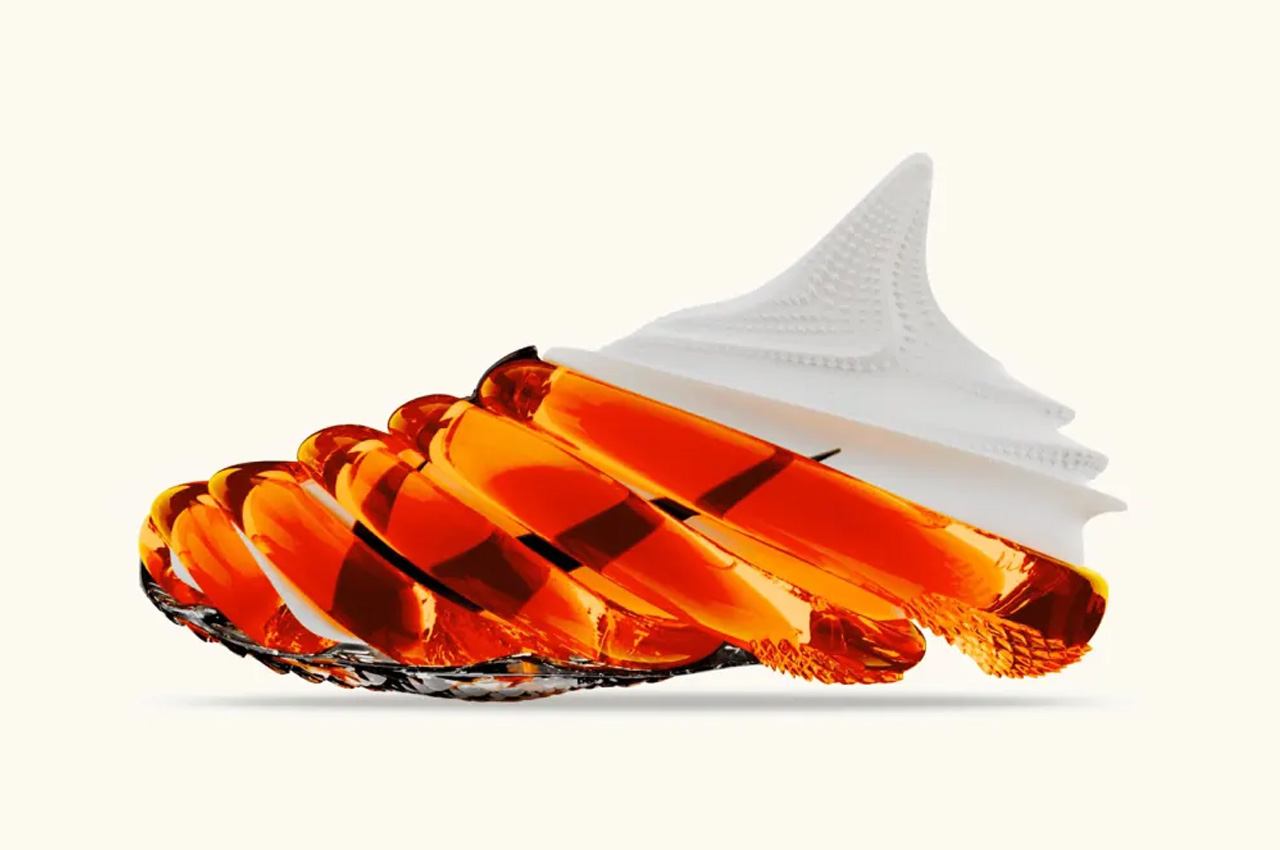
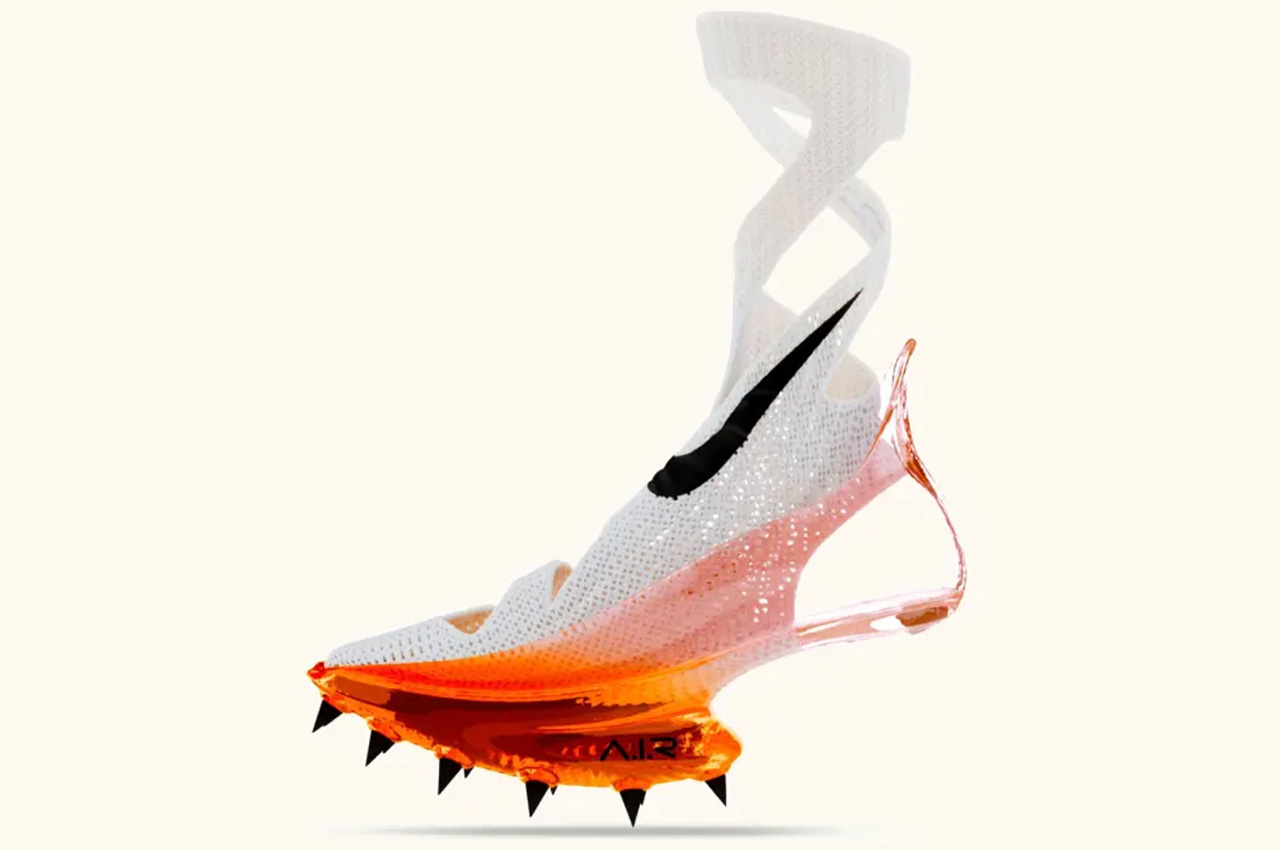
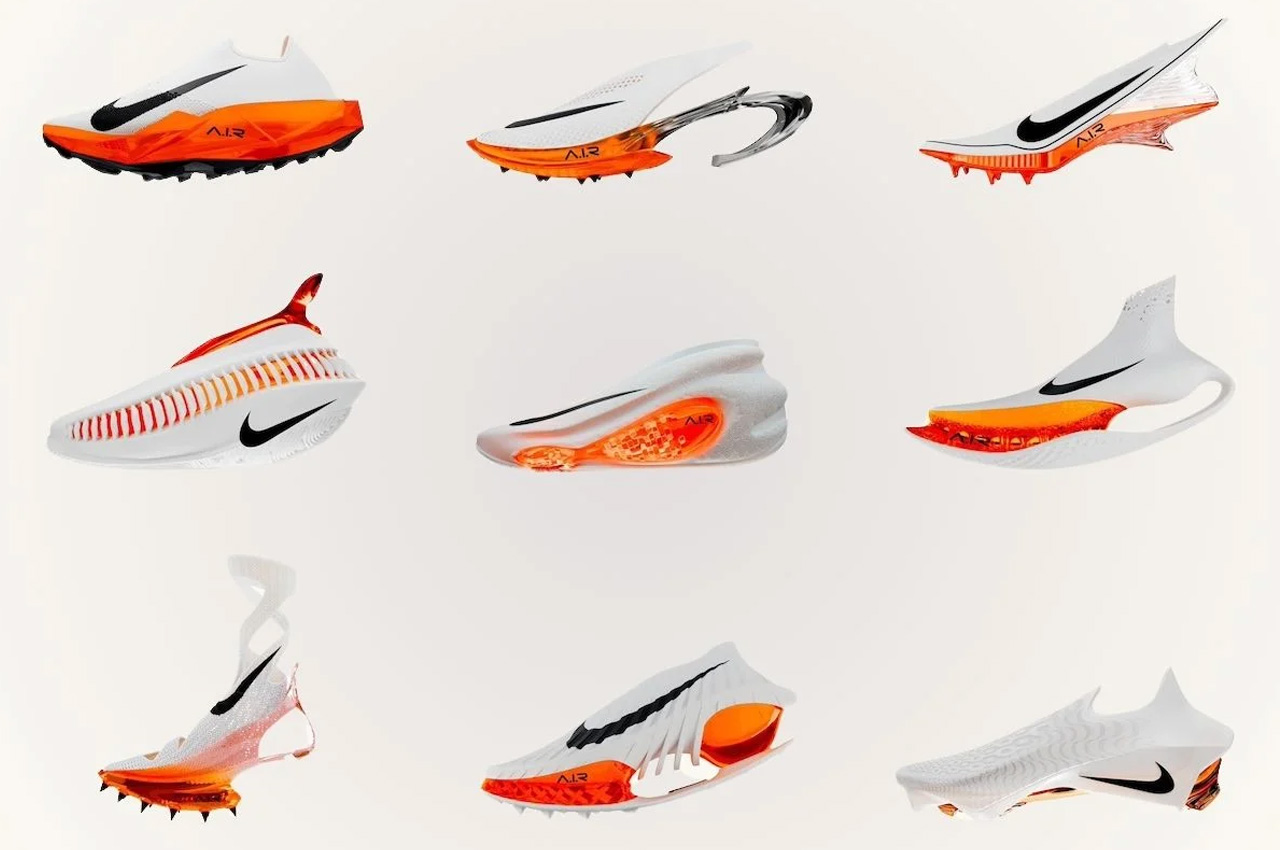
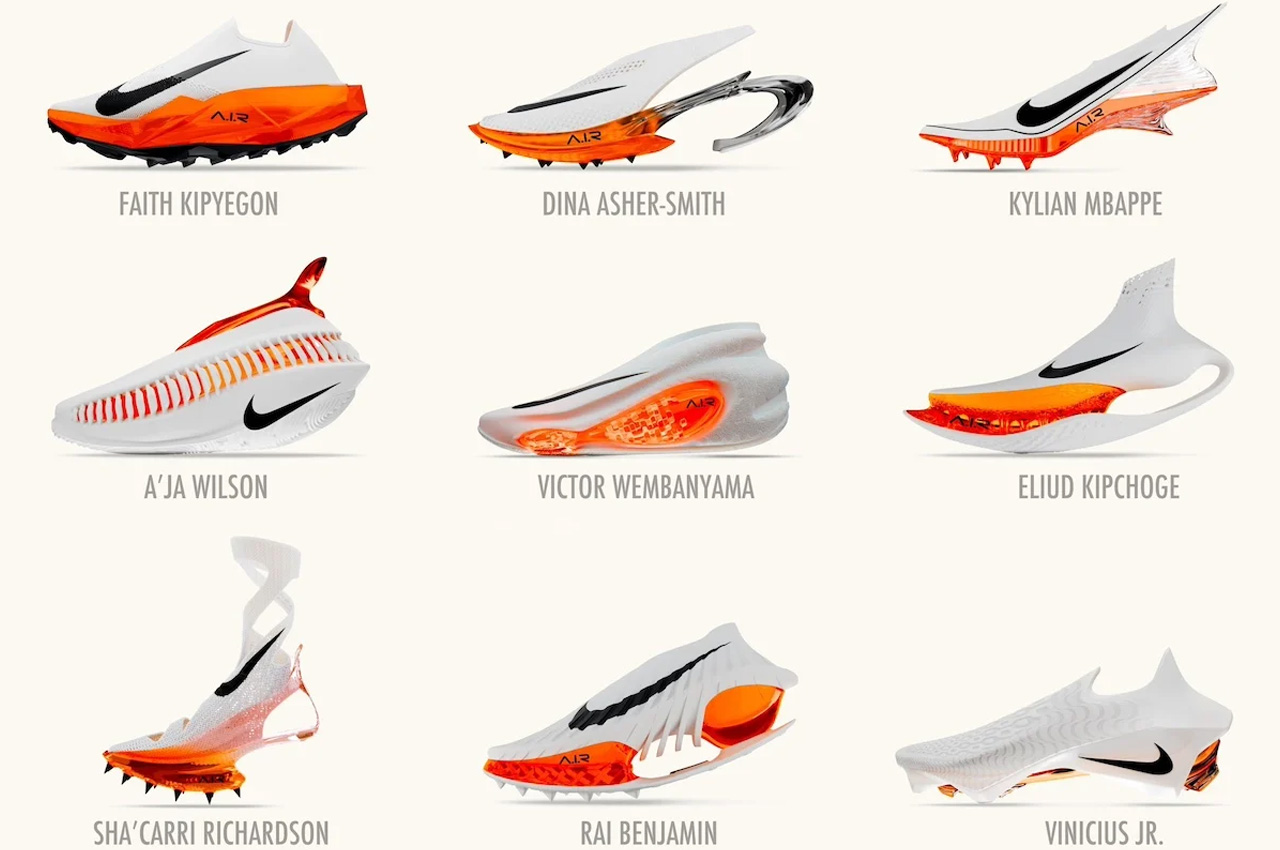
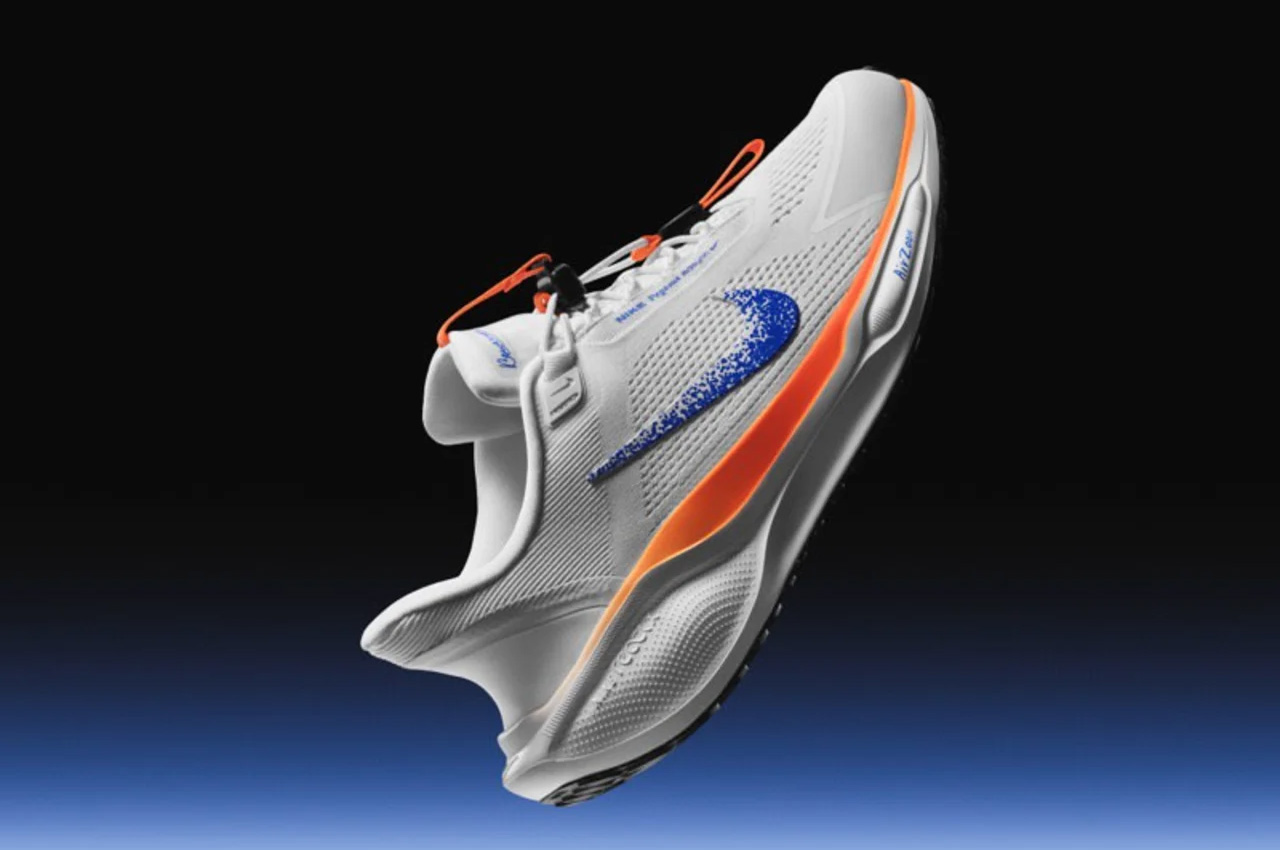
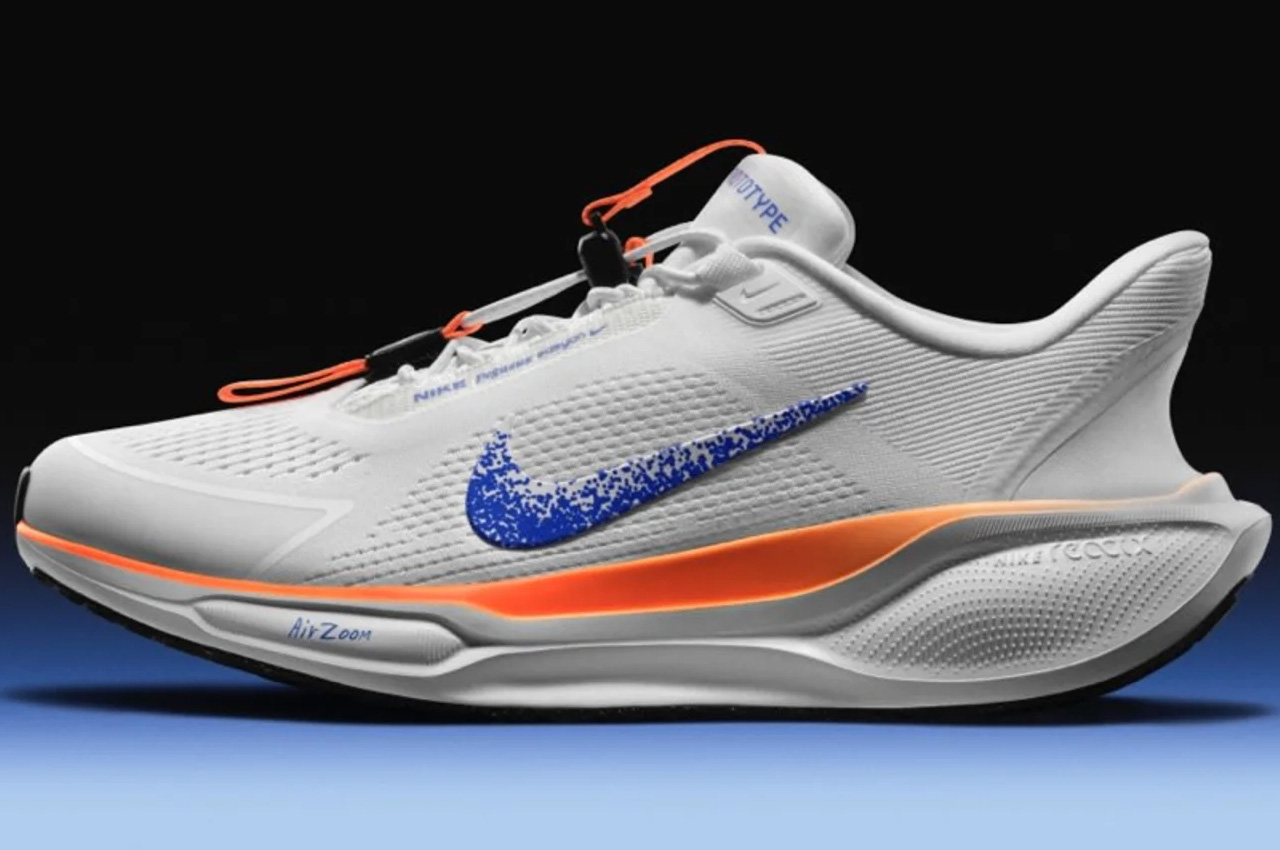
Besides, Nike is also showcasing A.I.R (Adaptive Intelligence Responsive) concept footwear in Paris, planned in collaboration with champions of their repute including Eliud Kipchoge, Kylian Mbappé, and Sha’carri Richardson and more. These never-seen and idealized designs are a glimpse of the future of sports shoes meant to revolutionize how athletes train and compete. The interesting aspect of these prototypes, beyond their futuristic design, is that they will include sensors to analyze data that would allow the athletes to optimize their performance while providing support and comfort.

In the ambitious move to rework the Air midsole, which is already versatile and comforting, Nike is working more precisely with athletes’ requirements to bring it to every category of footwear possible. The dynamic Nike Air unit is the focus of the company’s designs for the summer, which is a nod to the brand cofounder Bill Bowerman and his obsession to make the best shoes for athletic performance.

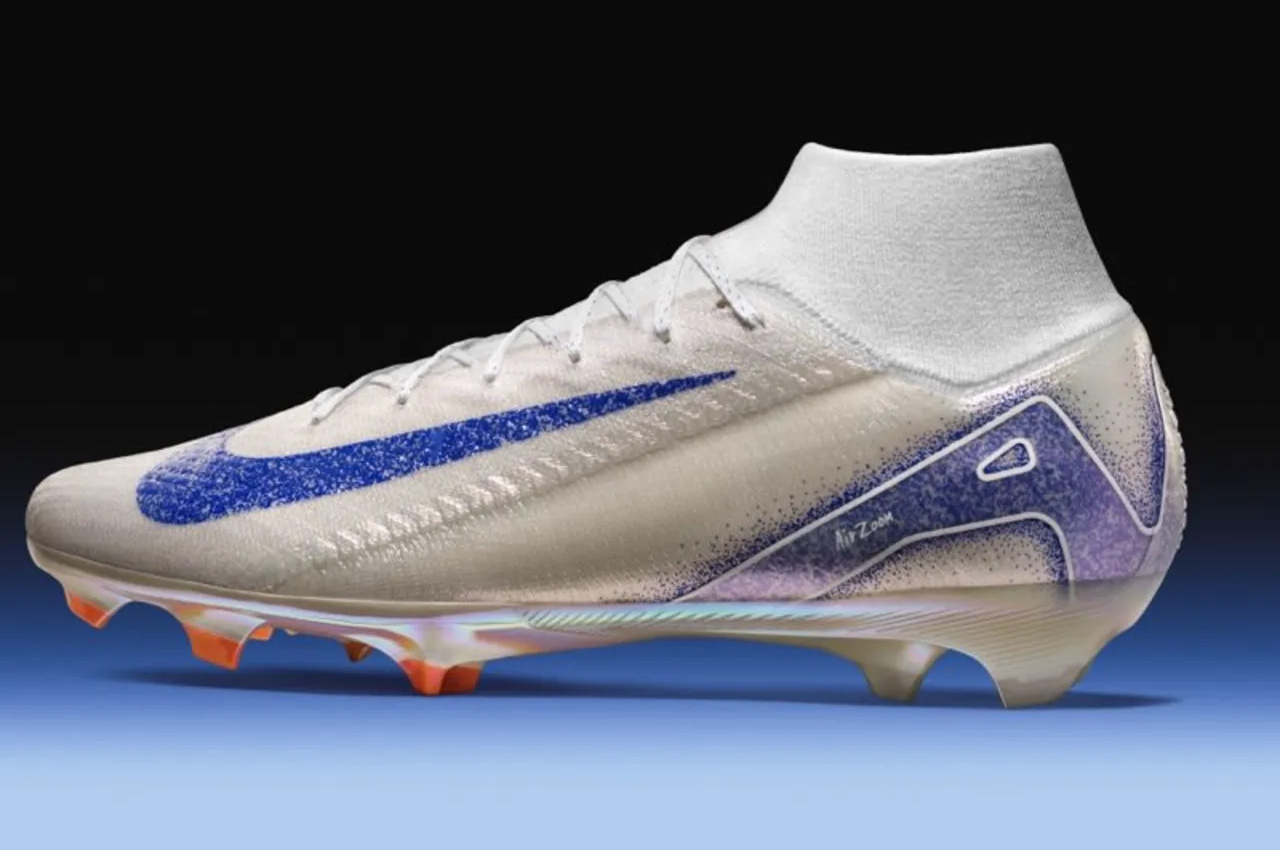
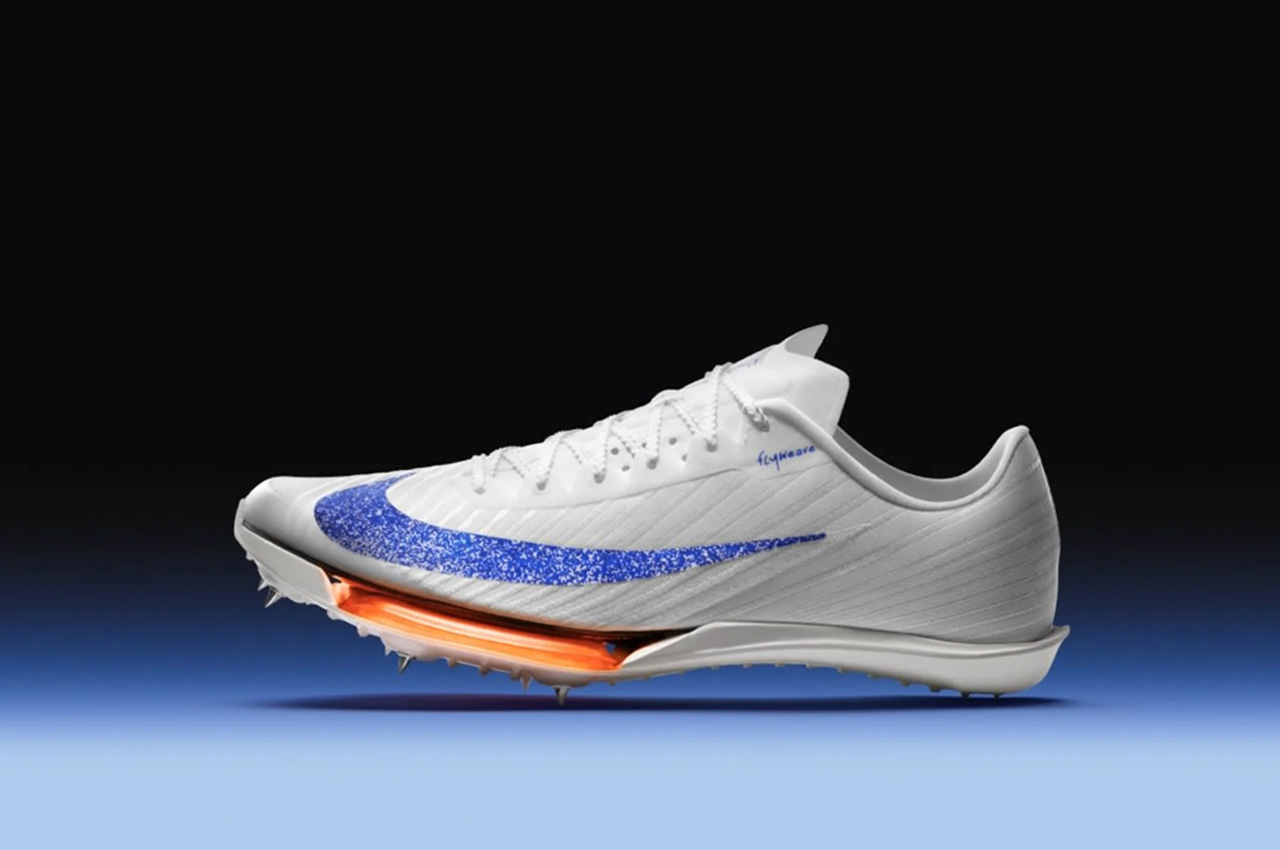
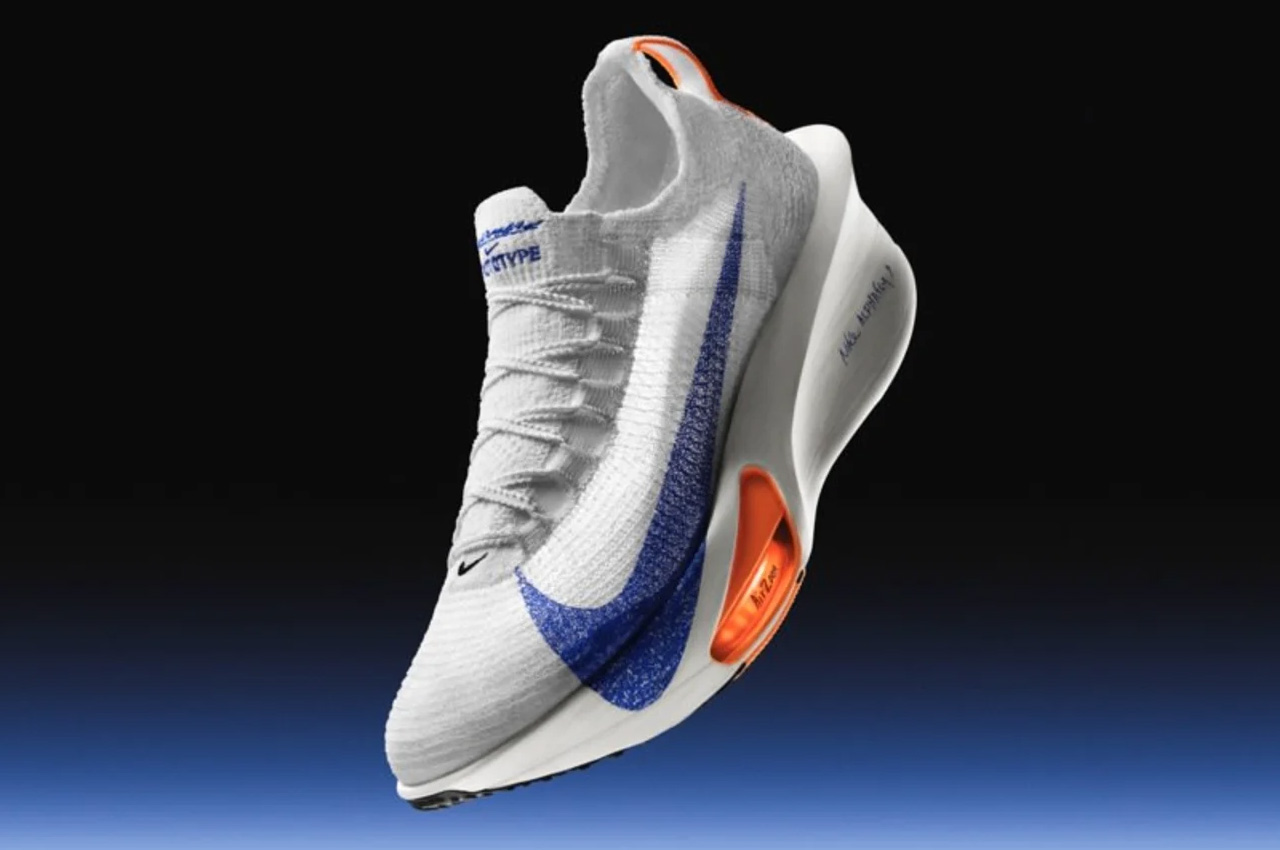
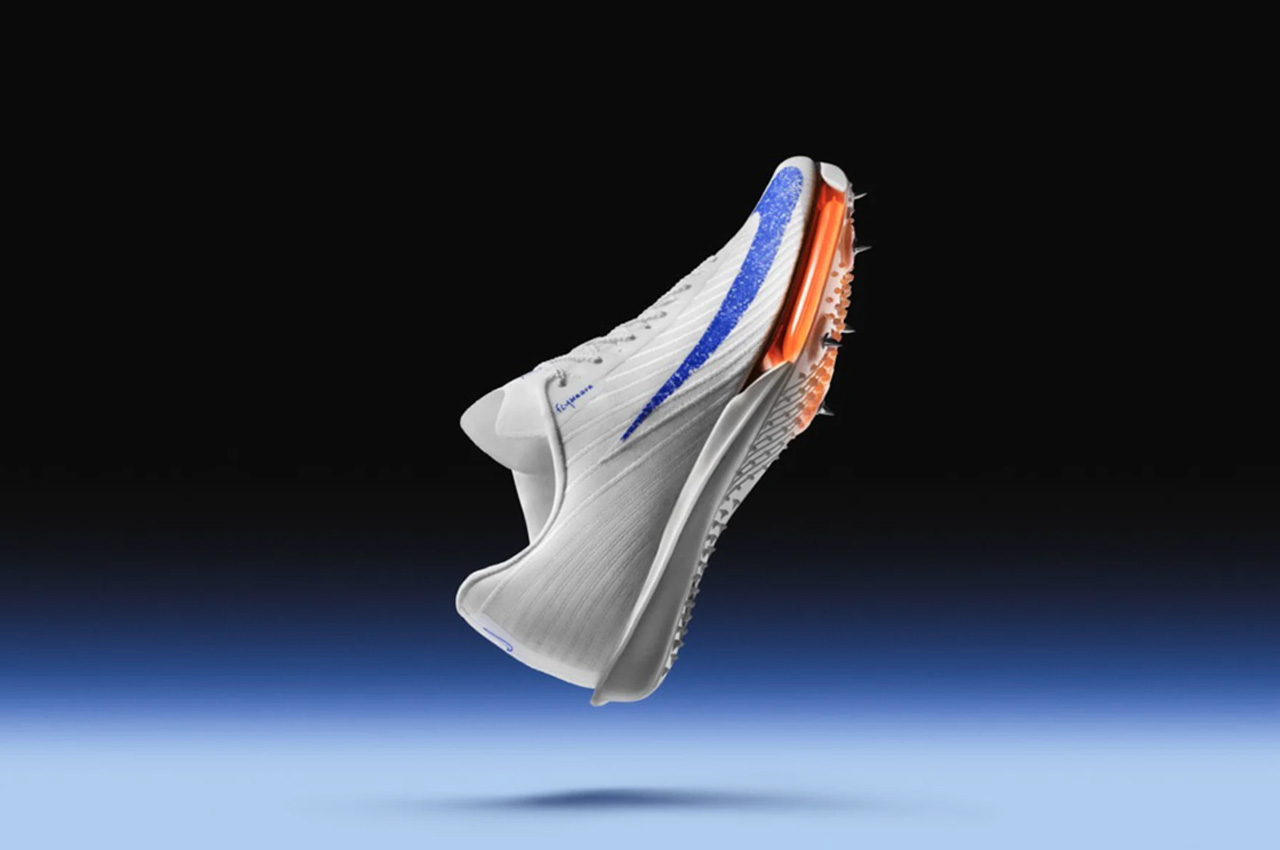
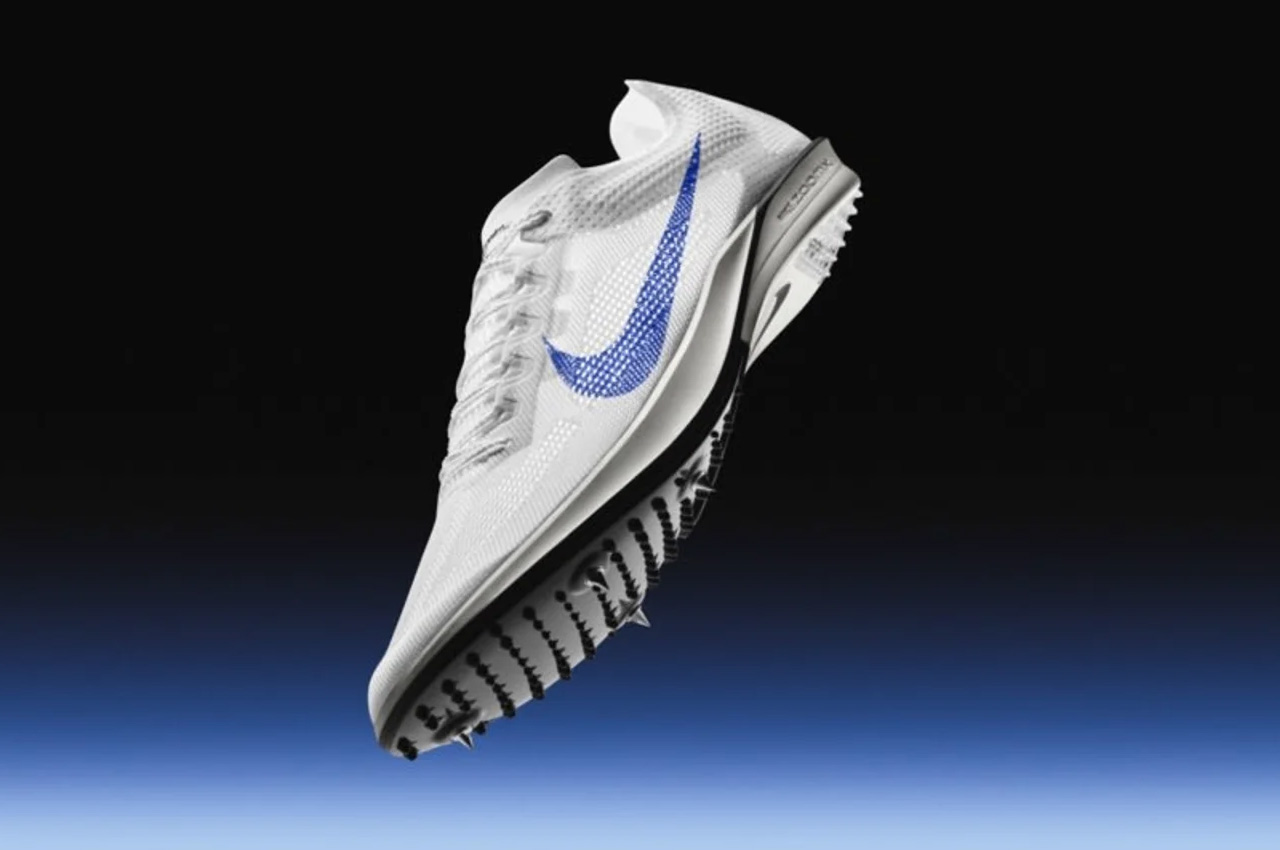
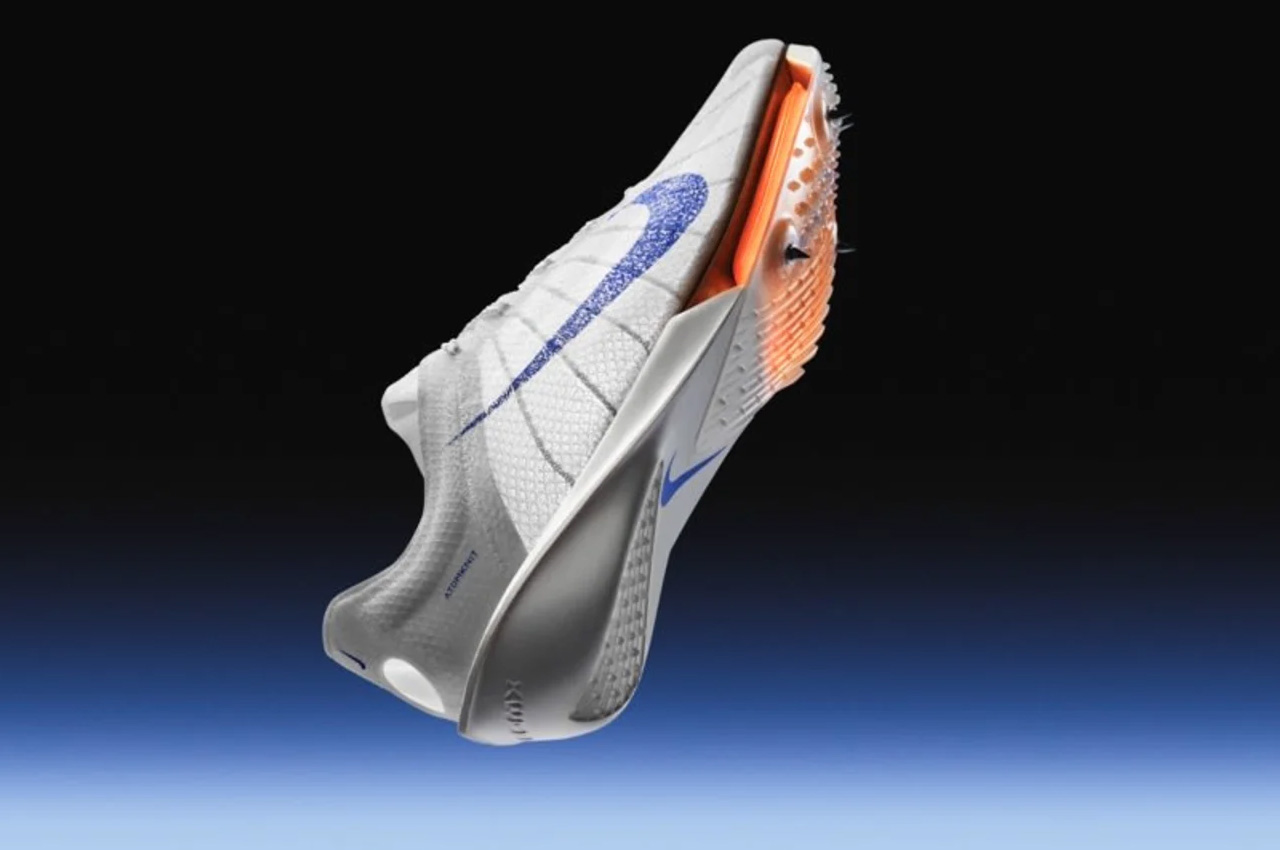
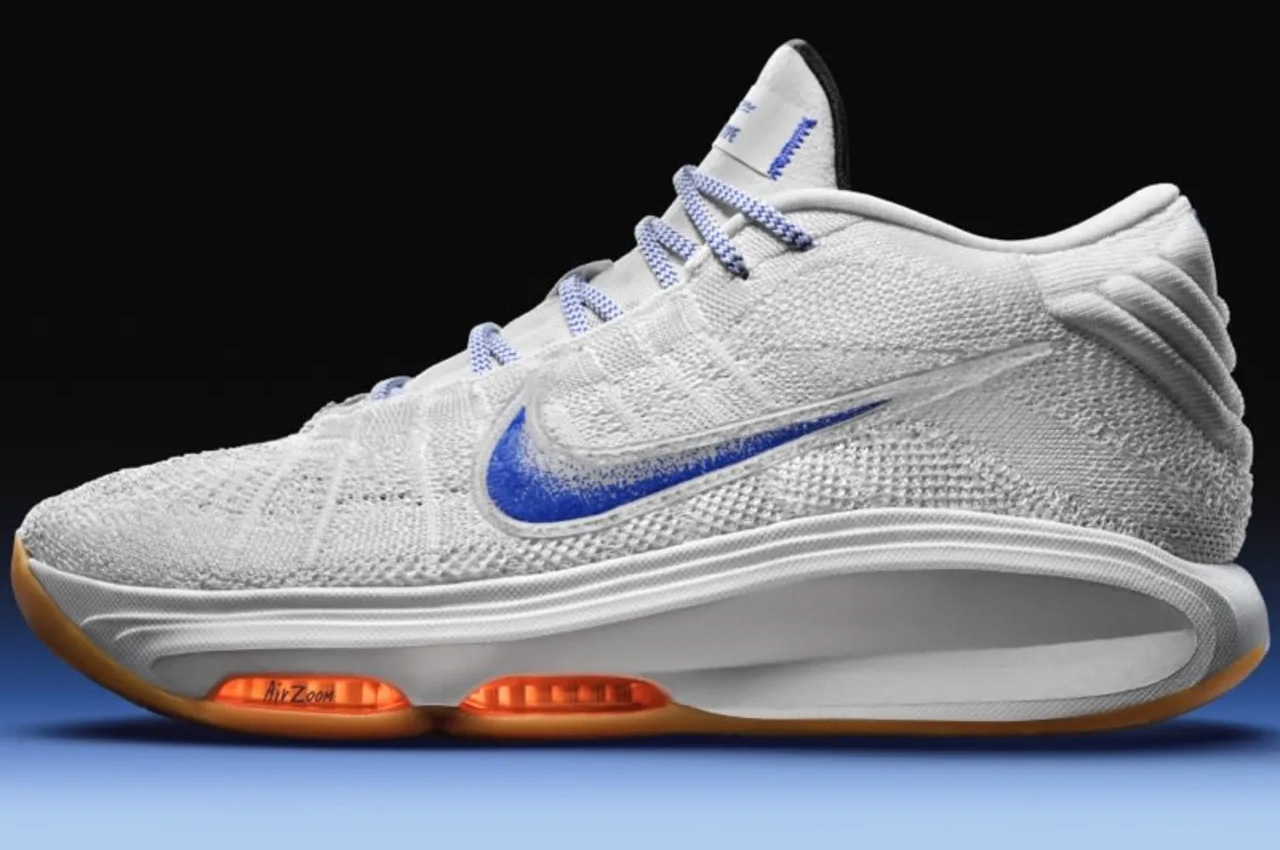
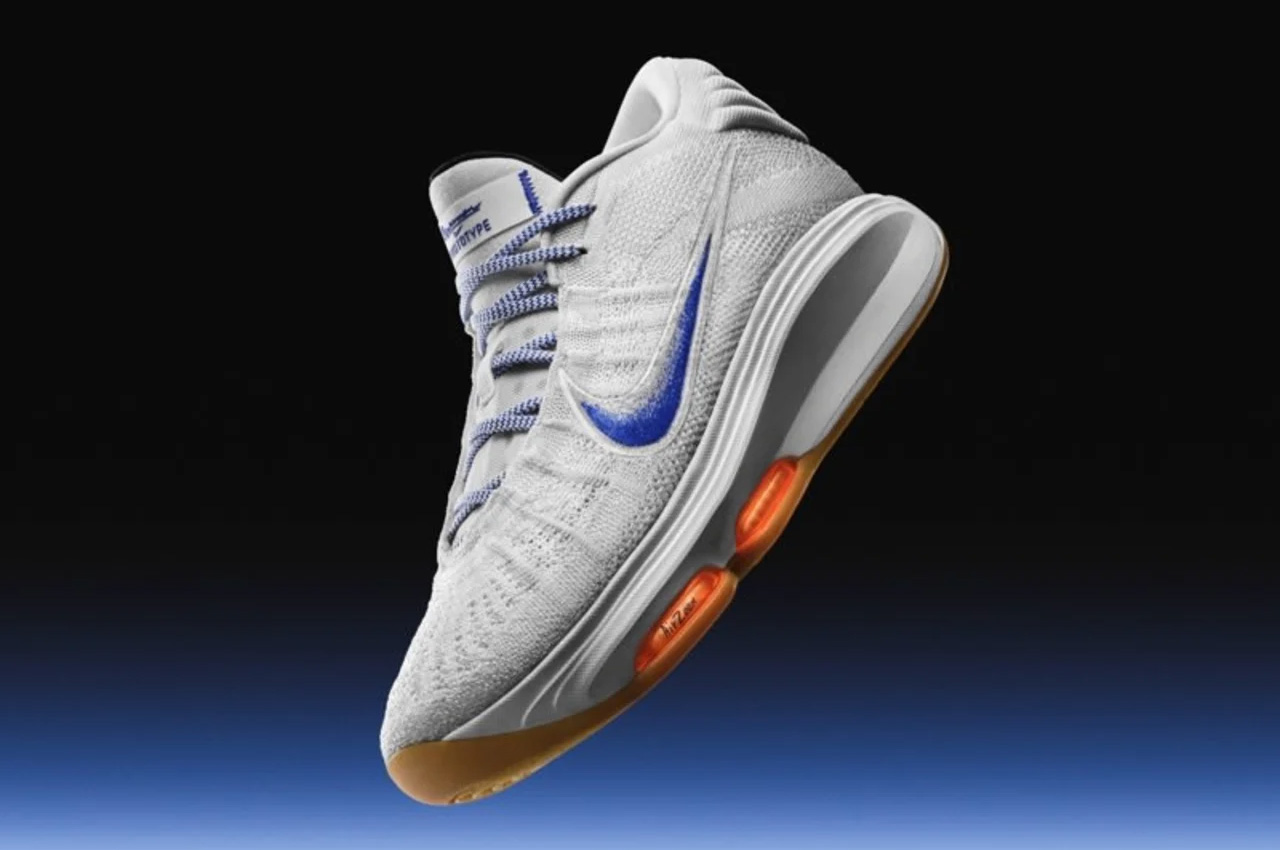
Based on the designs envisioned by Bowerman, Nike is using cutting-edge technologies to imagine those sketches to create the Blueprint Pack that closes the gap between sports science, design, and manufacturing. To that accord, the Nike Blueprint Pack will, when it is released on July 3, feature the best of Air innovations in multiple ranges of shoes including the Pegasus Premium, which was the first running footwear with a visible Air Zoom unit.

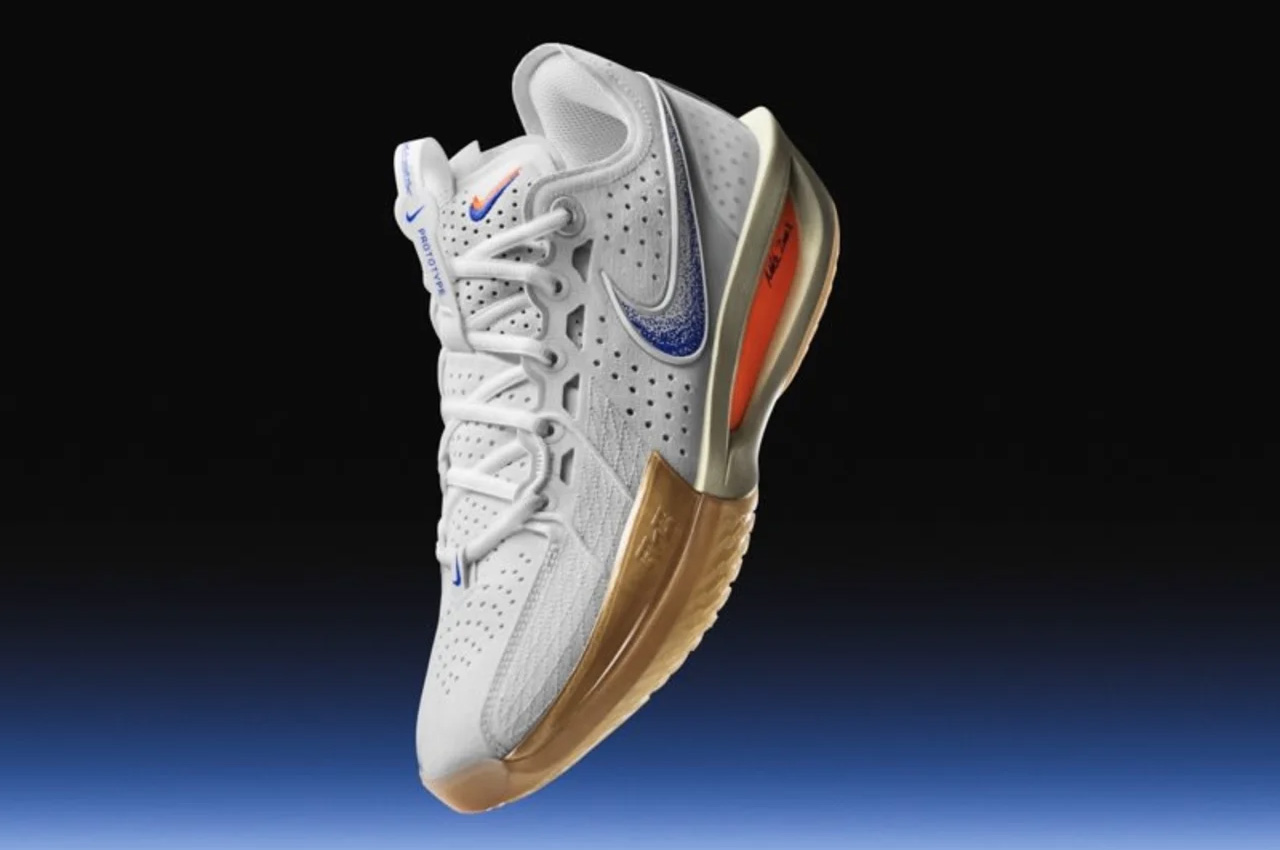
Besides, the inventive designs have been envisioned for the Nike Victory 2, Nike Maxfly 2 for the runners; the G.T. Hustle 3 for the basketball fans, and the 2024 Nike Mercurial football boot. These shoes, with the new Air cushioning approach, will make their presence felt at the Olympics, while Nike informs, alongside the Blueprint Pack, it could release an energy-driving colorway pack before the games. However, there is no word from Nike on when or if the A.I.R prototypes will be released to the public.


The post Nike is pushing the ‘Air’ to make a difference in the athletes’ stride at the Paris Olympics and beyond first appeared on Yanko Design.