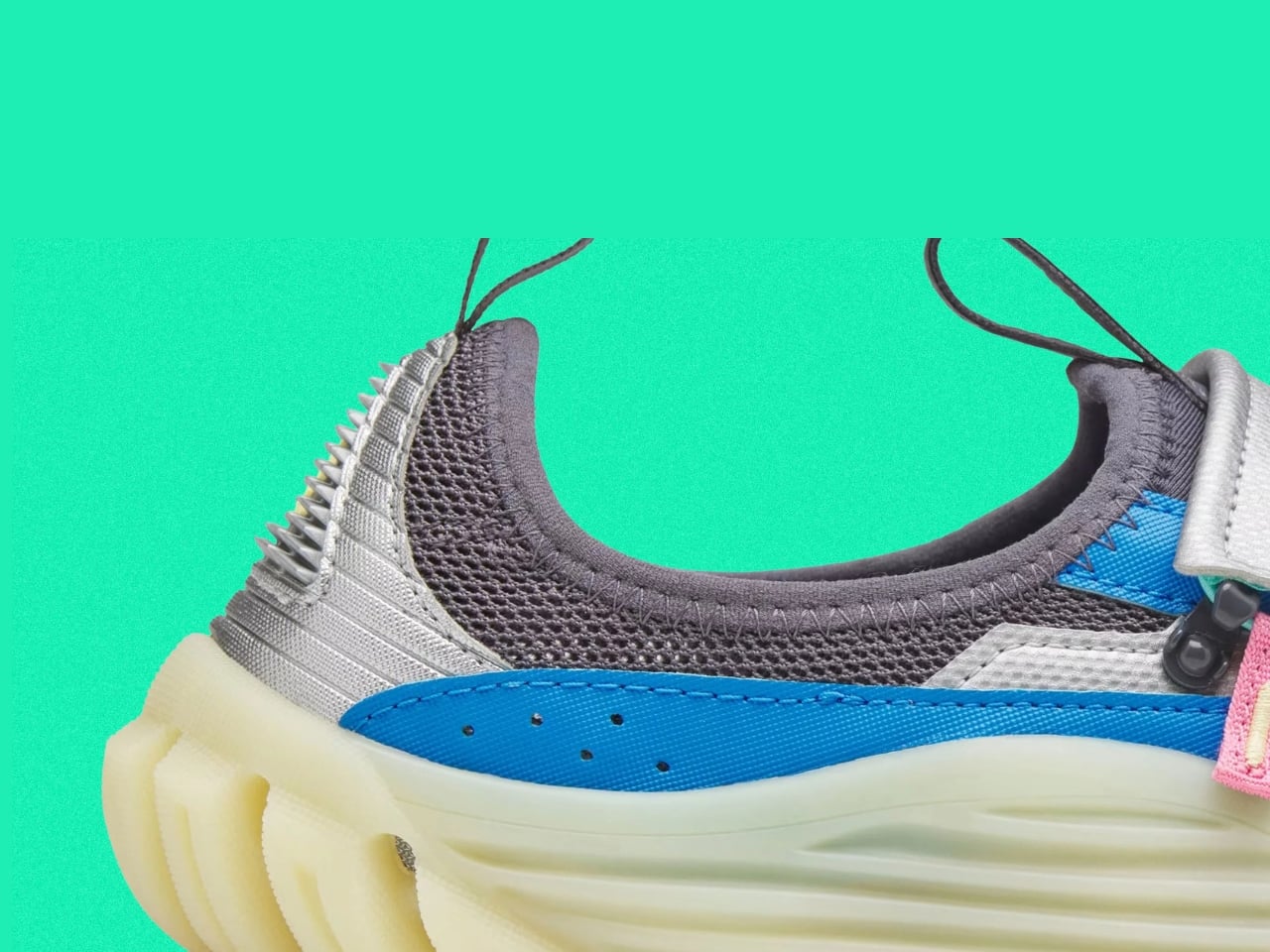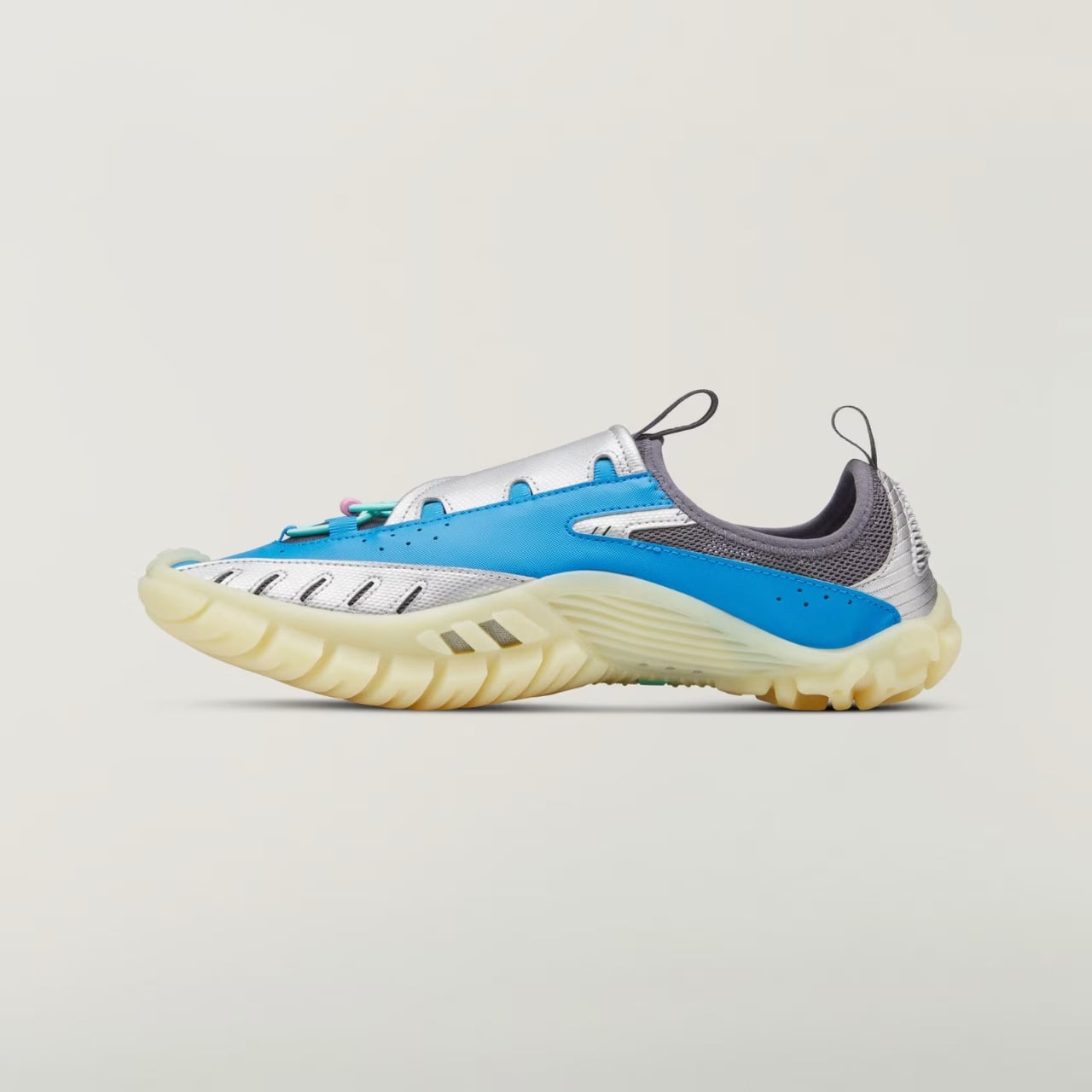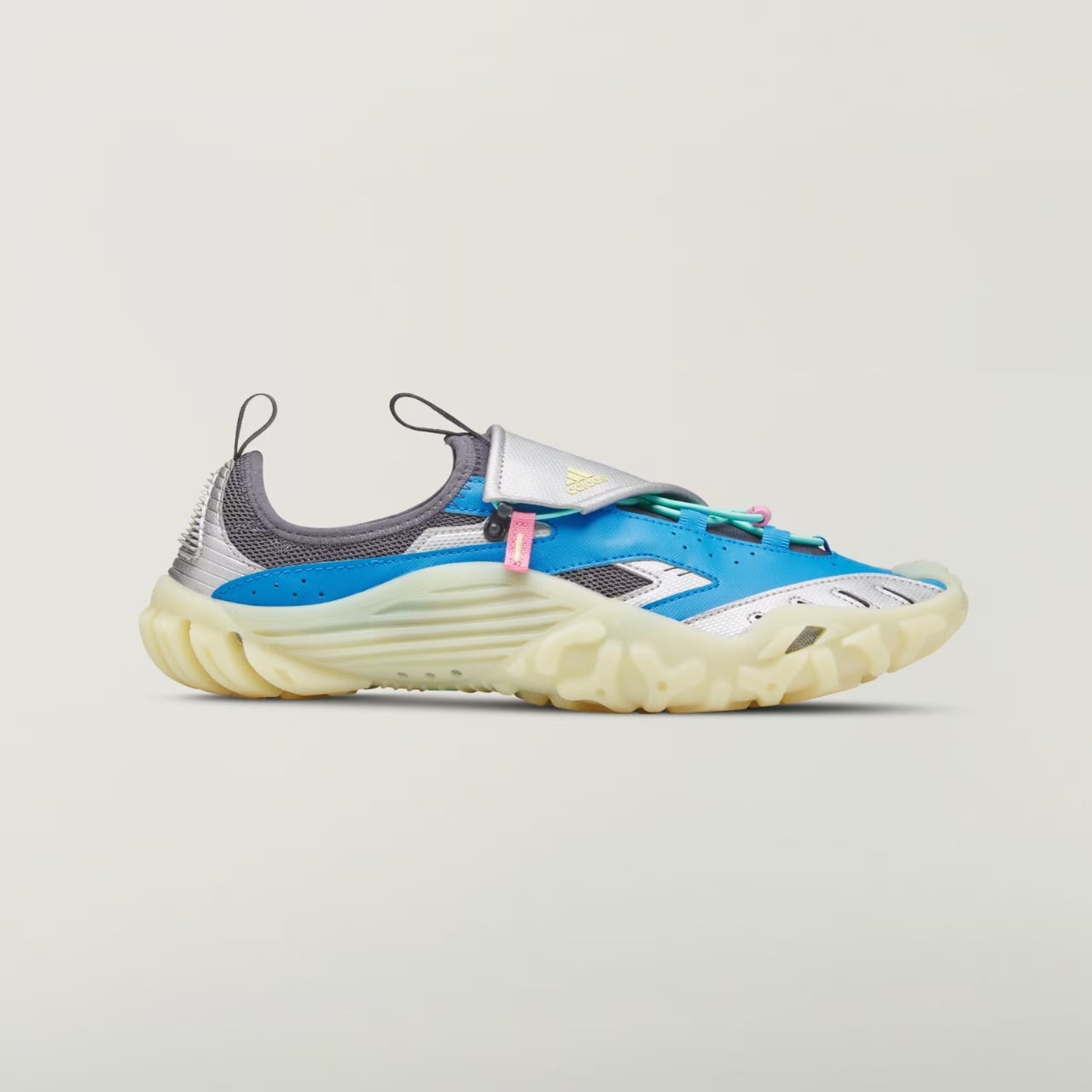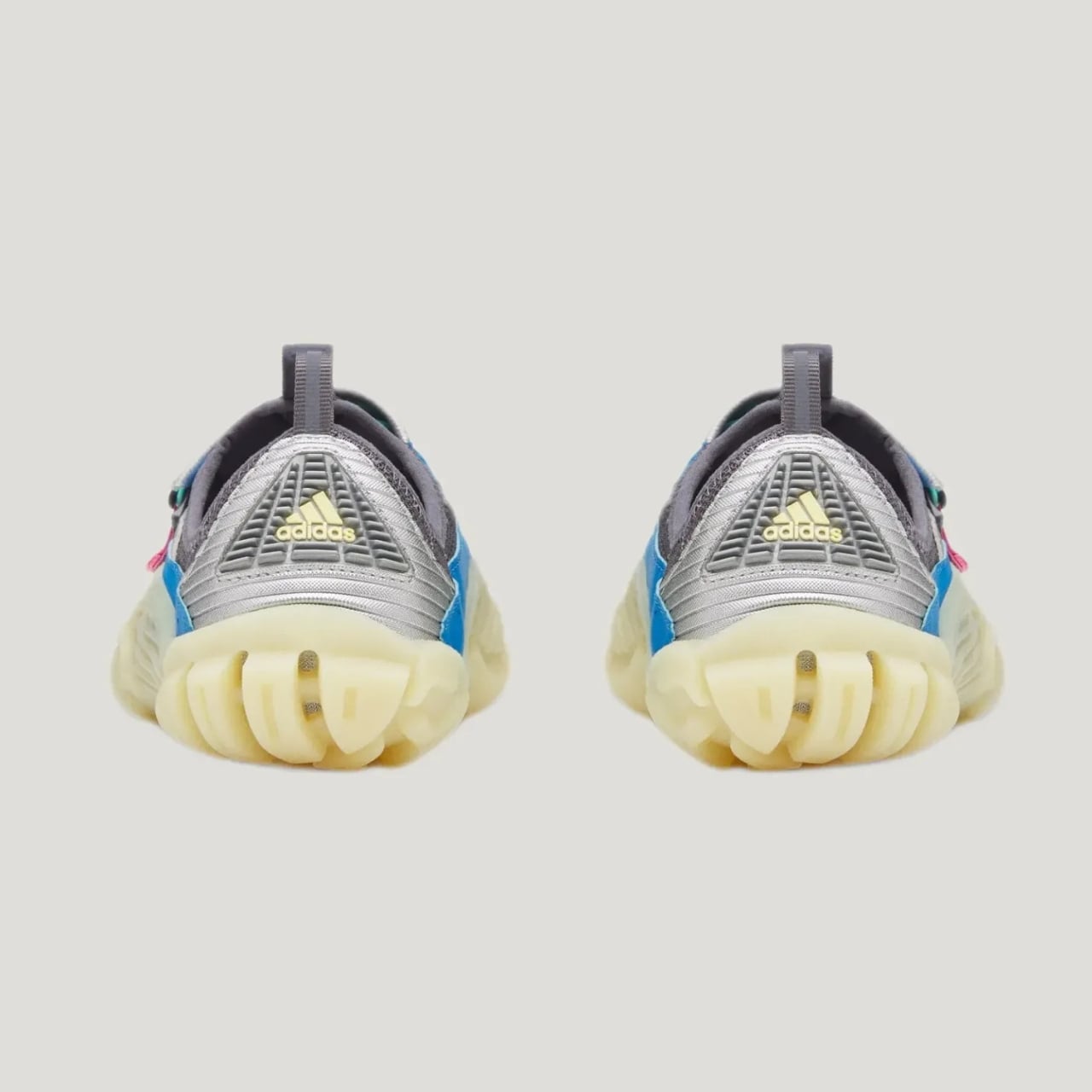
The footwear industry runs on glue. Something like 30 billion pairs of shoes get manufactured globally each year, and nearly all of them rely on industrial adhesives to bond uppers to soles. Those adhesives contain solvents that create toxic fumes in factories, complicate recycling at end of life, and introduce a whole class of chemicals that workers and the environment would be better off without. It’s a manufacturing reality so fundamental that most people never think about it, which makes it a perfect target for redesign if you can figure out the engineering.
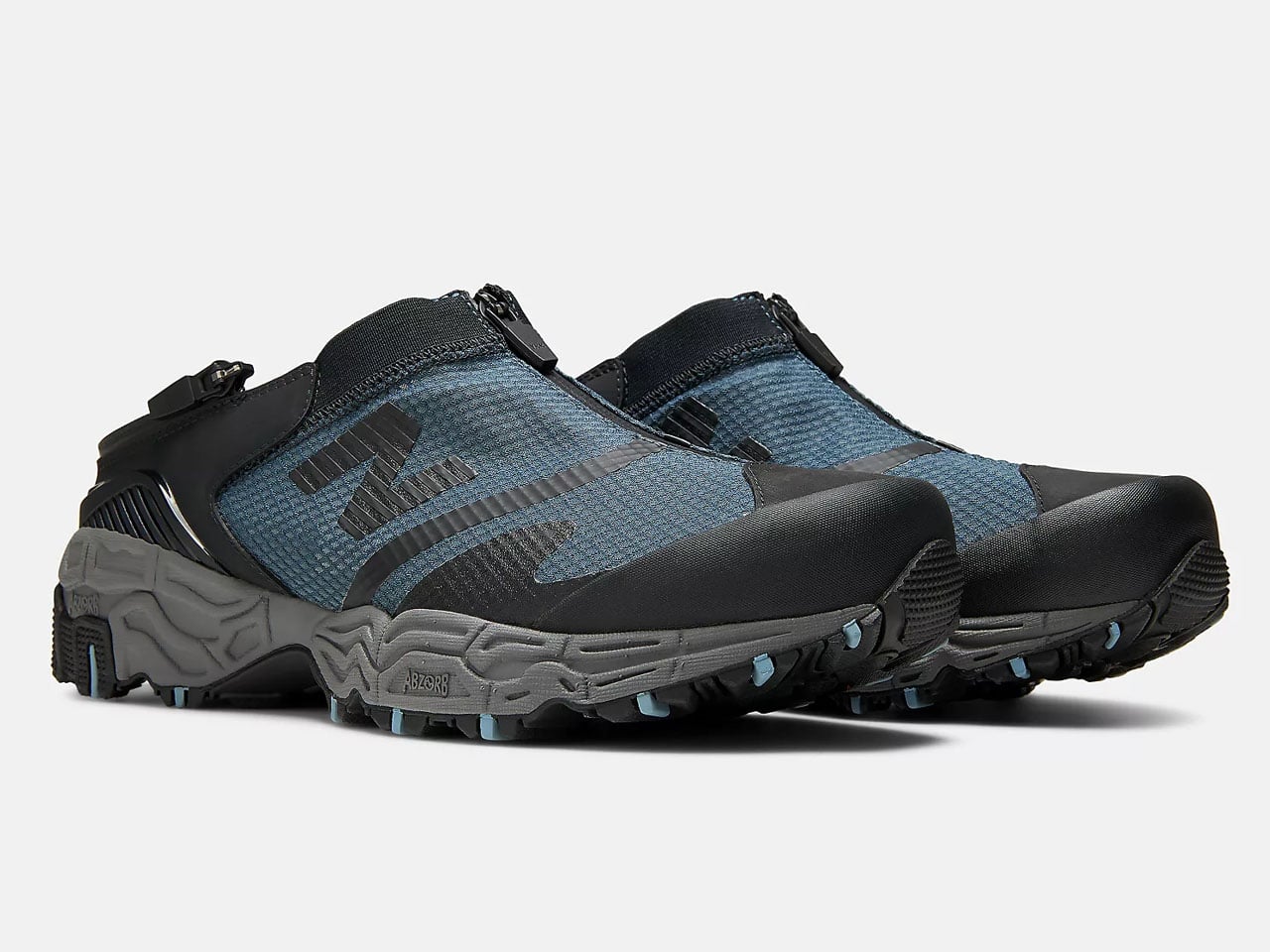
Keen just launched the Uneek 360, and the Portland-based brand is calling it their first solvent-free shoe. The design breaks down into four separate pieces: a knit upper made from recycled plastic bottles, an external cord cage that wraps around the structure, a drop-in footbed, and a hybrid rubber-foam outsole. Nothing is glued. The cords loop through the sole unit and lock with a toggle, creating a mechanical connection where adhesive would normally live. It’s a modular build that extends Keen’s decade-long Detox the Planet initiative from chemistry into construction itself, and it arrives with a $190 price tag and enough design confidence to make you wonder why this approach took so long to reach production.
Designer: Keen Footwear
The cord cage is downright clever. Keen has been refining cord-based construction since the original Uneek sandal launched back in 2014, a polarizing design that used two interwoven cords as the entire upper. That silhouette took three years to develop and became a cult favorite despite looking like something between a huarache and a fishing net. The 360 repurposes that cord expertise into structural engineering rather than aesthetics. The articulated cording moves on multiple axes, which means it adapts to foot shape dynamically while maintaining enough tension to hold the four components together under walking loads. Pull the locking toggle and the whole assembly comes apart in seconds, with each material cleanly separated for recycling.
This fits into Keen’s broader chemistry work, which has been unusually transparent for a footwear brand. Since starting their Detox the Planet program in 2014, they’ve invested over 11,000 hours and $1.2 million eliminating toxic chemical classes from their supply chain. They went fully PFAS-free in 2018, removing those forever chemicals from over 100 different shoe components, then open-sourced the process so competitors could follow the same path. Five of six targeted chemical classes are gone. Solvents, the ones embedded in adhesives, are the final holdout. The Uneek 360 represents a different approach to that problem: instead of reformulating the glue, eliminate the need for it entirely.
The modular construction creates some really smart end-of-life options. Most shoes become landfill material because you can’t separate bonded composites without industrial shredding, and even then the mixed materials have limited recycling value. A shoe you can disassemble by hand into distinct material streams (knit fabric, rubber, foam, synthetic cord) actually stands a chance of getting processed properly. Whether that happens depends on infrastructure and consumer behavior, but at least the design removes a fundamental barrier.
Keen launched the Uneek 360 in Black/Magnet and Vapor/Star White colorways, with men’s and women’s sizing available through their site and select retailers. At $190, it sits at the premium end of the casual sneaker market, which reflects both the recycled materials and the engineering required to make cord-based mechanical locking work at production scale. It’s proof that footwear assembly without solvents is manufacturable, not just a concept sketch, which matters if the industry is serious about moving beyond adhesive dependency.
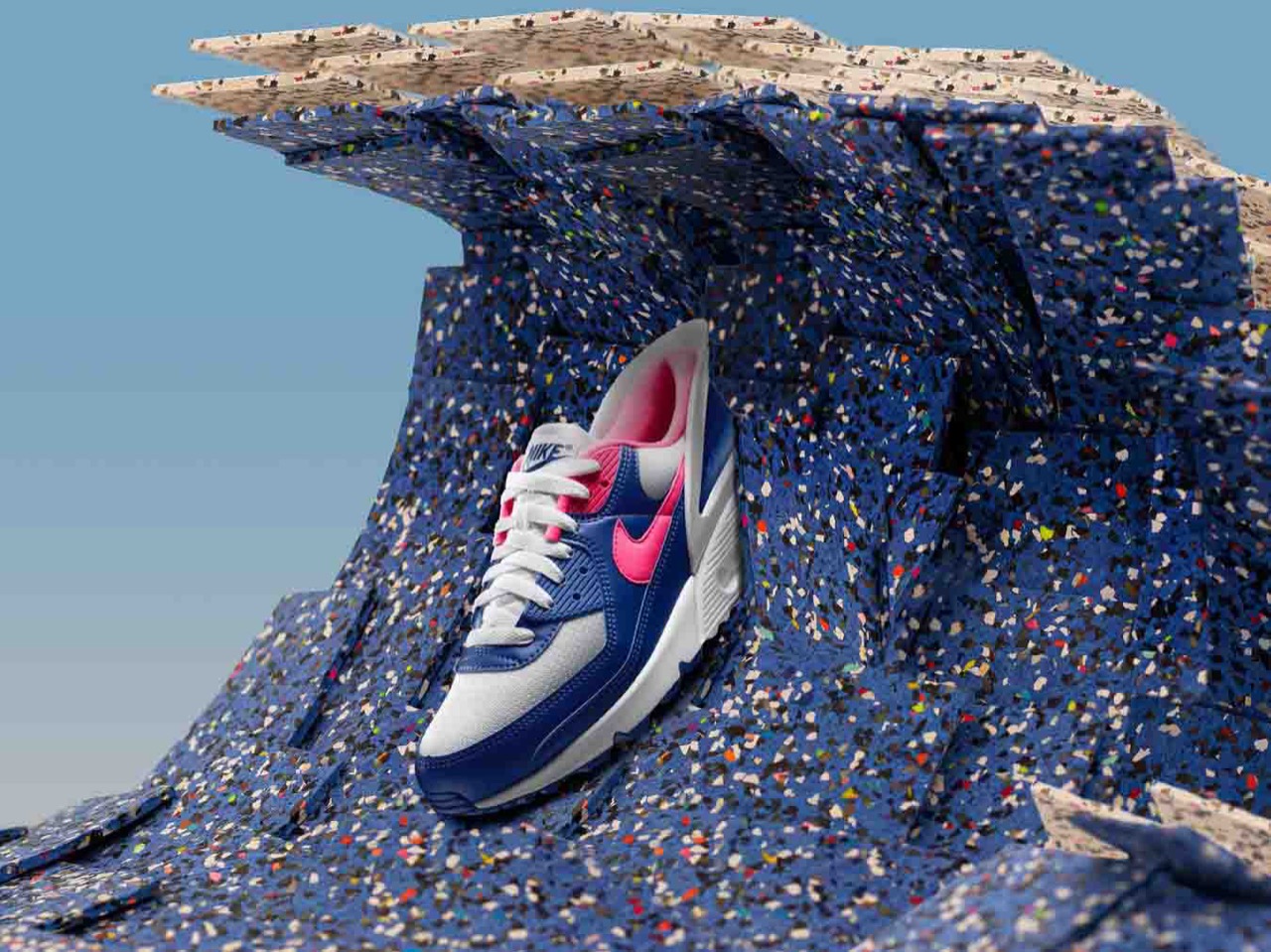
There’s some magic about the LEGO-Nike that makes it so special. Just in time for the holiday season and to celebrate the 30th anniversary of the Air Max 95, Nike struck a partnership with LEGO for the dope LEGO-themed Air Max 95 “Neon” sneaker. Sometime mid-year in 2025, the duo turned eyeballs with the Nike Dunk x LEGO Set and then later dropped another couple of LEGO x Nike sets for collectors.
Now, the two giants have struck another partnership to create a detailed Nike Air Max 95 x LEGO set. The original Air Max 95, designed by Sergio Lozano in 1995, famously drew inspiration from the human anatomy. The layered upper mirrors muscle fibers, the lace loops resemble ribs, and the midsole represents the spine. The silhouette remains highly sought after among sneaker collectors, and recreating a LEGO version of the shoe makes complete sense.
Comprising 1,213 pieces, the LEGO set complements the LEGO-themed Air Max 95 sneaker we talked about earlier. The signature grey gradient, Air bubbles, and the contrasting neon yellow and green inserts on the sides come to life as the LEGO set is pieced together. The brick-built model faithfully recreates the sculpted midsole and the signature wavy upper that made the original sneaker instantly recognizable. LEGO also includes a Nike-branded minifigure to reinforce the playful crossover between sneaker culture and brick-building. Once you put it together, the sneaker measures roughly 9 x 12 x 7 inches and can be displayed on the rotating stand or simply put on the prime desk spot to celebrate the brand’s success with high-top and low-top Dunk sneakers. The build also features a brick-built ‘AIR’ logo bubble, and the rotating display stand mimics the kind of pedestal sneaker collectors use to showcase prized pairs.
The co-branding on the set is apparent on the insole, and the airmax logo on the lip. LEGO has gone one step further with the minifigure being customizable, and the extra set of laces. The wide purple base mentioned earlier has hidden compartments to store the set of laces or an extra minifigure. Turn the shoe and the compartment is visible, which is a unique addition to this already intricate LEGO set. The Nike Air Max 95 LEGO set is available right away for $100 from their official website.
This collaborative effort ultimately celebrates the Air Max 95 not just as footwear but as a cultural artifact that continues to inspire new forms of creative expression. By translating the sneaker’s layered design language into LEGO bricks, the set offers collectors and sneaker enthusiasts a fresh way to engage with one of Nike’s most influential silhouettes.
No matter how you feel about Crocs, you cannot deny the brand has a remarkable talent for finding partners that make you stop and say, “wait, actually… that works.” We’ve seen Krispy Kreme clogs dripping in donut-glazed energy, Windows XP nostalgia packed into a wearable throwback, and Ghostbusters uniforms distilled down to clog form. Every time I think Crocs has peaked its collab game, another partnership resets the bar. This time, they’ve linked up with LEGO for the Creativity Clogs collection, and this one lands a little differently.
The appeal is almost embarrassingly obvious in hindsight. Both LEGO and Crocs are built around the same core philosophy: take something simple, make it endlessly customizable, and let people go wild with it. LEGO gave us the stud system; Crocs gave us Jibbitz holes. Jibbitz charms are basically a wearable LEGO build. The two brands have been spiritually aligned for decades without anyone thinking to actually put them together, and the fact that it took this long feels like a design oversight that’s now been corrected.
Designers: LEGO x Crocs
The collection spans several configurations. The base Creativity Clog starts at $79.99, keeping things relatively clean with colorful LEGO bricks along the sole and a Jibbitz-ready upper waiting to be personalized. There is also a Kids’ Creativity Clog at $59.99, because LEGO is a multigenerational brand whether anyone admits it or not.
The Masterbrand Creativity Clog at $89.99 is the one that goes all in. It arrives with 12 LEGO brick Jibbitz charms already loaded onto the upper and around the sole, plus a LEGO Minifigure tucked into the box. That detail genuinely made me smile. It is the kind of considered touch that separates a real collaboration from a brand simply slapping a logo on an existing product.
The Midnight Garden Creativity Clog takes the same design language in a different direction. Where the other colorways lean into LEGO’s signature primary palette, this version opts for a darker, more subdued aesthetic that feels almost grown-up by comparison. It is the right pick for someone who wants to quietly signal their appreciation for the collab without committing to the full crayon-box energy of the others.
Visually, these clogs strike a balance I did not expect. The brick texture runs along the sole without overtaking the whole shoe, so you are not walking around in something that looks like a toy store exploded on your feet. It is restrained enough to wear in public while still being obviously, joyfully LEGO. The Jibbitz-ready holes mean you can keep building on top of the base, swapping in dedicated LEGO charm packs depending on your mood. That is exactly the kind of open-ended customization that makes both brands tick.
The LEGO Group and Crocs announced their multi-year global partnership in January 2026, and the Creativity Clogs dropped on March 19, with LEGO Insiders getting a three-day head start. Certain sizes sold out quickly, which tells you all you need to know about the appetite for this one.
My honest read is that this collaboration is smarter than its predecessor. The original LEGO Brick Clogs were built for viral moments and display shelves. Giant foam bricks make a statement, but they do not go anywhere useful. The Creativity Clogs are the real follow-through, translating LEGO as a design language into something you would actually wear to a theme park, a farmers market, or around the house on a slow Tuesday. The playfulness is baked in without demanding you commit to a costume to participate.
That said, $89.99 for a pair of Crocs is a price point worth sitting with, even if the included Minifigure does technically sweeten the deal. Crocs collabs have always commanded a premium over the core classics, and by now the brand’s audience is accustomed to paying for the concept as much as the shoe itself. Whether the LEGO x Crocs Creativity Clog earns its place in your rotation will probably depend on how much real estate your inner kid still occupies. For a lot of people, that answer is quite a bit of space.
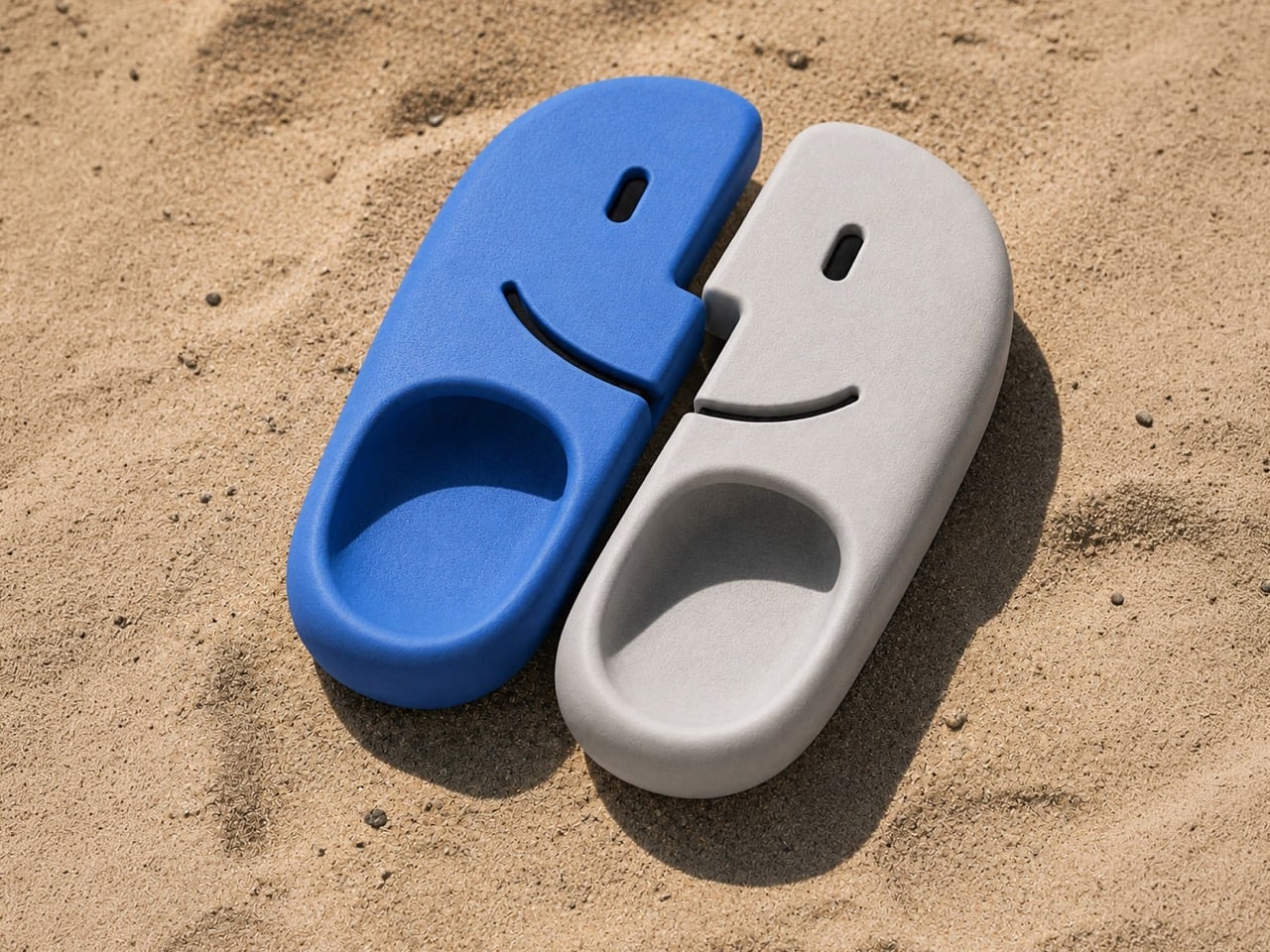
The Yeezy Foam Runner opened a strange and genuinely productive door in footwear design, proving that a monolithic, organically sculpted clog could capture serious cultural attention. Tati Ferrucio‘s Onda walks through that same door but ends up somewhere quite different. Where the Foam Runner borrows loosely from athletic heritage, the Onda goes fully geological, its dense flowing ridges reading more like layered sandstone strata than anything borrowed from a sportswear archive. The comparison is worth making once and then setting aside, because the Onda has its own logic and it holds together well on its own terms.
That logic starts with landscape. Ferrucio drew directly from waves, sand patterns, stone surfaces, and tree bark, treating nature as the original generative designer and asking what footwear would look like if it followed the same rules. The cutouts are sculpted voids, not punched holes, and the ribbing on the sole wraps continuously into the upper so there is no visual seam between base and body. It reads as a single carved object, the kind of thing you might find in a tide pool if tide pools produced wearable foam.
Ferrucio developed the Onda using Vizcom, an AI-assisted design platform that takes a designer’s sketch and generates a field of iterated possibilities rather than a single resolved outcome. The workflow is worth pausing on because it explains something about the result. The Onda does not look like a design that was decided in one session; it looks like a form that accumulated, the way sediment does, layer by layer under consistent pressure from the same directional force. Just FYI, Vizcom did not generate the design; Ferrucio directed it, feeding creative intention into each round of iteration and pulling the form toward her reference material until the surface stopped arguing with itself and settled into something coherent.
Positioned along the sides of the upper, the cutouts allow water and sand to escape when moving through wet or granular terrain, which is a functional requirement in a clog built for outdoor use. But structurally, they also reduce material mass without compromising the integrity of the upper, and visually, they create depth in the silhouette that a solid body would not have. The oval void near the heel is particularly well resolved; it sits inside the ribbed surface like a window cut into a canyon wall, framed by ridges on all sides, and gives the rear of the shoe a formal completeness that most clogs never bother to achieve.
Three colorways exist in the current lineup: a grey-blue that photographs like wet stone, a sand beige that almost disappears against the layered rock surfaces in the campaign imagery, and a sage green that reads somewhere between sea glass and weathered copper depending on the light. Each one is photographed in a context that suits it specifically, which is the kind of creative direction that signals a designer who thought carefully about what the object is actually communicating and to whom. The grey-blue sits on a rocky riverbed in shallow water. The beige is shot against sedimentary cliff faces in warm light. The green lands on dry sand with hard shadows. Every environment reinforces the geological reference without stating it out loud.
The Onda is a mere concept at this stage, developed in collaboration with Vizcom as a demonstration of what AI-assisted industrial design can produce when the designer maintains genuine creative authority over the process. Whether it goes into production depends on factors Ferrucio has not specified, but as a design object it makes a coherent and confident argument: that the clog format, for all its utilitarian plainness, has more formal ambition available to it than most brands have been willing to extract.
Car brands dabble in lifestyle merchandise all the time, and most of it follows a predictable formula: slap a logo on a jacket, maybe a watch, and call it brand extension. Footwear collaborations exist, too, but they rarely go further than embroidering a grille badge onto an existing sneaker. This Alfa Romeo-inspired concept shoe takes a different approach, asking what happens when automotive design is treated not as decoration but as a structural principle.
The answer turns out to look a bit like a futuristic slipper, which is either its most interesting quality or its most confounding one, depending on your expectations. The upper is a soft, seamless white shell that pulls over the foot more like a sock than a traditional shoe, with almost no visible fastenings, stitching, or hardware. That minimal surface exists to let the midsole do all the work visually, and the midsole is doing quite a lot.
That red base is the conceptual core of the whole project. Rendered in high-gloss red, it wraps from heel to toe in a continuous form that borrows the surface logic of automotive body panels, where lines are load-bearing transitions between volumes, not decorative additions. A single glossy band sweeps diagonally across the lateral side before tapering into the toe, much like a racing stripe that has been folded into three-dimensional geometry.
Where the red midsole meets the white upper, a narrow grey seam line functions almost like a panel gap. Car designers use exactly this kind of negative space to separate body sections and give each component its own visual weight. Without it, the shoe would read as a simple two-tone colorblock. With it, the shoe looks assembled from distinct parts that happen to meet with precision, which is a different thing entirely and a far more considered one.
Seen head-on, the silhouette edges surprisingly close to a Japanese tabi shoe, the way the upper pulls cleanly away from a defined sole structure and wraps the foot rather than lacing or strapping around it. The proportions are quite different, but the underlying logic feels shared. Where the tabi’s separation is rooted in traditional craft and function, this concept’s version is purely formal, a visual argument about soft material against rigid geometry.
The ideation sketches make clear that the final form is a significant restraint from where the concept began. Earlier iterations pushed into armored, aggressive territory with angular protrusions and forms that read more like racing boots from a science fiction film. The decision to pare that down into something closer to a loafer-boot hybrid is either a maturation of the idea or a softening of it, and whether that calm reads as confidence or compromise is the question the final render quietly leaves open.
Most running shoes are Frankenstein jobs. Twenty, thirty pieces of fabric cut, stitched, layered, and glued together by human hands on a factory line. It’s been done that way for decades, and for the most part, nobody questioned it. On just did.
The Swiss brand’s new LightSpray Cloudmonster 3 Hyper doesn’t have a traditional upper. Instead, a robotic arm sprays a single continuous filament onto a foot-shaped mold, and in about three minutes, the entire upper is formed. No seams. No laces. No glue. The result bonds directly to the midsole through thermal fusing, and the whole shoe is made from just eight components. For context, a typical performance runner uses somewhere between 30 and 50. That’s not an incremental improvement. That’s a fundamentally different way to build a shoe.
On first debuted LightSpray in 2024, when marathon runner Hellen Obiri wore a prototype to win the Boston Marathon. Back then it was a single robotic unit in Zurich, a proof of concept more than a production method. Now the brand has opened a second factory near Busan, South Korea, housing 32 robots and boosting production capacity 30 times over. The technology has gone from lab curiosity to something you can actually buy, and that shift matters more than the shoe itself.
What makes the Cloudmonster 3 Hyper interesting as a design object is the tension between its upper and its sole. On top, you get this gossamer, almost skeletal spray-on structure that looks like it was grown rather than assembled. Below, there’s a massive stack of Helion HF hyper foam sitting on CloudTec cushioning geometry. Minimal above, maximal below. It’s a deliberate contrast, and it works visually in a way that most performance shoes don’t even attempt.
On co-founder Caspar Coppetti has said it’s what a shoe from Apple would look like, and while that comparison gets thrown around too loosely in consumer products, here it actually tracks. The Limelight/Bloom colorway, with its white upper, black branding, and yellow tooling, has that same kind of restrained confidence.
There are real performance implications, too. At 205 grams for a men’s US 8.5, it’s roughly 90 grams lighter than the standard Cloudmonster 3. That’s a significant gap for a max-cushion trainer. On deliberately skipped a carbon plate in the midsole, which is a choice that goes against the current arms race in performance footwear. The reasoning is sound: plates are great for race-day propulsion, but for training shoes built around long runs and high mileage, they can actually fatigue legs faster. The plateless design, combined with enhanced rocker geometry, is meant to keep your legs fresher over sustained efforts. It’s a shoe that asks you to trust the foam instead of the hardware.
The sustainability angle is worth noting without overstating. Eight components instead of dozens means less material waste and a simpler path to recyclability. On claims up to 75% lower CO₂ emissions for the upper compared to its other racing shoes. No running shoe is carbon-neutral, but the LightSpray approach at least moves in the right direction by simplifying what needs to be disassembled and reclaimed at end of life.
I do think there are legitimate questions about the laceless design. A form-fitting sprayed upper is a beautiful engineering solution, but it puts enormous pressure on the sock system and the structure itself to keep the foot locked down during dynamic movement. On includes an Elite Run Sock High Hyper with each pair, which is a smart acknowledgment that the shoe and sock need to function as a system. But runners with wider feet or higher arches should probably try these on before committing $280.
That price point is notable. It’s $90 more than the standard Cloudmonster 3 and $60 above the Cloudmonster 3 Hyper. You’re paying a premium for the LightSpray construction, and whether that premium is justified depends on how much you value the weight savings and the novelty of the technology. For some runners, that will be an easy yes. For others, the standard Hyper at $220 might be the smarter buy.
What excites me about this release isn’t really the shoe, though. It’s what it represents. The footwear industry has spent years competing on foam compounds and plate configurations, essentially tweaking the same fundamental construction methods. On is asking a different question entirely: what if the way we build the shoe is the innovation? A robot, a mold, three minutes, eight pieces. That’s a compelling answer, and I suspect the rest of the industry is paying very close attention.
The LightSpray Cloudmonster 3 Hyper drops March 5 in North America through On’s website and retail stores, with a global release following on April 16. It’s priced at $280.
The LEGO Brick Clogs are not subtle. They are not refined. They are giant red rectangles that you strap to your feet, complete with four oversized studs jutting from the top like a toddler’s building block scaled up for adult wear. This is footwear that makes no apologies for its absurdity. Your feet disappear entirely into chunky brick shapes that add inches of height and pounds of visual weight, transforming your lower legs into what looks like a sight gag from a cartoon.
Both LEGO and Crocs seem thrilled by how ridiculous this looks. The design commits fully to the brick concept, maintaining the rectangular shape from every angle and ensuring that yes, you will absolutely look like you raided a giant’s toy chest. The studs aren’t decorative accents. They’re prominent, impossible to miss, and stamped with the LEGO logo so everyone knows exactly what you’ve done to your feet. Crocs even admits these aren’t meant for all-day wear, which feels like the understatement of the year when you’re essentially walking on building blocks.
Designers: LEGO X Crocs
These launch February 16th at $149.99 on Crocs’ site and $199.99 on LEGO’s store, a price discrepancy nobody seems able to explain. They’re available in women’s sizes 7 through 12 and men’s sizes 5 through 13, which means a decent range of people can participate in this social experiment. Each pair includes a LEGO minifigure wearing matching tiny brick clogs because apparently the joke needed extending beyond your actual feet. The shoes use Crocs’ standard Croslite foam material, so they’ll presumably be comfortable despite looking like orthopedic nightmares. The heel strap pivots just like regular Crocs, with one side branded LEGO and the other Crocs, because why choose when you can advertise both brands simultaneously.
From a design perspective, these things are fascinating disasters. The 2×4 brick silhouette creates a platform that extends well beyond normal shoe boundaries, adding considerable visual bulk to an area of the body that most footwear tries to streamline. The four studs on top serve zero functional purpose but dominate the entire aesthetic, sitting roughly where your toes would be if your feet were actually brick-shaped. Inside, you get standard Crocs Croslite foam, the same cushioned EVA material that made the brand famous for comfort. The heel strap pivots like any other Croc, with Crocs branding on one side and LEGO on the other, a small detail that somehow makes the whole package feel even more committed to the bit.
Rapper Tommy Cash debuted them at Paris Fashion Week on January 21st, which tracks perfectly. These needed a runway moment, needed to exist in a context where people expect the unexpected. The fashion world has spent decades normalizing increasingly bizarre footwear, from Balenciaga’s platform Crocs to various luxury brands’ takes on chunky dad shoes. The LEGO Brick Clogs fit right into that lineage while simultaneously mocking it. They’re high fashion and low culture colliding at maximum velocity, wrapped in a bright red package that costs as much as a decent pair of running shoes.
The multi-year partnership promises more releases beyond this initial brick clog, with additional drops planned for spring 2026. Both companies hint at customizable Jibbitz charms made from actual LEGO brick plastic, which could genuinely be interesting if they figure out the attachment mechanism. The collaboration might seem random until you consider that both brands built empires on letting people express themselves through unconventional means. LEGO gives you infinite creative possibilities with plastic bricks. Crocs gave the world permission to prioritize comfort over convention and then added holes for decorative charms. Put them together and you get footwear that dares you to take it seriously while simultaneously proving it doesn’t care if you do.
Around 2020 – give or take a year or two – when I was just getting into writing about sneakers, I read about Dunkin’ collaborating with Saucony (an athletic footwear brand I had only just discovered), for a marathon in Boston. At the time, I wasn’t convinced that food and shoes, an odd pairing, could really find common ground for a collaboration. Nearly a decade later, Saucony finds itself in the middle of another food-themed partnership. This one is specific to China, but it’s likely to interest foodies and sneakerheads far beyond the region.
Saucony this time has teamed up with Lay’s to develop a trio of sneakers inspired by the potato chip brand’s three regional flavors. Since, the silhouettes are made exclusively for the Chinese market, it is not yet confirmed if the sneakers will be sold outside of the country. The interested collectors would have to look at the resale websites and markets for these pairs.
Food-inspired sneakers are not only limited to a company per se. Over the years, we have seen many brands combine the two, at various occasions, to create surprisingly great results. These pairs either derive names for their colorway from tasty treats or are licensed to sell in collaboration with a food item or a restaurant. The iconic potato chip brand here finds room in the sneaker culture with the partnership.
The three sneakers launched in this collection include a Cohesion 2K, Grid Fusion, and the more globally recognized Trainer 80X. The first in the trio is the Saucony Cohesion 2K, which is inspired by the popular seaweed flavor. It features a grey mesh and suede upper with a few green accents all around, which includes the Saucony logos.
The next in the collection is the Grid Fusion, designed after the spicy crayfish. The essence of the spicy crayfish is exquisitely carried in this pair, which feature warm brown swede and dark mesh in the upper and hints of its in the midsole. The soft beige on the midsole and the other accents complete the look.
The third pair in the series is the Trainer 80X which is instinctively identifiable with its classic yellow of a Lay’s potato chip bag. It has a gum sole and a yellow leather and suede upper. What really ties the three pairs together at the playful chip bag-like hashtags and exclusive co-branding. There is no word on when these silhouettes will be available or how each one of them will be priced. But one thing we are sure of is that we can only admire these food-inspired sneakers, there is no way these are crossing the shores of China.
Do I have a problem with Squidward? Fundamentally, no. Emotionally, maybe. He could be less of a buzzkill, but he’s truly a model neighbor and a great employee at Krusty Krabs. But do I have a problem with Squidward-themed Crocs? Overwhelmingly. I’m a Croc evangelist for life, but these footwear are so incredibly niche I wouldn’t want to be caught dead wearing them. At the same time, I want to be around people who wear then just for the opportunity to judge them!
So, Crocs has been launching Spongebob-themed footwear to mark the launch of the latest movie, and while the company already unveiled Spongebob and Patrick-inspired clogs, they decided to keep the best (subjective, of course) drop for the absolute end. You see, the Spongebob and Patrick ones look fairly benign… but the Squidward clogs, dropped today, quite literally look like you’ve slipped your feet into a hole in Squidward’s skull. The details aren’t subtle at all. Each clog has an immaculate representation of Squidward’s face, with its skeptical stare and raised eyebrow, along with that nose only a mother can love.
Designer: Crocs
Let me reiterate. I love Spongebob as a franchise. I like Squidward as a character. But these shoes are, well, repellent to say the least. Don’t expect to score any ladies with these, but if you’re a diehard fan of the franchise, it’s entirely within your rights to collect these limited-edition pairs, and probably even wear them in support of the movie, which launches in May next year.
The entire croc is molded in the iconic Squidward pale green, with the strap being white and sporting an anchor symbol on the pivot-point. Available in unisex sizes, the shoes will officially hit the shelves on December 11th, with a price tag of $80. Am I talking smack about these shoes just so that I can convince enough people to NOT buy them so that I can get a shot at owning them? Probably, you’ll never know.
Also hitting the shelves tomorrow are the Spongebob and Patrick Star clogs, in their iconic colors and designs. The Spongebob one comes with arms on the shoes’ body, along with a belt running around the midsole to denote Spongebob’s iconic pants. The insole has Spongebob’s face printed on it, so the shoes look like him from the top. Similarly, even the Patrick Star ones come with Jibbitz that are typical to the starfish, like a rock, a minifigure of Patrick himself, a bottle of sunscreen, and a jar of mayo. The straps read Patrick’s famous lines ‘Is Mayonnaise An Instrument?’, and the midsole (like Spongebob) features the green and purple print from Patrick’s pants.
In the whirlwind of our busy lives, the right pair of shoes can be the difference between a smooth stride and a stumbling day. Originally crafted for foot protection, shoes have evolved into powerful style statements that speak volumes about our personality and fashion sense. As the saying goes, “You can tell a lot about a person by their shoes.” I adore a pair of sturdy yet stylish sneakers that seamlessly carry me through the day, sparing me from shoe bites and effortlessly complementing my outfits.
However, I know that everyone has their unique footwear preferences and expectations. Recognizing this, designers are pushing the boundaries of creativity, crafting shoes that are not only innovative and unique but also ergonomically designed to meet the high demands of modern wearers.
1. UNOS
Designed by Sz, UNOS is an innovative and revolutionary sneaker design that solves the issue of children constantly outgrowing their shoes, at least for a while longer than you would have to usually throw out the old shoes and buy new ones. The unique shoes expand by half a size for kids, and a full size for adults, and it doesn’t seem to be amped with any complex contraption.
The shoe seems to have a cracked or split sole, which is the secret behind its USP. When you turn the shoe over, you will find a patented Z-shaped running across the sole, which lets the shoe stretch a little more than its original size. It is also a great solution for people whose feet are slightly different sizes, so they don’t need to buy two pairs of the same shoe. It is an affordable and economical solution, ensuring it is the only shoe you need!
2. Batmobile Crocs
Step into the world of Gotham with these truly iconic Batmobile Crocs! Inspired by the sleek, crime-fighting vehicle from the 1989 Batman movie starring Michael Keaton, these Crocs are a brilliant fusion of nostalgia and creativity. Every detail has been meticulously crafted to capture the essence of the legendary Batmobile, from the hood graphic emblazoned on the front to the aerodynamic fins adorning the ankle.
But the excitement doesn’t stop there—these Crocs are decked out with all the bells and whistles. Imagine headlights and taillights illuminating your path, a jet engine intake at the front for that extra dash of flair, and an afterburner at the back to leave an impression
3. The Cloudboom Strike LS
Called the Cloudboom Strike LS – this is the first shoe to showcase On’s revolutionary ‘LightSpray’ technology. The method uses a robotic arm to spray a single length of thermoplastic filament onto a mold, building a seamless, smooth, and one-piece upper. The process is extremely efficient and is completed within three minutes, eliminating traditional manufacturing techniques like weaving, sewing, and gluing.
The shoe is light and eco-friendly, showcasing a 75% reduction in Co2 emissions as compared to On’s other models. The shoe is described as “lighter than humanly possible”, and the upper weighs only 30 grams. It is a feather-light component, and it is bonded to a midsole using On’s signature hyperfoam and a carbon Speedboard.
4. Heinekicks
Heineken collaborated with the celebrity sneaker design Dominic Cambrione of “The Shoe Surgeon” to design the cool Heinekicks. The unique sneakers were unveiled with the Heineken Silver – a smooth and easy-to-drink beer that has been created and brewed for the young generation of drinkers.
The limited edition sneakers are filled with beer, or more specifically the soles have been infused with the new Heineken Silver! Heineken’s iconic red, green, and silver colors were retained in the shoes. “Partnering with Heineken for their new beer was a fun challenge. We both share a passion for innovation and pushing boundaries and created a design to reflect that,” said The Shoe Surgeon. “The shoe not only embodies the energy of Heineken Silver but carries it. I can’t say I’ve ever designed a sneaker that contains actual beer before.’’
5. Synthiesis
Designer Jessica Thies created a pair of conceptual shoes designed to help reduce the shoe industry’s impact on the environment. Called Synthiesis, the shoes are based on Thies’ research into engineered living materials, and it is an element of her thesis at Parsons School of Design. The shoe is experimental, and printed using ink that contains living algae, which can easily absorb carbon dioxide from the surroundings.
The shoe is built from hemp fabric, and printed using bio-based ink included with algae. Microalgae cells are added in the printing ink to make the shoe an “active object” that can act and function like a living organism. It features a unique construction that allows the shoe to absorb CO2 from the environment, allowing it to self-clean.
6. Boktober Collection
Universal Monsters has truly inspired pop culture quite a bit, especially with iconic characters such as Dracula, Frankenstein, and more. These characters live on with us even outside the cinematic universe. Reebok has created a footwear collection themed after some of the iconic characters including the Bride of Frankenstein, the Wolfman, the Creature From the Black Lagoon, and more.
It was a dip into the Halloween spirit and is a collaborative effort between Reebok and the Universal Monsters. The collection is called the “Boktober”, and it is a tribute to the iconic monsters, to revive nostalgia with a hint of spookiness. The silhouettes are uniquely-themed, and they will be loved by fans of all age groups and ethnicities.
7. Nike Kobe 9 Elite Protro Sneakers
Nike has decided to honor Kobe Bryant’s legacy with a series of sneaker releases to celebrate his love, achievements, and special bond with his daughter Gianna “Gigi” Bryant. Nike is releasing two new sneaker collections that will be appreciated by fans and sneaker enthusiasts. Nike will release the all-white Nike Kobe 9 Elite Protro sneakers, which will carry on the popular “Halo” theme introduced in 2023.
It will be available in its original high-top build, as well as the Kobe 9 Elite Low variation. The Kobe 9 Elite Protro “Halo” will feature nearly all-white uppers with black carbon fiber shanks at the midsole, offering a pretty interesting contrast. The sneakers will use full Flyknight uppers as well.
8. Nike’s Gyakusou Zoom Fly SP
Nike’s Gyakusou Zoom Fly SP are super shoes that are distinct from traditional running shoes. Ultra-light materials, responsive cushioning, and a carbon fiber plate are embedded in the midsole, creating a spring-like effect, which helps the runner propel forward with less energy spent per stride. The shoe features a translucent upper which offers a unique look and reduces weight.
The upper is pretty lightweight and breathable and offers a snug fit without the bulk and heaviness of traditional materials. It includes reflective elements that improve visibility during low-light runs, thereby adding practicality to the design. They maintain an excellent bounce which is needed for long-distance running.
9. Wednesday Stomp Clogs
The Wednesday Stomp Clogs perfectly combine gothic style and comfort to create a cool pair of crocks. They are inspired by Tim Burton’s hit Netflix series Wednesday, and they are designed by Crocs. They are limited-edition, creepy, and yet chic. They will deliver a fresh and innovative look for fans of the show.
The Crocs are equipped with a glossy black upper and a white color detail. They are inspired by Wednesday’s schoolgirl outfit. They are a cool pick for casual outings, or Halloween next year! They are designed to help you stomp through your day with confidence – whether on the street or in the graveyard.
10. Next-Gen Moc & Mule
The Hydro Moc & Mule are great shoes if you like hiking and doing other outdoor stuff, and their Next Gen variants are design-led and truly quite sturdy. The shoes feature an EVA foam cage that can resist water, keeping your feet safe and protected. The design is quite futuristic and puts a lot of focus on aesthetics and quality protection.
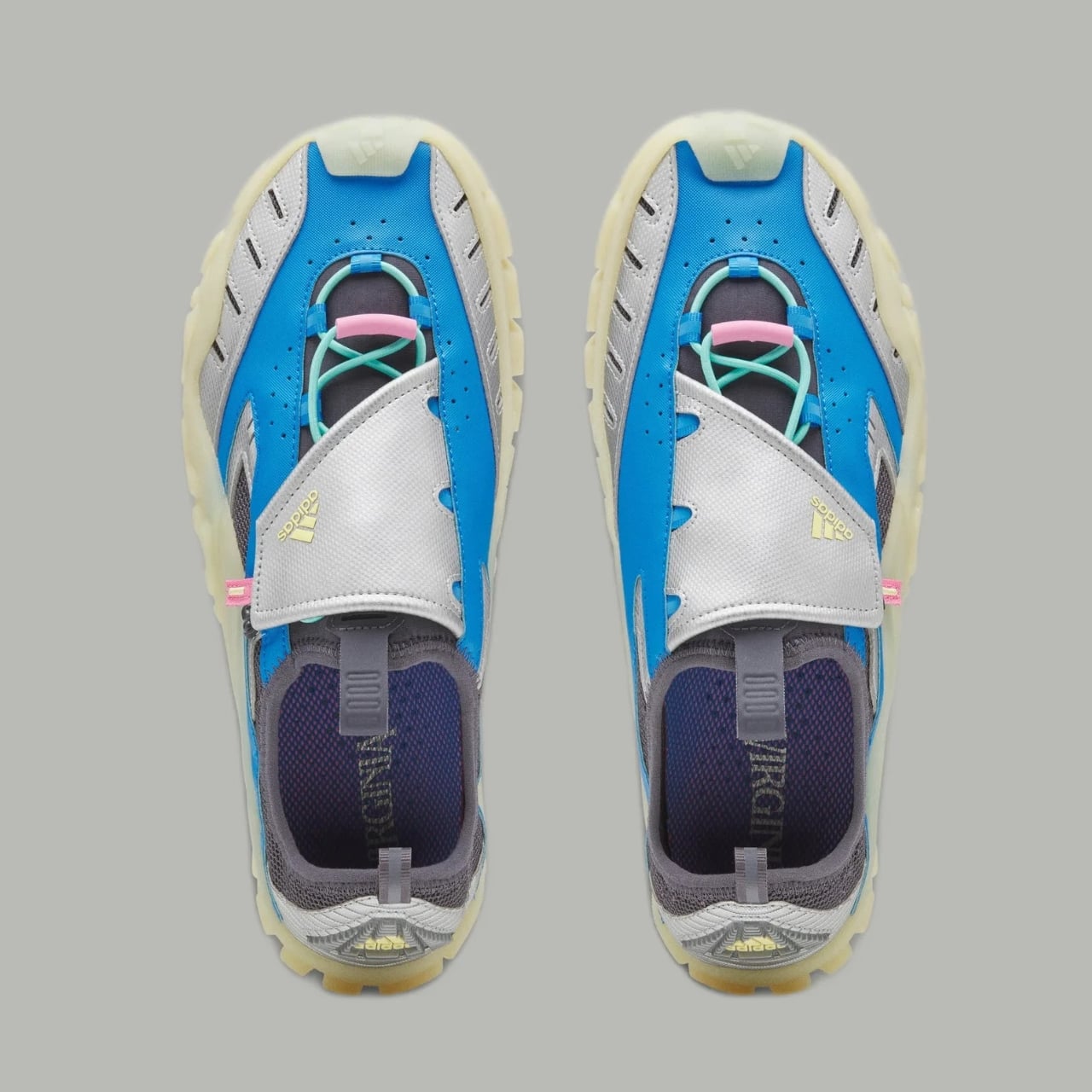
The Hydro Next Gen Moc 1TRL is equipped with max cushion FloatMax midsoles and an improved heel shape. You can wear them hands-free, while the EVA foam upper offers a lightweight and flexible fit. The BLOOM performance foam is made from algae biomass, and it converts green water into clean water.