Airline Meal Trays Are Broken: This Korean Design Fixes Them

There’s something deeply satisfying about opening a Korean meal to find those little side dishes, each in their own small bowl, arranged just so. The banchan tradition turns eating into a kind of visual feast before you even take a bite. Now, imagine bringing that same thoughtful, modular approach to one of the most notoriously cramped dining experiences: airplane meals.

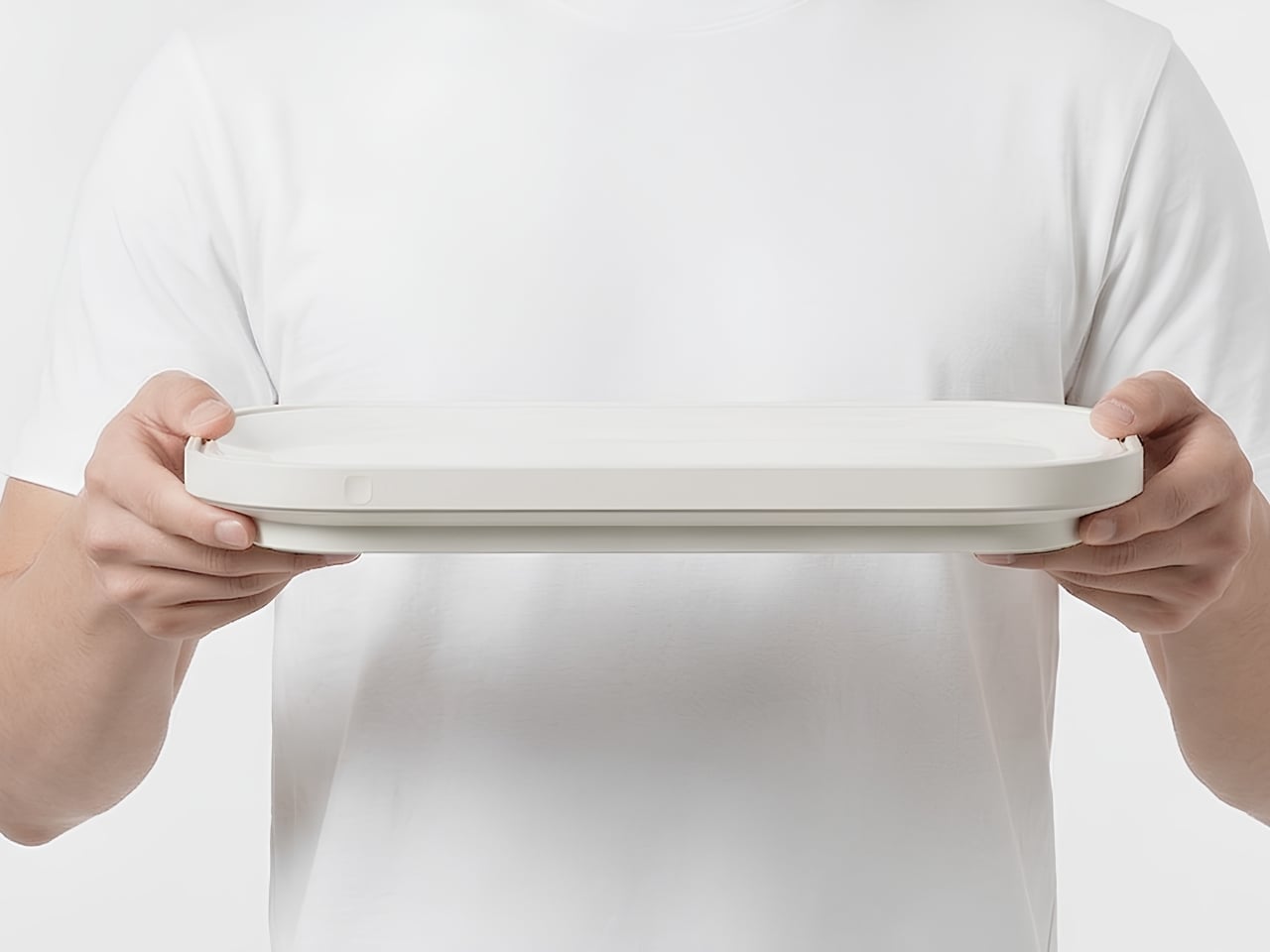
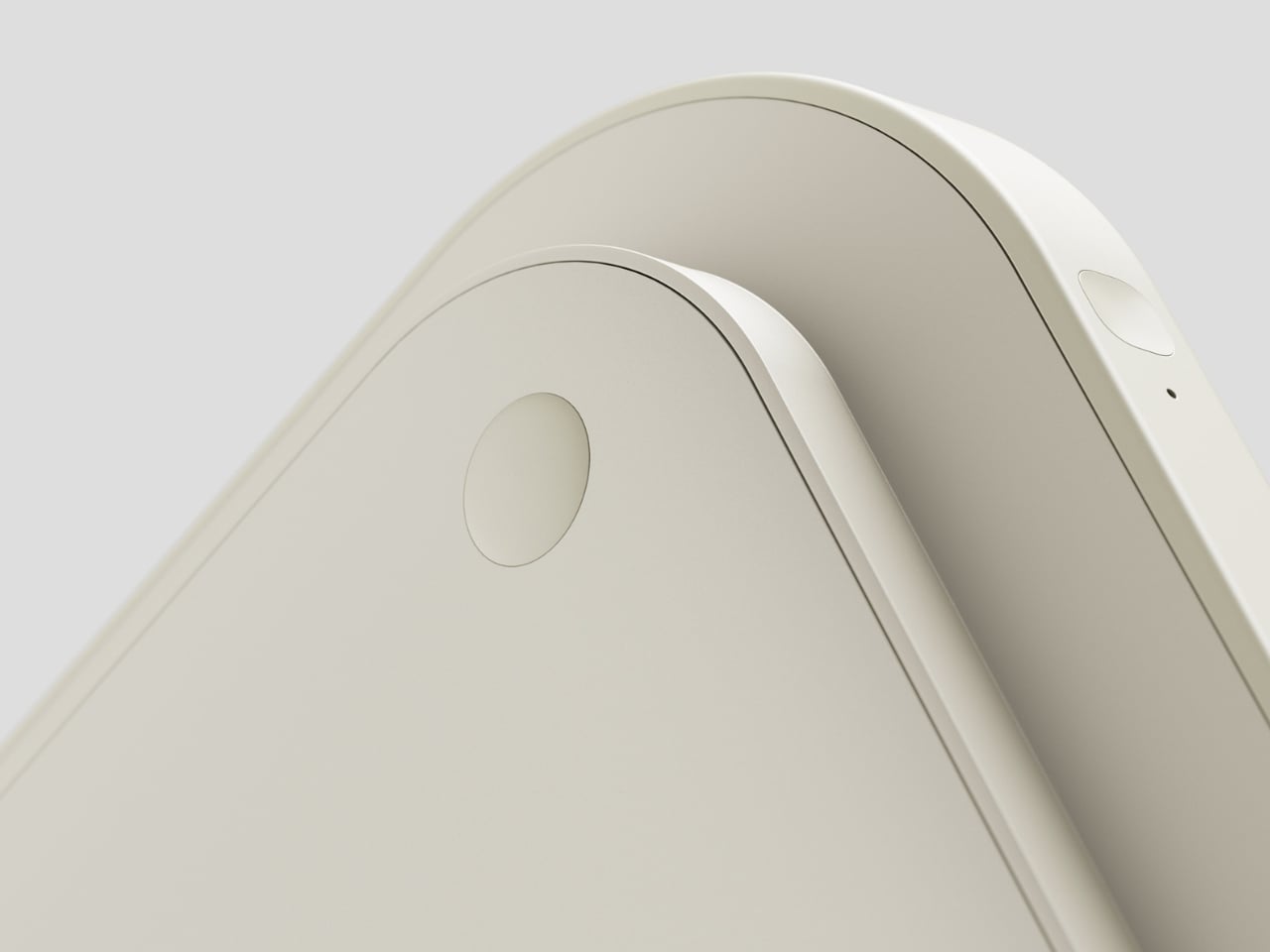
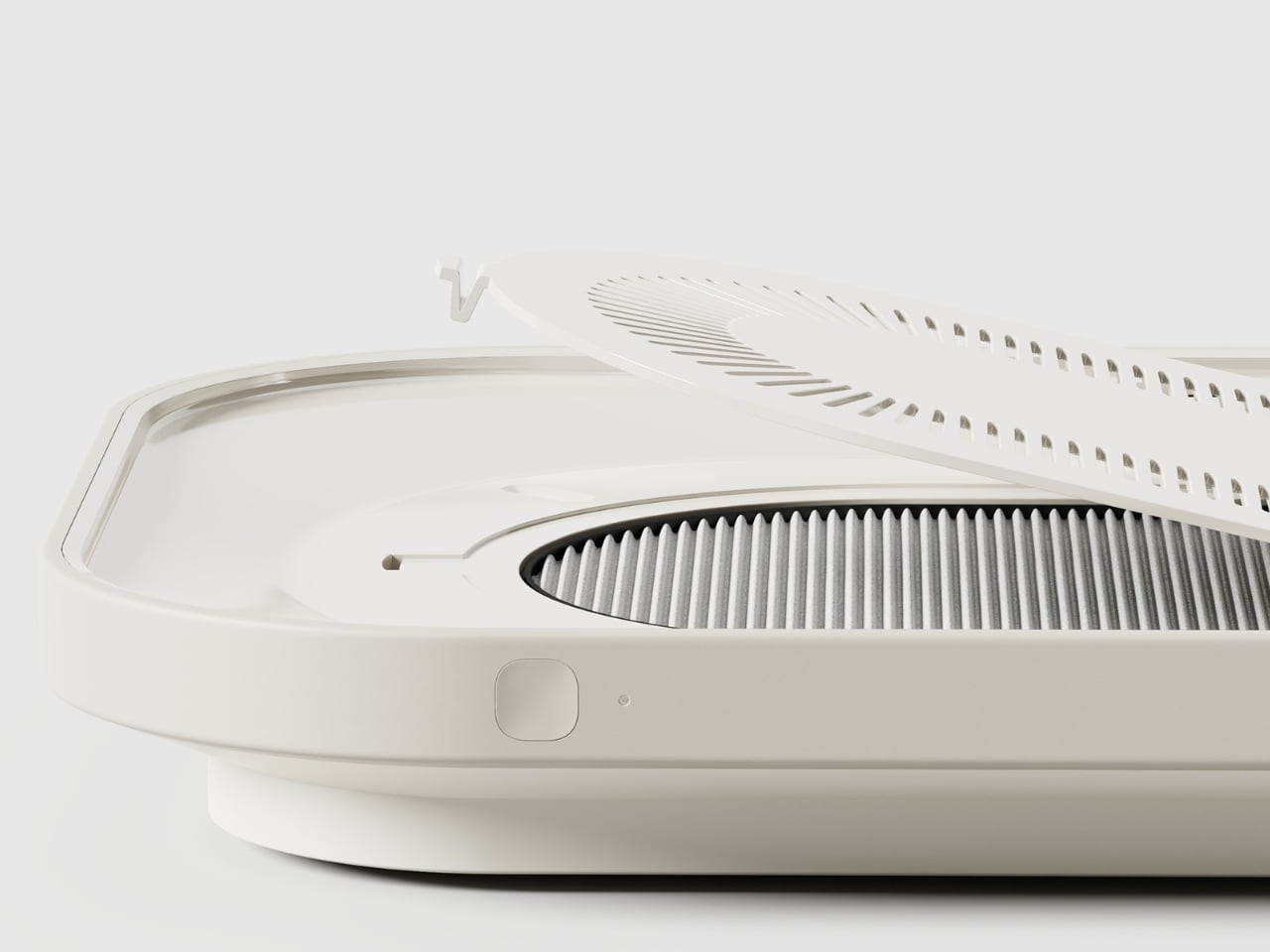
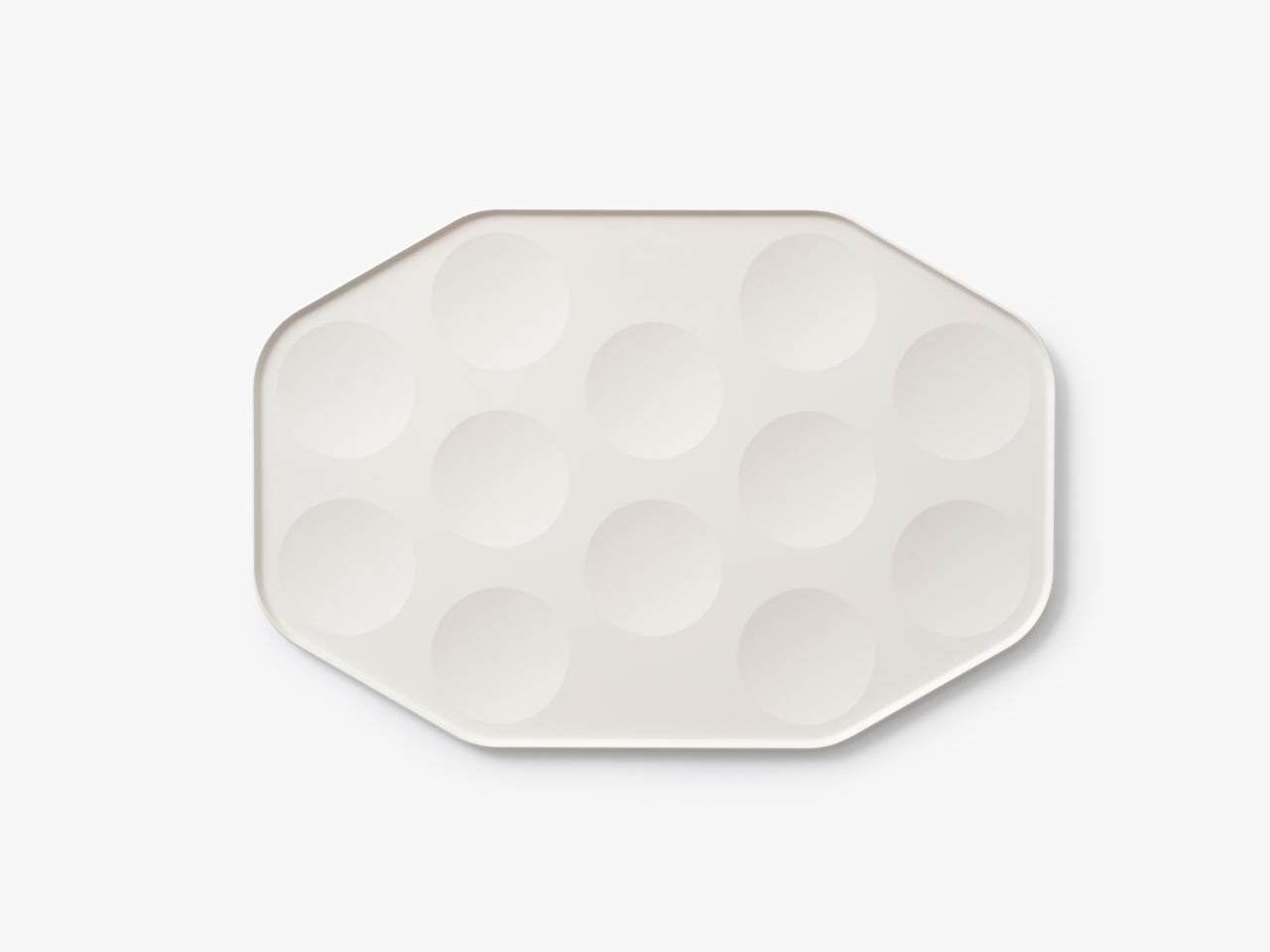
That’s exactly what BKID co has done with their System Tray design, and honestly, it’s one of those ideas that makes you wonder why we didn’t think of this sooner. The project takes the organizational genius behind Korean side dish service and reimagines it for the narrow, tray-table constrained world of in-flight dining.

Designer: BKID co

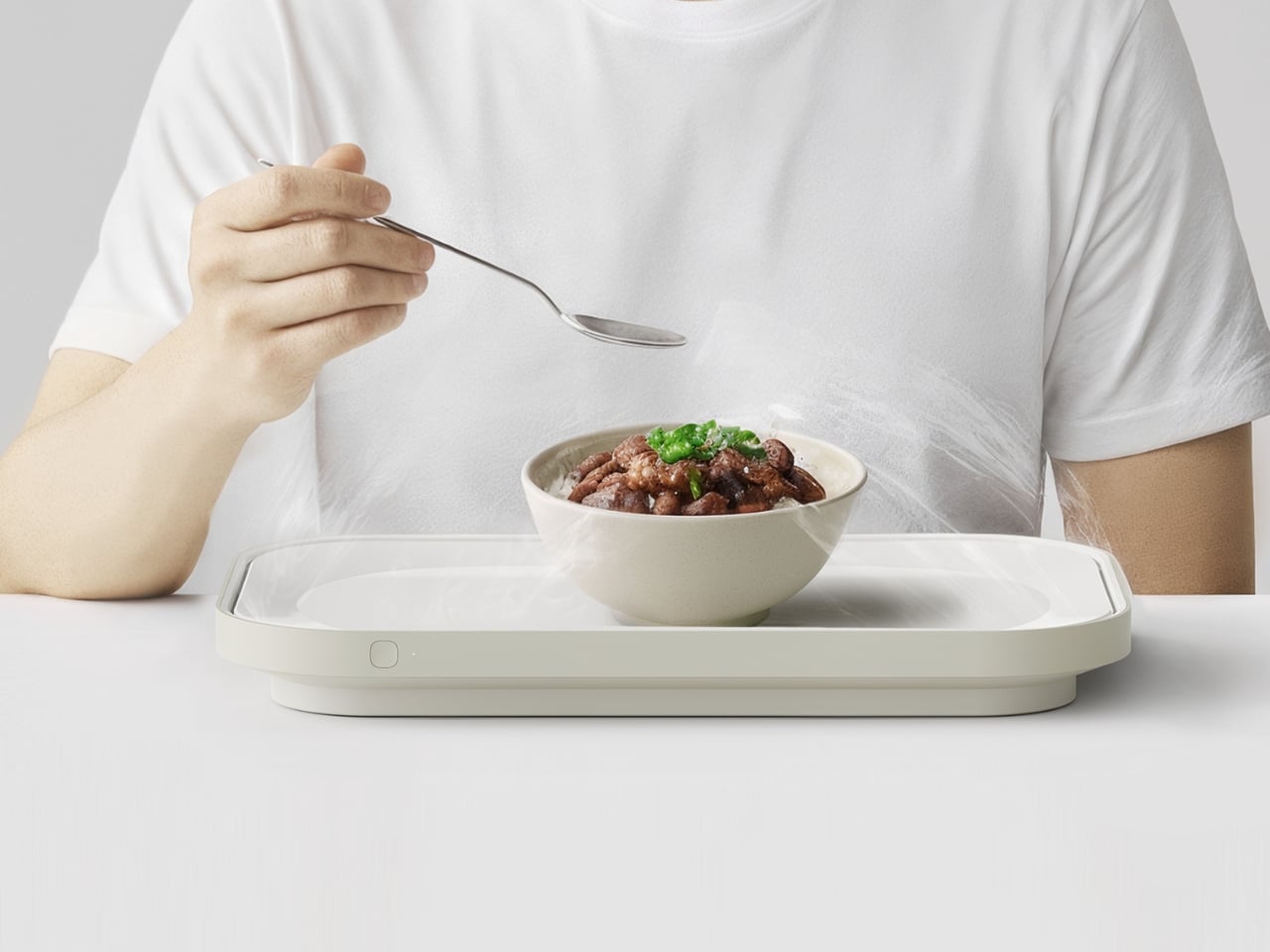
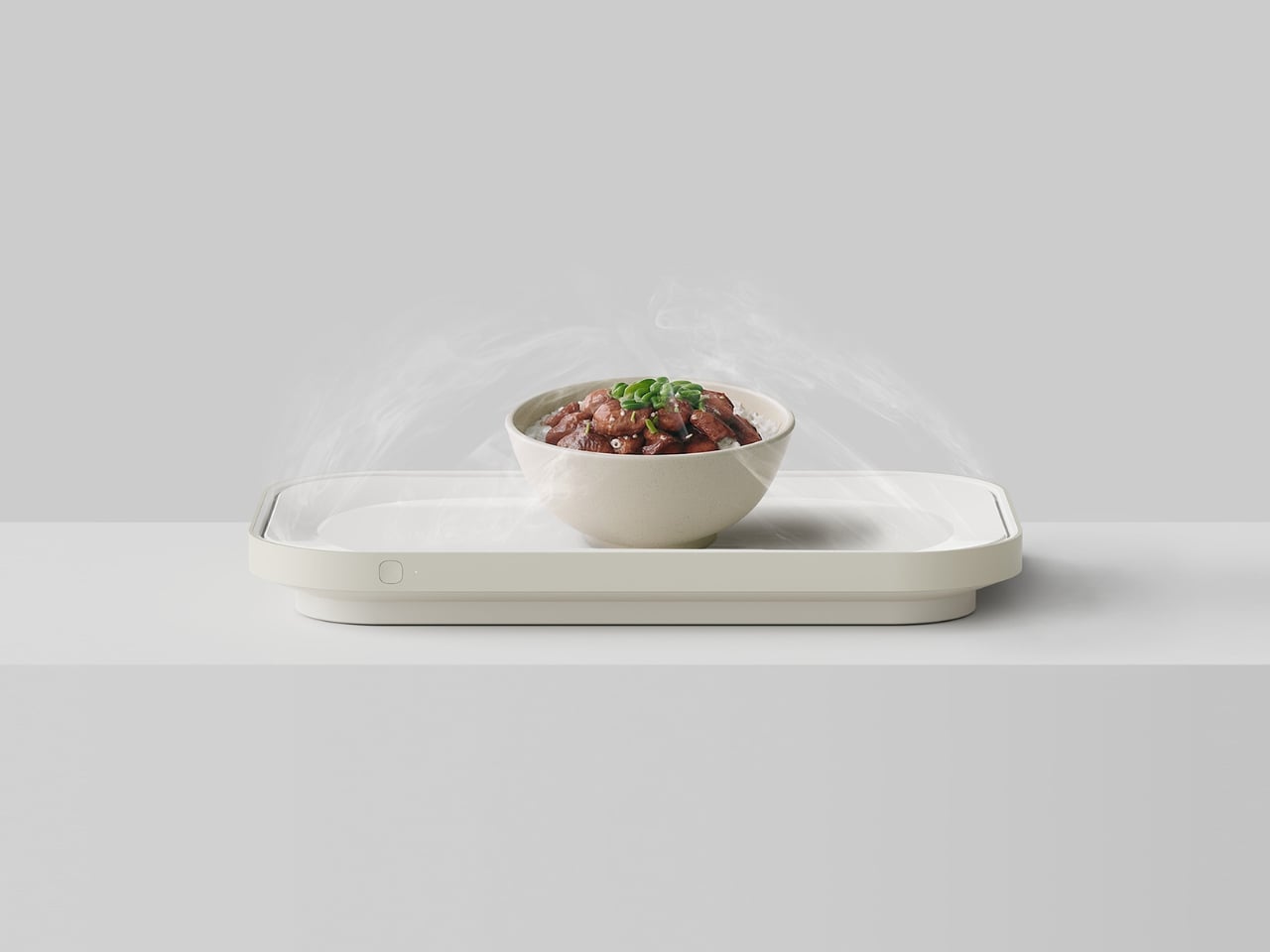
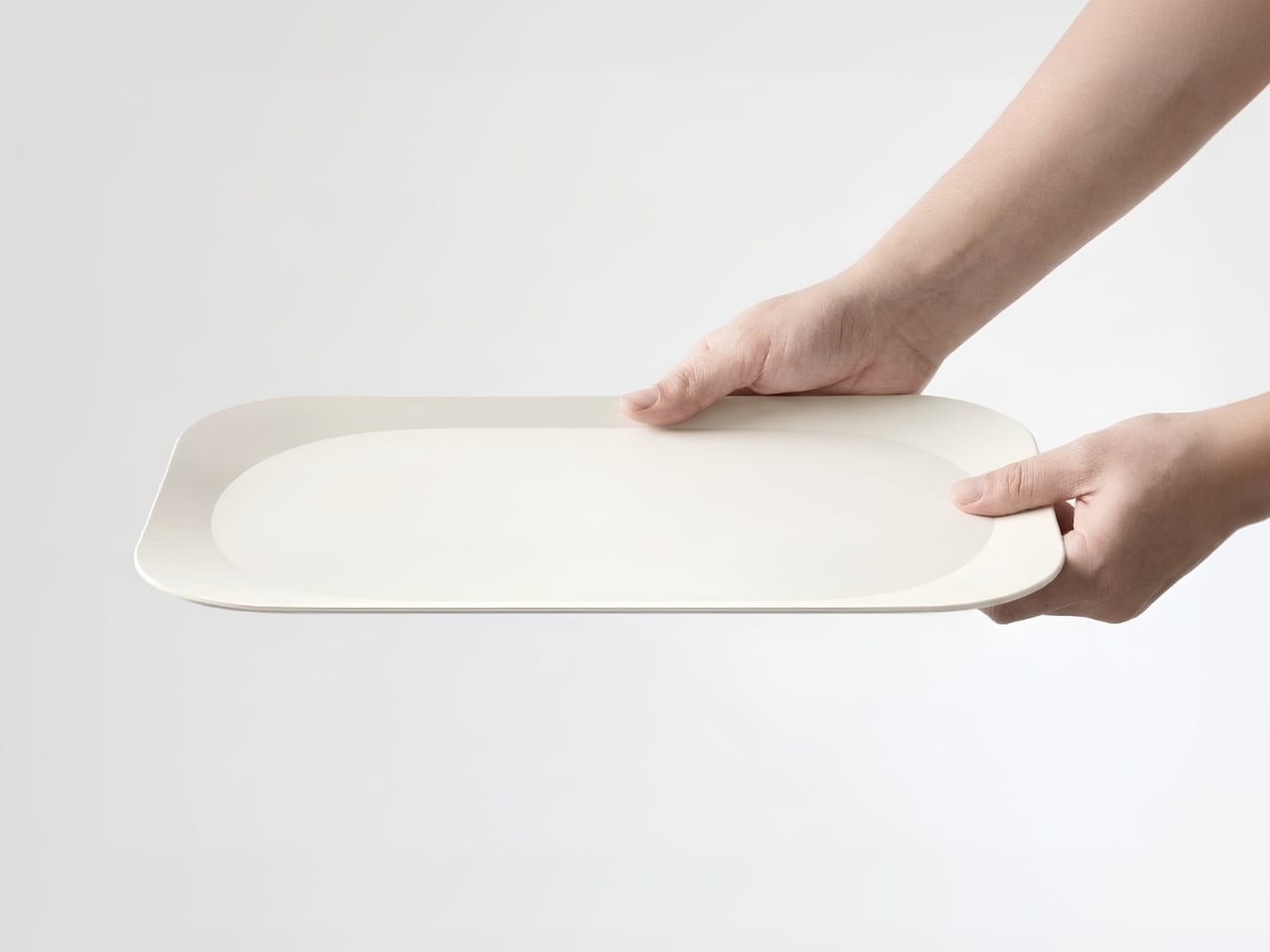
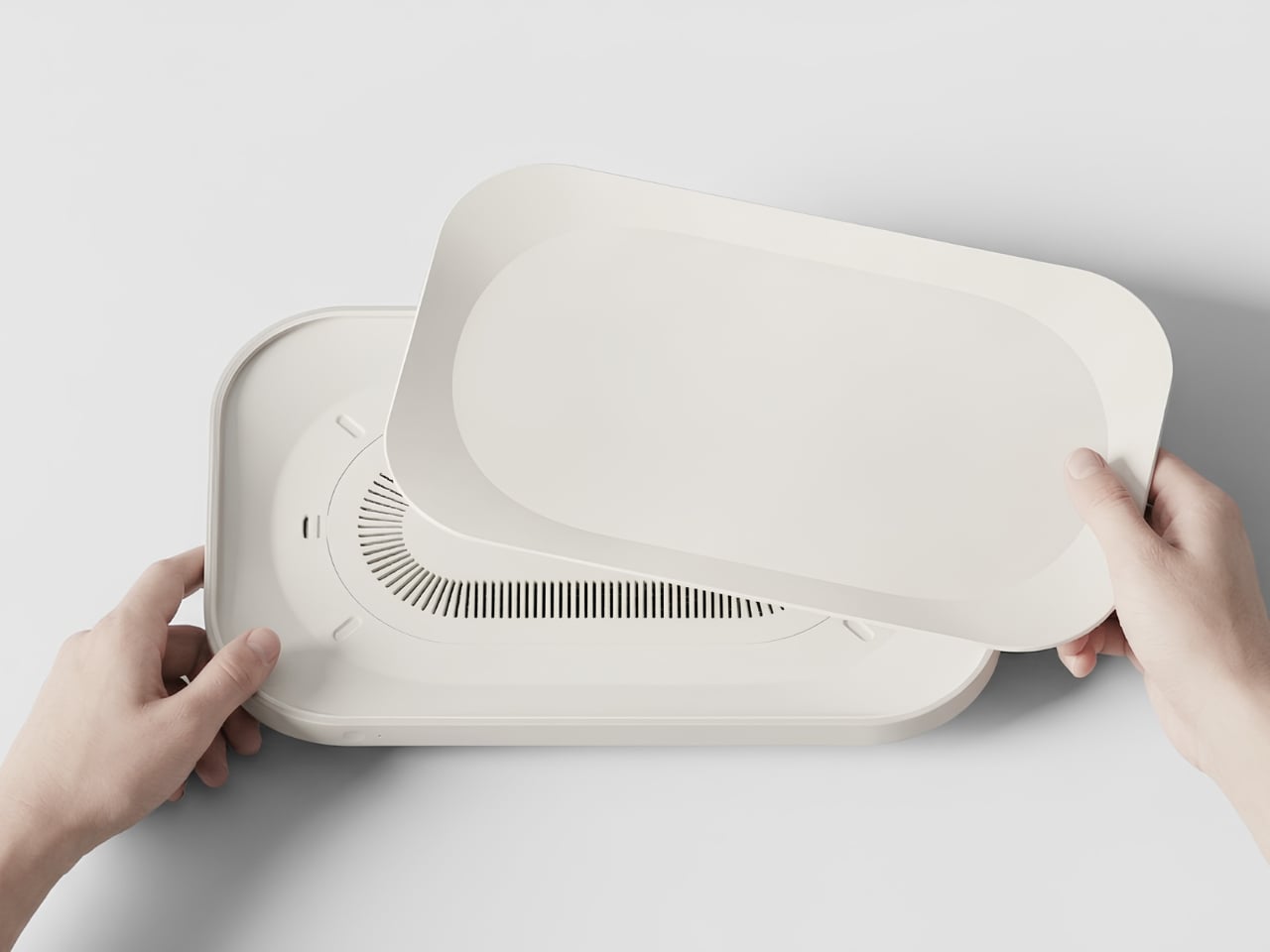
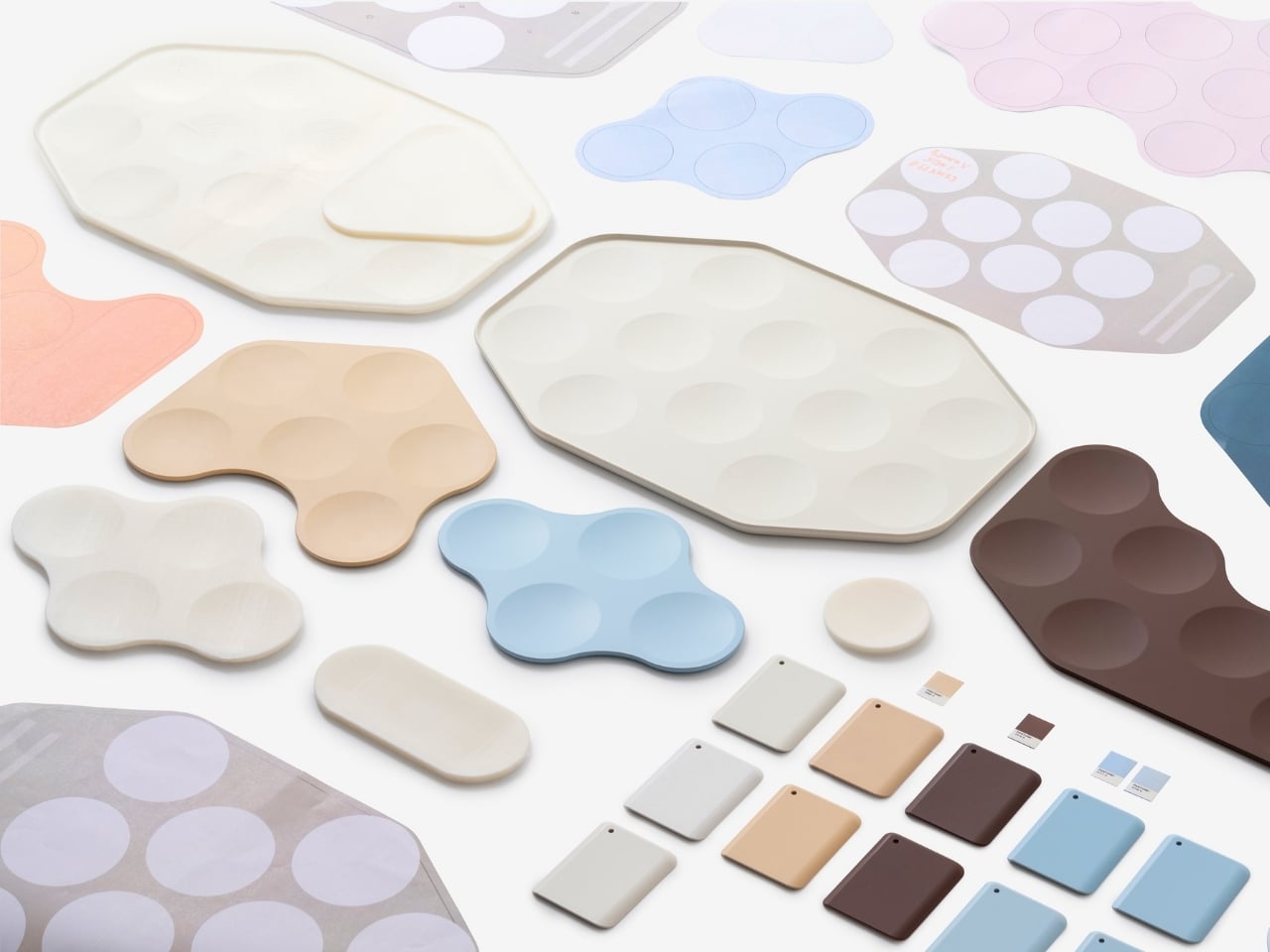
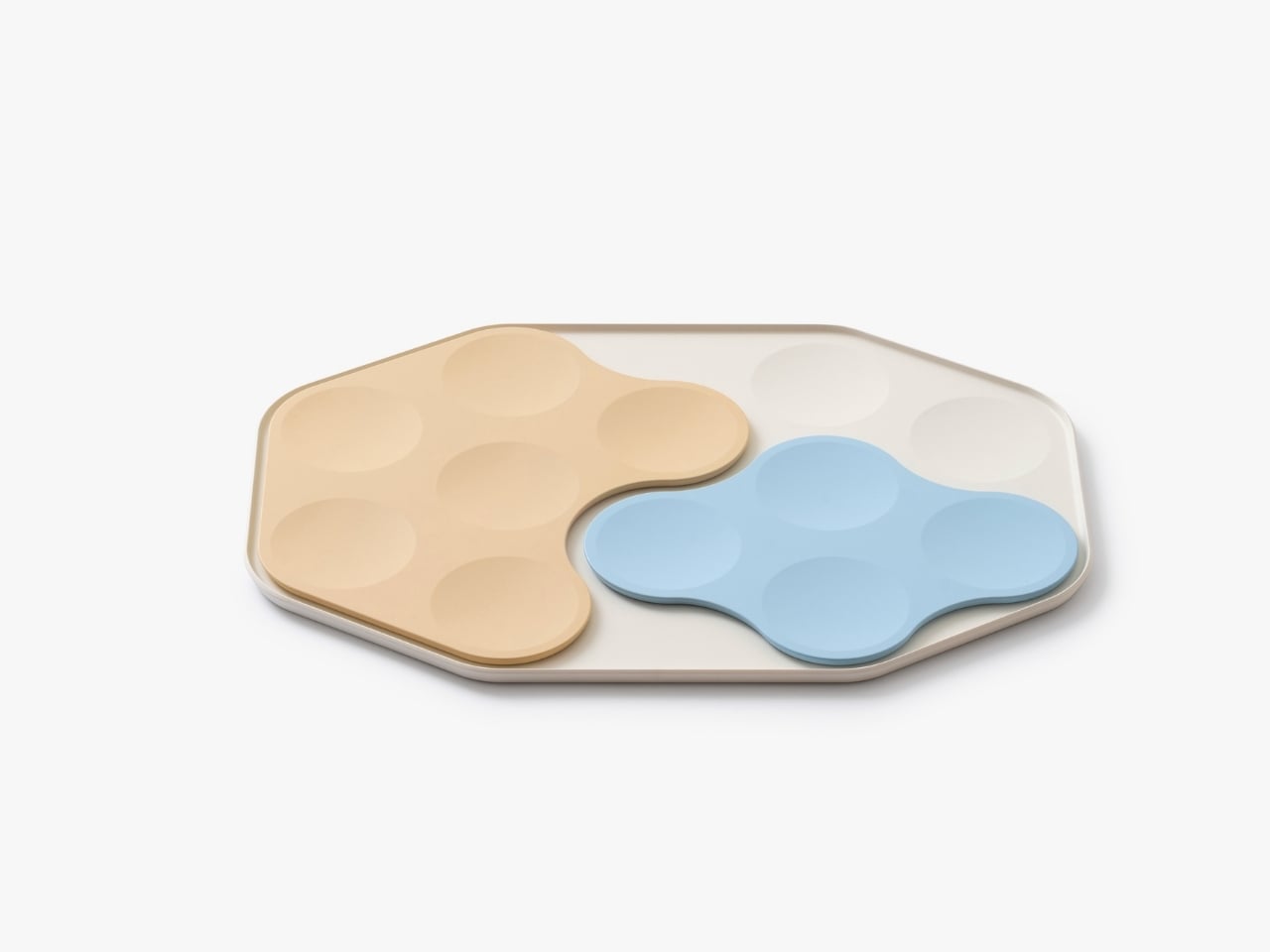
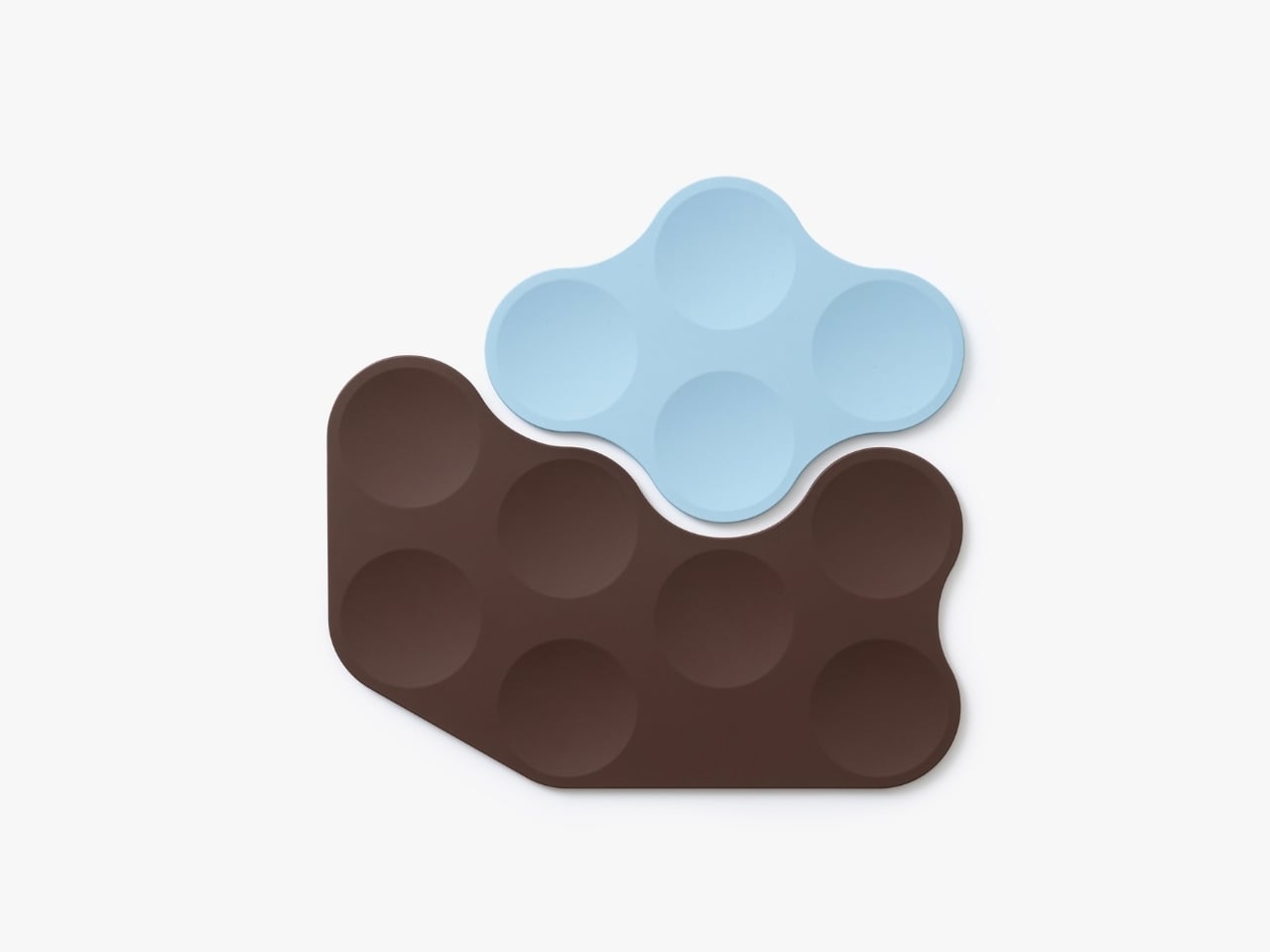
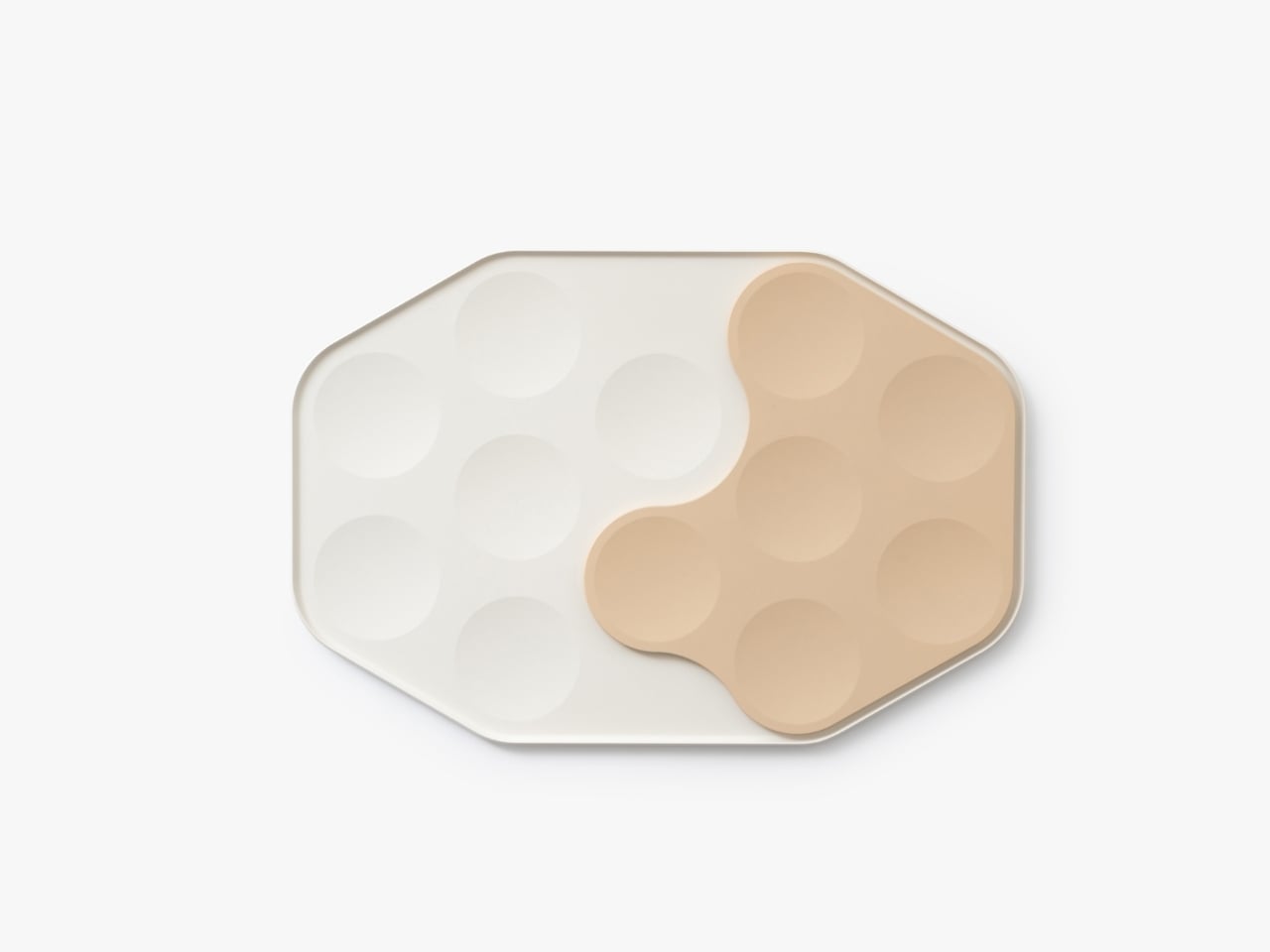
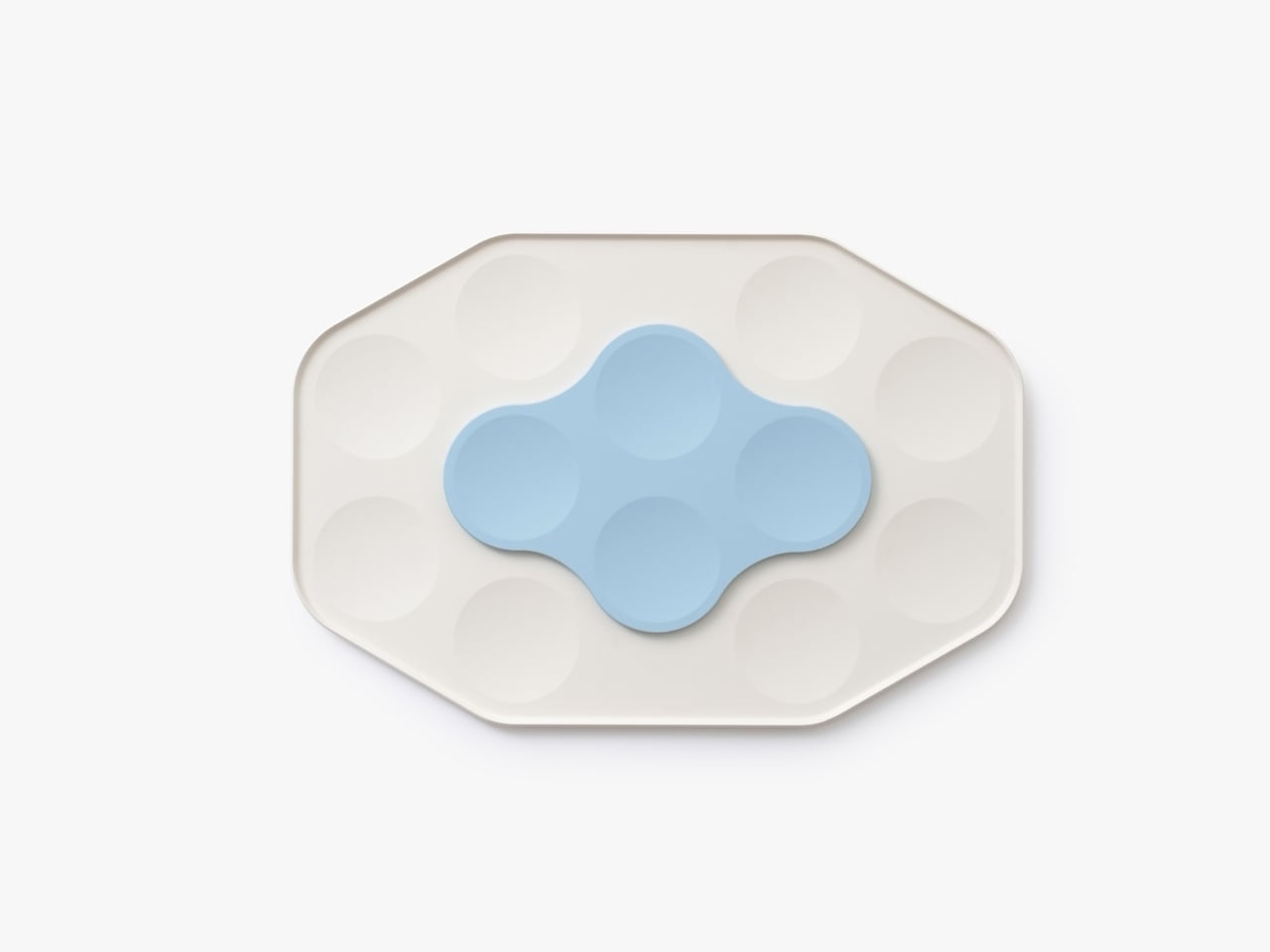
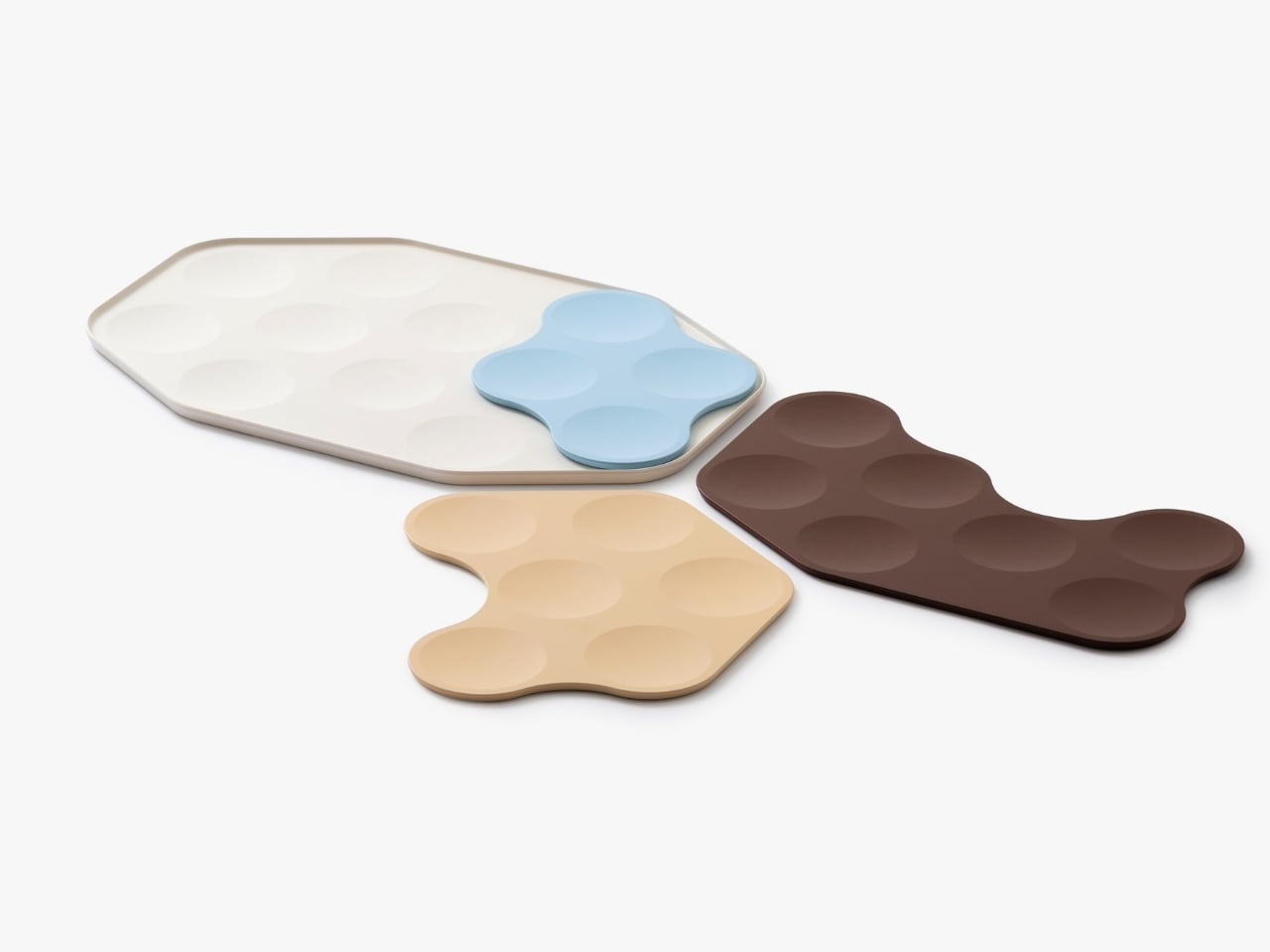
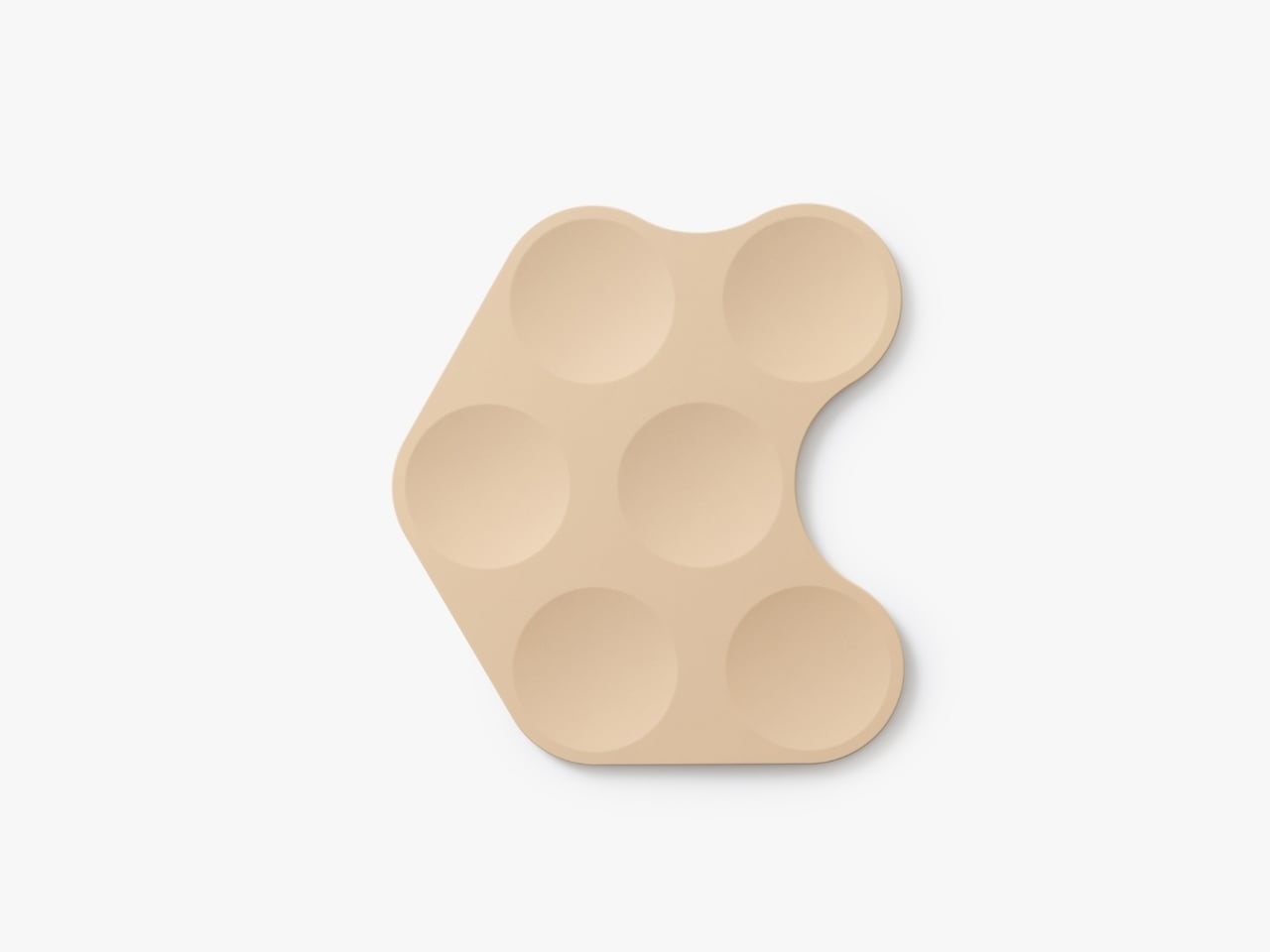
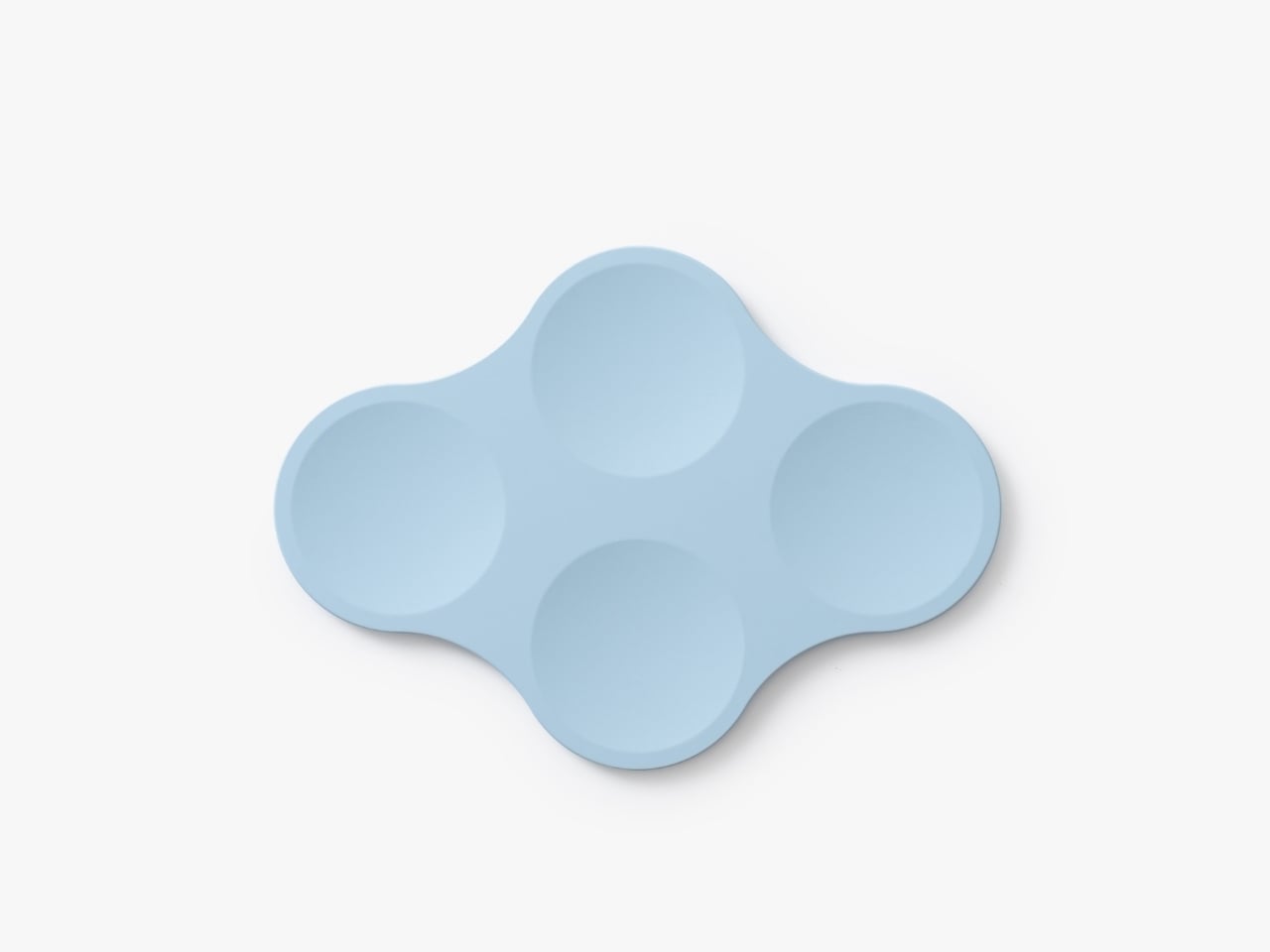
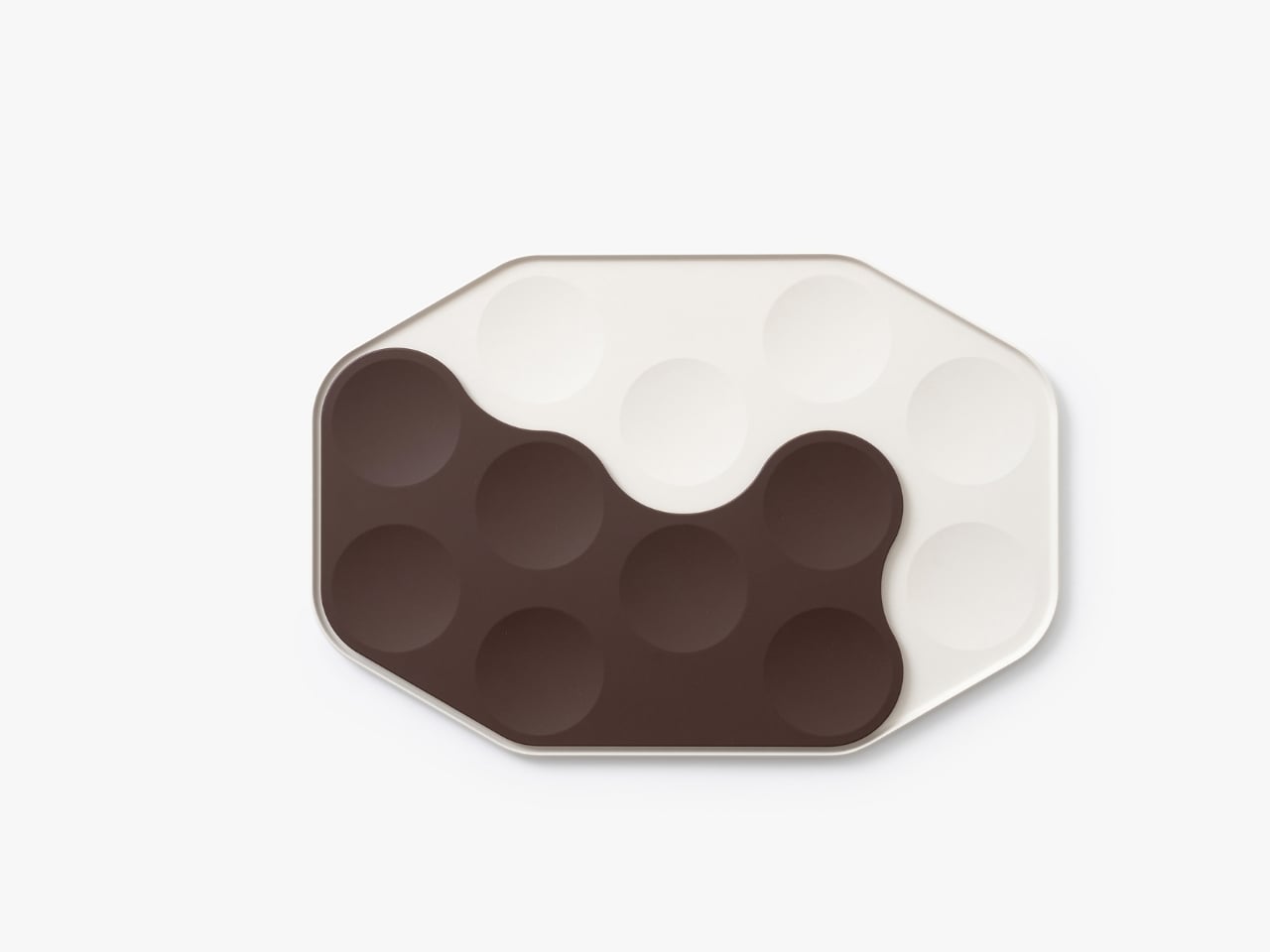
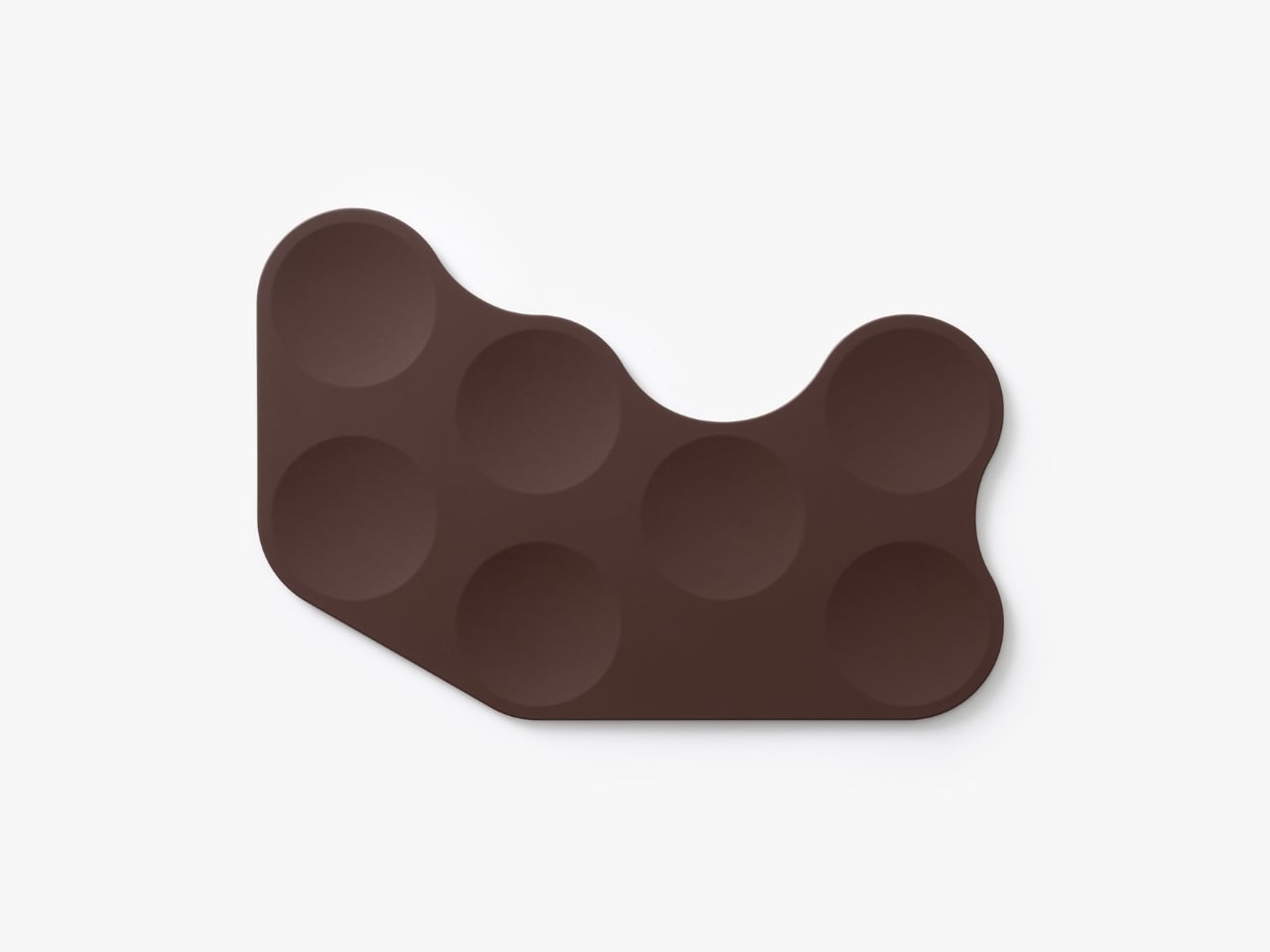
Anyone who’s flown recently knows the struggle. You get your meal tray, and it’s this precarious balancing act of overlapping plastic containers, a wobbly cup threatening to spill, and utensils that somehow always end up on the floor. There’s no elegance to it, no sense that anyone actually thought about the experience beyond “how do we get food from point A to point B?” The System Tray flips that script entirely. Drawing inspiration from traditional Korean wooden trays that hold multiple small dishes, the design creates a modular system where individual plates nest together like a puzzle. Each piece has those beautiful organic, flowing shapes that lock into each other or fit perfectly within the main tray. It’s functional geometry that doesn’t look robotic or cold.

What makes this particularly clever is how it addresses real constraints. Airlines aren’t going to adopt anything that doesn’t meet strict safety standards or adds significant weight. So BKID co worked with lightweight materials like durable plastics and lightweight ceramics, keeping things practical while maintaining that elevated aesthetic. The pieces can stack when not in use, which means they take up less storage space in the galley. For airlines constantly trying to maximize every square inch of cabin space, that’s a huge selling point.

But let’s talk about the visual appeal, because this is where the design really shines. The color palette is subtle and sophisticated: soft creams, muted blues, warm beiges, and earthy browns. These aren’t the harsh primary colors or industrial grays we’re used to seeing on planes. The shapes themselves are organic and almost playful, with curved edges that interlock in unexpected ways. Laid out, they look more like modern art than airline serviceware.

There’s something almost meditative about the way the pieces fit together. You can configure them in different arrangements depending on the meal, whether it’s a full dinner service with multiple courses or a lighter snack. That flexibility is key because not every flight or passenger needs the same setup. The modular approach means the system can adapt rather than forcing one rigid solution.

This design also taps into a broader trend we’re seeing in travel and hospitality: the push to make utilitarian experiences feel special. We’ve watched airport lounges transform into design showcases. We’ve seen hotel rooms become Instagram-worthy destinations. Even train stations are getting architectural makeovers. Why should airplane meals be any different? The banchan tradition isn’t just about having multiple dishes. It’s about balance, variety, and presentation. It turns a meal into something communal and considered, where each element has its place and purpose. That philosophy translates surprisingly well to the challenge of airline food service, where space is limited but the desire for a pleasant dining experience remains.

What BKID co has created here isn’t just a better tray. It’s a rethinking of how we approach one of travel’s most mundane moments. It suggests that even in a space as constrained as an airplane cabin, there’s room for thoughtfulness and beauty. The design proves that solving practical problems doesn’t mean sacrificing aesthetics.

Will we see these trays on flights anytime soon? That’s the real question. Airlines move slowly, and switching out serviceware across an entire fleet isn’t a small undertaking. But as more carriers compete on experience rather than just price, innovations like this become more attractive. Passengers increasingly expect more, even in economy. A meal served on a thoughtfully designed tray system could become a differentiator.

For now, the System Tray stands as a brilliant example of cross-cultural design thinking, where a traditional dining practice inspires a modern solution to a very contemporary problem. It reminds us that good design often comes from looking at how people have solved similar challenges in different contexts, then adapting those insights with fresh eyes.

The post Airline Meal Trays Are Broken: This Korean Design Fixes Them first appeared on Yanko Design.
Heinz Dipper Finally Gives Fries Their Own Little Ketchup Pocket

Eating fries away from a table means improvising a ketchup situation that usually goes wrong. Packets balance on dashboards, sauce gets smeared onto napkins, or you squeeze tiny dollops directly onto individual fries like you are frosting cupcakes. It is ridiculous that we perfected crinkle cuts and waffle fries but still treat the ketchup part like an afterthought whenever we leave the safety of a tray.

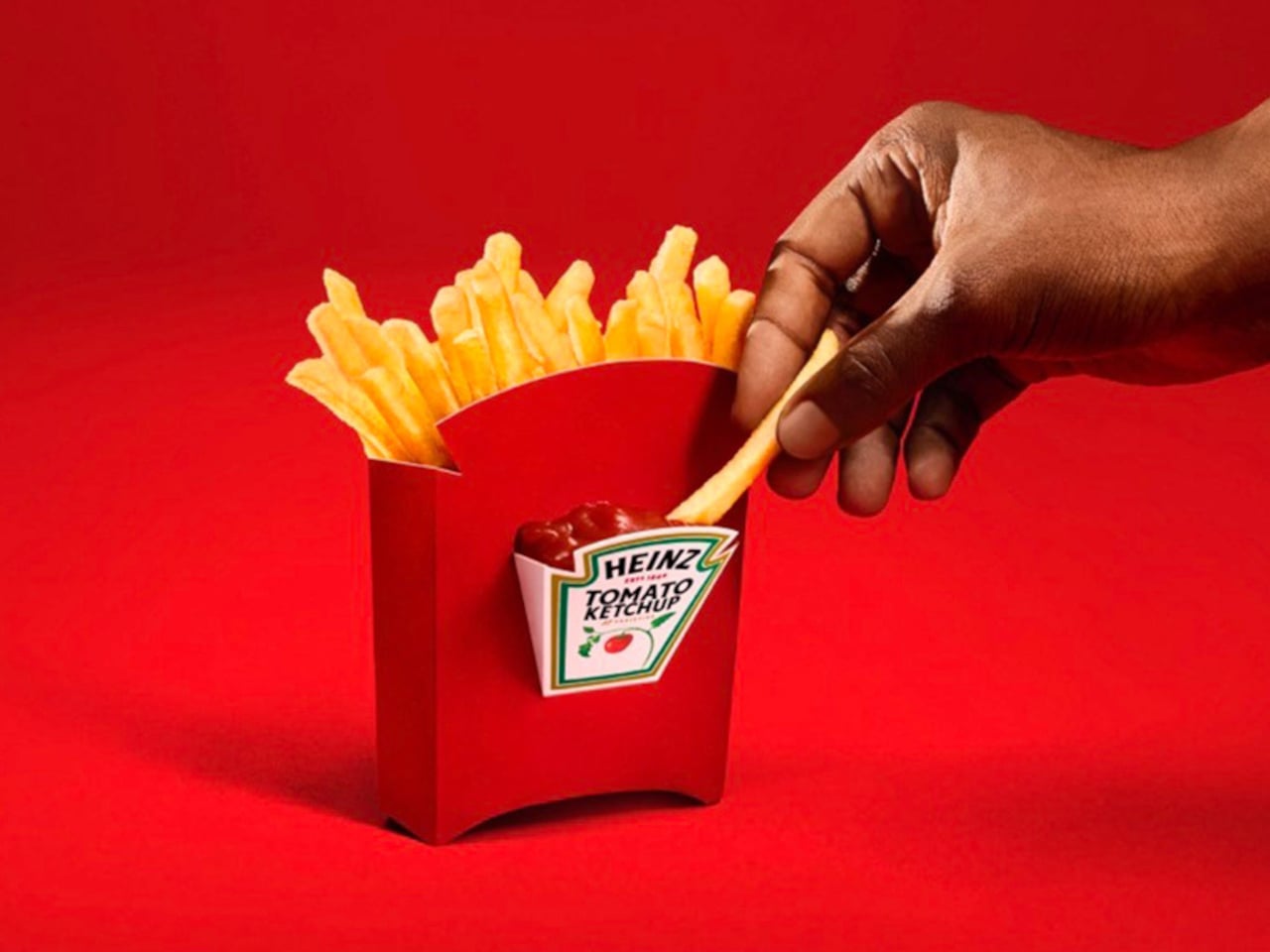
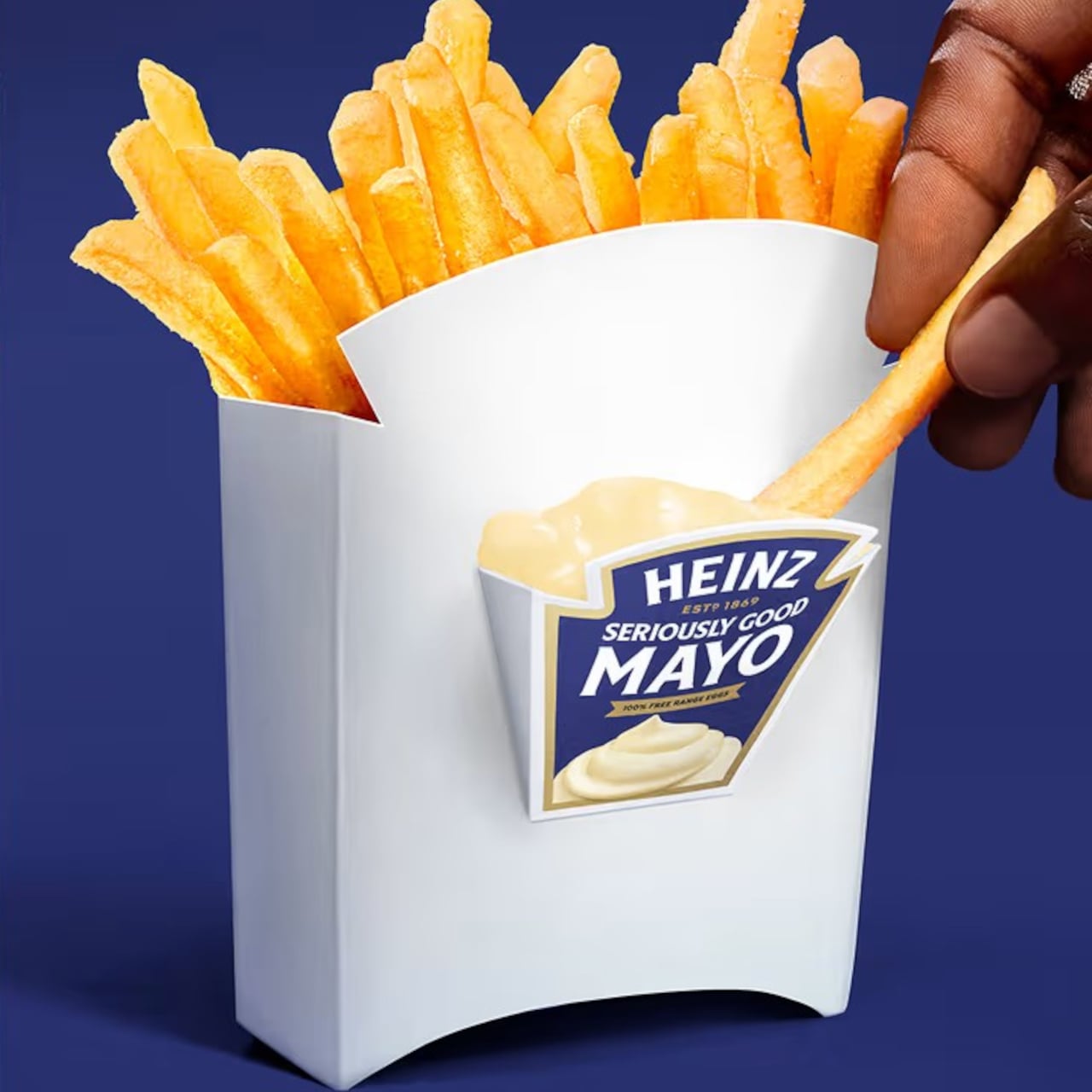
Heinz Dipper is what happens when someone finally looks at a fry box and asks, “What if this thing helped?” It is a patent-pending container with a built-in condiment compartment on the front, engineered for dipping on the go. The box holds fries like usual, but also carries a small pool of ketchup or mayo right where your thumb expects it to be.

Designer: Heinz

Picture a drive-thru run or a couch session. Instead of tearing packets and hunting for a flat surface, you grab the Dipper with one hand, dip with the other, and never wonder where the ketchup went. The fry box becomes a self-contained meal kit, making it harder to justify those ketchup stains on jeans, car seats, or suspiciously sticky armrests that no one wants to talk about.

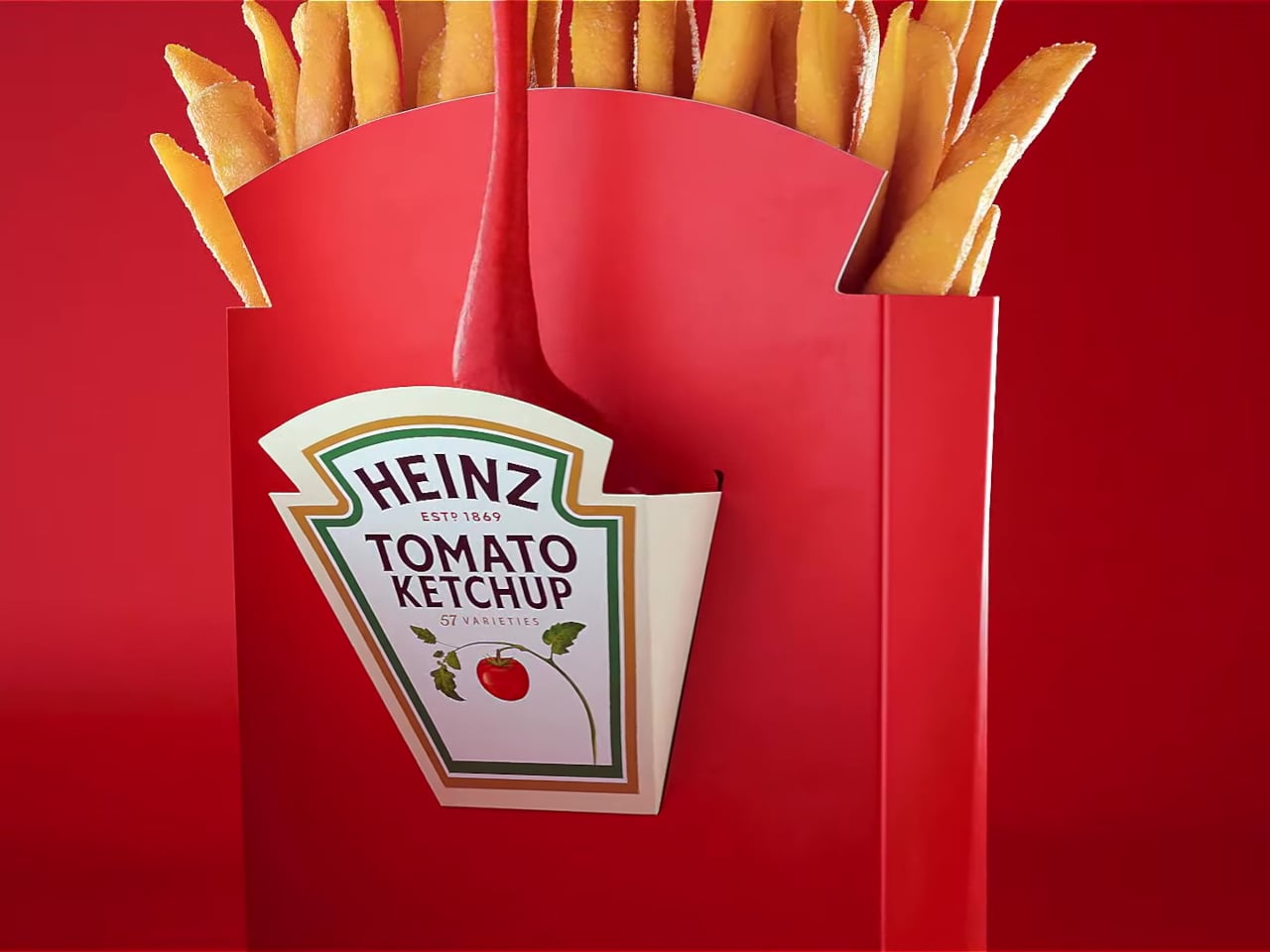
The design is basically a standard fry box with a foldable pocket on the front acting as a condiment well. That small structural change stabilizes the sauce, keeps it from sliding around, and puts it within the same footprint as the fries. No extra cups, no balancing acts, just a single object that understands fries and ketchup are a package deal, not two separate quests requiring three hands.

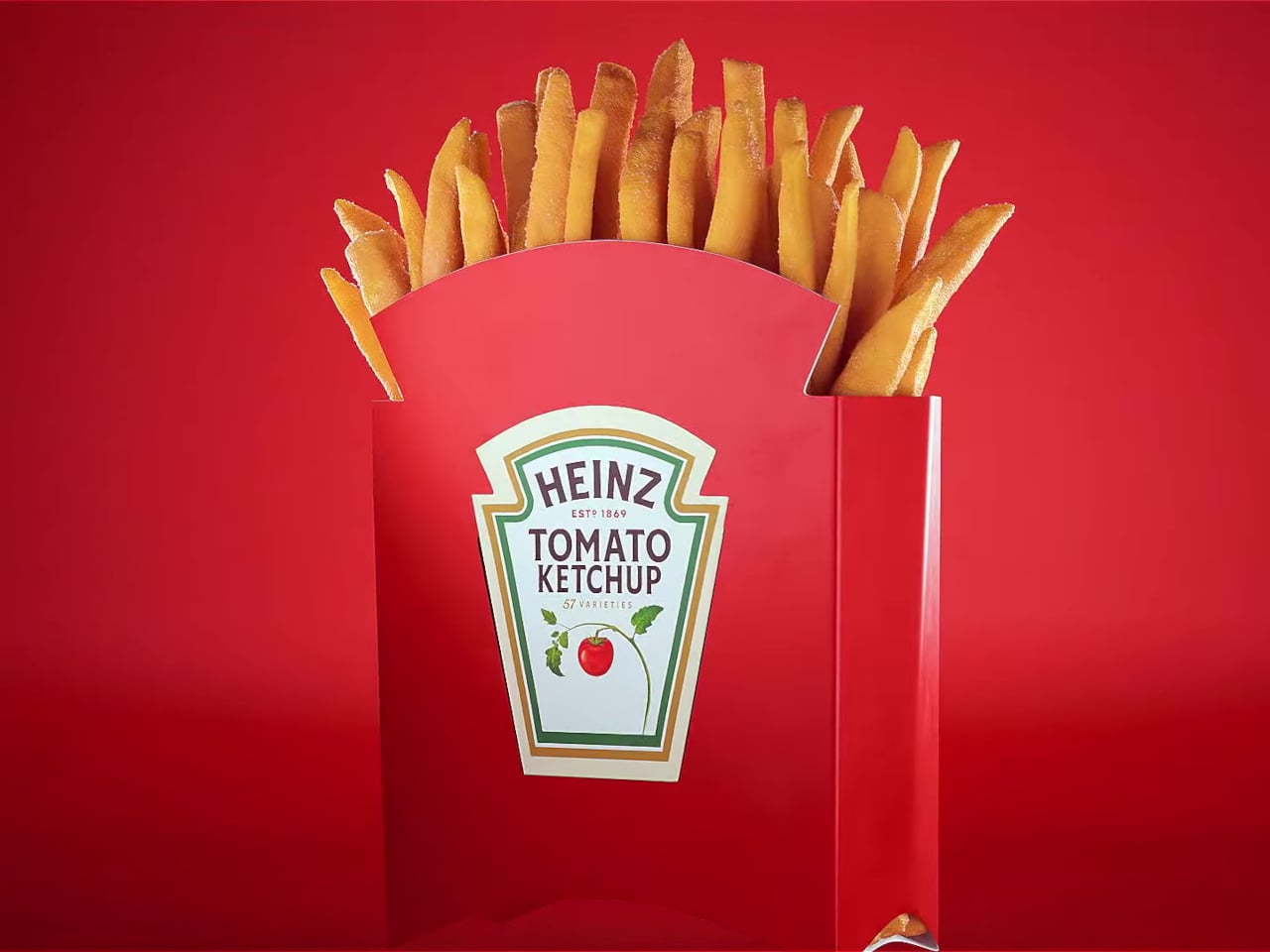
Heinz leans into its keystone icon here, turning the familiar label shape into both branding and a visual cue that says “dip here.” It is packaging as an interface, not just decoration. The Dipper teaches you how to use it without instructions, which is what good packaging should do when your other hand is busy steering, cheering, or trying to find the napkins you forgot to grab.

The brand cites research showing that most people have spilled ketchup while dipping on the go, and many have considered skipping sauce entirely because the packaging is so annoying. Those numbers validate that this is not a niche complaint; it is a shared embarrassment. The Dipper’s simple structure is less about reinventing fries and more about admitting we have been eating them awkwardly for years.

Heinz Dipper will not save the world, but it might save a few car interiors and shirts. It is a reminder that thoughtful design can live in cardboard geometry as much as in expensive gadgets, and that sometimes the most satisfying innovations are the ones that fix a tiny, greasy annoyance you did not realize everyone else was quietly suffering through as well.

The post Heinz Dipper Finally Gives Fries Their Own Little Ketchup Pocket first appeared on Yanko Design.
Billboard that smells like French Fries tempts you to go to McDonald’s

There’s a chocolate drink factory near our place and when the wind blows down the main street, the smell of chocolate fills the entire area and every person is brought back to their childhood drinking a cup of hot cocoa in the morning. Also, on my walk to and from the office and my house, I pass by a McDonald’s store. When I’m especially hungry, that distinct smell of burger and fries (and sometimes chicken) actually tempts me to make a detour and enter the store to buy my dinner.

Designer: TBWANeboko and Raul & Rigel for McDonalds

There are just some food brands that triggers our olfactory nerves and makes us want to buy their products to satisfy this craving brought about by smell. McDonald’s believes they’re one of those brands and in Netherlands, they’re putting this to good, creative, and aromatic use. Their ad agency TBWANeboko worked with production company Raul&Rigel to put up a series of unbranded street billboards with just the red and yellow colors. When you pass by within 5 meters of them, you get to smell the distinct aroma of McDonald’s French Fries, hopefully triggering a craving.

These scented billboards actually have a hidden compartment in them to store the aforementioned fries. There’s also an internal heat and ventilation system that is responsible for intensifying this smell and tempt anyone passing by to get fries. Of course they are located strategically near a McDonald’s, 200 meters away in fact, so that you can sate that craving and get your favorite fries (and maybe other things) because of that billboard smell.

It’s a pretty creative way to take advantage of that feeling evoked in us when we smell something so distinct. It’s bad news though for people like me who are trying to stay away from carbs. Good thing that fries-scented billboard is only in the Netherlands, although passing by that McDonald’s every day is already temptation enough.

The post Billboard that smells like French Fries tempts you to go to McDonald’s first appeared on Yanko Design.
Edible AirPods-looking earbuds are (expensive) fanciful candy

We see a lot of Airpod dupes out there in the market that are not as expensive and therefore may also not last as long as the originals. I’ve heard of some people who keep getting these non-authentic earbuds that look the same as Apple’s original because either they stop working properly or they keep losing them. And with the way that a lot of these earbuds are made, it’s not surprising that people keep losing them. What if there are AirPods though that are meant to be lost….into your mouth?

Designer: MSCHF

The Brooklyn-based art collective called MSCHF, known for their unserious and sometimes prank-ish products, have come up with their own take on the AirPods. But instead of giving you music, this may very well give you a toothache. That’s because their Candy AirPods are just exactly what the name says. They are edible earbuds that don’t have any other function except to be consumed. Well, unless, you want to keep them around for a long time even though they can’t let you listen to your favorite songs or podcasts.

The AirPods-looking candy come in a box just like the actual AirPods. They really do look like the earbuds as they are “ergonomically fitted to your ears” even though they’re not meant to be actually be put into your ears. The edible earbuds are made from isomalt, water, food coloring, and natural and artificial flavors and only contain 10 calories per container. If you have any allergies, you shouldn’t worry as they are GMO-free, fat-free, and allergen-free. They’re even manufactured in a nut-free facility so you can be sure you won’t get an allergy attack if you eat them.

Right now, it looks like they’re already sold out on the MSCHF website and we don’t know if they will still be restocking. But in case they will, it will cost you $50 which is a pretty steep price for two pieces of candy. They also can’t ship outside of Continental America since it’s not meant to travel far.

The post Edible AirPods-looking earbuds are (expensive) fanciful candy first appeared on Yanko Design.

World’s First 3D Printed Edible Eel: Sushi Ready

Hot on the heels of 3D-printed salmon comes the world’s first 3D-printed eel, made by Steakholder Foods using its line of 3D meat printers. Its current iteration of eel is plant-based, but it plans to ethically harvested eel cells and cultivate them once “economies of scale allow for price-competitive cell development.” These are fascinating times for the sushi industry!

SteakHolder’s printing process involves printing alternating layers of varied textures to as closely resemble the meat it’s printing as possible. So, it’s not just a solid block of the same texture and flavor. Its printing technology also allows the company to produce meat alternatives using significantly fewer ingredients than others currently on the market.

Above: A filet of grouper being printed.

SteakHolder Foods CEO Arik Kaufman says, “The launch of our printed eel marks a pivotal moment in the seafood industry…This technology is designed to enable partners to generate products on a potential industrial scale of hundreds of tons monthly, not only at lower costs compared to wild eel, but also with the flexibility to create a variety of printed products using the same production line.”

Would you eat 3D-printed eel? I would. As a matter of fact, I want some right now. Ideally, laid atop some rice with wasabi and soy sauce on the side. Great, now I want sushi. But I just had Mexican! I suppose I still have a little room…

[via TechEBlog]

A ramen-themed desktop PC is perfect for those late-night gaming sessions

Contrary to stereotypes, gamers actually love some bling on their gear. Consoles themed around certain games or characters really sell well, while towering desktops often light up like Christmas trees regardless of the season. Curiously, theme desktop PCs are hard to come by, and you often have to style your computer on your own if you want to show off any sort of attachment to brands, fandoms, or even food. Apparently, there are some PC users who would indeed like to tell everyone around them about their favorite dish, or at least that’s the implication of this quirky collection of PCs designed around one of the survival necessities for gamers on a late-night binge: a hot bowl of instant ramen noodles.

Designer: AFTERSHOCK PC

Granted, it’s objectively an unhealthy lifestyle, but it has almost become a part of gamer culture to have instant noodles on the side while you frantically mash buttons or keys, at least for PC gamers in certain parts of the world. Given their cheap prices, fast “cooking” time, and the fact that they don’t leave crumbs on keyboards the way chips do, fried noodles and instant ramen have become the go-to energy sources for these people. In fact, some have even developed a love for the taste and the experience, perhaps enough to warrant buying a PC themed around the food.

This Ramen PC collection is a delicious oddity, and while they thankfully don’t resemble cups or bowls, they have all the markings of an authentic instant ramen experience. The front shows the flavor, available in Tonkotsu, Seafood, and Tom Yum varieties, that would make connoisseurs or hungry gamers drool. The top of the front panel even has marks resembling the ribbing that these cups use to prevent burning your fingers when holding them. One side has a panel that has the customary nutritional information label as well as cooking instructions. And just to make sure your mind doesn’t play tricks on you, there’s a large label warning not to microwave your PC, presuming you can even a microwave large enough to shove it into.

The panel on the opposite side is transparent on the upper half, while the lower half has wavy lines suggestive of the noodly contents of the “cup.” To complete the serving, the PC uses a bespoke GPU backplate expertly handcrafted with images of the ingredients unique to each flavor. The GPU conveniently sits right above the wavy patterns, giving the image of these delectable morsels floating above the noodles and the savory broth. The proverbial cherry on top is a custom magnet charm that sits on top of the tower, taking the form of chopsticks lifting some noodles and seemingly floating in mid-air.

The Ramen PC isn’t just all looks, though, and can be configured with some of the best gaming specs available in the market. The design isn’t going to be everyone’s cup of tea, or noodles, rather, but it’s definitely a fun and interesting way to spice up your desktop computer and set it apart from the rest of those colorful but boring RGB towers that flood the market.

The post A ramen-themed desktop PC is perfect for those late-night gaming sessions first appeared on Yanko Design.

Sushi-themed suitcases bring joy to one of the most stressful aspects of traveling

After being stuck indoors for so long because of COVID, people have started traveling again en masse and with such intensity that the term “revenge travel” was coined. Whether it’s just across the country or to another one, people have started to remember the feeling of freedom that traveling produces. At the same time, however, it also reminds them of some of the stress involved, particularly when it comes to packing and anxiously waiting for their bags to appear on the luggage conveyor belt. Truth be told, it’s probably impossible to completely get rid of all those negative emotions, so every little thing that lightens the mood can help. This design concept, for example, doesn’t make packing easier or make time go faster, but it adds a rather playful flavor to your suitcase that might give you joy, or even make you drool, every time you see it.

Designer: Yujeong Shin

Most travel bags are designed with greater emphasis on functionality and durability, especially for suitcases that can never escape rough handling and tumbling on flights or cruises. Of course, that doesn’t mean they can’t be made to look beautiful or visually interesting, especially when aesthetics also add value to the product beyond just appearances. With the right choice of materials and thoughtful design, almost any type of theme can be used to make a suitcase look enticing without sacrificing its core features.

These pieces of luggage, for example, were made to resemble the rather famous appearance of sushi. In particular, they’re made with the dual tones of “nigiri” in mind, with white “rice” topped by a colorful ingredient, something that’s a bit easy to pull off considering suitcases are made of two halves in the first place. Associating suitcases with food might be an odd idea, but the motif is almost perfect when you consider how these rectangular containers on the airport conveyor belt almost look like sushi on food conveyor belts that are popular in Japan.
The designs cover three popular types of sushi, each with its own distinct colors as well as ridges unique to the flavors. The yellow egg (“tamago”) design has the usual spiral design you’ll see on such sushi, while both the brown eel (“unagi”) and orange salmon (“sake”) have raised waves that run across the top. Admittedly, there are more flavors of nigiri available, though the collection is oddly missing the equally popular red tuna (“maguro”).

The sushi metaphor doesn’t stop there, however, and another aspect reveals a rather genius marriage of form and function. A strap wraps around the width of the suitcase, resembling the strip of seaweed (“nori”) used to hold the two halves of sushi together. This strap has an area for writing your information and saves you the trouble of having to buy a separate accessory for the suitcase. The sushi suitcase isn’t a groundbreaking new design that changes the formula completely, but it helps make traveling a bit more enjoyable and even fun, especially if you’re going to Japan.

The post Sushi-themed suitcases bring joy to one of the most stressful aspects of traveling first appeared on Yanko Design.