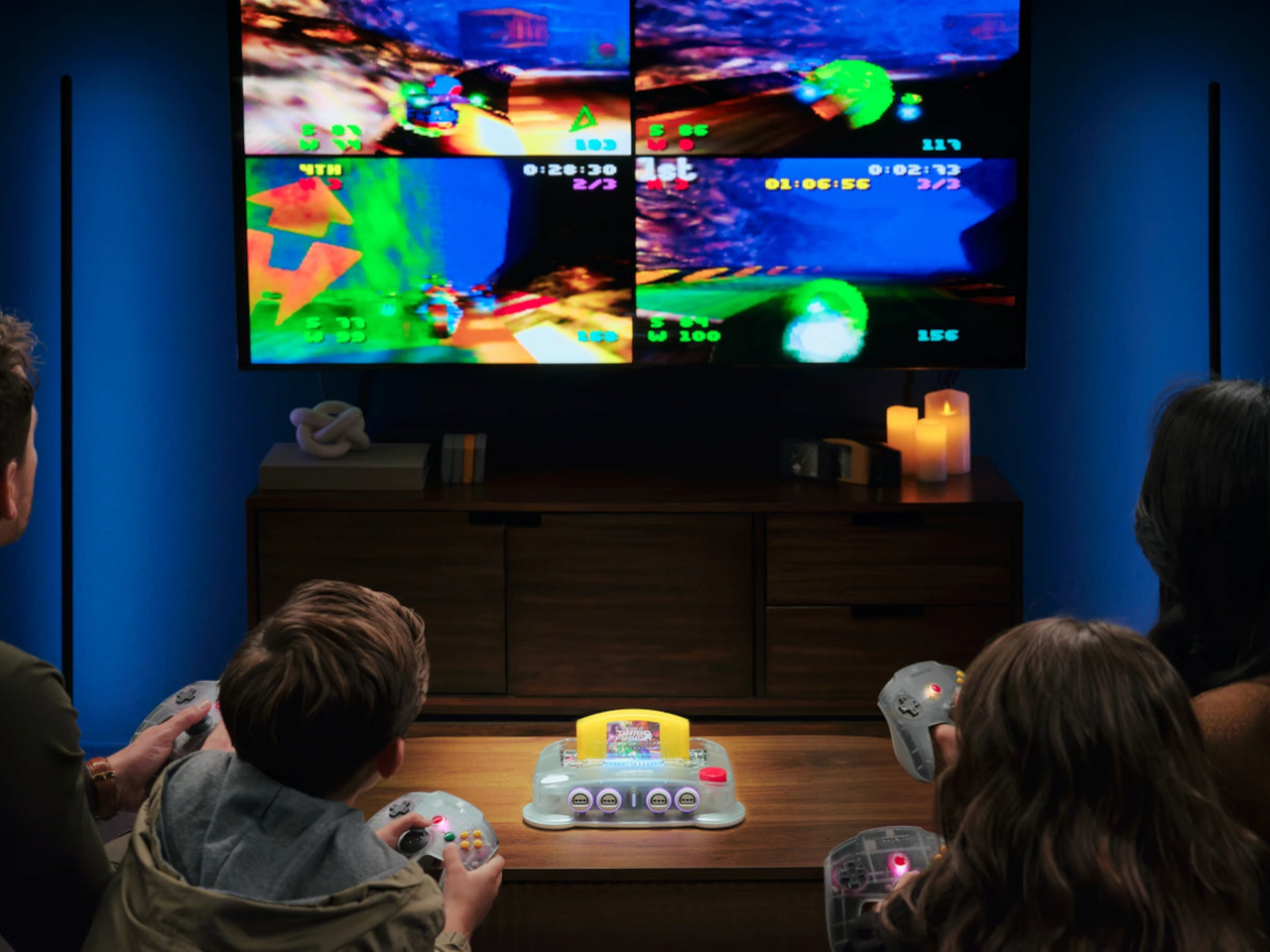
Retro gaming has grown into a legitimate market, but the original hardware it celebrates isn’t getting any younger. The Nintendo 64, now nearly 30 years old, runs on aging components that weren’t built to last indefinitely. Cartridge connectors wear out, capacitors degrade, and the console’s AV outputs don’t talk to modern televisions without adapters. Getting those games onto a screen today usually means compromising on something.
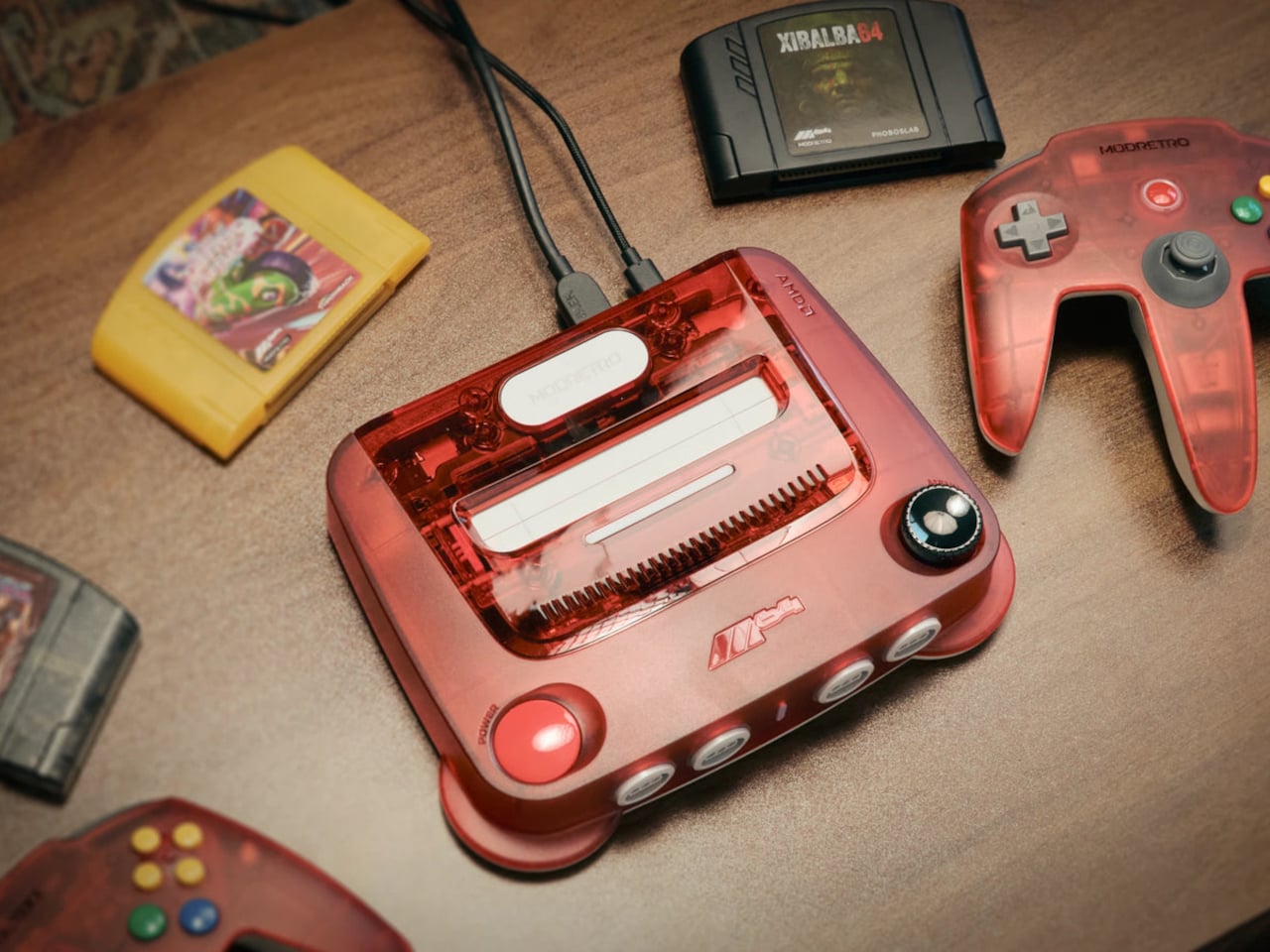
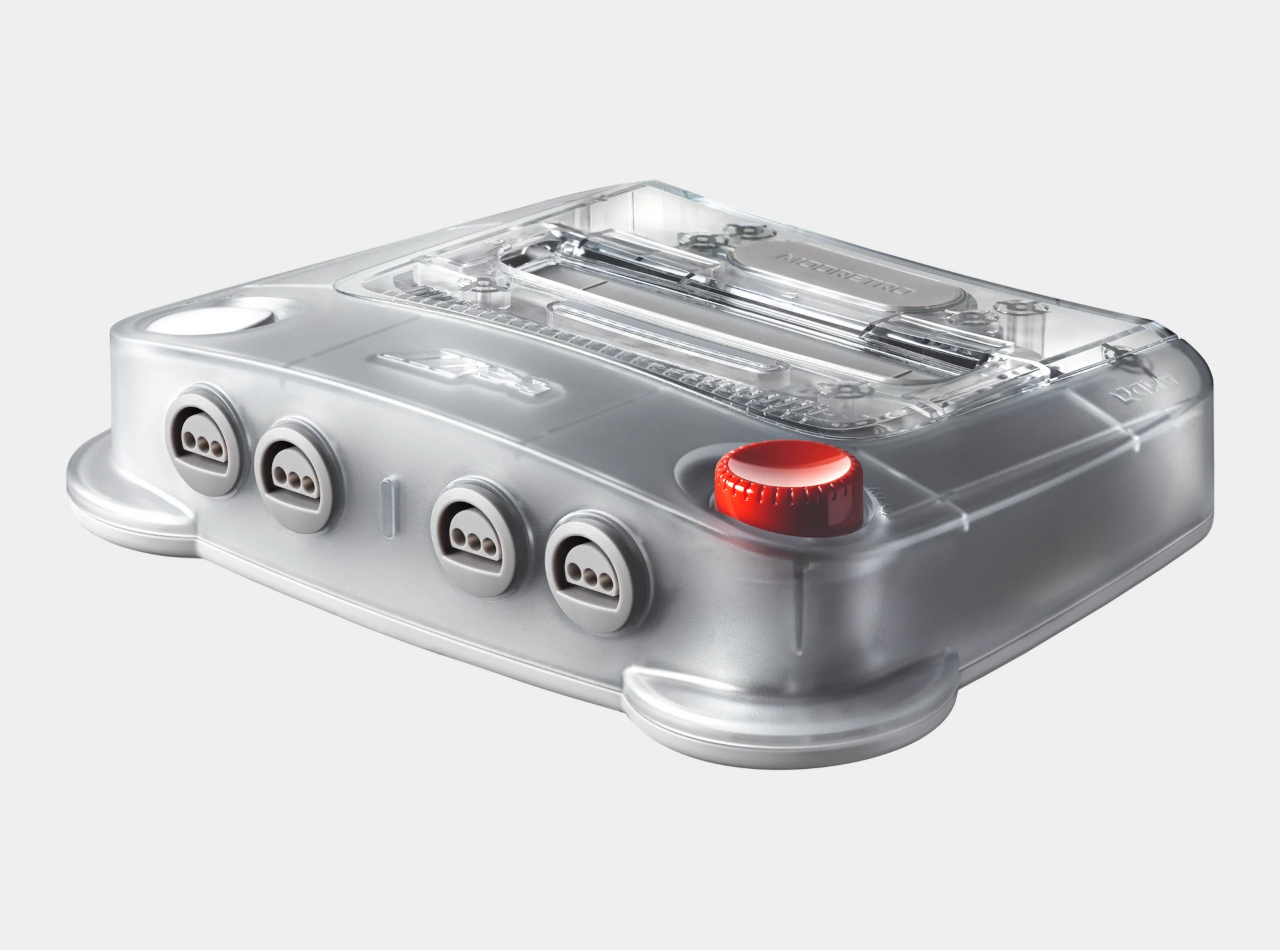
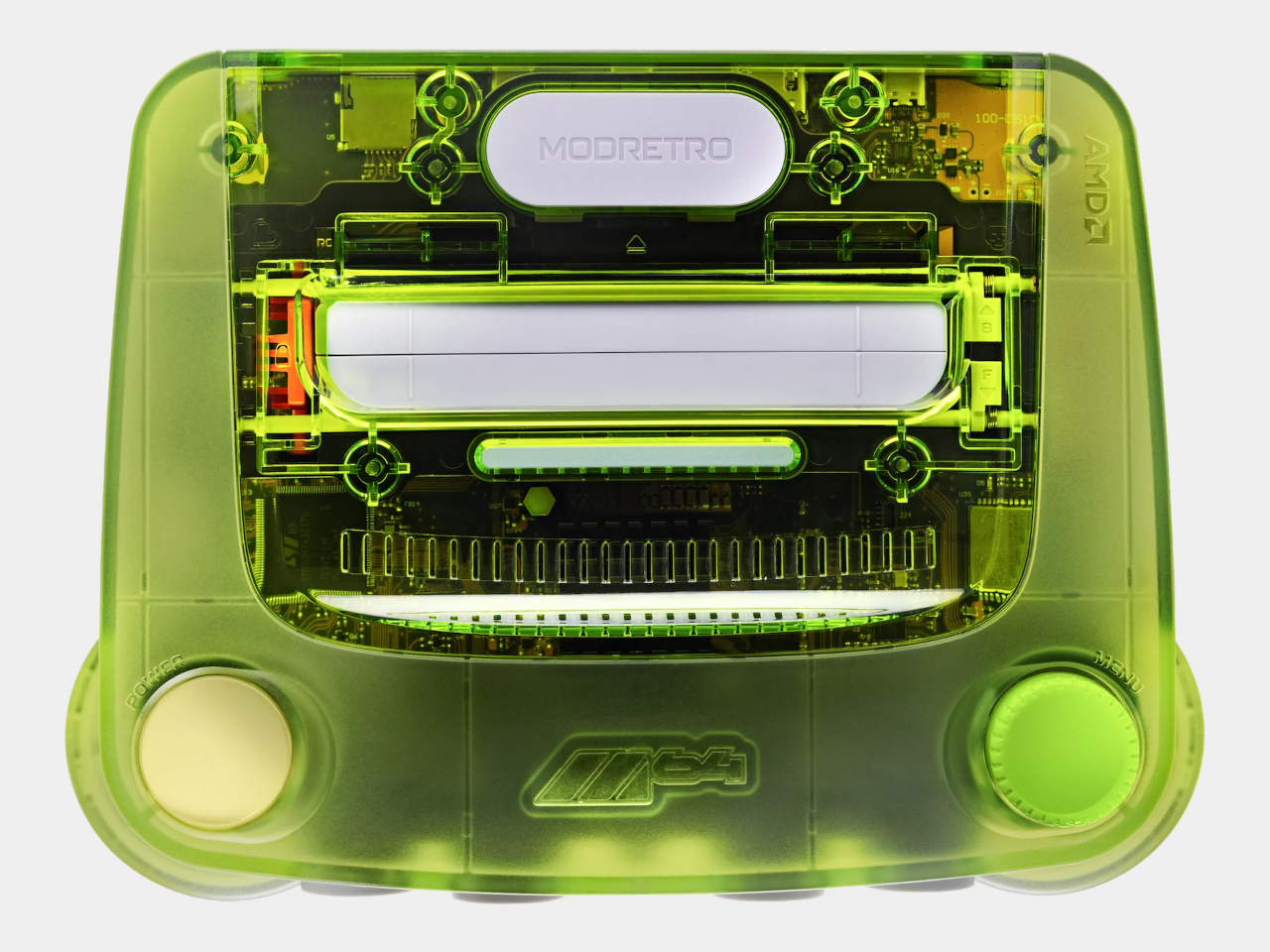
The ModRetro M64 is a new standalone home console designed to play original N64 cartridges on modern TVs, without emulation and without compromise. It doesn’t replicate the exterior of the original machine or rely on nostalgia alone as a design brief. Instead, it rebuilds the N64 experience from scratch, using contemporary hardware to deliver the accuracy that aging original consoles simply can’t guarantee anymore.
The technology enabling that accuracy is a 16nm AMD Artix UltraScale+ FPGA, which recreates the N64’s hardware at a fundamental level rather than interpreting it through software. Software emulation makes educated guesses about how games should behave, while an FPGA actually rebuilds the circuitry those games were written for. Gameplay timing and audio are identical to the original, and for anyone whose muscle memory is still intact, that precision is the whole point.
On the output side, the M64 connects via HDMI at 720p, 1080p, 1440p, or 4K, covering every modern display without compromise. Optional CRT filters and scanline effects are available for anyone who’d rather put something closer to the original look back on a flat panel. Overclocking modes are also included, giving certain games a bit more headroom than the original hardware could ever provide.
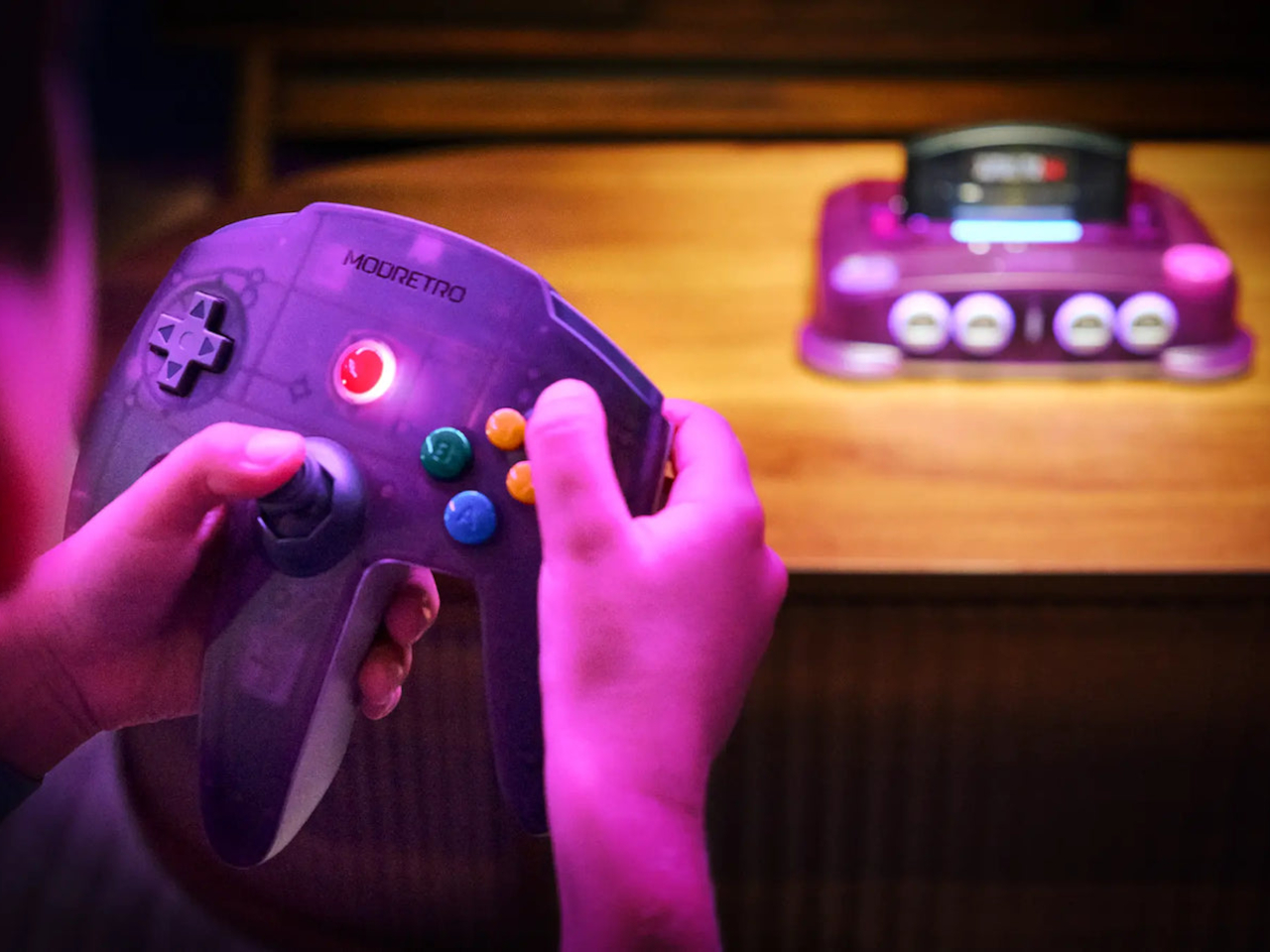
The console boots in roughly five seconds and gets straight to the game, with no logins or account screens in the way. Up to four controllers can be connected at once, making the split-screen multiplayer games that defined the N64 era immediately playable again. It’s the kind of setup that once required a living room full of people negotiating who got which controller.
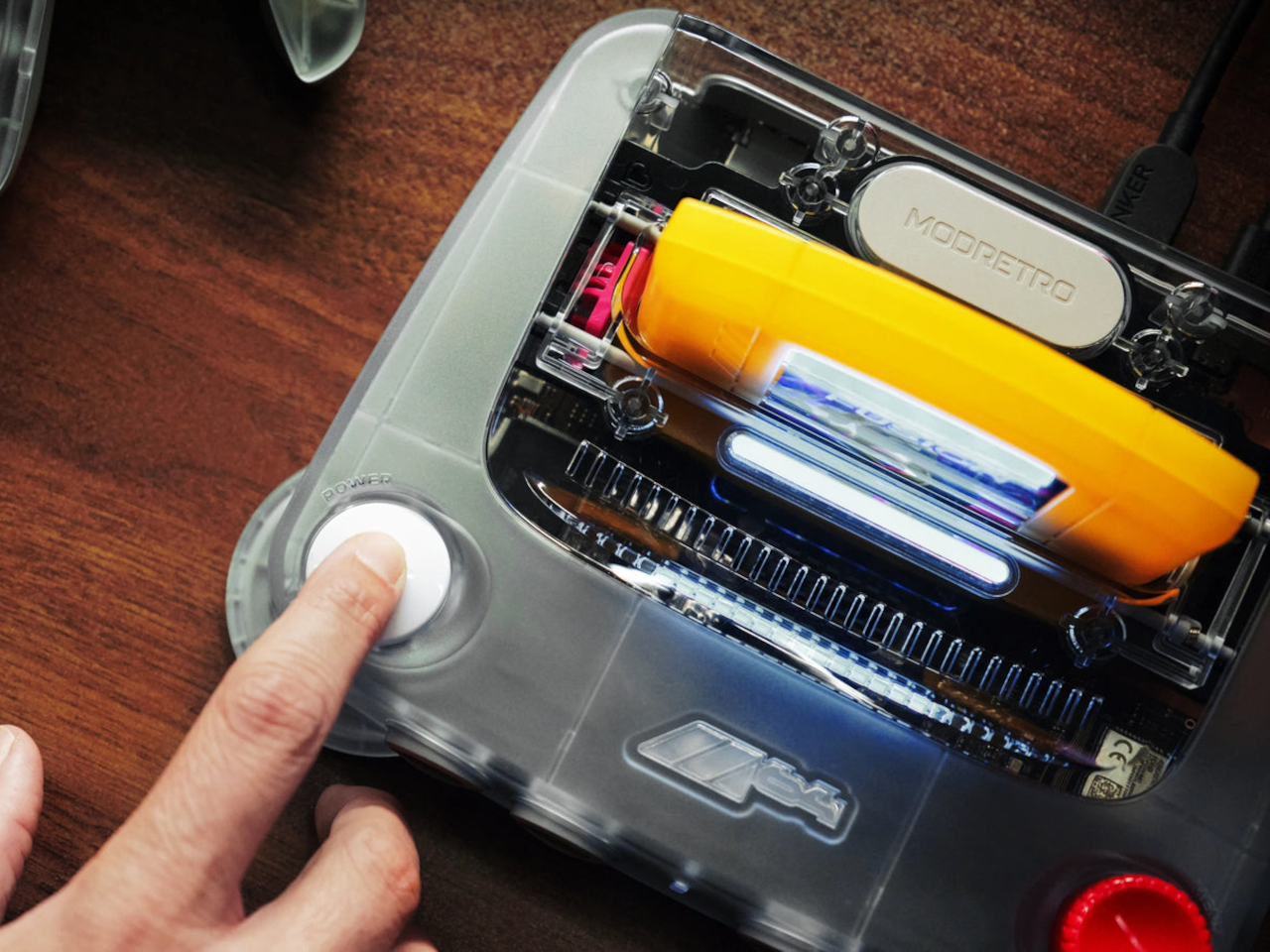
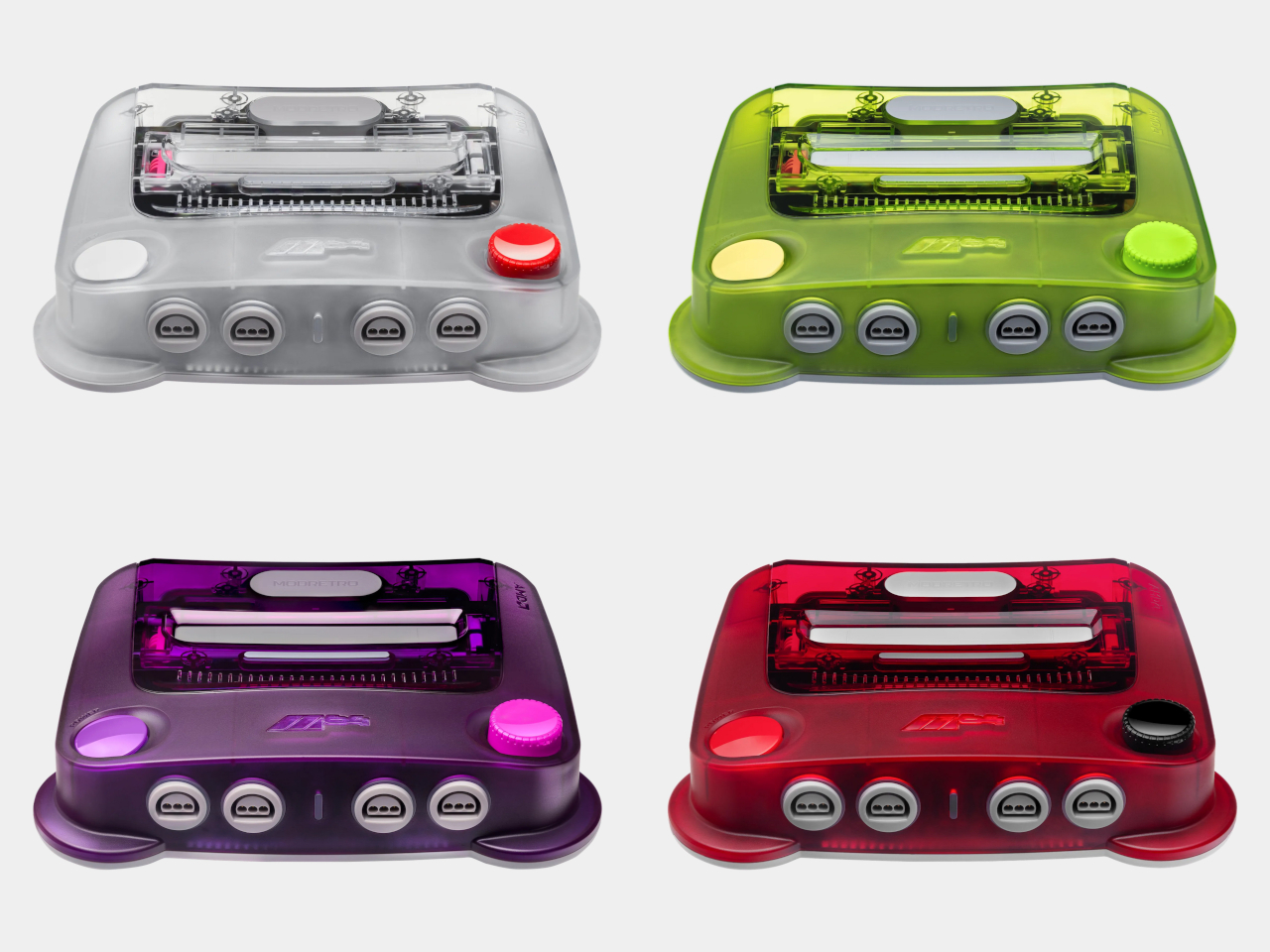
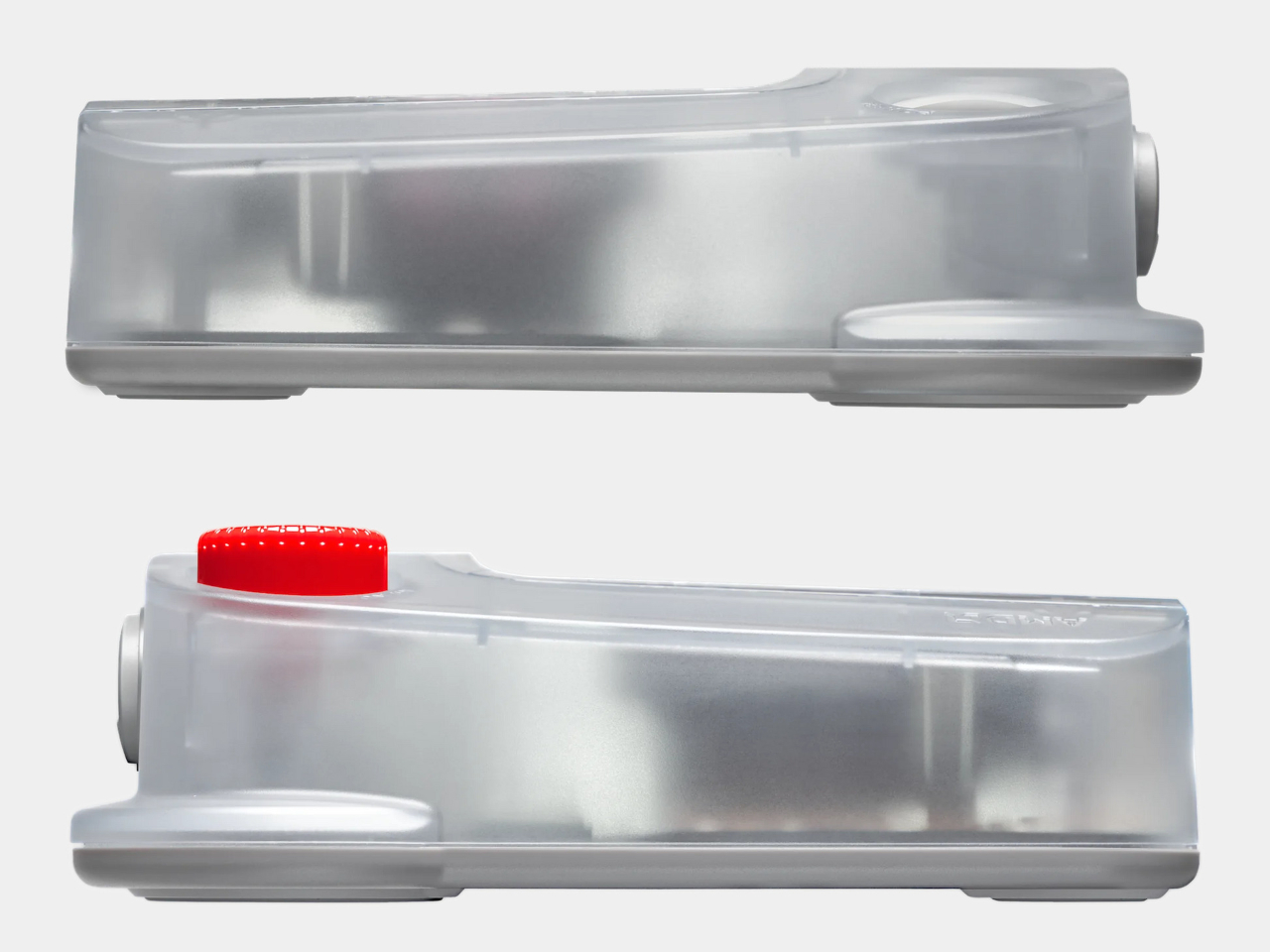
The M64’s design leans into transparency rather than replica styling. The dual-texture transparent shell is a deliberate callback to the translucent plastic era of the late 1990s, when seeing a device’s internals was its own kind of confidence. A built-in LED strip illuminates cartridge artwork from below with adjustable brightness, and a dedicated eject button makes swapping games quick and clean. At 1.6 lbs, it doesn’t demand much shelf space.
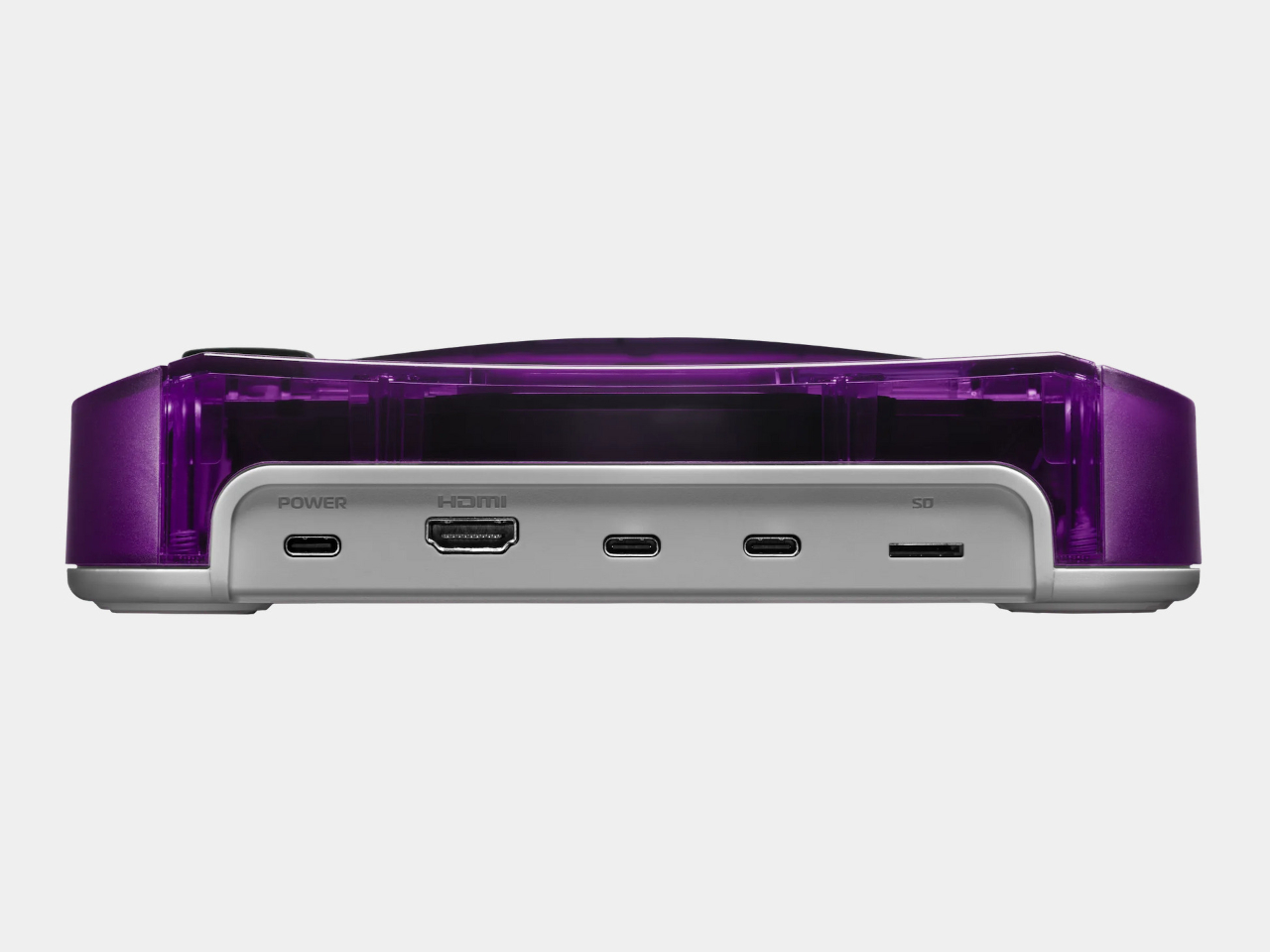
Firmware updates arrive over Wi-Fi or USB, meaning the M64 can gain new features and support for upcoming accessories well after purchase. The hardware contains no adhesives and is designed to be opened and repaired, with a fully open-source, mod-friendly architecture. The circuit board uses gold traces to resist corrosion and improve conductivity, a detail that points to a product built for longevity rather than a planned upgrade cycle.
The box includes the M64 console, a pre-installed 16 GB SD card, a multi-region power adapter, and a power cable; no controller is bundled in, but original N64 controllers and several modern third-party options all work through the four controller ports. The M64 is priced at $229, which isn’t an impulse buy, but for anyone with a box of cartridges waiting somewhere, it’s the machine that makes sense of them.
Xbox limited edition makes are nothing uncommon, as Microsoft often delves into collaborations for some really interesting themed consoles and controllers. The gaming brand just turned 25 this year, and Microsoft isn’t going to let go of the opportunity to amaze fans.
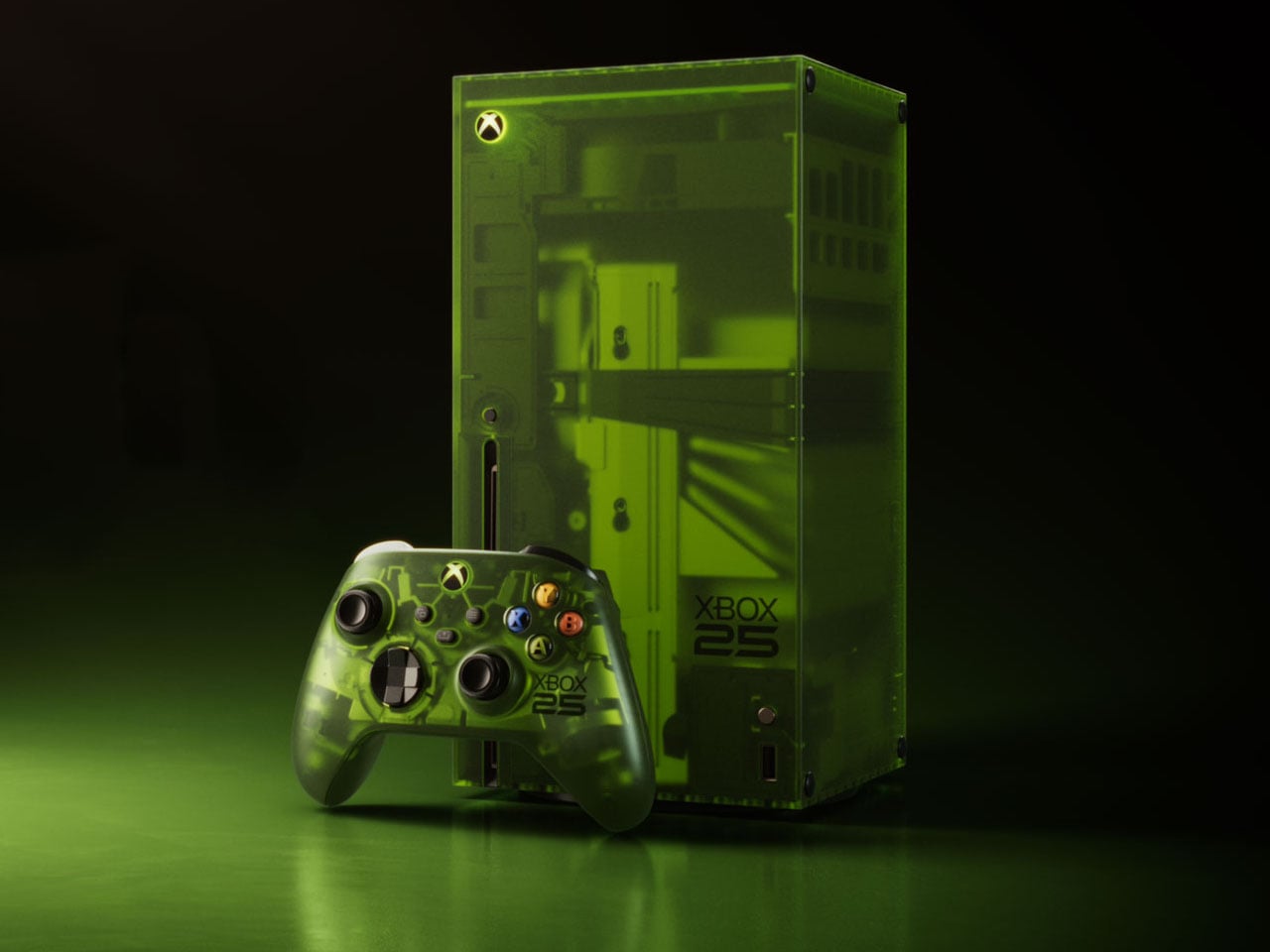
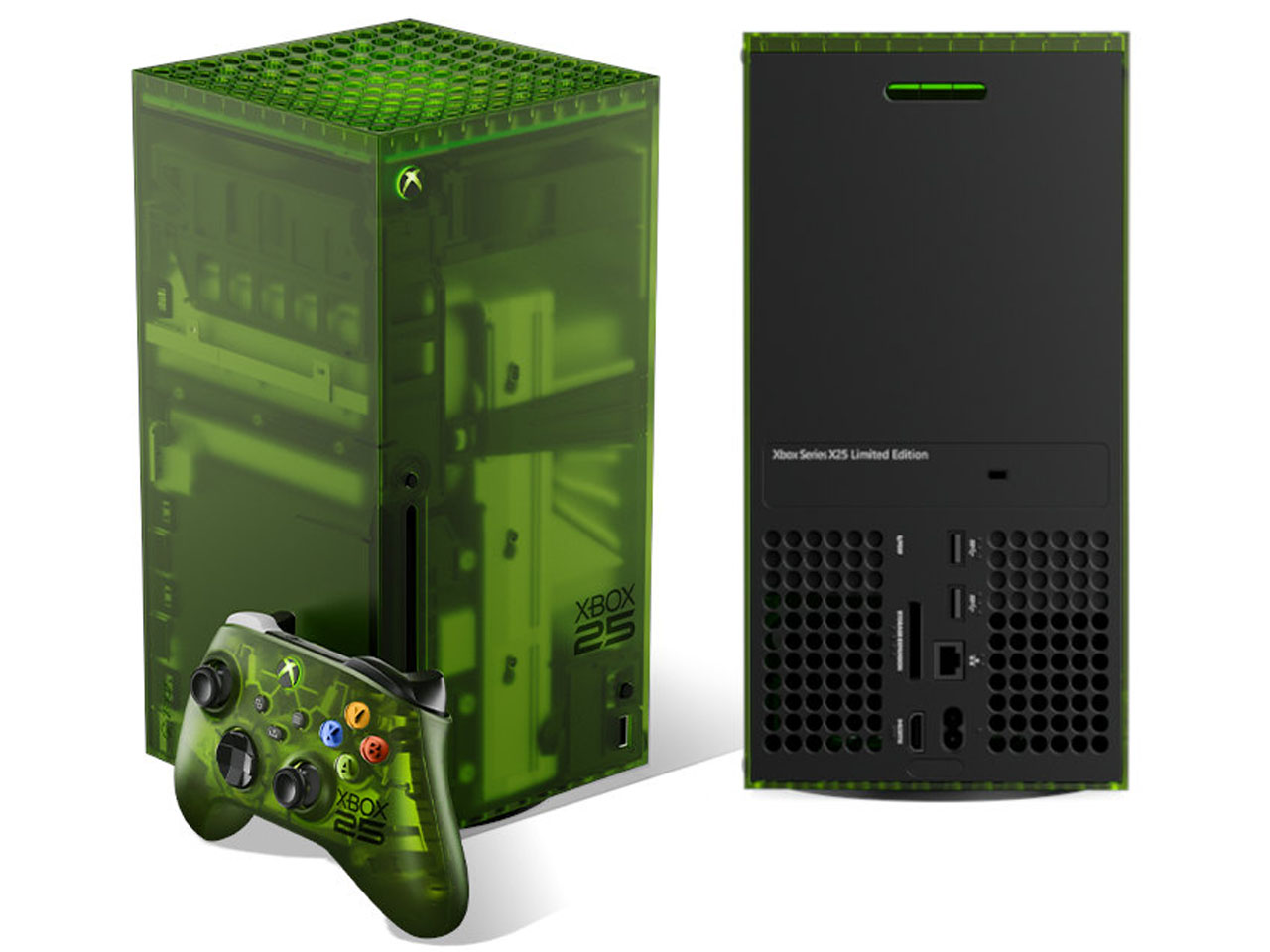
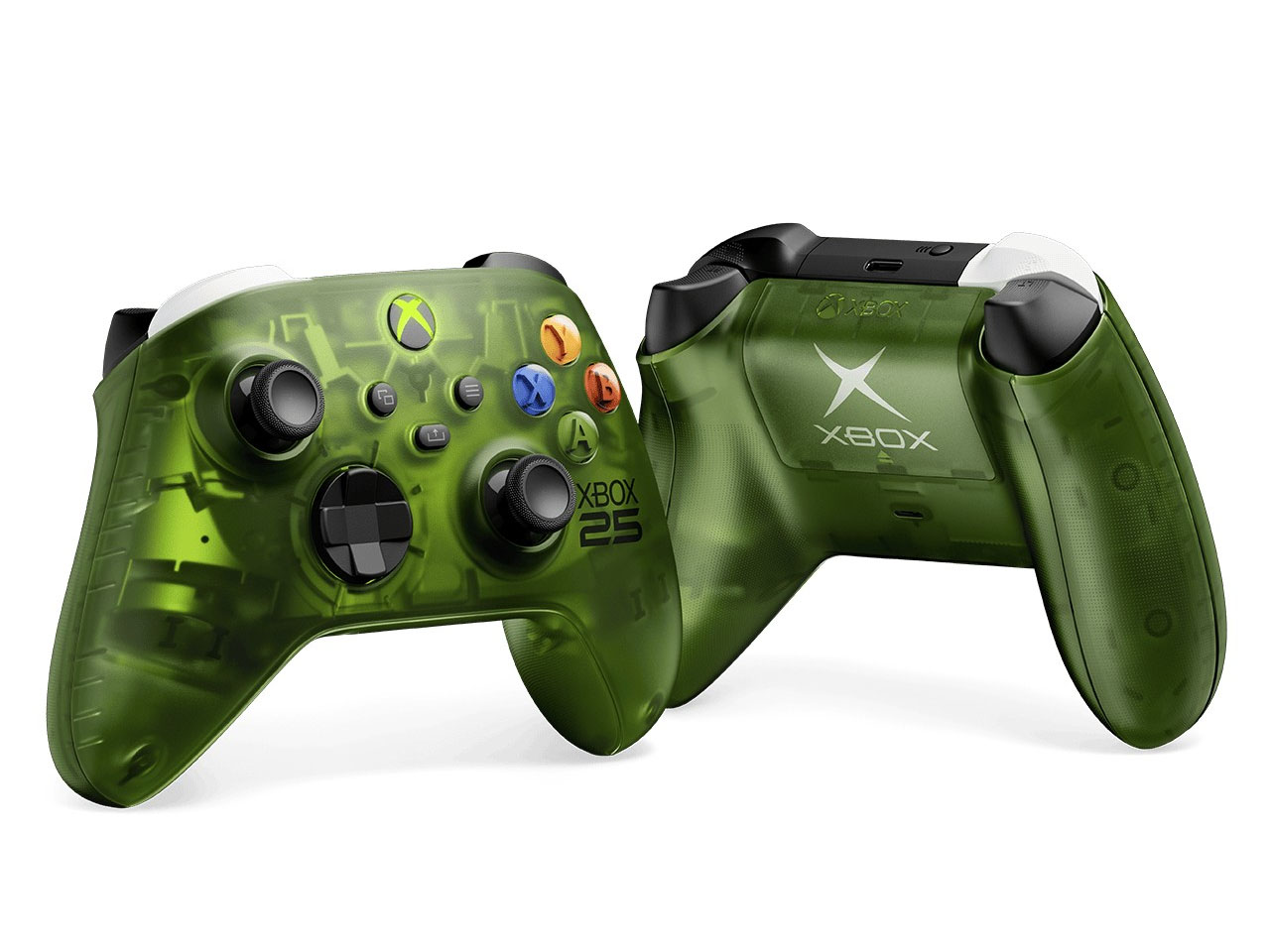
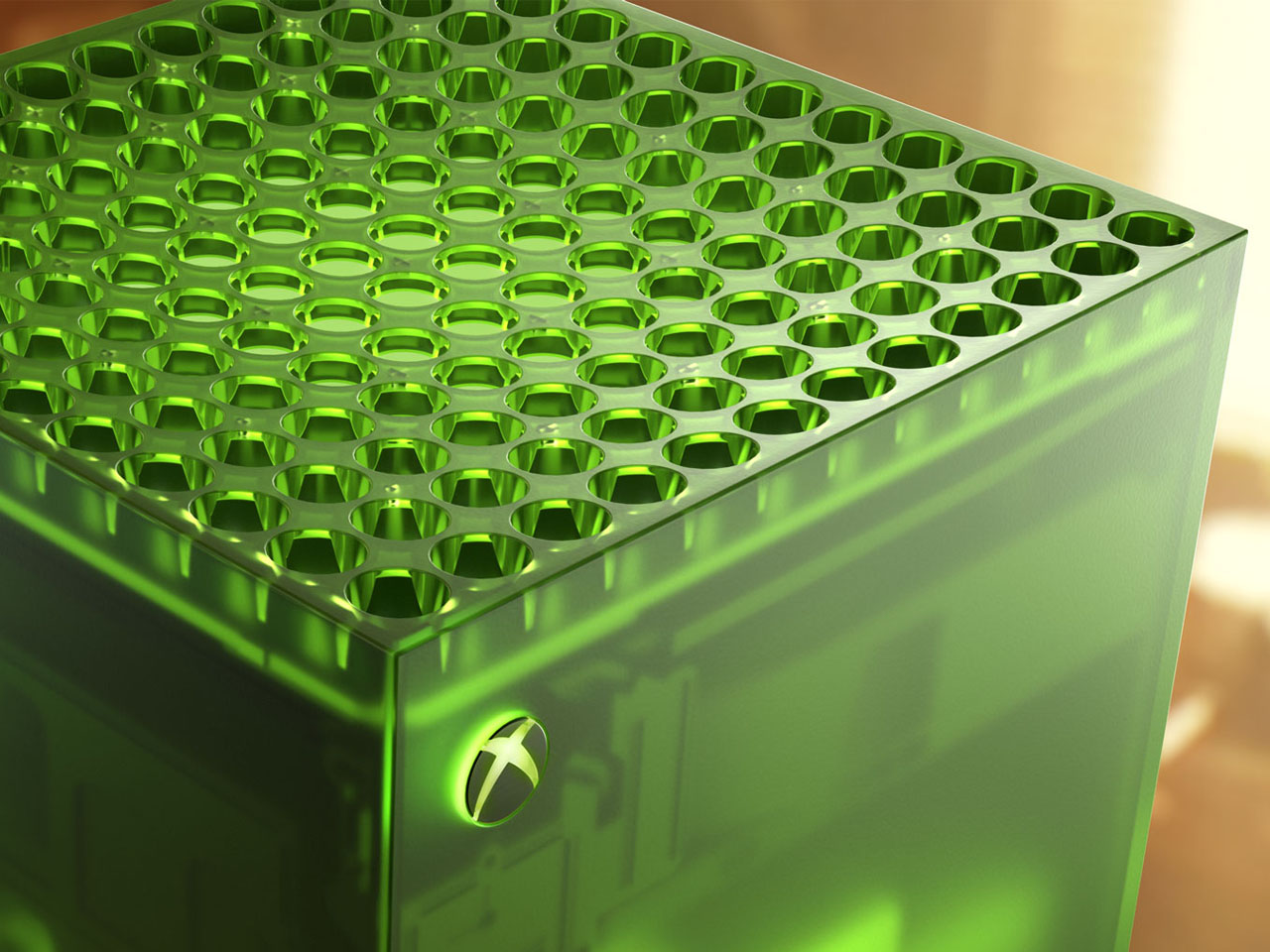
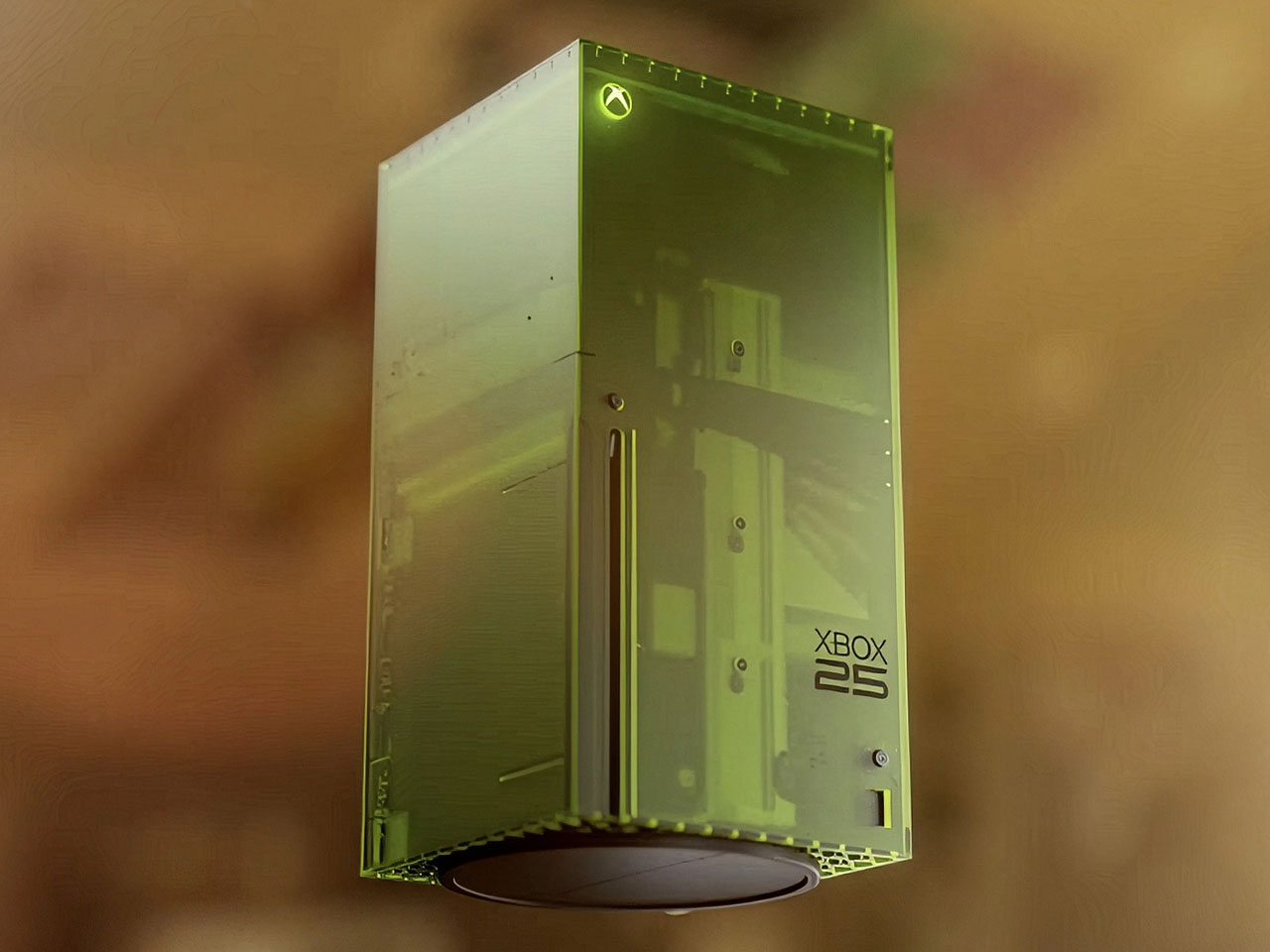
This is the limited edition Xbox 25th Anniversary Collection specifically designed to celebrate the quarter-century of Microsoft’s gaming brand. The special themed console and controller remember the platform’s historical development right from the time it came to the shelves, and also pays gratitude to its dedicated community of gamers.
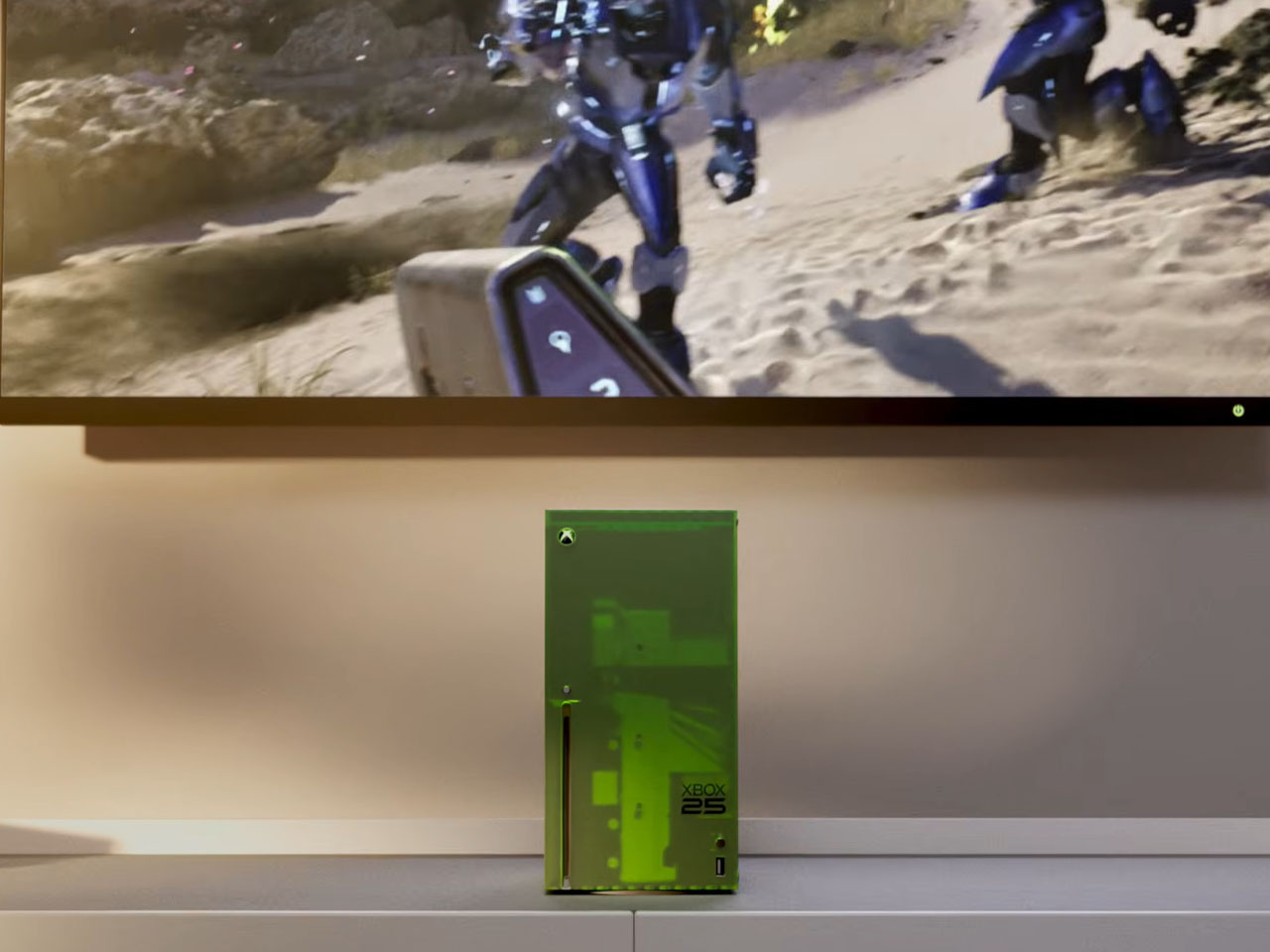
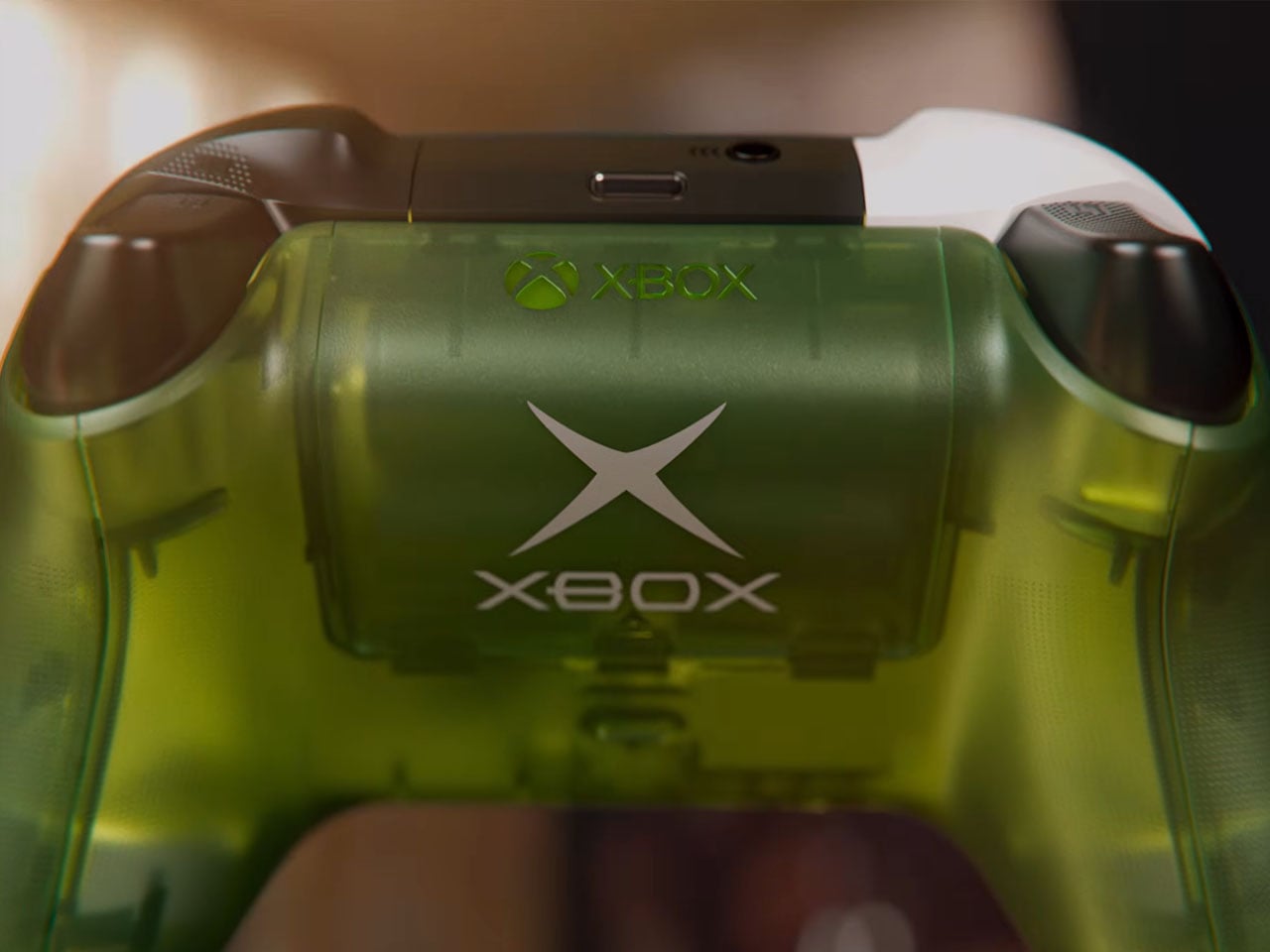
Since we are talking about the highly nostalgic element, the limited-edition creation is draped in the OG Green translucent theme. If you are an avid Xbox fan, that reminds me of the aesthetic worn by the original 2001 Xbox console. The fused hues of the outer shell are absolute dope, both on the console and the controller, while the backplate gets the more traditional black make. Apparently, this is the first time Microsoft has gone for the translucent treatment for the chassis on any current-generation console models. I’m glad they did, because the thing looks so magnetic.
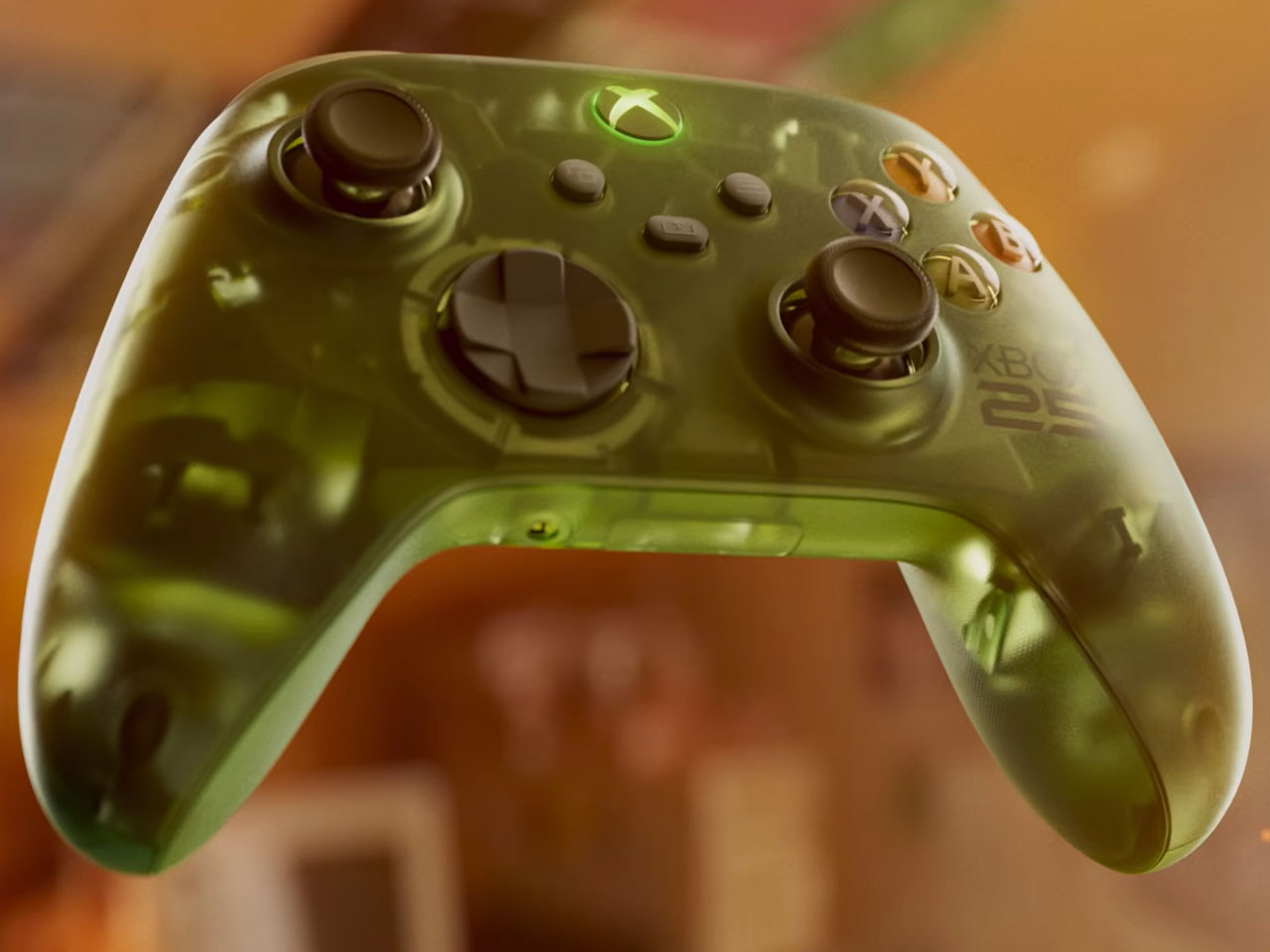
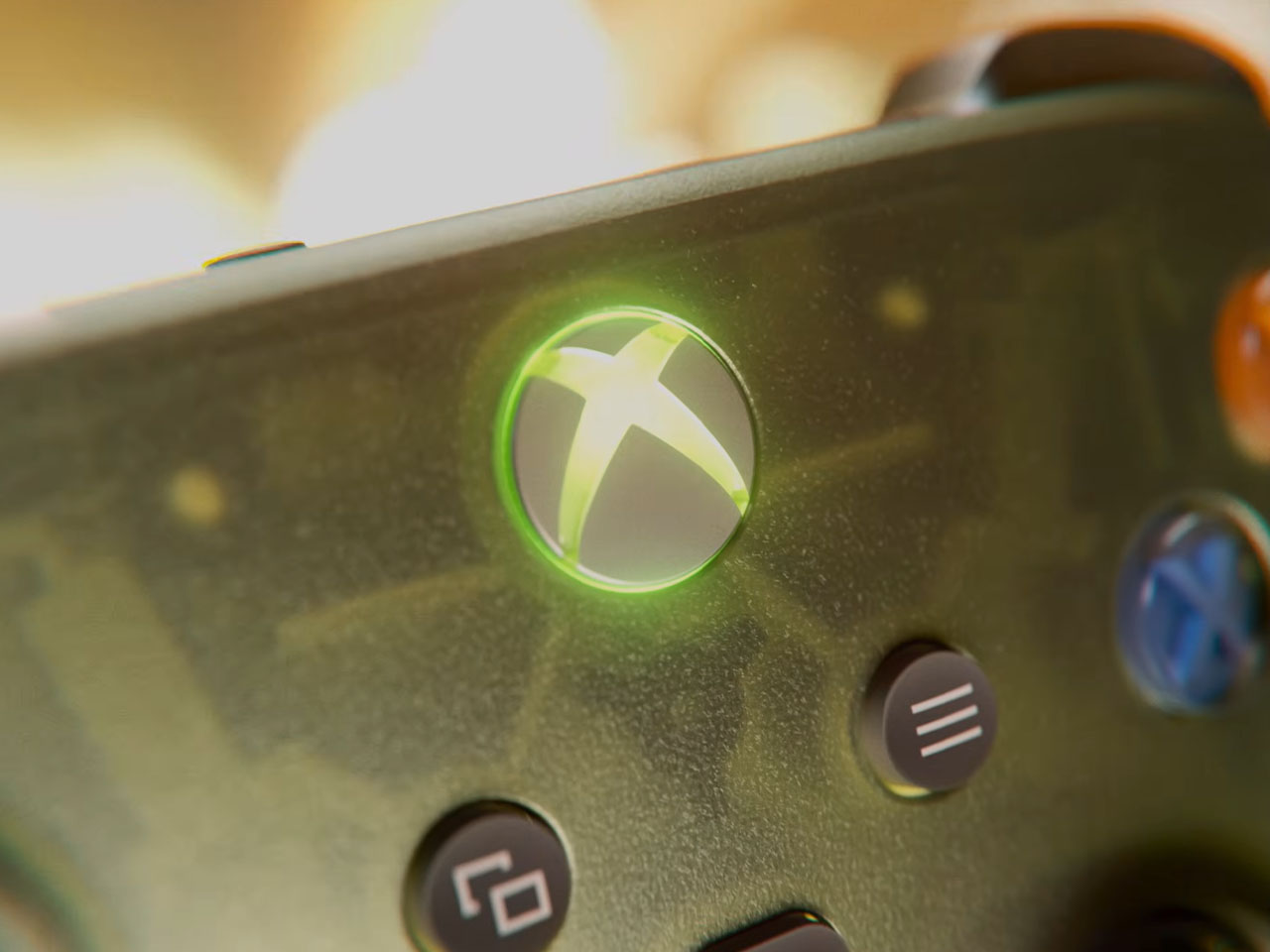
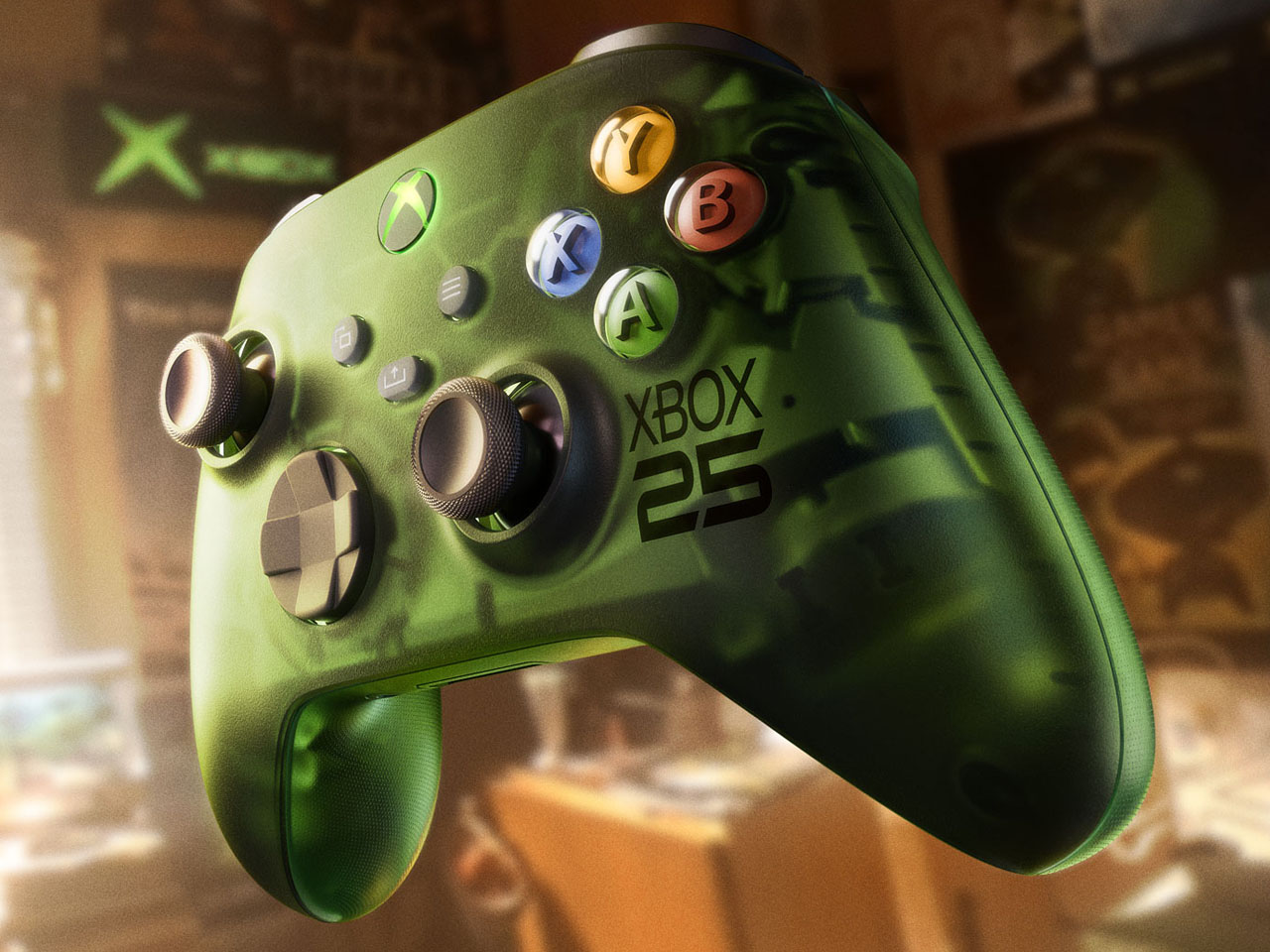
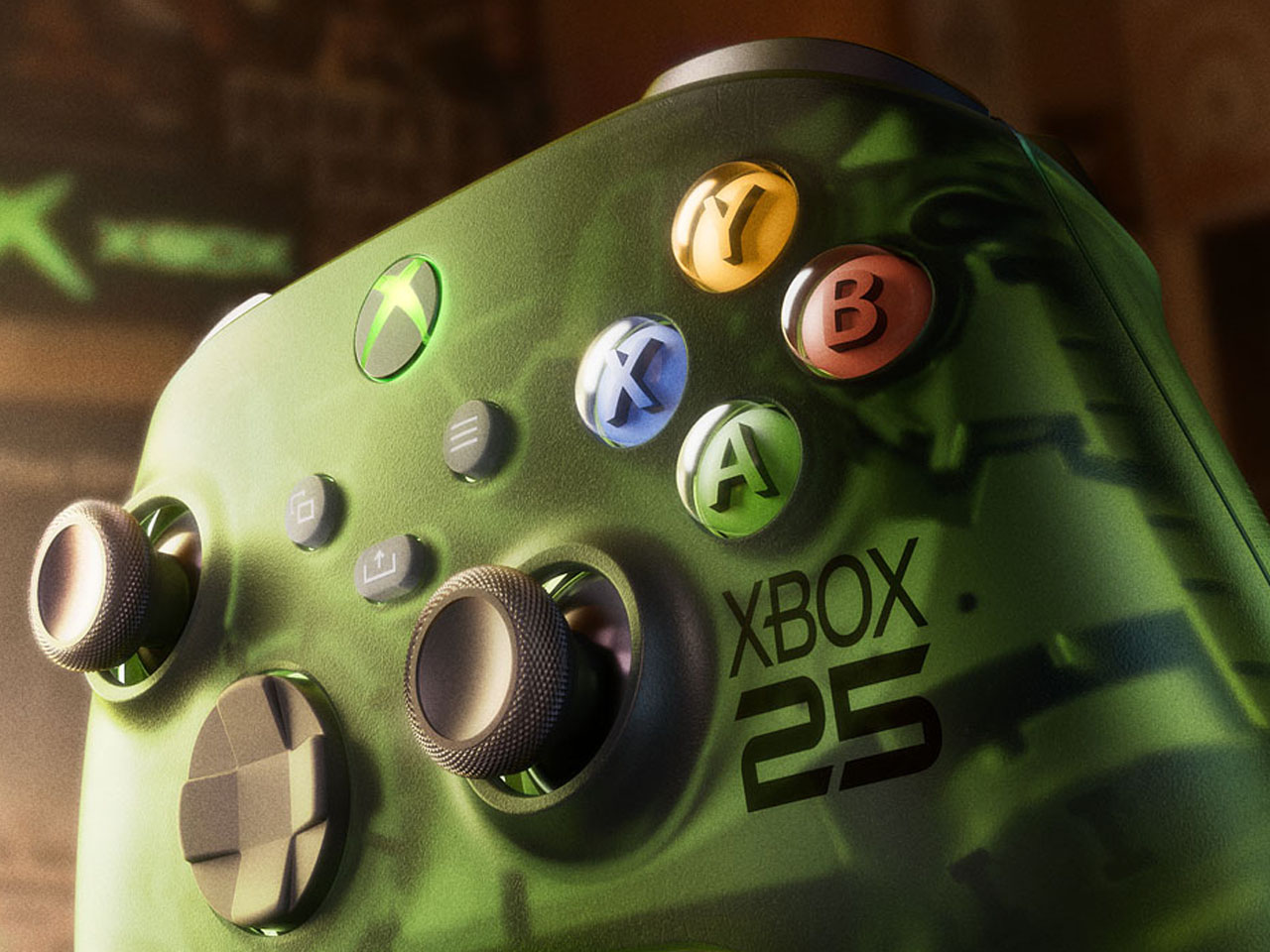
According to Jason Ronald, VP Next Generation, “The XBOX Series X25 Limited Edition respects our history, with the power and performance of the XBOX Series X, including 1TB of storage, and a design that reflects where we’ve been and the community that’s been with us along the way.” Both the console and the controller are etched with the “Xbox 25” anniversary logo on the front. That is complemented by the “X” button that turns green as soon as the console is switched on.
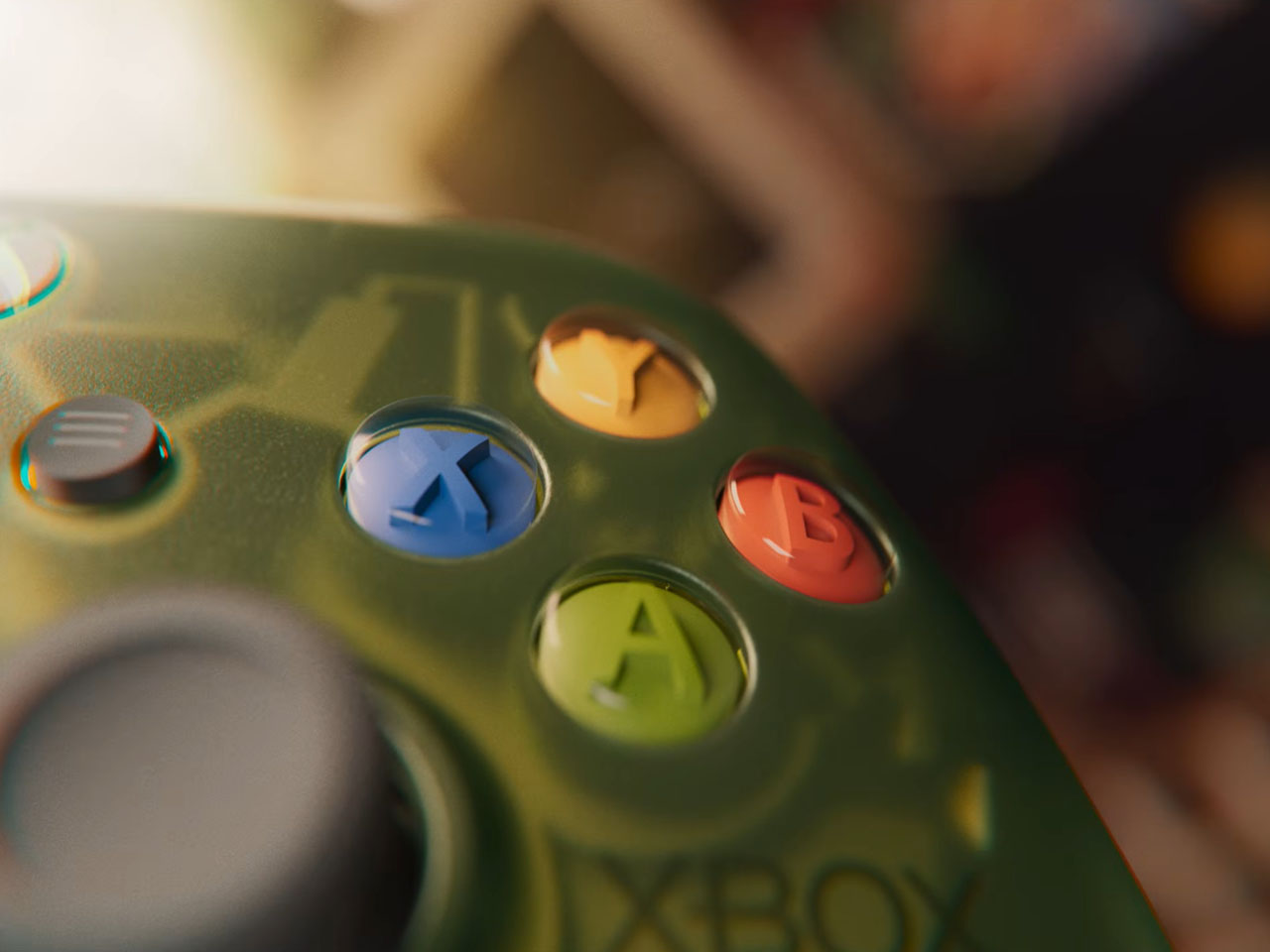
The controller comes with the original ABXY colors for the buttons, and the bumpers on the gamepad are black and white to go with the classic theme of the Duke controller. The translucent goodness flows to the rear, where the back case and the battery panel reveal the Xbox logo. That said, the texture feel and the ergonomic grip are more comparable to the current generation gamepads. Ronald added that there will be some “hidden surprises throughout” to keep things interesting for lucky owners.
Microsoft hasn’t detailed anything about the pricing of the special edition Xbox console, but it’ll be within bounds, I guess. Availability, though, is hinted at for select markets as a special edition collection in November. Those who fail to buy the collection can grab the XBOX Wireless Controller X25 Special Edition standalone as well, but that’s also a limited Edition offering.
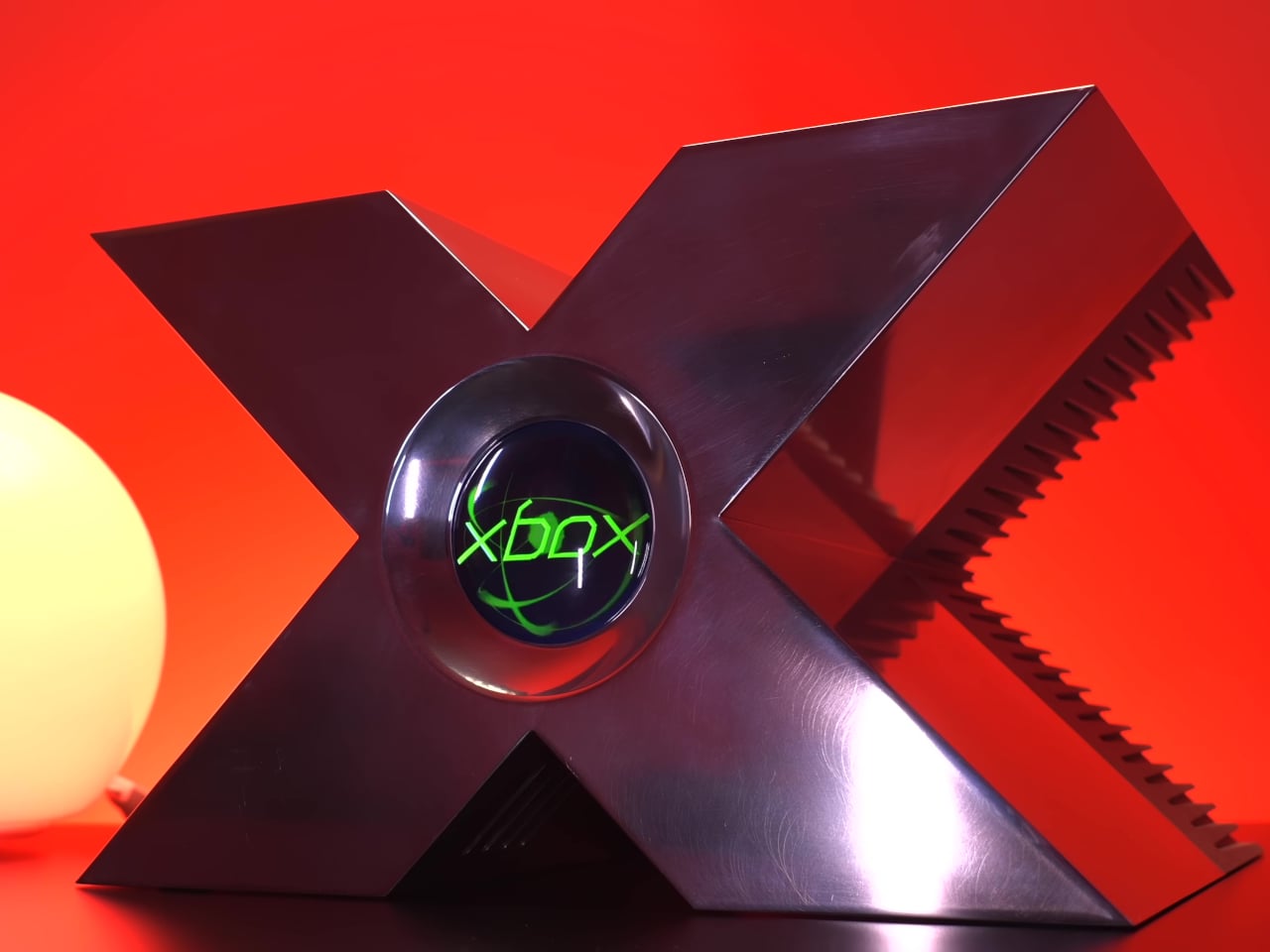
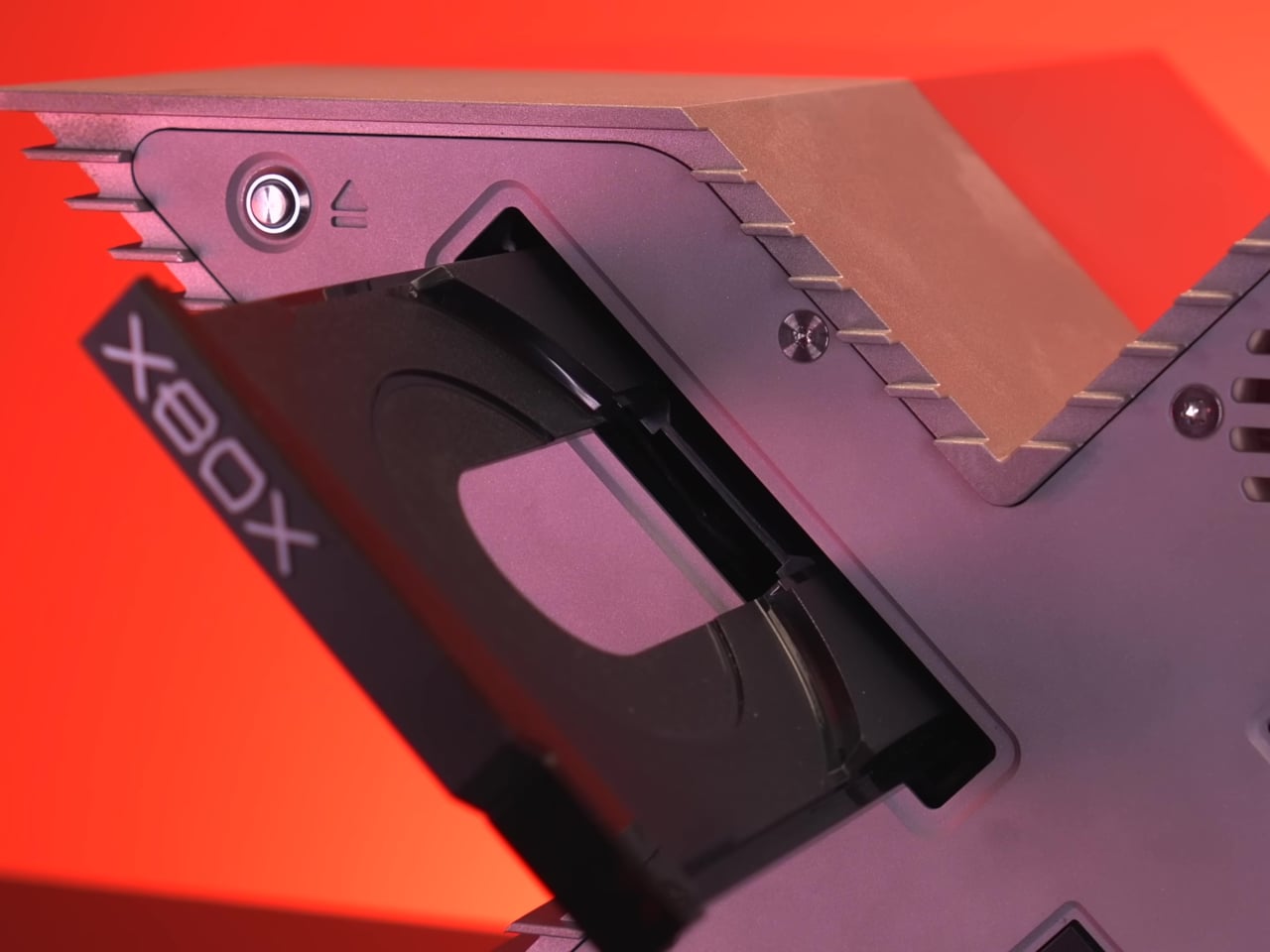
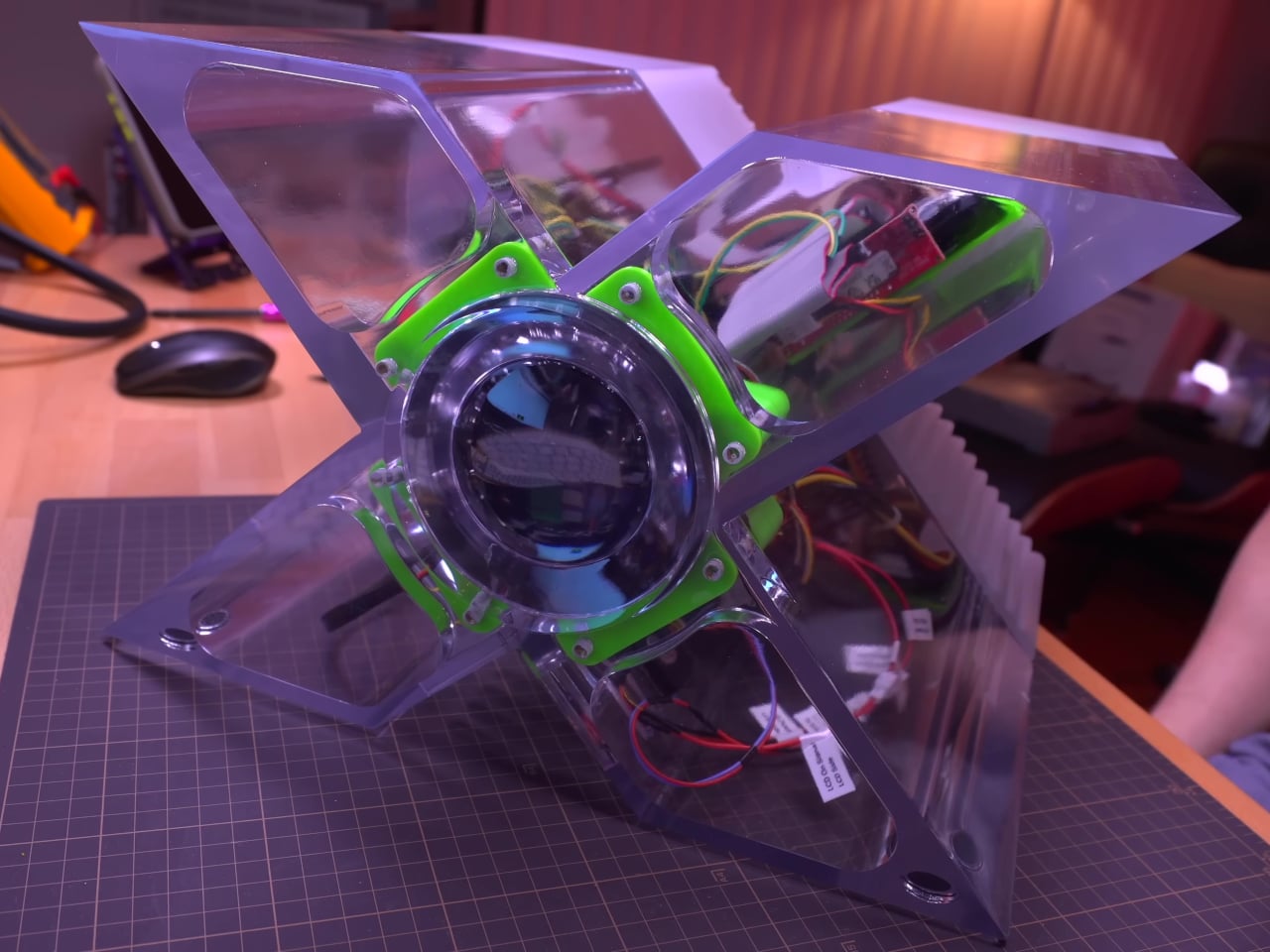
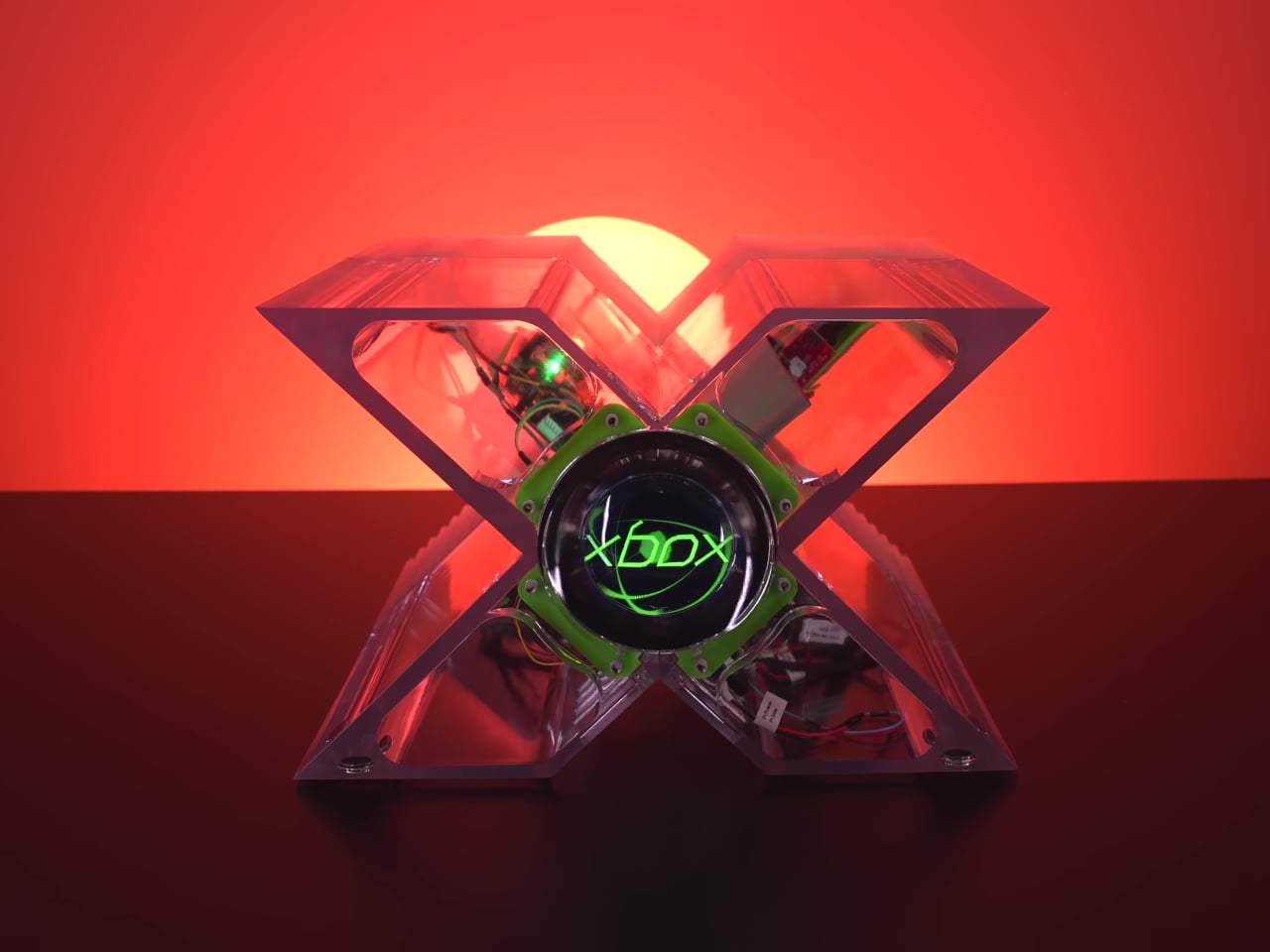
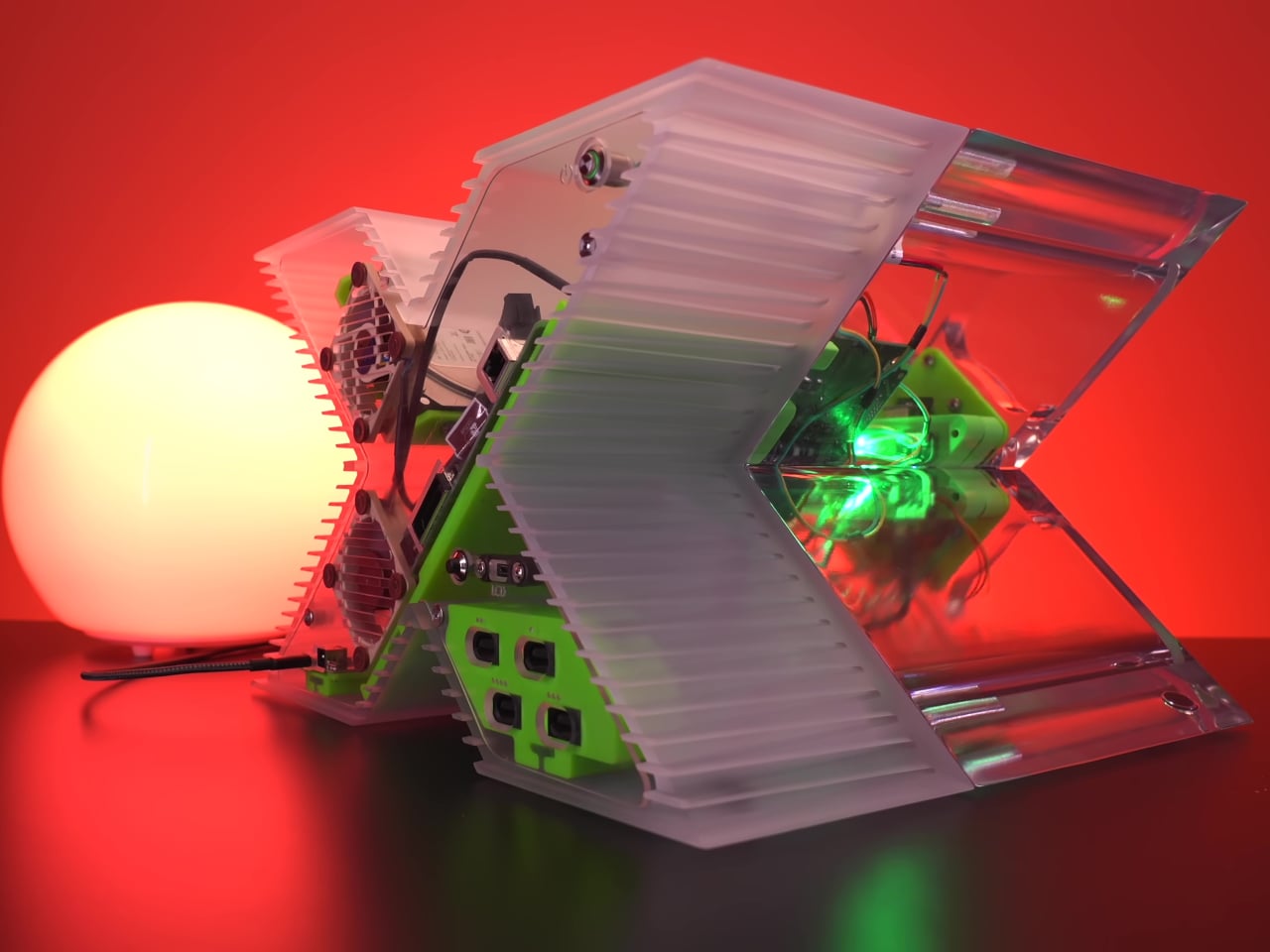
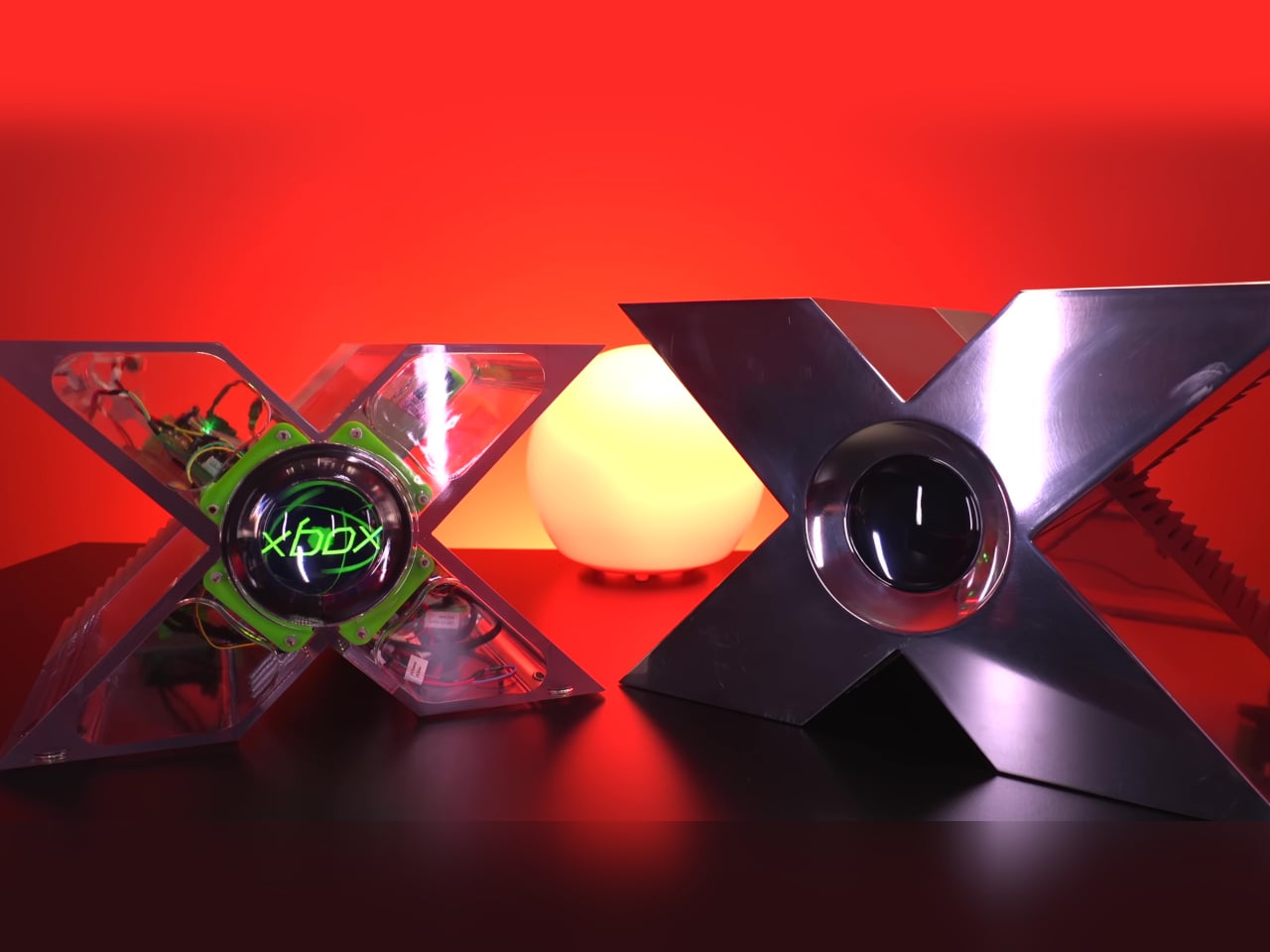
There are hardware designs from the early 2000s that still stop people cold, and the original Xbox prototype is near the top of that list. Revealed at GDC 2000 by Bill Gates and Seamus Blackley, it was a massive X carved from a single block of aluminum, reportedly costing around $18,000 per unit. It was a developer showcase piece that toured press conferences and wasn’t meant for production.
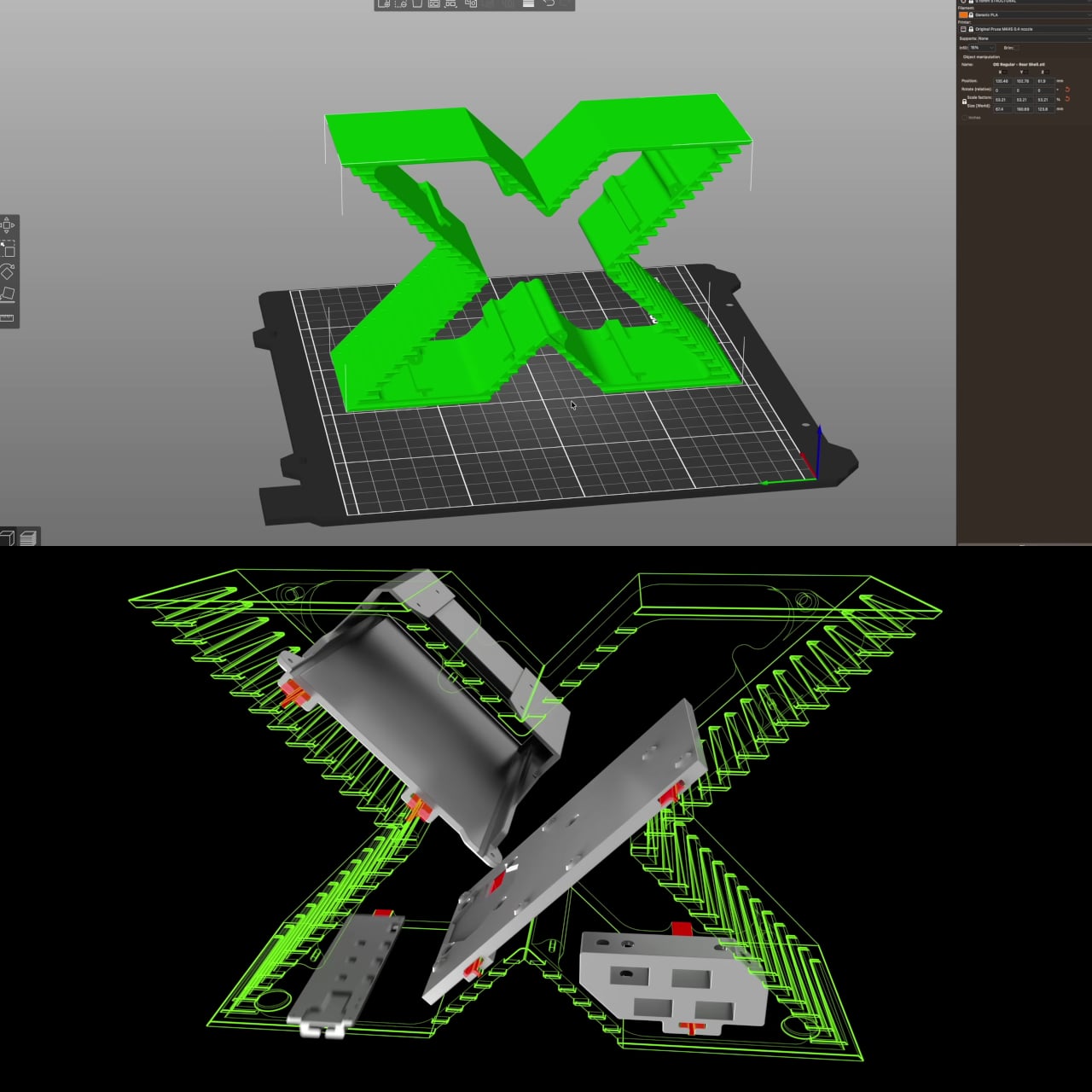
Tito of Macho Nacho Productions previously got as close as anyone has managed by building a functional aluminum replica, though the enclosure alone cost thousands of dollars in machining. It was impressive and historically faithful, but it wasn’t something you could attempt yourself. His new version takes the same idea and rebuilds it entirely around 3D printing, with accessibility as the primary goal.
The digital files are available through his online store, and the enclosure can be printed at home if you have a large enough machine, or sent off to a 3D printing service. It’s not a complicated sourcing challenge; different configurations accommodate different build approaches, giving hobbyists some flexibility in how they put it together. Either way, the barrier to entry has dropped considerably, which is the entire point.
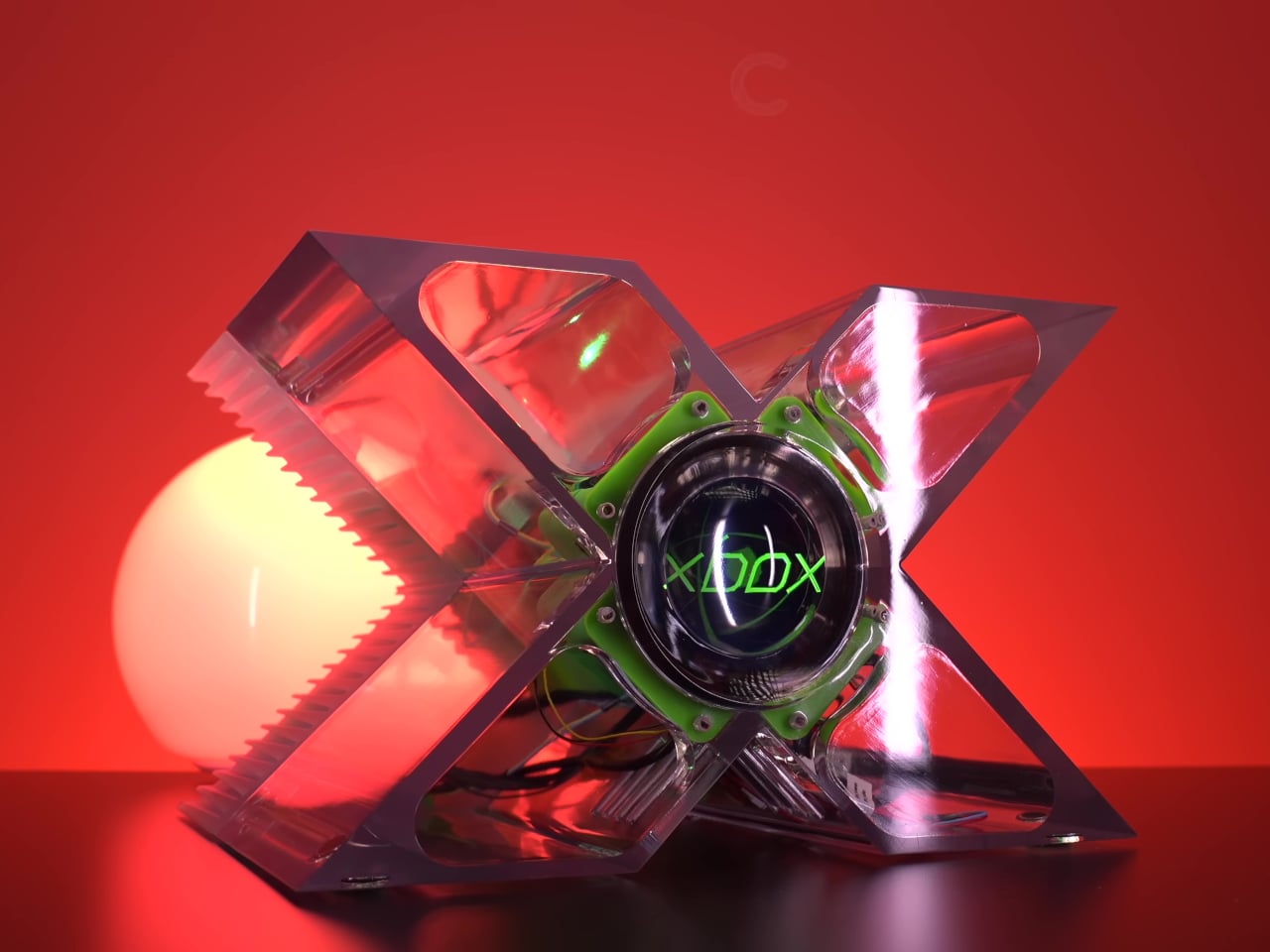
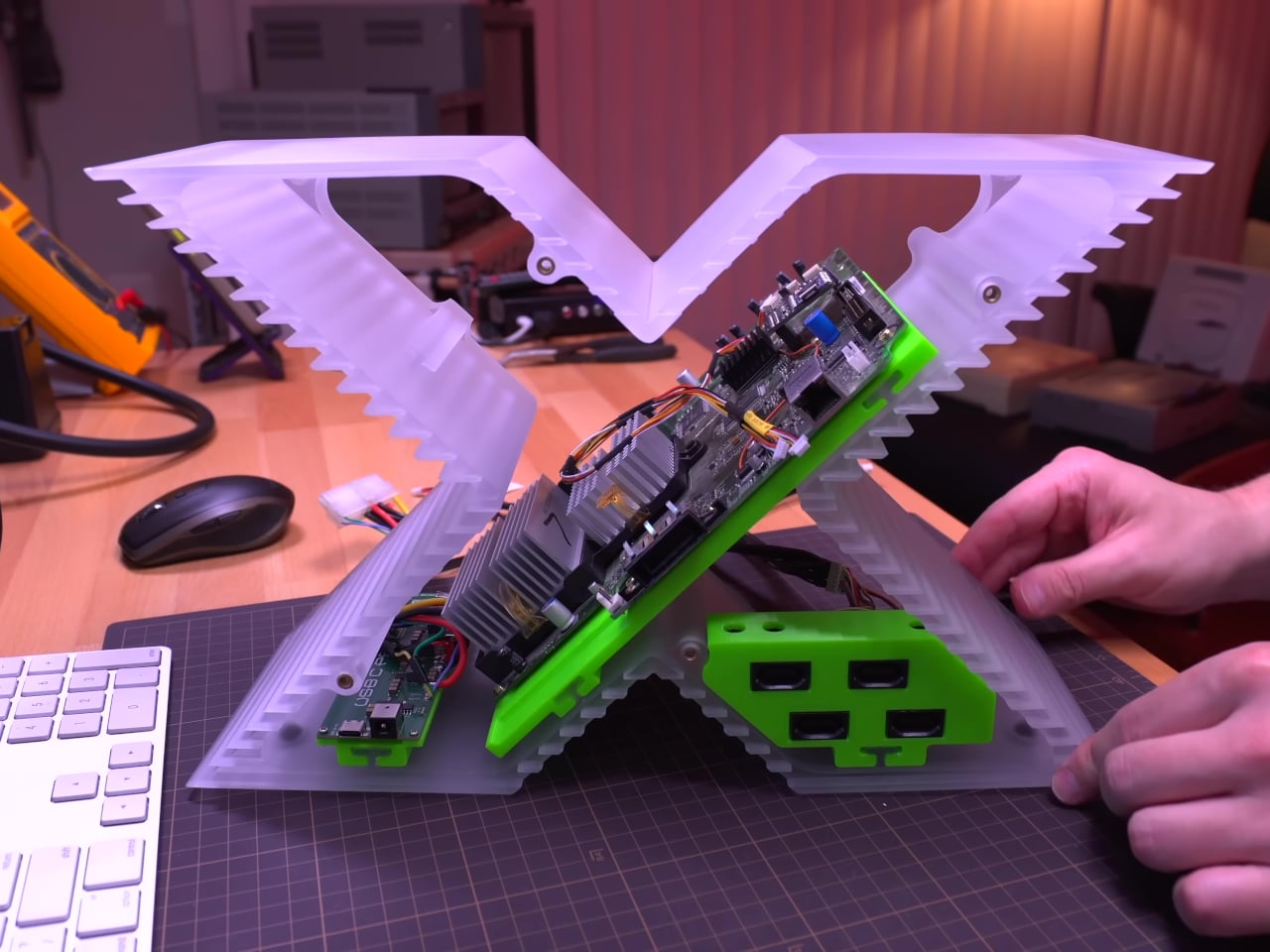
Getting the shell printed in clear resin produces a glass-like finish the aluminum build never had, and the transparency turns the internal components into part of the visual appeal. More significantly, this version finally matches the true dimensions of the original GDC prototype, a distinction the previous aluminum replica couldn’t make. For anyone interested in historical accuracy, that’s the more meaningful improvement of the two.
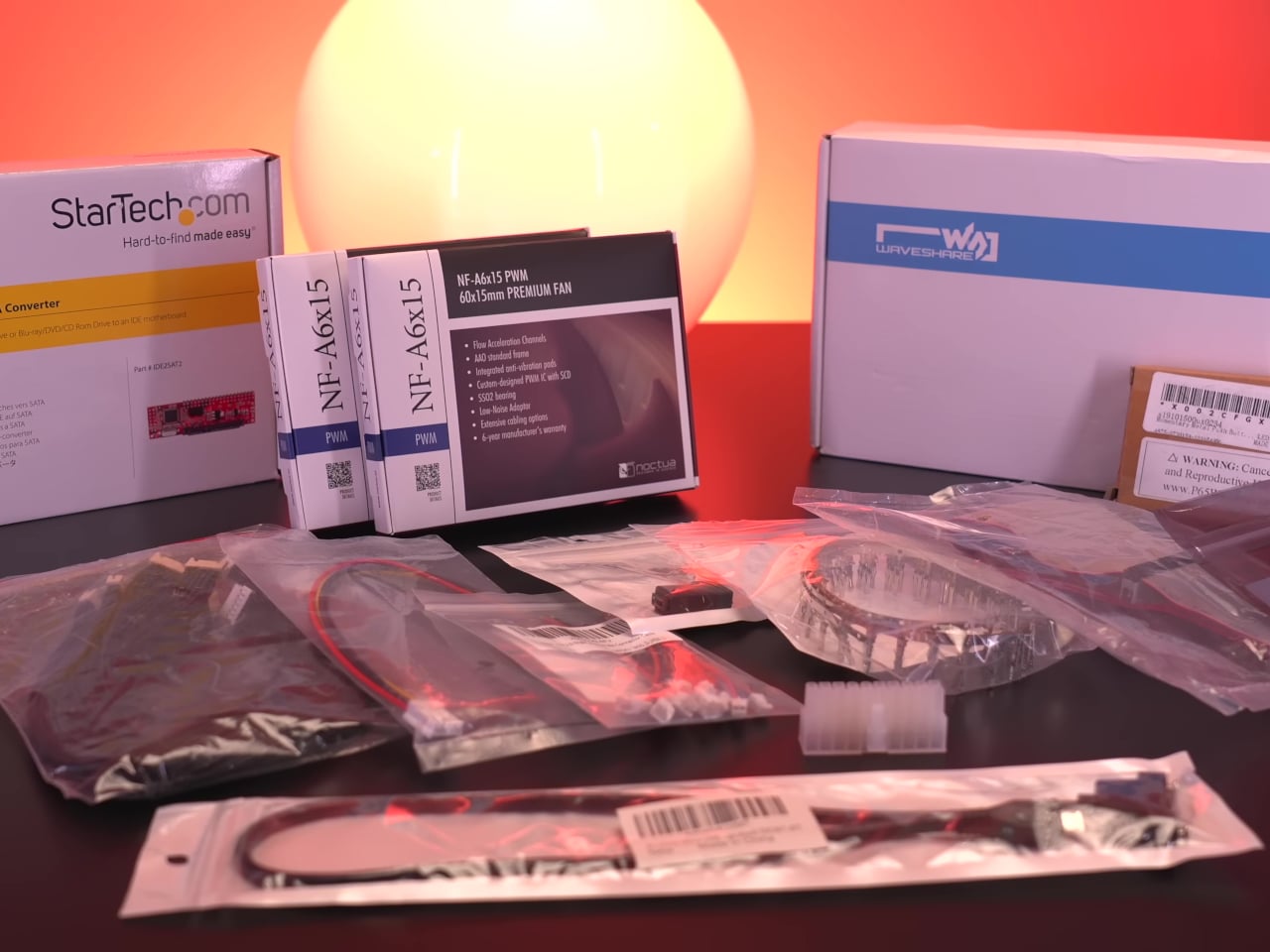
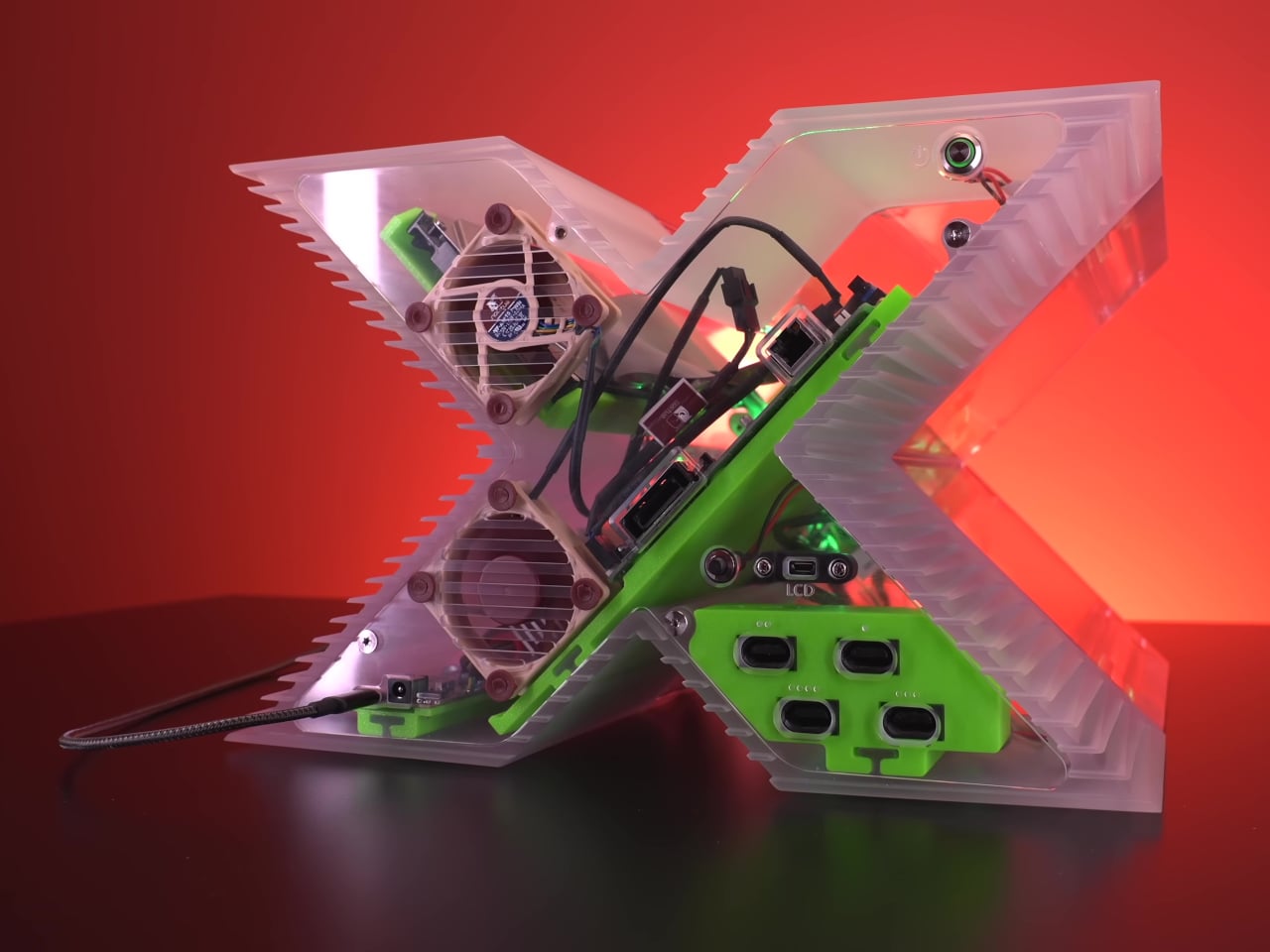
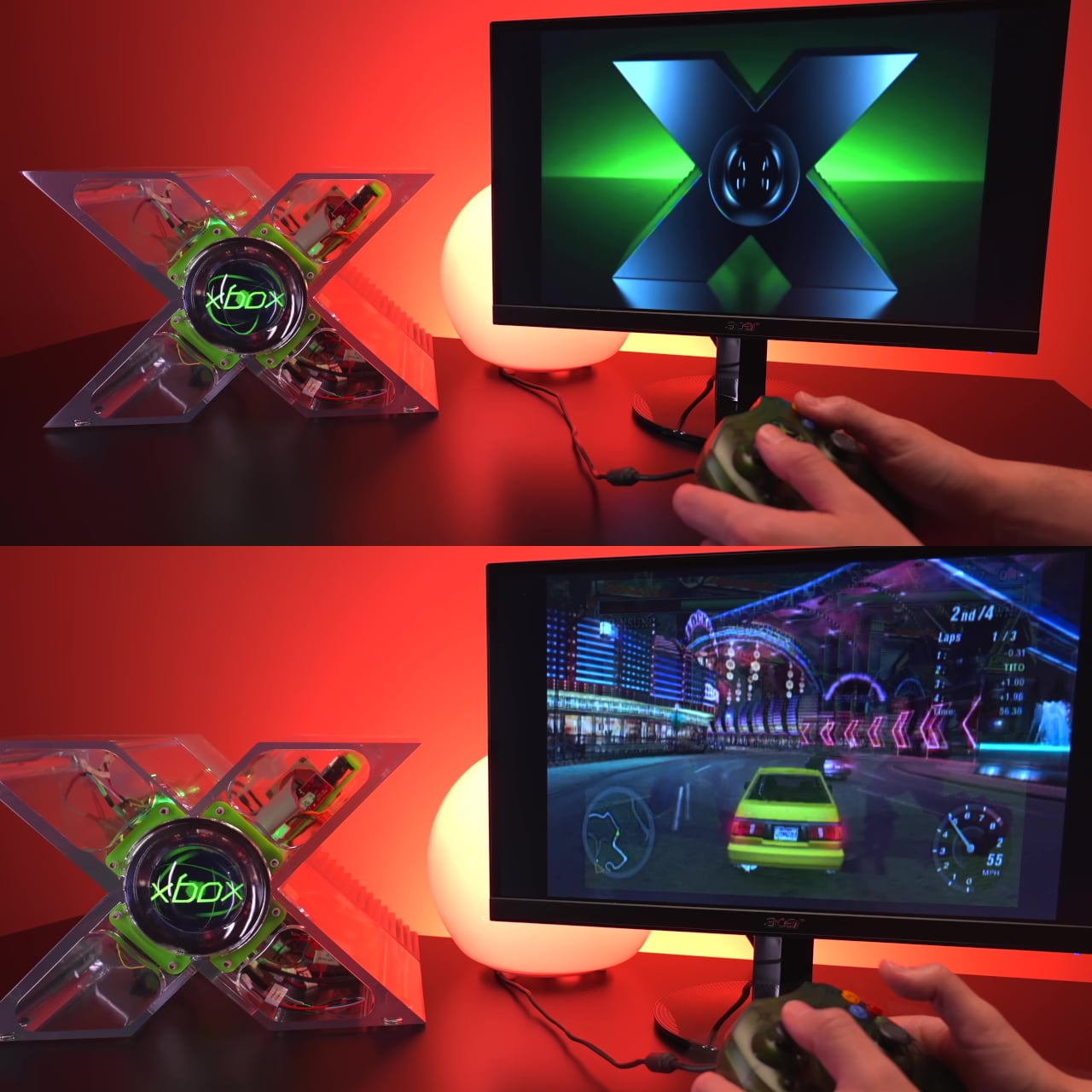
The original prototype didn’t have much at the center of its X besides a small green light. The replica replaces that with a round Waveshare LCD driven by a Raspberry Pi Pico 2 paired with a DVI sock. That combination lets the Pico push video to the round display without additional hardware, a compact solution that gives the build a much more animated presence than the original’s glow ever managed.
What makes this genuinely interesting beyond nostalgia is how deliberately it was rebuilt for the modding community rather than as a personal showcase. The print-friendly engineering turns what was previously a one-of-a-kind machined object into something with a shared community standard. Hobbyists don’t need access to a machine shop anymore to own one; they just need a printer, some patience, and a donor Xbox motherboard.
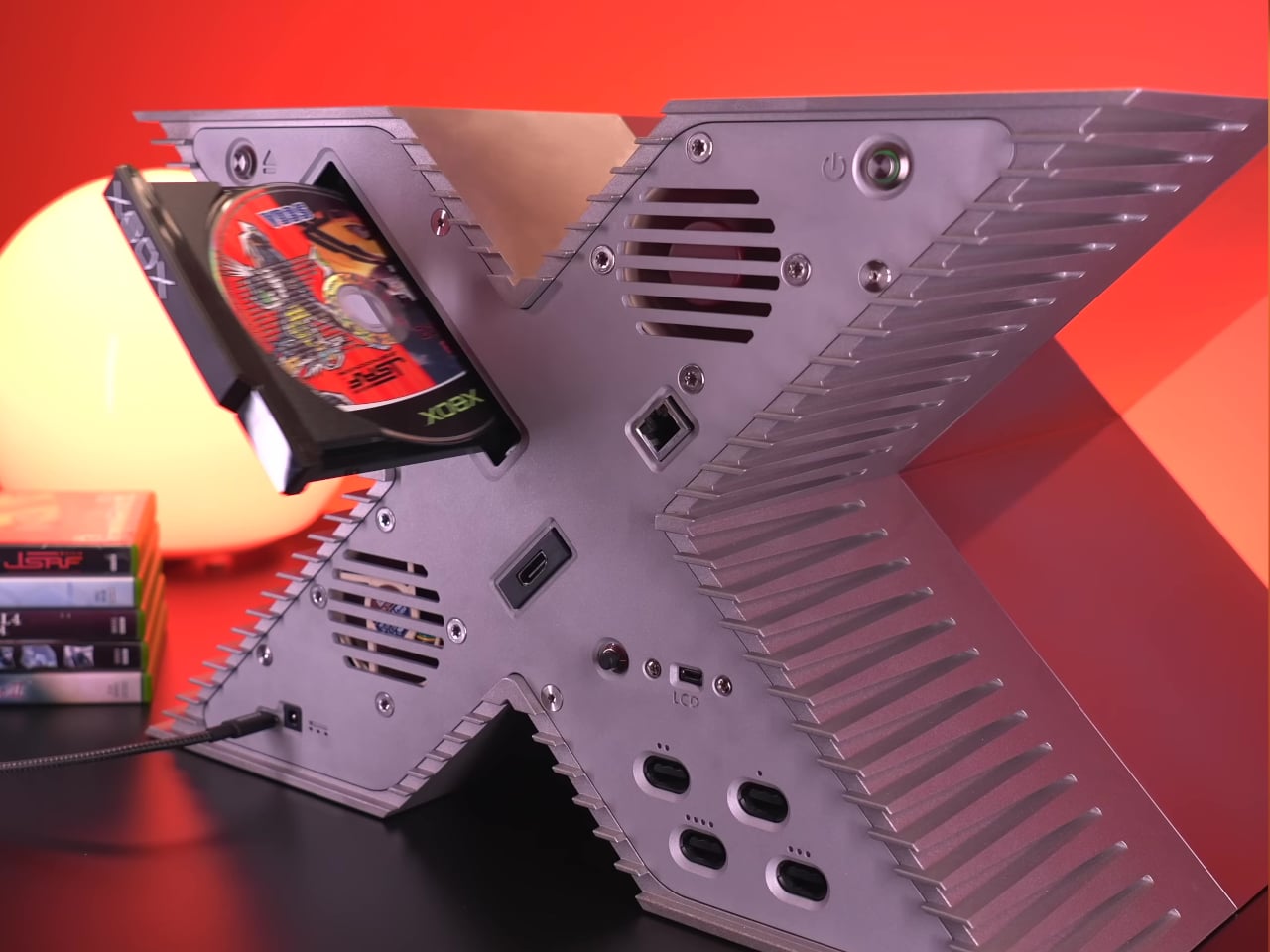
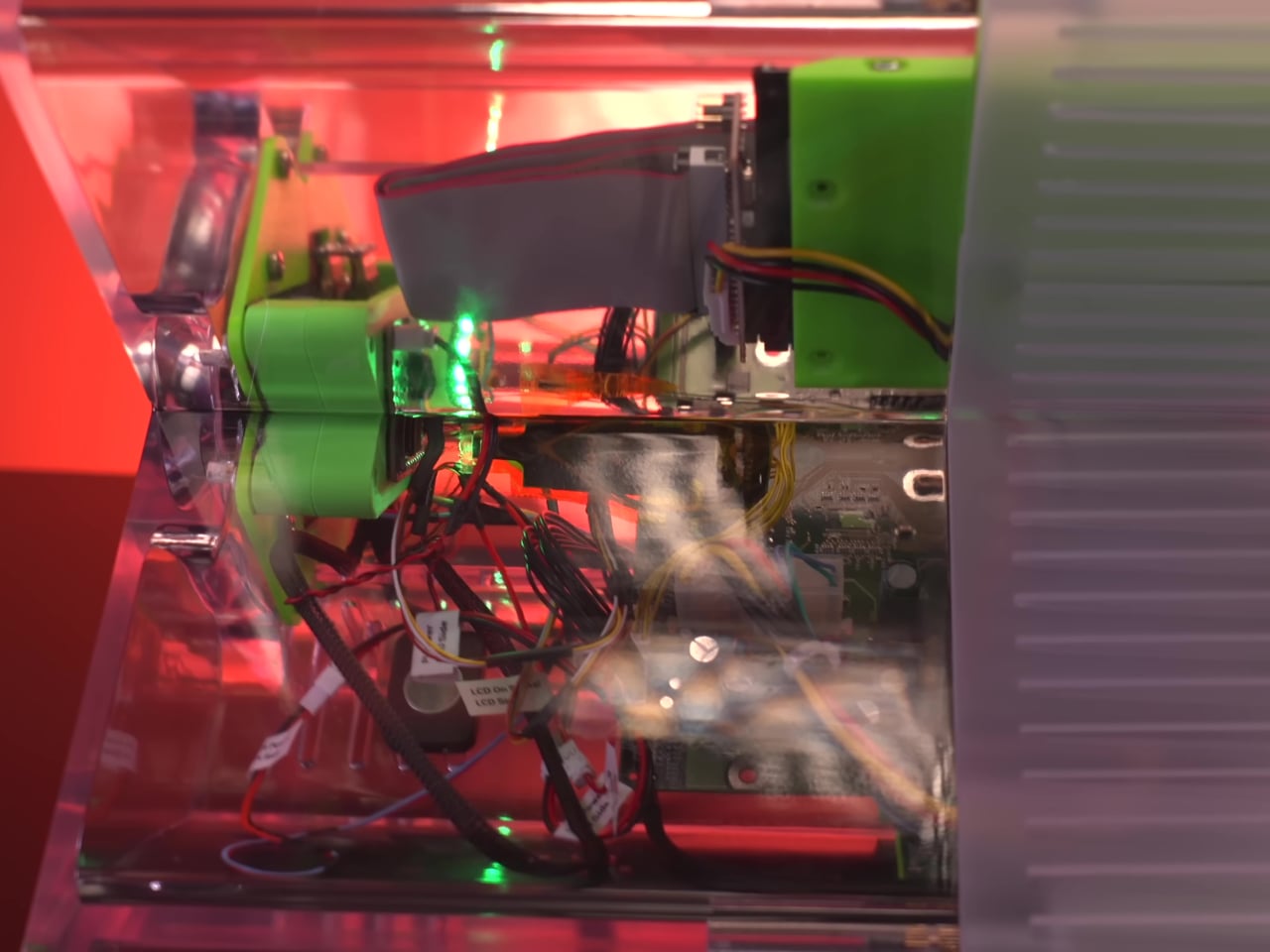
The build runs the original Xbox motherboard inside the new shell, keeping its gaming credentials intact. A modern USB-C power solution replaces the original Xbox’s notoriously oversized power brick, freeing up internal volume that the X-shaped enclosure genuinely needs. It’s a practical modernization that doesn’t ask you to give up the authenticity of running original hardware, which is exactly what this kind of replica demands.
The original X design was always more statement than product, a way of telling developers in 2000 that Microsoft was serious with hardware dramatic enough to make the point without words. The retail Xbox that followed looked nothing like it. Twenty-five years later, the modding community is effectively building the console Microsoft couldn’t, and making the files available to anyone willing to put in the work.
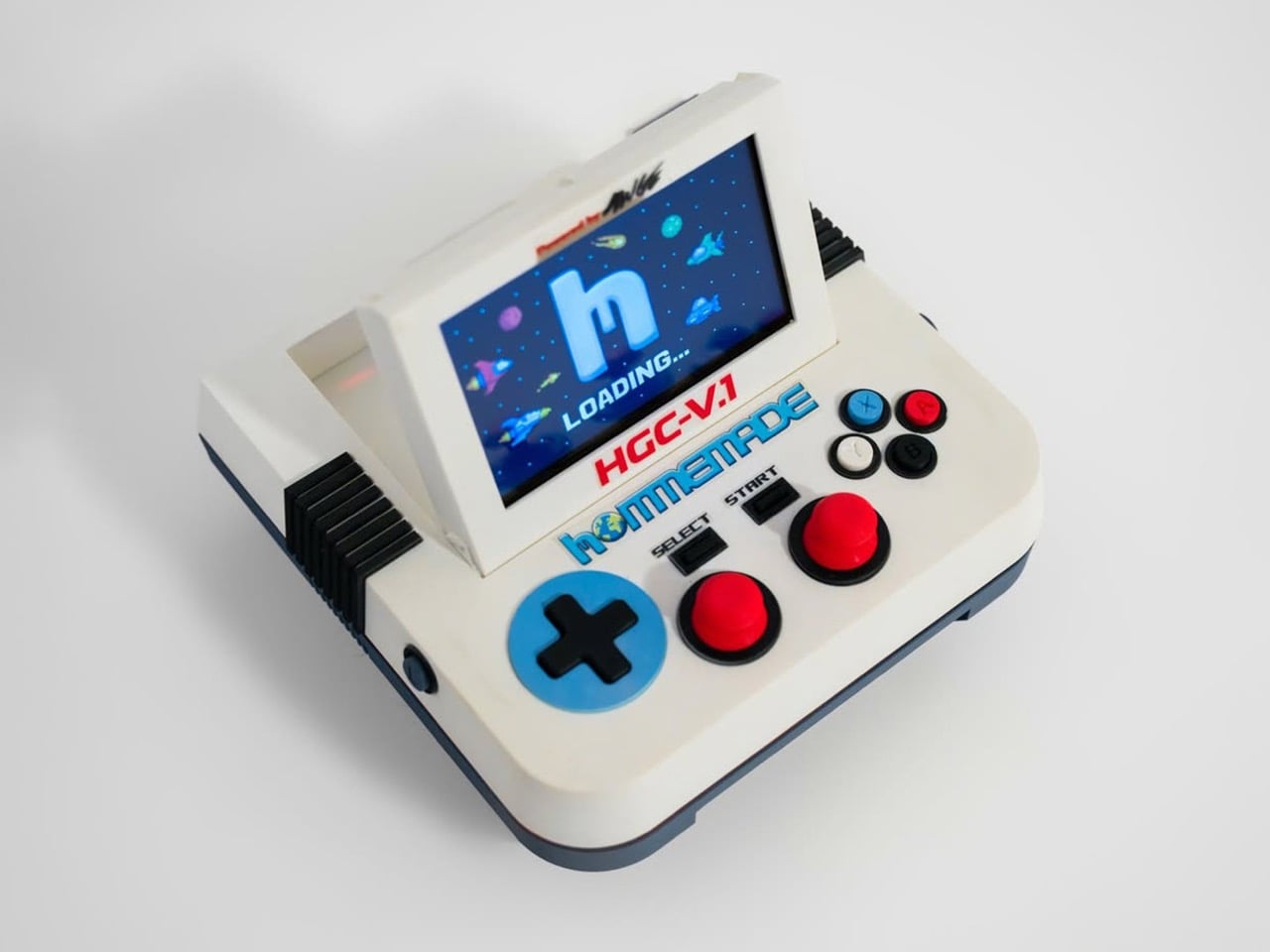
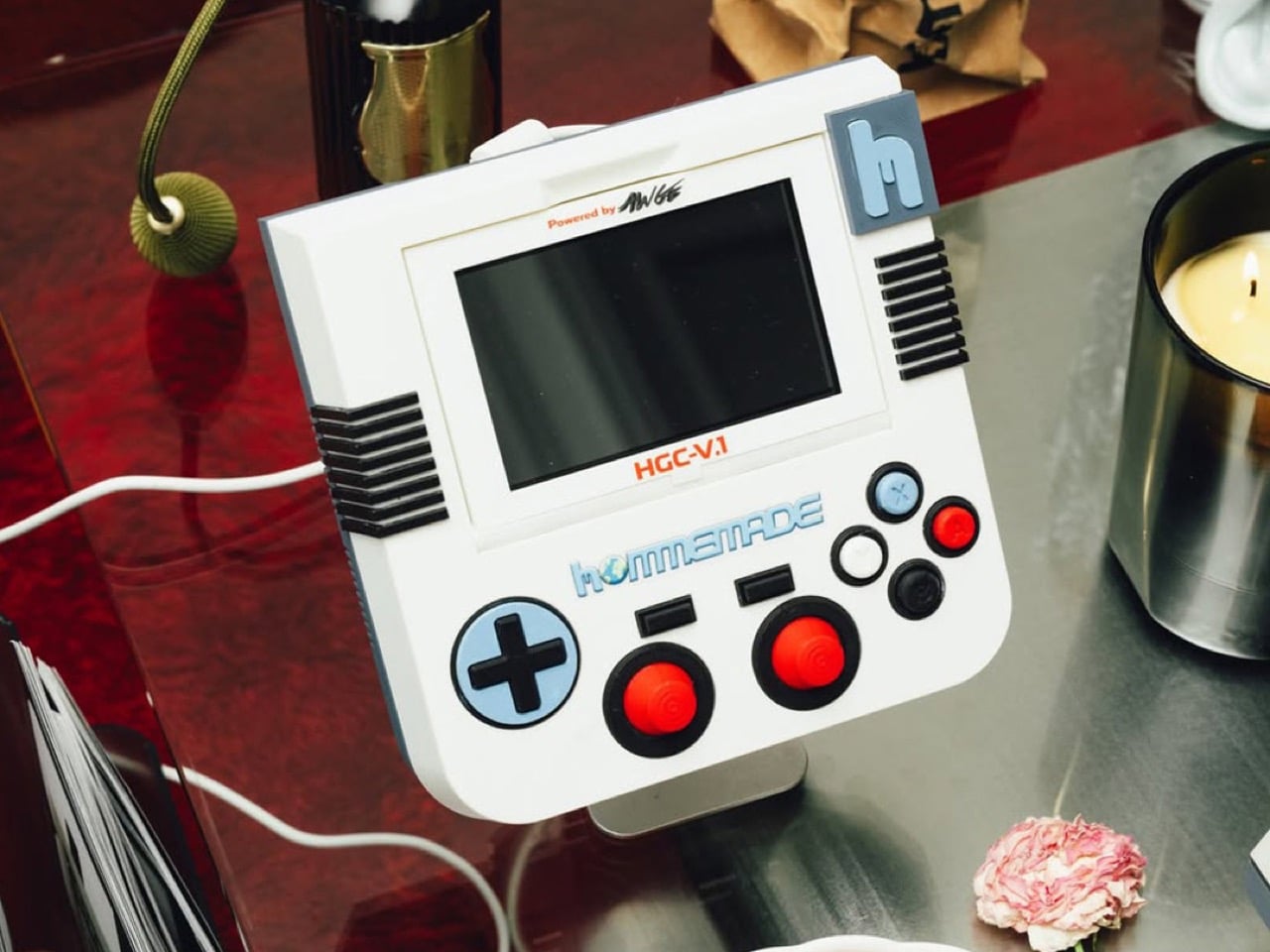
There’s a reason every retro emulation console of the last decade keeps cribbing from the same 1980s Japanese design playbook. The Famicom and the original SNES established a visual grammar for home gaming hardware that has never really been improved upon, just iterated, simplified, or fetishized. Cream-colored ABS plastic, primary-red accents, ribbed black ventilation grilles borrowed from HiFi separates, and chunky cross d-pads big enough to register through a winter glove. Analogue has built an entire premium business on faithfully reissuing this language. Anbernic and Miyoo have built equally large businesses on cheaply approximating it. What nobody has really done is take that grammar and warp it through a fashion-house sensibility.
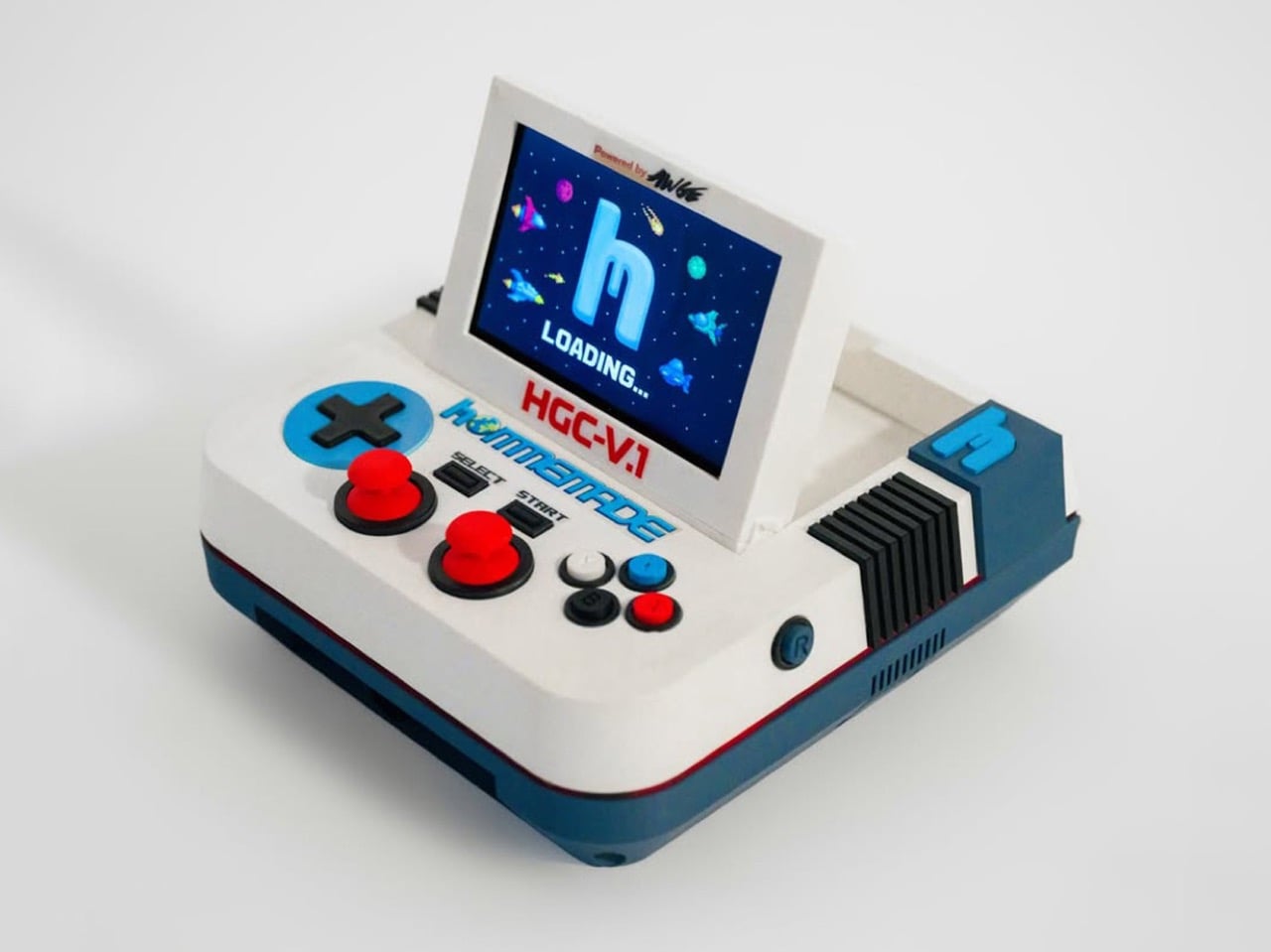
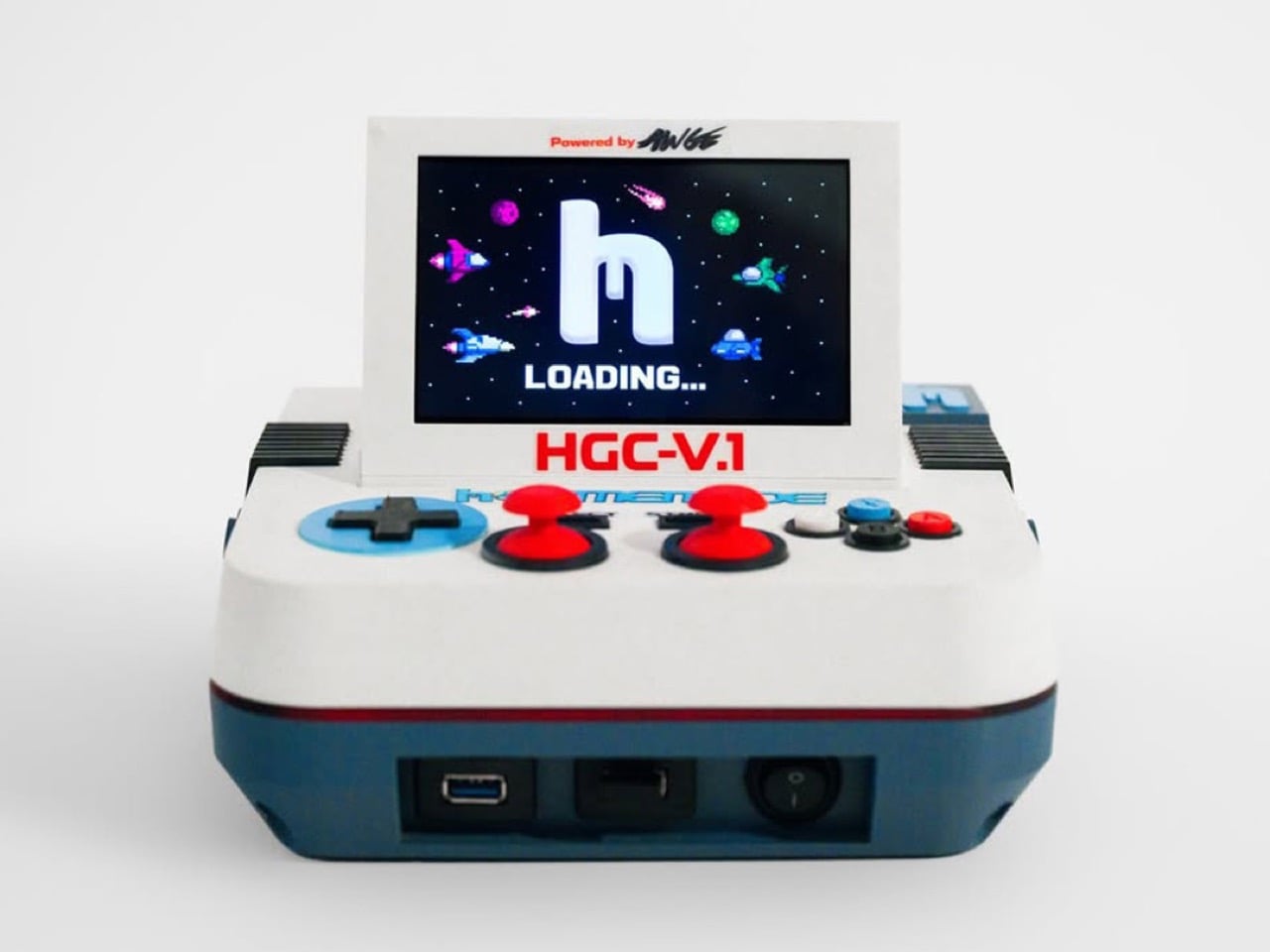
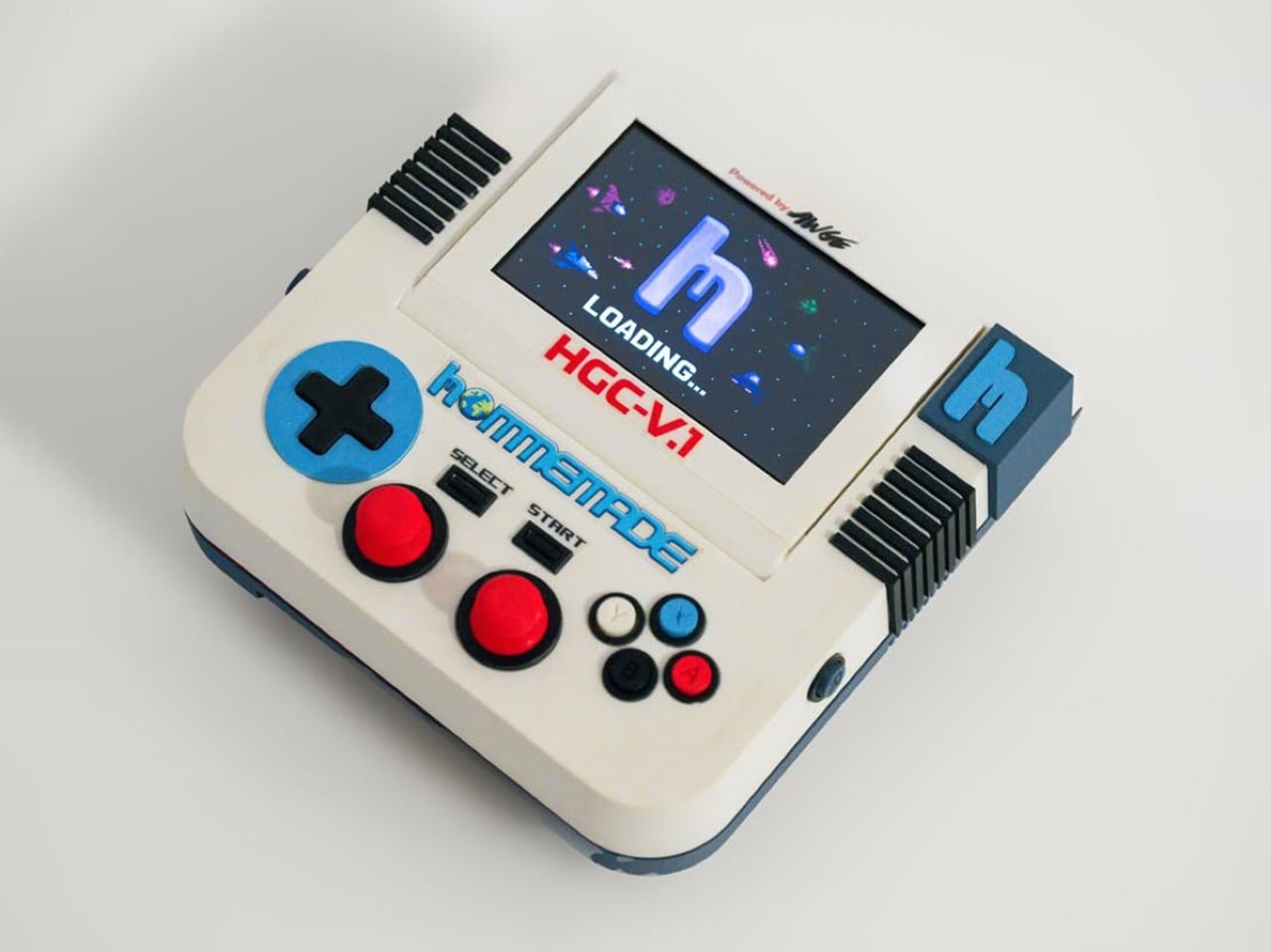
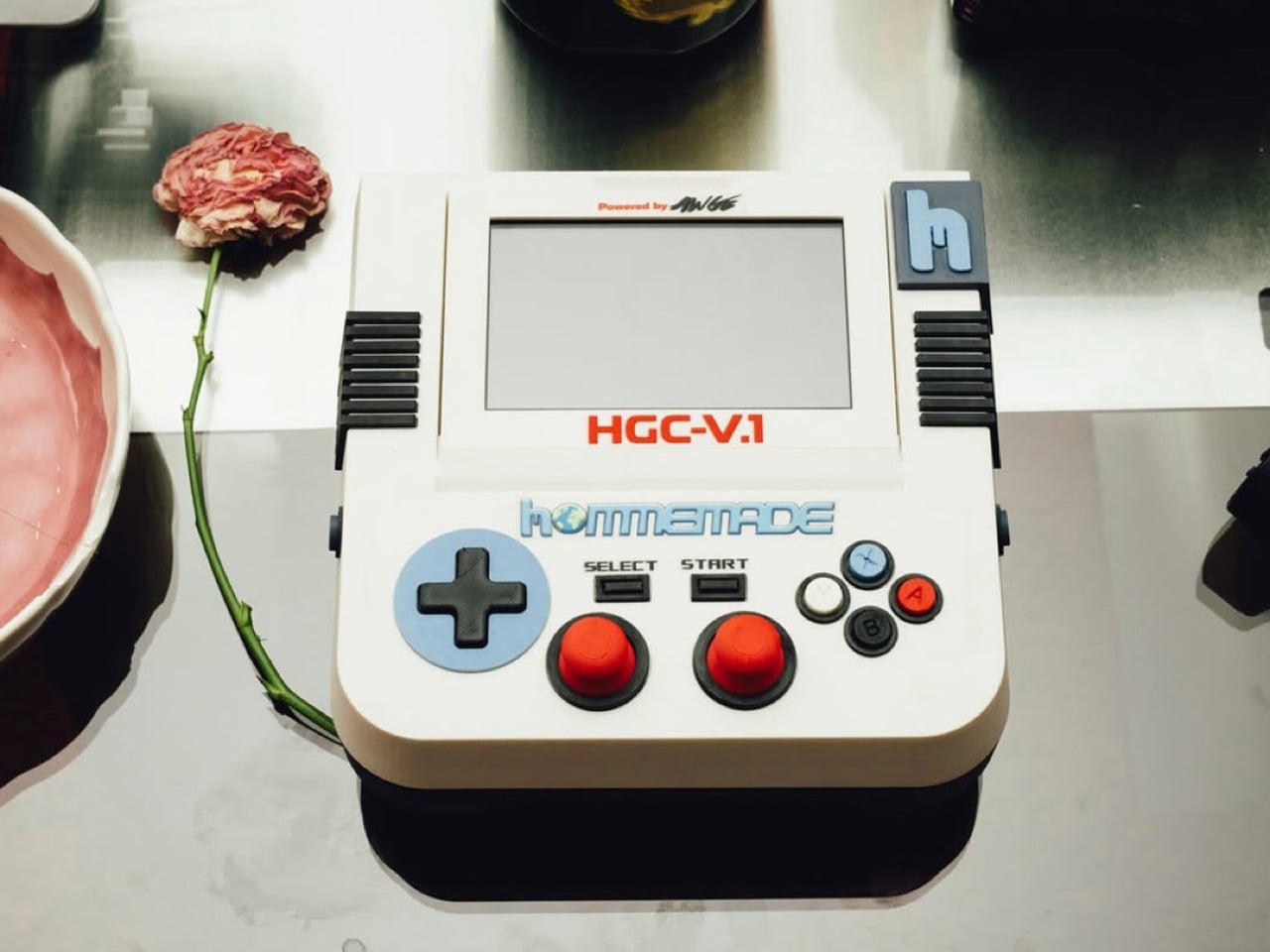
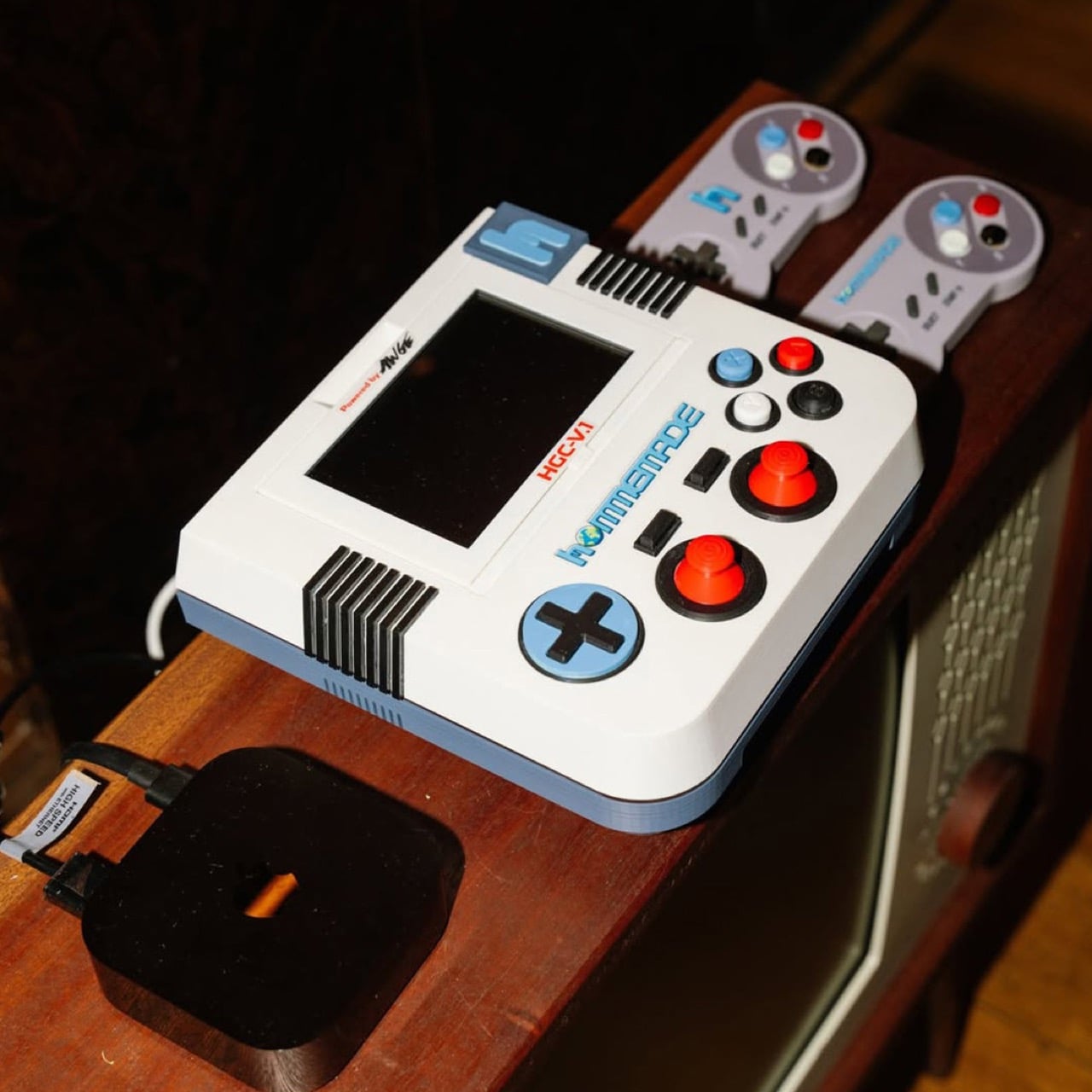
A$AP Rocky’s Hommemade studio just gave it a shot. The HGC-V.1, or Hommemade Gaming Console Version One, is a flip-screen retro emulation system designed in-house at AWGE and built around a chunky, almost cartoonishly oversized form factor that reads like a Famicom rendered as a desk sculpture. Cream and slate-blue body panels, two red arcade-style thumbsticks, a cobalt cross d-pad, SNES-coded face buttons, and black ribbed heat sinks flanking a flip-up LCD that boots into a pixelated starfield with the Hommemade “h” logo glowing front and center. It’s a console designed to be looked at as much as played.
Designer: AWGE / Hommemade
The form language here rewards a closer look. Most retro consoles fall into one of two camps, the faithful reissue (Analogue Pocket, Mega Sg) or the all-in-one emulation handheld (the entire Anbernic catalog), and both prioritize either accuracy or portability. The HGC-V.1 ignores both briefs. It’s a tabletop unit, roughly the proportions of a 1980s portable TV, with a flip-up screen that gives it a clamshell silhouette closer to a Game Boy Advance SP scaled up to coffee-table size. The d-pad, joysticks, and face buttons are all deliberately oversized, pushing past ergonomic logic into something more sculptural. You don’t pick this up the way you’d pick up an Anbernic RG35XX. You sit at it.
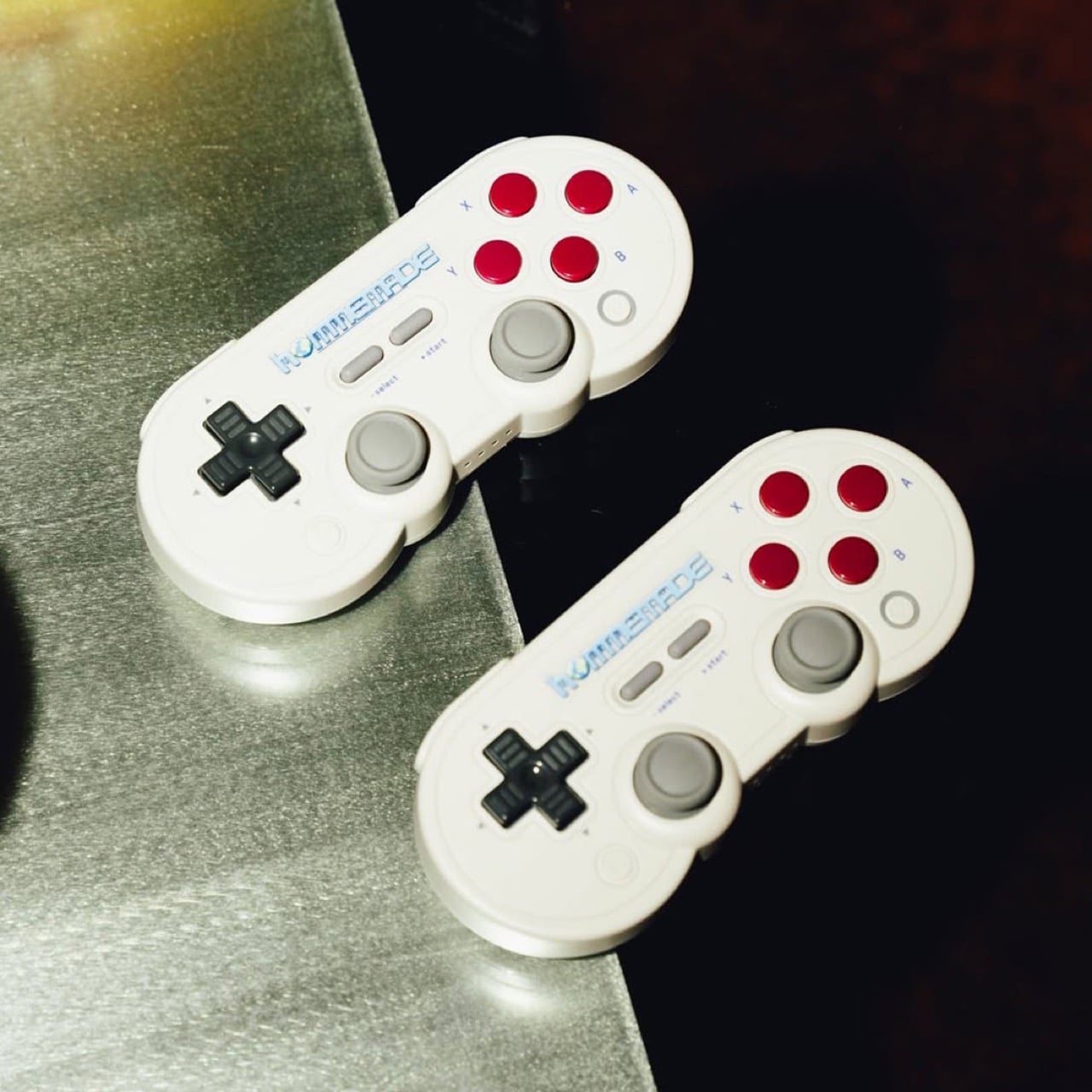
The detailing is where the AWGE handprint gets loud. “HGC-V.1” sits in red Famicom-style lettering across the bezel, “Powered by AWGE” gets stamped in that scrappy hand-drawn type Rocky has used across his whole creative universe, and the chunky blue “h” logo on the right shoulder behaves less like a brand mark and more like a structural element, almost a handle. Around the back you get USB, what looks like HDMI out, and a physical toggle switch with the satisfying mechanical heft those late-90s appliances always had. The package ships with two wireless gamepads that crib NES proportions while smuggling in twin analog sticks and a four-button face cluster, essentially a hybrid retro-modern pad capable of running anything from NES ROMs through to early PS1 emulation.
No public price has been announced, which fits the Hommemade pattern. The label operates on a made-to-order basis through a single email address (hommemade@awge.com if you’re interested), and the rest of the Galaxy Collection ranges from $13,500 dividers to the $300,000 CBNT.V1 entertainment console covered by Hypebeast last week. Expect this to land somewhere in art-object territory rather than competing with the upcoming Steam Machine. The HGC-V.1 isn’t trying to win on specs or library size. It’s trying to win on the simpler proposition that gaming hardware can be a piece of furniture worth designing properly, and on that front, it makes a genuinely compelling case.
We’ve been ranting all year long about the rise of the handhelds and the choices spread across a wide spectrum. This diversity is attributed to many variables, including the use case, the genres of games the device is expected to play, and, most importantly, the price segment a gamer is looking at.
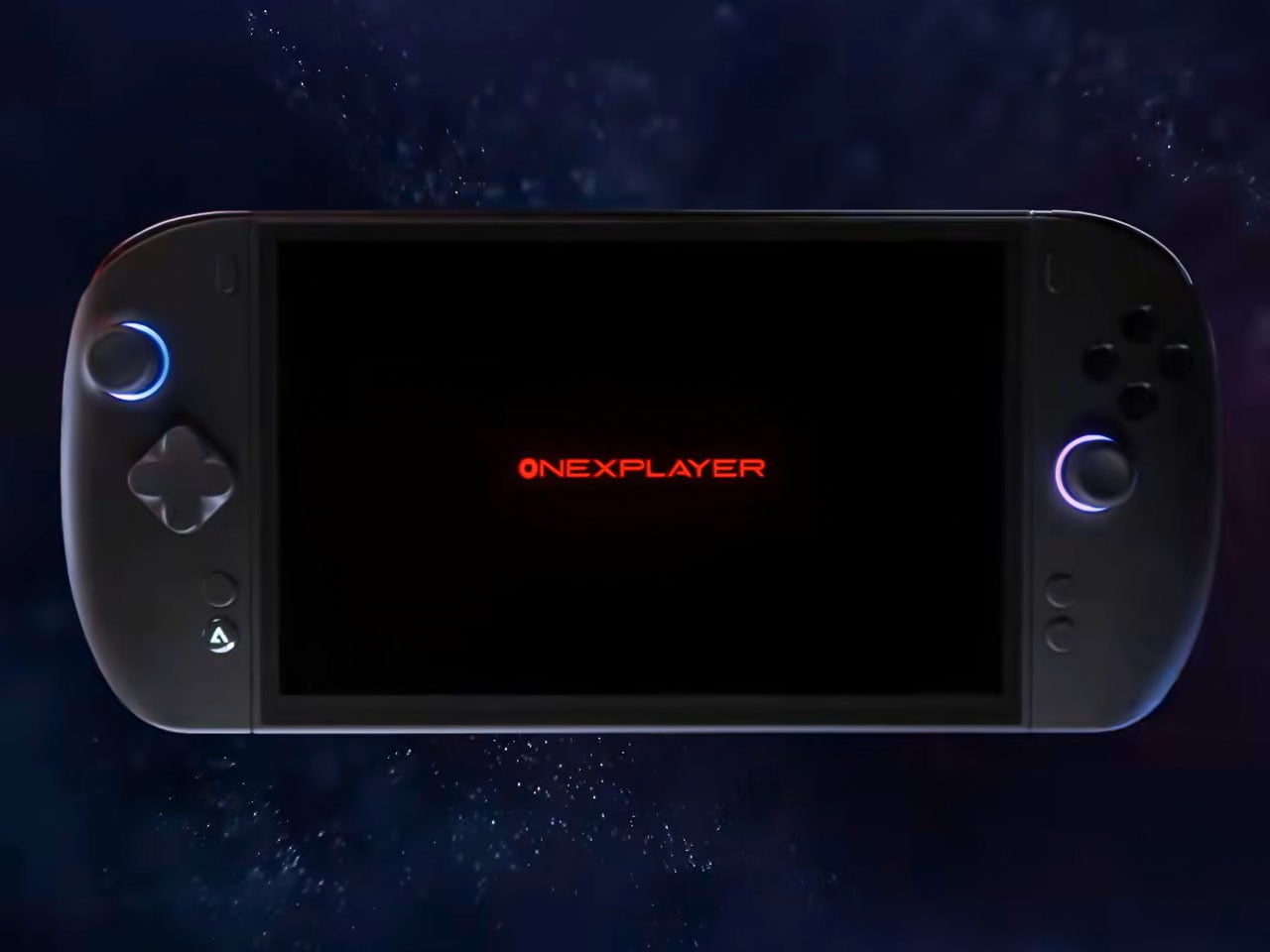
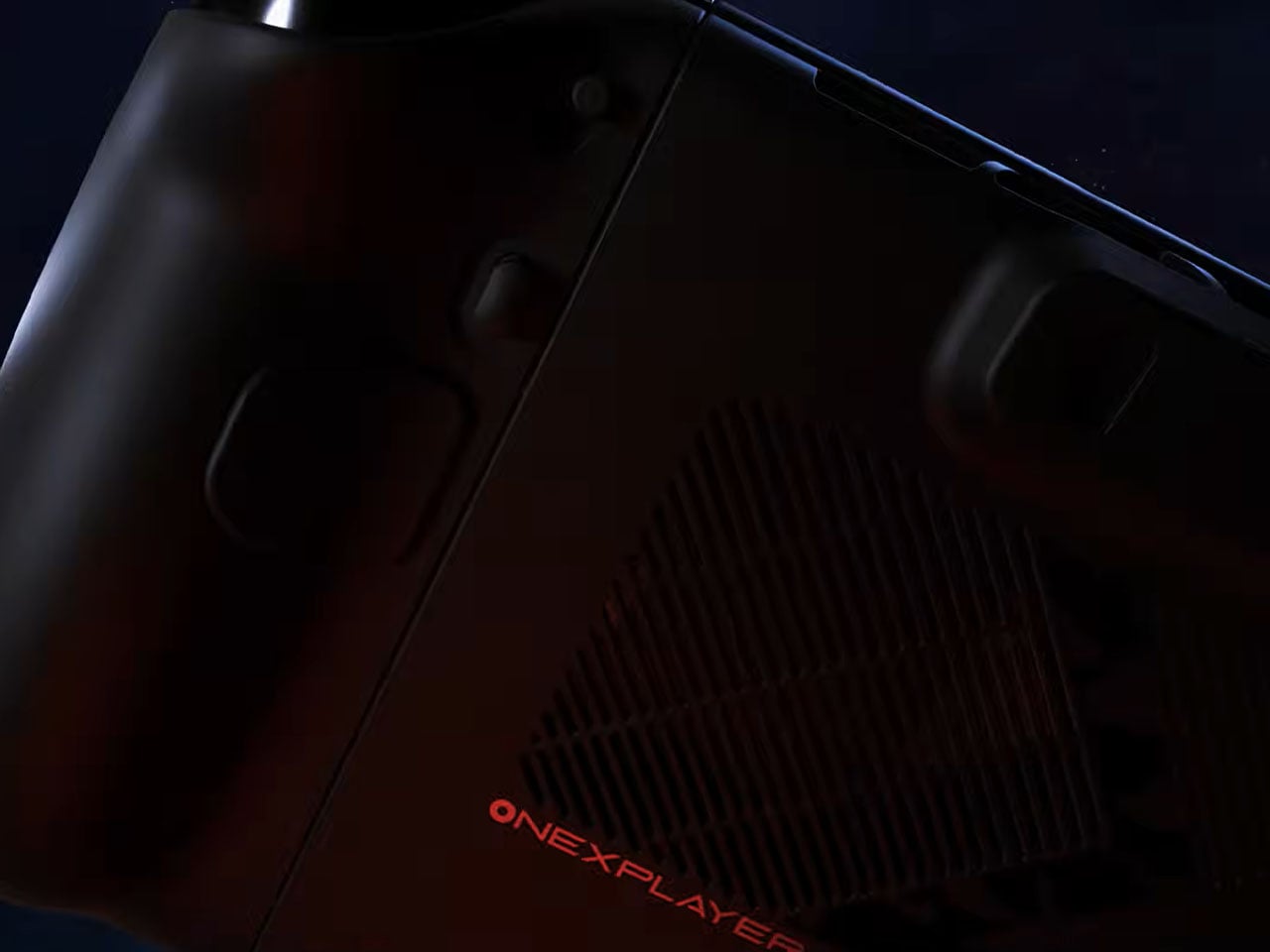
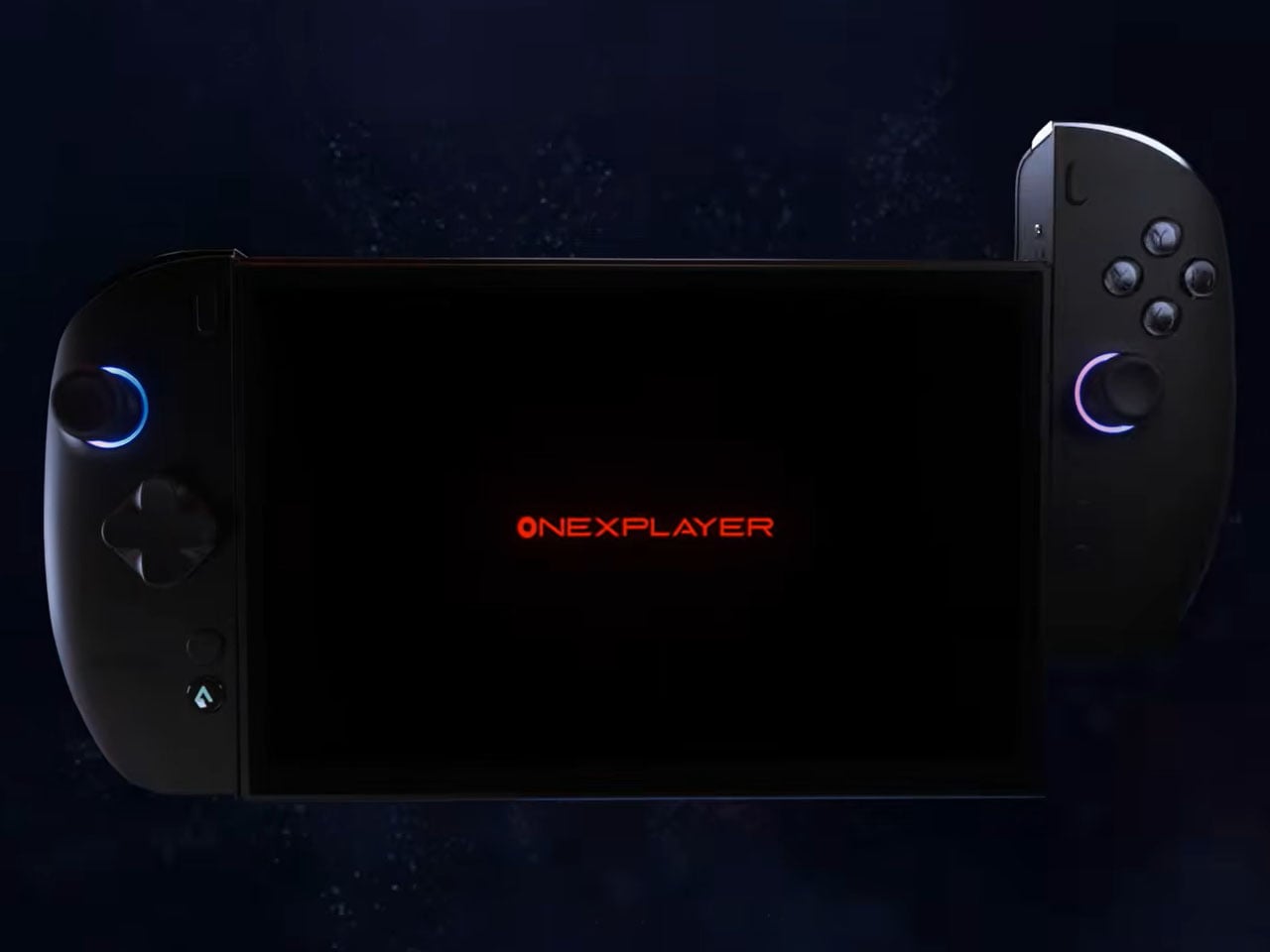
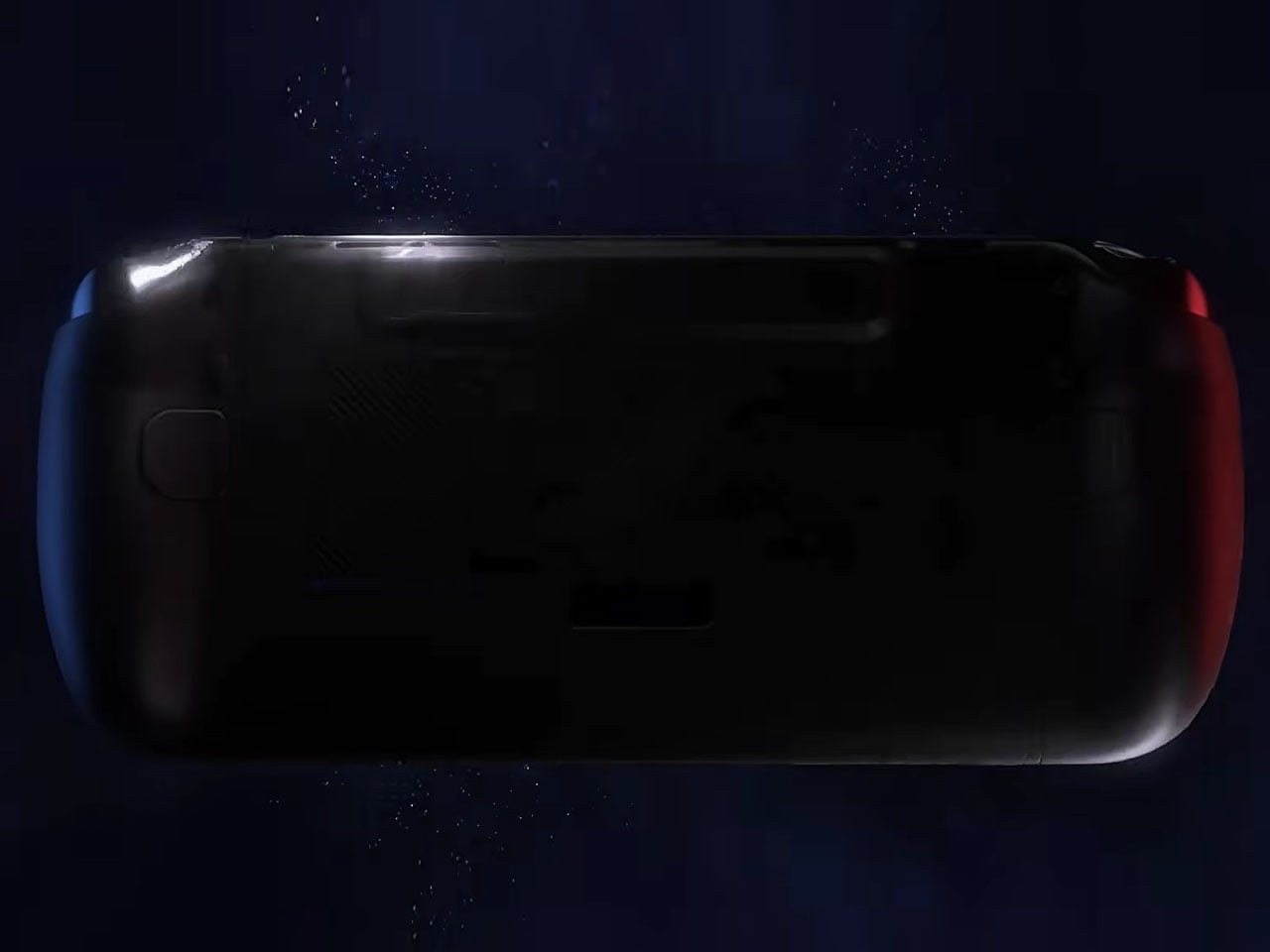
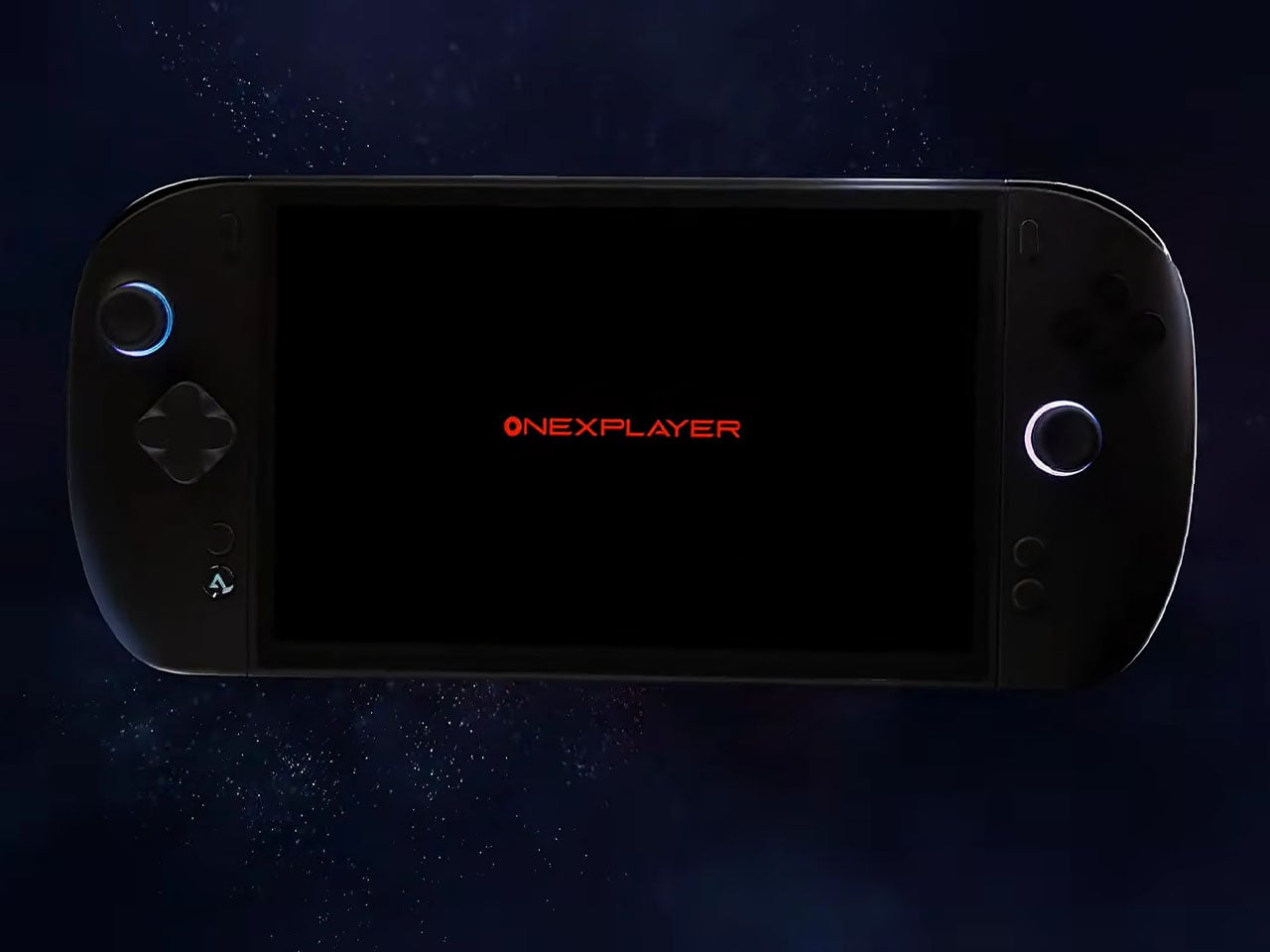
The Shenzhen-based electronics company is back with another powerhouse gadget that should solve your gaming, work, and entertainment needs. ONEXPLAYER X2 Mini is the latest teased handheld by ONE-NETBOOK, and it packs some real power for playing AAA titles. Despite the “Mini” in its namesake, the device features a slightly larger 8.8-inch OLED screen compared to the Apex handheld’s 8-inch display shown off at CES 2026. The display supports VRR and HDR modes, along with the superior 144 Hz variable refresh rate for demanding titles. This pits it directly in competition with the Lenovo Legion Go 2.
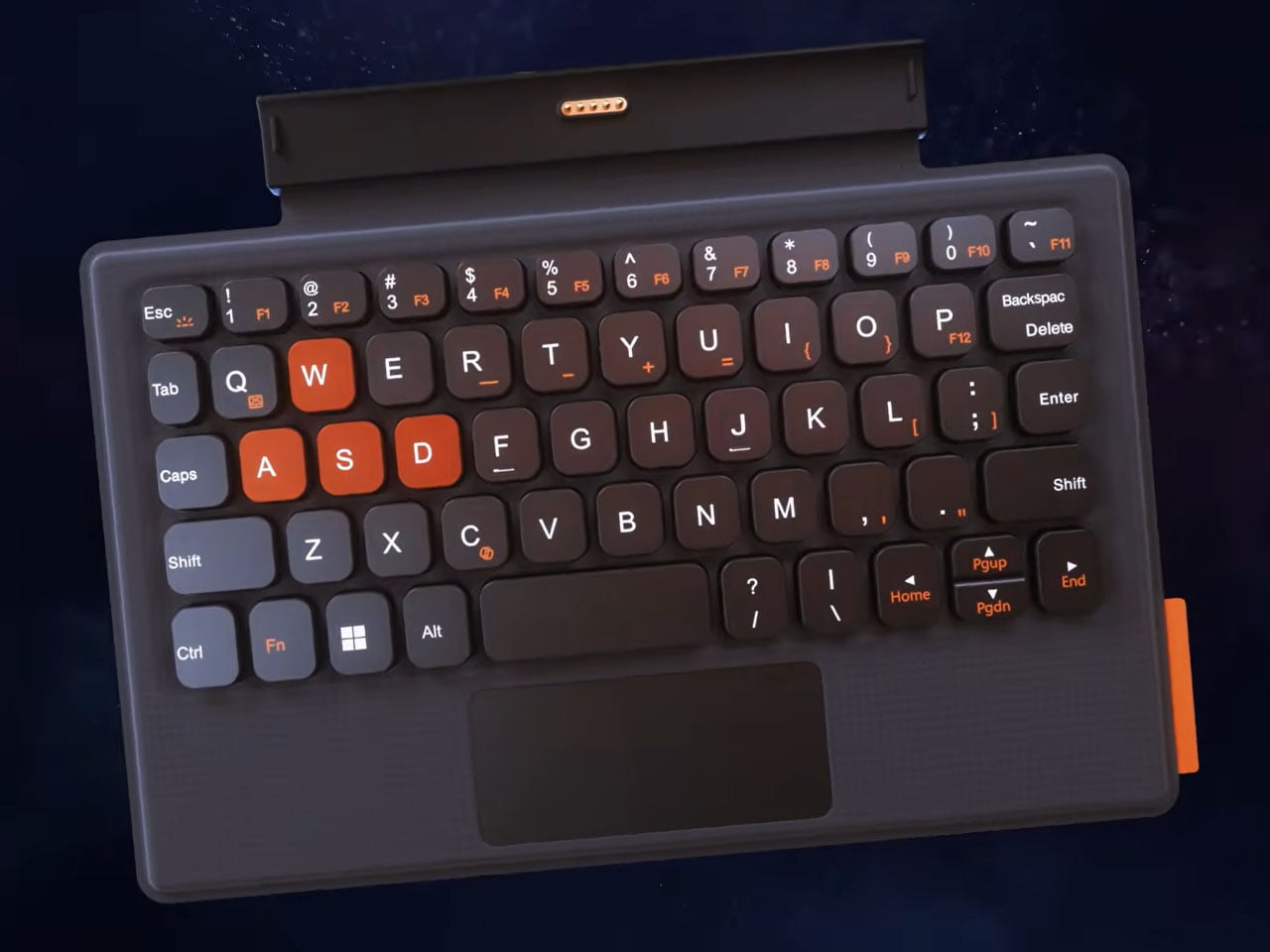
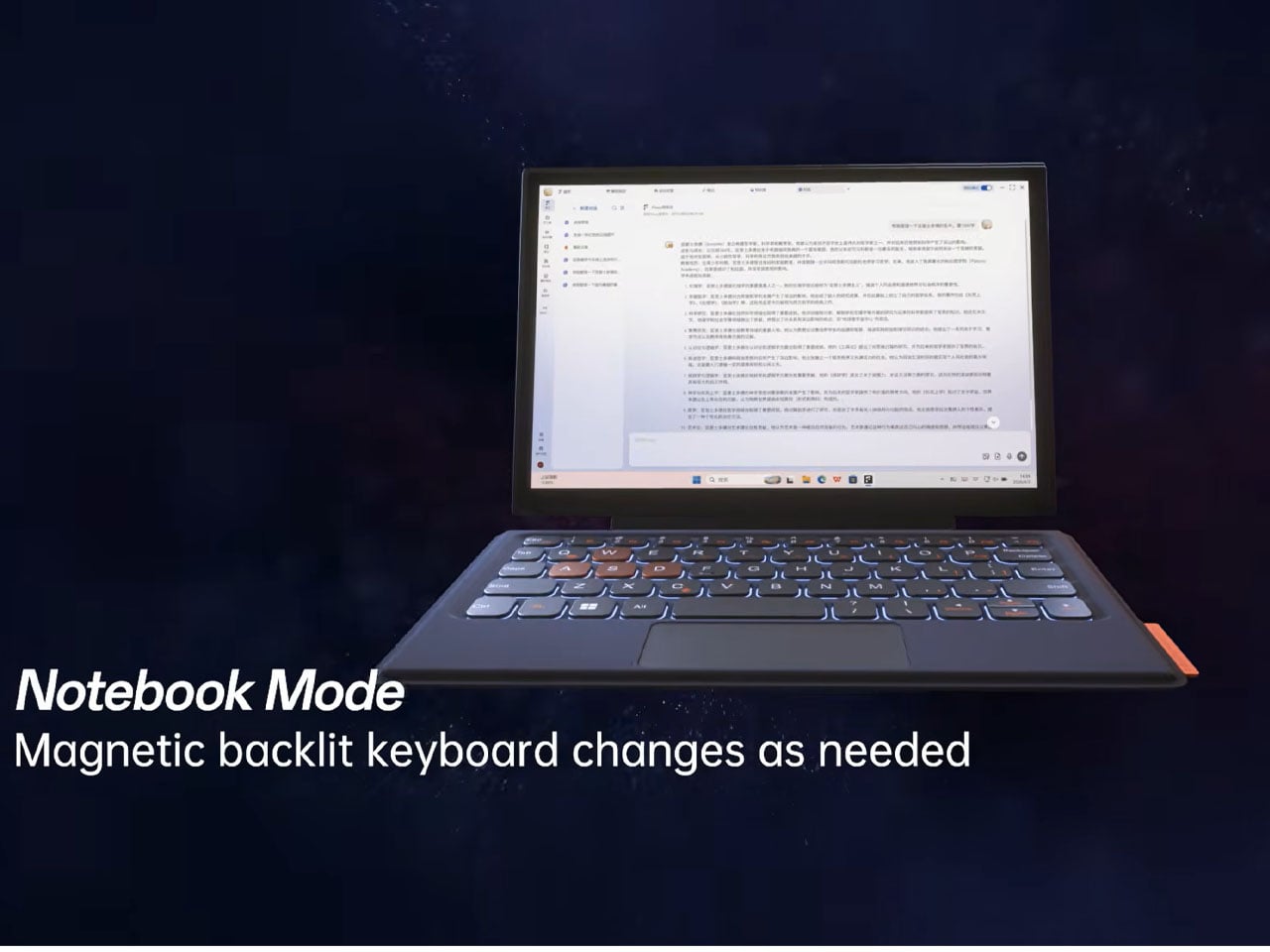
Powering the guts of the handheld is the power-packed AMD Ryzen AI Max+ 395 APU, and there is no word yet about the RAM or storage on the gaming device. The beefy processor with 16 Zen 5 CPU cores is mated to the Radeon 8060S integrated GPU. That kind of hardware requires active cooling, and ONE-NETBOOK has an optional external water cooling pack in the mix. That amount of processing power can be overkill for a handheld, but it makes sense since the device doubles as a potent mini laptop. The screen is completely detachable and connects to a magnetic backlit keyboard for your work routines on the go.
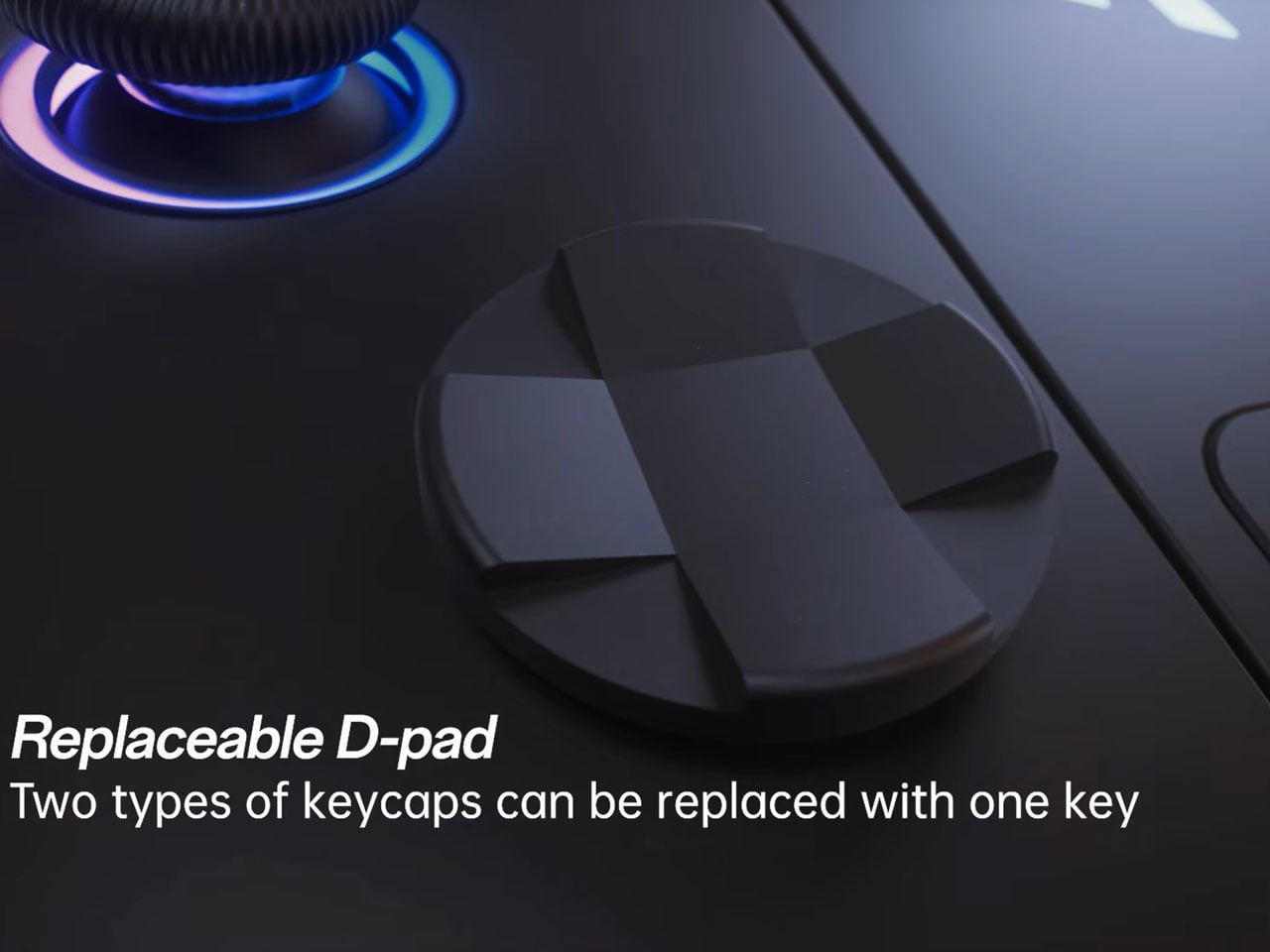
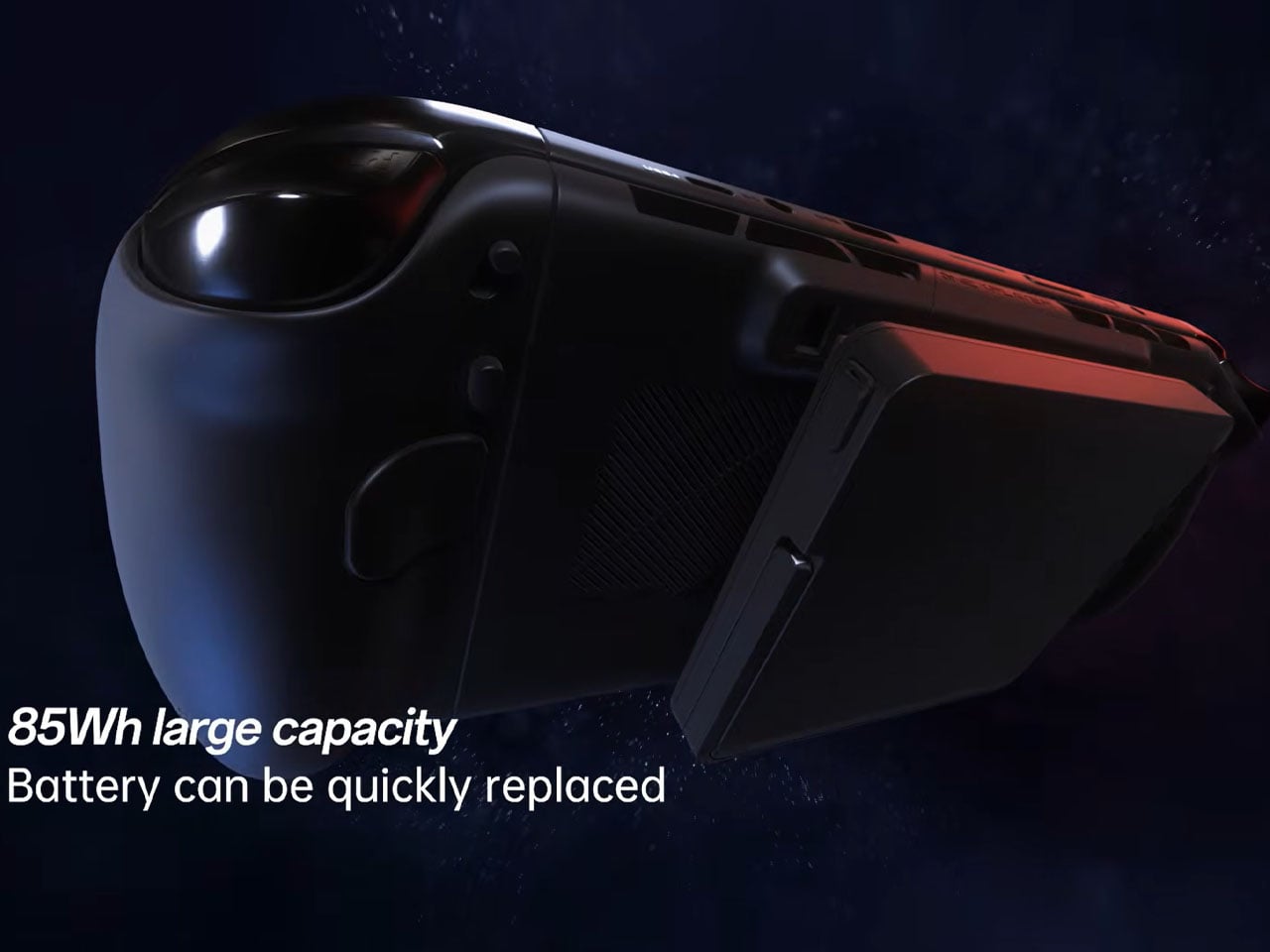
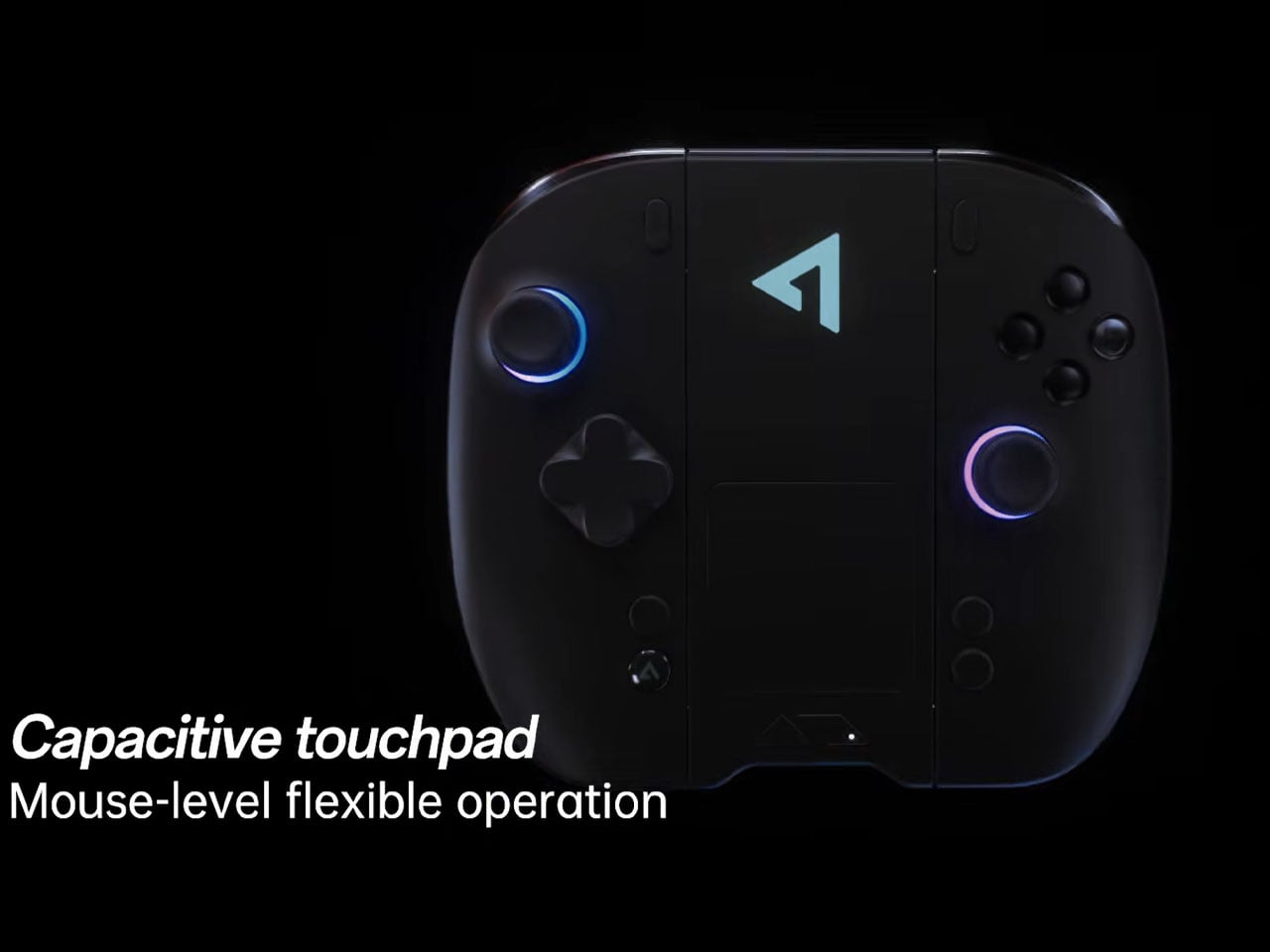
To power the demanding machine, they’ve decided to go with a user-detachable 85W battery to make swaps quick, in case you want to extend your gaming sessions on a long flight. The detachable controller has swappable face buttons (with micro-switches), a capacitive joystick, casing, and a vibration motor for haptic feedback. Thus, making the handheld mini PC easy to replace with new components. D-pad will also be user configurable in two options – the standard cross version, or the octagonal setup similar to the Xbox Series Elite controller. For better control in-game, the two-stage analogue trigger provides micromovement and linear freedom in switching. The controllers can be connected to the independent wireless connection base, which turns them into a capacitive touchpad for mouse-level precision while working.
ONEXPLAYER X2 Mini will likely have 128GB of storage and ultra-fast LPDDR5X RAM to go with the Strix Halo APU, which should put it flush in the premium handheld category. That should carry a premium price as well, somewhere around $4,000 or more. Add the price of accessories to that, and you have a handheld-PC hybrid poised to attract power gamers and users who have always wanted a modular device for multi-functional needs.
At some point in the last couple of years, something quietly shifted in the gaming world. Not in the blockbuster, billion-dollar-franchise sense, but in the more personal, “why am I actually having more fun with this tiny device than my main console” sense. Search interest in retro gaming handhelds jumped 400% year-over-year, hitting 90,500 monthly searches in January 2026 alone. That’s not a blip. That’s people rediscovering something they forgot they wanted, and then telling everyone they know about it.
What’s driving it isn’t hard to understand. Modern gaming has gotten heavy, with big installs, long tutorials, and games that feel like part-time jobs. A retro handheld sidesteps all of that. You pick it up, you’re playing something in thirty seconds, and it fits in your jacket pocket. The designs themselves have become worth caring about, too, from machined aluminum bodies to translucent clamshells to square screens that look like props from a ’90s anime. These aren’t budget toys. Some of them are genuinely beautiful objects that happen to play games. Here are seven that are worth your attention.
Anbernic RG Cube: The one with the square screen that somehow works
The first thing you notice about the RG Cube is the screen shape, a perfect square, and your brain immediately goes: that can’t be right. Gaming moved to widescreen fifteen years ago. A 1:1 display in 2024 looks like a design mistake, or at best a gimmick. It is neither. The 3.95-inch IPS panel at 720×720 turns out to be native to more retro games than you’d expect, with Game Boy, arcade titles, and Nintendo DS with dual-screen stacking all living here without compromise.
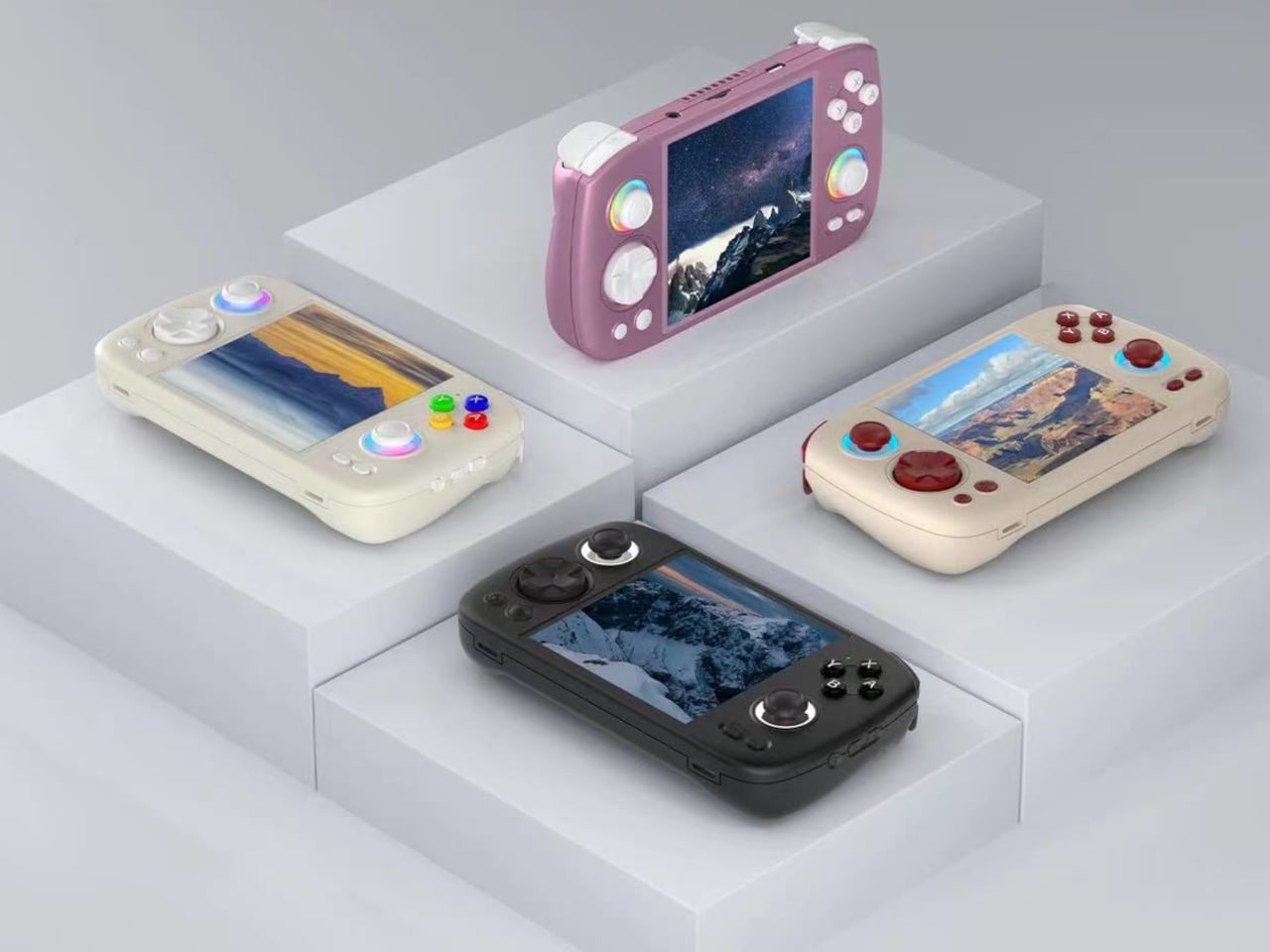
The broader package is hard to argue with. An octa-core Unisoc T820 processor and 8GB of RAM run Android 13, with emulator support up through PS2 and GameCube, though more demanding titles on those systems will push its limits. The asymmetric thumbstick layout borrows from the Steam Deck playbook, and the Saturn-inspired D-pad is precise without drama. At around $170, it comes in Beige White, Radiant Purple, Black, Grey, and the radiant purple has no right looking as good as it does.
What we liked
Square 1:1 screen is genuinely ideal for Game Boy, arcade, and DS emulation
RGB lighting and color options make it a genuinely attractive object
What we disliked
Widescreen games require letterboxing or aspect-ratio compromise
Demanding PS2 and GameCube titles push the processor to its limits
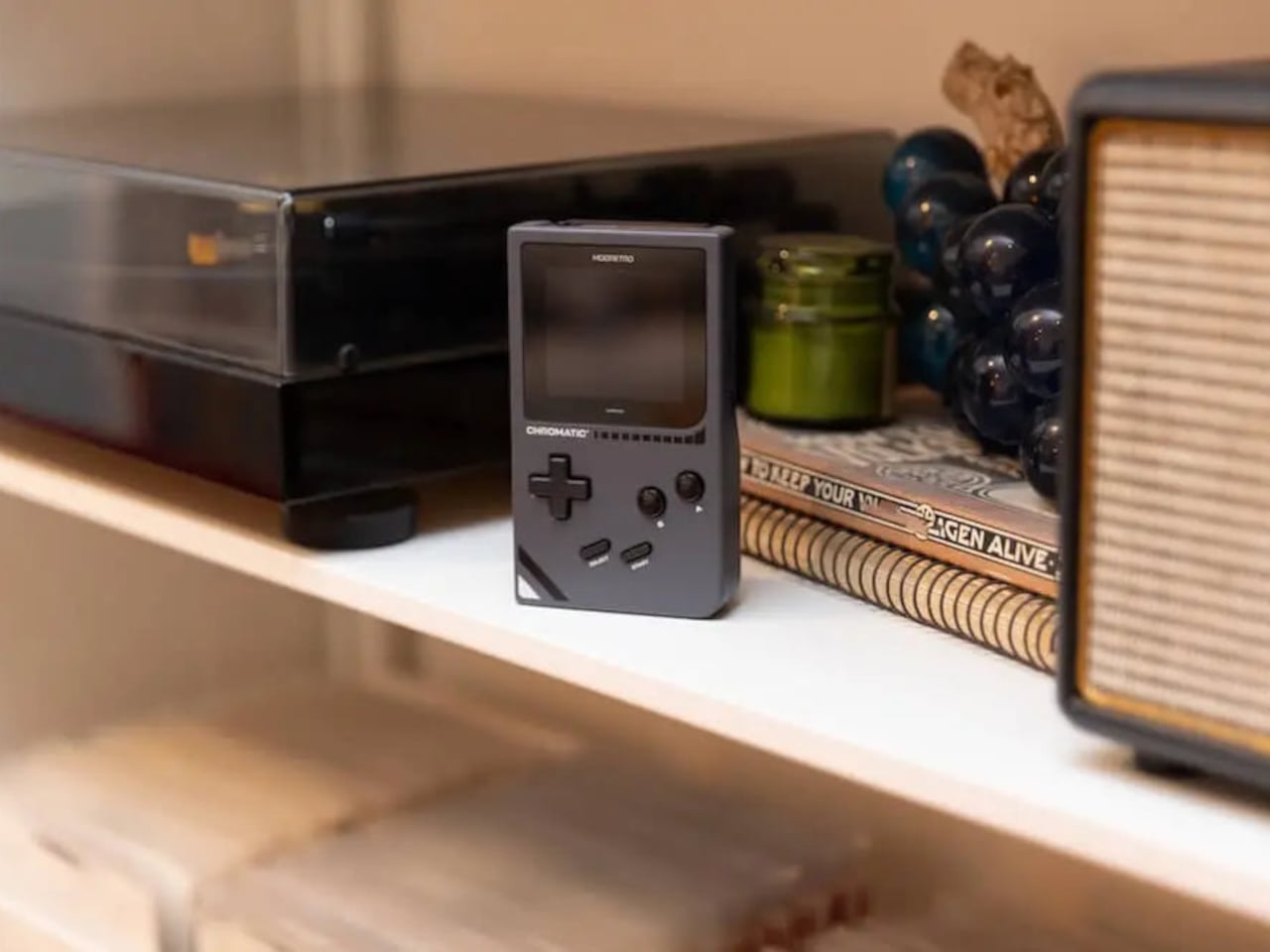
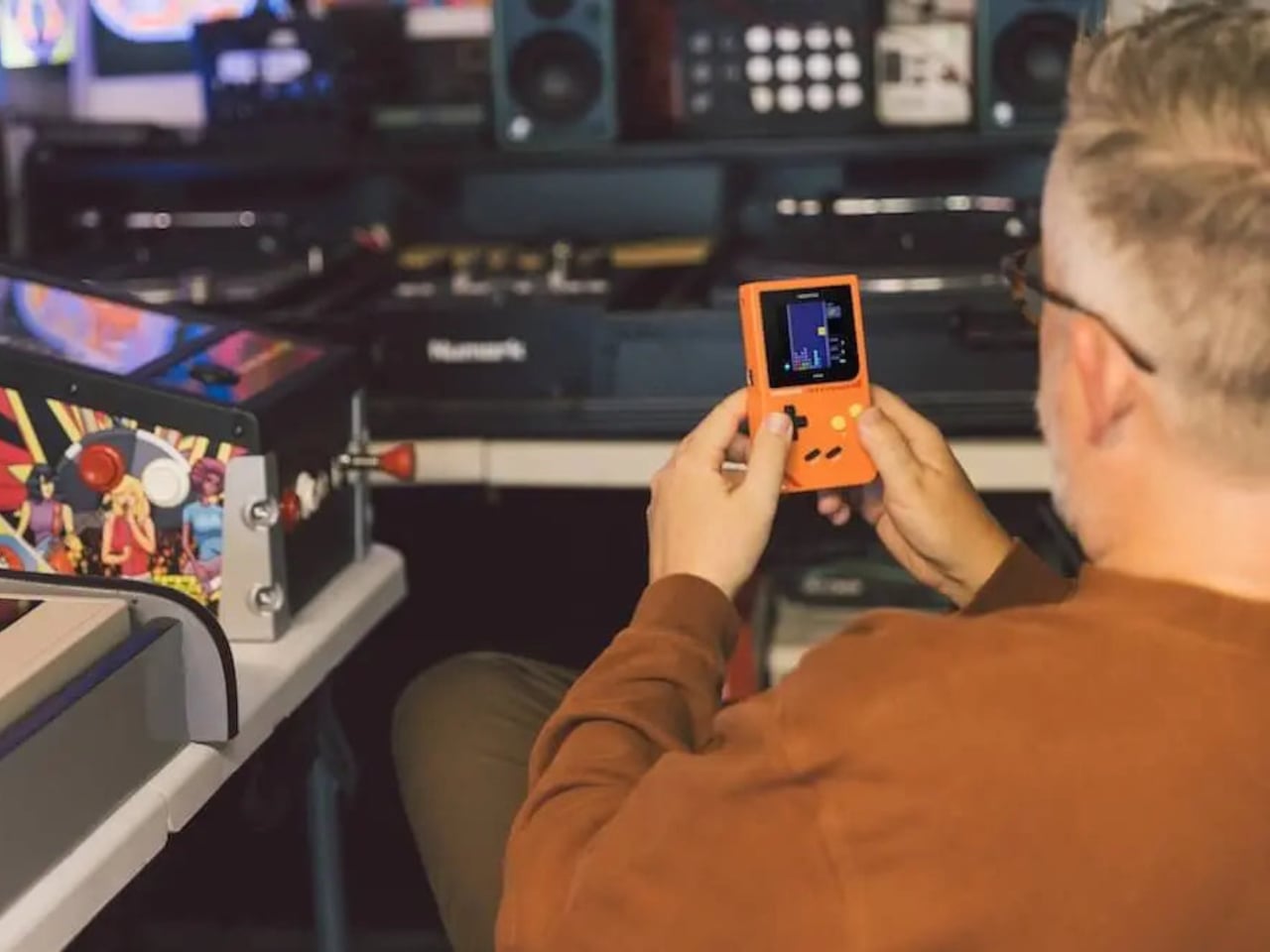
ModRetro Chromatic: The Game Boy Color that Nintendo never made
There’s a version of this product that could have been embarrassing: a magnesium alloy Game Boy Color clone bundled with a new Tetris cartridge, sold at $199. On paper, it sounds like a premium nostalgia trap. In practice, it’s one of the most carefully considered handheld devices released in years. It’s FPGA-based, meaning it reconstructs the Game Boy hardware at the circuit level rather than emulating it in software, which produces zero input latency and a millisecond-accurate match to original hardware behavior.
The physical design earns its price in ways spec sheets can’t capture. The curved battery compartment gives your hands something to grip. A physical volume wheel, a detail so obvious it’s shocking how rarely it appears on modern devices, lets you kill the sound without touching a menu. Colors run from Inferno and Bubblegum to a very wearable Wave blue, with English or Japanese button labeling as an option. It plays physical Game Boy and Game Boy Color cartridges only, which is either a dealbreaker or a feature, depending on how you think about focus.
What we liked
FPGA hardware delivers true zero input lag, not a software approximation
Magnesium alloy shell feels premium and genuinely durable
Comes bundled with a new Tetris cartridge
What we disliked
Plays only Game Boy and Game Boy Color cartridges, no ROMs or other systems
AA battery requirement adds ongoing cost; rechargeable Power Core is sold separately
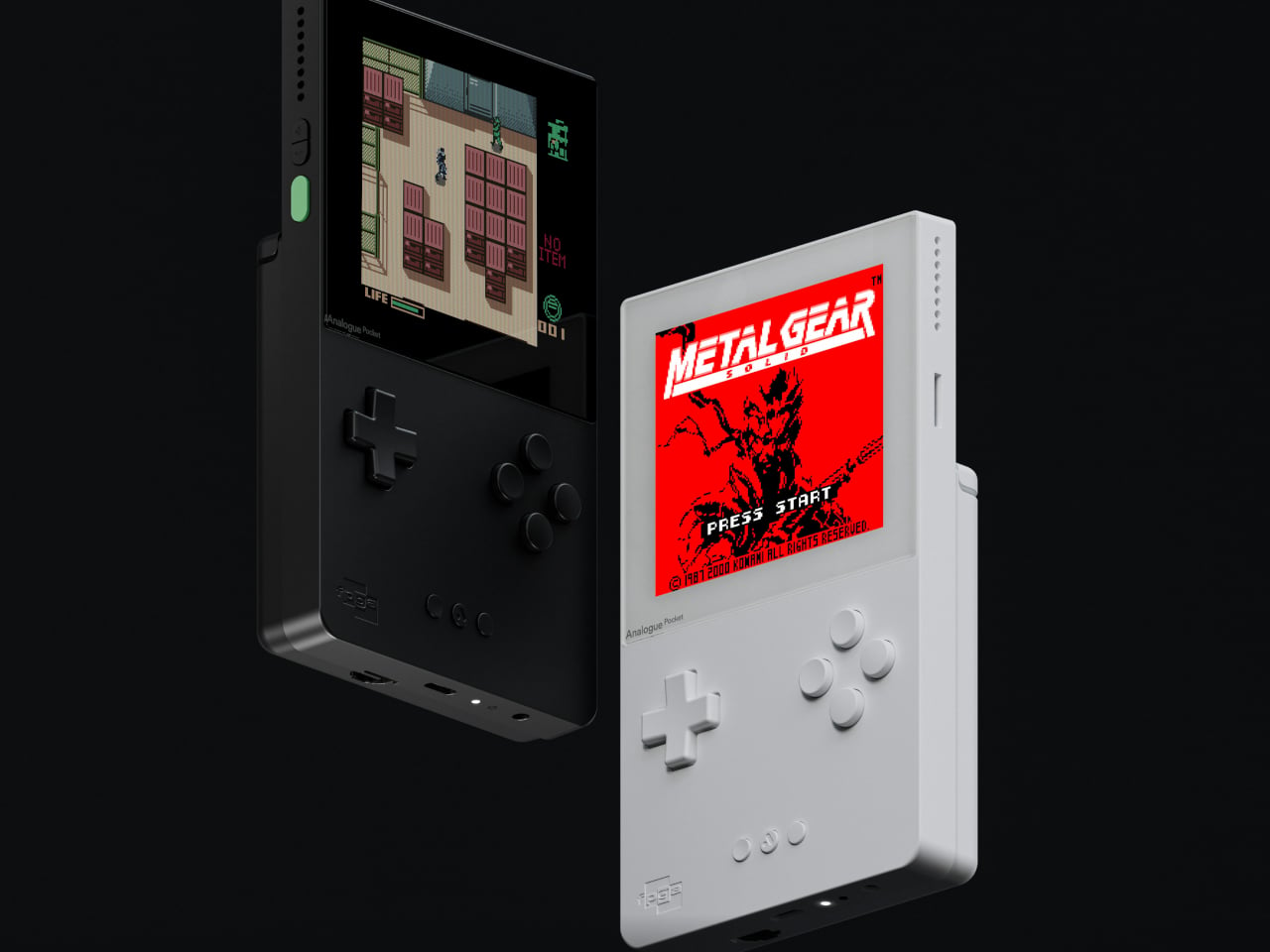
Analogue Pocket: The one photographers keep picking up
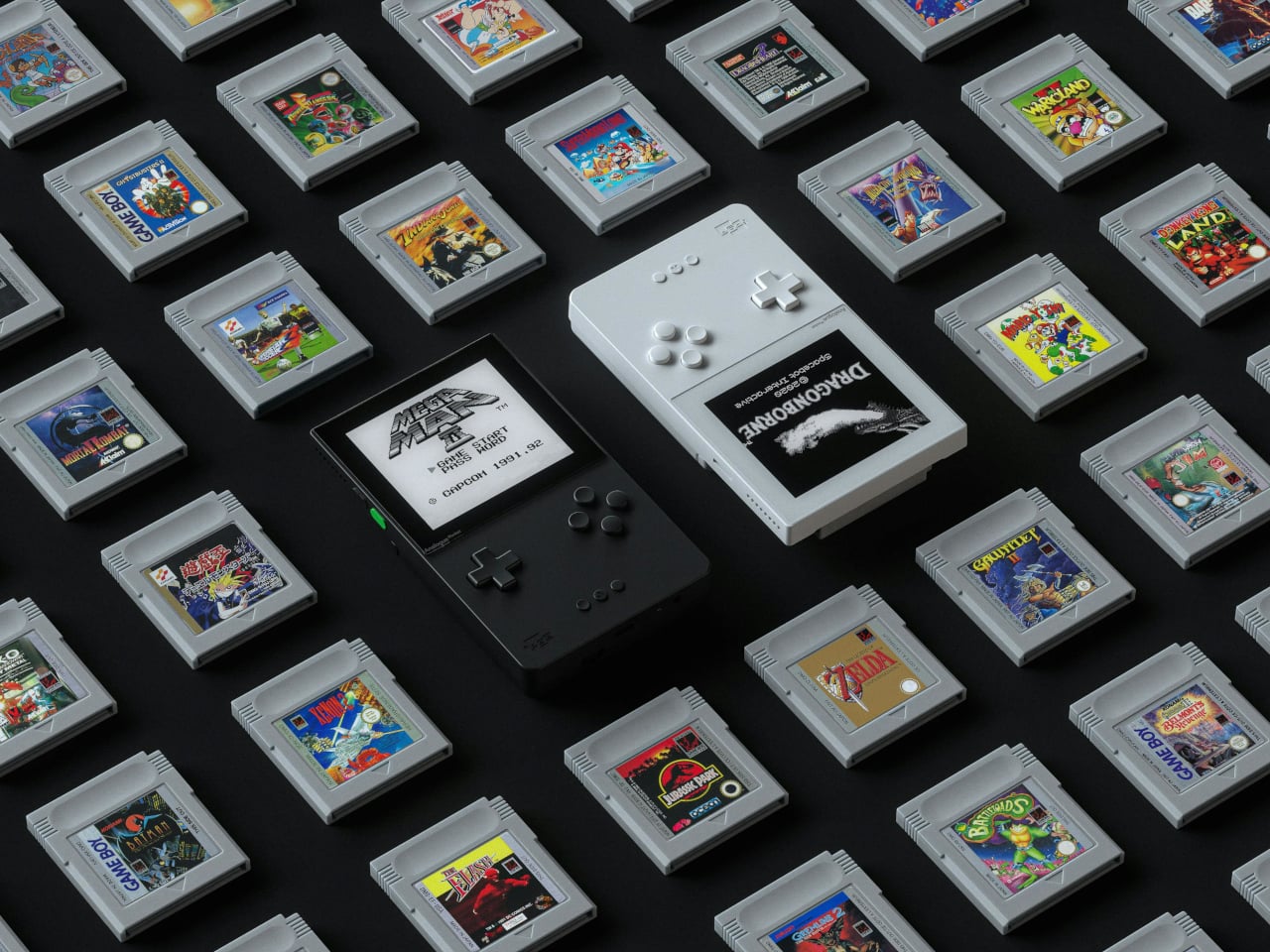
The Analogue Pocket is the device that made the retro handheld conversation respectable. It uses an FPGA rather than software emulation and plays Game Boy, Game Boy Color, and GBA cartridges out of the box. Via cartridge adapters, it adds Game Gear, Neo Geo Pocket Color, Atari Lynx, TurboGrafx-16, PC Engine, and SuperGrafx. Via its microSD slot and the OpenFPGA community platform, it loads cores for nearly every retro system that ever existed. The 3.5-inch LCD at 1600×1440 and 615 ppi is, simply, one of the sharpest displays ever put in a handheld.
At $239, it sits at the premium end of this list, and it’s also frequently out of stock. Firmware updates require a microSD card reader, which feels like friction that shouldn’t exist on a $239 device. TV output needs the separately sold $99 Dock. These aren’t dealbreakers so much as signals that Analogue built this for the dedicated enthusiast first. If you want one device to handle everything in your retro library for the next decade, this is probably it.
What we liked
OpenFPGA community support covers an enormous range of retro systems
Plays GBA in addition to GB and GBC, plus many more with adapters
MicroSD slot enables ROM loading
Premium aluminum build with a distinctly modern design language
What we disliked
Frequently out of stock; restocks sell out within minutes
Firmware updates require an external microSD card reader
TV output requires a separately purchased $99 Dock
Retroid Pocket Flip 2: The clamshell that brought the GBA SP back with PS2 power
The GBA SP was the handheld that arguably peaked the clamshell form factor: it folded, it protected its own screen, and it had a backlit display before that was standard. The Retroid Pocket Flip 2 arrives in 2025 with that same closing-hinge energy, but with a 5.5-inch 1080p AMOLED screen, a Snapdragon 865 processor, and enough emulation horsepower to run PlayStation 2, GameCube, and Wii. When closed, it has roughly the same desk footprint as a modern smartphone. Closing the lid puts it to sleep; opening it wakes it up.
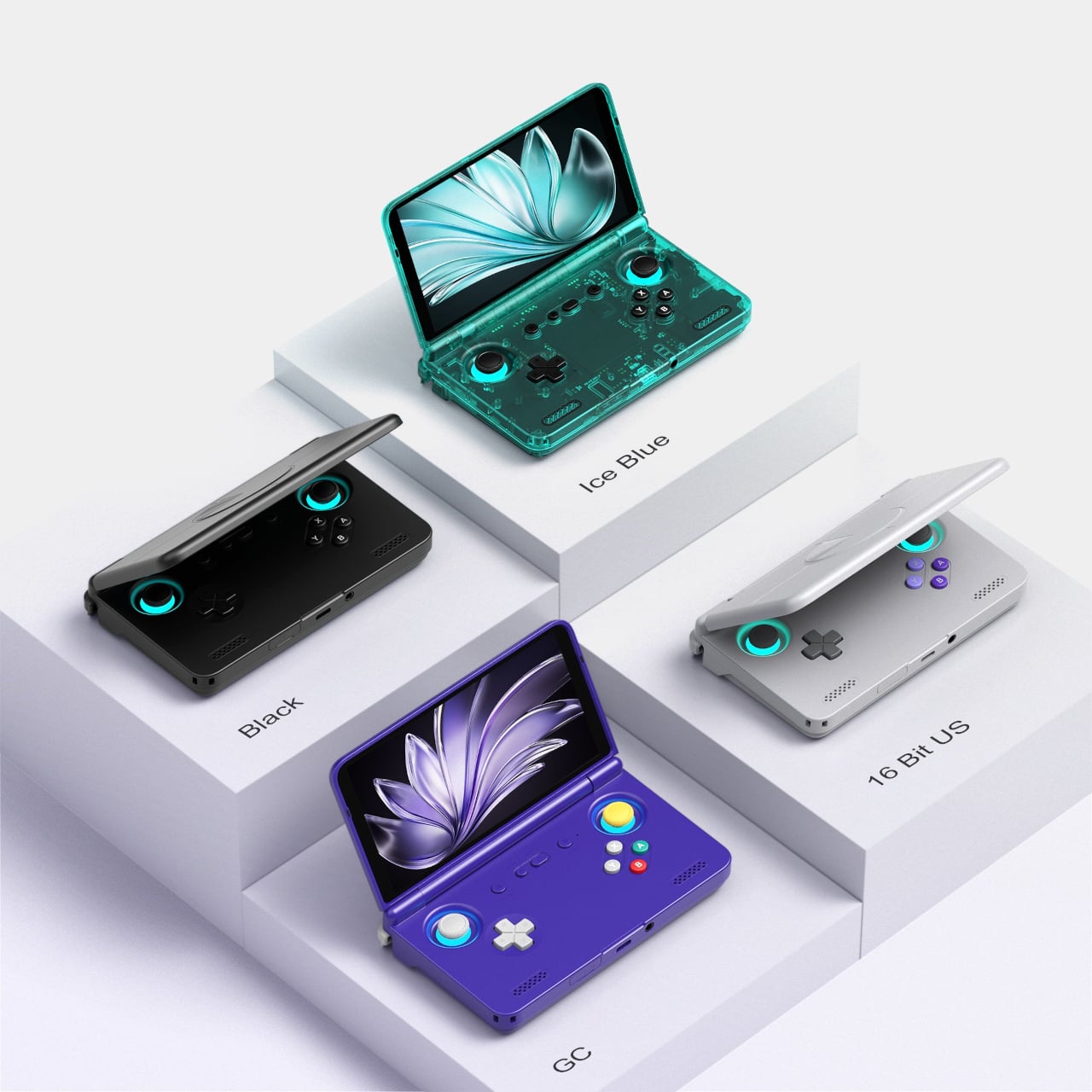
Color options include a translucent Ice Blue, GameCube Purple, a two-tone 16-bit US, and Black. Retroid clearly understands its audience. The AMOLED panel brings deep blacks and accurate color to games designed for CRTs, and the results are often striking for titles you’ve played a hundred times. At $229 for the Snapdragon variant, there is no meaningful clamshell competitor at this performance level. One persistent note from extended use: the form factor rewards shorter sessions more than marathon ones, which is maybe appropriate for a device meant to live in a bag pocket.
What we liked
5.5-inch AMOLED at 1080p is impressive for the price
Handles PS2, GameCube, Wii, and Dreamcast emulation
Translucent Ice Blue colorway is a design highlight
What we disliked
Thicker than it looks in product photos
Extended sessions can feel less comfortable than flat handhelds
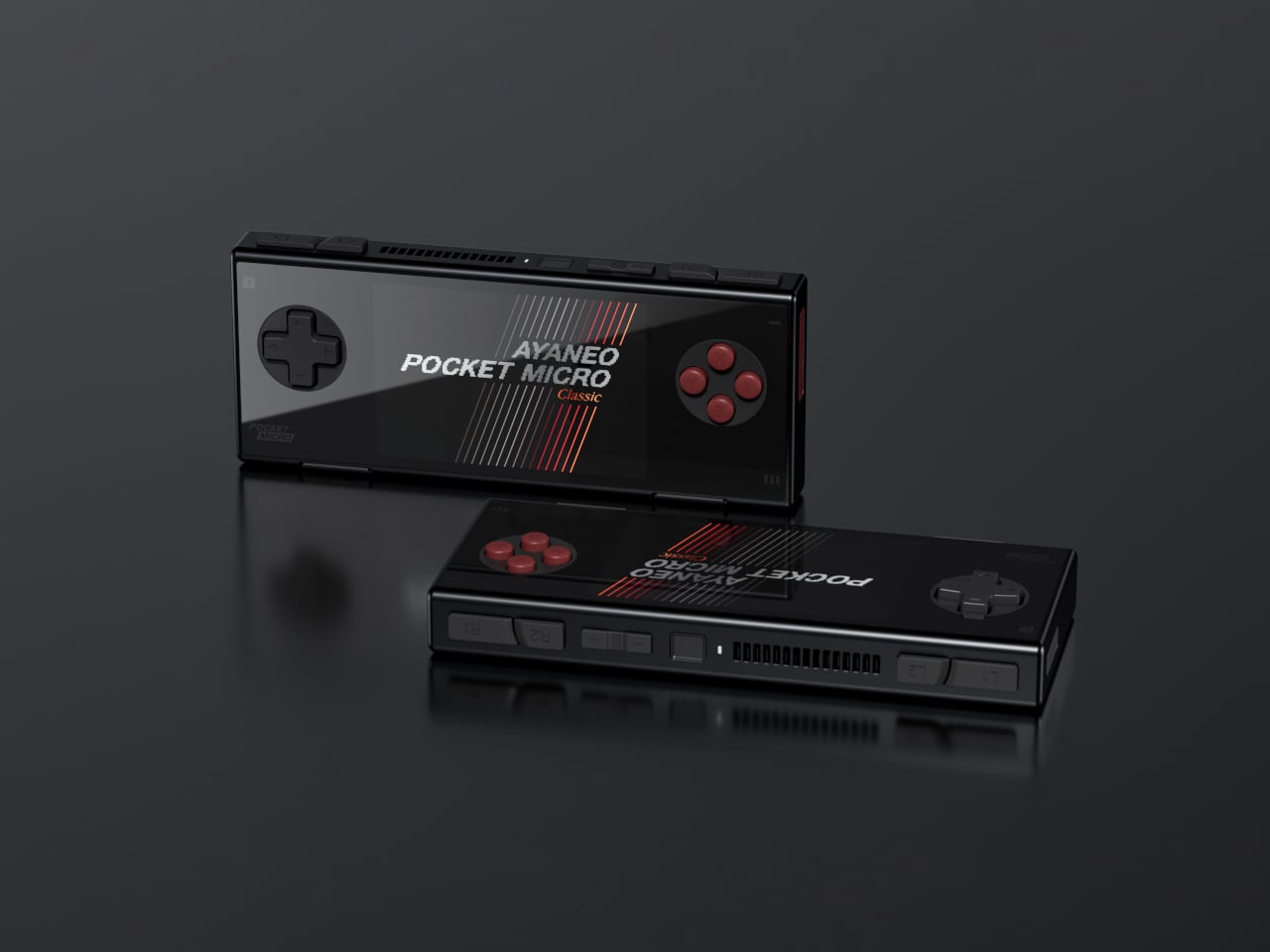
AYANEO Pocket Micro Classic: The one that fits in an actual pocket
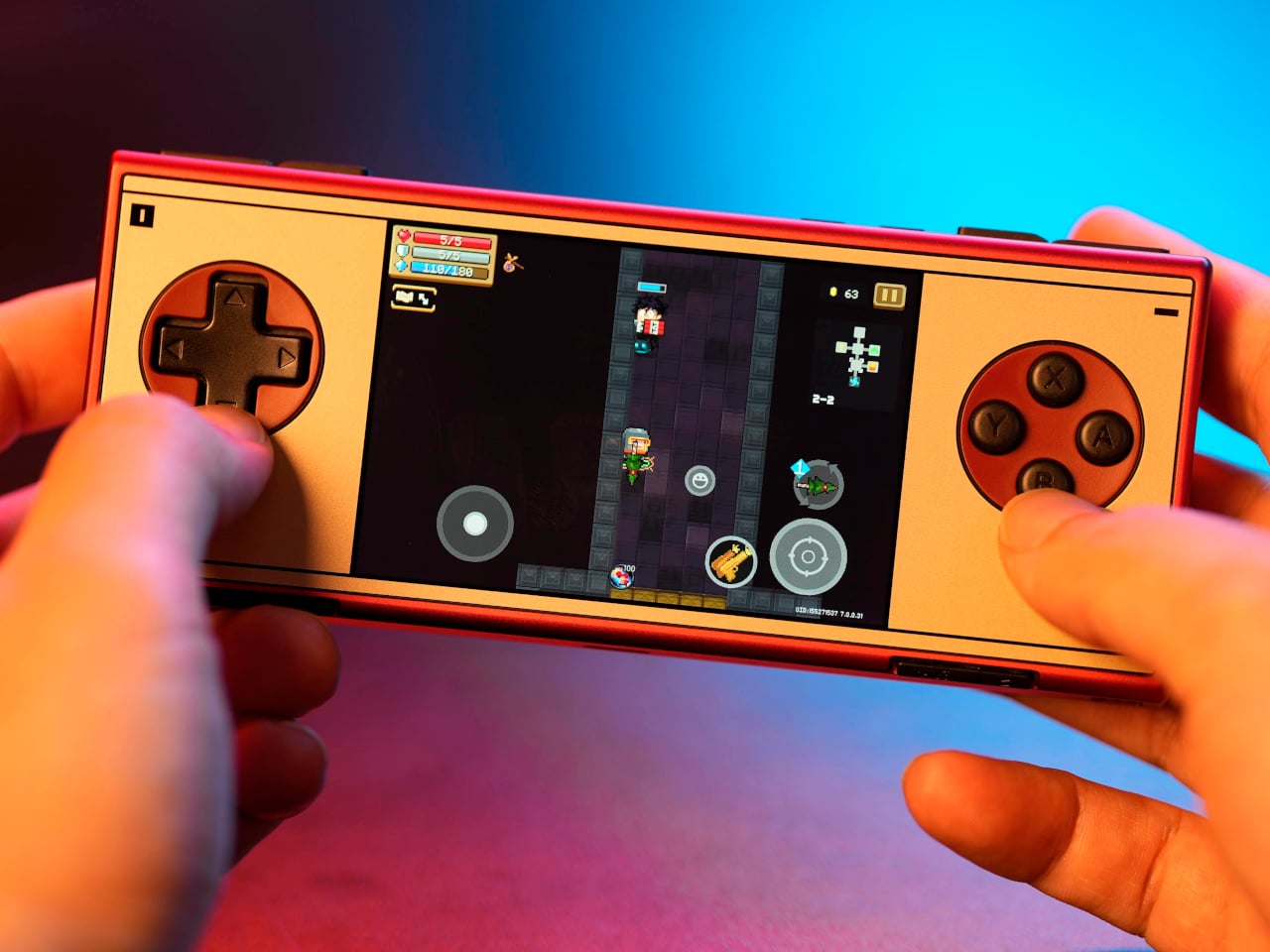
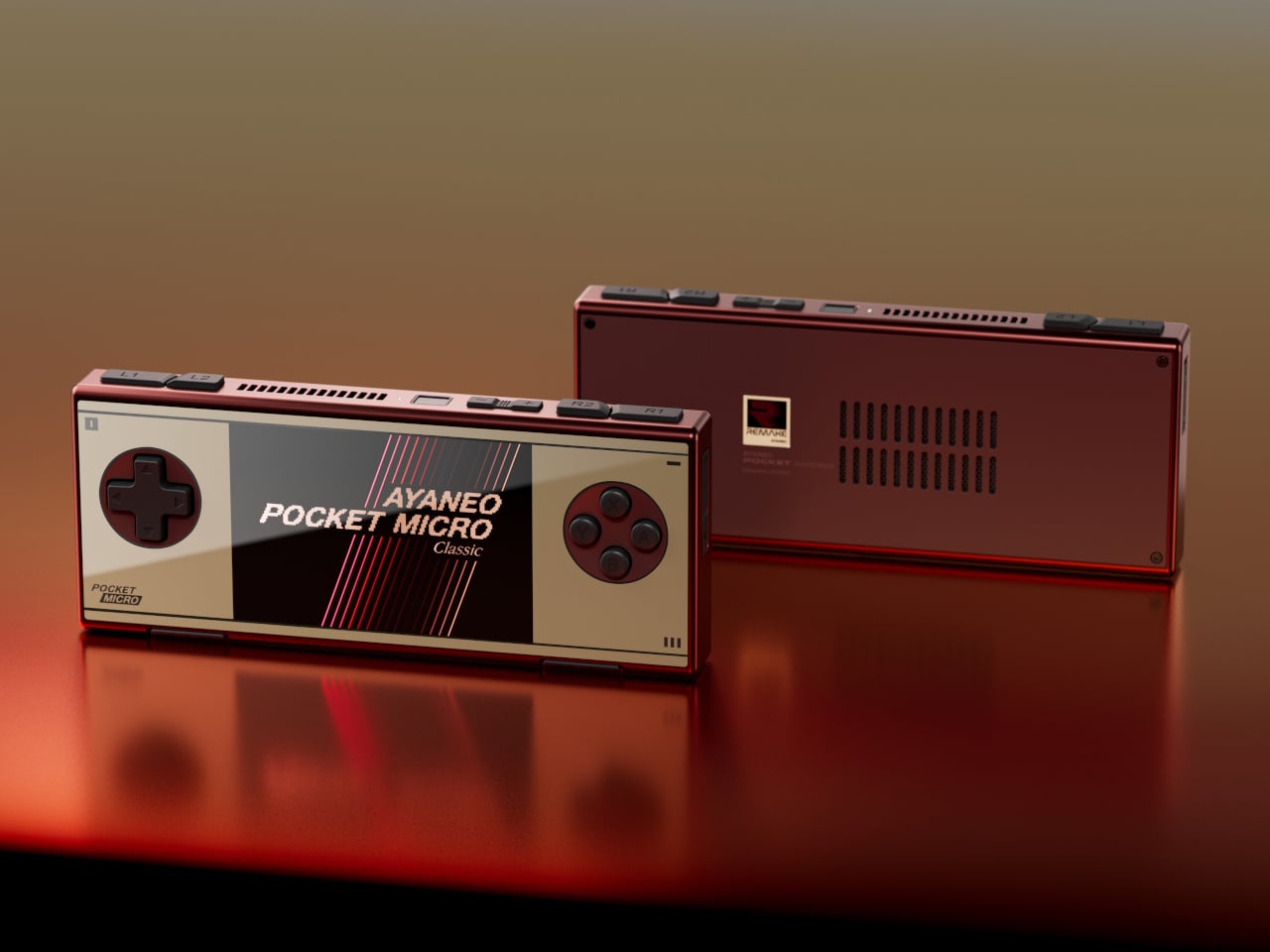
The Game Boy Micro launched in 2005 as Nintendo’s most polarizing hardware decision. It was tiny, it was beautiful, it only played GBA games, and it was discontinued within a year. Design historians were kinder to it than the market was. The AYANEO Pocket Micro Classic is clearly in conversation with that history. It removes the analog joysticks, uses a CNC-machined aluminum alloy frame with a seamless all-glass front, and produces something that slides into a front jeans pocket without catching on anything.
The 3.5-inch borderless IPS display at 960×640 in a 3:2 ratio is built for GBA emulation, with 4x pixel-perfect upscaling. Available in Obsidian Black, Charm Red, Vintage Grey, and Gold, each colorway has a different character. The Gold skips “gaming device” and lands somewhere closer to “considered object.” The MediaTek Helio G99 handles everything up through PS1 confidently. If your retro library is 8-bit and 16-bit with a strong GBA presence, the Pocket Micro Classic is probably the most beautiful way to play it.
What we liked
CNC aluminum and all-glass build is genuinely premium for the category
No joysticks make it notably slimmer and more pocketable
Android 13 with Play Store access expands utility beyond emulation
What we disliked
No joysticks limit N64, Dreamcast, and PSP playability
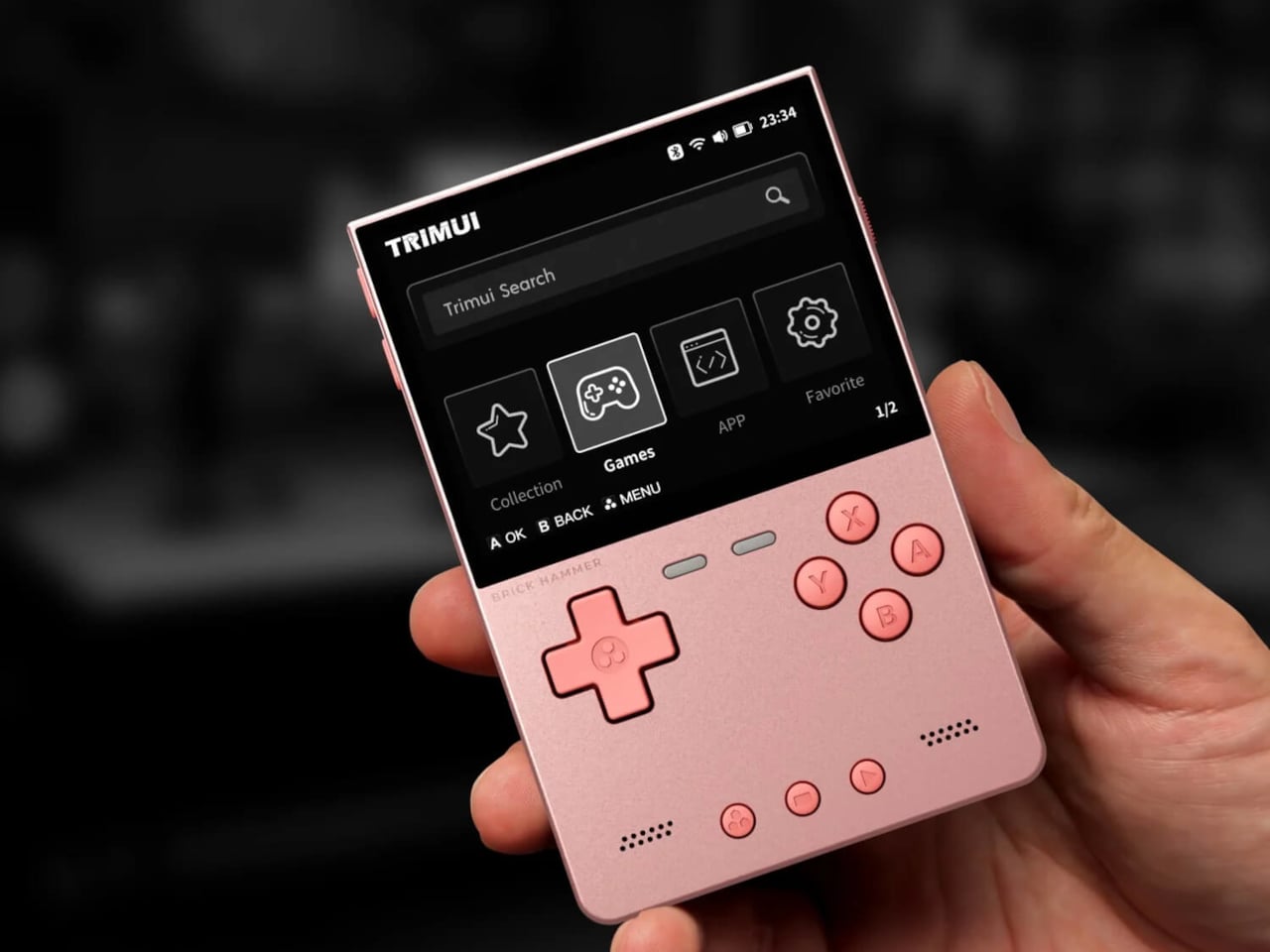
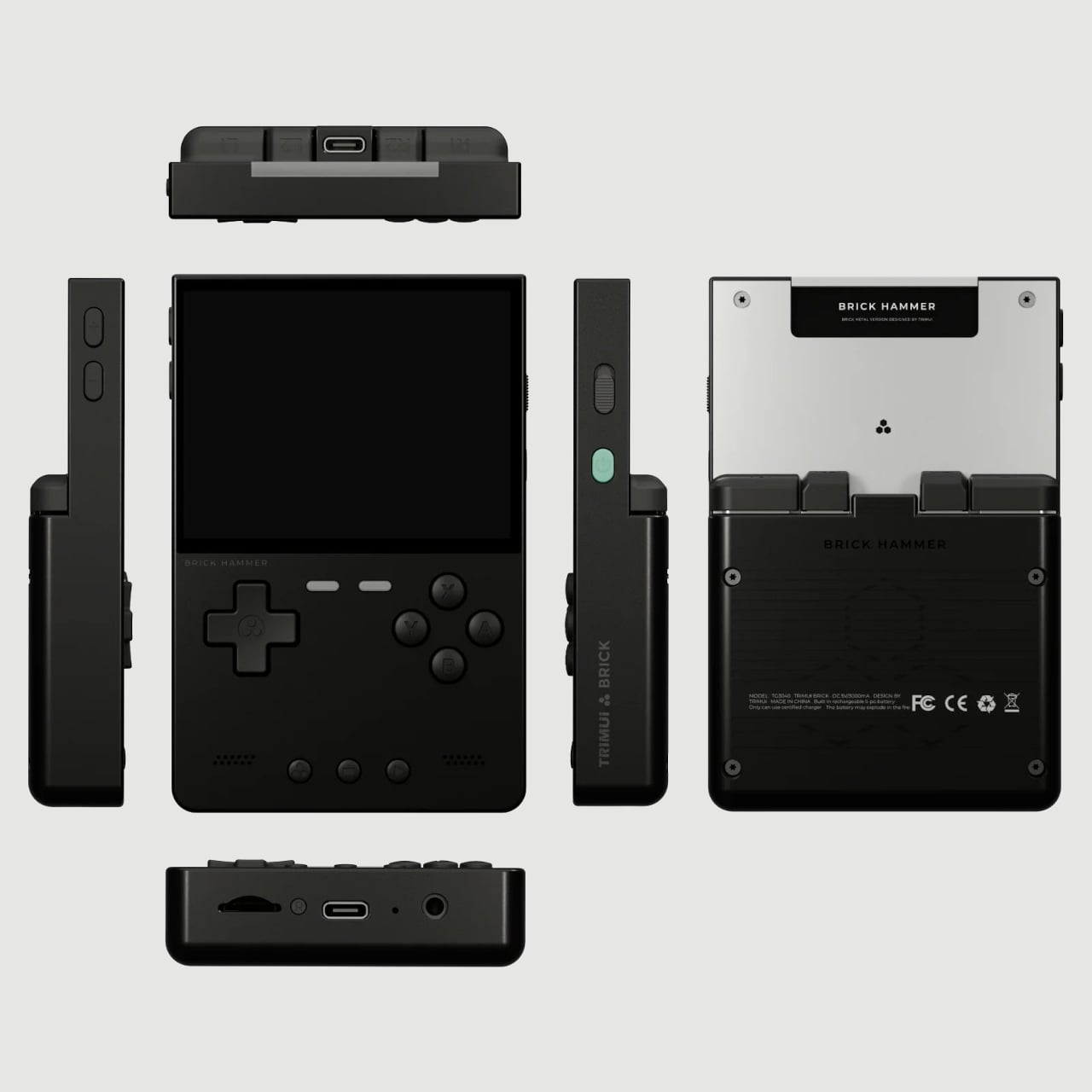
The original TrimUI Brick arrived in 2024 with an unusually sharp 3.2-inch IPS screen at 1024×768, giving it a pixel density of 405 PPI, a number that belongs on a premium smartphone, not a $55 device. The Brick Hammer edition, launched in 2025, replaces the plastic shell with a full CNC-machined aluminum alloy in Gunmetal Gray, Rose Gold, and Fluorescent Green. The metal shell doubles as a heatsink, dropping operating temperatures noticeably. Three interchangeable shoulder button sets ship in the box.
The software runs CrossMix OS on a Linux base: clean, fast, minimal overhead. Load your ROMs, pick a game, and play. Battery life lands around four to six hours. The processor handles Game Boy through PS1 without complaint; N64 gets through most titles; Dreamcast is inconsistent. The CNC backplate can be engraved, which no other device at this price point offers. The Rose Gold aluminum version sitting next to a MacBook on a desk looks less out of place than it has any right to, and that’s a strange and interesting thing to say about a $99 handheld.
What we liked
CNC aluminum Hammer shell runs noticeably cooler than the original plastic
Swappable shoulder buttons and engravable backplate are genuinely rare customization options
Rose Gold and Gunmetal colorways punch well above the budget tier
What we disliked
No analog joysticks, which limits 3D game compatibility
Dreamcast and demanding N64 titles run inconsistently
Miyoo Mini Plus (and Mini Flip): The one that started the whole obsession
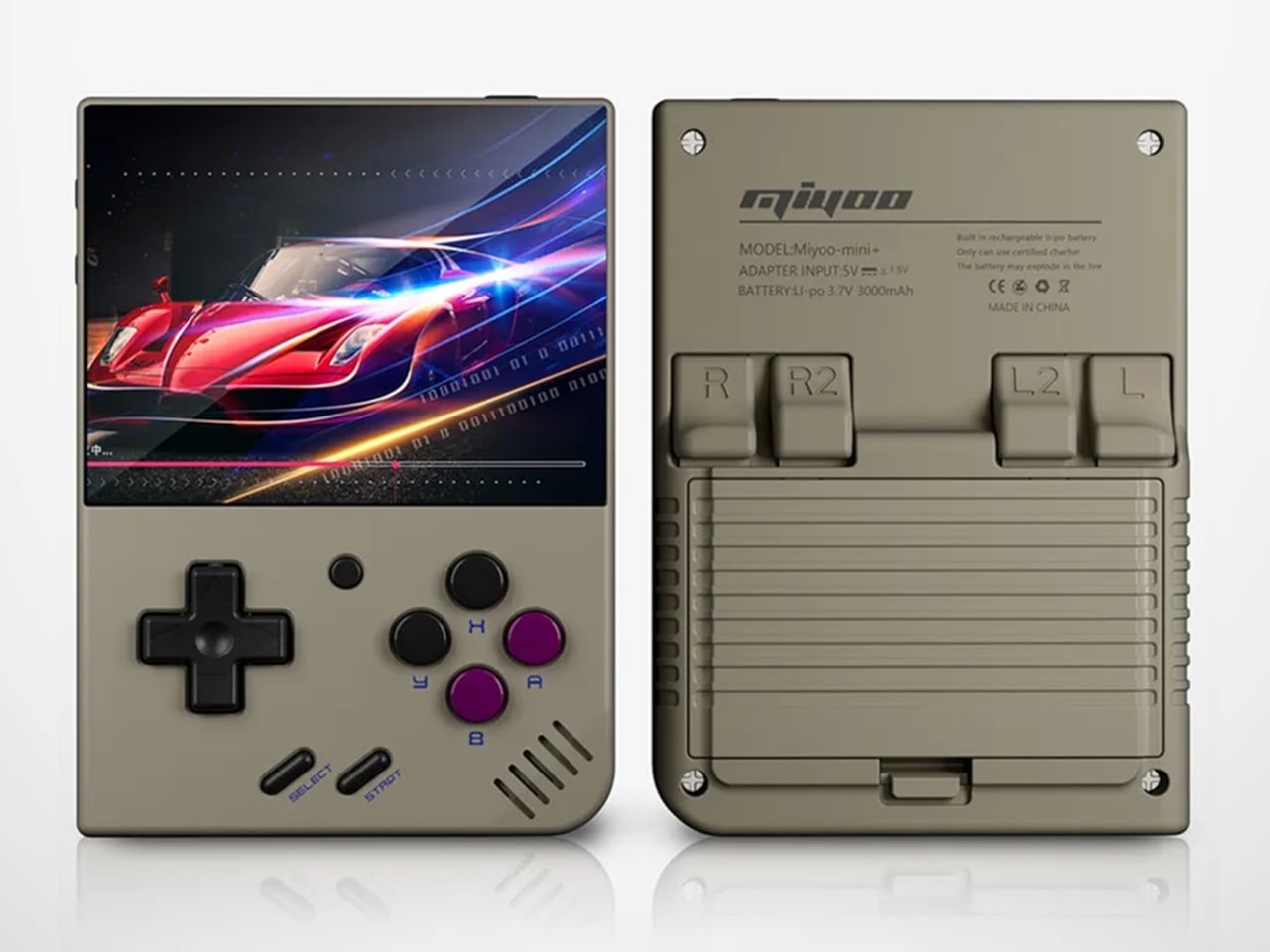
If there’s a single device responsible for bringing this category to mainstream attention, the Miyoo Mini Plus is probably it. It weighs 200 grams, fits in a jeans pocket, has a 3.5-inch IPS screen at 640×480, and runs OnionOS, a community-built firmware that turns a modest Cortex-A7 processor into a near-perfect front end for everything from the NES to the original PlayStation. The interface is clean, the emulator library covers over a hundred platforms, and save states work the way save states should.
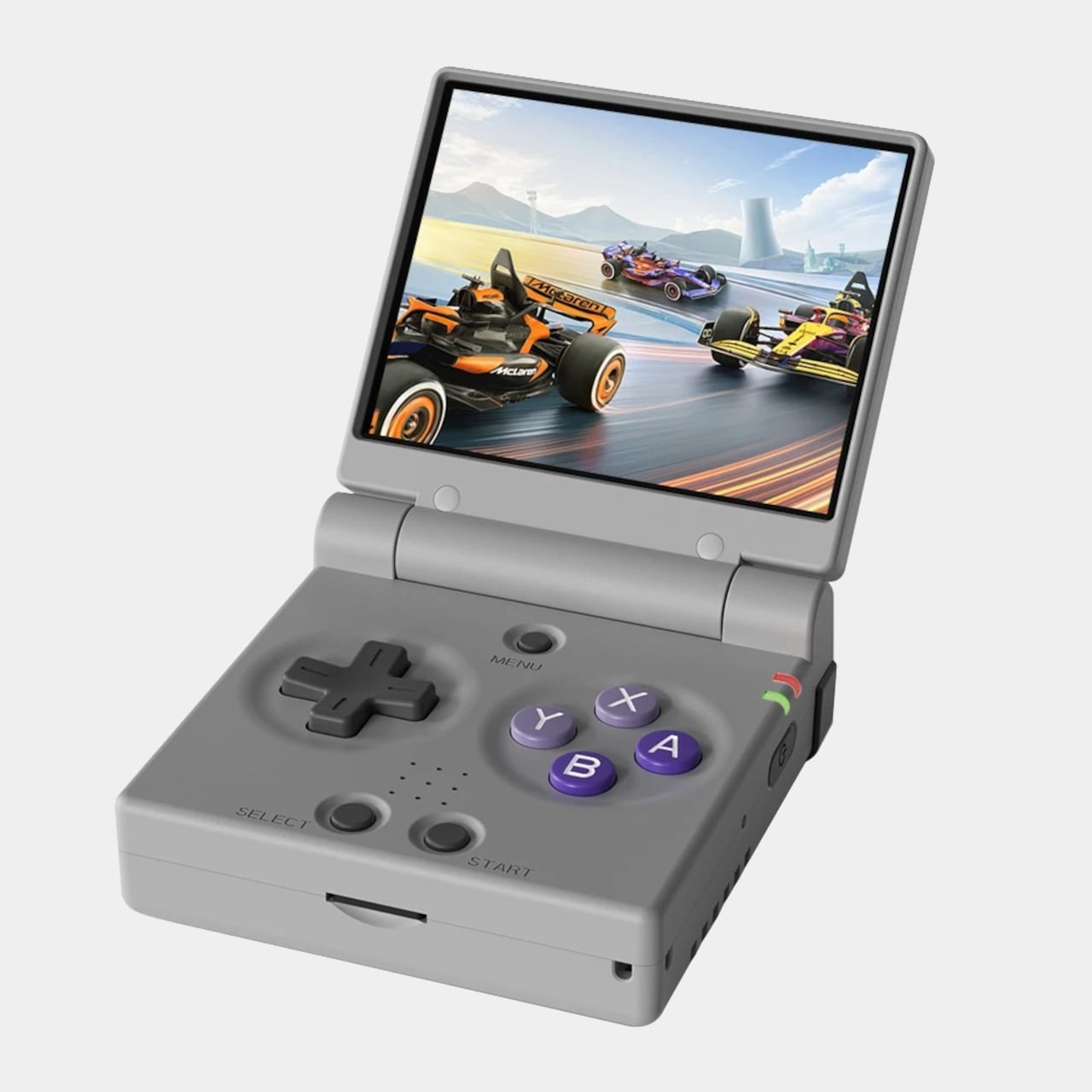
The Miyoo Mini Flip takes the same hardware and wraps it in a GBA SP-style clamshell, adding screen protection and an extra wave of nostalgia. Early production runs had hinge concerns, though those appear to have been addressed in more recent batches. At $69-99, this is the gateway to the category that doesn’t feel like a compromise. The honest question isn’t whether this device is worth the money, since it clearly is. It’s whether starting here will satisfy the itch, or simply make you want to own the other six devices on this list as well.
What we liked
Genuinely pocketable at 200g, fits in a jeans pocket without bulk
Covers NES through PS1 with confident performance
Mini Flip clamshell adds nostalgic GBA SP energy and screen protection
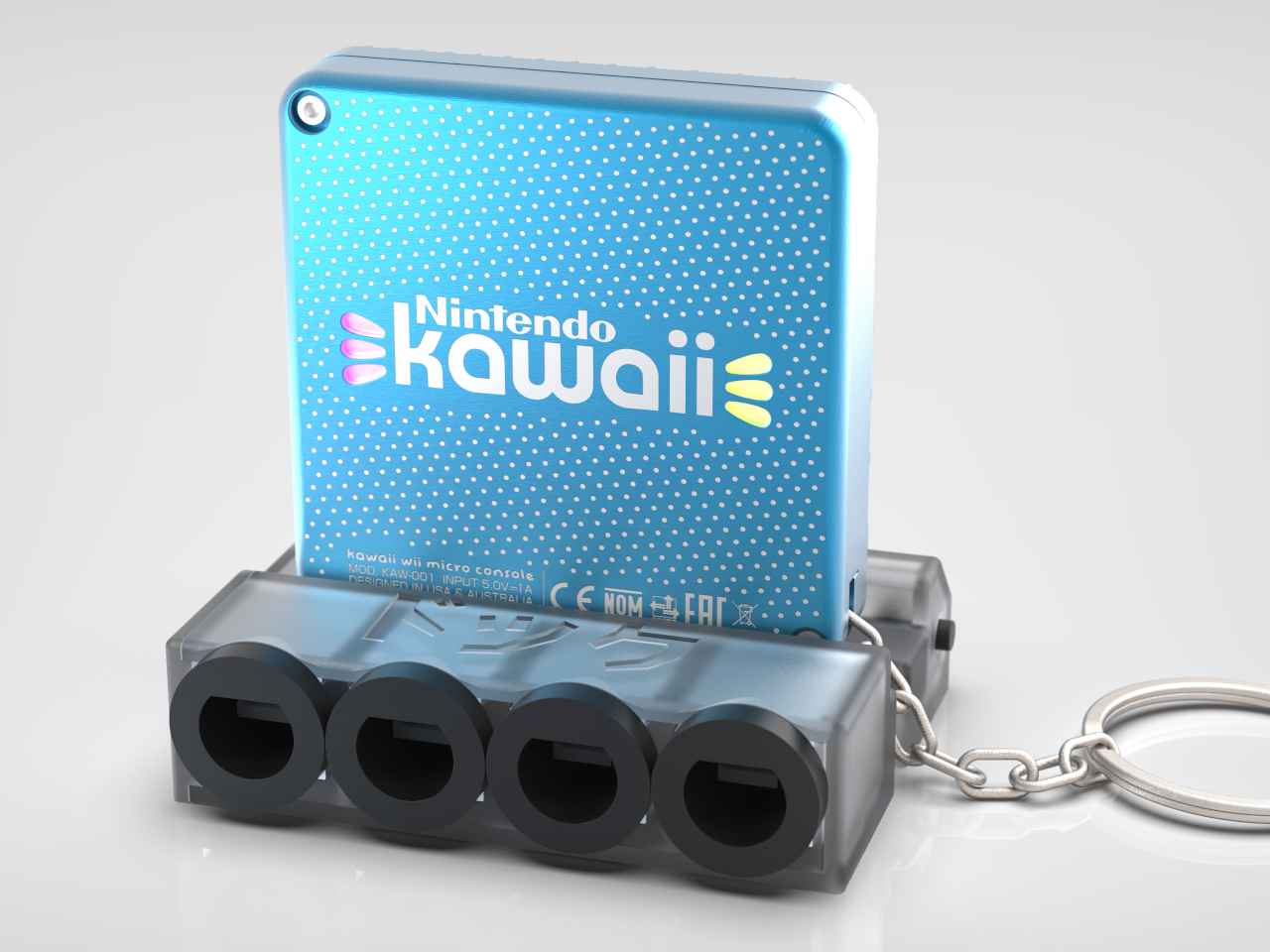
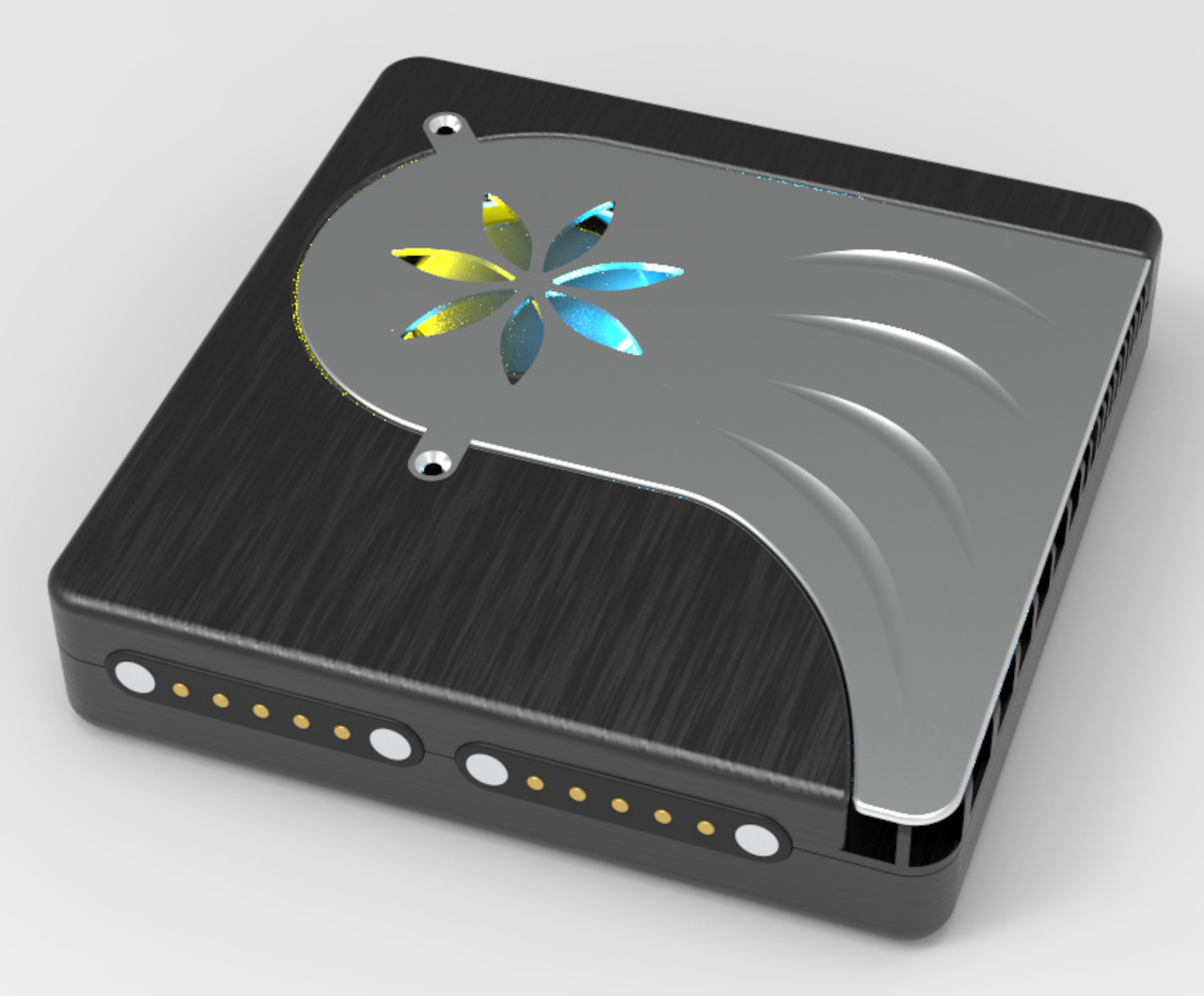
Arguably, the Wii was one of Nintendo’s oddest yet most successful gaming consoles, mostly thanks to the novelty and ingenuity of its “Wiimote” controller, the ancestor of today’s Joy-cons for the Switch. Like any other Nintendo gaming machine, it had a number of titles under its belt, including a few notable exclusives that took advantage of that unique controller design. Of course, its time has long passed, and the Wii is nothing more than a footnote in video gaming history, or so it would seem. It’s unsurprising to hear that it is now the subject of no small amount of mods and DIY projects that try to give the historic console a different flavor, and one of the oddest and most adorable is probably this perfectly named “Kawaii” mod that shrinks the book-sized machine down to portable keychain.
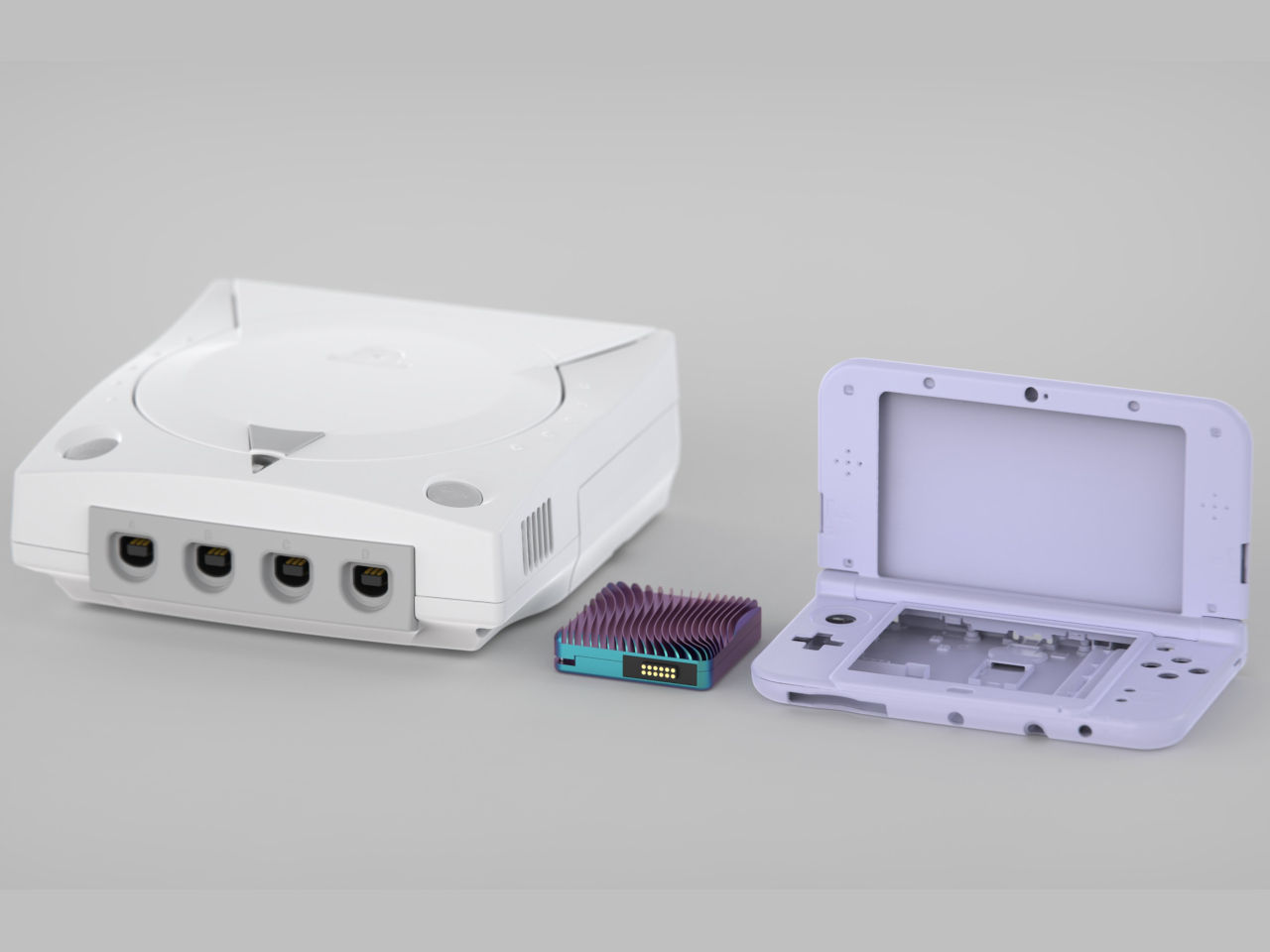
Despite its odd controller, the Wii itself wasn’t exactly that distinctive in terms of its design. It came as a rather plain, compact box that had just enough room for important hardware, which included a cooling fan and an optical disc reader. Remove these two, however, and you can probably cram the console into a tiny box, or at least most of it. That’s exactly what the Kawaii project did, a play on the Japanese word for “cute” and the Wii name, turning the large boxy console into a cute keychain accessory.
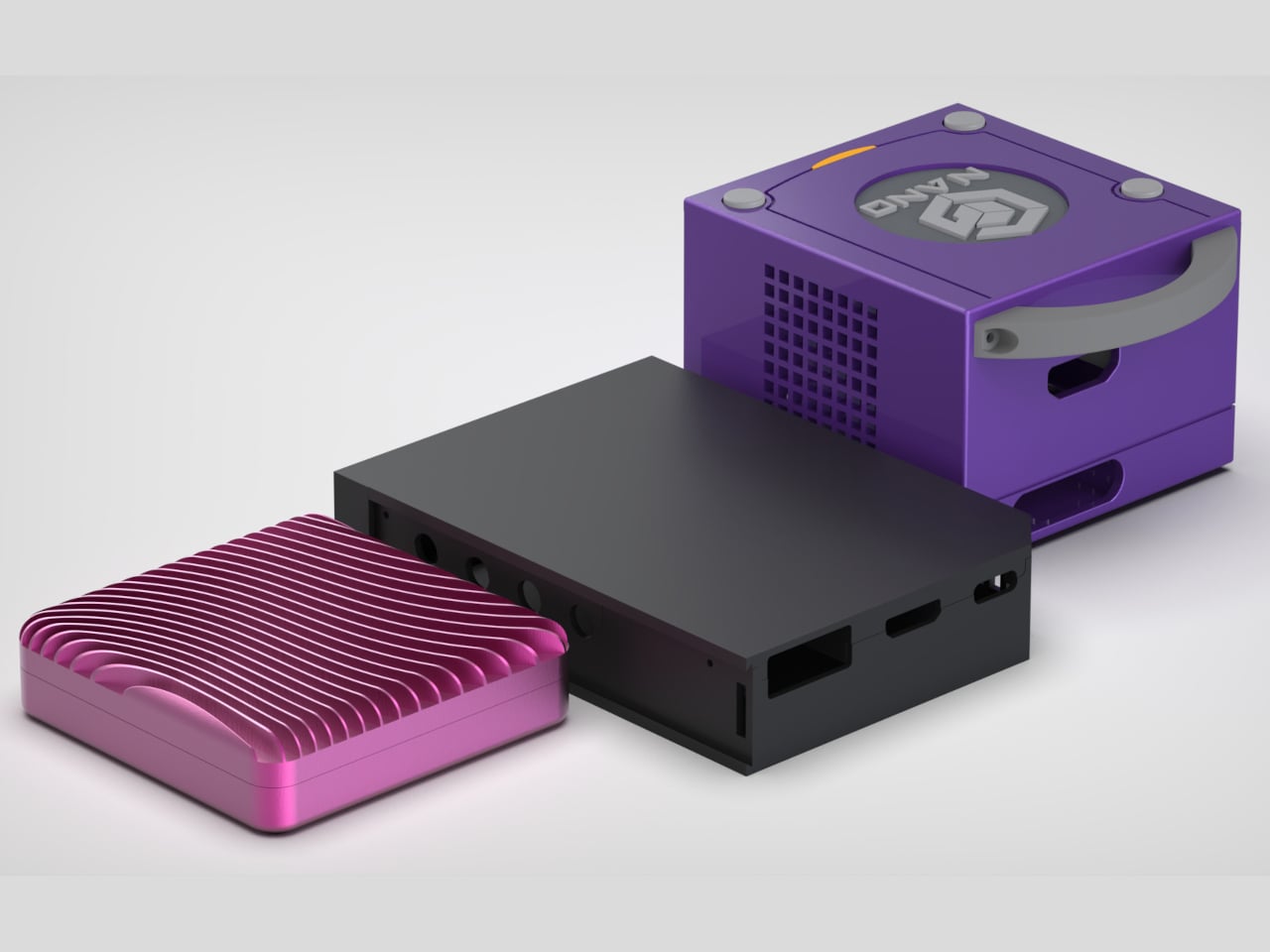
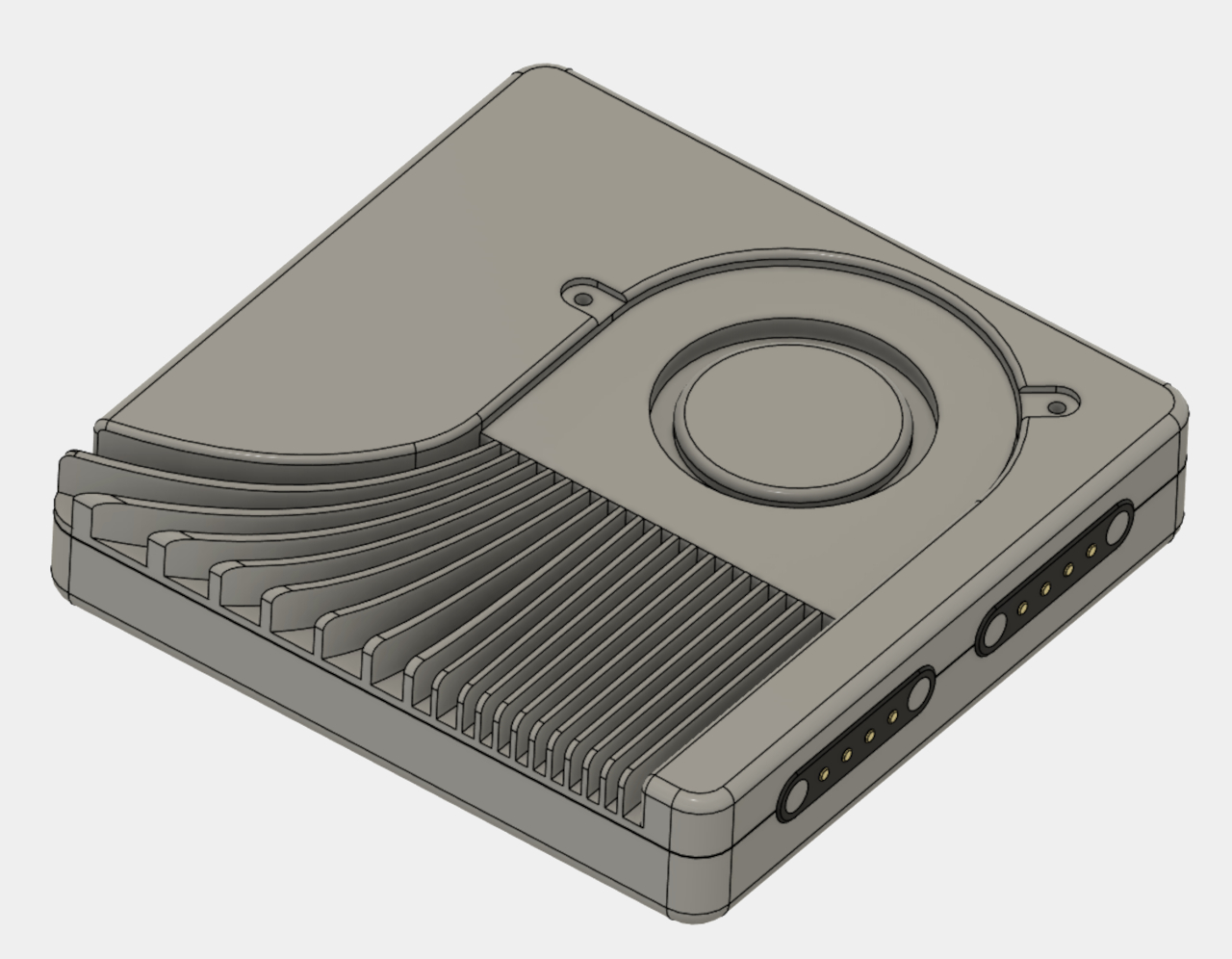
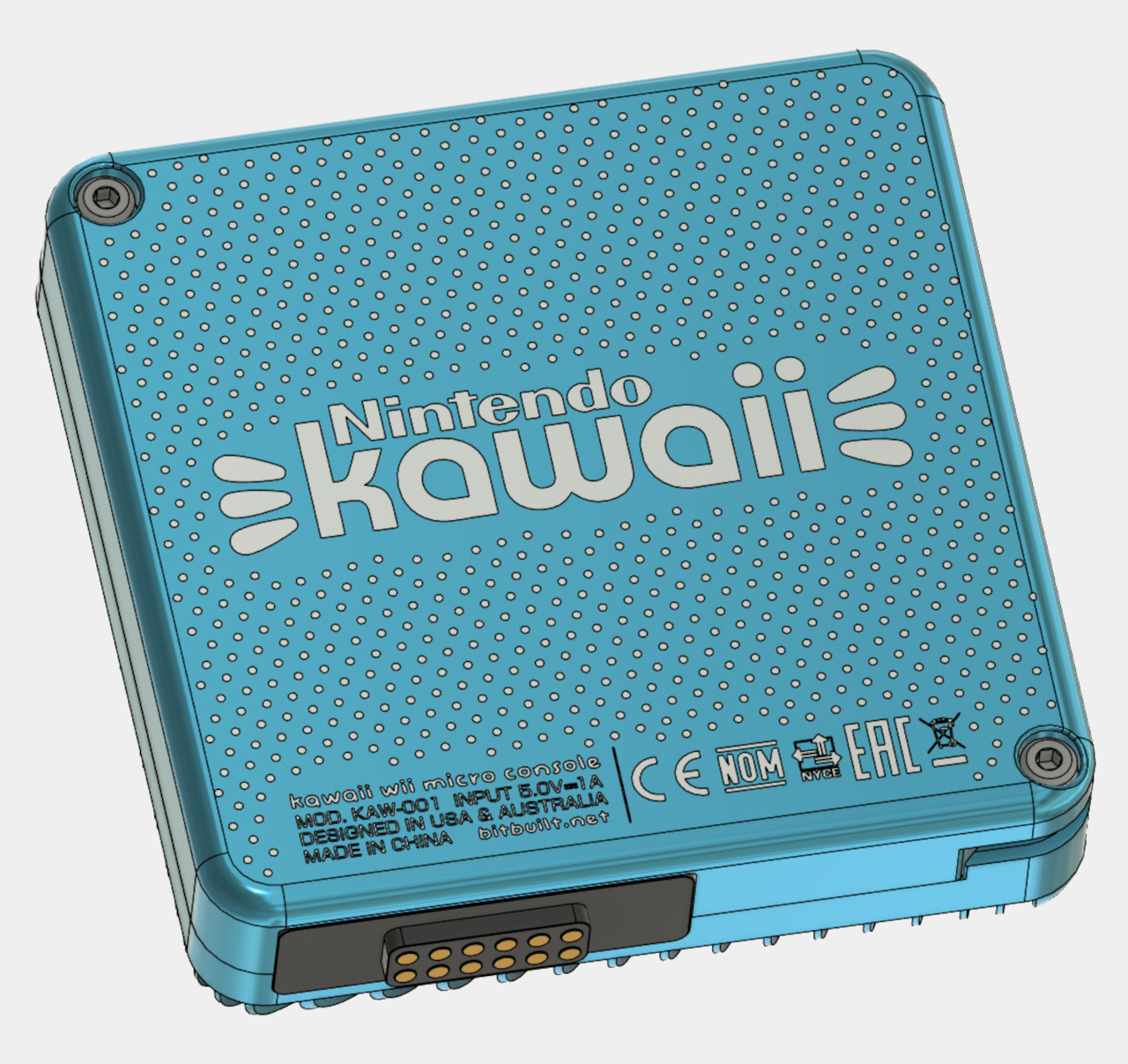
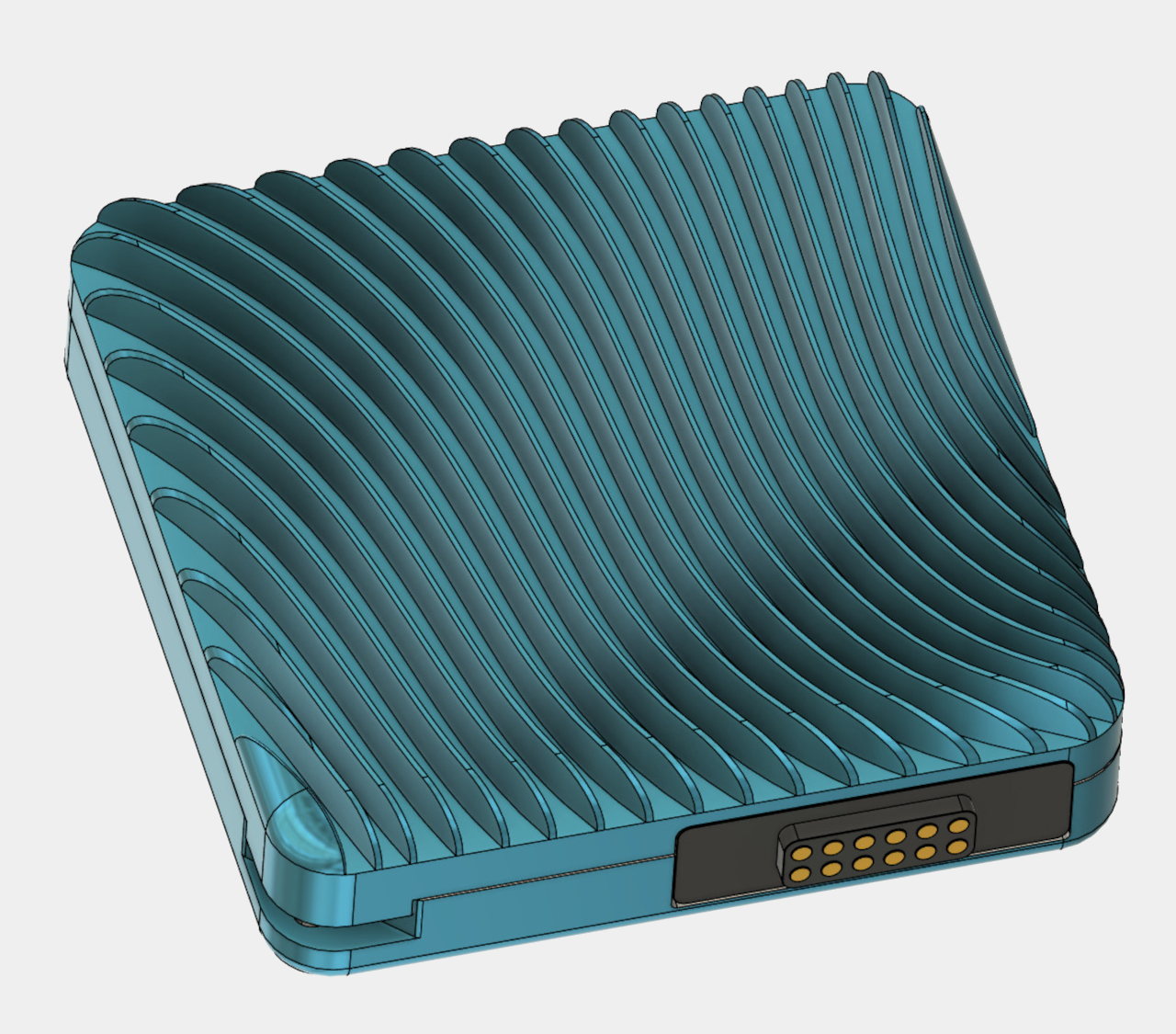
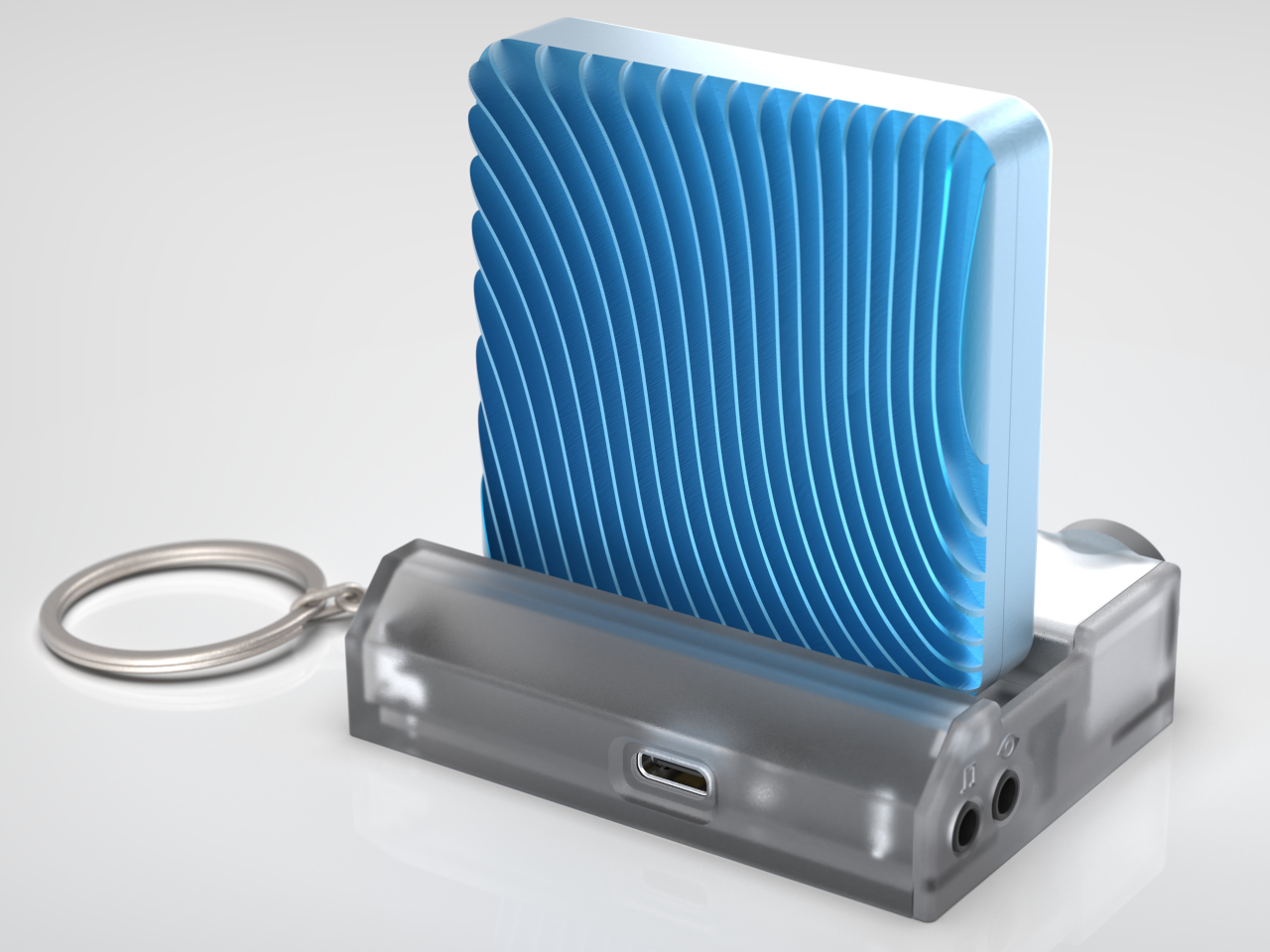
Kawaii is only 60mm x 60mm big and 16mm tall, not that much larger than keyfobs. Its body is CNC machined from aluminum and has these wavy fins on one side that do more than make the small box look eye-catching. They also function as a passive cooling system since the Kawaii doesn’t have room for any fan of any size at all. Obviously, there’s no space for an optical disc reader either, but that’s not the only thing missing from this tiny console.
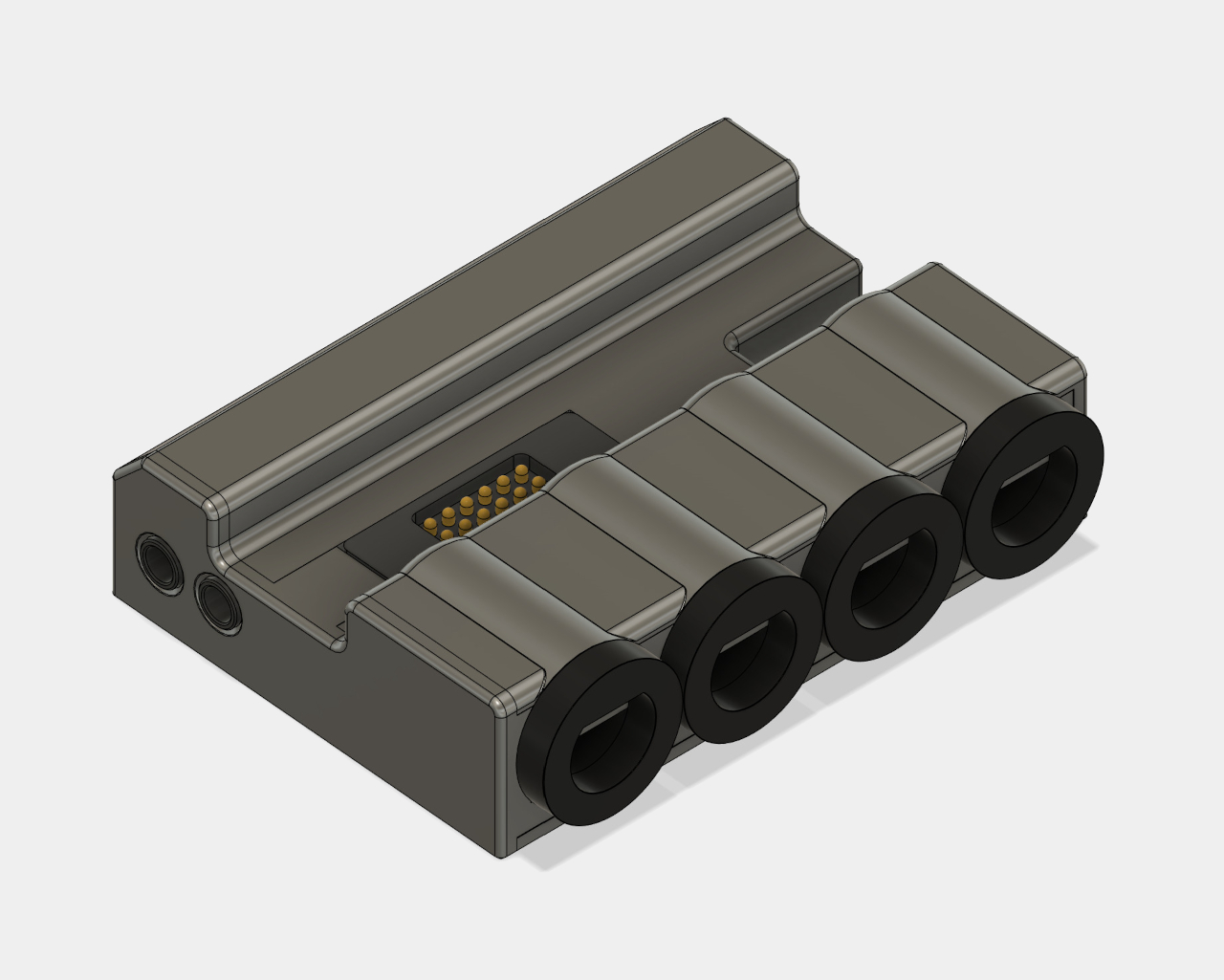
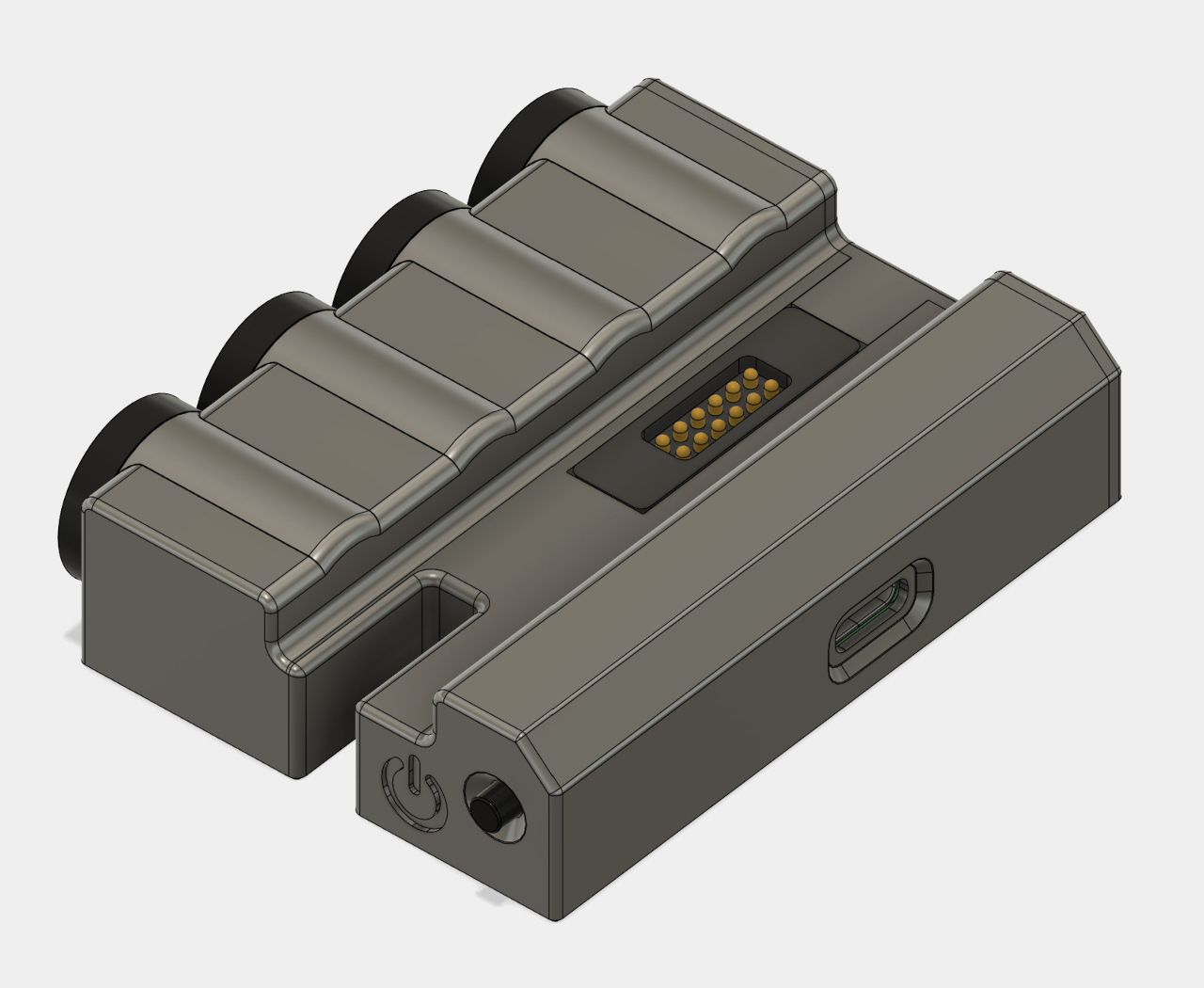
It doesn’t have any direct power source or any ports for that matter, leaving it pretty barebones save for the main board that runs the whole show. To actually make it useful, you have to connect it to a dock via pogo pins, and then you’ll have power, video out, and USB ports for controllers. The dock itself is just a little larger than the keychain console, but it’s still a portable setup, presuming you have a way to power it up or connect it to a display.
Sadly, the adorable Kawaii won’t fulfill your dreams of playing Wii games on the go, at least not the ones that need a disc or use a Wiimote, since there’s no Bluetooth connectivity in there either. That leaves you mostly with downloaded games that work fine with a USB controller, and there’s not much of those going around at this point. Still, it looks like an interesting journey to design a cool-looking console you can hang your keys on, one that preserves the spirit of novelty and playfulness of the Wii, even if it doesn’t exactly have its defining features.
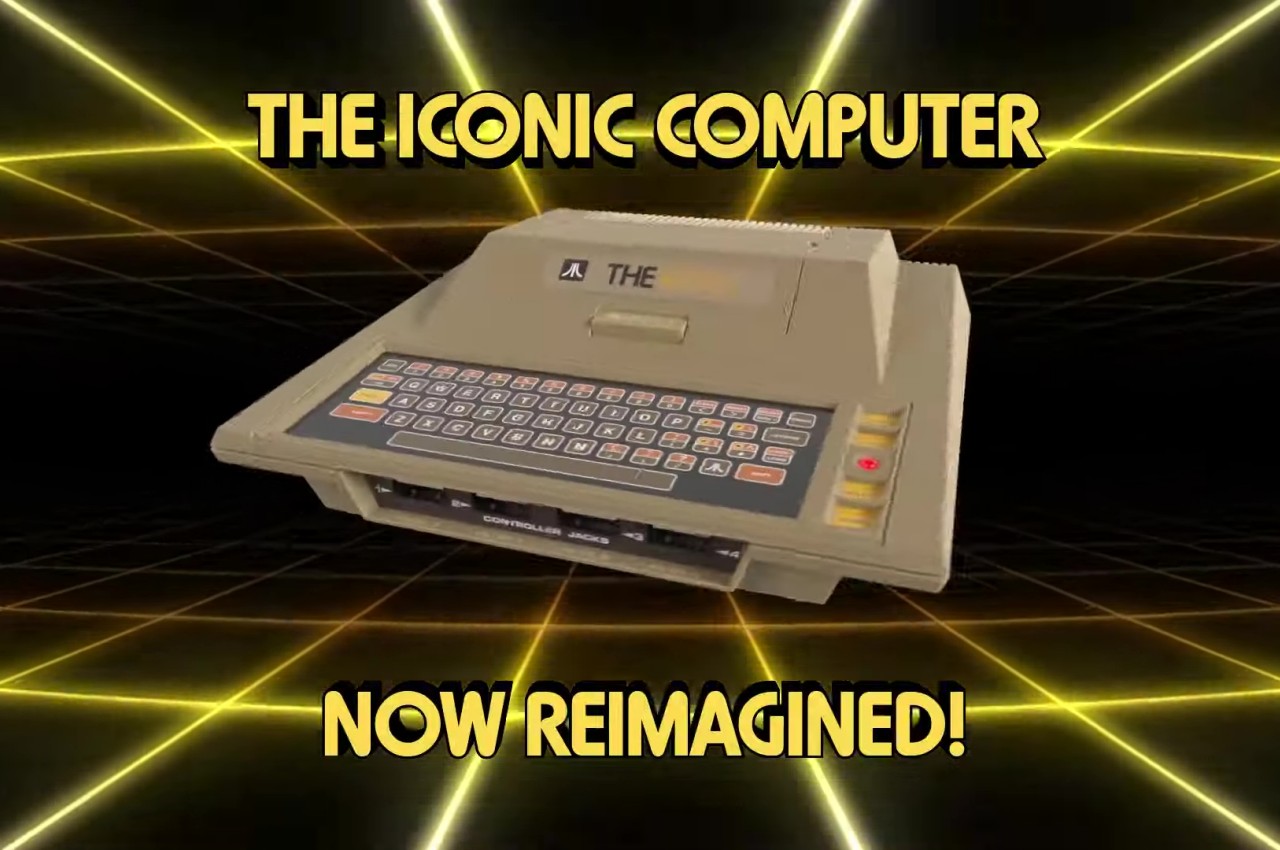
Most people today probably only know of the Xbox, PlayStation, and Nintendo Switch, but there was a time when the market was littered with countless gaming consoles, each with their own distinct designs. Many of them look almost outlandish by today’s standards, but it’s exactly because of these that these old machines have become today’s novelties again. The retro console craze has died down a bit, but it still exists and there are plenty of designs still left untouched. One of those is the rather distinctive Atari 400, which now finally comes in a mini recreation that brings yet another bunch of classic titles from one of gaming history’s biggest giants.
You might already be quite tired of hearing about all these classic games being made available to a newer, younger audience, but the console that this batch comes in is definitely worth noting. The Atari 400 and 800, after all, made many firsts in the industry, bringing what is practically a personal computer into homes with a focus on gaming. That objective was what informed the machine’s design, giving it a peculiar appearance even among its peers.
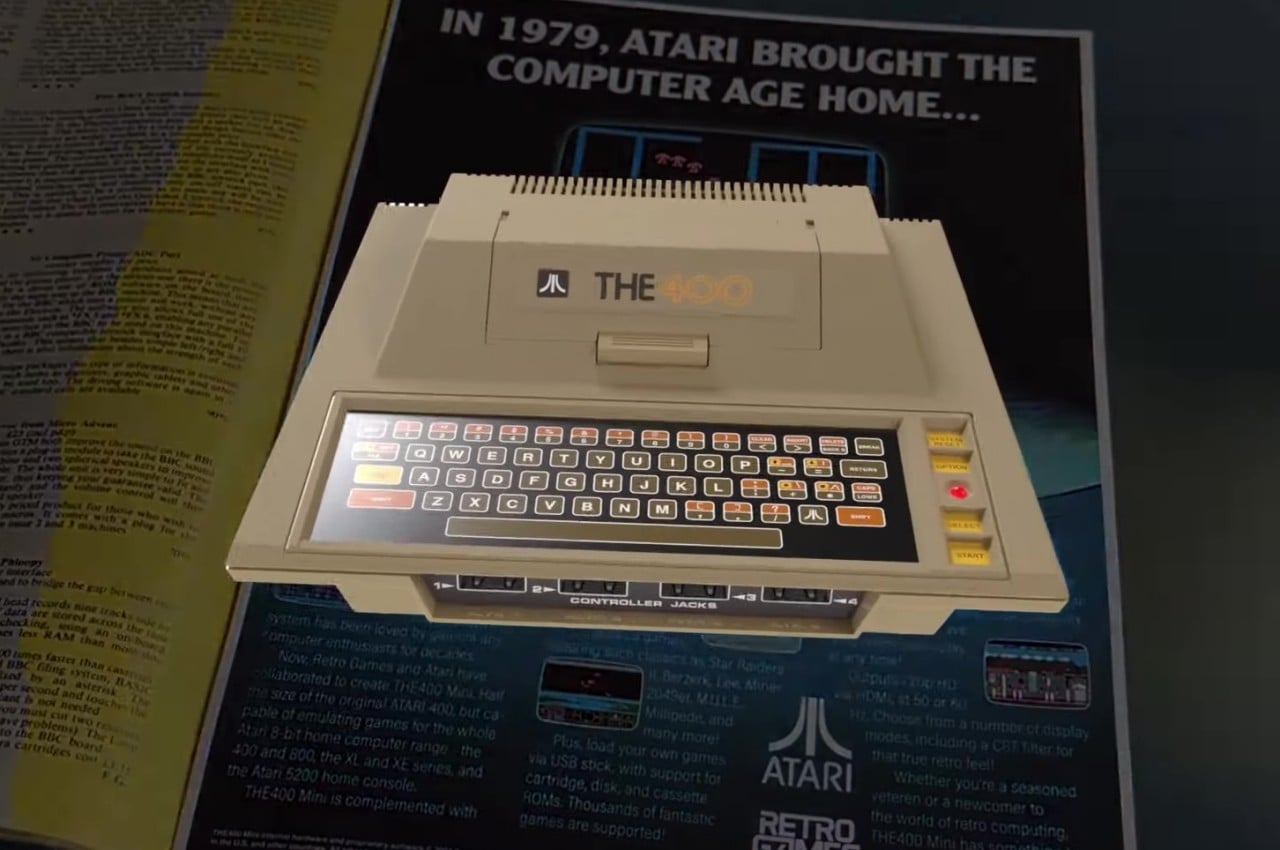
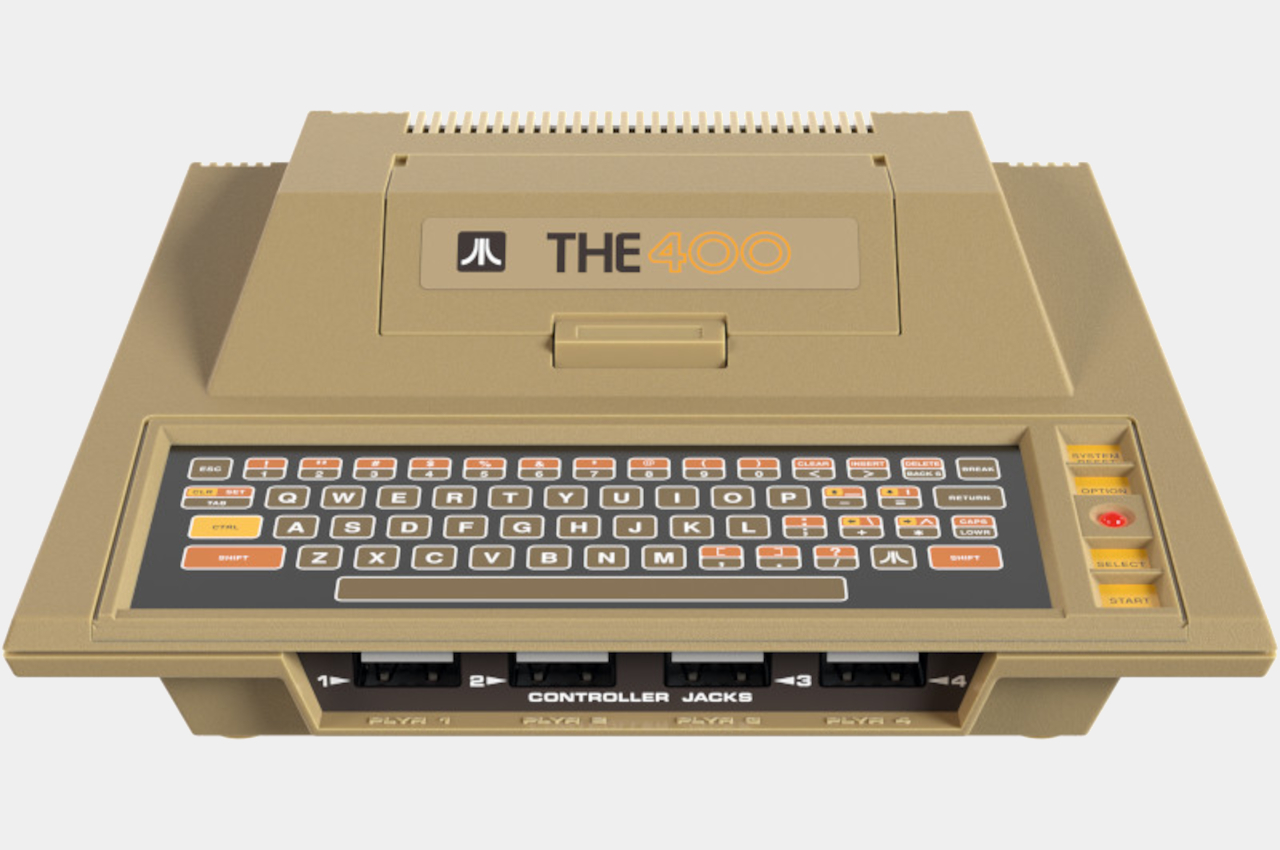
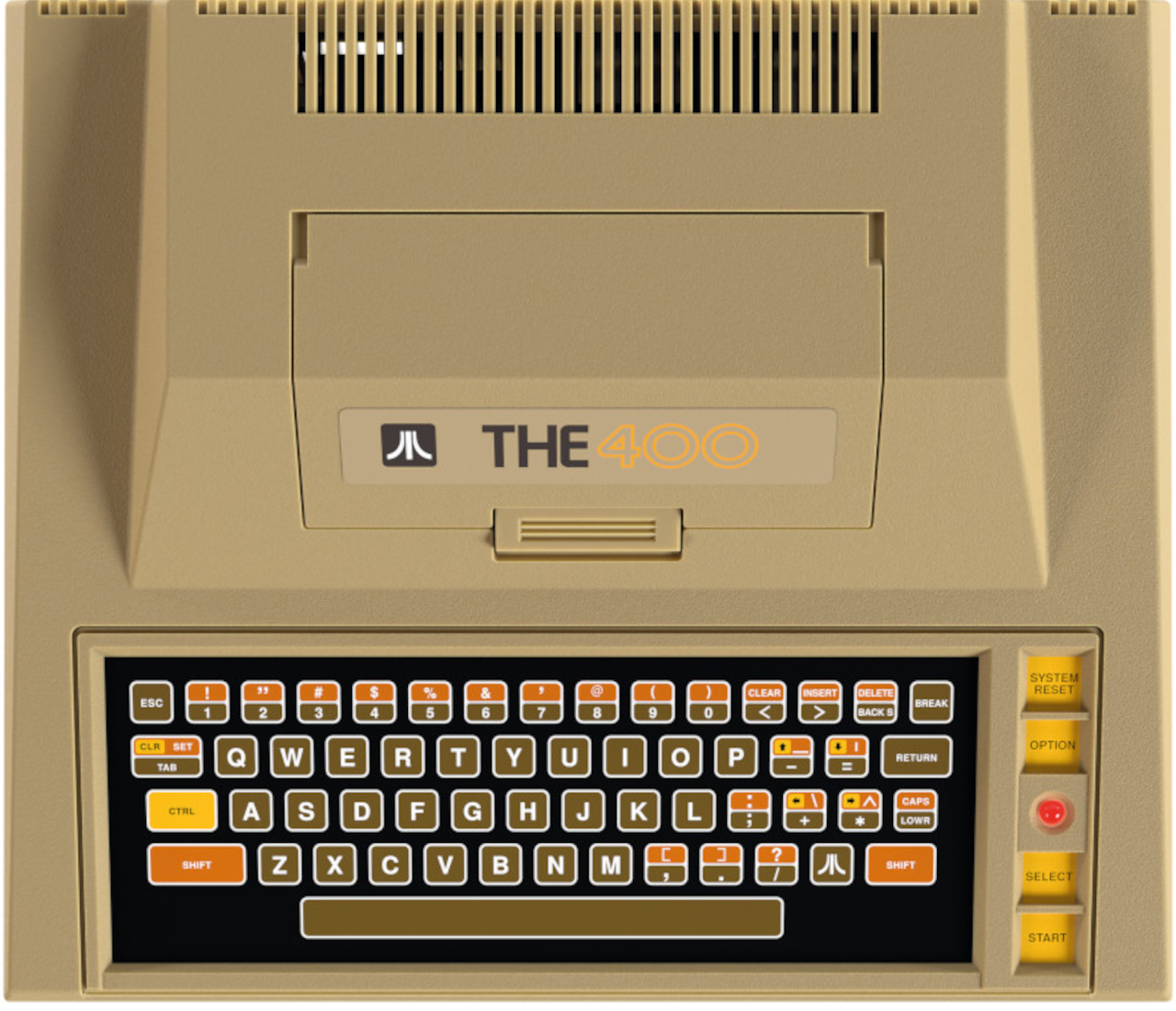
In essence, the Atari 400, or the 800 rather, looked more like a giant typewriter than a computer of any sort. Atari eschewed the typical joysticks and gamepads associated with gaming machines (and its own Atari 2600) and gave its first 8-bit family a keyboard for tasks beyond just playing. The Atari 400 itself was quite peculiar because it didn’t use real keys but a membrane keyboard, basically a seemingly flat, pressure-sensitive surface that could be considered the ancestor of touch-sensitive controls today. Suffice it to say, the typing experience was anything but enjoyable.
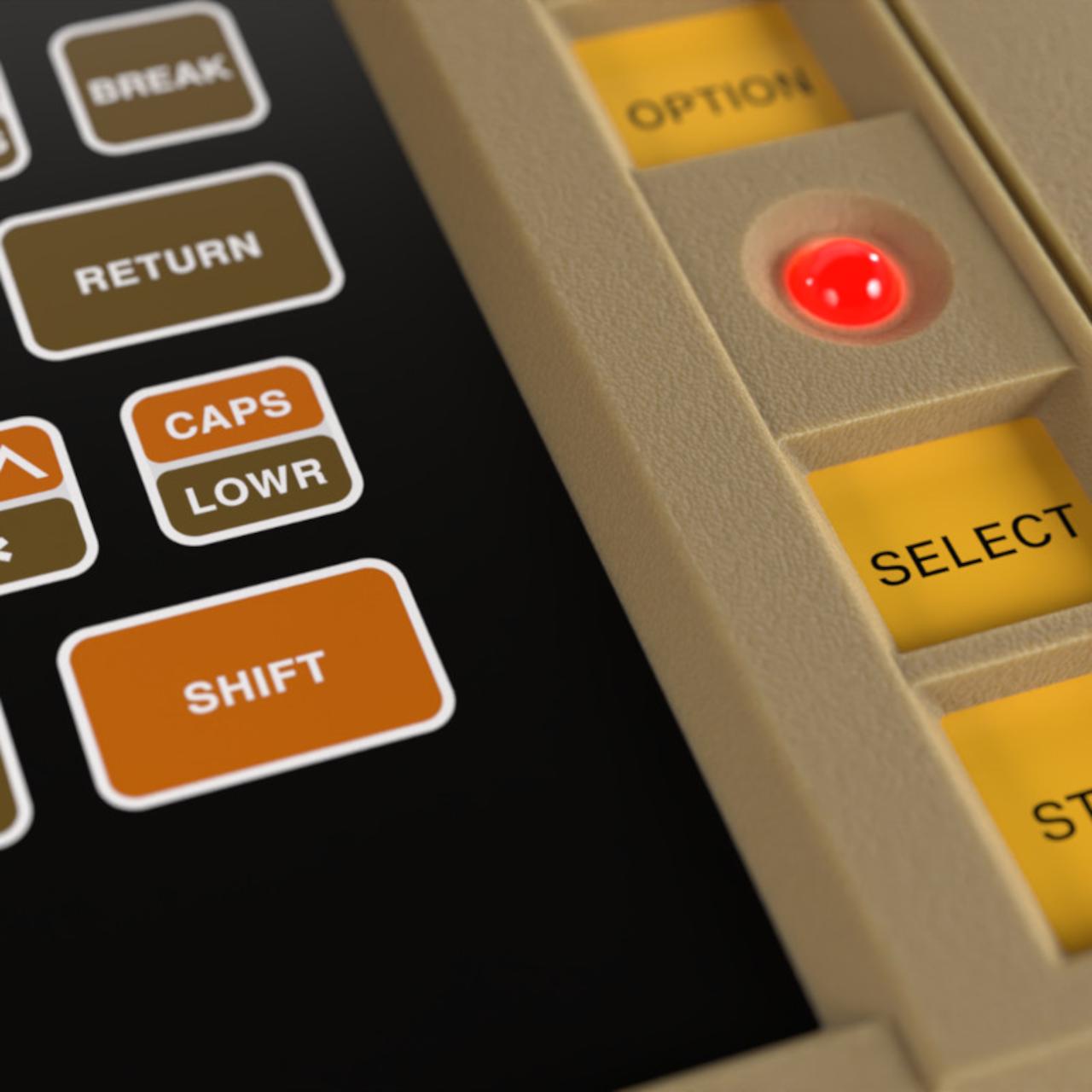
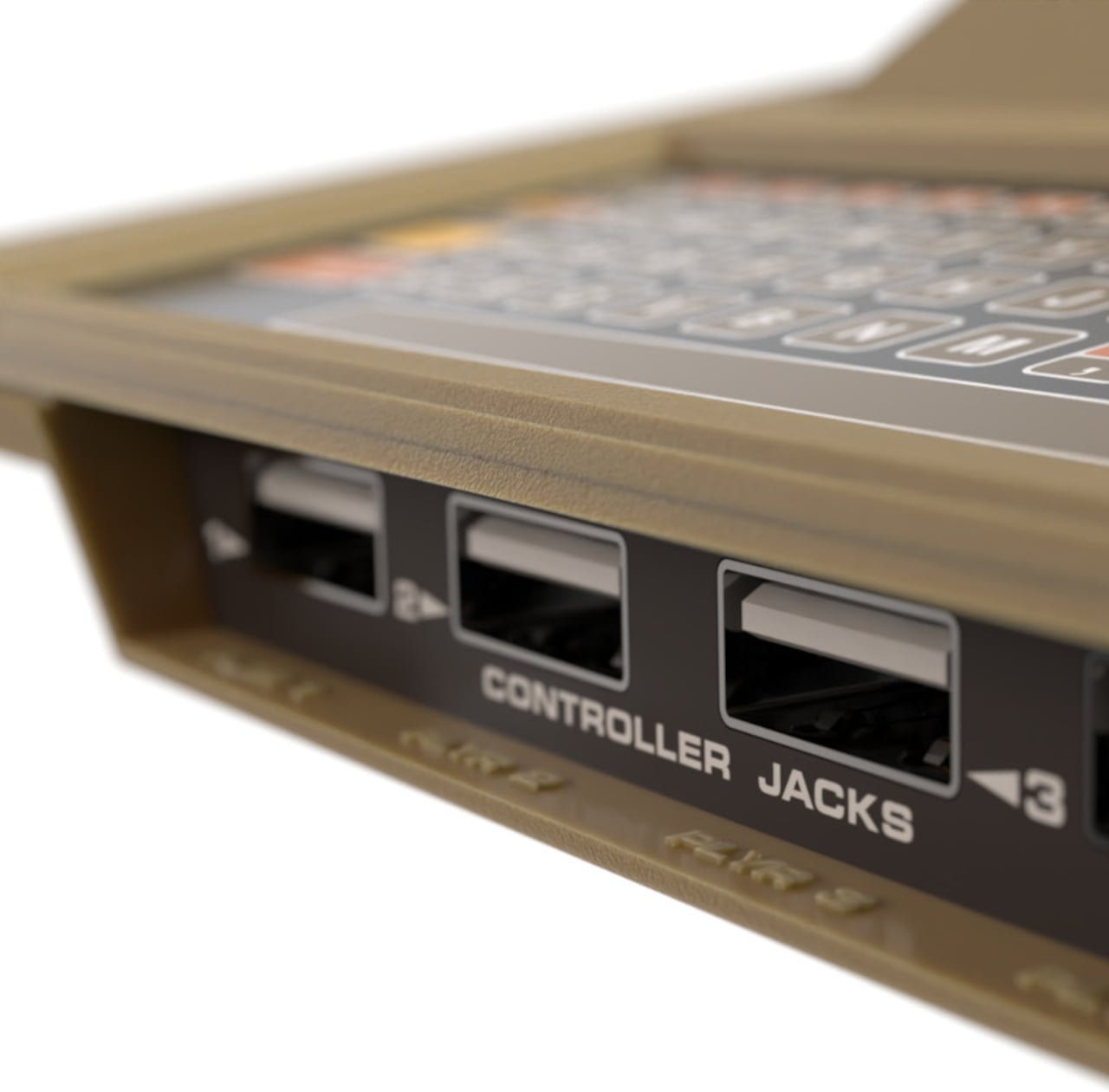
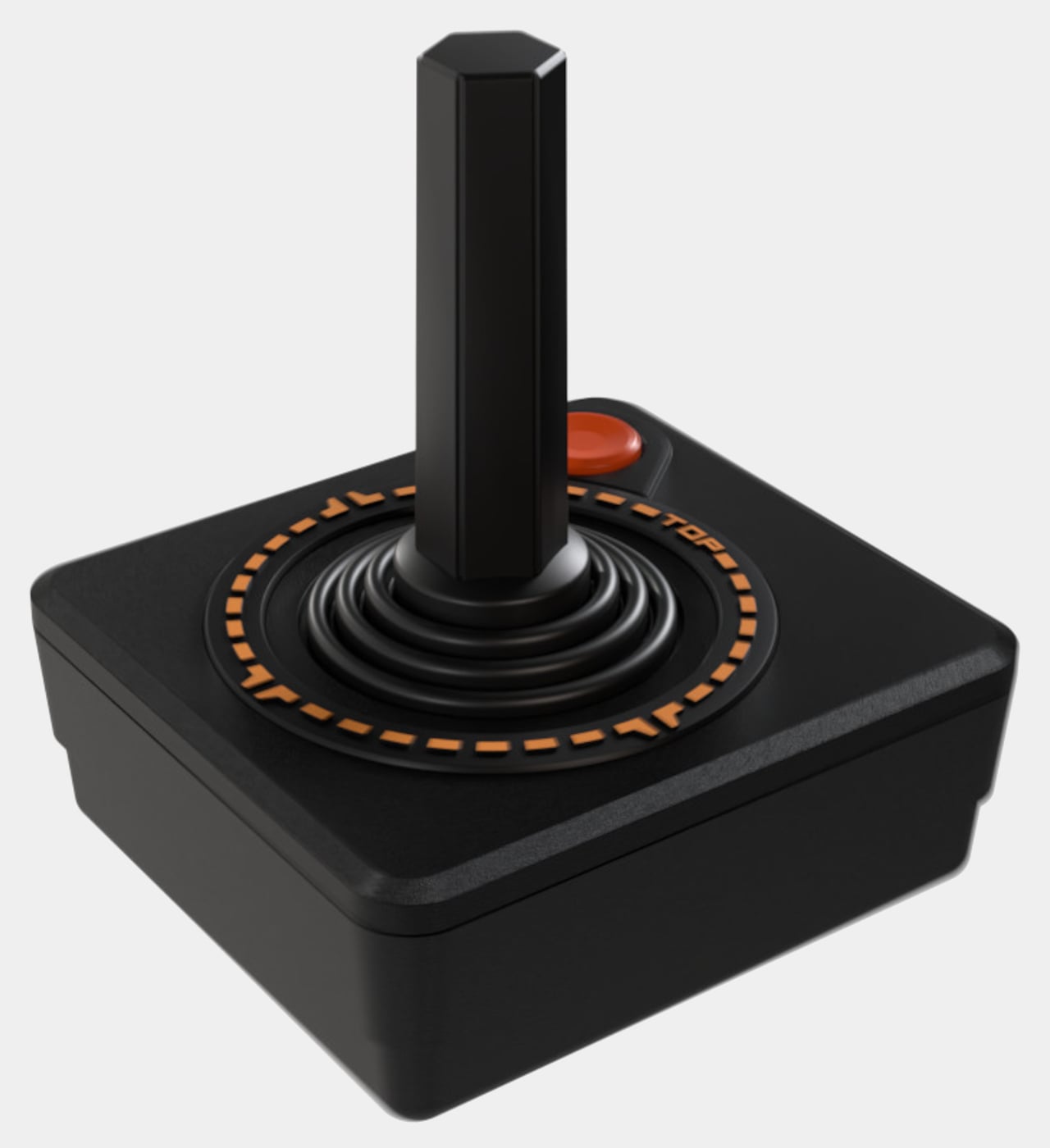
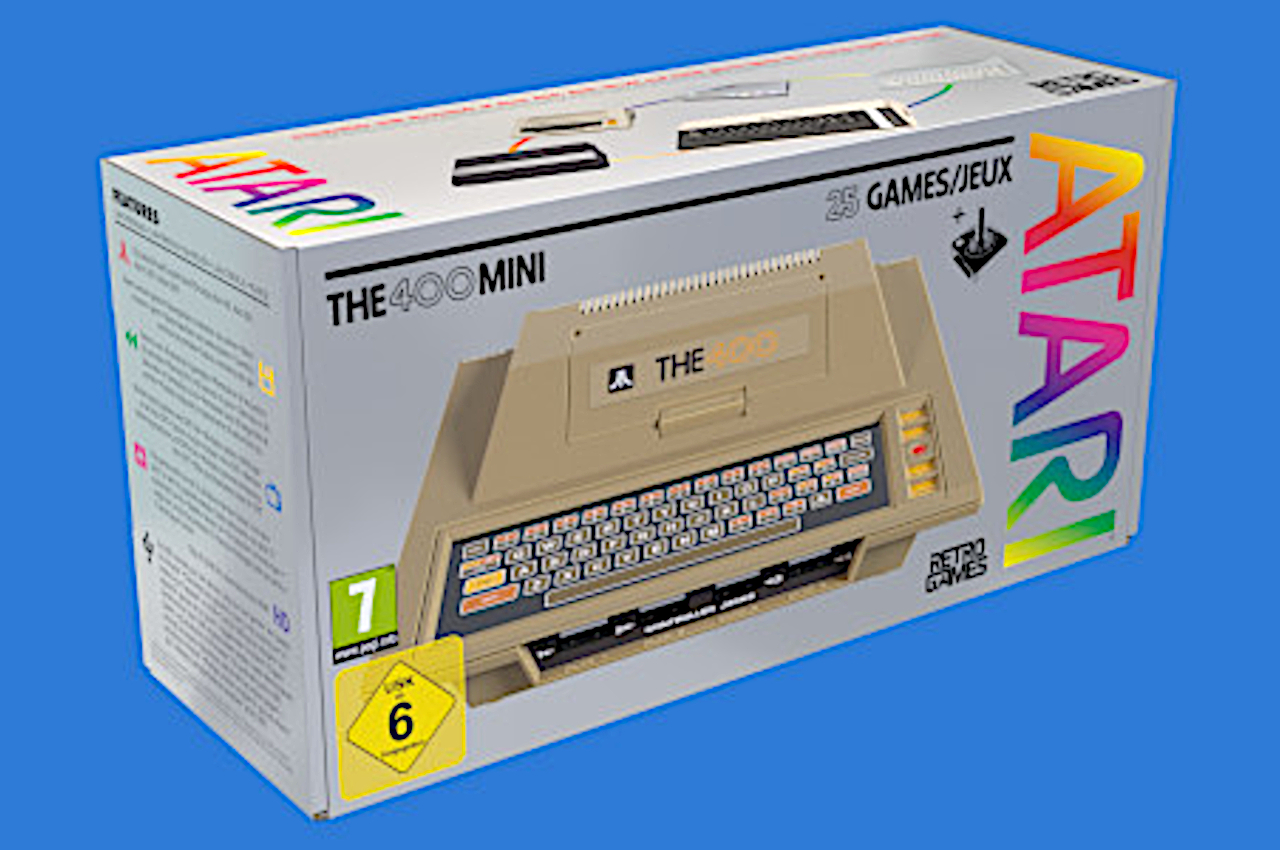
The Atari 400 Mini brings this one-of-a-kind design down to half the size of the 1979 original, which means you get all the looks but none of the quirks or the functionality. Yes, that miniaturized membrane keyboard is just for show, which is probably for the best. Imagine typing not only on a small space but also on a surface you have to press hard to even register a key. Fortunately, you can connect a USB keyboard if you really need to type something. With five USB ports, you can connect almost any controller, though thankfully the package ships one Atari CX-40 joystick for good measure.
The small machine comes with 25 titles from the original already pre-installed, though can also run other Atari classics provided you know how and where to get them. The Atari 400 Mini isn’t available yet, but you can already put down $119.99 to pre-order this recreation of a piece of gaming history before it hits the shelves on March 28th.
The retro gaming craze has given birth to many console revivals, but some of them are walking on legally gray areas. The officially sanctioned devices bear licensed titles but in very small numbers. Third-party recreations that use emulators, on the other hand, offer more freedom and flexibility but you’ll have to be creative in where you source your games. And then there’s the rare middle ground that puts those old games in fresh new hardware, like this curious console that pays tribute to the oft-forgotten NEC TurboGrafx. Unlike other retro consoles, however, it doesn’t come bundled with its own games and you’ll have to bring your own cartridges and discs, presuming you still have some of those around.
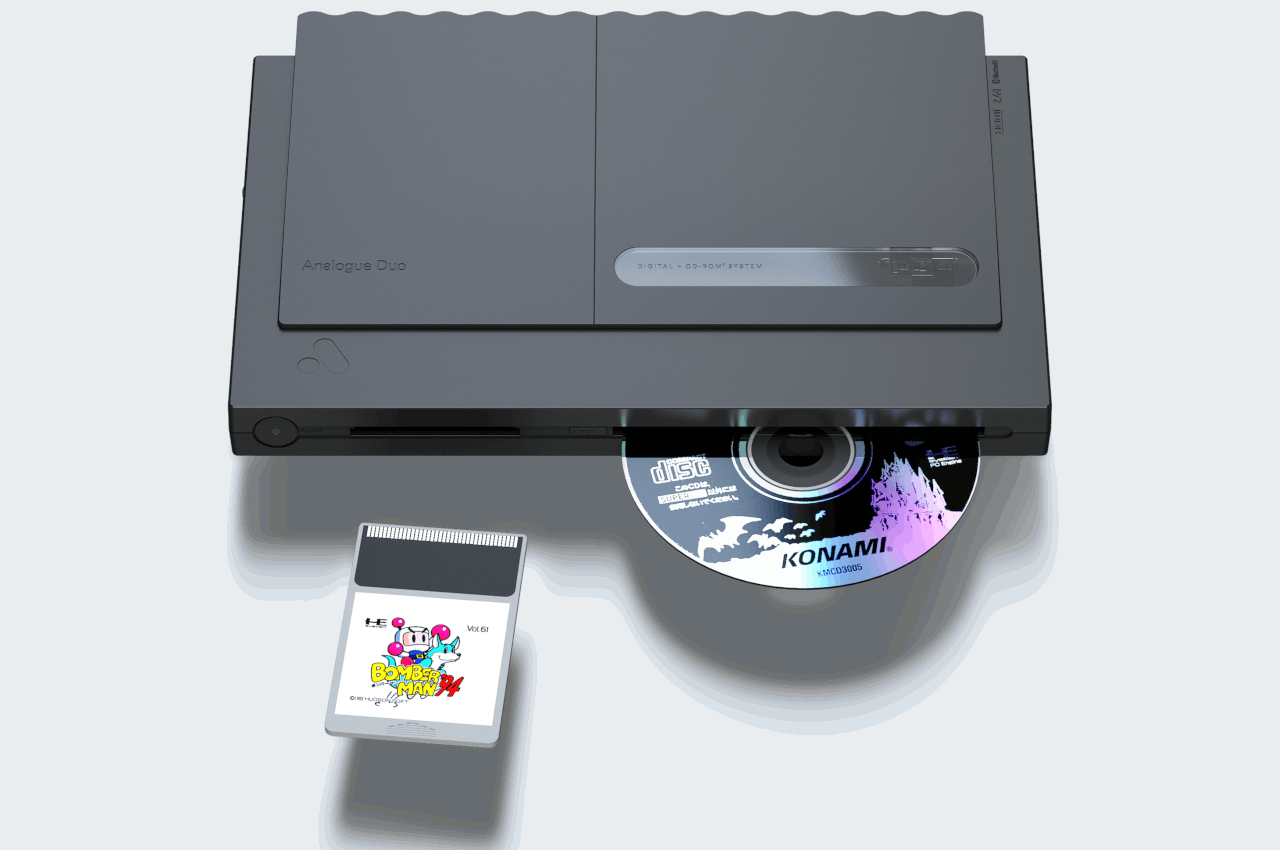
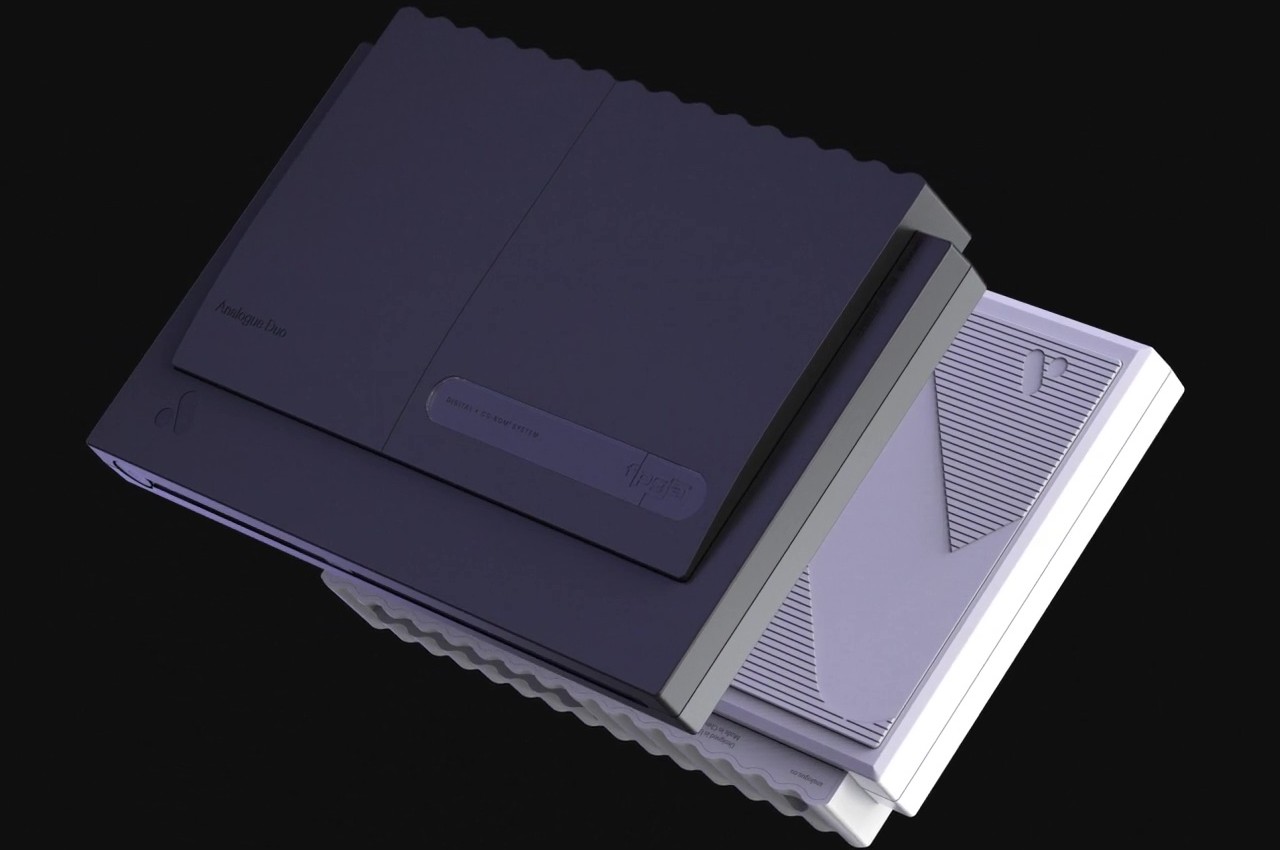
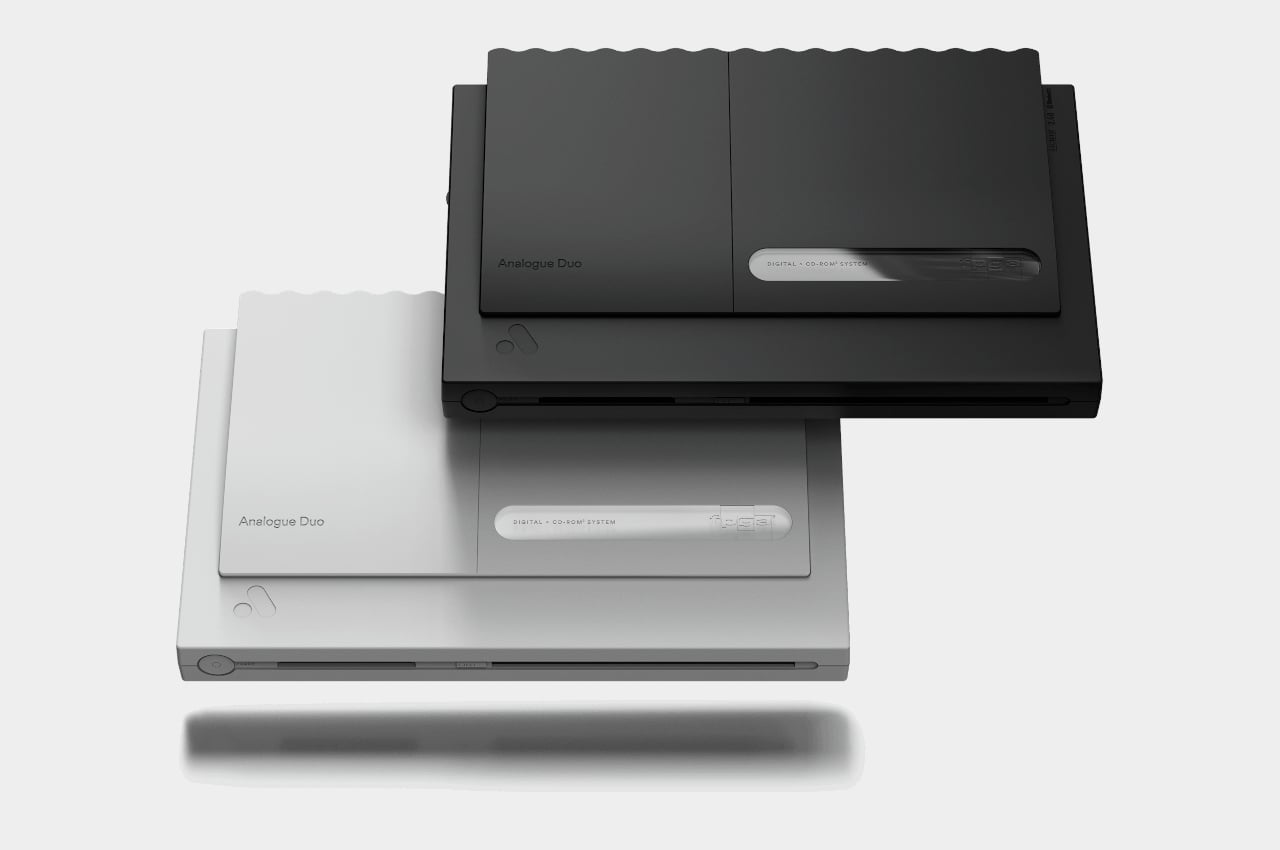
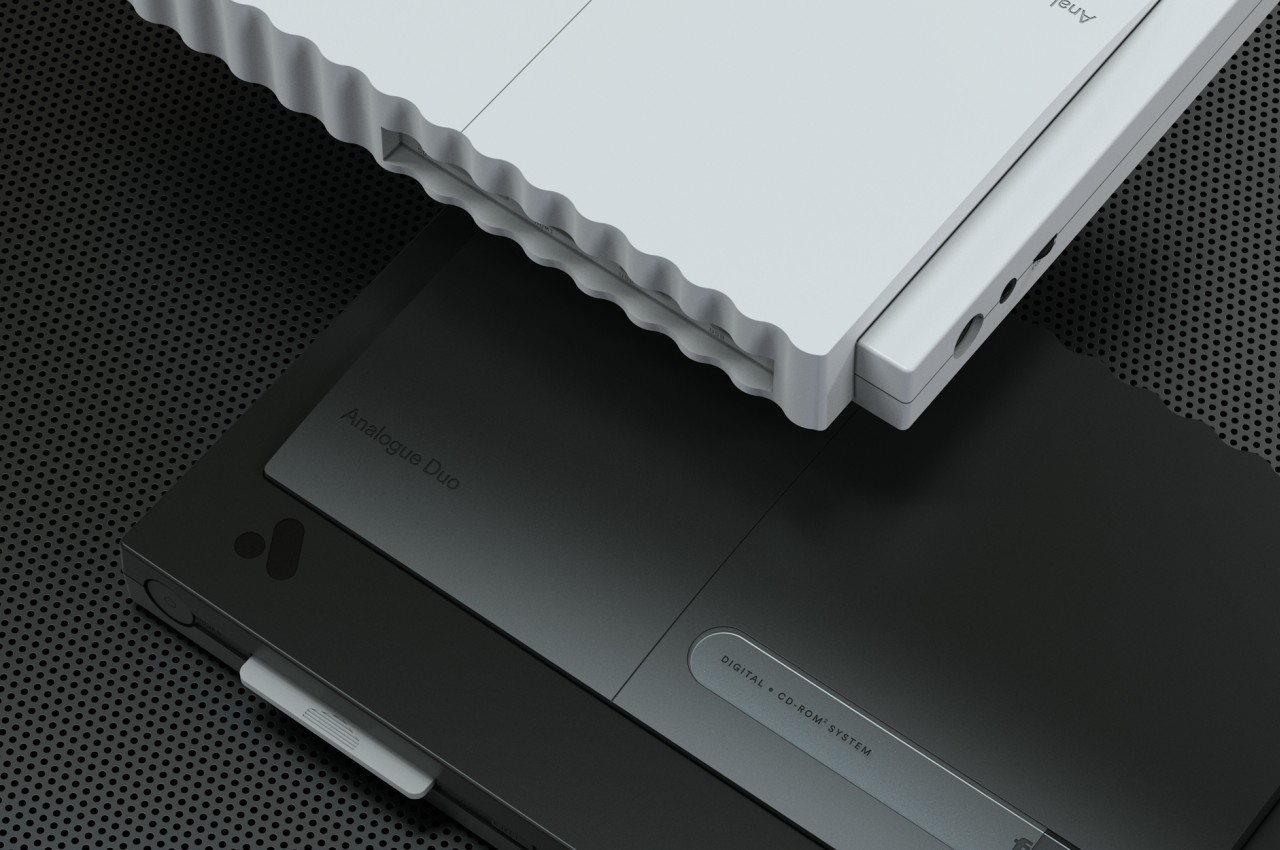
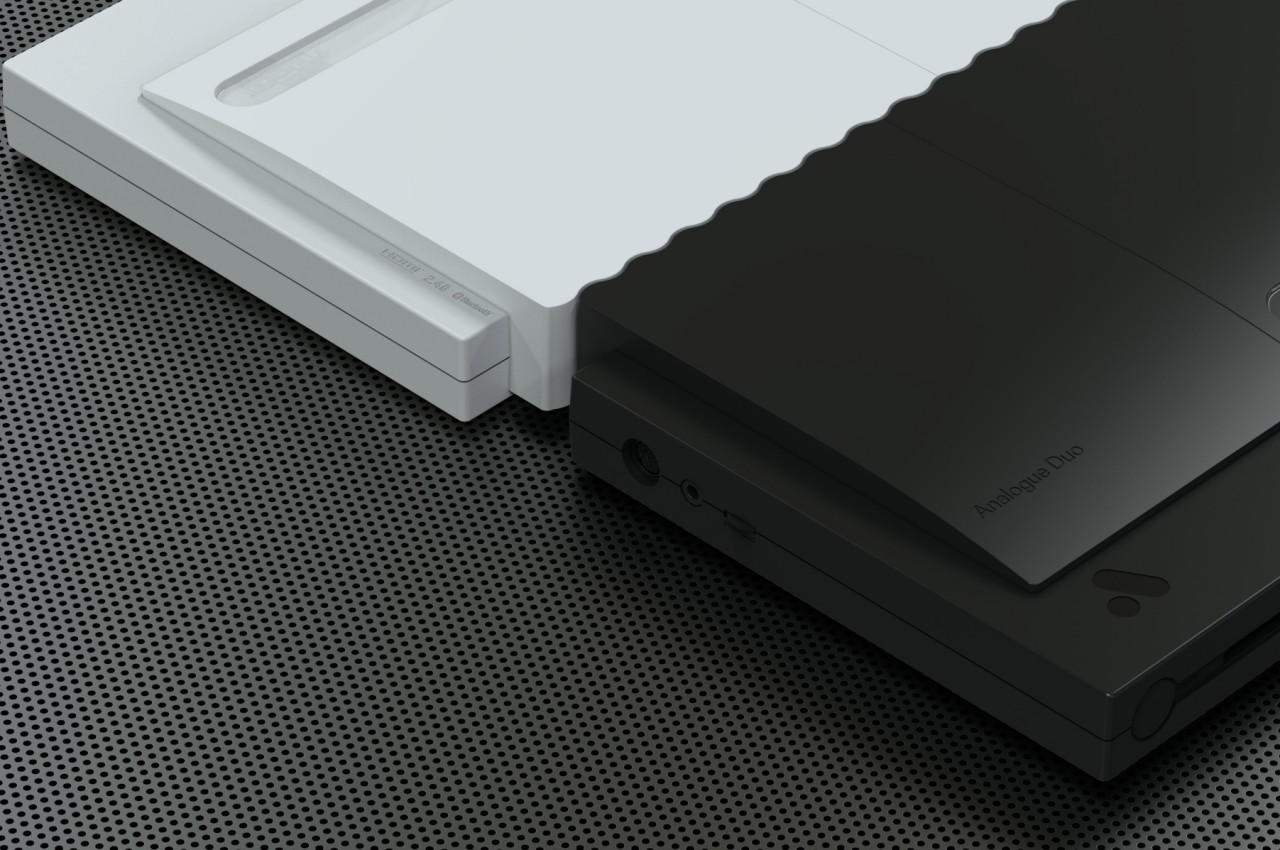
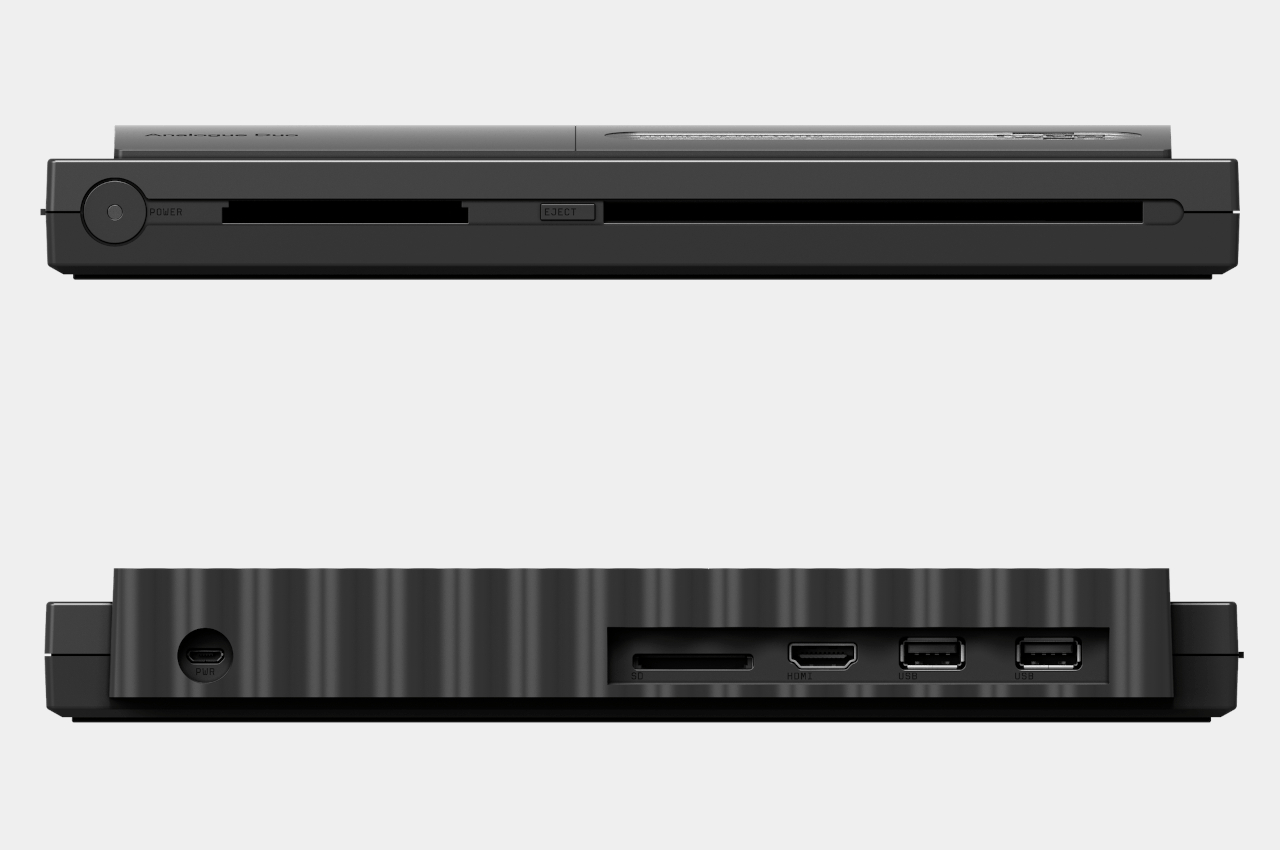
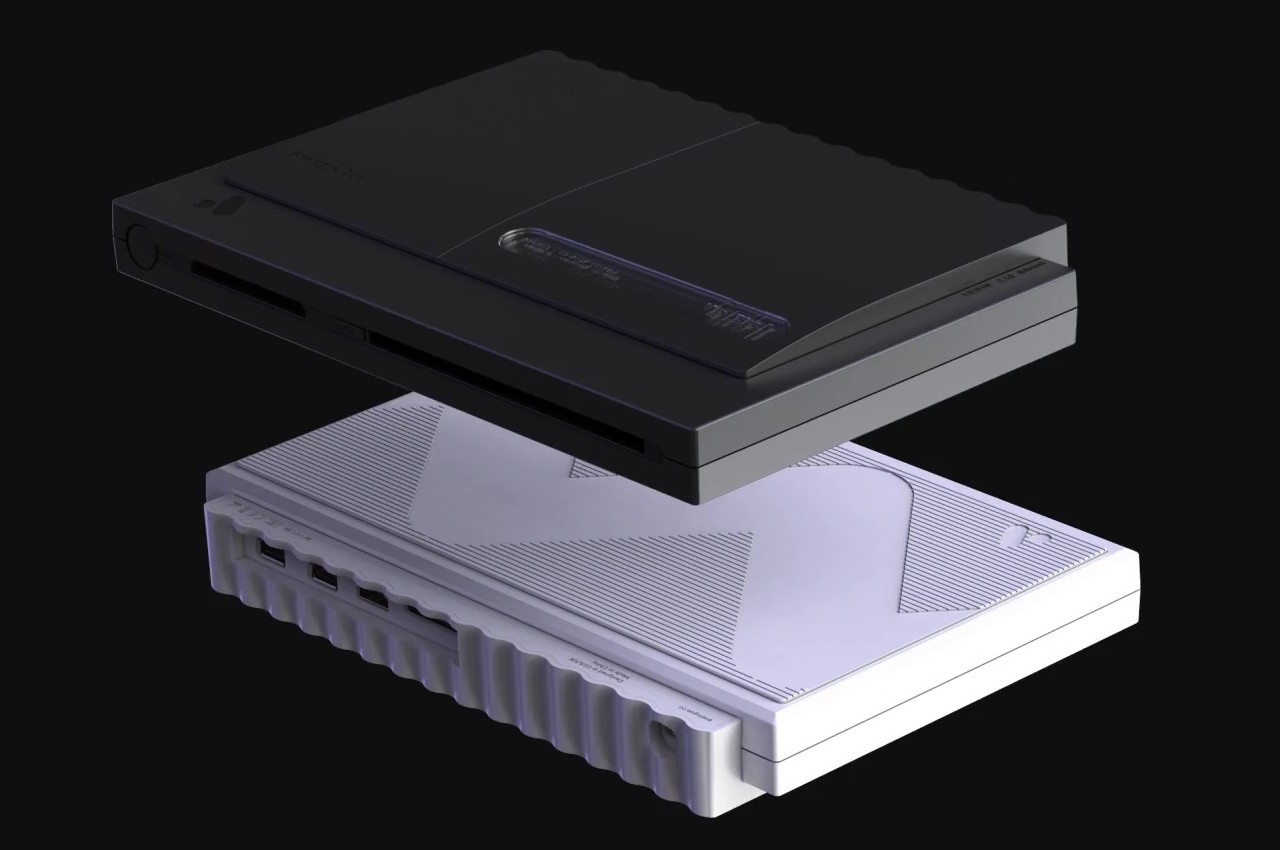
With the explosion of home gaming systems in the late 80s to early 90s, it wasn’t much of a surprise that some brands would be pushed to the background. Although it did have a faithful following, the NEC TurboGrafx system eventually faded into history, only to be remembered with retro consoles and devices such as the Analogue Duo. It’s not a simple recreation of the original console, however. In fact, it looks nothing like the TurboGrafx-16 and PC Engine consoles. What this new console brings, instead, is a way to be able to use those original game cartridges and CDs just the way they were meant to.
Retro mini consoles like the NES and SNES Classics practically use emulation software to run digital copies of games that used to exist on physical media. That’s definitely convenient but also removes the gratification of experiencing those classic titles from the cartridges or CDs they came from. Without going into technical details, the Analogue Duo claims to use no emulation at all and uses hardware engineered for thousands of hours to offer compatibility with a wide range of NEC gaming systems and media, including those for the TurboGrafx-16, PC Engine, SuperGrafx, TurboGrafx CD, PC Engine CD-ROM, and Super Arcade CD-ROM.
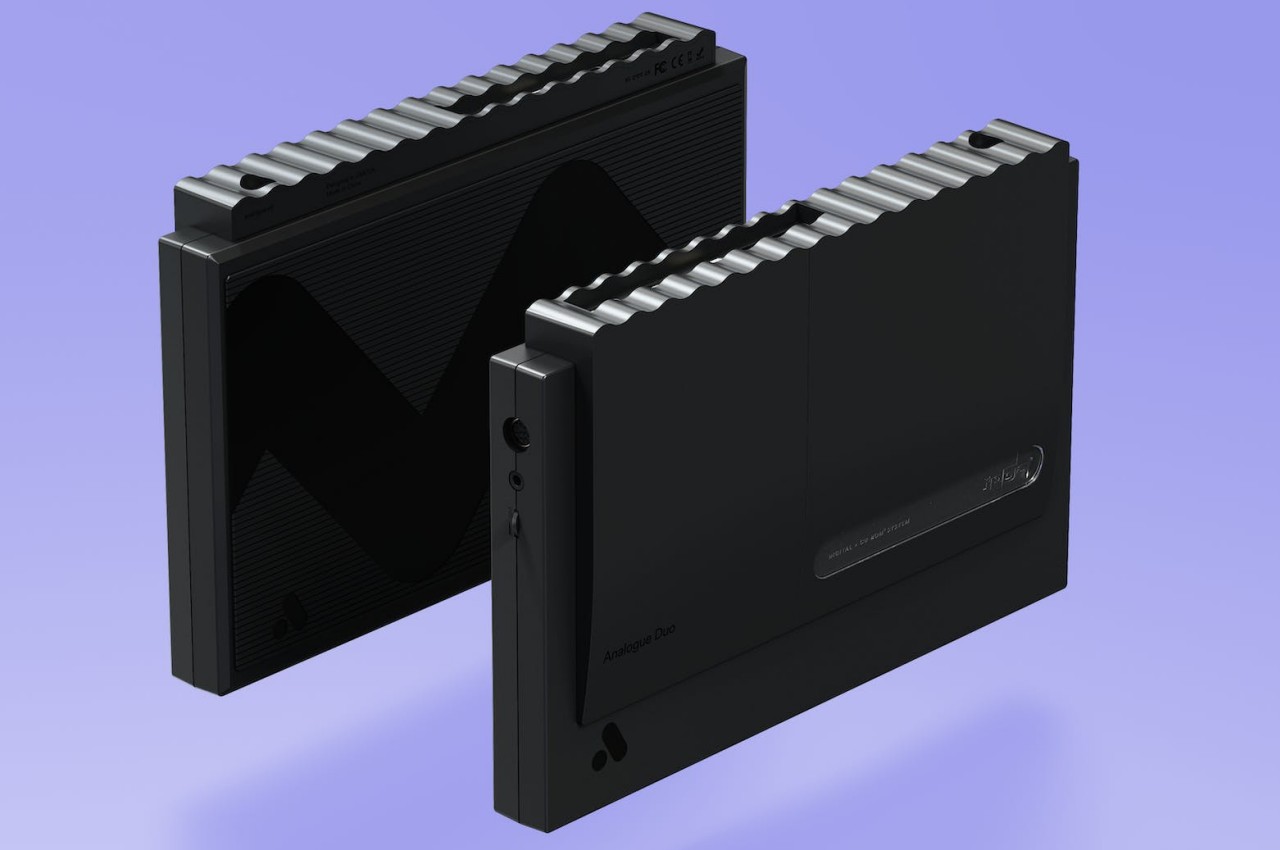
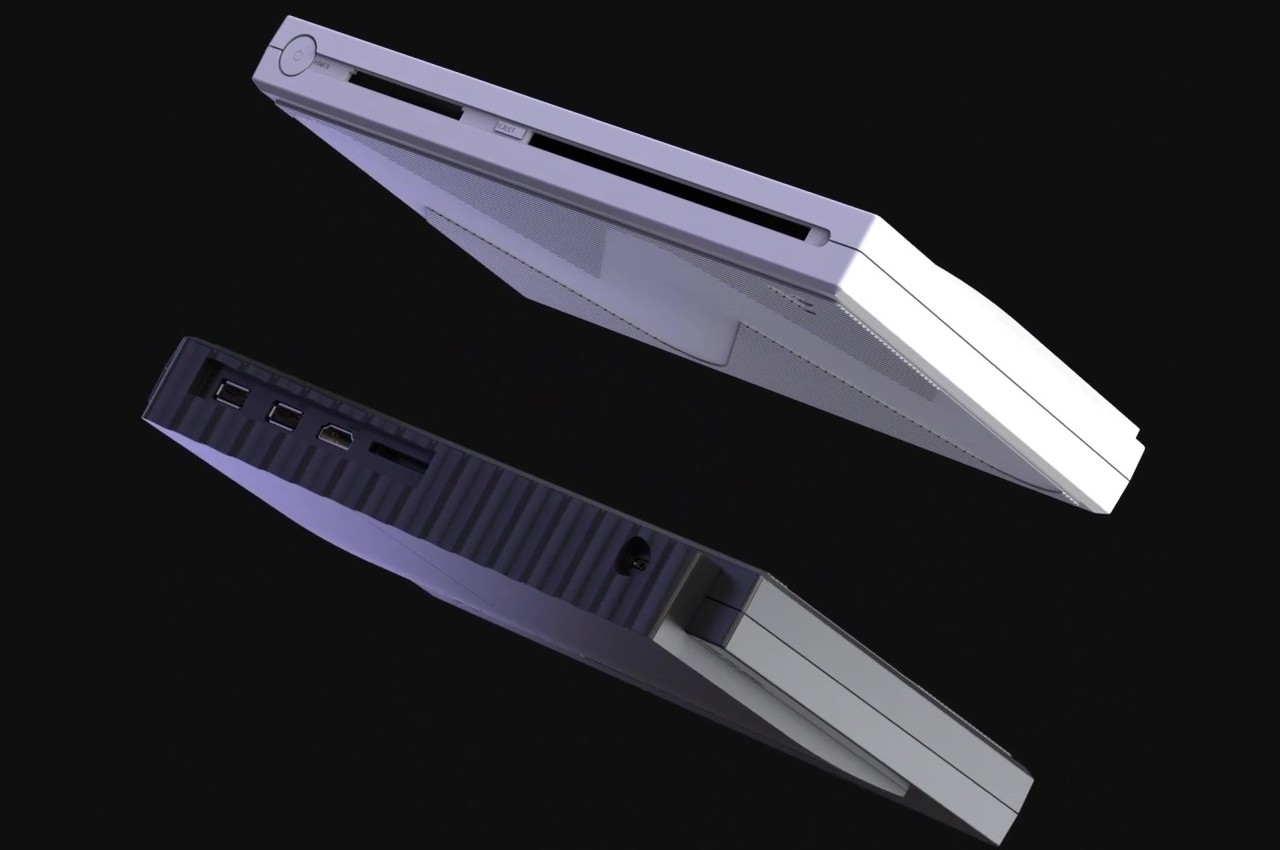
The design of the Analogue Duo itself is also quite unique, eschewing the trend of copying the appearance of the original consoles. It does lie horizontally like most consoles, but its modern and sleek appearance clearly tells which century it comes from. An odd and rather interesting detail is the wavy rear of the console, something you won’t find on any gaming hardware today. Interestingly, you can place two of these consoles back-to-back with those waves intersecting with each other.
The Analogue Duo is pretty ambitious in its goals, which is probably why it took three years for it to finally become available. Even then, it will be in extremely limited supply, available first to those who pre-ordered back in May. Perhaps it’s for the best so that TurboGrafx fans will be able to bide their time and see whether the console will be able to deliver that faithful classic experience it promised.
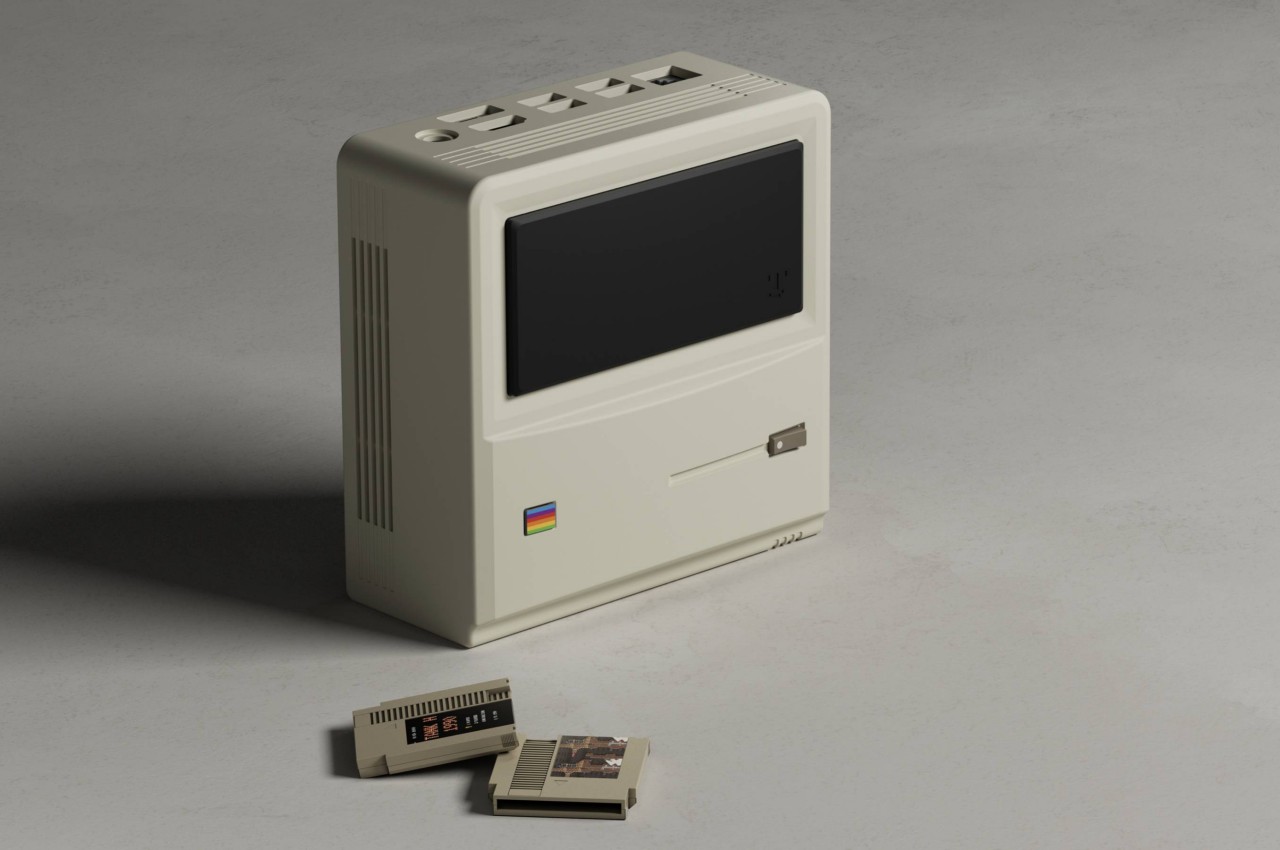
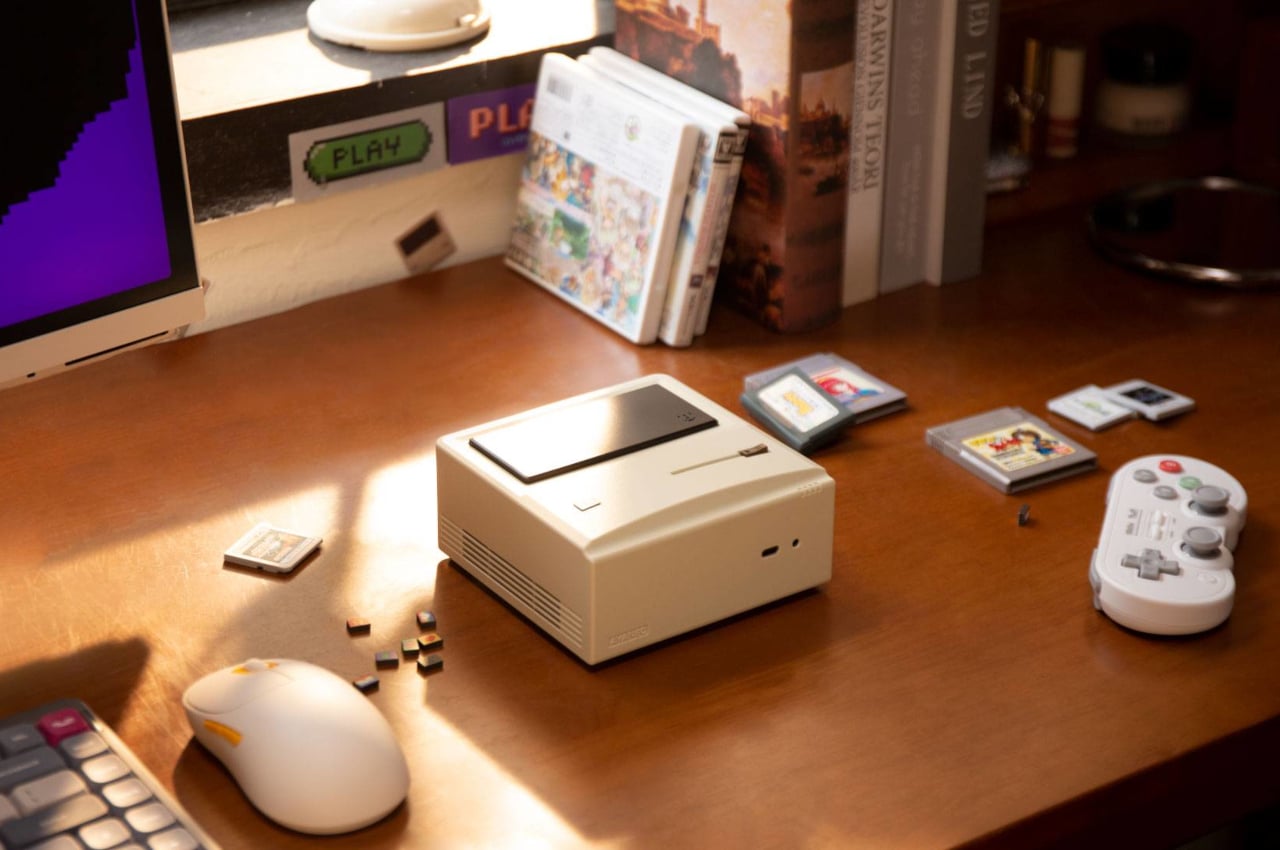
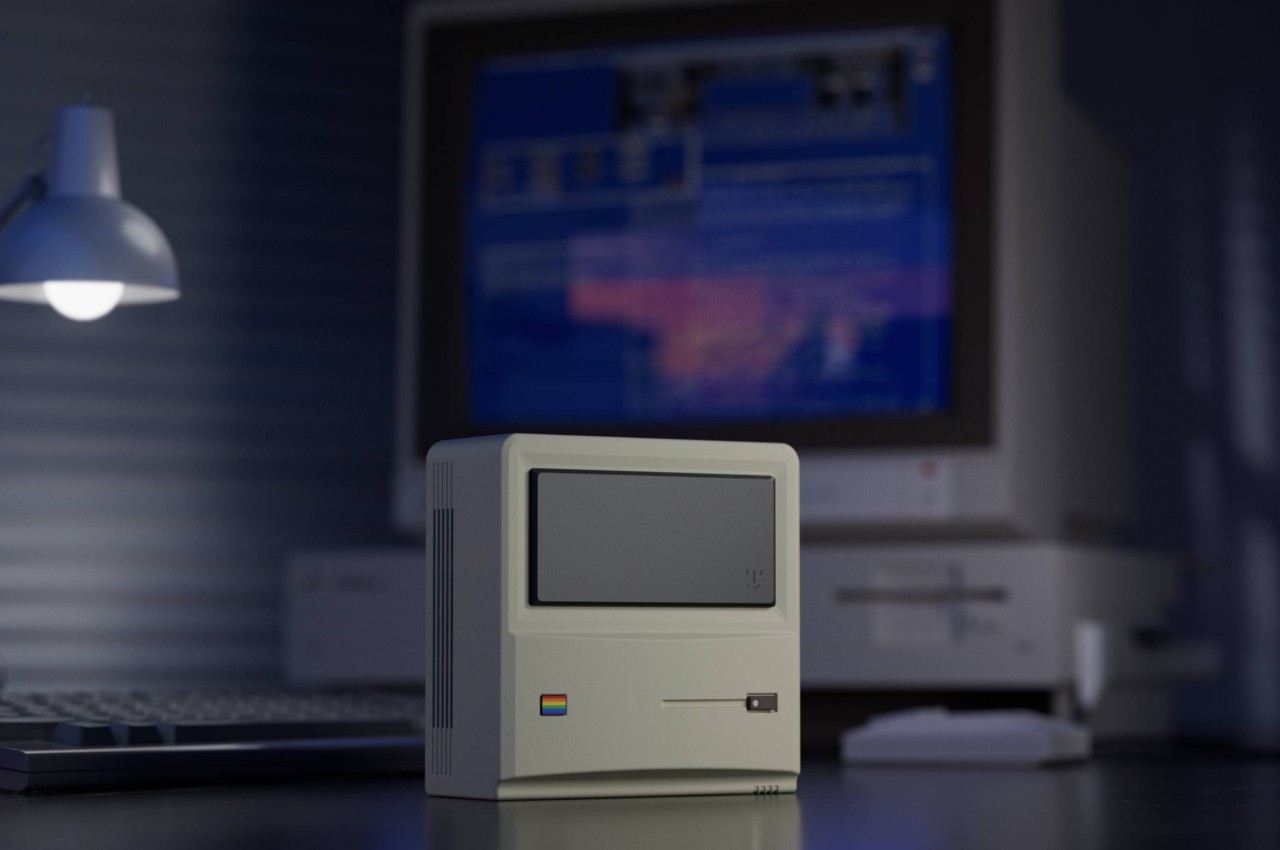
Nostalgia is a very powerful emotion, especially judging by the number of successful “retro” products sold in the market in the past years. Although the flood has seemingly trickled down a bit, it continues to flow especially in the gaming scene. Old gaming brands have suddenly resurfaced to bring nearly forgotten designs to the present, taking previous generations down memory lane while introducing today’s gamers to old-school experiences. While some of these retro consoles actually try to relive the past, this interesting and rather cute box might take your head for a spin with its Mac design and PC internals, combined to offer not just a gaming computer but a piece of desk decoration as well.
Compared to the computers put out by the likes of Atari and Commodore, the early PCs didn’t really have a memorable design that would go down in history as iconic computers. It was the original Apple Macintosh, instead, that captured people’s attention and imagination of what a home personal computer should look like. Of course, that was decades in the past, but the imagery has stood the test of time as proof of the design’s timeless character. AYANEO, a brand better known for gaming handhelds, is now taking that immensely popular design and giving it a rather curious twist.
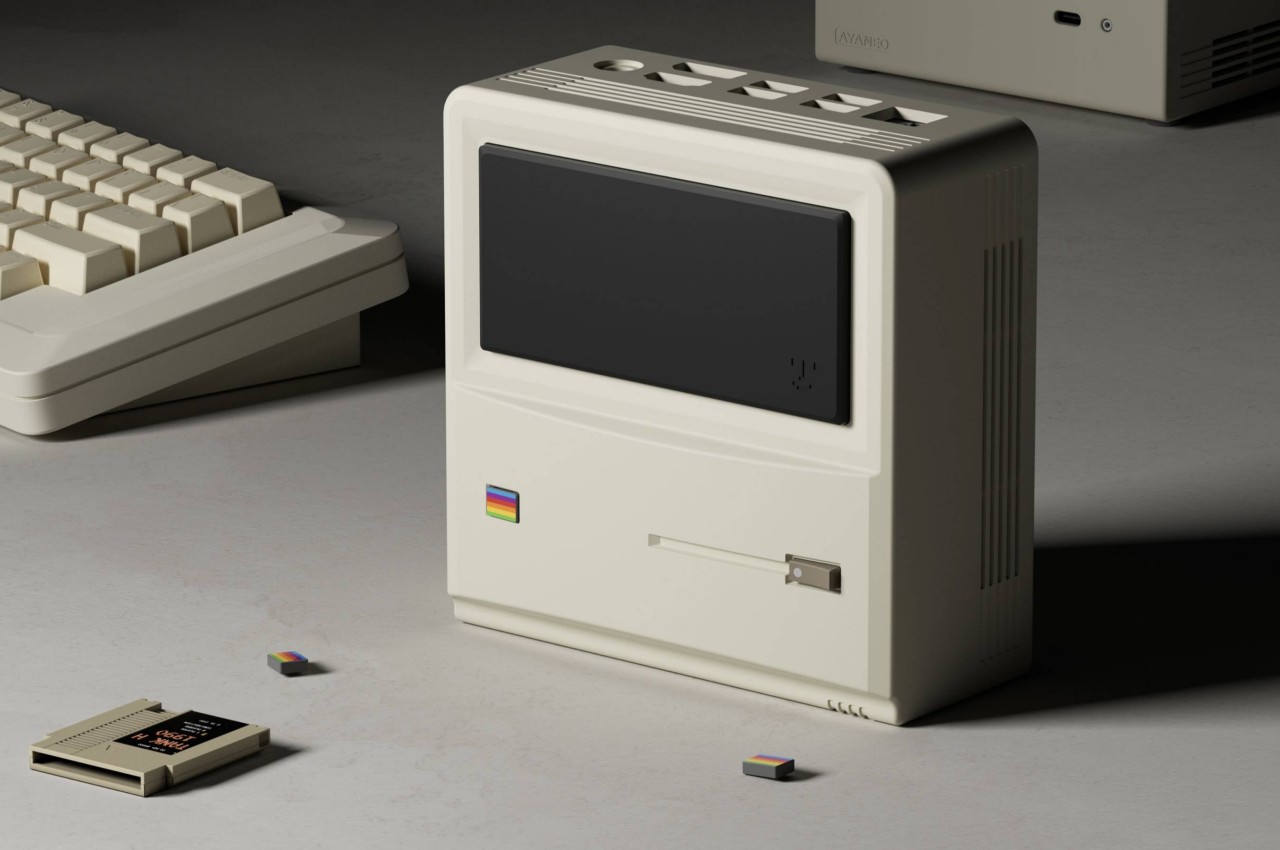
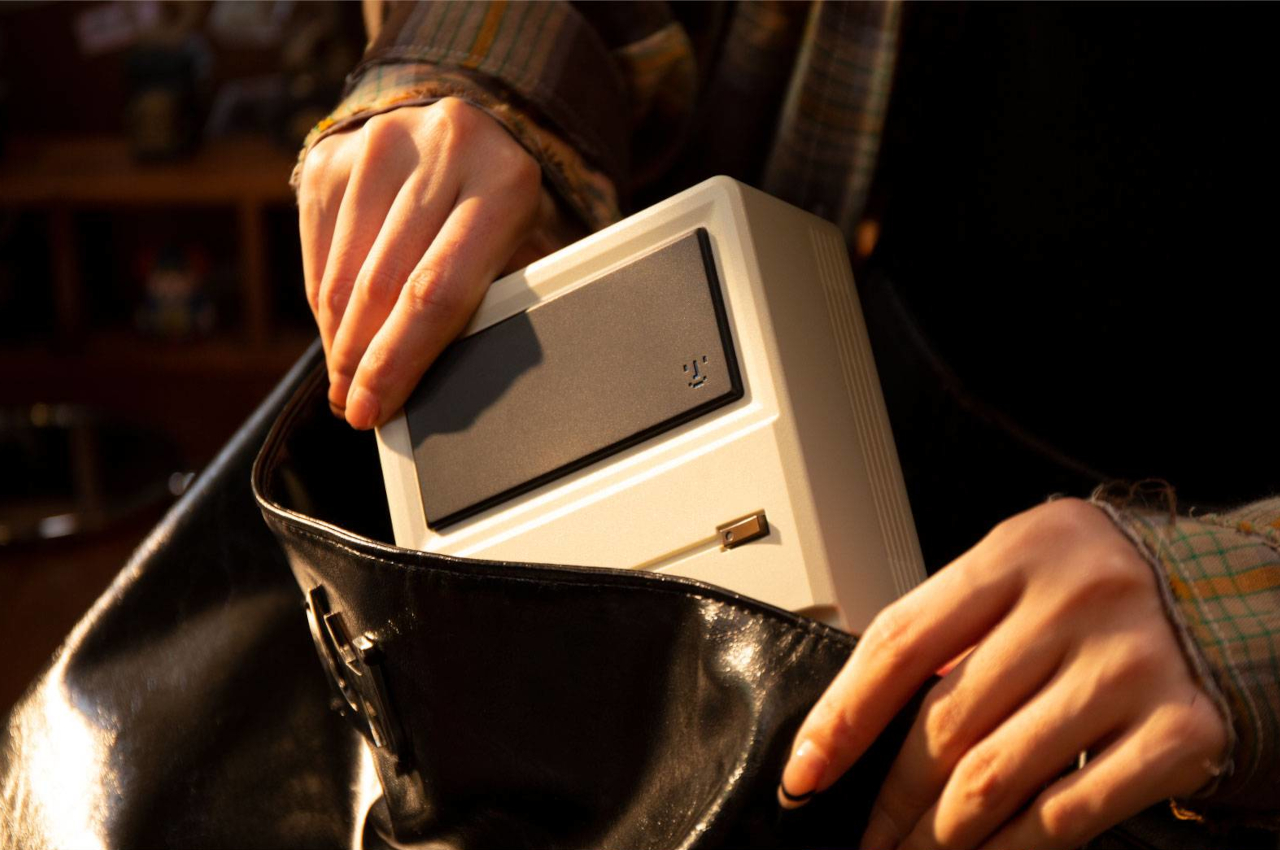
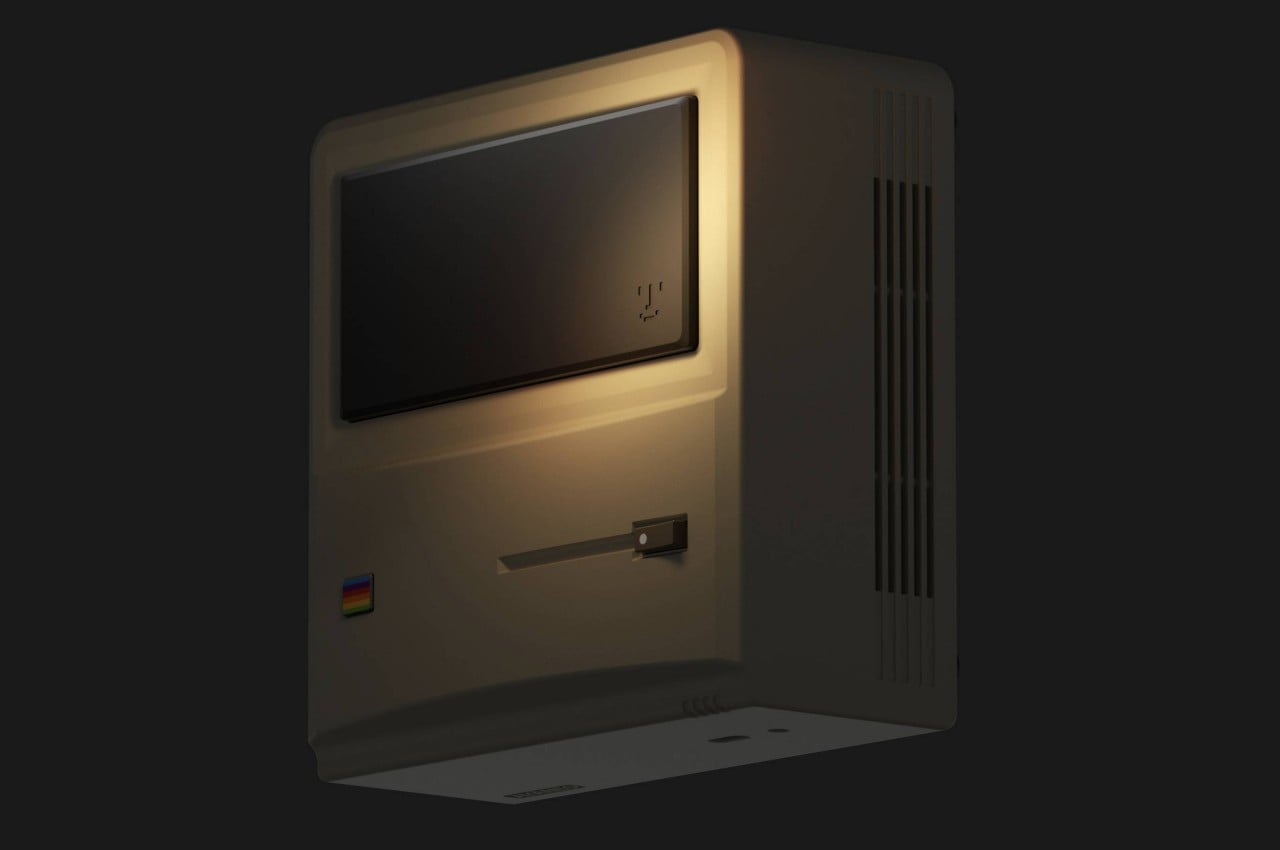
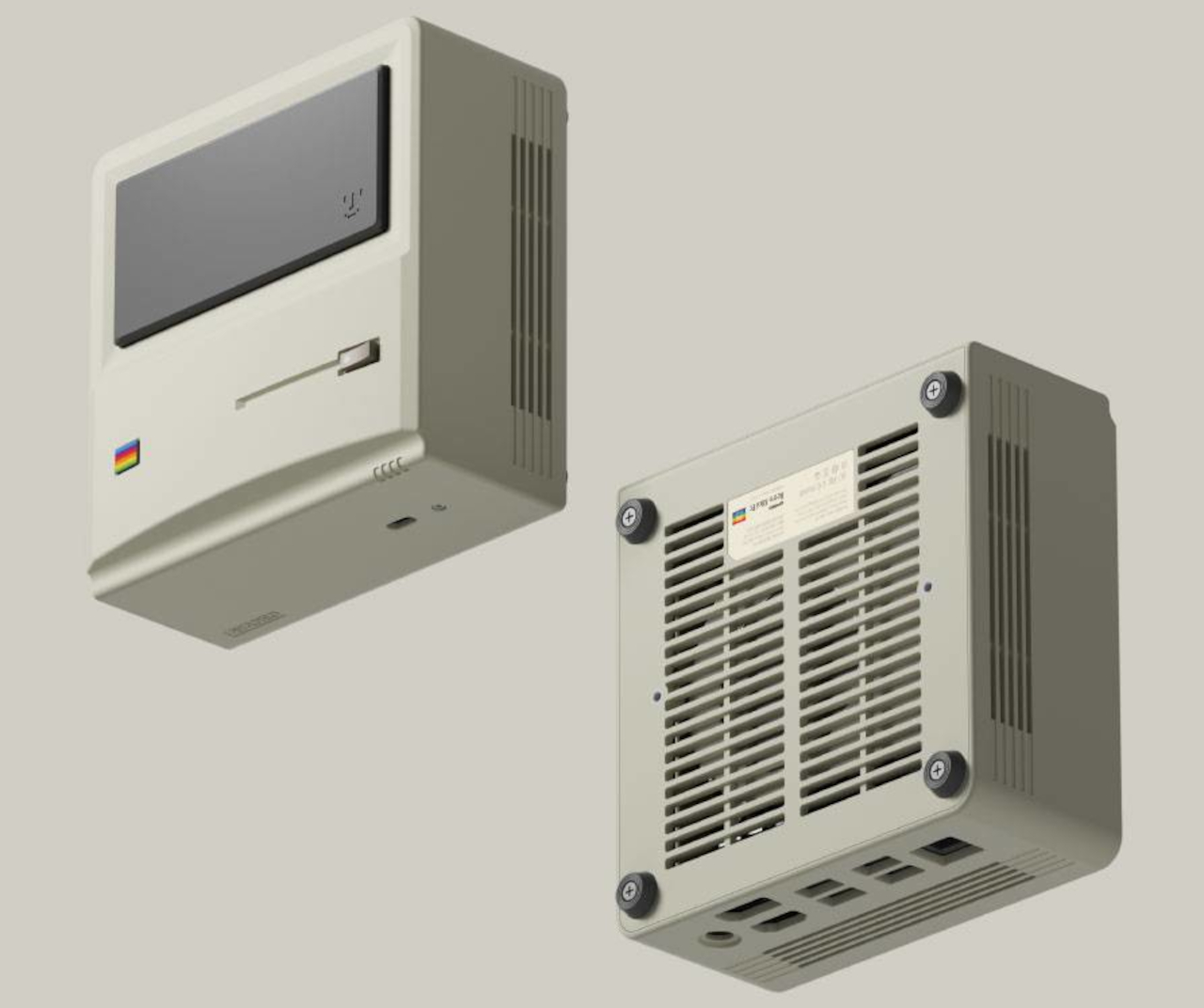
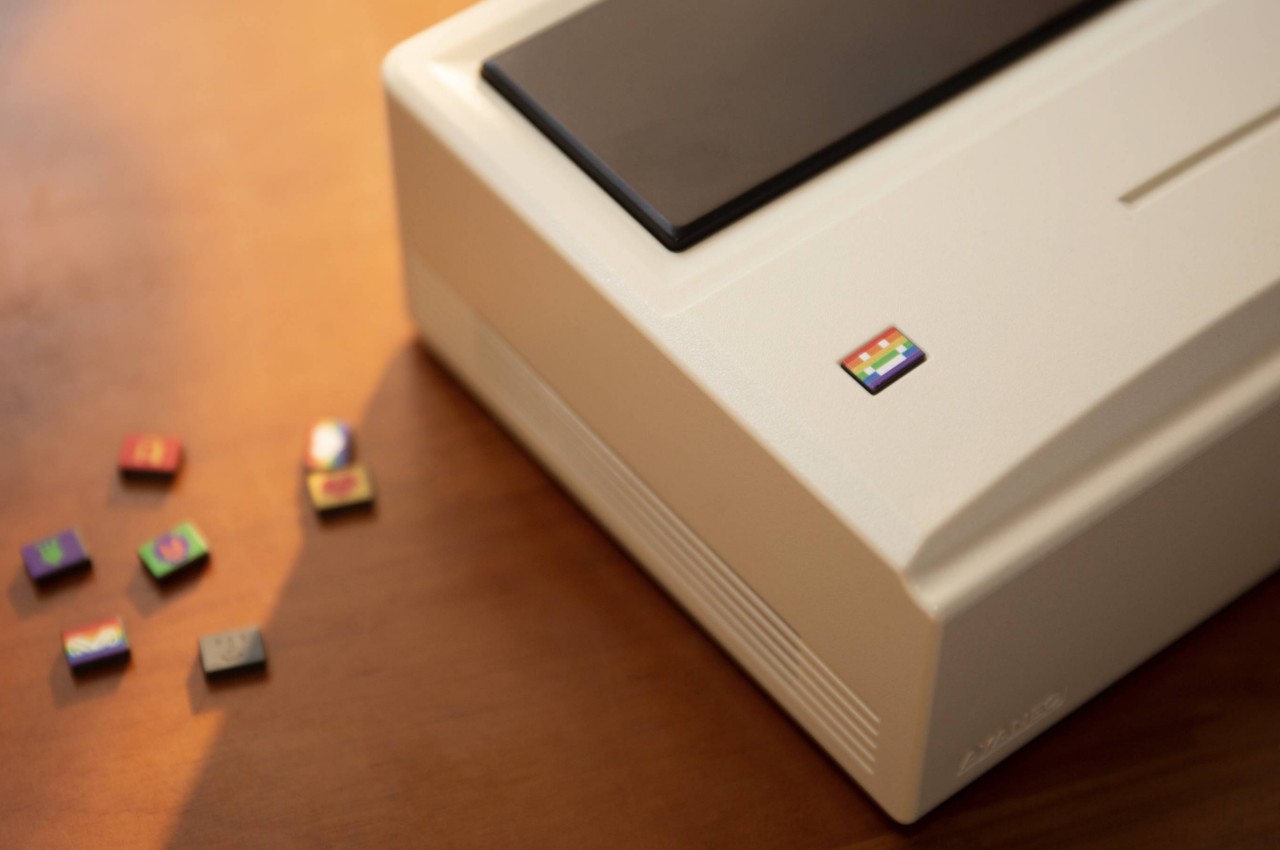
As part of its AYANEO REMAKE concept line, the AYANEO Retro Mini PC AM01 slaps the old Mac design onto a new machine. The basic elements that have distinguished one of Apple’s earliest successes are there, tweaked a bit to avoid potential controversies, of course. There’s the telltale sign of a floppy drive, as well as a square rainbow badge that’s a nod to the old Apple logo. There’s a black rectangle near the top that’s purely cosmetic, denoting where the screen is supposed to be located. There’s nothing there, though, which is a bit of a waste, but it doesn’t really matter considering how the mini PC is used.
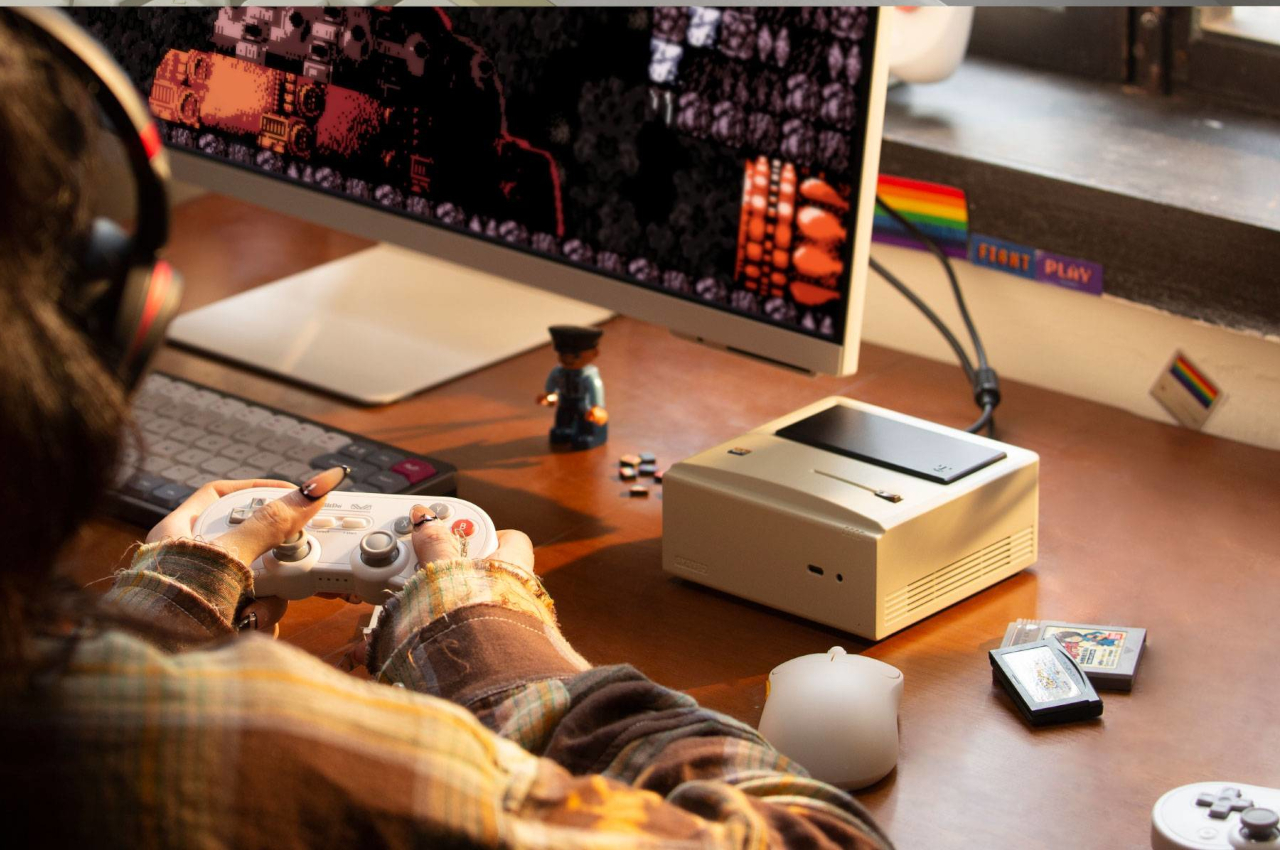
Unlike the Mac, the AYANEO Retro Mini PC is meant to lie down on its “back” rather than standing up, with that black rectangle in the rear. That’s because the ports for the computer are actually located on what would have been the top and bottom sides, so it has to be horizontal to actually be useful. Of course, this product is a gaming console anyway, not a standalone computer with a built-in display, so you’ll need to plug in peripherals to make it work. And yes, it runs Windows 11, which, given the eternal rivalry between Macs and PCs, some might find a bit insulting.
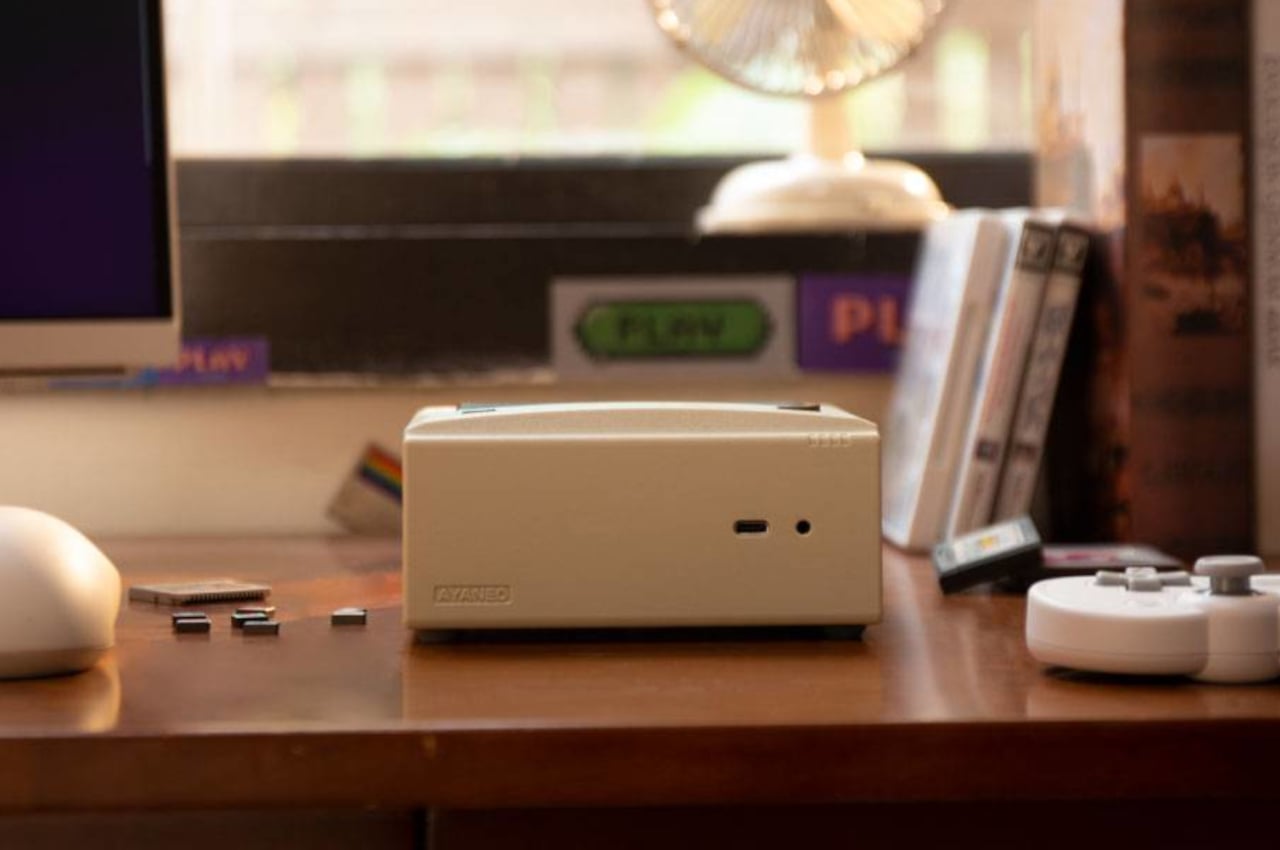
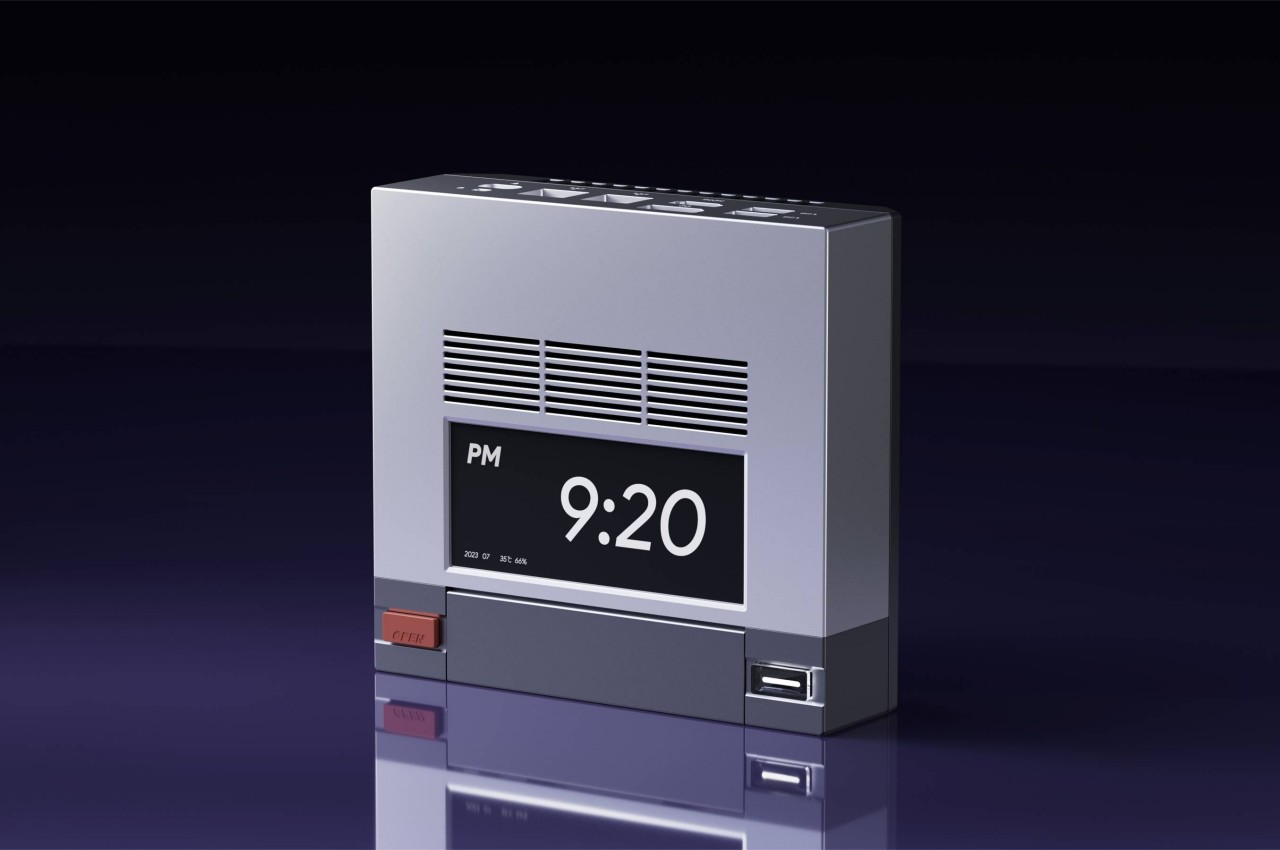
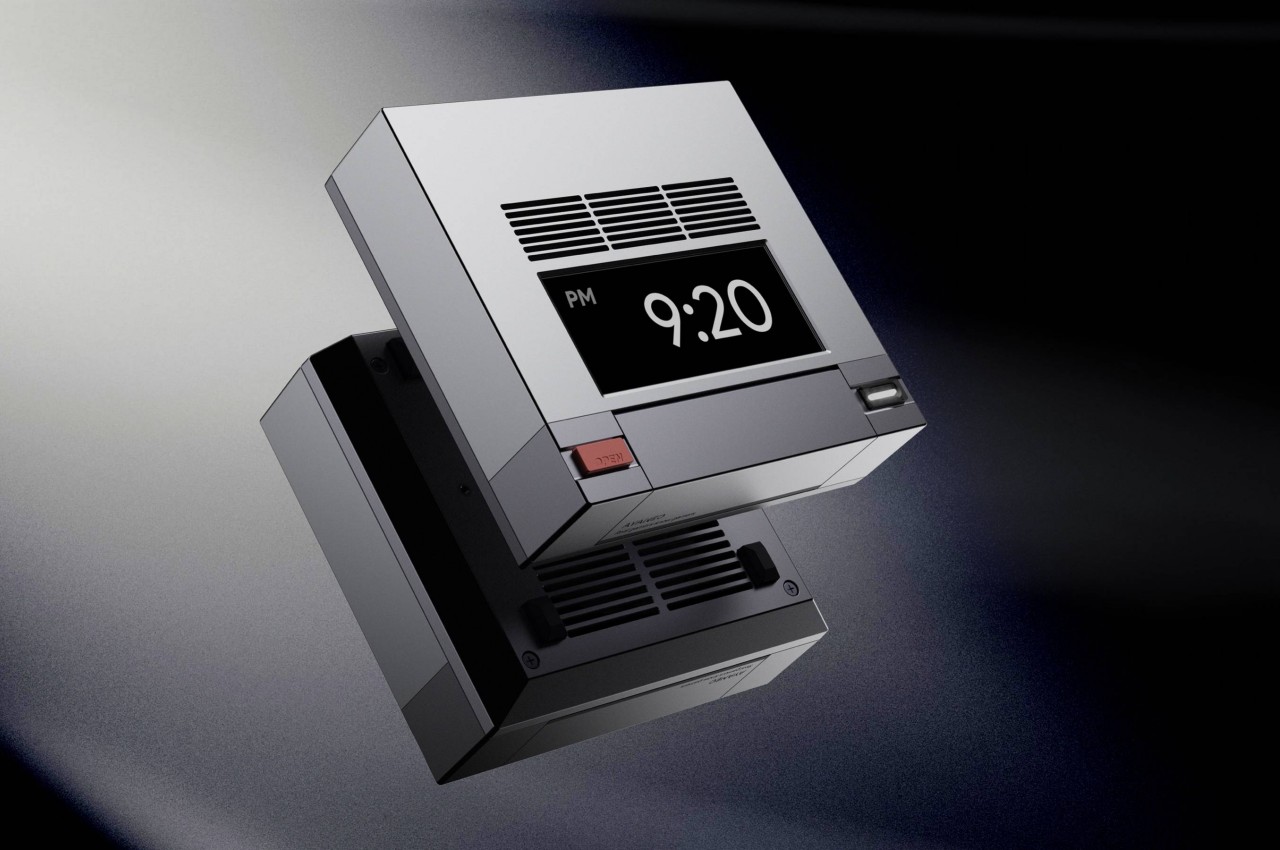
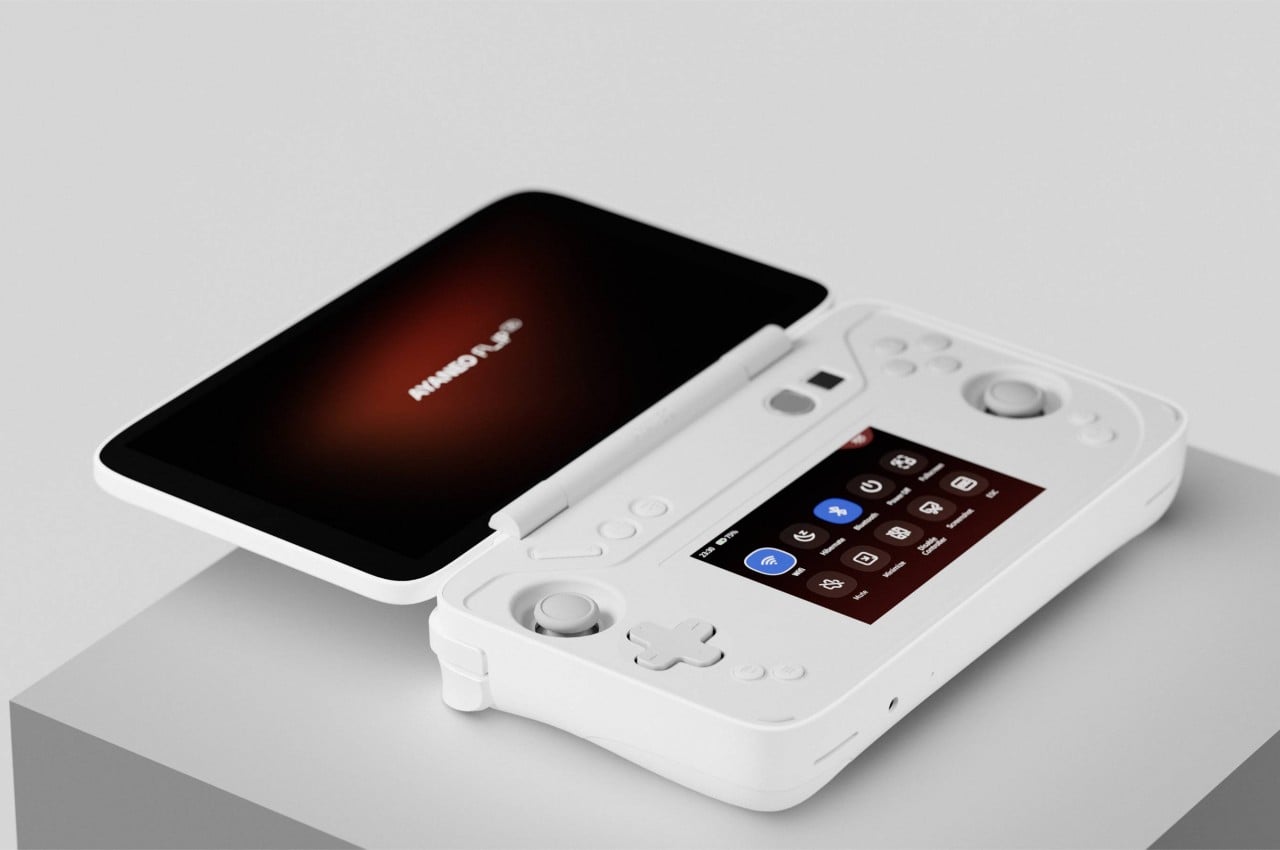
AYANEO has other retro designs also in the pipeline, including the Retro Mini PC AM02 that takes after the classic NES design. Curiously, that one does have a functional mini display since it can actually be used upright. It’s also working on a handheld that brings back the dual-display design of the not-so-old Nintendo DS, though the practical purpose of that second display is yet to be revealed.