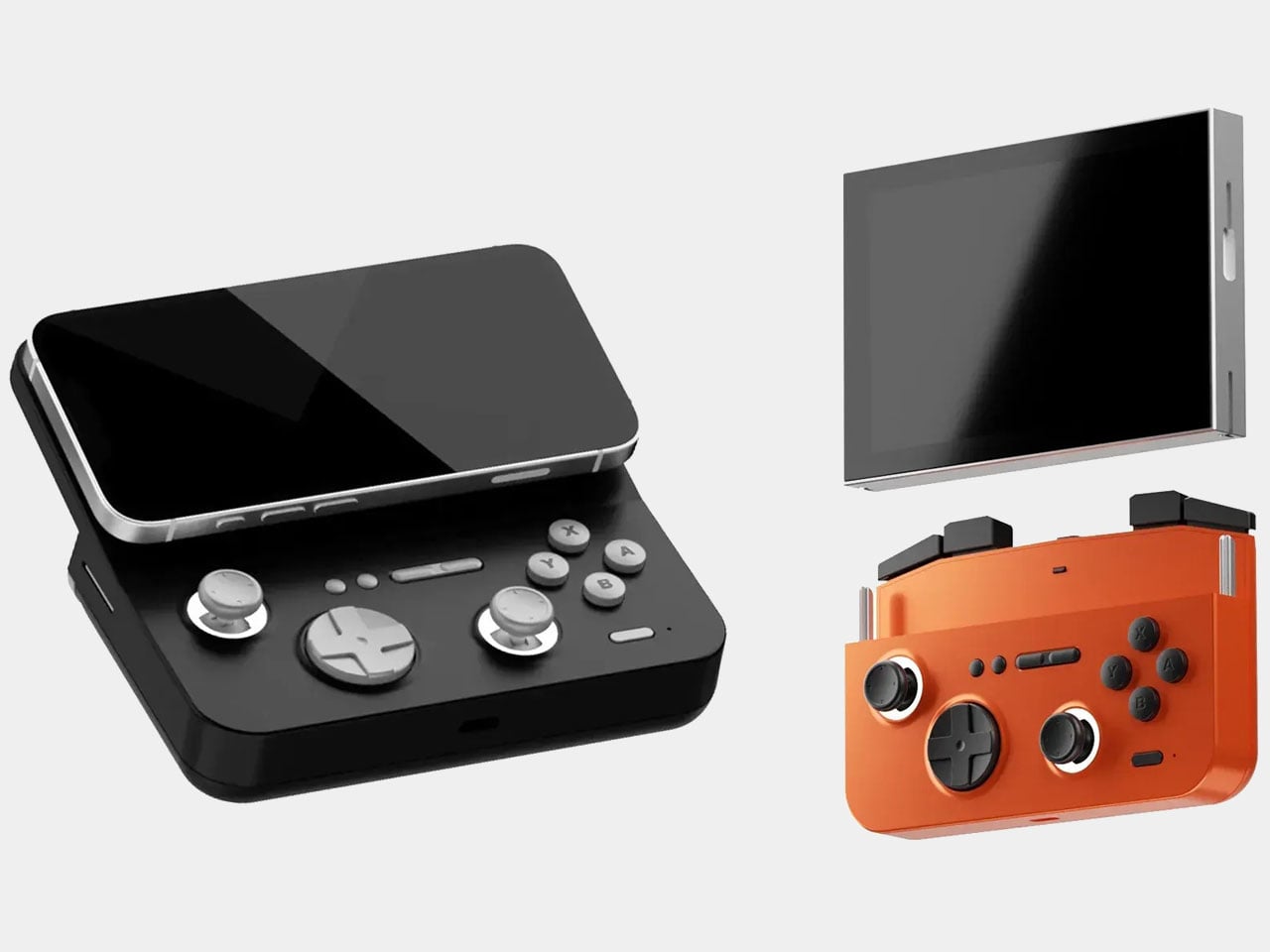
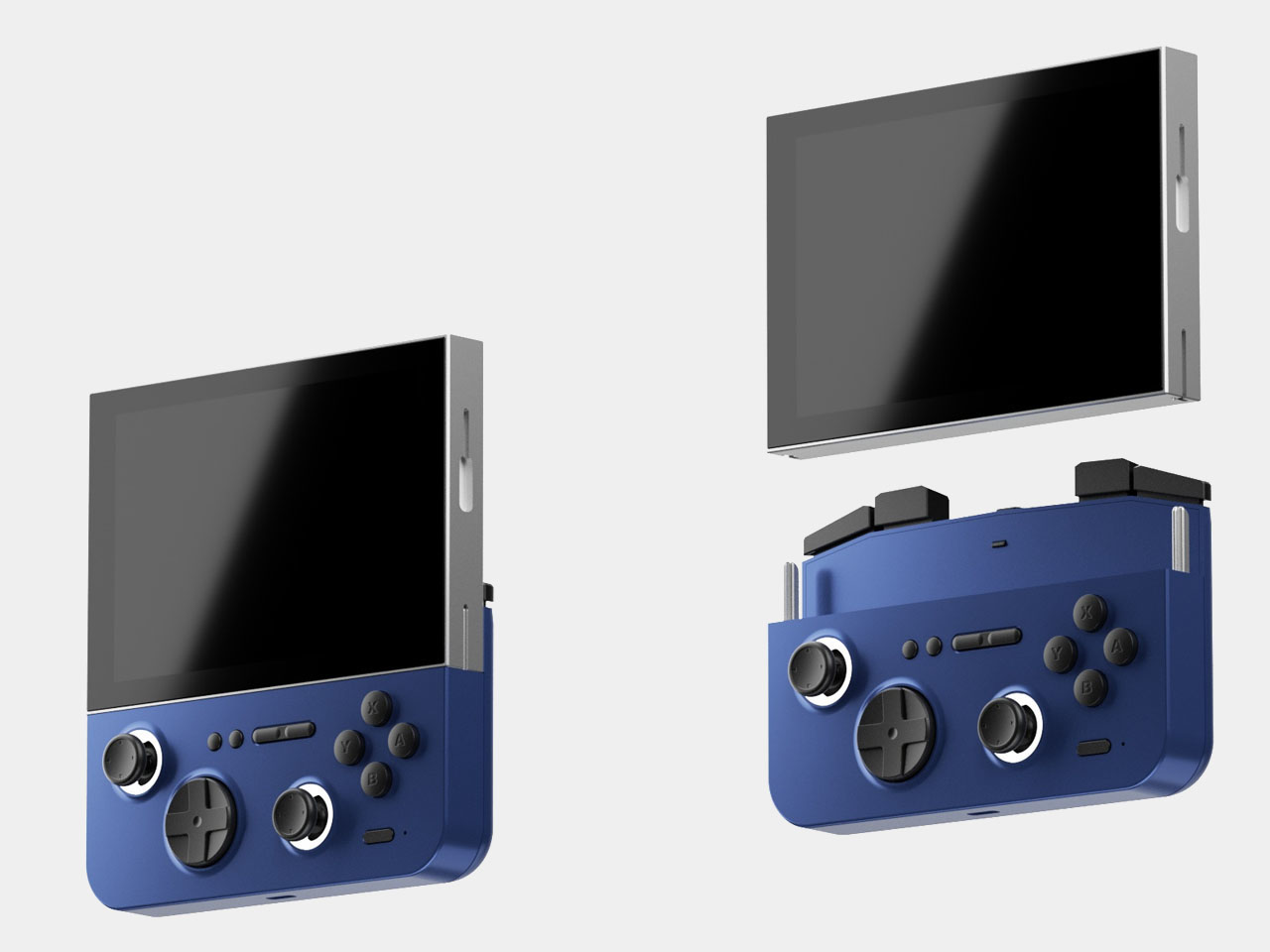
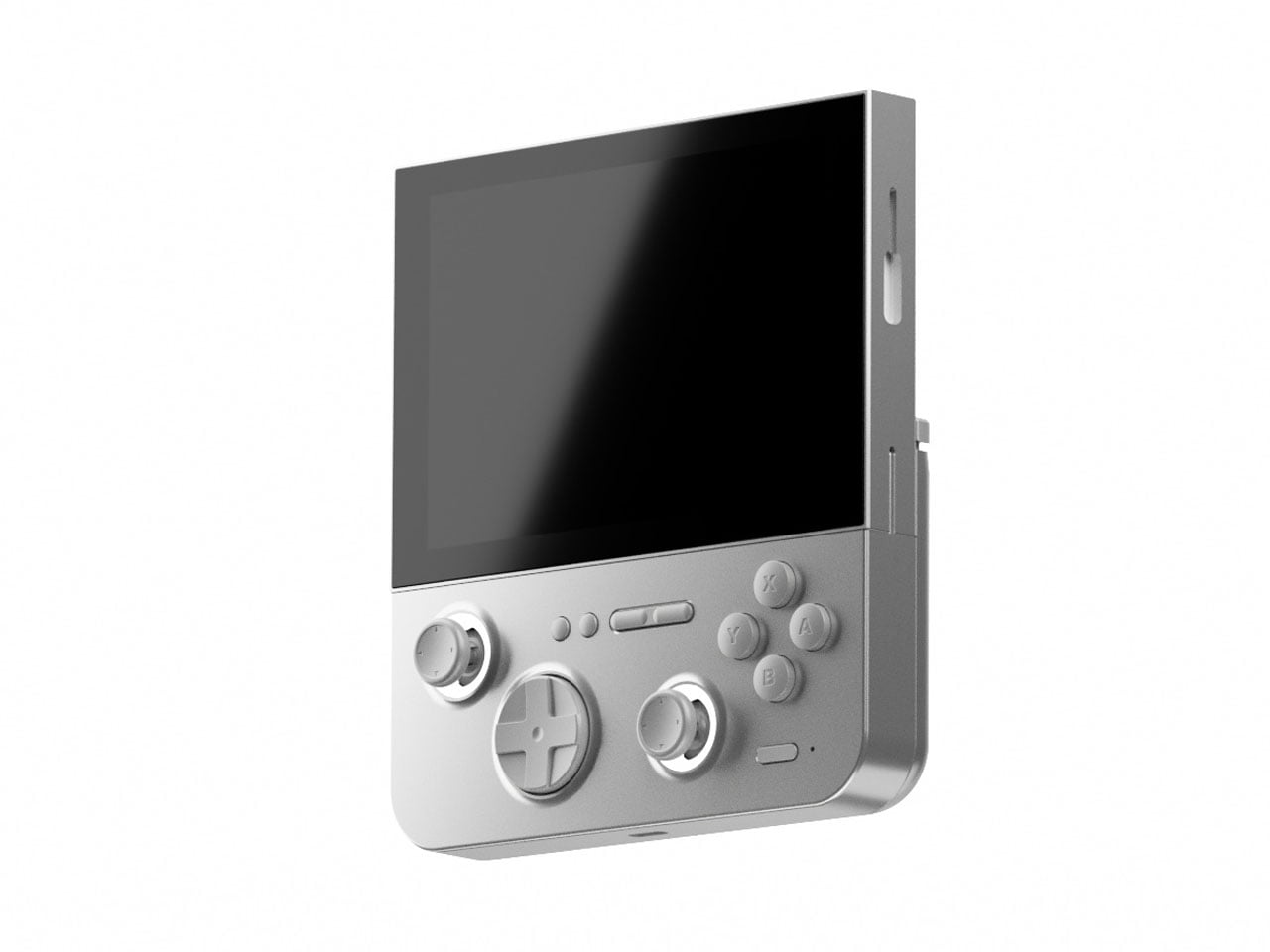
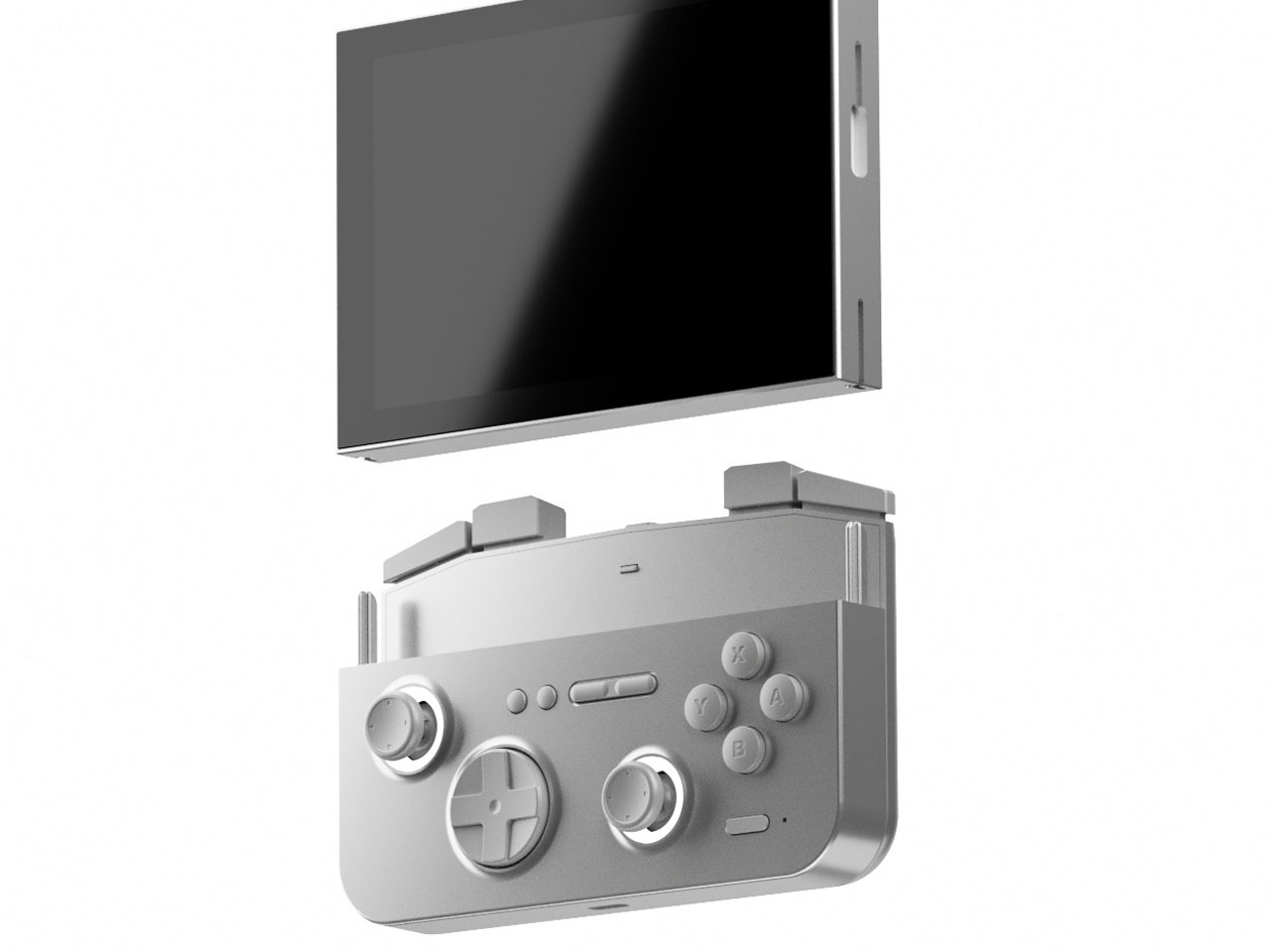
This Car Key Fob Doubles as a Retro Gaming Console

Remember the pure, unfiltered joy of steering a remote-control car around your living room as a kid? That magical feeling of control, the anticipation as you pressed the buttons, watching your tiny vehicle zoom across the floor? Designer Ishwari Patil remembers too, and she’s asking a pretty wild question: what if you could feel that same rush with your actual, full-sized car?

Enter Playfob, a concept that’s here to shake up one of the most overlooked objects in our daily lives. Think about it. We obsess over our phone cases, carefully curate our accessories, and treat our watches as extensions of our personality. But car key fobs? They’ve been stuck in design purgatory, purely functional gray blobs we shove into pockets and forget about. Patil saw this gap and decided to do something about it.

Designer: Ishwari Patil

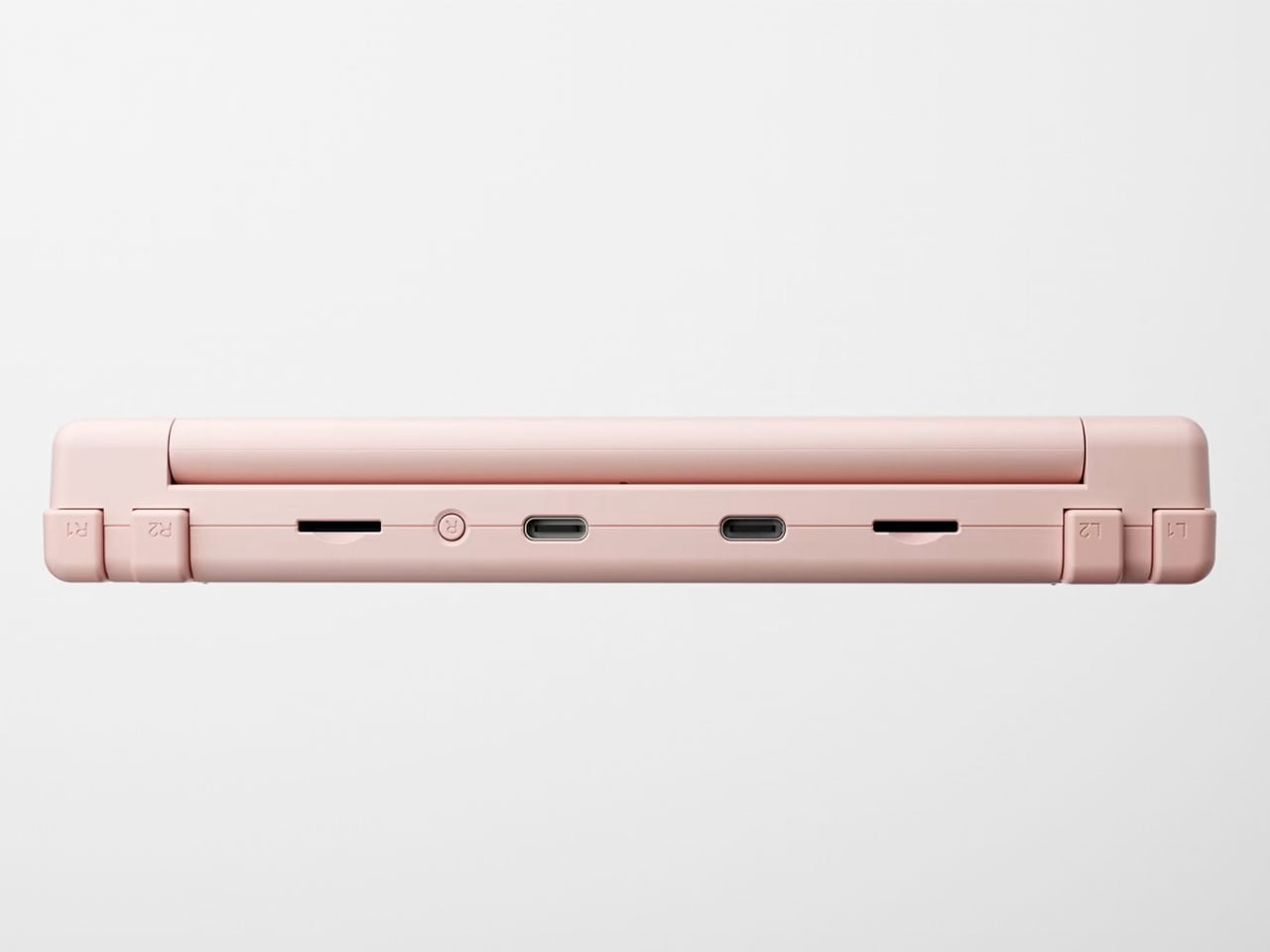
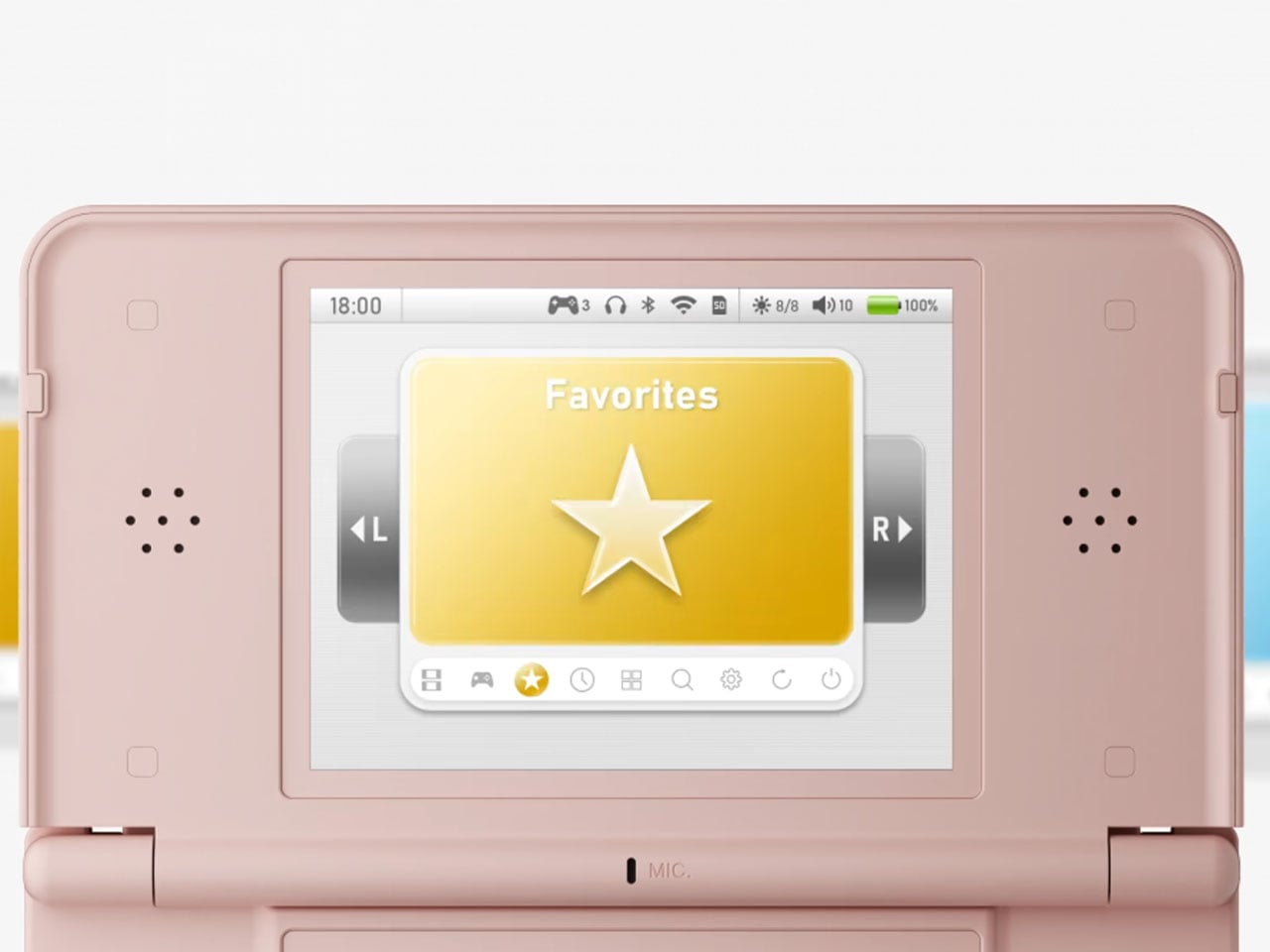
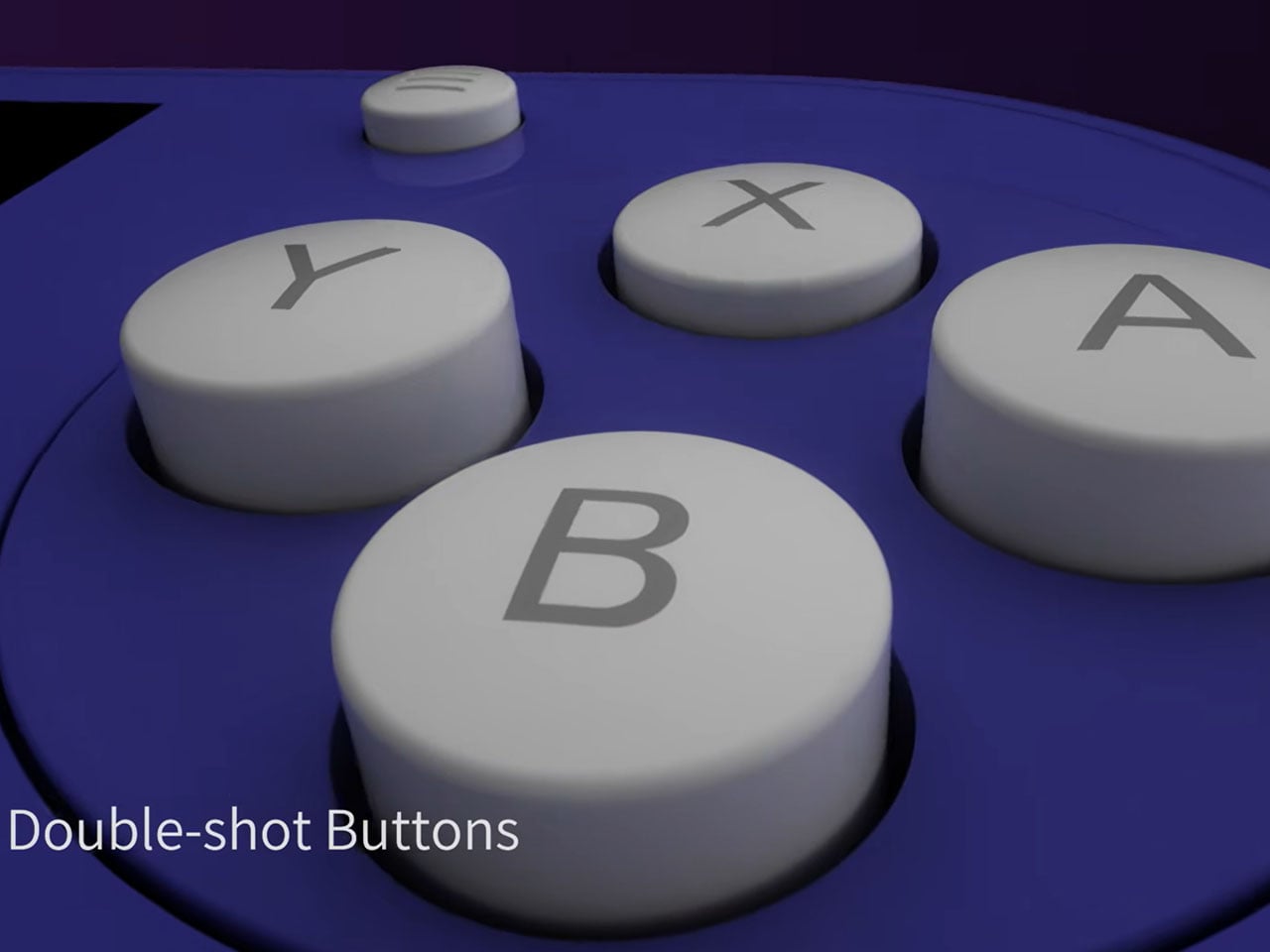
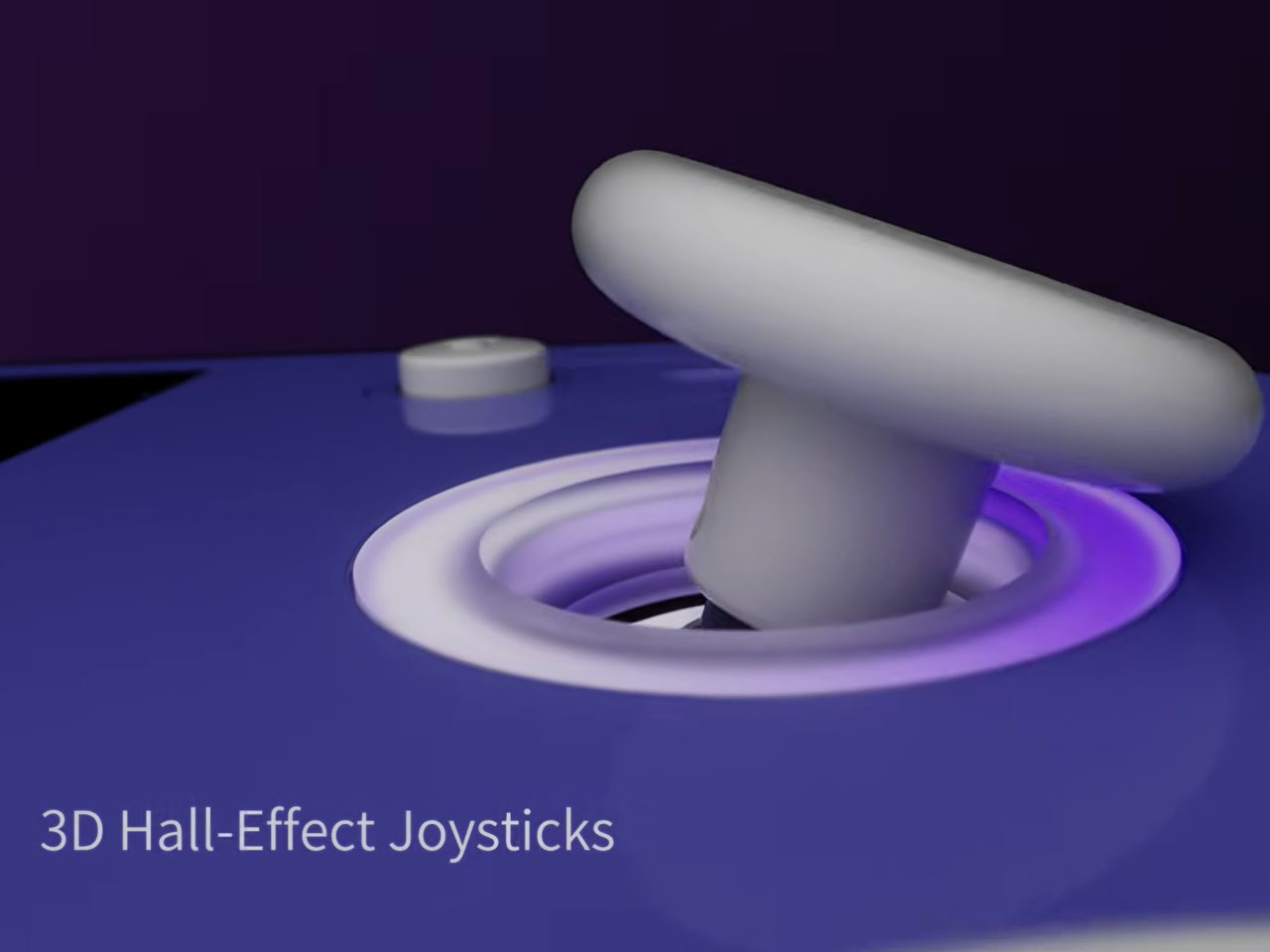
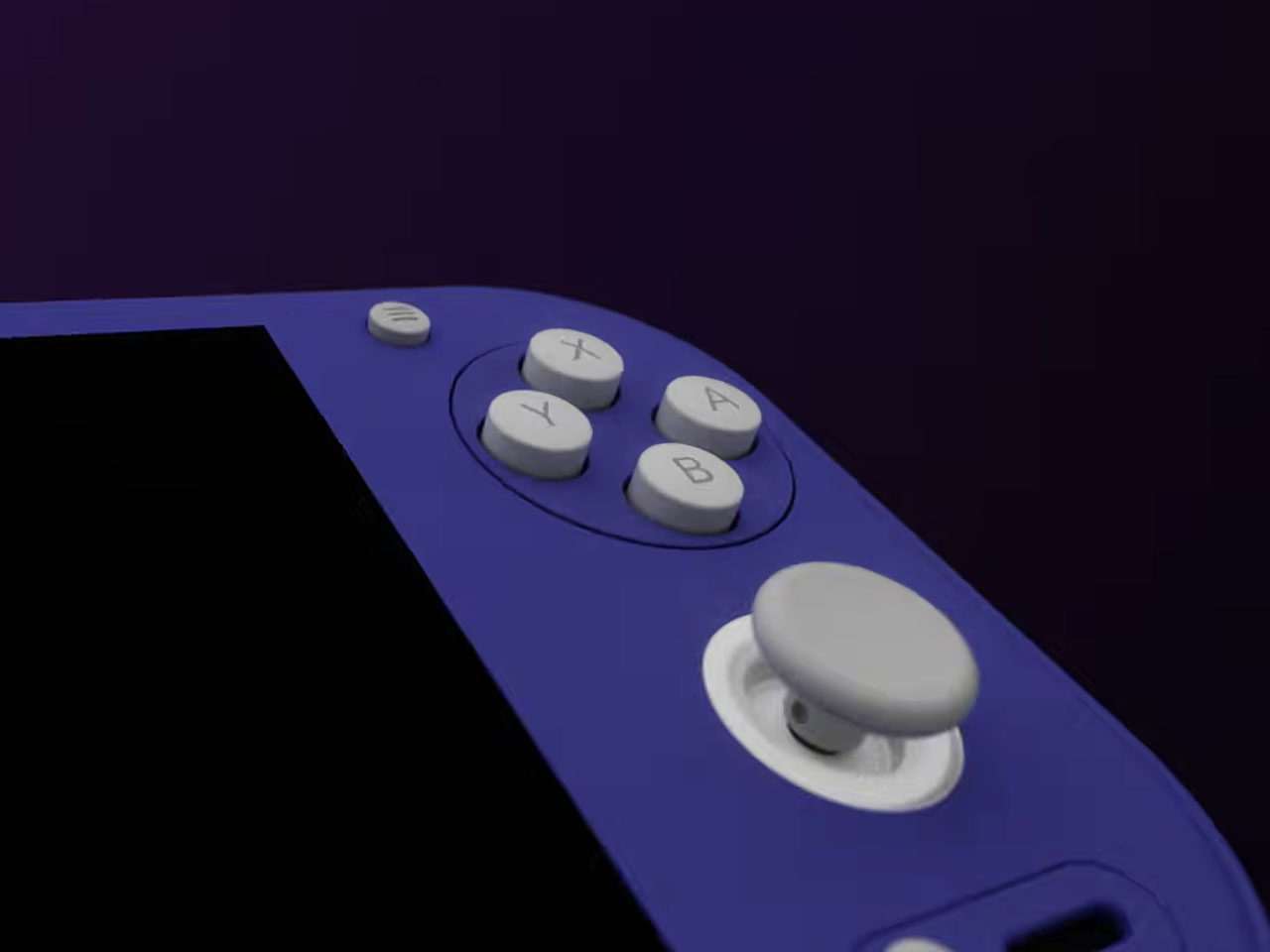
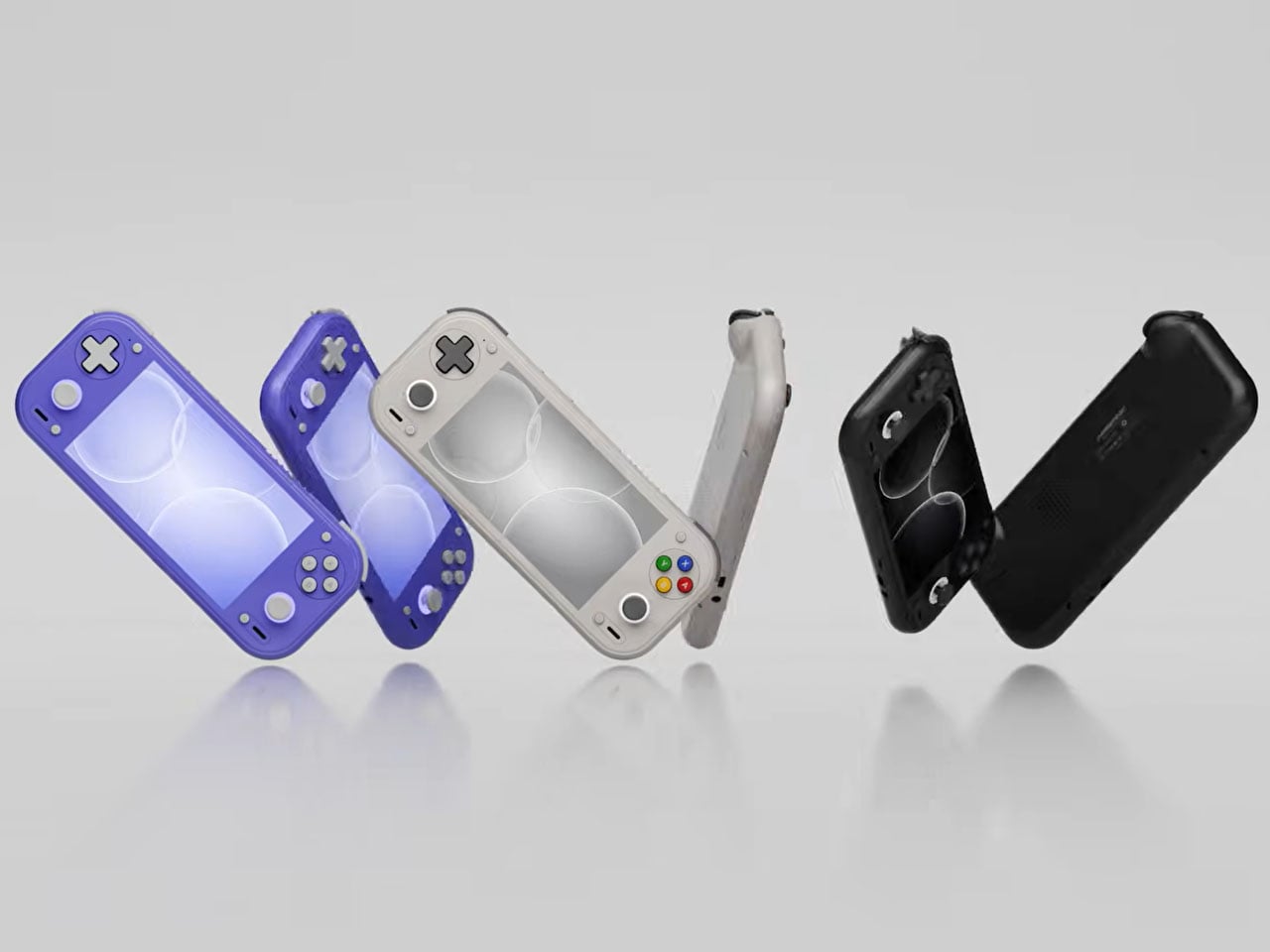
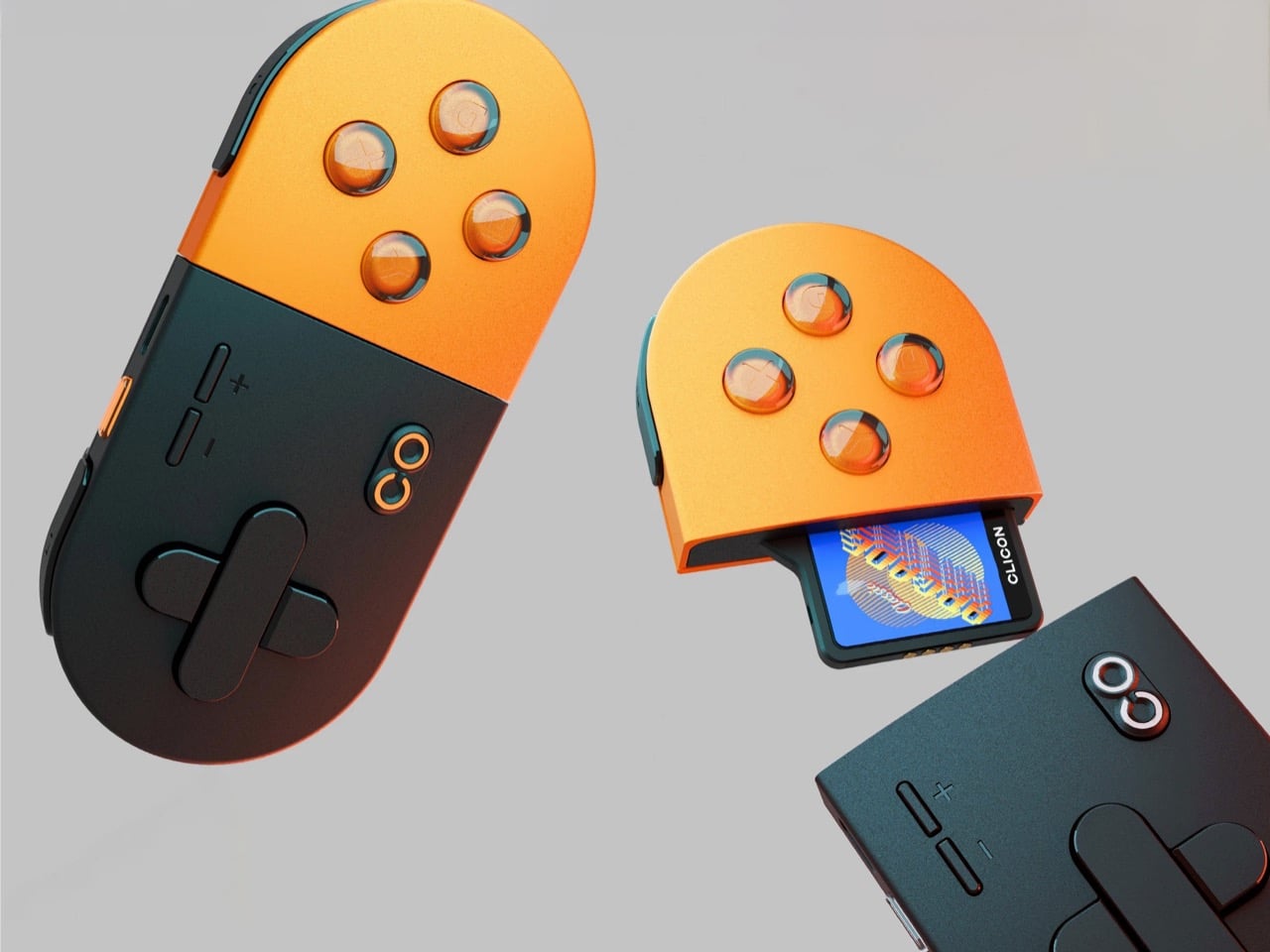
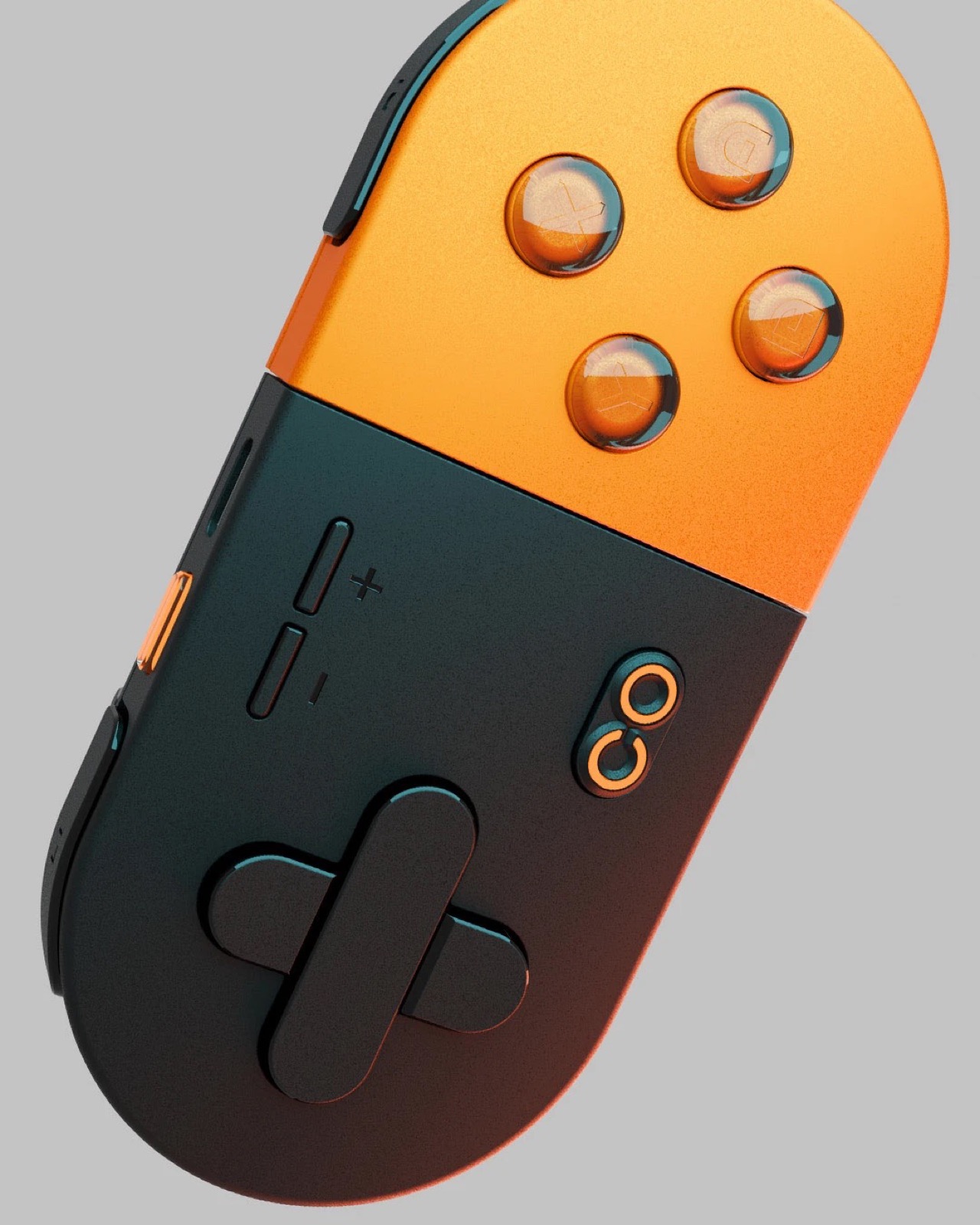
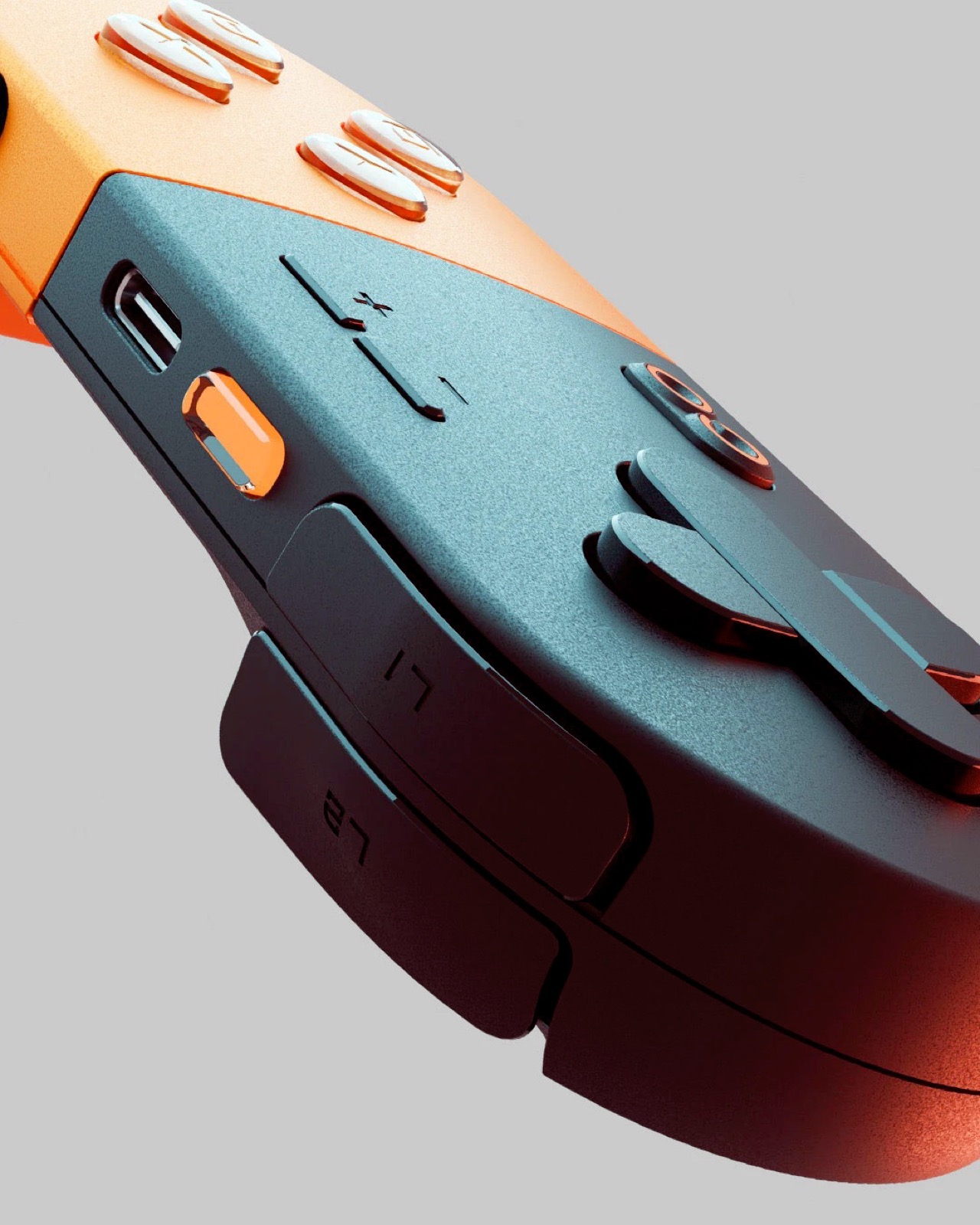
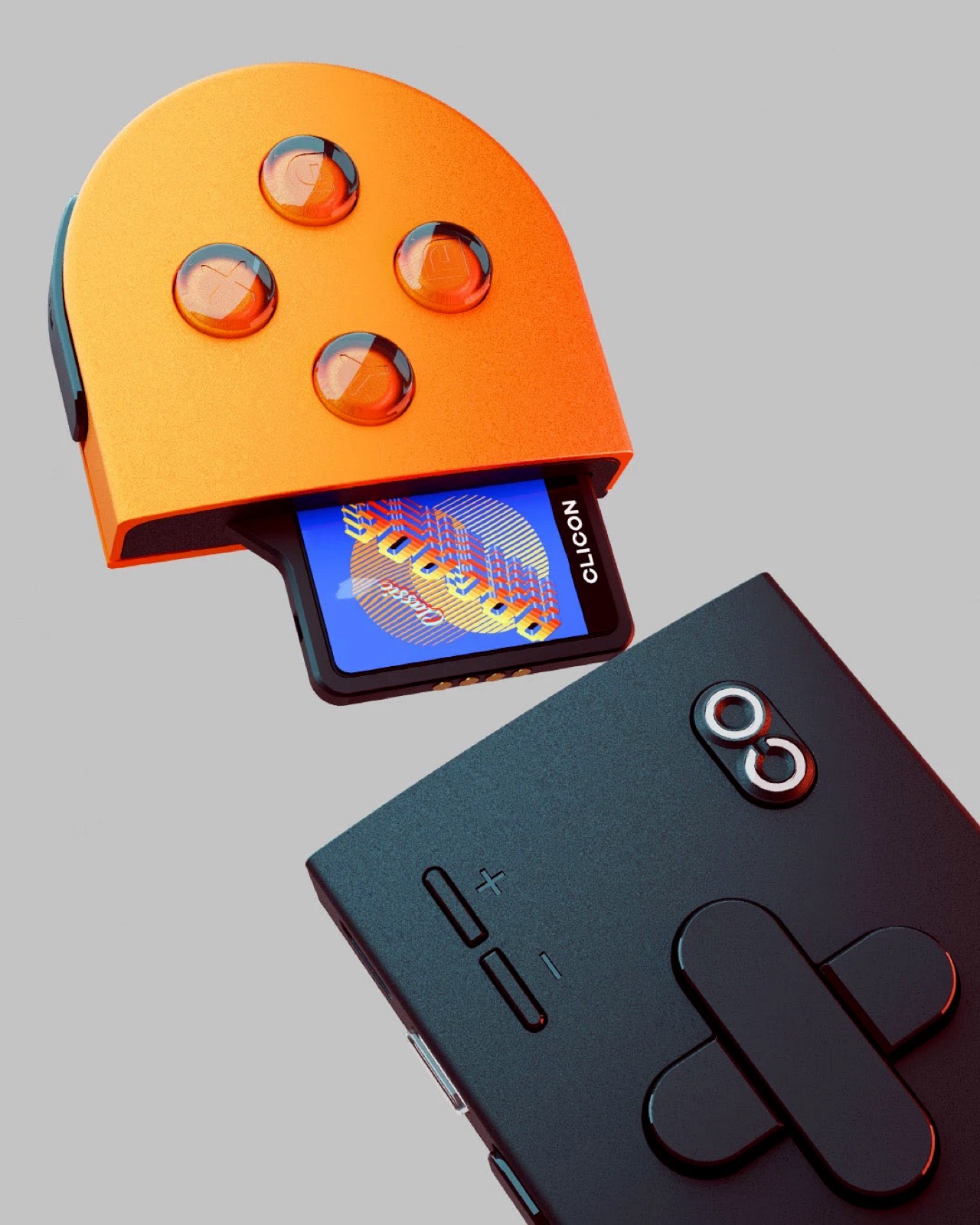
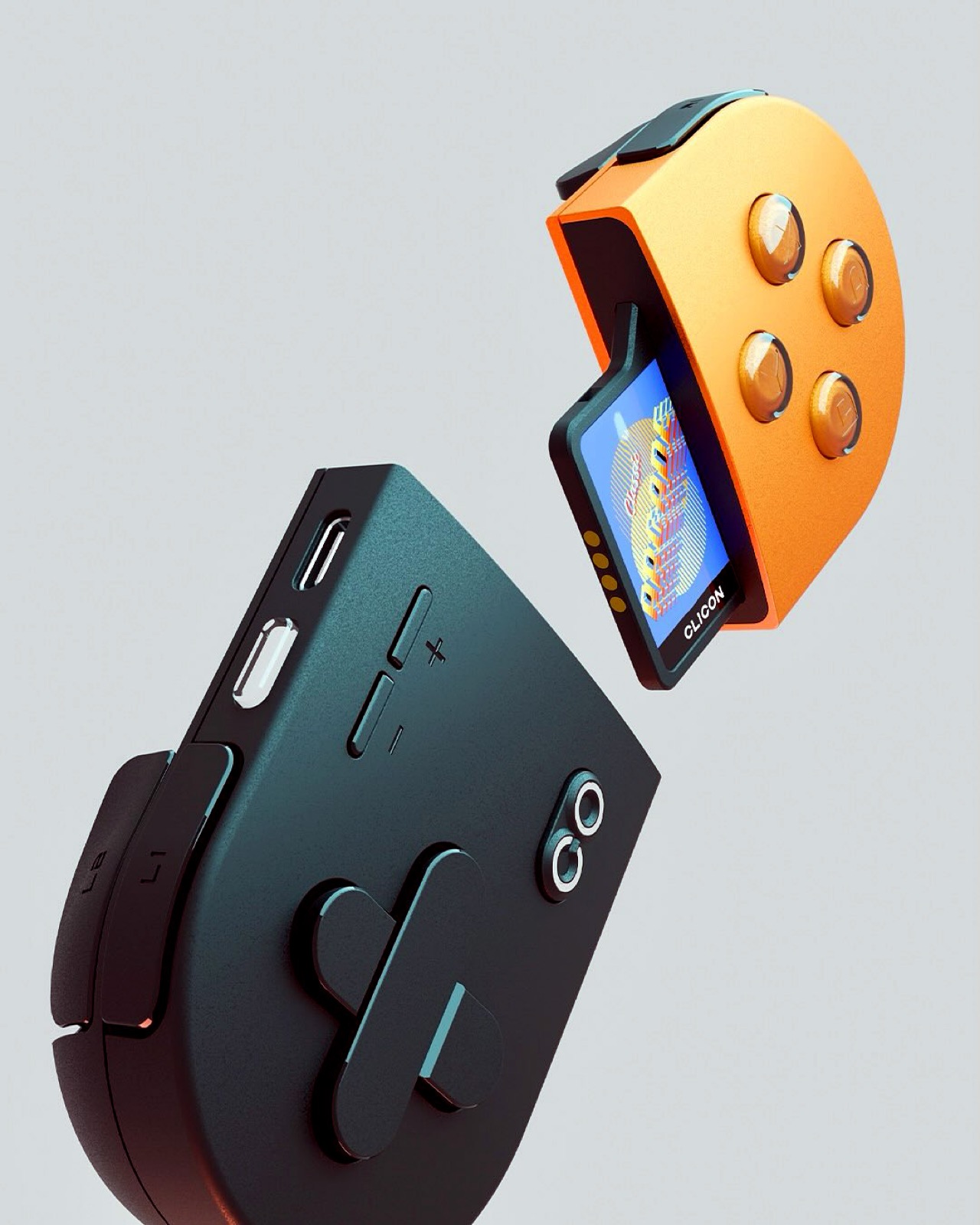
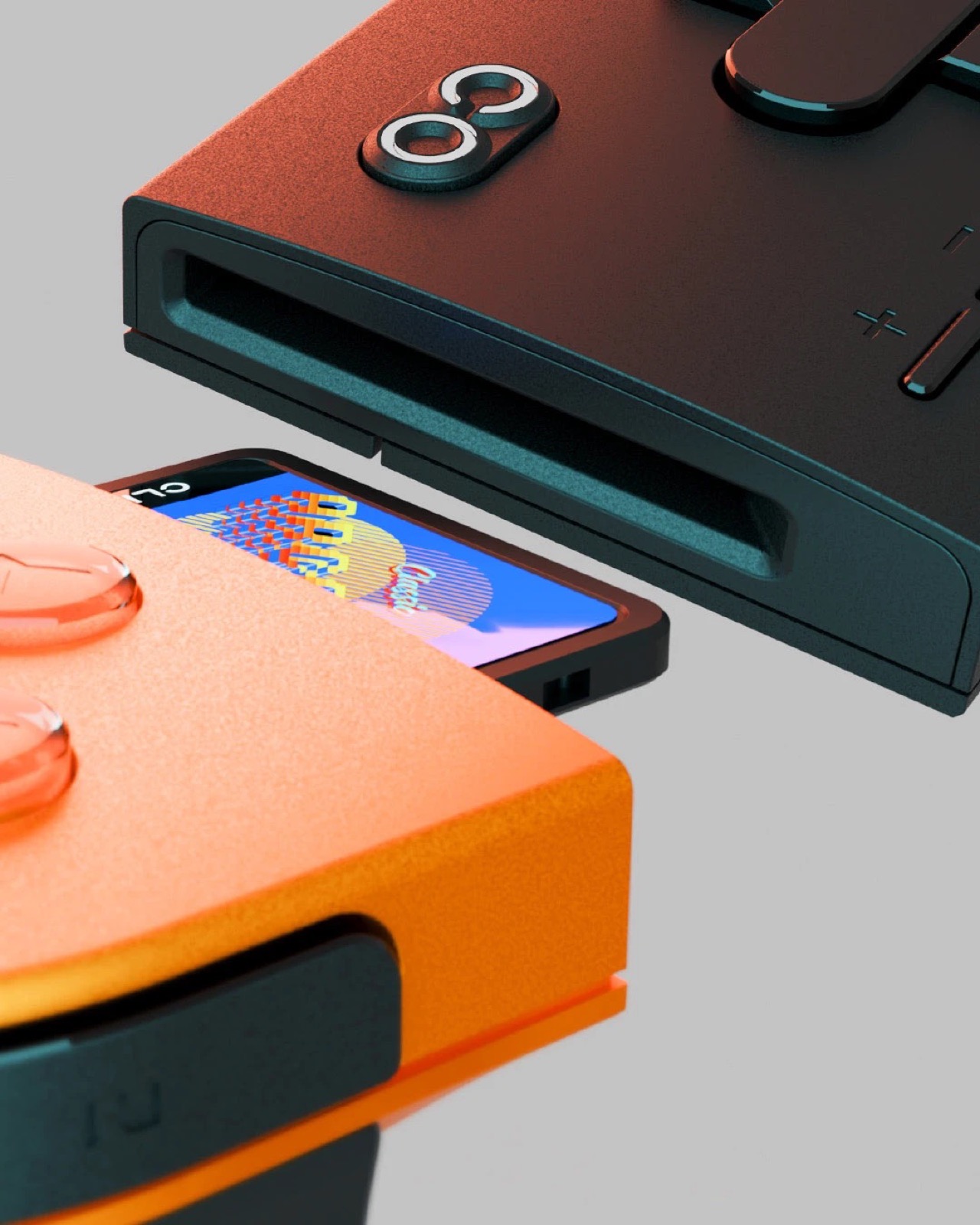
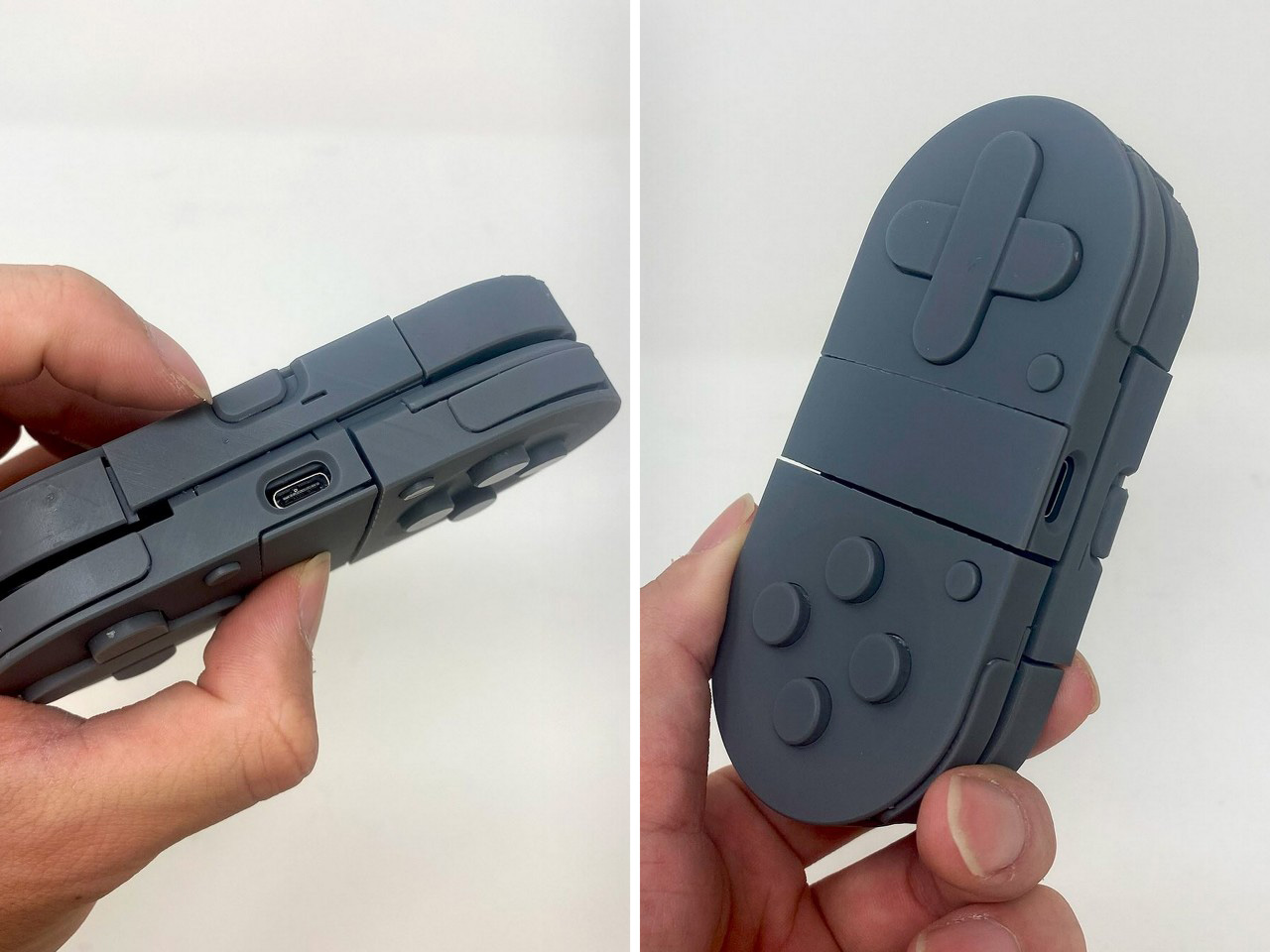
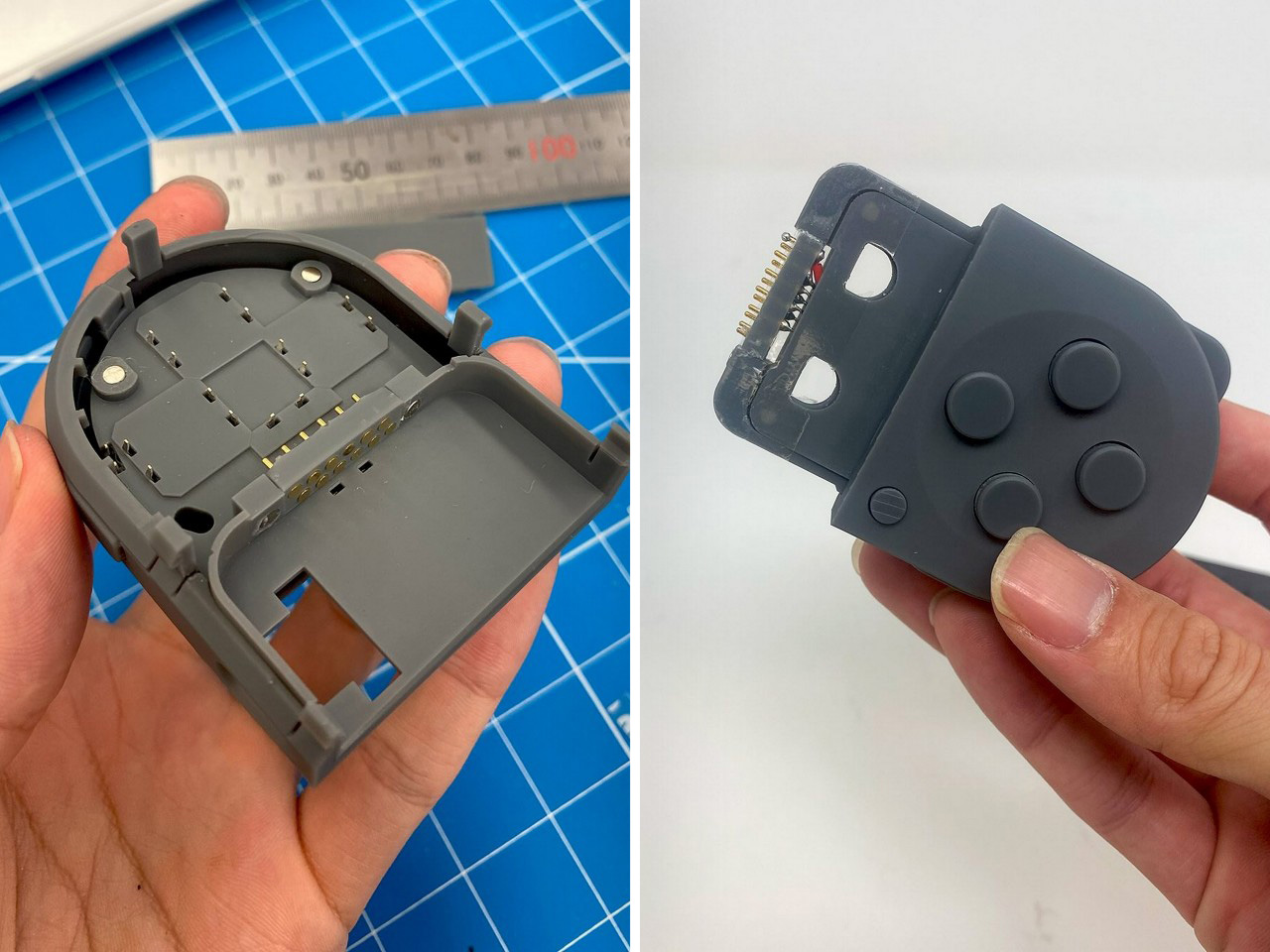
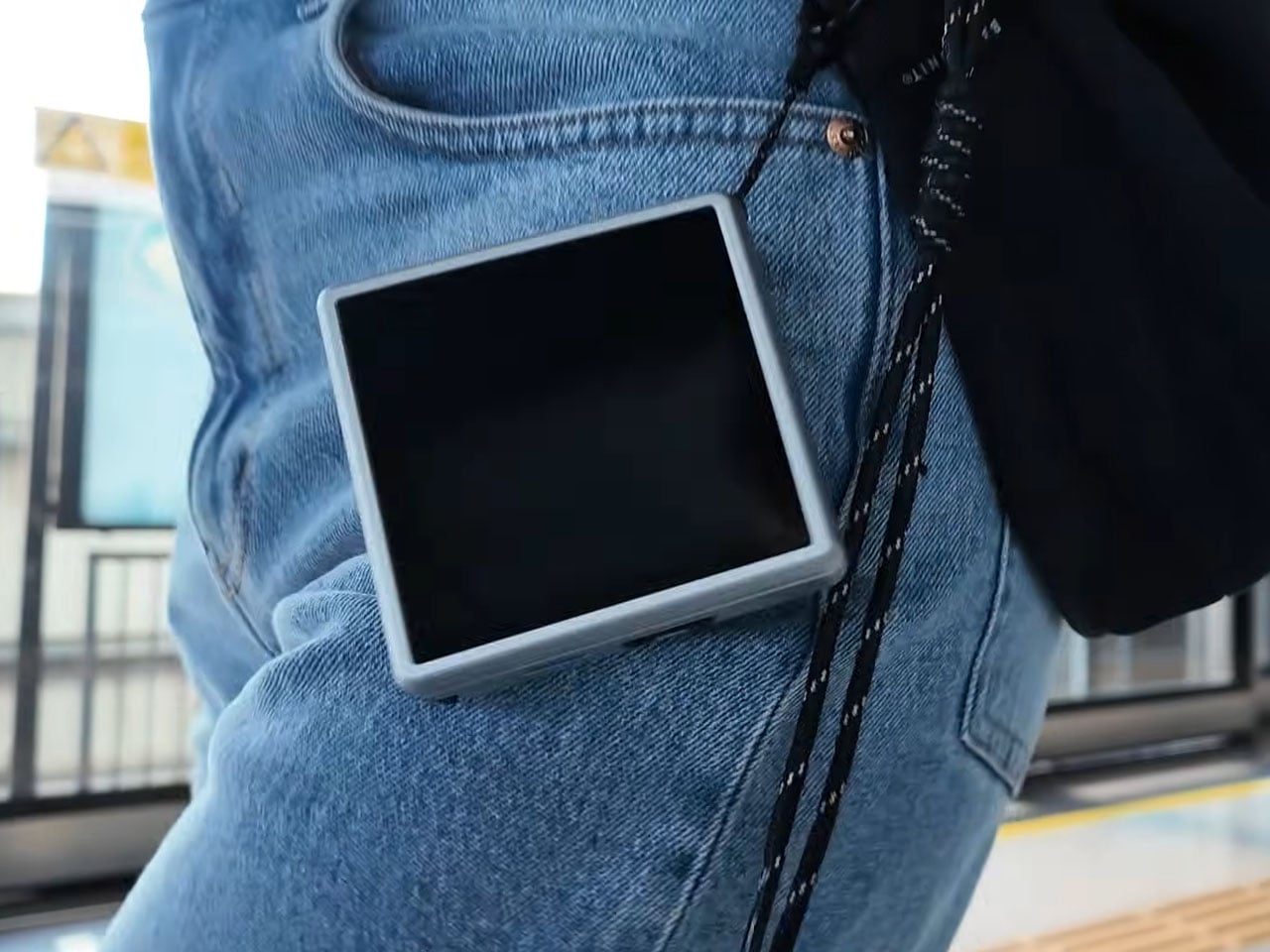
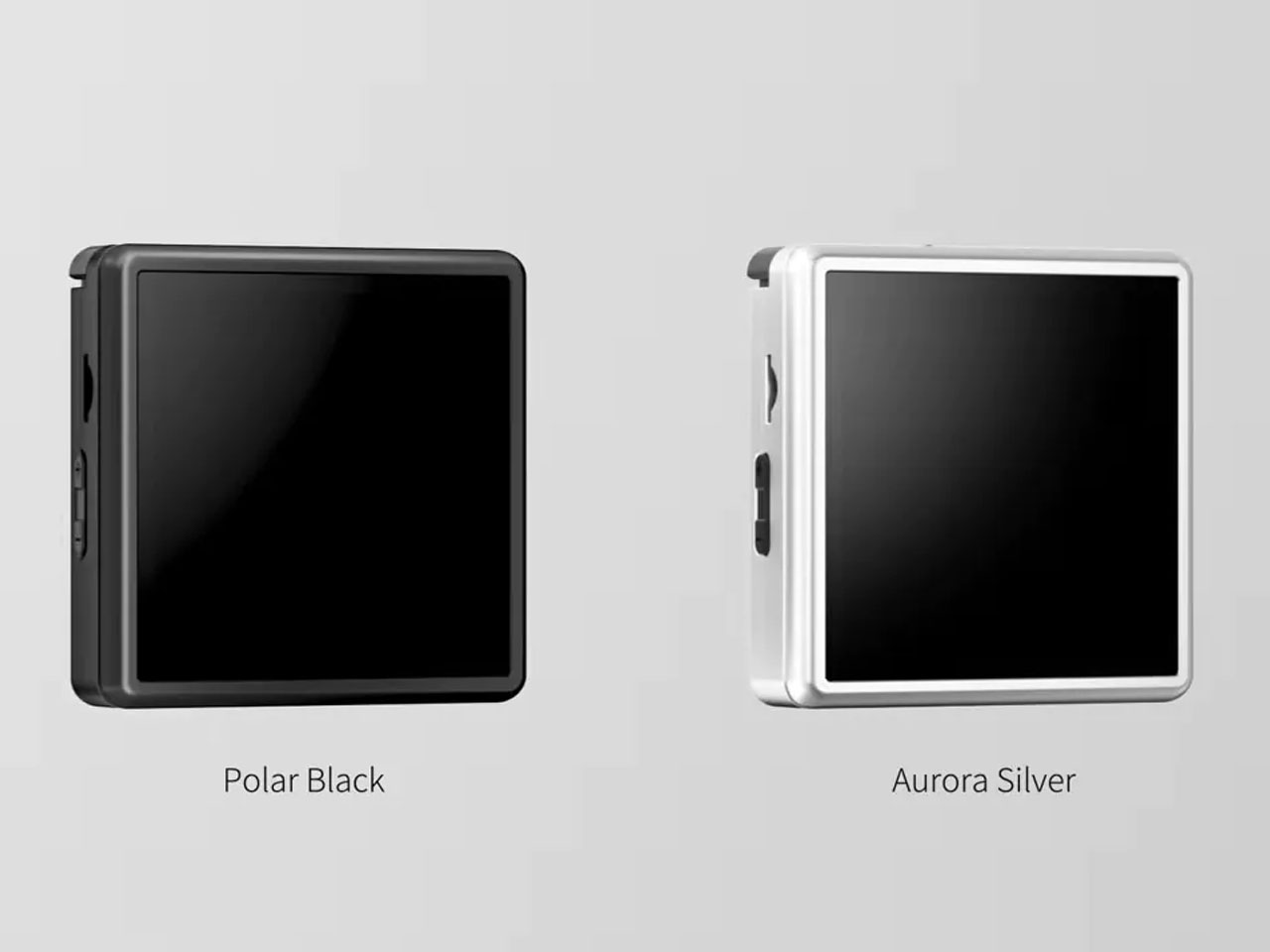
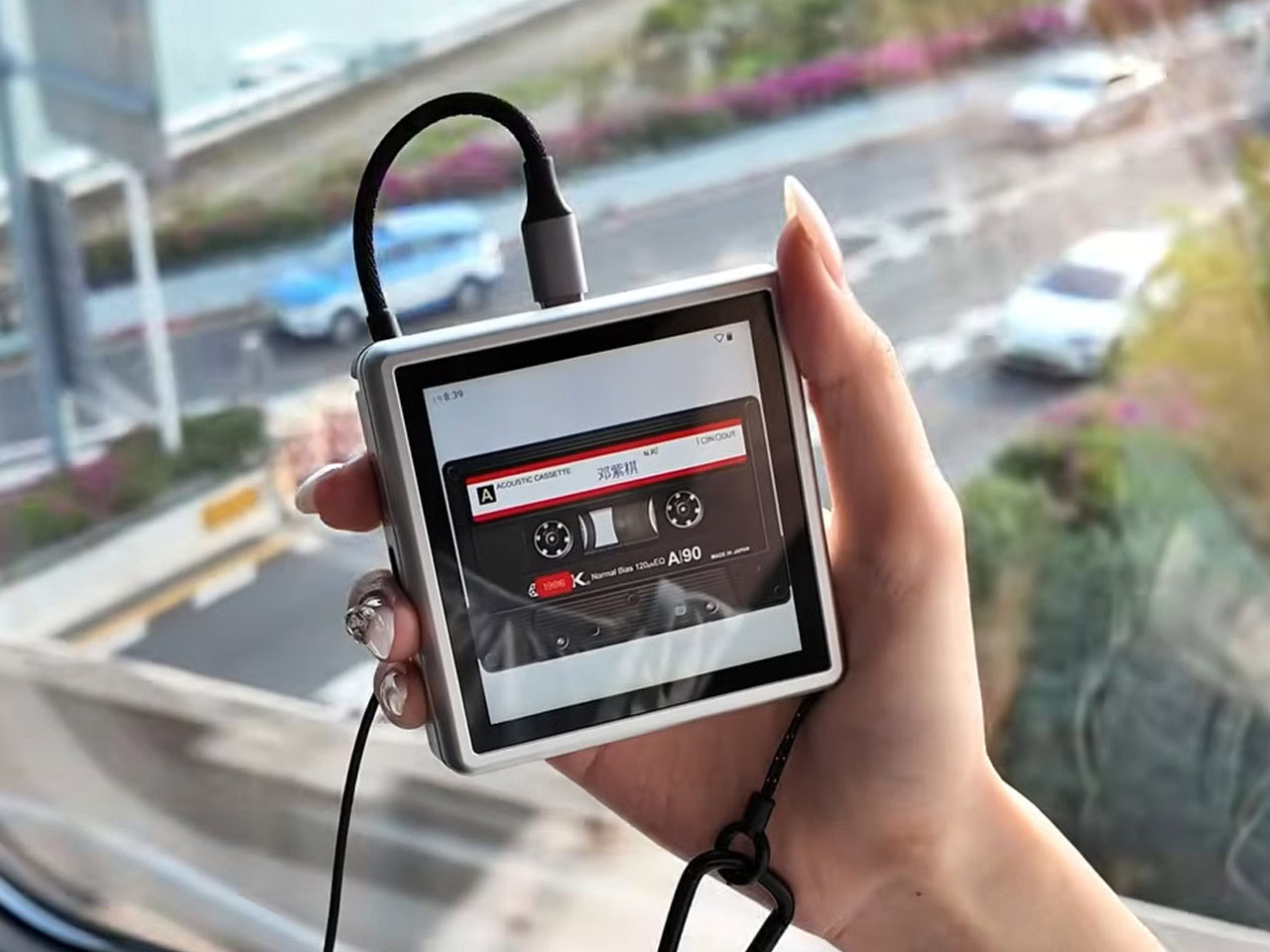
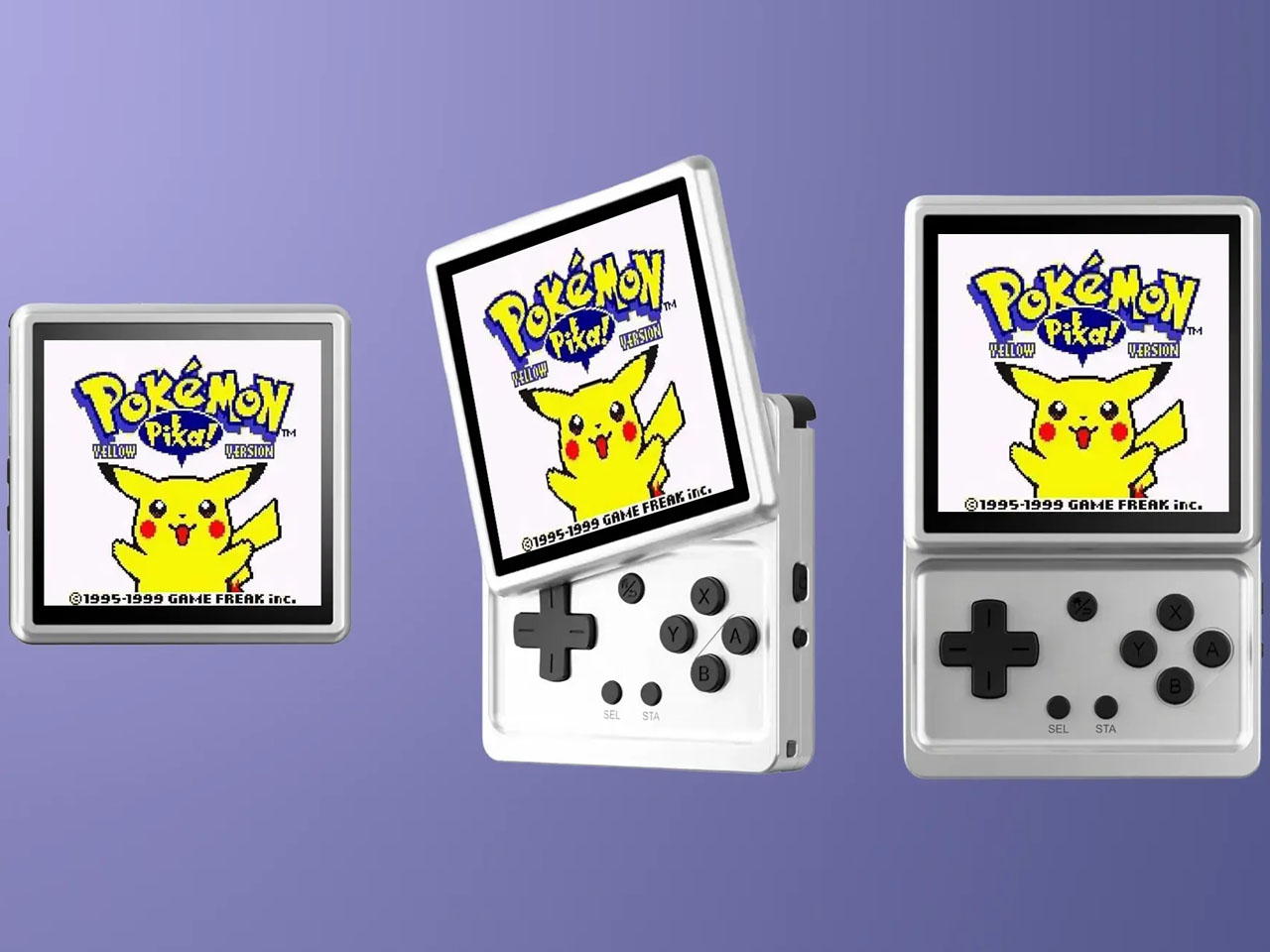
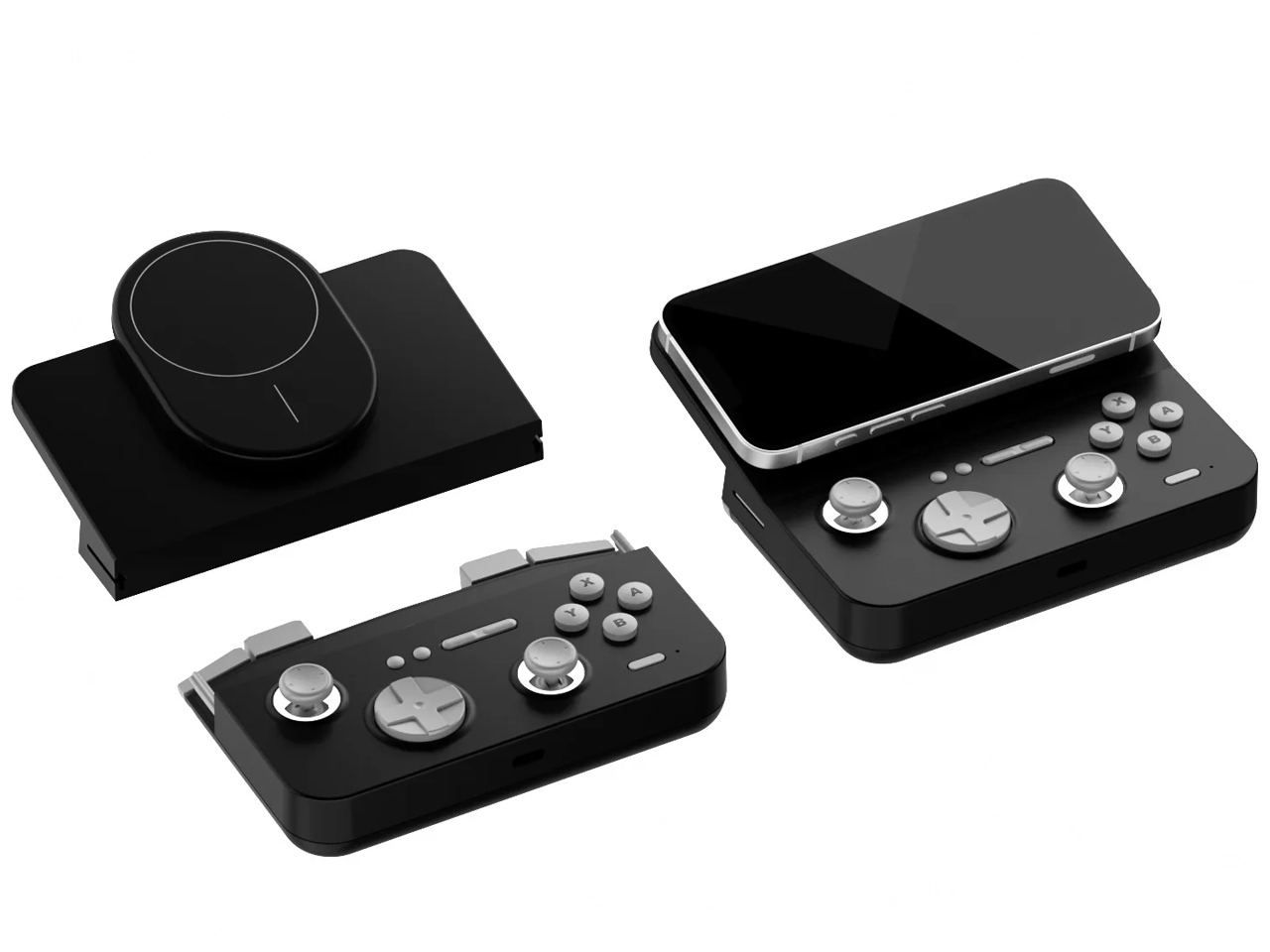
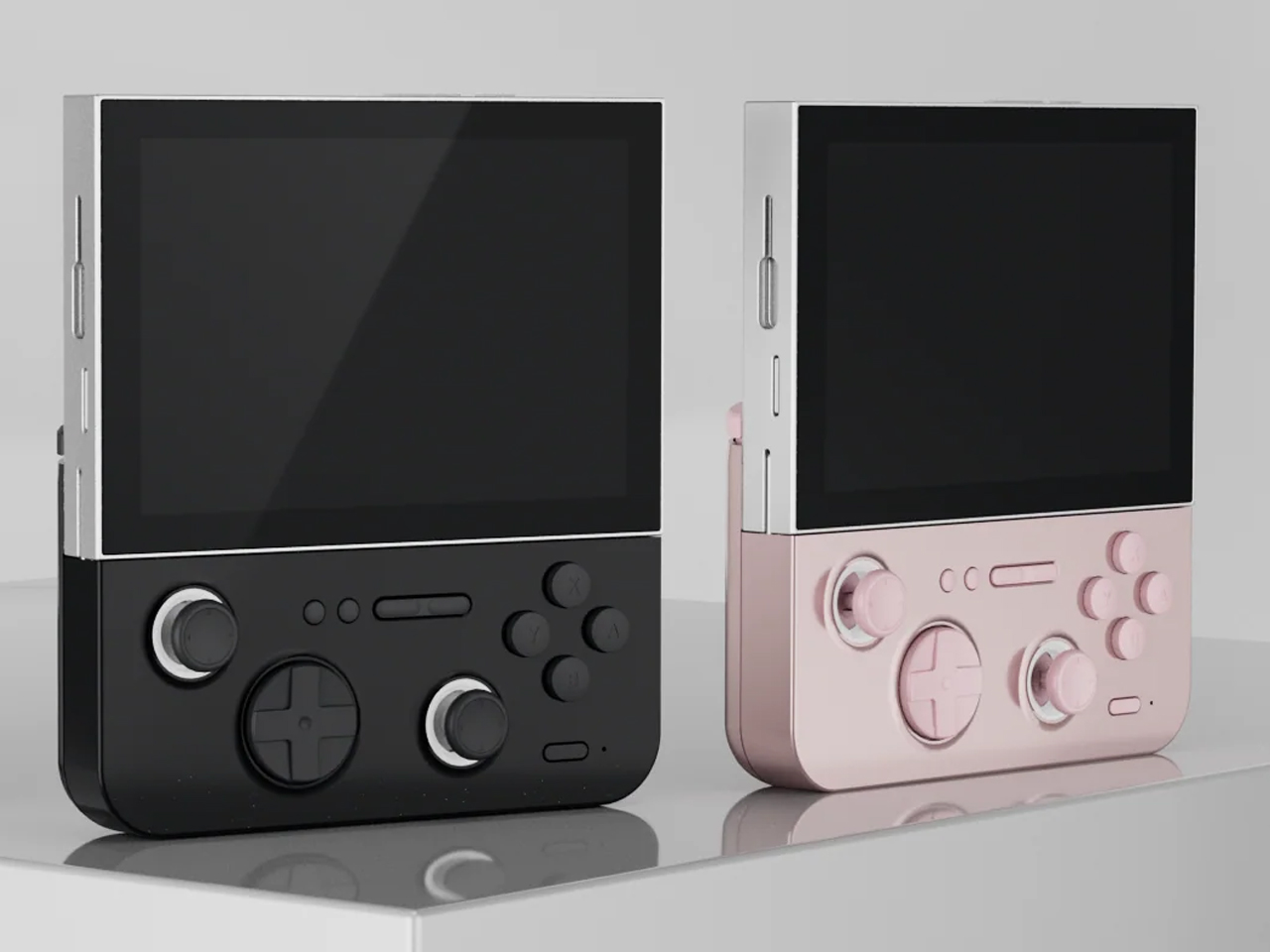
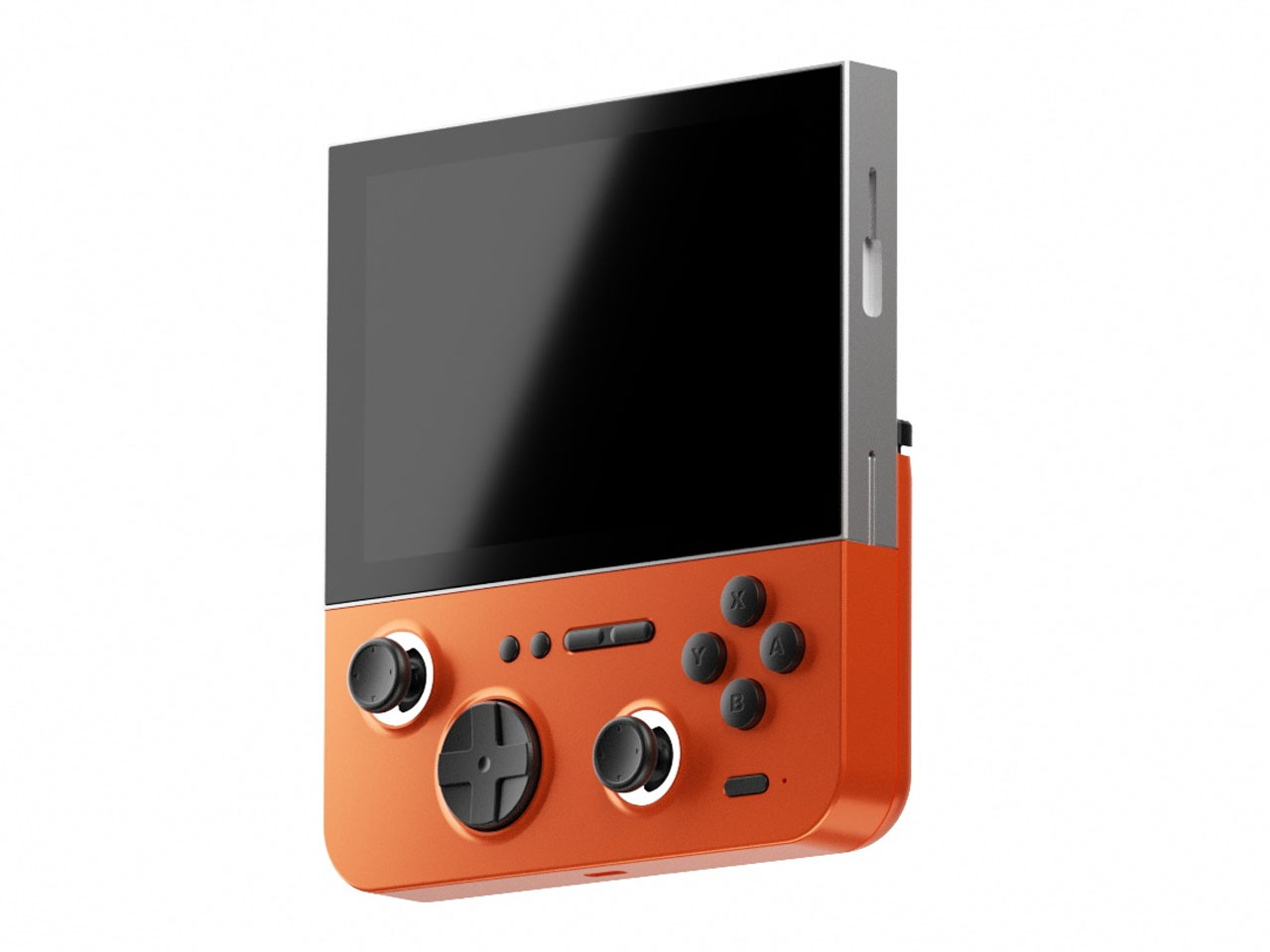
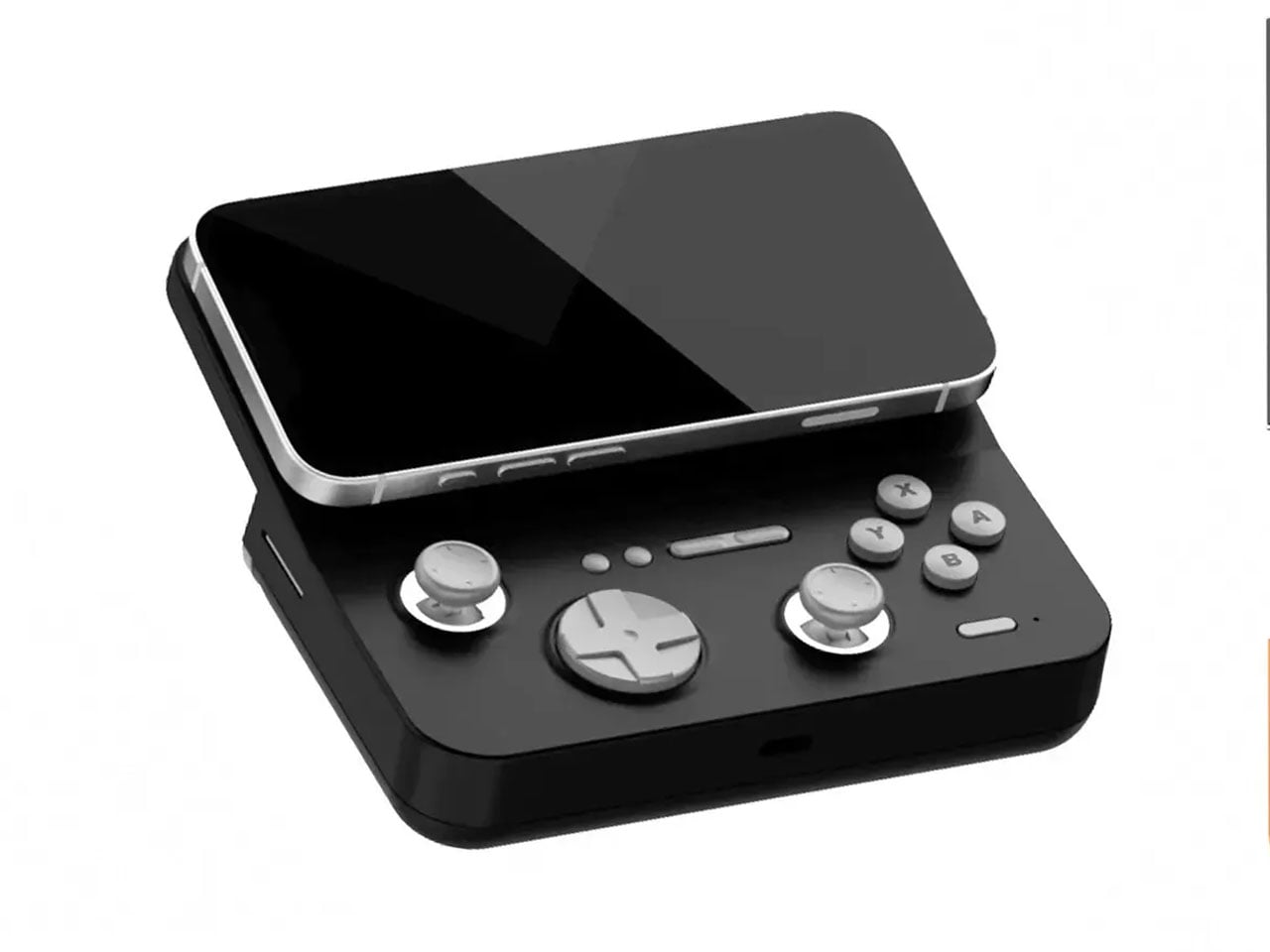
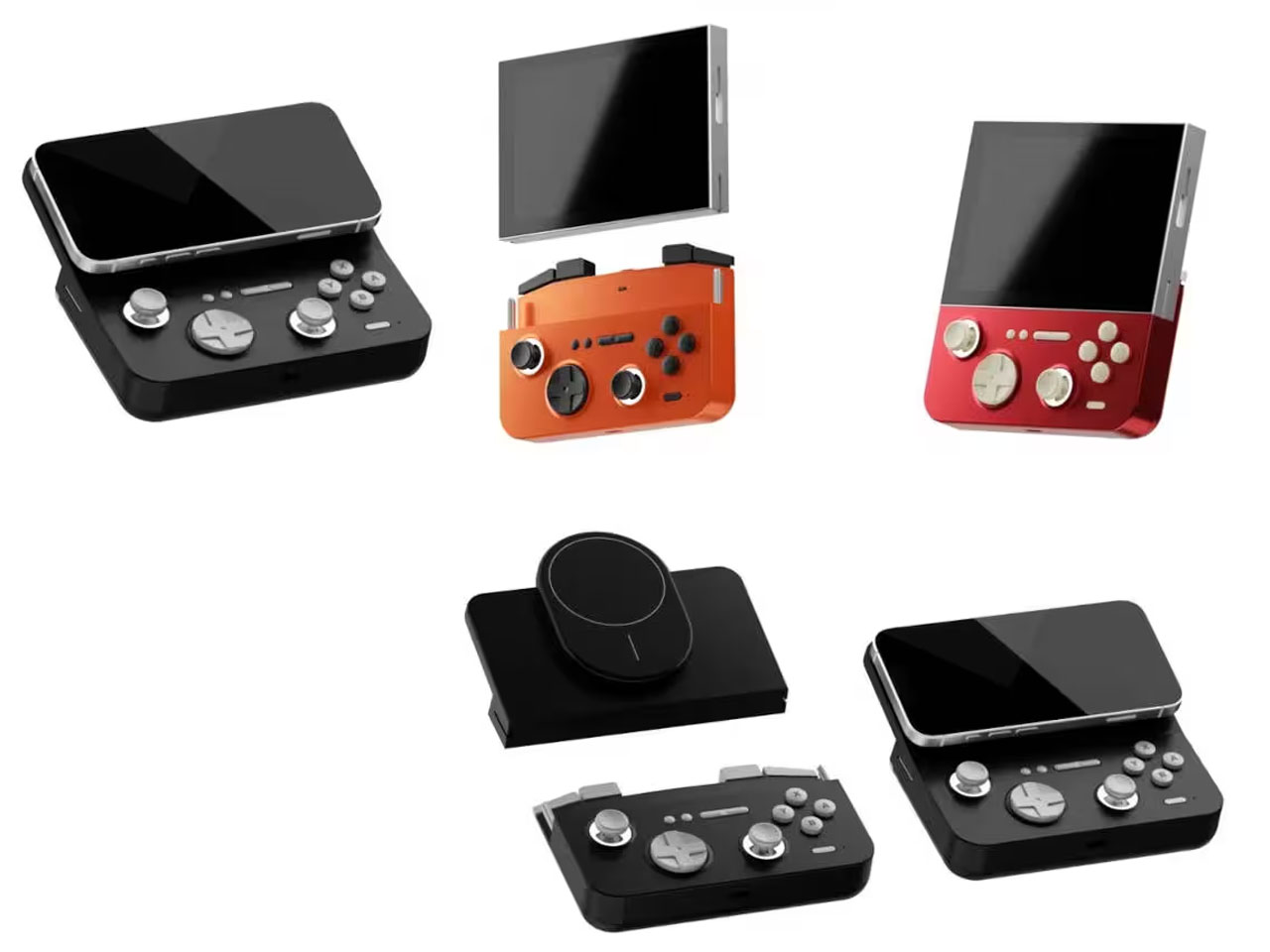
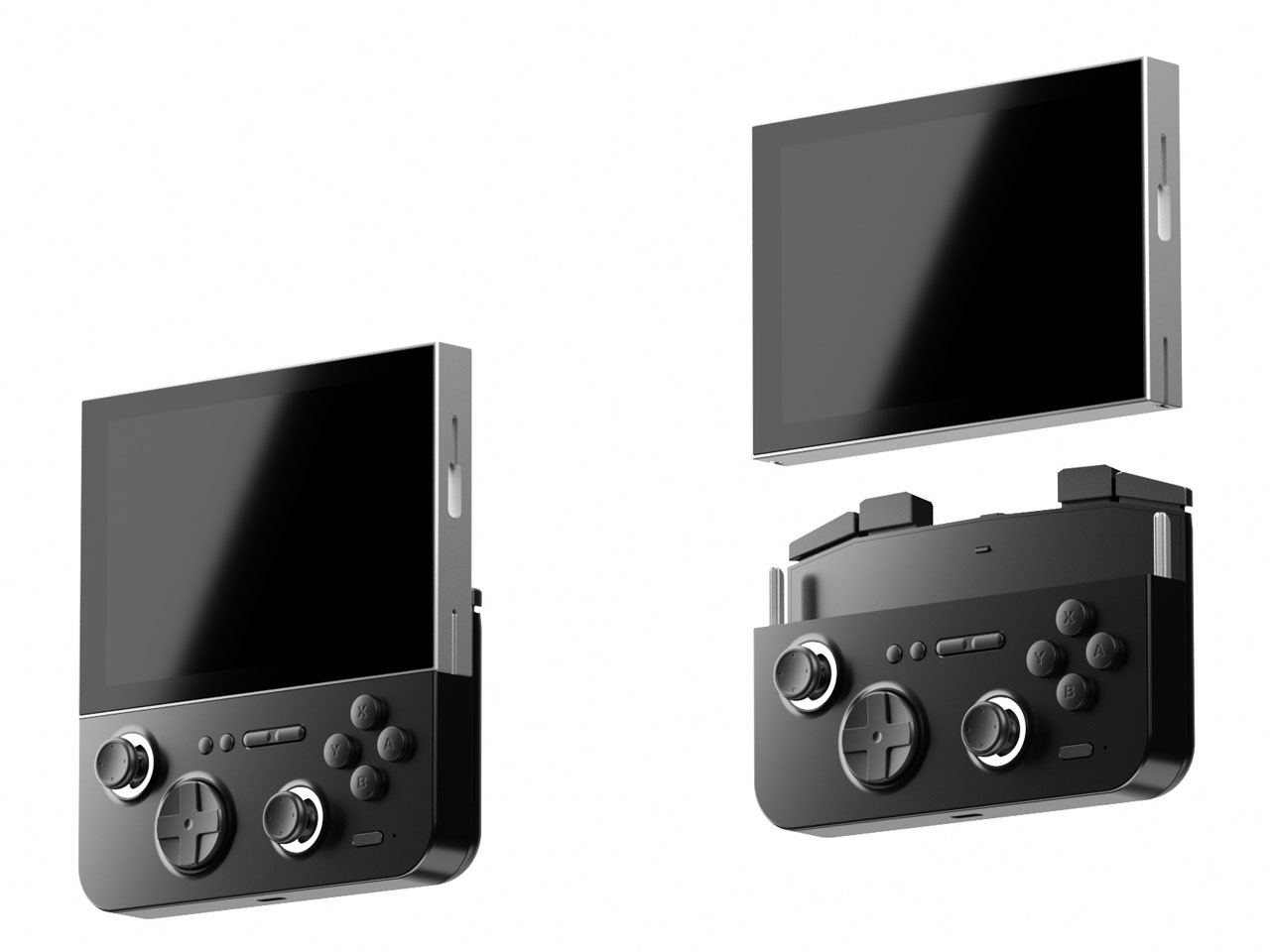
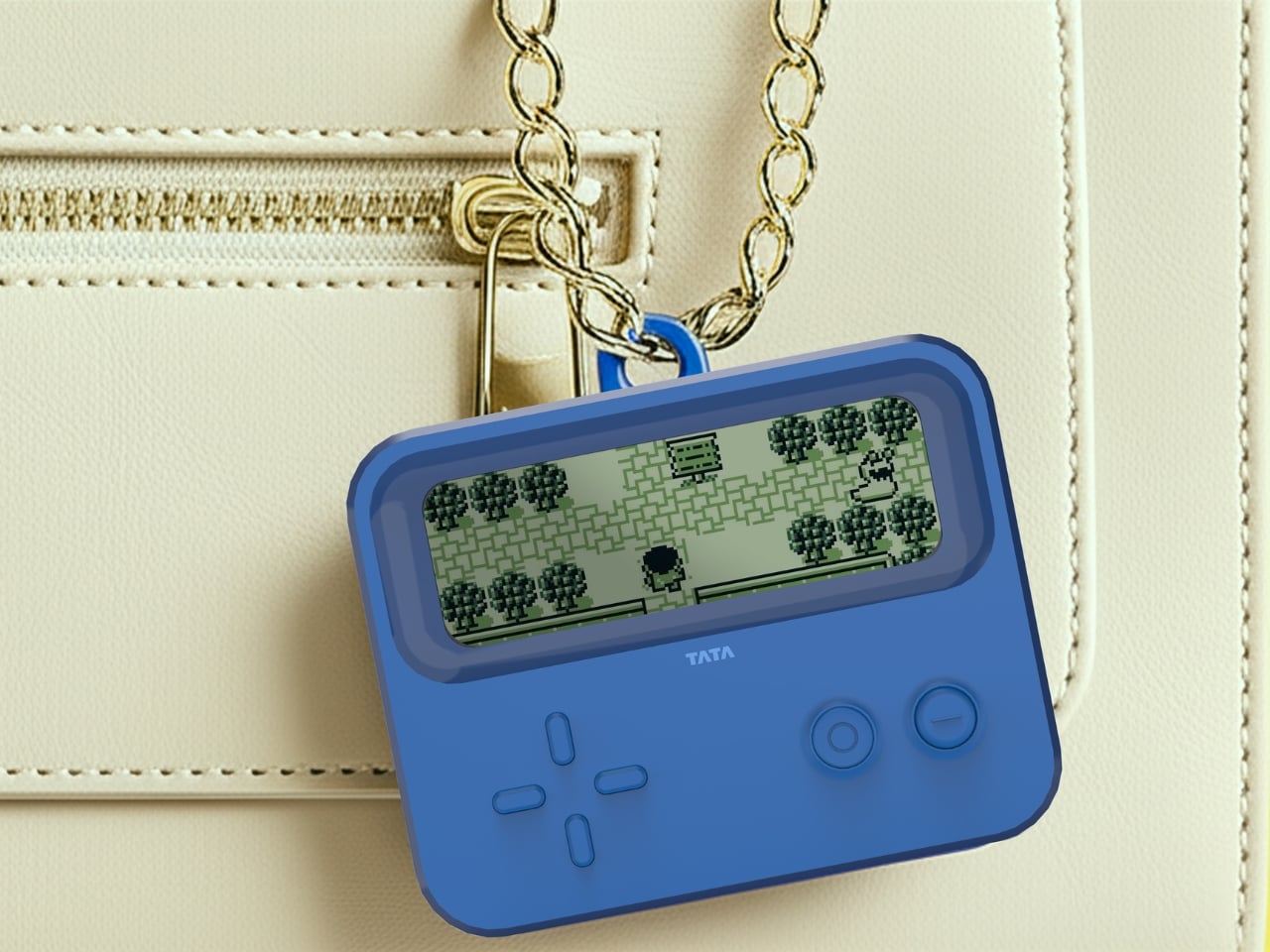
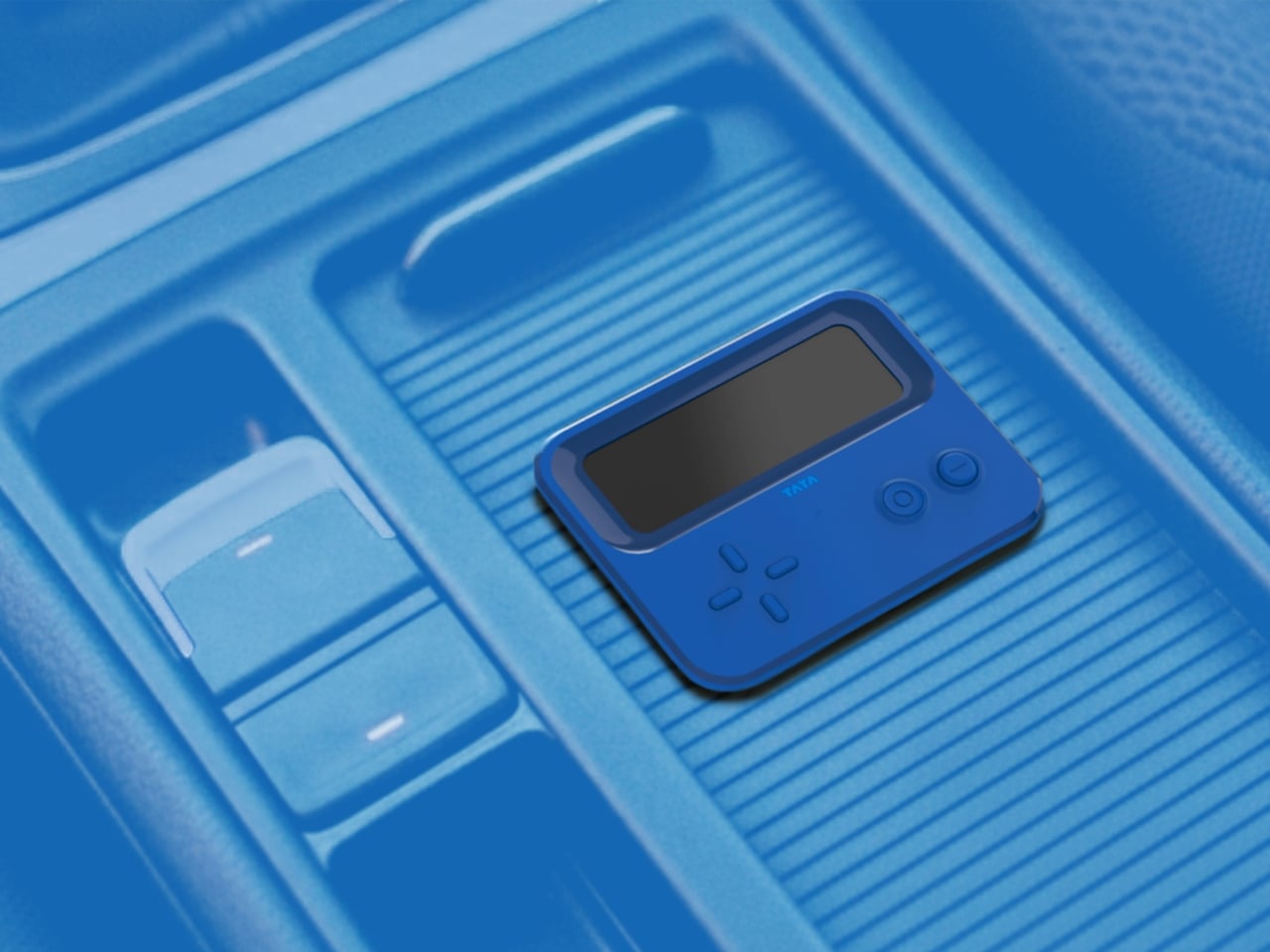
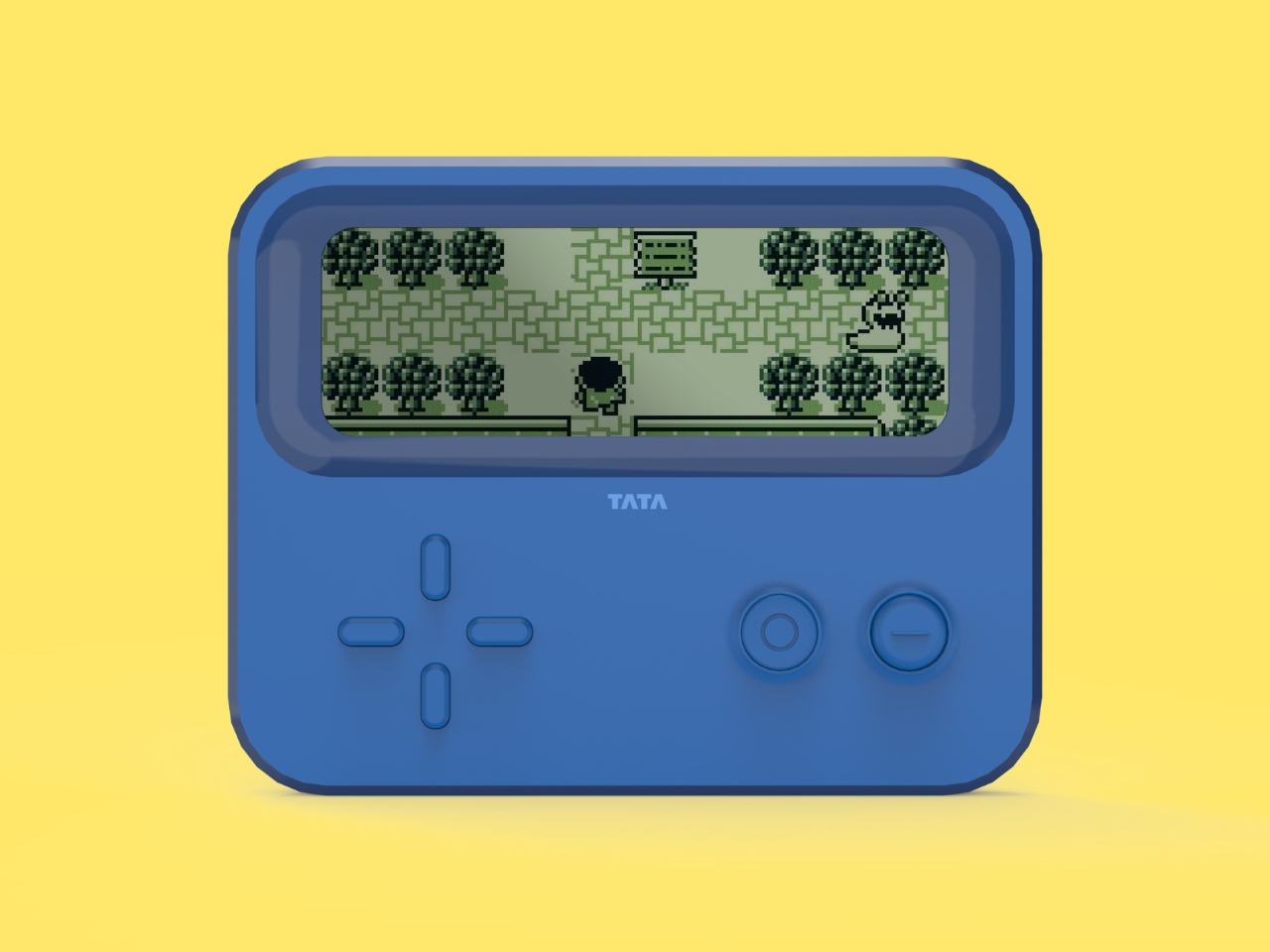
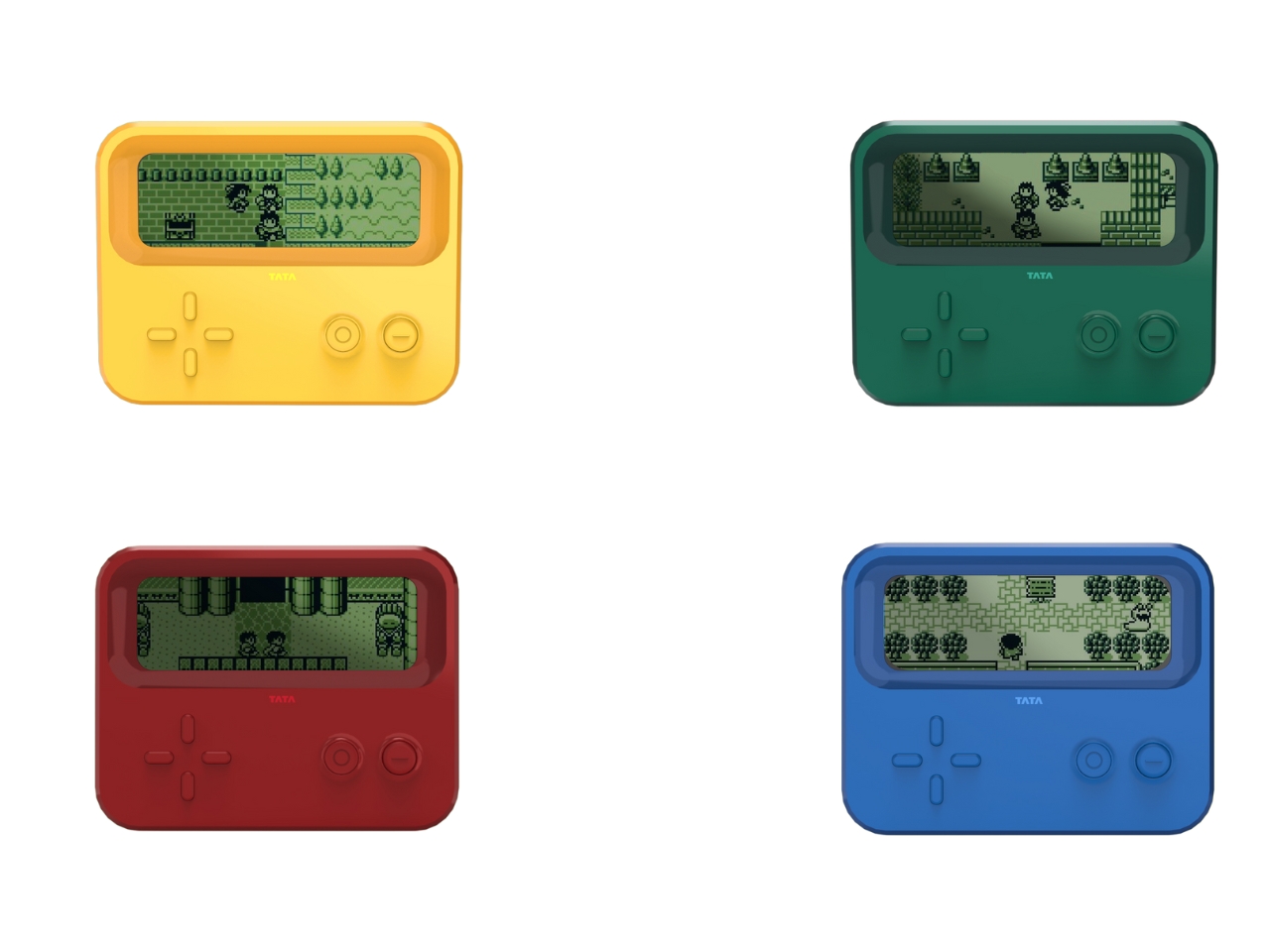
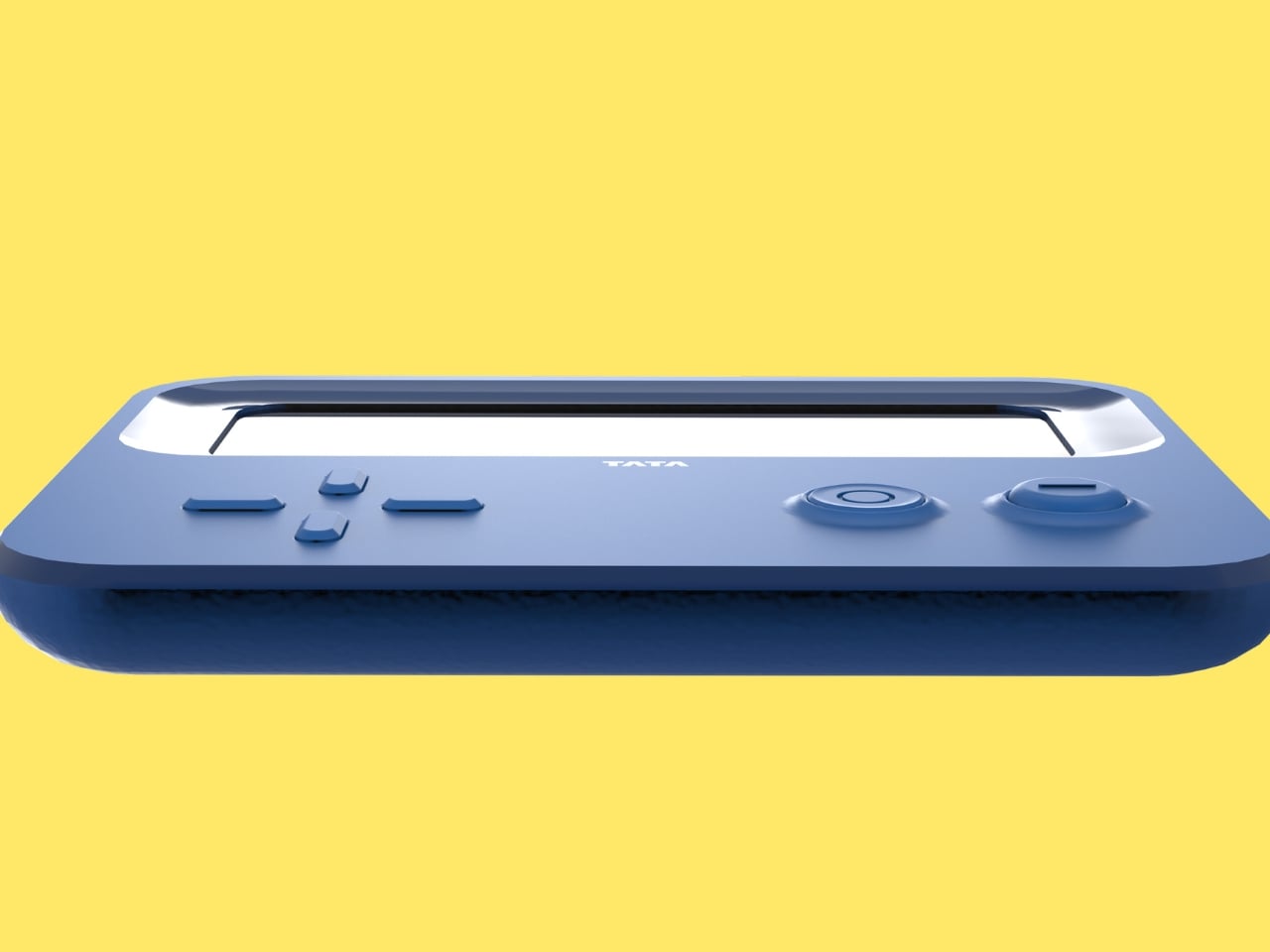
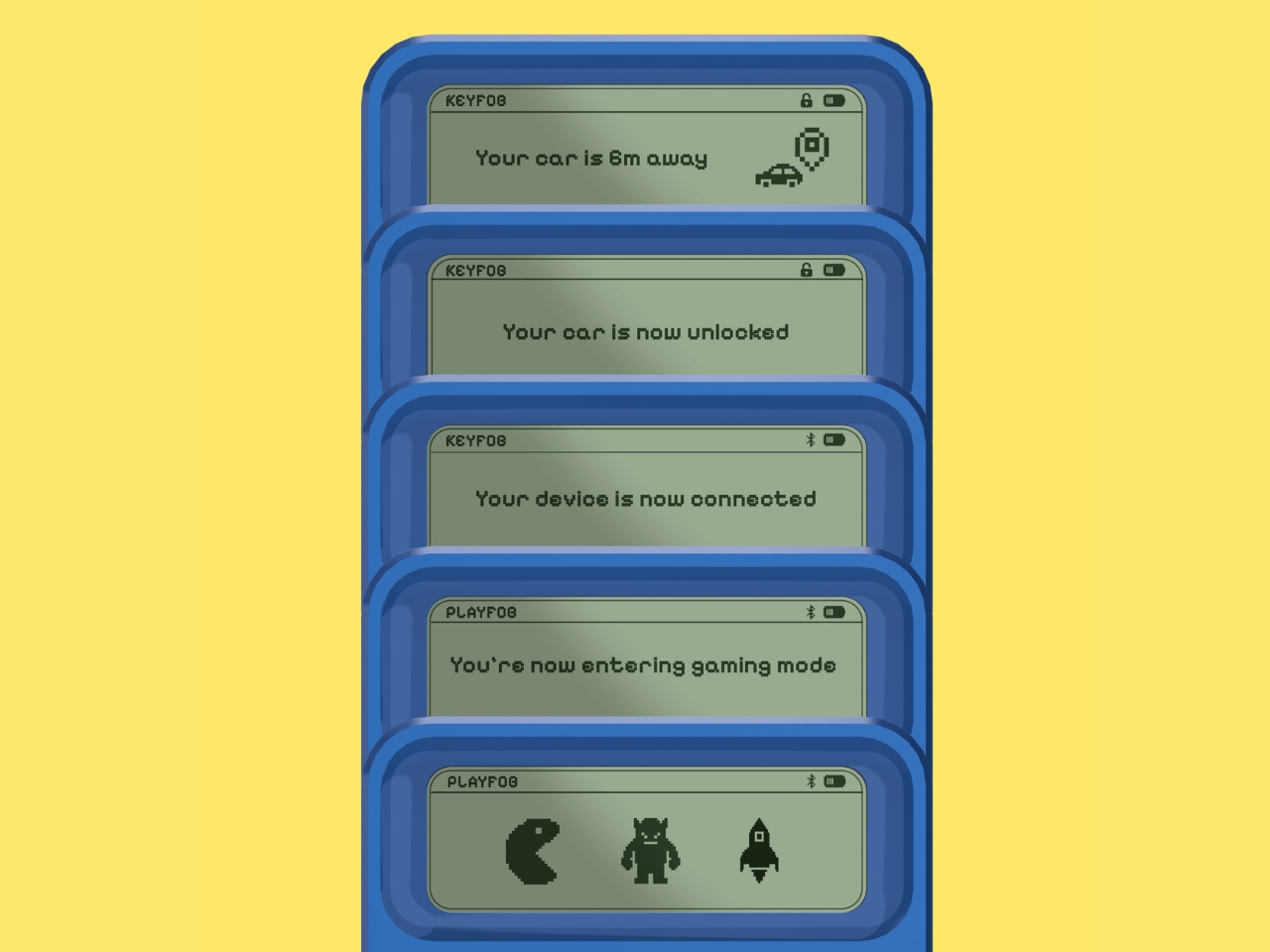
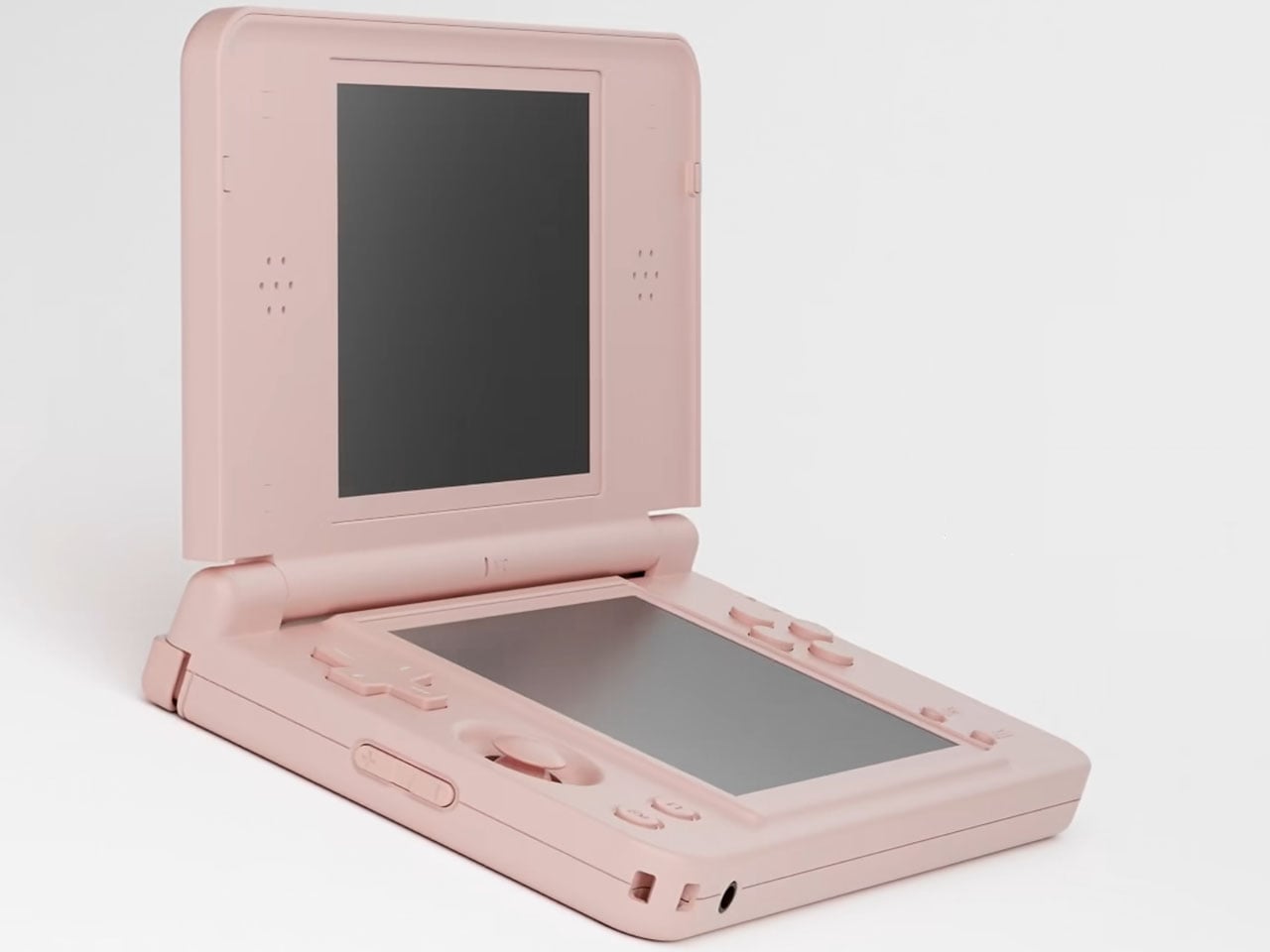
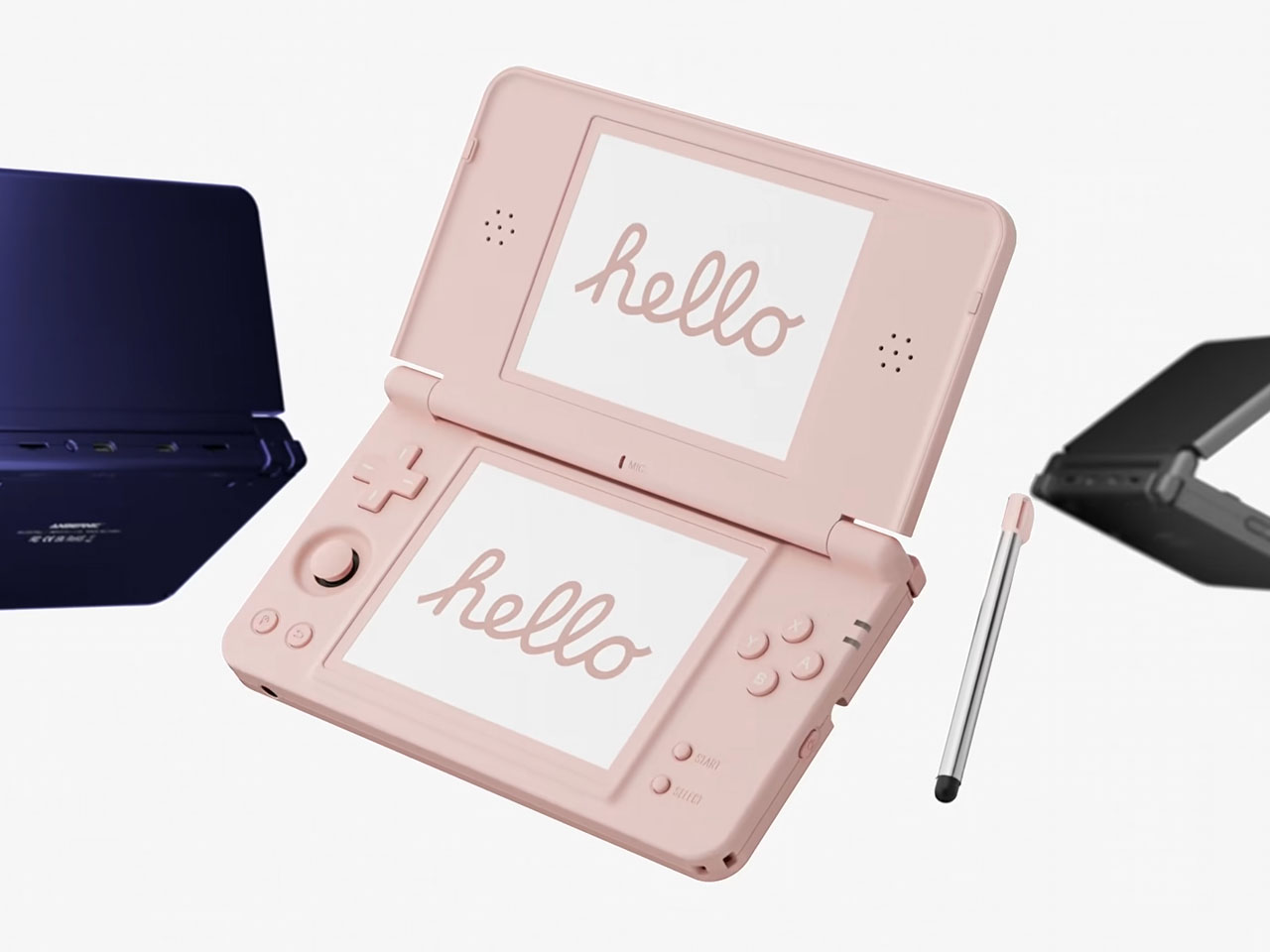
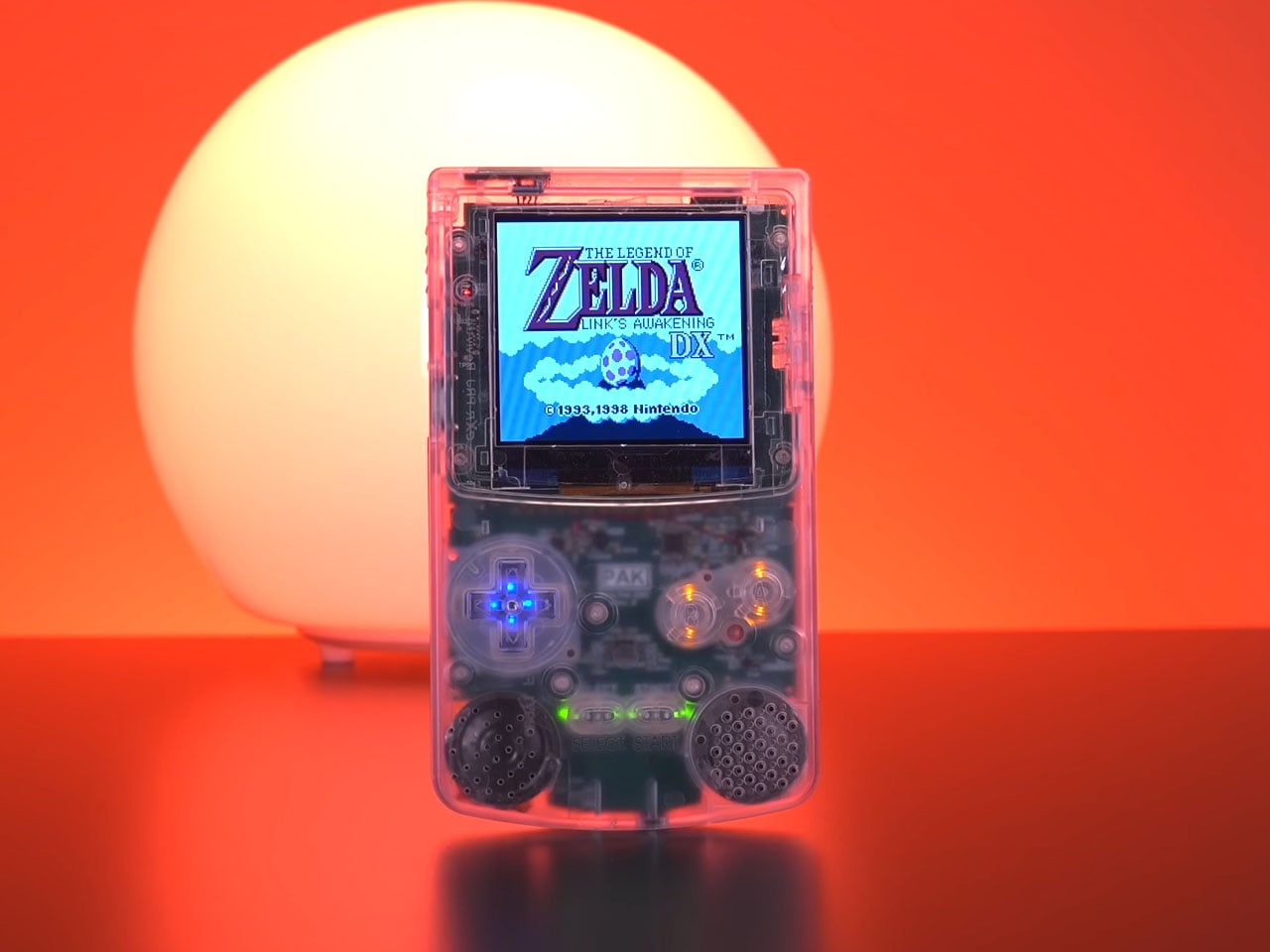
The genius of Playfob lies in its refusal to play it safe. This isn’t just a key fob with a few extra features slapped on. It’s a complete reimagining of what this everyday object could be. The device transforms into a compact gaming console, complete with that glorious Game Boy-inspired aesthetic, bright nostalgic colors, and a monochrome screen that immediately transports you back to simpler times. When you dock it in your car, it connects to the vehicle’s screen, turning waiting time into playtime.

But here’s where it gets really interesting. Playfob taps into something designers call the “kidult” trend, where adults aren’t just tolerating nostalgic design but actively seeking it out. We want objects that bring comfort and joy, that remind us of times when things felt less complicated. It’s why we see grown adults collecting toys, why retro gaming is having such a massive moment, and why anything that evokes childhood gets us reaching for our wallets.

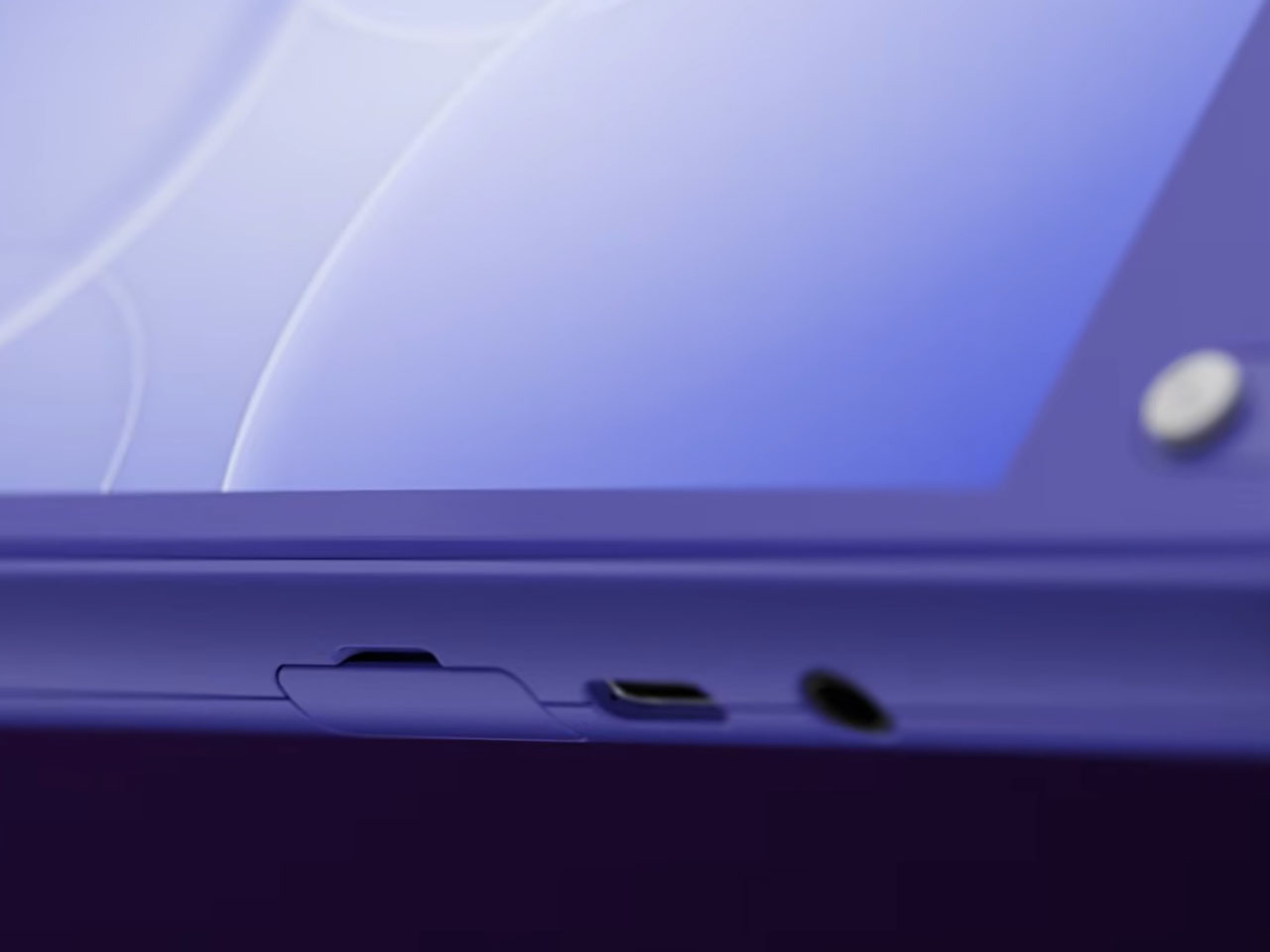
Of course, a key fob still needs to be, you know, a key fob. Playfob doesn’t sacrifice functionality for fun. It includes Bluetooth connectivity, on-screen feedback when you lock or unlock your car, and GPS-enabled parking assist for those moments when you’ve wandered through three parking garage levels and have absolutely no idea where you left your vehicle. These features bring the humble fob into the modern age without losing sight of its core purpose.

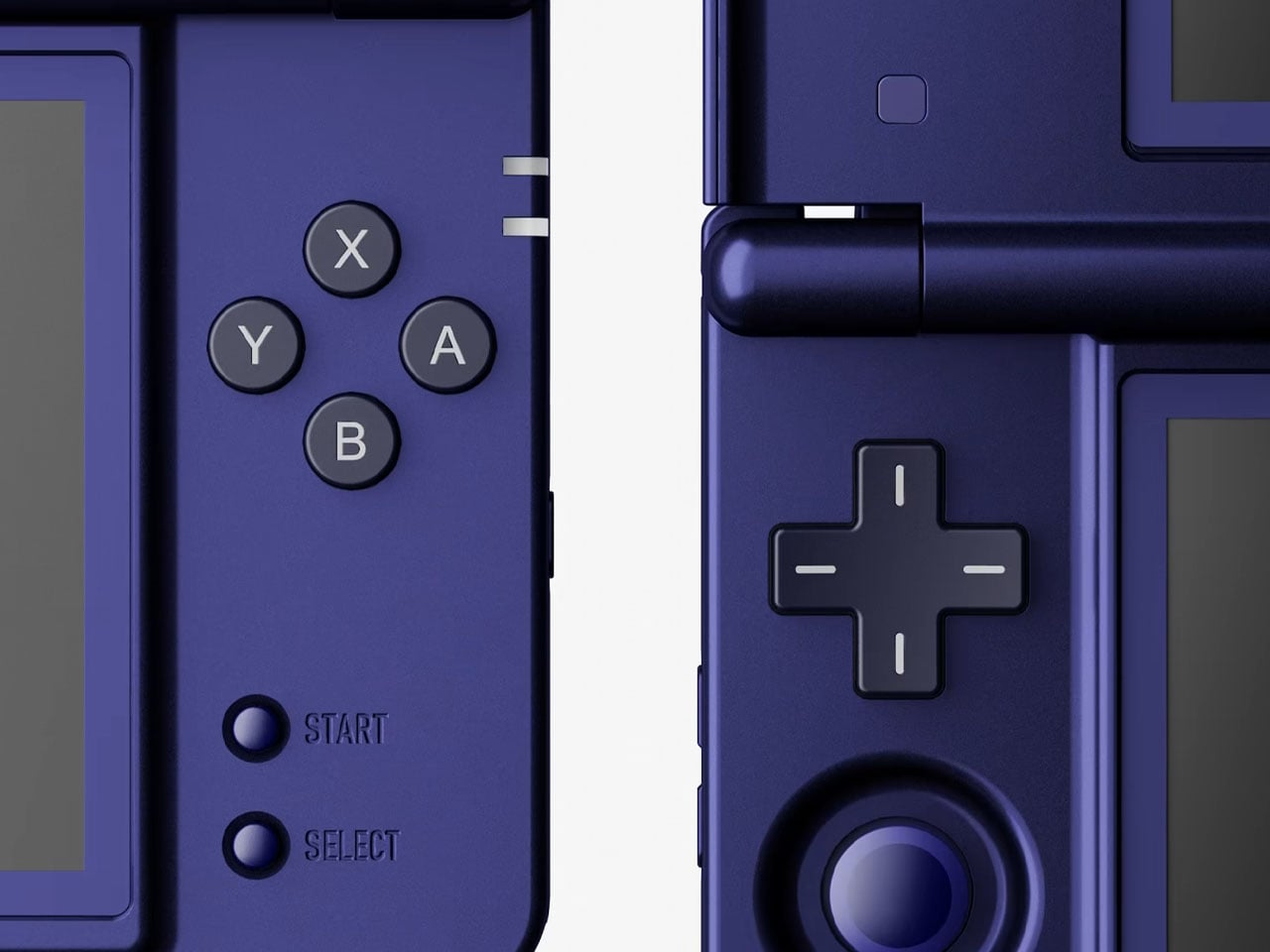
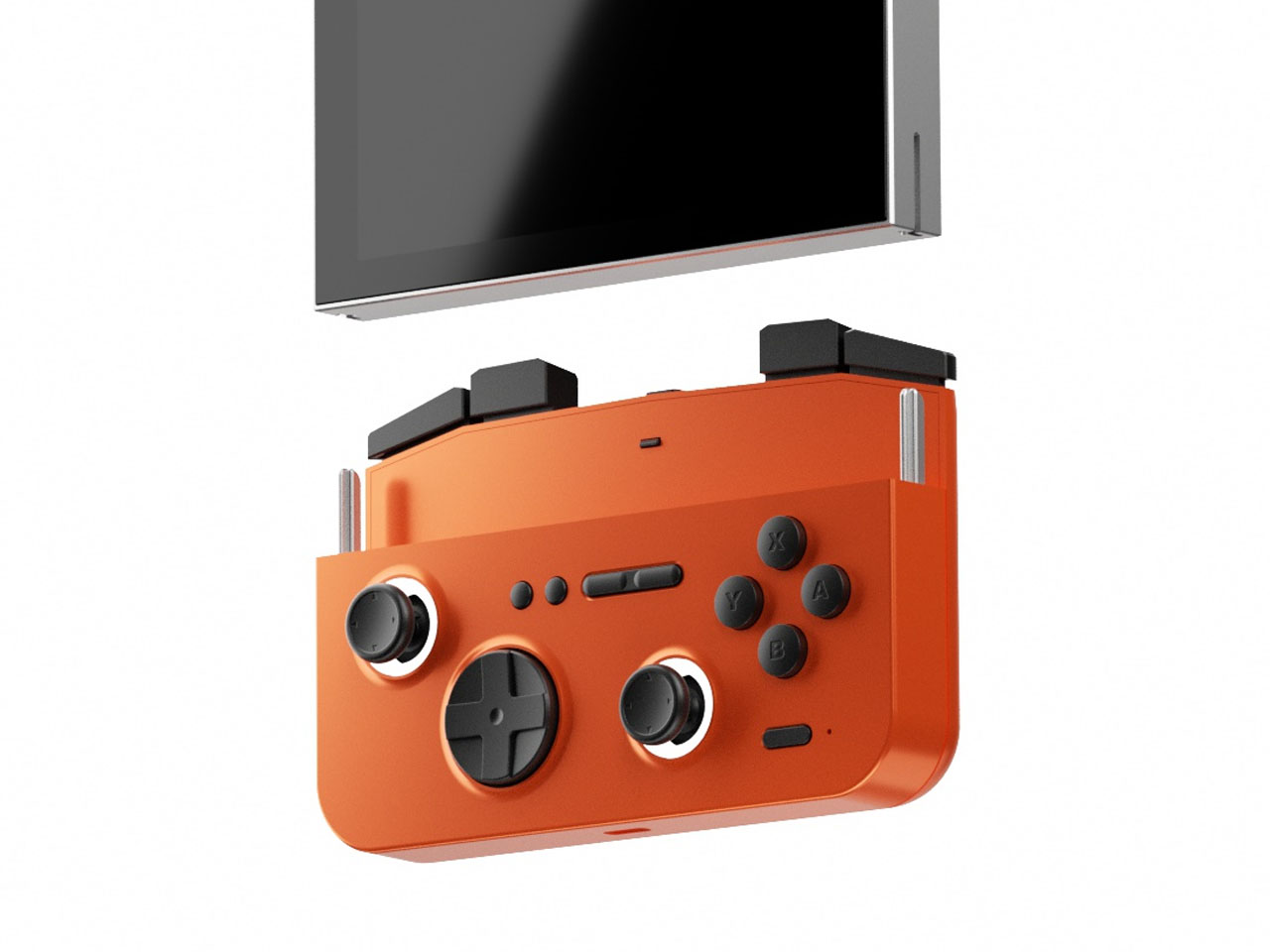
Then there’s the feature that really brings the remote-control car fantasy full circle. Using the built-in D-pad (yes, just like your old Nintendo controller), you can actually move your car remotely in tight spaces. Squeezed into a parking spot with barely enough room to breathe? No problem. Navigate your car out from the comfort of the sidewalk. It’s practical, sure, but it’s also just incredibly cool.

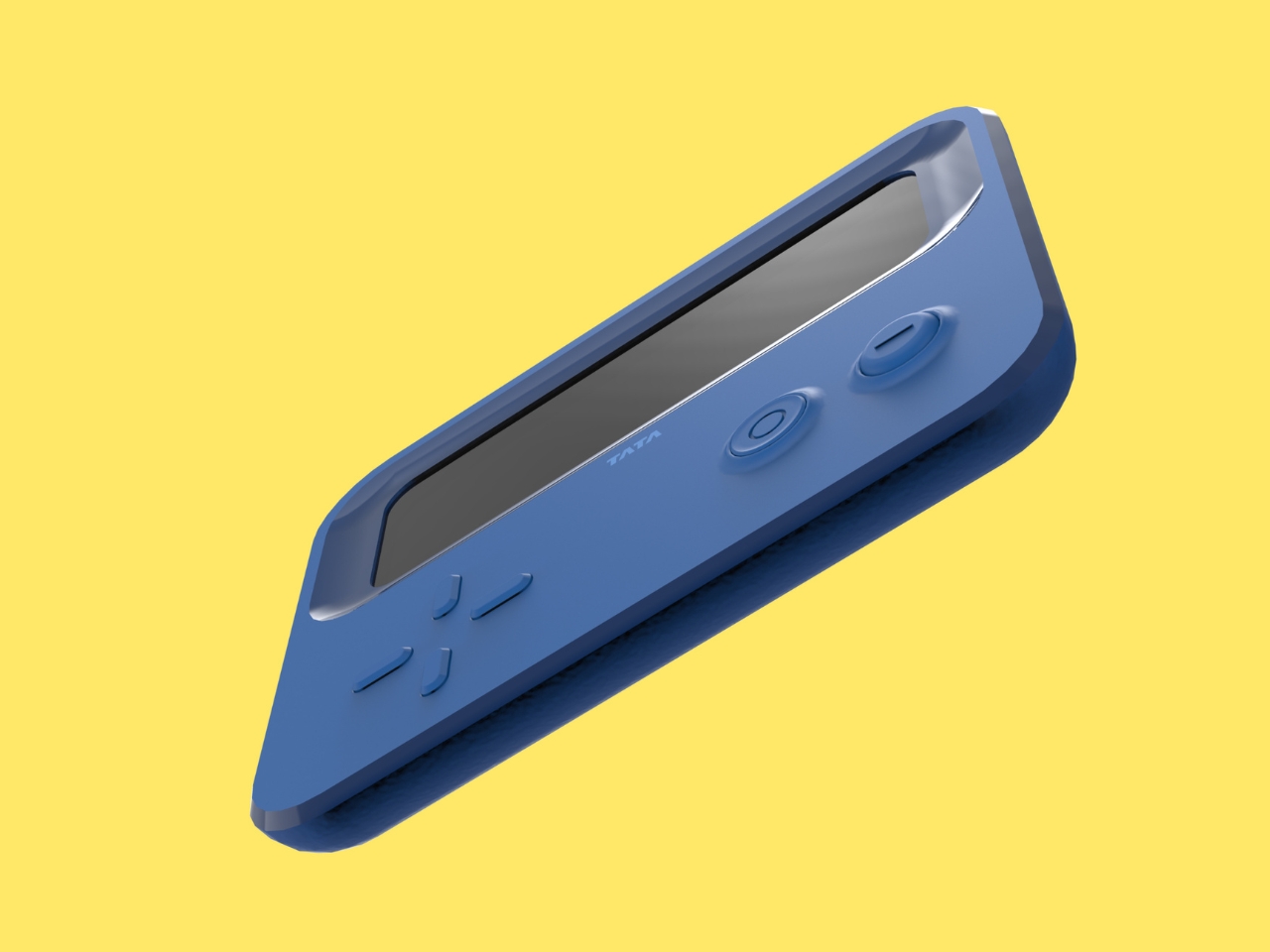
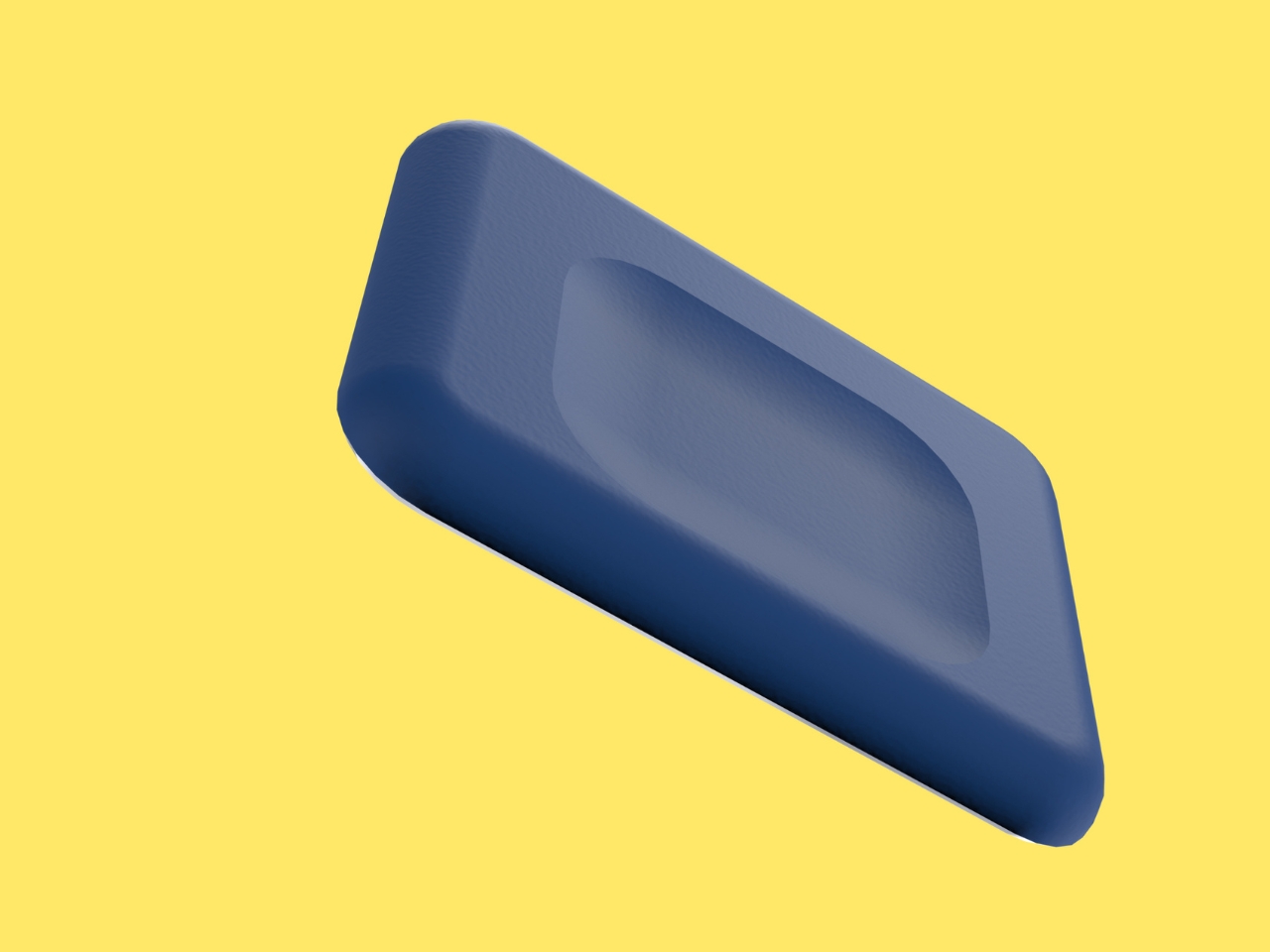
The design itself is deliberately larger than typical key fobs, and that’s entirely the point. While most fobs are designed to disappear, Playfob wants to be seen. It features a rubberized grip that feels good in your hand, intuitive button layouts that make sense without needing a manual, and those vibrant colors that make it feel less like a tech accessory and more like a statement piece. It’s meant to dangle from your bag, to spark conversations, to be an object you actually enjoy carrying around.

What makes this concept so compelling is how it challenges our assumptions about automotive design. Cars have become increasingly personalized over the years, with customizable interiors, ambient lighting, and infotainment systems that sync with our digital lives. Yet somehow, the thing that literally gives us access to all of this remained stubbornly utilitarian. Playfob suggests that every touchpoint matters, that even the smallest interaction with our vehicles could be an opportunity for delight rather than drudgery.

Patil developed this concept during a summer internship at Tata Motors, which makes you wonder what else might be possible when young designers are given the freedom to question conventions. Playfob might be a personal project, but it represents something bigger: a shift toward designing objects that don’t just work well but feel good to use, that acknowledge our emotional needs alongside our practical ones.

Whether or not we’ll ever see Playfob in production remains to be seen. But as a design statement, it’s already succeeded in making us reconsider what a car key could be. And honestly? It makes every boring black fob in existence look just a little bit sadder by comparison.

The post This Car Key Fob Doubles as a Retro Gaming Console first appeared on Yanko Design.
This $200 Nintendo 64 Can Play Your Old Cartridges in 4K With Zero Lag

Palmer Luckey’s gaming company just dropped the M64, and honestly, I’m torn about the whole thing. The guy’s built actual VR headsets that changed gaming, sure, but he’s also neck-deep in military contracting through Anduril, which makes autonomous drones and surveillance tech for the Department of Defense. So when he teases a translucent purple Nintendo 64 clone on X with a note saying “no peeking until Christmas,” I’m simultaneously hyped about the hardware and deeply uncomfortable about where my $200 might end up. The M64 hits that exact nostalgia sweet spot with three transparent colorways (purple, green, and white) that scream late 90s Funtastic edition, complete with matching wireless trident controllers that preserve the original’s questionable three-pronged ergonomics.

The timing feels deliberate in the best possible way for ModRetro. Analogue 3D shipped to pre-order customers last month after being sold out for over six months, and here comes the M64 exactly when early adopters are posting unboxing videos and first impressions. You can sign up for the waitlist now and get priority when it goes on sale, though if the Chromatic’s instant sellout taught us anything, that waitlist notification better ping your phone fast. The price point matters because $200 puts this squarely in impulse-buy territory for people who’ve been sitting on a stack of N64 cartridges since 1998, waiting for something better than janky software emulators or hunting down original hardware with failing capacitors.

Designer: ModRetro

The console uses AMD-powered FPGA technology and features four controller ports, a power button, a menu dial, and an eject button, with both hardware and software confirmed as open-source. That menu dial is the interesting bit because it suggests actual system-level features beyond basic cartridge reading. Could be scanline filters for that authentic CRT feel, aspect ratio toggles, or even overclock options like what Analogue builds into their consoles. We don’t have concrete specs on the actual FPGA chip yet, but the AMD chip is likely much larger and faster than the one in ModRetro’s Game Boy-like Chromatic, which makes sense given the N64’s significantly more complex architecture. The Reality Coprocessor, the texture filtering system, the expansion pak doubling RAM mid-generation – all of that needs accurate recreation at the hardware level if you want GoldenEye and Rogue Squadron running without the timing glitches that still plague software emulation in 2025.

The system promises 4K graphics with classic N64 visuals, which translates to clean upscaling rather than texture packs or visual overhauls that some emulators push. FPGA consoles shine here because they maintain pixel-perfect accuracy and minimal latency while outputting through modern HDMI connections. Anyone who’s tried running Perfect Dark through RetroArch knows the N64’s quirky architecture makes software emulation perpetually finicky. Audio sync issues, texture warping that doesn’t match original hardware, input lag that throws off muscle memory from childhood speedruns – FPGA sidesteps all of that by literally rebuilding the original silicon pathways in programmable logic gates. The open-source firmware commitment matters too because it means community developers can add features, fix edge cases, and potentially expand compatibility beyond Nintendo’s official library if ModRetro’s implementation allows it.

The elephant in the room is Anduril. Luckey co-founded the military tech company that makes autonomous drones, surveillance systems, and weapons platforms with billions in government contracts. Every M64 purchase potentially funds defense projects that some buyers might find uncomfortable, and Luckey’s various companies are built to promote his excessively militaristic worldview according to critics. This isn’t tangential either – Anduril is Luckey’s primary focus, not a side investment. Whether that matters to you personally is a calculation only you can make. The Analogue 3D costs more and restocks are brutal, but your money goes to a company focused exclusively on gaming hardware preservation. Practically every tech purchase has military connections somewhere in the supply chain, but there’s a difference between incidental contracts and building autonomous weapons as your core business model. Some people won’t care. Others will wait months for Analogue restocks rather than compromise on this particular issue.

The hardware itself looks genuinely sharp though. Those transparent shells channel the atomic grape and jungle green N64 variants that defined late 90s bedroom gaming setups, and the wireless controllers solve the biggest practical problem with original hardware – constantly tripping over cables stretched across living rooms. Luckey promises the M64 will remain at $200 through Black Friday and beyond despite inflation and component shortages, which suggests they’ve locked in manufacturing costs and aren’t playing the artificial scarcity game that plagued PS5 launches. If ModRetro actually ships before Christmas and the FPGA implementation handles compatibility cleanly across the N64’s library, this becomes the accessible entry point for cartridge-based retro gaming that doesn’t require scouring eBay for working consoles or dealing with composite video on modern displays.

The post This $200 Nintendo 64 Can Play Your Old Cartridges in 4K With Zero Lag first appeared on Yanko Design.
DIYer recreates a fully functional version of the iconic Xbox “Big X” prototype

Before releasing the official Xbox console, Microsoft was skeptical whether prospective gamers would be able to keep their software image distinguishable from the new hardware venture. To ensure the inaugural gaming console would be perceived as a standalone product, the company created a prototype that looked radically different from a desktop product. At the 2000 Game Developers Conference, Bill Gates and Seamus Blackley showcased the X-shaped version to build the brand image.

Made from solid aluminum, the prototype weighed 40 pounds and cost nearly $18,000 to manufacture at the time. It was not a functional gaming console and was only created to build the brand perception. The first-ever Xbox came a year after that, and the rest is history. Fast forward to the present day, as one DIYer wants to see if the X-shaped console would be an actual feasible product. The answer is yes, as this functional Xbox prototype-inspired console proves it.

Designer: Tito Perez

Meet Tito Perez of the YouTube channel Macho Nacho Productions, who set out to make the functioning variant of the console prototype. The starting point for him was the reference images of the model taken from the rare one on display in New York. The next step involved building a 3D model of the prototype from the visual reference of every curve, screw hole, and other little details. Thereafter, the finalized file was sent to the PCBWay factory to craft the aluminum model, which cost him around six thousand dollars.

The thing was not as shiny as the original one, so Tito took on the task of polishing it himself to recreate the mirror look. Then he had to figure out a way to fit the hardware components inside the “X” form. The modder chose the original time-correct components and also added new components like HDMI, USB-C power supply, and a large-capacity SSD to the mix. To make this possible, he crafted 3D printed mounts and integrated rails to make use of every inch of space. One hardware component that posed a challenge for him emerged as the power supply unit, which was too big for the rig. For this, he took help from a modder friend who designed a custom USB-C power supply that supplied the needed power while being smaller in form factor.

As a last modification, Tito decided to replace the center jewel with his own modernized version that looks much better than the original, to be honest. It is even more functional since the Xbox logo comes to life, or one can program it to show any custom video file as well. The one-of-a-kind console shell has all the ports and jacks on the rear arranged in a hypnotic layout. Gaming works as intended when connected to the console, and carrying it around is no hassle with the custom-built foam case that houses the Xbox console and the accompanying controllers. Tito wants to showcase his creation in conventions and gaming events, which is downright inviting, and I’m sure the gaming community will love this every bit.


The post DIYer recreates a fully functional version of the iconic Xbox “Big X” prototype first appeared on Yanko Design.
Steam Deck OLED Limited Edition White priced $30 more than black variant is hard to resist

The Steam Deck came in early 2022, and the only update to the handheld gaming console came in the form of an OLED version last year. One thing common to all the previous models of the Deck handheld console has been their black color.

Valve has decided to break that tradition by releasing a Steam Deck OLED: Limited Edition White for a worldwide release to the amazement of fans who’ve witnessed the white color of the gaming device only in renders. This version is a break from the monotony of the dark hue, akin to the transparent shell limited-edition version in 1TB memory, released last year that we liked to the core.

Designer: Valve

The OLED version of the Steam Deck with HDR support looks bold compared to the LCD models, and wrapped in a white color will contrast the display colors even better. Valve is not playing down the possibility of even more bold color options coming in the future depending on the response for this current version. They categorically said that they will keep improving the Deck from a software and hardware perspective.

Just like the transparent shell one, this one will only be available in a 1TB model. The off-white shell of this limited edition has gray buttons and the power button in orange. This handheld will be paired with a white carrying case and a microfiber cloth which you’ll need more often than not, since it’ll get dirtier compared to the black version.

According to Valve, the Limited Edition Deck will be available worldwide from November 18 at 3 PM. The stock has been allocated to all the worldwide regions proportionally for equitable distribution and it’ll only be available until the stocks exhaust. “Once we’re out, we’re out,” Valve says.

One user can purchase only one unit with one Steam account, so now’s the time to mark your calendars to get hands on one for $679. This is $30 more than the 1 TB Steam Deck OLED.

The post Steam Deck OLED Limited Edition White priced $30 more than black variant is hard to resist first appeared on Yanko Design.
Analogue 3D console lets you enjoy classic Nintendo 64 games in 4K

Want to reexperience the Nintendo 64 as it was meant to be without any compromises in gaming experience? One is the graphics that are hard to emulate on modern screens in 4K via HDMI. Then Analogue 3D has got you covered if you’ve got the game console cartridges and controllers stashed in your library. It’ll come with an in-built bespoke 4K-upscaler and original display modes for a lag-free method to enjoy your classic titles how you want.

Analogue who previously created versions of the Game Boy, NES and Sega Genesis, has finally revealed that the long-awaited clone console will arrive in Q1 2025, and you can preorder it from 21 October (11 AM ET onwards) for $250. This console powered by 3DOS (the evolution of AnalogueOS) comes with features including support for saved states and capturing screenshots.

Designer: Analogue

The original Nintendo console’s vibe is intact with power and reset buttons. In case you’ve got no controller to go with the 3D console or want a modern compatible controller to play, they’ve got you covered there as well. They’ve collaborated with 8BitDo to redesign a N64 controller that’s got all the buttons to make you go crazy. As I mentioned, it’ll work fine with old cartridges and has an expansion pack built-in. It will be safe to say, the console can save your game progress and might even have the trickery to import your old saved progress back from the late 90s.

The 8BitDo N64 controllers will cost $40 a piece and the complete package will cost $290. These modern controllers will have a Hall effect stick and will be compatible with Switch, PC and Android as it has support for D-input and S-input modes. Since we are talking Analogue here, you will only get the console in two colors – black or white – and controllers from their website or via third-party resellers. Given the N64 can be a big hassle with emulators, the Analogue 3D is a big win since you’ll play right from the source. Therefore, you can expect a glitch-free experience playing titles like Super Mario, FIFA 99, or The Legend of Zelda.

The post Analogue 3D console lets you enjoy classic Nintendo 64 games in 4K first appeared on Yanko Design.
Sony PlayStation 5 Pro: A Sleeker Beast with 30 Teraflops of Power for 4K Gaming

Sony’s freshly announced PlayStation 5 Pro is a power-packed upgrade designed for those who want the most visually striking gaming experience possible. Building on the already solid foundation of the PS5, this souped-up version aims to enhance everything from resolution and frame rate to ray tracing, while staying cool and quiet under pressure—literally. It’s set to hit shelves in November 2024, and with a starting price of $599, it’s clear Sony is positioning the PS5 Pro as the ultimate way to play for those who demand more from their console.

Designer: Sony

The PlayStation 5 Pro maintains the futuristic aesthetic of its predecessor, but with subtle refinements that make it stand out as a premium device. Its sleek curves and striking black-and-white color scheme are still present, but Sony has gone the extra mile to give the Pro a more streamlined silhouette. The PS5 Pro is slightly slimmer and more compact than the original, addressing one of the biggest complaints about the base PS5’s bulky design. The matte finish on the Pro model adds a touch of sophistication, and the improved vent placement ensures better airflow without compromising the console’s overall elegance. Whether it’s sitting vertically on your media stand or tucked horizontally under your TV, the PS5 Pro feels more like a deliberate piece of decor than a tech box, blending form with function seamlessly. Even the revamped LED lighting—now offering customizable colors—adds an extra layer of personalization for gamers who care about their setup’s vibe.

Under that gorgeous sleek white shell lies a custom RDNA 3.5 GPU, boasting a whopping 30 teraflops of graphical power. That’s nearly triple what the base PS5 offers. Translation? Games will look and run better—significantly so. The PS5 Pro is built to handle true 4K gaming at 60 frames per second without breaking a sweat, and it even flirts with 8K resolution for those fortunate enough to own one of those displays. It’s a level of visual fidelity that makes even the most graphically demanding games, like Spider-Man 2 and Final Fantasy XVI, feel like butter.

The CPU also gets a significant upgrade, featuring an 8-core AMD Zen 4 processor clocked at 4 GHz. The result? Faster load times, smoother performance, and an all-around snappier experience, especially in open-world games or titles with heavy physics and particle effects. If you’re tired of waiting in menus or watching progress bars crawl across the screen, the Pro has your back.

Remember the term ‘ray tracing’ everyone threw around when the PS5 first launched? While the base PS5 gave us a taste of what real-time lighting and reflections could do, the PS5 Pro is fully leaning into advanced ray tracing. Ray tracing is now 2.5 times more efficient, which means better lighting, reflections, and overall realism in games that support it. Picture walking through neon-soaked streets in Cyberpunk 2077 or exploring the vast wilderness of Horizon Forbidden West—but with reflections so sharp you could almost swear you’re looking in a mirror. Sony hasn’t left the frame-rate-focused players out in the cold either. The PS5 Pro introduces new gameplay modes to suit different preferences. If you’re all about visuals, the Fidelity Mode lets you enjoy games at 4K with maxed-out ray tracing, running at 30 fps. On the other hand, if you’re more of a competitive gamer looking for the smoothest experience, the Performance+ Mode delivers up to 120 fps at a slightly lower resolution. Fast-paced shooters like Fortnite and Call of Duty will feel incredibly responsive and fluid.

It’s a nice touch from Sony, acknowledging that not every gamer wants the same thing out of their console. Some of us want eye-popping visuals, while others want the fastest response times—and the PS5 Pro is prepared to juggle both with ease.

A common complaint about the original PS5 was its relatively limited storage, with the standard 825GB SSD filling up faster than expected, especially given the size of modern AAA games. Thankfully, the PS5 Pro steps things up with a 2TB SSD. That’s double the storage, meaning you won’t have to keep deleting games every time you want to install something new—unless, of course, you’re really into downloading entire game libraries. On the thermal front, Sony has reworked the cooling system, implementing more advanced liquid metal tech to ensure the Pro stays cool during marathon gaming sessions. Gone are the days of worrying about your console sounding like a jet engine taking off mid-boss battle.

Here’s the best part – your PS5 Pro is designed with backward compatibility in mind. Existing PS5 games won’t just work—they’ll run better. Thanks to the Pro’s additional power, many older titles will see improvements in frame rates, load times, and overall performance. Some developers are even offering patches that optimize their games specifically for the PS5 Pro, allowing fans to experience their favorite titles with upgraded visuals and smoother gameplay. Future titles, like the hotly anticipated Ghost of Tsushima 2 and The Last of Us Part III, will be optimized from the ground up for the PS5 Pro. Expect them to take full advantage of the new hardware, delivering worlds that are richer, denser, and more immersive than anything we’ve seen on a PlayStation console before.

At $599, the PS5 Pro is priced higher than the base PS5, which currently sits at $499. But for that extra hundred bucks, you’re getting significant upgrades that future-proof your gaming setup for years to come. Preorders begin in October, and you can expect the PS5 Pro to officially drop in November—just in time for holiday gaming marathons or, you know, to start that inevitable Elden Ring replay with maxed-out graphics. You’ve finally got a great excuse to splurge on that 4K TV you’ve been eyeing.

The post Sony PlayStation 5 Pro: A Sleeker Beast with 30 Teraflops of Power for 4K Gaming first appeared on Yanko Design.
Atari 7800+ is a retro mini console that looks forward and backward

What is old is new again, or at least that’s the slogan for this wave of nostalgia trips washing over multiple industries today. Vinyl is selling again, Polaroid is now spelled “INSTAX,” and consoles that were famous before you were born are landing on shelves in miniature form. Interestingly enough, these retro designs prove just how powerful and lucrative nostalgia can be, especially if you can spin it in a way that makes sense in the present and for the foreseeable future. This recreation of one of Atari’s lesser-known home consoles, for example, doesn’t just pay homage to the past but actually supports the games of that era while also embracing titles that were made in the present for this decades-old platform.

Designer: Atari

Unlike its successful predecessor, the Atari 2600, the Atari 7800 from 1986 just came at the wrong time, just after the video game crash of 1983 and on the same year that the Nintendo Entertainment System, a.k.a. the Nintendo Famicom, launched. Regardless, the home console, which supported Atari 2600 cartridges to fill up its library, managed to make it into the annals of video game history, a chapter that Atari is now trying to revive in an interesting way.

The Atari 7800+, like many retro recreations, is a smaller version of the original, designed to better fit today’s standard housing situation. It sticks closely to the shape and aesthetics of the 7800, down to the color spectrum strip that was the hallmark of the European version of the machine. It supports HDMI out and displaying games in the original 4:3 aspect ratio or switching to widescreen for modern monitors. Rather than coming with pre-installed games like other retro consoles that simply use emulators, the 7800+ offers an almost exact replica of the original to the point that you can run both 2600 and 7800 cartridges, presuming you have those lying around.

That’s not exactly a large selection of titles, so the Atari 7800+ also supports third-party Atari games as well. The company takes it even further and actually supports the official adaptation of some of these games sold as 7800+ cartridges. That includes Bentley Bear’s Crystal Quest, a homebrew Atari game developed in 2014 as an unofficial successor to the 80s Crystal Quest. This is the only cartridge that comes with the package, and the other nine titles will be sold separately at $29.99 a pop.

The Atari 7800+ also comes with the CX78+ controller, a wireless remake of the radical two-button control that Atari introduced with the 7800. There’s also a CX40+ wireless joystick available for purchase if you prefer to play that way. Both controllers are compatible with the original 2600 and 7800 and can also be hooked up to any PC via the USB receiver. The Atari 7800+ is available for pre-order now for $129.99 but won’t ship until Winter this year.

The post Atari 7800+ is a retro mini console that looks forward and backward first appeared on Yanko Design.
Uplight game console concept with an interactive 3D screen changes the way you play

Handheld gaming consoles are rocking the market again, in no small part thanks to the success of the Nintendo Switch nearly eight years ago. But for all the technological marvels these powerful computers bring today, they’re really just rehashing time-tested formulas, at least when it comes to the way we see and interact with games. Just like with much of computing, we’re simply seeing images rendered on a flat screen rather than the way we naturally see and interact with the world in three dimensions. Mixed reality and spatial computing are trying to challenge the status quote when it comes to typical computing scenarios, while this concept for a unique kind of console proposes a literally different perspective when it comes to the video games we play.

Designers: Tatsuya Kato, Shion Ito, Toshikatsu Nakamura, Toshiki Sato

Uplight definitely looks like no other gaming console, not just because of the different controller configuration but primarily for the lack of a screen. The design concept flips the convention of game design, with the experience being designed to conform to the unique traits of the console rather than the other way around. In this case, the unique characteristic is a projector hidden in the base of the console that displays the game on three-dimensional acrylic screens that can take on different object shapes specific to the nature of the game.

Think about those 3D puzzle games that require you to rotate a cube around to see it from different sides to solve the puzzle, except that cube is a literal and physical cube existing in the real world. This cube, made from translucent acrylic, is mounted on top of the Uplight console and displays the game projected into it. Players can use the console’s unusual controls to move the displayed image around or, better yet, use their own hands to actually turn the cube.

1

The 3D acrylic screen can be any shape, in theory, depending on the game experience being designed. It could, for example, be a giant translucent jellyfish for an aquatic adventure game, or even a tree branch for a game related to planting or vegetation. The possibilities are nearly endless, limited only by the angle that the integrated projector can reach and, of course, the size of the console.

That said, such a unique system will require games specifically designed for it, which also means designing new experiences that involve three-dimensional thinking as well as direct tactile interaction. Very few of today’s games have that, which will definitely challenge the creativity and ingenuity of game designers should Uplight ever become an actual commercial product.

The post Uplight game console concept with an interactive 3D screen changes the way you play first appeared on Yanko Design.
Transparent Game Boy with detachable projector promises uninterrupted gaming on the big screen

Nintendo Game Boy is one of the bestselling consoles of all time, owing to its competitive pricing and gamer-friendly features. Right from the original version to the consequent variants released in the 90s, the handheld gaming console has been popular across generations and inspired similar designs all these years.

While Nintendo has no plans to release a Game Boy version in the future, a concept design puts the handheld right in the realms of ultra-advanced gaming accessories. The gaming handheld visualized here solves your gaming needs indoors and outdoors sans any restrictions on whether you prefer playing it on the native small screen or the bigger one.

Designer: LFD Official

That’s possible with an integrated mini projector that can be taken right off the back of the handheld and positioned to project on any room wall, outdoor tent, or anything with a plain surface. This detachable projector module seamlessly switches the gameplay output, so you can enjoy games on the big canvas anytime. The transparent aesthetics of the handheld are inspired by the clear transparent version dubbed Game Boy Bros. released in 1995.

The display is much bigger, using most of the screen real estate with minimal bezels. Right below it are the gamepad controls that are much bigger and more tactile for improved gameplay and ergonomics. The tiny hardware of the gadget is enclosed in a transparent polycarbonate housing protected by the gorilla glass layer. To make this modern Nintendo handheld stand out, the designer envisions it in cool color options – Flame Scarlet, Greenery, Ultra Violet and Blue Grotto.

The back panel of the handheld holds the detachable projector in place and adjacent is the speaker to enjoy multimedia content and favorite games on the go. The UI of the gadget is heavily influenced by the Game Boy cartridge and the pixelated Gill Sans font evokes the neo-retro feel.

The post Transparent Game Boy with detachable projector promises uninterrupted gaming on the big screen first appeared on Yanko Design.
Nintendo Wii mod transforms the iconic console into a cute keychain

Arguably, the Wii was one of Nintendo’s oddest yet most successful gaming consoles, mostly thanks to the novelty and ingenuity of its “Wiimote” controller, the ancestor of today’s Joy-cons for the Switch. Like any other Nintendo gaming machine, it had a number of titles under its belt, including a few notable exclusives that took advantage of that unique controller design. Of course, its time has long passed, and the Wii is nothing more than a footnote in video gaming history, or so it would seem. It’s unsurprising to hear that it is now the subject of no small amount of mods and DIY projects that try to give the historic console a different flavor, and one of the oddest and most adorable is probably this perfectly named “Kawaii” mod that shrinks the book-sized machine down to portable keychain.
Designers: WeskMods, Mackie Kannard-Smith (Yveltal)

Despite its odd controller, the Wii itself wasn’t exactly that distinctive in terms of its design. It came as a rather plain, compact box that had just enough room for important hardware, which included a cooling fan and an optical disc reader. Remove these two, however, and you can probably cram the console into a tiny box, or at least most of it. That’s exactly what the Kawaii project did, a play on the Japanese word for “cute” and the Wii name, turning the large boxy console into a cute keychain accessory.
Kawaii is only 60mm x 60mm big and 16mm tall, not that much larger than keyfobs. Its body is CNC machined from aluminum and has these wavy fins on one side that do more than make the small box look eye-catching. They also function as a passive cooling system since the Kawaii doesn’t have room for any fan of any size at all. Obviously, there’s no space for an optical disc reader either, but that’s not the only thing missing from this tiny console.

It doesn’t have any direct power source or any ports for that matter, leaving it pretty barebones save for the main board that runs the whole show. To actually make it useful, you have to connect it to a dock via pogo pins, and then you’ll have power, video out, and USB ports for controllers. The dock itself is just a little larger than the keychain console, but it’s still a portable setup, presuming you have a way to power it up or connect it to a display.

Sadly, the adorable Kawaii won’t fulfill your dreams of playing Wii games on the go, at least not the ones that need a disc or use a Wiimote, since there’s no Bluetooth connectivity in there either. That leaves you mostly with downloaded games that work fine with a USB controller, and there’s not much of those going around at this point. Still, it looks like an interesting journey to design a cool-looking console you can hang your keys on, one that preserves the spirit of novelty and playfulness of the Wii, even if it doesn’t exactly have its defining features.

The post Nintendo Wii mod transforms the iconic console into a cute keychain first appeared on Yanko Design.