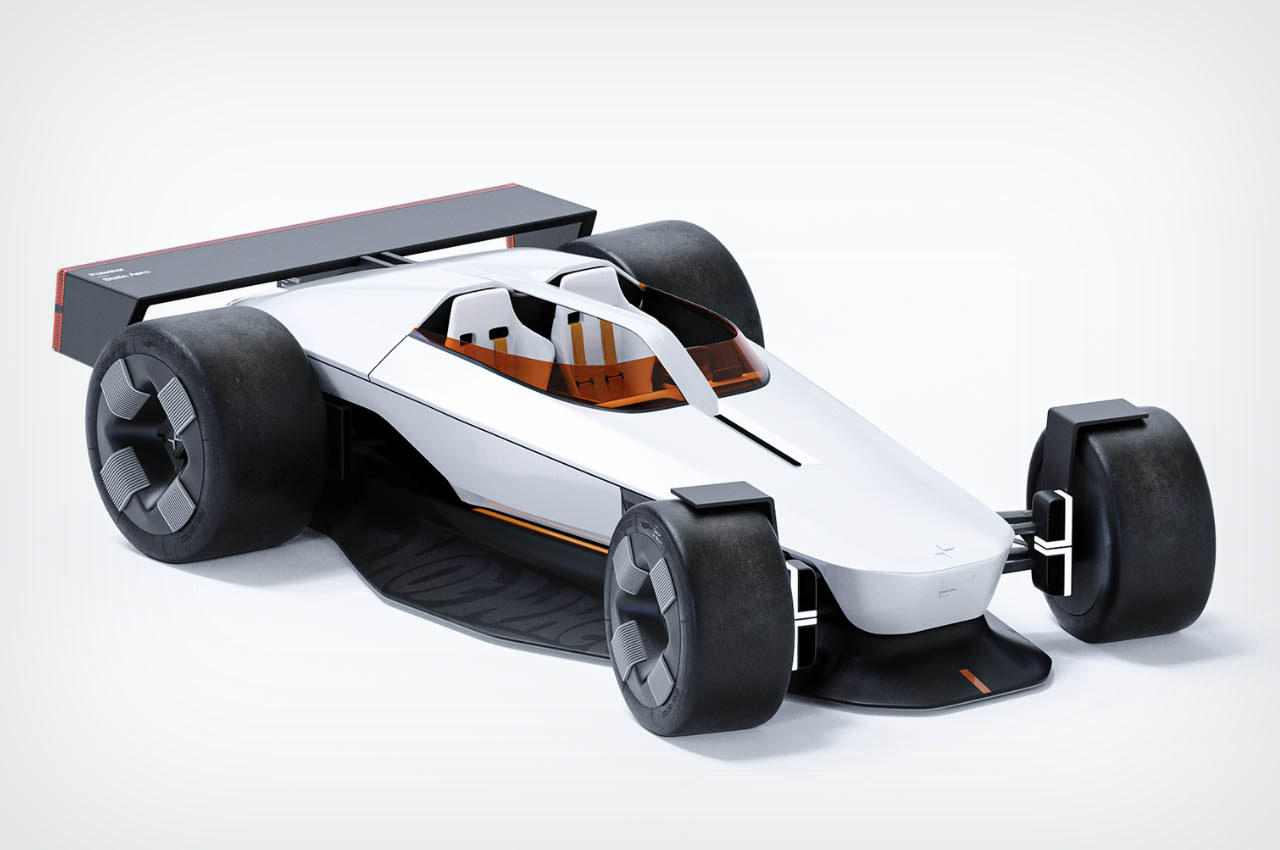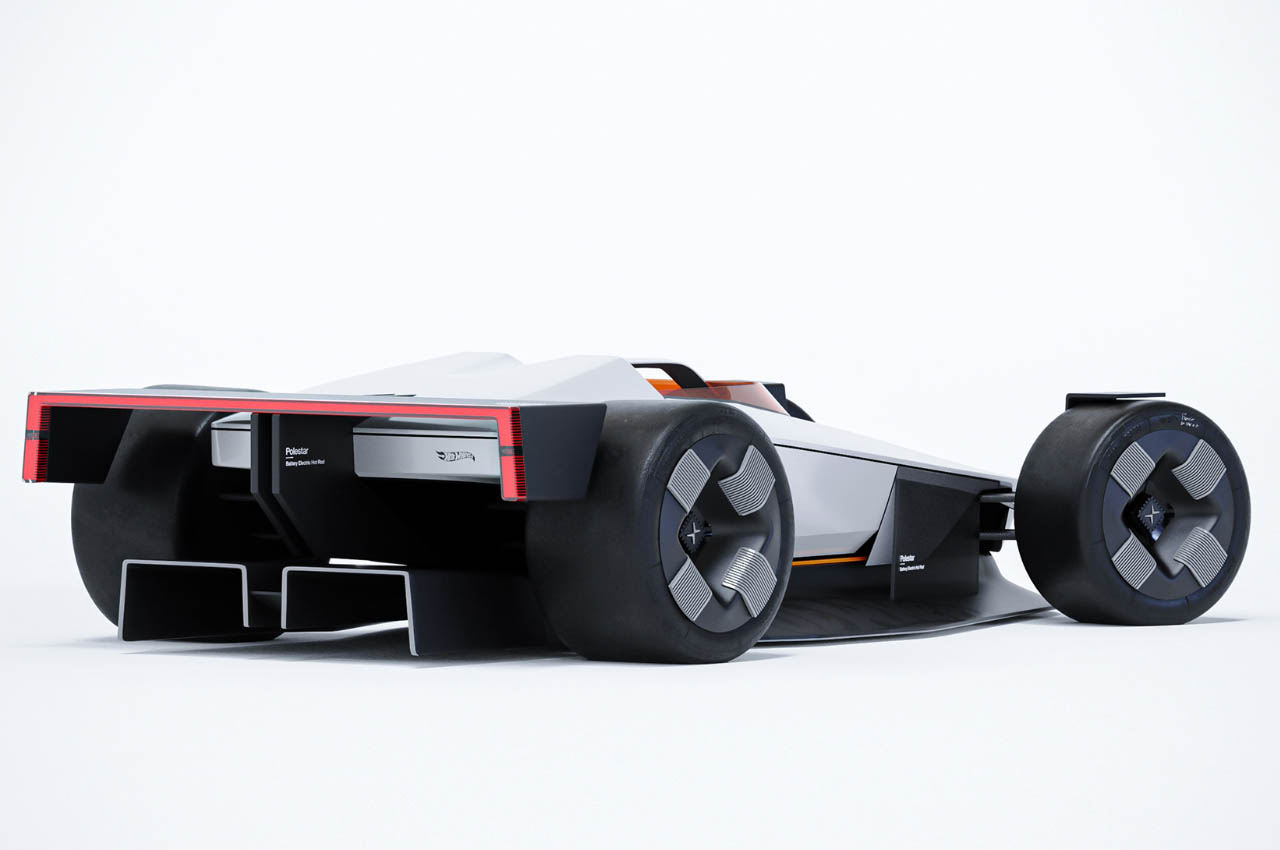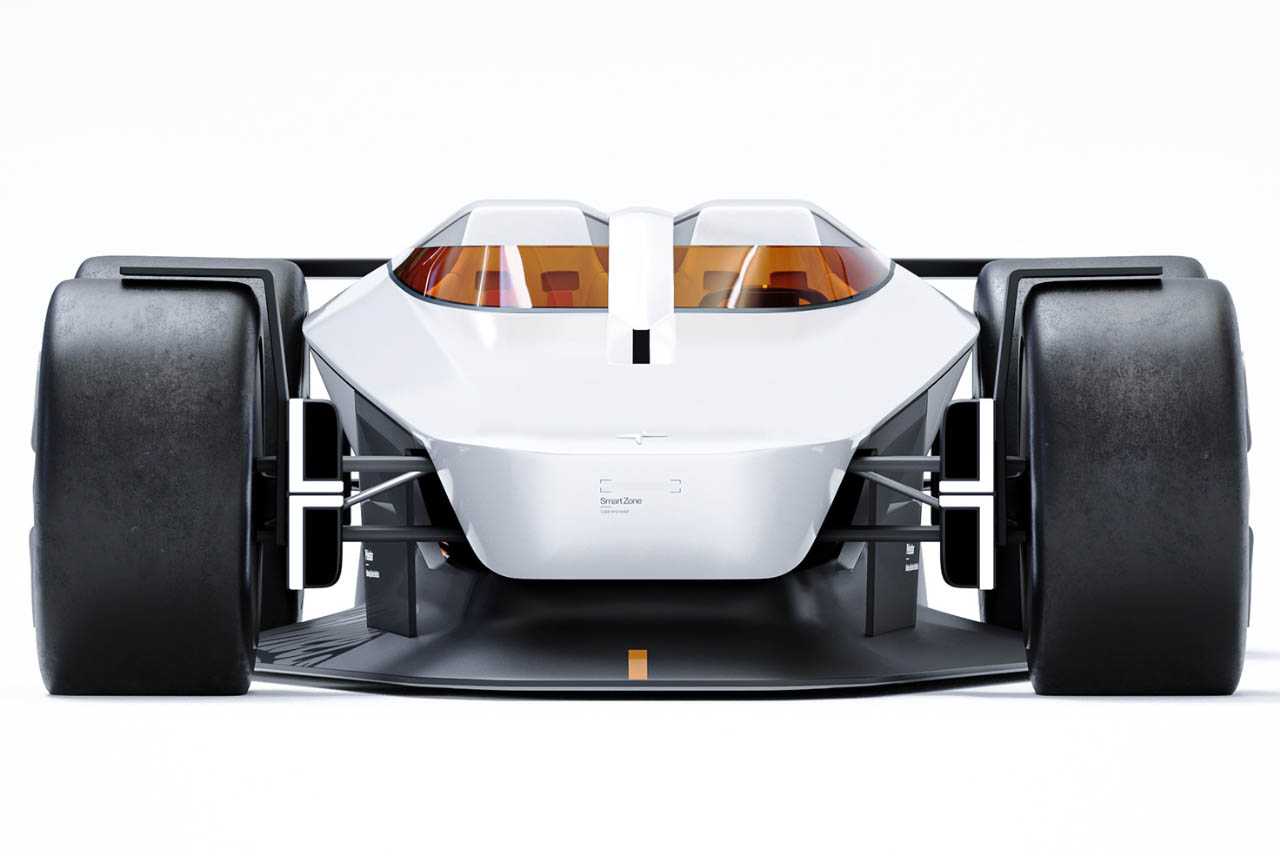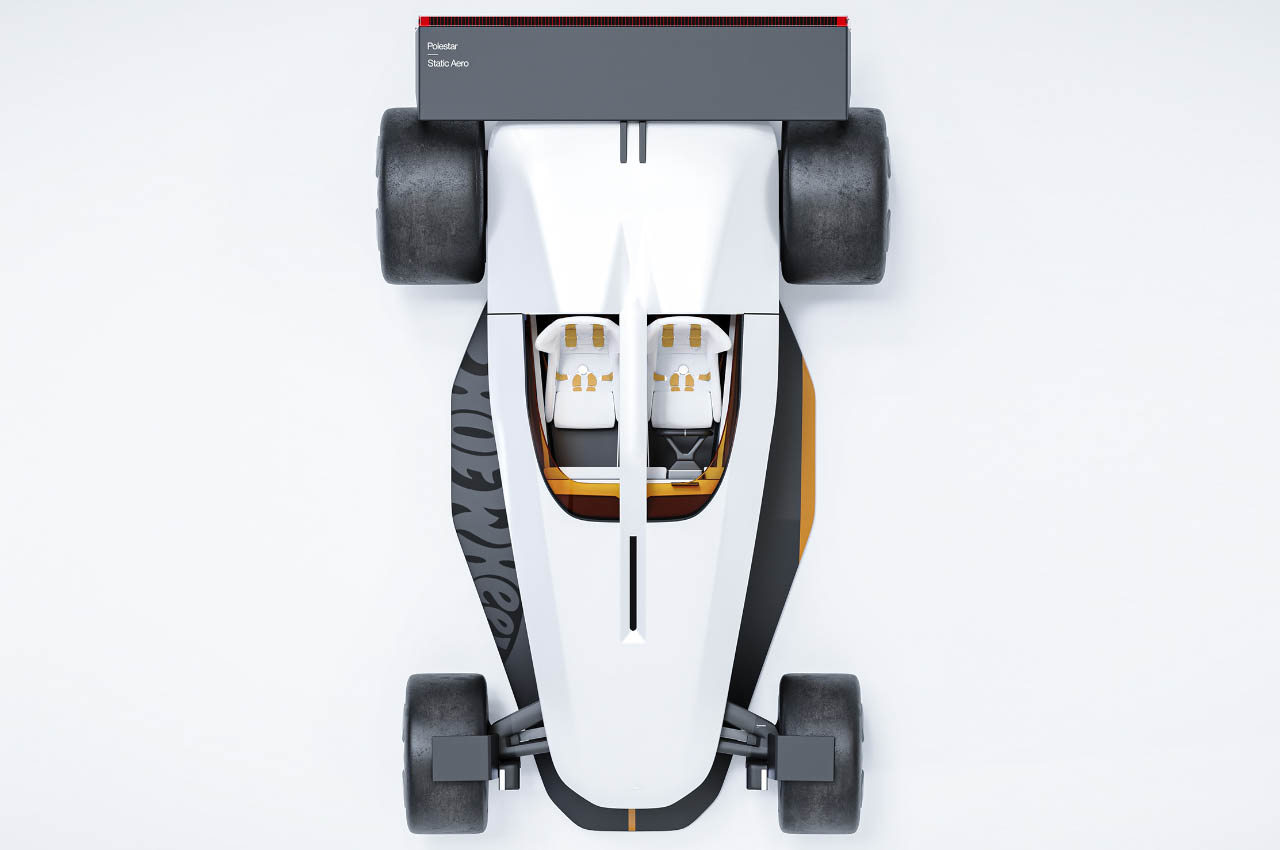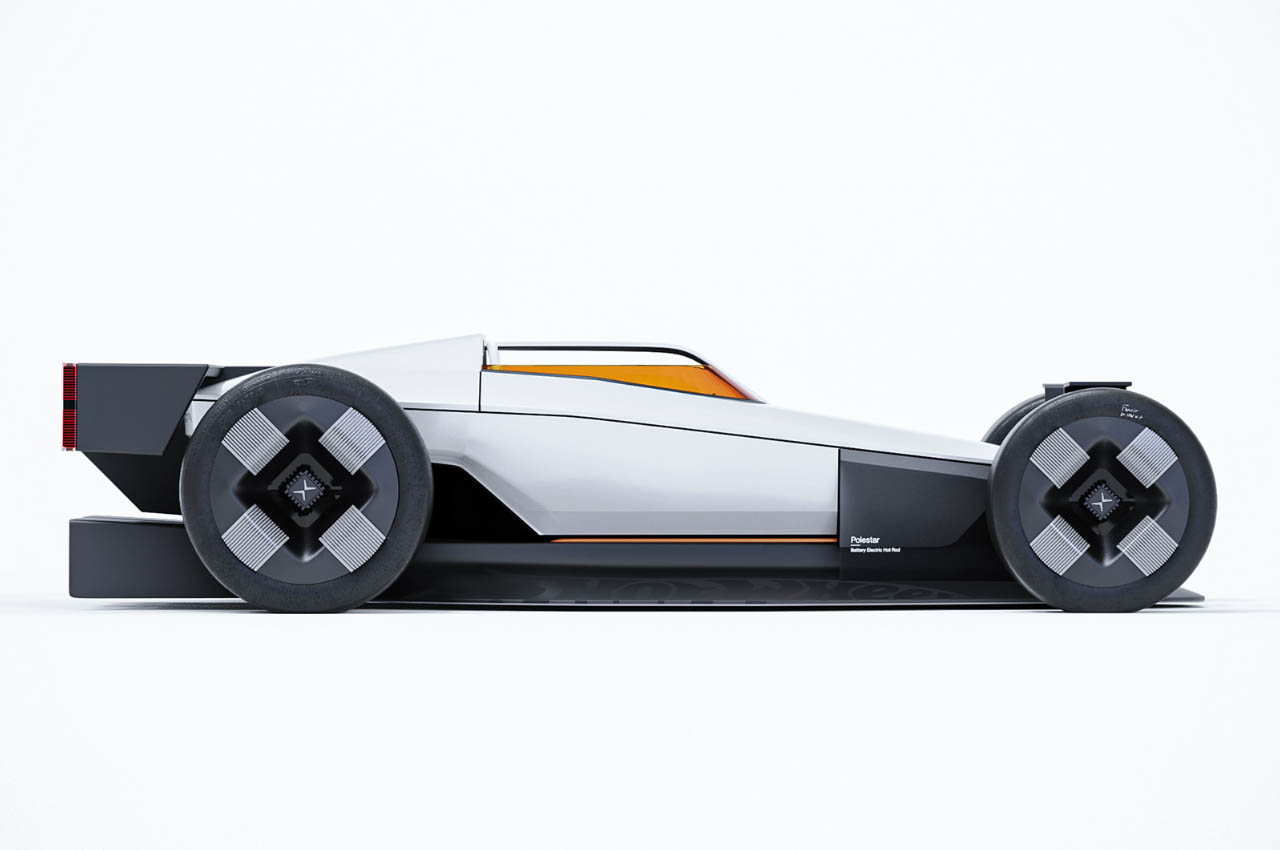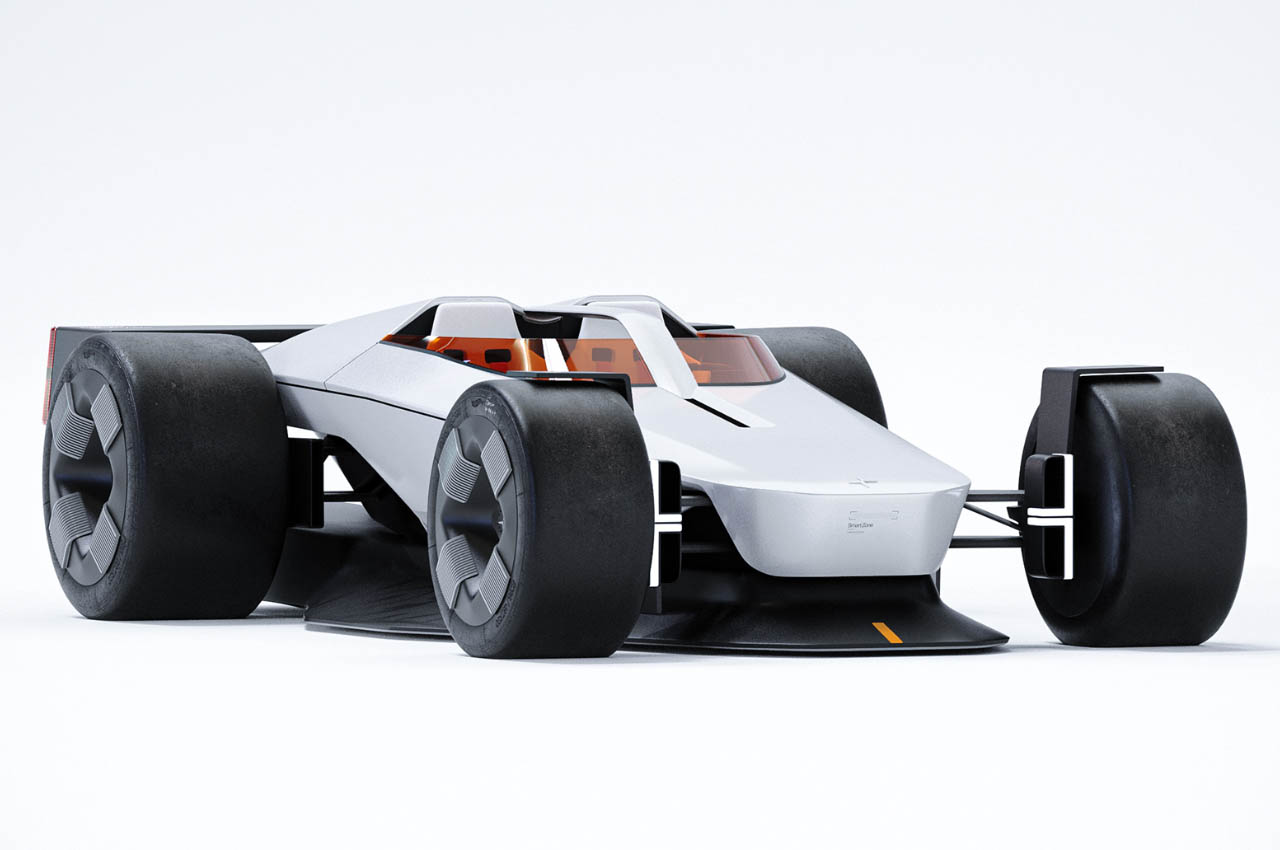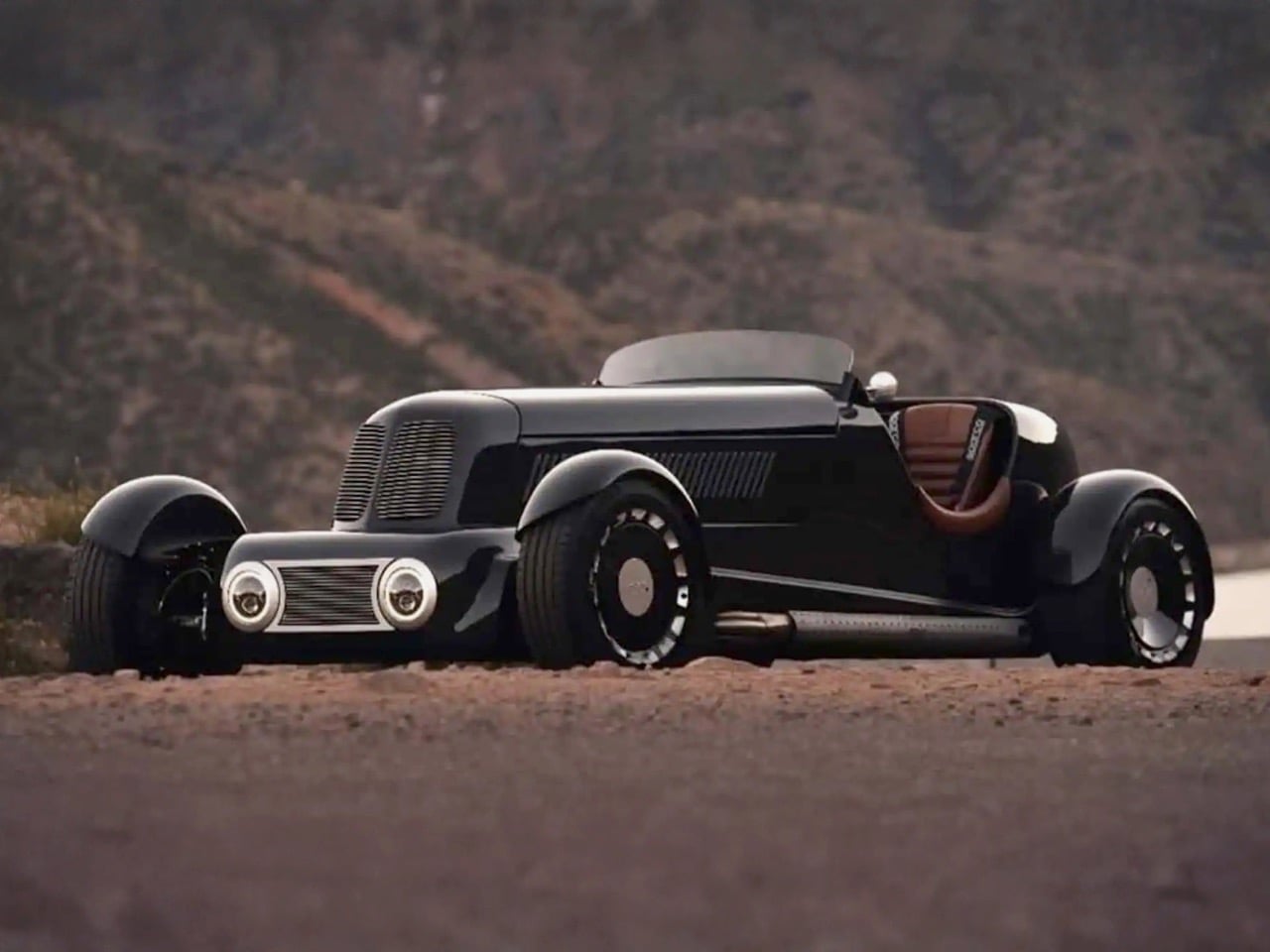
The best custom builds do not just remix old ideas. They ask what those ideas would look like if they were born today, with access to current tools, materials, and manufacturing processes. The SP40 Restomod Speedster is that question answered in carbon and billet. It takes the stance and spirit of a 1930s streamliner, that long, low, purposeful shape built for speed rather than comfort, and reimagines it through the lens of modern coachbuilding. The body is a series of massive, unbroken surfaces. The cockpit is minimal and driver-focused. The whole thing looks like it was designed on a computer, then machined to tolerances measured in microns.
There is a specific audience for this kind of work. People who buy hand-wound watches even though their phones keep better time. People who collect midcentury furniture not because it is trendy, but because the joinery and proportions feel right. People who understand that restraint is harder than excess, and that the best designs are the ones where nothing feels arbitrary. The SP40 sits at the intersection of automotive history and contemporary craft. It is not trying to fool anyone into thinking it is from another era. It is trying to capture what made that era compelling, then execute it with the precision and materials available right now.
Designer: Iconic Auto Sports
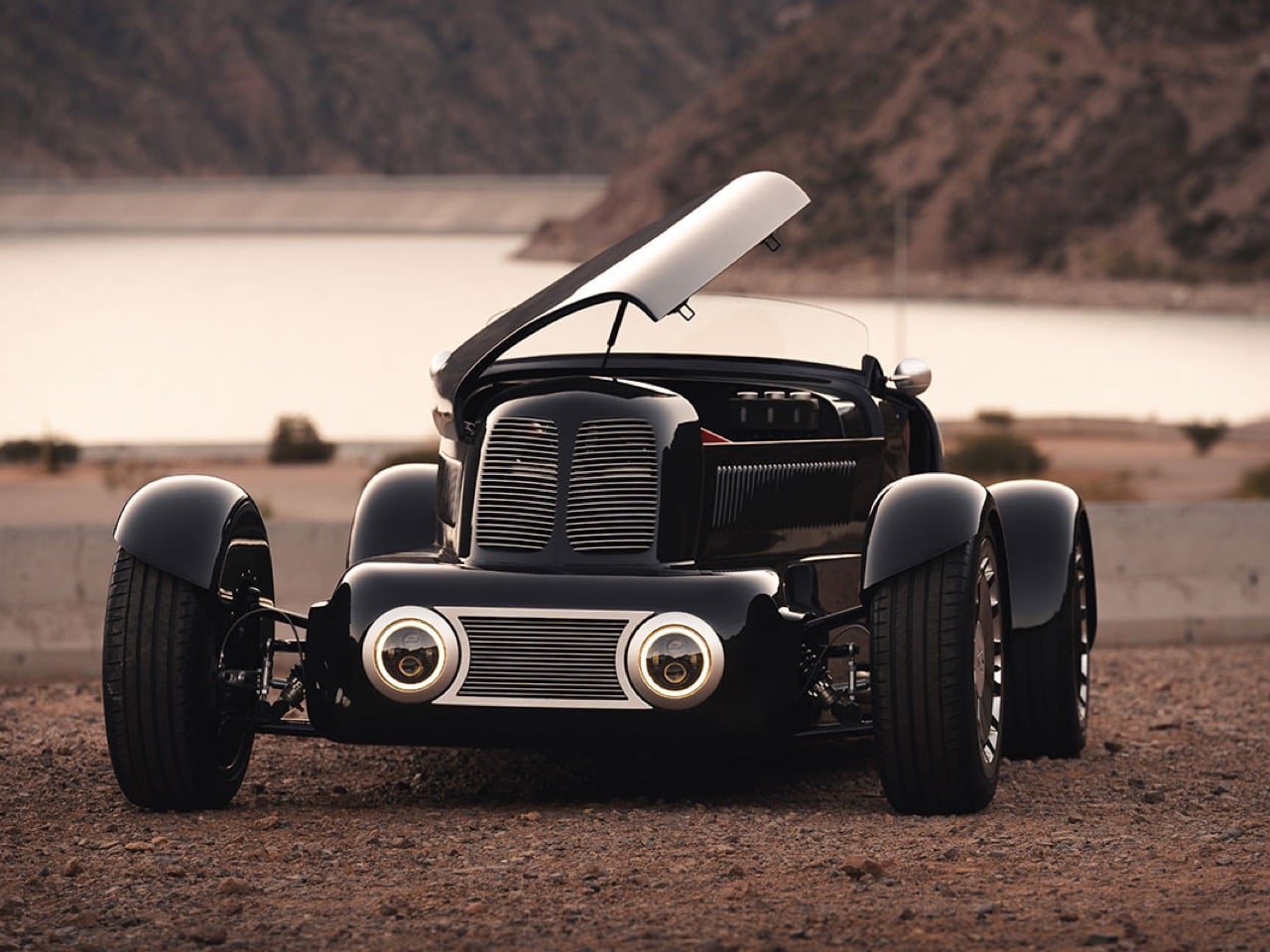
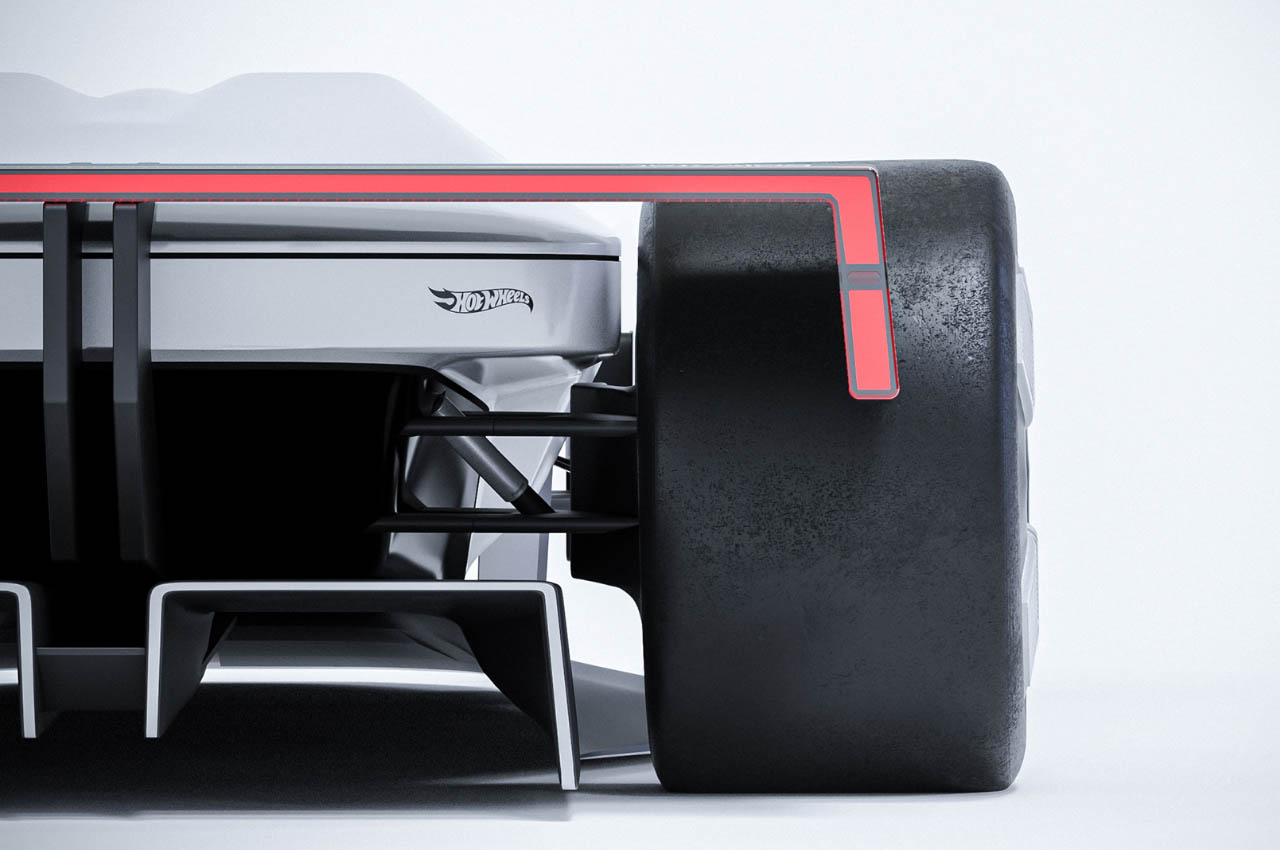
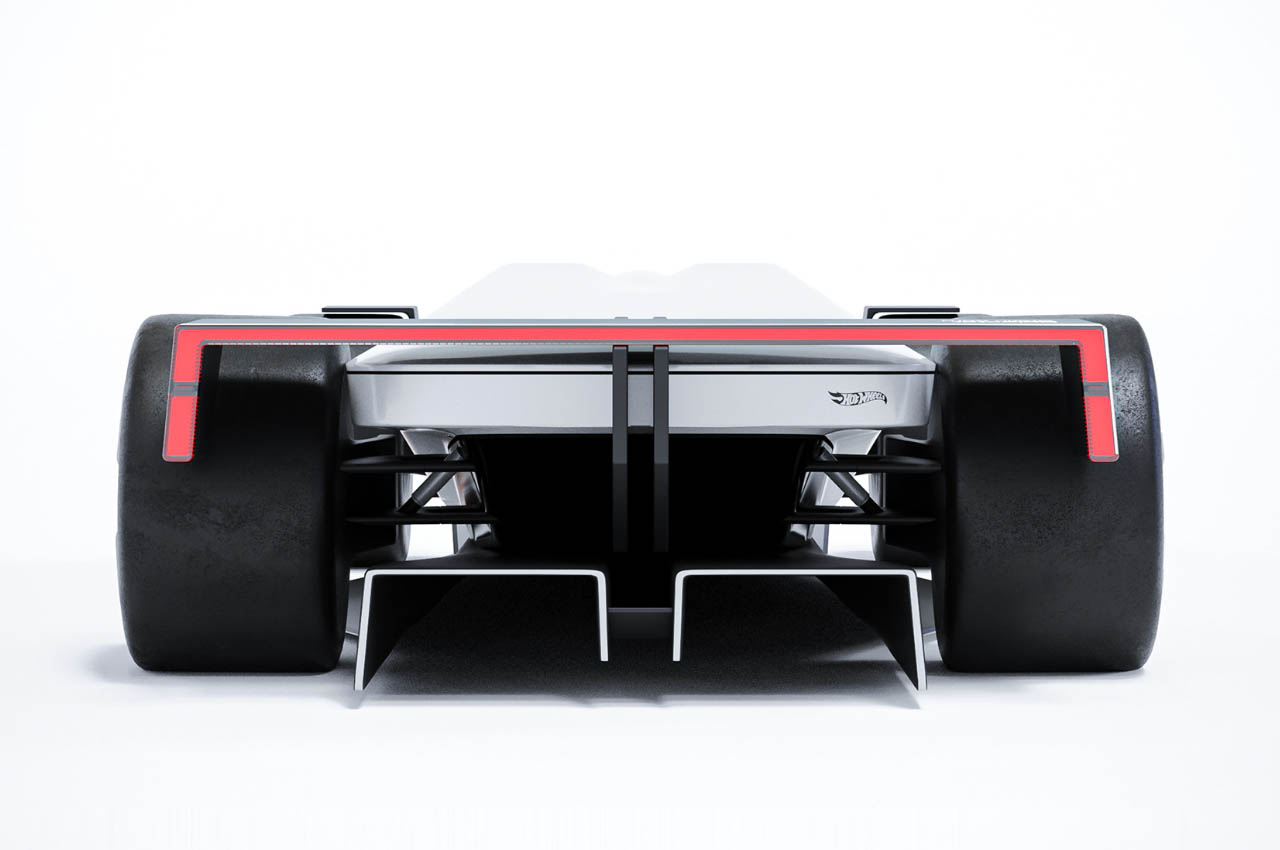
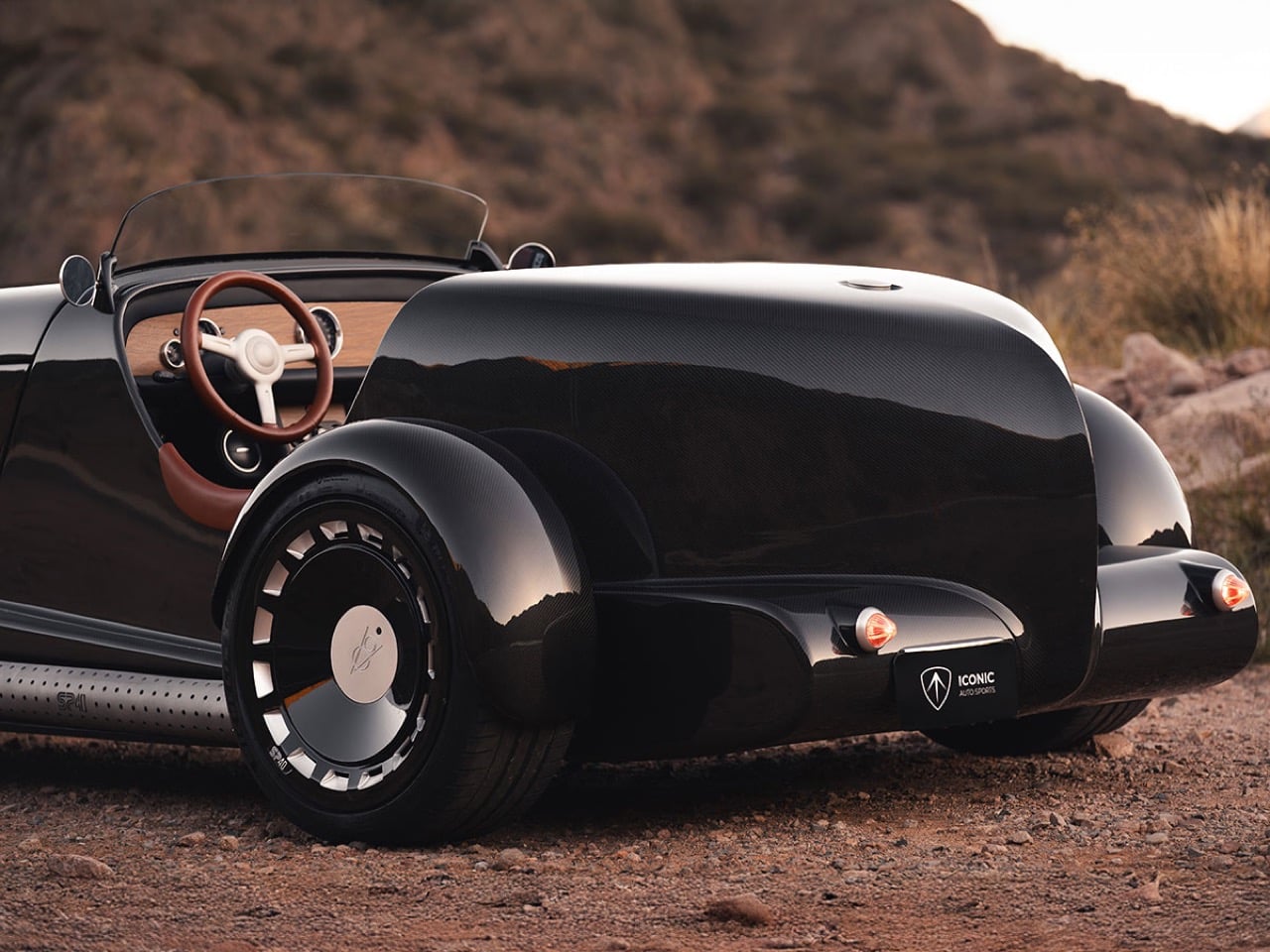
You can see that precision in the bodywork, which is almost certainly a full carbon fiber monocoque. Look at the rear clamshell; getting a single piece of carbon that large to lay perfectly without waves or distortion is an engineering feat in itself. This is not kit-car fiberglass with a carbon wrap. This is structural, aerospace-grade material science applied to a shape that feels impossibly organic. The entire car probably weighs less than 950 kilograms, which fundamentally changes how it would drive. All the visible suspension components up front are likely CNC-milled from aluminum, with geometry dialed in using modern kinematic software. It is a level of finish that blurs the line between a car and a piece of kinetic sculpture.
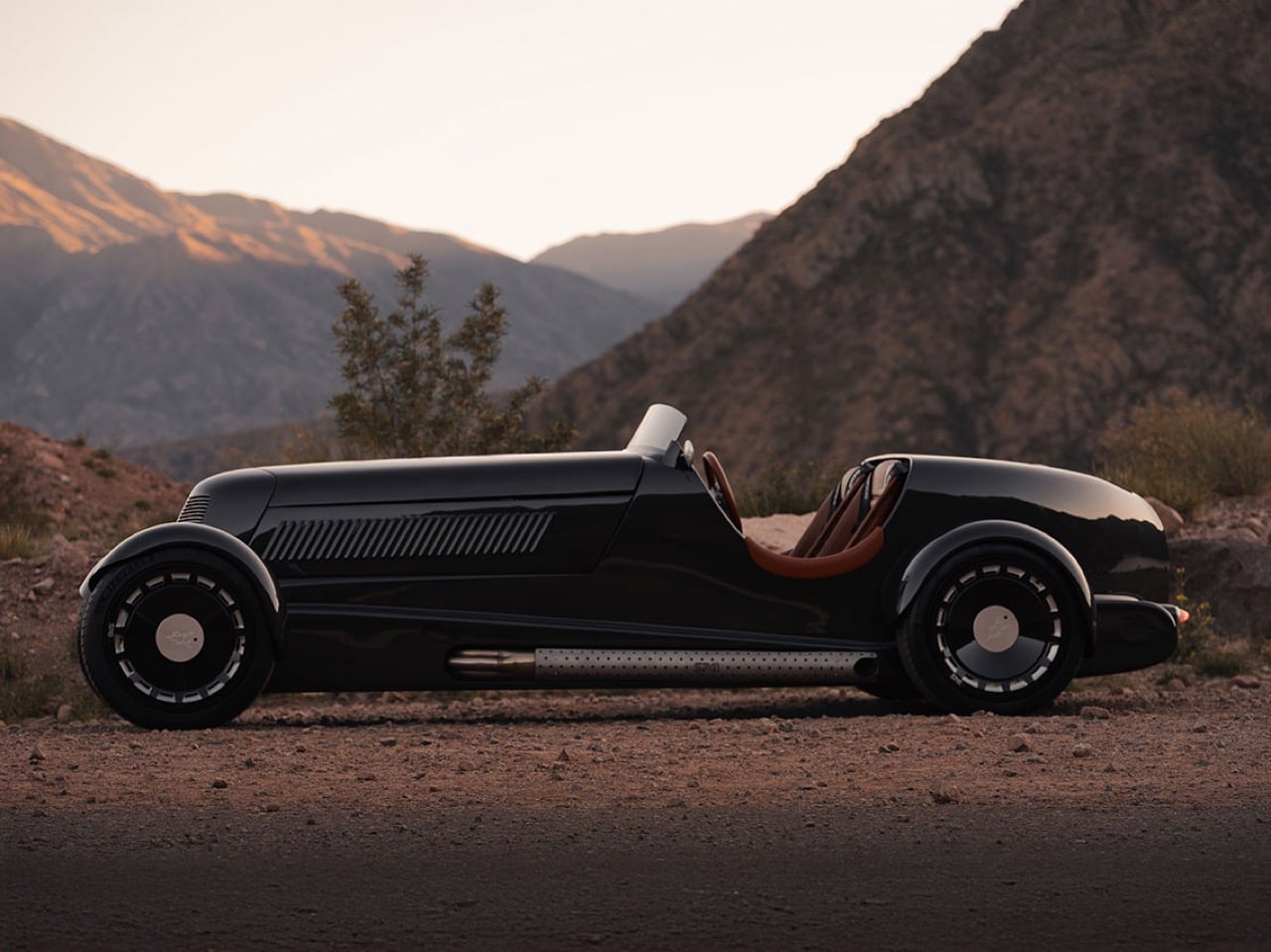

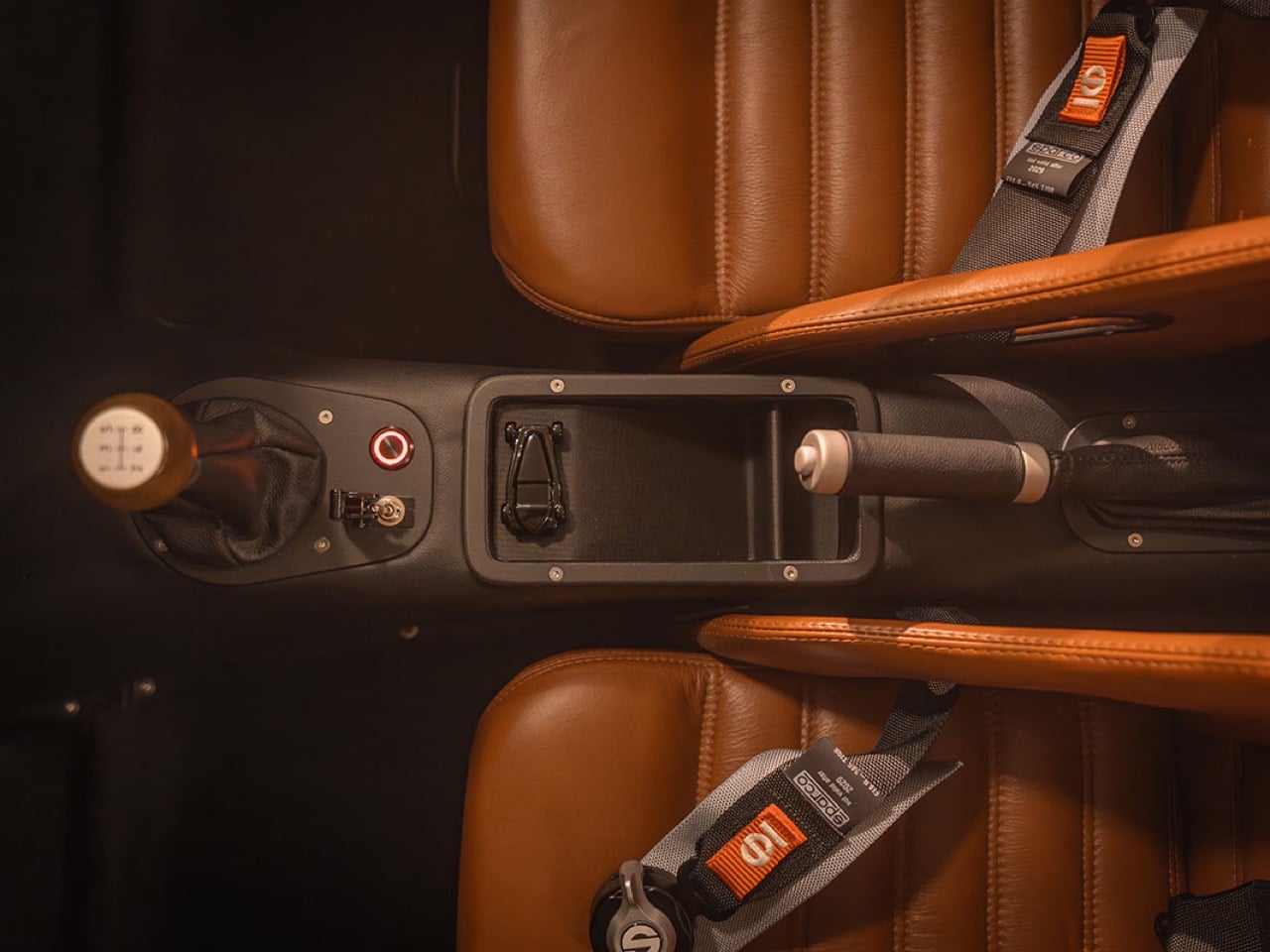
That philosophy carries right into the cockpit, which is a masterclass in tactile design. The gated manual shifter, with its wooden knob, is the centerpiece. It promises a mechanical, deliberate shifting action that modern paddle-shift systems simply cannot replicate. The dashboard is a simple plank of wood with classic analog gauges, a direct rejection of the screen-centric interiors that dominate the industry. Every control, from the toggle switches to the pull-handbrake, feels chosen for its physical feedback. It is a space designed for the act of driving, where your connection to the machine is through direct, mechanical inputs. The Sparco harnesses are not just for show; they are a clear signal of the car’s performance intent.
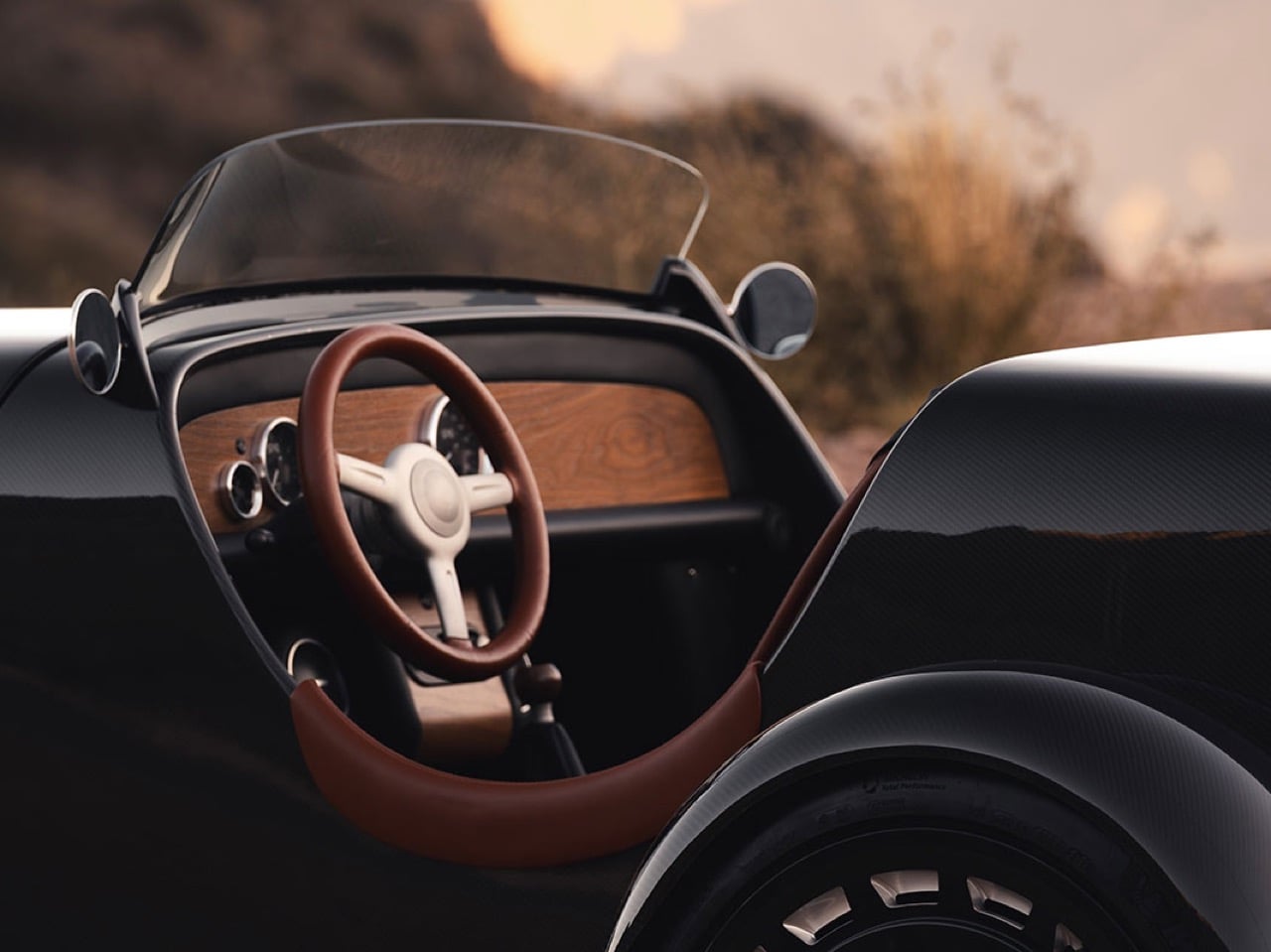
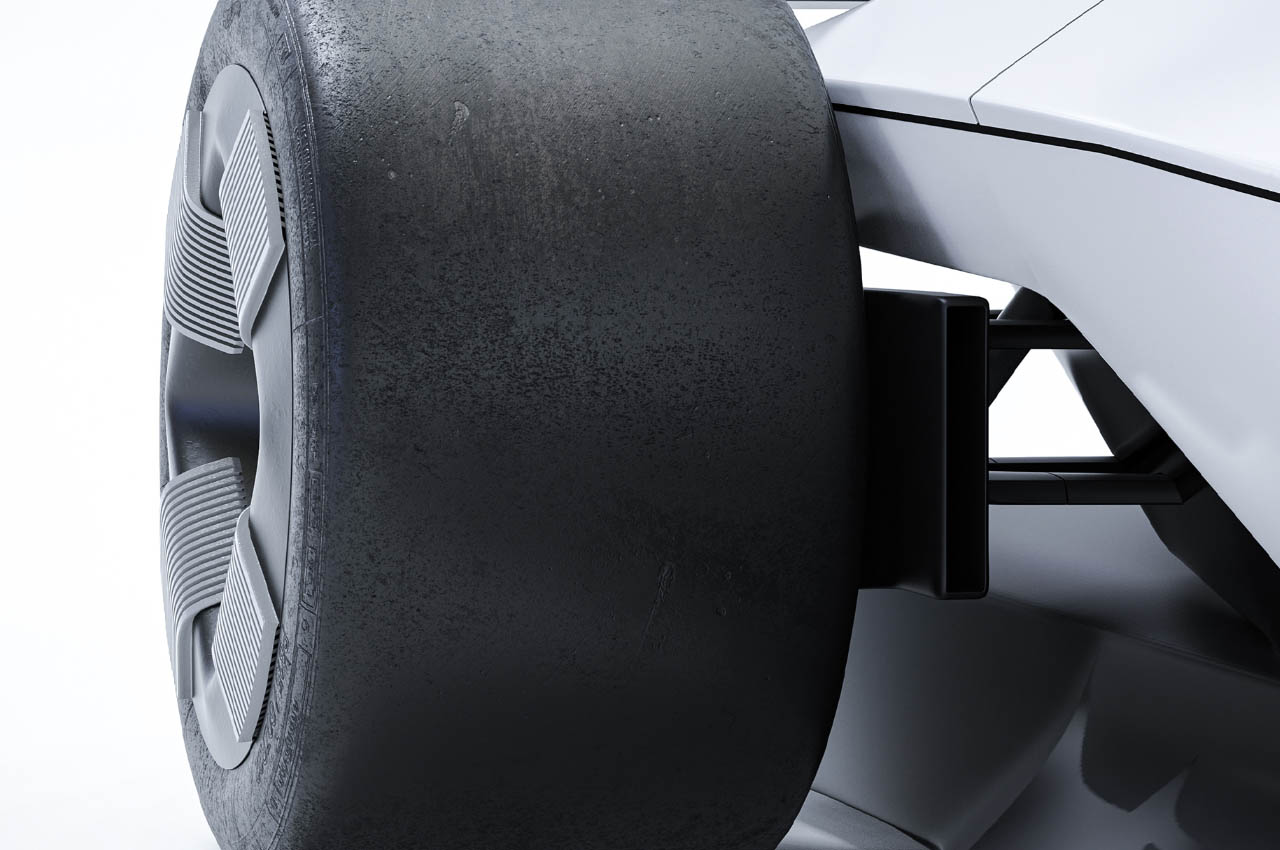
Underneath it all, the powertrain has to be something modern and potent. The side-exit exhaust and the big opening in the lower front grille point toward a forced-induction setup, probably a compact, high-revving V8. Something like a supercharged LT4 crate engine would provide around 650 horsepower with reliable, accessible torque, turning this lightweight chassis into an absolute weapon. Those wheels are a perfect metaphor for the whole project: they have the solid, functional look of vintage aero discs, but the turbine-like slots and two-tone finish are thoroughly contemporary. This car is a rolling thesis statement, arguing that technology’s best use is not to isolate the driver, but to perfect the analog connection we fell in love with in the first place.
The post Meet The SP40 Restomod Speedster: The Minimalist Carbon Hot Rod Redefining Retro Car Design first appeared on Yanko Design.