From Polestar to OnePlus to DJI, the US is becoming a harder place for globally influential brands

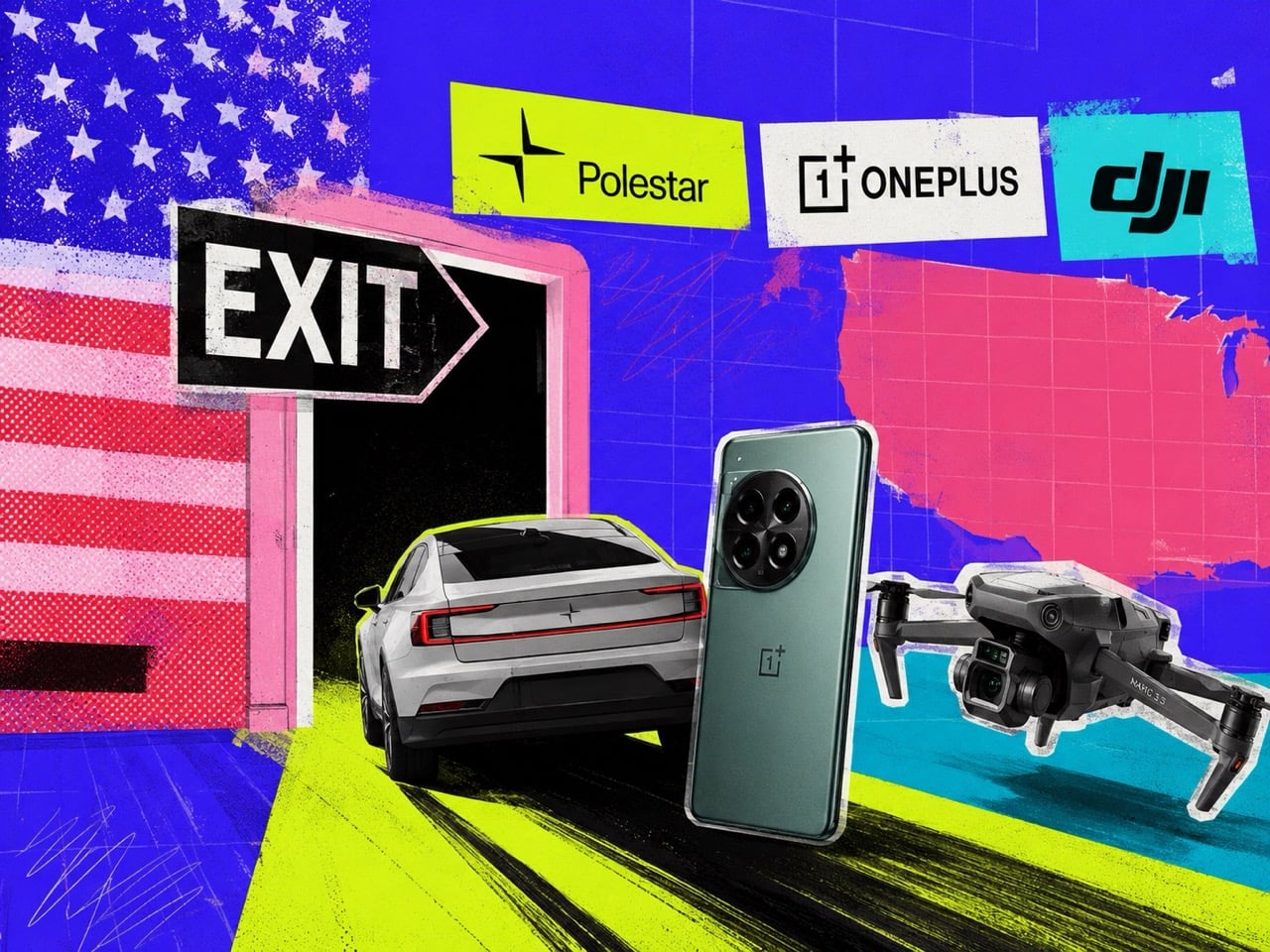
Polestar exited the US market last week. OnePlus decided to stop selling phones in the US on Friday. DJI has been standing at the exit for the better part of a year, held in place by a regulatory designation that has made its position in the American market functionally untenable. Three brands, three different product categories, and a pattern that is becoming difficult to explain away as coincidence or bad timing.

These were not fringe players. Polestar was the premium EV that made restraint look like a design philosophy. OnePlus spent a decade building the most credible alternative to Samsung and Apple in the Android space. DJI invented the consumer drone photography market and still dominates it globally. The US market, for a combination of regulatory, political, and structural reasons, has made room for fewer and fewer of them.

A Coincidence of Unfortunate Events?

It is tempting to view these departures as isolated stories, each with its own unique cause. Polestar’s exit was not a market failure; it was a regulatory execution. The US Commerce Department denied the brand authorization under the Connected Vehicle Rule, effectively deciding that its Chinese ownership through Geely made its data-collecting hardware a national security risk. The quality of the car, its minimalist interior, and its thoughtful user interface were irrelevant. The decision was about its corporate family tree, and no amount of design excellence could overcome that.

OnePlus’s retreat is a different flavor of failure, one driven by the peculiar economics of the American smartphone market. Success in the US requires appeasing a handful of powerful carriers who act as gatekeepers to the mainstream consumer. This means expensive certification processes, marketing kickbacks, and a willingness to play by rules set by companies that also have cozy relationships with Apple and Samsung. Despite building a loyal base of tech enthusiasts who bought its phones unlocked, OnePlus, under its parent company OPPO, ultimately decided the cost of scaling up in a protected duopoly was no longer worth it.

DJI represents a third path, a slow squeeze rather than a clean break. Placed on a government “Entity List,” the company is not technically banned from selling to consumers. Instead, it is hobbled. It faces restrictions on sourcing US technology, and the designation serves as a powerful warning to government agencies and corporate clients. This creates a chilling effect that bleeds into the consumer space, eroding trust and complicating its long-term strategy. The mechanism is different, but the outcome is the same: a globally significant hardware brand finds its American ambitions curtailed by forces beyond its control.

The Design Drought is Step to Something Worse

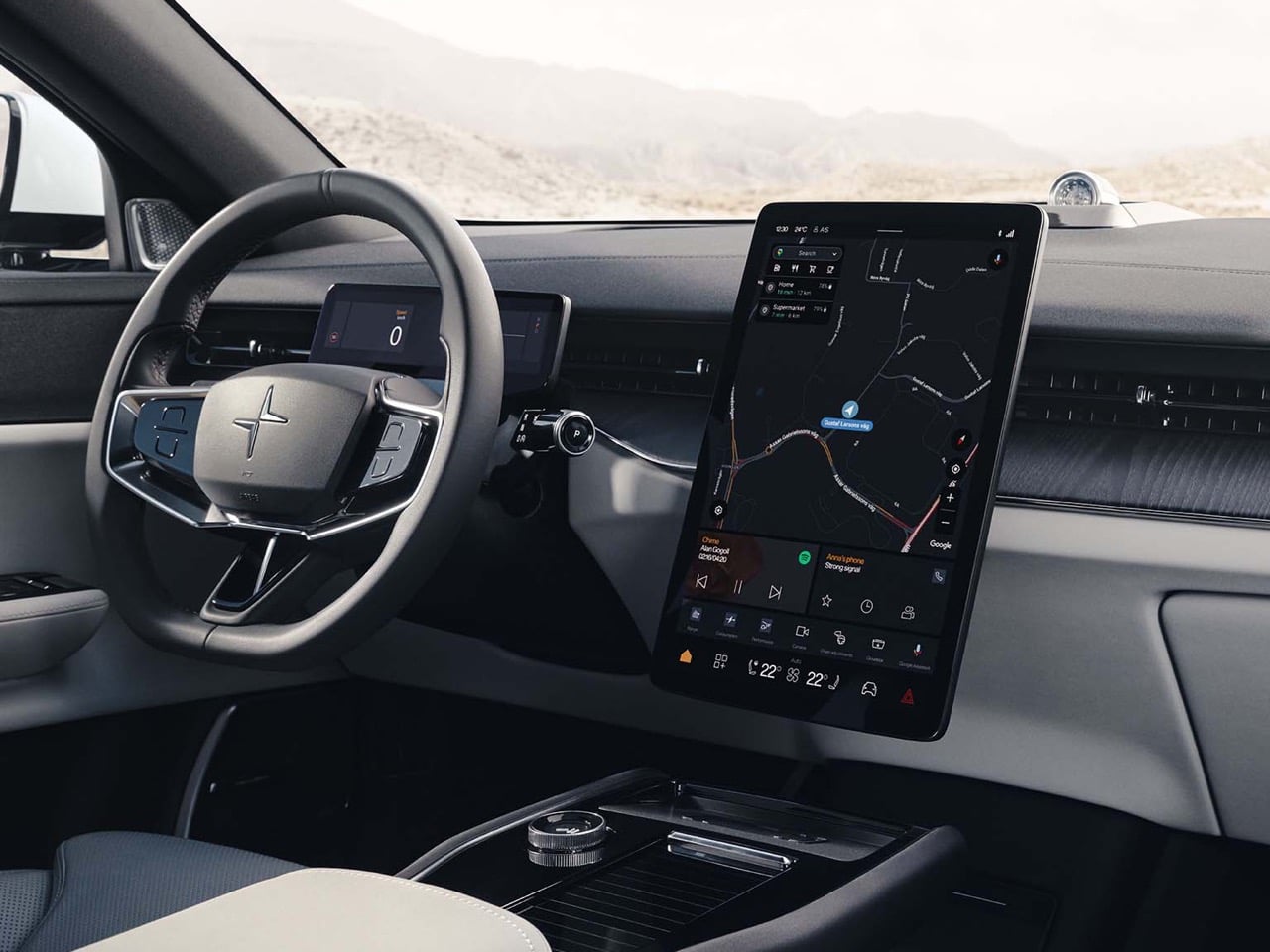
Losing these brands is about more than reduced competition. It is about a narrowing of the American consumer’s aesthetic and technological horizons, and the effects do not stop at taste. Each of these companies brought a distinct design philosophy to its category, one that challenged the assumptions of the established players. Polestar offered a vision of the electric vehicle as a piece of clean, minimalist architecture. Its focus on sustainable materials, restrained surfacing, and a calmer user experience stood apart from Tesla’s maximal dependence on software theatrics and from the visual clutter that still defines many legacy EVs.

OnePlus, at its peak, represented the power of focused, enthusiast-driven design. It championed the idea that premium performance and a clean software experience did not need to come with a four-figure price tag. Its signature alert slider and tactile finishes showed an attention to physical detail that dominant players often reserve for their most expensive models. Its retreat may not carry the same regulatory weight as Polestar’s or DJI’s predicament, and American consumers never embraced it at mass-market scale, but its diminished presence still removes one more source of pressure from a smartphone market that already feels overly settled.

DJI’s contribution extends far beyond the drone itself. The company effectively created the industrial design language for the entire consumer aerial imaging category. From the folding architecture of its Mavic drones to the intuitive ergonomics of its handheld gimbals, DJI made advanced robotics feel approachable and elegant. The pressure placed on DJI, much like the pressure placed on Huawei before it, has done very little to slow either company’s pace of innovation globally. If anything, it has simply reduced America’s access to the results. The same is true in electric vehicles. A market shaped around Tesla as the default benchmark risks isolating itself from how far competitors like BYD have pushed battery packaging, platform efficiency, and especially charging technology. When consumers are cut off from serious alternatives, incumbents are no longer forced to respond to the best ideas available anywhere in the world. They only have to outperform the smaller field left standing in front of them.

That is the deeper problem taking shape here. Throttling options does not only limit what people can buy. It limits what the market has to compete against. Innovation rarely thrives in protected comfort (Siri has overwhelmingly sucked because Apple doesn’t have to compete with an alternative assistant within their ecosystem). It accelerates when companies are forced to answer uncomfortable questions from better rivals, cheaper rivals, or simply different rivals. Once those rivals are filtered out, delayed, or kept at the border long enough to become irrelevant, the market begins to confuse stability with progress. The design drought becomes a technology drought soon after, and consumers end up paying premium prices for products that evolve more slowly than they should.

America is No Longer the Default Stage
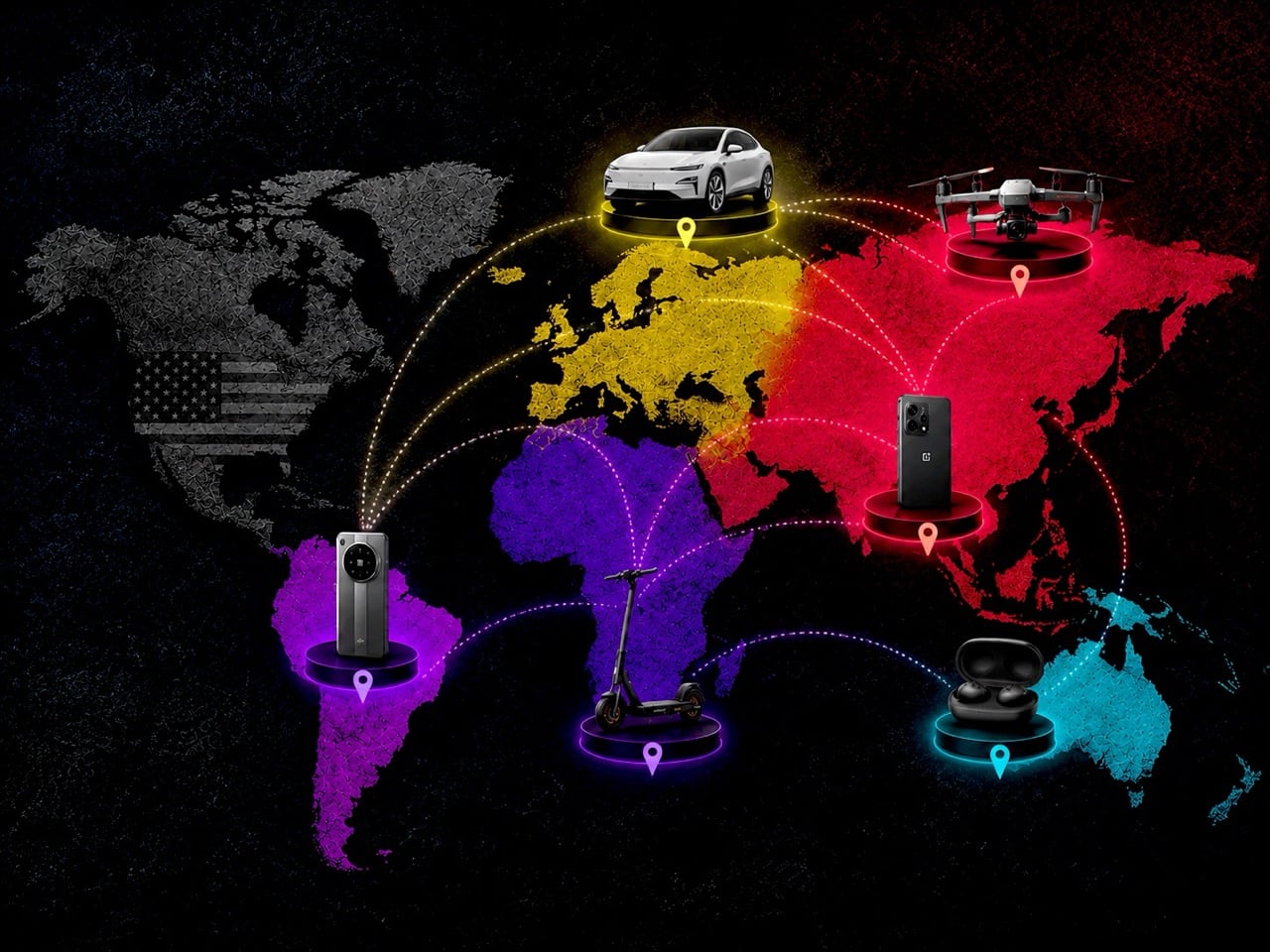
For decades, succeeding in the United States was the ultimate benchmark for any global hardware brand. It was the largest, most lucrative, and most culturally influential market. That is no longer a given. Today, launching in the US is a complex risk calculation, where the potential rewards must be weighed against a growing list of liabilities: suffocating regulatory hurdles, intense political scrutiny, and the high cost of competing against entrenched incumbents.

This has created a new reality where the most experimental and daring product design often debuts in Asia or Europe first. The US market, instead of being the exciting global stage, is increasingly becoming a curated and filtered destination for products deemed commercially and politically safe enough for entry. We are getting the final, polished drafts, not the exciting early sketches. The result is a design landscape that is becoming more homogenous, more predictable, and less reflective of the true diversity of global hardware innovation. The conversation is happening elsewhere, and we are only hearing the echoes.

The post From Polestar to OnePlus to DJI, the US is becoming a harder place for globally influential brands first appeared on Yanko Design.
Polestar’s Sudden U.S. Exit Reveals the Hidden Risk of Buying a Connected Car

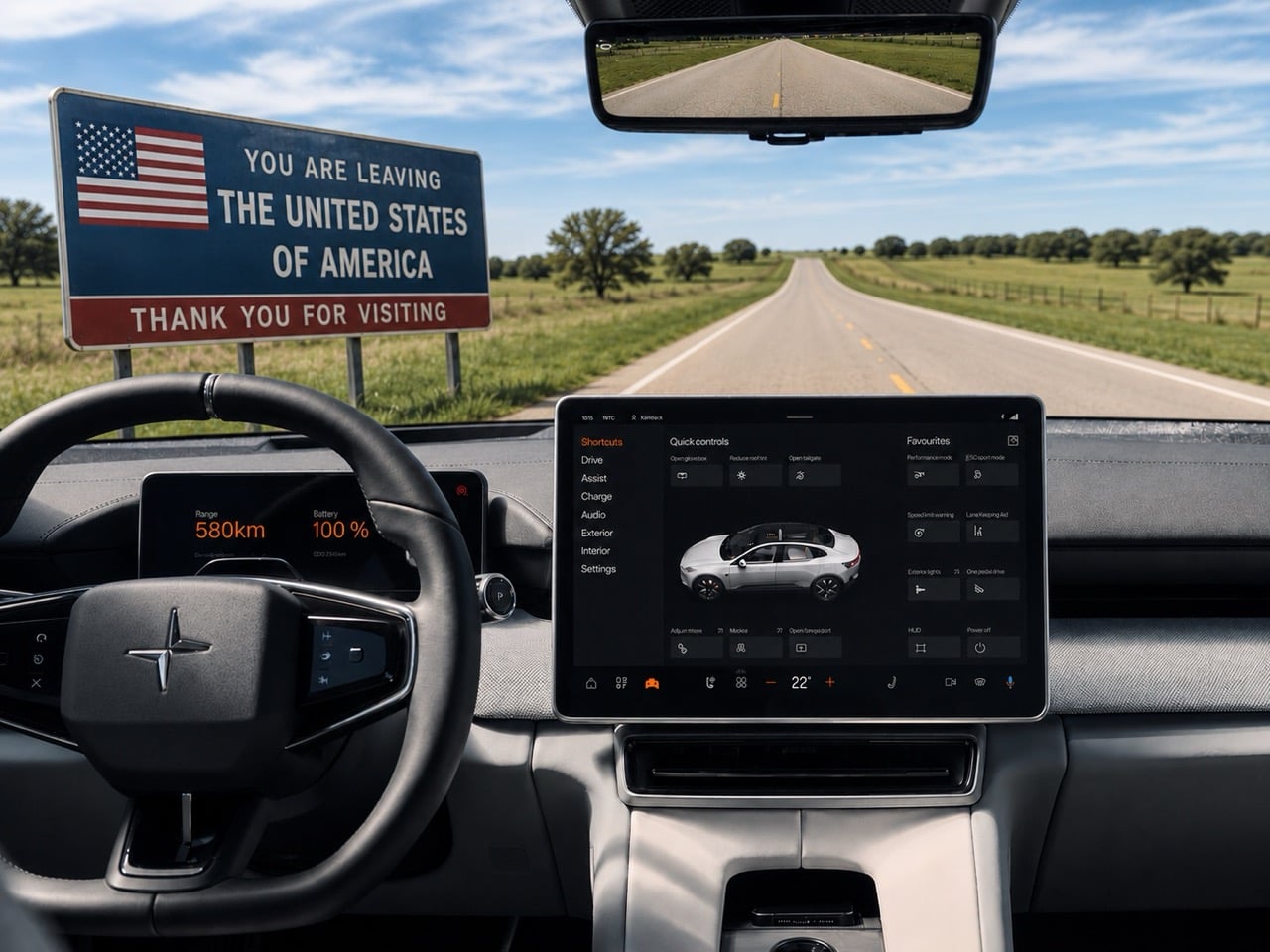
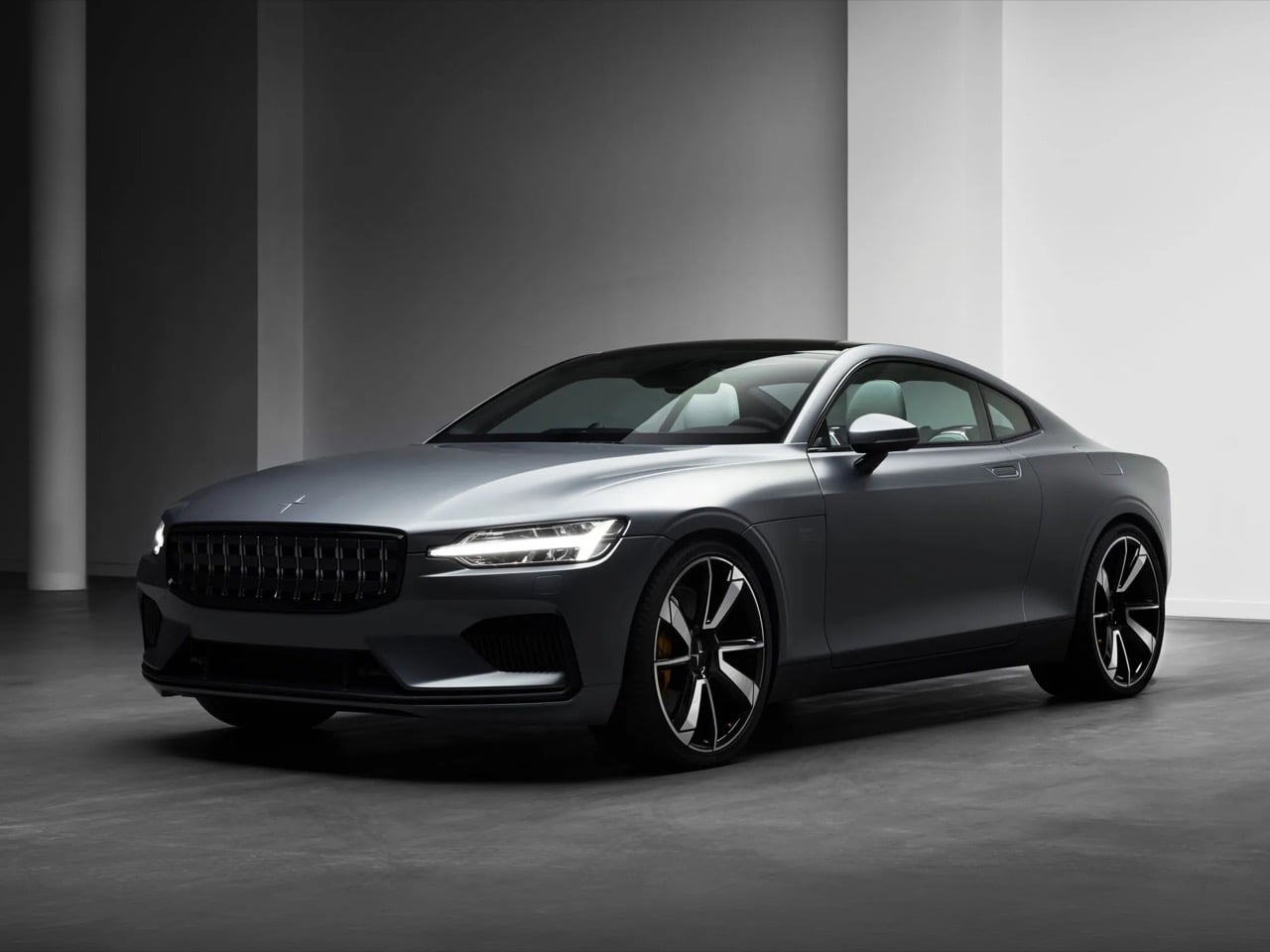
Somewhere in Washington state, a man named D.L. Byron recently bought a certified pre-owned Polestar 2. He did what most careful buyers do, researched the brand, appreciated the Scandinavian design, weighed the range and the reputation, and made a considered decision. Then, within days of that purchase, Polestar announced it would stop selling new vehicles in the United States from the 2027 model year onward, after the U.S. Department of Commerce denied the Swedish automaker authorization under the Connected Vehicle Rule. Byron’s reaction, reported by The Verge, was immediate and unambiguous. “It feels like we’re the ones left holding the bag, with no compensation for the sudden loss in market value on cars we just bought or leased.”

What Byron experienced is becoming the defining anxiety of the connected-car era. A modern EV purchase comes bundled with software ecosystems, service networks, regulatory standing, and brand-dependent resale value, all of which can shift dramatically on a government decision, a quarterly earnings report, or a geopolitical pressure point that the buyer had no awareness of on signing day. The car itself may run perfectly fine for years. The broader infrastructure that gives it value, the OTA updates, the service continuity, the dealer footprint, and the market confidence of potential used-car buyers, operates on forces that have very little to do with how capable the vehicle actually is. Polestar owners in the U.S. are learning this the hard way, watching resale anxiety arrive before the service network has missed a single appointment, and the lesson extends well beyond this brand and this moment.

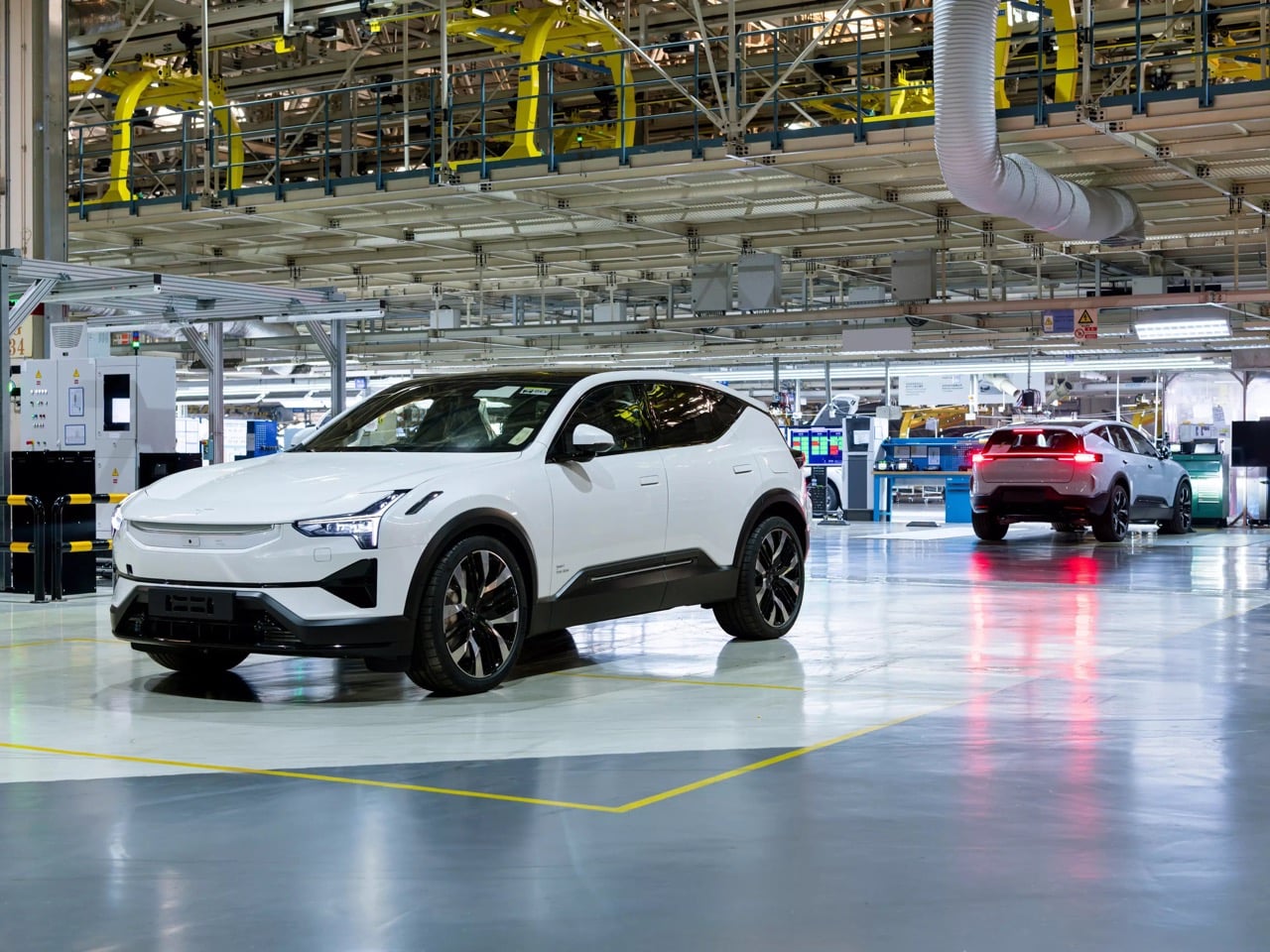
The Connected Vehicle Rule, finalized by the Department of Commerce’s Bureau of Industry and Security, targets vehicles with a “sufficient nexus” to China or Russia, covering telematics, cameras, GPS, Bluetooth, cellular modules, and automated driving systems. The software restrictions kick in at model year 2027 with hardware restrictions following in 2030. Polestar’s problem was never where its cars were built. The Polestar 3 is assembled in South Carolina alongside Volvos from the same Zhejiang Geely Holding Group, yet local manufacturing provided no shield from the authorization denial. The rule targets ownership structure and software entanglement, and Polestar’s Geely-majority ownership, combined with its reliance on the Geely ecosystem, gave the Bureau its grounds. Volvo, operating as a separately listed entity with a decoupled software stack and a more established U.S. footprint, secured a waiver. Polestar did not.

Polestar CEO Michael Lohscheller positioned the retreat as forward strategy, noting that Europe accounts for the largest share of the brand’s sales, and the company’s messaging on owner support has been consistent: warranties honored, existing Polestar 2, 3, and 4 owners continuing to receive service, and remaining Polestar 3 and 4 inventory sold at an aggressive discount until stock runs out. The brand had warned as early as 2024 that the Connected Vehicle Rule could effectively block its U.S. sales, yet when the formal exit became official, it still landed hard for buyers who had only just signed their paperwork. Matthew Haiken, owner of Polestar Short Hills in New Jersey, captured the dealer position precisely: “At this point, I have to trust that Polestar will honor its warranty and service commitments. We deserve better. This is the first time that anyone has said, ‘Hey, this is not us. It’s outside our control. It’s the government.’ So we’re left very vulnerable.” The warranty is still valid on paper. Whether the used-car market reads the situation as generously is a separate question, and used-car buyers are rarely sentimental.

Buying a connected car in 2026 without evaluating the brand’s regulatory standing, software continuity, and commercial presence in your market is a gap that Polestar owners are now navigating in real time. Fisker’s collapse last year was the more total and immediate version of this lesson, and while Polestar’s situation is structurally different, the emotional experience for current owners is uncomfortably familiar. The Polestar 2, 3, and 4 are genuinely well-designed vehicles that many owners will hold onto for exactly that reason. But resale value is a market sentiment measure, and market sentiment on a brand that has exited your market corrects fast and waits for no one. Polestar’s predicament makes the broader case: every connected-car buyer should be stress-testing the brand’s software stack, regulatory profile, service infrastructure, and long-term commercial standing before they sign, and those variables matter as much as the range figure on the window sticker.

The post Polestar’s Sudden U.S. Exit Reveals the Hidden Risk of Buying a Connected Car first appeared on Yanko Design.
DJI Meets Polestar in This Sleek White FPV Drone Concept That Rejects the Racing Aesthetic

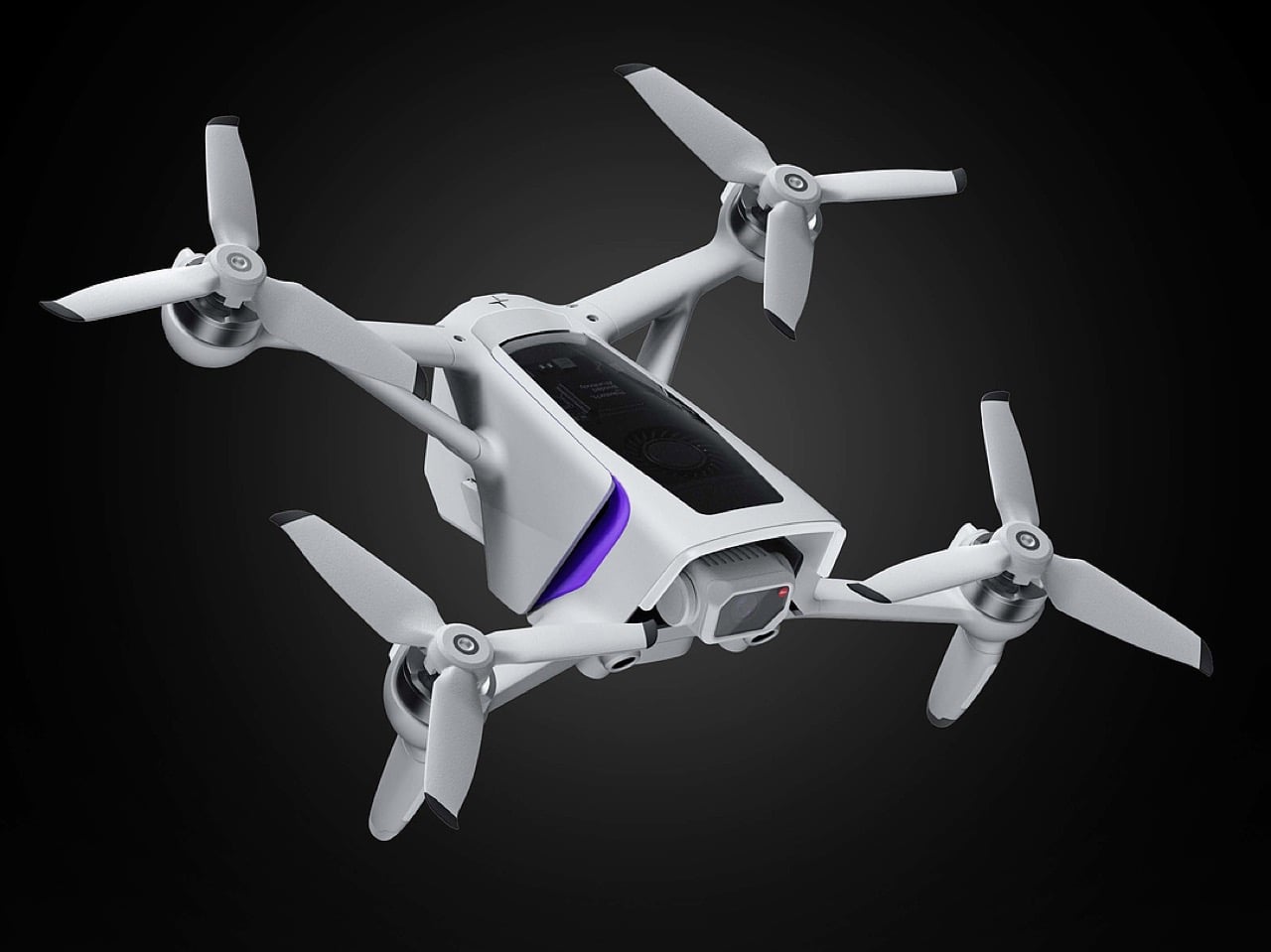
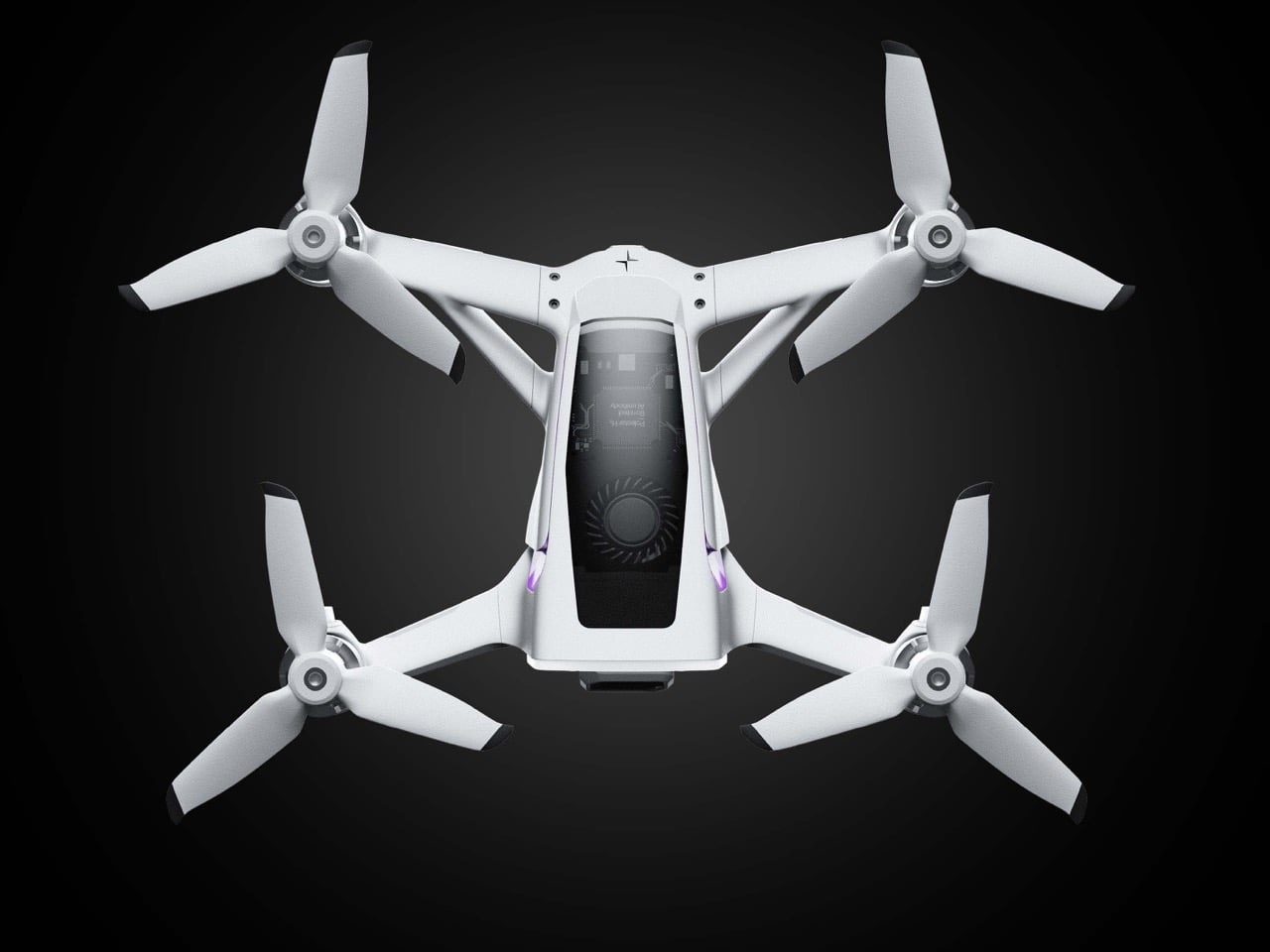
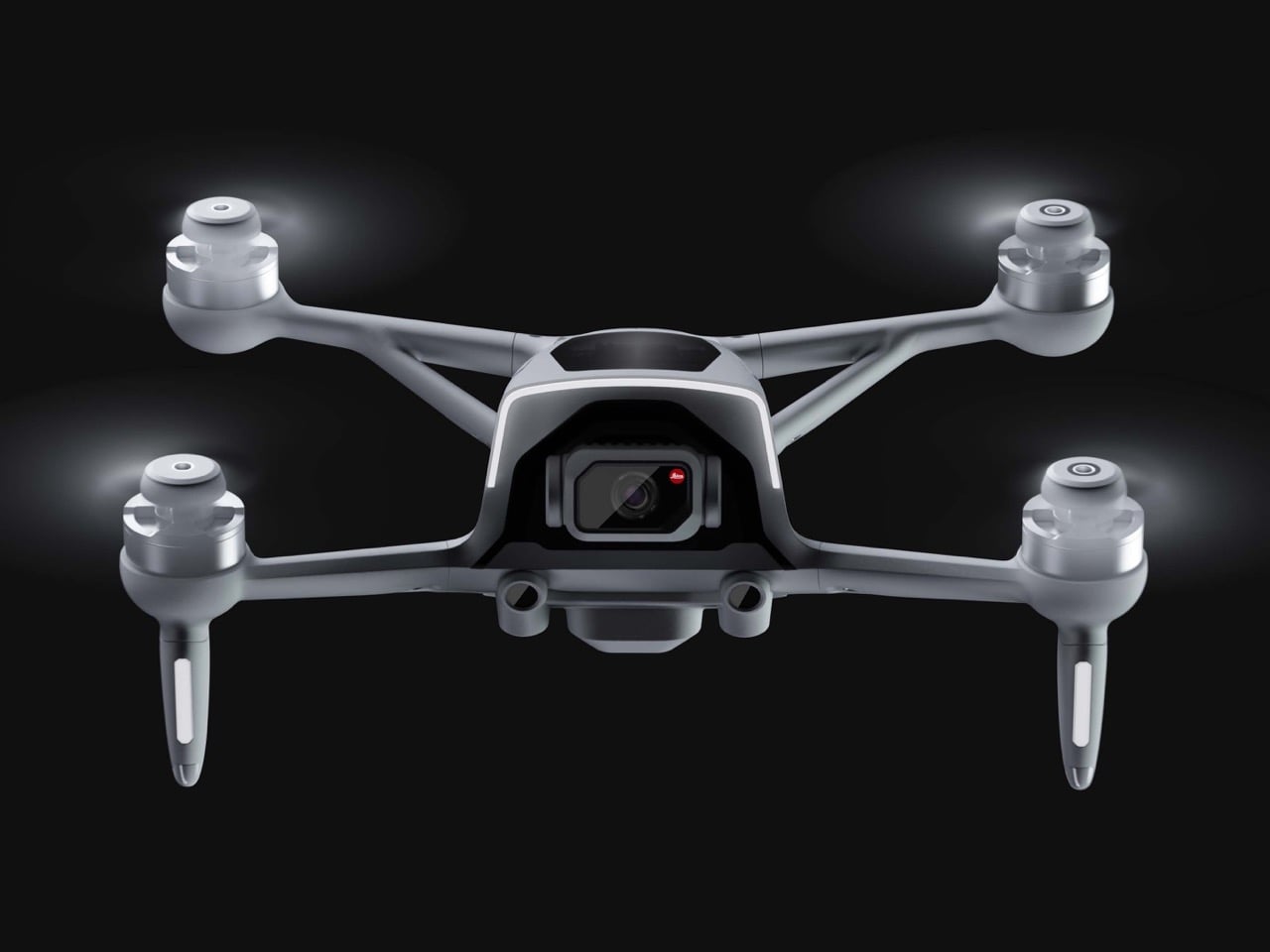
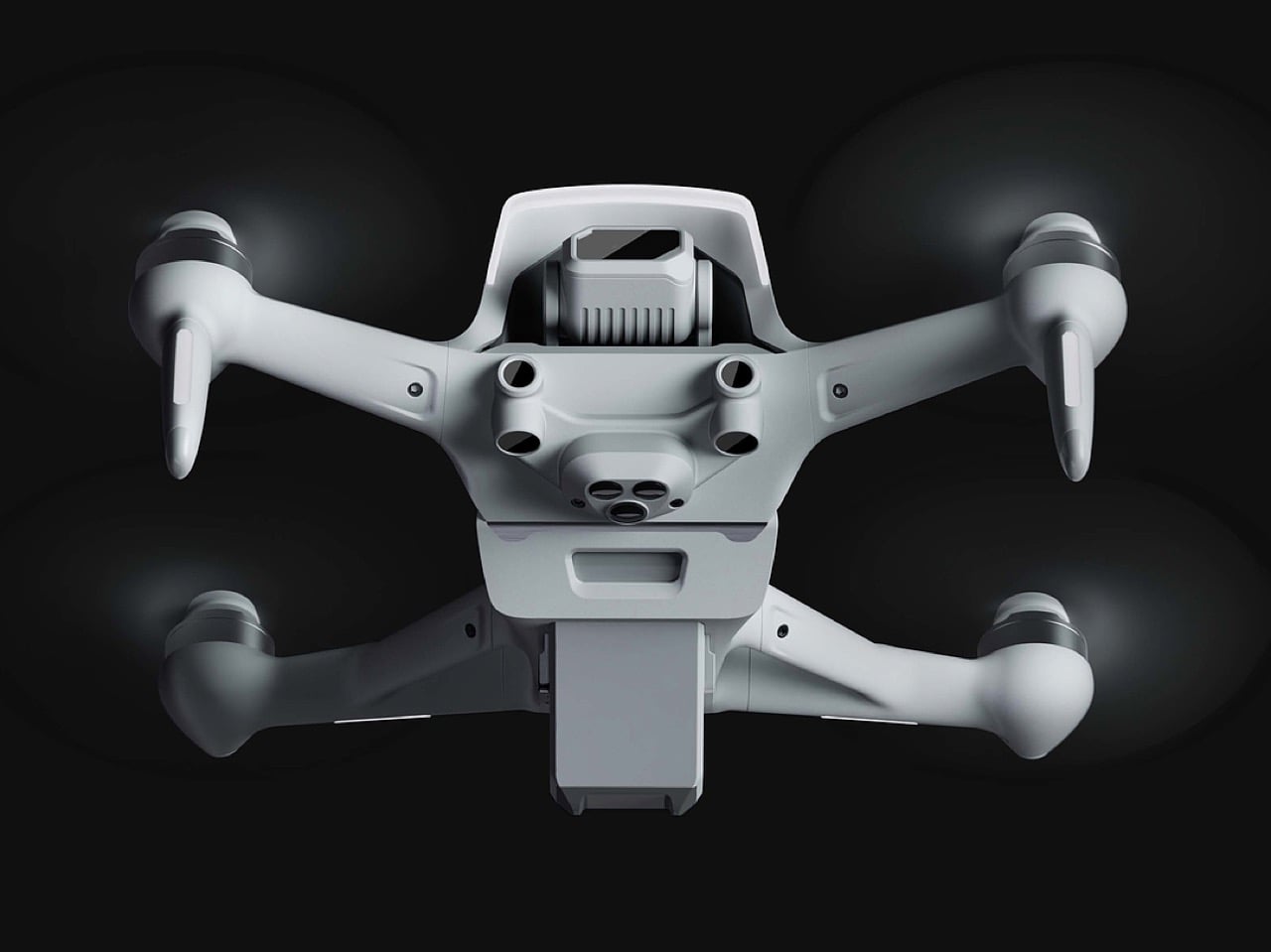
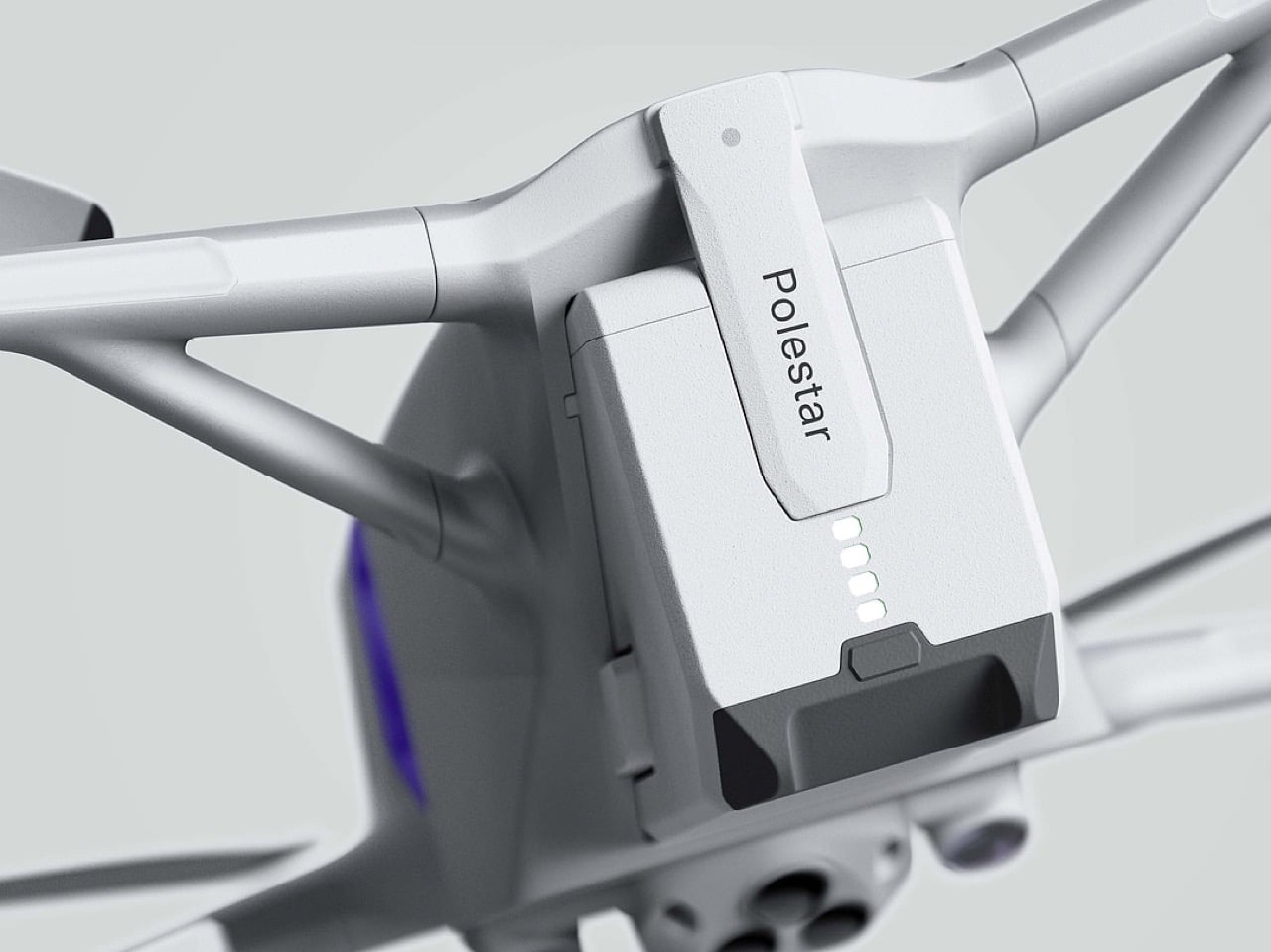
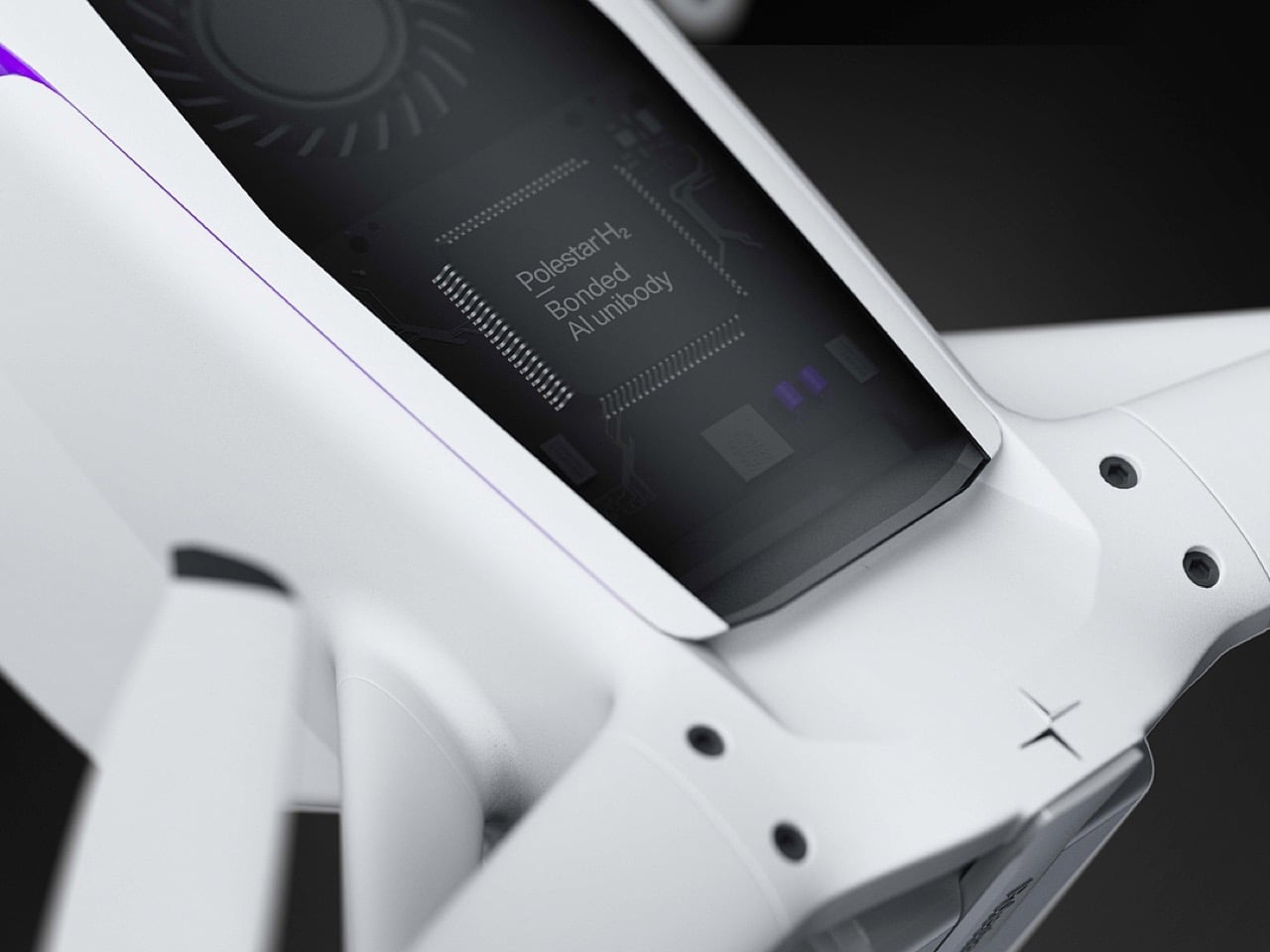
Polestar’s cool Nordic minimalism is not the first thing you expect to see in an FPV rig, yet this concept leans into that contrast and makes it feel inevitable. The drone lifts DJI’s “stacked” architecture of camera, flight controller, cooling, and battery, then wraps it in a crisp, automotive shell that would look just as natural parked beside an electric coupe as it would screaming through a canyon. Instead of the usual exposed carbon and repair-bench aesthetic, the body reads like a single sculpted volume, with the arms flowing out of a central spine and a long, glassy tech strip revealing the hardware beneath. Subtle light signatures, a clean white finish, and a battery module that wears the Polestar wordmark turn what is usually a niche racing tool into something that feels like a premium consumer product, without sanding off its performance edge.

The design’s intelligence lies in how it translates DJI’s engineering logic into a clean visual language. The concept of “structural stacking” is central here, treating each primary component as a self-contained module arranged in a neat, vertical order. The camera and gimbal sit in a dedicated nose pod, followed by the flight control unit and heat dissipation systems under the long, dark canopy, with the battery locking in as a solid block at the rear. This layered approach brings an architectural order to the drone’s anatomy, making the technology feel organized and accessible. It moves away from the traditional FPV layout, where components are often fastened to an open frame, and instead presents a unified, product-like object that feels intentional from every angle.

Designer: Ocean

The drone’s body is finished in a matte, almost ceramic white, with surfaces that are both soft and incredibly precise, a hallmark of the EV brand’s surfacing strategy. The long, dark insert on top is more than just a cover; it’s a “tech window” that frames the internal hardware as a point of interest, much like Polestar does with its glass roofs and integrated sensor bars. Even the lighting is handled with automotive discipline. The thin purple accents feel like signature light blades, providing a controlled glow that suggests advanced technology rather than the often chaotic RGB strips found on custom FPV builds. The result is a machine that feels both high-tech and incredibly calm.

Still, this polished exterior does not compromise the drone’s aggressive spirit. The wide, planted stance and large, efficient-looking propellers signal that it is built for serious performance. A look at the underside reveals a dense cluster of sensors, cooling vents, and structural ribbing, confirming that this is a tool for demanding pilots, not a toy. The designer skillfully balances these hard-core elements with a consumer-friendly sensibility. The battery, for instance, is a perfect example. Branded with the Polestar logo and featuring clear, intuitive LED charge indicators, it feels like a piece of premium electronics, making a critical component feel safe and simple to handle for users who may not be seasoned hobbyists.

Ultimately, this concept imagines an FPV experience for the tech enthusiast who appreciates sophisticated design as much as raw performance. It is a drone for the person who owns a Polestar, not just because it is electric, but because of its commitment to a clean, forward-looking aesthetic. By merging the robust, modular architecture of a DJI product with the refined, human-centric design of a modern EV, this concept suggests that the future of high-performance drones might be less about exposed wires and carbon fiber, and more about the seamless integration of power and polish.

The post DJI Meets Polestar in This Sleek White FPV Drone Concept That Rejects the Racing Aesthetic first appeared on Yanko Design.
Polestar Kairos unifies space travel and daily commutes into one intriguing concept

We all know that space is the next major frontier that remains to be conquered by humans, sparked by Elon’s ambitions to colonize Mars. Previously, NASA and now SpaceX are spearheading the dreams of space tourism and ultimately moving beyond planet Earth’s nurture. These developments have triggered inspiration for countless concept vehicles that envision what the future could be like.

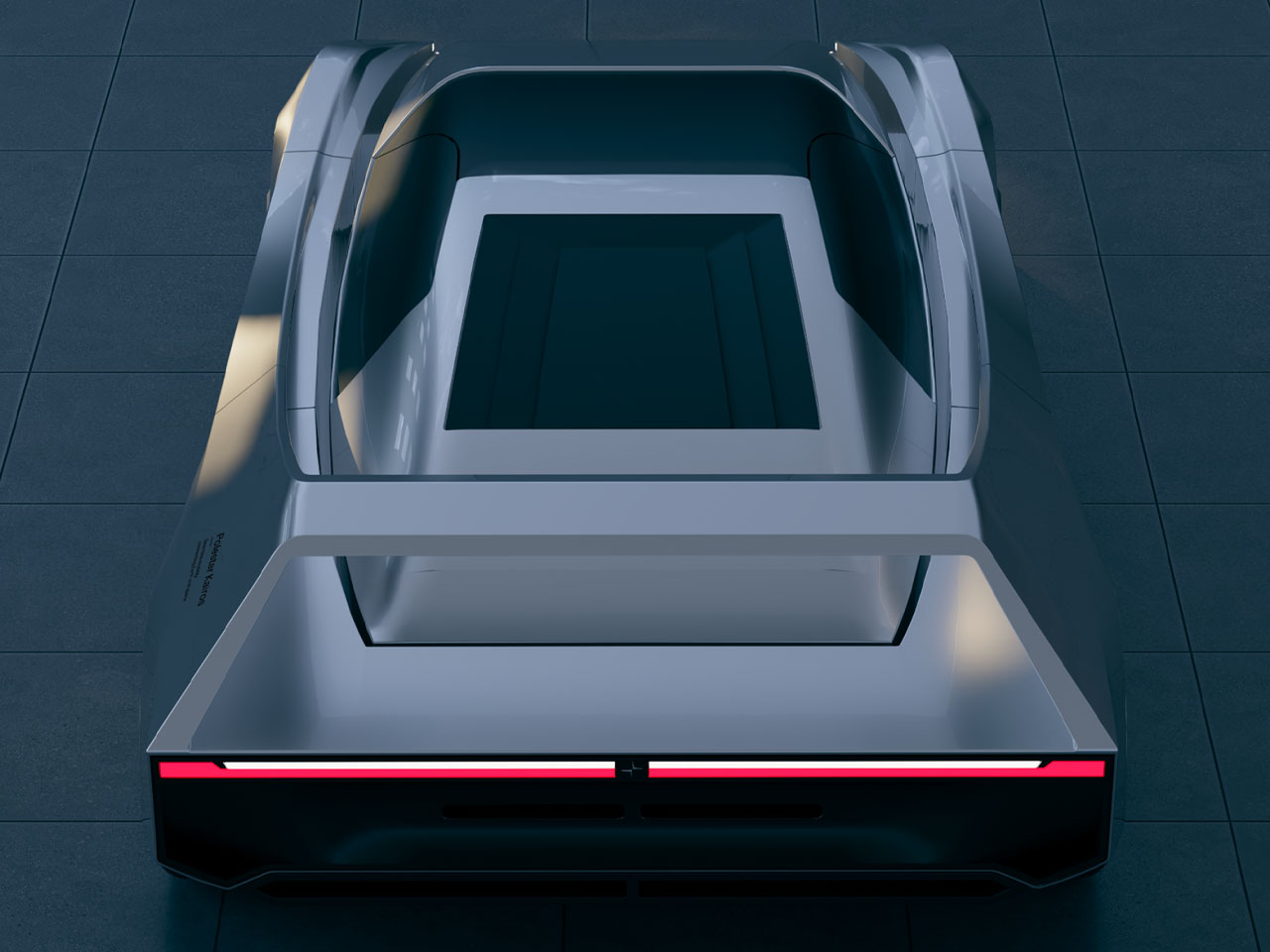
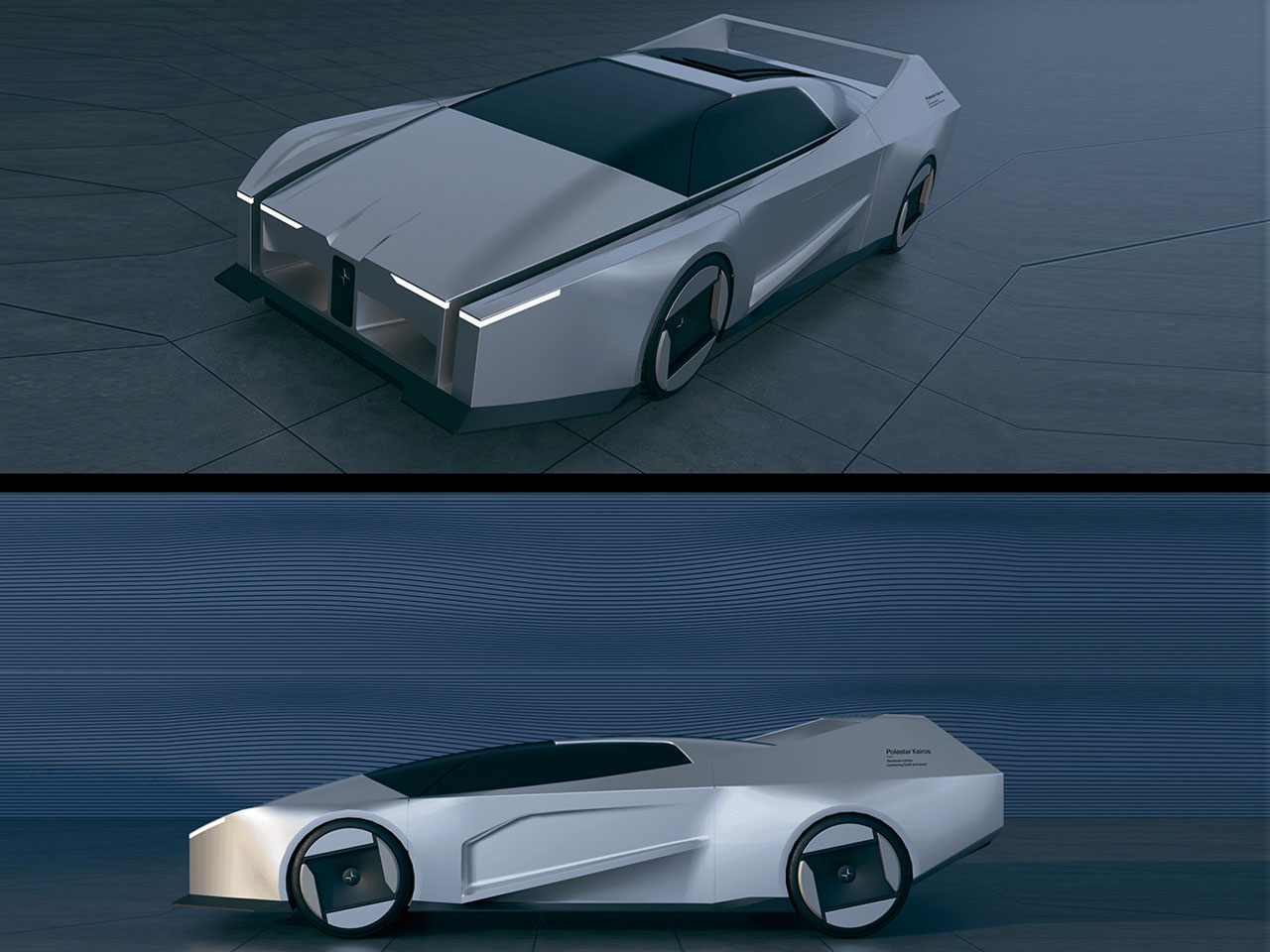
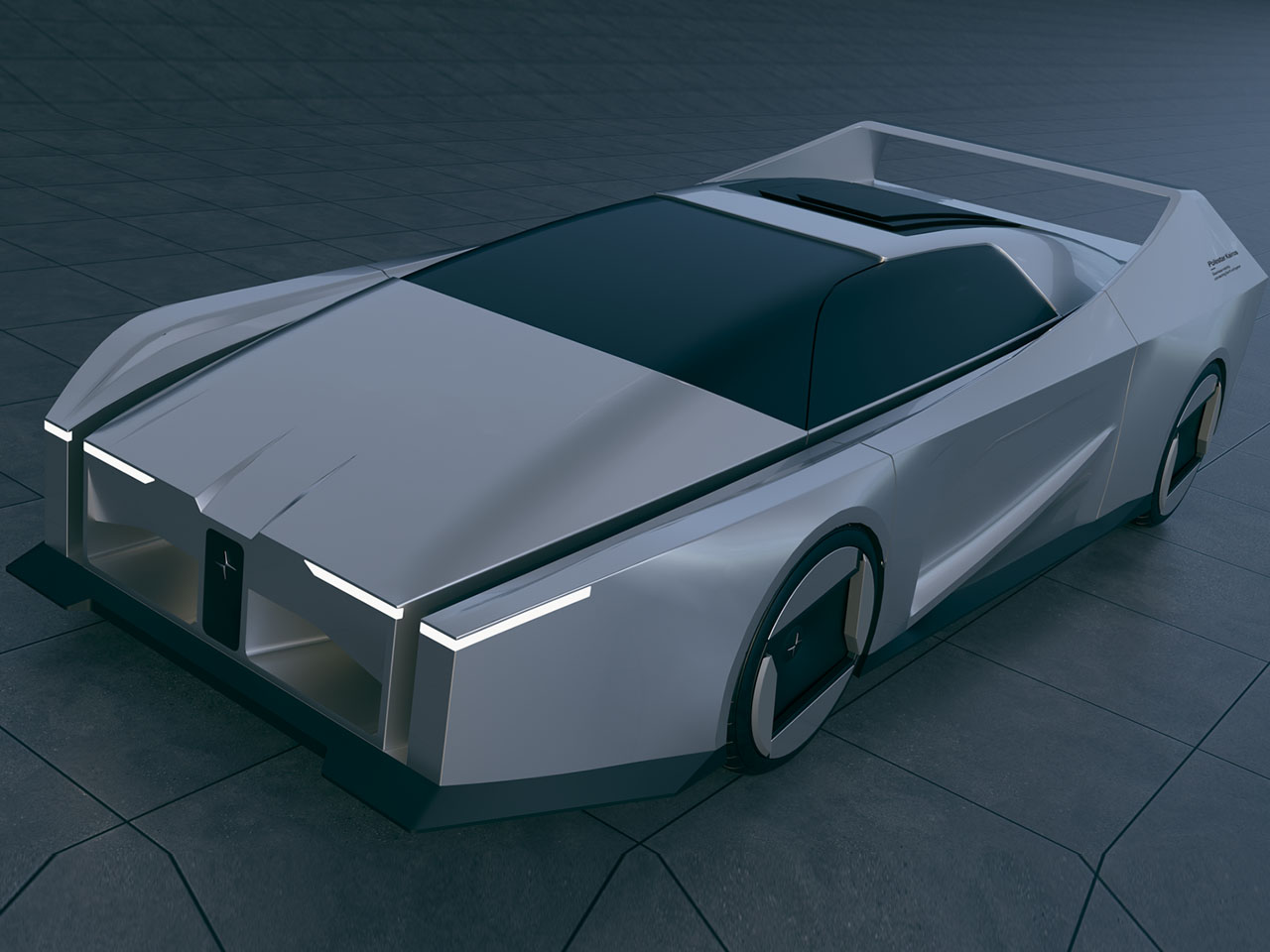
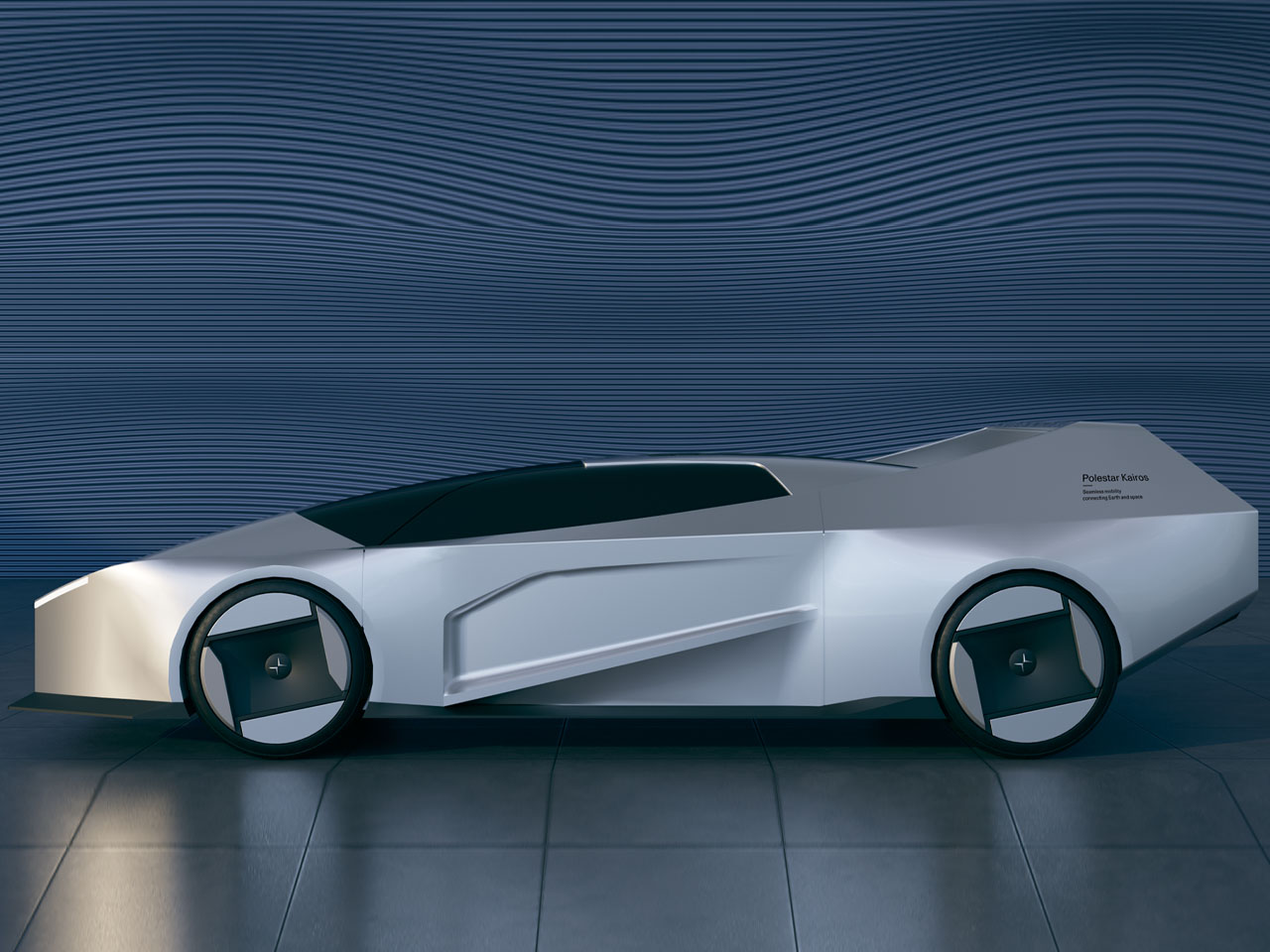
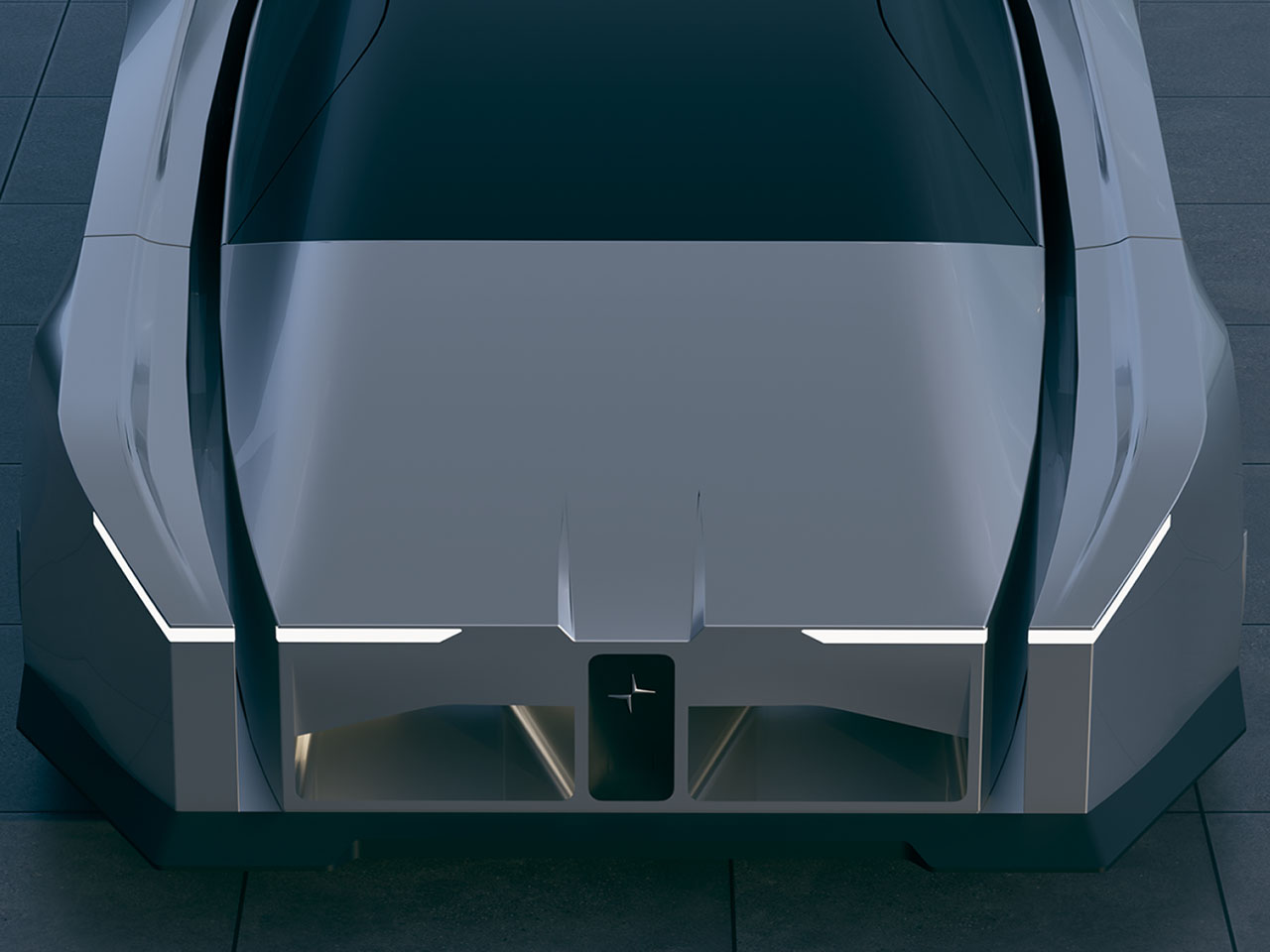
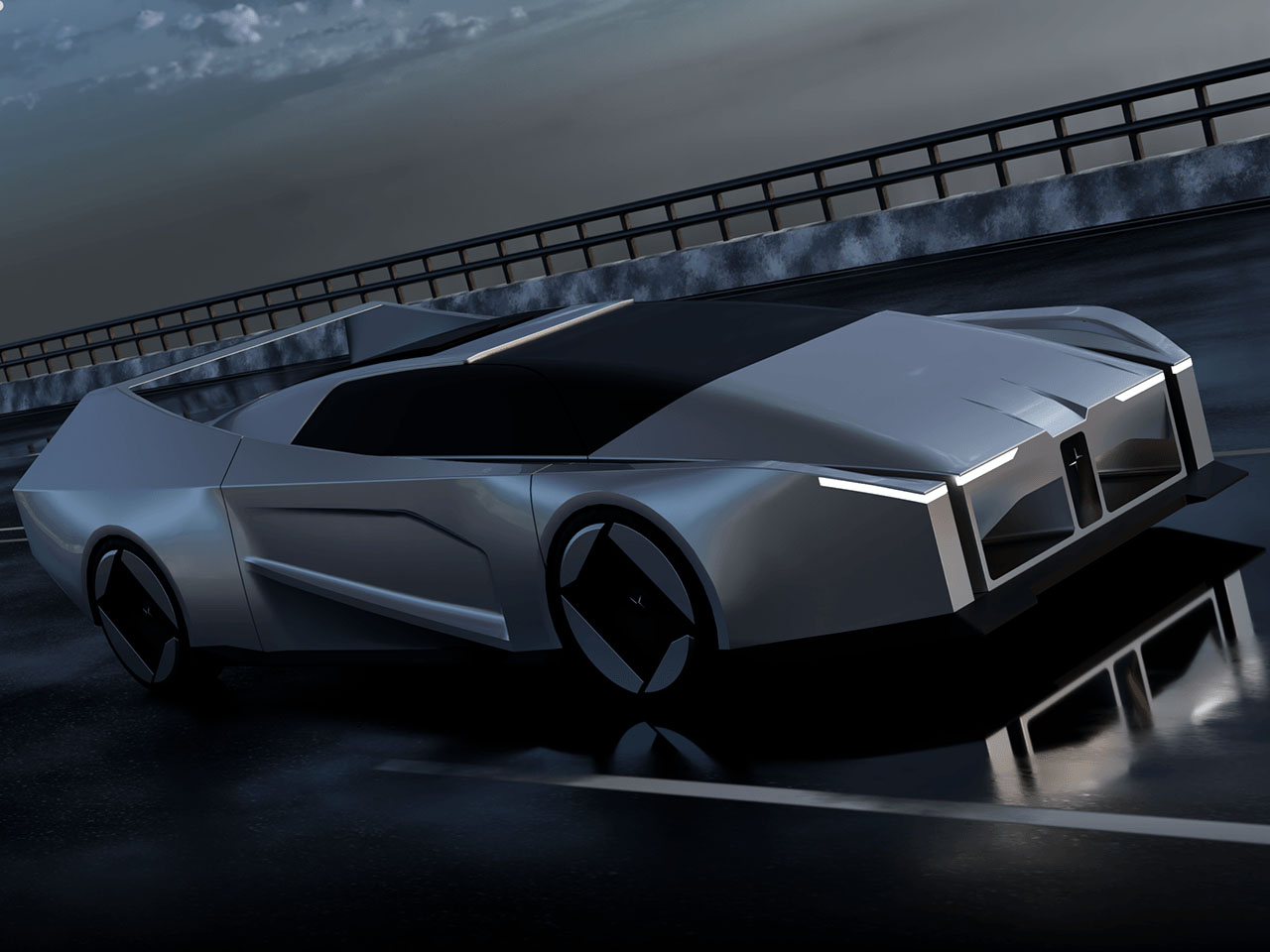
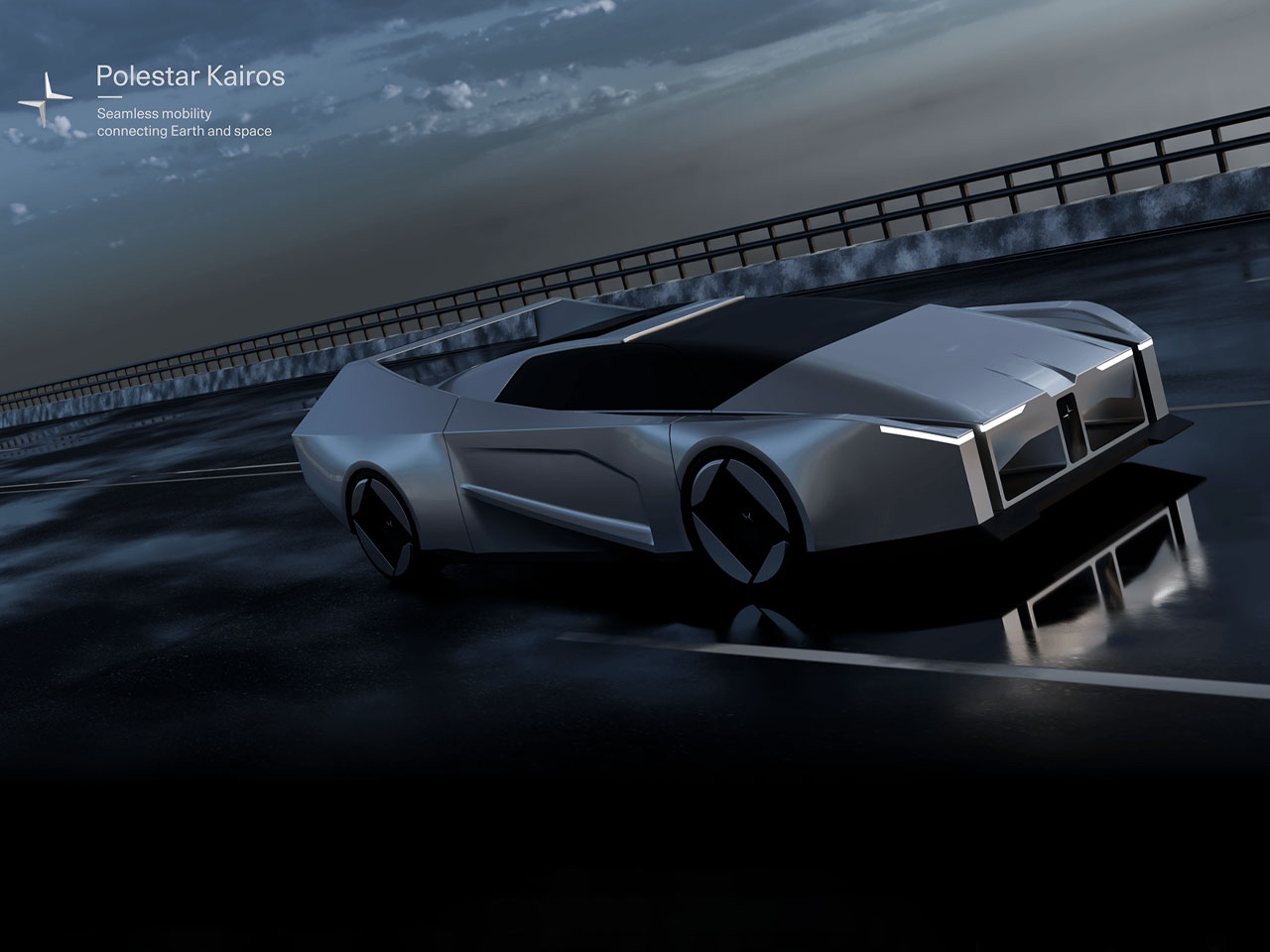
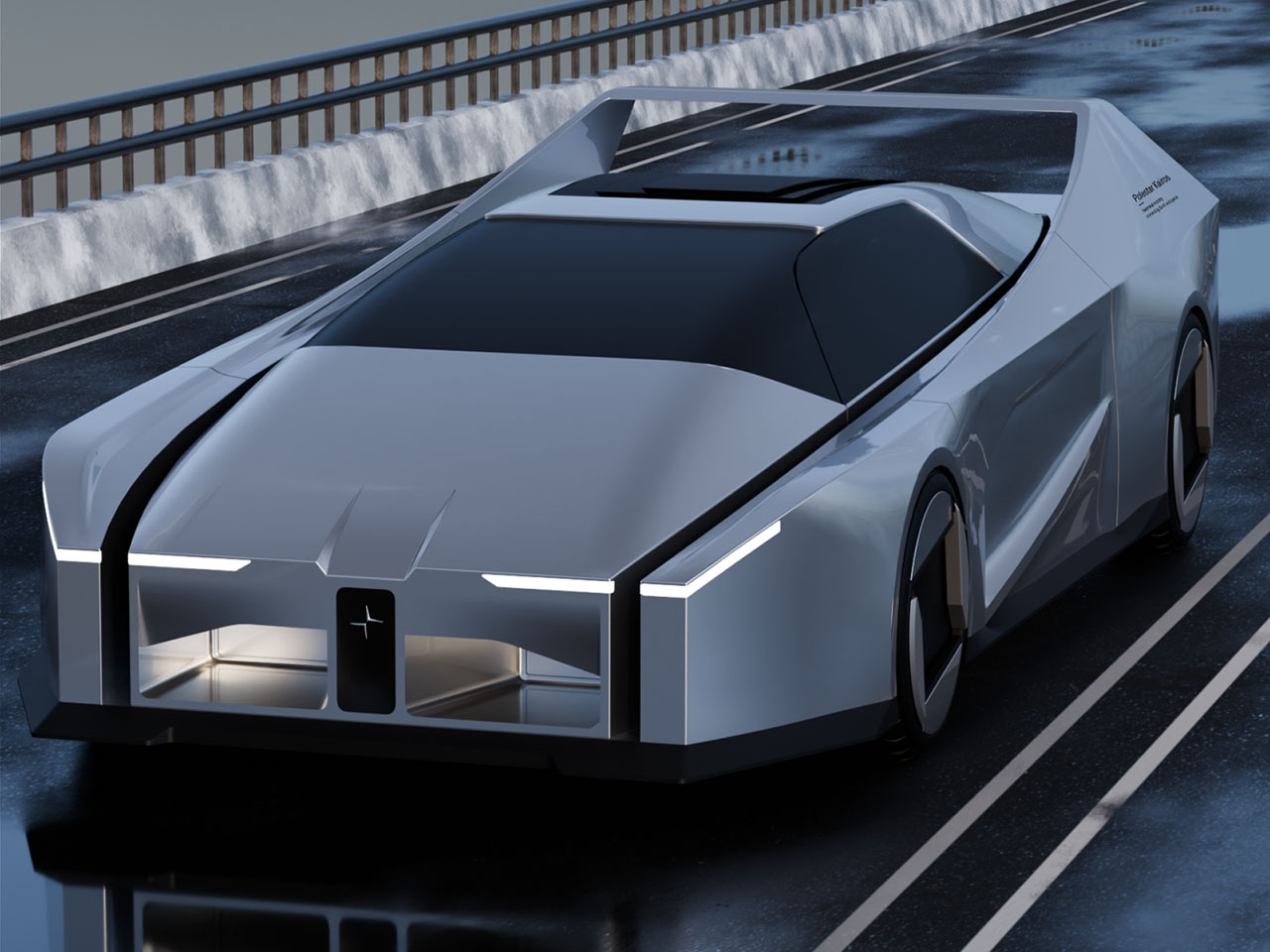
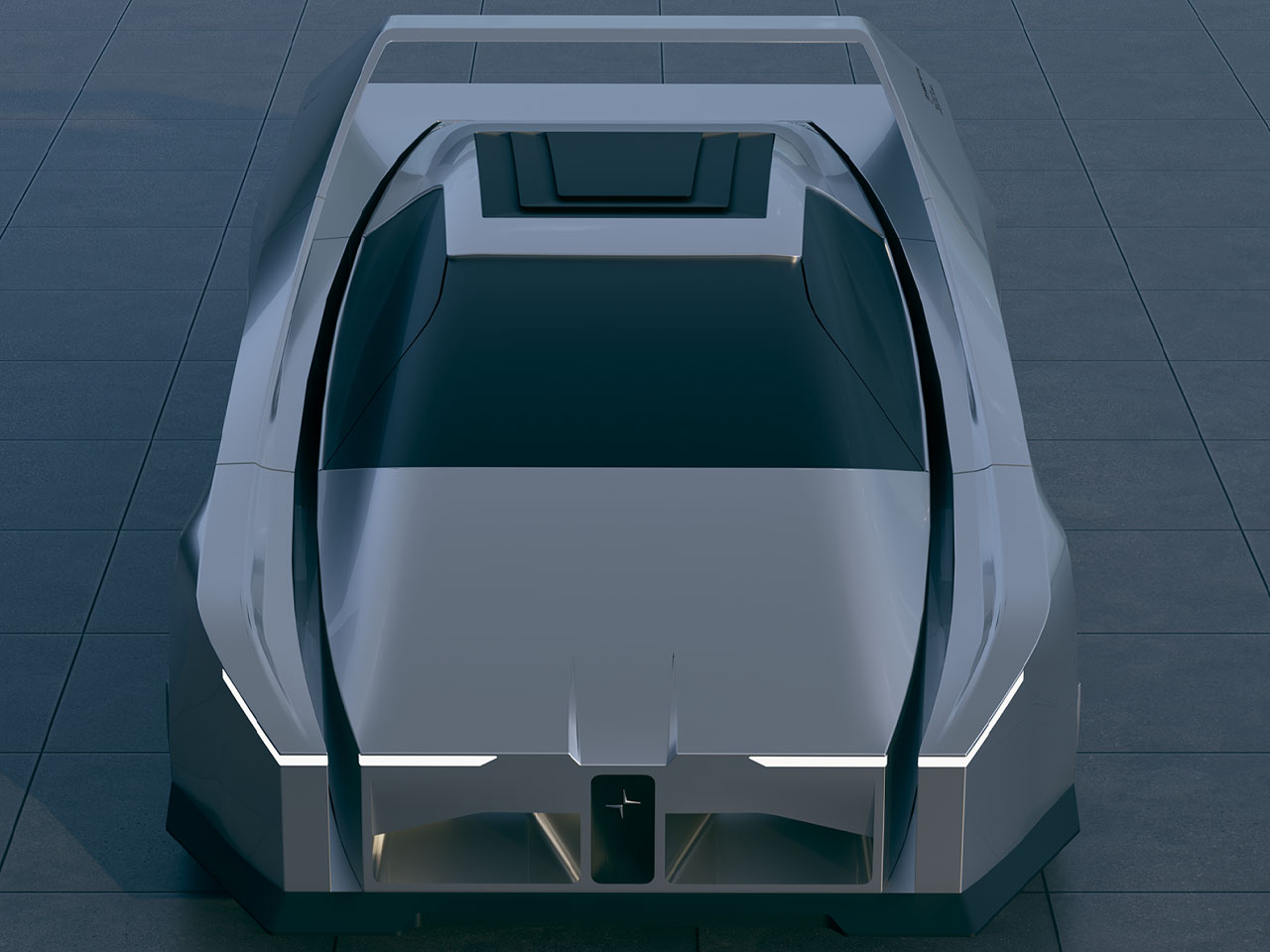
This future-forward concept overshadows most of them with its unique idea of connecting Earth and space travel without all the strings attached. The idea is to make a seamless transition from driving on the highways to traveling beyond the stratosphere within just a few hours. Meet the Polestar Kairos, a hypertravel vehicle that comes with a normal driving mode and a space transfer mode to dock with a spacecraft that’s destined for space.

Designer: Kim Ye-rin

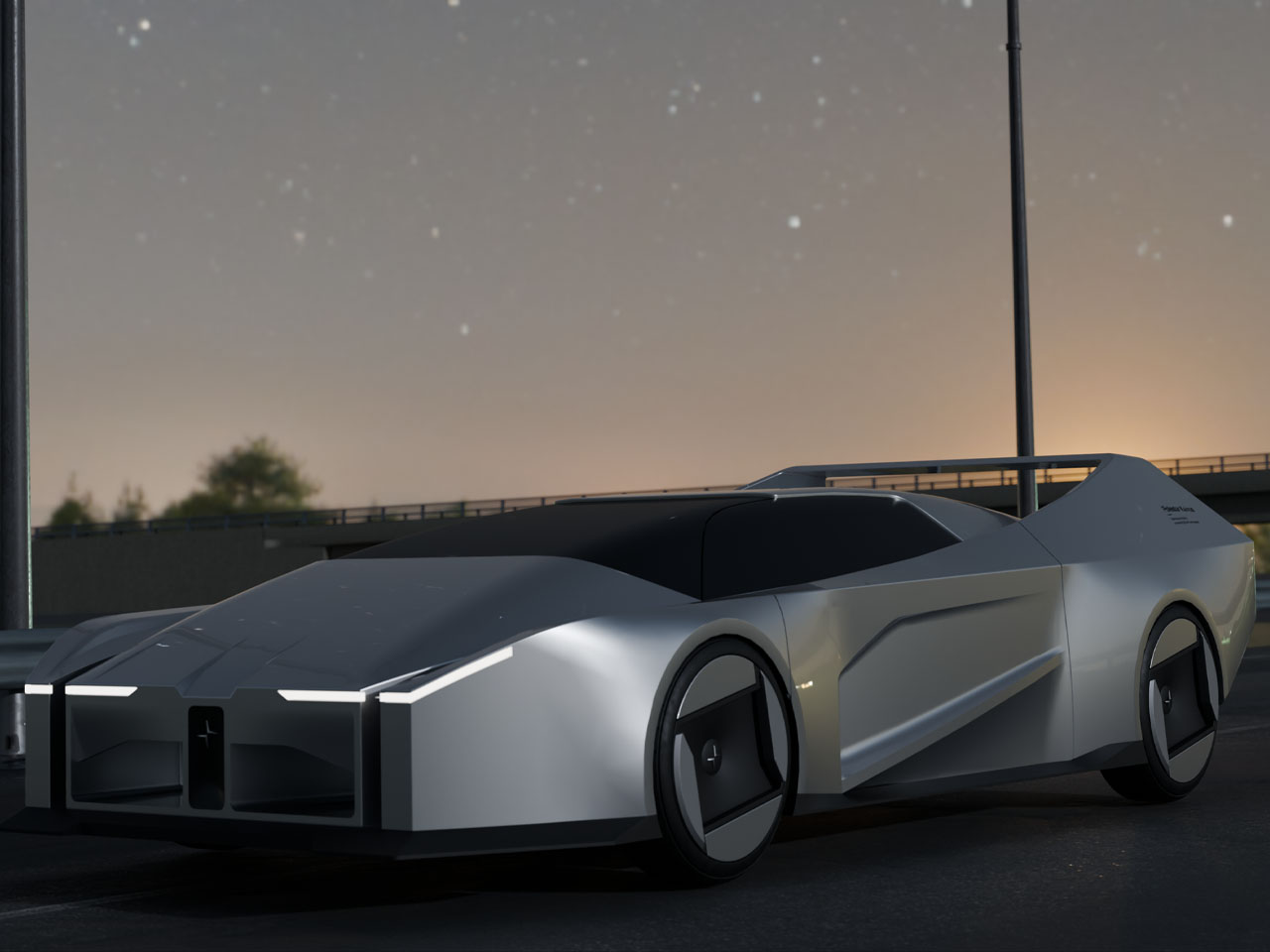
The front section of the hypercar, made out of reinforced lightweight material, is stronger than the fuselage of an airplane for structural integrity. Transition from the car mode to the docked spacecraft version is seamless, indicating how we could travel in space in the coming decades. Sure, it sounds like science fiction, but we are talking of a time ten years down the line when traveling to Mars would be a usual affair. This concept is based on the Polestar’s DNA and design physics, thereby explaining the industrial look.

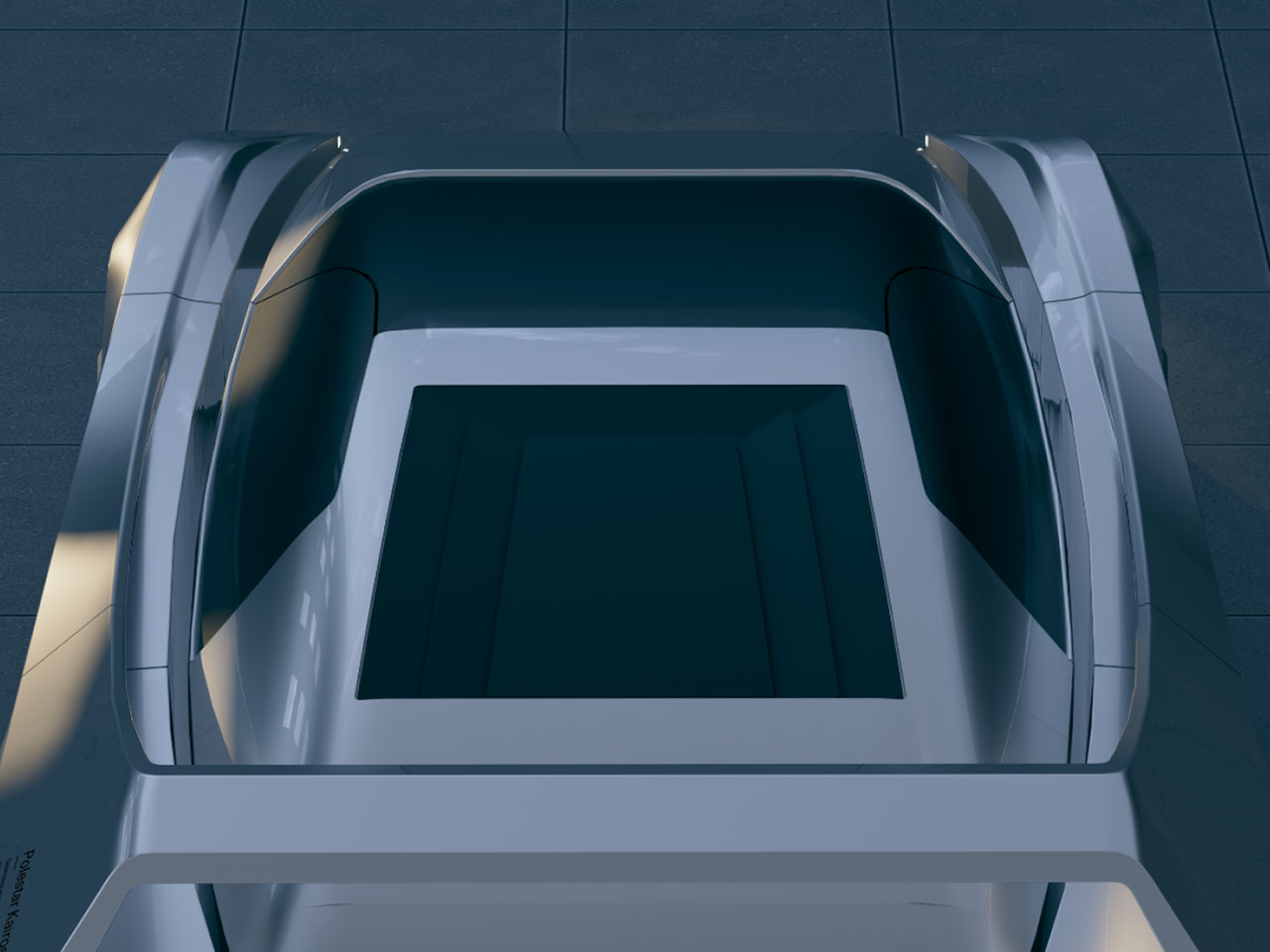
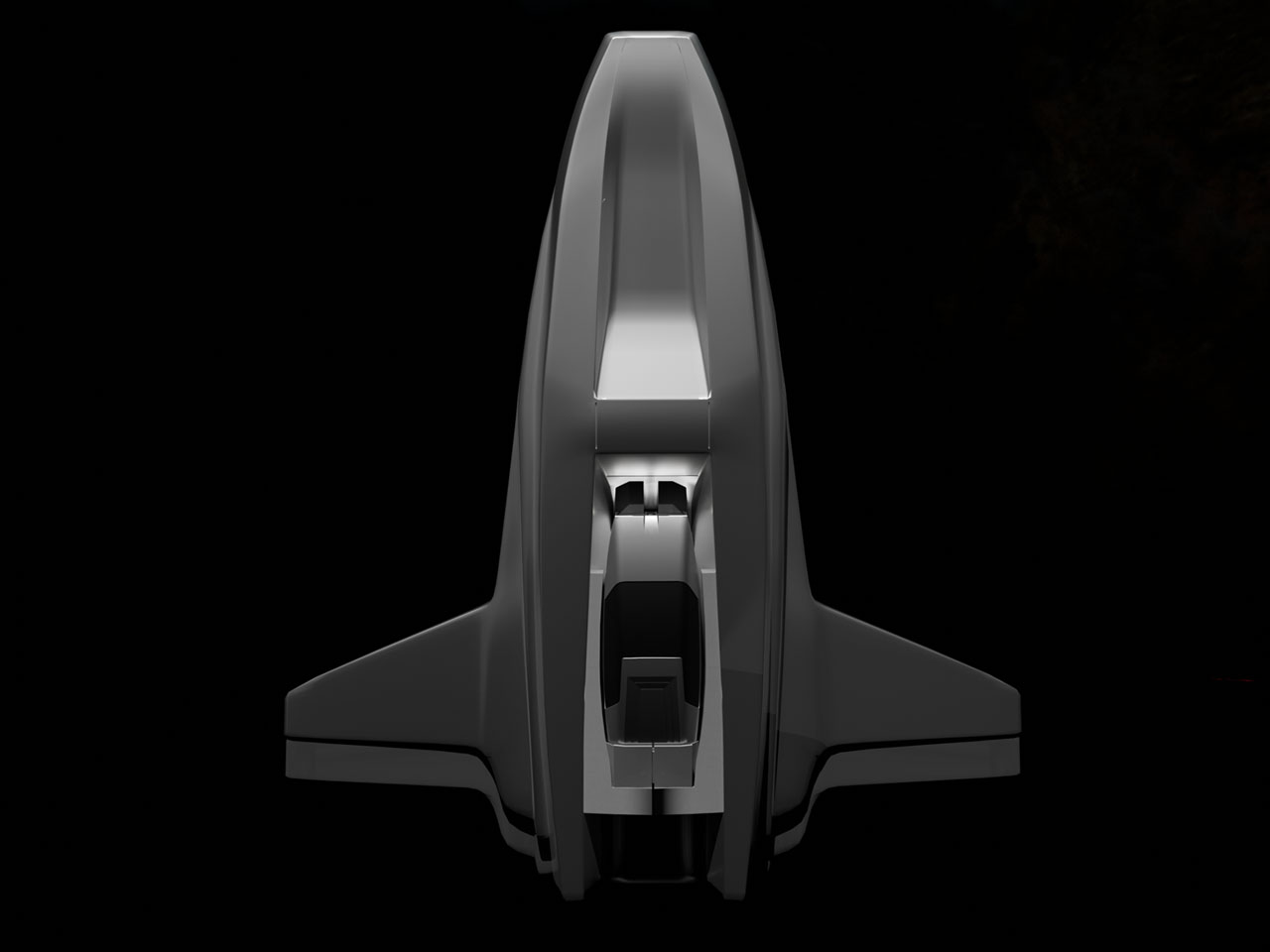
The compatible spacecraft will be capable of docking two Kairos hypercars, transporting them to the other habitable planet in the solar system. When docked with the spacecraft, the hypercar unit transforms into an ultra-low temperature sleep chamber. This chamber is loaded with amenities for life maintenance during extended space trips. Since space travel can have a toll on mental and physical conditioning, the module is equipped to handle that too. The spacecraft will essentially be a carrier for people who want their loved ride to stay with them even beyond the limits of Earth.

From a pure four-wheeler perspective, the Kairos concept arrives at a time when Polestar is sharpening its focus on electric mobility and design-led sustainability. While the brand’s recent concepts, such as the Precept, have already charted its future direction, Kairos brings new aesthetic and experiential ideas to the table, melding dynamic proportions, refined materials. The Hypercar is low, wide, and sculpted, with crisp surfaces that emphasize tension and purity. The roofline sweeps seamlessly into the rear haunches, giving the car an almost coupe-gravity despite a potentially four-door or high-performance nature. The front face carries Polestar’s signature front “Thor’s Hammer” lighting graphic while a stubby profile reinforces a performance posture.

Inside, the Kairos concept highlights the brand’s commitment to premium yet sustainable materials. Natural-fiber composites, recycled textiles, and minimalist interfaces dominate. The cabin layout puts the driver firmly in command: clean surfaces, clear lines, and a restrained palette convey calm focus rather than techno-clutter. The floating center console, integrated display architecture, and expansive glazing underline a sense of openness and precision.

The post Polestar Kairos unifies space travel and daily commutes into one intriguing concept first appeared on Yanko Design.
A minimalistic matching phone for your Polestar 2

Polestar is known for its high-performance electric vehicles and many concept gadgets have been inspired by the Swedish EV brand. There was a rumor of a Polestar phone right around the time of April’s Fool Day on the Polestar’s official website, and most took the bait announcing it as an official release by the brand.

What if Polestar decides to make a smartphone that’s embedded right into the brand’s ecosystem? A minimalistic and sleek smartphone that’s power-packed with the latest and greatest hardware for peak performance.

Designer: Xiangrong Zhang

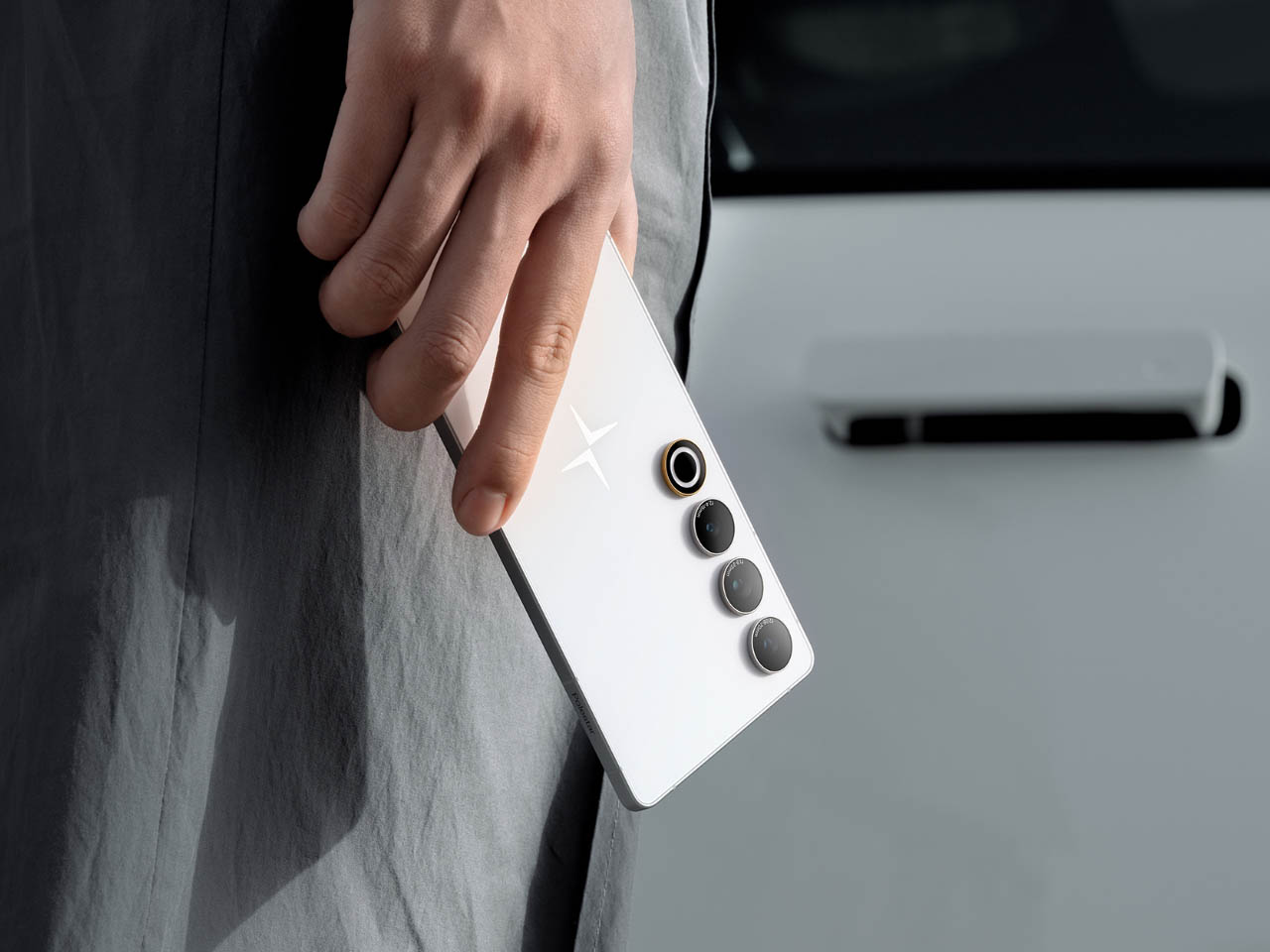
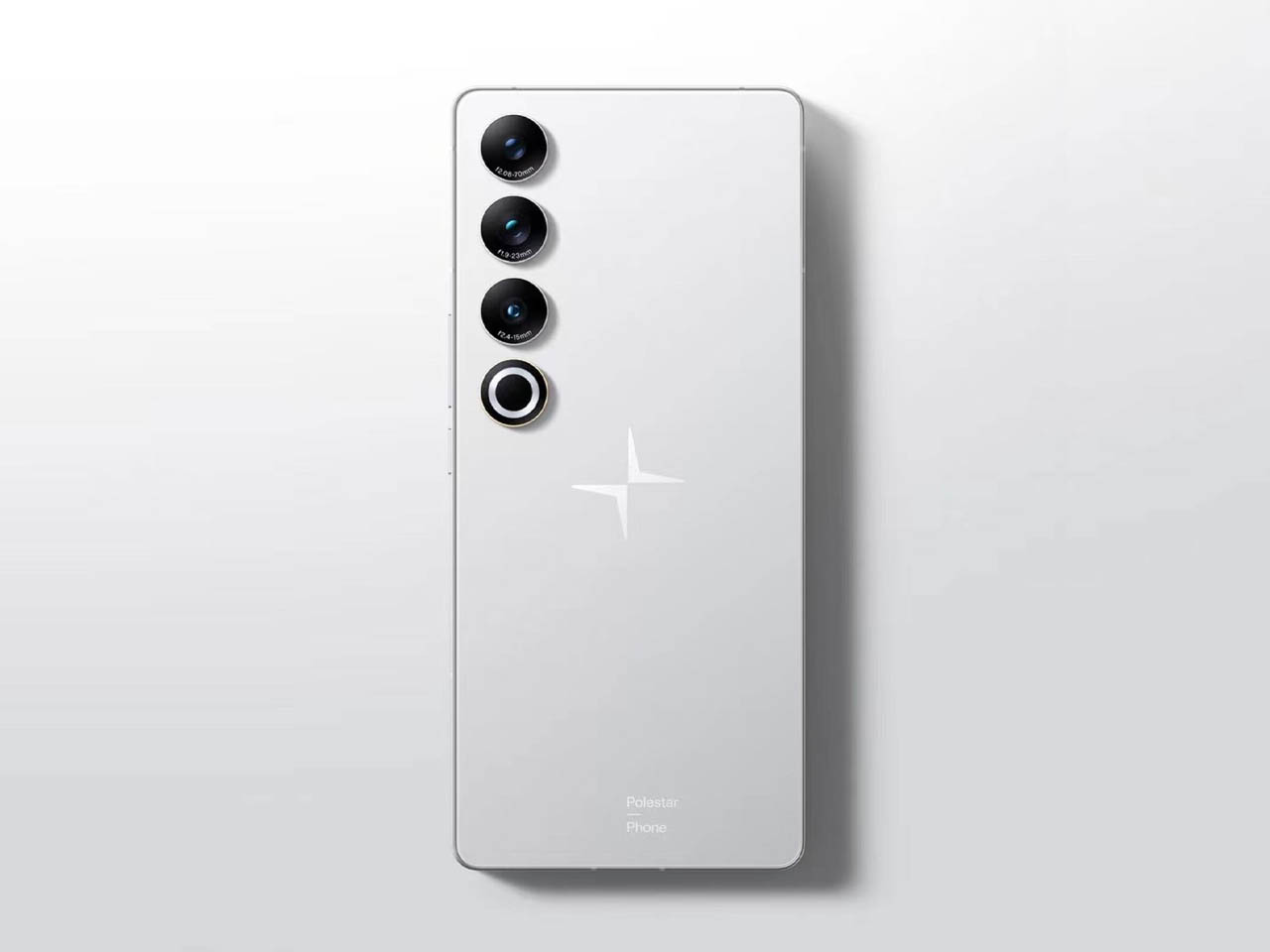
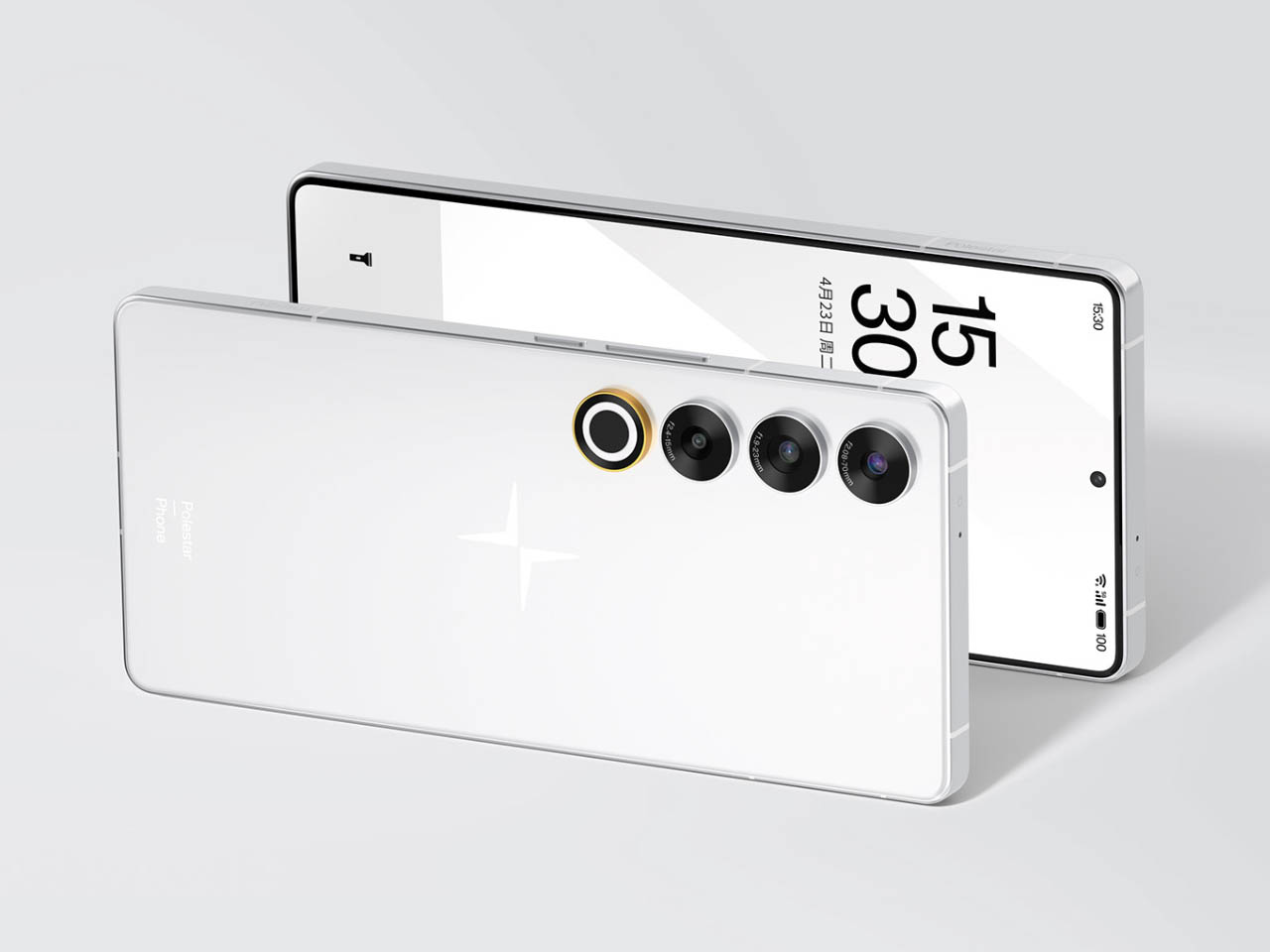
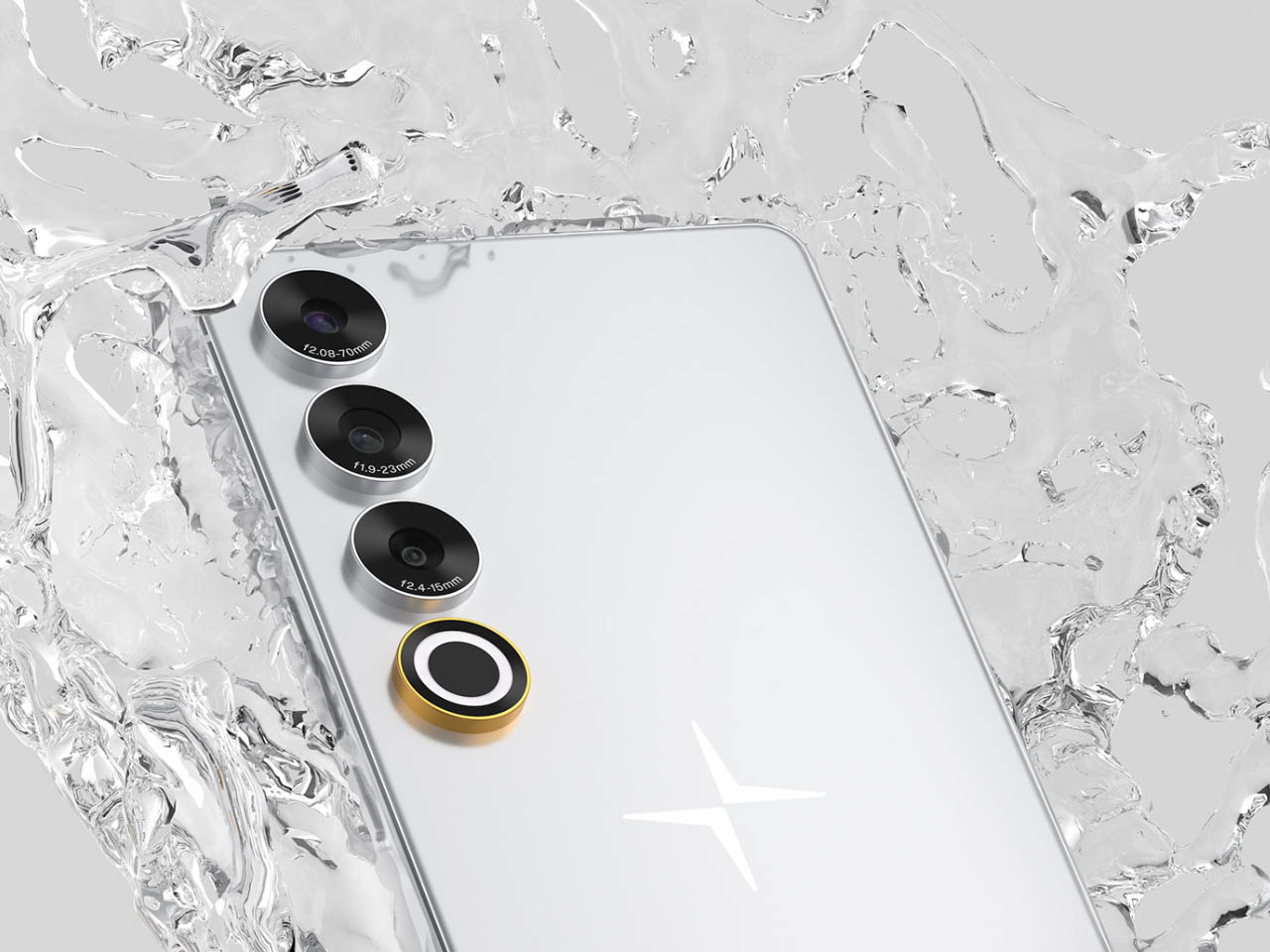
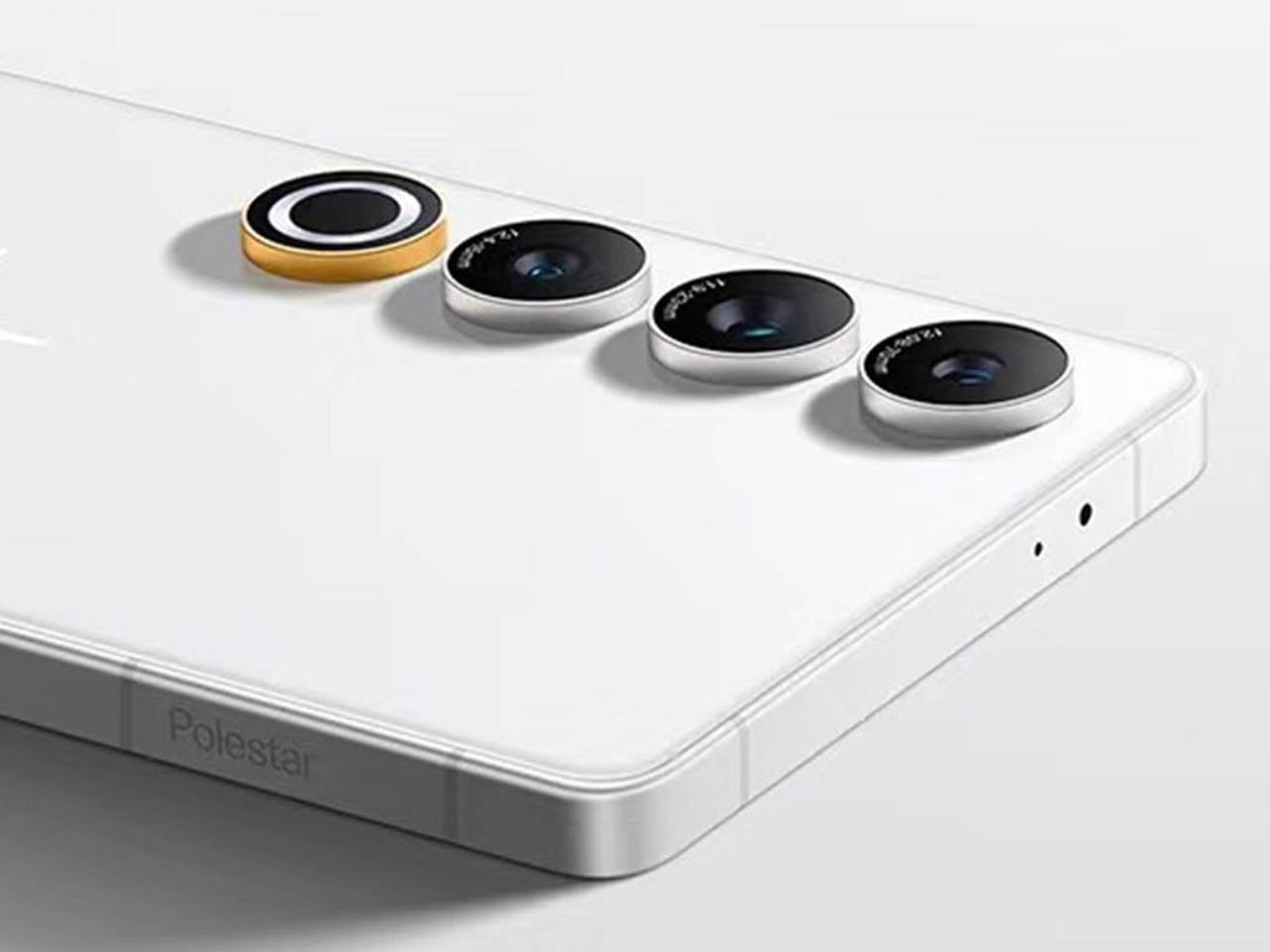
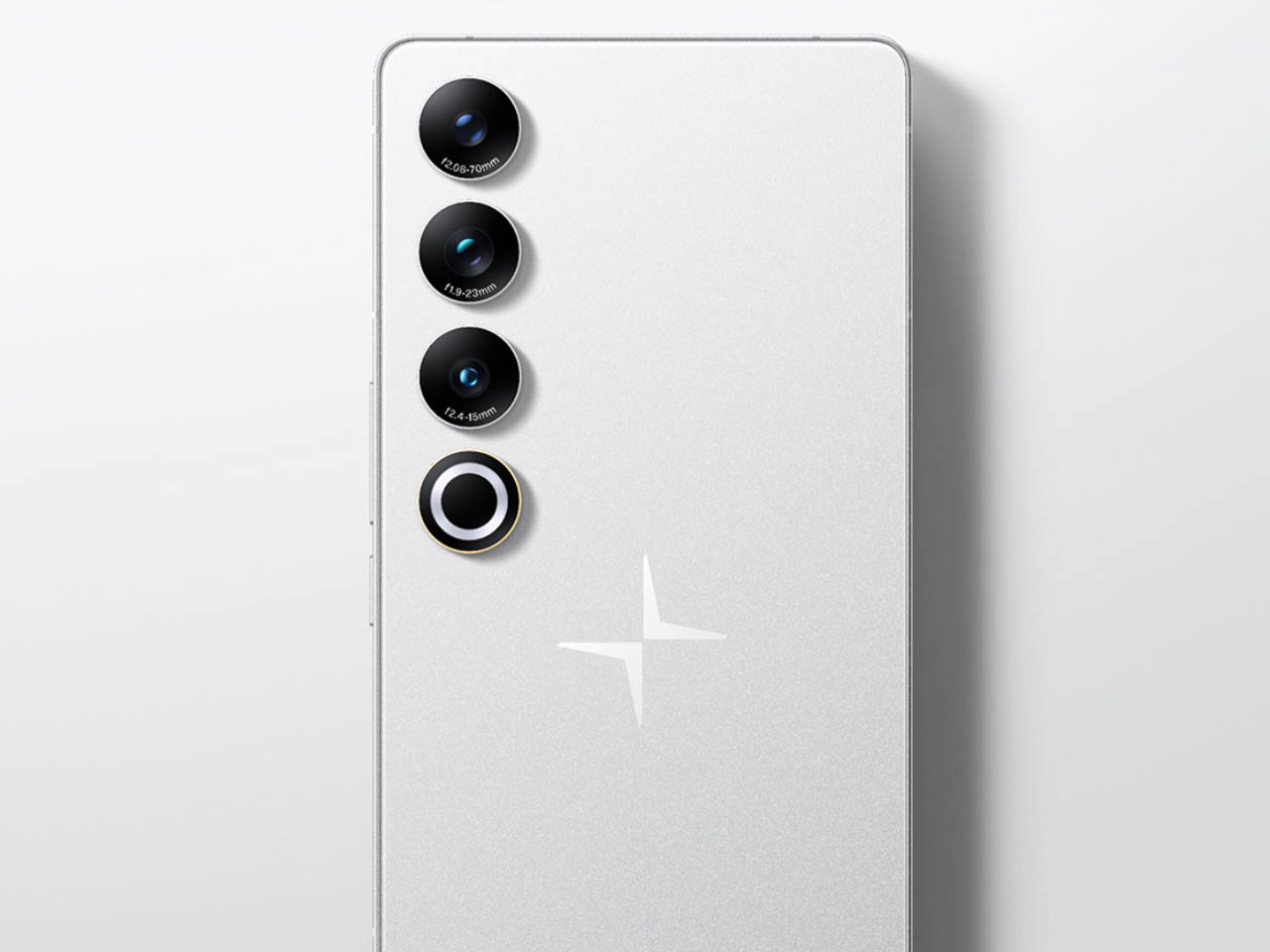
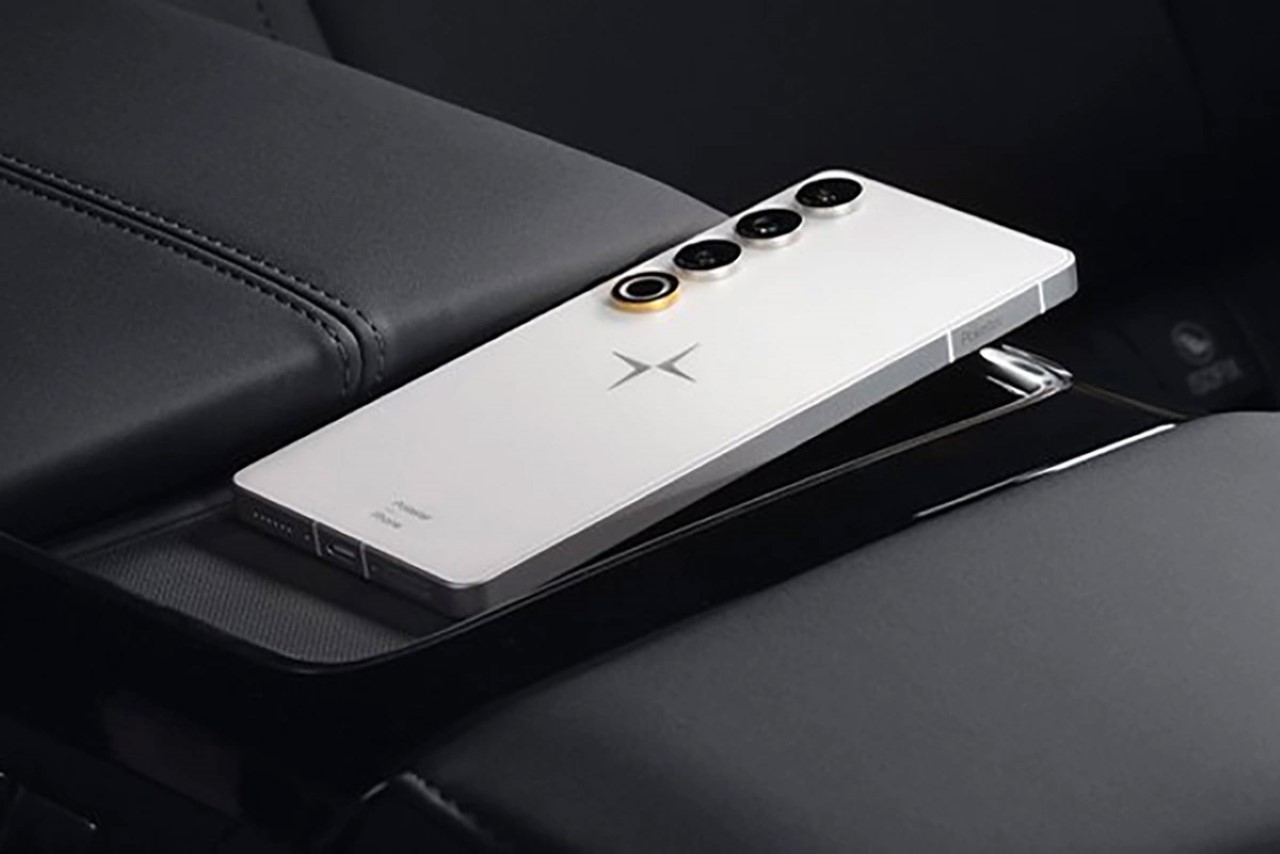
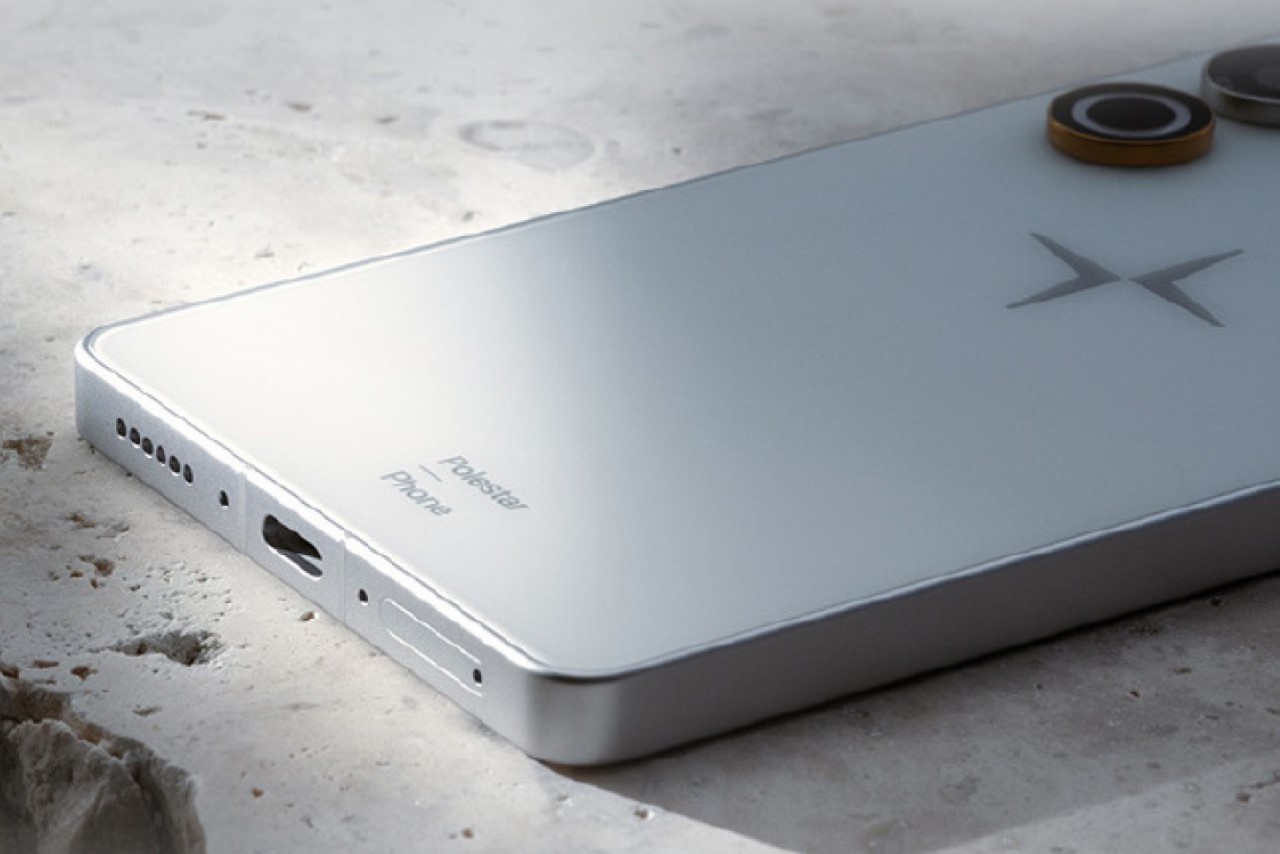
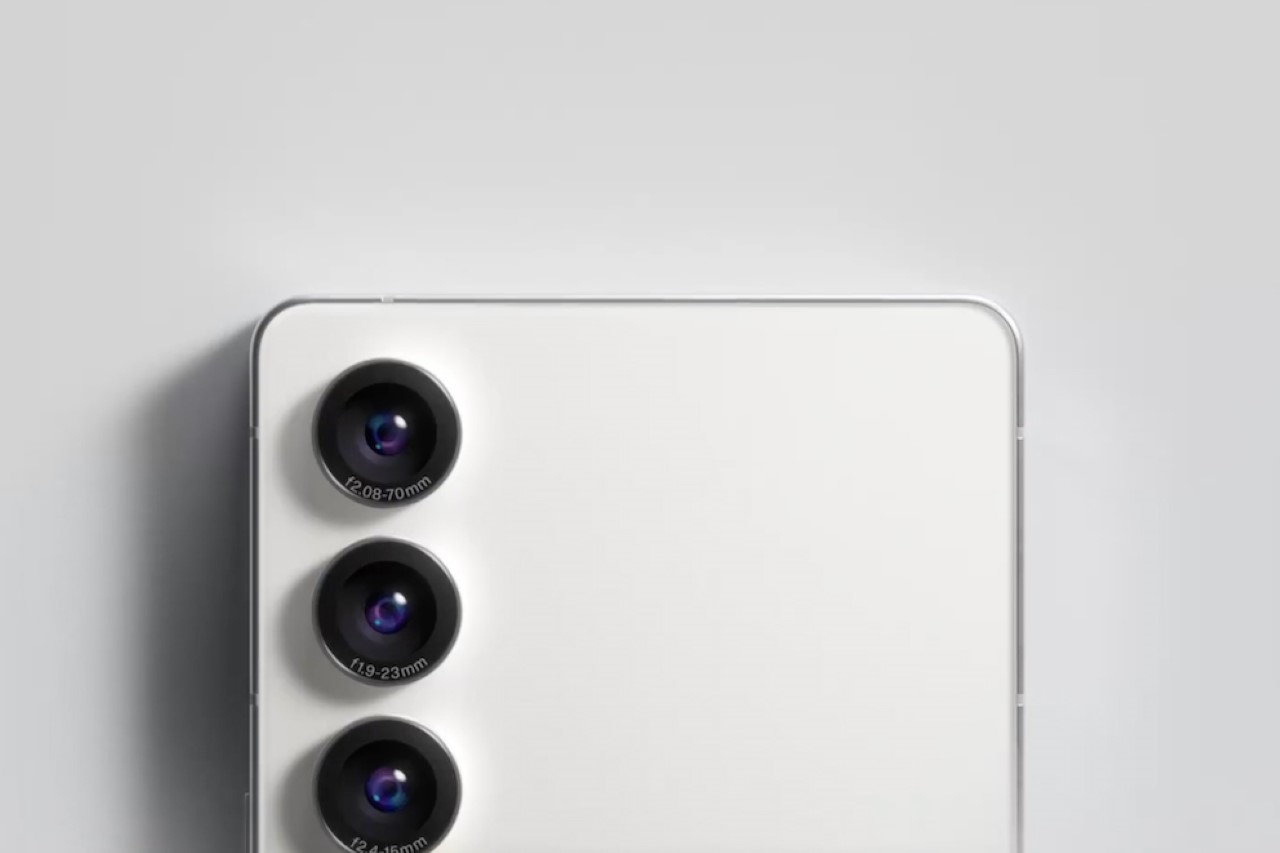
Car-branded phones are not a rarity as Lamborghini and Porsche Design have explored bringing their unique aesthetics to the modern man’s best friend. The Polestar Phone will follow suit as the perfect match for your Polestar 2 EV. According to Xiangrong, the motive is to combine the best of both worlds, having the perfect balance of form and function. The device comes with a triple camera setup including a 15mm, 23mm and 70mm shooter having focal lengths of 2.4, 1.9 and 2.08 respectively.

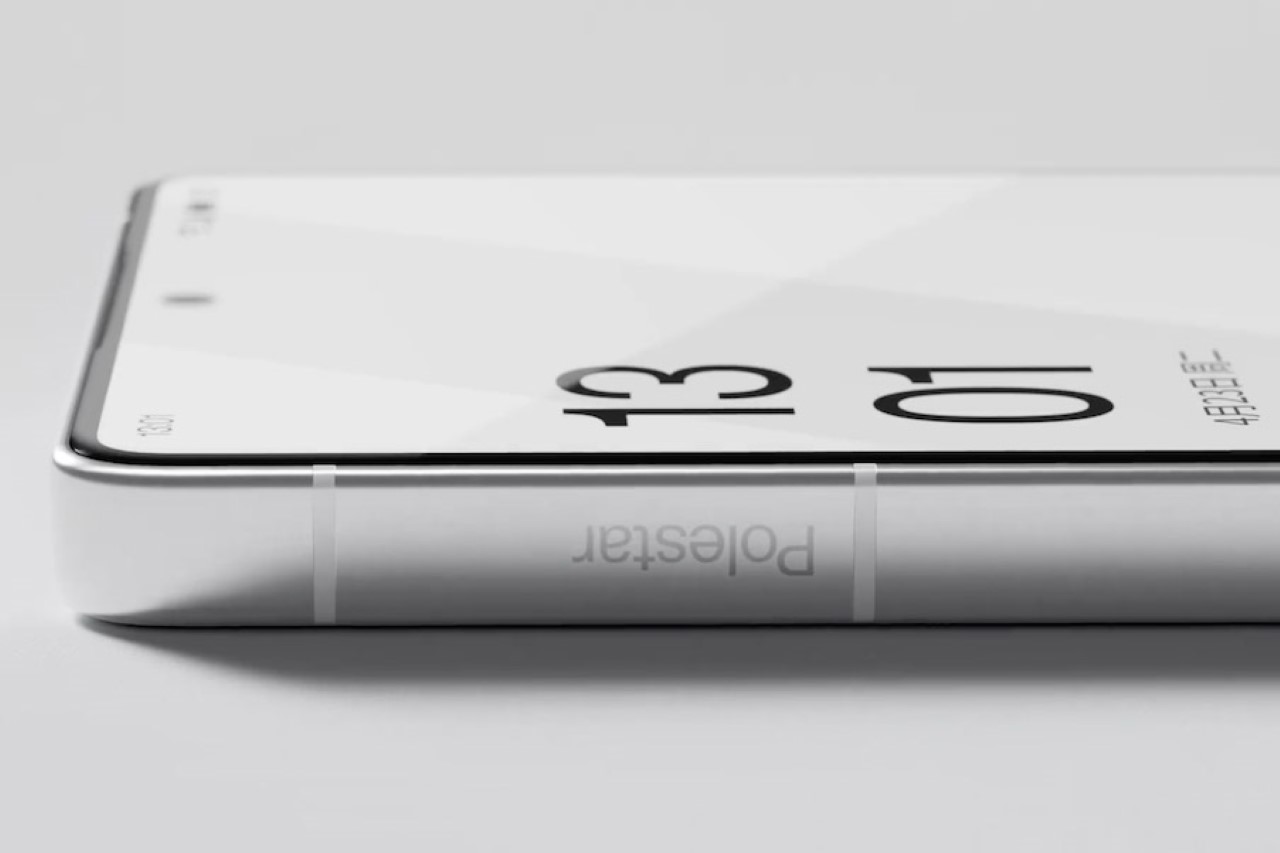
The smartphone has the signature Polestar all-white hue combined with silver inserts for an immaculate look. Whether the phone runs on stock Android or a Polestar-developed skin on top can only be speculated but I want them to go for a minimal interface just like the Nothing Phone. As I said, the phone will be closely integrated into the Polestar EV ecosystem with connected features including remote monitoring, AutoStart and safety features.

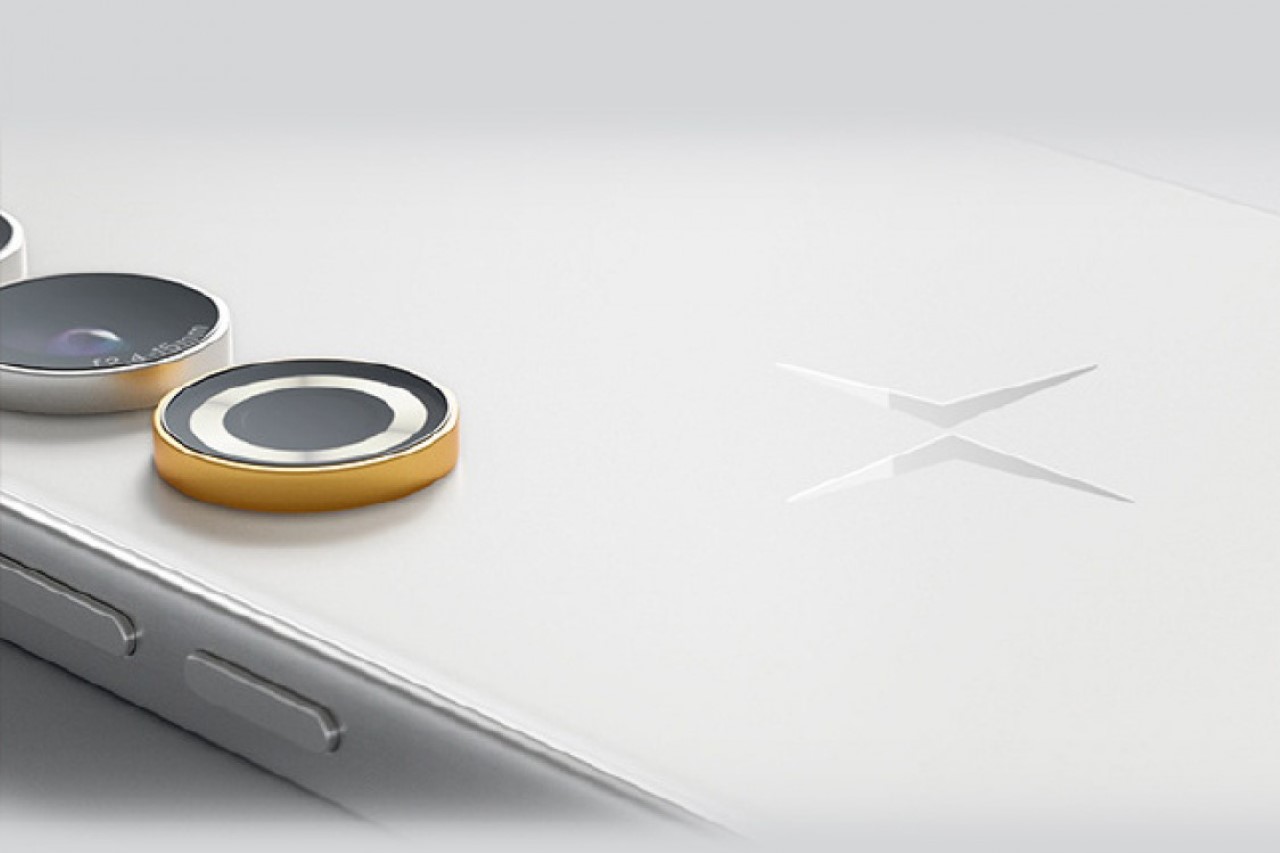
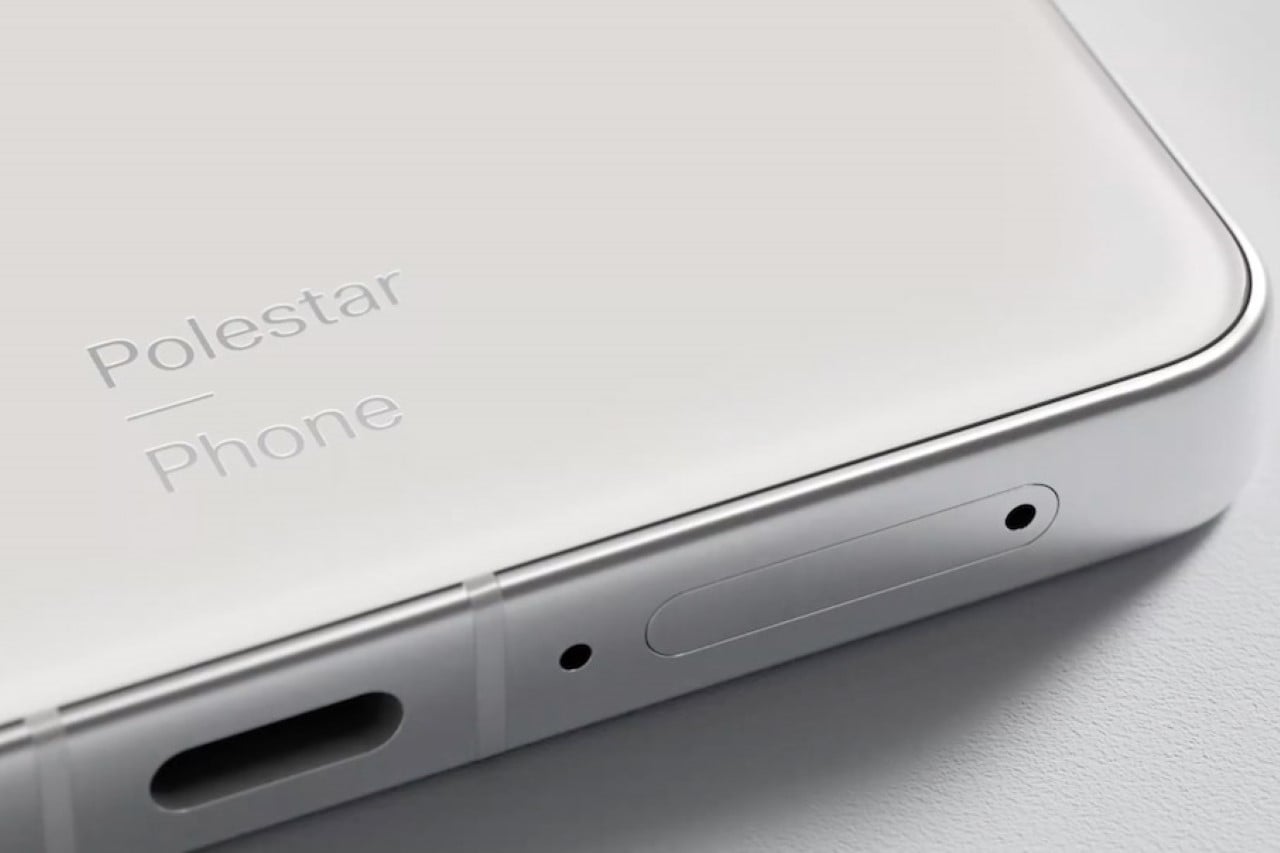
The Polestar logo on the back will look classy and you’ll need to invest in a transparent case to show off. If Polestar wants to foray into the consumer tech market only time will tell but it’s highly unlikely unless the EV maker wants to spread its claws in a highly competitive marketplace of smartphones.


The post A minimalistic matching phone for your Polestar 2 first appeared on Yanko Design.
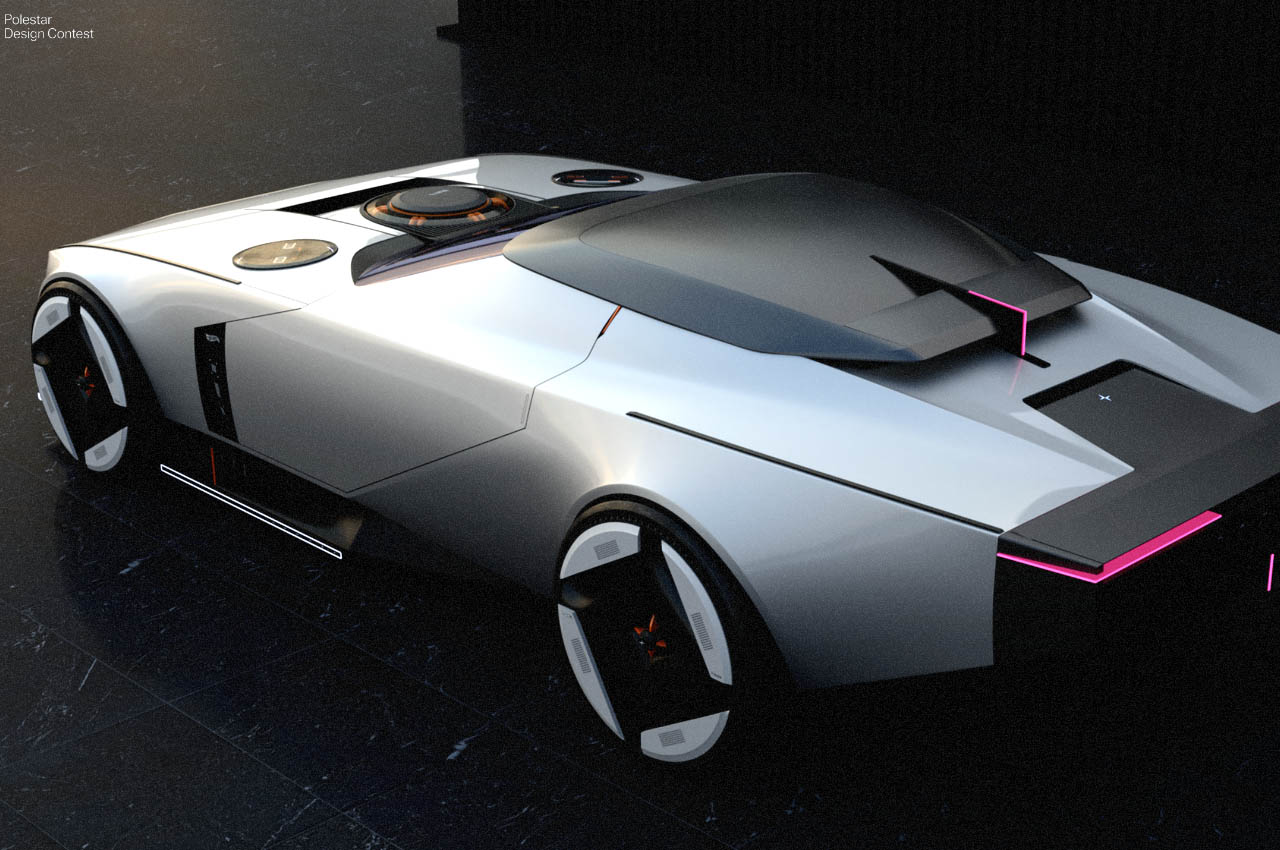
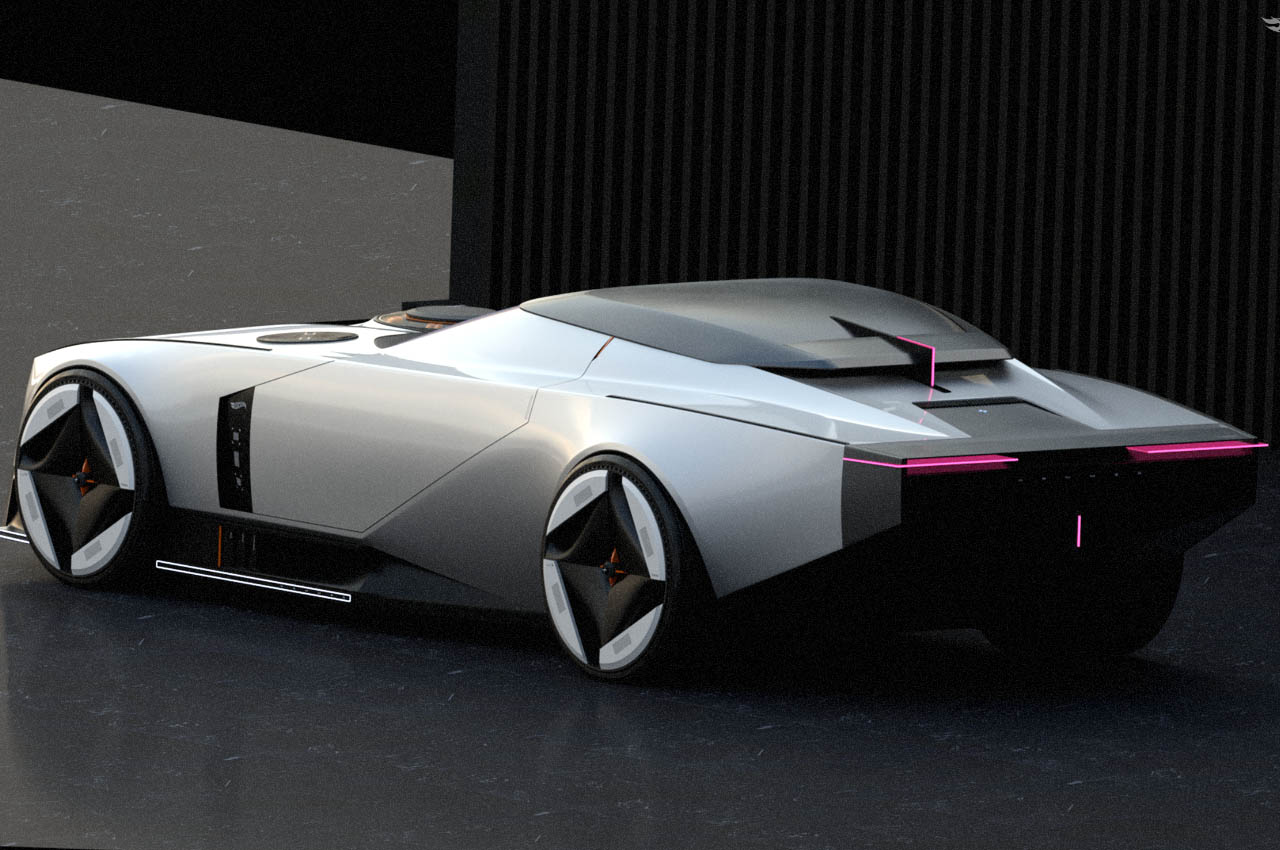
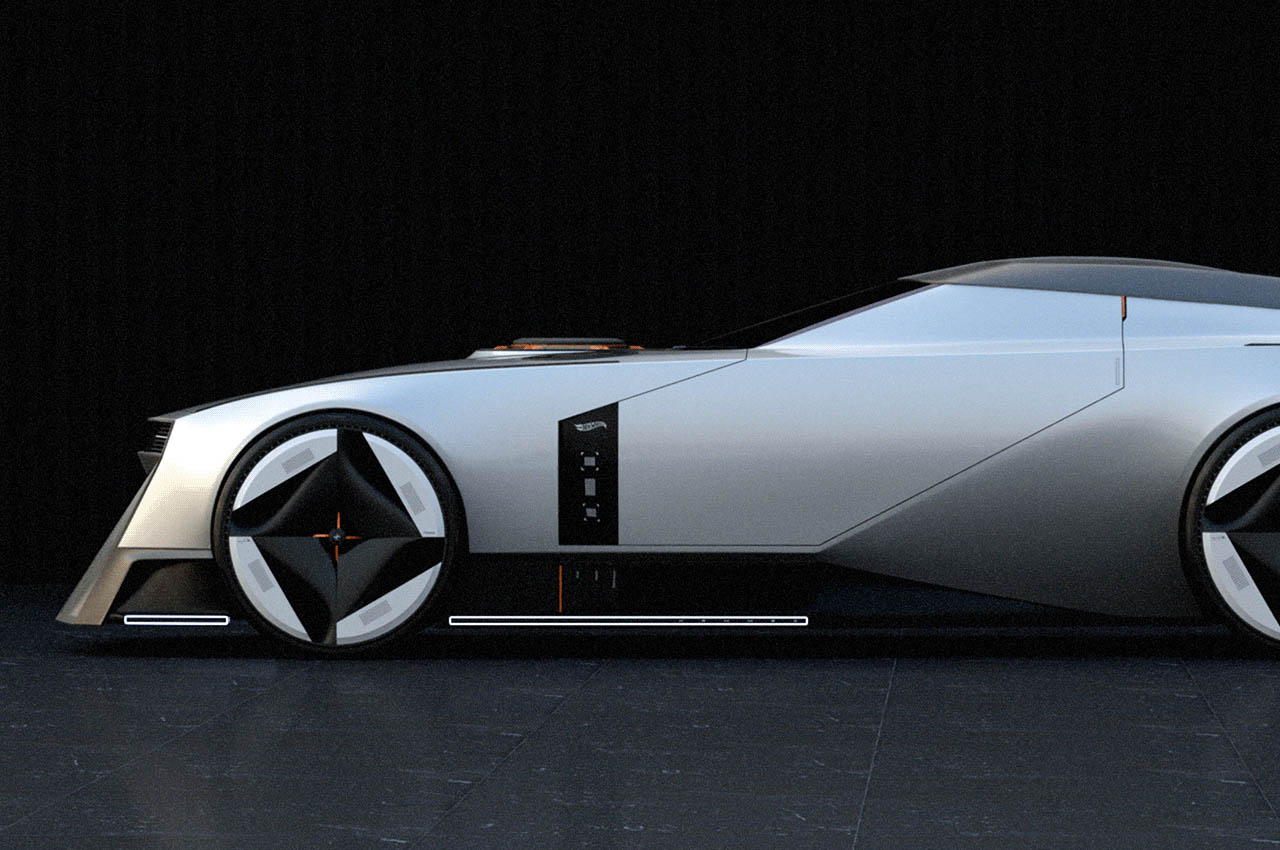
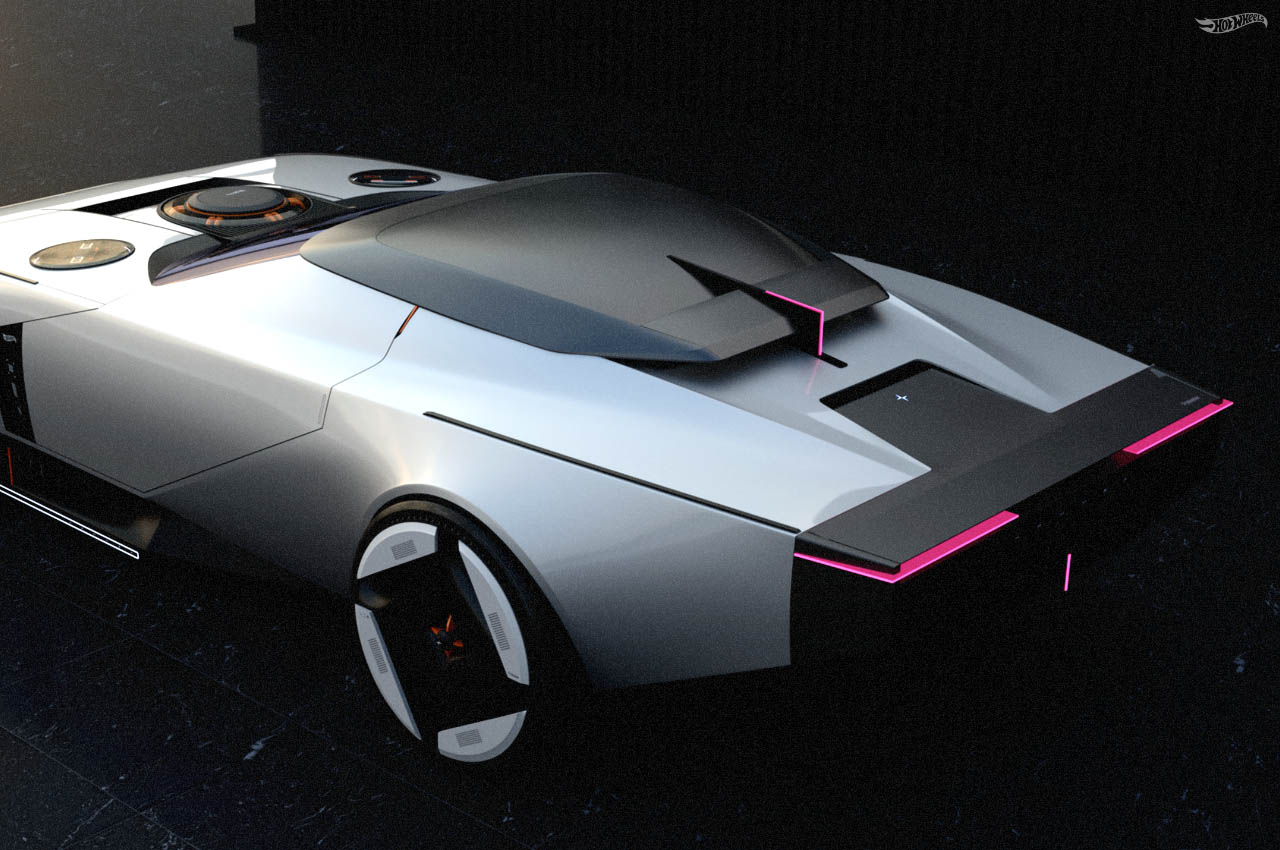
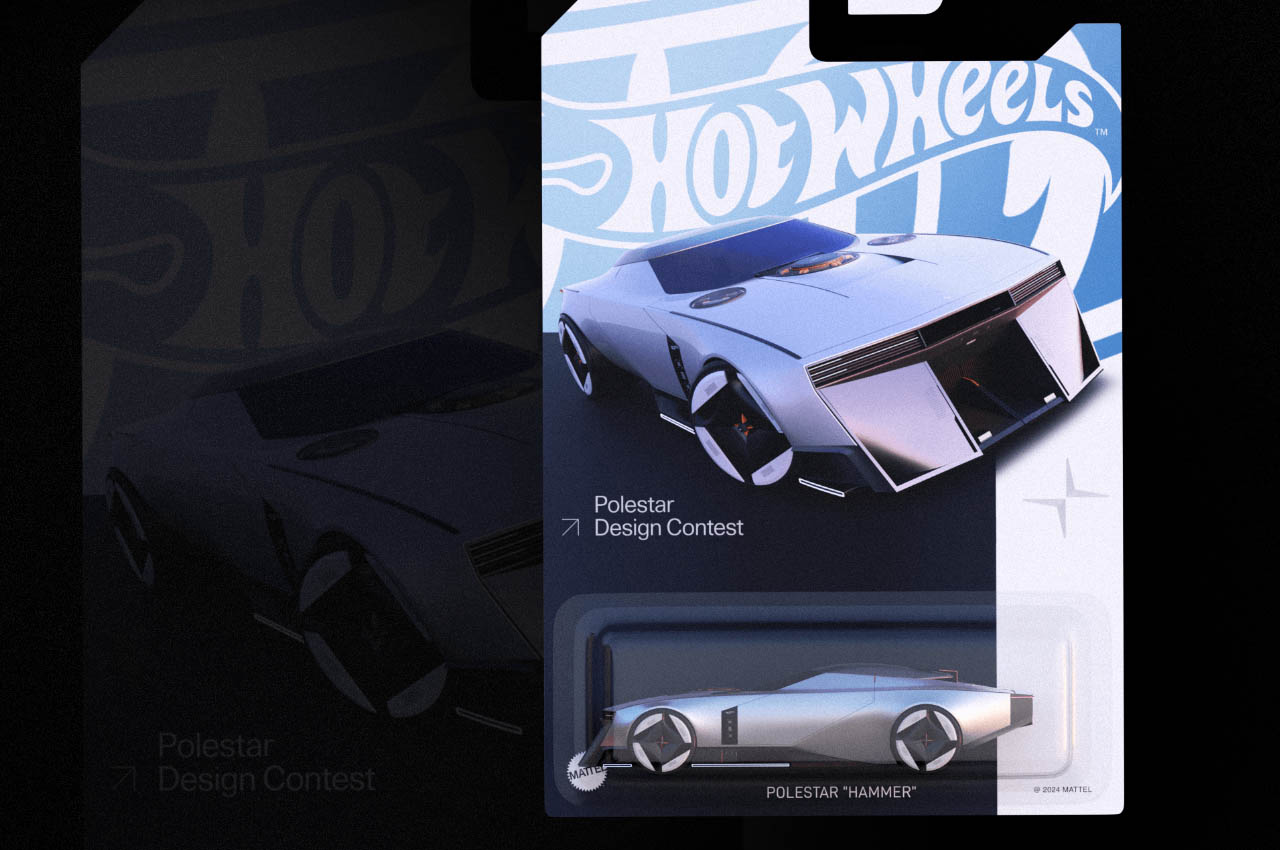
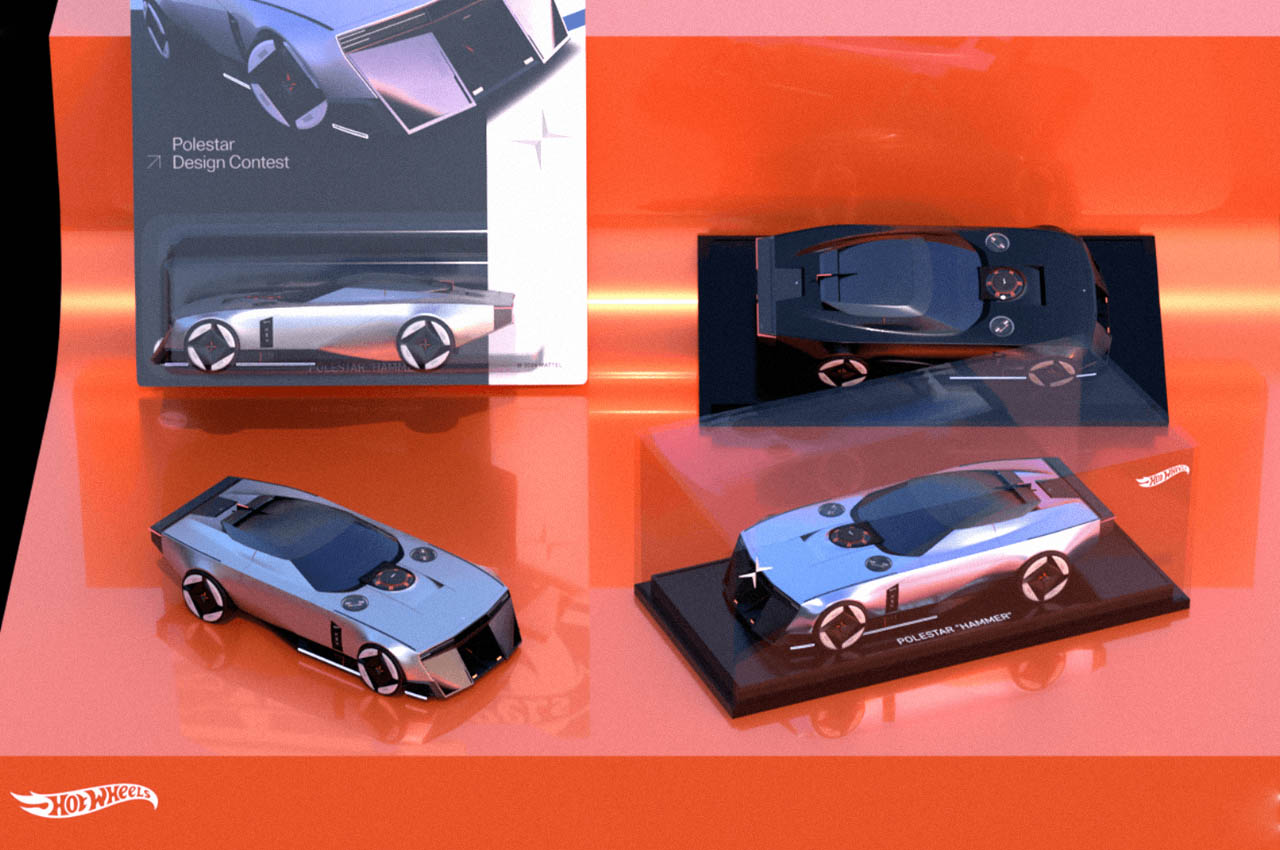
Polestar HAMMER x Hot Wheels is a sharp muscle car that deserves a real life rendition

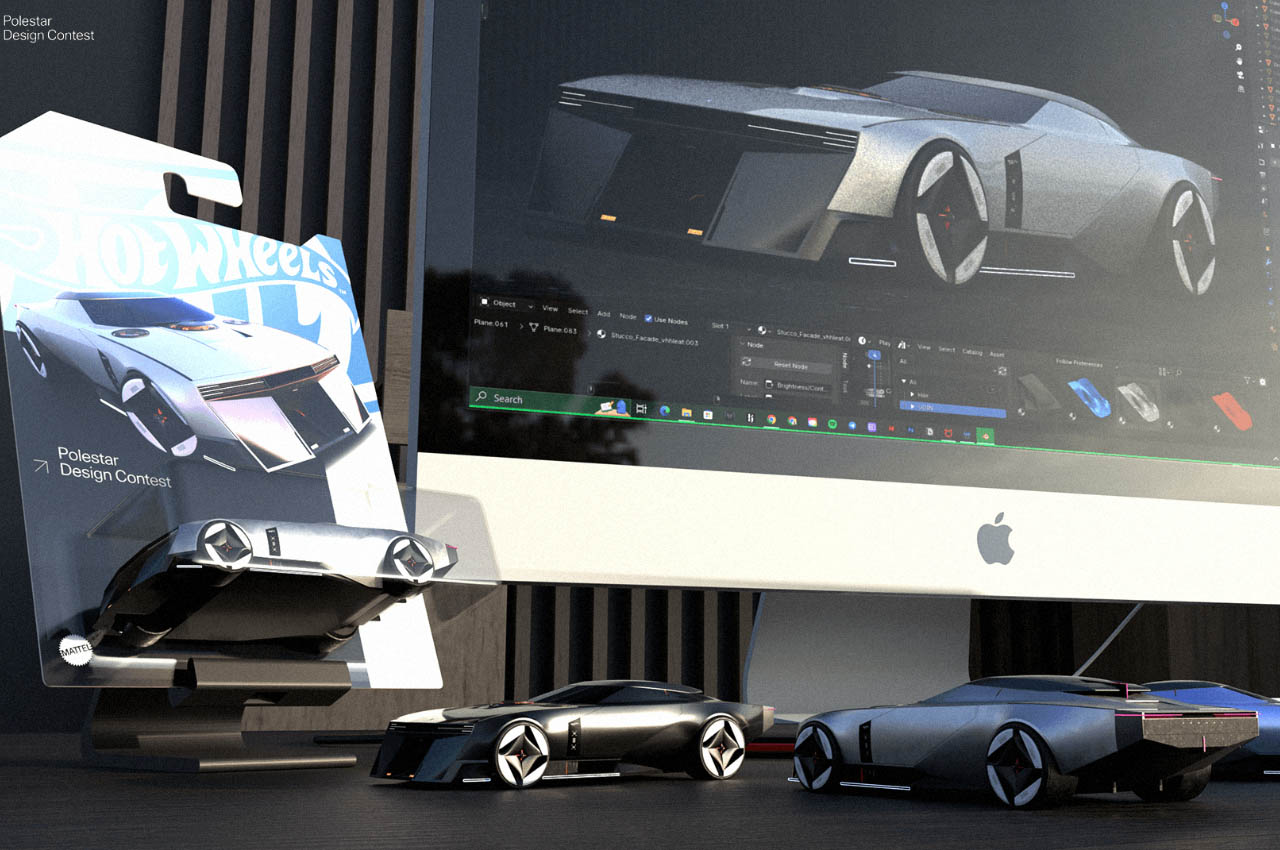
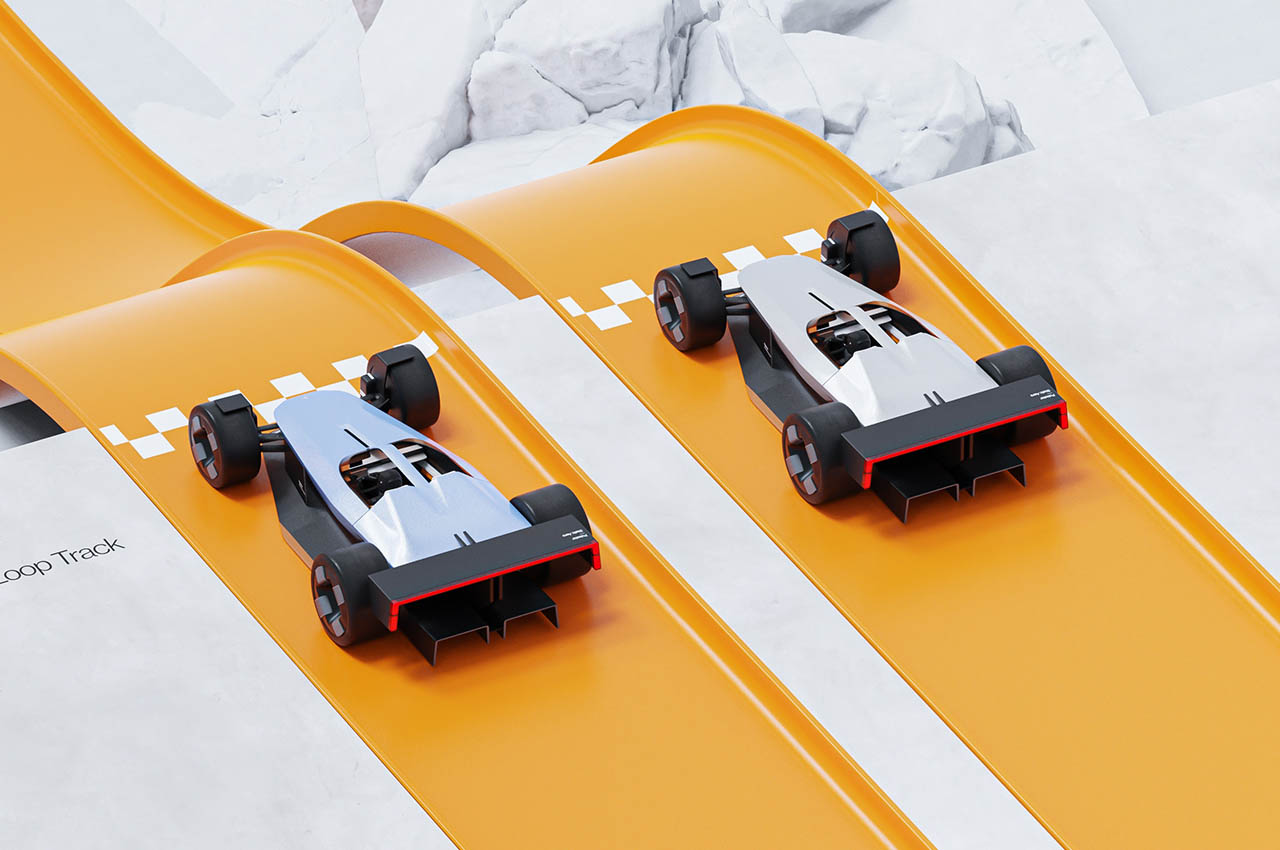
This year’s Polestar Design Contest 2024 is themed on unconstrained dreams inspired by nostalgic aspirations. Out of the numerous entries, the winner will have the opportunity to get their design recreated as a 1:64 Hot Wheels version. Yes, a purchasable Hot Wheels Polestar that’ll adorn the living room shelves and desk space of many enthusiasts.

Out of the finalized designs, the ones that impressed me the most are the Polestar Legacy by Robinson Mancaux, Polestar RoboToyRace by Anton Kulakov, Polestar Barchetta by Travis Yang, Polestar Crocus by Trystan Malbranque and Polestar LNR Space Runner Anand Namboodiri. That said we’ll not talk about any one of them here, because there’s one Polestar Hot Wheels design that didn’t make it to the final cut but gets my vote for the winner’s podium.

Designer: Siddhartha Dutt

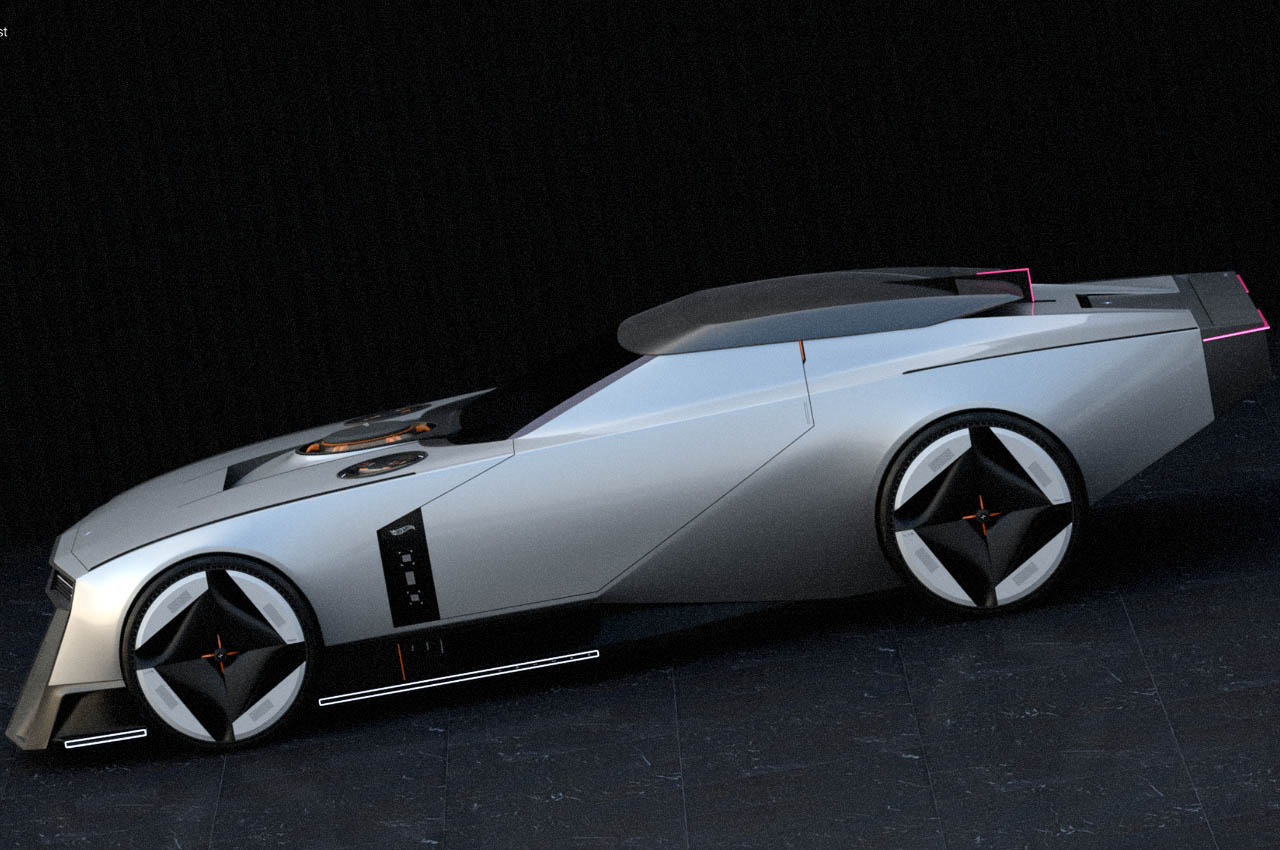
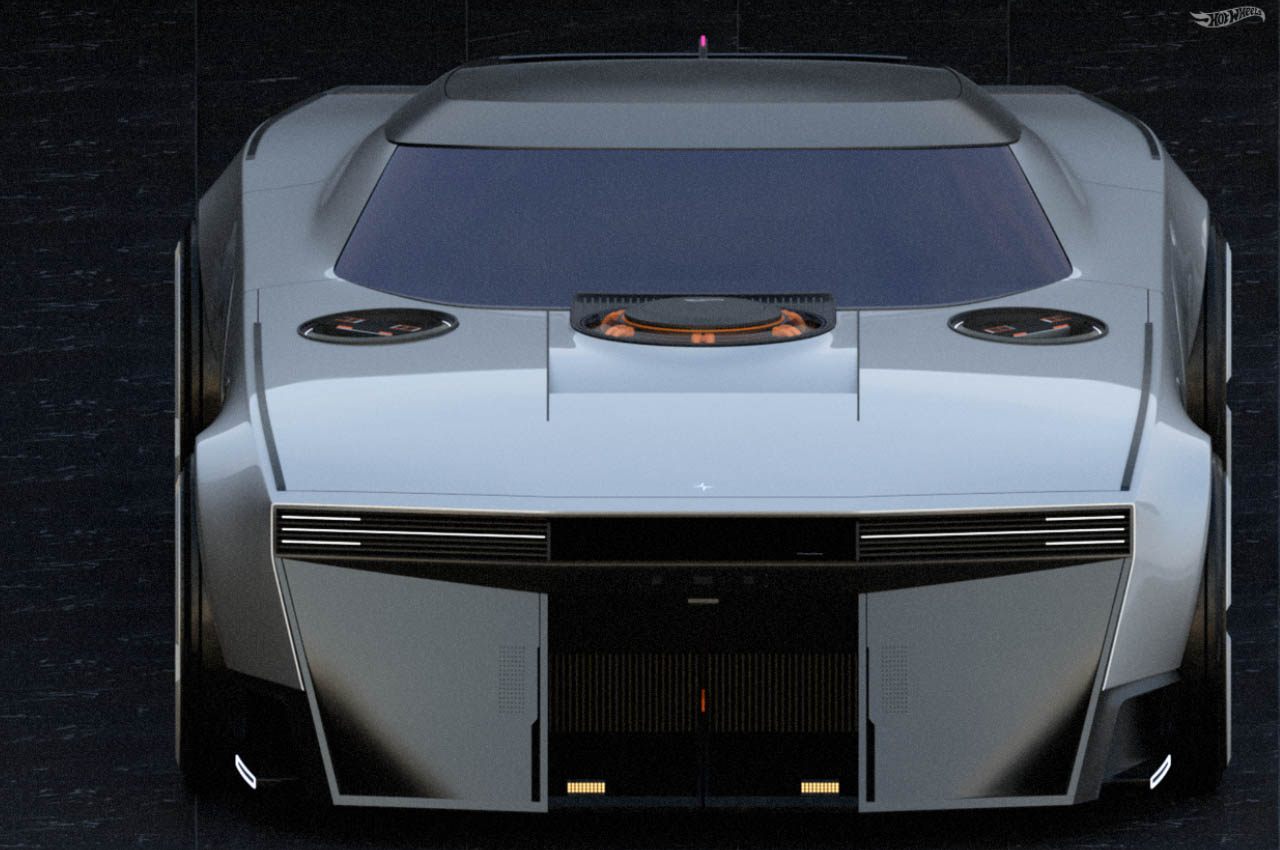
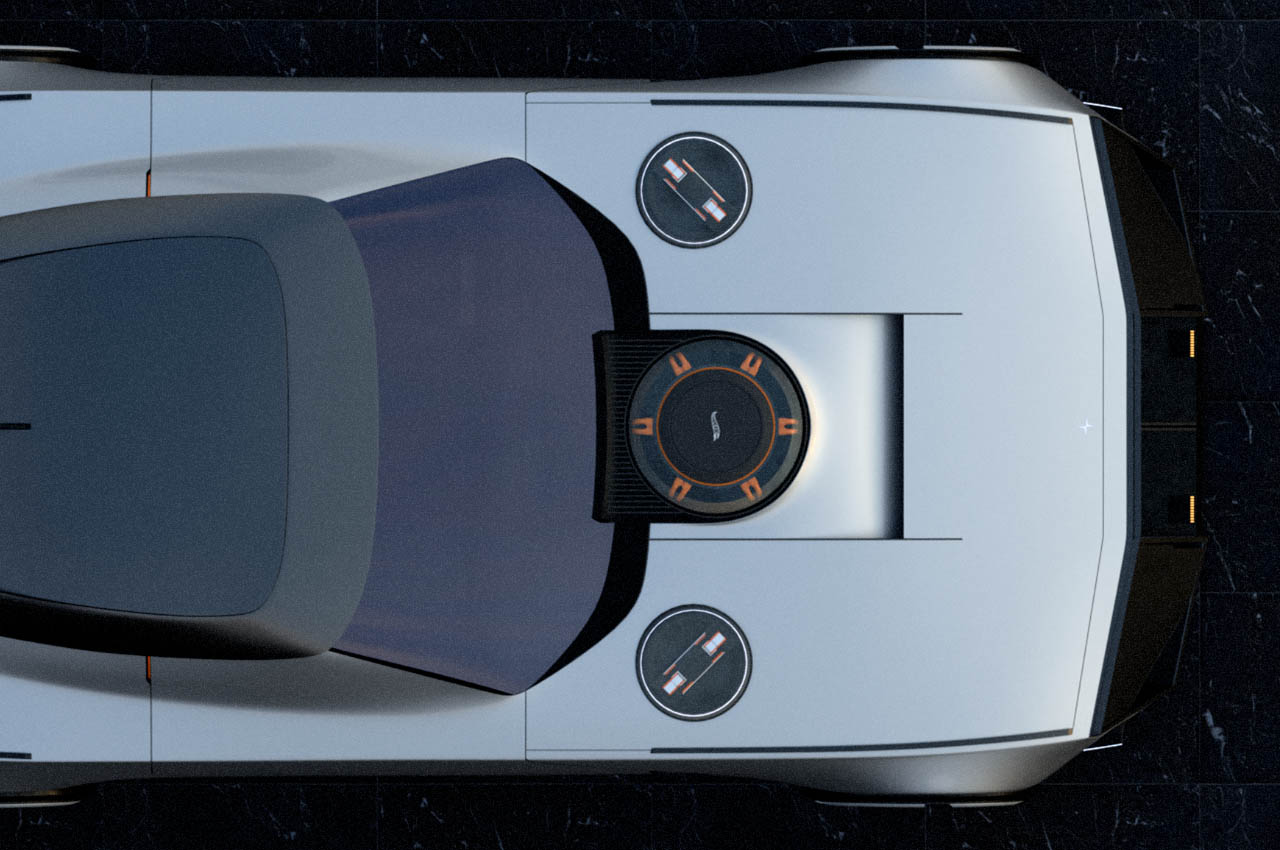
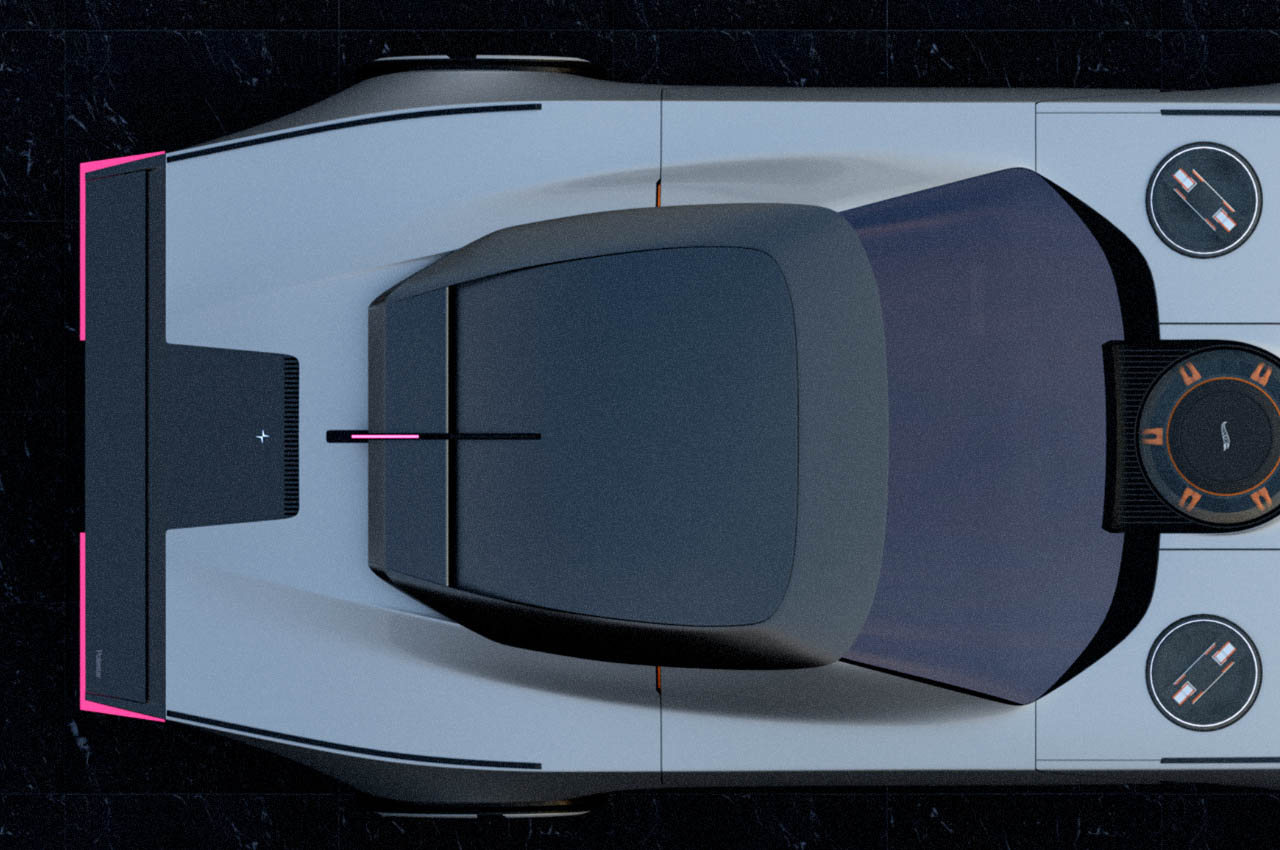
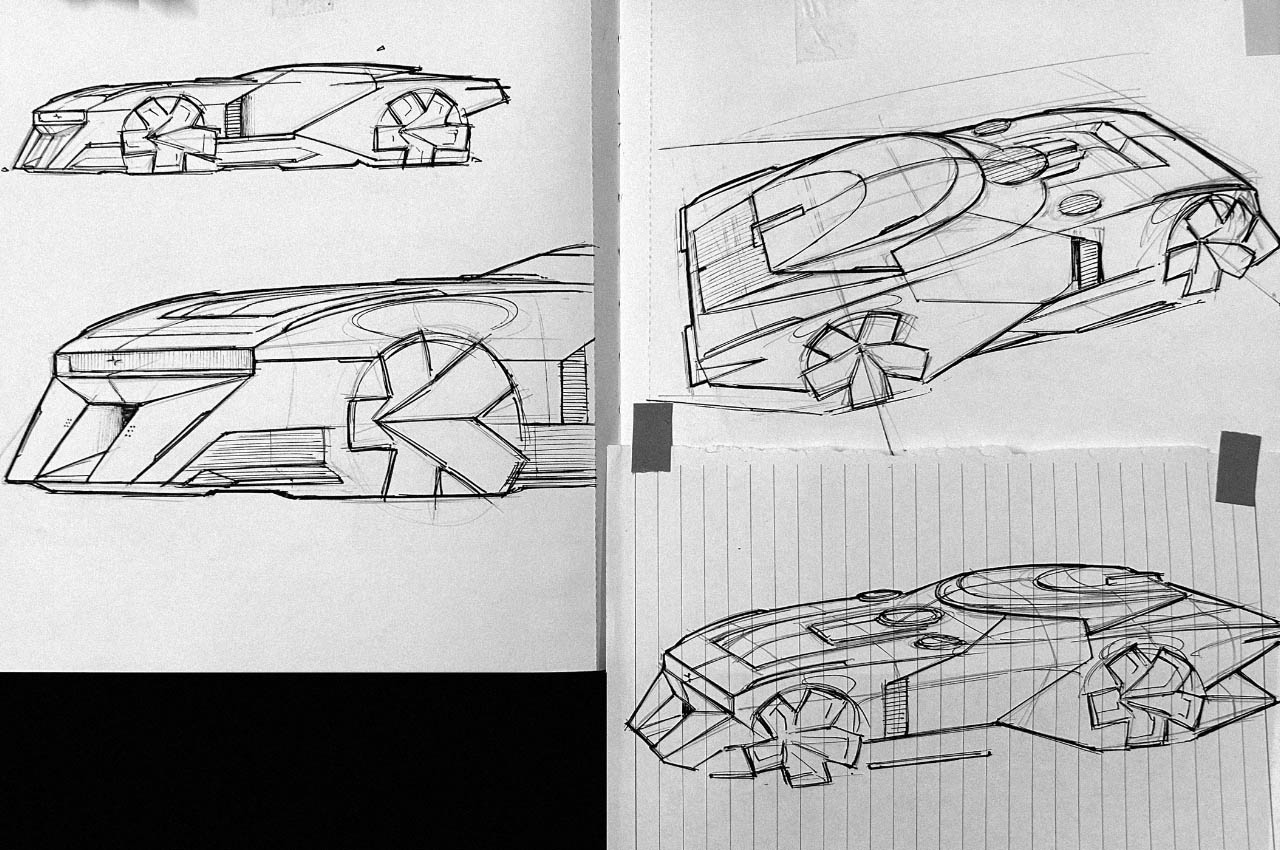
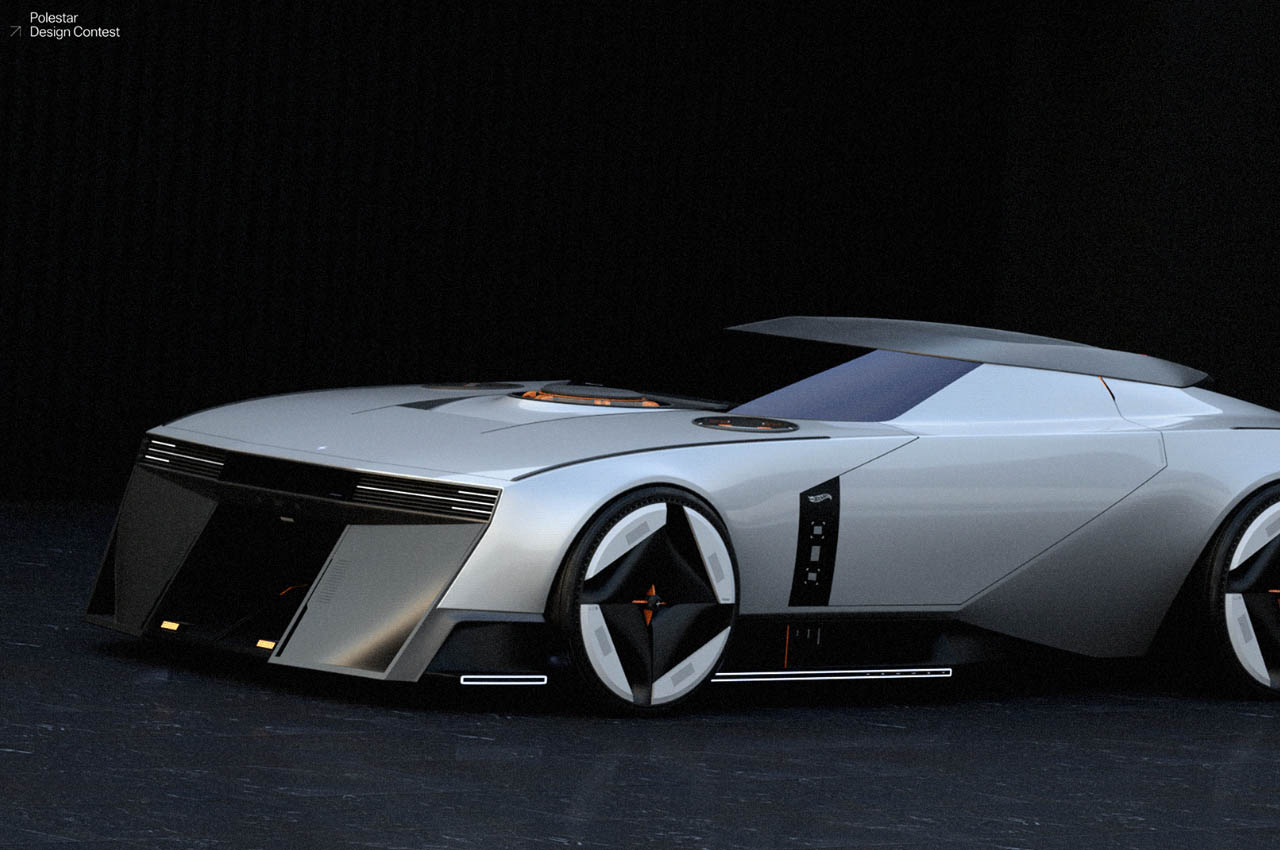
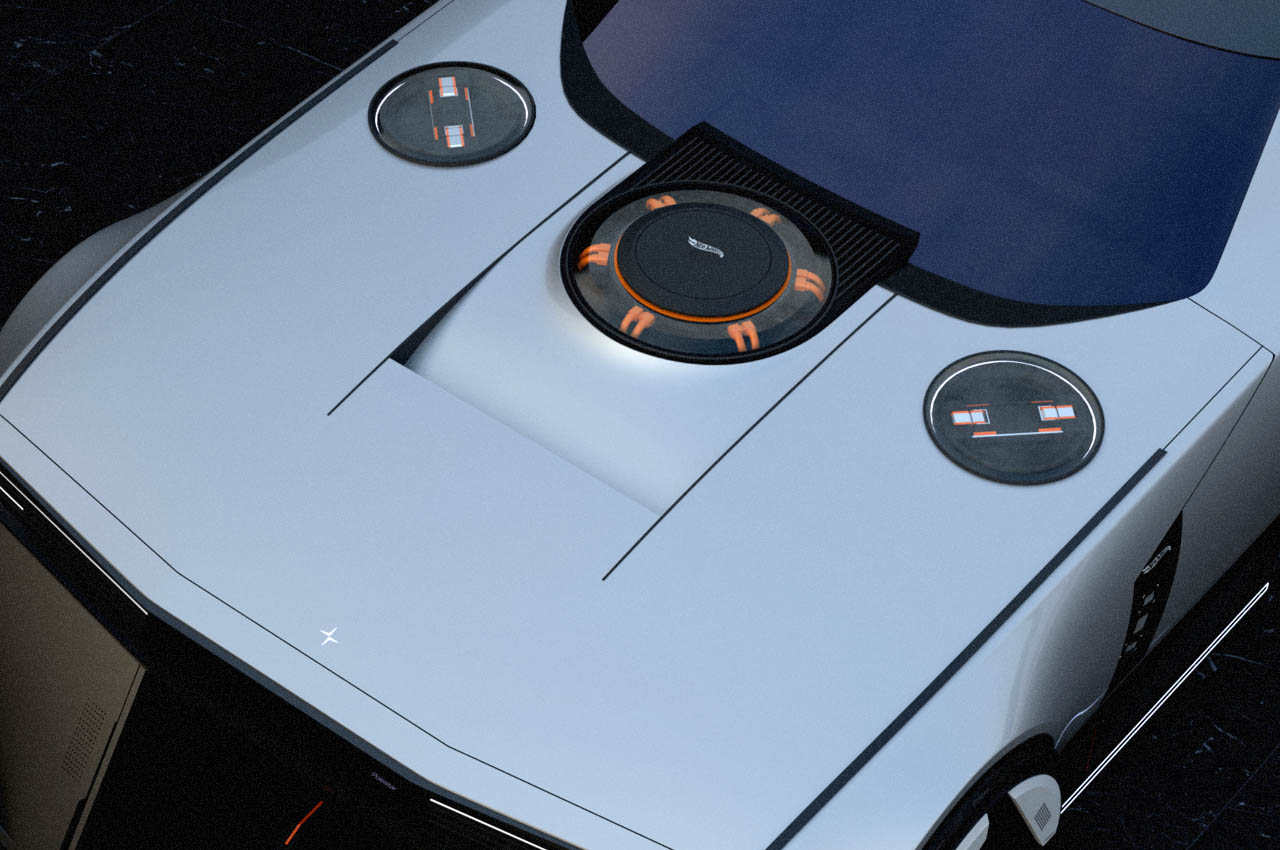
This is the HAMMER Hot Wheels x Polestar that stays within the imaginative realm while still being futuristic looking. Imagining this as a Hot Wheels version is even more erotic. Inspired by Thor’s mighty weapon Mjölnir, this electric muscle car envisioned for Polestar comes with a booming performance platform that’s good enough for a real-life muscle car. Even though it’s a scaled-down version of a concept electric muscle fusion vehicle, the temptation to ride someday is undulating.

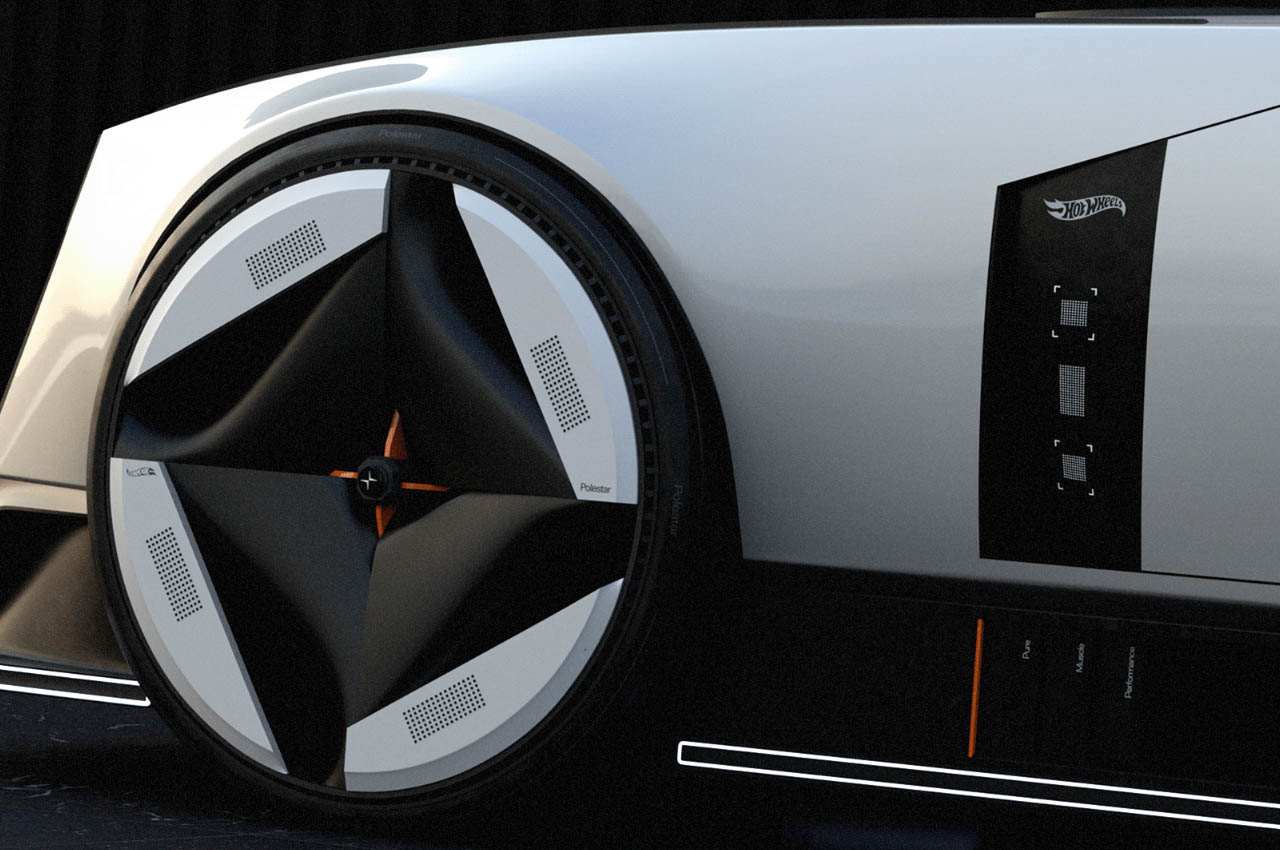
The typical Hot Wheels design on the front sets the tone for the sharp design aesthetics that follow aerodynamically to the rear. No curves here, indicating a futuristic DNA meant for the pure fun of driving on freeways. The designer keeps things toned down as far as stuffing muscle on the sides and the rear section goes. Still, he has managed to extract a very intimidating character out of this Hot Wheels. The wheels and the rims radiate a matching theme that’s highlighted by the silver and matte black inserts.

Just have a look at these renders that have a semblance of the Night Rider vehicle (a modified 1982 Pontiac Trans Am) but with a modern sharp appeal. Should this be just another concept that fades away or do you vouch for it to come to life one day?

The post Polestar HAMMER x Hot Wheels is a sharp muscle car that deserves a real life rendition first appeared on Yanko Design.
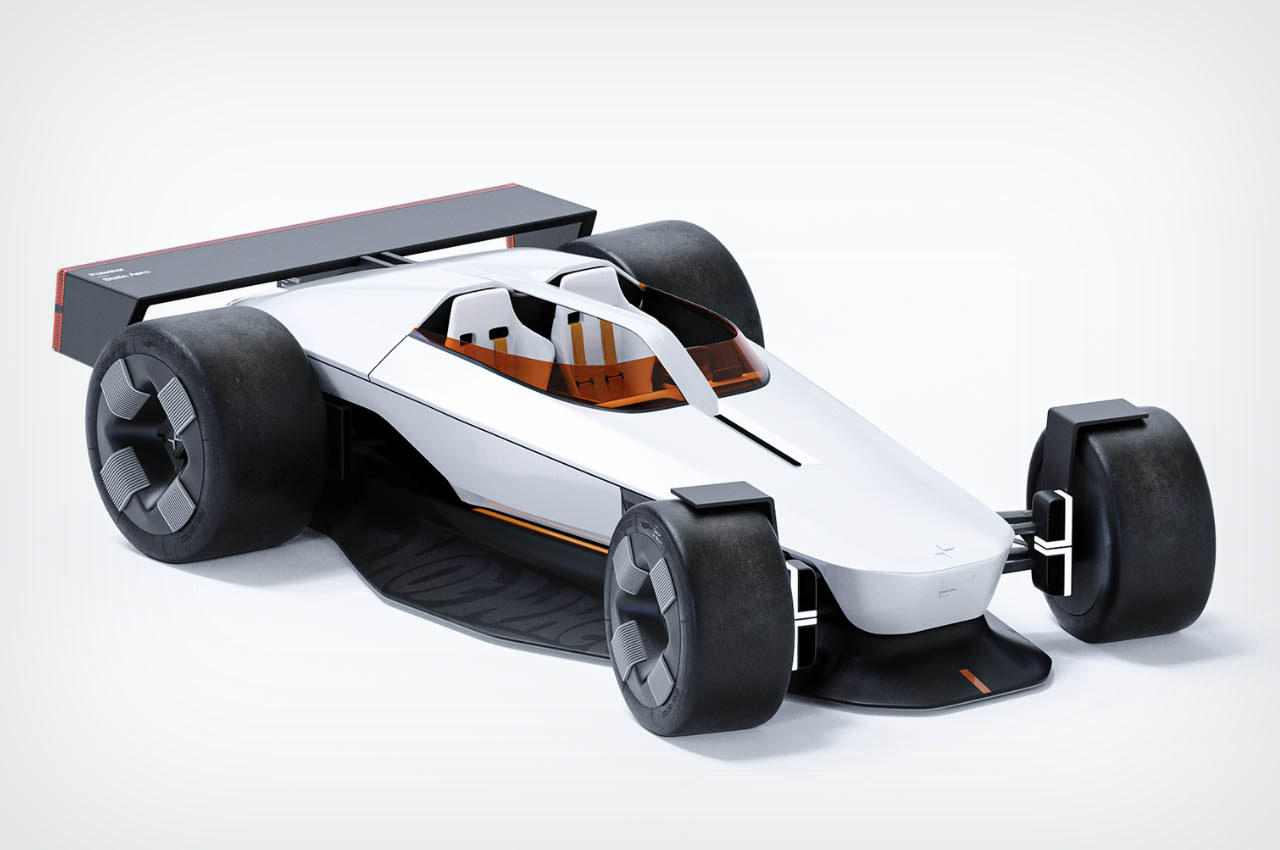
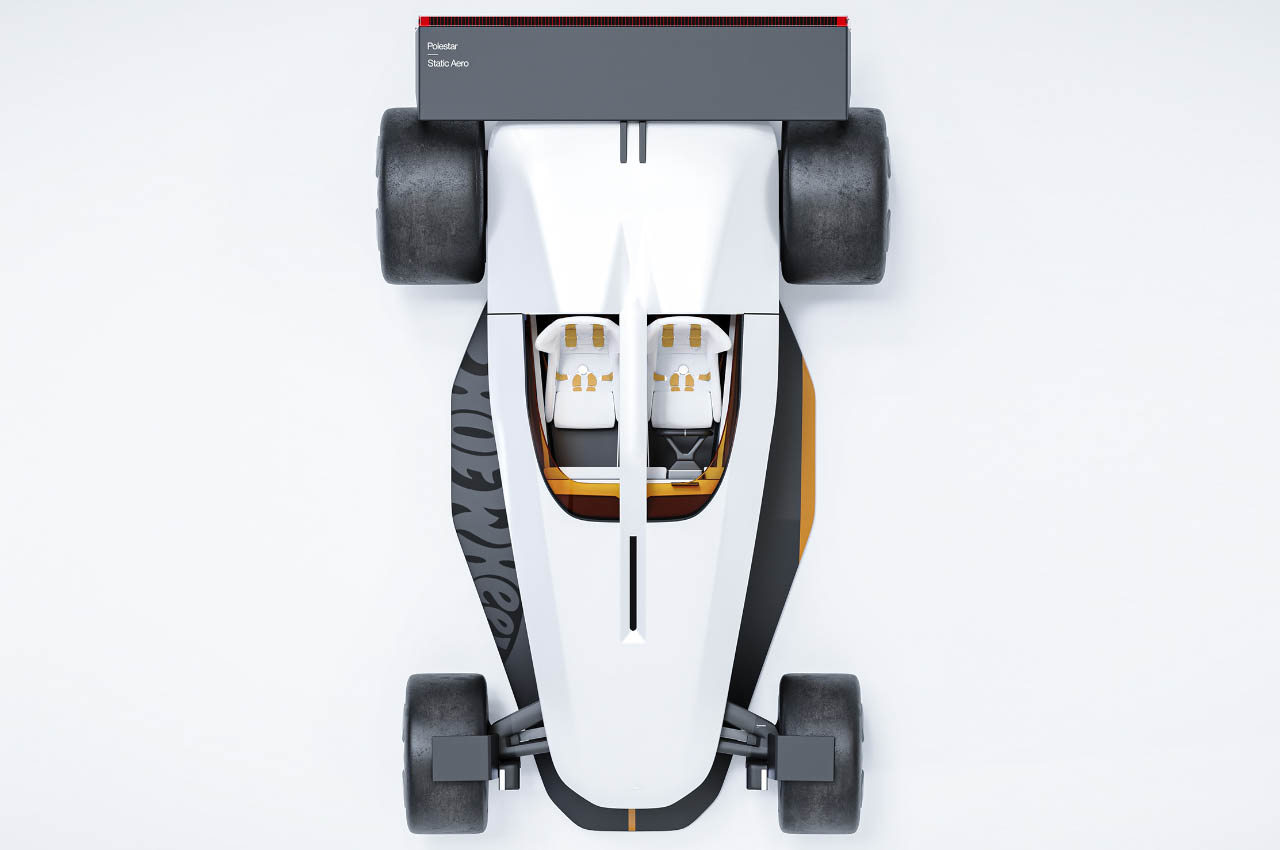
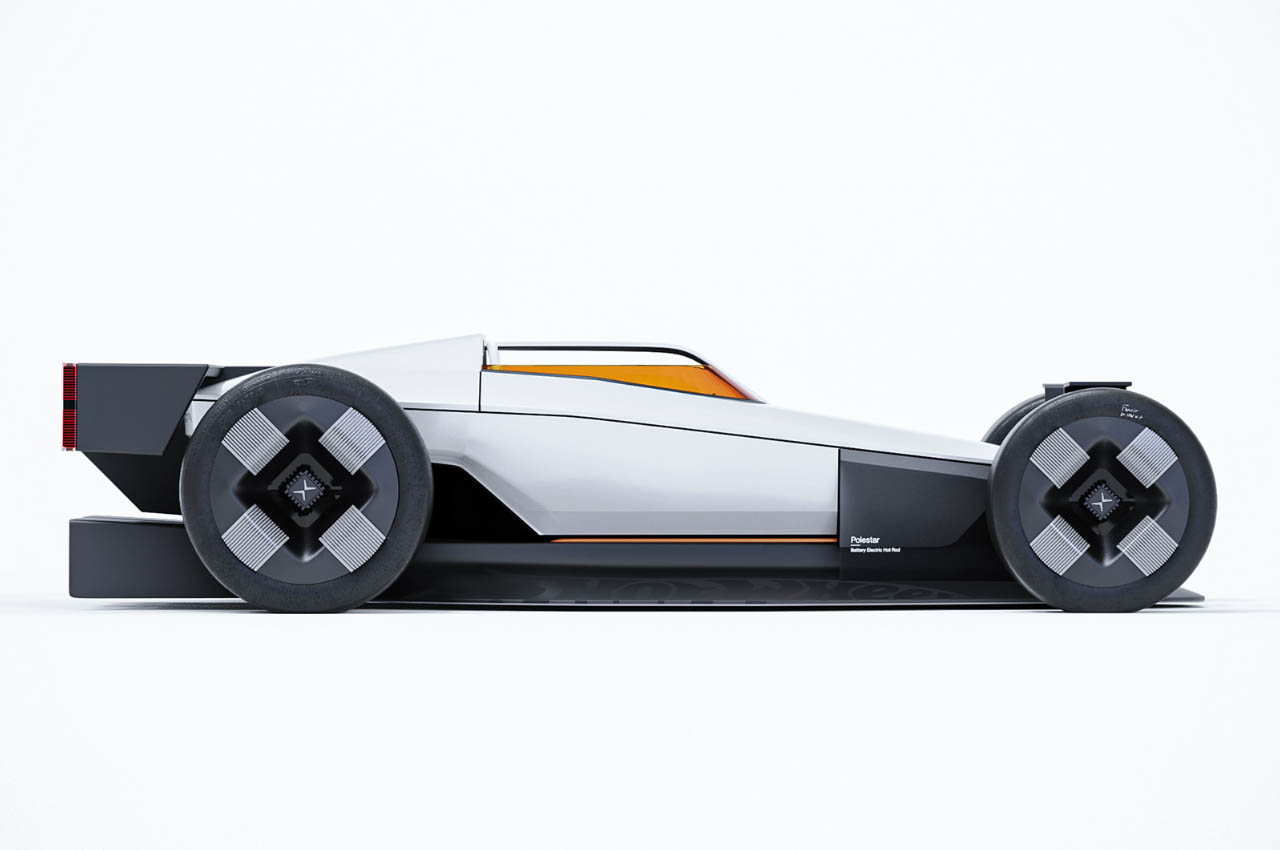
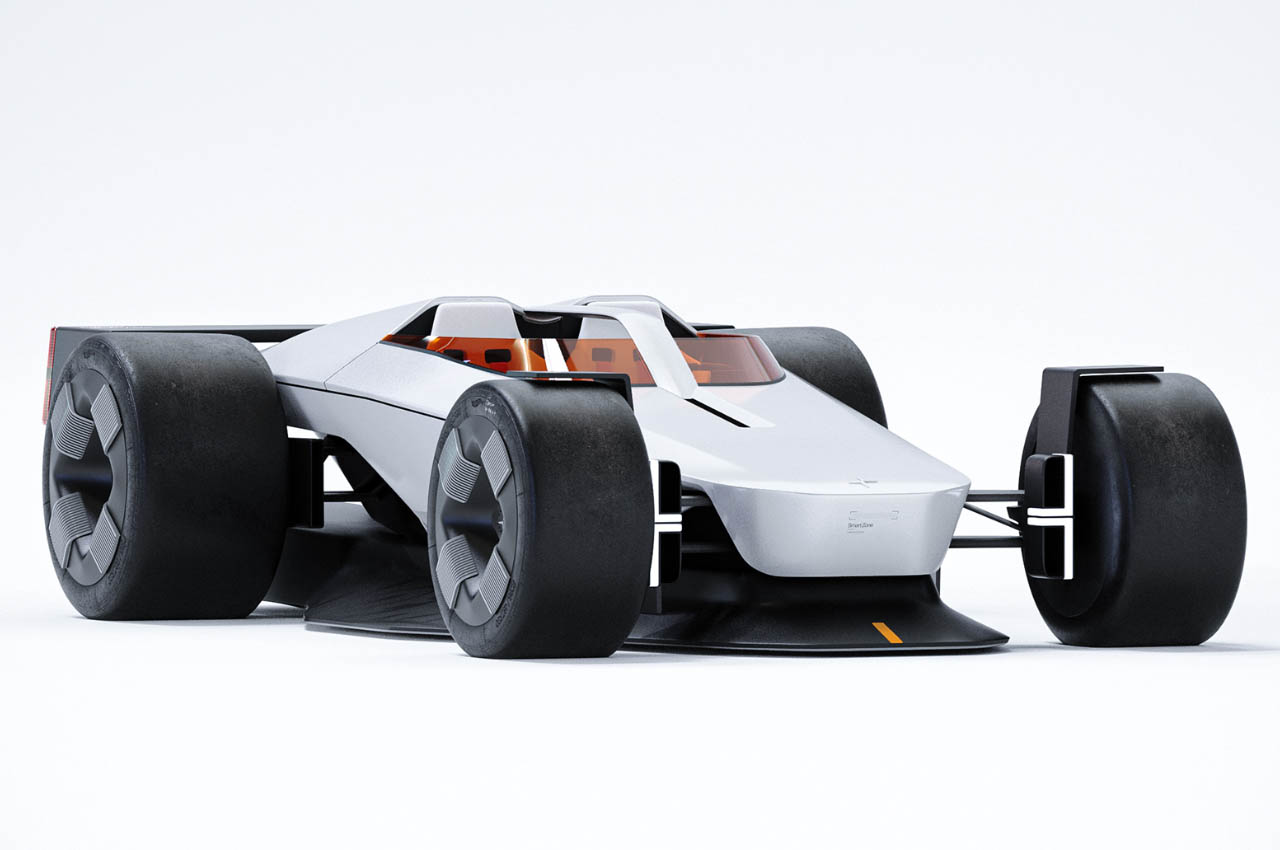
Polestar Fenrir is a sophisticated electric hot rod straight from the Hot Wheels universe

Polestar as an electric car manufacturer has taken the heat to Tesla in the last few years. The Swedish brand has proved its metal with the Polestar 2 EV, even when stacked against the Tesla Model 3. There’s a whole lot to like and the brand is evolving in the right direction.

The Polestar 6 slated for production in 2026 as an open-top grand tourer has got the challenge very well accepted for future dominance, at least in the electric roadster domain. We though, are always on the hunt for something larger than life in the concept world. Just like this Hot Wheels-inspired Polestar hot rod that would be perfect for the Japanese street racing scene.

Designer: Henrique Alves

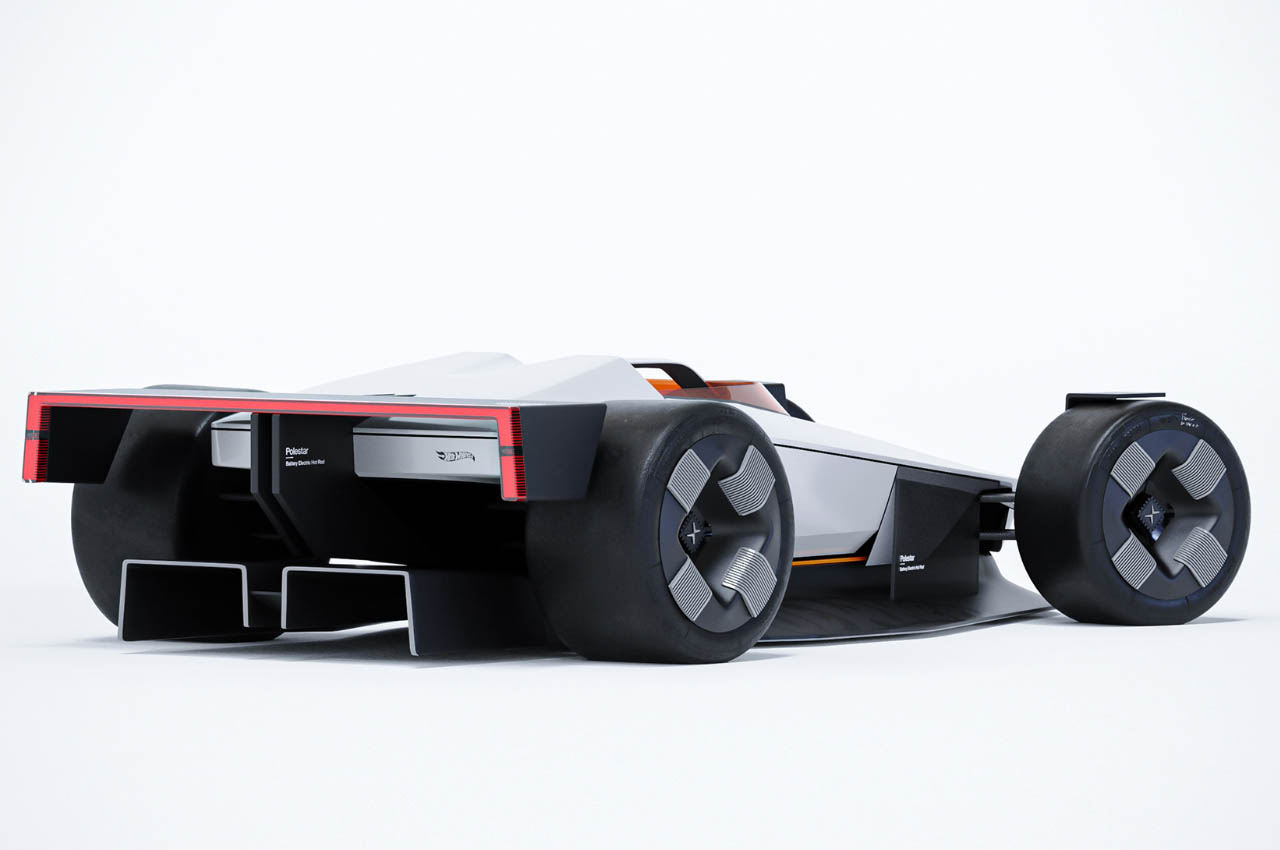
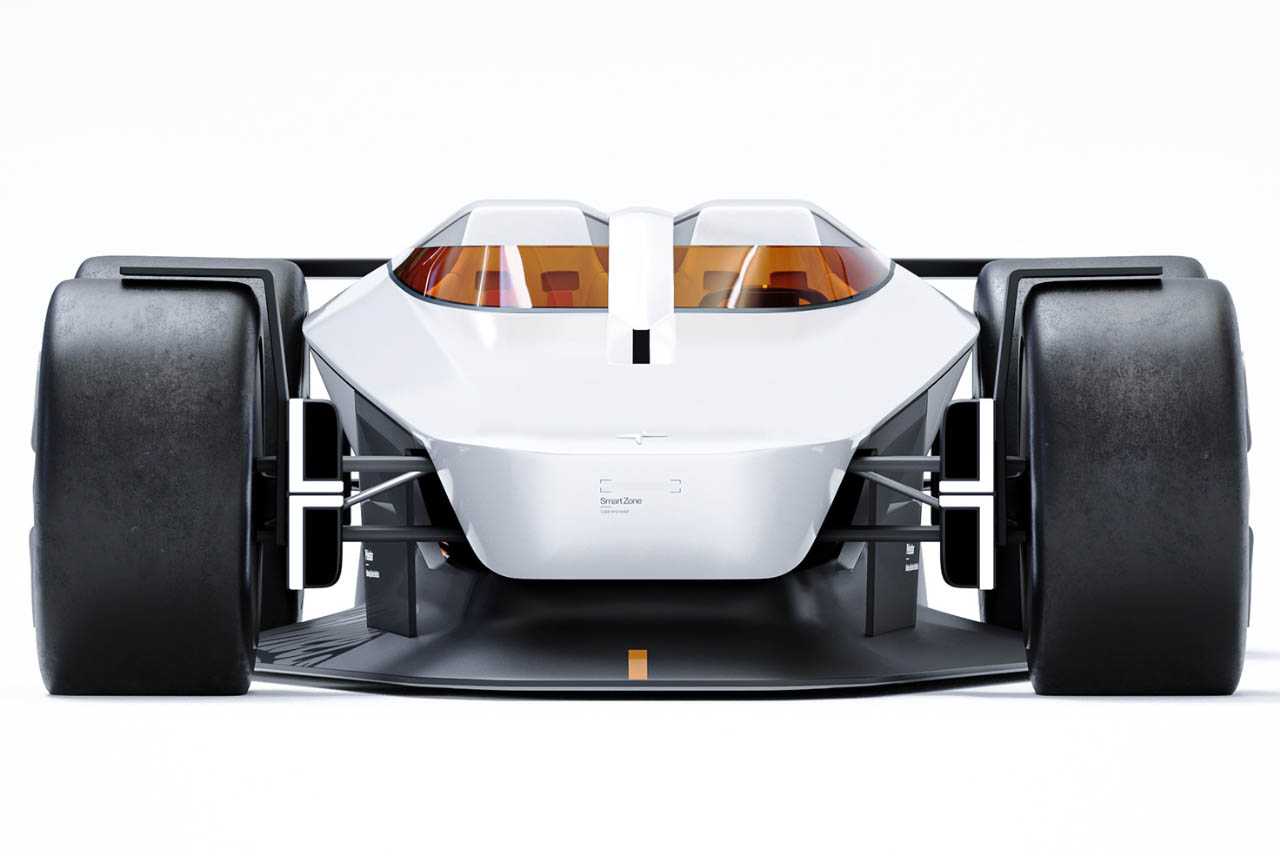
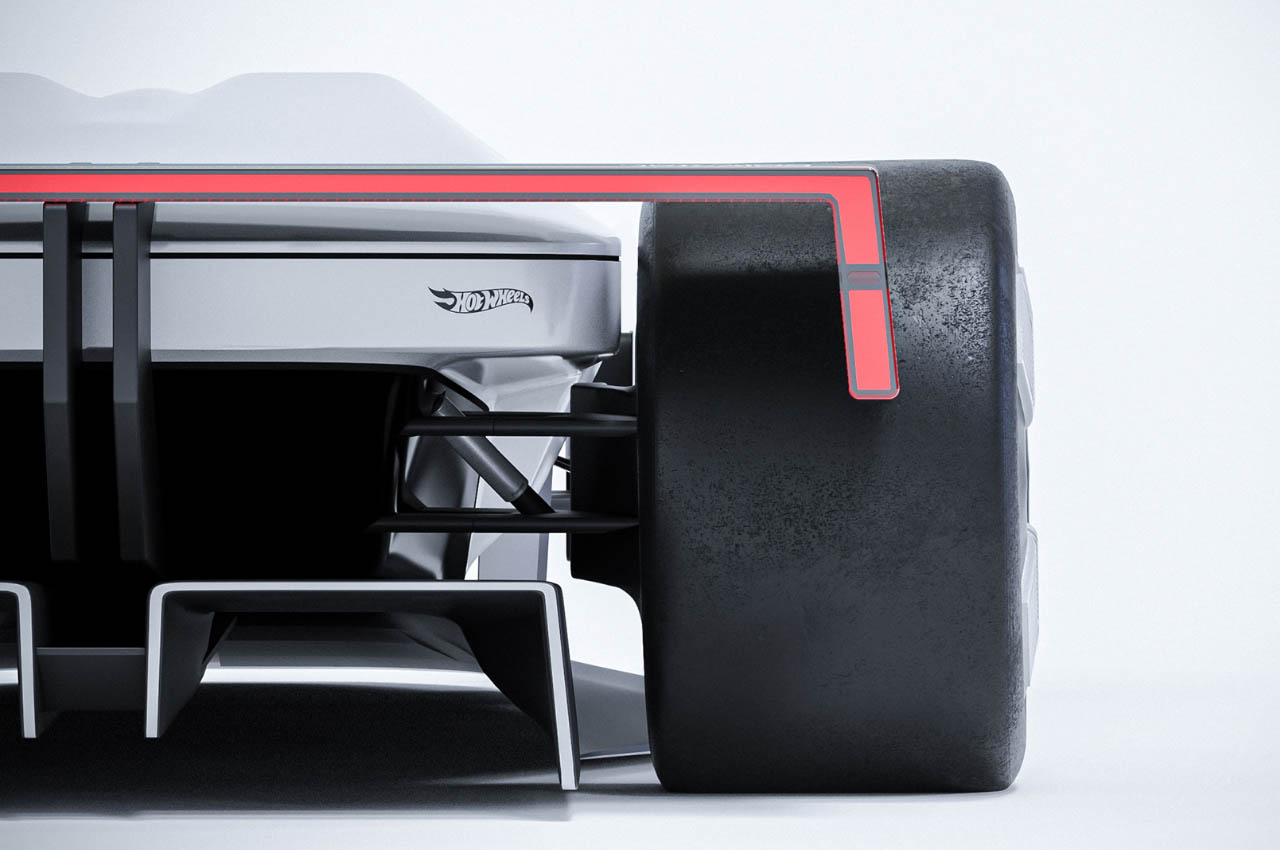
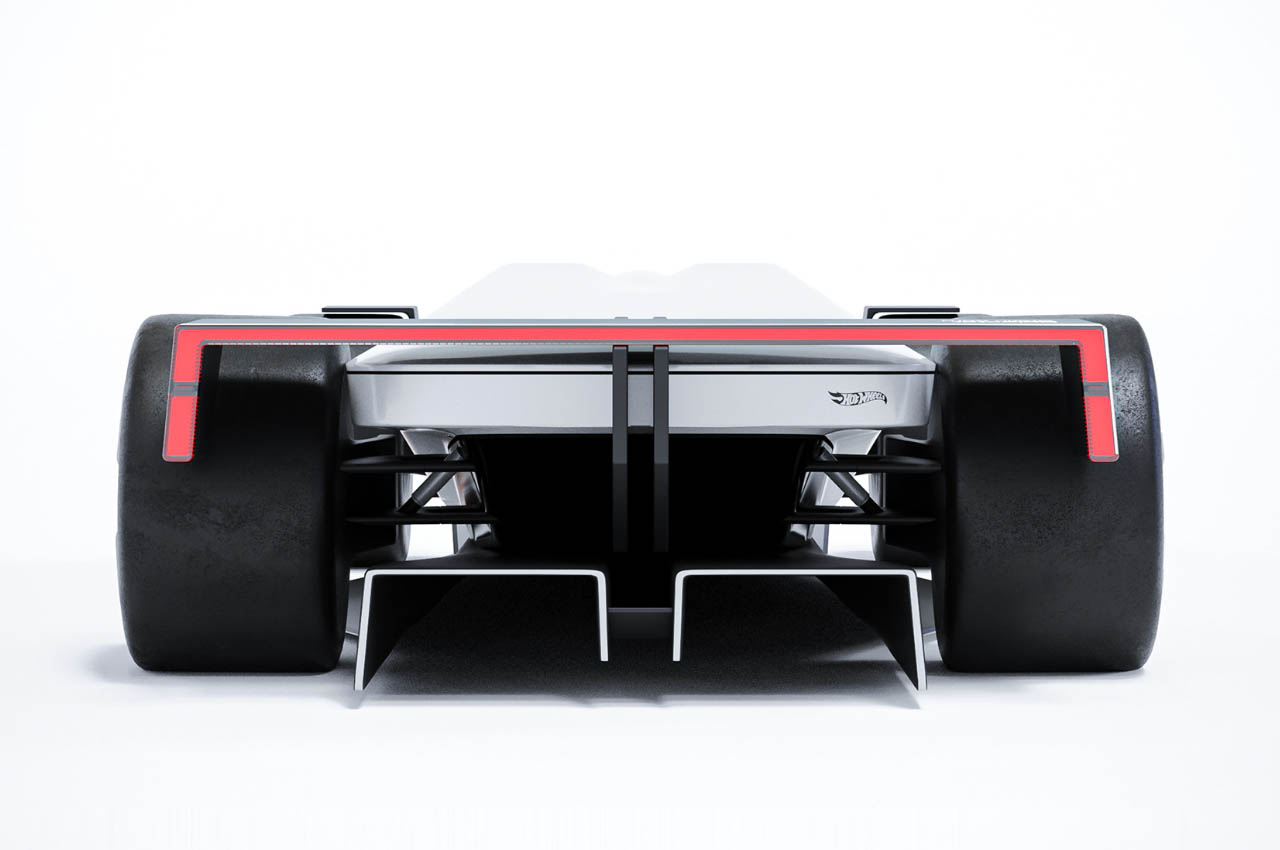
This electric concept named Polestar Fenrir imagined for the 2024 Polestar design contest hits the nail right on its head with the Hot Wheels theme. That’s because the contest is done in collaboration with Hot Wheels. The only doubt in Henrique’s mind was if the vehicle should be a Monster Truck, Surf Van or Dune Buggy. Ultimately he went for the obvious choice of a hot rod, since Hot Wheels is all about cool street racers. The idea was to fuse the Hot Rod DNA to a modern electric car aesthetic that the designer creatively achieved with the form.

The contours are maintained at the right places while the heavy influence of an EV is not ignored at all. Muscular element also follows in with a forward-leaning stance that’s exemplified by the fat rear, both in the body and the size of the wheels. This broadening stance from the front to the back makes space for a unique two-seater configuration. The low ride height barely enough to slip through a sheet of paper means the hot rod will have to avoid any bumps or speed breakers.

The designer expresses the creation as a 2-seater hot rod with some goofiness and playful feelings. He adds that the Polestar Fenrir is a well-proportionated EV racer with minimal lines and shapes that complement the Polestar’s visual identity. Surely we second that thought and a Polestar concept of the future could draw inspiration from this model.

The post Polestar Fenrir is a sophisticated electric hot rod straight from the Hot Wheels universe first appeared on Yanko Design.
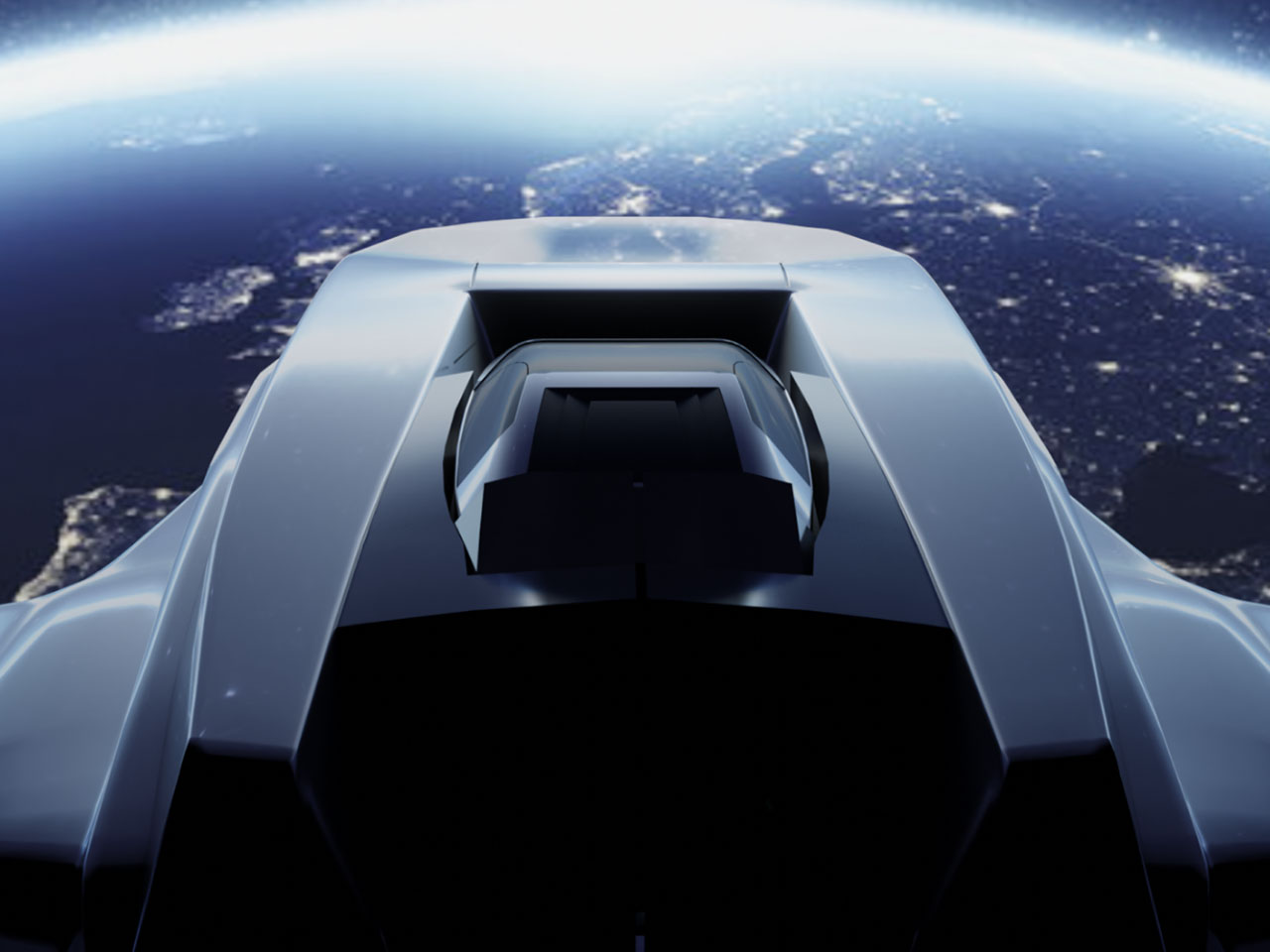
Polestar just beat Tesla by launching their very own Smartphone

Unless China celebrates April Fool’s Day 18 days after the rest of the world, these images circulating on Polestar’s Weibo account hint that the company may be getting into the smartphone game.

Of all the EV companies to tease a smartphone, we probably expected Tesla to be the first. The internet was constantly filled with rumors teasing a Teslaphone (we even covered one of them), but turns out Polestar may have beaten them to the punch. The phone was spotted on the Google Play Console in February and was actually certified for sale in China last year, so this might not be a prank. The Polestar Phone is real, and this is what it looks like.

Designer: Polestar

The Polestar Phone sports an all-white and silver colorway, with clean lines, tight curves, and immaculate surfaces, just like its cars. Coincidentally enough, the clean design can’t entirely be attributed to Polestar – the phone is, in fact, a rebranded version of the Meizu 21 Pro, running a different OS and with Polestar’s branding on the back as well as the sides.

If we need to go off of the Meizu 21 Pro specs, the phone will run on a Snapdragon 8 Gen 3 chipset, and sport a 50 MP main camera, along with a 13 MP ultra-wide-angle shooter, and a telephoto camera with 3x optical zoom and periscope lens. The front will sport an edge-to-edge 2k+ screen with a 21:9 ratio and super-thin 2.2mm bezels.

The phone will apparently run a version of Android called the PoleStarOS – this is where the automotive company expects its expertise to shine through. While nobody will specifically buy a Polestar phone, the OS will offer a compelling reason for Polestar EV owners to make the switch. The phone’s OS will boast tight integration with the Polestar EV ecosystem, demonstrating how the two tech devices can integrate into each other to create a well-rounded user experience for car owners.

Barring a few images and a teaser video, not much is known about the Polestar Phone. However, the device is being primed for an April 24th launch. Who knows, if this works out we might get a Tesla X Smartphone sometime soon?!

The post Polestar just beat Tesla by launching their very own Smartphone first appeared on Yanko Design.
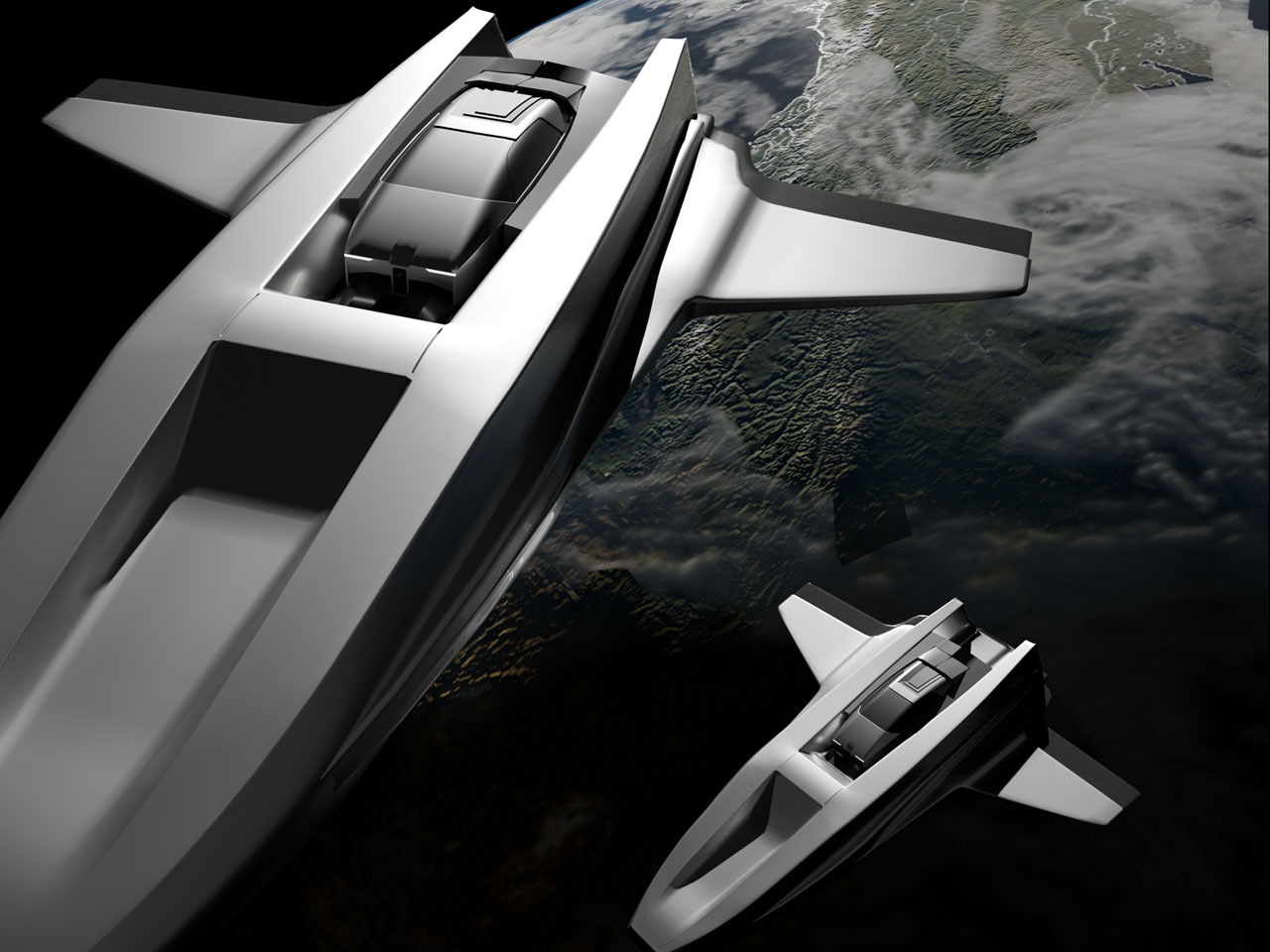
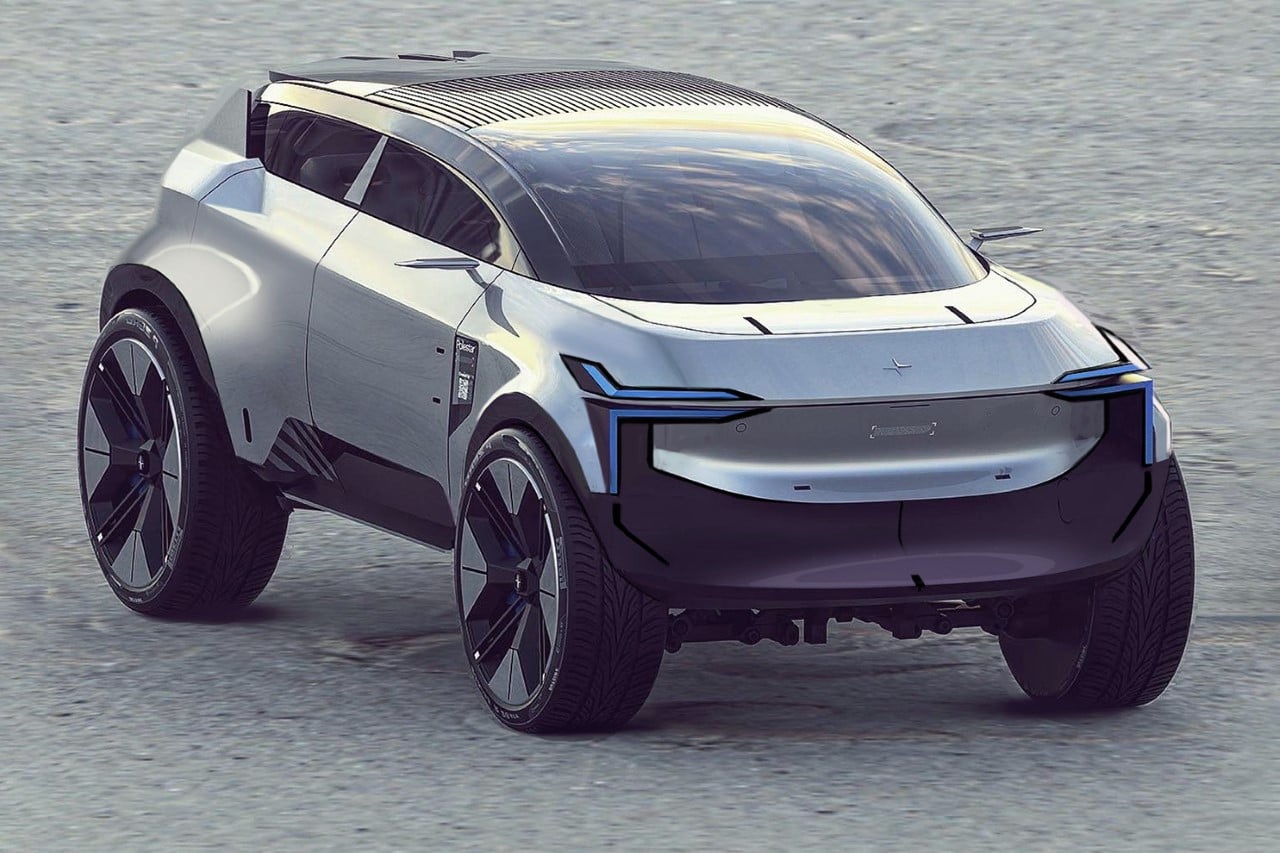
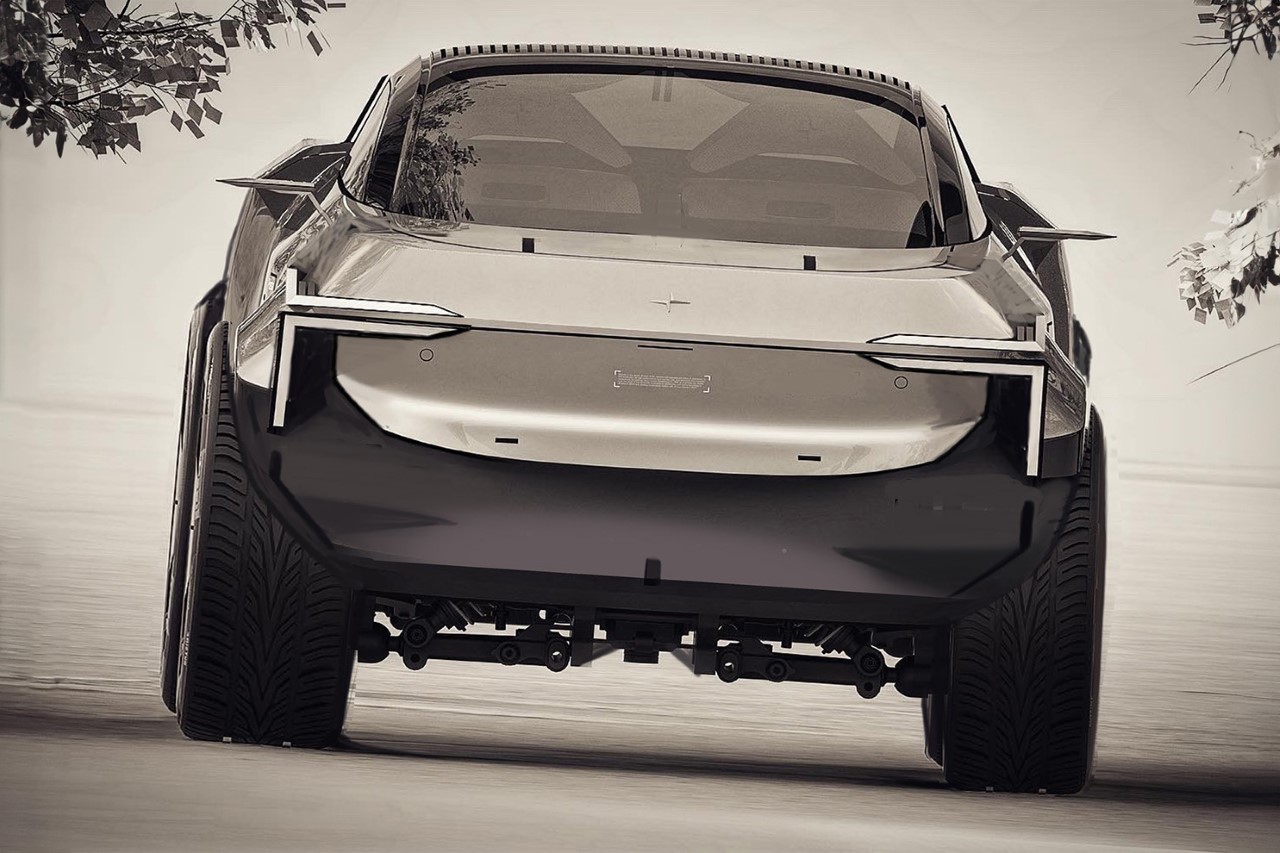
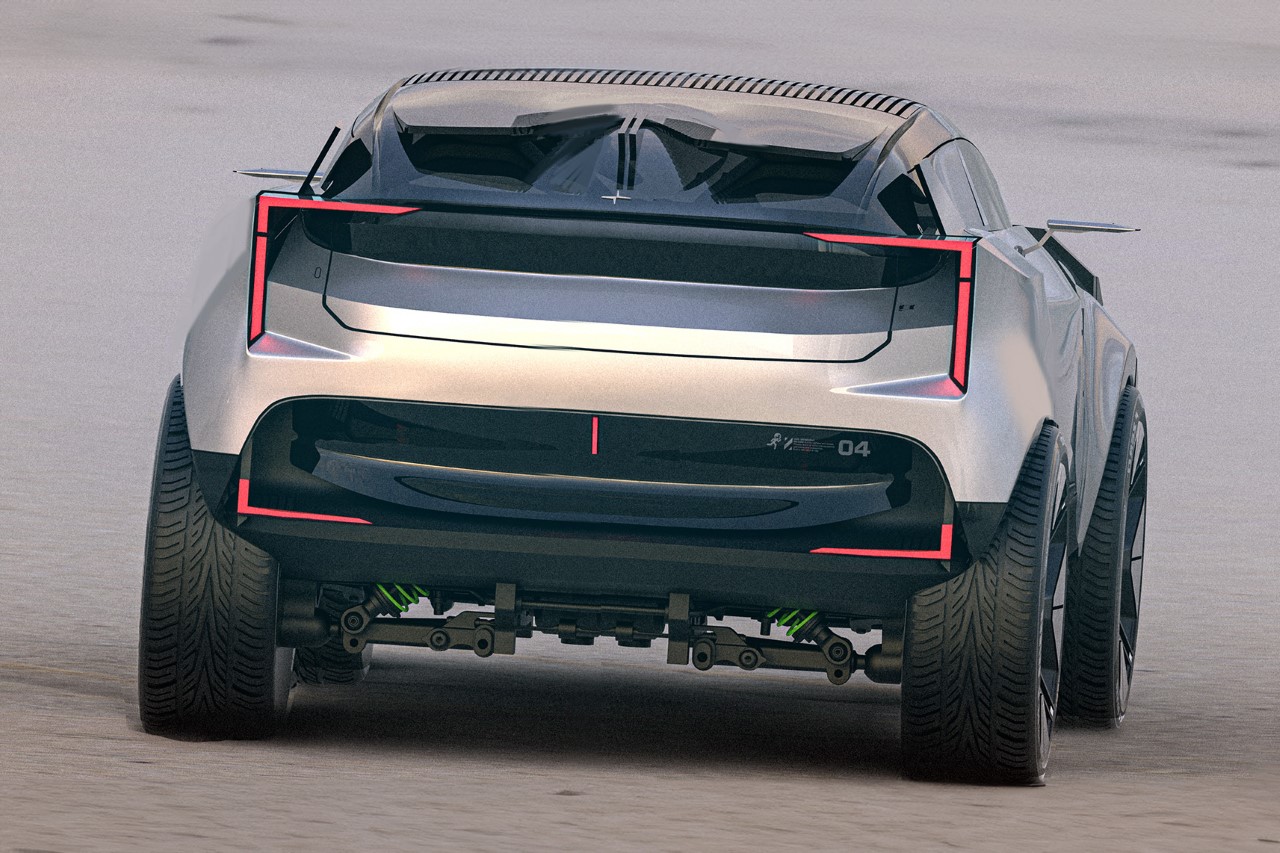
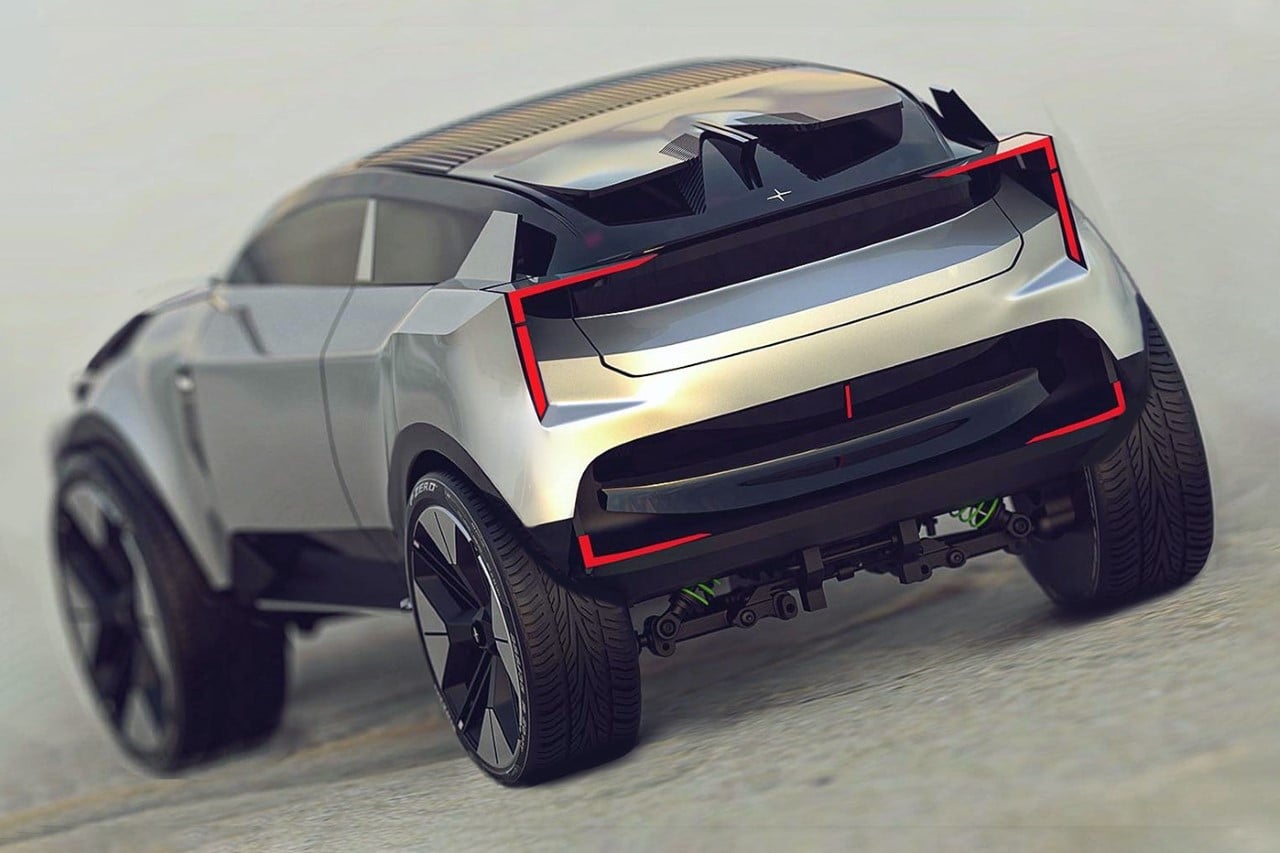
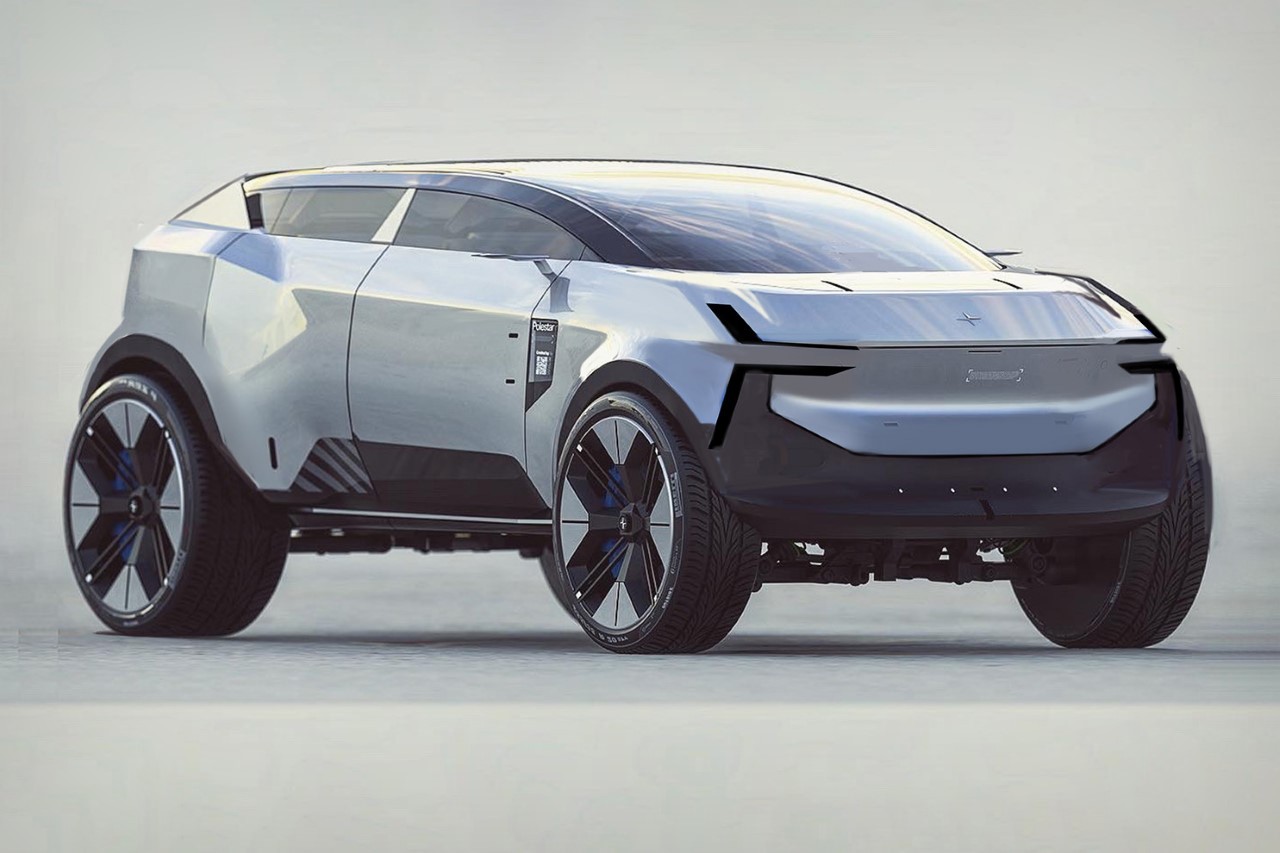
The Polestar 8 is a rugged SUV concept that brings automotive aggression out through minimalism

This might not be Polestar’s first SUV, but it’s surely the first to have an attitude…

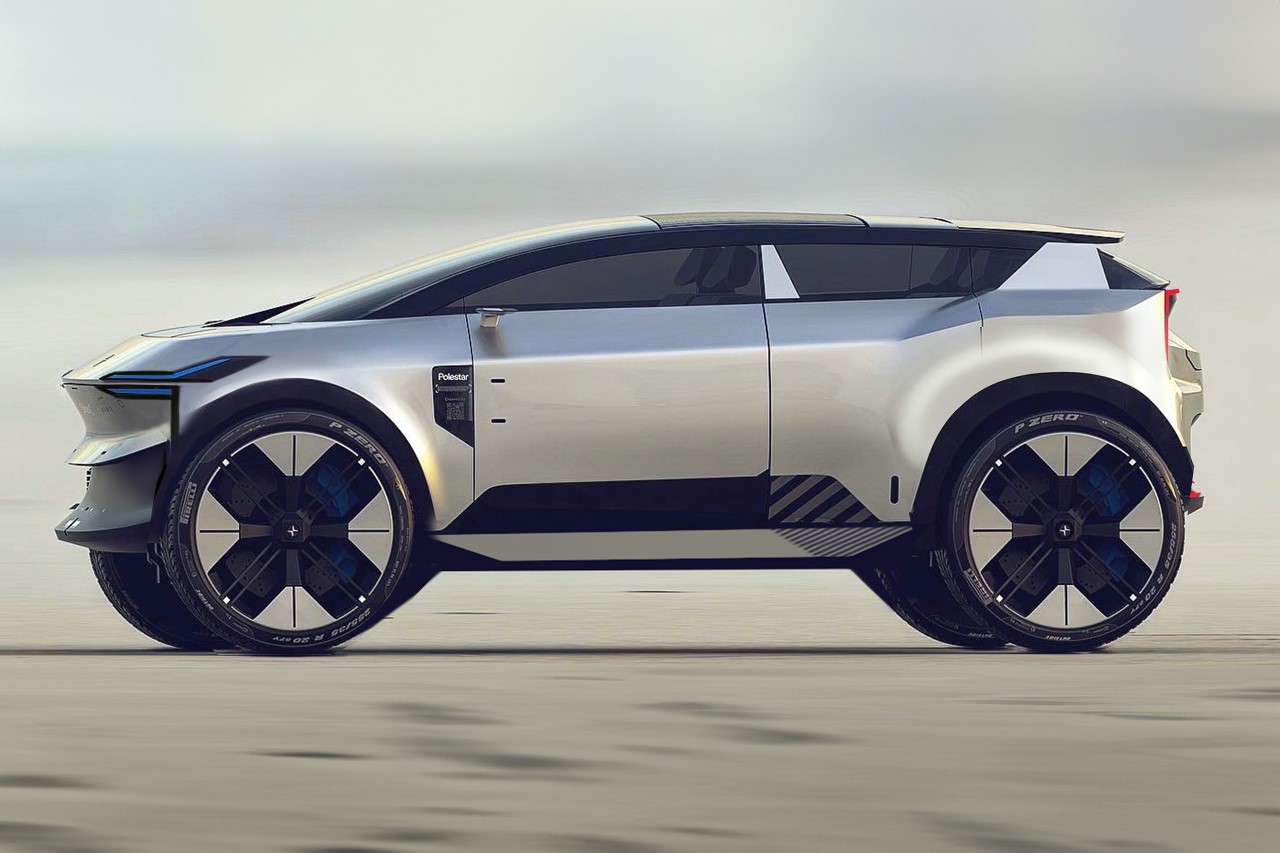
Meet the Polestar 8, an SUV concept from the mind of Turin-based Salvatore Ville. A subsidiary of Volvo, Polestar is best known for its pure and minimalist ethos, which reflects in its choice of zero-emission drivetrains, clean designs, and even the use of recycled materials in its construction – however, minimalism has never really been a defining visual language for any car brand. Automotive minimalism is somewhat of a misnomer because people usually like their cars to offer more value for money. Sure, that’s a reductionist way to go about designing a car, but the cleaner a car looks, oftentimes the less eye-catching it tends to be around other cars. Keeping this in mind, Ville designed the Polestar 8 as an SUV that embraces minimalism with a twist – instead of simply opting for clean surfaces, Ville amped up the aggression by giving the car a dominating silhouette. The Polestar 8 looks like the Polestar 3 that went to the gym. It has a wider more brutish stance, a clean design that still manages to look roguish, and an interplay between metallic surfaces and black trims to create a dual-tone effect that gives the car dynamism without being overtly distracting.

Designer: Salvatore Ville

What Ville does really well with the Polestar 8’s design is balance aggression with automotive DNA. The SUV captures the essence of the Polestar brand with its headlights and taillights, the strategic placement of the Polestar logo, and the use of clean surfaces without any major detailing like air intakes. The car’s aggression manifests in the form of large tires, a dominating stance, and those razor-thin rear-view cameras on the side that could cut through wind like a sword.

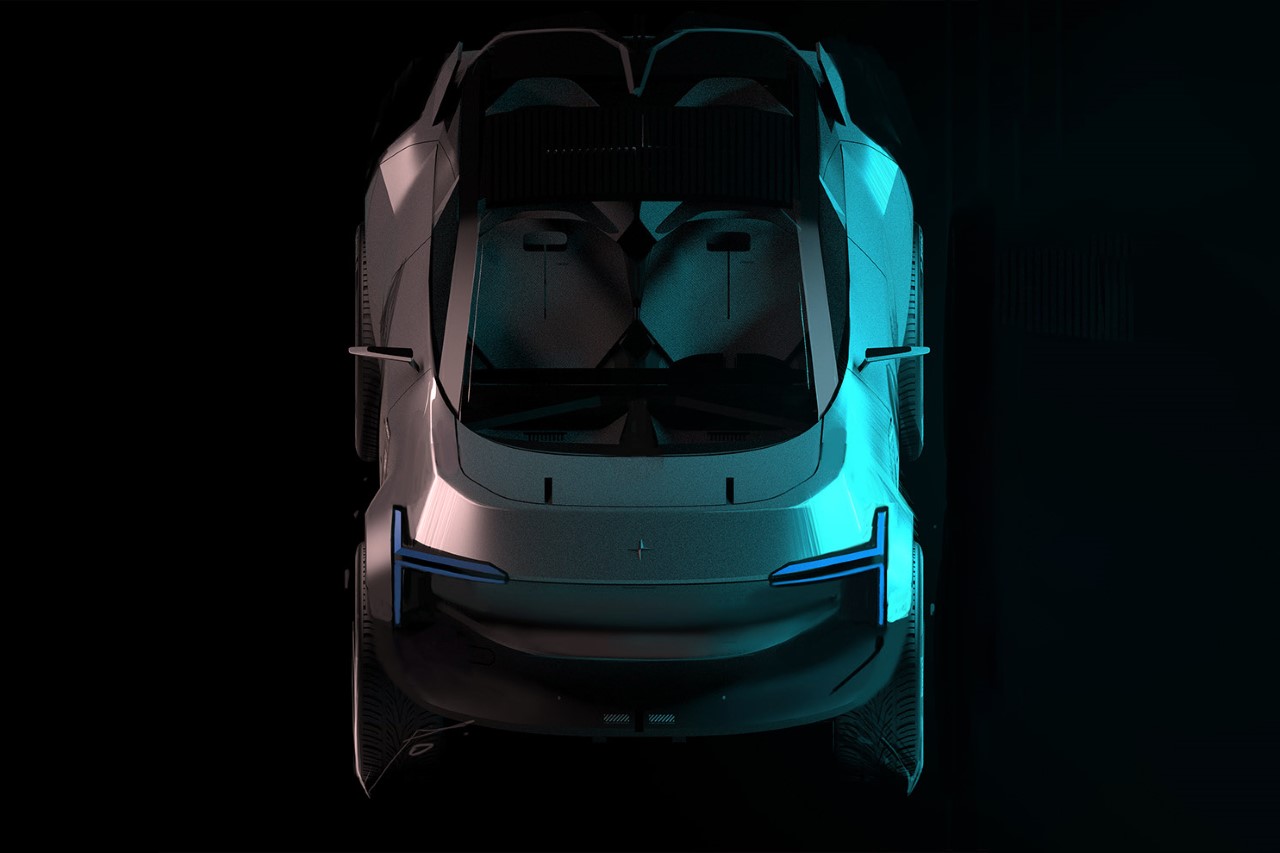
Around the back, the Polestar 8’s design remains faithful to the futuristic motif. The taillights stretch across the vehicle’s width and height, creating a luminous signature that could double as a motif in a sci-fi film. Here, form follows function in a dance of light, giving the SUV a presence that’s hard to miss when night falls.

The profile of this conceptual Polestar is where the narrative of modern sculpture on wheels truly unfolds. It carries an athletic stance, with a roofline that sweeps back in a coupe-like descent. The absence of traditional door mirrors—replaced, perhaps, by cameras—stays true to the ethos of creating a seamless profile that’s as wind-friendly as it is eye-catching. Large, imposing wheels fill the arches, grounded yet ready to propel this vision into motion at a moment’s notice.

The use of color and materials appears meticulously chosen to reflect light and shadow in a dance that changes as the day grows old. The Polestar 8, with its combination of metallic hues and carbon fiber accents, looks just as much at home in the heart of a bustling metropolis as it does against the backdrop of a futuristic skyline. One can only imagine the interior, likely a cocoon of advanced technology and minimalist luxury—a space where the outside world is both present and pleasantly held at bay.

While the Polestar 8 concept SUV may not be a blueprint for a production model, it stands as a canvas for the imagination.
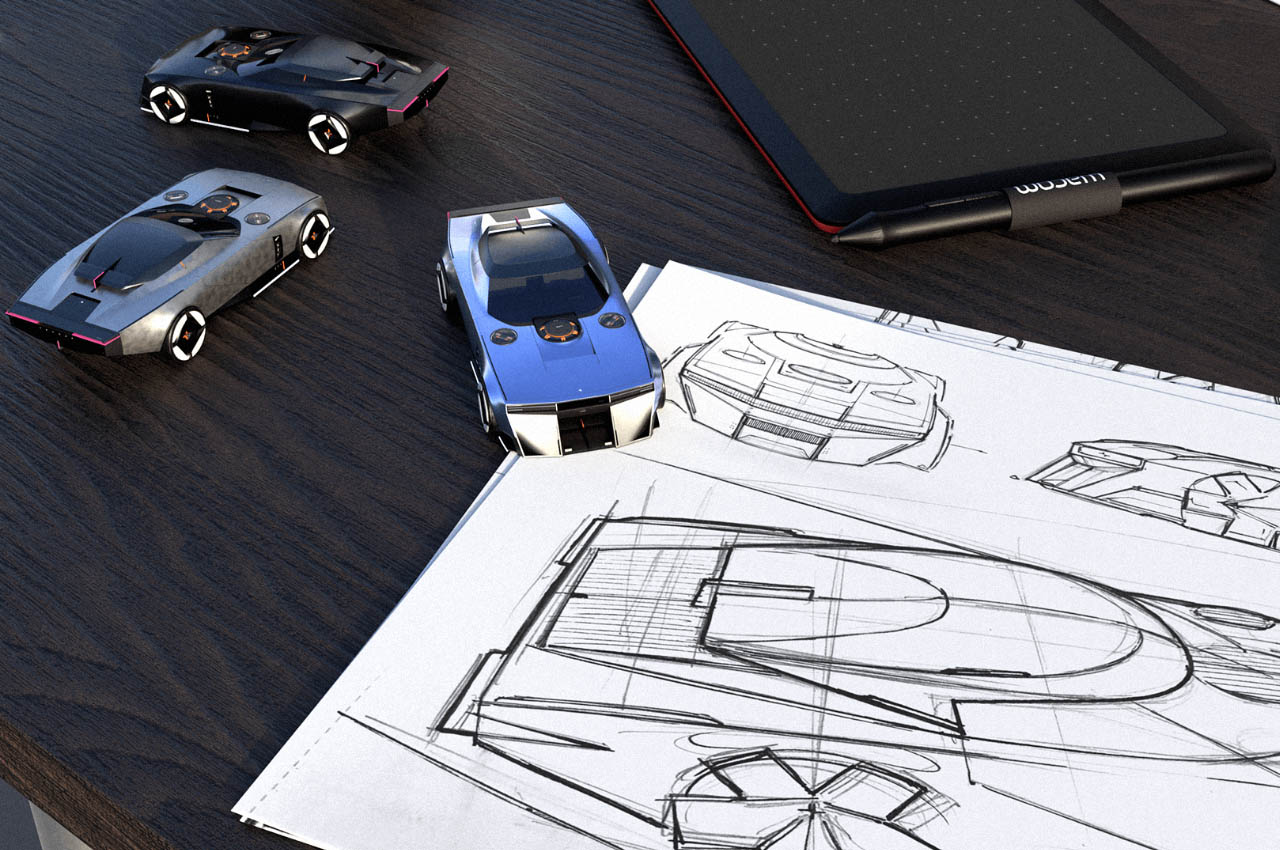
The post The Polestar 8 is a rugged SUV concept that brings automotive aggression out through minimalism first appeared on Yanko Design.