NES-inspired 8BitDo Retro Cube 2 Has a D-Pad for Volume and Playback

Most small Bluetooth speakers are generic cylinders or bricks that sit somewhere on a desk and do not really belong to the rest of the setup. At the other end, you have sculptural, art-piece speakers that look great in a gallery photo but feel out of place next to a gaming keyboard. The 8BitDo Retro Cube 2 Speaker – N Edition sits in between, a speaker that actually looks like it belongs on a gamer’s or retro-leaning desk.

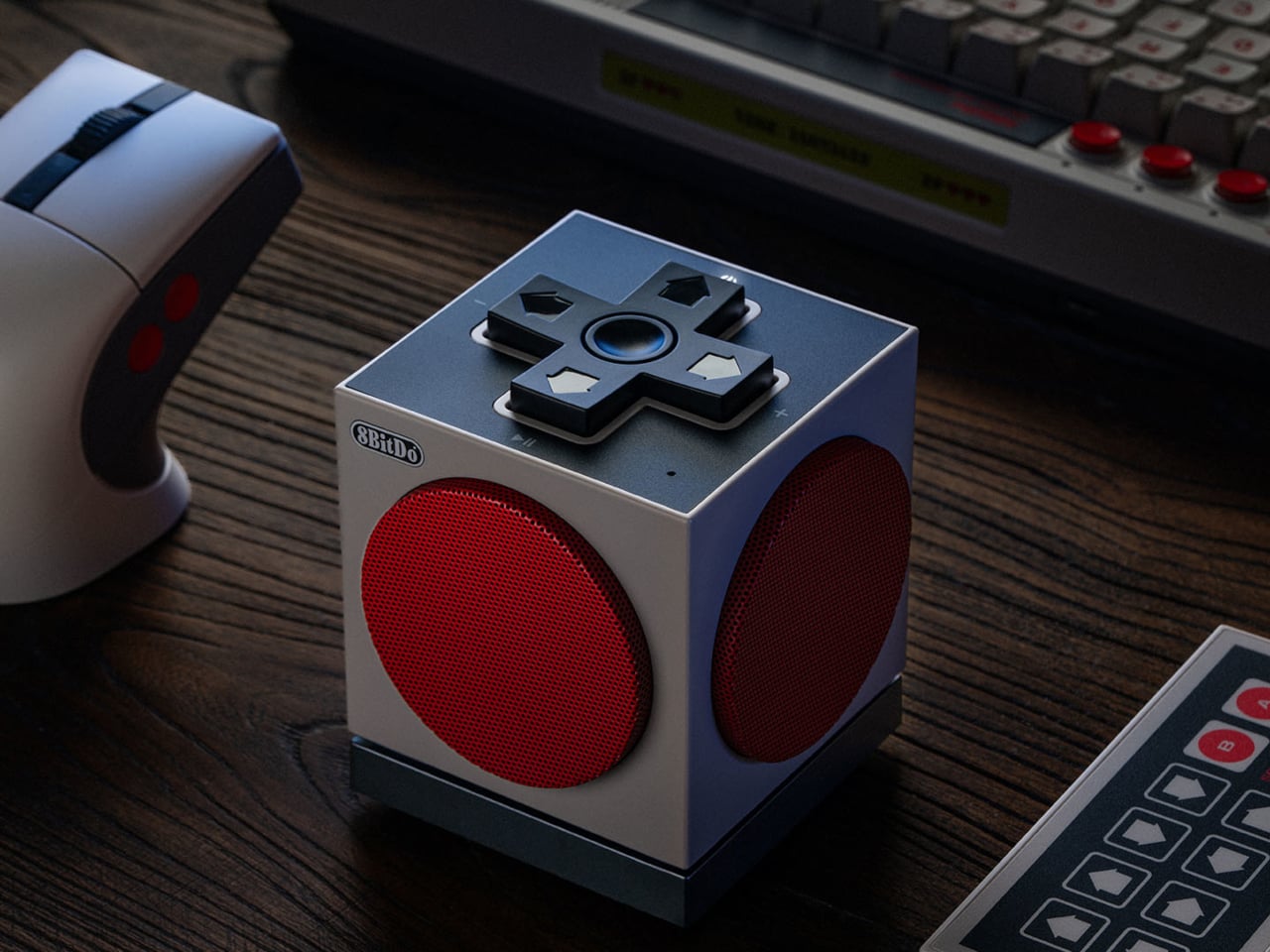
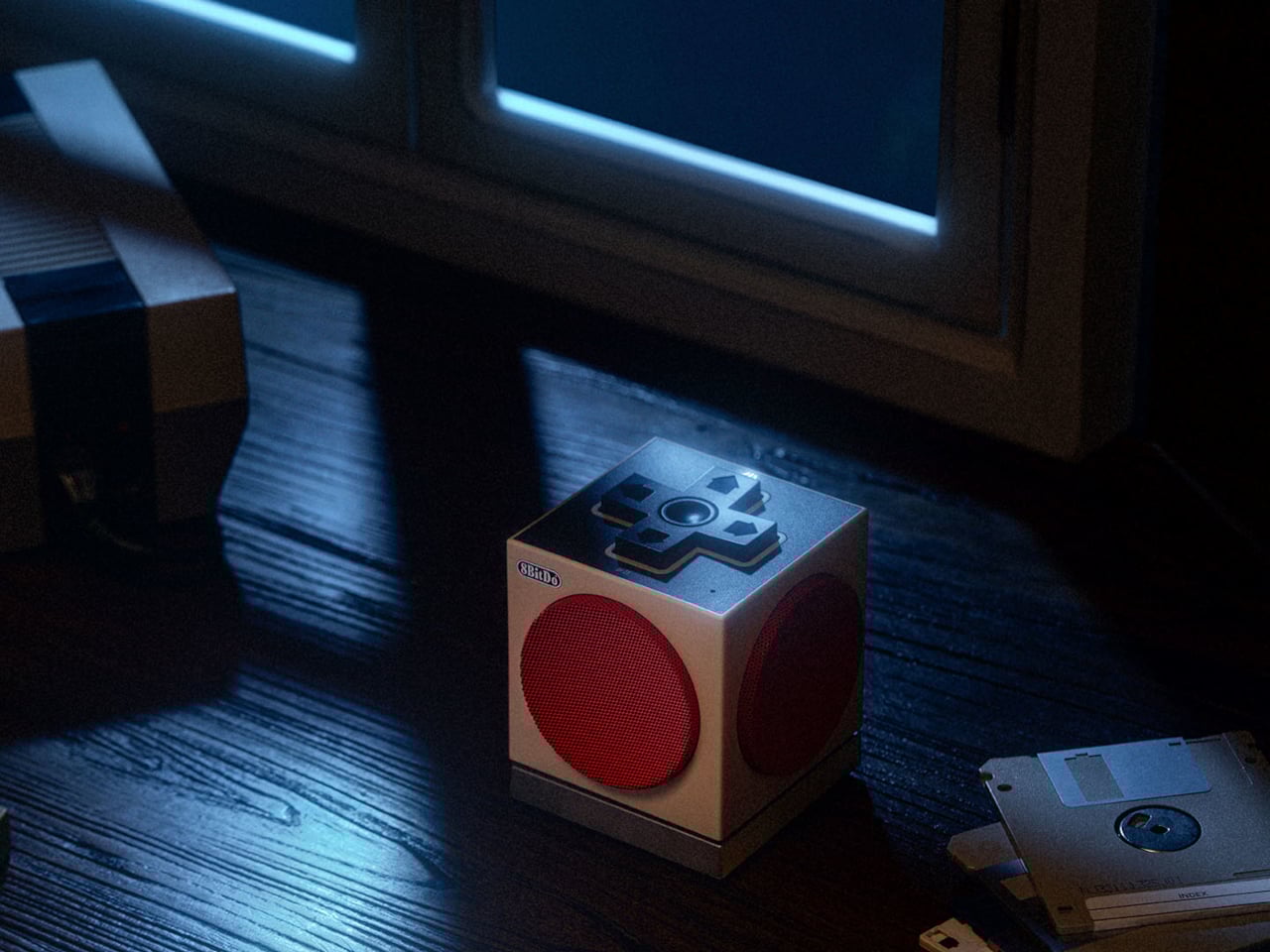
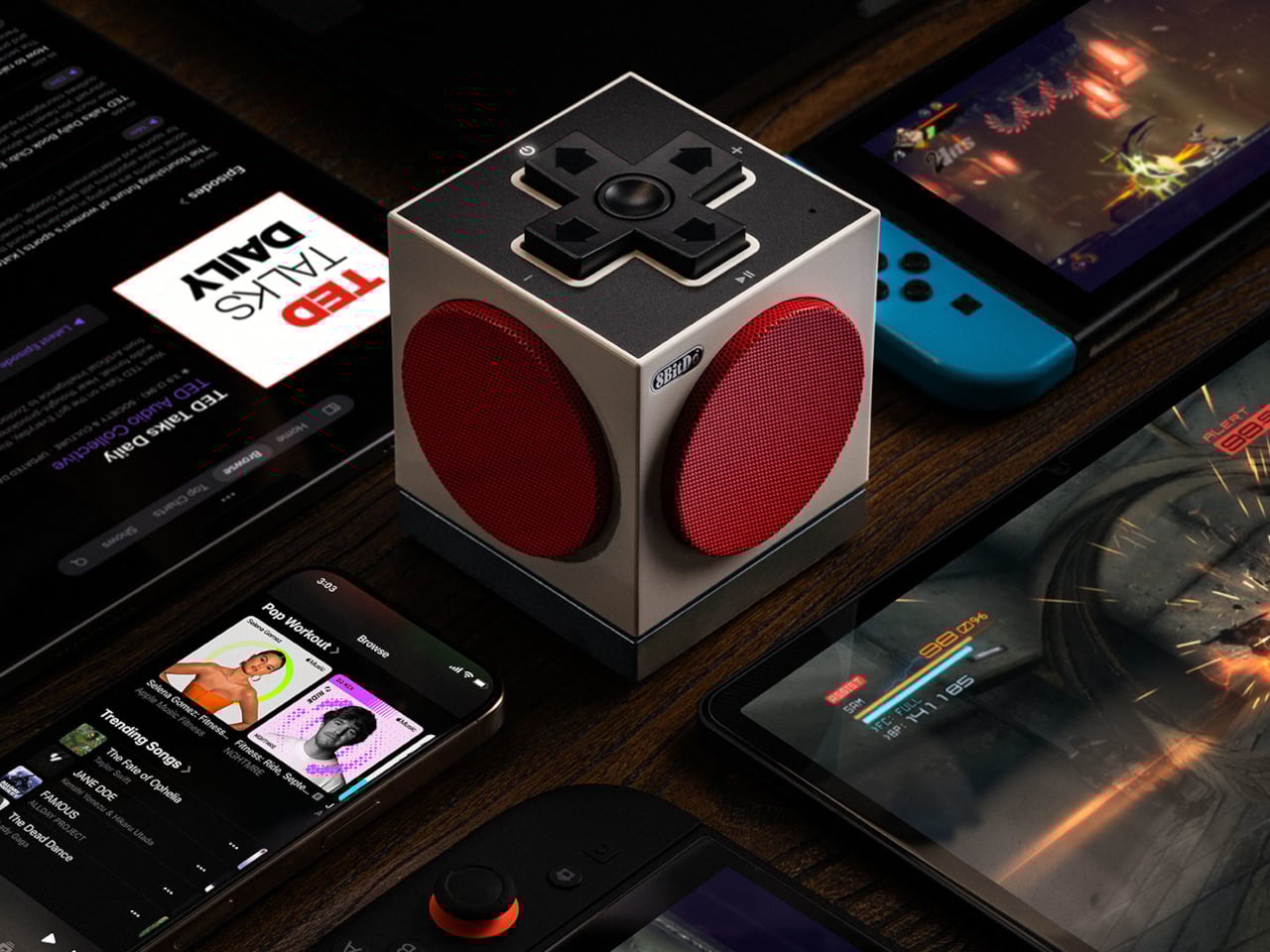
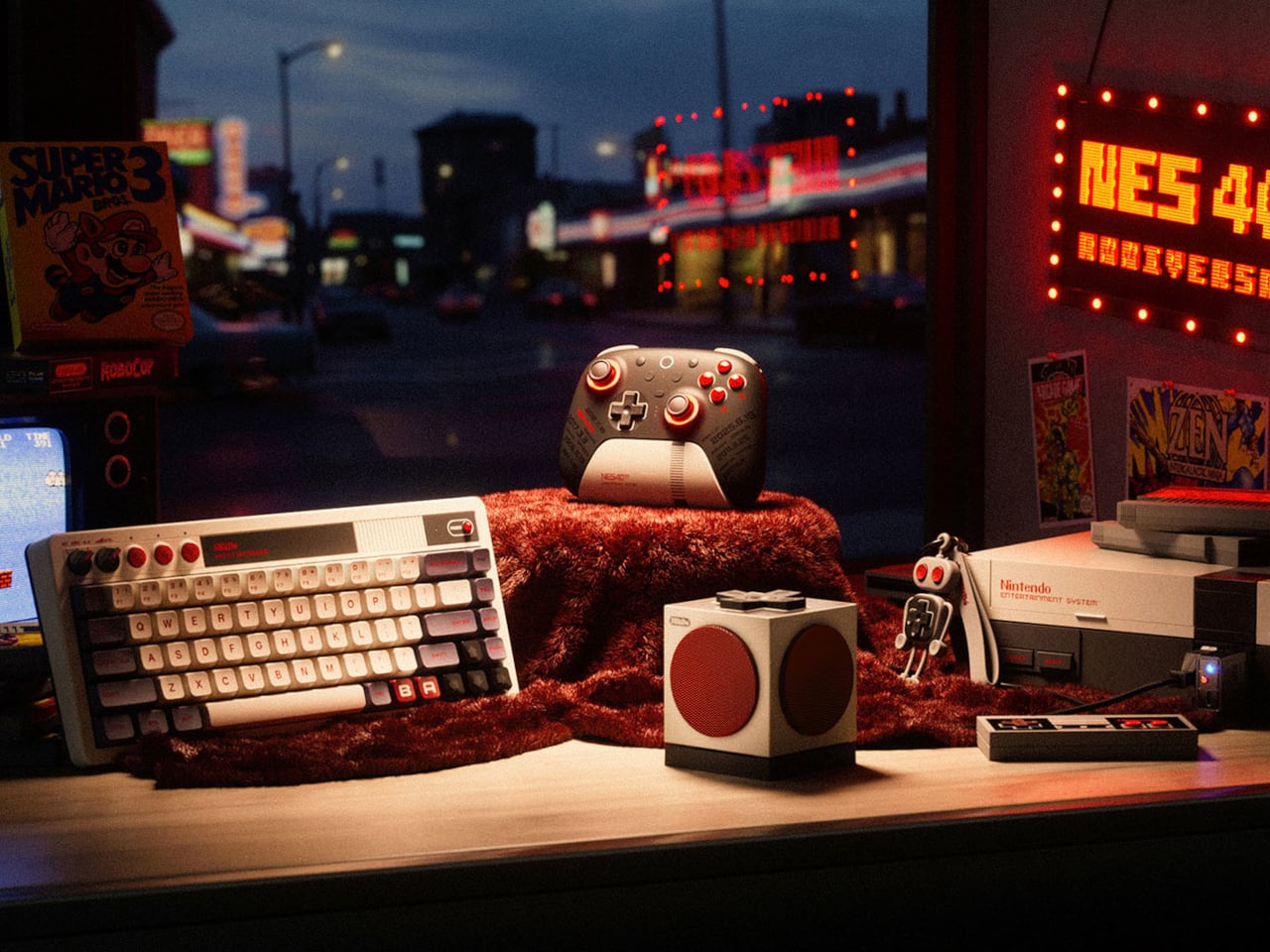
8BitDo calls it compact, powerful, and timeless, inspired by the NES and upgraded from the original Cube Speaker. The N Edition is part of the NES40 Collection, designed to sit next to the N40 keyboard and Ultimate 2 controller as a matching sound cube. The grey body, red grilles, and black D-pad top are NES shorthand translated into a speaker, not just random retro dressing borrowed from another era.

Designer: 8BitDo

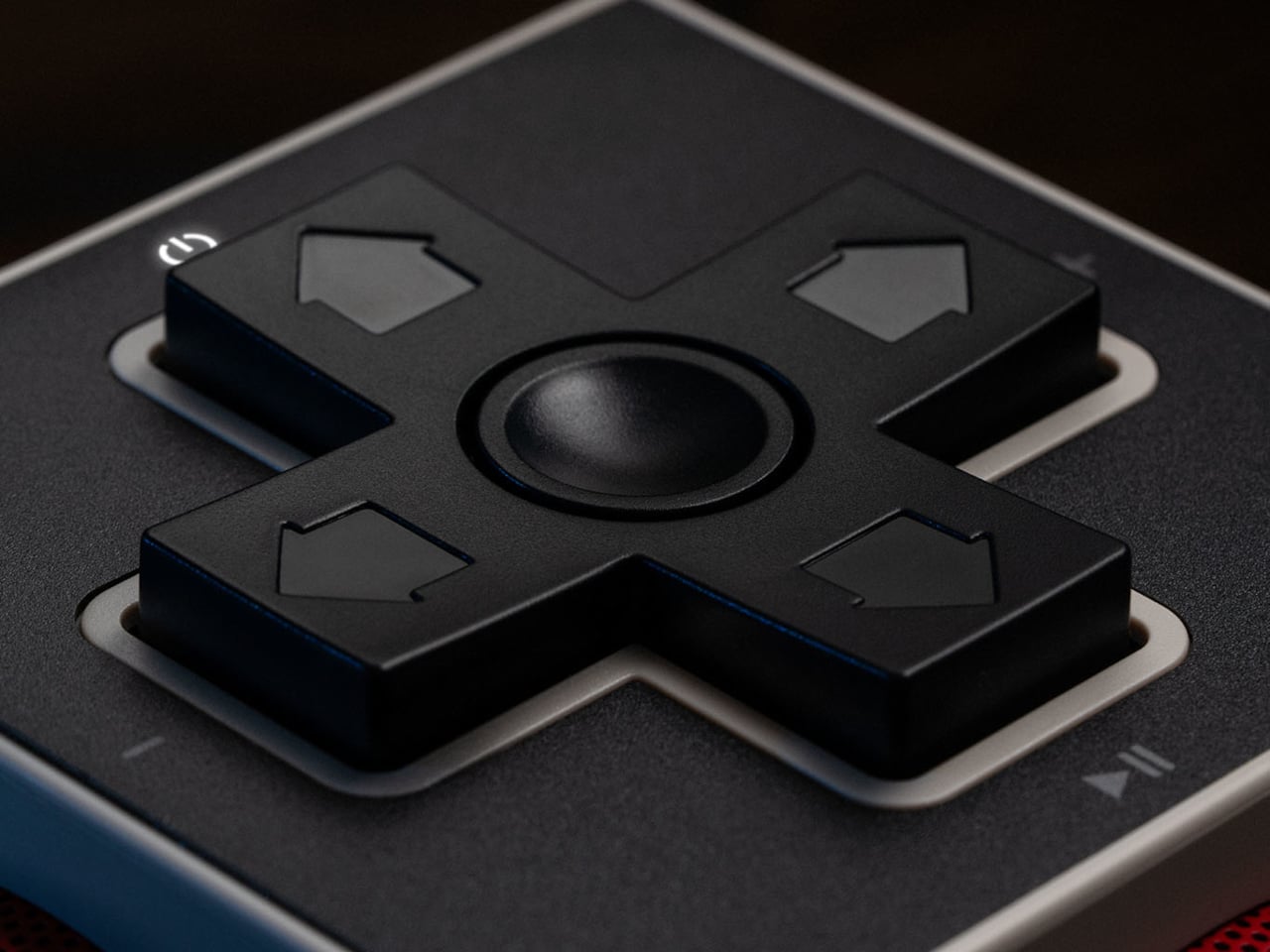
The top surface is a D-pad layout with a central button, plus and minus on the sides, a power icon at the top, and play/pause at the bottom. You control volume, playback, and pairing with a familiar gamepad language instead of tiny, unlabeled buttons. It is simple, tactile, and instantly recognizable if you have ever held a controller, which makes it feel more like part of a gaming setup than a generic Bluetooth puck that could live anywhere.

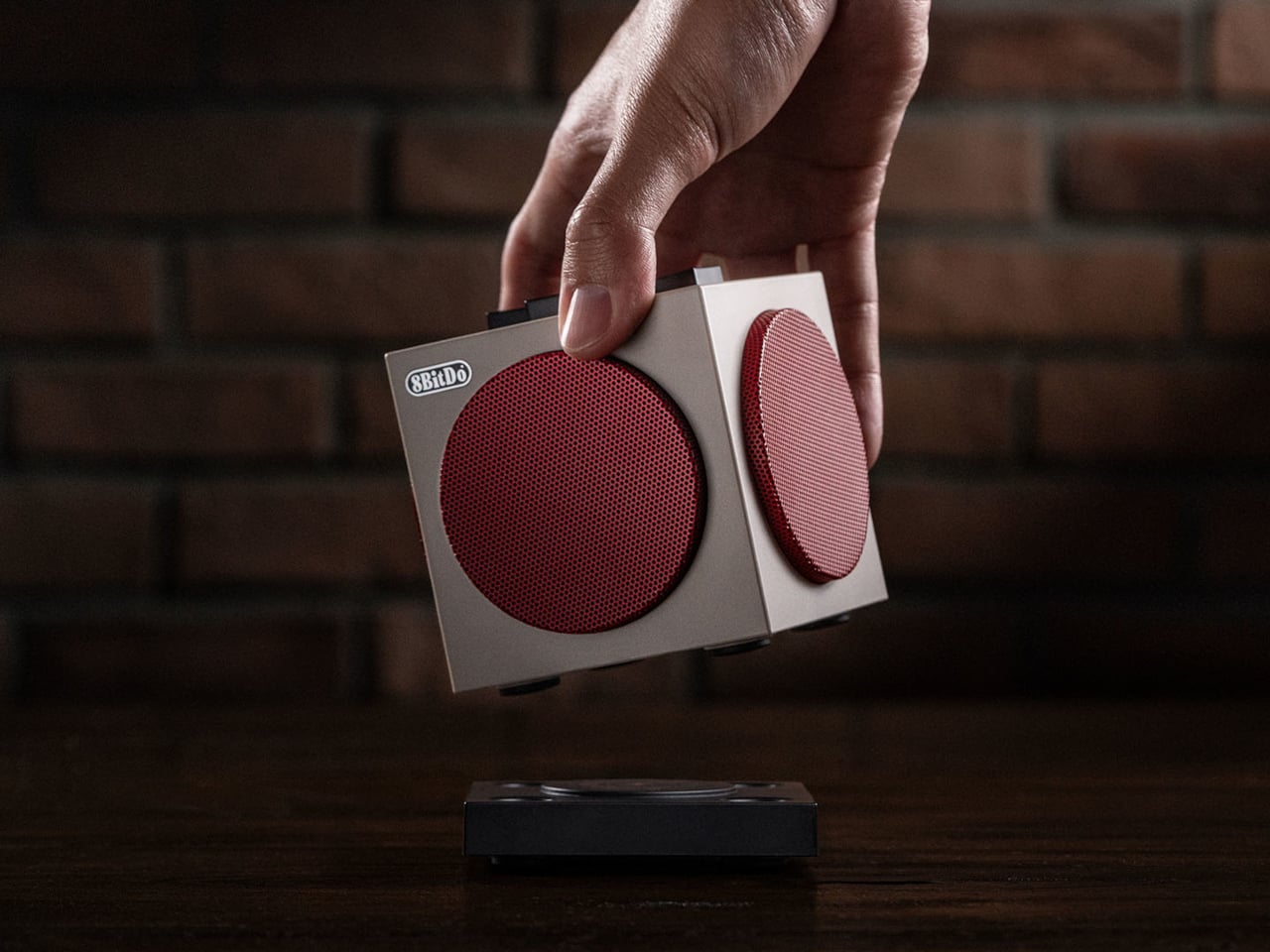
The connectivity offers Bluetooth 5.3, 2.4G wireless via the included USB-C adapter, and wired USB audio. Bluetooth is fine for casual listening, but 2.4G and USB give virtually lag-free audio for games and video. The adapter hides in a slot under the dock when not in use, which keeps it from wandering off and makes it easy to move the cube between a laptop, a Switch, or a desktop without digging through a drawer for dongles.

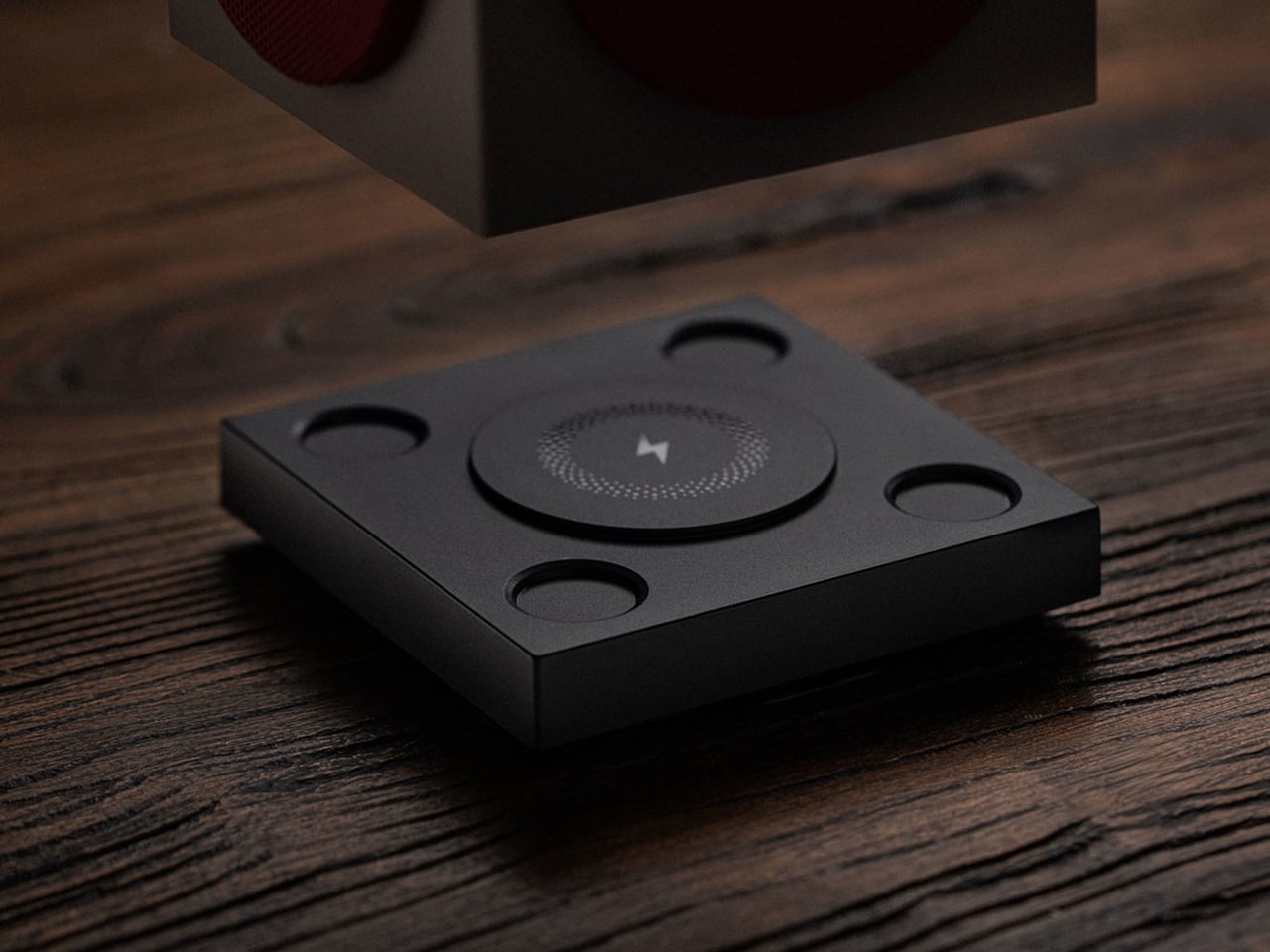
The integrated wireless charging dock is a small square base with a circular pad marked by a lightning-bolt icon and a perforated ring. The dock keeps the cube powered and also acts as a signal extender for 2.4G, so you get better reception when it is parked. It doubles as a visual plinth, lifting the cube slightly and making the whole thing read as one object instead of a speaker plus a random charging pad that does not quite match.

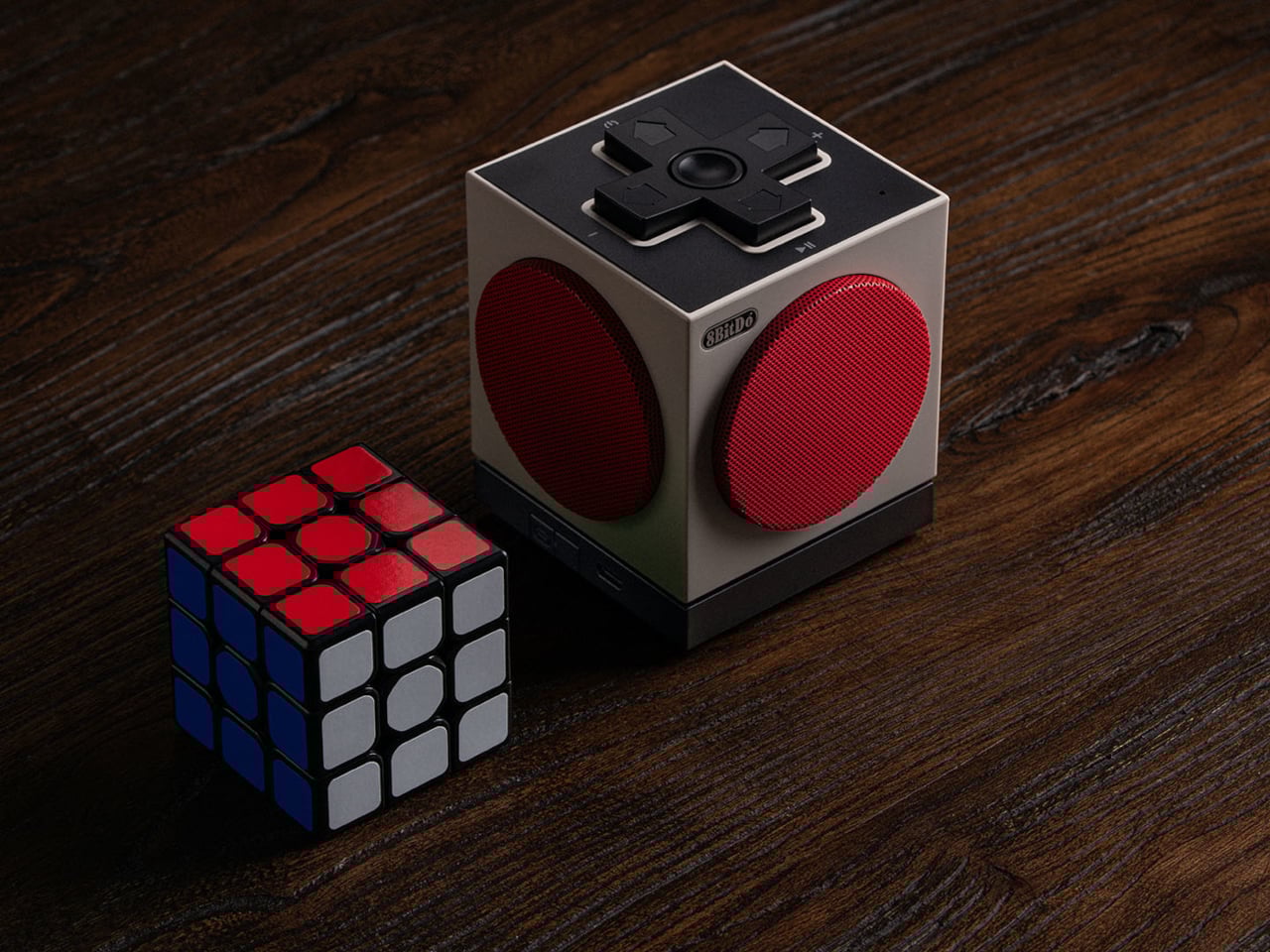
The tech specs are dual 5 W drivers, 120 Hz–15 kHz frequency response, and a 2,000 mAh battery with around 30 hours of use and 3–5 hours of charging. It is slightly larger than a Rubik’s Cube, which makes it ideal for near-field listening on a desk or nightstand. Music and Gaming modes let you tweak the tuning with a single press, so you can lean into clarity for calls or a bit more punch for games.

Retro Cube 2 behaves as a desk companion that actually earns its footprint. It sits next to a keyboard and mouse like a tiny console, charges itself when you drop it on the dock, and gives you a D-pad to poke at instead of a phone screen when you want to skip a track. Whether or not you already own the matching keyboard and controller, a small NES-flavored speaker with a wireless dock and three connection modes is the kind of object that quietly makes a desk feel more finished, especially if you still remember what a D-pad felt like the first time you pressed one.

The post NES-inspired 8BitDo Retro Cube 2 Has a D-Pad for Volume and Playback first appeared on Yanko Design.
This Power Strip Is Shaped Like an Original NES Console

Power strips live beneath desks or behind furniture where nobody has to look at them. Black plastic housings with rows of identical outlets do their jobs without offering anything visually interesting or worth displaying. They’re purely functional objects designed to disappear, which works fine until you’re building a desk setup where aesthetics matter as much as keeping devices charged, and everything ends up looking generic and forgettable.

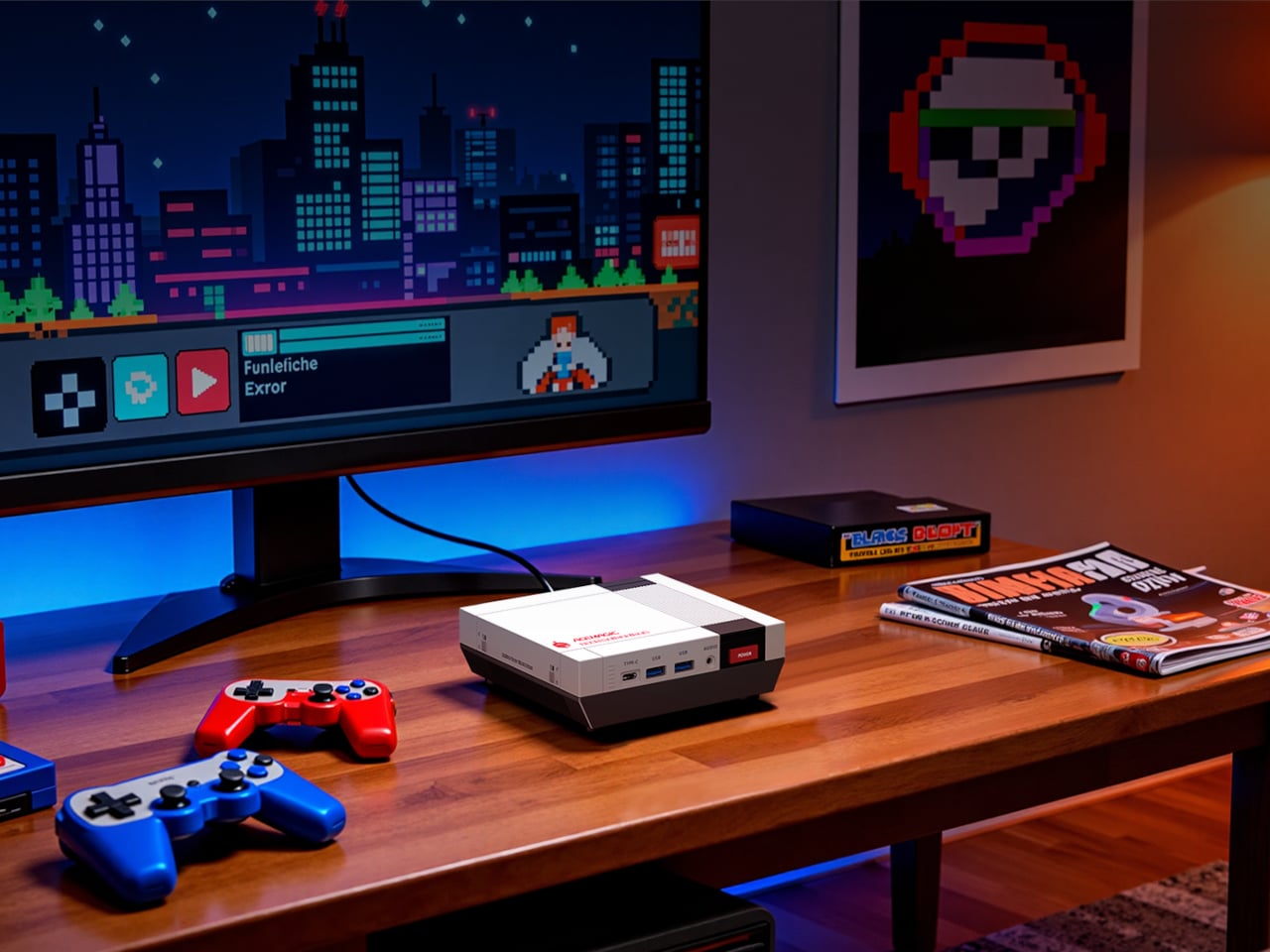
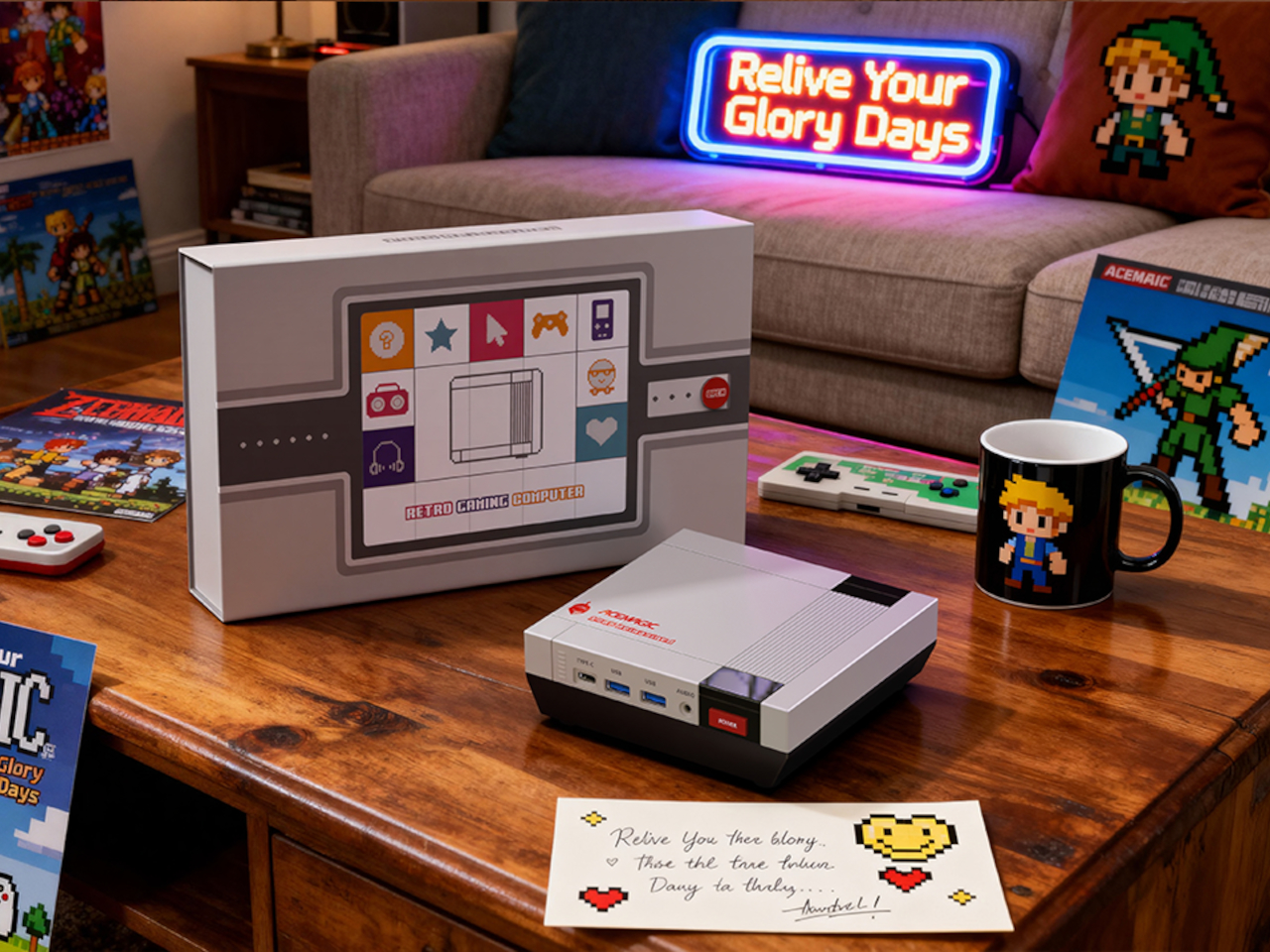
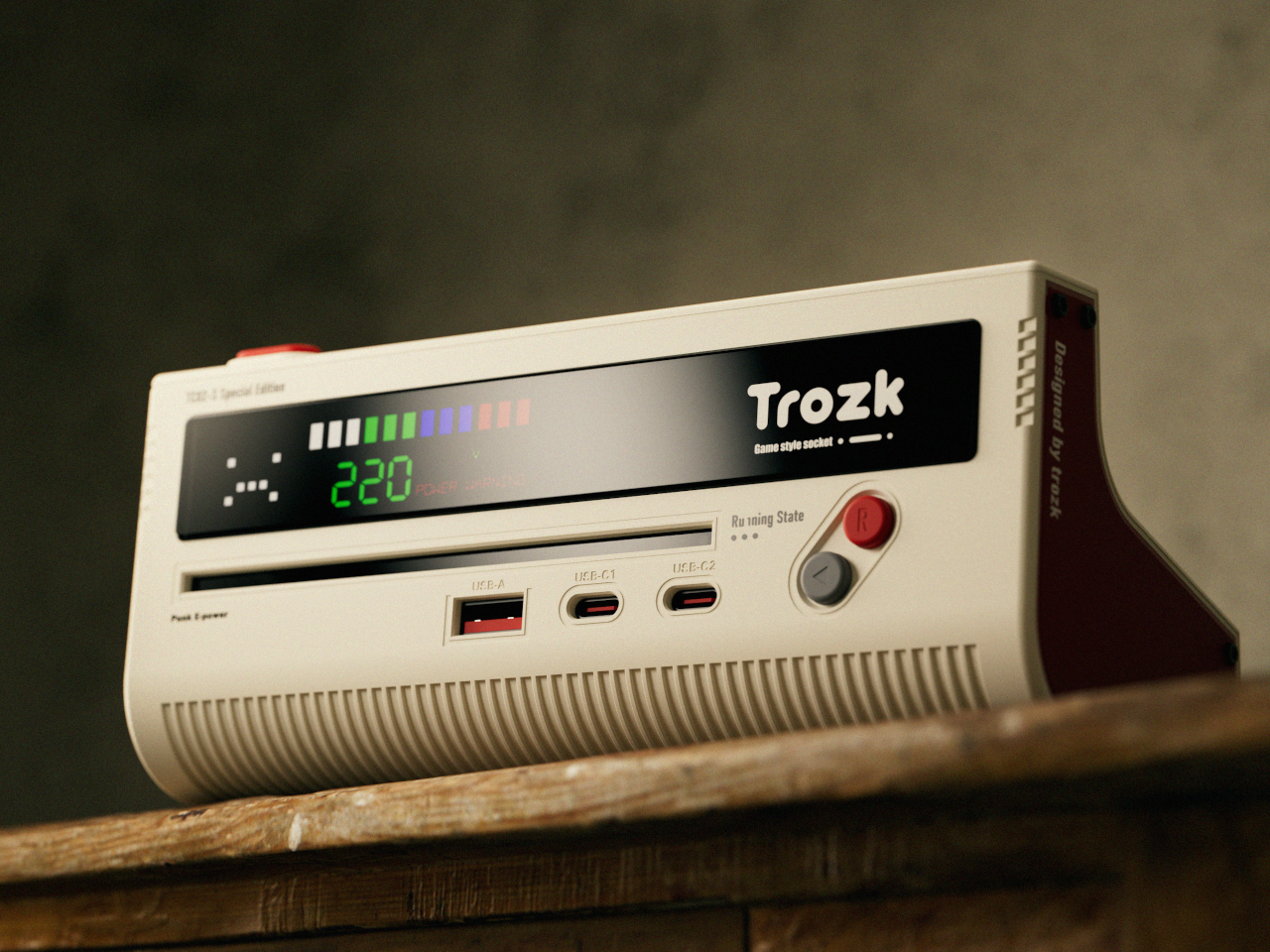
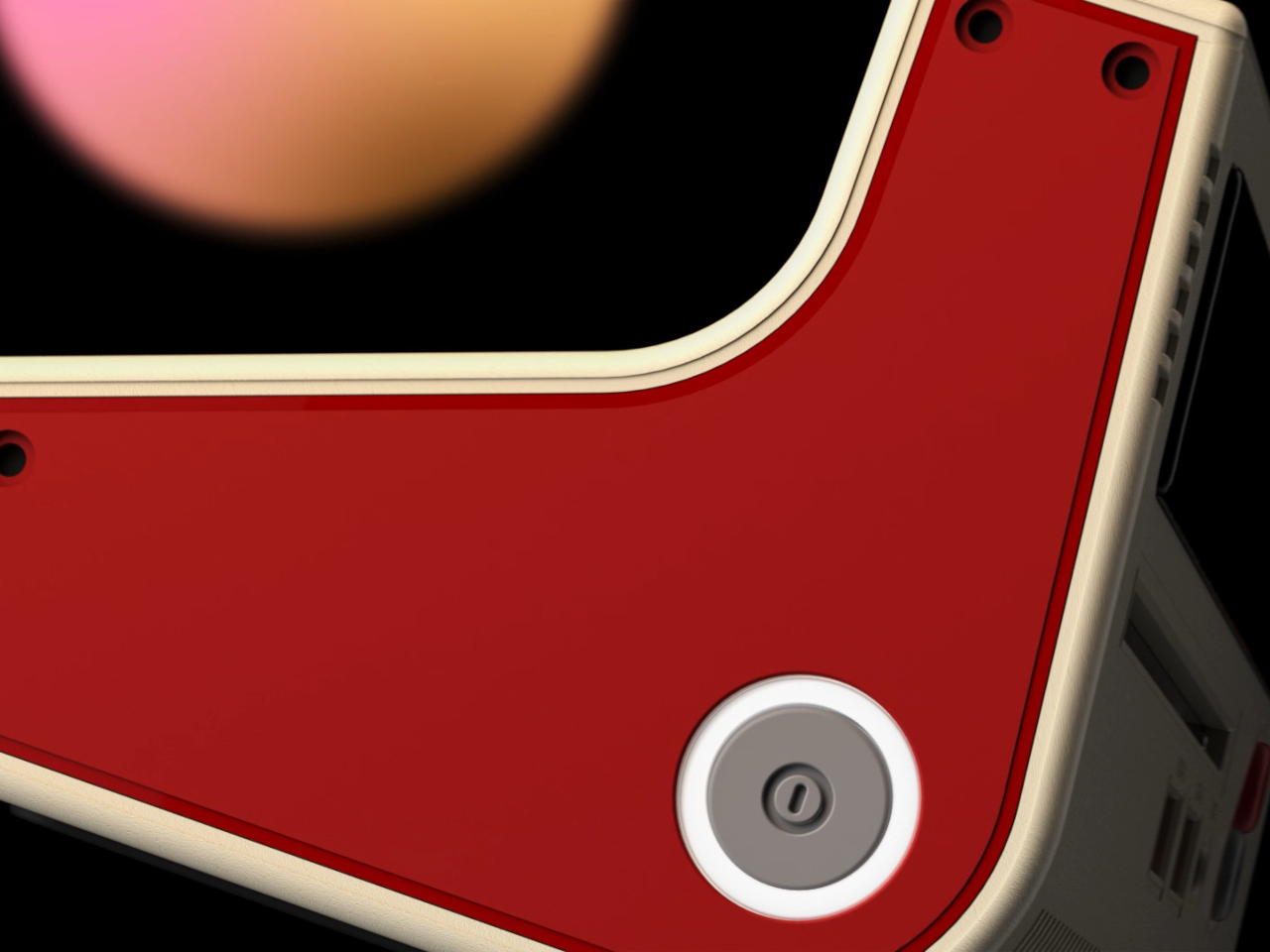
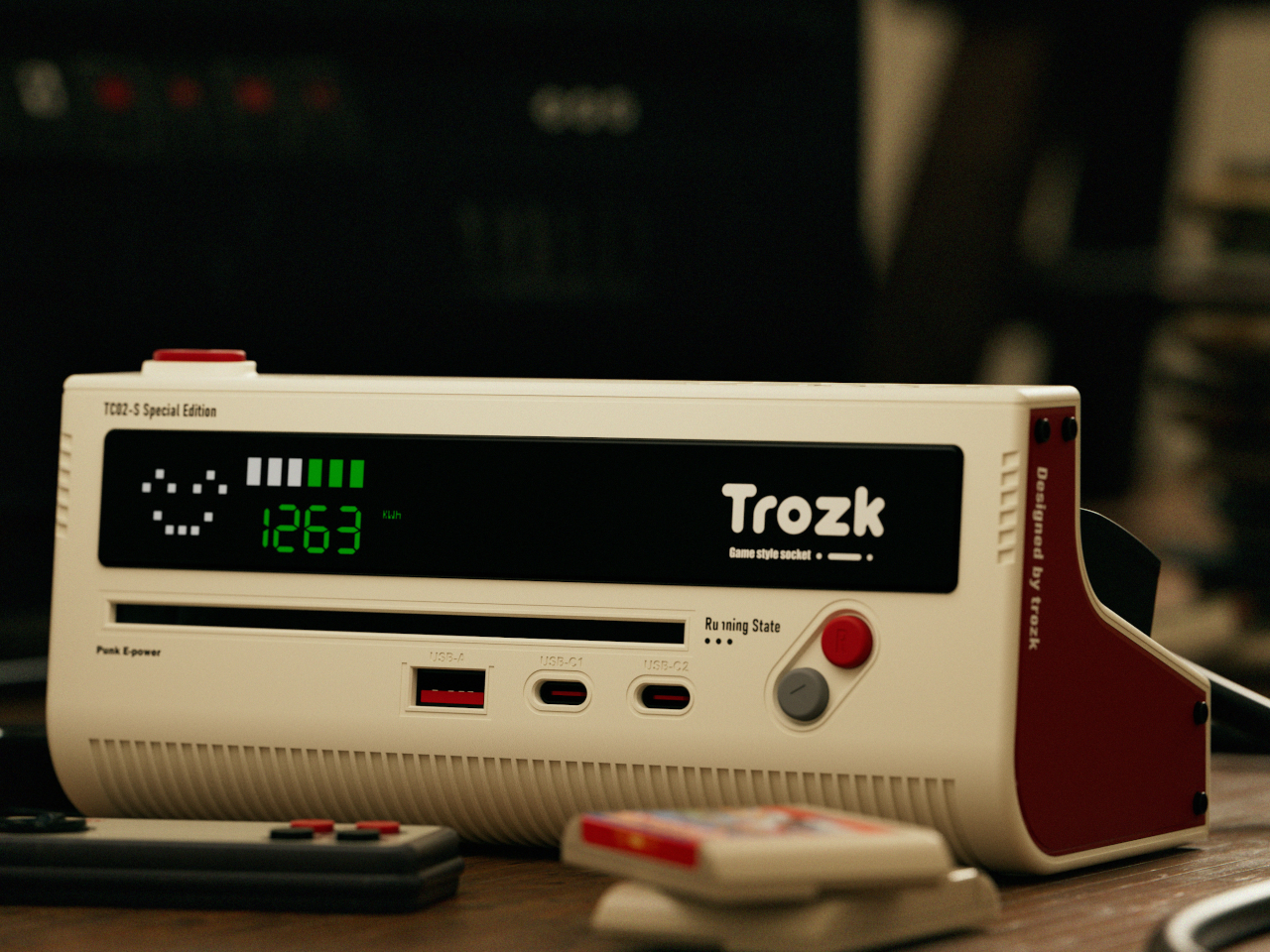
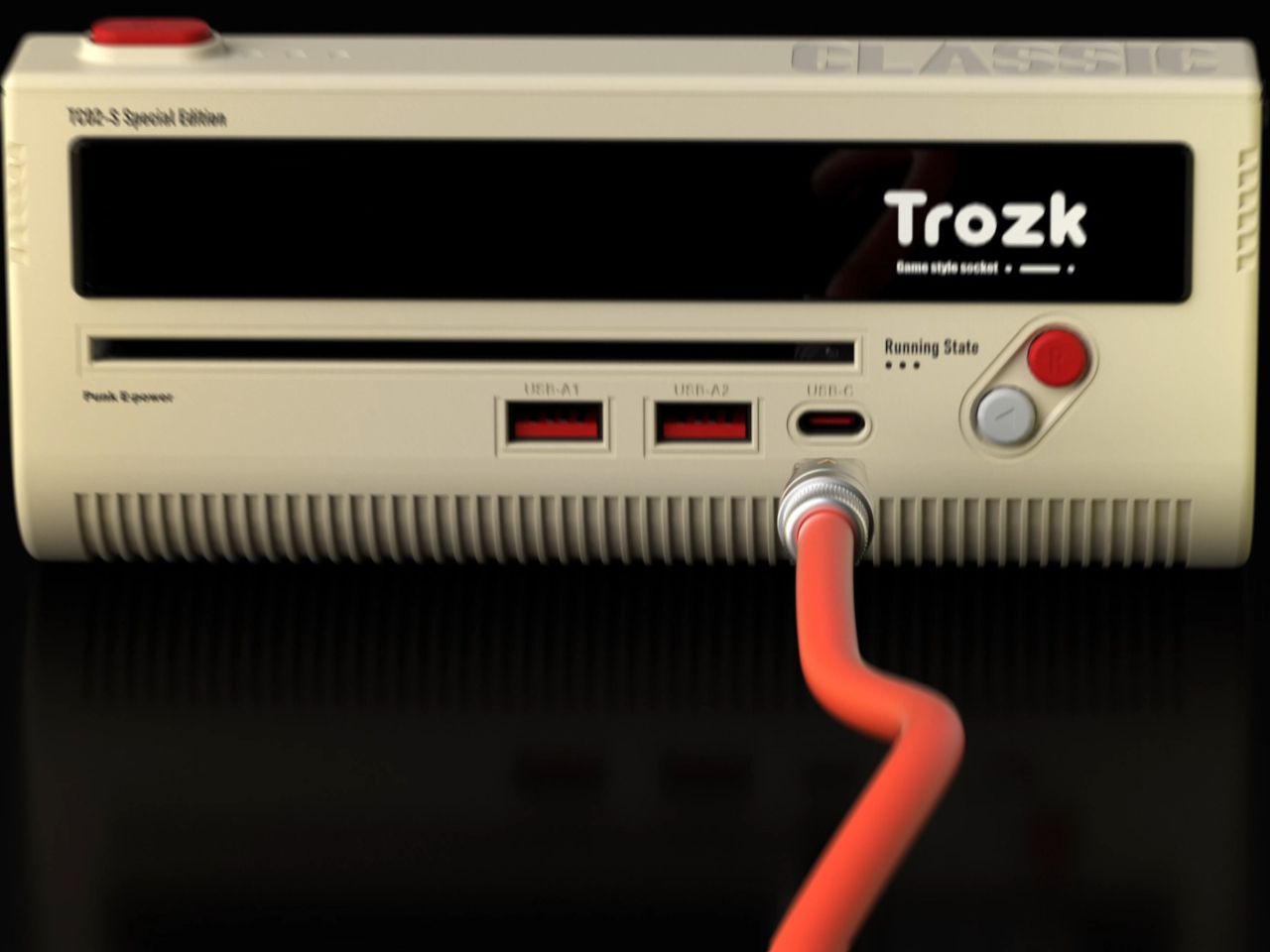
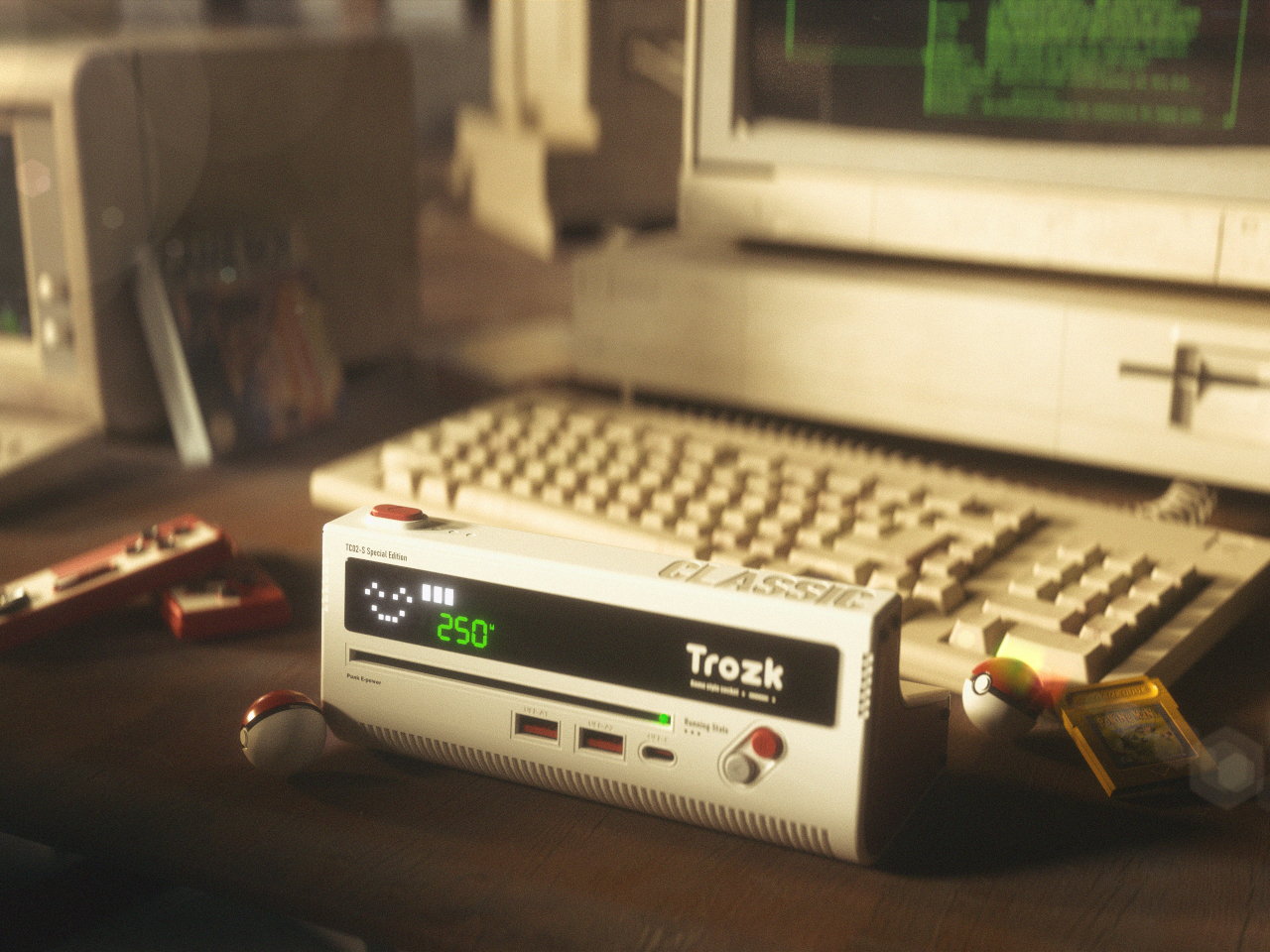
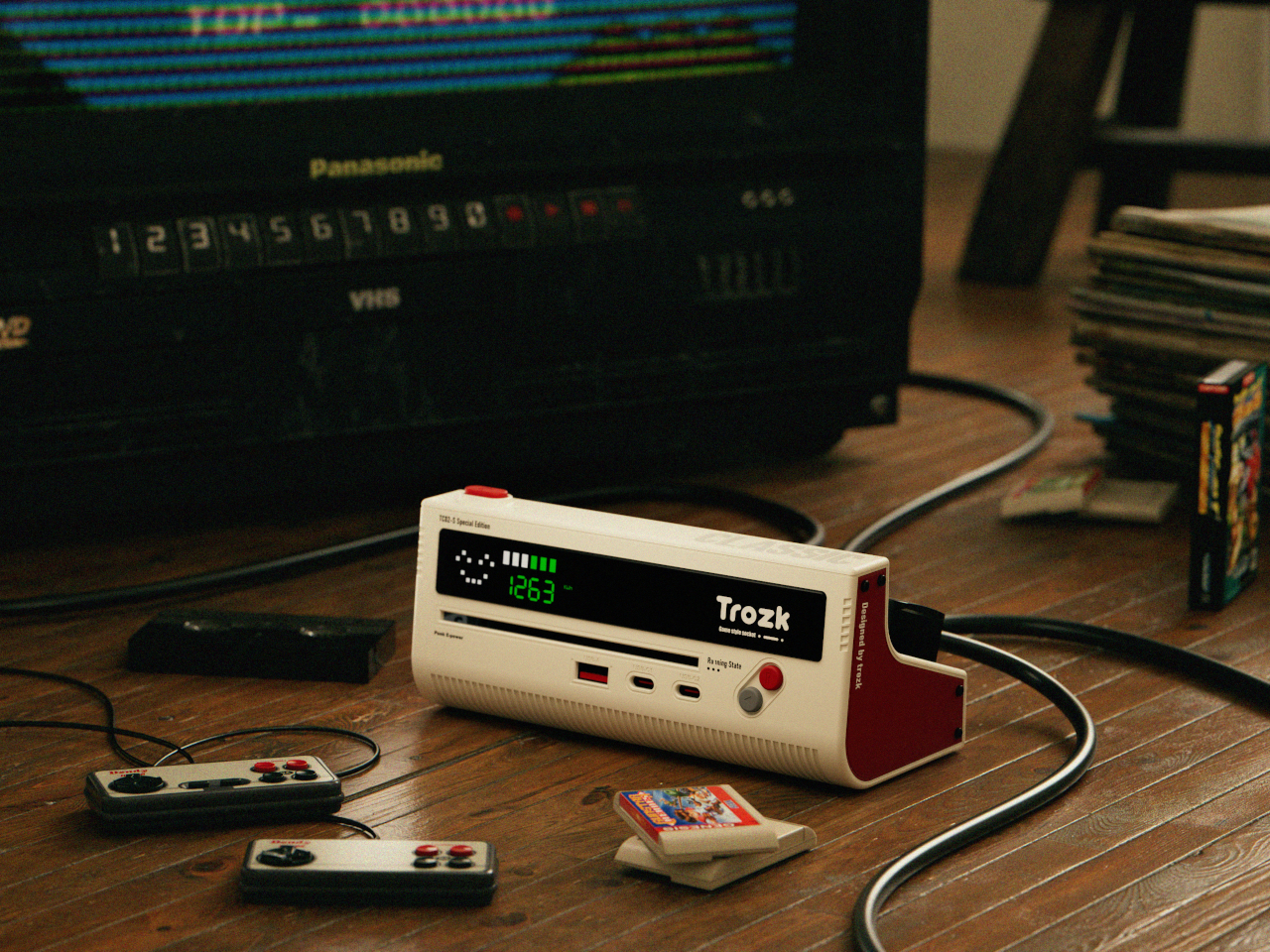
The Trozk Game Style Socket recreates the Nintendo Famicom console as a functional charging station, bringing the red and white color scheme and design language from 1983 directly onto modern desks. Instead of hiding, this power strip sits visibly where it becomes a conversation starter about childhood gaming memories while handling the practical work of powering laptops, phones, and whatever else needs electricity. The nostalgia hits immediately for anyone who remembers cartridge-based gaming.

Designer: PTPC

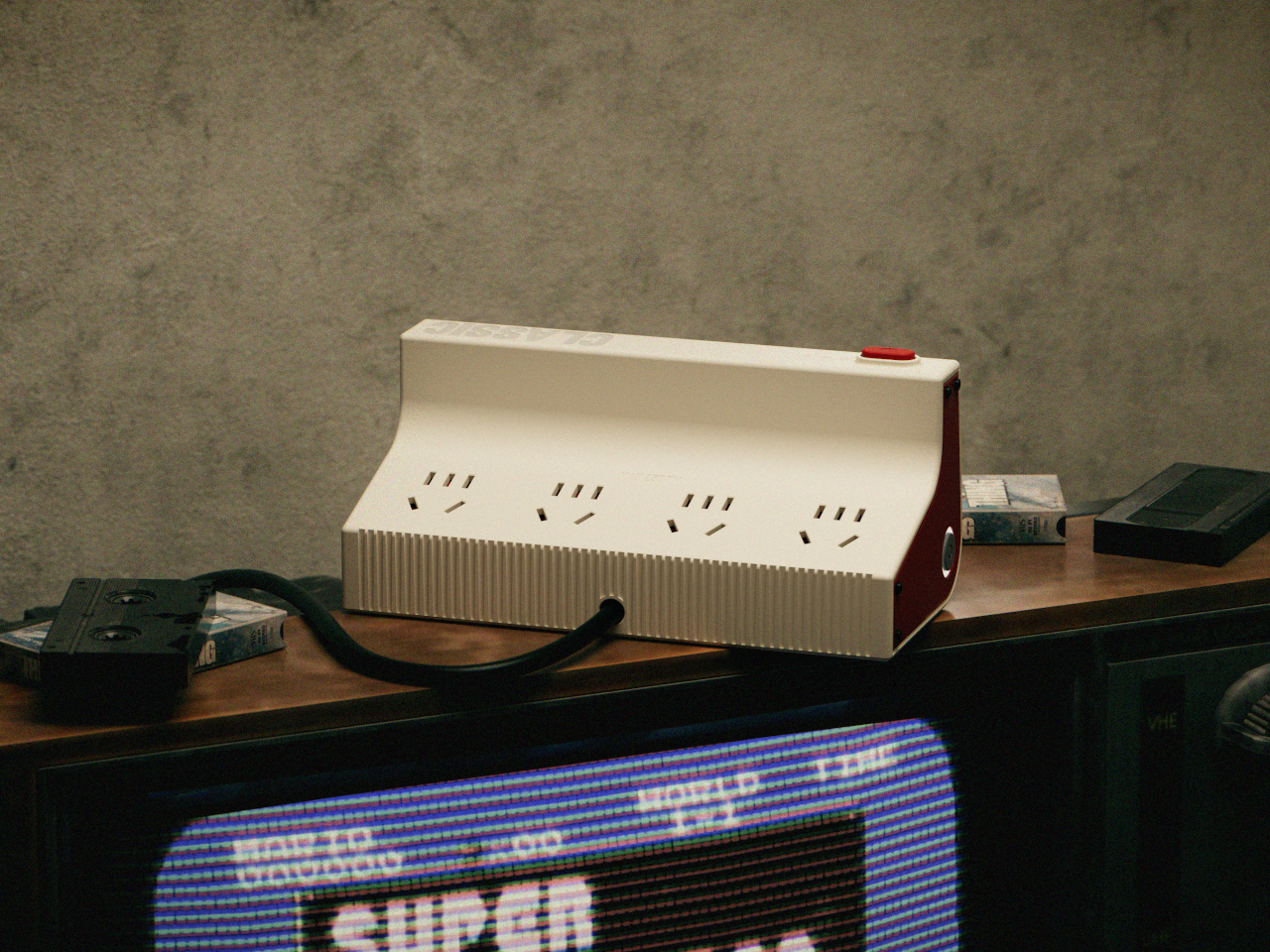
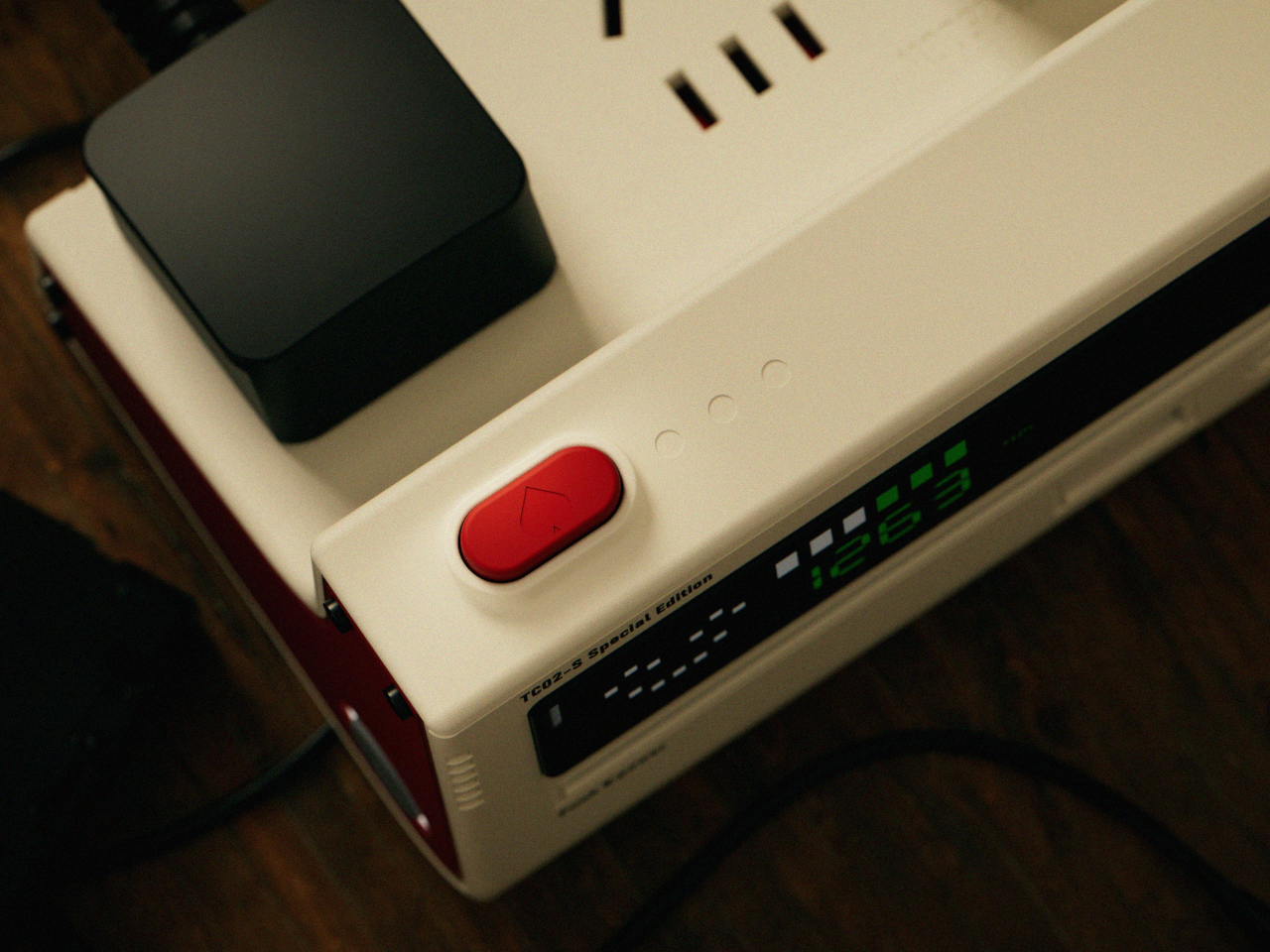
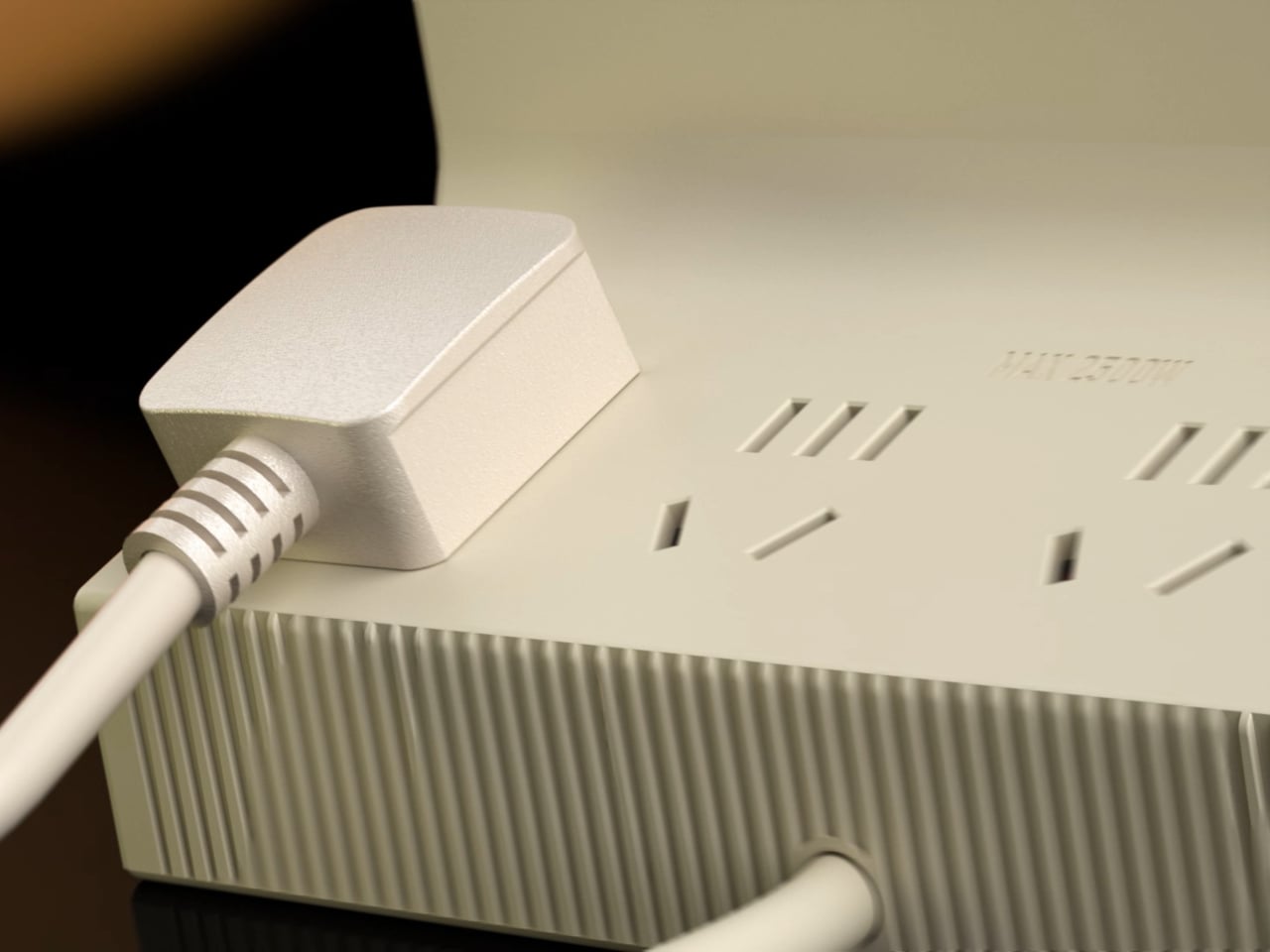
The body follows the Famicom’s rectangular shape with rounded edges and cream-colored plastic accented by deep red panels. Vertical ridges run along the sides like ventilation grilles from the original hardware. A large red power button sits on one side, positioned exactly where you’d expect a console’s main switch. The whole thing commits fully to looking like a game system from four decades ago instead of just borrowing surface details.

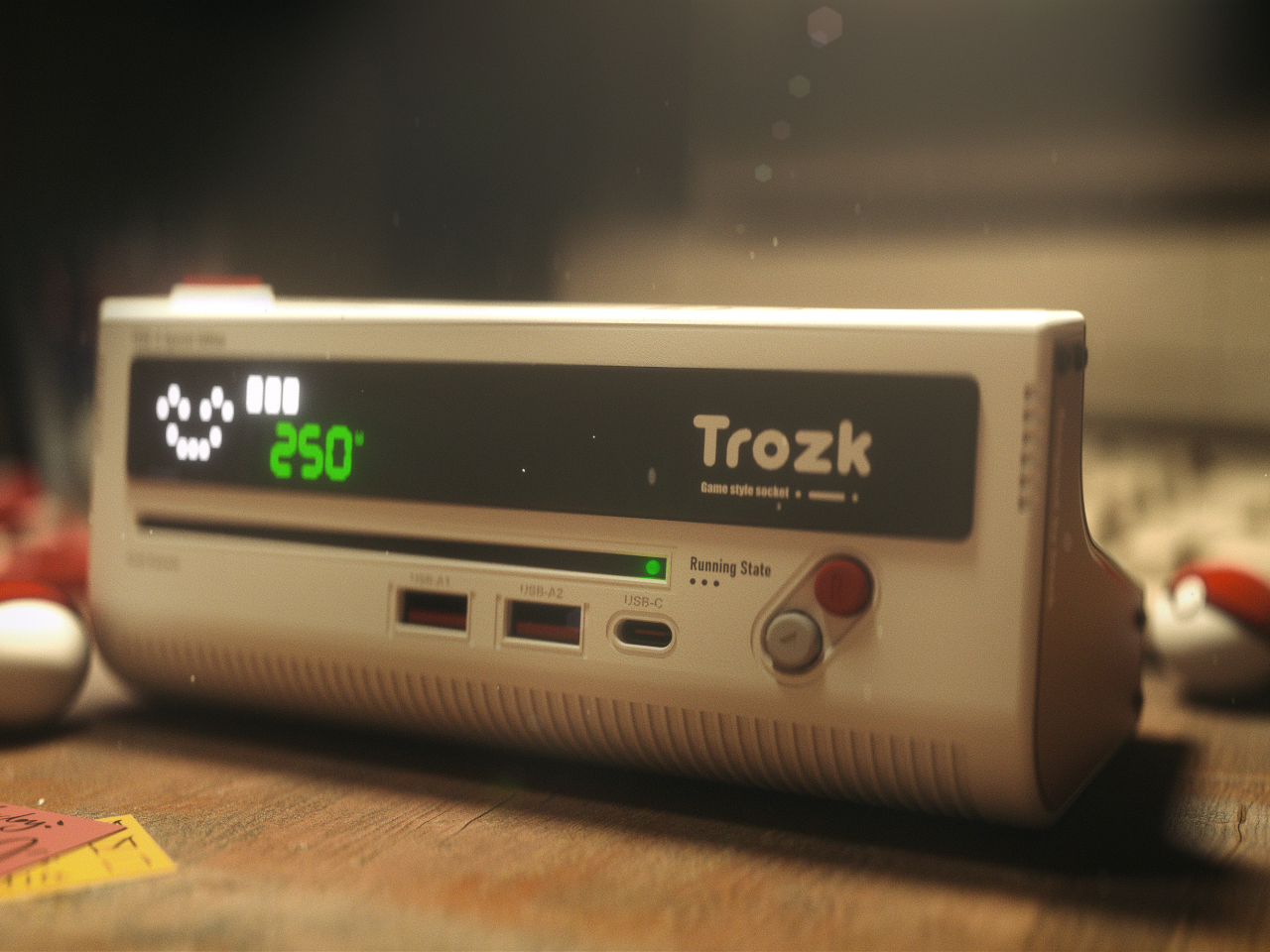
The front panel displays a pixel-style LED screen showing voltage, current draw, and operational status through green numbers and colored bar graphs pulled straight from early arcade interfaces. Small smiley face icons and retro graphics appear alongside the readings, making functional information feel playful. The screen provides genuinely useful data about power consumption while looking like something that should be showing your high score instead.

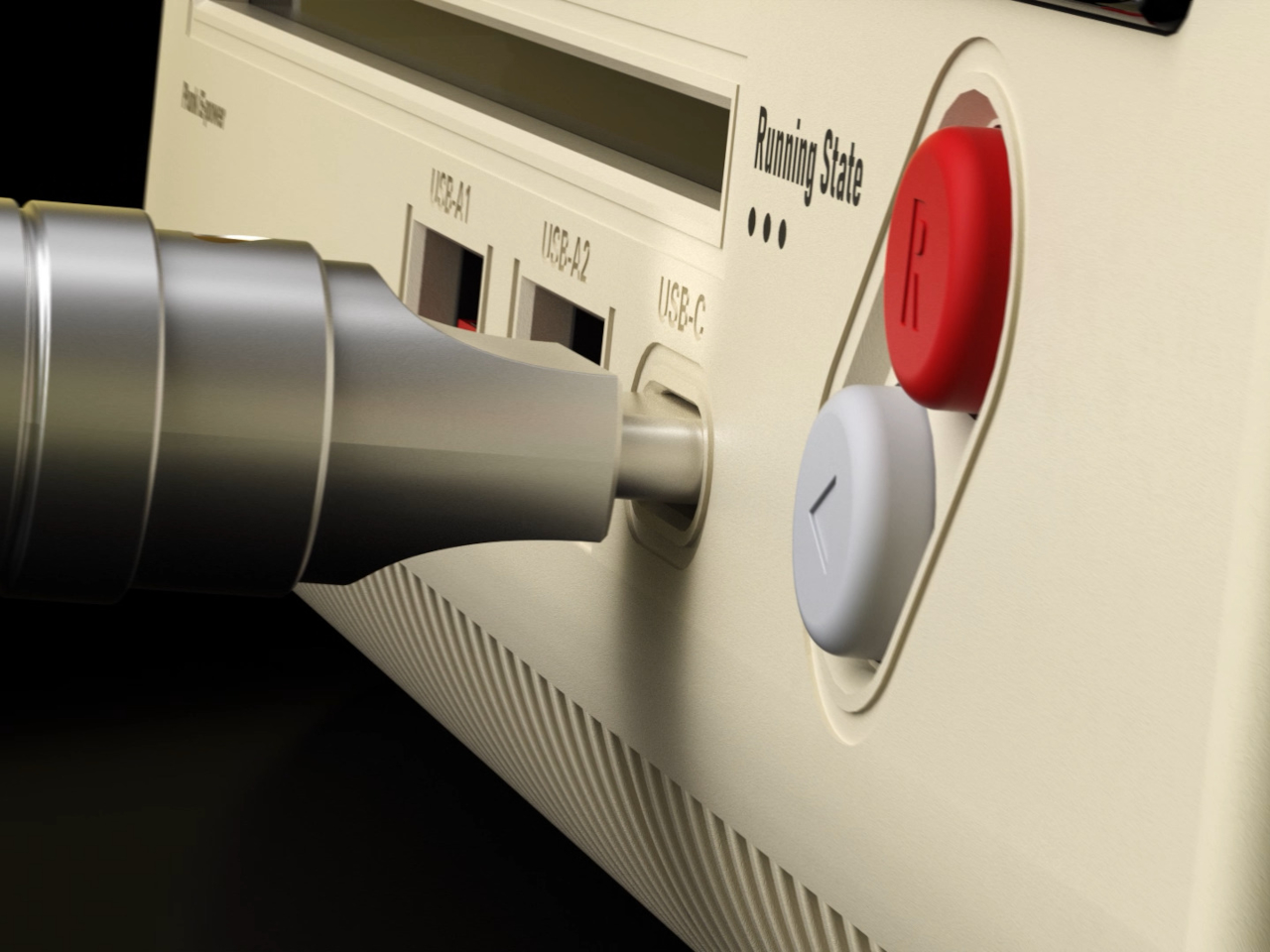
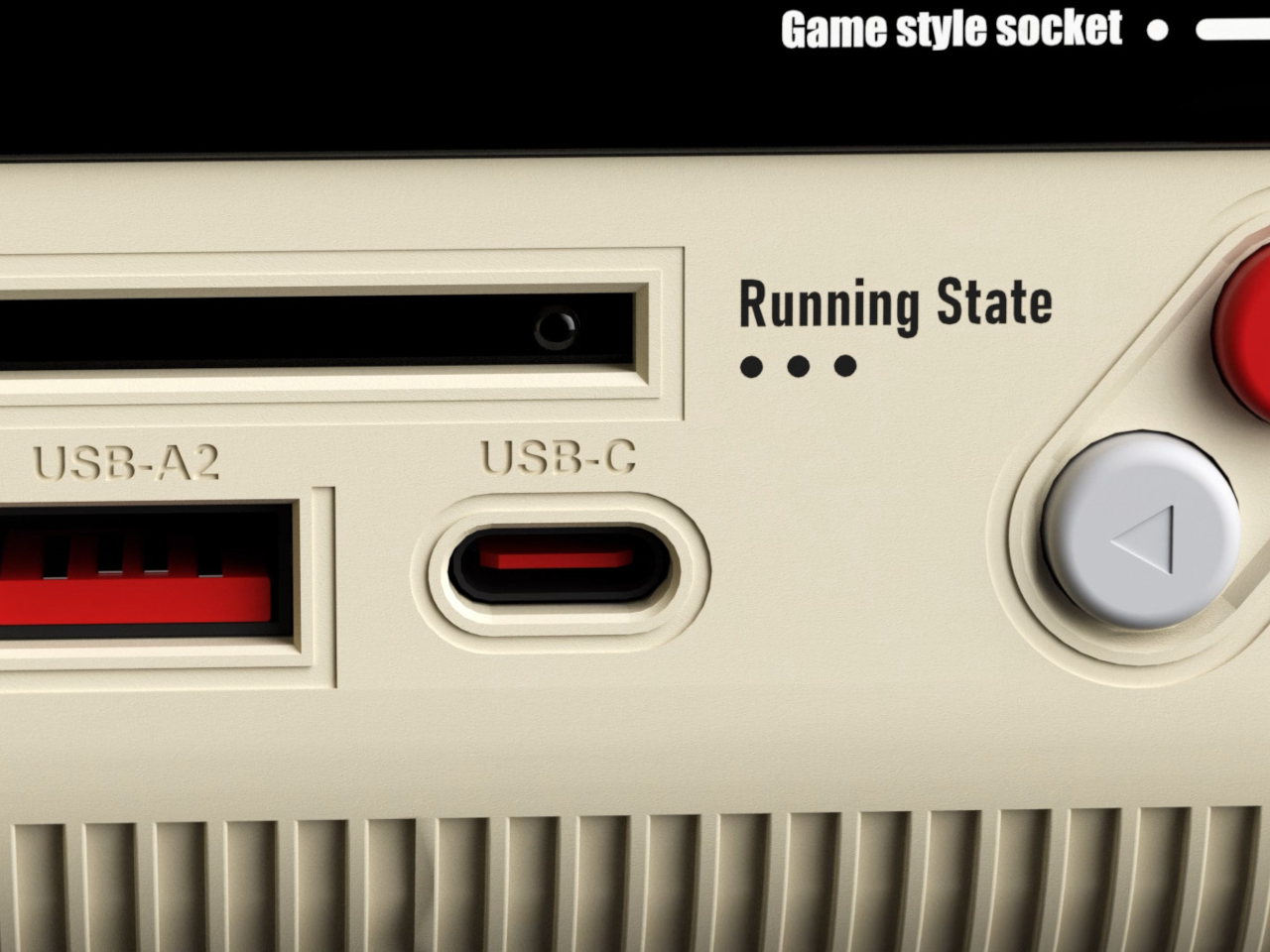
Multiple AC outlets cover the top and rear surfaces alongside two USB-A ports and one USB-C port for fast charging. The layout spaces everything out enough that bulky adapters don’t block neighboring outlets. The USB-C handles modern quick-charge protocols, while the AC sockets accept different plug types depending on your region. Everything you’d typically plug into a standard power strip works here, just with significantly more personality surrounding it.

Tactile buttons along the front feel satisfying to press like actual controller buttons instead of mushy switches that typical power strips use. The plastic housing looks and feels substantial rather than cheap. Internal construction visible in assembly diagrams shows thoughtful engineering with proper component spacing and secure mounting for all electrical elements. Surge protection and safety features likely come standard, though specific certifications aren’t detailed.

The socket works best on desks where the retro gaming aesthetic adds character to setups that would otherwise look like every other workspace filled with identical black rectangles. It organizes charging needs while referencing shared cultural memories. The Trozk Game Style Socket treats charging as an opportunity for design that carries emotional weight, making daily device management slightly more joyful for anyone who appreciates objects that tell stories.

The post This Power Strip Is Shaped Like an Original NES Console first appeared on Yanko Design.