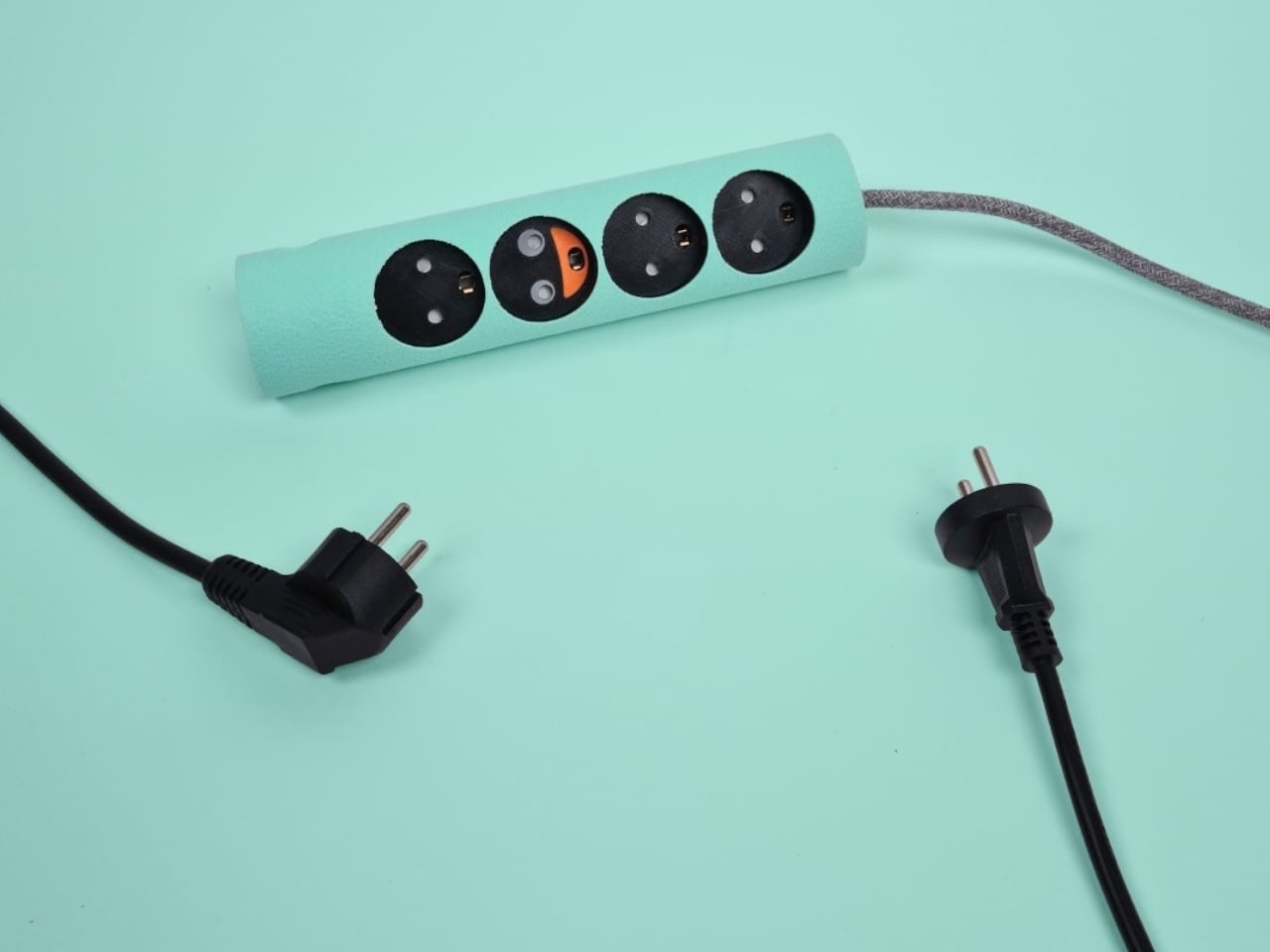
This 3D-Printed Modular Power Strip Is Made From Recycled Plastic

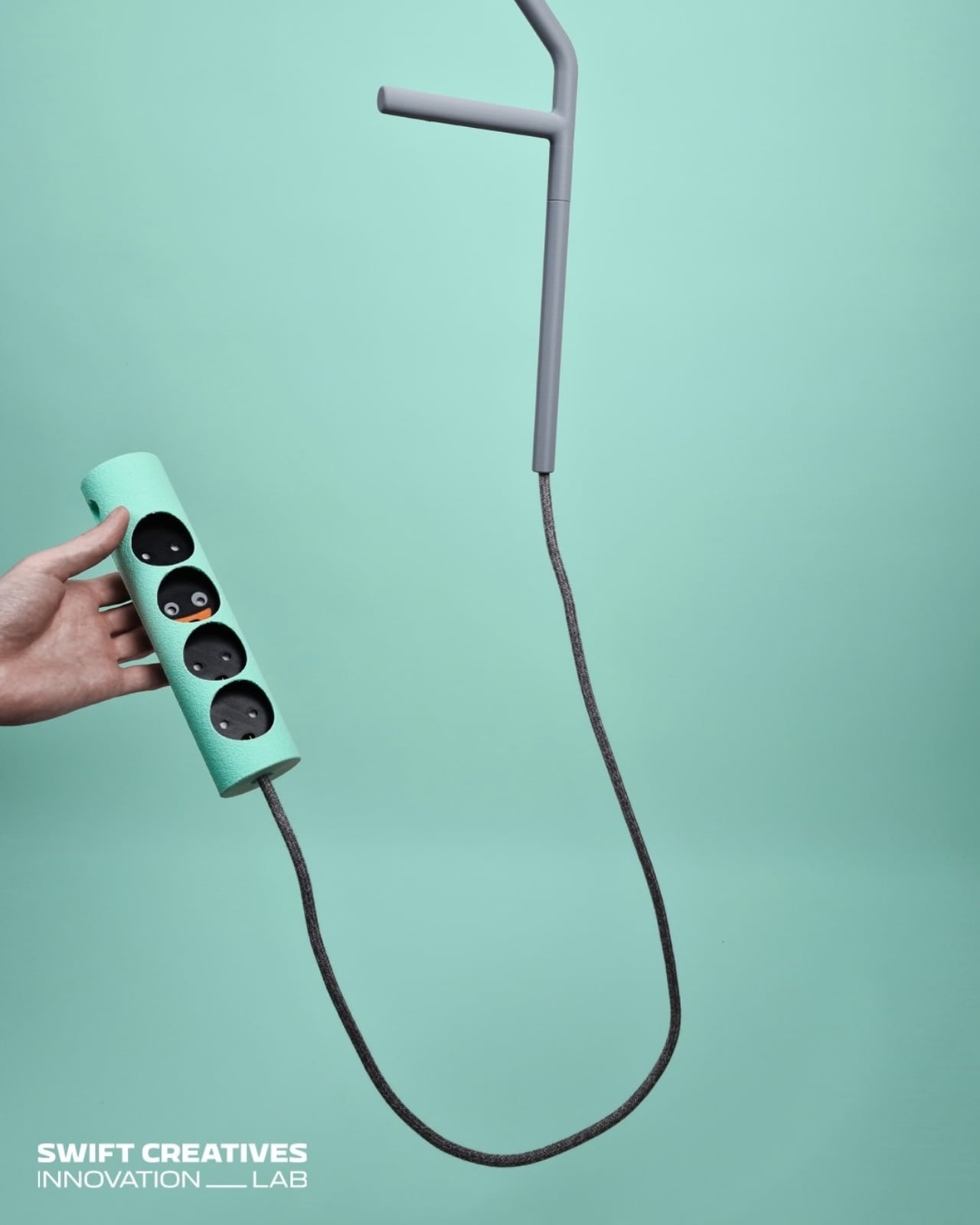
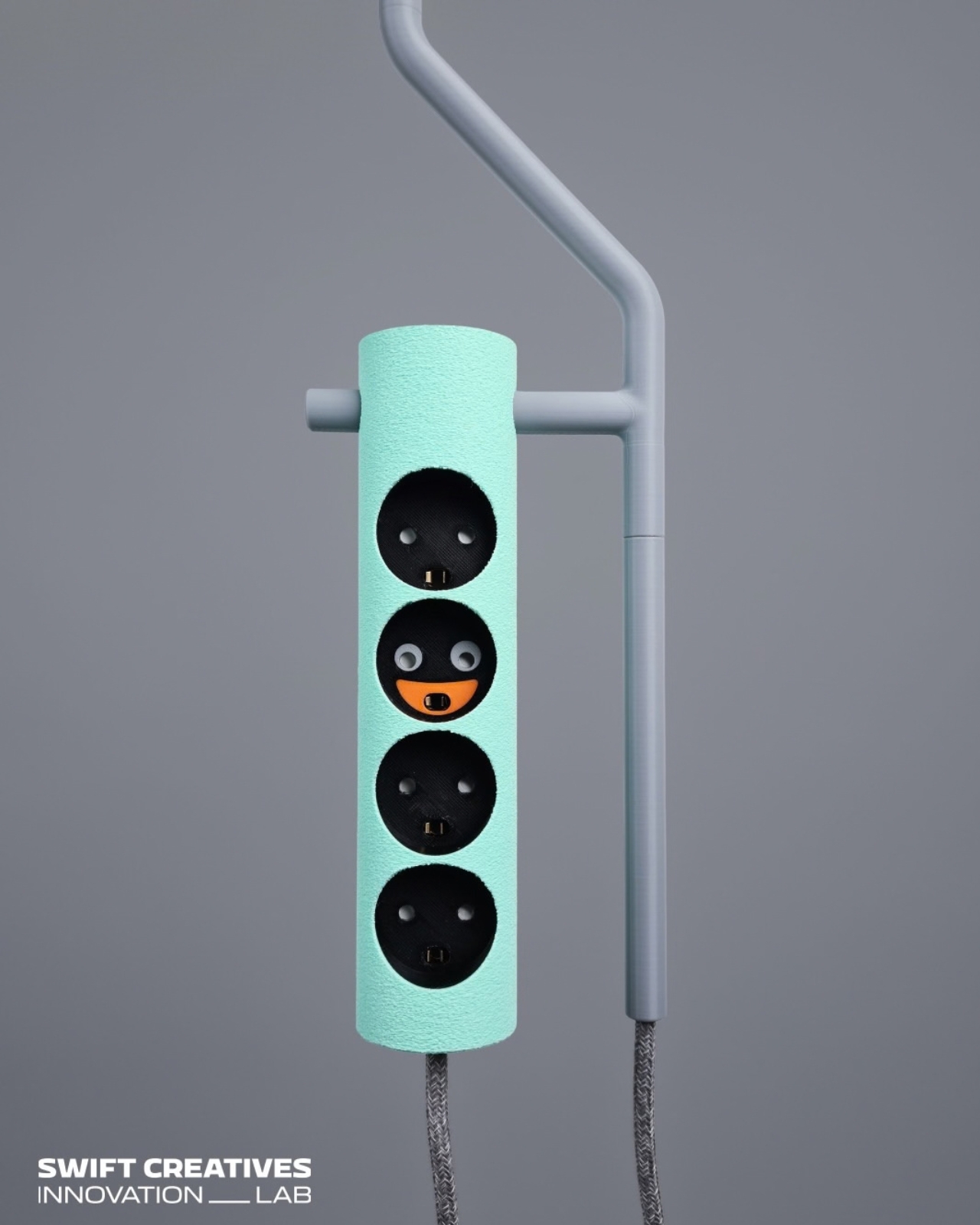
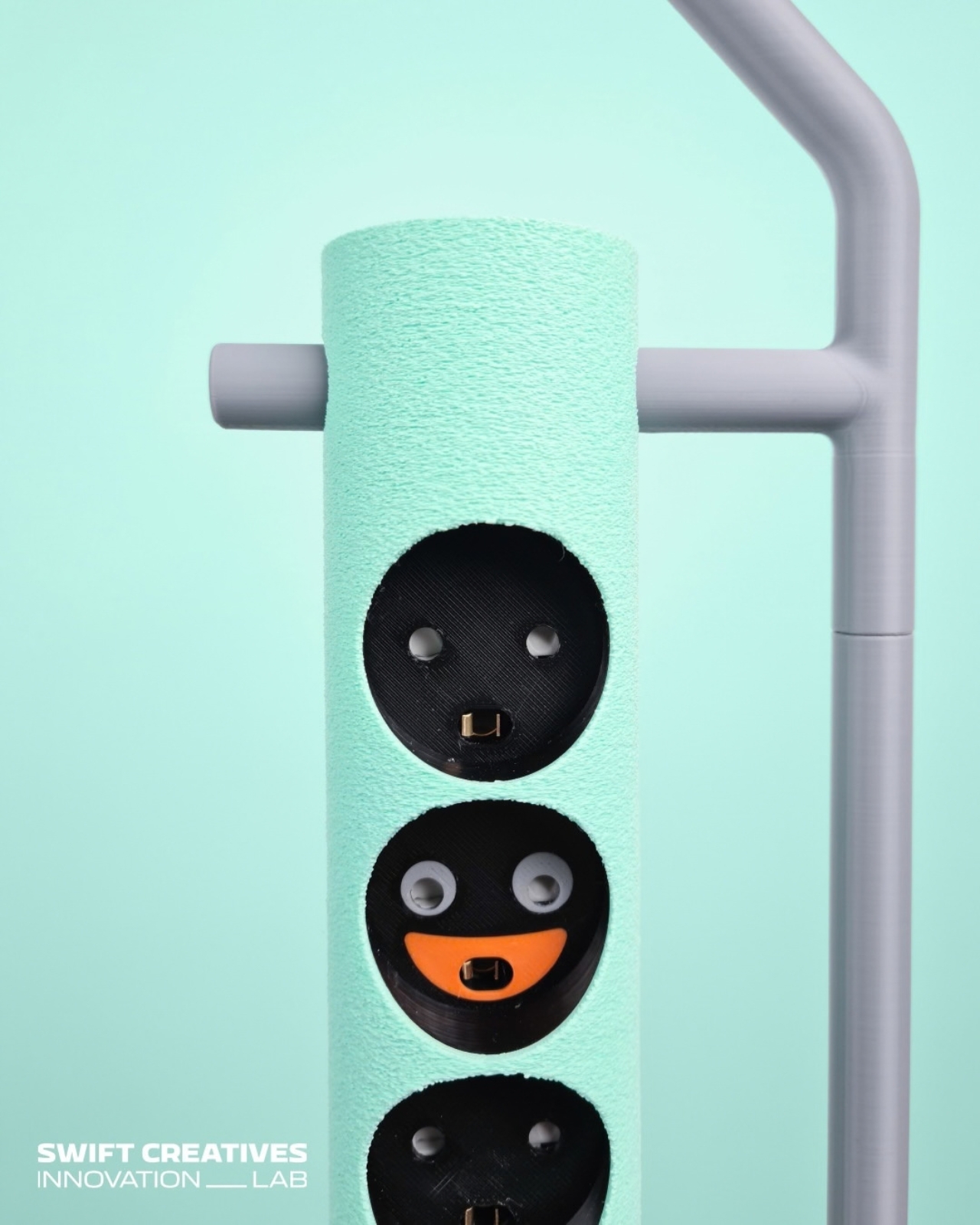
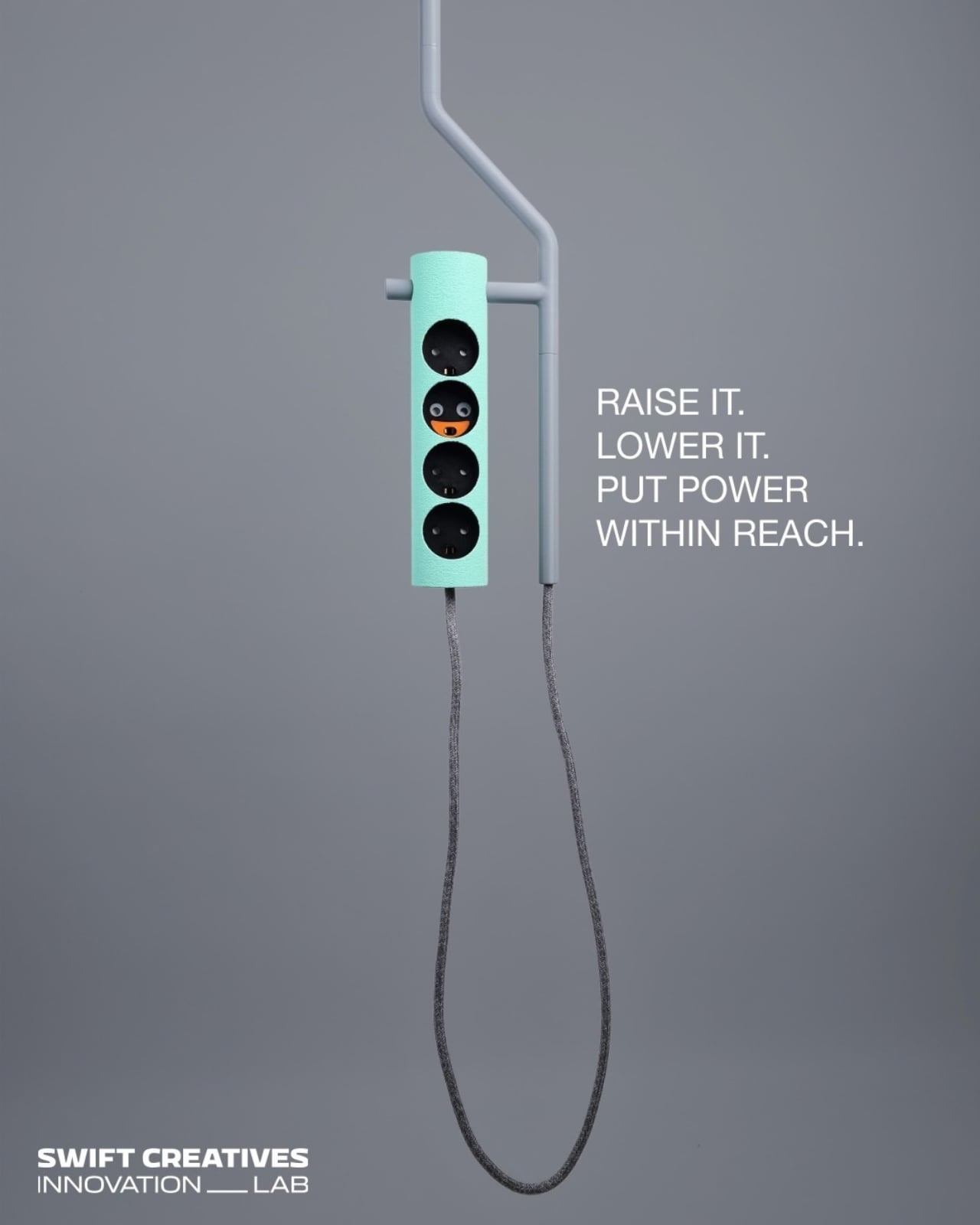
Carefully curated desks always have one ugly secret hiding underneath them. Power strips are black plastic bricks with tangled cables, even in the most beautifully designed workspaces. You need the outlets and USB ports, but nobody wants to look at the usual tangle of cords and generic housings. The bFRIENDS Power Module treats power access as something that deserves the same design attention as pen cups and storage trays.

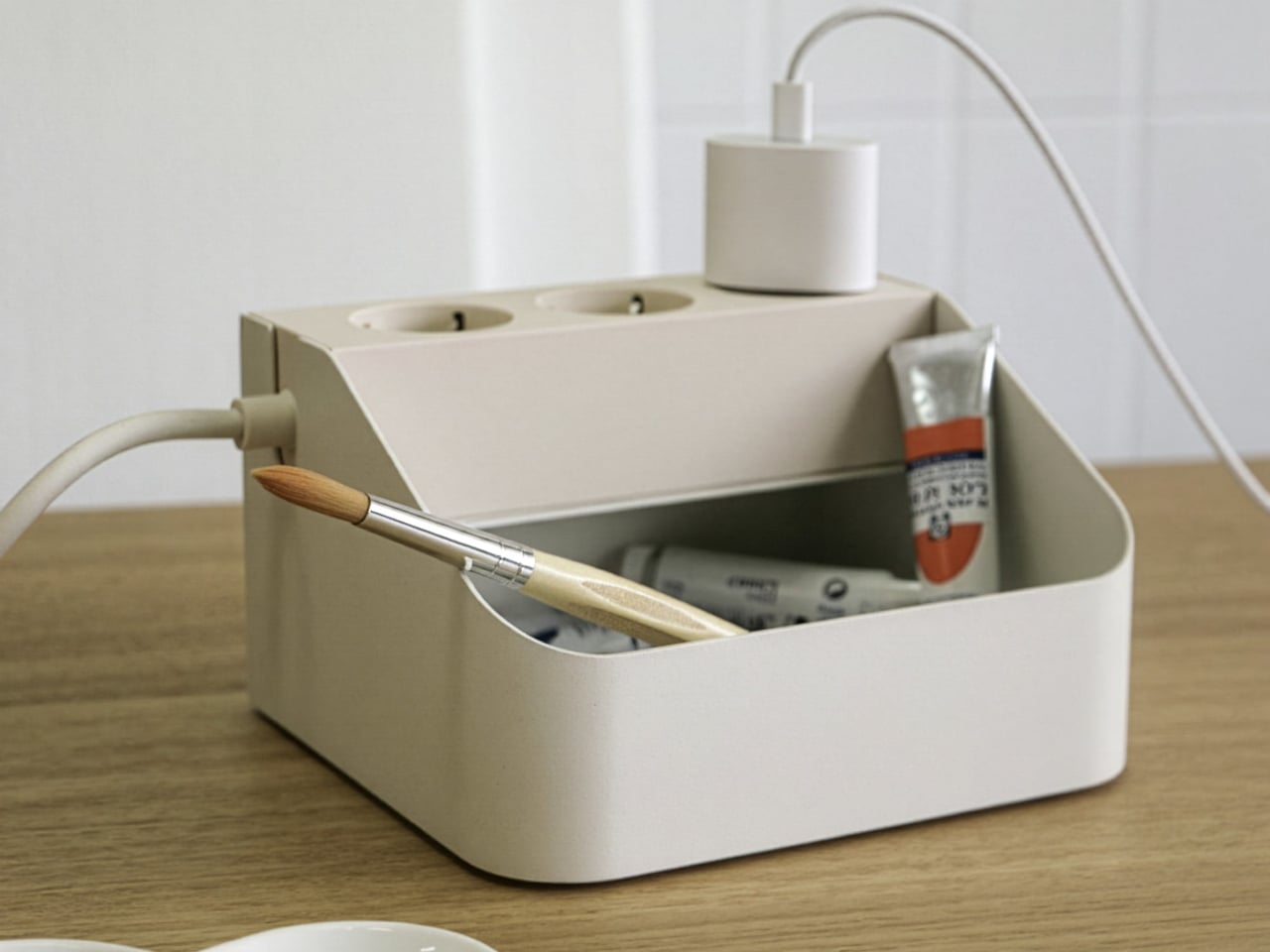
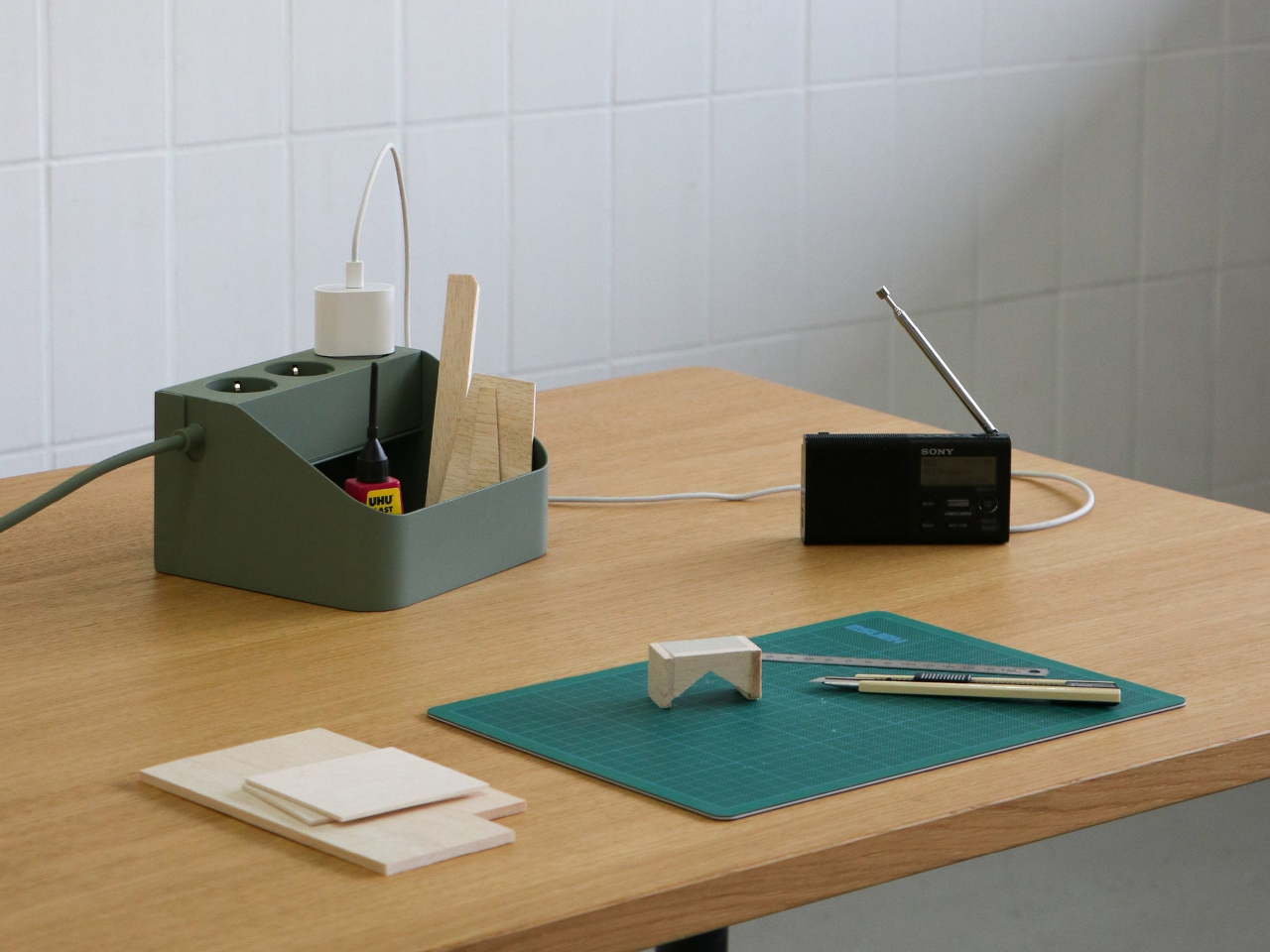
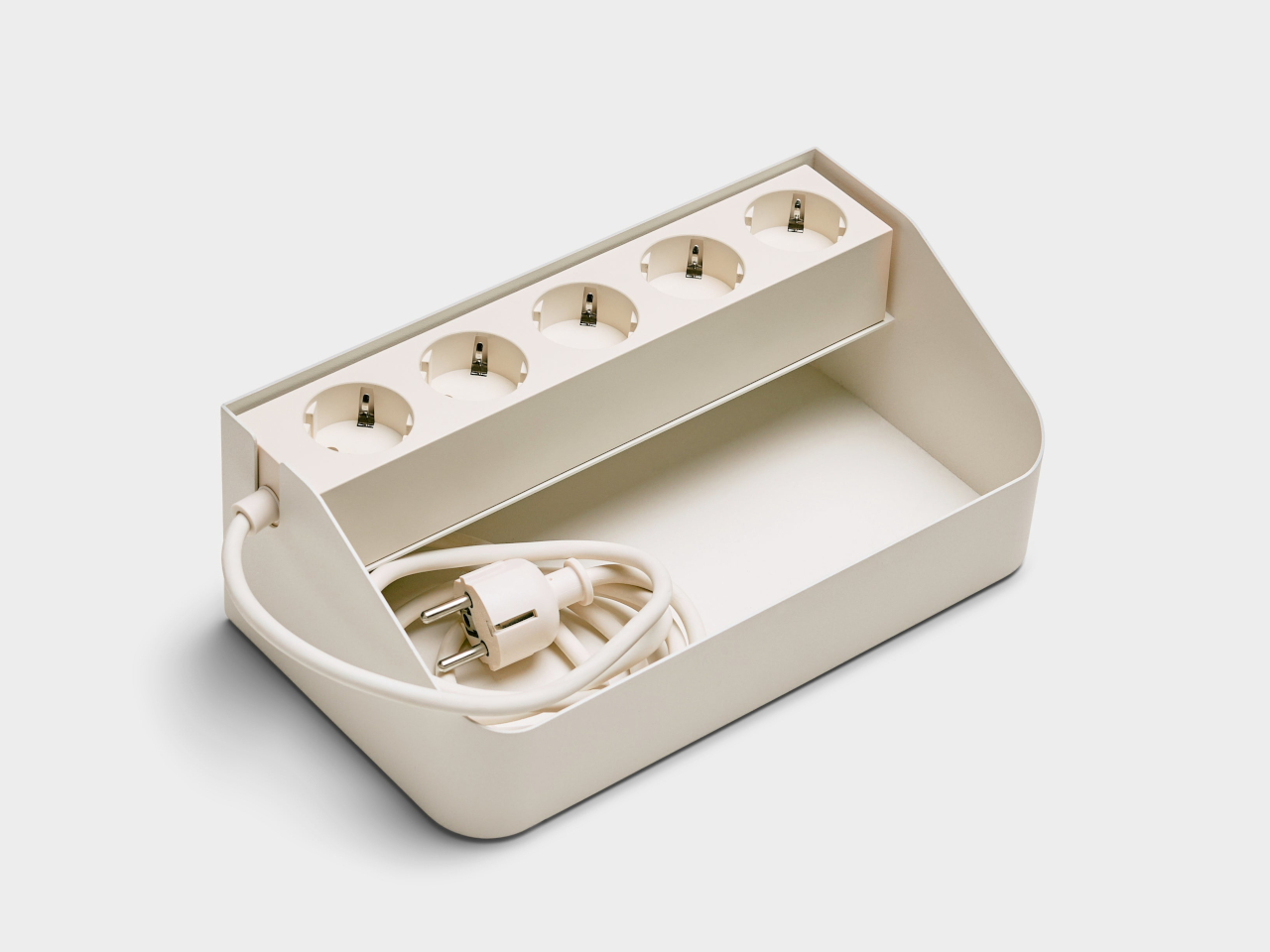
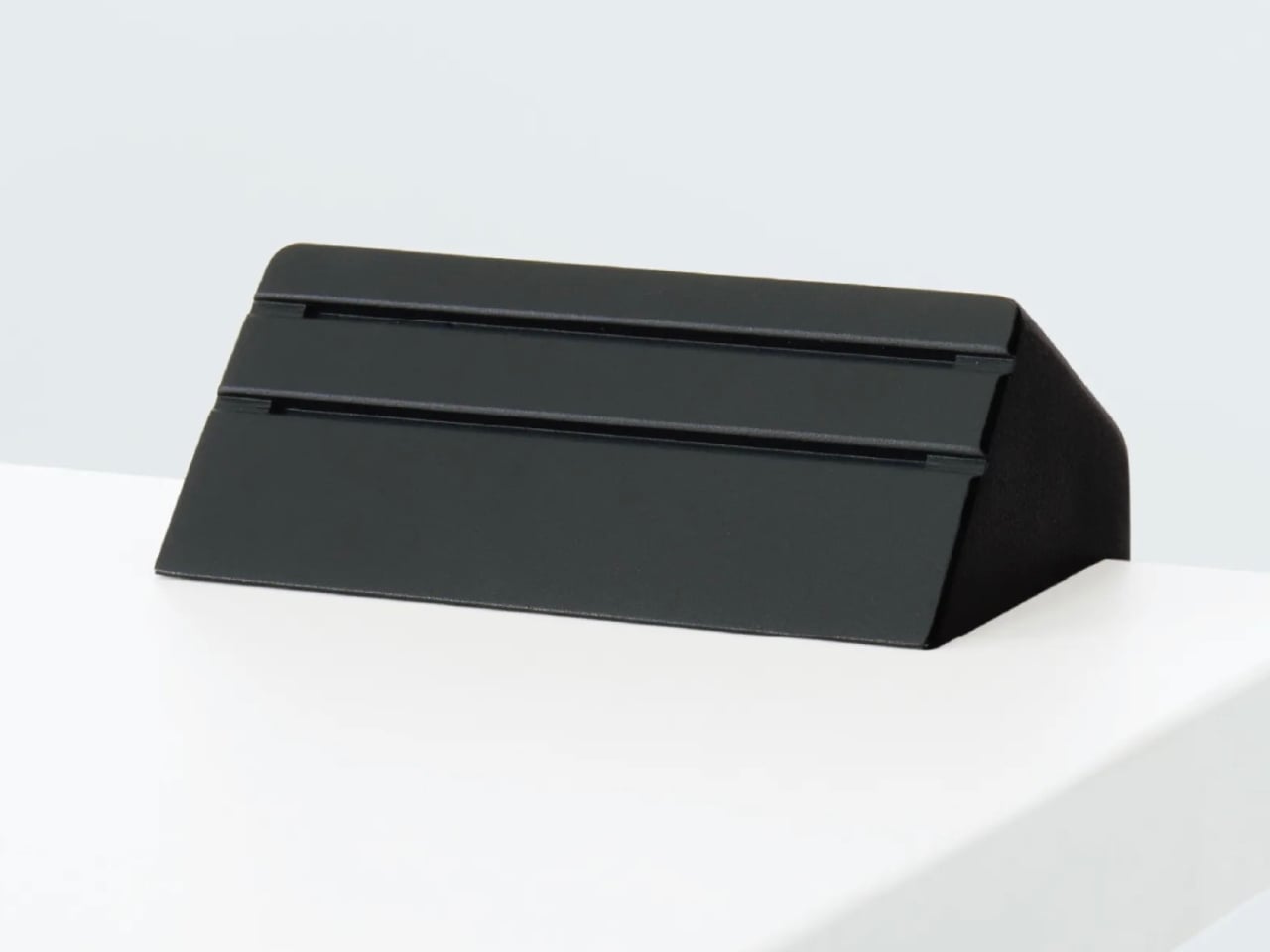
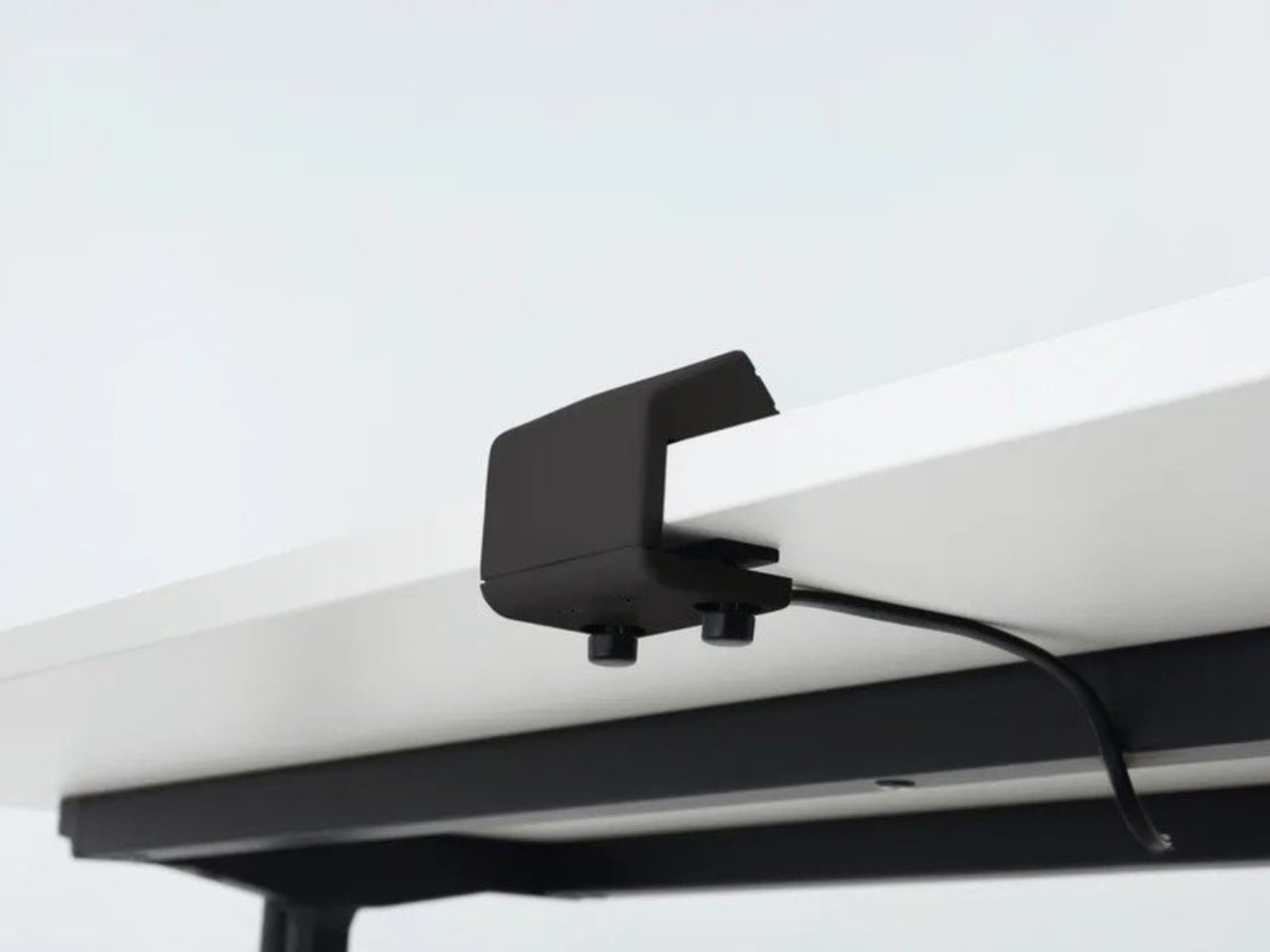
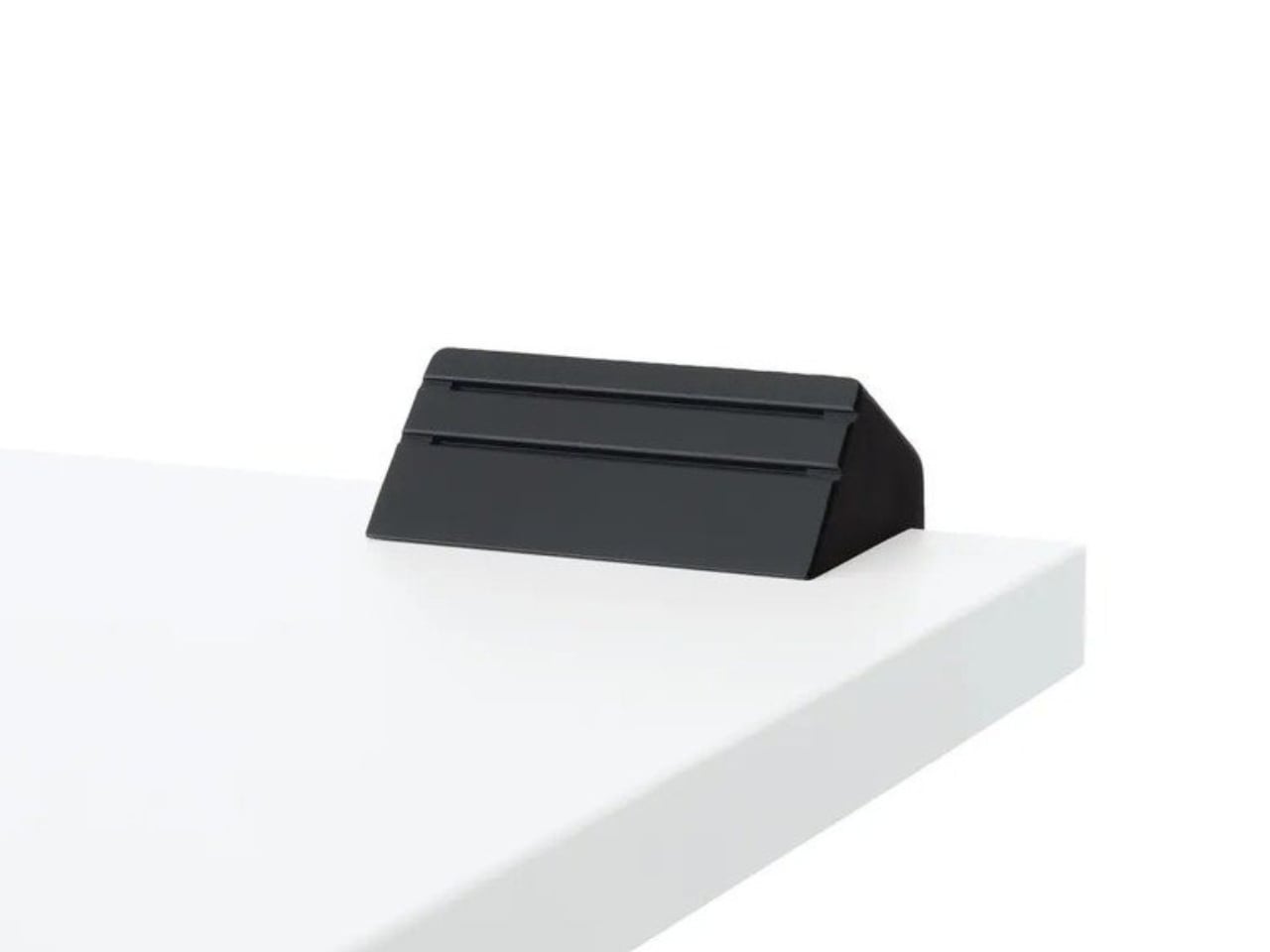
The bFRIENDS Power Module is a family of 3D-printed desk power hubs designed by Pearson Lloyd for Bene. It’s part of the broader bFRIENDS collection, which uses recycled bioplastic and additive manufacturing to create desk accessories. That same language now extends into sockets and USB chargers, turning a power strip into a small, modular object that sits proudly on the desk instead of hiding on the floor or under a cable tray.

Designer: Pearson Lloyd for bene

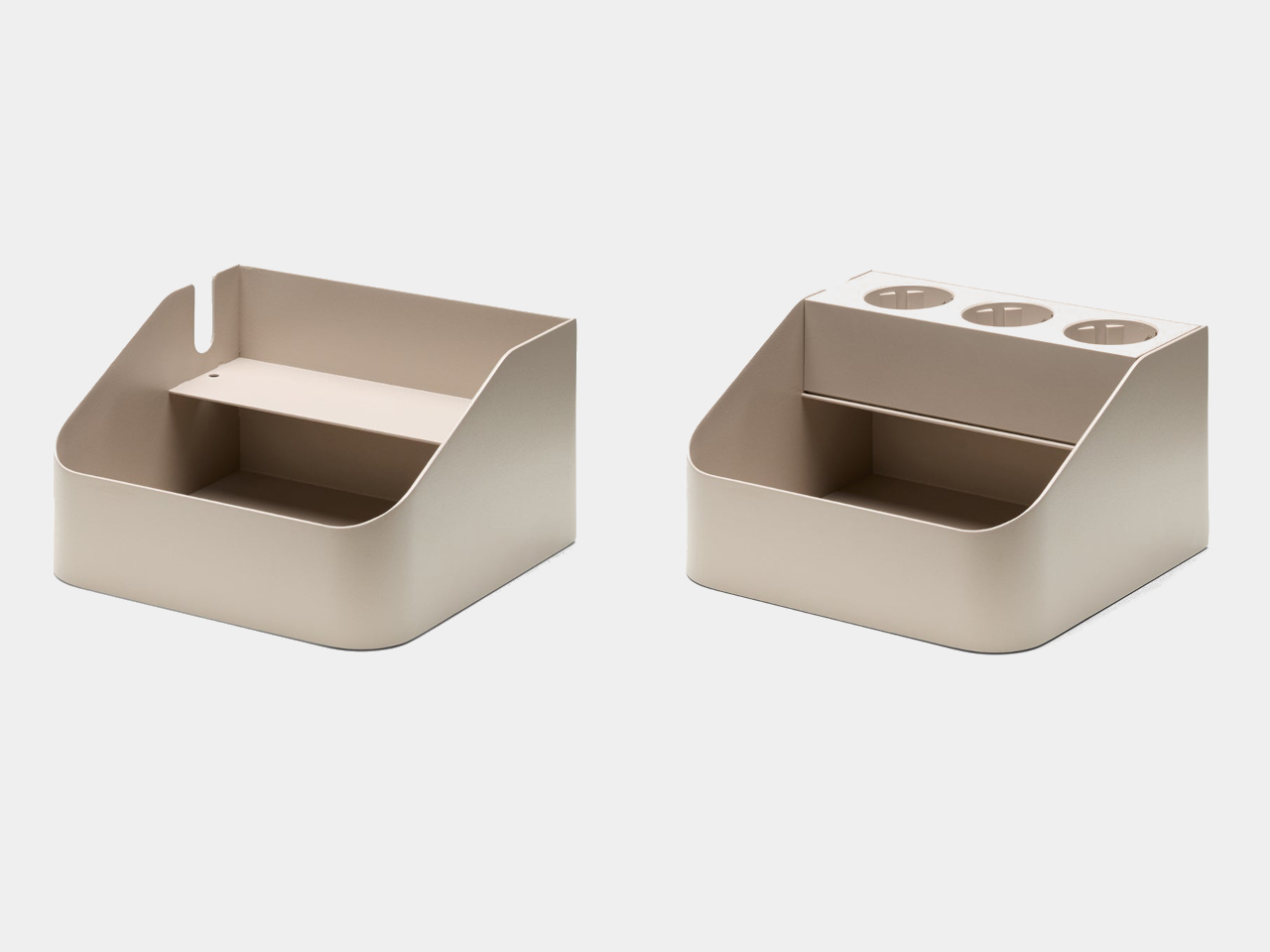
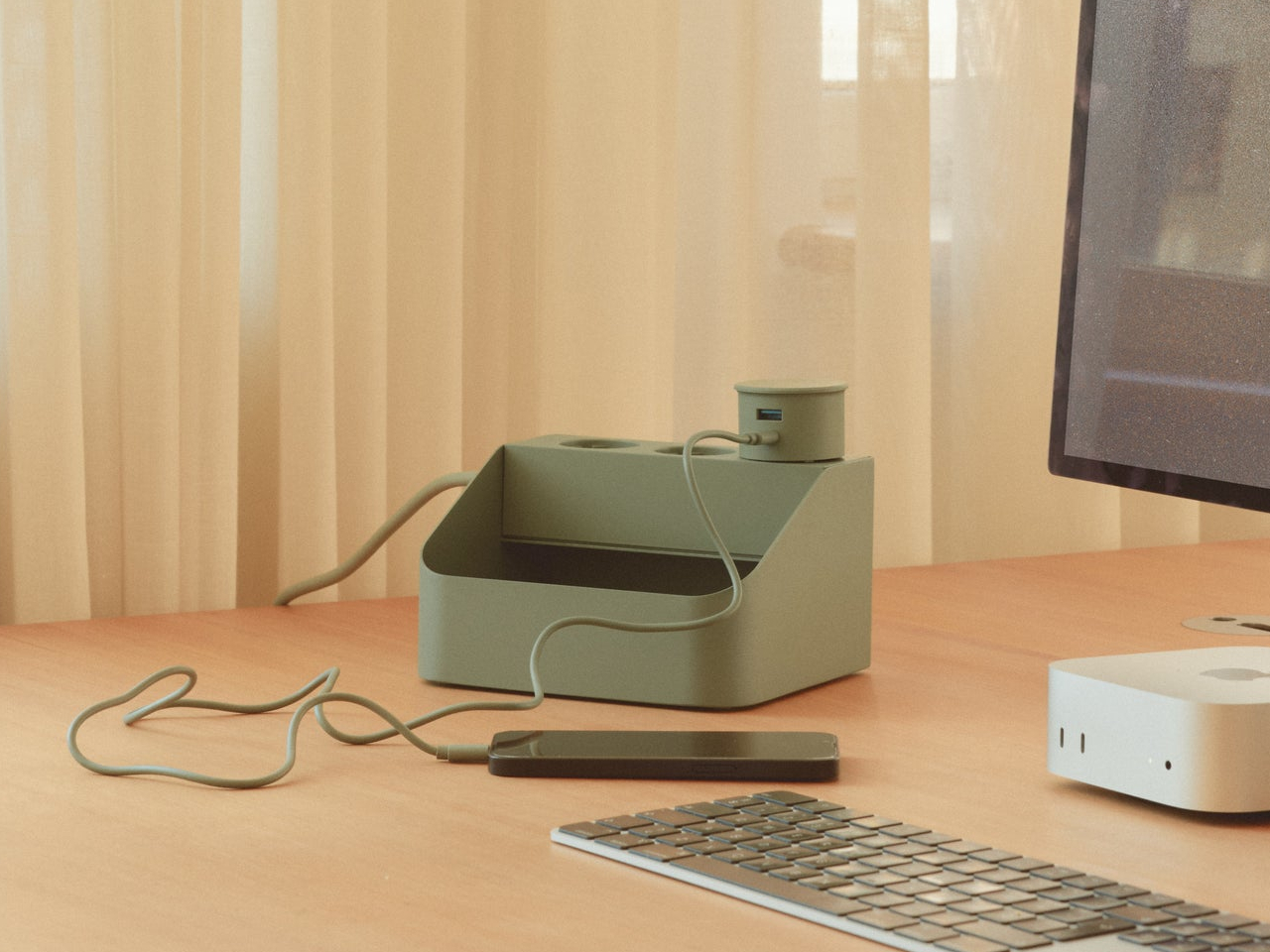
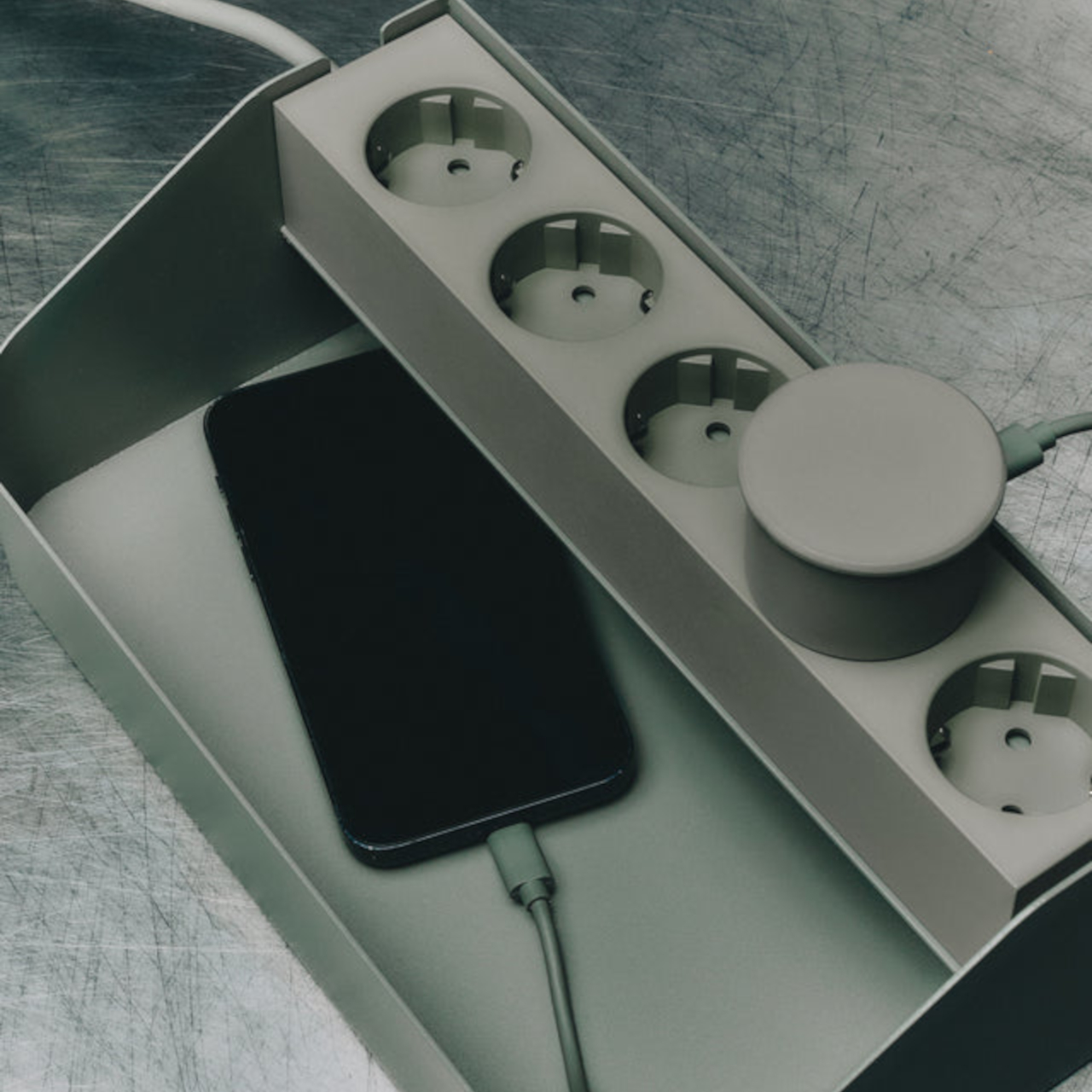
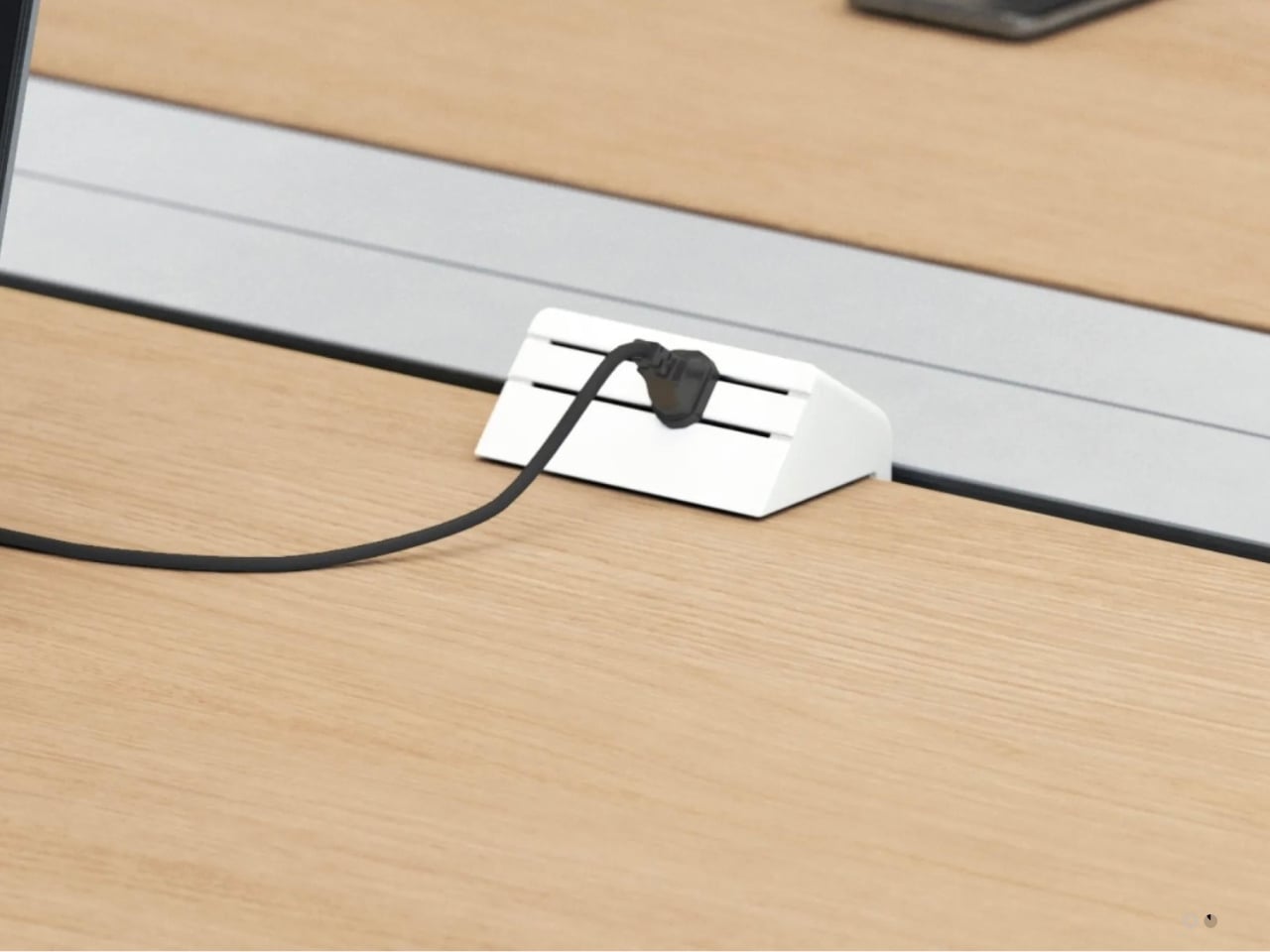
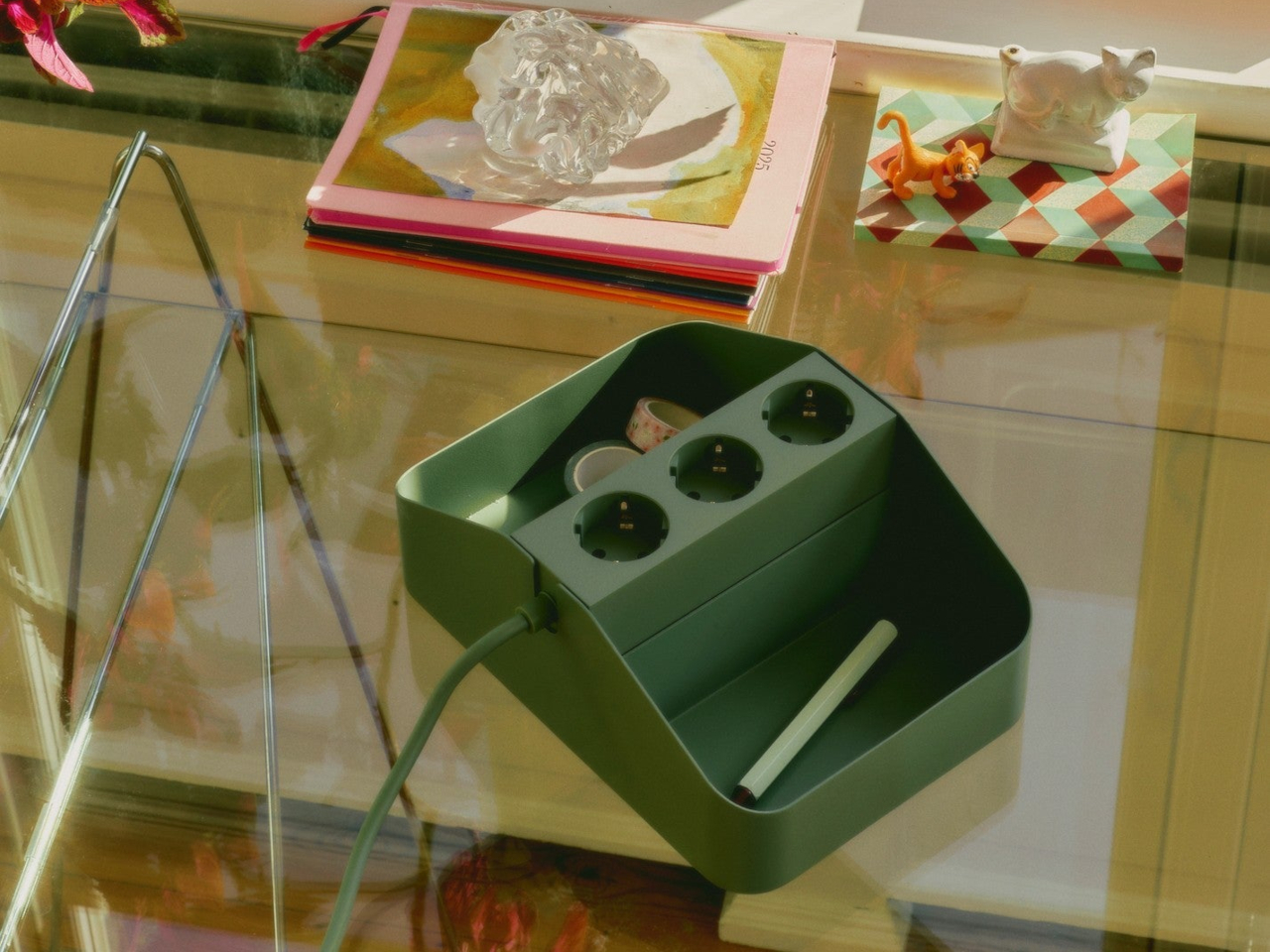
The basic form is a low, rounded tray with one or two ribbed cylinders that dock into it. The cylinders hold either a mains socket or a USB charger, while the tray doubles as a shallow organizer. Module S offers a single power point in a compact footprint. Module M adds one cylinder plus a shelf for pens and small items. Module L fits two cylinders and a wider storage area for more devices and desk clutter.

The modules are designed to be modular beyond their size. The cylinders can be specified with different country sockets or USB chargers, and the threaded sub-assembly simplifies swapping them out. Colour is also part of the system. The tray, cylinder body, and top insert can be mixed from the full bFRIENDS palette, so you can match brand colours, interior schemes, or other accessories instead of defaulting to anonymous black plastic.

The Power Module uses the same recycled bioplastic as the rest of bFRIENDS, sourced from food packaging waste diverted from landfill. Pieces are 3D-printed locally on demand, which eliminates injection-mould tooling and reduces warehousing and transport. That agile manufacturing approach makes it easier to offer many colour combinations and evolve the range without the usual constraints of mass production and minimum order quantities.

The combinations and uses are practically endless. For example, a Module M or L can rest against a fabric privacy panel, with the tray holding a phone and stationery while the cylinder powers a monitor or laptop. By bringing sockets and USB up onto the desk, the module makes plugging in less of a reach and turns cable management into part of the overall desk composition rather than an afterthought you hide under a grommet.

The bFRIENDS Power Module shows what happens when designers look at the boring parts of the office. By combining power, storage, recycled materials, and colour in a single object, it makes the everyday act of plugging in feel a bit more considered. It’s not trying to reinvent electricity, just the way it shows up on your desk, turning something functional into something you might actually want visible in your workspace.

The post This 3D-Printed Modular Power Strip Is Made From Recycled Plastic first appeared on Yanko Design.

This Power Strip Is Shaped Like an Original NES Console

Power strips live beneath desks or behind furniture where nobody has to look at them. Black plastic housings with rows of identical outlets do their jobs without offering anything visually interesting or worth displaying. They’re purely functional objects designed to disappear, which works fine until you’re building a desk setup where aesthetics matter as much as keeping devices charged, and everything ends up looking generic and forgettable.

The Trozk Game Style Socket recreates the Nintendo Famicom console as a functional charging station, bringing the red and white color scheme and design language from 1983 directly onto modern desks. Instead of hiding, this power strip sits visibly where it becomes a conversation starter about childhood gaming memories while handling the practical work of powering laptops, phones, and whatever else needs electricity. The nostalgia hits immediately for anyone who remembers cartridge-based gaming.

Designer: PTPC

The body follows the Famicom’s rectangular shape with rounded edges and cream-colored plastic accented by deep red panels. Vertical ridges run along the sides like ventilation grilles from the original hardware. A large red power button sits on one side, positioned exactly where you’d expect a console’s main switch. The whole thing commits fully to looking like a game system from four decades ago instead of just borrowing surface details.

The front panel displays a pixel-style LED screen showing voltage, current draw, and operational status through green numbers and colored bar graphs pulled straight from early arcade interfaces. Small smiley face icons and retro graphics appear alongside the readings, making functional information feel playful. The screen provides genuinely useful data about power consumption while looking like something that should be showing your high score instead.

Multiple AC outlets cover the top and rear surfaces alongside two USB-A ports and one USB-C port for fast charging. The layout spaces everything out enough that bulky adapters don’t block neighboring outlets. The USB-C handles modern quick-charge protocols, while the AC sockets accept different plug types depending on your region. Everything you’d typically plug into a standard power strip works here, just with significantly more personality surrounding it.

Tactile buttons along the front feel satisfying to press like actual controller buttons instead of mushy switches that typical power strips use. The plastic housing looks and feels substantial rather than cheap. Internal construction visible in assembly diagrams shows thoughtful engineering with proper component spacing and secure mounting for all electrical elements. Surge protection and safety features likely come standard, though specific certifications aren’t detailed.

The socket works best on desks where the retro gaming aesthetic adds character to setups that would otherwise look like every other workspace filled with identical black rectangles. It organizes charging needs while referencing shared cultural memories. The Trozk Game Style Socket treats charging as an opportunity for design that carries emotional weight, making daily device management slightly more joyful for anyone who appreciates objects that tell stories.

The post This Power Strip Is Shaped Like an Original NES Console first appeared on Yanko Design.

Cloud-inspired power strip concept wants to bring calm to your wire-tangled desk

Nothing can be more distracting or disconcerting than a mess of cables on your desk. Even if you decide to ignore them, the clutter leaves an imprint on your subconscious that can affect your mood and productivity without you knowing it. Power strips can offer some semblance of cable management, but their bland and clinical designs often leave a poor impression on people’s minds, leading to the same unconscious effect. There’s no rule that even mundane consumer electronics like these need to be uninspiring and impersonal, and this concept design tries to give the power strip a more approachable appearance that looks as soothing as fluffy clouds in the sky.

Designers: Yui Xue, Yien 子梁, Neville 初九. 冯 康奕, Huang Luo

Most power strips, even those with USB ports, are long and boxy, designed to maximize space more than anything else. While there’s definitely nothing wrong with being efficient, there’s also a multitude of ways to hit two birds with one stone. With a little creativity and inspiration from Mother Nature, one can also design a product that’s both functional and pleasing at the same time.

The Cloud Air power strip concept is an example of this design, putting the focus not just on practical functions but also aesthetics. Although not exactly soft and fluffy as a cloud, the design’s smooth curves, soft hues, and glossy finish do bring positive vibes. The power strip almost looks like it’s encased in some rubbery cushion, negating the harshness that’s often associated with these devices.

1

Cloud Air isn’t like your regular power strip either, as it functions more like a charging hub. It has three USB-C ports in front and two AC power outlets on top. Admittedly, these might not be enough for heavy computer users, but it’s sufficient for charging a few devices simultaneously. The design isn’t limited to a two-outlet configuration either, those a longer strip might defeat the purpose of having a compact and cute “cloud” on your desk.

At the end of the day, the purpose of the concept is to have a power strip you’ll actually want to see. Yes, it will have cables running out of its front and power bricks sticking at the top, but the jelly-like aesthetic of the design also balances that out. It’s not a perfect solution, but it does break the stereotype of power strips, charging hubs, and other accessories that look cold and stiff for very little reason other than tradition.

The post Cloud-inspired power strip concept wants to bring calm to your wire-tangled desk first appeared on Yanko Design.
Wood-enclosed power supply box is designed to be seen

Power strips and extension cords are now an unavoidable part of modern life. Unless you have custom-designed furniture, there will always be cases when you have too few power outlets or ones that are too far from your desk to matter. Unfortunately, these power supply accessories haven’t exactly evolved in terms of design, or at least most of them still look like appliances from the 90s rather than anything that fits modern aesthetics. Hiding these power sources has become an important part of the so-called cable management problem, which is often a source of tension and headache for some people. There are, thankfully, a few that try to embrace more pleasing designs, like this power supply box that thinks outside the box, pun intended, so that you don’t have stress over hiding it and instead proudly show it off on your desk or shelf.

Designer: OFS

Genuine wood isn’t often used as a material in many electronics, mostly because of its poor thermal handling, making it warp and deform over time due to heat. That and it’s a potential fire hazard, making it unsuitable for many devices. That doesn’t mean, however, that it can’t be used as a chassis or covering in a safe manner, especially if it can significantly change the character of a product from utilitarian to humane.

The Willow Power Supply is one such design that employs the warmth and natural beauty of wood to uplift the image of an ordinary extension cord from a tool to a decorative object. While most power strips and extension cords are painfully hidden behind or even under desks, Willow stands proudly on top. More than just boasting rights, however, this also means quick and easy access to those essential ports for your computer and devices.

Willow is available in a combination of beech or walnut shells and clear or black power boxes, though the best combination is the beech and clear or white box since it clearly brings out the beauty of the wood complimented by the minimalism of the power supply. The box itself has very little detail save for the outlet and ports in front and the braided cord coming out of its back.

While the Willow Power Supply might delight as an aesthetic product, it might disappoint as an actual power supply. There is only one power outlet, one USB-A port, and a lone USB-C port, a very basic and perhaps inadequate number for today’s needs. At $250, it does give off a feeling of being more like a designer product than one that’s made for power users, more for casual use than heavy-duty workstations. Either way, there is little doubt it adds a bit of accent to any workspace, especially matching minimalist designs with wooden furniture.

The post Wood-enclosed power supply box is designed to be seen first appeared on Yanko Design.
Live streaming accessories give creators the tools to elevate their content

Streaming is big business these days to the point that some kids even declare it to be their dream job. And like any other dream job, the reality is that video streaming isn’t as easy or as magical as it sounds, at least if you’re really aiming to go pro and bring in all the views. You will need to invest in quality equipment that not only makes their work more comfortable but also makes the overall experience more enjoyable. These concept products try to do exactly that, assisting streamers to make them feel more alive, whether onscreen or especially offscreen.

Designers: Mariana Aréchiga, Isaac Saldaña, Ricardo Zerón, Adriana Cruz, Jonathan Gonzalez, Alondra Alvarez, Mariana Pedroza, Juan Muciño

It’s admittedly easy to get started in the live streaming industry. All you need is a decent camera, a reliable Internet connection, and content that will capture the attention of the fickle masses. Going viral and staying relevant, however, requires not only hard work but also tools that will help carry you through both the good times as well as the bad. Alive is a series of product design concepts that try to elevate the streaming experience and beyond, focusing on the things that help streamers stay in control all the time.

One example is a wireless streaming mic that frees you from your desk with its detachable design. While it looks like an ordinary studio mic when on its wireless charging stand, you can easily pick it up and move around without missing a beat or dropping out. It has a helpful ring indicator that quickly clues you in on the volume level without having to check your app’s or computer’s controls.

Lighting does more than just illuminate your face during streams, it can also help set the mood or even indicate your own mood. This conical desk lamp concept delivers that kind of emotional lighting but also provides direct physical controls that don’t leave you at the mercy of buggy apps and spotty network connections. Any streamer will testify to the stress and tension that occurs whenever those supposedly smart lights feel rather dumb due to those technical difficulties.

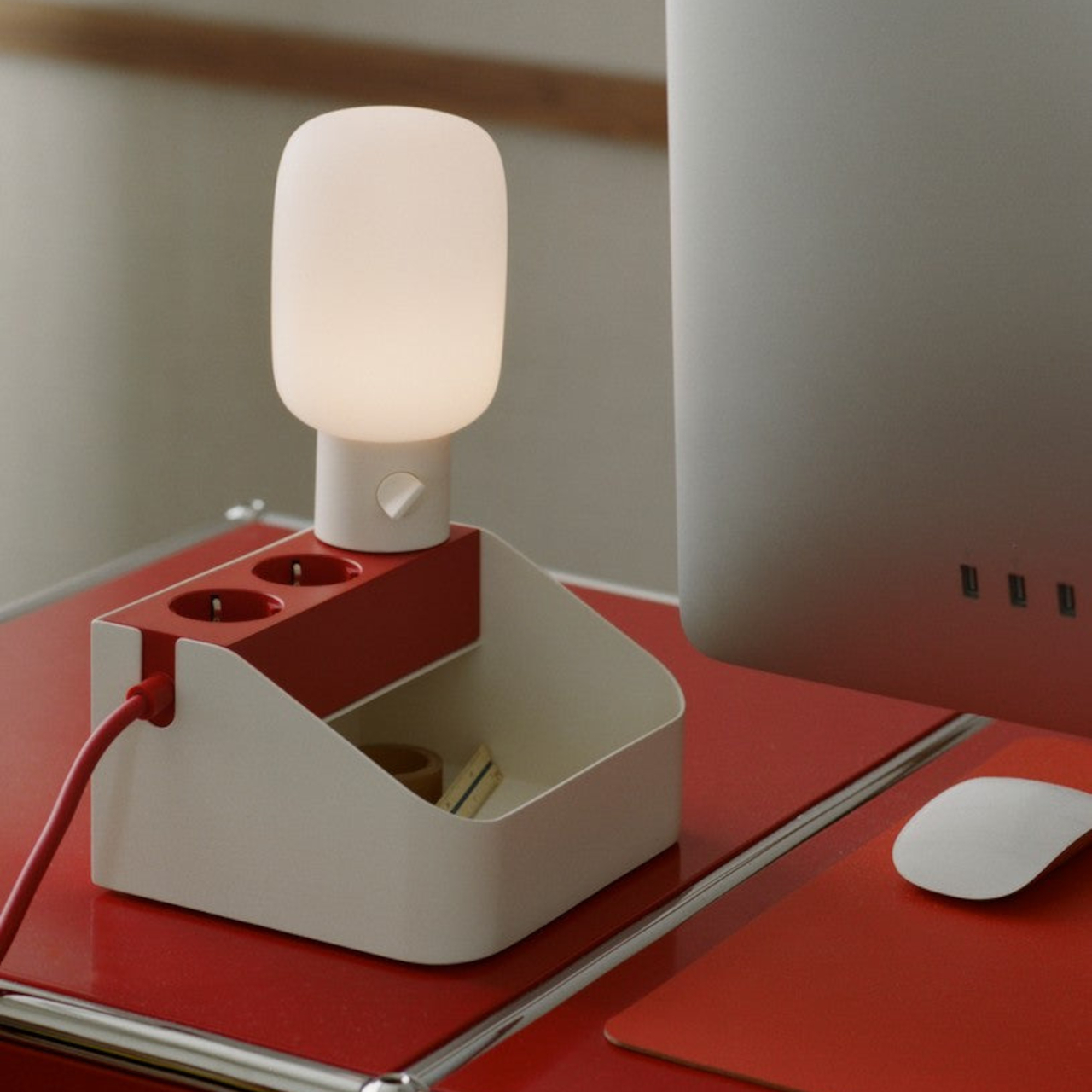
Power strips are designed to expand your wall socket, but most of them seem to still embrace the limitations of those fixed outlets. This streamer-friendly design, however, has sockets you can rotate so that they adjust to your cables and plugs, not the other way around. There’s also a section of the strip that offers battery backup to make sure critical devices stay powered up even during an emergency. These features might sound trivial, but every small thing that gives streamers peace of mind also helps them create better content.

The post Live streaming accessories give creators the tools to elevate their content first appeared on Yanko Design.
U-shaped power strip concept has an interesting cable management trick

As ubiquitous as power banks might be, there will always come a time when you need the full power of a socket. Those are the times when you’ll discover to your dismay that most wall outlets are woefully ill-equipped to meet the demands of many people with multiple devices. Power strips with their multiple sockets exist for that very purpose, but they’re more like band-aid solutions, inelegant and often ineffective. Thankfully, there are quite a few bold new designs trying to rethink this mostly utilitarian tool, like this curious take on the power strip that literally bends convention into something a little more interesting and more convenient to use.

Designer: Michael Kritzer

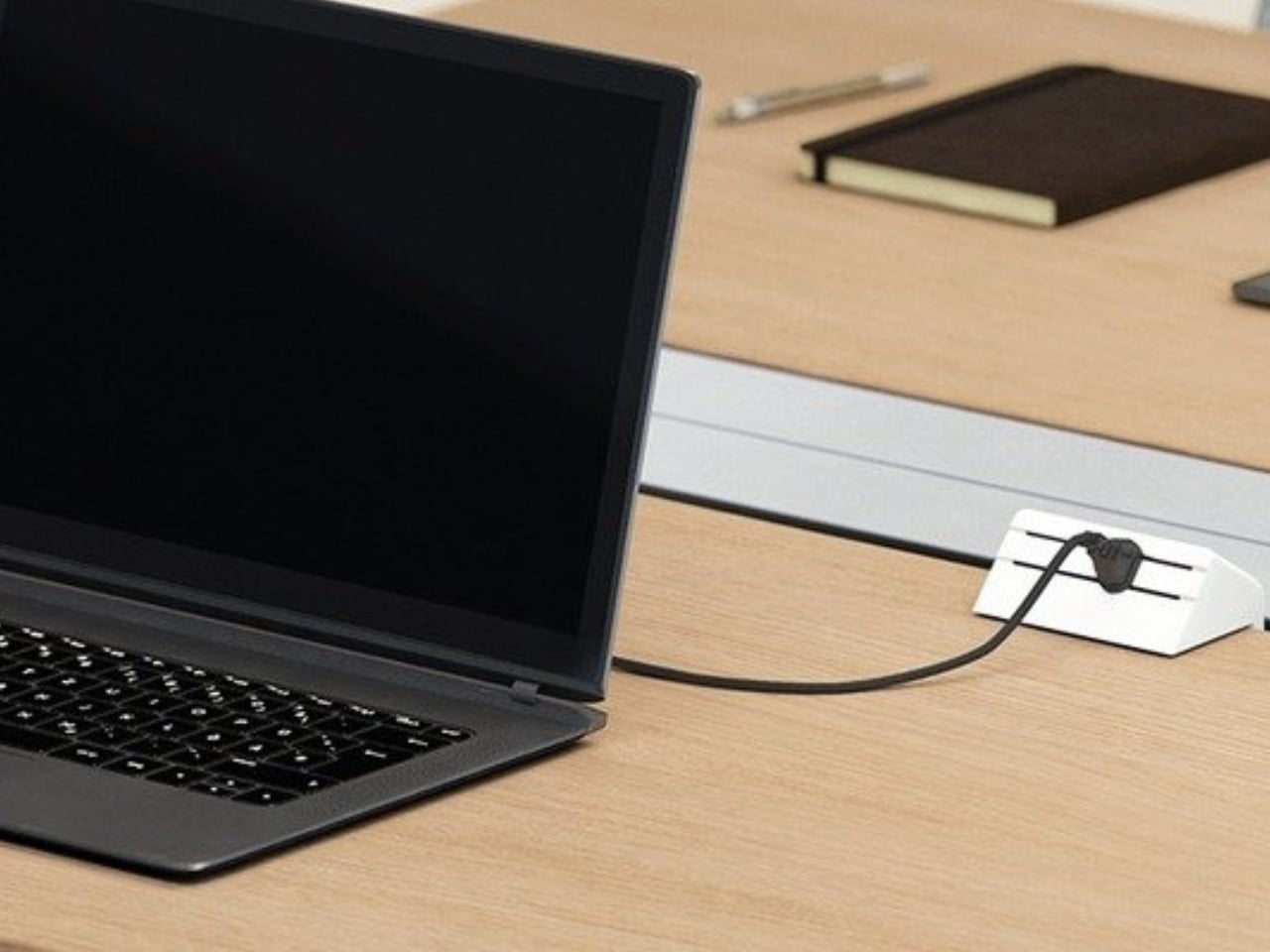
“U” is for “unusual,” and that definitely describes the design of the ME-1 power strip concept. While most of its kind adopt a linear shape to reach more people across a table, this one is curved into a shape similar to that of a U-magnet. That association isn’t accidental either, because this power strip can actually stick to metallic surfaces as well, either hanging under tables or sticking off walls.

The change in form isn’t simply for novelty’s sake, though. For one, it saves up space compared to a typical rectangular or linear power strip, it is also visually more pleasant to look at, even with all cables coming out of it. There is also enough spacing between the alternating three-prong plugs and USB ports so there won’t be a problem with bulky plugs and chargers.

As for those cables, the U shape also gives owners a way to keep them in check by wrapping them around either of the “legs.” In fact, the strip’s own cable, which sticks out from the inner curve of the shape’s arc, can be looped around it to avoid ensnaring people’s feet or other objects around it.

While the ME-1 power strip concept does present a more captivating design compared to typical power strips, there are also some questions regarding its practicality. It saves up on horizontal space but it does stick out too much. This iteration also seems to cover only one side of the U shape, leaving the other half underutilized and wasted. Still, it’s an admittedly daring approach to re-imagining something we’ve mostly taken for granted to have a fixed design, and hopefully, the market will soon be filled with more interesting power strips, at least ones that don’t sacrifice utility for appearance’s sake.

The post U-shaped power strip concept has an interesting cable management trick first appeared on Yanko Design.