Objects With Opinions: Ronen Kadushin’s Pieces

There are designers who make beautiful things, and then there are designers who make things that make you think. Ronen Kadushin belongs firmly in the second camp, and his latest collection, Pieces, is proof that a home accessory can be both genuinely useful and quietly subversive.

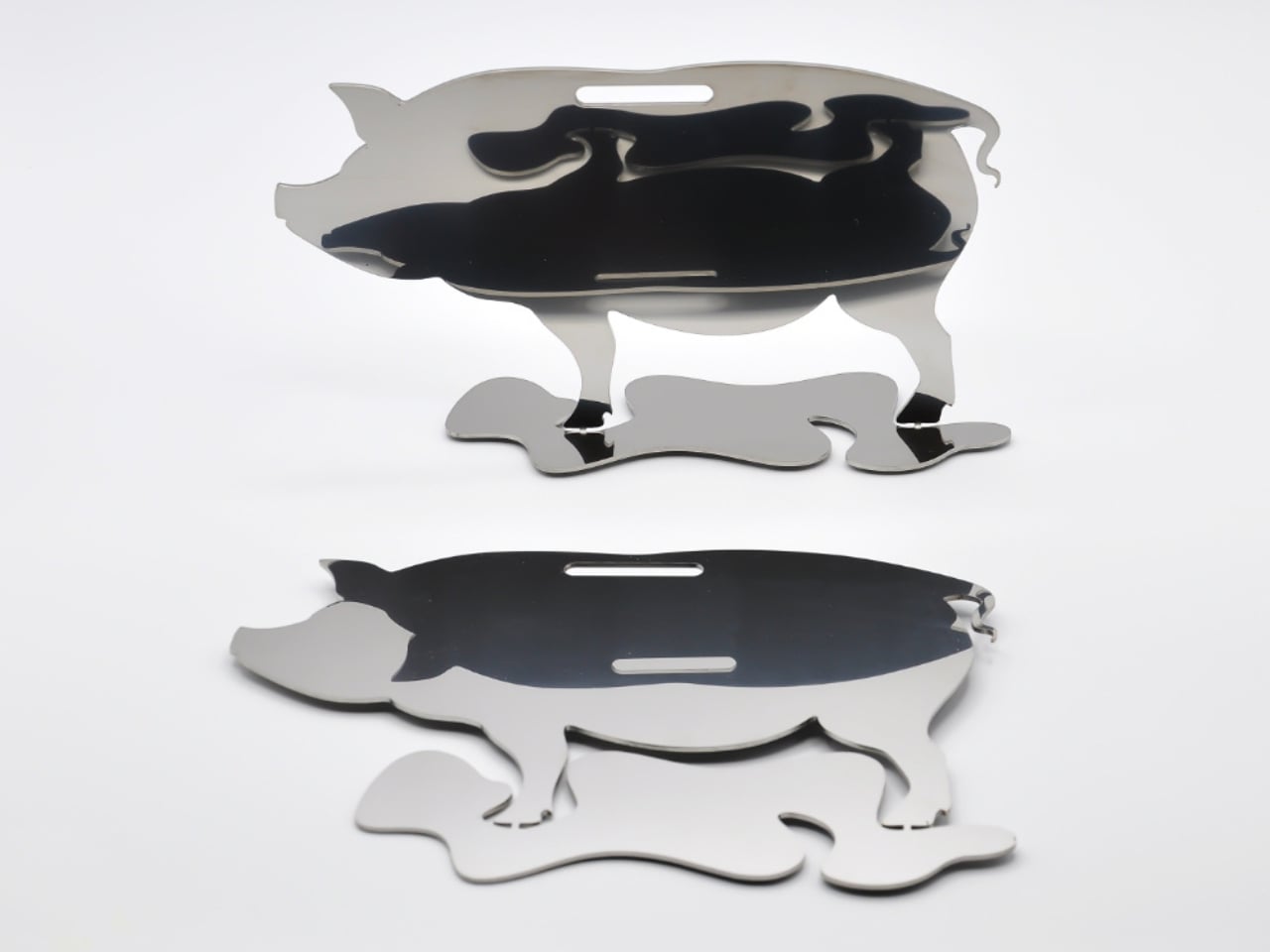
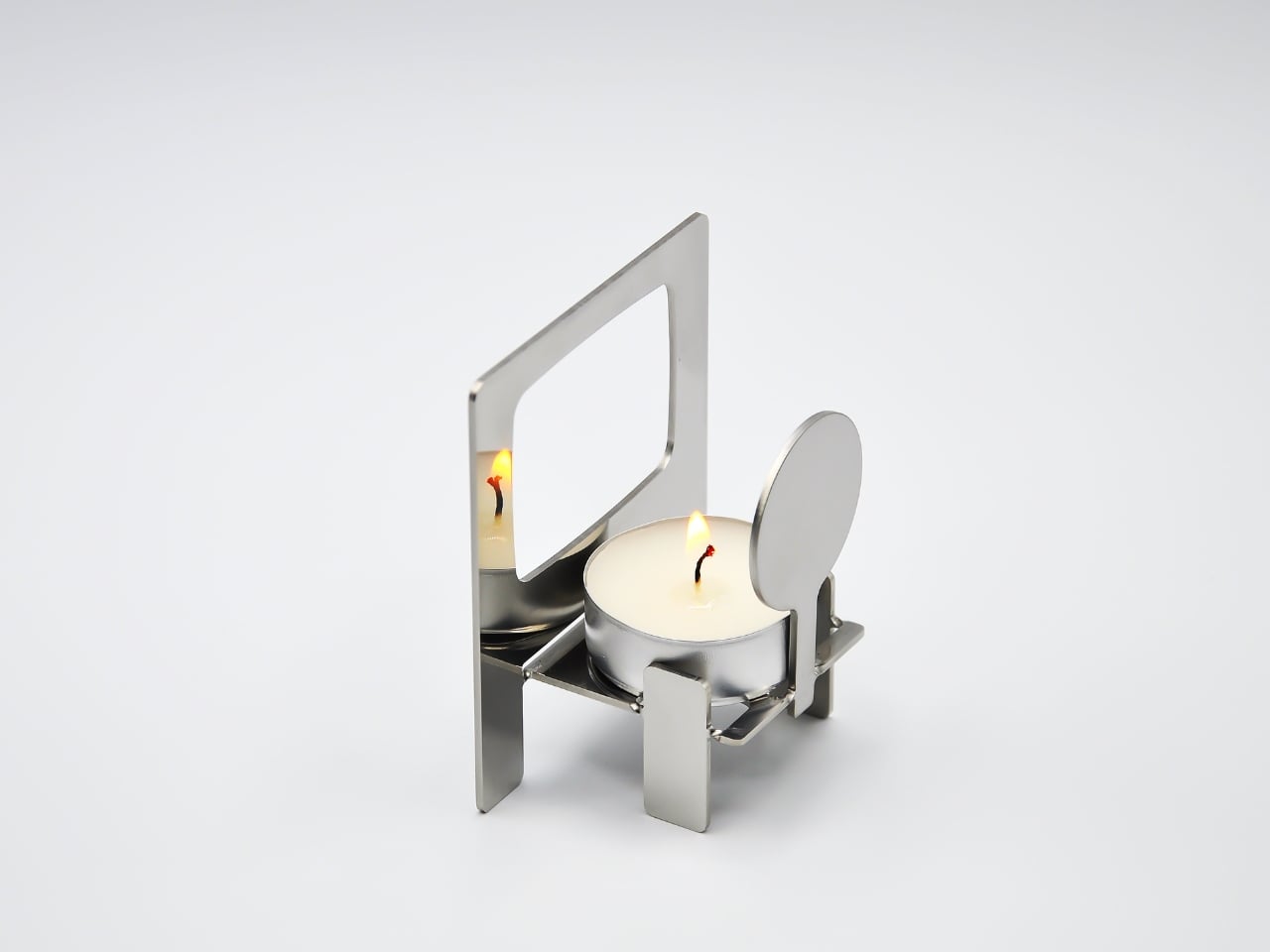
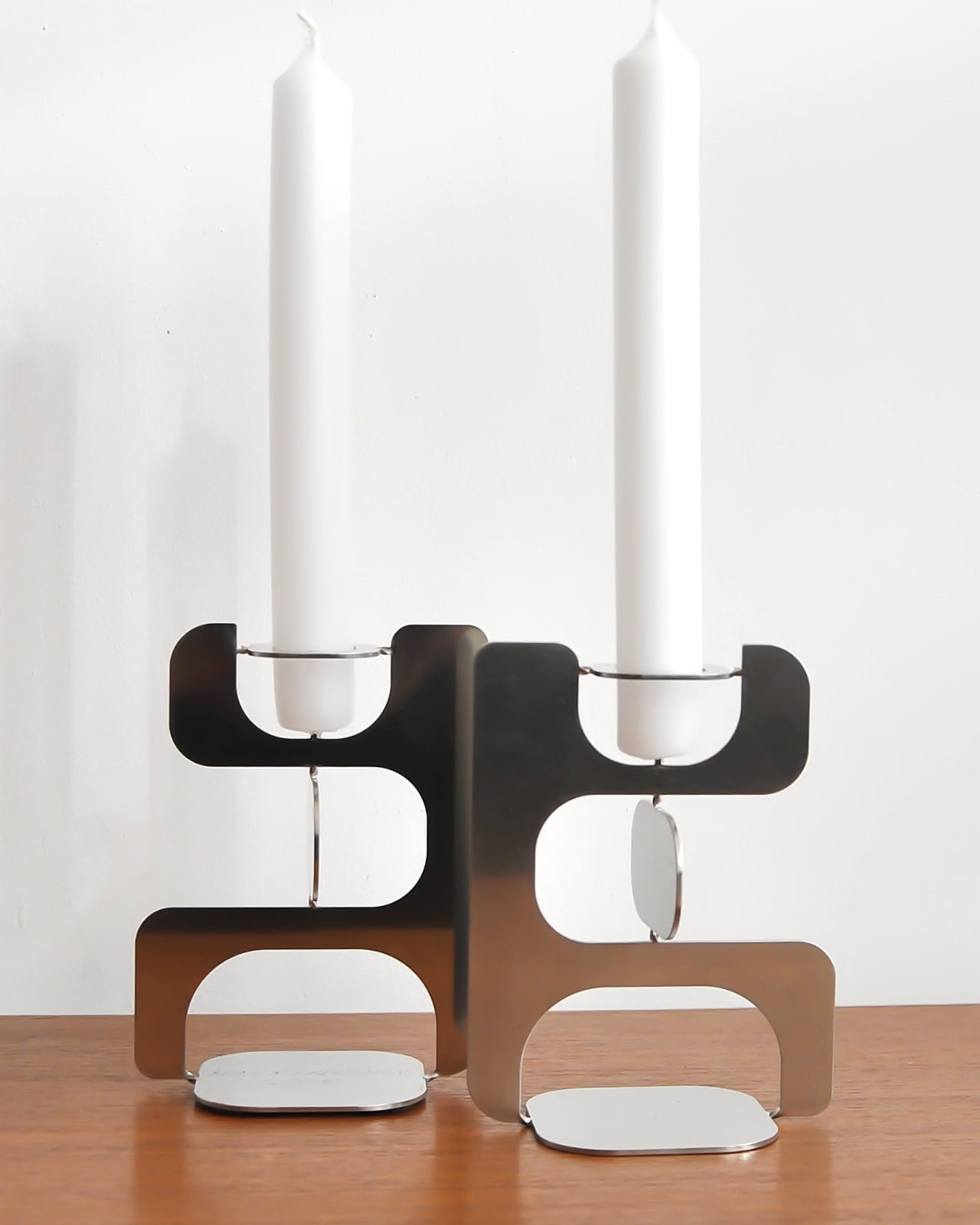
The collection consists of three objects: a candle holder called Echoes, a tealight holder called Reality TV, and a Piggybank. On paper, that sounds like a fairly ordinary lineup for a home accessories range. In practice, it’s anything but. The Pieces collection is an elegantly formed, humorously thought-provoking group of home accessories that highlight the tension between function and cultural narrative.

Designer: Ronen Kadushin
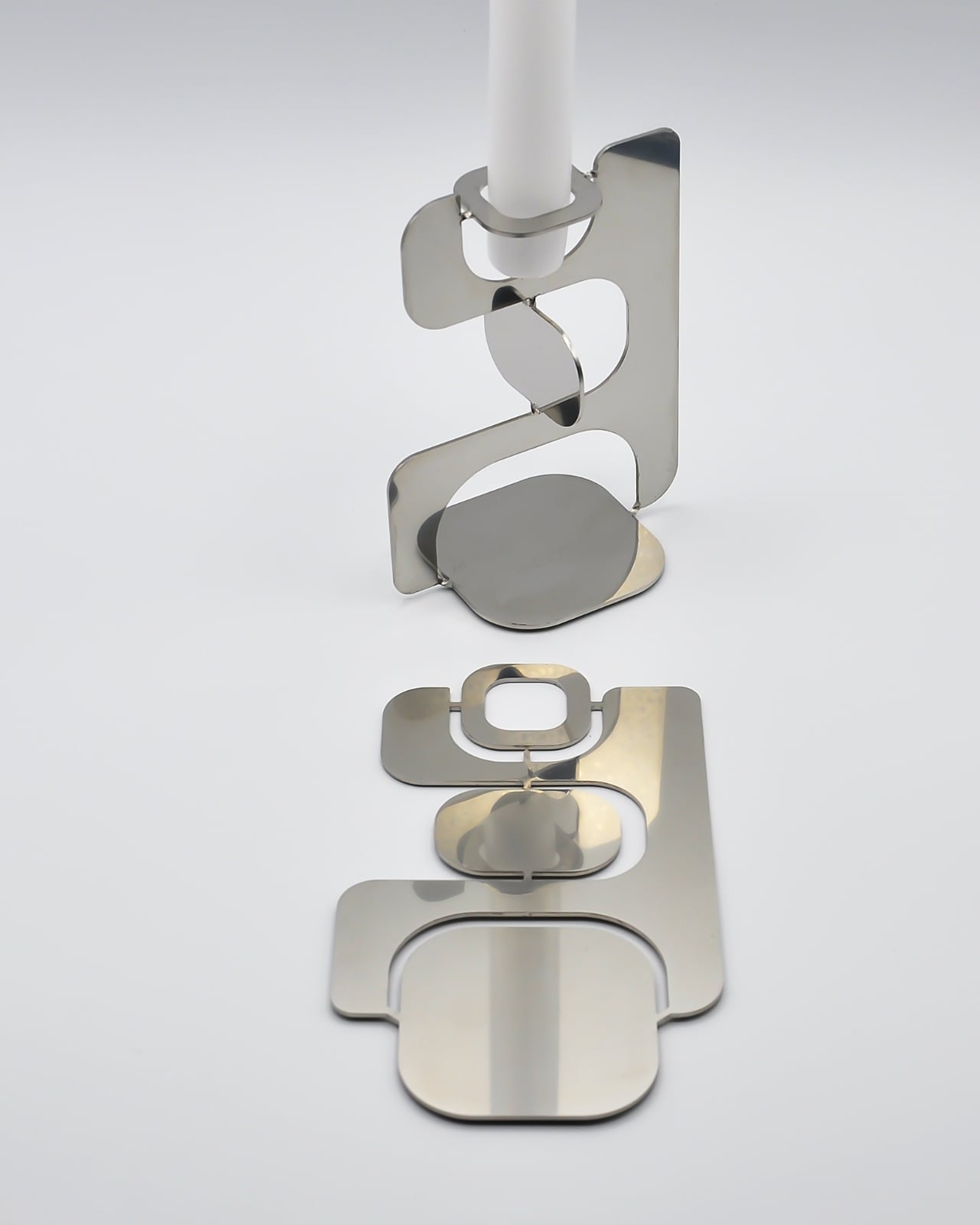
Each piece starts life as a flat sheet of laser-cut stainless steel, executed with Kadushin’s signature Twist-Hinge detail, making them easy and intuitive to bend by hand. They invite you to engage with the designs and co-create pieces that are an aesthetic statement with an edgy commentary. It’s a deliberate choice, not a shortcut. By asking you to participate in the assembly, Kadushin is making a point about who gets to be part of the creative process. You’re not just buying a finished object; you’re completing it.

That philosophy runs through everything he does. Kadushin is a pioneer of Open Design, freely sharing his designs to promote creativity, personal expression, and a positive social and economic impact. He embraces a “from the machine to the customer” approach, where extra manual processes and finishes are minimal, with pieces self-produced in Berlin in small-batch runs from high-grade stainless steel. There’s no bloated supply chain, no mass-market compromise. Just precision fabrication and a designer who has thought very carefully about what he wants his objects to communicate.
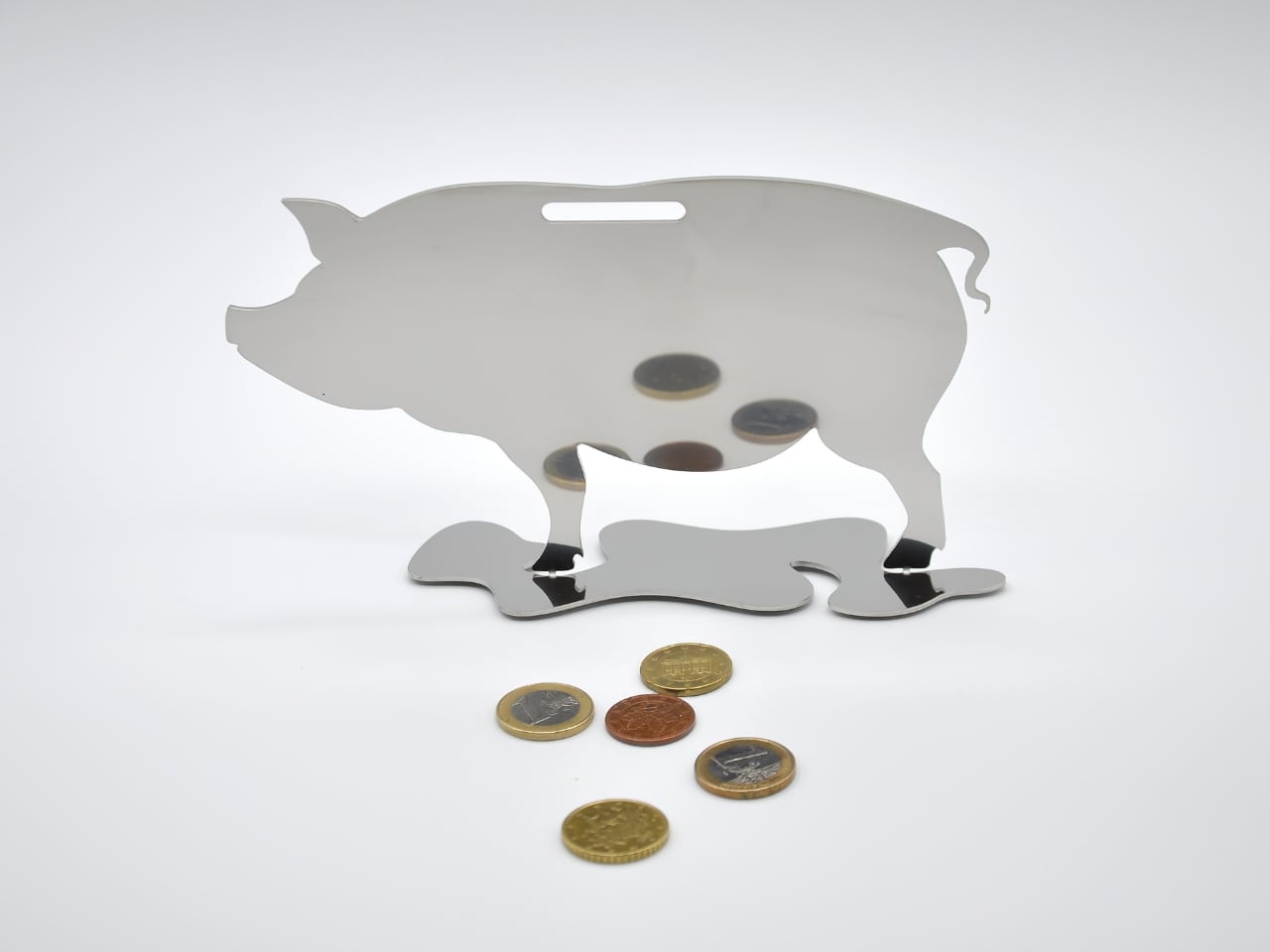
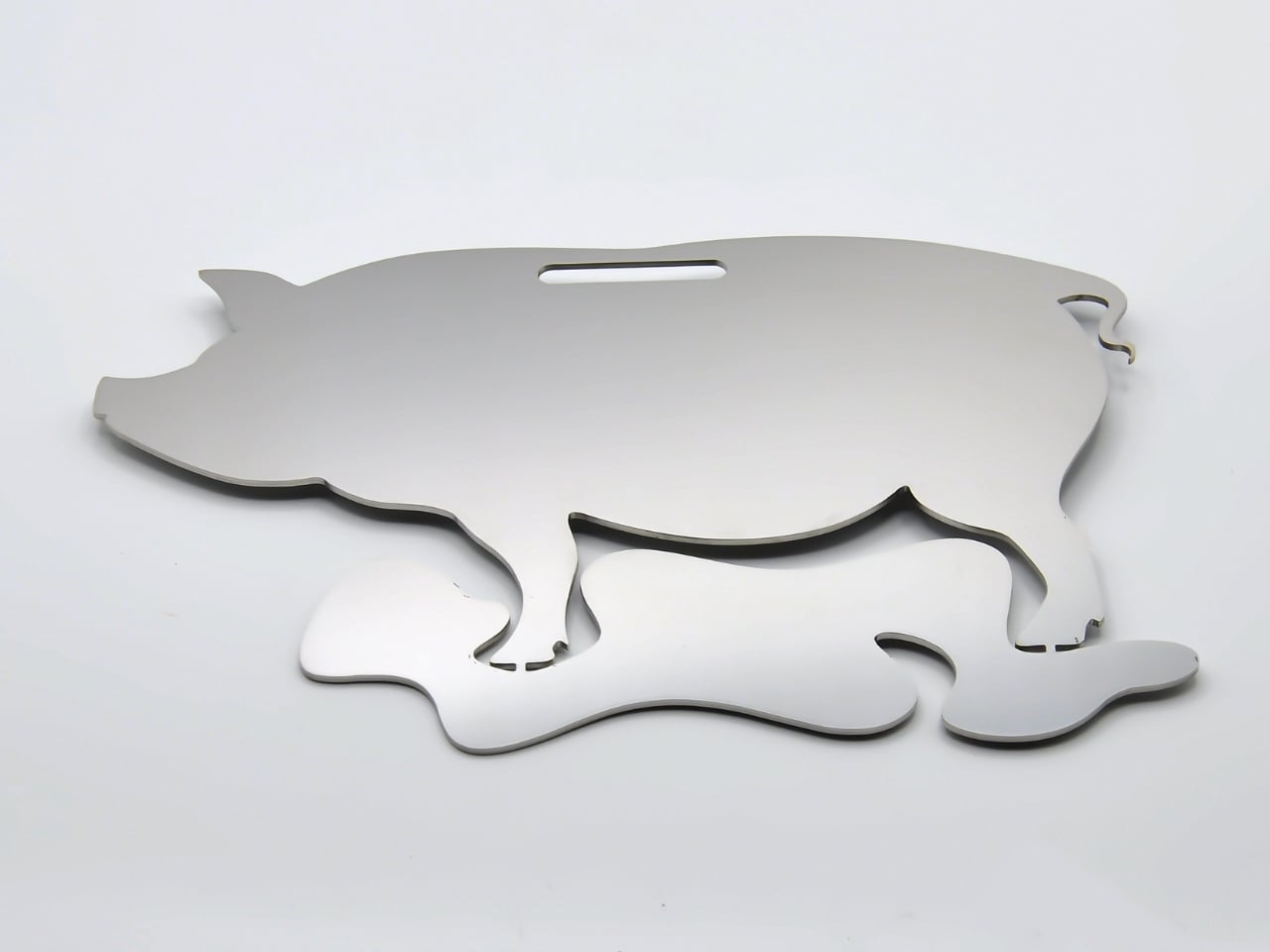
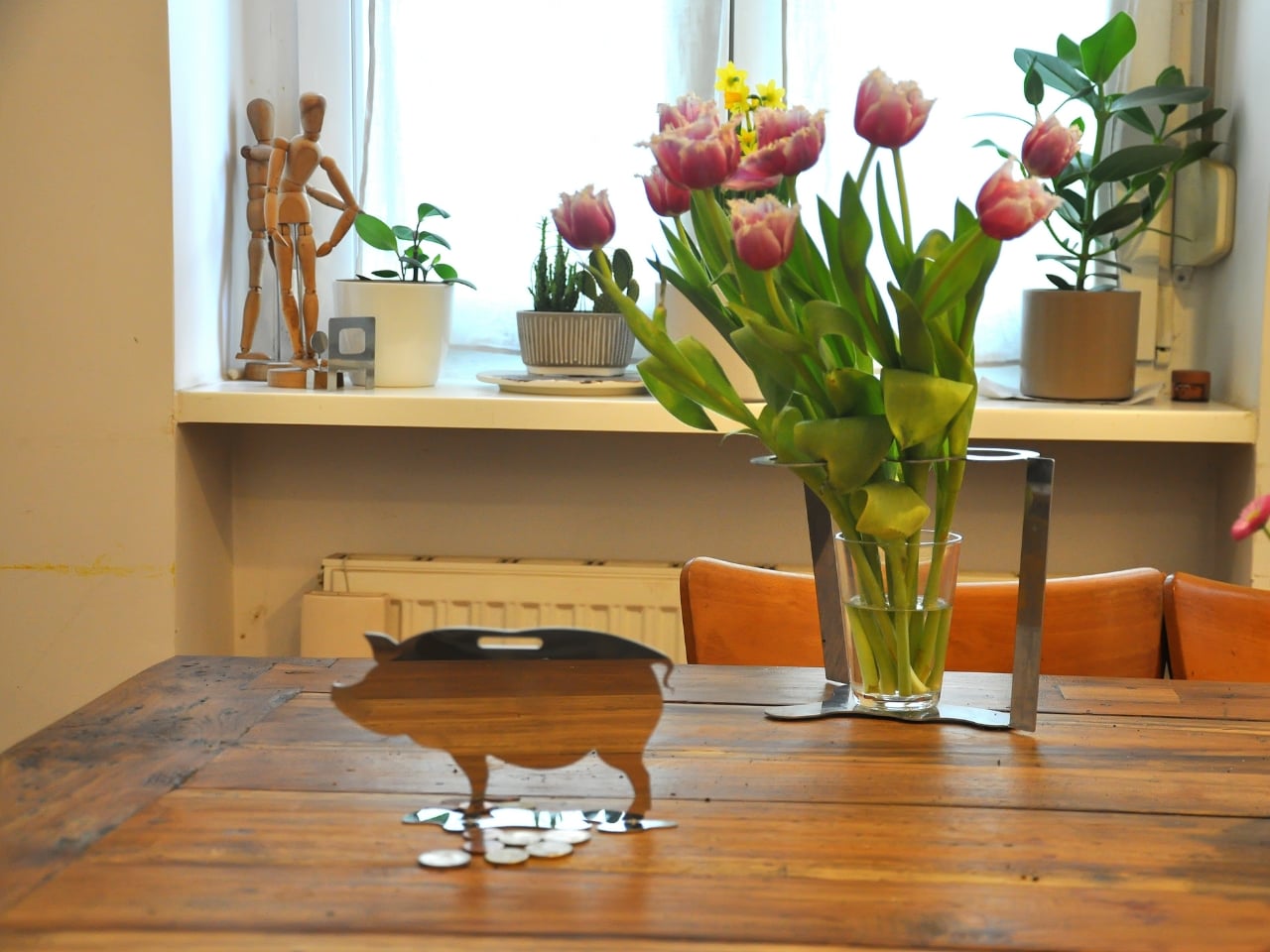
And communicate they do. The Piggybank is perhaps the most pointed piece in the collection. A traditional object redesigned to reflect a reality where saving is an illusion, it wears its cynicism openly. The pig is rendered as a flat stainless steel silhouette with a coin slot at the top, but there’s no belly to hold anything. Your coins rest on the surface. It’s funny, and it’s bleak, and it manages to be both of those things at once in the way that only good design pulls off. At a time when most people are watching their savings get swallowed by inflation, putting this on your shelf feels less like irony and more like cathartic honesty.
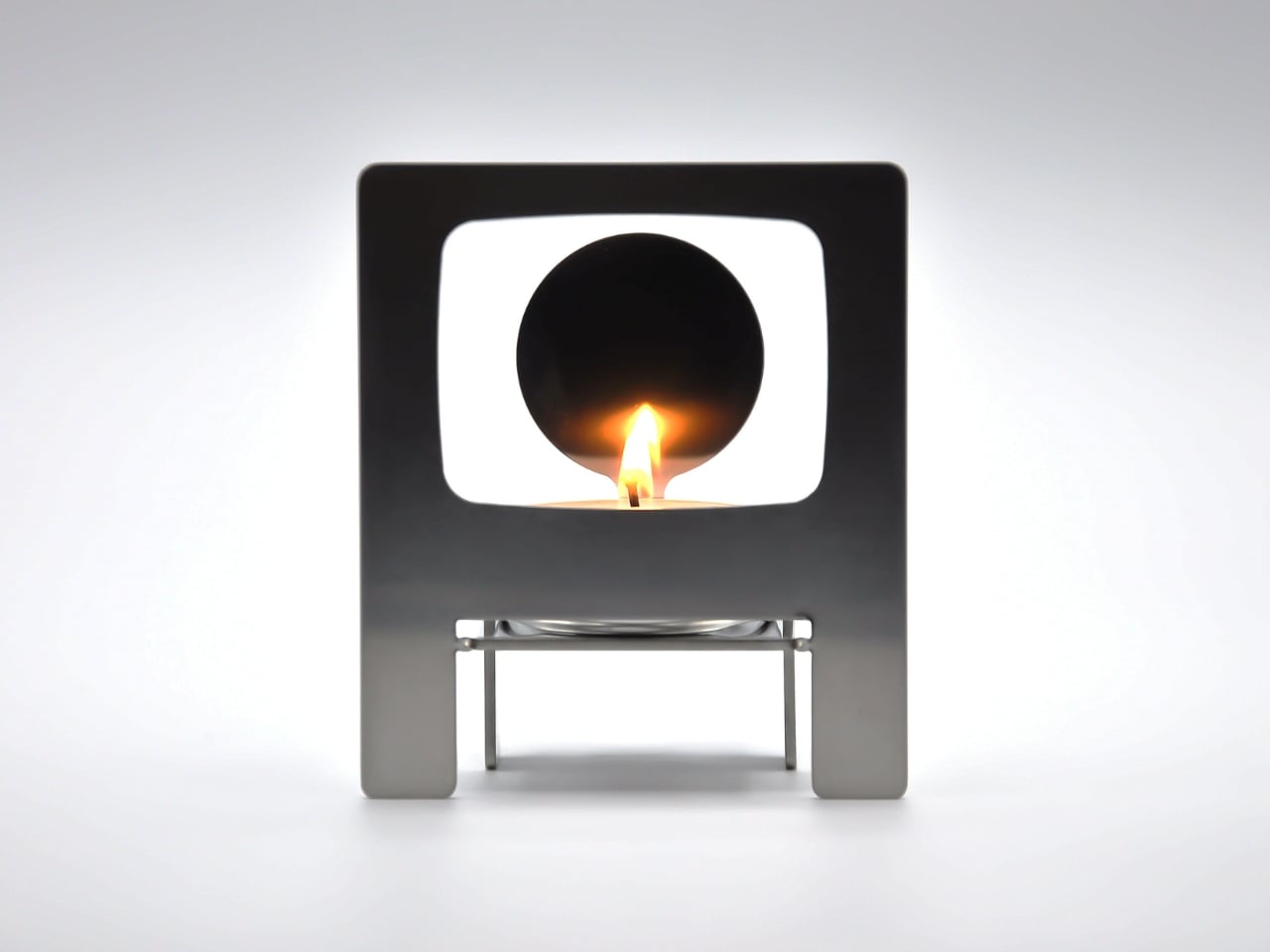
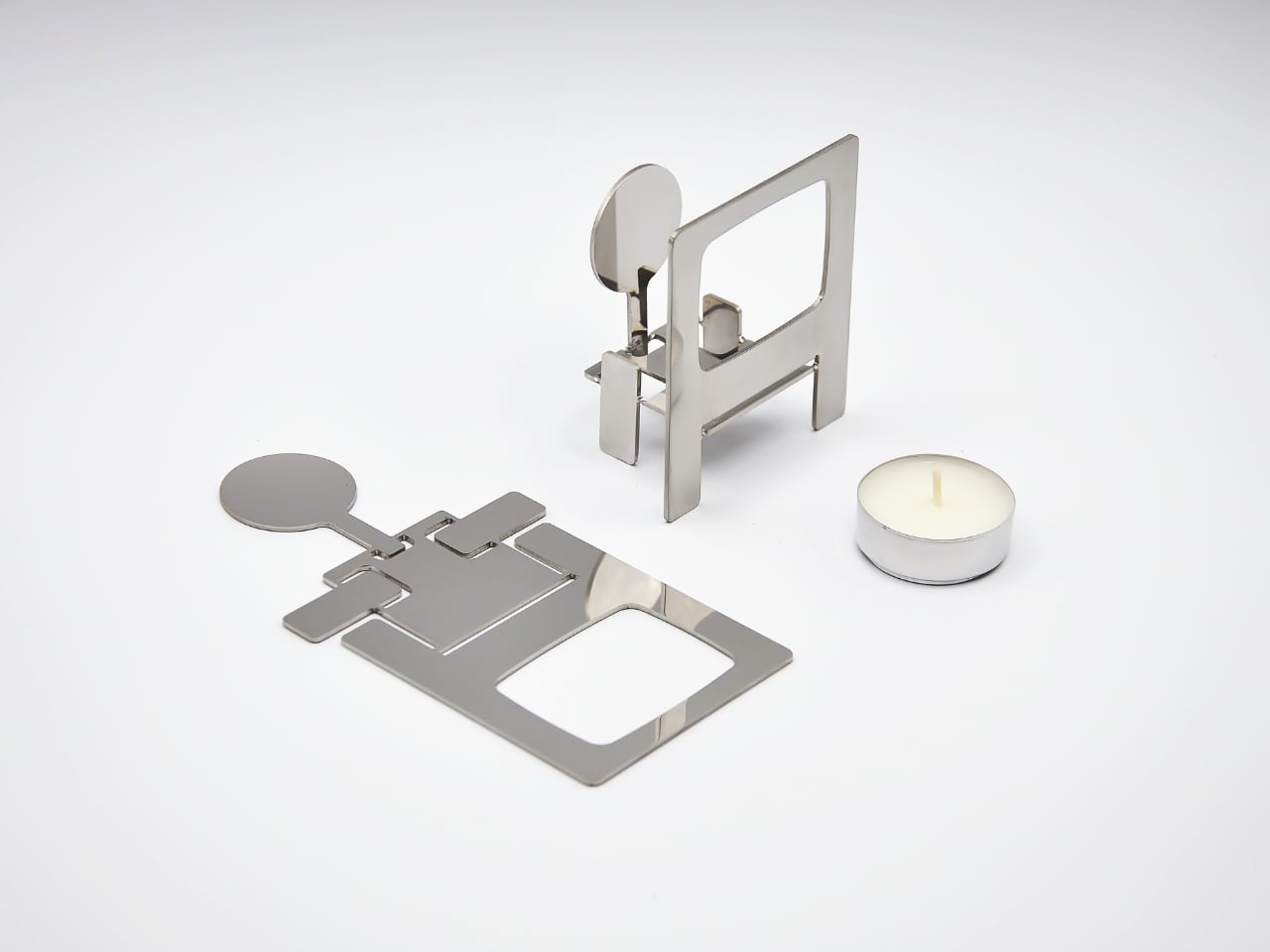
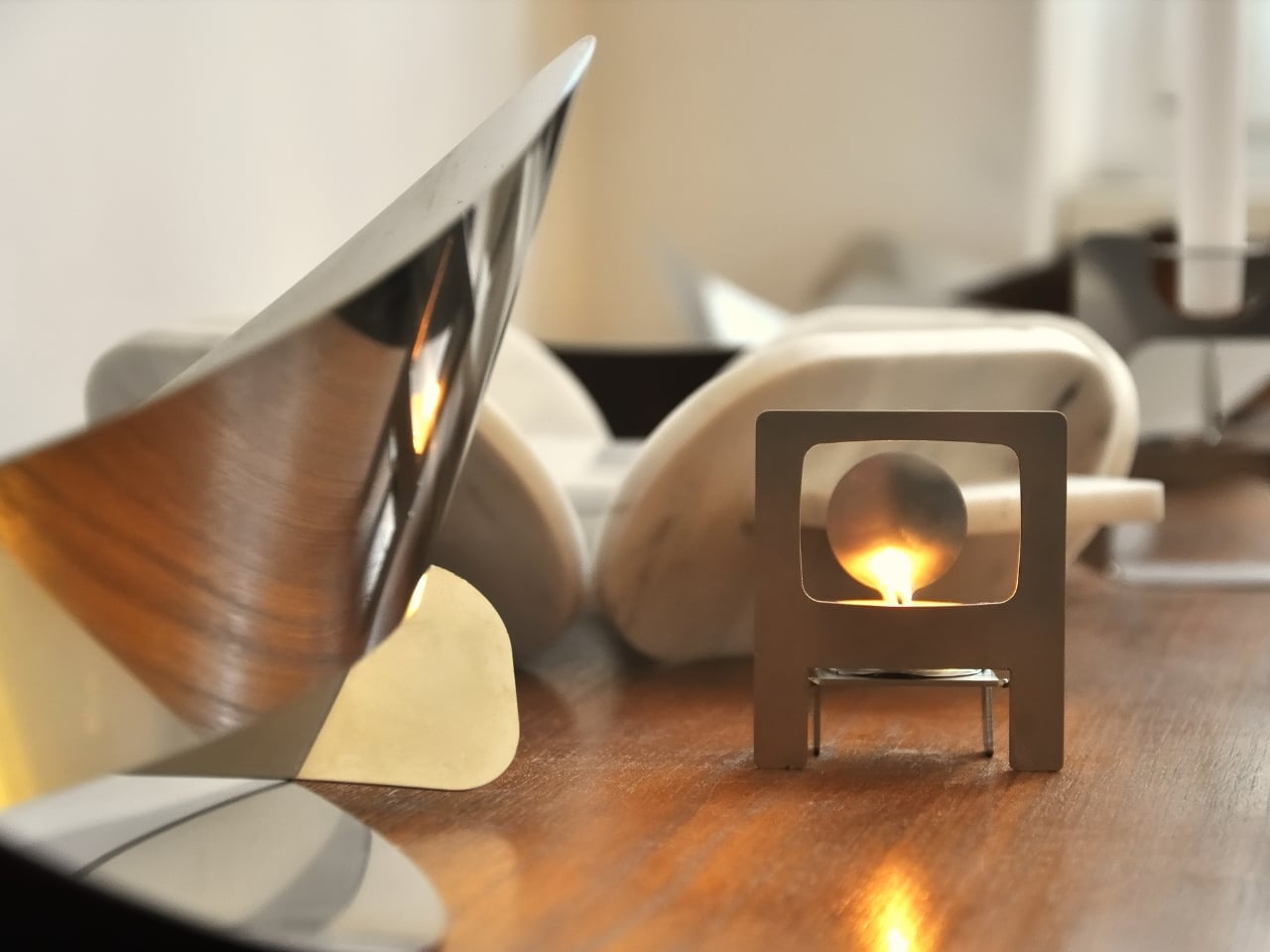
The Reality TV tealight holder takes a different angle. Shaped like a boxy, retro television set, it frames a tealight where the screen should be. When the flame is lit, you’ve got a broadcast. “Reflecting reality live, 24/7.” The concept is sharp without being heavy-handed. It makes you smirk, and then, a moment later, makes you think about the fact that we genuinely do stare at glowing rectangles all day as a form of comfort. Having a warm, flickering version of that sitting on your dinner table feels like Kadushin winking at us all.
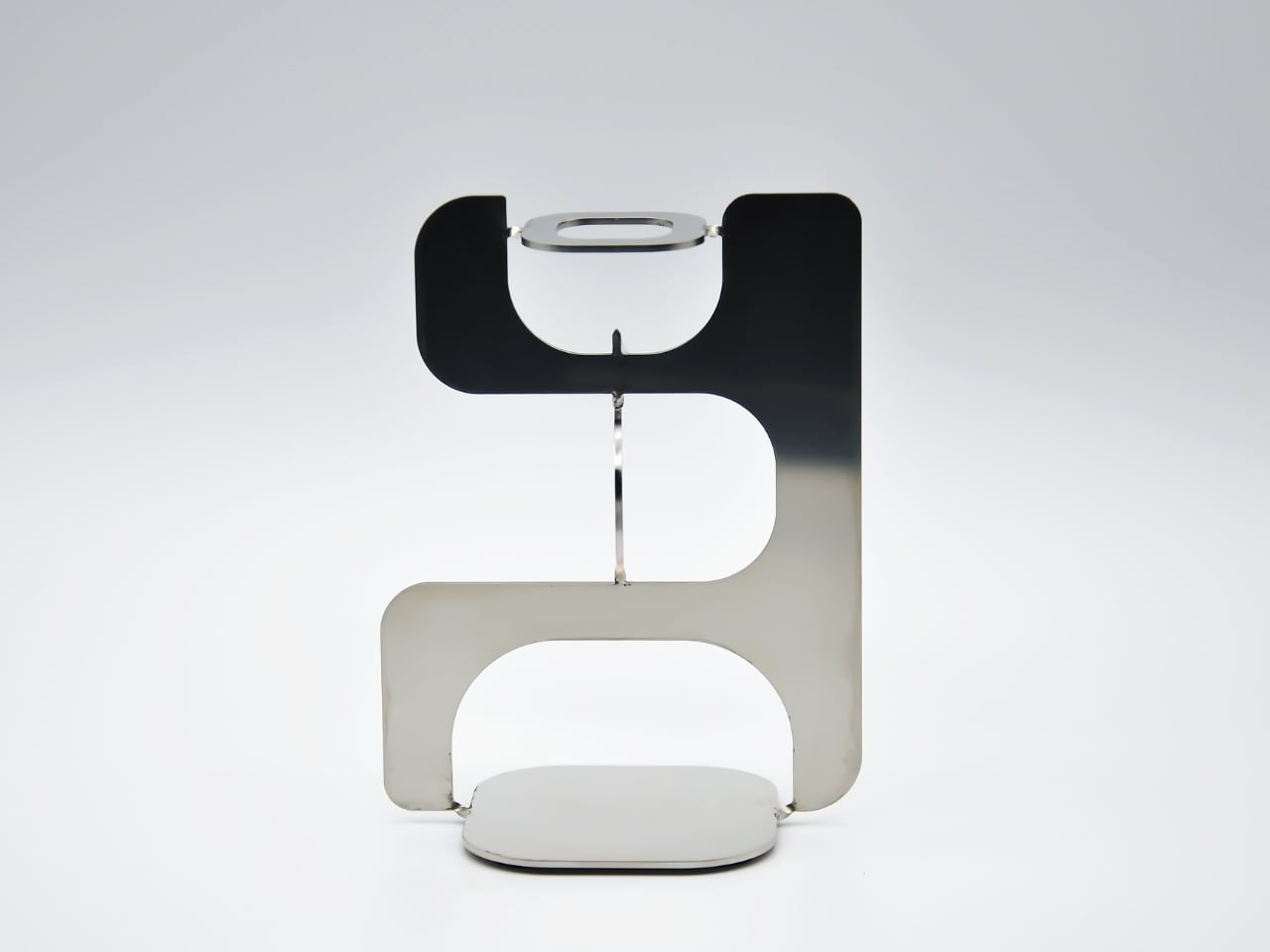
Echoes, the candle holder, is the most sculptural of the three. A nuanced sculptural object echoing iconic 60s and 70s aesthetics with a contemporary edge, it’s the kind of object that earns a second and third look. The stacked, interlocking forms feel almost architectural, like a detail pulled from a midcentury design catalogue and rebuilt in stainless steel. Placed on a shelf without a candle, it still looks like it belongs in a gallery. With one lit, it earns its keep.
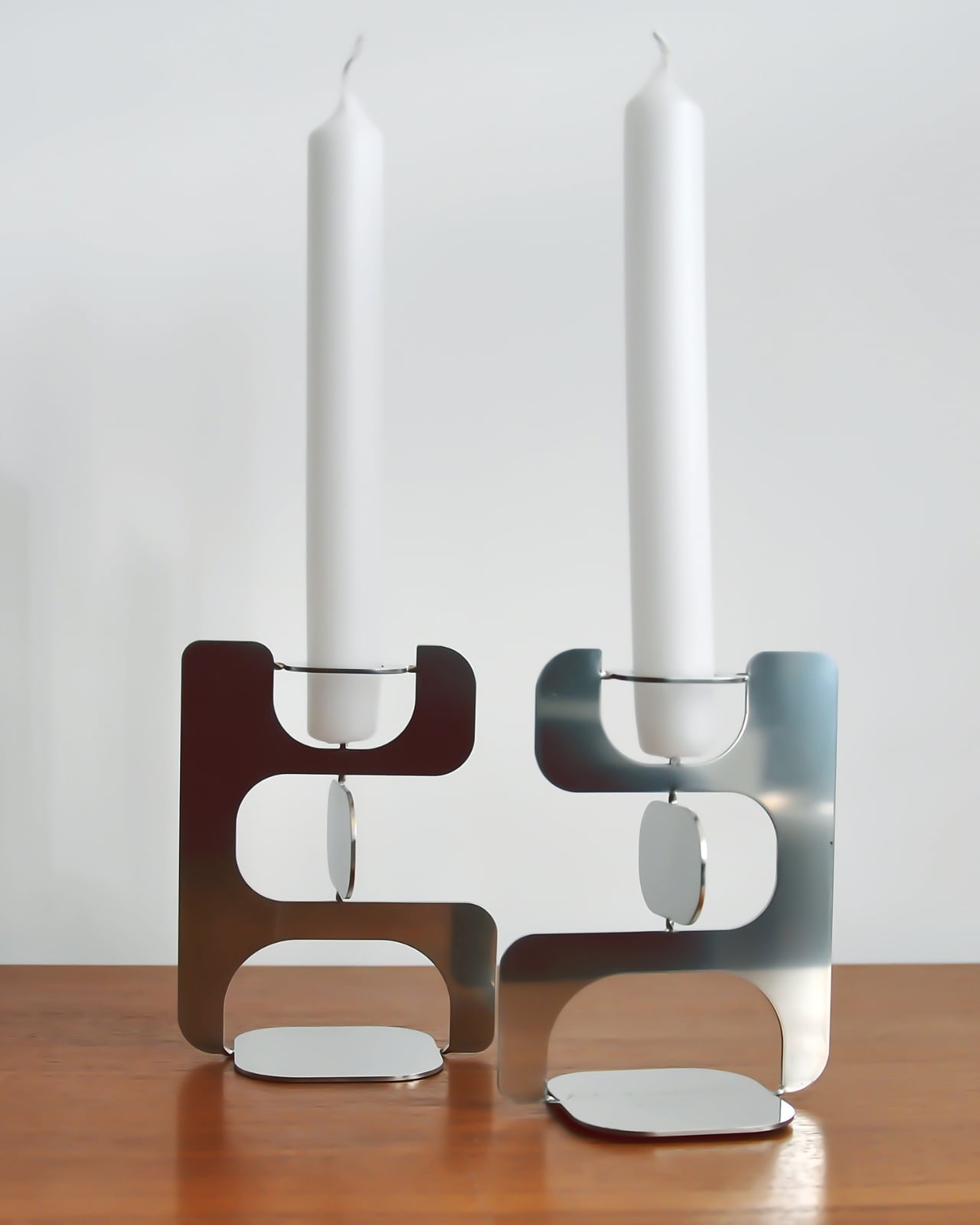
What ties Pieces together is the refusal to be decorative for decoration’s sake. Kadushin’s work is sculptural and communicates clever wit and free expression, and he designs user-assembled pieces that are an invitation to enjoy and participate in the creative process. The objects are funny, but they’re not novelty items. They’re precise, considered, and built from high-grade stainless steel that will still look good long after the trend cycle has moved on.

If you’re the kind of person who thinks about what your home objects say about you, and more and more people are, then Pieces is a collection worth paying attention to. Good design doesn’t just fill space. At its best, it holds an opinion. Kadushin’s does both.
The post Objects With Opinions: Ronen Kadushin’s Pieces first appeared on Yanko Design.
This $10 Metallic Piggy Bank Is Actually Made of Paper

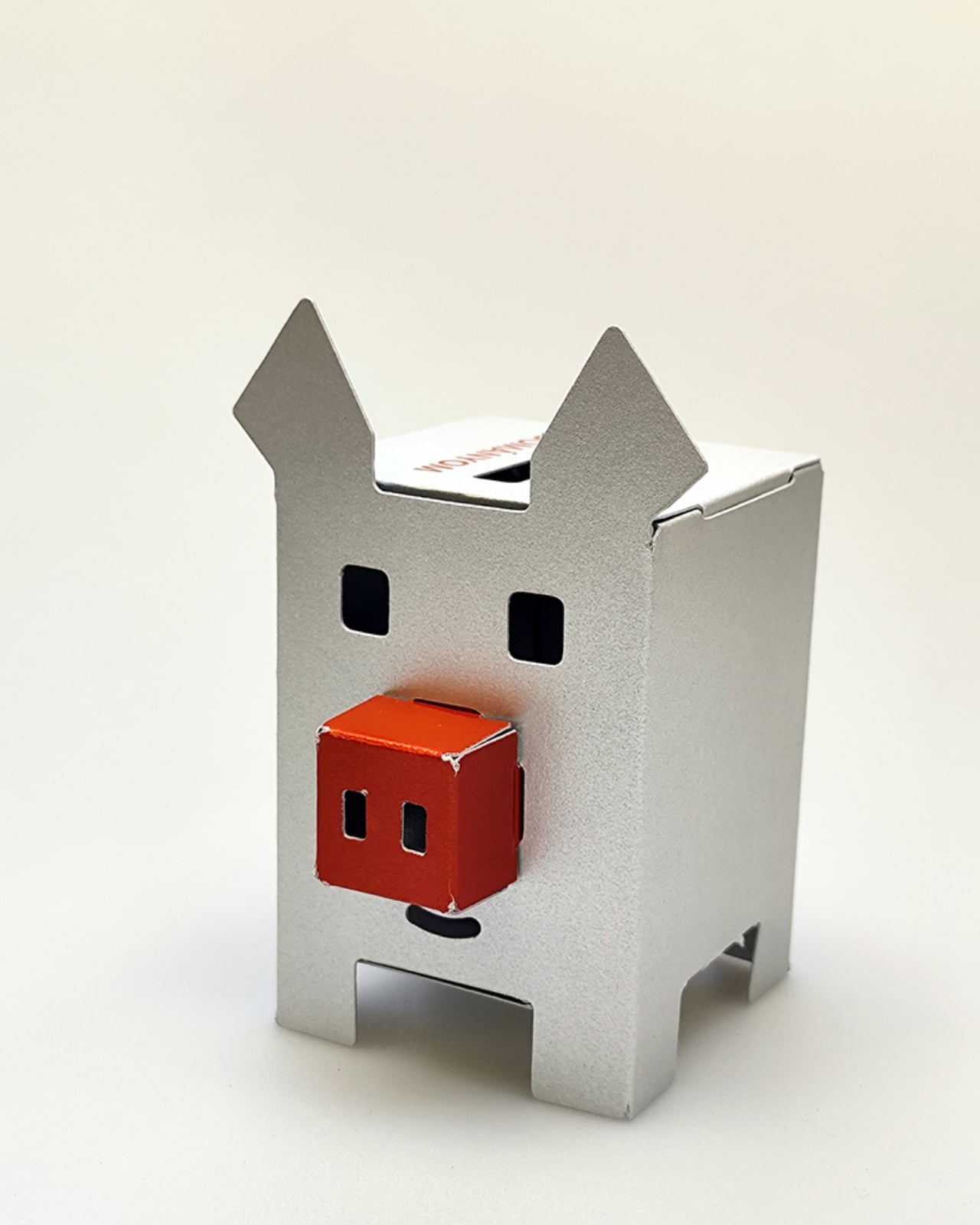
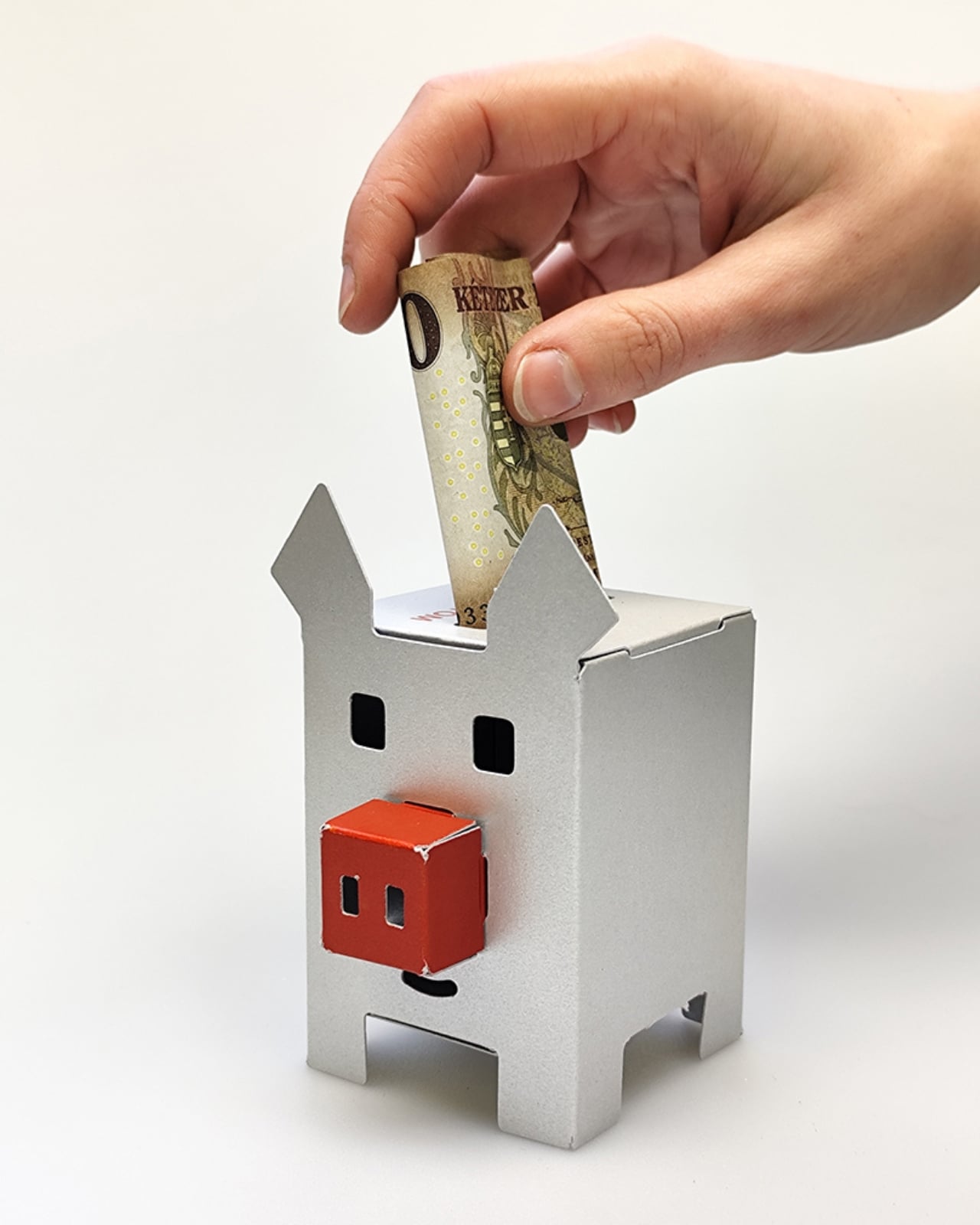
There’s something oddly satisfying about dropping coins into a piggy bank. That little clink sound, the weight gradually building up, the anticipation of finally cracking it open. But let’s be honest, traditional ceramic piggy banks are kind of predictable. So when PLANBUREAU studio decided to reimagine this childhood classic, they went in a direction nobody saw coming: metallic paper.

Here’s the twist. The designers, Dániel Lakos and Míra Majoros, didn’t just wake up one day and think “hey, let’s make a paper pig.” They were working on a project for Red Noses International, an organization that supports clown doctors who work with children in hospitals. The brief was pretty specific: create something that encourages young people to save money and donate, all while keeping the price under 10 EUR with minimal production costs. Not exactly an easy ask.

Designer: PLANBUREAU studio

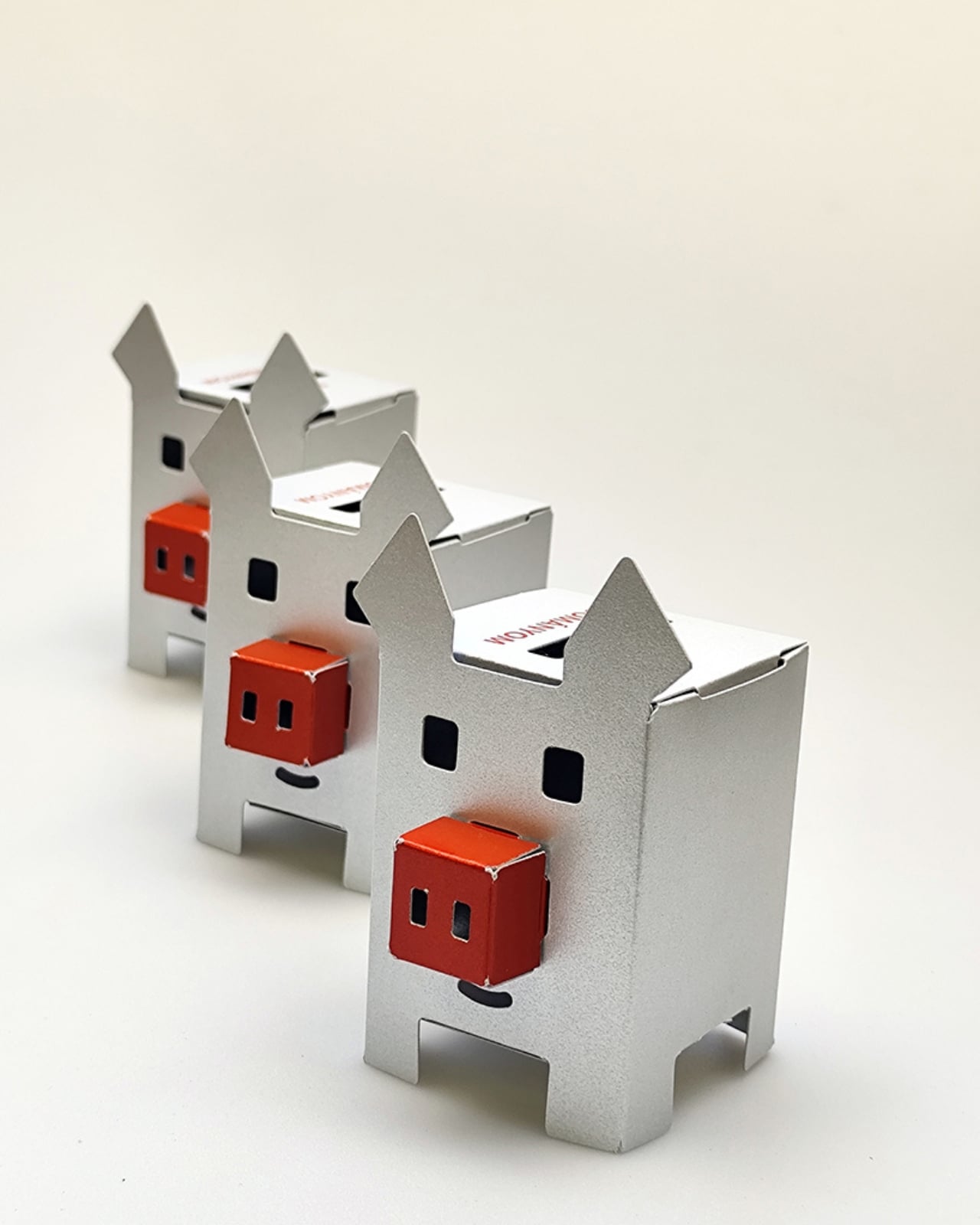
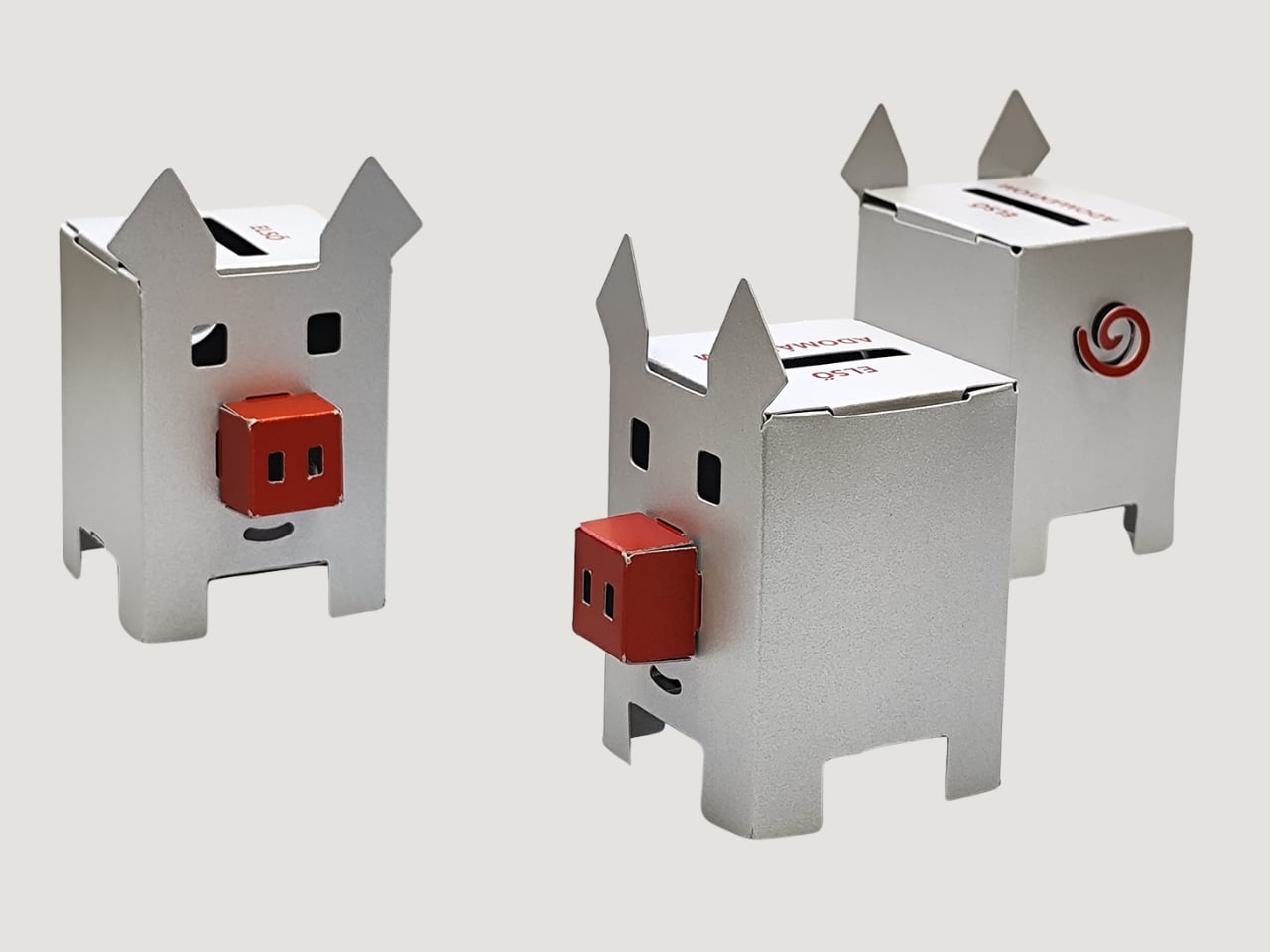
Most designers would’ve gone the obvious route with plastic or cheap ceramics. But PLANBUREAU had a better idea. Paper. Not flimsy craft paper, mind you, but printed metallic paper that looks like it costs way more than it actually does. It’s one of those “why didn’t anyone think of this before?” moments.

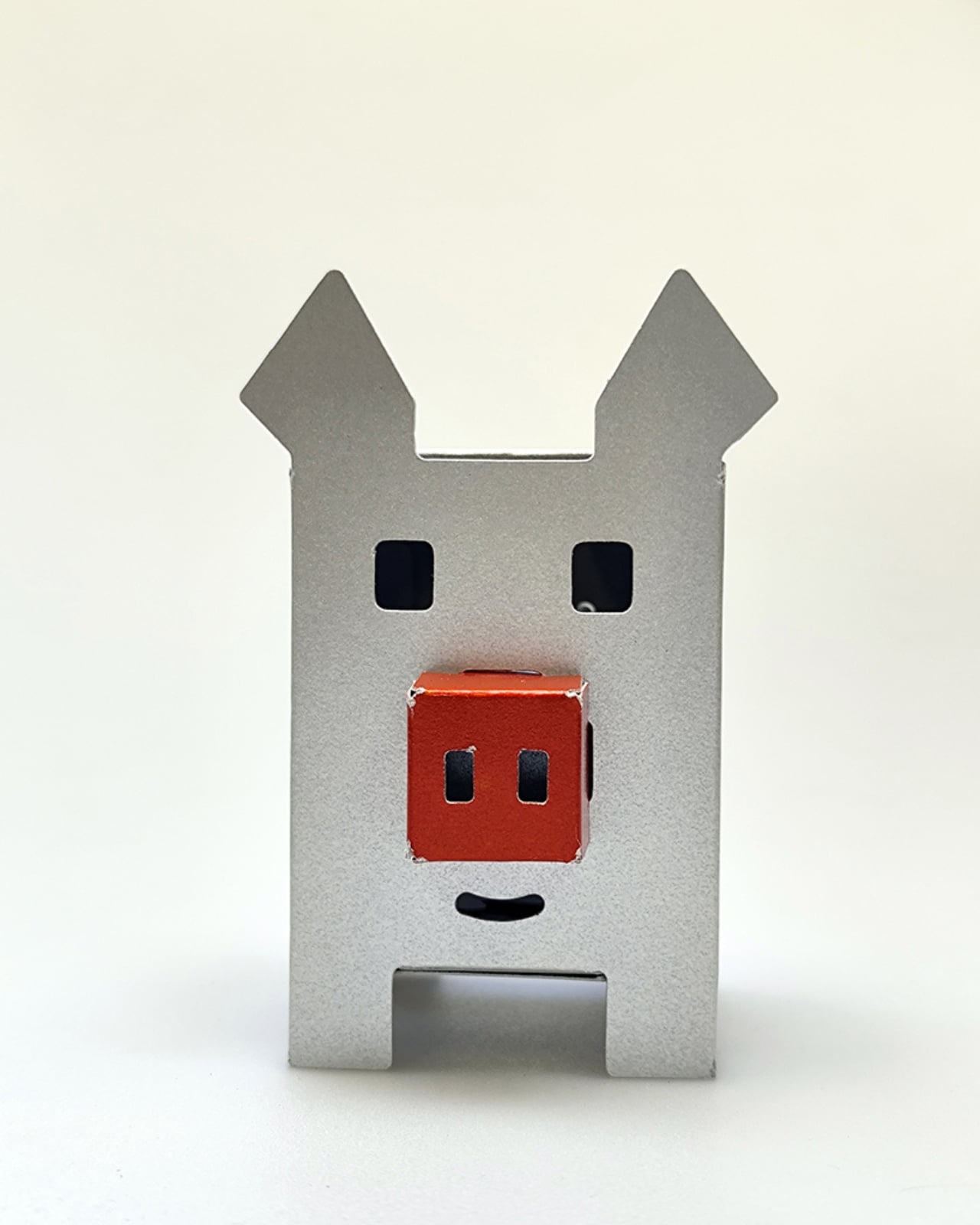
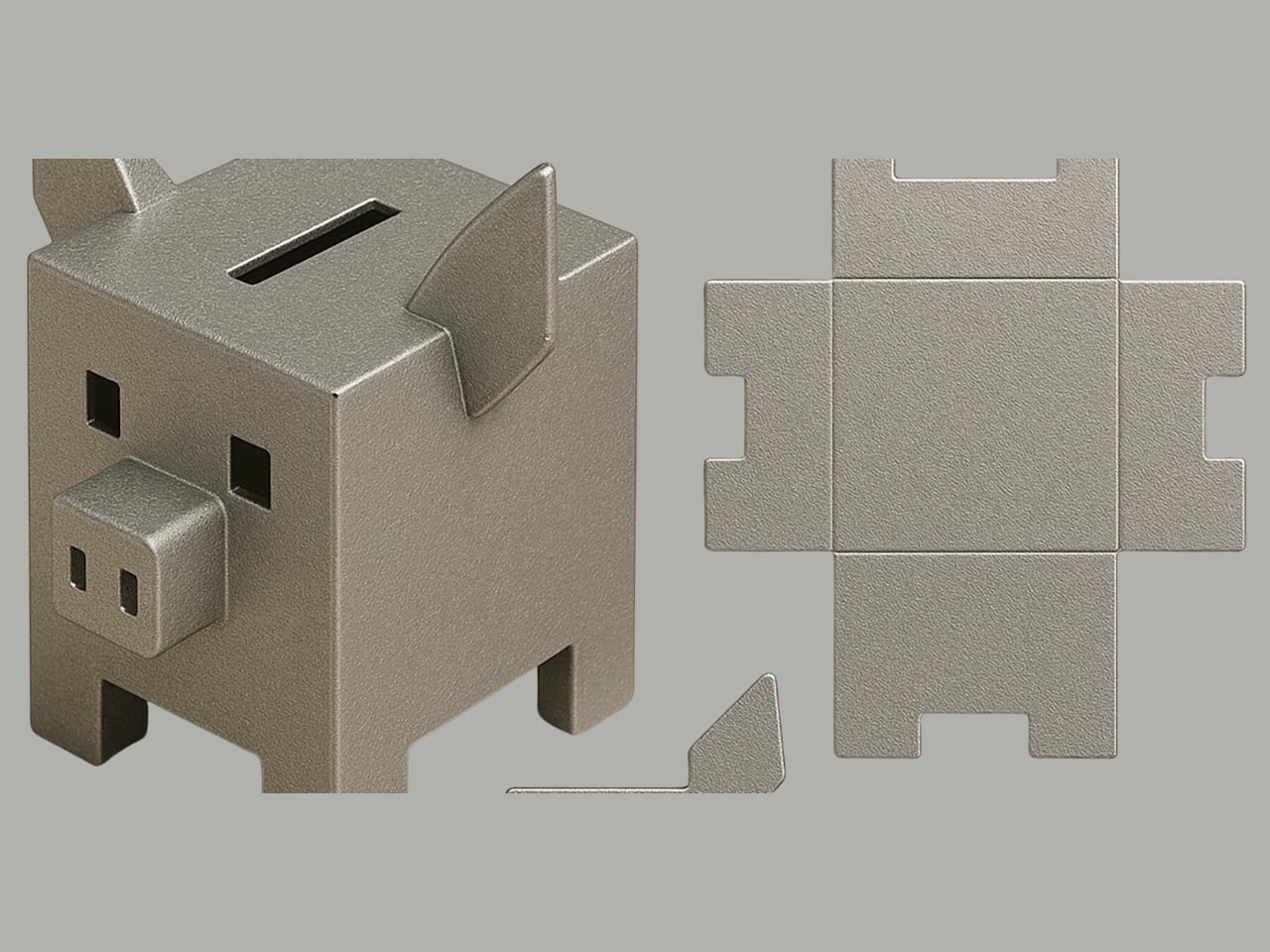
The design process itself is fascinating and honestly pretty modern. They started with ChatGPT, using AI to generate initial concepts. Their first prompt produced a pig that was fine but not quite right. So they asked the AI to make it “more boxy-looking and silver,” then added tweaks like a “cute nose” until they landed on something that felt both contemporary and charming. It’s the kind of iterative design process that shows how technology can actually enhance creativity rather than replace it.

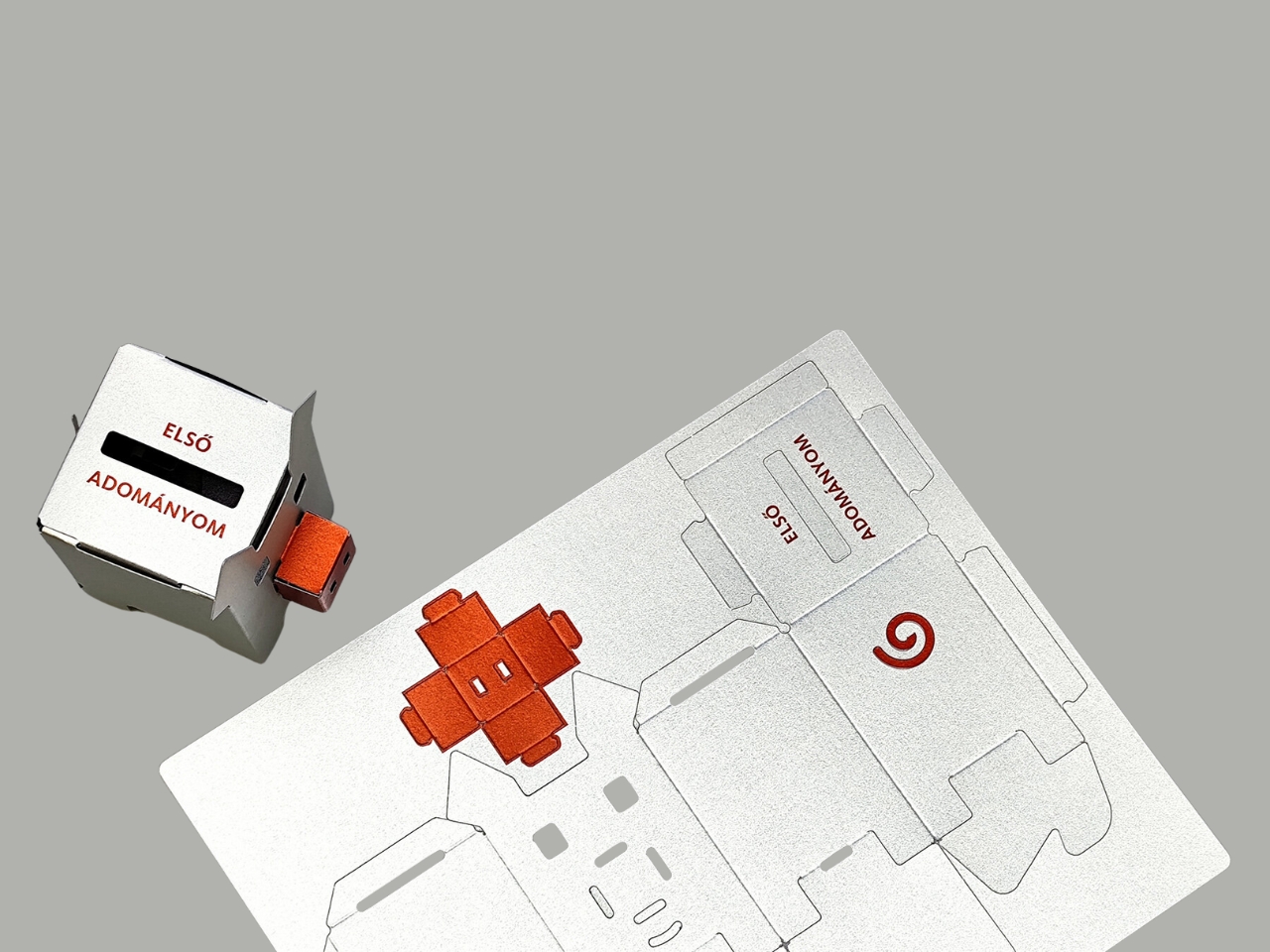
What makes this piggy bank work is its simplicity. It arrives as a flat sheet that you cut and fold yourself. There’s something almost meditative about the assembly process, like adult origami but with a purpose. The metallic finish gives it a modern, almost futuristic vibe that doesn’t scream “kid’s toy.” You could honestly put this on a minimalist desk or shelf and it wouldn’t look out of place. The genius is in the material choice. Paper means easy printing and cutting, which keeps manufacturing costs low. It’s lightweight for shipping. It’s recyclable. And if you’re designing something meant to be eventually destroyed (because let’s face it, that’s how you get the money out), paper actually makes more sense than ceramic shards scattered across your kitchen floor.

There’s also something symbolic about using paper to save money. We’re living in an increasingly cashless society where financial transactions happen with a tap or a click. Physical money feels almost nostalgic. Creating a paper vessel to hold coins becomes this interesting commentary on the materiality of money itself. It’s meta in the best way. For kids especially, this design hits differently. Assembly becomes part of the experience, not just a barrier to use. The act of putting it together creates ownership and investment (pun intended). And when it’s time to donate, breaking open a paper bank feels less destructive than smashing ceramic. There’s no guilt, just satisfaction.

PLANBUREAU studio has carved out a niche making playful, geometric designs, and this piggy bank fits perfectly into their aesthetic. It’s functional but also kind of art. The kind of object that makes you reconsider what everyday items can be. It proves that good design doesn’t require expensive materials or complex manufacturing. Sometimes the best solutions are literally paper-thin. Since we’re constantly looking for ways to make sustainable choices without sacrificing style, this metallic paper piggy bank feels like a small but meaningful answer. It’s affordable, it’s clever, and it makes saving money feel fresh again. Plus, it teaches kids about generosity without being preachy about it. Not bad for something you can fold from a single sheet of paper.

The post This $10 Metallic Piggy Bank Is Actually Made of Paper first appeared on Yanko Design.
Smart piggy bank concept brings the Bitcoin feeling to physical coins

Cryptocurrencies like Bitcoin and its cousins were supposed to revolutionize the way the world sees and uses money, but it will take more than just a few revolutionary ideas to change a system that has been in place for centuries, even millennia. That said, the craze did reveal a few advantageous features, particularly the handling of money through digital wallets. Of course, the latter only makes sense for the money you’ve already “digitized” through banks, digital or otherwise, not so much for the money you still have at hand. That’s especially true for coins that are often chucked into containers, presuming they don’t get lost, and are almost forgotten. This concept design for a “smart piggy bank”, however, gives importance to every dime and penny, allowing you to really see where your money is going, even if still exists in physical form.

Designer: Guilherme Ferreira, Pietro Vitelo, Gustavo Billo (Breathe Design & Strategy)

Digital wallets that let you monitor the flow of your money have been around for a long time now, but it wasn’t until the cryptocurrency craze became mainstream that people started to realize the benefits that such a system has to offer. In particular, it gave people more direct control over the money they have in their accounts, especially when it comes to monitoring how much goes in and out of their savings. Real physical coins, however, aren’t as easy to handle and they often get dropped anywhere and lost, money that could have added up to big savings over time.

1

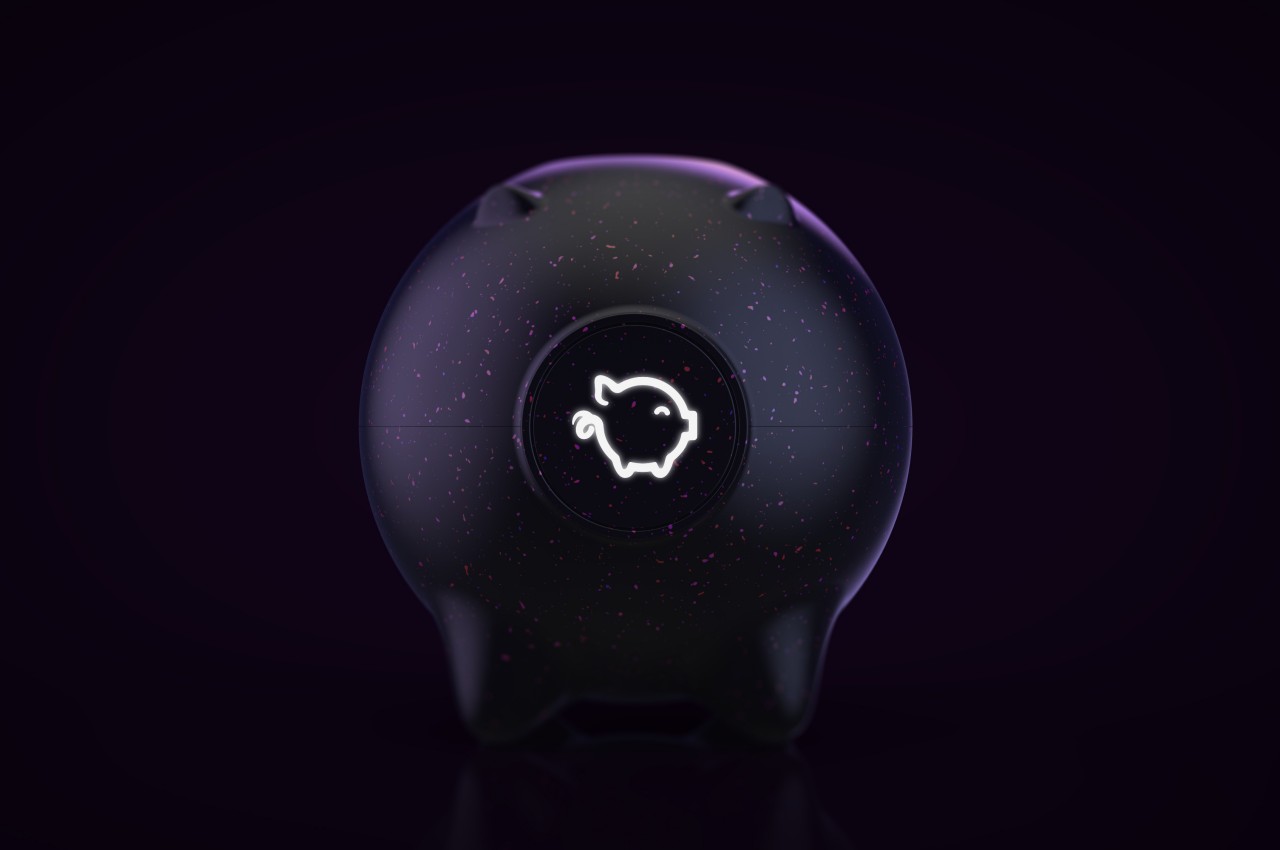
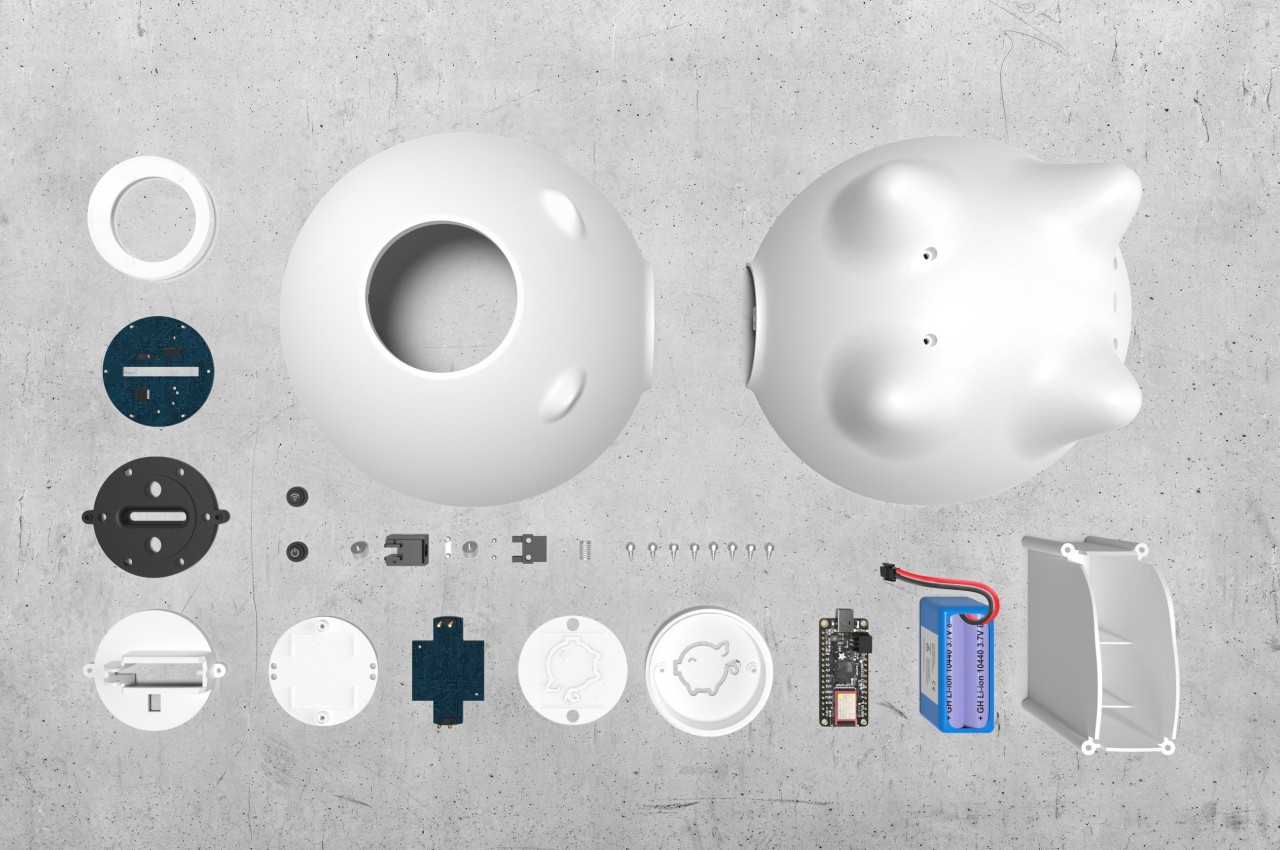
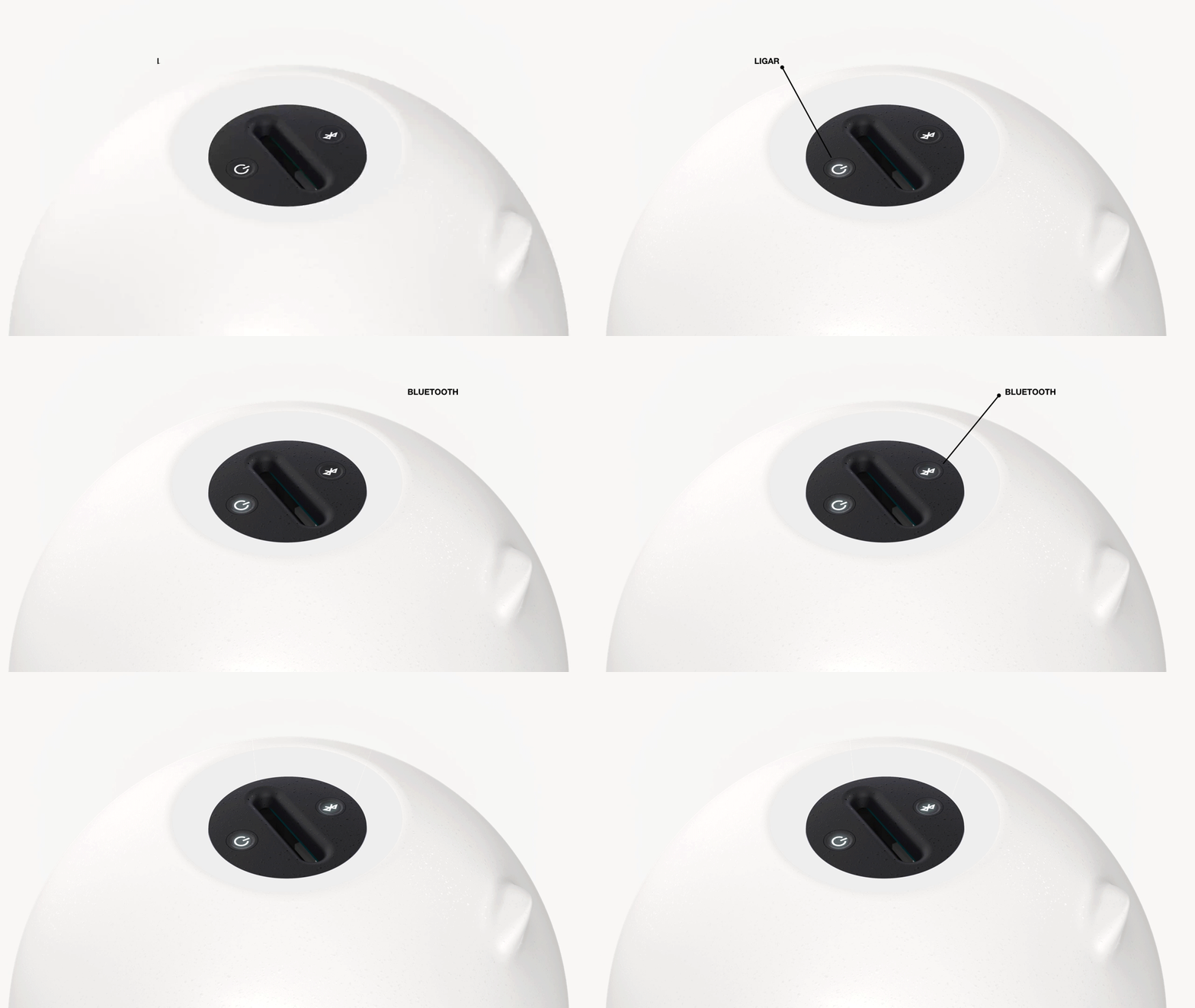
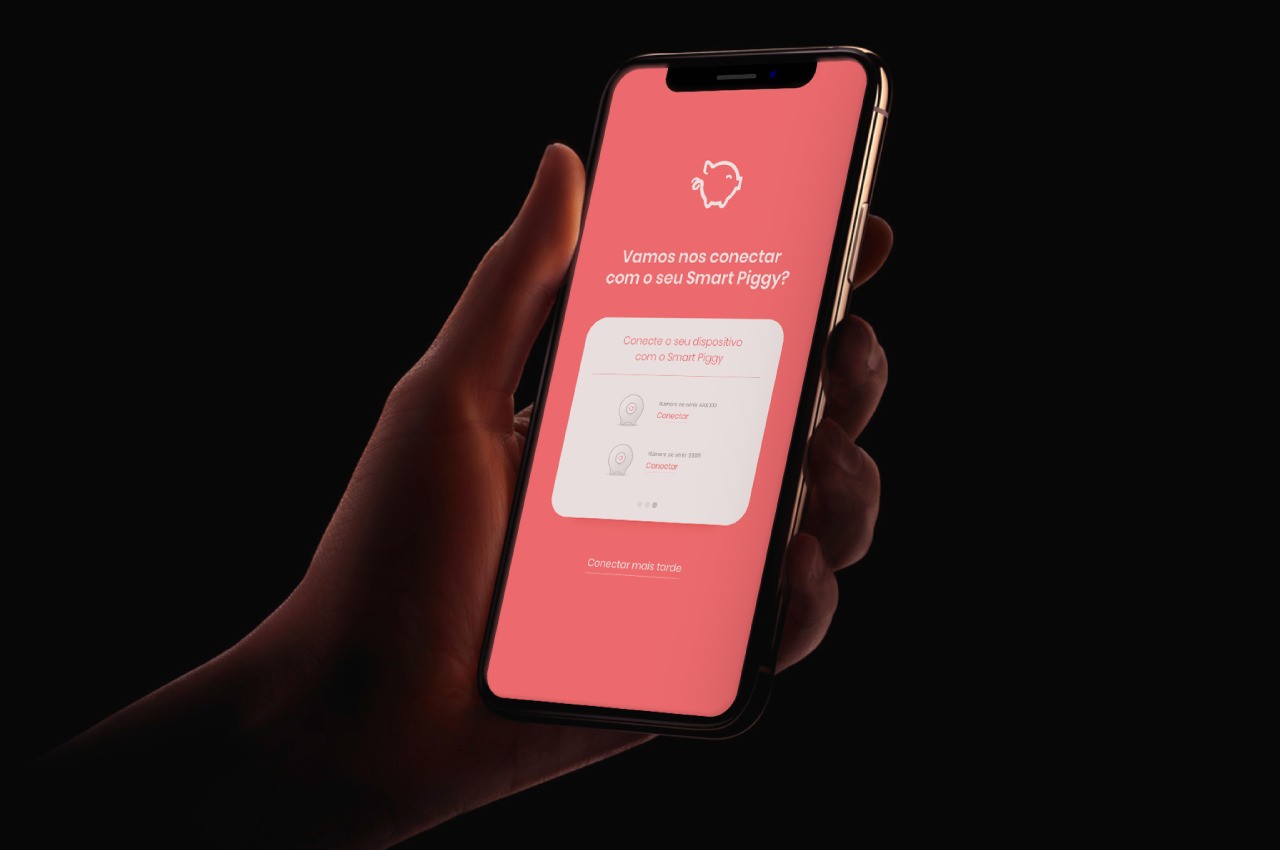
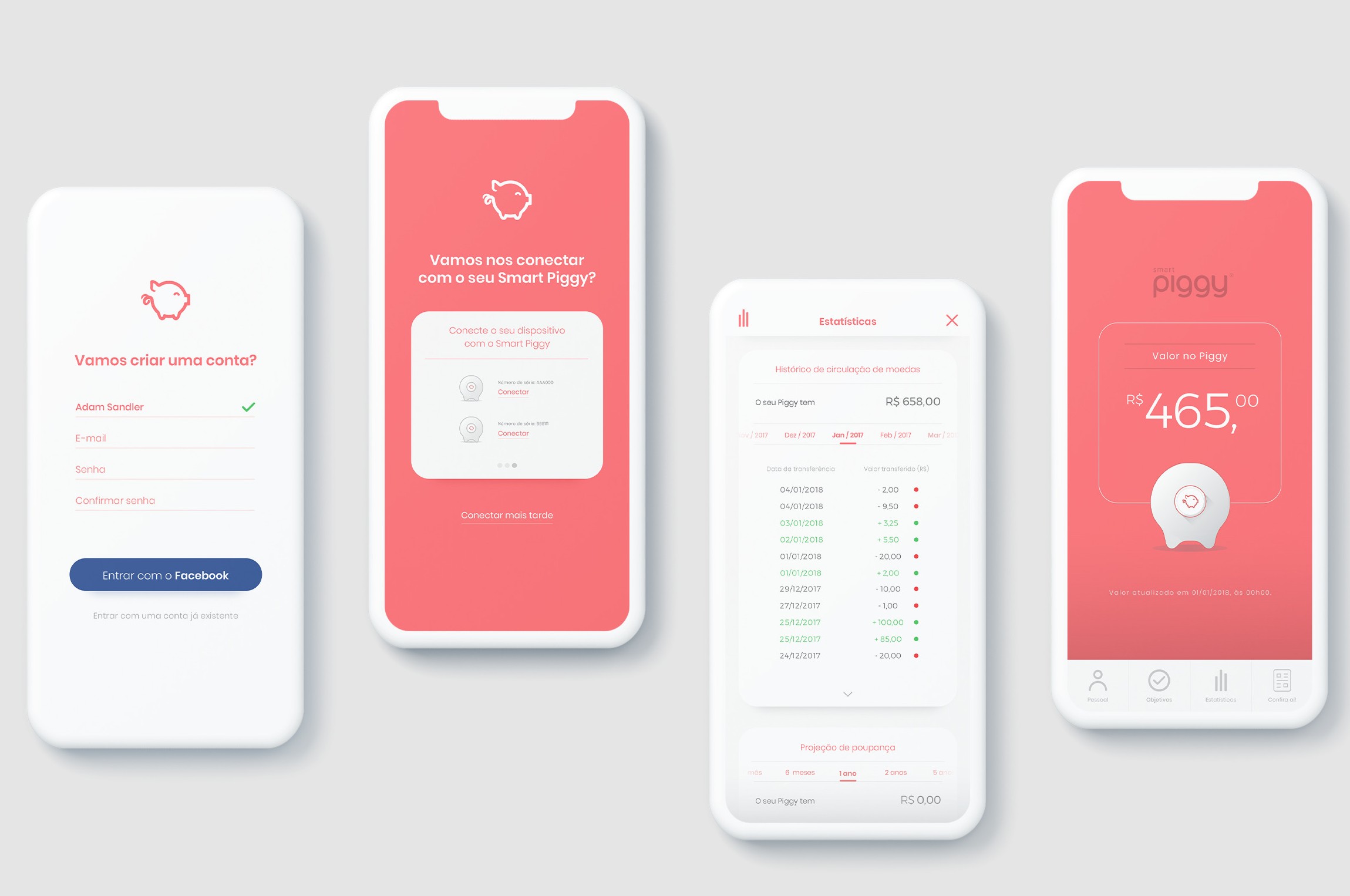
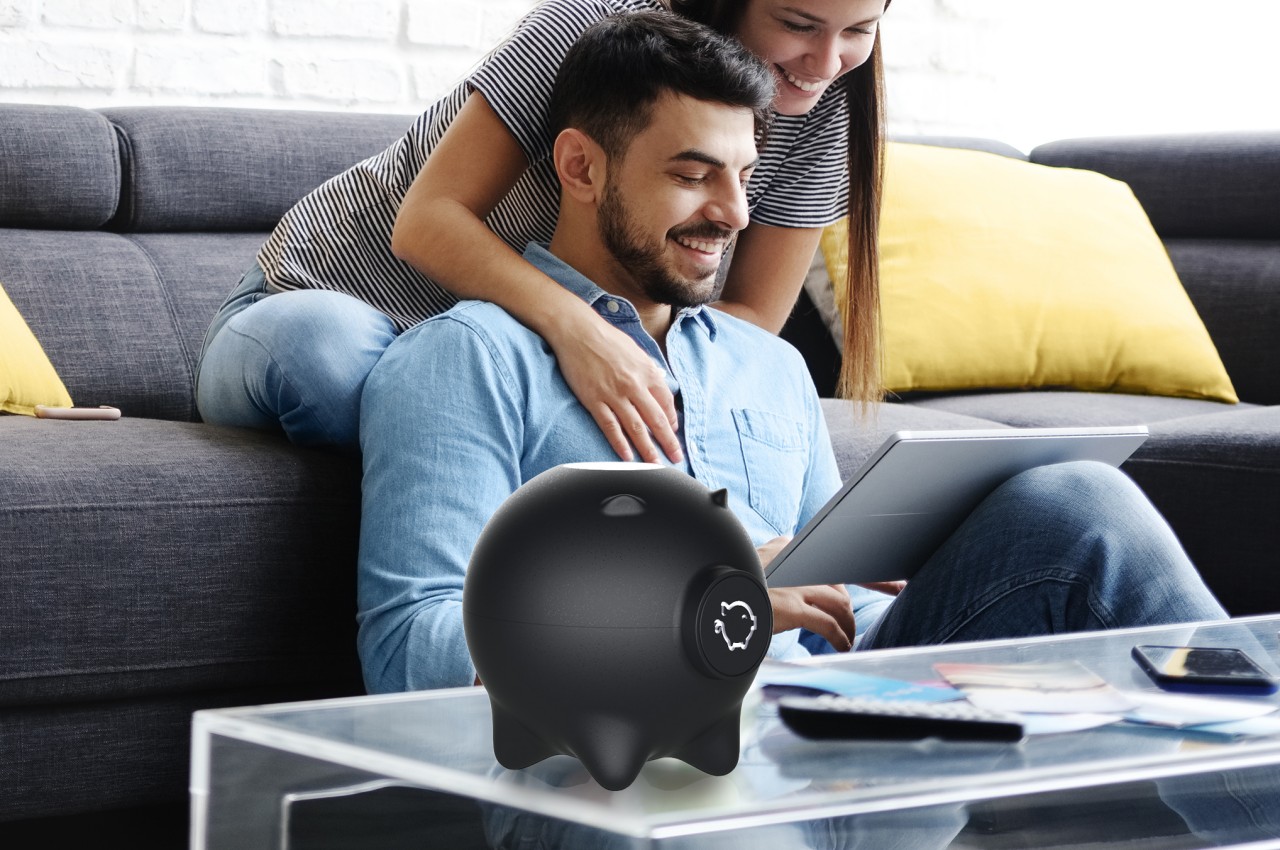
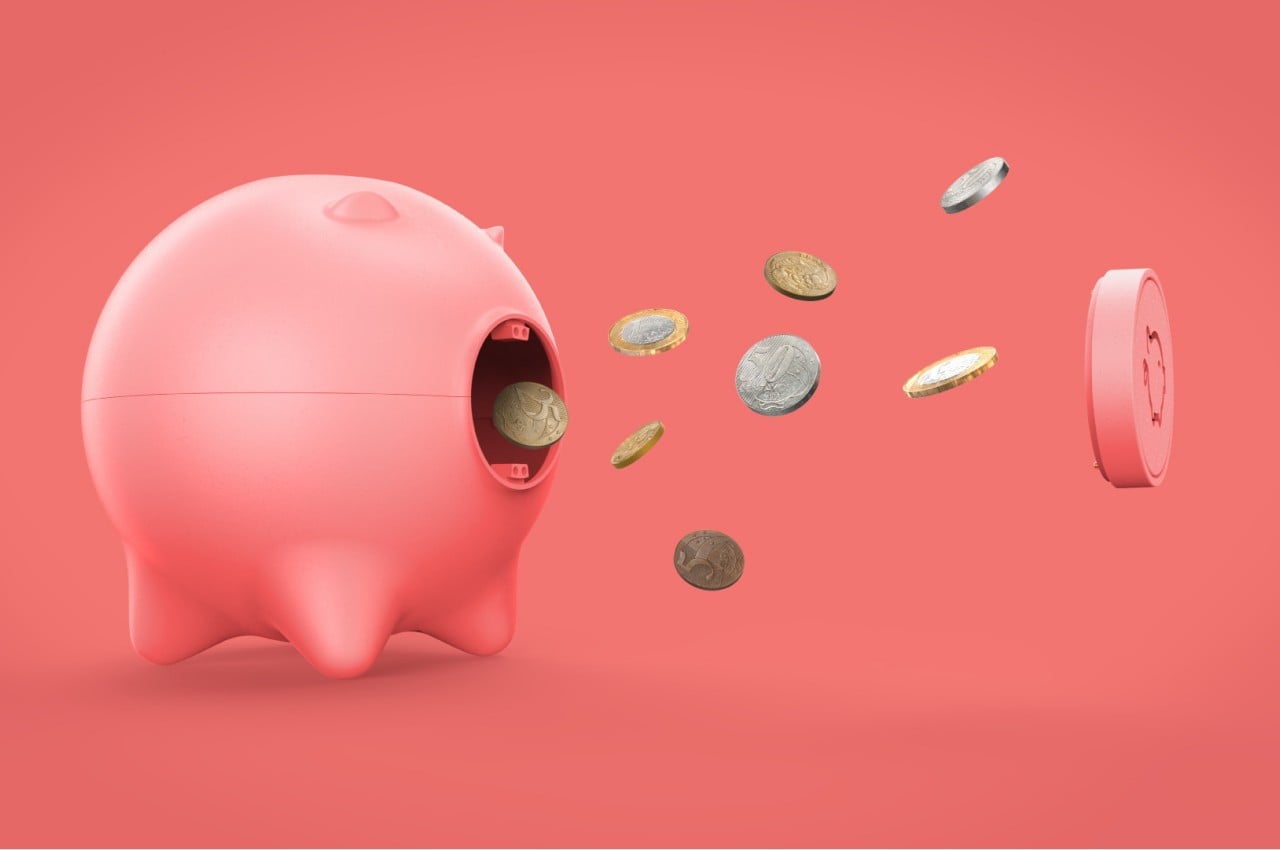
Smart Piggy is a concept that upgrades the iconic pink piggy bank into something fit for the 21st century. In a nutshell, sensors on the slot at the top of the pig-shaped device detect when a coin is inserted and pass this information to a connected smartphone. The mobile app, which is actually the center of the whole experience, is where users get to monitor the comings and goings of their savings, particularly those from the Smart Piggy. It’s a simple feature that has a significant impact on user behavior, encouraging people to actually pay attention to where those coins go.

The concept does leave a few details open to interpretation, like how the system will be able to identify different coin denominations. It also doesn’t mention anything about taking out coins from the piggy bank, so presumably, the coin detection and monitoring is a one-way street. Still, it touches on the possibility of an implementation that can take into account both cash flows, so to speak, giving people not only the tools they need to keep track of those coins but also the motivation to actually pay attention to where they go.

The post Smart piggy bank concept brings the Bitcoin feeling to physical coins first appeared on Yanko Design.