Yelp’s 2026 Design Forecast: The Trends Reshaping How We Live

The numbers tell a story that design magazines have been hinting at for months. Yelp’s latest trend report, analyzing millions of consumer searches between 2023 and 2024, confirms what forward-thinking designers already suspected: the home is becoming a deliberate statement of values, not just a collection of furniture.

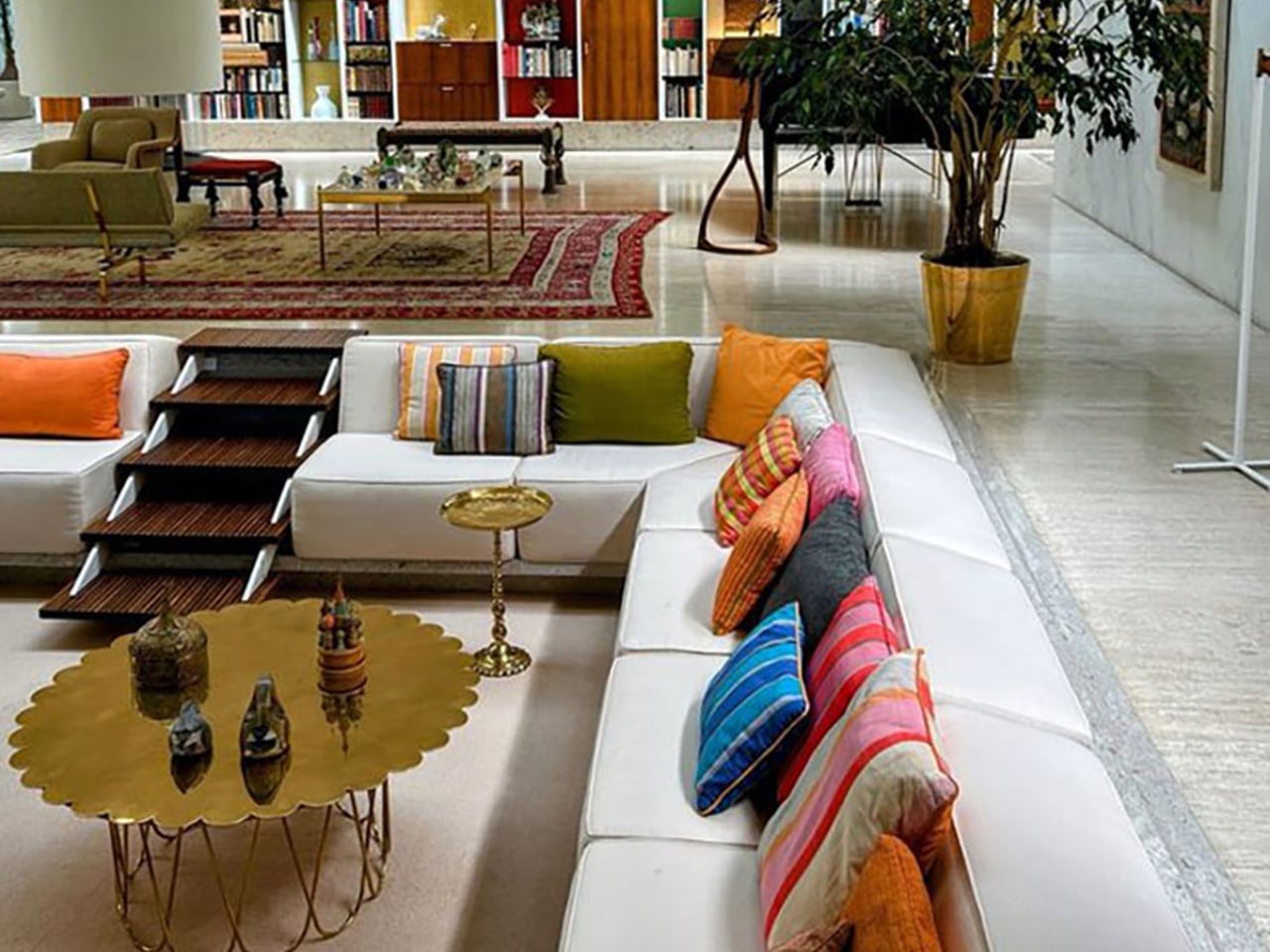
Conversation pits are leading the charge. Searches for these sunken living areas surged 369%, signaling a fundamental rejection of the open-plan uniformity that dominated the 2010s. People want intimacy again. They want spaces that pull them together rather than spreading them across vast, undifferentiated square footage. The mid-century roots of this trend run deep, with searches for mid-century furniture climbing 319% and curved furniture up 124%. These aren’t isolated preferences. They represent a cohesive design philosophy centered on human-scale spaces that encourage actual conversation.

The Texture Revolution

Flat walls are dying. Roman clay finishes saw searches explode by 312%, while lime paint climbed 162%. Fabric wallpaper rose 123%, and wall stencils increased 68%. This collective movement toward tactile surfaces reveals a deeper truth about contemporary design priorities.
People have spent years staring at screens. Their homes responded by becoming increasingly smooth, minimal, and digital-friendly. Now the pendulum swings. Hands want something to touch. Eyes want variation and depth. The Roman clay trend is particularly telling because it demands imperfection. Each application creates unique texture, mottled color, and surfaces that change with light throughout the day. This is the opposite of the perfectly smooth drywall that builders have standardized for decades.

The avocado bathroom deserves attention here too. Searches for ’70s bathrooms jumped 124%, with green countertops following at the same rate. Bathroom remodeling searches increased 84%. But this isn’t nostalgia for nostalgia’s sake. Modern interpretations use nuanced jade and sage tones with contemporary fixtures. The color brings warmth. The execution stays current.

Japandi’s Second Wave

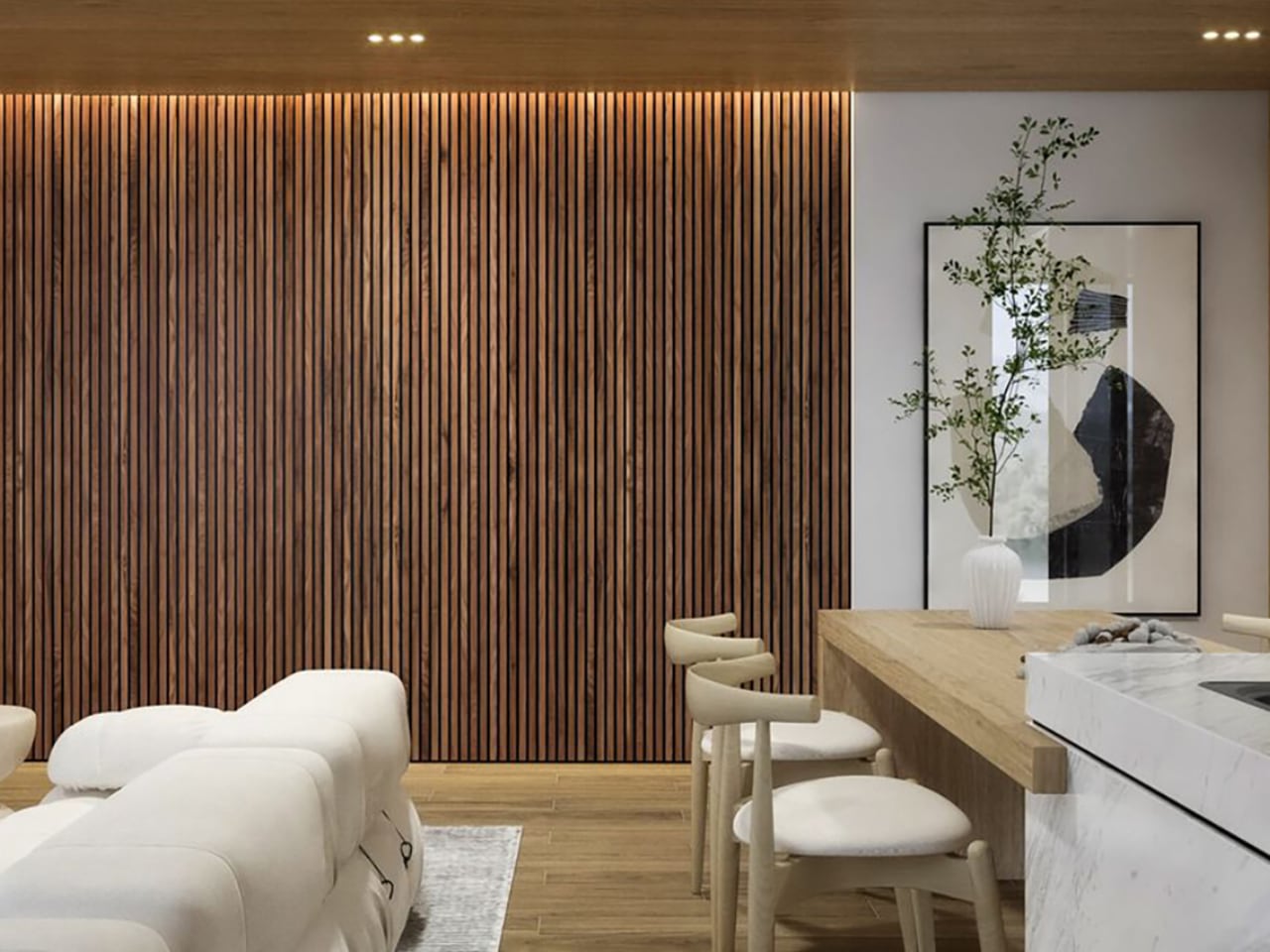
The fusion of Japanese and Scandinavian minimalism refuses to fade. Japandi searches climbed 105%, but the supporting data reveals where this trend is evolving. Fluted panels exploded by 459%. Natural stone rose 51%. Biophilic design increased 124%, alongside woven window shades at the same rate and jute rugs at 60%.
This second wave of Japandi moves beyond the surface aesthetics that defined its first popularity cycle. The emphasis shifts toward materiality and texture rather than mere visual simplicity. Fluted panels create rhythm and shadow play. Natural stone introduces geological time into domestic spaces. Woven materials connect interiors to craft traditions that predate industrial manufacturing. The philosophy remains minimalist, but the execution has matured. Spaces built on these principles feel grounded rather than sparse, considered rather than empty.

Travel plays a role in this evolution. As more people visit Japan and experience its design sensibilities firsthand, they return with refined understanding of how restraint and material quality work together. Tourism shapes taste, and taste shapes the search bar.

The Invisible Technology Thesis

Smart home technology is going underground. Searches for smart windows rose 49%, smart lighting increased 32%, and smart appliances climbed 40%. But the real story lies in the concealment searches. Built-in bookshelves surged 124%. Invisible kitchens with hidden storage jumped 68%.
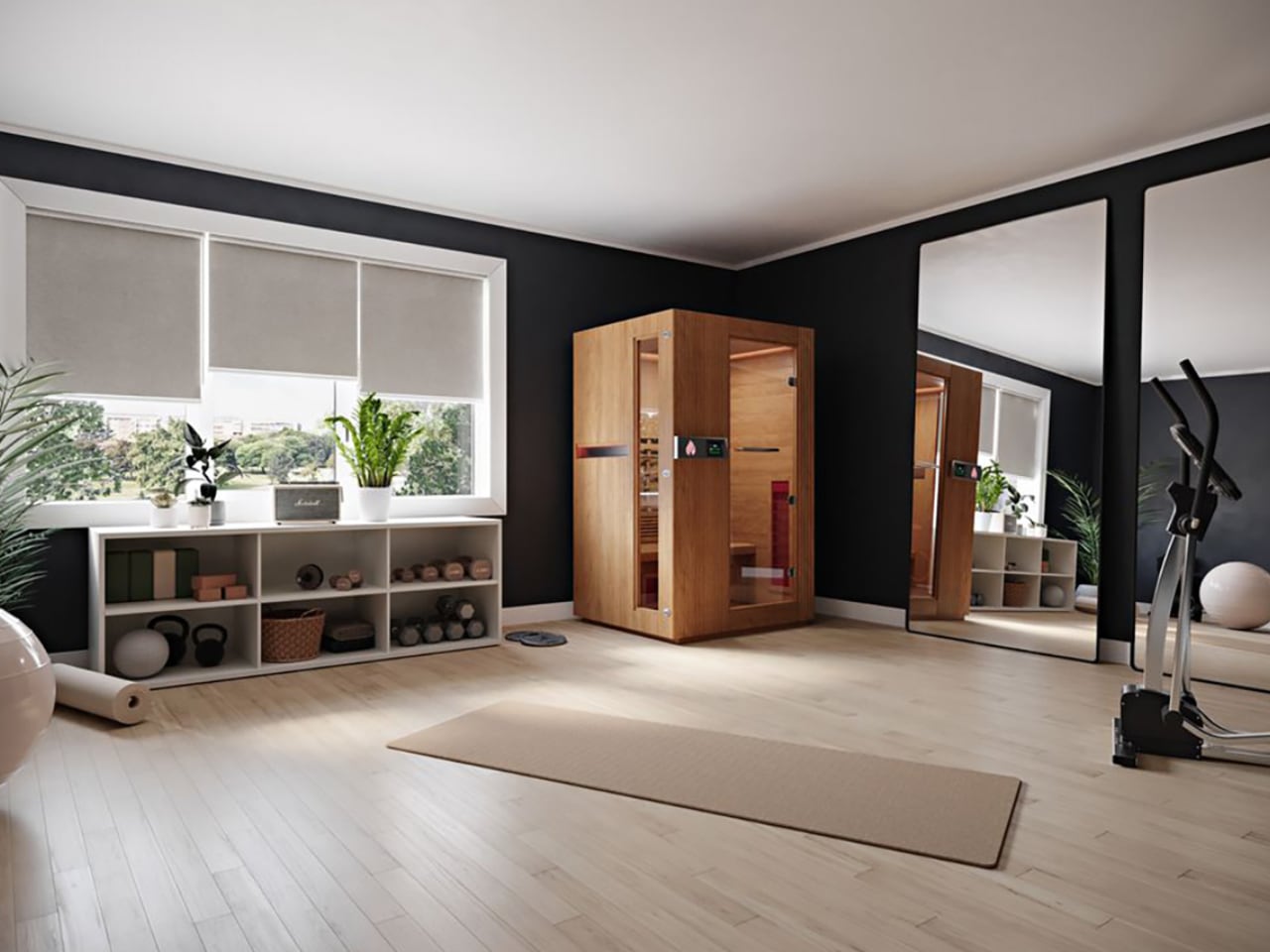
The design community spent years debating whether technology should be celebrated or hidden. The data suggests resolution: people want capability without visual intrusion. They want lights that respond to voice commands from fixtures that look like ordinary fixtures. They want kitchens that function as high-tech command centers but photograph like serene minimalist spaces. Jennifer Aniston’s illuminated onyx sink basin represents the apex of this thinking. The surface glows. The technology disappears.

This invisible technology trend connects directly to the broader texture movement. When appliances hide and screens retract, walls become the primary visual element. Those walls better be interesting. Roman clay and fluted panels fill the visual space that technology once occupied. The home becomes a gallery of surfaces rather than a showroom of gadgets.

Black as Design Strategy

Black countertops rose 123%. Black furniture increased 12%. These numbers underscore a shift toward intentional contrast as a design strategy rather than an afterthought.
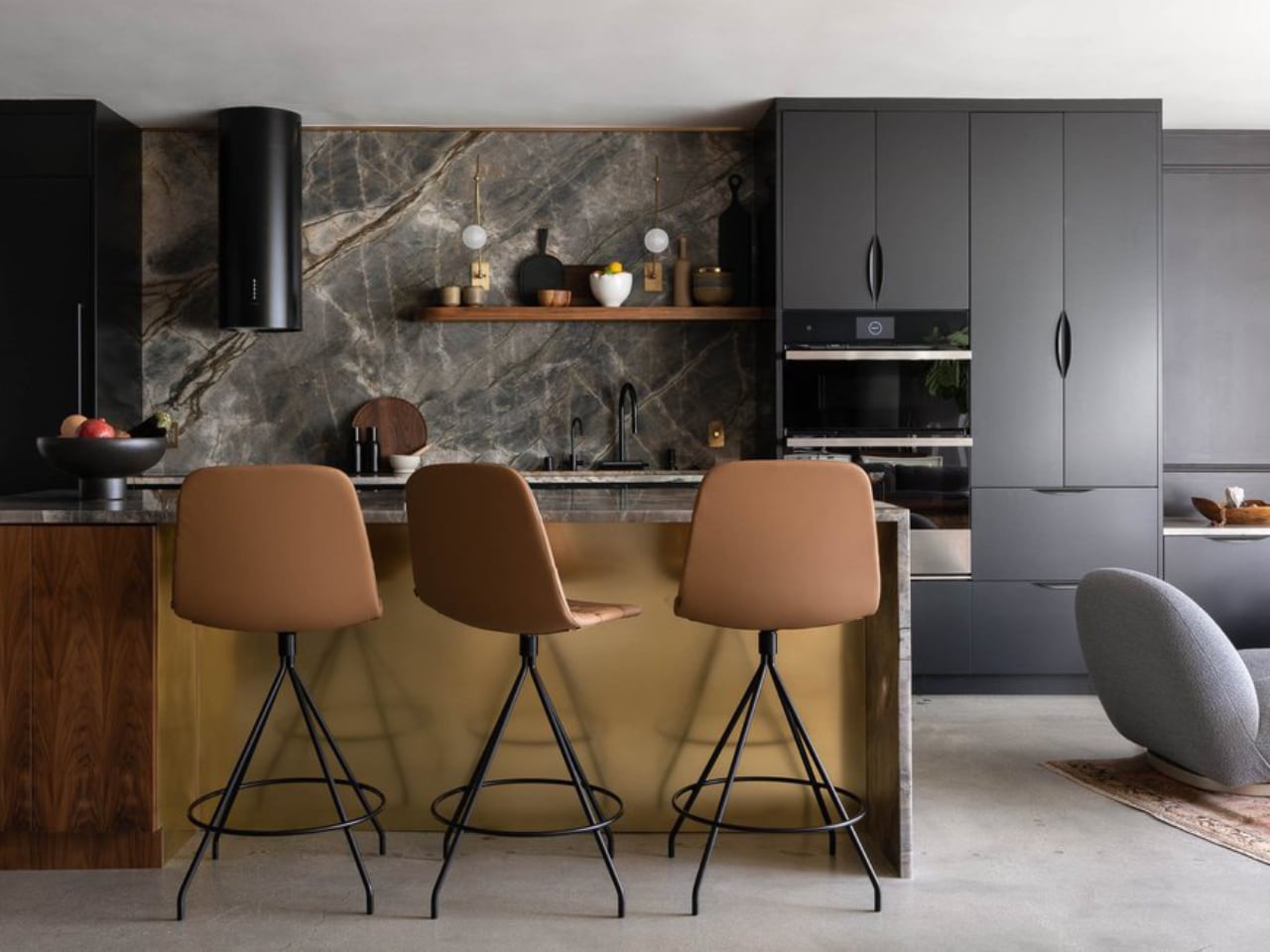
Interior design expert Taylor Simon’s “unexpected red theory” has influenced how designers think about strategic color deployment. Black operates on similar principles. A black countertop against light cabinetry creates visual anchor points. Black furniture pieces become sculptural elements that organize surrounding space. The approach requires restraint. Too much black collapses into monotony. Applied surgically, it transforms ordinary rooms into composed environments where the eye knows where to rest.

The contrast philosophy extends beyond color. It manifests in the juxtaposition of textured and smooth, natural and manufactured, vintage and contemporary. Curved mid-century furniture against rectilinear architecture. Woven jute against polished concrete. The design language emerging from this data prioritizes tension and dialogue between elements rather than uniform harmony.

Memory as Material

Shadowbox searches increased 34%. Film lab searches rose 88%. Film developing climbed 54%. Together, these numbers reveal a design trend that treats personal history as raw material.
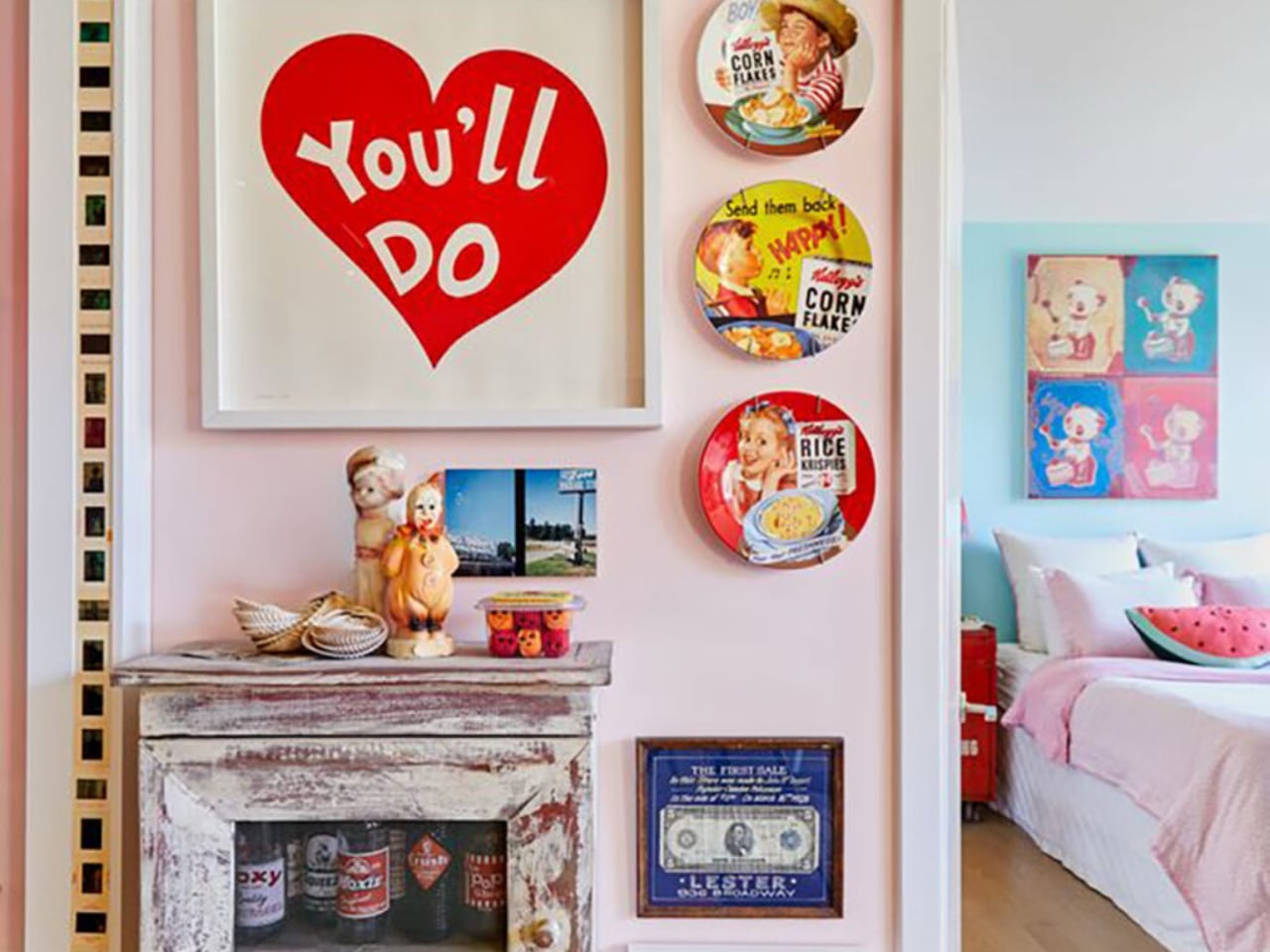
Custom framing services report growing demand for memory displays that transform scrapbook contents into wall art. Travel mementos, film photographs from analog cameras, keepsakes from significant moments. These aren’t arranged in albums anymore. They’re composed into visual statements that hang alongside purchased art.

This trend intersects with the broader rejection of generic decor. Mass-produced wall art serves a function, but it doesn’t tell a story. A framed collection of Polaroids from a specific trip, ticket stubs from meaningful concerts, pressed flowers from important occasions: these objects carry narrative weight that manufactured decor cannot replicate. The home becomes autobiography.

Where This Leaves Us

The throughline connecting these trends points toward a single thesis: design in 2026 will prioritize meaning over minimalism, texture over sleekness, and personal narrative over trend compliance.
The conversation pit revival matters because it privileges human connection over architectural showmanship. The texture movement matters because it restores sensory richness to spaces flattened by digital life. Japandi’s evolution matters because it demonstrates how design philosophies mature beyond their initial aesthetic expressions. Hidden technology matters because it resolves the long tension between capability and beauty. Strategic contrast matters because it treats composition as seriously as color.

None of these trends exist in isolation. They form a coherent vision of domestic space as refuge, as expression, as carefully curated environment that reflects inhabitant values rather than developer defaults. The search data quantifies what designers intuit. People want homes that feel like themselves, not like everyone else’s Pinterest board. The numbers say they’re willing to invest, to research, to seek professional help in achieving that goal.

The 2026 home will have texture you can feel, spaces that pull people together, technology that serves without announcing itself, and walls decorated with personal history. It will reference the past without copying it. It will embrace natural materials while leveraging smart systems. It will be, in short, deliberately designed rather than passively accumulated. The data says so.

The post Yelp’s 2026 Design Forecast: The Trends Reshaping How We Live first appeared on Yanko Design.
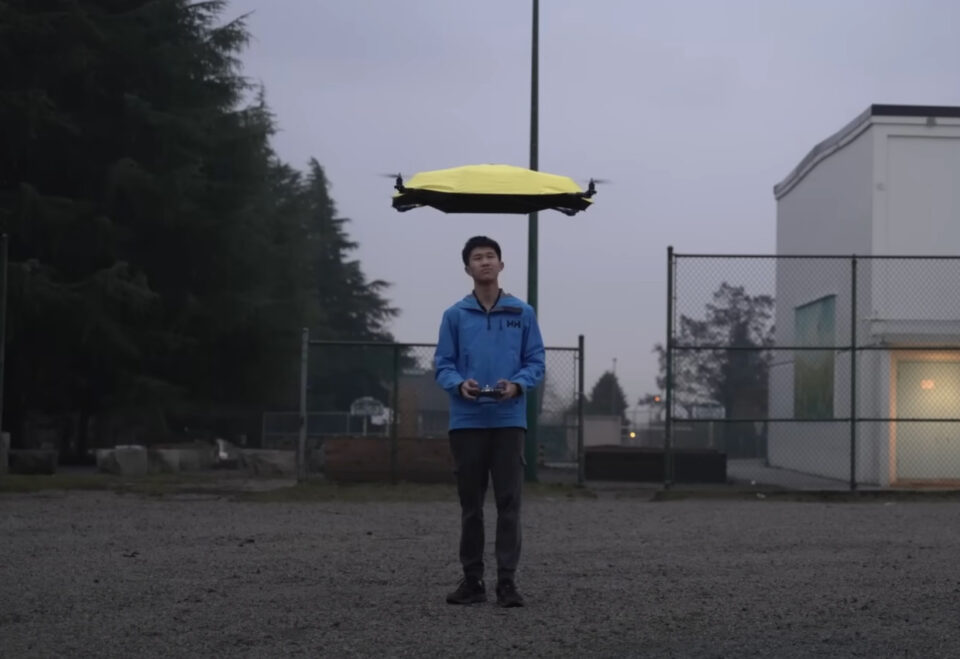

Building A Drone Umbrella: The Future Of Staying Dry

In the future, will we all have drone umbrellas autonomously follow us, hovering just above our heads to shelter us from the rain? Maybe! But Youtuber I Build Stuff couldn’t wait for the future, so he took matters into his own hands and constructed his own drone umbrella. While this one doesn’t autonomously follow its user, it’s certainly a step in the right direction. That step being one out of the rain, just to be clear.

After hand drawing the design, I Build Stuff then reproducing it in CAD, and the parts were 3D printed. The design is a large quadrocopter, with each rotor on a long arm to allow enough space for an umbrella to fit between them.

The design works well, although it appears any amount of wind causes the umbrella to quickly start drifting away. And rain and wind DO go hand in hand. With enough interest in the project, I Build Stuff says he’ll add a camera to the dronebrella and write the code to track his movement so it can autonomously follow him. This will also help the drone compensate for wind by trying to constantly stay above him. That’s a good idea. Another good idea? Adding some safety cages around those spinning blades right above your head.

[via TechEBlog]

Clicks iPhone Attachment Adds A Physical Keyboard

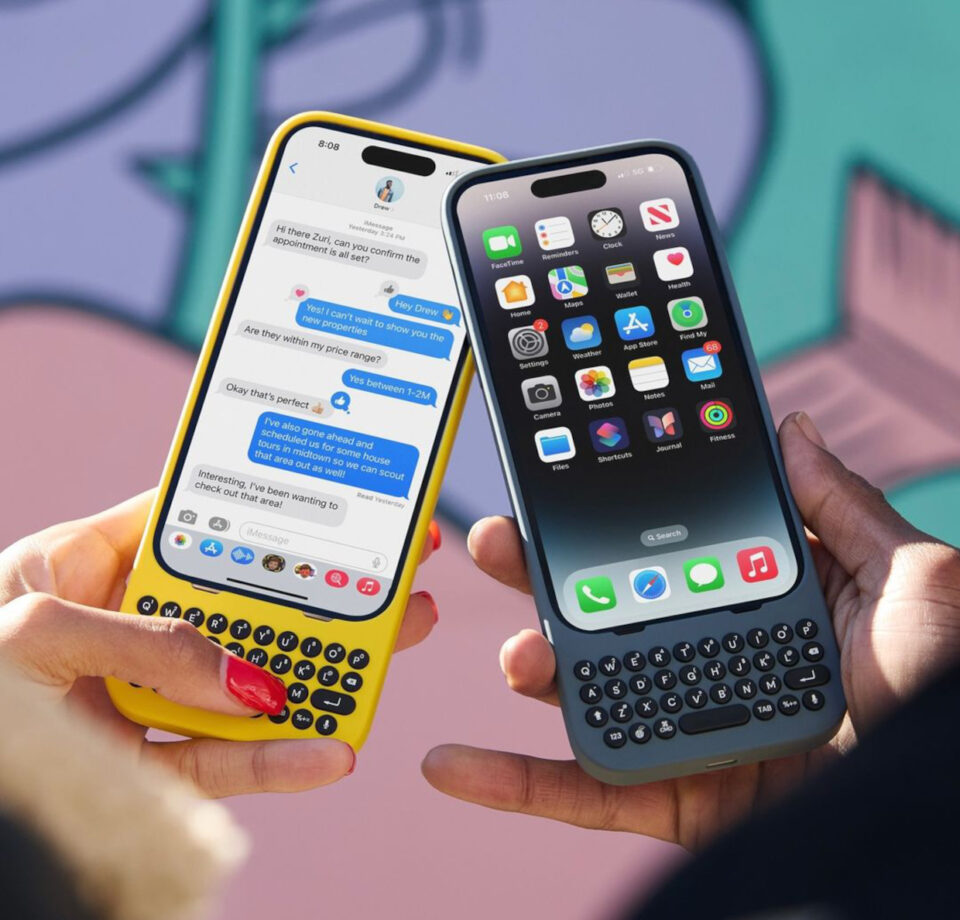
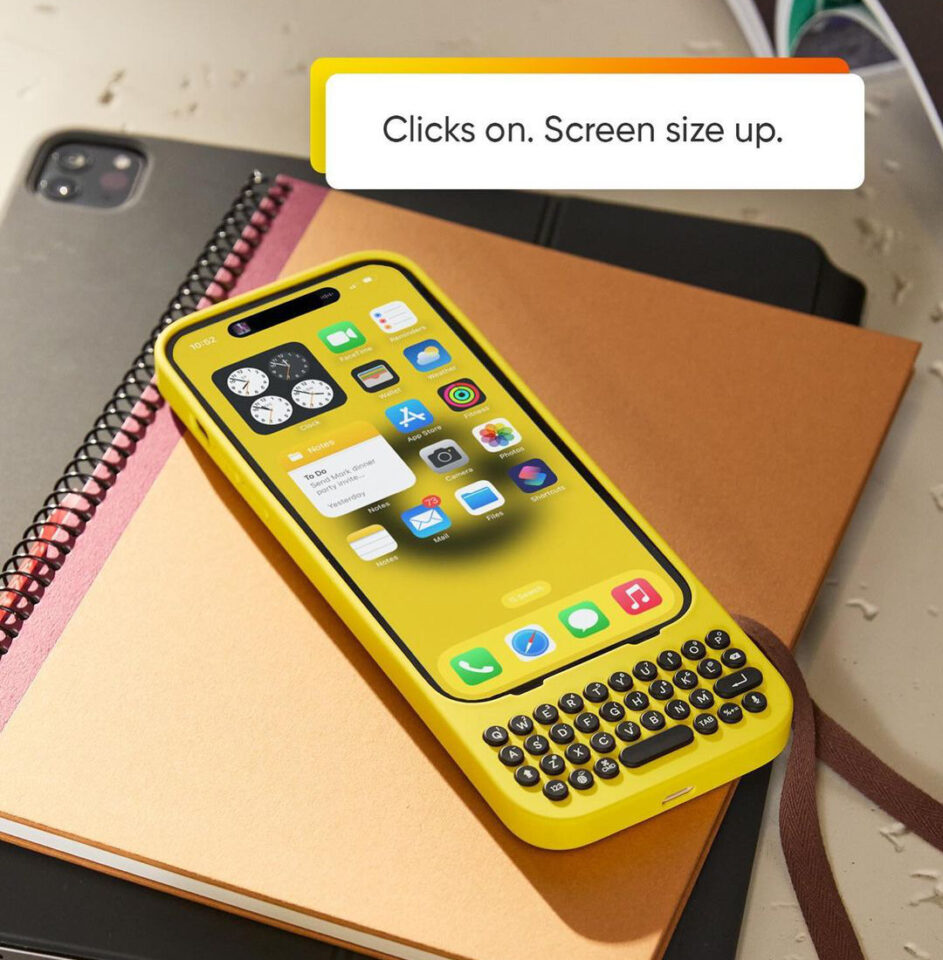
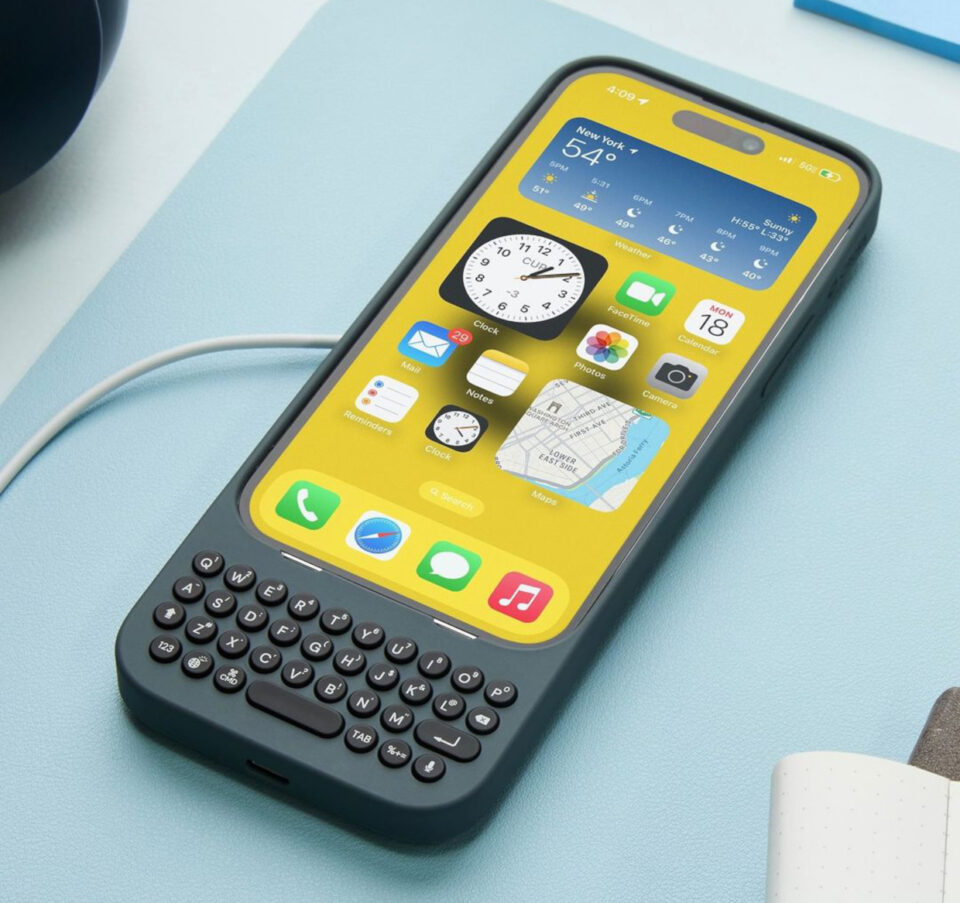
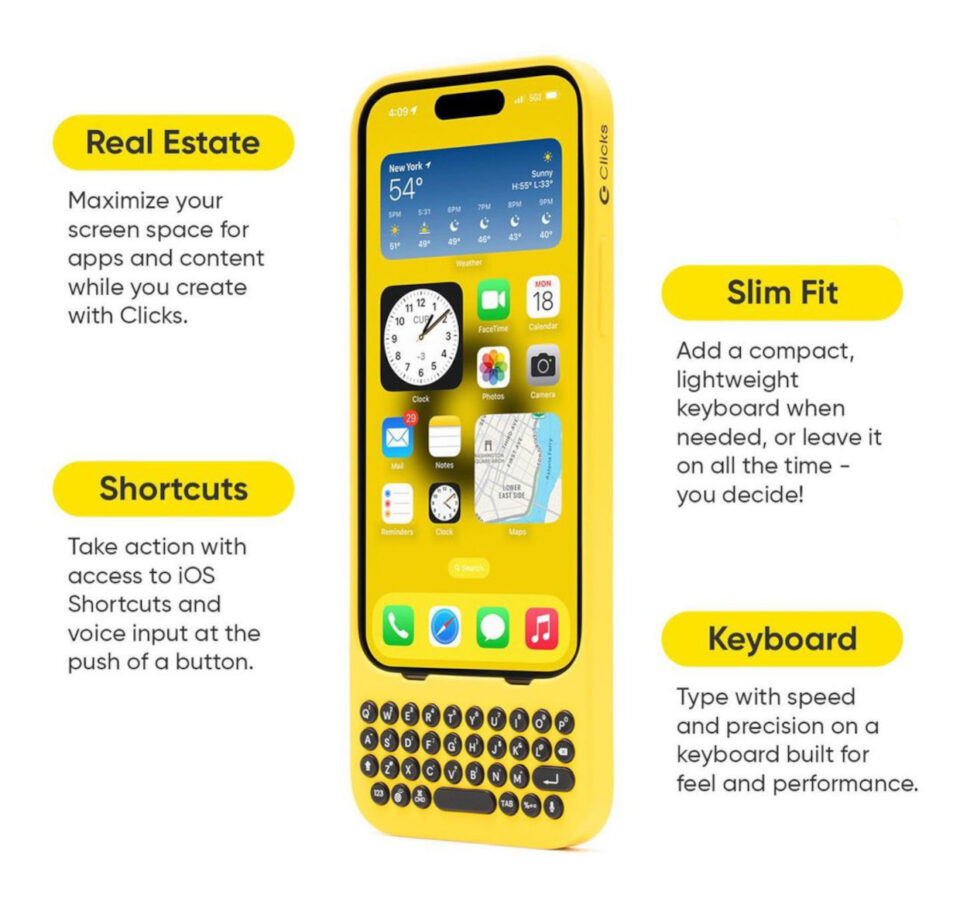
Do you miss having a tactile, physical keyboard on your phone? Then set your time machine dial to 2006. Or you can buy Clicks, an iPhone attachment that adds a physical keyboard to the bottom of your phone. In addition to allowing more screen real estate while in use, the keyboard also allows shortcuts and dedicated keys. My productivity is going to skyrocket!

Billed as the first ‘creator’s keyboard’, the Clicks is currently available for iPhone models 14 Pro and 15 Pro ($139), and 15 Pro Max ($159) in two colors: BumbleeBee (yellow) and London Sky (dark grey). The keyboard features a backlight that can be toggled on and off for night use, and appears to make your phone long enough to pass as a handheld metal detector. That alone is worth the price in my opinion.

Make more space for apps and content by moving the keyboard off your screen….Real keys make typing feel so natural, you can tackle more tasks than ever on iPhone. …Fly through tasks with keyboard shortcuts and dedicated keys that give you ultimate control of your phone.

Admittedly, I do miss having a real keyboard on my phone. Of course, I also miss owning a pager. They say technology is cyclical, will both keyboarded phones and pagers make a comeback? I can dream, can’t I?

[via LaughingSquid]

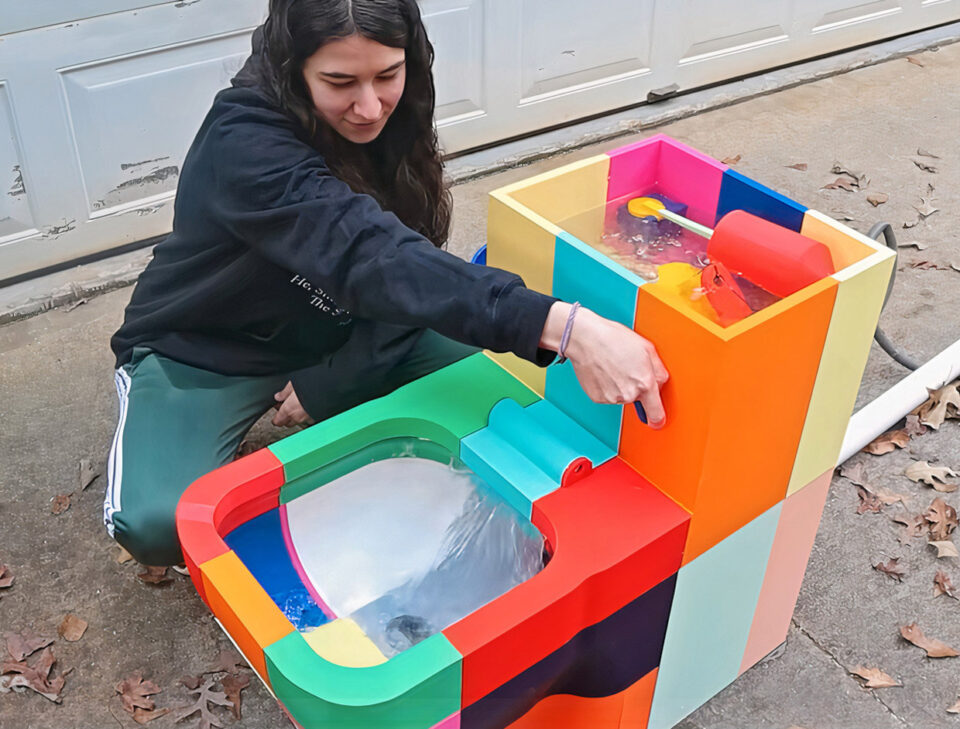
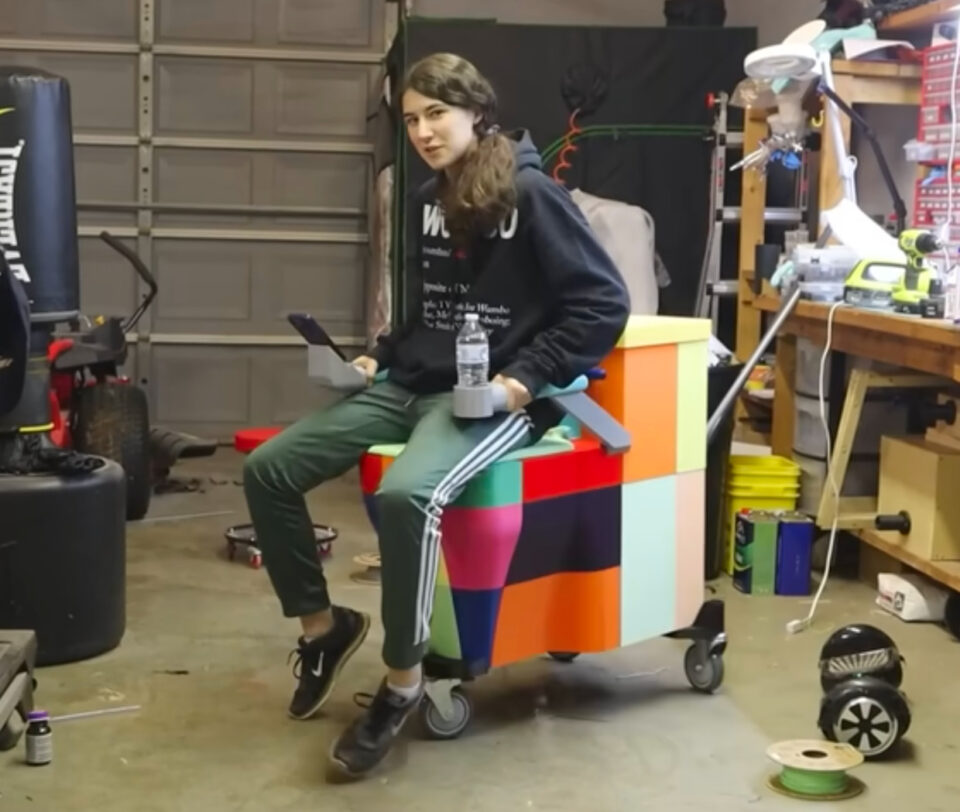
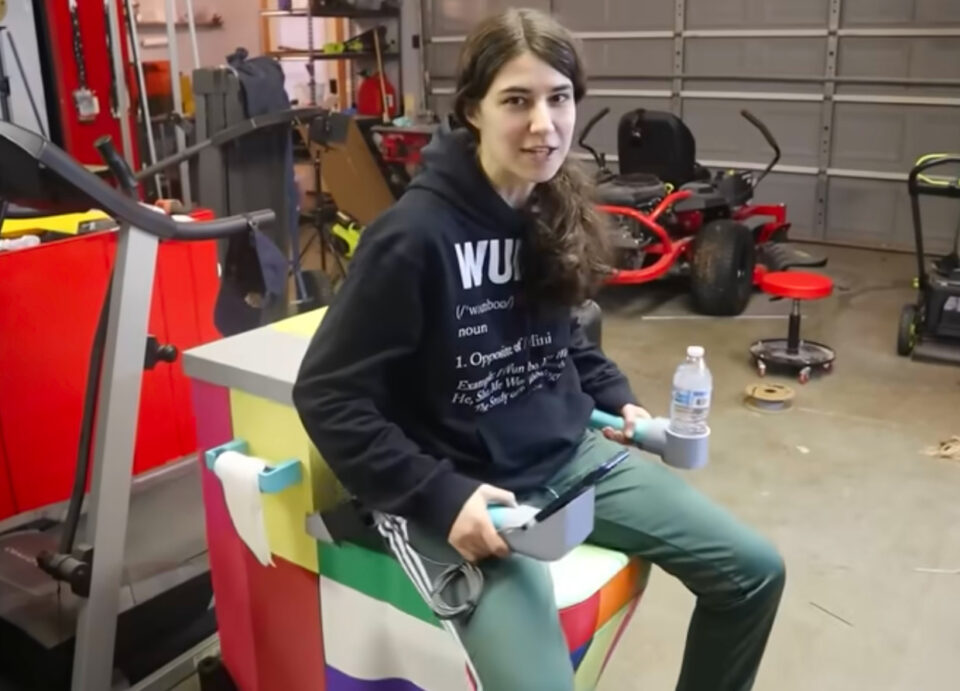
Engineer 3D Prints A Colorful, Functional Toilet

Because great ideas come in all shapes and sizes (and colors), Youtuber Emily The Engineer decided to take it upon herself to see if she could 3D print a functional toilet. Could she? SPOILER: Yes– yes, she could. And I hope that this colorful commode serves as a reminder to us all that if you try hard and believe in yourself, anything is possible. Or you can at least 3D print yourself a toilet.

Due to the size of the toilet, the unit had to be split into numerous blocks for individual printing, and Emily took that opportunity to print the blocks in various fun colors. The result is what appears to be a LEGO toilet, or a Mondrian painting. My bathroom demands it!

Emily attached all the parts to one another using 3D plastic glue and a soldering iron to fuse where necessary. Even the tank float, flapper, and flushing mechanism are 3D printed, although a handful of metal nuts and bolts were required to connect everything.

Unfortunately, after testing, it appeared her design wasn’t strong enough to be attached to a traditional indoor plumbing system. So what did she do? What anybody would — attached wheels, armrests, smartphone charger, cup holders, and added a bidet. Boom — mobile toilet! Goodbye porta-potty, hello sporta-potty!

[via TechEBlog]

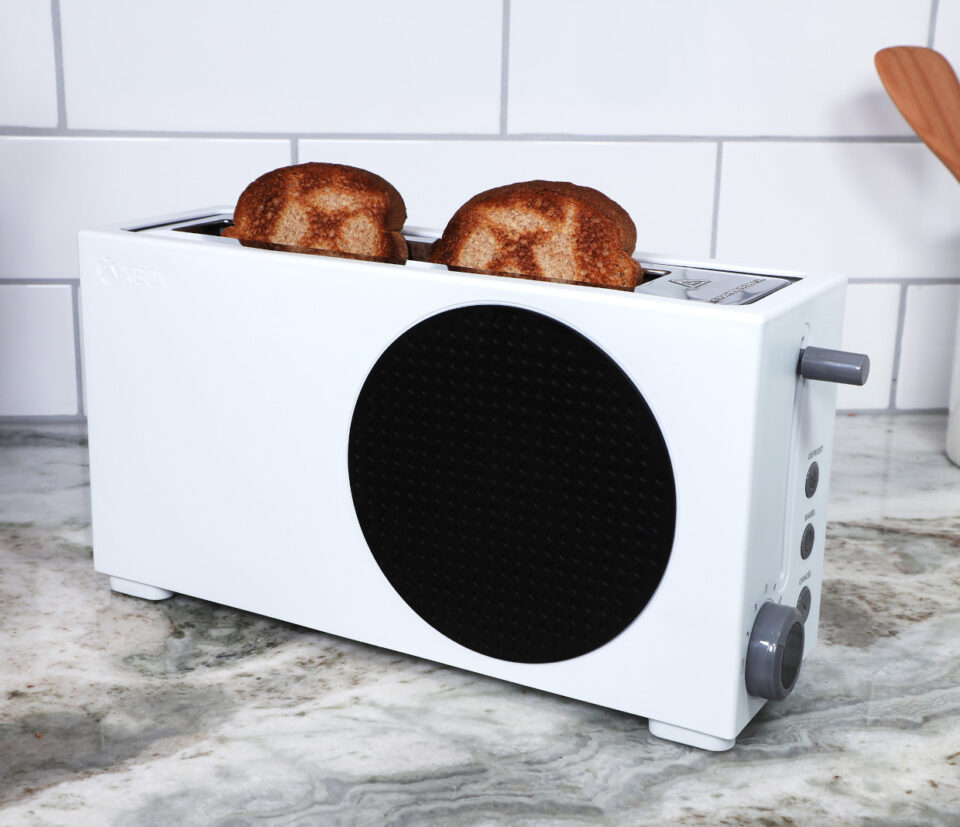
XBox Series S Toaster: When You Like Your Games Burnt


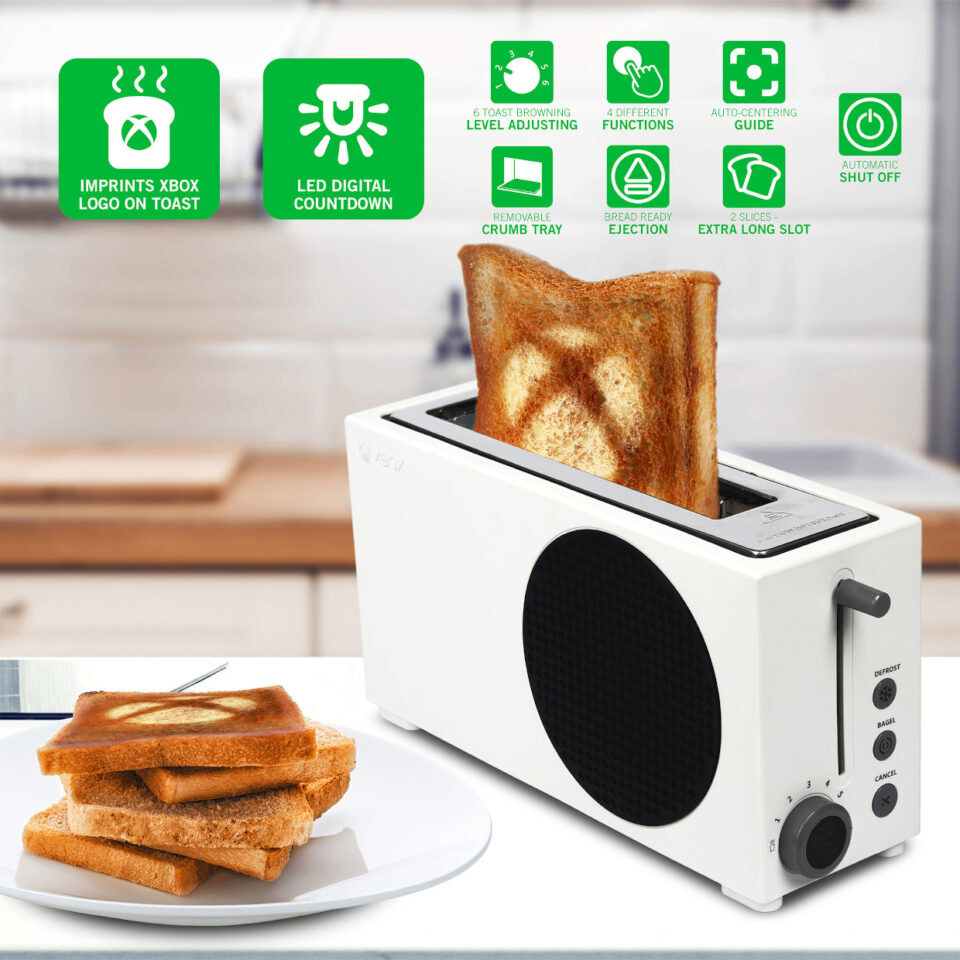
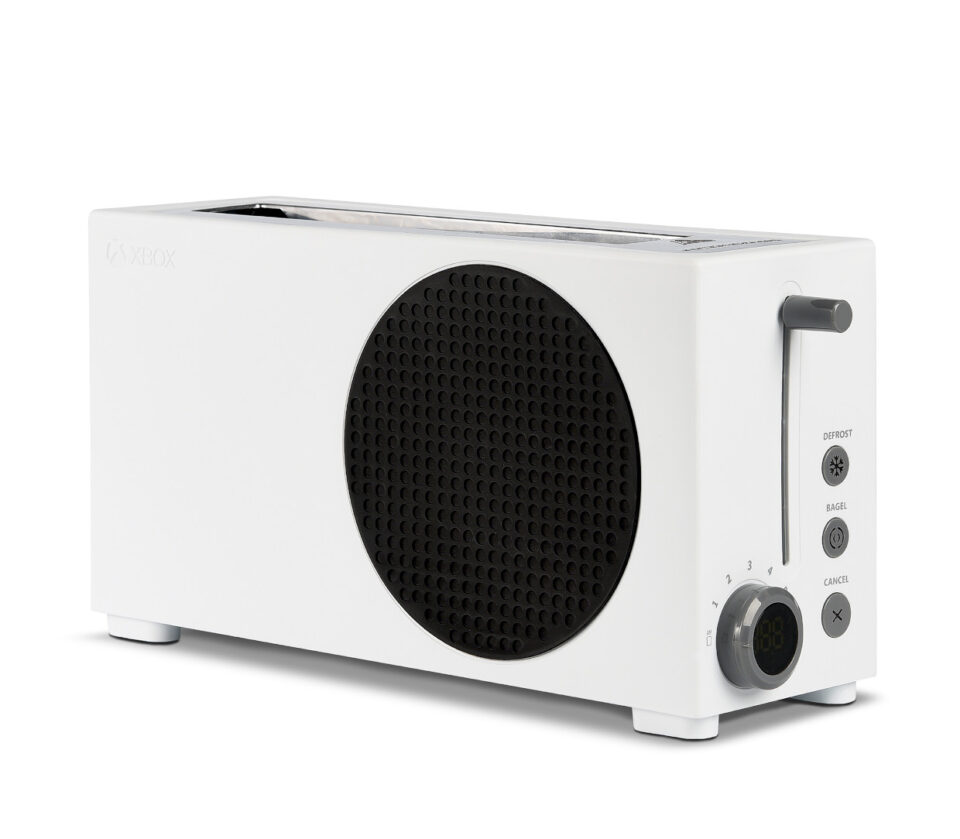
Because there’s probably a diehard XBox fan out there that’s always dreamed of an XBox themed toaster, the gaming giant decided to make their dream a reality with this XBox Series S 2 Slice Toaster. The toaster looks just like the gaming console, and even toasts the XBox logo right on your bread! Mmmm, XBread. Breakfast is a game I will always play.

The unit features an extra wide bread receptacle capable of accommodating bagels, frozen waffles, Texas toast, and English muffins, and has 6 browning settings to perfectly dial in your level of burntness. Me? I like my toast a nice medium brown, right in the middle between raw bread and carbonized.

Is Sony going to follow suit with a Playstation toaster? One can only hope. Although if I had any say in the matter I’d suggest they make it an air fryer instead. Those things are magic! Cooking salmon? Reheating pizza? They can do it all! My actual Playstation can’t even make a decent grilled cheese.

[via TheVerge]

Indiana Jones Golden Idol Temple Wall Trap Replicas

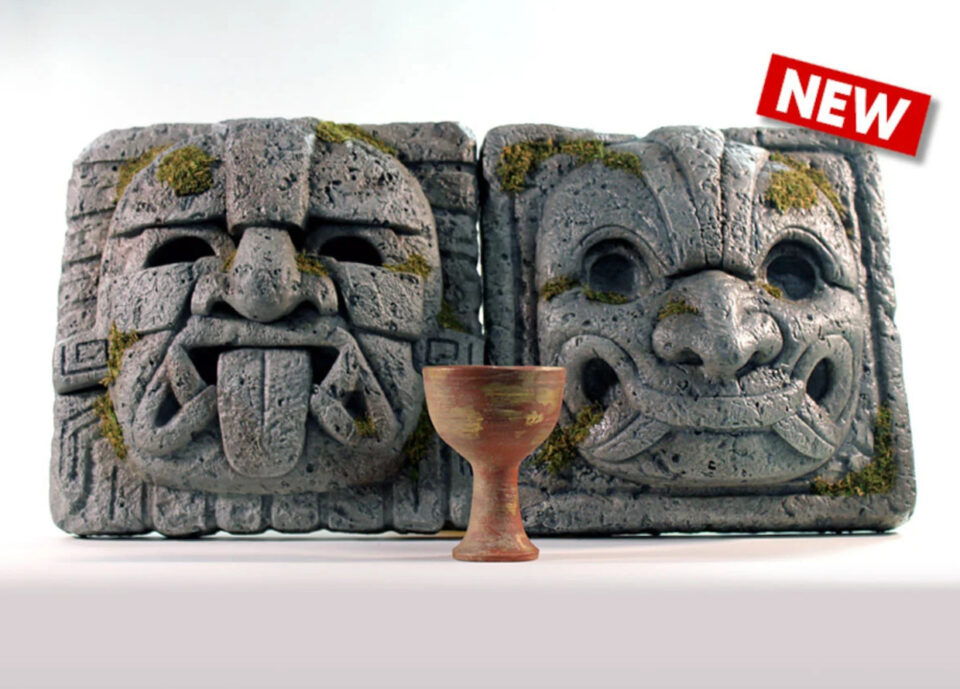
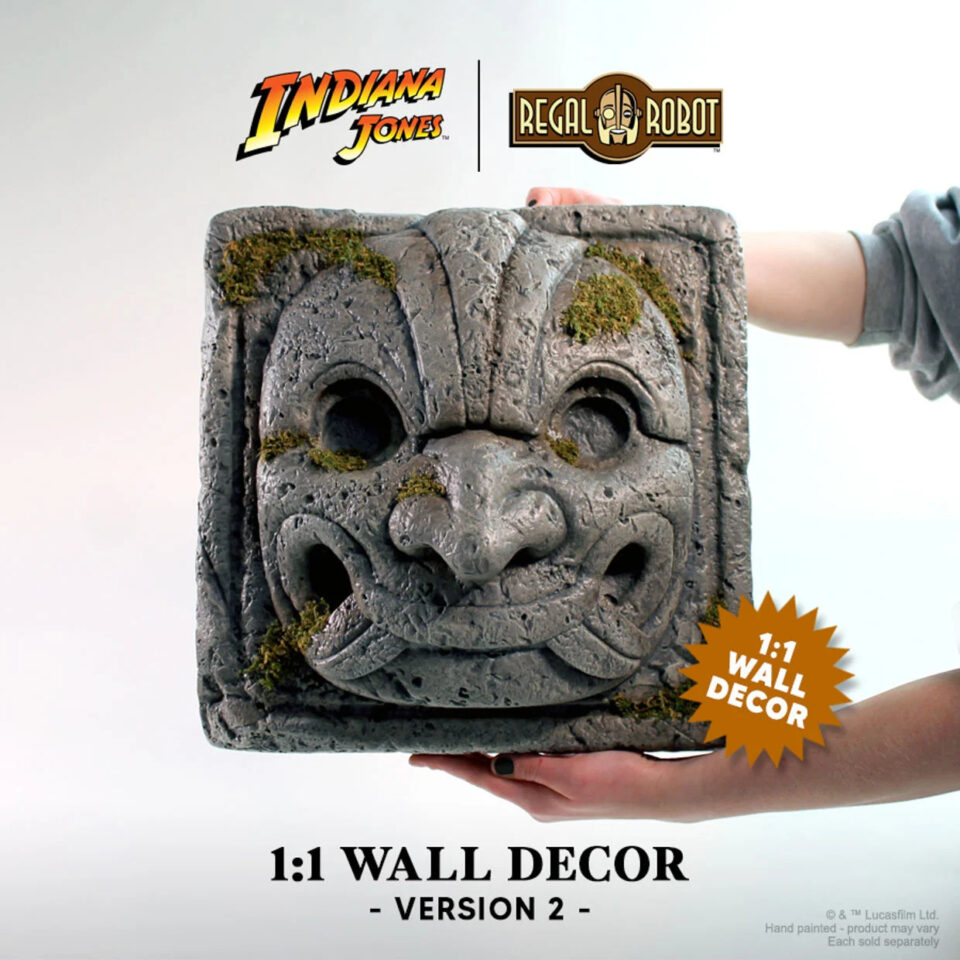
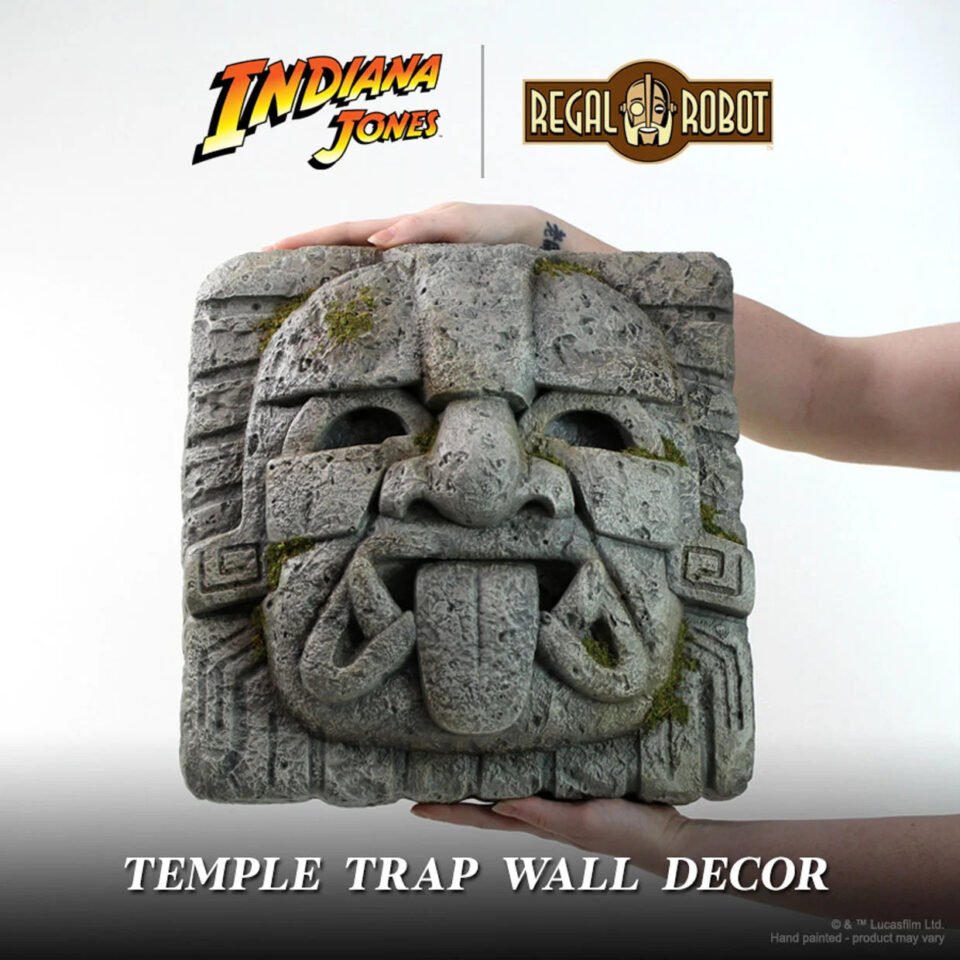
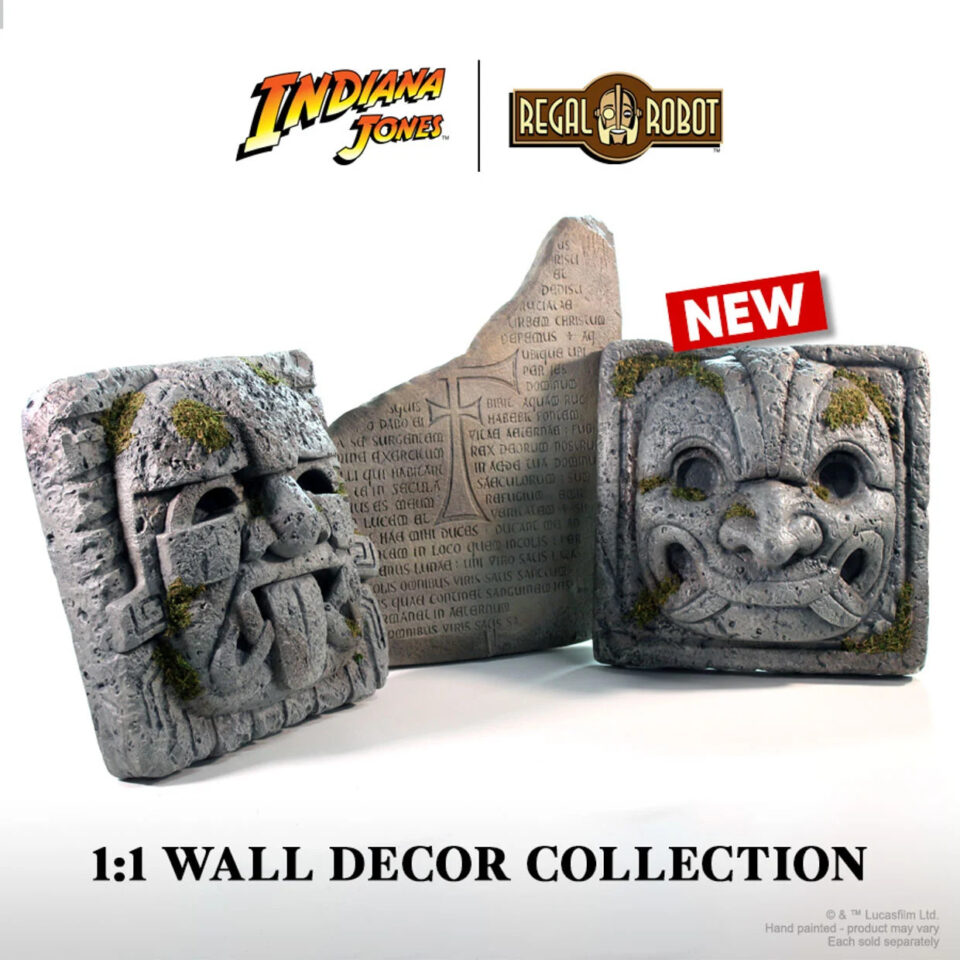
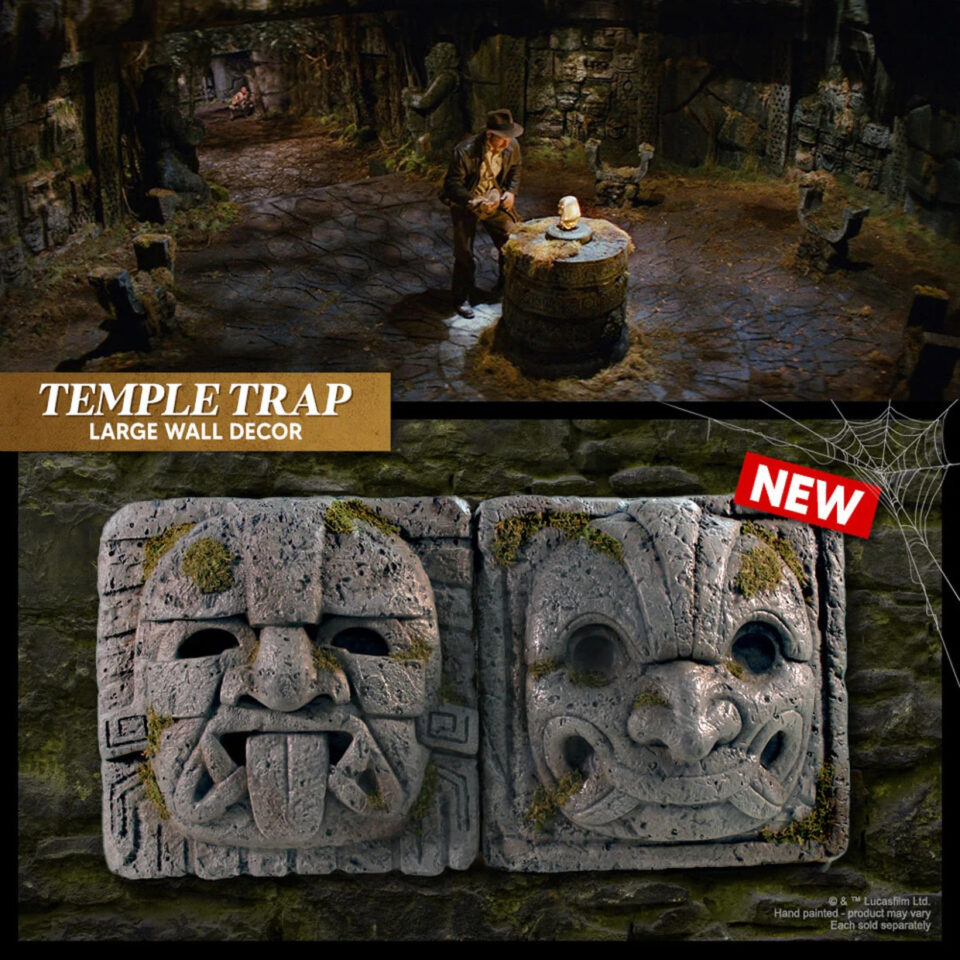
Inspired by the carved faces that fire darts at Indy and Satipo as they try to exit the temple after setting off the golden idol’s booby traps, these wall art blocks from Regal Robot are perfect for the Indiana Jones-themed room in your own home. You do have an Indiana Jones room, right? Well, if not, these will make the perfect start.

Each block measures approximately 15″ square and is made in the U.S. using hand-painted polyurethane resin. That quality doesn’t come cheap, though — an individual square will set you back $375. Yikes! I might have to steal and sell some ancient artifacts just to be able to afford one.

A few dozen of these on the walls, along with some cobwebs, spike pits, and a giant rolling boulder replica, and your Indiana Jones room will be complete! What a place to watch the movies that will be! Please, just remind me about the spike pits whenever I get up for snacks or a bathroom break.

[via TheAwesomer]

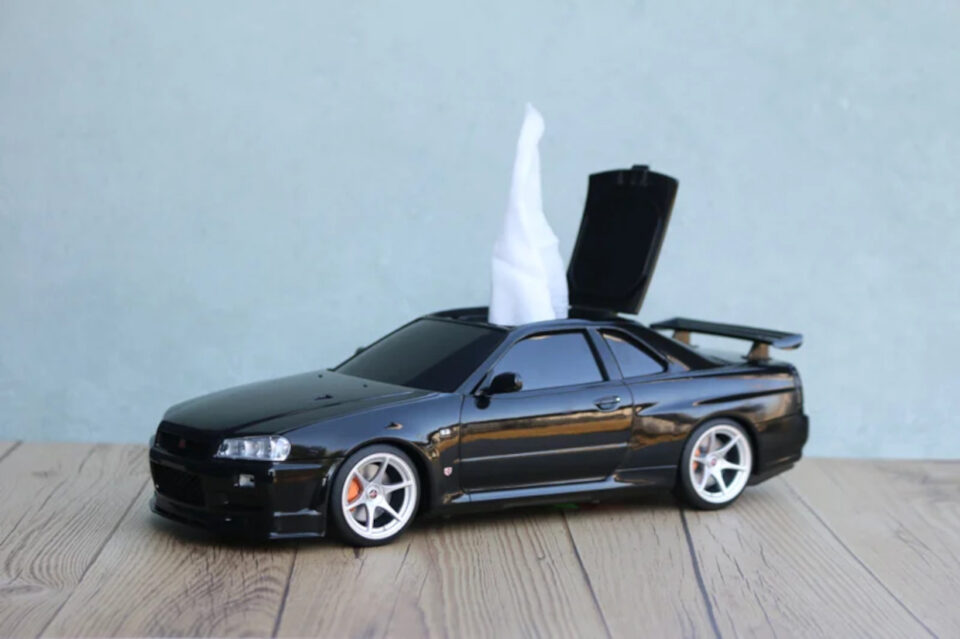
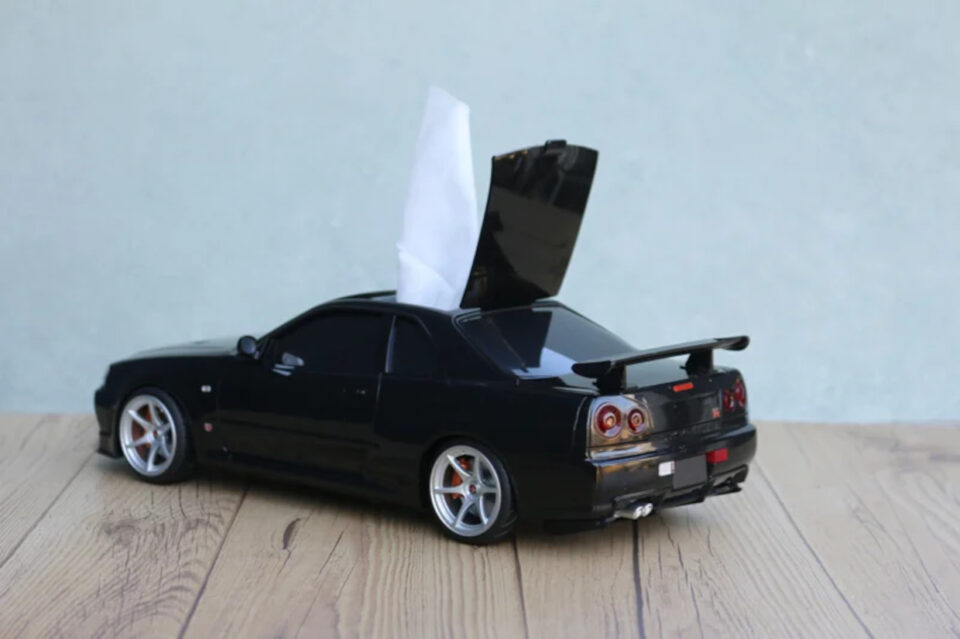
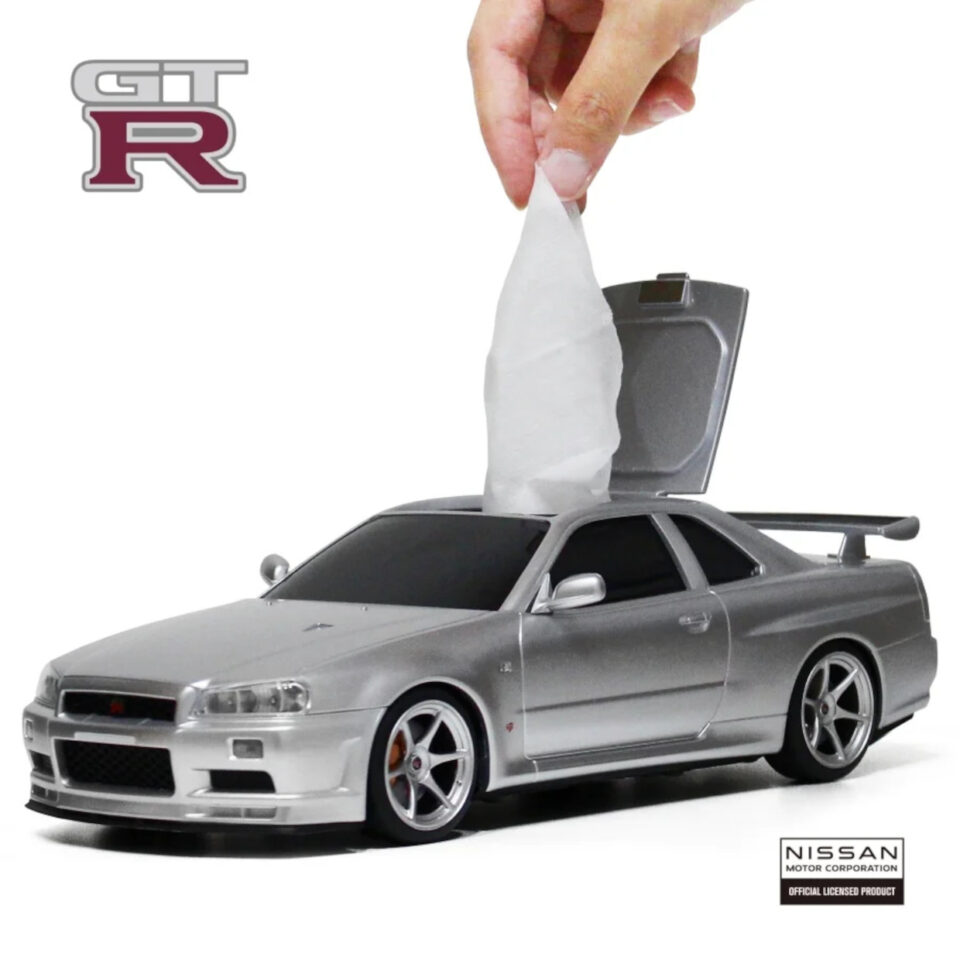
Nissan Skyline Moist Tissue Box Looks Fast & Furious


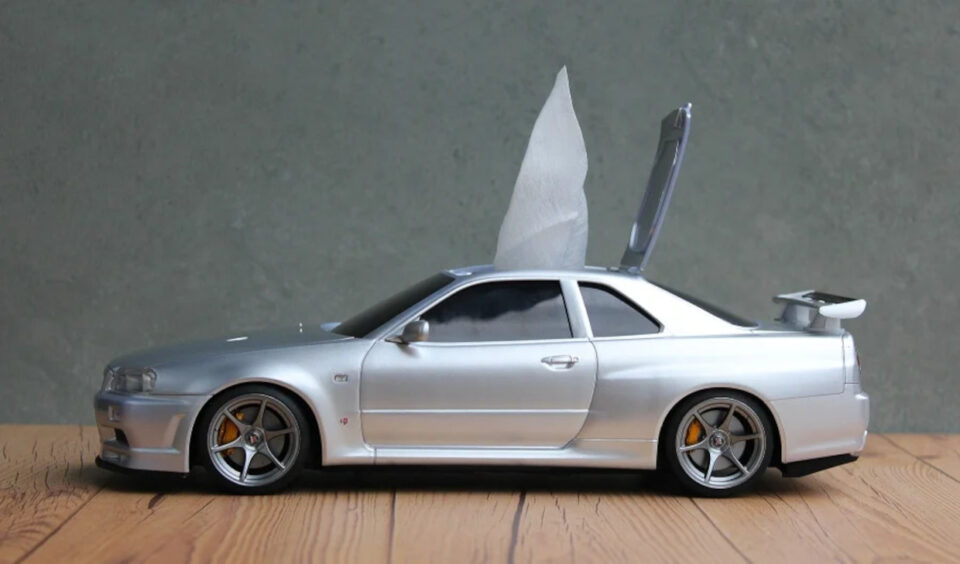
Styled after the late-90’s R-34 Nissan Skyline GT-R, this moist tissue holder is hands down the fastest-looking tissue box I’ve ever seen. Hopefully, it’s not so fast I can’t grab a tissue, though, or I will have to wipe my hands on my shirt.

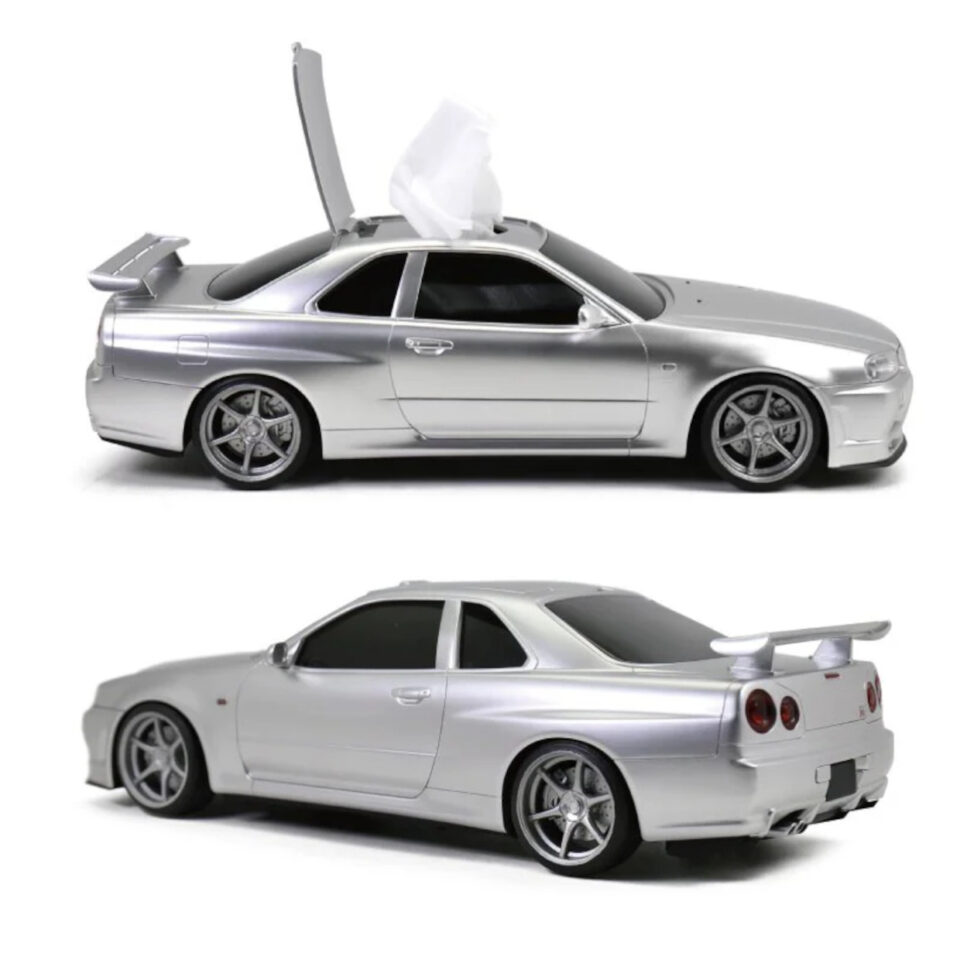
An officially Nissan licensed product, the mini Skyline is available with Sonic Silver, Bayside Blue, and Black Pearl exterior paint and costs ¥6,600 (~$47) from Camshop.jp before shipping from Japan. So, it’s not exactly the cheapest tissue box. But can you really put a price on a tissue box that looks ready to speed off your coffee table and crash onto the floor?

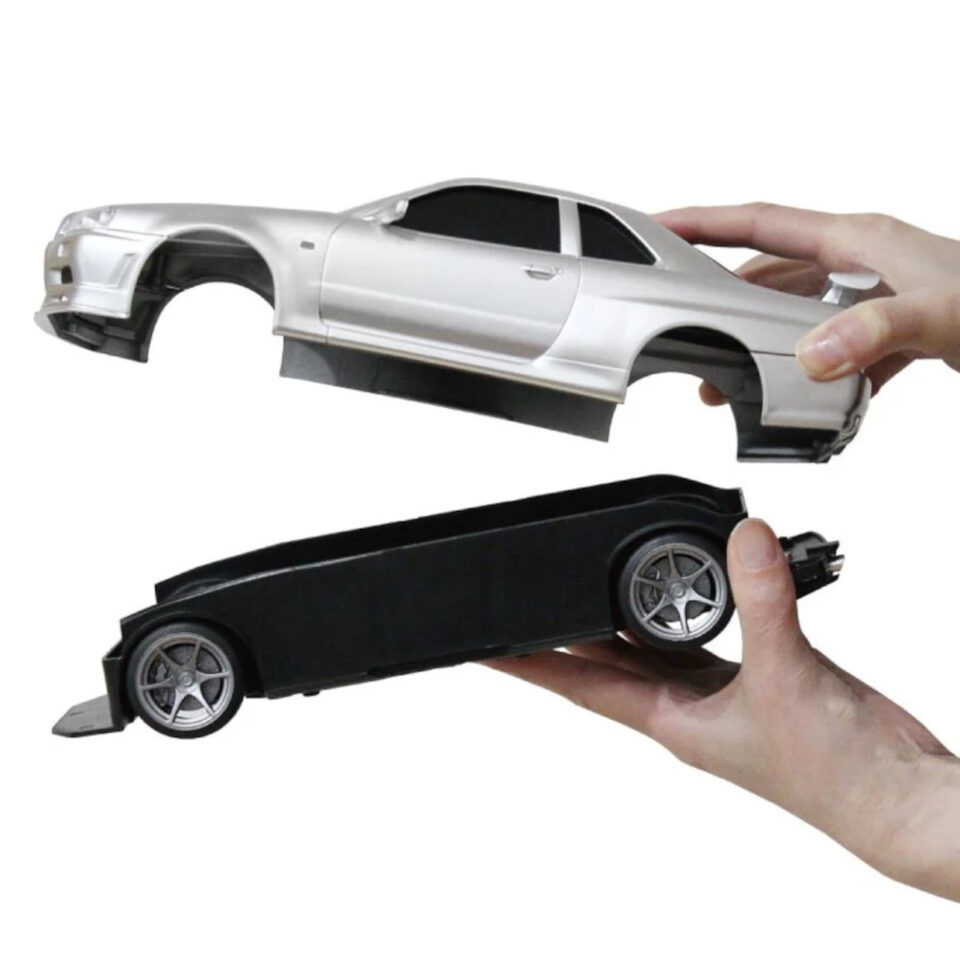
The car measures a respectable 29cm x 11cm x 8cm (11.5″ x 4.5″ x 3″) and fits most standard-size boxes of moist tissues. The only thing that would make it better is if it produced engine revving or tire squealing noises whenever you pulled a tissue from it. They really should have made that a factory option.

[via TechEBlog]

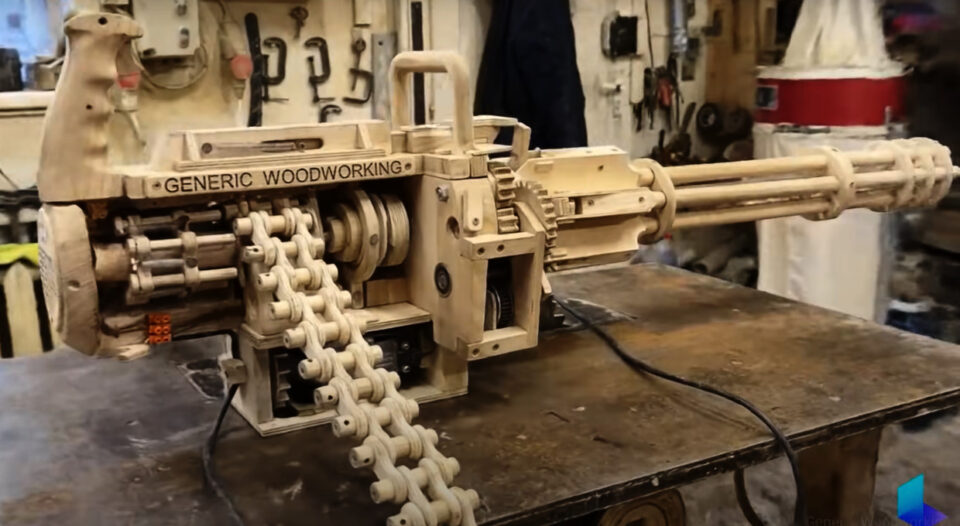
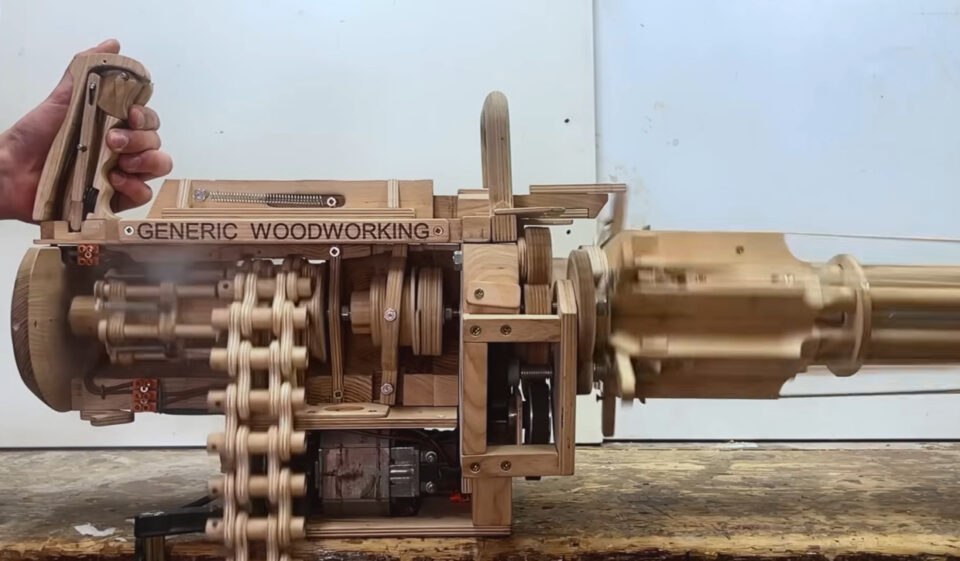
Man Constructs Stunning Rubber Band Firing Wooden Minigun

The brainchild of Youtuber GenericWoodworking, this electric-powered wooden minigun shoots rubber bands and sets off cap gun caps as it fires them for extra loud sound effects. It probably goes without saying, but this man will not be allowed to participate in my next rubber band gunfight. Finger guns only!

Since the gun is electric-powered, it’s not entirely wooden and uses parts from a lawn trimmer and belt sander for its drive mechanisms. Its maker did try to make everything he possibly could out of wood, though, including some of the gun’s larger gears.

The minigun took over 300 hours to construct, and the man behind Generic Woodworking suffered numerous setbacks. Me? If I hit a single setback, I abandon the entire project. Sure, that’s led me to never actually finish any project, but think of all the hours and aggravation I’ve saved myself.


[via TheAwesomer]

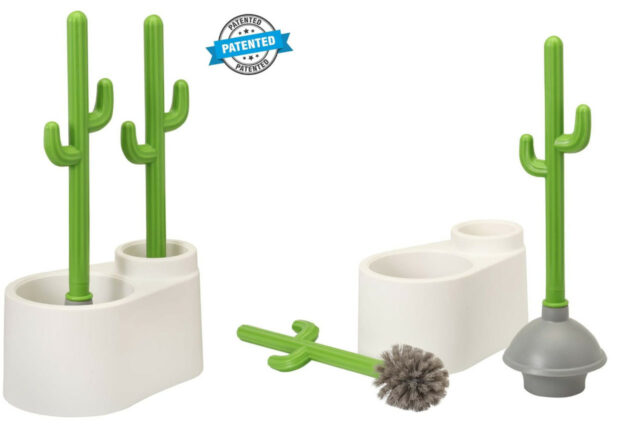
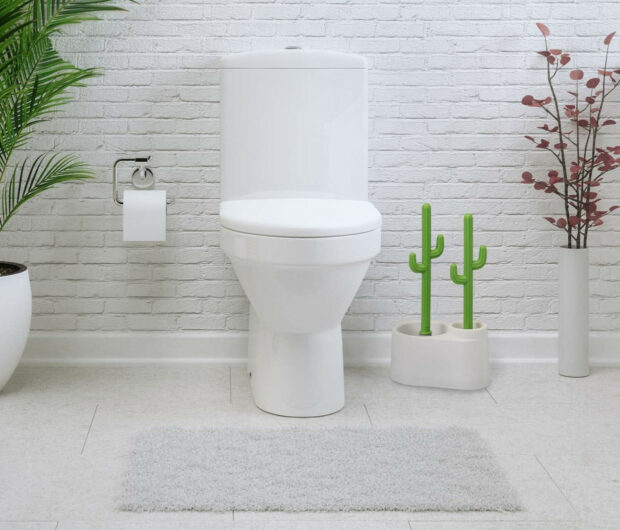
Cactus Plunger and Toilet Bowl Brush: Howdy Do, Partner?

Because a wild west themed bathroom is only as good as its plunger and toilet brush set, ALLOBUB is selling this cactus duo on Amazon (affiliate link) to really tie your desert-inspired baño together. I love it. Now I just need a toilet paper holder that looks like a revolver and a sign above it for the OK Corral, and my guest bathroom will be complete.

The cactus plunger and toilet bowl brush are the same size as the commonly used non-cactus version, the plunger features an extendable flange for tough plunging jobs, and the brush’s head can be screwed off and replaced with a new one if the need arises. That’s a nice feature because I do plan on keeping these for life.

I’ve always been more of a seashore-themed bathroom kind of guy, but I must admit the Wild West is a tempting theme. Cowboys, horses, saloons – the possibilities are practically limitless. As far as I can see, the only problem with a Wild West-themed bathroom is convincing my wife it’s a good idea. That sounds like an uphill battle, and possibly straight up.

[via DudeIWantThat]

Arcade Cabinets Chiseled from Marble

Available from artist Harold Sangouard (aka Harow), ARCADIA Arcade Cabinets are custom-made gaming cabinets with finishes chiseled from Calacatta marble. The photos here are just AI renders, but allegedly, Harold and team will chisel you a real one starting at least $100,000 and with a year lead time. Or maybe he’ll just take your money and run. At least, that’s what I would do.

If you had to pick an arcade game to be made in marble, what would you choose? That’s a tough call. I’d say my first choice would probably be Joust. Runners up include Street Fighter II and Mortal Kombat. You know what, I’ll take all three. I just can’t have them upstairs or they will rip through the floor and crash into the kitchen.

Could you imagine an arcade where all the machines are made of marble? I doubt it would just cost a quarter to play them. They’d probably all take $100 bills, and I do not have that kind of money. The only kind of money I have jingles when I walk.


[via The Awesomer]