Steel Is Dead: 5 Titanium Products That Just Replaced It in 2026

Titanium is no longer confined to aerospace or medical tools. You now see it shaping everyday product design, from consumer electronics to furniture and wearables. Its high strength-to-weight ratio lets you create thinner profiles without sacrificing durability. Resistant to corrosion, scratches, and heat, titanium extends product life while reducing the need for frequent replacement.

Beyond performance, titanium delivers a refined tactile and visual experience. Its surface interacts with light to produce subtle tonal shifts that feel precise yet understated. You get products that feel premium without excess. With its long lifespan and recyclability, titanium supports responsible design choices, aligning innovation with sustainability and long-term value.

1. Generative Titanium Design

Generative design combined with additive manufacturing is reshaping how you approach product structures. Instead of solid, overbuilt components, you can now create lightweight forms guided by algorithms. These digitally evolved geometries use material only where strength is required, resulting in efficient, organic profiles inspired by natural systems such as bone and cellular growth.

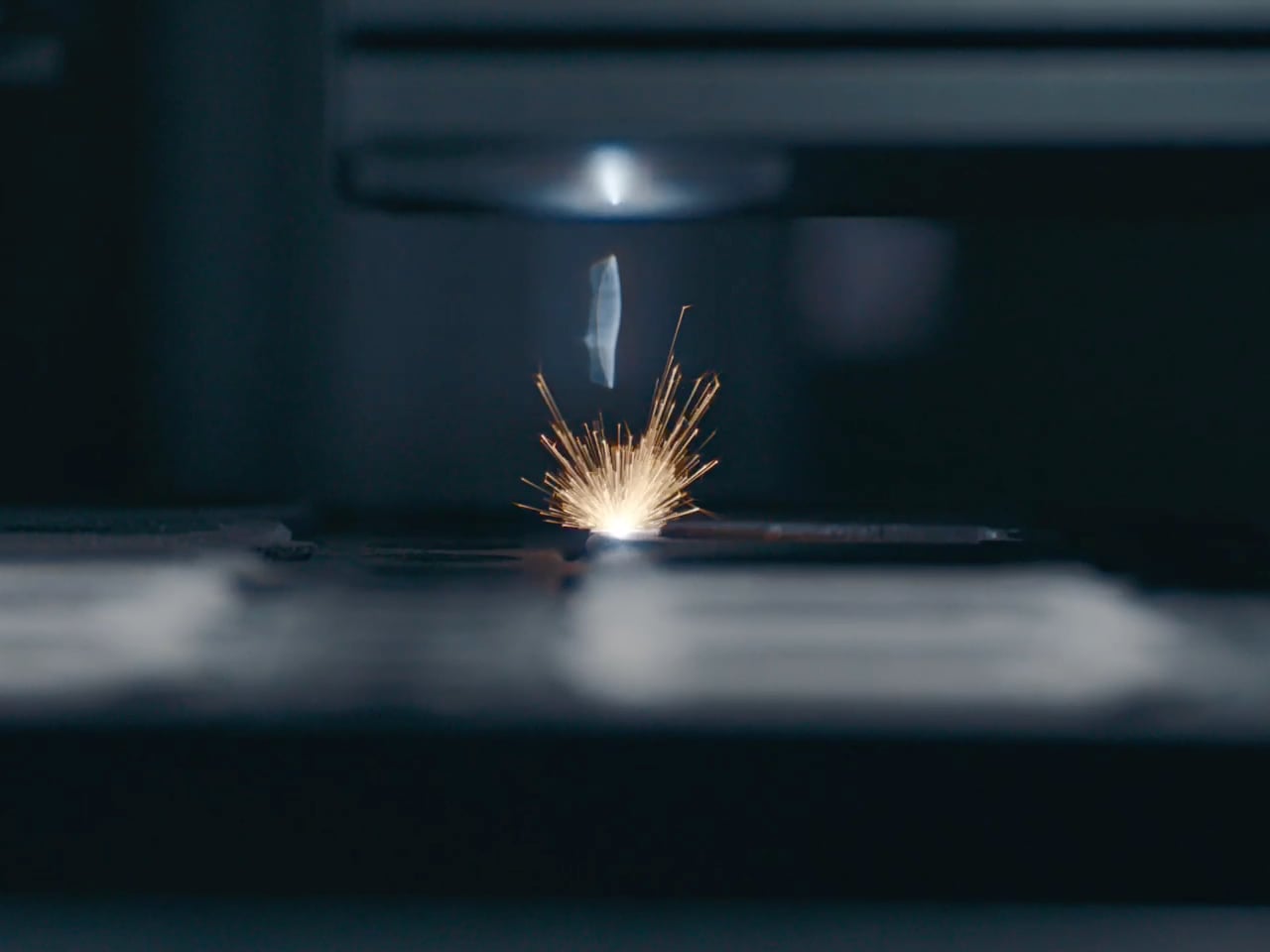
With 3D titanium printing technologies like laser powder bed fusion, you achieve precise stress-optimized components with minimal waste. Although production costs remain higher upfront, you benefit from reduced material usage, fewer assembly steps, and lower energy input, which delivers smarter products that balance performance, sustainability, and long-term value.

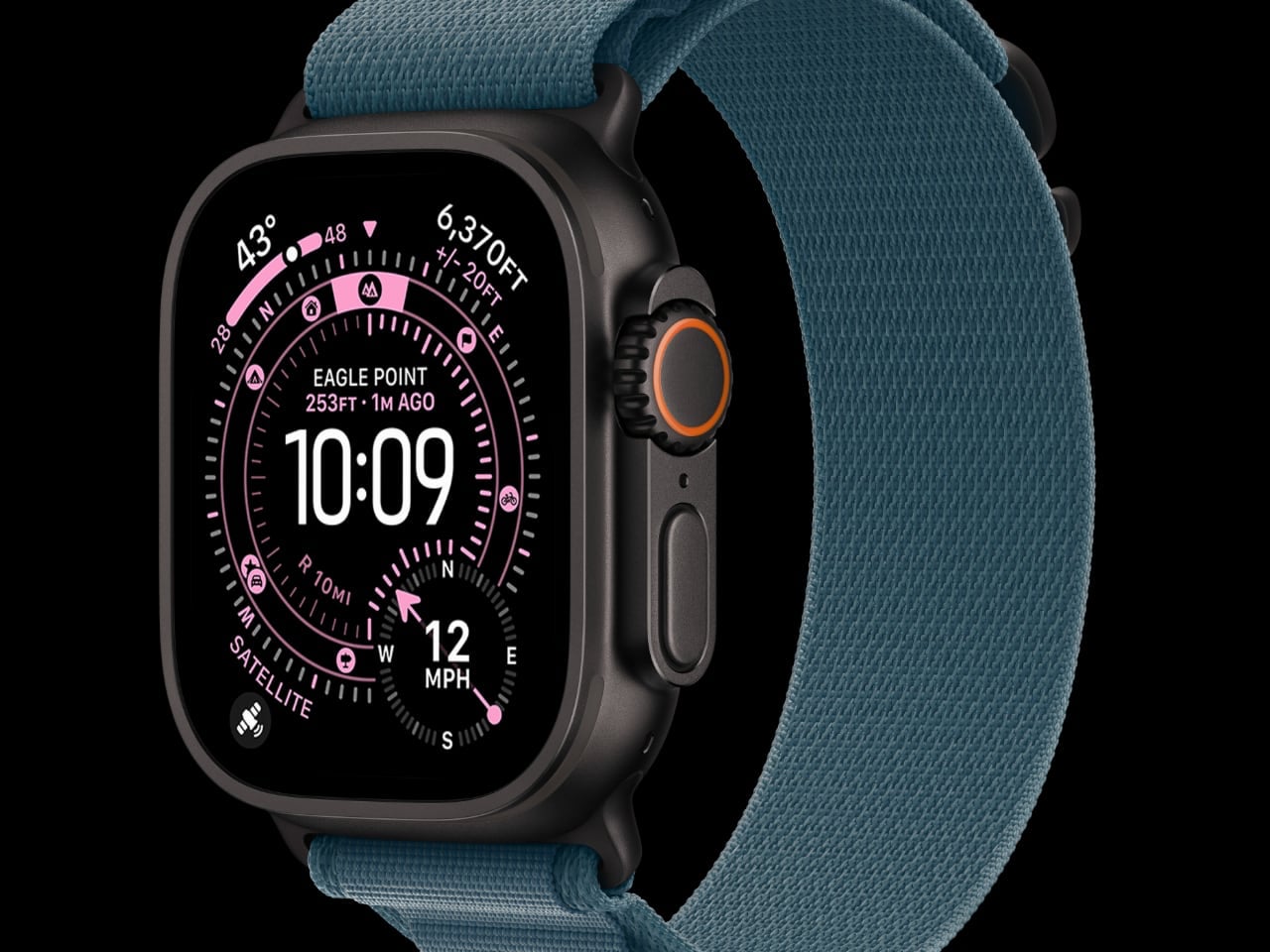
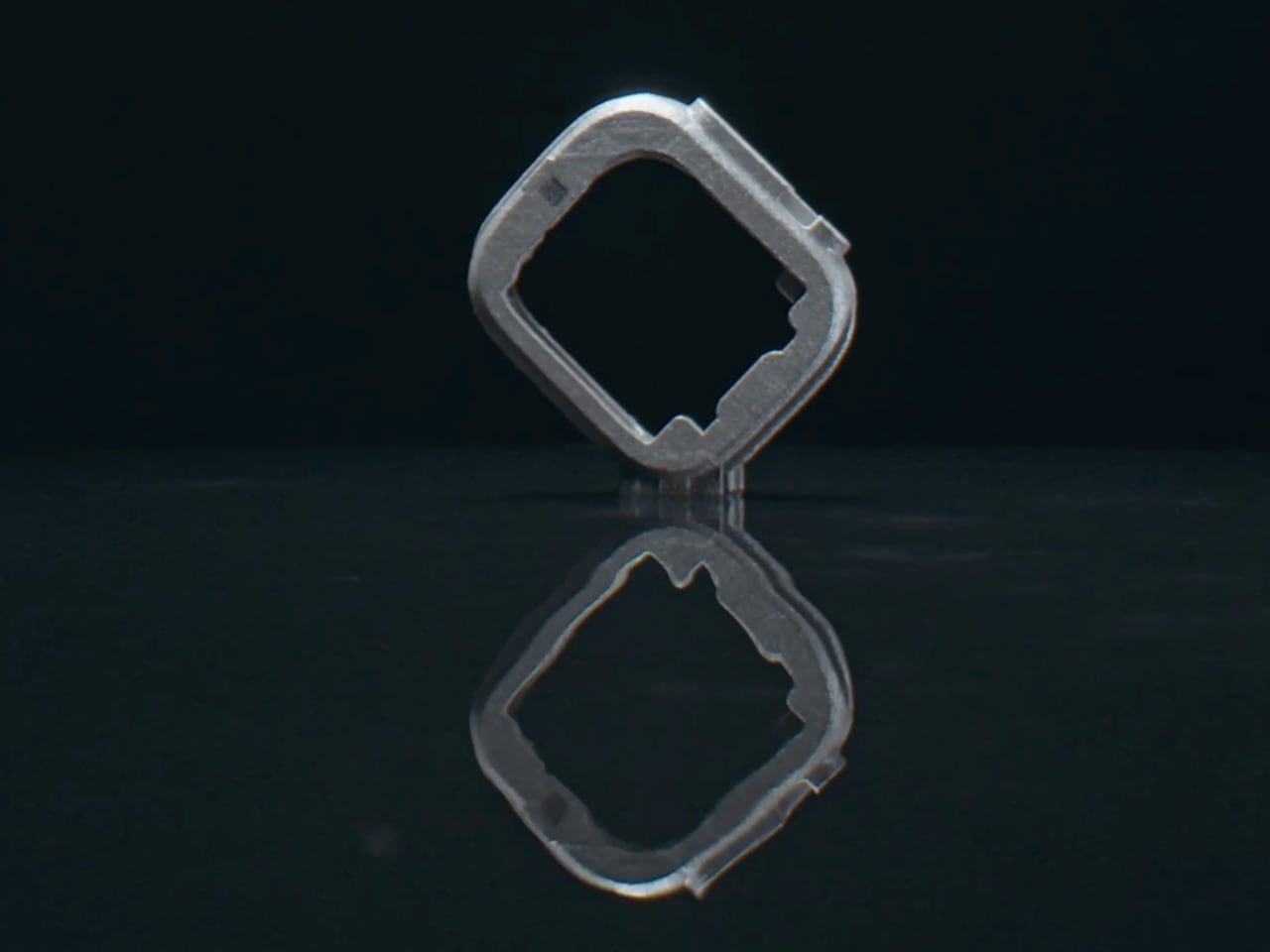
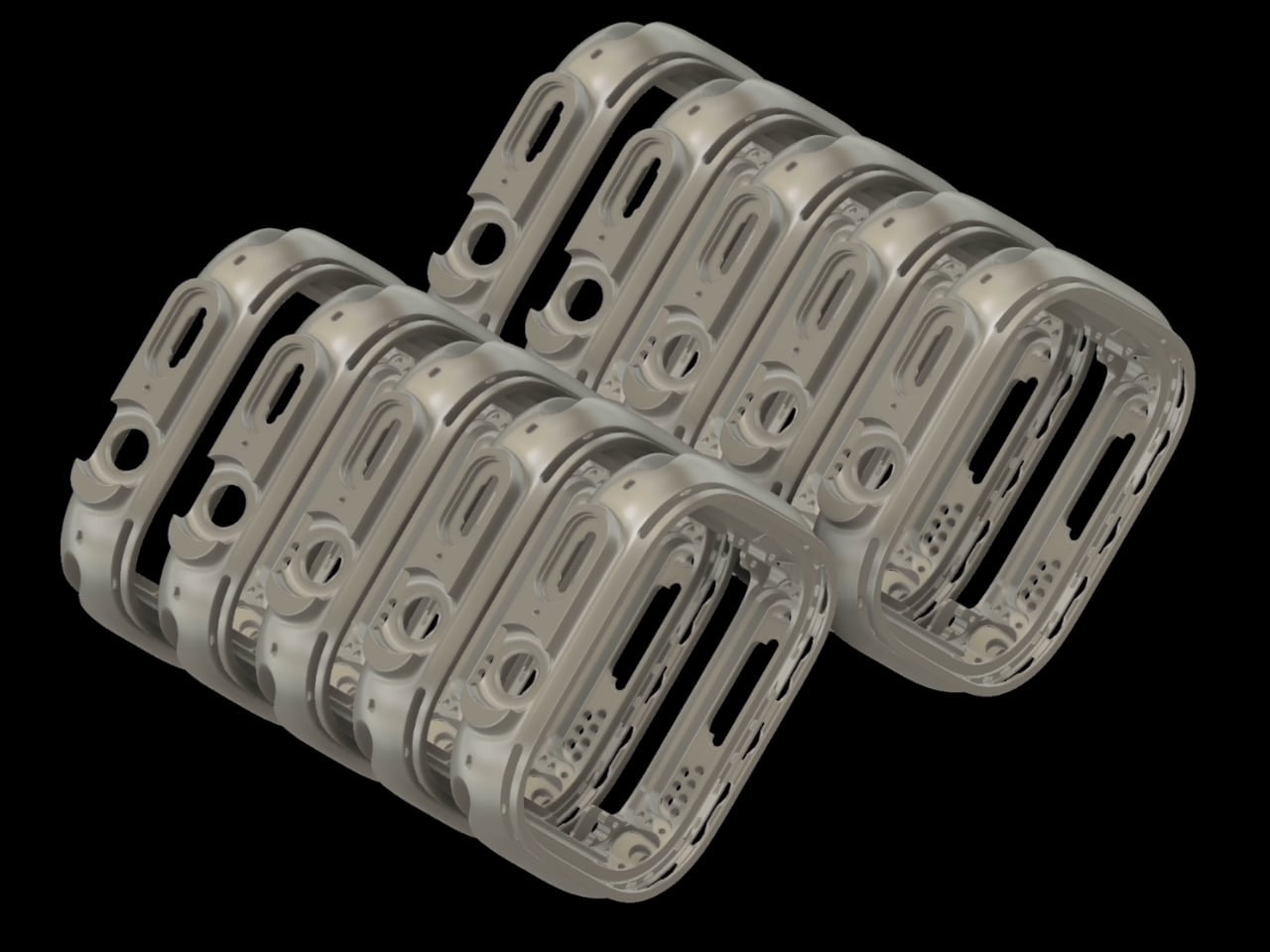
Apple’s move to 3D-printed titanium signals a deeper shift in product design, where manufacturing innovation directly shapes form, performance, and sustainability. By producing Apple Watch Ultra 3 and Series 11 cases through additive manufacturing using 100 percent recycled aerospace-grade titanium powder, Apple cuts raw material use by nearly half. The result feels identical to traditionally forged cases that are light, durable, and mirror-polished, yet it emerges from a process that builds only what the design truly needs.

Unlike subtractive machining, where excess titanium becomes waste, 3D printing constructs cases layer by layer with extreme precision. This unlocks design advantages beyond efficiency. Apple can now print internal textures that improve bonding between metal and plastic, enhancing waterproofing without adding bulk. The same approach enables thinner yet stronger components, such as the titanium USB-C enclosure in the iPhone Air. Here, sustainability is not an add-on, as it becomes the system through which better products are designed.

2. Anodic Color Effects

Titanium achieves color through anodic oxidation, an electrochemical process that alters its natural oxide layer rather than covering it. You are not applying paint, but you are changing how the material interacts with light. This creates rich hues—ranging from soft blues to deep violets—that shift subtly with angle and atmosphere, giving products a living, responsive surface.

These anodic finishes are not only expressive but enduring. They resist UV fading, corrosion, and salt exposure far better than conventional coatings. For product design, this means long-lasting color without maintenance or reapplication. You get visual depth, material honesty, and performance aligned in a single, permanent finish.

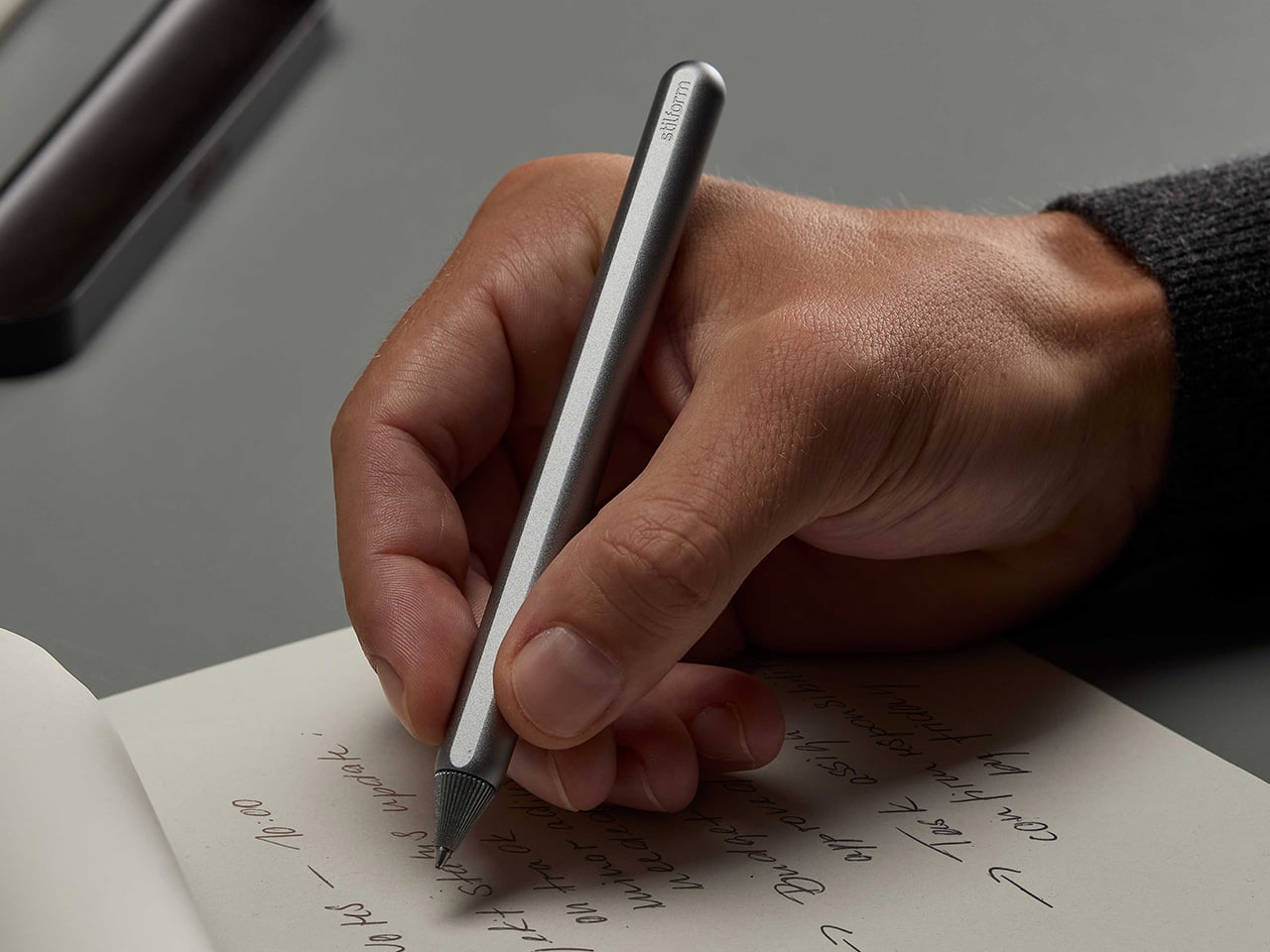
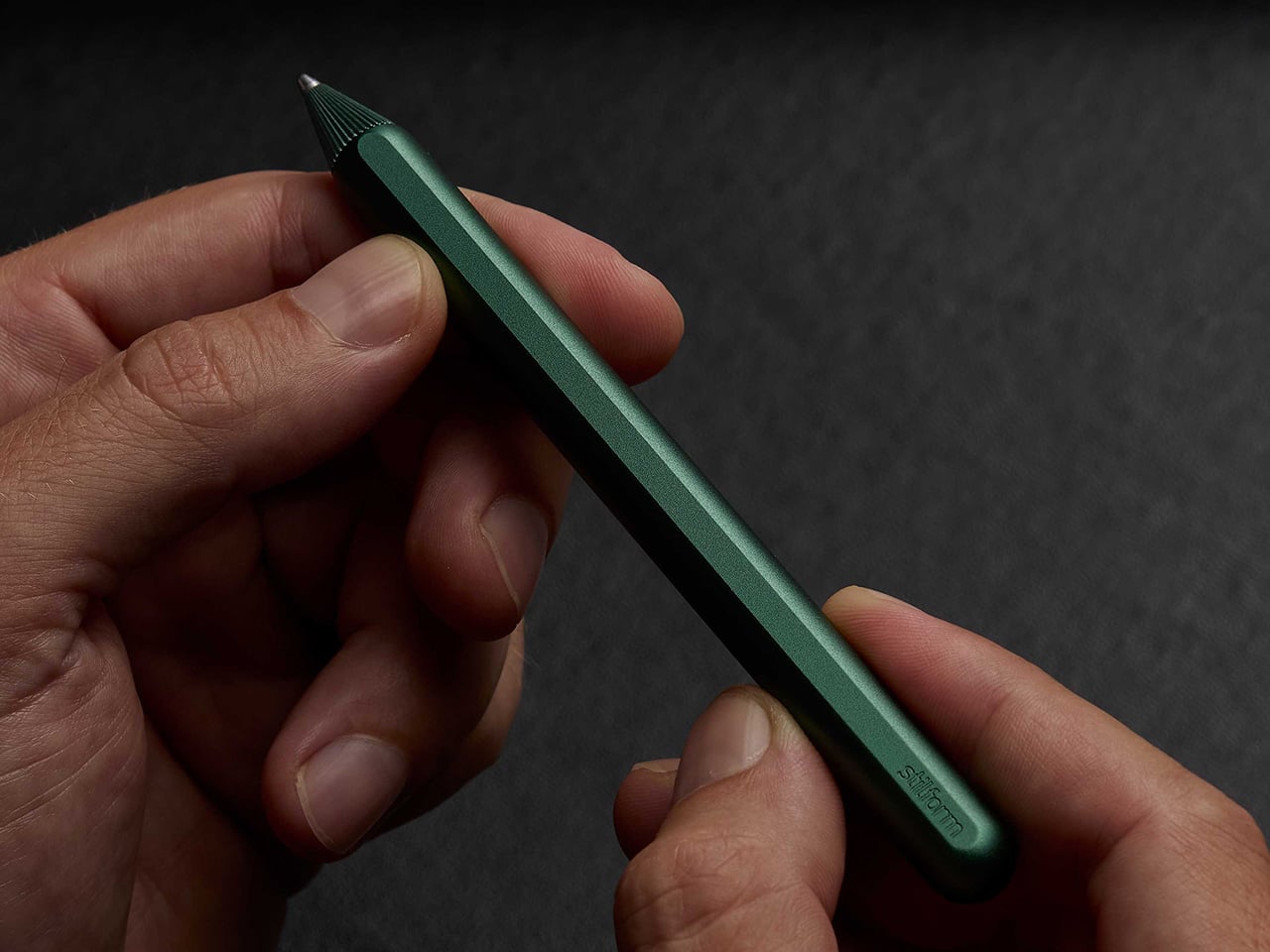
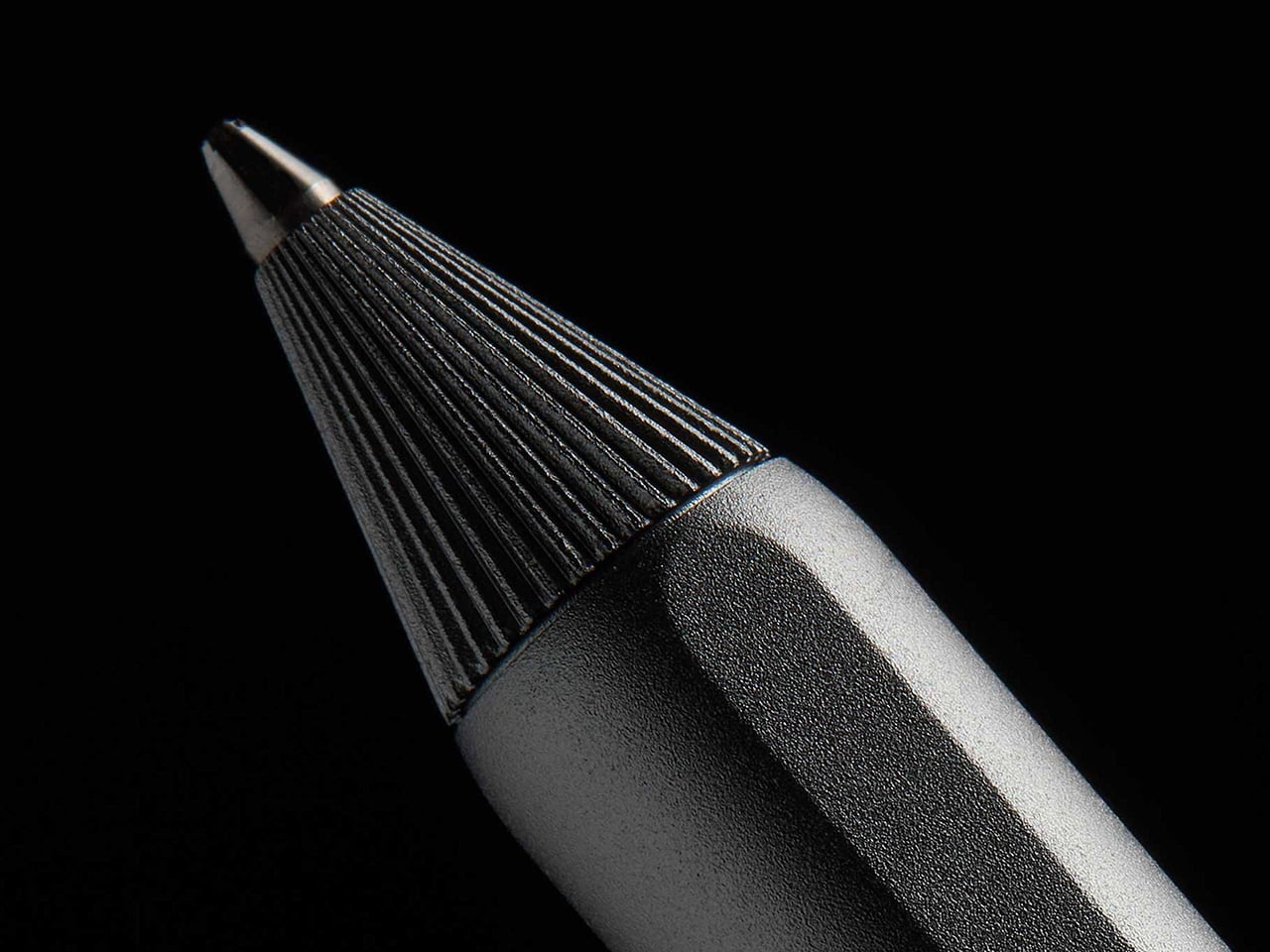
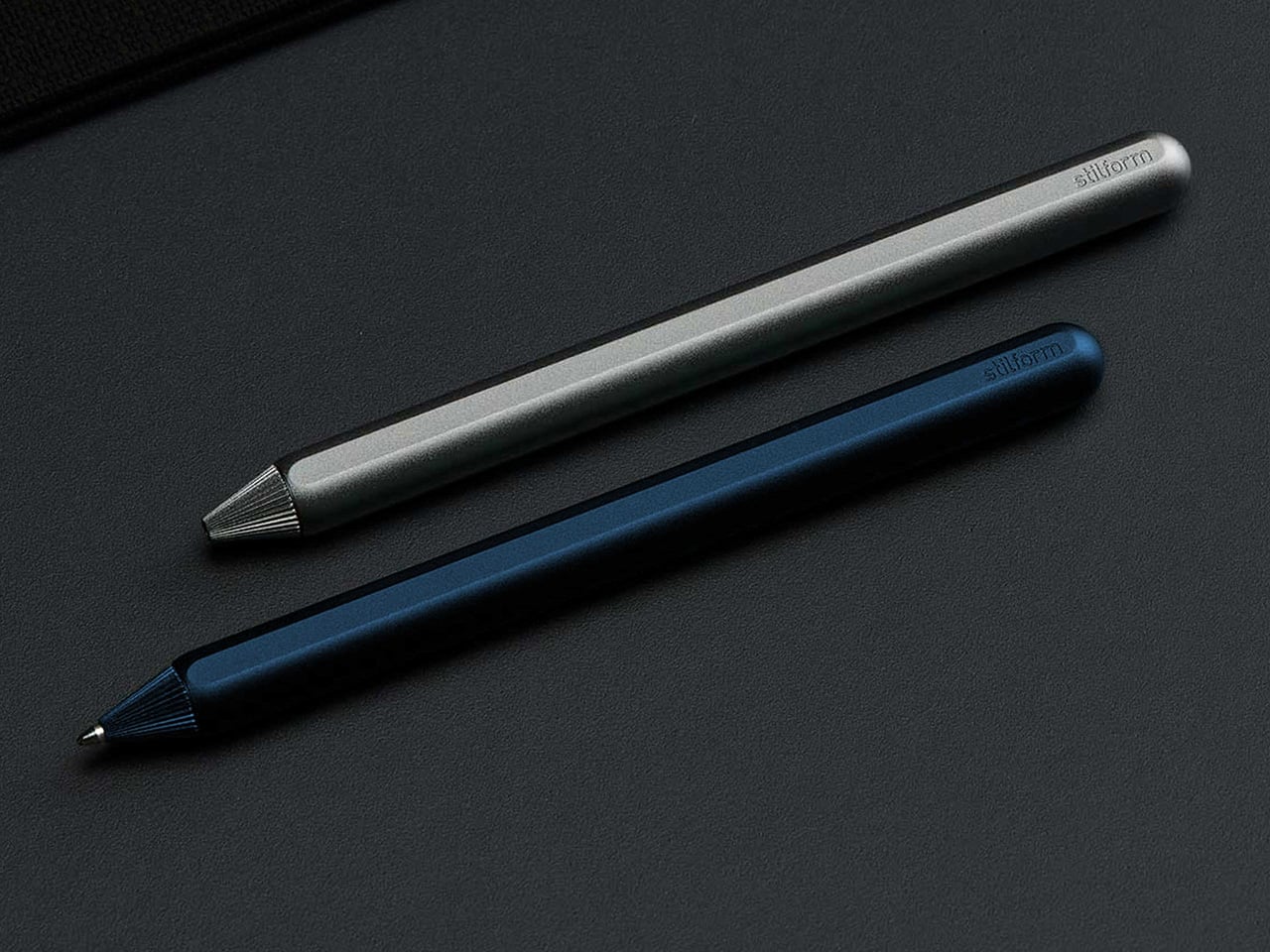
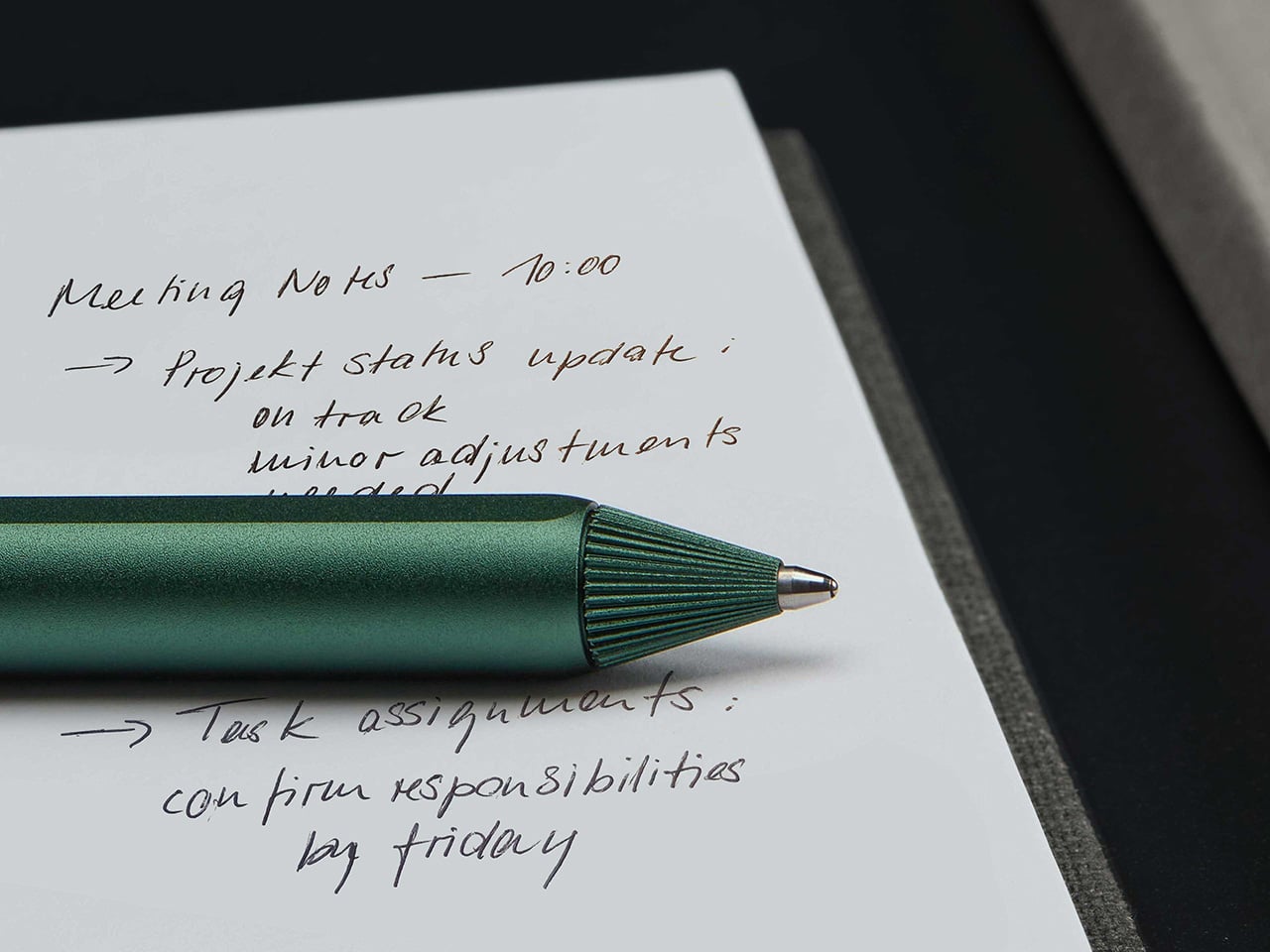
The AEON Ballpoint is defined by disciplined product design rather than visual flair. Its form is reduced to a clean metal cylinder, free of branding, excess seams, or decorative elements. The matte finishes are chosen for grip and durability, not ornament. Every curve is calibrated for the hand, making the object feel purposeful and precise from the first touch.

Function drives every detail. The front-end twist mechanism is hidden where the fingers naturally rest, allowing seamless operation without changing grip. Weight distribution is carefully balanced for sustained writing comfort, while subtle flat facets prevent the pen from rolling on a desk. Titanium

3. Smart Glazing

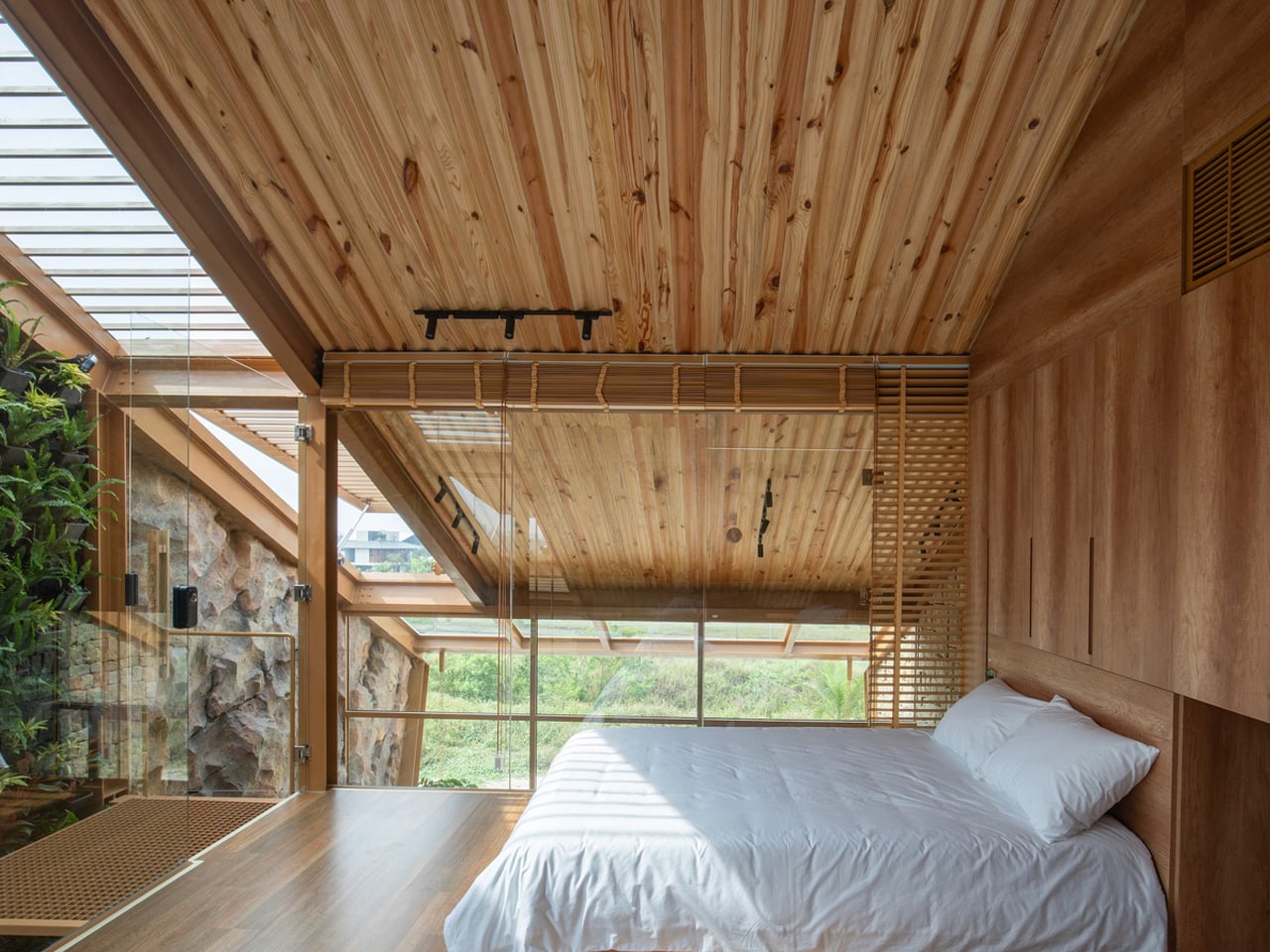
Titanium-doped glazing represents a new generation of high-performance glass designed to actively regulate indoor climate. By depositing ultra-thin layers of titanium dioxide onto glass surfaces, this technology achieves spectral selectivity—reflecting infrared heat while allowing visible light to pass through. The result is improved thermal efficiency, reduced heat gain, and lower dependence on mechanical cooling systems, even in buildings with expansive glass façades.

Beyond performance, this glazing supports biophilic design intent. Clear, untinted views preserve a visual connection with the landscape, allowing natural light to shape interior experience. The space remains thermally stable yet visually open, creating a calm, nature-connected interior envelope.

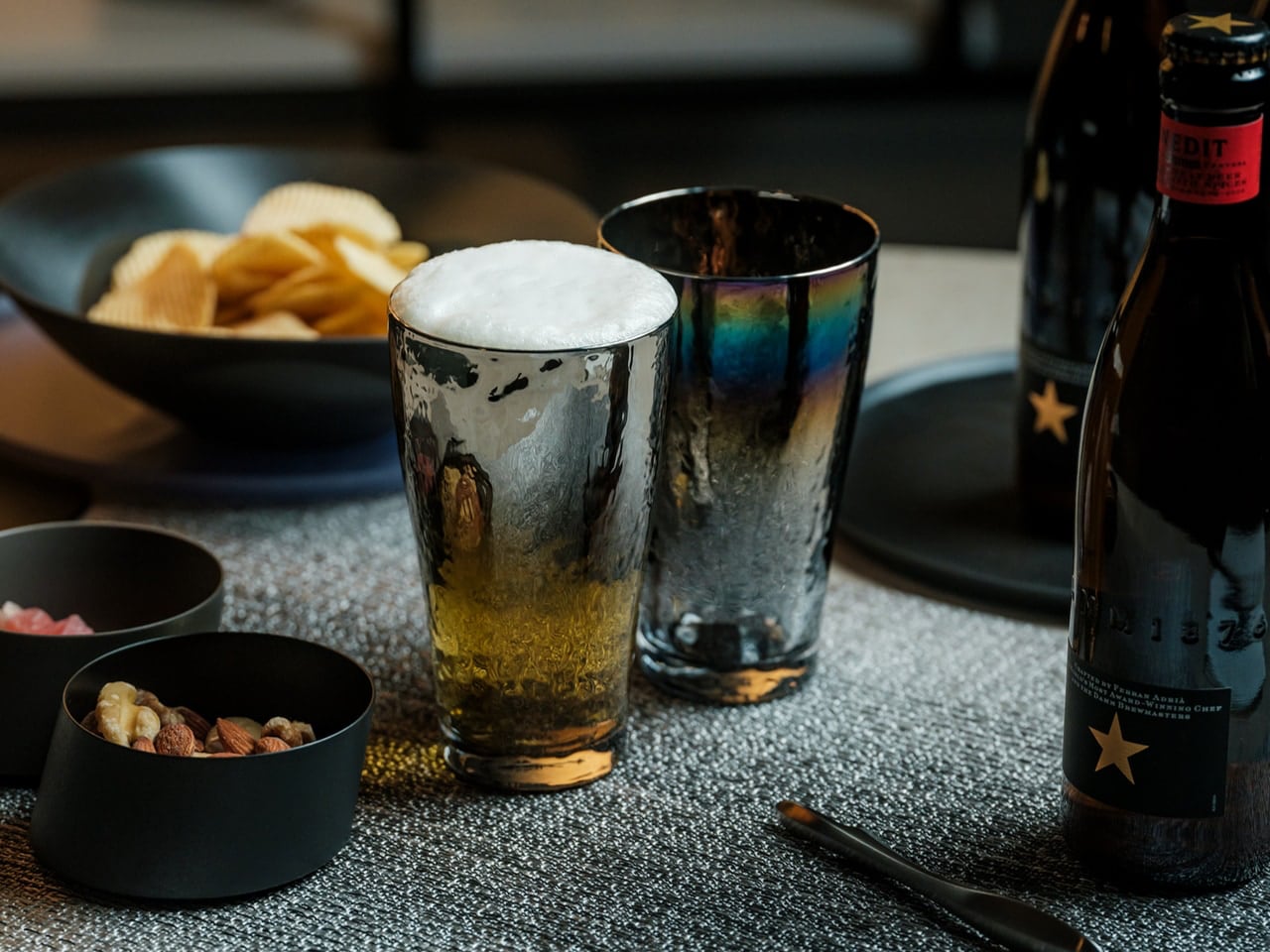
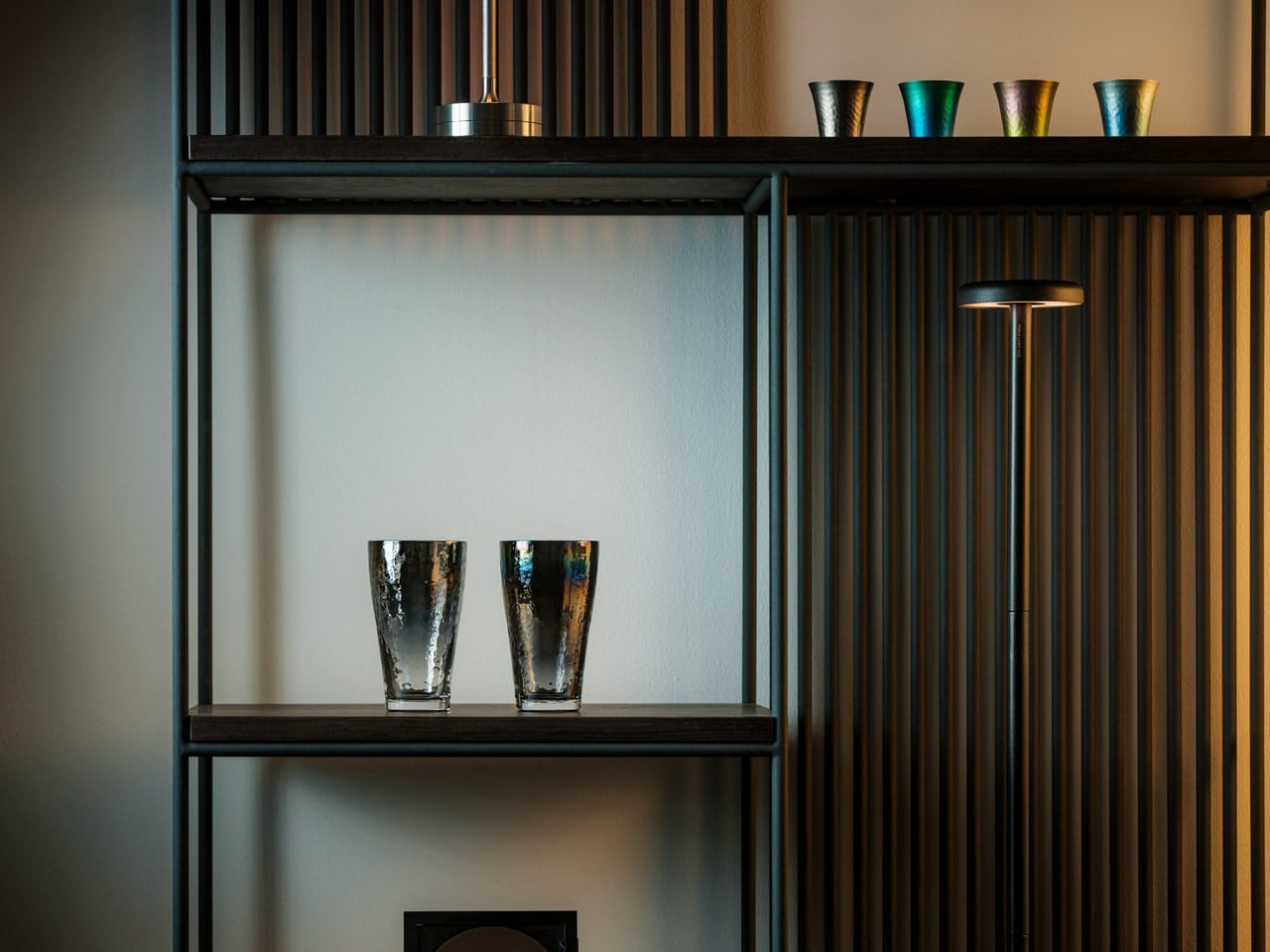
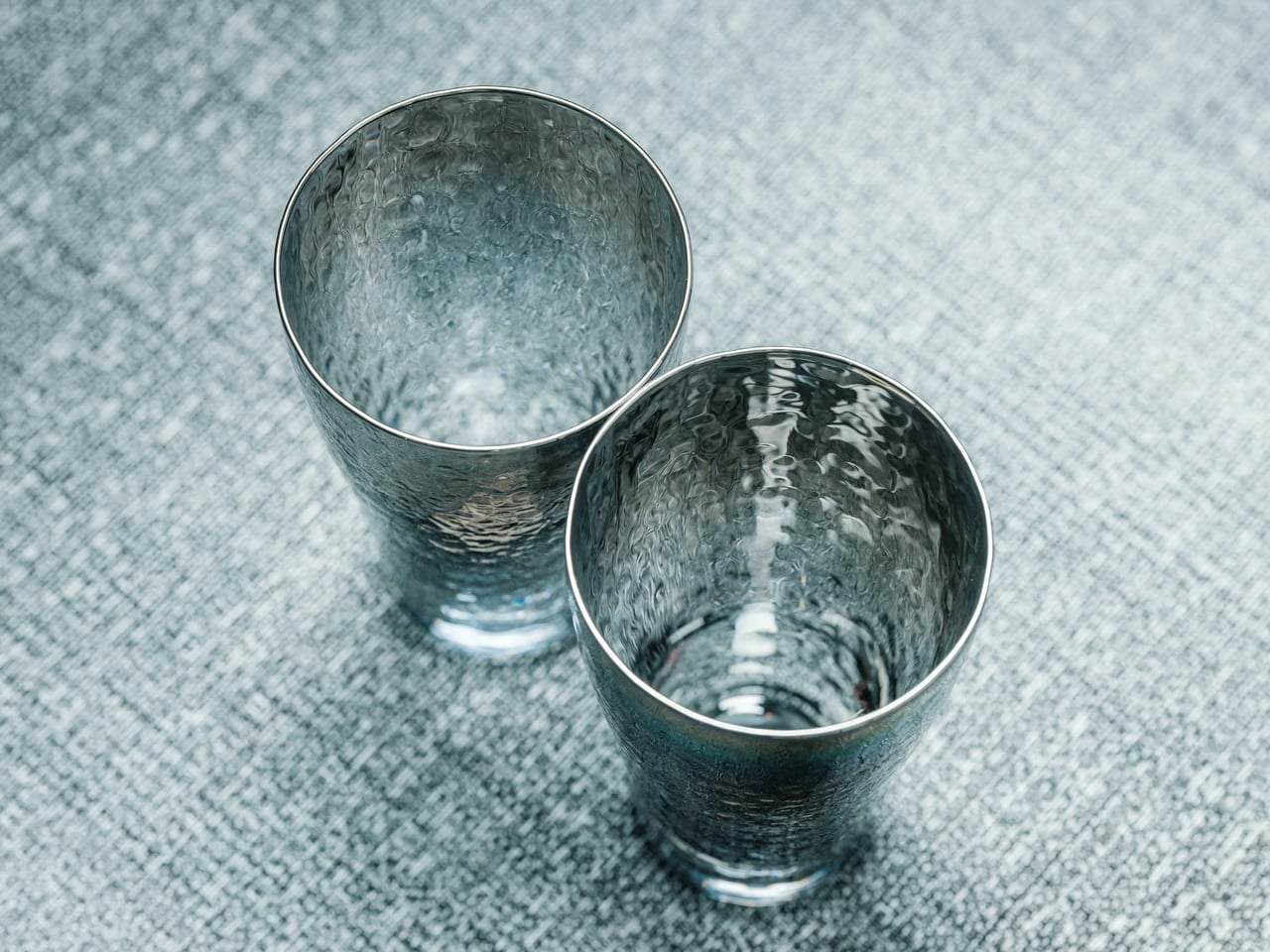
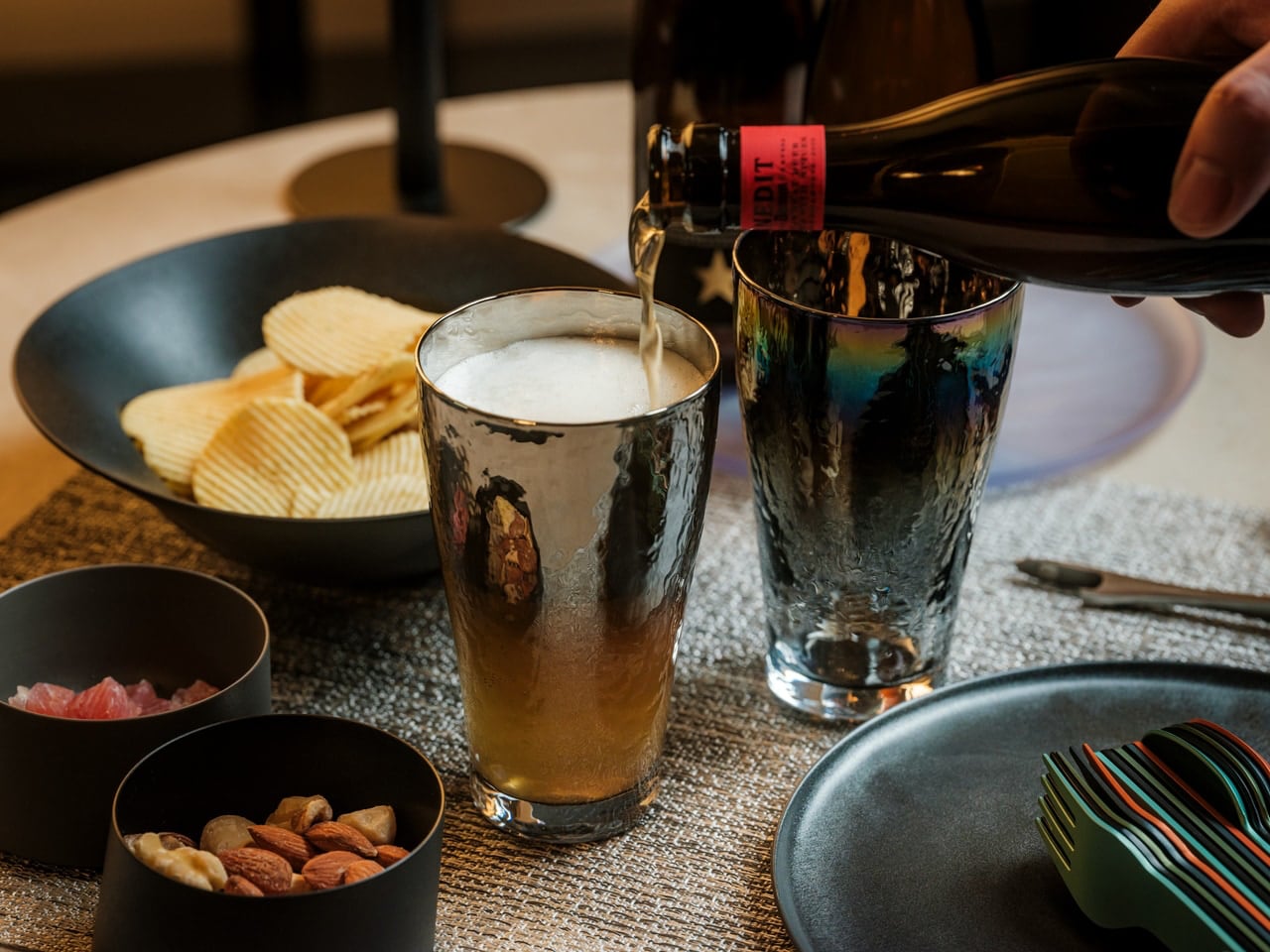
The Prism Titanium Beer Glass is designed to elevate the act of drinking through precision, material integrity, and restrained design. Crafted in Japan by Progress Design, the glass features an ultra-thin lining of 99.9% pure titanium, engineered to reduce bitterness and eliminate metallic aftertastes, allowing the true character of the beverage to emerge. Its flared rim enhances aroma and refines mouthfeel, while the aerospace-grade construction ensures durability, corrosion resistance, and long-term performance. Every element reflects a balance between advanced technology and traditional Japanese craftsmanship.

Visually understated yet distinctive, Prism’s light-reactive finish subtly shifts with movement, adding depth without excess. Etched motifs draw from enduring Japanese symbols of continuity and prosperity, reinforcing its sense of permanence and purpose. Designed to be used daily rather than displayed, the Prism Titanium Beer Glass prioritises clarity, tactility, and intention—transforming an ordinary pour into a composed, well-considered experience grounded in design excellence.

Click here to Buy the Prism Titanium Beer Glass: $99 

4. Minimalism Enabled by Strength

Titanium’s exceptional tensile strength enables a new approach to product and structural design defined by extreme slenderness and visual lightness. Components can be engineered with significantly reduced mass while maintaining high performance, allowing forms to appear almost invisible. This material efficiency supports refined proportions and uninterrupted lines, enhancing both functionality and aesthetic clarity.

By minimising structural bulk, design emphasis shifts towards spatial sequencing and visual flow. Slender supports and cantilevered elements create open, fluid compositions that maximise usable space while reinforcing a sense of weightlessness. This form of minimalism is not decorative but technical—rooted in advanced engineering and material intelligence, where precision-driven design allows the surrounding context and spatial experience to take precedence.

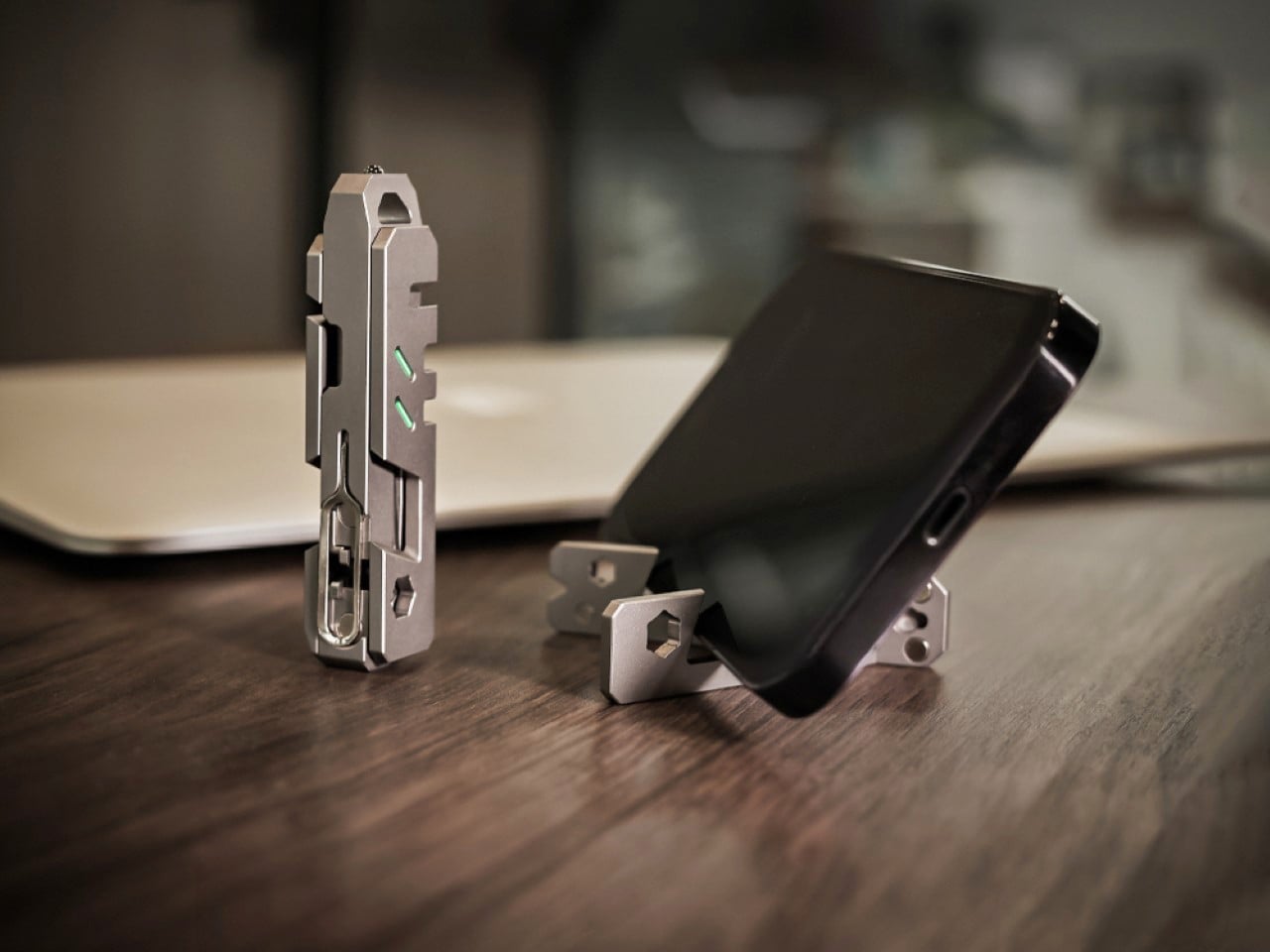
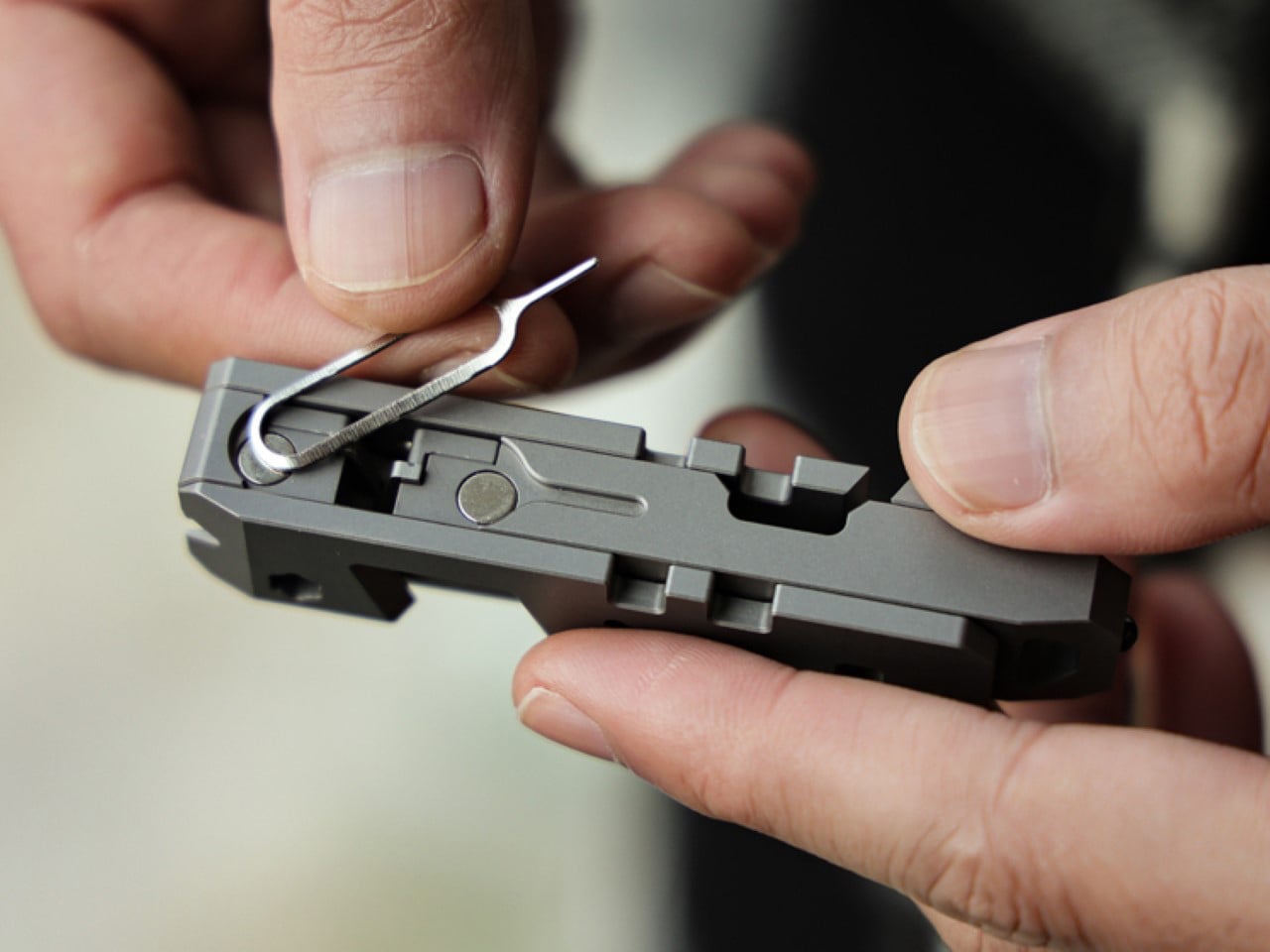
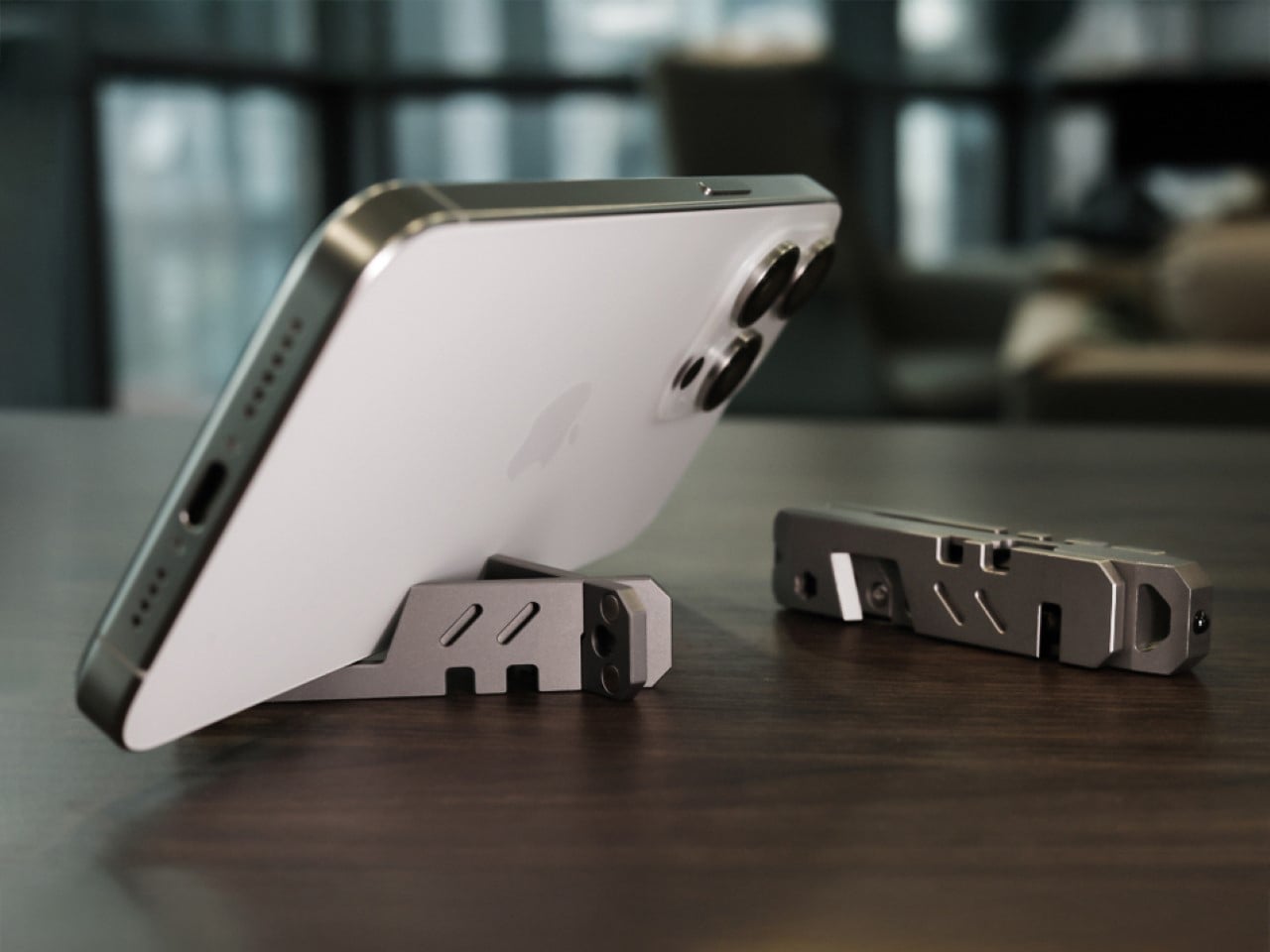
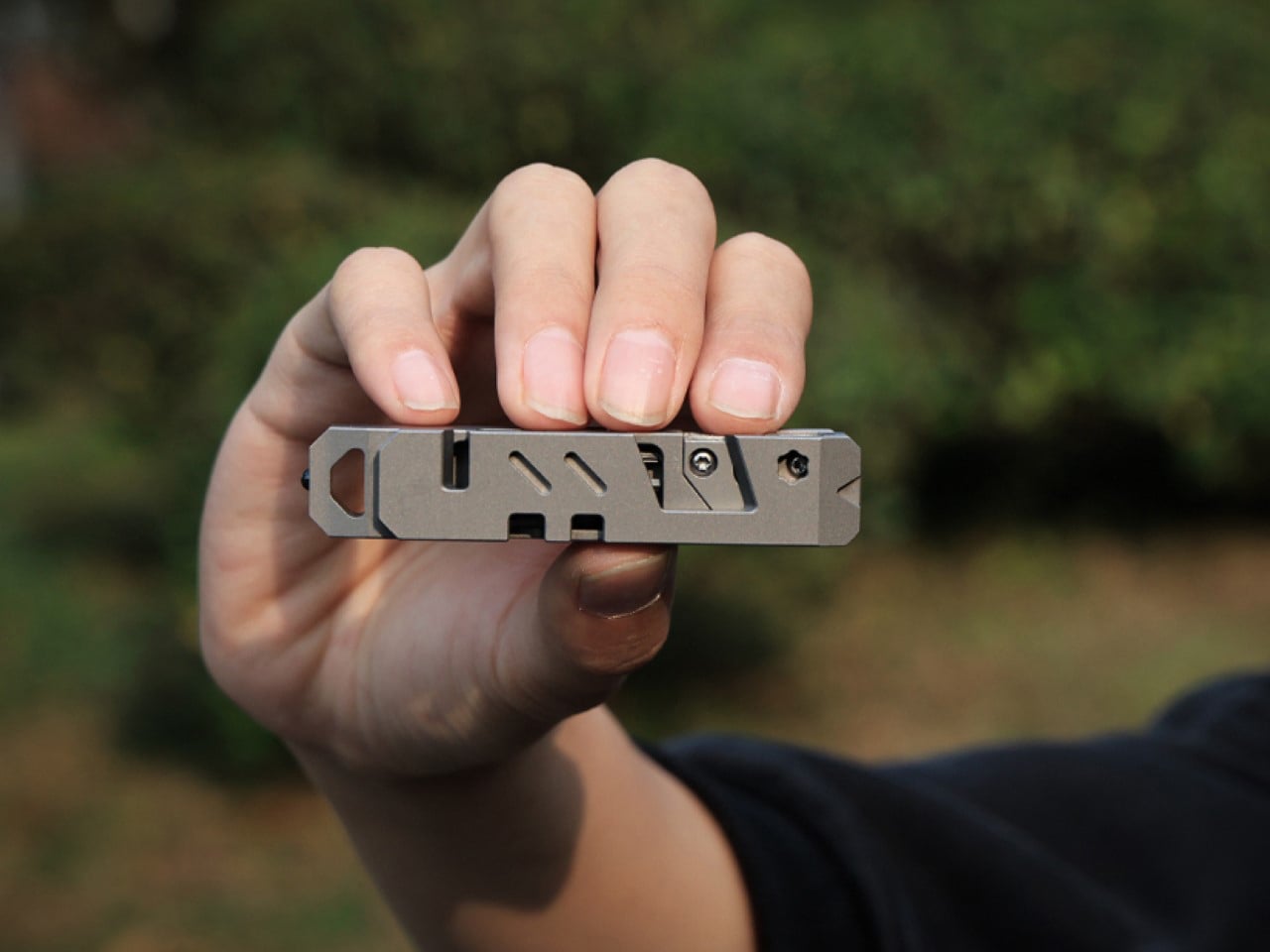
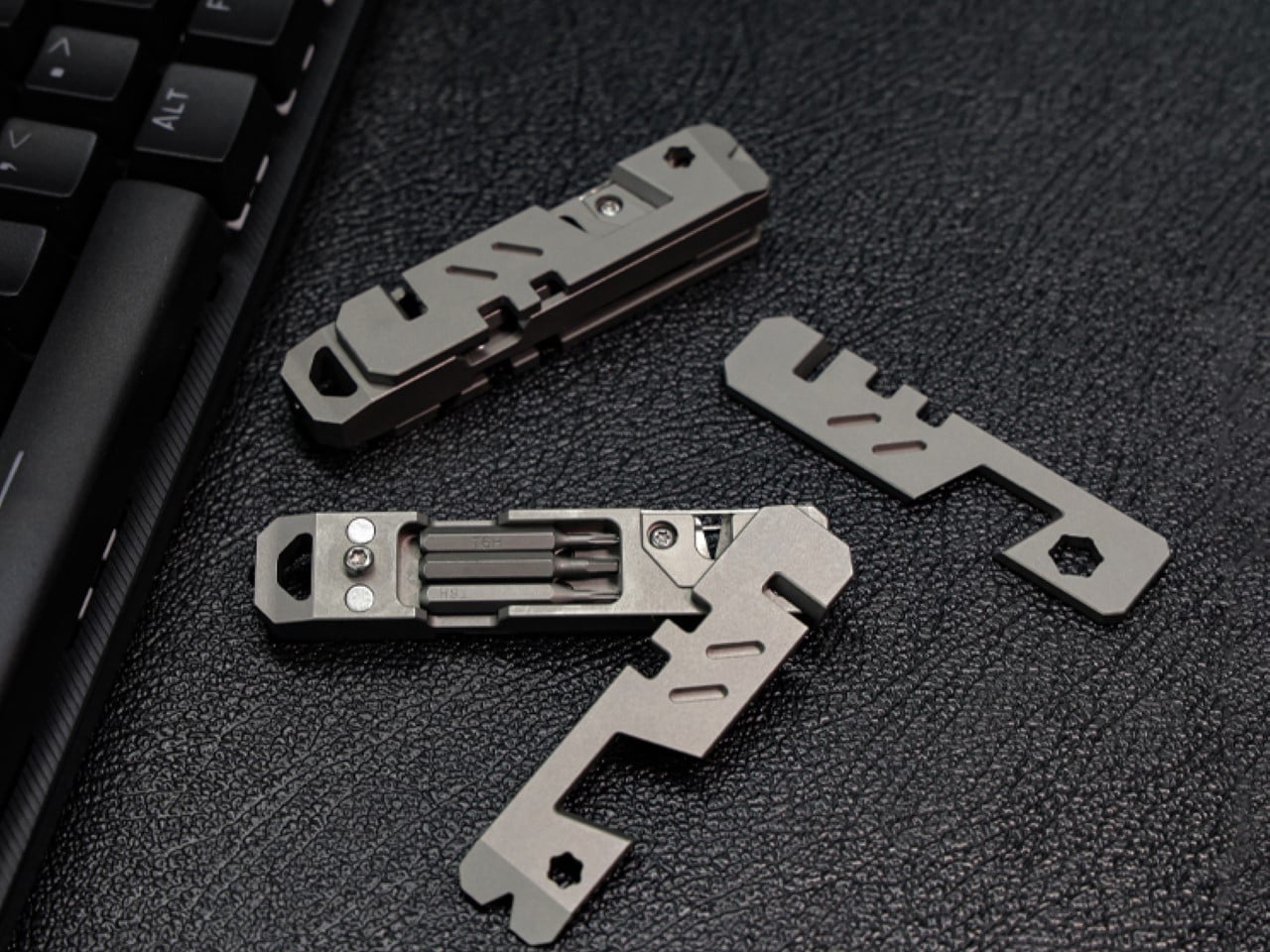
The TriPro Stand is a compact, precision-engineered multitool designed to deliver high functionality within a remarkably small form. Crafted from durable titanium alloy, it integrates 15 essential tools into a structure no larger than a finger while maintaining a lightweight profile of just 56 grams. Its design prioritises strength, corrosion resistance, and refined minimalism, demonstrating how advanced materials allow complex functionality without added bulk. The result is a discreet yet highly capable everyday carry tool that balances performance with visual restraint.

Each function is thoughtfully embedded to support practical, real-world use. Features such as the integrated phone stand, modular screwdriver system with magnetic bit storage, SIM ejector, pry bar, spoke wrench, folding scalpel, sharpener, and emergency glass breaker are engineered for reliability rather than novelty. Measuring 8 cm in length, the TriPro Stand exemplifies intelligent product design—where precision manufacturing, material efficiency, and purposeful detailing converge to create a durable and dependable multitool.

5. Exceptional Fatigue Resistance

Titanium demonstrates exceptional resistance to cyclic fatigue, enabling it to withstand repeated stress and loading without cracking, deforming, or compromising structural integrity. Unlike many conventional metals that gradually weaken under continuous use, titanium retains its mechanical performance across millions of stress cycles. This inherent endurance allows designers to rely on slimmer, more efficient components without sacrificing reliability.

Such fatigue resistance makes titanium particularly suitable for products intended for frequent handling and long-term use, including hinges, fasteners, wearables, tools, and precision mechanical interfaces. By maintaining consistent performance over time, titanium enhances safety, durability, and functional stability. Its ability to endure prolonged mechanical demand reinforces its position as a material defined not only by strength and lightness, but by sustained performance and endurance-led design.

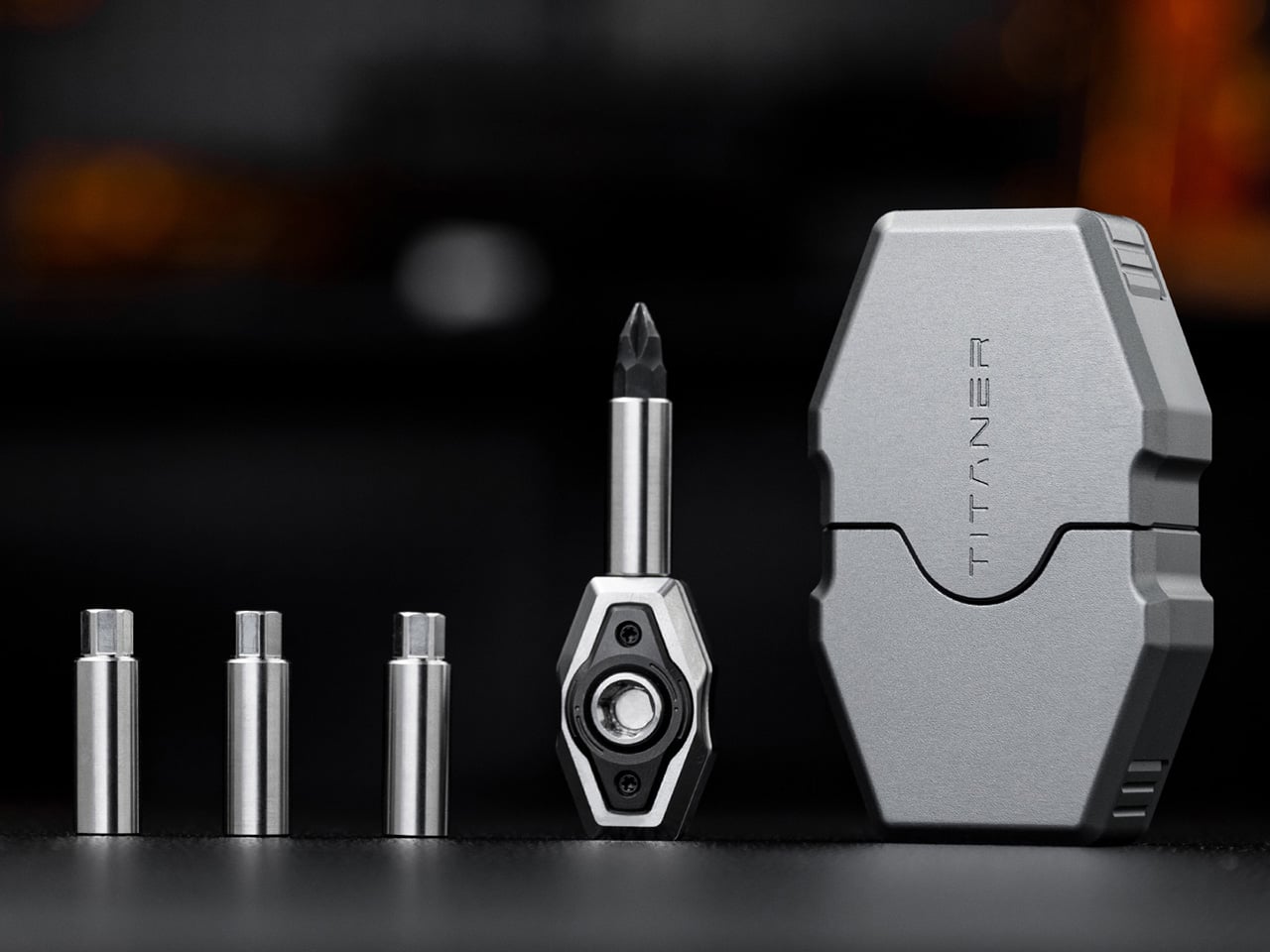
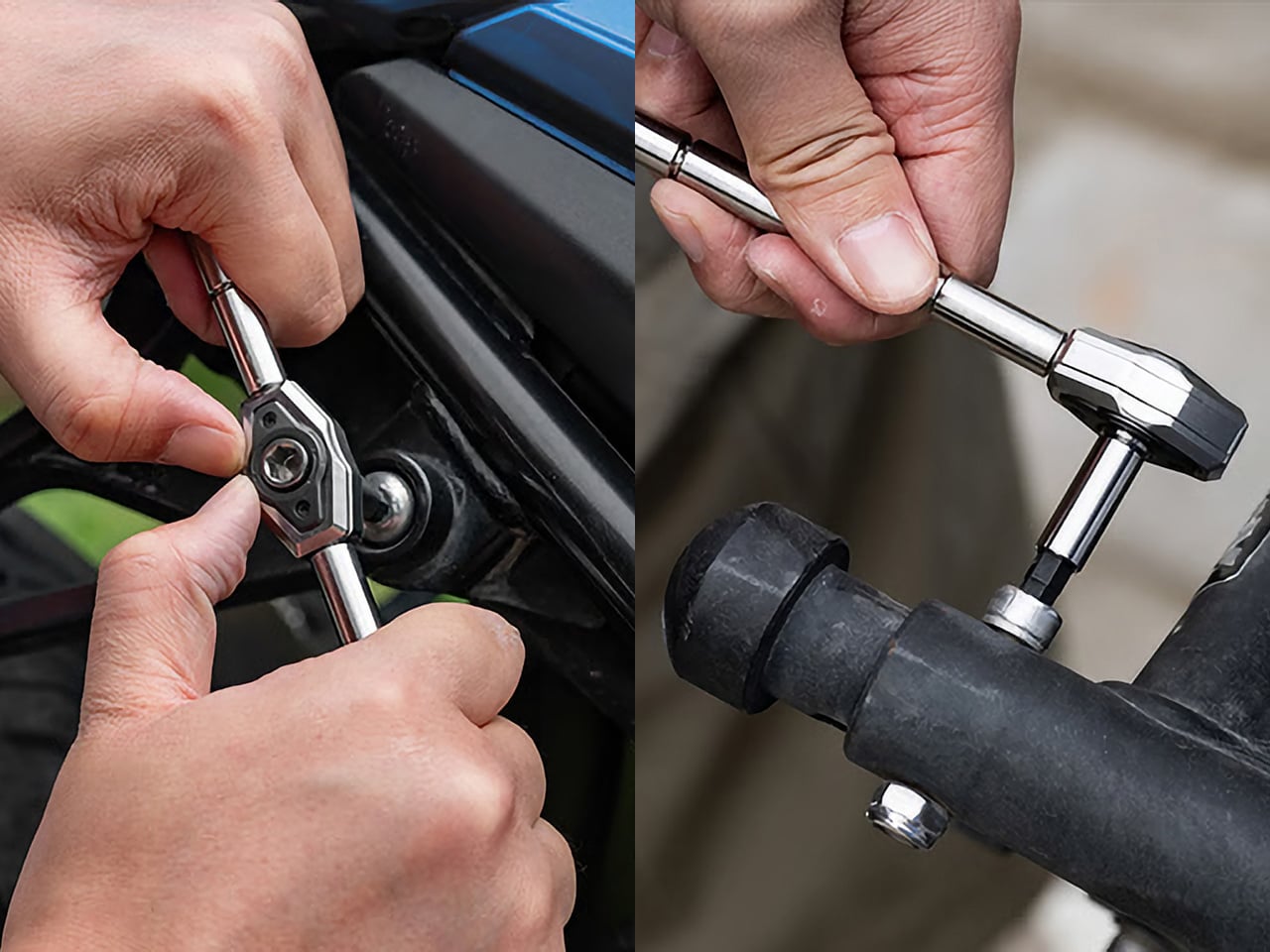
Fasteners positioned in confined or obstructed spaces often reveal the shortcomings of conventional ratchets, which require a wide swing arc to function effectively. The Titaner EDC Ratchet System is engineered specifically to overcome this limitation through a precision 4-degree swing arc, enabling forward motion with minimal hand movement. Its compact ratchet core weighs just 29.8 grams, yet delivers clear tactile and audible feedback, ensuring accurate engagement even in environments where access and visibility are severely restricted.

Despite its minimal size, the system is designed for high torque and long-term durability. A dual-lock gear mechanism efficiently transfers force without play, while a flip-based directional control replaces fragile thumb levers, reducing complexity and potential failure points. The modular configuration allows the tool to be adapted into T-, L-, or I-shaped formats using extension bars, optimising leverage and reach. Manufactured from GR5 titanium with hardened M390 steel gear teeth, the Titaner EDC Ratchet System combines corrosion resistance, structural integrity, and refined mechanical performance in a compact, purpose-driven design.

The integration of titanium into product design marks a shift from visual heaviness to intelligent lightness. No longer perceived as cold or industrial, titanium functions as a responsive material that balances strength, precision, and refined tactility. Its use enables objects that are lighter, more durable, and visually restrained—defining a new language of design where performance, longevity, and elegance are seamlessly aligned.

The post Steel Is Dead: 5 Titanium Products That Just Replaced It in 2026 first appeared on Yanko Design.
Steel Is Dead: 5 Titanium Products That Just Replaced It in 2026

Titanium is no longer confined to aerospace or medical tools. You now see it shaping everyday product design, from consumer electronics to furniture and wearables. Its high strength-to-weight ratio lets you create thinner profiles without sacrificing durability. Resistant to corrosion, scratches, and heat, titanium extends product life while reducing the need for frequent replacement.

Beyond performance, titanium delivers a refined tactile and visual experience. Its surface interacts with light to produce subtle tonal shifts that feel precise yet understated. You get products that feel premium without excess. With its long lifespan and recyclability, titanium supports responsible design choices, aligning innovation with sustainability and long-term value.

1. Generative Titanium Design

Generative design combined with additive manufacturing is reshaping how you approach product structures. Instead of solid, overbuilt components, you can now create lightweight forms guided by algorithms. These digitally evolved geometries use material only where strength is required, resulting in efficient, organic profiles inspired by natural systems such as bone and cellular growth.

With 3D titanium printing technologies like laser powder bed fusion, you achieve precise stress-optimized components with minimal waste. Although production costs remain higher upfront, you benefit from reduced material usage, fewer assembly steps, and lower energy input, which delivers smarter products that balance performance, sustainability, and long-term value.

Apple’s move to 3D-printed titanium signals a deeper shift in product design, where manufacturing innovation directly shapes form, performance, and sustainability. By producing Apple Watch Ultra 3 and Series 11 cases through additive manufacturing using 100 percent recycled aerospace-grade titanium powder, Apple cuts raw material use by nearly half. The result feels identical to traditionally forged cases that are light, durable, and mirror-polished, yet it emerges from a process that builds only what the design truly needs.

Unlike subtractive machining, where excess titanium becomes waste, 3D printing constructs cases layer by layer with extreme precision. This unlocks design advantages beyond efficiency. Apple can now print internal textures that improve bonding between metal and plastic, enhancing waterproofing without adding bulk. The same approach enables thinner yet stronger components, such as the titanium USB-C enclosure in the iPhone Air. Here, sustainability is not an add-on, as it becomes the system through which better products are designed.

2. Anodic Color Effects

Titanium achieves color through anodic oxidation, an electrochemical process that alters its natural oxide layer rather than covering it. You are not applying paint, but you are changing how the material interacts with light. This creates rich hues—ranging from soft blues to deep violets—that shift subtly with angle and atmosphere, giving products a living, responsive surface.

These anodic finishes are not only expressive but enduring. They resist UV fading, corrosion, and salt exposure far better than conventional coatings. For product design, this means long-lasting color without maintenance or reapplication. You get visual depth, material honesty, and performance aligned in a single, permanent finish.

The AEON Ballpoint is defined by disciplined product design rather than visual flair. Its form is reduced to a clean metal cylinder, free of branding, excess seams, or decorative elements. The matte finishes are chosen for grip and durability, not ornament. Every curve is calibrated for the hand, making the object feel purposeful and precise from the first touch.

Function drives every detail. The front-end twist mechanism is hidden where the fingers naturally rest, allowing seamless operation without changing grip. Weight distribution is carefully balanced for sustained writing comfort, while subtle flat facets prevent the pen from rolling on a desk. Titanium

3. Smart Glazing

Titanium-doped glazing represents a new generation of high-performance glass designed to actively regulate indoor climate. By depositing ultra-thin layers of titanium dioxide onto glass surfaces, this technology achieves spectral selectivity—reflecting infrared heat while allowing visible light to pass through. The result is improved thermal efficiency, reduced heat gain, and lower dependence on mechanical cooling systems, even in buildings with expansive glass façades.

Beyond performance, this glazing supports biophilic design intent. Clear, untinted views preserve a visual connection with the landscape, allowing natural light to shape interior experience. The space remains thermally stable yet visually open, creating a calm, nature-connected interior envelope.

The Prism Titanium Beer Glass is designed to elevate the act of drinking through precision, material integrity, and restrained design. Crafted in Japan by Progress Design, the glass features an ultra-thin lining of 99.9% pure titanium, engineered to reduce bitterness and eliminate metallic aftertastes, allowing the true character of the beverage to emerge. Its flared rim enhances aroma and refines mouthfeel, while the aerospace-grade construction ensures durability, corrosion resistance, and long-term performance. Every element reflects a balance between advanced technology and traditional Japanese craftsmanship.

Visually understated yet distinctive, Prism’s light-reactive finish subtly shifts with movement, adding depth without excess. Etched motifs draw from enduring Japanese symbols of continuity and prosperity, reinforcing its sense of permanence and purpose. Designed to be used daily rather than displayed, the Prism Titanium Beer Glass prioritises clarity, tactility, and intention—transforming an ordinary pour into a composed, well-considered experience grounded in design excellence.

Click here to Buy the Prism Titanium Beer Glass: $99 

4. Minimalism Enabled by Strength

Titanium’s exceptional tensile strength enables a new approach to product and structural design defined by extreme slenderness and visual lightness. Components can be engineered with significantly reduced mass while maintaining high performance, allowing forms to appear almost invisible. This material efficiency supports refined proportions and uninterrupted lines, enhancing both functionality and aesthetic clarity.

By minimising structural bulk, design emphasis shifts towards spatial sequencing and visual flow. Slender supports and cantilevered elements create open, fluid compositions that maximise usable space while reinforcing a sense of weightlessness. This form of minimalism is not decorative but technical—rooted in advanced engineering and material intelligence, where precision-driven design allows the surrounding context and spatial experience to take precedence.

The TriPro Stand is a compact, precision-engineered multitool designed to deliver high functionality within a remarkably small form. Crafted from durable titanium alloy, it integrates 15 essential tools into a structure no larger than a finger while maintaining a lightweight profile of just 56 grams. Its design prioritises strength, corrosion resistance, and refined minimalism, demonstrating how advanced materials allow complex functionality without added bulk. The result is a discreet yet highly capable everyday carry tool that balances performance with visual restraint.

Each function is thoughtfully embedded to support practical, real-world use. Features such as the integrated phone stand, modular screwdriver system with magnetic bit storage, SIM ejector, pry bar, spoke wrench, folding scalpel, sharpener, and emergency glass breaker are engineered for reliability rather than novelty. Measuring 8 cm in length, the TriPro Stand exemplifies intelligent product design—where precision manufacturing, material efficiency, and purposeful detailing converge to create a durable and dependable multitool.

5. Exceptional Fatigue Resistance

Titanium demonstrates exceptional resistance to cyclic fatigue, enabling it to withstand repeated stress and loading without cracking, deforming, or compromising structural integrity. Unlike many conventional metals that gradually weaken under continuous use, titanium retains its mechanical performance across millions of stress cycles. This inherent endurance allows designers to rely on slimmer, more efficient components without sacrificing reliability.

Such fatigue resistance makes titanium particularly suitable for products intended for frequent handling and long-term use, including hinges, fasteners, wearables, tools, and precision mechanical interfaces. By maintaining consistent performance over time, titanium enhances safety, durability, and functional stability. Its ability to endure prolonged mechanical demand reinforces its position as a material defined not only by strength and lightness, but by sustained performance and endurance-led design.

Fasteners positioned in confined or obstructed spaces often reveal the shortcomings of conventional ratchets, which require a wide swing arc to function effectively. The Titaner EDC Ratchet System is engineered specifically to overcome this limitation through a precision 4-degree swing arc, enabling forward motion with minimal hand movement. Its compact ratchet core weighs just 29.8 grams, yet delivers clear tactile and audible feedback, ensuring accurate engagement even in environments where access and visibility are severely restricted.

Despite its minimal size, the system is designed for high torque and long-term durability. A dual-lock gear mechanism efficiently transfers force without play, while a flip-based directional control replaces fragile thumb levers, reducing complexity and potential failure points. The modular configuration allows the tool to be adapted into T-, L-, or I-shaped formats using extension bars, optimising leverage and reach. Manufactured from GR5 titanium with hardened M390 steel gear teeth, the Titaner EDC Ratchet System combines corrosion resistance, structural integrity, and refined mechanical performance in a compact, purpose-driven design.

The integration of titanium into product design marks a shift from visual heaviness to intelligent lightness. No longer perceived as cold or industrial, titanium functions as a responsive material that balances strength, precision, and refined tactility. Its use enables objects that are lighter, more durable, and visually restrained—defining a new language of design where performance, longevity, and elegance are seamlessly aligned.

The post Steel Is Dead: 5 Titanium Products That Just Replaced It in 2026 first appeared on Yanko Design.
5 Interior Design Trends That Just Made Minimalism Obsolete in 2026

Architects today see the home as more than just a place to live. It is now understood as a space that affects how people think, feel, and live each day. By 2026, the field has clearly moved away from cold, uniform minimalism. Instead, design choices such as color, shape, and proportion are made with clear intent, helping to create spaces that support everyday life.

Many leading firms now describe the human-centered home as a biophilic cocoon. This means using honest materials along with natural light, balanced proportions, and thoughtful forms. Let’s decode how the goal is to create homes that do not just look well-designed but feel comfortable and meaningful, supporting emotional well-being rather than focusing only on appearance.

1. Bold Color Authority

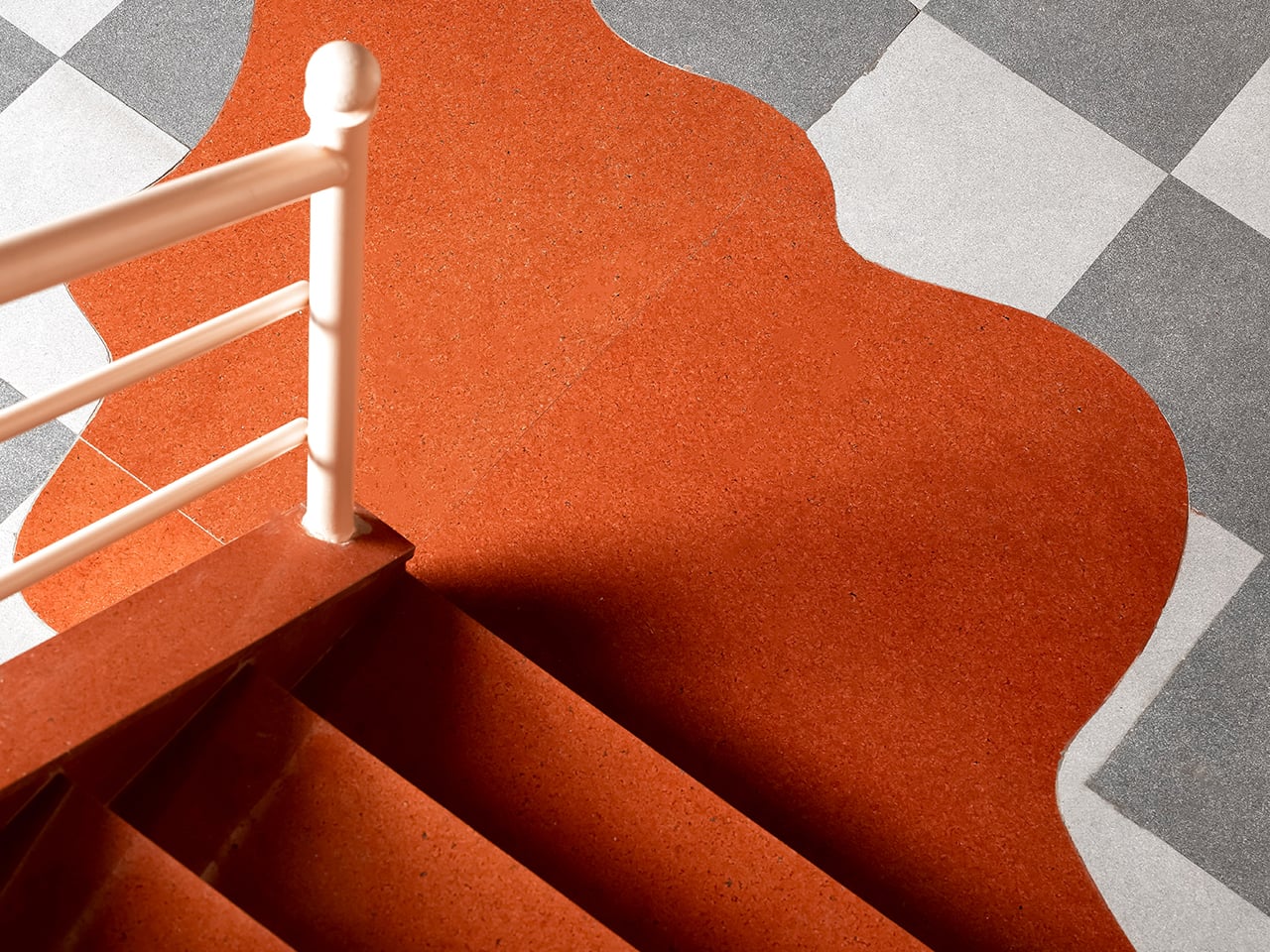
In 2026, color is no longer decorative; it is treated as a structural design tool. Designers are increasingly using deep, confident shades such as rich pinks and earthy ochres to give spaces character and visual weight. These strong palettes help anchor interiors, making homes feel intentional, expressive, and memorable rather than neutral or generic.

Such colors also offer clear psychological value. They create a sense of stability, warmth, and emotional comfort, adding long-term value to a space. When applied to key architectural elements—like columns, niches, or feature walls—bold colors guide movement and define zones within the home, bringing clarity and purpose to the overall spatial experience.

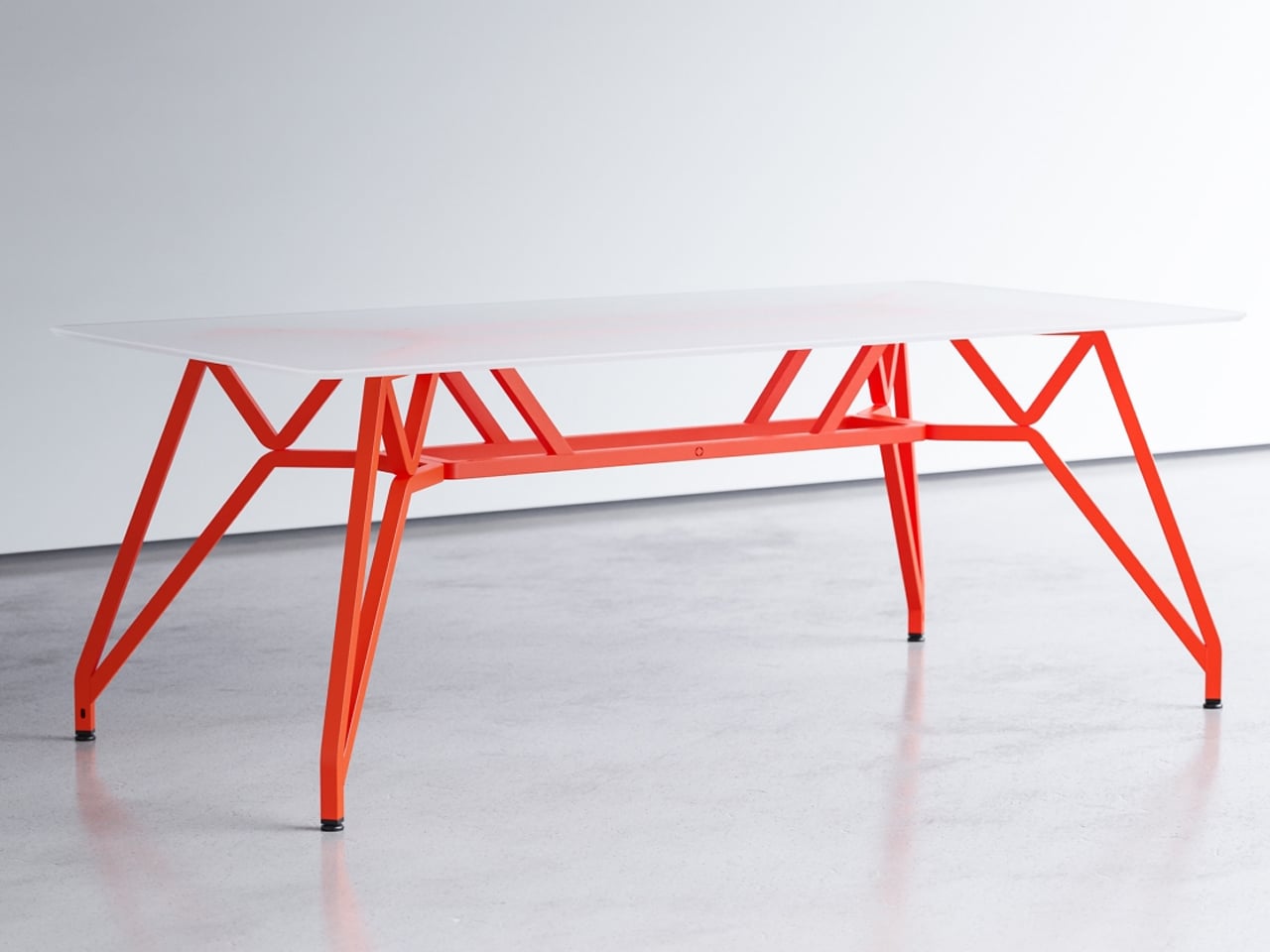
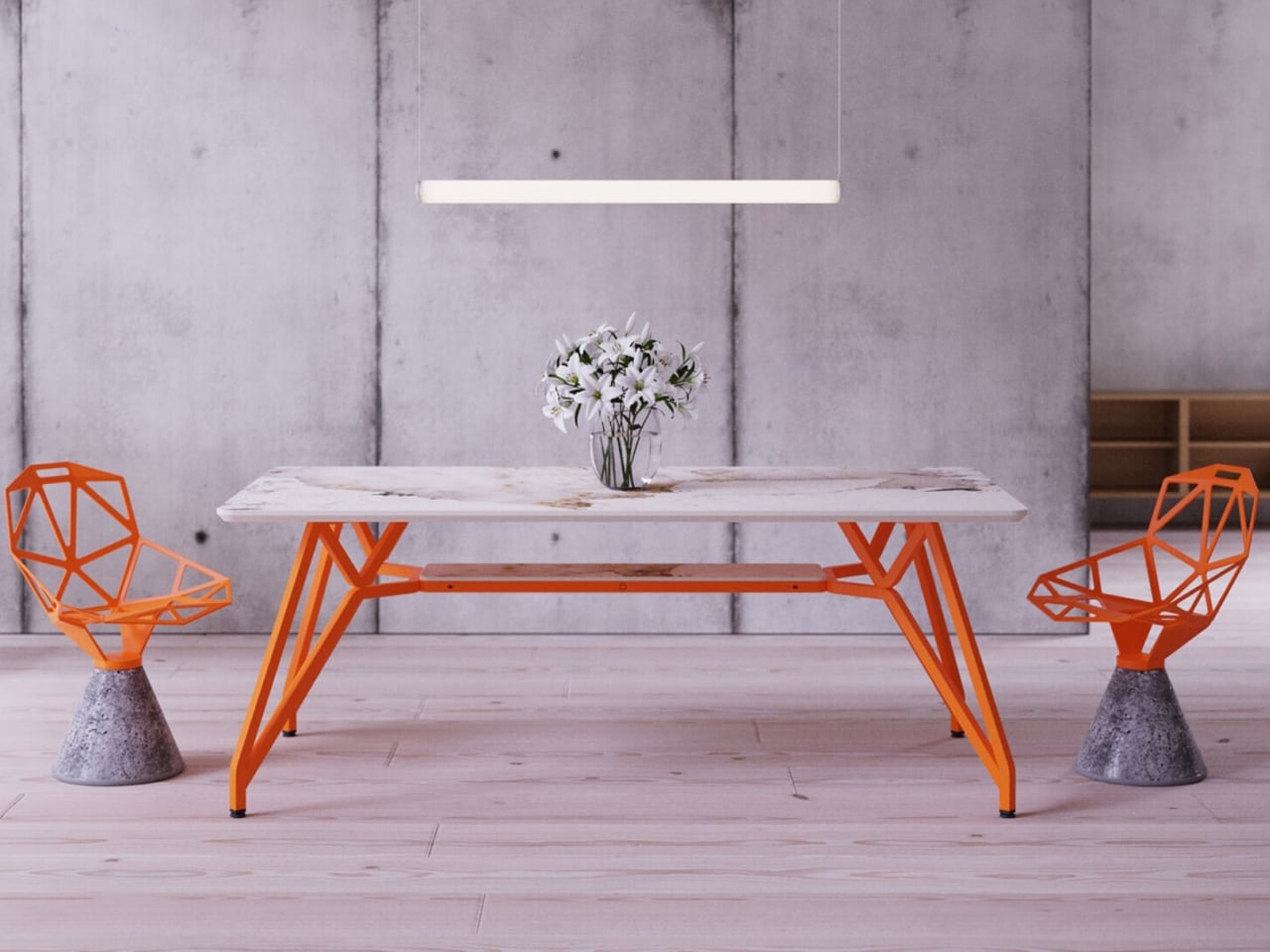
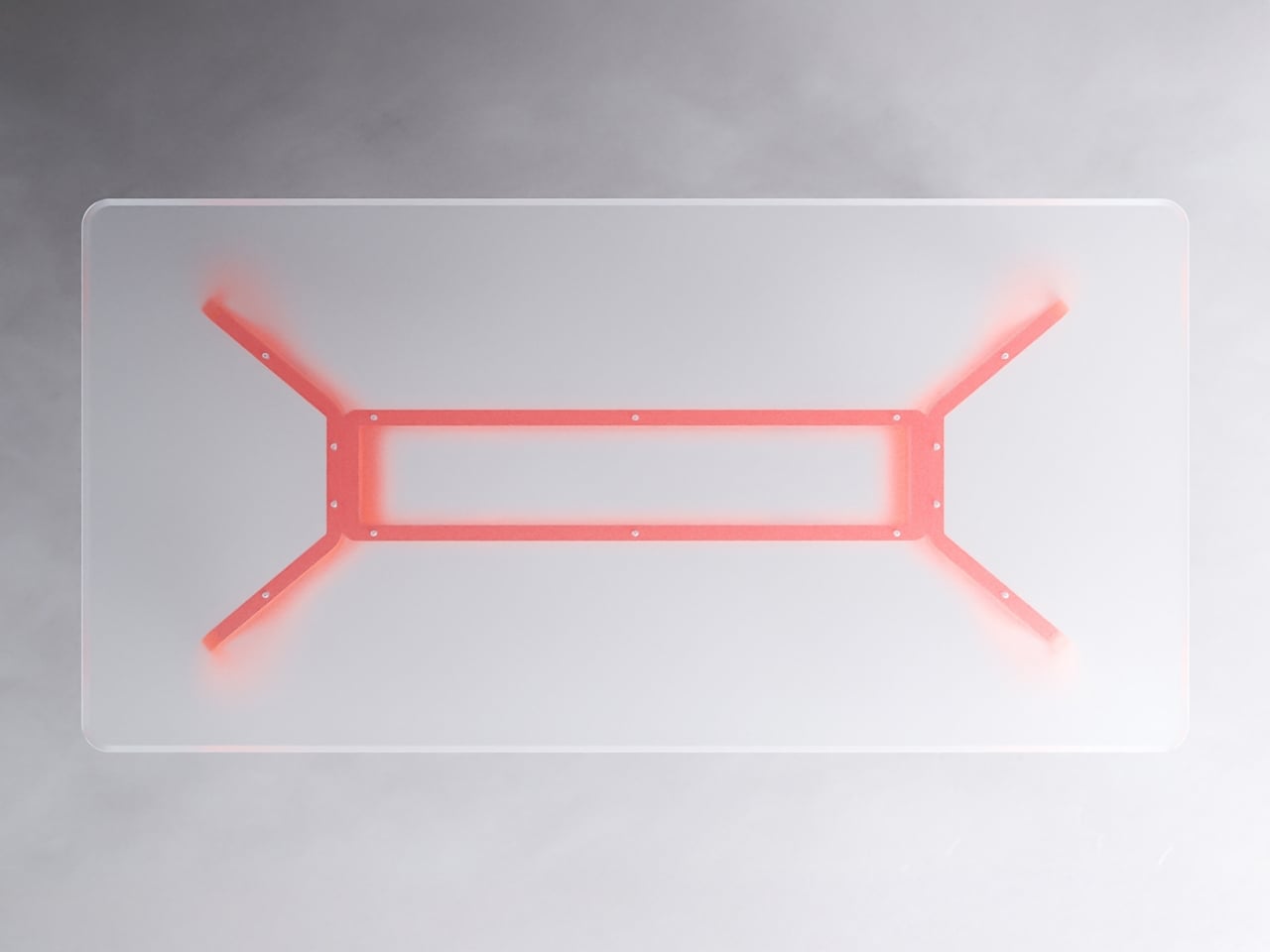
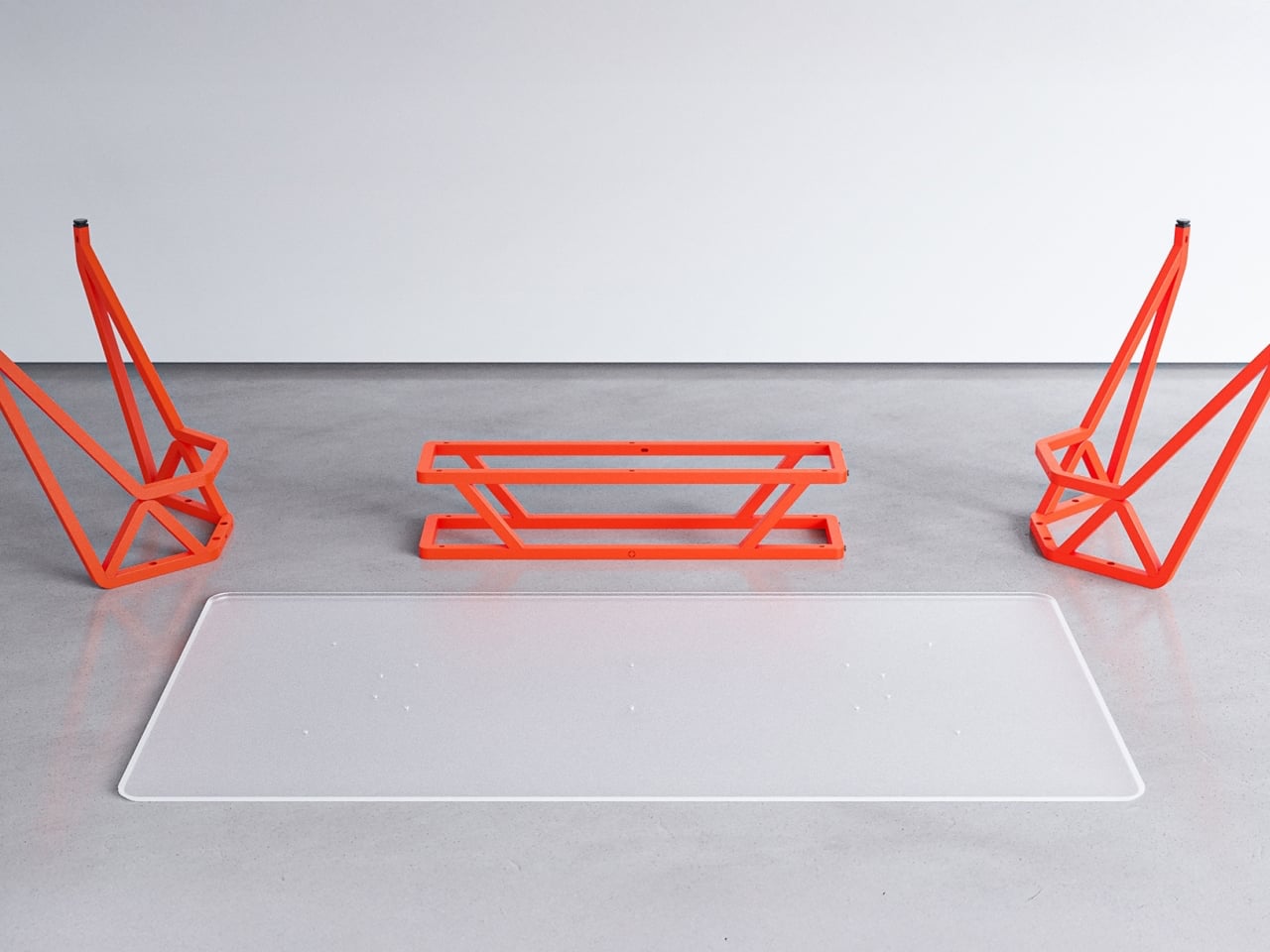
The Landr dining and conference table is engineered with a singular focus on strength, stability, and visual clarity. Designed to eliminate wobble, it offers a firm, unmoving surface suited for everyday use as well as more demanding tasks. Its modular construction is precise and robust, ensuring easy assembly without compromising structural integrity. The steel frame and intelligently engineered leg geometry distribute weight evenly, allowing the table to remain steady under pressure while maintaining a clean, confident presence in any setting.

What sets Landr apart visually is its bold use of bright, contemporary color finishes applied through durable powder coating. These vivid tones enhance the table’s architectural form while adding energy and character to interiors that favor modern expression. Paired with tabletop options in ceramic, wood, or glass, the bright steel frame becomes a statement feature rather than a background element. Functional, expressive, and long-lasting, the Landr table balances performance with color-forward design.

2. Softened Minimal Geometry

Design has clearly shifted away from dramatic, exaggerated curves toward calm and disciplined forms. Instead of flamboyant sculptural shapes, architects now employ gentle arcs and controlled radii to soften the rigid edges of contemporary construction. Curved thresholds, joinery, and soffits introduce refinement while maintaining visual restraint.

At the center of this 2026 approach is improved spatial flow and comfort. Features such as double-height glazing framed by softly curved soffits guide the eye smoothly through the interior. This reduces the visual tension of strict rectilinear layouts, enhances the movement of diffused light, and creates spaces that feel balanced, composed, and naturally welcoming.

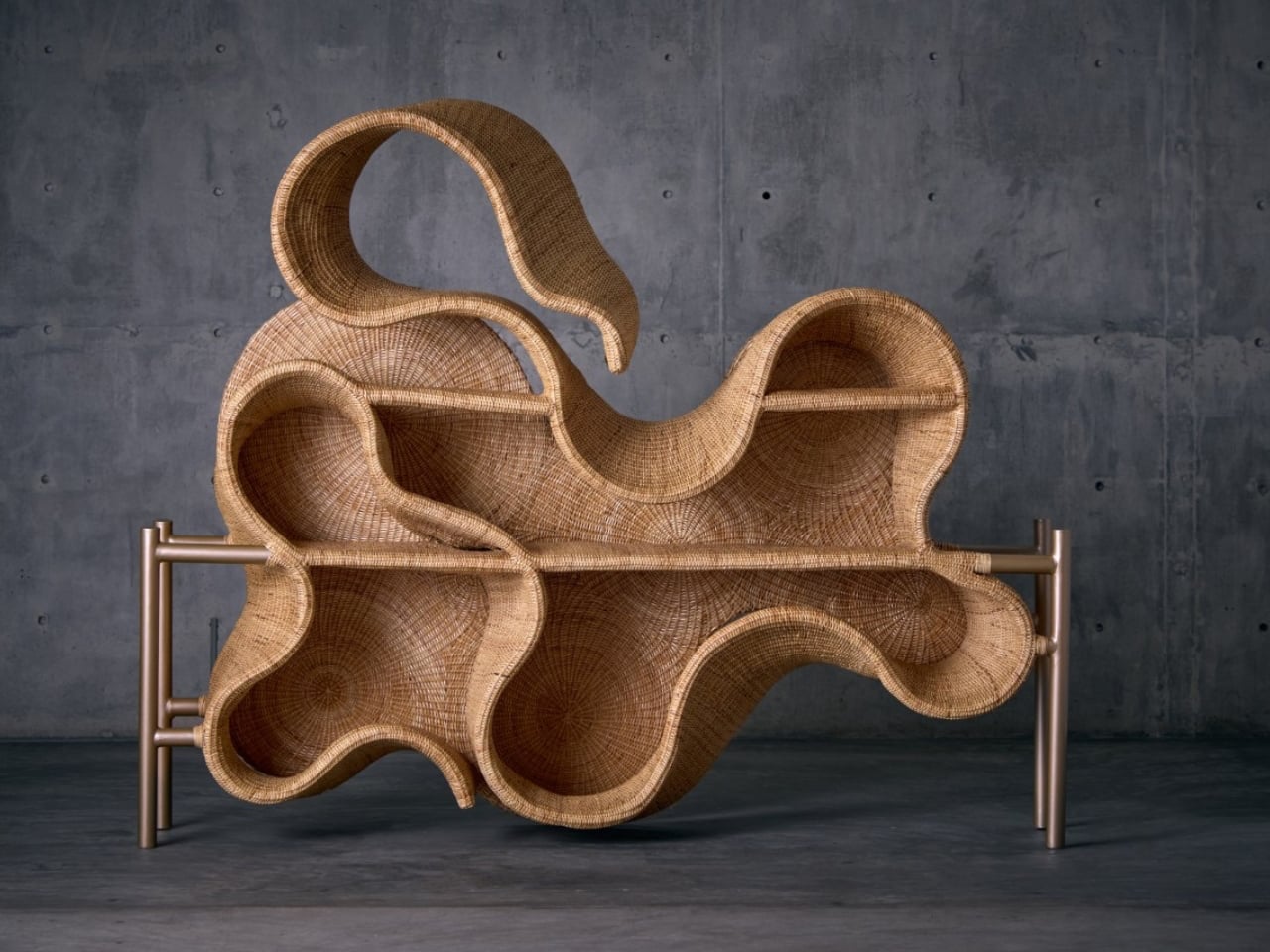
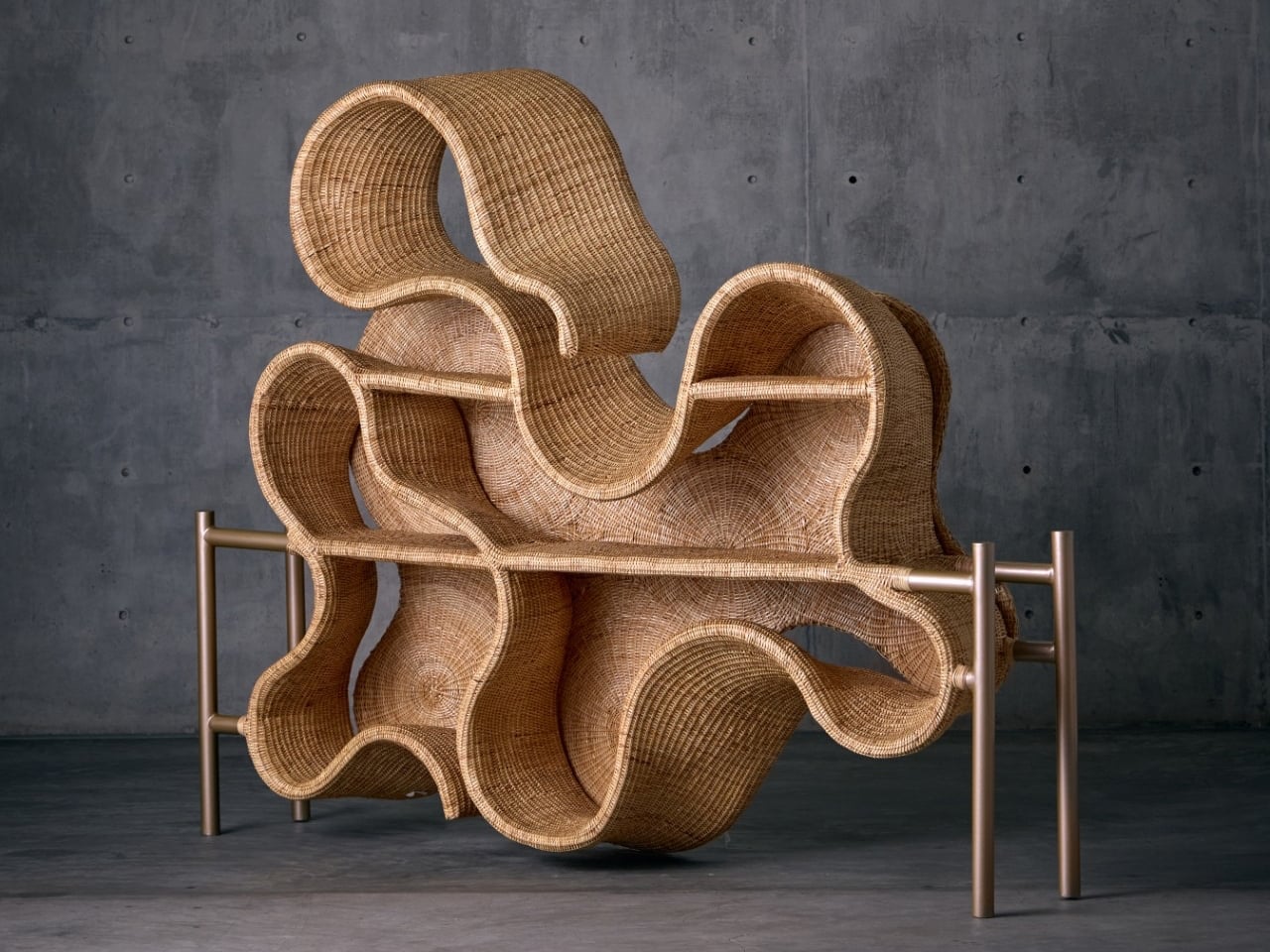
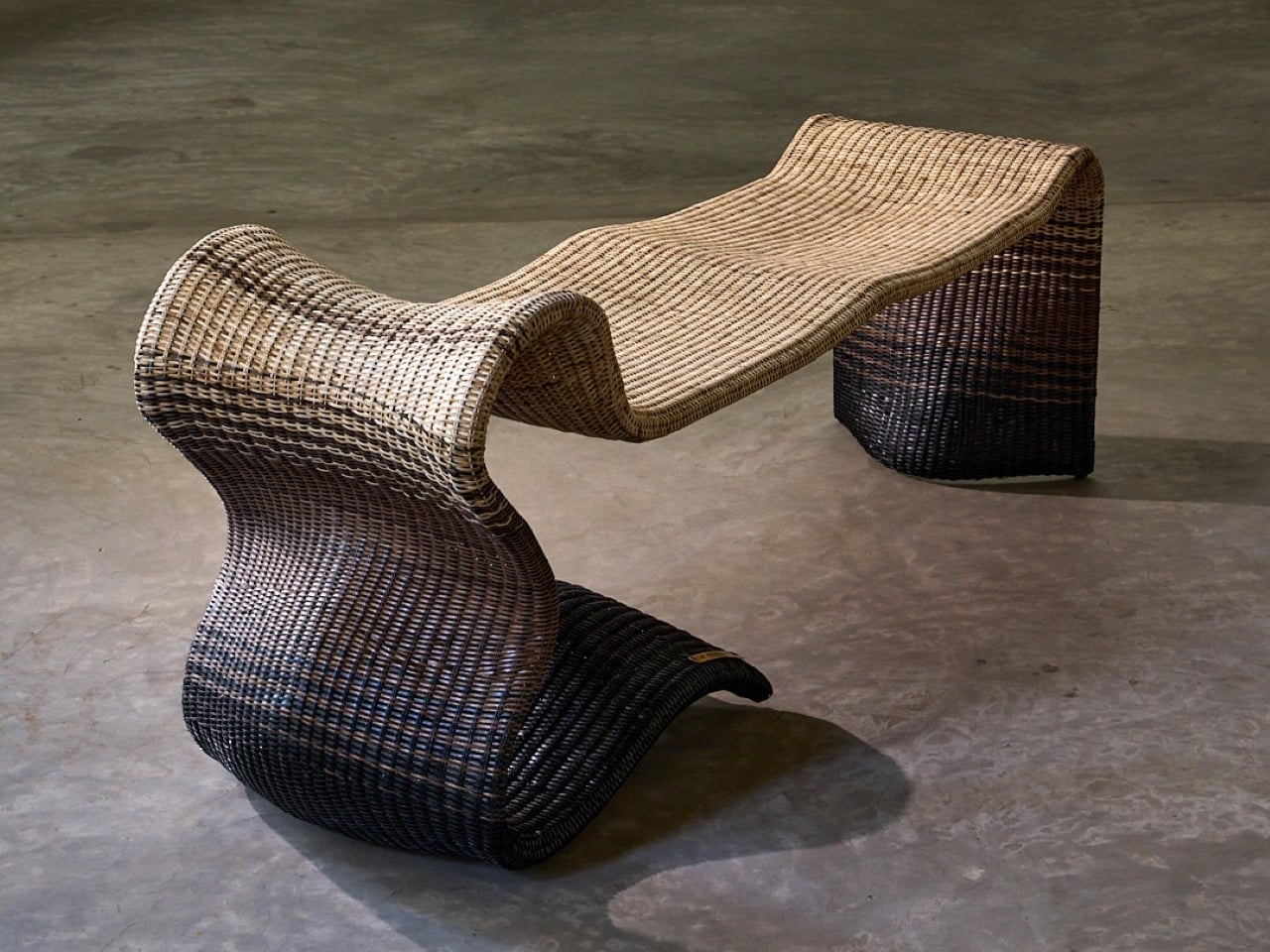
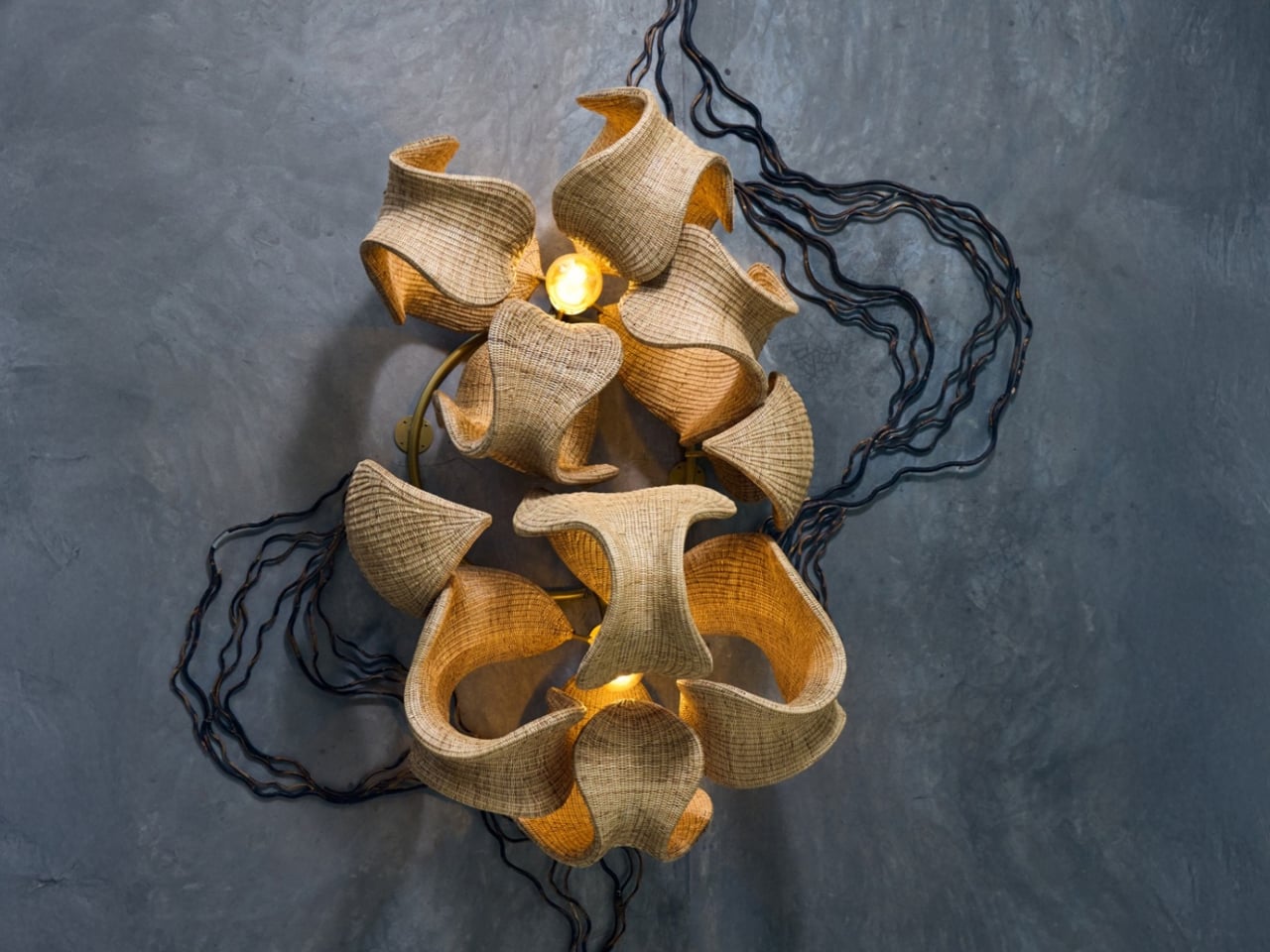
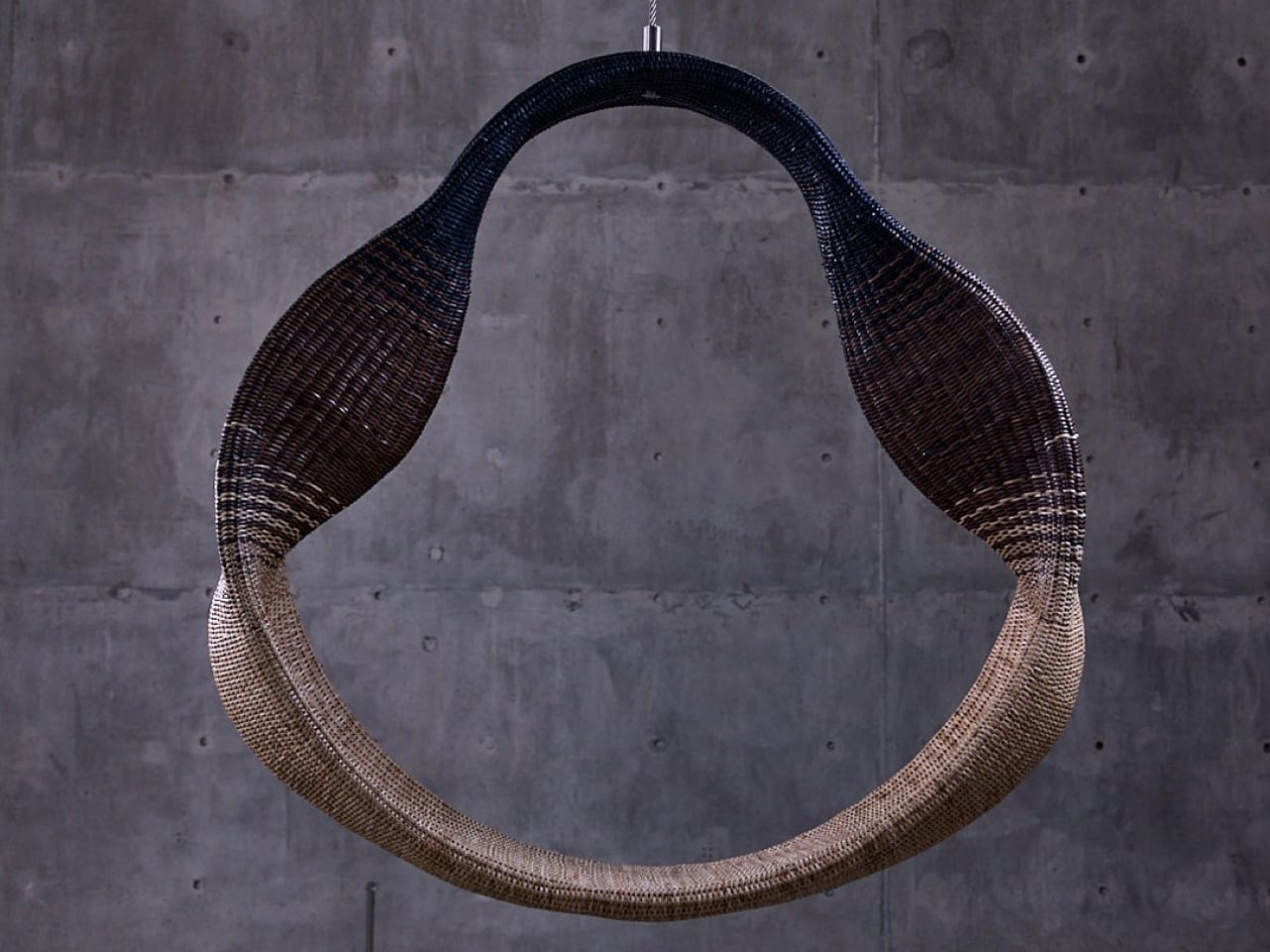
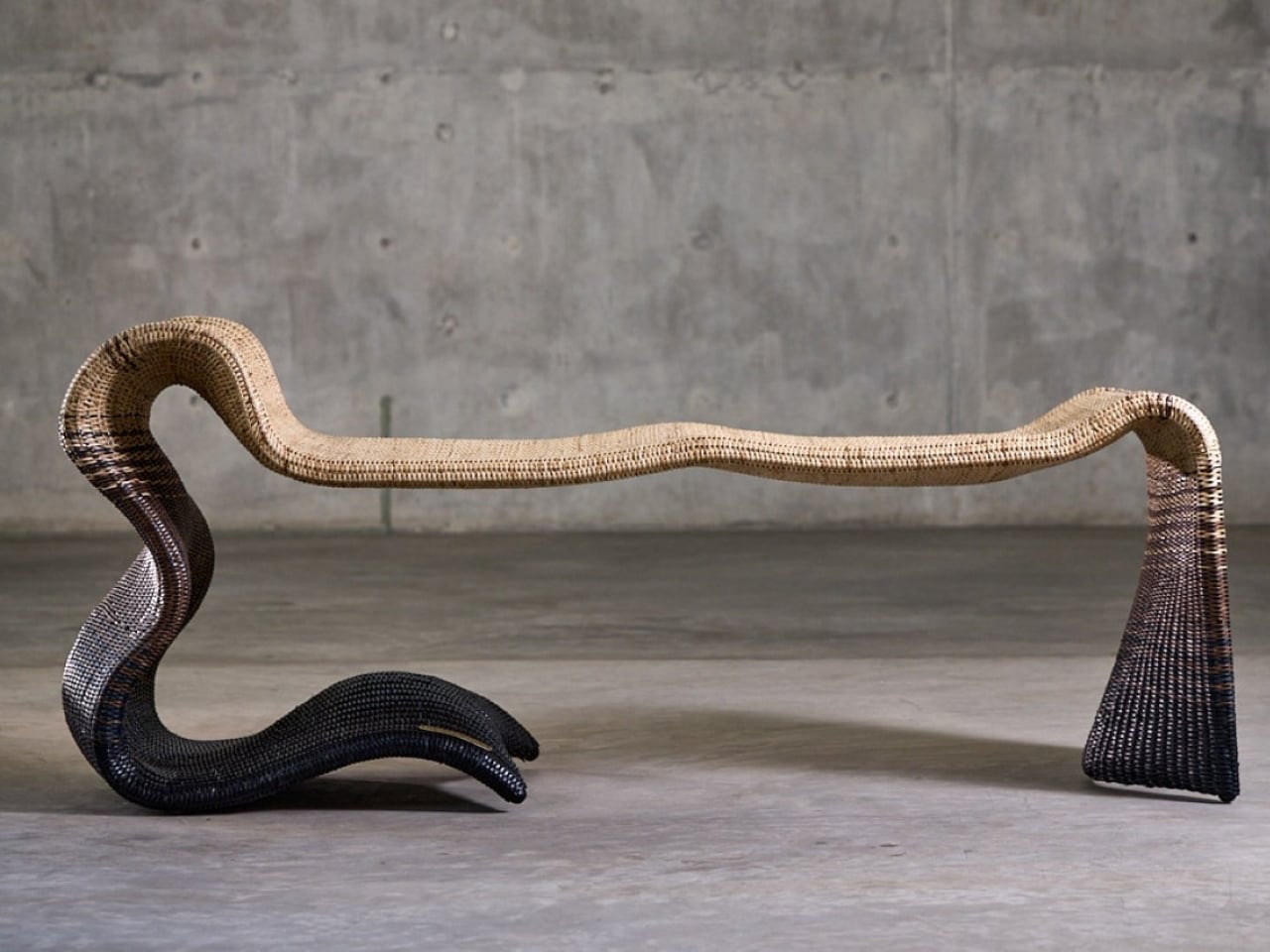
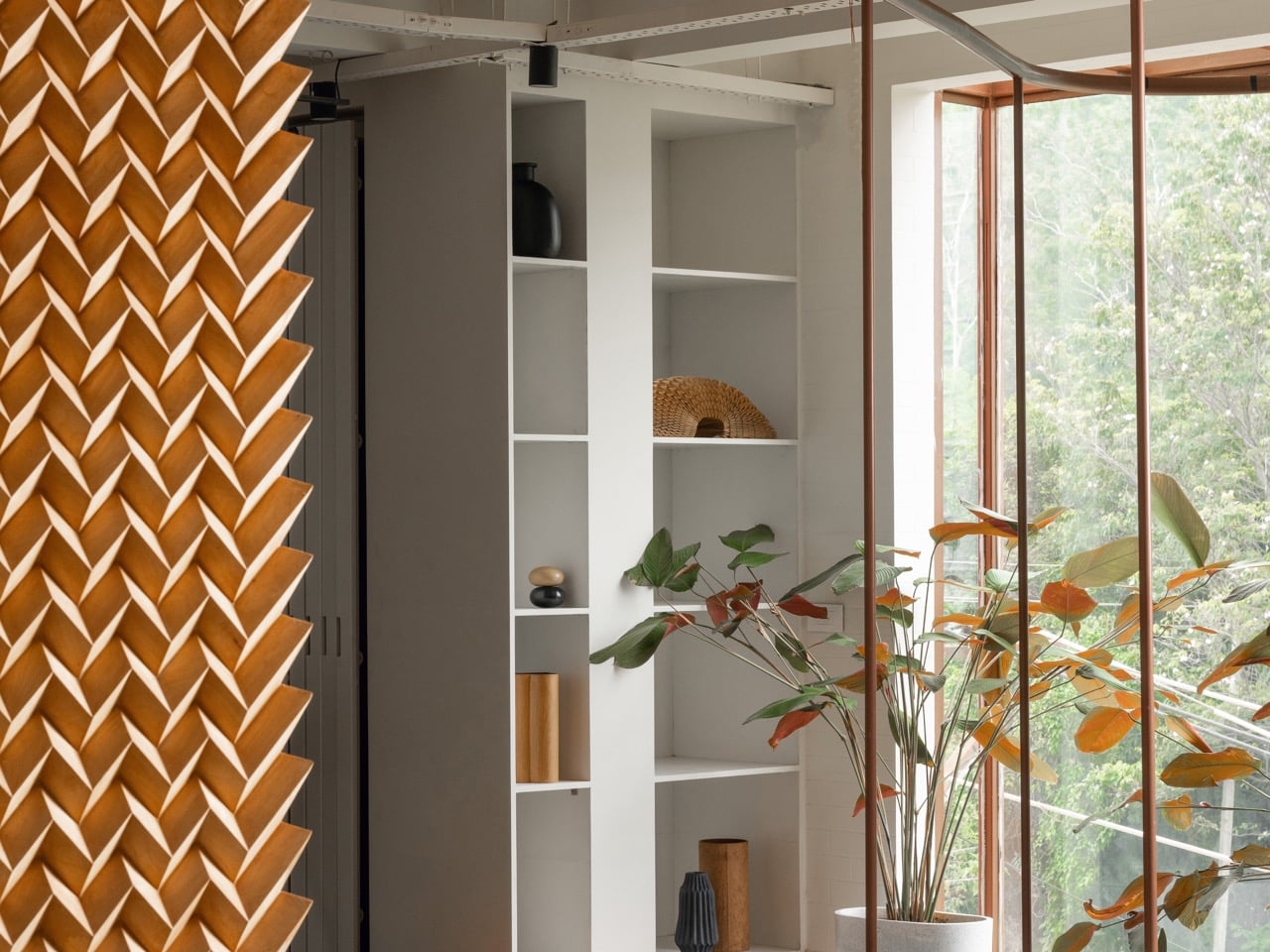
Whispers of the Wildwood is a contemporary wicker collection by Hyderabad-based design studio The Wicker Story, led by designer Priyanka Narula. Rooted in traditional Indian weaving techniques, the collection reinterprets wicker through a modern, sculptural lens. Drawing inspiration from natural landscapes such as forest canopies, flowing paths, and organic growth patterns, the pieces move beyond conventional furniture typologies to become refined design objects that balance function with artistic expression.

The collection is defined by fluid forms, intricate textures, and a restrained material palette that allows the natural warmth of wicker to take center stage. Designs such as the Pagdandi wall unit exemplify this approach, translating the irregular rhythm of nature into woven structures with visual lightness and depth. Research-driven and craft-focused, Whispers of the Wildwood demonstrates how traditional materials can evolve into sophisticated, contemporary forms while retaining their tactile and cultural authenticity.

3. Human-Centered Spatial Core

Spatial planning is being redefined to place human experience above rigid, formal layouts. At the center of this approach is performance-driven comfort. Successful floor plans now prioritize acoustic privacy and thermal efficiency, recognizing that true luxury lies in how well a space responds to the human body.

Homes are designed to adapt to daily rhythms, offering quiet, comfort, and environmental balance rather than relying solely on visual order.

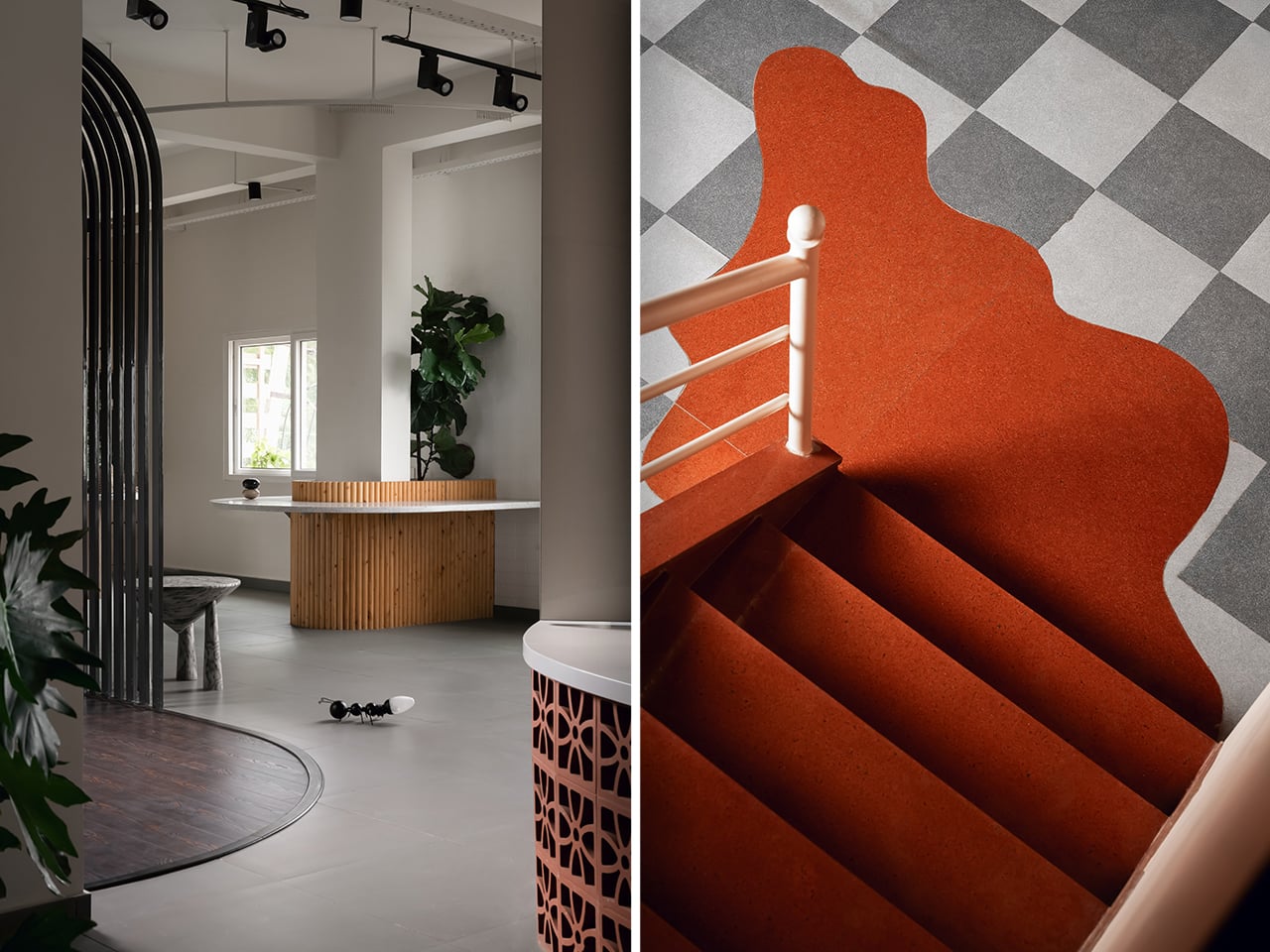
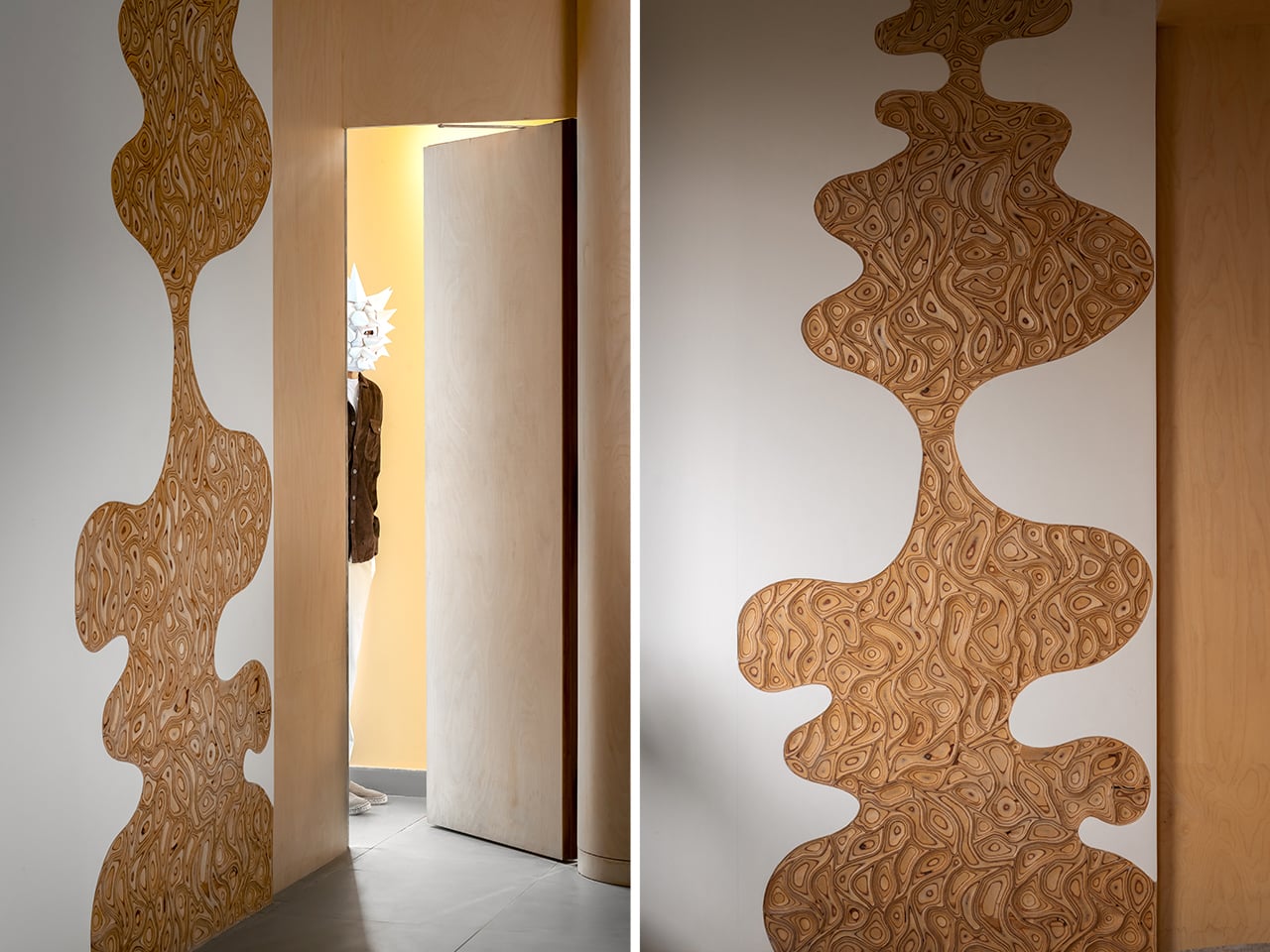
The planning strategy showed in this Warehouse Space transforms a conventional 2,500-square-foot warehouse into a carefully choreographed spatial sequence. Rather than relying on fixed walls, the layout is organized through visual cues, circulation paths, and deliberate zoning. Each area unfolds gradually, encouraging movement and discovery while maintaining spatial continuity. Color transitions, curved architectural elements, and material changes are used as planning tools to define functions without fragmenting the open volume.

This approach allows the space to function as a cohesive whole while accommodating varied uses. Active zones are positioned to feel dynamic and engaging, while quieter areas are subtly set apart through restrained finishes and controlled visual breaks. Repeating motifs and aligned sightlines guide users intuitively, reinforcing orientation and flow. The planning balances structure with flexibility, ensuring clarity without rigidity. Through thoughtful sequencing and layered spatial relationships, the design demonstrates how strategic planning can redefine an industrial shell into an immersive, purpose-driven environment.

4. Raw Material Honesty

Design is witnessing a clear return to materials that express their true nature, moving away from artificial and imitation finishes. Elements such as hand-worked metal, lime-wash plaster, and natural stone are valued for the stories they carry and the sensory richness they offer. These materials bring depth, texture, and authenticity to interior spaces.

This approach also supports sustainability and longevity. Using materials in their natural or minimally processed state reduces manufacturing impact and improves durability over time. The tactile experience such as the feel of a raw timber handrail, adds a layer of quiet luxury, reflecting a growing preference for honest, lasting materials over polished superficiality.

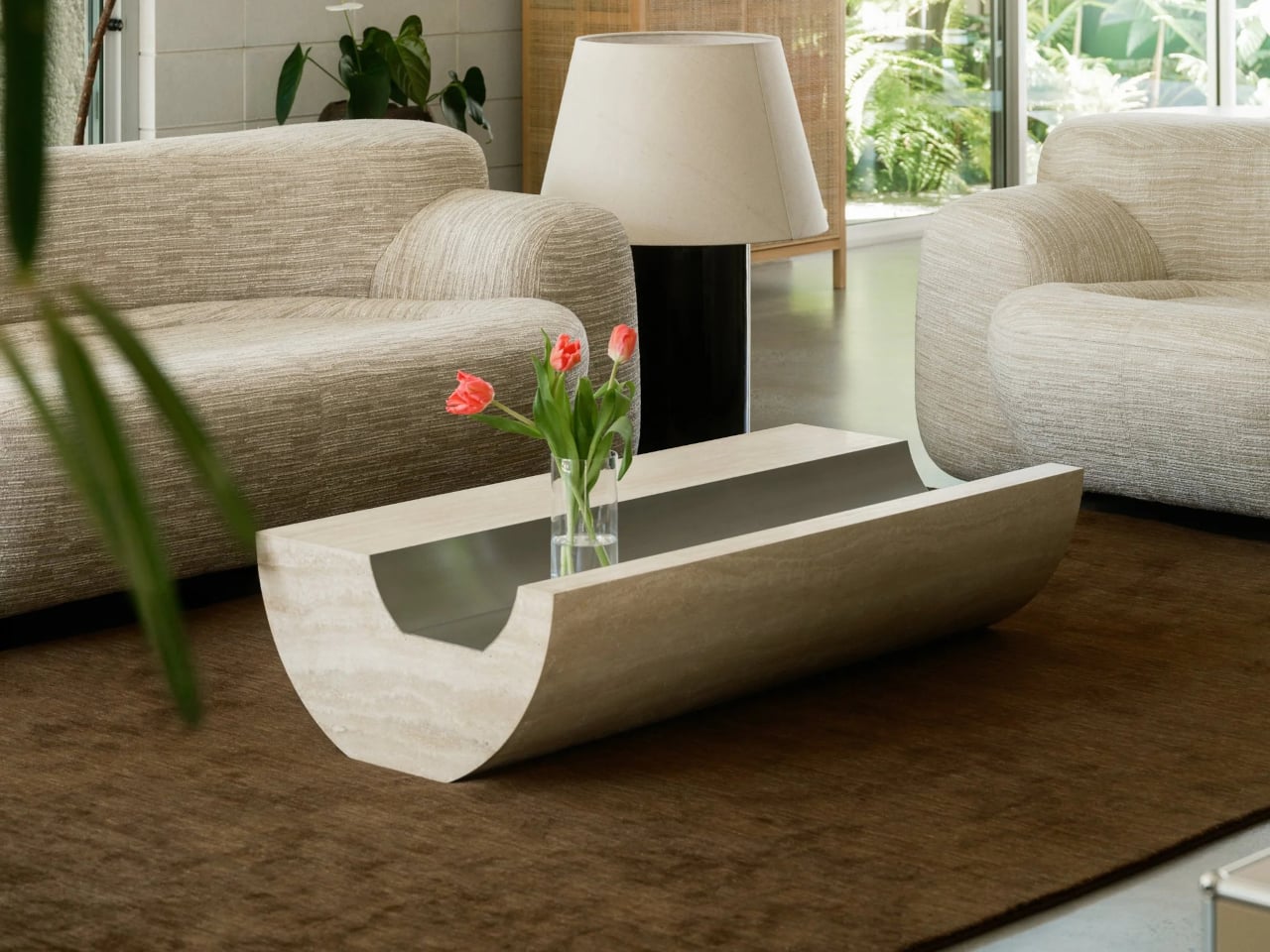
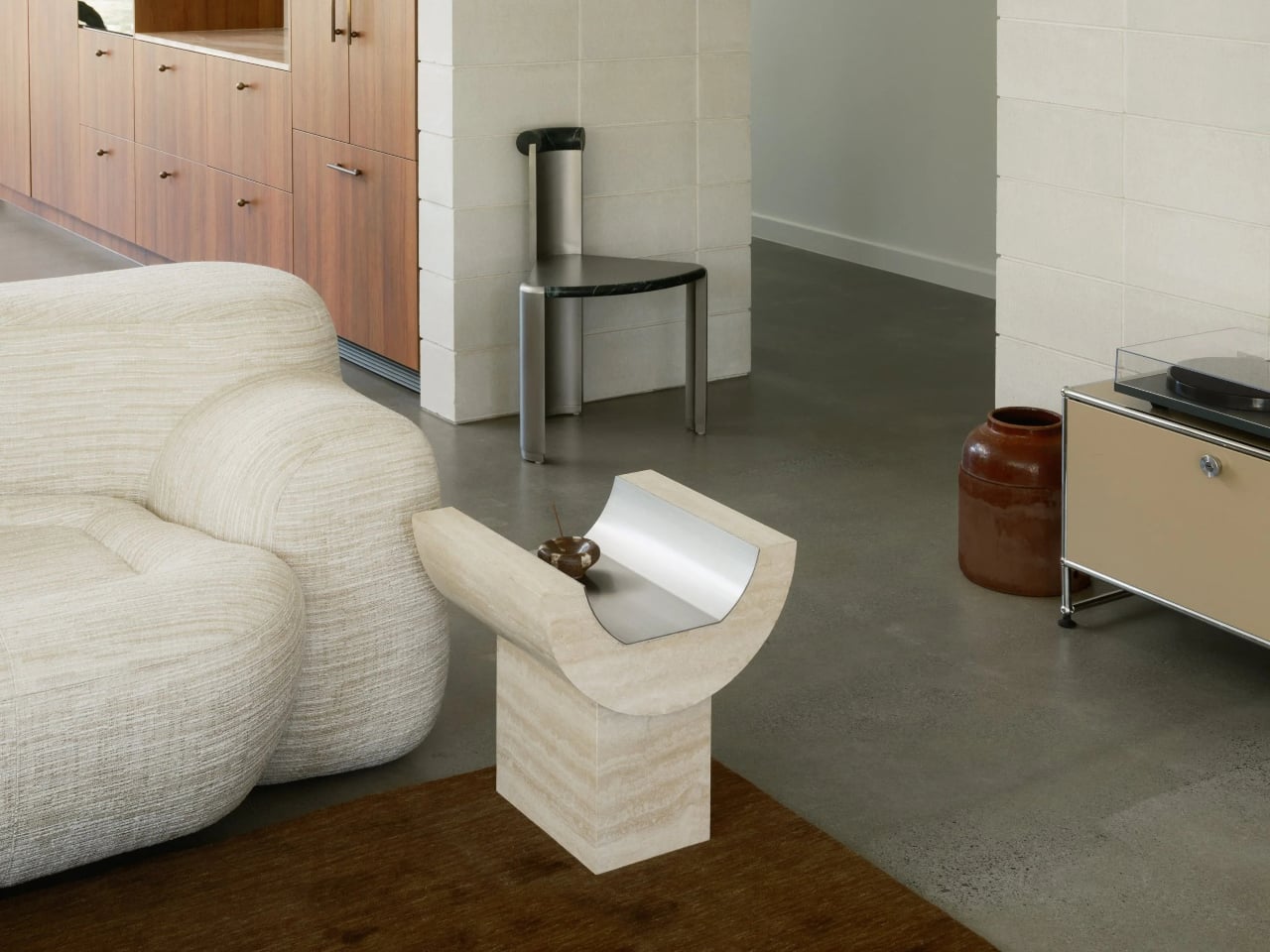
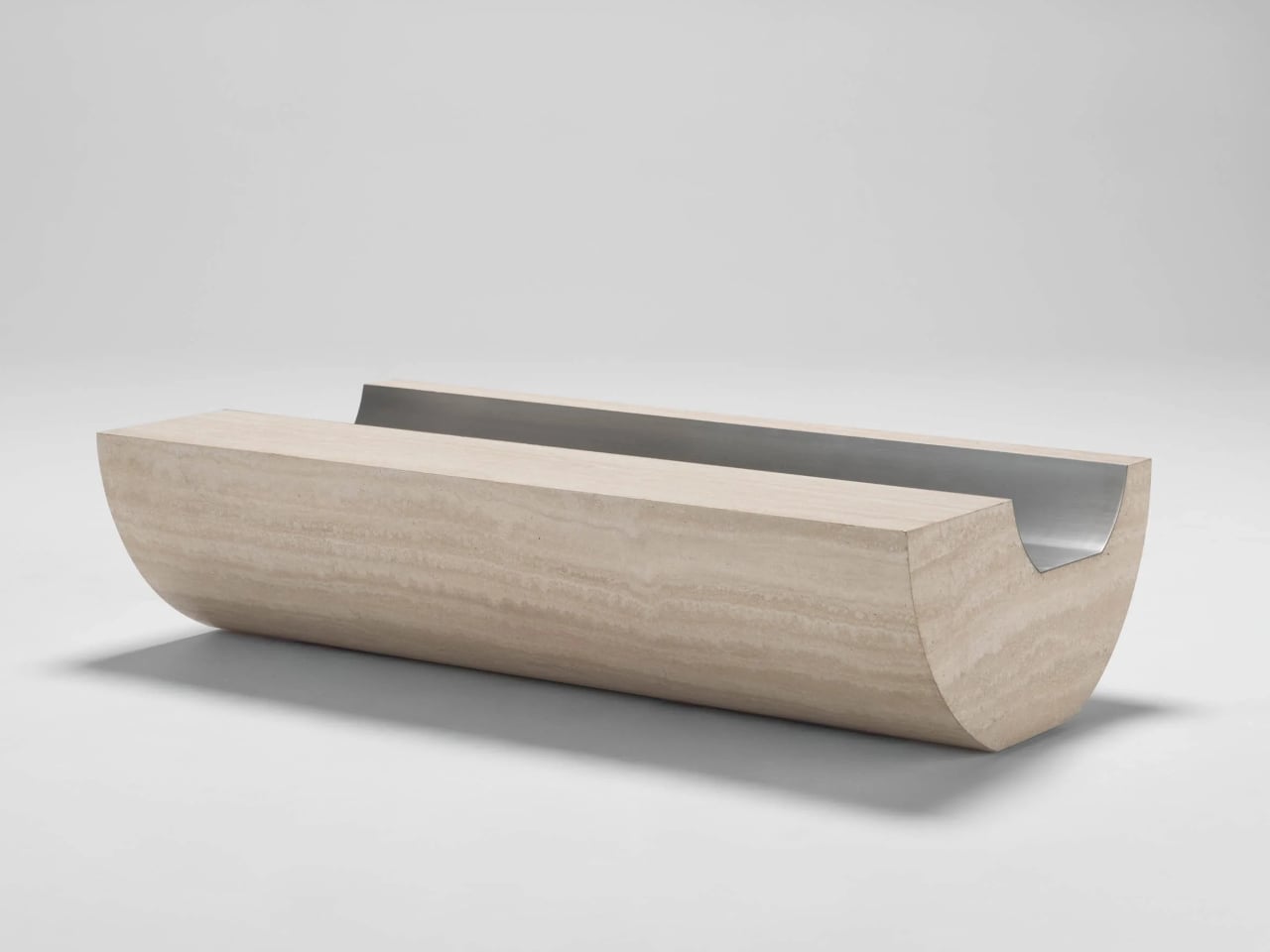
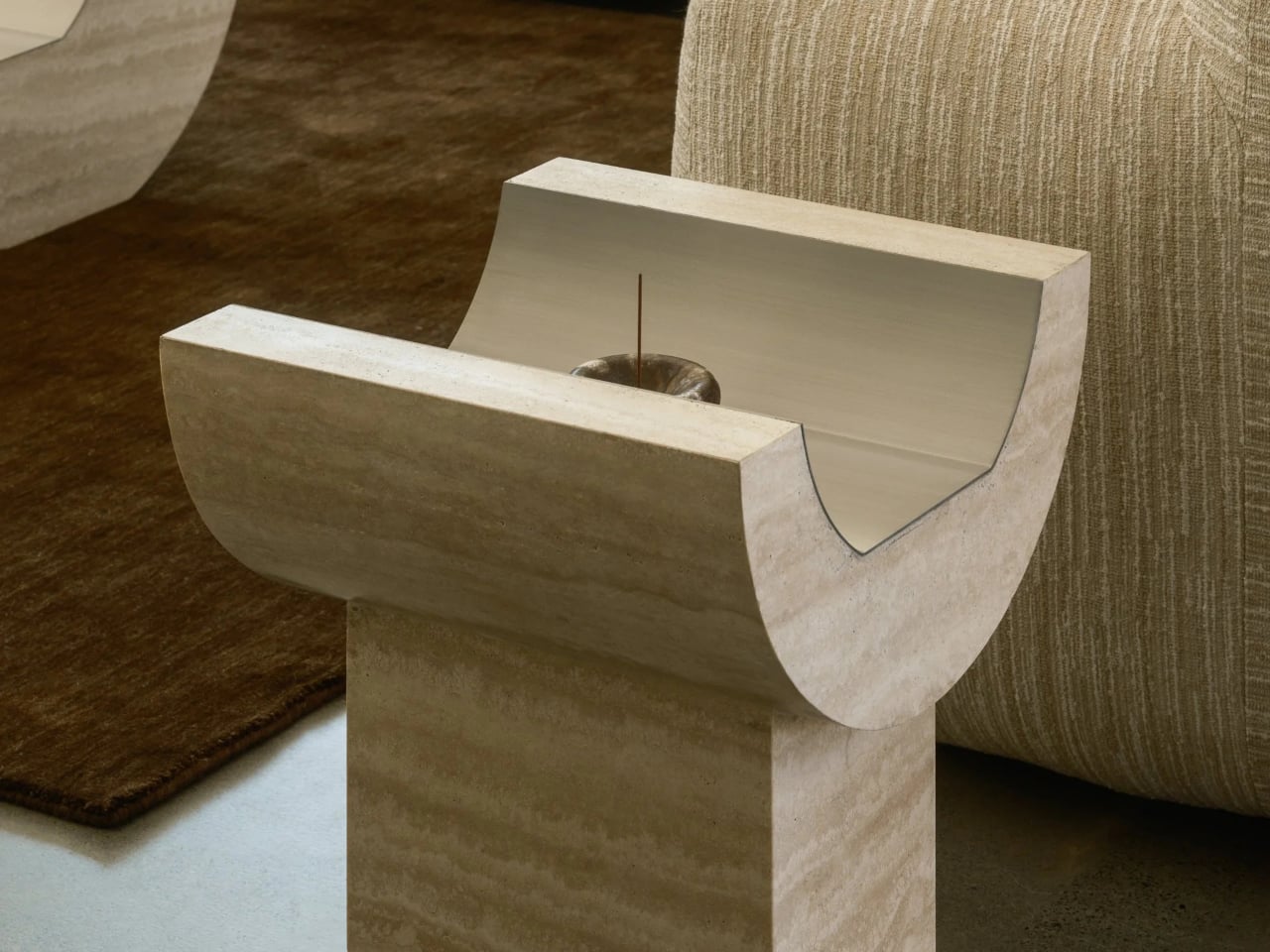
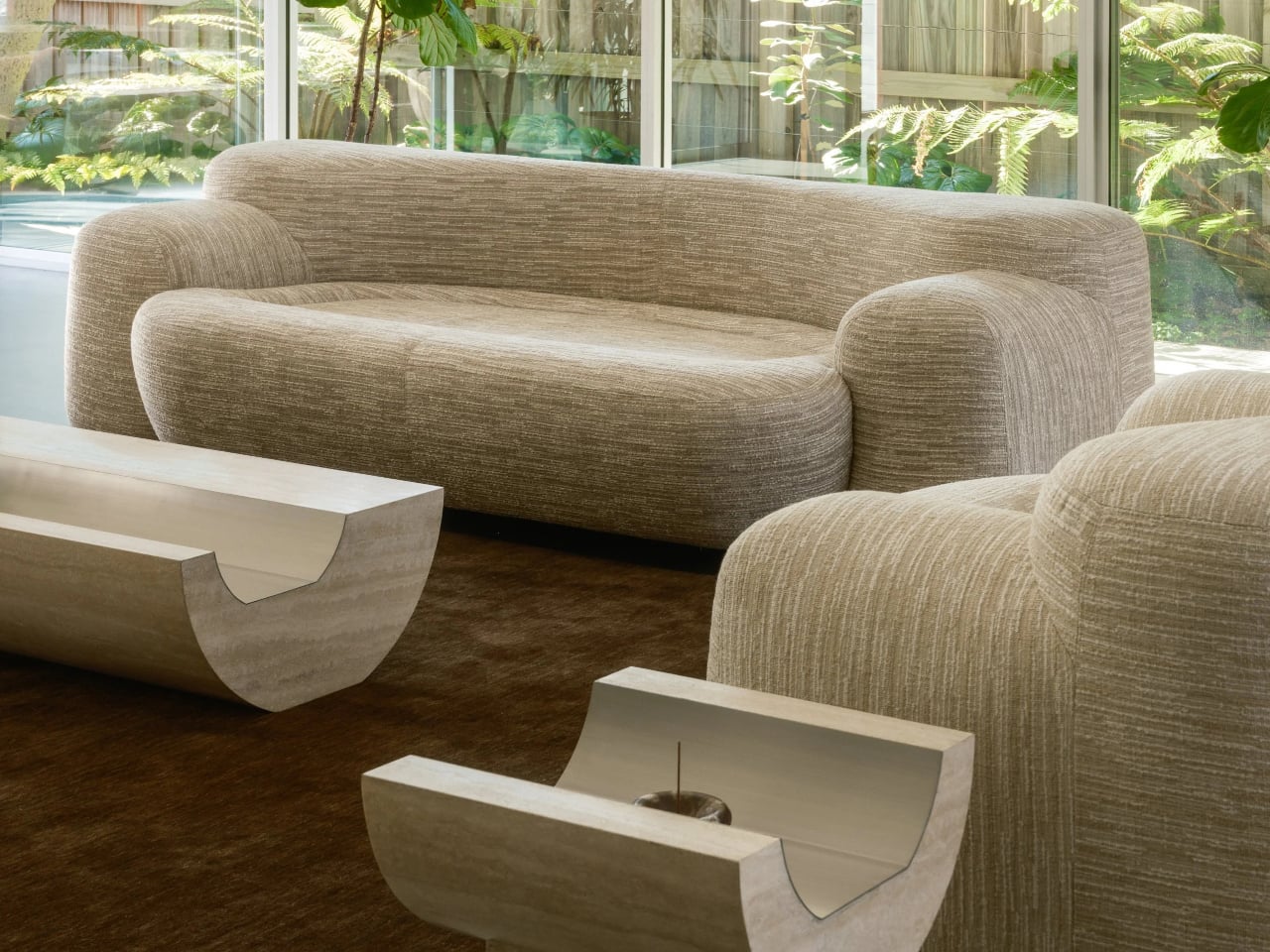
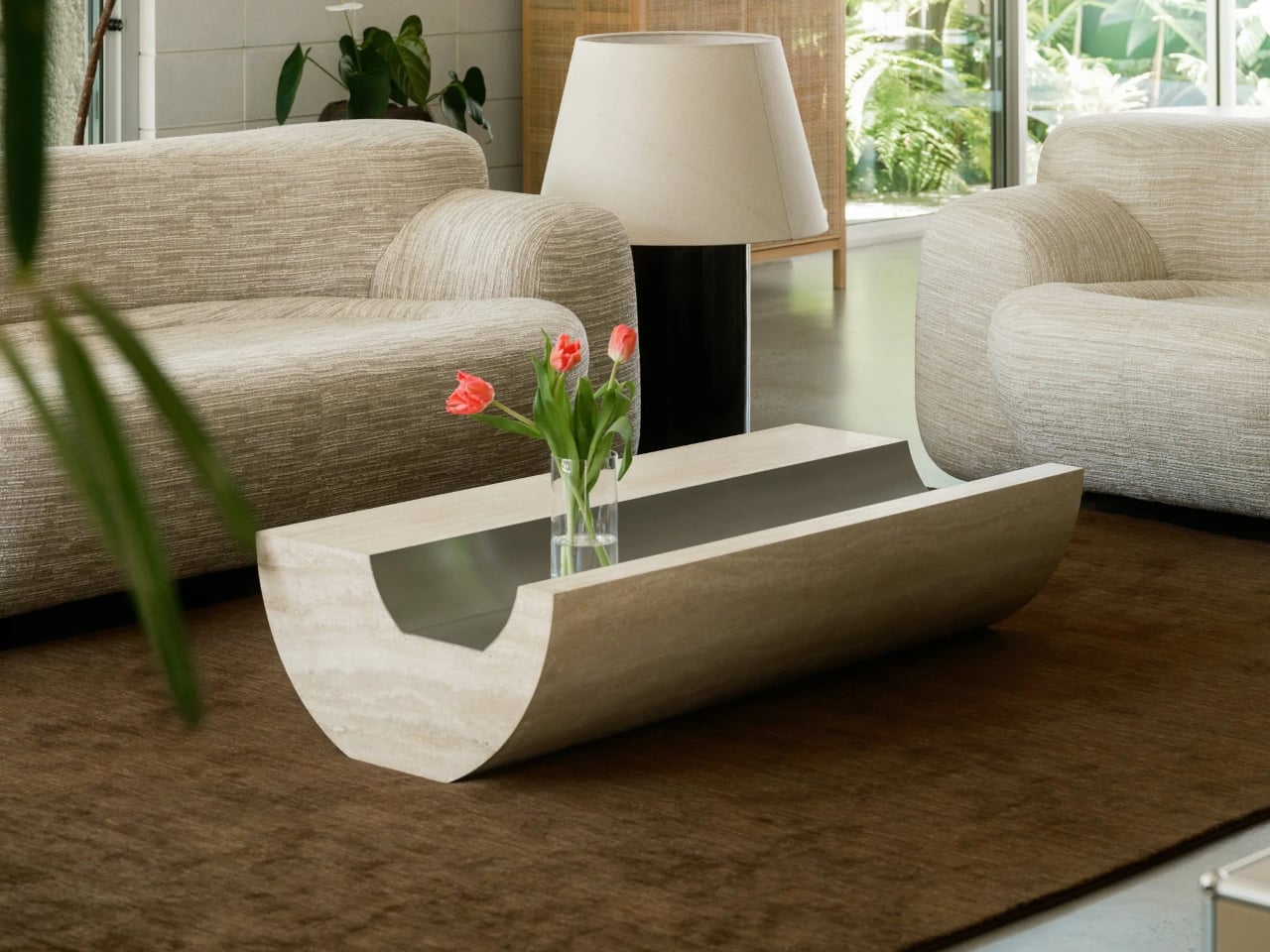
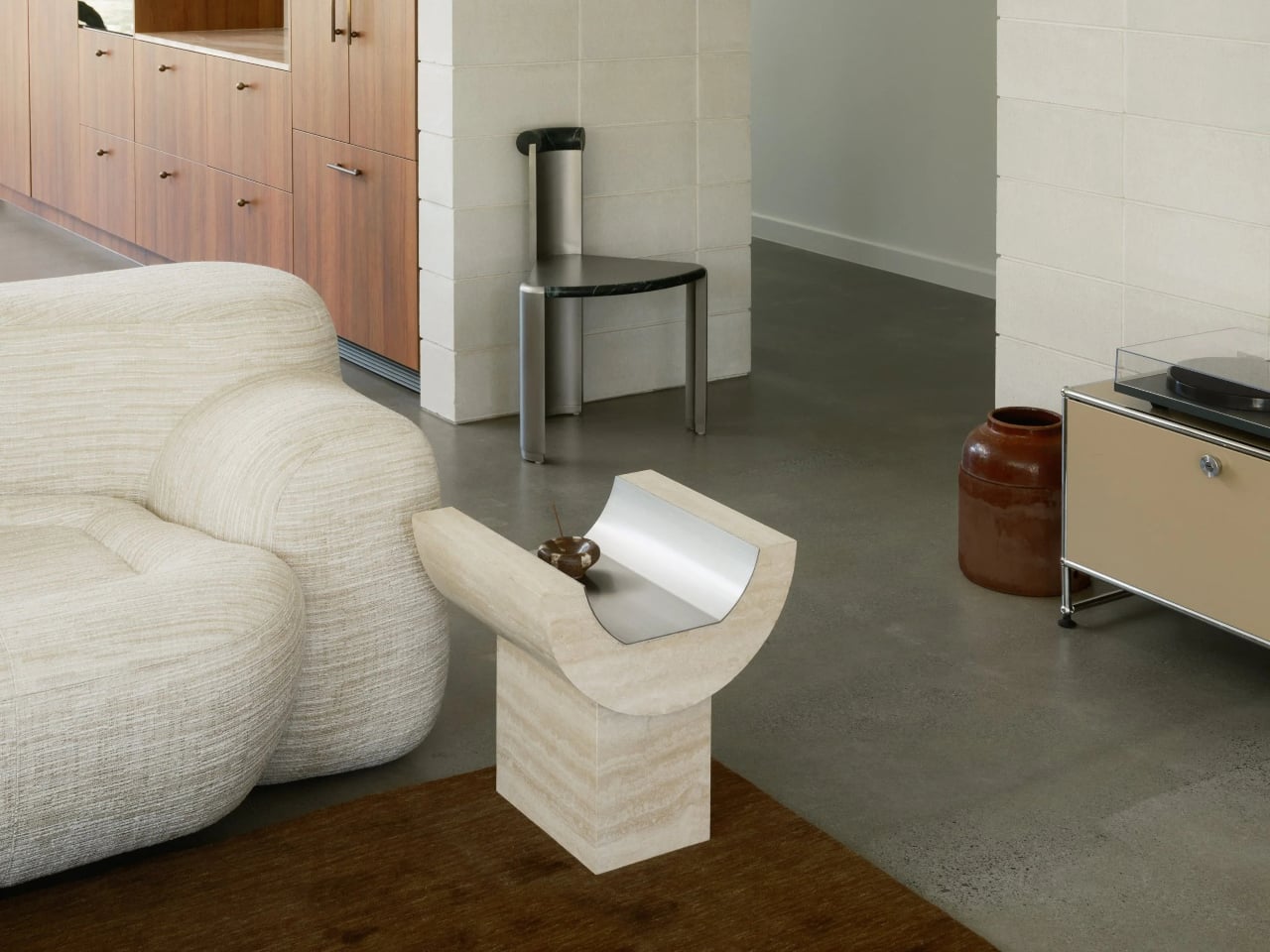
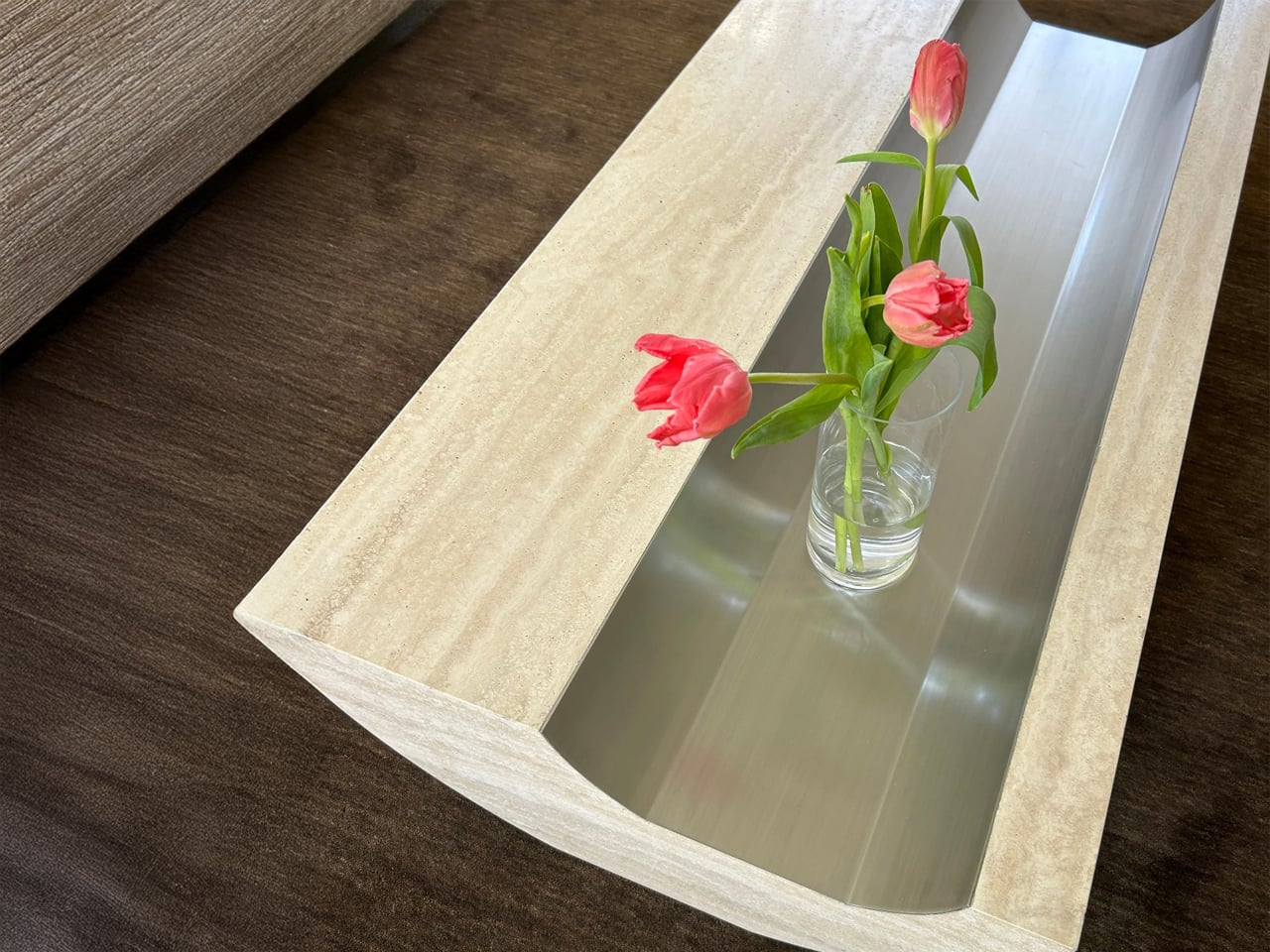
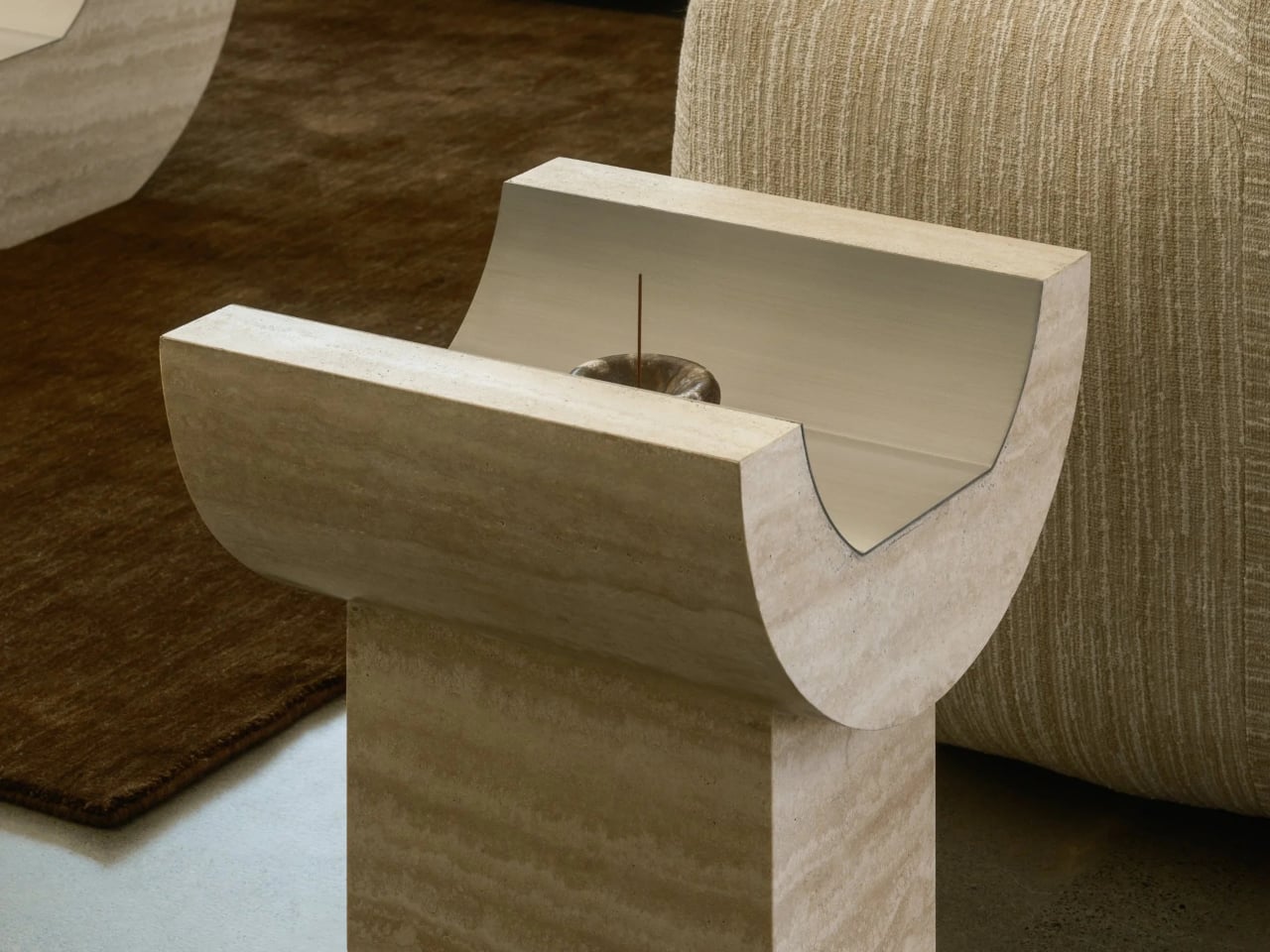
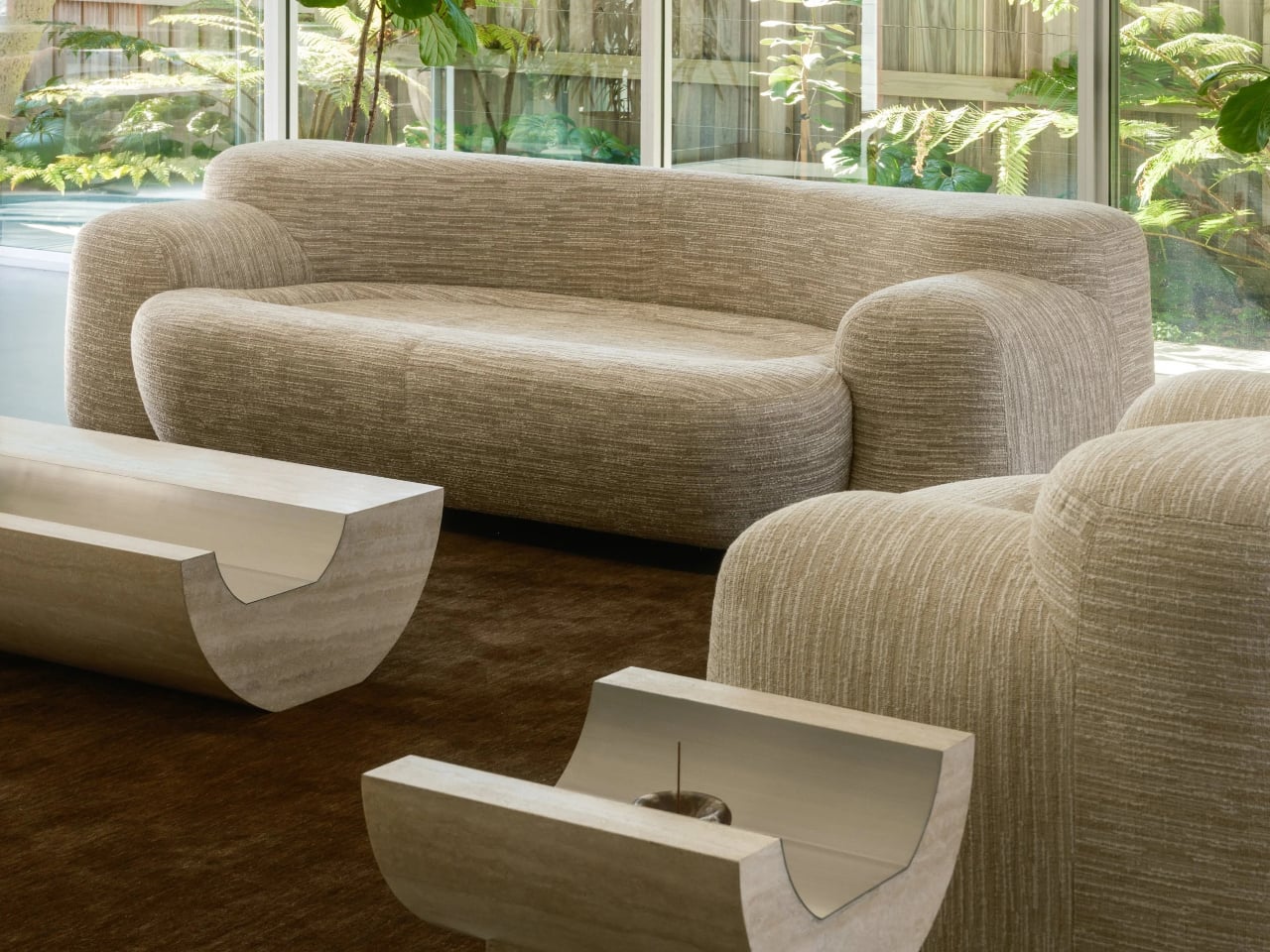
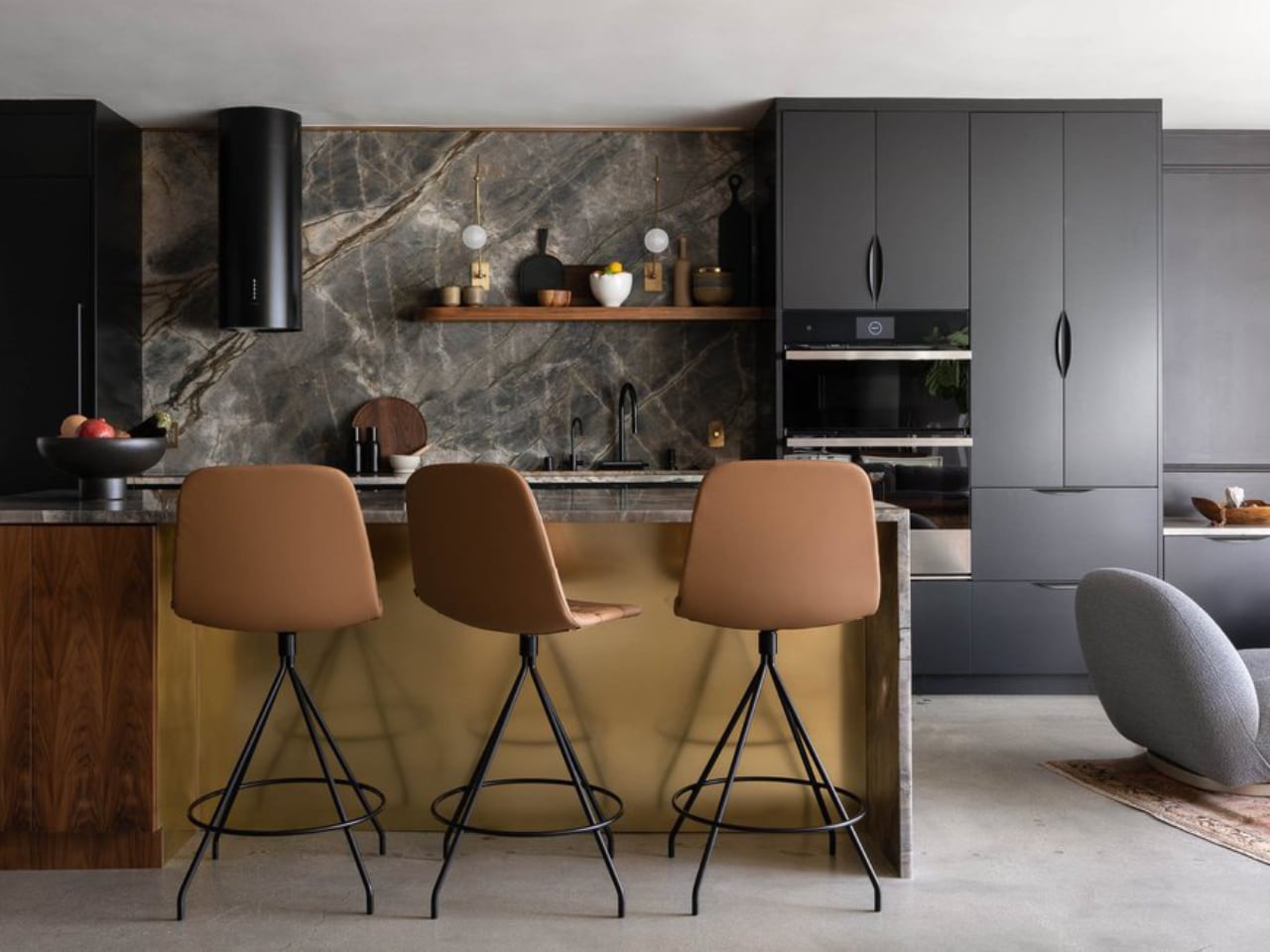
Stone coffee tables are often conceived as heavy, monolithic objects defined by mass rather than refinement. The Coffee Table and Side Table by Tom Black adopt a more considered approach, treating Italian travertine as a material to be carved, balanced, and visually lightened. A single curved gesture defines both pieces, creating an impression of elevation, while a contrasting brushed metal inlay introduces intentional voids within the stone. This dialogue between solid and negative space reframes stone as something sculptural rather than purely structural.

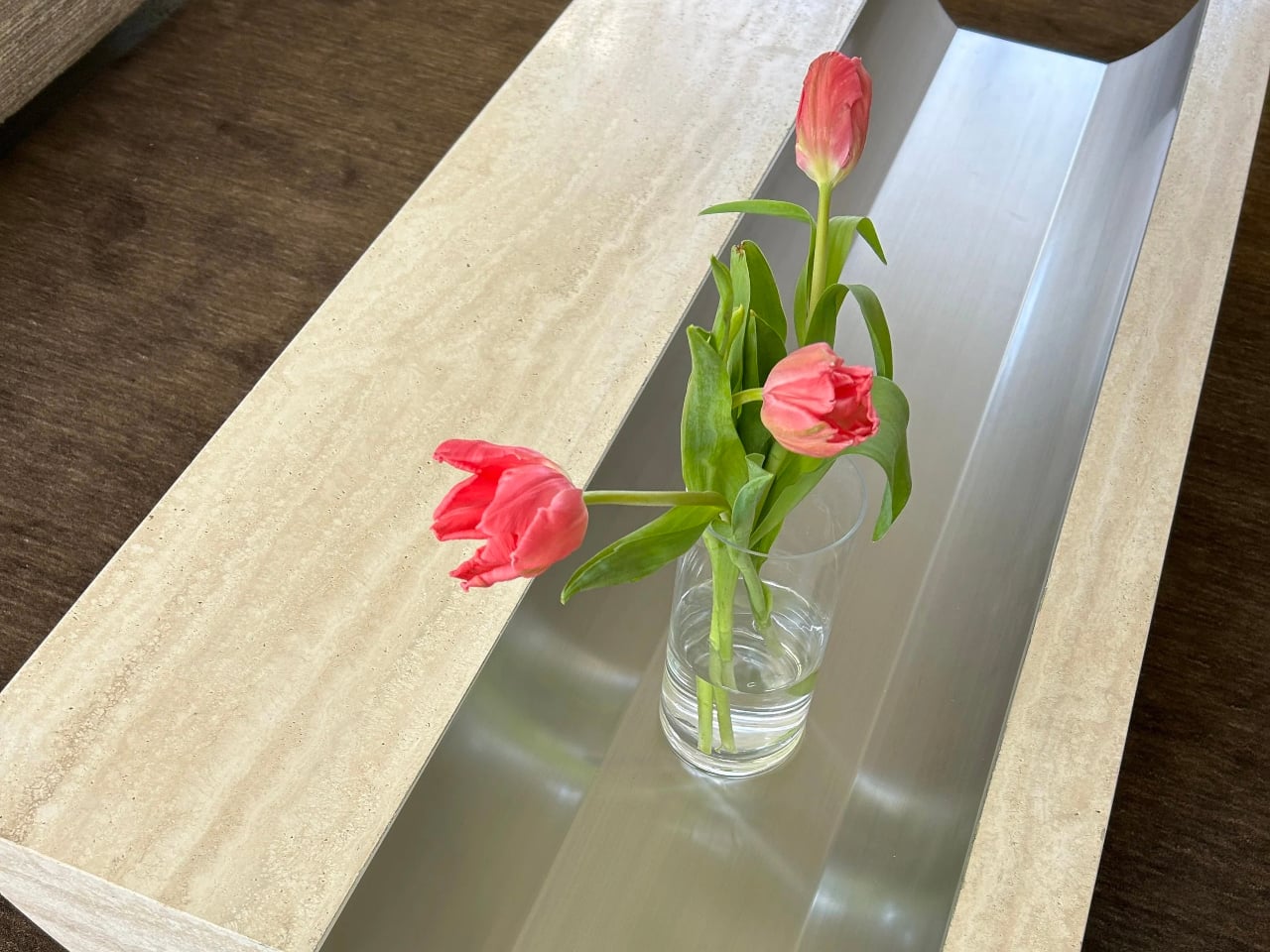
The Coffee Table features a softly curved underside that lifts the form from the floor, paired with a recessed metal-lined trough on the surface that mirrors this curvature. The Side Table translates the same language into a more vertical composition, combining a curved travertine element with a rectilinear base. Together, the two pieces function as architectural furniture, unified by material, proportion, and a restrained yet expressive formal clarity.

5. Built – Landscape Dialogue

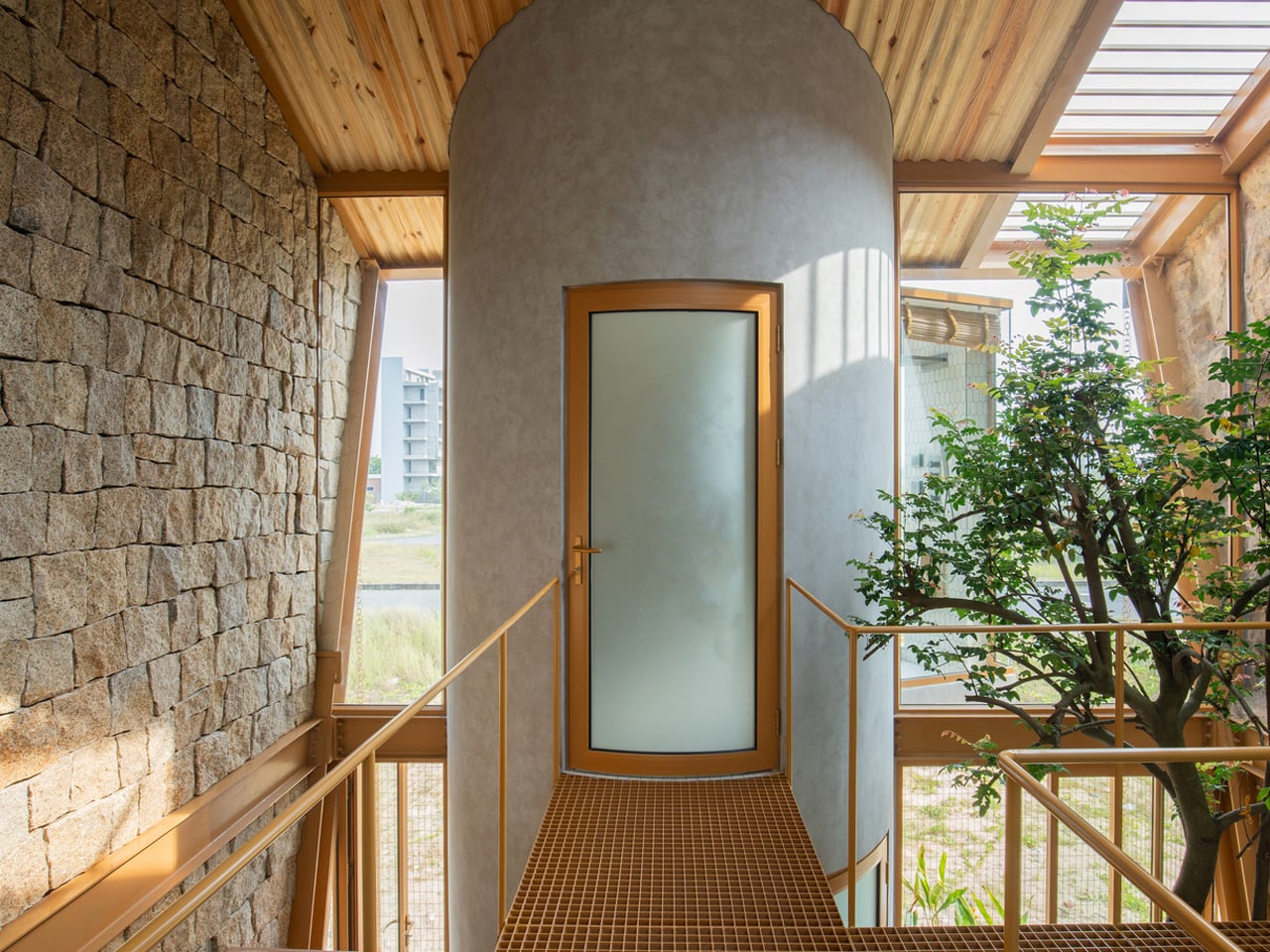
Design is increasingly dissolving the boundary between inside and outside. Architects are creating transitional spaces such as semi-covered verandas, internal courtyards, glass walls and shaded thresholds that allow the landscape to flow into the heart of the home. These zones soften the built form and create a natural connection with light, air, and greenery.

Beyond aesthetics, design now focuses on lived experience—how materials, light, and climate affect comfort and emotion. The emphasis has shifted from glossy surfaces to meaningful, biophilic spaces that reduce environmental impact while supporting mental, emotional, and spiritual well-being.

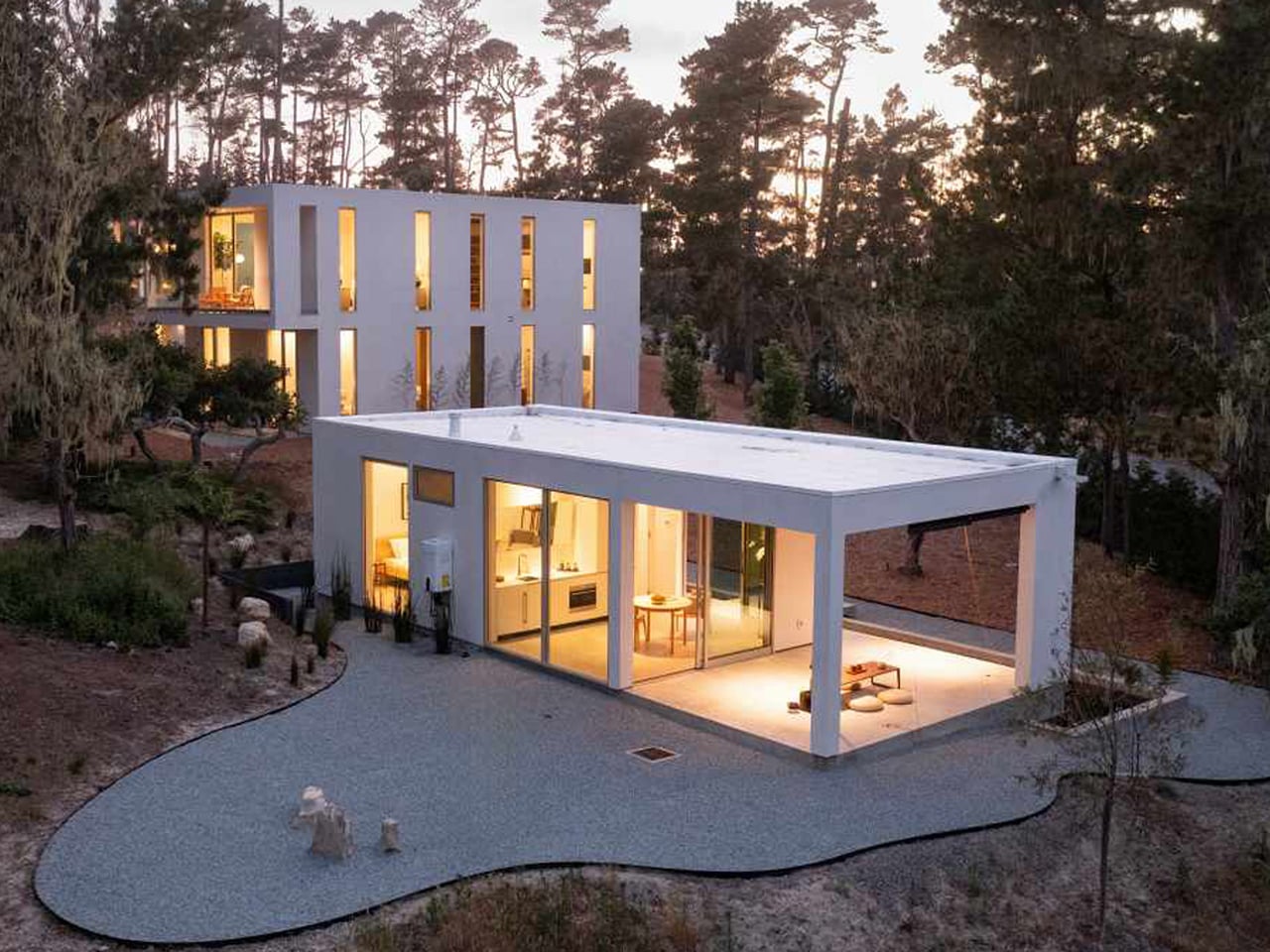
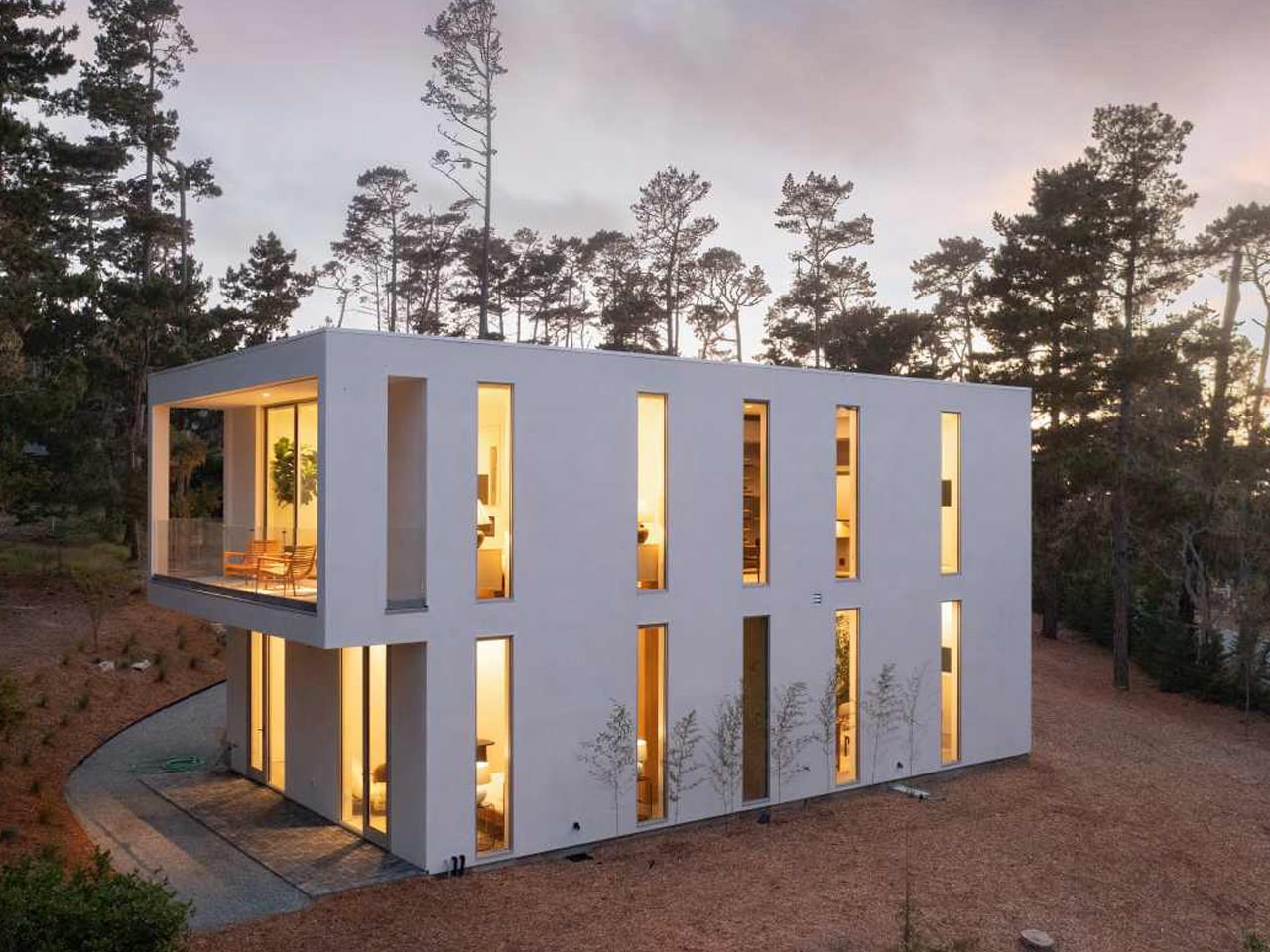
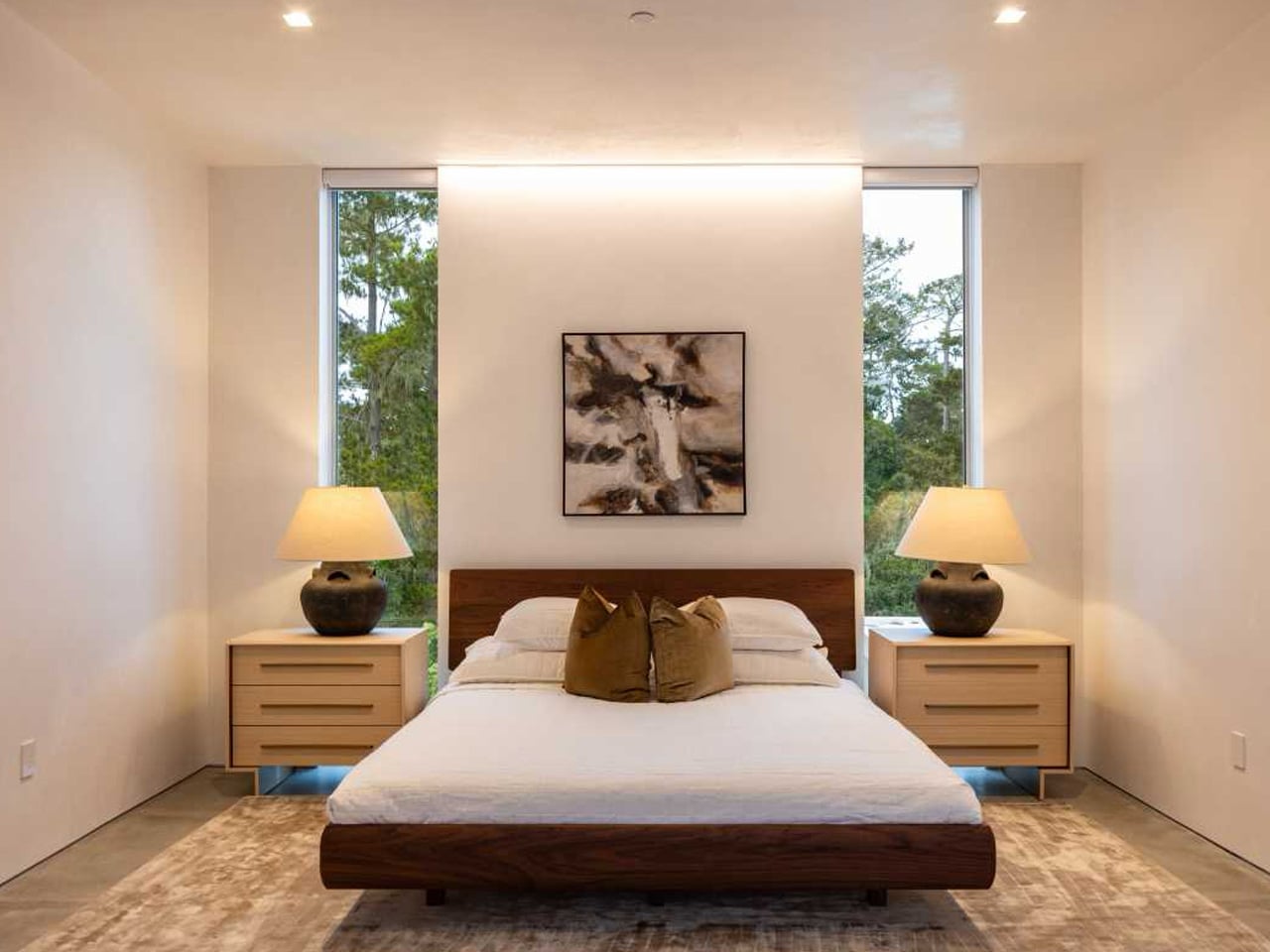
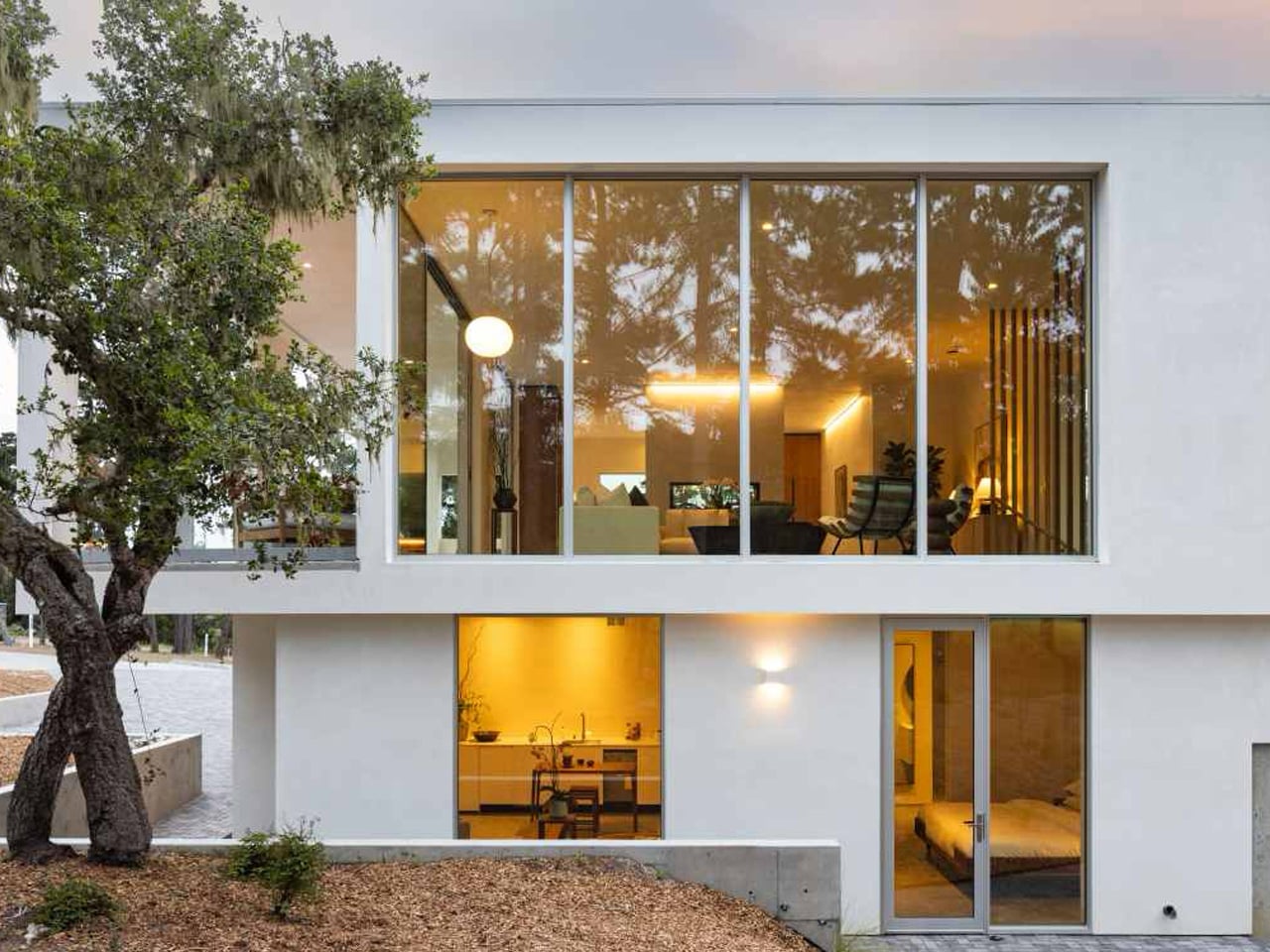
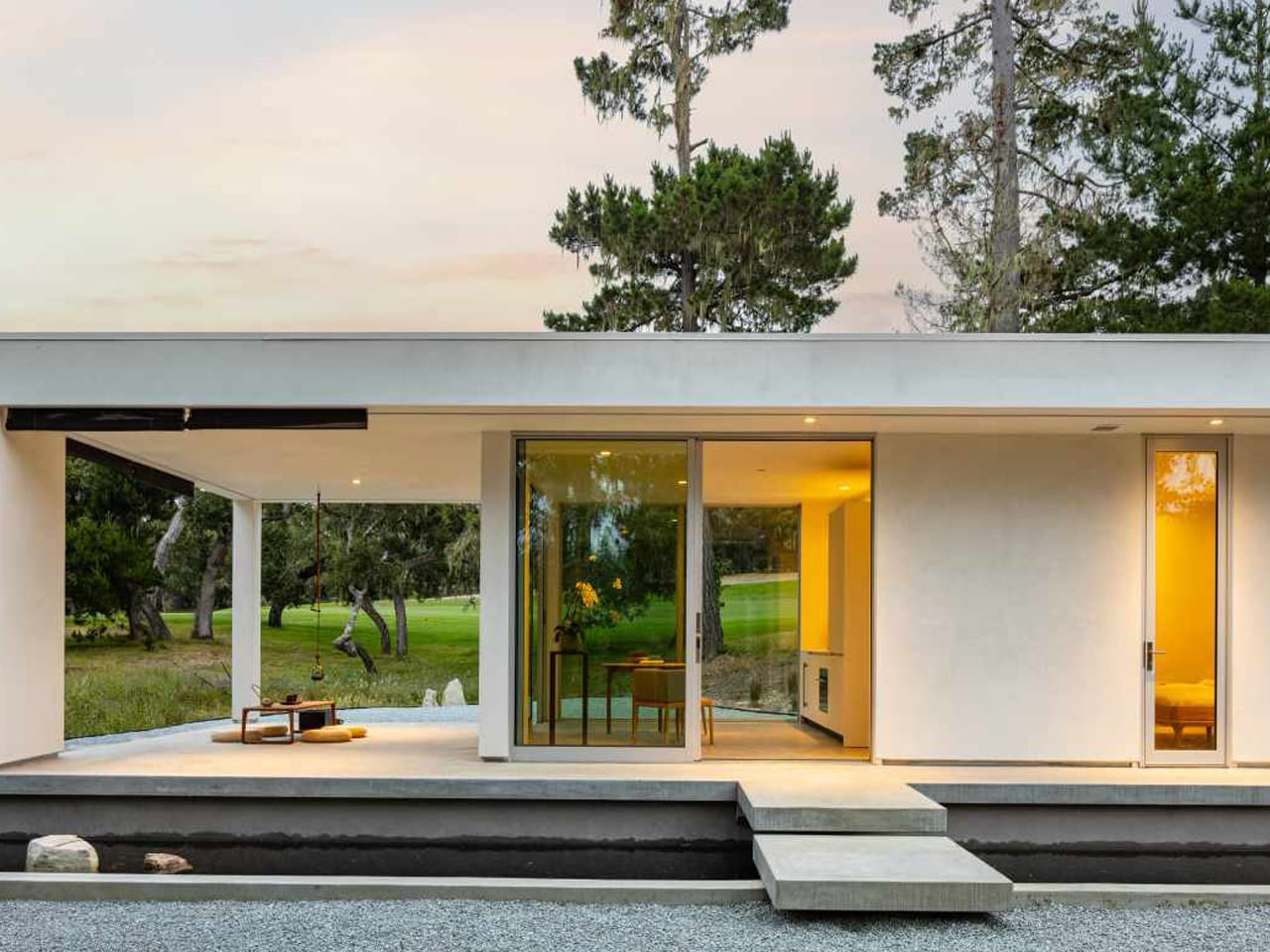
Waterbridge House is conceived as a seamless extension of its natural setting, balancing architectural clarity with a strong indoor–outdoor connection. Set among the pine trees of Pebble Beach, the glass-dominated structure appears to hover above the landscape, defined by clean lines and a restrained material palette. Influenced by Japandi principles, the design blends Japanese serenity with Scandinavian simplicity, resulting in spaces that feel calm, light-filled, and closely attuned to their surroundings.

A defining planning element is the glass corridor that bridges a reflective pool, acting as both an entry sequence and a spatial pause. This transparent link connects two distinct wings: one dedicated to open-plan living and social interaction, the other organized around privacy with bedrooms and quiet retreats. Expansive glazing, sliding walls, and layered decks dissolve boundaries between interior and exterior, allowing light, water, and forest views to shape everyday experience.

Interior design now reflects a deeper focus on authenticity and human connection. Through confident color, softened geometry, and people-first planning, spaces move beyond decoration toward meaning. The true measure of architecture lies in its ability to create calm, light-filled sanctuaries that support emotional well-being while remaining visually refined and environmentally responsible.

The post 5 Interior Design Trends That Just Made Minimalism Obsolete in 2026 first appeared on Yanko Design.
Yelp’s 2026 Design Forecast: The Trends Reshaping How We Live

The numbers tell a story that design magazines have been hinting at for months. Yelp’s latest trend report, analyzing millions of consumer searches between 2023 and 2024, confirms what forward-thinking designers already suspected: the home is becoming a deliberate statement of values, not just a collection of furniture.

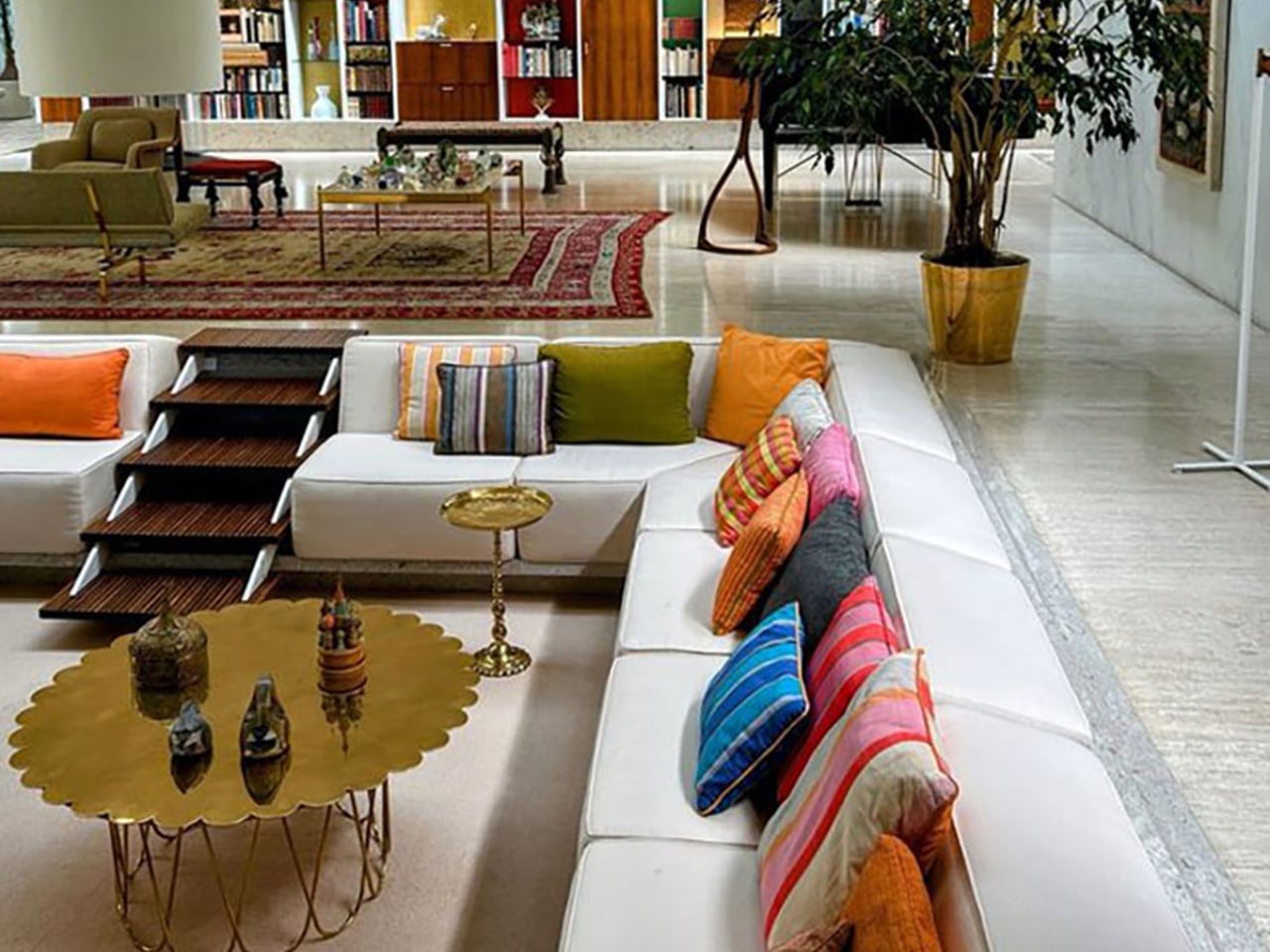
Conversation pits are leading the charge. Searches for these sunken living areas surged 369%, signaling a fundamental rejection of the open-plan uniformity that dominated the 2010s. People want intimacy again. They want spaces that pull them together rather than spreading them across vast, undifferentiated square footage. The mid-century roots of this trend run deep, with searches for mid-century furniture climbing 319% and curved furniture up 124%. These aren’t isolated preferences. They represent a cohesive design philosophy centered on human-scale spaces that encourage actual conversation.

The Texture Revolution

Flat walls are dying. Roman clay finishes saw searches explode by 312%, while lime paint climbed 162%. Fabric wallpaper rose 123%, and wall stencils increased 68%. This collective movement toward tactile surfaces reveals a deeper truth about contemporary design priorities.

People have spent years staring at screens. Their homes responded by becoming increasingly smooth, minimal, and digital-friendly. Now the pendulum swings. Hands want something to touch. Eyes want variation and depth. The Roman clay trend is particularly telling because it demands imperfection. Each application creates unique texture, mottled color, and surfaces that change with light throughout the day. This is the opposite of the perfectly smooth drywall that builders have standardized for decades.

The avocado bathroom deserves attention here too. Searches for ’70s bathrooms jumped 124%, with green countertops following at the same rate. Bathroom remodeling searches increased 84%. But this isn’t nostalgia for nostalgia’s sake. Modern interpretations use nuanced jade and sage tones with contemporary fixtures. The color brings warmth. The execution stays current.

Japandi’s Second Wave

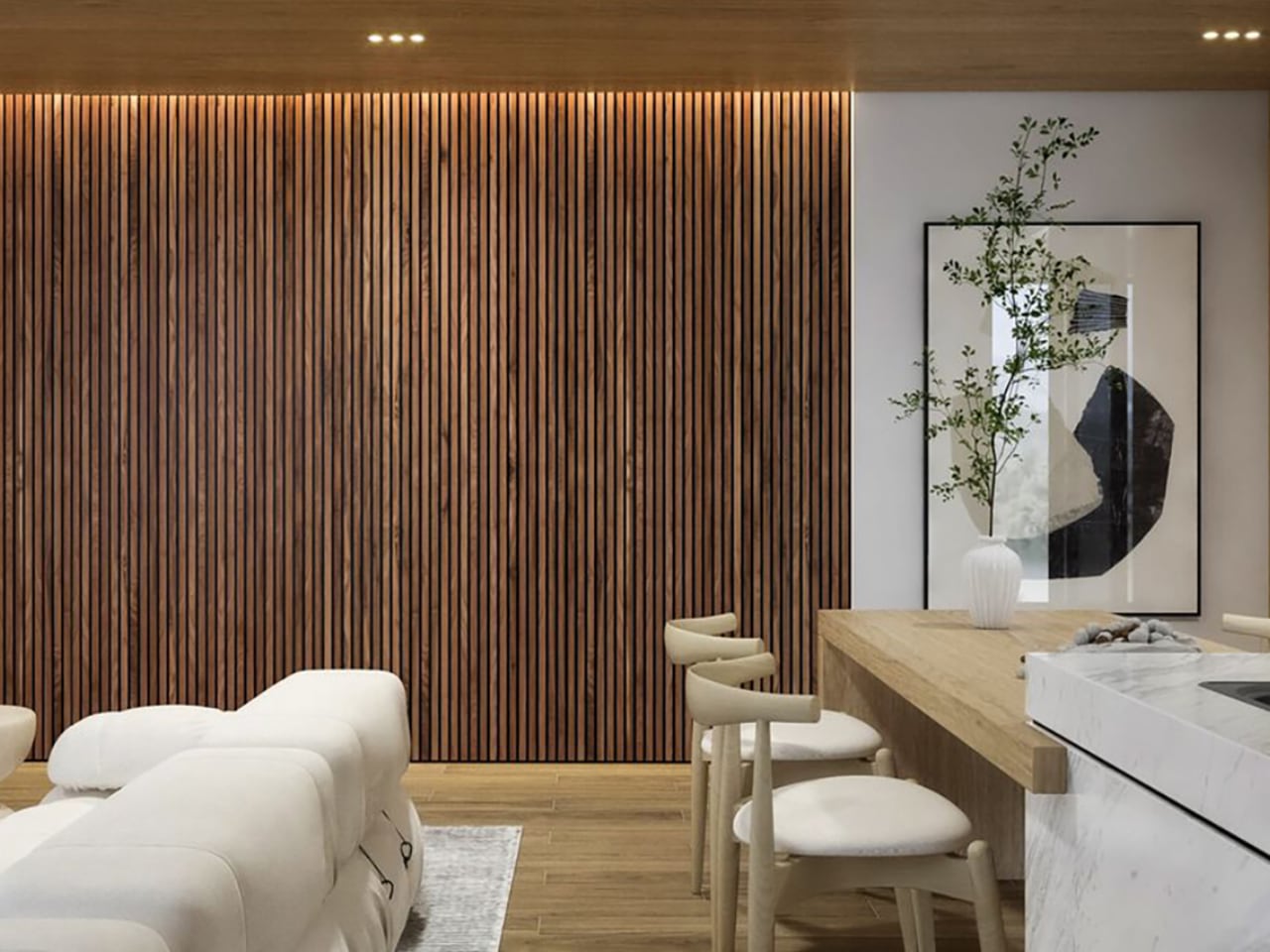
The fusion of Japanese and Scandinavian minimalism refuses to fade. Japandi searches climbed 105%, but the supporting data reveals where this trend is evolving. Fluted panels exploded by 459%. Natural stone rose 51%. Biophilic design increased 124%, alongside woven window shades at the same rate and jute rugs at 60%.

This second wave of Japandi moves beyond the surface aesthetics that defined its first popularity cycle. The emphasis shifts toward materiality and texture rather than mere visual simplicity. Fluted panels create rhythm and shadow play. Natural stone introduces geological time into domestic spaces. Woven materials connect interiors to craft traditions that predate industrial manufacturing. The philosophy remains minimalist, but the execution has matured. Spaces built on these principles feel grounded rather than sparse, considered rather than empty.

Travel plays a role in this evolution. As more people visit Japan and experience its design sensibilities firsthand, they return with refined understanding of how restraint and material quality work together. Tourism shapes taste, and taste shapes the search bar.

The Invisible Technology Thesis

Smart home technology is going underground. Searches for smart windows rose 49%, smart lighting increased 32%, and smart appliances climbed 40%. But the real story lies in the concealment searches. Built-in bookshelves surged 124%. Invisible kitchens with hidden storage jumped 68%.

The design community spent years debating whether technology should be celebrated or hidden. The data suggests resolution: people want capability without visual intrusion. They want lights that respond to voice commands from fixtures that look like ordinary fixtures. They want kitchens that function as high-tech command centers but photograph like serene minimalist spaces. Jennifer Aniston’s illuminated onyx sink basin represents the apex of this thinking. The surface glows. The technology disappears.

This invisible technology trend connects directly to the broader texture movement. When appliances hide and screens retract, walls become the primary visual element. Those walls better be interesting. Roman clay and fluted panels fill the visual space that technology once occupied. The home becomes a gallery of surfaces rather than a showroom of gadgets.

Black as Design Strategy

Black countertops rose 123%. Black furniture increased 12%. These numbers underscore a shift toward intentional contrast as a design strategy rather than an afterthought.

Interior design expert Taylor Simon’s “unexpected red theory” has influenced how designers think about strategic color deployment. Black operates on similar principles. A black countertop against light cabinetry creates visual anchor points. Black furniture pieces become sculptural elements that organize surrounding space. The approach requires restraint. Too much black collapses into monotony. Applied surgically, it transforms ordinary rooms into composed environments where the eye knows where to rest.

The contrast philosophy extends beyond color. It manifests in the juxtaposition of textured and smooth, natural and manufactured, vintage and contemporary. Curved mid-century furniture against rectilinear architecture. Woven jute against polished concrete. The design language emerging from this data prioritizes tension and dialogue between elements rather than uniform harmony.

Memory as Material

Shadowbox searches increased 34%. Film lab searches rose 88%. Film developing climbed 54%. Together, these numbers reveal a design trend that treats personal history as raw material.

Custom framing services report growing demand for memory displays that transform scrapbook contents into wall art. Travel mementos, film photographs from analog cameras, keepsakes from significant moments. These aren’t arranged in albums anymore. They’re composed into visual statements that hang alongside purchased art.

This trend intersects with the broader rejection of generic decor. Mass-produced wall art serves a function, but it doesn’t tell a story. A framed collection of Polaroids from a specific trip, ticket stubs from meaningful concerts, pressed flowers from important occasions: these objects carry narrative weight that manufactured decor cannot replicate. The home becomes autobiography.

Where This Leaves Us

The throughline connecting these trends points toward a single thesis: design in 2026 will prioritize meaning over minimalism, texture over sleekness, and personal narrative over trend compliance.

The conversation pit revival matters because it privileges human connection over architectural showmanship. The texture movement matters because it restores sensory richness to spaces flattened by digital life. Japandi’s evolution matters because it demonstrates how design philosophies mature beyond their initial aesthetic expressions. Hidden technology matters because it resolves the long tension between capability and beauty. Strategic contrast matters because it treats composition as seriously as color.

None of these trends exist in isolation. They form a coherent vision of domestic space as refuge, as expression, as carefully curated environment that reflects inhabitant values rather than developer defaults. The search data quantifies what designers intuit. People want homes that feel like themselves, not like everyone else’s Pinterest board. The numbers say they’re willing to invest, to research, to seek professional help in achieving that goal.

The 2026 home will have texture you can feel, spaces that pull people together, technology that serves without announcing itself, and walls decorated with personal history. It will reference the past without copying it. It will embrace natural materials while leveraging smart systems. It will be, in short, deliberately designed rather than passively accumulated. The data says so.

The post Yelp’s 2026 Design Forecast: The Trends Reshaping How We Live first appeared on Yanko Design.
10 Best Futuristic Tech Trends Revolutionizing the Industry and Shaping Our Future

This year has been pretty interesting, in the sense that we have come across a whole bunch of innovative and jaw-dropping tech designs. Things have been exciting here at YD, as we encountered an array of intriguing designs that left a lasting impression on our minds. Each design broke through some barrier or convention in the tech world, bringing us unique solutions, improved functionality, and immense value. And we’ve curated the top 10 futuristic tech trends that are forming waves in the industry today – from a conceptual Apple Vision Joystick Pro Max to a unique design that merges earbuds and a smartwatch. These designs will impress you, just as they impressed us.

1. Nokia Infinity Pro

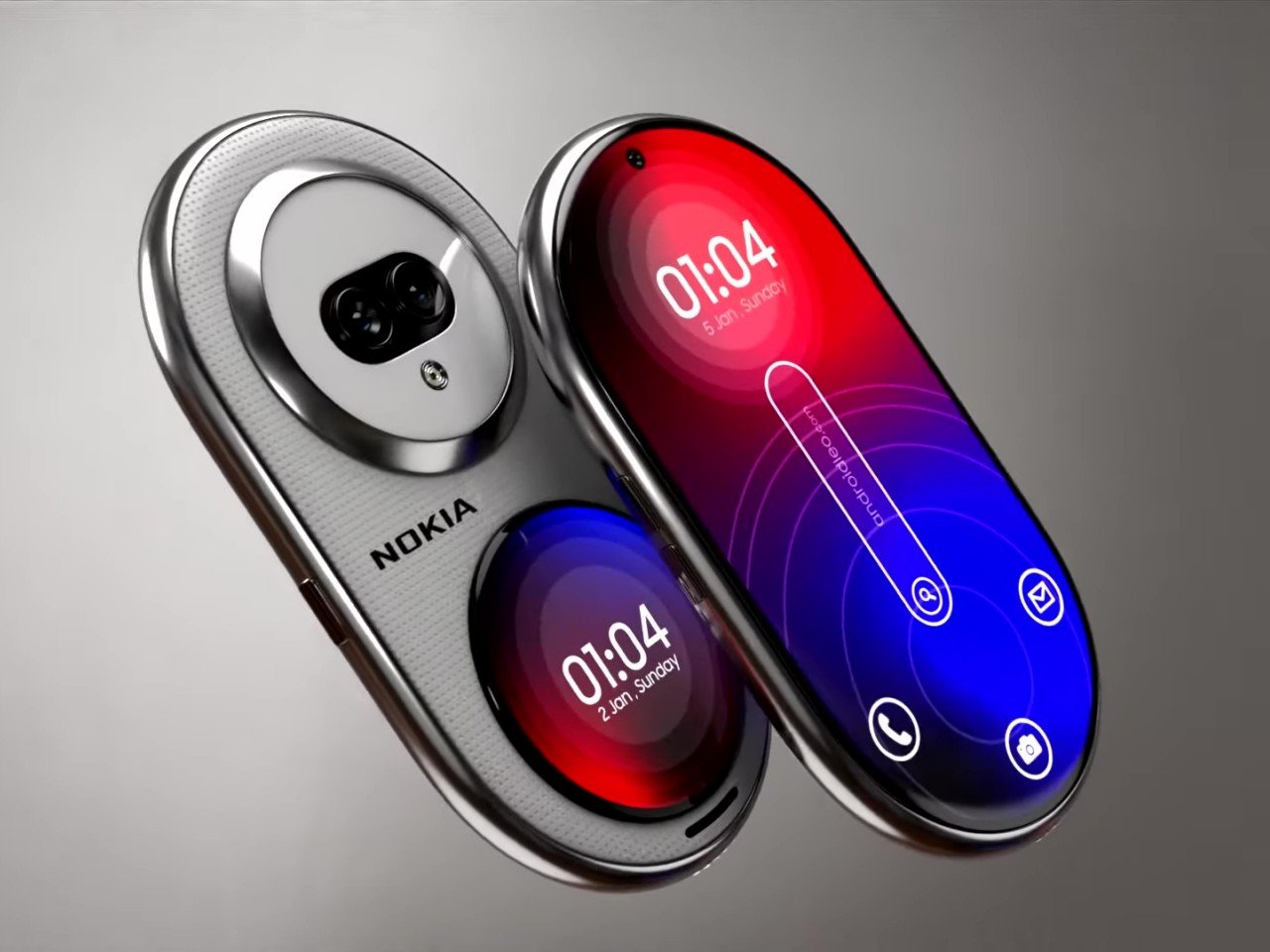
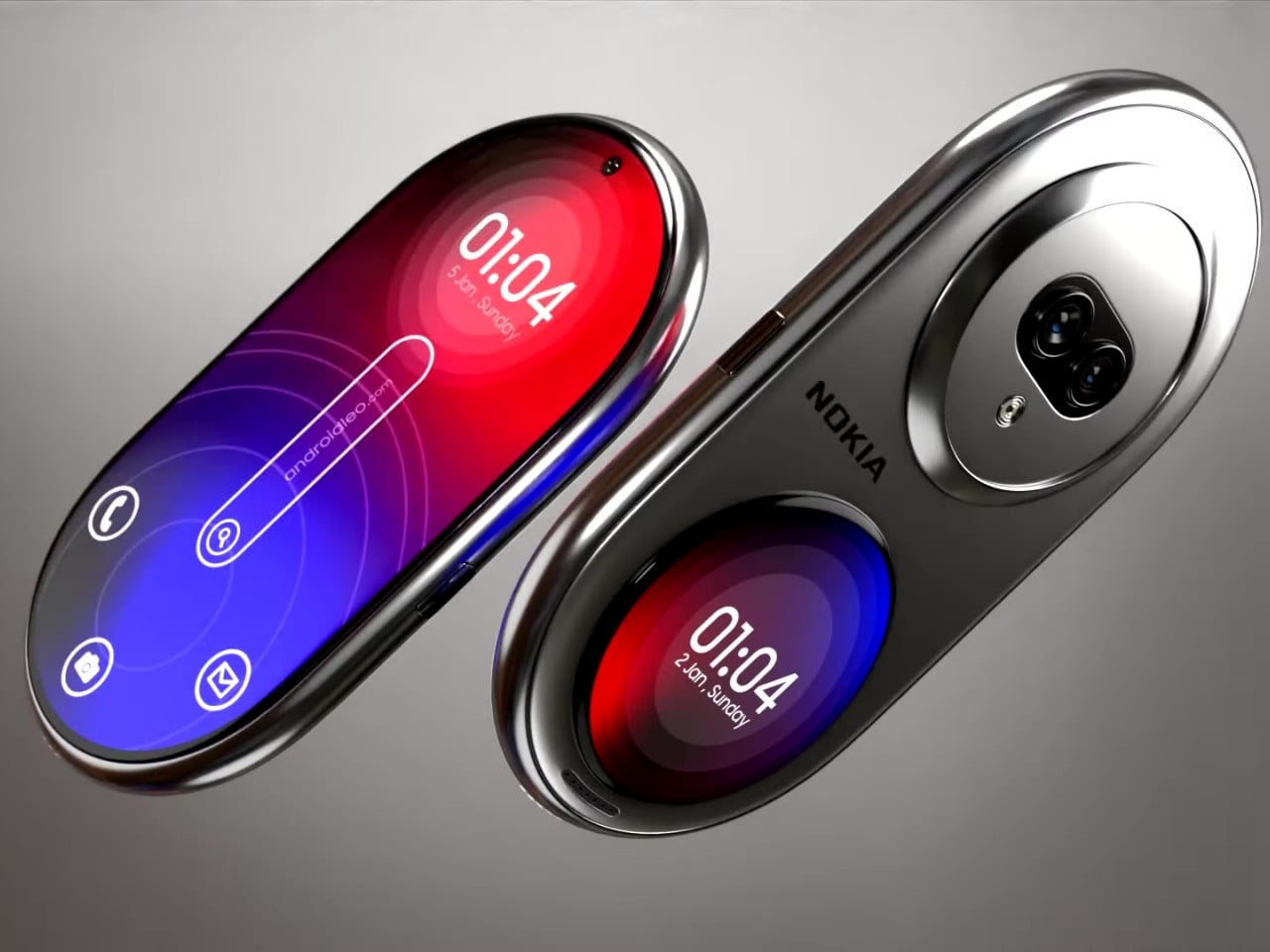
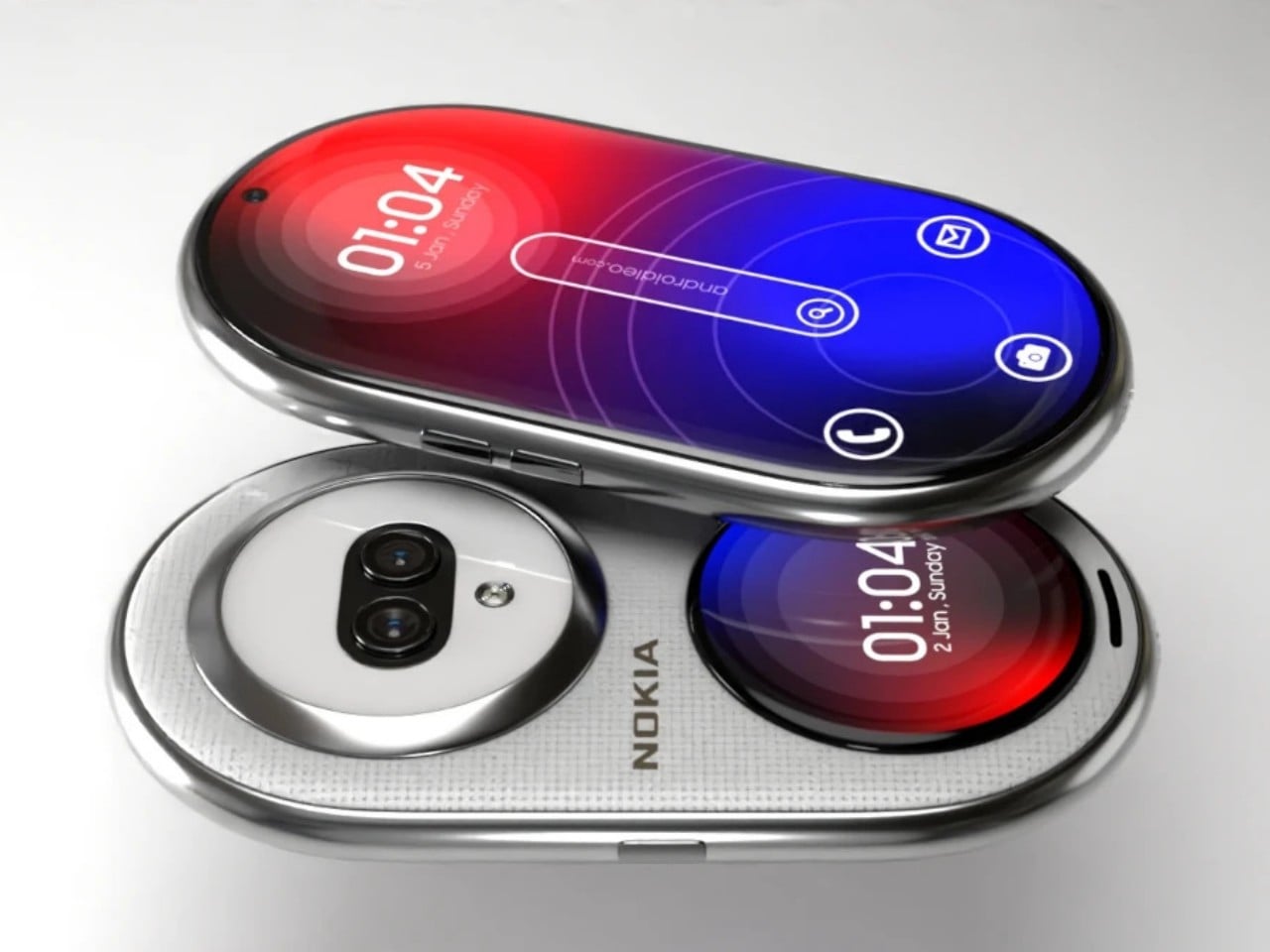
Called the “Nokia Infinity Pro”, this innovative phone concept challenges the typical “candy bar” form factor of smartphones, creating a thin pill-shaped design that looks like an interesting cross between a foldable clamshell and a smartwatch – all combined into one. The conceptual smartphone has a curvaceous shape that fits comfortably in your hand.

Why is it noteworthy?

What makes this phone unique is that the screen covers the entire surface of the phone’s front, not only the rectangular section. The back of the phone features two circular mounds opposite to each other. One mound is a dual-camera system, while the other is a circular display seen on most smartphones.

What we like

  • The circular display provides access to important notifications and controls even when the phone is placed down

What we dislike

  • If you keep putting the phone face down, it could scratch the screen
  • Not sure which UI elements can be used at the top and bottom of the screen, since most platforms are for rectangular screens

2. HEAL+

If you face health issues, then you don’t need to turn to uncomfortable, ineffective, and expensive solutions anymore. You can turn to this innovative wearable device which focuses on the center of physical and mental health, offering users portable, safe, and easy-to-handle tools to ensure a pain-free gut and a stress-free mind.

Click Here to Buy Now: $359 $998 (64% off). Hurry, only 20 left! Raised over $290,000.

Why is it noteworthy?

Named HEAL+, this wearable device is a non-invasive solution that helps your gut function properly, resulting in better overall health. HEAL+ is powered by laser therapy, or essentially low-level laser therapy or LLLT which reduces inflammation and pain, and other gut-related disorders like IBS, colitis, Crohn’s disease, and more.

What we like

  • Boosts your immune system, helping in recovery from long-COVID
  • Regulates the microbial balance in our gut

What we dislike

  • The design is not kid and pregnant-women friendly

3. Apple Vision Joystick Pro Max

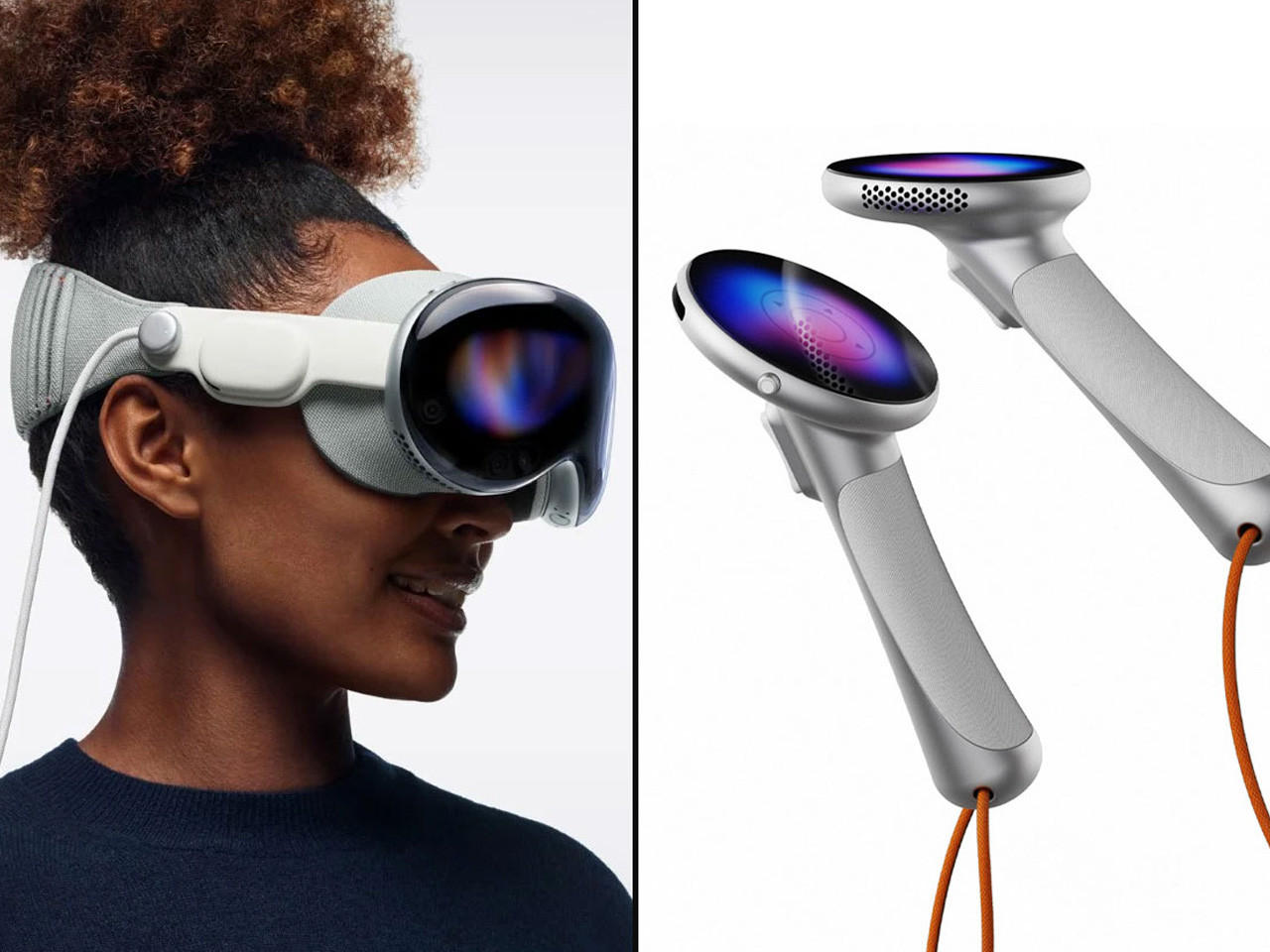
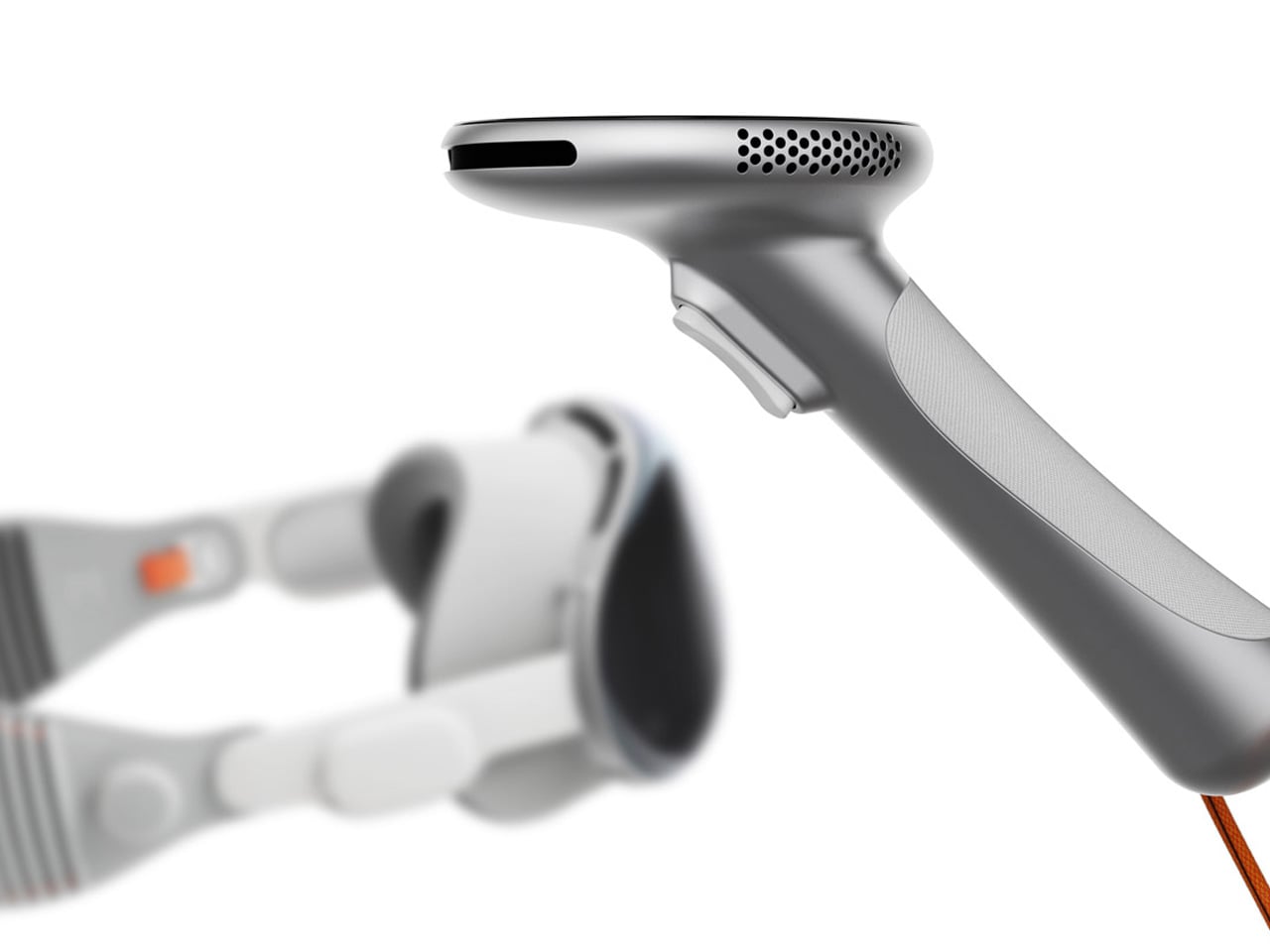
This is the “Apple Vision Joystick Pro Max” – a conceptual design of the Apple Vision Pro Controller by Alex Casabò. The sleek-looking controllers seem to perfectly complement the headset’s futuristic look, and they’re designed to offer smooth and seamless functionality irrespective of what you throw at them.

Why is it noteworthy?

They will elevate the gaming experience for every kind of modern game out there, taking note of the VR environment. The controller is amped with a top surface, equipped with a touch-sensitive surface for smart controls like swaying the road or reloading a sniper rifle.

What we like

  • The controls and buttons can be mapped as per ergonomic comfort when you play

What we dislike

  • It is a concept, so we don’t know how well it will translate into a tangible product

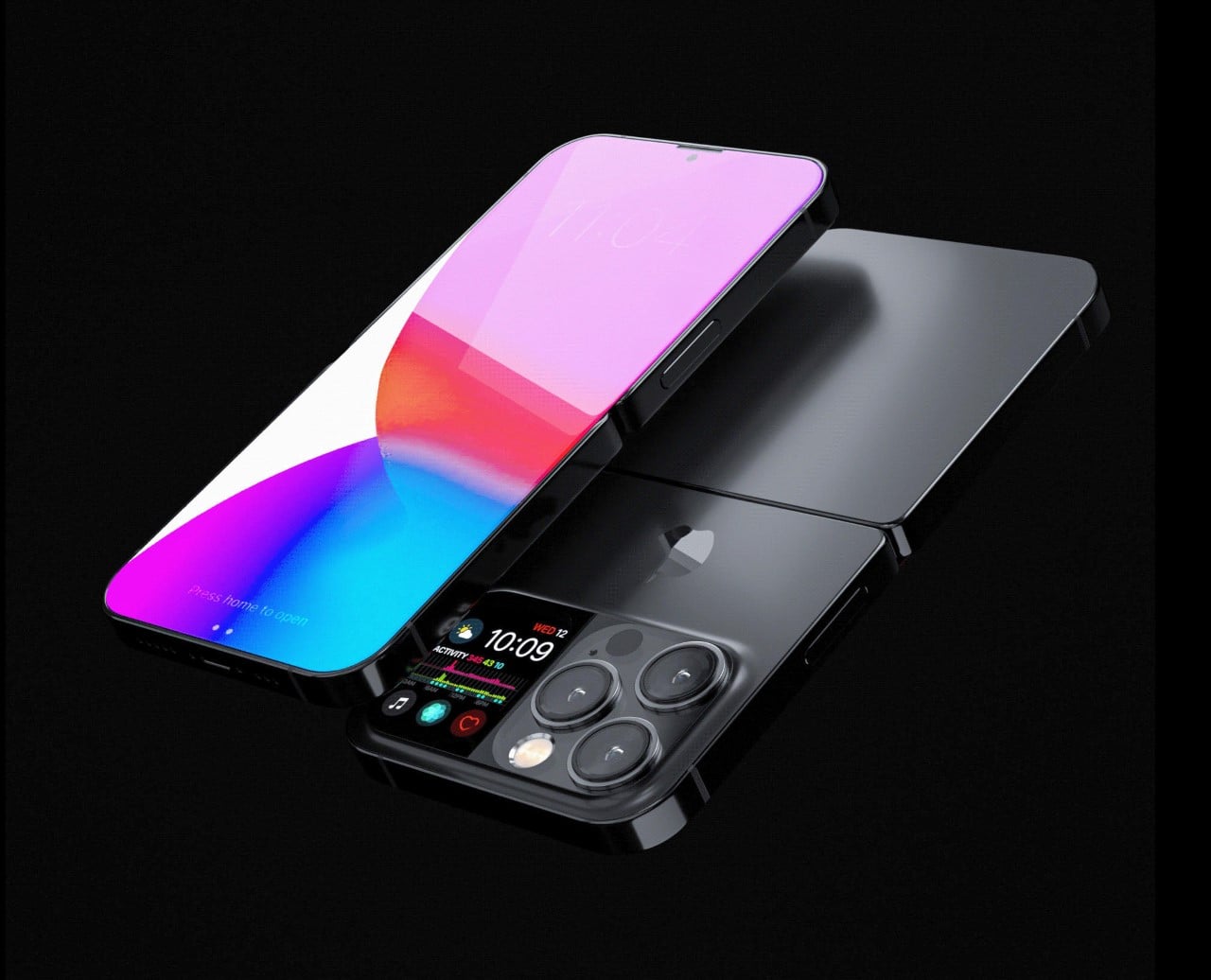
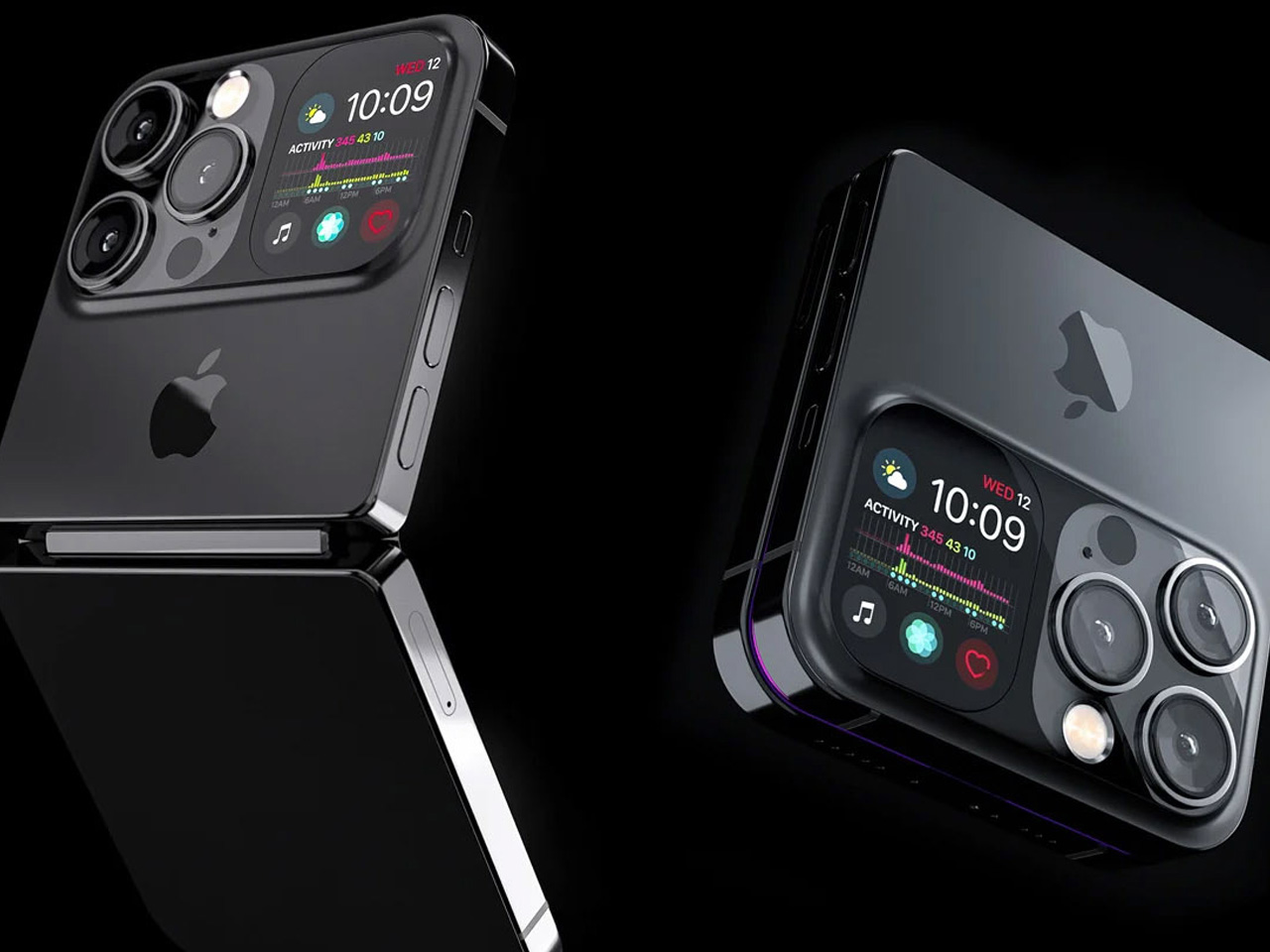
4. iPhone iFold

Called the iPhone iFold, this conceptual design is an innovative foldable phone by Micheal Dufka. The iFold is inspired by the format of the MotoRAZR and the Samsung Galaxy Z Flip. It has a clamshell-style folding design which offers a compact iPhone with a large screen.

Why is it noteworthy?

It features two displays, with a smaller display placed to the side of the camera bump. You can access essential stats and important notifications without actually opening your phone! It has the same convenience as an Apple Watch.

What we like

  • Has a unique folding form, unseen in Apple smartphones till now

What we dislike

  • We are unsure if Apple will ever convert this into a tangible product, and how well it would work as one

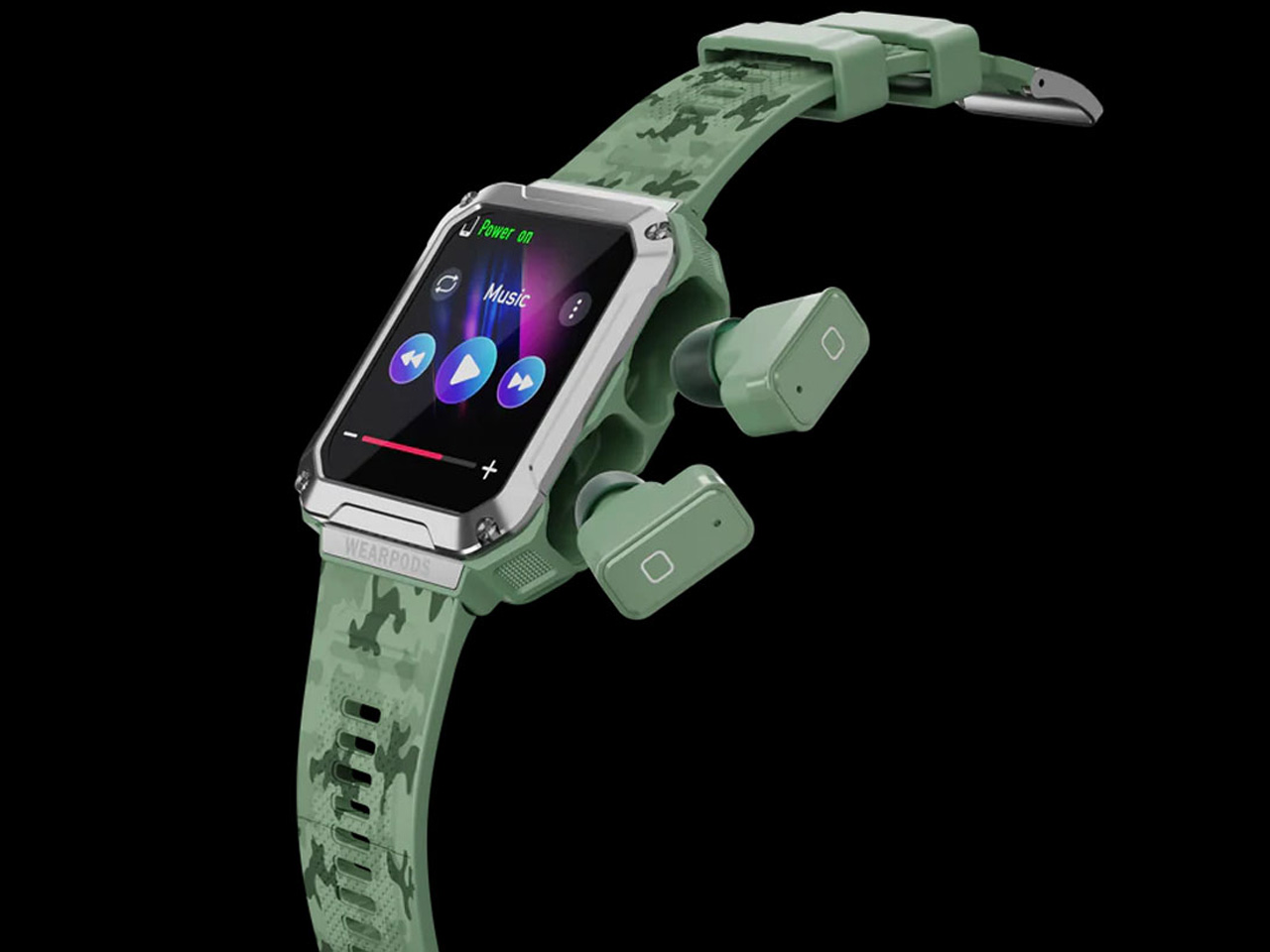
5. Huawei Watch Buds

Called the Huawei Watch Buds, this innovative gadget combines two gadgets into one. The unique gadget means there is one less gadget to carry around, as it merges earbuds and a smartwatch into one clever design. You can remove the earbuds from inside the smartwatch, much like the stuff of Bond movies!

Why is it noteworthy?

Much like the charging case of your earbuds power up your earbuds, the smartwatch charges the incubating buds inside. The earbuds feature a compact and easy-to-carry form, which creates a compact form factor for the squarish smartwatch. The watch has a 48.5 mm dial with symmetrical chopped edges.

What we like

  • Compact design, combining two products into one

What we dislike

  • It is an odd fit for smaller hands

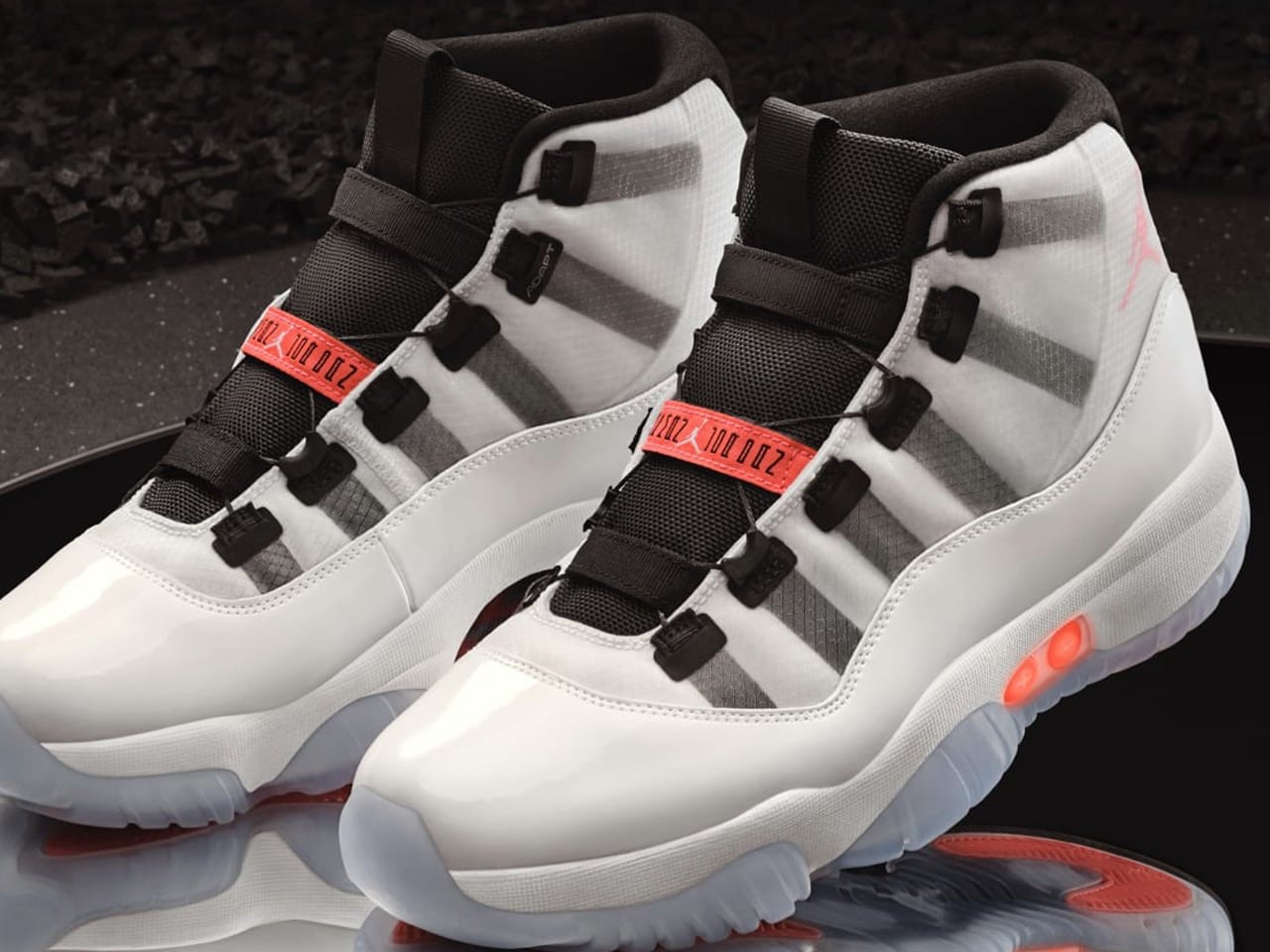
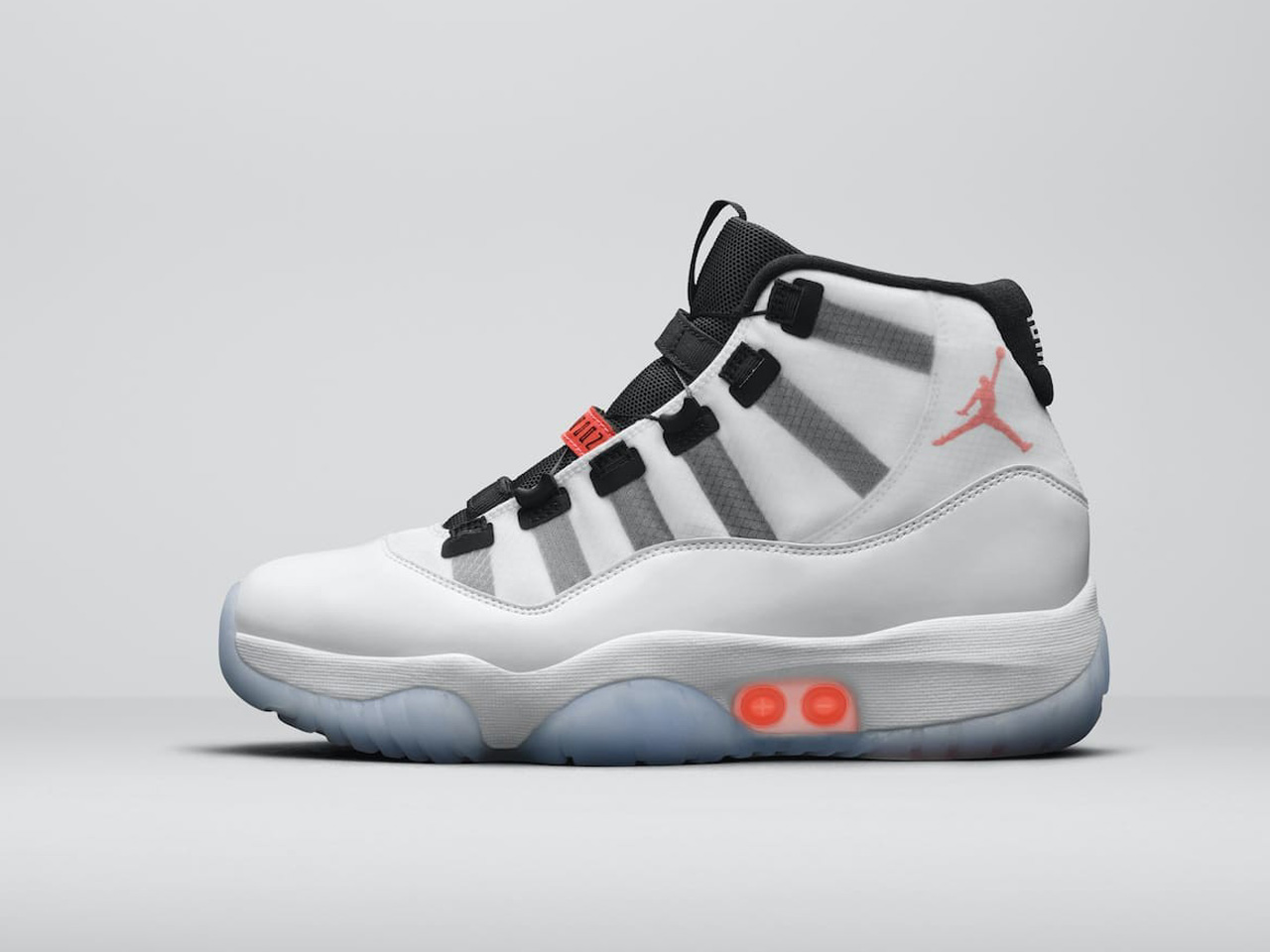
6. Nike Air Jordan XI Adapt Jumpman

Say hello to these super innovative and futuristic shoes – the Nike Air Jordan XI Adapt Jumpman. These shoes are amped with power-lacing technology! Equipped with a self-lacing design, the Air Jordans are right from the future. They are pretty similar to the original shoe shape from 25 years ago.

Why is it noteworthy?

The shoes pair up with the Nike Adapt app, allowing you to personalize them as you please, and control your shoes with real-time customization as well. The app’s interface is a direct reflection of the Jordan brand, and you can customize the buttons on the shoe’s midsole.

What we like

  • You can personalize the limited-edition Nike shoes’ color scheme, as well as the light flashing pattern

What we dislike

  • Users could take some time to adjust to the self-lacing tech

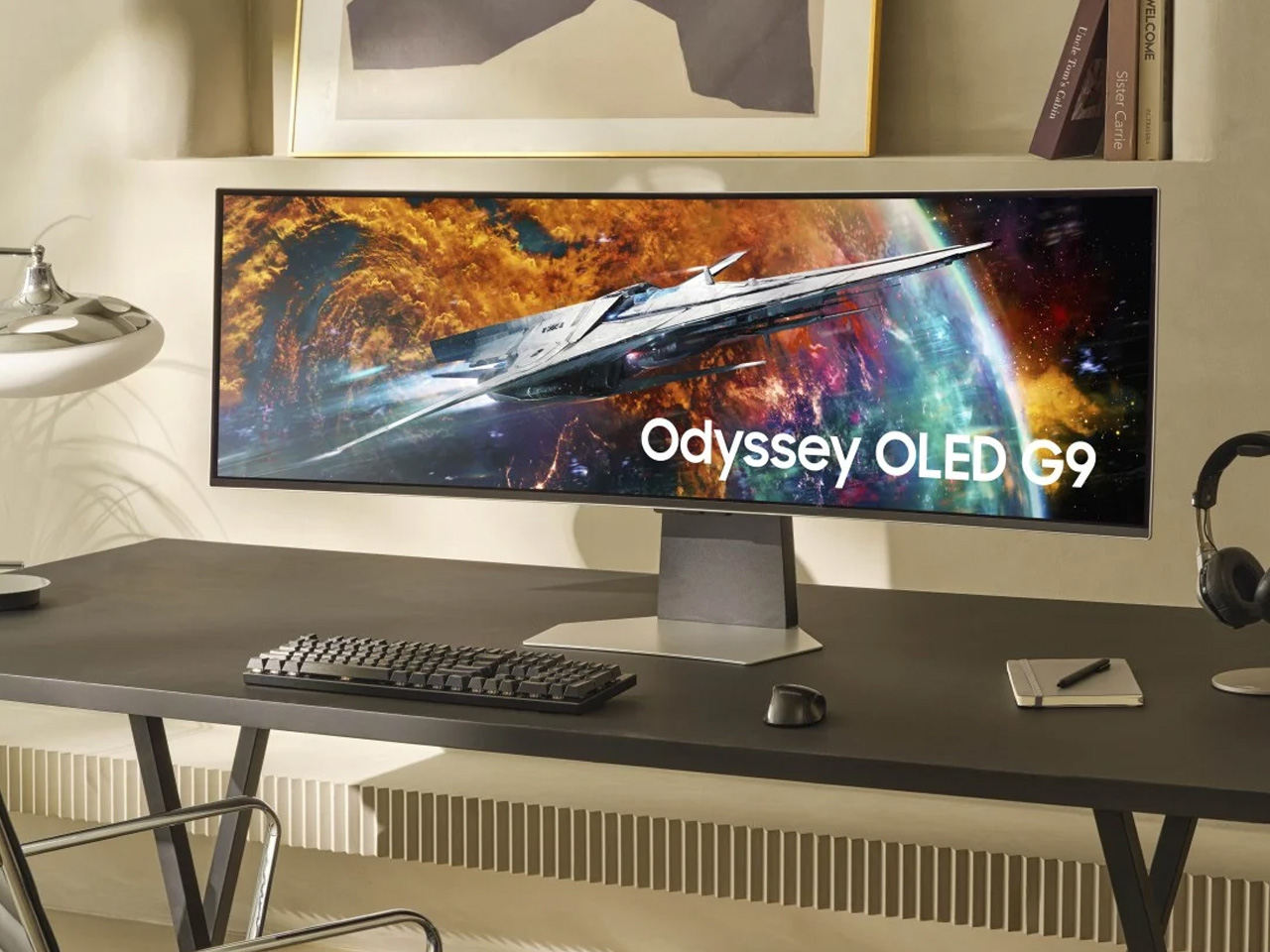
7. Samsung Odyssey OLED G9

Dubbed the Samsung Odyssey OLED G9, this 49-inch monitor is amped with a resolution of 5120×1440 with an aspect ratio of 32:9. The screen isn’t an ordinary curved screen, and it provides a pretty wide field of view which perfectly adjusts to the way your eyes work, on account of its 1800R curvature. This marvelous screen offers an immersive and fascinating visual experience!

Why is it noteworthy?

Using the Odyssey OLED G9 is like having two QHD or 2K monitors side-by-side but with the elimination of the distracting borders that break the seamlessness and harmony of the entire experience. There is also enough space for multiple application windows, helping you get your work done.

What we like

  • Equipped with a Multi-View option that lets you place two screens from two different sources, letting them play at the same time

What we dislike

  • Doesnt have the best sound quality
  • Pretty expensive price tag

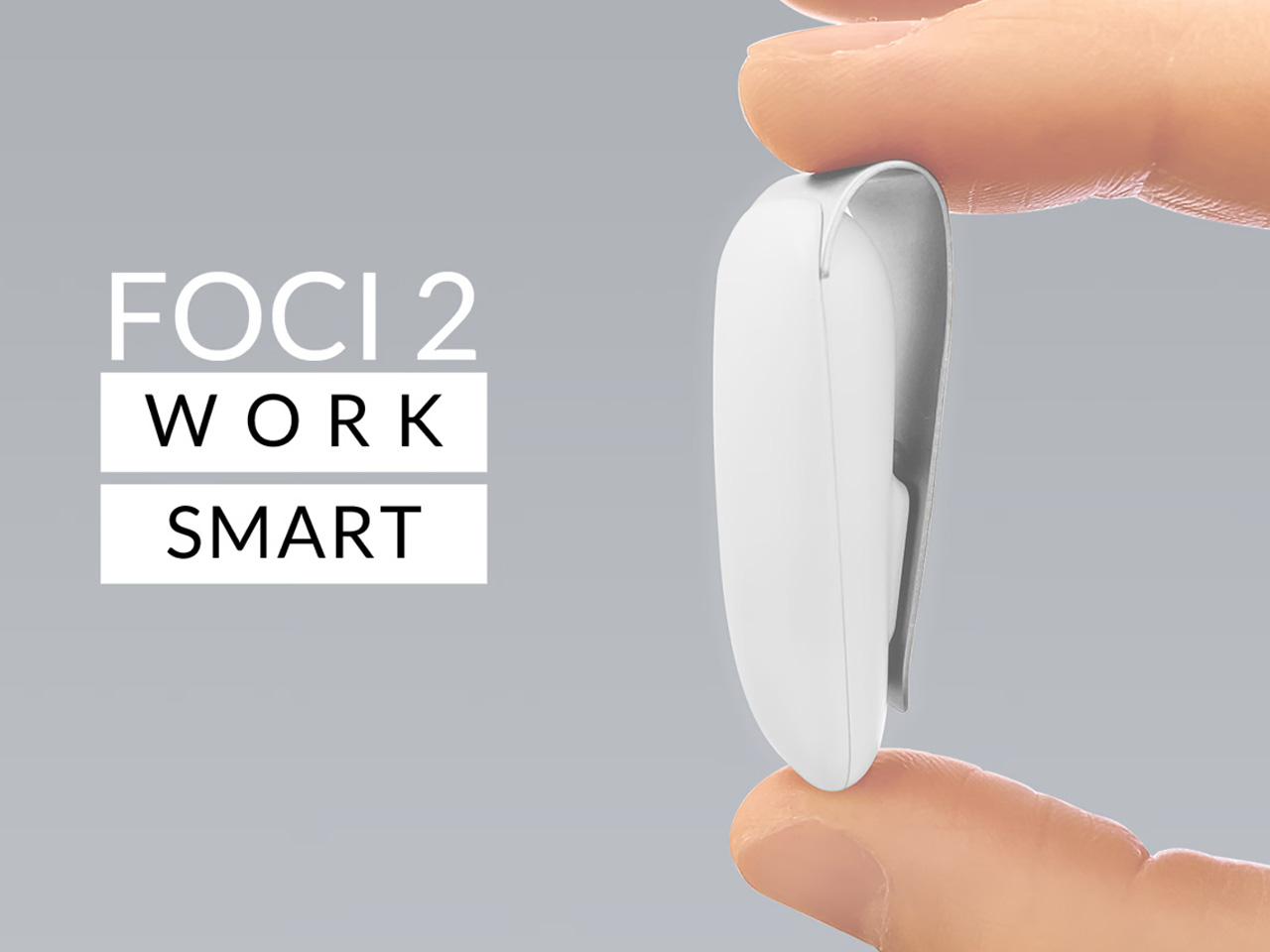
8. FOCI 2

Meet FOCI 2 – the ultimate productivity tool. The productivity wearable tracks your daily emotions, distraction, stress, calm, etc as you study or work. It also analyzes your emotions, running the risk of frustration, procrastination, burnout, and anxiety. It summarizes focus metrics and tension levels during work as well.

Why is it noteworthy?

It is equipped with tactile feedback which alerts you when you are distracted, fatigued, or stressed. It also features biofeedback training technology which helps you adjust and deal with work states, and improve and elevate your mental performance.

What we like

  • Helps track and analyze your emotions for heightened productivity
  • Offers essential feedback for when you need it

What we dislike

  • The tutorial section isn’t easy to use

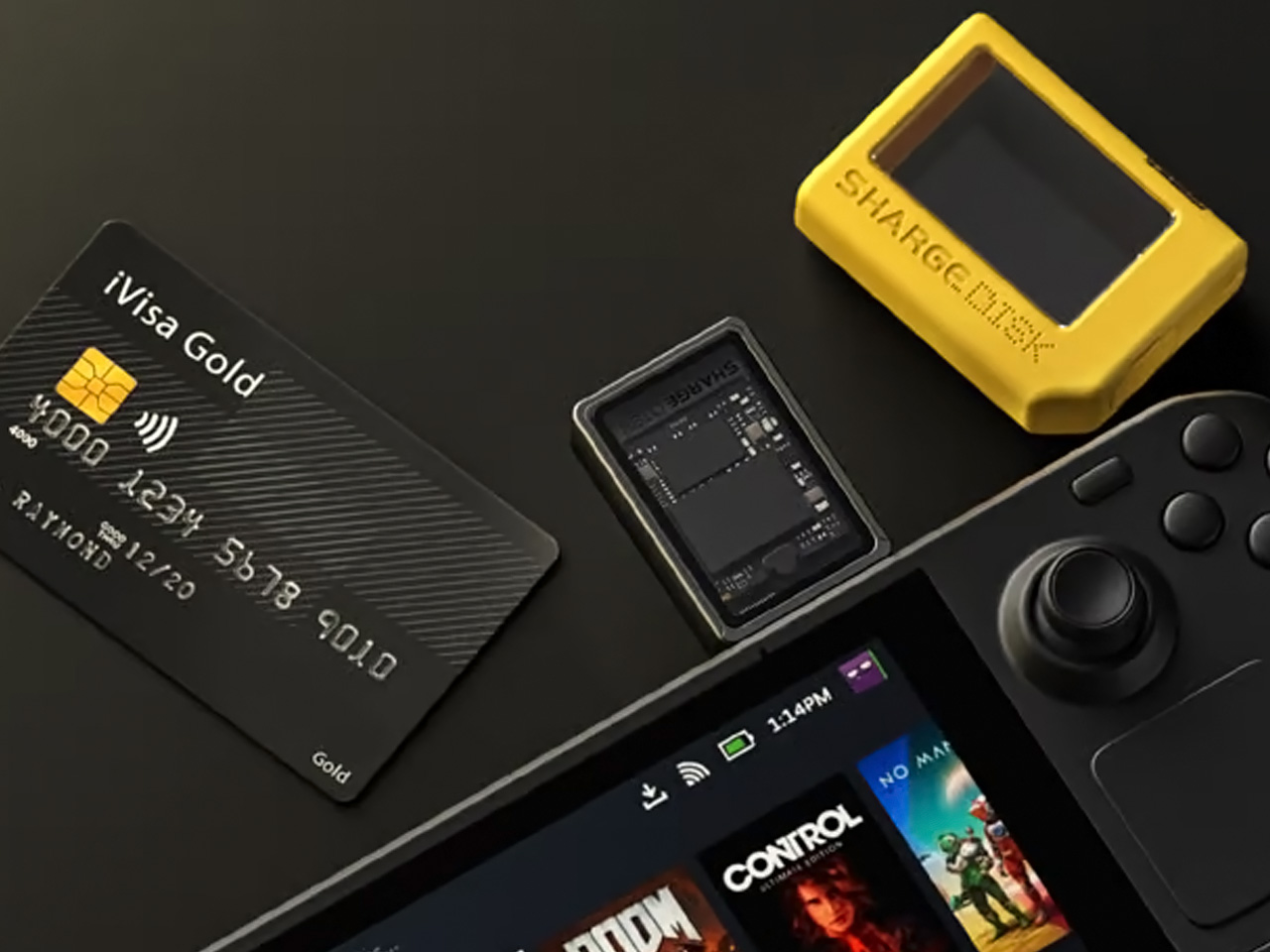
9. SHARGE Disk

Meet the SHARGE Disk – the ultimate storage solution for EDC devices. This ultra-lightweight and portable M.2 NVMe SSD is amped with an active heat dissipation system, and 2TB (Maximum) capacity, as well as high read/write speeds of up to 1000 MB/s. It is equipped with an aluminum shell and a silicone case for challenging situations.

Why is it noteworthy?

The SHARGE Disk is an excellent option for those who carry EDC devices such as phones, cameras, and laptops with them. The Sharge weighs 24g/0.84 OZ, and it is half the size of a credit card, making it easy to carry anywhere with you.

What we like

  • Can easily slip it into your pocket, or hang it on a keychain or bag
  • Keeps relevant files in hand and accessible

What we dislike

  • Since it is quite small, you can easily lose it, handle it with care

10. M1

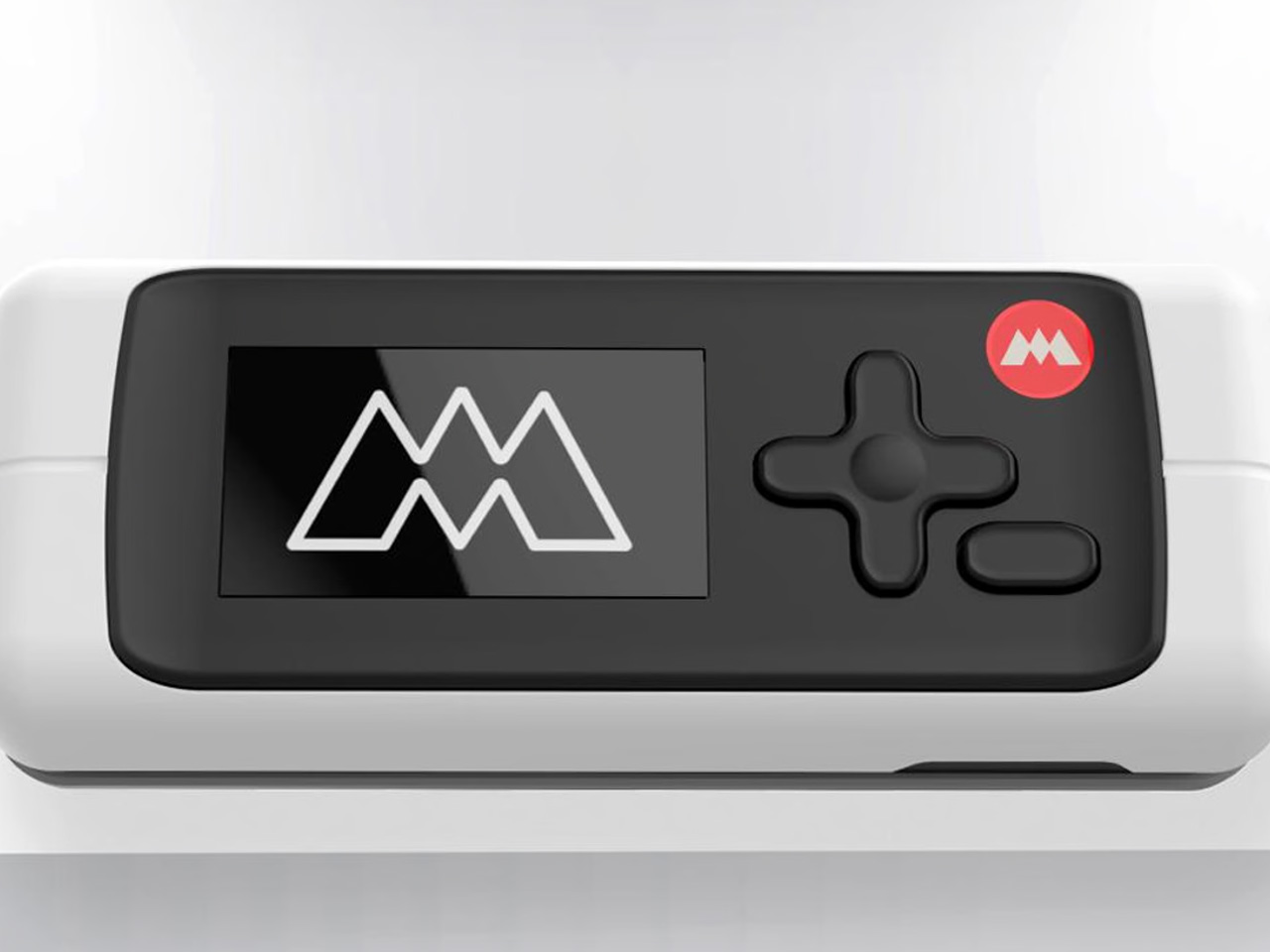
This is the M1 – a compact, and powerful digital multitool. It is a fully functional device, which is designed with the flexibility to expand as and when needed. It is easy-to-use, open source, and will redefine and elevate your digital interactions. It uses the power of Radio Frequency Identification (RFID) technology, which allows for seamless interactions.

Why is it noteworthy?

With a simple tap, you can use M1 to control access to doors and gates, making entry and exit an easy-breezy process. You can even duplicate RFID cards and key fobs, read tags, and interact with different pet microchips. Owing to the RFID tech, you can open doors, both literally and metaphorically, as you can interact with different systems around you.

What we like

  • It can clone cards and read Unique Serial codes
  • Makes data sharing an intuitive part of your daily interactions

What we dislike

  • The device does not explain additional security measures to protect the data sharing from criminal elements.

The post 10 Best Futuristic Tech Trends Revolutionizing the Industry and Shaping Our Future first appeared on Yanko Design.
Caviar Galaxy Z Flip 6 Elegance Edition Rides on the Latest Tennis Fashion Trend

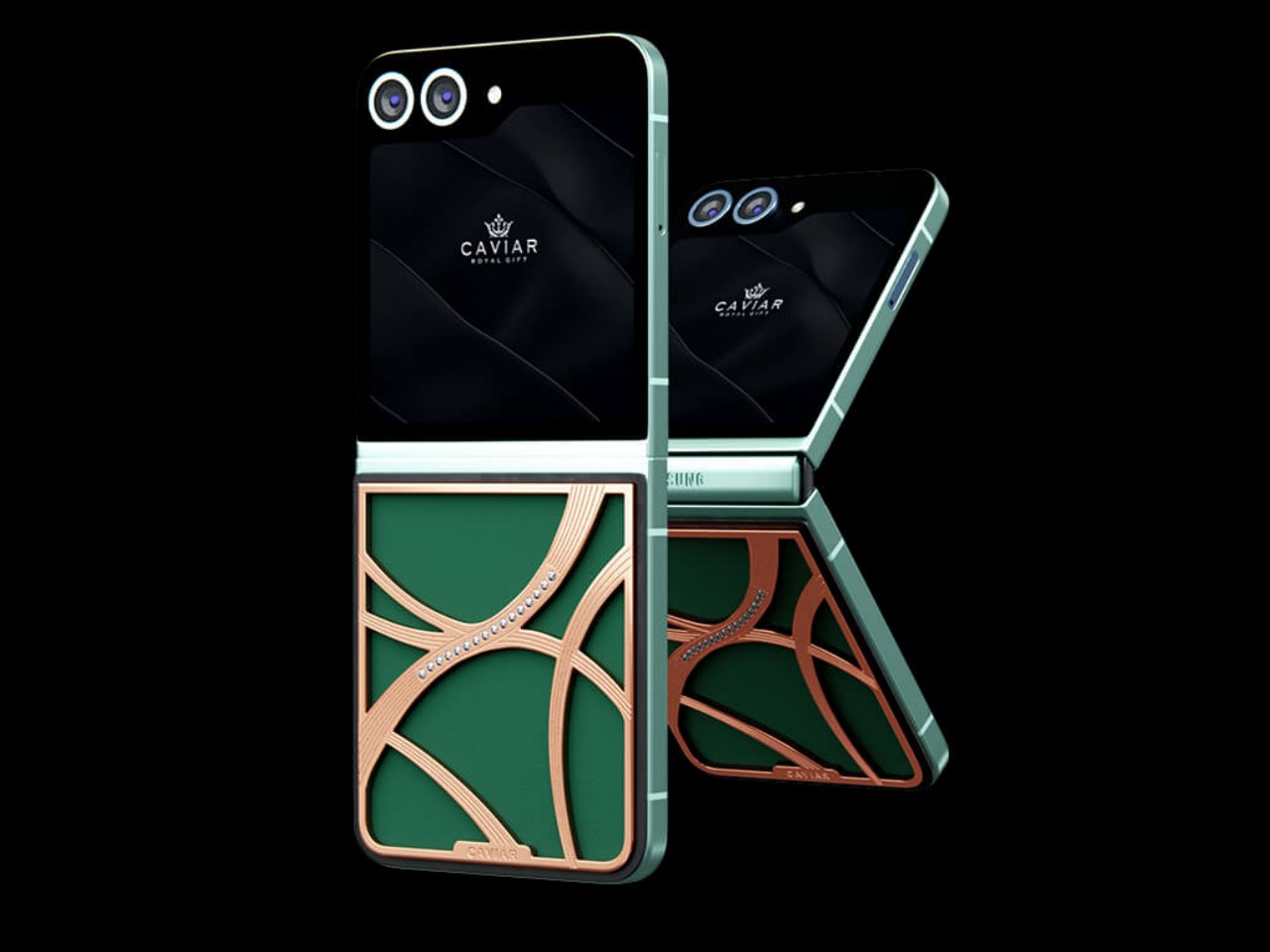
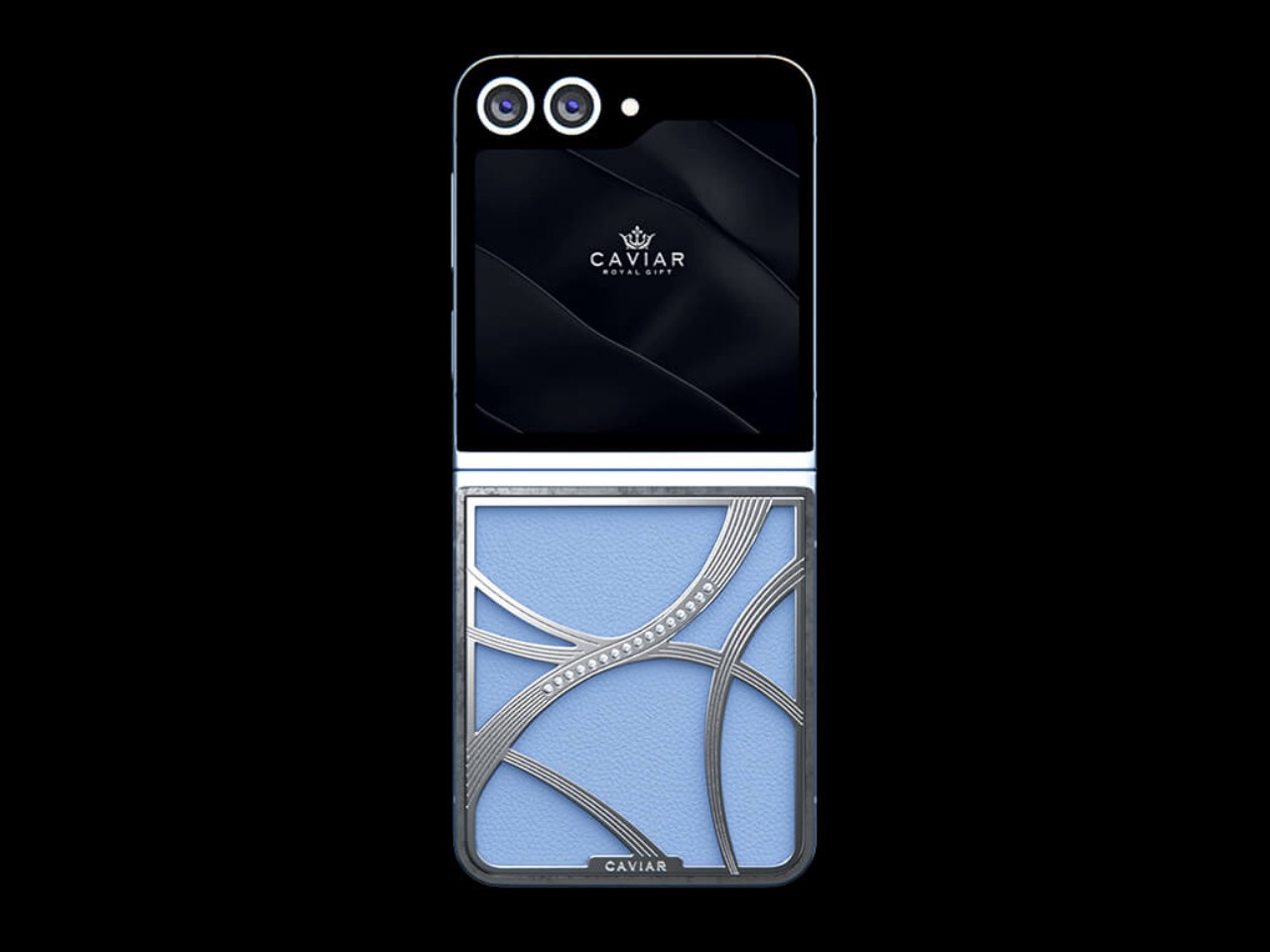
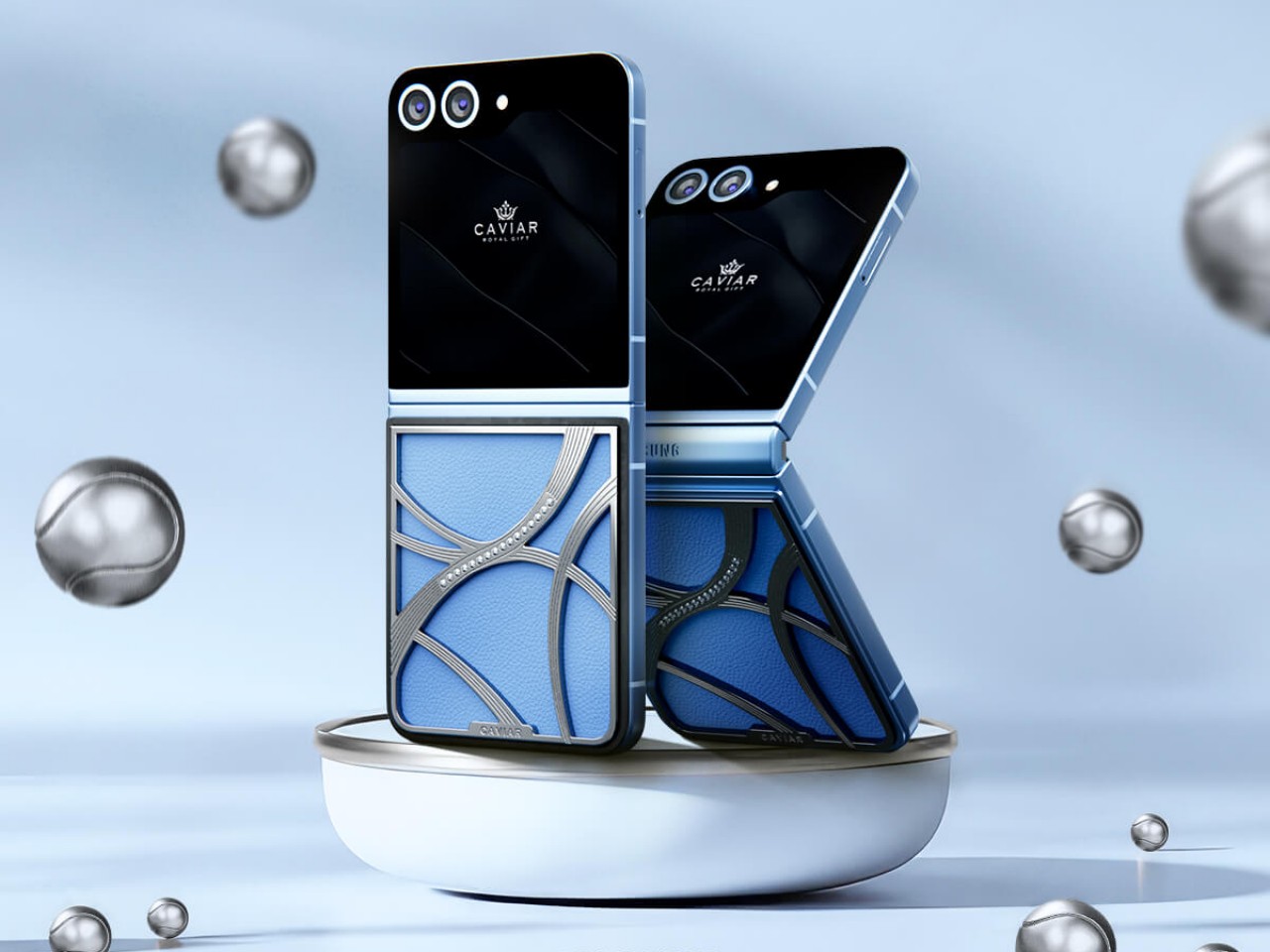
There’s a reason why many people find fashion to be inscrutable, and not just the haute couture variety you see on runways. Fashion trends come and go, and sometimes they take inspiration from the most unexpected sources. One of the newest, for example, was spurred by the combination of the 2024 Paris Olympics, the film “Challengers” starring Zandaya, and the ongoing US Open tournament. Yes, this is the so-called “tennis core” fashion trend, and custom luxury phone maker Caviar is only too happy to jump on that bandwagon with extremely limited editions of the Galaxy Z Flip 6 that’s designed to show off your sports affinity, fashion tastes, and, of course, your affluence.

Designer: Caviar

Tennis core is simple to grasp yet hard to execute. As it revolves around the aesthetics of clothes worn in tennis matches, it has to strike a balance between being sporty and being casual. For Caviar, however, the trend is easy enough to interpret and implement, focusing on the visuals and forms most easily associated with the sport: the tennis ball.

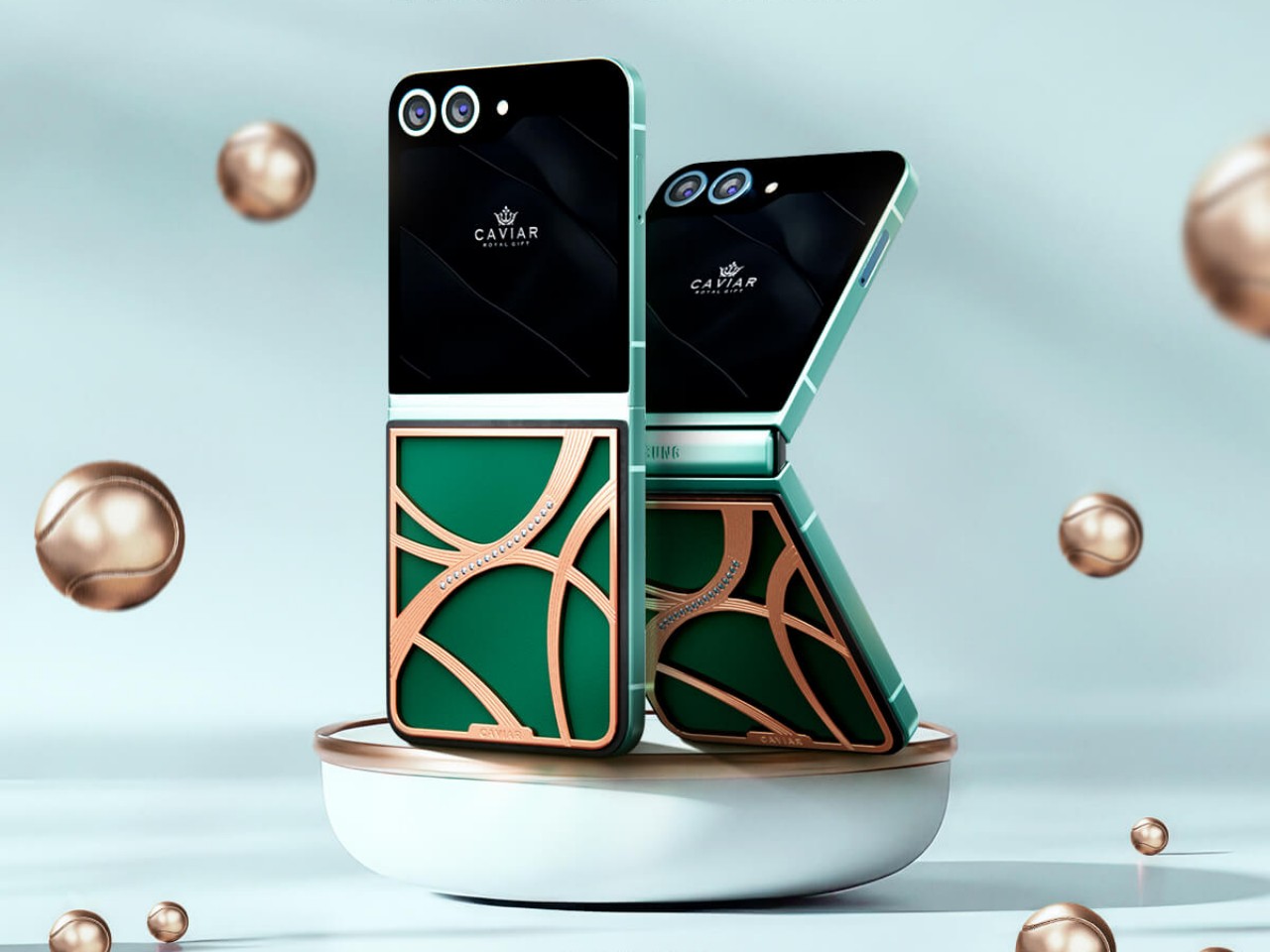
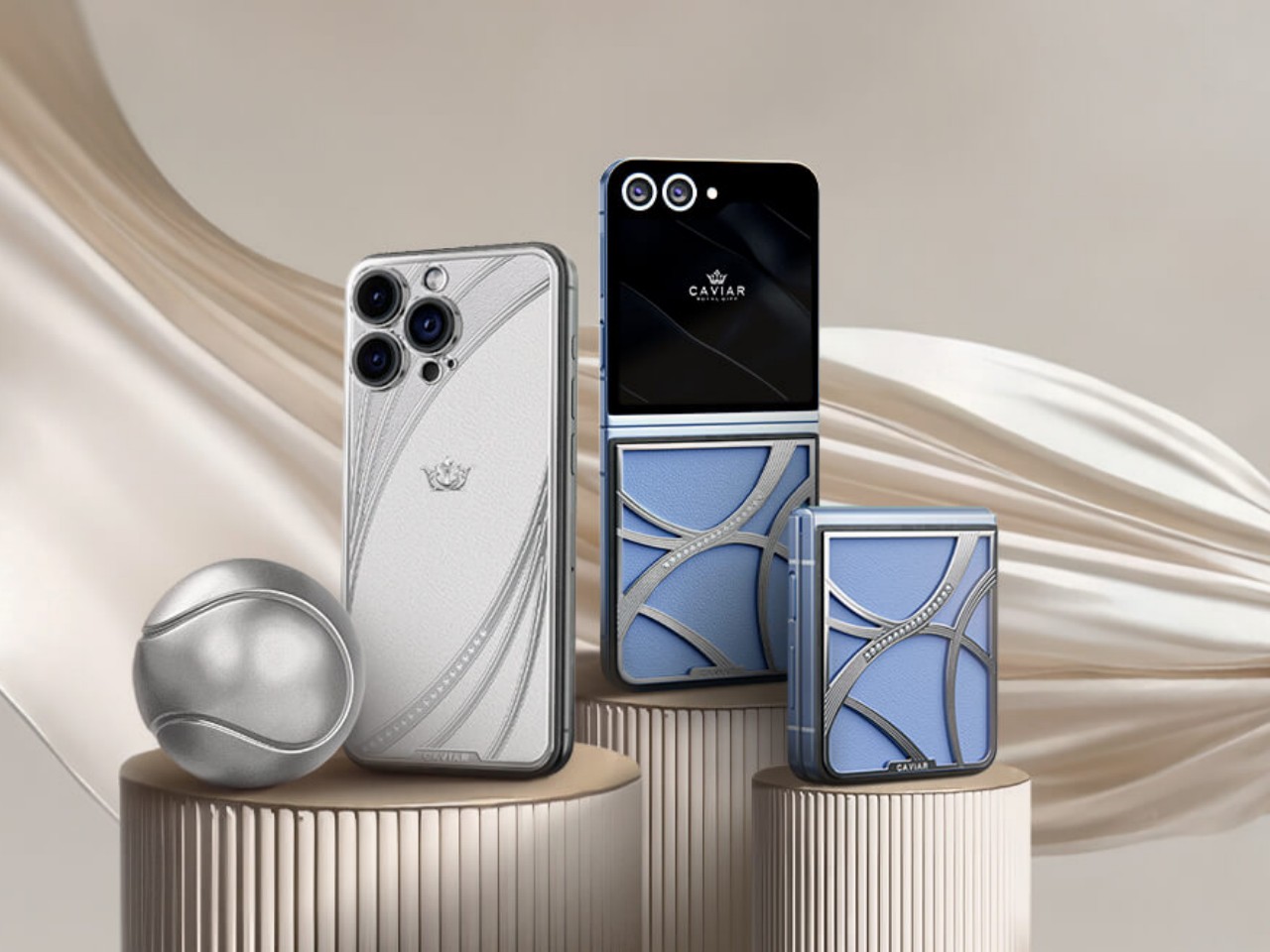
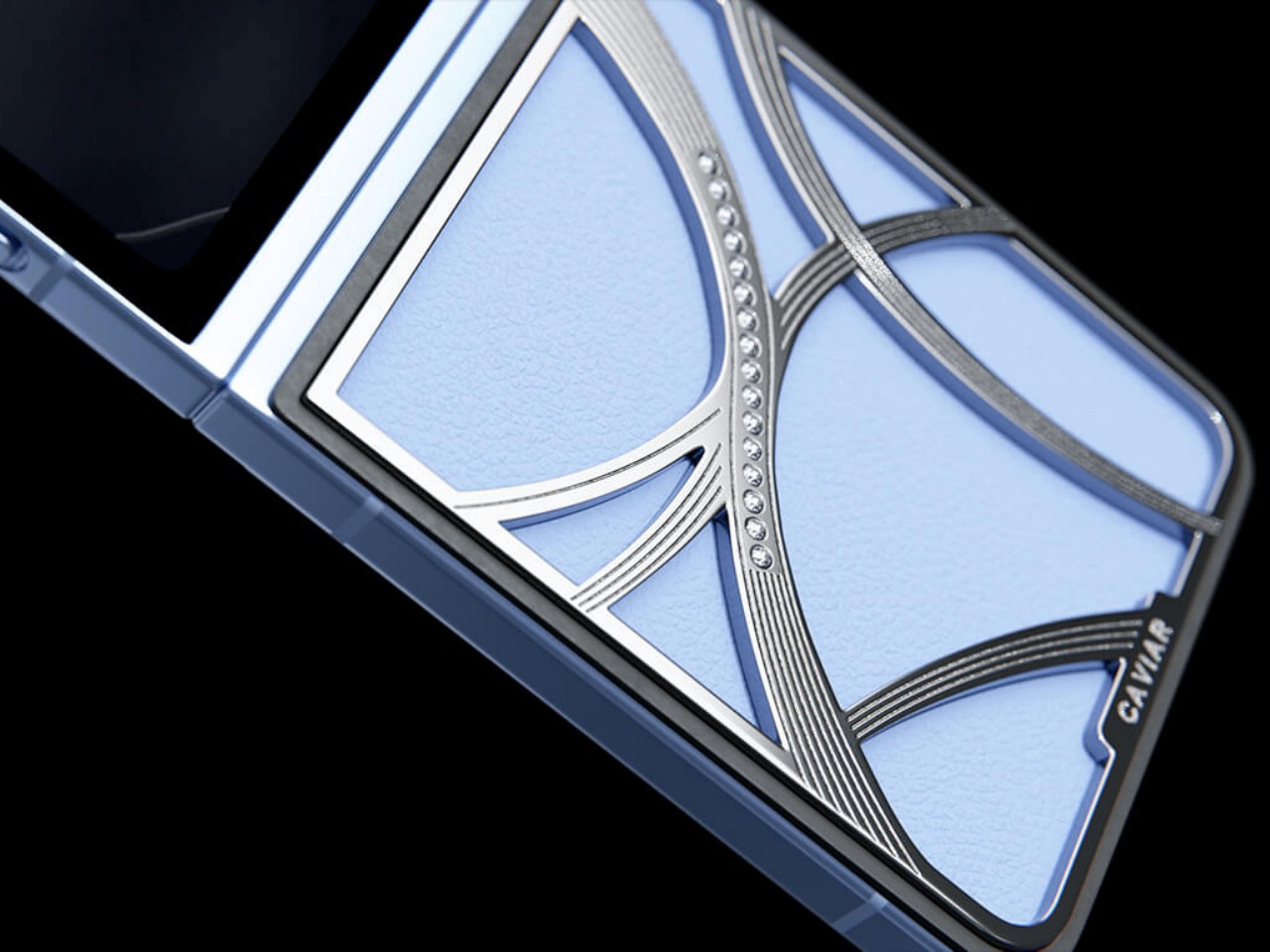
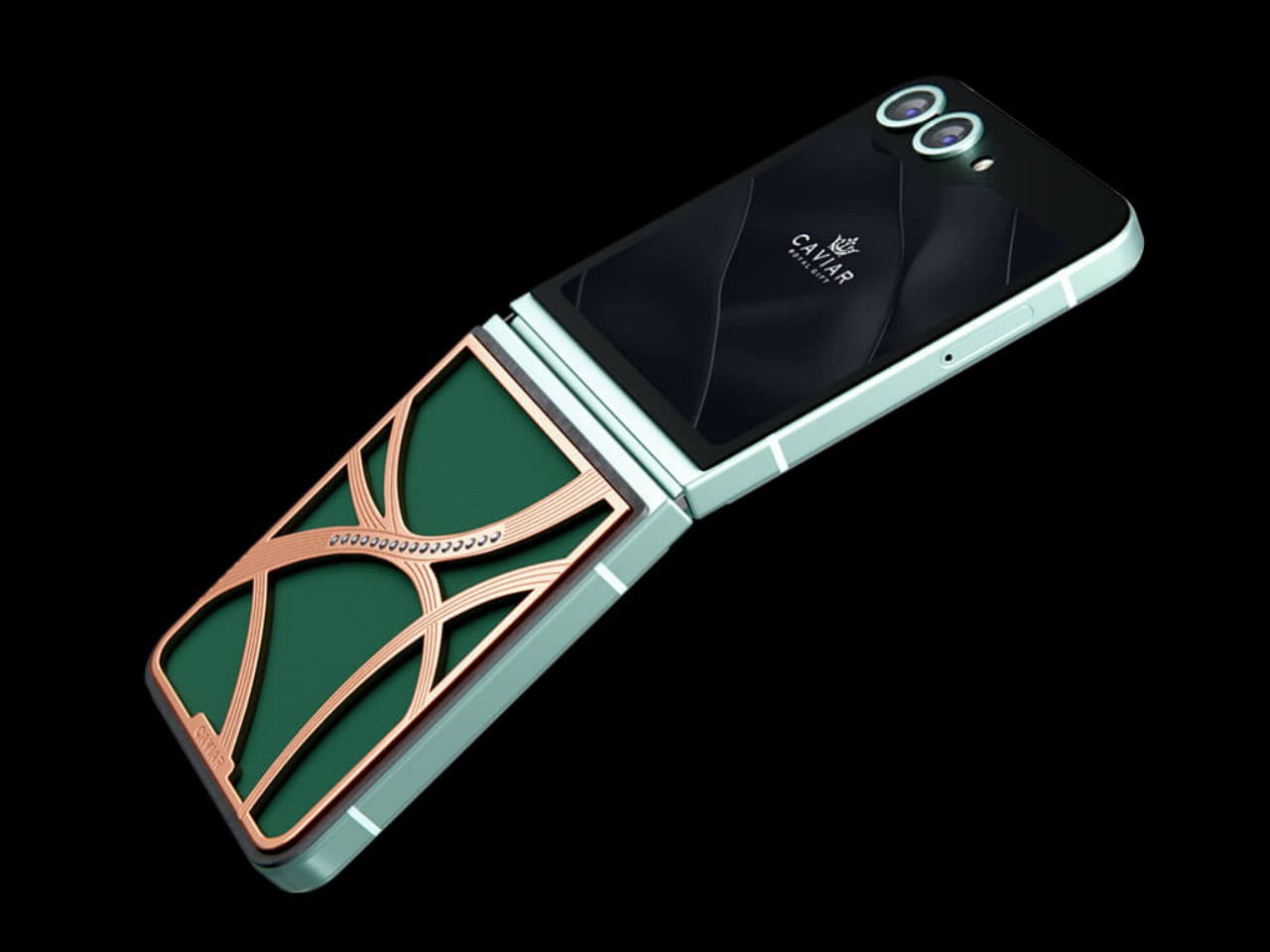
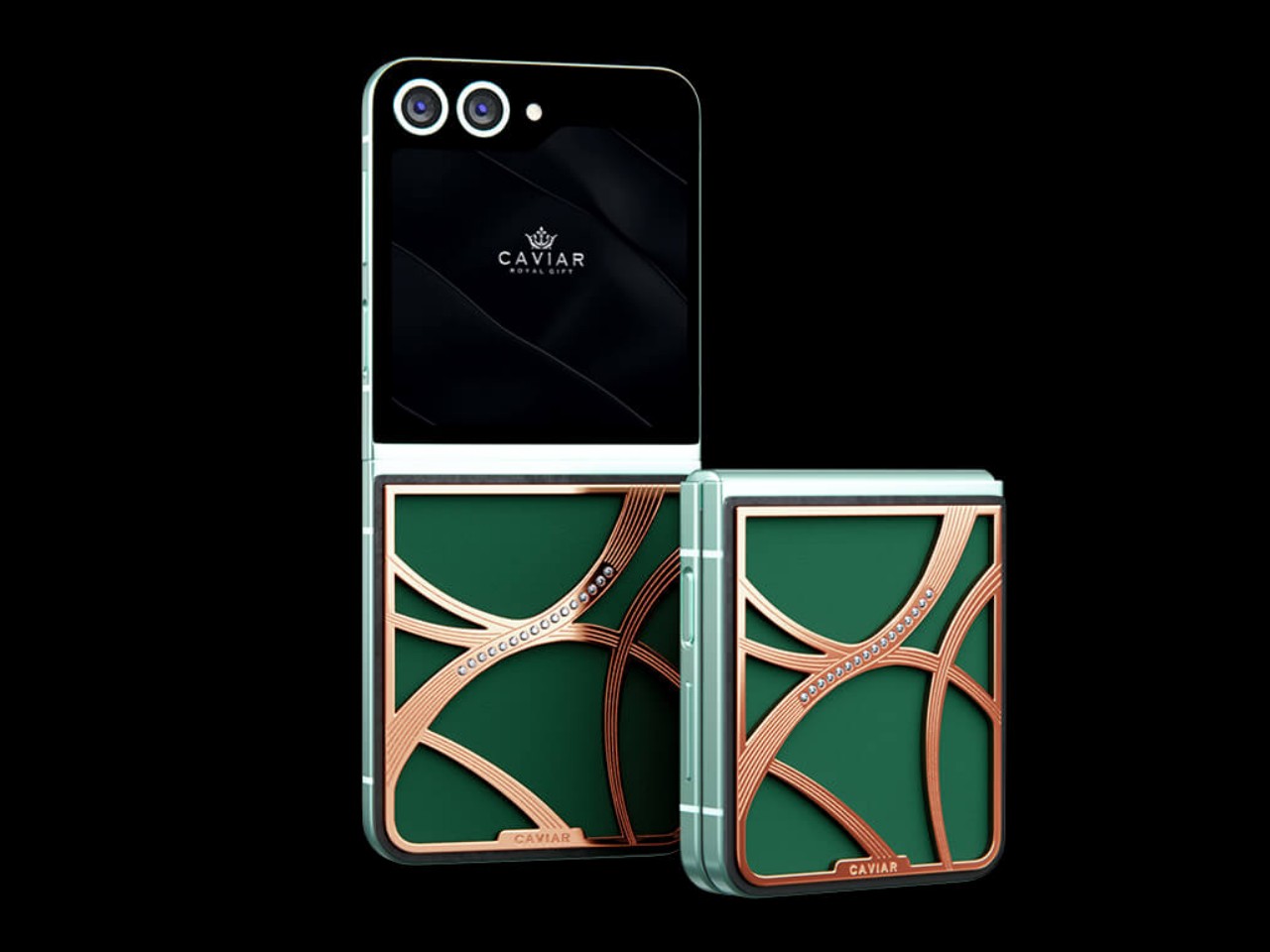
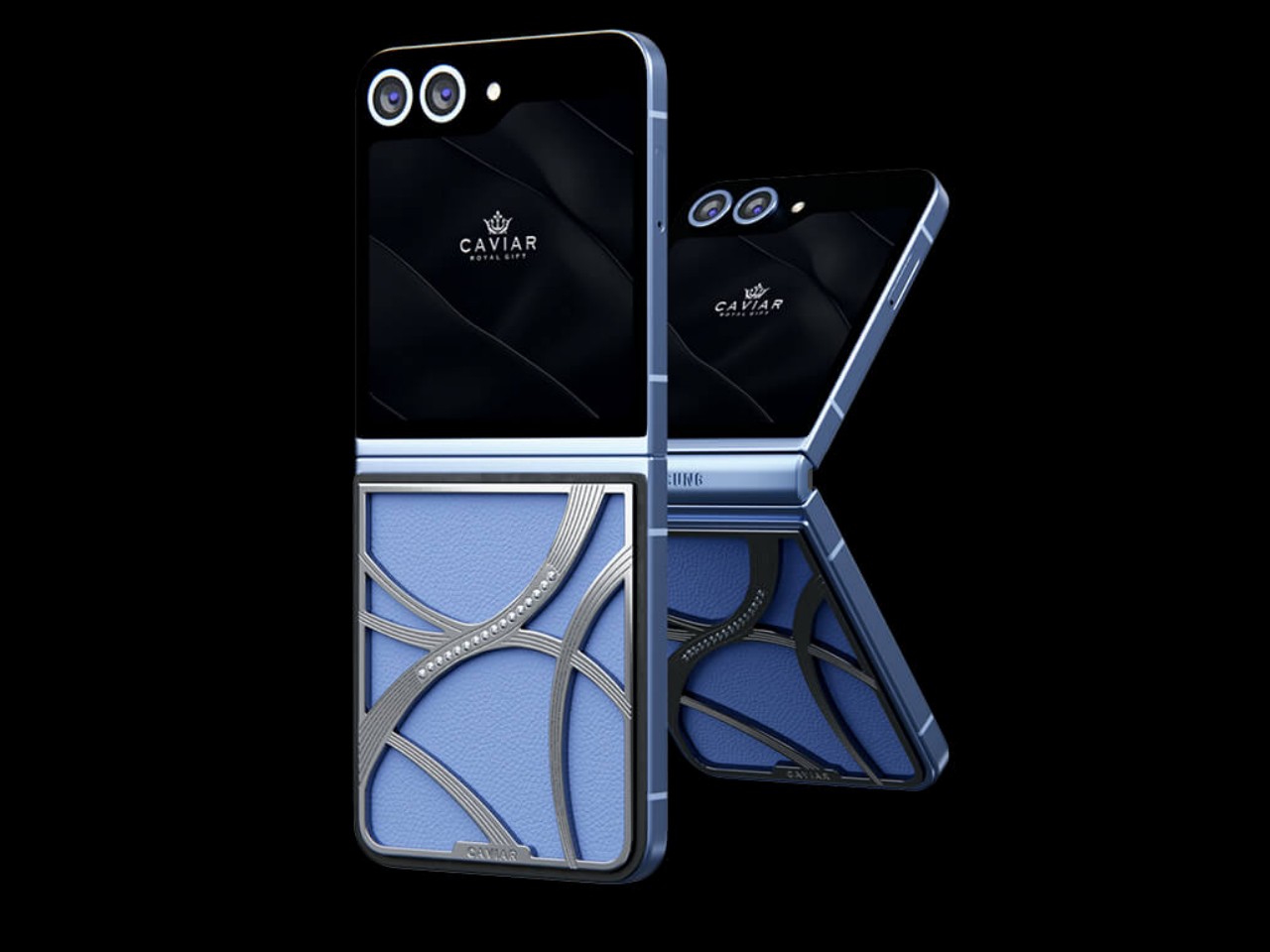
The Samsung Galaxy Z Flip 6 that’s part of this “Elegance” tennis core collection bears curved accents on its back that resemble the lines of a tennis ball, at least if you actually knew beforehand what the design is meant to represent. Depending on the color of the model, the accents can be covered in either pure 24-carat rose gold or 22-carat silver. Regardless of the color, however, both designs flaunt 16 22mm-diameter Swarovski crystals, because this wouldn’t be a Caviar phone if it didn’t have any.

The phones have colorways that are reminiscent of some of the popular colors for tennis courts. Emerald is probably the most familiar hue, with deep and rich greens that are not unlike the grassy type of some courts. Sapphire is perhaps a little less common but blue is used to give better contrast, especially considering a tennis ball is traditionally light green in color. Both models use premium Chevre leather, the very same kind used by luxury brand Hermes for its products.

It might not be as outlandish as Caviar’s other custom designs, but the Galaxy Z Flip 6 Elegance edition still fetches an extremely steep price starting at $8,777 for the 256GB Emerald model and $9,770 for the 256GB Sapphire variant. And in typical Caviar fashion, these phones will be made in a very limited run, only 99 pieces each, making sure that owning one earns you a spot not only among fashionistas but as a true tennis aficionado as well.

The post Caviar Galaxy Z Flip 6 Elegance Edition Rides on the Latest Tennis Fashion Trend first appeared on Yanko Design.
Industrial Product Design Trends For 2024

Industrial design is always at the forefront of innovation with a perfect blend of creativity and functionality. As industrial design continues to evolve, here are some developments that are shaping the future of industrial design. Discover how creativity and functionality blend to shape the future of products and experiences.
Designer: ErgonBand

Human-Oriented Design

Human-centric design is driving industrial innovation, with designers prioritizing user needs, emotions, and behaviors. By integrating user perspectives into the design process, industrial designers are brilliantly creating solutions that deeply resonate with consumers. The best part about human-centric design is that it integrates user research, empathy mapping, and testing to create intuitive products. This trend is evident in smart devices, wearables, and adaptable interfaces, enhancing user experiences.

1

Wearing watches on wrists is standard, but discomfort can arise, especially with smartwatches. An Apple Watch accessory relocates the device to the back of the hand, reducing wrist strain. Its ergonomic design benefits athletes and those needing frequent wrist movement. However, practical challenges exist, such as the need for alternative screen activation methods. Despite this, the accessory offers a unique solution for individuals seeking a more comfortable way to wear their smartwatch.

Biomimicry

Nature inspires bio-design and biomimicry in industrial design. Bio-design incorporates living organisms into the process, creating innovative materials and structures. Biomimicry emulates nature’s patterns and processes to solve design challenges, resulting in breakthroughs like self-healing materials and sustainable manufacturing.
Designer: Rishikesh Sonawane

Drawing inspiration from the fog-basking beetle, the Fog Smart Hydroponic Planter embodies biomimicry, advanced materials, and smart technology for a sustainable future. It transcends functionality, merging aesthetics with innovation through its modular design. Crafted meticulously from Plexiglas and Lightweight Expanded Clay Aggregate (LECA), it ensures durability and water retention. The aluminum 6063 base provides stability and corrosion resistance.
Sustainable Design

With a focus on environmental concerns, sustainability has become paramount in the design industry as sustainable practices are being adopted to cut waste, reduce carbon footprints, and foster a circular economy. This involves maximizing material and product lifespan through recycling, upcycling, and waste reduction. Designers are exploring eco-friendly materials, energy-efficient manufacturing, and product life cycle analysis. Integrating renewable energy, smart energy systems, and recycled materials showcases industrial design’s role in creating a greener future.

1

Designer: Fuhua Wang, Weichih Chen

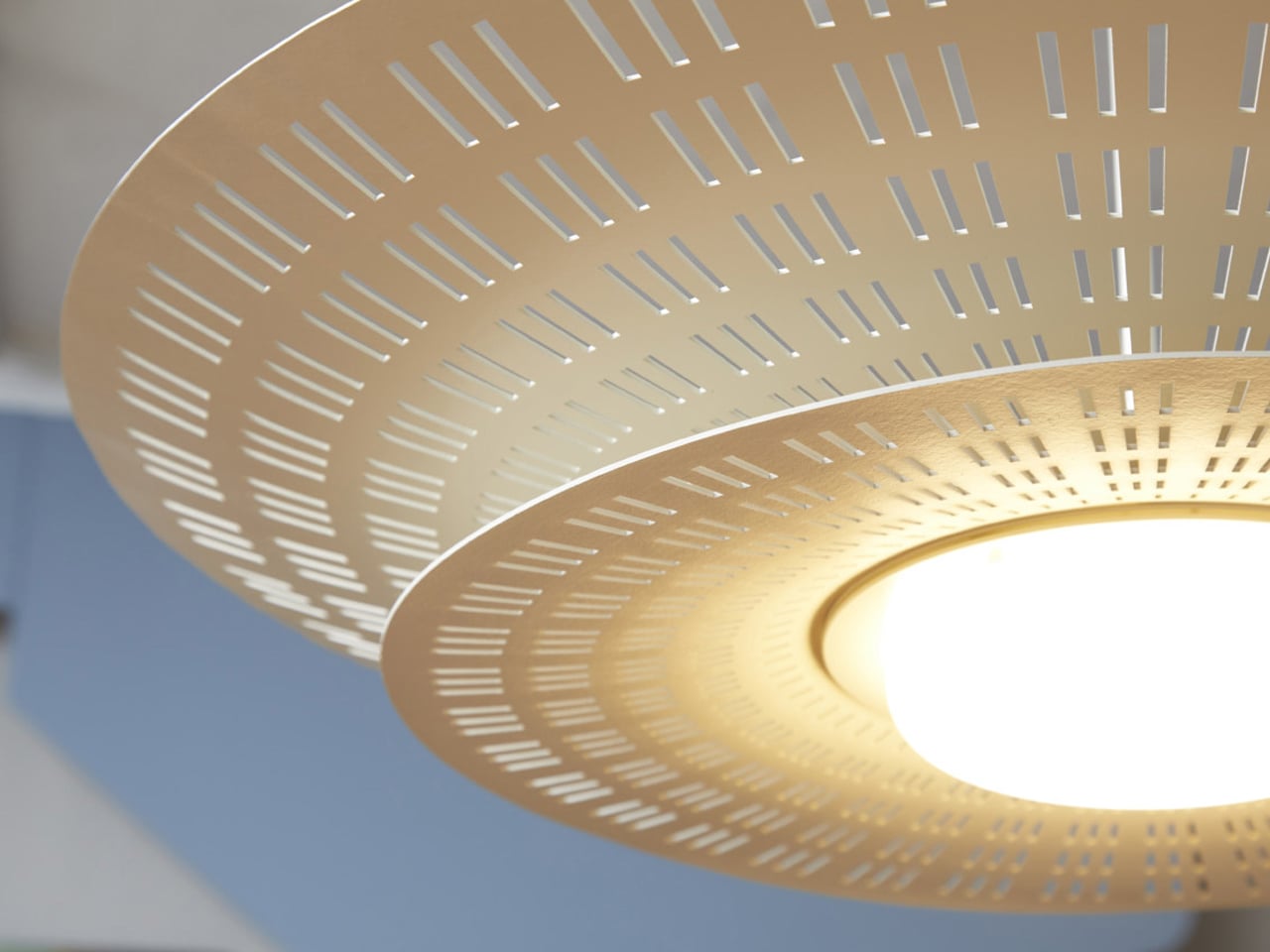
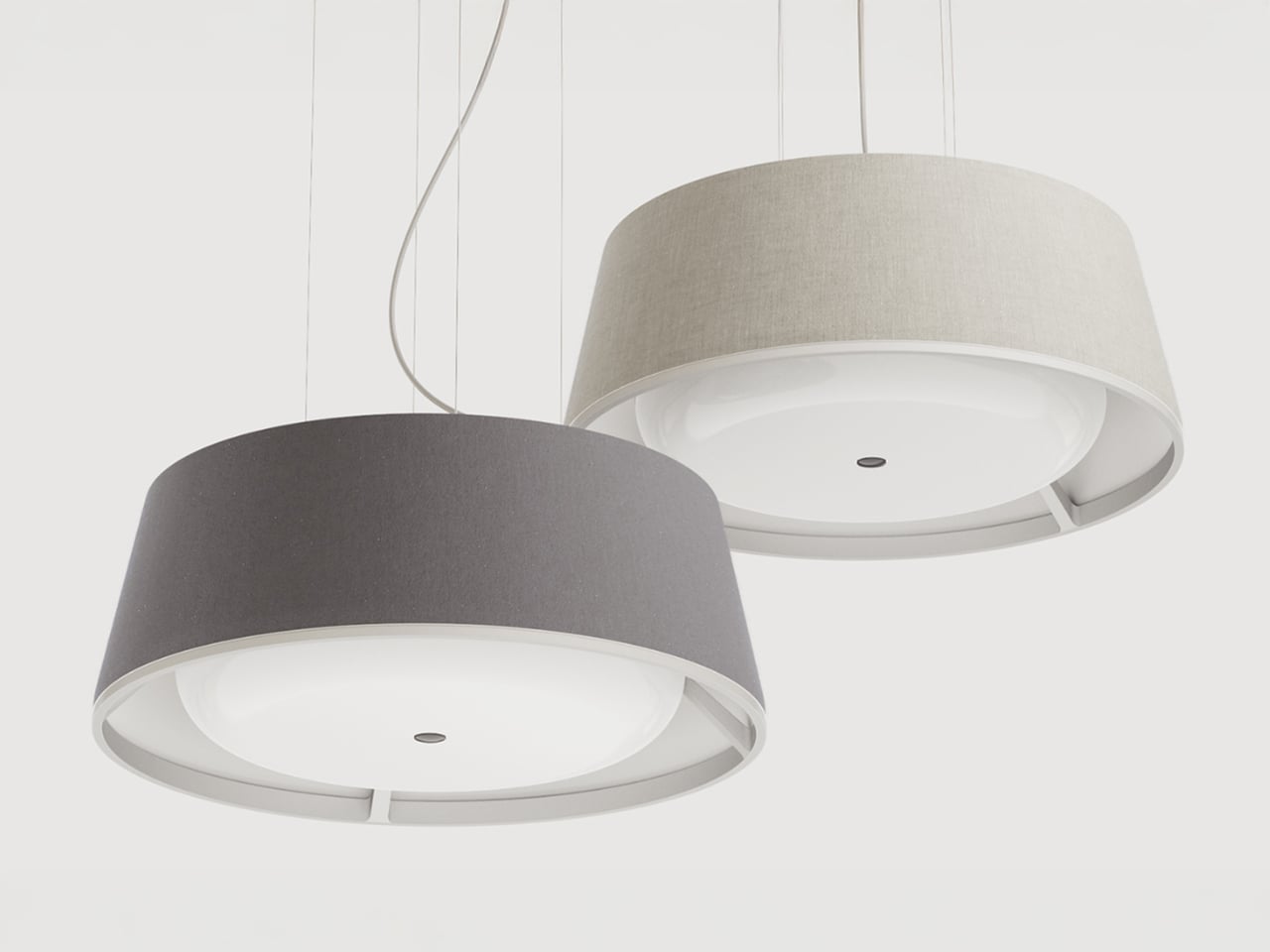
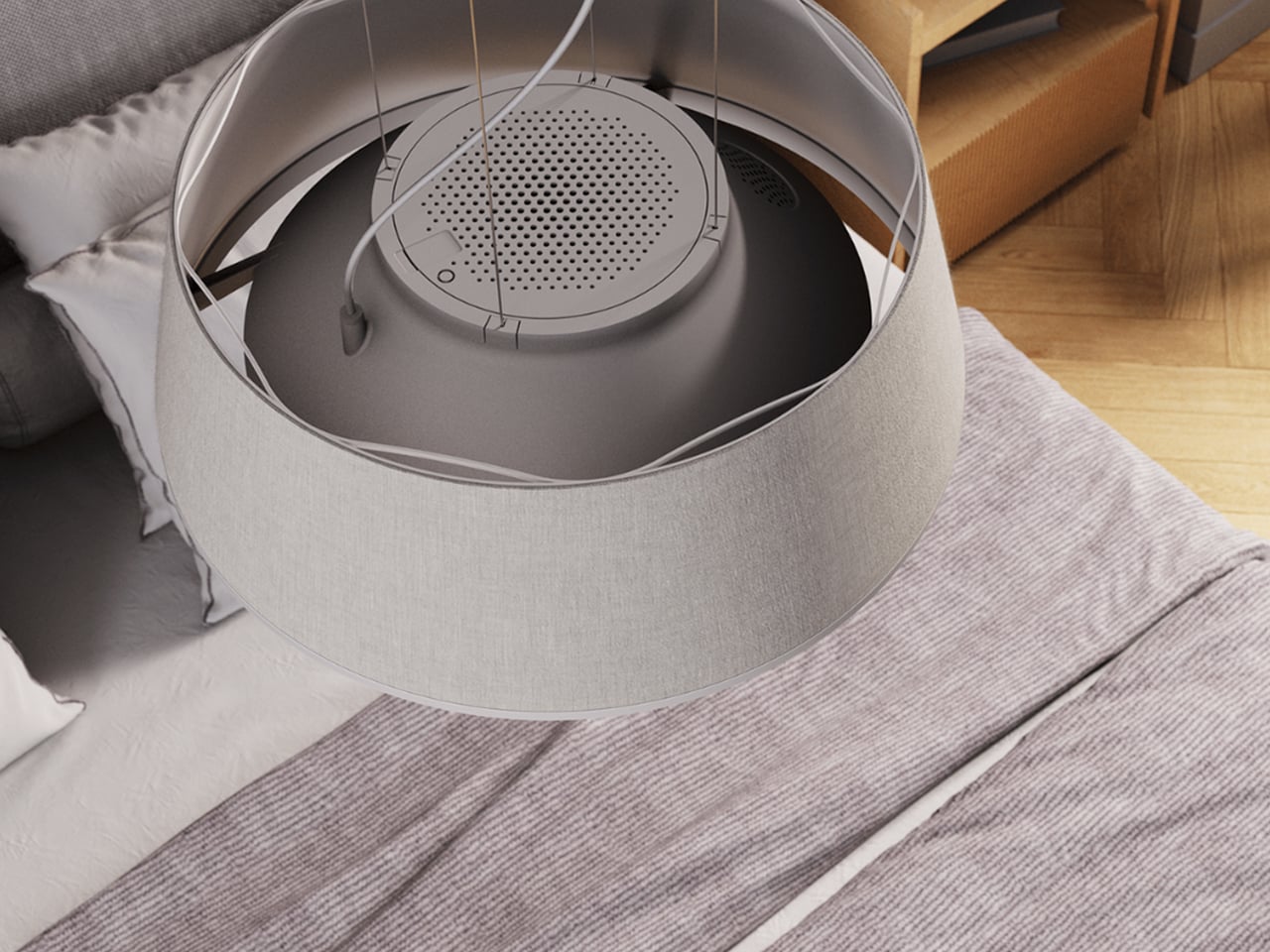
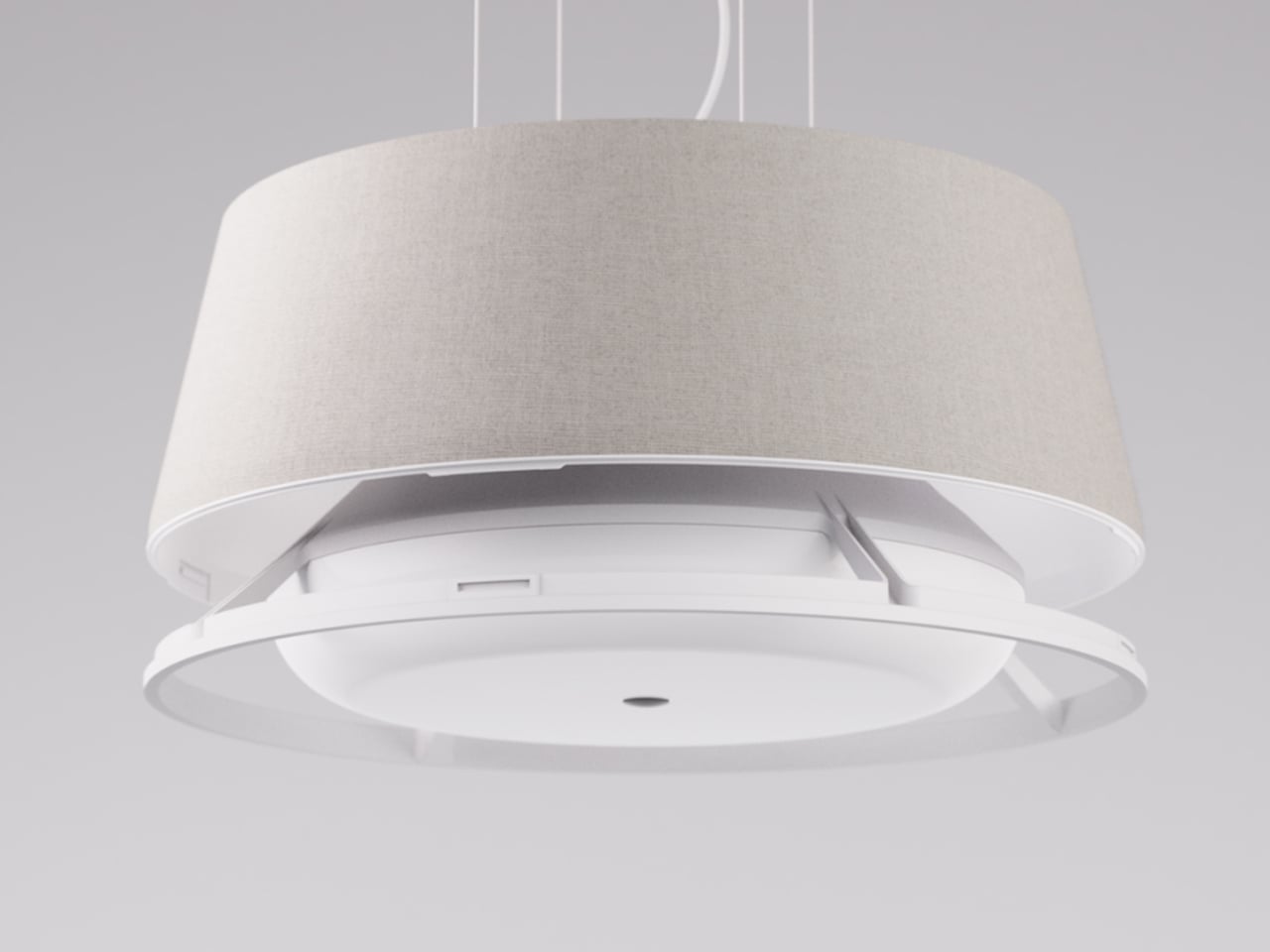
Lamps and lighting fixtures not only illuminate but also shape ambiance, often through their shades or materials. While conventional lampshades are commonly made of glass, metal, or plastic, innovative alternatives exist. The Ondina sustainable pendant lighting utilizes recycled ocean-bound plastics, resembling terrazzo with vibrant specks. Its translucent blue layer, evoking ocean pollution, complements its wavy shape reminiscent of water waves, creating a visually captivating design.

AI Integration

The integration of AI and machine learning in product design opens up new avenues for customization and user interaction. These technologies analyze vast data sets, informing designers’ decisions and facilitating personalized products and experiences. The incorporation of cutting-edge technologies like artificial intelligence (AI), virtual reality (VR), and the Internet of Things (IoT) has profoundly influenced industrial design. These tools are employed to develop highly personalized and interactive products while also enhancing production processes for greater efficiency.

Designer: Joss Fong and Áron Filkey/courtesy Space10

Despite varying opinions on Artificial Intelligence, exploring creativity in this era is captivating. While AI won’t replace creatives, it offers tools for innovation. Space10, funded by Ikea, explores AI, augmented reality, and Web3. Using generative AI, they experimented with futuristic designs based on old Ikea catalogs, potentially inspiring future products. However, human intervention remains crucial for practicality and functionality. Collaborating with generative AI, like Ikea’s partnership with Space10, can inspire new product development while emphasizing human creativity alongside technology.
Designer: Ostloong

Skiing gear has evolved, but there’s still room for augmented reality (AR) and artificial intelligence (AI) to enhance the experience. Zurich-based Ostloong’s Sirius smart goggles integrate AR and AI seamlessly, providing skiers with vital information directly in their field of view. With a full-color AR display designed for outdoor use, the Sirius goggles revolutionize safety and communication on the slopes, showcasing the transformative power of AI in augmented reality.

Celebrates Minimalism

This trend emphasizes minimalist design principles, incorporating clean lines, basic shapes, and subtle aesthetics to produce products that are both timeless and highly functional.

Designer: Julian Topor

Furniture occupies space, often unused. However, designs like the KURVE collection combine aesthetics with functionality by incorporating storage spaces. Utilizing minimalist curved plywood layers, these designs create hollow areas for storing items without complex construction. The KURVE chair features a backless box for its bottom half, all crafted from a single sheet of layered plywood bent to form support structures.

Designer: Addi

Sometimes, finding a place to sit can be a challenge, especially when space is limited. Perching seats offer a solution by providing a brief respite without the commitment of sinking into a full chair. Lumber takes this concept further with its minimalist design, offering style and comfort without monopolizing space. Its flame-proof wool upholstery ensures easy maintenance, while color-matched metal legs add a touch of elegance. With a built-in side table, Lumber enhances both relaxation and functionality in any setting.

Inclusive Design

By prioritizing the full participation of people with disabilities and other marginalized groups in society, inclusive design takes into account the varied needs of users, aiming to create products accessible to all.

Designer: Nick Fitzpatrick

The handle-on-one-end design of kettles poses challenges for disabled individuals or those with reduced strength or dexterity. Nick Fitzpatrick’s ‘Inclusivitea’ kettle addresses these issues by redesigning the traditional shape. Featuring two handlebar-shaped arms, it simplifies both filling and pouring. The kettle comes with a stand for brewing and dispensing tea directly into cups, preventing spills. Each set includes containers for various ingredients and a cup with an extended rim for comfortable gripping.

Personalization

With the increasing demand for personalized and bespoke products, designers are providing more customization choices to cater to individual user preferences.

Designer: Min Soo Kim

This toaster redefines the act of “raising a toast” with its customizable features. Designed by Min Soo Kim, the Home Party Hoaster lets users personalize their toast with pre-engraved messages, images, or emojis. Resembling a Vifa speaker, it features slots for bread and stencil plates, with a touchscreen panel for adjusting toast crispiness. Once toasted, the unique message is reverse-etched onto the bread, offering a novel and personalized start to the day.

Digital Fabrication

Digital fabrication and prototyping technologies, including 3D printers, laser cutters, CNC routers, and robotic arms, allow industrial designers to swiftly create physical models or products from digital data. These tools streamline the experimentation, iteration, and refinement processes, offering faster, more cost-effective, and more accurate results than traditional methods. They also empower designers to develop complex, customized, and innovative solutions tailored to diverse user needs.

Designer: Martin Zampach

Traditional 3D printers have size limitations, hindering the creation of larger designs. However, the LOOPS collection of coffee tables utilizes 3D printing robots to overcome this obstacle. By employing a looping motion, the robot arm constructs intricate layers of composite material, enabling the formation of organic geometric shapes. This innovative approach expands the possibilities of 3D printing beyond conventional boundaries, allowing for the creation of larger and more complex objects.

In conclusion, industrial design is rapidly evolving due to technological advances, changing consumer behavior, and a growing focus on sustainability. Designers must prioritize blending aesthetics with functionality and integrate sustainable practices with the digital revolution.

The post Industrial Product Design Trends For 2024 first appeared on Yanko Design.