The Pixel 11’s Coolest New Feature Is Actually 10 Years Old

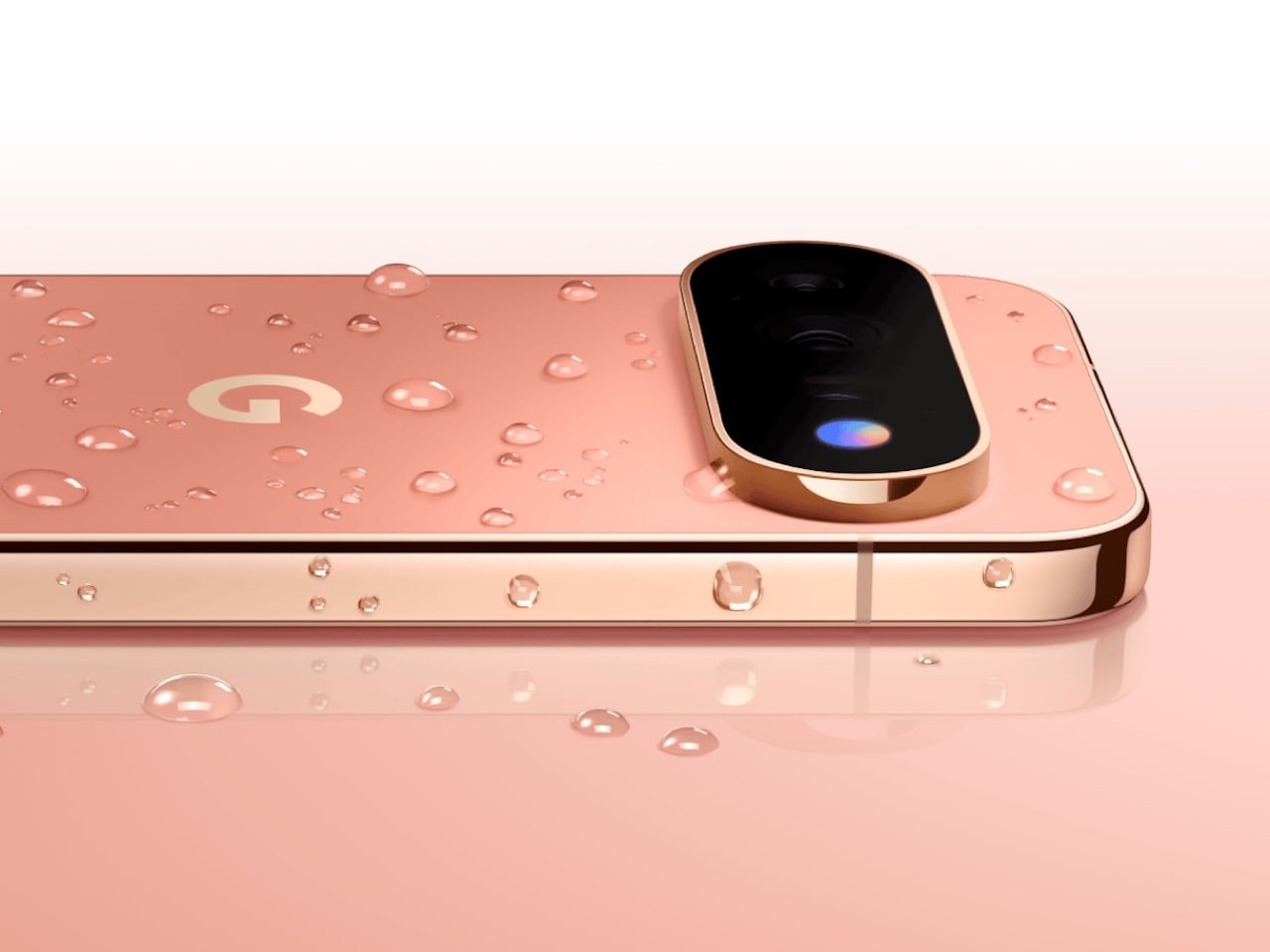
The Pixel 11 lineup arrived this week with a genuinely great redesign. The camera bar is 40 percent thinner, the glass runs edge to edge, and for the first time in a while a Pixel actually looks like it evolved instead of just got a new coat of paint. And then there’s HiLight, the one piece of new hardware Google actually wants you to talk about. A small LED cluster tucked into the corner of that same camera bar, ready to glow when Gemini is thinking or when someone you love is calling.

It is, in essence, Google finally admitting it missed the old Nexus notification LED and bringing it back. Five colors, a glow for Gemini, a glow for your favorite caller, and that’s the whole feature list on day one. Nothing to complain about here, except that Nothing exists. The London phone brand has spent years turning its own version of this idea into an actual playground, mini-games, custom widgets, an SDK anyone can build on. Google clearly has the engineering muscle to do something just as ambitious with HiLight down the line. It just chose not to, at least not yet.

Designer: Google
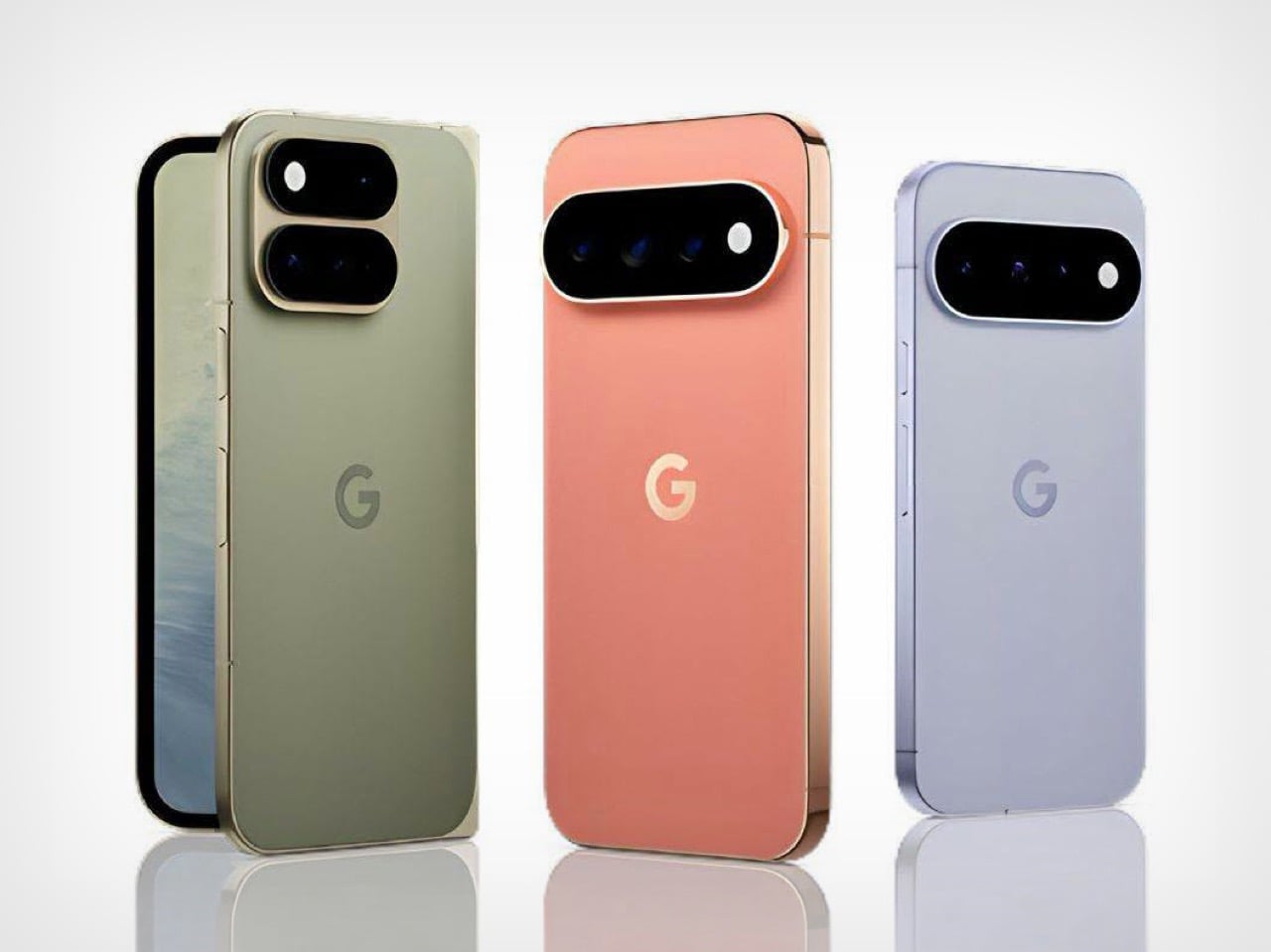
Before we get into that though, credit where it’s due. Hold a Pixel 11 next to a Pixel 10 and the difference is immediate, not the kind that only shows up in marketing photos. The bar sits almost flush now, and Google’s claim that it’s basically bumpless with a case on actually checks out in person. Under that glass, Tensor G6 lands on a 2nm node, Google’s first, promising 25 percent faster browsing, 15 percent quicker app launches, and on-device AI running up to 3.5 times faster while using less power. The Pixel 11 gets a new 48MP main sensor with 56 percent more light sensitivity and a telephoto stretching to 30x Super Zoom. This is a very complete phone before you even get to the Pro models.
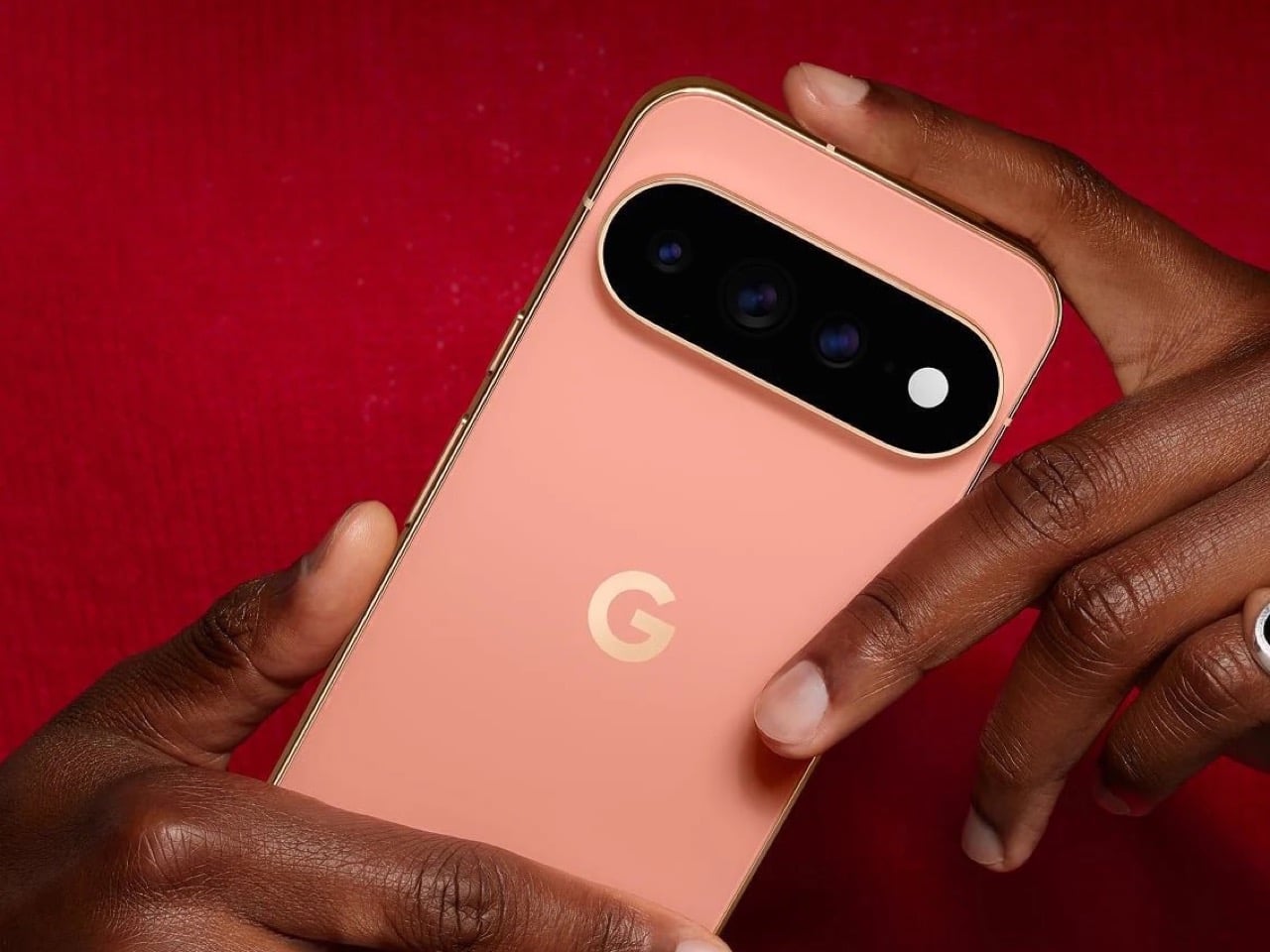
The Pro and Pro XL push further with a 50MP main sensor, a redesigned 48MP telephoto, Portrait Mode at 5x, and 120x Pro Zoom, sitting under a 3,600-nit display that Google claims is twice as scratch resistant as last year’s. Titan M3 adds quantum-safe boot security on top. The Pixel 11 Pro Fold deserves its own mention here too. It shed almost 10 percent of its weight and a millimeter of thickness, down to 10.1mm closed, while Google claims triple the durability thanks to a redesigned gearless hinge. The crease is genuinely harder to spot than last year’s, and the whole thing folds flat enough to stop feeling like a novelty. If you told me a year ago Google would have the most convincing foldable in its own lineup, I would not have believed you.
Now, the part everyone will bring up regardless of how the rest of this goes: RAM. The Pro and Pro XL start at 12GB in their base 256GB configs, down from 16GB last year, and Google is blaming this on a supplier RAM shortage hitting the entire industry. Memory manufacturers have been shifting production capacity toward AI server chips, and consumer RAM and NAND prices have spiked hard enough this year that people are half-jokingly calling it RAMageddon. It is a real problem, and Google is far from the only phone maker feeling it. Storage doubling to 256GB as a base softens the blow a little, but a $100 price bump alongside a RAM cut is still a hard sell. Fair enough on the supply chain excuse. Less fair asking Pro buyers to pay more for less unless they climb a storage tier.
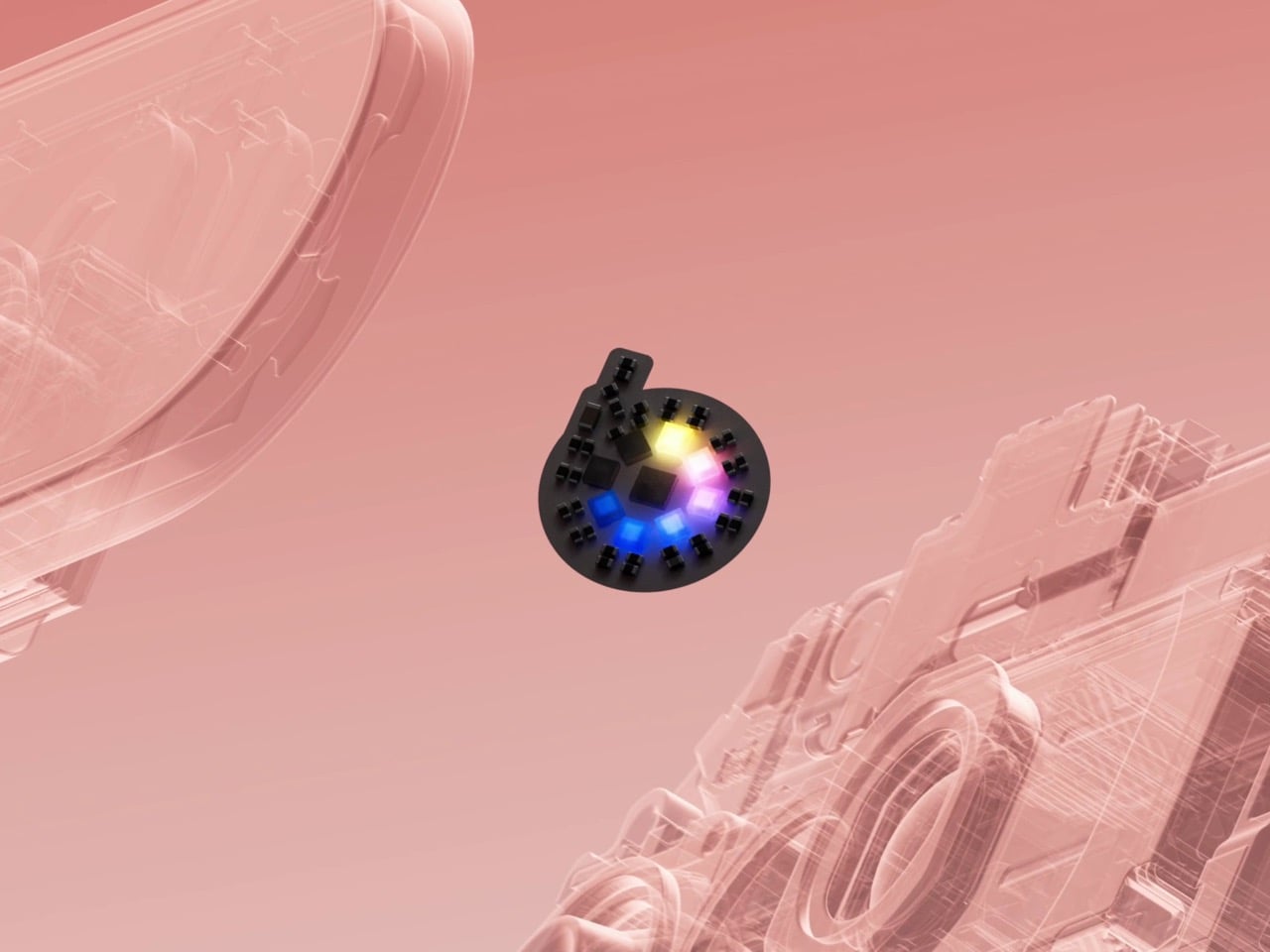
Back to HiLight, because it deserves the real estate. That LED cluster sits right where the temperature sensor used to live on older Pixels, which is a strange trade to make for something this limited. Google’s official pitch is that HiLight keeps you informed without the distraction of staring at a screen, which is a very polished way of saying there weren’t enough ideas to fill the space. Glowing when Gemini talks and flashing a color for favorite callers is a fine start, not an entire feature. Compare that to what’s happening across the pond. Nothing’s Glyph Matrix on the Phone (3) packs 489 individually lit LEDs into what functions as a tiny secondary screen, complete with an open SDK that lets anyone build their own widgets and games. People made a working ball maze. A tilt-controlled Magic 8 Ball. A contact dialer you can use without touching the main display. None of it is essential, but all of it is fun, and fun counts for something when you’re asking someone to pay a premium for a light.

Google clearly has the horsepower for something bigger here. Tensor G6 alone proves the company isn’t short on engineering muscle, and the camera bar redesign shows the industrial design team knows exactly what it’s doing right now. HiLight feels like the output of a team that had a great idea, then stopped one meeting short of making it good. I want to see where this goes in a year or two, because the foundation Google just built, the hardware, the placement, even the name, is genuinely solid. It just needs an actual reason to exist beyond telling you Gemini is thinking.


The post The Pixel 11’s Coolest New Feature Is Actually 10 Years Old first appeared on Yanko Design.
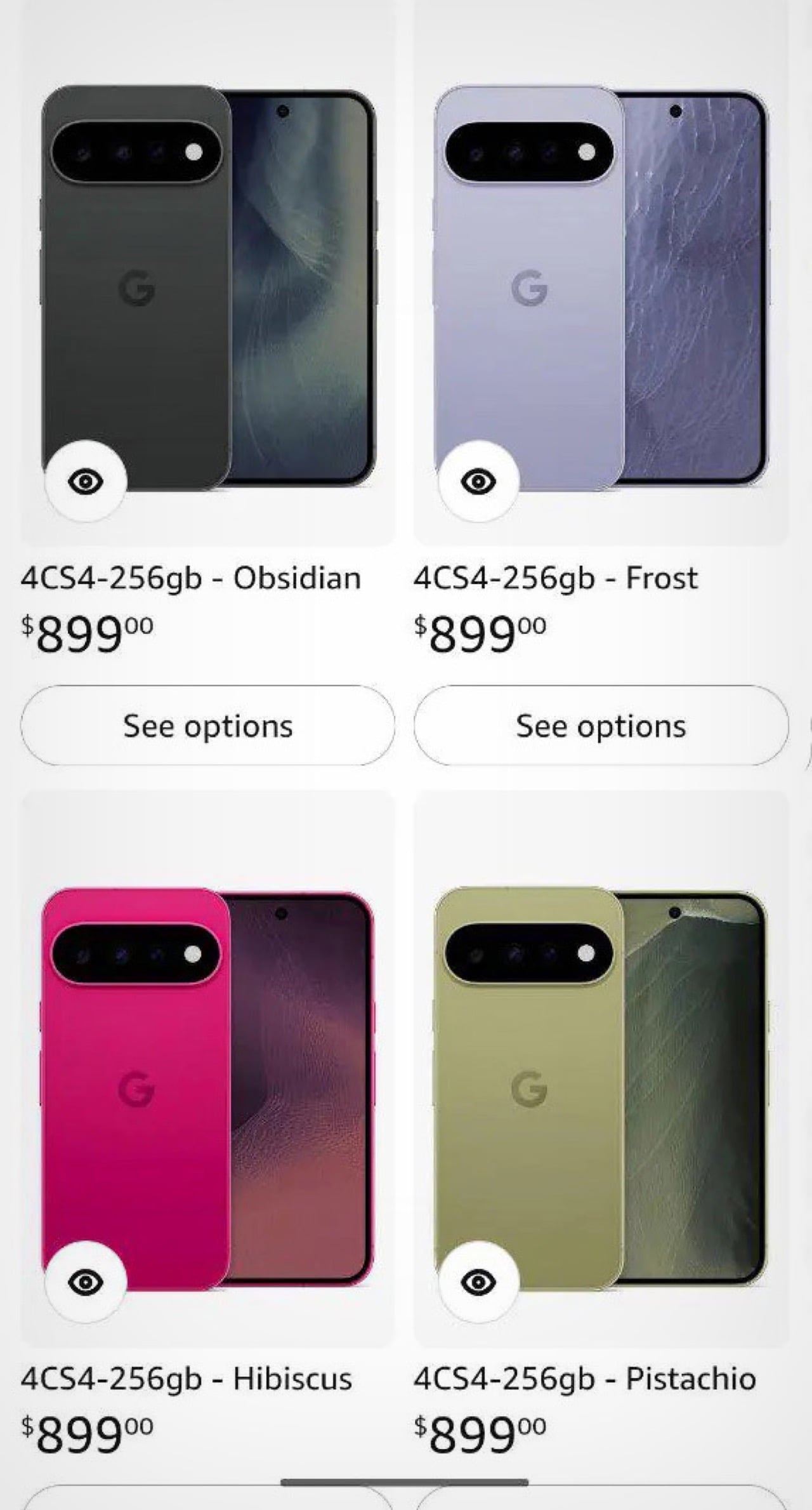
Google Pixel 11 Amazon Leak: $899-$1899 Price Range, New Colors, and a Surprise ‘Pixel Tag’ Tracker

At this point, a Google hardware leak ahead of launch feels almost ceremonial. Long before the keynote lights come up, the phones usually arrive in fragments through retailer pages, spec sheets, teaser campaigns, and the wider rumor mill. The Pixel 11 now seems to be following that familiar script, with Amazon reportedly revealing major details early and introducing an unexpected side character in the form of a Pixel Tag tracker ahead of Google’s August 12 event.

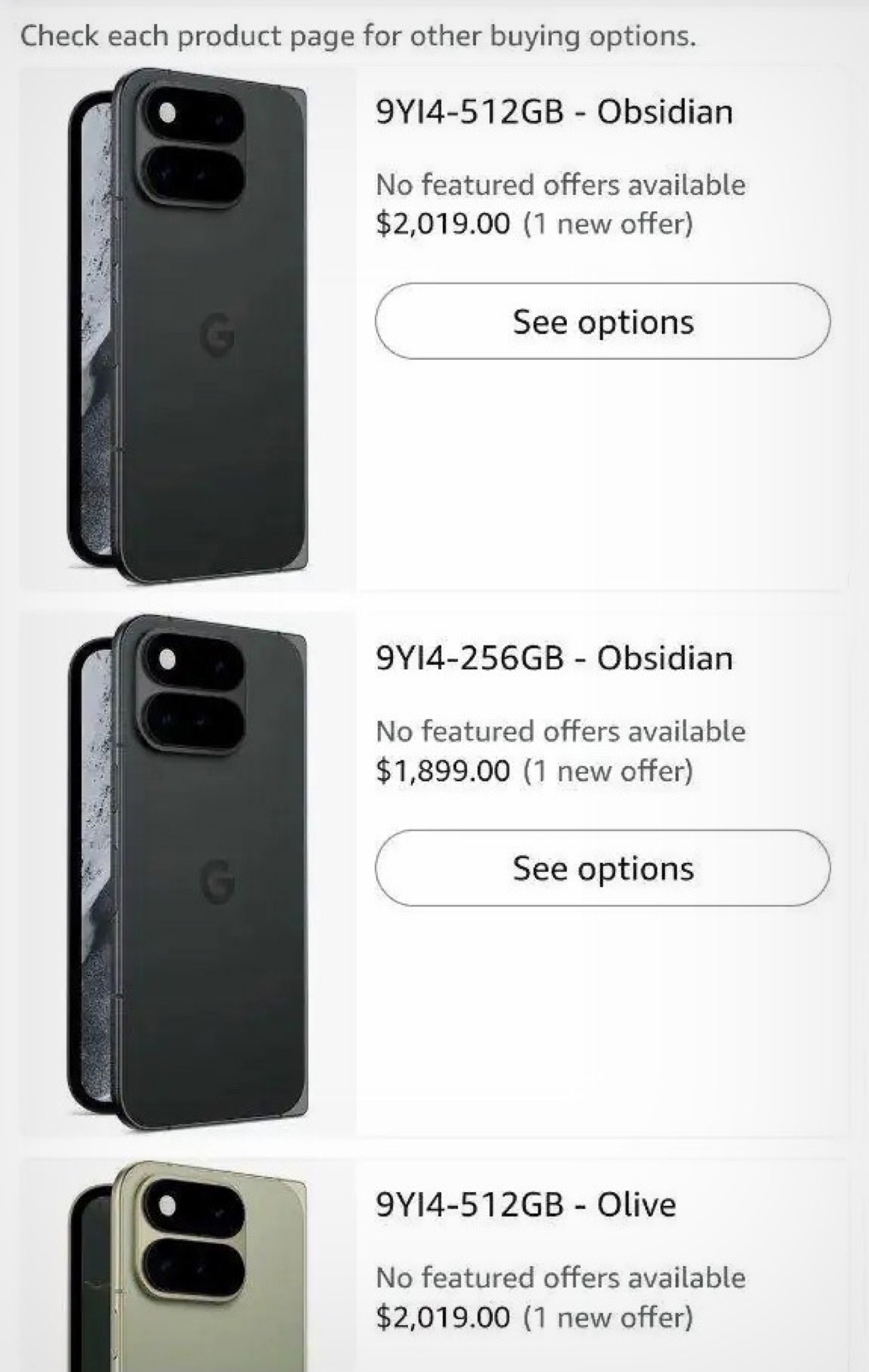
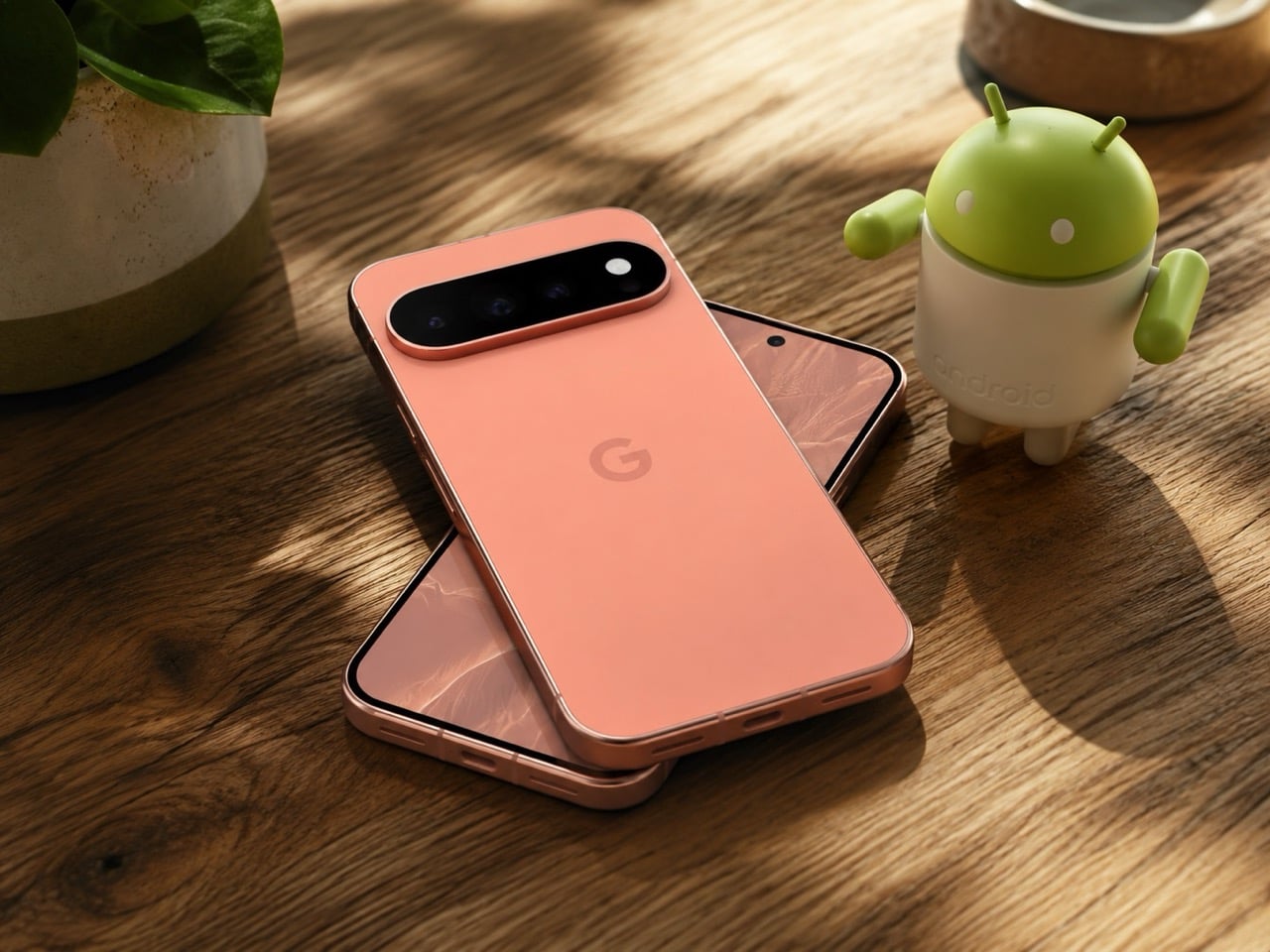
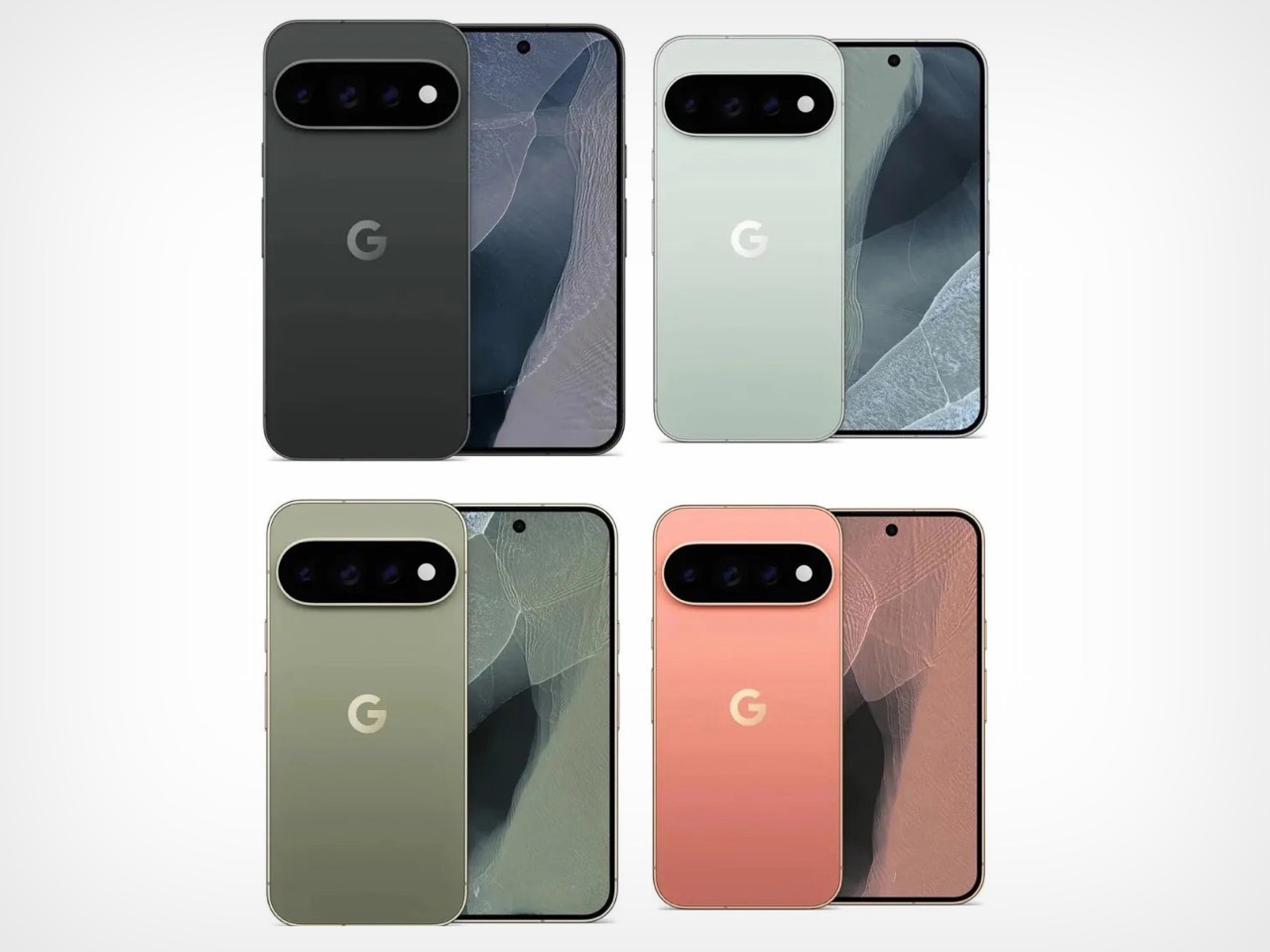
The leaked lineup already sketches out Google’s fall hardware palette in surprising detail. The base Pixel 11 appears in Obsidian, Frost, Hibiscus, and Pistachio, with 256GB storage priced at $899. The Pro shifts to Canyon and Obsidian, the Pro XL climbs from $1,299, and the Pixel 11 Pro Fold stretches the range to $1,899 in Obsidian with an Olive variant that may also be tied to the name Pine. Taken together, the colors feel as intentional as the pricing, and the Pixel Tag mention adds one more clue that Google may be building a broader visual ecosystem around the phones rather than treating accessories as an afterthought.

Image Credits: Android Authority

Google appears to be making 256GB the new base storage tier across the Pixel 11 family, which is probably overdue given how aggressively on-device AI has been eating into storage headroom. Droid Life also spotted a 512GB variant priced at $1,019, all but confirming that Google is dropping the longstanding 128GB entry-level option entirely. That’s a sensible call on paper, but it also means buyers have fewer options to quietly trade down on storage to save money at the baseline.

Then the pricing hits, and it hits hard. The Pixel 11 Pro reportedly starts at $1,099 for 256GB in Canyon, with the 1TB configuration reaching $1,449. The Pro XL tops out at $1,649 for 1TB. The Pixel 11 Pro Fold reportedly opens at $1,899 and climbs to $2,249 for a 1TB model. These are numbers that would have seemed audacious five years ago, and in 2026, with the broader economy and RAM shortage doing what it’s doing, I don’t blame you for still wondering what nightmarish timeline we live in. Google is clearly betting that its AI-forward software story justifies the ask, but at nearly $1,900 just to get into Fold territory, it really does feel like Google isn’t betting on this one selling like hot-cakes.

Image Credits: Android Authority

The Pro models also carry an unusual RAM decision I couldn’t help but notice. The 256GB Pixel 11 Pro will reportedly ship with 12GB of RAM, while the 512GB and 1TB variants retain 16GB, a departure from the Pixel 10 Pro lineup where every storage configuration included 16GB. It creates a situation where the least expensive Pro is also the most memory-limited, which sends a strange signal in a product cycle so heavily defined by AI features that depend on RAM headroom to run locally.

One detail on the Fold worth watching is the listed 4,750mAh battery, which would actually be smaller than the Pixel 10 Pro Fold’s 5,015mAh pack. Given that several other listing details appear unfinished, it’s possible this battery figure is also placeholder information. Still, the kind of number that makes you squint twice before scrolling on.

Image Credits: Android Authority

Through all of this, Pixel Tag stays the most intriguing footnote. A first-party tracker from Google would put the company directly in AirTag territory, and while tracker specs are almost beside the point, design language very much is not. Whatever Pixel Tag looks like, it will need to feel at home on a keyring and inside a product lineup simultaneously. If August 12 brings a formal reveal, the smallest object on stage may end up carrying the largest story.

The post Google Pixel 11 Amazon Leak: $899-$1899 Price Range, New Colors, and a Surprise ‘Pixel Tag’ Tracker first appeared on Yanko Design.
Google Pixel 11 Pro Fold Leaks Early With a Familiar Design and One Noticeable Change

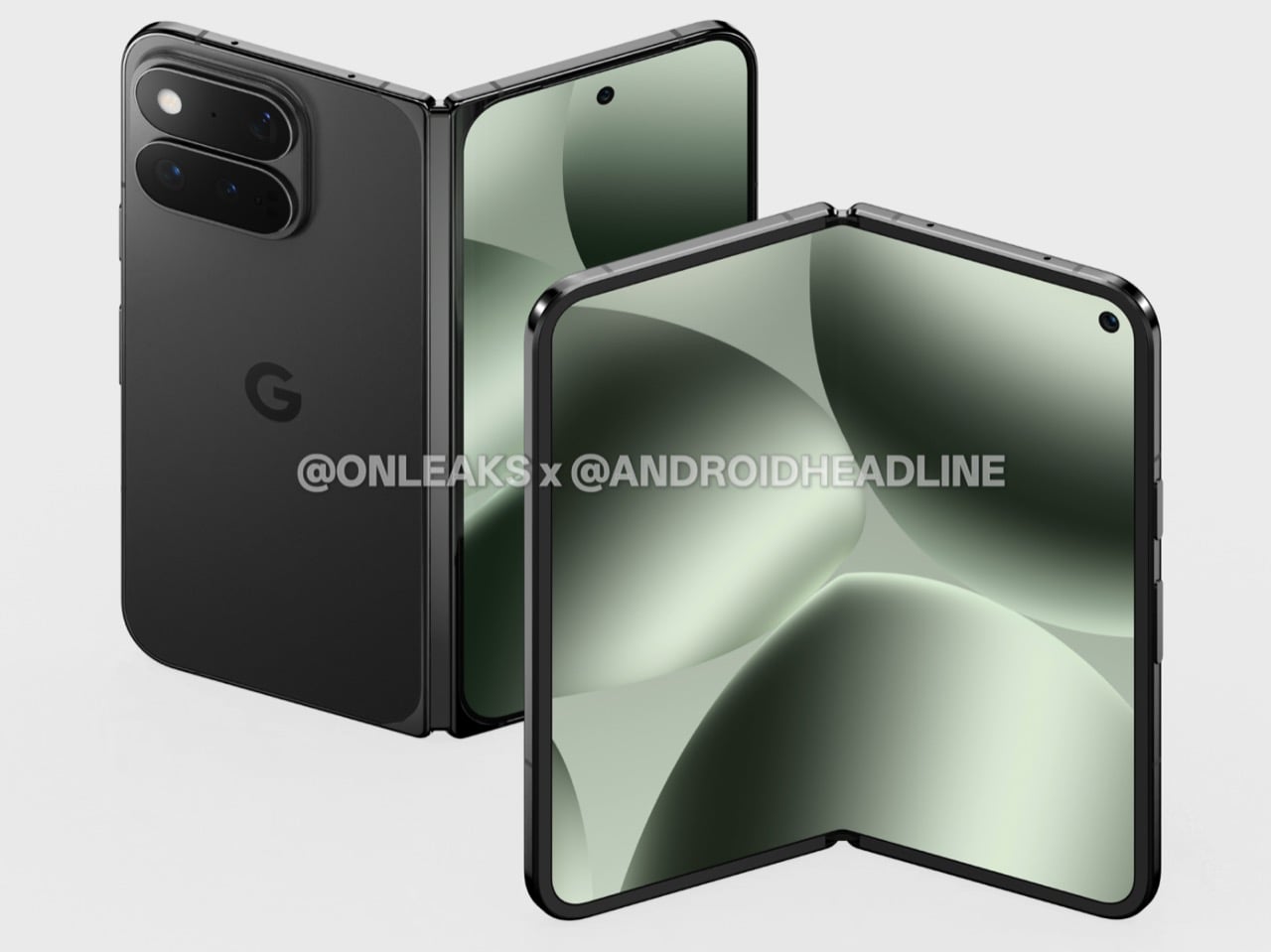
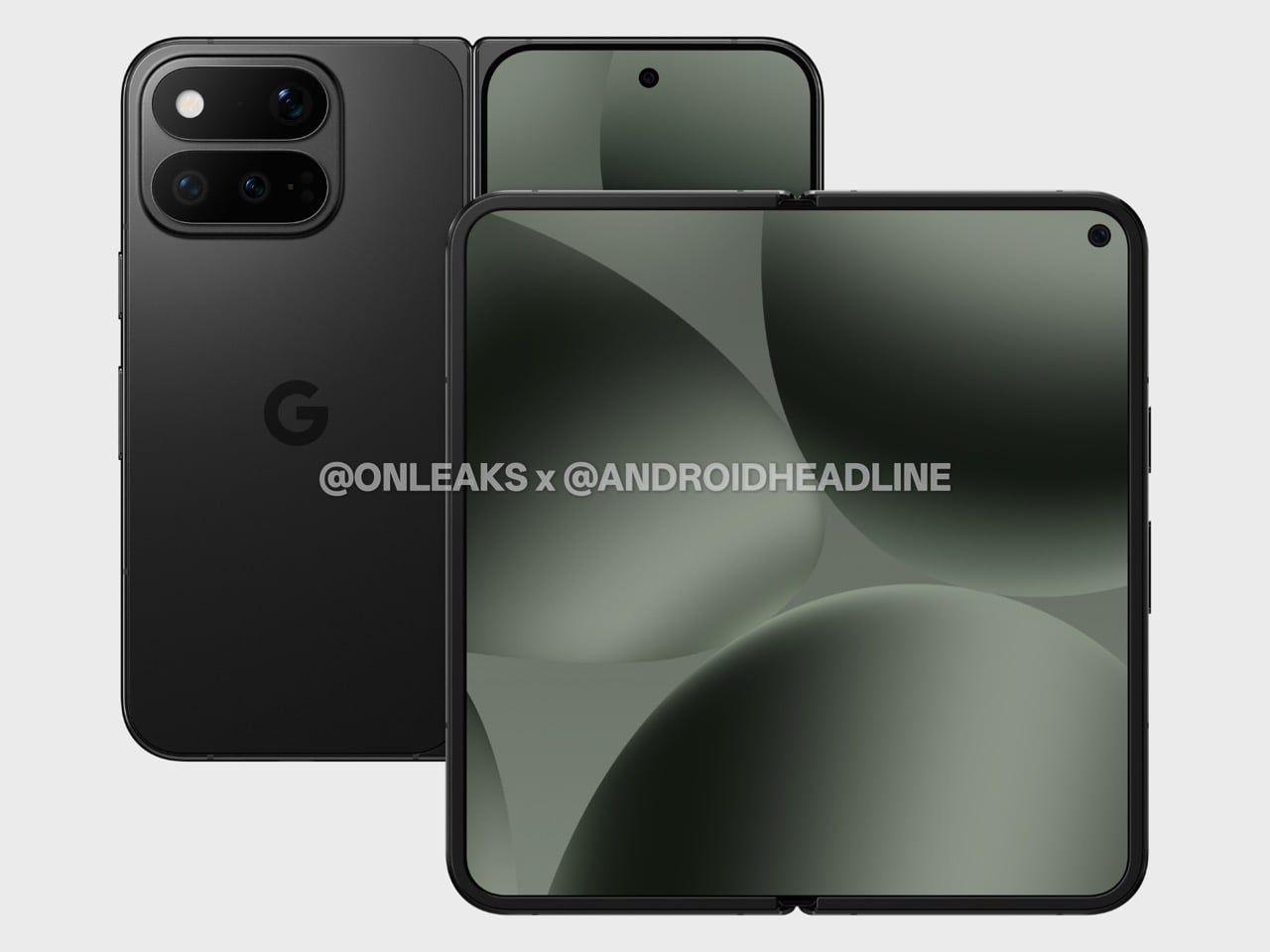
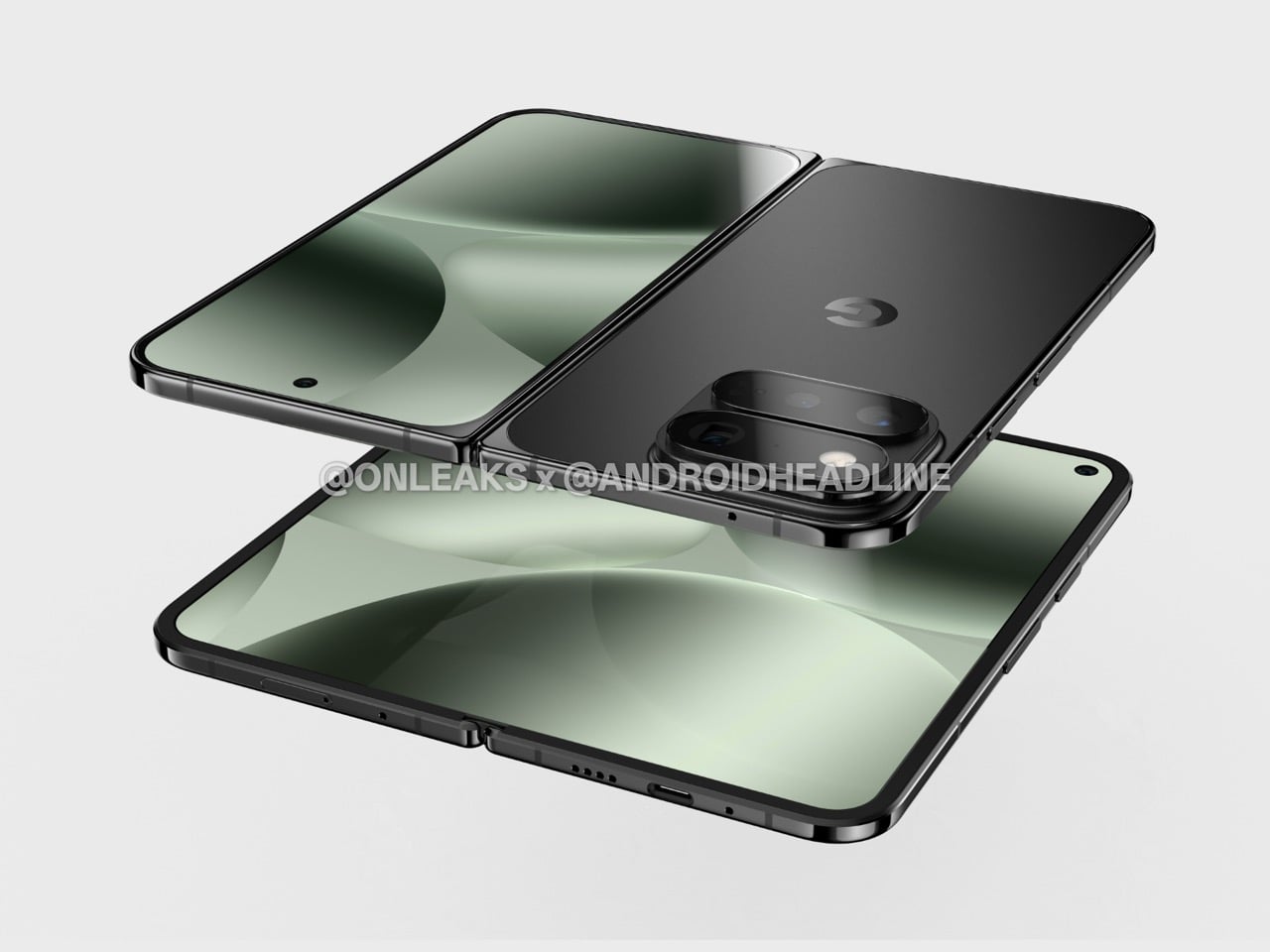
The Google Pixel 11 Pro Fold is shaping up to be exactly the phone you already know, made marginally better in the ways that are easiest to improve. CAD-based renders obtained by Android Headlines in partnership with OnLeaks offer what appears to be the first real look at the device, and they suggest Google’s foldable trajectory for 2026 is exactly what the last two years implied: the formula is set, and the job now is refinement. The front reportedly looks functionally identical to the Pixel 10 Pro Fold, same corner curvature, same hole-punch placement in the top-right of the cover display, same uniform raised bezels that double as protection for the inner screen. From the outside, you could be forgiven for not noticing the difference at all.

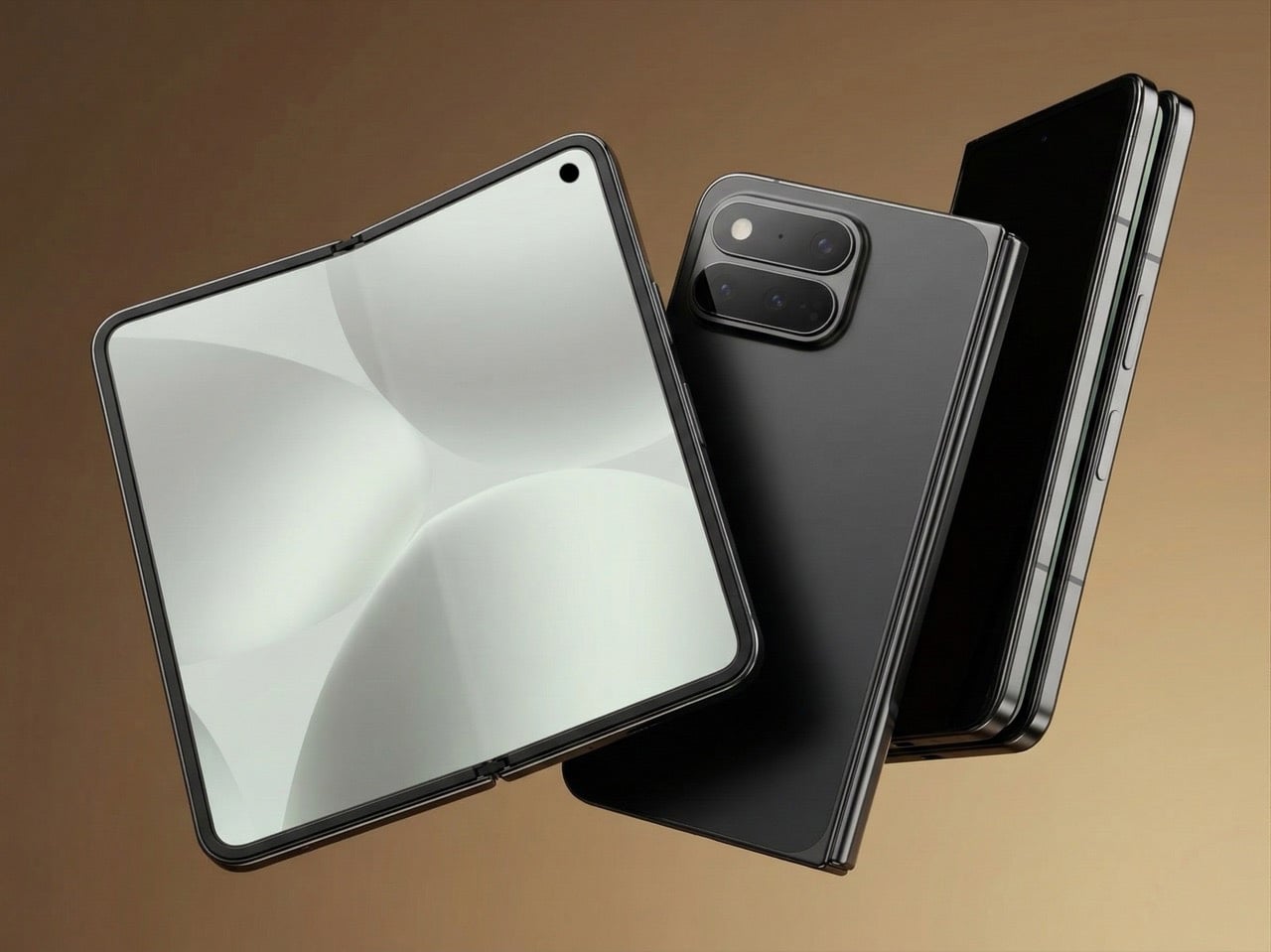
Flip it over and you’ll notice one fairly minor design change that differentiates this Fold from its predecessor. The camera island appears to have been reworked so the LED flash and microphone share the upper pill-shaped cutout with one of the rear lenses, rather than sitting awkwardly adjacent to everything else. The result looks like a cleaner, more coherent module, one designed with intent rather than assembled around constraints. Camera bumps are the first thing people actually see on a folded phone sitting on a table, so even a subtle improvement registers. Google reportedly kept the flat backplate, centered logo, and aluminum frame, which means the overall silhouette reads as a modest update rather than a rethink.

Designer: OnLeaks for AndroidHeadline

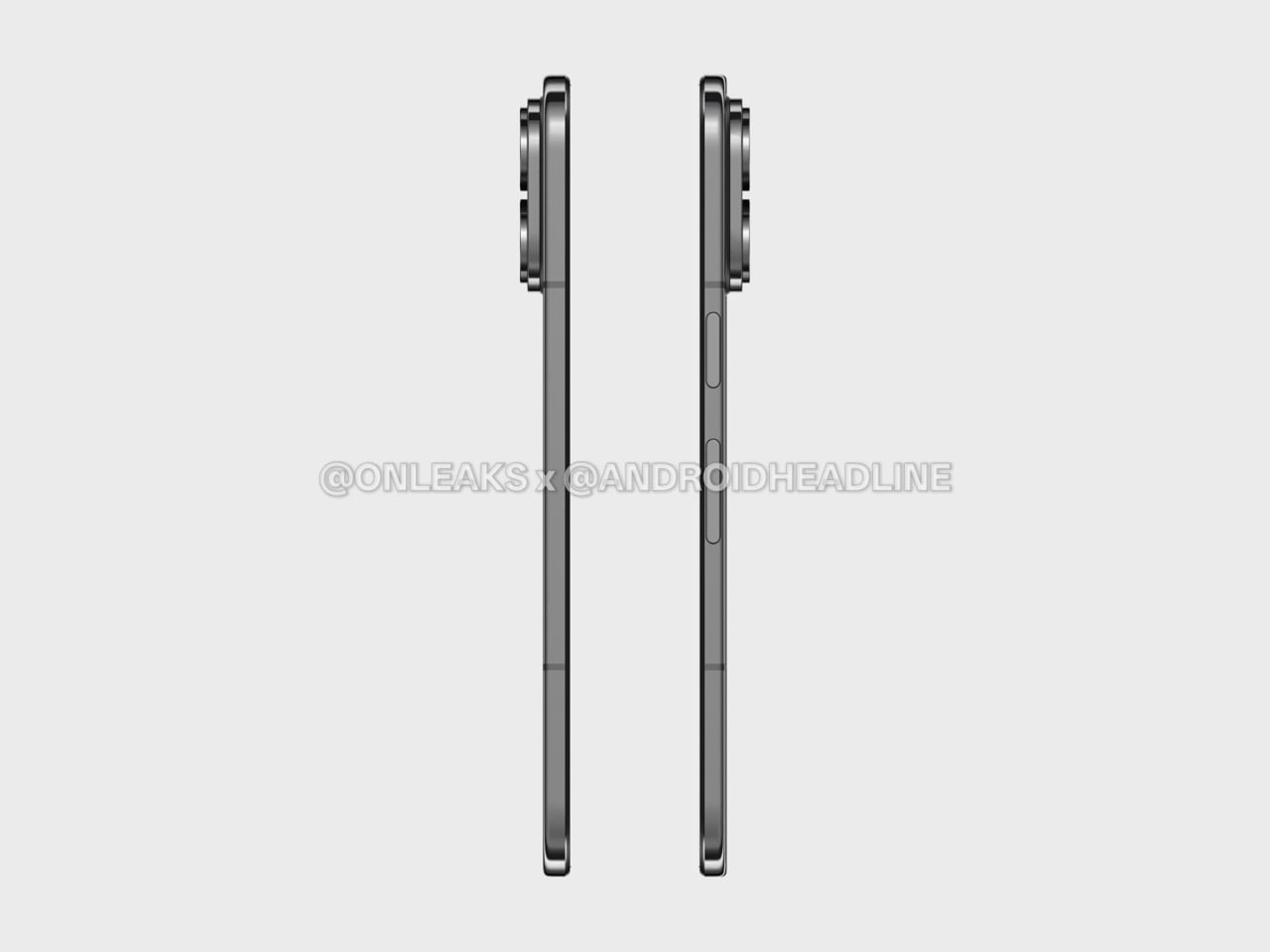
Based on CAD measurements, the Pixel 11 Pro Fold would drop from 10.8mm to 10.1mm folded, and from 5.2mm to 4.8mm unfolded, while height and unfolded width stay exactly the same at 155.2 x 150.4mm. Several Android foldables are already sitting below 9mm folded, so even if these numbers hold, the Pixel would still have ground to make up against its direct competition. That said, 0.7mm less in your pocket is 0.7mm less, and the projected unfolded profile at 4.8mm would be genuinely slim for a device with this much glass in it. The thinning happens entirely in depth, which means the familiar footprint would stay intact for existing Pixel Fold users considering an upgrade.

The Tensor G6 is expected as the headline spec upgrade, reportedly manufactured by TSMC on a 3nm process and possibly running a 7-core configuration, though that last detail is particularly unverified. The more interesting rumored hardware story is the cameras. The Pixel 10 Pro Fold shipped with a setup that sat below the Pixel 10 Pro in several respects, including an inferior ultrawide, which was a strange position for a $1,799 device. Google is rumored to be course-correcting here, possibly borrowing hardware from the Pixel 10 Pro lineup, though no confirmed specs have surfaced. The pressure is real regardless, given where Samsung and others have pushed foldable camera systems over the last cycle.

Google’s internal roadmap had reportedly targeted $1,500 for the Pixel 11 Pro Fold, but tariffs and rising memory costs have apparently complicated that figure considerably. The Pixel 10 Pro Fold launched at $1,799, and if current market conditions hold, the new model could land at or above that number. The Galaxy Z Fold 7 sits at $1,999 and the new Motorola Razr Fold is at EUR 1,999, so premium foldables have settled into a price tier that treats four figures as a floor. Battery, display sizes, IP68 resistance, Pixelsnap and Qi2 wireless charging are all expected to carry over, meaning there are no obvious additions to justify a steep price increase, just refinements. August 2026 is the rumored launch window, consistent with Google’s last two announcement cycles.

The Pixel 10a reportedly followed the Pixel 9a playbook with minor tweaks, and the Galaxy S26 Ultra’s biggest change was its display. Incremental releases have become the dominant mode across flagship Android, and if these leaks are accurate, the Pixel 11 Pro Fold fits that rhythm without apology. Whether that reads as frustrating or reassuring probably depends on how you felt about the Pixel 10 Pro Fold, because this device looks built squarely for people who wanted that phone to be slightly thinner with a better camera story.

The post Google Pixel 11 Pro Fold Leaks Early With a Familiar Design and One Noticeable Change first appeared on Yanko Design.