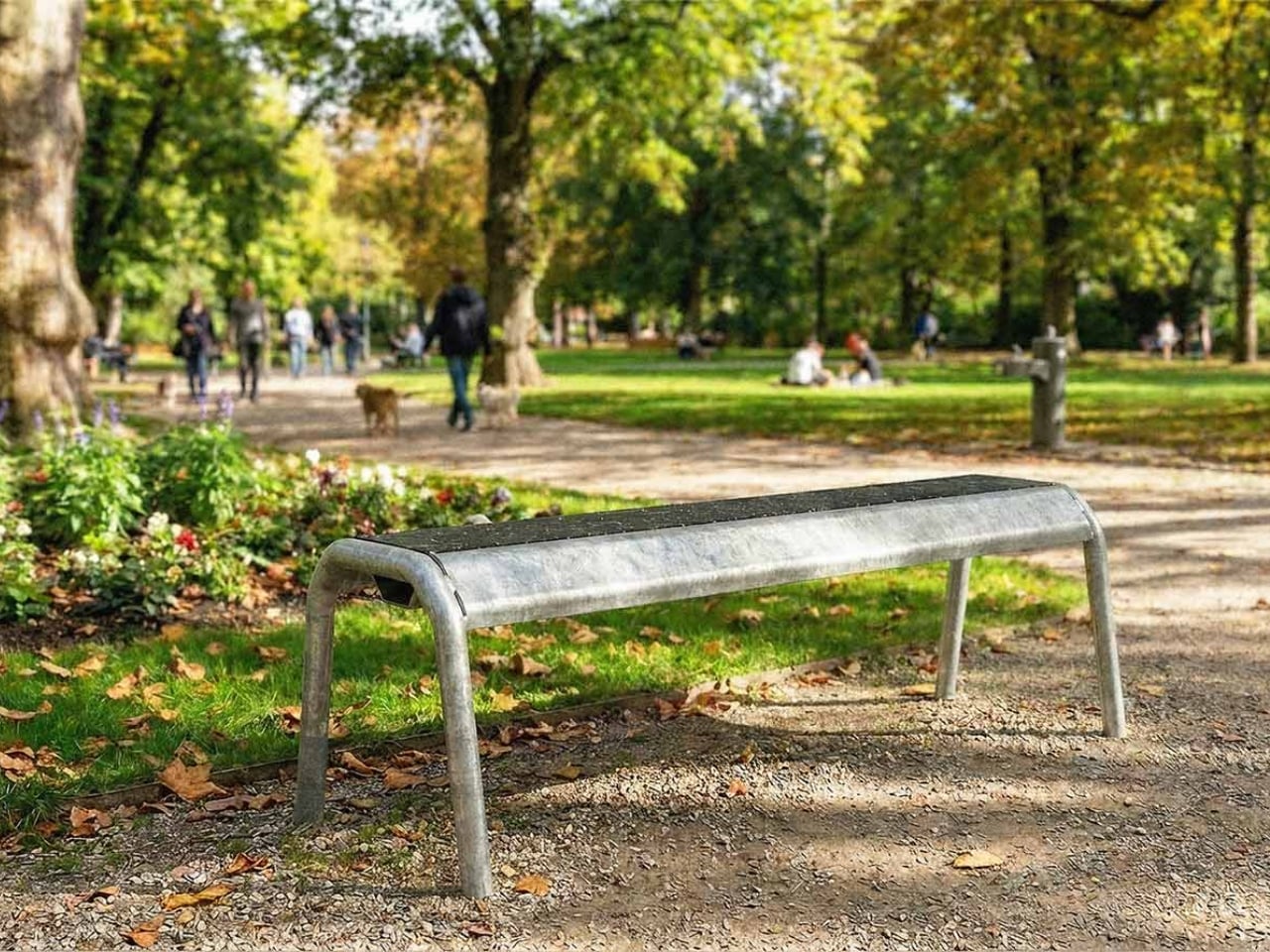
Most furniture begins with a brief. A sketch. A mood board pulled from somewhere between a Scandinavian design blog and a decades-old auction catalog. French industrial designer Pierre Villez did something different. He started at the construction site.
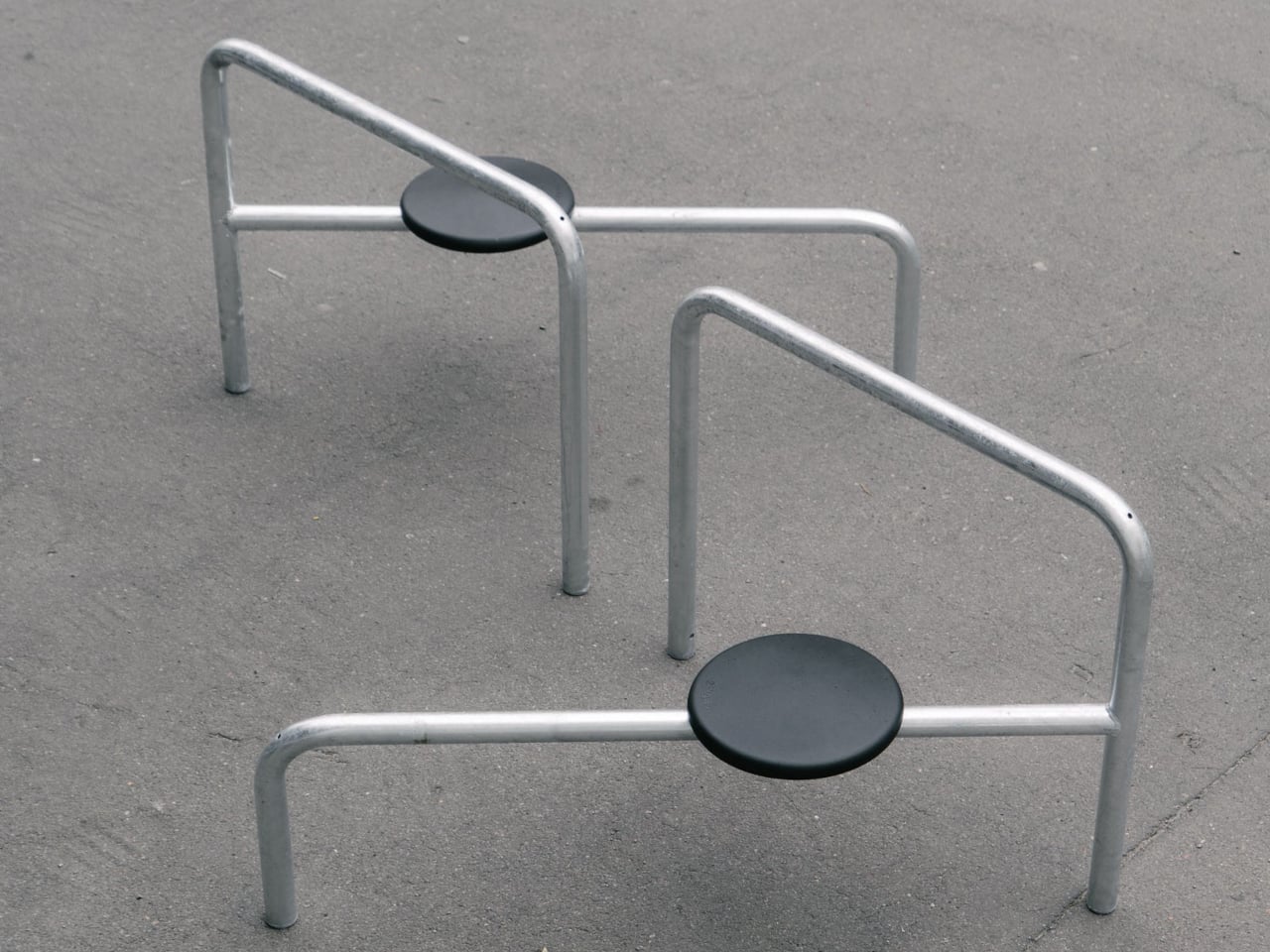
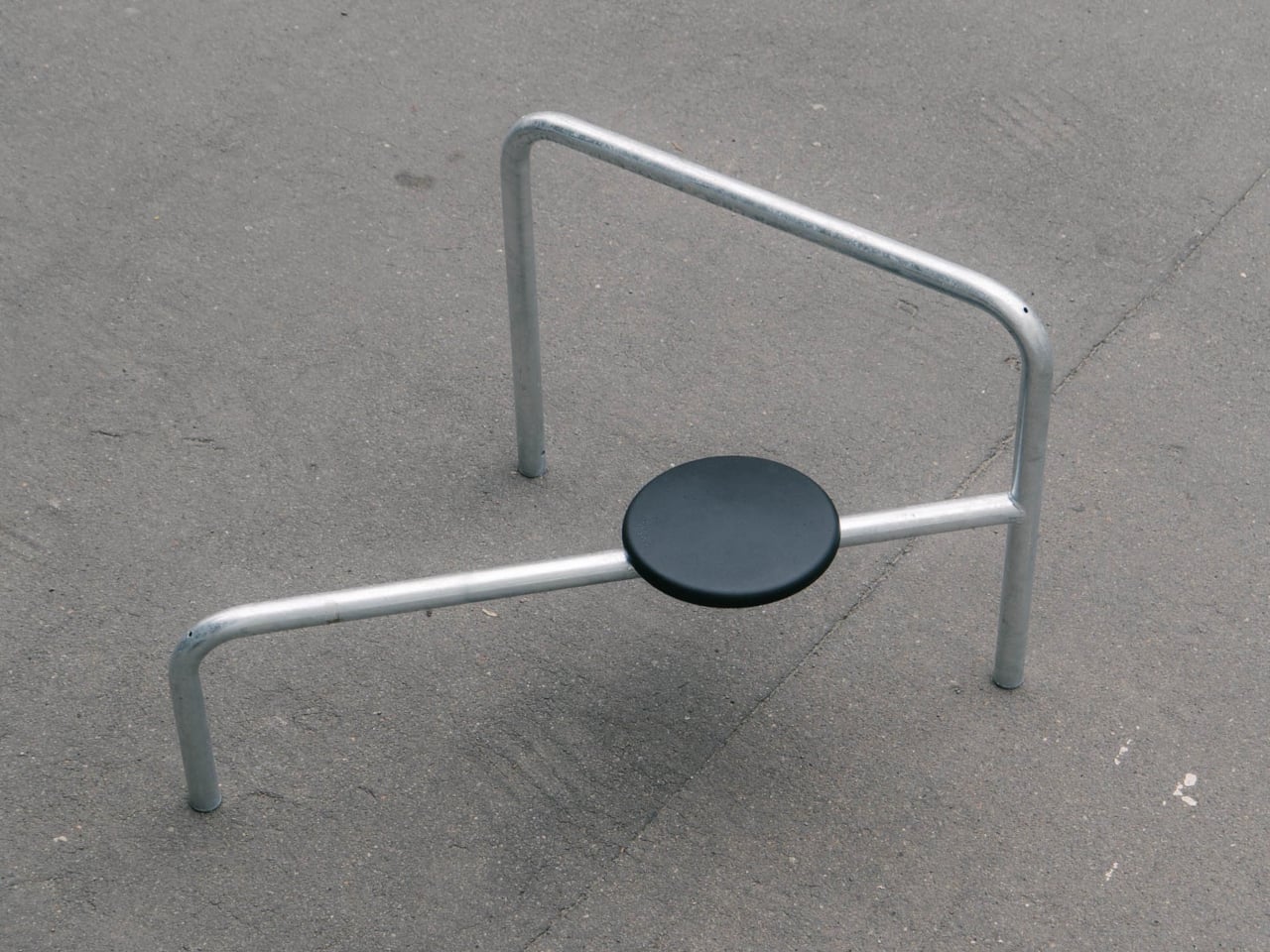
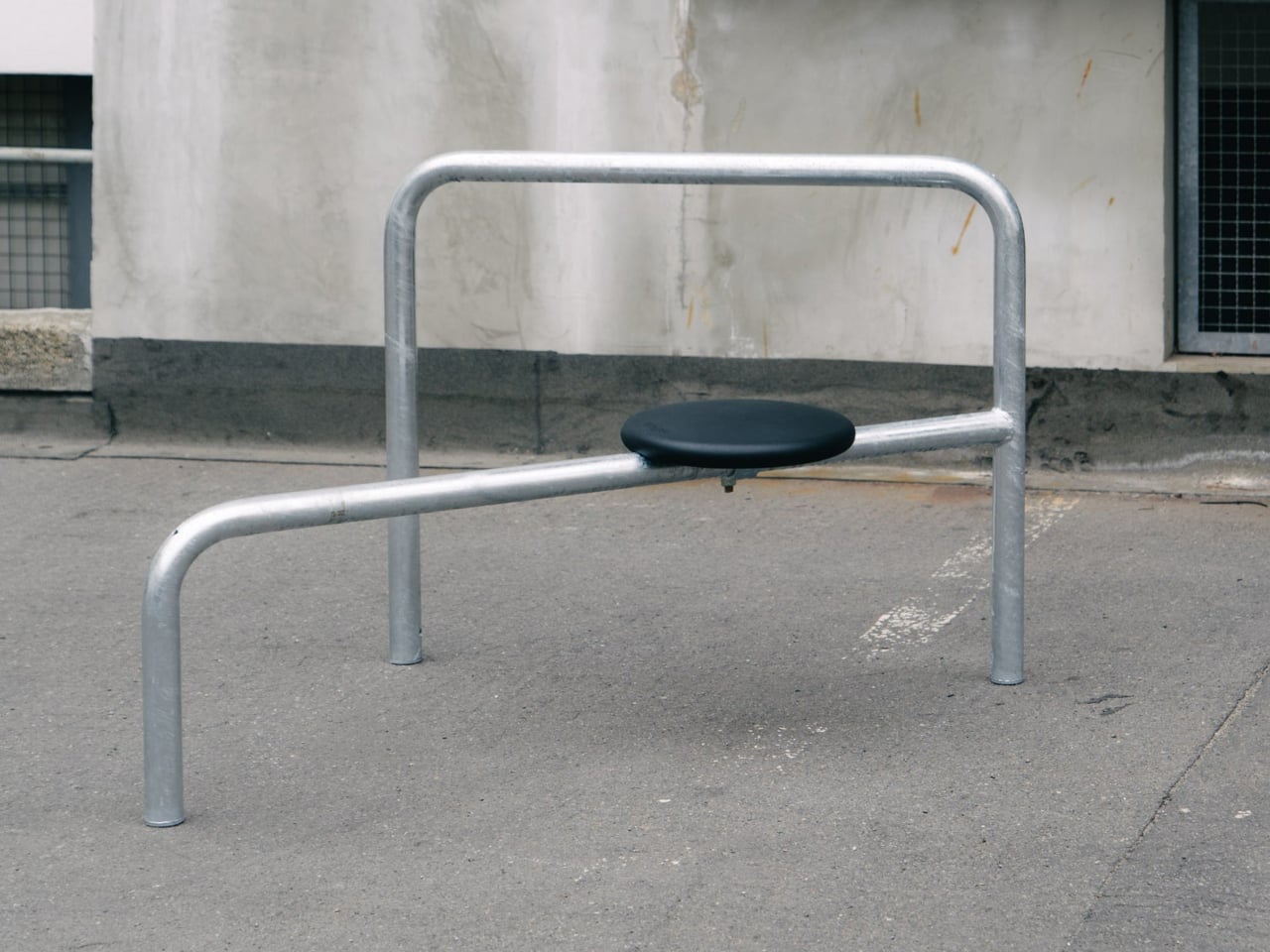
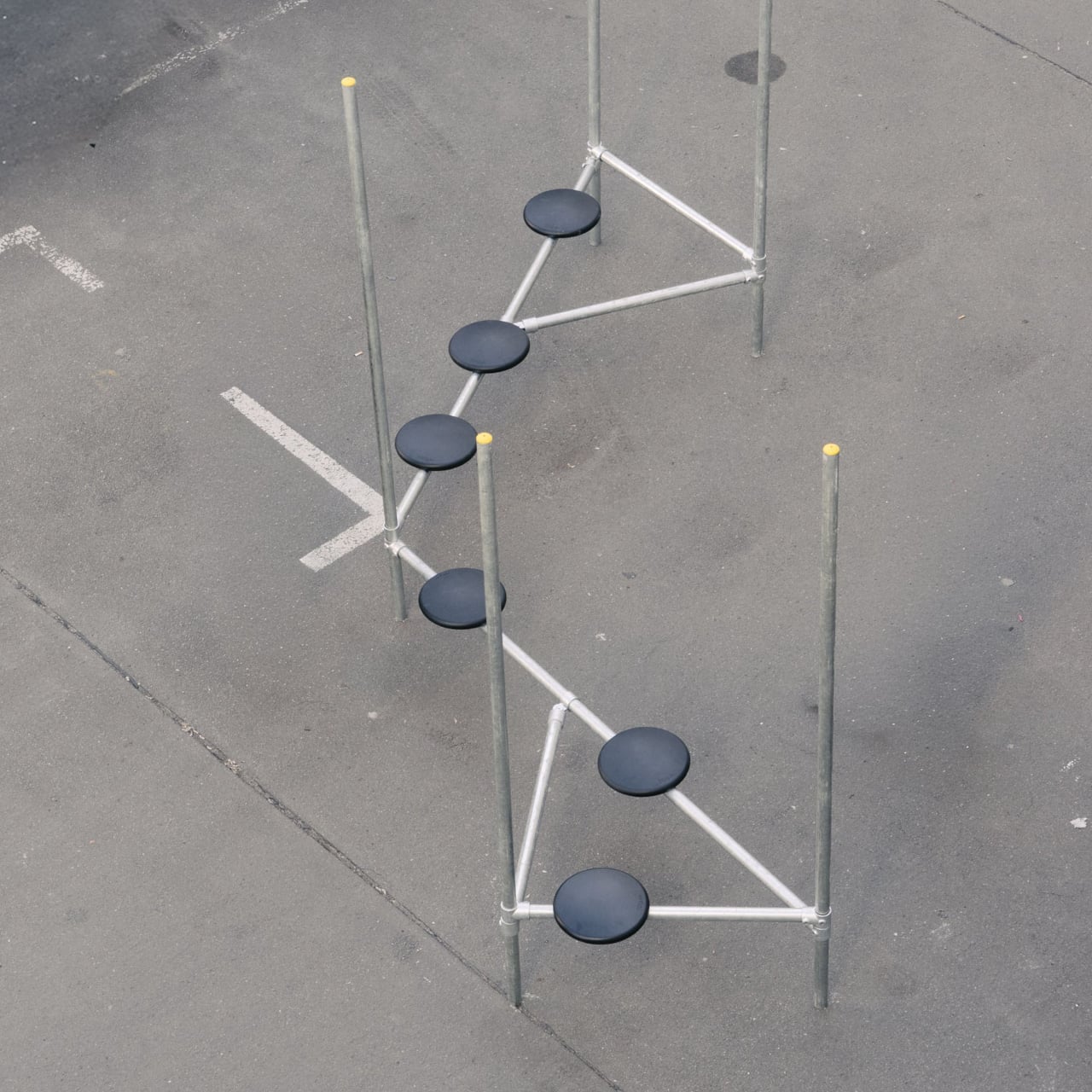
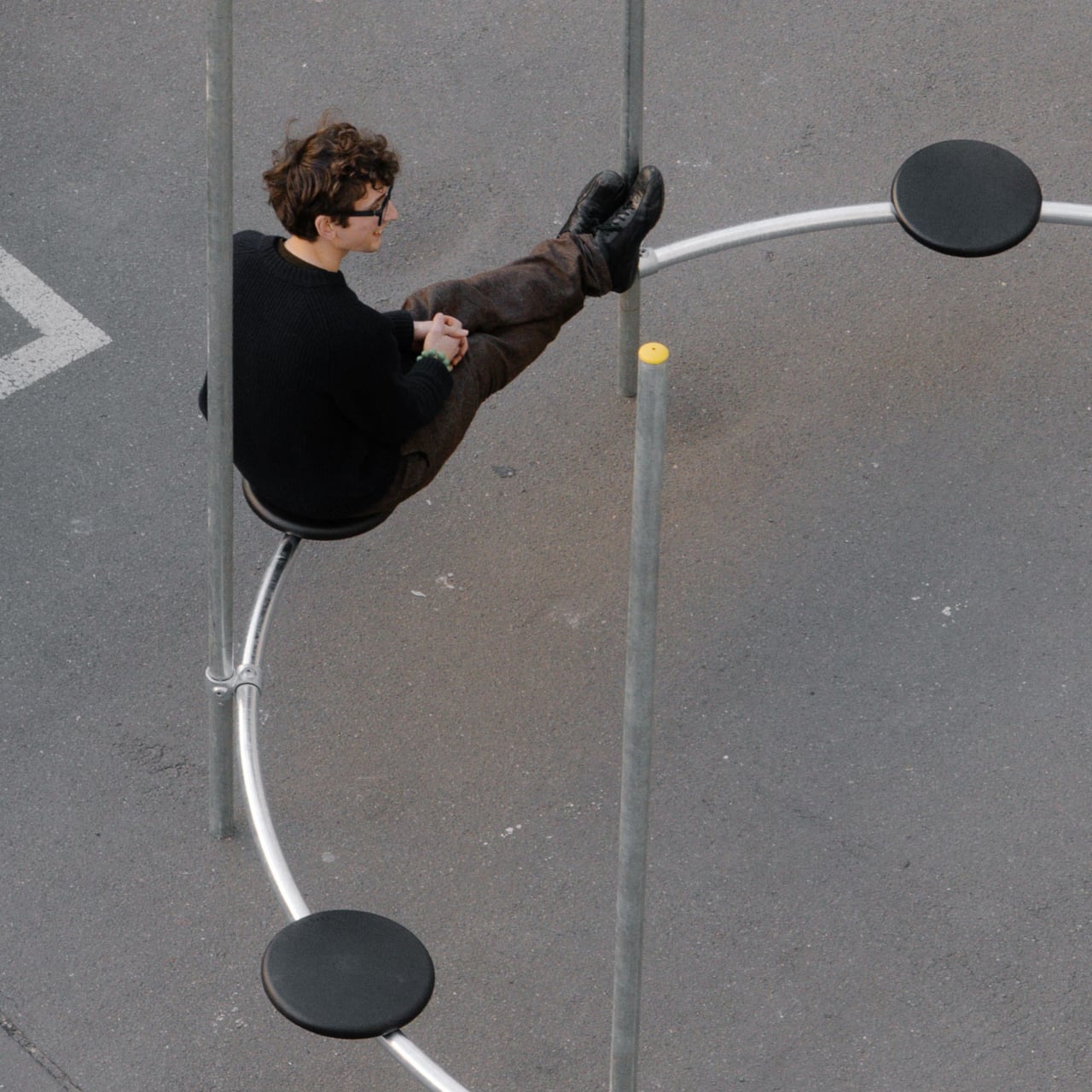
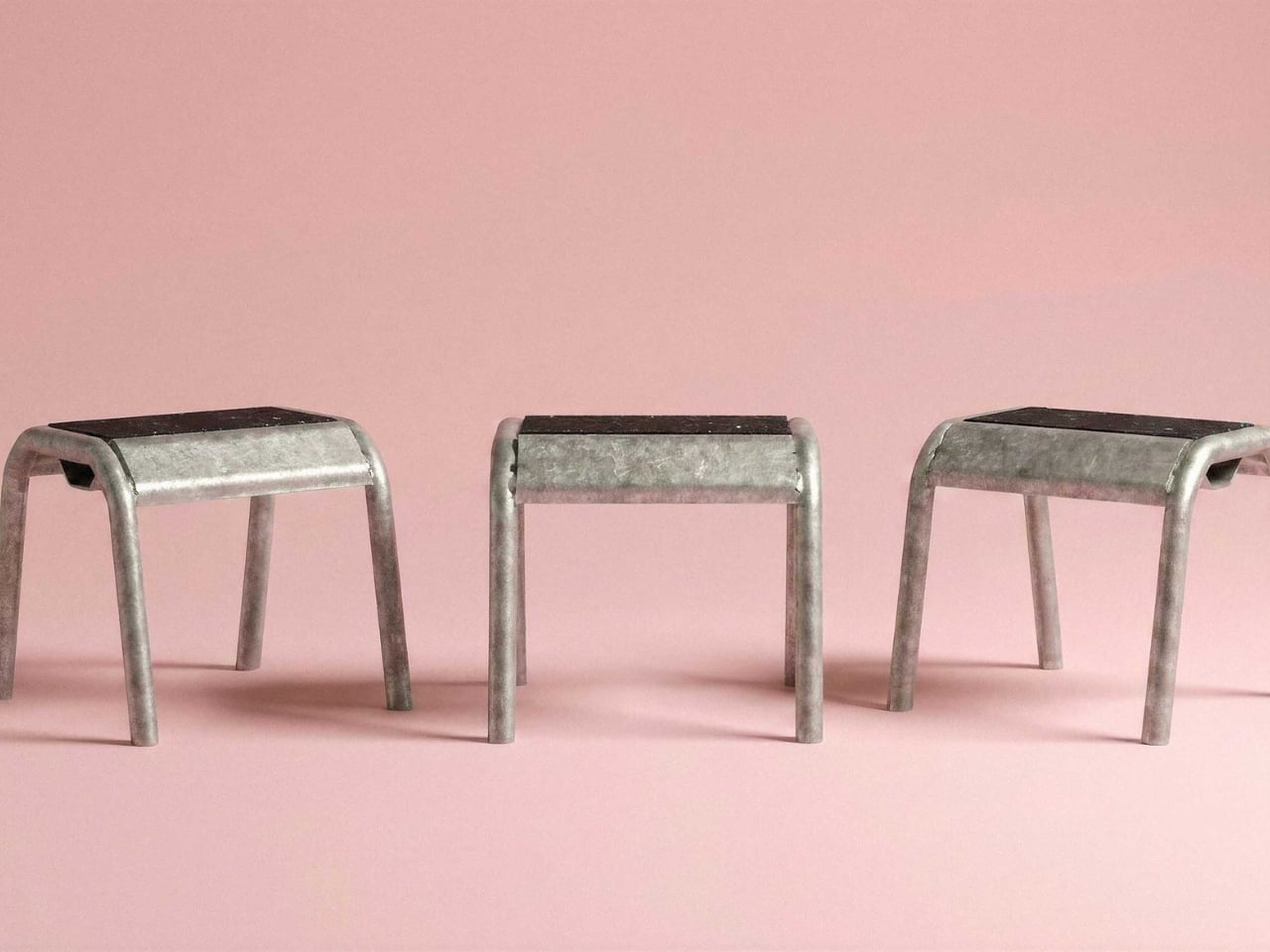
His project Estrade, which takes its name from the French word for a raised platform or stage, is exactly the kind of design that makes you pause and rethink what you assumed you knew about materials and their purpose. It takes scaffolding, one of the most utilitarian objects in the built environment, and repurposes it into furniture with a presence that feels both raw and considered. The idea isn’t complicated. What’s remarkable is how clearly it works.
Designer: Pierre Villez
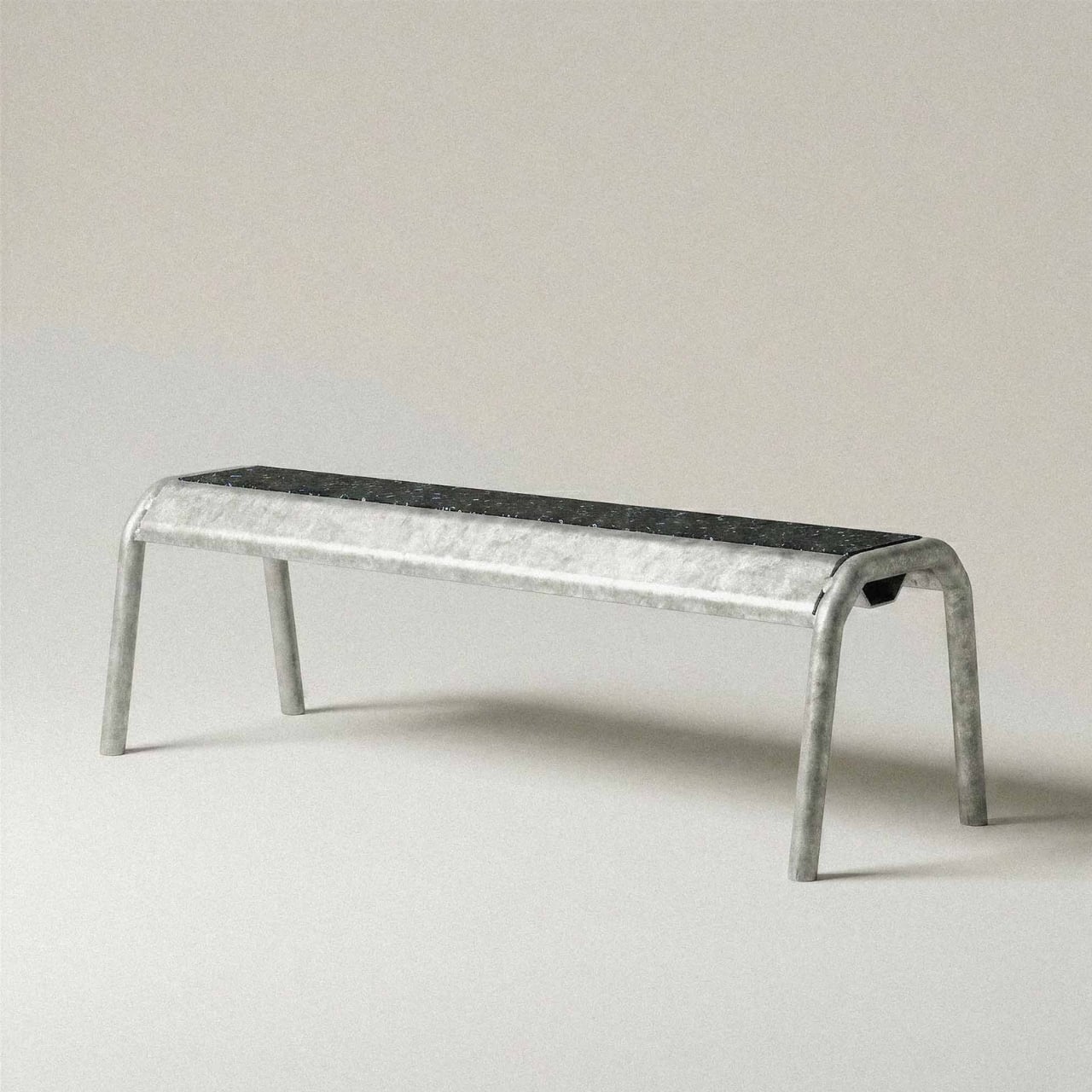
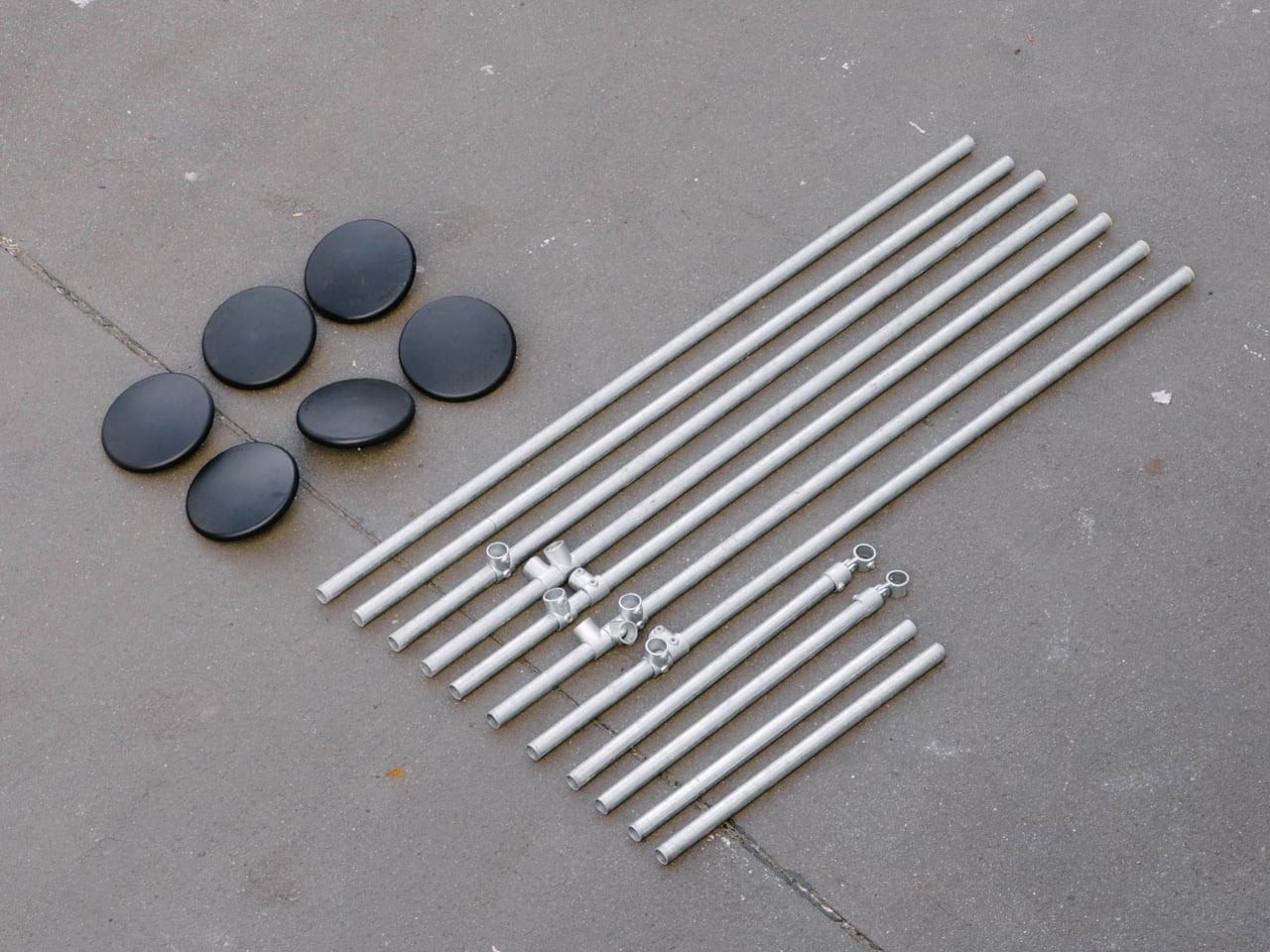
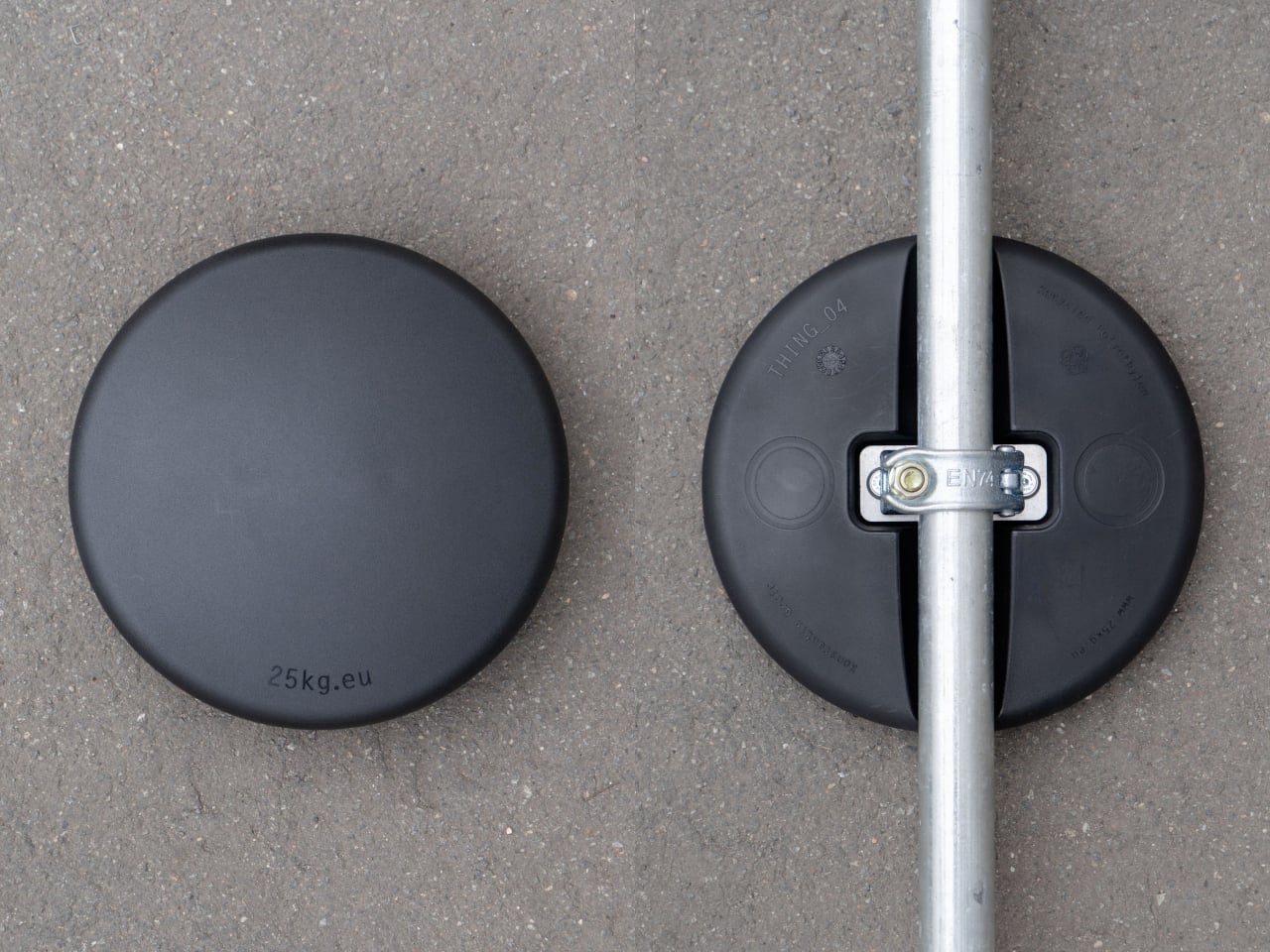
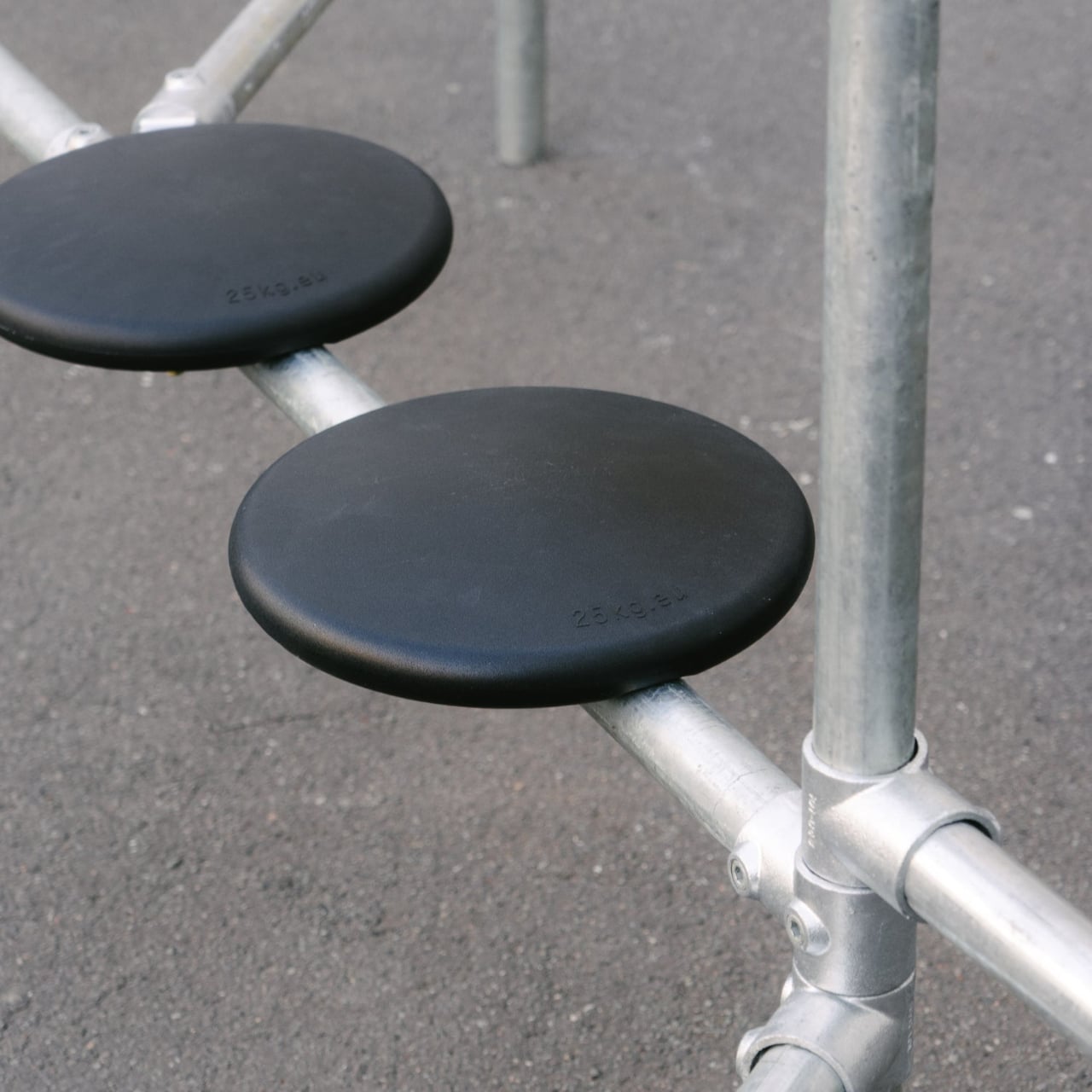
The execution is built around scaffolding tubes and components, the galvanized steel poles and fittings that temporarily hold up the facades of buildings under construction. These become the structural bones of a usable, liveable object. The material doesn’t get disguised or prettied up. It stays exactly as it is, marks and all, which is where the real honesty of the design lives. There’s no apology in it.
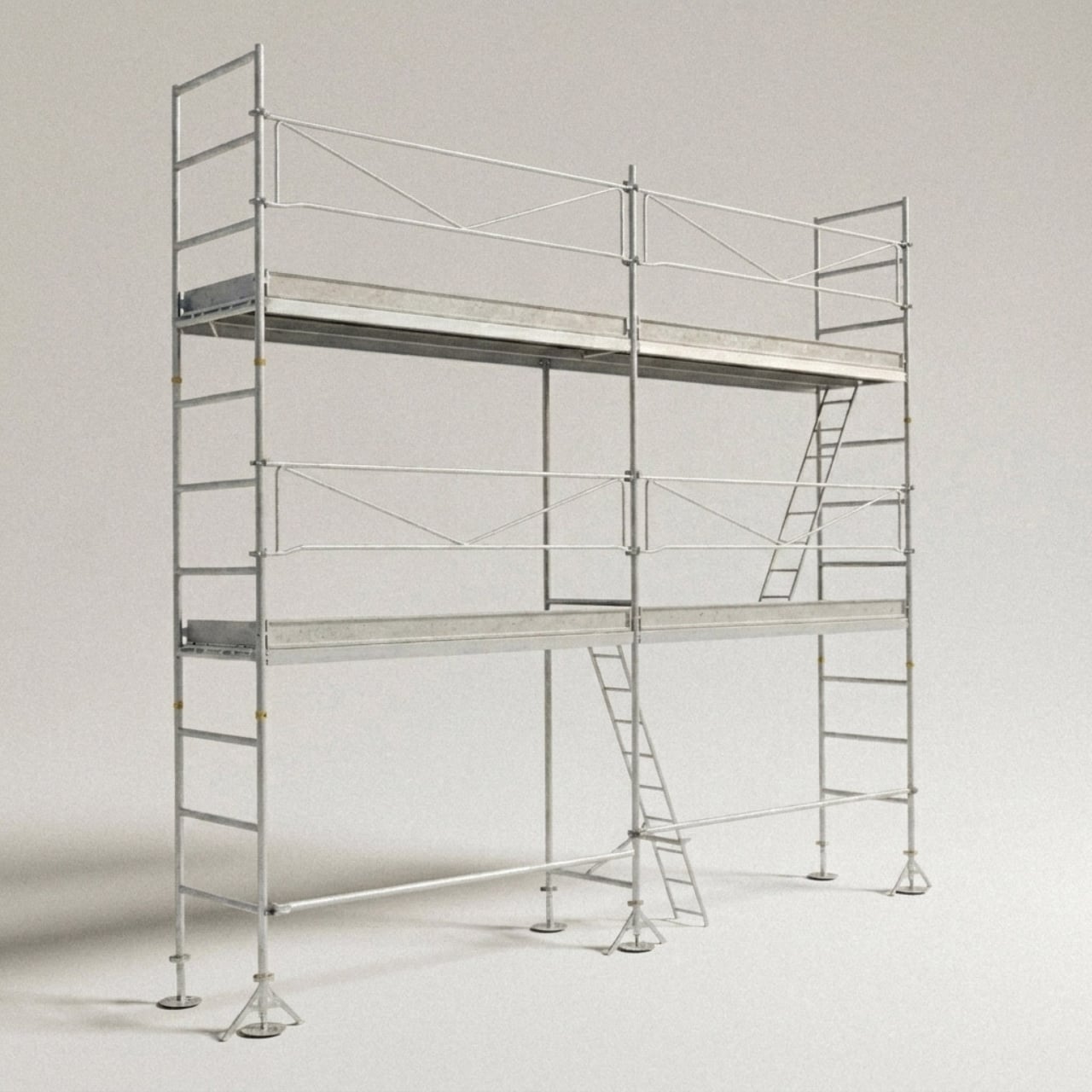
There’s a broader conversation happening right now in the design world about where materials come from and what happens to them once their original job is done. Construction materials sit at an interesting intersection: they’re industrial, abundant, and structurally engineered to last far longer than the projects that use them. Scaffolding in particular gets a rough deal in this sense. It does some of the most important work on a building site and then disappears entirely, either stacked away in a storage yard or eventually scrapped. Villez’s response is simply to ask whether disappearing is really necessary.
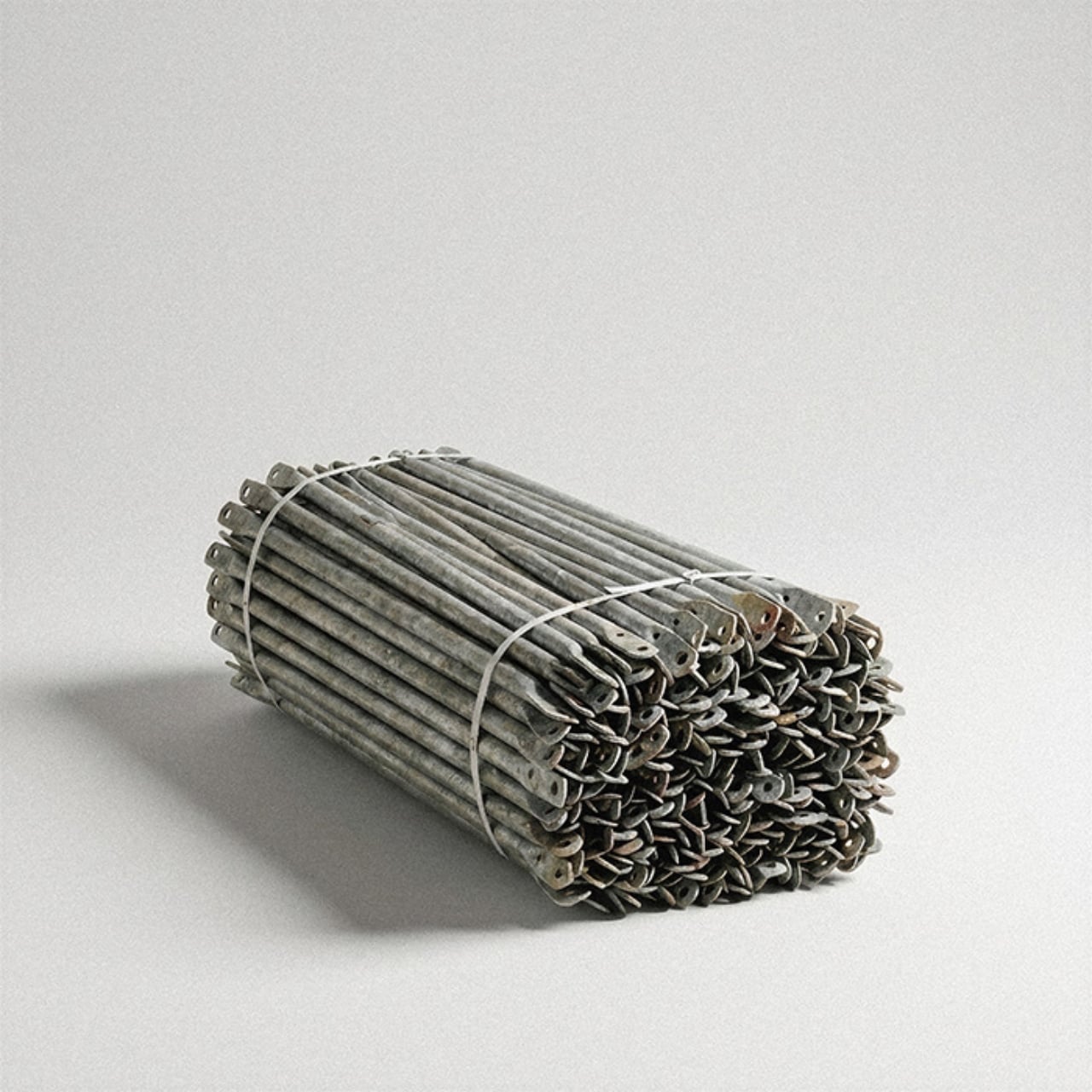
What makes Estrade worth paying attention to, beyond the sustainability angle, is that it doesn’t feel like it’s compensating for its origins. A lot of upcycled design falls into the trap of trying too hard to look polished, as if the designer was vaguely embarrassed by the material they started with. Estrade leans the other way. The scaffolding reads as scaffolding. The proportions are deliberately architectural, almost structural in feeling, and that industrial quality isn’t softened so much as it’s redirected. You’re not looking at furniture that happens to be made from scaffolding tubes. You’re looking at scaffolding that has decided to become furniture, on its own terms.
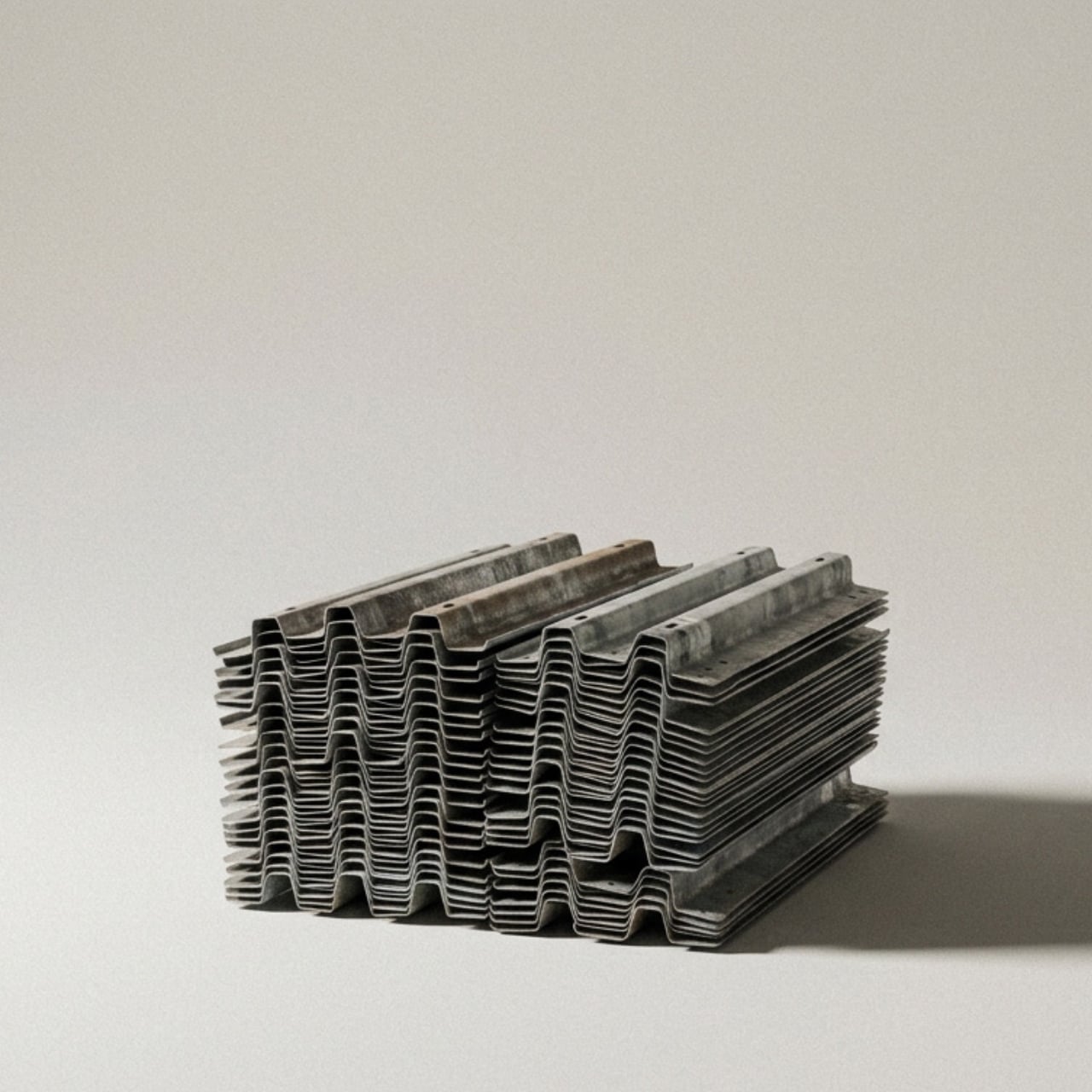
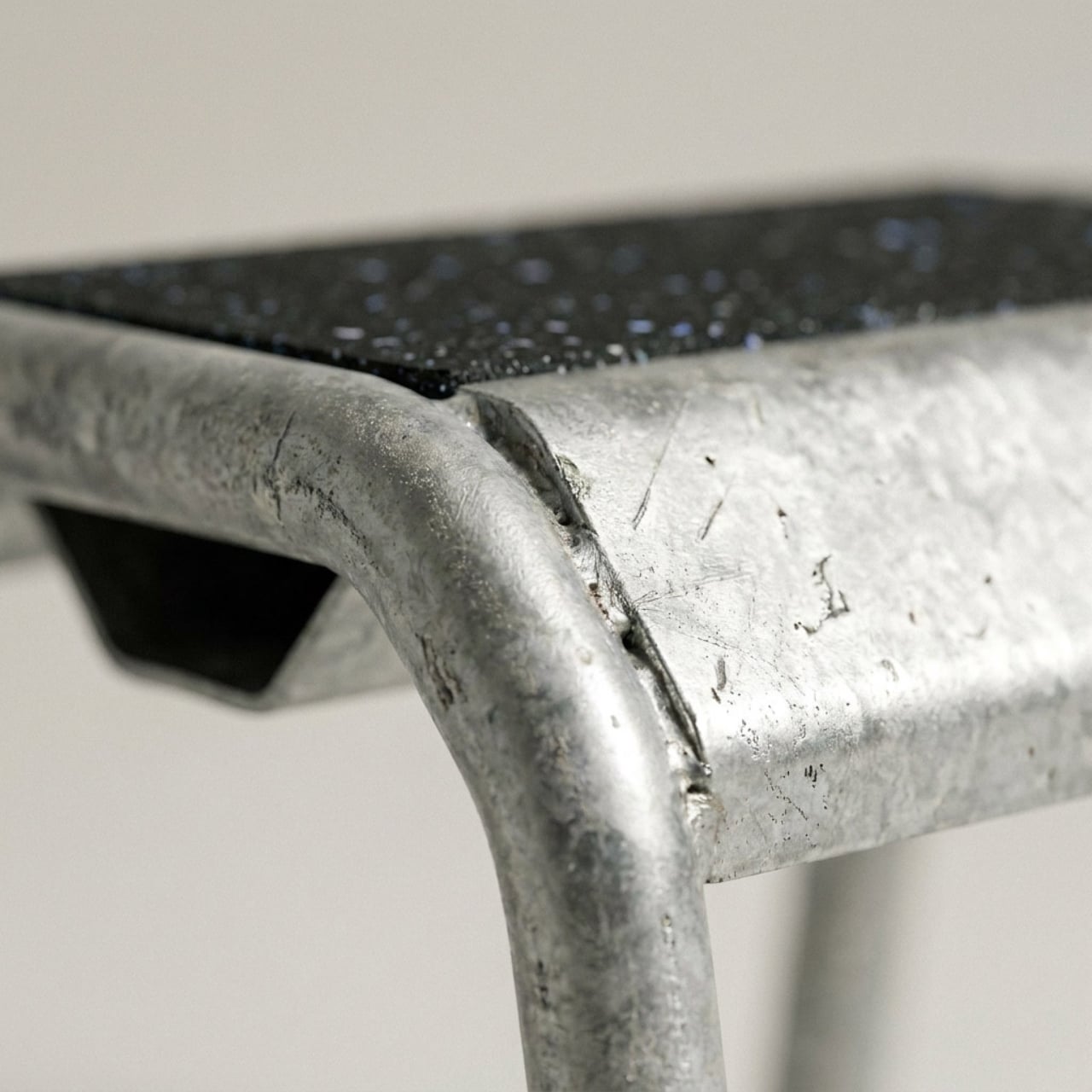
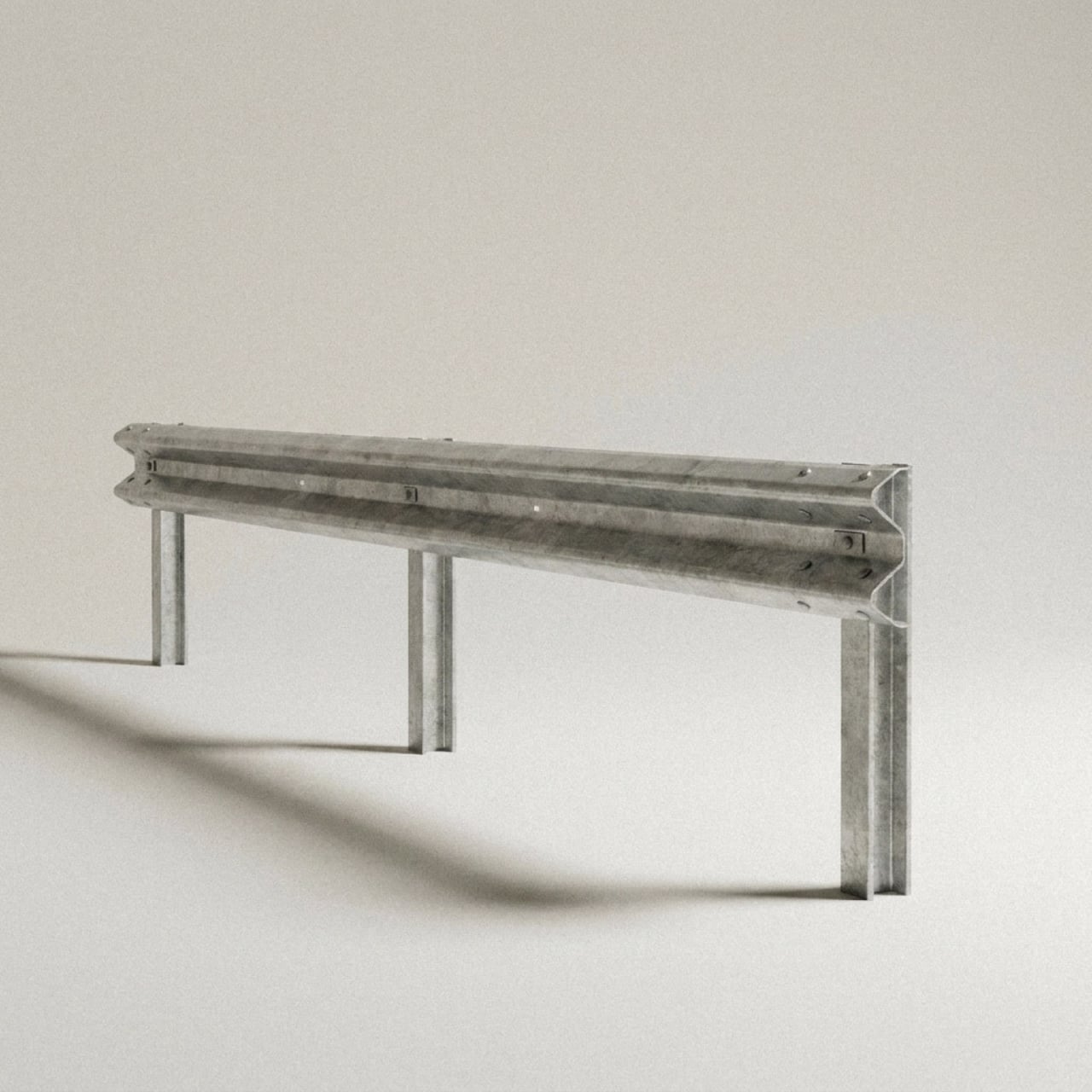
That kind of design thinking takes a real confidence in the material. It requires trusting that what you’re working with has enough inherent value to carry the work, without heavy intervention or stylistic decoration layered on top. Pierre Villez, who is based in Lille, France, clearly believes it does. His portfolio also includes ALAIN, a project that applies the same logic to crash barriers, which tells you this isn’t a one-off experiment. It’s a considered way of looking at the built world and asking what gets left behind, and why.
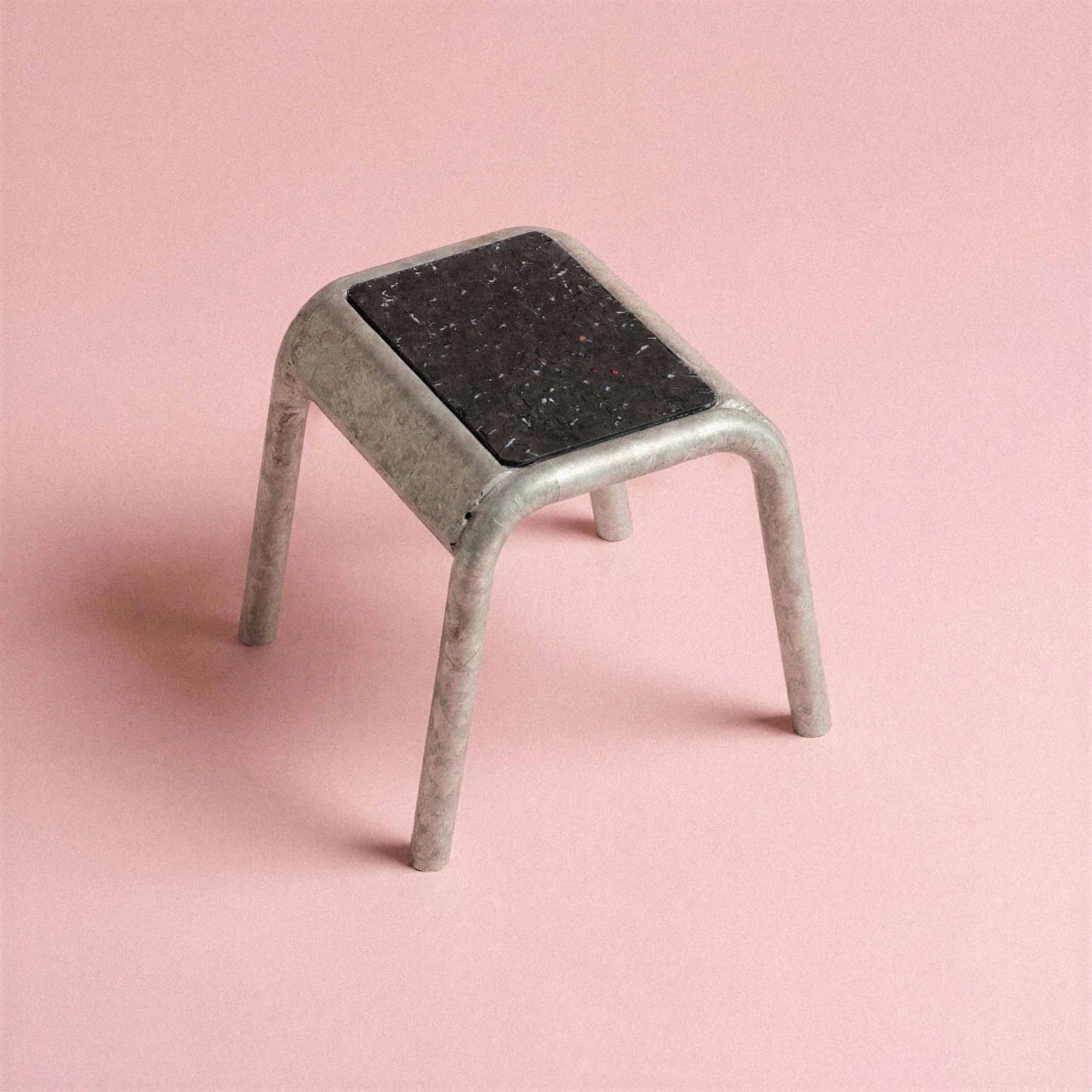
For anyone paying attention to where design is heading, Estrade feels like a meaningful signal. The sustainability conversation in design has been running for years and has sometimes drifted into the theoretical or the performative, becoming more about messaging than material reality. A project like this cuts through that. It’s grounded and specific. It takes one material, one context, and one question: can this be something else? The answer that comes back is yes, and it looks good while saying it.
The name is a small detail that rewards a second look. An estrade is a platform you stand on, a raised surface that offers a different vantage point. It’s a quietly clever choice for a project that asks us to look at a familiar, overlooked material from a completely different angle. Not everything in design needs to be precious or brand new. Some of the most interesting work happens when a designer takes what’s already there and asks a better question of it. Pierre Villez asked a good one.
The post Scaffolding Was Never Meant to Be Beautiful, Estrade Disagrees. first appeared on Yanko Design.