
A remastered The Witcher 3 will be released September 29
Current owners of the popular RPG will get the upgrade for free.
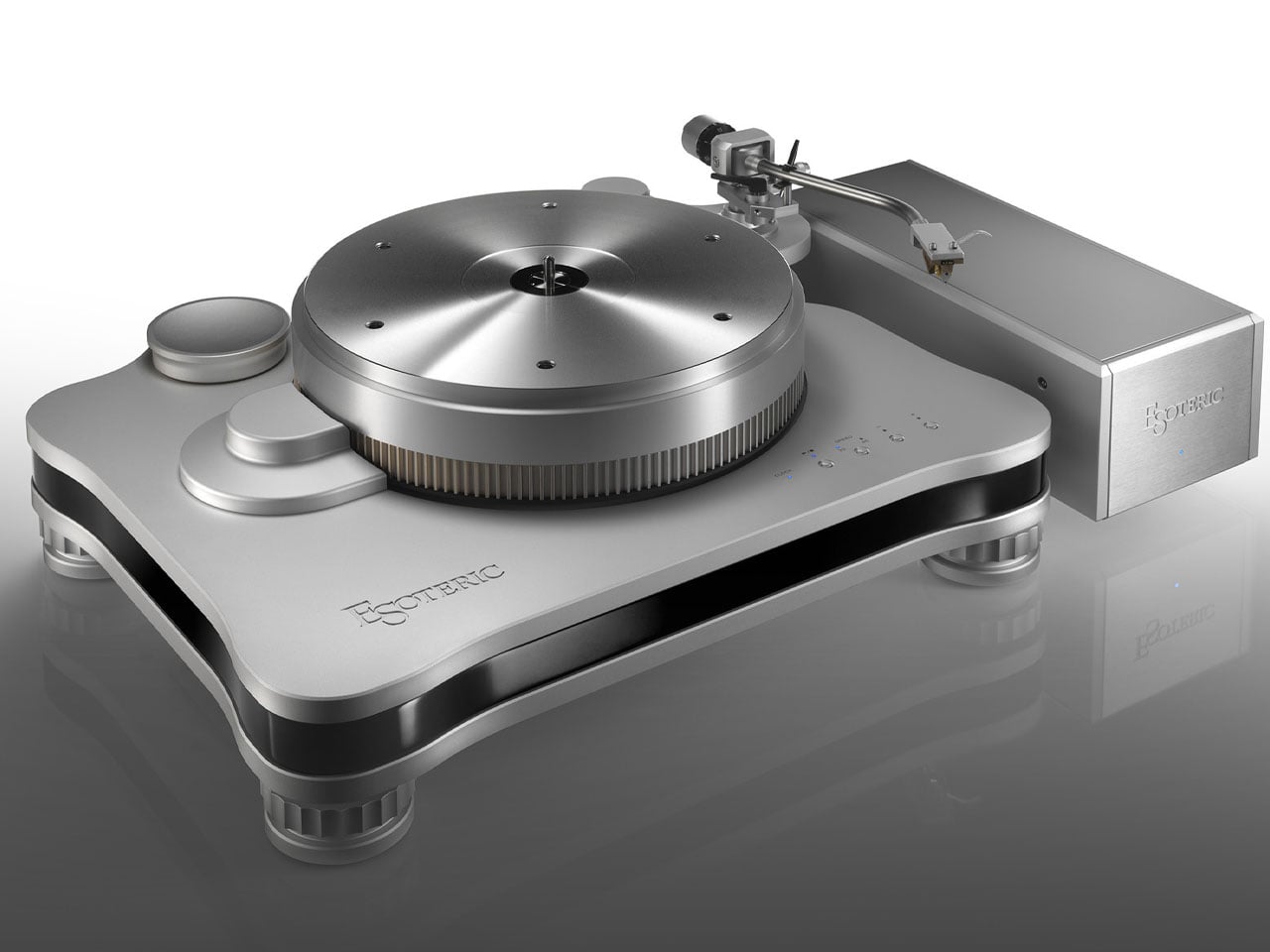
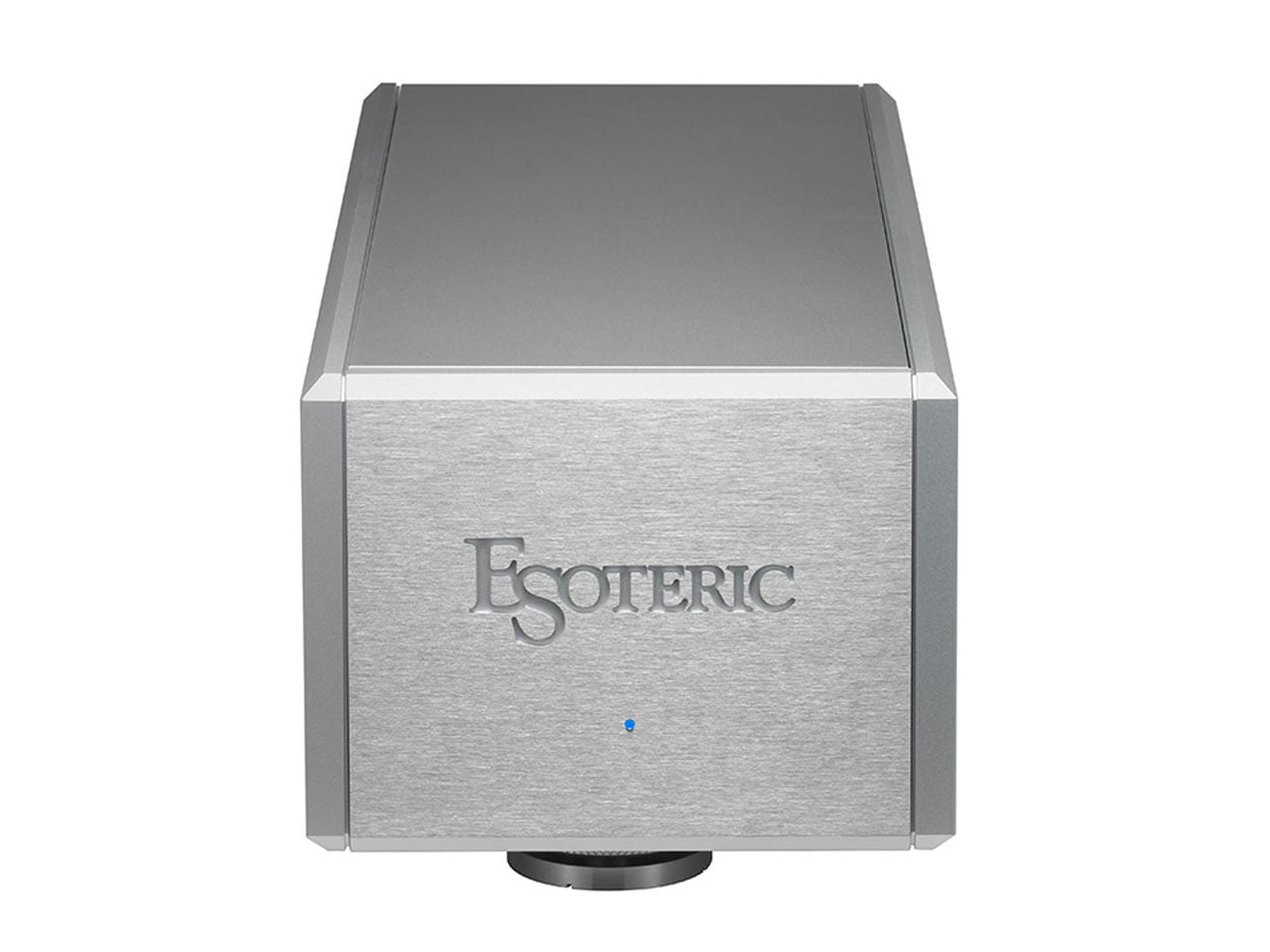
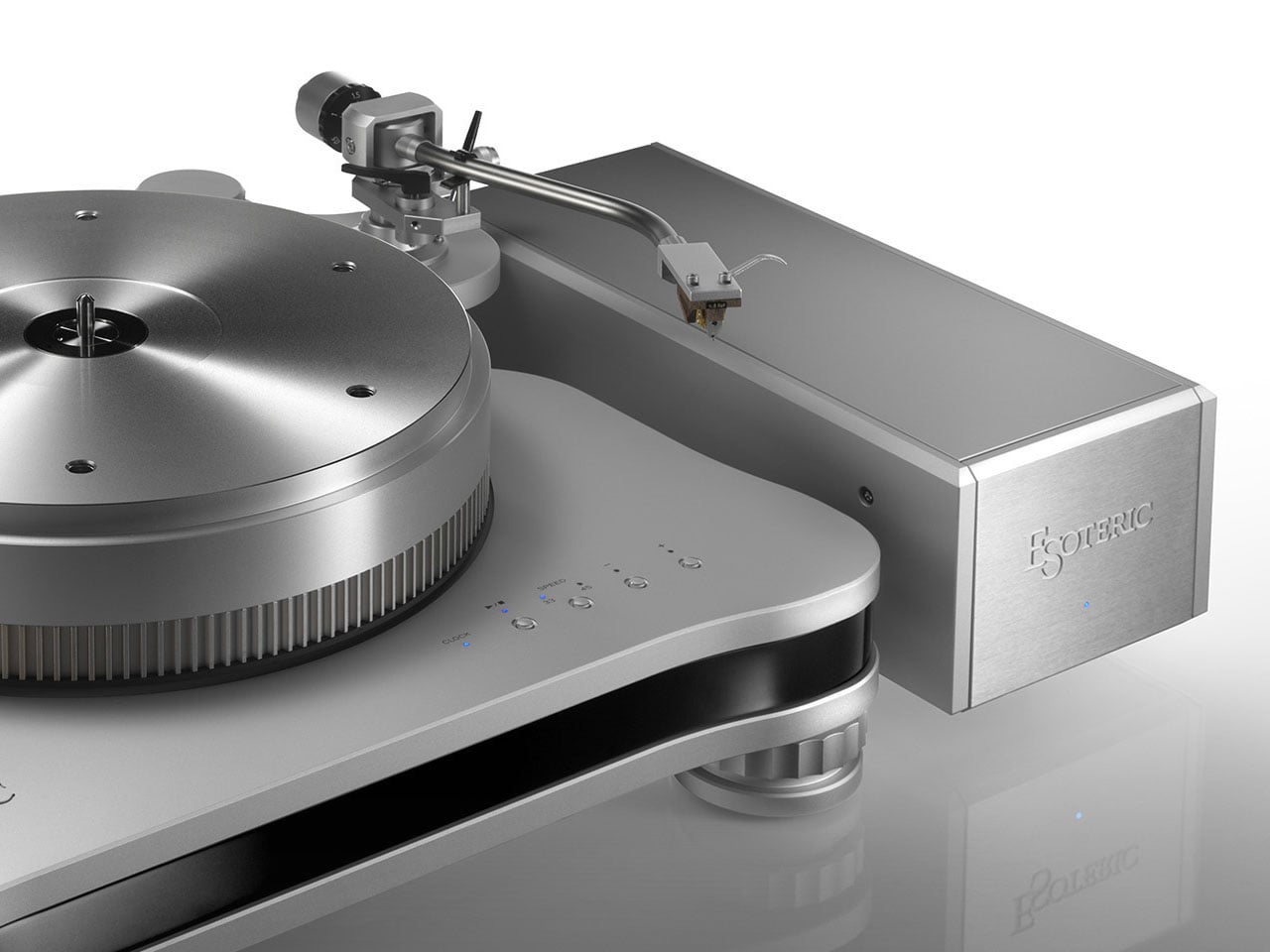
Esoteric has just dropped the T-01, an ultra-high-end turntable that takes an unusual approach to one of vinyl playback’s fundamental challenges: keeping the platter isolated from motor vibration. Unveiled in Tokyo, the deck uses the company’s patented MagneDrive system, which rotates the platter through magnetic induction rather than a belt or conventional mechanical connection.
The technology was first developed for Esoteric’s Grandioso T1, the company’s $80,000 flagship turntable. With the T-01, Esoteric has adapted that engineering into a more compact chassis designed to be easier to install without moving too far away from the performance ambitions of its larger sibling.
Designer: 3Esoteric
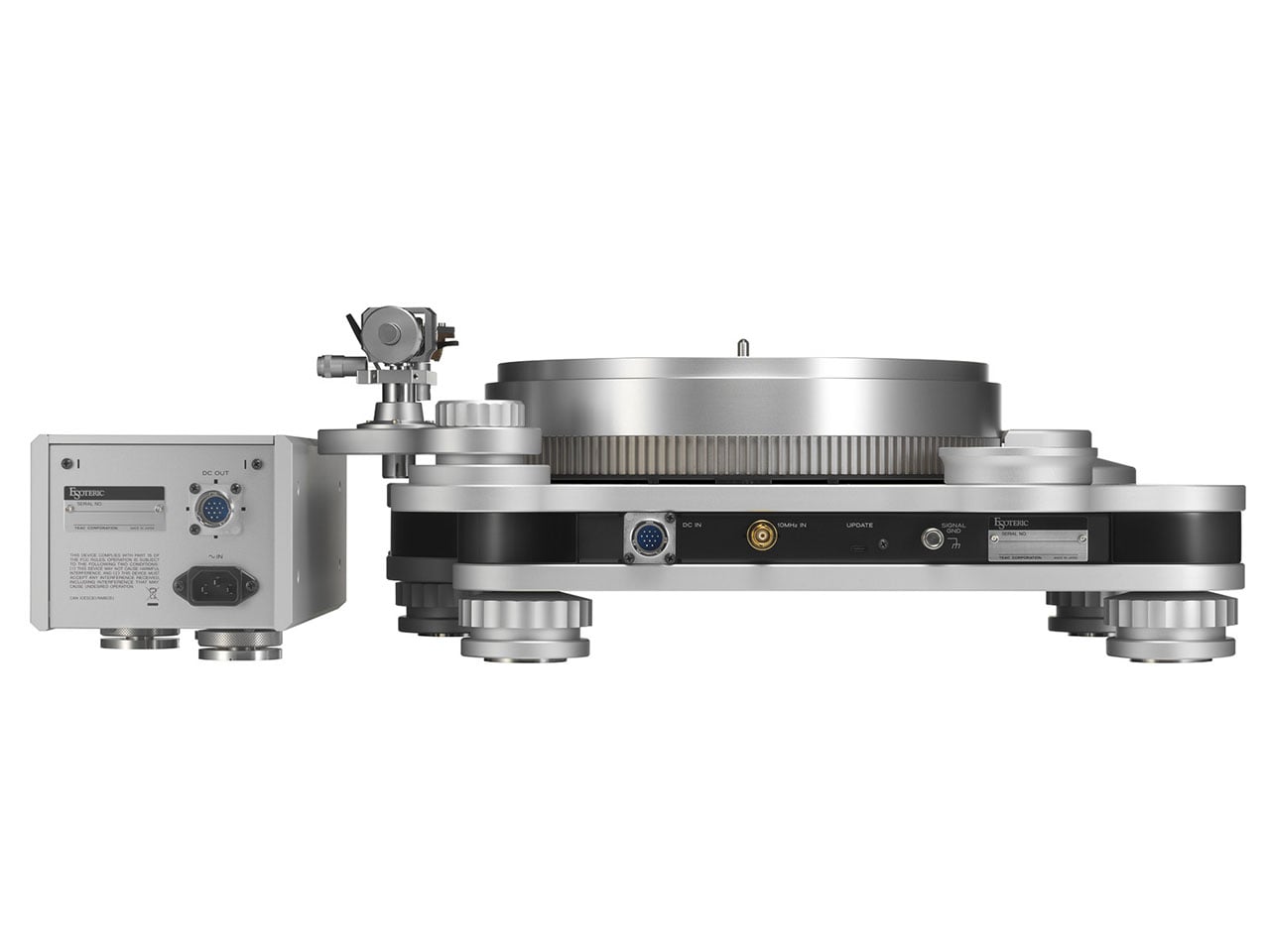
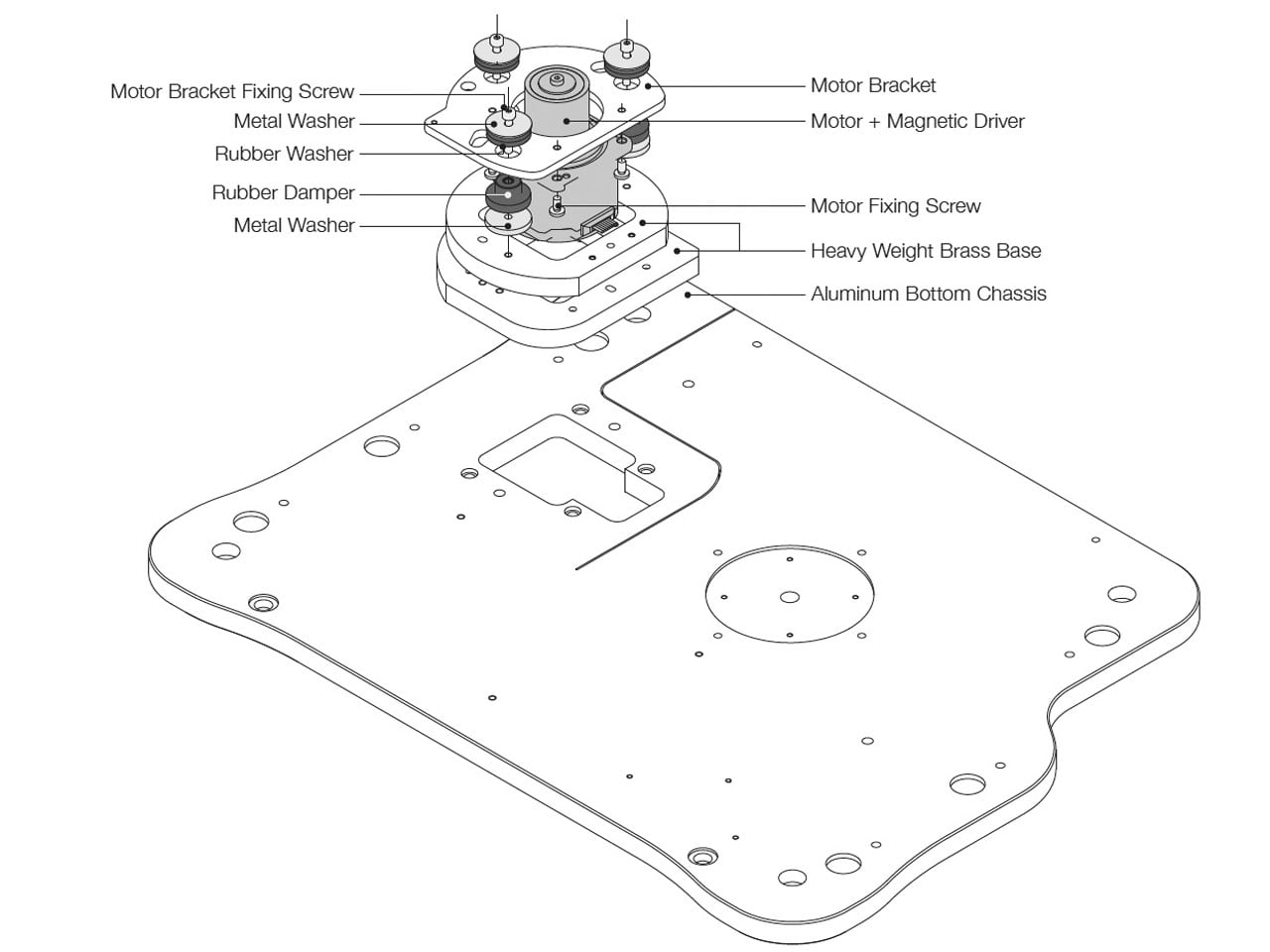
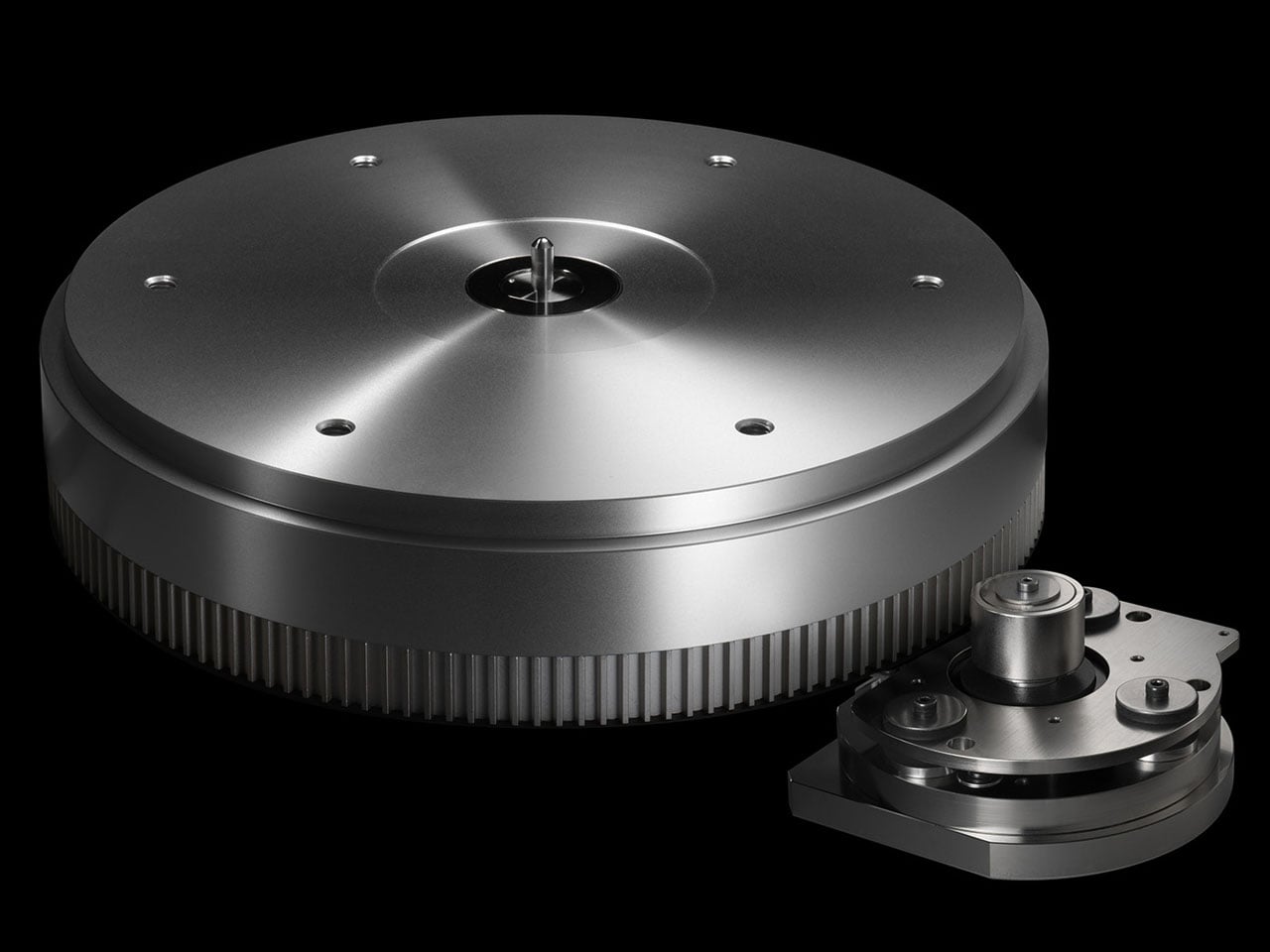
At the heart of the T-01 is its MagneDrive system, which essentially allows the platter to spin without being physically connected to the motor. A magnetic driver rotates beneath the platter, inducing movement in a soft-iron wheel positioned around its lower edge. That means there is no belt transferring the motor’s movement to the platter, helping isolate the record from mechanical vibration and motor noise.
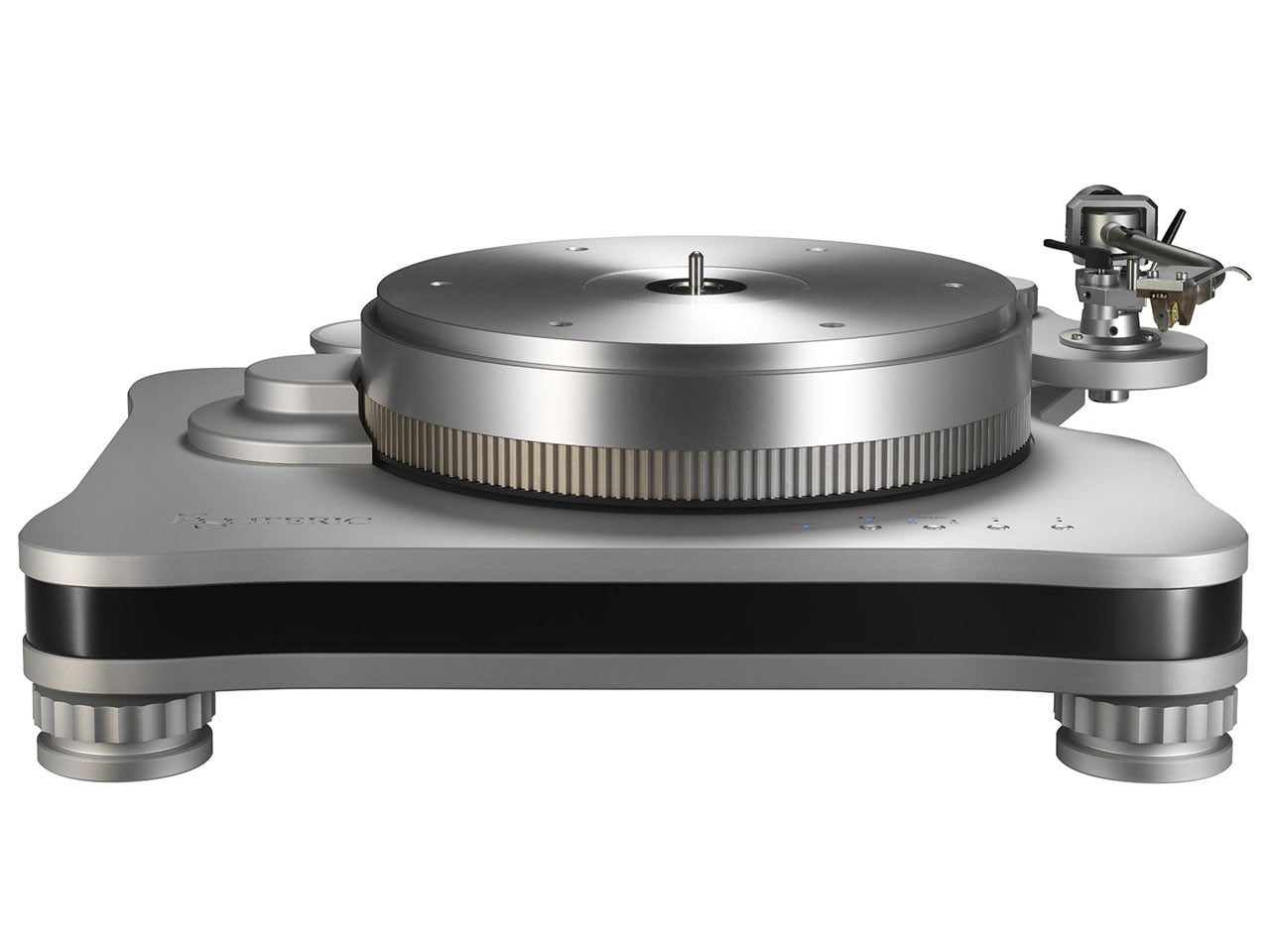
Esoteric takes the same approach to the platter bearing. The 13kg aluminum platter is partially supported by magnetic force, reducing the load placed on the spindle bearing to around 4kg. An inverted bearing further reduces the mechanical resistance involved in keeping the platter moving. On paper, these details may sound excessive, but they reflect the company’s larger goal: removing as many potential sources of unwanted movement as possible between the motor and the record.
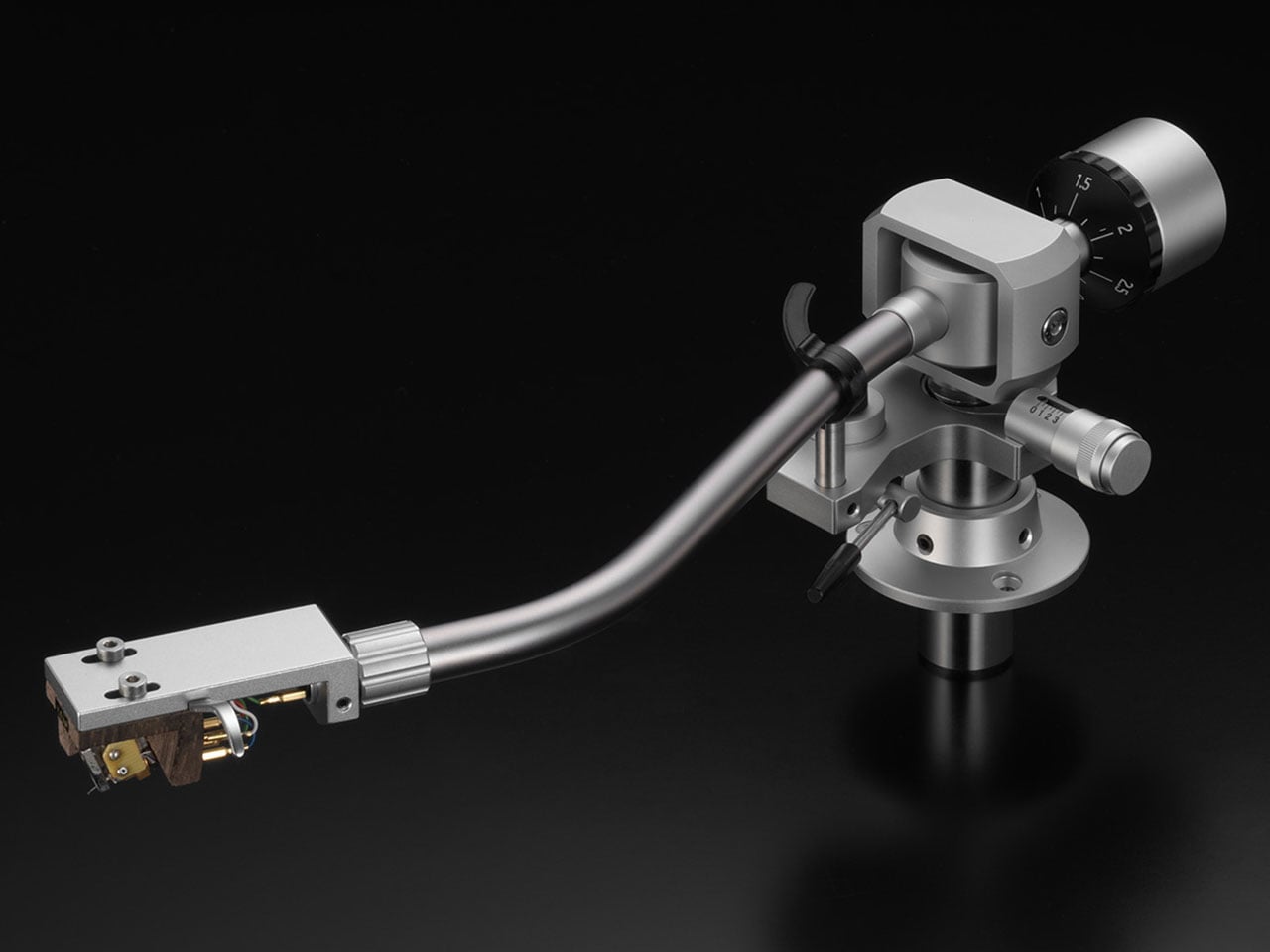
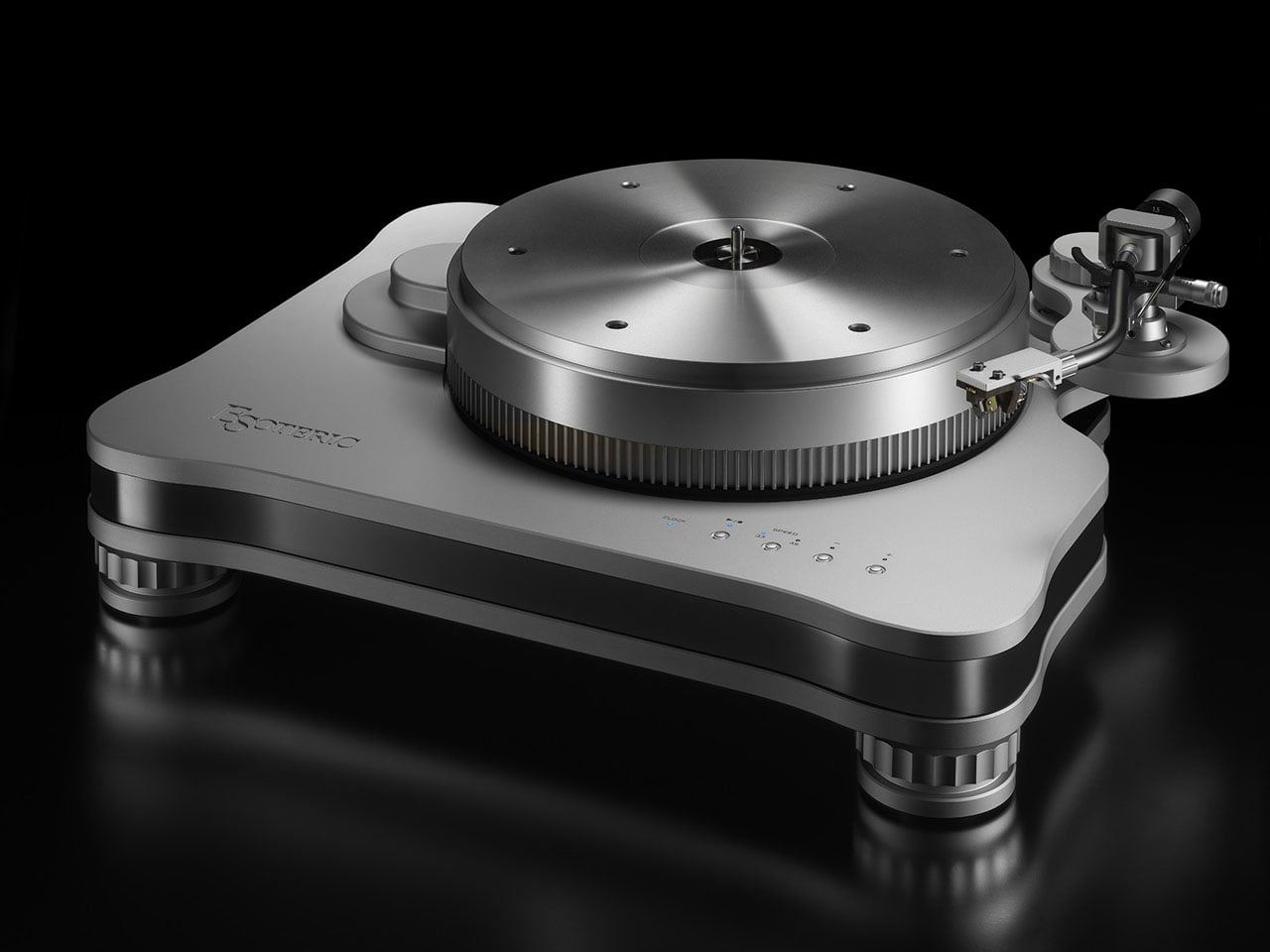
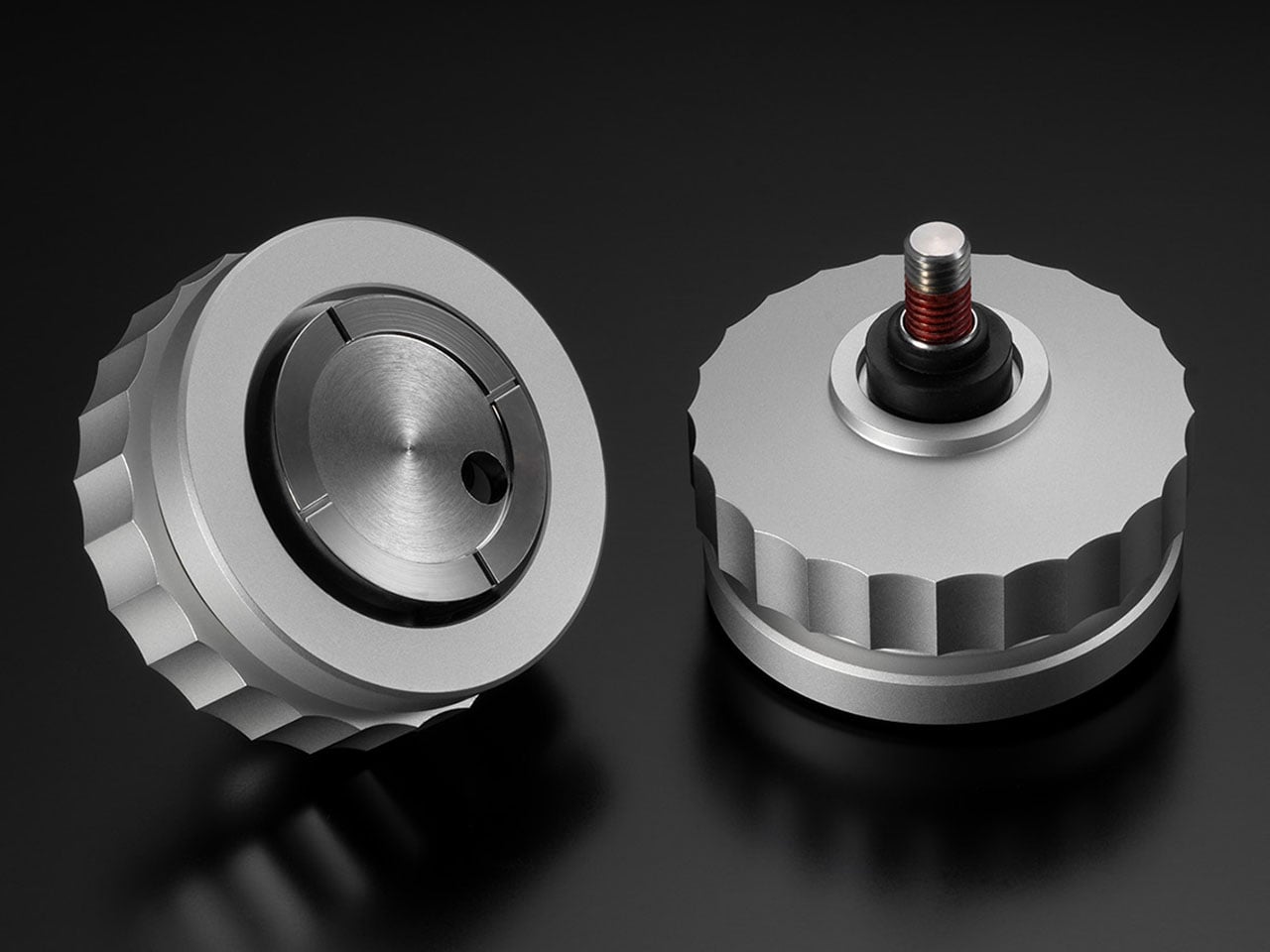
That attention to isolation continues through the rest of the design. The T-01 uses a three-layer aluminum and MDF chassis, with a piano-lacquered middle section, while its specialized feet combine a spike, pad and damper to help control external vibration. Even the motor is housed inside its own vibration-absorbing enclosure. A separate 7kg power supply keeps the electrical components away from the turntable itself, creating another layer of physical separation.
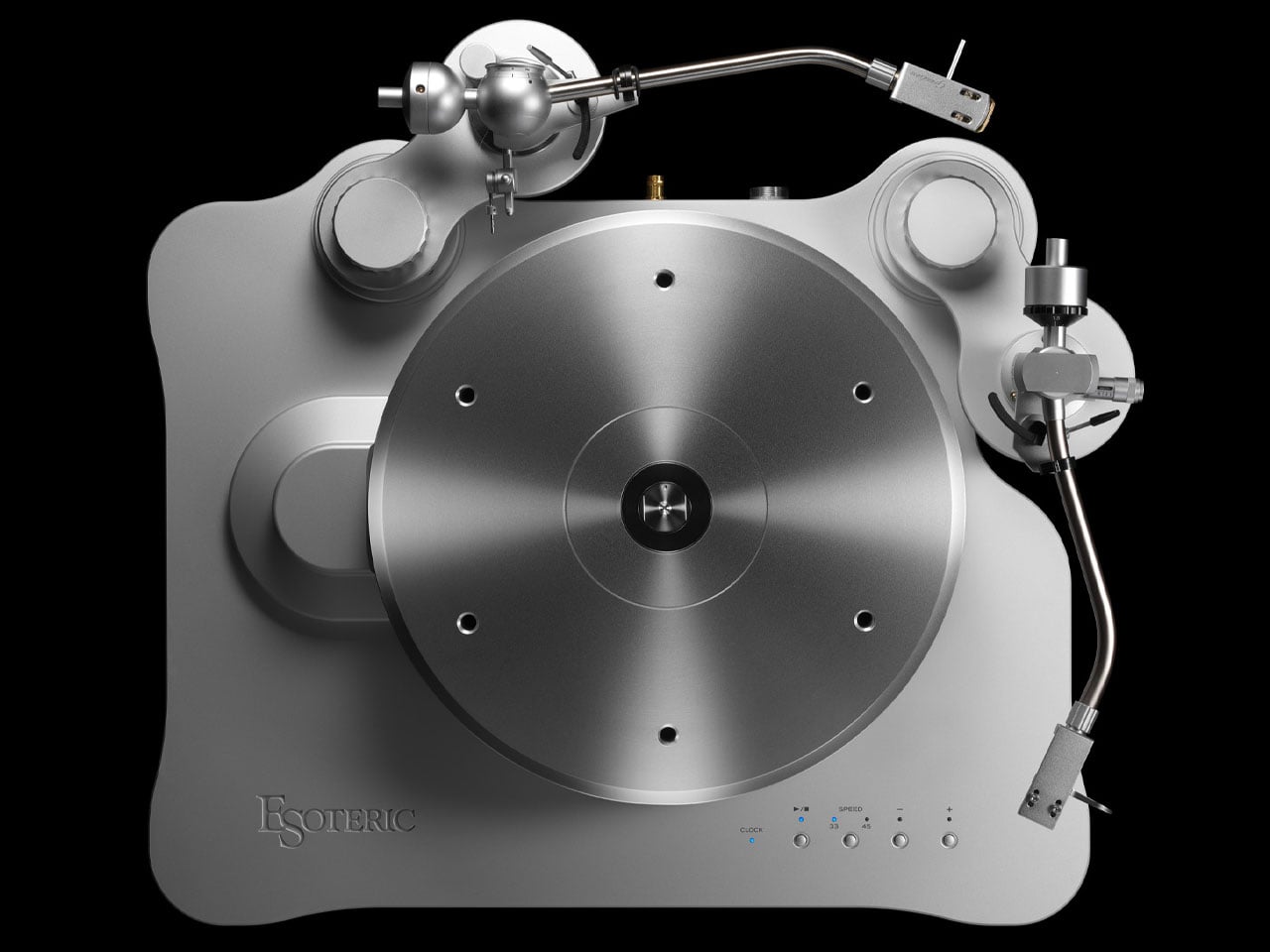
The T-01 also takes an unusually sophisticated approach to speed control. It supports the standard 33⅓ and 45 rpm records and can accept an external 10MHz clock reference through BNC. This allows it to synchronize with Esoteric’s dedicated master clocks, giving the company another way to maintain precise platter rotation. For a product aimed at listeners who scrutinize every part of the playback chain, even the timing of the motor becomes part of the equation.
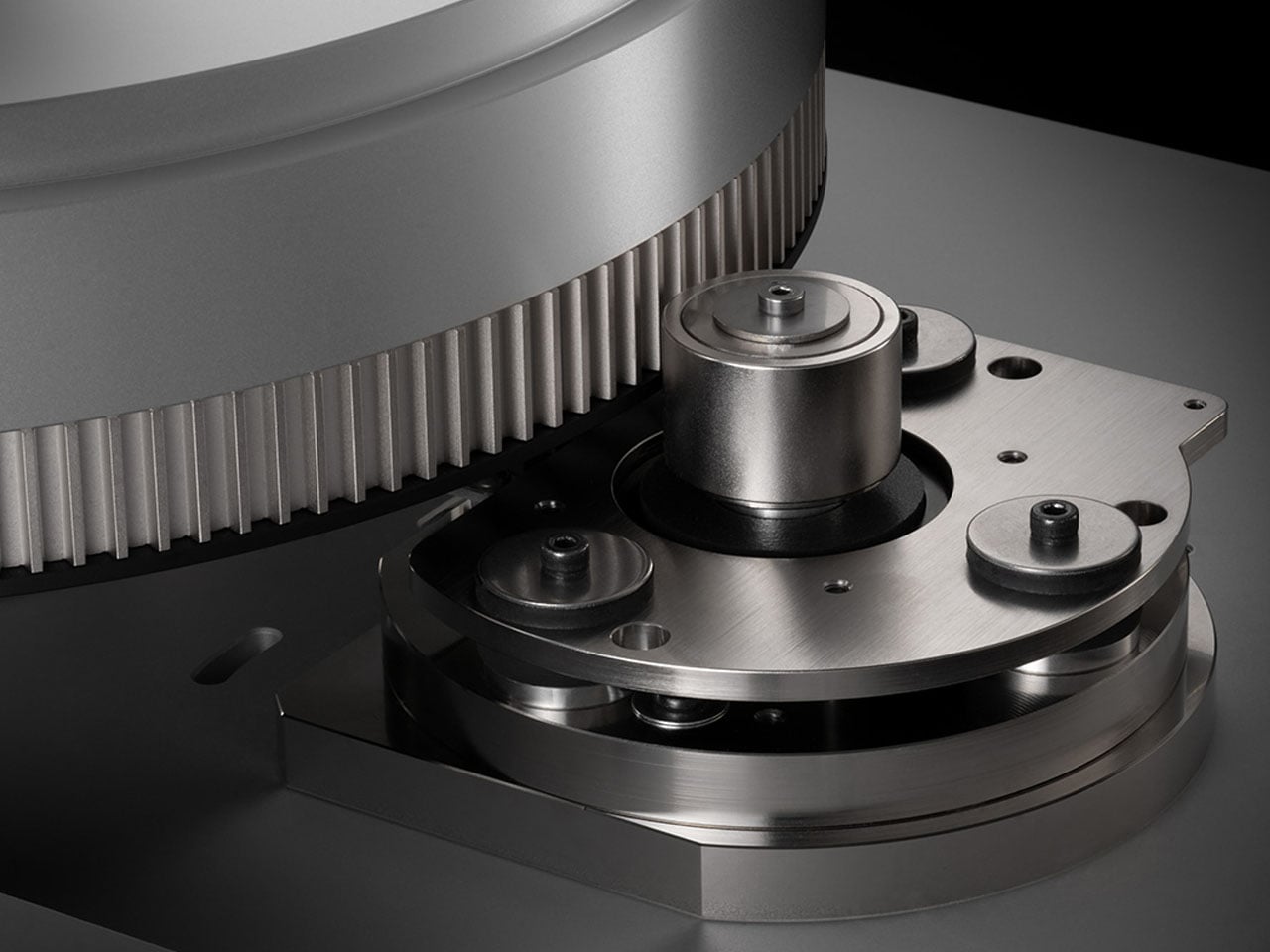
Esoteric offers the T-01 with its TA-9D tonearm, while the T-01AL leaves the tonearm out for buyers who prefer to choose their own. The deck can accommodate up to two tonearms with the appropriate mounting hardware, although a cartridge is not included.
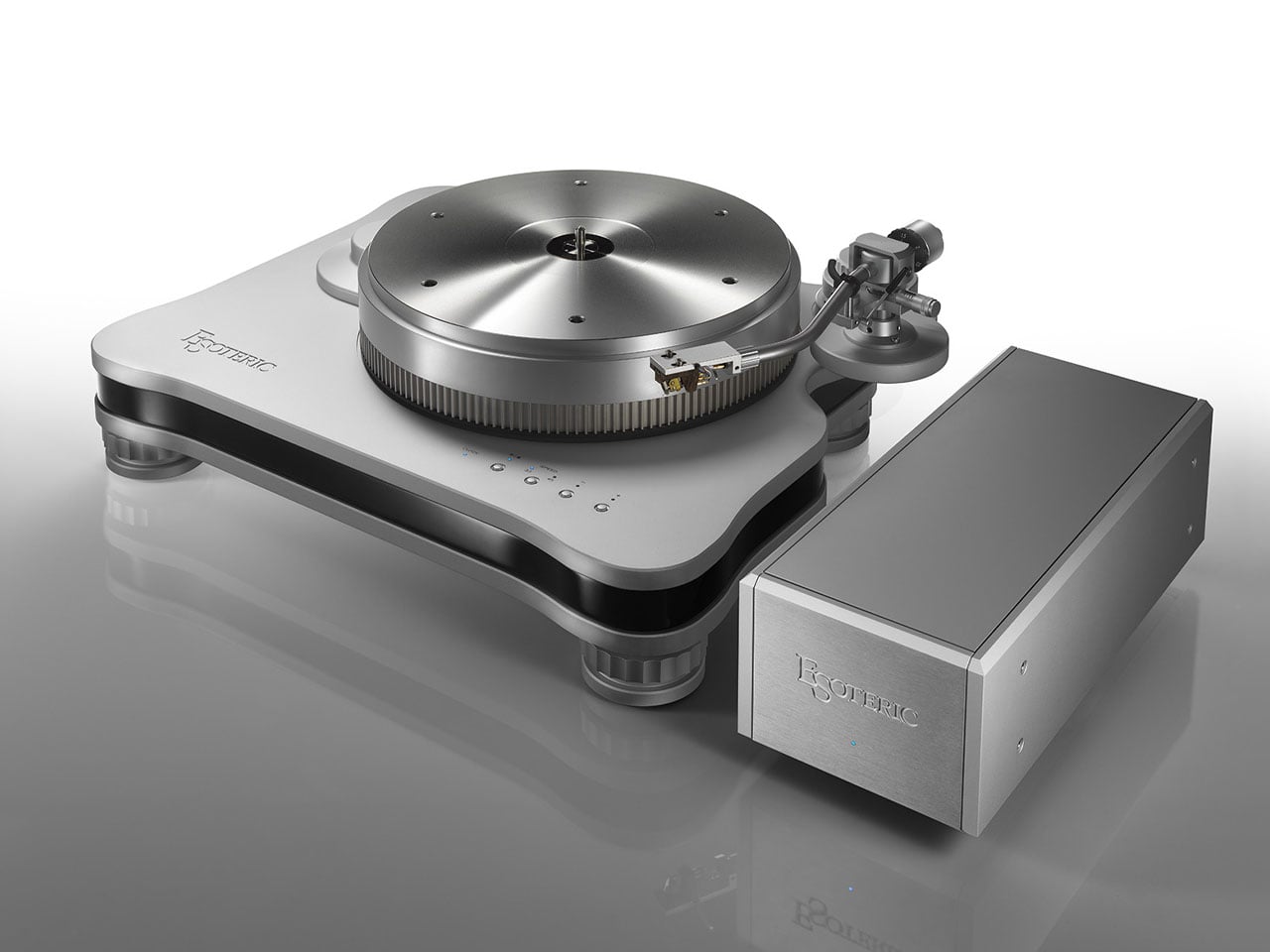
Weighing 35kg before adding its separate power supply, the T-01 is clearly designed for a permanent place in a serious listening setup. At $50,000 with the tonearm, or $46,000 for the armless T-01AL, it is definitely targeted towards the high-end audiophile market. International shipments of this steeply priced turntable are scheduled to begin at the end of September 2026, so we’ll keep an eye.
The post Esoteric T-01 turntable uses magnetic drive to eliminate mechanical contact first appeared on Yanko Design.

Twelve days ago I wrote that Apple was testing a Mac mini with a brand new M6 in the cheap model and a carried-over M5 Pro in the expensive one, and that anyone holding out for a clean M5 mini should let that dream go. That machine now exists, with a price and a ship date. Mark Gurman’s reporting was the source and it landed almost exactly. I would be enjoying this more if the shipping version had not arrived with a hundred dollars stapled to both configurations. Being right is fun. Being right about a price hike is considerably less fun.
Here is what Apple actually put on sale on August 25, arriving September 22 across 30 countries. The $899 base mini gets M6, Apple’s first 2nm chip, with 12 CPU cores, 12 GPU cores and a Dual 16-core Neural Engine running at up to 170GB/s. The $1,699 model gets M5 Pro, scaling to 18 CPU cores and 20 GPU cores, 64GB of memory at 307GB/s, Thunderbolt 5, and the ability to cluster multiple minis to run large models entirely on device. Two chip generations, one product page. The aluminum shell is untouched since 2024.
Designer: Apple
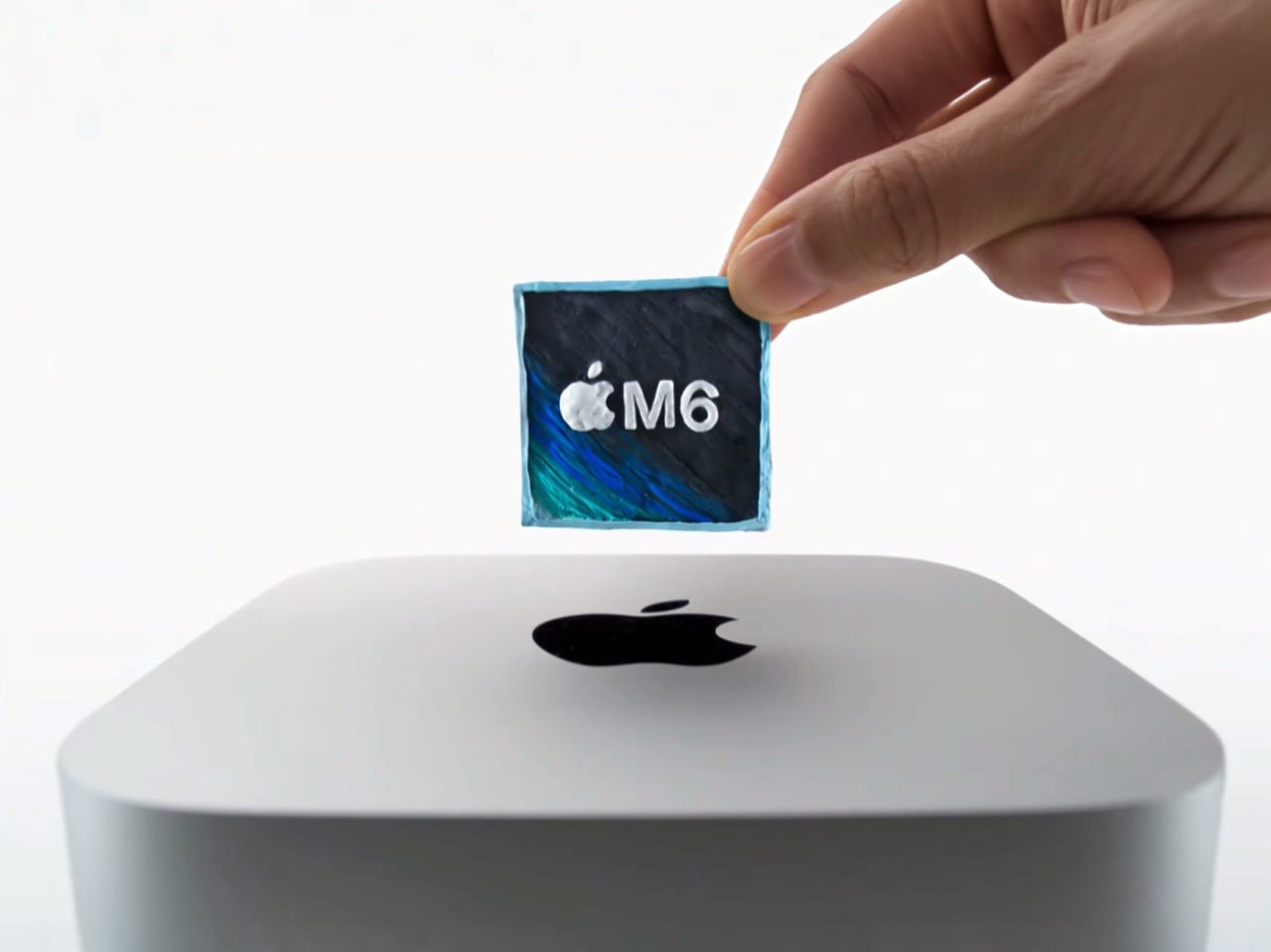
Six hundred dollars bought an M4 Mac mini in October 2024, which felt at the time like Apple briefly forgetting to charge properly. May 2026 killed the 256GB configuration and pushed the effective floor to $799. June raised the M4 Pro from $1,399 to $1,599. Apple told the Wall Street Journal it had never seen component prices climb this much this quickly, pointing at the memory and storage crunch that AI data centres created. So the entry Mac has gained three hundred dollars in under two years, and the desktop best suited to running models locally got expensive precisely because everyone else is running models too.
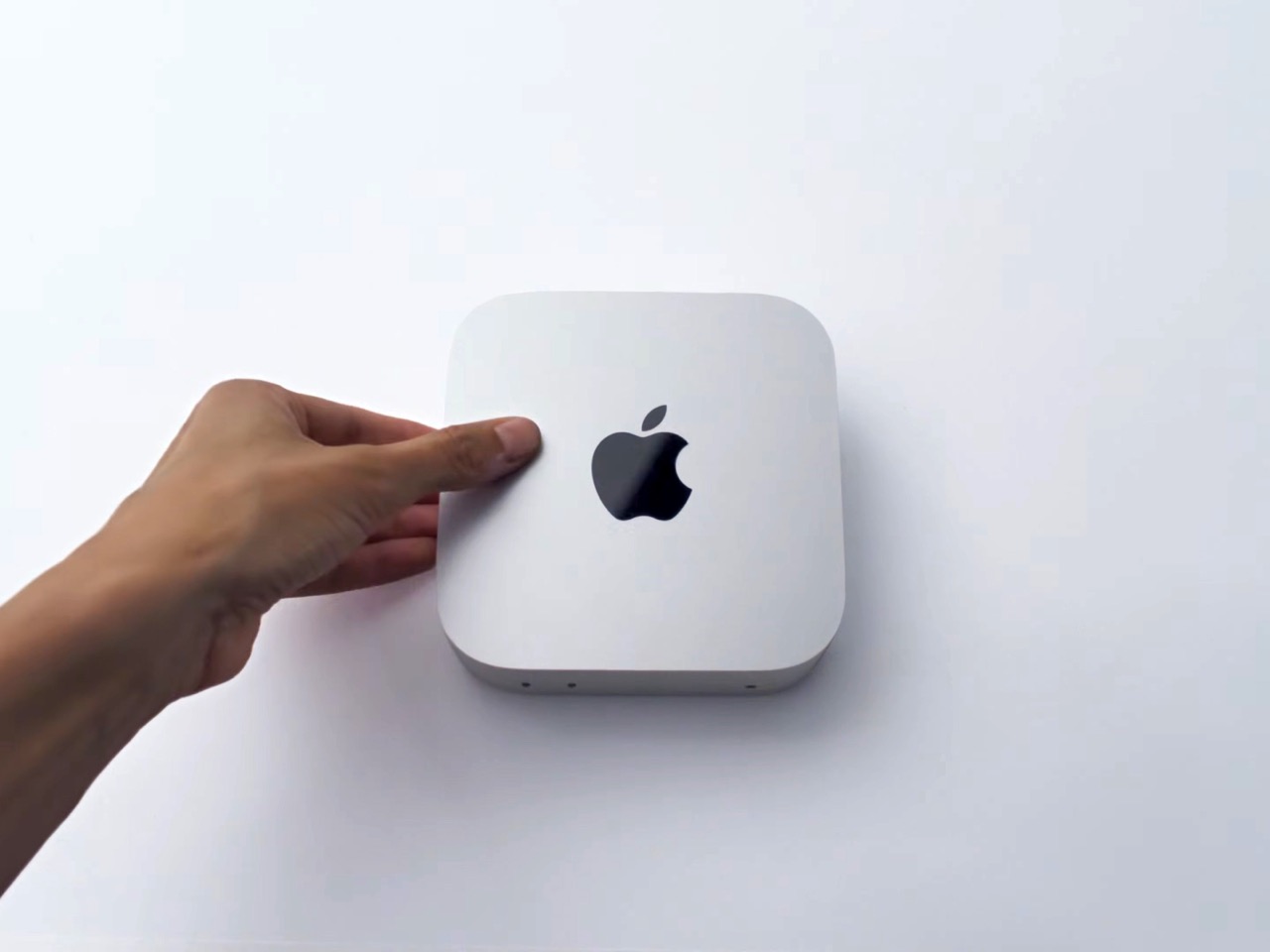
M6 is Apple’s first 2nm silicon and it lands in the cheapest Mac on the shelf, with a 12-core CPU split into two super cores, four performance cores and six efficiency cores, plus a Neural Accelerator inside every one of its 12 GPU cores. M5 Pro, sitting in the machine that costs eight hundred dollars more, is last year’s architecture scaled wider. On the multi-core and graphics work that Pro-tier buyers actually pay for, M5 Pro wins comfortably. On the number printed on the box, it loses. Apple spent a decade teaching people to read that number as shorthand for how current a machine is, and has now quietly stopped honouring its own shorthand.
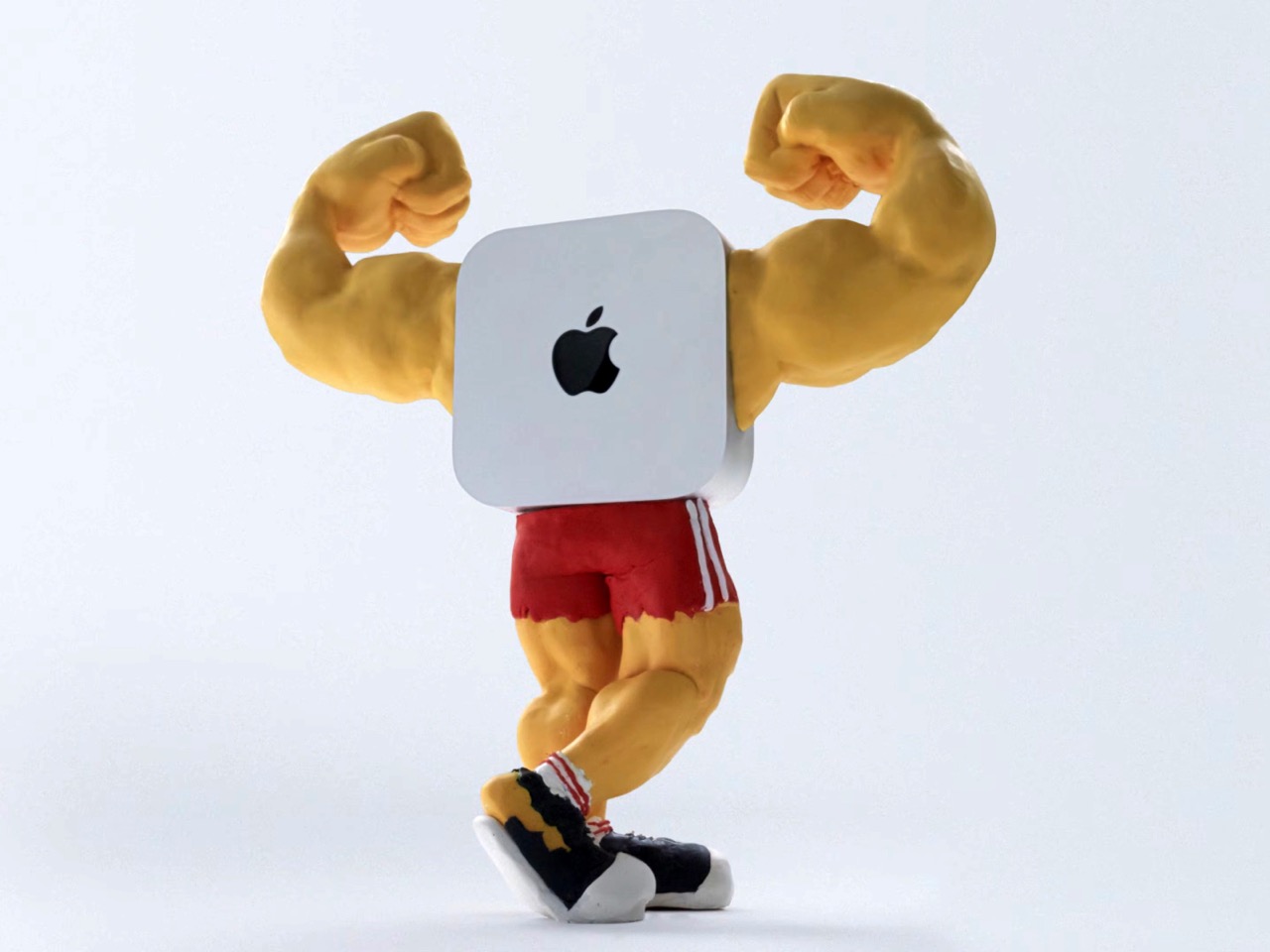
The gap traces back to a decision that had nothing to do with the mini. Apple reportedly cancelled the M6 Pro and M6 Max outright, fast-tracking an AI-focused M7 line rather than building a Pro tier that would be stale within months of shipping. The engineering logic is sound and I understand it. The customer position is still rough. Mac Studio pulled the same trick last year with mismatched M4 Max and M3 Ultra chips and nobody blinked, because Studio shoppers expect spec weirdness, while the mini is the Mac people buy specifically because it never asks them to think.

Three Thunderbolt 4 ports sit on the back of the newer-silicon M6 model, while the older M5 Pro gets Thunderbolt 5. That is segmentation, not physics, and it is the clearest sign that Apple is now pricing tiers rather than describing them. Both machines pick up Wi-Fi 7, Bluetooth 6 and 2.5Gb Ethernet as standard, with a 10Gb option. The two front USB-C ports still run at plain USB 3 speeds. New genlock support over USB-C syncs a display to a camera, including the iPhone 17 Pro, which is a genuinely useful addition nobody will notice.
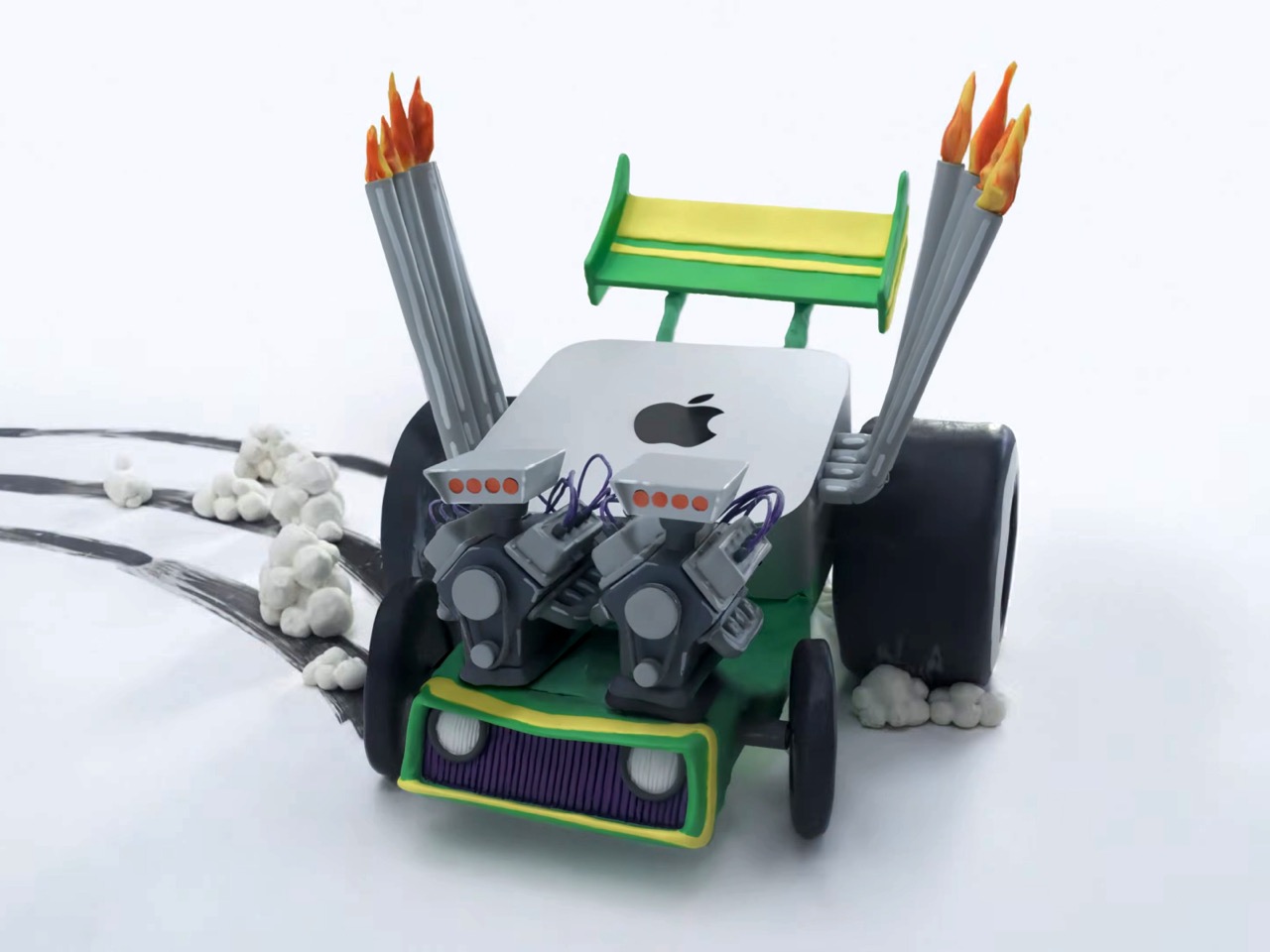
That unchanged aluminum box remains my favorite part of this whole story. Every vertical cooling case, stacking SSD and retro Macintosh shell built for the M4 still fits, which is accidental sustainability of a kind Apple rarely gets credit for. The power button is still underneath, obviously. What Apple has not published is a single head-to-head AI benchmark between M6 and M5 Pro, which is the one comparison that would tell buyers whether the cheap mini out-thinks the expensive one. Its silence there is doing a lot of work.
The post Apple’s $899 Mac mini Skips M5 Entirely, Keeps the 2024 Body first appeared on Yanko Design.

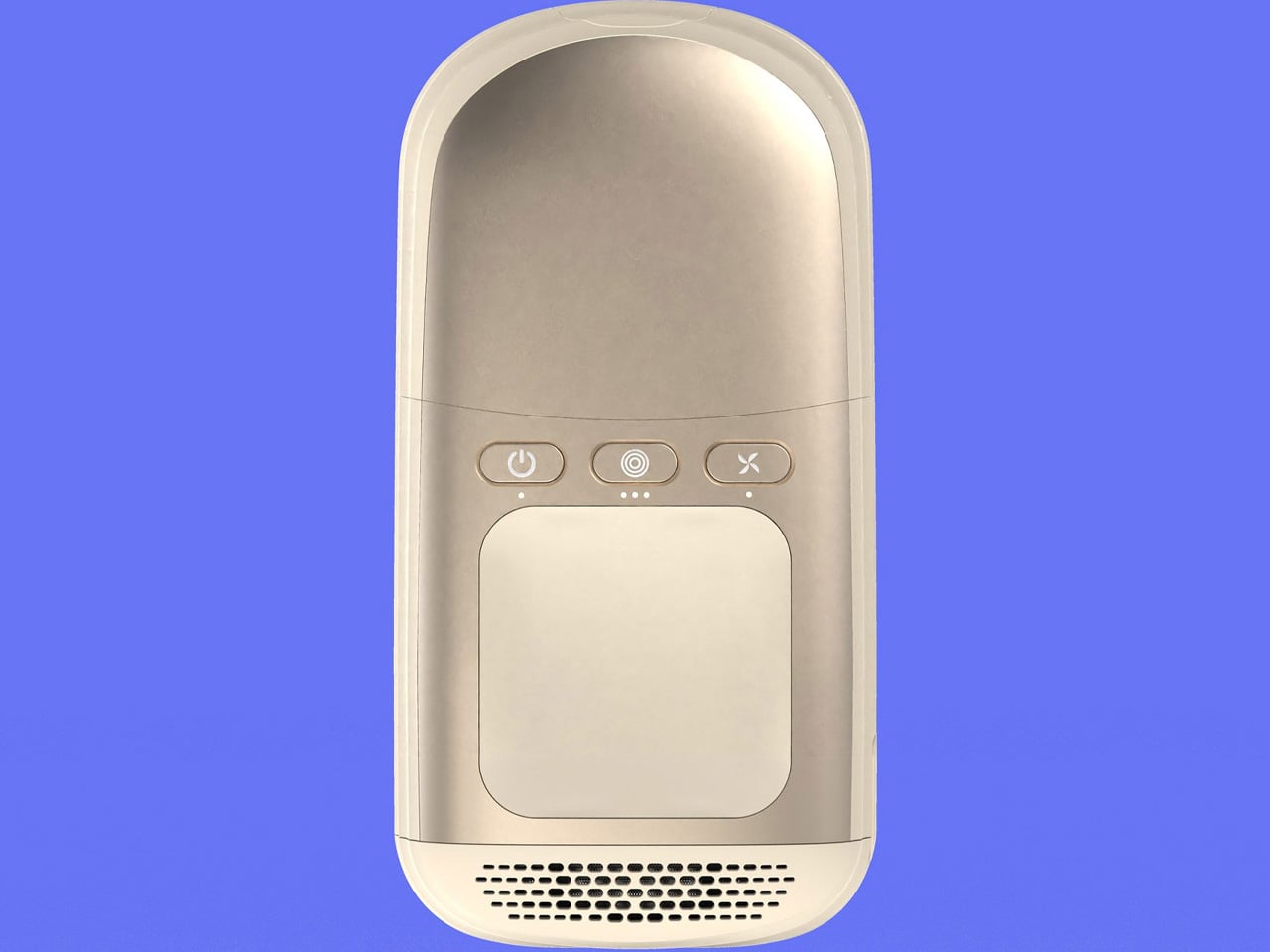
You step off the train, glance down, and your shirt looks like it spent the journey in a ball. You’re already late. There’s no iron in sight. The wrinkle-release spray you bought once left a faint watermark on your best dress shirt, and you’ve never trusted it since. Safaa Fojdar, a product design graduate from De Montfort University, has designed a device that speaks directly to that moment.
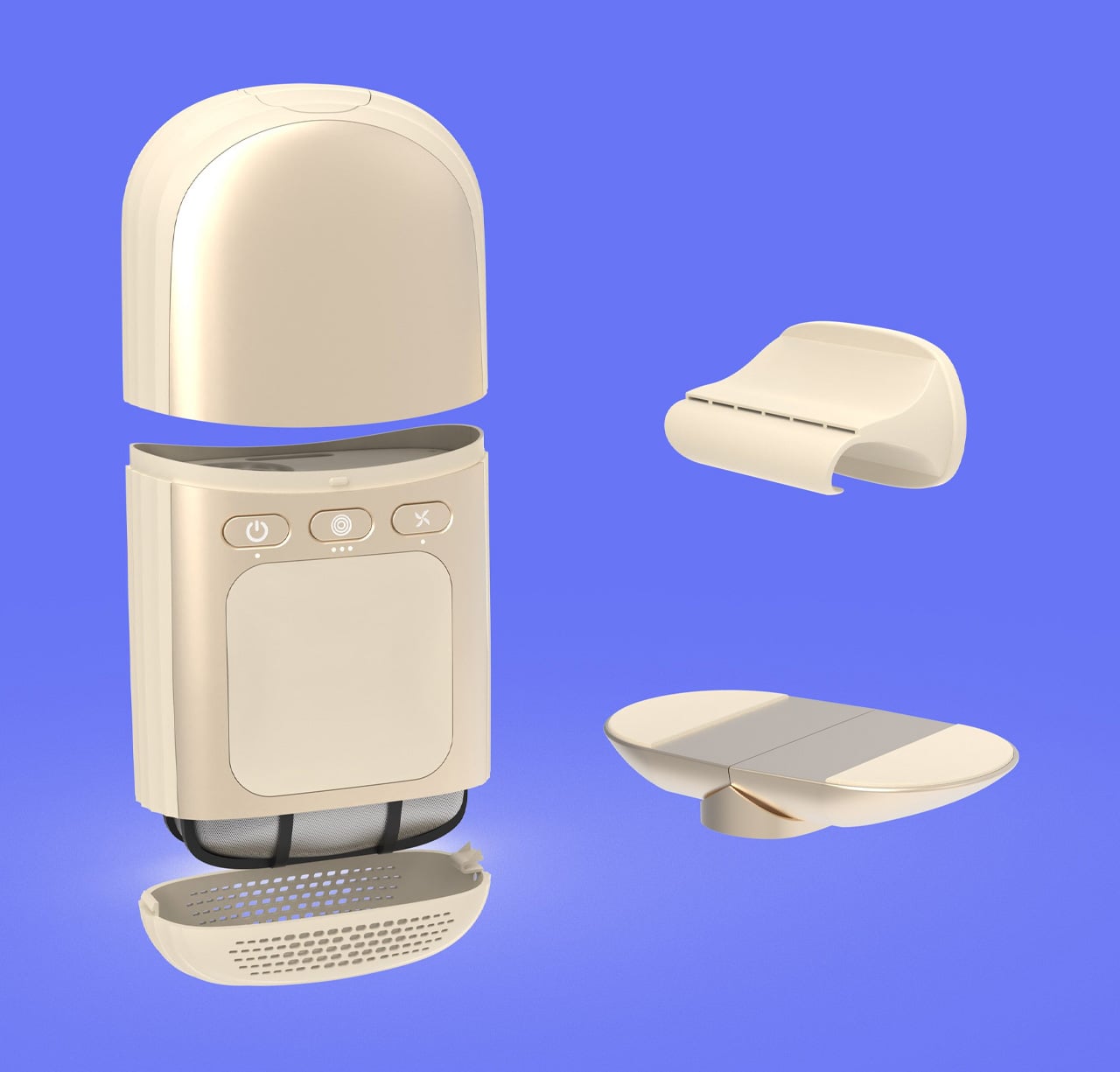
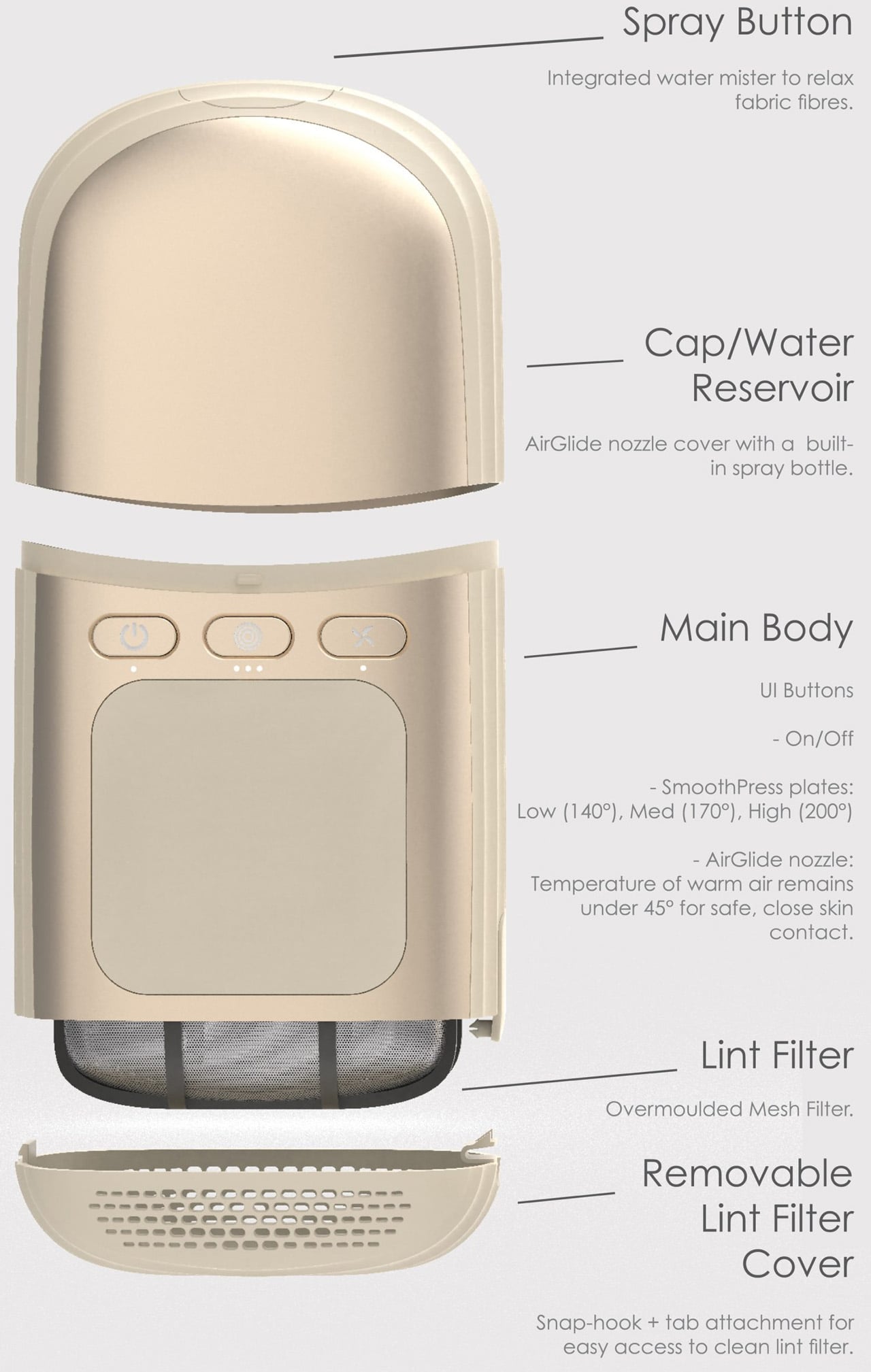
Elide is a portable, cordless dewrinkler built for on-body crease removal. The concept is straightforward, and the execution is clever: a vacuum-style nozzle funnels warm air onto fabric while gentle suction pulls the material taut. As the nozzle moves across a crease, the fabric is smoothed and held flat. The device operates at a skin-safe maximum temperature of 45 degrees Celsius, meaning it’s designed to be used directly on clothing you’re wearing, without risk of discomfort. A refillable spray bottle built into the cap lets you mist the fabric lightly before running the device over it, which helps release stubborn creases before the warm air locks them flat.
Designer: Safaa Forjdar
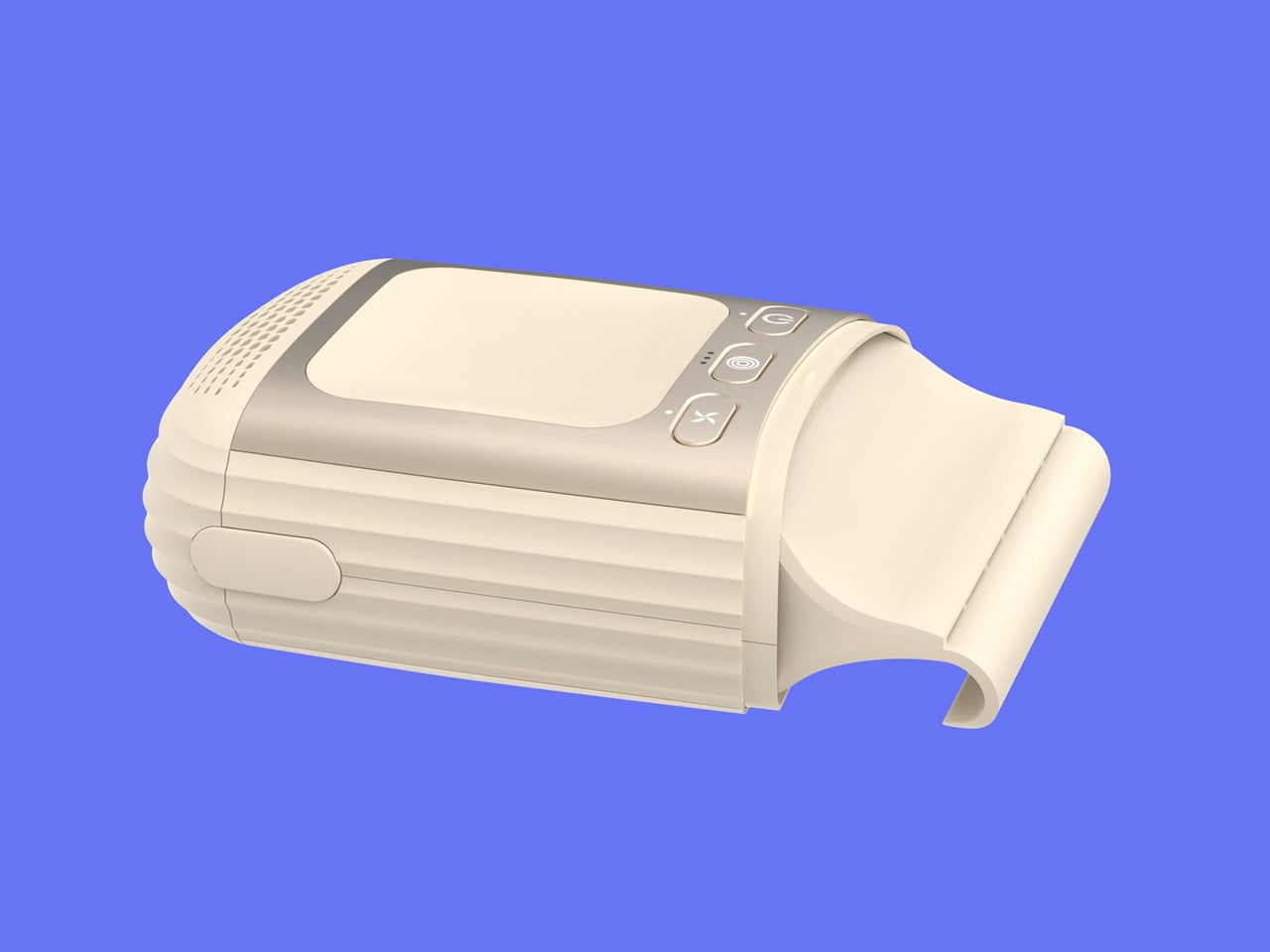
The science behind it is the Coandă effect, a fluid dynamics principle that describes how airflow tends to follow a curved surface rather than moving straight off it. Fojdar applies this to fabric, using the combination of moisture and suction to pull the material into alignment before the warm air dries and sets it. It’s a disciplined bit of physics applied to a genuinely everyday annoyance.
For deeper creases that need more persuasion, Elide is modular. A hot plate attachment converts the handheld device into a compact corded iron capable of reaching up to 200 degrees Celsius. The ironing module uses self-locking hinges that fold the plate away when not in use, keeping the form tight and pocketable. It’s the kind of considered modularity that turns a single-use gadget into a system.
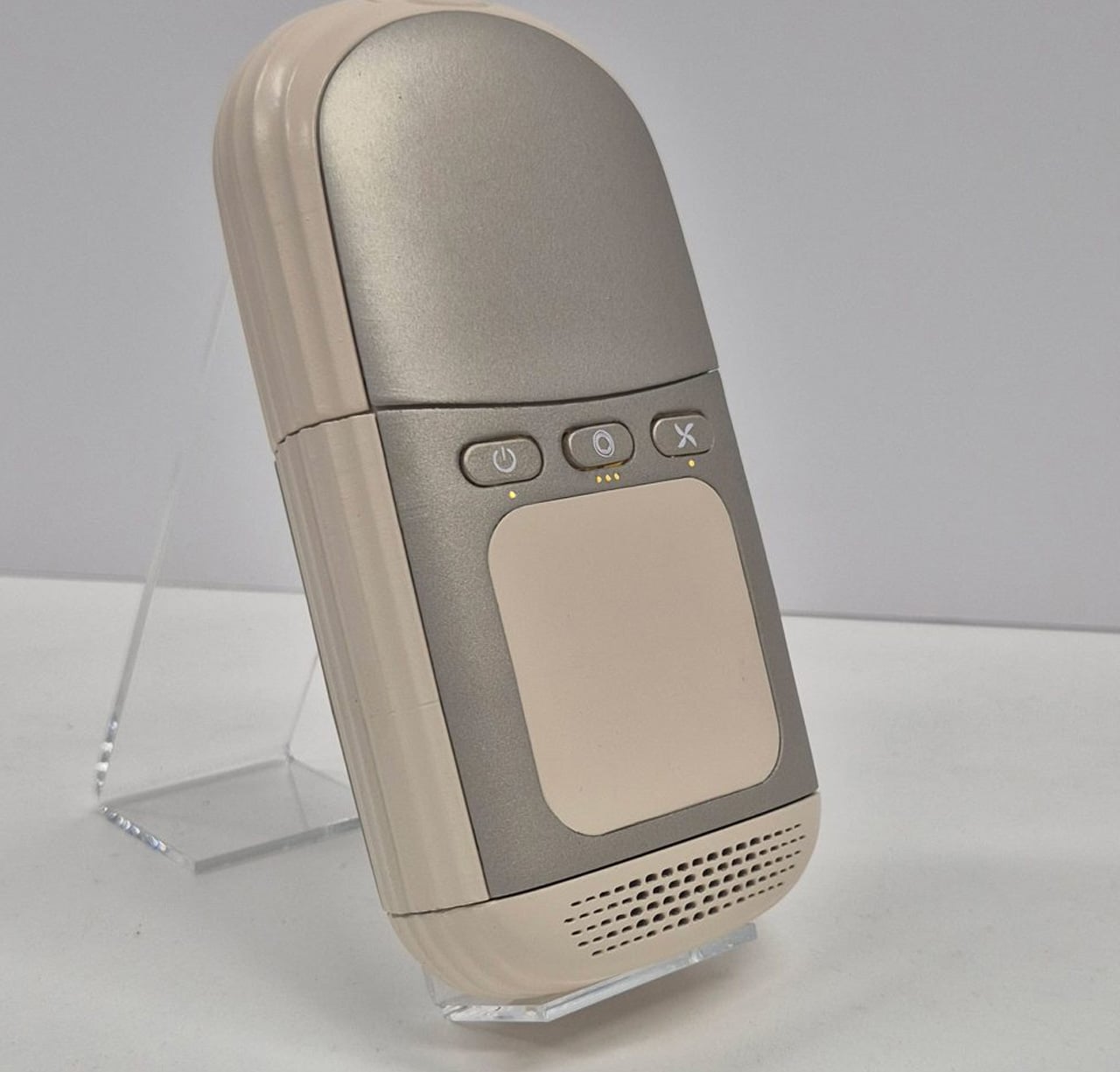
Fojdar developed a working 3D-printed prototype and presented it at the New Designers event in London, where De Montfort University showcased its graduating talent. The inspiration came from a gap she couldn’t stop noticing: there was simply nothing on the market that could freshen up creased clothing without removing it, without leaving residue, and without requiring a power socket and a flat surface. Elide proposes an answer to that gap with real thought behind it.
Whether it makes it to production or stays a prototype, the logic is sound. The best design often starts exactly here: one specific, relatable problem and the patience to figure out why nothing has solved it yet.
The post The Elide Dewrinkler Lets You Smooth Out Clothes While You’re Still Wearing Them first appeared on Yanko Design.