5 Best Products For A Minimalist Coffee Table That Does More By Doing Less

The coffee table is the hardest surface in the living room to get right. Put too much on it, and it looks like a staging mistake. Put too little and the room reads unfinished. The minimalist approach settles this by demanding each object justify its place twice — once as something useful, once as something worth looking at. Every product on this list earns on its own terms.

These five objects were chosen because they share a logic rather than a matching aesthetic. A kinetic toy, a modular ceramic, a structural tray, a floating mobile, a handpoured candle vessel — different categories, different price points, one consistent standard. Each one does more than its category suggests, and none of them requires anything around it to look complete. That is the whole point of a surface that does more by doing less.

1. ClearMind Kendama

Wooden yoyo with string resting on a white design magazine page, partly covered by a gray knitted blanket/rug in the foreground.

The ClearMind Kendama is the object on this list that will raise the most eyebrows and earn the most genuine conversation. Crafted in Tokyo from solid, unpainted walnut and maple, it’s a Japanese skill toy that sits on a minimalist coffee table the way a chess set sits on a side table — quietly suggesting a way of spending time that isn’t a screen. The two-tone wood grain reads as sculpture when it’s at rest, and the proportions are tight enough that it occupies almost no footprint while contributing significant material presence and warmth to the surrounding surface.

What makes the Kendama work as a coffee table object rather than just a novelty is the quality of its materials and the honesty of its finish. Walnut and maple at this weight don’t look like toys — they look like considered objects, which is exactly what they are. The practice itself is deliberately simple: the ball catches on the cup, the spike, the base plate. Each successful catch requires a small act of focus that pulls you out of passive consumption and toward something genuinely present. On a minimalist table, it functions as an invitation — to pick up, play, put down — and every time it rests, it returns to being a beautiful wooden form that needs no explanation.

Click Here to Buy Now: $59.00

What we like:

  • The unpainted natural wood reads as a sculpture at rest
  • The meditative play pattern offers something no other object on this list provides

What we dislike:

  • The cup-and-ball proportions are an acquired taste for anyone who associates kendamas with children’s toys
  • The string can feel visually busy if left extended rather than gathered

2. Torre Modular Ceramic Vase

The Torre Modular Ceramic Vase by Scott Newlin for Dudd Haus is the most expensive object on this list by a significant margin, and the one that earns that price most transparently. Each piece is hand-thrown at Powerhouse Arts in Brooklyn and arrives as a set of stackable ceramic modules — two, three, or four components depending on the configuration — that interlock through consistent diameters and lipped rims. The forms are architectural, muted, and deliberately quiet: off-white, sand, stone. On a coffee table, they read as a composed sculpture from any angle, at any height.

What sets the Torre apart from a standard ceramic vase is that it offers a choice every time you approach the table. Stack the modules high for a vertical moment, separate them into a low cluster, or pull one aside entirely and set a dried stem inside the remaining piece. The act of rearranging them is part of the object’s value — it rewards attention in a way that static objects never can. For a minimalist surface, the price demands justification, and it finds it here: the Torre is three objects in one, each configuration as resolved as the last, none of them requiring anything around them to look finished. It is the closest thing on this table to pure design.

What we like:

  • Each reconfiguration creates a genuinely different visual read
  • The hand-thrown ceramic carries natural variation that improves with close attention

What we dislike:

  • At $1,200, it is a significant commitment for a surface object
  • The off-white and sand palette, while intentional, can disappear on lighter table materials

3. Sail Away Tranquility Mobile

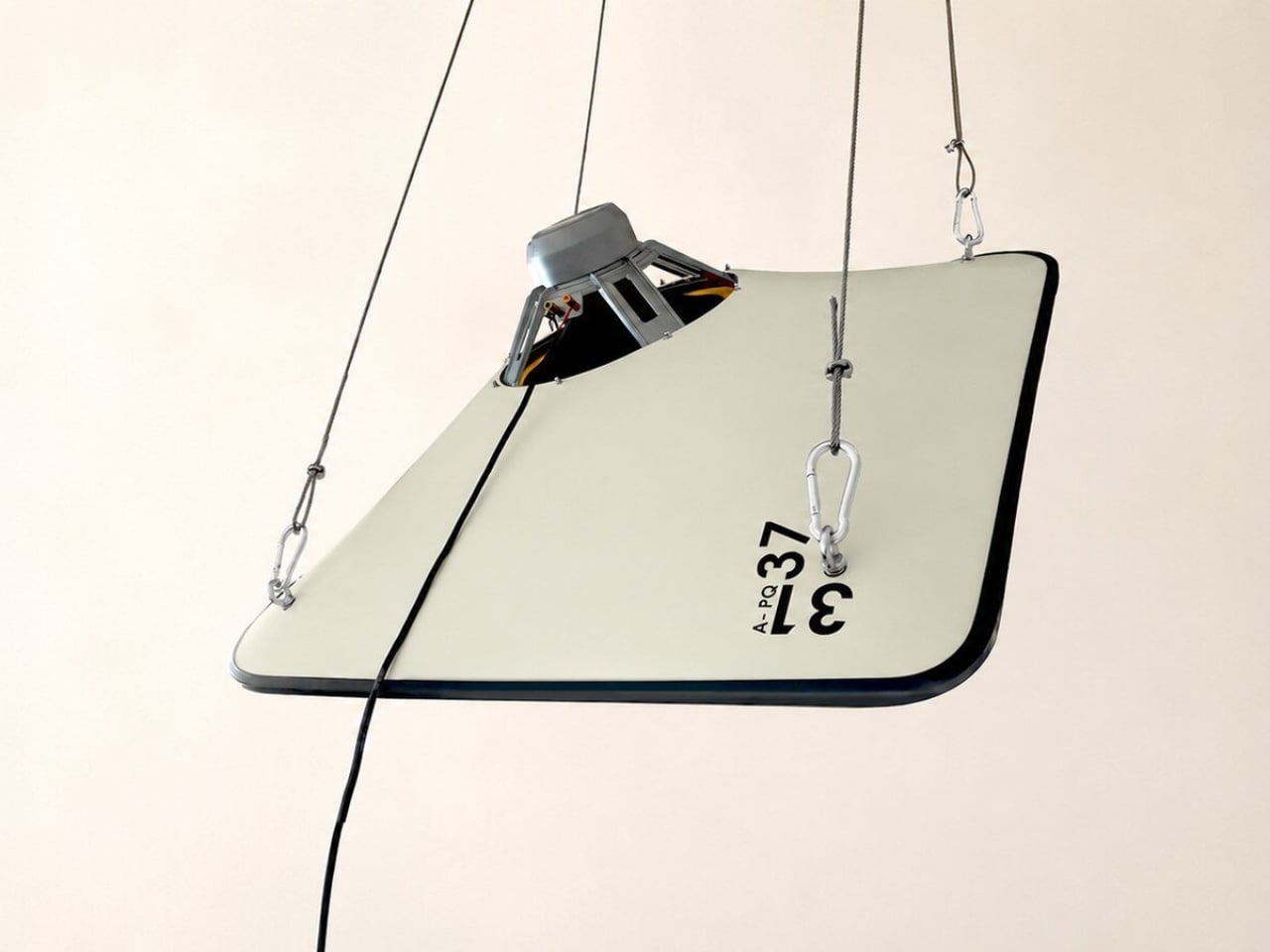
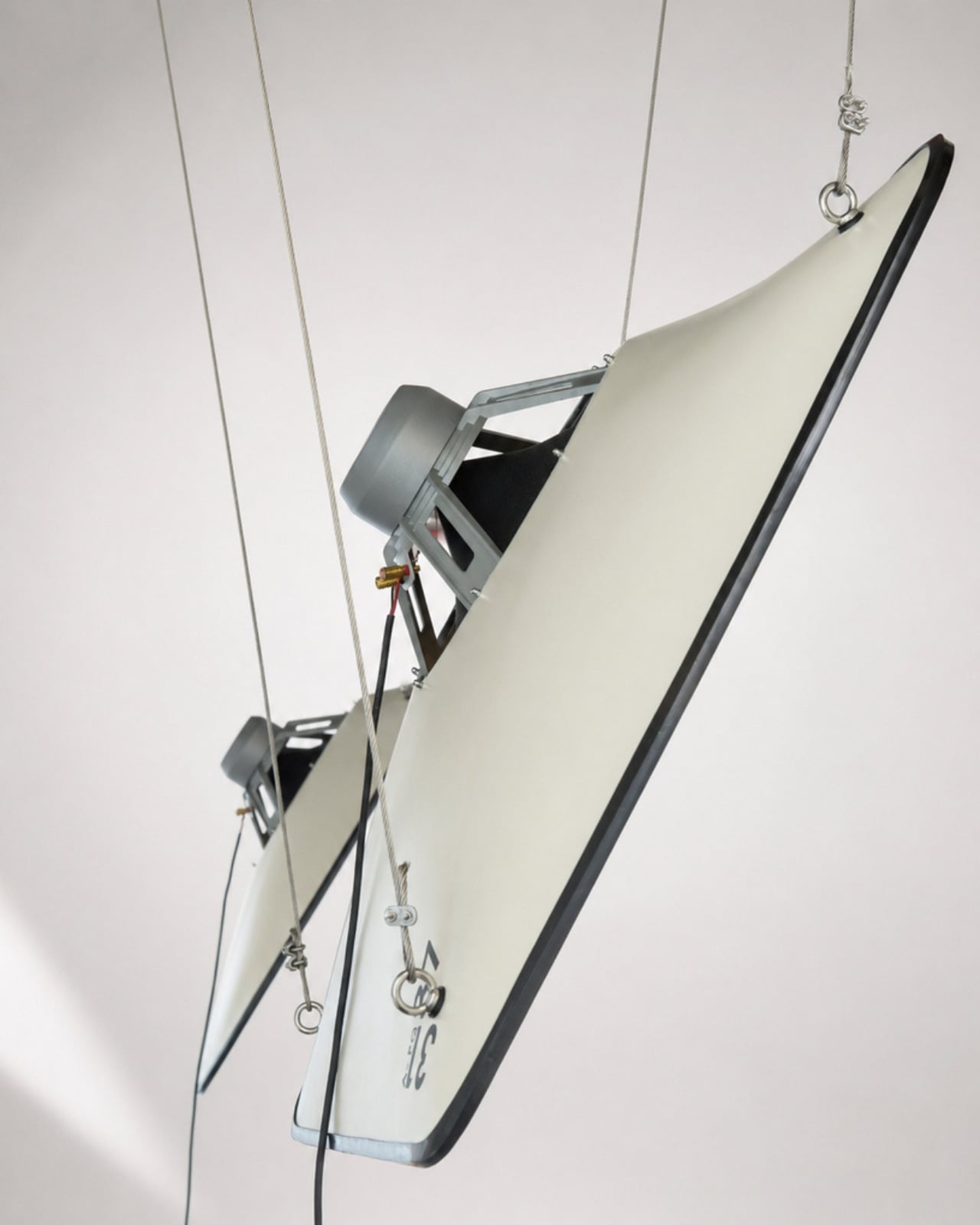
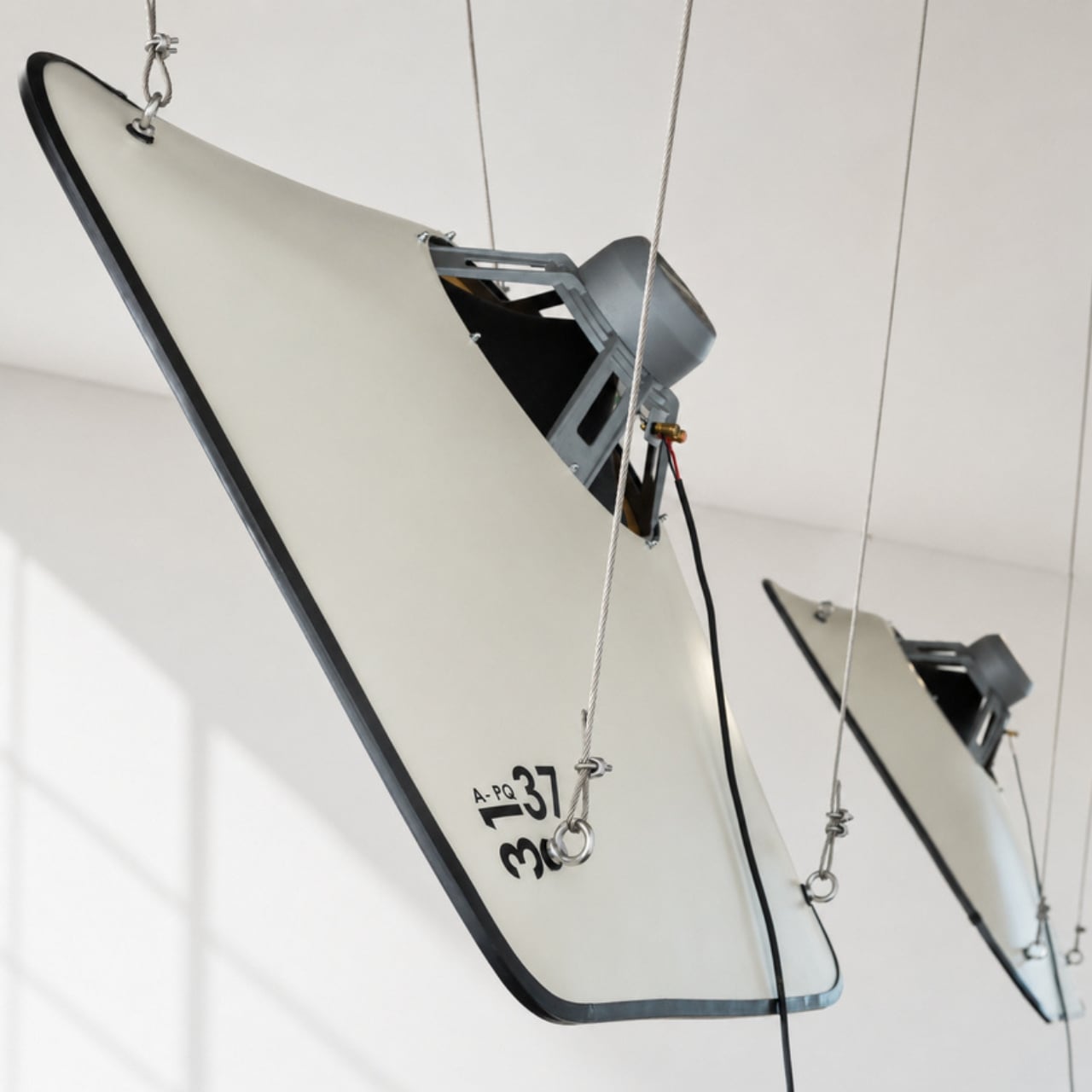
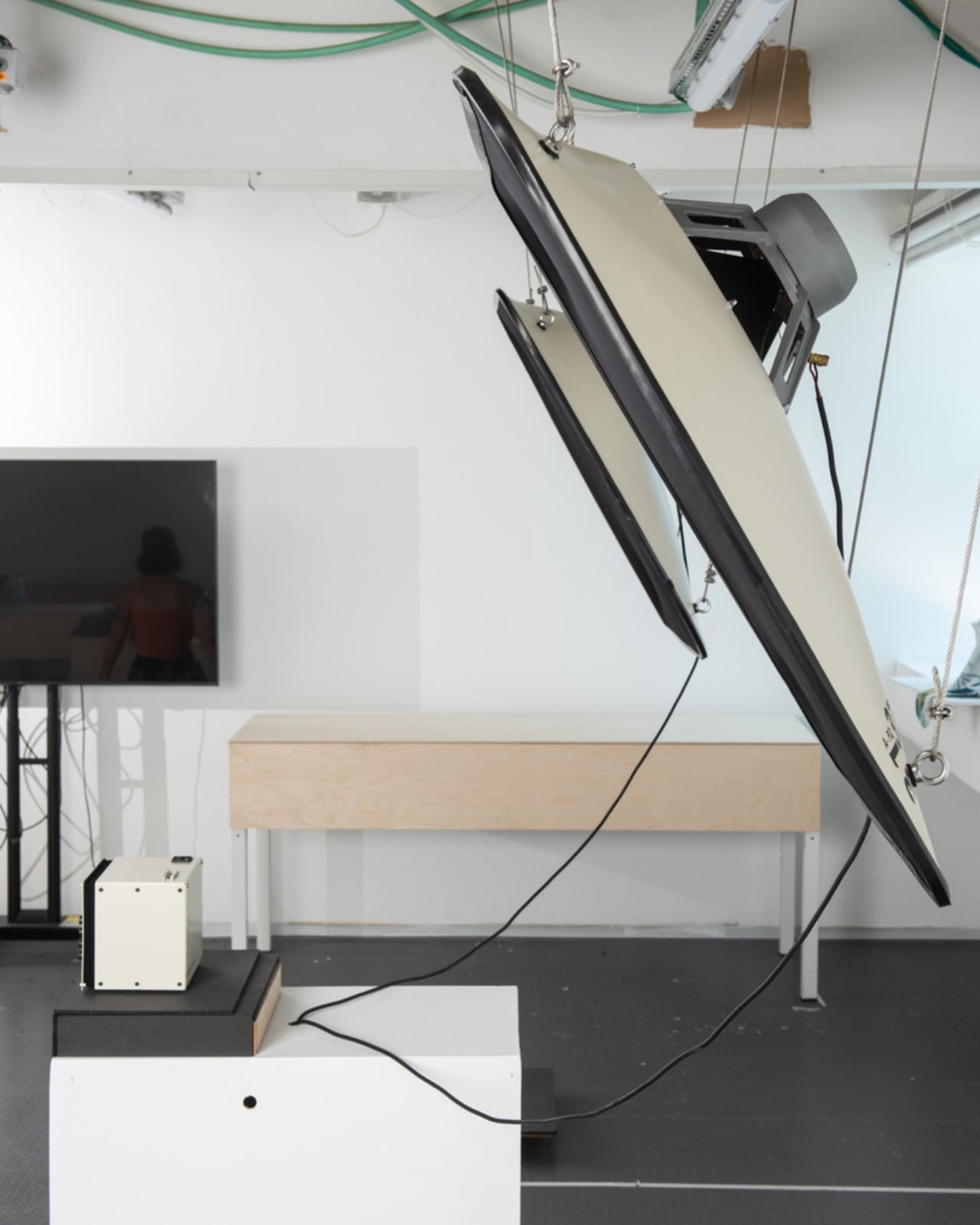
The Sail Away Tranquility Mobile is the only object on this list that moves, and movement is precisely why it belongs here. Three balanced triangular forms — drawn from the geometry of sailboats — hang in calibrated tension and respond to the slightest air current in the room. On a coffee table, it introduces a kinetic quality that no static object can replicate: the table becomes the most animated surface in the living room without adding any visual weight. The proportions are compact enough for a tabletop, the construction is clean, and the physics are genuinely surprising the first time you see it shift in still air.

What makes the Sail Away work as a minimalist object is its restraint. The movement is subtle rather than theatrical — a slow drift rather than a spin — and it never demands attention so much as rewards it, which is the correct register for a surface meant to feel considered rather than performed. At $145, it occupies a different design category from every other object on this list: not sculpture exactly, not functional exactly, but somewhere between the two that feels honest rather than decorative. Set at the far edge of the Platform Tray, it creates a vertical moment that anchors the whole composition without competing with anything around it.

Click Here to Buy Now: $129.00

What we like:

  • The kinetic movement brings a living quality to the table that no static object can match
  • The geometric forms hold their visual logic from any angle

What we dislike:

  • The mobile requires a stable surface — consistent vibrations from foot traffic or sound can overanimate it
  • The string suspension looks considered but feels delicate in a high-use living room

4. Simple Candle Co. Concrete Vessel

The Simple Candle Co. Concrete Vessel is the most affordable object on this list and the one that punches furthest above its price. Each vessel is hand-poured in small batches from a grey concrete body with a short soy wax wick and no label. The scent runs deliberately clean — white linen, cashmere cedar, or unscented — and the vessel itself is the product as much as the candle inside it. At $20, it brings concrete’s material seriousness to the table at a price that makes it easy to keep two: one lit, one resting, both earning their place on the surface.

The concrete body doesn’t get hot to the touch during burning, which is a practical advantage that most candle vessels at three times the price can’t claim. Burn time runs approximately 25 to 30 hours, and when the wax is finished, the bowl stays. Rinse it out, and it becomes a catch-all for a matchbox, a small stone, a ring. That second life is built into the object from the first glance — the vessel was always the point, and the candle is what justifies buying it for $20 rather than considerably more. Alongside the Kendama’s natural wood and the Torre’s matte ceramic, the concrete introduces a third material that completes the tactile range without competing for visual dominance.

What we like:

  • The vessel earns its place before and after the candle burns
  • The concrete stays cool during use, which is a genuine functional advantage over glass and ceramic alternatives

What we dislike:

  • The scent throw is intentionally subtle and reads as ambient rather than strongly aromatic
  • The hand-pour process means each vessel varies slightly, so a replacement may not match an existing piece exactly

5. Muuto Platform Tray — Grey

The Muuto Platform Tray is the object that makes every other object on this list look better. Available at Finnish Design Shop for $109 in grey, it’s a round tray with an oak veneer surface and small metal legs that lift it just enough off the table to create a clear visual boundary between the objects inside and the surface beneath. That boundary does more compositional work than it should — it turns a group of objects into a considered arrangement rather than a collection of things that happen to be sitting on the same surface. The grey metal and warm oak read well together, and the form is simple enough to disappear.

In practical terms, the Platform Tray is the anchor. The candle vessel sits inside it. The Kendama rests at its edge. The mobile grounds one end. The tray doesn’t organize these objects so much as it frames them, and the difference between a frame and a container is the difference between editorial and domestic. The oak veneer surface develops warmth over time, and the small legs mean it can be lifted off the table intact when the surface needs to be cleared without disturbing the composition it holds. At $109, it is the least visually dramatic piece on this list and almost certainly the most indispensable one.

What we like:

  • The oak veneer surface brings warmth to a mixed material setup
  • The raised legs separate the composition from the table surface with minimal visual noise

What we dislike:

  • The round form can feel restrictive on a narrow or strongly rectangular table
  • It comes in one size, so there’s no option to scale up for a larger surface

The Only Five Objects Your Coffee Table Needs

Five objects, five categories, one shared logic. The tray frames. The candle grounds. The mobile moves. The Kendama invites you to participate. The Torre rewrites what a vase can be. Together they fill a coffee table without crowding it, and none of them needs the others to look resolved. That is the discipline a minimalist surface asks for, and these five meet it.

The full build comes to $1,444, with the Torre carrying most of that weight. Buy the other four first — at $344 combined, they build one of the strongest minimalist coffee table setups available at that price — and treat the Torre as the object you earn over time. Start with the Platform Tray. Everything else finds its place from there.

The post 5 Best Products For A Minimalist Coffee Table That Does More By Doing Less first appeared on Yanko Design.

Why the Rumored Halo 2 and 3 Remakes Could Change Everything for Xbox

Why the Rumored Halo 2 and 3 Remakes Could Change Everything for Xbox Master Chief in the upcoming Halo 2 remake

Xbox enthusiasts have plenty to unpack in the latest episode of the XNC Podcast, hosted by Colt Eastwood and MAG. This week’s discussion dives into significant updates shaping the gaming landscape, including the highly anticipated 007 First Light from IO Interactive. Known for their work on the Hitman series, the studio is bringing their expertise […]

The post Why the Rumored Halo 2 and 3 Remakes Could Change Everything for Xbox appeared first on Geeky Gadgets.

Posted in Uncategorized

MacBook Neo vs Air vs Pro: Which One is Should You Buy?

MacBook Neo vs Air vs Pro: Which One is Should You Buy? MacBook Neo vs Air vs Pro

Selecting the right MacBook from Apple’s diverse lineup can be challenging, especially with each model catering to different user needs. The MacBook Neo, Air, and Pro offer varying levels of performance, features, and price points, making it essential to understand their distinctions. This guide provides a detailed breakdown of each model to help you make […]

The post MacBook Neo vs Air vs Pro: Which One is Should You Buy? appeared first on Geeky Gadgets.

Posted in Uncategorized

How Gemini Workspace Intelligence is Changing Google Drive and Gmail

How Gemini Workspace Intelligence is Changing Google Drive and Gmail Gemini Workspace Intelligence dashboard showing connected Google apps

Google’s Gemini Workspace Intelligence introduces a unified, AI-driven approach to productivity within the Google Workspace suite. By integrating applications like Gmail, Drive, Sheets and Docs, Gemini eliminates fragmented workflows and centralizes essential resources. Paul Lipsky highlights how features such as project-based organization in Google Drive allow users to group related emails, documents and spreadsheets under […]

The post How Gemini Workspace Intelligence is Changing Google Drive and Gmail appeared first on Geeky Gadgets.

Posted in Uncategorized

Apple M5 Extreme: Everything We Know About the World’s Most Insane Silicon

Apple M5 Extreme: Everything We Know About the World’s Most Insane Silicon Price comparison graphic showing an $8,000+ Extreme concept versus current Mac Studio options for pro buyers.

Apple has officially decided to cancel its ambitious plans for the “Extreme” chip, a processor that was rumored to deliver unparalleled performance. Initially envisioned as a new addition to the Mac Pro lineup, the chip was designed to redefine high-performance computing. However, a combination of technical hurdles, design limitations, and market feasibility concerns led Apple […]

The post Apple M5 Extreme: Everything We Know About the World’s Most Insane Silicon appeared first on Geeky Gadgets.

Posted in Uncategorized

Discover Open Design, the Free, Open Source AI Design System

Discover Open Design, the Free, Open Source AI Design System A comparison chart showing Open Design versus Claw Design features.

Open Design is a free, open source AI-driven design system that prioritizes user control and accessibility. As highlighted by World of AI, it supports offline workflows through local runtime functionality and SQL Lite for project persistence. The system includes export pipelines capable of generating outputs in formats like HTML, PDF and PowerPoint, making it suitable […]

The post Discover Open Design, the Free, Open Source AI Design System appeared first on Geeky Gadgets.

Posted in Uncategorized

NjommNjomm Is Exactly What It Sounds Like (It Eats Books)

Say the name out loud. NjommNjomm. Go ahead. It sounds exactly like what you think it sounds like. Nom nom. Like something chewing. Like something very happily eating. And once you see what this coffee table concept actually does, you’ll understand that the name is entirely intentional and absolutely perfect.

Stuttgart-based designer Deniz Aktay, who goes by dezinobjects online, studied architecture and urban planning at the University of Stuttgart before turning his focus to furniture and object design. He has built a quiet but devoted following with pieces that feel more like riddles than furniture. His previous work includes tables named “Bookpet” and “Nessie,” and an award-winning piece called “Overlap.” The man clearly has a sense of humor, and with NjommNjomm, he’s leaning all the way into it.

Designer: Deniz Aktay (dezinobjects)

The concept is deceptively simple. NjommNjomm is a cuboid coffee table made from sustainable plastics. It has a clean, minimal silhouette, and nothing about it screams “look at me” from across the room. But tucked inside is a bevelled storage compartment, and when you slide a book of just the right size into it, something kind of surreal happens. The book appears to disappear into the table. The table appears to have swallowed it. Nom nom, indeed.

It’s the kind of visual trick that makes you do a double-take, and then immediately want to show everyone who walks into your living room. That impulse is actually one of the more underrated qualities a piece of furniture can have. Most objects just sit there. NjommNjomm performs.

The optical illusion comes from the bevelled cut of the internal compartment, which creates a striking contrast against the clean outer form. The book doesn’t just sit inside the table. It looks consumed, tucked away by the table itself. There’s a small theatrical quality to it that elevates it well beyond a storage solution and into something closer to a stage prop, except it lives in your living room and holds your coffee.

I’ll admit, my very practical brain did pause for a moment to wonder about the mechanics of it all. How exactly do you get the book in? Do you slide it through the opening? Is there a specific angle? And when you want to actually read it, does retrieving it break the illusion entirely? I genuinely don’t know, and I find myself hoping the answer is something elegantly simple, because the last thing this design needs is a frustrating extraction process every time you want to pick up where you left off.

Beyond the trick, the design is genuinely practical in other ways. The cuboid shape means it can be positioned horizontally as a traditional coffee table or flipped vertically to change its function entirely, making it more adaptable than most single-use furniture. For smaller spaces especially, that kind of flexibility matters. Being made from sustainable plastics also puts it in line with where furniture design is heading broadly, with more and more designers prioritizing materials that don’t cost the planet what they cost the consumer.

Aktay’s body of work says a lot about what he values as a designer. His pieces consistently sit at the intersection of wit and function, which is a harder balance to achieve than it looks. It’s easy to make something clever. It’s harder to make something clever that also works as real furniture in a real home. NjommNjomm feels like it manages both.

What makes the concept particularly compelling right now is the timing. The conversation around coffee tables in 2026 has largely been about sculptural forms and pieces that feel more like objects of art than pieces of furniture. NjommNjomm fits into that moment without trying too hard to belong to it. It’s minimal, almost to the point of invisibility, and then it does its little trick, and you realize it was never trying to be quiet at all.

For those of us who stack books on every available surface, there’s something poetic about a table that embraces the book as part of its identity rather than treating it as clutter. NjommNjomm doesn’t just hide the book. It celebrates it by making it look like the table chose to eat it.

It’s currently a concept, and Aktay shares his work on Instagram where designs like this tend to get picked up quickly by communities who recognize a good idea when they see one. Whether it eventually moves into production or stays in concept territory, it’s already done what great design is supposed to do. It made me stop scrolling. It made me think. And it made me want one.

The post NjommNjomm Is Exactly What It Sounds Like (It Eats Books) first appeared on Yanko Design.

Samsung Galaxy Z Fold 8 vs. Z Fold 8 Wide: Which Aspect Ratio Is Better for You?

Samsung Galaxy Z Fold 8 vs. Z Fold 8 Wide: Which Aspect Ratio Is Better for You? Galaxy Z Fold 8 Wide open with two apps on screen, showing split-screen layout and media-friendly shape.

Samsung’s Galaxy Z Fold 8 series represents a significant step forward in the evolution of foldable smartphones. With three distinct models, the Galaxy Z Fold 8, Galaxy Z Fold 8 Wide, and Galaxy Z Flip 8, this lineup is designed to cater to a wide range of user preferences. While the Galaxy Z Flip 8 […]

The post Samsung Galaxy Z Fold 8 vs. Z Fold 8 Wide: Which Aspect Ratio Is Better for You? appeared first on Geeky Gadgets.

Posted in Uncategorized

How a £50 DIY Computer Kit with 1KB of RAM Changed Tech Forever

How a £50 DIY Computer Kit with 1KB of RAM Changed Tech Forever A vintage 1981 retail display for the Sinclair ZX81 at WH Smith.

The Sinclair ZX81, launched in 1981, stands as a landmark in the history of home computing, offering an affordable gateway into personal technology. Created by Sinclair Research, this compact machine featured a Z80 processor, 1KB of RAM (expandable to 16KB), and a membrane keyboard, all packaged at a price point that made it accessible to […]

The post How a £50 DIY Computer Kit with 1KB of RAM Changed Tech Forever appeared first on Geeky Gadgets.

Posted in Uncategorized

Galaxy S27 Ultra Leak: Samsung Finally Adopts Qi2 Magnetic Charging

Galaxy S27 Ultra Leak: Samsung Finally Adopts Qi2 Magnetic Charging Samsung Galaxy S27 Ultra

The Samsung Galaxy S27 Ultra is capturing widespread attention as leaks reveal a host of anticipated updates that could reshape the flagship smartphone landscape. From a bold horizontal camera alignment to the integration of MagSafe-like magnets and a sleek, minimalistic design, the Galaxy S27 Ultra promises to challenge established norms in both design and functionality. […]

The post Galaxy S27 Ultra Leak: Samsung Finally Adopts Qi2 Magnetic Charging appeared first on Geeky Gadgets.

Posted in Uncategorized