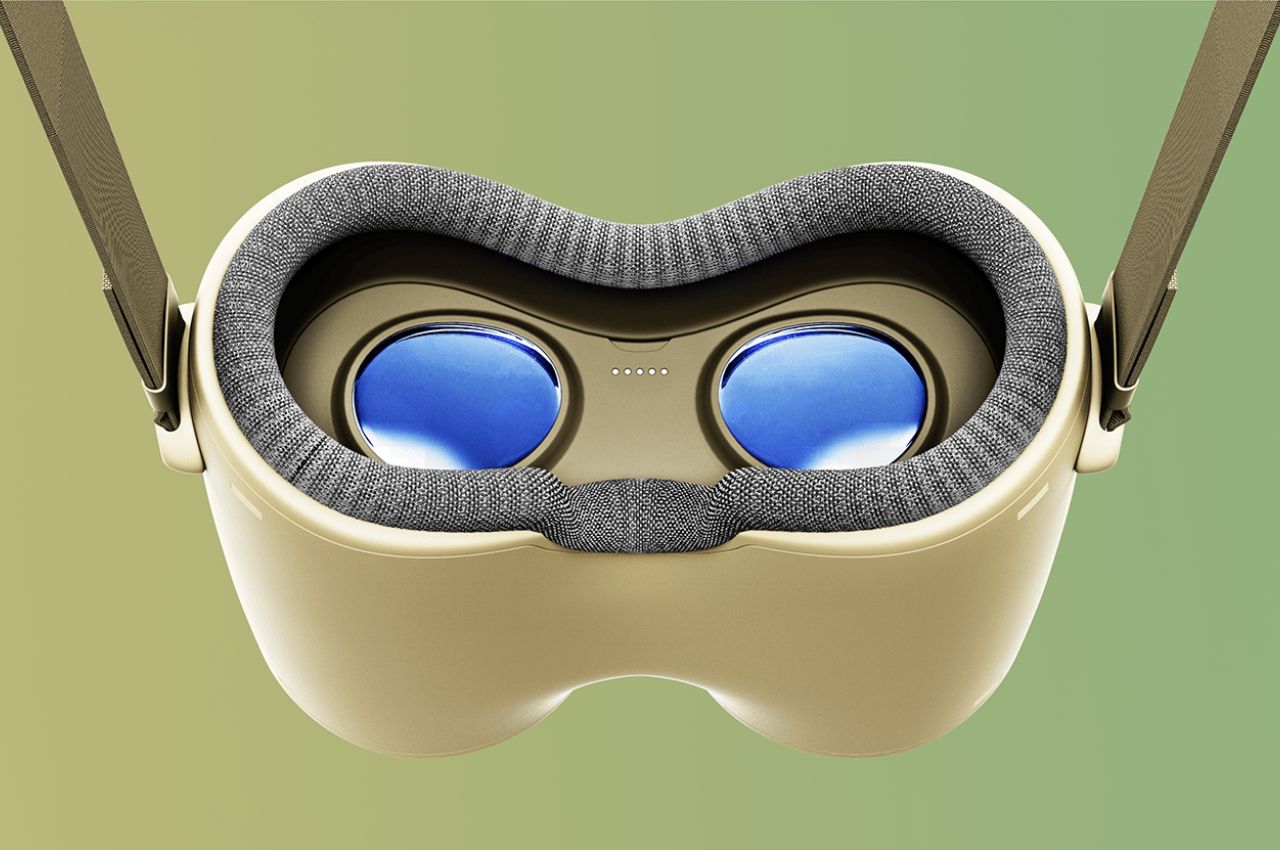
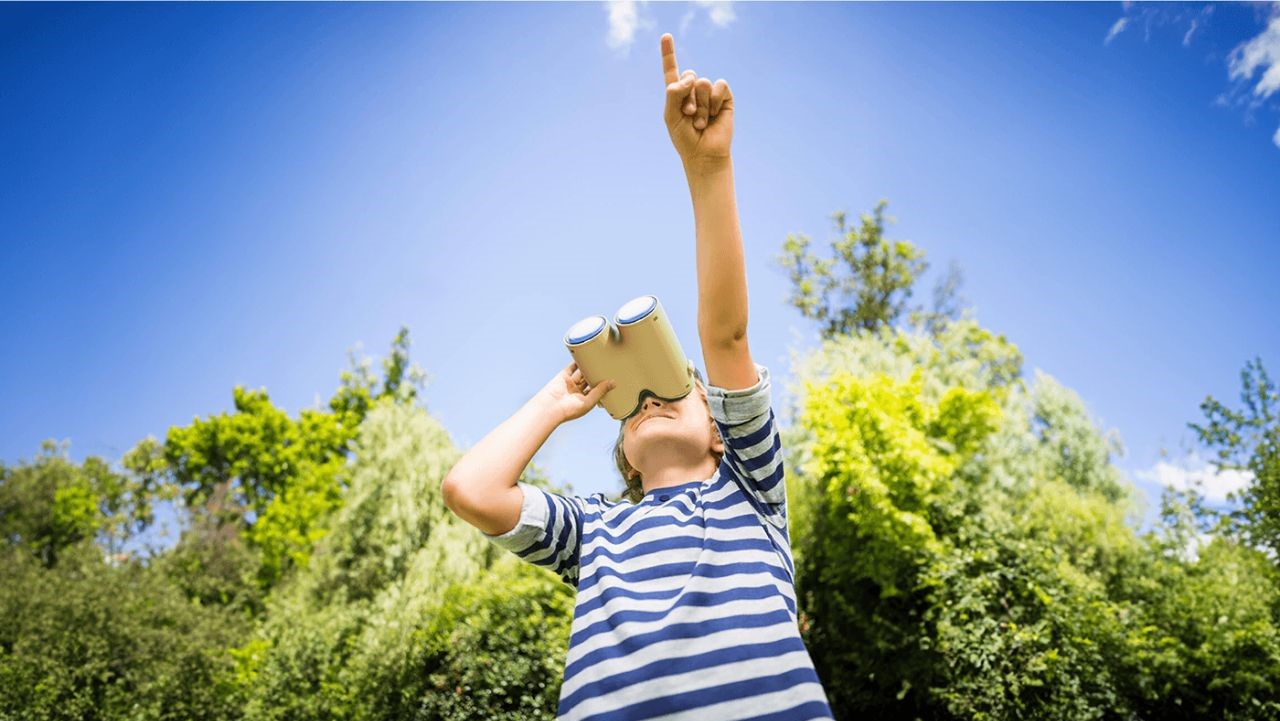
We all know how glued children are to screens lately. In such times where children are often immersed in the digital realm, it’s imperative to find innovative ways to encourage them to go outside in the real world and explore. The BINO mixed reality (MR) device emerges as a solution, seamlessly connecting the virtual and real worlds, empowering the ‘IPad kids’ to explore their surroundings with curiosity.
Designer: Joon-Yeol Bae
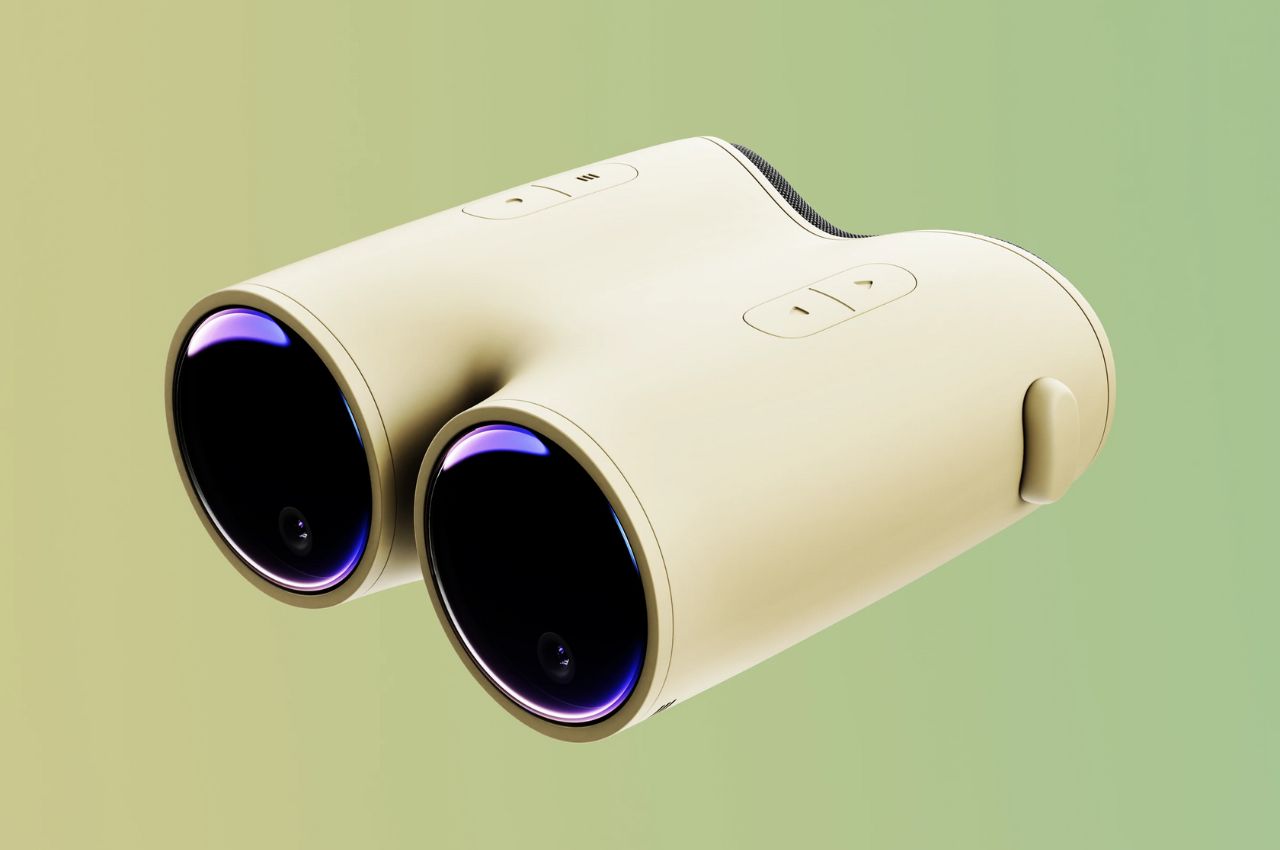
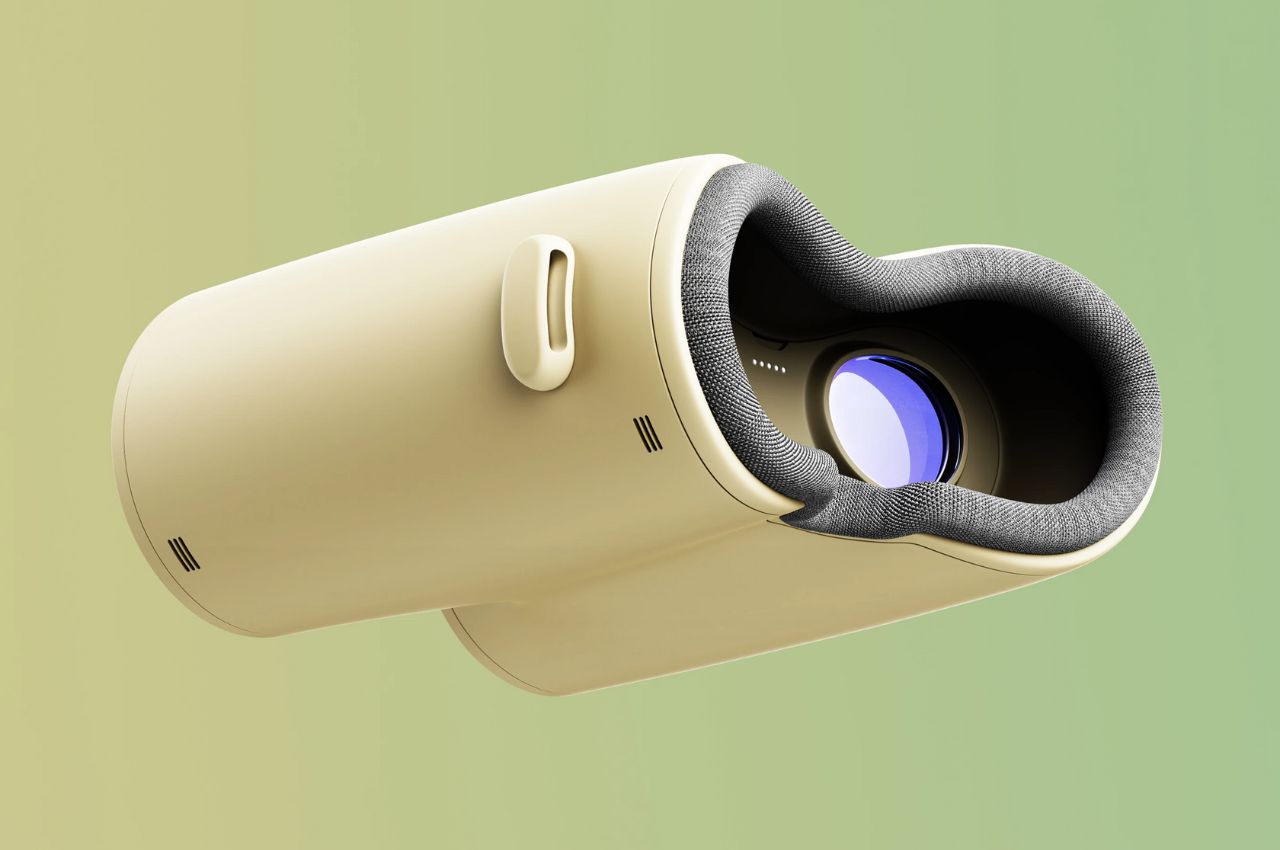
The increasing use of electronic devices from an early age has confined children’s worlds to screens. This digital immersion raises concerns about the limited physical activity vital for their holistic development. To address this challenge, BINO aims to redefine the concept of play by expanding children’s playgrounds beyond screens.

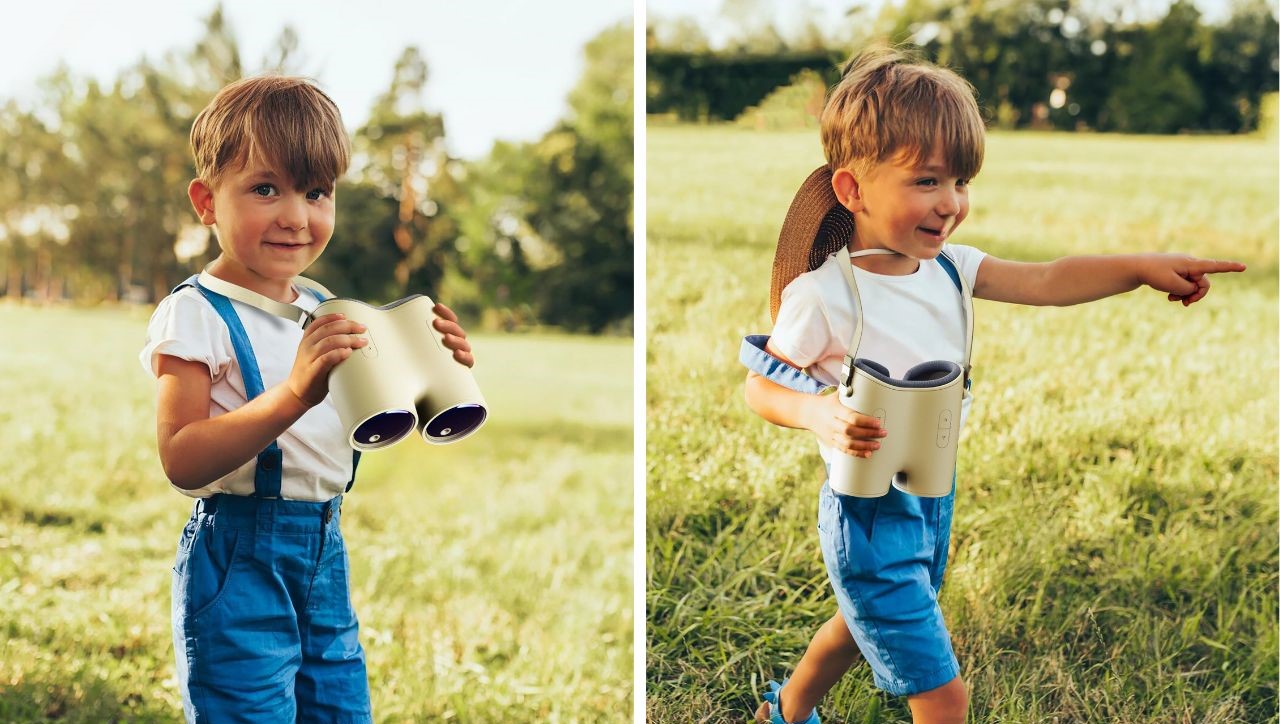
Curiosity serves as the driving force for children to explore and question the world around them. BINO is designed to engage and satisfy children’s curiosity actively, promoting physical activity as a natural byproduct of exploration. By igniting interest through playful activities, the device strives to contribute to healthier and more active lifestyles for children. It is a revolutionary MR device that serves as a companion for curious children, seamlessly connecting the virtual and real worlds. It features two lenses – a normal lens and a wide-angle lens – allowing children to observe close and distant subjects.
Features of BINO:
Photo & Video:
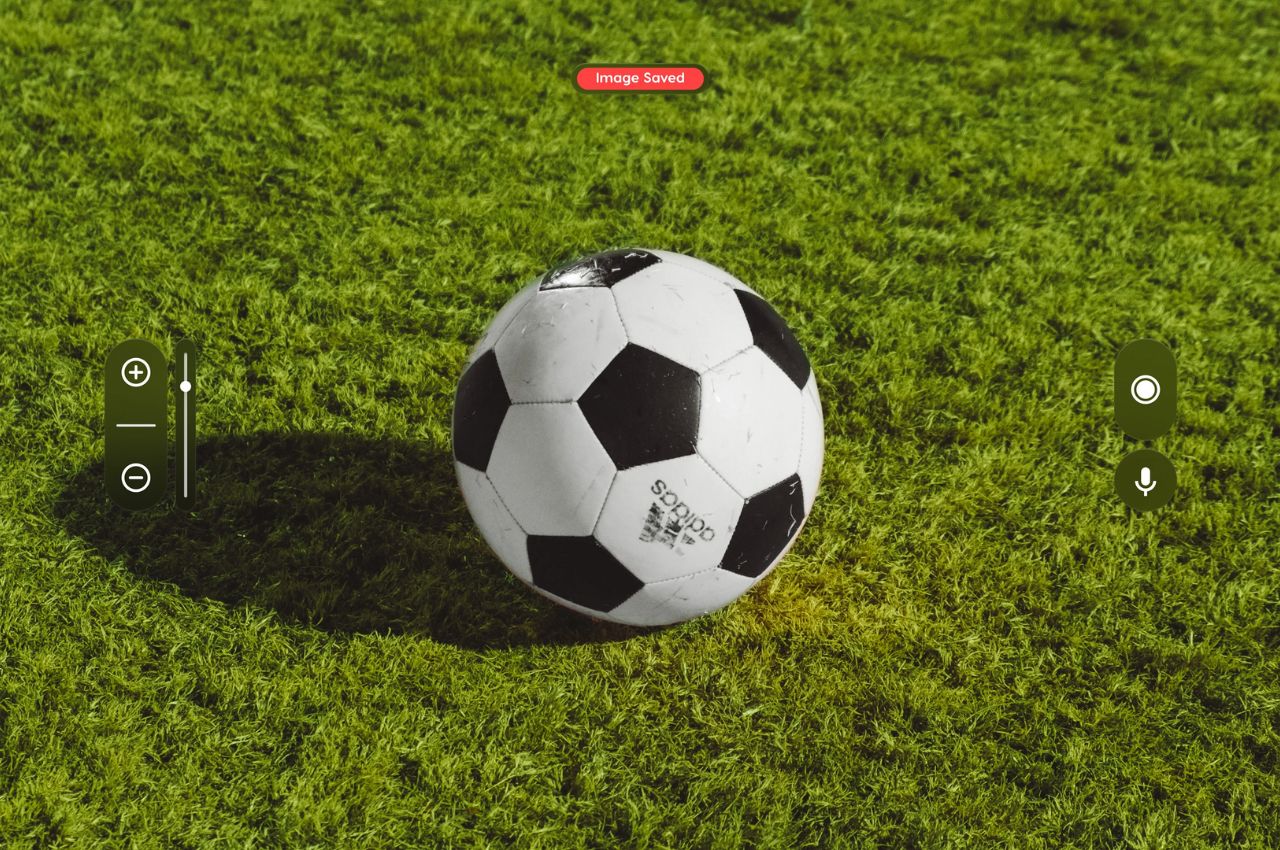
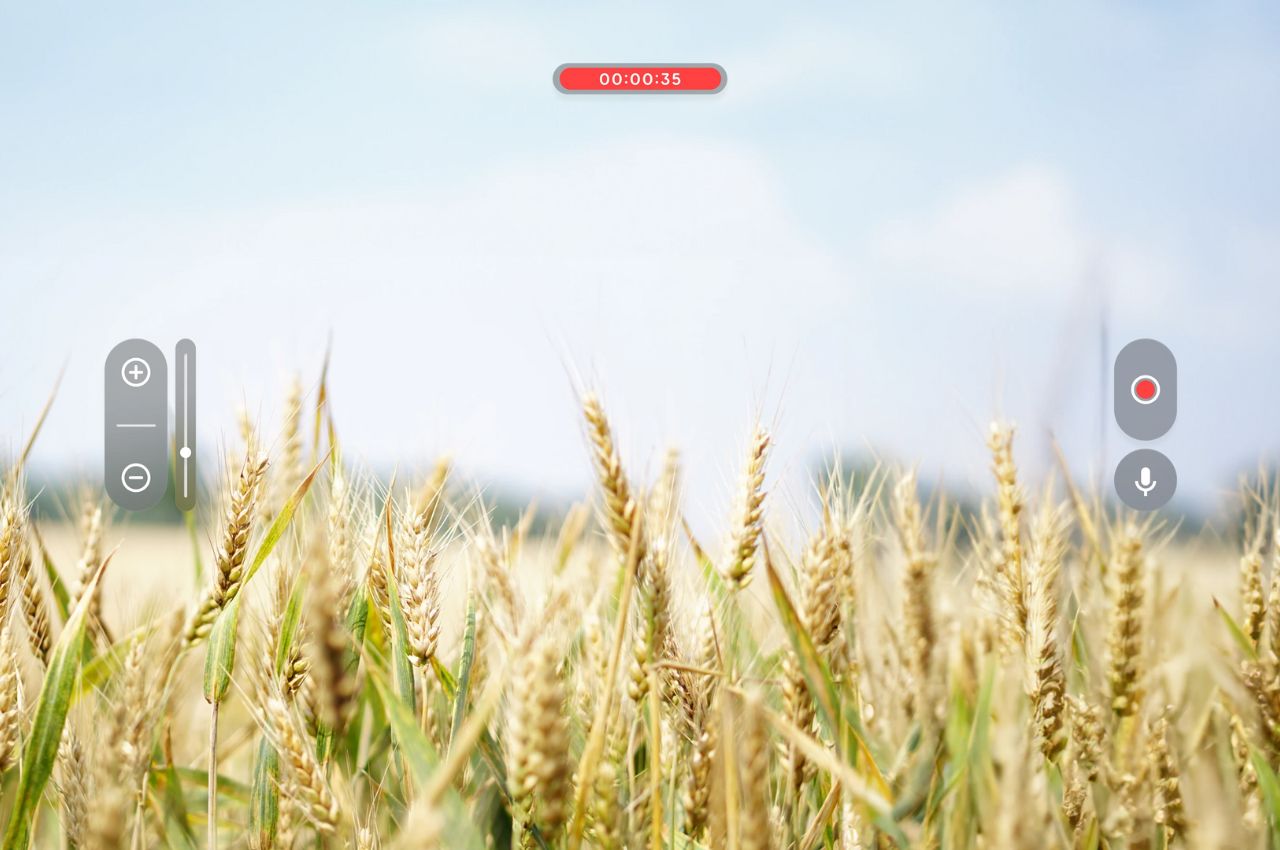
The device enables children to capture and preserve their exploration moments through photos and videos. It captures various moments encountered in nature or the city center, including plants, animals, transportation devices, and various objects, allowing them to cherish these memories and fostering a sense of connection with the real world while learning.
Built-in Projector:
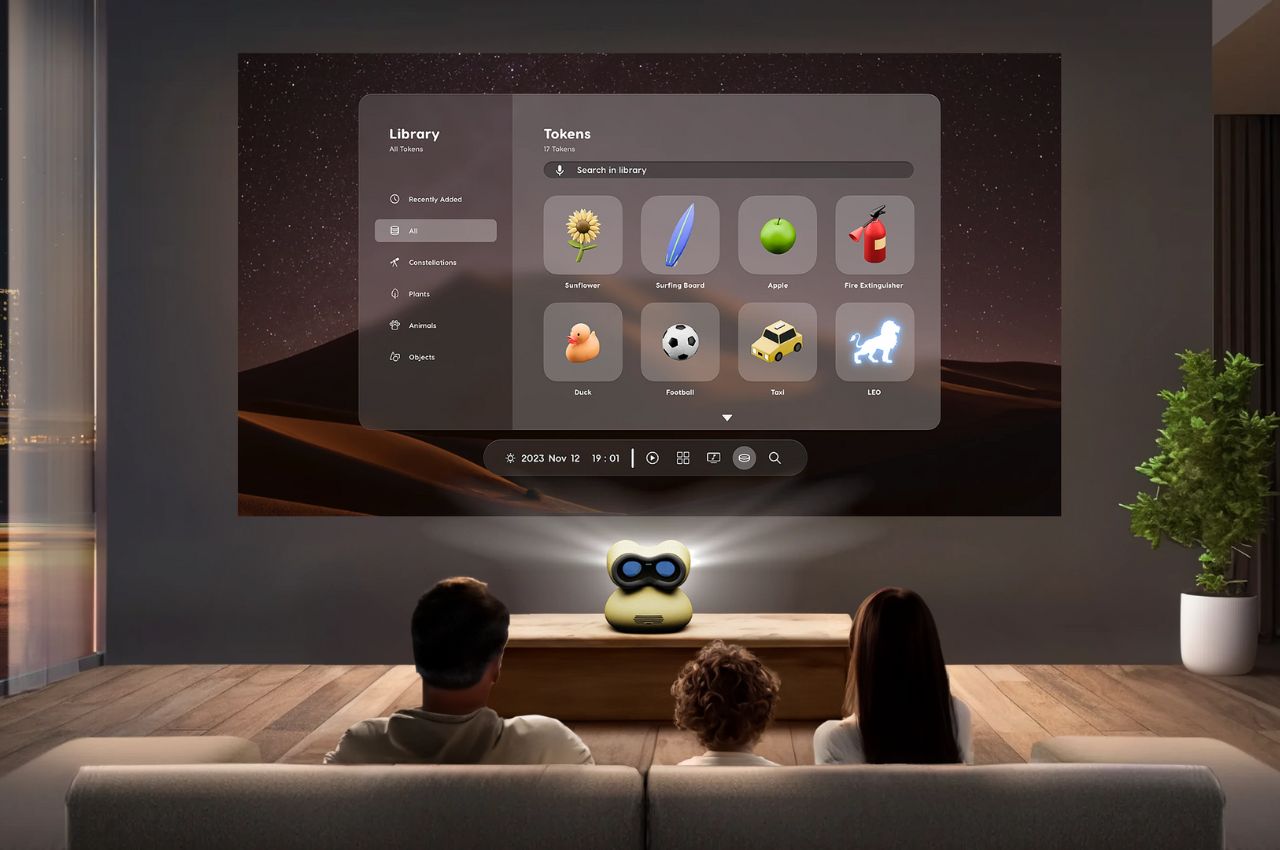
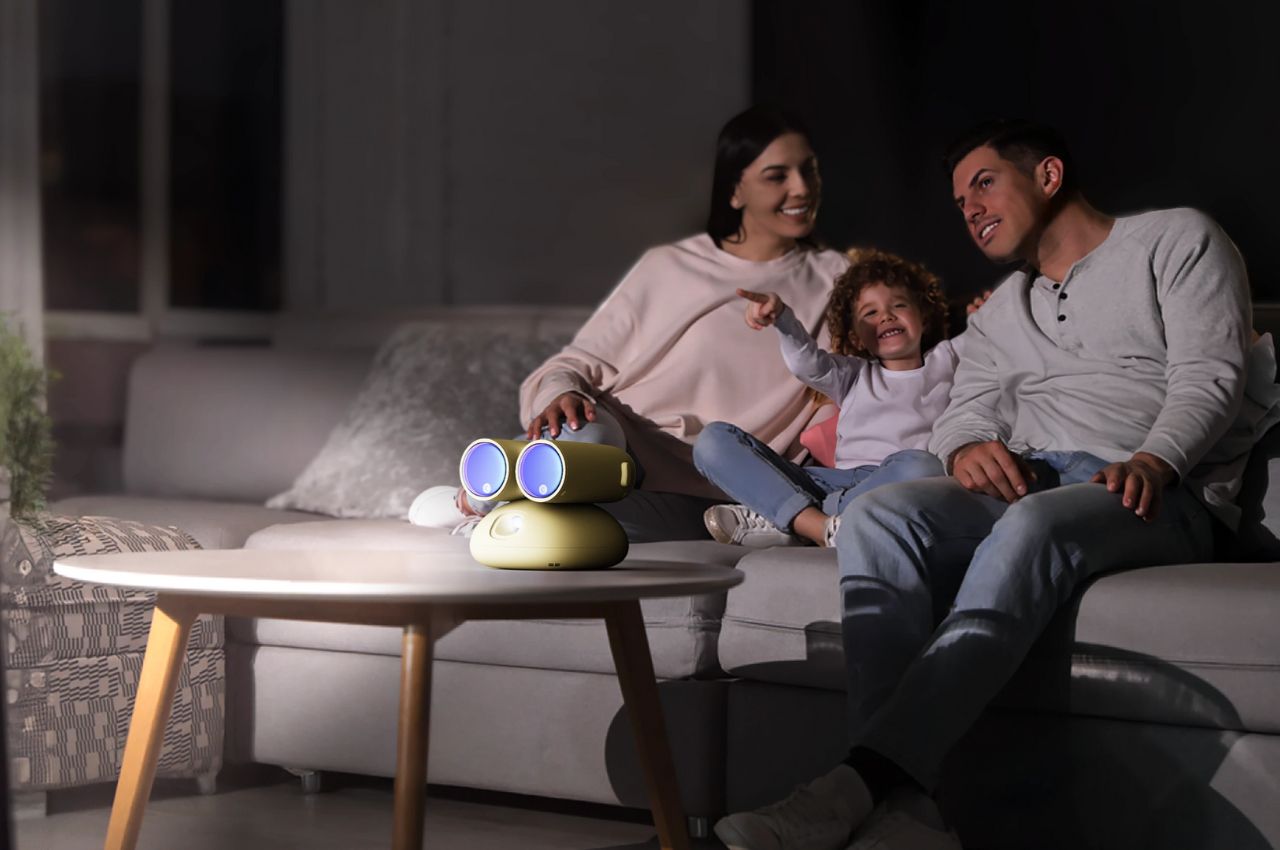
BINO has a built-in projector, allowing children to share their recorded adventures and moments throughout the day with family without needing an additional display. It enhances the collaborative aspect of exploration.
AI Interaction:
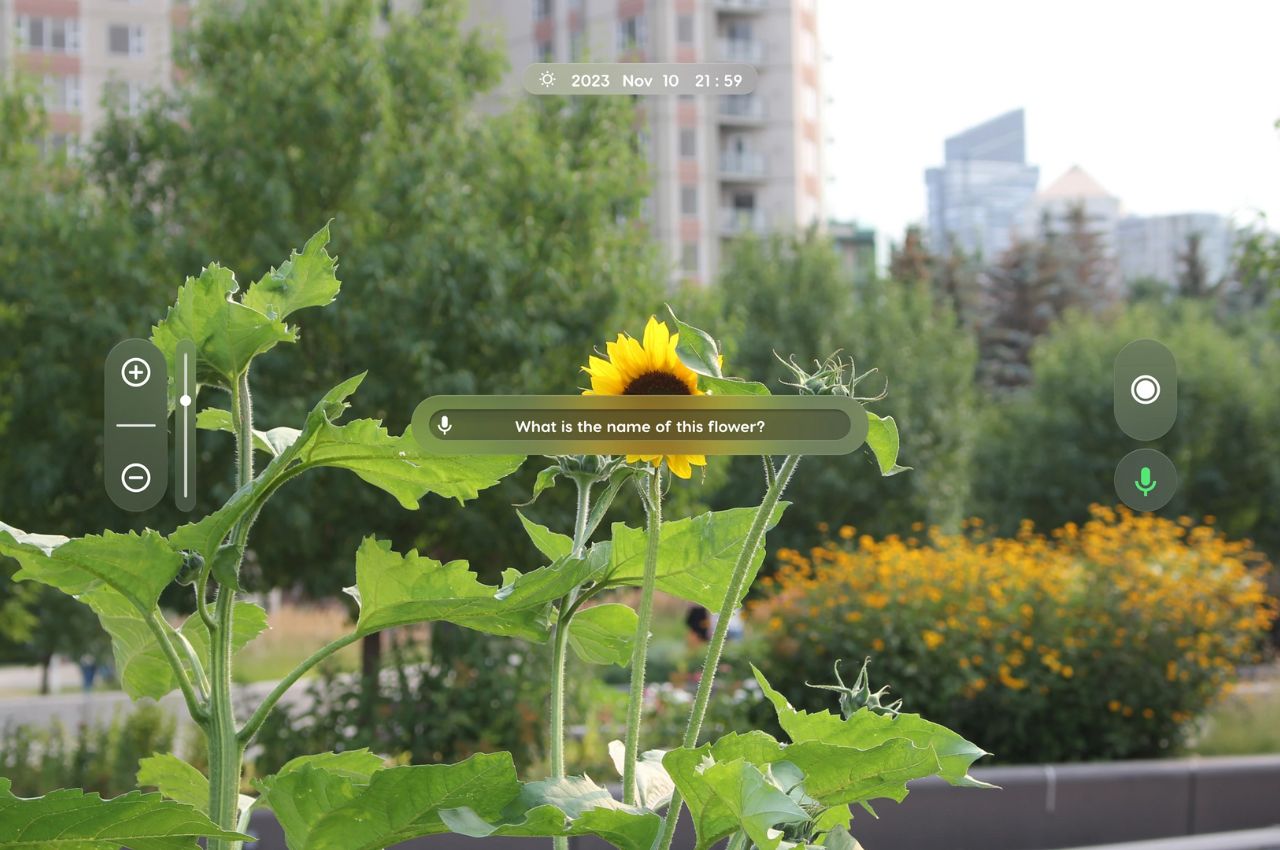
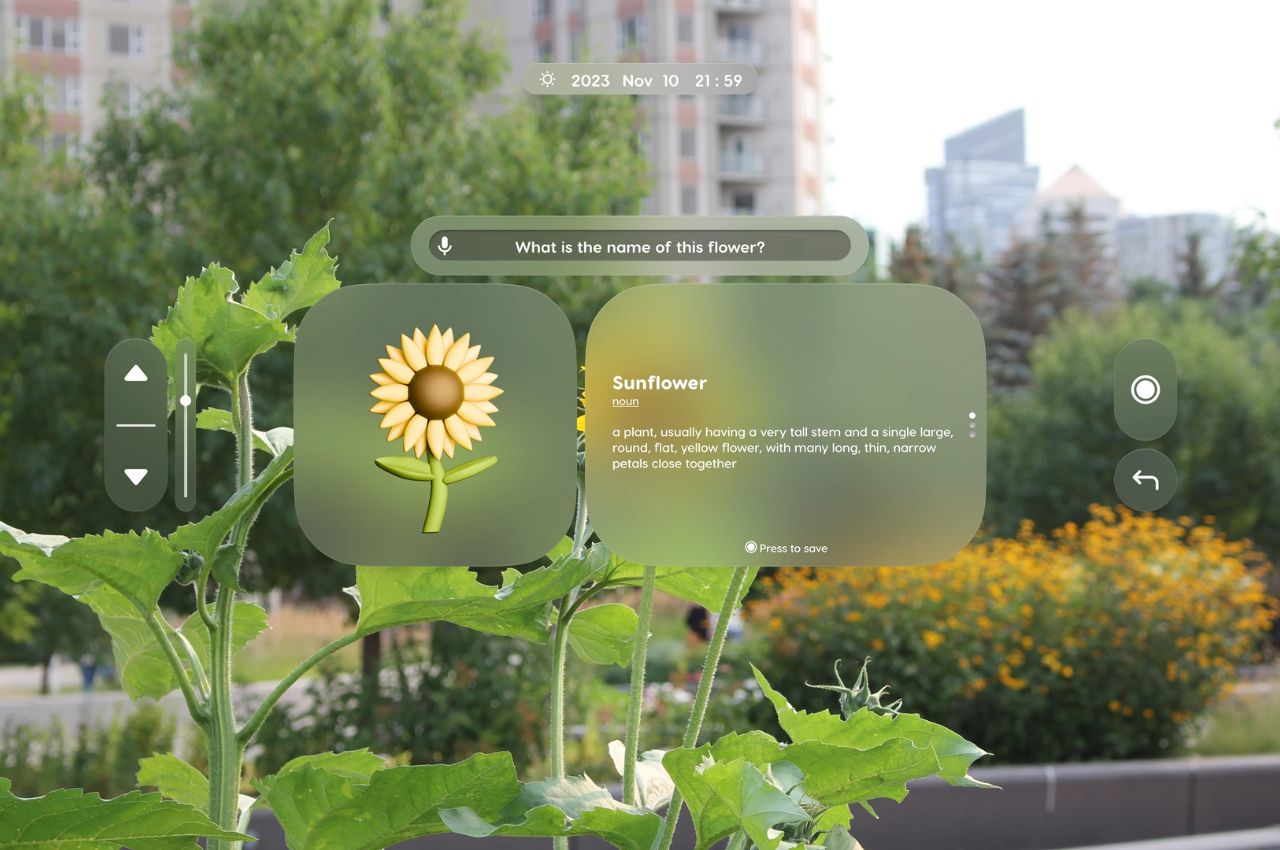
BINO acts as a responsive companion, answering questions and explaining the world as children experience it as a blend of the real and virtual worlds. This AI interaction ensures that children maintain interest and curiosity throughout their adventures.
Constellation Exploration:
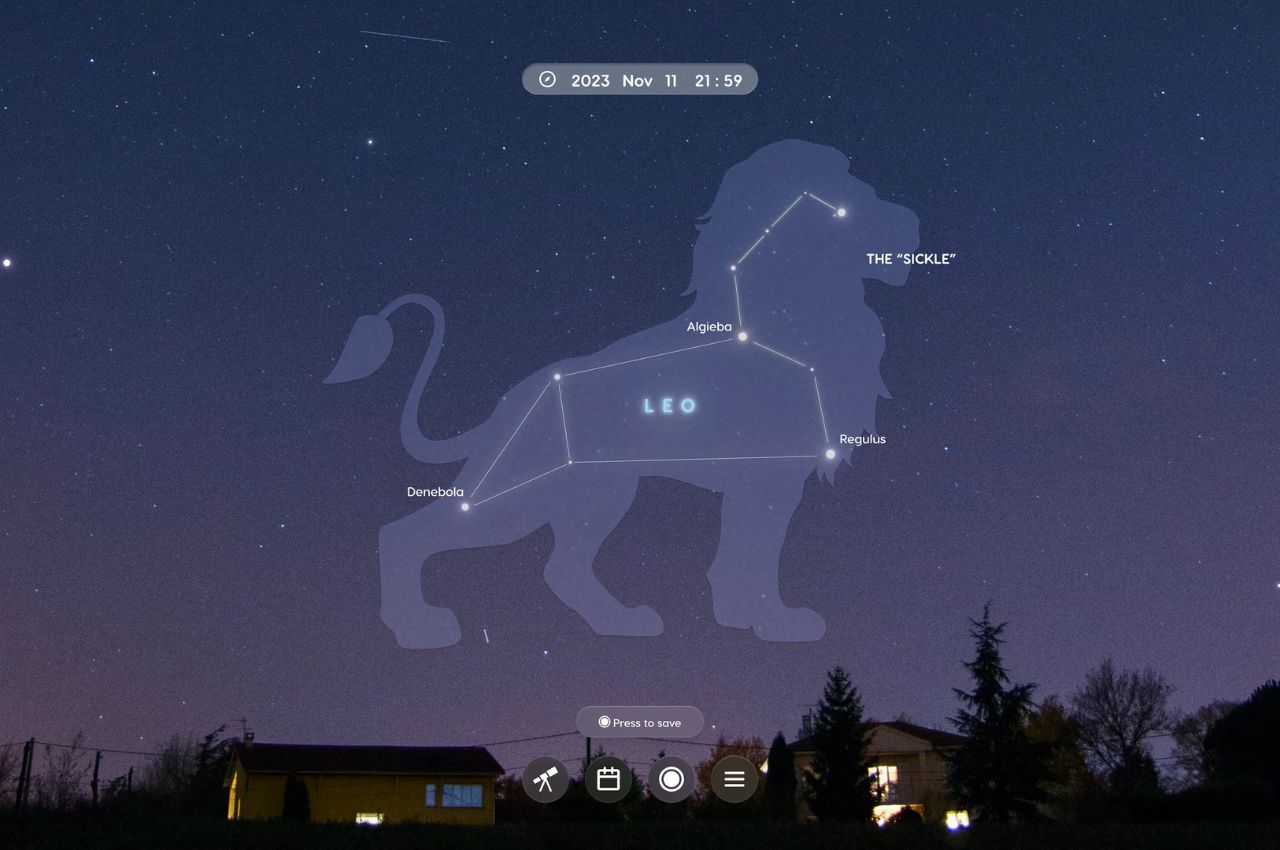
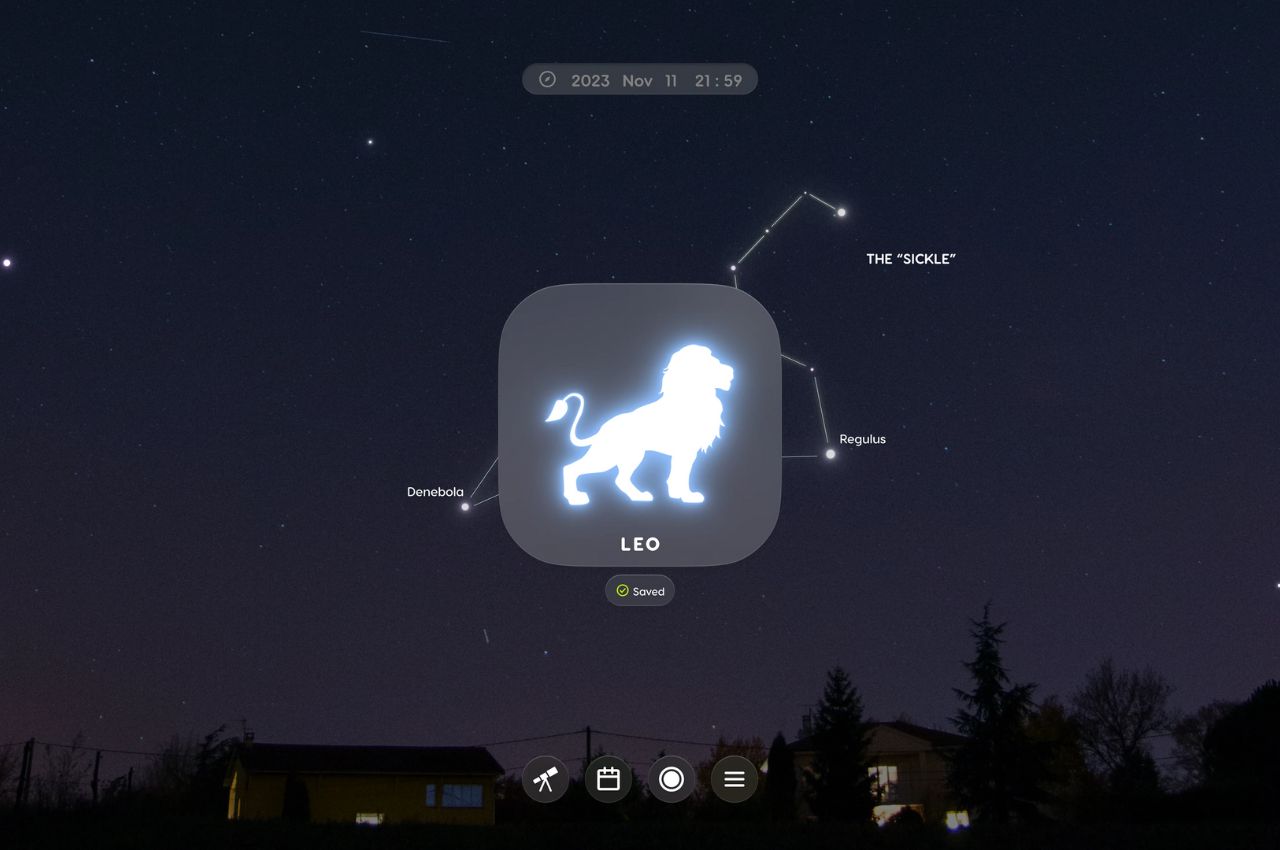
Through the MR device, the night sky comes to life with an illuminated display of numerous stars. This constellation feature enhances the immersive experience, making every exploration unique. I believe if we were taught constellations like this, I’d know them better!
BINO challenges the norms of traditional MR devices that require wearing hardware on the head or body. By seamlessly connecting virtual and real experiences in a flexible and natural way by eliminating the need for continuous wear, it breaks free from the limitations of confined spaces, enriching the stage of virtual and real interactions. This flexibility expands spatial experiences, allowing users to navigate both realms and the space where they converge.
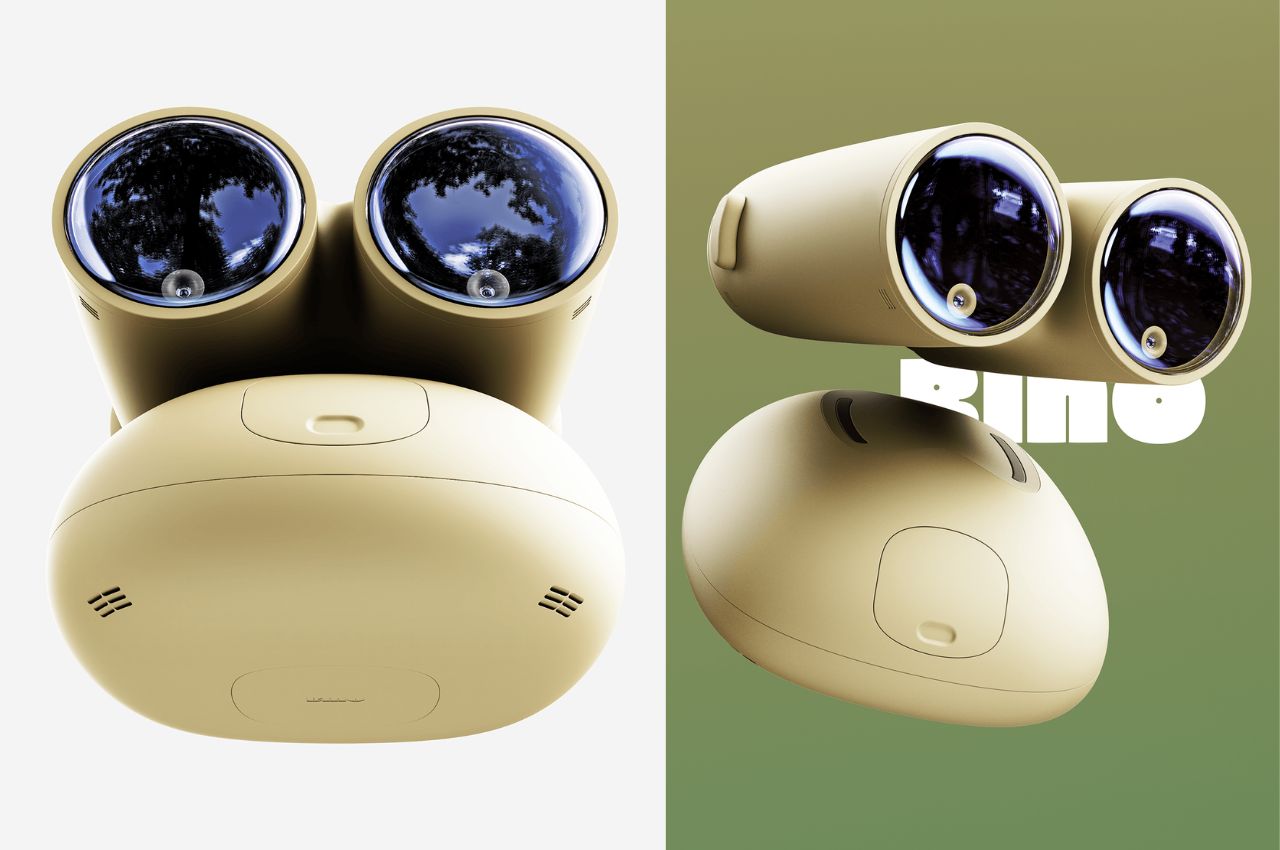
Considering the target audience of children, the device prioritizes safety with soft mesh cushions and a detachable strap for easy portability. It also has a very visually cute form The design incorporates smooth curved surfaces to ensure a secure and enjoyable experience.
BINO emerges as a groundbreaking MR device designed to encourage outdoor exploration among children. By seamlessly connecting the virtual and real worlds, it not only satisfies children’s curiosity but also promotes physical, intellectual, and emotional growth. In a world increasingly dominated by screens, BINO is a beacon of innovation, bridging the gap between digital curiosity and real-world exploration for the next generation.
The post Mixed Reality Binoculars help Children see the World in a Different, More Creative Way first appeared on Yanko Design.