This Seoul Studio Just Grew a Building From Mushrooms


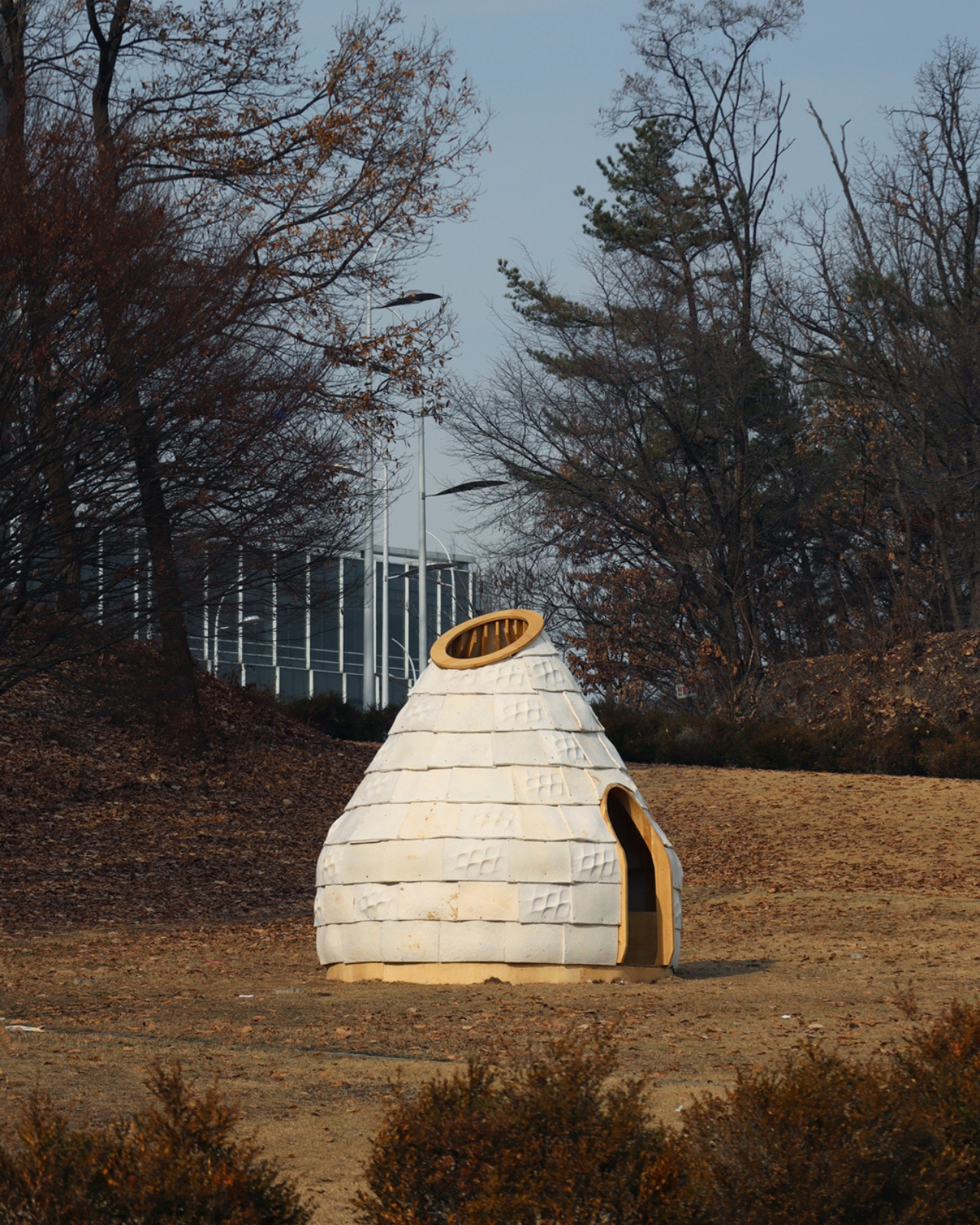
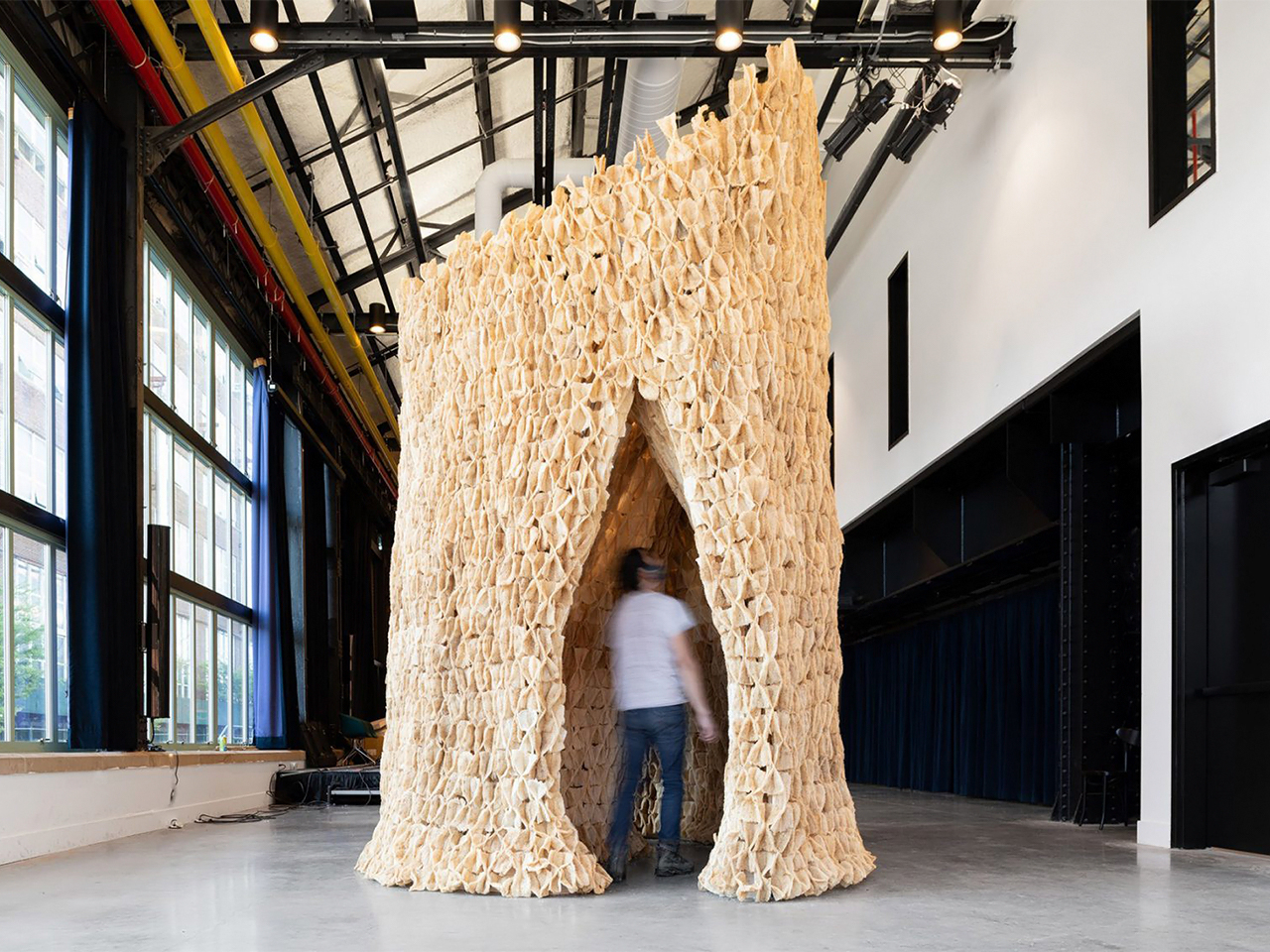
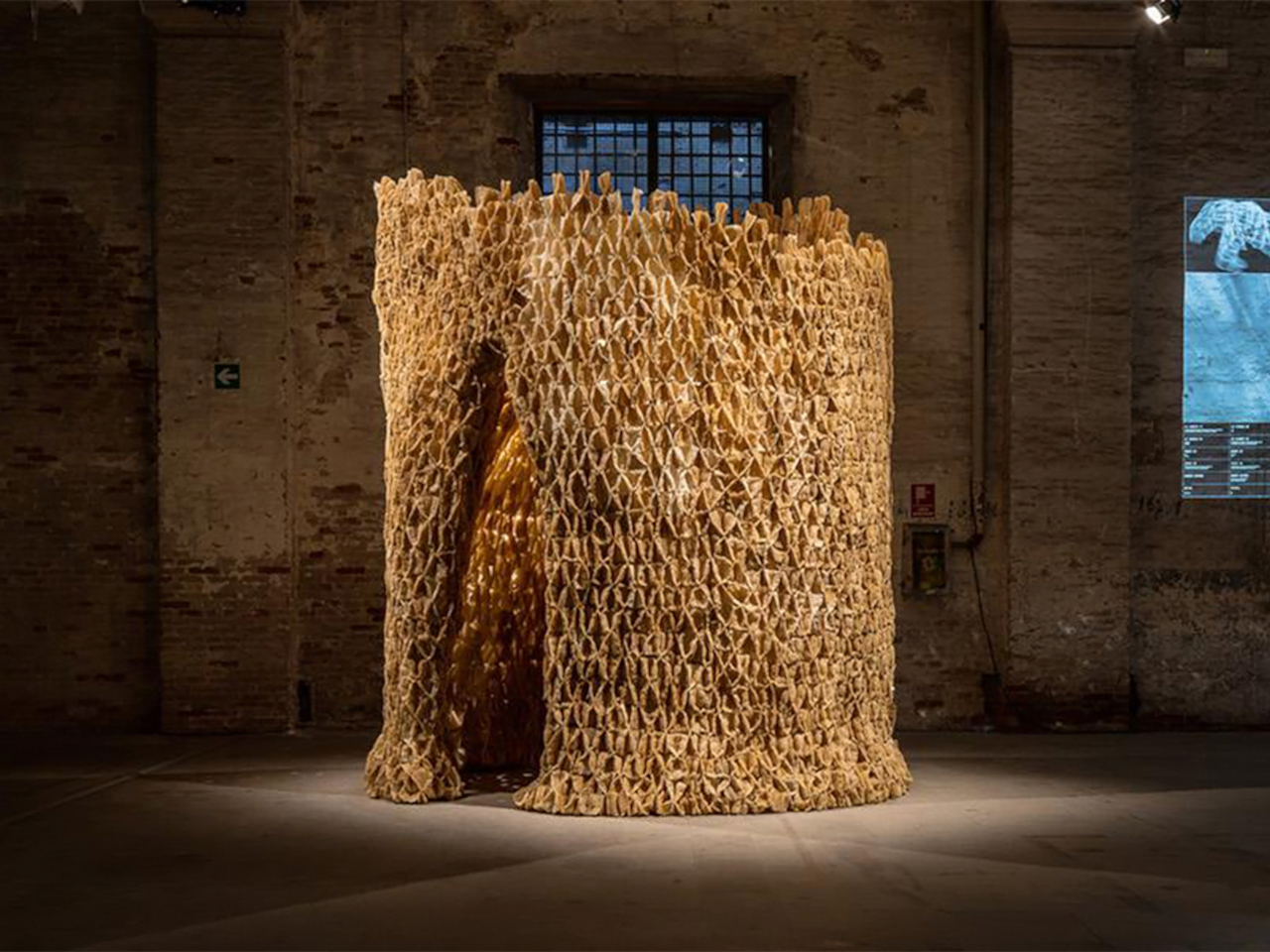
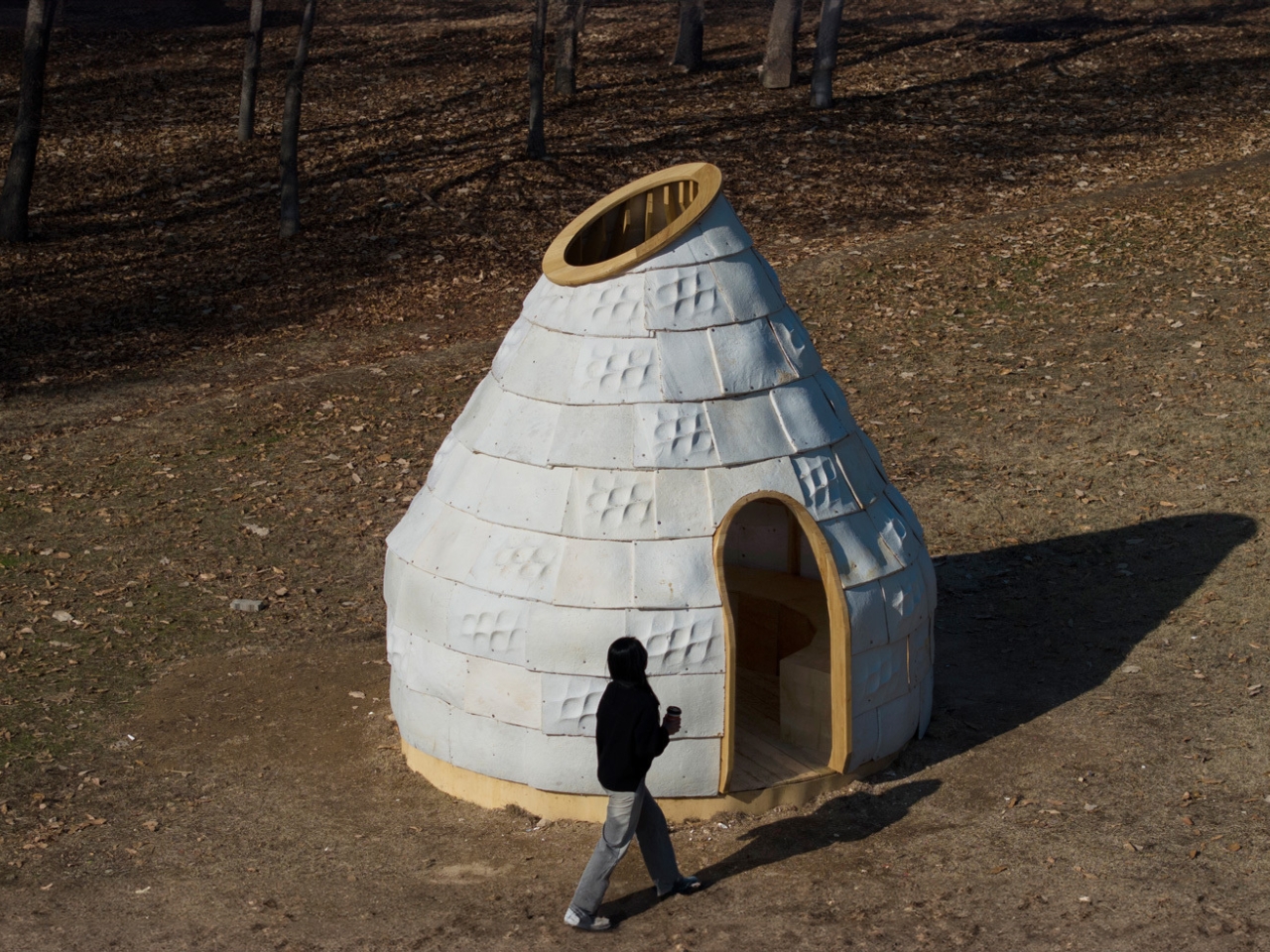
Picture a world where buildings aren’t just constructed but cultivated, where walls grow in custom molds and construction materials come from nature’s own filtration system. It sounds like science fiction, but on the campus of Seoul National University of Science and Technology, that vision became reality in 2024 with the Mycelial Hut.

Designed by Yong Ju Lee Architecture, this project arrives at a critical juncture. The architecture and construction sector currently accounts for the highest carbon emissions among all global industries. After 10,000 years of evolution alongside humanity, architecture entered the 20th century prioritizing efficiency and economy above all else, adopting concrete and steel as its near-exclusive materials. This pursuit of industrial optimization, while enabling rapid development, detached architecture from its ecological roots and intensified the environmental burden of the built environment.

Designer: Yong Ju Lee Architecture
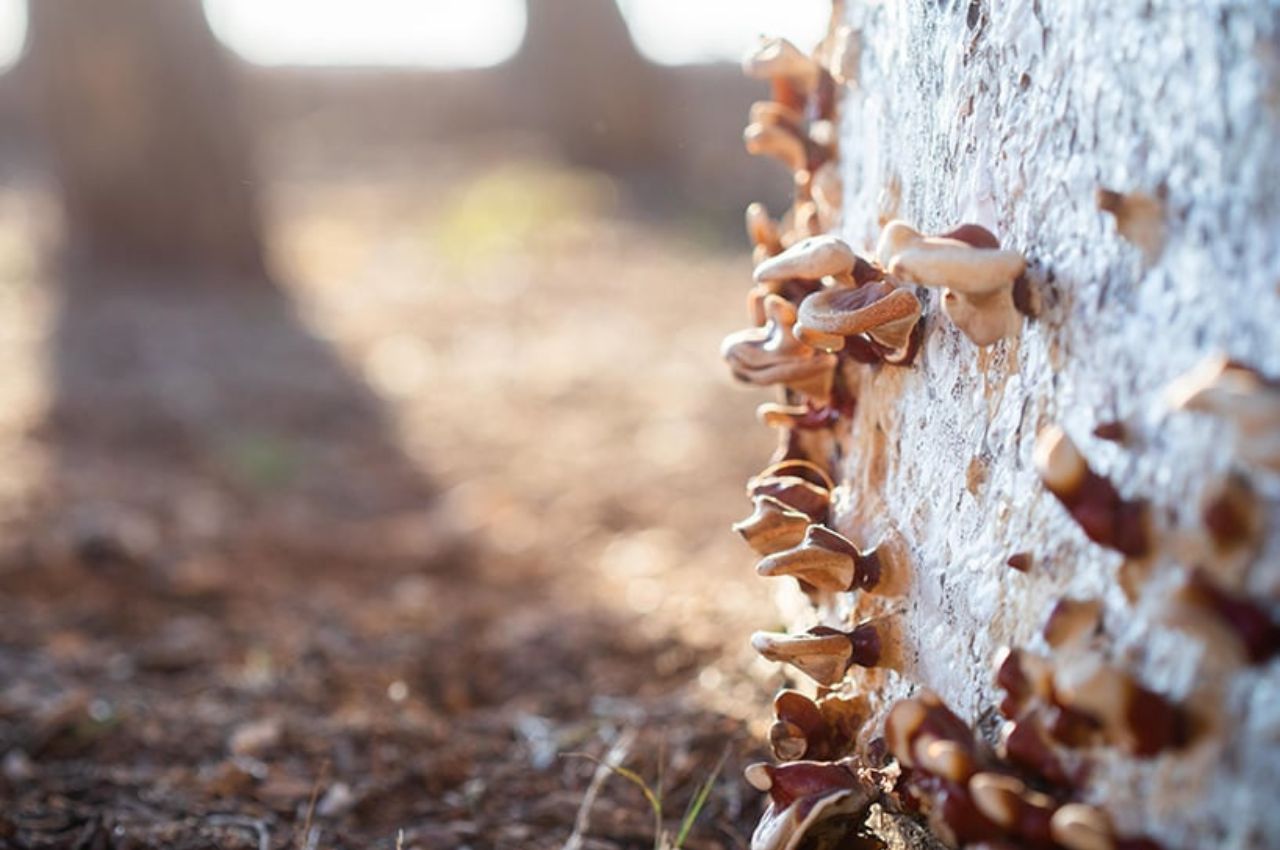
Following the era of environmental crisis and the pandemic, a new approach has emerged to redefine sustainability itself. Organism-based composite materials present fresh possibilities for architecture, challenging the non-recyclable and non-degradable nature of inorganic construction materials. The Mycelial Hut experiments with mycelium, the fungal network that serves as nature’s filter, to reinterpret what eco-friendly architecture can be.
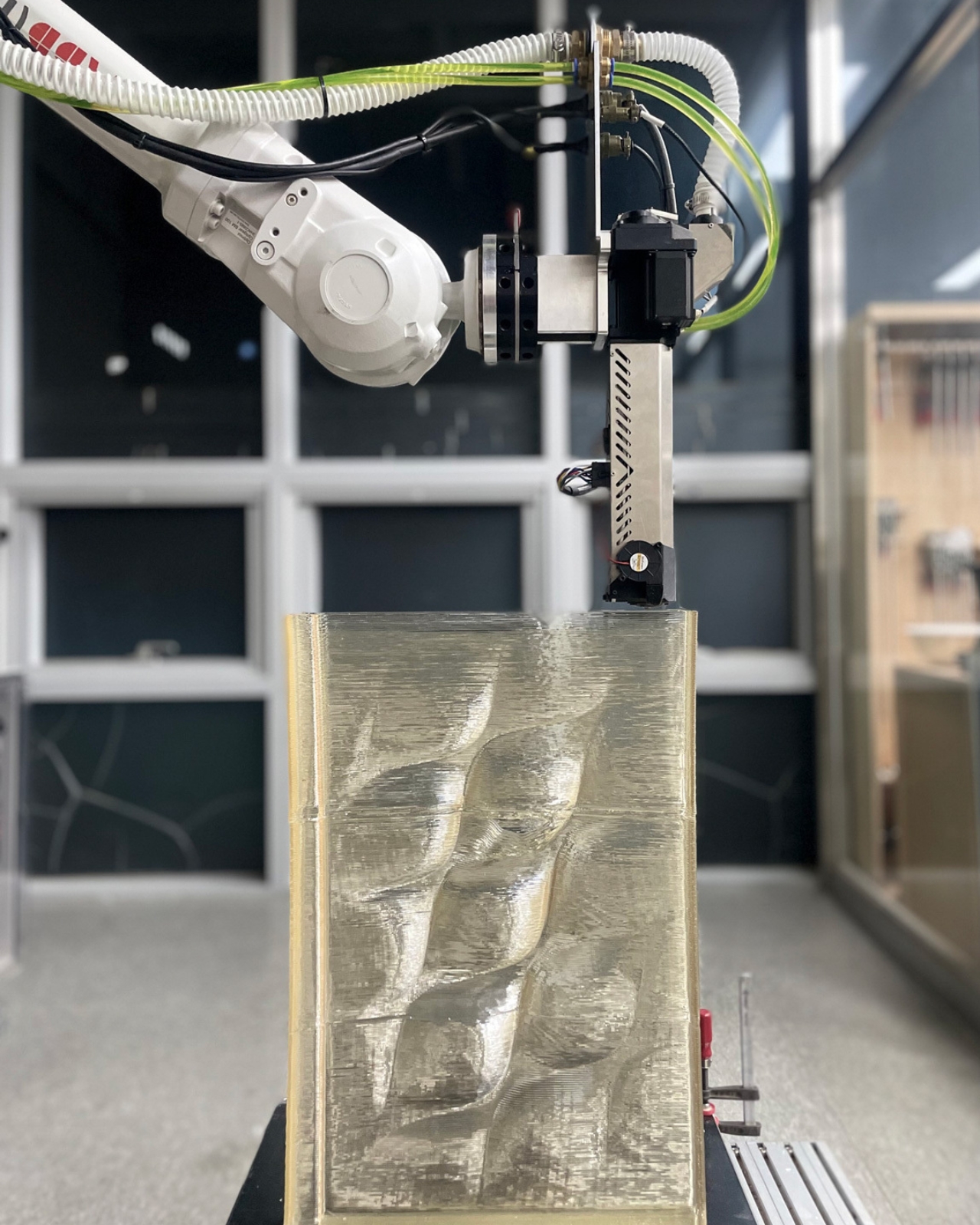
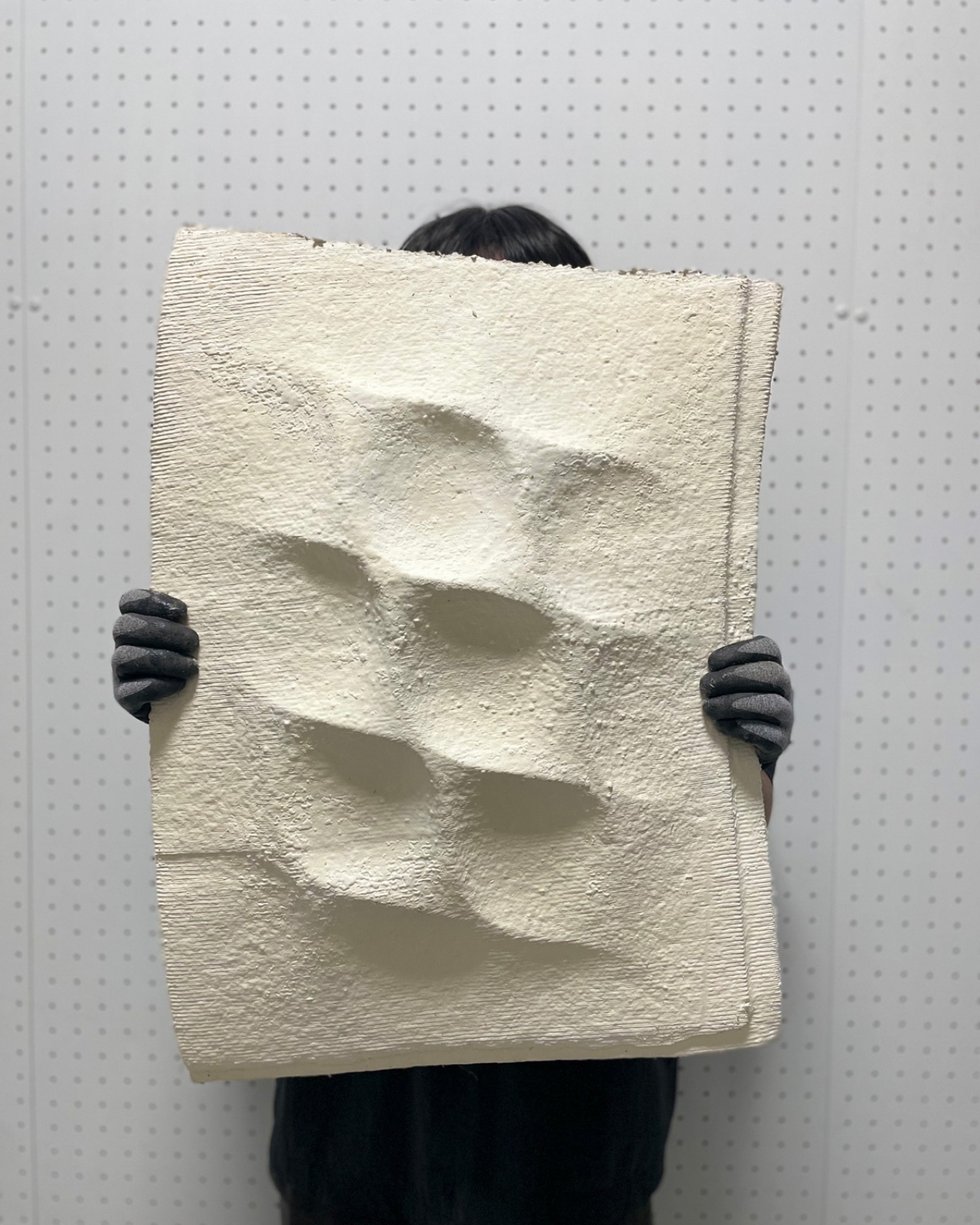
But here’s where it gets really interesting. This isn’t about simply replacing one material with another. The project explores bio-integrated fabrication methods that align growth, decay, and design within a single process. Think of it as architecture that understands its own lifecycle from the moment it begins taking shape.
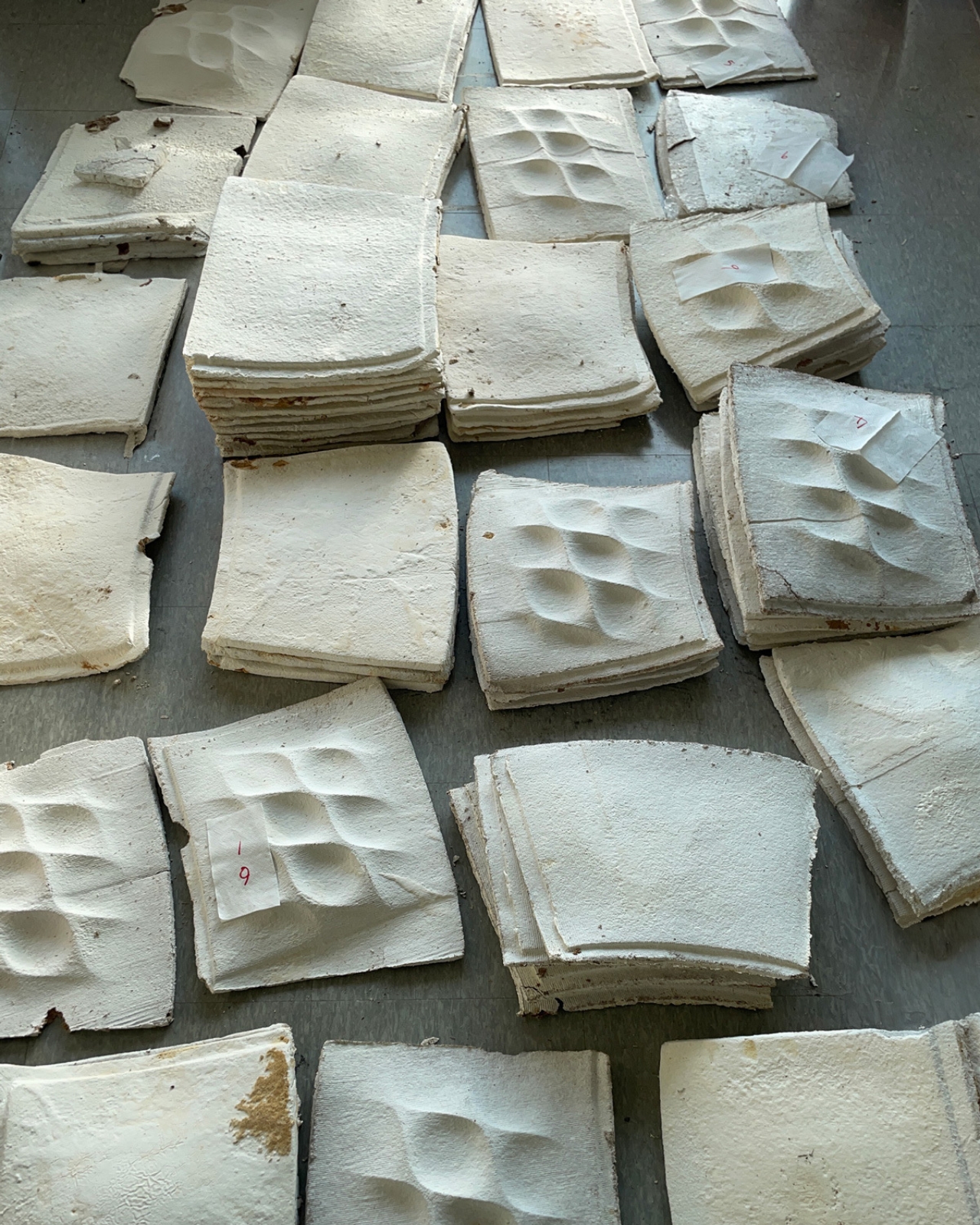
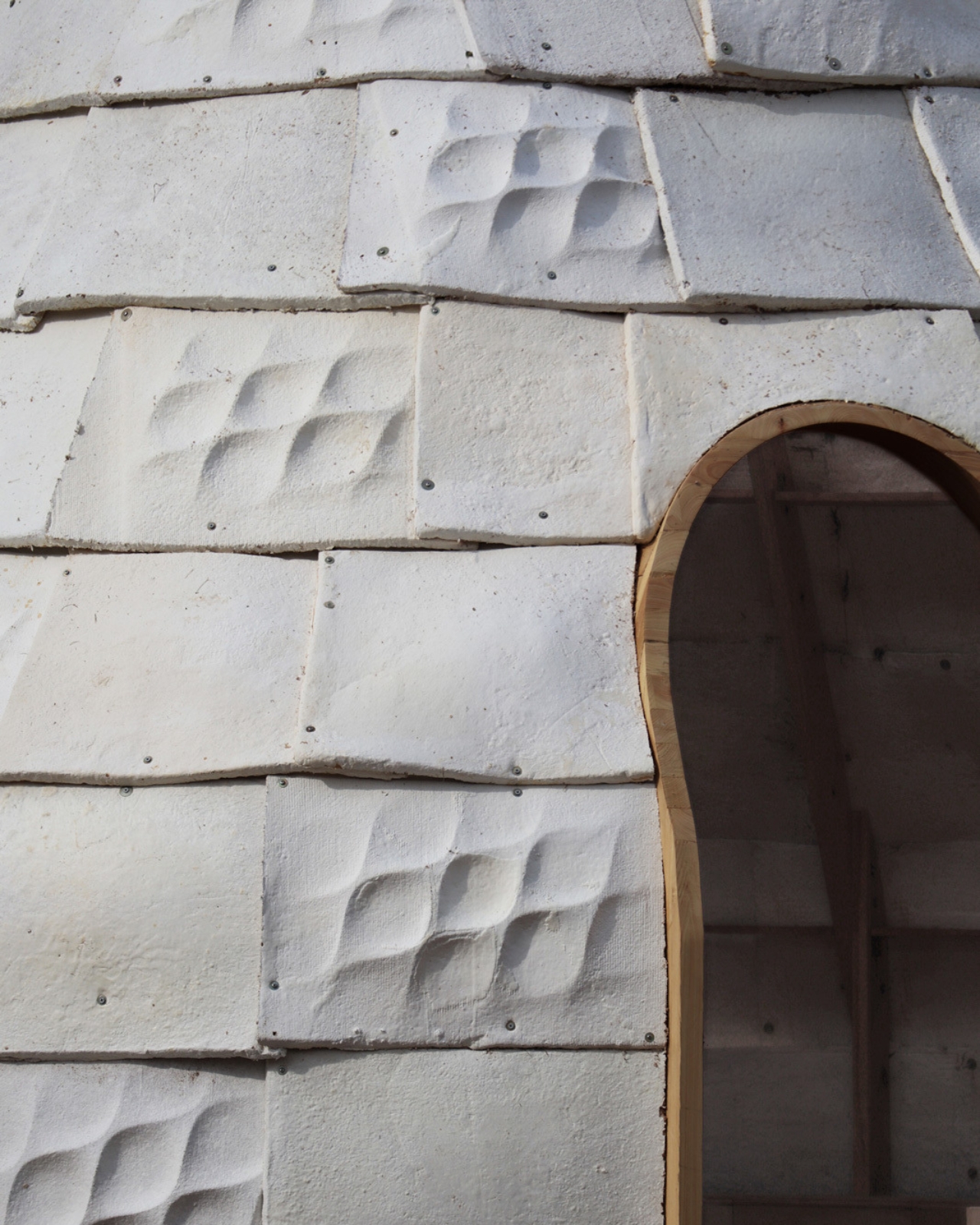
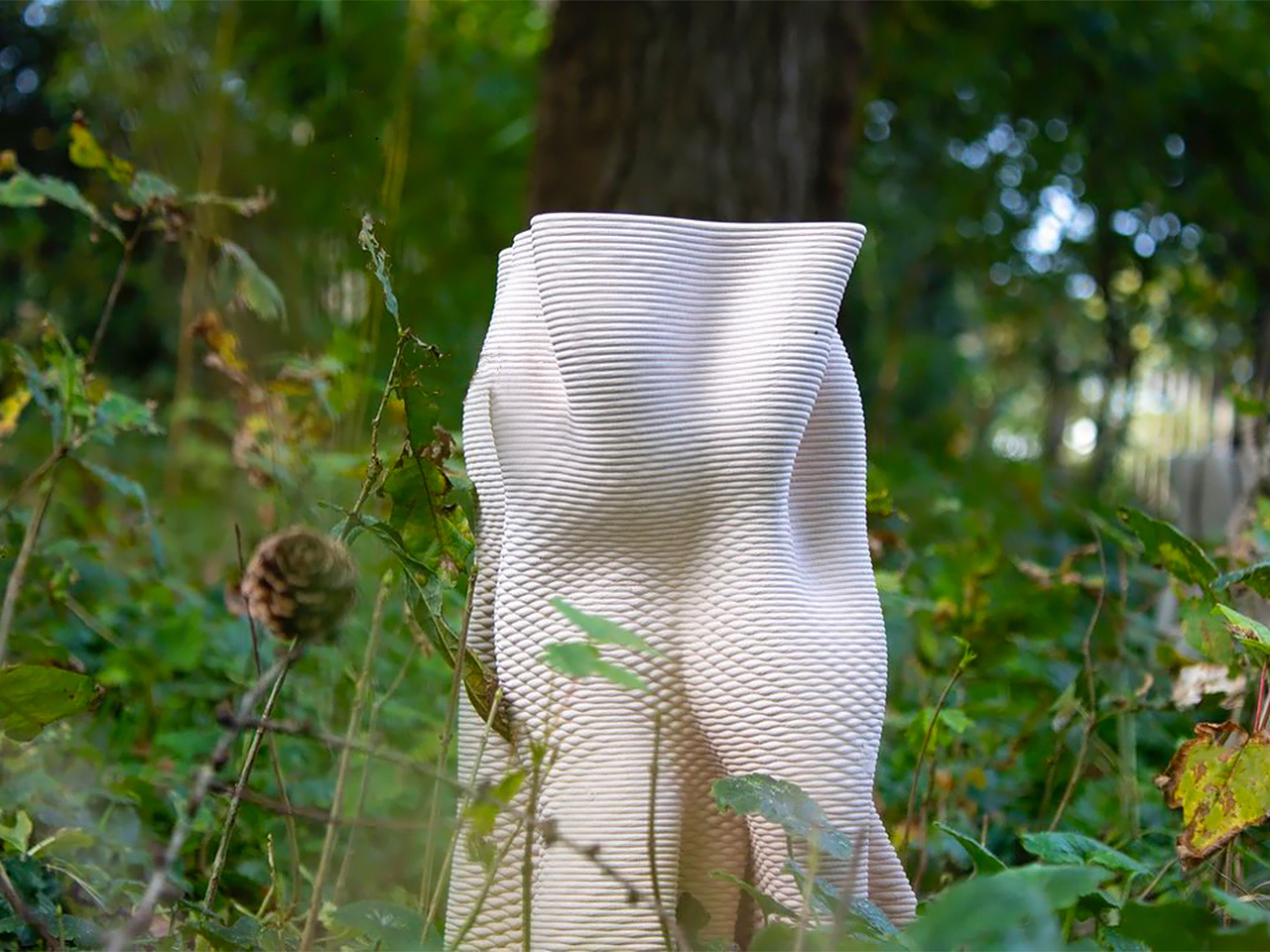
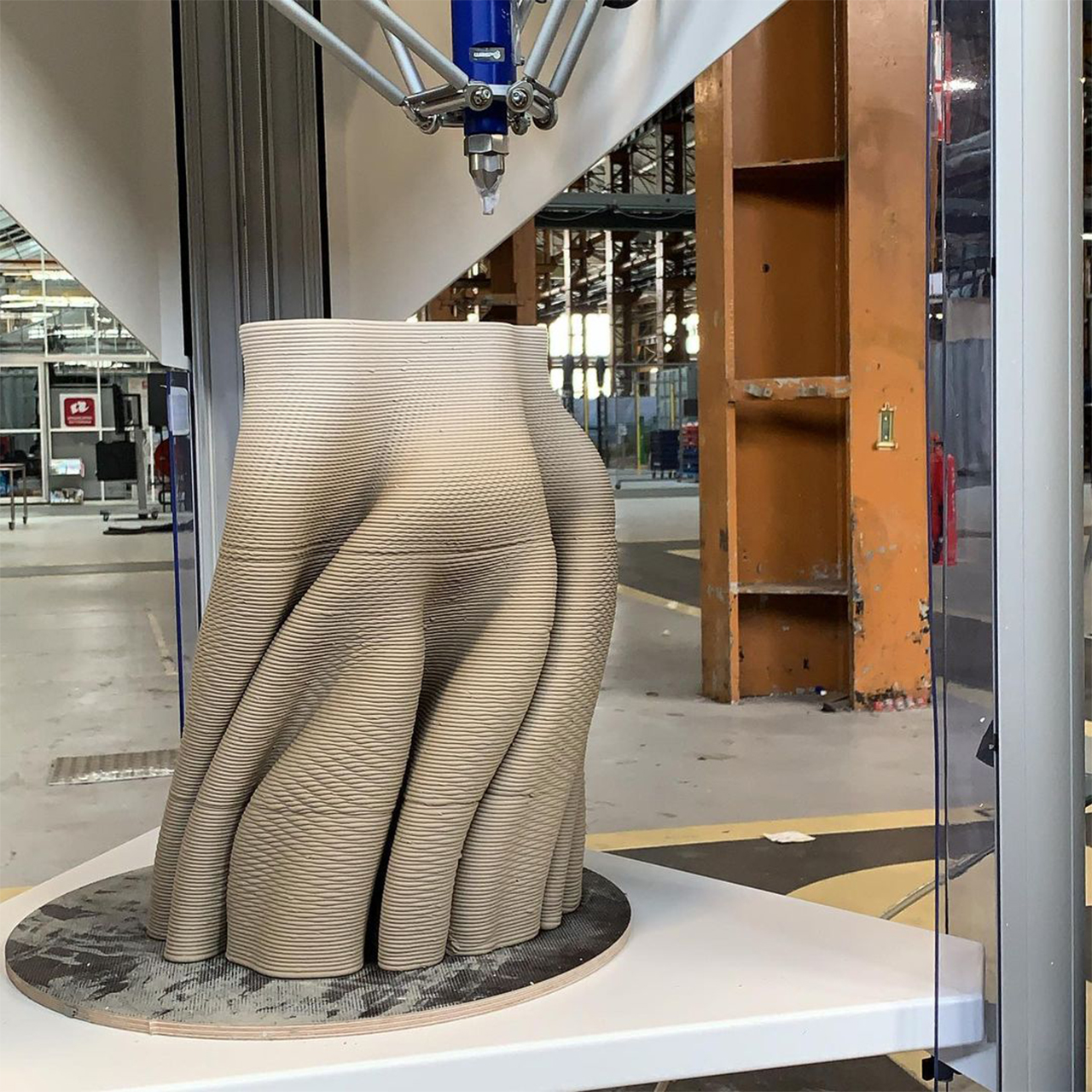
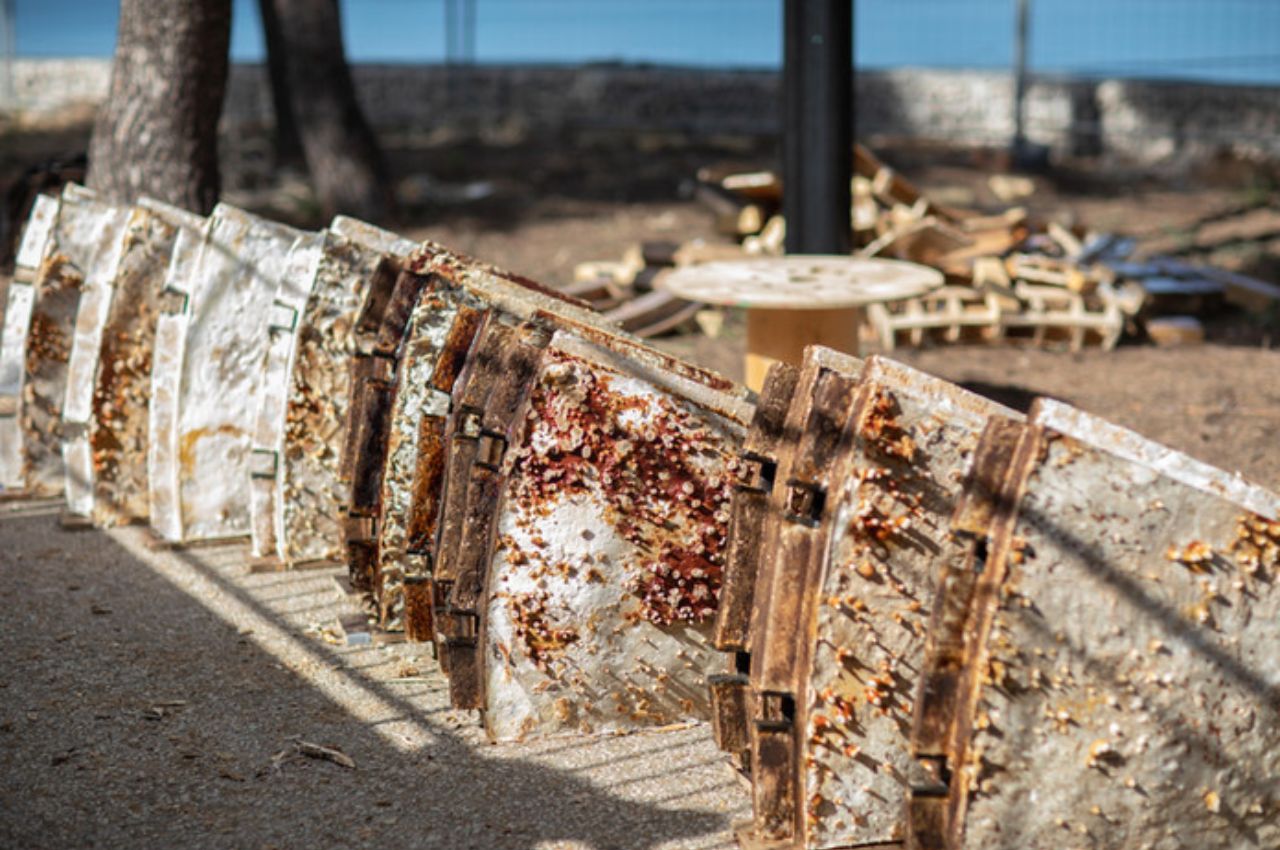
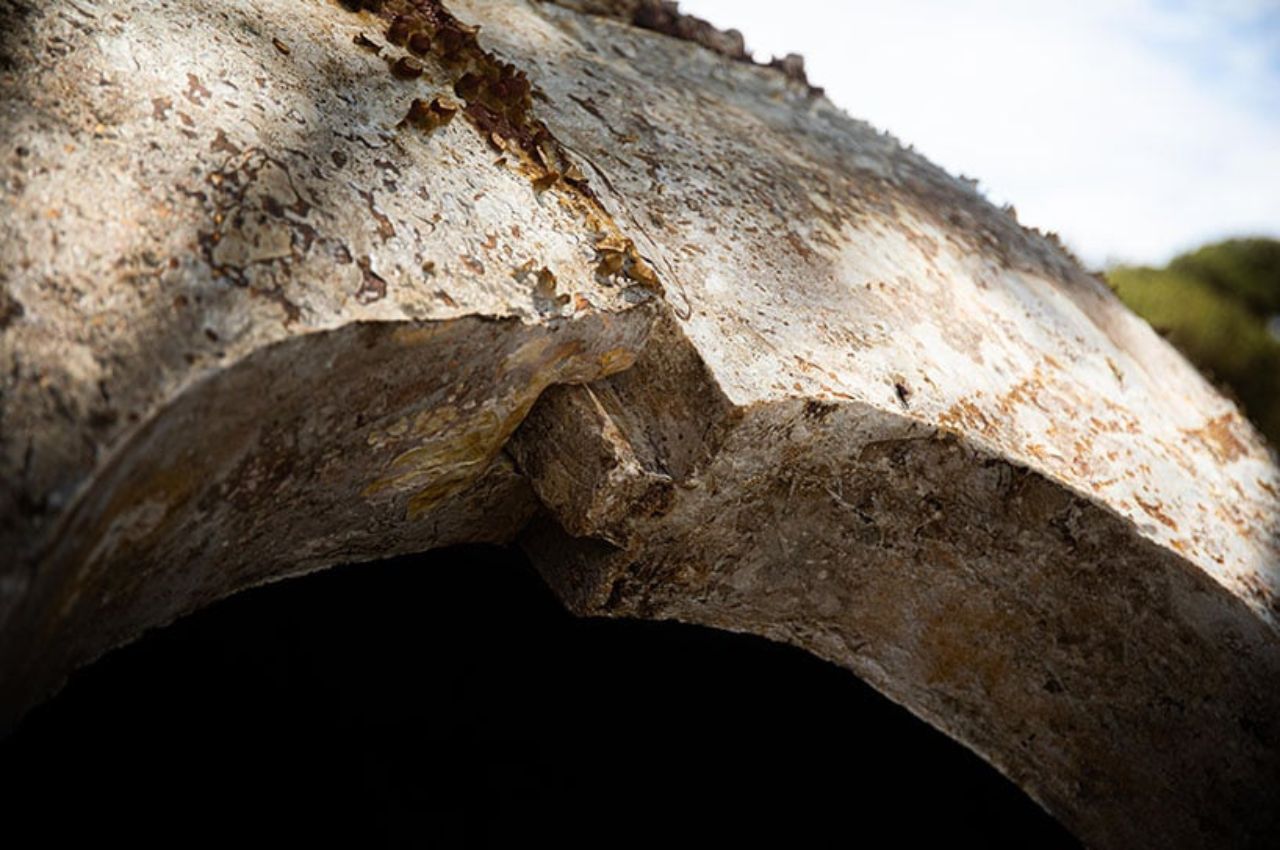
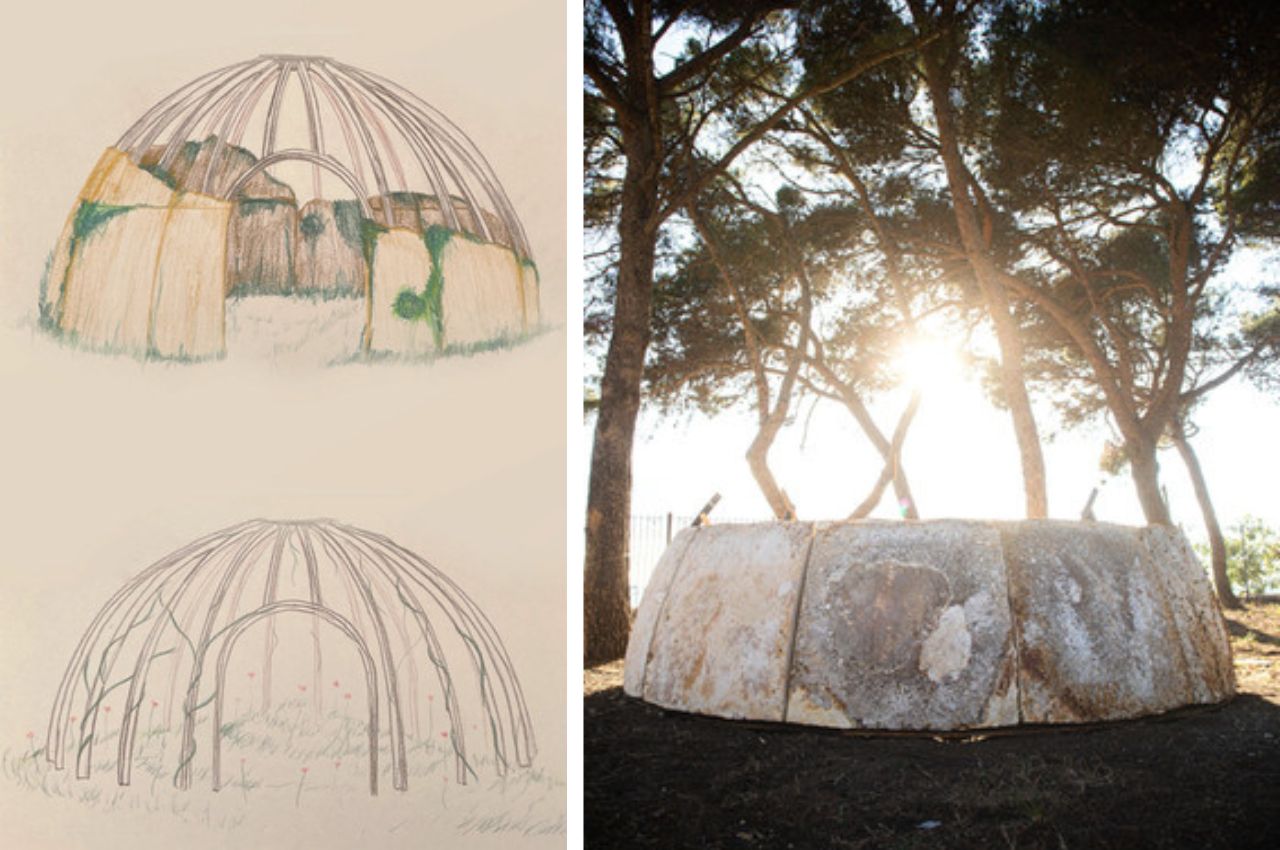
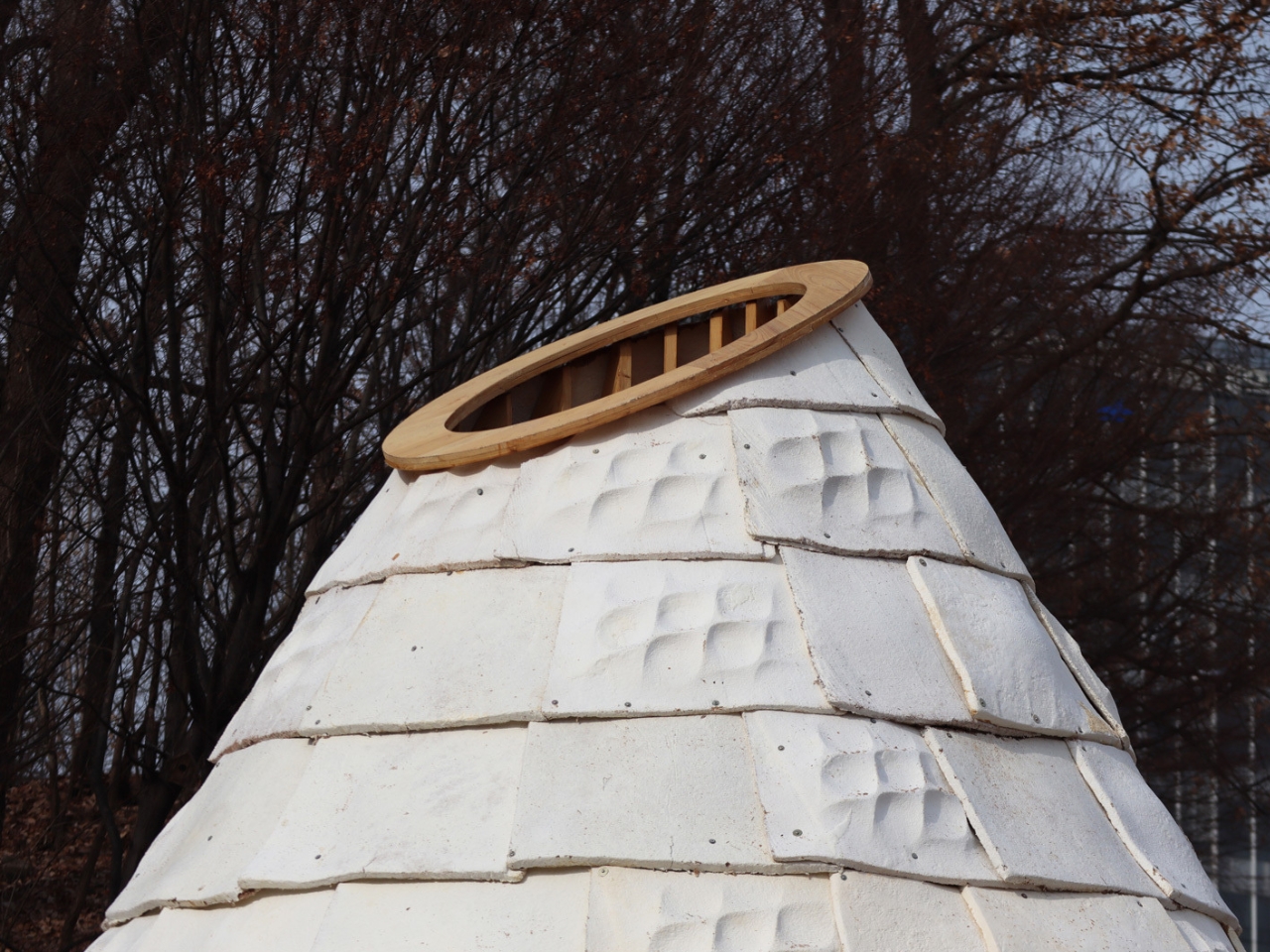
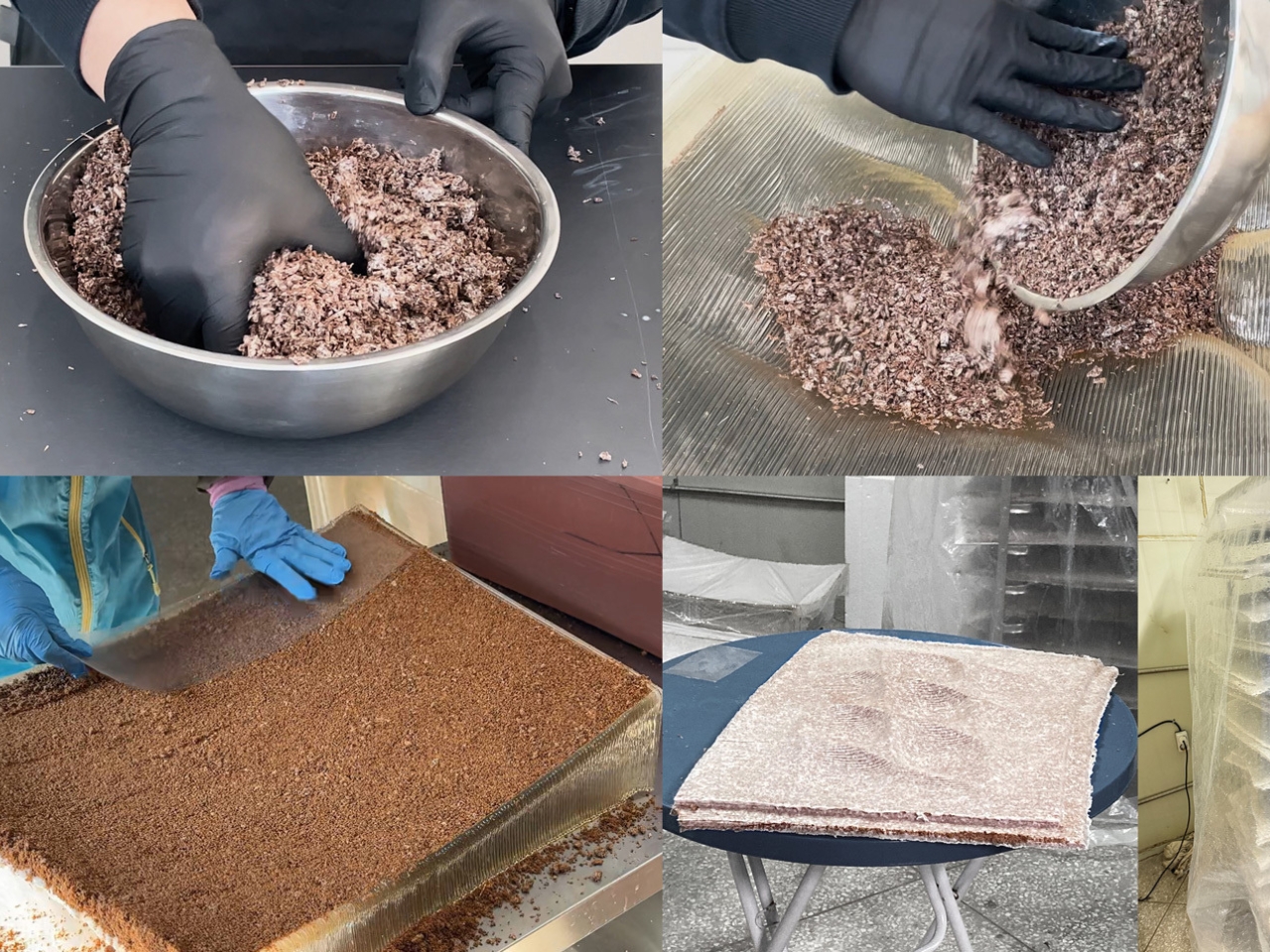
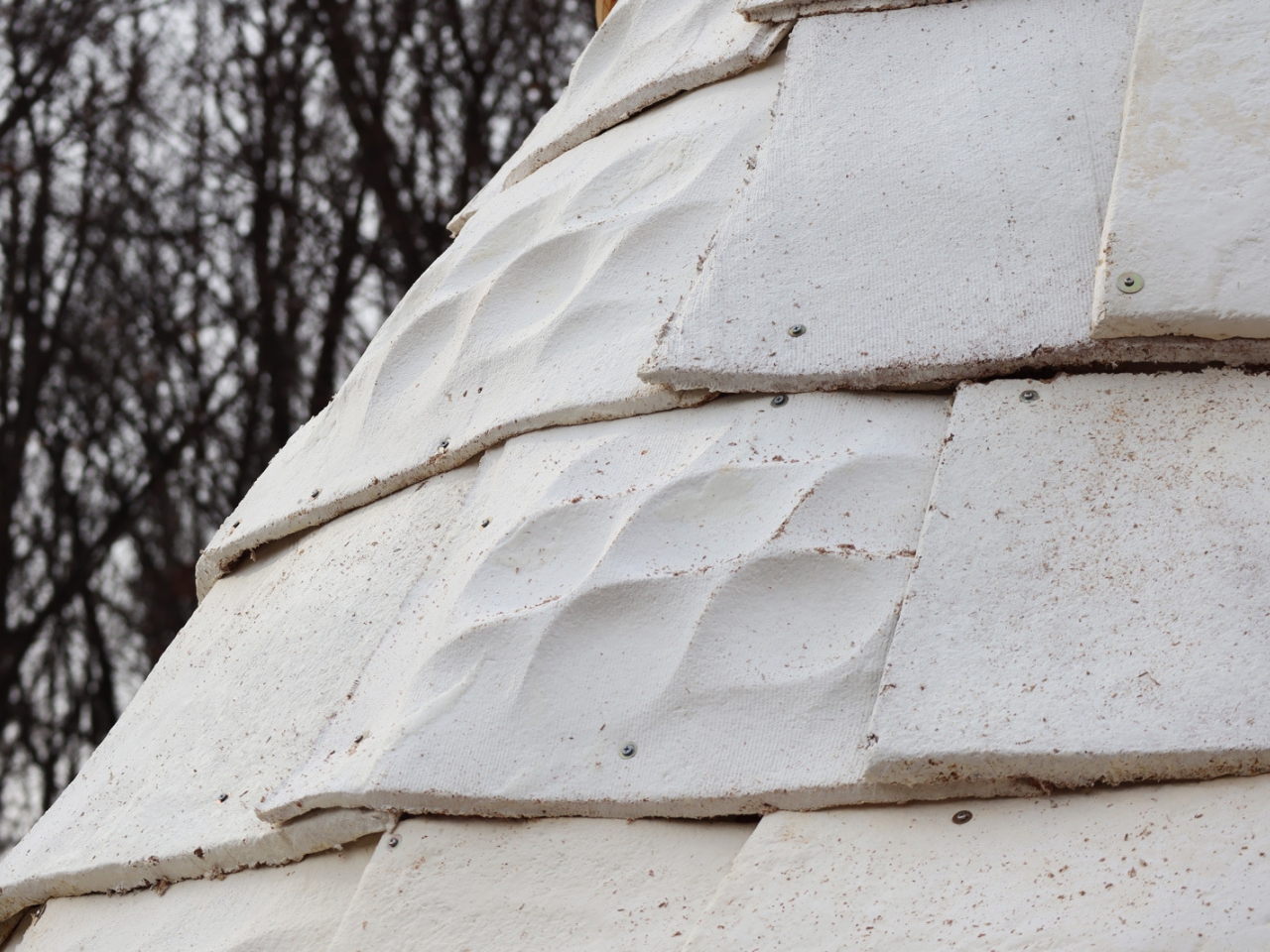
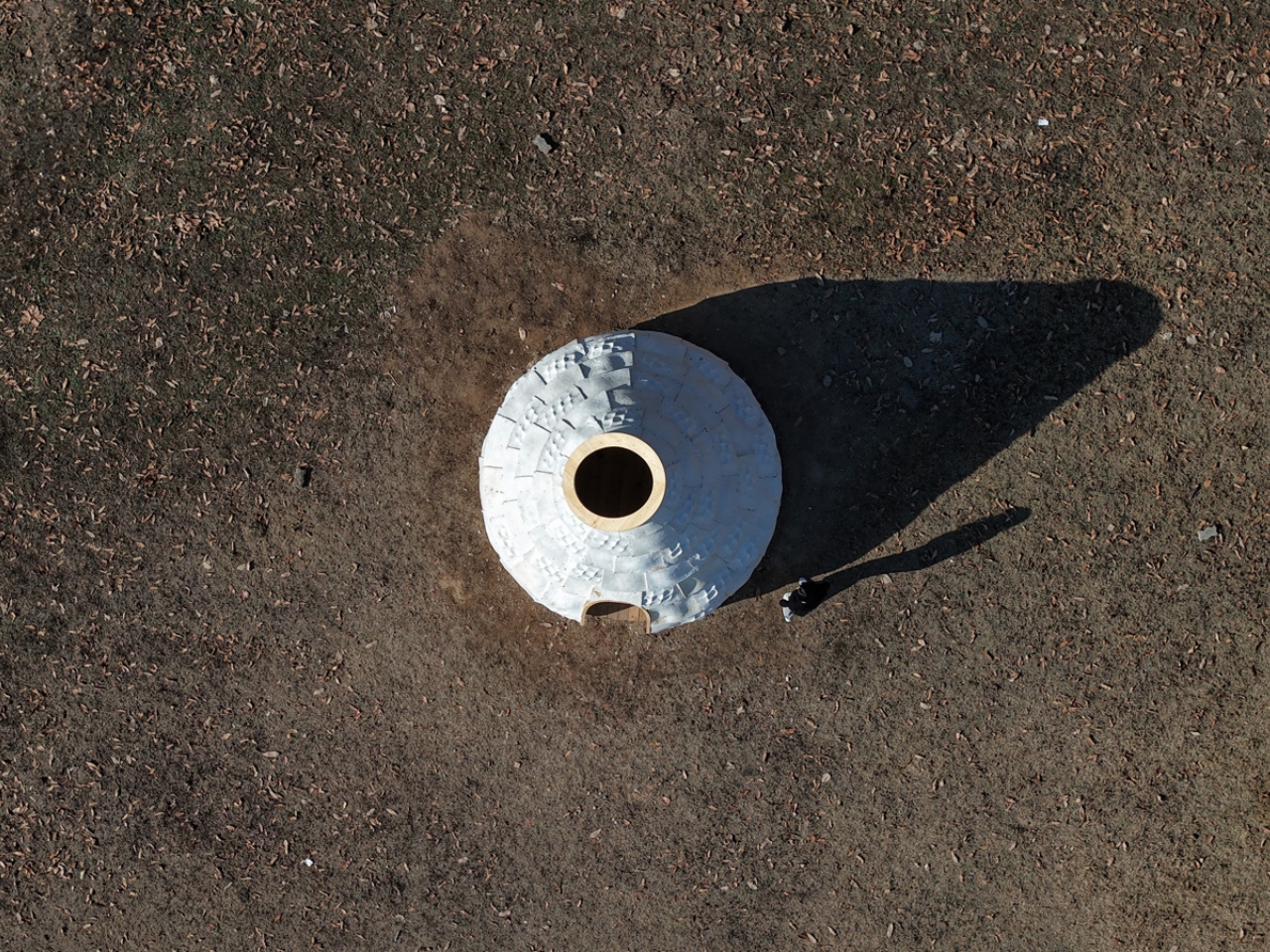
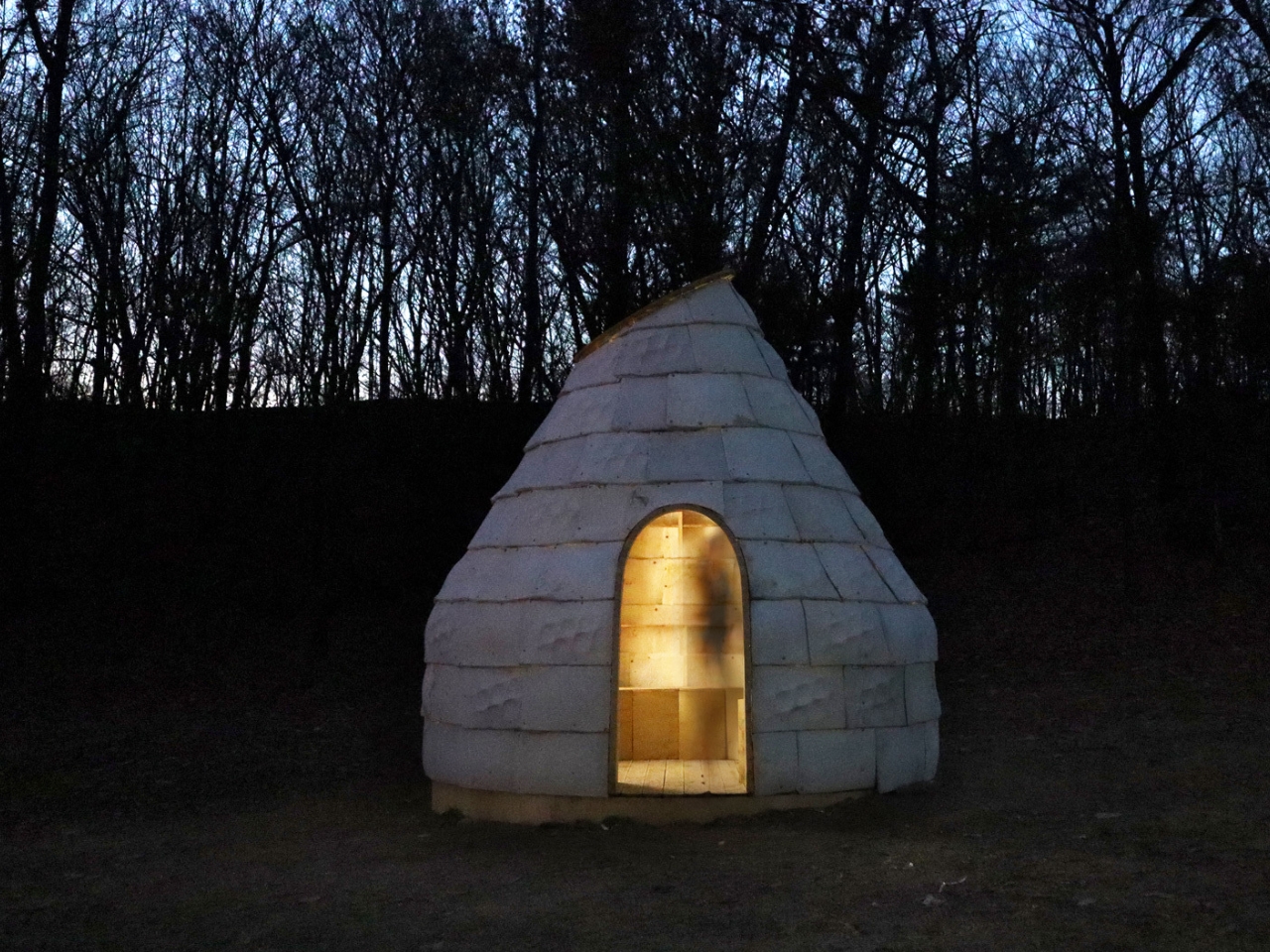
The Mycelial Hut demonstrates large-scale application of mycelium as a building material through customized molds fabricated by robotic 3D printing. This design-based research produces a bio-hybrid pavilion where a wooden frame serves as the structural backbone while customized mycelium panels form the external envelope. It’s a marriage of old and new, natural and digital, strength and adaptability.
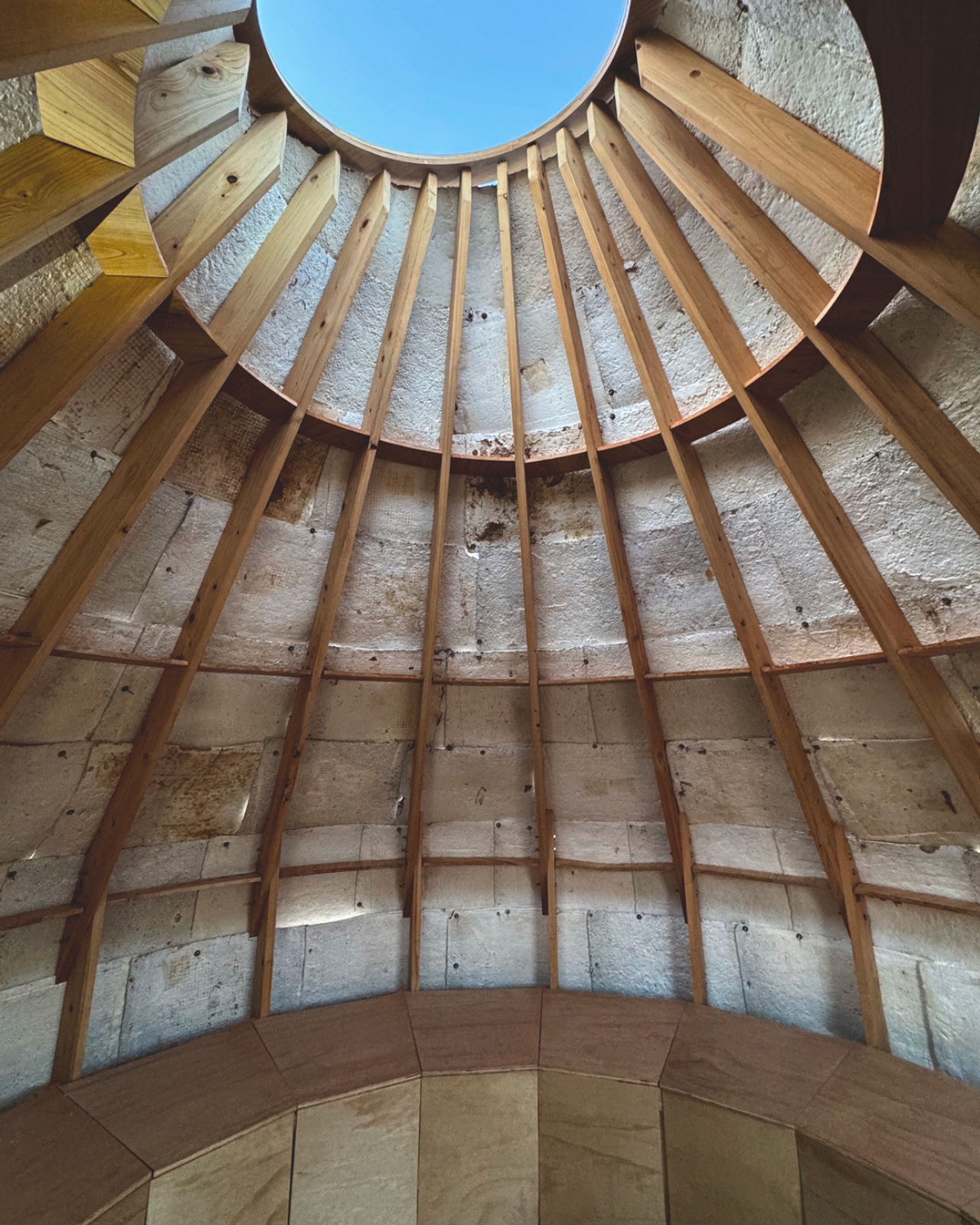
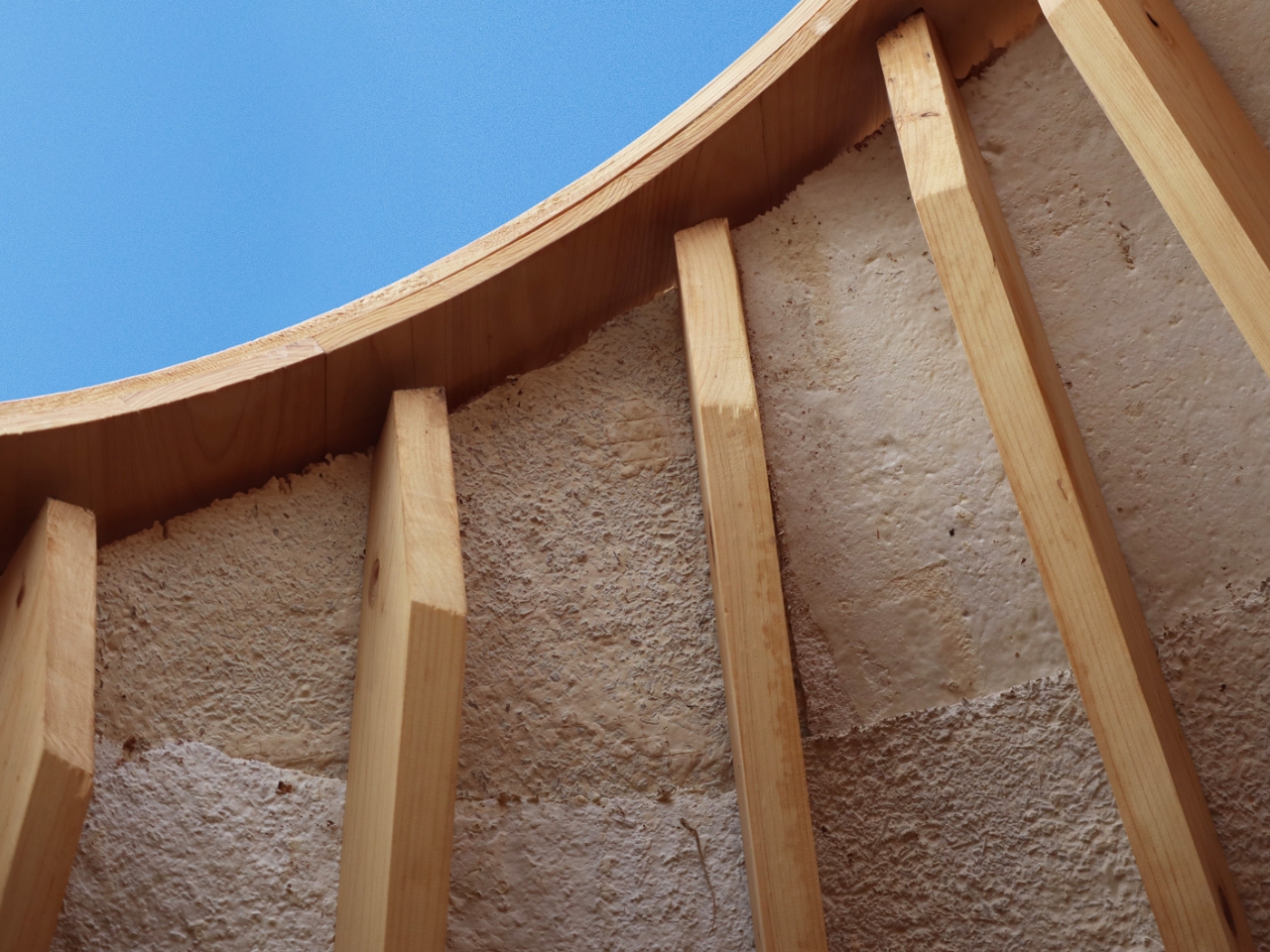
The process itself reads like an experimental recipe. In the initial phase, various types of mycelium substrates were tested to evaluate their workability, growth, and strength. Based on these results, specific molds were fabricated using 3D printing. Then came the innovation that makes this project particularly fascinating: a new workflow combining industrial robotic arms was established to merge digital processes with natural growth systems. The result is a large-scale structure that embodies the coexistence of computation and biology. Robots and fungi working together. Algorithms guiding organic growth. It’s the kind of collaboration that wouldn’t have made sense even a decade ago, but now feels inevitable.
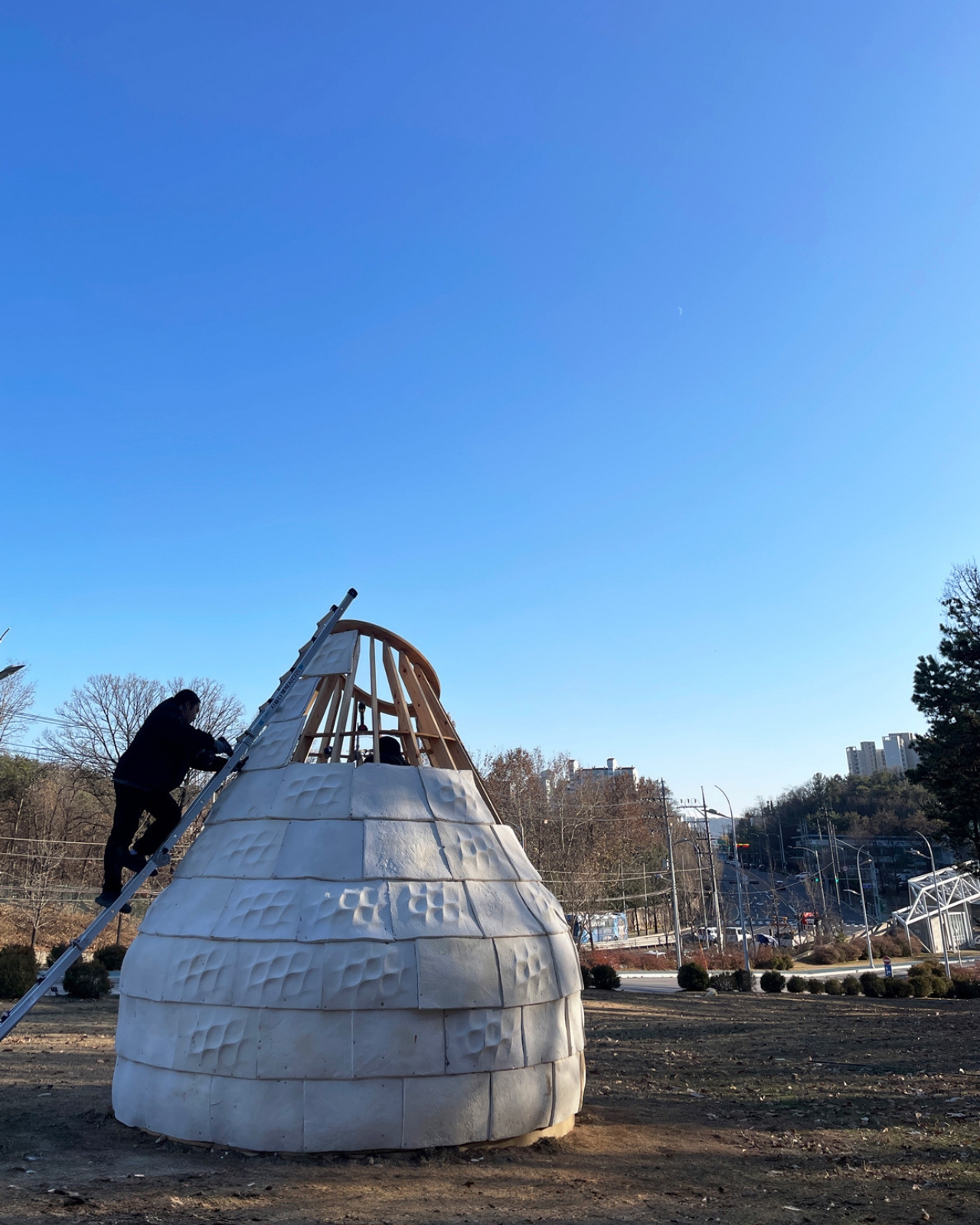
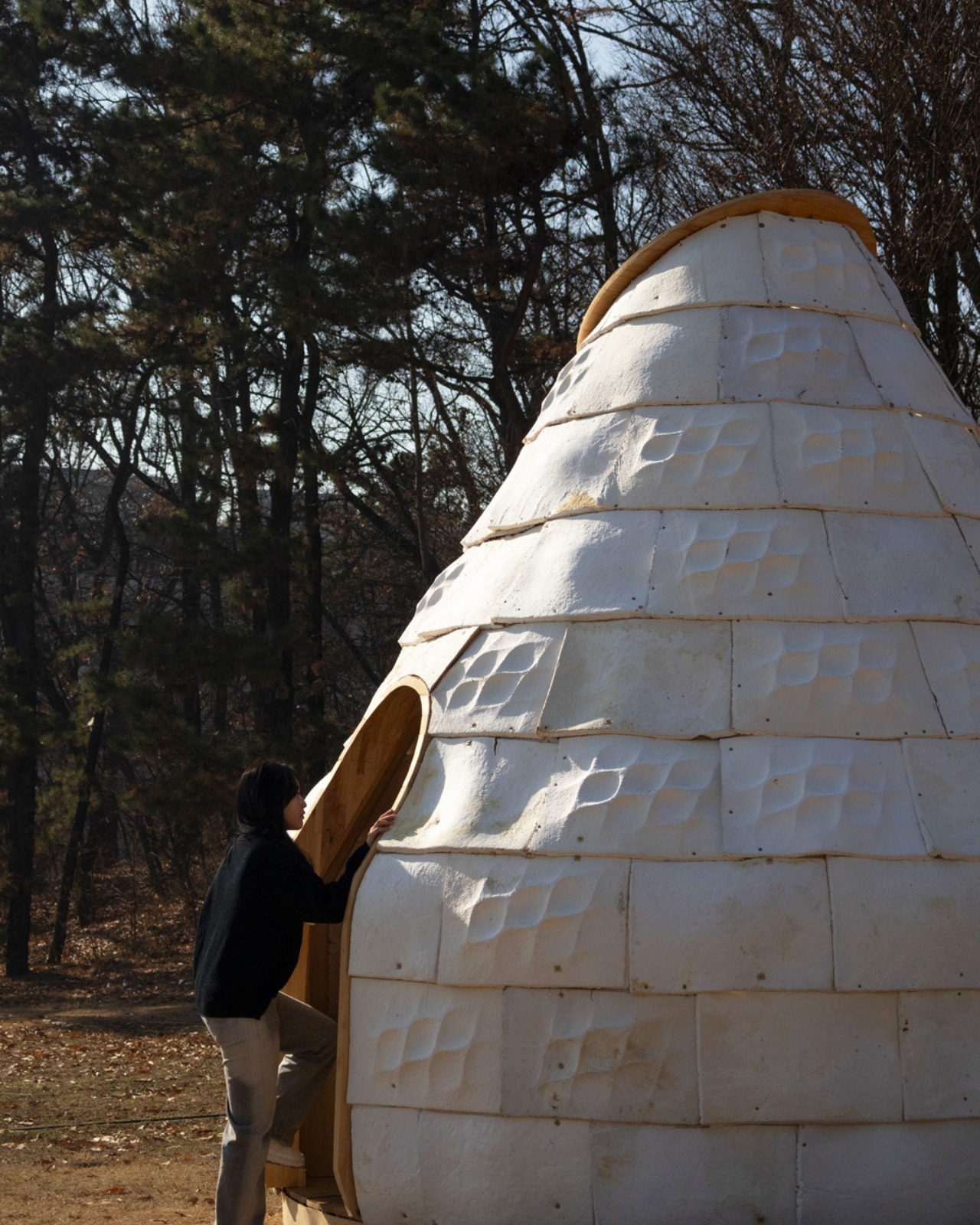
What makes the Mycelial Hut more than just an interesting experiment is how it addresses the real challenges of fungal material application. Mycelium is structurally weak compared to concrete or steel. It grows unpredictably. It needs specific conditions to thrive. These aren’t bugs in the system but features that demand smarter design thinking. By using geometry, custom molds, and a supportive wooden frame, the project demonstrates the feasibility of bio-composites for architectural construction without pretending the material is something it’s not.
The location matters too. Situated on a university campus, this bold installation makes the concept of sustainable architecture tangible and accessible in everyday life. It’s not hidden away in a research lab or showcased only at industry conferences. Students walk past it. Visitors encounter it. The project invites everyone to imagine a future where buildings respond to their environment because they’re fundamentally made from it.
We’re watching a shift in architectural thinking that goes beyond sustainability buzzwords. When your building materials can be composted after use, when construction happens through cultivation rather than extraction, when robots program molds for fungus to fill, you’re not just reducing environmental impact. You’re reimagining what construction can be. The Mycelial Hut suggests that the next revolution in architecture won’t come from stronger concrete or lighter steel but from learning to work with living systems. By combining digital fabrication with biological growth, Yong Ju Lee Architecture has created something that’s both cutting-edge and ancient, high-tech and earthy, experimental and surprisingly practical.

The real question isn’t whether we can build with mushrooms. The Mycelial Hut proves we can. The question is whether we’re ready to rethink our entire relationship with materials, growth, and the built environment. On a university campus in Seoul, that conversation has already begun.
The post This Seoul Studio Just Grew a Building From Mushrooms first appeared on Yanko Design.
Why is Mycelium Nature’s Sustainable Hero in Building Materials?

Mycelium, an intricate mesh of fungal filamentous cells known as hyphae, is formed by fungi across a broad spectrum of organic substrates. Mycelium, known for durability and eco-friendliness, is ideal for creating daily-use products, offering resilience and sustainability for designers aiming to craft durable, environmentally responsible items with minimal ecological impact.

Designer: Interesting Times Gang and OBOS

What are the advantages of using Mycelium?

Mycelium, the root structure of fungi, is gaining attention in product design for several reasons:

• Sustainable Material

Mycelium is an eco-friendly material and an alternative to plastic or foam. It’s important to note that mycelium-based products are renewable, biodegradable, and can be combined with agricultural waste products to create composite materials.

Designer: FirstBuild

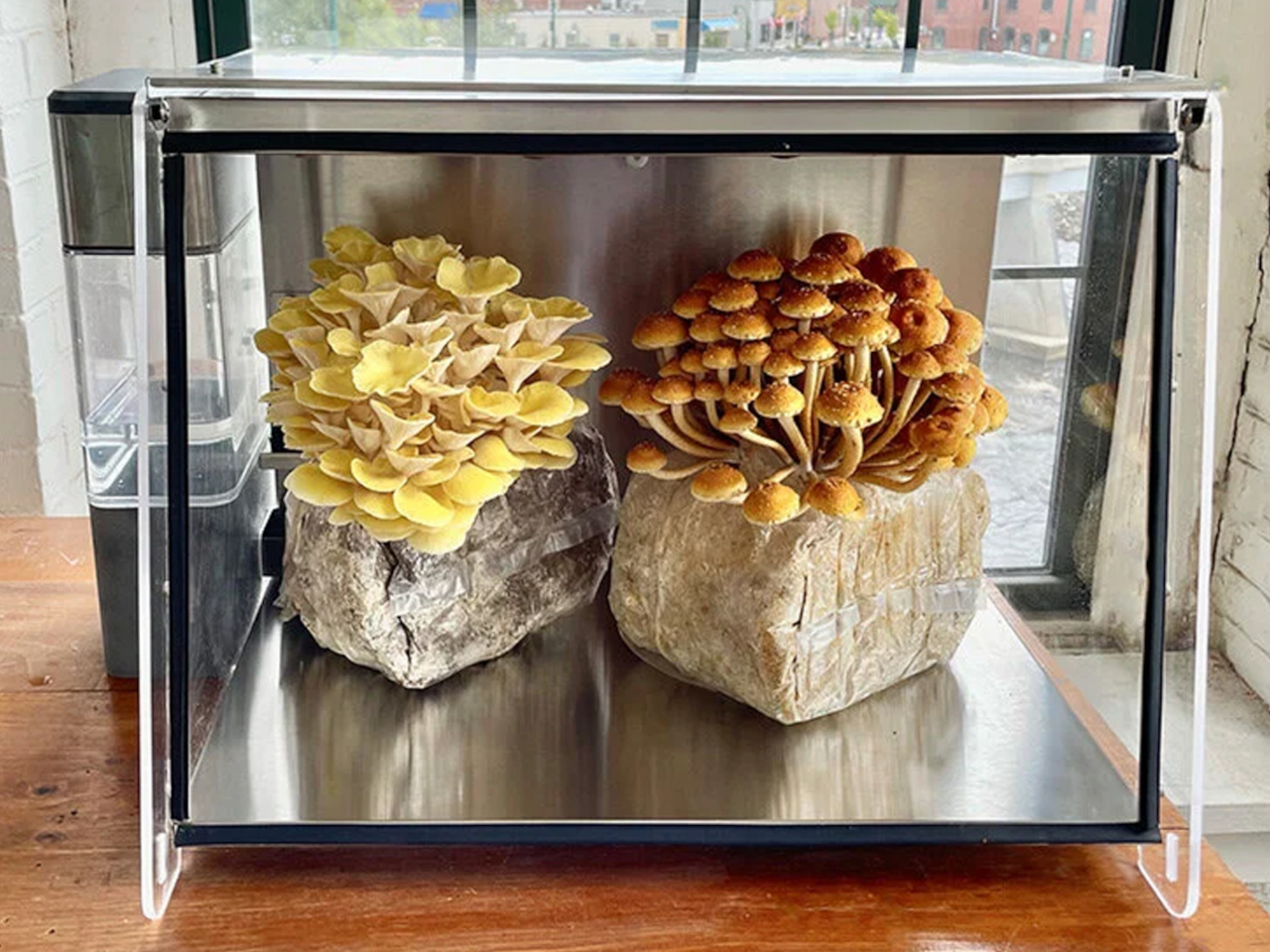
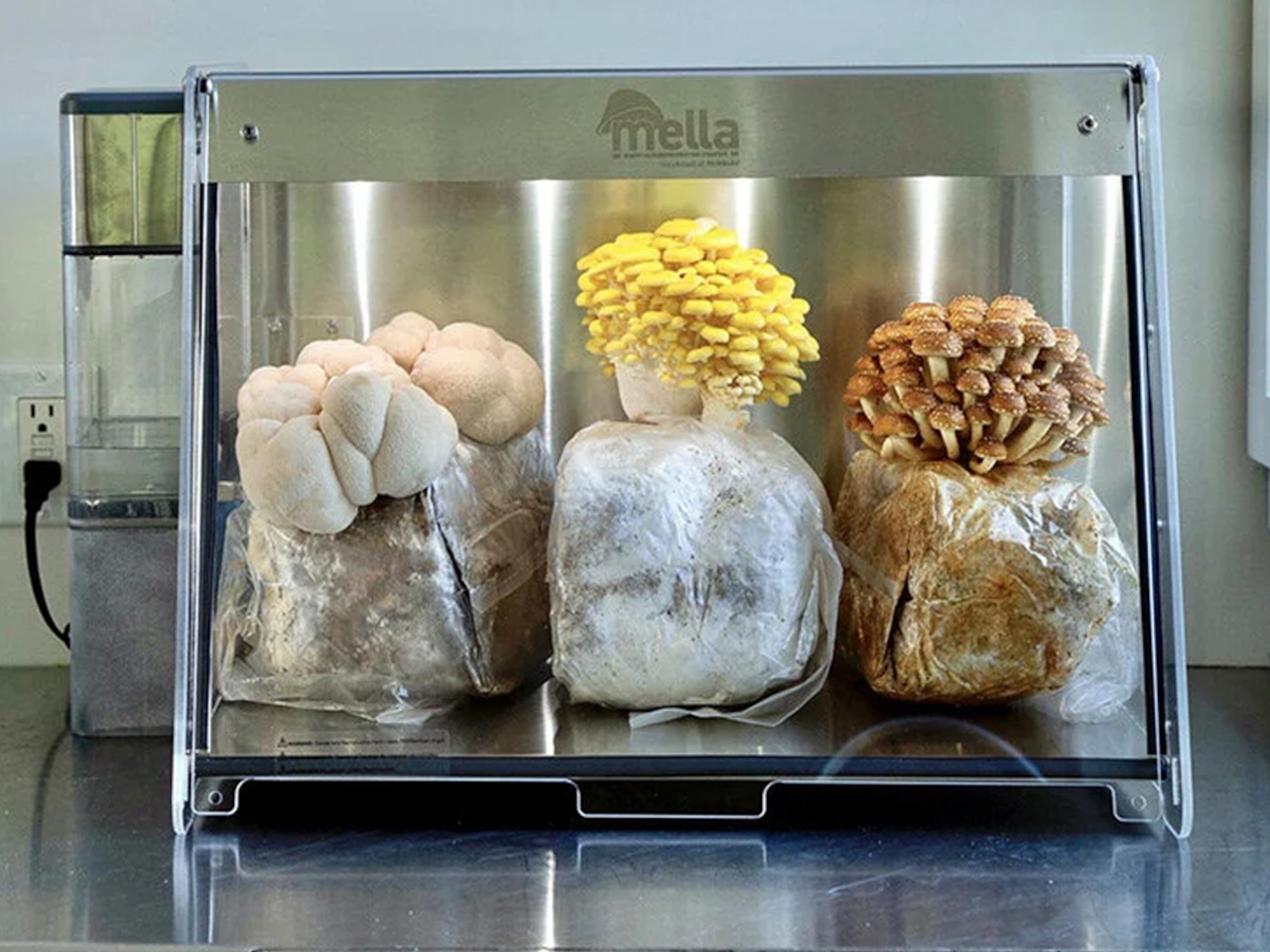
Mella is an automated chamber designed for effortless cultivation of various crops at home. Utilizing smart technology, Mella regulates environmental conditions to ensure optimal growth and harvest. With features like a refillable water basin, LED lights, and WiFi compatibility, Mella simplifies the cultivation process for all types of crops, making home gardening convenient and accessible.

• Flexible

Mycelium is a flexible material that can be grown and molded into various shapes and forms. It can be used to create numerous products, ranging from furniture to packaging.

Designers: Diego Mata and NOS Design

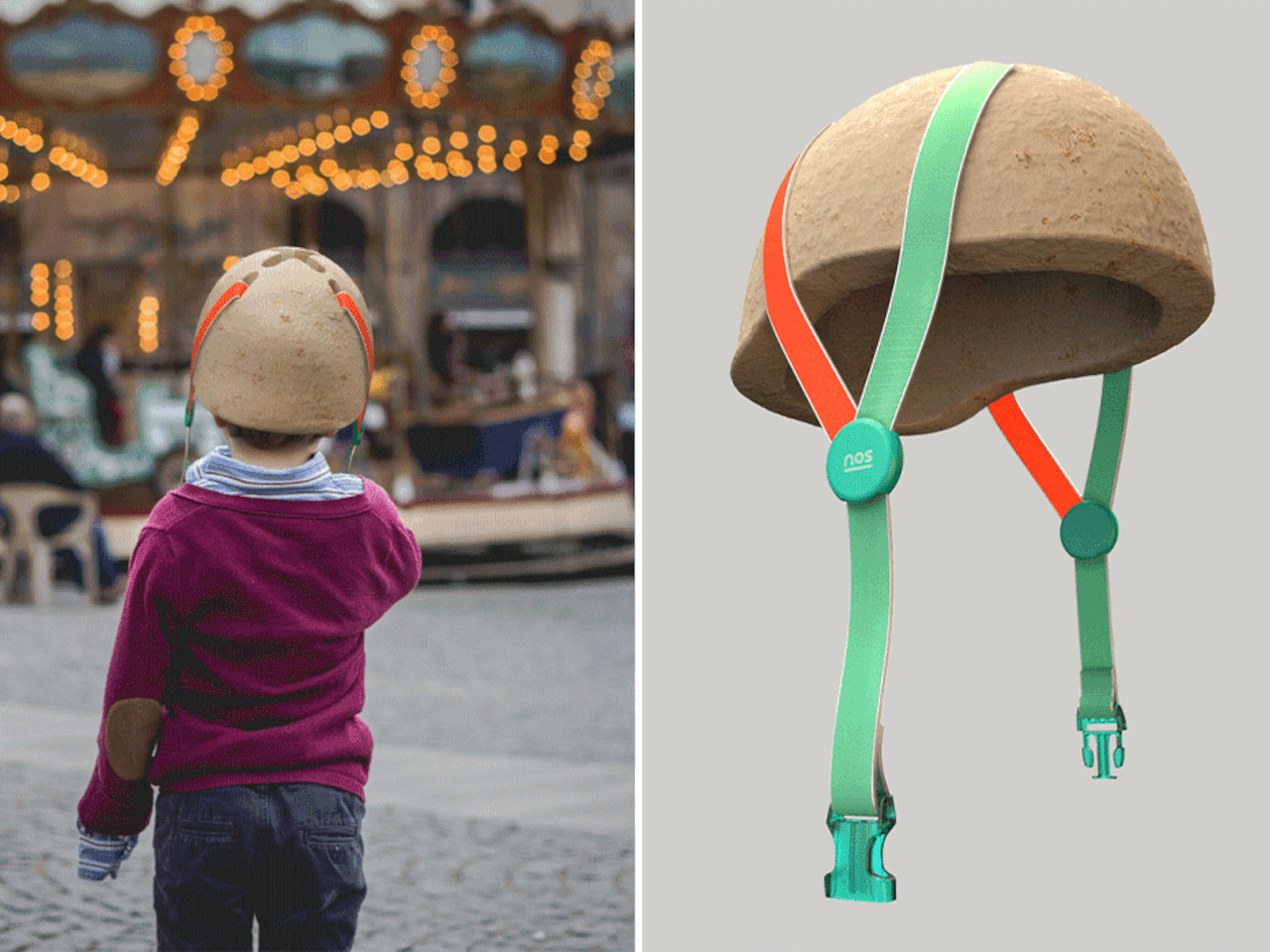
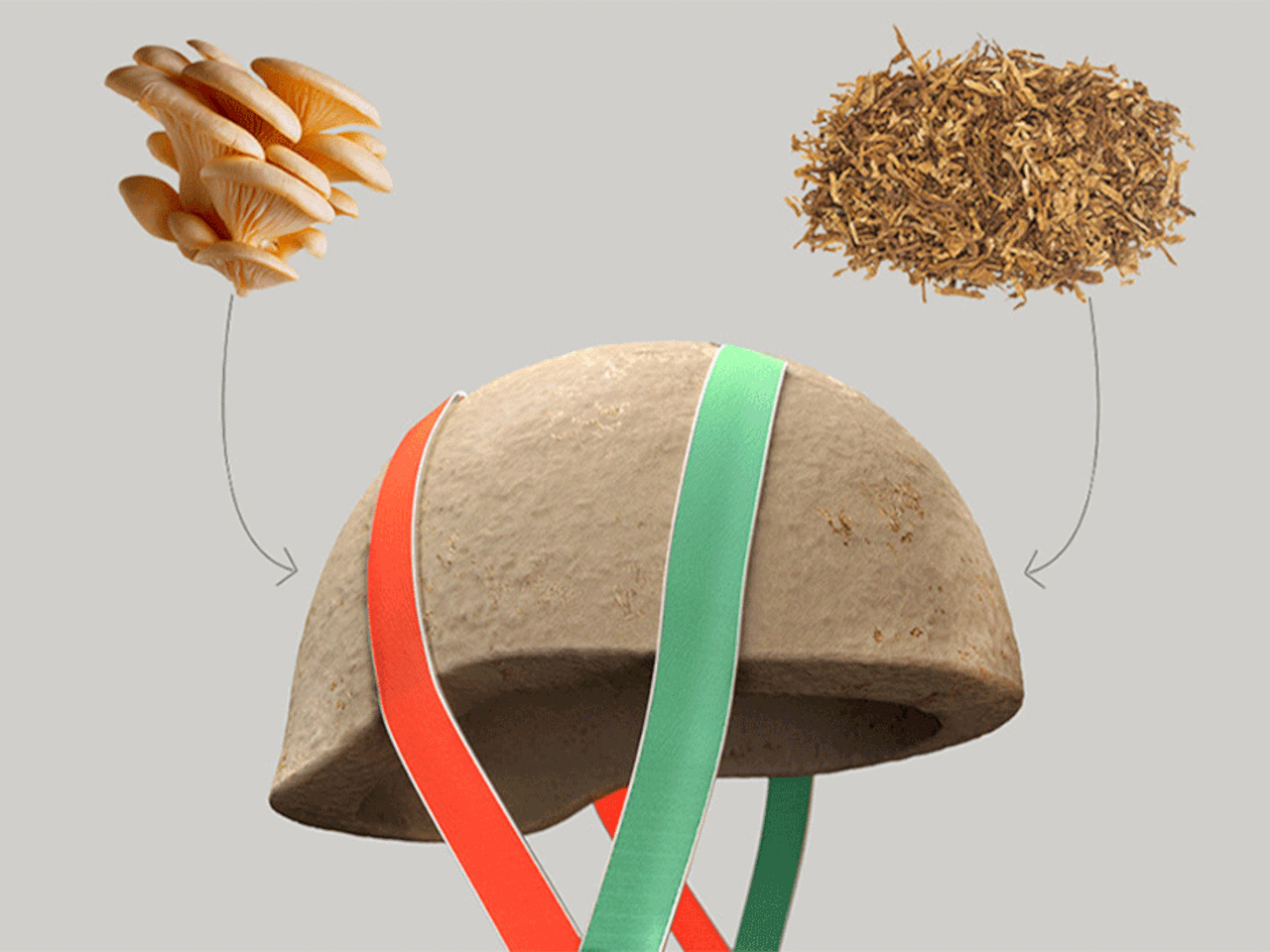
The Grow It Yourself Helmet is a sustainable DIY helmet crafted from mushrooms that actually grows on its own! Created by NOS Design, this innovative helmet is made from mycelium, the vegetative part of fungi. It’s 100% compostable, breathable, and impact-resistant, reducing the need for plastics. Partnering with Polybion, the helmet utilizes Fungicel, a mycelium-based material that provides cushioning upon impact. This biodegradable, low-cost alternative promotes sustainability and engages users in a meaningful DIY activity, offering a practical and eco-friendly solution.

• Highly Durable

Mycelium products are strong and durable, their strength and durability depend on their conditions of growth and processing techniques.

• Thermal and Acoustic Insulation

Mycelium has excellent thermal and acoustic insulation properties and finds its application in the construction and packaging industry, where insulation is essential.

Designer: Mogu

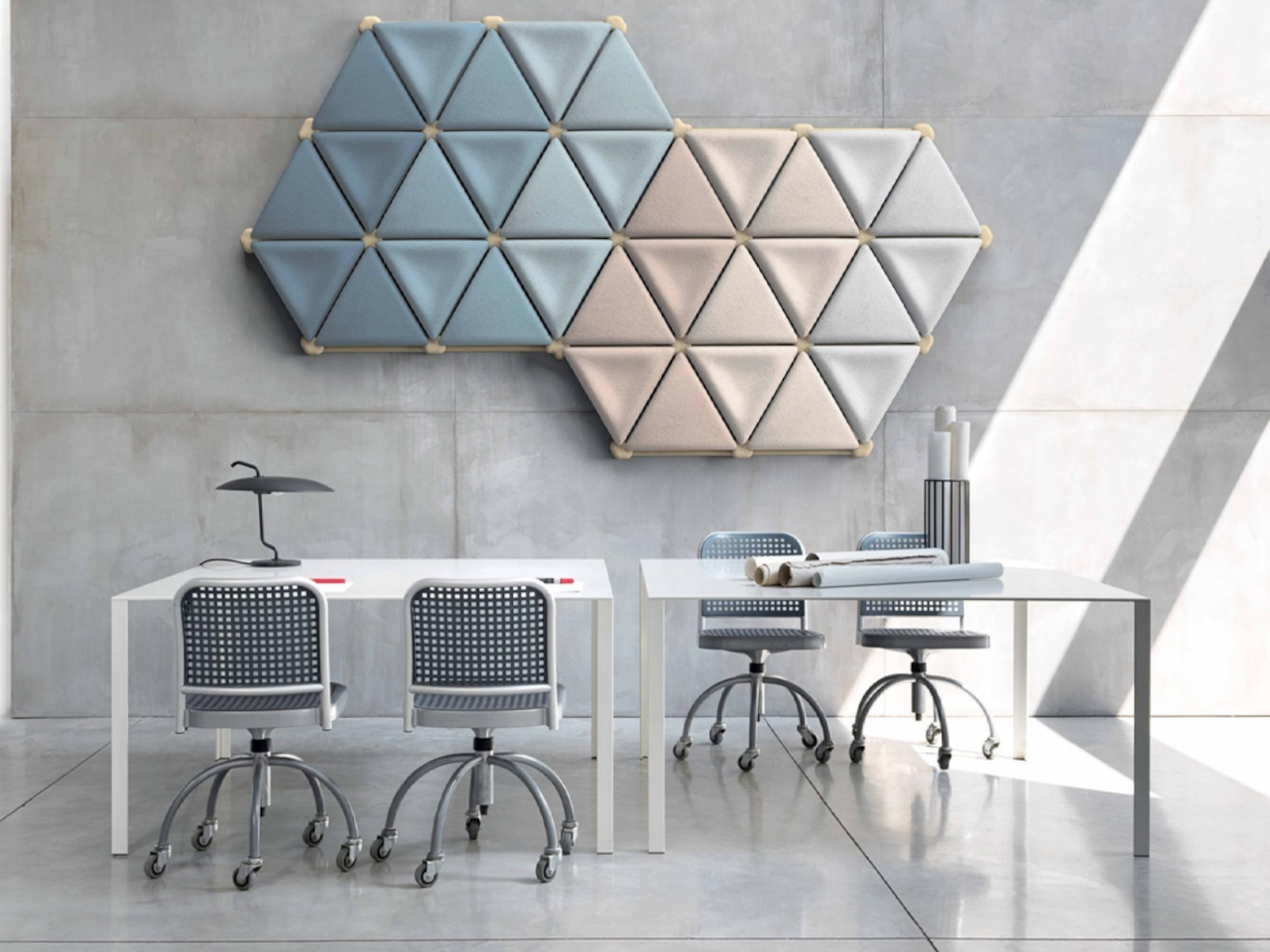
The Foresta System by Mogu is a groundbreaking collection of sustainable modular acoustic panels. Crafted from a unique blend of mycelium and upcycled textile materials, these panels offer organic yet durable noise-reduction solutions for spaces like offices and restaurants. Recognized for its eco-conscious design, Foresta integrates mycelium into its build. With a 100% circular design ethos and advanced wood processing technologies, Foresta combines elegance with innovation, setting a new standard in acoustic panel design.

Designer: Jonas Edvard

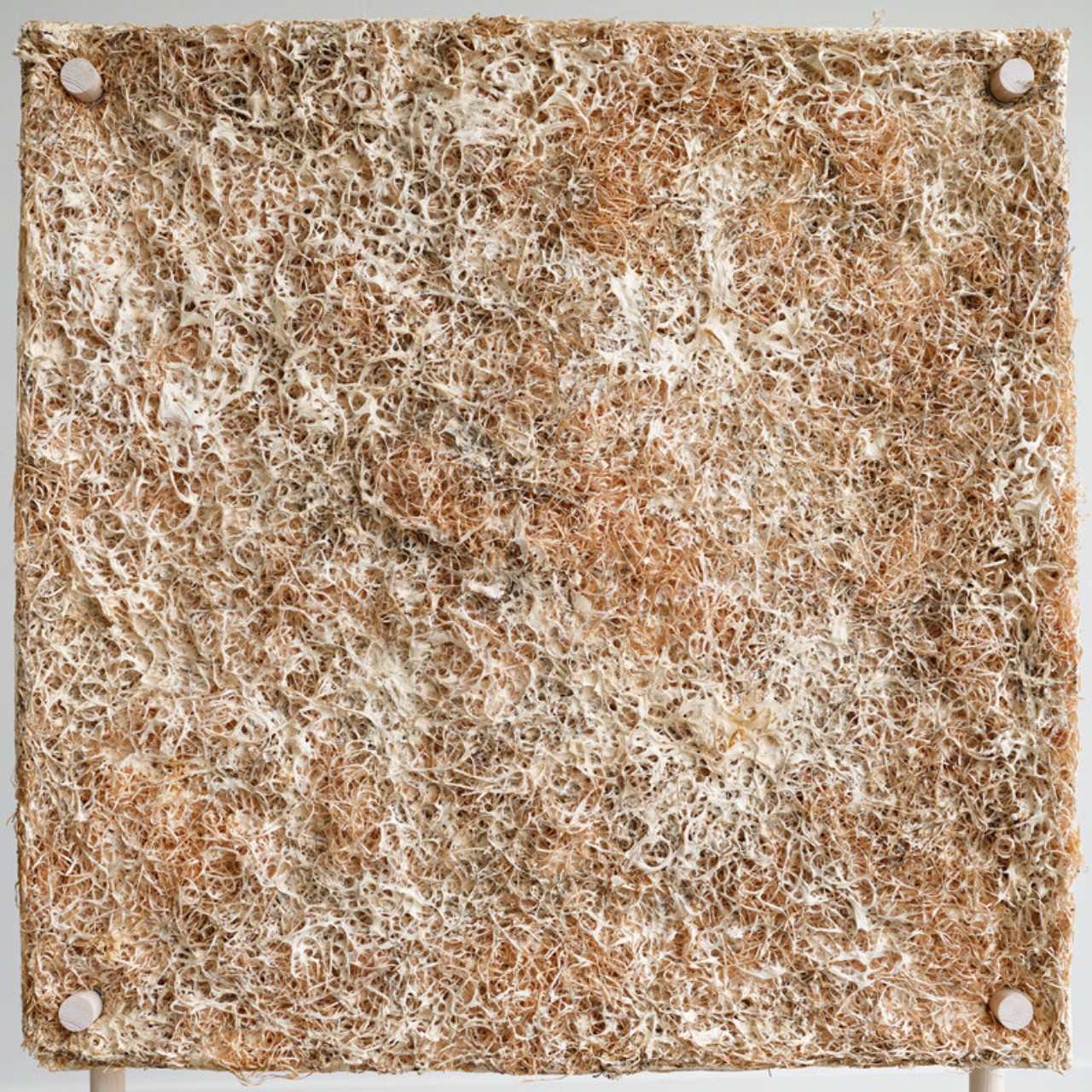
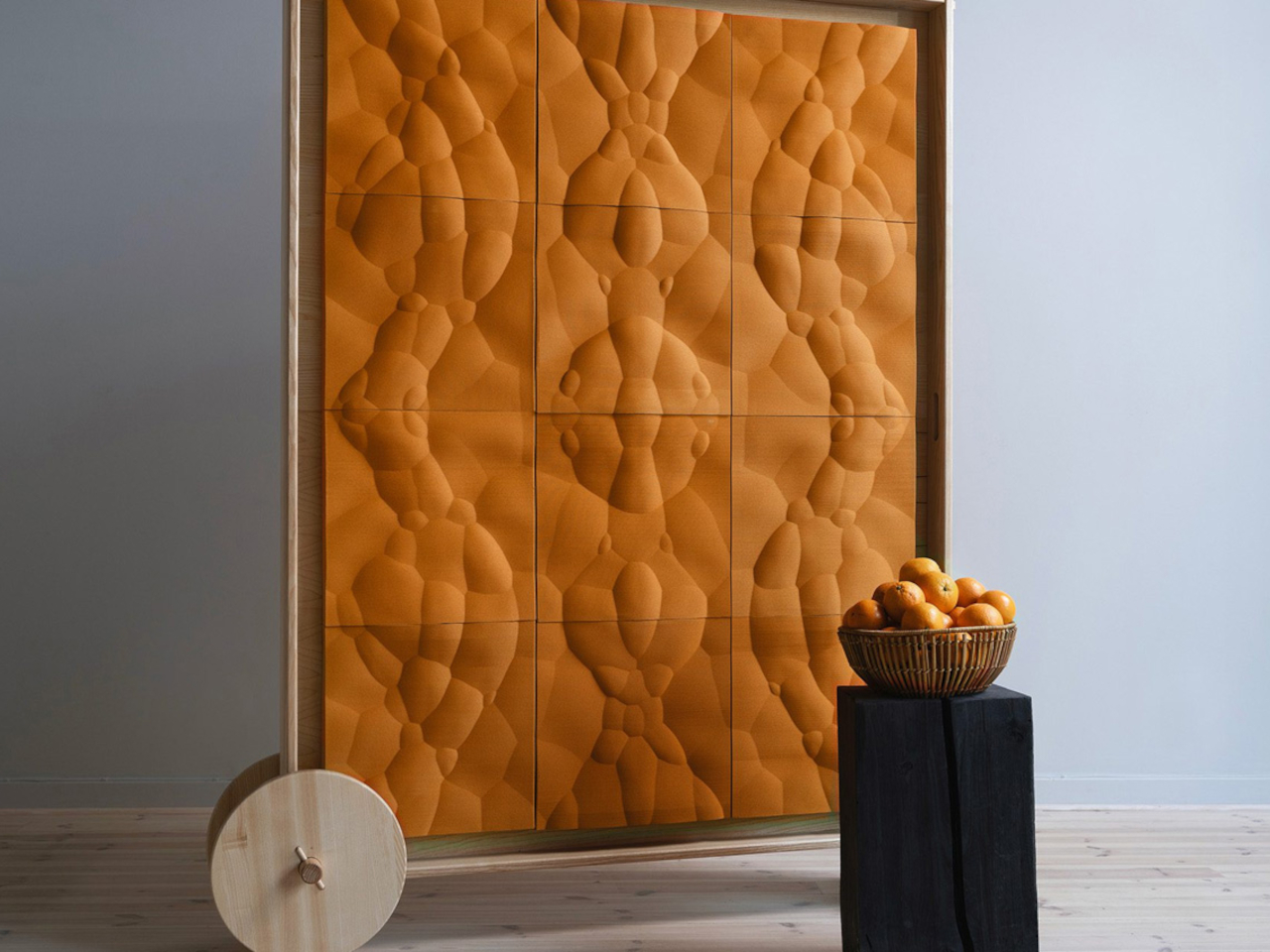
Jonas Edvard’s Myx Sail / Floor is a groundbreaking sound-absorbing panel, merging mushroom mycelium, hemp, and willow in a 1m x 1m design. Collaborating with nature, he explores mycelium’s flexibility and rigidity within a modular mold, envisioning its seamless integration into living spaces. With a focus on sound absorption, Edvard’s research highlights the viability of mycelium in reducing environmental impact while inspiring a harmonious relationship between design and nature.

• Biodegradable

Mycelium is a biodegradable material that breaks down naturally at the end of its lifecycle thus reducing its environmental pollution.

• Low Carbon Footprint

Growing mycelium demands fewer resources, it does not release a lot of greenhouse gases which makes it better for the environment.

• Material and Product Innovation

Another advantage is that mycelium can be combined with other natural materials like hemp or straw to create stronger composite materials with enhanced properties.

Designer: Emilie Burfeind

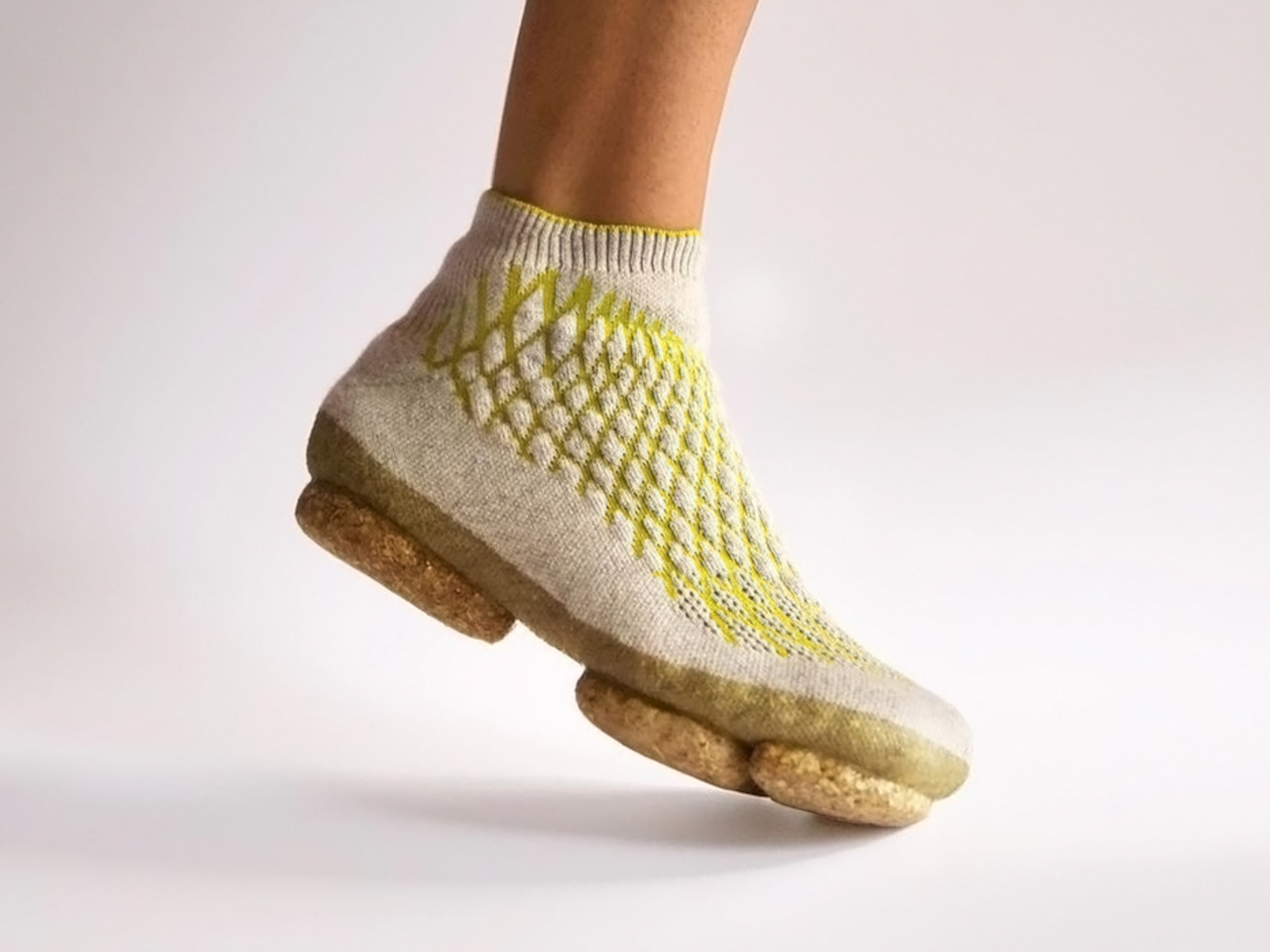
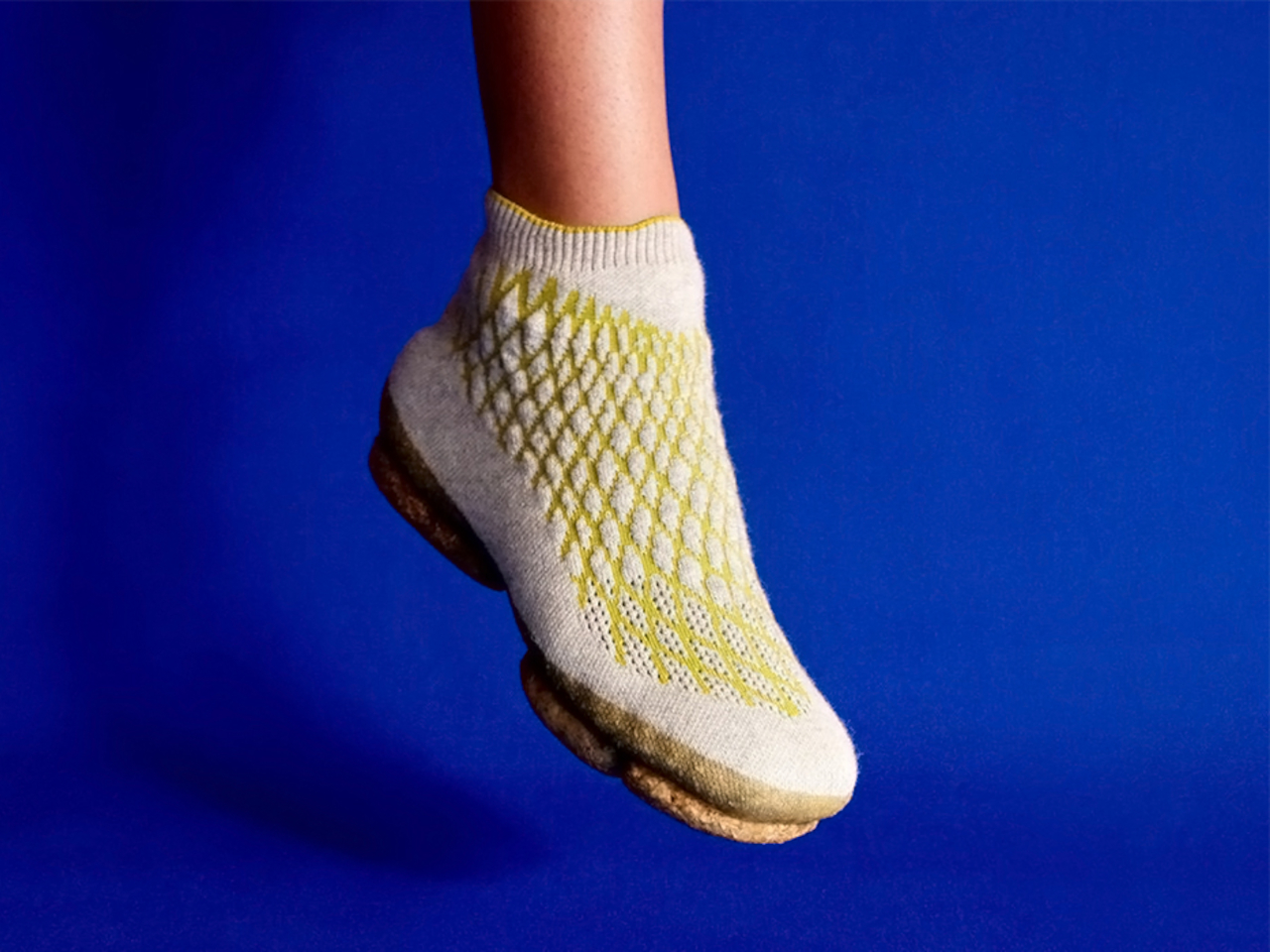
Sneature is a biodegradable shoe crafted with waste materials and 3D knitting technology. Designed by Burfeind, this sustainable sneaker offers an eco-conscious alternative to traditional footwear. Featuring a protein-based 3D knit membrane made from dog hair and a mushroom mycelium sole composed of local vegetable waste, Sneature prioritizes sustainability and customization. With water-repellent properties and a second-skin feel, Sneature combines style with environmental responsibility.

Designer: Stephanie Singer

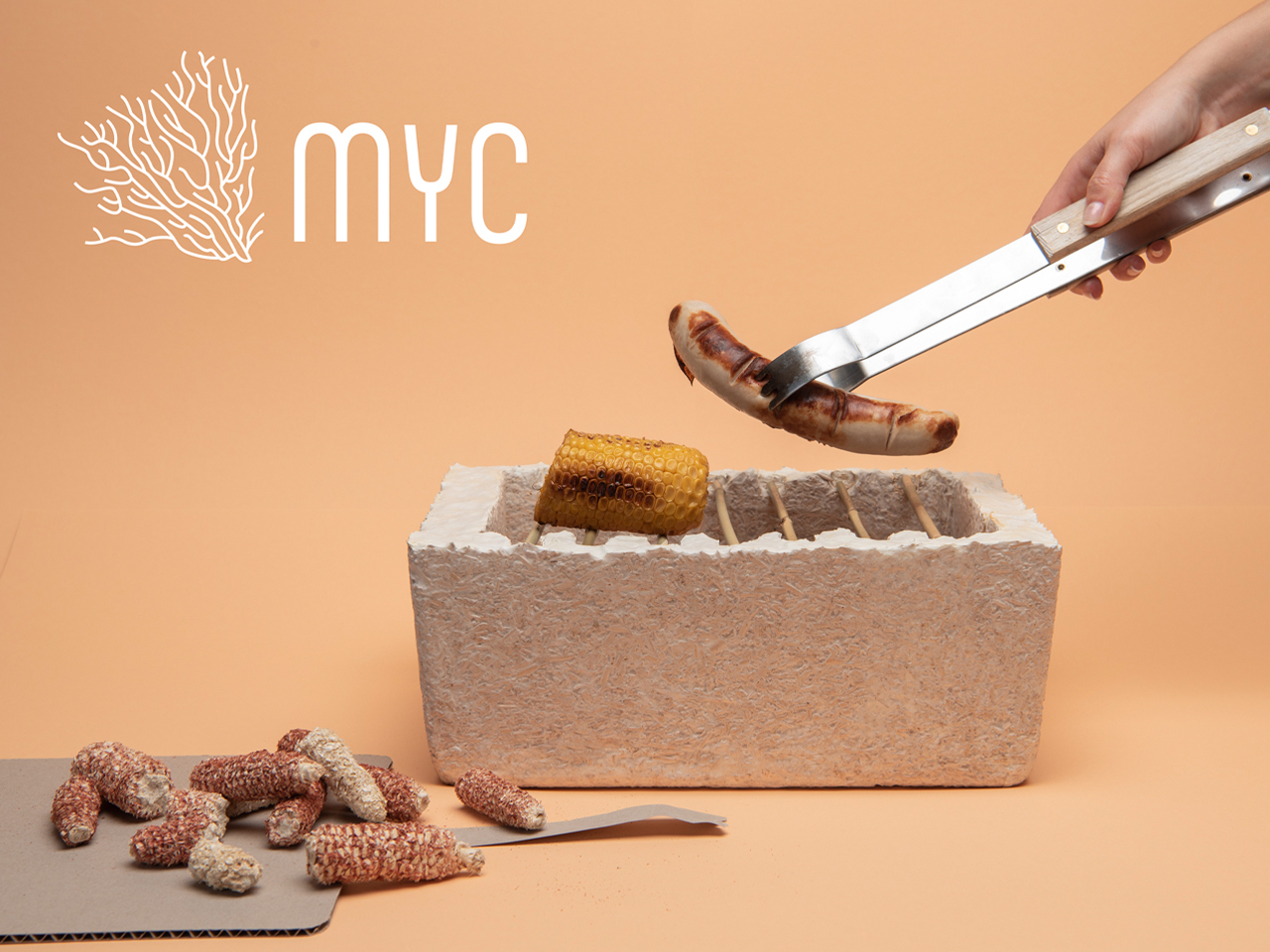
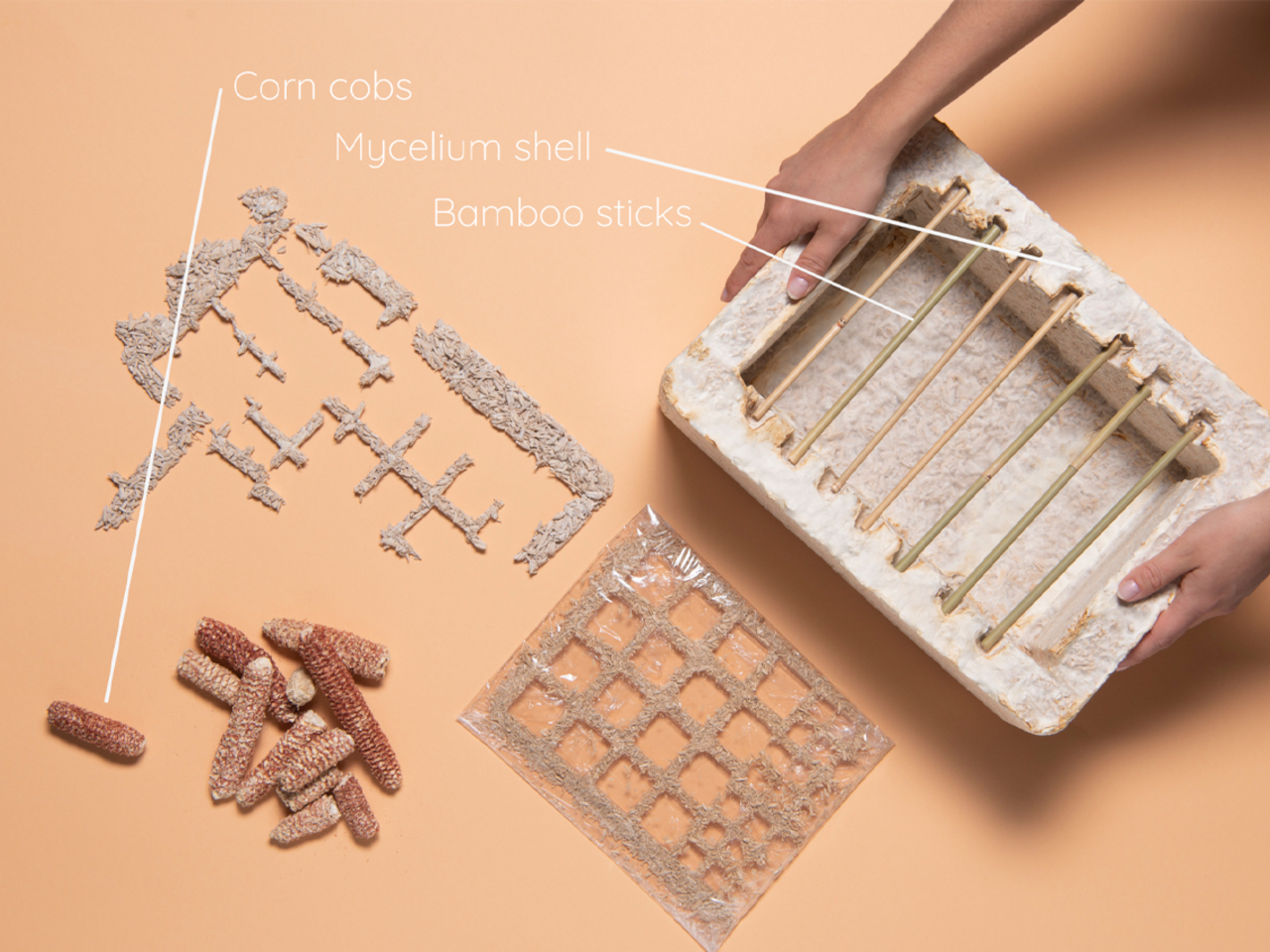
MYC is a sustainable disposable grill made from mycelium and was created by industrial design student Stephanie Singer, MYC offers an eco-friendly alternative to traditional aluminum grills. After use, MYC can be left to biodegrade and enrich the soil. With a grate made of bamboo sticks and dried corn cobs as fuel, MYC promotes sustainability without compromising convenience.

• Organic Aesthetic

Mycelium-based materials can offer a unique, organic aesthetic with a natural look, making them attractive to product designers.

Designer: Sebastian Cox with Ninela Ivanova

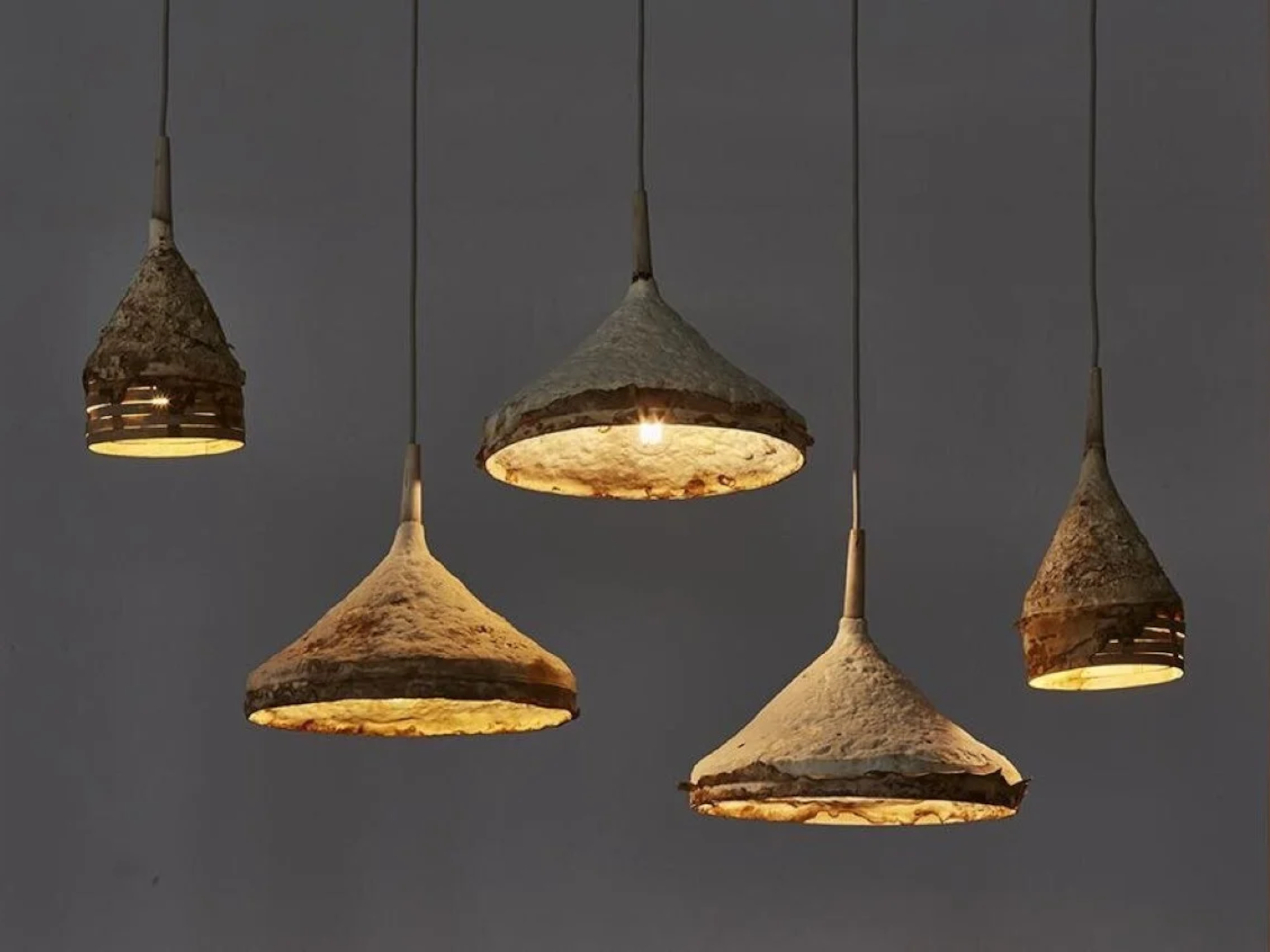
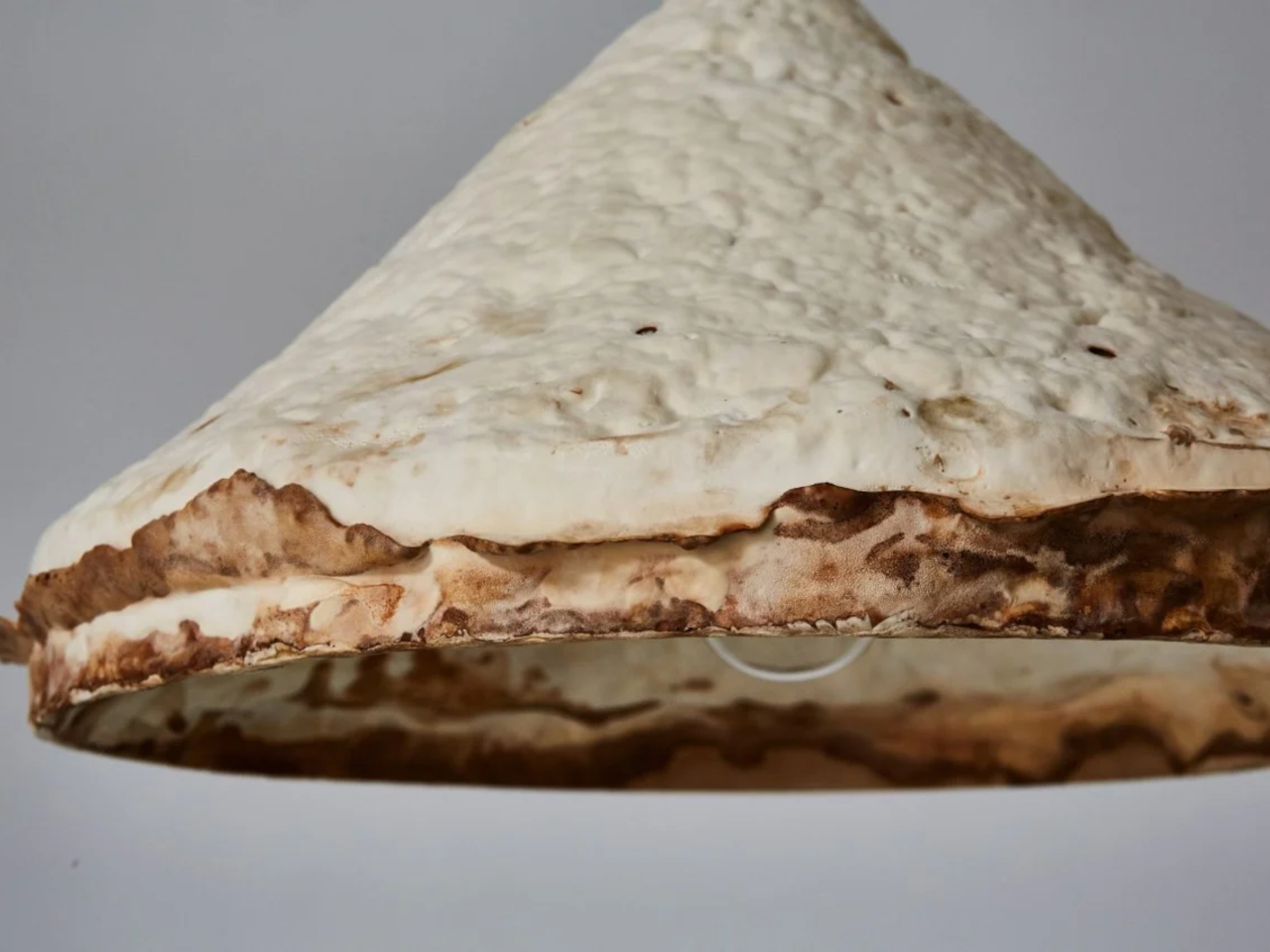
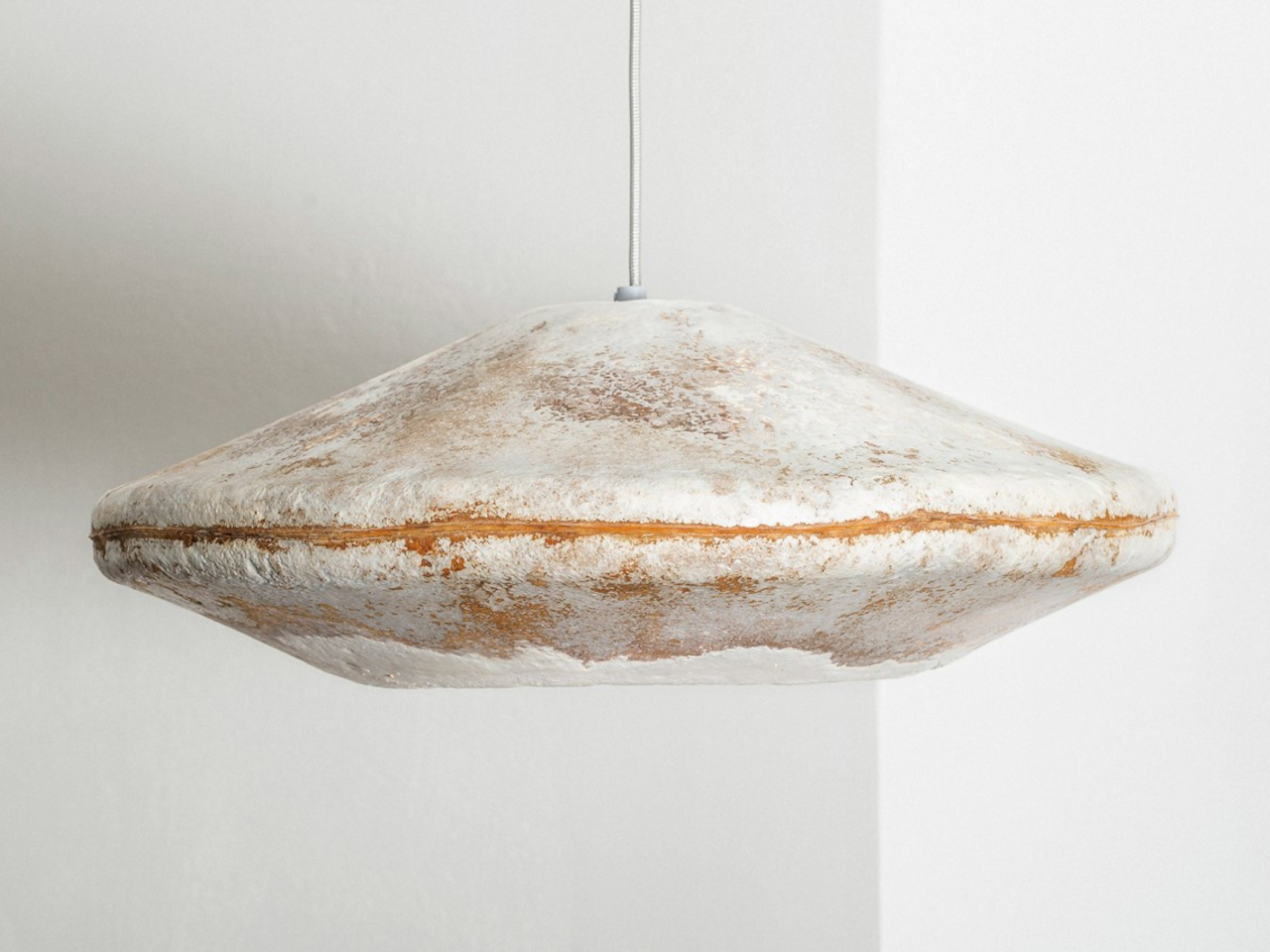
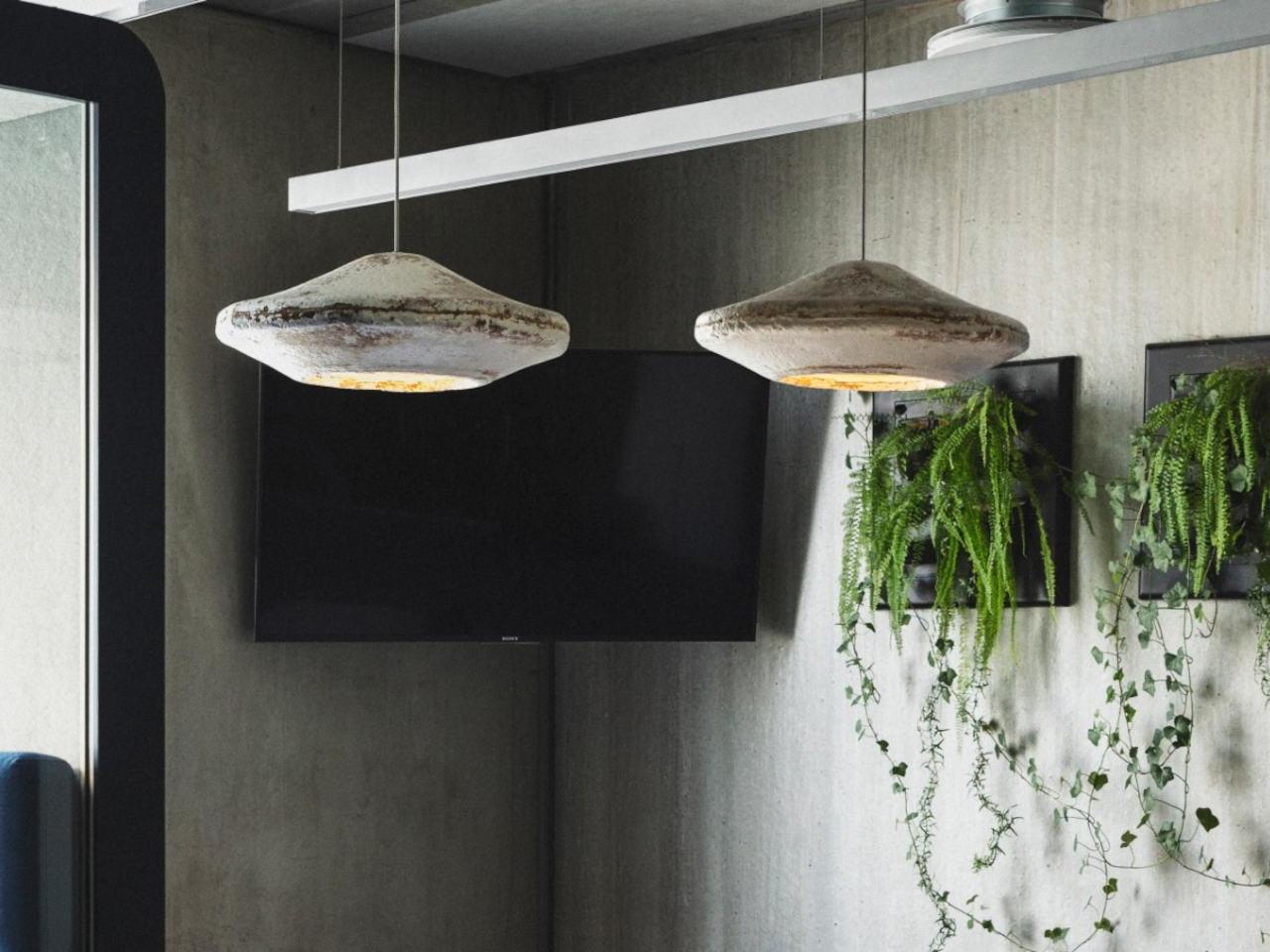
Sebastian Cox’s Mycelium pendant lamps redefine production by growing rather than being manufactured. Partnering with researcher Ninela Ivanova, Cox utilizes mycelium, the vegetative part of mushrooms, and scrap willow wood to create these uniquely rustic lamps. Each lamp takes 4-12 weeks to grow and is entirely compostable, showcasing the fusion of natural elements in sustainable design.

What are the disadvantages of using Mycelium?

Although mycelium is a sustainable material, it faces some challenges

• No Standardization

As mycelium is a natural product, its growth is influenced by temperature and humidity, making it difficult to achieve a standardized and consistent product. Note that mycelium growth takes longer and is not suitable for mass production or time-sensitive projects.

Designers: Myceen

‘B-Wise’ by Myceen is a sustainable lampshade crafted entirely from mycelium. This innovative design grows into its unique shape in just 5 weeks, using organic waste materials. With a rugged appearance reminiscent of leather, mycelium offers eco-friendly properties and versatile applications, even extending to architecture and space exploration.

• Moisture Sensitivity

Mycelium-based materials are susceptible to moisture, which can impact their structural strength and lifespan, potentially leading to product degradation if not stored correctly.

• Limited Applications

Mycelium-based products have limited applications and may not be suitable for items exposed to high temperatures or humidity. Furthermore, mycelium is yet to gain widespread market acceptance.

Designer: RMIT University

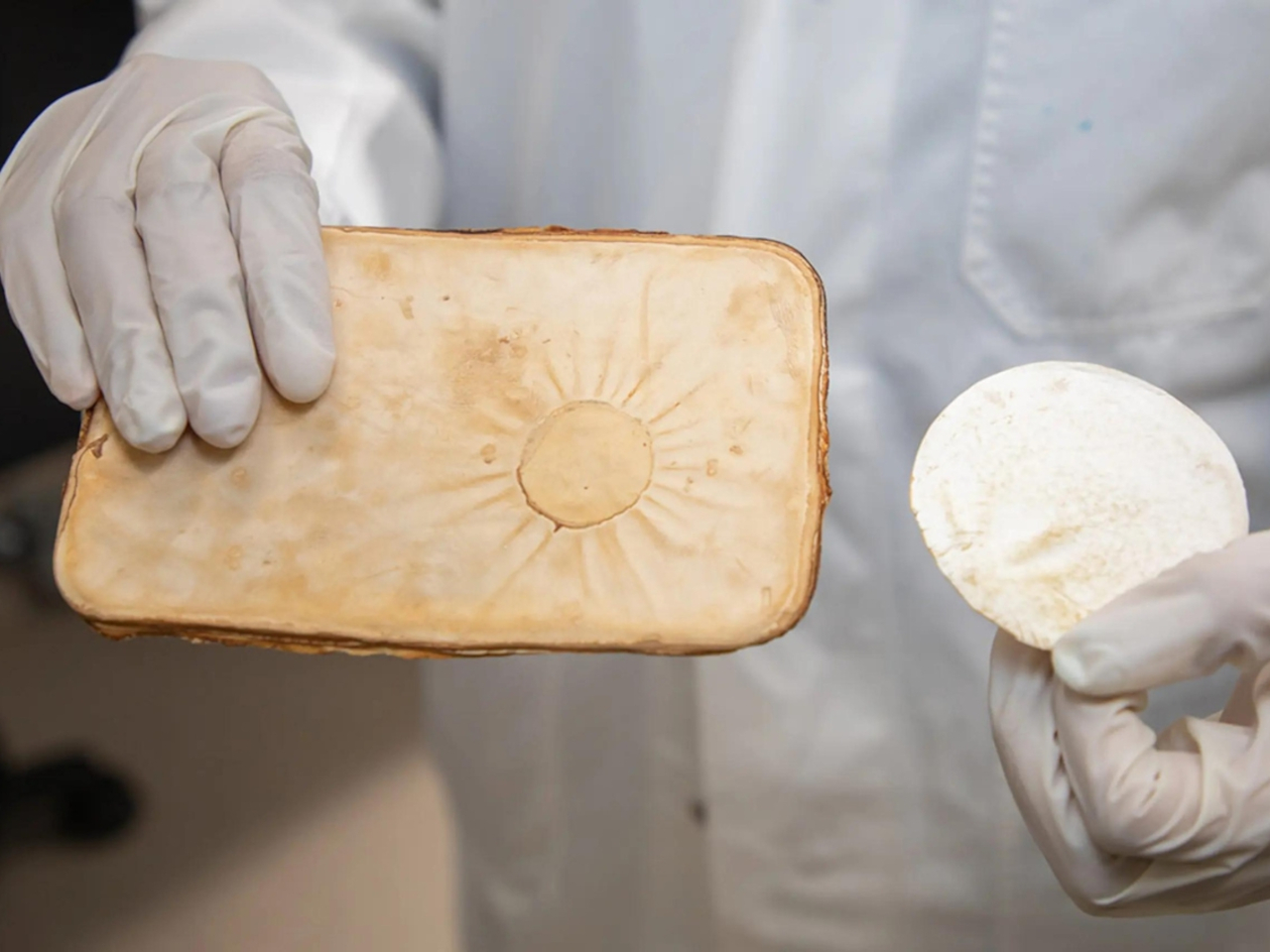
Fungi could become a game-changer in fireproofing homes. Researchers at a Melbourne university have developed fire-retardant mycelium sheets that offer insulation and can be applied over flammable surfaces. These bioengineered sheets, derived from fungi, are both sustainable and environmentally friendly, emitting natural water and carbon dioxide. The aim is to enhance fire safety in buildings while minimizing environmental impact.

• Costly Material

The costs associated with research and development contribute to the expense of producing mycelium-based products, making them economically unfeasible for certain applications.

Why is Mycelium becoming a popular construction material?

Mycelium-based building materials are crafted via myco-composite manufacturing which blends mycelium with agricultural waste such as straw, sawdust, or hemp. This mixture is poured into molds and left to settle for several days. During this time, the mycelium digests the agricultural waste, bonding with it to create a sturdy, cohesive material. Once fully grown and solidified, the material is removed from the molds, and ready for construction use.

Although this eco-friendly solution is still under study for its strength and durability compared to conventional options like bricks, mycelium finds applications in insulation, soundproofing, and lightweight construction blocks.

Designer: The Living

“Alive” is a groundbreaking architectural prototype by The Living. This innovative structure utilizes probiotic materials, showcasing the future of sustainable architecture. Crafted from mycelium, the vegetative part of mushrooms, it offers a glimpse into a new era of eco-friendly design. Its organic, porous construction provides a habitat for various microbes while facilitating interaction between humans and microorganisms. Made from renewable luffa fibers, this prototype embodies sustainability and adaptability. “Alive” is not just a concept for the future – it’s a practical solution for creating healthier, more environmentally friendly spaces today.

Designer: Pierre Oskam and Max Latour

Urban Reef is a 3D-printed mycelium-based structure designed to enhance biodiversity in cities. Developed by a Netherlands-based company, this innovative project aims to stimulate water circularity and support diverse ecosystems within urban environments. Utilizing porous materials like ceramics and mycelium composites, Urban Reef creates an ideal habitat for fungi and vegetation to thrive, promoting sustainable urban ecosystems without human intervention.

The post Why is Mycelium Nature’s Sustainable Hero in Building Materials? first appeared on Yanko Design.

Spirituality and Sustainable Innovation Unite in Architectural Splendor at the MycoTemple

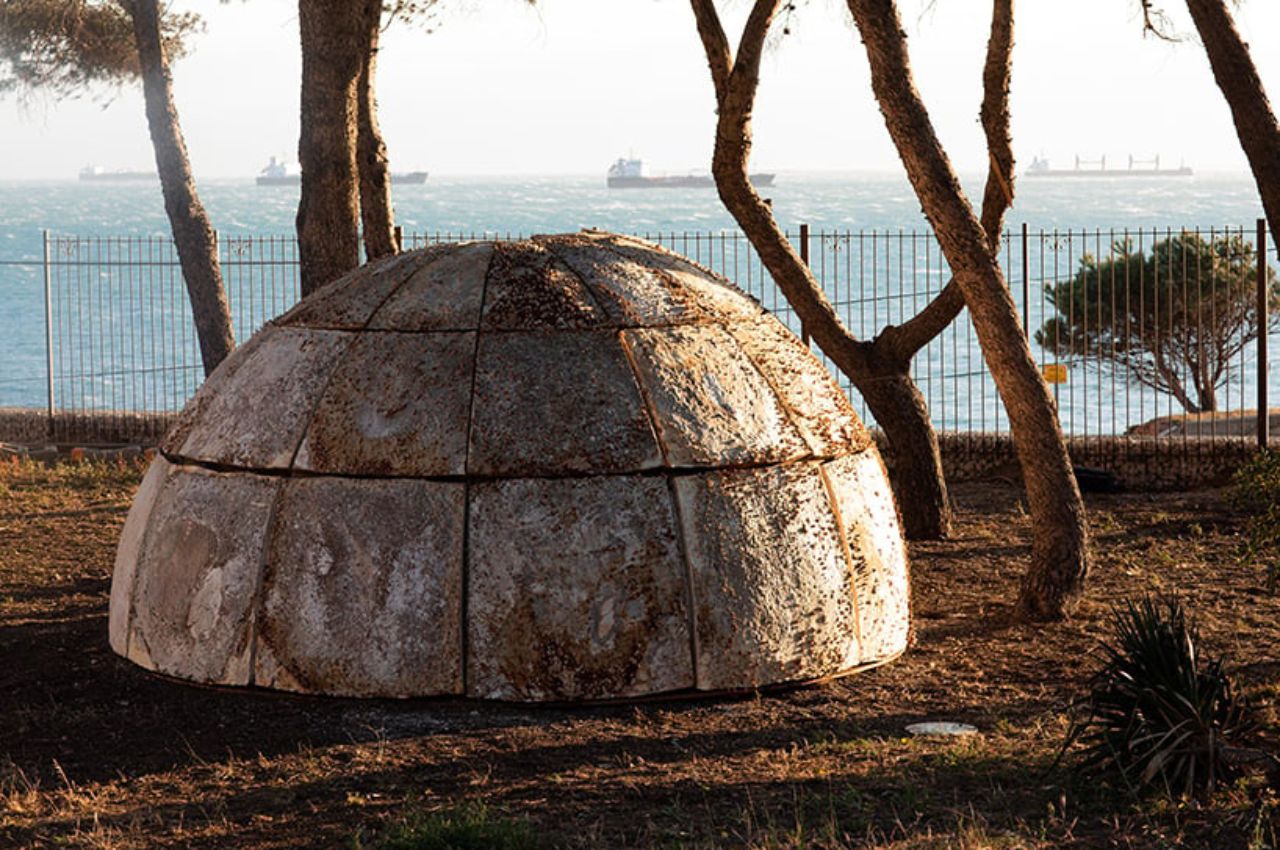
In a world marked by rapid urbanization and the relentless march of concrete and steel, a unique sanctuary has emerged, standing as a testament to the power of spirituality and sustainable innovation. Côme Di Meglio’s MycoTemple is a transformative living structure that harnesses the astonishing capabilities of mycelium, creating a biodegradable domed space for physical and spiritual transformation.

Designer: Côme Di Meglio

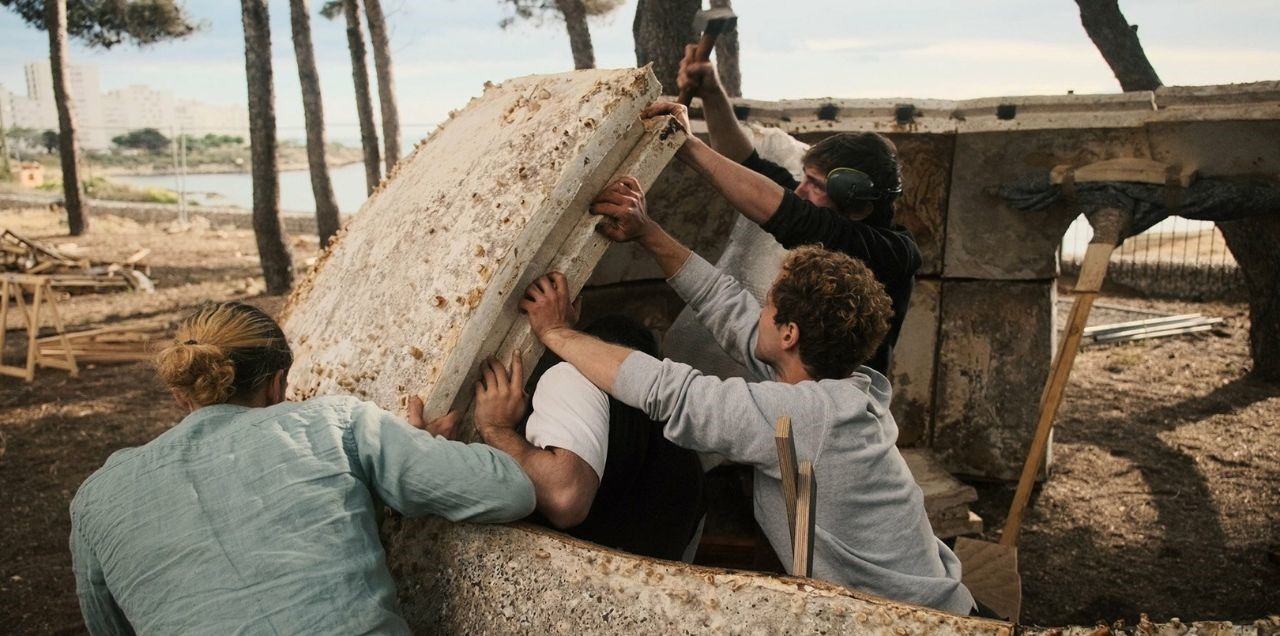
At first glance, MycoTemple is a marvel of art and architecture, a five-meter-wide domed structure that seems to rise from the Earth itself. However, what truly sets it apart is its construction material: mycelium, the intricate underground network of fungi that has the remarkable ability to grow structures. Concealed within this mycelium marvel is a hand-carved wooden structure, hidden from view and only revealed as the mycelium gradually biodegrades over time, returning to the soil from where it came.

Stepping into MycoTemple is like stepping into another realm. Its thick, mycelium-based walls insulate visitors from the clamor of the outside world, creating a serene cocoon of tranquility. Within the semi-darkness, one becomes enveloped by an intriguing material, rich in textures and colors. Some areas feel rough, reminiscent of minerals, while others are soft and velvety, akin to the gentle touch of skin. Every square centimeter is a microscopic landscape meant to be explored, contemplated, and caressed. The immersive scent of the underwood establishes an intimate connection between visitors and the environment, enhancing the sensory experience.

The sensory immersion within this living organism, crafted into an architectural wonder, triggers a heightened state of awareness and a profound sense of presence. MycoTemple invites us to delve deep within ourselves, tapping into something primal and ancient that resides within each of us.

Beyond its artistic and architectural allure, MycoTemple serves a higher purpose as a space designed to foster a diverse range of collective experiences and communal events. It is a place for gatherings, concerts, and quiet moments of contemplation. Di Meglio envisions the dome as a vessel for emotions and dreams, and he notes, “All the emotions and dreams birthed in the dome will nurture this porous material.”

More than just a space for individual introspection, MycoTemple is designed to nurture our essential connection to the living world. It also serves as a place to strengthen our bonds with others. The shape of the dome itself harks back to ancestral dwellings, reminiscent of the caves where early humans sought shelter from external dangers. It’s a form that has been embraced by countless cultures around the world in sacred architecture—places where communities would gather in circles to share stories, ignite shared imaginations, and weave narratives that solidify their sense of belonging to a greater whole.

The gradual biodegradation of MycoTemple is an integral part of its aesthetic experience. It invites visitors to return throughout the seasons, providing an opportunity to witness the passage of time and the organic process of decay and renewal. It’s a reminder that all things are in a constant state of change, and it invites us to reflect on our transient existence.

The entire process of cultivating the mycelium, from its inception to the completion of MycoTemple, unfolded in Di Meglio’s artist studio in Marseille. Utilizing a low-tech approach and repurposed industrial waste, particularly sawdust, the design team grew the architectural-sized dome segments. This exploration of bio-material innovation showcases the potential of sustainable materials and practices in architecture.

MycoTemple is a testament to the power of innovation, sustainability, and spirituality coming together in harmony. It challenges our preconceptions about the permanence of structures and encourages us to reconnect with nature. As we stand in awe of this living sanctuary, we are reminded of the transformative potential that lies at the intersection of art, architecture, and the natural world. MycoTemple is not just a physical structure; it’s a journey of self-discovery and a celebration of the Earth’s remarkable regenerative capabilities.

The post Spirituality and Sustainable Innovation Unite in Architectural Splendor at the MycoTemple first appeared on Yanko Design.