DFI, a specialist in the field of embedded computing technology, has made a significant leap forward with the introduction of its cutting-edge series of products featuring the Windows on Arm (WoA) operating system. This groundbreaking lineup, which was unveiled at the prestigious Embedded World 2024 event, marks a major shift from the traditional Windows on […]
Say goodbye to your best friend's neighbor's great aunt's Disney+ account. Disney CEO Bob Iger said in an interview with CNBC that the streamer is cracking down on password sharing worldwide this summer. The company enacted the same restrictions for Canadian subscribers last fall.
The move is hardly a surprise, as Disney's CFO Hugh Johnston shared the plan during an earnings call in February. "Paid sharing is an opportunity for us. It's one that our competitor is obviously taking advantage of, and one that sits in front of us. We've got some very specific actions that we're taking in the next couple of months." Disney-owned Hulu started its own crackdown on password sharing on March 14, and both streamers' terms of service explicitly ban people from using other customers' login information (Though its latest announcement indicates Disney is actually ready to enforce it).
Streamers across the lineup are restricting password sharing, and it seems to be working — for them, not us. According to analytics firm Antenna, Netflix's United States signups increased by 102 percent during the first four days after the rule went into effect, compared to the 60 days prior. There were an average of 73,000 new signups daily, far outpacing cancelations. Max will also start restricting sharing this year, fully cracking down in 2025.
Disney+ will start its clampdown in some countries come June, expanding to a second wave of countries in September. It's unclear as of now which group the US is in, but Disney will likely provide a breakdown when the dates get closer. Disney+ currently costs $8 monthly with ads and $14 monthly for ad-free viewing.
This article originally appeared on Engadget at https://www.engadget.com/disney-is-also-cracking-down-on-password-sharing-103010857.html?src=rss
Say goodbye to your best friend's neighbor's great aunt's Disney+ account. Disney CEO Bob Iger said in an interview with CNBC that the streamer is cracking down on password sharing worldwide this summer. The company enacted the same restrictions for Canadian subscribers last fall.
The move is hardly a surprise, as Disney's CFO Hugh Johnston shared the plan during an earnings call in February. "Paid sharing is an opportunity for us. It's one that our competitor is obviously taking advantage of, and one that sits in front of us. We've got some very specific actions that we're taking in the next couple of months." Disney-owned Hulu started its own crackdown on password sharing on March 14, and both streamers' terms of service explicitly ban people from using other customers' login information (Though its latest announcement indicates Disney is actually ready to enforce it).
Streamers across the lineup are restricting password sharing, and it seems to be working — for them, not us. According to analytics firm Antenna, Netflix's United States signups increased by 102 percent during the first four days after the rule went into effect, compared to the 60 days prior. There were an average of 73,000 new signups daily, far outpacing cancelations. Max will also start restricting sharing this year, fully cracking down in 2025.
Disney+ will start its clampdown in some countries come June, expanding to a second wave of countries in September. It's unclear as of now which group the US is in, but Disney will likely provide a breakdown when the dates get closer. Disney+ currently costs $8 monthly with ads and $14 monthly for ad-free viewing.
This article originally appeared on Engadget at https://www.engadget.com/disney-is-also-cracking-down-on-password-sharing-103010857.html?src=rss
In the rapidly evolving landscape of technology, artificial intelligence (AI) is transforming the way developers and entrepreneurs approach the creation of apps and websites. AI tools have become indispensable for boosting productivity, streamlining workflows, and driving innovation. These intelligent tools assist in various aspects of the development process, from conceptualizing designs to writing clean, efficient […]
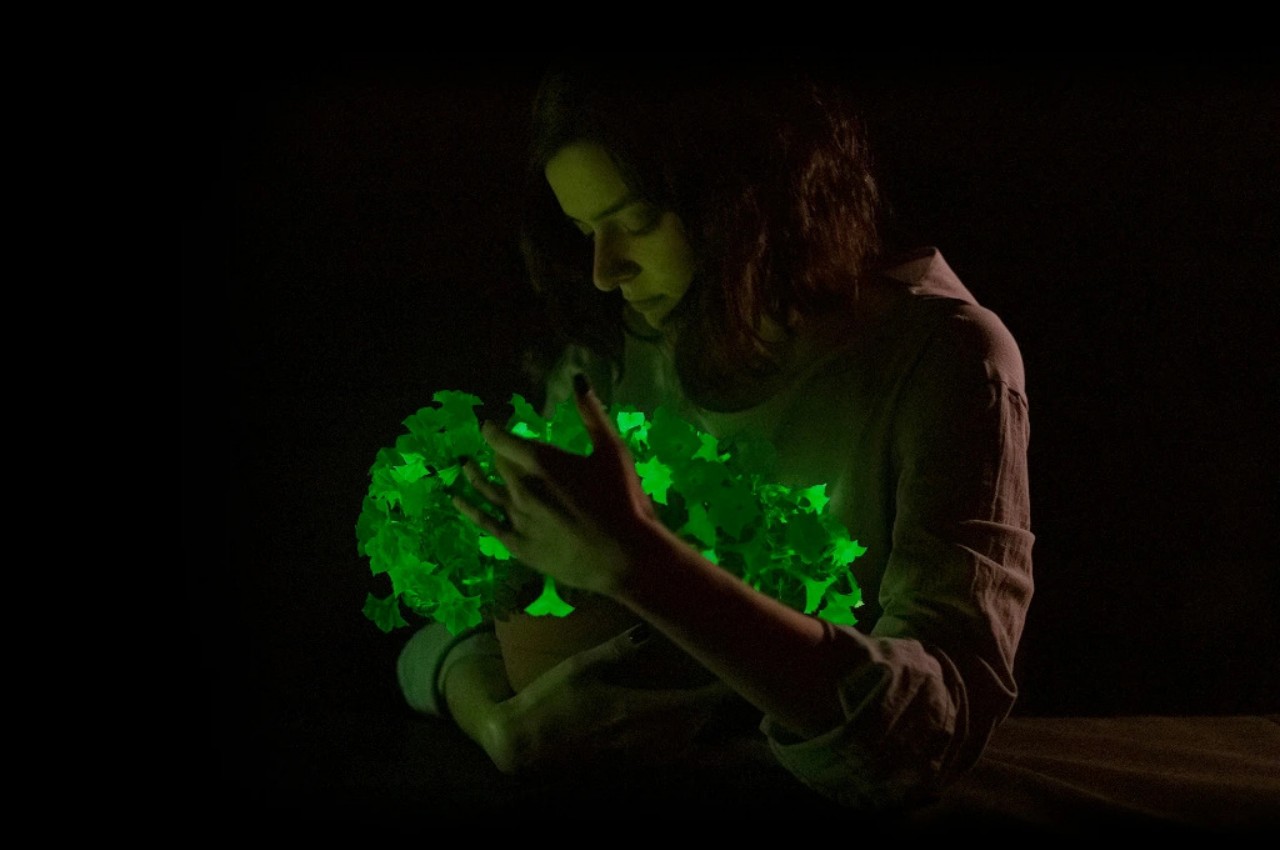
Indoor gardening and plants gained momentum around 2-3 years ago as people sought ways to cope with boredom and insanity while cooped up at home. Since then, it has become fashionable to raise greens inside homes, whether for food, aesthetics, or both. But as captivating as green living things may look during the day, their aesthetic value drops completely when you can no longer see them at night or in the dark. Of course, you could buy one of those hi-tech planters that have built-in lights, but that costs money not just for the product but also for the electricity it consumes. It would definitely be enchanting and magical if the plants could glow on their own, and that’s exactly the marvel that these glowing petunias are bringing to the table, literally.
There are some things that naturally glow in the dark, and, no, we’re not just talking fireflies and some iridescent rocks. Bioluminescent plants actually occur more often in nature, except they aren’t exactly the type of plants that you’d proudly display in a pot on your shelf or coffee table. But what if you could have that same magical ability on indoor plants and flowers? You’d probably be the talk of your friends and the town for as long as the plant is alive.
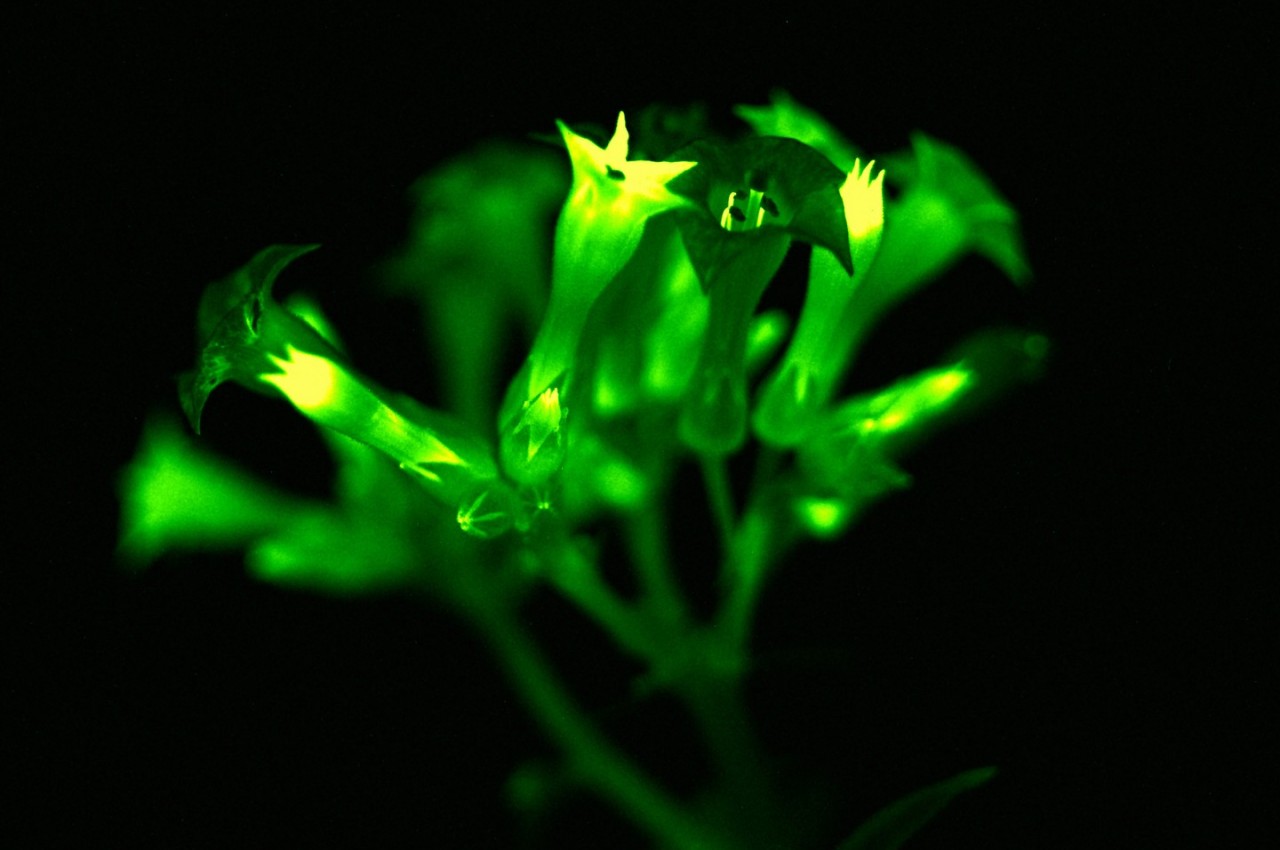
The Firefly Petunia is exactly that, a new and regulation-approved breed of the popular garden flower that, if you haven’t caught on yet, glows in the dark. This isn’t the first attempt to breed a bioluminescent houseplant, but it seems to be on track to being to most successful to date. Unlike previous experiments, this first mixed the genes of a glowing mushroom with a tobacco plant to great success. Of course, you wouldn’t want to grow that inside your home, so it’s a good thing that petunias are a close and, more importantly, compatible cousin.
What makes the Firefly Petunia even more special is that it requires no extra care or steps to make it glow since it’s all part of the plant’s growing process. Simply make sure that it gets enough sunlight during the day, which is something you should be doing anyway, and then watch it light up in the dark of night. The bioluminescence can even be an indicator of the plant’s health, because parts that are growing faster, like flower buds, also glow the brightest. When the plant starts to dim, it’s time to check its condition or prune dead parts.
This glow-in-the-dark flower is just the first step in the company’s grand plan, which includes making the petunias glow in more colors other than plain white. Research is also underway to extend the capabilities outside of this species, so it might only be a matter of time before we see all kinds of plants and flowers glowing in the dark, turning your home into a magical garden every night.
Elgato, content creation hardware specialist, has unveiled its new Facecam MK.2. A state-of-the-art HDR webcam designed to significantly enhance the video quality for streamers, content creators, and professionals alike. The Facecam MK.2’s HDR technology is a great introduction to the world of streaming webcam devices. By capturing a wider range of luminance levels, the Facecam […]
In the dynamic world of artificial intelligence, Generative AI (Gen AI) has emerged as a game-changer. For those exploring Gen AI, it’s crucial to grasp the interplay between it and data management. Well-managed data can be a significant asset for businesses and Gen AI’s ability to process and generate new data based on existing datasets […]
Over the years, Engadget has been the target of a common SEO scam, wherein someone claims ownership of an image and demands a link back to a particular website. A lot of other websites would tell you the same thing, but now the scammers are making their fake DMCA takedown notices and threats of legal action look more legit with the help of easily accessible AI tools.
According to a report by 404Media, the publisher of the website Tedium received a "copyright infringement notice" via email from a law firm called Commonwealth Legal last week. Like older, similar attempts at duping the recipient, the sender said they're reaching out "in relation to an image" connected to their client. In this case, the sender demanded the addition of a "visible and clickable link" to a website called "tech4gods" underneath the photo that was allegedly stolen.
Since Tedium actually used a photo from a royalty-free provider, the publisher looked into the demand, found the law firm's website, and upon closer inspection, realized that the images of its lawyers were generated by AI. As 404Media notes, the images of the lawyers had vacant looks in the eyes that's commonly seen in photos created by AI tools. If you do a reverse image search on them, you'll get results from a website with the URL generated.photos, which uses artificial intelligence to make "unique, worry-free model photos... from scratch." The publisher also found that the law firm's listed address that's supposed to be on the fourth floor of a building points to a one-floor structure on Google Street View. The owner of tech4gods said he had nothing to do with the scam but admitted that he used to buy backlinks for his website.
This is but one example of how bad actors can use AI tools to fool and scam people, and we have to be more vigilant as instances like this will just likely keep on growing. Reverse image search engines are your friend, but they may not be infallible and may not always help. Deepfakes, for instance, have become a big problem in recent years, as bad actors continue to use them to create convincing videos and audio not just to scam people, but also to spread misinformation online.
This article originally appeared on Engadget at https://www.engadget.com/an-old-seo-scam-has-a-new-ai-generated-face-100045758.html?src=rss
Over the years, Engadget has been the target of a common SEO scam, wherein someone claims ownership of an image and demands a link back to a particular website. A lot of other websites would tell you the same thing, but now the scammers are making their fake DMCA takedown notices and threats of legal action look more legit with the help of easily accessible AI tools.
According to a report by 404Media, the publisher of the website Tedium received a "copyright infringement notice" via email from a law firm called Commonwealth Legal last week. Like older, similar attempts at duping the recipient, the sender said they're reaching out "in relation to an image" connected to their client. In this case, the sender demanded the addition of a "visible and clickable link" to a website called "tech4gods" underneath the photo that was allegedly stolen.
Since Tedium actually used a photo from a royalty-free provider, the publisher looked into the demand, found the law firm's website, and upon closer inspection, realized that the images of its lawyers were generated by AI. As 404Media notes, the images of the lawyers had vacant looks in the eyes that's commonly seen in photos created by AI tools. If you do a reverse image search on them, you'll get results from a website with the URL generated.photos, which uses artificial intelligence to make "unique, worry-free model photos... from scratch." The publisher also found that the law firm's listed address that's supposed to be on the fourth floor of a building points to a one-floor structure on Google Street View. The owner of tech4gods said he had nothing to do with the scam but admitted that he used to buy backlinks for his website.
This is but one example of how bad actors can use AI tools to fool and scam people, and we have to be more vigilant as instances like this will just likely keep on growing. Reverse image search engines are your friend, but they may not be infallible and may not always help. Deepfakes, for instance, have become a big problem in recent years, as bad actors continue to use them to create convincing videos and audio not just to scam people, but also to spread misinformation online.
This article originally appeared on Engadget at https://www.engadget.com/an-old-seo-scam-has-a-new-ai-generated-face-100045758.html?src=rss
Are you an artist or creator looking for a spark of inspiration or a way to break through a creative block? Midjourney’s Describe Tool, now in its sixth iteration, offers a powerful solution. This AI-powered assistant goes beyond simple image-to-text generation, providing a suite of features to elevate your creative projects. Explore these ten innovative […]