How to get Discord on your Sony PlayStation PS5

discord on PS5

You might be wondering how to enhance your gaming experience on the PS5, and one of the best ways to do that is by using Discord. Discord is a popular communication platform that allows you to chat with friends, join communities, and even share your gameplay.  In this guide, you will learn how to get […]

The post How to get Discord on your Sony PlayStation PS5 appeared first on Geeky Gadgets.

Microsoft Xbox chief Phil Spencer: ‘I think we should have a handheld’

After announcing several new Xbox Series X consoles including a $600 special edition model, Microsoft may be working on another one. In response to a question from IGN about portable gaming, Xbox chief Phil Spencer said "I think we should have a handheld."

That's a vague comment, but it certainly shows that the company is taking notice of all the portable PC gaming devices out there like the new Rog Ally X from ASUS and no doubt Sony's PlayStation Portal remote handheld. Such a device would also make a lot of sense for the Xbox platform. 

"The future for us in hardware is pretty awesome, and the work that the team is doing around different form factors, different ways to play," he said. He then deferred any future questions about consoles to Xbox president Sarah Bond.

Spencer hypothetically kiboshed the idea of a Sony-like internet- or cloud-only device when asked about it, though. "I think being able to play games locally is really important," he said.  

This by no means confirms the development of such a device and it wasn't the right event for such an announcement in any case. "Today was about the games... but we will have a time to come out and talk more about platform, and we can't wait to bring it to you." 

This article originally appeared on Engadget at https://www.engadget.com/microsoft-xbox-chief-phil-spencer-i-think-we-should-have-a-handheld-123046226.html?src=rss

Microsoft’s Xbox refresh can’t compete with its leaked roadmap

Microsoft showed off three new Xbox models yesterday at Summer Game Fest 2024, but anyone following the mass of leaks last year may have been surprised at how little changed for this mid-cycle refresh.

In case you didn’t follow the FTC-Microsoft trial last year, things went pretty well for Microsoft, ending in the company acquiring Activision Blizzard. One thing that didn’t go so well was redaction. Nestled among the court filings was a trove of internal documents, including one on the future of Xbox — or at least, one potential future, considered by Microsoft in May 2022.

Xbox head Phil Spencer told the FTC in October 2022 that the Roadmap to 2030 document was “a presentation from our devices organization to the gaming leadership team,” and said he disagreed with some of its projections. The slide deck outlined the team’s plan for its mid-cycle console refresh, codenamed Fairhaven, and its next-gen console. Essentially a pitch deck, then, comprising some things that were definitely happening and others that needed funding to become reality.

Let’s look at what was (un)announced:

Chronologically, May 2024 was to be a debut month for Sebile, the codename for an all-new controller. Sebile would ship with new wireless tech, which the document referred to as “Xbox Wireless 2." More exciting for gamers, it would also have advanced haptics like the Switch and PS5 controllers, and a Stadia-like direct-cloud connection for reducing input latency on Xbox Cloud Gaming.

A proposed new Xbox controller from a May 2022 slide deck that leaked last year.
Sebile, a proposed new Xbox controller from a May 2022 slide deck that leaked last year.
Microsoft

Then, Xbox’s big summer ’24 show (which in the real world happened yesterday) would bring a pair of new Xbox consoles. First, a cylindrical Xbox Series X redesign codenamed Brooklin, which was set to be a $500 2TB all-digital device with WiFi 6E, Bluetooth 5.2 and a Sebile controller packed in. Second, Ellewood, a $300 Series S refresh with 1TB of storage, with the same improved wireless connectivity and the Sebile controller, but no big redesign.

A proposed new Xbox Series X SKU from a May 2022 slide deck that leaked last year.
Brooklin, a proposed new Xbox Series X SKU from a May 2022 slide deck that leaked last year.
Microsoft

The document noted that all three of these devices were “funded” but also gave two eventualities: one that would “limit Fairhaven investment” and another that would deliver the “full Fairhaven vision.” The former would pare down the new controller’s features and cloud connections, but would supposedly include a new industrial design.

A proposed new Xbox Series S SKU from a May 2022 slide deck that leaked last year.
Ellewood, a proposed new Xbox Series S SKU from a May 2022 slide deck that leaked last year.
Microsoft

Fast forward to Summer Game Fest 2024, where we appeared to get neither of these futures. We already figured that the Series S wouldn’t be refreshed, given Microsoft has been selling a $350 1TB version since last fall. But Microsoft’s vision for the Series X was unclear, and what we ended up with was a pretty weird pair of configurations: a 1TB all-digital Series X console priced at $450 and a 2TB special edition Series X with a disc drive, priced at $600. If there’s improved wireless connectivity Microsoft hasn’t mentioned it, and we’ve currently heard nothing of Sebile; the new consoles were announced with standard Xbox controllers.

Taken alone, these are fine refreshes. But Microsoft was in the unenviable position of competing with not only Sony and Nintendo, but also itself, in the form of those leaked plans.

Microsoft's 2024 Xbox refresh lineup.
Microsoft's actual 2024 Xbox refresh.
Microsoft

A $450 all-digital 1TB console and $600 2TB special edition are disappointing in comparison to Brooklin, the 2TB $500 all-digital console with a shiny new controller the leaked deck was pitching. The $450 console is almost a price increase, given Microsoft and third-party retailers regularly sell the original 1TB Series X for that price. (It should be mentioned that Sony has actually increased the price of the PlayStation 5, with the discless model priced at $450 vs. the $400 it cost at launch.) The $350 1TB Series S is essentially the same console we got last fall, but that too represents bad value compared to the leaked $300 refresh.

Plans change, especially plans dated May 2022. But how they change can give an idea of how Microsoft is thinking about Xbox right now. Back in 2022, Series X and S sales were broadly keeping pace with Xbox One. That is no longer the case. Estimates put the total number of Xbox Series consoles sold since the November 2020 launch between 28 and 29 million. Even in the US — Microsoft’s strongest market by far — retail analysts Circana say the Xbox Series consoles are trailing Xbox One by 13 percent.

One particularly telling slide in the May 2022 document predicted 25-29 million of the mid-cycle consoles could be sold in three years. As of today, that would mean more-than doubling the lifetime sales of the platform. At the time, Microsoft’s hardware team was probably not expecting sales to be as dismal as they currently are. Microsoft ended the last console generation with around 58 million Xbox One consoles sold, which was a marked decline from the 85-plus million Xbox 360s it moved.

A slide suggesting sales volume will depend on the amount of investment Microsoft makes on its mid-gen Xbox refresh.
A leaked slide from May 2022 suggested sales volume would depend on the amount of investment Microsoft makes on its mid-gen Xbox refresh.
Microsoft

Microsoft doesn't talk console sales figures unless it has something positive to say, but third-party analysis suggests a typical week for Xbox in 2024 involves moving 60-80K consoles, with Nintendo doubling that figure and Sony often tripling it. Put in plain words: Xbox falls further and further behind every week. It’s unlikely we’ll find out what Microsoft’s expectations for the refreshed consoles are, but it’s probably not 25-29 million.

The tough thing for team Xbox is Sony and Nintendo are broadly walking their own road and doing pretty well at it. Sony has sold 58 million PlayStation 5s and is preparing to launch a pro variant that will be significantly more powerful than the Xbox Series X. It’s also opening up to publishing on PC and just announced a game that’s coming to Nintendo Switch. Nintendo has sold over 140 million Switches, regularly outsells Xbox and has pre-announced a sequel console that will assumedly be able to handle current-gen games (including Call of Duty!) with fewer cutbacks. Meanwhile, Microsoft is struggling to sell its existing consoles, faltering in its plan to grow Game Pass subscriptions and seemingly squashed its hardware team’s dream of a bold mid-cycle refresh.

One thing it does have is game developers making games. Outside of the underwhelming new console SKUs, Microsoft’s big Summer Game Fest was a reminder of just how much of the industry it now owns, and how many games it currently has in development. We got updates on Fable, Perfect Dark and the future of Gears of War. We got a new Call of Duty and a new Doom. There are still countless developers under its wing that don’t have an “announced” project, and big games previously announced that didn’t make an appearance, like Marvel’s Blade from Arkane Lyon, The Outer Worlds 2 from Obsidian, Everwild from Rare and Hideo Kojima’s OD. Microsoft’s game studios have a lot going for them, but with all of their titles coming to PC (and several to PlayStation and Switch) great games might not turn into great console sales.

Phil Spencer has spoken on last year’s leaks a couple of times. He nearly-immediately took to Twitter to say that “so much has changed” — which was clearly true, though maybe not for the better. Separately, he told a court something pretty wild about Microsoft potentially leaving the gaming business if Game Pass didn’t get a better mix of players by 2026 or 2027. Game Pass growth, as of February this year, has been seriously tapering off, so… uh-oh?

I don’t for a second think Microsoft would spend the best part of $100 billion on developers to exit gaming, but I do sincerely believe that its console business is on life support, and it doesn’t need shiny new hardware to make a ton of money on gaming. The gaming leadership team that was pitched Sebile, Ellewood and Brooklin in May 2022 clearly agrees.


Catch up on all of the news from Summer Game Fest 2024 right here!

This article originally appeared on Engadget at https://www.engadget.com/microsofts-xbox-refresh-cant-compete-with-its-leaked-roadmap-121301282.html?src=rss

LimeNET Micro 2.0 Developer Edition modular radio carrier board for Raspberry Pi CM4

Modular radio carrier board for Raspberry Pi

LimeNET Micro 2.0 Developer Edition is a radio frontend carrier board for LimeSDR XTRX and the Raspberry Pi CM4, and is part of Qorvo RF Accelerator.  The LimeNET Micro 2.0 DE (Developer Edition) is a cutting-edge modular radio platform that integrates the Raspberry Pi Compute Module 4 (CM4) and LimeSDR XTRX to deliver unparalleled computing […]

The post LimeNET Micro 2.0 Developer Edition modular radio carrier board for Raspberry Pi CM4 appeared first on Geeky Gadgets.

How to Free Up iCloud Storage Without Deleting Photos

iCloud Storage

Apple’s iCloud is a convenient way to store and sync your data across all your Apple devices, but it’s easy to run out of storage space, especially if you have a lot of photos. If you’re running low on iCloud storage, you don’t have to resort to deleting your precious memories. Here are some effective […]

The post How to Free Up iCloud Storage Without Deleting Photos appeared first on Geeky Gadgets.

ASUS’ ZenScreen Smart 27-inch monitor is its first with Google TV

ASUS has been busy at Computex 2024 this year, announcing not only the ROG Ally X gaming handheld but a bunch of new laptops. Now, the company has moved on to monitors, unveiling several interesting entertainment and content creation models, including its first Google TV and 8K ProArt displays.

The 27-inch 4K (IPS) ZenScreen Smart MS27UC is the company's latest entertainment display. As mentioned, it's ASUS' first with Google TV and includes a remote with a built-in Google Assistant microphone. 

ASUS' ZenScreen Smart 27-inch monitor is its first with Google TV
ASUS

Along with what ASUS calls "ultra-thin display bezels and a small footprint stand," it has built-in front output 5W Harman Kardon speakers and a headphone port on the back. One unusual feature is a rear shelf that lets you store a keyboard, mouse and the Google TV remote. Other features include a DisplayPort 1.4 and HDMI 2.0 port, USB-C (PD 90W), dual-band WiFi, Bluetooth 5.0 and Miracast.

ASUS' ZenScreen Smart 27-inch monitor is its first with Google TV
ASUS

ASUS also dropped some impressive (and probably fairly expensive) ProArt displays aimed at content creators. The first is the ASUS ProArt Display 8K PA32KCX, what ASUS calls "the world's first 8K mini-LED professional monitor." The 32-inch display offers 7,680 x 4,320 resolution and a peak brightness of 1,200 nits (sustained brightness 1,000) nits, thanks to the Mini LED tech with 4,096 local dimming zones.

It offers professional level specs, with a delta E of less than 1 in terms of color accuracy, true 10-bit color and 97 percent coverage of the DCI-P3 (HDI) color gamut. It includes a built-in motorized flip colorimeter for auto- and self-calibration, while offering dual Thunderbolt 4 ports with up to 96 watts of power delivery (along with HDMI 2.1 and DisplayPort 2.1 ports).

ASUS' ZenScreen Smart 27-inch monitor is its first with Google TV
ASUS

Meanwhile, The 27-inch ProArt 5K PA27JCV and 32-inch PorArt 6K PA32QCV displays support 5,120 x 2,880 and 6,016 x 3,384 resolutions respectively. ASUS doesn't say what display technology is used, but they have something it calls "LuxPixel" technology that uses an anti-glare coating that offers a "paper-like" effect without softening the image.

Both offer 99 percent DCI-P3 coverage, a Delta E less than 2 and DisplayPort™ over USB-C® with 96 W power delivery. Both appear to be fairly low profile and come with with metal stands.

ASUS' ZenScreen Smart 27-inch monitor is its first with Google TV
ASUS

Finally, ASUS showed off some new dual-screen displays that may appear in laptops or standalone monitors down the road. Those include the ZenScreen Duo OLED, that features a 14-inch 16:10 FHD dual-0LED display that can fold out to 21 inches for increased productivity. So far, there are no prices are delivery dates set for any of the new displays. 

This article originally appeared on Engadget at https://www.engadget.com/asus-zenscreen-smart-27-inch-monitor-is-its-first-with-google-tv-120015995.html?src=rss

How to make AI agents cheaper, faster and more accurate

AI agents

Learn more about the challenges and solutions in building and optimizing AI systems, particularly large language models (LLMs) with the help of AI Jason. The importance of evaluation systems to ensure these models perform well in real-world scenarios is imperative. But this step-by-step approach to creating an effective evaluation system, which can significantly improve the […]

The post How to make AI agents cheaper, faster and more accurate appeared first on Geeky Gadgets.

Posted in Uncategorized | Tagged

The future of AI and Universal Basic Income (UBI) and Universal Basic Compute (UBC)

Universal Basic Income 2024

As Artificial General Intelligence (AGI) continues to advance and permeate various aspects of our lives, it is becoming increasingly clear that the traditional concept of Universal Basic Income (UBI) may need to evolve to keep pace with the changing landscape. One emerging idea that is gaining traction is Universal Basic Compute (UBC), which proposes providing […]

The post The future of AI and Universal Basic Income (UBI) and Universal Basic Compute (UBC) appeared first on Geeky Gadgets.

Industrial Design Trends: From Past Innovations to Future Possibilities

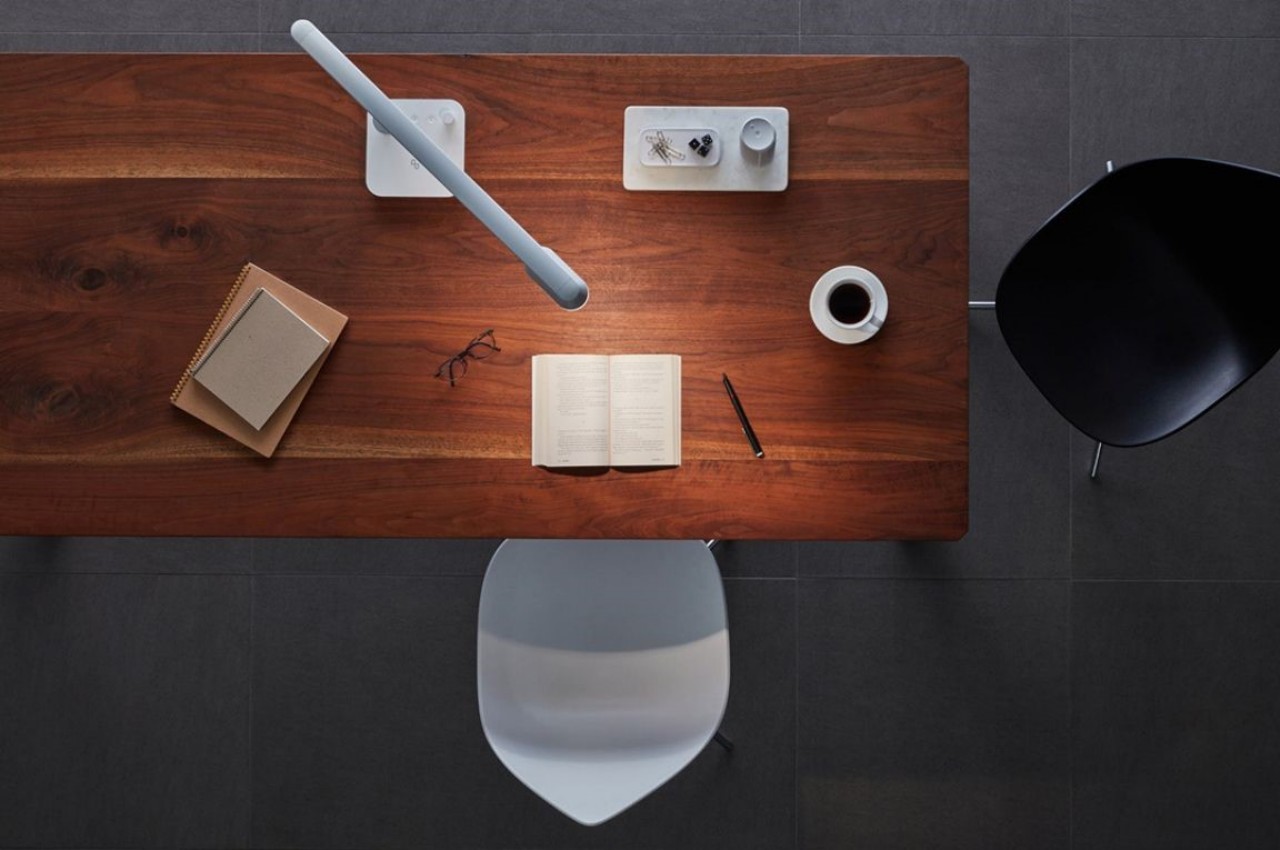
The field of Industrial Design (ID) revolves around crafting products and services that are intuitive for users worldwide. Industrial designers prioritize aesthetics, functionality, and ease of manufacture, striving to enrich daily interactions. Whether for personal or commercial use, every item undergoes this transformative process, aimed at enhancing lives through thoughtful design.

Designer: Tamarit Motorcycles
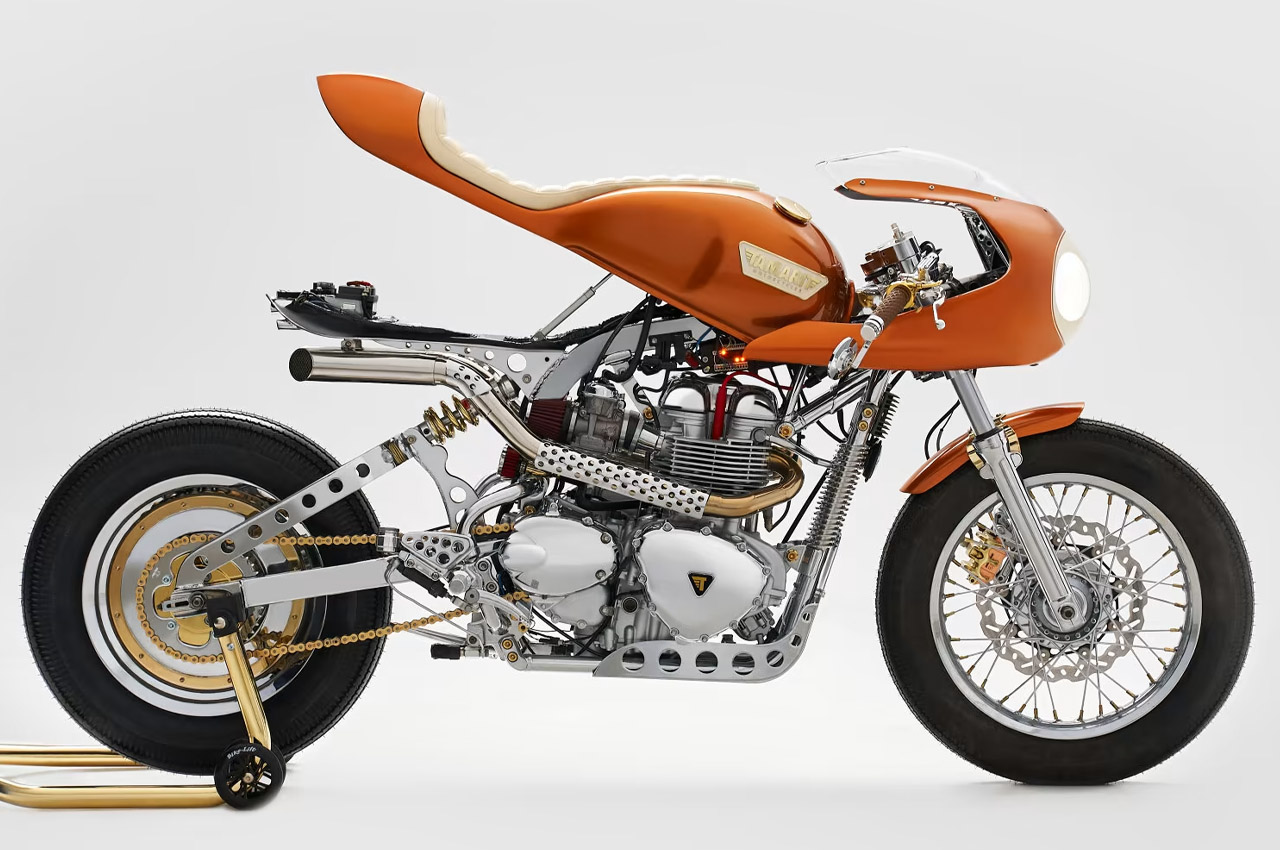
Lets delve into the history of Industrial Design:

What historical factors and practices contributed to the evolution of industrial design as a distinct field?

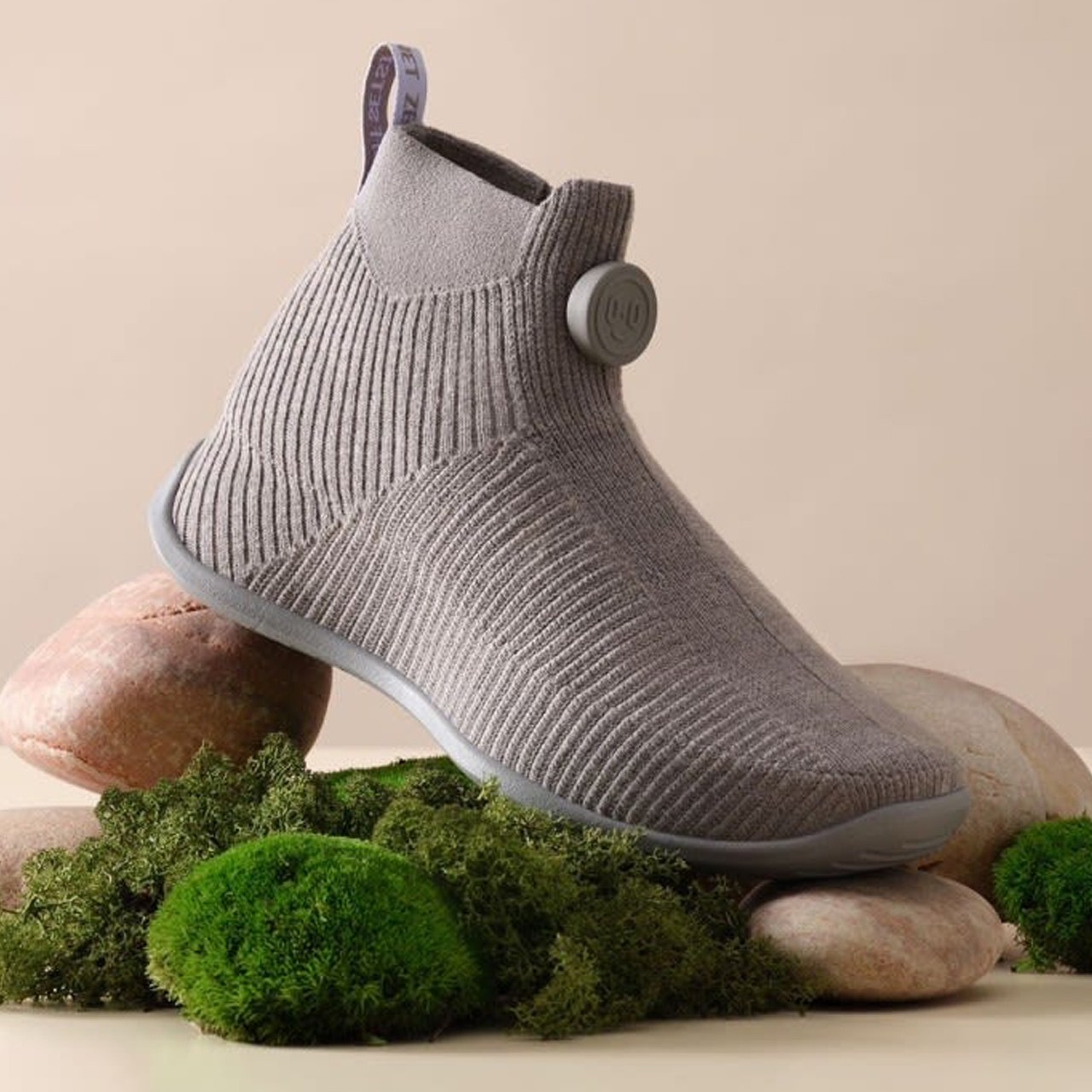
Designer: Allbirds

• Before industrialization, product design was primarily determined by individual craftsmen’s skills, client requirements, and experience.
• The division of labor was evident in pre-industrial times, with specialized workshops producing standardized goods.
• In the 16th century, pattern books emerged, providing decorative designs for a variety of products, and fostering competition.
• Drawing became a method for specifying construction details during the Italian Renaissance.
• By the 17th century, centralized monarchies like France were backing large government-operated manufacturing facilities such as the Gobelins Manufactory. This patronage extended to court porcelain factories in the 18th century, but with the scale of production increasing, individual craftsmanship often suffered.

Who is the founding father of Industrial Design?
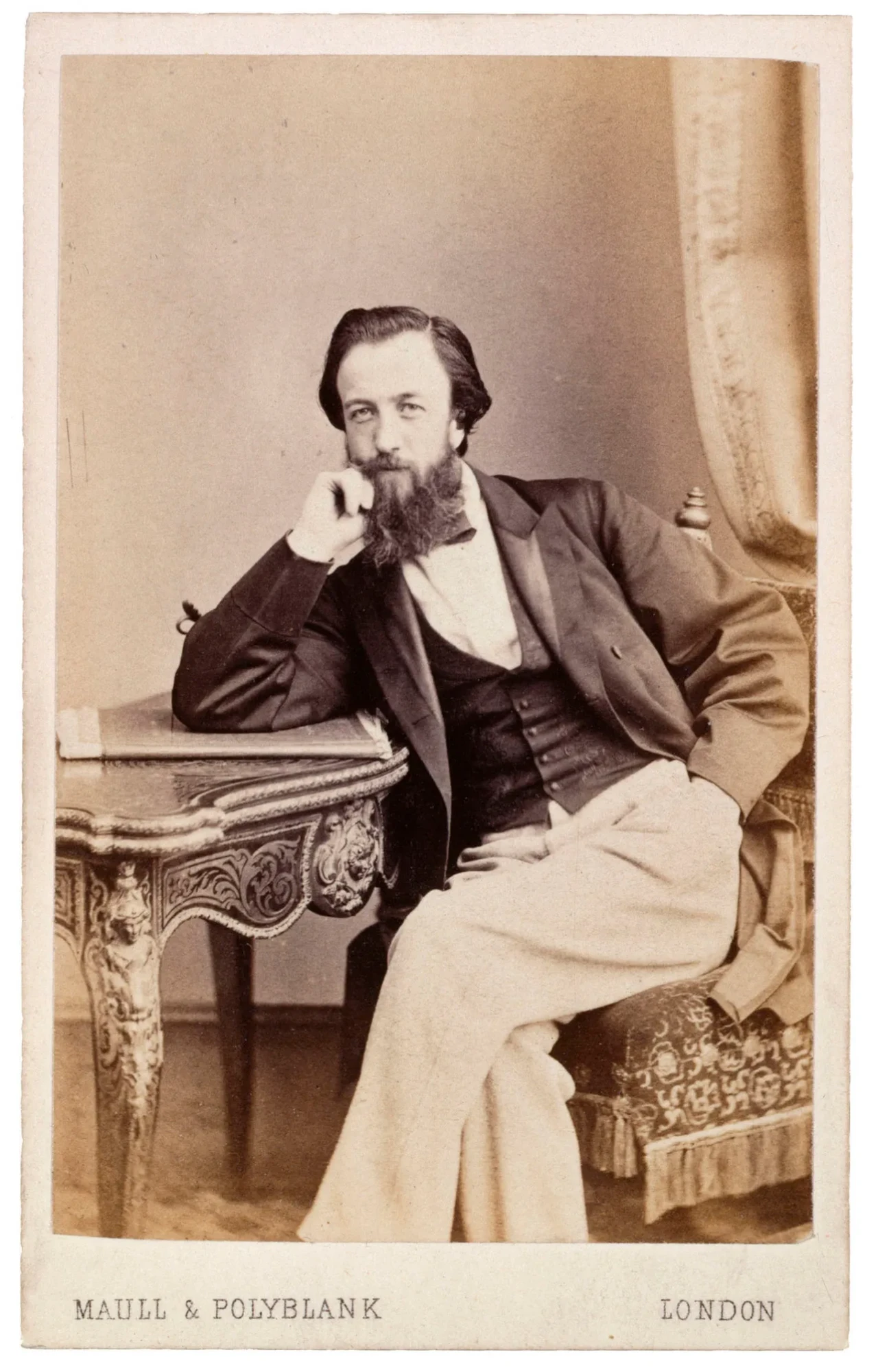
Image courtesy of: Linnean Society of London

Christopher Dresser (1834-1904) is considered the pioneer of industrial design. He was the first independent industrial designer, recognizing the potential of the Industrial Revolution before his German counterparts in the Modern Movement. Dresser’s groundbreaking journey to Japan, appointed by the British Government, reshaped his design approach and inspired the Anglo-Japanesque style in England. His diverse portfolio spanned furniture, textiles, ceramics, glassware, and metalwork, showcasing his versatility and forward-thinking mindset. Despite the conservative Victorian society, Dresser’s courage and vision propelled him to success, establishing him as a design icon with tastes beyond his time.

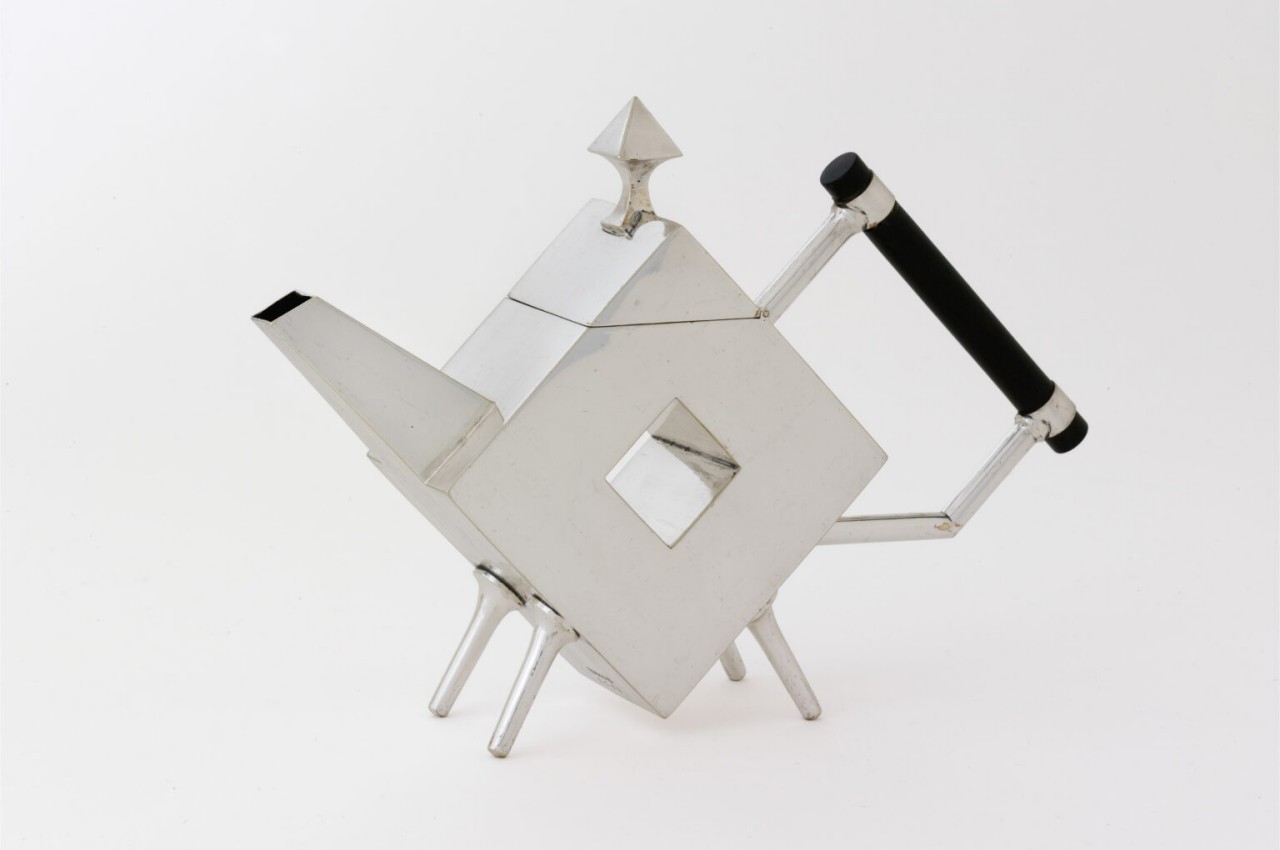
This silver teapot was created by Christopher Dresser and crafted by Hukin & Heath in Birmingham, with its design registered on May 6, 1878, and the production took place between 1878 and 1879.

Images courtesy of: Daniella on Design

The teapot, designed by Christopher Dresser and produced by James Dixon & Sons in Sheffield, South Yorkshire. Created around 1879, it features electroplated nickel silver and ebonized wood.
The glazed earthernware bowl, envisioned by Christopher Dresser and crafted by the Linthorpe Art Pottery in Middlesbrough, North Yorkshire was produced between 1879 to 1882.

What is the history of Industrial Design?

Industrial design’s roots stretch to the early 1900s amid the industrial revolution’s onset. The 1920s witnessed flourishing design across sectors like automotive engineering and electrical appliances, with artists enlisted to elevate aesthetics. The term “industrial design” may have originated in The Art Union journal in 1839. Make a note that the Industrial Revolution, originating in late 18th century Britain, rapidly spread worldwide, transforming agrarian societies into industrialized economies marked by mechanization and urbanization

Designer: Ludwig Mies van der Rohe (Weissenhof Estate)

The Deutscher Werkbund, founded in Munich in 1907, united architects, artists, industrialists, and designers. It aimed to boost German companies’ global competitiveness by integrating mass-production techniques with traditional craftsmanship. Hermann Muthesius, a German architect, is credited with conceiving the idea.

Designer: Walter Gropius (Bauhaus building, Dessau)

The Bauhaus, founded by Walter Gropius in 1919, was a pioneering school in Germany that fused fine arts and crafts education. It significantly influenced industrial design, typography, interior design, and architecture, emerging as a dominant force in modern design. Operating in Weimar (1919-1925), Dessau (1925-1932), and Berlin (1932-1933), it left an indelible mark on creative disciplines.

Amidst the Great Depression of 1929, industrial designers seized an unforeseen chance to demonstrate their abilities. This severe global economic downturn, spanning the late 1920s to the 1930s, brought widespread unemployment, poverty, and a drastic decline in industrial output, along with major disruptions in global trade. In this challenging era, Frederick W. Taylor, a mechanical engineer, played a pivotal role in bolstering industrial efficiency.

What are the current trends of Industrial Design?

The top industrial design trends include:

1. Sustainable Industrial Design

Designer: Ikea

Sustainable design encompasses developing products or services based on economic, ecological, and social sustainability principles. This E3 variable, emphasizing Equity, Economy, and Ecology, sets it apart from eco-design, which focuses solely on environmental sustainability. It involves responsibly using natural resources to meet present needs without compromising those of future generations. Sustainable design plays a crucial role in achieving design strategies that support a high quality of life, sustainable production, and environmental awareness.

2. Technology and Innovation

Advancing technologies like 3D printing, virtual and augmented reality, generative design, and the Internet of Things (IoT) are revolutionizing industrial design. 3D printing enables rapid prototyping and complex designs, while VR and AR enhance visualization and collaboration. Generative design leverages algorithms for innovative solutions, and IoT embeds smart functionality into products. These technologies not only streamline the design process but also foster creativity, efficiency, and sustainability, shaping the future of industrial design across diverse sectors.

3. Human-Centered Design
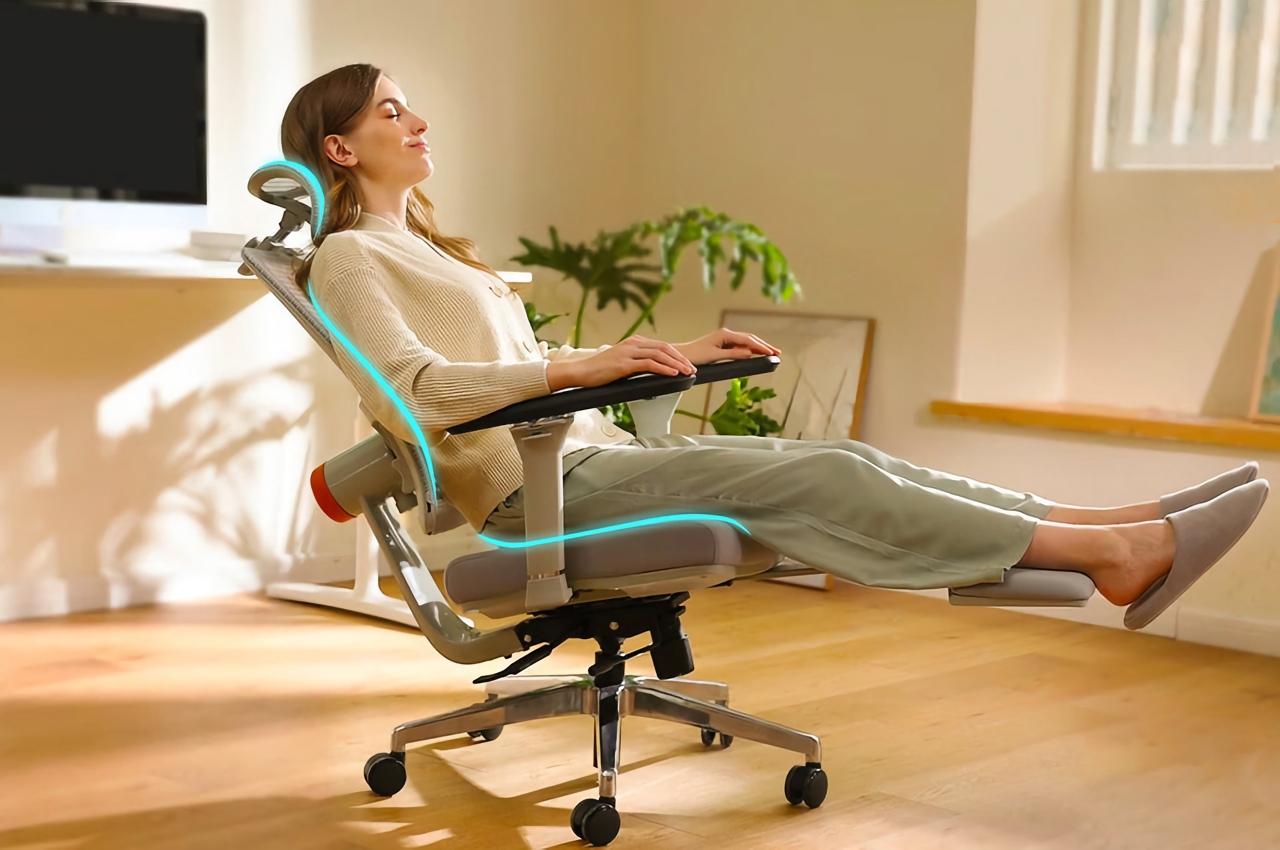
Designer: Stan Deng

Human-centered design (HCD) is an approach to problem-solving utilized in process, product, service, and system design, focusing on involving the human perspective in all stages of the problem-solving process. It aims to make systems usable and beneficial by prioritizing user needs, and requirements, and applying human factors/ergonomics, as well as usability knowledge and techniques. HCD enhances effectiveness, efficiency, human well-being, user satisfaction, accessibility, and sustainability while mitigating potential adverse effects on human health, safety, and performance. It involves stages like observing the problem within its context, brainstorming, conceptualizing, and implementing solutions.

4. Minimalism
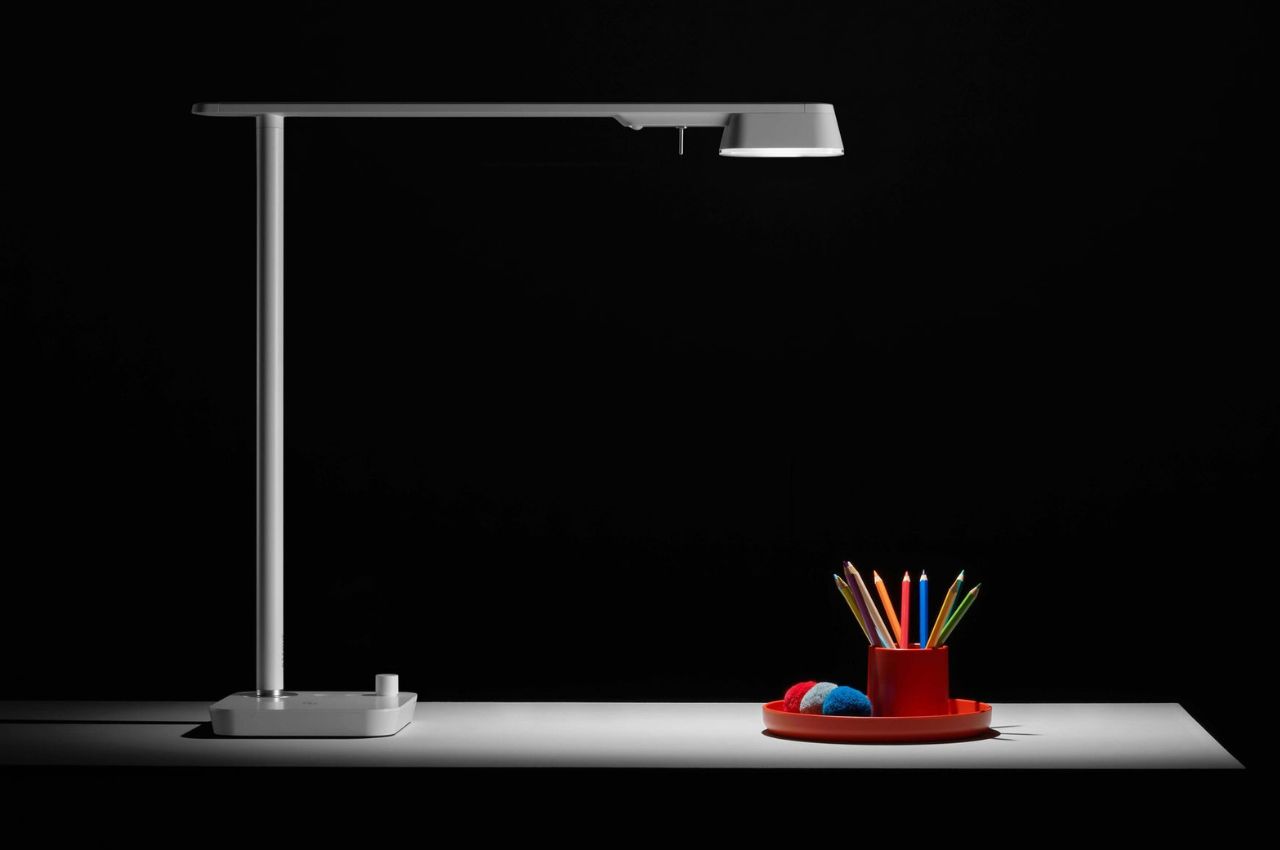
Designer: BKID co

Minimalism has become increasingly popular in industrial design, emphasizing the removal of excess elements to focus on essentials, resulting in intuitive, efficient, and aesthetically pleasing products and spaces. This approach resonates with consumers drawn to the sleek, uncluttered aesthetic. Simplicity defines minimalist designs, making them easy to use and understand. By stripping down designs to their core features, minimalism maximizes impact while reducing clutter and improving functionality. Additionally, this design concept can reduce costs and production time by eliminating unnecessary features.

5. Inclusive Design

Designer: Quantum

Inclusive product experiences are shaped by a thorough understanding of user backgrounds and abilities, promoting a sense of belonging. Inclusive design methodologies aim to cater to diverse user needs, considering factors like accessibility, age, culture, economic situation, education, gender, geographic location, and language. By empathizing with users and adapting interfaces accordingly, inclusive design generates inclusive design patterns, ensuring a more accommodating user experience.

6. Biomimicry

Designer: John Mauriello

Nature serves as a rich source of inspiration for many designers, offering evolved intelligence and innovative solutions. Biomimicry in industrial design involves emulating characteristics or strategies from nature to address various challenges. From materials to systems and technologies, nature provides valuable insights for creating sustainable and efficient designs. By studying natural forms and processes, designers can develop innovative solutions that mimic the efficiency and effectiveness of biological systems. This approach not only offers aesthetically pleasing designs but also promotes sustainability and resilience.

7. AI in Industrial Design

Designer: Shail Patel

AI-generated product design involves leveraging artificial intelligence (AI) to generate novel product designs, presenting a transformative opportunity for designers by streamlining the process of conceptualization. While current technology has its limitations, it proves most beneficial in the initial stages of innovation, enabling rapid visualization and testing of new concepts, thereby expediting the design process.

Industrial design encompasses a transformative process wherein design principles are utilized to conceive products, subsequently manufactured through specific procedures. This multifaceted career field involves crafting a diverse array of globally utilized items, spanning from equipment to objects and services, fostering creativity in the creation and production of goods.

The post Industrial Design Trends: From Past Innovations to Future Possibilities first appeared on Yanko Design.

Wacaco Minipresso GR2 mini portable coffee machine £48

Wacaco portable coffee machines

The Wacaco Minipresso GR2 is the latest innovation in portable coffee machines, designed to deliver exceptional espresso quality in a compact and eco-friendly package. This new model builds on the success of its predecessor, the Minipresso GR, by incorporating significant improvements in sustainability and user experience. With its smaller and lighter form factor, the Minipresso […]

The post Wacaco Minipresso GR2 mini portable coffee machine £48 appeared first on Geeky Gadgets.