Have you ever wondered how a robot navigates a cluttered room or how a drone maintains its altitude with pinpoint accuracy? The secret lies in the tools used to measure distance, an often-overlooked yet critical aspect of any maker project. From ultrasonic sensors that emit sound waves to laser systems capable of millimeter-level precision, the […]
November 2025 has emerged as a defining moment for automotive design innovation. Designers are showcasing bold concepts that push boundaries in sustainability, functionality, and aesthetic evolution. From hydrogen-powered overlanders to ultra-futuristic electric motorcycles, this month’s standout designs represent a fascinating glimpse into the industry’s evolving vision. The convergence of environmental consciousness and cutting-edge technology has produced remarkable vehicles.
These designs aren’t just transportation solutions—they’re statements about our collective automotive future. The industry’s pivot toward environmental responsibility while maintaining performance excellence demonstrates sophisticated engineering approaches. Each concept addresses specific user needs through thoughtful design language and innovative technology integration. This represents automotive design at its most forward-thinking and purposeful state.
1. Kia PV5 WKNDR Concept
The PV5 WKNDR Concept embodies Kia’s understanding that modern transportation transcends simple point-to-point mobility. This Red Dot ‘Best of the Best’ award winner represents a strategic pivot toward vehicles that serve as lifestyle enablers rather than mere conveyances. The design philosophy centers on the reality that contemporary users demand spaces that seamlessly transition between work, travel, and recreation without compromising efficiency or comfort.
Kia’s design team has crafted something that speaks directly to urban professionals seeking weekend escapes and digital nomads requiring mobile workspaces. The concept’s modular interior architecture allows for complete spatial reconfiguration, transforming from a mobile office with panoramic views to a comfortable living space with integrated cooking facilities. The exterior design language deliberately avoids the clichéd rugged aesthetic common to adventure vehicles, instead presenting a clean, futuristic form that feels equally at home in urban environments and remote wilderness settings.
What we like
Revolutionary hydro turbine wheels and solar panel integration provide off-grid energy independence.
External “gear head” storage system maximizes interior space while protecting equipment.
What we dislike
Concept-level features may not survive the transition to production vehicle.
Elevated stance and boxy proportions could impact aerodynamic efficiency at highway speeds.
2. Toyota Tacoma H2-Overlander Concept
The Tacoma H2-Overlander tackles one of overlanding’s biggest contradictions: chasing pristine wilderness experiences while driving vehicles that pollute those same places. Toyota’s concept completely rethinks the relationship between adventure vehicles and environmental stewardship through its hydrogen fuel cell powertrain that only produces water as exhaust. This isn’t just an improvement; it’s a total shift toward responsible exploration.
The environmental benefits don’t come at the cost of capability either. The H2-Overlander delivers 547 horsepower through its hybrid fuel cell and battery setup, proving clean doesn’t mean weak. Toyota has integrated practical overlanding features with hydrogen fuel cell requirements, creating something that actually makes sense for sustainable adventure travel. Debuting this at SEMA 2025 shows Toyota is serious about moving hydrogen technology beyond lab experiments into real adventure scenarios.
What we like
Zero-emission operation with water as the only exhaust byproduct enables guilt-free wilderness exploration.
Hydrogen fueling infrastructure remains extremely limited, especially in remote areas.
Fuel cell technology adds complexity and potential maintenance challenges compared to conventional powertrains.
3. Audi Le Mans-Inspired Electric Concept
This unnamed Audi concept by designer Naretto is pure geometric aggression turned into automotive form. The design pulls heavily from Audi’s Le Mans heritage, especially the R18 e-tron, while pushing aerodynamic functionality to extremes you rarely see in road concepts. Every surface does something, from the massive front splitter that channels air under the car to the multi-layered rear wing and huge rear diffuser working together to create serious downforce.
The cab-forward proportions and impossibly wide stance connect it visually to modern prototype racers, while those enclosed wheels with turbine-like fins show serious attention to airflow management and brake cooling. The design’s relentless focus on aerodynamic efficiency over traditional beauty creates something genuinely striking. This is automotive design at its most uncompromising, where function drives every line and surface with zero concessions to conventional car aesthetics.
What we like
Comprehensive aerodynamic package delivers genuine functional benefits rather than superficial styling elements.
Geometric design language creates a distinctive visual identity that separates it from current market offerings.
What we dislike
Extreme aerodynamic elements are likely impractical for road use and parking situations.
An uncompromising design approach may limit broad market appeal beyond enthusiast audiences.
4. Honda EV Outlier Concept
Honda’s EV Outlier Concept completely rethinks motorcycle architecture using electric propulsion as the catalyst. Mounting electric motors directly in both wheels eliminates traditional chain or belt drives, creating incredible packaging freedom and perfect weight distribution. This isn’t just slapping batteries on an existing motorcycle design; it’s reimagining what motorcycles can become when freed from internal combustion limitations.
The design philosophy of “Gliding, Ecstasy and Low” shows up in the dramatically lowered riding position and forward foot pegs, creating a stance that’s both relaxed and futuristic. The continuous LED light band and integrated tail section create a cohesive look that feels distinctly different from conventional motorcycles while keeping essential two-wheeled character. Honda’s approach suggests electric motorcycles shouldn’t just copy traditional forms but should explore completely new possibilities for rider experience and vehicle dynamics.
What we like
Hub-mounted motors eliminate drivetrain complexity while enabling optimal weight distribution and packaging flexibility.
Distinctive riding position and futuristic aesthetic differentiate it from conventional motorcycle designs.
What we dislike
Hub-mounted motors may increase unsprung weight, potentially affecting handling and ride quality.
A dramatically altered riding position may not appeal to traditional motorcycle enthusiasts.
5. Toyota Kayoibako-K Concept
The Kayoibako-K shows Toyota’s vision for ultra-compact urban mobility that doesn’t sacrifice versatility for size. Named after Japanese shipping containers, this micro-transporter embodies modular thinking where one platform handles multiple jobs through swappable interior configurations. The concept tackles urban density challenges by providing maximum utility in minimal space, working equally well for family transport, mobile commerce, or recreational camping.
Toyota’s semi-autonomous features, while not fully self-driving, hint at mobility scenarios where vehicles can navigate to you or return to parking spots on their own. The compact dimensions work perfectly for congested cities, while the modular interior system keeps it practical for diverse uses. This is a thoughtful design that prioritizes real-world utility over flashy features, addressing genuine urban mobility challenges through smart space use and functional flexibility.
What we like
The modular interior system provides exceptional versatility within extremely compact exterior dimensions.
Semi-autonomous capabilities enable convenient summoning and parking functions for urban users.
What we dislike
An extremely compact size may limit passenger comfort and cargo capacity for larger families.
Autonomous features require infrastructure development and regulatory approval before practical implementation.
What November’s Designs Really Mean
These five concepts show manufacturers and designers finally cracking the code on balancing environmental responsibility with genuine performance and innovation. Each one tackles specific real-world problems through smart engineering and thoughtful design choices. The mix of sustainable tech with practical functionality suggests the auto industry has moved beyond surface-level electrification into meaningful design evolution.
Hydrogen power, electric propulsion, autonomous tech, and modular design thinking are coming together in ways that actually make sense. These concepts prove you can care about the environment and still build something exciting and capable. November 2025 might be remembered as when automotive design stopped talking about the future and started building it, keeping the emotional connection that makes great vehicles special.
Apple is poised to make a significant impact in 2026 with the unveiling of 20 new products, demonstrating its dedication to advancing technology and enhancing user experiences. This comprehensive lineup spans updates to existing devices, entirely new designs, and the integration of innovative technologies. From next-generation chipsets and foldable smartphones to AI-powered wearables, Apple is […]
Imagine a world where your most tedious tasks, drafting emails, scheduling posts, or even repurposing content, are handled seamlessly while you focus on what truly matters. Sounds futuristic? It’s not. Enter Make AI Agent, a new platform poised to transform how we approach automation. With its ability to integrate over 2,000 applications and execute 30,000 […]
What happens when technology becomes too good at imitating art? Imagine a world where your favorite songs are indistinguishable from AI-generated replicas, where the soulful imperfections of human creativity are replaced by algorithmic precision. This isn’t a distant sci-fi scenario, it’s happening now. AI music platforms are producing tracks so eerily similar to iconic hits […]
Apple’s iOS 26.2 Beta 1 introduces incremental updates designed to enhance system functionality and customization. However, despite these intentions, the beta version struggles with critical issues such as battery life, heat management, and overall stability. For users who depend on their devices for consistent performance or extended usage, these shortcomings may outweigh the benefits of […]
Vinyl records are firmly back in rotation, but getting started does not have to mean spending a fortune or building a complicated hi-fi stack from day one. Whether you want a simple, all-in-one setup with built-in speakers or you are piecing together a more traditional system with a separate amplifier, the best record player is the one that fits how you listen at home.
For this guide, we focused on high-quality turntables under $600 that deliver a satisfying listening experience without unnecessary complexity. These picks cover everything from beginner-friendly automatic models to more audiophile-leaning decks that prioritize sound quality and upgrade potential, proving you do not need to jump into the high-end to enjoy vinyl properly.
Best record players for 2026
Other record players we tested
Audio-Technica AT-LP60XBT
This is about as basic as it gets, unless you opt for the AT-LP60X which ditches the Bluetooth connectivity. This is a perfectly decent option for someone just getting into vinyl, but if you spend a little more for the AT-LP70X, you won’t be in quite as big of a hurry to upgrade once you surrender to the obsession.
Cambridge Audio Alva ST
The Alva ST has a refined design that made me want to keep it out in my living room longer than many of the models on this list. The controls are limited on the top to power and individual options for 33 and 45 RPM speeds. Everything else is on the back panel, including Bluetooth pairing and preamp buttons. To complete the look, Cambridge Audio opted for a 1mm aluminium top plate, which sits on an MDF plinth with a layer of EVA to absorb vibrations in between.
While the overall audio performance on the Alva ST is warm and inviting, there is a lack of detail across genres. I’ve noticed albums don’t have a particularly wide soundstage, and songs lack their normal punch at times, so some sound compressed compared to when they’re played on other turntables. Additionally, the free swinging tone arm needs more resistance so it’s not so prone to dropping on a record immediately if it slips out of your fingers when you have the cueing lever down. Since this turntable is fully manual operation, I felt a bit of peril every time I went to lower the needle. (The price increased during testing for this guide.)
Sony PS-LX3BT
Sony hasn’t announced new turntables in years, relying on its PS-LX310BT as the lone option in its audio lineup. The PS-LX3BT is a fully automatic, belt drive turntable with built-in pre-amp and Bluetooth connectivity. There are easy-to-use controls for speed and vinyl sizes, as well as a gain selector to help you dial in the sound. I was also smitten by the minimal yet sophisticated design that offers a decidedly modern look.
If the LX3BT was $100 cheaper, it would probably replace Audio-Technica as the best option for beginners. But at $400, I simply can’t recommend someone new to vinyl spend that much. What’s more, the RCA cable is fixed and the included mat is very thin. Sony also doesn’t disclose what type of cartridge it uses, other than it being a moving magnet (MM) type, nor does it mention if you can upgrade that component. The upcoming PS-LX5BT should remedy some of these issues, but it’s also more expensive at $500.
Denon DP-300F
Denon’s DP-300F is a mixed bag. On one hand, you get the convenience of fully automatic operation, dedicated speed and record size buttons and somewhat refined design. There are also some confounding decisions though, like the permanently affixed cables, the preamp switch being under the platter and the overall midrange build quality for a $500 turntable. The sound from the preamp and Denon’s cartridge has a clear lack of depth and detail that almost any model at this price should offer.
How to shop for a turntable
The first question you’ll need to ask yourself when looking for a turntable is how you plan to use it. Are you into vinyl for the ritual? If you simply like the concept of physical media, having to flip a record to finish it or the need to intentionally swap out an album when it’s done, that’s just fine. You probably can make do with a more affordable turntable since overall sound quality may not be a main concern. If you crave the warmth of analog sound, and you want the collection you’ve invested in to sound its best, you’ll need to consider something with better specs.
You’ll also need to account for where and how you’re going to listen to vinyl. Are you planning to connect this turntable to headphones or Bluetooth speakers? Do you have shelf or tower speakers you’re going to use? Are you willing to invest in a dedicated preamp or would you rather a new turntable come with one built in? All of these questions will impact your buying decision — even the Bluetooth codecs, if you’re going the wireless route.
Best record players
Billy Steele for Engadget
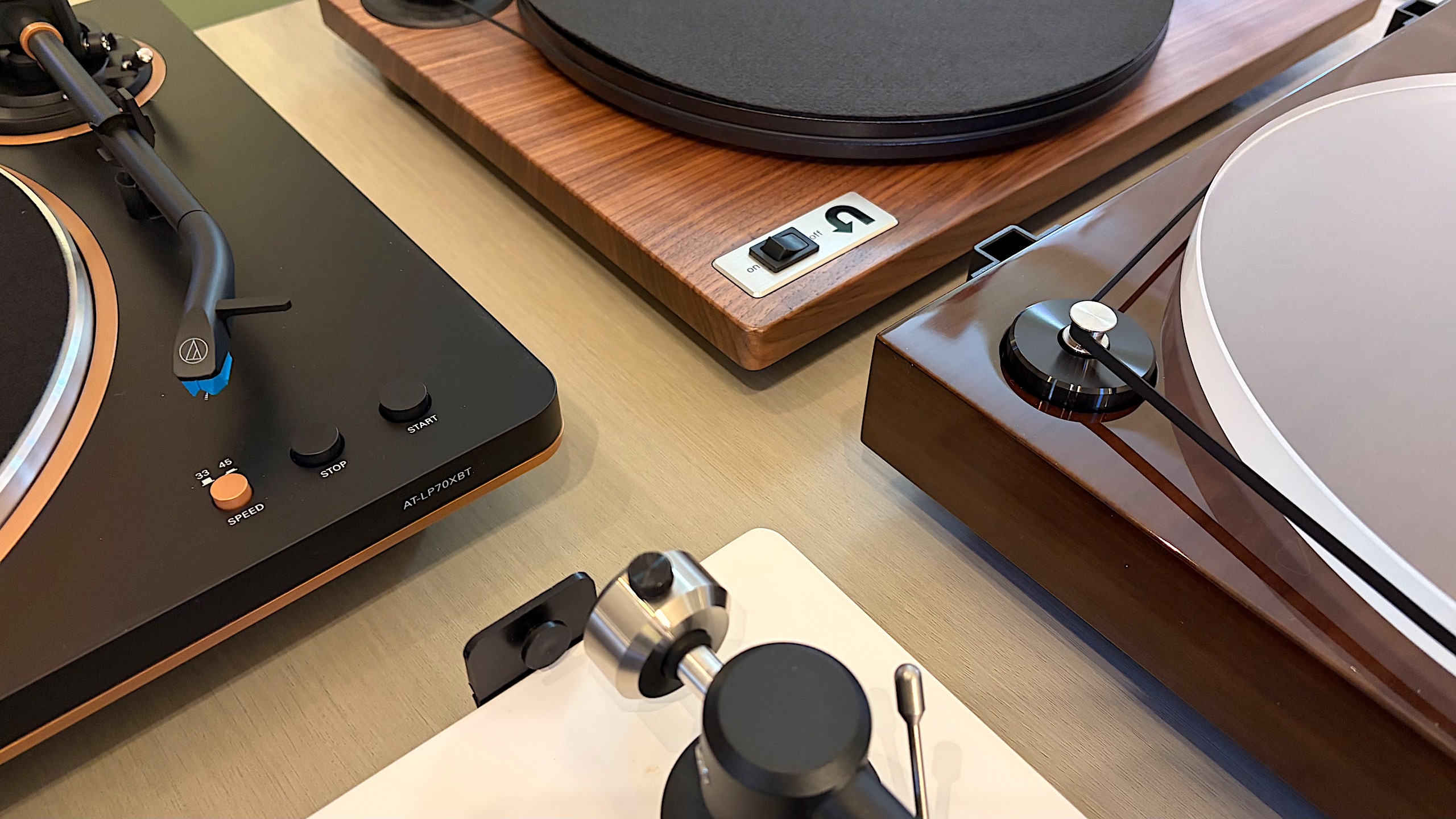
Automatic, semi-auto and manual operation
If you’re just getting into vinyl, an automatic turntable will save you a lot of stress. These are the models that place the stylus for you — all you have to do is push a button. When you get to the end of the record, the turntable will also return the tonearm to its resting spot automatically. Or, if you need to stop your session mid-side, there’s a button for that too.
Some turntables have semi-automatic operation. Maybe they can’t place the needle for you, but they do have an automatic stop when a side of a record is complete. This auto stop, which sometimes comes with an on/off switch, can prevent unnecessary wear on your stylus and vinyl. Plus, many turntables with automatic operation allow you to take control if you need to drop the stylus in a certain place (that’s not the beginning of the record) or if you have a die-cut vinyl (like the It's the Great Pumpkin, Charlie Brown soundtrack).
Then there’s the fully manual option. Here, you’re solely responsible for placing the tonearm and taking it off when the music stops. A lot of turntables have a cue lever to assist with the process, and a lot of tonearms have a mechanism that lowers them slowly rather than violently dropping them on a record. This adds one more step to the ritual, and it’s one many purists prefer.
Preamp
The biggest decision you’ll need to make in terms of a preamp is to decide if you want one built into your turntable or if you’d rather use a separate one. It can be very convenient, especially for beginners, to use a built-in component to amplify the signal from the turntable before it hits any speakers or headphones. The downside is that you’re left with what the company provides from the factory, so if you’re looking to upgrade, you’ll have to disable the preamp inside. On most turntables, there’s a switch that allows you to do this, so it’s no trouble. But, opting to skip the preamp on some models could save you money that could be invested elsewhere.
A dedicated preamp typically uses higher-quality components and reduces noise by keeping internal parts properly separated. More robust models may even provide controls for things like tone or multiple inputs, while the basic options will simply allow you to plug in, play and forget it. If you’re after the best possible clarity and realism from your record collection, we’d recommend a dedicated preamp right from the start.
Best record players
Billy Steele for Engadget
Removable cartridge/headshell
The next item you’ll want to consider is if the turntable you’re eyeing can be upgraded in the future. The best way to do this is by swapping out the cartridge. Most turntables allow you to do this but there are some that don’t, so you’ll need to pay attention to this detail. Upgrading the cartridge down the road is a great way to improve overall sound quality without having to buy a new turntable, new speakers or a new amp.
Belt drive vs. direct drive
There are two main types of turntables: belt drive and direct drive. All of the models we tested for this guide are belt drive, which means there’s a thin belt that connects the platter to the motor to make the thing spin. Direct drive turntables are widely used by DJs and Technics was the first to make them. Here, the motor is directly under the platter and connected to it directly so the setup is less prone to wearing out. This is especially key when you’re doing things like scratching. Direct-drive turntables tend to be more expensive than their belt-driven counterparts.
Counterweight and anti-skate control
Most turntables will include a counterweight on the tonearm and some form of anti-skate control. Both of these help keep the stylus in place with the correct amount of pressure, all to ensure proper operation with minimal wear on your records. Sometimes the anti-skate elements are built into the tonearm while other models offer a dedicated dial on the surface of the plinth. The ability to adjust both of these can help you fine-tune the performance of your turntable over time, which may be necessary after upgrading the cartridge or other components.
Other components to consider
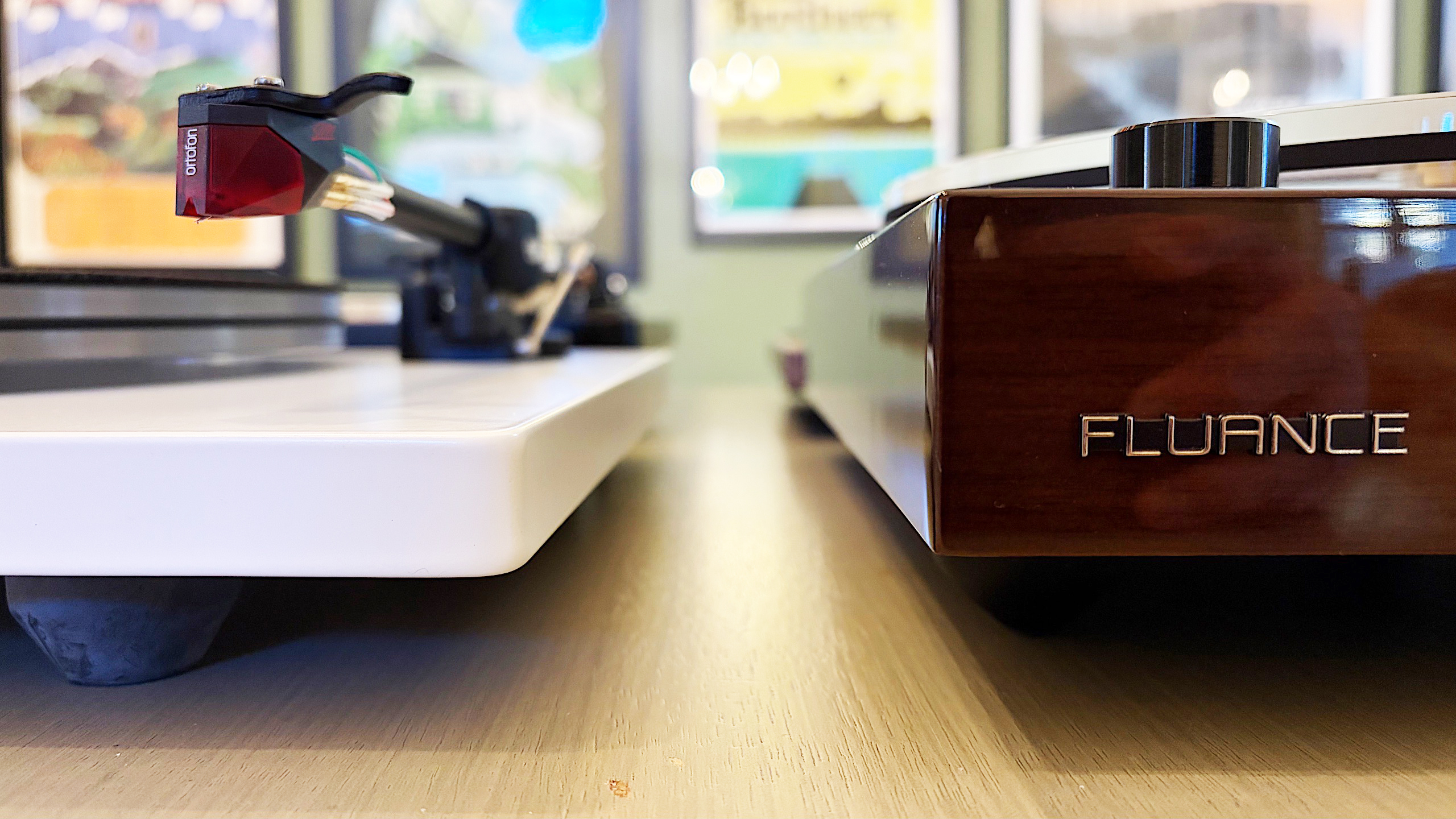
Some final items you’ll want to evaluate on a prospective turntable purchase include the materials used for the base (plinth), platter and even the feet. Cheaper turntables may be mostly plastic affairs while more expensive models can use solid MDF (medium-density fibreboard) for the plinth. A lot of turntables have aluminum platters with a felt pad while others may feature a thick acrylic version. And while entry-level turntables may have small, plastic feet, premium models come with larger, adjustable, rubberized feet for better vibration isolation. While some of these come down to personal preference — a frosted acrylic platter looks really nice — there are some performance boosts to be gained depending on how the company uses the components.
How we test turntables
Since most turntables under $600 meet the criteria for entry-level through midrange, we tested every model with a set of Audio-Technica AT-SP3X powered speakers. These offer balanced sound for turntables with a 1.1-inch tweeter and 3-inch woofer in each unit. And at $269, they won’t break the bank if you need speakers for your new turntable and they’ll provide ample sound performance even if you spend more than our budget on a new deck.
For all of our test units that didn’t have a built-in preamp, we used the Fluance PA-10. At $100, it’s an affordable upgrade if you’re looking to bypass a turntable’s included components or if you’re looking to go more analog with your turntable purchase. There are no buttons or controls, just connect your turntable, speakers and ground wire (if you’re using one) and you’re ready to go. It’s simple, straightforward and inexpensive, so it’s a great option for beginners and more experienced vinyl collectors alike.
In terms of performance testing, we play a variety of genres on each turntable to evaluate sound quality. We also carefully examine the overall experience of putting a record on, setting the speed, placing the tonearm and more, which allows us to judge how well each turntable will work for users at different experience levels. Lastly, we take notes on design and components, comparing those elements from each turntable with our other test subjects to make our recommendations.
This article originally appeared on Engadget at https://www.engadget.com/audio/best-record-player-120000239.html?src=rss
What if creating AI-powered apps was as simple as describing your idea in plain English? With the latest update to Google AI Studio, that’s no longer a futuristic dream, it’s a reality. This new update introduces VIP coding, a innovative feature that allows anyone, regardless of technical expertise, to build functional, customized applications through natural […]
What if building your dream app was as easy as describing it in a sentence? Imagine telling an AI, “I need an app to track my team’s progress and automate updates,” and watching it come to life, no coding, no technical barriers, just results. That’s the promise of Google Opal, a innovative no-code AI app […]
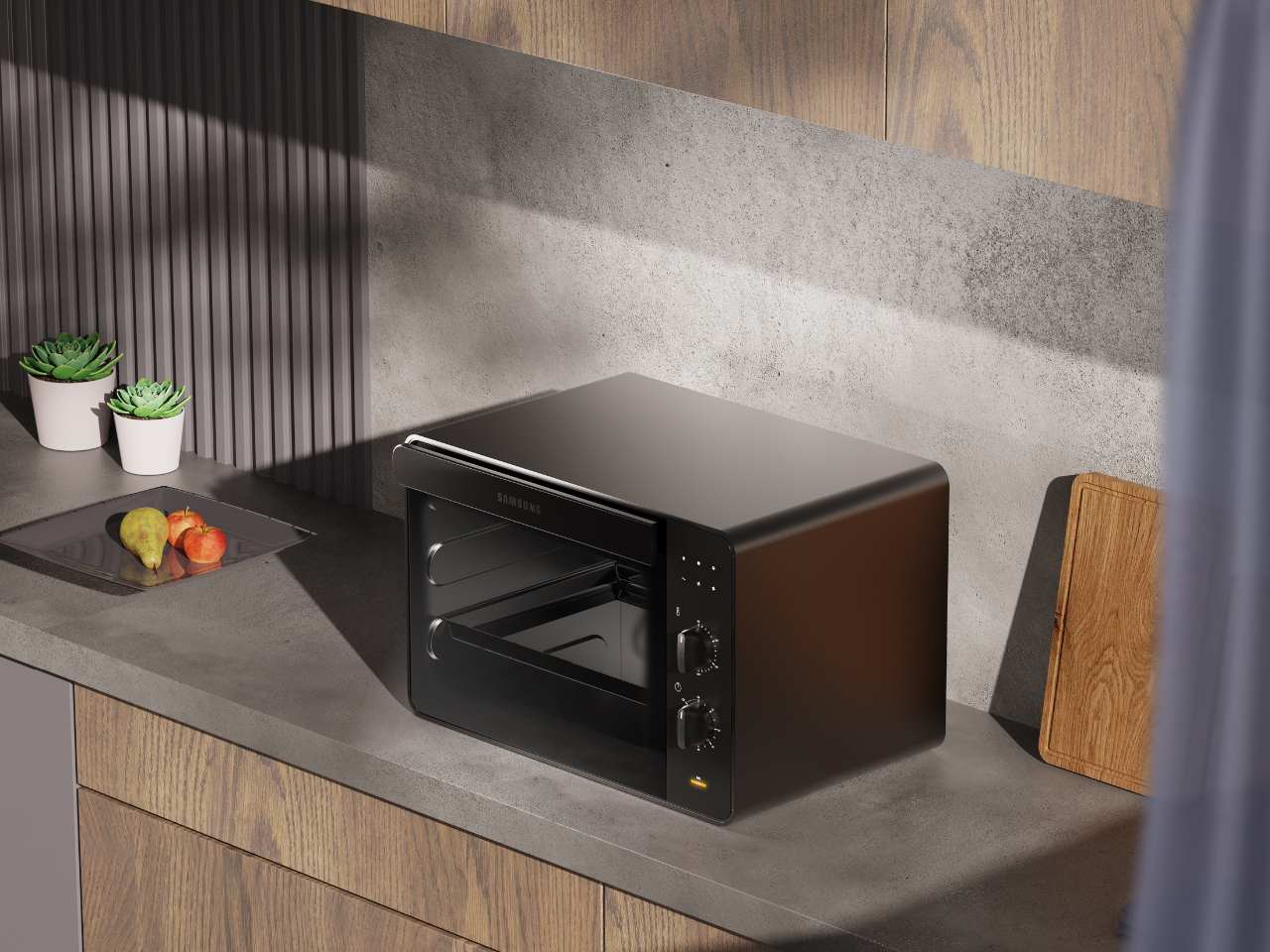
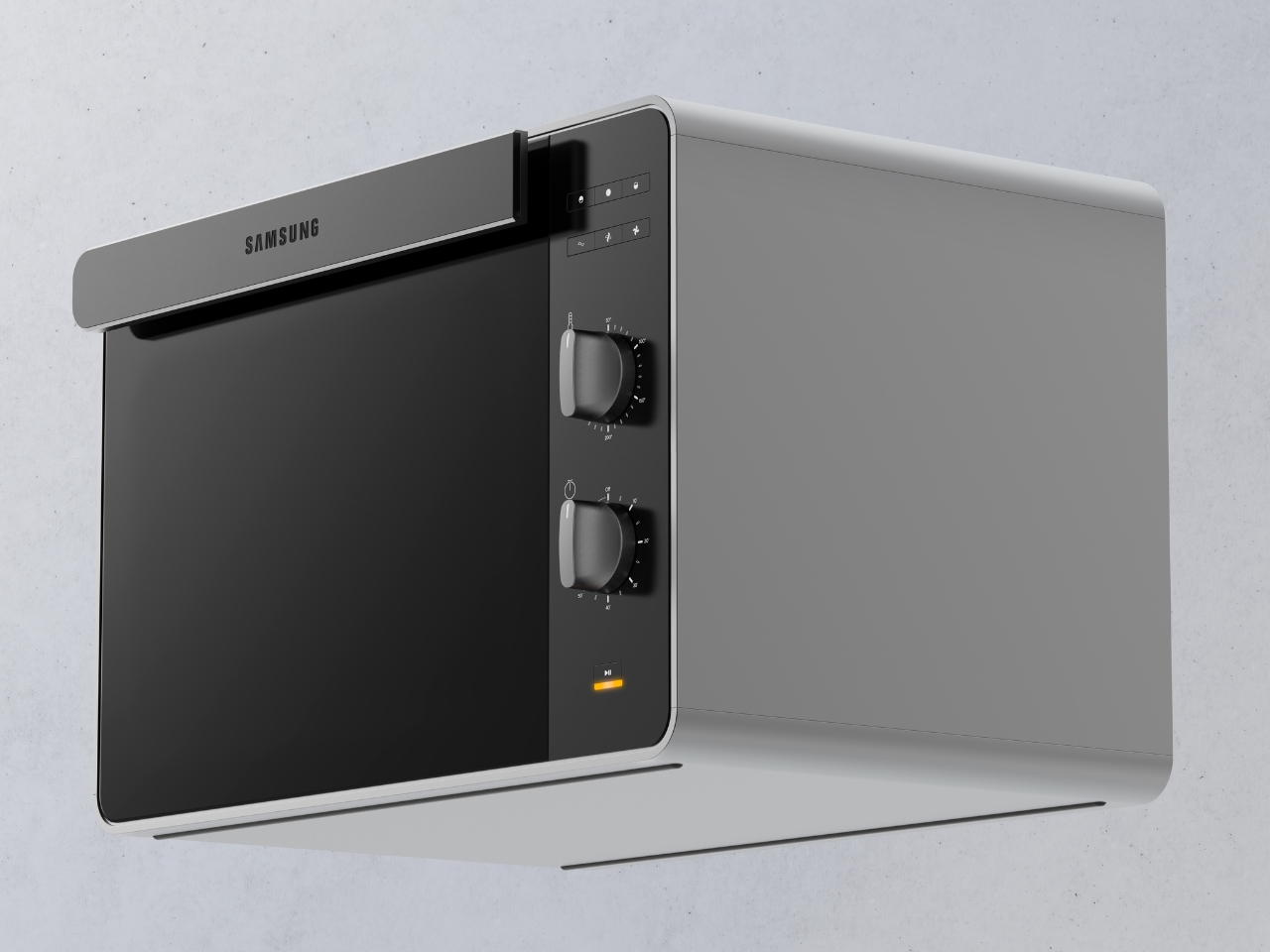
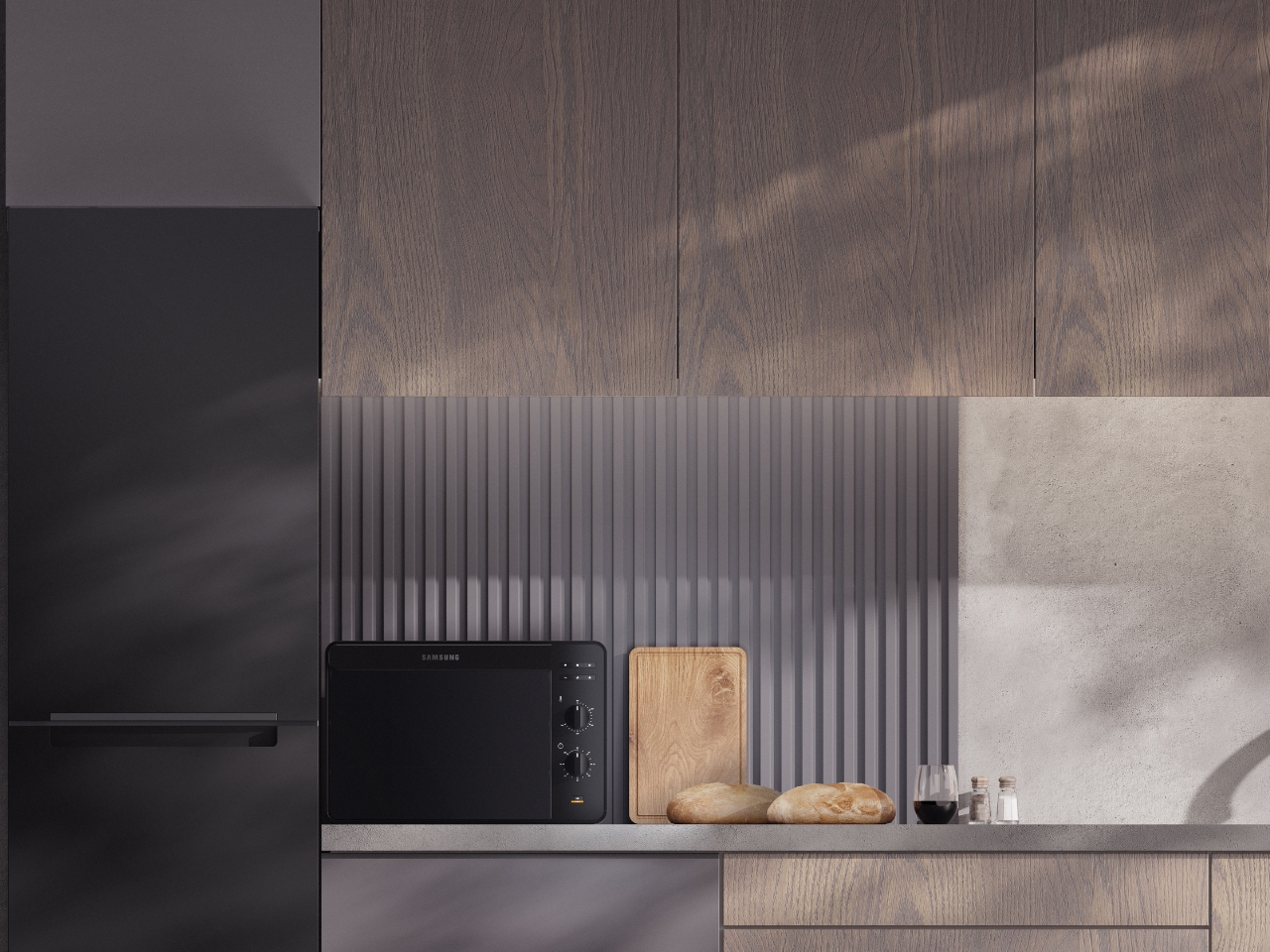
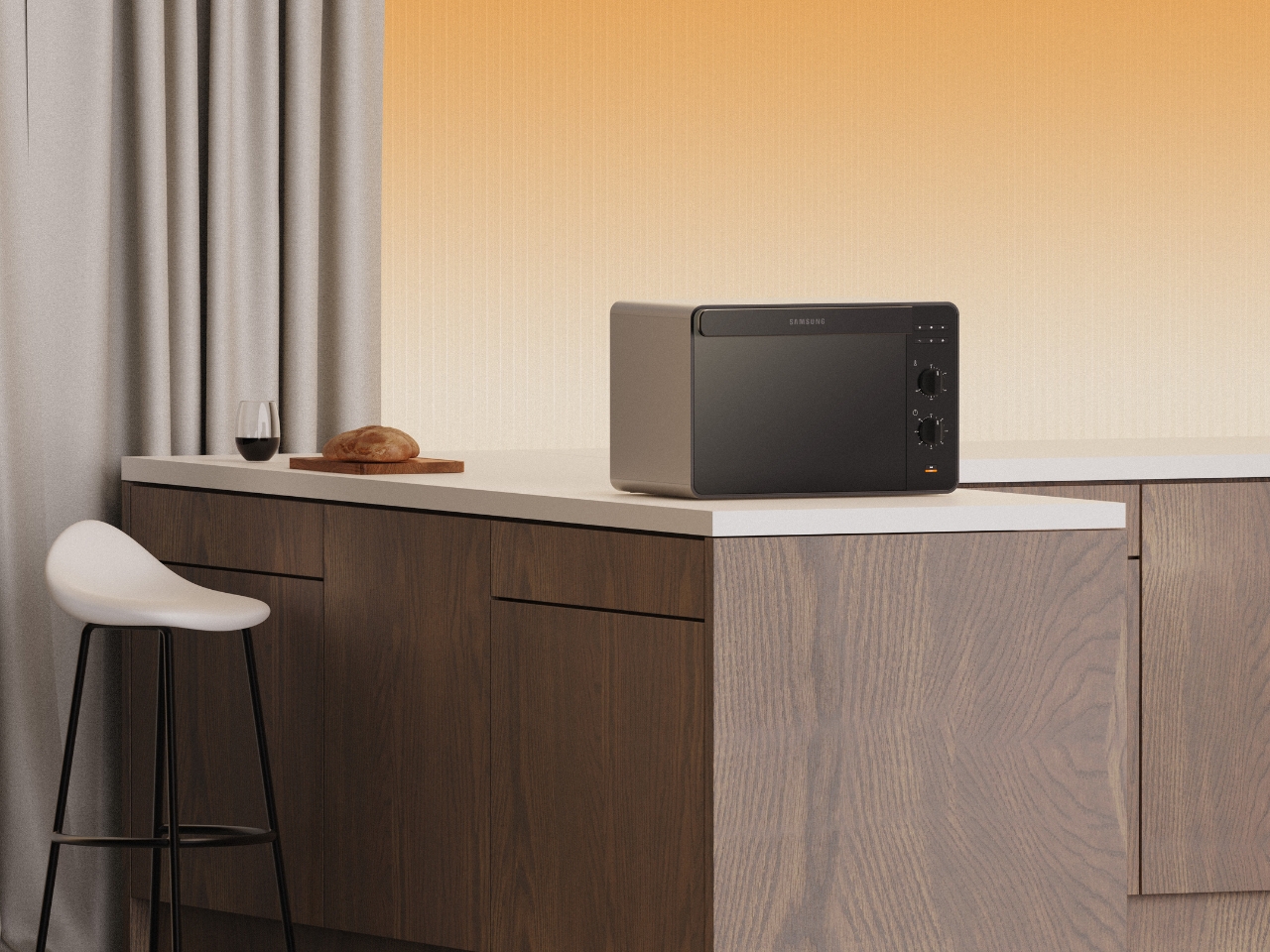
There’s something refreshing about a kitchen appliance that doesn’t try too hard. The Samsung Bake Ultra concept by Octavio Leon Villareal proves that minimalism, when done right, can be anything but boring. This compact electric oven manages to look like a premium piece of tech while maintaining the kind of simplicity that actually makes sense in real life.
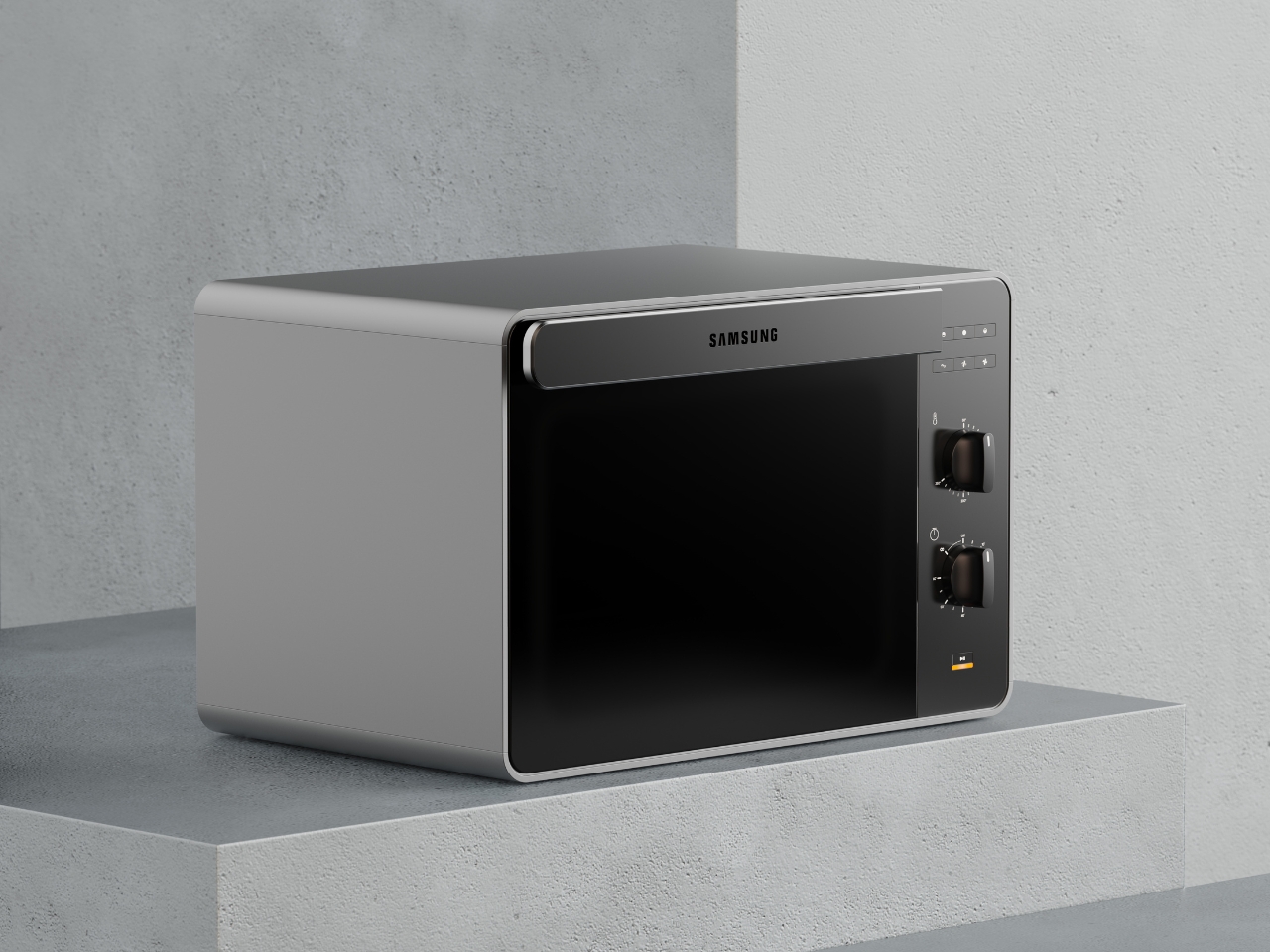
At first glance, the Bake Ultra’s two-tone design catches your eye without demanding attention. The soft gray body paired with a black glass front creates a visual balance that feels both contemporary and timeless. It’s the kind of aesthetic choice that works whether your kitchen leans industrial-chic or warm-and-cozy. The rounded edges soften what could have been an overly boxy silhouette, giving it an approachable quality that invites you to actually use it rather than just admire it from afar.
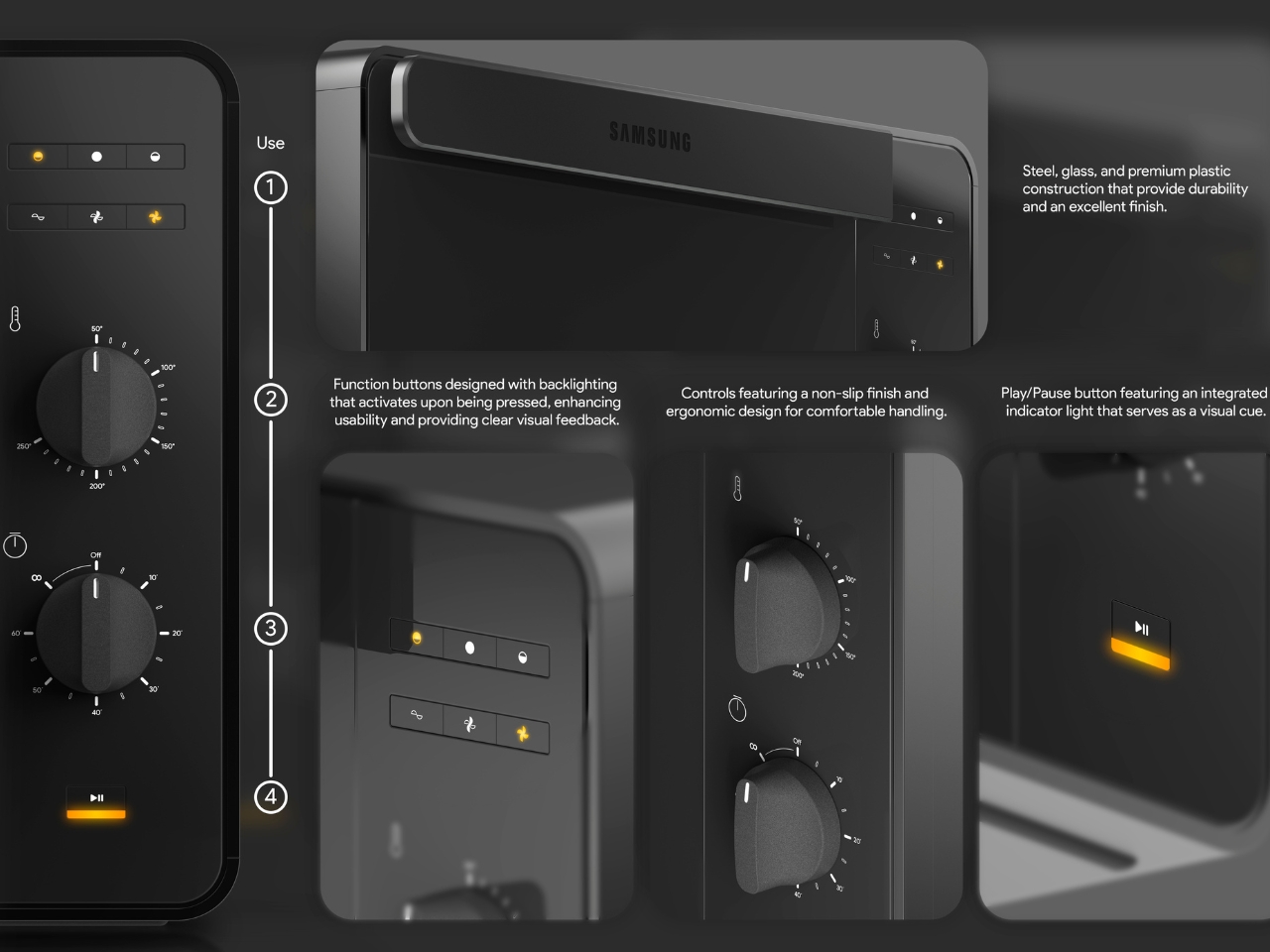
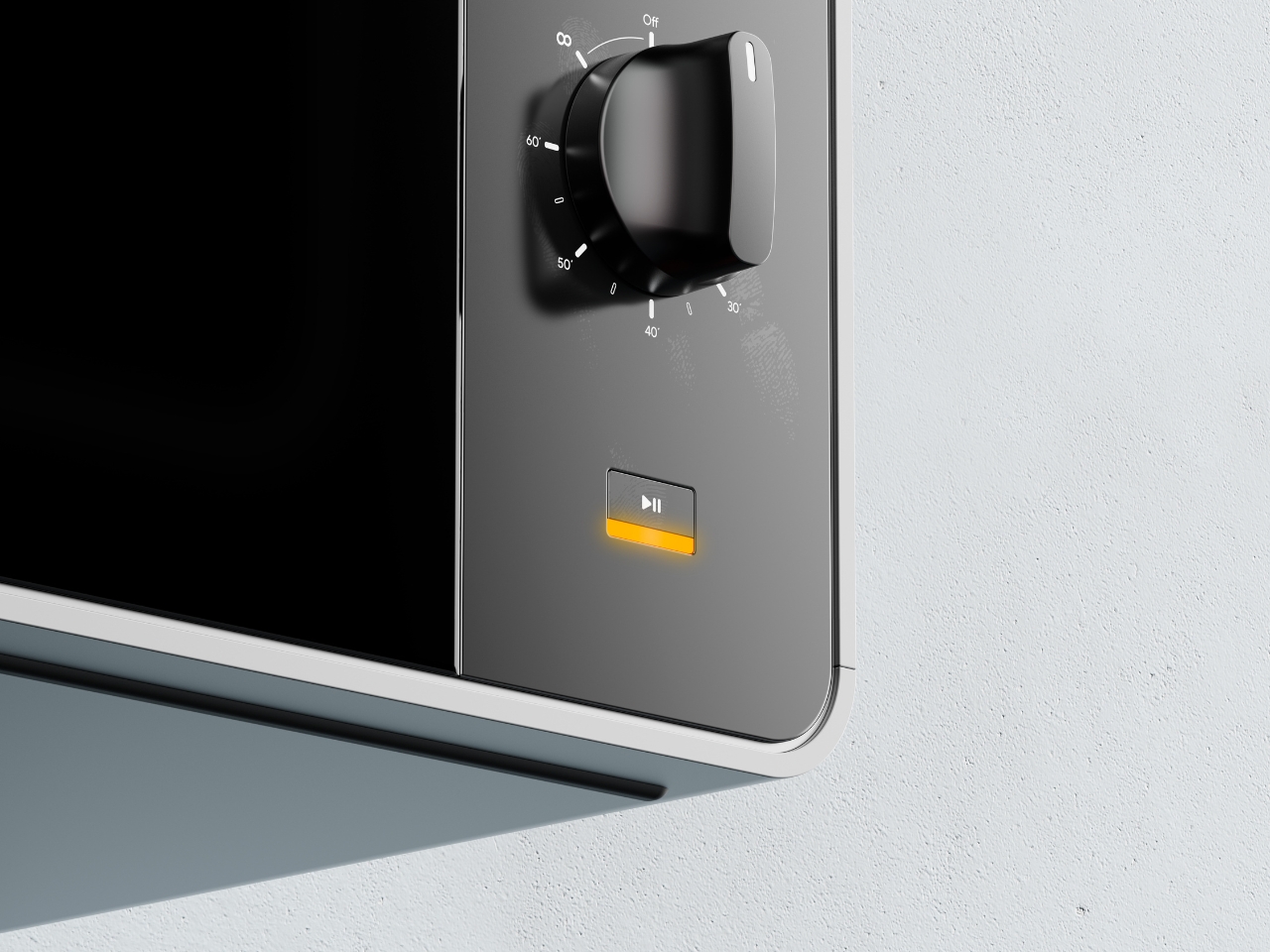
What really sets this concept apart is how thoughtfully the details have been considered. Take the control panel, for instance. While many modern appliances chase touchscreen interfaces and digital everything, the Bake Ultra embraces tactile controls with two substantial dial knobs. There’s something inherently satisfying about turning a physical dial, getting that immediate feedback in your hand as you adjust temperature or time. It’s intuitive in a way that doesn’t require you to remember which icon does what or whether you need to hold or tap.
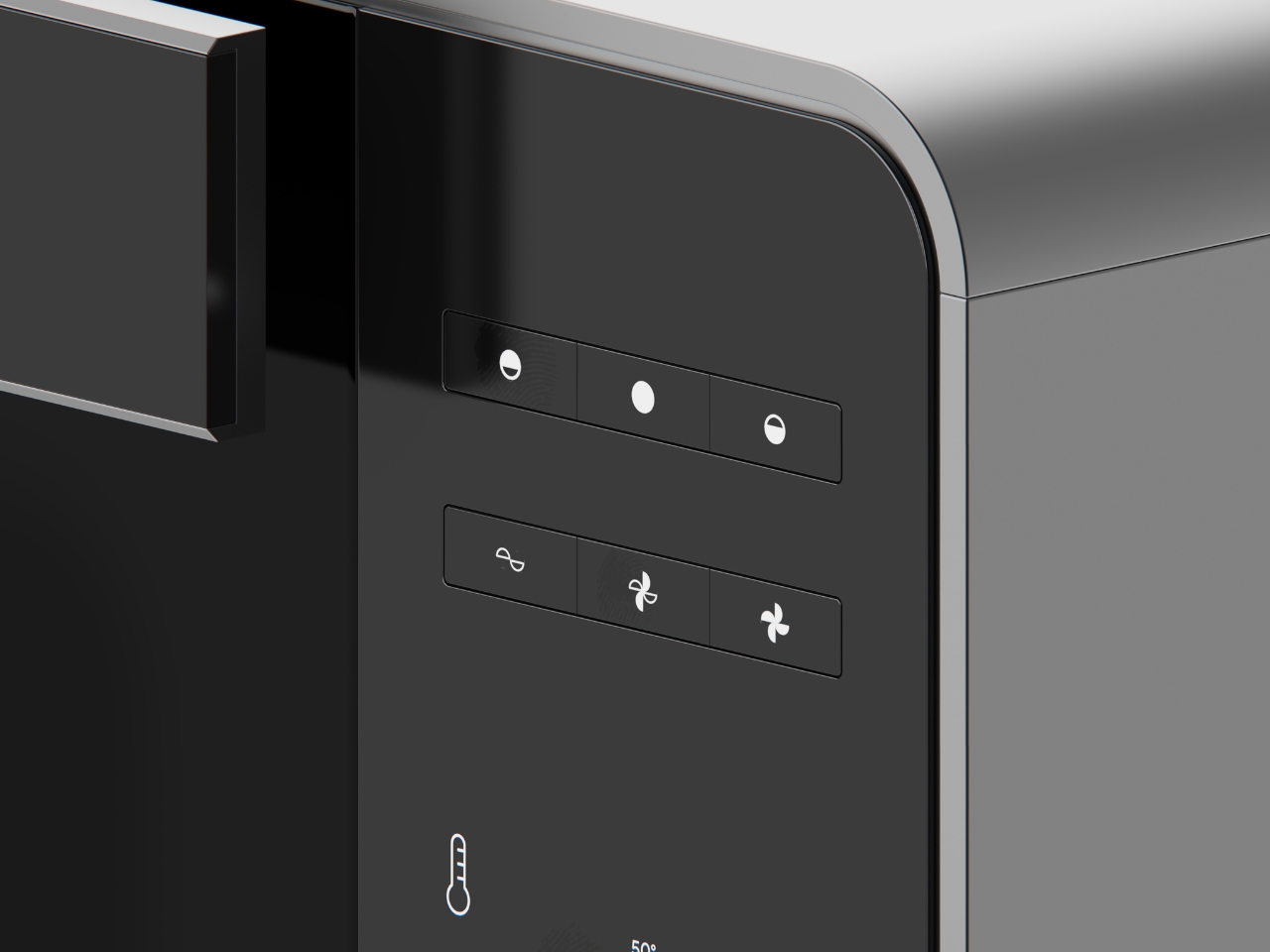
The function buttons sit flush against the black panel, their minimalist pictograms becoming visible when backlit. This clever detail means the interface stays clean and uncluttered when the oven is off, but provides clear visual feedback when you need it. No squinting at faded labels or wondering if you’ve actually pressed the right button. The yellow accent on the play/pause indicator adds a pop of warmth to the otherwise monochromatic palette, serving as both a functional cue and a subtle design element.
The compact footprint makes this particularly relevant for how many of us actually live. Not everyone has the space or budget for a full kitchen renovation with built-in everything. The Bake Ultra sits comfortably on a countertop, fitting into small apartments, office kitchens, or as a supplementary oven for larger spaces. The renders show it in various settings, from minimalist concrete-and-wood kitchens to warmer spaces with traditional cabinetry, and it holds its own in each environment. That versatility is the hallmark of genuinely good design.
Looking at the ergonomics, the controls are positioned on the right side panel at a comfortable height for standing operation. The knobs have a non-slip finish and substantial presence that suggests quality and ease of use. These aren’t flimsy plastic dials that will wear out after a year. They look like they mean business, with clear temperature markings and a tactile response that gives you confidence in what you’re setting.
What makes this concept compelling is how it aligns with Samsung’s broader design identity while still feeling fresh. You can see echoes of their smartphone and television aesthetics in the clean lines and premium materials, creating a cohesive ecosystem for people who appreciate that kind of design continuity across their tech and appliances. It’s the difference between a collection of random stuff and a curated space.
Will we ever see the Bake Ultra on store shelves exactly as rendered here? Maybe, maybe not. But that’s not really the point of concept design. Projects like this push the conversation forward about what our kitchen appliances could be. They challenge manufacturers to think beyond the status quo and remind us that functional objects can also be beautiful, that technology can feel human, and that minimalism doesn’t have to mean cold or boring.