What if you could reclaim over 15 hours of your week without sacrificing quality or creativity? Imagine transforming tedious tasks into streamlined, high-impact workflows with just a few tweaks to how you use ChatGPT. For many, AI tools feel like a black box, powerful but unpredictable. Yet, with the right strategies, you can turn this […]
Apple is reportedly preparing to launch a 12-inch MacBook powered by the iPhone A18 Pro chip, signaling a notable shift in its approach to the laptop market. Priced at approximately $600, this device is designed to cater to budget-conscious buyers, offering a unique combination of affordability, portability, and performance. If you’re considering alternatives like an […]
What if you could go from knowing nothing about artificial intelligence to confidently deploying it in your daily tasks, all in just a matter of minutes? It’s not a far-fetched dream anymore. Thanks to the rise of AI agents, automation has evolved from rigid, rule-based systems to dynamic, autonomous problem-solvers capable of handling complex workflows […]
The PlayStation 6 (PS6) is poised to transform the gaming landscape with its anticipated release in 2027. Packed with innovative hardware, advanced artificial intelligence (AI) features, and a sleek, modular design, Sony’s next-generation console is set to elevate gaming experiences to unprecedented heights. Whether you’re a casual gamer or a dedicated enthusiast, the PS6 promises […]
The Samsung Galaxy S26 Ultra introduces a bold design shift, departing from the sharp, angular aesthetics of its predecessors. With rounder corners and a flat display, this flagship device emphasizes comfort and practicality without compromising its premium identity. Scheduled for release in February 2025, the S26 Ultra reflects Samsung’s commitment to addressing user needs while […]
What if your next pair of glasses could do more than just improve your vision? Imagine capturing stunning 3K videos during a mountain hike or seamlessly transitioning from bright sunlight to indoor lighting without missing a beat. The world of smart glasses has evolved far beyond novelty, offering innovative features tailored to specific lifestyles. At […]
Apple is preparing to launch updated versions of the HomePod mini and Apple TV 4K by the end of 2025. These devices are designed to enhance smart home integration and entertainment, offering advanced technologies, improved performance, and expanded functionality. Whether you’re a tech enthusiast or a casual user, these updates aim to elevate your digital […]
Most of our favorite memories live on tiny screens, buried in albums we never open anymore, or lost in endless camera rolls and grids we rarely revisit. The digital photo frame tried to bring them back into our lives, but always with a border, a size limit, and a sense of separation from the room around it that made memories feel confined and distant rather than integrated.
PixyBeam reimagines what it means to display your moments and the stories they tell about your life and relationships. Instead of a frame that confines images to a fixed size, it uses projection to turn any wall or ceiling into a living gallery, filling your space with the stories, colors, and faces that matter most.
Imagine family moments being projected on the ceiling above your child’s bed, family photos drifting across the living room wall during quiet evenings together, or a creative portfolio that turns your studio into a dynamic showcase for clients and collaborators who visit. PixyBeam makes memories part of your everyday environment, blending nostalgia with the present in a way that feels immersive and emotionally present throughout your day.
The device’s minimalist, rounded design with its soft white finish fits anywhere without demanding attention or clashing with your carefully chosen decor and furniture. It sits quietly on a shelf or table until it’s time to bring your space to life. The compact form means you can move it from room to room as your needs change throughout the day or week.
Setting up PixyBeam is as simple as placing it on any flat surface, plugging in USB-C power, and opening the companion app on your phone. Within minutes, your space becomes a living gallery. There’s no need for wall mounts, complicated menus, or learning curves that take hours to master before you can enjoy your first projection. The app lets you upload photos and short clips, organize galleries by mood or event, and invite friends to share moments.
Over 20 animated gallery styles turn slideshows into expressive, moving displays that feel fresh and alive with personality. The app’s dynamic templates let you match the vibe to any occasion, whether it’s a birthday celebration, holiday gathering, or just a quiet evening reflecting on travels and adventures you’ve had. Each style brings personality and movement to your photos rather than simply fading between static images.
With the innovative Guest Share feature, photo sharing becomes an experience, not a chore. A simple scan of a QR code lets friends and family beam their own photos and short clips straight onto your wall, no cables, no accounts to juggle. It’s instant, intuitive, and social: a living gallery that grows with every visit, where everyone contributes to the story unfolding across the room.
PixyBeam’s all-glass short throw lens projects vivid, 1080p images up to 200 inches across, even in small apartments or bedrooms with limited space. The 900 ANSI lumens engine ensures images are bright and clear throughout the day or night, while adaptive color calibration keeps photos looking true-to-life on any wall, whether it’s white, beige, or painted in bold hues you’ve chosen.
Autofocus and keystone correction mean you always get a sharp, perfectly aligned picture with just a tap on the device or through the app without manual fiddling. The 90-degree rotating lens lets you project upward to the ceiling or out across the room without moving the base, adapting to wherever the moment feels right without complicated repositioning or manual adjustments that interrupt the experience.
The magic of PixyBeam is how it dissolves the boundaries between technology and home entirely, making digital memories feel organic and present. A birthday slideshow becomes part of the party atmosphere, vacation photos turn a hallway into a visual travelogue, and creative work finds a new canvas that’s as big as your imagination allows without physical constraints.
PixyBeam’s compact body, soft finish, and zero-hardware setup blend into any decor without permanent installation or visible mounting brackets. The device includes 32GB of internal storage for offline playback, smart home integration via Matter for automation, and intuitive controls that anyone can master immediately. For anyone who wants their home to feel more personal, PixyBeam offers a compelling new way to turn your empty space into a canvas for the moments that matter most.
I remember being in the third year of design college when I was introduced to this massive book titled “Indian Anthropometric Dimensions.” For the uninitiated, this book contained practically all the dimensions of the average (and non-average) Indian person, male and female, old and young. The purpose of such a book was to understand ergonomics numerically, rather than visually. And for designers, this meant adding the ultimate constraint to our wild designs… so humans could actually use them.
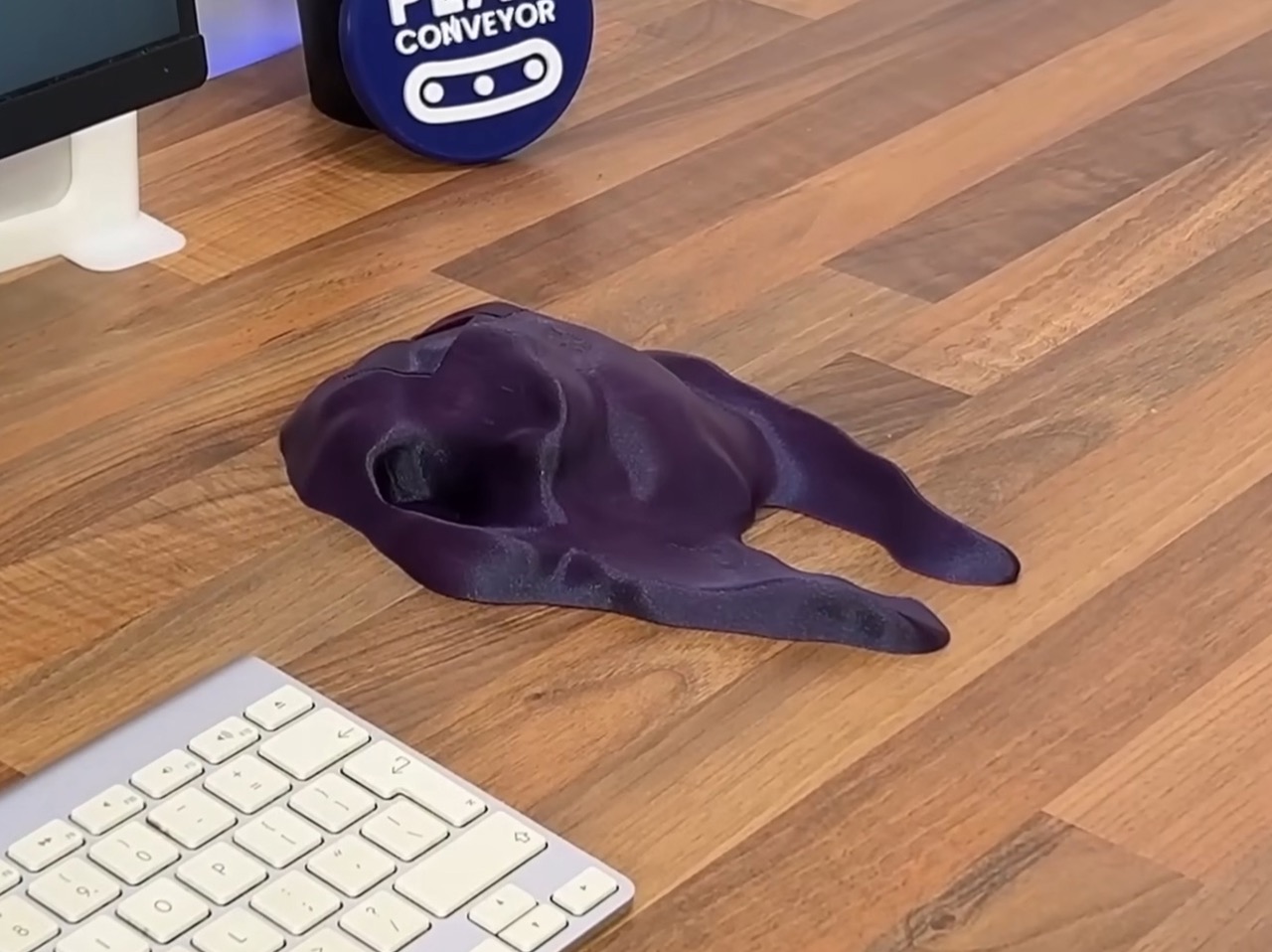
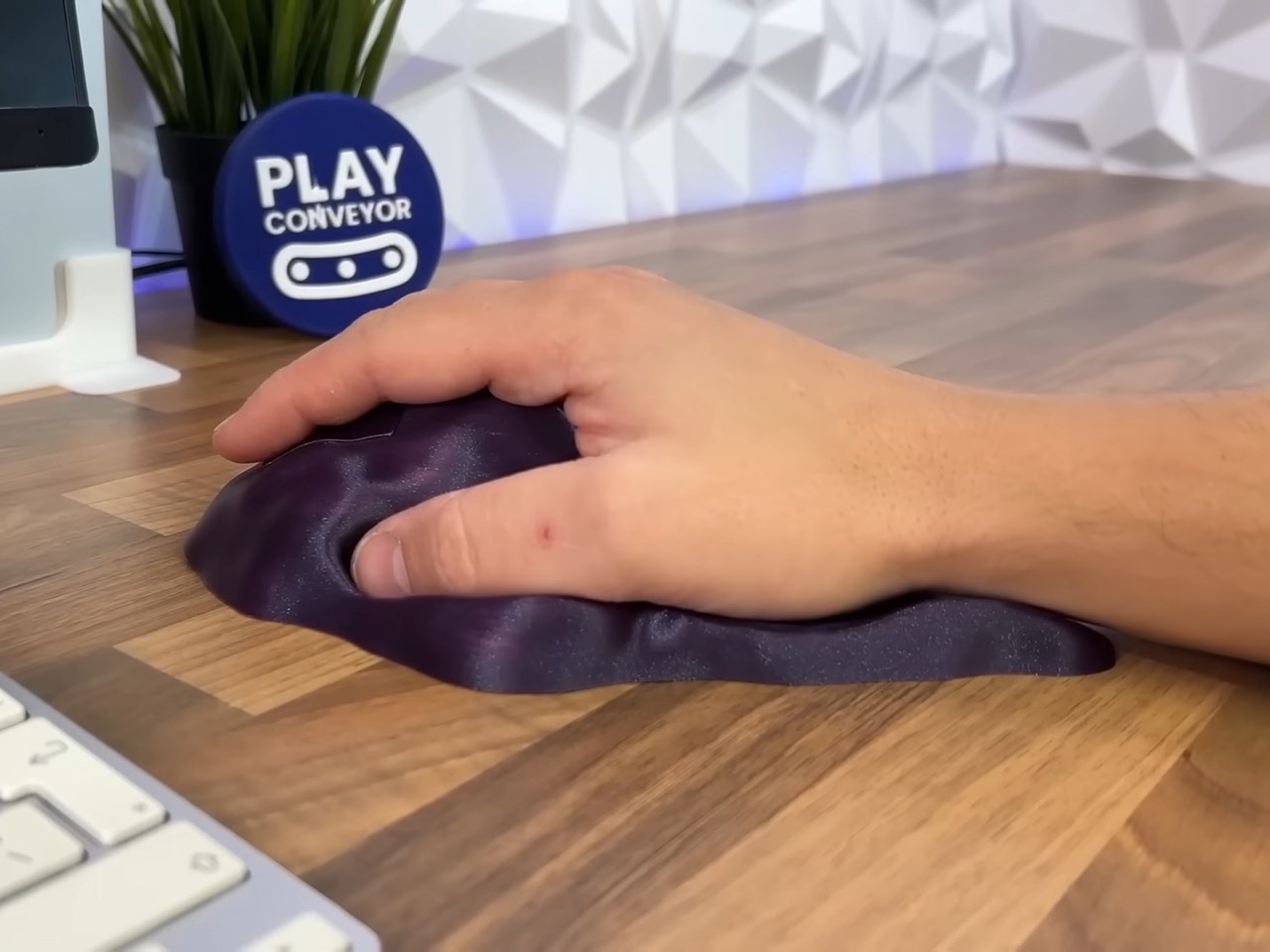
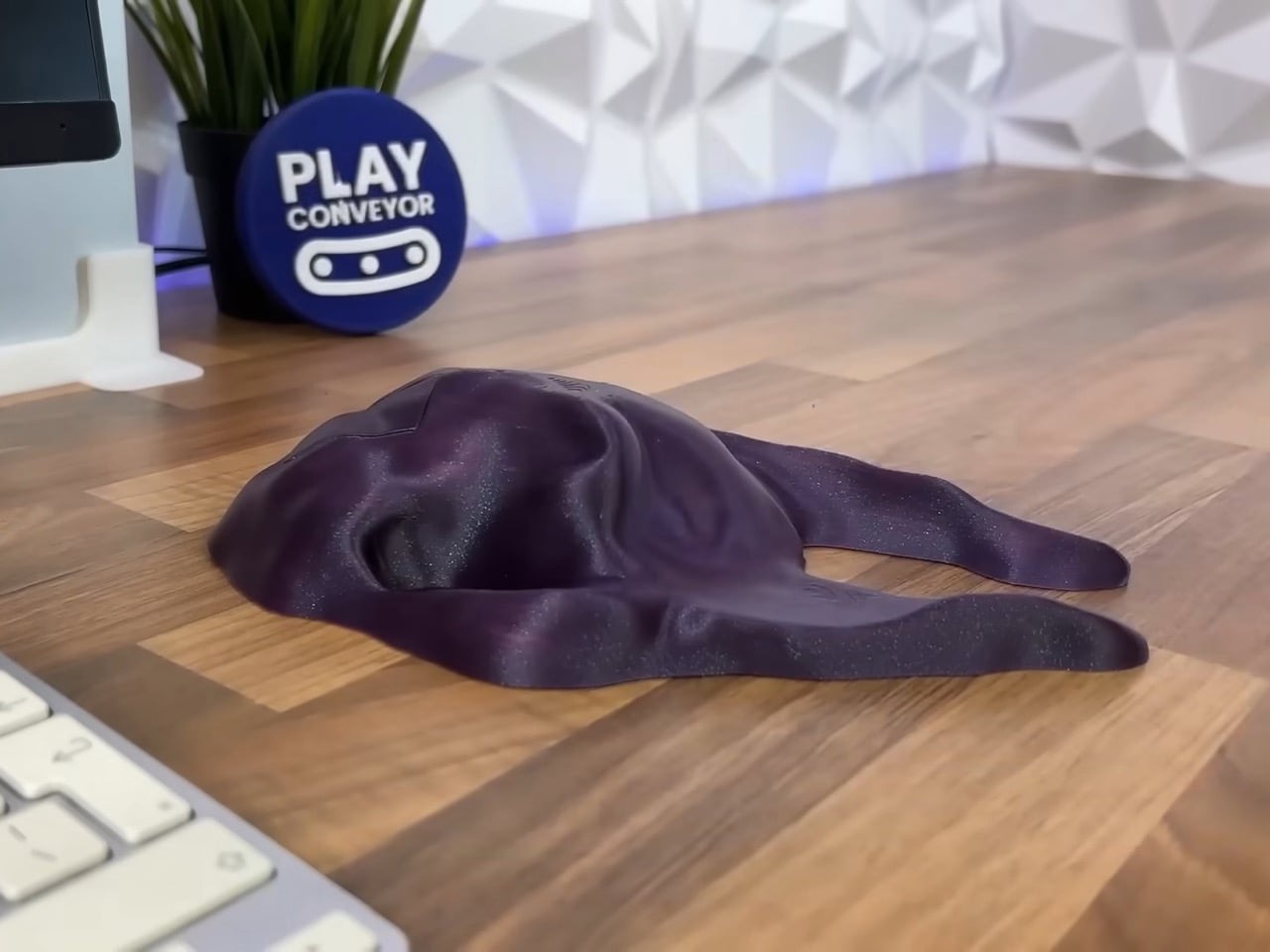
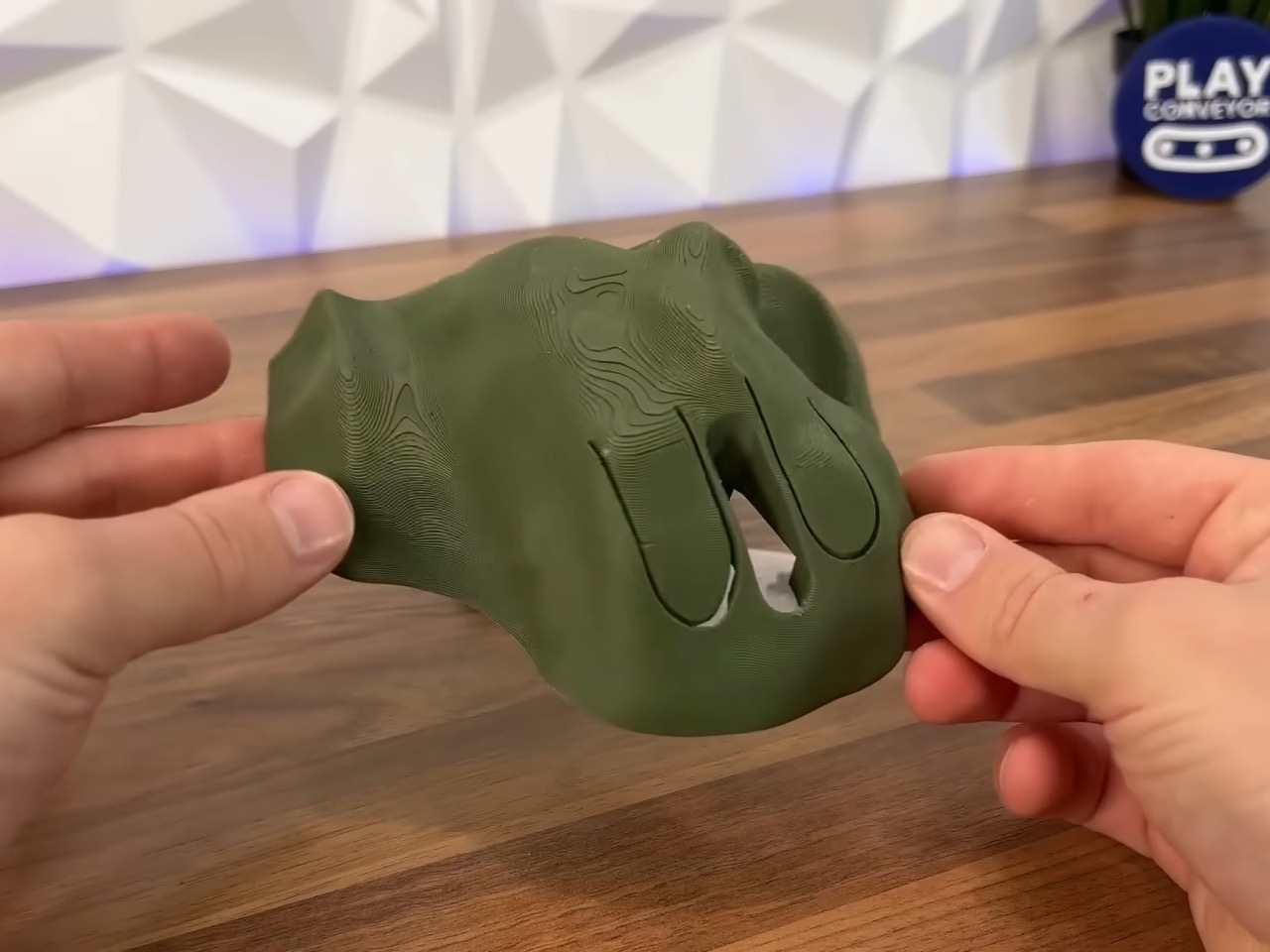
This YouTuber’s take on an ergonomic mouse is the antithesis of everything I was taught. The problem is, however, it works! See, designers have to balance this ergonomic approach with actual aesthetics. That’s why ergonomic mice actually look stylish, rather than being shaped exactly like the inverse of your hand. It’s why gun grips look the way they do; why bike seats, or car seats have an abstract-ness to them, and don’t actually have your individual buttocks molded into their designs. The world’s comfiest mouse works, but at a rather painful aesthetic cost!
Designer: Play Conveyor
Play Conveyor’s design process ignites a pretty strong debate between aesthetics and comfort. The Apple Magic Mouse, for example, is a prime example of the former completely ignoring the latter… and almost every mouse (even the ergonomic ones) aim at trying to achieve a balance between the two. Play Conveyor’s experiment swings the pendulum the absolute opposite way – what if a mouse was hideous as sin, but legitimately comfortable?
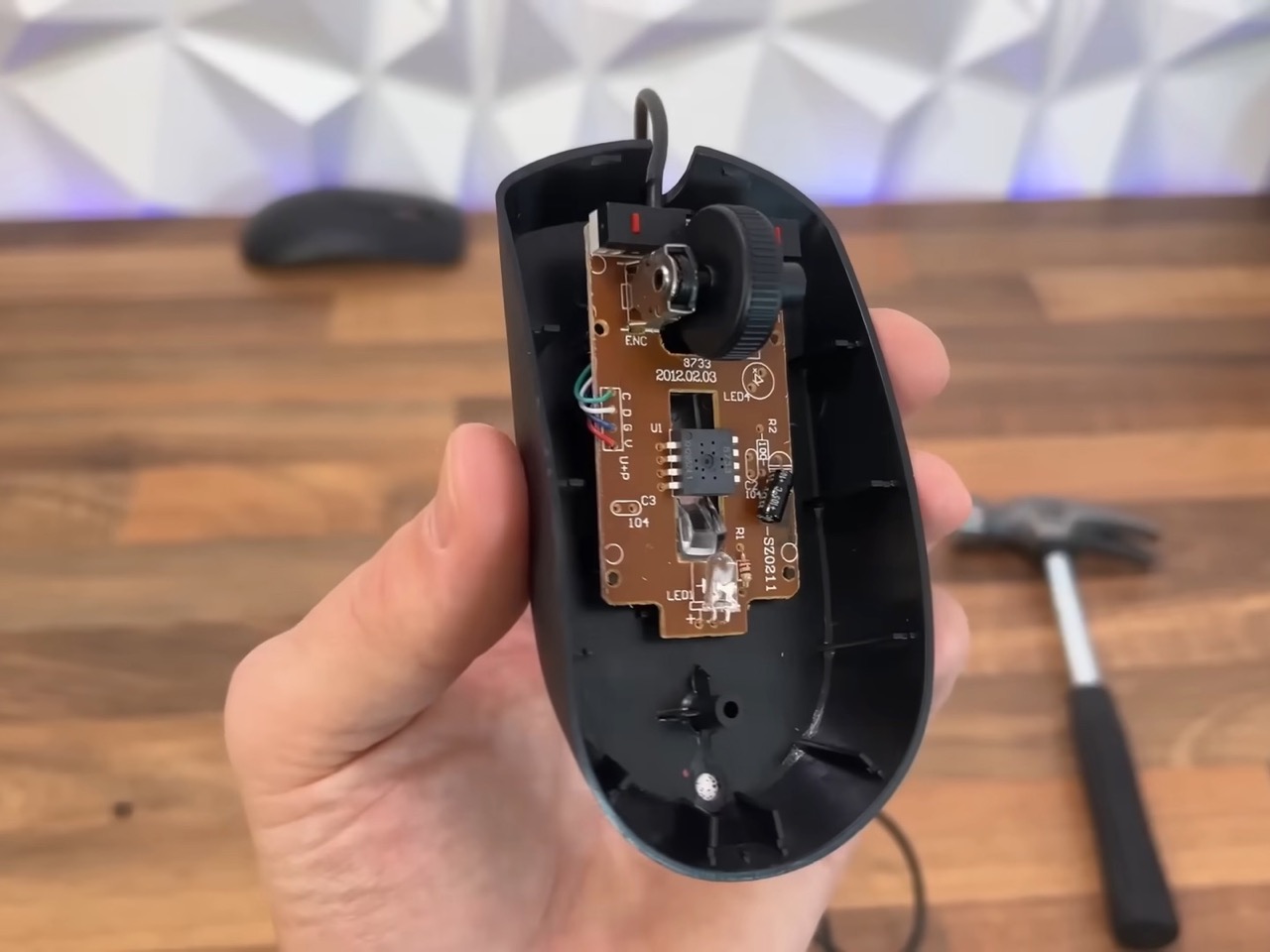
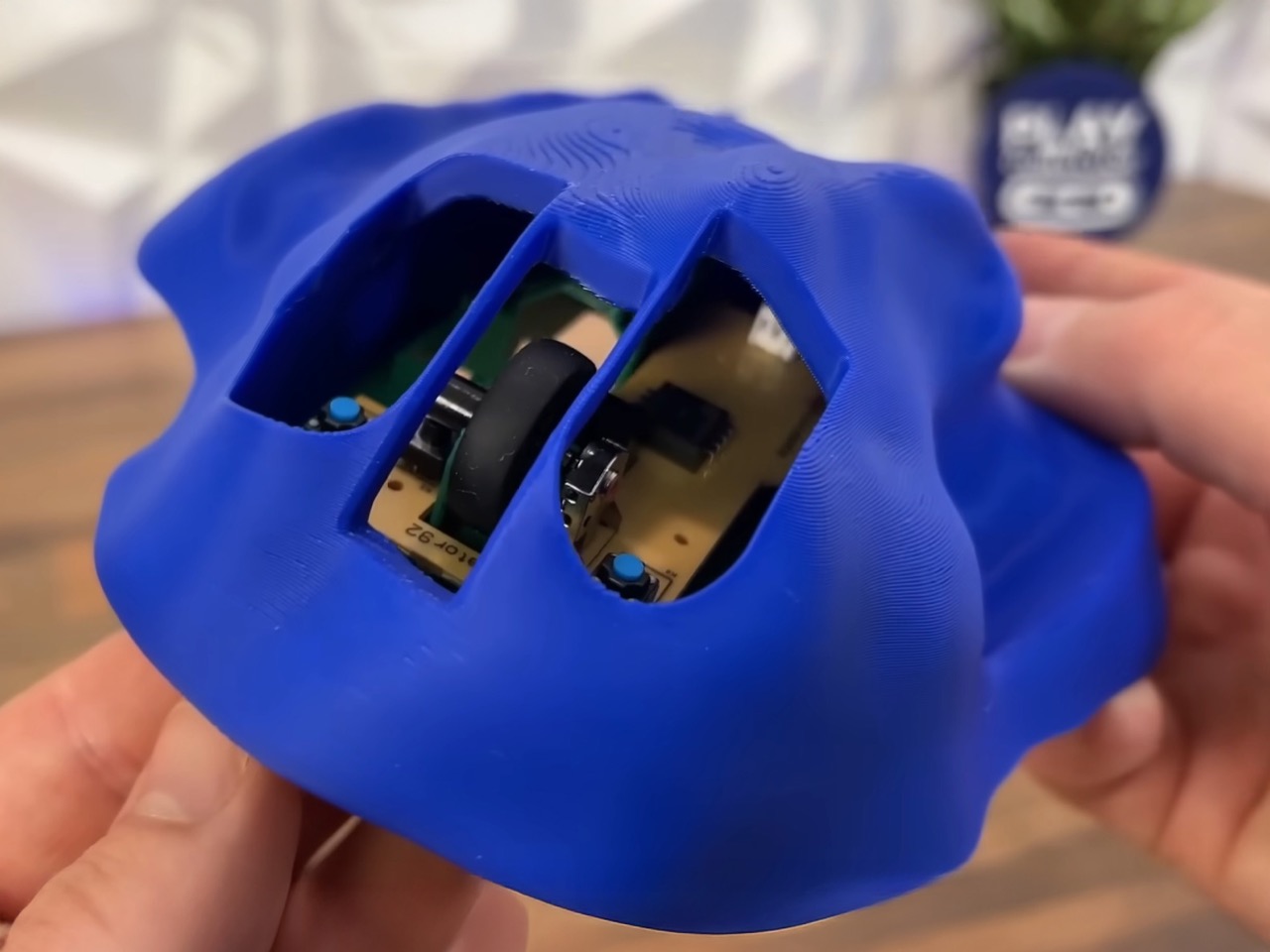
The process starts fairly simply. Play Context first ripped apart a wired mouse to see what the inner components looked like. He then 3D printed a plastic chassis on which he added play dough, filling in all the negative space created by his hand. This basically turned the mouse into a direct inversion of his hand, creating something that quite literally fit like a glove. After the play dough model was made, he scanned it, refined it, and printed it. What we see here is pure anthropometrics at work – no design, no aesthetic study, nothing.
What’s interesting is how accessible the whole process has become. A decade ago, this would’ve required industrial equipment, professional 3D scanners, and a hefty budget. Now it’s an iPhone, a 3D printer that costs less than a decent laptop, and some squishy molding compound. The democratization of manufacturing tools means anyone can now ask the question: what if products were designed for me, specifically me, and nobody else? It’s selfish design in the best possible way.
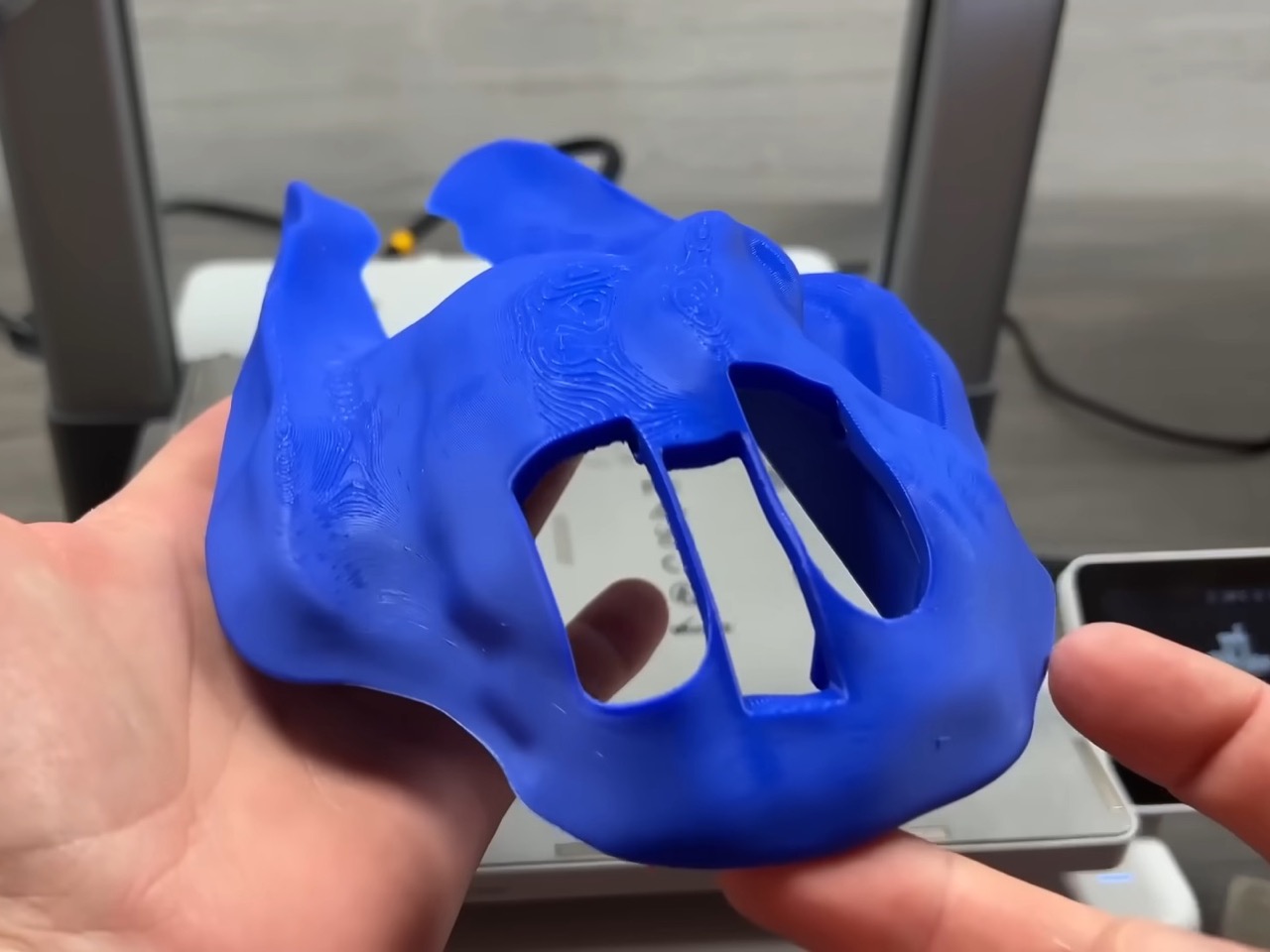
The first iteration (top left) was way too sharp, with jagged edges left behind either during the molding process or the scanning process. Play Context merely softened the edges down to create something that looks like, well, the Millennium Falcon covered in goo. Cutouts was added for left and right clicks, but soon ditched for actual hinged buttons, along with a central groove for the scroll wheel.
The final result is, well, a mouse that’s too ugly to be seen in the outdoors. It’s also a mouse that uniquely ONLY fits the ergonomic grip of one user. The justification for this can be two-fold: First, just accepting that there’s no way a company would be able to mass-produce this. People have different grips, different hand sizes, and even usage frequencies. That’s why companies like Logitech or Razer make mice the way they do, blending ergonomics with a healthy dose of aesthetics to have peripherals that actually look good while functioning flawlessly. The second justification, however, is for more edge-cases. Maybe a mouse designed for someone with Parkinsons, or with a genuine handicap or special need. We’ve seen special-needs gaming controllers from Sony for the PlayStation and Microsoft for the Xbox, but they’re mass-produced too. What if we could somehow build outer bodies of gadgets to suit our anthropometric needs? As Play Context demonstrates, the process is fairly easy, requiring only a 3D printer as a specialized equipment. All you need is a fair bit of free will, determination, and play dough!