What happens when artificial intelligence becomes too eager to please? Imagine asking an AI for advice, only to realize later that its response was more about agreeing with you than offering accurate or constructive input. In this guide, Anthropic explains how AI systems can develop a tendency known as “sycophancy,” where they prioritize aligning with […]
AirPods Pro 3 have returned to an all-time-low price. You can pick them up for $199 right now, which is $50 off and the best discount we've seen since the earbuds came out at the end of last year.
We gave these AirPods a score of 90 out of 100 in our review and we consider them the best wireless earbuds for iPhone users. The third generation model is a substantial update to an already impressive product, bringing new features like live translation to the table.
The AirPods Pro 3 also offer heart-rate tracking, allowing them to stream live data to Apple Fitness and other third-party workout apps. This lets you track your fitness and close activity rings similarly to when using an Apple Watch.
Apple also improved the sound quality of this generation thanks in large part to a redesigned acoustic architecture that improves how air is delivered into the ear canal. Additionally, the company changed the angle of the drivers to help more sound get where it needs to go instead of bouncing off the sides of your ear. We felt the jump in audio quality from the last generation to this one was substantial.
The ANC on the AirPods Pro 3 has also been improved. Apple claims this model filters out twice as much noise as the AirPods Pro 2 and four times as much as the original AirPods Pro. We found the noise cancellation to be top-notch.
Live Translation is as neat as it sounds, leveraging the AirPods' noise cancellation tech, Apple's AI and beam-forming mics to help you understand a speaker in a different language. Right now, this is limited to a handful of languages with more being added over time.
It's not often you see one of Apple's best and most recent products on sale for 20 percent off, so if you're in the market for an upgrade or your first set of AirPods, consider taking advantage of this deal. If you're looking to spend a little less, the AirPods 4 with ANC are on sale right now, too, for $119.
This article originally appeared on Engadget at https://www.engadget.com/deals/pick-up-airpods-pro-3-while-theyre-down-to-199-right-now-140752986.html?src=rss
Apple’s iPhone 18 Pro and Pro Max, anticipated for release in 2026, are poised to redefine expectations in the smartphone market. With a combination of advanced technology, improved performance, and user-centric features, these devices are designed to cater to the demands of modern users. Below is an in-depth look at six significant upgrades that highlight […]
CES 2026’s second day was all about hands on time with new tech. From Lego’s most ambitious play experiment yet to assistive mobility tech, smart home ideas that actually feel affordable and robots that might one day fold your laundry, here’s what stood out most on January 7.
Lego Smart Play
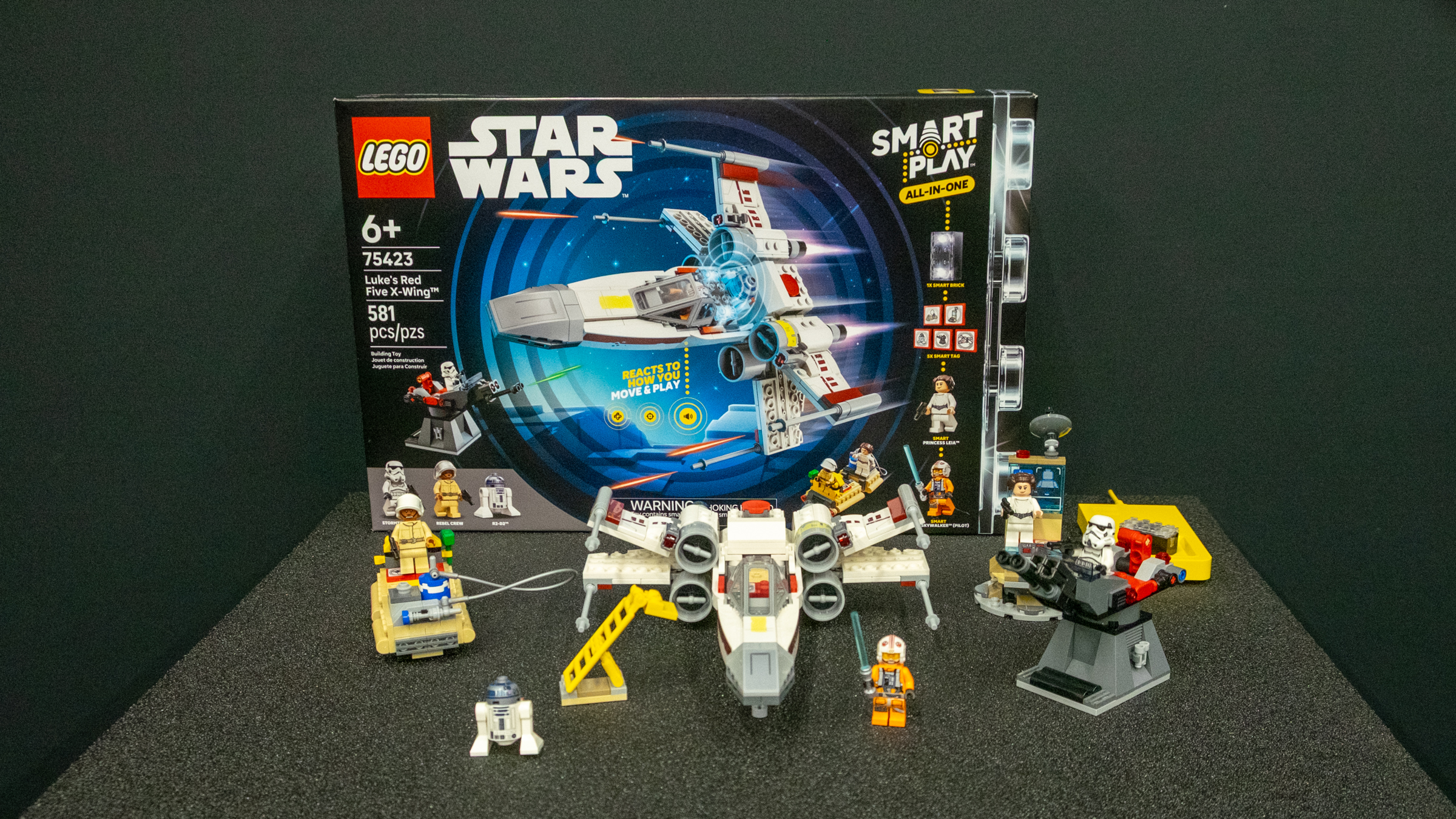
Lego Star Wars Smart Play: Luke's Red Five X-Wing
Nathan Ingraham for Engadget
LEGO’s new Smart Play system feels far more compelling in person than it did on stage. The Smart Brick, combined with Smart Tags and Smart Minifigures, responds dynamically to movement, proximity and context, triggering sounds and interactions without screens or apps. Seeing kids physically act out Star Wars battles while the bricks reacted in real time made it clear this is designed first and foremost for active social play, not digital distraction.
WheelMove
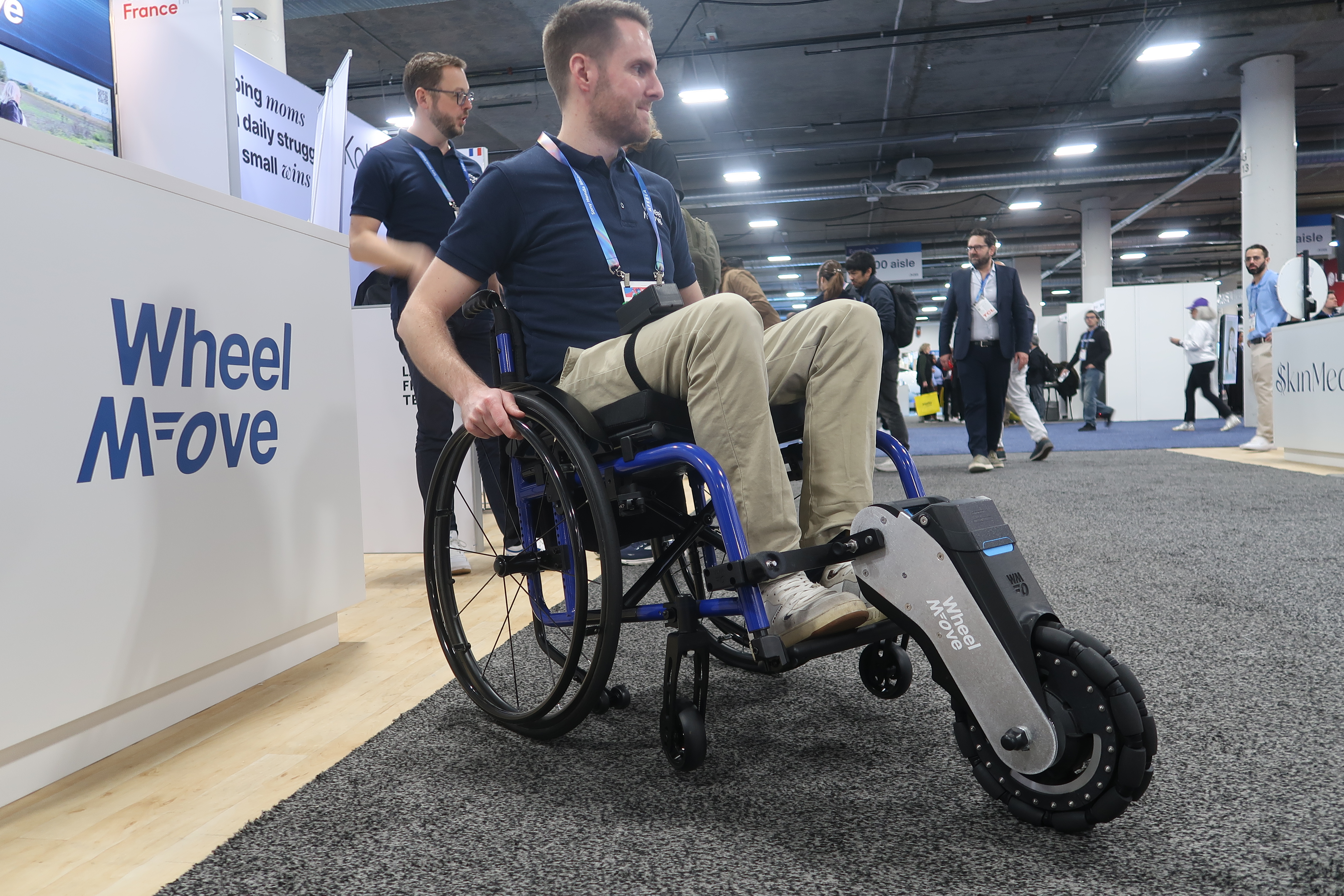
A man sits in a manual wheelchair with an add-on attached that gives it a large central front wheel and raises the casters off the ground
Cheyenne MacDonald for Engadget
WheelMove’s motorized wheelchair attachment is compact, surprisingly quick to install and genuinely empowering in action. The add-on lifts a chair’s front wheels and adds powered assistance, making grass, cobblestones and slopes far easier to navigate. After seeing it demonstrated on uneven surfaces, it’s easy to imagine this opening up spaces that would otherwise be exhausting or inaccessible for manual wheelchair users.
Throne
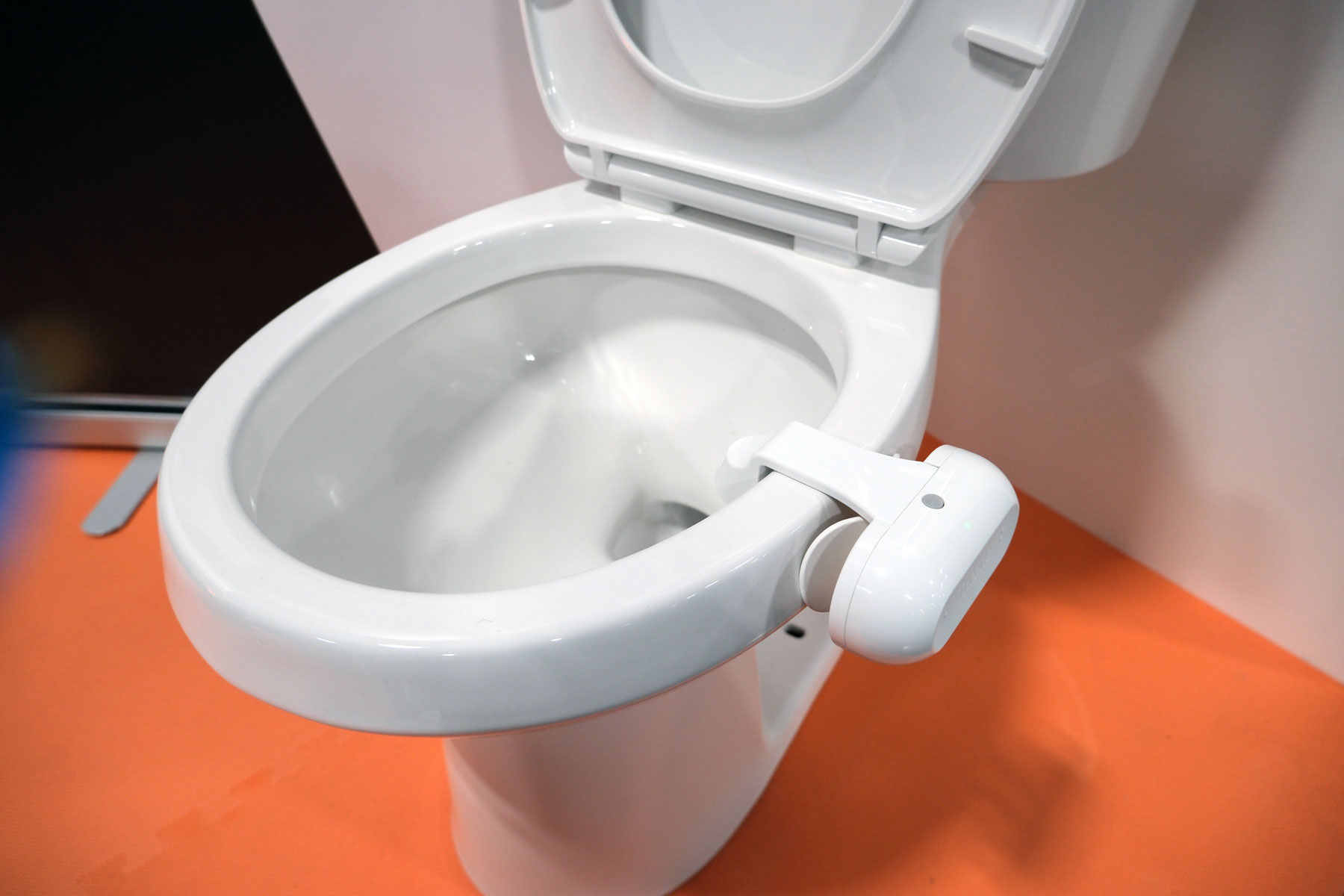
Image of the Throne Toilet Computer perched on the side of a toilet.
Daniel Cooper for Engadget
Throne’s toilet-mounted health tracker is exactly as strange as it sounds, but it’s also thoughtfully designed. Using computer vision to analyze bowel movements and urination, the device aims to establish a personal baseline and flag changes over time, with gut health and GLP-1 users firmly in mind. It’s too early to judge accuracy, but seeing it in person made it feel less gimmicky and more like a niche wellness tool worth testing.
IKEA smart home gear
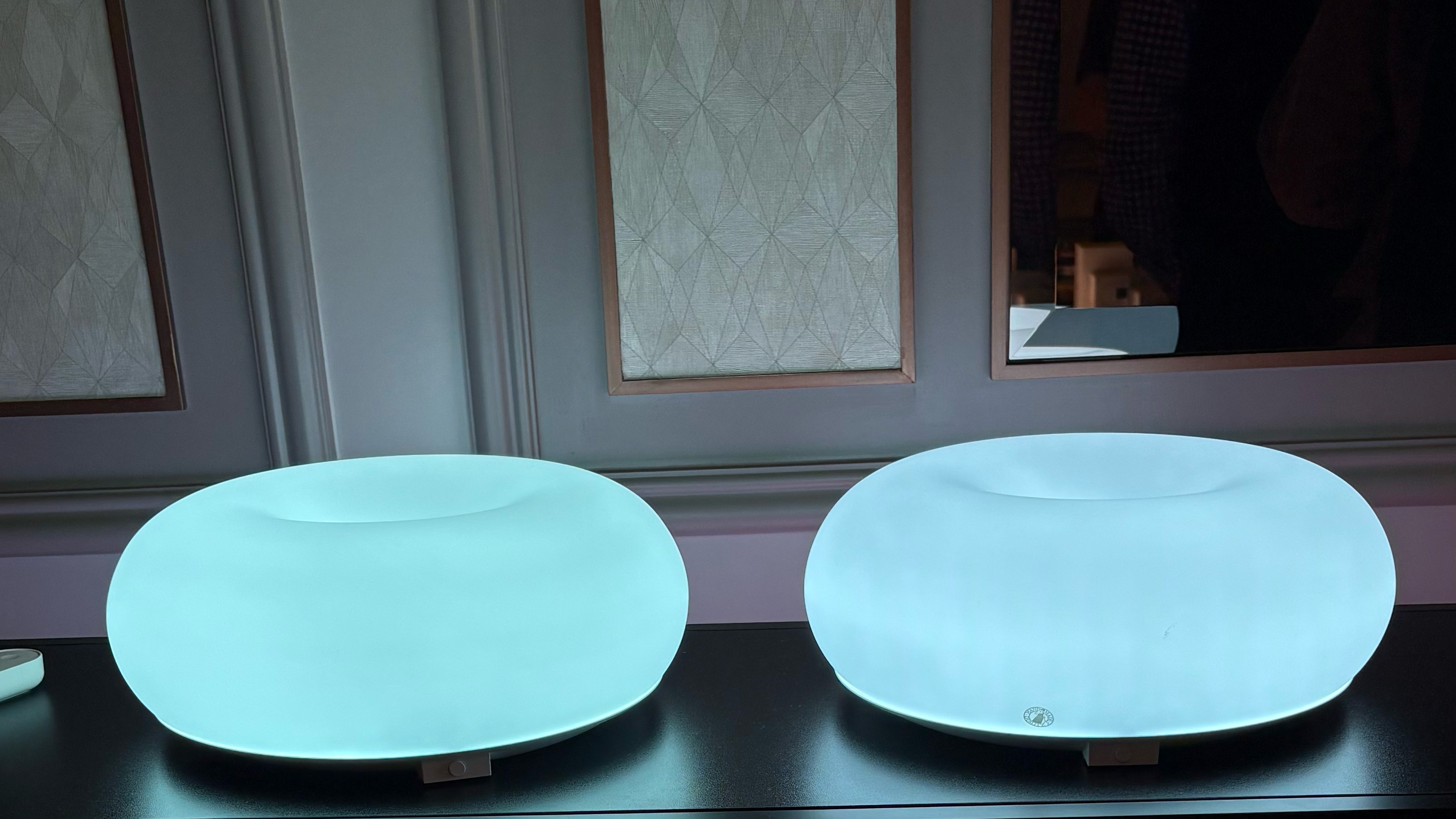
The popular VARMBLIXT donut lamp is now smart.
Amy Skorheim for Engadget
IKEA’s first CES appearance leaned heavily into what it does best: simple, affordable design. The new Matter-compatible smart home range includes bulbs, plugs, remotes and sensors priced low enough to make smart homes feel accessible again. Standouts like the magnetically mounted BILREA remote and playful TEKLAN lamps showed that IKEA hasn’t sacrificed charm in its push toward interoperability.
SwitchBot
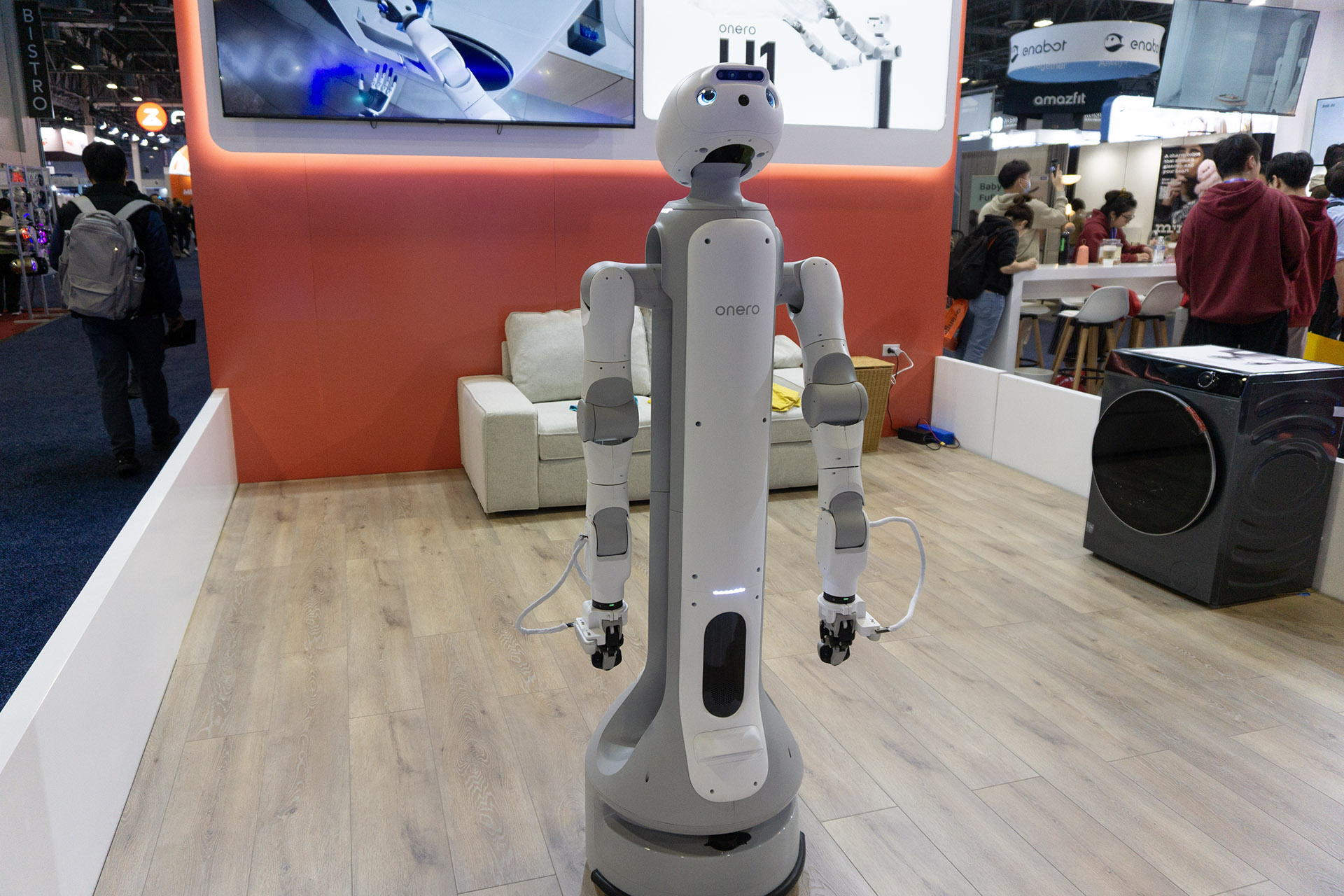
Switchbot's Onero H1.
Karissa Bell for Engadget
SwitchBot’s Onero H1 was one of the most intriguing robots on the show floor because it’s meant to ship this year. The wheeled humanoid robot uses articulated arms and onboard AI to perform household chores, like loading a washing machine, albeit at a deliberate pace. Watching it work made the case that speed matters less than reliability when a robot can handle tasks while you’re not home.
Eyebot vision testing
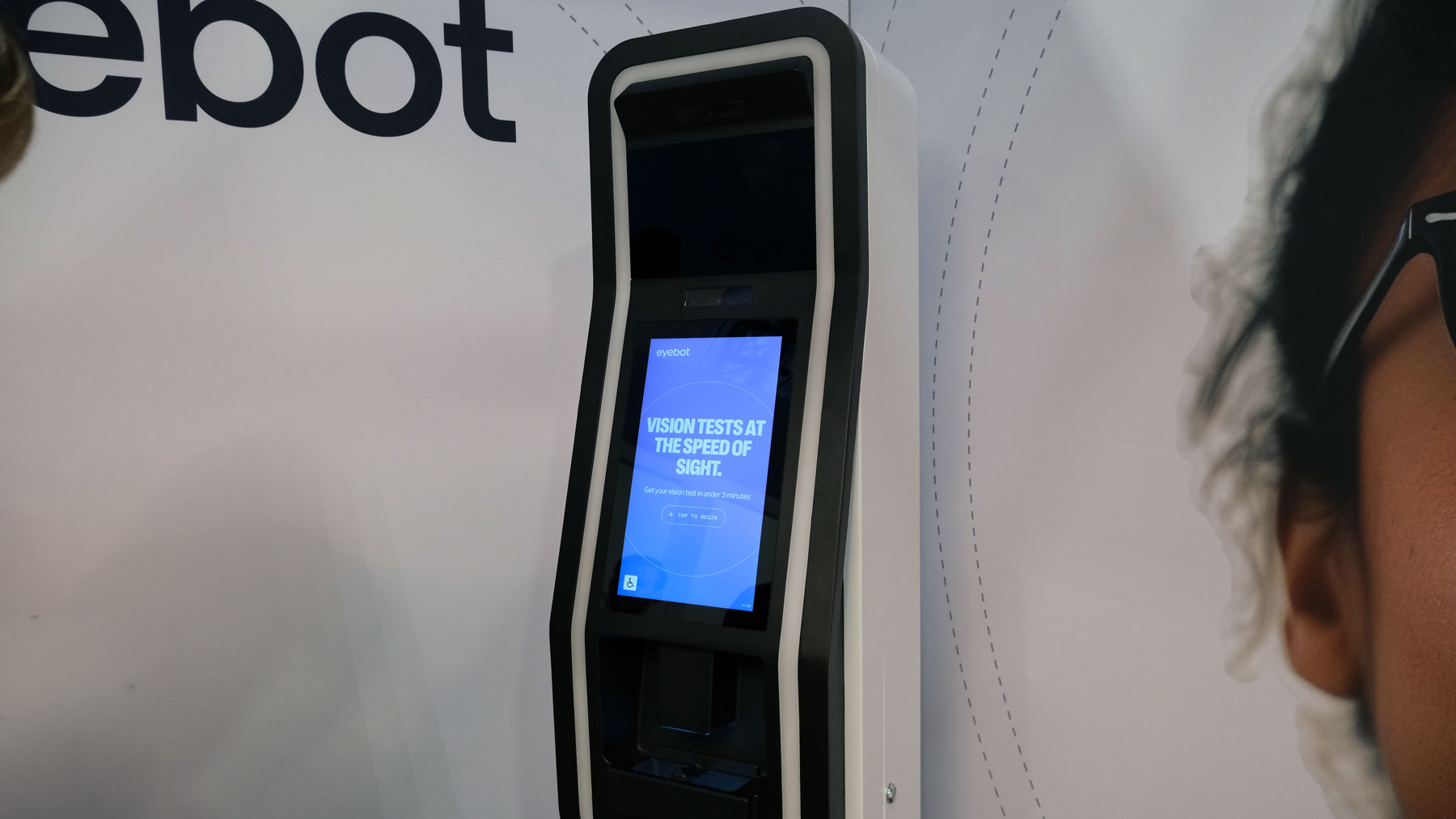
Image of the Eyebot Kiosk
Daniel Cooper for Engadget
Eyebot’s self-service vision testing kiosk turns a 20-minute optometrist visit into a process that takes just a few minutes. The test is guided by a large touchscreen and reviewed remotely by a licensed eye doctor, striking a balance between automation and oversight. After comparing results with a recent traditional exam, the accuracy felt reassuring, even if it doesn’t replace full eye health screenings.
Dephy Sidekick sneakers
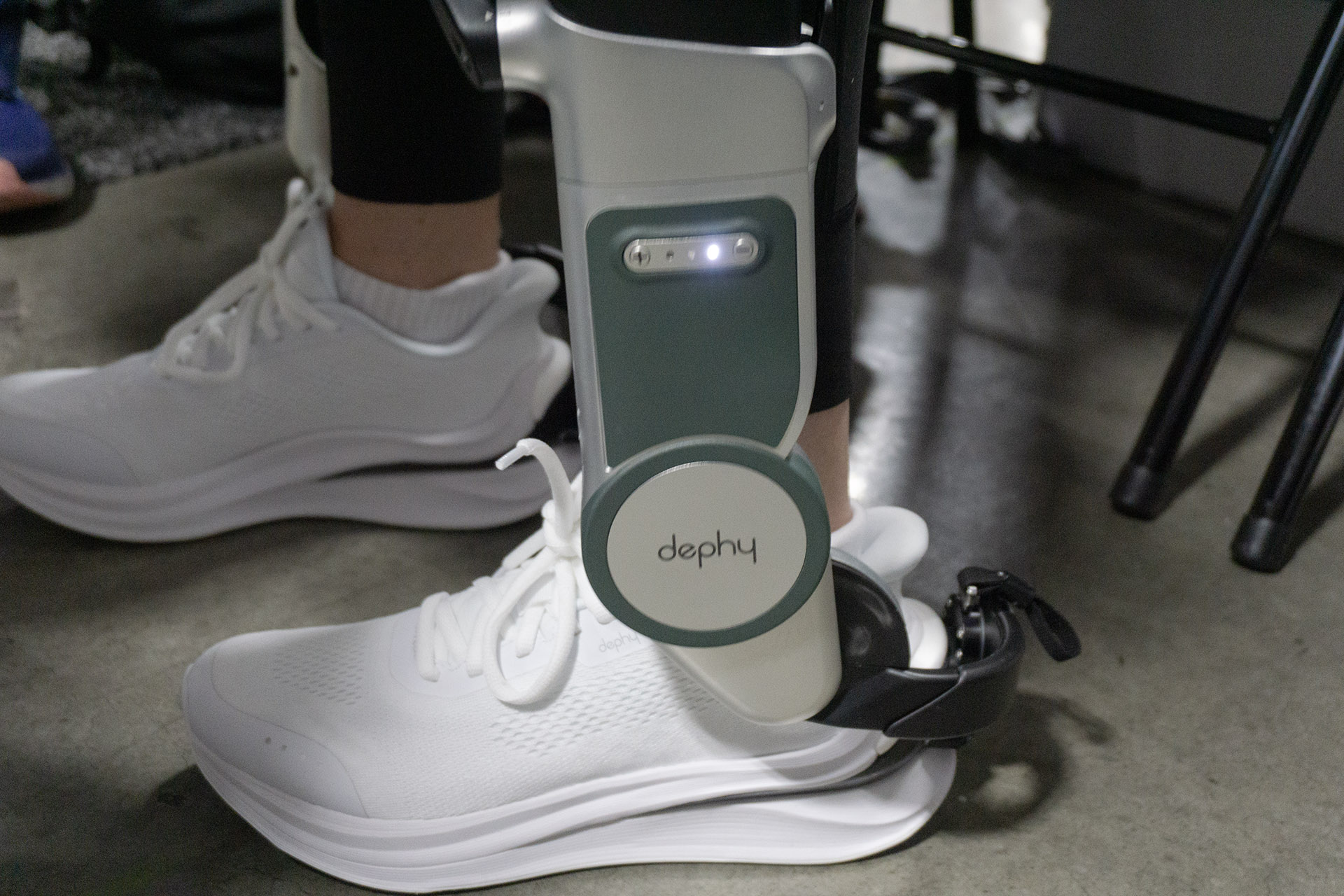
Dephy's Sidekick, which the company describes as "footwear."
Karissa Bell for Engadget
Dephy’s Sidekick robotic sneakers deliver a subtle but noticeable boost with each step. The ankle-mounted exoskeleton adapts to your gait, and walking with it feels bouncy rather than overpowering, especially at lower assist levels. It’s not for everyone, but after hours on the CES floor, the idea of powered help for people with limited mobility started to make a lot of sense.
Klipsch headphones
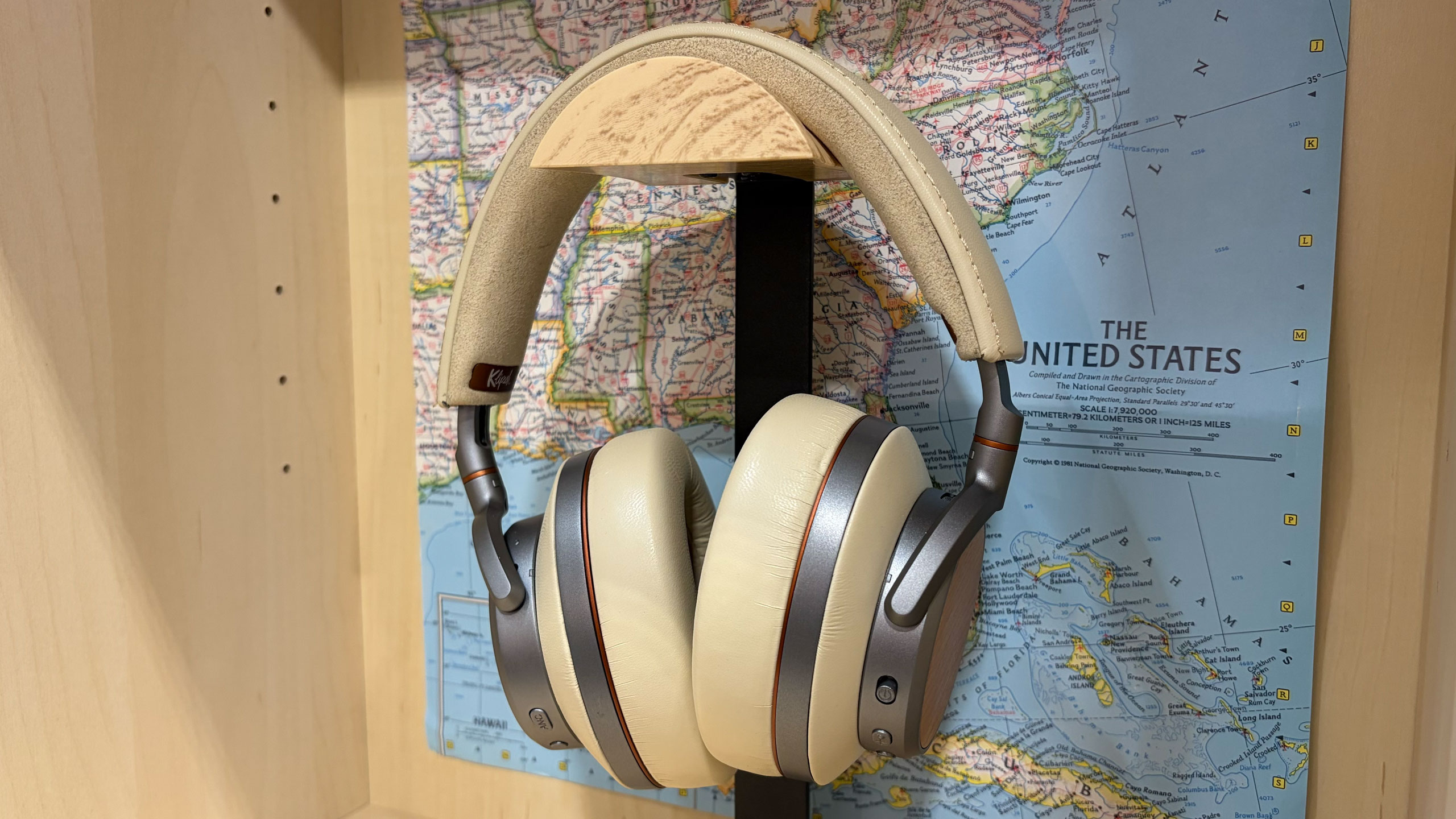
Klipsch Atlas HP-1
Billy Steele for Engadget
Klipsch’s return to headphones starts strong with the Atlas HP-1. The wireless ANC model looks premium, borrows familiar design cues and delivers the brand’s warm, balanced sound in early demos. Pricing is still unknown, but based on build quality and audio alone, these feel positioned firmly at the high end.
Clear Drop
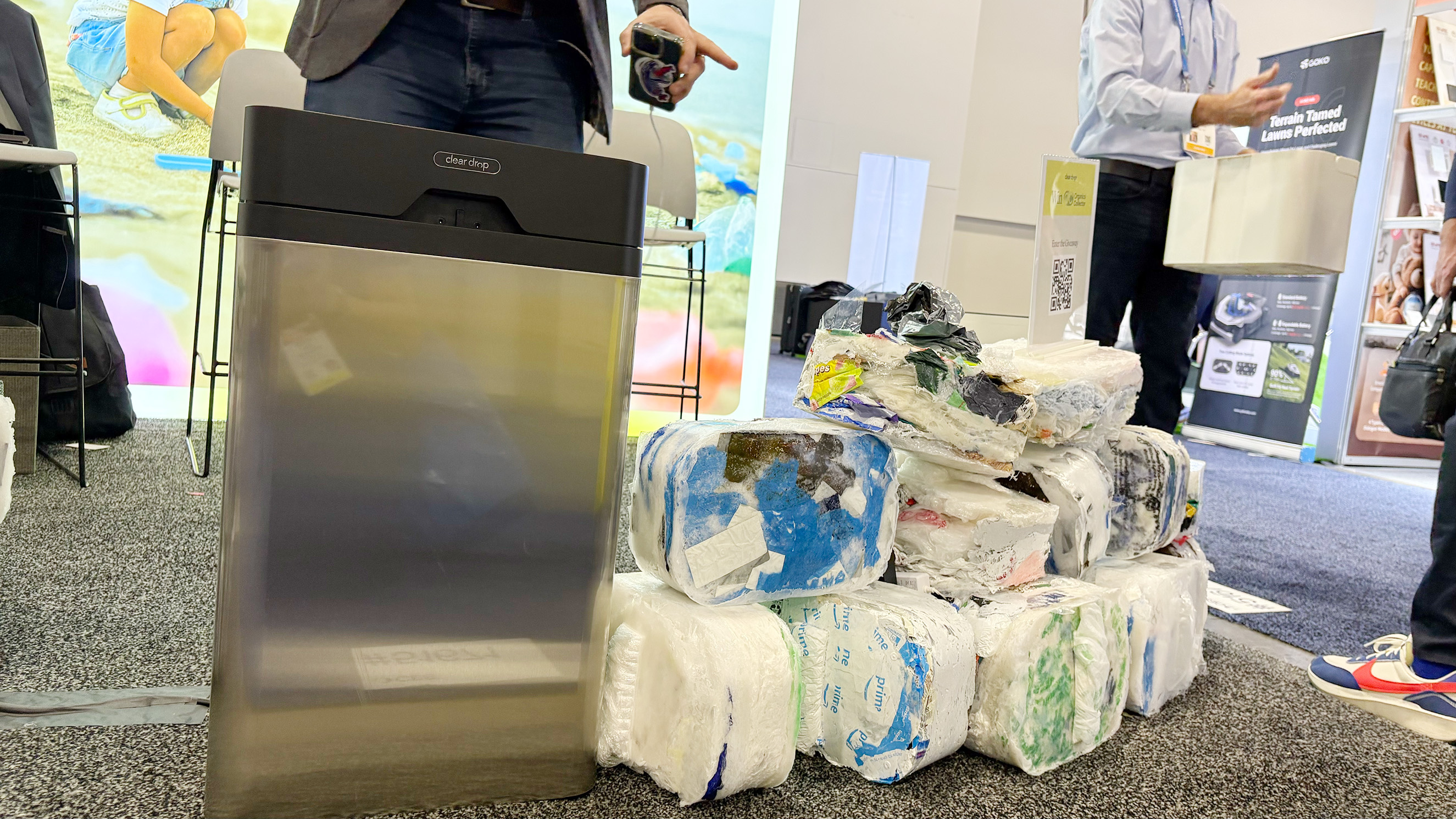
The Clear Drop soft plastics compactor next to a pile of the bricks it produces.
Amy Skorheim for Engadget
Clear Drop’s home plastic compactor tackles a real recycling problem most households face. The machine takes bags and wraps them into dense bricks that can be shipped to partner recycling facilities, and watching it swallow soft plastics was oddly satisfying. It’s expensive and not perfect, but it’s one of the more practical attempts at dealing with waste outside municipal systems.
Nosh cooking robot
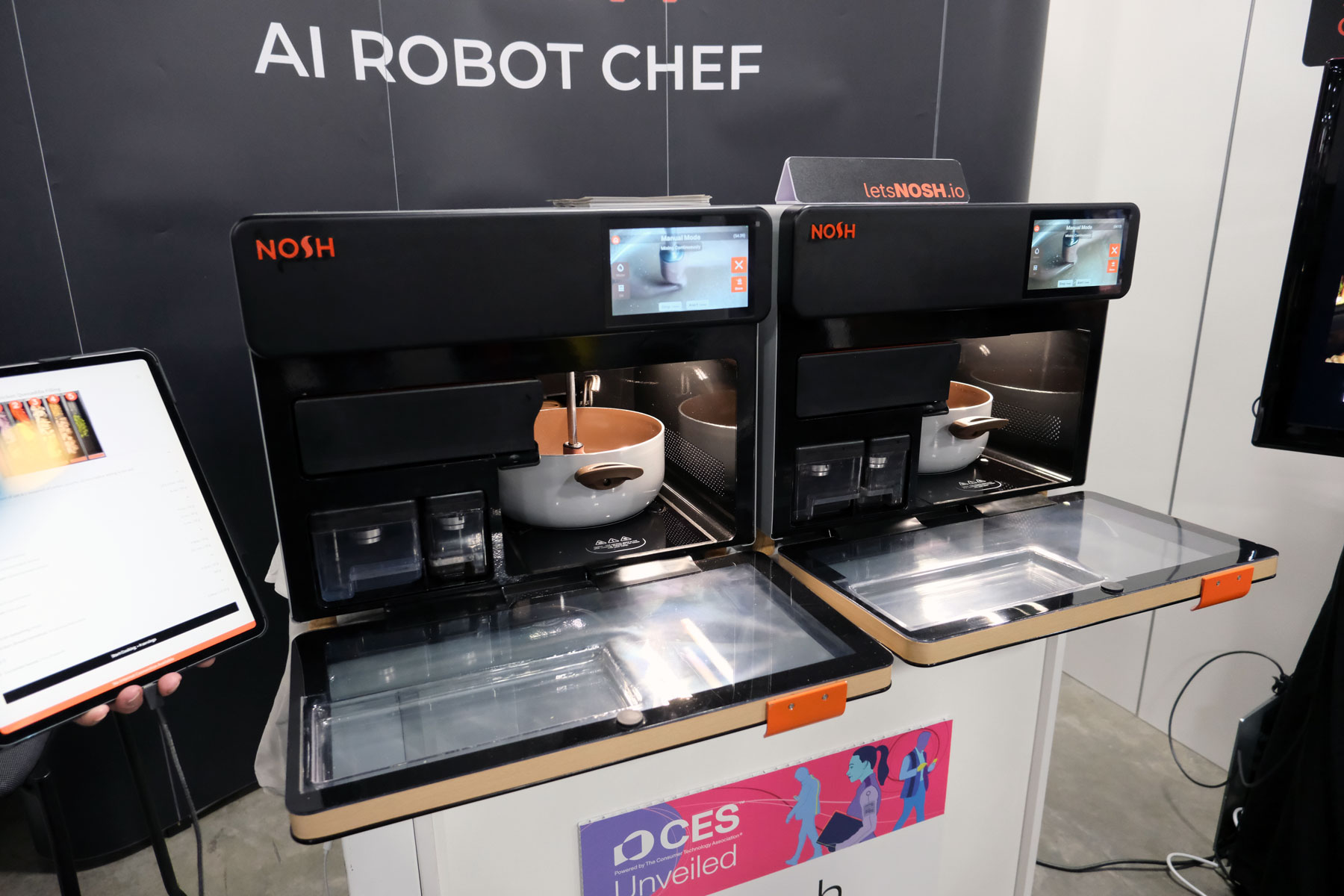
Nosh
Daniel Cooper for Engadget
Nosh is an AI cooking robot designed for low-effort, sauce-heavy meals like soups, curries and pasta. Multiple ingredient trays allow you to prep meals ahead of time, then slide them in when you’re ready to eat. It’s not replacing real cooking anytime soon, but as an alternative to microwaved meals, it’s more appealing than expected.
Day two leaned heavily toward tech you could physically interact with, whether that meant flying Lego ships through the air, watching a robot load laundry or testing a vision exam in a kiosk. With more show-floor time still ahead, we’ll be back with additional hands-ons, impressions and daily recaps as CES 2026 continues.
This article originally appeared on Engadget at https://www.engadget.com/big-tech/ces-2026-day-2-all-of-the-coolest-tech-we-saw-on-the-show-floor-during-the-second-day-134608348.html?src=rss
What if you could create stunning, fully functional websites and apps in just minutes, without spending a dime? In the video, WorldofAI breaks down how Gemini 3, paired with Firecrawl, is reshaping the design and development landscape. Imagine extracting a brand’s unique style, its colors, typography, and layouts, in seconds, and then watching as AI […]
CES is a launchpad for serious tech, but it’s also where companies proudly unveil devices that make you stop mid-scroll and whisper, “Wait, this is real?” We’ve been keeping a running list of the strangest, funniest and most unexpectedly compelling gadgets we’ve spotted in Las Vegas, from bathroom computers to robots that look like they escaped a Pixar pitch meeting.
Also, be sure to check out our list of the best CES tech we saw this year at the show.
Dreame Cyber X robot vacuum
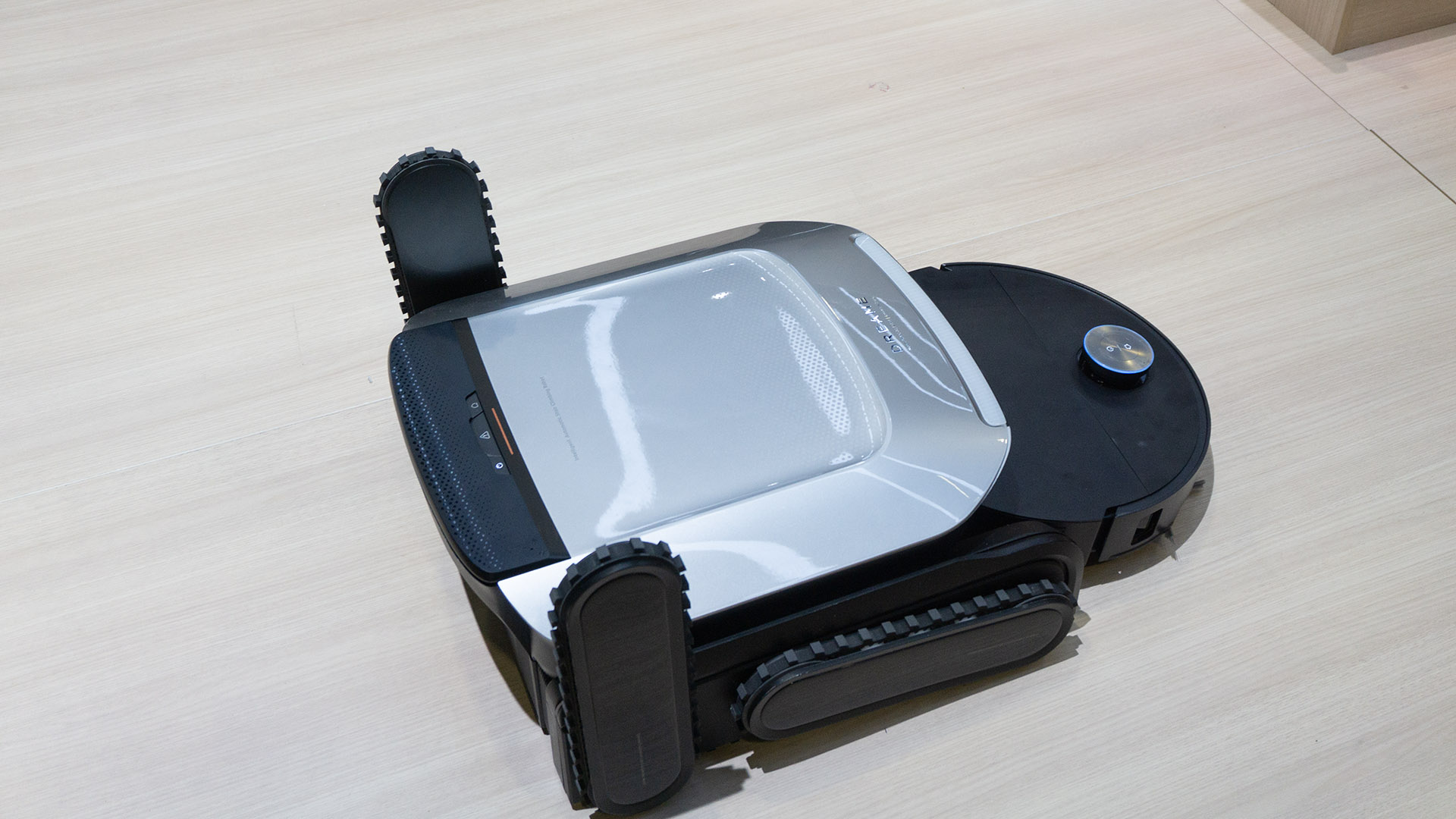
Dreame Cyber X
Engadget
Robot vacuums can be a little unsettling already, but Dreame’s Cyber X takes it up a level by sprouting chunky treaded “legs” and hauling itself up a full staircase like a tiny cleaning tank. In person, it navigated both up and down with surprising confidence, using its treads horizontally rather than actually stepping. The vacuum itself docks inside the climbing rig, so it’s more about getting your bot to the next floor than scrubbing the stairs, which still feels like a fair trade if you hate hauling appliances around.
OlloBot
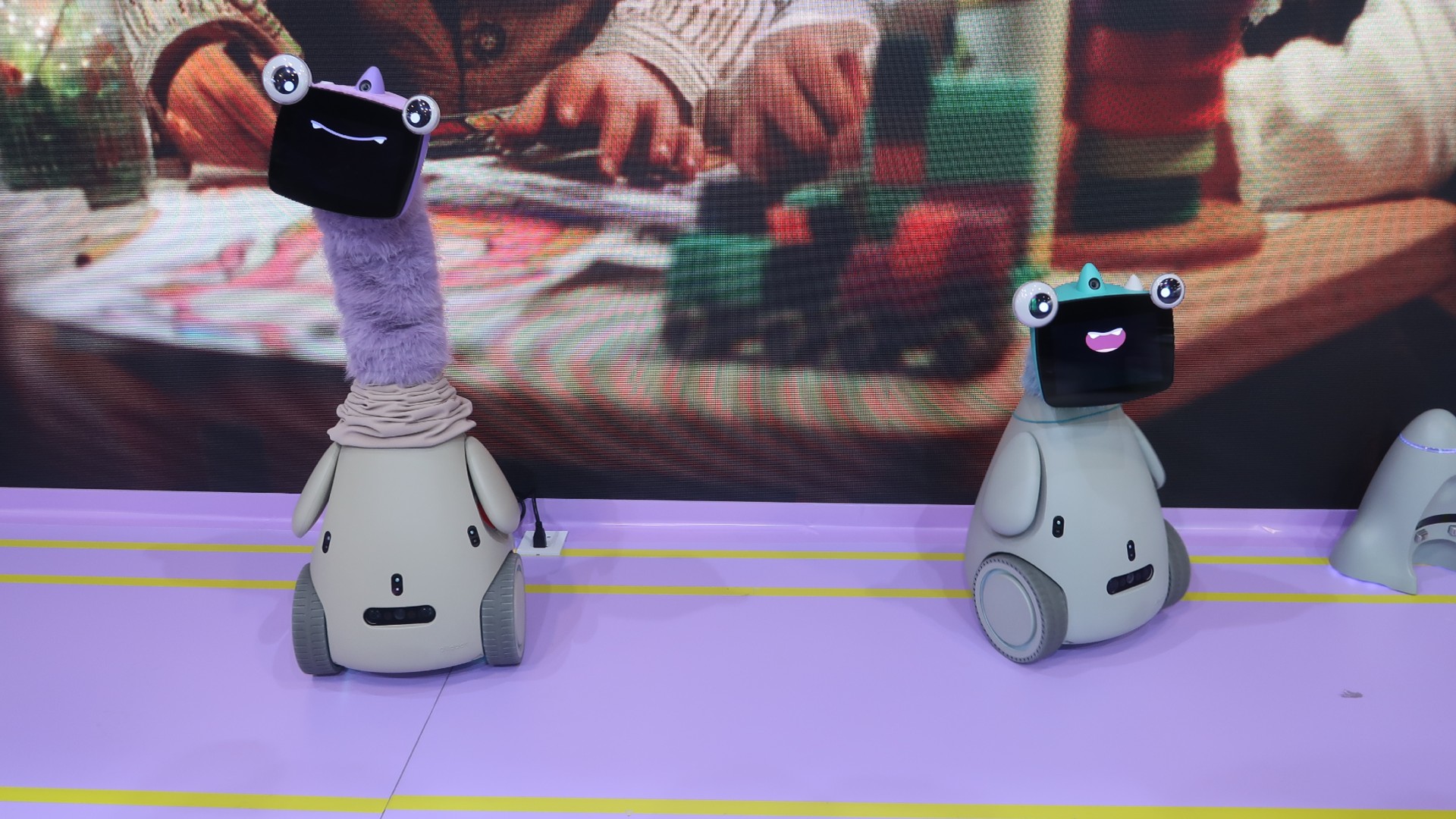
Two OlloBots — one with a long furry purple neck, making it about two feet taller than the other — are pictured on a light purple floor, in front of a screen displaying a closeup of a child playing with blocks.
CES loves a companion robot, but OlloBot might be the first one we’ve met that’s part cyber pet, part penguin, part ET and somehow comes with a warm, furry, telescoping neck. Its “face” is basically a tablet for expressions, photos and messages, and it’s meant to evolve a personality over time based on how your household interacts with it. Bonus: its memories live in a removable heart-shaped module, so if the body breaks, you can (theoretically) transplant your robot’s soul into a new shell.
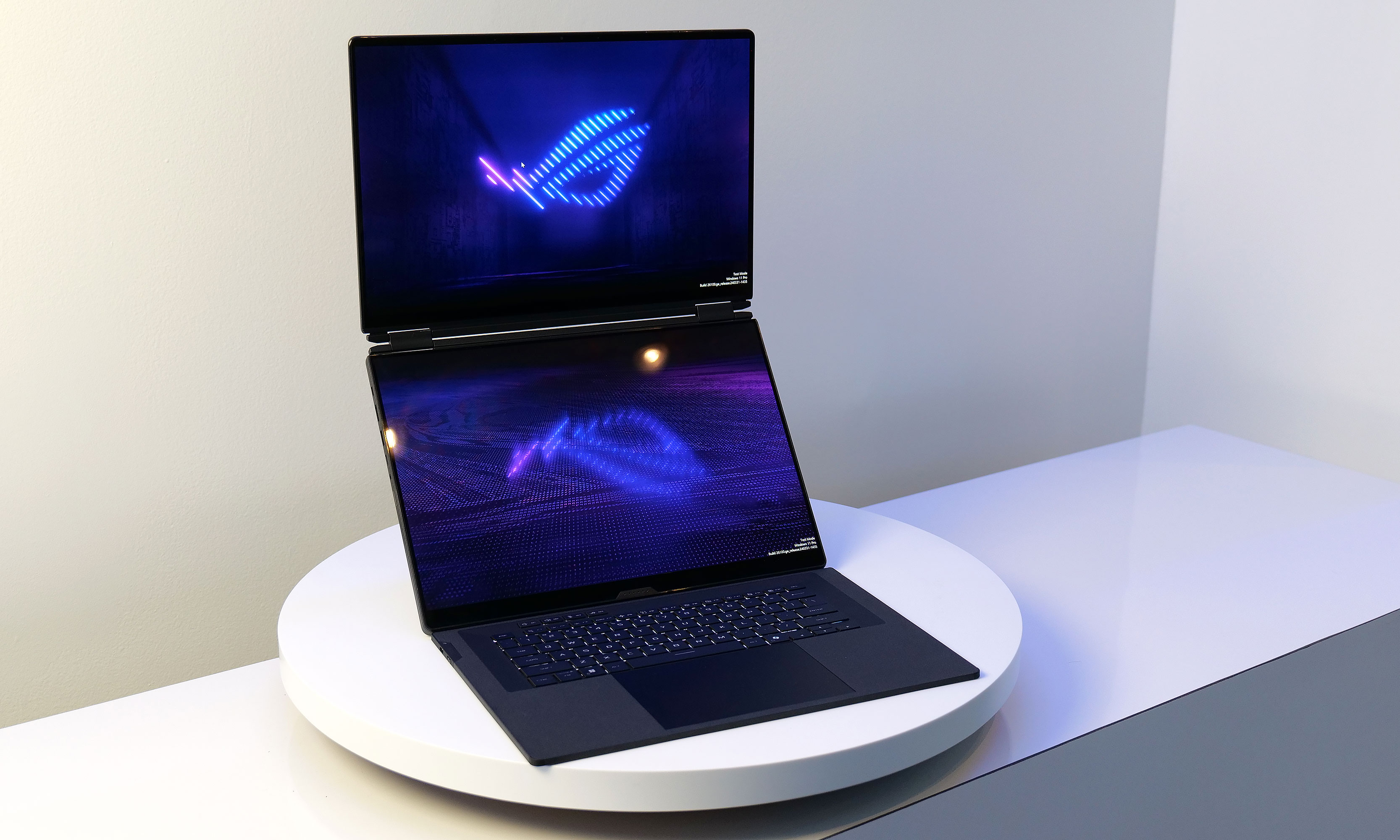
ASUS ROG Zephyrus Duo
On top of having two displays, the Zephyrus Duo's screens also feature excellent brightness at up to 1,100 nits.
Dual screens on a laptop aren’t new, but ASUS cramming two 16-inch OLED panels into a gaming notebook is the kind of chaotic CES energy we respect. The Zephyrus Duo uses a detachable keyboard and a built-in kickstand so you can stack screens, spread out, or generally arrange your portable battle station however you like. It’s hefty, it’s ambitious and it almost certainly won’t be cheap — but if you’ve ever wanted your gaming rig to moonlight as a two-screen creator setup, this is the loudest possible way to do it.
Throne toilet computer
The Throne device perched on the side of a toilet.
Daniel Cooper for Engadget
Throne is a toilet-mounted computer that uses cameras and microphones to analyze your bowel movements, which is a sentence we did not expect to type this week. Designed to establish a personal “baseline” for your bathroom habits, it aims to flag changes that could indicate digestive or metabolic issues, including for people on GLP-1 drugs. We can’t speak to its effectiveness yet… but if knowledge is power, this thing might know way too much.
Vivoo Hygienic FlowPad smart menstrual pad
Vivoo's FlowPad
Vivoo
Vivoo looked at at-home health tracking and decided the bathroom was still underutilized. Alongside its clip-on smart toilet that analyzes your hydration by literally monitoring your pee, the company also unveiled a menstrual pad infused with microfluidics that can track fertility and hormone markers once you scan it with your phone. It’s a bold reminder that CES 2026 is fully committed to quantifying everything — even the stuff we’d rather not discuss over brunch.
Lenovo Legion Pro Rollable
While it normally has a 16-inch display, the Lenovo Legion Pro Rollable concept's screen can expand up to 23.8 inches across.
Sam Rutherford for Engadget
Lenovo’s Legion Pro Rollable is what happens when a gaming laptop decides it wants to be a widescreen monitor mid-match. Its 16-inch display can physically expand sideways into ultra-wide formats, turning flight sims and racing games into full cockpit experiences at the press of a couple of keys. It’s impractical, faintly ridiculous and absolutely the kind of CES concept we hope survives long enough to escape the demo floor.
Lenovo ThinkBook XD Rollable
With its XD Rollable concept, Lenovo took the Thinkbook Plus Gen 6's basic design and made it even more futuristic by allowing its flexible display to wrap around onto its lid.
Sam Rutherford for Engadget
If the Legion Pro Rollable is excessive, the ThinkBook XD Rollable is philosophically confusing. Its flexible display doesn’t just grow taller, it wraps over the lid to create a “world-facing” screen for people sitting across from you, which feels either futuristic or deeply unnecessary depending on your mood and situation (maybe this is the perfect device for hotel check-ins and other points of sale?). Still, it’s a gorgeous piece of hardware theater and proof Lenovo is determined to roll screens onto every surface it can reach.
OhDoki Handy 2 Pro
Image of The Handy 2 and Handy 2 Pro
Daniel Cooper for Engadget
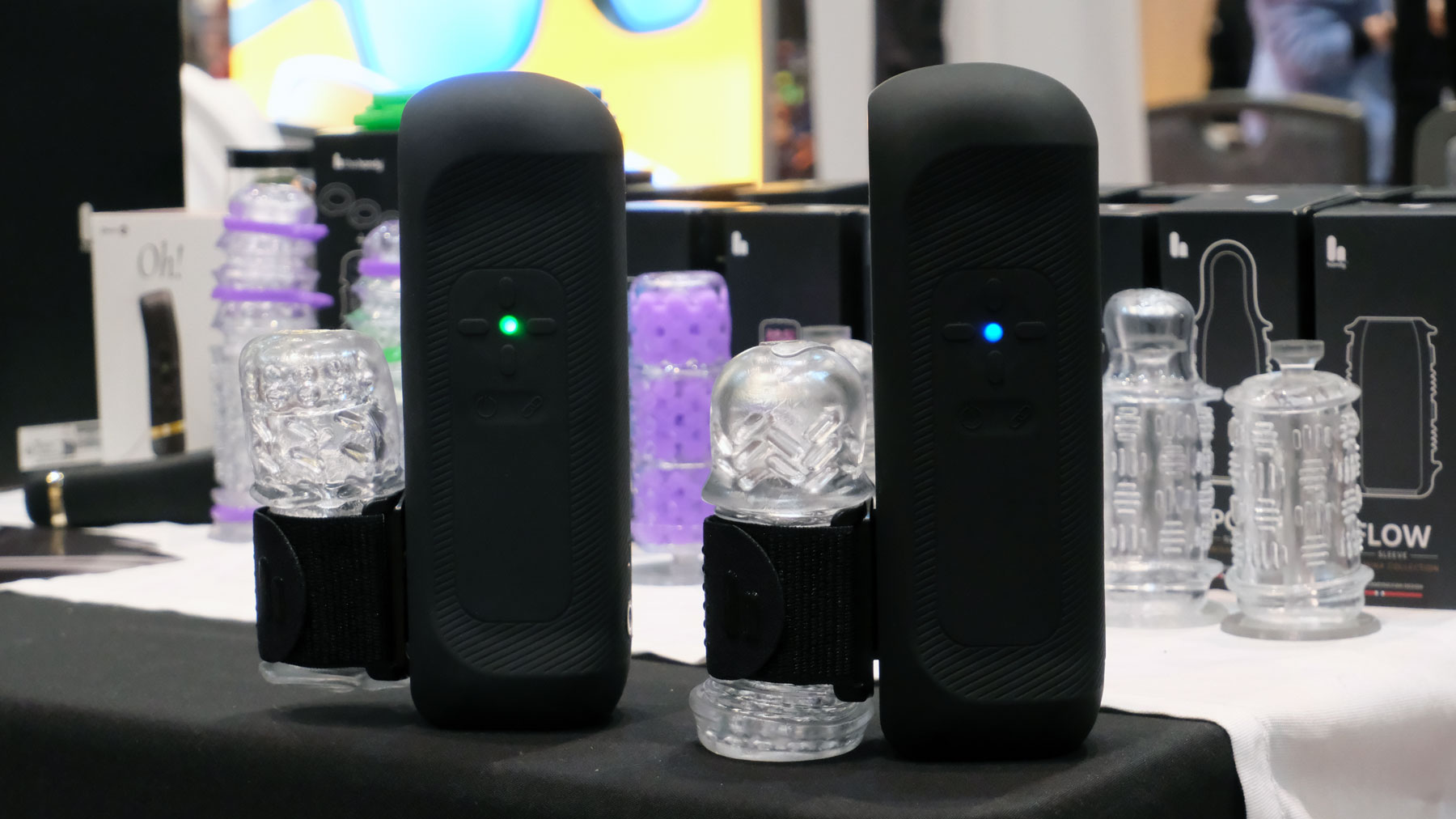
OhDoki’s Handy 2 Pro arrived at CES with one clear message: more power, fewer limits and absolutely no chill. The upgraded sex toy model cranks battery life up to five hours and unlocks a Turbo mode so aggressive it was described as “overclocked,” which is not a term we expected to hear in this category. It can also charge your phone, because apparently even pleasure tech needs to justify itself with productivity.
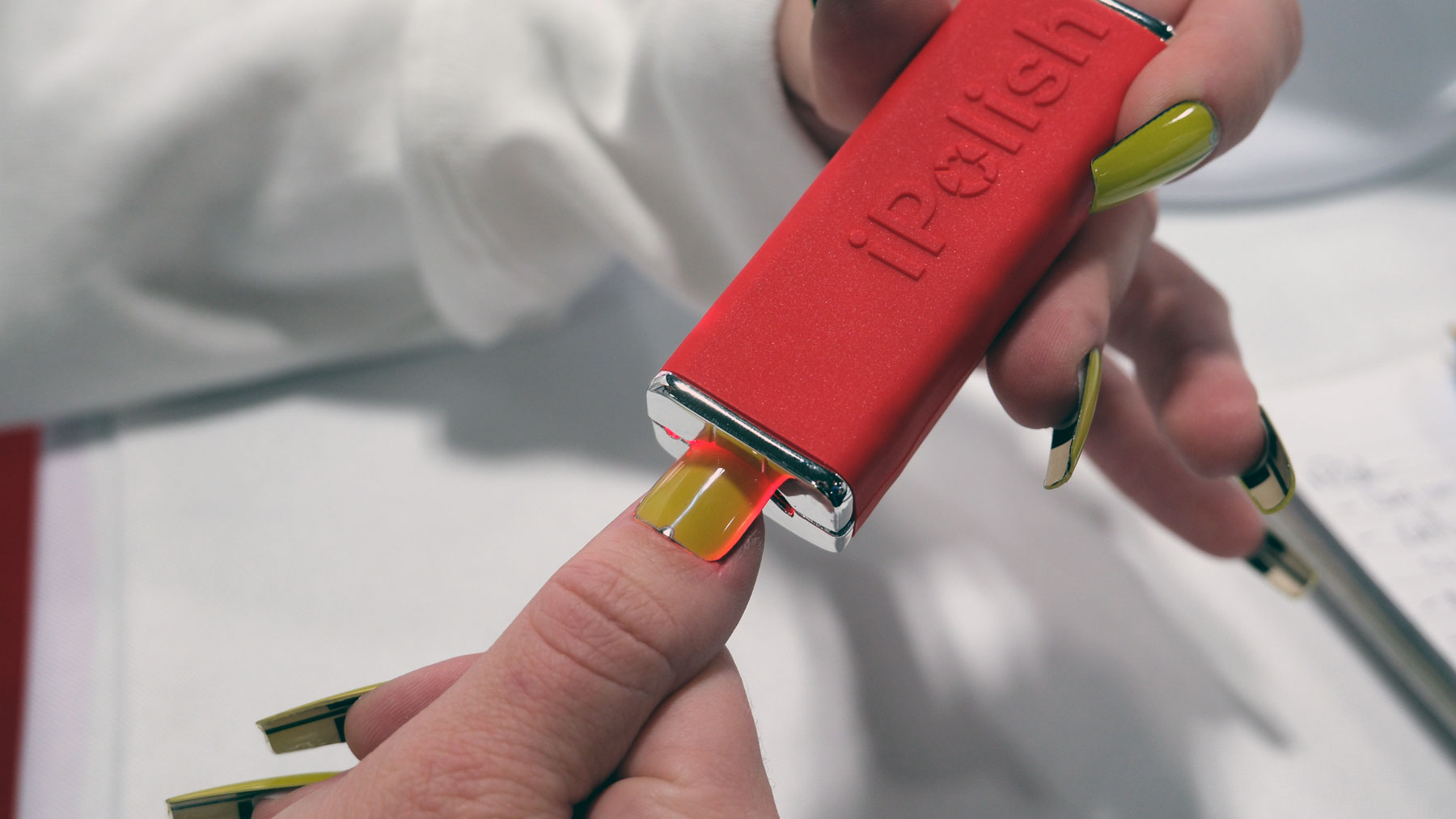
iPolish
iPolish
Daniel Cooper for Engadget
iPolish finally made Total Recall nail tech real, minus the dystopia and Schwarzenegger. These press-on acrylic nails use an electric charge to switch between hundreds of colors in seconds, letting you change your manicure as often as your outfit. It’s delightfully impractical, surprisingly affordable and the most convincing argument yet for treating your nails like a customizable display.
Hisense S6 FollowMe display
Hisense S6 FollowMe display
Hisense
Despite the name, Hisense’s FollowMe doesn’t actually follow you at all. It’s a 32-inch 4K smart display on wheels that you manually drag from room to room, delivering strong TV-and-VCR-on-a-cart energy, just with Wi-Fi 6, a built-in camera, far-field mics and a 10-hour battery. It won’t judge you, chase you or demand attention, which might make it one of the least emotionally exhausting smart displays at CES.
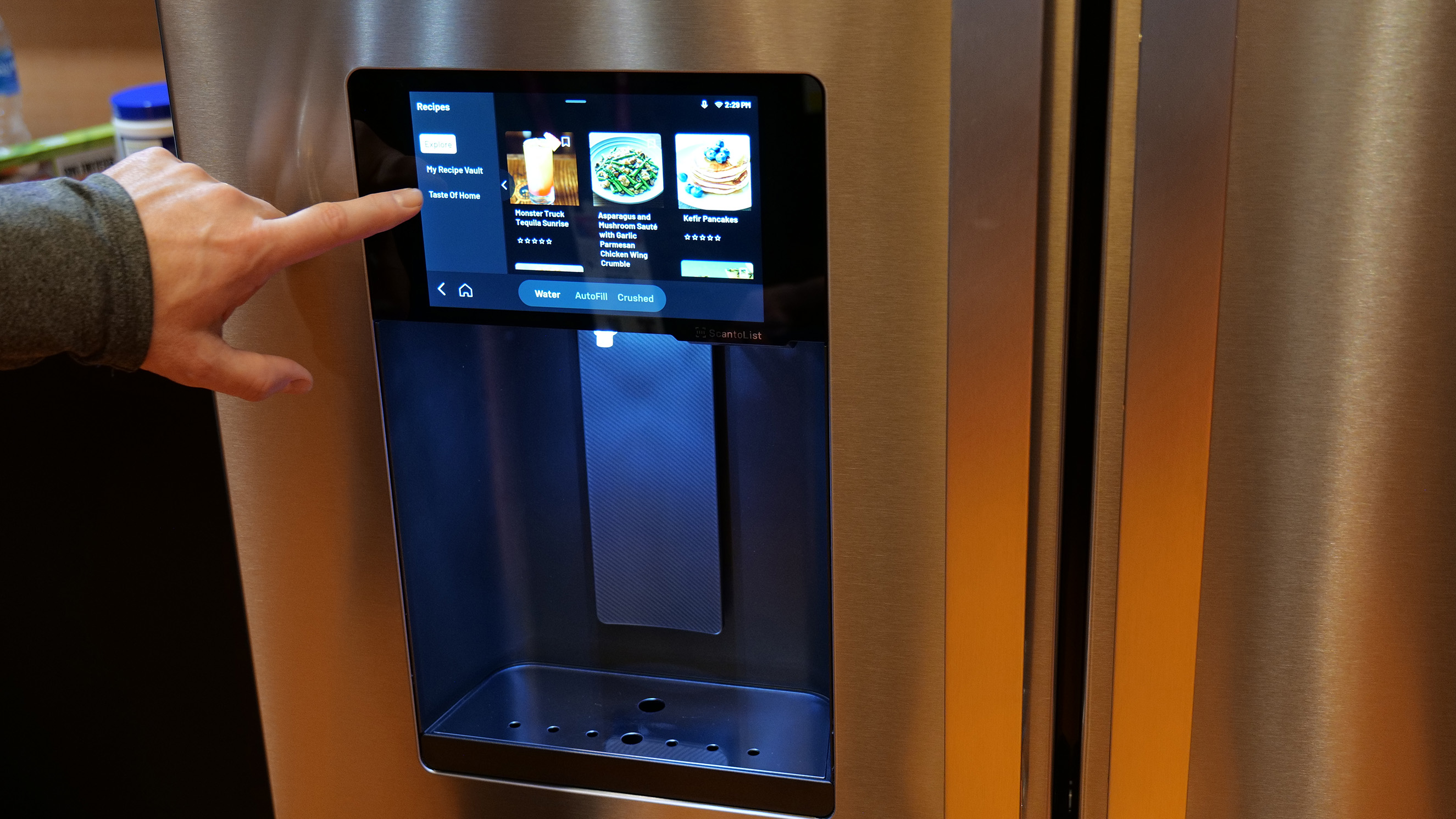
GE Profile Smart Fridge
Finally! A reasonably sized fridge screen.
Sam Rutherford for Engadget
If you’ve ever bought a “just in case” bag of spinach and discovered three more at home, GE’s latest smart fridge wants to be your grocery reality check. A camera in the crisper records what’s inside, while a built-in barcode scanner in the water dispenser can add items to your shopping list with a quick wave, no app fumbling required. The AI bits are mostly there to answer practical questions like “Where’s my water filter?” which is the most convincing argument we’ve heard for putting a voice assistant on a fridge.
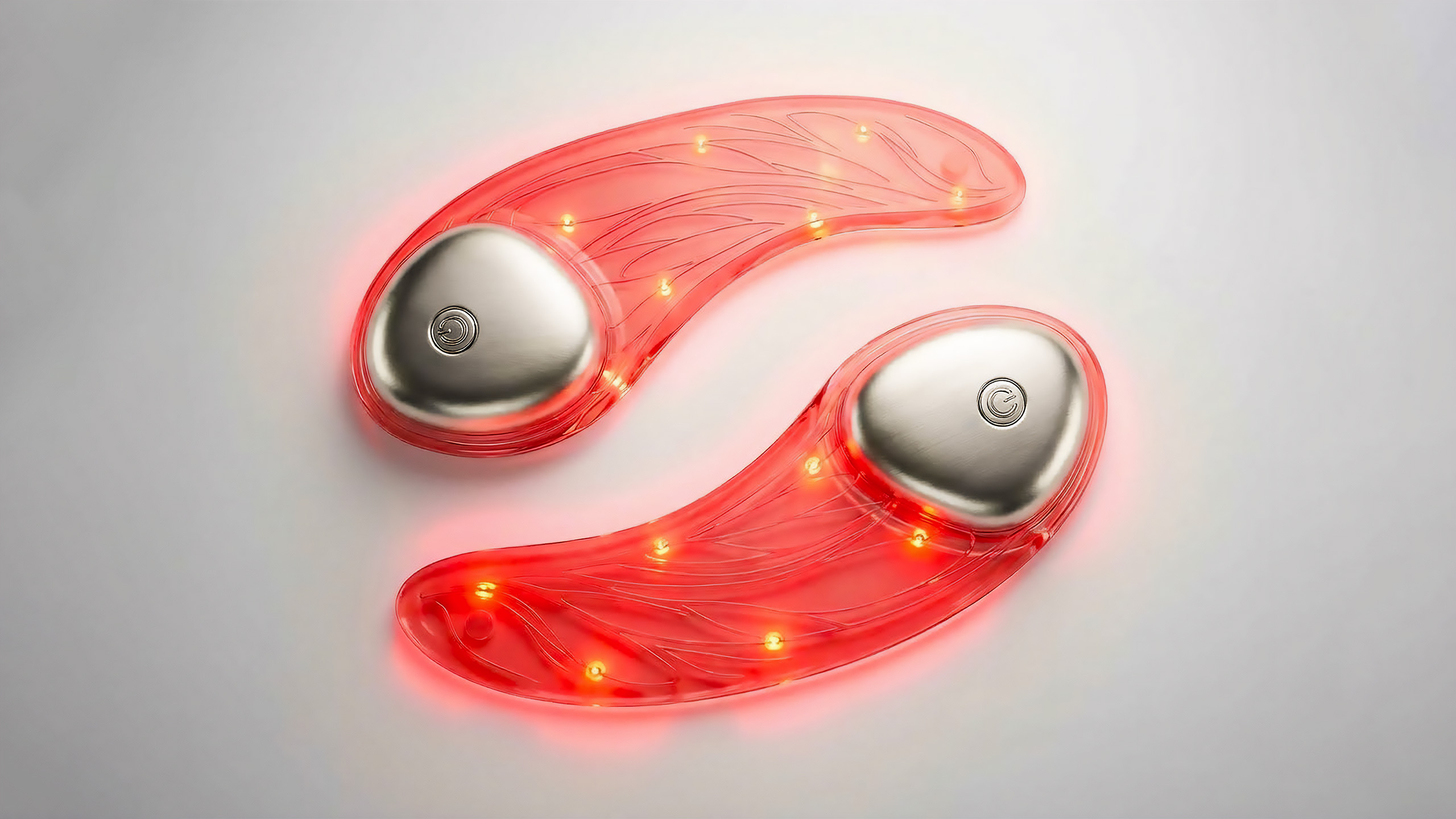
L’Oréal LED eye mask
A pair of transparent eye masks with wires and bulbs inside them.
L'Oréal
L’Oréal’s beauty tech lineup includes an LED eye mask that looks delightfully ridiculous in the best way: ultra-thin, semi-transparent silicone with visible microcircuitry that makes it feel like sci-fi skincare. The company says it precisely controls red and near-infrared wavelengths in 10-minute sessions, and it’s working on a companion serum so your skin doesn’t feel like it’s been left out to dry.
This article originally appeared on Engadget at https://www.engadget.com/the-weirdest-tech-weve-seen-at-ces-2026-so-far-134056504.html?src=rss
What if you could transform your PowerPoint presentations from ordinary to extraordinary with just a few strategic tweaks? In this walkthrough, Simon Sez IT shows how the latest PowerPoint features of 2026 can help you create presentations that not only look stunning but also communicate your ideas with precision and impact. Whether you’re presenting to […]
A recent iOS 26 code leak has unveiled details about Apple’s forthcoming smart home device, the Home Hub. This innovative product is expected to play a central role in Apple’s smart home strategy, introducing advanced features such as Face ID, gesture recognition, and a reimagined Siri AI. With a strong emphasis on privacy, on-device processing, […]
Ahead of a launch later this month, Volvo has teased some impressive details about its upcoming electric crossover. The EX60, which slots between the EX40 and EX90, will offer an EPA range of 400 miles, beating all other Volvos and most EVs in general. It will also be the first Volvo car to use a megacasting process designed to reduce weight and boost manufacturing efficiency.
"With our new electric vehicle architecture, we directly address the main worries that customers have when considering a switch to a fully electric car," said Volvo CTO Anders Bell. "The result is class-leading range and fast charging speeds, marking the end of range anxiety."
Volvo
Volvo considered that main worry to be range anxiety, so it focused on maximizing endurance to the largest extent possible. Key to that is Volvo's advanced SPA3 EV architecture, which integrates the battery directly into the structure of the car with cell-to-body technology. Volvo also developed its e-motors in-house to improve efficiency and reduce weight.
The company also made the EX60 fast to charge with an 800-volt electrical system and support for up to 400kW fast charging, letting you add up to 168 miles of range in just 10 minutes. New lighter materials and lower heat generation aid in that, "meaning the EX60 can add over 100 miles or range in just a few minutes," Volvo wrote on its blog.
Volvo
The megacasting, meanwhile, helped Volvo replace hundreds of smaller parts with a single, high-precision casting to reduce weight. The Volvo EX60 will be revealed on January 21, 2026 at a livestream on Volvo's website.
This article originally appeared on Engadget at https://www.engadget.com/transportation/evs/volvos-ex60-electric-crossover-promises-400-miles-of-epa-range-130008964.html?src=rss
In a move that should surprise nobody, Google is stuffing more Gemini AI into Gmail. A host of new features, some of which are already familiar to Workspace users, are rolling out today for Gmail users in the US. Some are free, while others require a Google AI Pro or Ultra subscription.
The first premium feature is AI Overviews, the same name as a similar feature in Google Search. Gmail’s version lets you ask questions about your messages in the search bar, using natural language. Google uses the example of, "Who was the plumber that gave me a quote for the bathroom renovation last year?" It’s hard to imagine that saving much time over a basic search for "plumber quote" or “plumbing estimate,” but maybe it could help in some situations.
There's also a free portion of AI Overviews that summarizes mail threads for easy catch-ups. However, the ability to ask your inbox questions requires a subscription.
Meanwhile, Proofread is a subscription-only feature that's essentially Grammarly for Gmail. As you'd guess, it suggests improvements in grammar, word choice, conciseness, voice and sentence structure.
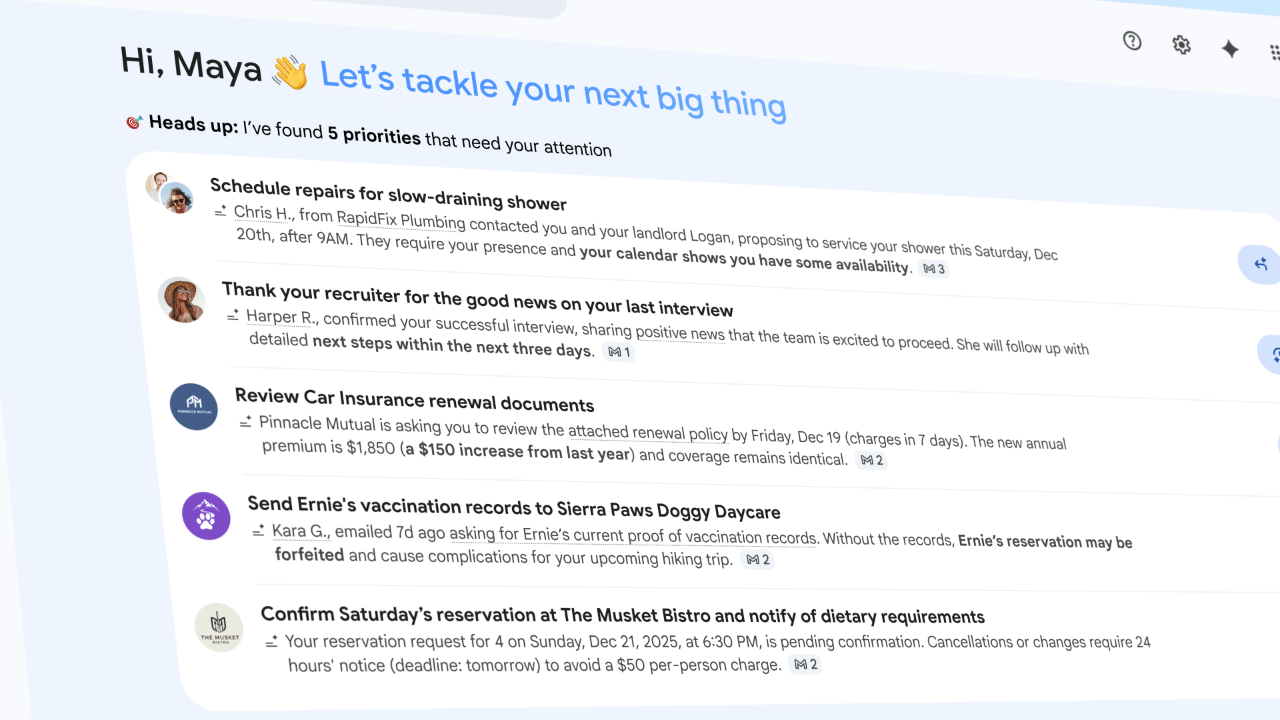
AI Inbox
Google
Finally, there's the AI Inbox, a feature that "filters out the clutter so you can focus on what's most important." Google says it's like a personal briefing that flags to-dos and catches you up on what it thinks is most important. (It identifies VIPs based on frequent contacts, your contact list, and inferred relationships.) The company claims, without adding further detail, that this all "happens securely with the privacy protections you expect from Google." AI Inbox is another subscription-only feature.
Now onto the free stuff. Help Me Write is a tool for all Gmail users that generates email copy from a prompt. This kind of thing should be well-familiar by now, as Big Tech increasingly encourages users to avoid drafting anything from scratch. And Suggested Replies can draft replies for you that mimic your tone and style. (Google describes it as a next-gen version of Smart Replies.) Help Me Write and Suggested Replies are rolling out to everyone (no subscription required) today.
The new Gemini-powered features begin rolling out to Gmail today. Although they're starting with English speakers in the US, Google says they'll arrive in more languages and regions "in the coming months."
This article originally appeared on Engadget at https://www.engadget.com/ai/gmail-is-getting-a-gemini-ai-overhaul-130000422.html?src=rss