Samsung is reportedly developing the Galaxy Z Roll, a rollable smartphone poised to redefine the mobile technology landscape. Expected to launch in 2026, this device is anticipated to combine innovative design, advanced camera systems, and powerful performance. If you’re drawn to innovation that blends futuristic concepts with practical usability, the Galaxy Z Roll could represent […]
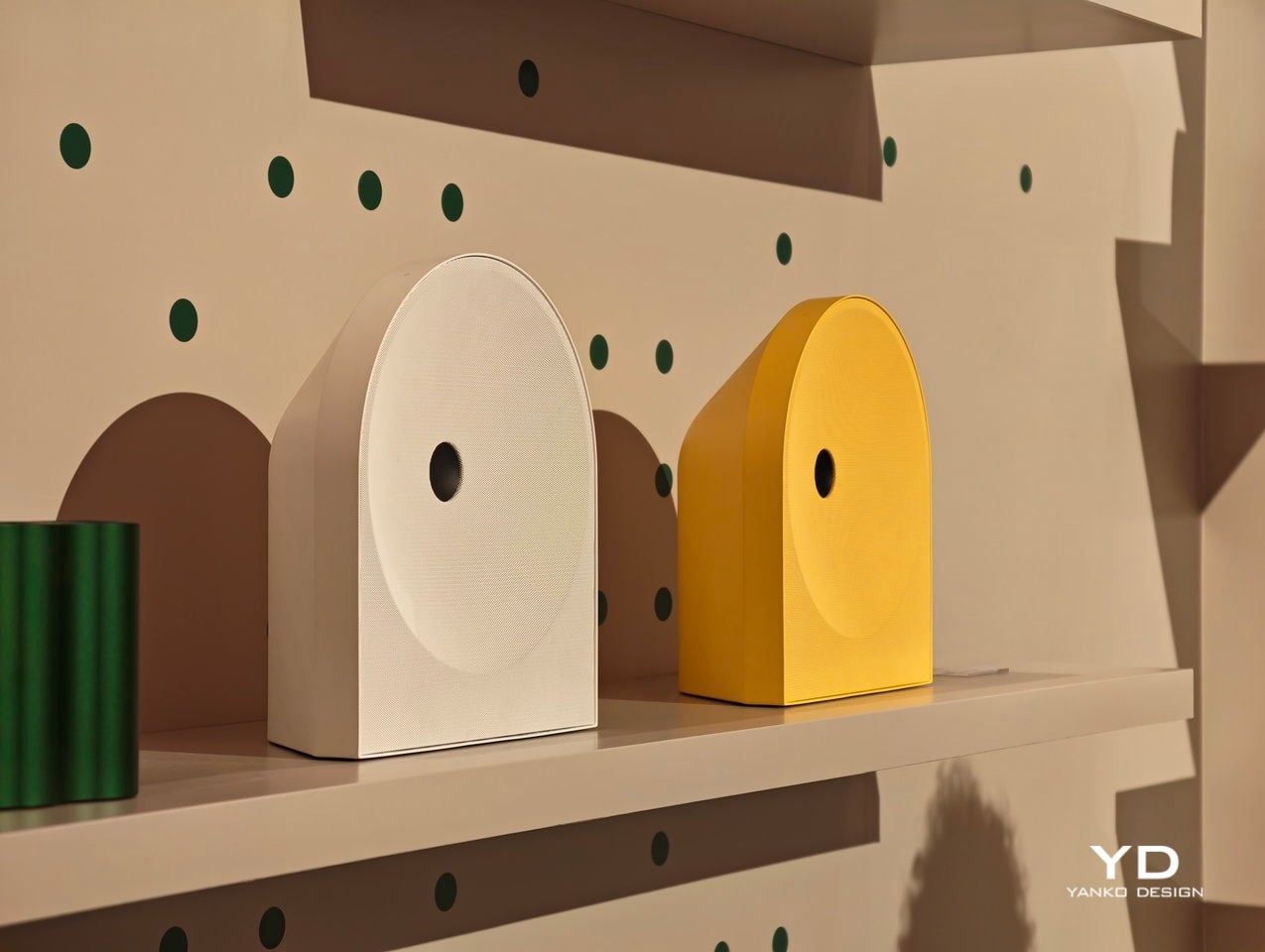
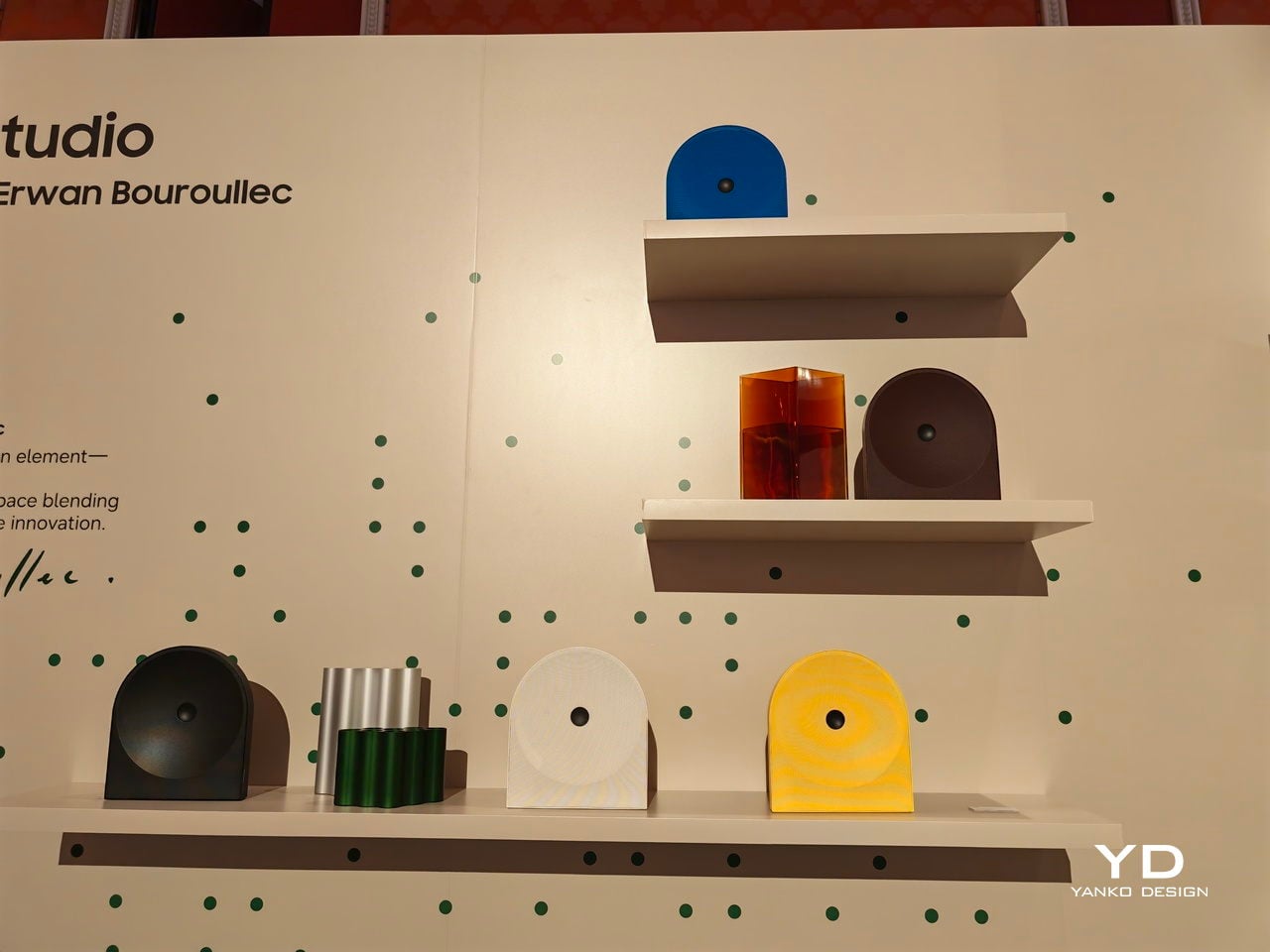
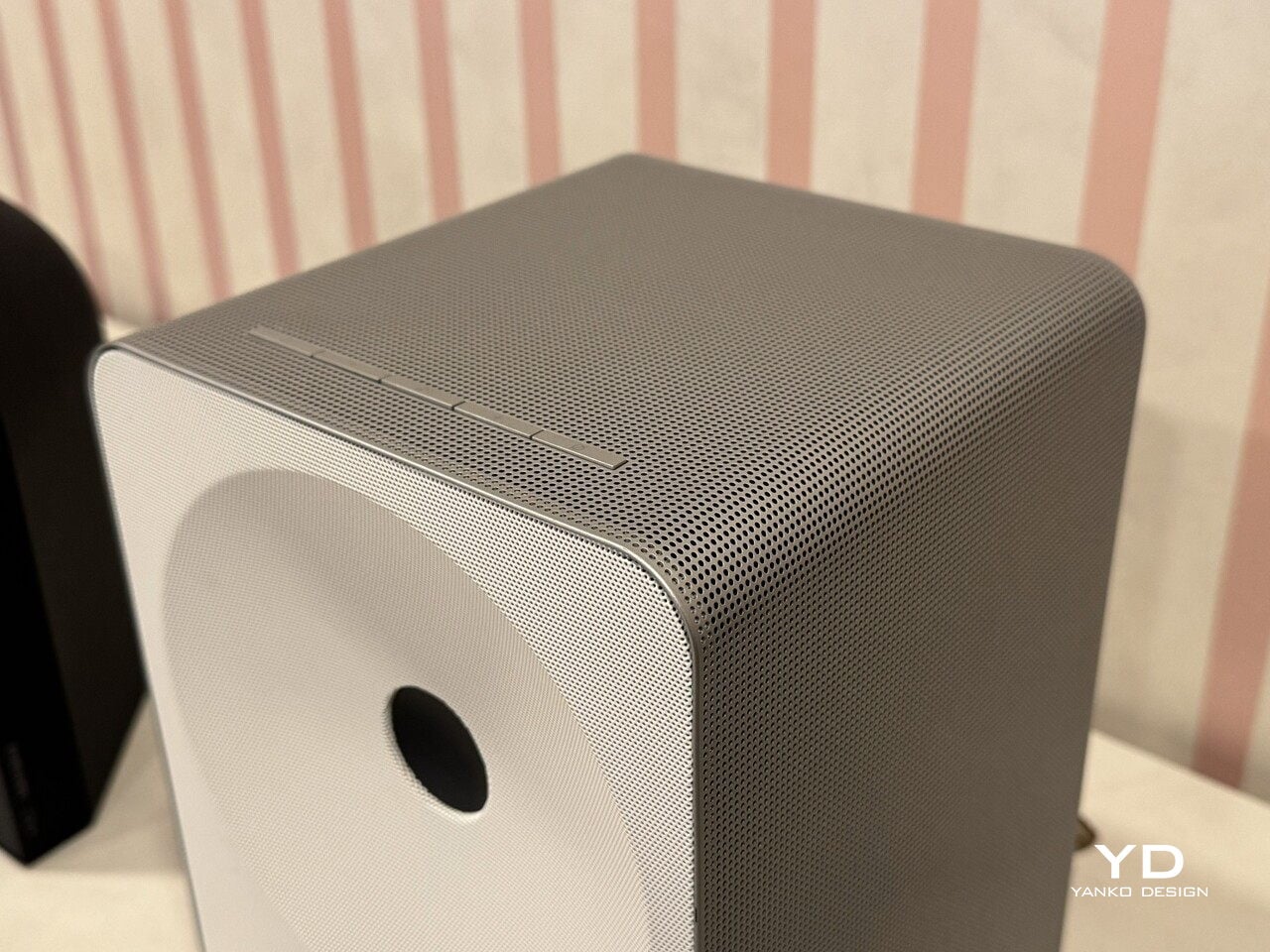
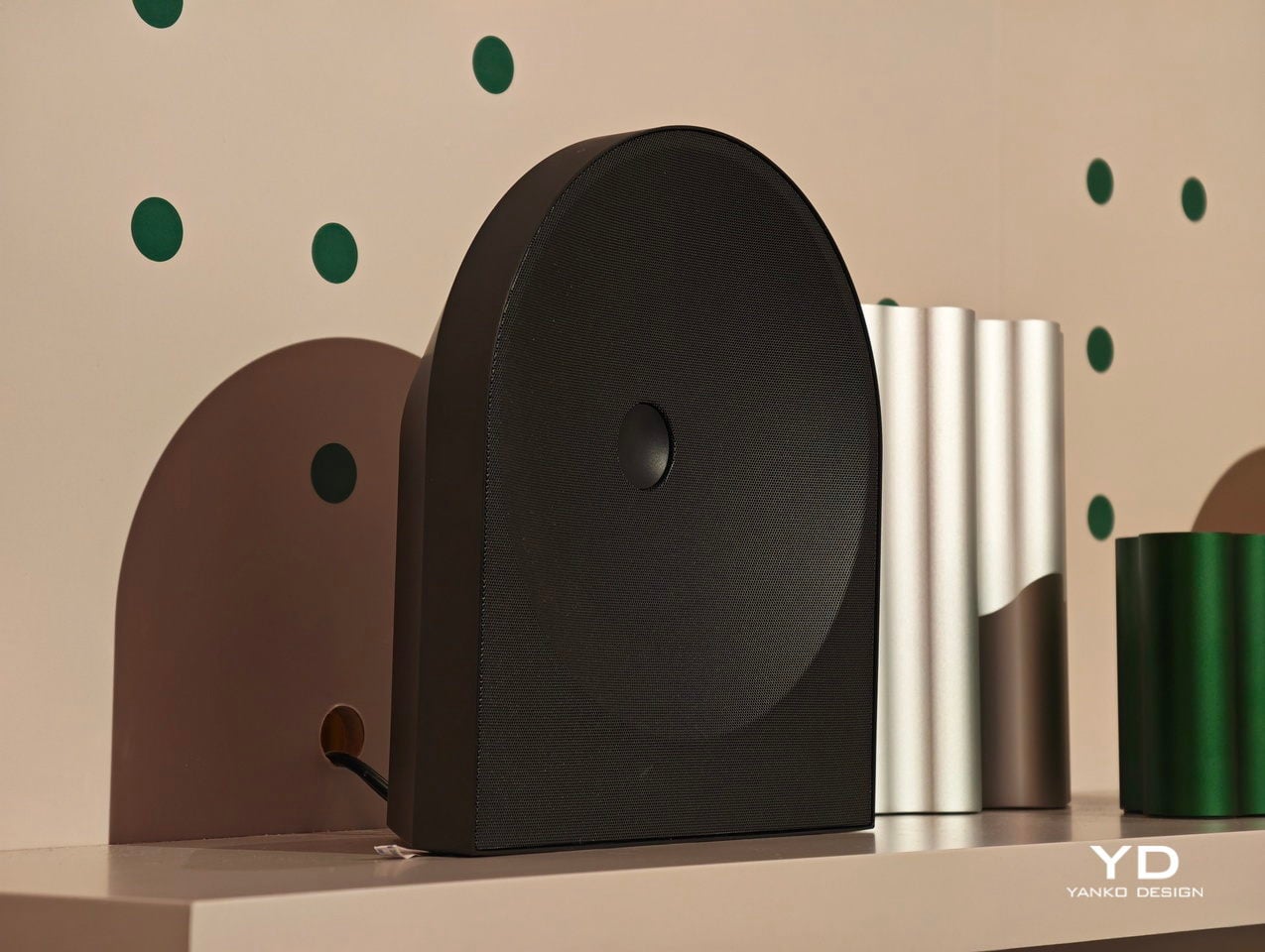
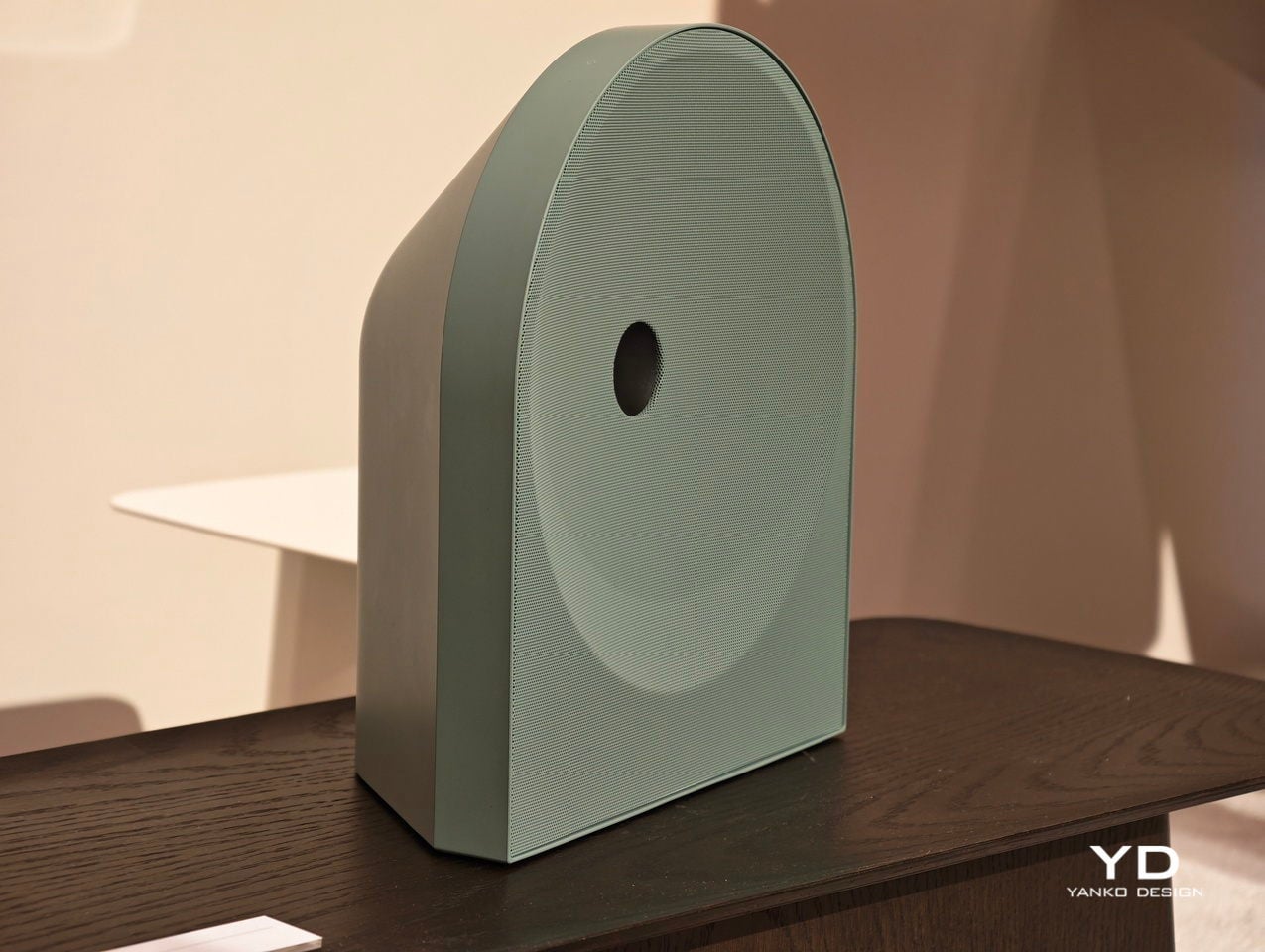
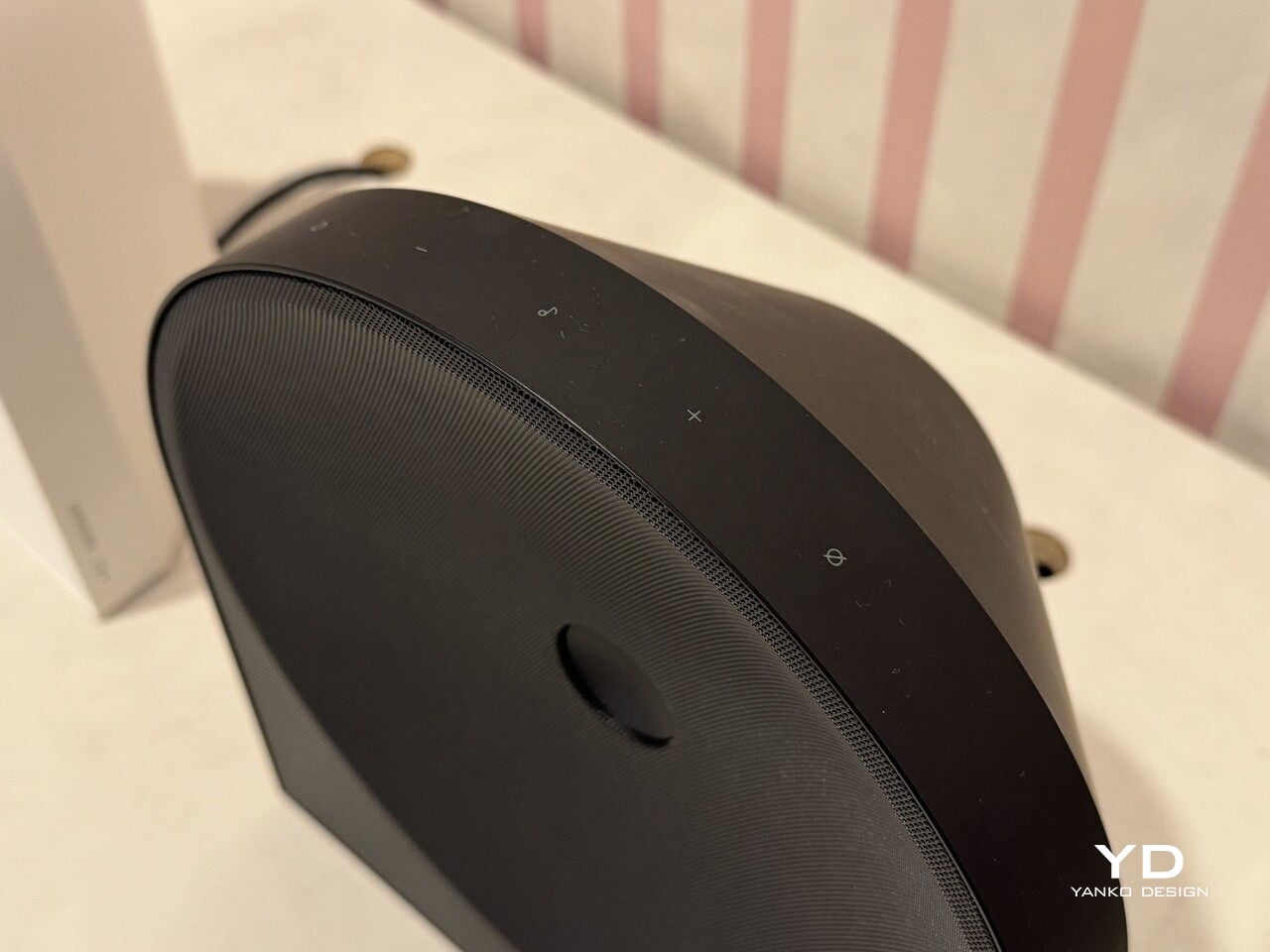
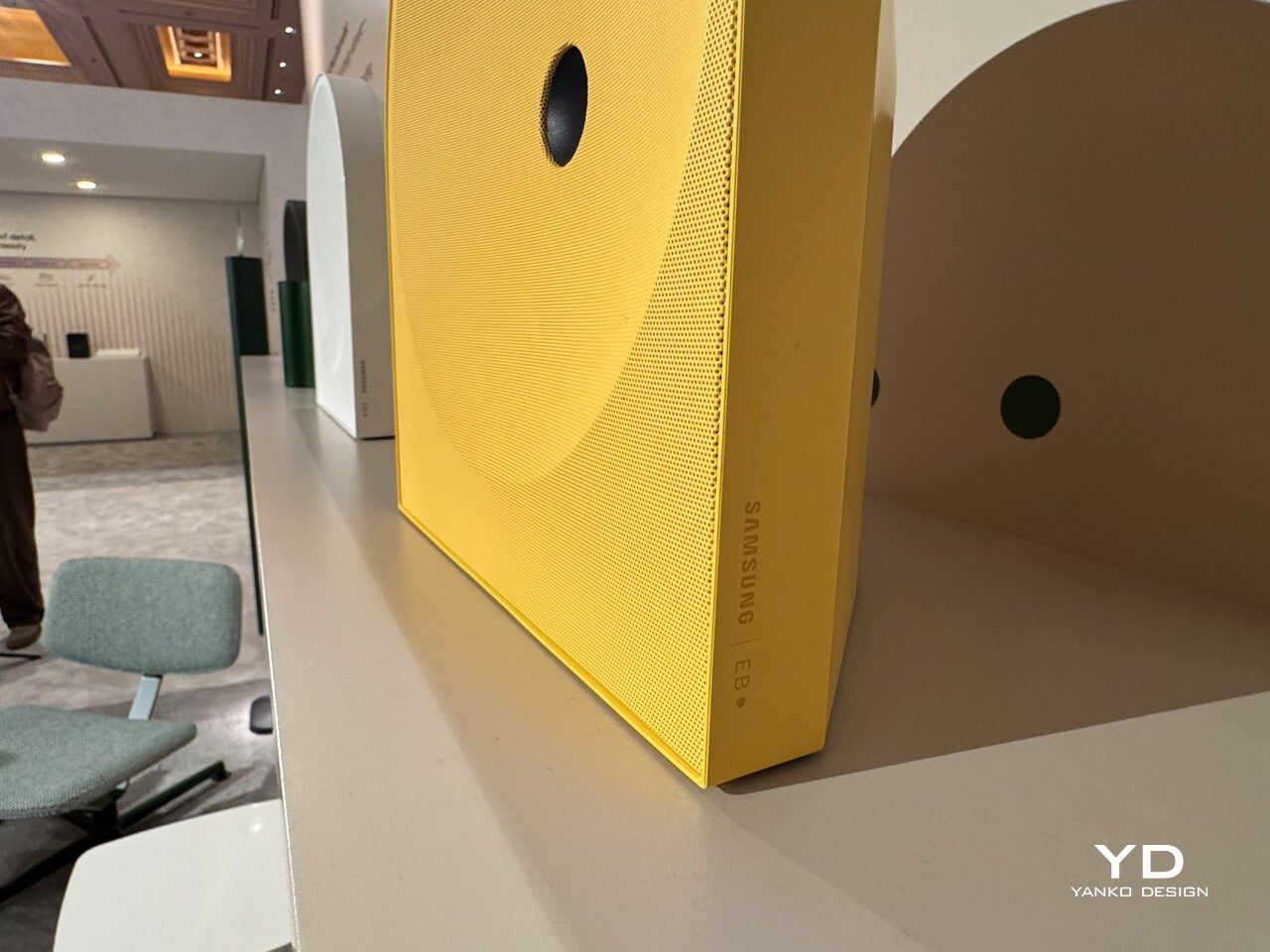
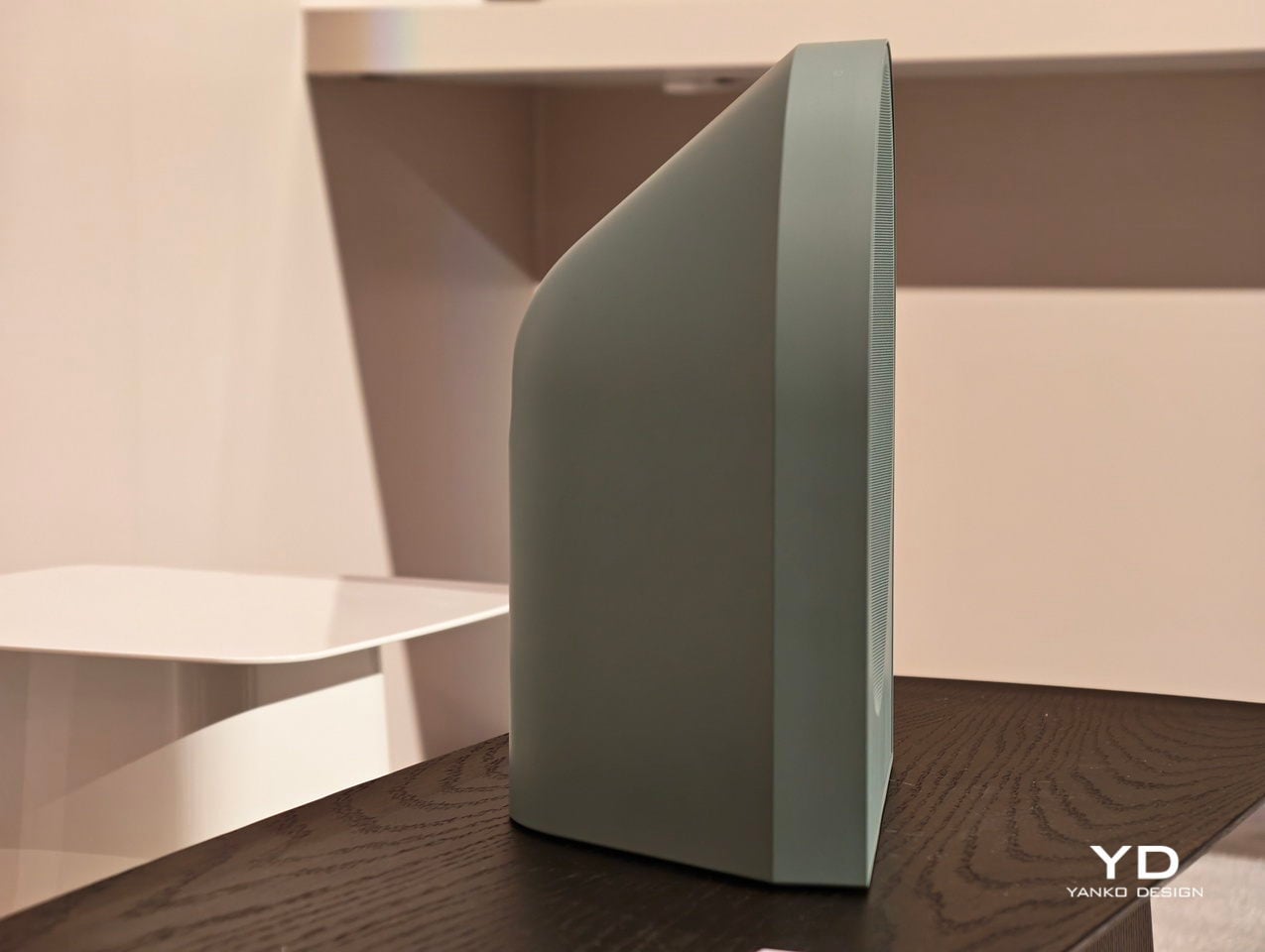
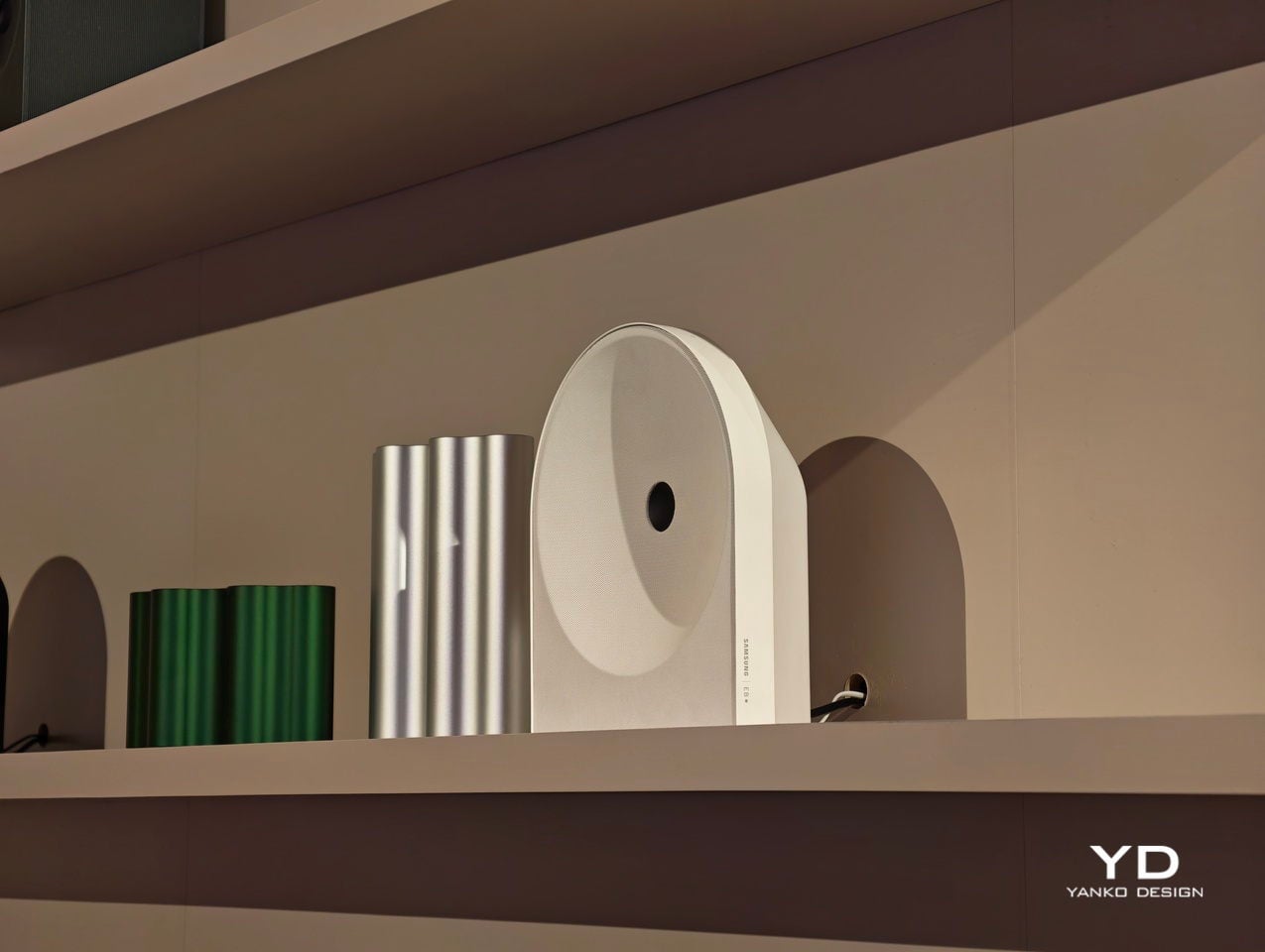
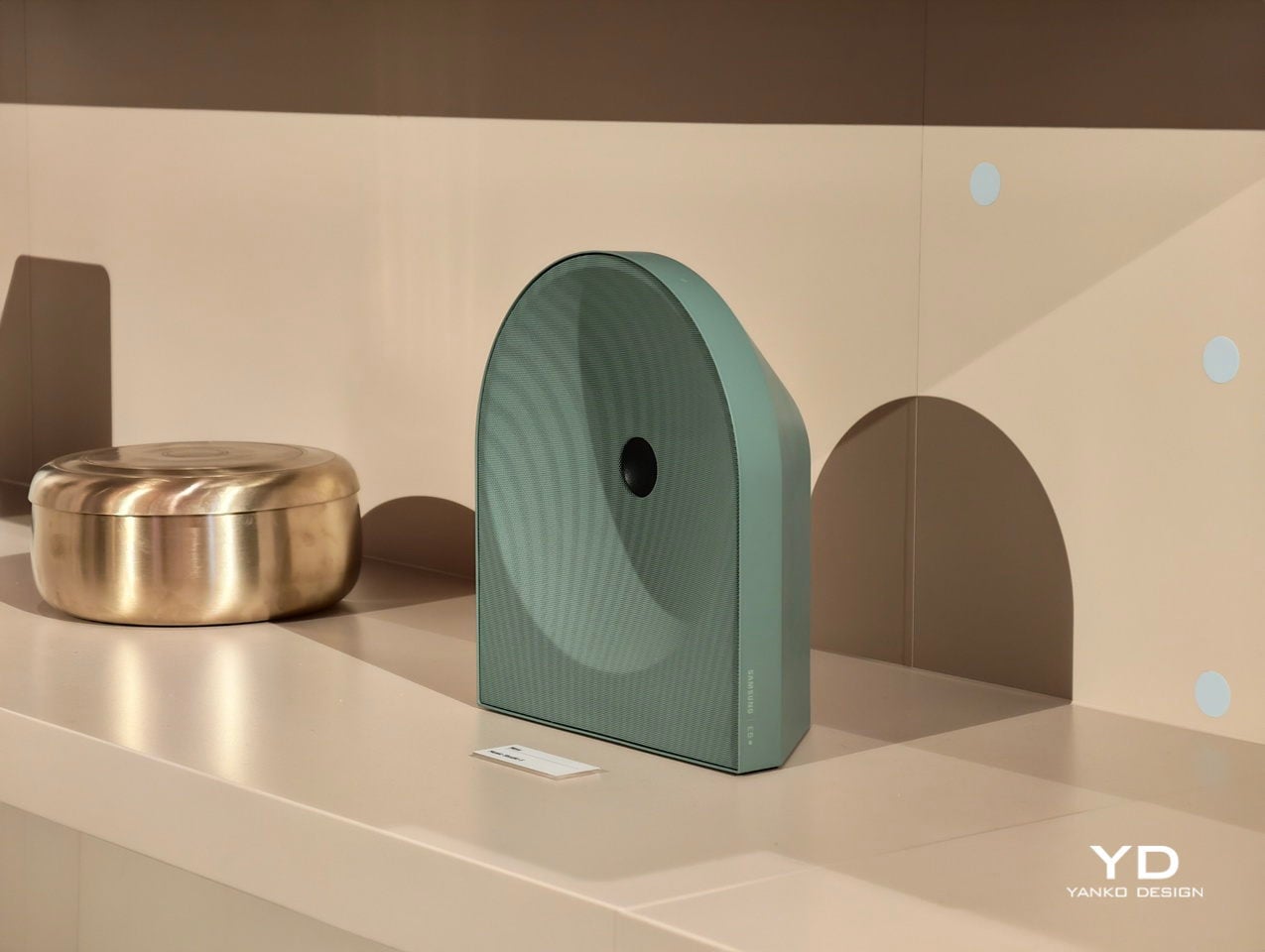
CES 2026 is full of screens and soundbars, but what stands out are speakers that look like they belong in a living room, even when they are silent. Samsung’s Music Studio 7 and Music Studio 5 are Wi-Fi speakers shaped around Erwan Bouroullec’s dot motif, designed to sit comfortably on shelves and consoles while quietly handling the serious audio work, from hi-resolution streaming to multi-device spatial sound.
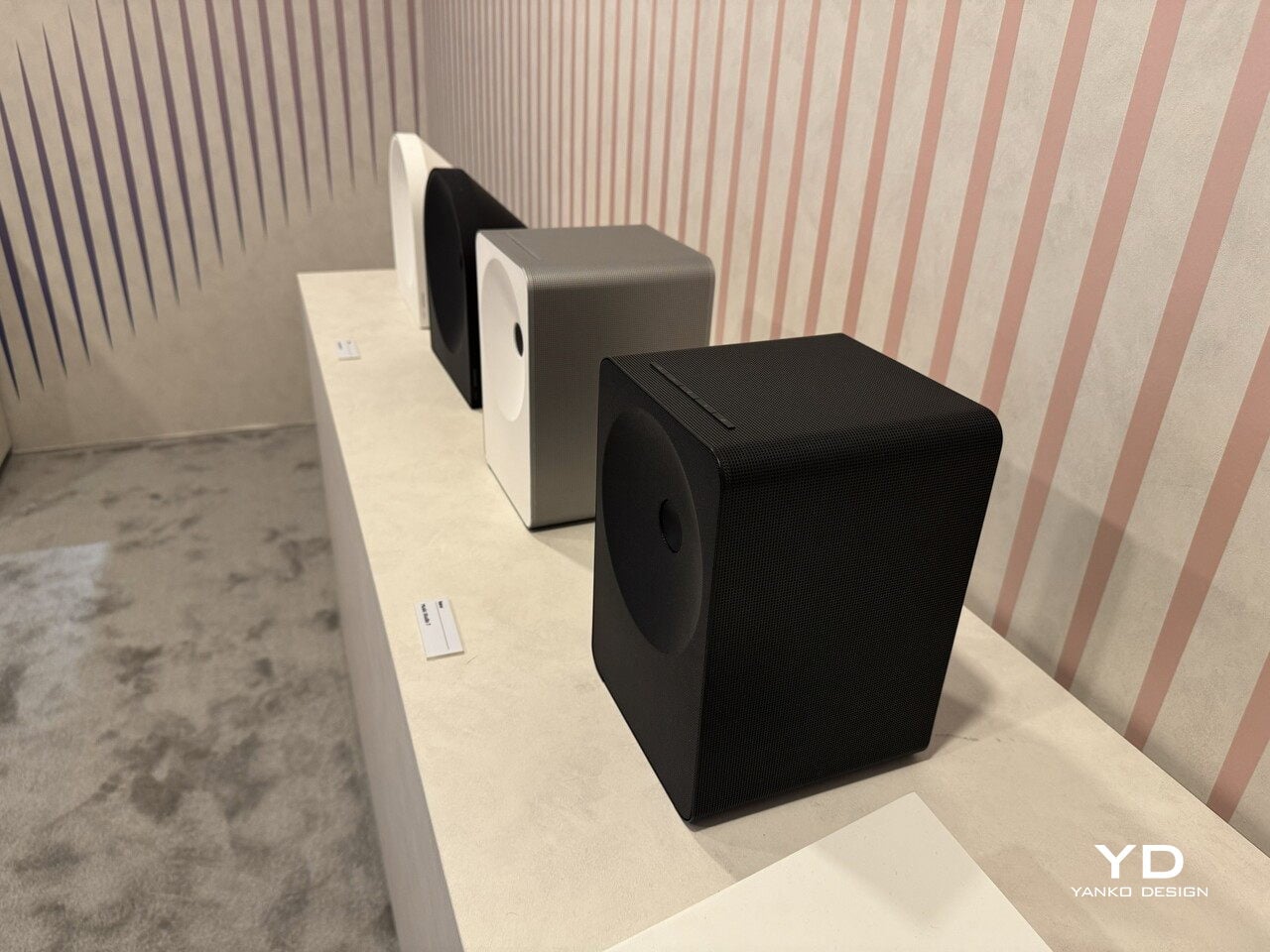
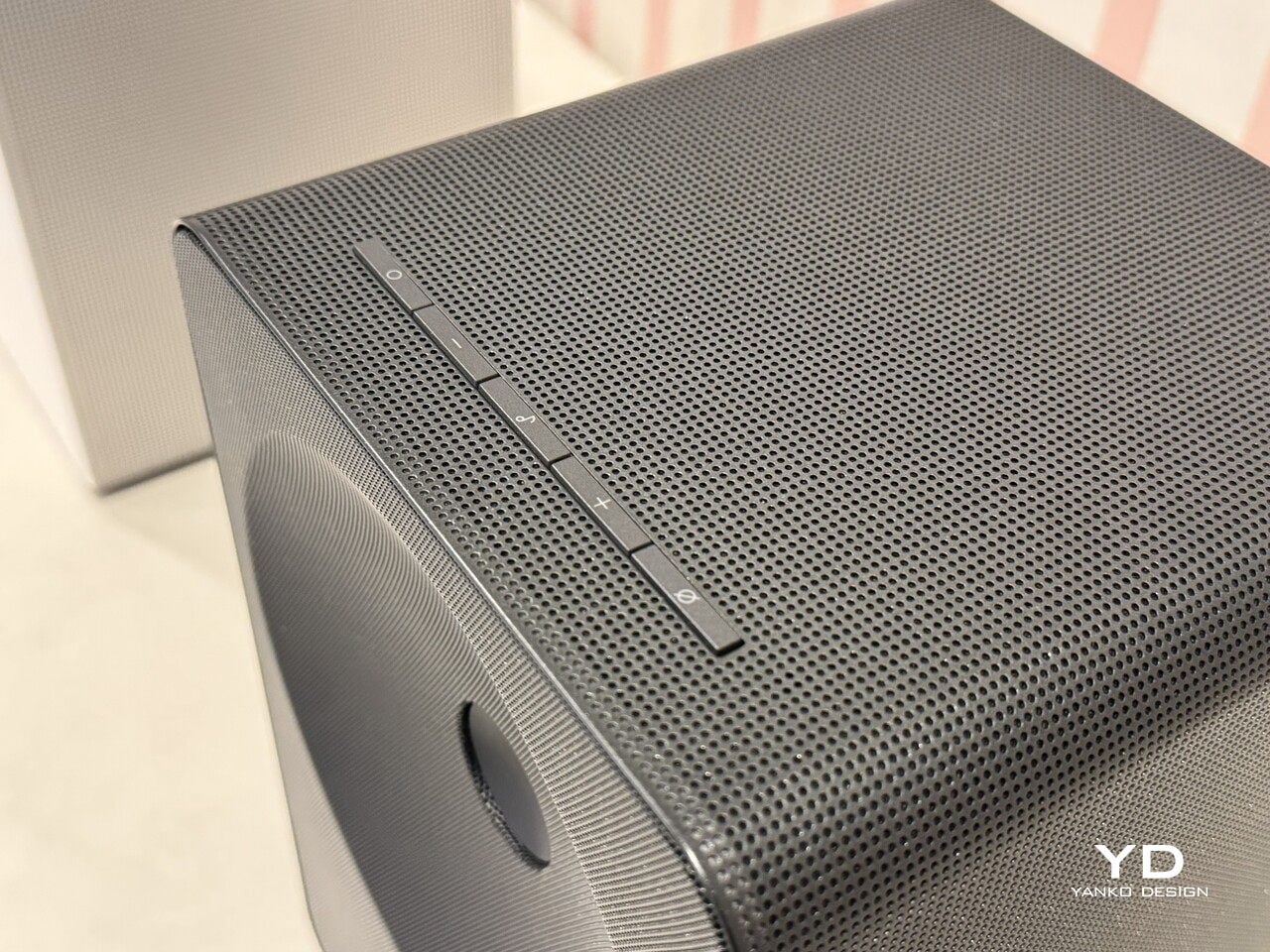
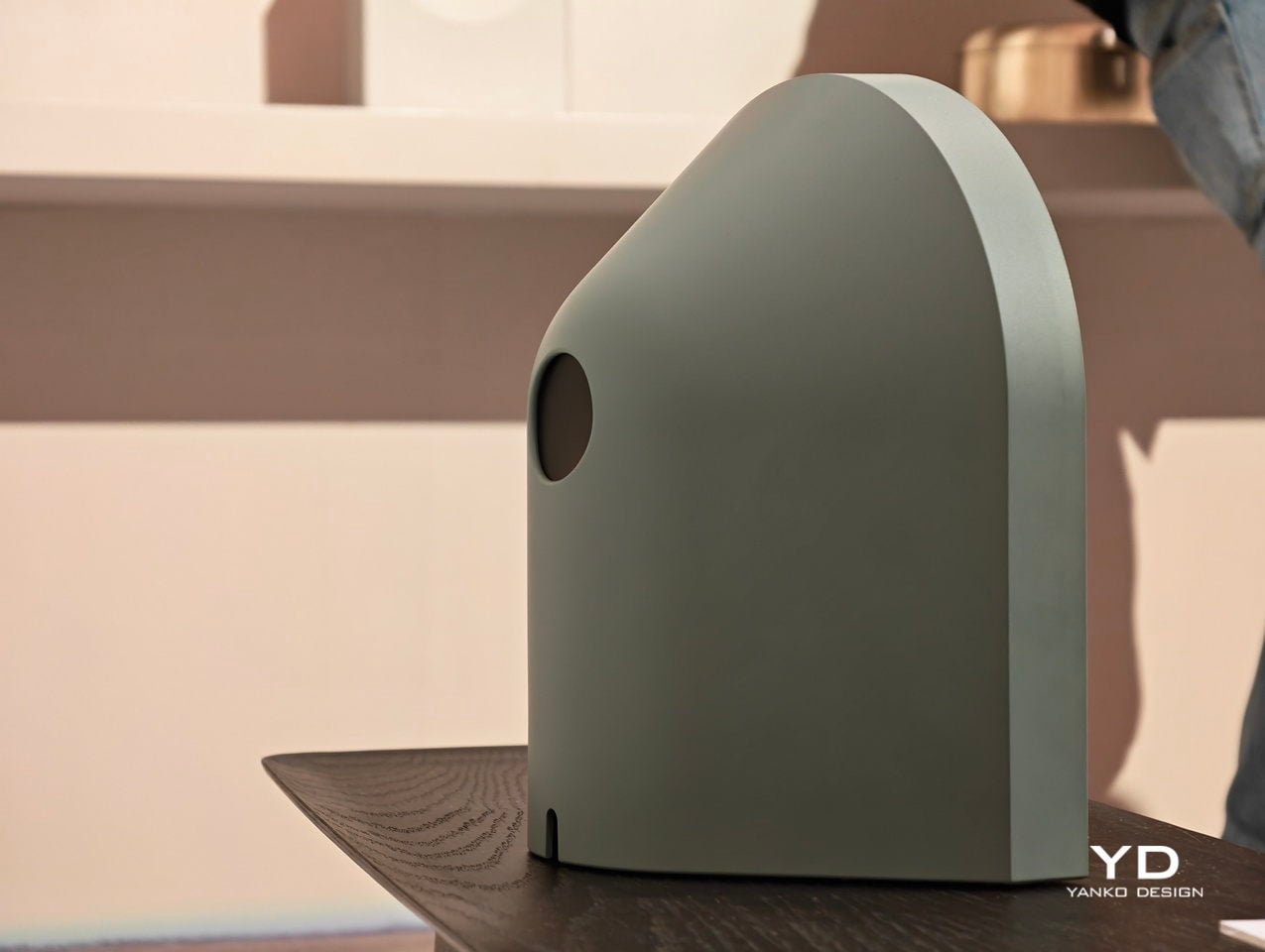
Music Studio 7 (LS70H) is the tall, immersive one, and Music Studio 5 (LS50H) is the compact, gallery-friendly sibling. Both share the same circular eye on the front, a dot that hints at the origin of sound, but they play different roles at home. One anchors a room with 3.1.1-channel spatial audio, the other slips into smaller spaces without giving up clarity or presence.
An evening where Music Studio 7 is handling everything, from a playlist to a late-night movie, makes the 3.1.1-channel architecture clear. Left, front, right, and top-firing drivers build a tall soundstage that wraps around the room, while Samsung’s pattern control and immersive waveguide keep effects and vocals precisely placed. AI Dynamic Bass Control keeps the low end deep but tidy, so the room feels full without the furniture rattling or neighbors complaining.
Quiet listening sessions bring hi-res playback into focus. The speaker processes up to 24-bit/96 kHz, so subtle details in acoustic tracks or film scores stay intact instead of getting smoothed over. Spotify lossless streaming and Spotify Tap over Wi-Fi let you move from phone to speaker with a tap, or start a recommendation directly on the device, which makes spontaneous listening feel less like managing gadgets and more like just pressing play.
Music Studio 5 lives in a different kind of space, on a shelf or sideboard where size matters. It uses a 4-inch woofer and dual tweeters with a built-in waveguide to keep sound balanced and crisp, even at lower volumes. AI Dynamic Bass Control deepens low frequencies without turning everything into a thump, so it works as well for background jazz while you cook as it does for focused listening at a desk.
A weekend movie where the speakers and a Samsung TV share the work shows how Q-Symphony handles multi-device sound. The TV and Music Studio units play together instead of one replacing the other, letting dialogue come from the screen while spatial effects spread to the speakers. Wi-Fi casting, streaming services, voice control, and Bluetooth via Samsung’s Seamless Codec sit in the background, making it easy to move sound between rooms or devices without thinking too hard about the path.
The dot-driven forms and soft colors make the speakers feel like part of the furniture, not gadgets that need to be hidden when guests arrive. Seeing them at CES 2026 hints at a direction where home audio is judged as much on how it shapes a room as on how it measures in a lab, and Music Studio 7 and 5 are built to live comfortably in both worlds, treating sound as something that belongs in a space rather than something you tolerate until you can afford to hide it.
What if you could unlock the full potential of artificial intelligence in less time than it takes to watch an episode of your favorite show? Ali H. Salem takes a closer look at how Google AI Studio is transforming the way we interact with AI, offering a platform that’s as approachable as it is powerful. […]
Apple’s rumored foldable iPhone, often referred to as the “iPhone Fold,” has captured widespread attention as leaks and reports continue to surface about its potential design, features, and pricing. Although the device remains unconfirmed, industry insiders suggest that Apple is preparing to make a significant entry into the foldable smartphone market. This move could […]
What does it really take to generate 1 million tokens, fast, efficiently, and without breaking the bank? Below, Alex Ziskind breaks down how five distinct computing systems stack up in this high-stakes challenge, revealing surprising trade-offs between speed, energy consumption, and cost. From the lightning-fast DGX Spark to the budget-friendly AMD Radeon 960 XT, each […]
Are you still spending hours on repetitive tasks in Excel? What if you could reclaim that time and focus on what really matters? Excel Off The Grid explains how the latest features in Excel can transform your workflow by automating tedious processes, consolidating data, and simplifying complex calculations. Imagine transforming a chaotic spreadsheet into a […]
The Samsung Galaxy S26 Ultra is expected next month, the handset will feature a blend of design refinements, hardware upgrades, and expanded AI functionalities. However, with a noticeable increase in price and fewer pre-order incentives, the question arises: Does this flagship device offer enough value to justify an upgrade? By examining its key features, updates, […]
Over the lastten or soyears, L'Oréal has brought a taste of beauty tech to the masses at CES 2026. This time, it has three devices to show off: the “Light Straight + Multi-styler” as well as the helpfully named LED Face Mask and LED Eye Mask.
Don’t let the unassuming names mislead you. These three products actually harbor some unique traits. The Light Straight (and multi-styler, which I’m going to just call the Light Straight from here on), for instance, uses infrared light to help generate the heat required to style your hair. Meanwhile, the LED Face Mask is different from those made by companies like Dr. Dennis Gross, Omnilux, Therabody and Shark. Instead of fairly hard shells that sit rigidly on your face, L'Oréal’s version looks to be pliable and thin.
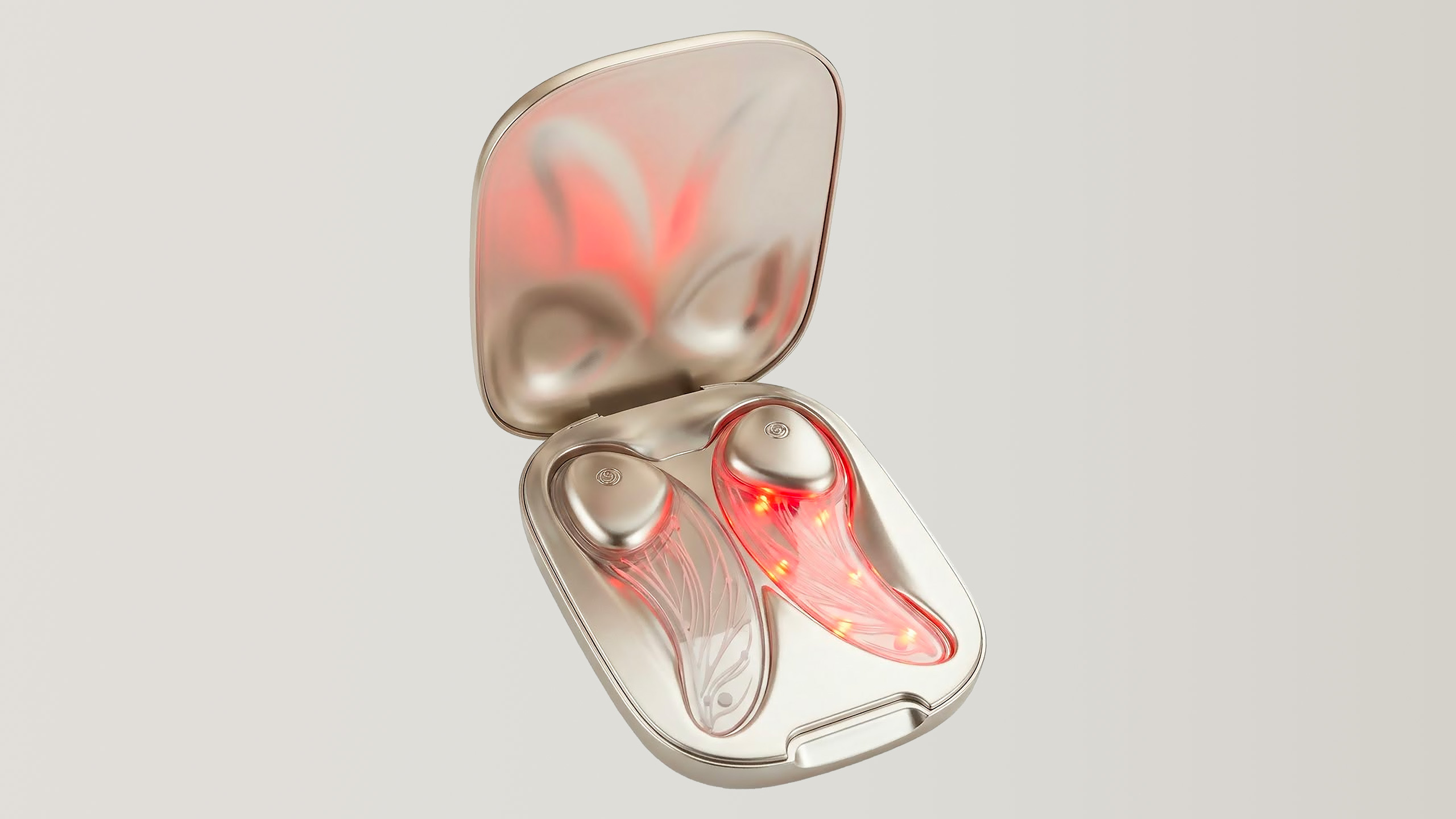
I haven’t seen this in person yet, though I do intend to do so as soon as possible, but the pictures of the LED Eye Mask look, and I mean this in the best way, ridonkulous. Not only do they appear supple, but they also seem to be transparent, with bulbs and wires you can see inside. In some of the images that the company provided, the masks are completely awash in red as the lights are on. In others, only parts of it are red. One of them even shows the masks sitting in a little carrying case and they almost look like wireless earbuds. I haven’t seen any photos of the LED Face Mask but I can imagine they’d be fairly similar to these.
The L'Oréal LED Eye Mask in a carrying case
L'Oréal
According to the press release, this “ultra-thin, flexible silicone mask” is currently “in prototype form” and was developed in collaboration with LED solutions company iSmart. The company said this mask “delivers light directly to the face” in 10-minute automatically timed sessions. That’s not too different from existing red light masks, but L’Oréal said it believes “the key to the mask’s effectiveness is its advanced, transparent support, which integrates a skin-safe microcircuit to precisely control the emission of two selected wavelengths of light—red light (630 nm) and near-infrared light (830 nm).”
Since the mask is only launching in 2027, there aren’t details yet on pricing and availability, though the company’s global vice president of tech and open innovation Guive Balooch told Engadget that it would be a premium product that would sit somewhere below the highest priced offerings currently out there.
One of my problems with full-face LED masks is that my skin always feels too parched under them, because you have to use them on clean, dry skin for 10 minutes at a time. Balooch told me that L'Oréal would have a serum developed to be used with its mask that would help with that, while also improving the effectiveness of the light treatment.
That certainly is intriguing, and Balooch indicated that creating formulations that are designed to work with devices like the LED masks is a future direction for the company.
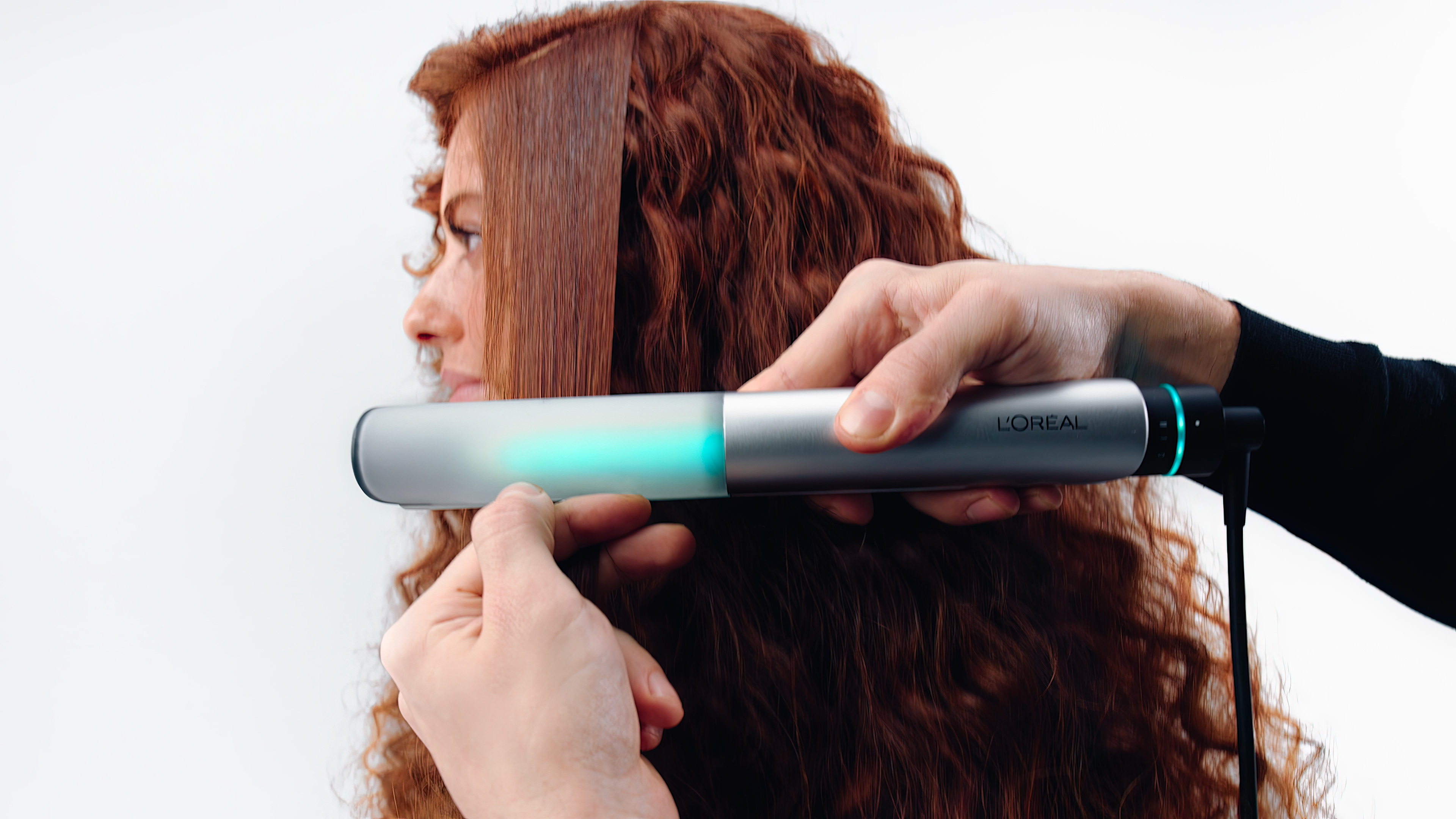
A pair of hands using the L'Oréal Light Straight and multi-styler on a person's hair.
L'Oréal
I’m also interested in the Light Straight, which like the company’s AirLight Pro uses infrared light to help dry or style hair. According to the company’s press release, hair straighteners with “ordinary heating places can reach temperatures of 400°F and higher—above the threshold at which keratin denatures, leading to weakened cuticles, breakage and reduced shine.” For context, I used to turn my flatiron all the way up to 425 degrees Fahrenheit to tame my tresses (though these days I find a more reasonable 330 degrees is good enough).
L’Oréal says the Light Straight and its “patented infrared light technology” can “help provide exceptional styling results at lower temperatures, to better protect the health of the hair.” The device’s glass plates never exceed 320 degrees, and the company says its testing found that the Light Straight is three times faster and leaves hair twice as smooth as “leading premium hair stylers.” I’m not sure how you would quantify smoothness, but I’m hopeful the results do pan out in the real world.
The Light Straight uses near-infrared light that L’Oréal says “penetrates deeply into hair fibers” to “reshape internal hydrogen bonds.” It also has sensors onboard with “built-in proprietary algorithms and machine learning” to adapt to your gestures “to maximize individual experience.” I’m not sure what that means, but I hope to find out more this week at CES. Given the Light Straight doesn’t launch till 2027, it’s not surprising that pricing and other details aren’t yet available. But for now, I’m keen to see companies continue to investigate novel, hopefully healthier ways for us to look and feel beautiful.
This article originally appeared on Engadget at https://www.engadget.com/science/loreals-ces-2026-beauty-devices-include-a-skin-like-flexible-led-mask-070000576.html?src=rss
iPhones are widely recognized for their robust security features, but no device is entirely immune to threats. While the likelihood of encountering a traditional virus on an iPhone is extremely low due to Apple’s advanced security protocols, other risks, such as phishing scams, malicious apps, and spam, can still disrupt your experience. The video below […]
Samsung announced its newest portable projector ahead of its First Look showcase at CES 2026, but you might have been a little confused as to what’s changed. The company says the Freestyle+ is nearly twice as bright as the 2022 Freestyle projector, rated at 230 ISO lumens, which was pretty underwhelming. The new Freestyle+ can output at 430 ISO lumens. If this is the first you’re hearing of ISO Lumens, it’s an internationally standardized rating for projectors, intended to standardize manufacturers' claims of brightness.
It still looks very similar to its predecessors, with 160 degrees of rotation that makes it easy to set up in most homes, Airbnbs or meeting rooms. Samsung added support for Q-Symphony, allowing you to connect it to the company’s soundbars, if you conveniently have one nearby. While the sound quality of its built-in speaker was hard to test in the middle of a post-keynote trade show floor, you’ll probably want to augment the built-in speaker, if only because it’s so small.
Vision AI, mentioned several times during Samsung’s CES keynote, is also built into the portable projector. You can summon Bixby to adjust settings and whatever you’re watching. Based on the demos I saw, you’ll need to speak into the remote to access Bixby.
Other improvements bring the projector into 2026, with keystone correction and focus. The Freestyle+’s AI OptiScreen can calibrate projections to different wall surfaces and colors to improve visibility even on your most vivid walls.
Mat Smith for Engadget
The updated 3D Auto Keystone corrects distortion even when projecting onto uneven or non-flat surfaces, such as corners, curtains or angled walls. It’s hard to put into words, but pointing the Freestyle+ to a corner, or at an undulating curtain, and watching the image morph and contort was almost hypnotic. The premise is that you can point this at any area of your home (or even, say, the side of a tent), and the 3D Auto Keystone will flatten the image in seconds.
There’s also Screen Fit, which automatically adjusts the image to match a projector screen size. The Freestyle+ can project up to a 100-inch 1080p image, at maximum. However, Wall Calibration might be the most technically impressive in a device this size. It detects and analyzes the color of the projection surface and recalibrates the image’s color tone to minimize the effect. It can even detect and match a wall pattern to reduce visual interference, which worked well in person. The Samsung spokesperson used the aforementioned Bixby voice commands to calibrate the screen.
If there’s still something to address, it’s that this portable projector must be plugged in to operate. When that can be either a power bank or a wall outlet, it seems a bit cheeky to call it portable.
Samsung typically announces prices and launch dates once the CES dust has settled, but it's set to arrive in the first half of 2026. Previous iterations cost around $900, but early impressions suggest it’s a versatile, petite projector.
This article originally appeared on Engadget at https://www.engadget.com/home/home-theater/samsung-freestyle-plus-projector-hands-on-ces-2026-060840386.html?src=rss