Finally: Galaxy Z Fold 8 Leaks Reveal the Massive 5,000mAh Battery Upgrade We’ve Wanted Since 2021

Finally: Galaxy Z Fold 8 Leaks Reveal the Massive 5,000mAh Battery Upgrade We’ve Wanted Since 2021 Charging test setup showing a 45W adapter connected to the Galaxy Z Fold 8 during fast-charge timing.

The Samsung Galaxy Z Fold 8 represents a pivotal advancement in foldable smartphone technology. While retaining the core design language of its predecessor, this latest iteration introduces a range of noteworthy upgrades in areas such as charging speed, battery capacity, display quality, and camera performance. By addressing user feedback and refining key features, Samsung continues […]

The post Finally: Galaxy Z Fold 8 Leaks Reveal the Massive 5,000mAh Battery Upgrade We’ve Wanted Since 2021 appeared first on Geeky Gadgets.

Posted in Uncategorized

The 44-Pocket Coat That Makes You Question Home Itself

Picture this: you’re standing on a sidewalk with nothing but the clothes on your back. No wallet, no keys, no lease, no address. The only shelter you have is what you’re wearing. For most of us, that thought is hypothetical enough to be brushed aside. But for Japanese designer Kosuke Tsumura, it became a thirty-year design obsession.

FINAL HOME, the label Tsumura founded in 1994 under the Miyake Design Studio, is built on a single uncomfortable question: if home disappears because of disaster, war, or economic collapse, what can clothing become? The answer, it turns out, is a translucent nylon parka with 44 pockets.

Designer: kosuke tsumura

The 44-pocket parka is FINAL HOME’s most iconic piece, and it earns that status through sheer conceptual density. Those pockets aren’t decorative. They’re meant to carry food, medicine, tools, whatever you need to survive. When the temperature drops, you stuff them with newspaper or any insulating material you can find, and the coat does the work of keeping you warm. Optional down cushions slot into the pockets too, turning the whole thing into a proper down jacket at a moment’s notice. The coat can even be adjusted for fit by stuffing specific pockets, which means it adapts to any body type without tailoring. There’s even a FINAL HOME Bear, a small companion designed to nestle into a pocket and add a layer of insulation.
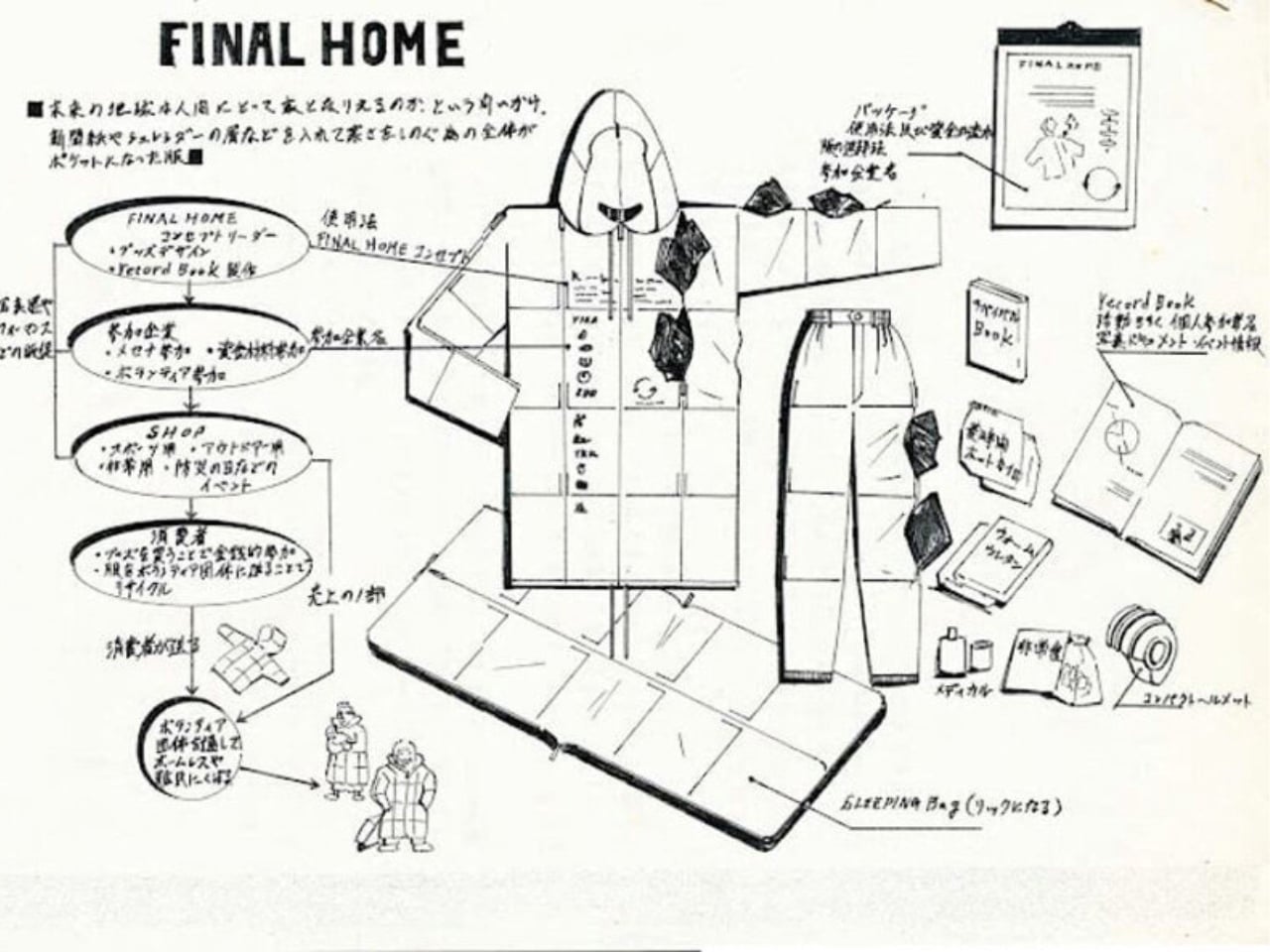
That last detail is the one I keep returning to. A teddy bear as thermal technology. It sounds absurd until you realize it’s also kind of genius, and deeply human. Tsumura isn’t just designing for survival in a cold, mechanical sense. He’s designing for the full experience of being displaced: frightened, possibly alone, needing warmth in more than one way.

This is what separates FINAL HOME from the streetwear brands that borrow its visual DNA. Plenty of labels have done the oversized translucent nylon thing. Few of them are asking anything of it. Tsumura is asking everything. The coat lives at the intersection of fashion, architecture, and emergency preparedness, and it doesn’t apologize for the weight of that position.

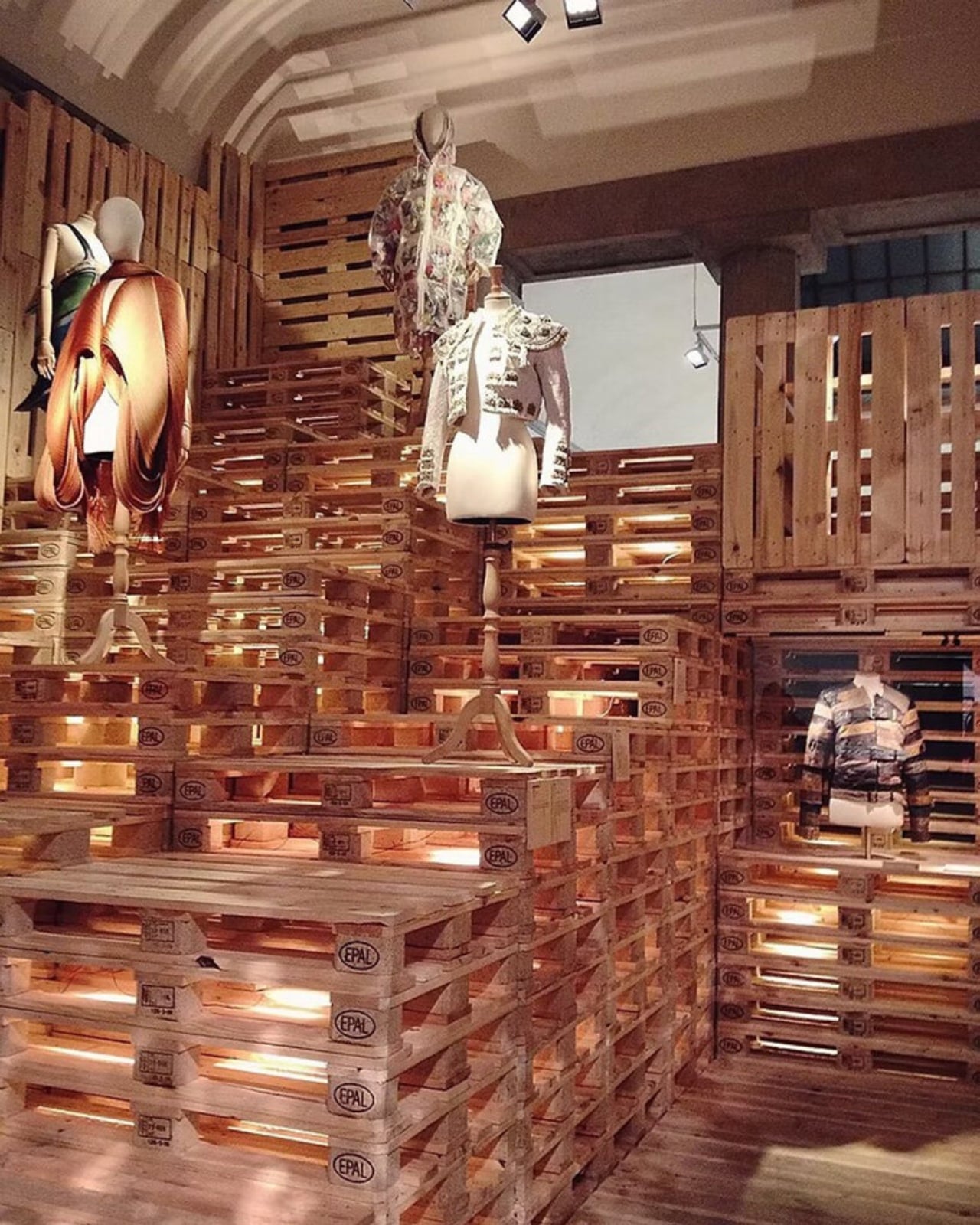
The fact that the 44-pocket parka has been in MoMA’s permanent collection since 2006 says a lot. Museums have a way of freezing things in amber, turning useful objects into relics. But FINAL HOME resists that fate because its premise only becomes more relevant over time. We are, by most reasonable measures, living through an era of compounding instability. Climate events, economic precarity, the slow erosion of what people once assumed was stable. A jacket designed for when the floor disappears doesn’t feel like a curiosity anymore. It feels almost prescient.

Tsumura has described utopia not as a destination but as a method, something embedded in everyday life rather than promised in some distant future. That framing reframes FINAL HOME entirely. It’s not a coat for the apocalypse. It’s a coat for right now, for a world where the safety nets are showing their age and adaptability matters more than ever. The chocolate candles included in the broader FINAL HOME universe push this even further, objects designed to serve two purposes at once, comfort and function, because the line between them is thinner than we like to admit.

The 44-pocket parka doesn’t look like survival gear. It looks like art, which is partly why it works so well. Wearing it doesn’t announce crisis or declare emergency. It just quietly insists that preparedness and design don’t have to be mutually exclusive, that you can move through the world looking completely intentional while also being ready for it to shift beneath you.
Tsumura started this project over thirty years ago, and it still feels ahead of where most design conversations are happening. That’s not a small thing. Most ideas burn bright and fade. FINAL HOME just keeps asking its question, and the world keeps making that question harder to ignore.

The post The 44-Pocket Coat That Makes You Question Home Itself first appeared on Yanko Design.

Valve’s Next VR Headset Could Actually Run Meta Quest Games

Valve’s Next VR Headset Could Actually Run Meta Quest Games Valve Steam Frame standalone VR headset concept showing visor, rear battery, and balanced strap design for comfort.

Valve’s upcoming standalone VR headset, the Steam Frame, is poised to offer a unique combination of functionality and flexibility. As highlighted by Cas and Chary XR, one of its most intriguing capabilities is its potential to run games from Meta’s Quest platform, thanks to its Android-based standalone mode and compatibility layers like “Lapton.” This feature, […]

The post Valve’s Next VR Headset Could Actually Run Meta Quest Games appeared first on Geeky Gadgets.

Posted in Uncategorized

iOS 26.4’s Hidden Settings: Taming the Liquid Glass UI and New Stolen Device Defaults

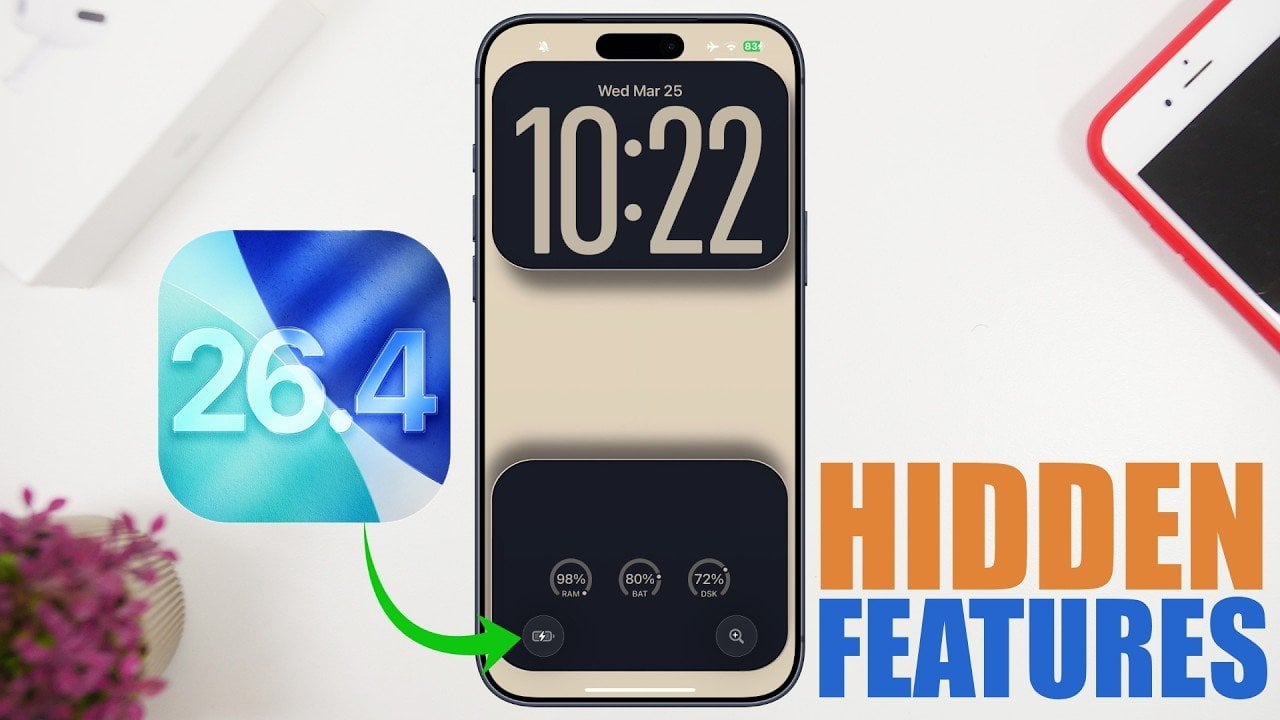
iOS 26.4’s Hidden Settings: Taming the Liquid Glass UI and New Stolen Device Defaults Featured image for iOS 26.4 - 10 New HIDDEN Features !

Apple’s iOS 26.4 update introduces a variety of hidden features aimed at enhancing functionality, personalization, and control. These updates are designed to improve your daily interactions with your device, offering smarter tools and a more refined user experience. Below, we explore the most notable features and how they can make a difference in your everyday […]

The post iOS 26.4’s Hidden Settings: Taming the Liquid Glass UI and New Stolen Device Defaults appeared first on Geeky Gadgets.

Posted in Uncategorized

Anthropic Quietly Tightens Claude’s Peak-Hour Session Usage Limits

Anthropic Quietly Tightens Claude’s Peak-Hour Session Usage Limits Chart illustrating weekly Claude limits staying steady while peak-hour sessions run out sooner for Pro users.

Anthropic has made adjustments to the peak-hour session limits for its Claude AI platform, specifically during weekdays from 5 a.m. to 11 a.m. PT. While the weekly caps remain unchanged, this modification has led to faster depletion of session allowances, creating challenges for users who rely on consistent access during critical hours. According to AI […]

The post Anthropic Quietly Tightens Claude’s Peak-Hour Session Usage Limits appeared first on Geeky Gadgets.

Posted in Uncategorized

The PS5 is getting more expensive… again

It was only last August that Sony raised PS5 console prices in the US, blaming a "challenging economic environment" at the time. Today it has slightly tweaked the phrasing to "continued pressures in the global economic landscape," but the outcome is the same: price rises across the board, this time even affecting the PS Portal handheld.

Starting April 2, the price of the standard PS5 (that’s the one with the disc drive) is going up to $650. That’s a whopping $100 hike, or $150 if you go back to before the August price increases. The Digital Edition is getting the same increase, up to $600 from $500 since August.

But the most eye-wateringly huge bump goes to the PS5 Pro, which will now cost you $900, $150 more than its (already very high) previous $750 MSRP. If you managed to pick up a Pro during last year’s Black Friday sale, when its price was slashed to $650, then you’re probably feeling pretty smug right now.

Even the PlayStation Portal is getting a $50 increase, up from $199 to $250. The Portal has gotten a lot more capable in the last 12 months, but $250 for a device that can’t run any games natively might make a purchase harder to justify for a lot of people.

In a blog post, Sony acknowledged the impact of prices increases on its audience, but said after "careful evaluation" that it was "a necessary step to ensure we can continue delivering innovative, high-quality gaming experiences to players worldwide."

Global economic turbulence is affecting the entire games industry right now. Valve has already pushed back the launch date for the Steam Machine, while the ongoing RAM crisis could also be to blame for Steam Deck stock shortages. 

Microsoft also raised Xbox prices twice last year, and earlier this week Nintendo announced that some of its physical first-party Switch 2 games will soon be more expensive than purchasing the game digitally. While Nintendo has experimented with this kind of pricing structure before, it might point to the increasingly prohibitive costs of making and shipping products right now.

This article originally appeared on Engadget at https://www.engadget.com/gaming/playstation/the-ps5-is-getting-more-expensive-again-133141514.html?src=rss

The $399 MPC Sample Finally Makes Beatmaking Beautifully Portable

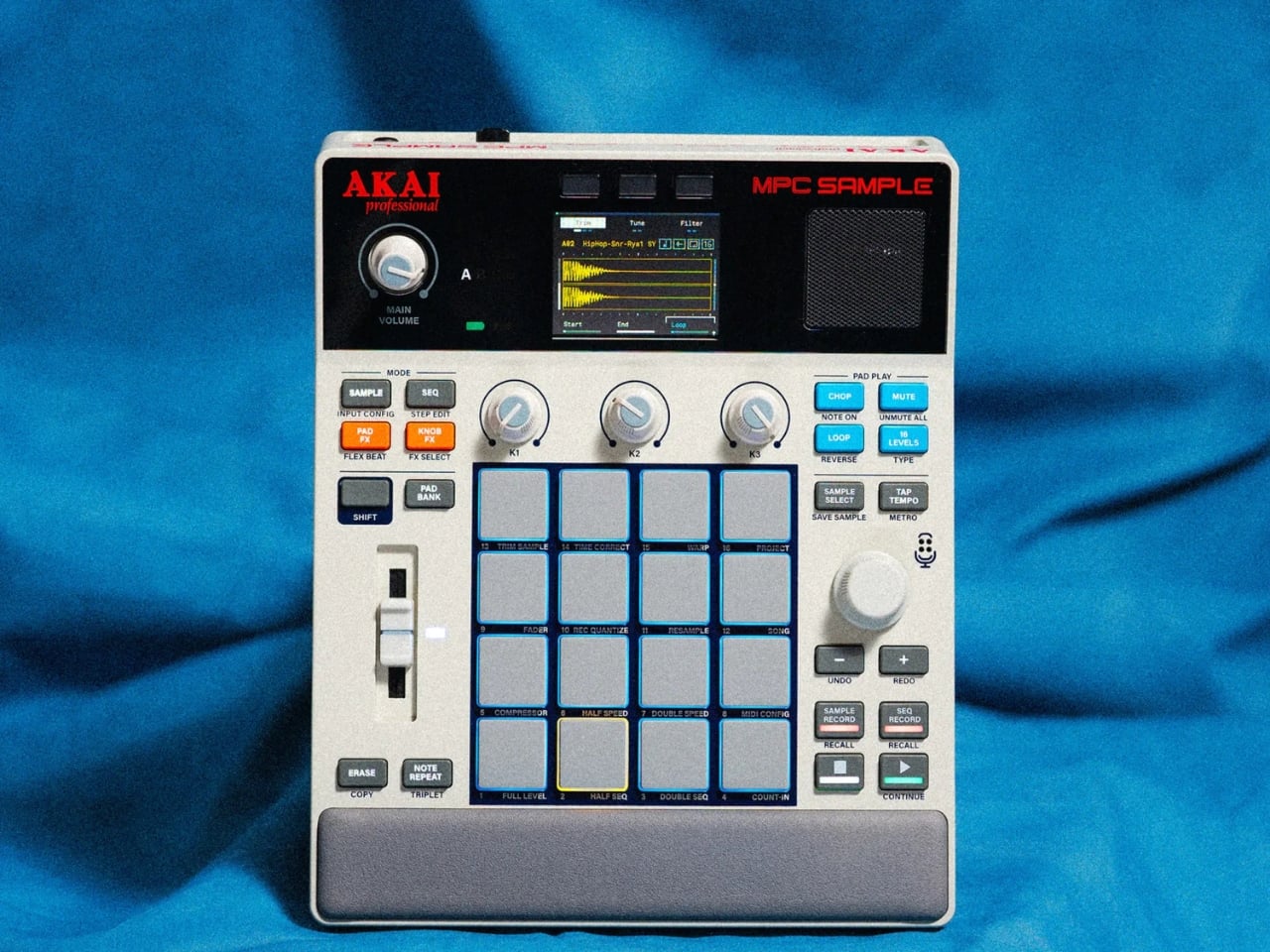
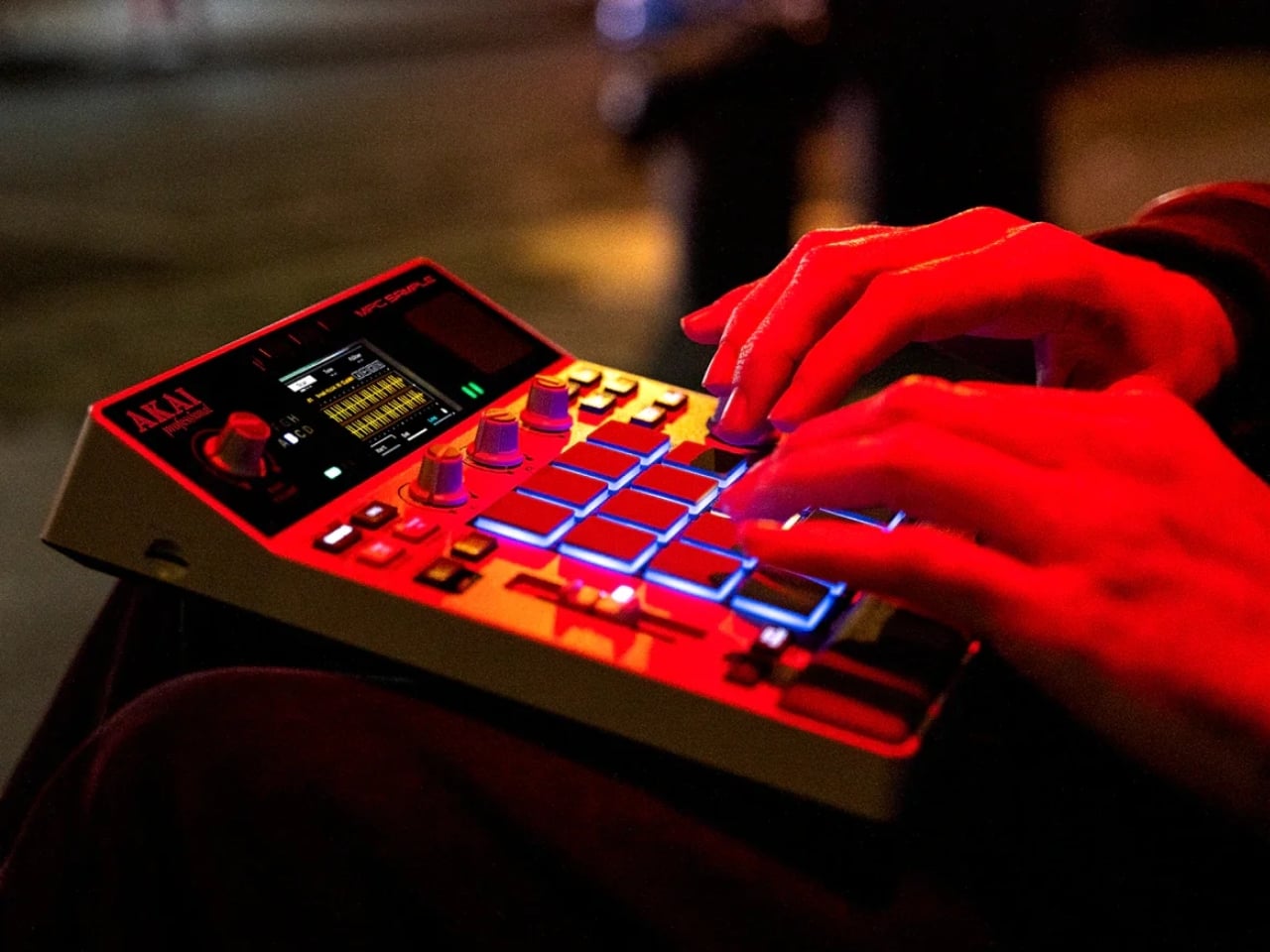
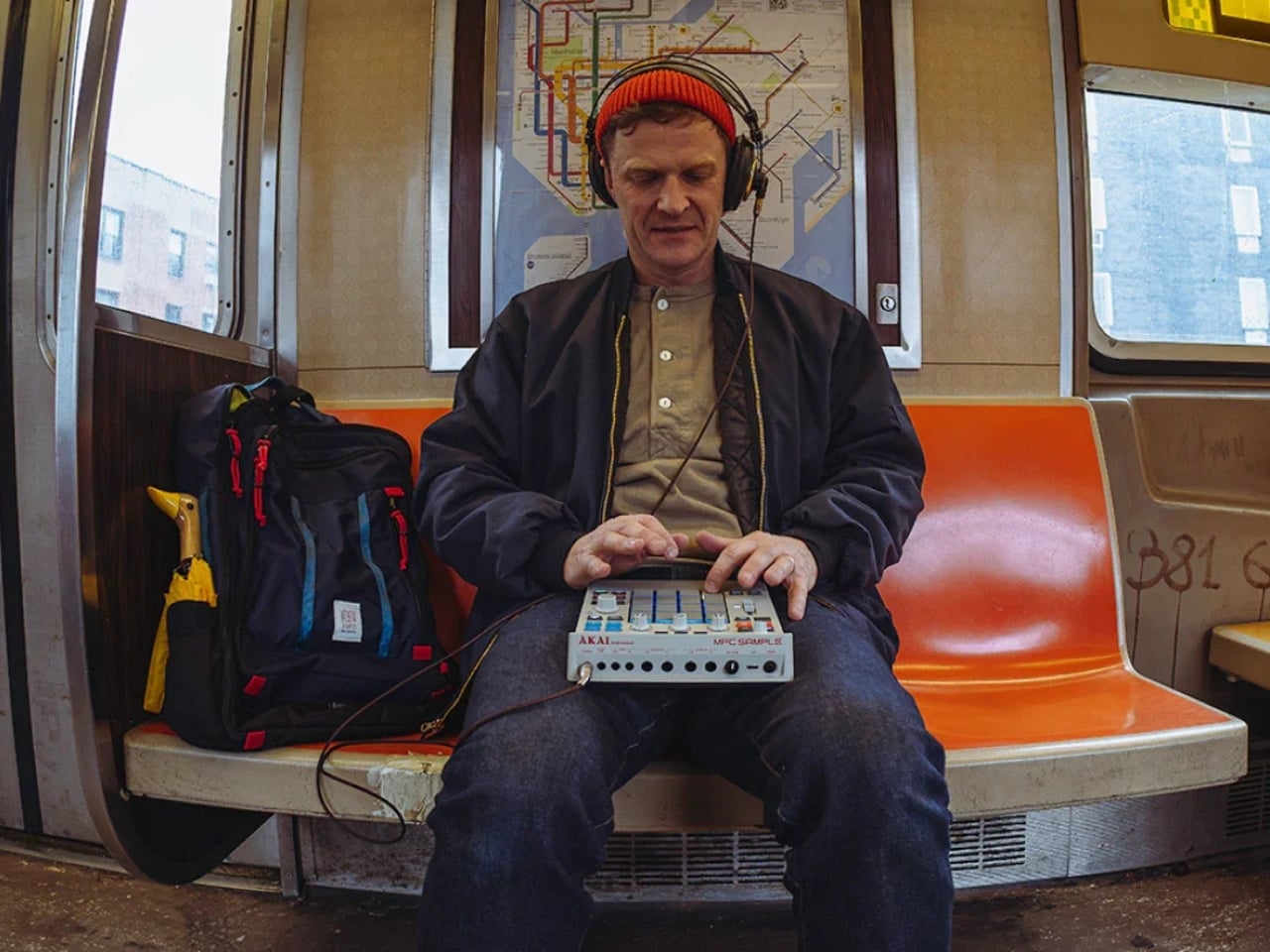
The MPC is one of those rare objects that carries cultural weight beyond its function. Since the MPC60 landed in 1988, that grid of rubber pads has been behind some of the most iconic beats ever made, from hip-hop to electronic music to whatever genre-bending thing your favorite producer is cooking up right now. So when Akai Pro quietly dropped the MPC Sample at $399, it felt like the kind of announcement worth paying attention to, even if you’ve never touched a drum pad in your life.

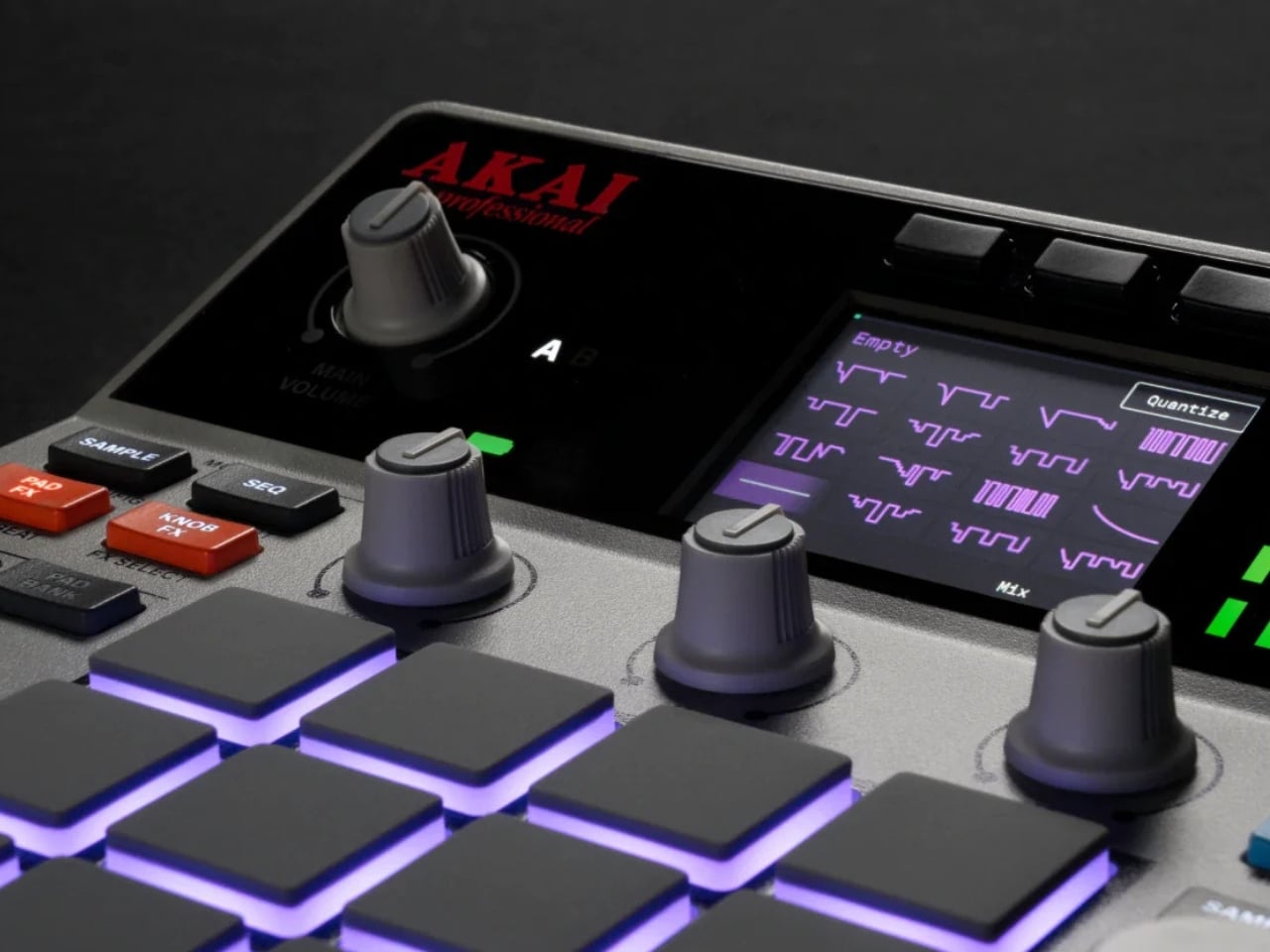
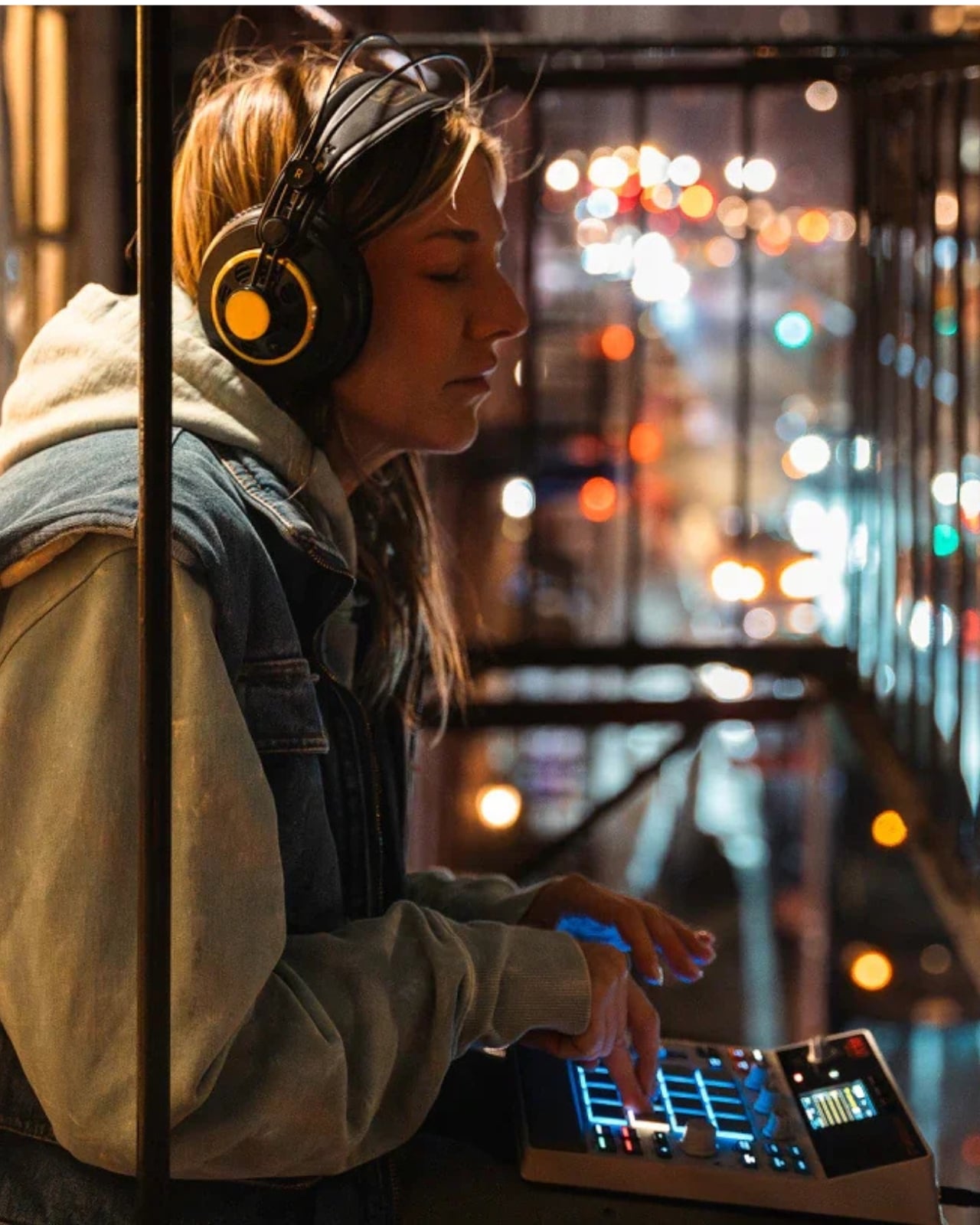
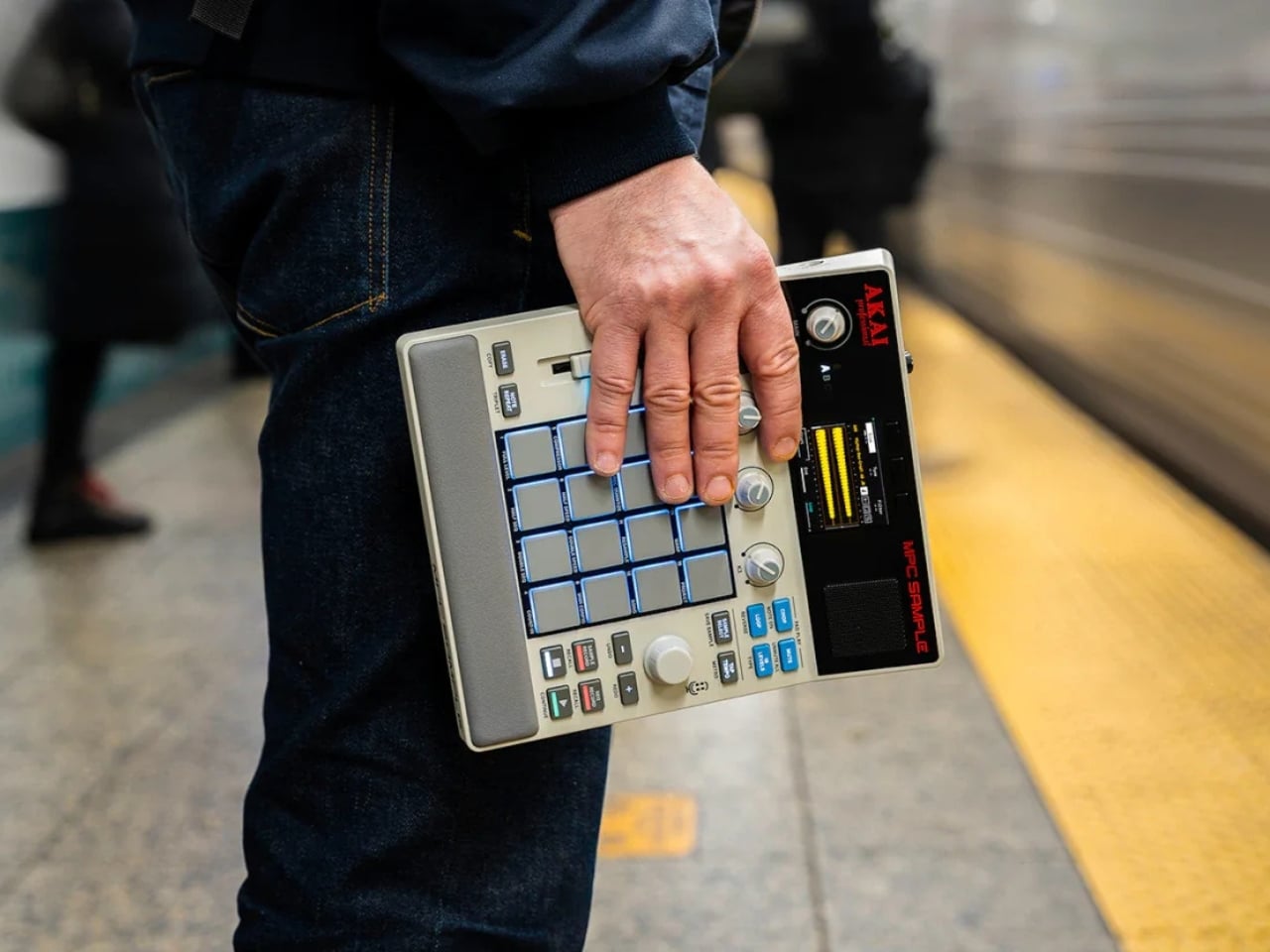
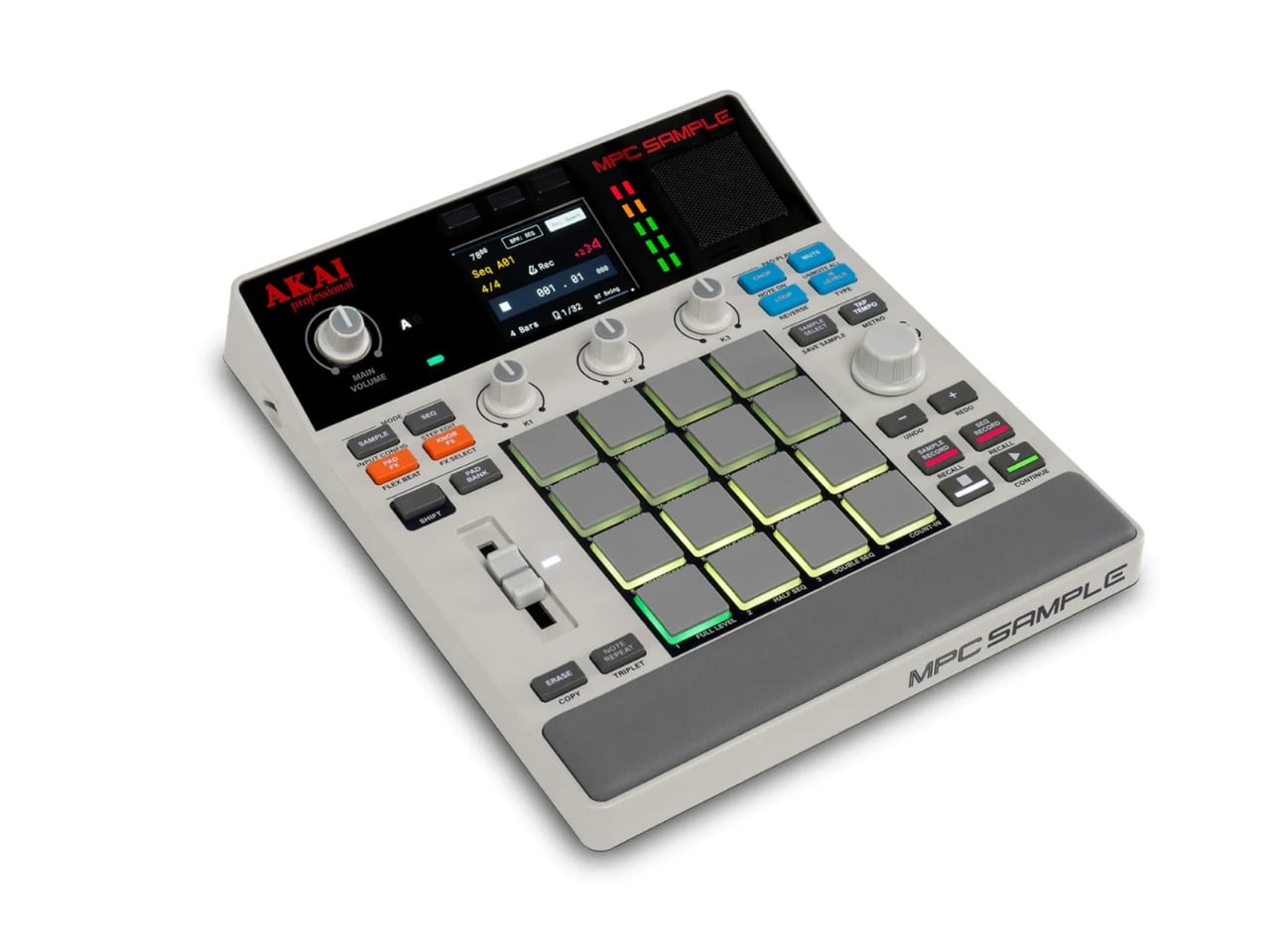
The MPC Sample is compact in a way that actually surprises you. At 23.6 × 19.4 × 5.0 cm and just under a kilogram, it fits comfortably in a backpack. It runs on a rechargeable lithium-ion battery that lasts up to five hours, has a built-in microphone and a 3-watt speaker, and connects via a single USB-C port for audio, MIDI, charging, and file transfer. That’s a lot of functionality packed into something that looks like it belongs on a desk alongside a cup of coffee and a sketchbook.

Designer: Akai Pro

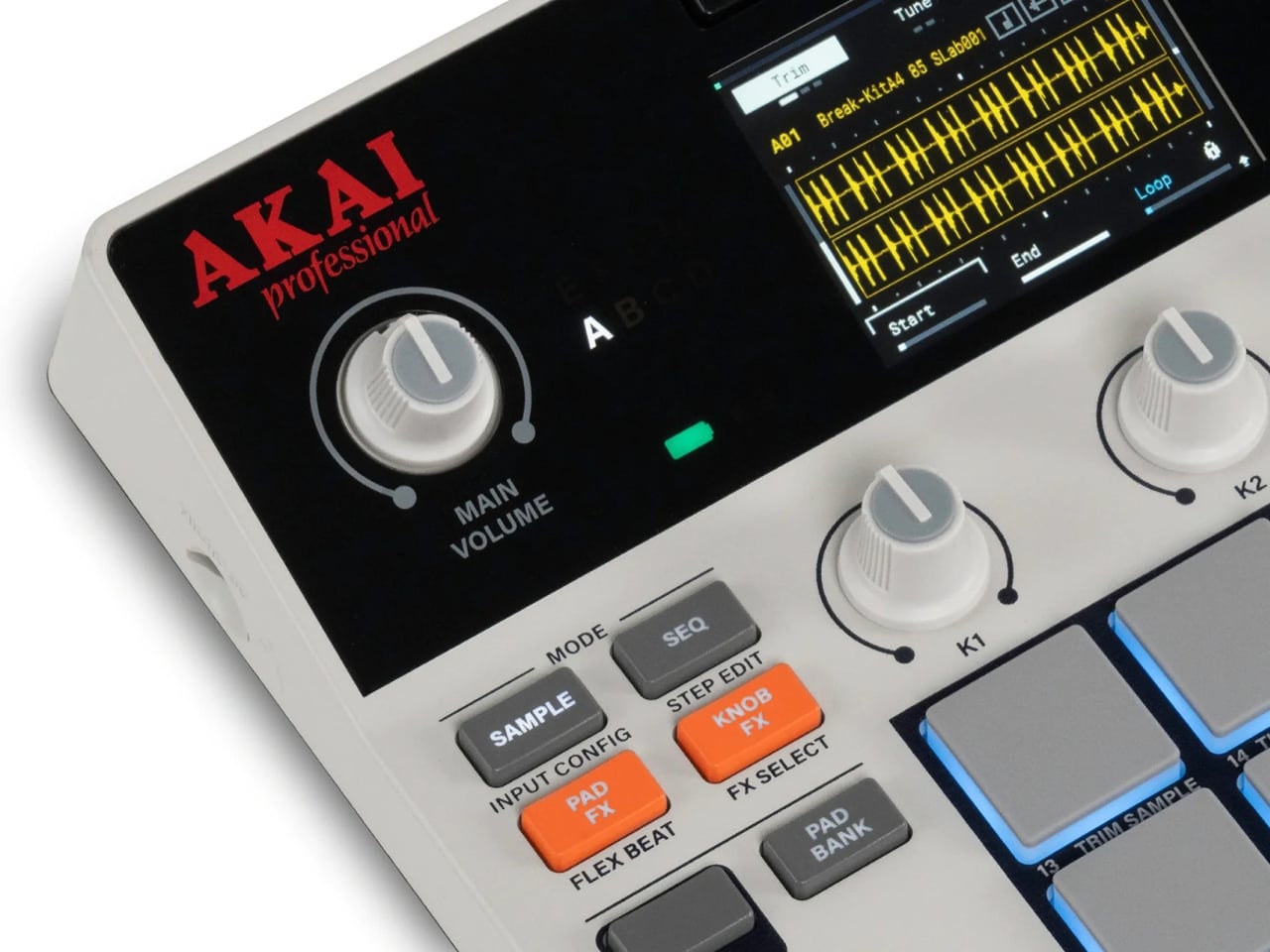
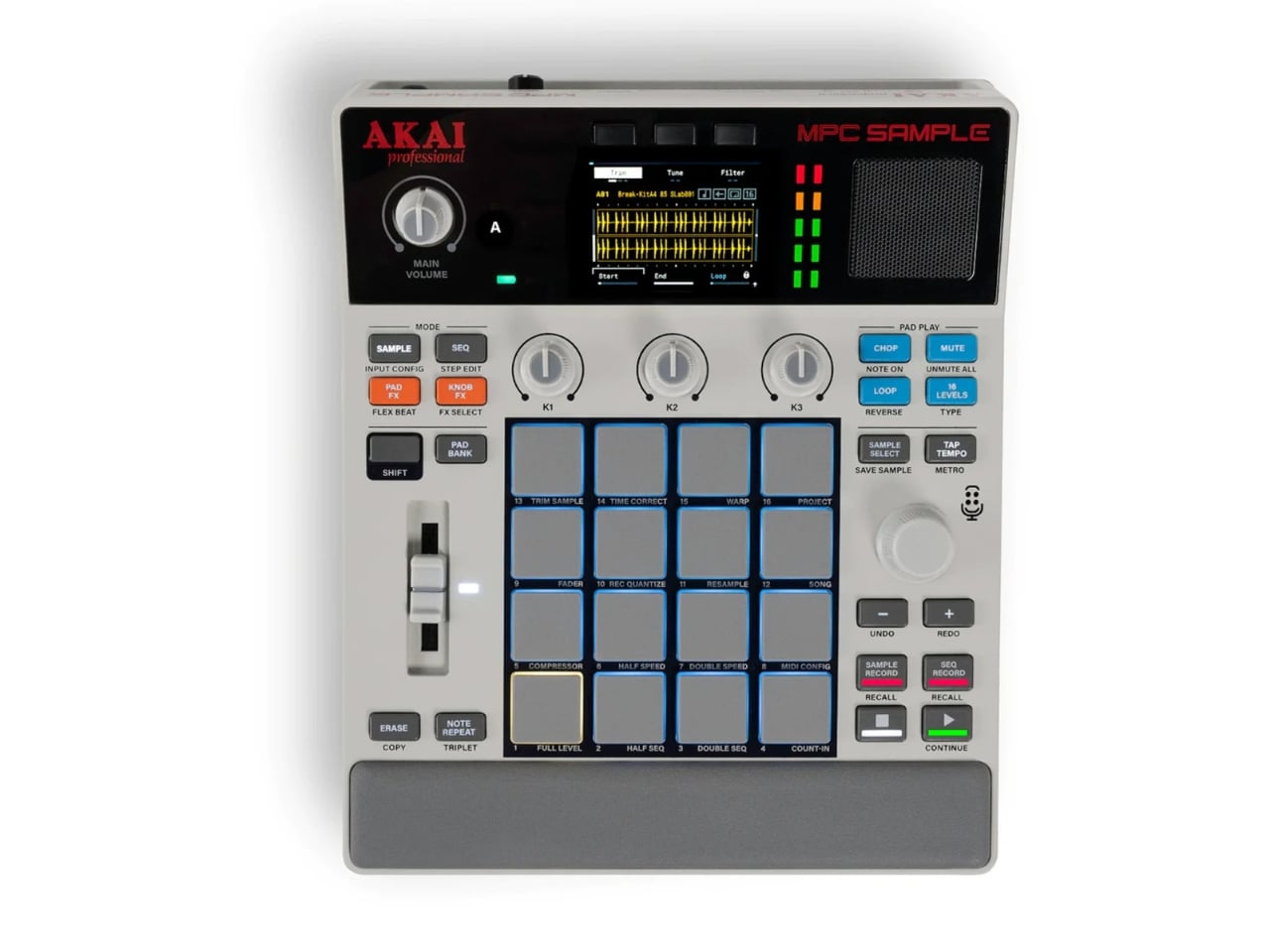
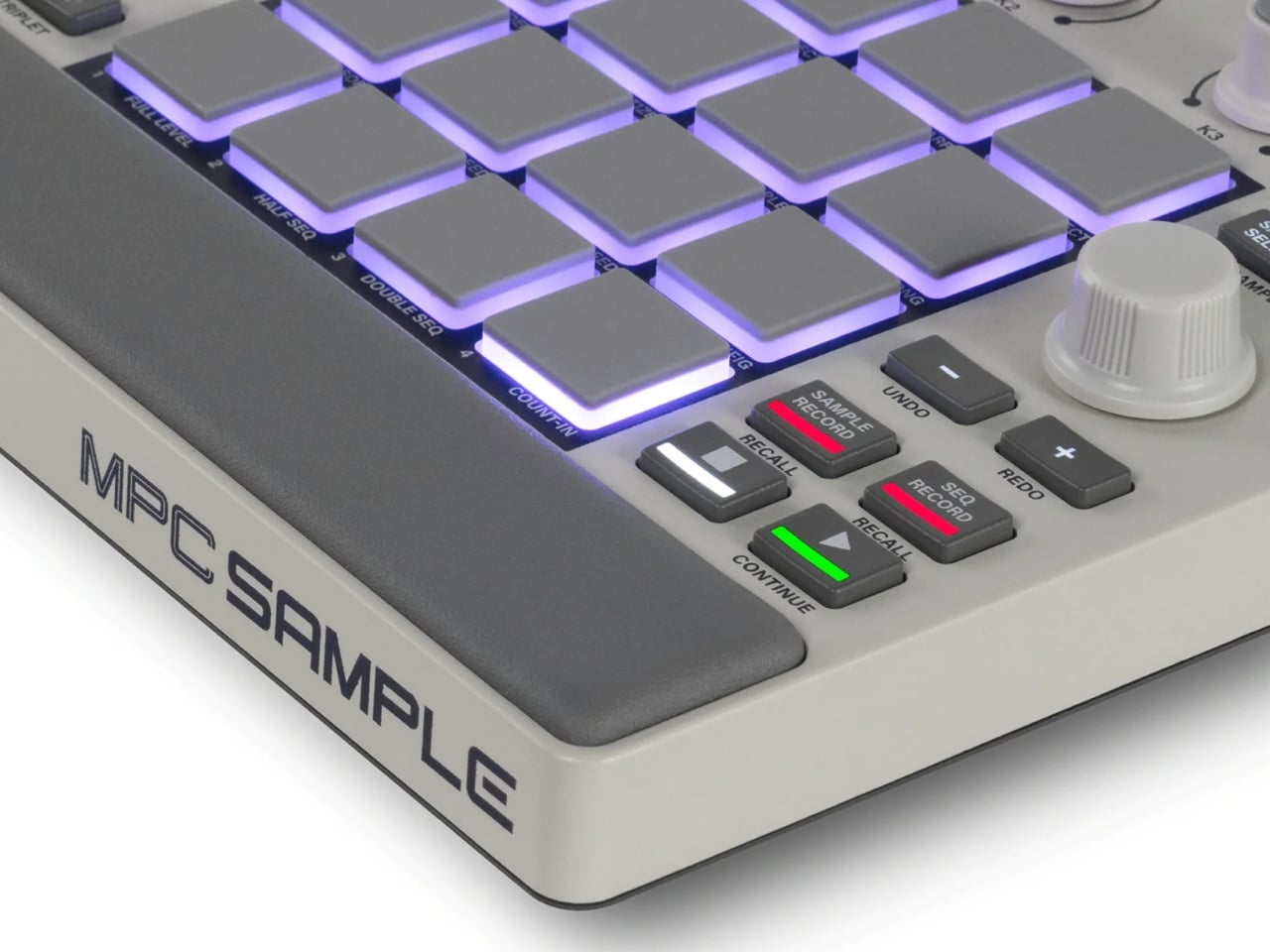
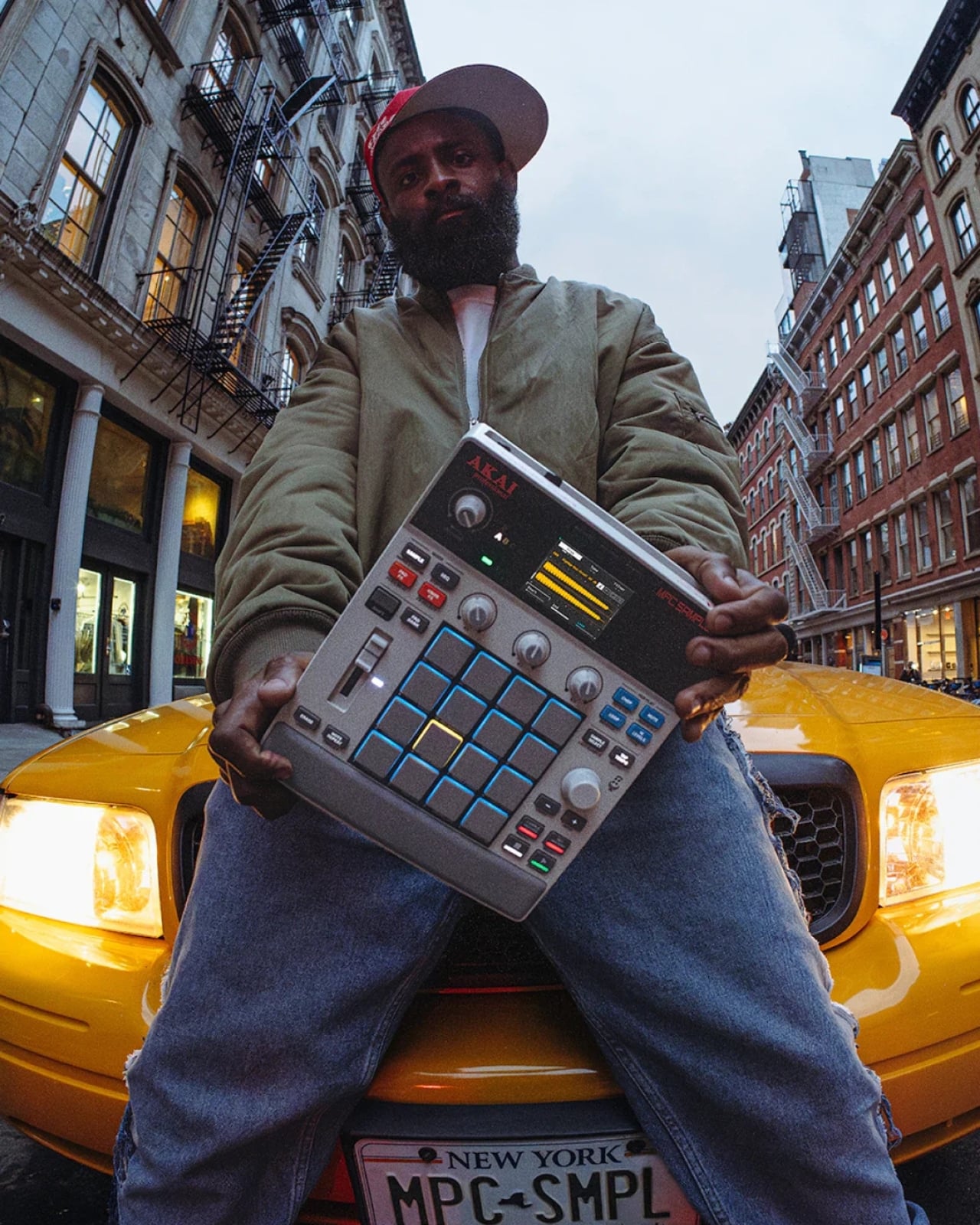
The design is where things get really interesting. The MPC Sample draws direct visual inspiration from the MPC60, one of the most beloved pieces of music hardware ever made. The color palette is restrained and tasteful. The layout is clean. The 16 RGB velocity-sensitive pads sit front and center with that familiar grid arrangement, and the inclusion of a legacy parameter fader is a genuinely nice nod to the hardware that built the MPC name. The Verge called it a favorite portable beat maker, and you can see why the moment you look at it. It feels considered in a way that a lot of modern gear doesn’t.

Look at it a little longer and you start noticing the smaller decisions. The padded wrist rest. The way the button layout doesn’t fight for your attention. The muted color scheme that feels closer to a vintage synthesizer than a modern gadget. A lot of companies chasing the retro aesthetic tend to overcook it, leaning so hard into nostalgia that the product starts to feel like a costume. The MPC Sample avoids that entirely. It looks like something that was always going to exist, not something designed to remind you of something else. The proportions are right. The materials feel intentional. For a $399 device, the level of design restraint on display is genuinely impressive, and honestly a little rare.

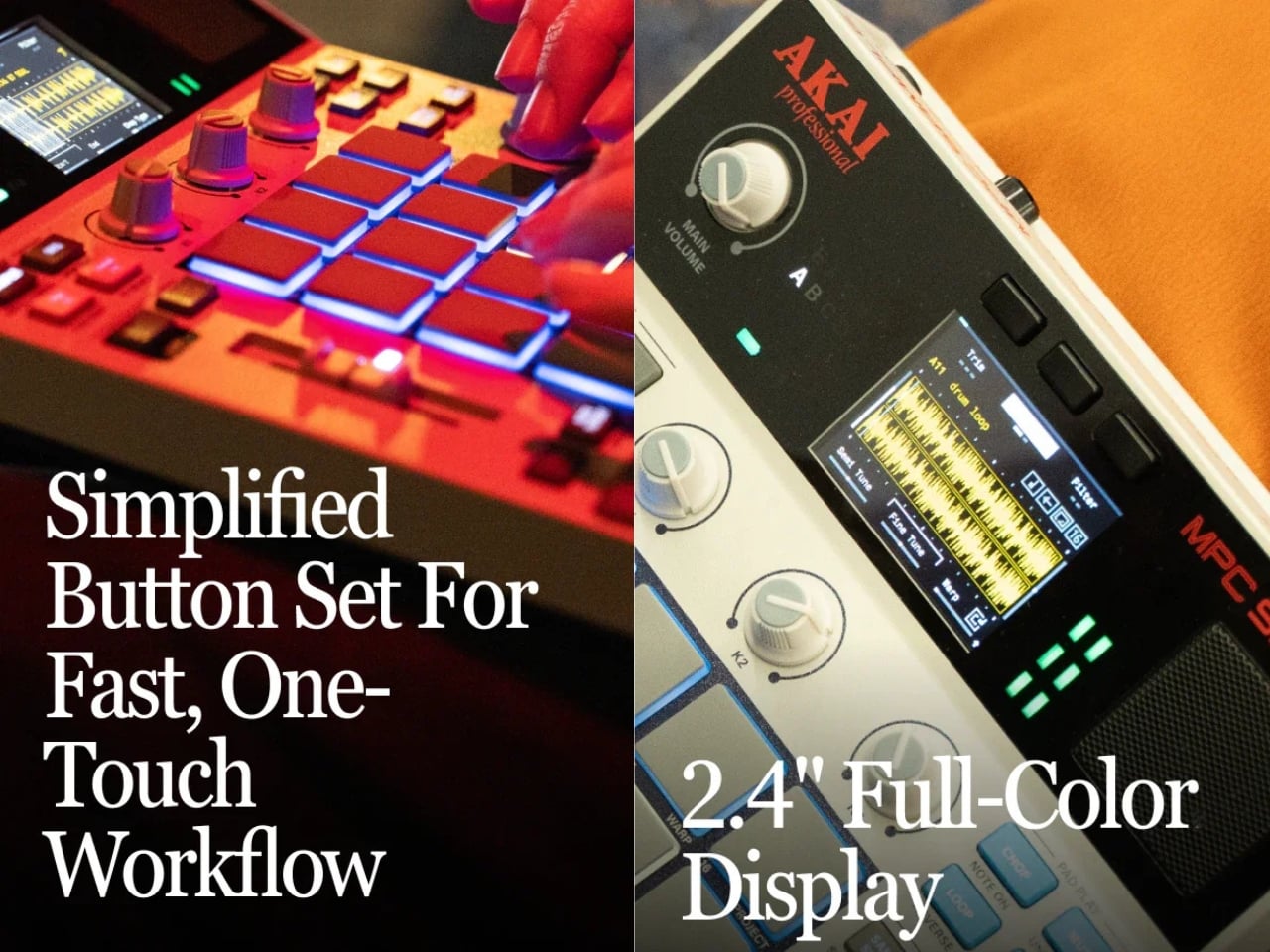
That last point is worth dwelling on. Hardware design in the music world tends to fall into two camps: either overloaded and intimidating, or stripped down to the point of being frustrating. The MPC Sample sits in a much more interesting middle ground. The 2.4-inch full-color display is there when you need to visualize your waveform. The three real-time control knobs handle effects on the fly. The Instant Sample Chop mode, the real-time timestretch and repitch, the 60 effect types spread across four engines: it’s capable without being overwhelming. For someone new to sampling, that balance is almost everything.

It’s worth noting the price context here. The original MPC60 launched in 1988 at $4,999.95, which works out to roughly $13,800 in today’s money. The MPC Sample does things the MPC60 couldn’t dream of, for $399. That’s not just a deal; that’s a philosophical shift in who gets to make music with professional-grade tools. The fact that it ships loaded with over 100 factory kits, 2GB of RAM, and 8GB of internal storage, with room to expand via microSD, makes the entry point feel even more generous.

Nothing is without trade-offs, though. Five hours of battery life is solid for a focused session but won’t carry you through a full travel day. The built-in speaker works fine for quick monitoring, but you’ll want headphones for anything serious. And the MPC ecosystem, while powerful, has always carried a learning curve for newcomers. The MPC Sample softens that curve considerably, but it doesn’t disappear entirely.

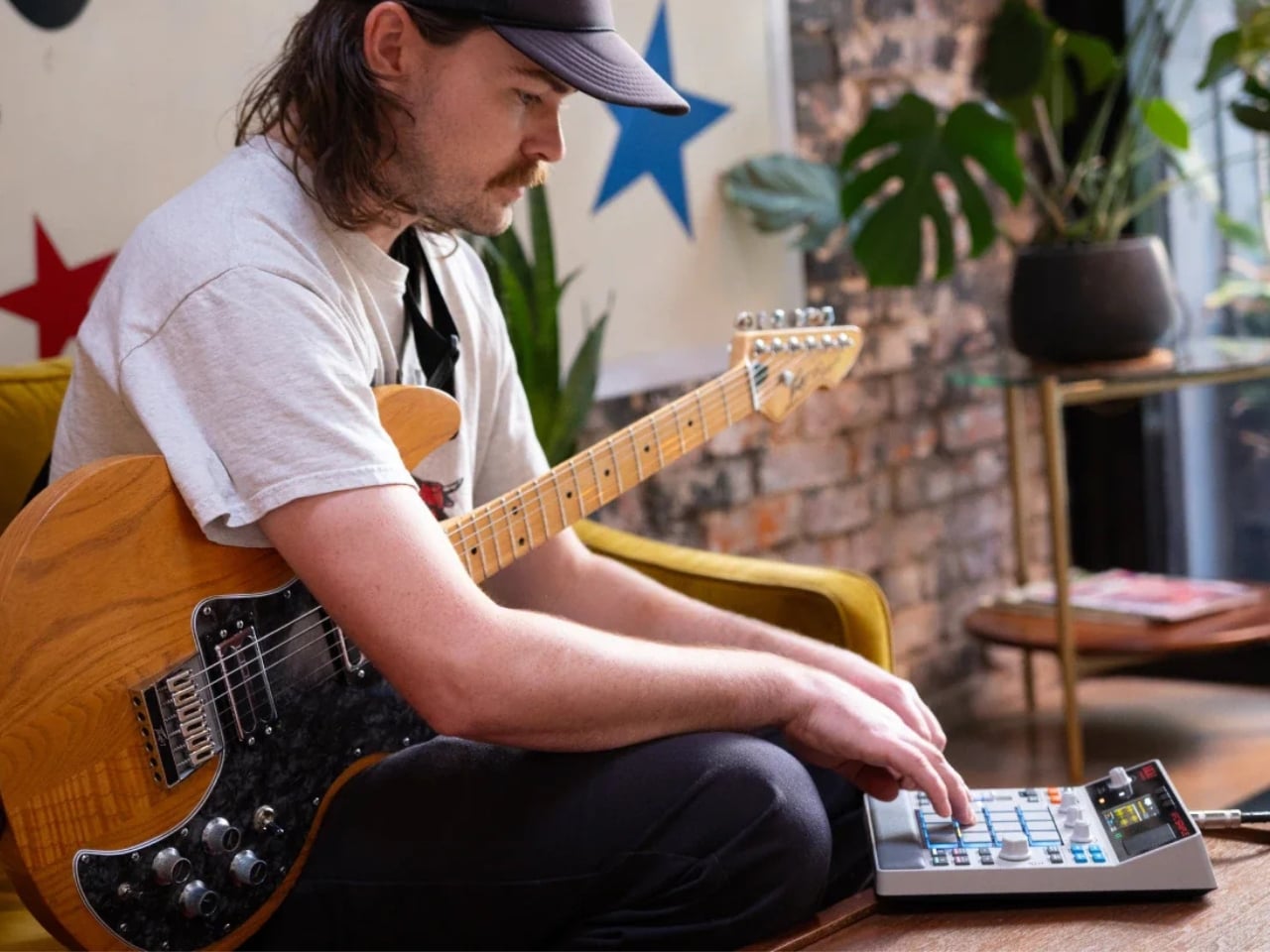
What makes the MPC Sample feel culturally significant isn’t only its portability or its price point. It’s the way it takes something with nearly 40 years of creative history and makes it genuinely accessible without watering it down. The design respects the legacy. The features serve the workflow. The whole thing is small enough to go anywhere, which might actually be the most radical thing about it. Creativity has always been portable in theory. The MPC Sample is making it portable in practice. At $399, it’s the kind of object that quietly makes you reconsider where, and how, you make things.

The post The $399 MPC Sample Finally Makes Beatmaking Beautifully Portable first appeared on Yanko Design.
The World’s First Eye-Tracking Smart Glasses Are Here : Fully Tested

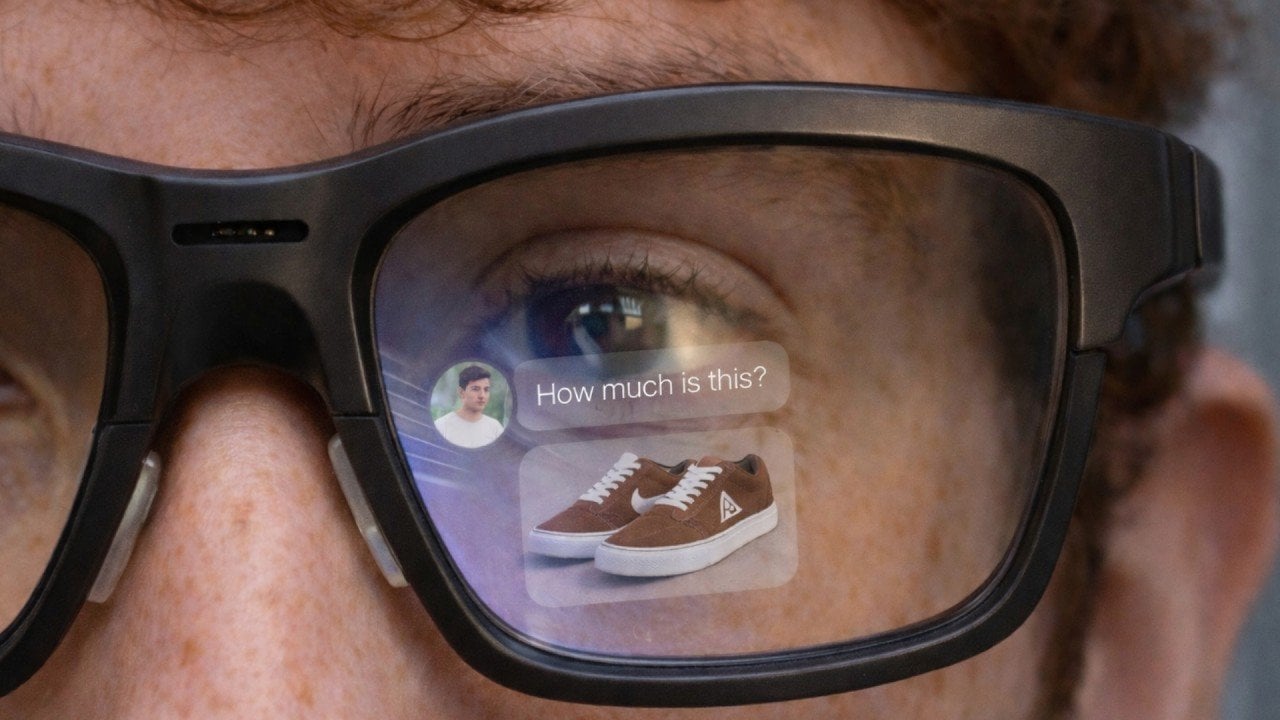
The World’s First Eye-Tracking Smart Glasses Are Here : Fully Tested Side view of 47g Maverick AI glasses with adjustable nose pads and a single-lens display.

The Maverick AI and AI Pro smart glasses bring native eye-tracking capabilities and advanced AI features to wearable technology. Weighing just 47 grams and priced under $400, these glasses include a full-color display powered by Every Sight Beam Optics and adjustable nose pads for comfort. Steven Sullivan examines how these features, along with customizable settings, […]

The post The World’s First Eye-Tracking Smart Glasses Are Here : Fully Tested appeared first on Geeky Gadgets.

Posted in Uncategorized

iOS 26.4 is Here: 12 Settings to Change for Better Battery and Privacy

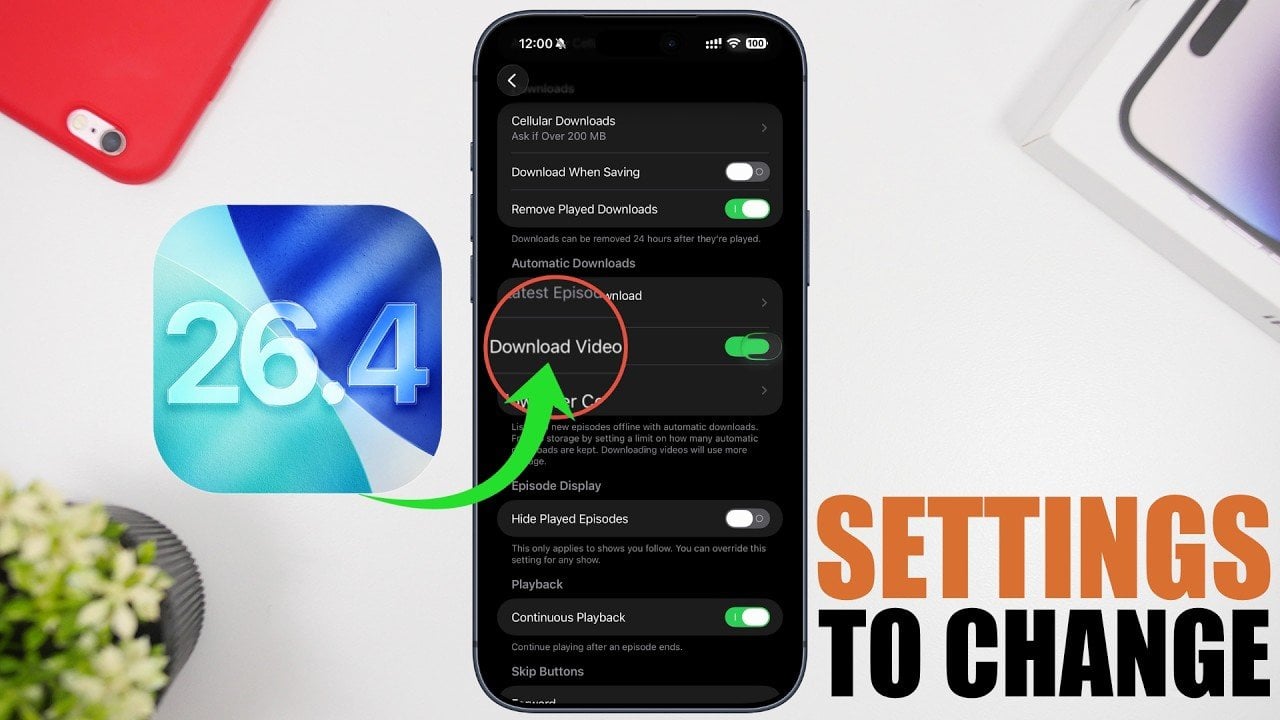
iOS 26.4 is Here: 12 Settings to Change for Better Battery and Privacy Featured image for iOS 26.4 - 12 Settings You NEED to Change Immediately !

Apple’s iOS 26.4 brings a host of new features designed to enhance your device’s performance, security, and overall usability. To fully benefit from these updates, it’s crucial to adjust specific settings that align with your needs. Below, we explore 12 essential changes you should make immediately to optimize your experience. The video below from iReviews […]

The post iOS 26.4 is Here: 12 Settings to Change for Better Battery and Privacy appeared first on Geeky Gadgets.

Posted in Uncategorized

Master Claude’s New "Projects” Feature in Under 10 Minutes

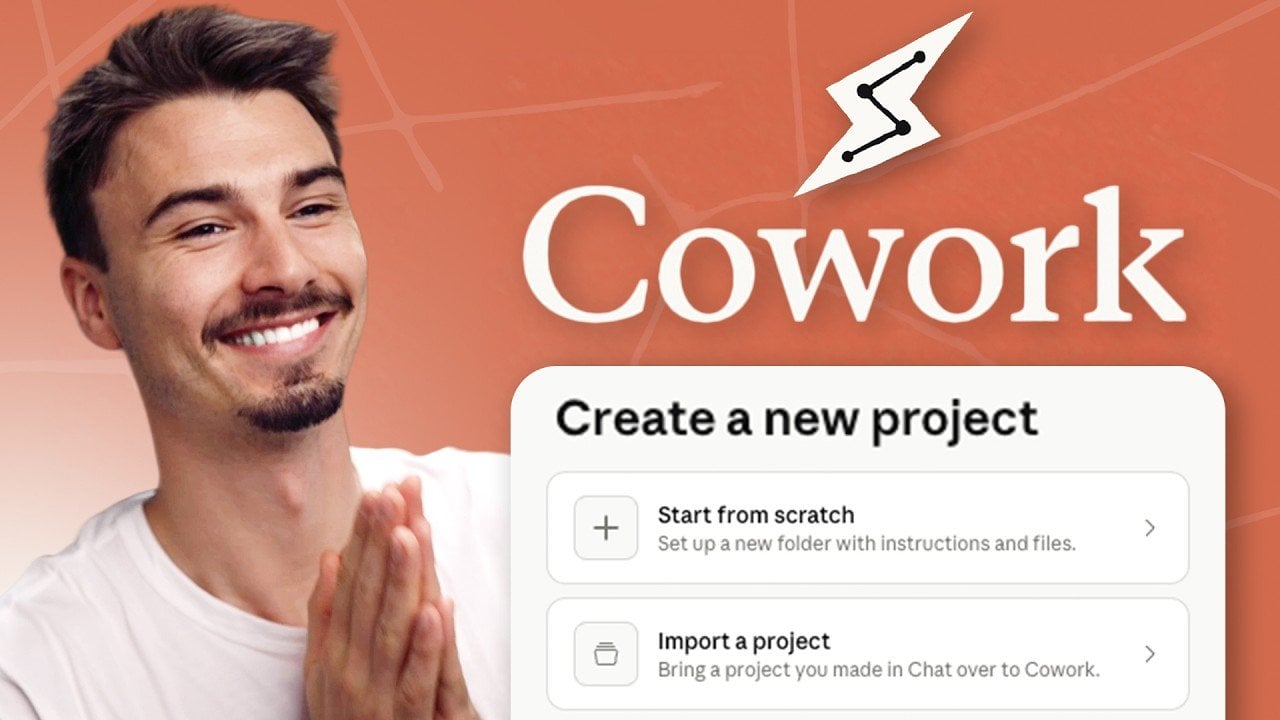
Master Claude’s New Claude Projects dashboard showing separate spaces for personal, work, and side projects with saved context and tasks.

The AI Advantage examines the “Projects” feature in Claude Cowork, a structured system for managing tasks that prioritizes clarity and organization. This feature enables users to create dedicated workspaces with custom memories, markdown file integration and task scheduling. For instance, a project can store detailed information about a specific team initiative, making sure tasks are […]

The post Master Claude’s New “Projects” Feature in Under 10 Minutes appeared first on Geeky Gadgets.

Posted in Uncategorized