km5’s Sp1 Speaker and Mp1 Mixer Give CD Listening a DJ-Style Twist

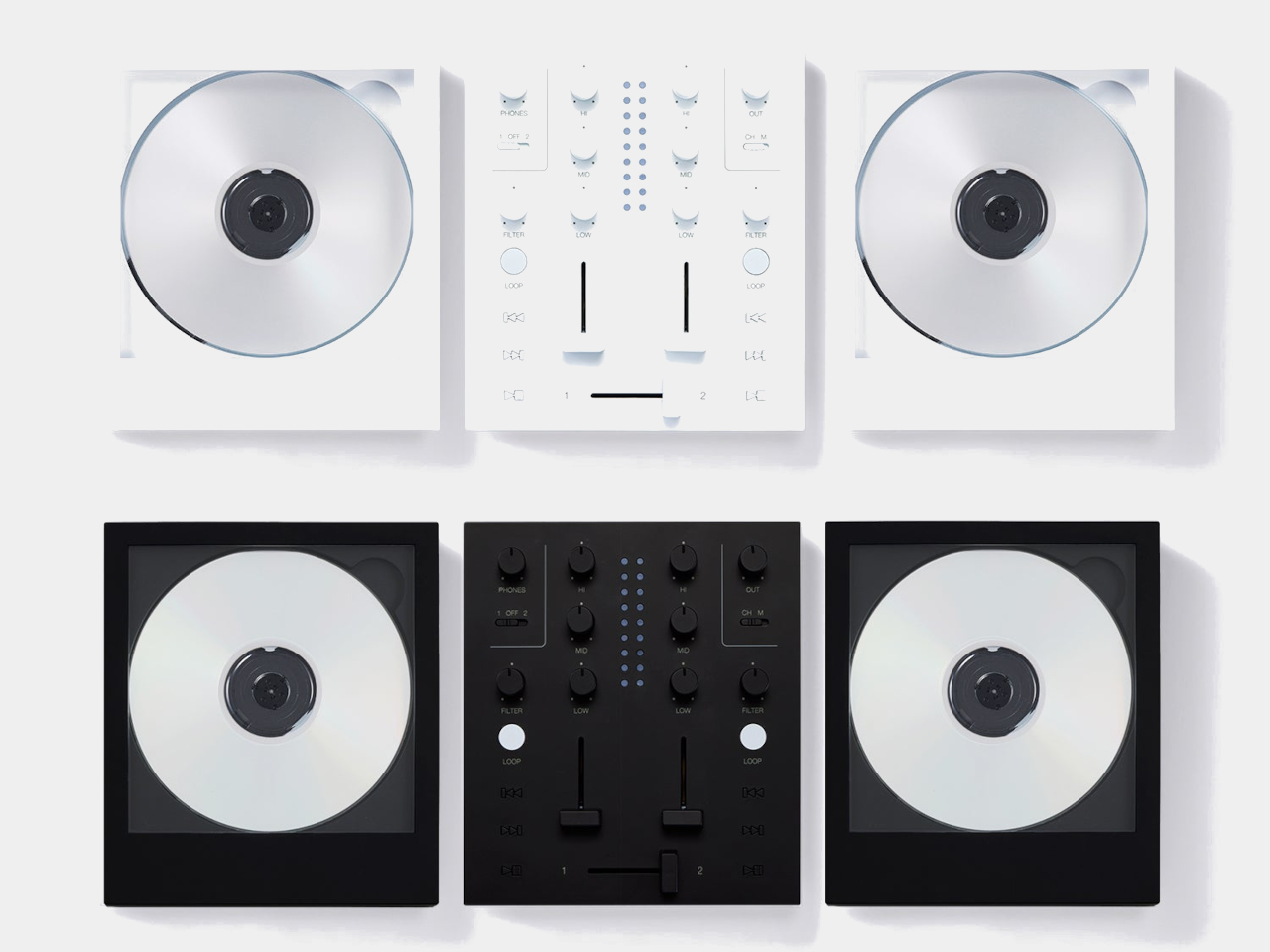
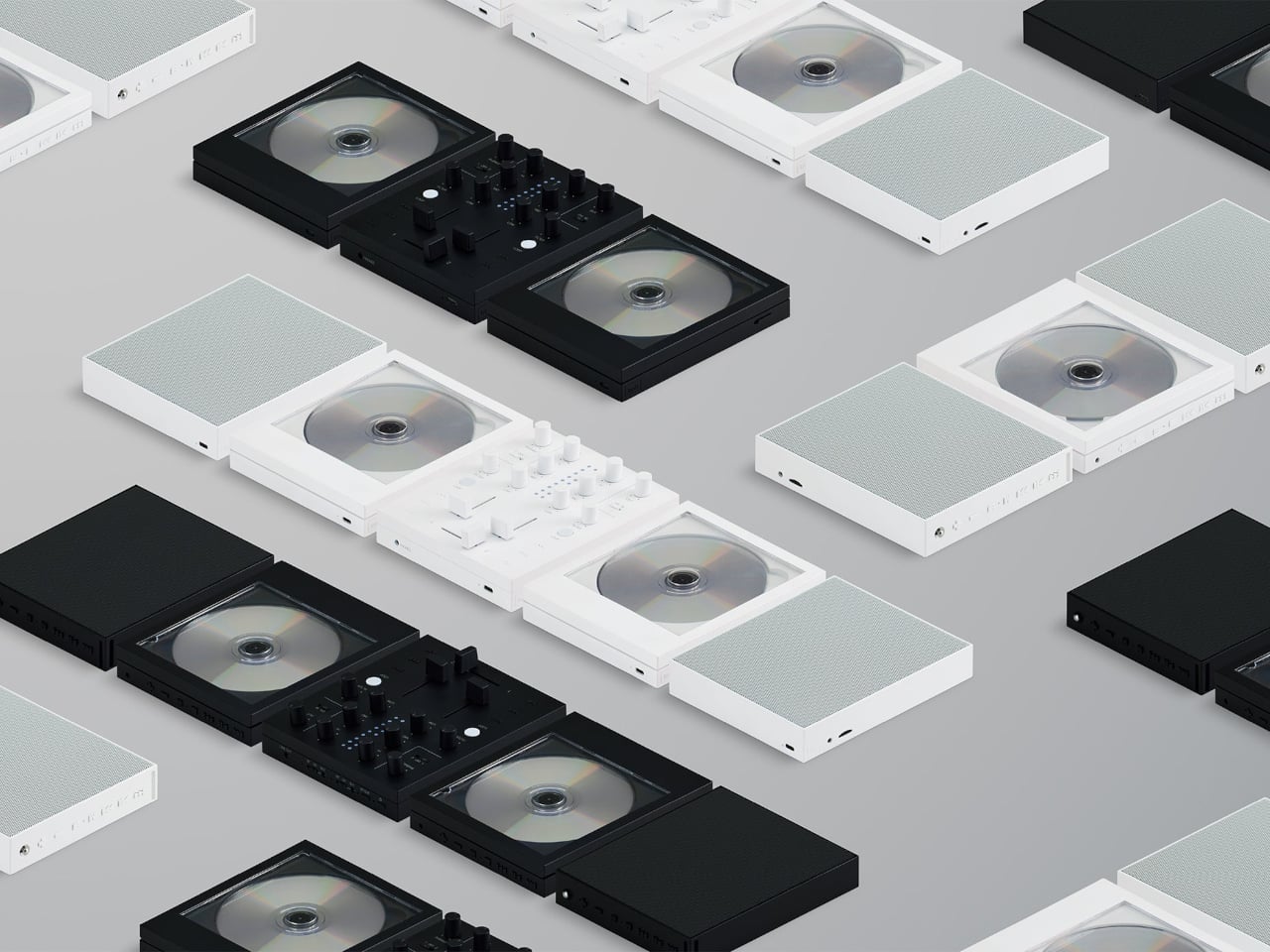
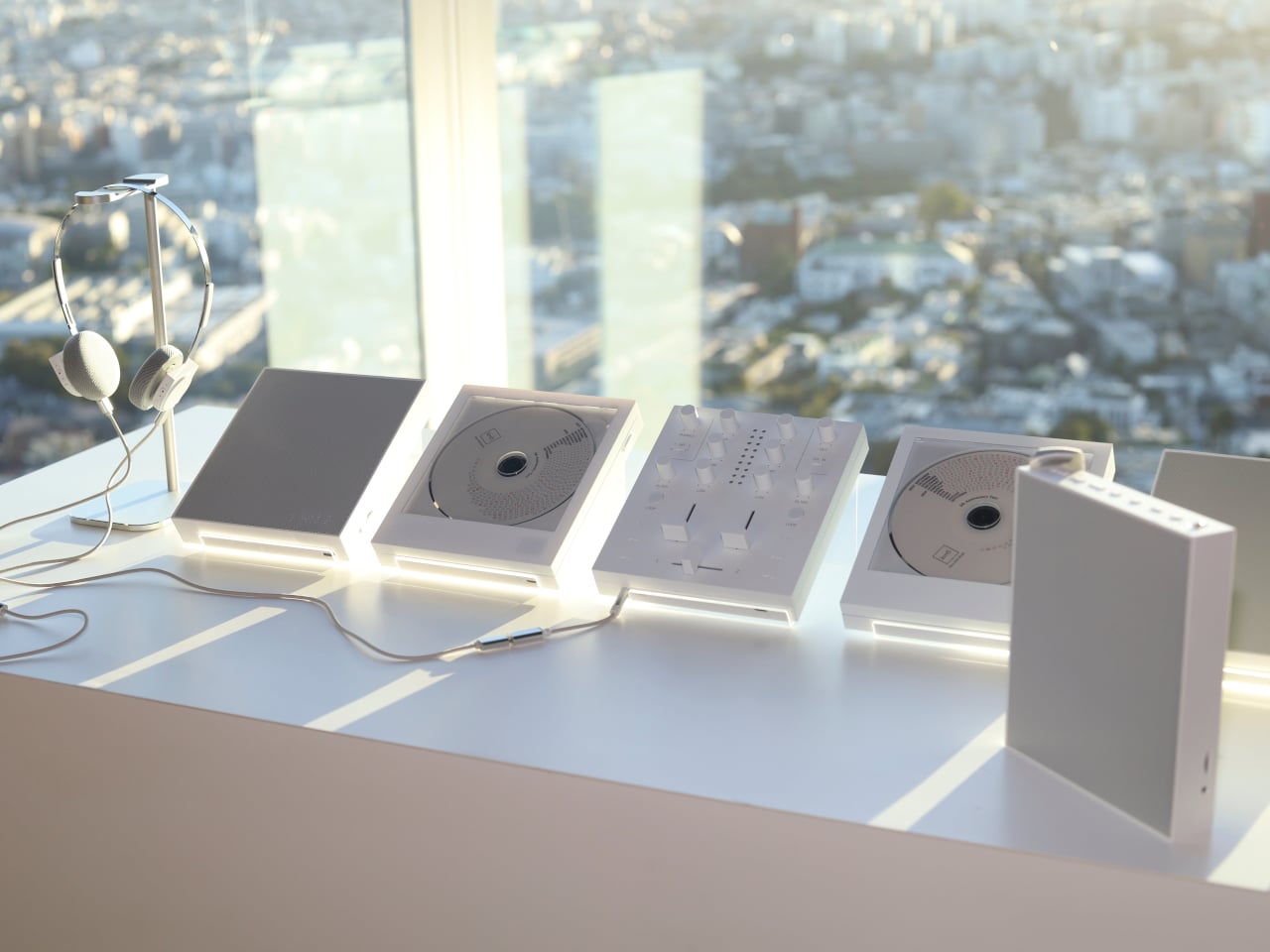
There’s something satisfying about choosing a CD, even if most of us have become accustomed to tapping a screen instead. The trouble is finding audio equipment you’d actually want to leave on display. km5’s newly announced Sp1 speaker and Mp1 mixer give its Cp1 CD player some equally minimalist company, letting you listen to favorite albums or try your hand at mixing them.

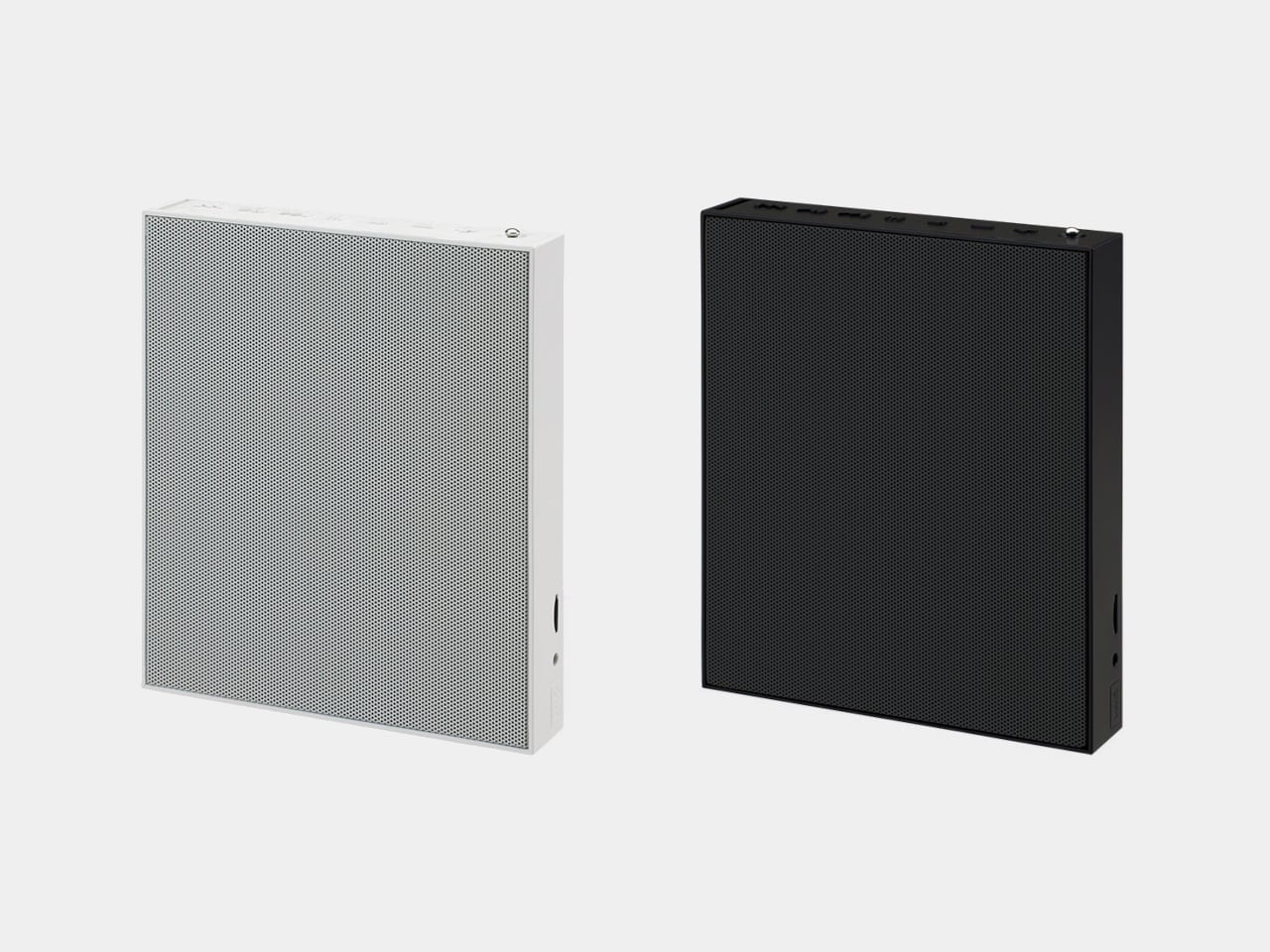
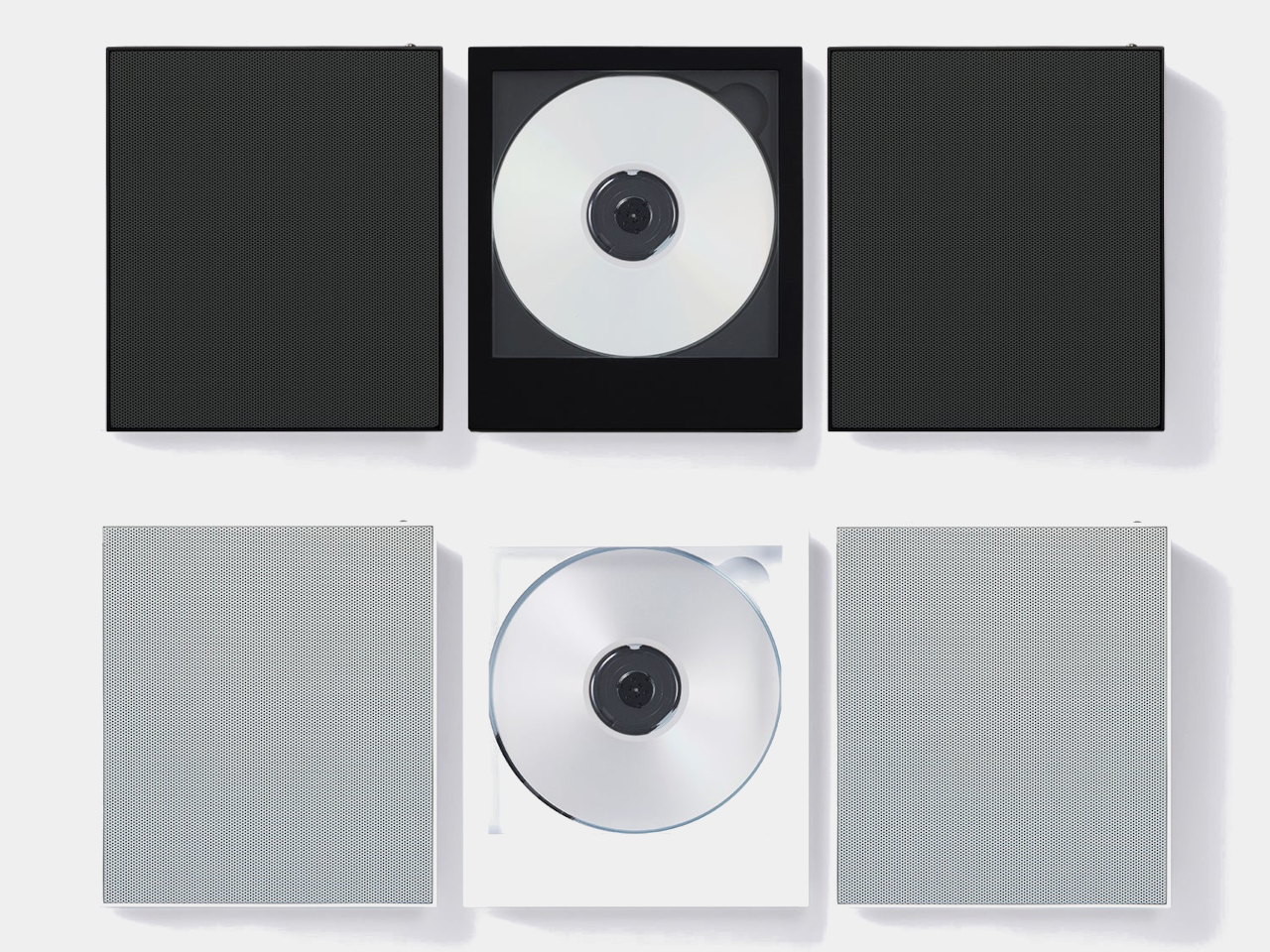
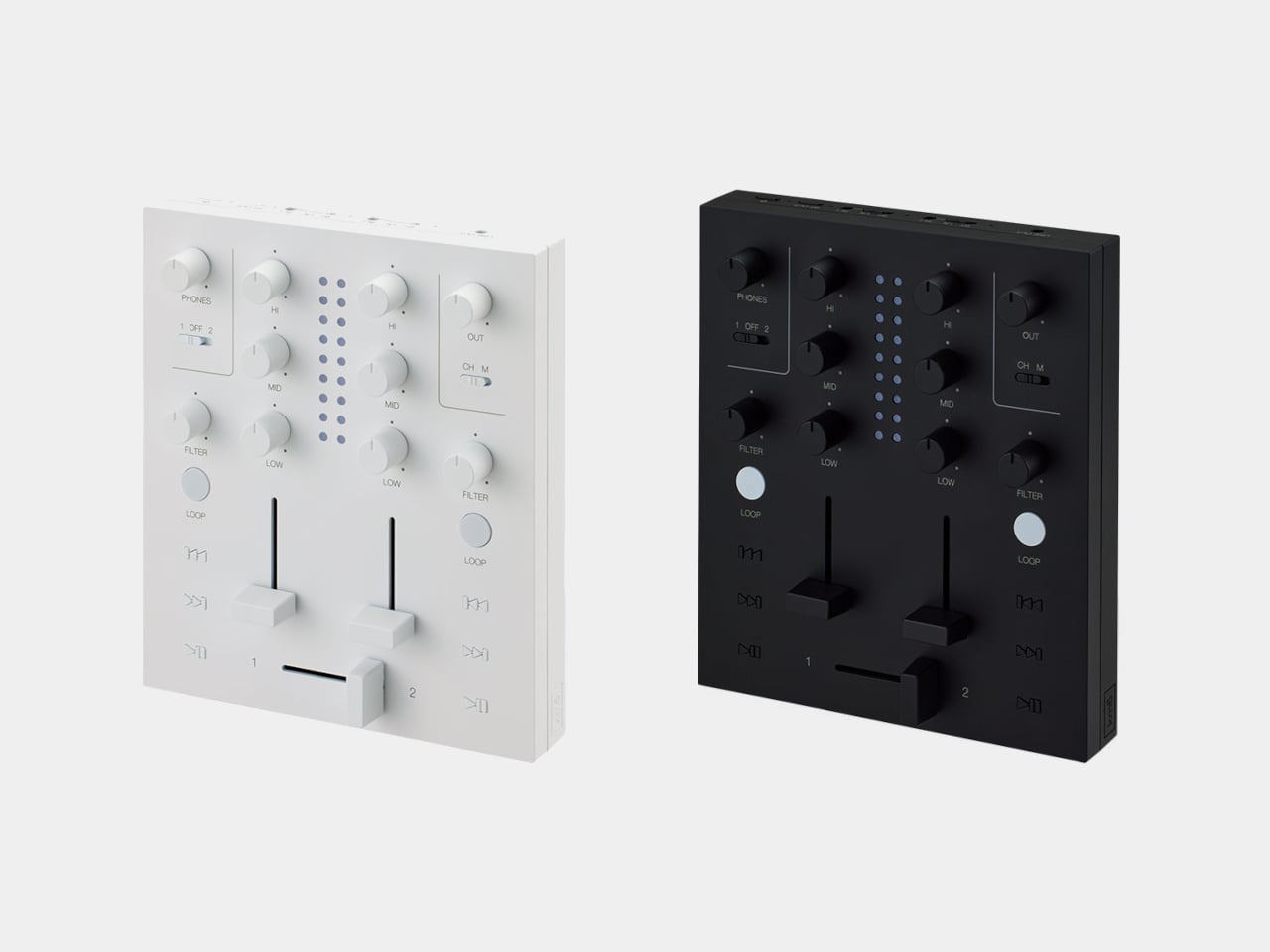
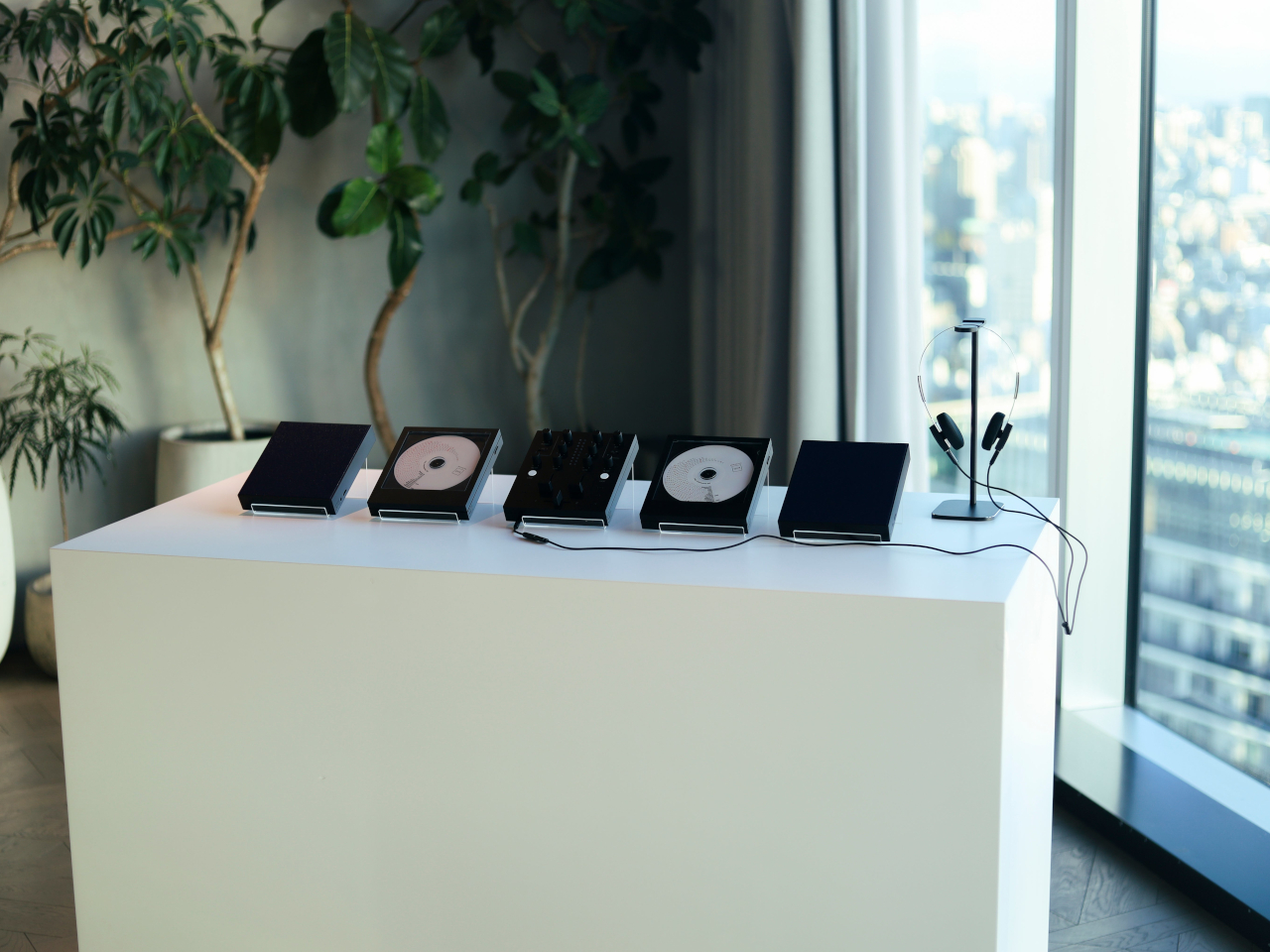
Both borrow the Cp1’s flat, frame-like format, with black or white finishes that let the pieces sit together without looking like an assortment of unrelated electronics. The Sp1 puts a perforated grille where the player displays its disc, while the Mp1 fills that space with knobs and sliders. They share the same size, but each makes its purpose clear through its front surface.

Designer: km5
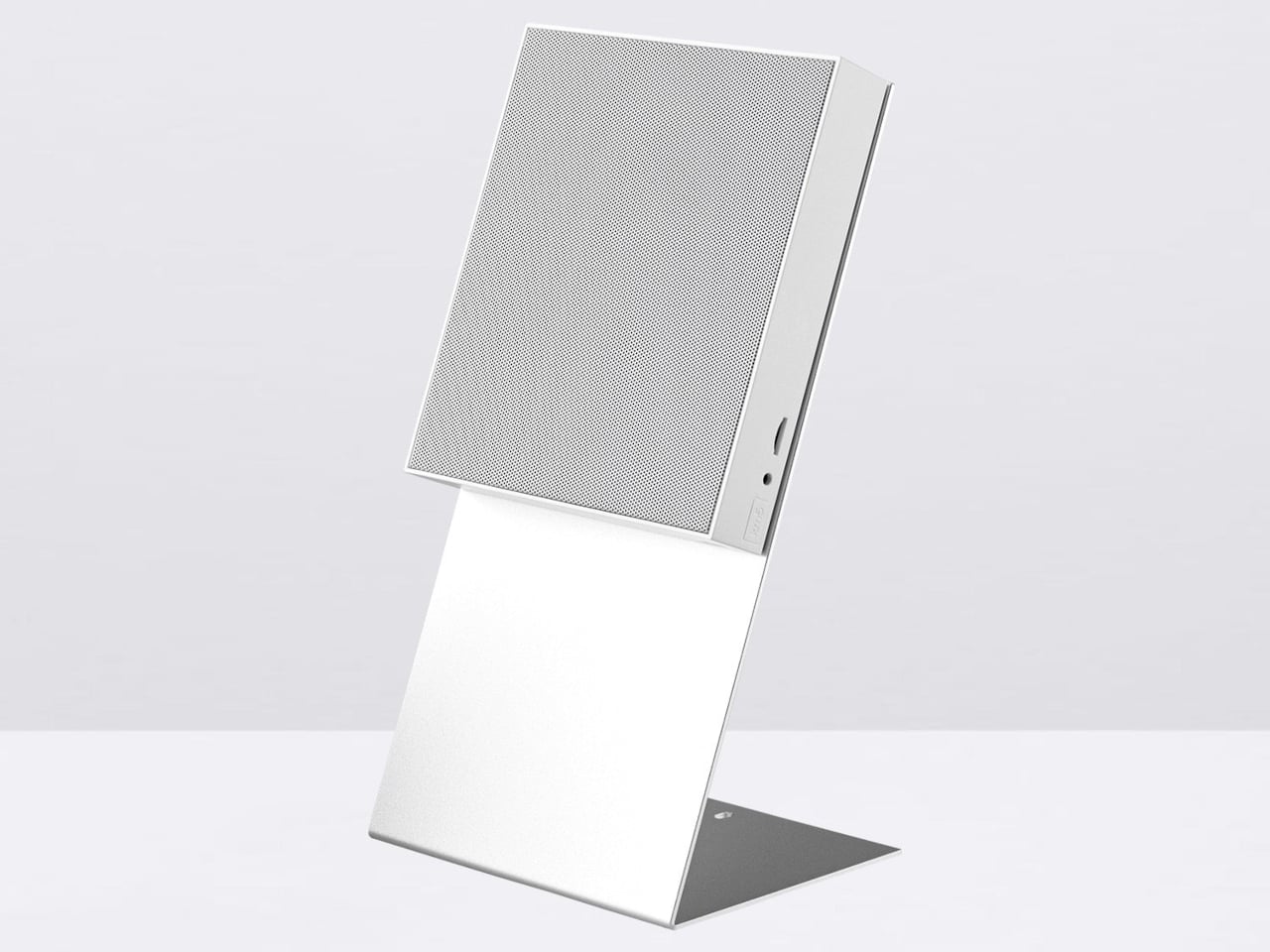
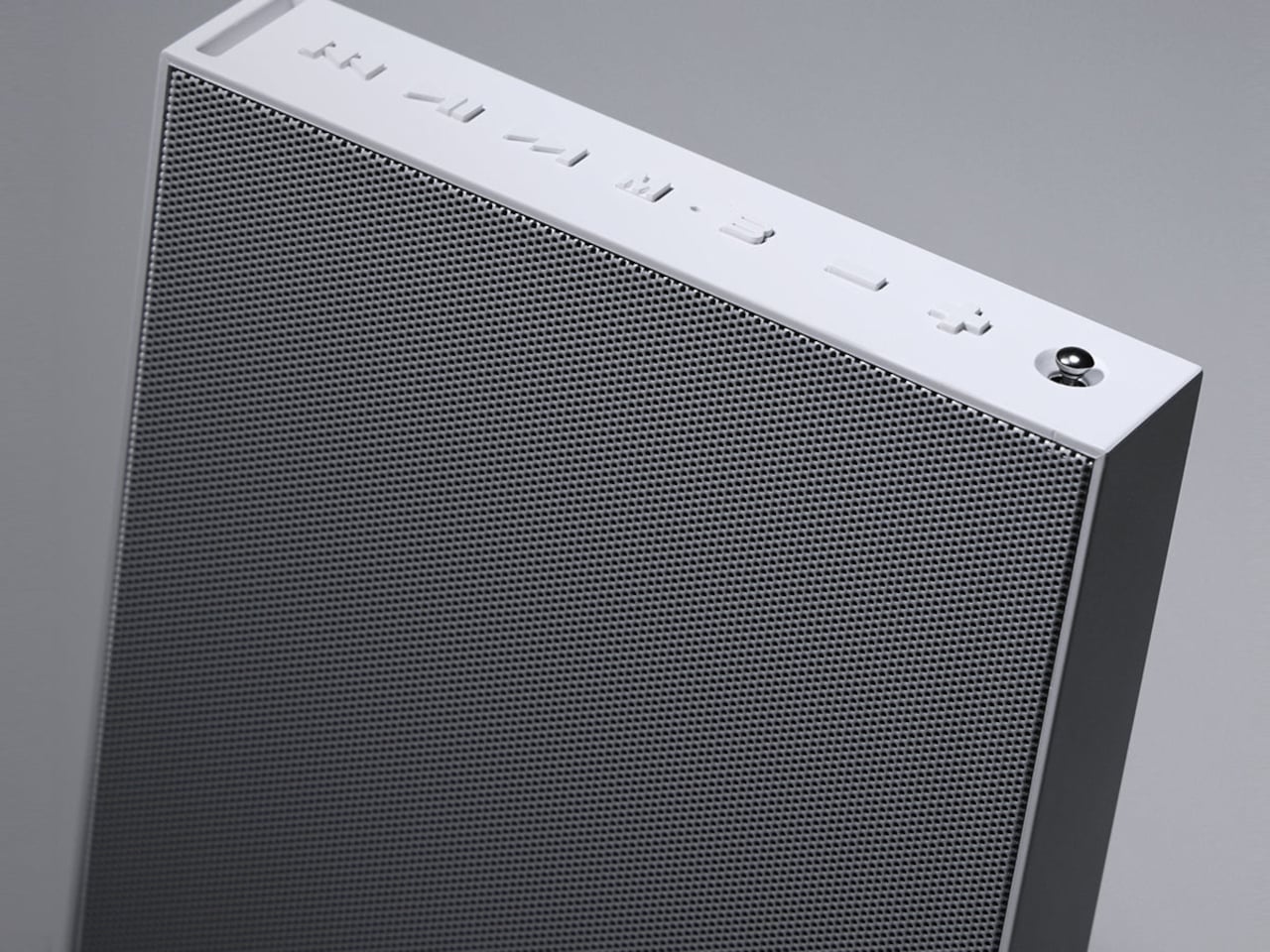
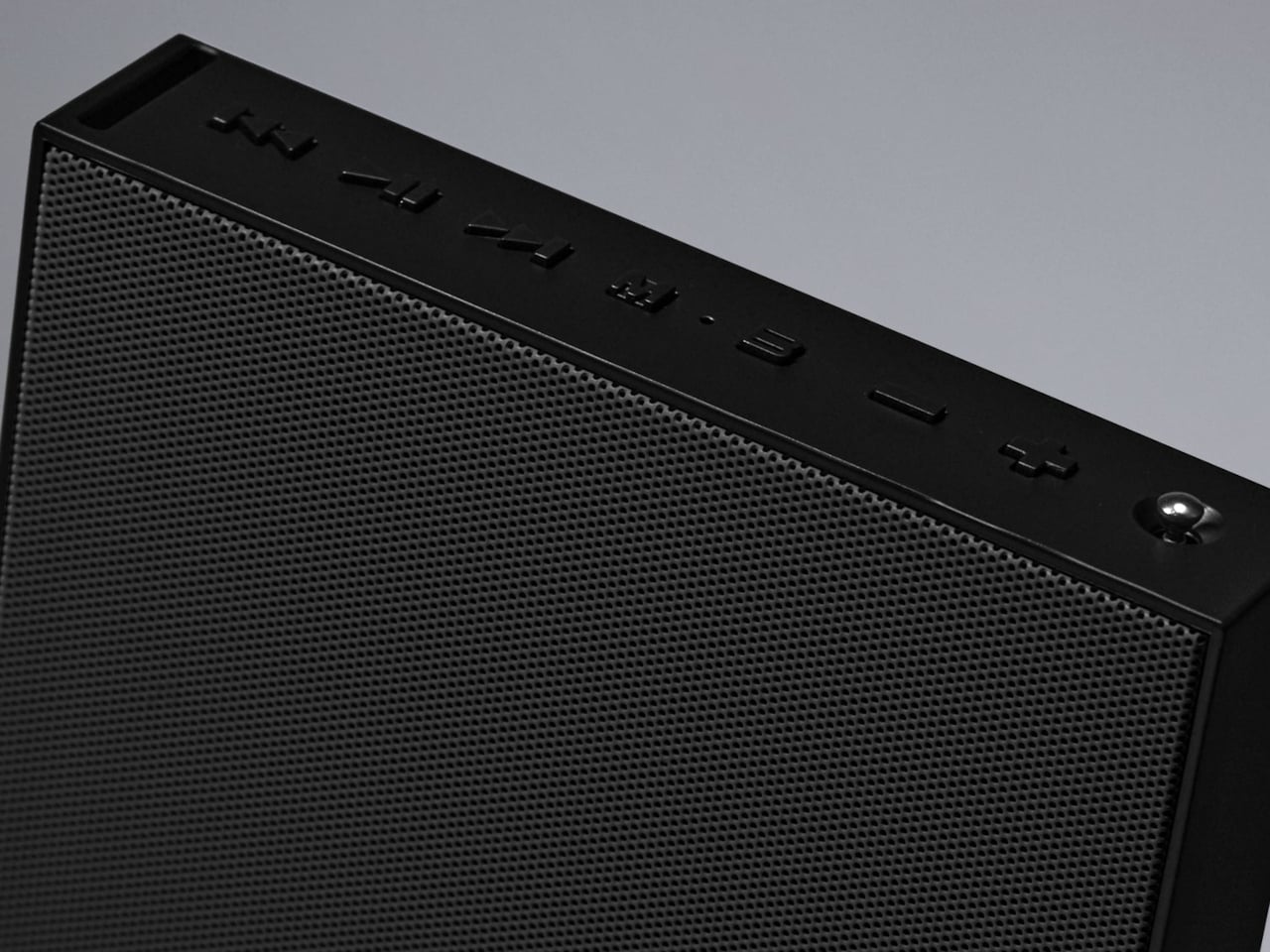
The speaker has a few surprises behind that otherwise quiet appearance. A dot-matrix display sits beneath the grille, showing the time and playback information without carving out a separate screen on the front. Physical buttons occupy the top edge alongside a retractable metal antenna. That last detail gives away the Sp1’s other role as an FM radio that doesn’t need to borrow your phone.

Inside are two 1.77-inch full-range drivers and two passive radiators, though their presence alone doesn’t tell us how convincing the bass will be. Bluetooth and microSD playback offer other ways to listen, and you can record radio programs, too. Pairing two Sp1 units provides stereo playback, letting a single speaker become part of a larger arrangement rather than something you’ve outgrown.
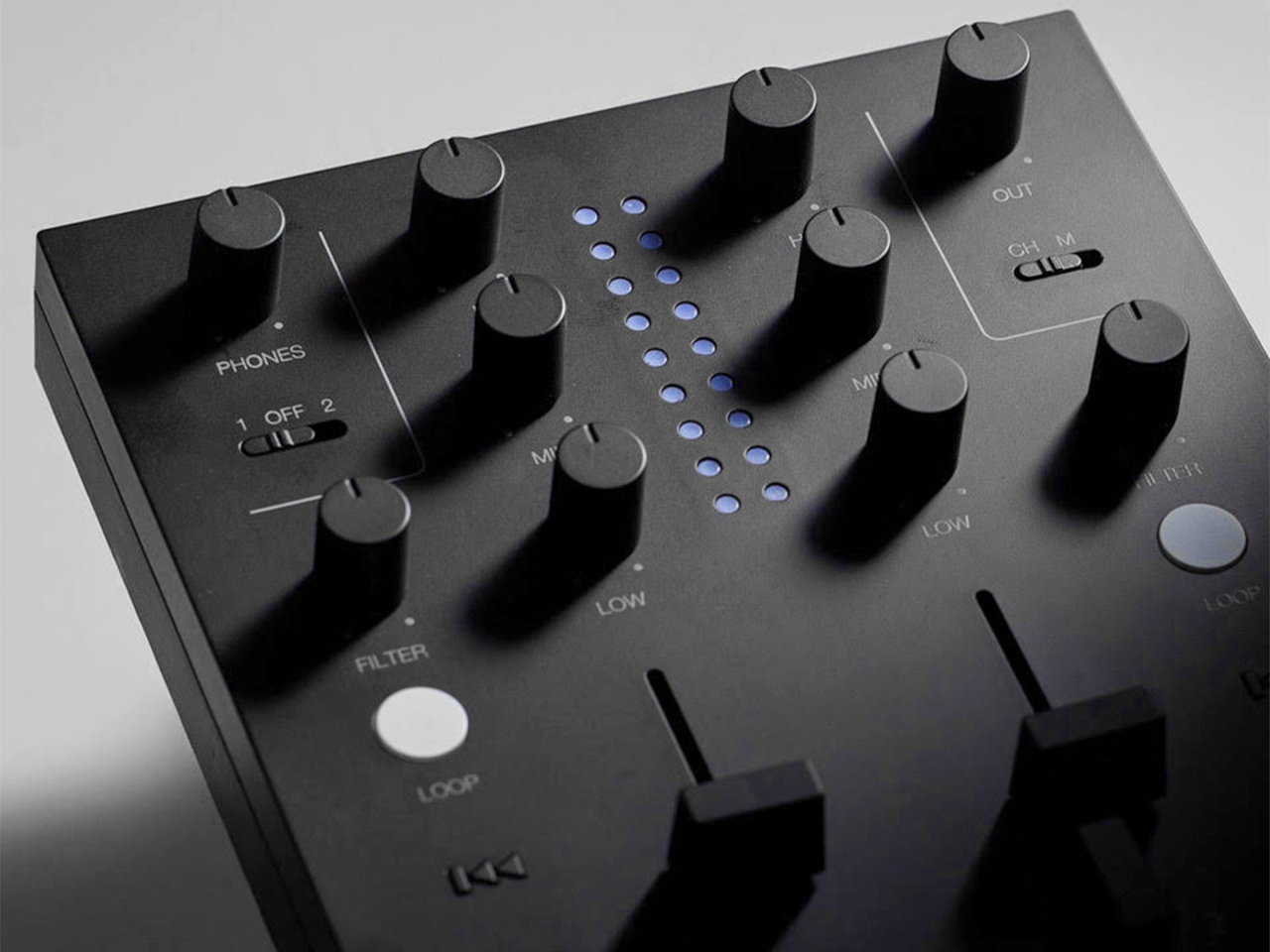
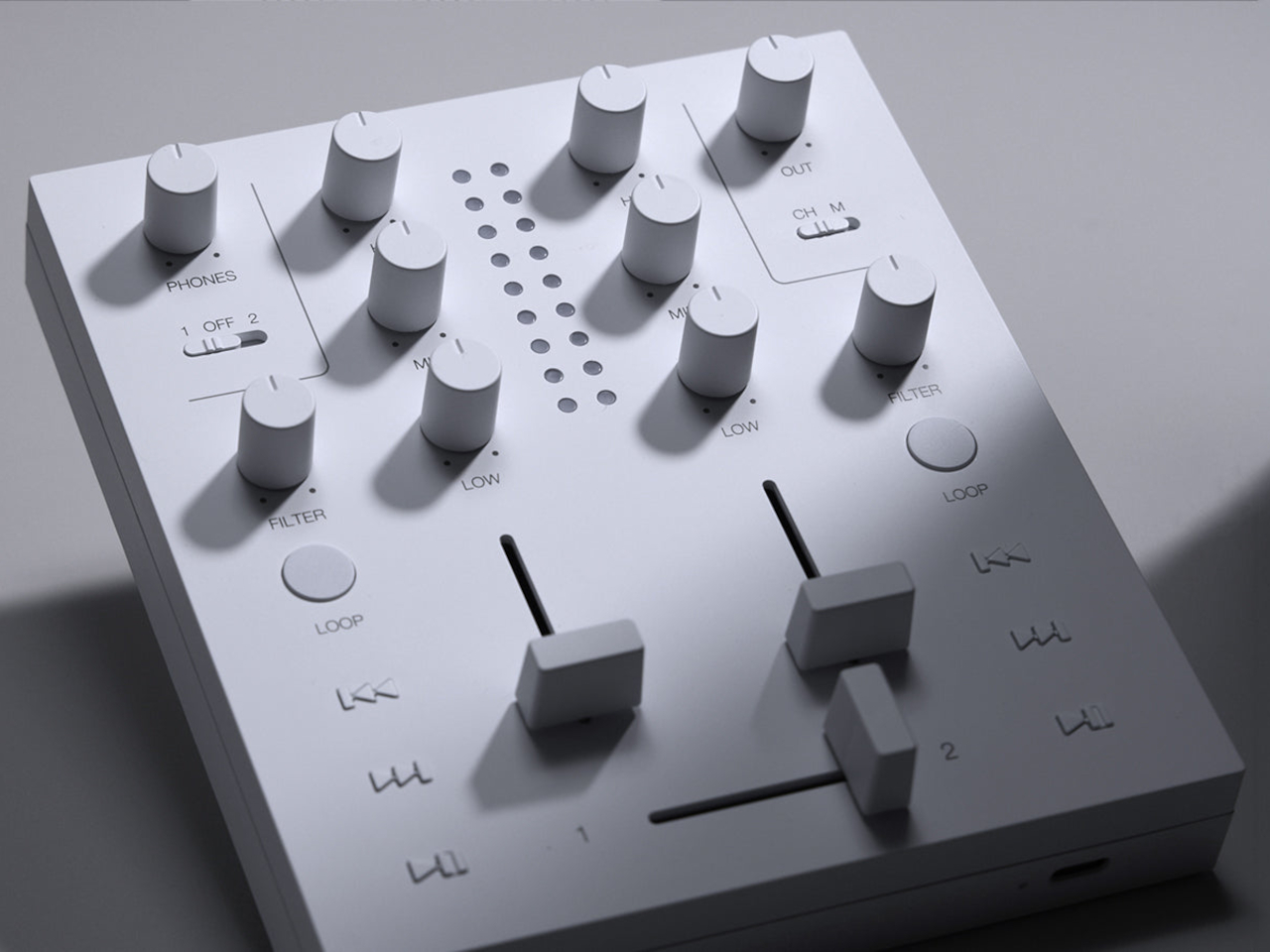
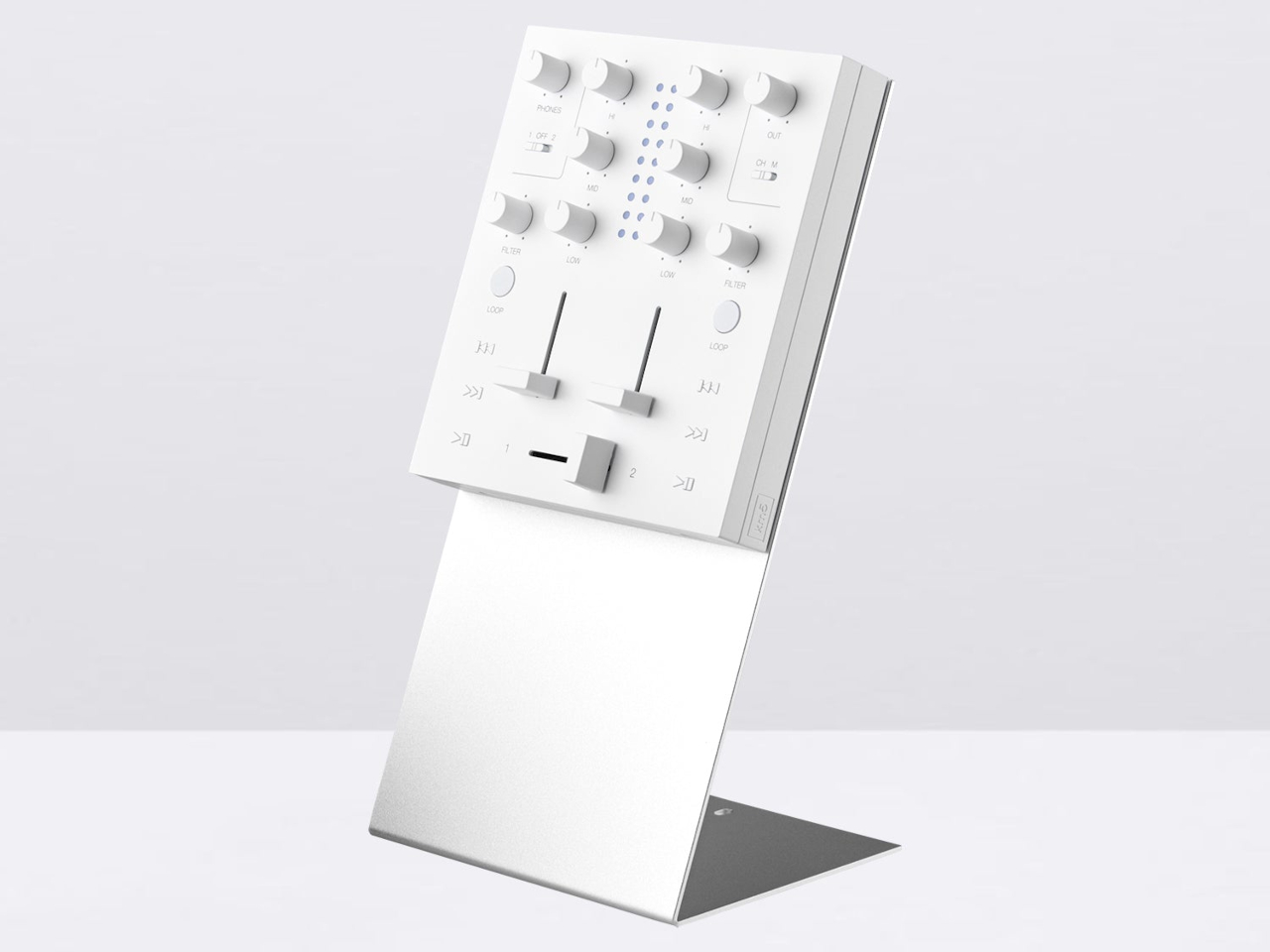
The Mp1, meanwhile, invites you to do something with the music beyond pressing play. Its two channels have separate level sliders, with a crossfader below for blending between sources. Three-band EQ controls adjust the bass, midrange, and treble, while filters change the sound further. Loop buttons repeat sections of a track, giving a favorite passage permission to stick around a little longer.

Two Bluetooth inputs let the mixer receive music from sources such as a Cp1 and a smartphone, then send the combined sound wirelessly to a compatible speaker. You aren’t required to own an entire matching set, thankfully. Line inputs and outputs also accommodate wired connections, though the published information doesn’t establish how much delay the completely wireless arrangement introduces when you’re trying to mix.
Built-in batteries make it easier to move the arrangement away from a desk, with km5 quoting approximately 12 hours for the speaker and six for the mixer. Optional wall-mount accessories offer another way to free up a surface. The mixer can even be operated on the wall, an unusual invitation to get up from the sofa and fiddle with the music yourself.

Preorders are scheduled to open on November 16, 2026, with km5 expecting shipments in February 2027 or later, though pricing remains unconfirmed. There’s also a practical limit to that portable party setup. The speaker’s quoted battery life is twice the mixer’s, so it might be ready for another album when your DJ booth is looking for a charger.
The post km5’s Sp1 Speaker and Mp1 Mixer Give CD Listening a DJ-Style Twist first appeared on Yanko Design.
The KitchenAid Luminaire Mixer That Glows On Your Countertop

I’ve recently started becoming more serious about cooking. I’m still in the beginner phase, so all I really need right now is a good set of pots and pans and a working stove. But I already have a running wish list of kitchen accessories I’d like to get someday, and a good stand mixer sits right at the top of it. KitchenAid® is a brand that’s always top of mind (if not top of my wallet), and the newest version of their mixer might just be the one that finally talks me into opening it.

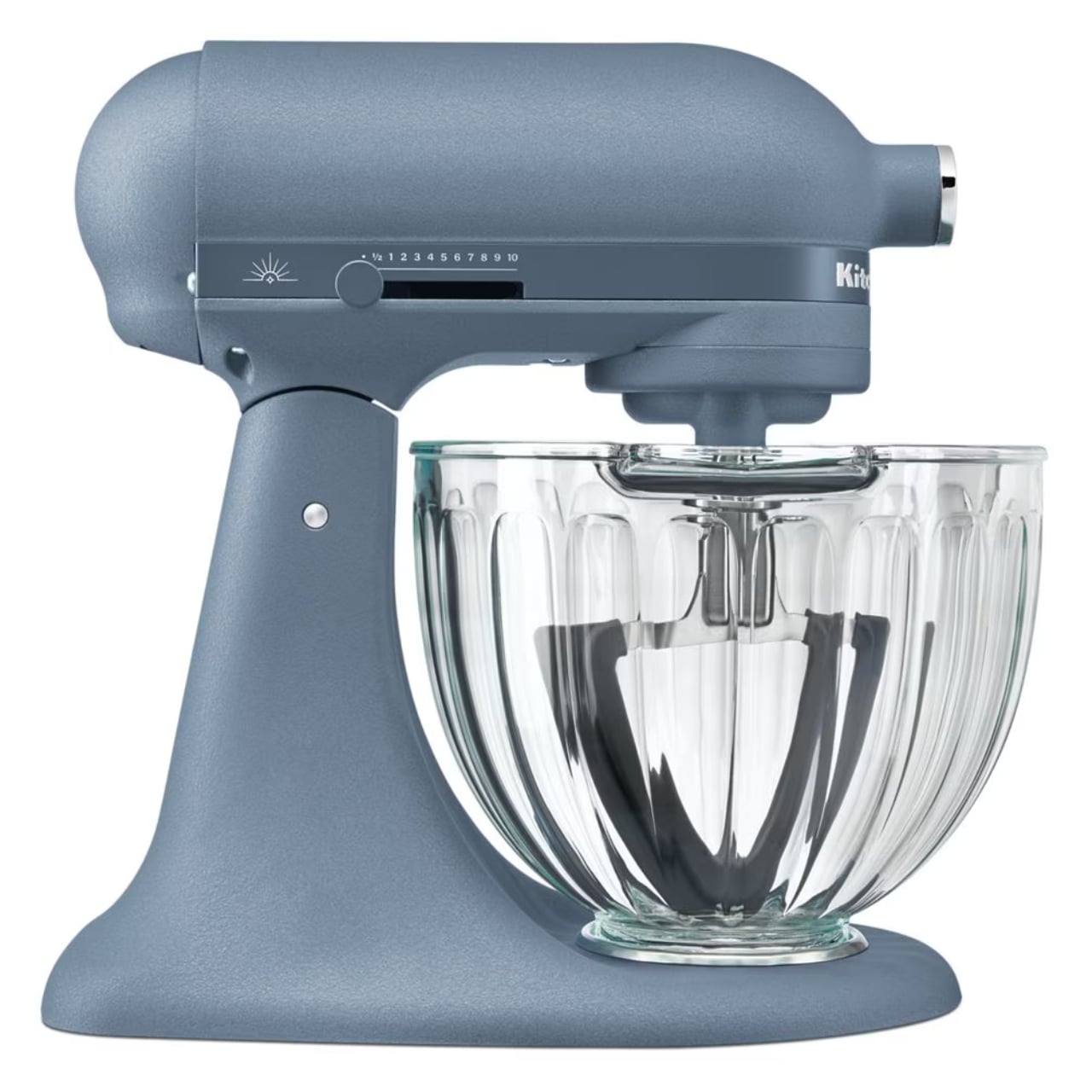
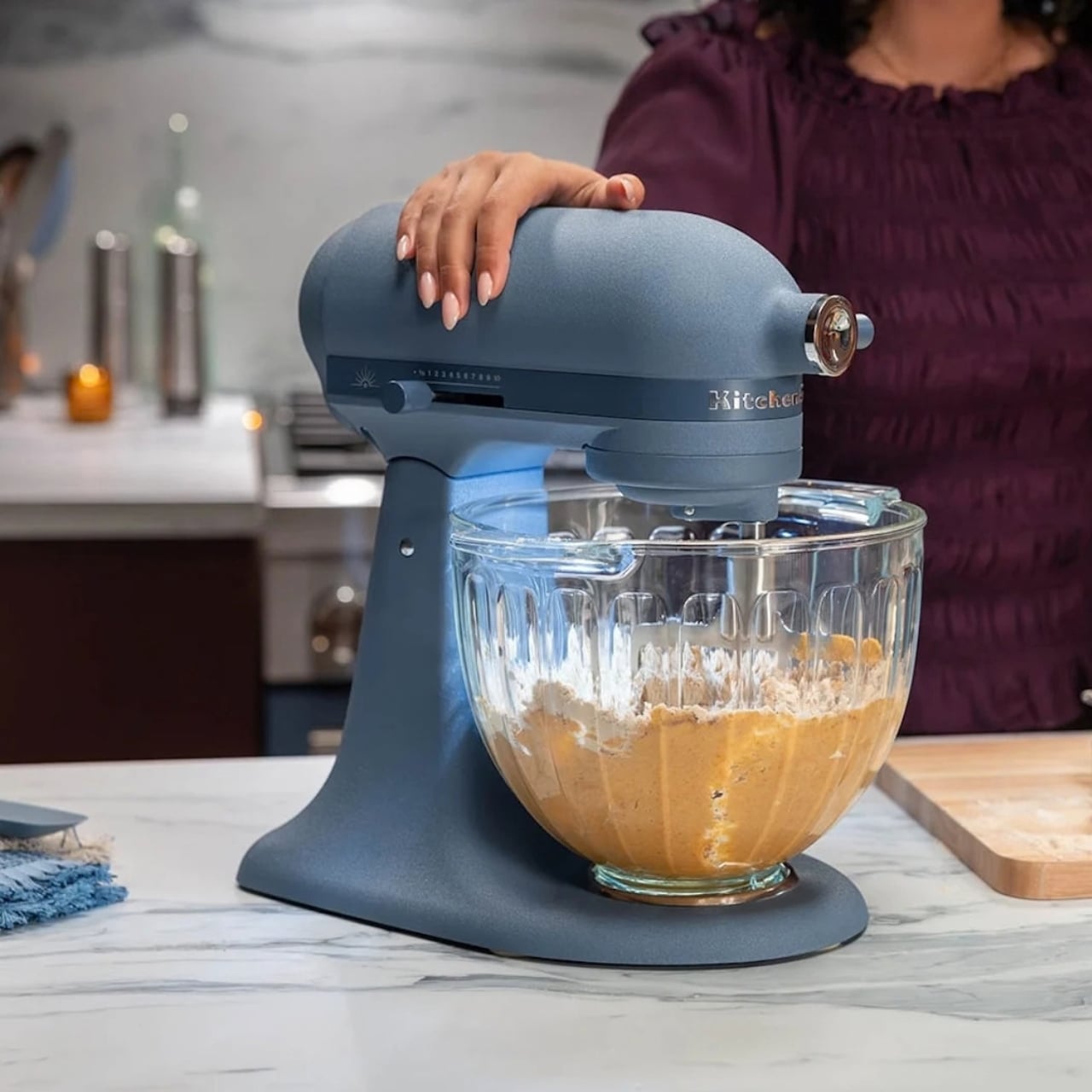
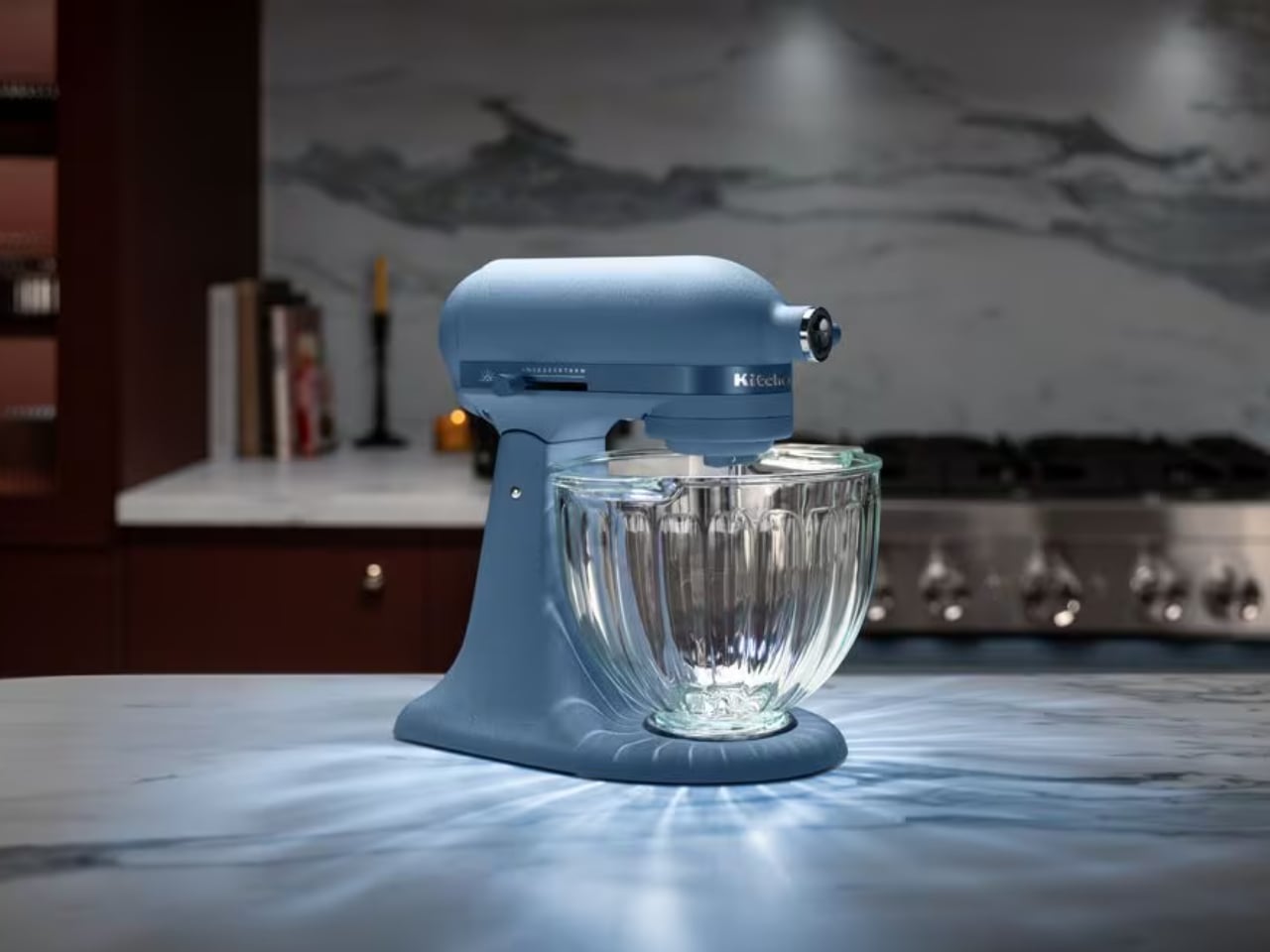
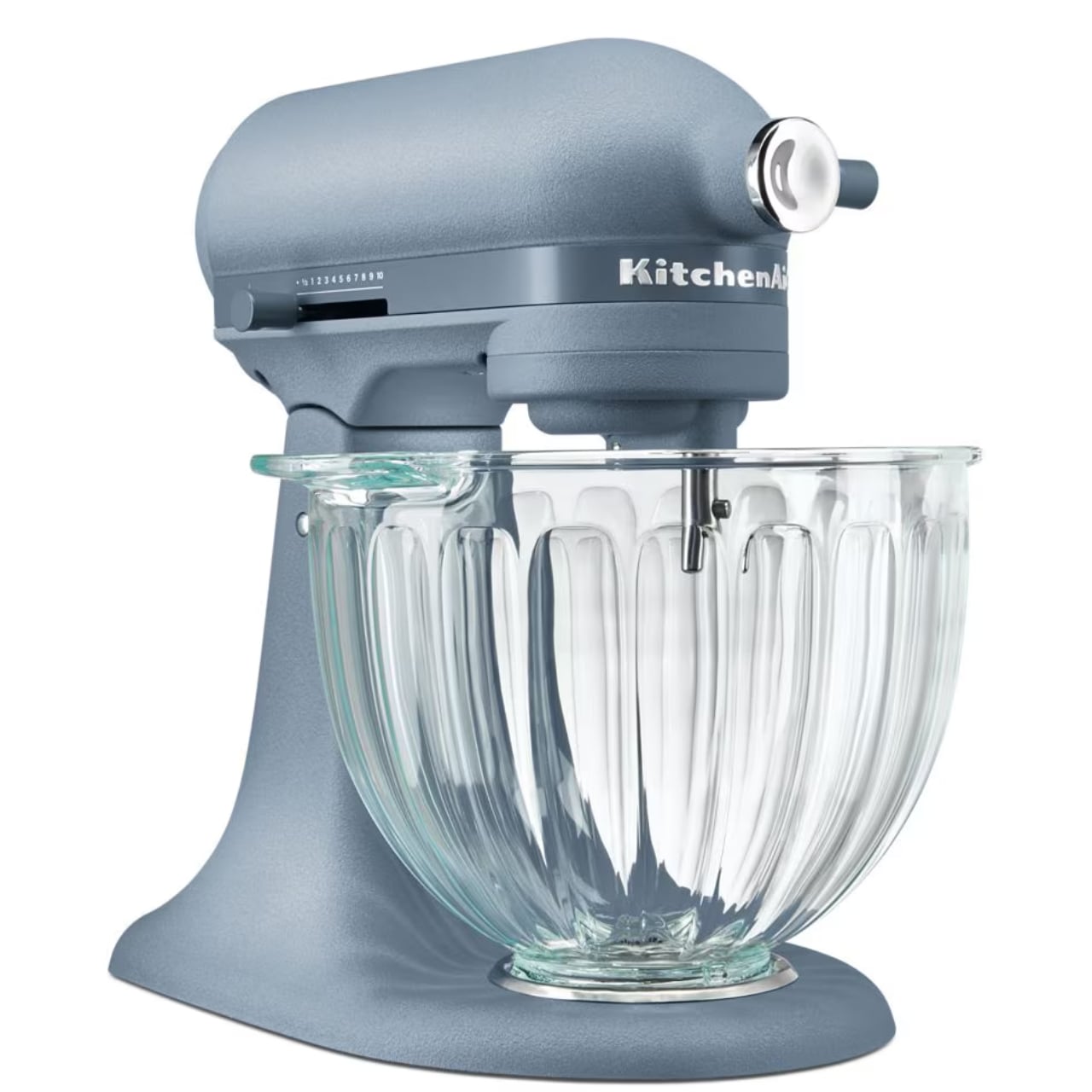
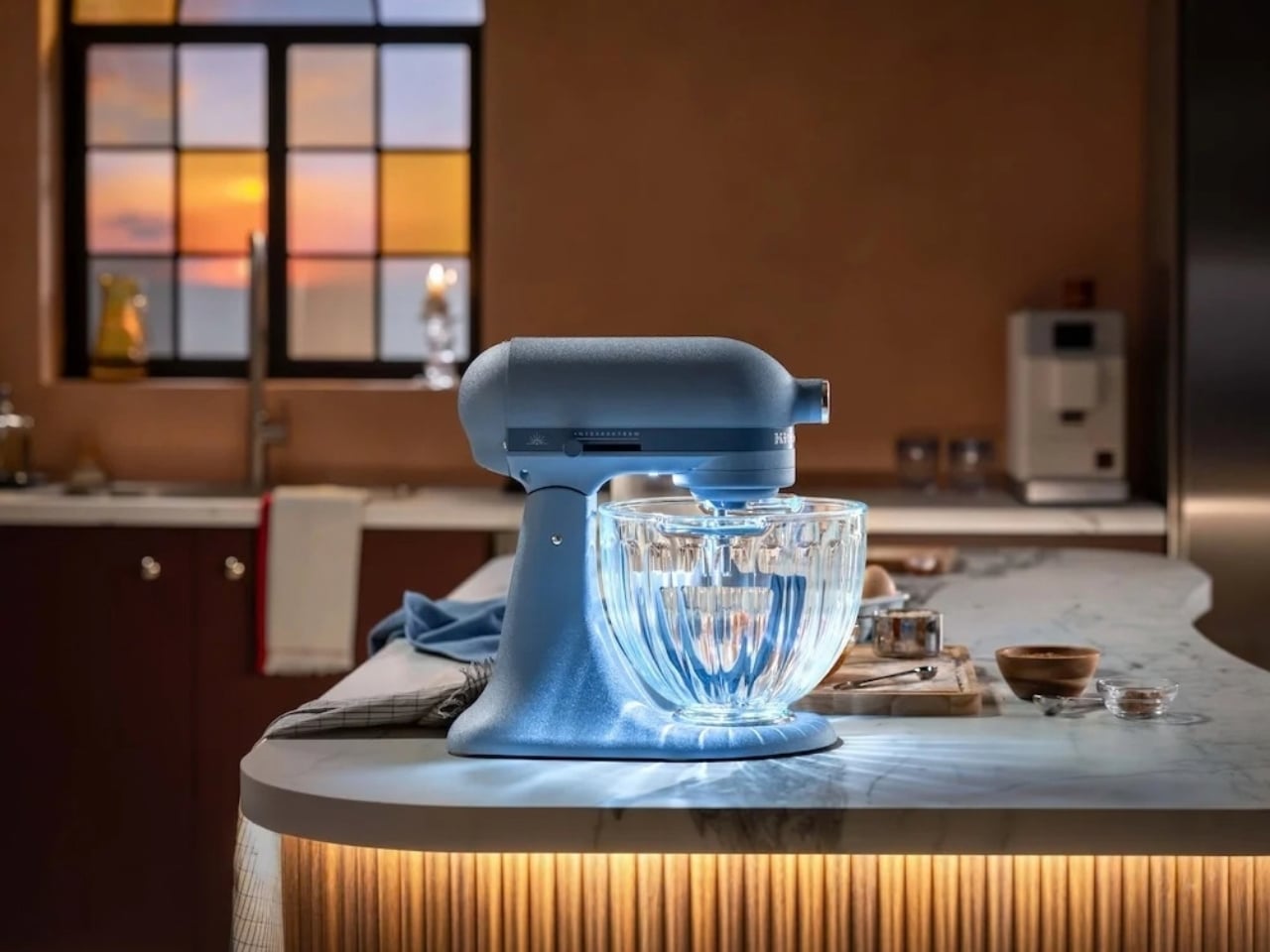
The KitchenAid® Design Series Luminaire is the brand’s newest limited-run stand mixer, and it’s built entirely in-house by KitchenAid’s own design team rather than an outside collaborator. Instead of the classic stainless steel bowl that comes with most mixers, this one has a ridged glass bowl. That lets you actually watch what you’re mixing while also making the whole process look like a “radiant masterpiece” as you prep whatever you’re cooking or baking.

Designer: KitchenAid®

Built into the base of the mixer is an LED light that shines up through the fluted glass, scattering light patterns you can clearly see while the mixer runs. It might sound purely decorative, but the fluting is engineered to catch, bend, and diffuse that light so you get a glowing, jewel-like effect rather than a flat glare. It looks great on a kitchen counter, and probably even better in photos and videos, which is a nice bonus if you’re into cooking or food content creation.

The mixer’s signature color, Blue Peppercorn, is a calming, muted blue finished with a soft, crinkled texture. KitchenAid says the shade was inspired by “the final crack of seasoning, the moment everything comes together,” which is a fitting little origin story for a mixer built around light. A polished chrome hub cover and a color-matched trim band with polished accents contrast nicely against that textured body, giving it a “jewelry on the counter” look instead of just another appliance taking up space.

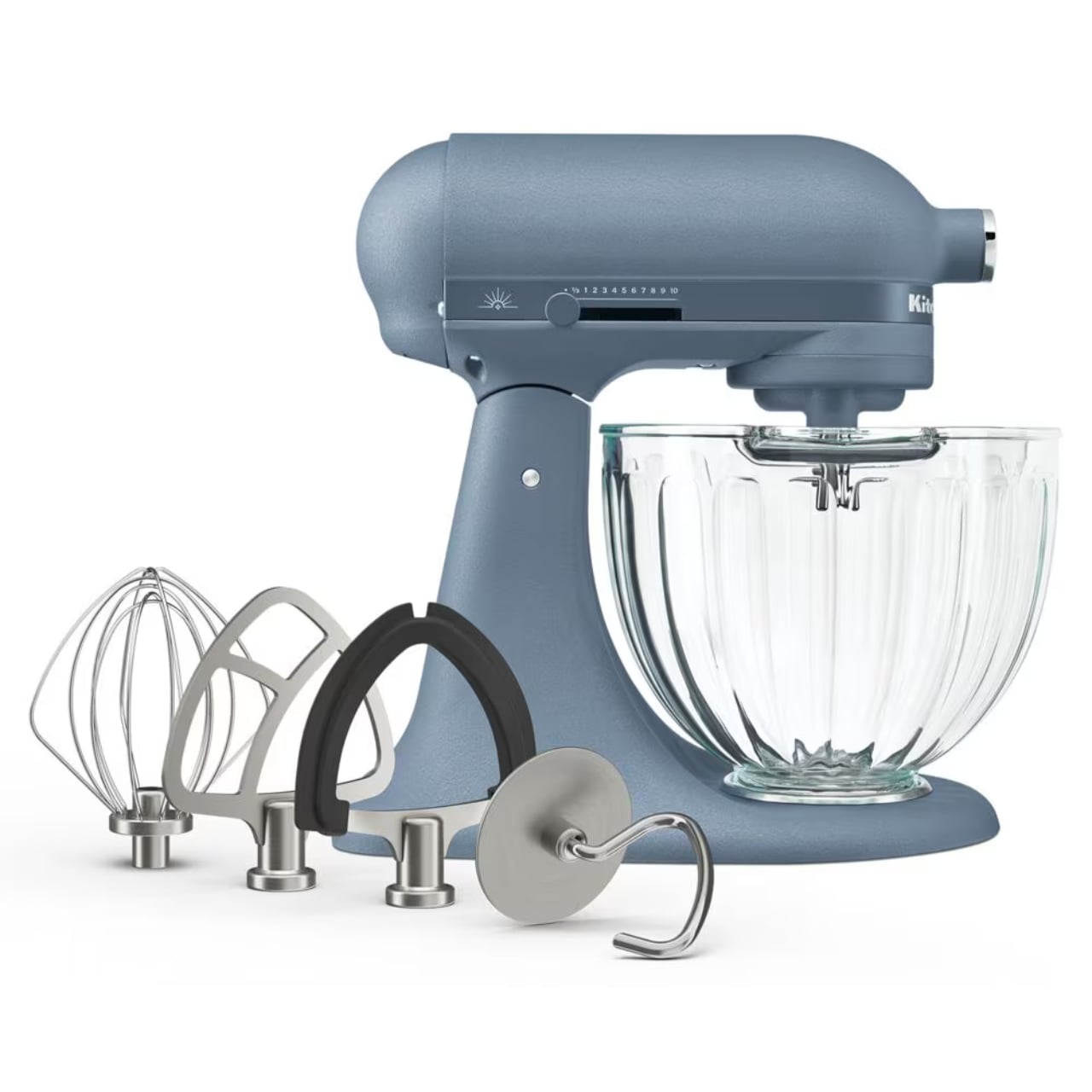
Underneath all that glow, the Luminaire is built on KitchenAid’s trusted Artisan® Plus platform, so it’s not just a pretty face. It runs on 11 speeds with Precision Speed Control, letting you fine-tune your mix from a gentle fold to a fast whip, and it comes with dishwasher-safe stainless steel attachments (flat beater, wire whip, and dough hook), so cleanup doesn’t cancel out the decor appeal. It’s also compatible with KitchenAid’s full lineup of attachments, meaning the same base can grind meat, roll pasta, or spiralize vegetables if you ever want to go beyond baking.

The 5-quart tilt-head model runs $699.99, and it’s actually the third mixer in KitchenAid’s Design Series lineup, following the 2022 Blossom and the viral 2024 Evergreen. This time, the aesthetic even extends beyond the mixer, with a matching Blue Peppercorn cookware line dropping later this fall and a limited-edition 36-inch Blue Peppercorn commercial-style range for anyone renovating an entire kitchen around the color (that one runs a much less beginner-friendly $8,899).

If you’re comparing options, the obvious rival is Smeg’s 50’s Retro Style Stand Mixer, another design-forward pick that’s just as popular for making a kitchen look as good as it cooks. Smeg’s version retails around $599 (often discounted into the $400 to $550 range) and packs a 600-watt motor with 10 speeds and a classic stainless steel bowl, more raw horsepower, in other words, but none of the light-up glass theatrics. Reviewers have noted that Smeg wins on sheer power and vintage styling, but if you want a true all-purpose workhorse with a deeper attachment ecosystem, KitchenAid is usually the recommended alternative. Basically, it comes down to whether you want a mixer that performs like a heavy-duty tool or one that doubles as a glowing centerpiece.

For a beginner like me, is $699.99 justified before I’ve even mastered basic knife skills? Probably not yet. But it’s exactly the kind of splurge that earns a spot on a “someday” list, landing somewhere between a stand mixer and a small sculpture. And unlike a lot of trend-driven kitchen gadgets, this one still does the actual job a stand mixer is supposed to do, it just does it with a little extra glow. If you’d rather try your luck than spend the money outright, KitchenAid is also running a sweepstakes giving away five Luminaire mixers, which might be the more beginner-budget-friendly way in for now.

The post The KitchenAid Luminaire Mixer That Glows On Your Countertop first appeared on Yanko Design.
The $399 MPC Sample Finally Makes Beatmaking Beautifully Portable

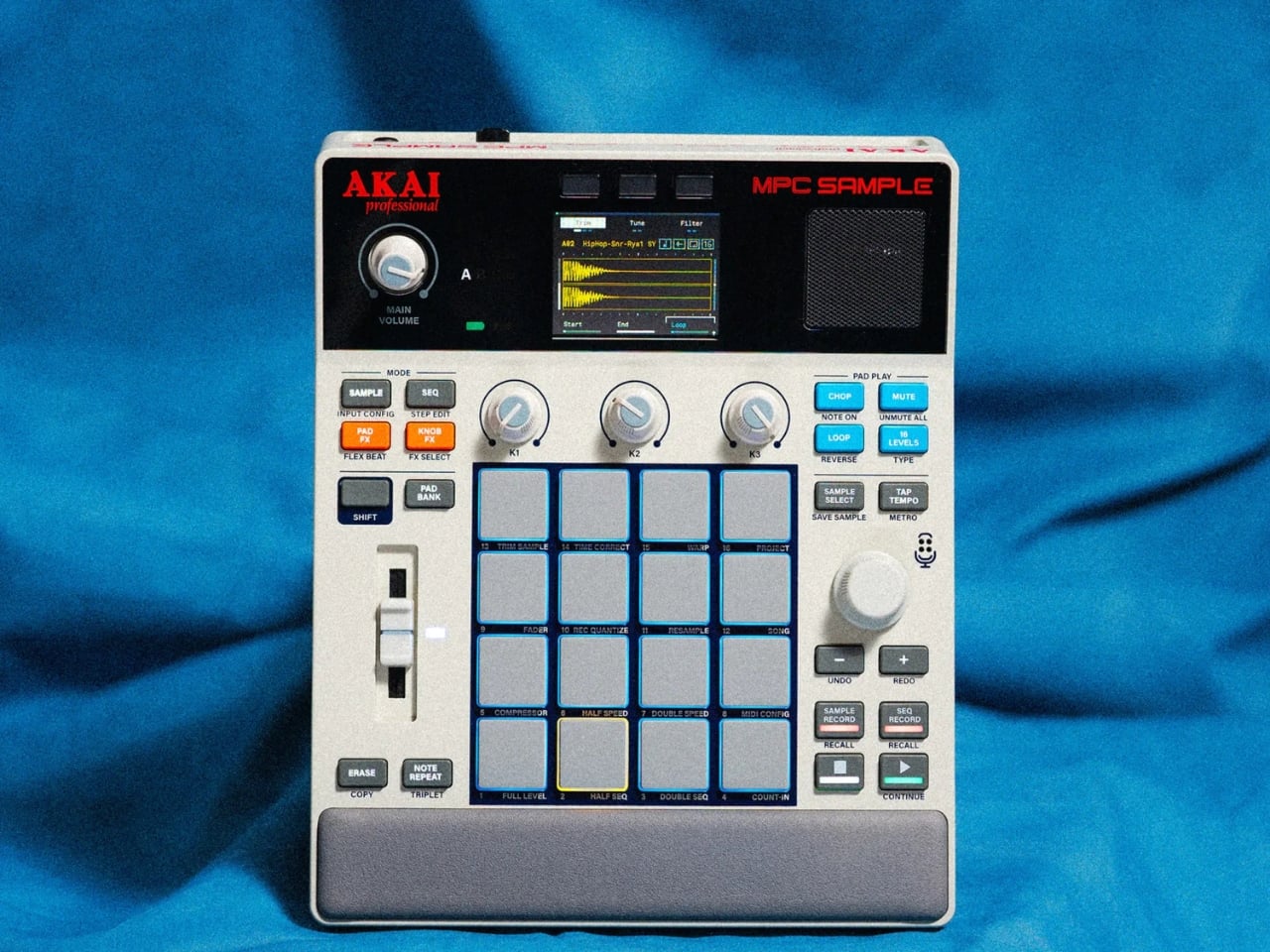
The MPC is one of those rare objects that carries cultural weight beyond its function. Since the MPC60 landed in 1988, that grid of rubber pads has been behind some of the most iconic beats ever made, from hip-hop to electronic music to whatever genre-bending thing your favorite producer is cooking up right now. So when Akai Pro quietly dropped the MPC Sample at $399, it felt like the kind of announcement worth paying attention to, even if you’ve never touched a drum pad in your life.

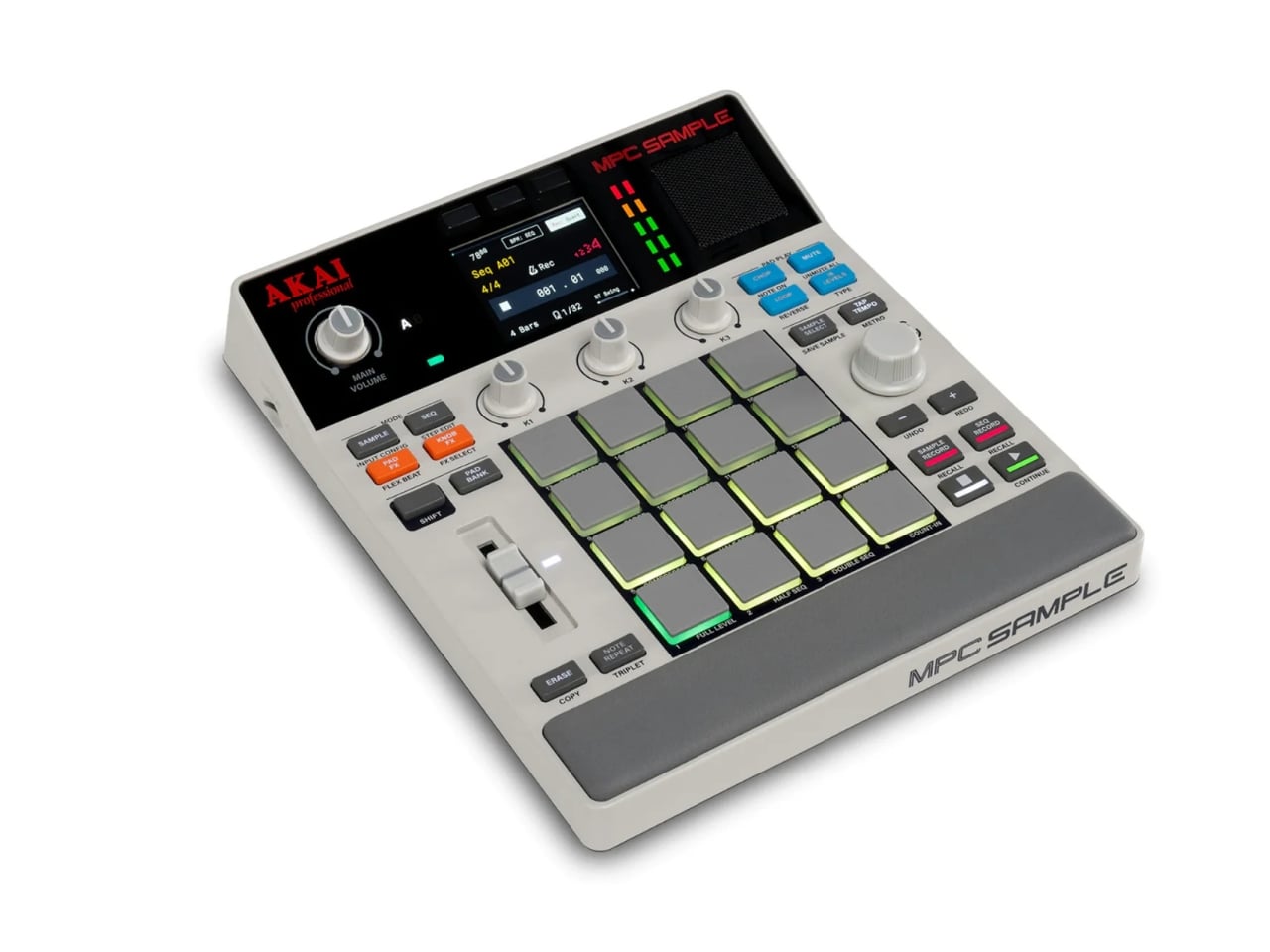
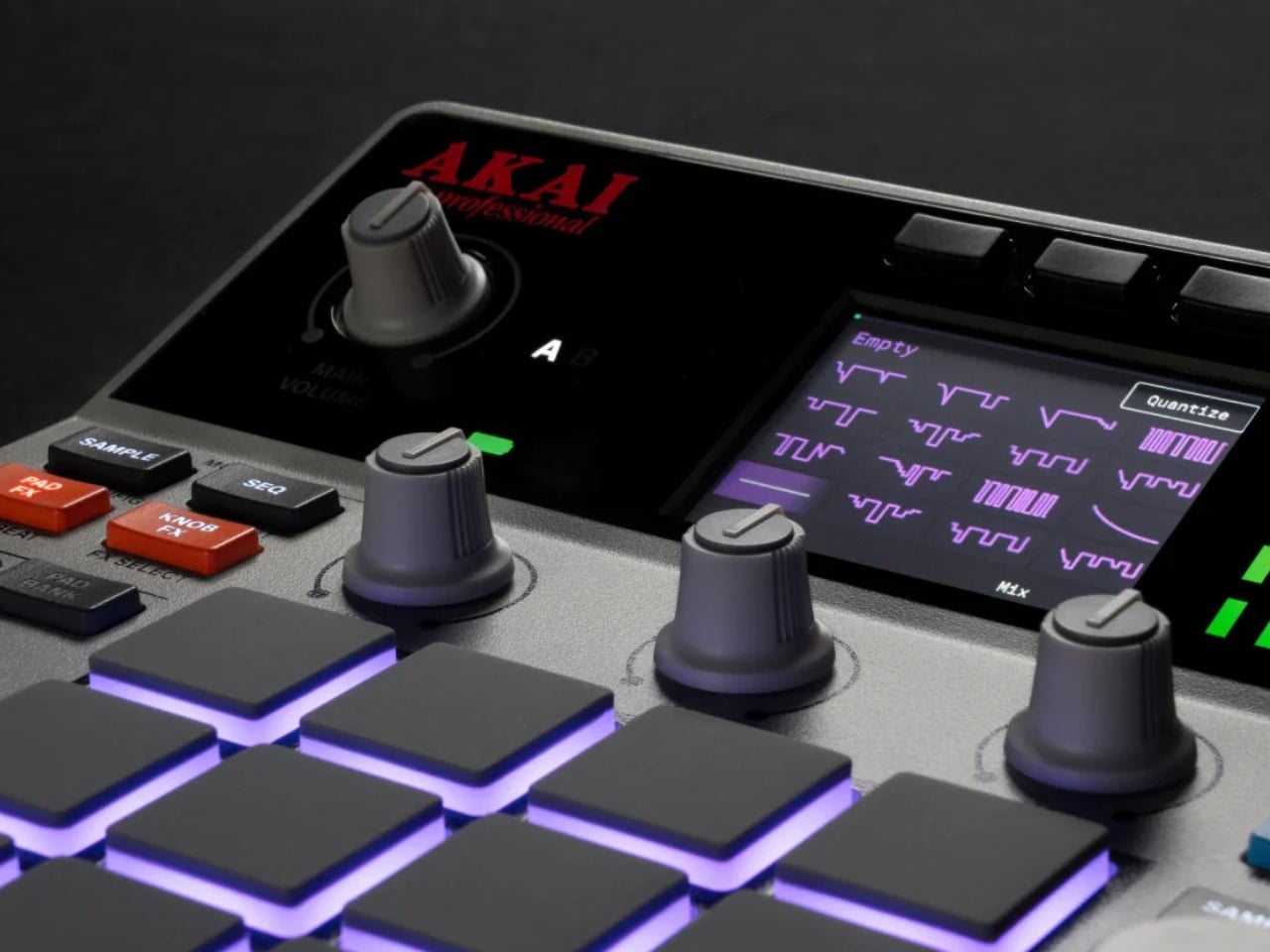
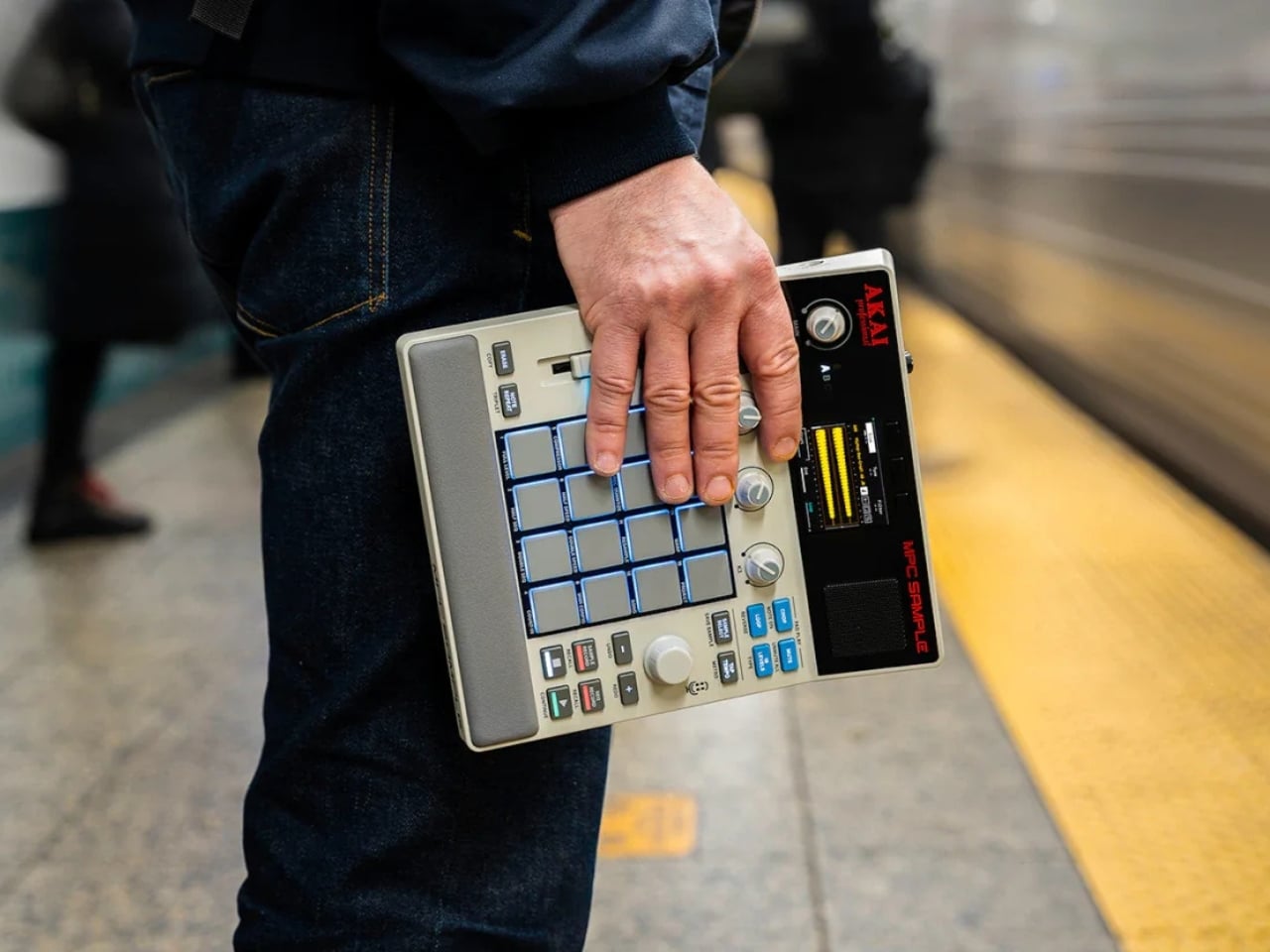
The MPC Sample is compact in a way that actually surprises you. At 23.6 × 19.4 × 5.0 cm and just under a kilogram, it fits comfortably in a backpack. It runs on a rechargeable lithium-ion battery that lasts up to five hours, has a built-in microphone and a 3-watt speaker, and connects via a single USB-C port for audio, MIDI, charging, and file transfer. That’s a lot of functionality packed into something that looks like it belongs on a desk alongside a cup of coffee and a sketchbook.

Designer: Akai Pro

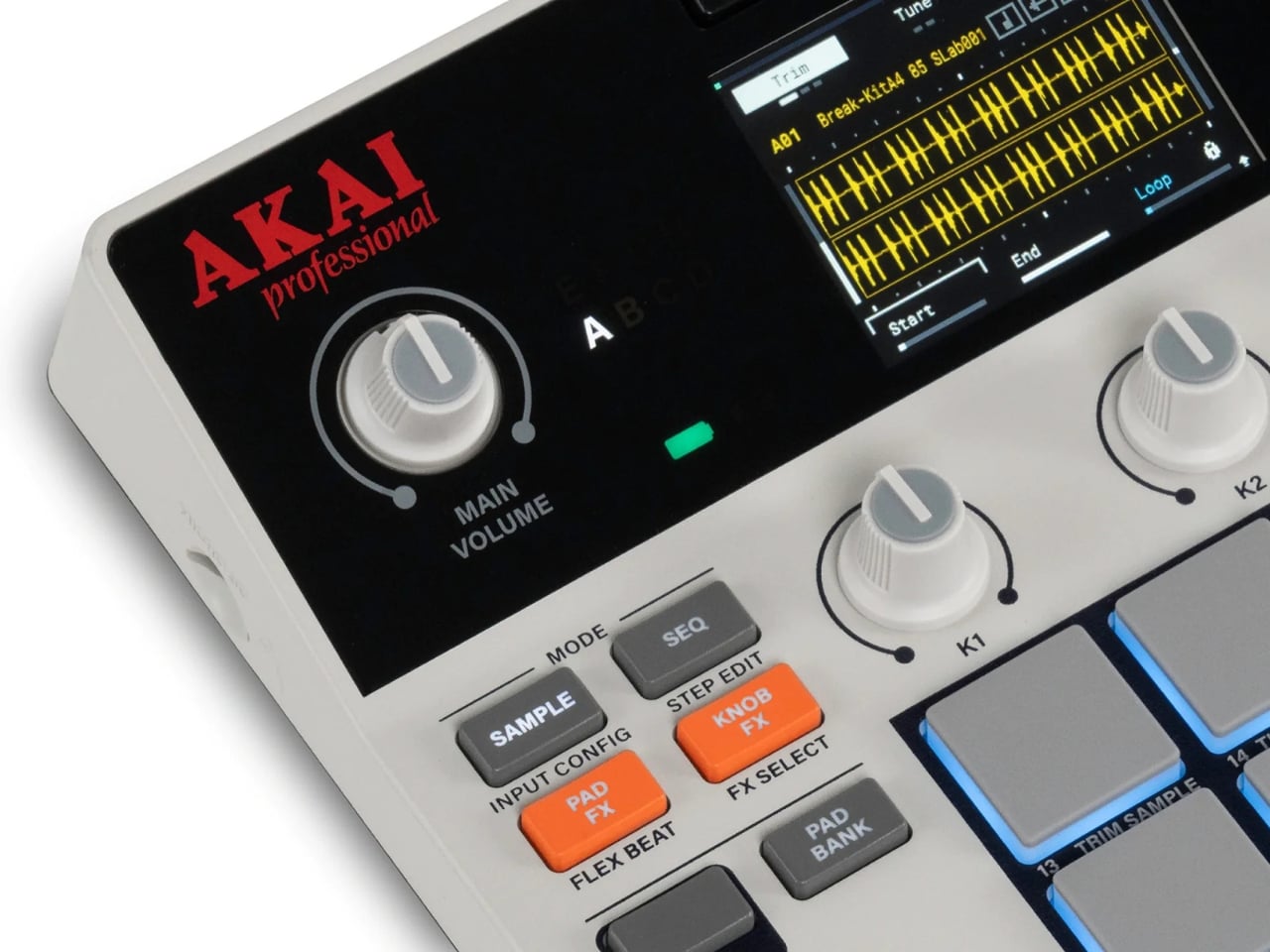
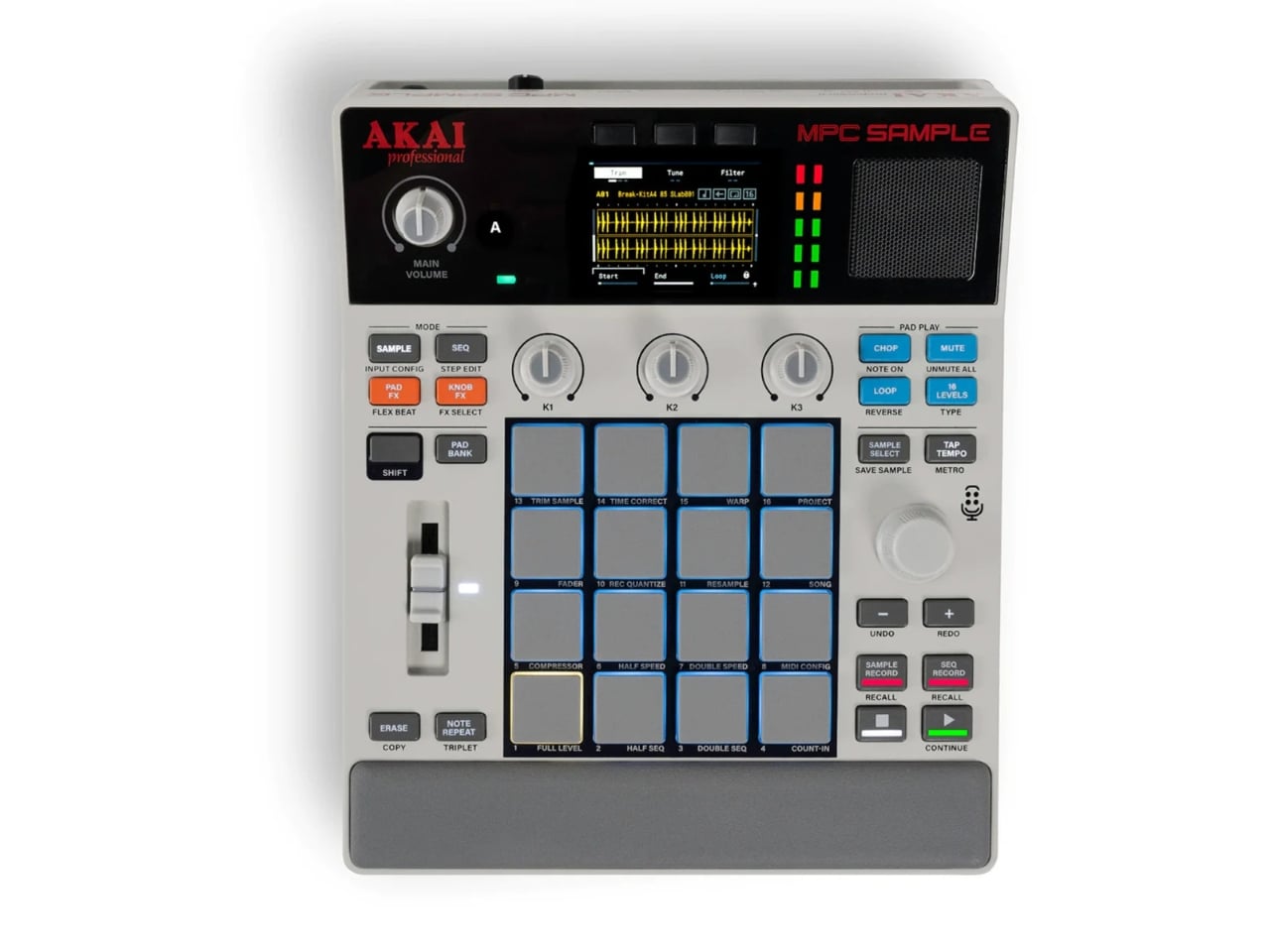
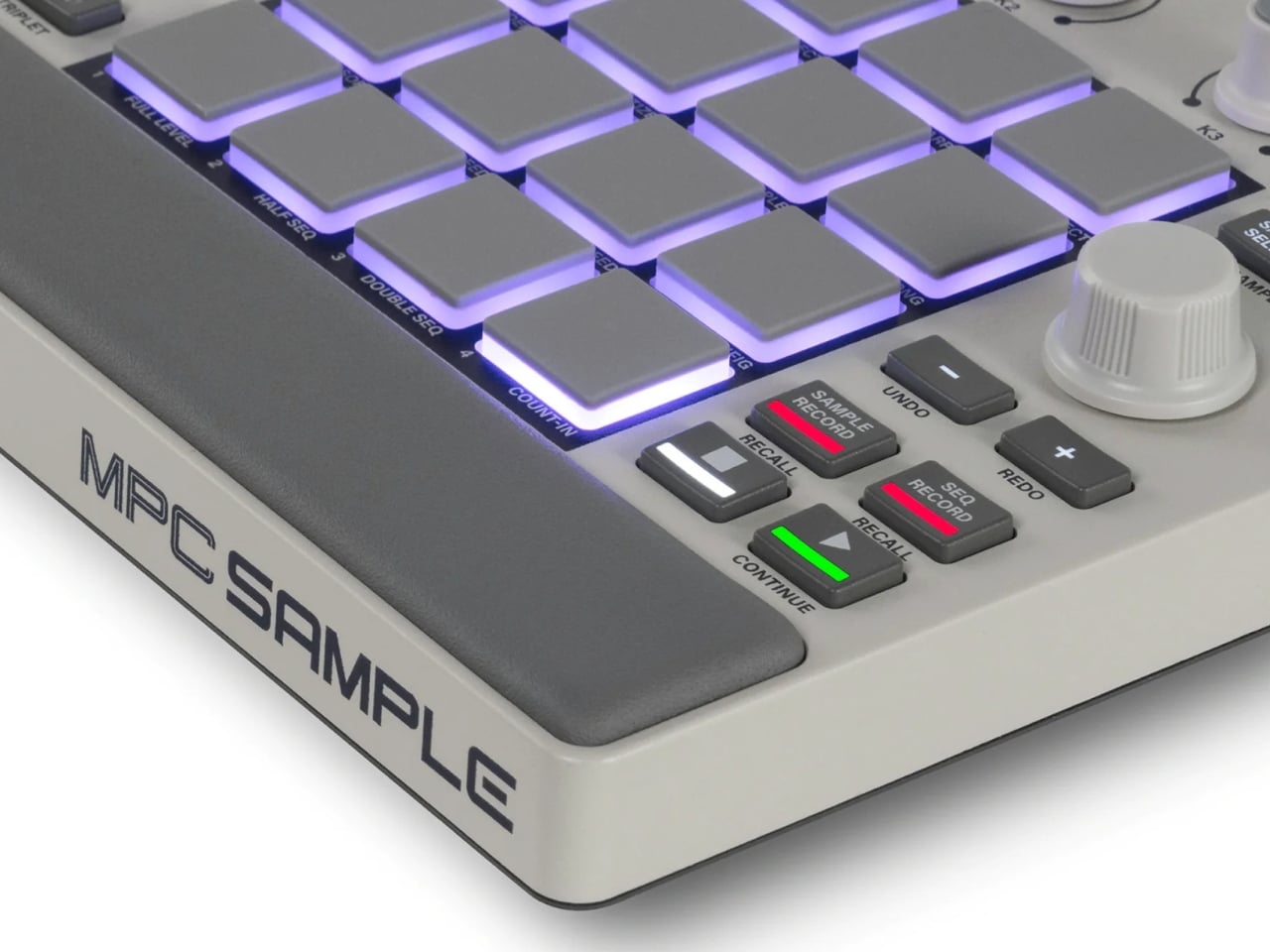
The design is where things get really interesting. The MPC Sample draws direct visual inspiration from the MPC60, one of the most beloved pieces of music hardware ever made. The color palette is restrained and tasteful. The layout is clean. The 16 RGB velocity-sensitive pads sit front and center with that familiar grid arrangement, and the inclusion of a legacy parameter fader is a genuinely nice nod to the hardware that built the MPC name. The Verge called it a favorite portable beat maker, and you can see why the moment you look at it. It feels considered in a way that a lot of modern gear doesn’t.

Look at it a little longer and you start noticing the smaller decisions. The padded wrist rest. The way the button layout doesn’t fight for your attention. The muted color scheme that feels closer to a vintage synthesizer than a modern gadget. A lot of companies chasing the retro aesthetic tend to overcook it, leaning so hard into nostalgia that the product starts to feel like a costume. The MPC Sample avoids that entirely. It looks like something that was always going to exist, not something designed to remind you of something else. The proportions are right. The materials feel intentional. For a $399 device, the level of design restraint on display is genuinely impressive, and honestly a little rare.

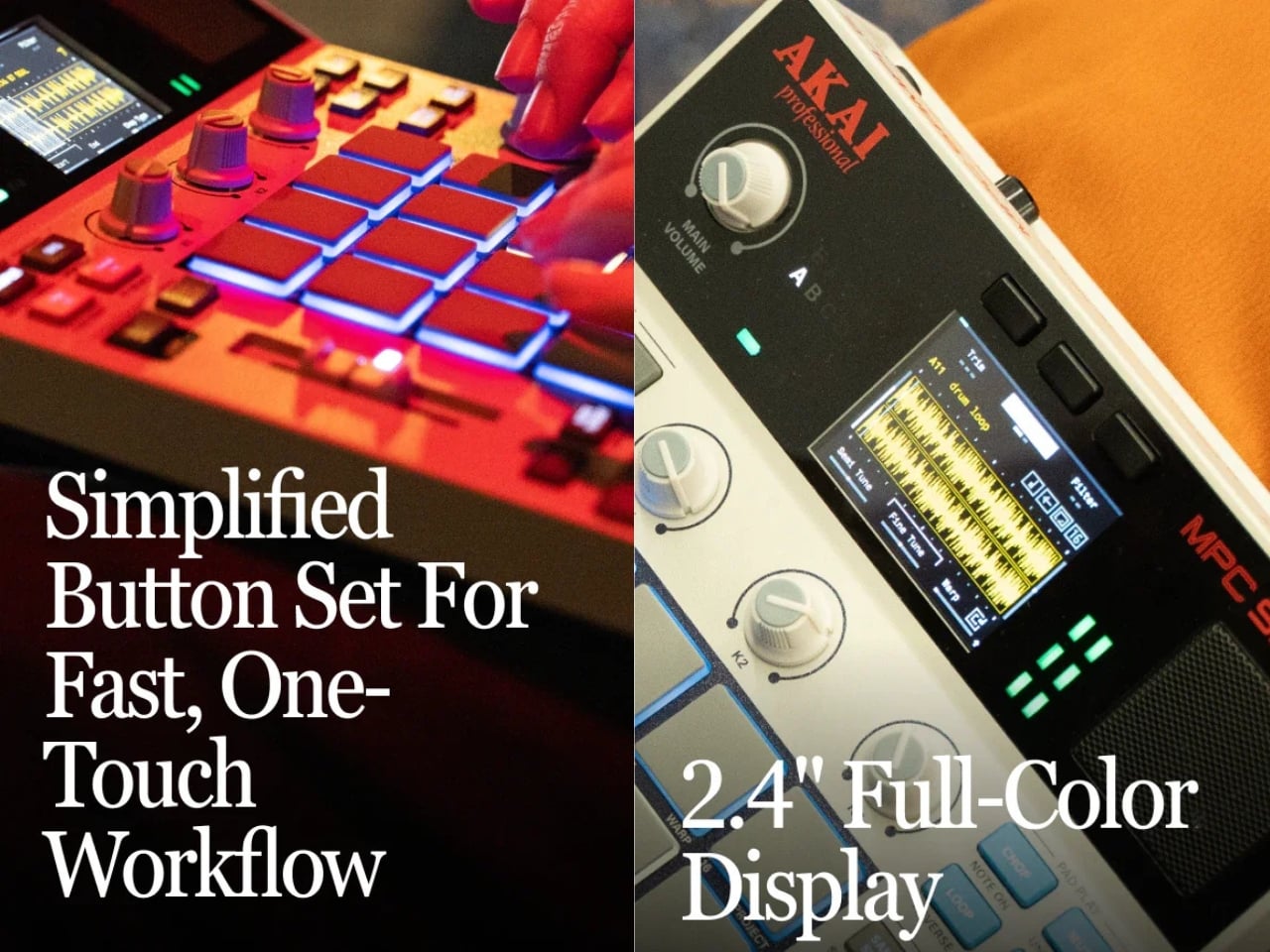
That last point is worth dwelling on. Hardware design in the music world tends to fall into two camps: either overloaded and intimidating, or stripped down to the point of being frustrating. The MPC Sample sits in a much more interesting middle ground. The 2.4-inch full-color display is there when you need to visualize your waveform. The three real-time control knobs handle effects on the fly. The Instant Sample Chop mode, the real-time timestretch and repitch, the 60 effect types spread across four engines: it’s capable without being overwhelming. For someone new to sampling, that balance is almost everything.

It’s worth noting the price context here. The original MPC60 launched in 1988 at $4,999.95, which works out to roughly $13,800 in today’s money. The MPC Sample does things the MPC60 couldn’t dream of, for $399. That’s not just a deal; that’s a philosophical shift in who gets to make music with professional-grade tools. The fact that it ships loaded with over 100 factory kits, 2GB of RAM, and 8GB of internal storage, with room to expand via microSD, makes the entry point feel even more generous.

Nothing is without trade-offs, though. Five hours of battery life is solid for a focused session but won’t carry you through a full travel day. The built-in speaker works fine for quick monitoring, but you’ll want headphones for anything serious. And the MPC ecosystem, while powerful, has always carried a learning curve for newcomers. The MPC Sample softens that curve considerably, but it doesn’t disappear entirely.

What makes the MPC Sample feel culturally significant isn’t only its portability or its price point. It’s the way it takes something with nearly 40 years of creative history and makes it genuinely accessible without watering it down. The design respects the legacy. The features serve the workflow. The whole thing is small enough to go anywhere, which might actually be the most radical thing about it. Creativity has always been portable in theory. The MPC Sample is making it portable in practice. At $399, it’s the kind of object that quietly makes you reconsider where, and how, you make things.

The post The $399 MPC Sample Finally Makes Beatmaking Beautifully Portable first appeared on Yanko Design.

Music mixer concept uses generative AI to help you create music

I have a lot of respect for those people who can create music on their own, especially ones that are able to produce earworm-y pop riffs. Sometimes I’ve thought about studying how to create and mix music especially now that there are equipment, apps and websites where you can do that, but you need to study a lot of things before you can actually use them. Sometimes I think, can’t I just have something in my head transferred to a machine without having to do so much work? Well, thanks to artificial intelligence, that is somewhat possible, for better or worse.

Designer: Haechan Ryu

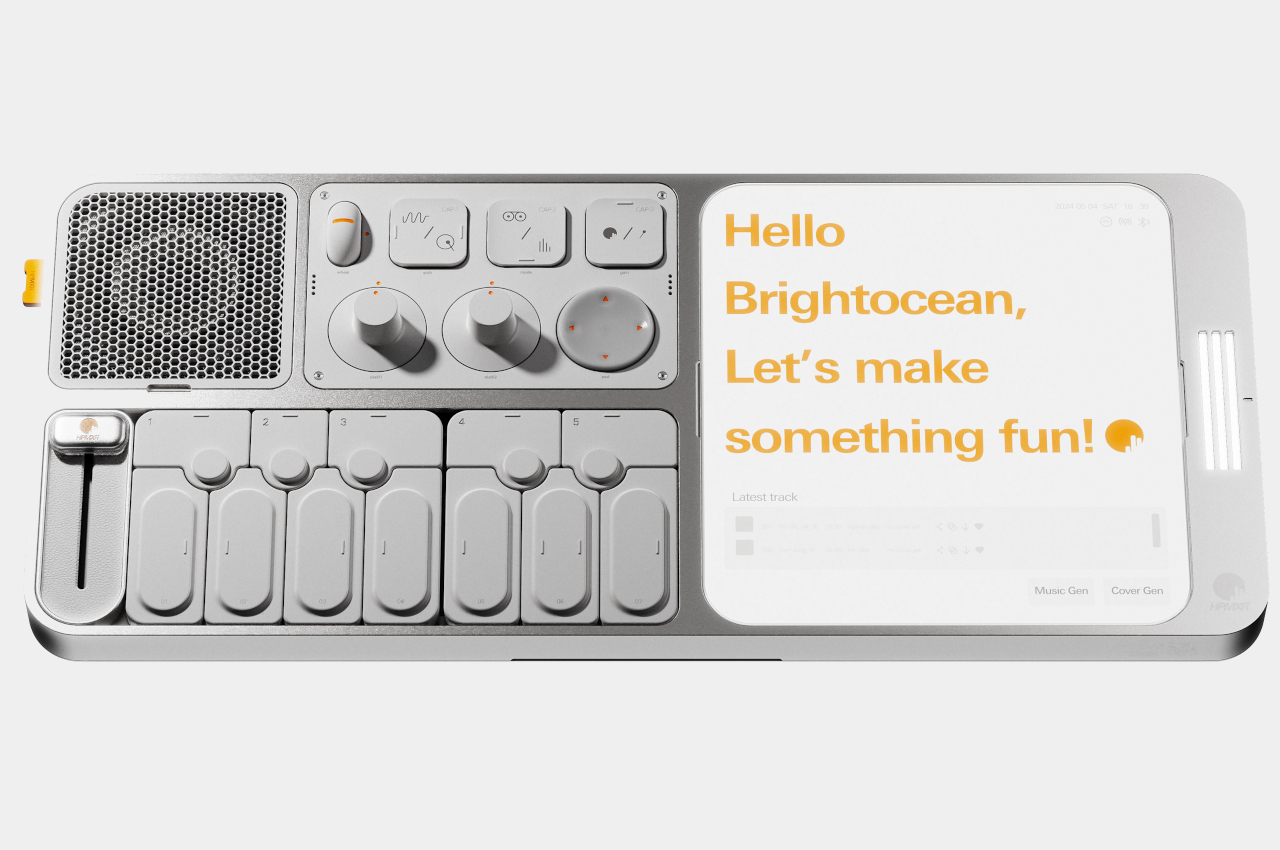
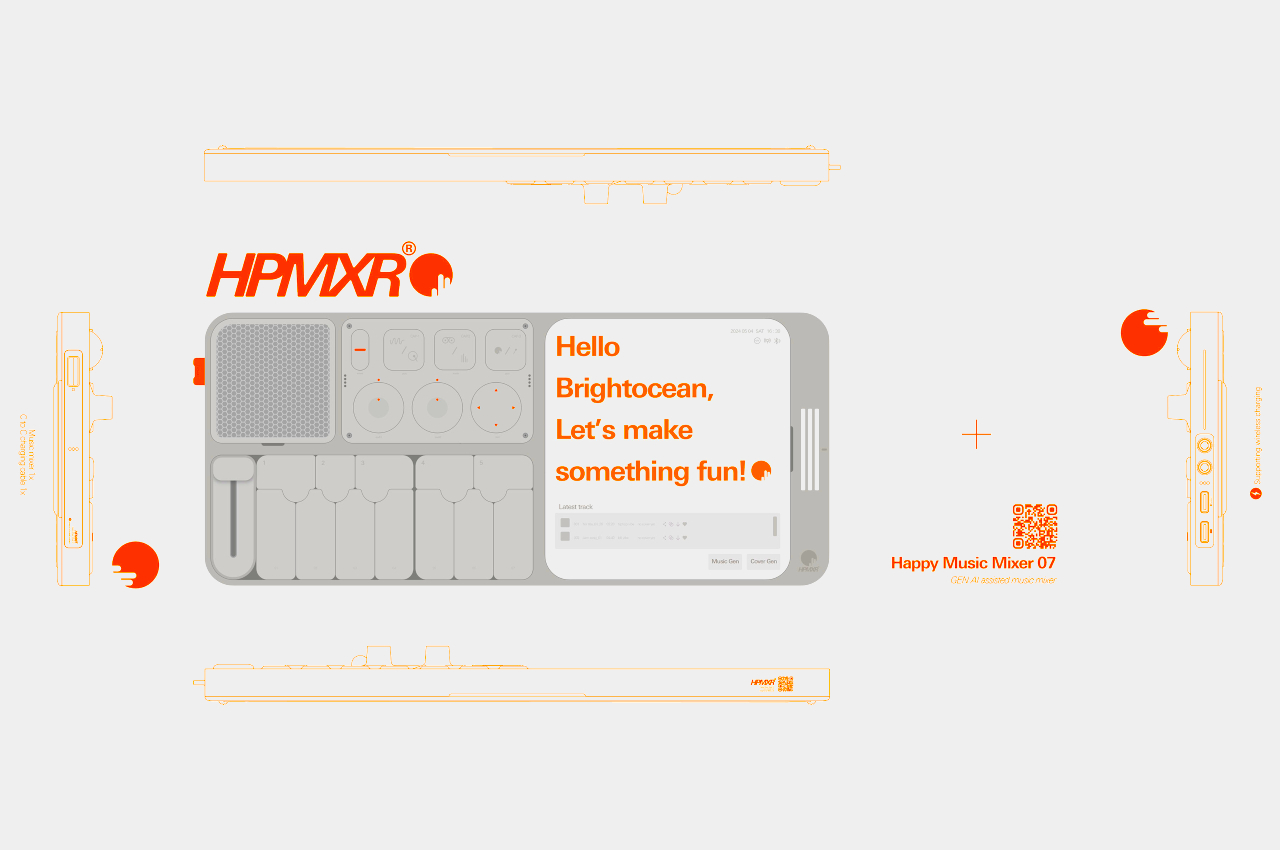
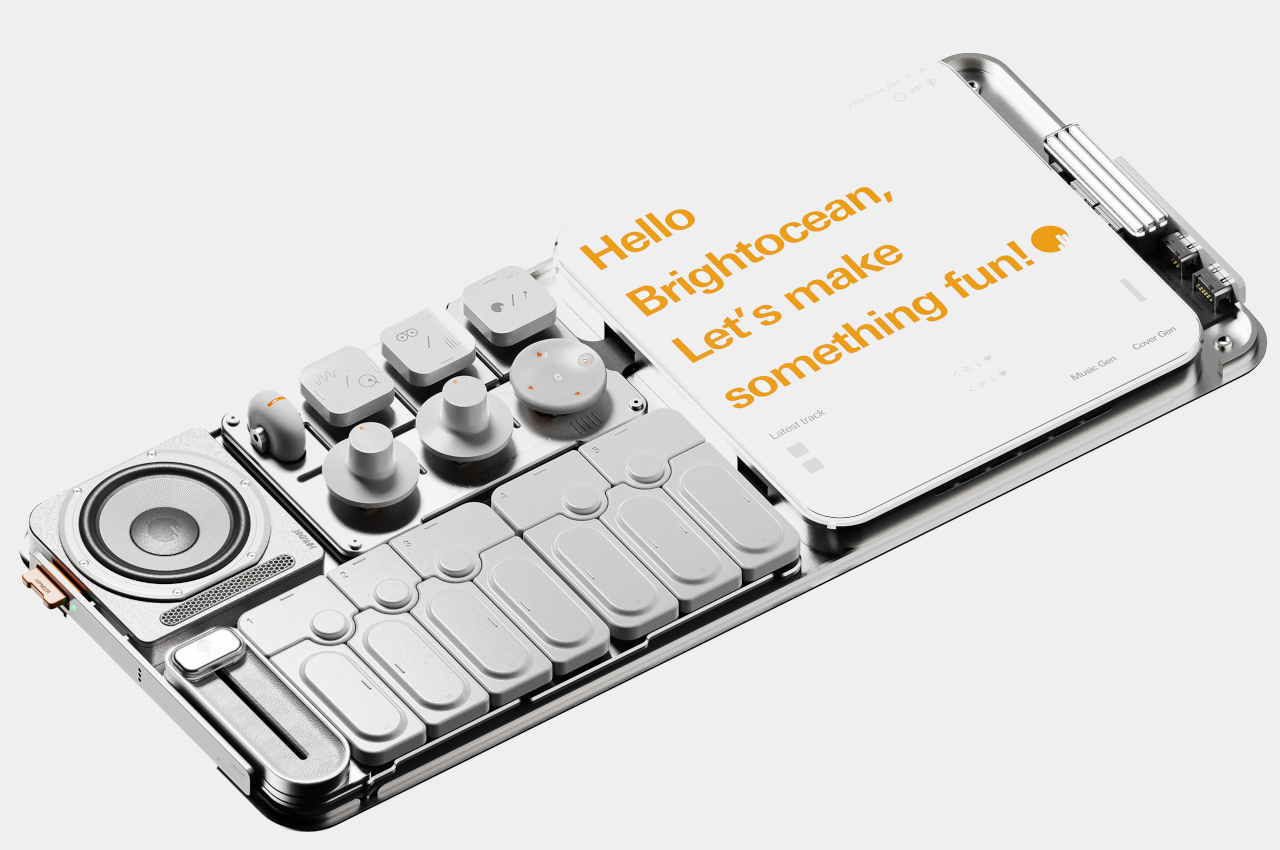
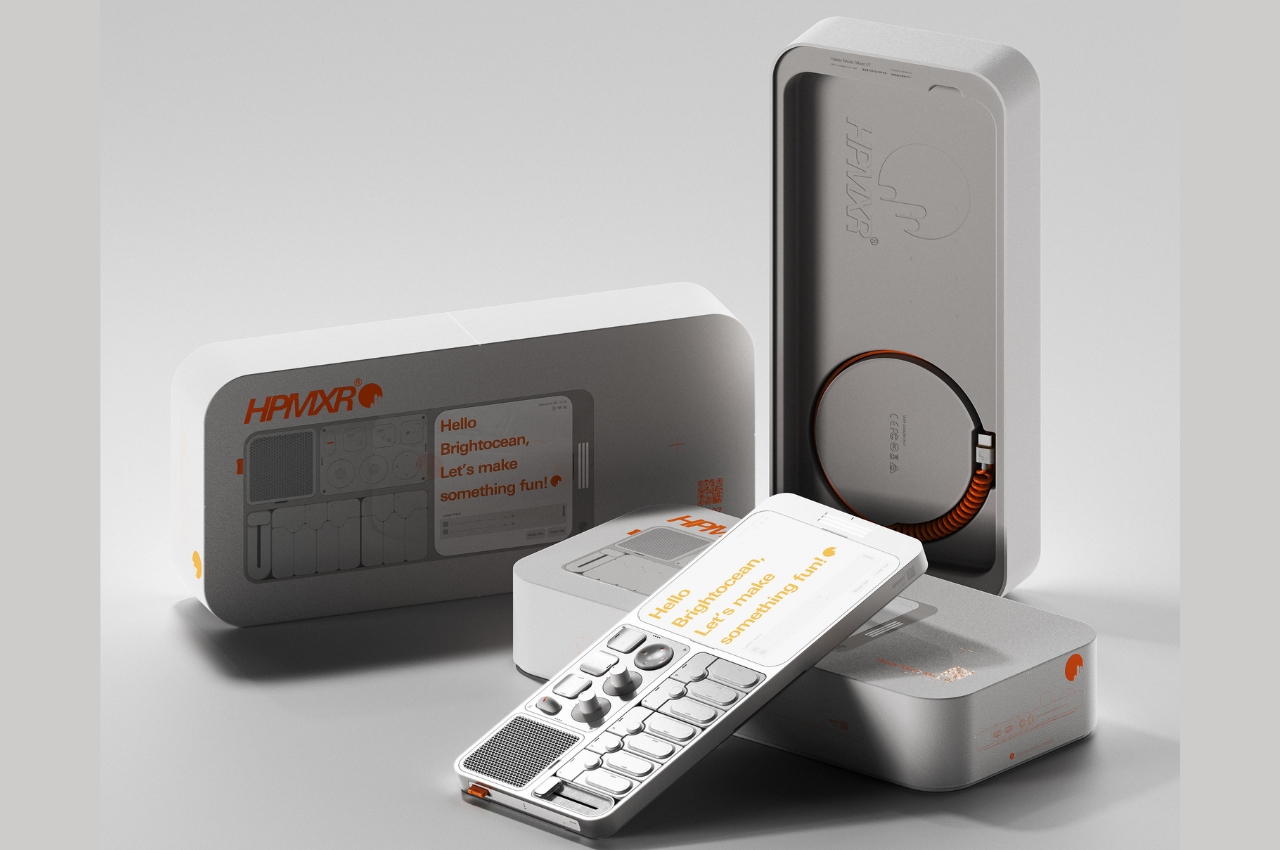
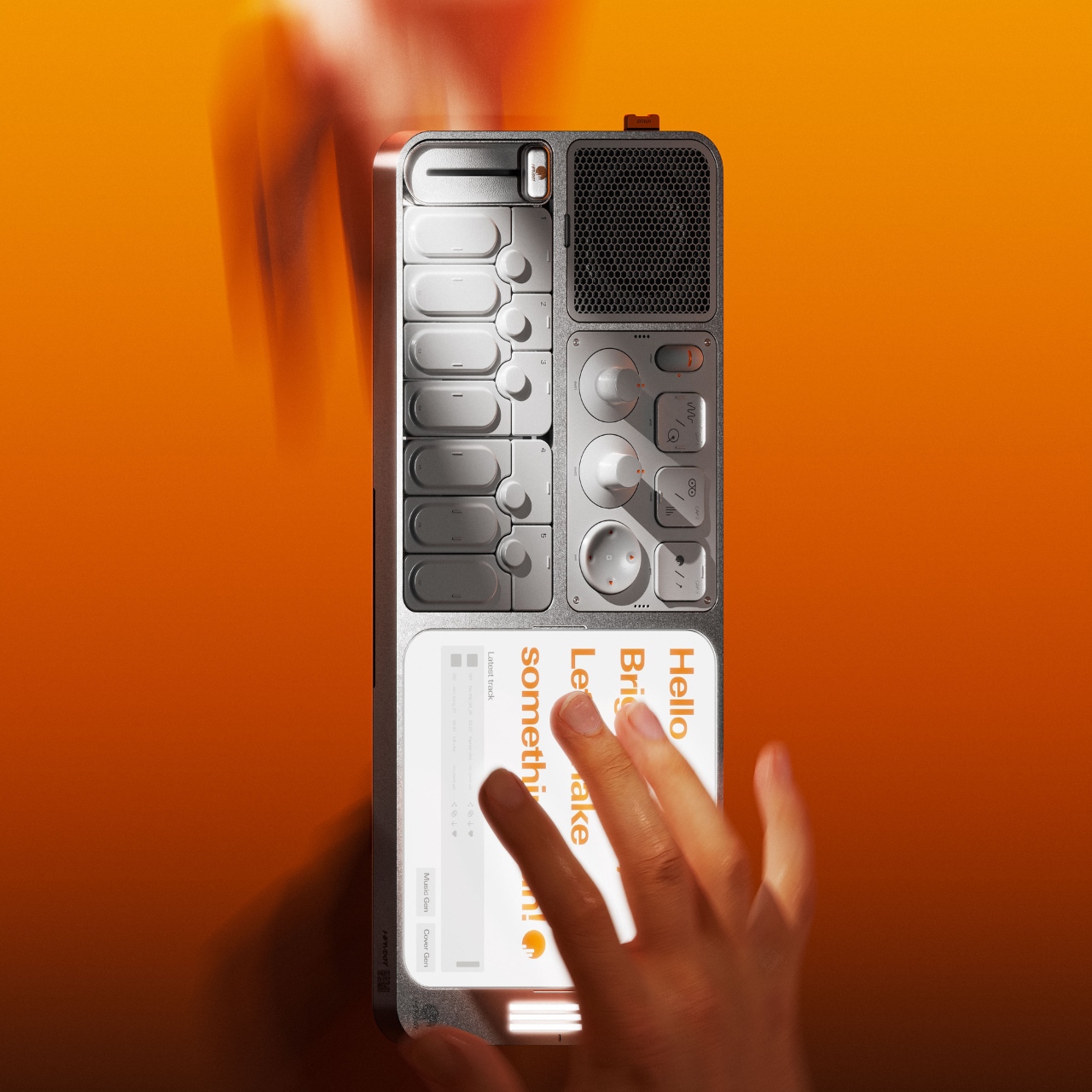
Happy Music Mixer 07 or HPMXR 07 is a music mixer that is powered by generative AI. This means, even if you don’t have knowledge on how to use mixers, you should be able to use this machine. The goal for this concept is to democratize composing music and using AI to help out with that. There are some ongoing issues in the music industry of course about using AI but it’s still an ongoing conversation that will continue to evolve. But if you are not hesitant to use AI to fuel creativity and things like music creation, then this should be of interest to you.

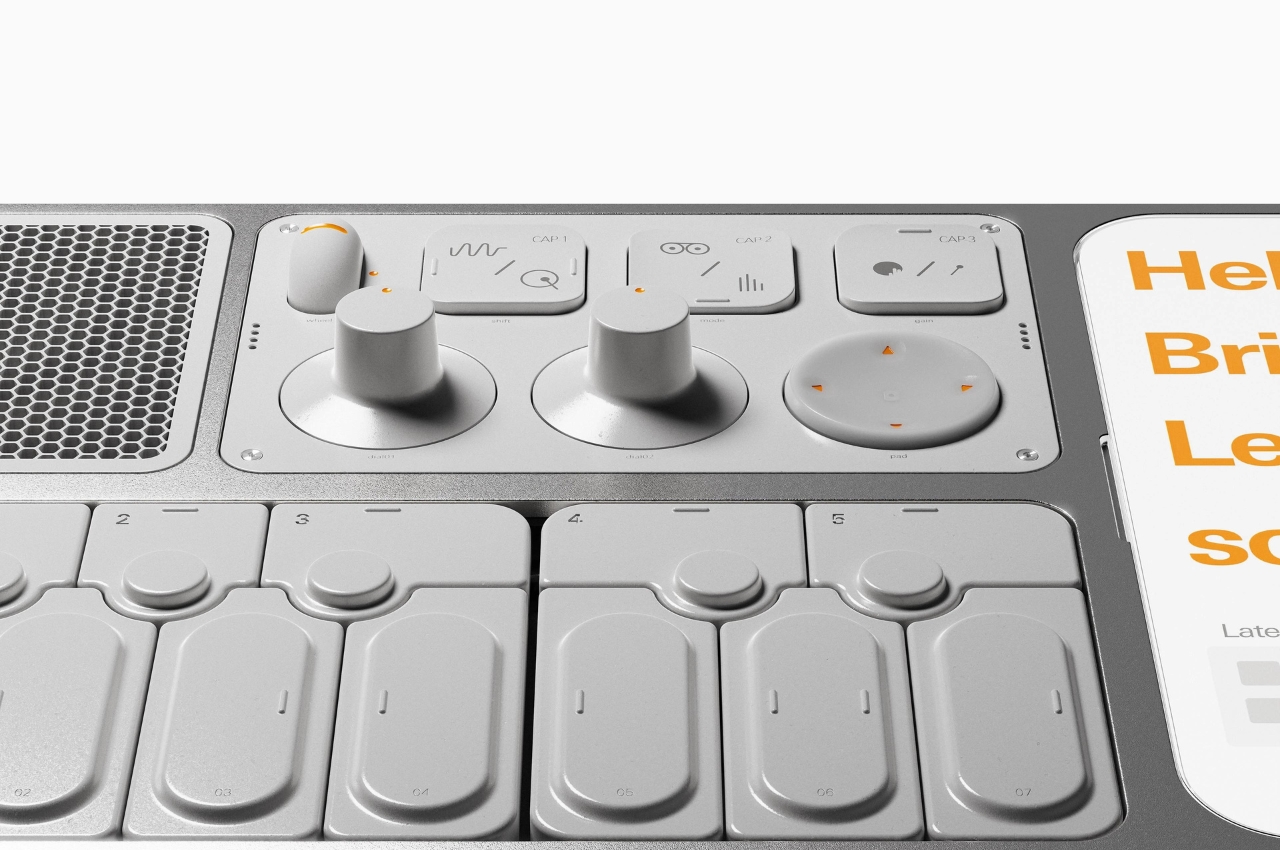
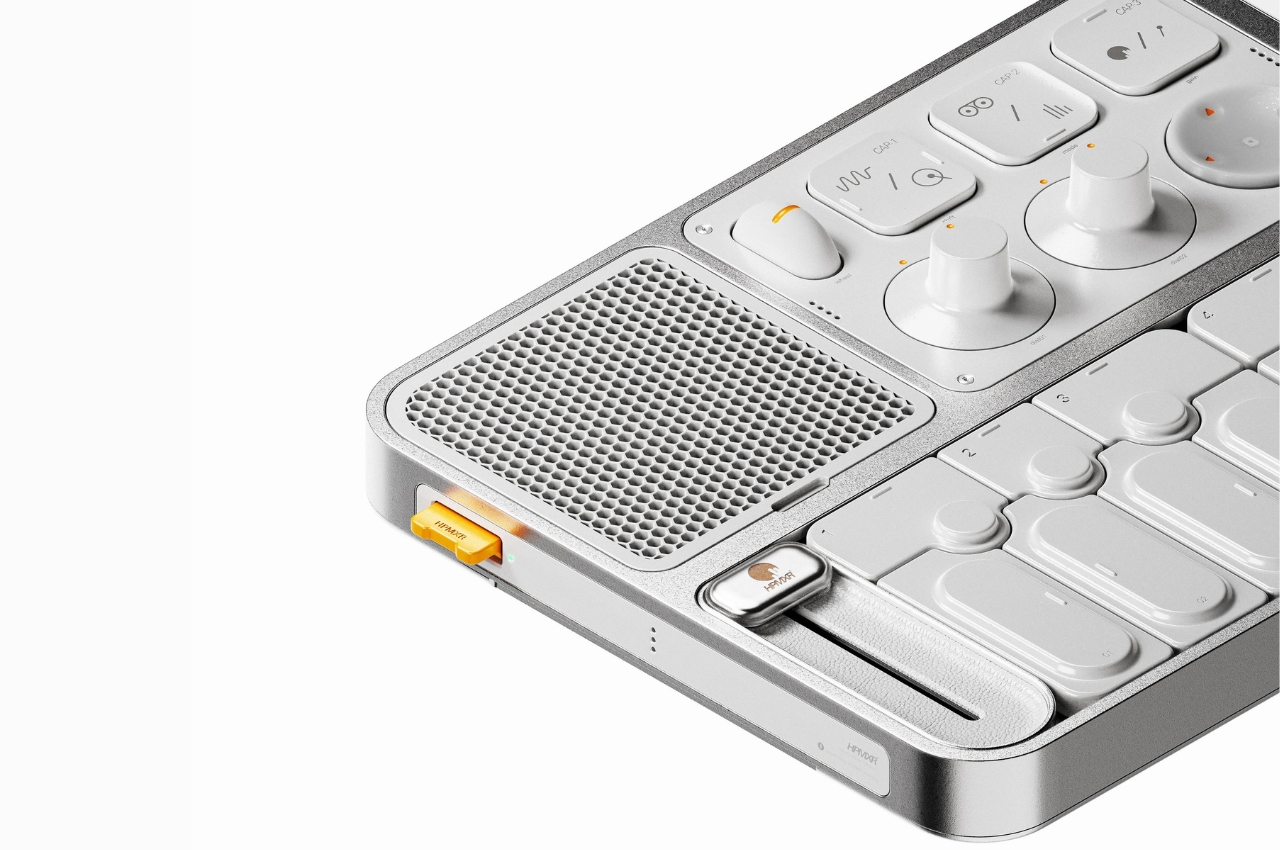
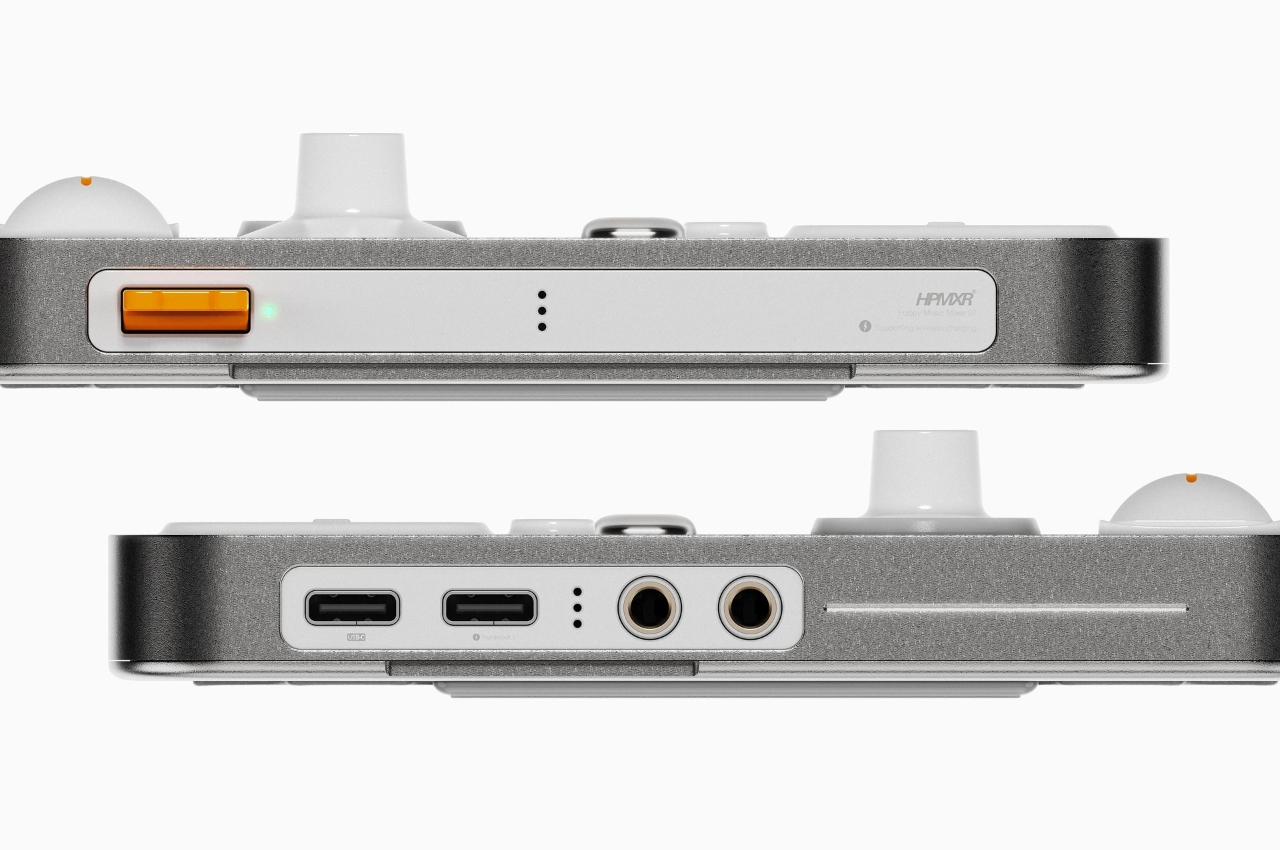
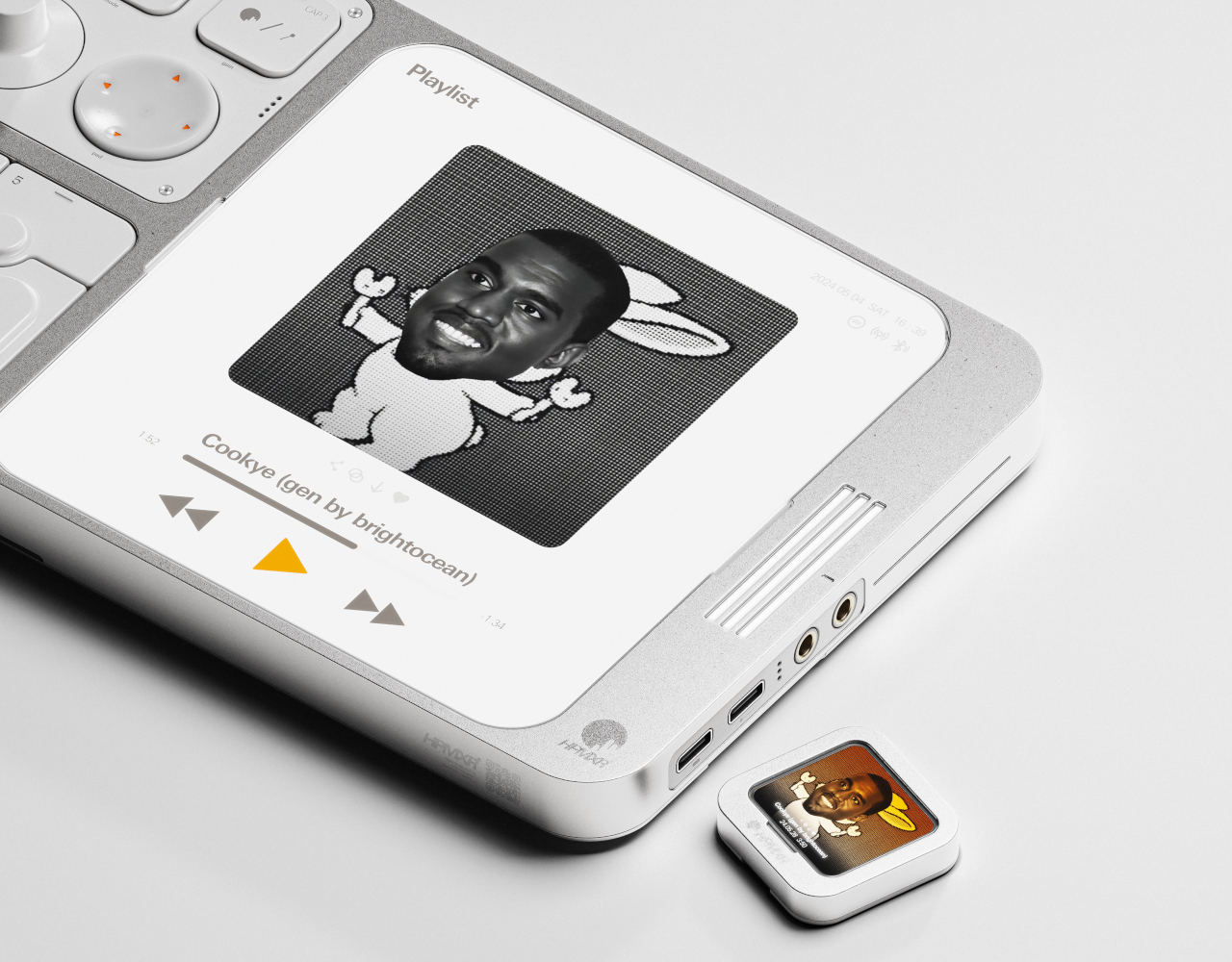
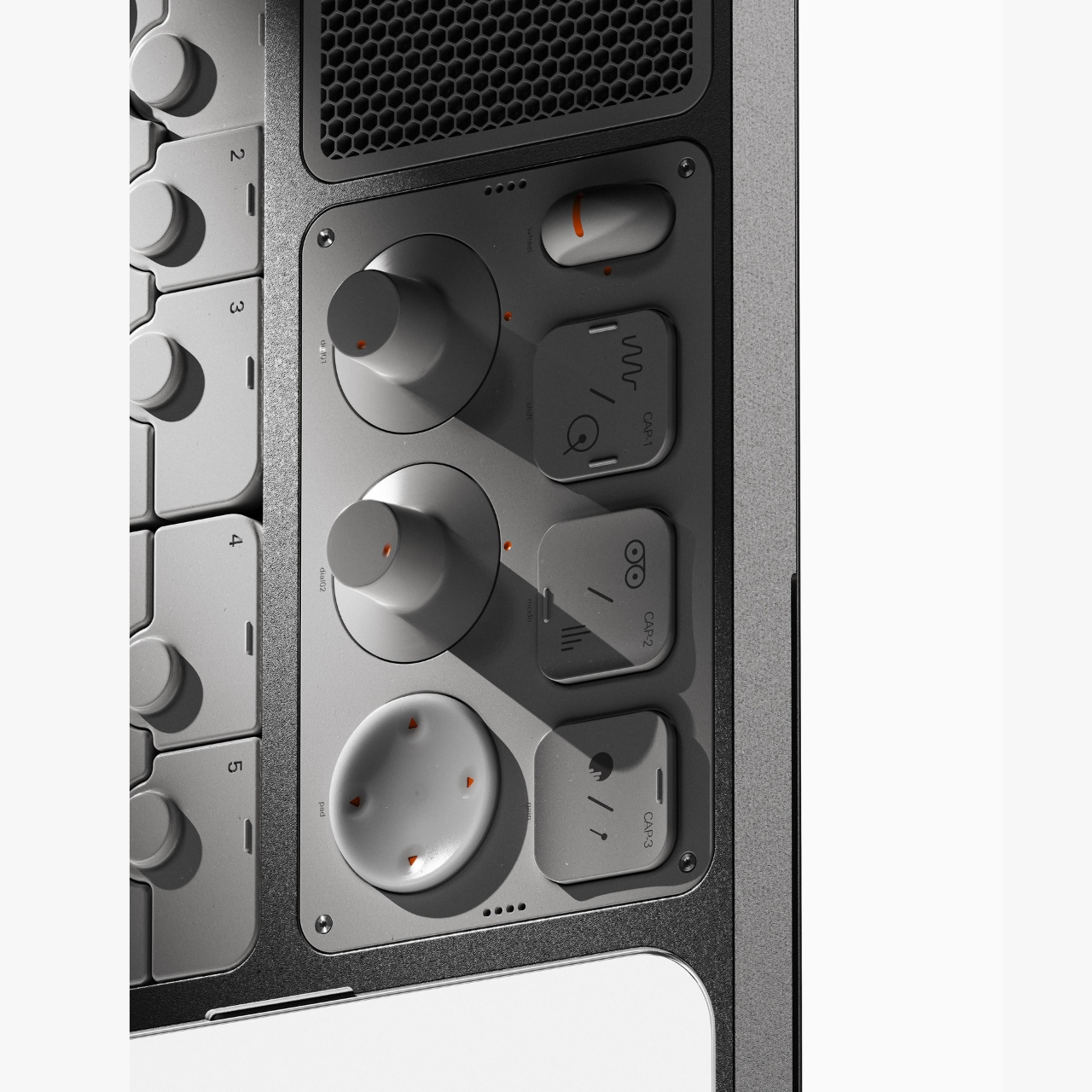
The machine looks like your typical synthesizer except that it is designed to not look so intimidating, with a clean interface and layout that should be easy to understand. The first step to using it is to describe the music that you’re thinking of, setting the length, tempo, mood, genre, prompt, mixing, and other things that may be in your brain. You can also even generate an album cover that will match your song. Once the AI has generated the song, you can also mix and adjust it according to your preference before transferring the completed song through an NFC card or a USB-C type connector.

All the buttons, knobs, and keyboard are designed in an intuitive interface. The housing of the HPMXR 07 is made from aluminum and has a monochromatic color with orange highlights. The switches and stabilizers have a tactile interface so you still feel in control even as the AI helps you generate the music that is in your head. It’s a good toy to play around with if you want to experiment with creating music but you don’t have the ability to understand more complicated mixers and synthesizers.

The post Music mixer concept uses generative AI to help you create music first appeared on Yanko Design.

Save Your Kitchen Space With The All-In-One Kitchen Aid That Replaces Other Kitchen Appliances

In the ever-evolving world of kitchen appliances, the demand for efficiency, versatility, and compactness has led to the creation of innovative solutions. The Hybrid Kitchen Aid emerges as a groundbreaking product that not only boasts multiutility but excels in adaptability, storage efficiency, and economical use.

Designer: Rishikesh Sonawane

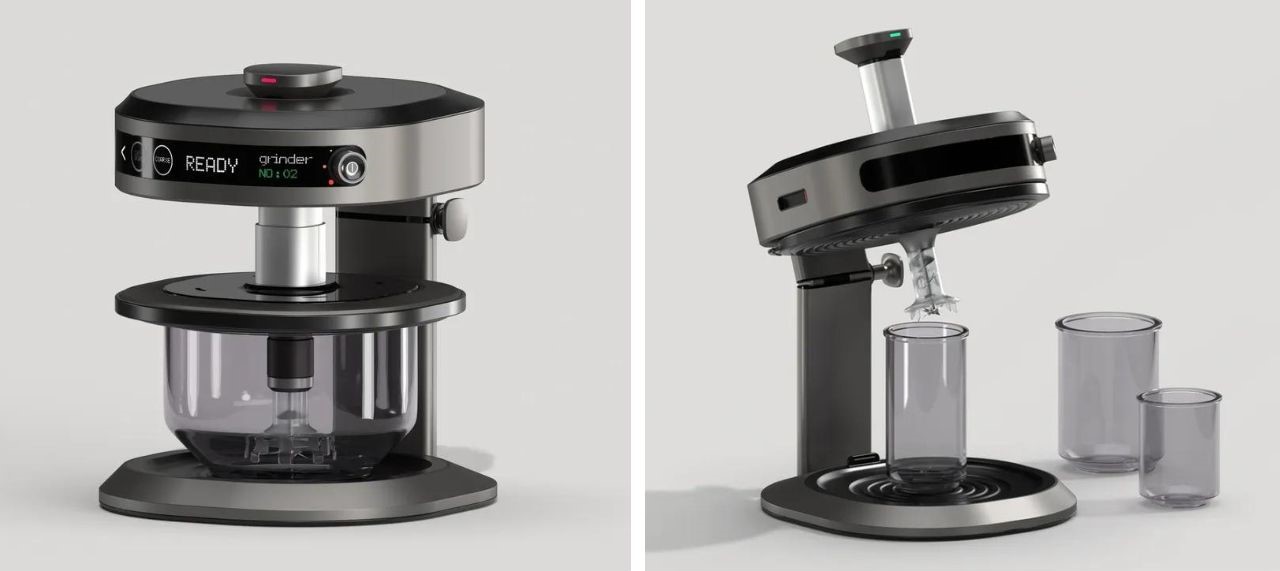
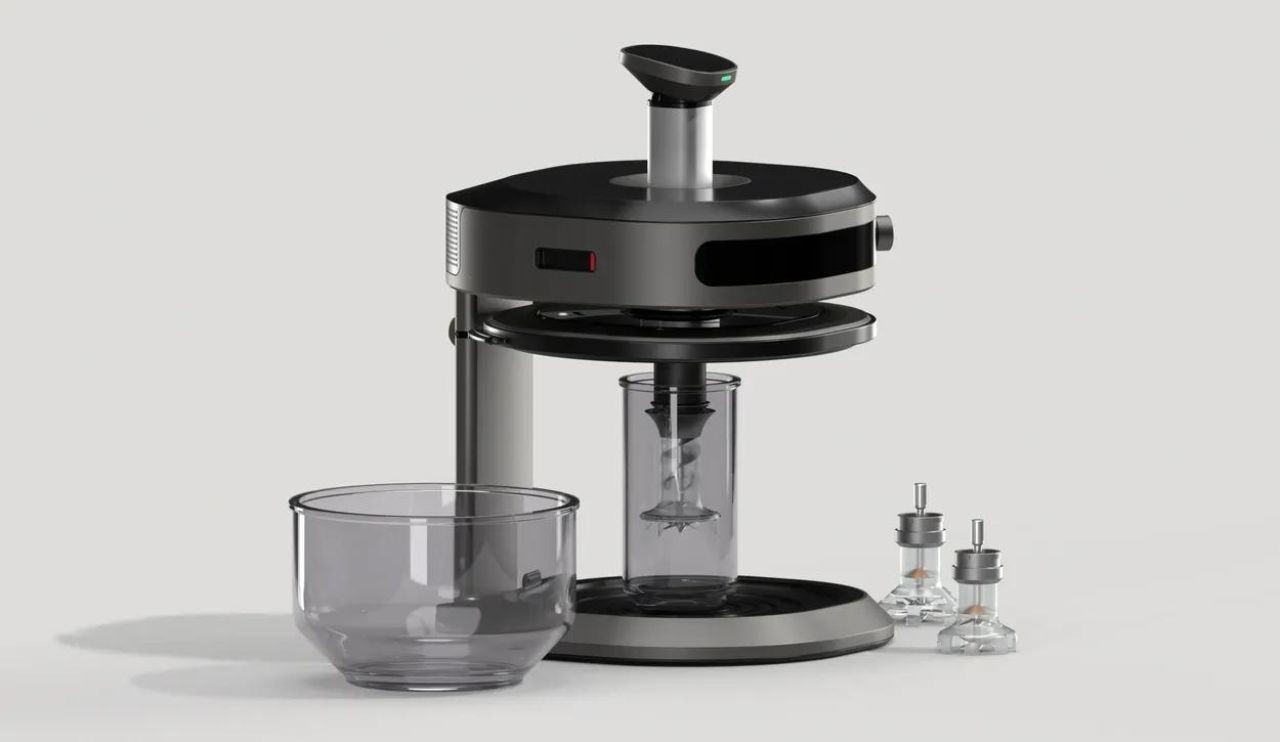
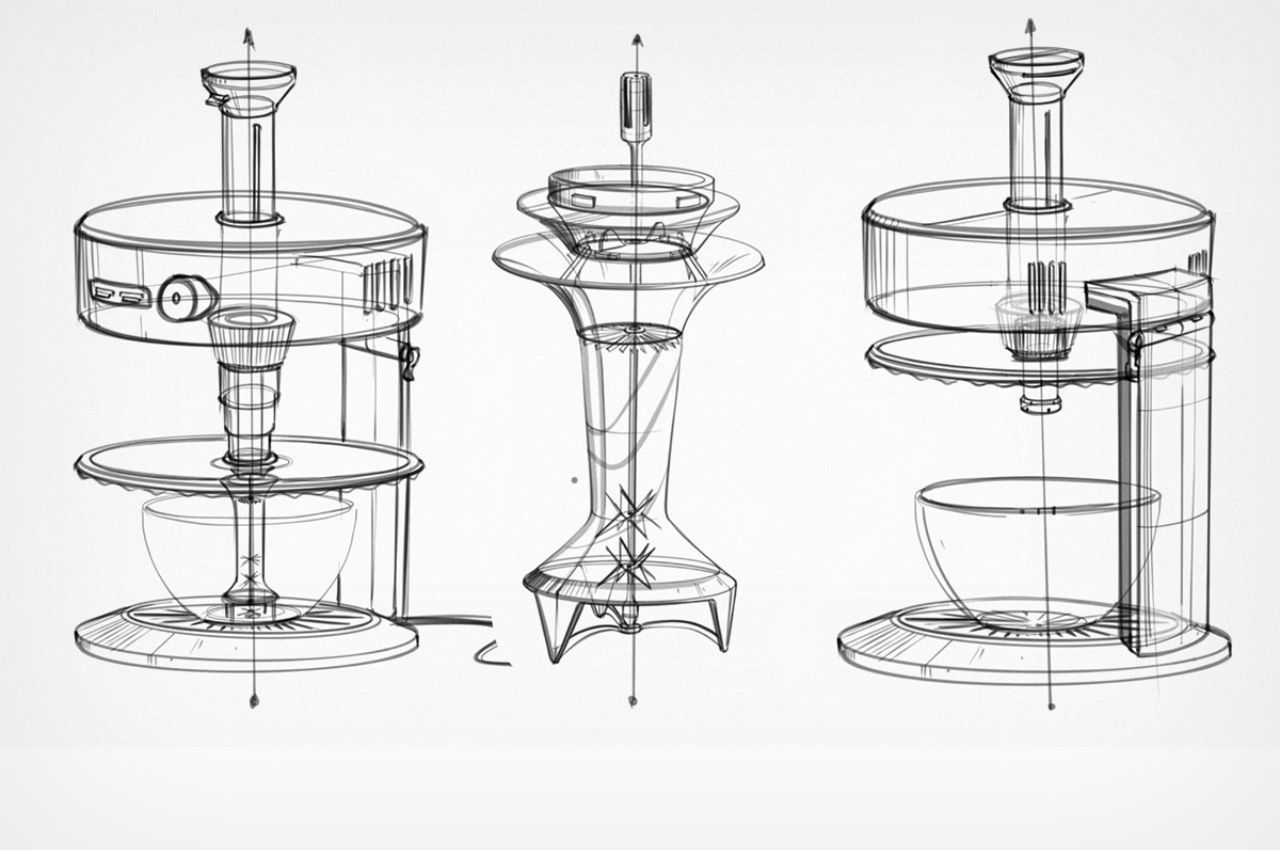
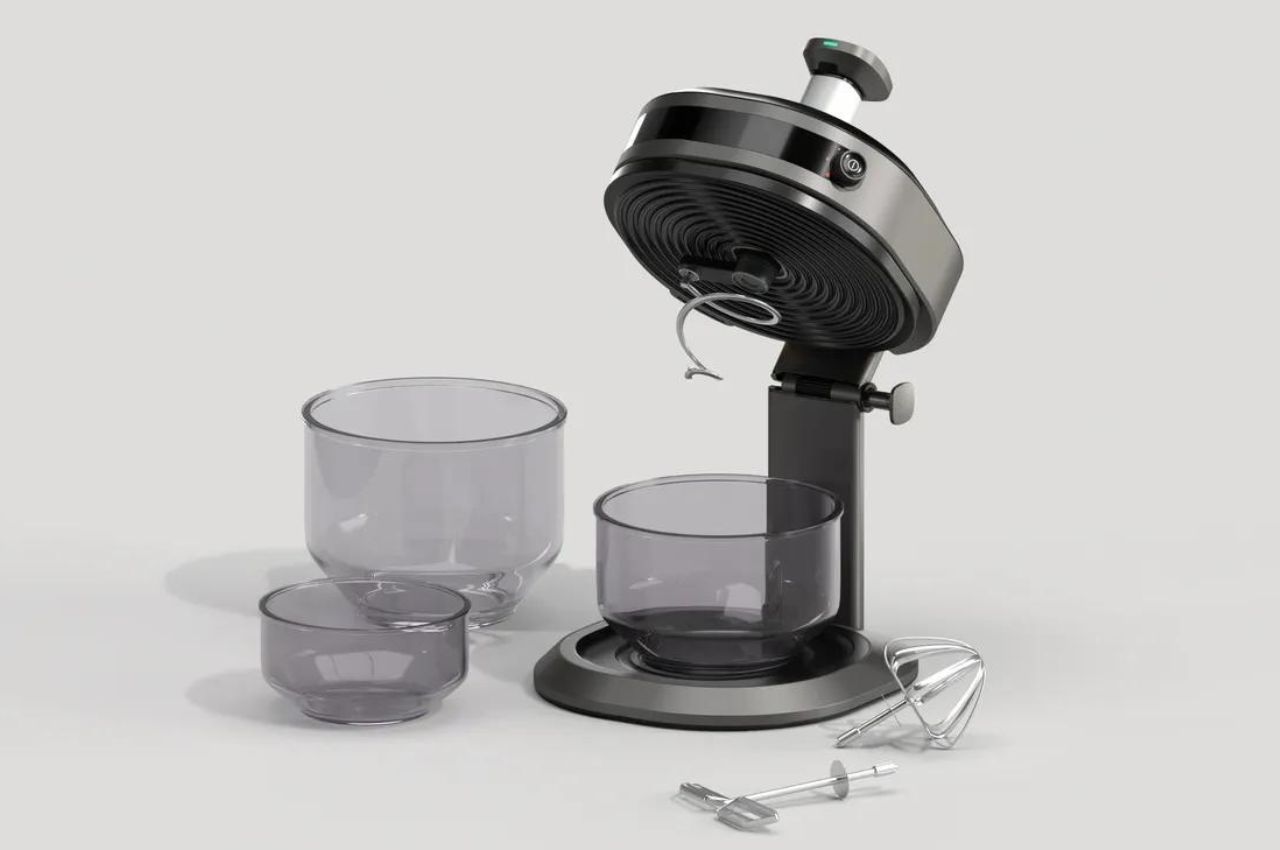
This kitchen aid redefines the concept of kitchen appliances by seamlessly integrating the functions of multiple devices into one compact and adaptable machine. Inspired by the classic French press, its design allows it to execute tasks equivalent to blending, grinding, and kneading, making it an all-in-one solution for various kitchen needs.

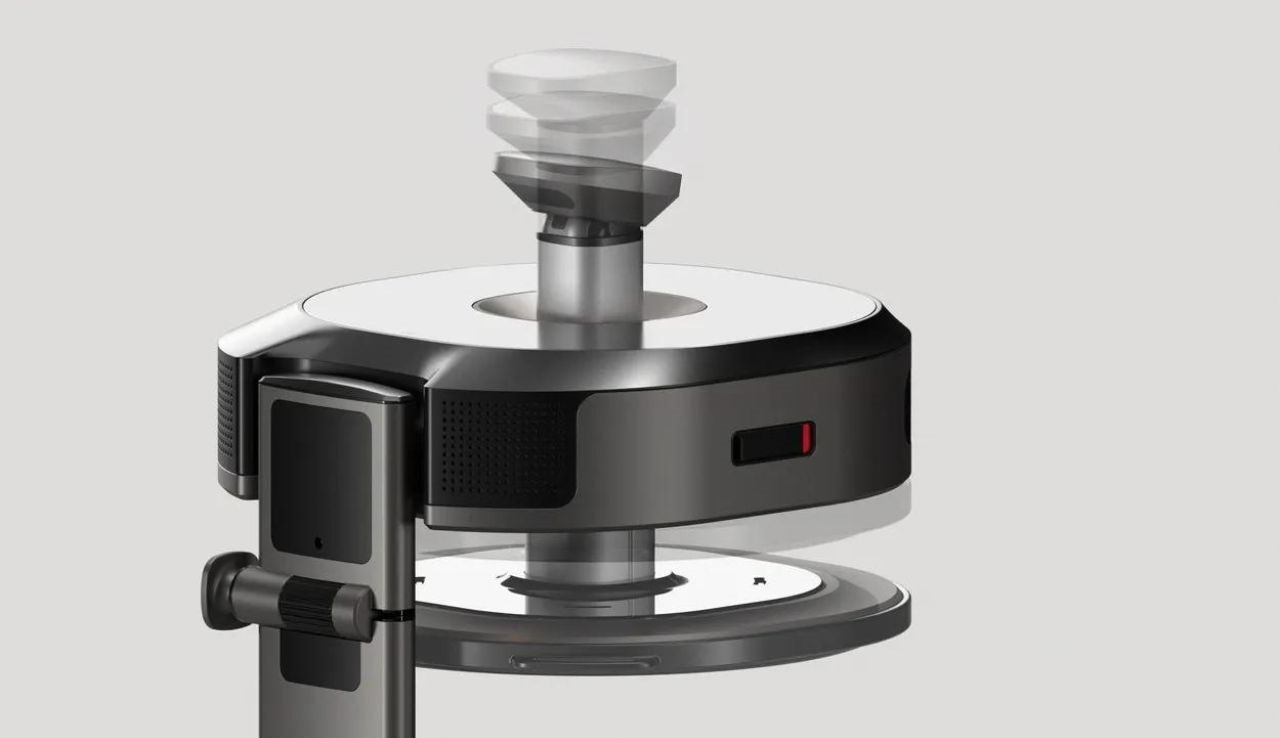
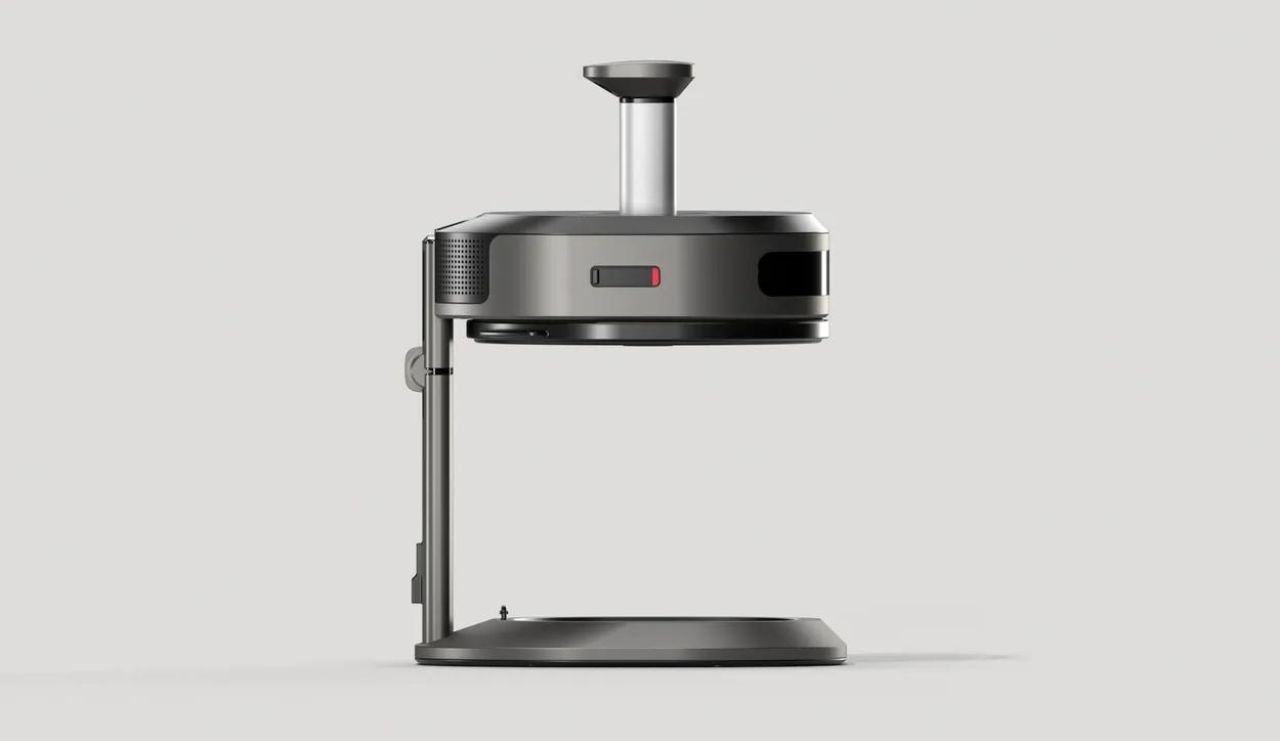
One of its distinguishing features is the inversion of the motor placement, a deviation from traditional food processors. This unique design contributes to the adaptability of the appliance. The sliding switch empowers the user to cut direct power, enhancing safety and control during use.

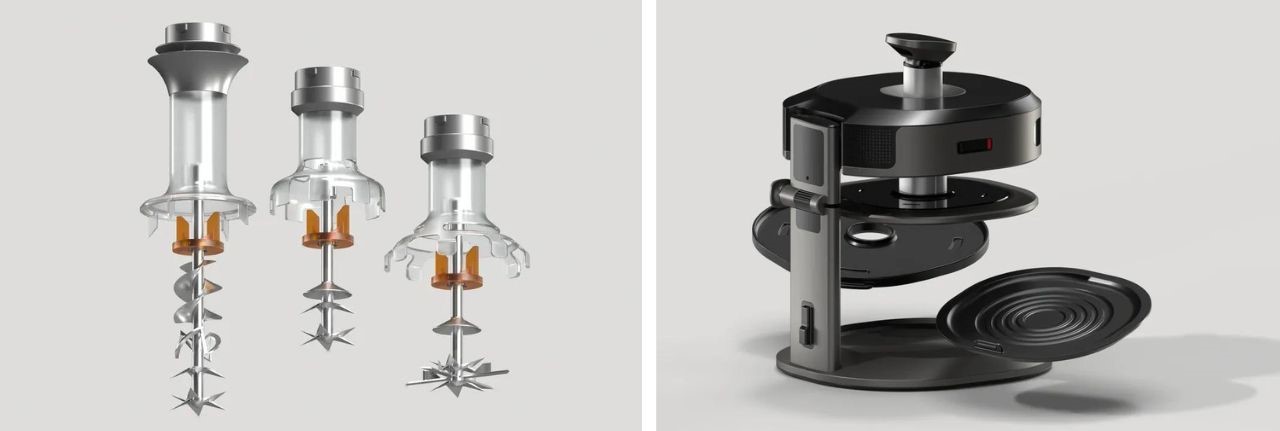
The telescopic arm, a key design element, controls the lid level and ensures the attachment reaches the bottom of any vessel placed. A lock mechanism secures the telescoping arm and lid at the desired level, providing stability and ease of use. The user-friendly design allows for easy adjustment by lifting the arm head to unlock its position.

Lack of storage is a very common concern, the Hybrid Kitchen Aid addresses this by presenting a minimal and robust design where every element serves multiple functions. The ability to disassemble and adjust the appliance not only aids in storage but also contributes to its economic viability.

The product’s unique design allows it to adapt to a variety of kitchenware, reducing the need for multiple appliances. This adaptability not only enhances productivity but also minimizes the cleaning time between tasks. The suction cups secure the product onto the kitchen counter, adding to its stability during operation.

Cleanability is a critical aspect of any kitchen appliance, I always have my mom complaining about certain products that are difficult to clean and how she despises them, the Hybrid Kitchen Aid excels in this regard. The dismantleable attachments are specifically designed for thorough cleaning, addressing concerns about food particles accumulating in hard-to-reach spaces. The yellow ring and blade module, with a ceramic bearing, ensure easy disassembly and efficient cleaning.

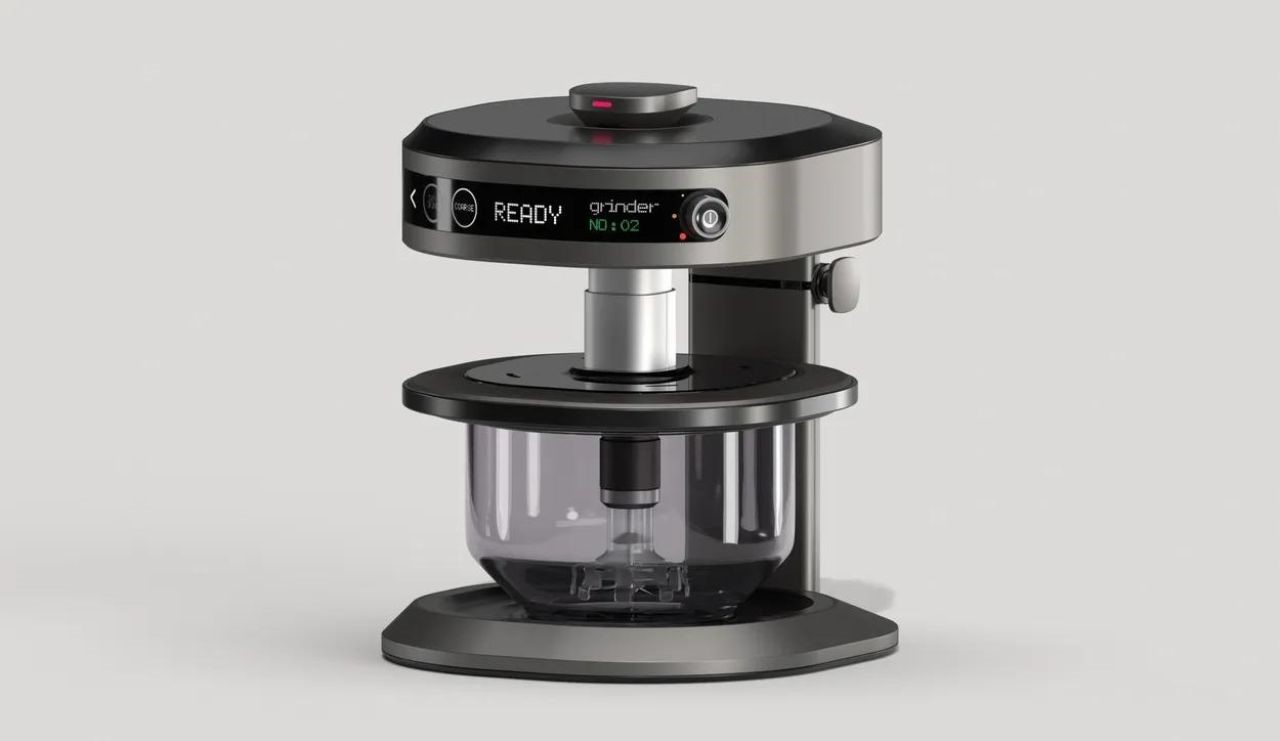
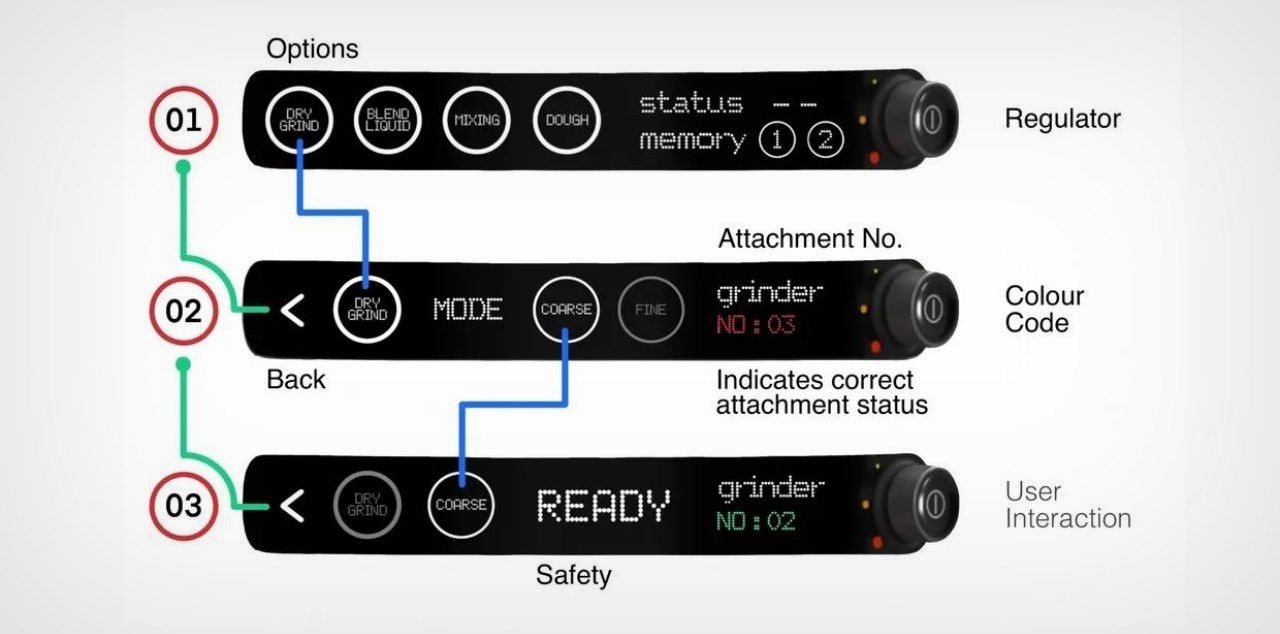
The user interface of the Hybrid Kitchen Aid is both intuitive and aesthetically pleasing. A user flow diagram guides the user through a start-to-finish process, employing color and brightness levels to highlight errors or selections. The regulator dial, also serving as an On/Off button, allows for easy control of RPM.

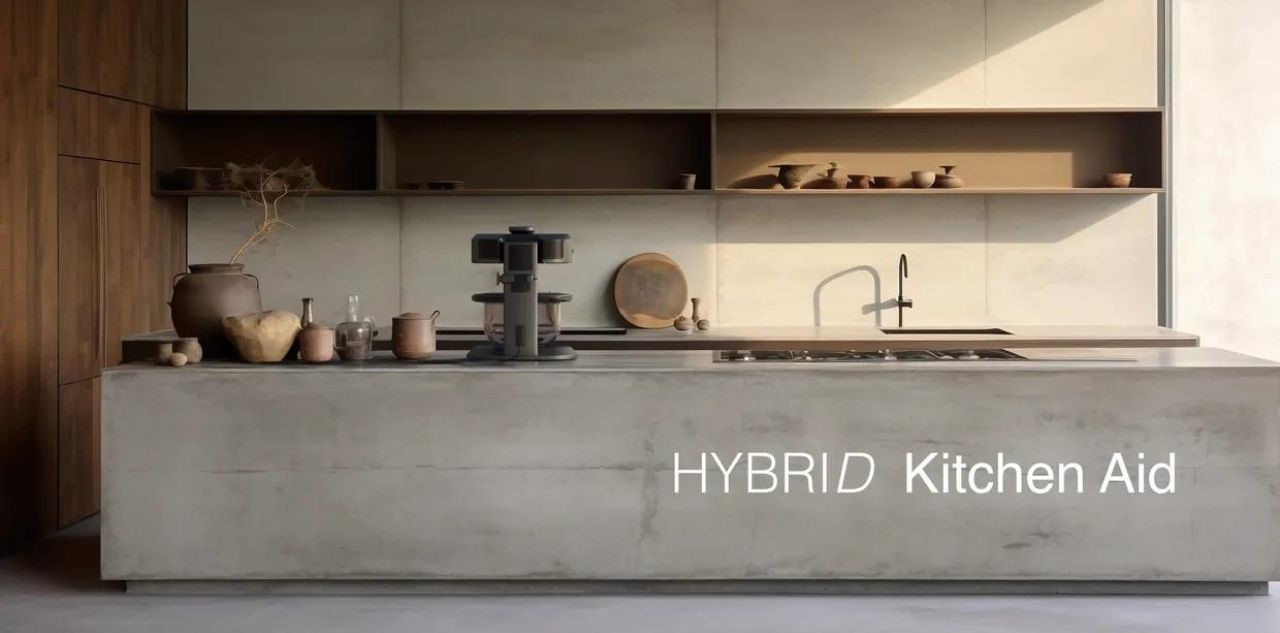
In addition to its functionality, the Hybrid Kitchen Aid stands out as a statement piece in the kitchen. Its elegant design and adaptability make it not only a powerful tool but also a visually appealing addition to any culinary space.

The Hybrid Kitchen Aid transcends the boundaries of conventional kitchen appliances. With its multiutility, adaptability, storage efficiency, and cleanability, it emerges as a revolutionary solution for individuals seeking a versatile and economical kitchen aid that performs optimally in day-to-day cooking tasks.

The post Save Your Kitchen Space With The All-In-One Kitchen Aid That Replaces Other Kitchen Appliances first appeared on Yanko Design.

The BEACN Mix Sound Controller Is on Sale at a 33% Discount

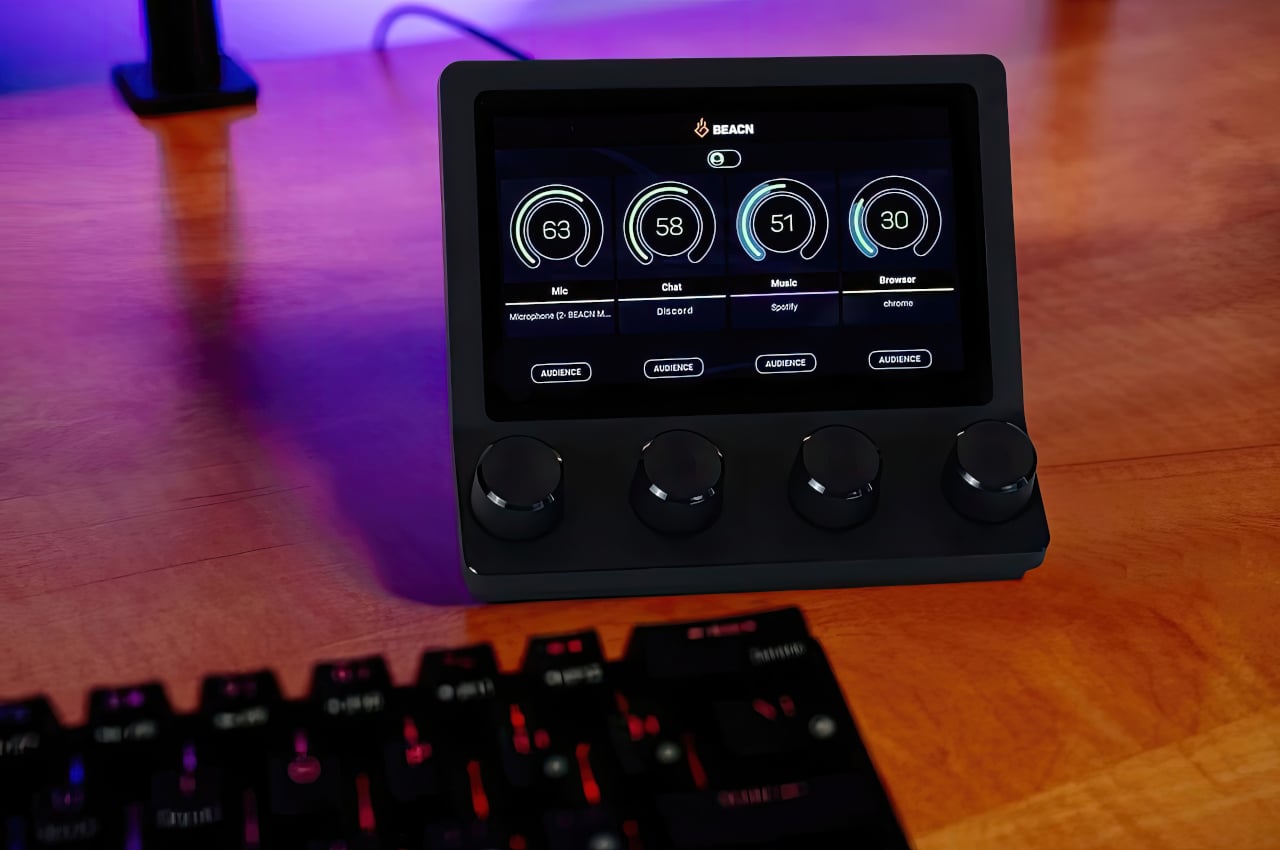
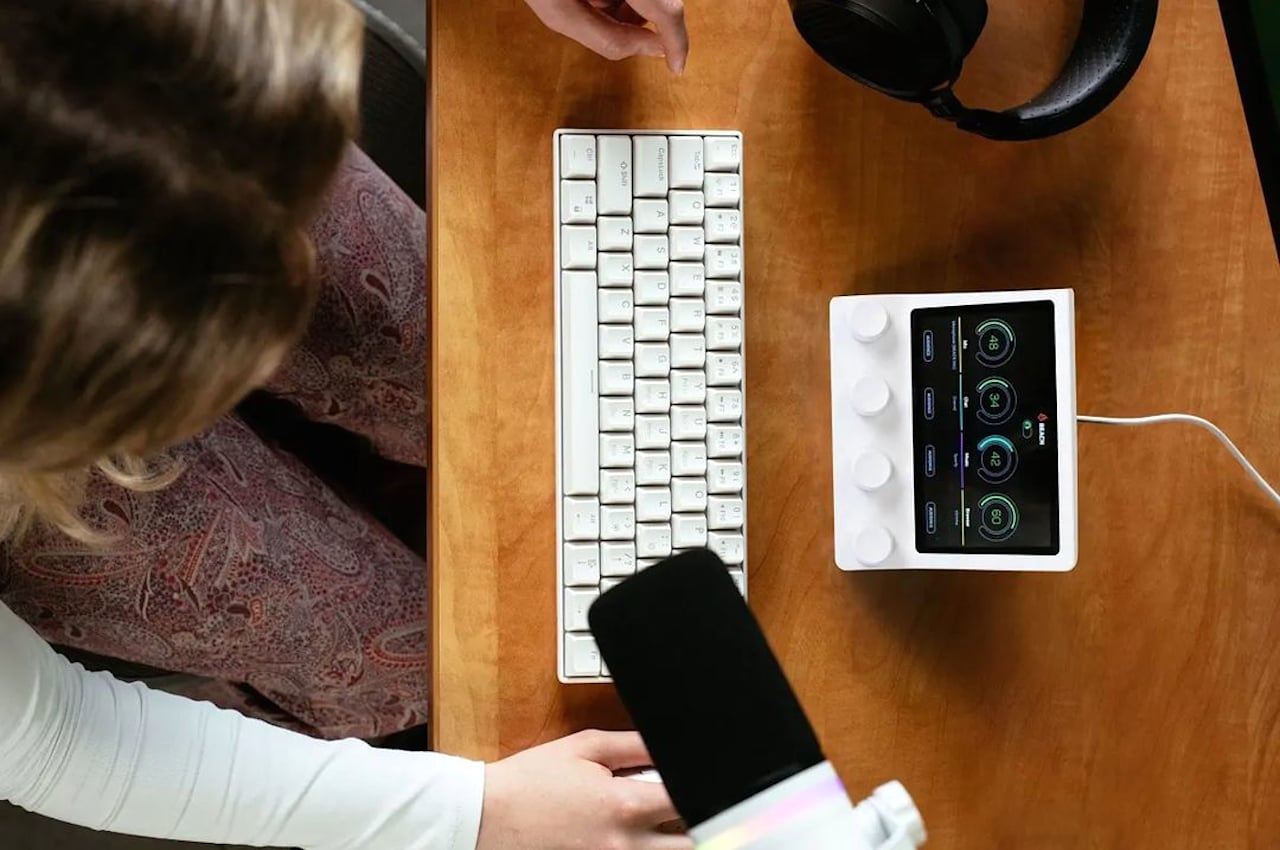
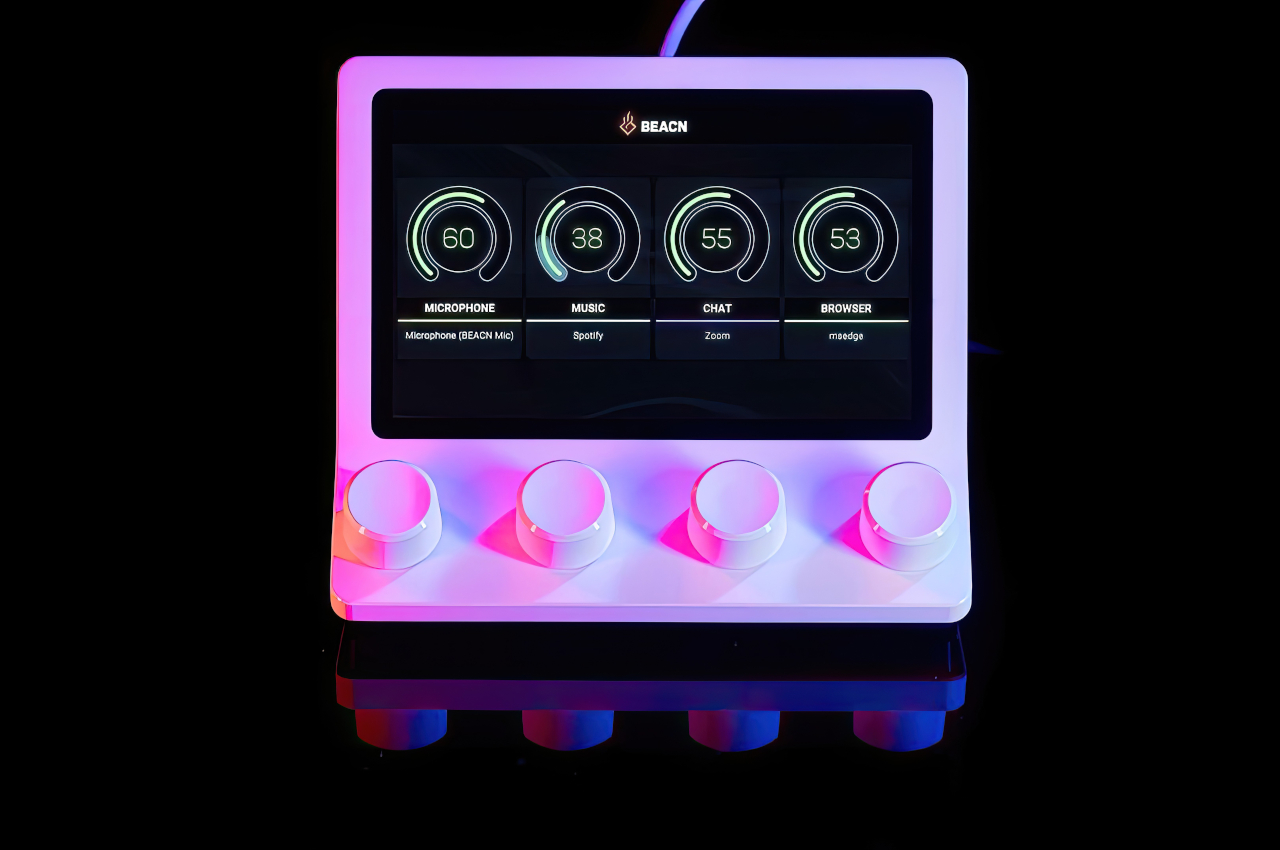
The BEACN Mix Sound Controller — a basic hardware mixer which provides convenient control over up to four audio inputs/outputs on a connected PC — showed up in August 2021 to critical streamer and podcaster acclaim alongside its slightly bigger, yet far more advanced sibling, the BEACN Mix Create. MMORPG’s Joseph Bradford noted its ease of use and great-feeling controls, though it’s broadly disagreed upon whether or not the baseline BEACN Mix controller is worth its $149 MSRP when placed so close to the Mix Create (which has a $199 MSRP). Meanwhile, both controllers compete against the Elgato Stream Deck ($199.99) in both functionality and price, albeit with a few key design differences; potentially making the BEACN Mix the better choice for regular use.

And now, for those who’ve remained on the fence about buying one or the other, the tables are turning. Drop is currently offering the BEACN Mix Sound Controller at a 33.5% markdown ($99, down from $149). Of course, there’s also the far more comprehensive Razer Stream Controller, but its $269.99 MSRP pushes it outside of the same ballpark while its $149.99 macro-only counterpart, the Razer Stream Controller X, is in a category of its own. For the limited time this offer is active, the BEACN Mix is one of the best — if not the best — dedicated streaming audio mixers you can buy, and its major design advantages over the premium-priced Elgato Stream Deck are significant where accessibility is concerned.
Designer: BEACN

Buy it now on Drop $99 $149

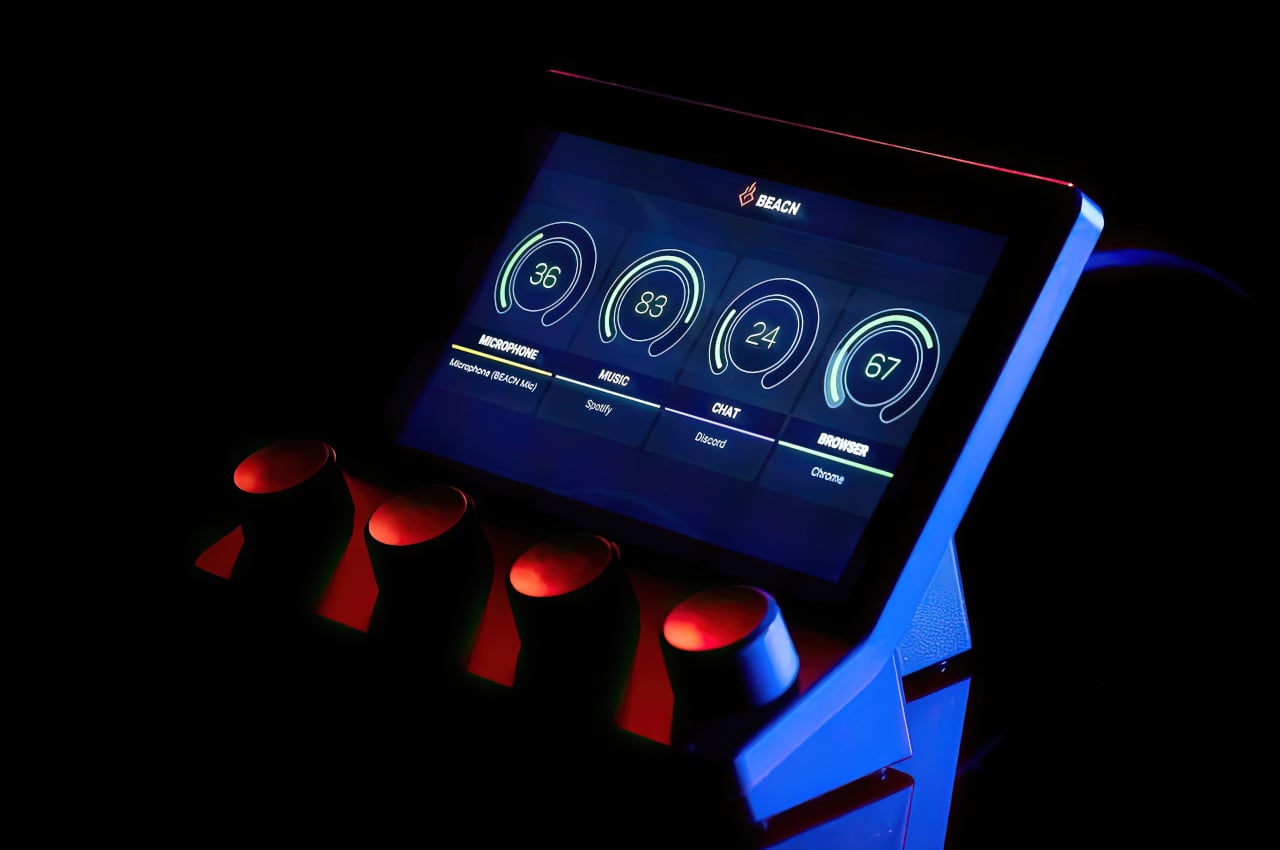
BEACN’s design features two colorways: Dark Blue and White, and they’re both attractive yet functional thanks to the mixer’s four large (and evidently, quite comfortable) knobs and 5-inch full-color display. These are a departure from the Elgato Stream Deck’s much tinier display, function buttons, and knobs, and that’s all possible due to its larger dimensions. Comparing the two side-by-side, the BEACN Mix Sound Controller measures in at 7.4 x 14.3 x 14.2 inches, whereas the Stream Deck is 4.6 x 3.3 x 0.8 inches. Despite the BEACN’s added comfort making it a shoo-in for someone who needs a bigger display and bigger controls, that size difference may be worth considering when determining whether your desk has enough space to fit it.

Still, it’s a plug-and-play mixer with plenty of portability, using USB-C to connect to the streaming PC via a single connection. Once that’s set up, the software seems equally easy to get rolling. Critics are less in love with the mixer’s lack of sophisticated features, however. For example, it lacks the ability to create and control submixes of similar audio signals. That’s not too important when you need something simple in a pinch, and the BEACN Mix is just that — a simple, yet durable and easy-to-configure solution for podcasting and streaming with limited space resources. If that’s you, you’ll want to grab it at its current price before the deal ends, though it’s unclear when that’ll be. Drop’s estimated ship date is December 29, 2023.

The post The BEACN Mix Sound Controller Is on Sale at a 33% Discount first appeared on Yanko Design.