tvOS 26.4 Features: Everything New for Apple TV 4K

tvOS 26.4 Features: Everything New for Apple TV 4K tvOS 26.4

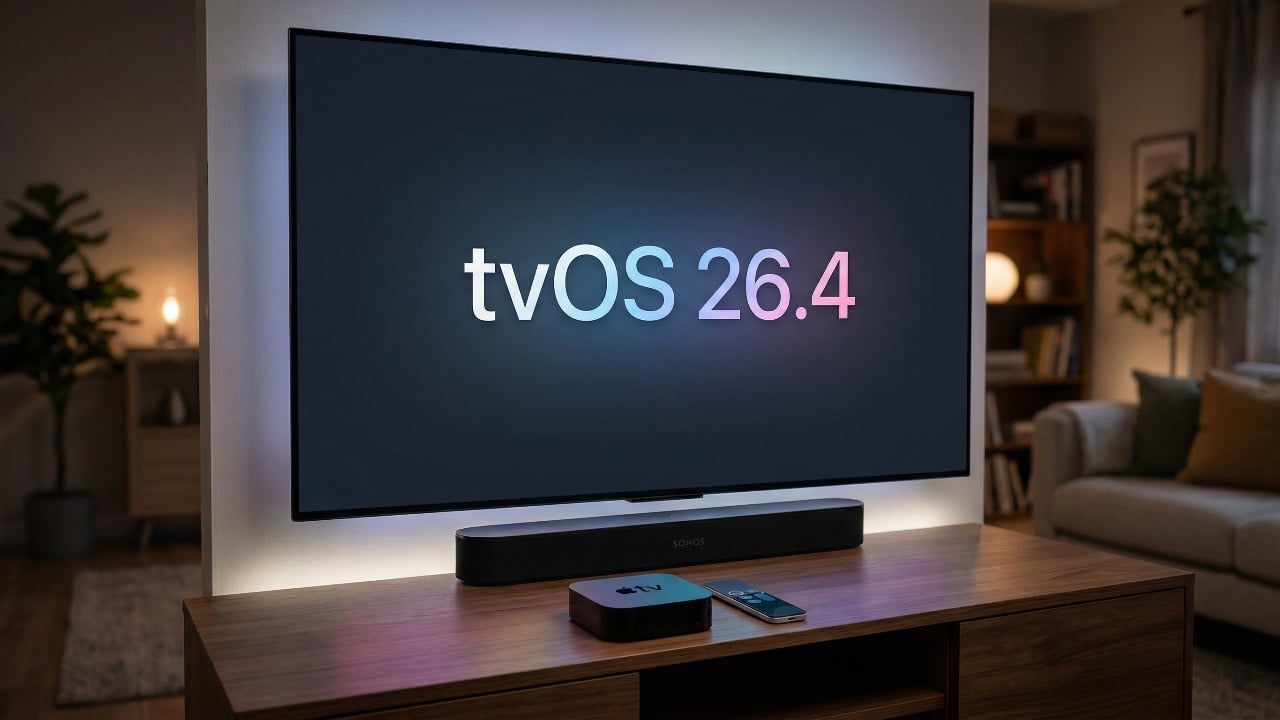
  Apple has officially released the tvOS 26.4 update for Apple TV 4K, introducing a suite of features aimed at enhancing your overall viewing experience. This update addresses long-standing issues, introduces tools for better content discovery, and improves usability, all while reinforcing Apple’s commitment to delivering a seamless entertainment ecosystem. By refining its software, Apple […]

The post tvOS 26.4 Features: Everything New for Apple TV 4K appeared first on Geeky Gadgets.

Posted in Uncategorized

Cursor Faces Backlash over Missing Attribution for Kimi K2.5 Model

Cursor Faces Backlash over Missing Attribution for Kimi K2.5 Model Collage of developer tools, license text, and safety notes highlighting trust and transparency issues in AI.

Recent developments in artificial intelligence reveal ongoing tensions between progress, ethics and accountability. Universe of AI examines three significant events shaping the field: Anthropic’s updates to Claude Code, Cursor’s controversy over its Composer 2 model and OpenAI’s proposed adult mode. Cursor’s failure to credit Moonshot AI’s Kimi K2.5 as the foundation for its Composer 2 […]

The post Cursor Faces Backlash over Missing Attribution for Kimi K2.5 Model appeared first on Geeky Gadgets.

Posted in Uncategorized

Lenovo’s $60 Snap-On Turns the Legion Tab Into a Bartop Arcade

Gaming on a tablet is a strange kind of compromise. The screen is great, the hardware is often genuinely powerful, and the library is enormous, but you’re still holding a slab of glass with your thumbs smudging across virtual buttons. Controllers help, and dedicated gaming tablets like Lenovo’s Legion Tab have attracted a healthy ecosystem of accessories. None of them, though, looks quite like this.

Lenovo has quietly released the Legion Y700 Tablet Arcade Dock in China, a snap-on peripheral that turns the 8.8-inch Legion Tab into a miniature arcade cabinet. The tablet slots into the dock and connects through USB-C, at which point you have a joystick, eight colored action buttons, and five additional buttons along the top edge. That’s 14 physical inputs total, which covers most of what classic arcade games and retro emulators would ever demand from a player.

Designer: Lenovo

The concept is straightforward, and the appeal is immediate. Retro gaming on Android has quietly matured into one of the more compelling reasons to own a powerful compact tablet, and a joystick changes the feel of that experience in a way no gamepad quite replicates. Fighting games, run-and-gun titles, and classic beat-em-ups were built around a stick and a row of buttons, and playing them with a thumbstick always involves a small but nagging sense of compromise that this dock resolves without much ceremony.


The dock is listed on Lenovo’s Chinese store for ¥399, which converts to roughly $60 stateside. For an accessory with this level of novelty, that pricing is surprisingly restrained. The Legion Tab itself carries real gaming hardware, and the dock is essentially asking whether you’d like to occasionally use it standing upright like a bartop cabinet. At $60, the answer doesn’t require much deliberation.

The more practical question is whether the controls hold up to repeated use. Arcade joysticks and buttons sit on a spectrum from satisfying to mushy, depending almost entirely on the microswitches underneath, and Lenovo hasn’t published specifications on what’s inside this one. The snap-lock installation is designed for quick assembly, which is convenient, but a docking mechanism that flexes during aggressive joystick inputs would undermine the whole point.

There’s also the matter of availability. This is currently a China-only product, compatible with the Legion Y700 Gen 4 and Gen 5 tablets. The Legion Tab Gen 5 is heading to the US and global markets at $849, but the dock has no confirmed international release alongside it. Lenovo launched a gamepad accessory for the same tablet at roughly the same time, and neither has been officially announced outside China.
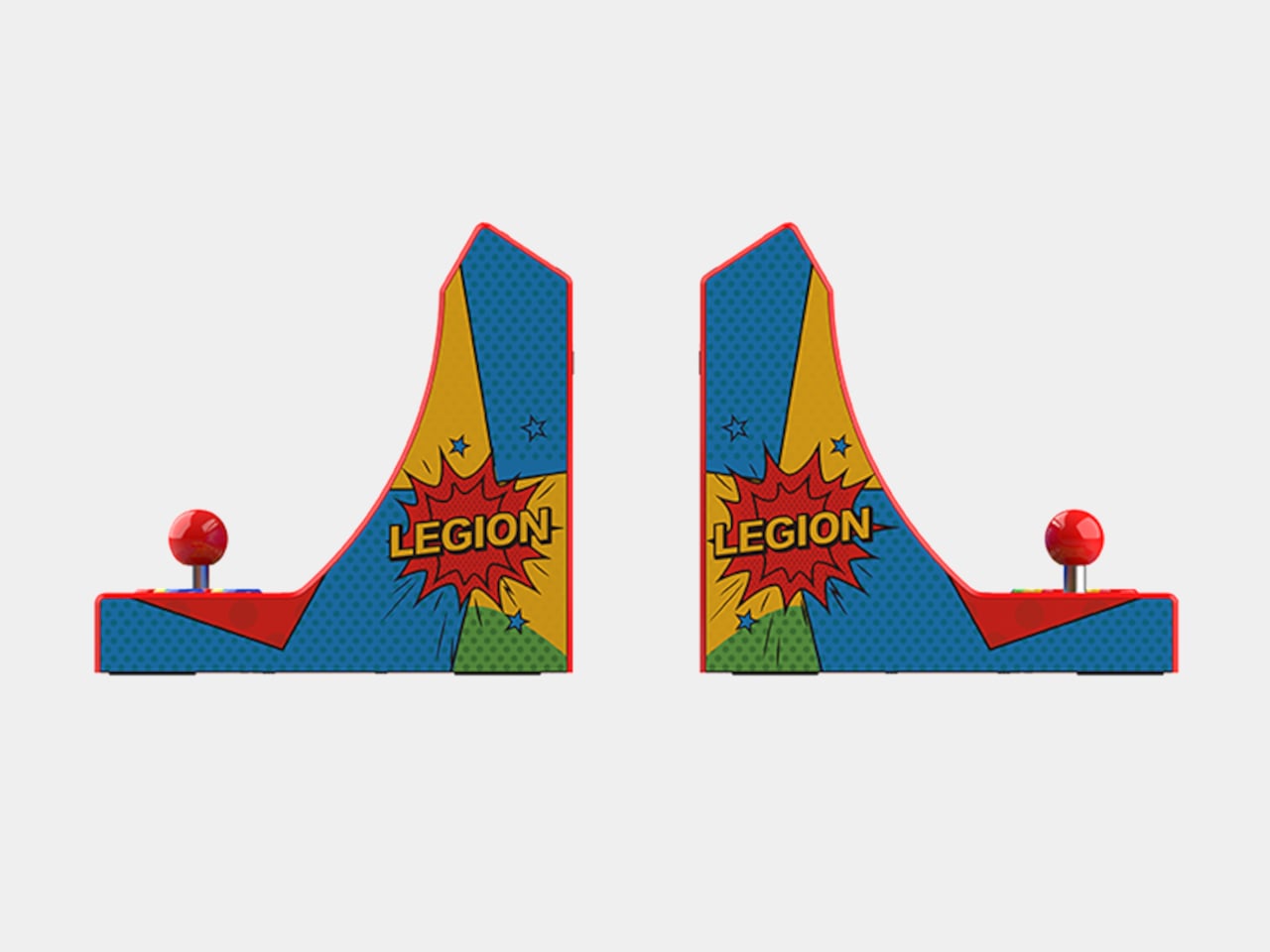
For a tablet that positions itself as a serious portable gaming device, the arcade dock is either a genuinely clever extension of that identity or a fun novelty that will live mostly in social media posts and Chinese gaming cafes. The form factor has obvious charm, and the $60 price removes most of the financial hesitation. What’s less clear is whether the controls are built to survive a few hundred rounds of Street Fighter or just look great in product photos.

The post Lenovo’s $60 Snap-On Turns the Legion Tab Into a Bartop Arcade first appeared on Yanko Design.
Think Your Phone Is Durable? This Galaxy S26 Ultra vs. iPhone 17 Pro Max Drop Test Changes Everything

Think Your Phone Is Durable? This Galaxy S26 Ultra vs. iPhone 17 Pro Max Drop Test Changes Everything iPhone 17 Pro Max rear panel with chipped glass, while camera lenses remain intact after testing.

Durability remains a critical factor for smartphone users who expect their devices to endure the wear and tear of daily life. In a direct comparison, the Galaxy S26 Ultra and iPhone 17 Pro Max were subjected to rigorous drop tests to evaluate their structural integrity, material strength, and overall resilience. The results highlighted significant differences […]

The post Think Your Phone Is Durable? This Galaxy S26 Ultra vs. iPhone 17 Pro Max Drop Test Changes Everything appeared first on Geeky Gadgets.

Posted in Uncategorized

How LangSmith Sandboxes Isolate Untrusted Code for AI Agent Workflows

How LangSmith Sandboxes Isolate Untrusted Code for AI Agent Workflows Diagram of LangSmith Sandboxes showing isolated, short-lived environments for running untrusted agent code safely.

LangChain has introduced LangSmith Sandboxes, a feature that enables the execution of untrusted or unpredictable code within isolated environments. These sandboxes are particularly suited for tasks such as data analysis, API interactions, and output validation, where safeguarding infrastructure security is critical. By implementing proxy rules, they ensure secure communication with external APIs, preventing sensitive information […]

The post How LangSmith Sandboxes Isolate Untrusted Code for AI Agent Workflows appeared first on Geeky Gadgets.

Posted in Uncategorized

Samsung’s Secret Weapon: The Galaxy Z Fold 8 Wide is a Preemptive Strike on Apple

Samsung’s Secret Weapon: The Galaxy Z Fold 8 Wide is a Preemptive Strike on Apple Samsung Galaxy Z Fold 8 wide

Samsung’s highly anticipated Galaxy Z Wide Fold 8 is set to redefine expectations in the foldable smartphone market. Building on the strong foundation of its predecessor, the Z Fold 7, this latest iteration introduces a wider form factor, enhanced durability, and a series of thoughtful upgrades aimed at improving usability. The video below from Greggles […]

The post Samsung’s Secret Weapon: The Galaxy Z Fold 8 Wide is a Preemptive Strike on Apple appeared first on Geeky Gadgets.

Posted in Uncategorized

Using NotebookLM with Gemini for Evidence-Based Content Creation

Using NotebookLM with Gemini for Evidence-Based Content Creation Notebook LM interface showing curated sources and a prompt for an evidence-based research summary.

NotebookLM is a platform designed to enhance productivity through advanced AI features and personalized workflows. According to Zinho Automates, one standout capability is its Customizable Slide Decks, which enable users to create professional presentations using editable templates and branding options. This feature is particularly useful for professionals who need to produce polished materials under tight […]

The post Using NotebookLM with Gemini for Evidence-Based Content Creation appeared first on Geeky Gadgets.

Posted in Uncategorized

iPhone Air 2: Price, Ultra-Thin Titanium Design, and 2026 Leaks

iPhone Air 2: Price, Ultra-Thin Titanium Design, and 2026 Leaks Front view of the 6.66-inch OLED screen with 120Hz refresh, showing smoother scrolling on a bright display.

Apple is reportedly working on a successor to its ultra-thin iPhone Air, tentatively referred to as the iPhone Air 2. While not officially announced, the device is expected to build on the original model’s focus on slim design and premium materials. However, details such as pricing, specifications, and release timing remain uncertain, with reports suggesting […]

The post iPhone Air 2: Price, Ultra-Thin Titanium Design, and 2026 Leaks appeared first on Geeky Gadgets.

Posted in Uncategorized

How to Recover Android Data Safely After Deletion (Photos, Contacts, and App Data)

How to Recover Android Data Safely After Deletion (Photos, Contacts, and App Data)

The loss of essential photos or app data can happen on any Android device. It also feels even more stressful, especially if there is no immediate backup. Yet, acting correctly in the first few minutes helps keep your data safer and easier to restore. Android phones have native storage and folders that sometimes save deleted […]

The post How to Recover Android Data Safely After Deletion (Photos, Contacts, and App Data) appeared first on Geeky Gadgets.

Posted in Uncategorized

Huawei Put a Fan Inside the Mate 80 Pro Max, But It Cost a Camera

Gaming phones have had active cooling for years, strapping fans and heat pipes to the back like little mechanical tumors. They work, mostly, but they also make your phone look like it needs a pit crew. The Huawei Mate 80 Pro Max Wind Edition takes a different approach, tucking a cooling fan directly inside the phone itself. It is, quite literally, a Fan Edition, and not just in the collector’s edition sense of the word.

The Wind Edition is a variant of the standard Mate 80 Pro Max, currently listed for pre-order in China through Huawei’s Vmall store. It comes in Polar Night Black and Polar Day Gold, with 16GB of RAM paired with either 512 GB or 1 TB of storage. No pricing has been confirmed yet, and Huawei has yet to formally announce the device, but the listing and early images already make clear what the phone is doing and what it sacrificed to do it.

Designer: Huawei

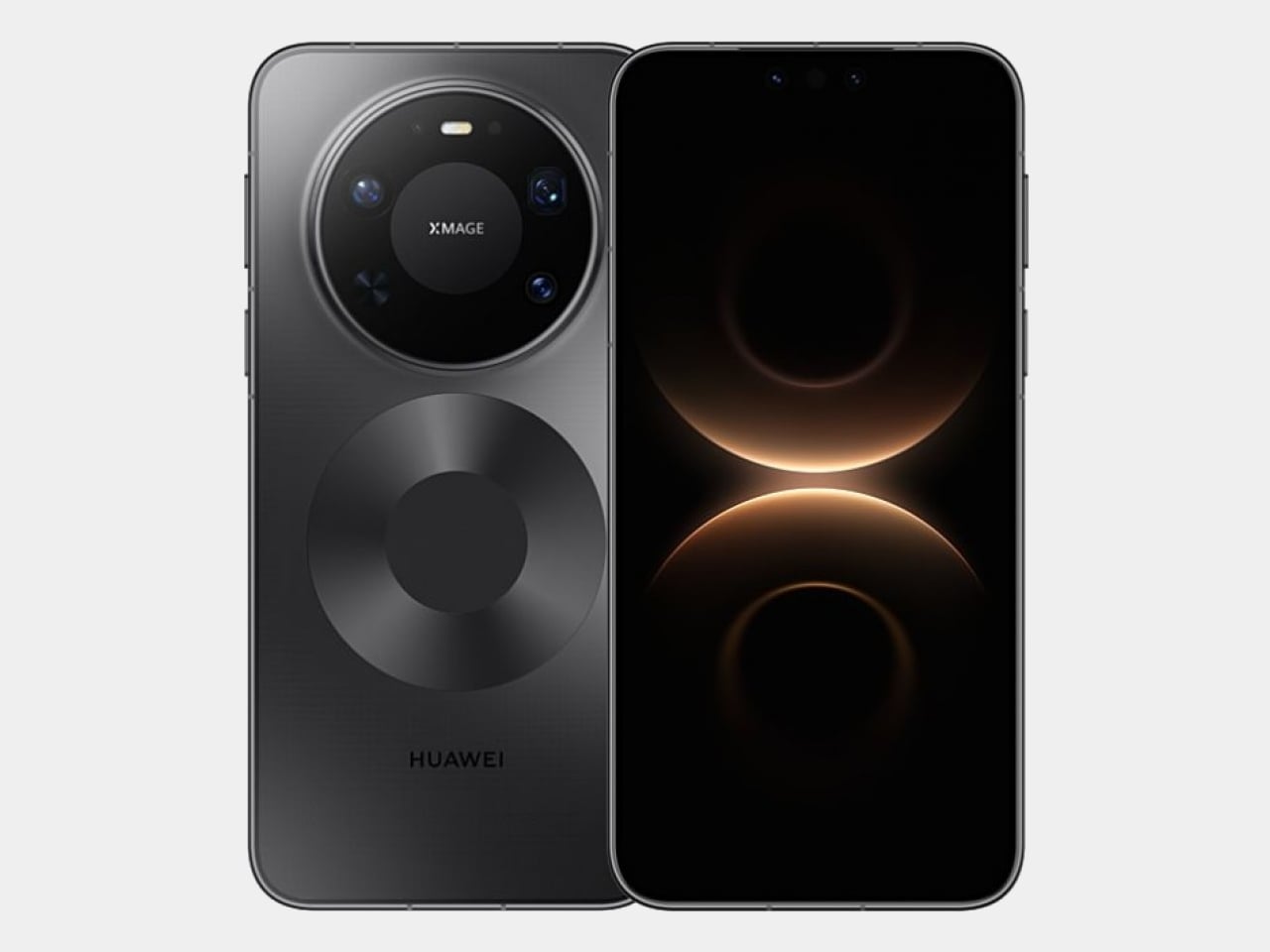
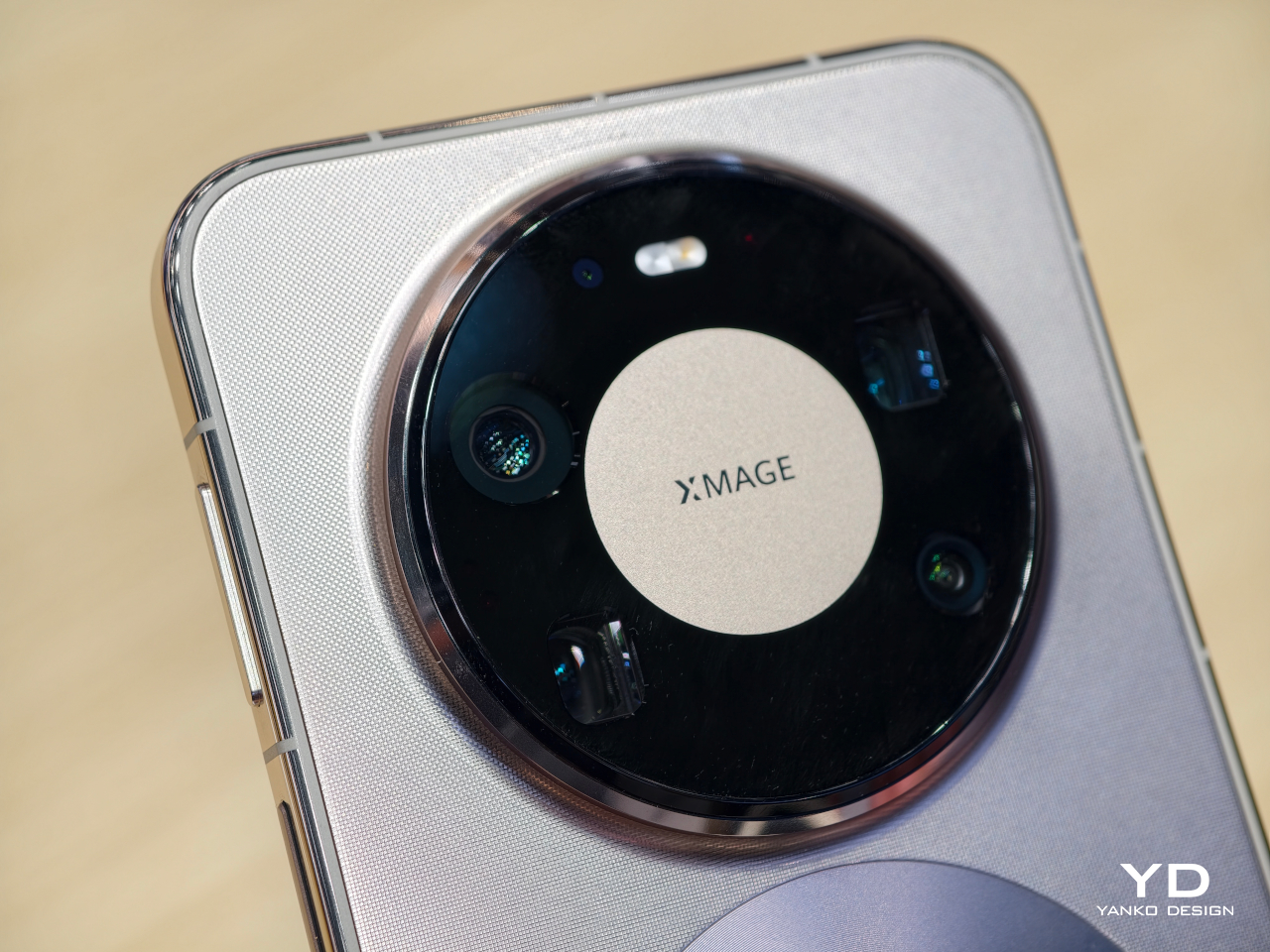
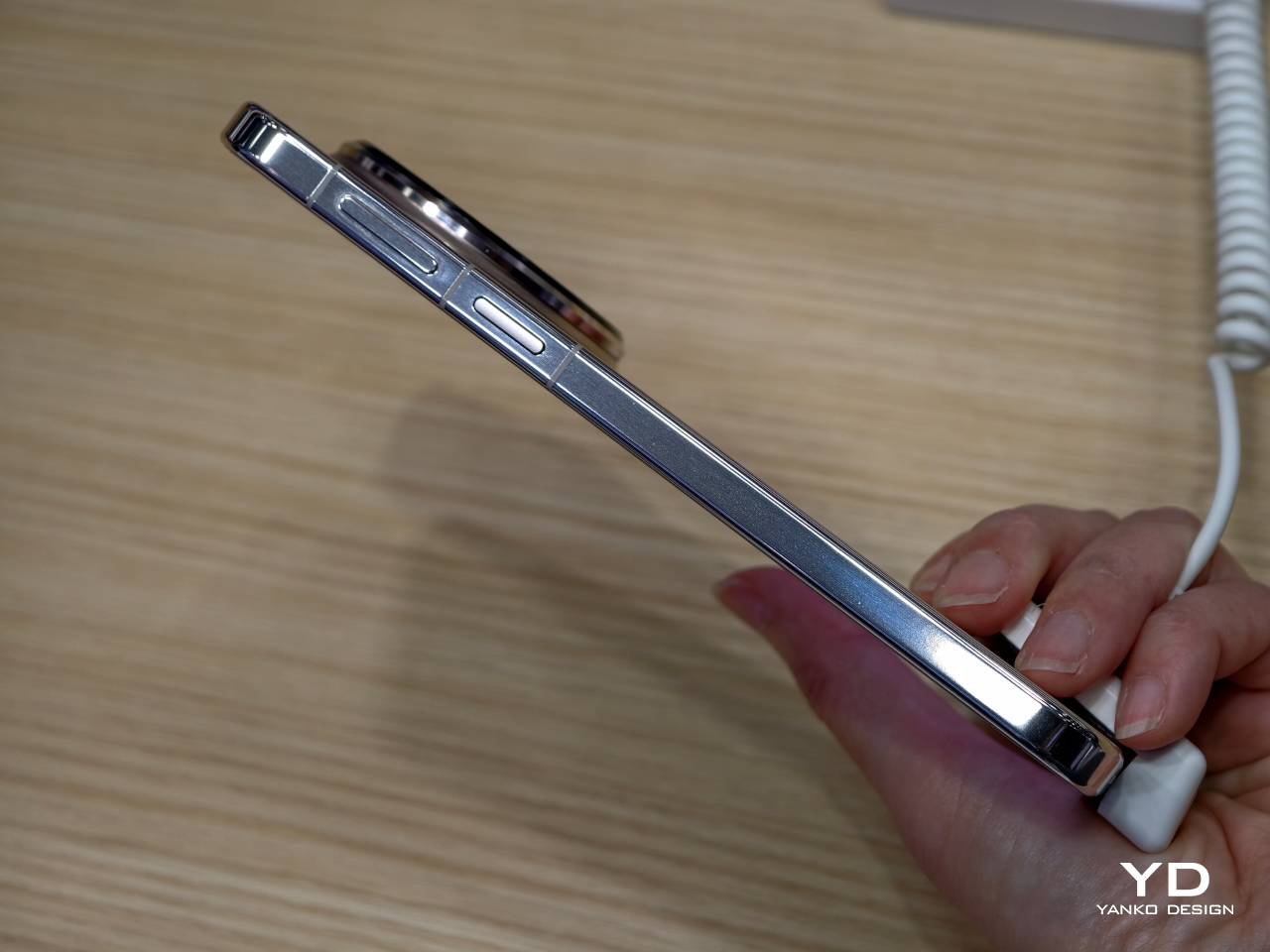
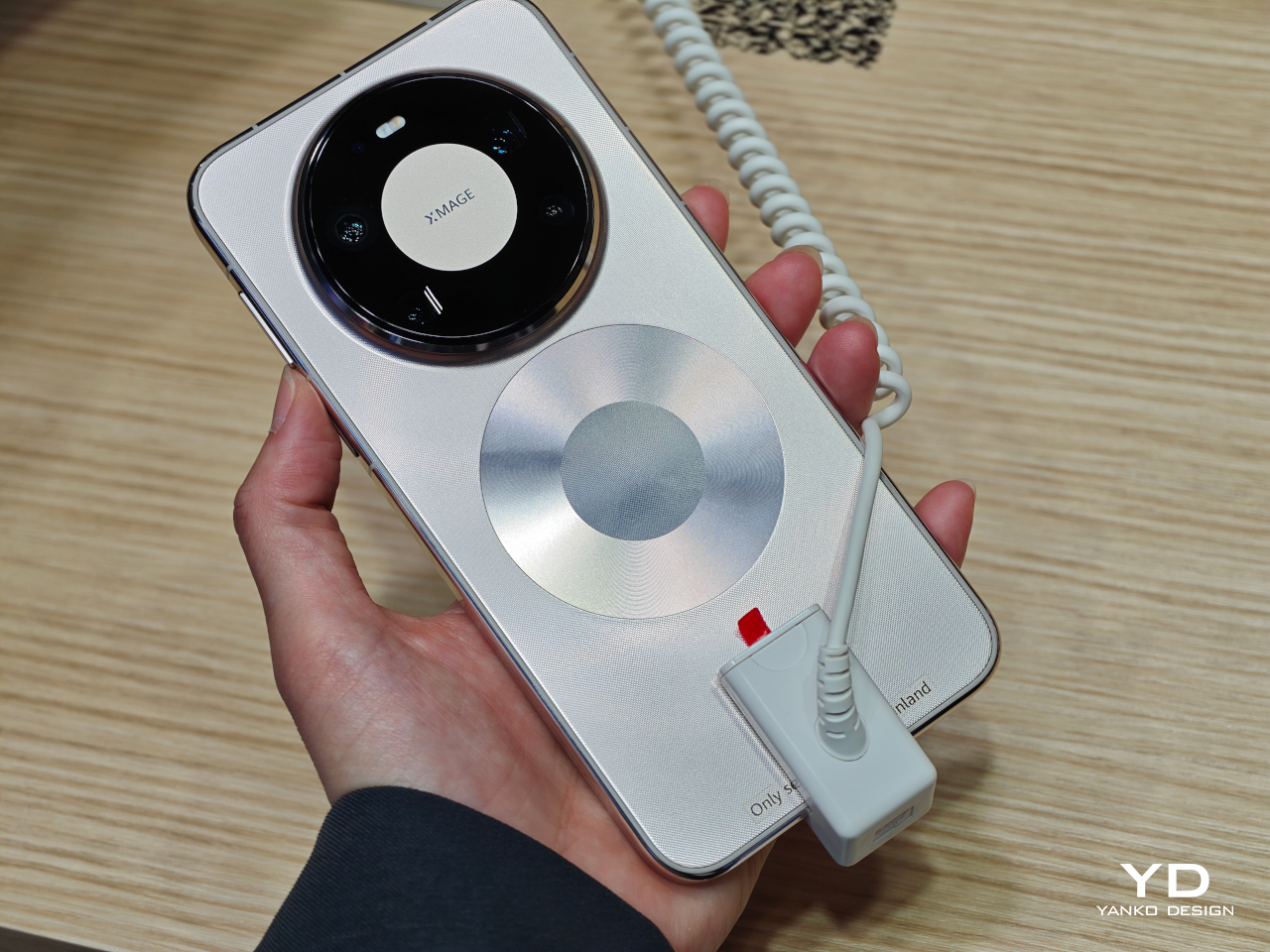
The most obvious change is in the rear camera module. The standard Mate 80 Pro Max has a quad-camera setup; the Wind Edition trims that to three sensors. The space that the fourth camera occupied now goes to the fan mechanism, and the camera ring is noticeably wider to accommodate the ventilation. The perforated ring around the module is not decorative, but it is where the air moves. That trade-off deserves a moment: a flagship phone deleting a camera to make room for a fan.

The rest of the hardware appears to carry over from the standard model, including the 6.9-inch AMOLED LTPO display, the Kirin 9030 Pro chipset, and the 6,000 mAh battery with 100W wired and 80W wireless charging. The fan is intended to help the Kirin 9030 Pro maintain performance during extended gaming or long video recording sessions, where heat buildup would otherwise force the chip to throttle and degrade output.

Active cooling in smartphones is a reasonable engineering response to a real thermal problem, but integrating a moving mechanical part into a device designed to survive drops and dust introduces variables that passive thermal systems simply do not have. Fans collect debris. They wear out. There is a potential failure mode here that no amount of vapor chamber engineering would ever introduce, and that is worth factoring in before committing.

Huawei Mate 80 Pro Max

Huawei Mate 80 Pro Max

Early reports suggest the Wind Edition will initially be sold in limited quantities through select Huawei lifestyle stores rather than the broader retail channel, which positions this less as a mass-market launch and more as a demand test. It is a cautious approach, and probably a sensible one given how different this phone is from anything Huawei has shipped before. Most people curious about it will be watching from the sidelines for now.

The Huawei Mate 80 Pro Max Wind Edition raises a question that no spec sheet can resolve: how much camera versatility is a meaningfully cooler phone actually worth? The downgrade from four sensors to three is a concrete loss, not a rounding error. For someone who pushes the chip through long gaming sessions and has watched their device thermal-throttle under load, the trade-off might make perfect sense. For a photographer who chose the Mate 80 Pro Max for its imaging range, it probably does not.

Huawei Mate 80 Pro Max

The post Huawei Put a Fan Inside the Mate 80 Pro Max, But It Cost a Camera first appeared on Yanko Design.