PlayStation Moon Legacy Edition TV Stand brings Retro PS1 style to your modern gaming setup

PlayStation turned 30 a couple of years ago, and milestones like this rarely pass quietly in the consumer electronics world. Sony marked the occasion with a special edition PlayStation 5 and accompanying accessories finished in a nostalgic gray tone inspired by the original PS1 console. If you were among the lucky few who managed to get hold of that anniversary edition styled after the classic PlayStation color scheme, there is now an equally themed piece of furniture designed to show it off in the living room.

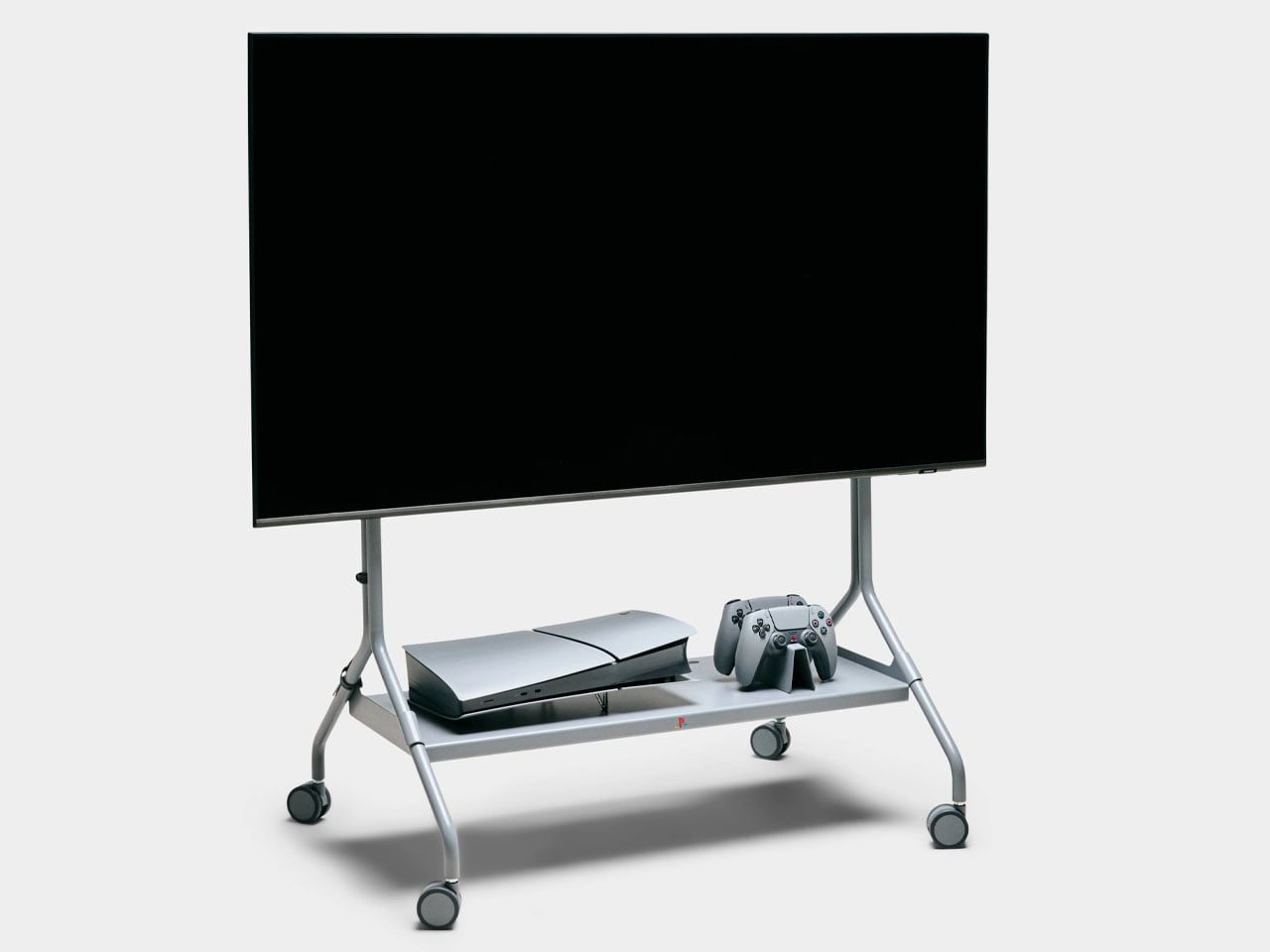
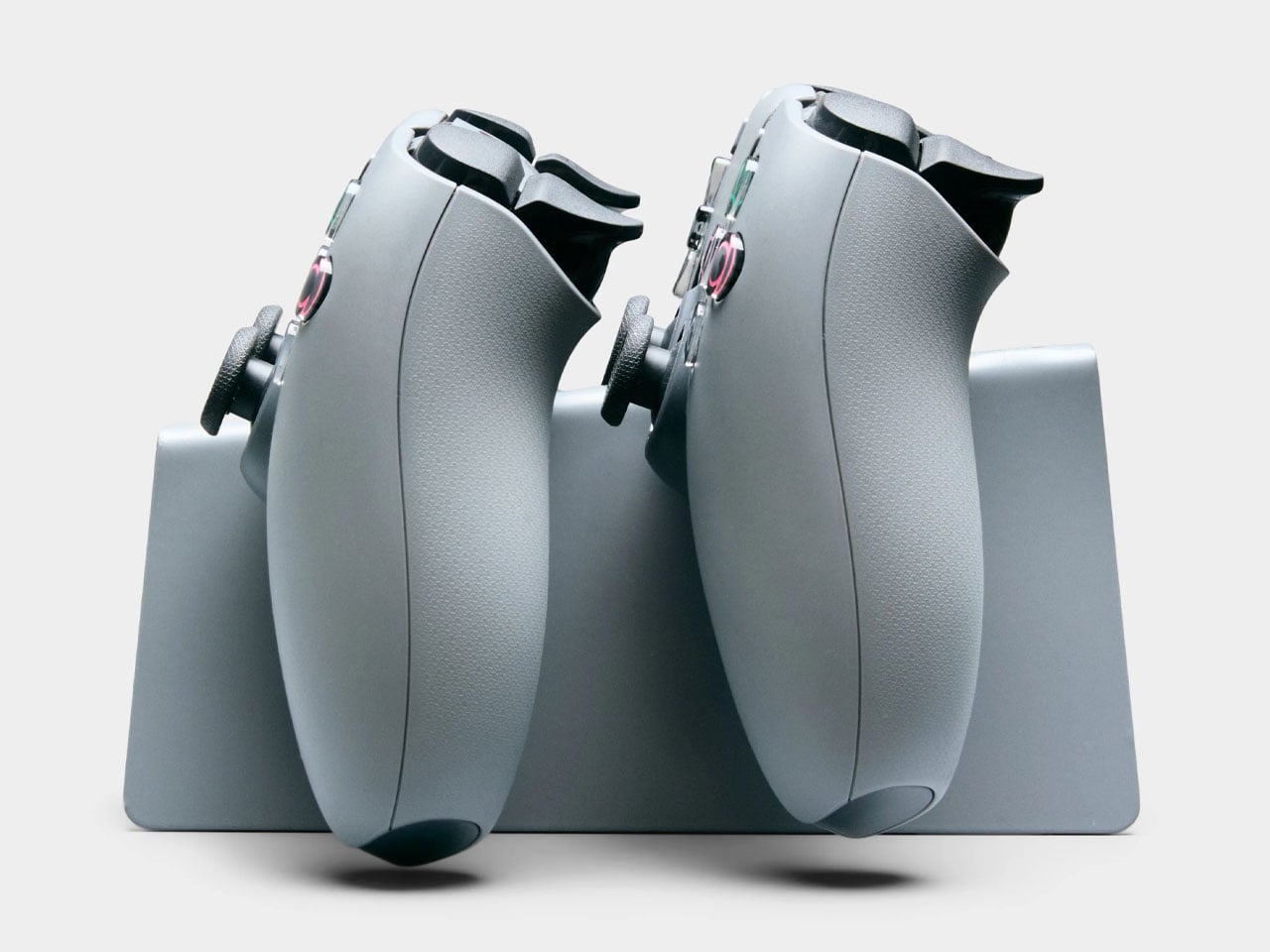
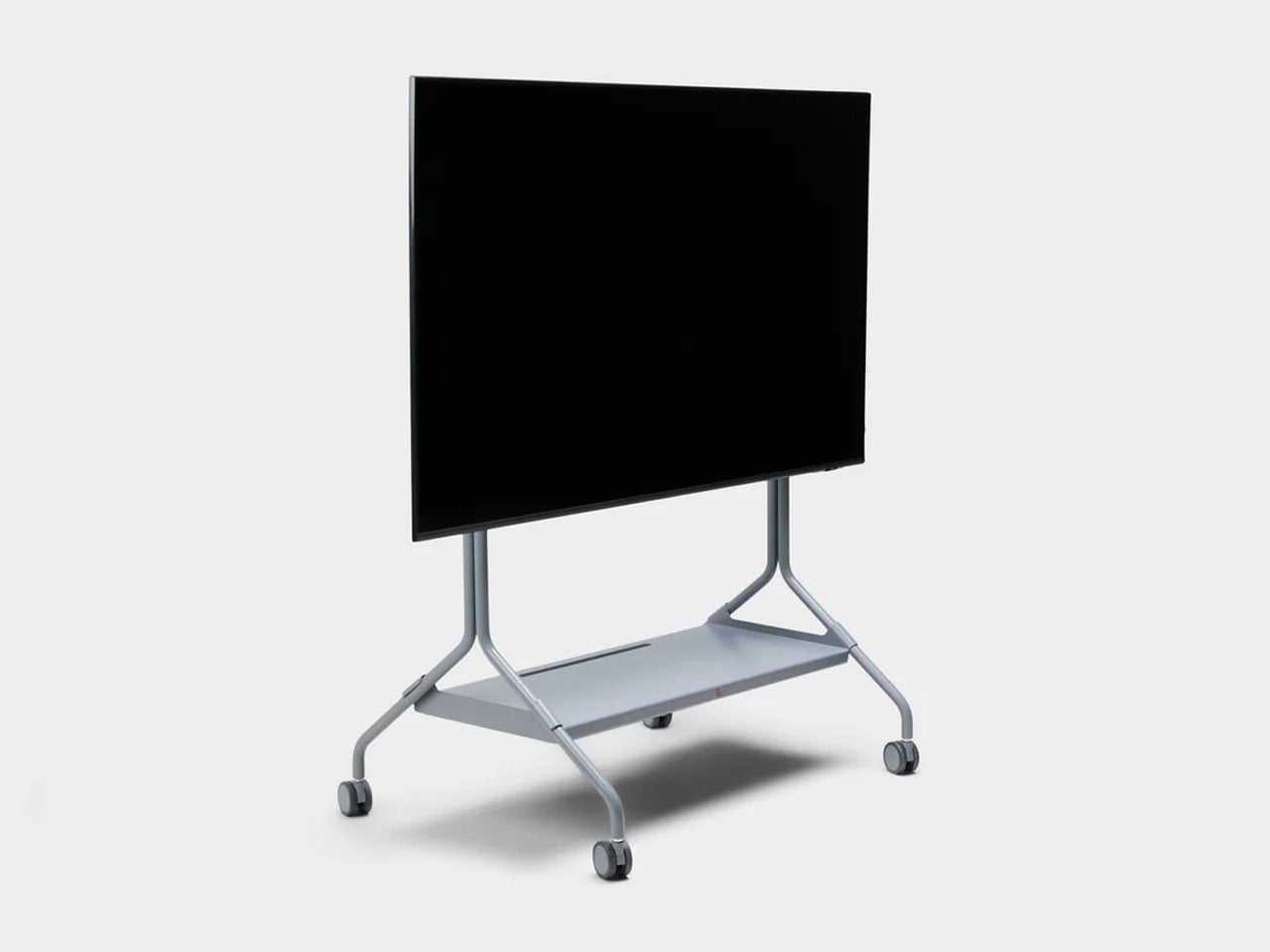
Designed in collaboration with Danish furniture maker Pedestal, PlayStation Norway has introduced a statement accessory that celebrates gaming culture as much as it serves a functional purpose. The Moon Legacy Edition TV stand arrives in a muted “Legacy Gray” finish that reflects the iconic tone of the original PlayStation console. The visual connection immediately creates a retro aesthetic, making it particularly appealing for collectors who appreciate the history of gaming as much as the hardware itself.

Designer: Pedestal and PlayStation Norway

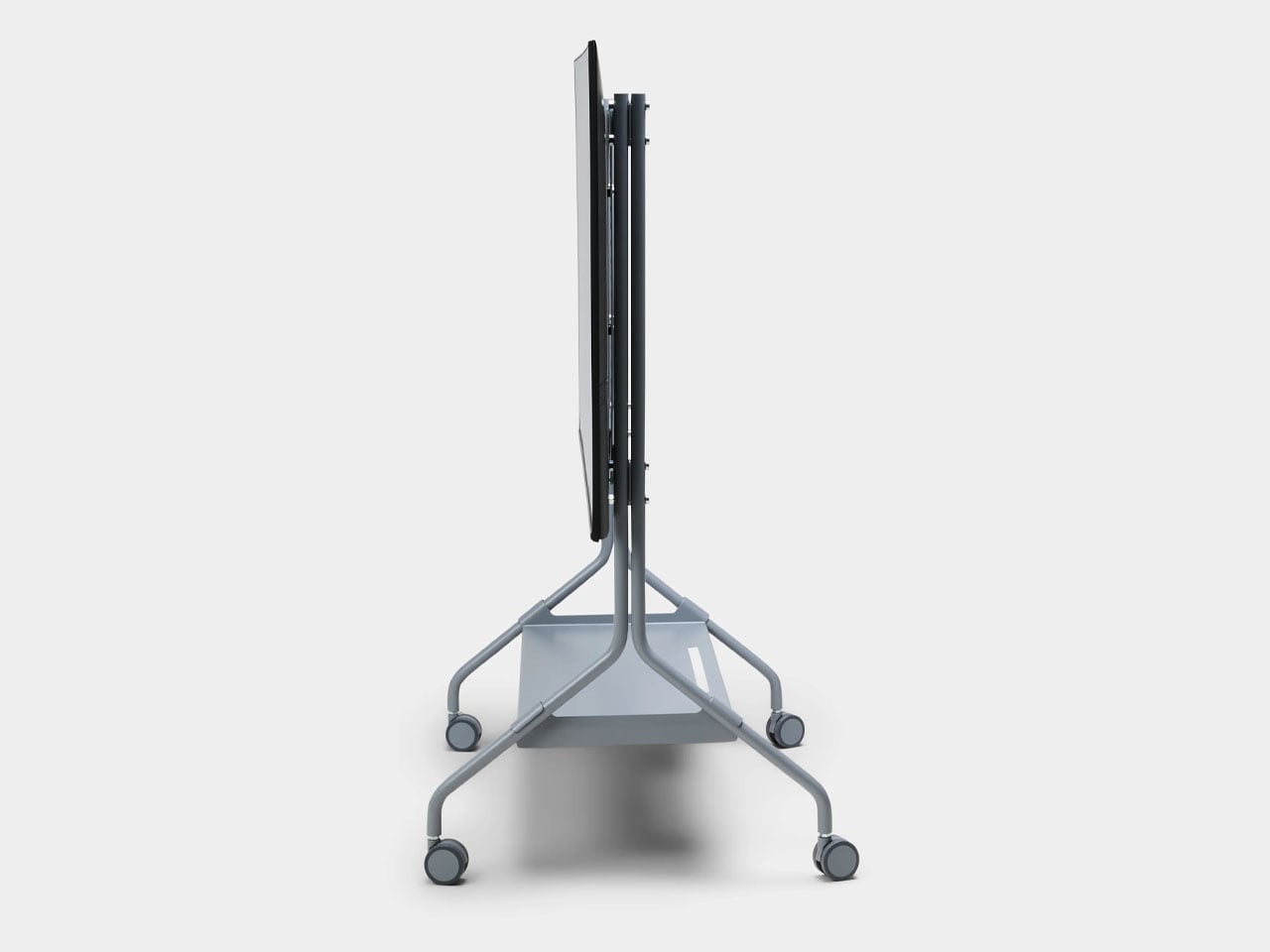
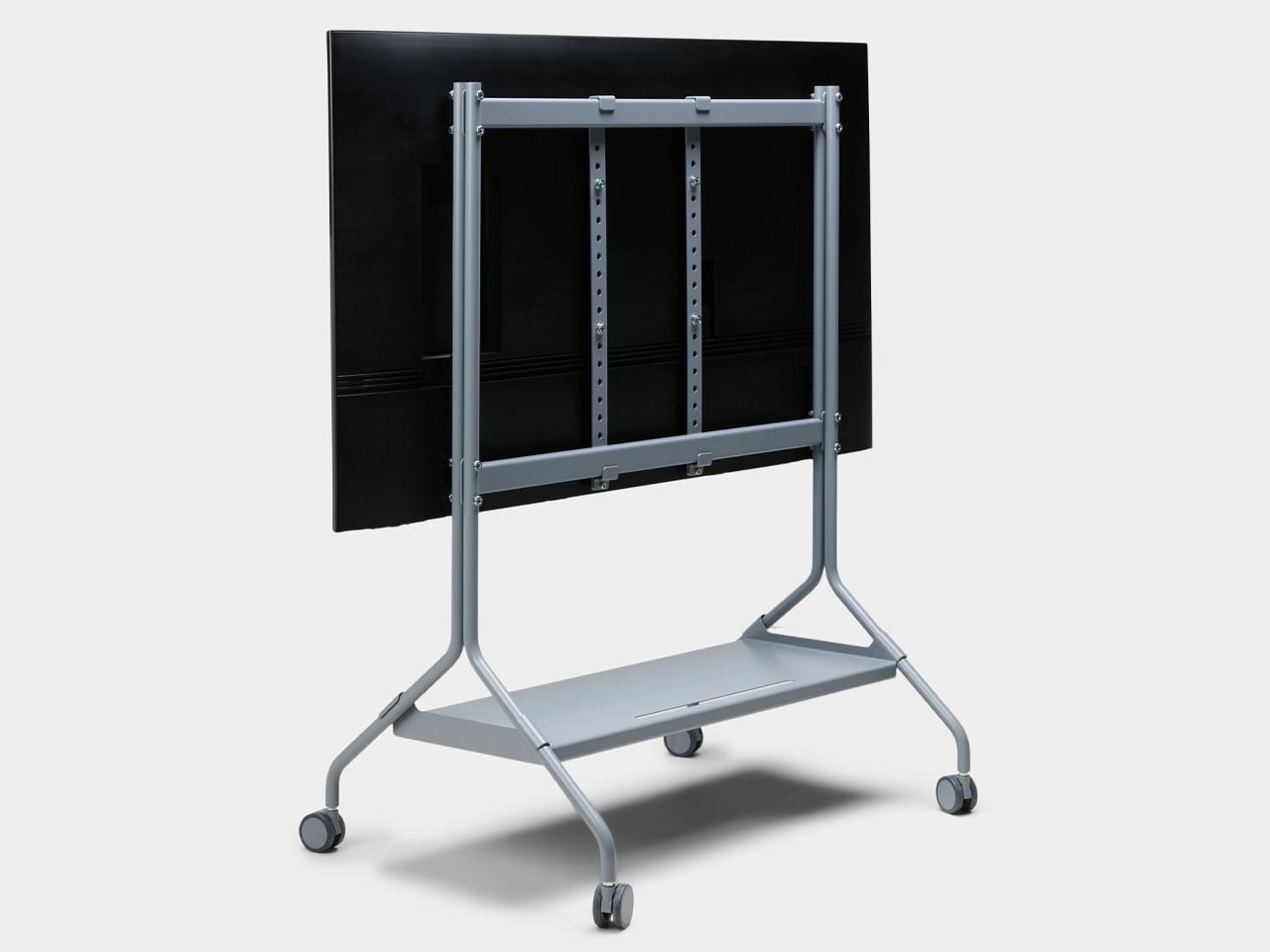
Beyond the nostalgic color palette, the stand follows Pedestal’s minimalist Scandinavian design philosophy. The frame is constructed from powder-coated steel with a satin finish, giving the structure a sturdy and refined appearance while maintaining a relatively lightweight build. Despite the industrial material choice, the design remains clean and understated, allowing the console and TV setup to remain the visual focus. The stand measures roughly 42 inches high, 31 inches wide, and 21 inches deep, and weighs just under 33 pounds, making it substantial enough for stability without feeling overly bulky. It supports flat-screen televisions between 40 and 70 inches and can handle loads of up to about 110 pounds, which comfortably covers most modern TVs and gaming setups.

The Moon Legacy Edition sits on premium furniture wheels with soft polyurethane coating, allowing the entire entertainment setup to move easily between spaces. For users who rearrange their living room or occasionally shift their gaming setup to different areas, the wheeled base offers flexibility that traditional TV cabinets often lack. The stand also adheres to the widely used VESA mounting standard, meaning it is compatible with most flat-screen television brands currently on the market.

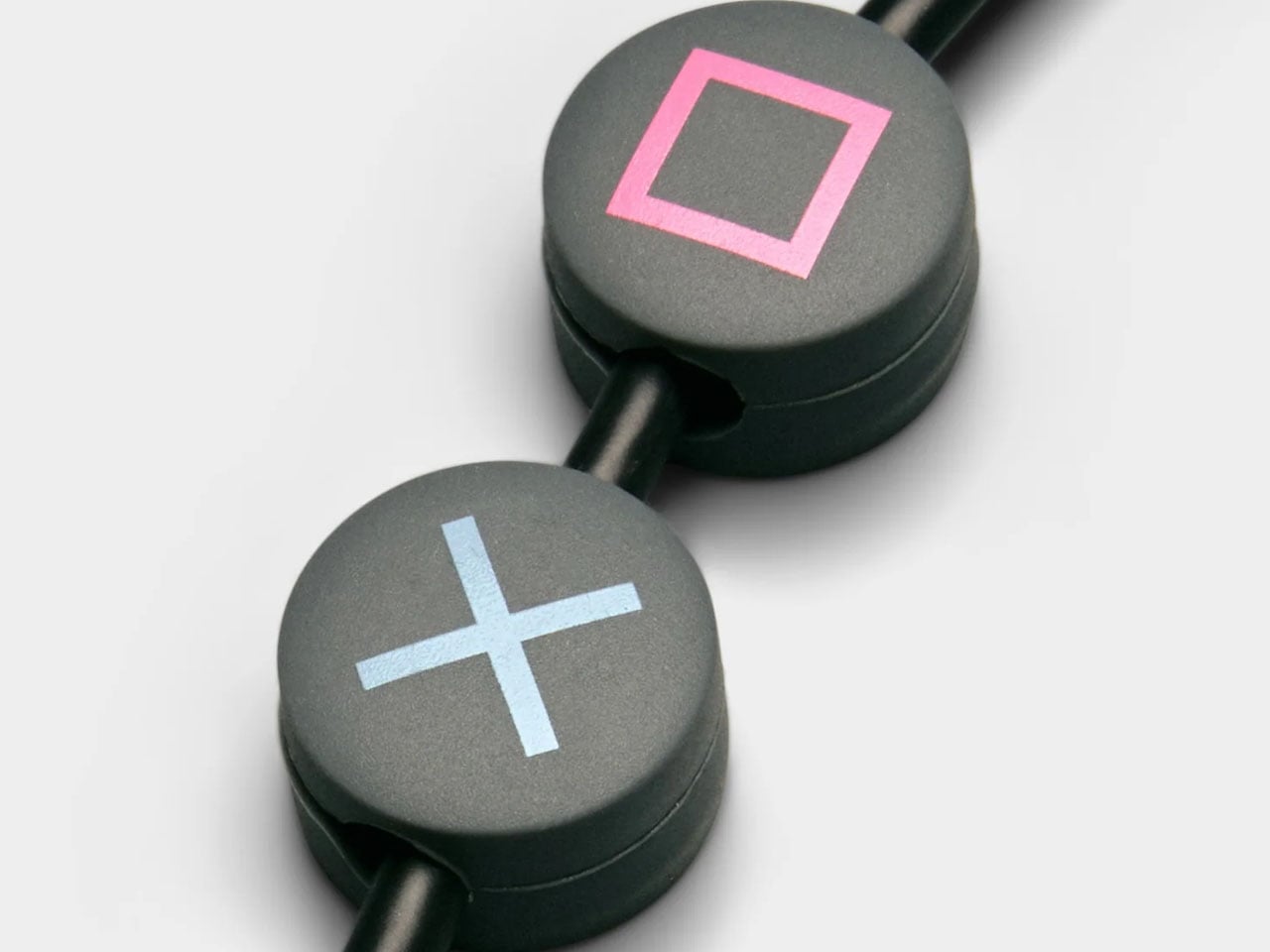
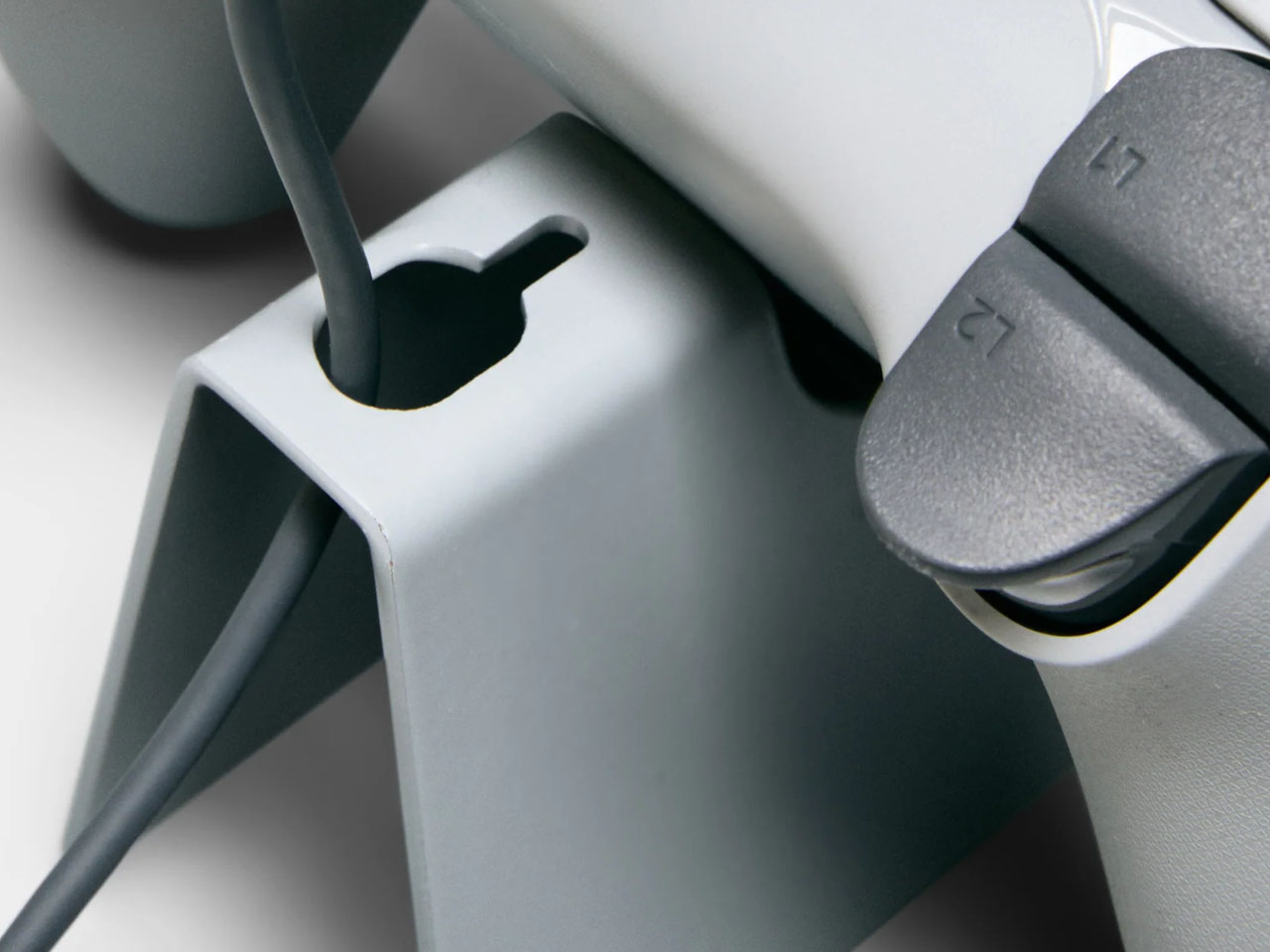
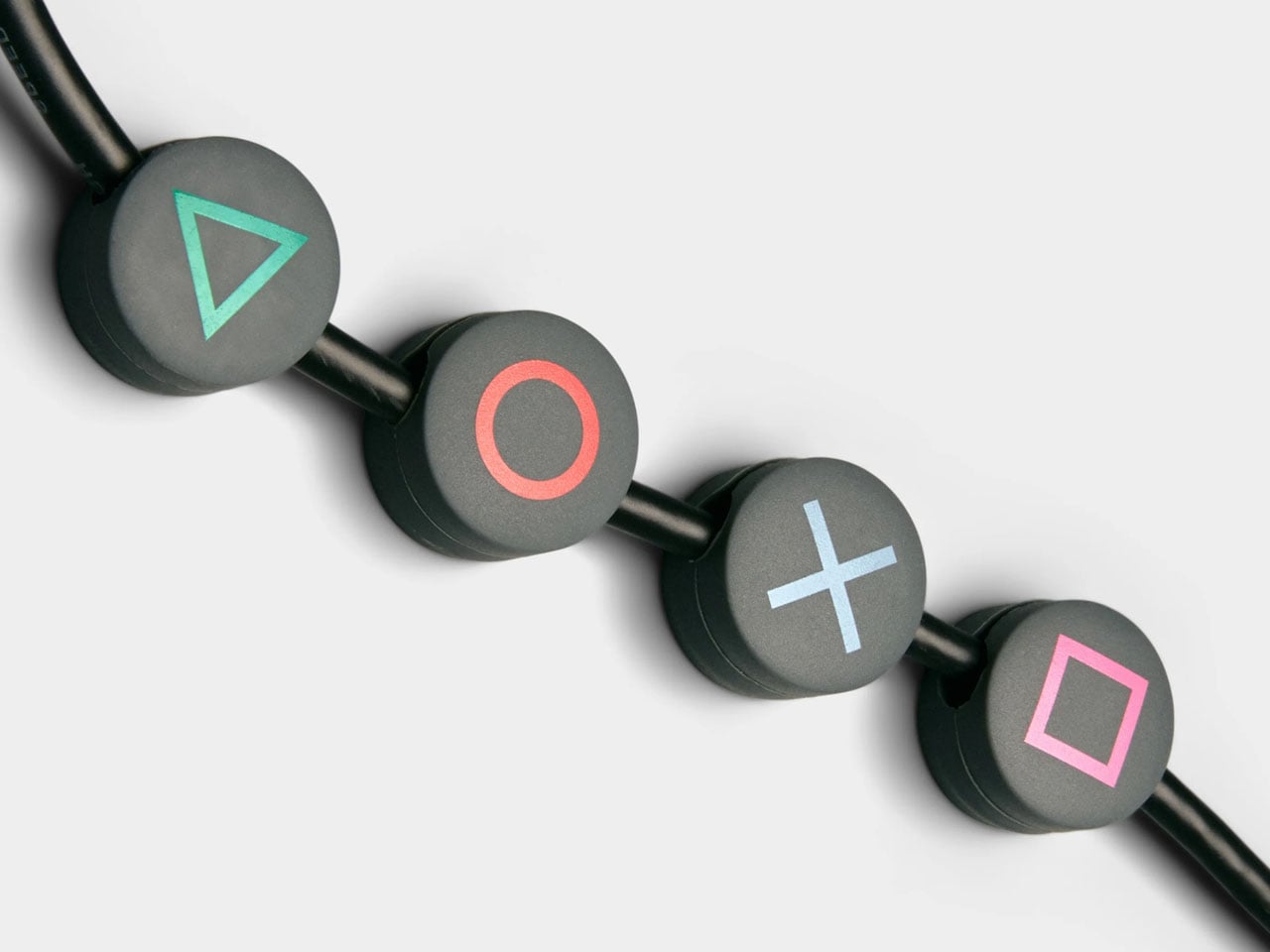
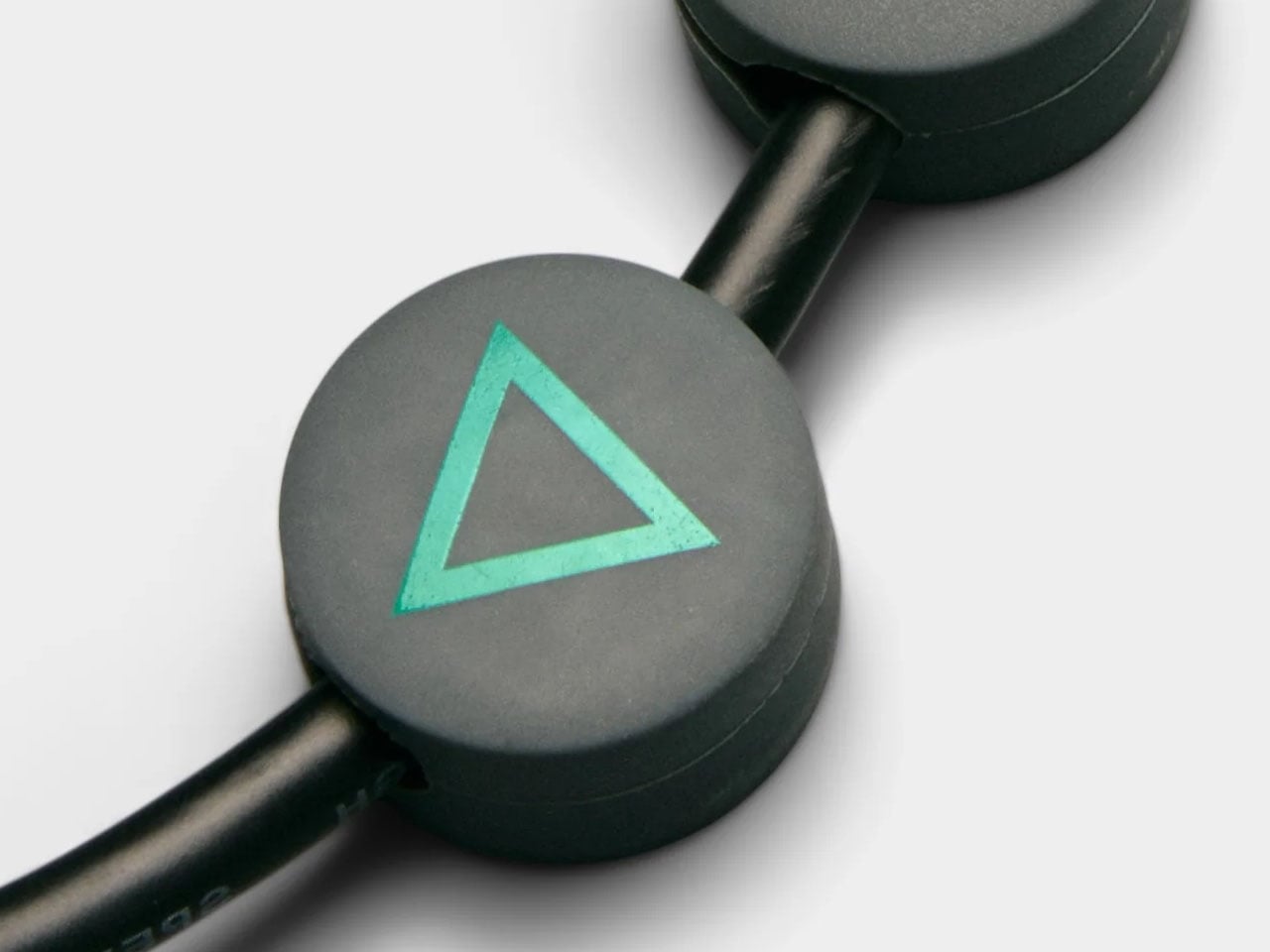
Functionality extends beyond simply holding a TV. The limited-edition package includes a matching Legacy Shelf and a controller stand, giving players a dedicated place to display a controller or store accessories. Additional cable management accessories, such as cable dots and cable ties, are also included to help keep wires organized and out of sight. The shelf adds a subtle display area that can hold game cases, collectibles, or other gaming gear without interrupting the stand’s minimal design language.

The Moon Legacy Edition TV stand is priced significantly higher (approximately $775) than the normal version, which costs $385, reflecting its limited-edition status. The price covers only the stand and included accessories; neither the television nor the PlayStation console is part of the package. As a result, the stand clearly targets dedicated fans and collectors who value the design connection to PlayStation history rather than simply looking for a functional TV stand.

The post PlayStation Moon Legacy Edition TV Stand brings Retro PS1 style to your modern gaming setup first appeared on Yanko Design.
Huawei Put a Fan Inside the Mate 80 Pro Max, But It Cost a Camera

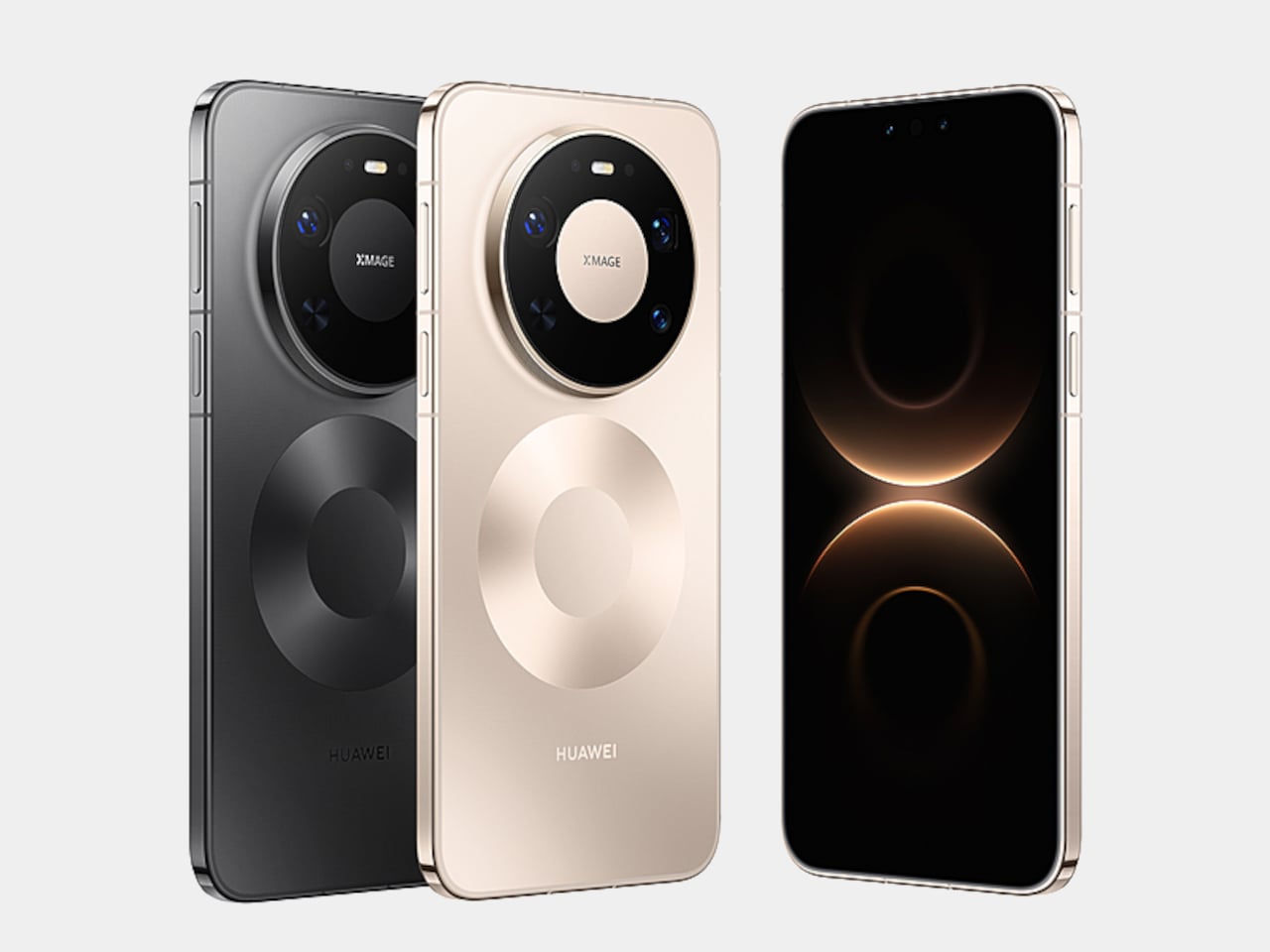
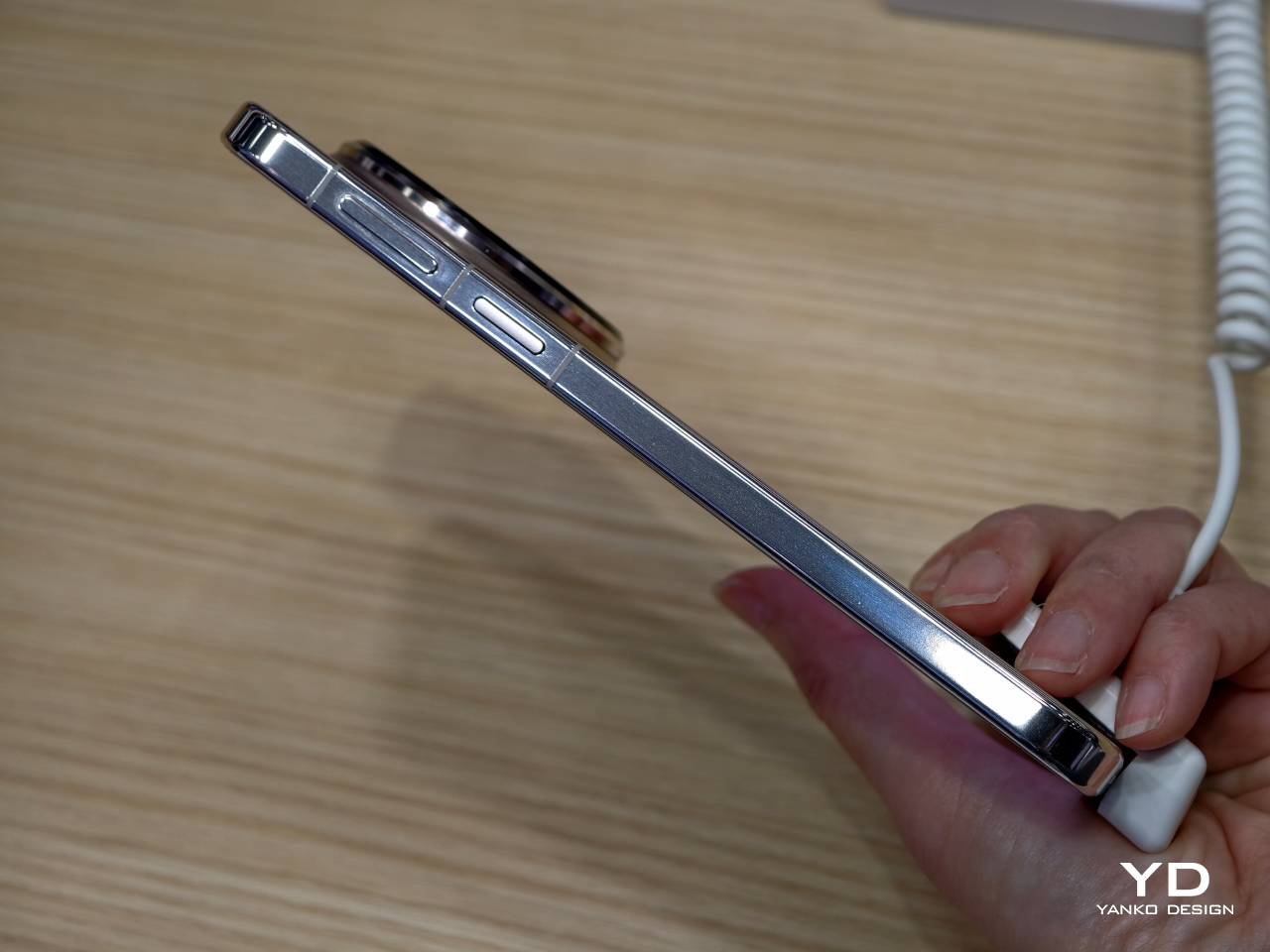
Gaming phones have had active cooling for years, strapping fans and heat pipes to the back like little mechanical tumors. They work, mostly, but they also make your phone look like it needs a pit crew. The Huawei Mate 80 Pro Max Wind Edition takes a different approach, tucking a cooling fan directly inside the phone itself. It is, quite literally, a Fan Edition, and not just in the collector’s edition sense of the word.

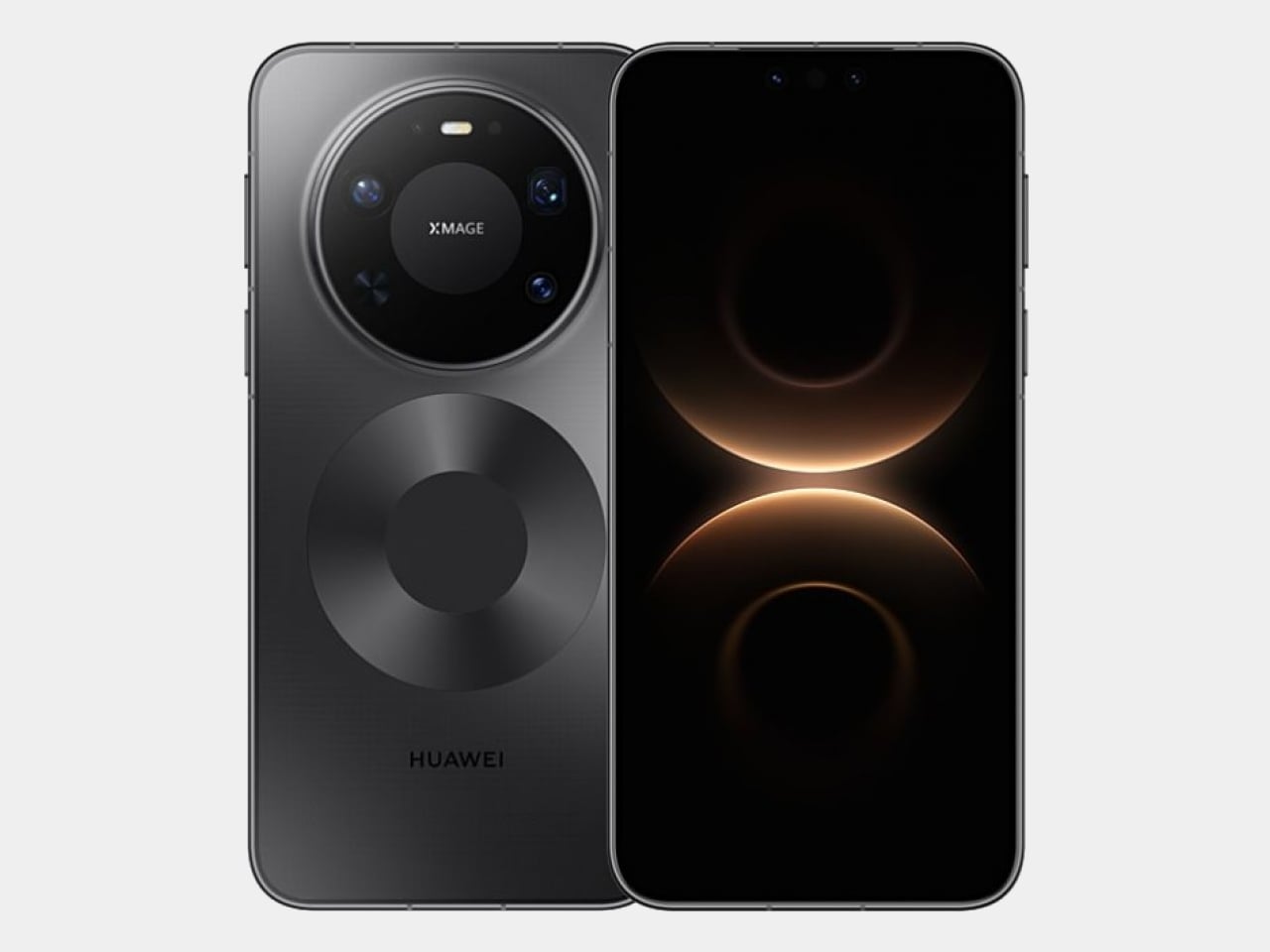
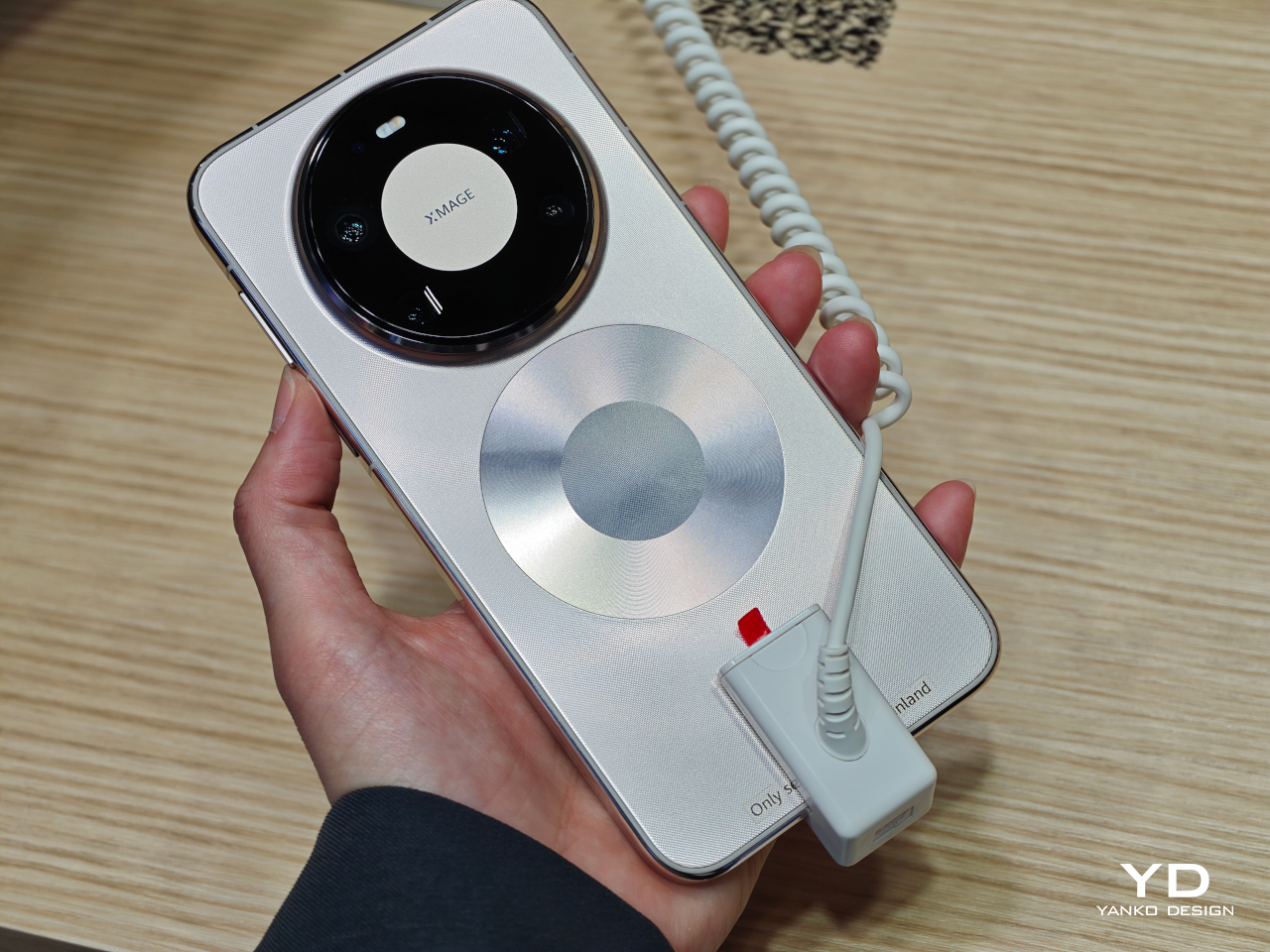
The Wind Edition is a variant of the standard Mate 80 Pro Max, currently listed for pre-order in China through Huawei’s Vmall store. It comes in Polar Night Black and Polar Day Gold, with 16GB of RAM paired with either 512 GB or 1 TB of storage. No pricing has been confirmed yet, and Huawei has yet to formally announce the device, but the listing and early images already make clear what the phone is doing and what it sacrificed to do it.

Designer: Huawei

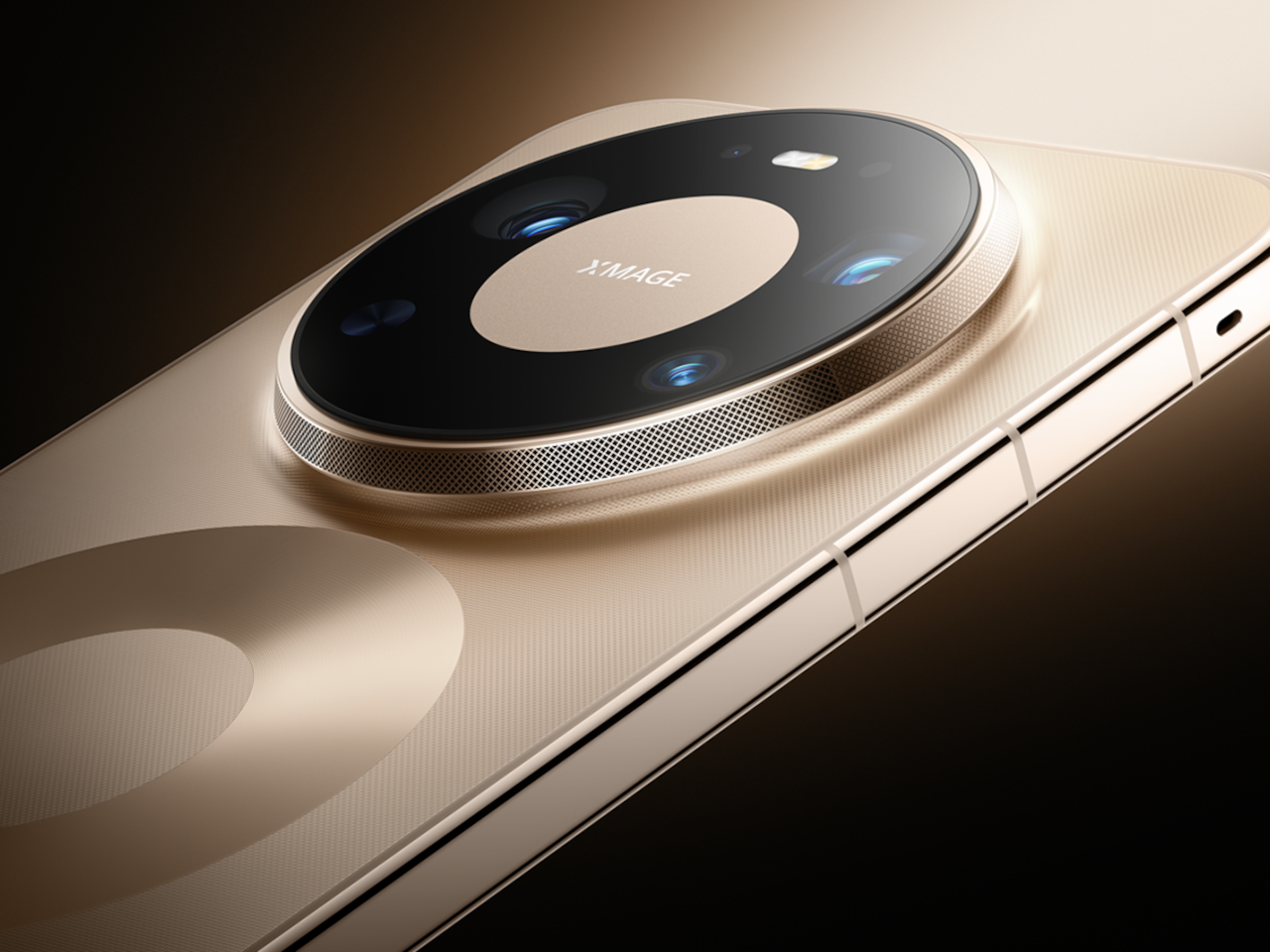
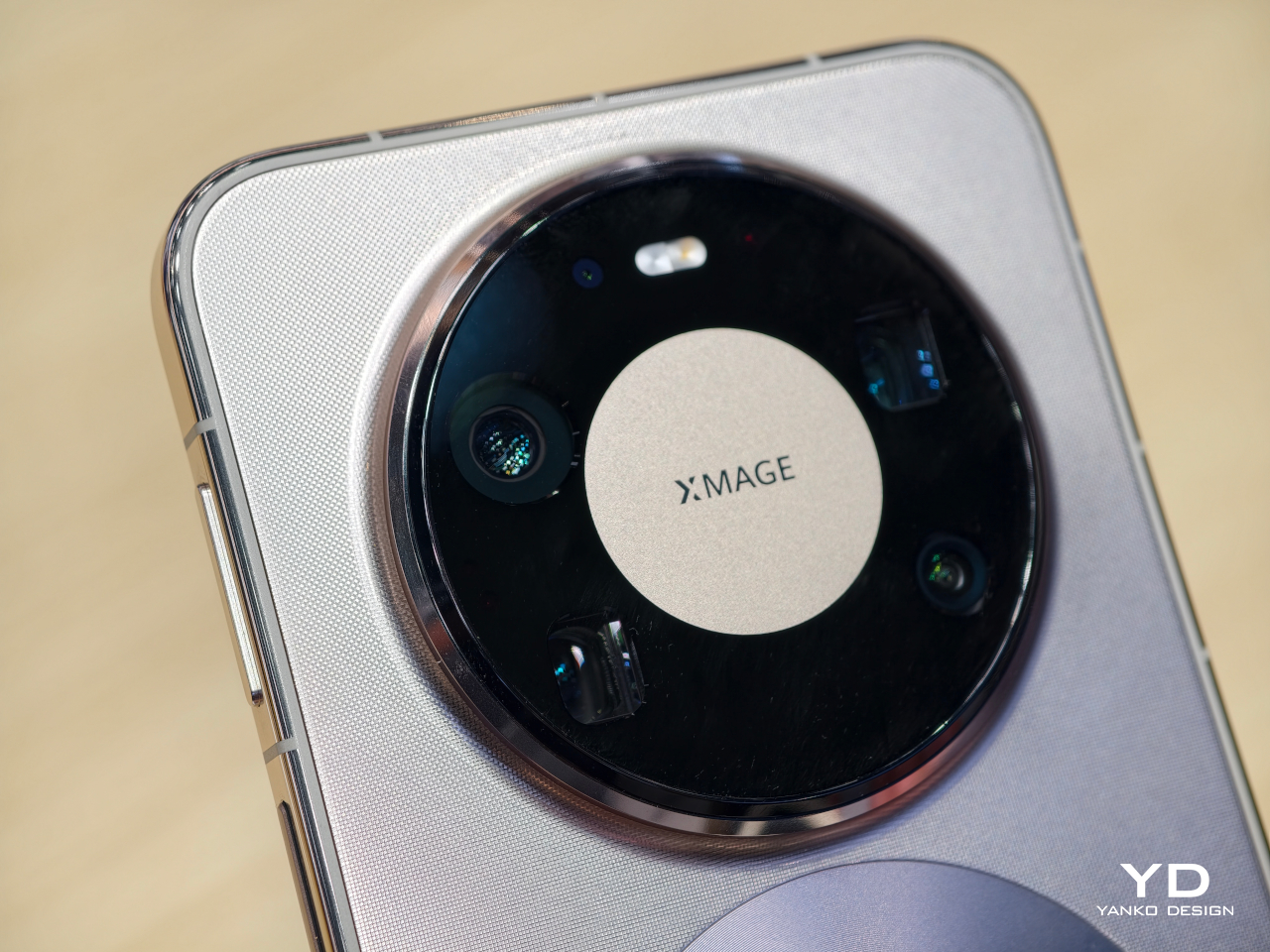
The most obvious change is in the rear camera module. The standard Mate 80 Pro Max has a quad-camera setup; the Wind Edition trims that to three sensors. The space that the fourth camera occupied now goes to the fan mechanism, and the camera ring is noticeably wider to accommodate the ventilation. The perforated ring around the module is not decorative, but it is where the air moves. That trade-off deserves a moment: a flagship phone deleting a camera to make room for a fan.

The rest of the hardware appears to carry over from the standard model, including the 6.9-inch AMOLED LTPO display, the Kirin 9030 Pro chipset, and the 6,000 mAh battery with 100W wired and 80W wireless charging. The fan is intended to help the Kirin 9030 Pro maintain performance during extended gaming or long video recording sessions, where heat buildup would otherwise force the chip to throttle and degrade output.

Active cooling in smartphones is a reasonable engineering response to a real thermal problem, but integrating a moving mechanical part into a device designed to survive drops and dust introduces variables that passive thermal systems simply do not have. Fans collect debris. They wear out. There is a potential failure mode here that no amount of vapor chamber engineering would ever introduce, and that is worth factoring in before committing.

Huawei Mate 80 Pro Max

Huawei Mate 80 Pro Max

Early reports suggest the Wind Edition will initially be sold in limited quantities through select Huawei lifestyle stores rather than the broader retail channel, which positions this less as a mass-market launch and more as a demand test. It is a cautious approach, and probably a sensible one given how different this phone is from anything Huawei has shipped before. Most people curious about it will be watching from the sidelines for now.

The Huawei Mate 80 Pro Max Wind Edition raises a question that no spec sheet can resolve: how much camera versatility is a meaningfully cooler phone actually worth? The downgrade from four sensors to three is a concrete loss, not a rounding error. For someone who pushes the chip through long gaming sessions and has watched their device thermal-throttle under load, the trade-off might make perfect sense. For a photographer who chose the Mate 80 Pro Max for its imaging range, it probably does not.

Huawei Mate 80 Pro Max

The post Huawei Put a Fan Inside the Mate 80 Pro Max, But It Cost a Camera first appeared on Yanko Design.
Casio’s special edition calculator handcrafted using traditional Japanese lacquering technique

For the unpressumable, the good old calculator is a gadget of yesteryears, as the smartphone does all the multitasking. However, for someone who works with numbers, this device is a no-brainer. Retail personnel, accountants, and professionals handling a high volume of calculations always reach for a calculator. The rugged device with its analog input doesn’t have the shenanigans of a touchscreen that misbehaves when touched with wet hands or with gloves on.

Casio pioneered the design of an all-electronic calculator dubbed 14-A (designed by the Kashio brothers) way back in the 1950s. The computing machine turned into a household name when the Casio Mini arrived in the early 1970s. The handheld device was a holy grail when it came to churning out numbers in professional circles as well as homes. Come 2026, the Japanese company has decided to give the trusted calculator a unique, handmade twist that carries a lot of substance.

Designer: Casio

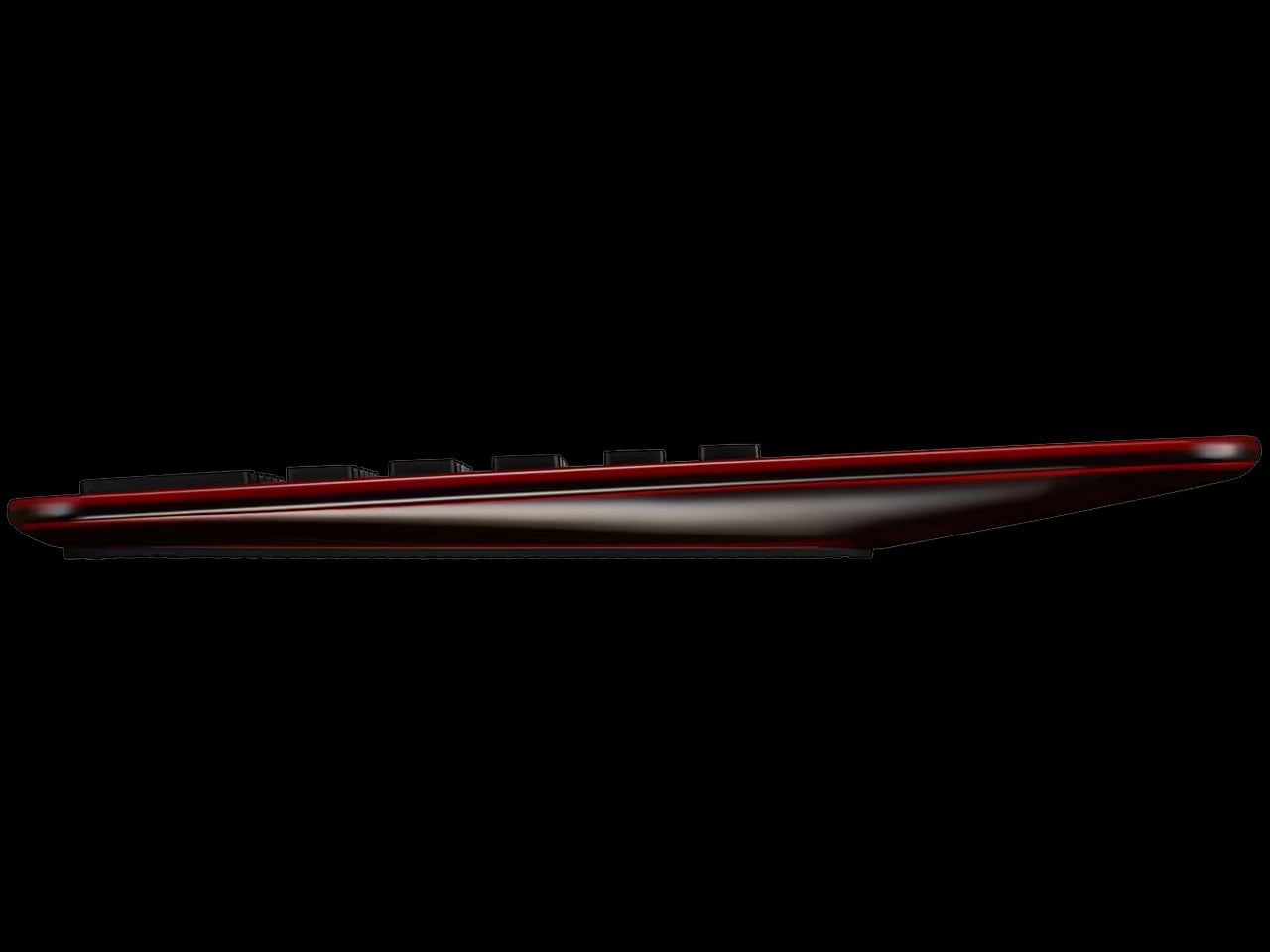
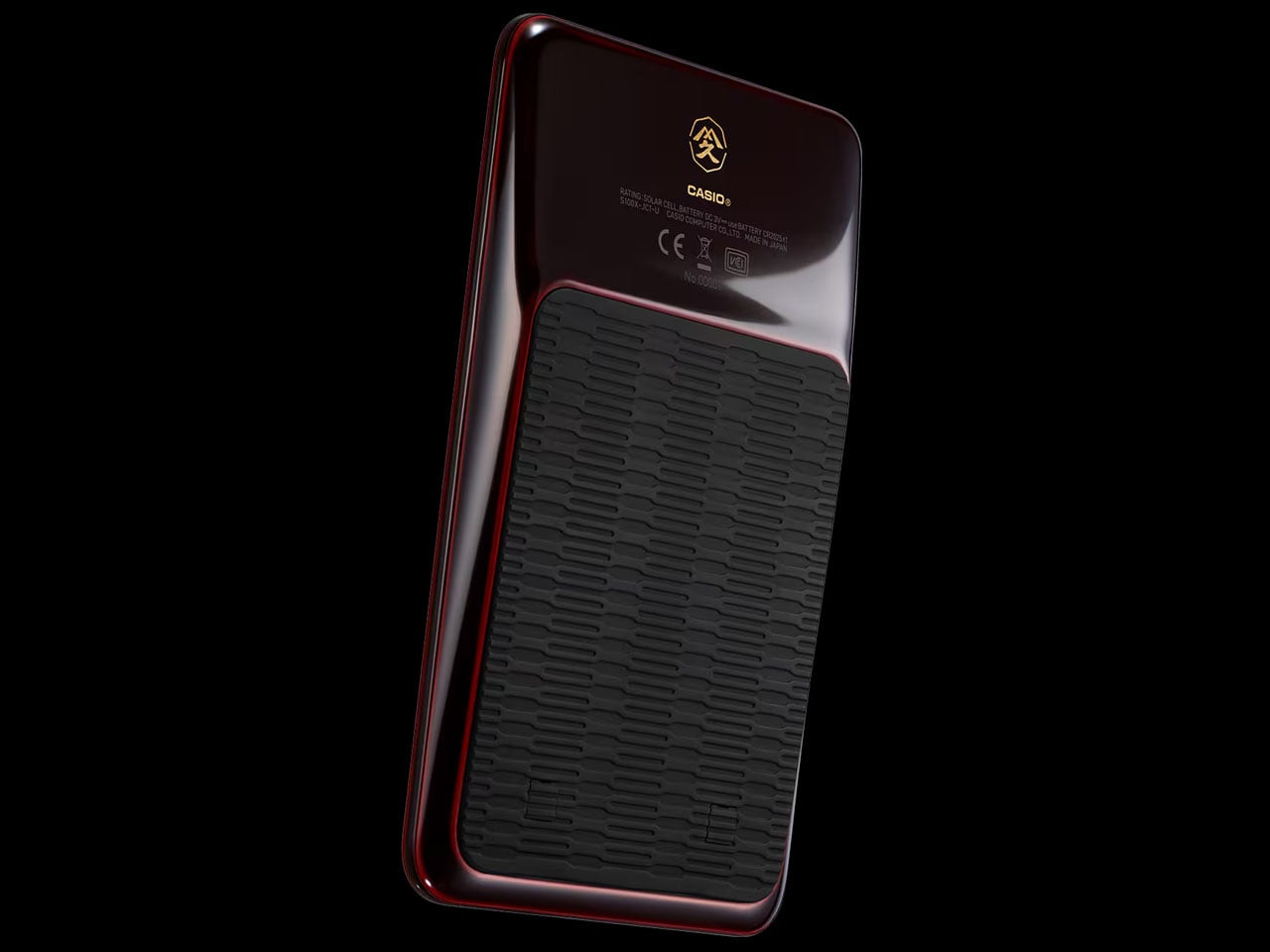
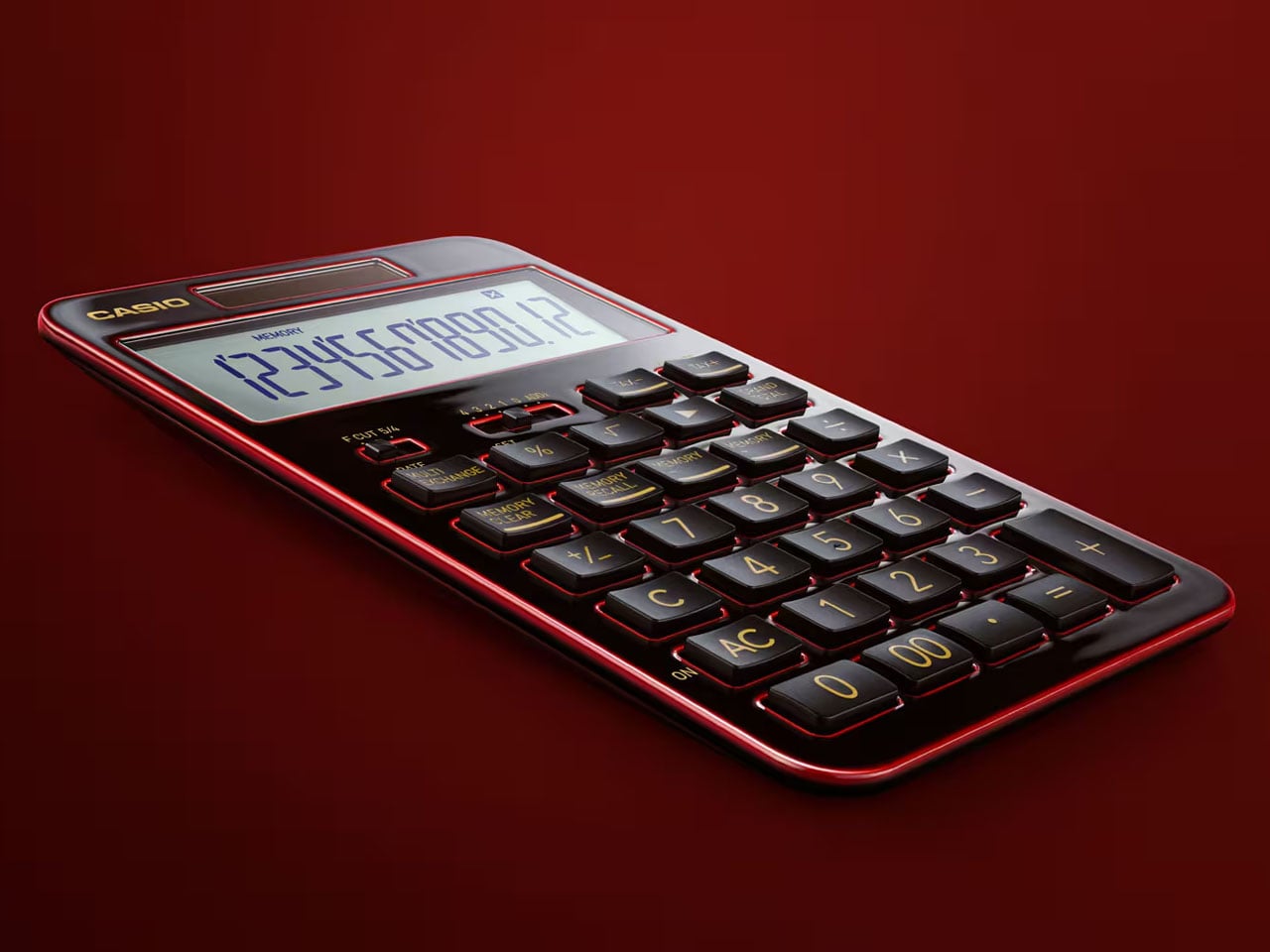
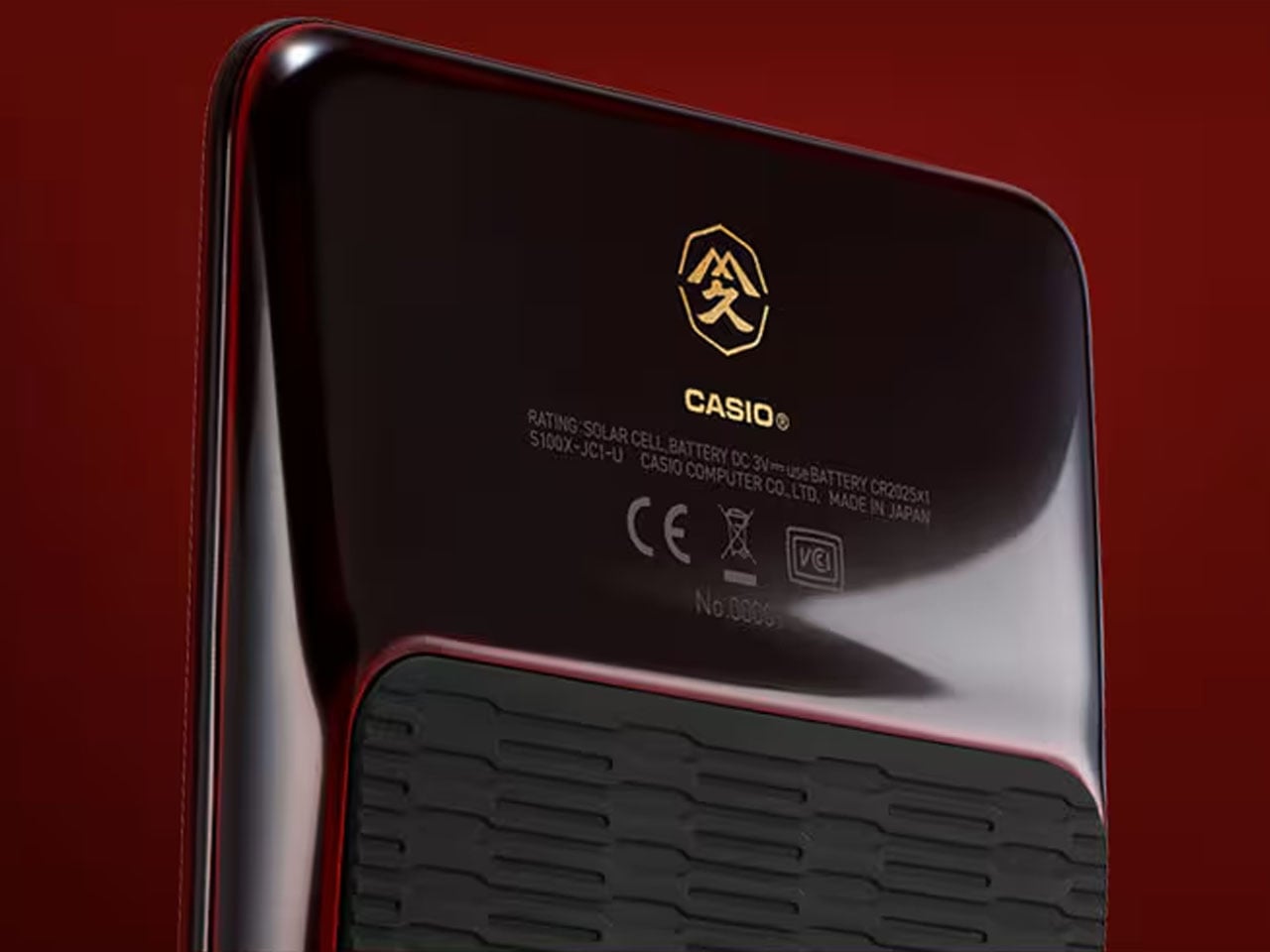
Based on Casio’s flagship S100 calculator, the S100X Urushi Edition, a.k.a. The Special One, is a limited edition desktop calculator designed using century-old Japanese Urushi lacquer technique. To handcraft the body of the device, Casio looked up to none other than Yamakyu Shitsuki, a lacquerware workshop expertising in the craft since 1930. Mater crafter Ryuji Umeda himself handcrafted the design involving a technique called tamenuri, which took a month of perfecting. The craft involves layering laquer tree’s filtered sap on the milled aluminum housing and achieving a sense of depth with repeated applications over a period of a week. Finally, the calculator is polished for that mirror-like shine and luxury feel.

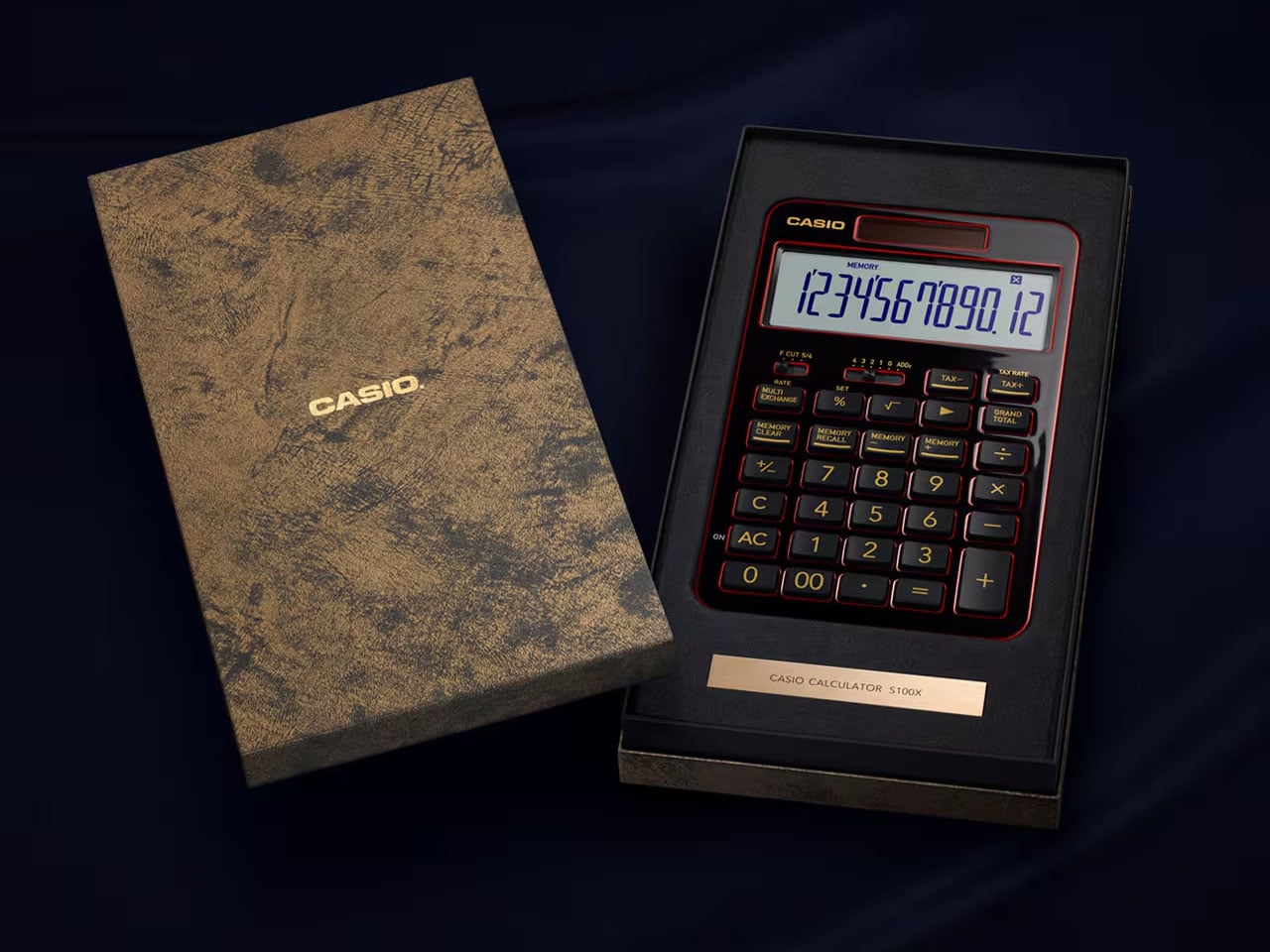
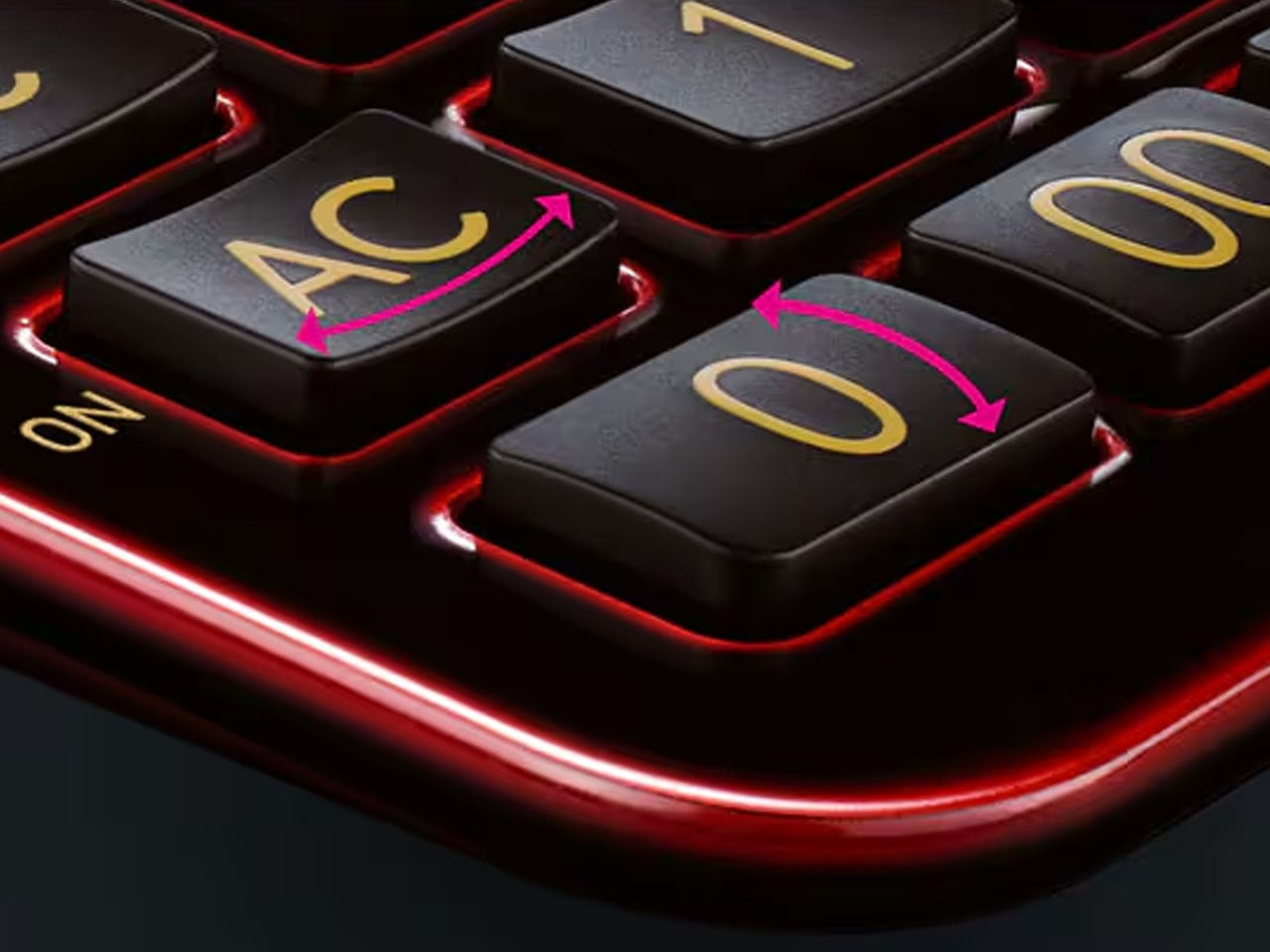
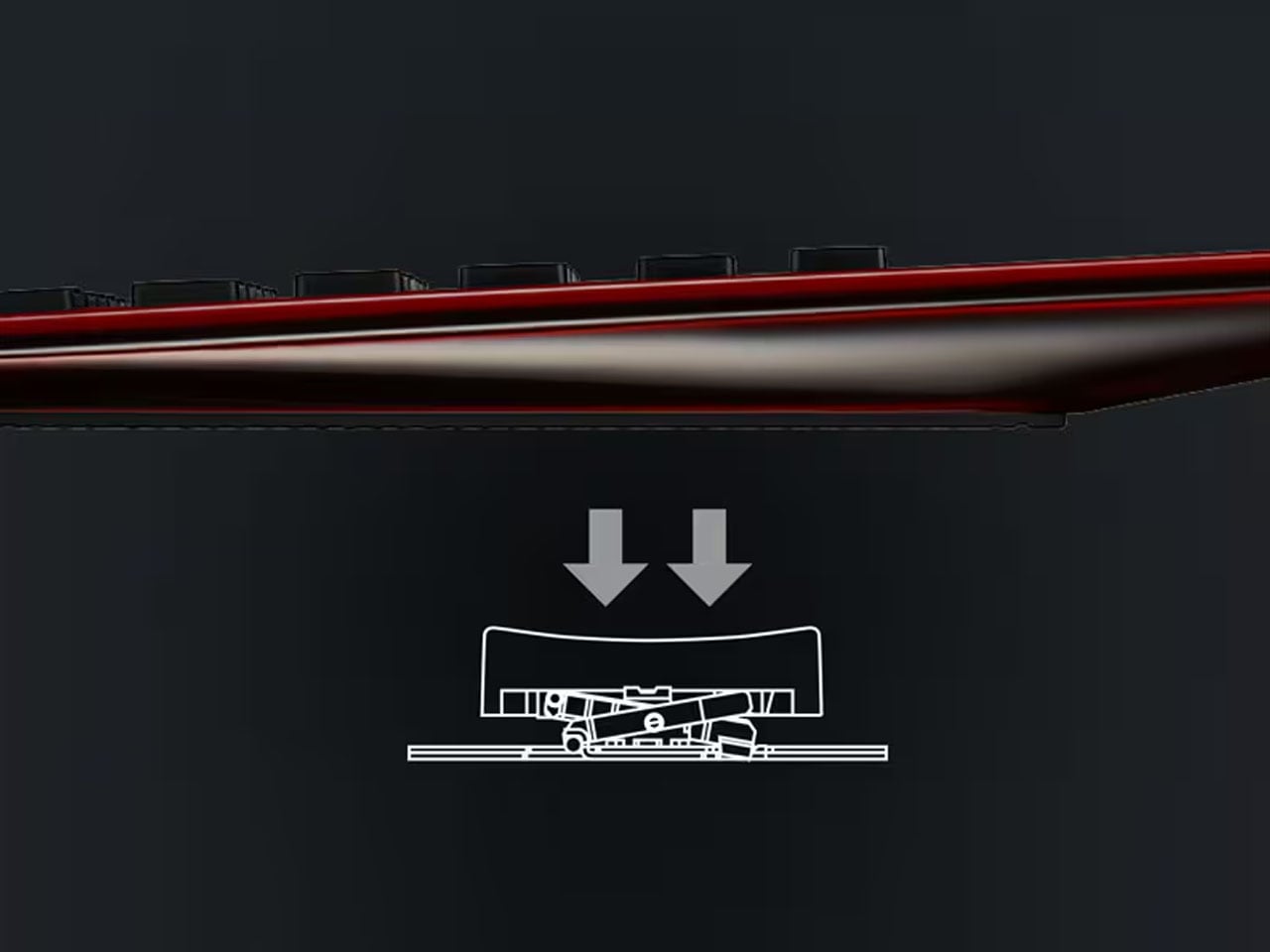
Each of the 625 limited edition calculator’s is handcrafted carefully at the workshop, rendering each one of them unique in their look depending on the viewing angle. To carry the premium feel, the machined aluminum body housing the buttons on top and the LCD screen ensures a satisfying presence. This display comes with a dual-sided AR coating for reduced reflections and the navy blue text color mimics the fountain pen ink. For enhanced tactile sensation of pressing the isolation-type keys, they come with the pantograph mechanism and an ergonomic shape nestling the fingers. The 3-key rollover tech ensures rapid typing as the keystroke is accurately recognized for up to 3 keystrokes.

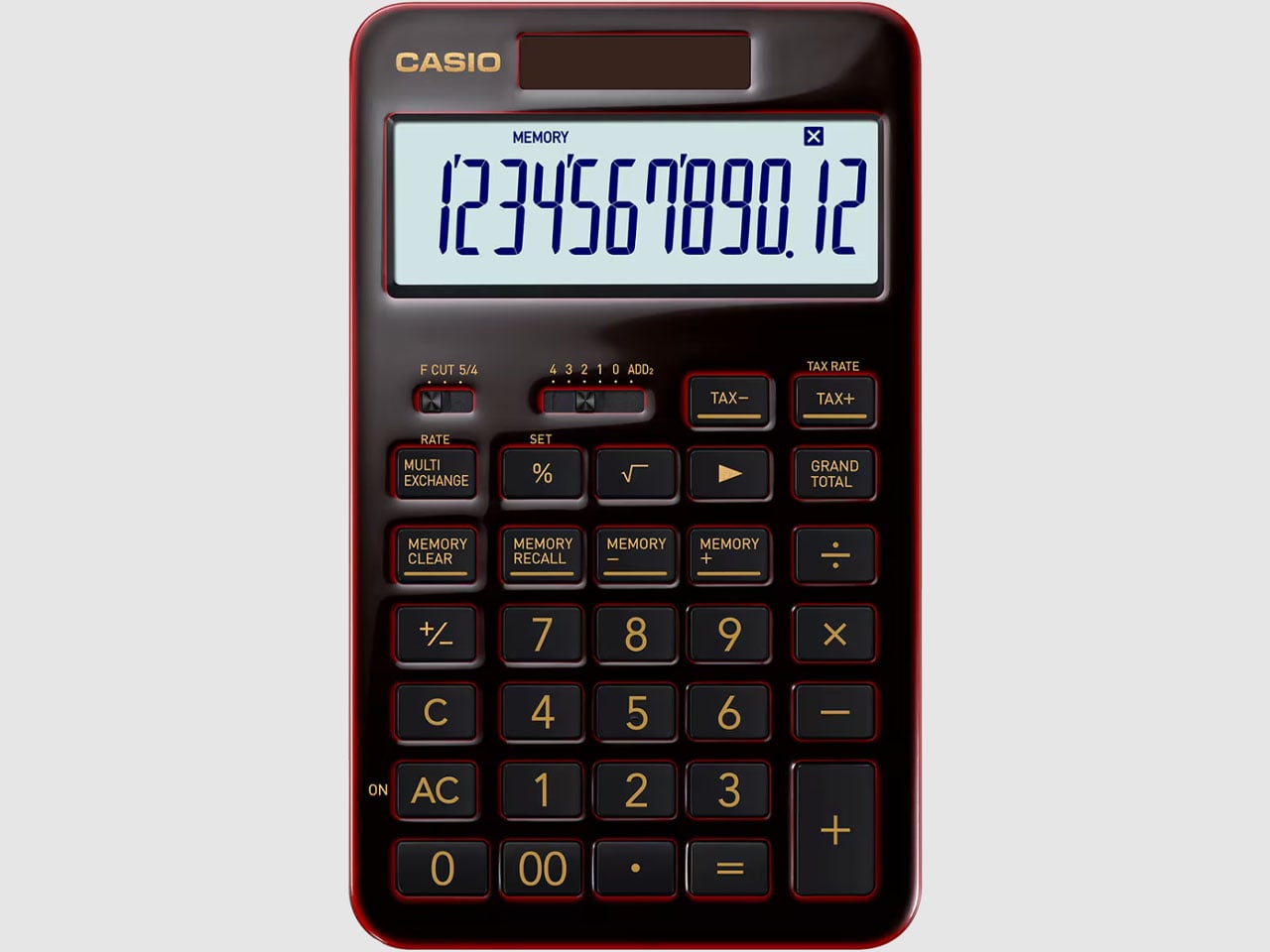
This 12-digit calculator adapts all the functions vital for professionals, including four-law calculation, tax calculation, unit conversion, memory (x2), and grand total. It is powered via solar panels on the front or a CR2025 coin battery, which can last for around seven years. The decimal point selector lever has a spin finish design for a premium shine, and on the back side, there is a geometric pattern molded stopper for assuring stability. Each one of the S100X Urushi Edition calculators has a laser-engraved serial number and comes packaged in a themed black presentation box complete with gold foil stamping.

The S100X Urushi Edition  Special One calculator is priced at ¥99,000, which coincidentally equates to around $625. Owning this one is going to be special for collectors.

The post Casio’s special edition calculator handcrafted using traditional Japanese lacquering technique first appeared on Yanko Design.
Mercedes-Benz reimagines the stellar Unimog with a sublime touch of luxury

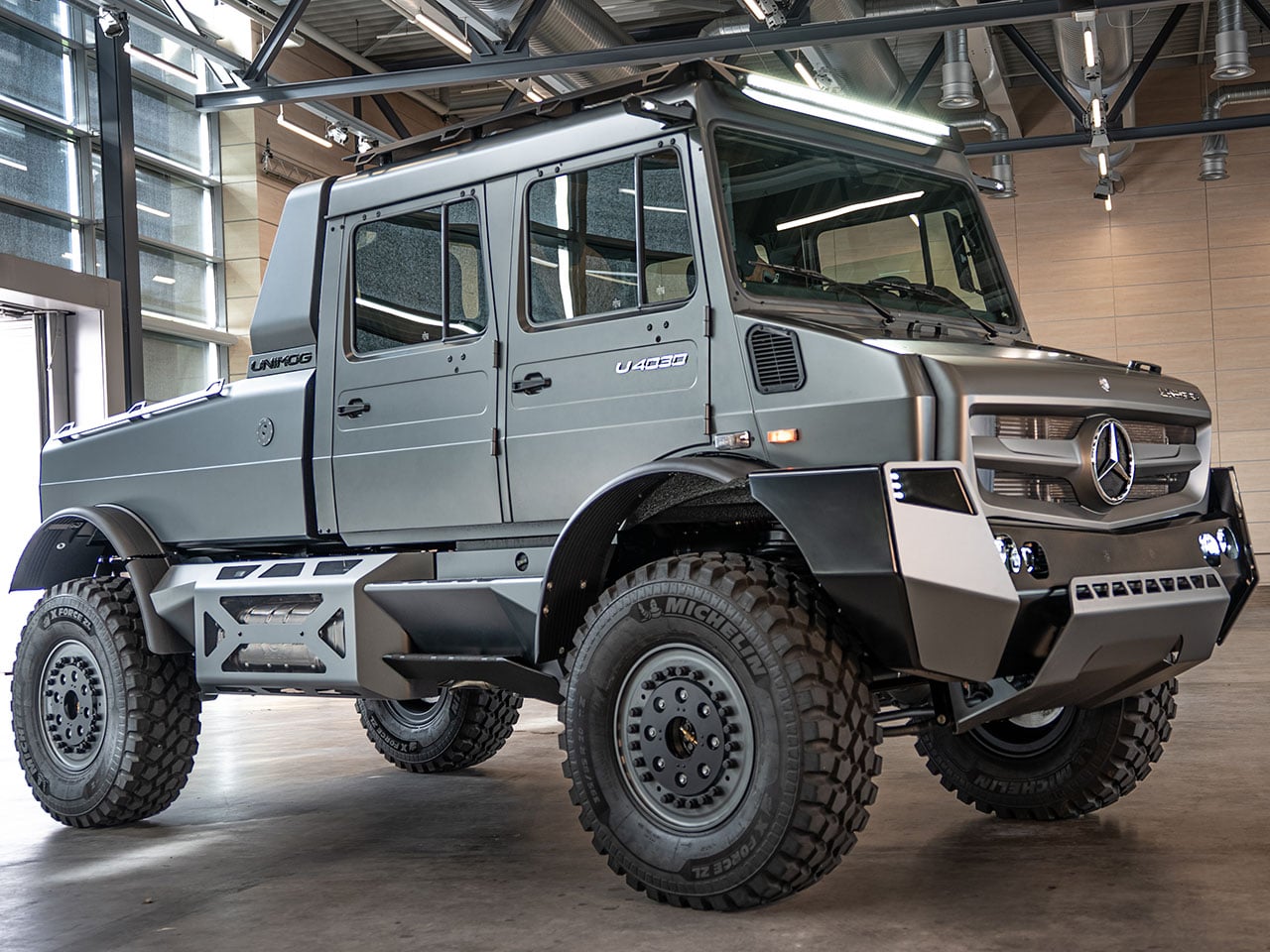
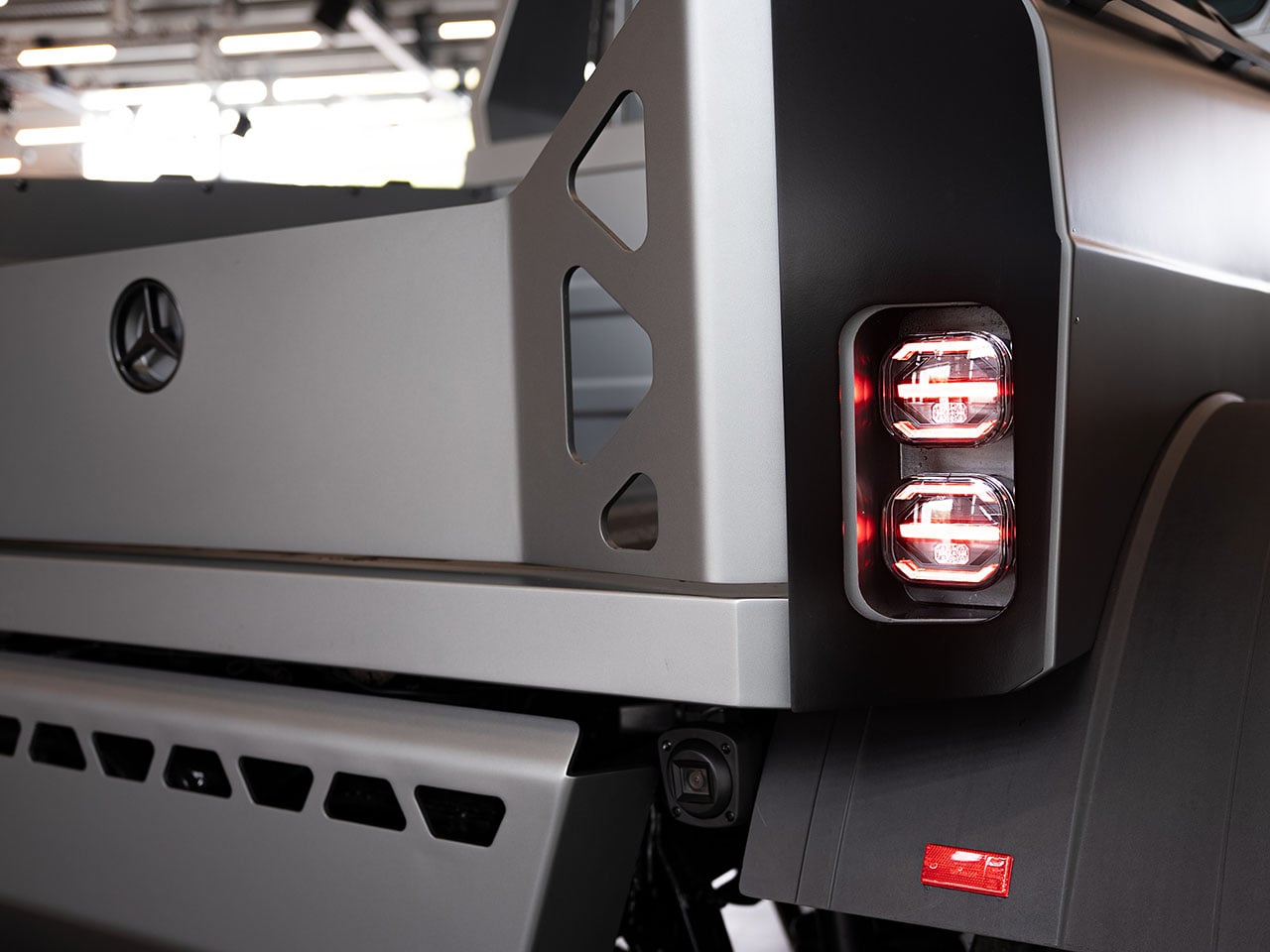
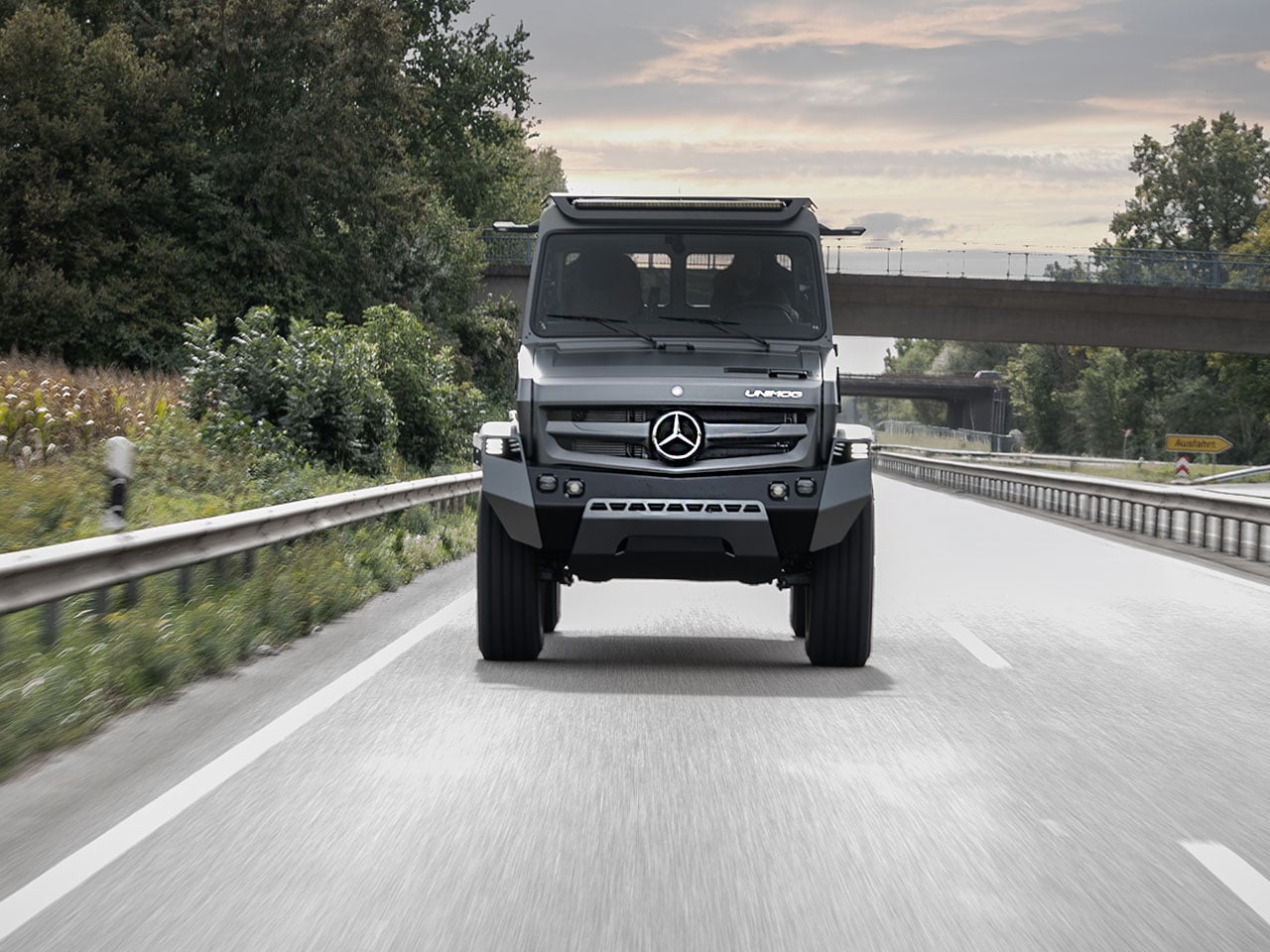
Mercedes-Benz has unveiled what could be the most luxurious Unimog ever built, marking a distinctive moment in the model’s nearly eight-decade history. Created by Mercedes-Benz Special Trucks in collaboration with Hellgeth Engineering, this one-off show vehicle celebrates the Unimog’s 80th anniversary in 2026 by pairing its legendary go-anywhere capability with levels of comfort and sophistication previously unseen in the series.

The new luxury Unimog is based on the robust U 4023 chassis, a platform already respected for tackling extreme terrain in both civilian and military settings. It retains core mechanical DNA such as a flexible frame, portal axles that lift critical drivetrain components high above obstacles, selectable all-wheel drive, and differential locks on both axles. These features ensure the vehicle maintains the off-road competence that defines the Unimog name.

Designer: Mercedes-Menz Trucks

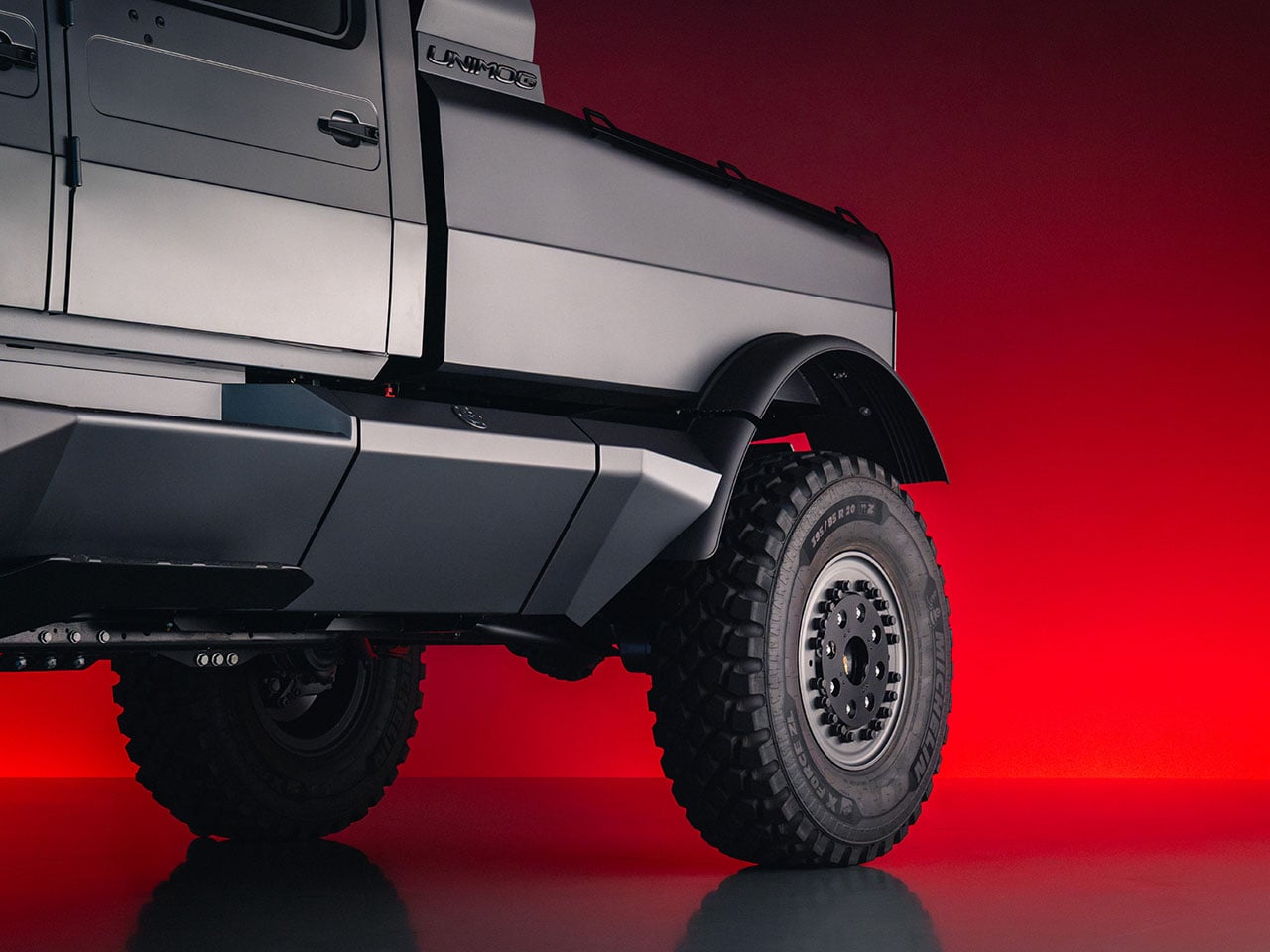
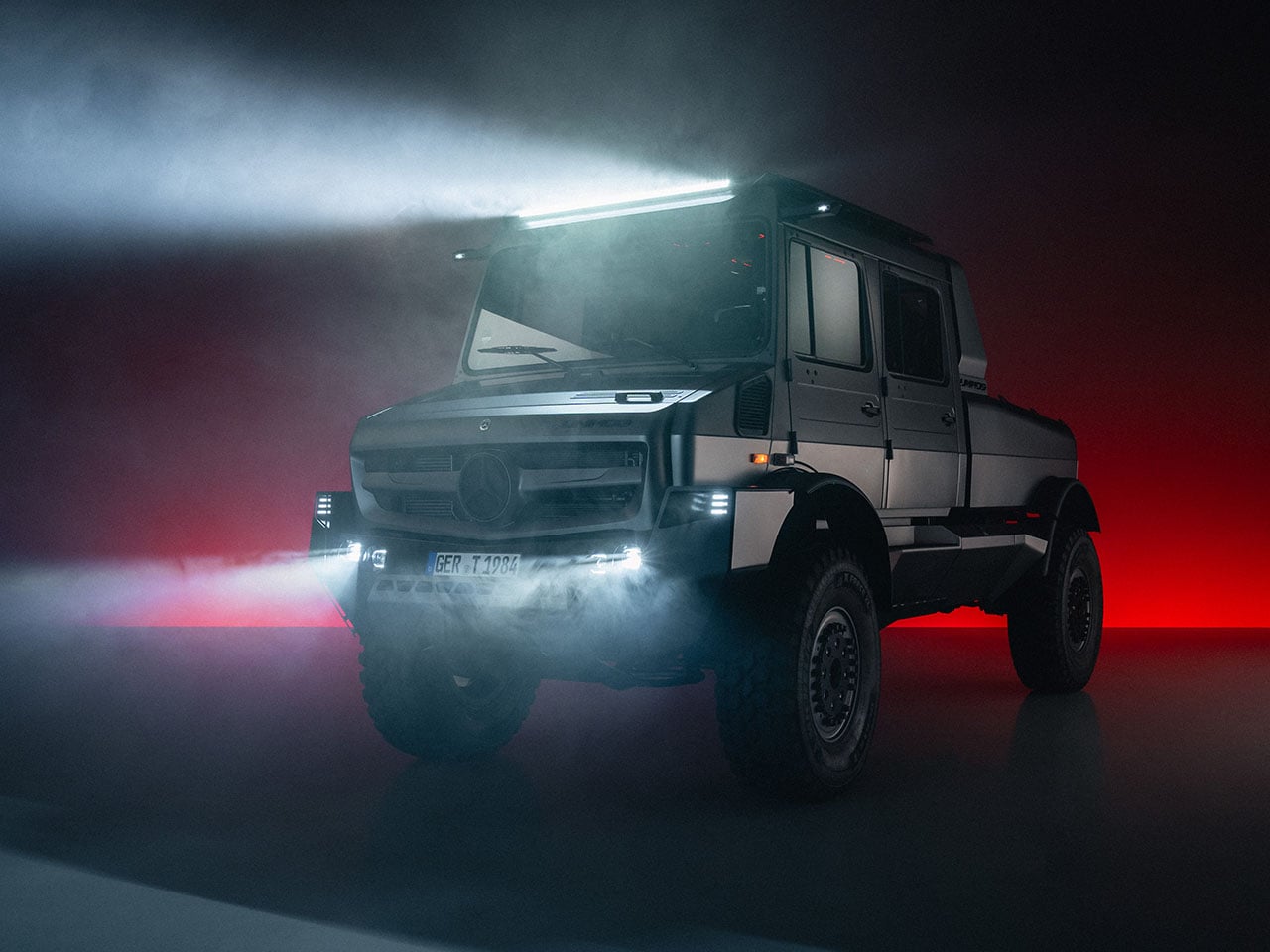
Under the hood, the standard four-cylinder engine has been replaced by a Mercedes-Benz OM 936 six-cylinder turbodiesel displacing 7.7 liters and producing around 220 kW (300 hp). This upgrade not only boosts performance over traditional configurations but also pairs with a recalibrated transmission for smoother power delivery and improved on-road manners, notable in a vehicle as rugged as the Unimog. Visually, the luxury Unimog blends utilitarian toughness with contemporary design cues inspired by Mercedes’ SUV range. Its matte grey exterior is punctuated by aluminum beadlock wheels for serious off-road durability, modern LED lighting, and the innovative MirrorCam system, which uses cameras and internal displays in place of conventional mirrors to improve visibility. While still unmistakably a Unimog, these refinements hint at a more premium character.

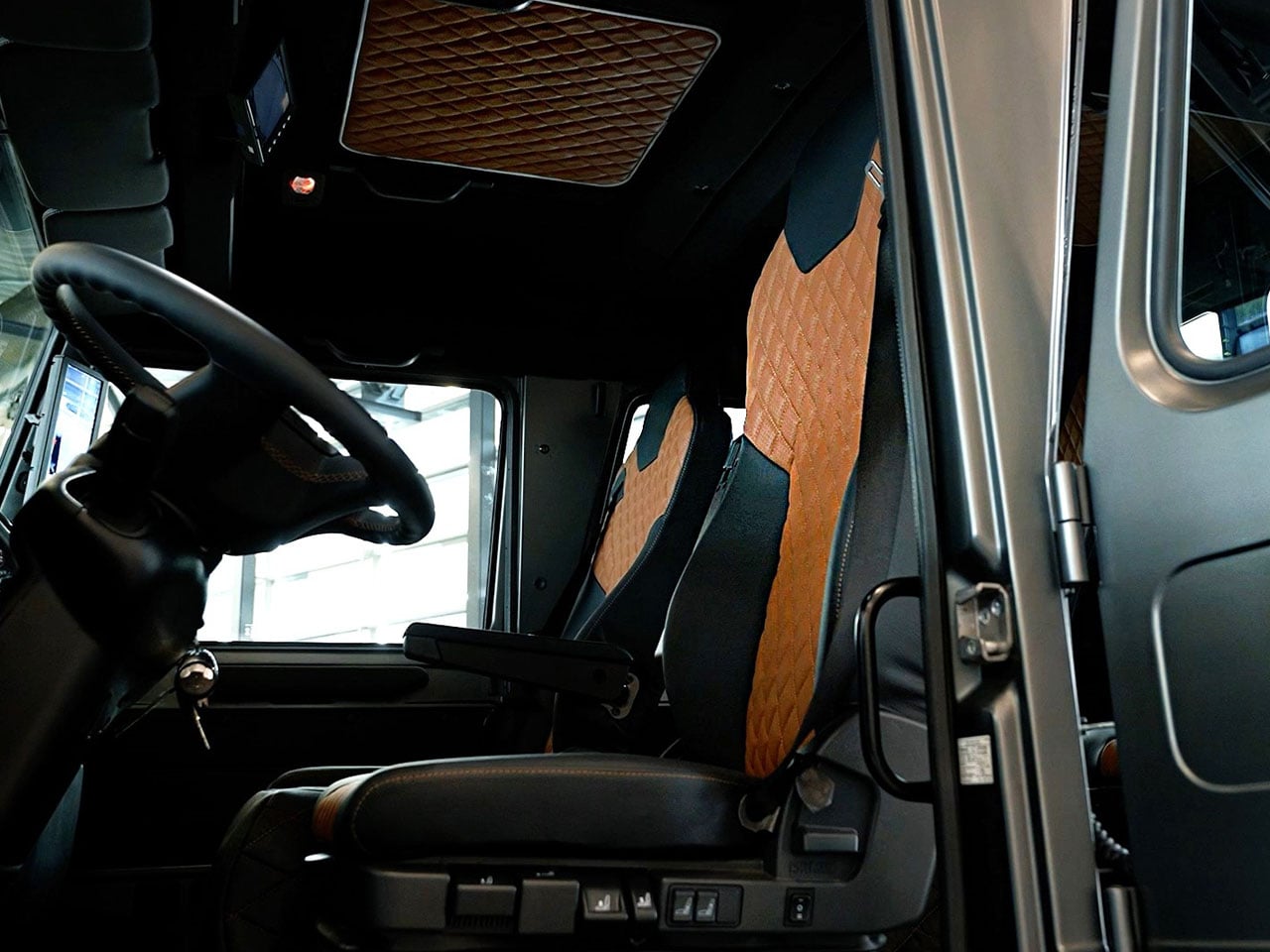
Inside the double cab, which accommodates four passengers, the transformation is most striking. Premium leather covers the seats, steering wheel, and even the floor mats, all detailed with contrasting stitching. LED ambient lighting enhances the cabin’s atmosphere, and ergonomically revised seating promotes comfort over long journeys. These elements create an experience far removed from the typically utilitarian interiors of traditional Unimogs. Mercedes-Benz Special Trucks frames this build as more than a static exhibit. After its public debut, the luxury Unimog will be handed to a customer for real-world testing in 2026. Feedback from this trial will help determine whether aspects of the project could evolve into a limited production or inspire future special editions.

The Unimog itself has a long legacy of versatility. Originally conceived as a “Universal-Motor-Gerät” in the aftermath of World War II, the model has served as everything from agricultural machinery to military transport and emergency-response vehicle. Its hallmark has always been exceptional adaptability and resilience across environments. Pricing for the existing U 4023 begins around the mid-six-figure mark (around $225,000), and with the bespoke powertrain and luxury appointments, this anniversary edition could command a significantly higher valuation should it ever reach limited production. For now, it stands as a bold reinterpretation of a vehicle long prized for its capability, signalling what might lie ahead if demand for ultra-premium off-road trucks continues to grow.

The post Mercedes-Benz reimagines the stellar Unimog with a sublime touch of luxury first appeared on Yanko Design.