Samsung Galaxy S26 review: The smartphone status quo

It's already smartphone season. Samsung's annual deluge encompasses three new phones for 2026: the frontier-pushing S26 Ultra ($1,300) with its innovative Privacy Screen, the S26 ($899) and the S26+ ($999). The smaller flagships, yet again, are iterative versions of what came before, with the major differences centering on bigger batteries and brighter screens.

I'm getting waves of deja vu as I review the Galaxy S26, because at times I was writing exactly what I wrote last year — including the part about it being a little too similar to what came before.

Samsung Galaxy S26 review
Image by Mat Smith for Engadget

Let's focus on the changes. The Galaxy S26's screen size is a little bigger than its predecessor's; 6.3 inches, up from 6.2 inches on the S25. However, it still has the same FHD+ (2,340 x 1,080) resolution. Given the slight size difference, there's no particular drop in sharpness. The screen can also go slightly brighter, topping out at 3,000 nits, which is always welcome — especially when Samsung has increased the battery to 4,300mAh from the S25's 4,000mAh. (The S25 already impressed us with its battery longevity.)

The design, however, is largely unchanged. The camera trio now sits on a unified circular island and, well, that's all I really have to say. Once again, it's premium Samsung hardware, but otherwise I'd just be reiterating what I said last year… and our review from the year before that.

Inside, Samsung increased the base RAM to 12GB and the storage to 256GB on the S26, doubling the space found on the S25. With the S26's processor, Samsung split the device into two different builds depending on region. In the US, you'll get the Snapdragon 8 Elite Gen 5 for Galaxy, like the S26 Ultra. Elsewhere, including my review device in the UK, the S26 and (S26+) have the in-house Exynos 2600.

Samsung's Exynos 2600 SoC is its first 2nm chip and should offer power-efficiency improvements over larger alternatives. This year's S26 didn't struggle with any of the games I played or video-editing tasks. Samsung says its new chip delivers around 50 percent better performance across single- and multicore tasks. The Exynos 2600 includes a new Xclipse 960 GPU, which casubtlenuan deliver double the graphical performance of the Exynos 2500.

On Geekbench 6, the Exynos S26 scored 3151 on single-core tests and 10,664 on multicore tests (not far behind the Snapdragon-powered S26 Ultra). Similarly, the GPU score (24425) didn't lag far behind — all pleasant surprises. There is a but coming.

Comparing battery rundown tests between a Snapdragon S26 and my Exynos version revealed a gap. Watching a looped video at 50 percent brightness, the Exynos iteration lasted almost 28 hours, while the Snapdragon 8 Elite S26 lasted nearly 30 hours. Sure, that's great longevity regardless of which S26 model you get. But this year's flagship does have a bigger battery, so why is the Exynos-powered version only matching last year's phone?

Samsung Galaxy S26 review
Image by Mat Smith for Engadget

Not much has changed in the composition (or resolution) of the camera trio: there's a 50-megapixel main, a 12MP ultrawide and a 10MP telephoto. That means that any improvements in photos and video are subtle, to put it kindly.

It's hard to discern the improvements this year without really scrutinizing dark shots and zooming right in. The S26 does seem a little faster at capturing bursts and high-res video. And while I prefer the no-nonsense shooting of the Pixel 10a, the S26 offers a little more versatility with its zoom and ultrawide cameras. Cropped zoom, for example, lets you get closer to subjects beyond the 3X optical zoom, though more detail is lost than with the S26 Ultra and its larger resolution sensors.

A sample image from the S26, featuring a glass of water in colorfully-lit pub.
Image by Mat Smith for Engadget

Once you've taken the shot, Samsung's bundle of AI tools can take over. Photo Assist attempts to corral all of these editing features into one place, offering quick ways to reduce reflections or edit out photobombers. You can now use natural language text prompts to guide your photo editing.

For example, I attempted to adjust the lighting more evenly on a photo of me taken outdoors with a flash. I could do it with my rudimentary photo-editing skills, but Samsung's tools are fast and, crucially, very easy to use. It's a feature where natural language interfaces really make sense.

With the front-facing camera, Samsung has added its Object Aware Engine, promising better, more accurate rendering of skin tones and hair, as well as an improved portrait mode. But again, I noticed marginal differences. The S26 seemed to have better color accuracy than its predecessor, resulting in slightly warmer selfies.

For videos, Samsung Super Steady mode is now more versatile, maintaining a consistent horizontal lock no matter how much you move around. As I mentioned during my hands-on, it's an interesting addition, the kind of feature you typically see on action cams and gimbals. It works well, too, although the footage does pick up a bit of focus-pumping as it fights to stabilize everything.

Rounding out the new additions is an Autoframing mode that crops in on your tracked subject as they move around. There's a degree of auto-detection for faces and pets, but you can tap to apply tracking to anything, to which it locks on well. It works particularly well with tripods, but there is a slight floating effect as the S26 tries to keep up with the phone's movement. I also noticed warping at the edge of the lens when the camera app kept my subject centered in the frame.

Samsung Galaxy S26 review
Image by Mat Smith for Engadget

Samsung's S26 launch event suggested this was the era of agentic AI, with assistants now positioned to connect the dots between tasks themselves. We're not quite there, though.

The company has slightly expanded many of the features introduced last year. Now Brief is capable of pulling data from more apps to generate more comprehensive daily summaries, but I mostly saw the usual suspects: weather, calendar reminders and not much else.

Across the S26, a new Now Nudge feature will suggest actions with an unobtrusive icon, based on what's happening on screen, such as sharing contact numbers with someone or suggesting calendar times while dealing with work emails.

Perplexity is an interesting addition. The S26 series is in a curious spot where it has hooks into no fewer than three AI assistants: Gemini, Bixby (bless its heart) and now Perplexity.

You do have to install the Perplexity app (and log in to use it), but you can then choose to make it your primary AI assistant. Odd things are missing: Samsung said Perplexity integration would work across the phone, including its own Browser app — something I was excited to test. Perplexity's own browser, Comet, has a slick feature that lets it browse and summarize multiple tabs. I was in the middle of deciding where to eat during my recent trip to Barcelona, so I thought this was a great use case. However, that feature isn't available in Samsung's browser for now. According to Perplexity, Samsung will "integrate Perplexity's APIs into the Samsung Browser, with agentic browser capabilities."

Voice commands of "Hey Plex" also went unanswered. I found I had to manually grant permissions to the Perplexity app for it to work like Google's Gemini. This could just be teething issues with a pre-release device and software, but Perplexity, for now, doesn't offer enough utility beyond what I was already used to with Gemini.

Samsung Galaxy S26 review
Image by Mat Smith for Engadget

The Galaxy S26 is a solid phone, with upgraded battery capacity and more base storage. Whether you get the Exynos or the Snapdragon S26, there's fortunately no performance gulf as has happened in the past. However, the shorter battery life is a disappointing discovery from Samsung's first 2nm chip.

For Samsung's smallest flagships over the last three years, it's all been very samey. Is the company now focused on its true flagship Ultra phone and foldables to generate buzz and make things exciting? That's what it feels like. There's nothing wrong with this safe, solid Android phone, but you could pick up last year's S25 and get an experience that's 99 percent the same for $99 less.

This article originally appeared on Engadget at https://www.engadget.com/mobile/smartphones/samsung-galaxy-s26-review-the-smartphone-status-quo-143033391.html?src=rss


Claude for Office Adds Real-Time Co-Editing in Excel & PowerPoint

Claude for Office Adds Real-Time Co-Editing in Excel & PowerPoint Browser dashboard showing Claude skills toggles and settings for Excel and PowerPoint add-ons in a team account.

Anthropic has introduced a major update to its Claude AI platform, bringing advanced integrations with Microsoft Excel and PowerPoint. Mark Kashef explores how these new features enable professionals to streamline workflows and improve project outcomes. For example, the update includes real-time collaboration, allowing teams to work on shared documents simultaneously with automatic synchronization to prevent […]

The post Claude for Office Adds Real-Time Co-Editing in Excel & PowerPoint appeared first on Geeky Gadgets.

Posted in Uncategorized

Engadget Podcast: Apple’s $599 MacBook Neo is astounding

Somehow, Apple made a $599 laptop that's actually a joy to use. In this episode, Devindra and Deputy Editor Nathan Ingraham chat about what makes the MacBook Neo so great. And they also dive into the new M4 iPad Air, M5 MacBook Air and M5 Pro/Max MacBook Pros. Also, Roberto Baldwin, SAE International's Sustainability Editor, joins us to chat about the state of EVs today as gas prices explode.

  • MacBook Neo review: Apple puts $600 Windows PCs to shame – 1:47

  • iPad Air M4 remains Apple’s best overall tablet – 18:05

  • Whistleblower claims ex-DOGE employee illegally took social security info on 500 million Americans to their new job – 33:37

  • Valve clarifies their outlook on the Steam Machine, it’ll launch in 2026, still no word on price – 36:08

  • Grammerly hit with a class action lawsuit for using reporters’ names in an editing ‘expert’ tool – 40:29

  • A new study claims every major AI chatbot will help users plan a hate attack or political assassination – 44:03

  • What to look for in a used EV with SAE International sustainability editor Roberto Baldwin – 48:31

  • Around Engadget – 1:21:04

Hosts: Devindra Hardawar and Nathan Ingraham
Guest: Roberto Baldwin
Producer: Ben Ellman
Music: Dale North and Terrence O’Brien

This article originally appeared on Engadget at https://www.engadget.com/computing/laptops/engadget-podcast-apples-599-macbook-neo-is-astounding-140402521.html?src=rss

iPhone Fold Leak: 7.8-Inch Inner Screen & 5.5-Inch Cover Display Specs

iPhone Fold Leak: 7.8-Inch Inner Screen & 5.5-Inch Cover Display Specs iPhone Fold

Apple is preparing to make its highly anticipated debut in the foldable smartphone market with the iPhone Fold. This move signals the company’s commitment to staying competitive in an evolving industry. Early leaks and renders suggest that the iPhone Fold will emphasize usability, durability, and innovative technology, potentially reshaping how users interact with their devices. […]

The post iPhone Fold Leak: 7.8-Inch Inner Screen & 5.5-Inch Cover Display Specs appeared first on Geeky Gadgets.

Posted in Uncategorized

6 Powerful Free Al Tools Every Researcher Should Be Using in 2026

6 Powerful Free Al Tools Every Researcher Should Be Using in 2026 Research Rabbit graph displaying connected papers and citation paths, with options to track new citations over time.

Artificial intelligence continues to influence academic research by providing practical methods for handling information and tackling intricate problems. Andy Stapleton highlights six free AI systems that are particularly relevant in 2026, including Gemini by Google. Gemini assists researchers by generating literature reviews, summarizing academic papers and creating graphical abstracts to present findings visually. It also […]

The post 6 Powerful Free Al Tools Every Researcher Should Be Using in 2026 appeared first on Geeky Gadgets.

Posted in Uncategorized

Can an iPhone chip power a Mac? Who the $599 MacBook Neo is actually for

Can an iPhone chip power a Mac? Who the $599 MacBook Neo is actually for MacBook Neo

Apple’s MacBook Neo represents a thoughtful expansion into the budget-friendly laptop market, catering to a wide range of users, including students, families, casual users, and first-time Mac buyers. Designed with a focus on practicality and affordability, it provides a polished computing experience without the premium price tag typically associated with Apple products. While it is […]

The post Can an iPhone chip power a Mac? Who the $599 MacBook Neo is actually for appeared first on Geeky Gadgets.

Posted in Uncategorized

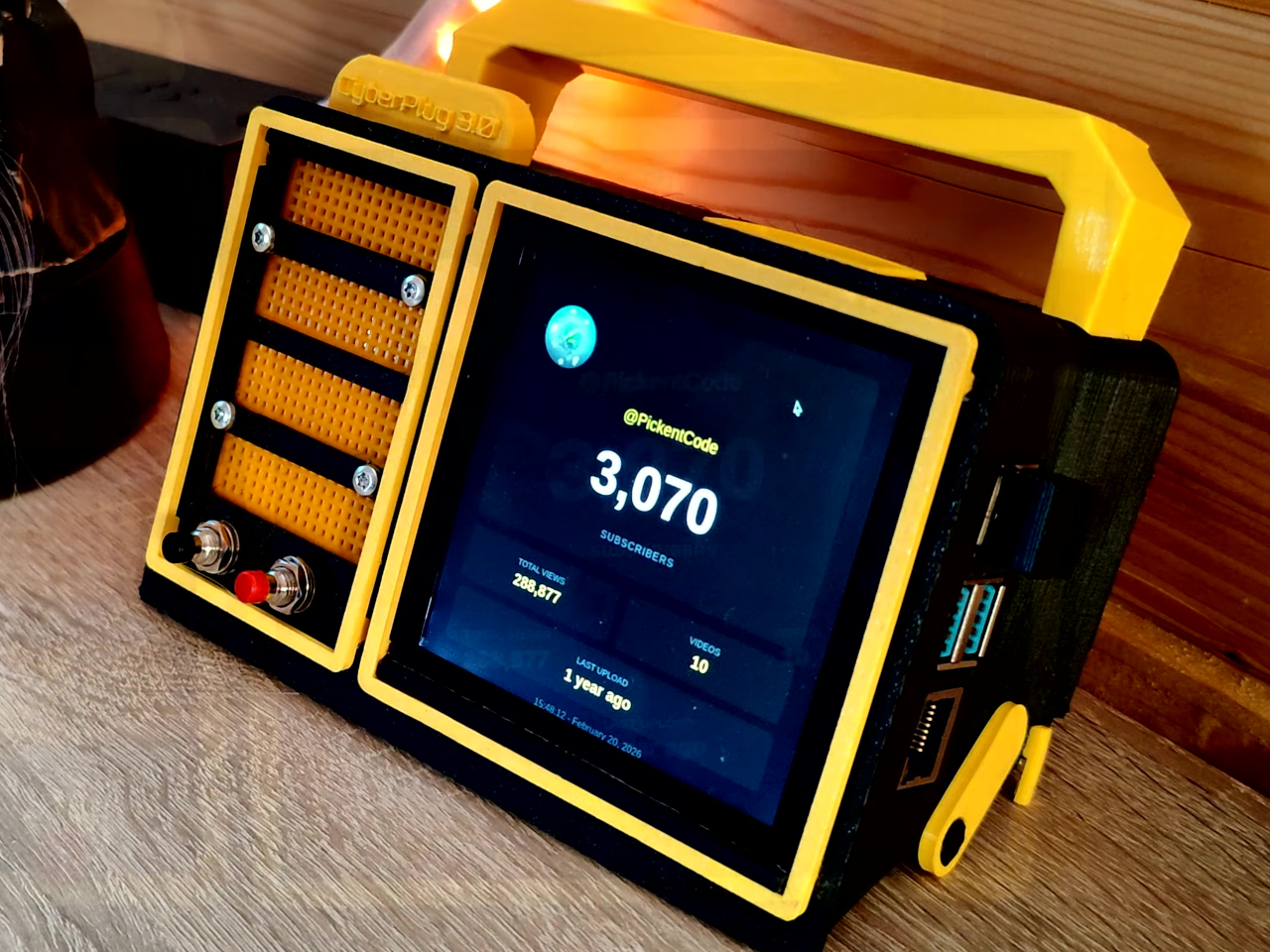
This Foldable DIY Cyberdeck Has Breadboards Built In and Runs Doom

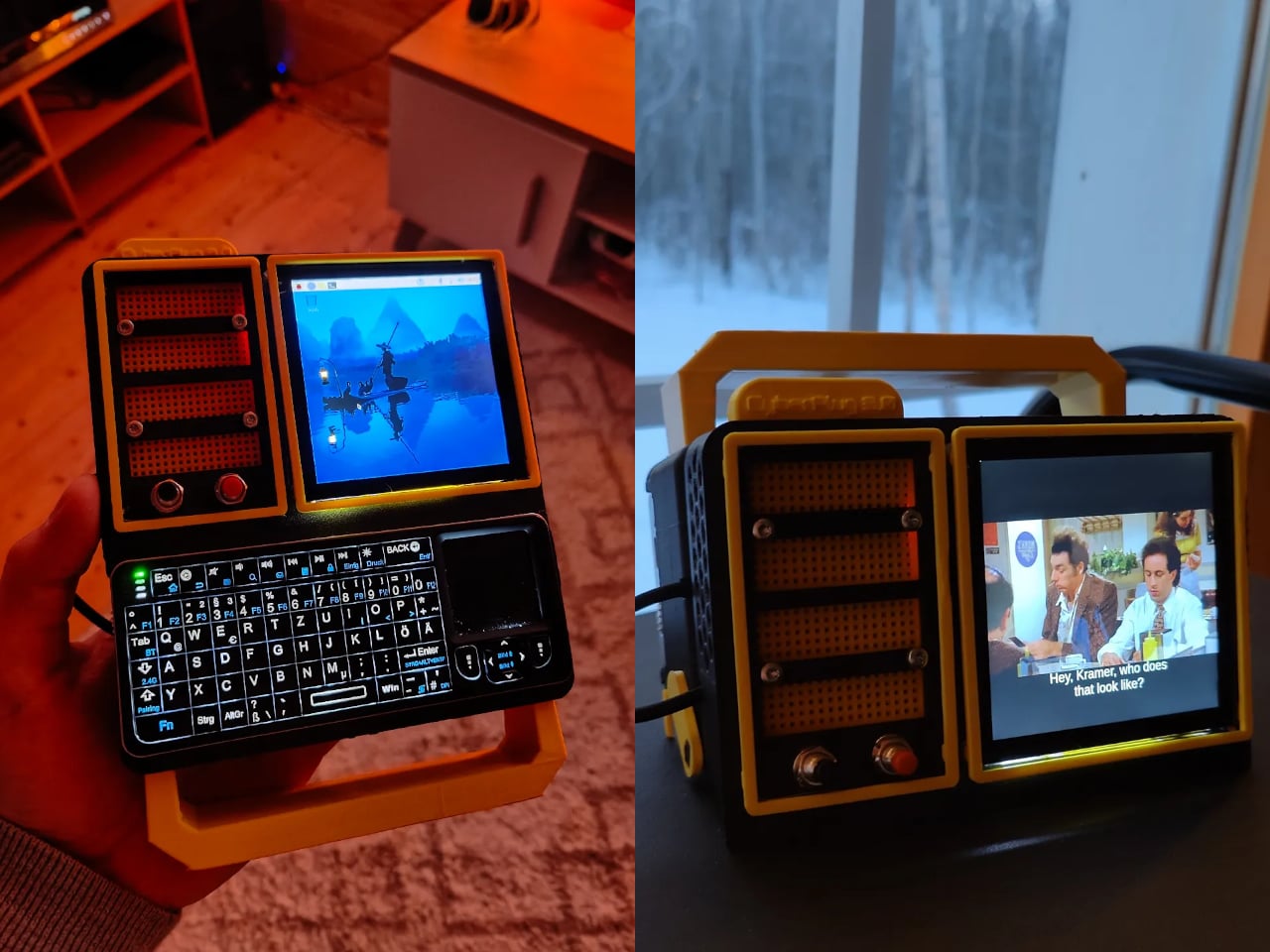
Most portable computers are sealed boxes, which is exactly what makes them frustrating for anyone who wants to experiment with electronics. You can run code on a laptop, but try wiring a temperature sensor or an infrared transmitter directly to it, and you’ll realize that consumer hardware was never designed for that kind of access. A maker who goes by PickentCode got tired of that gap and built something to close it.

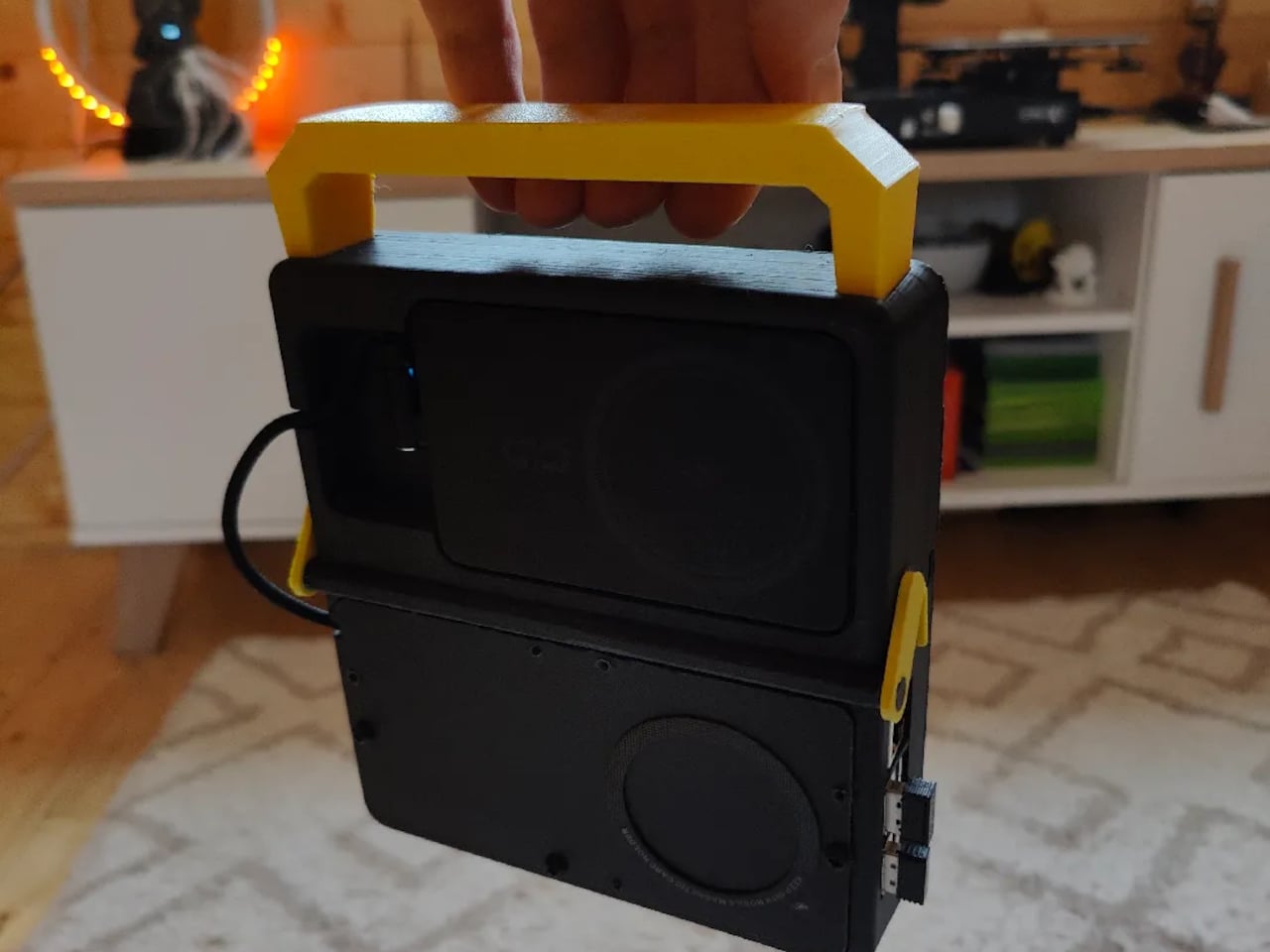
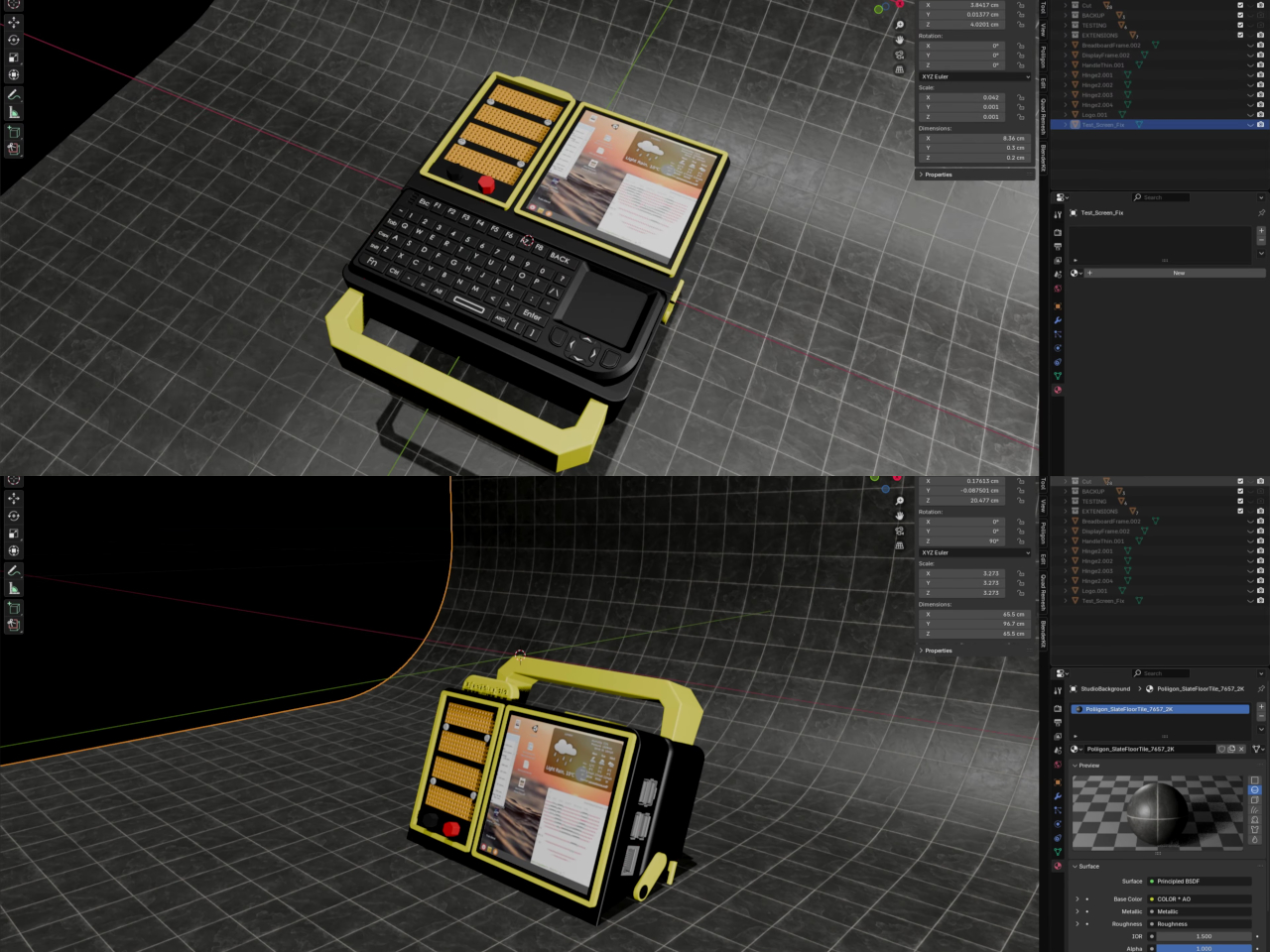
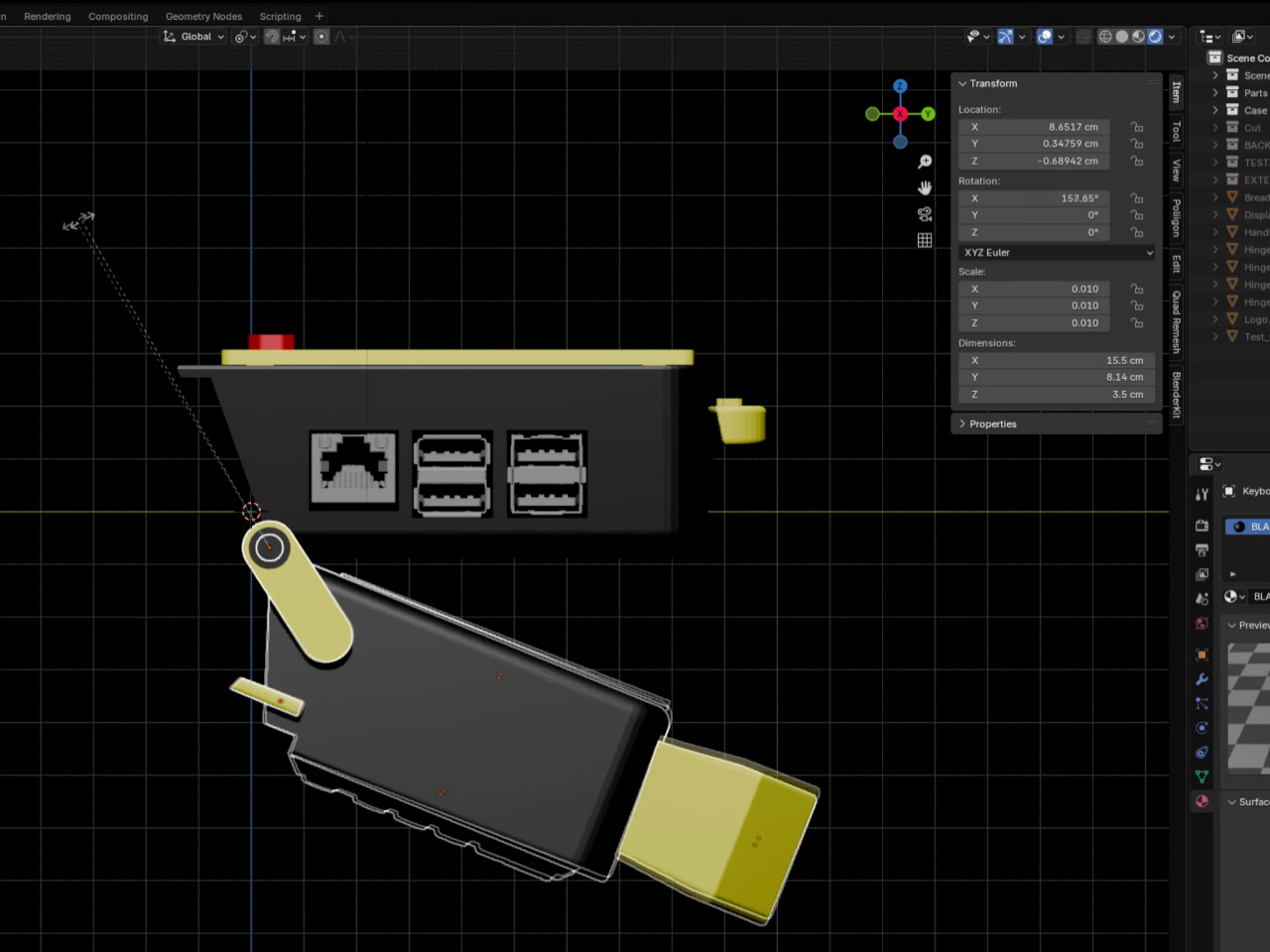
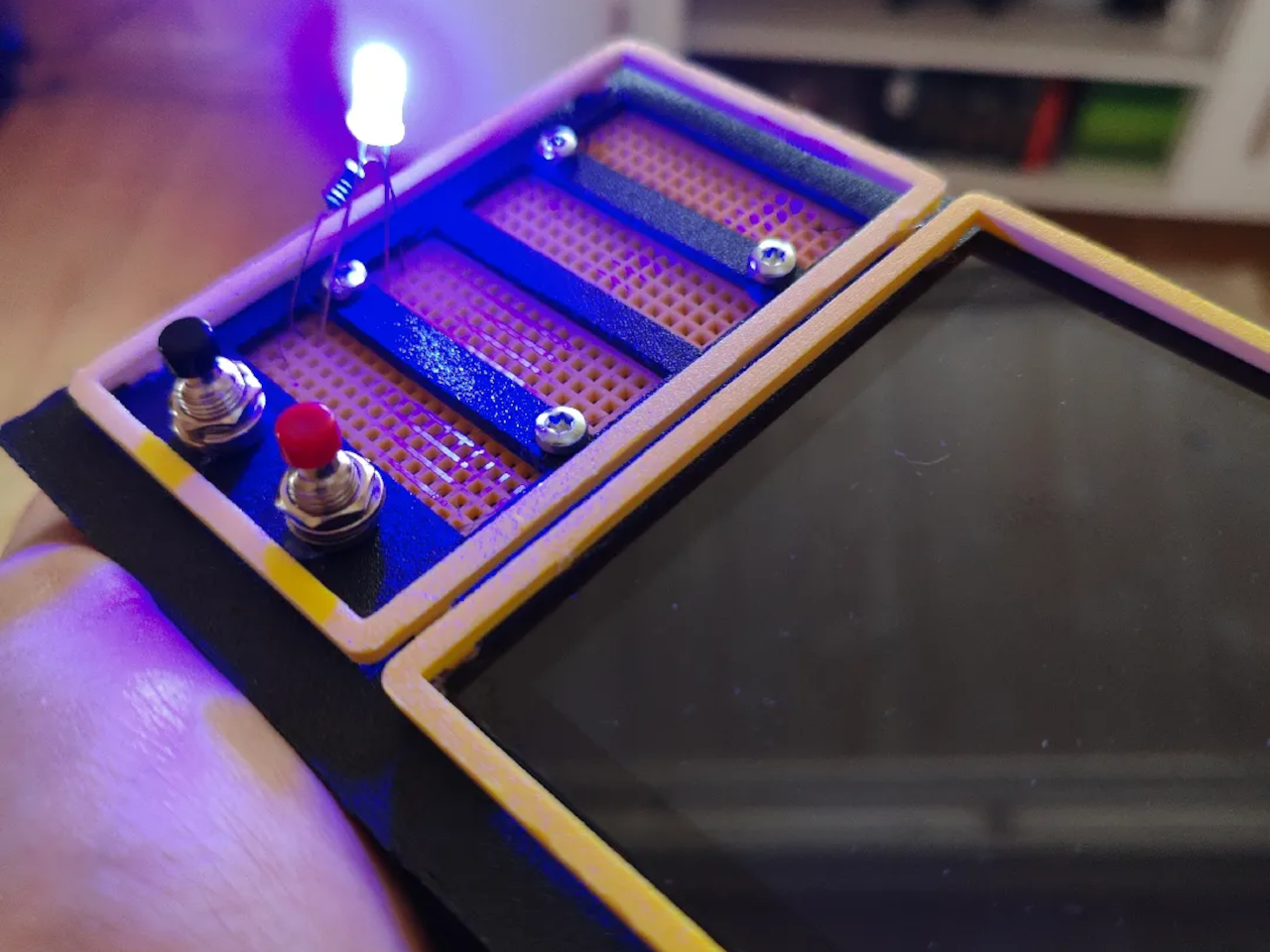
The CyberPlug 3.0 is the third iteration of a personal cyberdeck project, the earlier two having usability problems that sent PickentCode back to Blender to redesign. The final build packs a Raspberry Pi 4 Model B, a 4-inch IPS touchscreen, a Rii K06 mini keyboard with a built-in touchpad, and a 5,000 mAh USB-C power bank into a 3D-printed hinged body that folds flat for handheld use or props open at a desk-friendly angle.

Designer: PickentCode

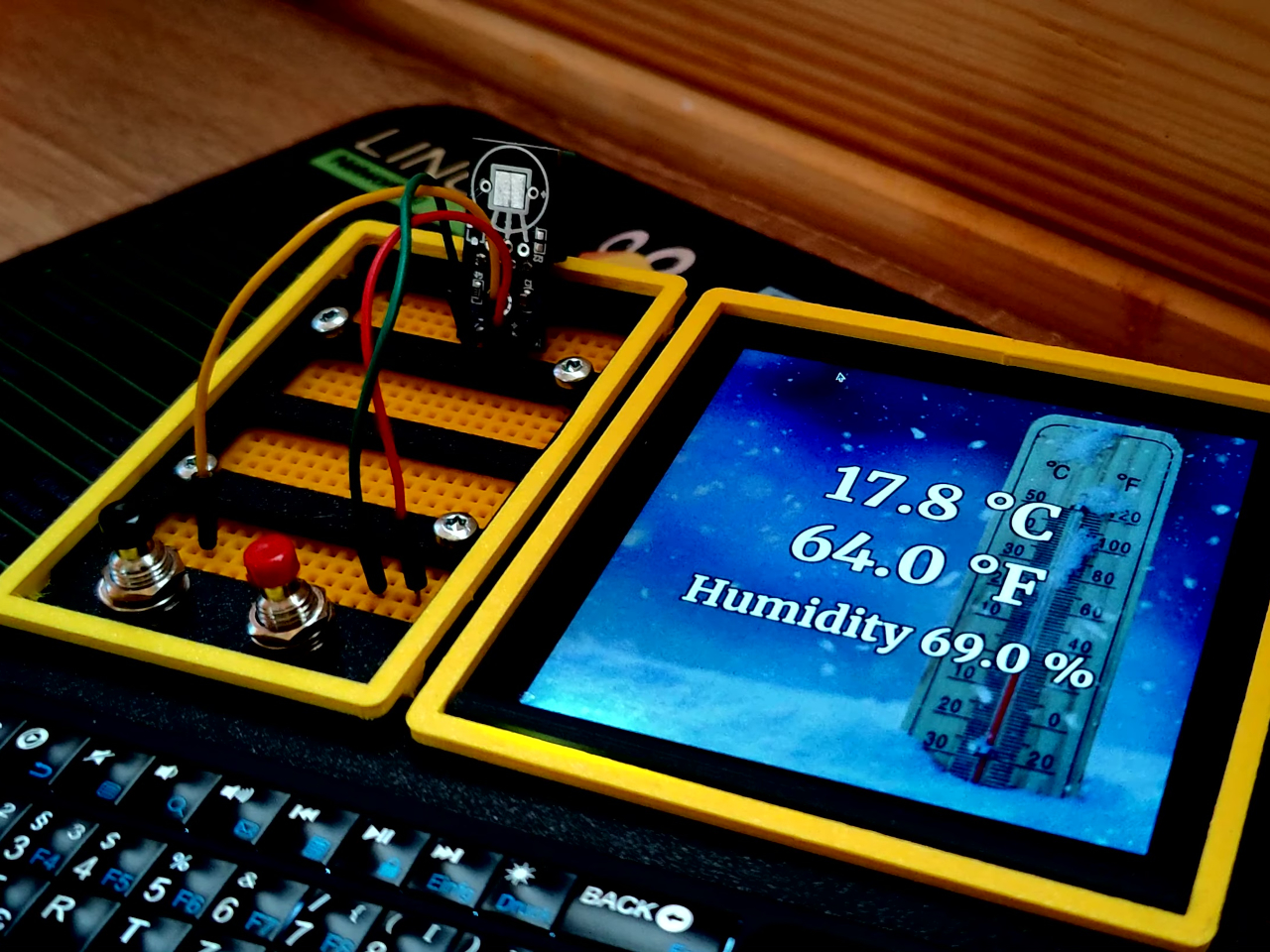
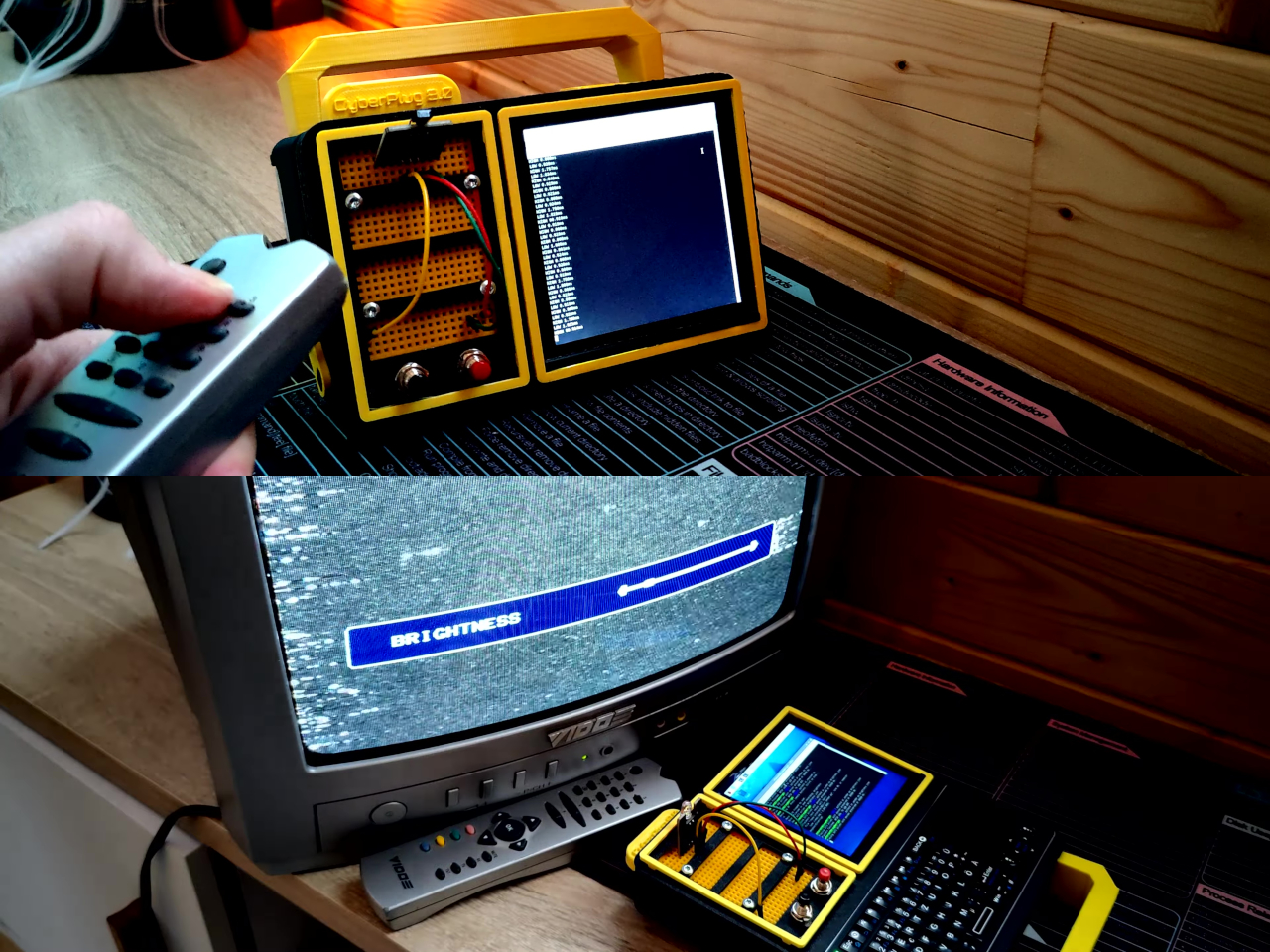
What separates this from a standard Raspberry Pi build is the pair of breadboards soldered directly to the GPIO pins, seated inside the case, and accessible through a removable back panel. Connecting a sensor no longer means hunting for a separate breadboard and a tangle of jumper wires. PickentCode plugged in a temperature and humidity sensor and had it reading live data within minutes, then built an infrared setup that records remote control signals and replays them as single-button macros.

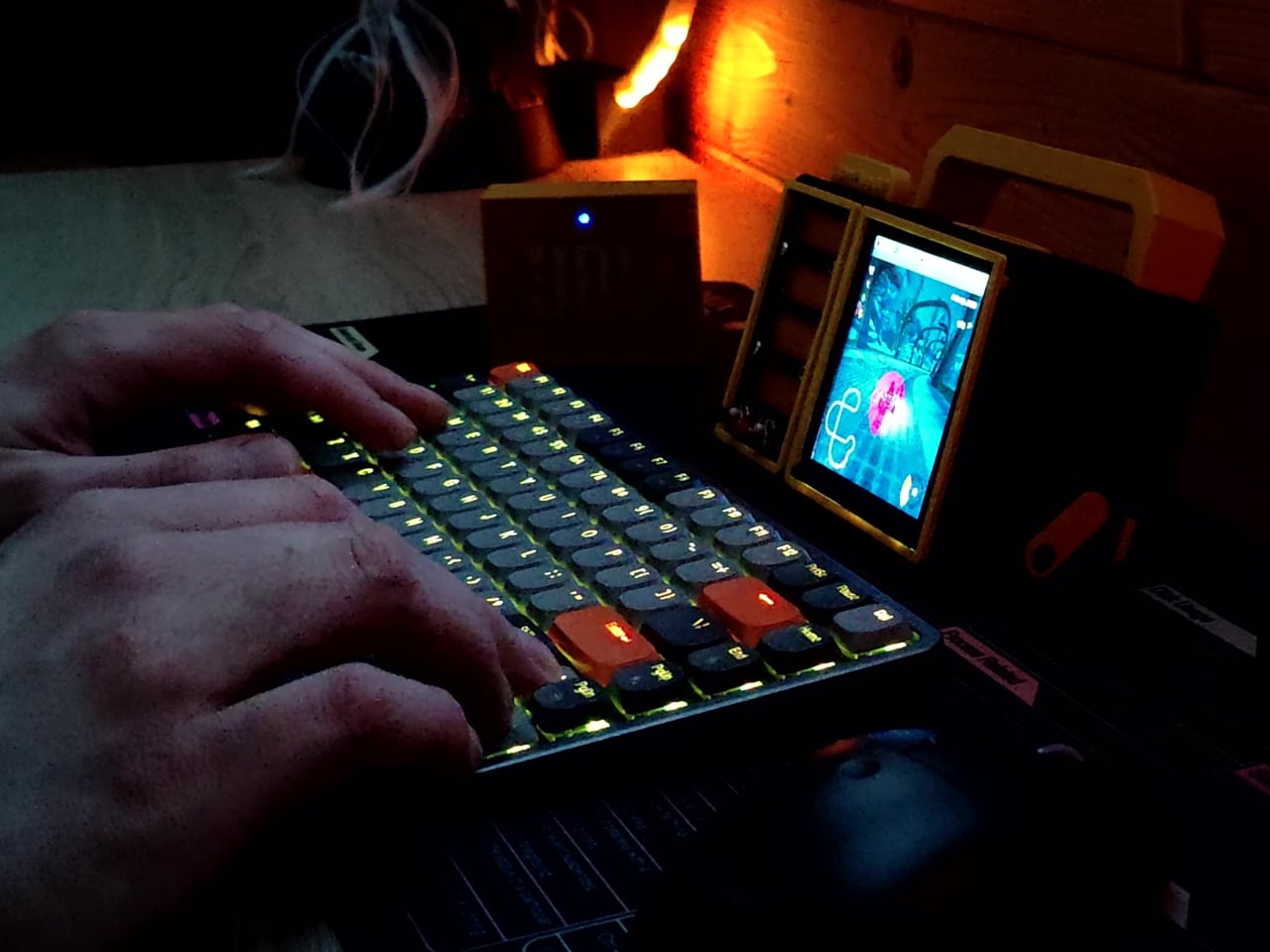
The two form factors each have a distinct locking mechanism rather than just flopping into position. In handheld mode, twin magnets pull the two halves together. In desktop mode, a metal ring on the back grabs the MagSafe-style power bank magnetically, holding the whole thing at a stable upright angle. Both the keyboard and the power bank slide out independently, and the deck keeps working on a desk without either of them.

Extensions are where the project gets more interesting. PickentCode added a PWM-controlled external fan that reads CPU temperature and adjusts speed automatically, and a small speaker module that opened the door to YouTube and older games. Doom, Half-Life, and GTA: Vice City all ran on it, better with an external setup in desktop mode, though workable in handheld after some button remapping.

PickentCode frames this plainly as a testbed for learning electronics, not a replacement for a phone or a real computer. The 3D files are free on Printables, so the main cost is filament, time, and the components. For anyone who has ever stared at a sealed laptop wishing they could just plug something into it, that framing is probably the most relatable thing about it.

The post This Foldable DIY Cyberdeck Has Breadboards Built In and Runs Doom first appeared on Yanko Design.

Researchers Warn AI Training on AI Data Drives Model Collapse

Researchers Warn AI Training on AI Data Drives Model Collapse Chart showing Stack Overflow question volume falling sharply as more users rely on AI-generated coding answers.

Artificial intelligence systems like ChatGPT, which are trained on vast amounts of online content, are reshaping the digital ecosystem in ways that raise serious concerns. Platforms such as Stack Overflow and Chegg, once central to knowledge sharing, are now struggling to sustain their communities and business models. Stack Overflow, for instance, has overviewed a 78% […]

The post Researchers Warn AI Training on AI Data Drives Model Collapse appeared first on Geeky Gadgets.

Posted in Uncategorized

Apple is reducing its App Store commission fees in China

Apple is lowering its developer fees in China following discussions with the Chinese regulator. From March 15, the commission rate for standard in-app purchases (IAPs) will be reduced from 30 percent to 25 percent on its mainland China App Store storefront for both iOS and iPadOS.

In a Developer blog, Apple also said that developers belonging to its App Store Small Business or Mini Apps programmes will also have their fees reduced by 3 percent, from 15 to 12 percent. This applies to the commission rate for IAPs and in-app subscription renewals after the first year.

"We strive for iOS and iPadOS to be the best app ecosystem and a great business opportunity for developers in China," Apple said in the post. "We are committed to terms that remain fair and transparent to all developers, and to always offering competitive App Store rates to developers distributing apps in China that are no higher than overall rates in other markets."

Apple says developers are not required to agree to the terms by March 15 to start receiving their benefits, seemingly making the transition as smooth as possible to avoid further regulatory intervention. It will no doubt be taken as a significant win for Chinese businesses, and comes a year after reports that a state watchdog was investigating the fees Apple enforces on developers it hosts on the App Store.

This article originally appeared on Engadget at https://www.engadget.com/apps/apple-is-reducing-its-app-store-commission-fees-in-china-131221192.html?src=rss

Blush, Citrus, and Indigo: How Apple made its colorful MacBook Neolaptop feel like a Pro

Blush, Citrus, and Indigo: How Apple made its colorful MacBook Neolaptop feel like a Pro MacBook Neo

The MacBook Neo, priced at $600, challenges long-standing assumptions about what budget laptops can achieve. Many believe that its reliance on the A18 Pro chip, adapted from Apple’s iPhone architecture, limits its capabilities. However, this device defies such expectations by offering a combination of impressive performance, premium build quality, and exceptional value. While it may […]

The post Blush, Citrus, and Indigo: How Apple made its colorful MacBook Neolaptop feel like a Pro appeared first on Geeky Gadgets.

Posted in Uncategorized