After Losing His Arm in a Crash, He Built the Controller No One Made

Gaming peripherals have come a long way in terms of specialization, from mechanical keyboards tuned for competitive play to mice with adjustable DPI profiles and ergonomic grips. What hasn’t kept pace is hardware designed for players who can only use one hand. Existing options like gaming keypads only get so far, and none of them truly replace the keyboard and mouse combination that PC gaming has relied on for decades.

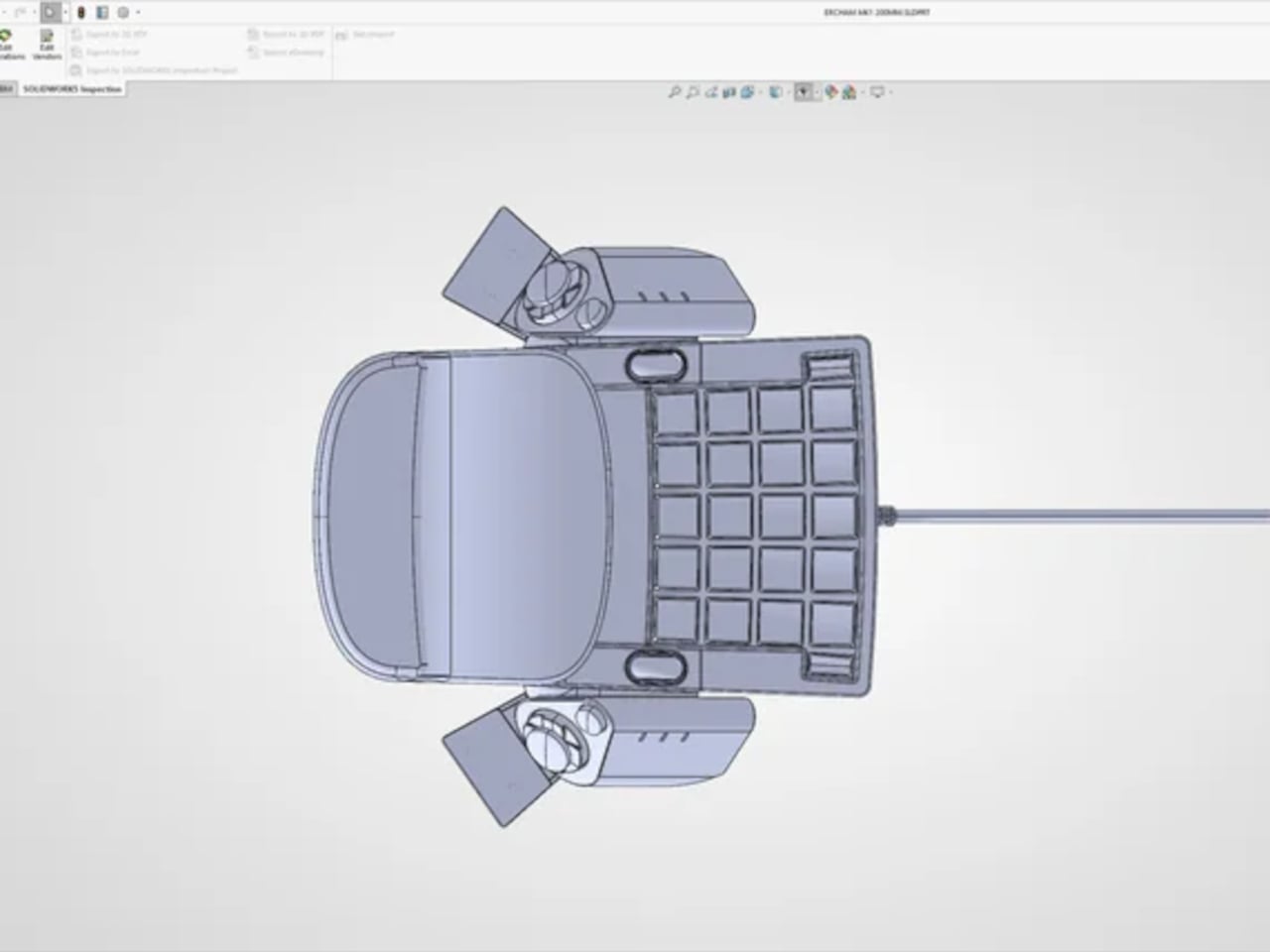
Joe Tomasulo found that out the hard way. After losing his right arm in a motorcycle accident, he’d tried everything to get back to PC gaming as he knew it. He adapted a Razer Tartarus, strapped a wireless mouse to it, and tweaked the software bindings endlessly, but nothing ever felt right. Rather than keep settling for workarounds, he eventually built something purpose-made, and the result is the Ercham MK1.

Designer: Joe Tomasulo (Adventurous_Tie_9031)

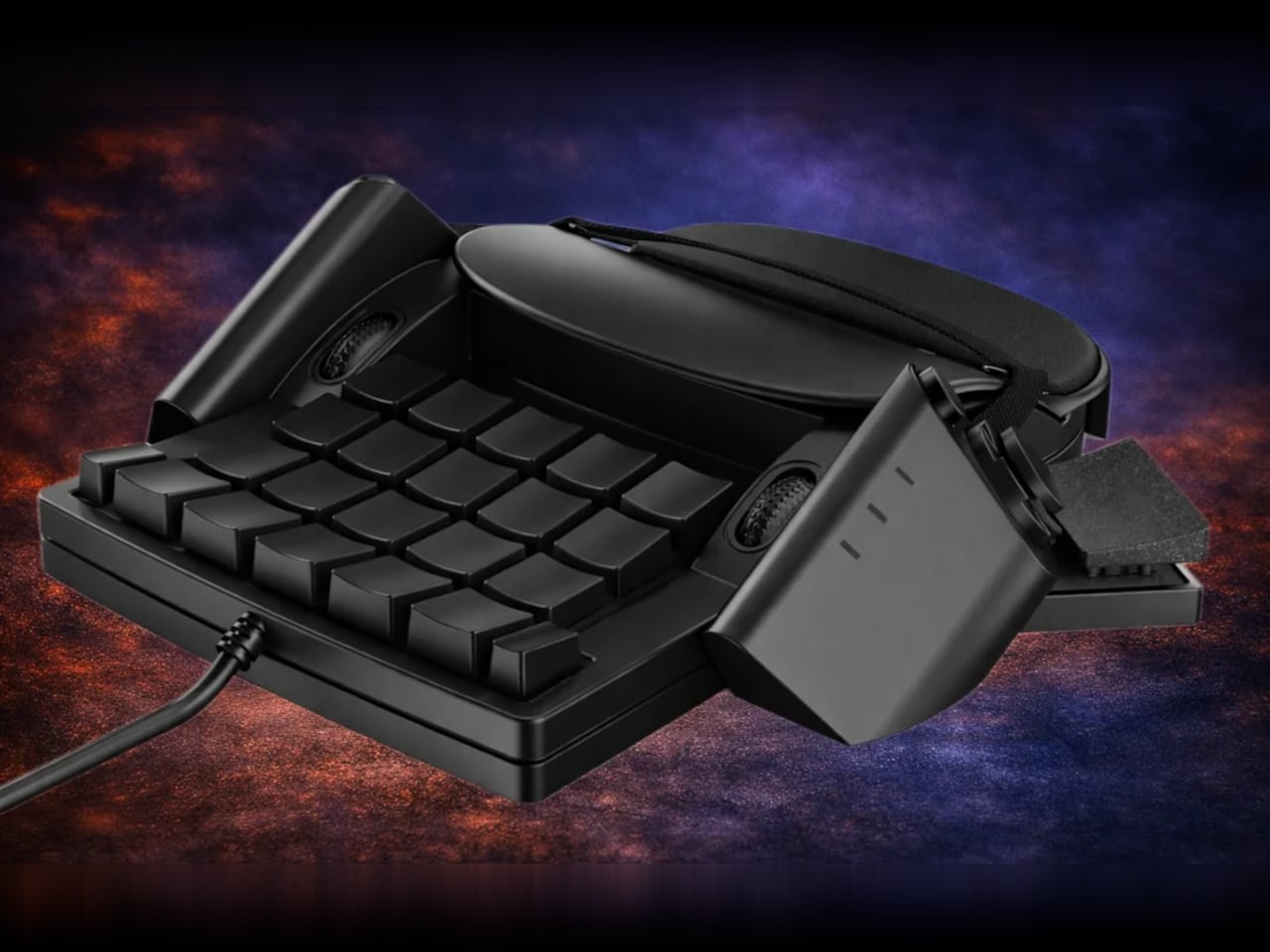
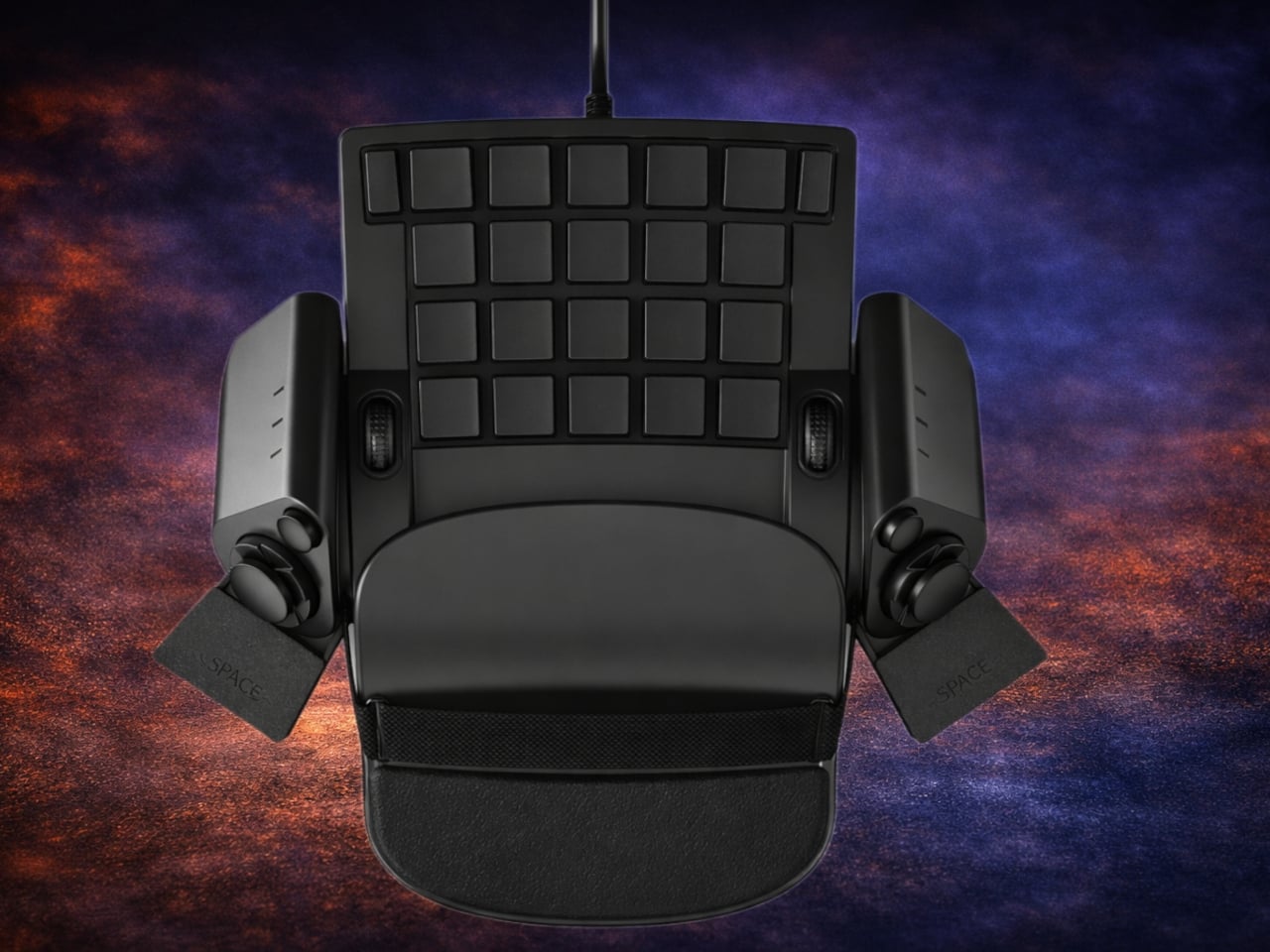
The core idea is to put the keyboard and the mouse into the same device so that one hand handles everything at once. The Ercham MK1 sits flat on a surface, and an optical sensor on its underside lets the entire unit glide like a conventional mouse. The hand resting on top can simultaneously press keys, scroll, and execute game commands without ever having to reach for a second peripheral.

The key section features more than 30 programmable inputs arranged in a compact grid within natural finger reach. A strap system runs across the top of the device, keeping the hand firmly in place during longer sessions without requiring a tight grip. That matters for players with limited hand strength or residual limb use, where maintaining position on a mouse-like surface for extended periods would otherwise be exhausting and imprecise.
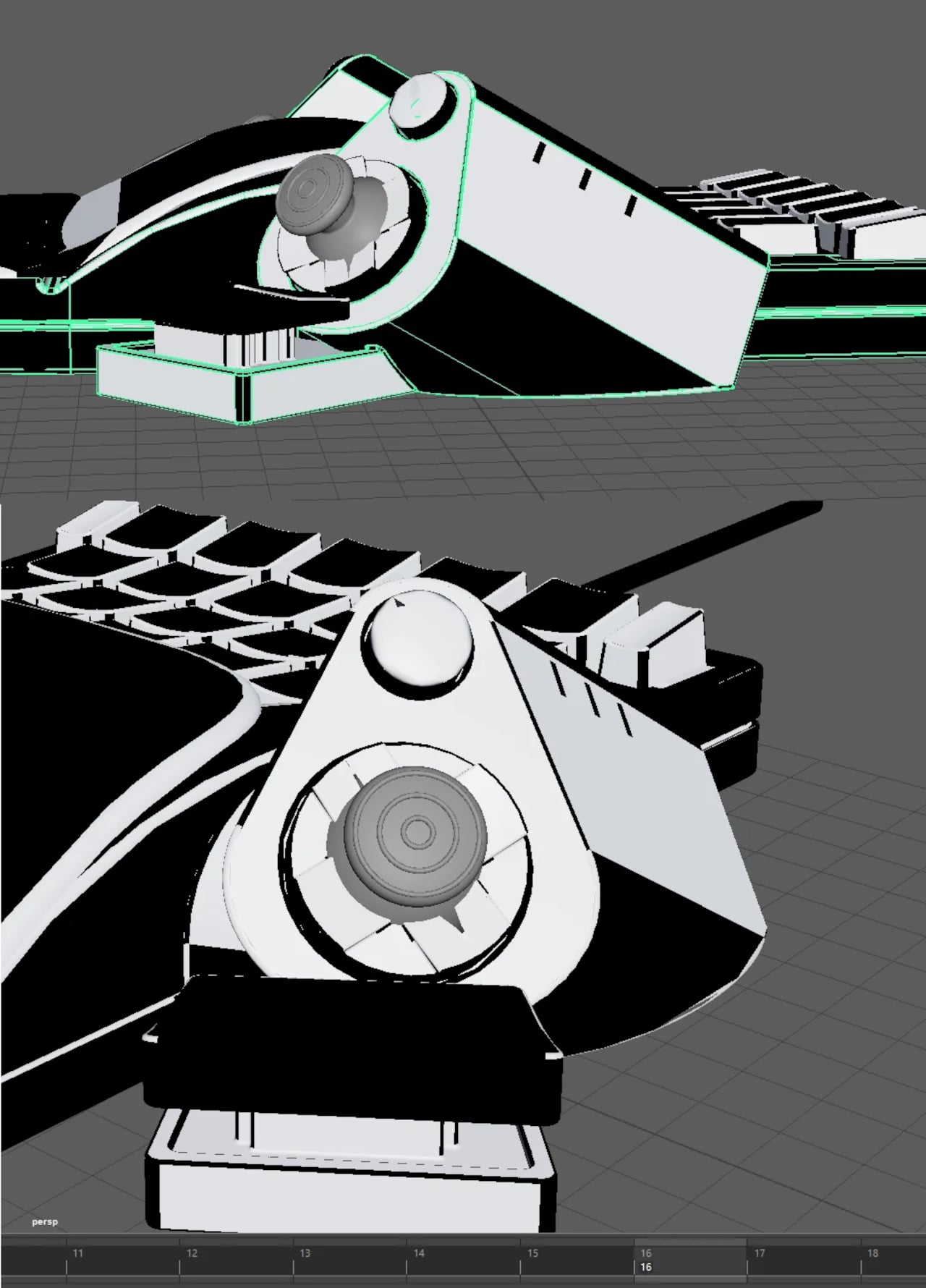
One of the more considered design decisions is that the Ercham MK1 works for either hand. Most gaming keypads aren’t built for both; they default almost universally to left-hand use, leaving right-handed amputees and players with right-side impairments without a natural fit. The fully ambidextrous layout, combined with angled control modules on both sides of the device, means the setup adapts to the user rather than the other way around.

Joe built the Ercham MK1 with amputees and stroke survivors specifically in mind, but its potential reach extends well beyond those two groups. Players dealing with RSI, brachial plexus injuries, and chronic pain face the same frustrations with two-device setups that don’t accommodate them, and so do power users and content creators. The programmable layout and macro support make it a genuinely useful tool for productivity work, not just gaming.

It’s come a long way from the hacked-together prototype he started with, and that origin gives it a kind of credibility that polished gaming accessories rarely have. It wasn’t designed in a studio; it was built by someone who genuinely needed it and couldn’t wait for anyone else to.
The post After Losing His Arm in a Crash, He Built the Controller No One Made first appeared on Yanko Design.

Apple vs Meta Smart Glasses: Custom Apple Silicon Aims to Beat Snapdragon AR Gen 1

Apple vs Meta Smart Glasses: Custom Apple Silicon Aims to Beat Snapdragon AR Gen 1 Apple Glasses

Apple is reportedly preparing to enter the wearable technology market with its highly anticipated AI-powered smart glasses, directly challenging Meta’s dominance in this space. These glasses are expected to integrate seamlessly into the Apple ecosystem, using advanced hardware, artificial intelligence, and spatial computing. While the potential for innovation is significant, questions remain about their practicality, […]

The post Apple vs Meta Smart Glasses: Custom Apple Silicon Aims to Beat Snapdragon AR Gen 1 appeared first on Geeky Gadgets.

Posted in Uncategorized

Why One Creator Spent $60,000 to Engineer the Ultimate LEGO RC Chassis

Why One Creator Spent $60,000 to Engineer the Ultimate LEGO RC Chassis Creator David Elisson displaying his custom LEGO-compatible RC chassis

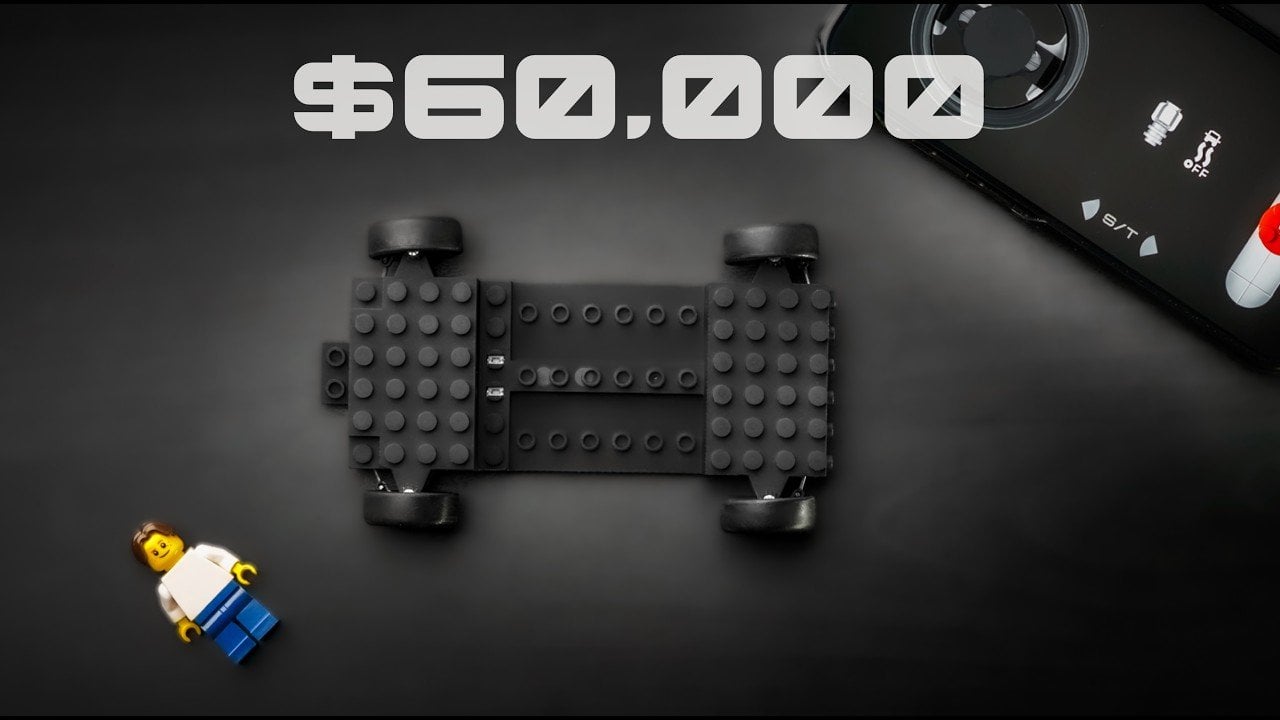
David Elisson, the creator behind the YouTube channel Bricks, Blocks And MOCs, spent five years and $60,000 designing a third-party LEGO-compatible RC car chassis. This chassis allows LEGO builders to create fully functional, minifigure-scale RC vehicles by integrating radio-controlled movement. One of the most significant challenges was designing a compact four-wheel-drive system that worked within […]

The post Why One Creator Spent $60,000 to Engineer the Ultimate LEGO RC Chassis appeared first on Geeky Gadgets.

Posted in Uncategorized

Why You’ll Want to Install iOS 26.5 the Second It Launches

Why You’ll Want to Install iOS 26.5 the Second It Launches Featured image for iOS 26.5 - Every NEW Feature Coming to iPhone !

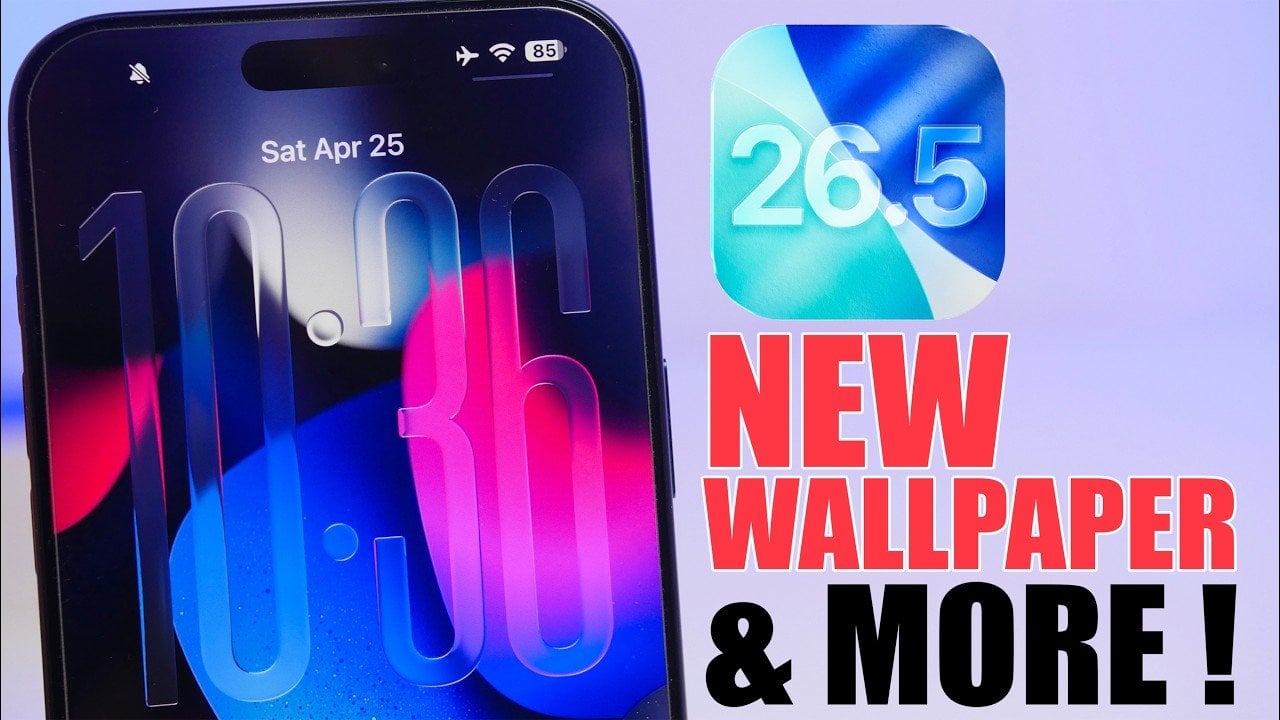
Apple’s iOS 26.5 is set to bring a range of updates that enhance personalization, functionality, and regional adaptability for iPhone users. Currently in its third beta phase, this update is expected to roll out soon, with a final release date projected for May 11, 2026. While it may not be as expansive as its predecessor, […]

The post Why You’ll Want to Install iOS 26.5 the Second It Launches appeared first on Geeky Gadgets.

Posted in Uncategorized

Corsair’s New Mini PC Just Outperformed Apple’s M1 Ultra

Corsair’s New Mini PC Just Outperformed Apple’s M1 Ultra Corsair AI Workstation 300 mini PC sitting next to a monitor

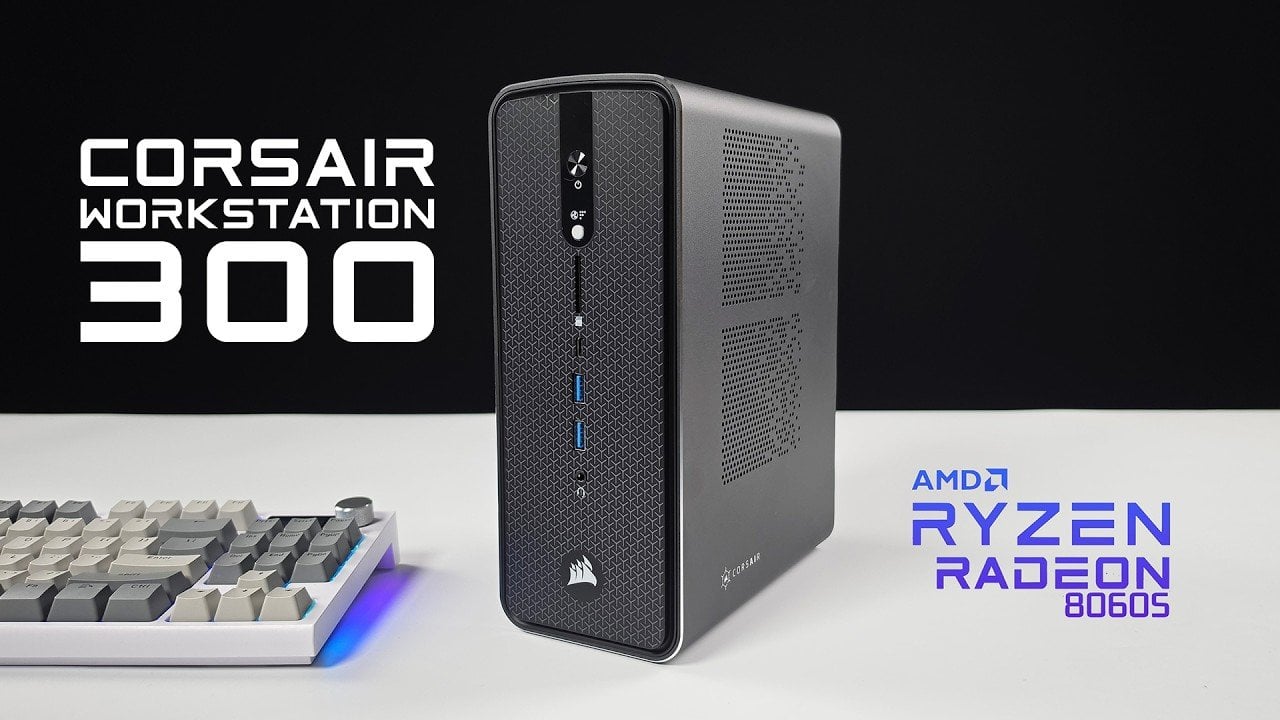
Compact yet capable, the Corsair AI Workstation 300 is designed to meet the demands of professionals and gamers who need high performance in a small form factor. As highlighted by ETA Prime, this mini PC is powered by the AMD Ryzen AI Max Plus 395 APU, a 16-core processor with clock speeds of up to […]

The post Corsair’s New Mini PC Just Outperformed Apple’s M1 Ultra appeared first on Geeky Gadgets.

Posted in Uncategorized

iOS 26.4.2 is Out: Why You Need to Update Your iPhone Immediately

iOS 26.4.2 is Out: Why You Need to Update Your iPhone Immediately iPhone Settings page with Software Update open, showing iOS 26.4.2 and notes about stability improvements.

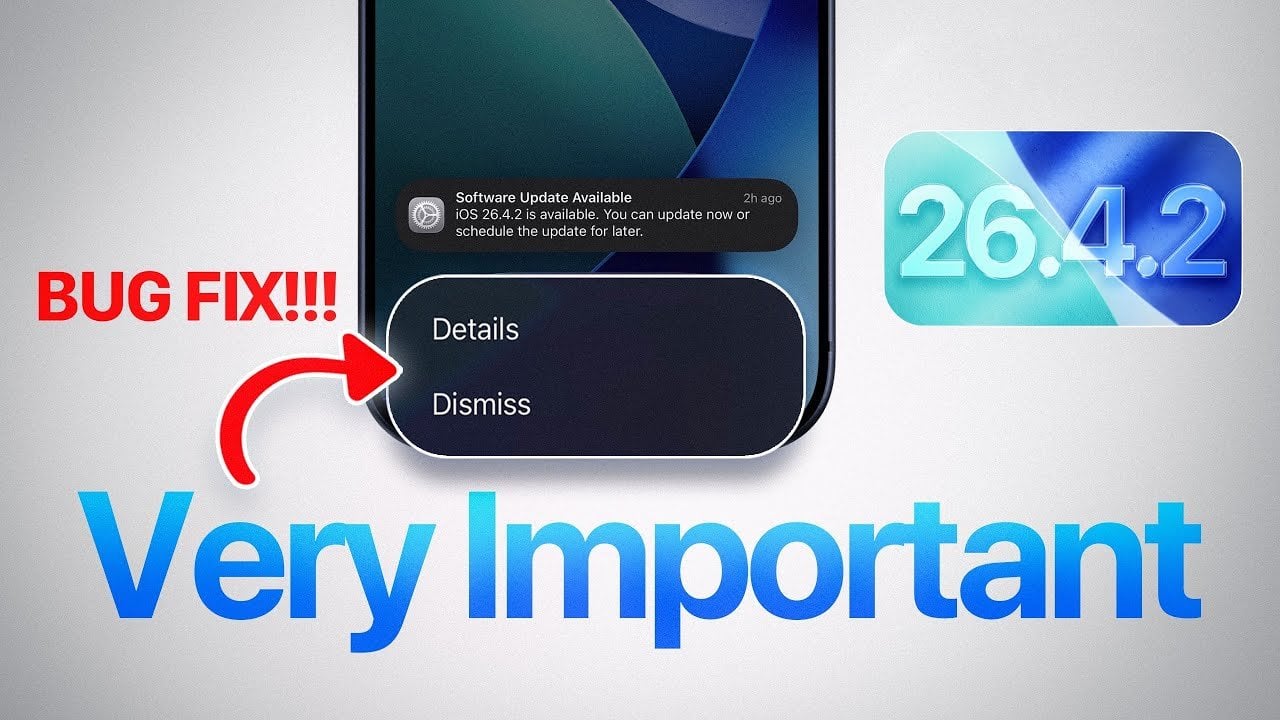
Apple has officially released the iOS 26.4.2 update, a critical upgrade designed to address key issues affecting your device’s security, performance and overall functionality. This update is not just another routine patch, it represents a focused effort to enhance the reliability and safety of your Apple device. From resolving privacy vulnerabilities to improving battery efficiency […]

The post iOS 26.4.2 is Out: Why You Need to Update Your iPhone Immediately appeared first on Geeky Gadgets.

Posted in Uncategorized

Don’t Wait for Valve: Build Your Own Steam Machine in 2026

Don’t Wait for Valve: Build Your Own Steam Machine in 2026 Valve Steam Deck placed next to a custom ARM-based handheld gaming console.

Valve’s Steam ecosystem has long been a hub for innovation and the rise of custom-built Steam Machines is no exception. In a recent breakdown by Deck Ready, the focus shifts to how DIY enthusiasts are embracing Valve’s open hardware philosophy to create personalized gaming setups. For example, projects like Zach Builds’ custom Steam Machine showcase […]

The post Don’t Wait for Valve: Build Your Own Steam Machine in 2026 appeared first on Geeky Gadgets.

Posted in Uncategorized

Casio Just Built a $270 Sampler the SK-1 Always Deserved

When Casio showed up at NAMM in January with an unannounced sampler, no press rollout, no teaser campaign, people kind of lost their minds a little. It was unexpected in the best way. The music gear community had not been thinking about Casio in that particular conversation, and then suddenly there it was. A boxy, padded, retro-looking device called the SXC-1, sitting quietly in a booth like it had always been there. That kind of entrance says a lot about how confident Casio was in what they brought. It also signals something bigger: Casio is not just trying to stay relevant. They are actively reclaiming territory they actually originated.

For a certain kind of person, whether you are a producer, a music nerd, or a design obsessive, the Casio SK-1 is practically sacred. Released in 1985 for about $100, it was a small plastic sampling keyboard that let you record any sound and play it back across a tiny row of keys. It was deliberately toy-like, and yet it ended up in the hands of experimental musicians, lo-fi producers, and everyone in between. The SK-1 was the gateway into sampling for an entire generation, and its cultural weight has never really gone away.

Designer: Casio

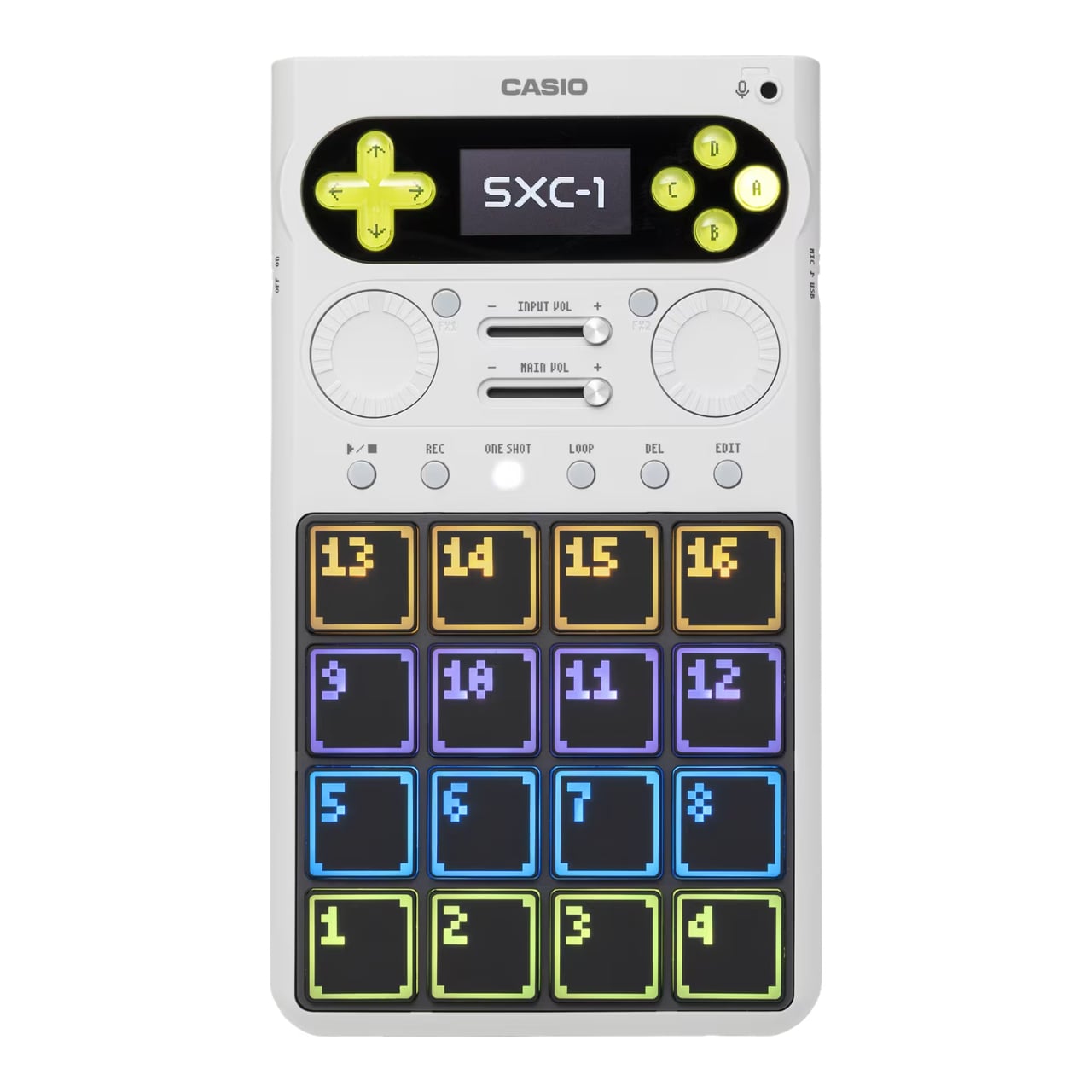
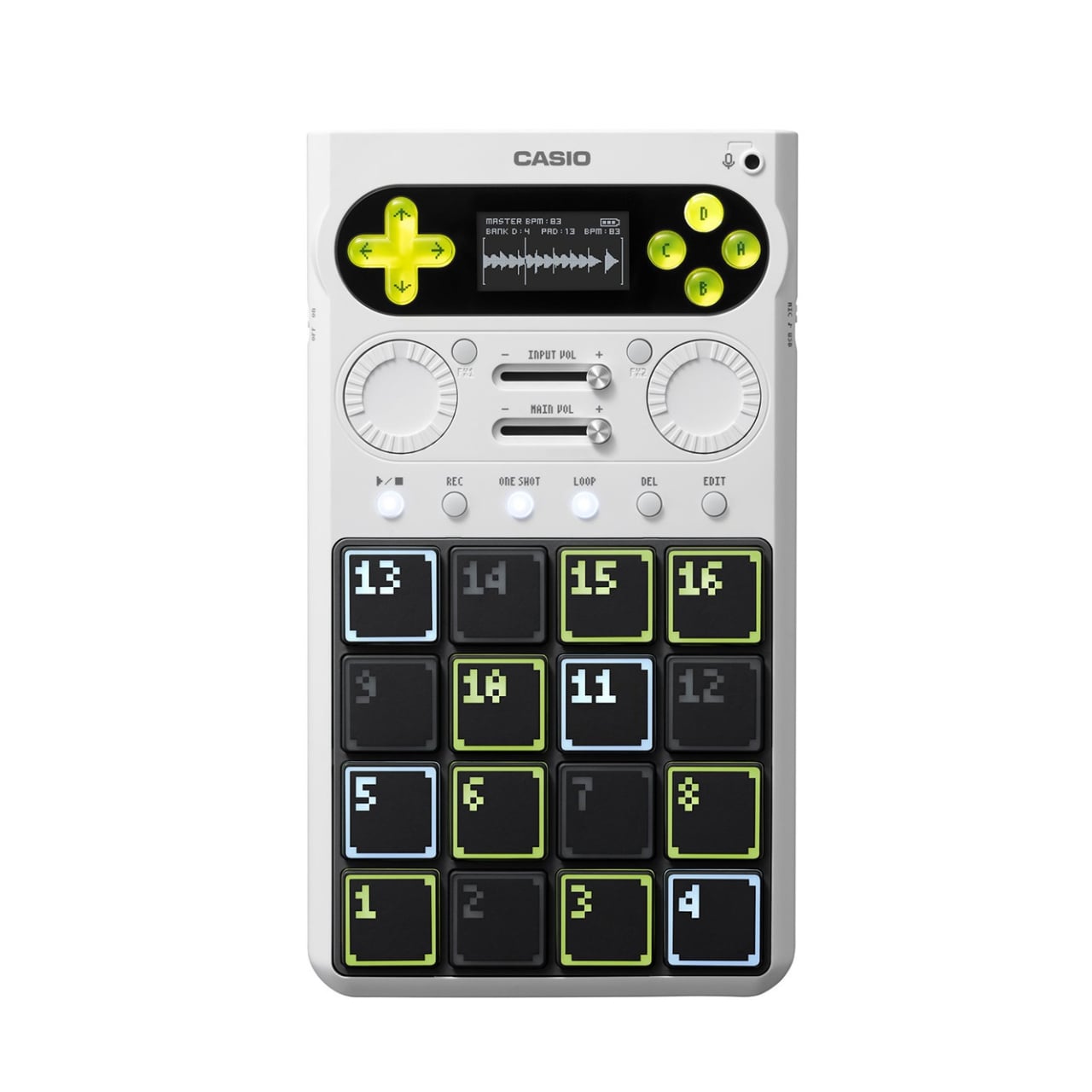
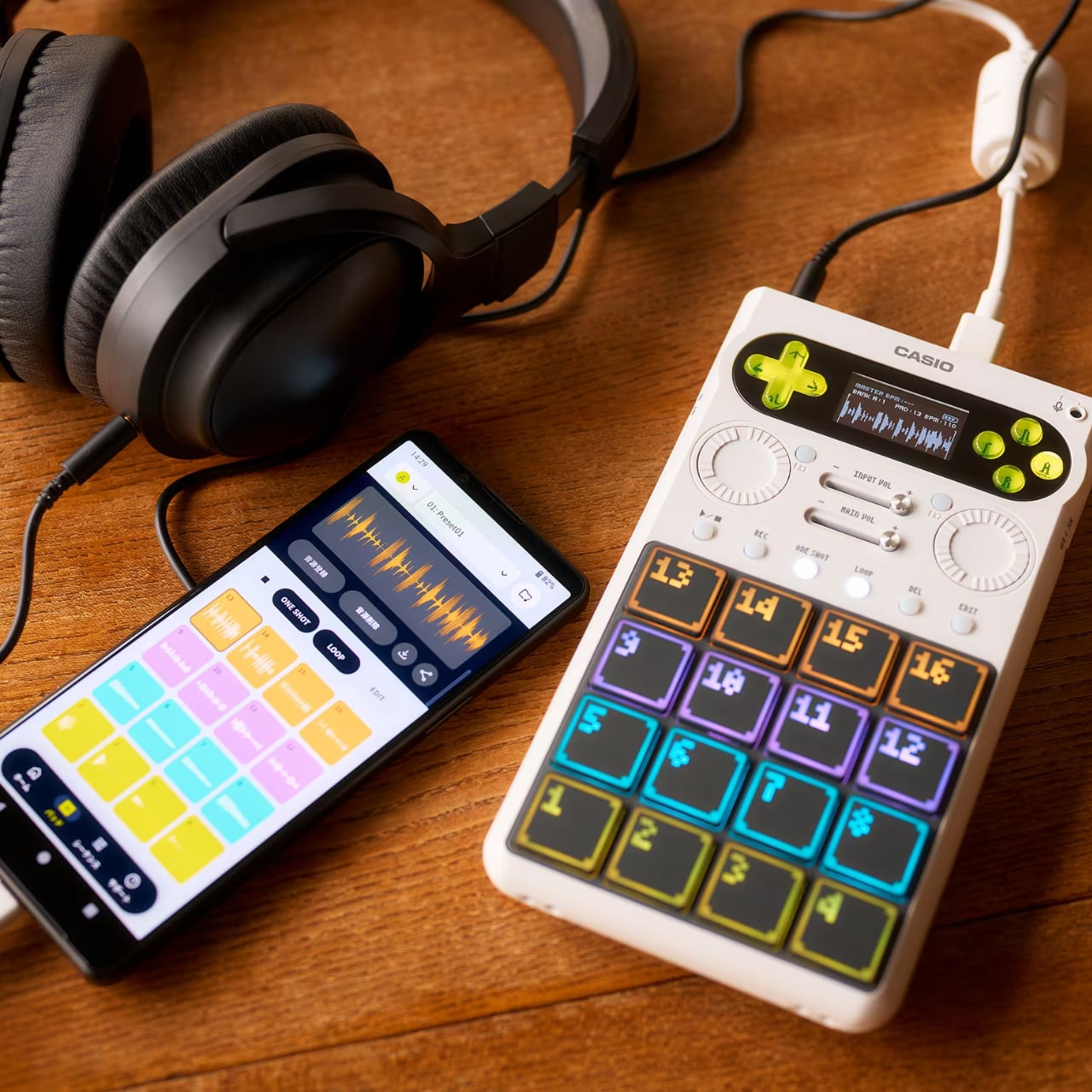
The SXC-1 is Casio’s answer to where that legacy goes next. The aesthetic DNA is still present: the boxy form factor, the emphasis on immediate usability, the sense that this is a tool meant to be picked up and played without a manual. But where the SK-1 was charming in its limitations, the SXC-1 is built for serious work. The specs back that up. It runs on a 16-bit/48kHz sampling engine with 64GB of onboard eMMC storage, supports WAV, MP3, and FLAC files, and gives you up to 15 minutes of total sampling time. A 1.3-inch OLED screen and two large rotary encoders handle the interface, and the 4×4 pad layout gives you 16 pressure-sensitive pads tuned specifically for finger drumming.

It also ships with over 80 sample banks pulled from classic Casio instruments, including the SK-1, SK-5, CZ-101, and MT-40. Those loops are automatically tempo-synced via a beat-sync function, which is a genuinely smart move. It means that even out of the box, with zero setup, you have a ready library of usable, nostalgia-soaked sounds that are immediately production-ready. For content creators or producers who need to move fast, that matters more than most brands realize.

The connectivity is equally well-considered. There is a built-in mic, external analog input, USB audio, headphone output, main output, and dual USB-C ports for data and power. This is clearly built for people who move between environments: bedroom studios, live sets, cafes, wherever the work happens to be. Battery life sits at around two hours, there is a built-in speaker, and the device ships with step sequencing at up to 50 patterns of 8 bars each. Effects are on the leaner side, covering filter, flanger, phaser, and bitcrusher, but that restraint feels intentional rather than cheap.

Casio is marketing the SXC-1 explicitly as a tool for the “Creator Economy,” which is the kind of phrase that usually makes me skeptical. But here it actually fits. Independent artists and producers today are working across formats, platforms, and workflows all at once. They need gear that is fast, flexible, and small enough to live in a backpack. The SXC-1 appears to understand that assignment.

The device is currently available for pre-order on the Casio Japan website at 39,930 yen, with a release date of May 28, 2026. Global pricing has not been confirmed, but estimates put it somewhere between $230 and $300 depending on region.

Whether the SXC-1 lands the way Casio hopes will depend partly on how it feels in hand, which is something specs cannot fully answer. But the design intent is clear and it is smart. Casio looked at what made the SK-1 culturally significant, stripped out the nostalgia bait, and built something that can actually do the job today. That is not a small thing.

The post Casio Just Built a $270 Sampler the SK-1 Always Deserved first appeared on Yanko Design.
iPhone 18 Leaks: Pro Models Arrive This Fall, but the Standard Version is Missing

iPhone 18 Leaks: Pro Models Arrive This Fall, but the Standard Version is Missing Side-by-side view of iPhone 18 and iPhone 18E tiers, showing smaller differences and similar exterior design.

Apple’s upcoming iPhone 18 lineup signals a pivotal change in the company’s product strategy, though not necessarily in a way that will excite every user. While the spotlight is firmly on the Pro models and the much-anticipated foldable innovations, the standard iPhone 18 seems to be taking a backseat. With cost-cutting measures and a staggered […]

The post iPhone 18 Leaks: Pro Models Arrive This Fall, but the Standard Version is Missing appeared first on Geeky Gadgets.

Posted in Uncategorized

Why Google AI Studio’s "Vibe Coding” is Changing App Development

Why Google AI Studio’s A custom AI-powered productivity app built using plain English vibe coding.

Google AI Studio is a platform designed to streamline artificial intelligence workflows for users with varying levels of expertise. Paul Lipsky highlights the Build section, which introduces a “vibe coding” approach that allows users to describe app functionality in plain English instead of relying on traditional programming. This feature is complemented by Firebase integration and […]

The post Why Google AI Studio’s “Vibe Coding” is Changing App Development appeared first on Geeky Gadgets.

Posted in Uncategorized