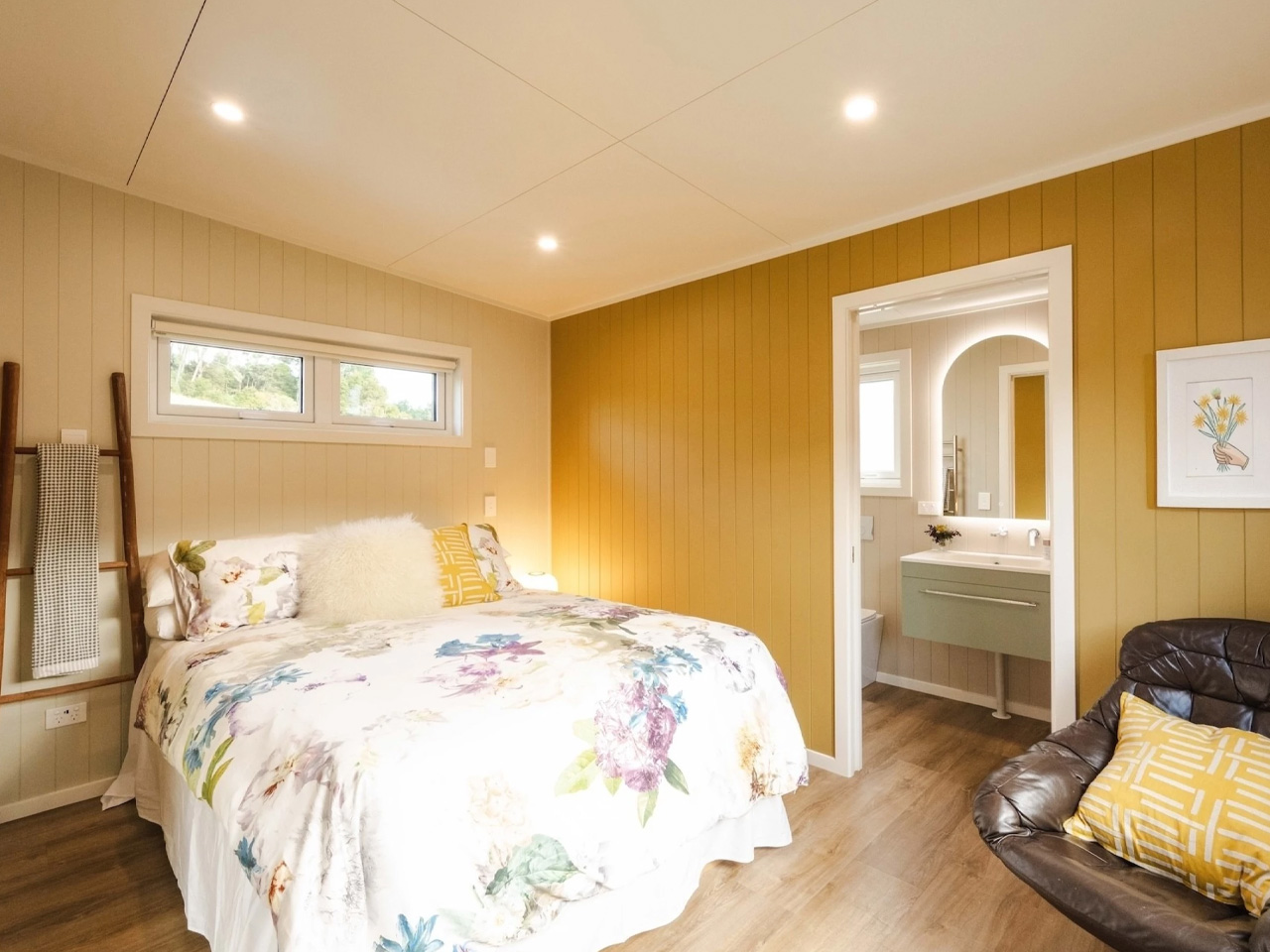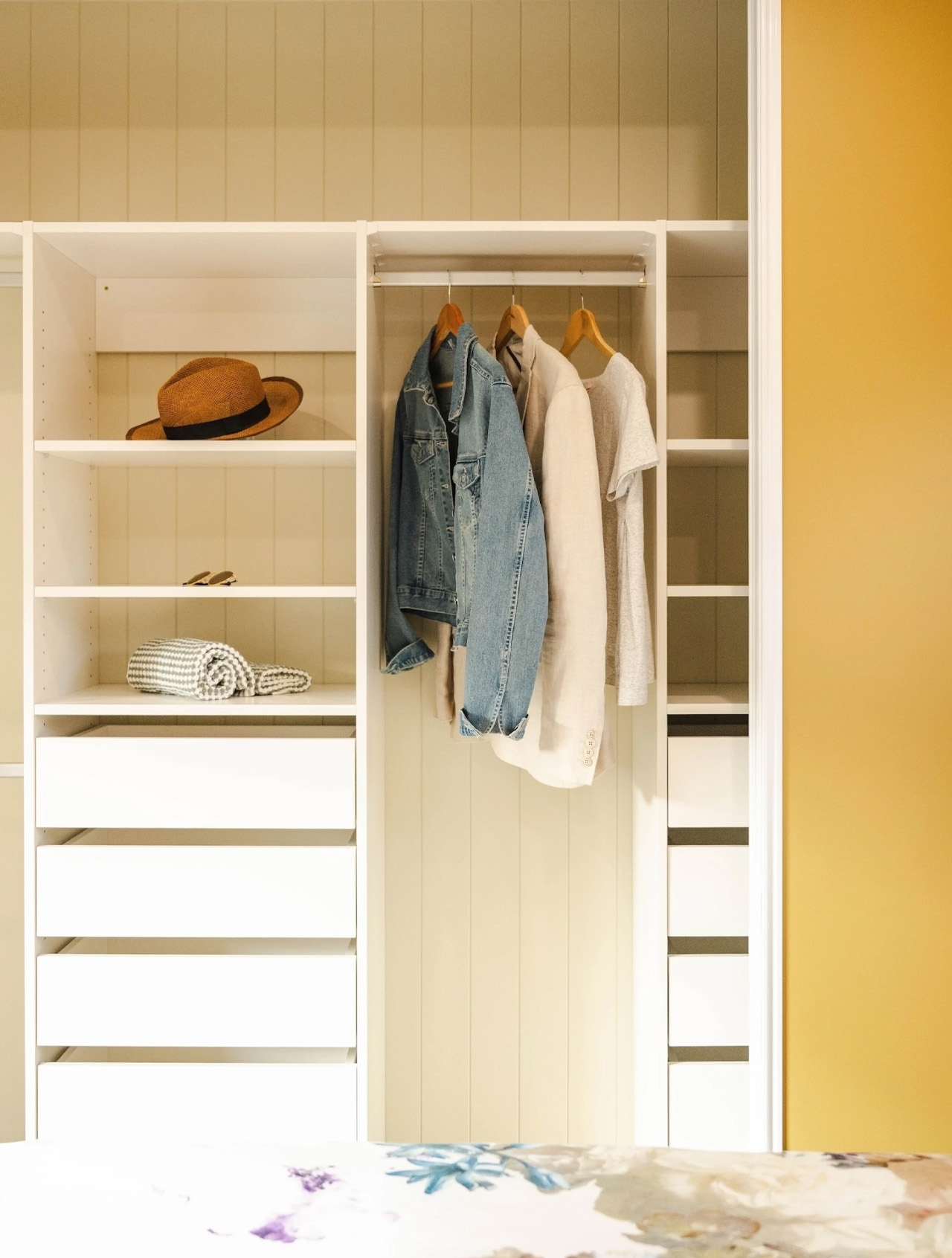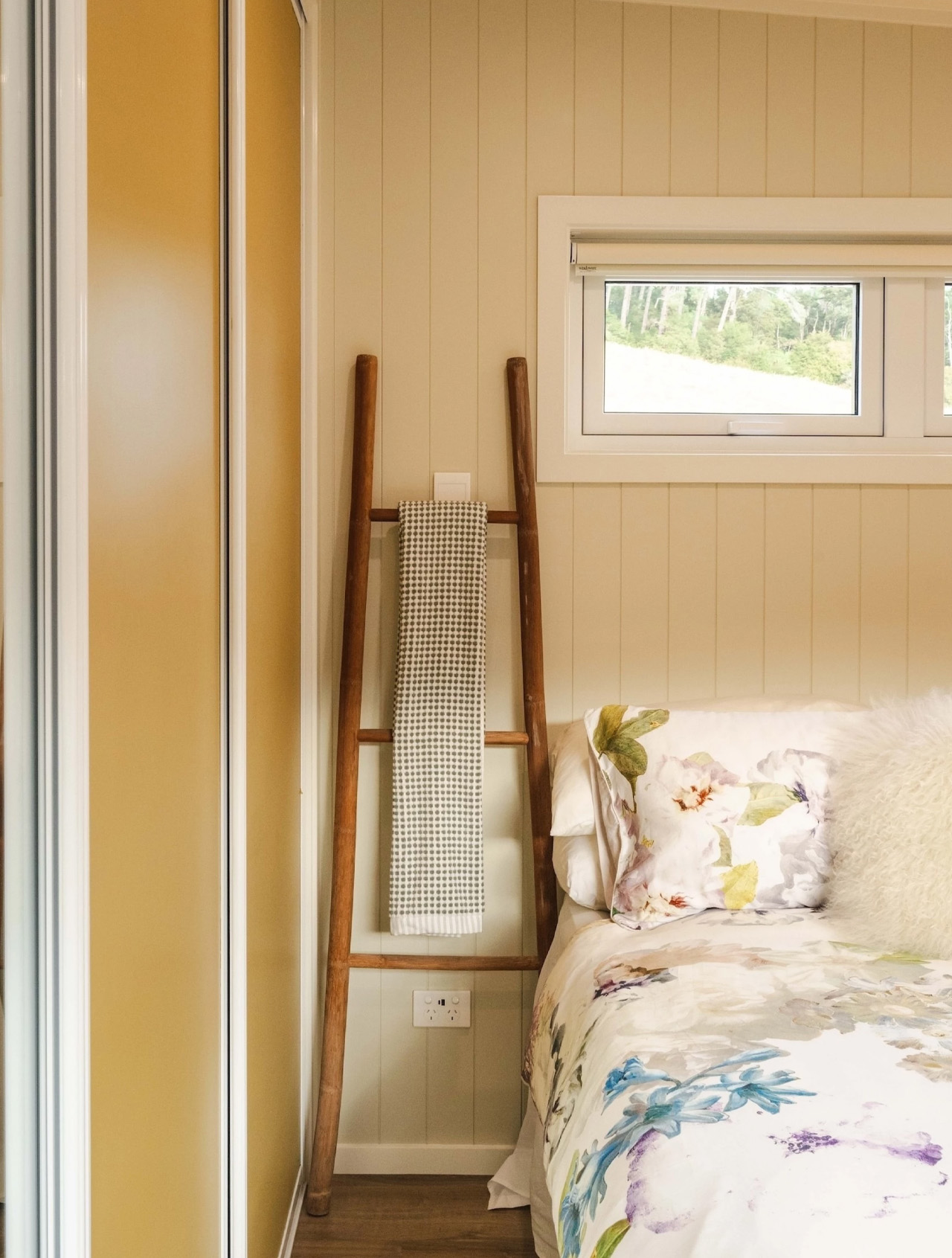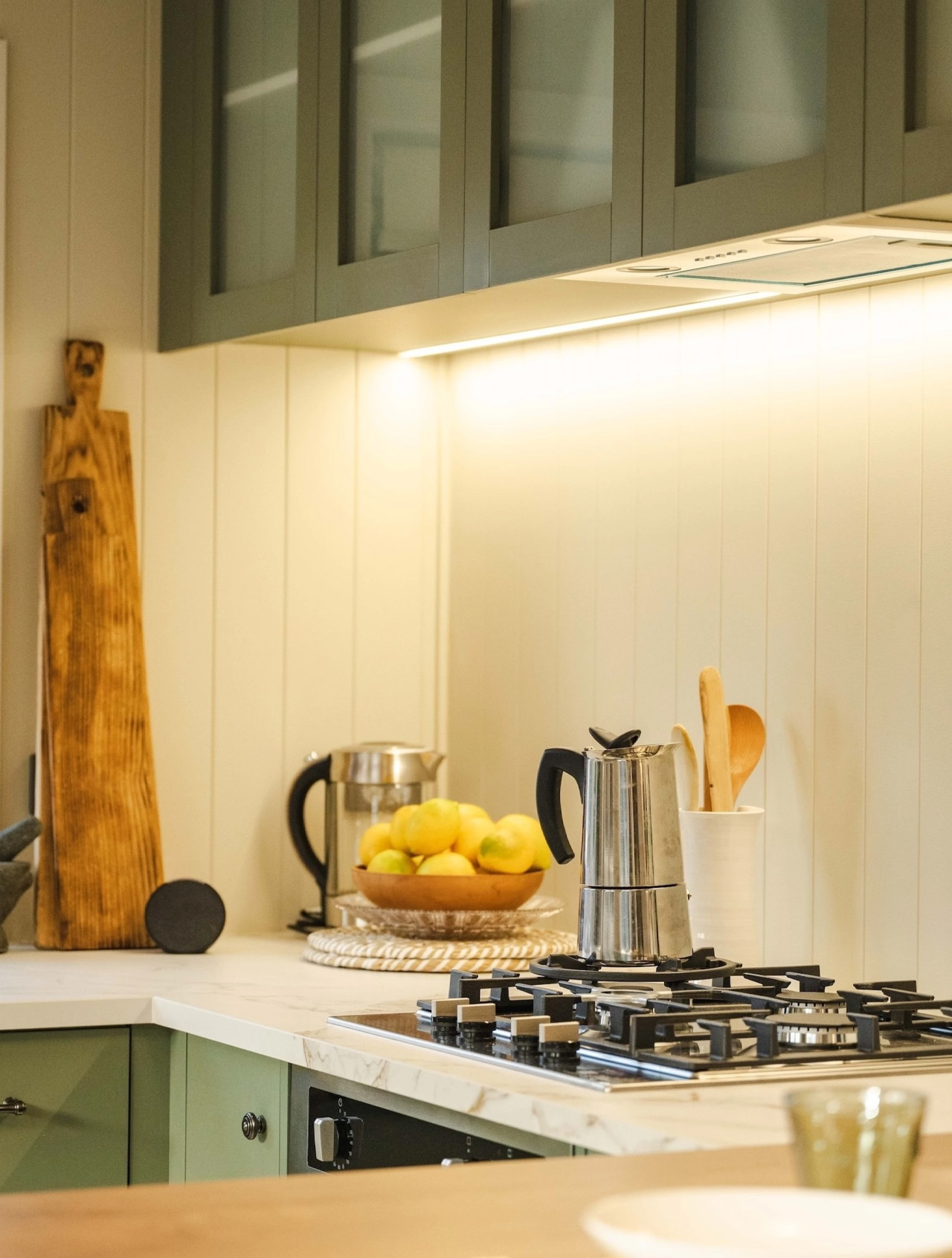
At Just 20 Feet Long, the Kinnakeet Tiny Home Has Everything, Including an Airbnb Income

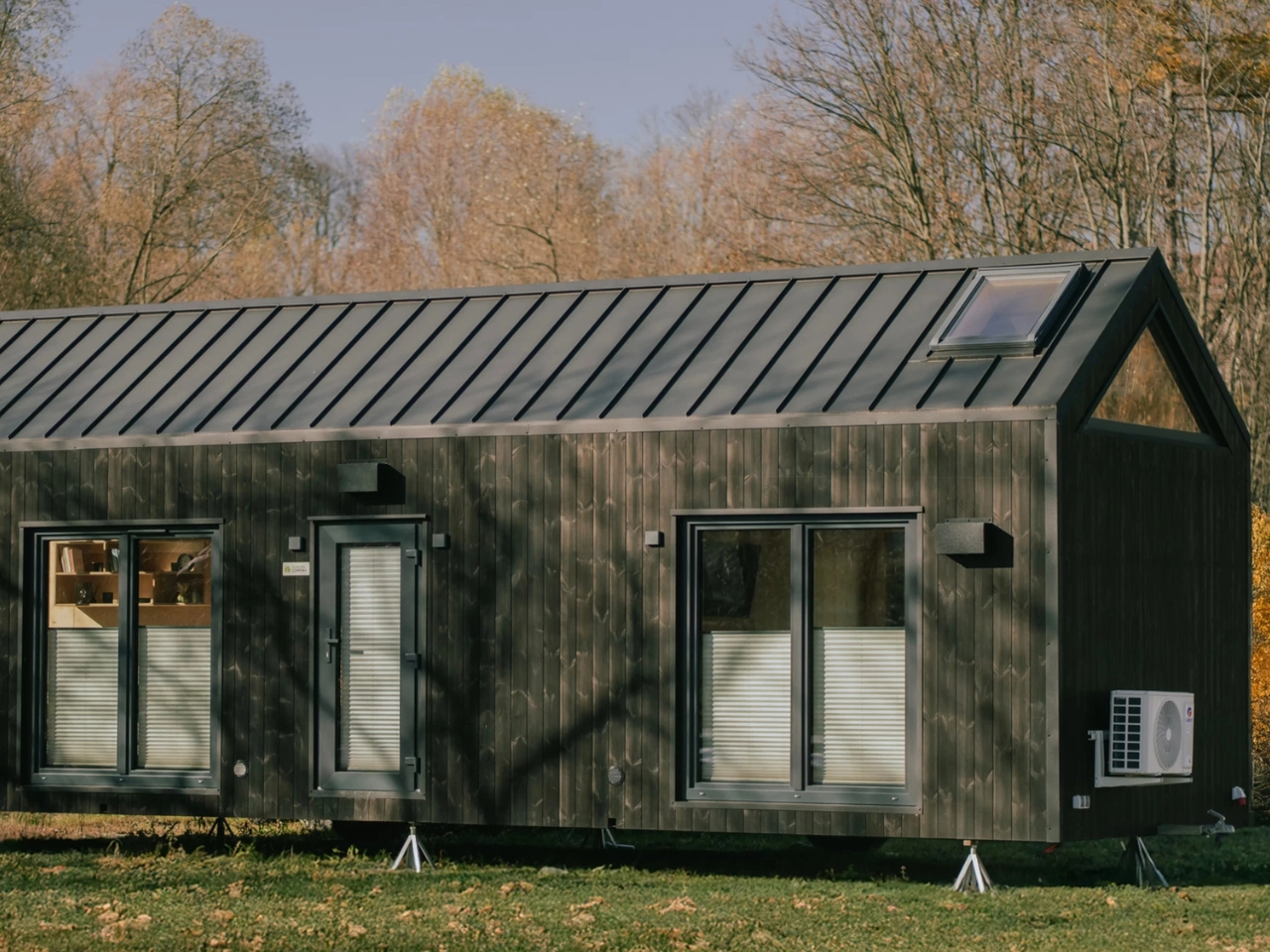
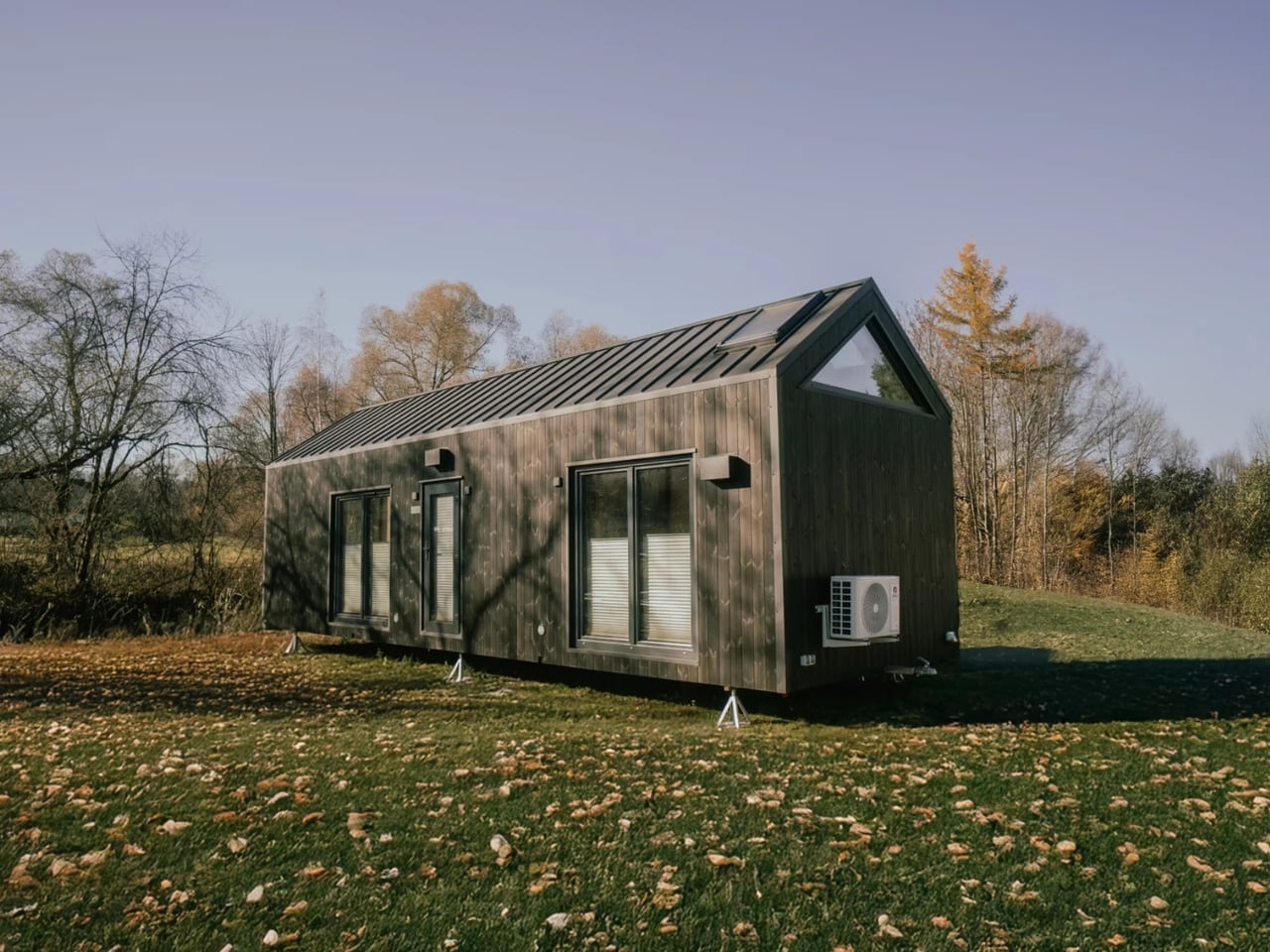
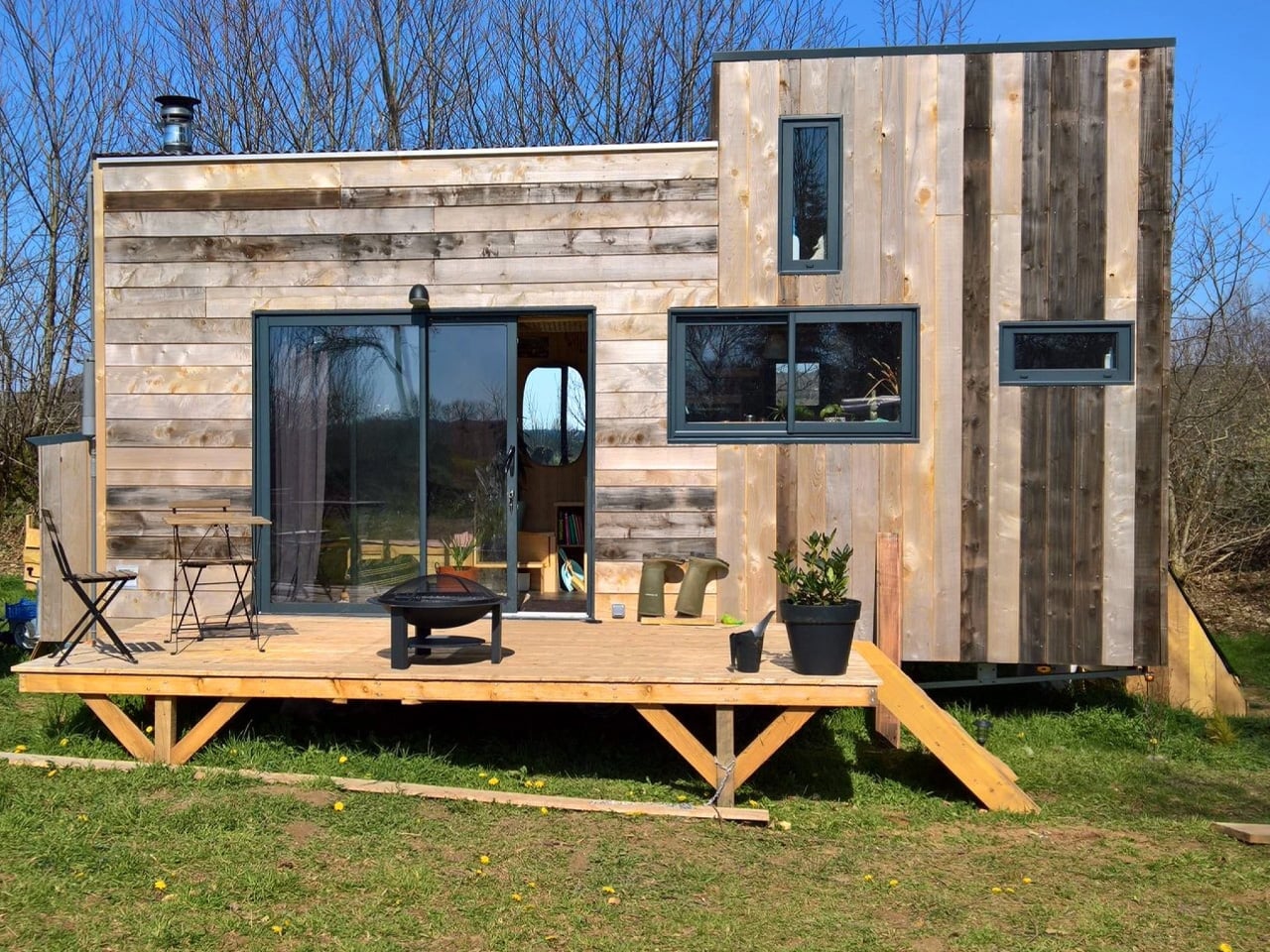
Twenty feet doesn’t sound like much until you step inside the Kinnakeet. Built by Ohio-based custom tiny home builder Modern Tiny Living, this road-ready dwelling packs a surprising amount of life into a footprint most people would walk past without a second thought.

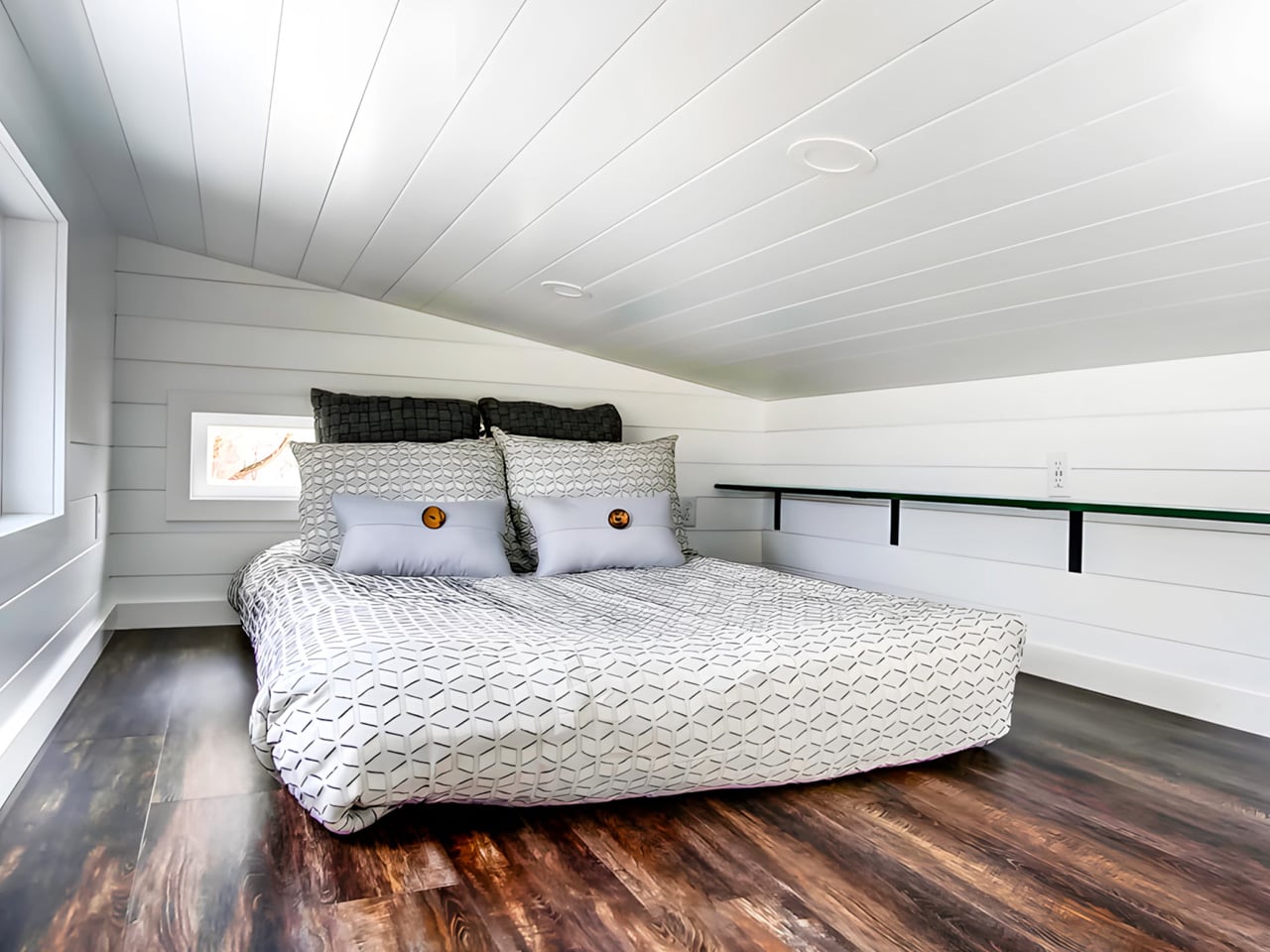
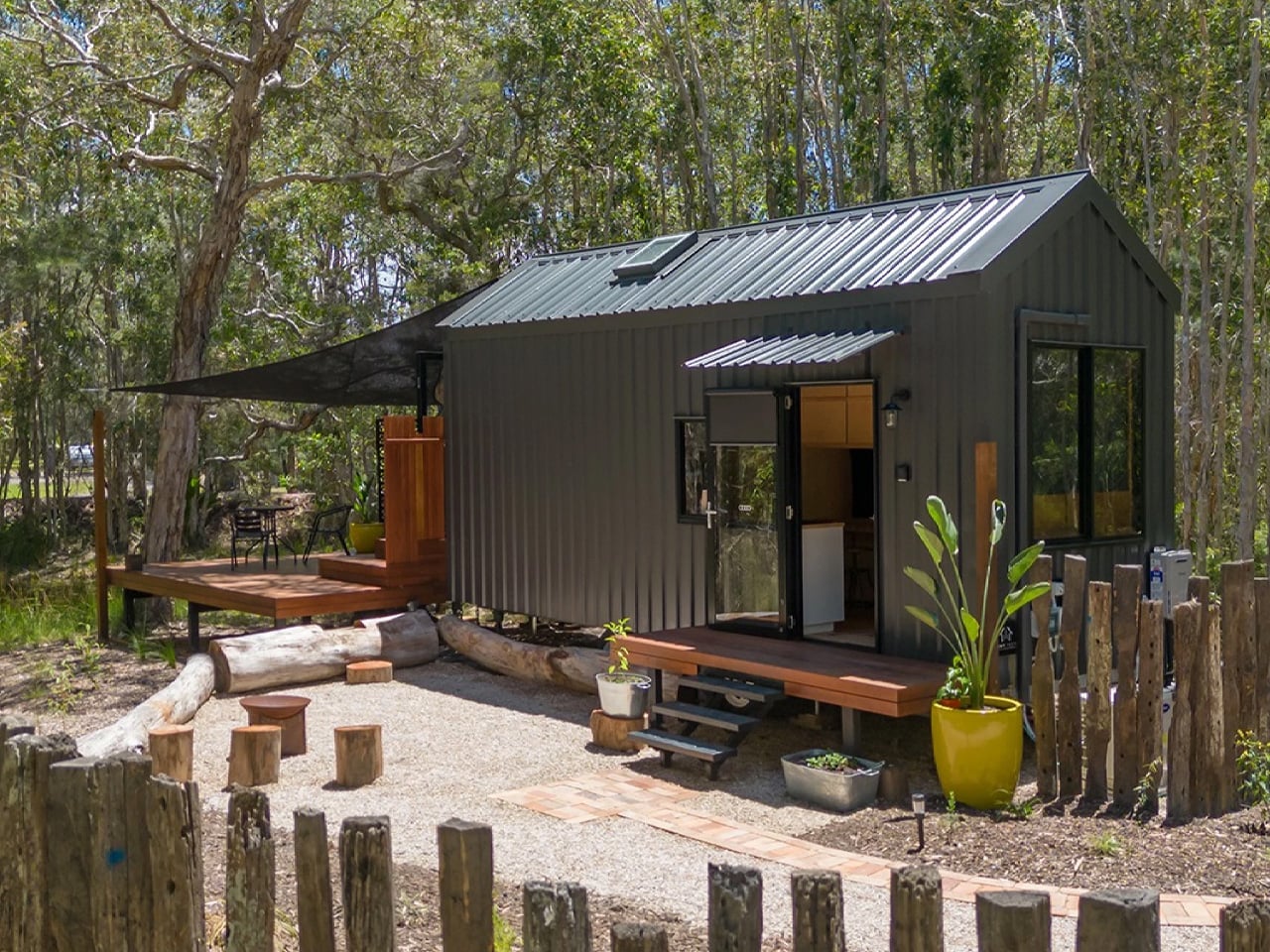
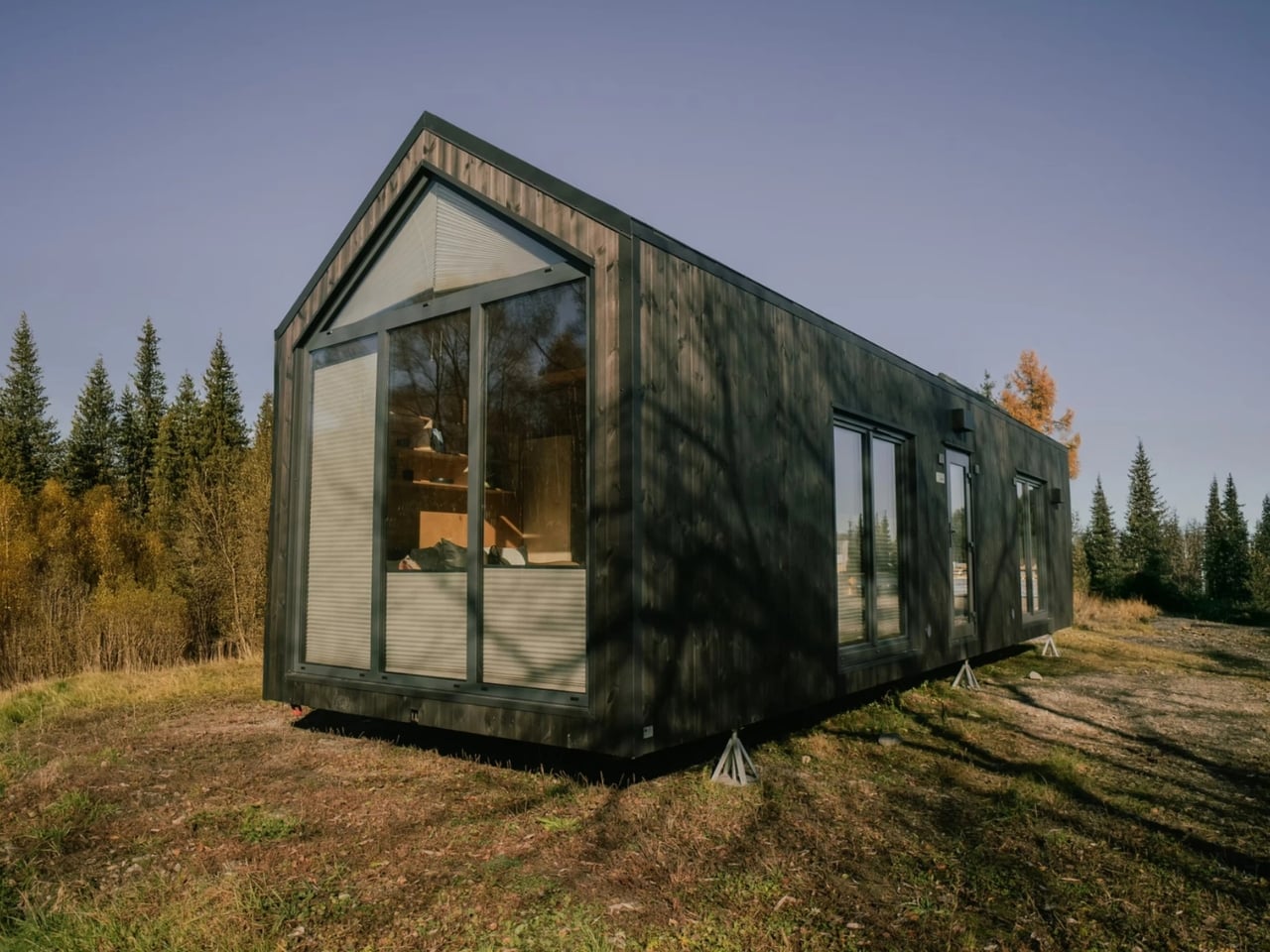
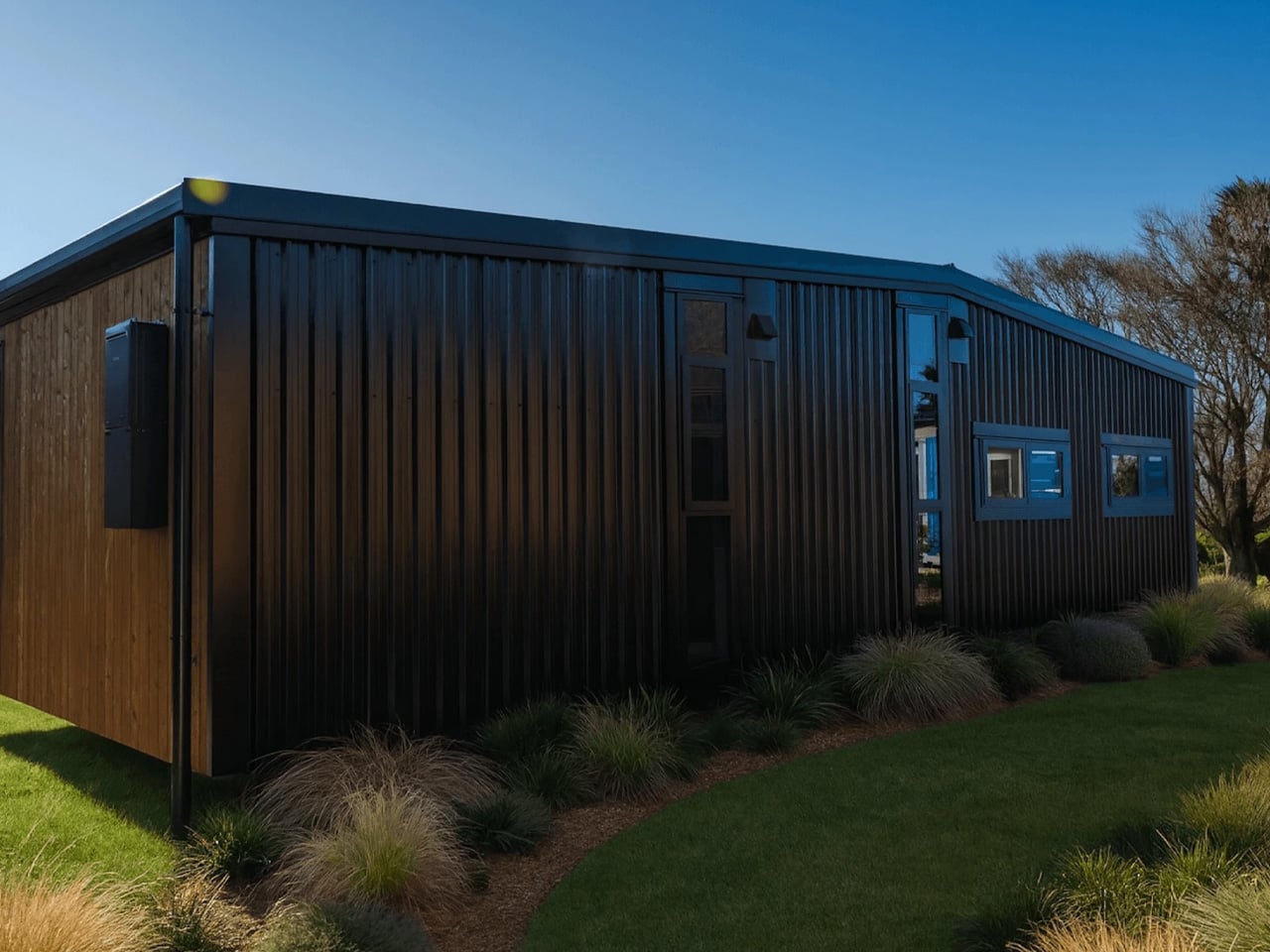
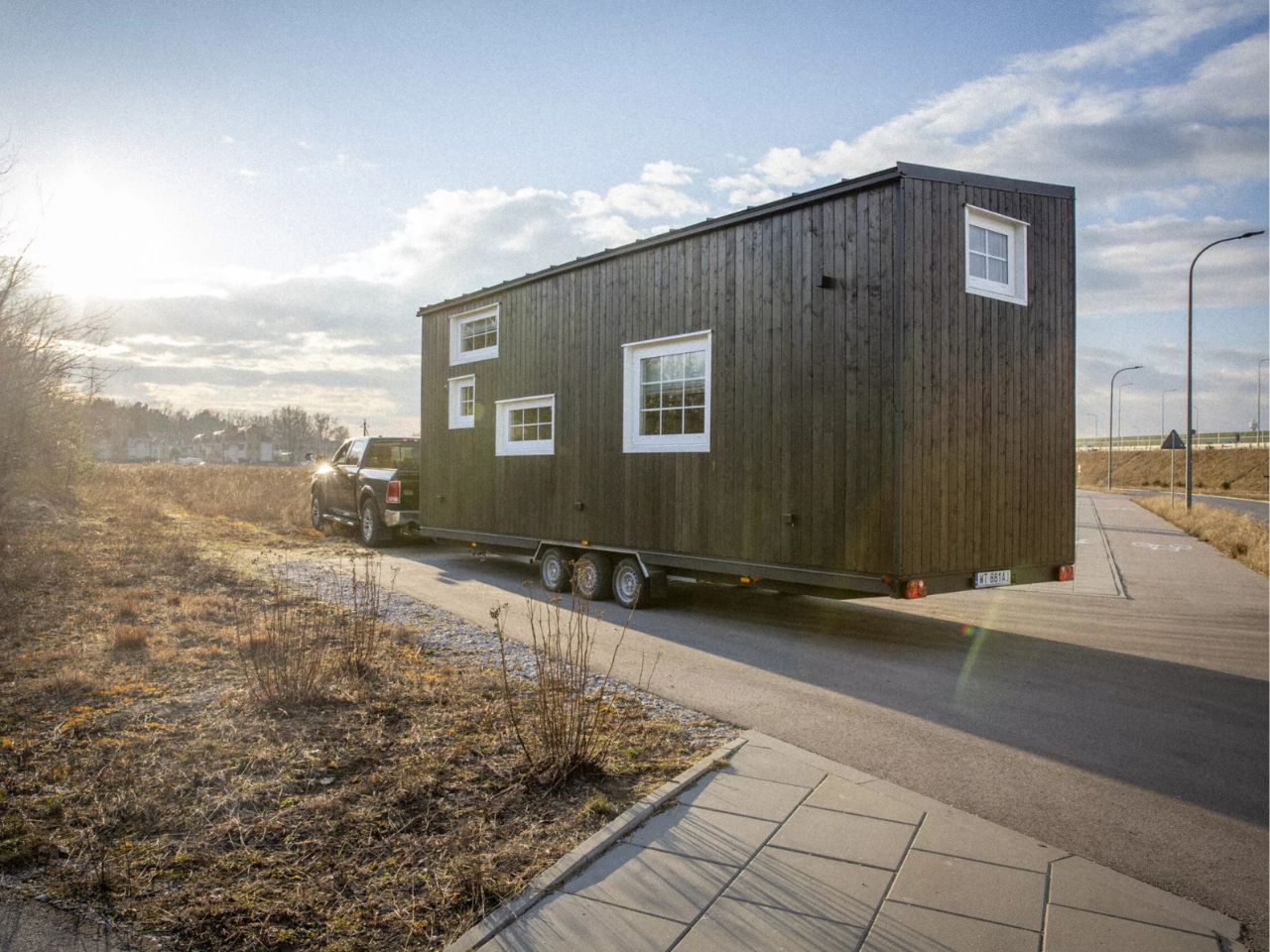
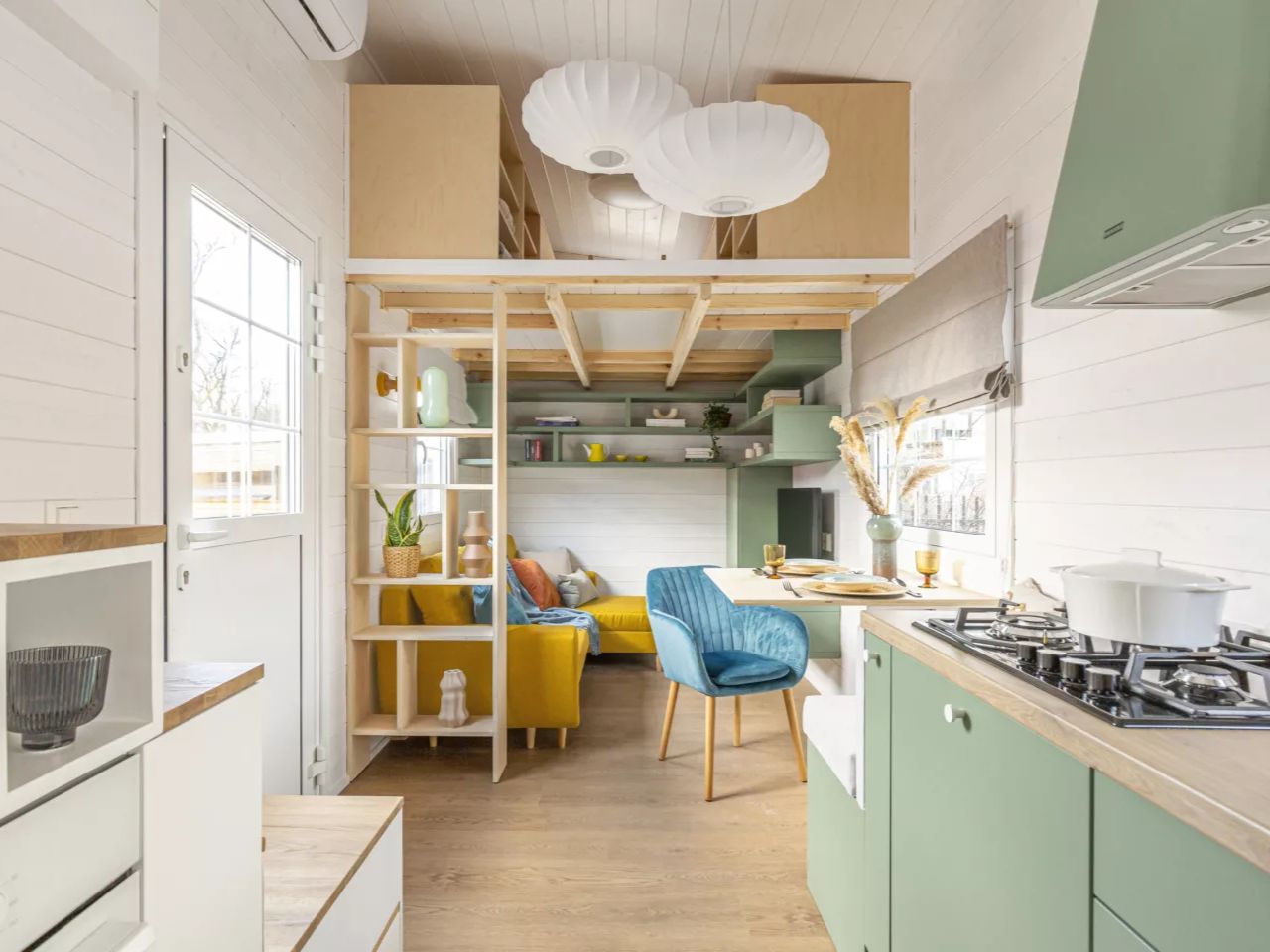
The Kinnakeet is rooted in one of Modern Tiny Living’s most celebrated designs: the Mohican model, which earned a spot on HGTV’s Journey to the Tiny House Jamboree. While it inherits the Mohican’s clever bones, the Kinnakeet carves out its own identity with a crisp white interior, broad green accents, and dark floors that ground the whole aesthetic. The exterior is wrapped in engineered wood and capped with a metal roof, making it understated, durable, and sharp.

Designer: Modern Tiny Living

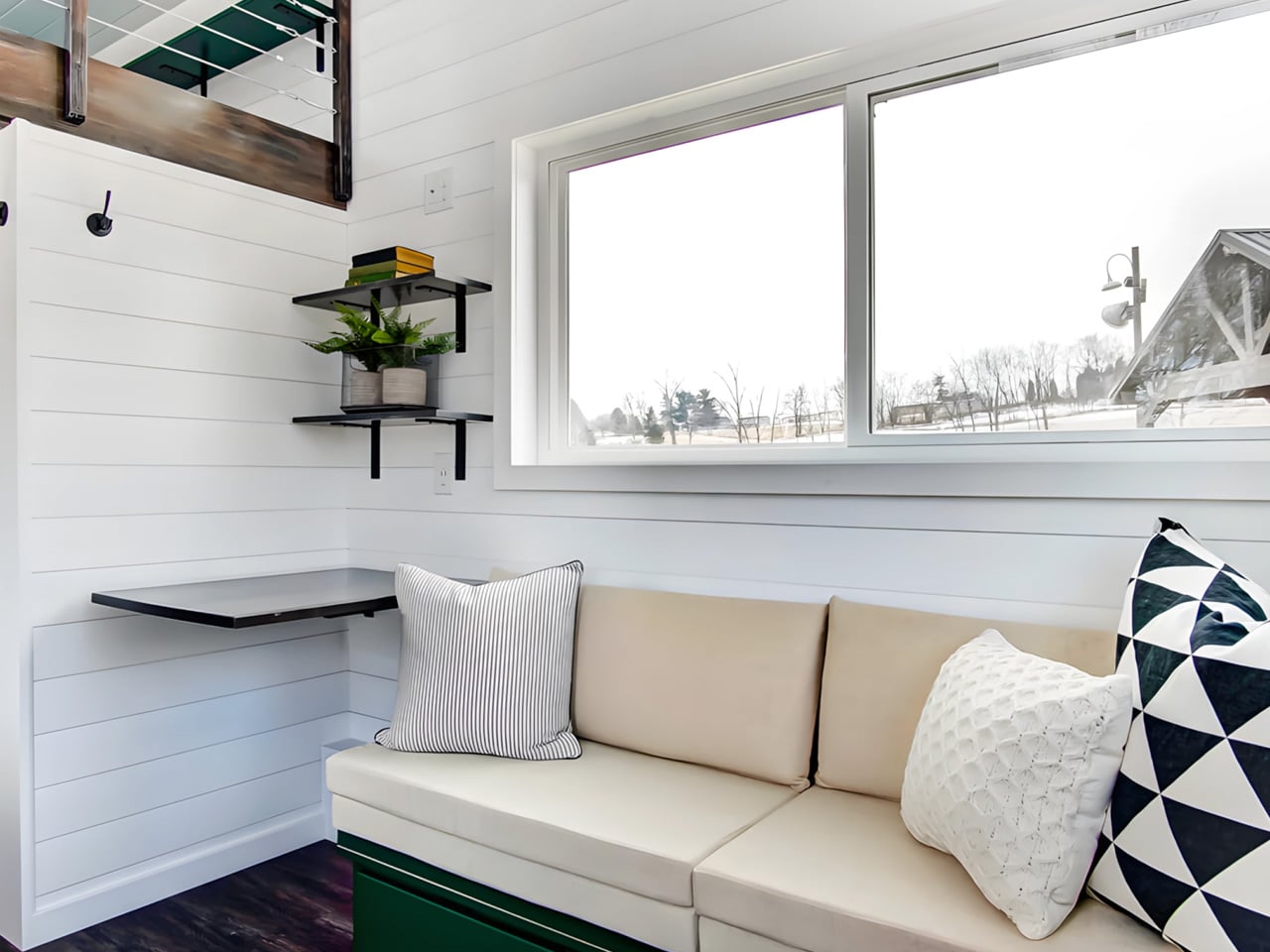
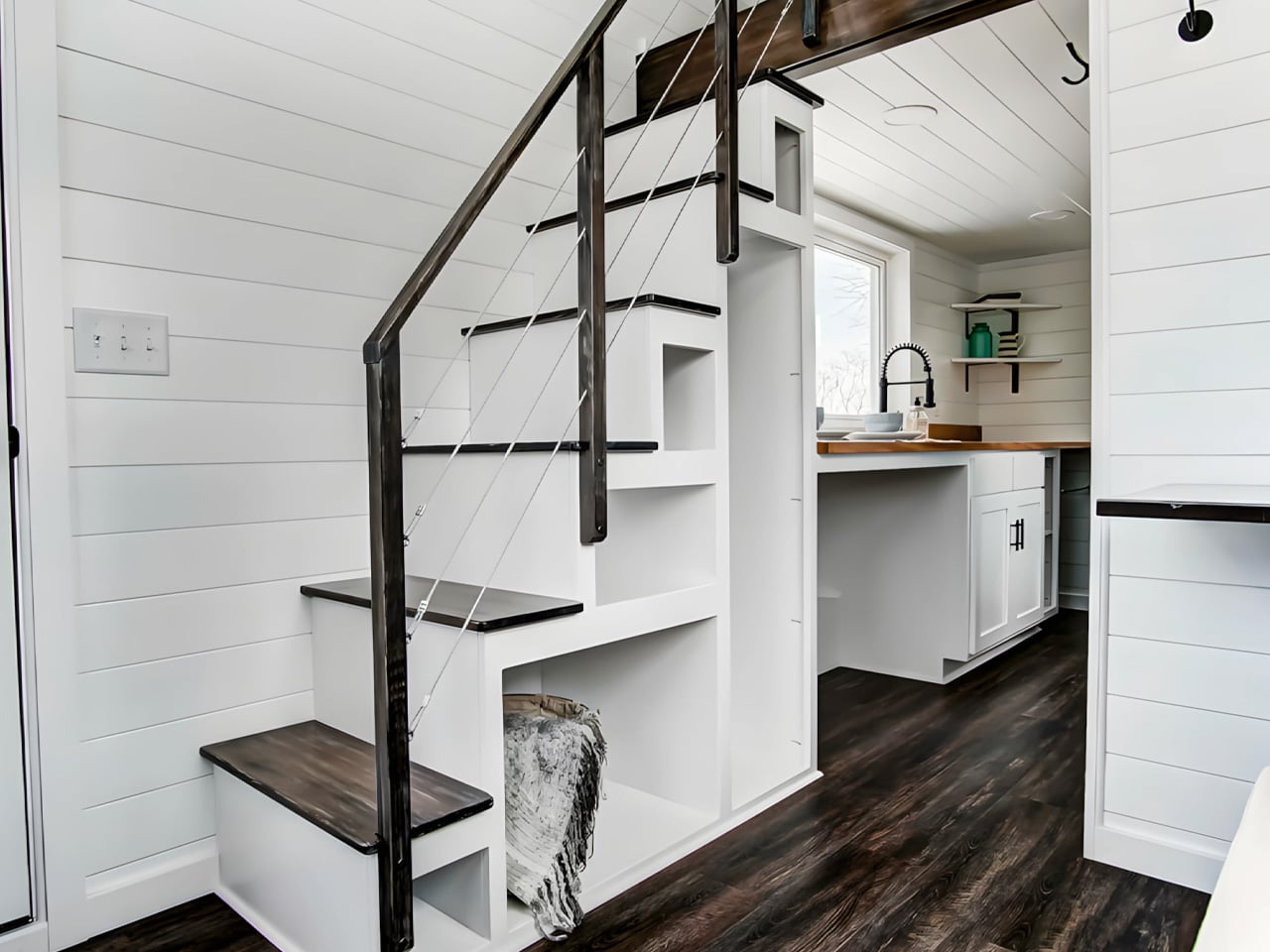
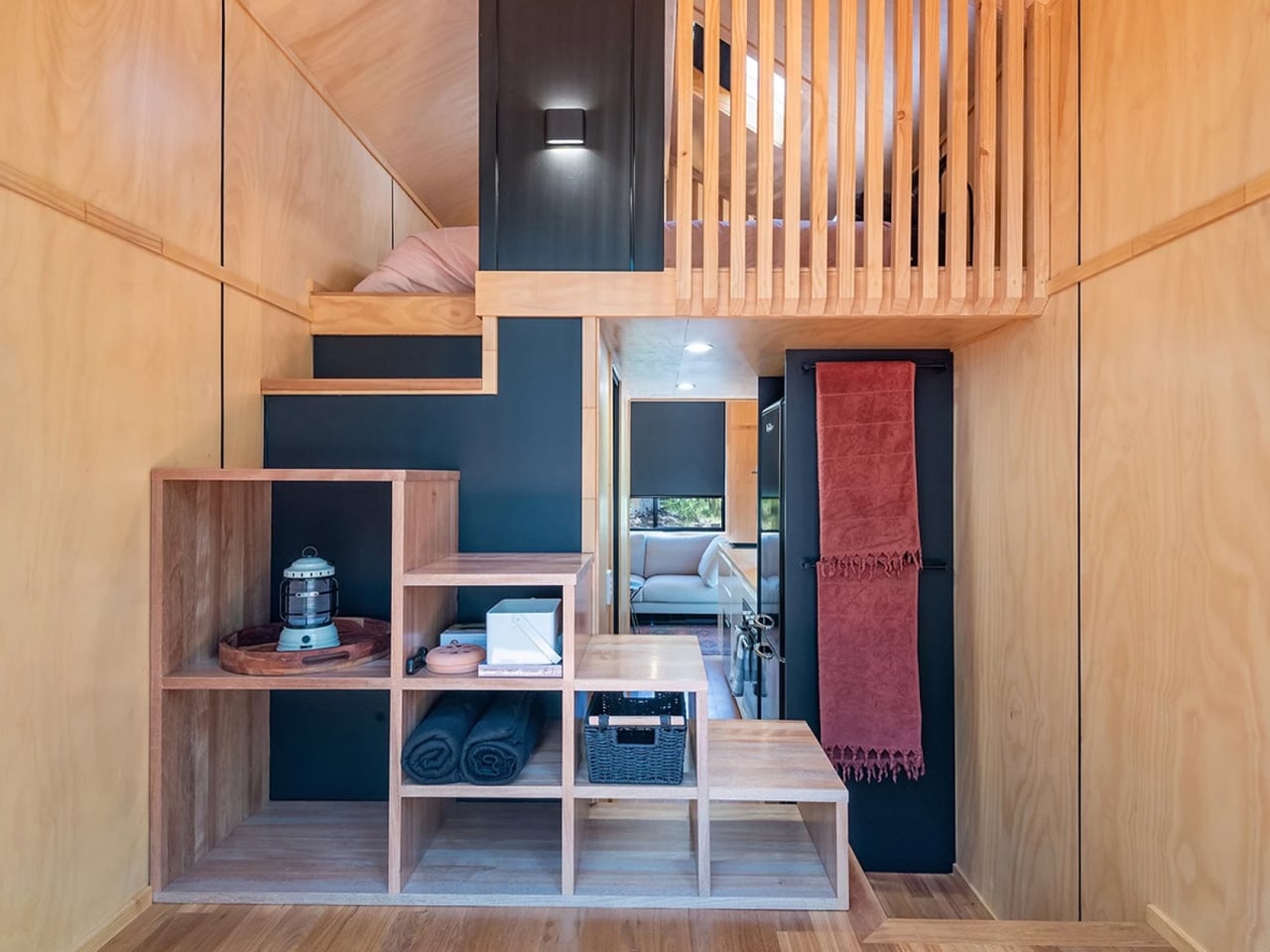
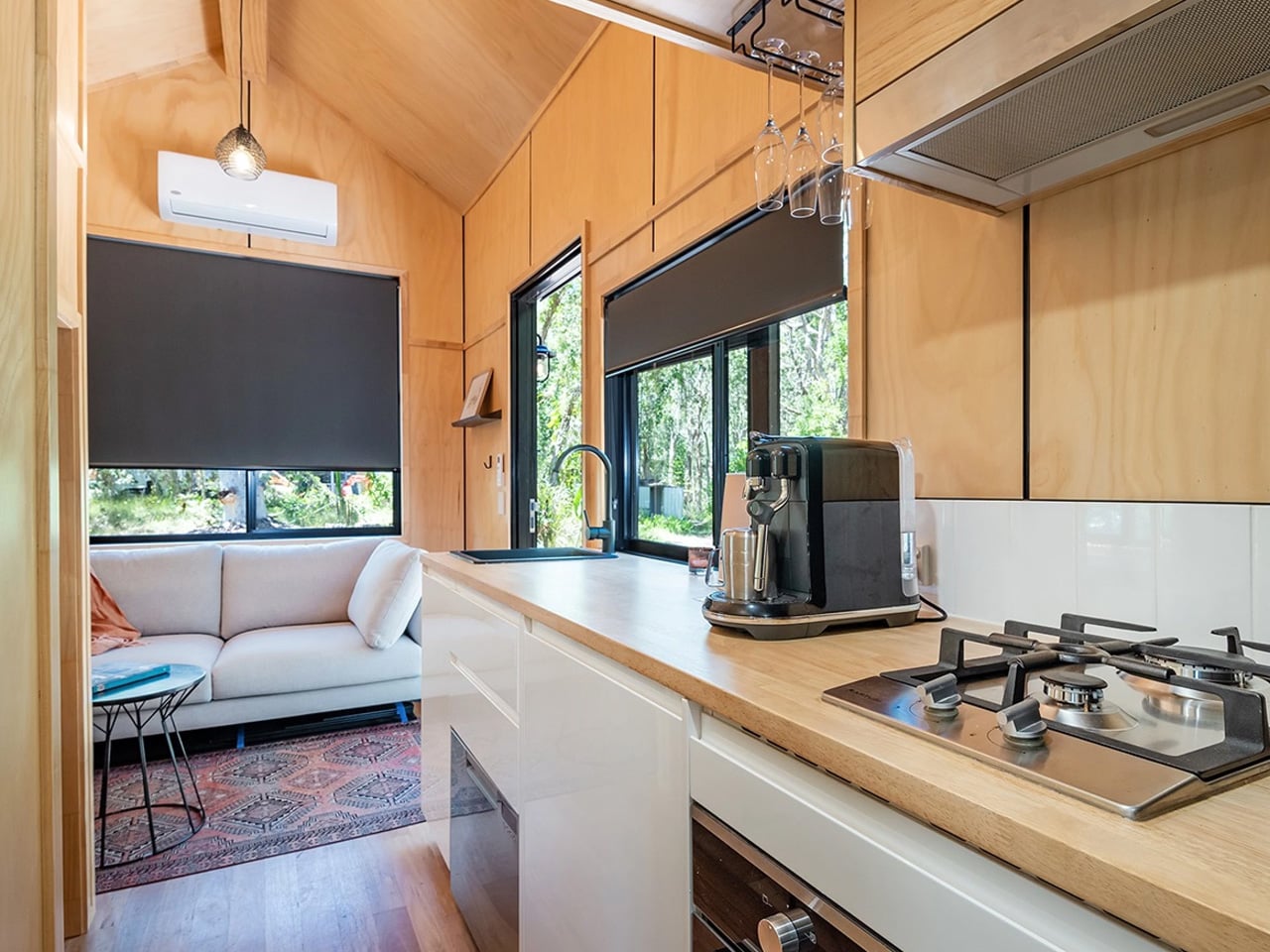
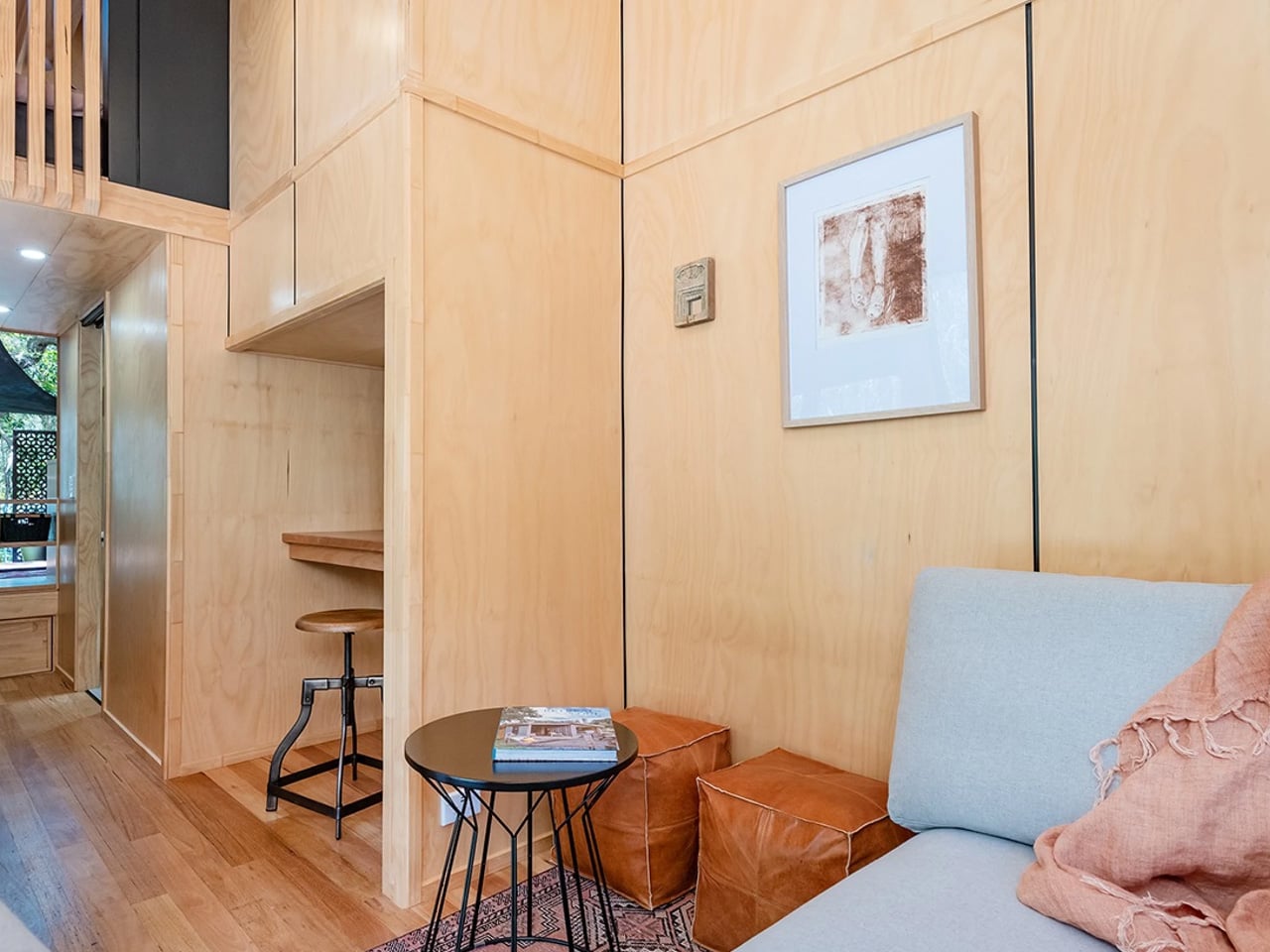
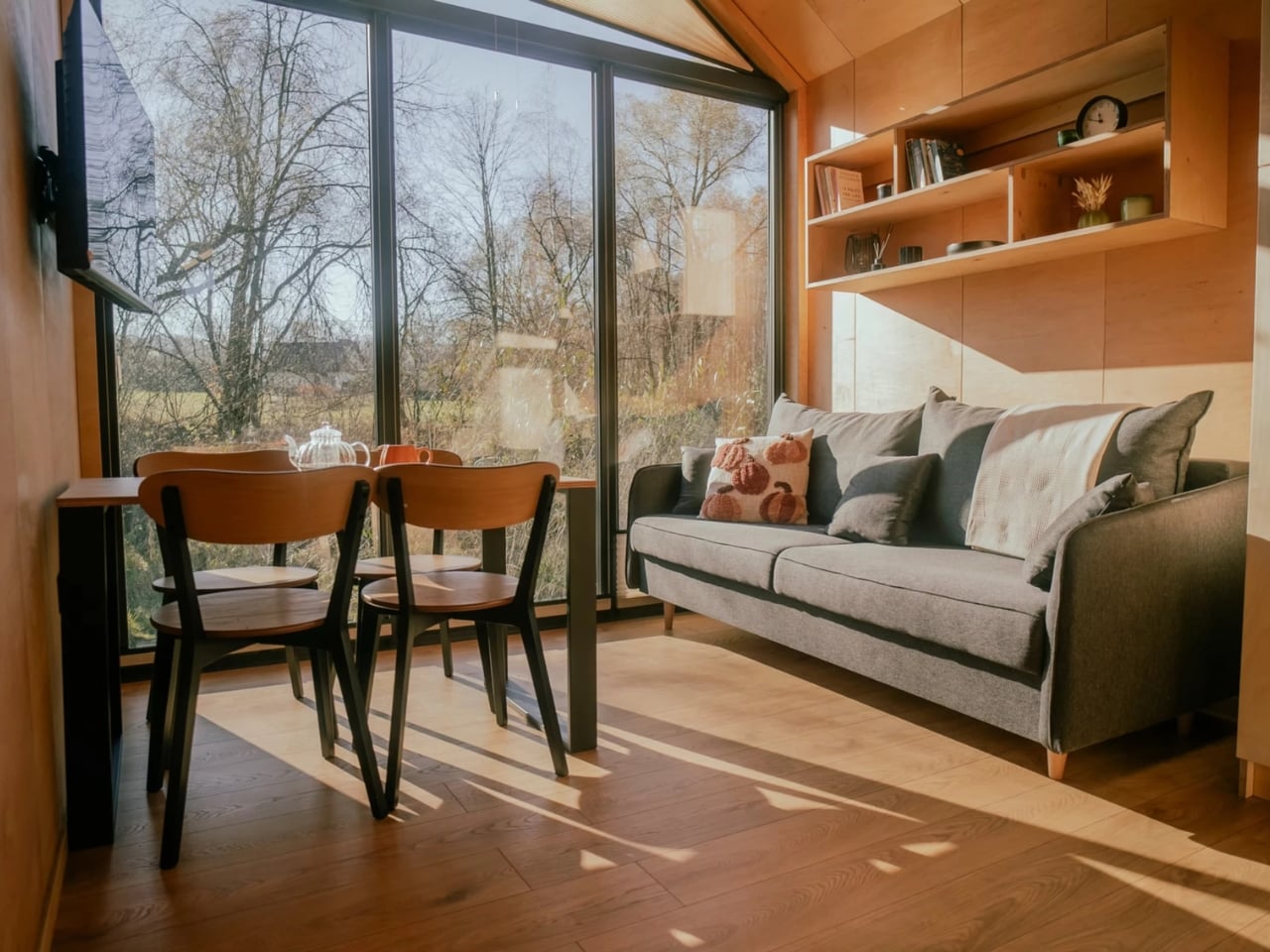
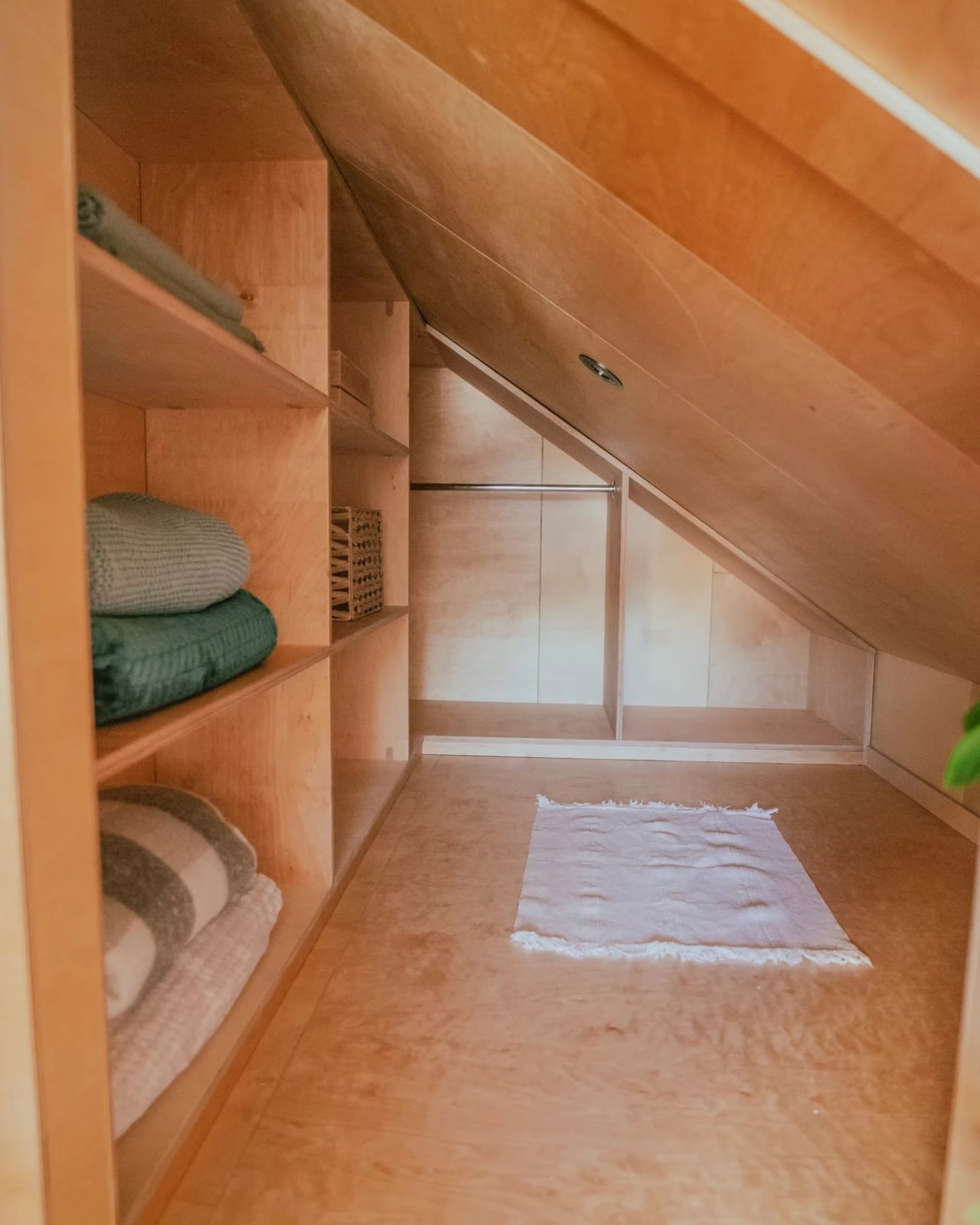
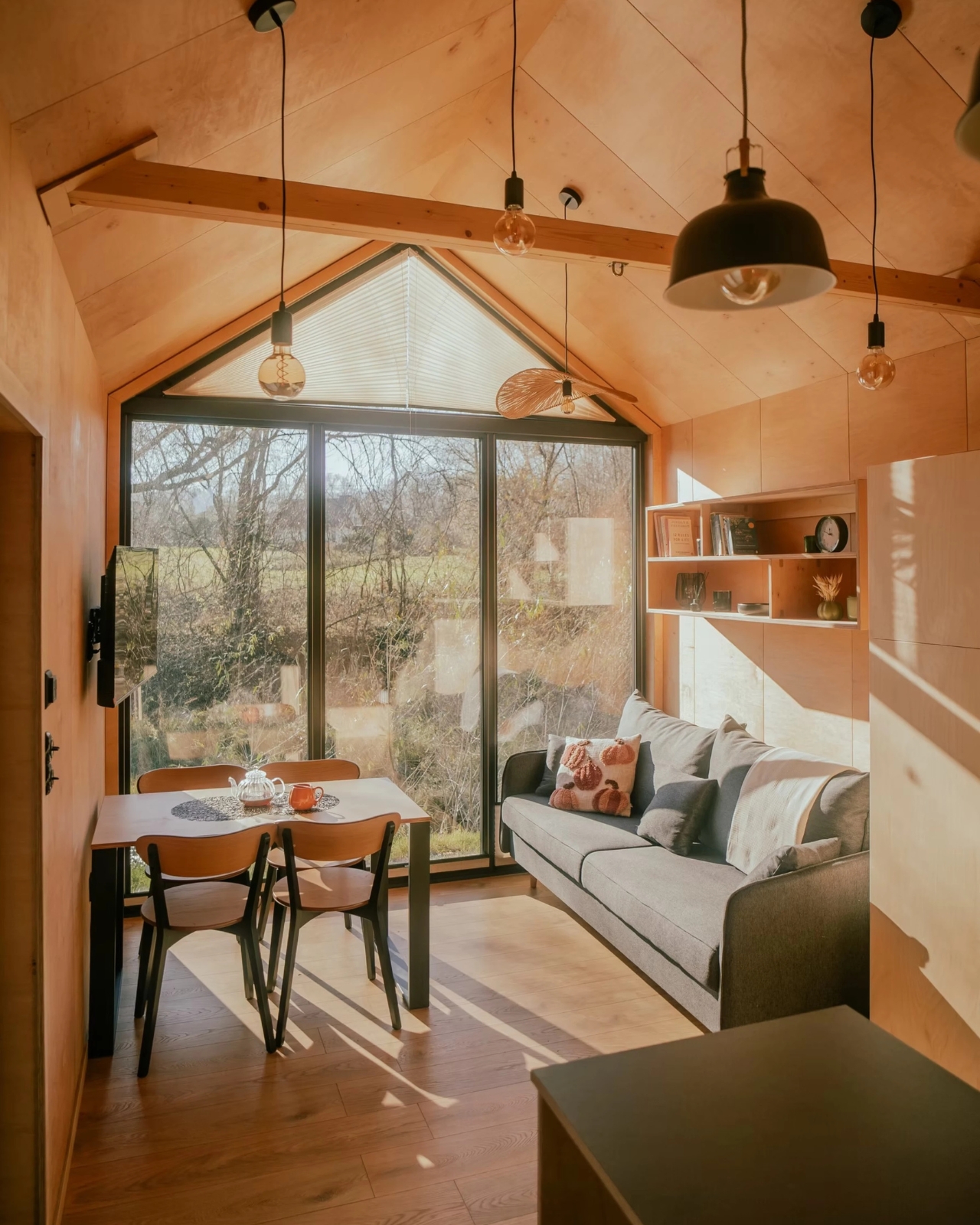
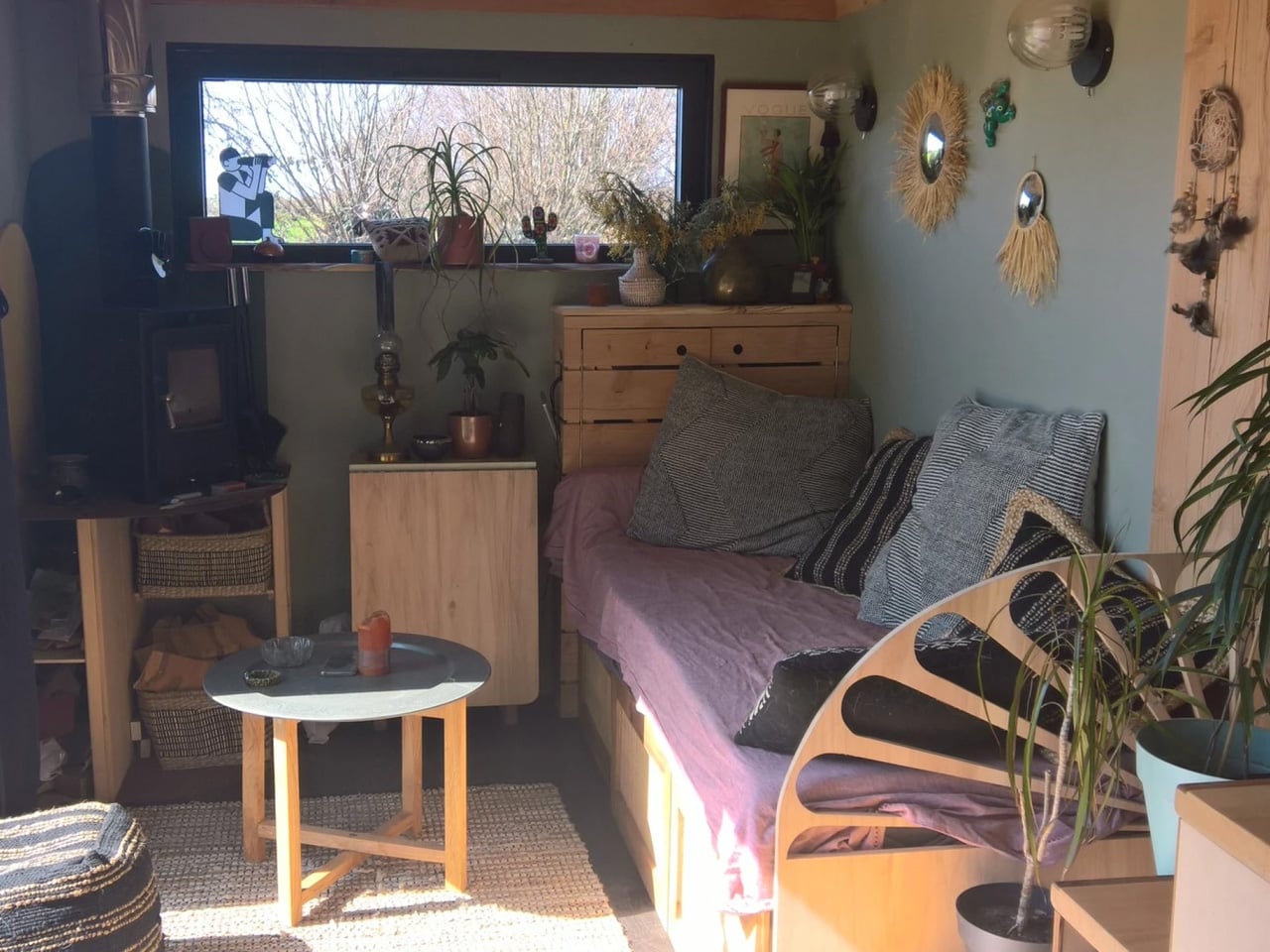
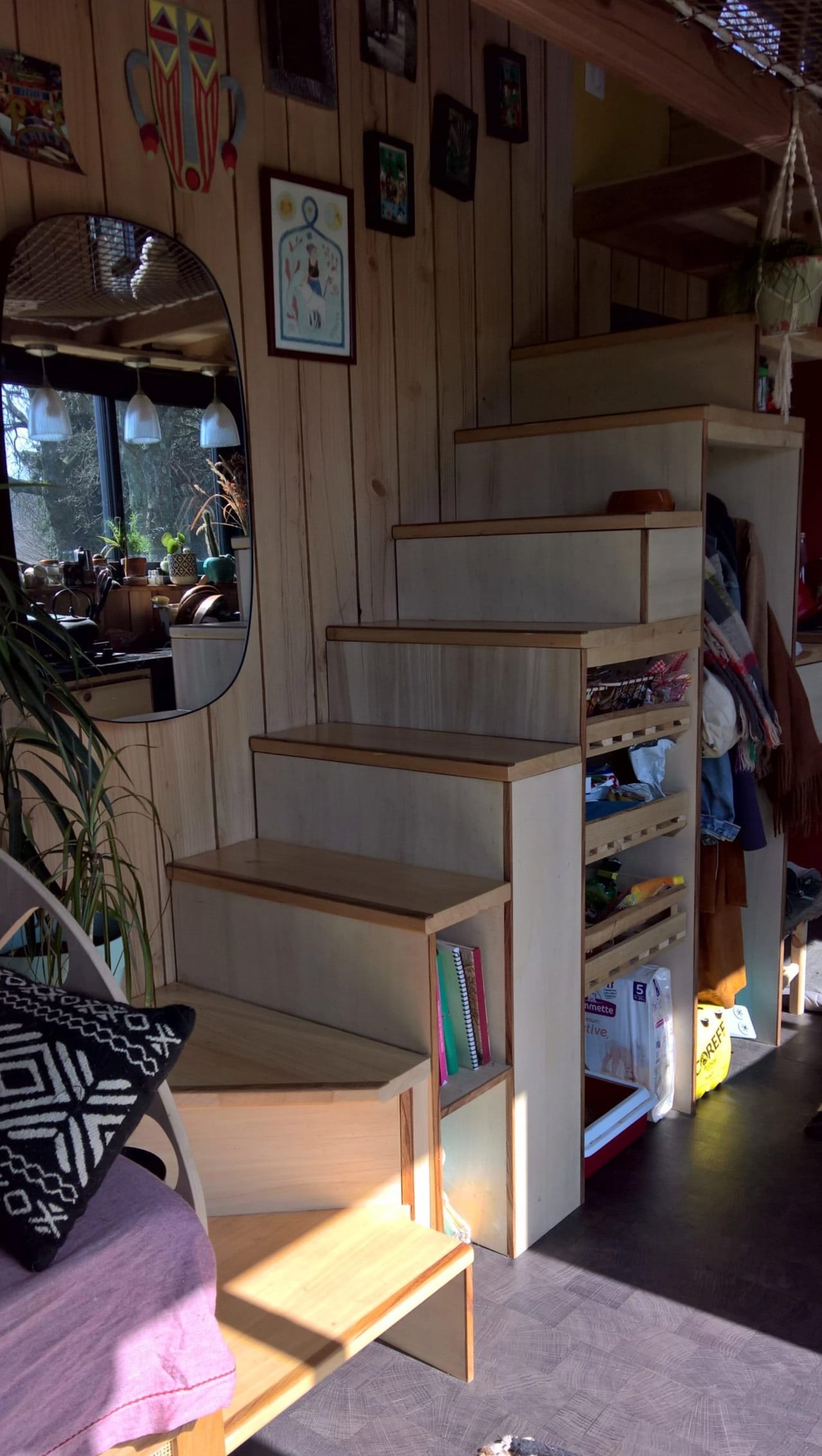
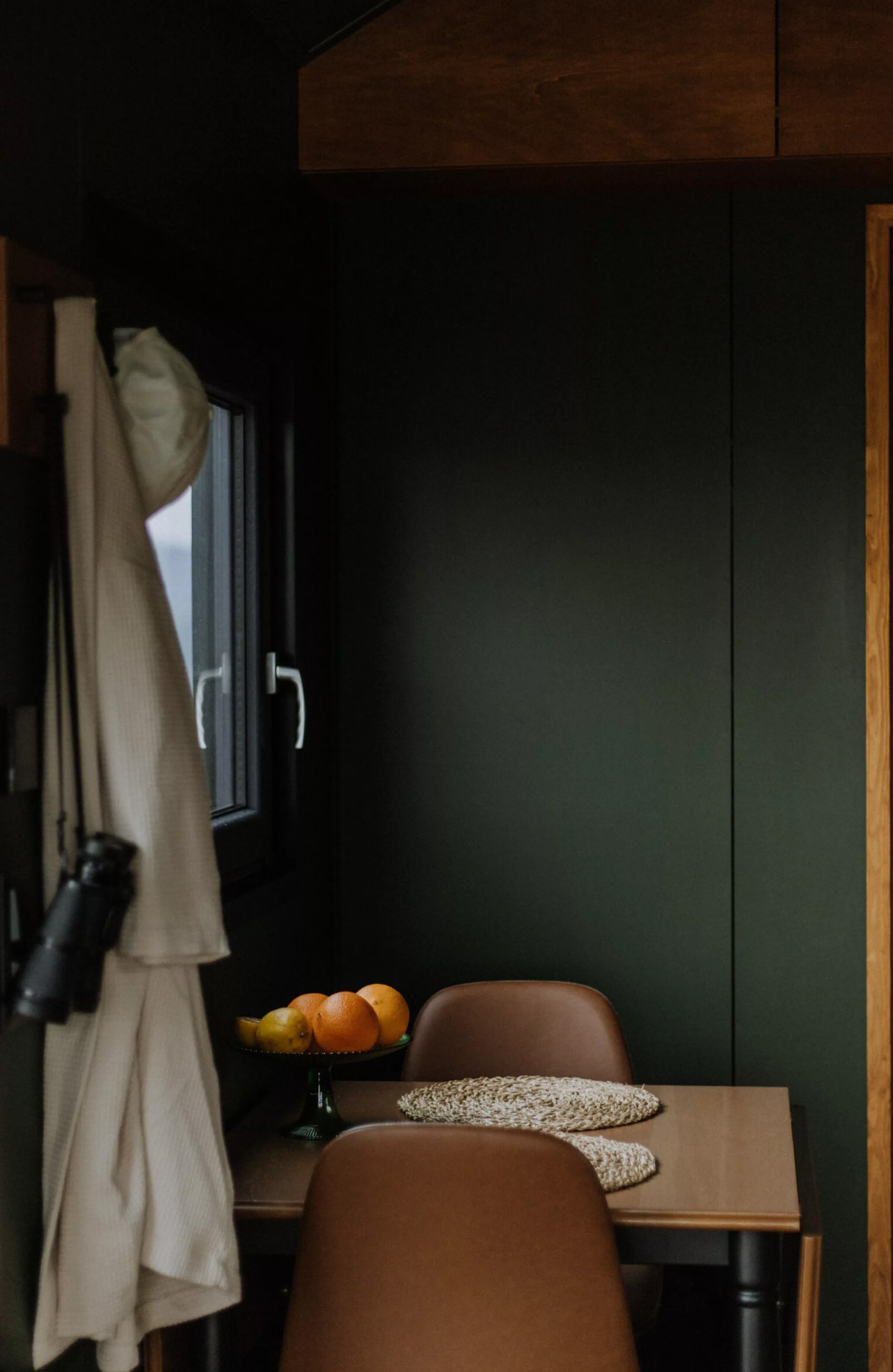
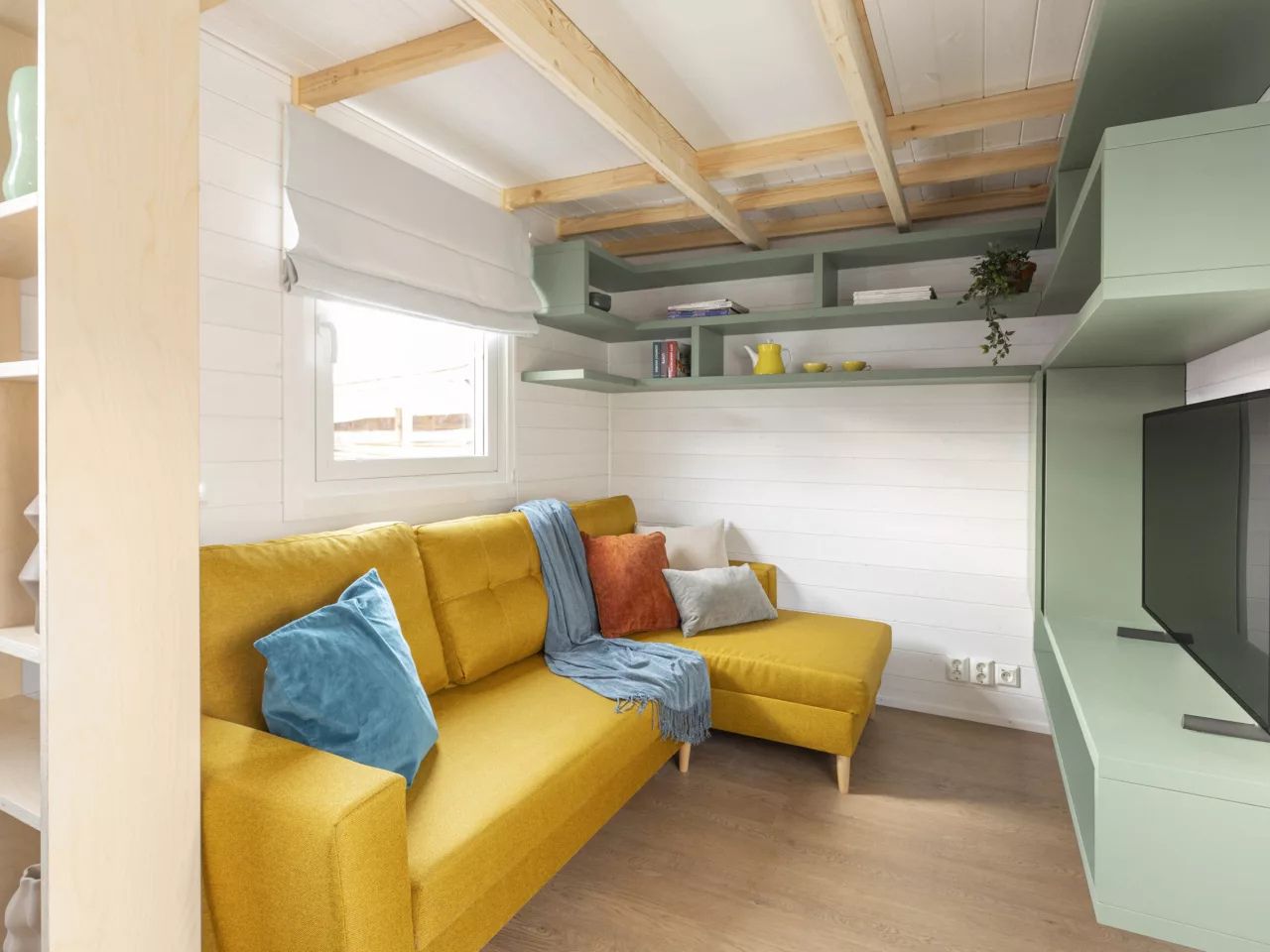
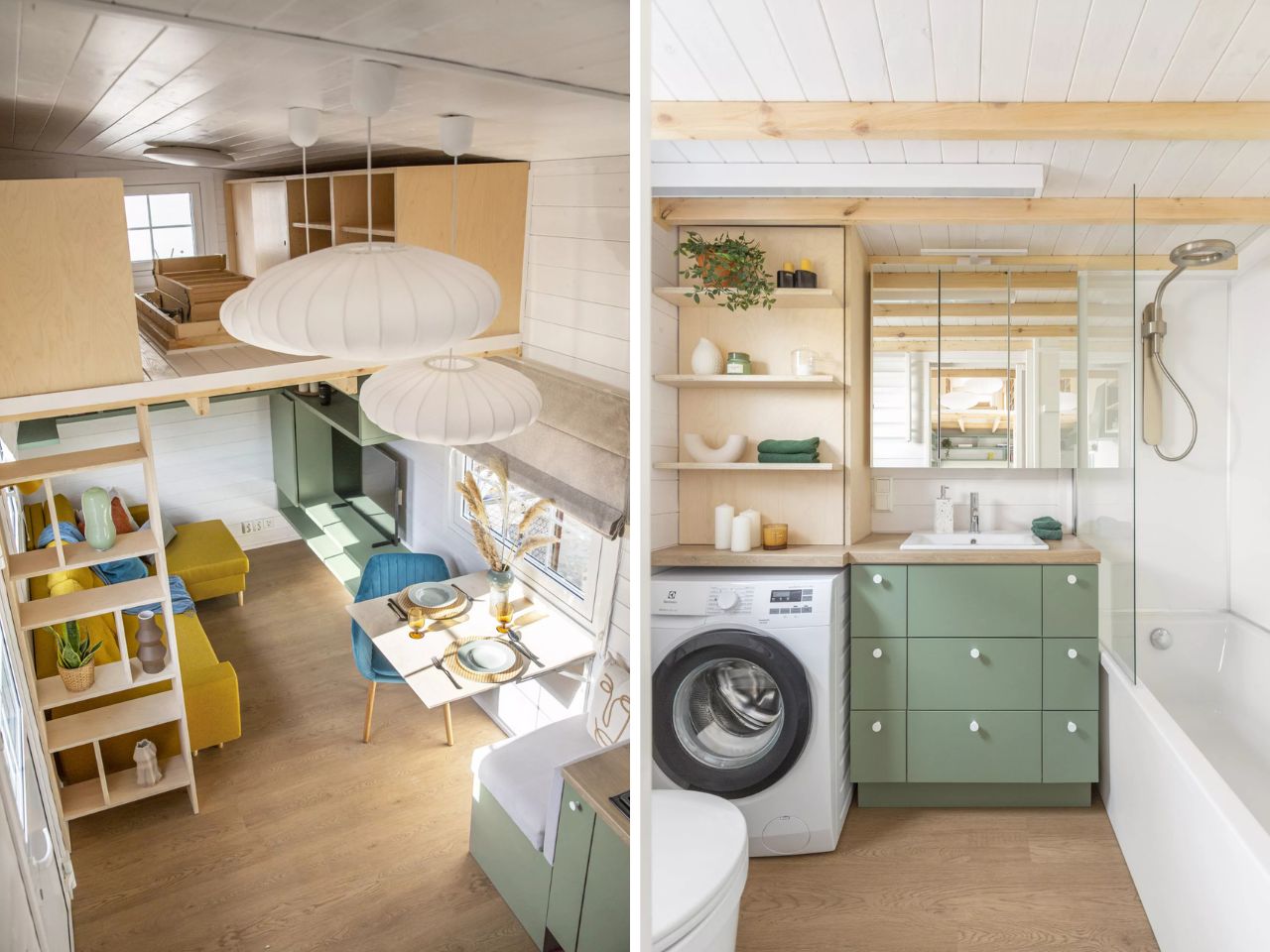
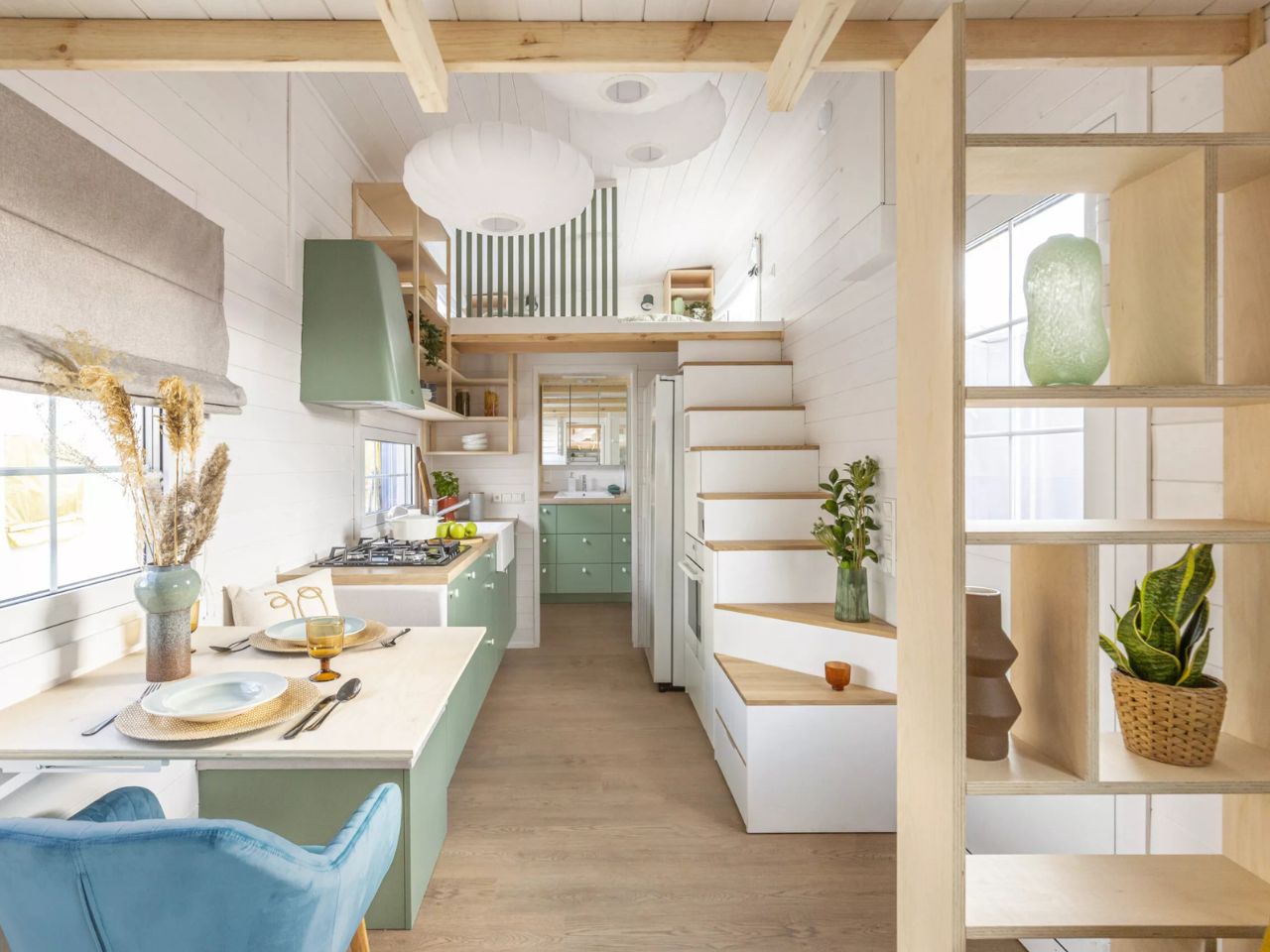
Step inside, and the first thing you notice is the light. The living area is anchored by two large windows that flood the space, paired with a sofa that doubles as a bed for two, with three storage drawers tucked underneath. A folding table doubles as a workspace or dining surface, and a large custom bookcase makes the room feel intentional rather than improvised. The staircase leading up to the loft doesn’t waste a single riser — each step hides a cubbyhole of varying sizes for shoes, books, or whatever you need within reach.

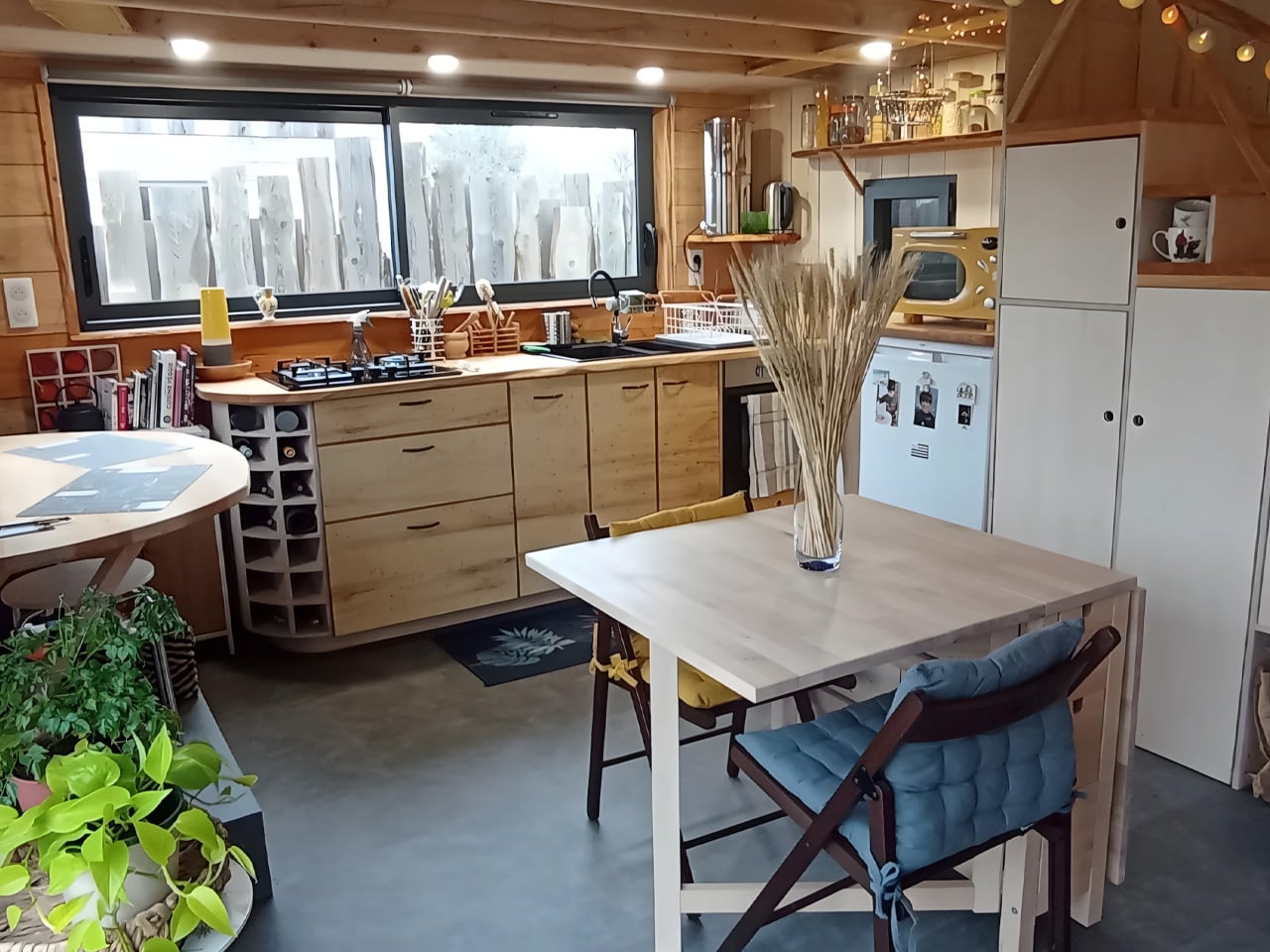
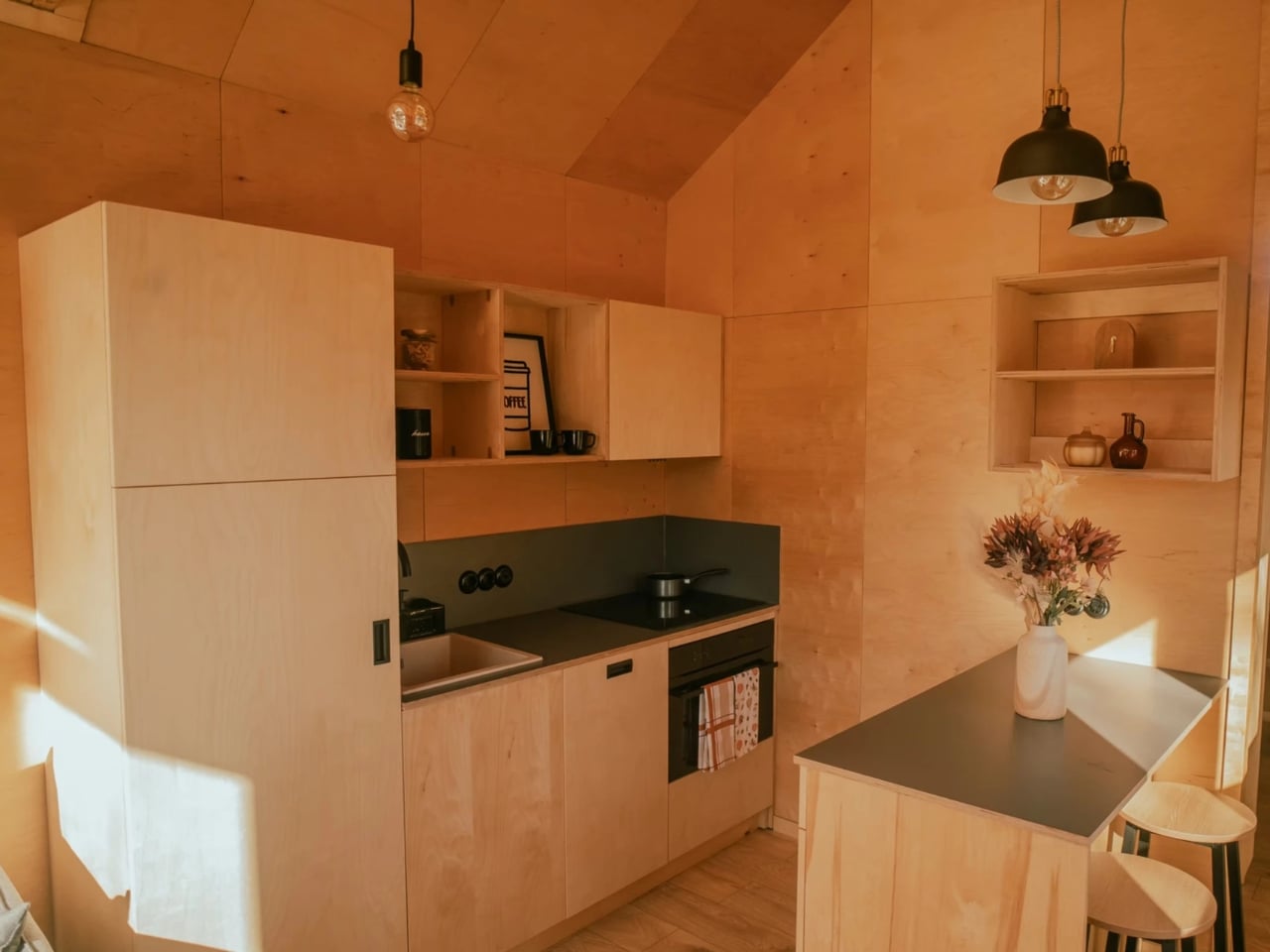
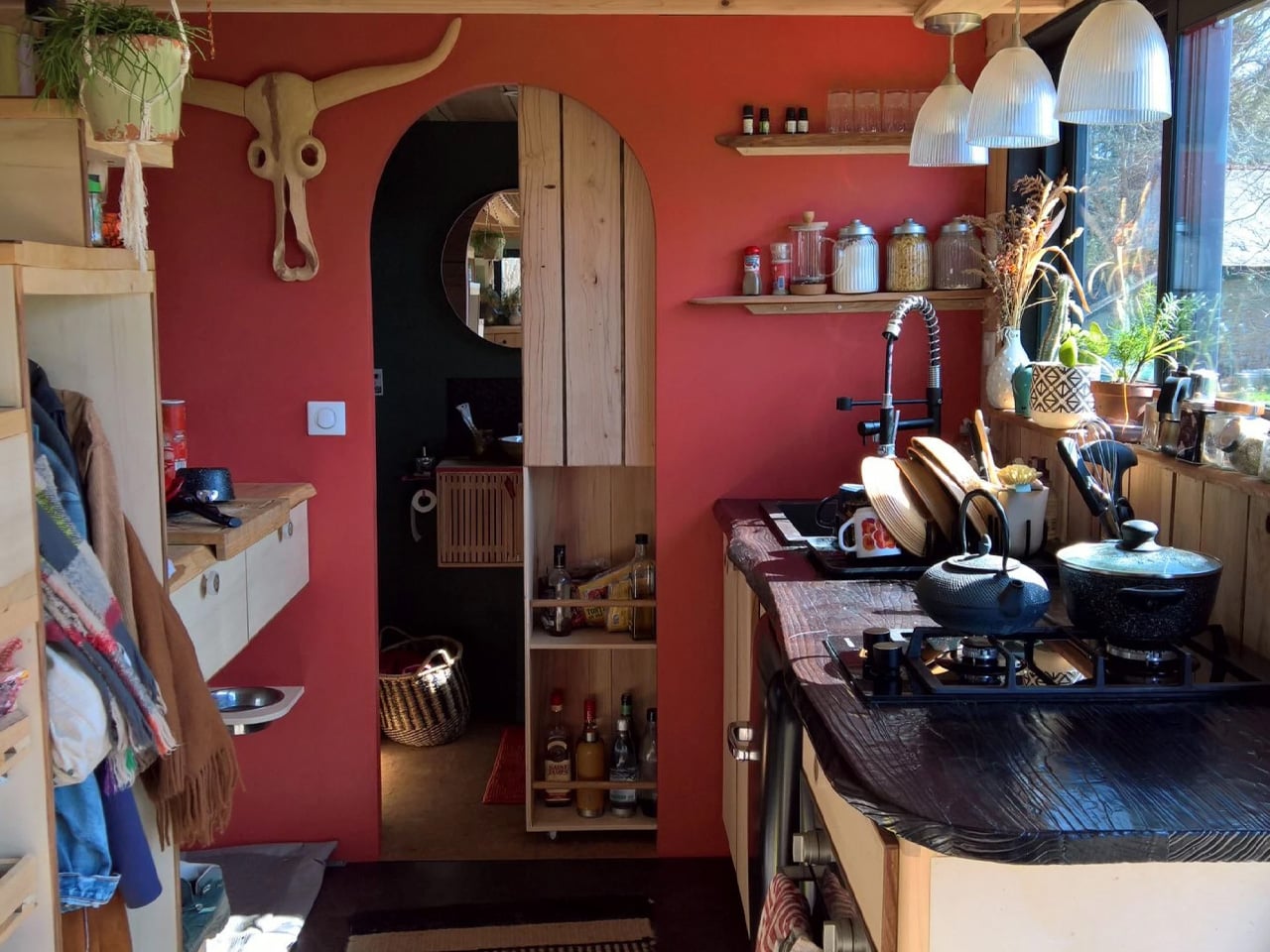
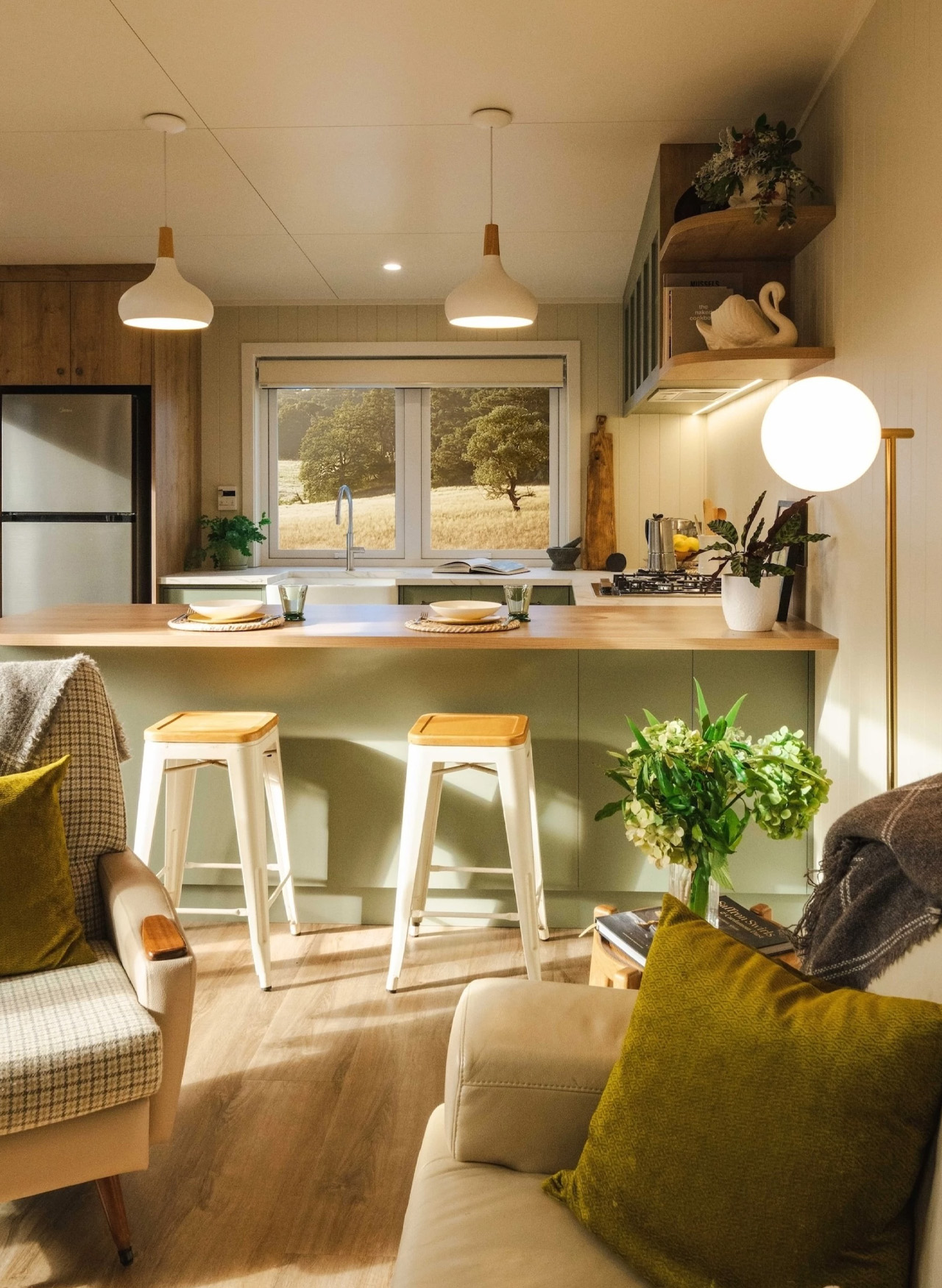
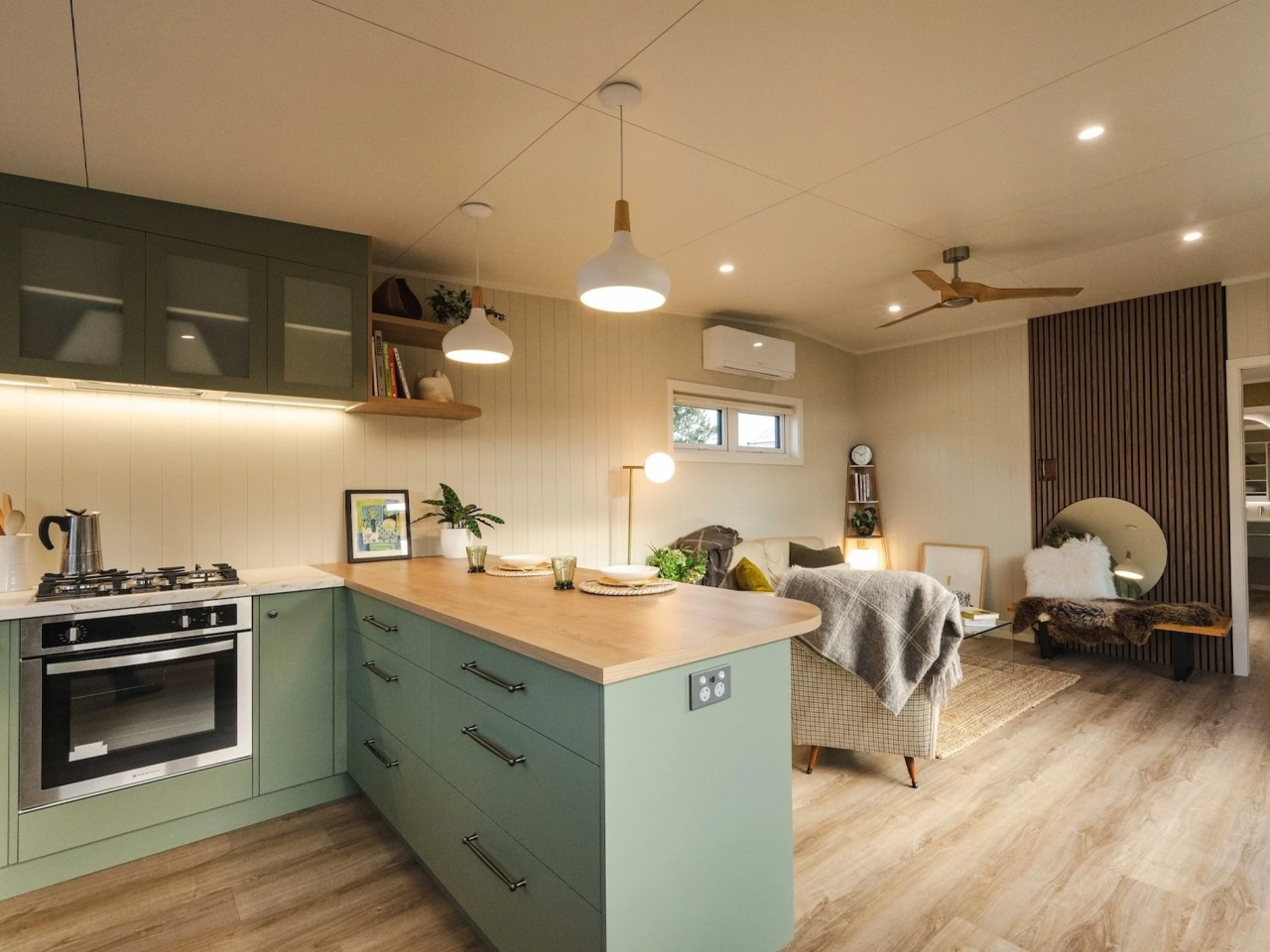
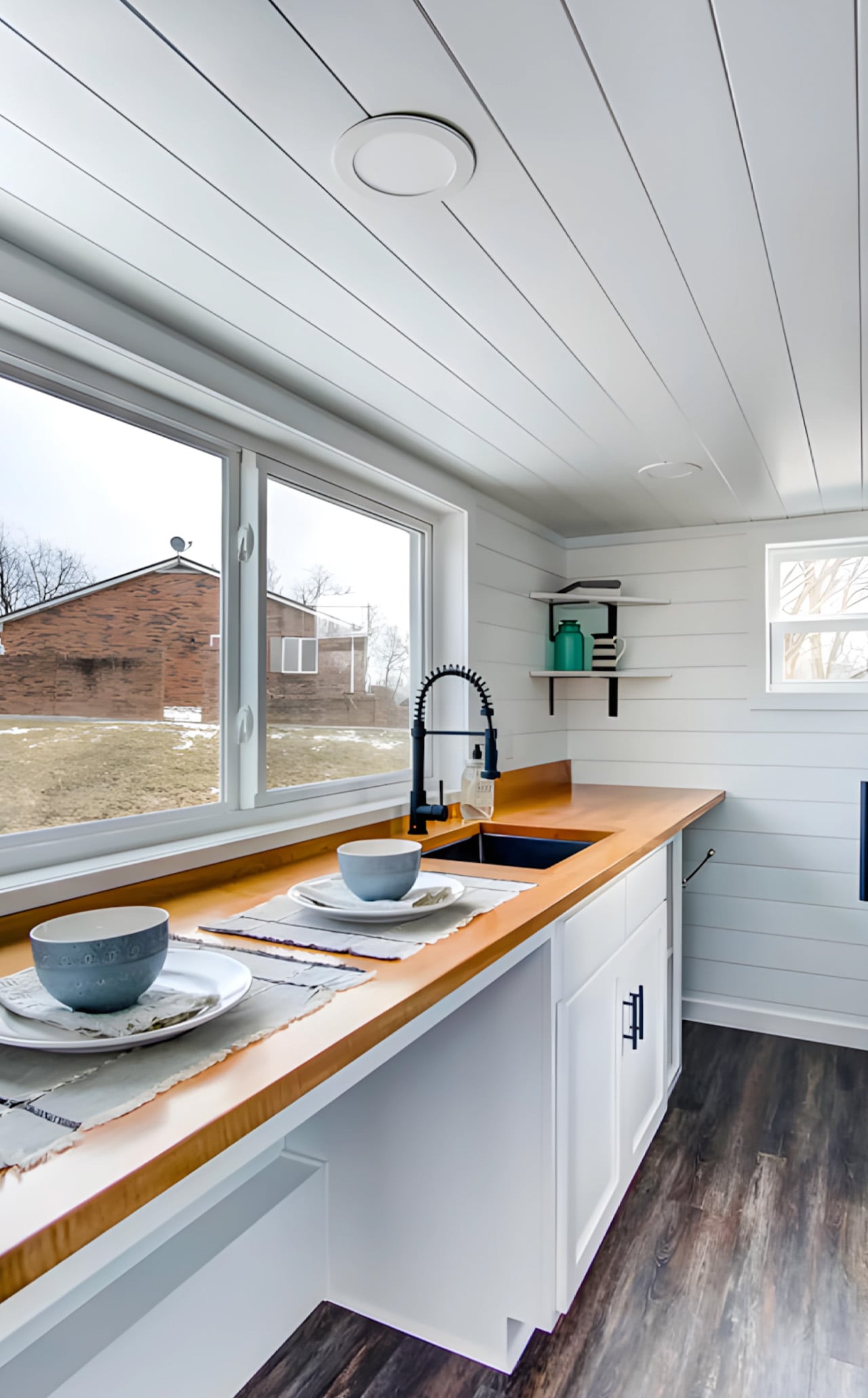
The kitchen is compact but thoughtful, featuring a sink, custom cabinetry, and open space that accommodates additional appliances depending on the owner’s needs. Since the Kinnakeet was originally designed for use as a vacation rental on Airbnb, it skips the full-size appliances found in Modern Tiny Living’s permanent residences — a deliberate choice that keeps the build flexible and the cost accessible.

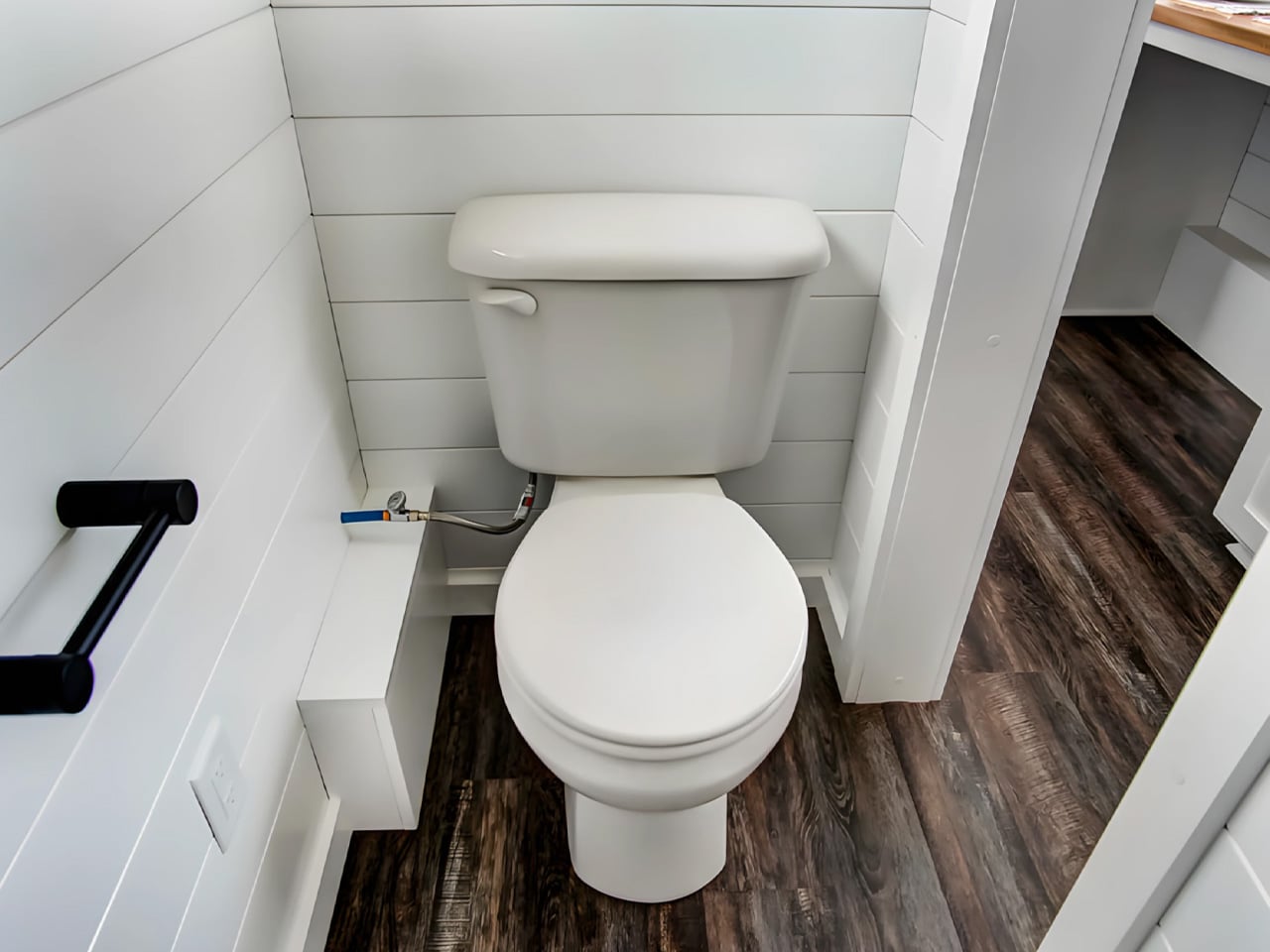
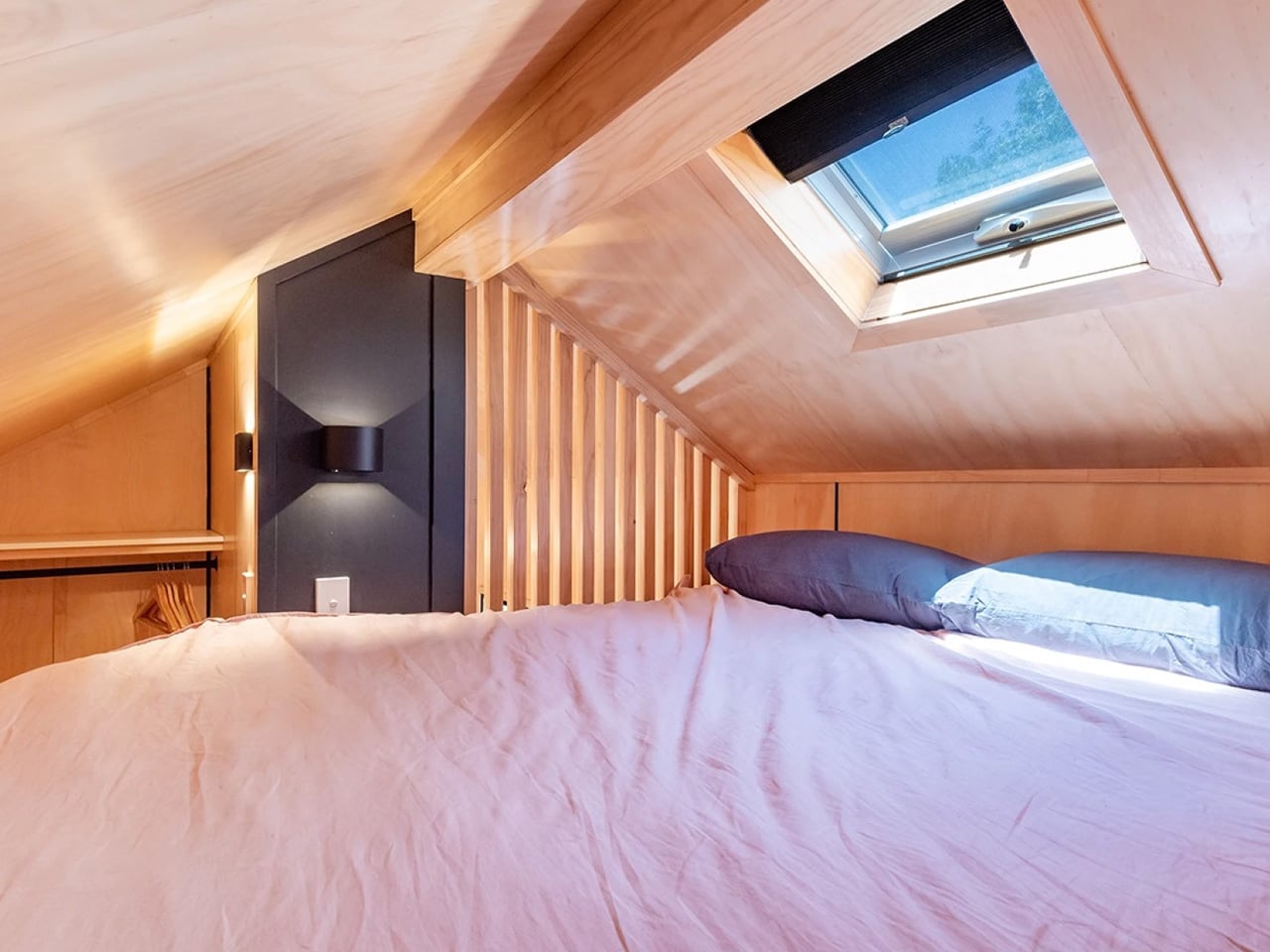
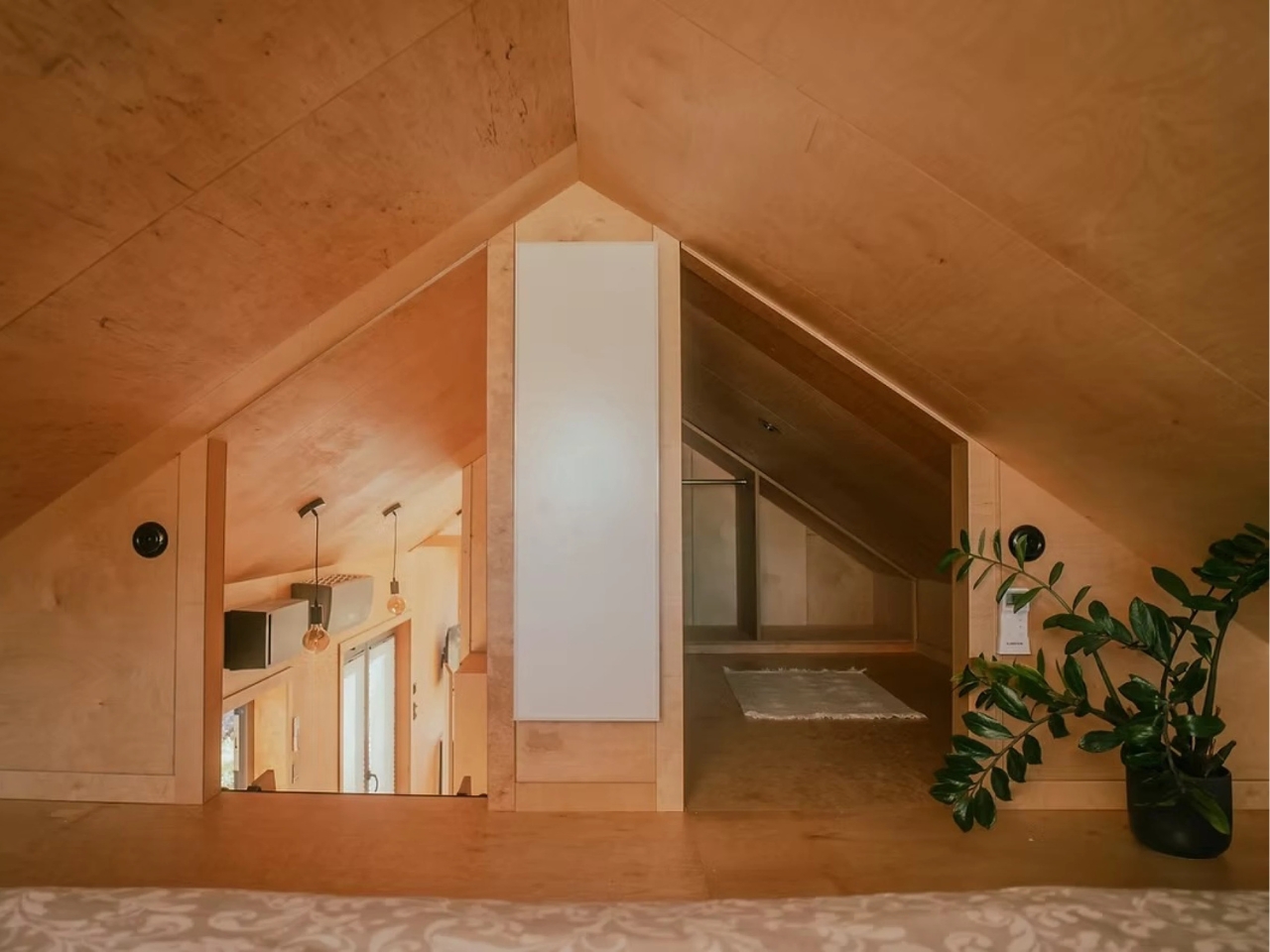
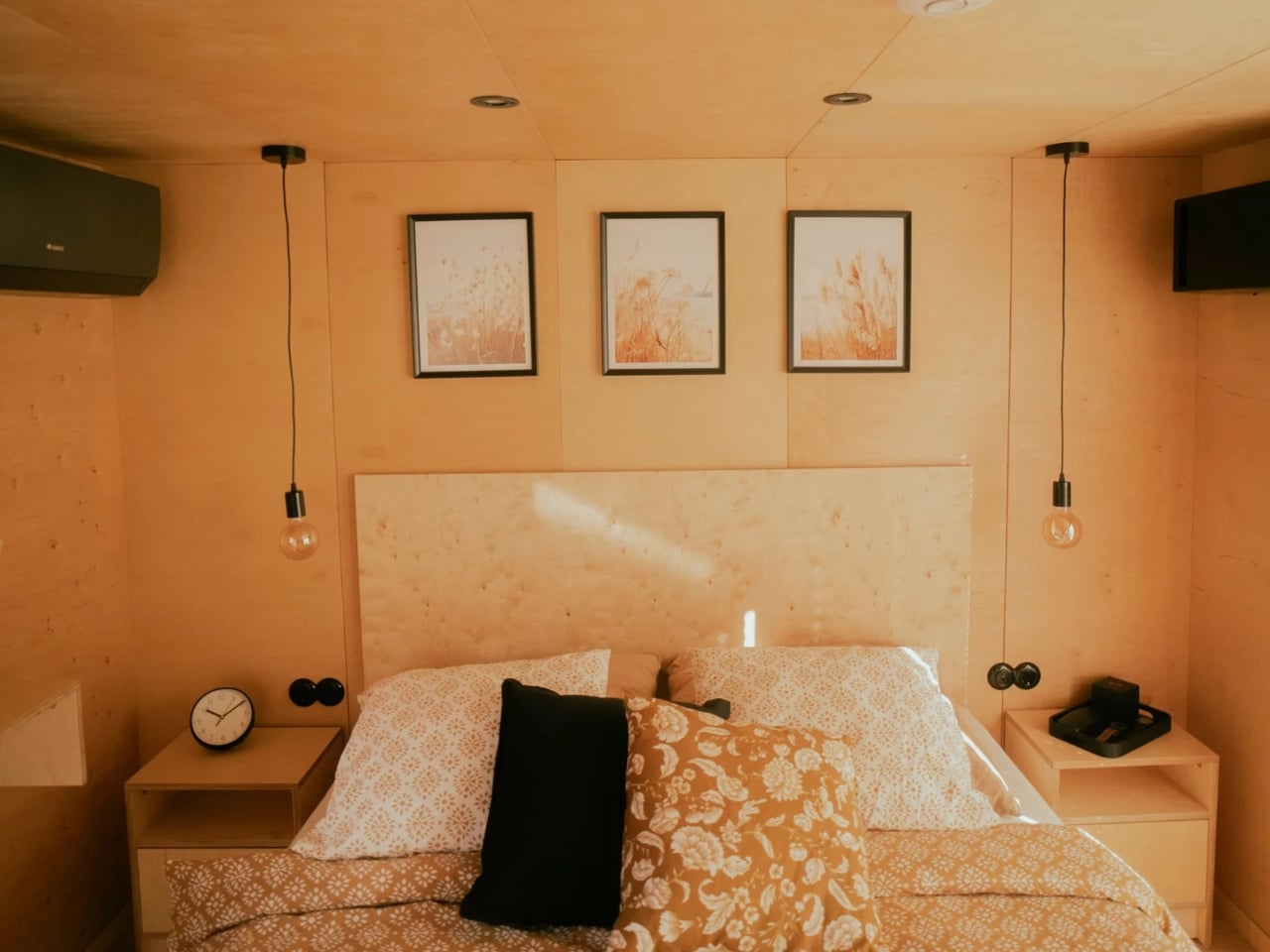
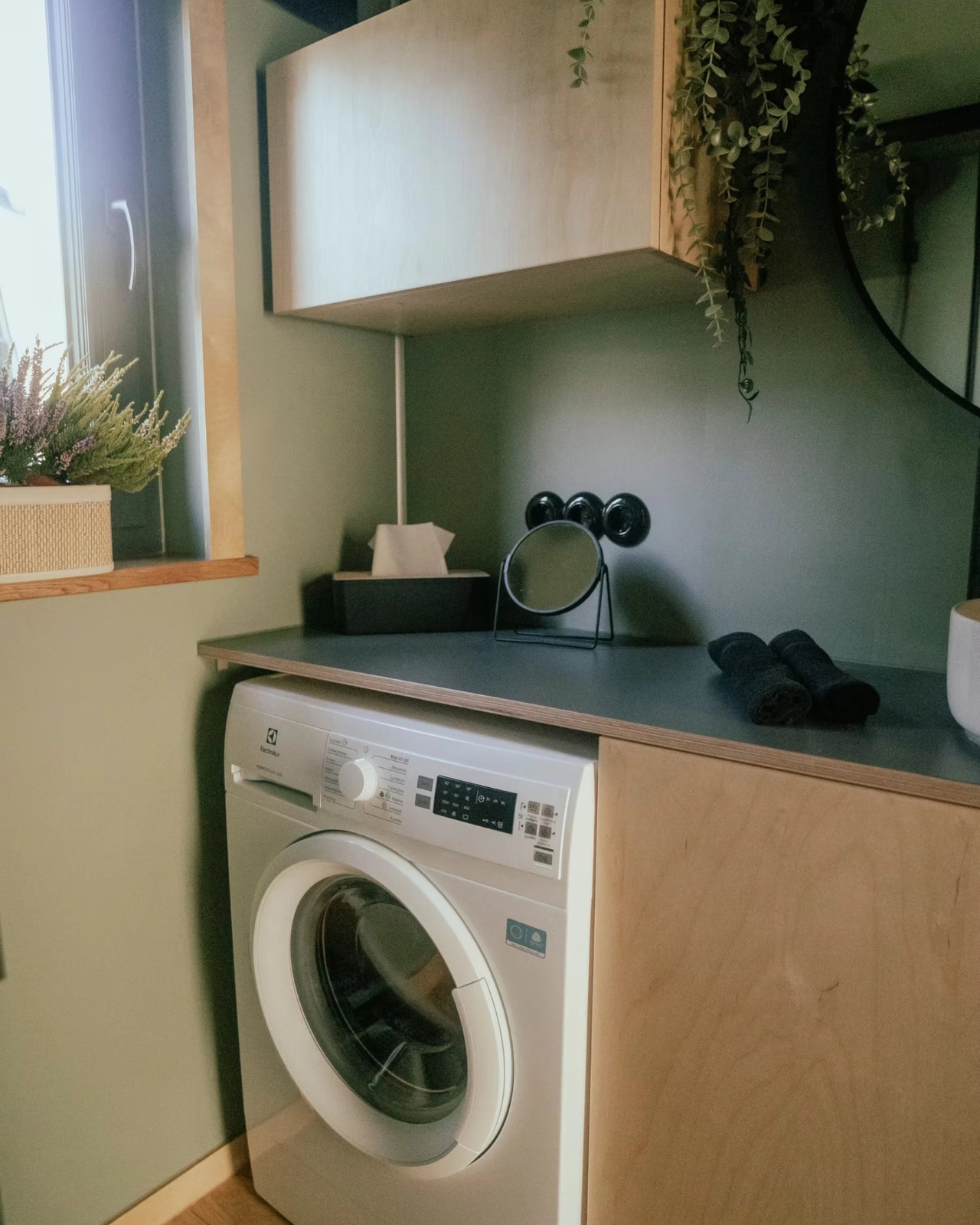
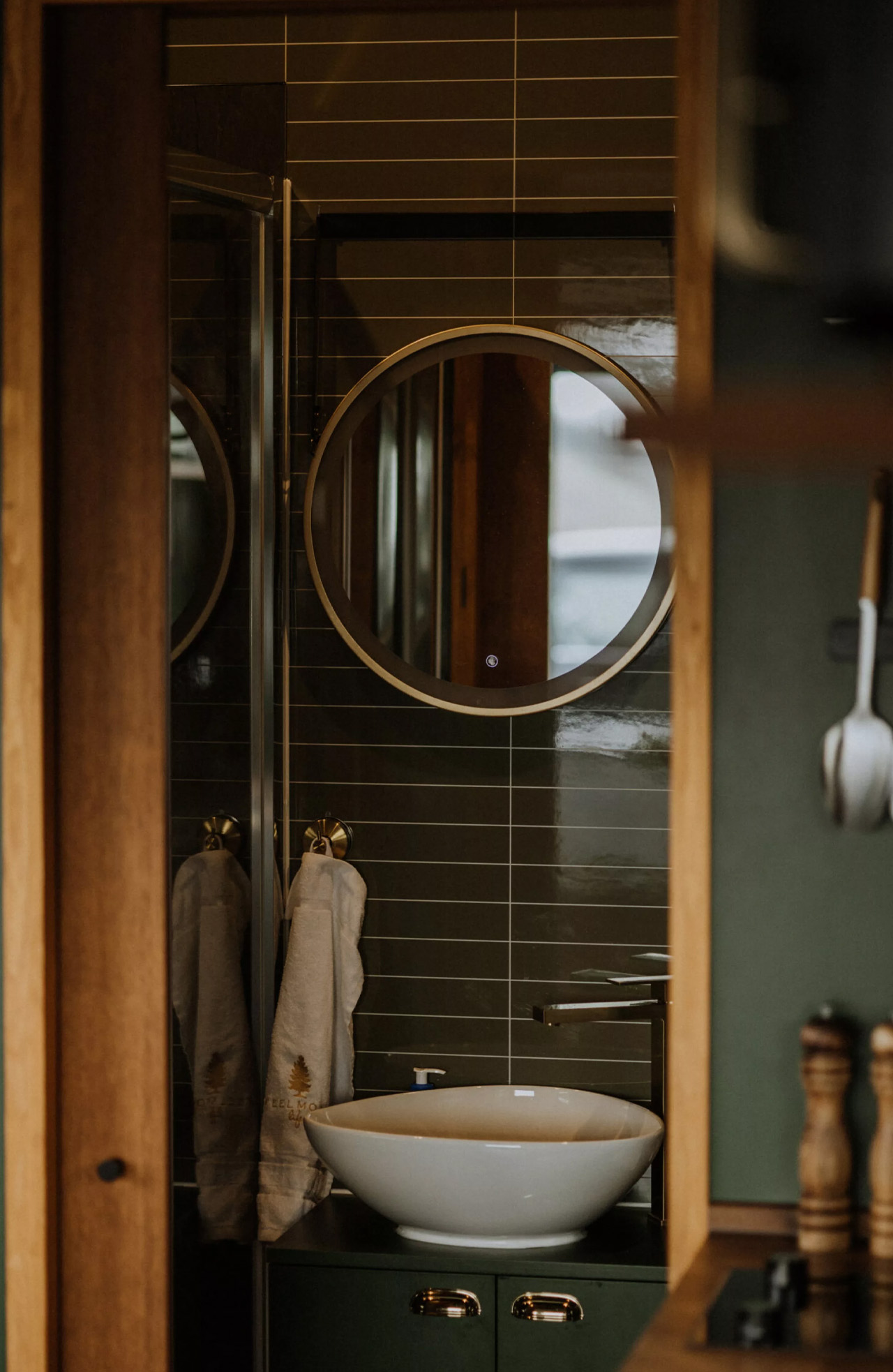
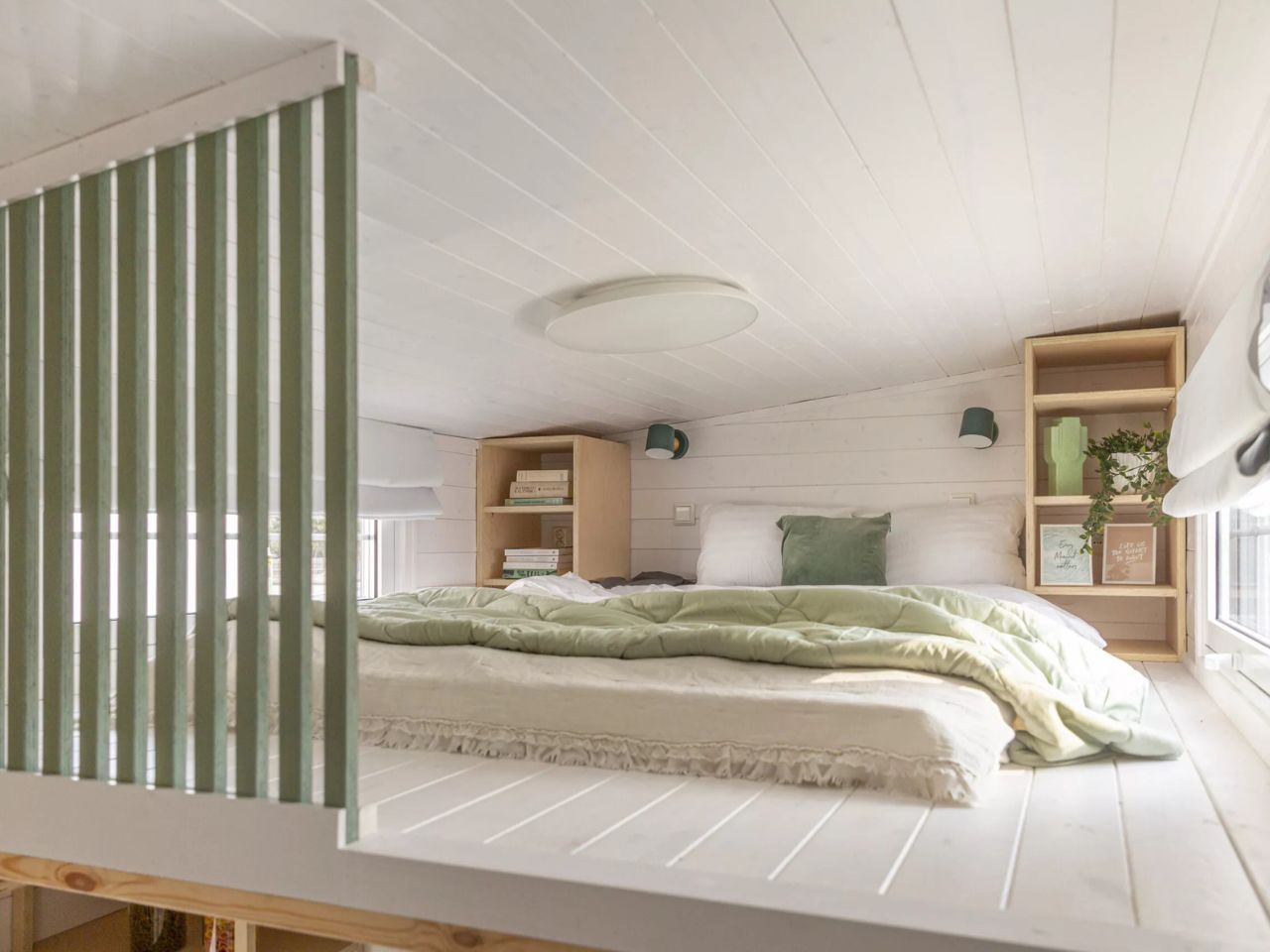
The bathroom is accessed through a sliding barn-style door off the kitchen and manages to fit in a walk-in shower and a flushing toilet without feeling squeezed. Up the storage staircase, the lofted bedroom fits a double bed with enough room to feel like a proper retreat, even if the ceiling keeps things cozy.

Priced at $79,000 as a starting point, the Kinnakeet is customizable, more or less depending on finishes, appliances, and personal priorities. Whether you’re looking for a full-time downsized lifestyle or a smart vacation rental investment, the Kinnakeet makes a compelling case that 20 feet is more than enough.

The post At Just 20 Feet Long, the Kinnakeet Tiny Home Has Everything, Including an Airbnb Income first appeared on Yanko Design.

This $98,900 Tiny House Is How Australians Are Ditching Rent and Finally Owning Something

The housing crisis is not a headline anymore; it is a lived reality. Soaring property prices, relentless rent increases, and the quiet exhaustion of never quite owning anything have pushed a whole generation to question what a home genuinely needs to be. The answer, for many, is less. Less debt, less space, less compromise on quality of life. The Artista by Australian tiny house builder Tiny Tect is exactly that kind of answer — compact in footprint, but completely uncompromising in how it lives.

Sitting at 7 metres long, 2.4 metres wide, and 4.25 metres tall, the Artista is built on a certified triple-axle trailer with a 4.5-tonne weight capacity and full road registration capability. On paper, those numbers sound modest. In person, the experience is entirely different. The layout is deliberate from the moment you walk in; a storage-integrated staircase sits at the entrance, turning what is usually dead space into something useful before you have even settled in.

Designer: Tiny Tect Tiny Houses

The loft bedroom is where the Artista earns its name. Positioned centrally rather than pushed to one end, it opens up views from both sides of the home — a move that feels more architectural than practical, and intentionally so. The space fits a double bed and a walk-in wardrobe, and for those who need the ground floor to work harder, a flexible lower-level room can serve as a second sleeping area, a home office, or a guest space. For a home this size, sleeping up to four adults is not a workaround…it is part of the plan.

The kitchen does not shrink away from the challenge either. A four-burner cooktop, full oven, sink, and fridge-freezer sit together in a layout that functions like a proper kitchen should. Besides it, the living area holds a sofa and a compact work desk — a quiet acknowledgment that home now means office too, for a lot of people. The ensuite bathroom and a built-in planter box round out the interior with the kind of details that make a small space feel considered rather than crammed.

What the Artista ultimately solves is bigger than square footage. It hands people back financial breathing room. Starting from $98,900 and available from roughly $243 per week in repayments, it sits well below the cost of traditional homeownership in most Australian cities. Optional solar panels, battery storage, and water tanks take it further toward genuine off-grid independence — lowering ongoing costs and loosening the ties to utility bills and landlords alike. The Artista is not a consolation prize for people who cannot afford a real home. It is a deliberate choice for people who have decided that freedom, quality, and intention matter more than floor area. Small in size, yes, but not in any way that actually counts.

The post This $98,900 Tiny House Is How Australians Are Ditching Rent and Finally Owning Something first appeared on Yanko Design.

A 473-Square-Foot Tiny House That Actually Fits a Family of Four

Most people picture a tiny house as a romantic retreat for one or two people with very few belongings and an even smaller grocery budget. The Zenith by Vagabond Haven is here to argue otherwise. Built by the Sweden-based design studio behind some of the most thoughtfully crafted small homes in Europe, the Zenith is a non-towable tiny house that takes aim at a demographic the tiny house movement has largely ignored: families. Not just couples, not just digital nomads, but actual families with kids, toys, and the basic human need for a door that closes.

At 11 meters long and 3.45 meters wide (about 36 by 11 feet), the Zenith stretches the definition of “tiny” just far enough to make it livable for more than one person. The total living area clocks in at 44 square meters, or roughly 473 square feet. That’s generous for a tiny house, and the layout makes every inch count.

Designer: Vagabond Haven

The Zenith is an evolution of Vagabond Haven’s earlier Sky model. Where the Sky kept things minimal, the Zenith brings in a second sleeping space in the form of an overhead loft, a dedicated flex room that can serve as a walk-in closet or a child’s bedroom, and a larger kitchen designed for actual cooking rather than survivalist meal prep. These aren’t small upgrades. They’re the kind of design decisions that signal a shift in who the tiny house market is really meant to serve.

The exterior is finished in engineered wood with an aluminum roof, which gives it a clean, modern aesthetic without the sterile coldness of a shipping container conversion. Big windows and skylights run throughout the interior, keeping the space feeling open even when square footage isn’t exactly on your side. Natural light is doing a lot of heavy lifting here, and it shows.

Inside, the main bedroom sits on the ground floor, which is a meaningful detail for anyone who’s ever tried to navigate a steep loft ladder at 2 a.m. The bathroom doesn’t cut corners either. It features wet room-approved walls from Fibo panels, a glass shower cabin, a generous countertop, and space under the vanity for a washing machine. Vagabond Haven also gives buyers a choice between flush, composting, Separett, or incinerating toilets, which speaks to the range of customers they’re designing for, from sustainability-minded homeowners to those building on remote land without conventional hookups.

Storage is woven into the design at every turn rather than treated as an afterthought. The floor plan has a logical flow to it, the kind that only comes from spending real time thinking about how people actually move through a home. The flex room in particular is one of the smarter elements, giving the layout breathing room for families at different stages of life.

On the utilities side, the Zenith can be configured with a solar system, a rainwater harvesting setup, a heat recovery ventilator, and electric or gas hot water heating. It’s a house that can run largely off the grid if that’s what you’re after, or connect to standard services if you’d rather keep things conventional. Vagabond Haven offers eurowide delivery, which means this isn’t just a Scandinavian fantasy but a genuinely accessible option for buyers across the continent.

Pricing starts at around €53,380 before VAT, which puts it well below the cost of a traditional home in most European cities and in the same ballpark as a high-end campervan, except with considerably more dignity and a door that locks from the inside.

The tiny house movement has spent years proving that you can live with less. The Zenith makes a slightly different case: that you can live with less space without actually giving up the things that make a house feel like a home. For families who’ve been watching the tiny house trend from the sidelines and wondering if there’s something in it for them too, the Zenith might finally be the answer they’ve been waiting for.

The post A 473-Square-Foot Tiny House That Actually Fits a Family of Four first appeared on Yanko Design.

French Artisans Built a 21-Foot Tiny House That Needs No Grid

I love a home that is designed to do everything you need and nothing you don’t. The Chillhouse, or La Chillhouse as it’s known in its native tongue, is exactly that kind of home. Built for two, designed for off-grid living, and rooted in a distinctly French woodworking tradition, it’s the latest statement from Brittany-based artisan workshop Atelier Bois d’ici. Small in footprint, deliberate in execution, and almost stubbornly unhurried in its approach, the Chillhouse offers a compelling vision of what modern self-sufficient living can actually look like.

Atelier Bois d’ici, roughly translated as “the local wood workshop, has never been a typical construction company. Wood sits at the absolute center of everything they do, not merely as a raw material but as a guiding principle. The studio operates its own sawmill and timber storage facility on the same grounds as the workshop, meaning each build begins not with pre-cut lumber but with raw logs. This hands-on relationship with the material shapes every decision, from species selection to finish, and gives their homes a depth of character that factory-built alternatives simply cannot replicate.

Designer: Atelier Bois d’ici

Sitting on a double-axle trailer and measuring 6.6 meters in length, the Chillhouse is compact by design rather than by compromise. The exterior is wrapped in natural timber cladding, warm and textured in a way that reads differently depending on the landscape around it — equally at home against pine trees or open countryside. The profile is clean without being cold, and the construction feels solid in a way that telegraphs craftsmanship before you’ve even stepped inside. It’s built for couples or solo dwellers ready to trade square footage for genuine freedom.

As you enter the home, the living room makes its intentions clear immediately. A low-profile sofa, discreet storage tucked into every available corner, and a wood-burning stove anchor the space with a sense of warmth that’s both literal and atmospheric. Nothing is decorative for the sake of it. Every element earns its place, and the result is a room that feels genuinely comfortable rather than curated for a photoshoot.

The kitchen runs on the same ethos of considered practicality. A two-burner propane stove, a compact oven, a sink, and a small refrigerator cover every real cooking need without overpromising on space. It’s a kitchen built for people who actually cook, not one designed to impress during an open house. Adjacent to it, the bathroom offers the essentials in a layout that wastes nothing.

Above it all, the bedroom loft is reached by a staircase with storage built directly into each step — one of many small design decisions that quietly distinguish the Chillhouse from less considered builds. The sleeping space itself sits low under the roofline, intimate and removed from the rest of the home in the best possible way. Atelier Bois d’ici sources all timber from within a close radius of the workshop, avoiding chemical treatments entirely and letting the natural resilience of carefully chosen wood species do the work. The Chillhouse doesn’t shout about sustainability, it just lives it.

The post French Artisans Built a 21-Foot Tiny House That Needs No Grid first appeared on Yanko Design.

This New Zealand Tiny House Delivers Apartment-Sized Living Without the Usual Compromises

Most people who move into a tiny house learn to accept certain realities. You’ll climb a ladder to bed every night. Your kitchen will be little more than a hot plate and a mini-fridge. Storage means shoving things under furniture. The English Garden, crafted by South Base Tiny Homes in New Zealand, refuses to accept any of this. This dwelling challenges every assumption about what compact living must entail, delivering a residential experience that feels remarkably unrestricted despite its modest footprint.

Stretching twelve meters in length and four meters across, this dwelling occupies a permanent spot along the New Zealand coastline. Unlike the majority of tiny houses built on trailers for mobility, this one stays anchored to its site. The homeowners drew inspiration from their British roots, seeking a design that would blend traditional English sensibility with the easygoing nature of coastal living in their adopted country. The exterior combines timber cladding with metal roofing, creating a cottage-like appearance that feels appropriate for both its heritage inspiration and its beachside setting.

Designer: South Base Tiny Homes

Step inside and you’ll notice something immediately different. Everything exists on a single level. No loft bedrooms requiring acrobatic climbs. No steep staircases eat up precious floor space. The layout flows naturally from one area to the next, creating sight lines and openness that smaller homes typically can’t achieve. Sunlight filters through well-positioned windows, warming timber surfaces and highlighting the careful attention paid to material selection. The openness throughout makes the interior feel more like an apartment than what most people imagine when they hear “tiny house.”

The kitchen operates as a genuine cooking space rather than an afterthought. A breakfast counter accommodates two people comfortably, while the cooking zone includes a full oven beneath a gas-powered stovetop. The farmhouse sink adds character without sacrificing functionality, and a proper refrigerator-freezer combination means you can actually stock groceries for more than a day or two. Cabinet space lines the walls in quantities that would surprise anyone expecting tiny house minimalism. This isn’t a space where you warm up takeout and call it dinner. It’s designed for people who actually cook.

Down at one end, the bedroom provides genuine separation from the shared living areas. The owners made a specific request during design: they wanted the bathroom accessible only from the bedroom, creating a private suite arrangement similar to what you’d find in a hotel or upscale apartment. Their bathroom includes a fully enclosed glass shower, a vanity with integrated storage, and standard flush plumbing. Everything functions exactly as it would in a conventional home, without composting toilets or cramped wet rooms that serve multiple purposes.

This design draws from South Base Tiny Homes’ Abel model series, with pricing beginning around two hundred thirty thousand New Zealand dollars, or roughly one hundred thirty-seven thousand American dollars. That represents the higher end of the tiny house market. What makes the English Garden noteworthy isn’t its size but its philosophy. Many tiny houses treat limitation as a design virtue, celebrating cramped quarters and asking residents to adapt their lives around spatial constraints. This home reverses that equation entirely. It treats compact dimensions as a design challenge requiring intelligent solutions, not romantic sacrifice. Each room serves its intended purpose without asking occupants to compromise their daily routines. The space might measure smaller than average, but the living experience doesn’t feel diminished.

The post This New Zealand Tiny House Delivers Apartment-Sized Living Without the Usual Compromises first appeared on Yanko Design.

5 Best Tiny Homes Under $75K That Don’t Feel Like Closets in February 2026

The tiny house movement promised freedom and simplicity, but somewhere along the way, it became synonymous with cramped quarters and constant compromise. Folding beds that never quite fold right. Kitchens where you can’t open the oven and refrigerator at the same time. Lofts that require gymnastic ability just to change the sheets. The budget-friendly tiny home market has been dominated by designs that feel more like camping than living.

Things are changing. A new generation of builders is proving that small footprints don’t require sacrificing comfort, privacy, or dignity. These five tiny homes all clock in under $75,000, yet each one delivers thoughtful spatial planning that makes compact living genuinely livable. From Japanese-inspired minimalism to French family-focused designs, these aren’t starter homes you’ll outgrow in six months. They’re real residences that happen to be small.

1. Yamabiko by Ikigai Collective – Approximately $67,000
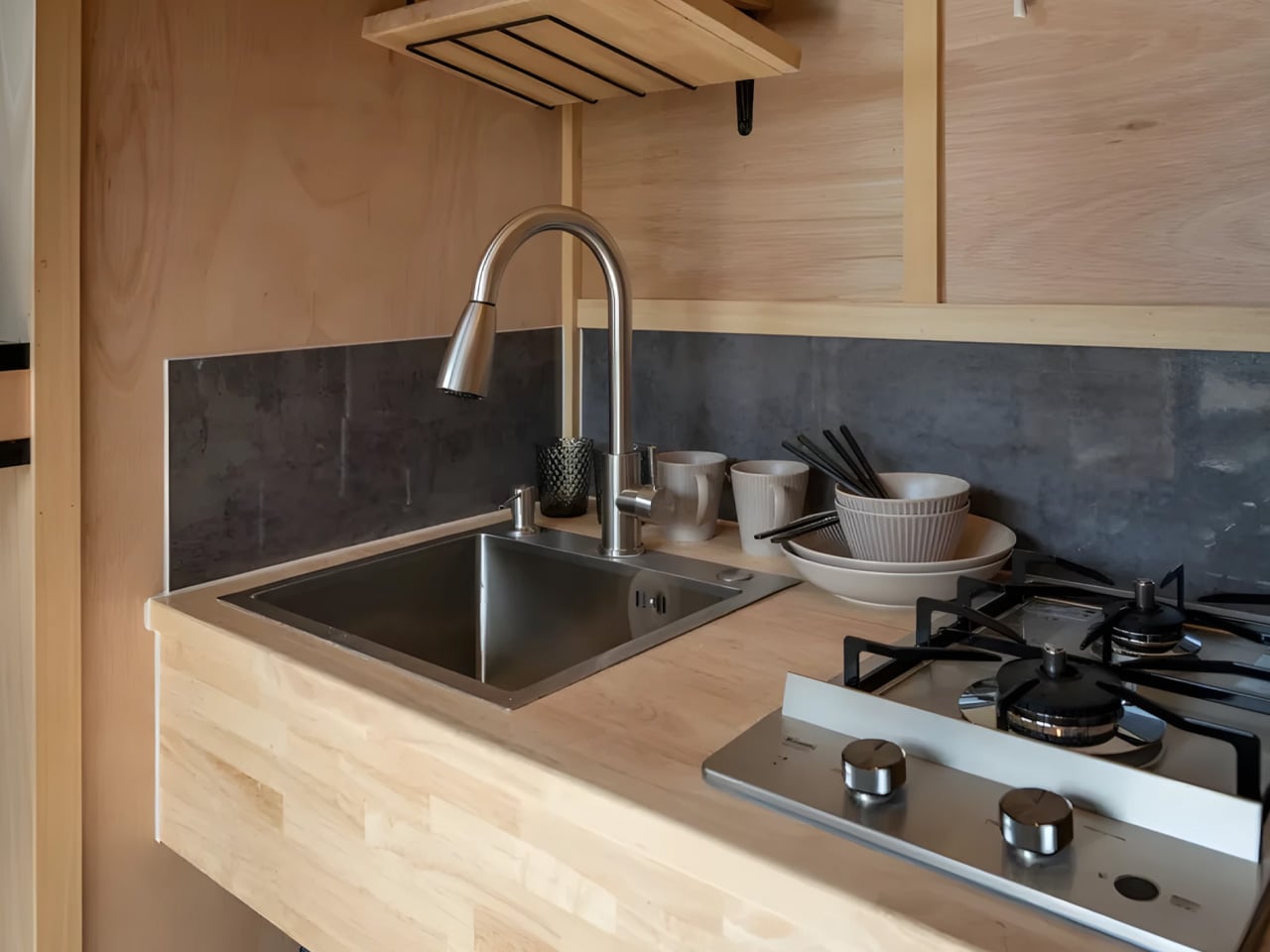
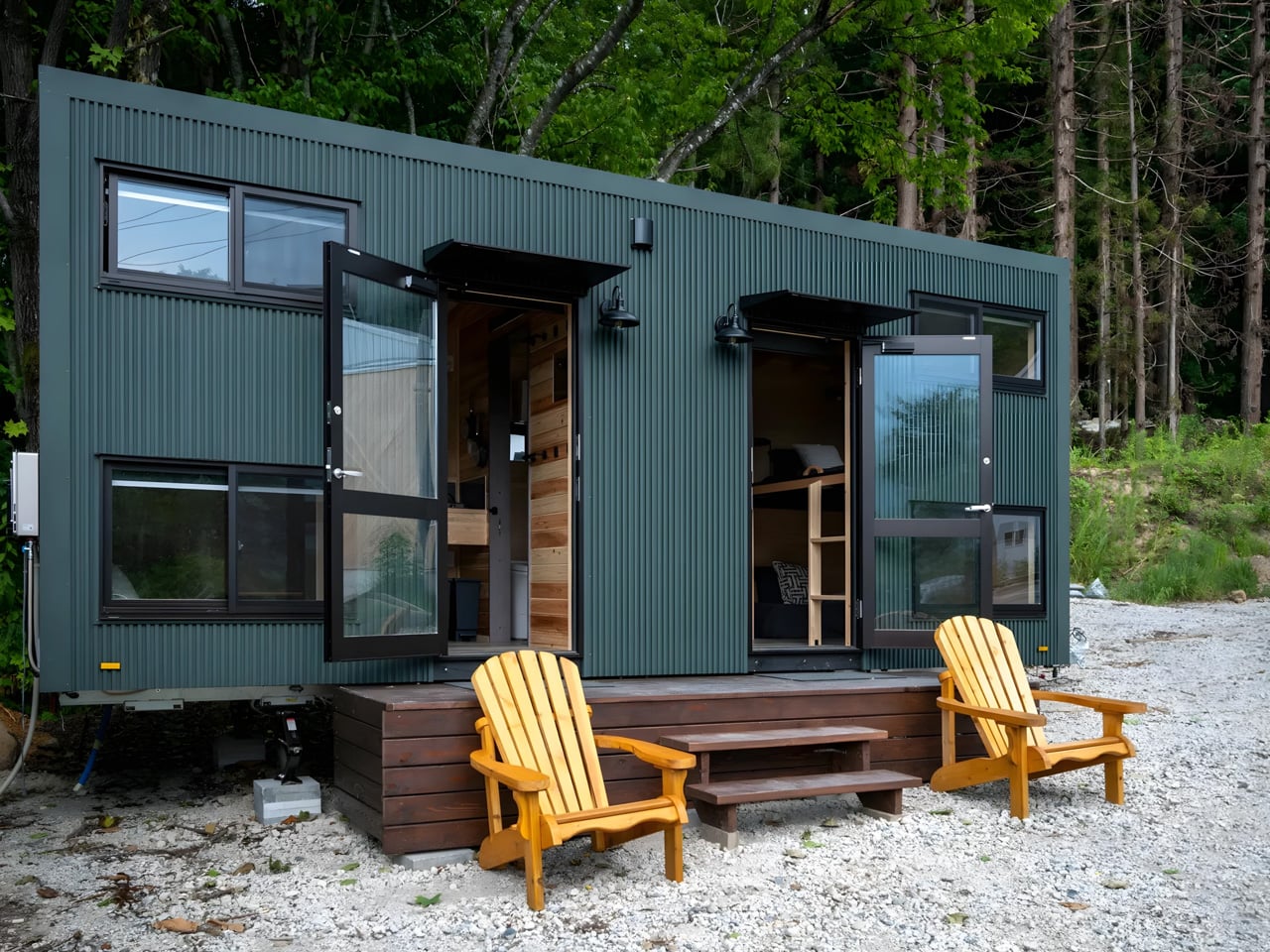
The Yamabiko rewrites the rules of tiny house design with an approach that feels distinctly Japanese. Built by Ikigai Collective in Nozawaonsen, this ingenious structure houses two complete living spaces within a single architectural shell. The mirrored layout creates the illusion of symmetry while providing genuine independence for two individuals or couples who want proximity without intrusion. Each side functions as a self-contained unit with its own kitchen, living room, and loft bedroom, connected only through a shared central bathroom that serves as the anchor point between the two halves.

The interior spaces defy the claustrophobic feeling that plagues many tiny homes. Each kitchen arrives equipped with a two-burner propane stove and a functional sink. Living rooms feature built-in seating arrangements with small tables that maximize floor space without requiring movable furniture that never quite finds a home. The loft bedrooms preserve privacy while keeping the main floor open and breathable. The design follows the Japanese principle of functional beauty, where every centimeter serves a clear purpose rather than existing as decorative filler or wasted transition space.

What We Like

  • The dual-occupancy concept solves the problem of shared tiny living without forcing total overlap
  • Customization options include color schemes, flooring choices, shower layouts, and toilet types
  • Built with authentic Japanese craftsmanship and quality standards

What We Dislike

  • The price point sits at the higher end of the budget tiny home spectrum
  • International shipping and import logistics could complicate purchases outside Japan
  • Shared bathroom arrangement requires coordination between occupants

2. The Nook by Custom Container Living – $39,900
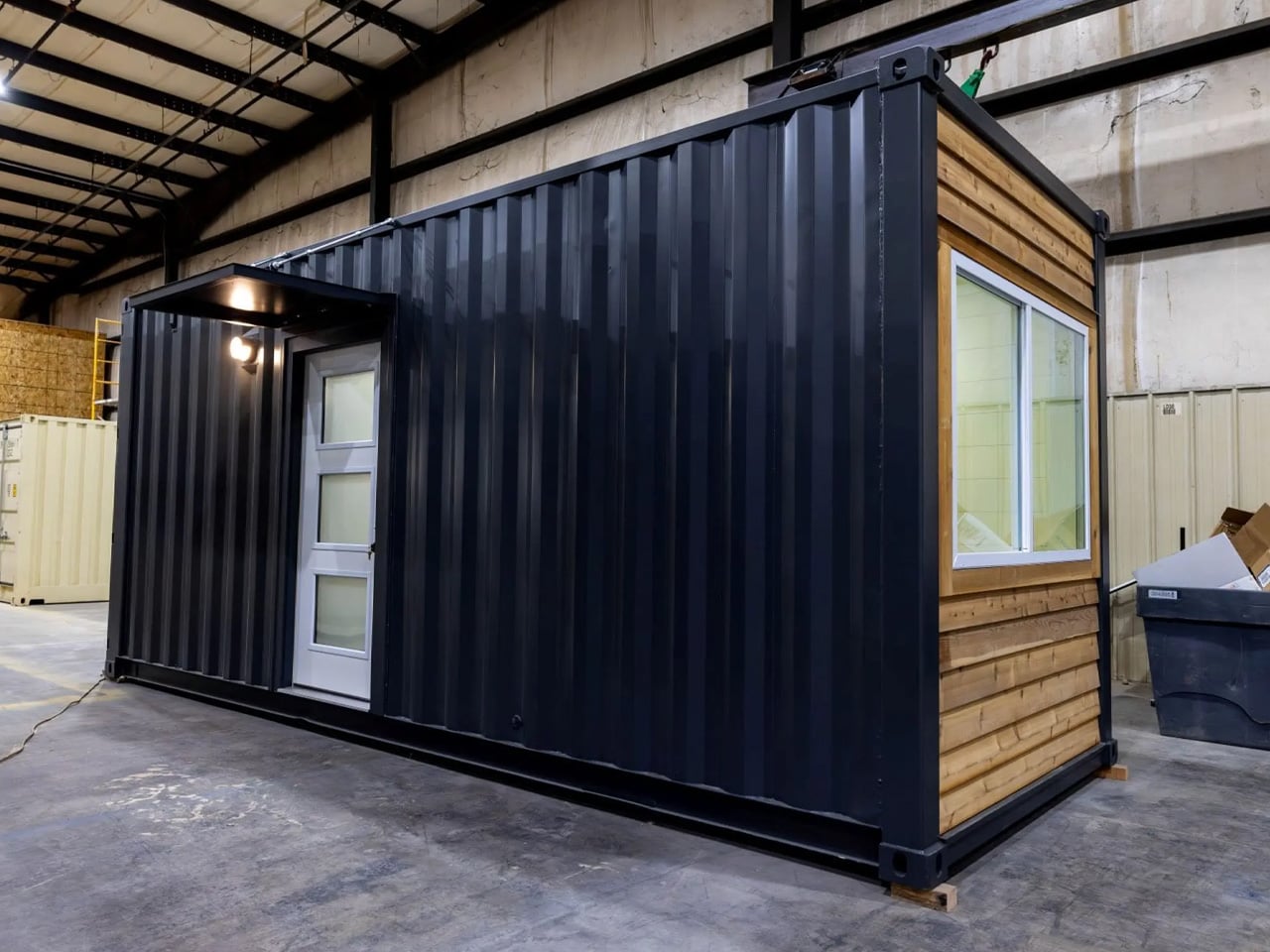
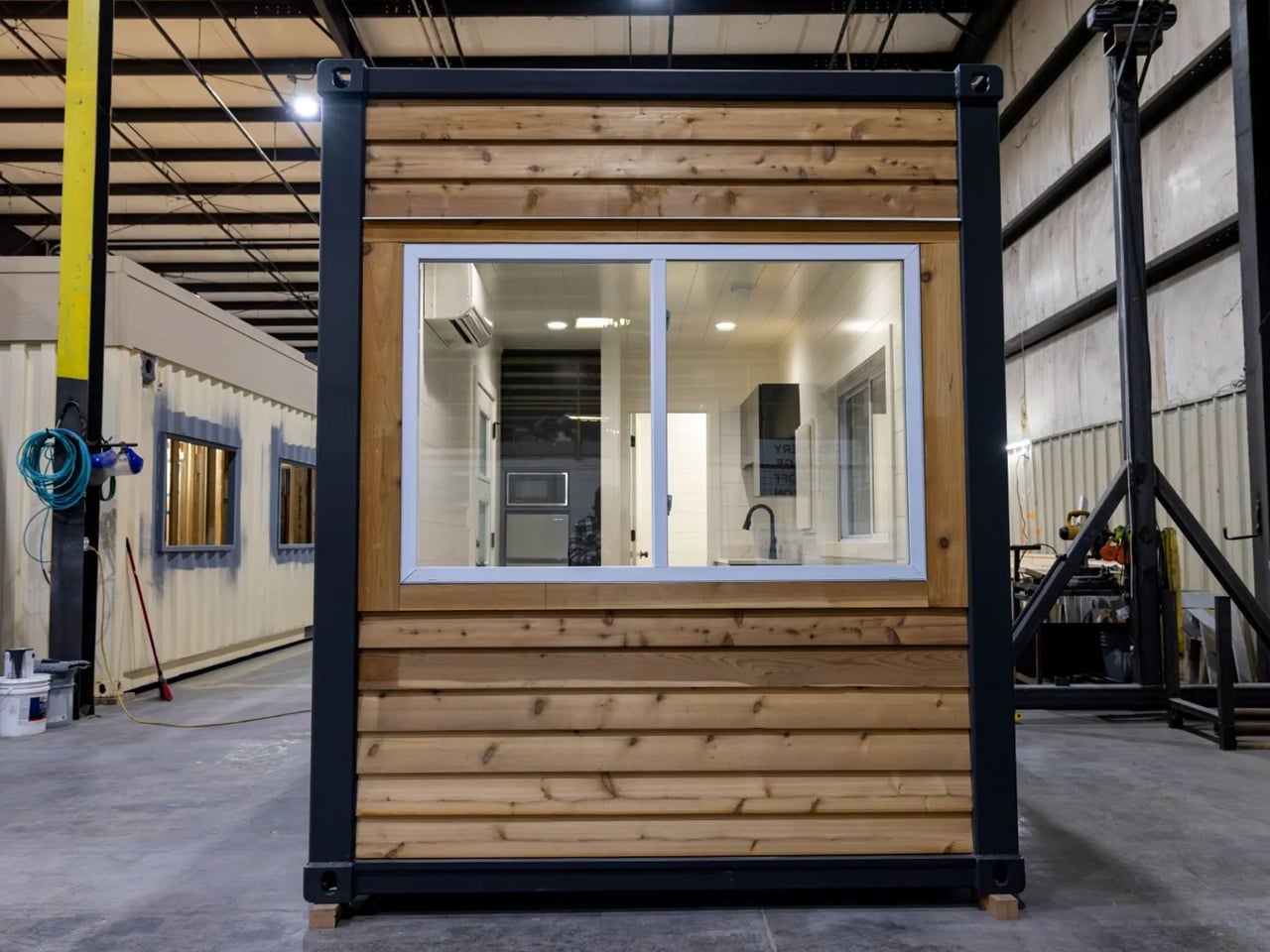
Custom Container Living transformed a standard 20-foot shipping container into The Nook, proving that 160 square feet can actually function as a legitimate home for two people. The exterior wears a striking black finish accented with cedar details that soften the industrial origins of the steel shell. Strategically placed windows and doors bring natural light into what could easily become a dark metal box. Closed-cell foam insulation regulates temperature year-round, addressing the thermal challenges that make unmodified shipping containers nearly unlivable in most climates.

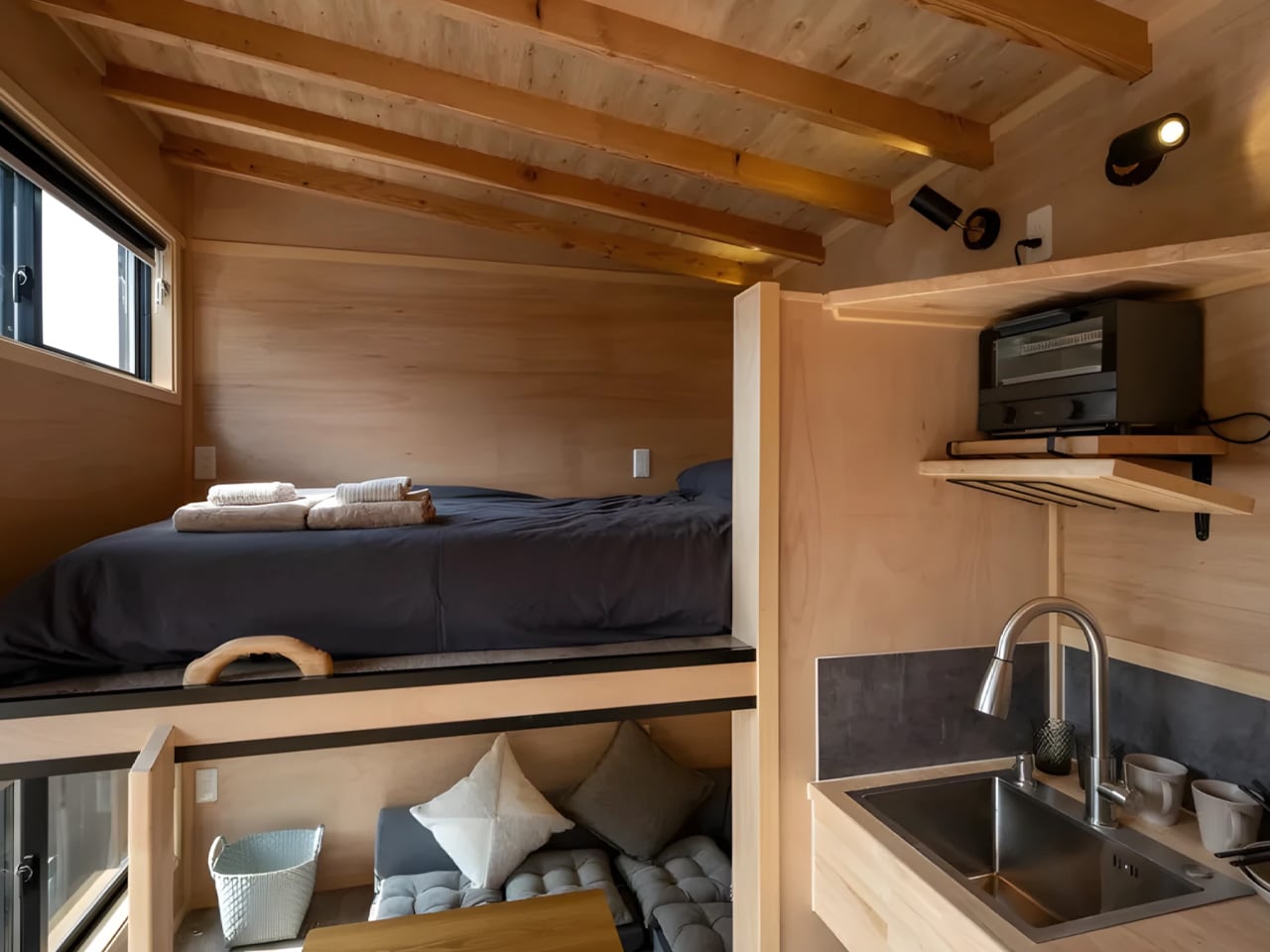
The minimalist interior focuses on modern simplicity rather than trying to camouflage the container’s origins. The single-floor layout eliminates the loft ladder climbing that makes many tiny homes impractical for daily living. The Nook ships anywhere in the continental United States, with international delivery possible for buyers willing to handle port logistics and additional costs. Custom Container Living offers optional off-grid upgrades, including solar panels, for those seeking energy independence, though these additions naturally increase the base price. The ready-to-ship model means buyers can move in relatively quickly compared to custom builds with extended timelines.

What We Like

  • The $39,900 price point makes it the most affordable option on this list
  • Closed-cell foam insulation provides real climate control inside the metal structure
  • Single-floor layout eliminates accessibility issues associated with loft bedrooms

What We Dislike

  • 160 square feet represents extremely limited space, even by tiny home standards
  • Metal construction can still feel industrial regardless of insulation efforts
  • Off-grid upgrades significantly increase costs beyond the base price

3. Mizuho by Ikigai Collective – Approximately $74,000
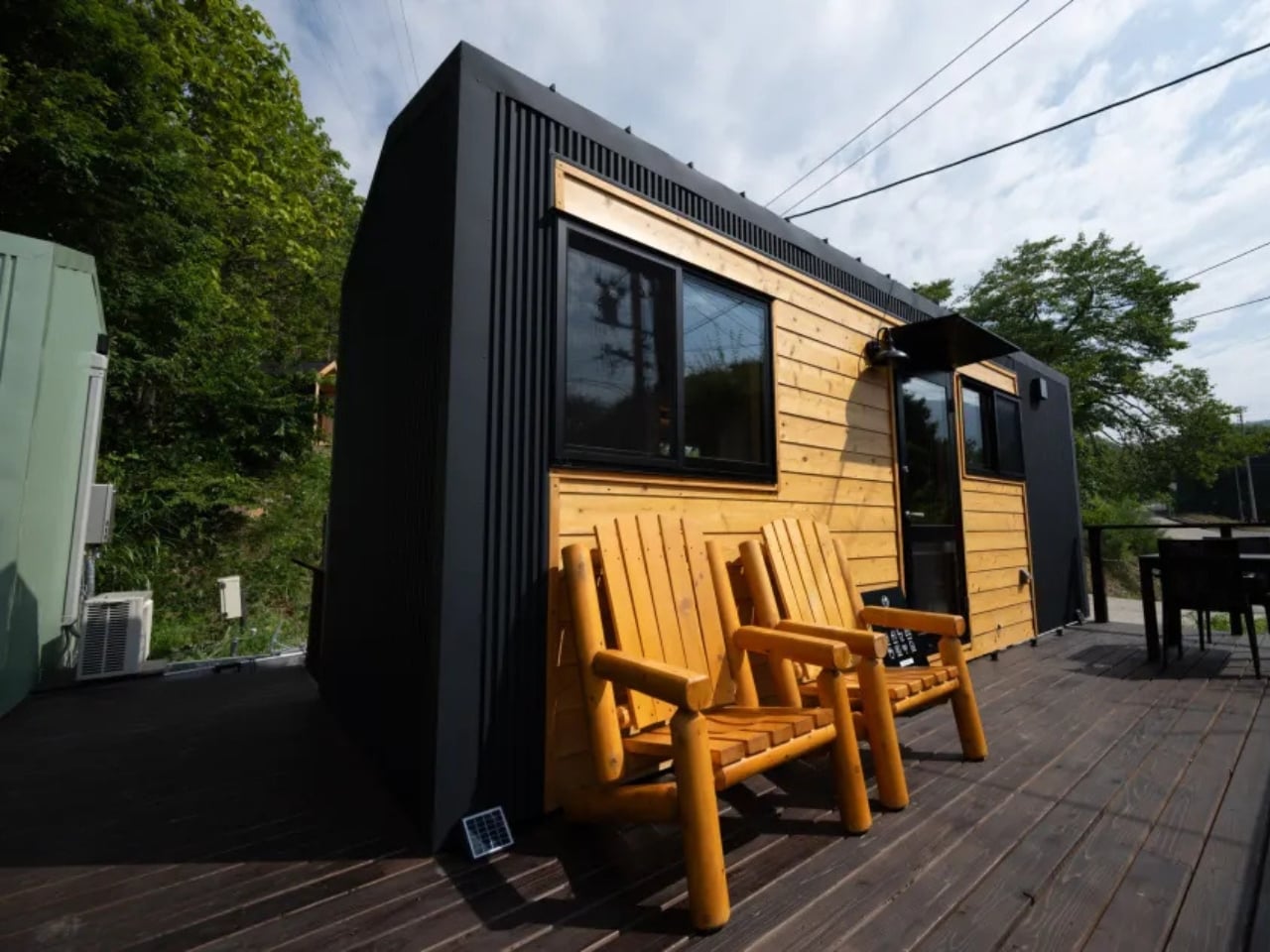
The Mizuho brings traditional Japanese aesthetic principles into a modern tiny home measuring 6.6 meters long by 2.4 meters wide by 3.8 meters high. Built by Ikigai Collective in partnership with local Nozawaonsen craftsmen, this design embodies simplicity and intentional living for a single person or couple. The home combines eco-friendly features with the tranquility of Japanese lifestyle practices, creating a space that encourages mindful daily routines rather than just providing shelter. Authentic craftsmanship and strict quality standards elevate this beyond typical tiny house construction.

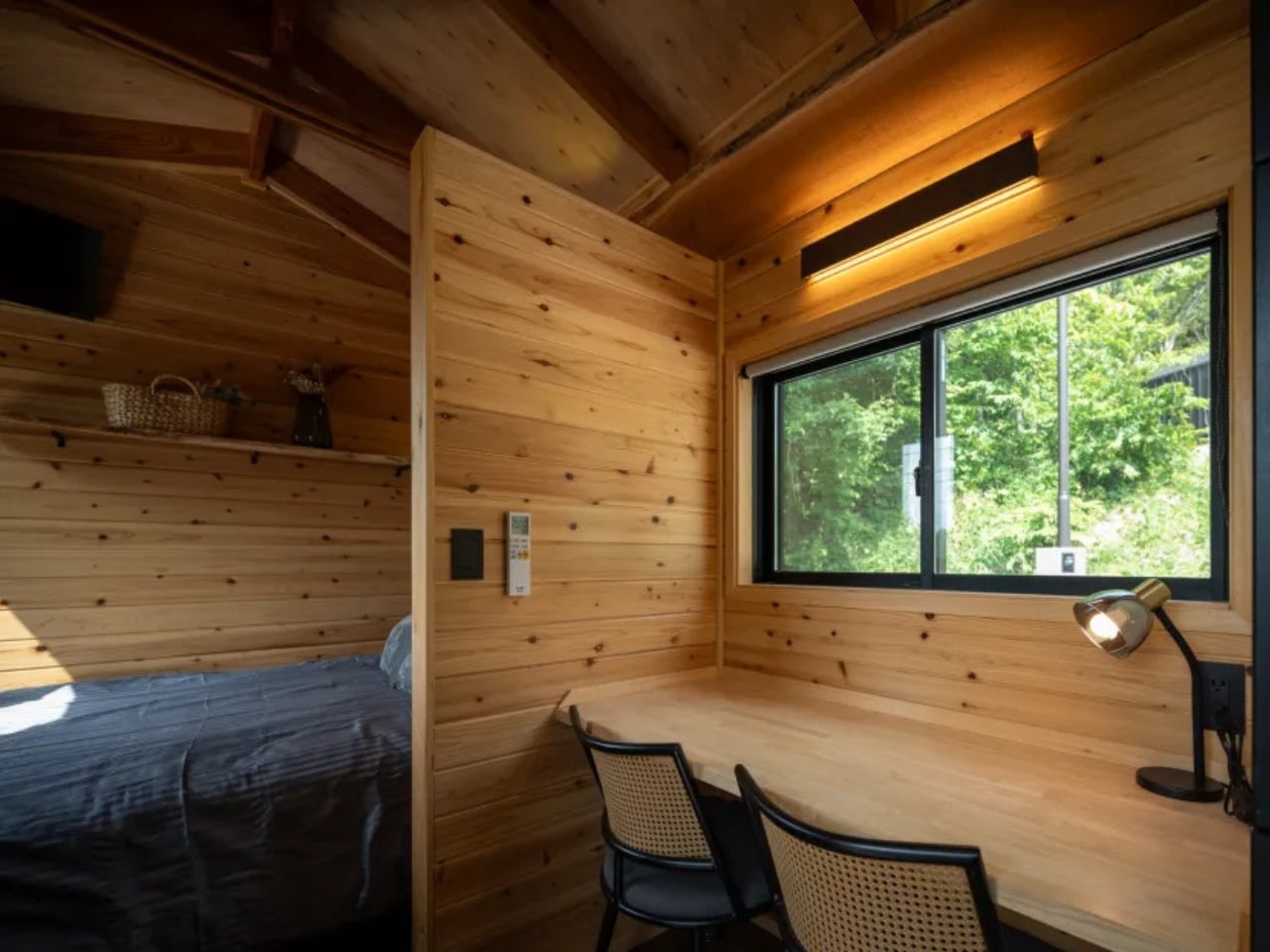
The open-plan interior does triple duty as living space, bedroom, and work area. The thoughtful layout maximizes every square inch without creating the cluttered feeling that ruins most multipurpose small spaces. A dedicated desk area supports remote work and hobbies, transforming into a dining surface when needed. The bedroom space feels cozy rather than cramped, designed specifically for rest rather than treated as leftover space. Integrated storage solutions throughout the warm interior prove that organization and style can coexist in small footprints. The Mizuho doesn’t fight against its compact dimensions; it embraces them as design parameters that force clarity and intention.

What We Like

  • Traditional Japanese design principles create calm rather than chaos in tight quarters
  • Dedicated desk space acknowledges remote work realities
  • Authentic local craftsmanship ensures quality construction

What We Dislike

  • The $74,000 price approaches the upper limit for budget tiny homes
  • Multipurpose spaces require constant furniture rearranging and mental mode-shifting
  • Strict minimalism required; there’s no room for collections or extra belongings

4. The Fairfax by Dragon Tiny Homes – $35,000 (Estimated)
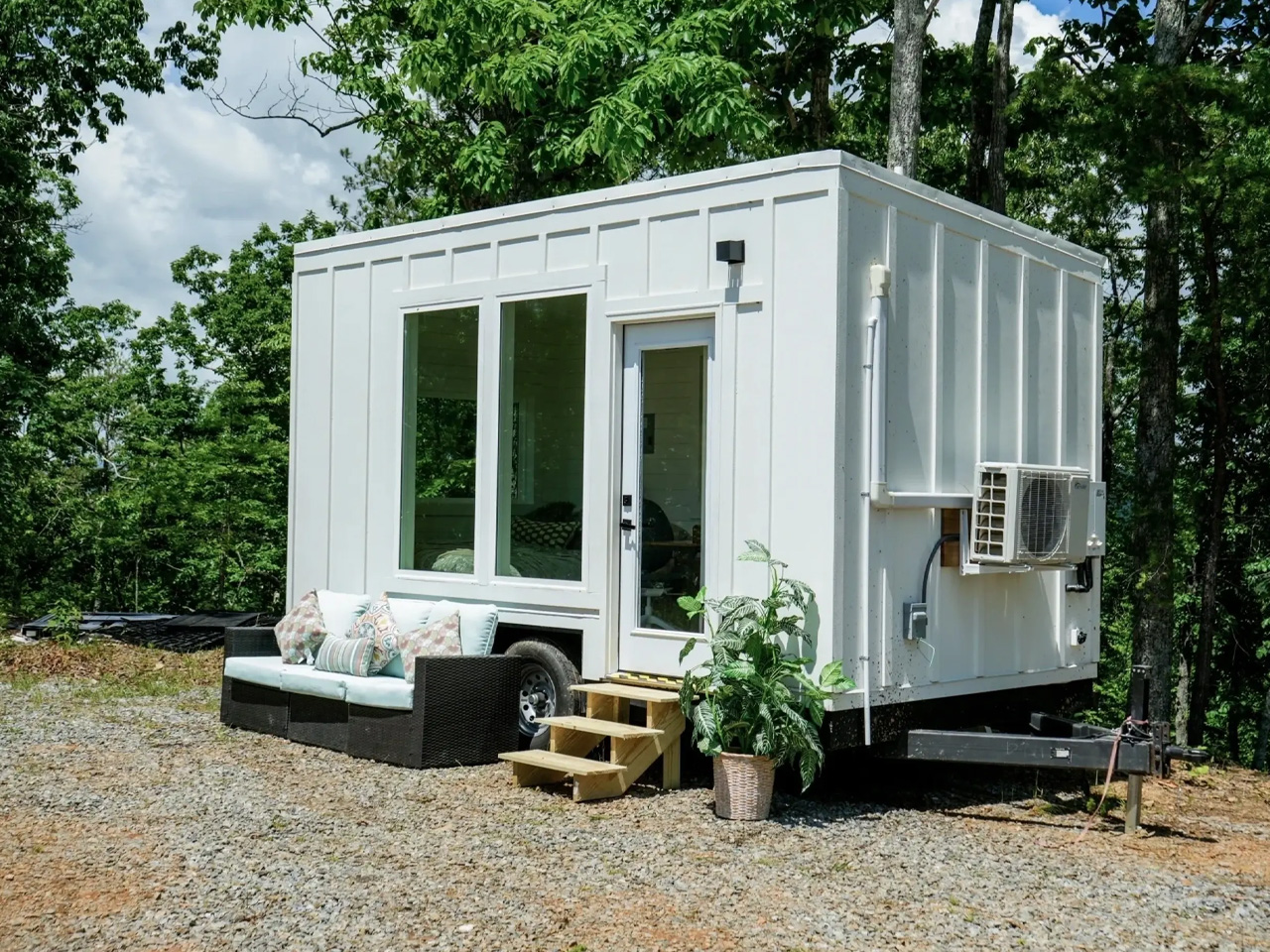
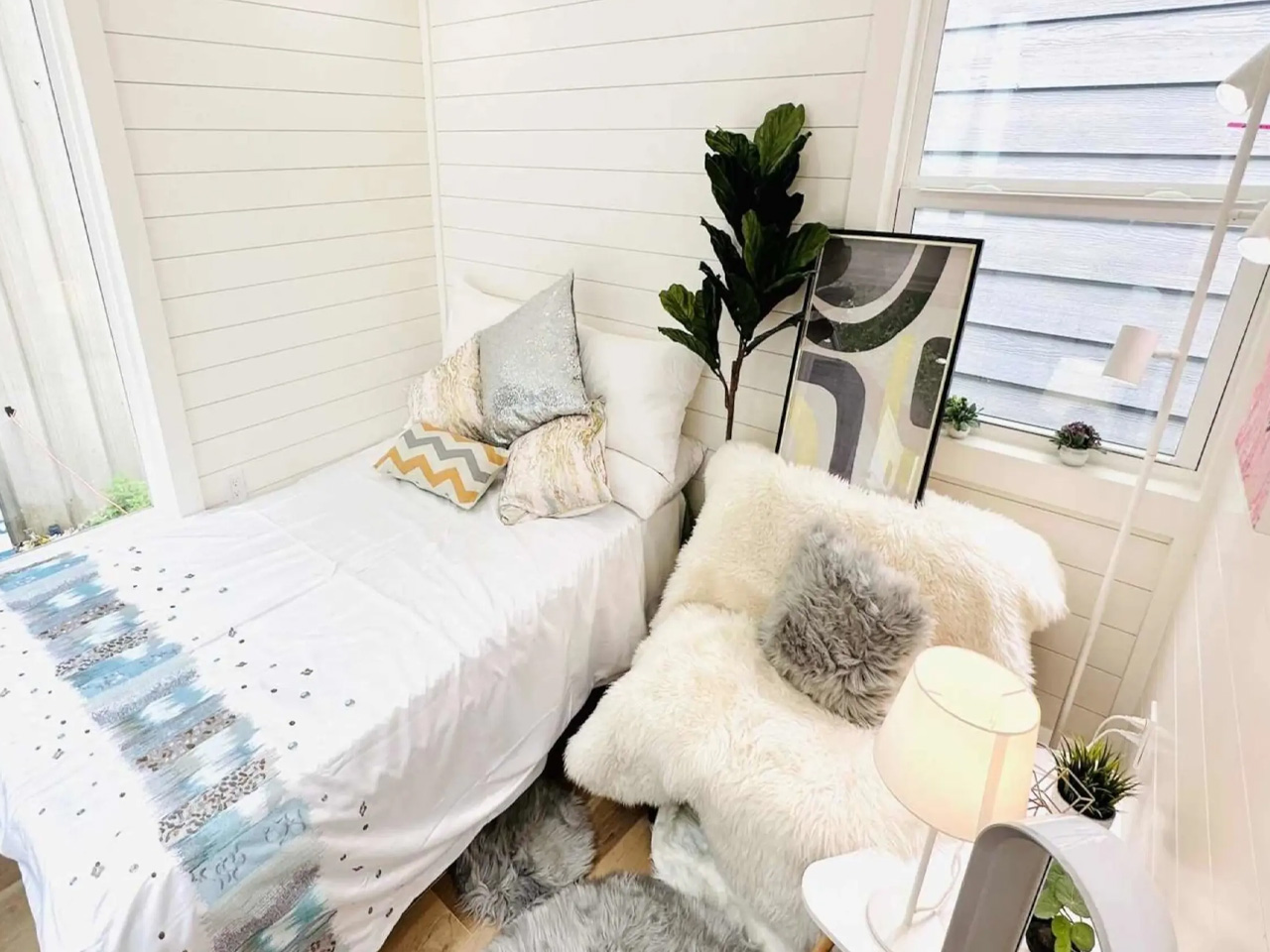
Dragon Tiny Homes calls The Fairfax “a hotel room on wheels,” which perfectly captures both its strengths and limitations. This 16-foot structure, built on a double-axle trailer, delivers 135 square feet of space with steel frame construction and cement board siding. Shiplap walls inside create warmth and texture that prevent the space from feeling like a construction project. The single-floor layout keeps everything accessible at ground level, eliminating the loft ladder climbing that becomes exhausting in daily use.

The Fairfax works brilliantly as a vacation retreat, guest house, dedicated home office, or Airbnb rental property. The compact size becomes an asset rather than a liability when mobility matters. The trailer foundation means relocating doesn’t require hiring specialized movers or obtaining oversized load permits. This isn’t designed for full-time family living, and Dragon Tiny Homes doesn’t pretend otherwise. The Fairfax focuses on doing one job exceptionally well rather than trying to be everything to everyone. That clarity of purpose makes it more successful than larger designs that attempt to squeeze traditional home functions into inadequate space.

What We Like

  • The estimated $35,000 price point offers serious affordability
  • Single-floor layout eliminates accessibility barriers and daily loft ladder fatigue
  • Mobile design on trailer foundation enables relocation without extensive logistics

What We Dislike

  • 135 square feet limits this to solo occupancy or very short-term couples use
  • Not designed or suitable for full-time family living
  • Estimated pricing may not reflect final costs with desired upgrades and features

5. Tiny XXL by Atelier Bois d’ici – Starting at €33,900 (Approximately $40,000)
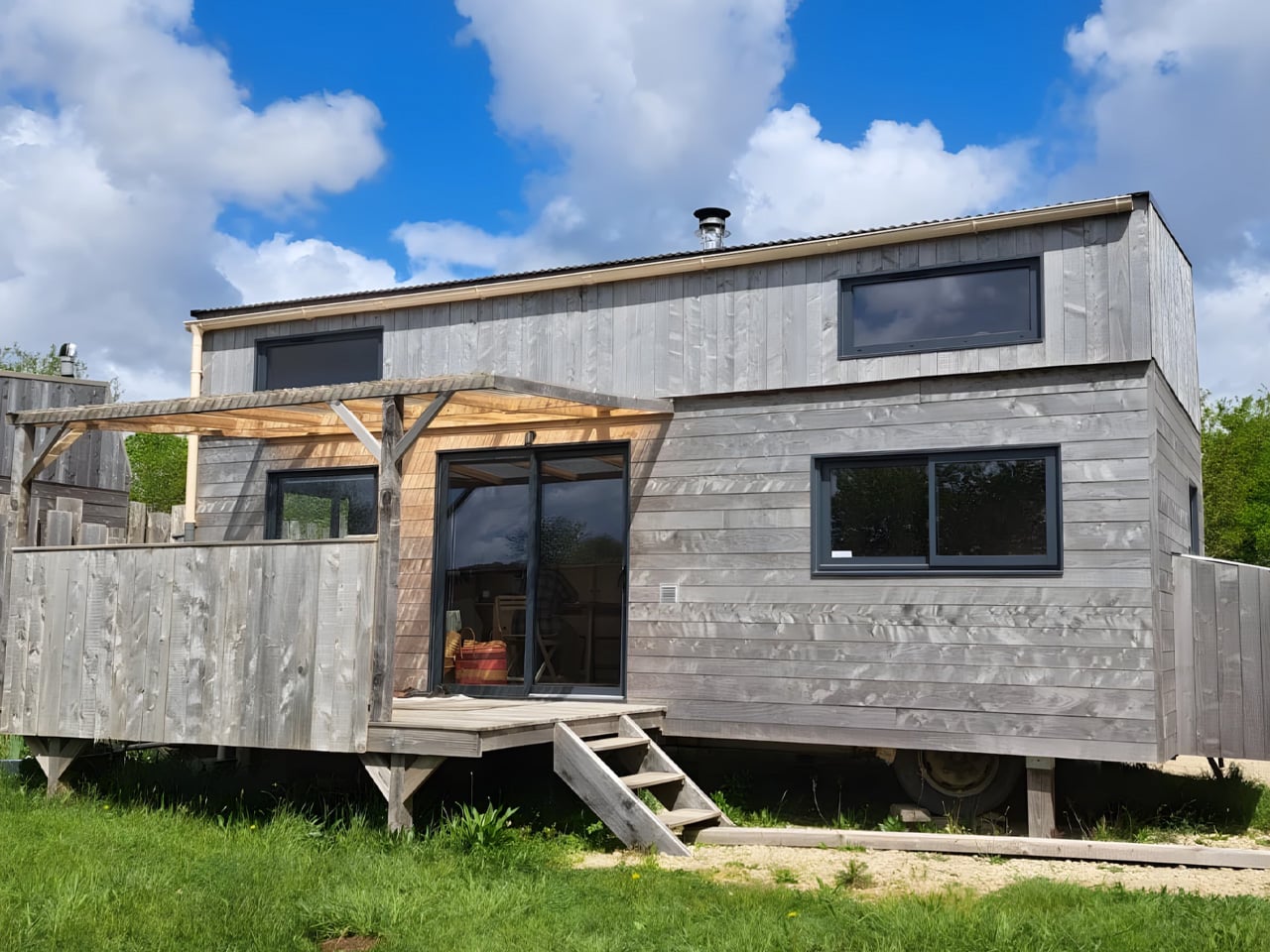
French builder Atelier Bois d’ici created the Tiny XXL to challenge the assumption that families can’t realistically downsize. Stretching 26 feet long and 11.5 feet wide, this mobile dwelling offers 430 square feet of thoughtfully designed space for four people. Most French tiny homes measure just 8.2 feet wide to remain road-legal for regular travel, but the XXL sacrifices easy mobility for genuine livability. The extra-wide footprint requires special permits for towing on public roads, positioning this as a semi-permanent dwelling rather than a frequent traveler.

The layout directly addresses family privacy, which destroys most attempts at multi-person tiny living. Two separate bedroom lofts sit on opposite sides of the home, giving parents and children their own retreats without awkward proximity. The main floor dedicates substantial square footage to a full kitchen and living area where family members can gather without constant physical contact. The design philosophy accepts that families need breathing room and private spaces, then delivers both within a tiny footprint. Atelier Bois d’ici’s models start at €33,900 for a small basic shell, though the fully finished Tiny XXL likely costs more depending on customization choices and interior finishes.

What We Like

  • 430 square feet feels genuinely livable compared to most tiny homes
  • Separate bedroom lofts on opposite sides provide real family privacy
  • The starting price of around $40,000 remains accessible for many buyers

What We Dislike

  • Extra-wide design requires special permits for road travel
  • The basic shell starting price doesn’t include finishes or customization
  • French builder location complicates purchases and shipping for international buyers

Making Small Living Actually Work

The tiny home market is maturing past the experimental phase, where any structure under 400 square feet counted as revolutionary. These five designs represent a shift toward realistic small living that acknowledges human needs for privacy, comfort, and breathing room. The Yamabiko and Mizuho bring Japanese design wisdom to compact spaces. The Nook and Fairfax embrace specific use cases rather than pretending to be everything. The Tiny XXL finally makes family downsizing genuinely possible rather than theoretical.

Choosing a tiny home under $75,000 no longer means accepting claustrophobic compromises that make daily life exhausting. These designs prove that thoughtful planning, cultural design wisdom, and honest assessment of spatial needs can create homes that happen to be small rather than small spaces that pretend to be homes. Whether you’re seeking solo minimalism, flexible vacation space, or legitimate family housing, the options now exist without requiring six-figure budgets or constant spatial frustration.

The post 5 Best Tiny Homes Under $75K That Don’t Feel Like Closets in February 2026 first appeared on Yanko Design.
This $93K Tiny House Has a Cinema Screen That Drops Over the Windows

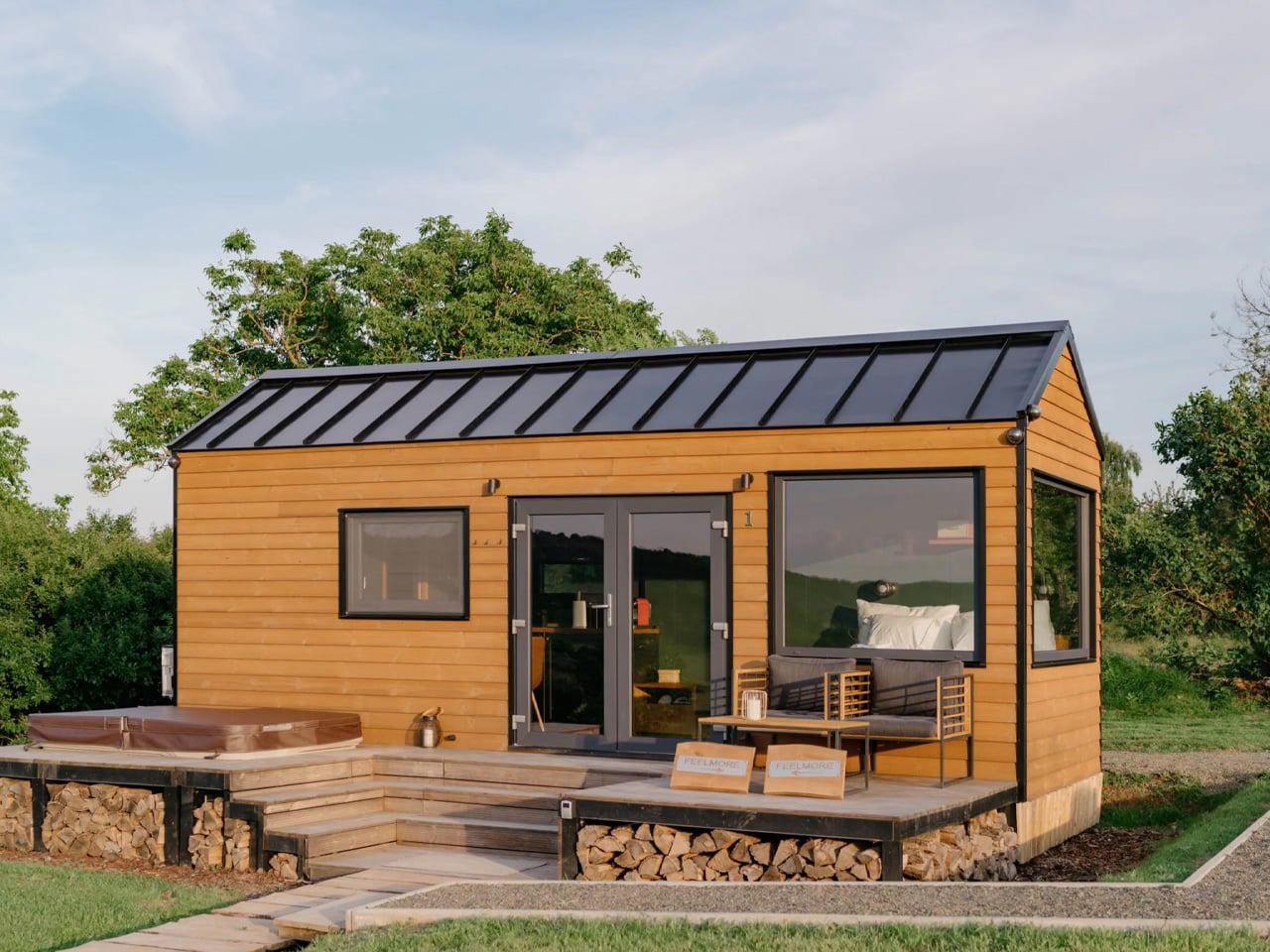
At 7.2 meters long, the Tiny Amsterdam feels like a study in spatial efficiency. Romanian manufacturer Eco Tiny House created this compact dwelling for couples who want a vacation retreat without sacrificing comfort. The design skips the typical tiny house loft, opting instead for a single-floor plan that makes the interior feel more like a boutique hotel suite than a cramped cabin. This approach eliminates the need for steep ladder climbs while creating a more accessible living environment for guests of all ages and mobility levels.

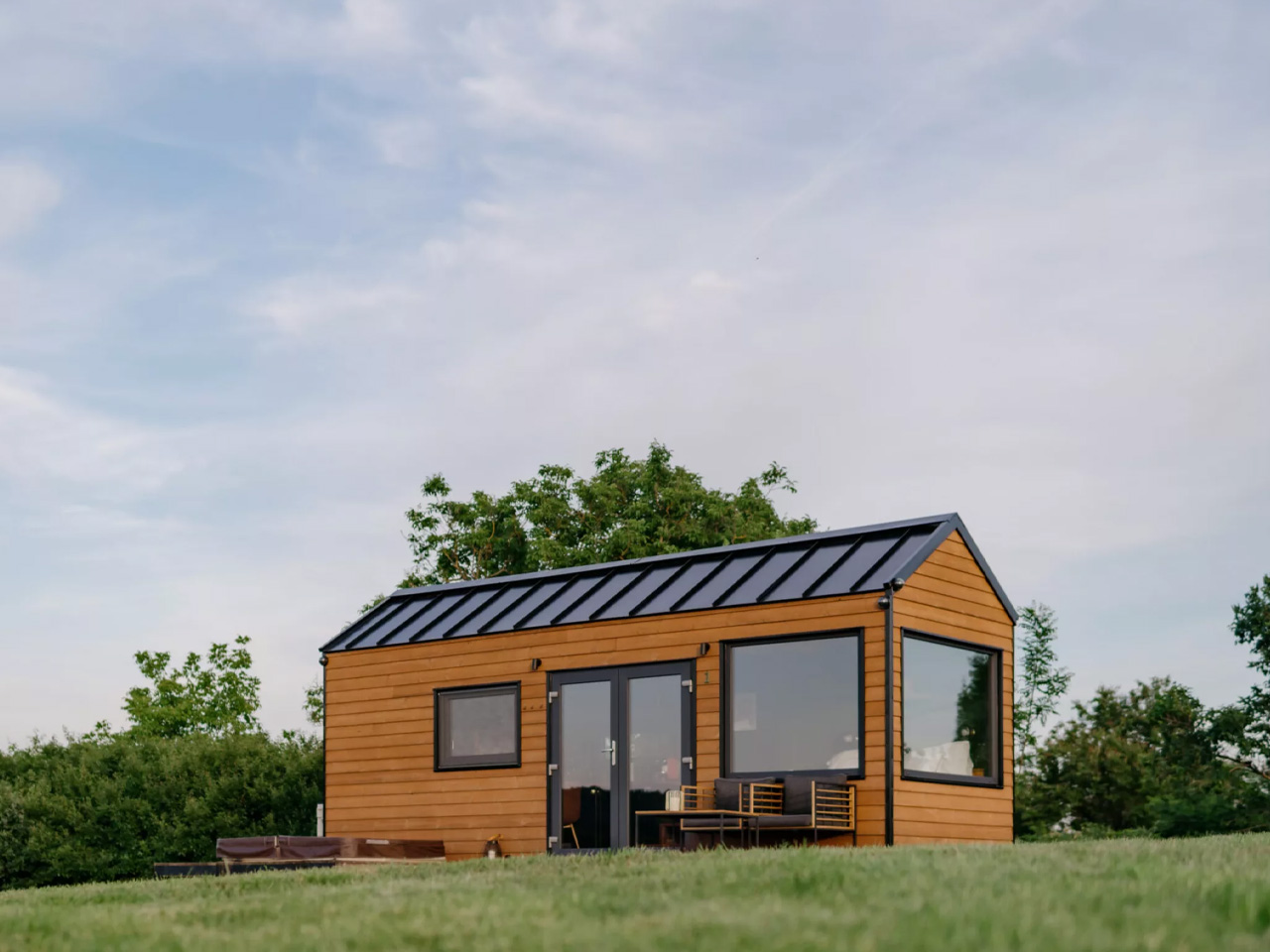
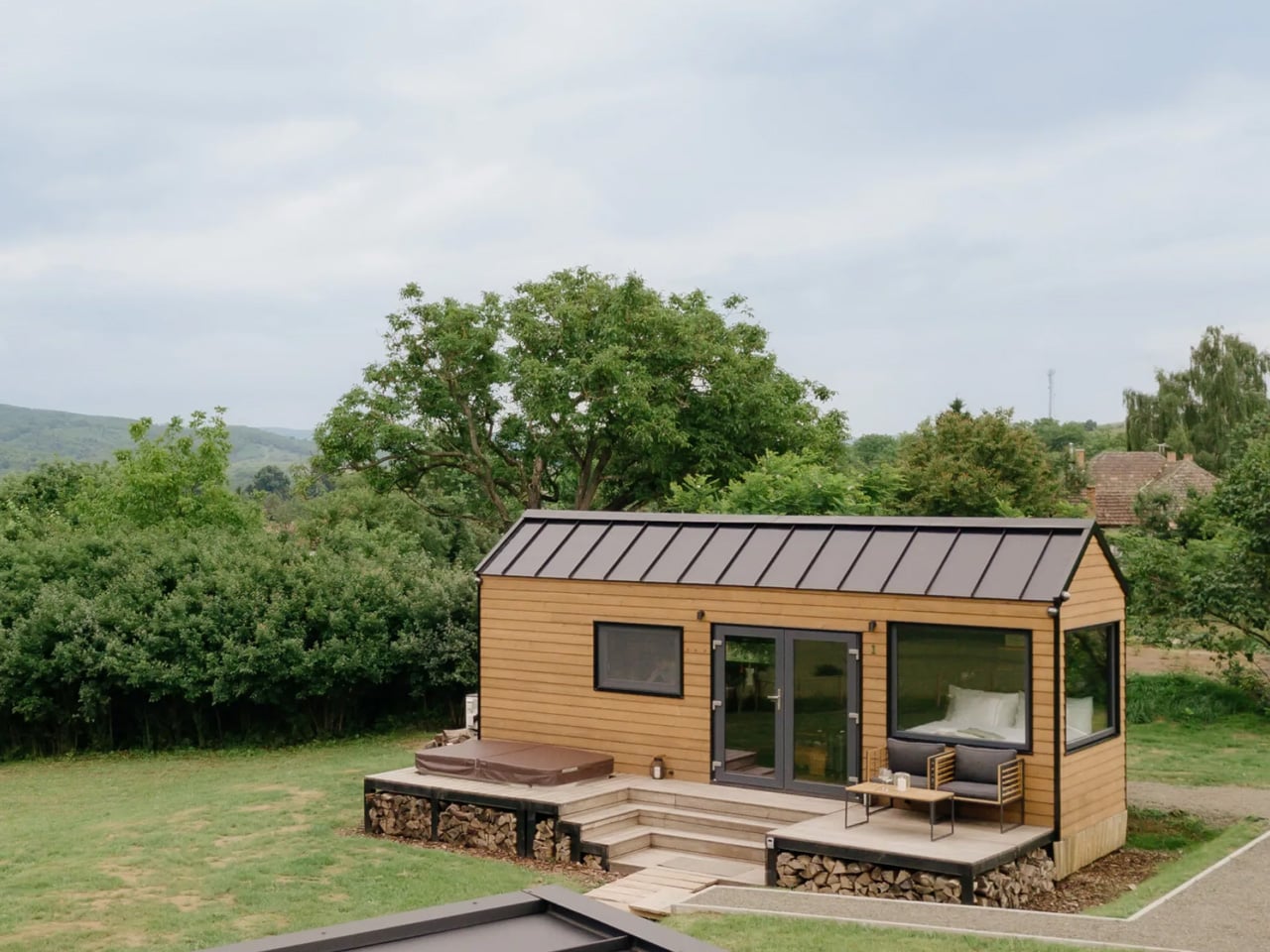
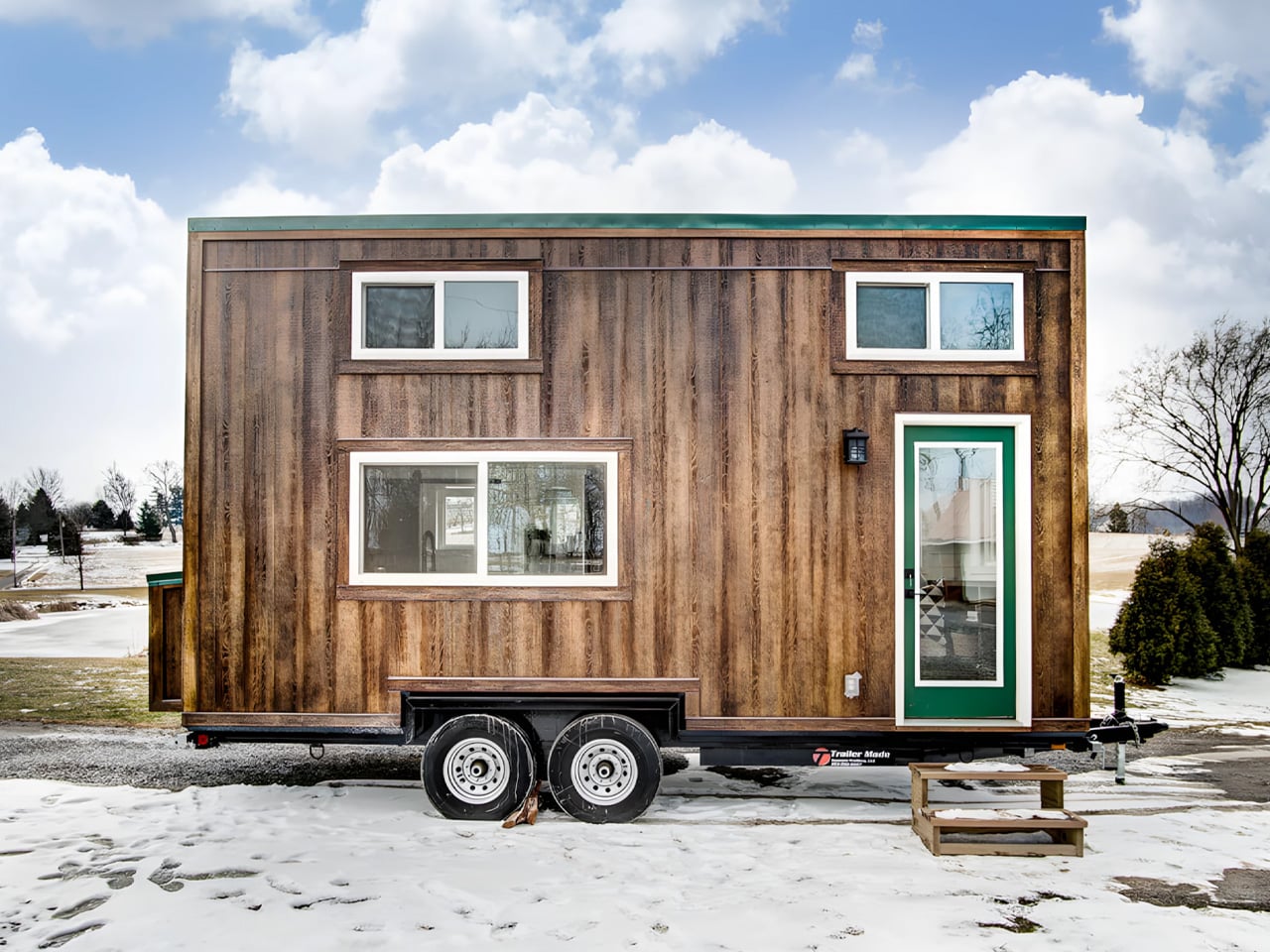
Engineered wood wraps the exterior, topped with a metal roof that gives the structure a contemporary edge. The home sits on a double-axle trailer, ready to move when needed, though it looks equally at home in semi-permanent installations. The version showcased at resorts includes a deck with a jacuzzi, transforming the tiny house into a destination rather than just a place to sleep. The exterior palette blends seamlessly into natural surroundings, whether nestled in forest clearings or positioned along lakefronts.

Designer: Eco Tiny House

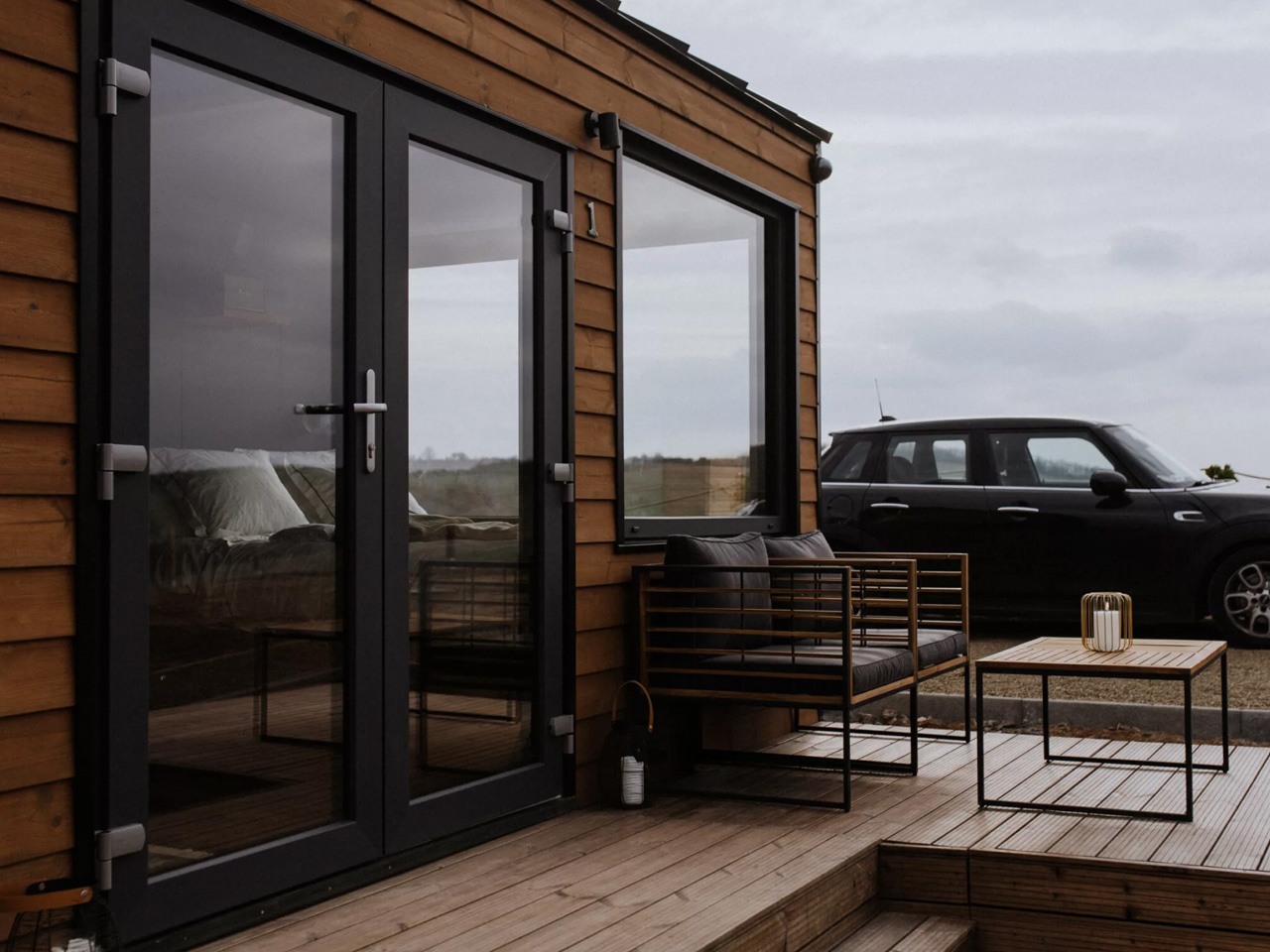
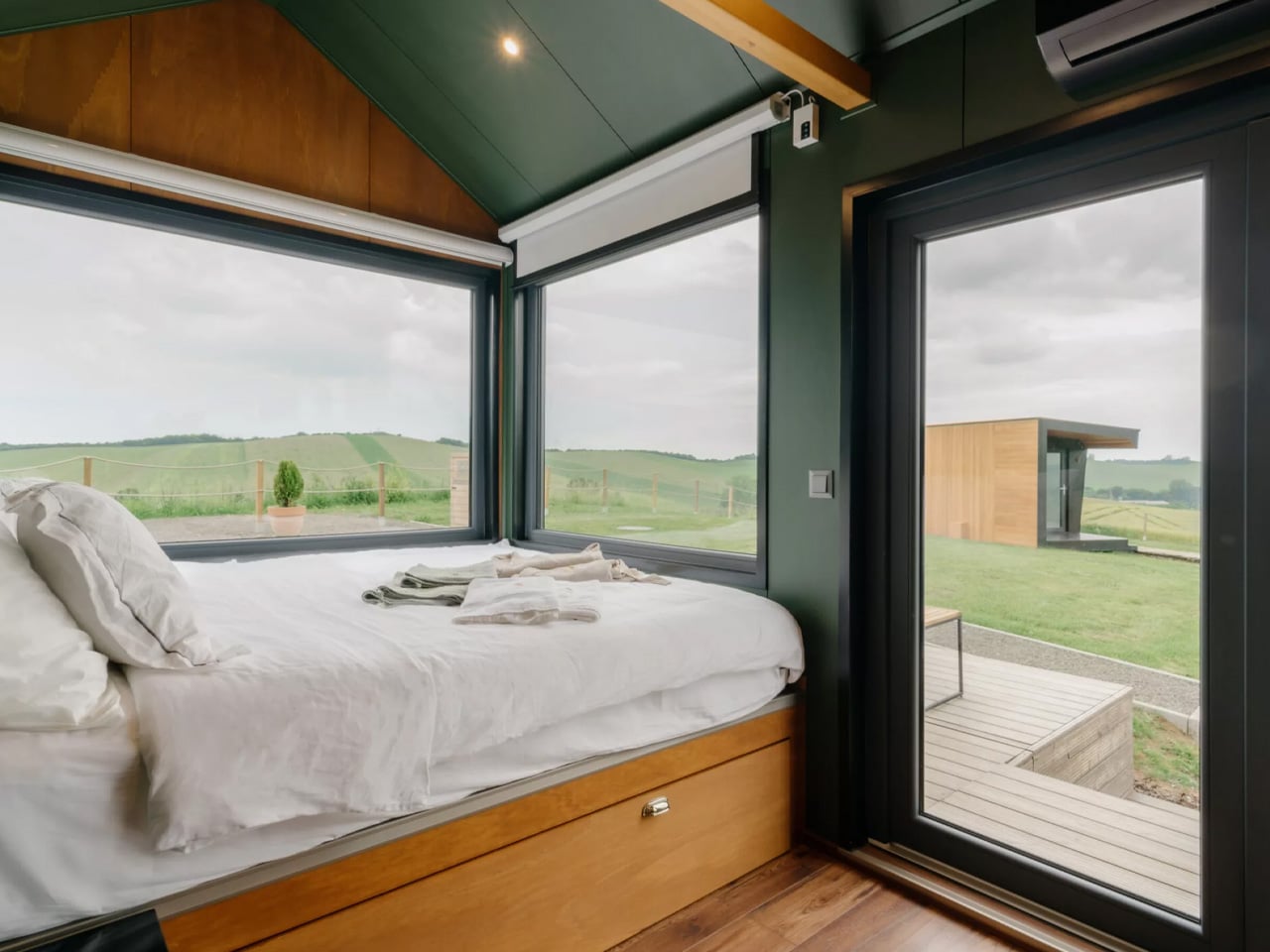
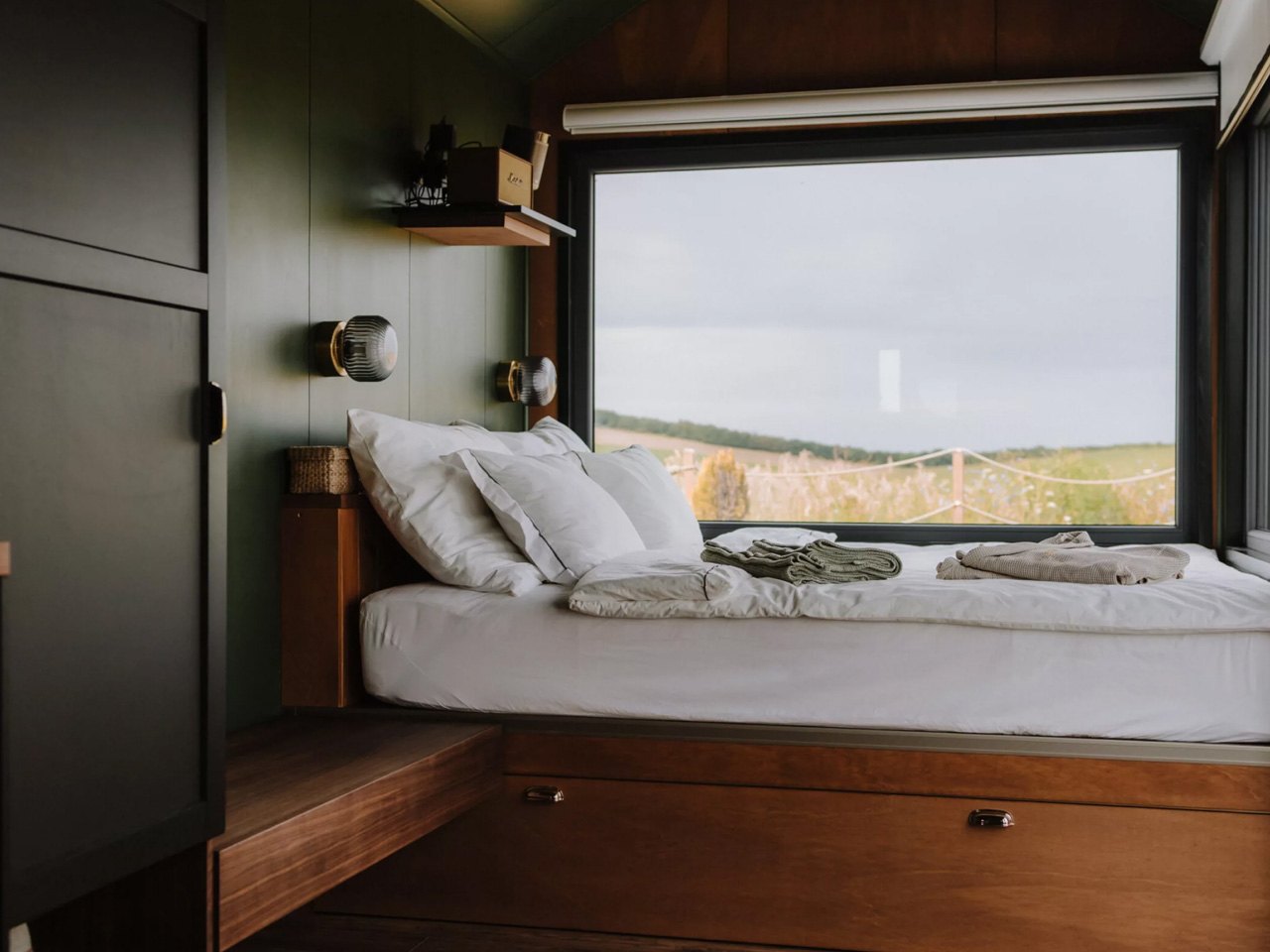
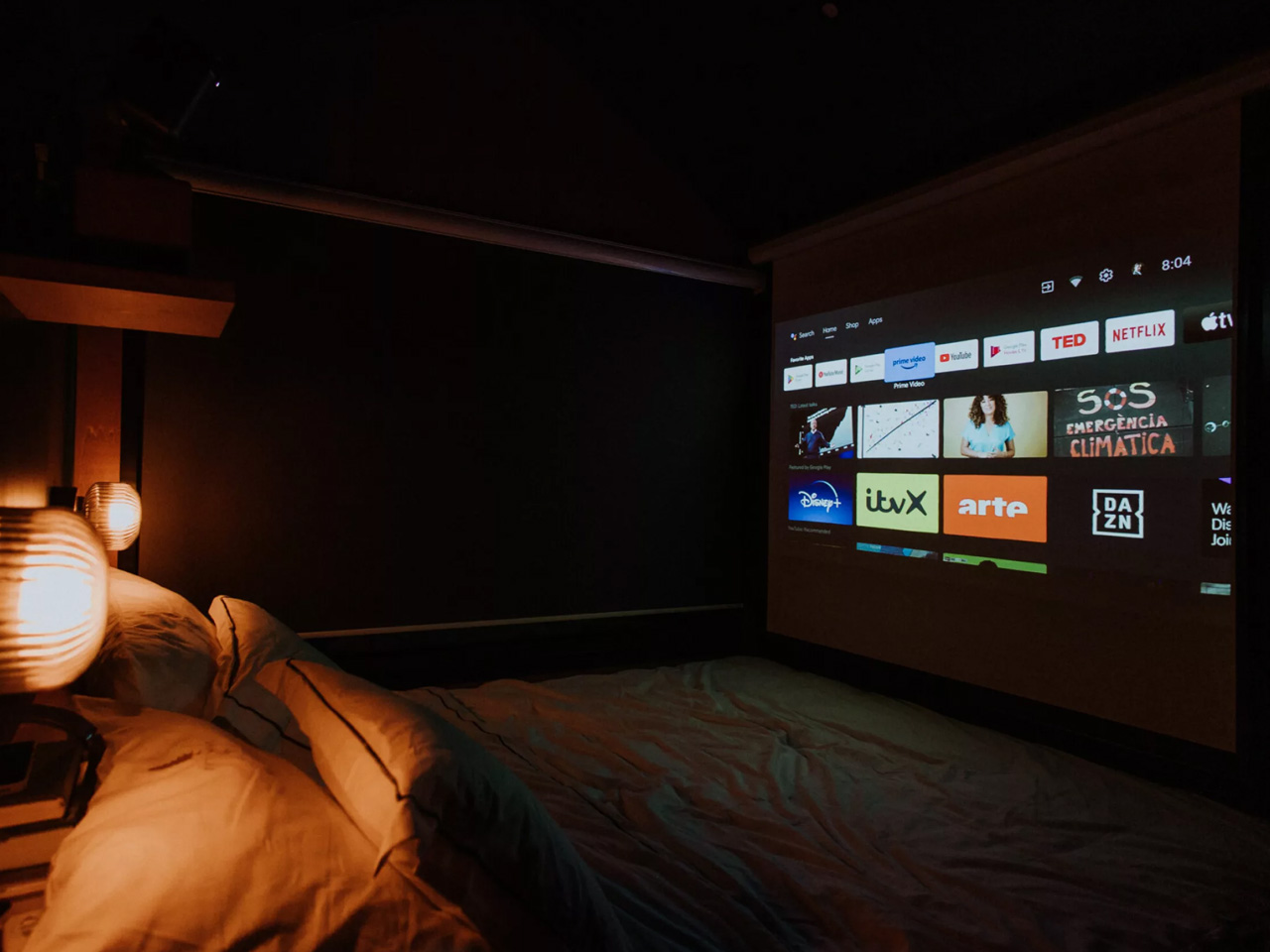
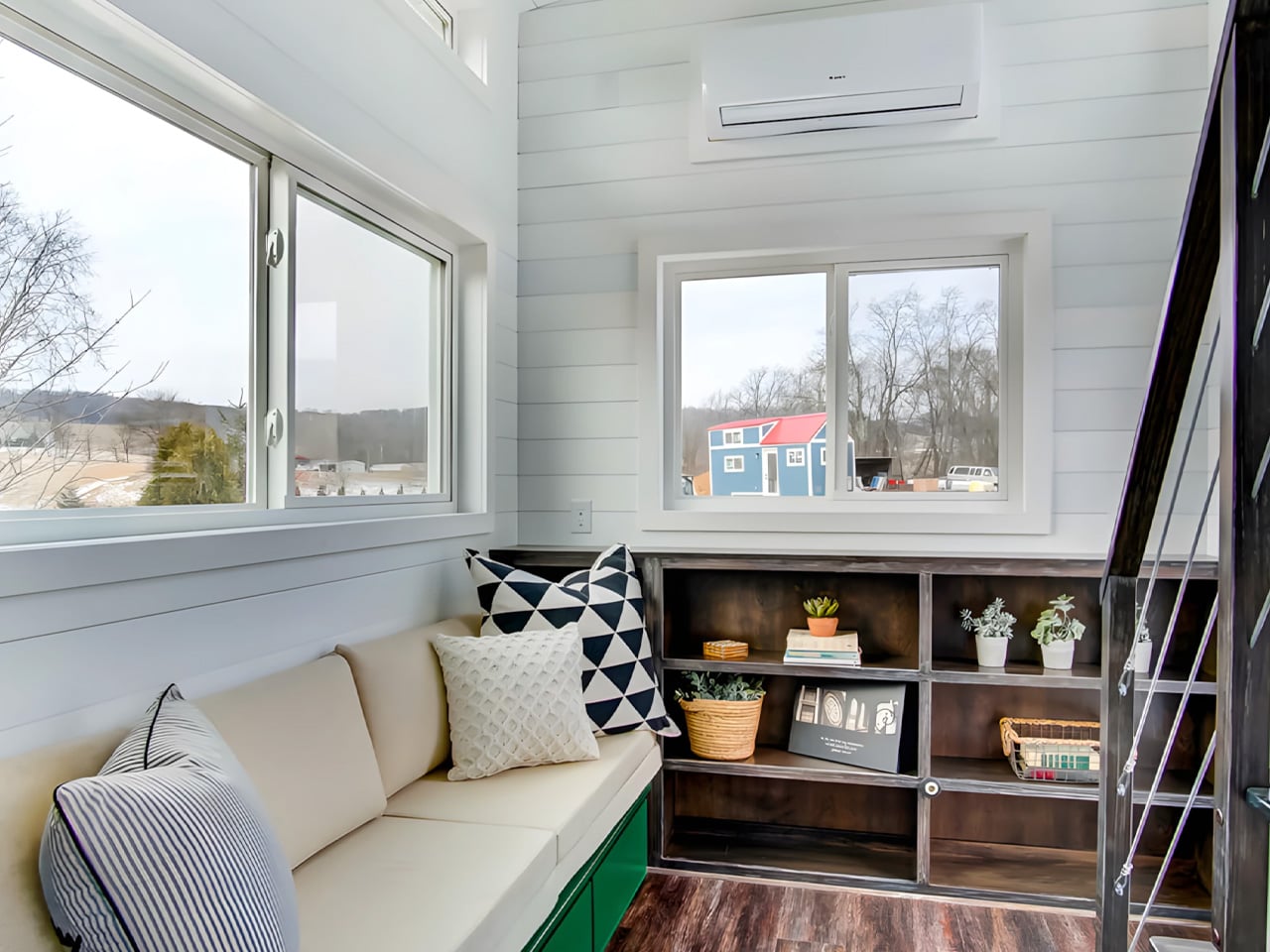
Inside, 15.2 square meters stretch further than the measurements suggest. The bedroom becomes the heart of the home, with panoramic windows replacing traditional walls on three sides. Light pours in from every angle, making the compact quarters feel expansive and connected to the outdoors. At night, a projector screen descends over these same windows, converting the sleeping area into a private cinema. It’s the kind of feature that turns a simple stay into an experience worth remembering, perfect for romantic evenings or quiet movie nights under the stars.

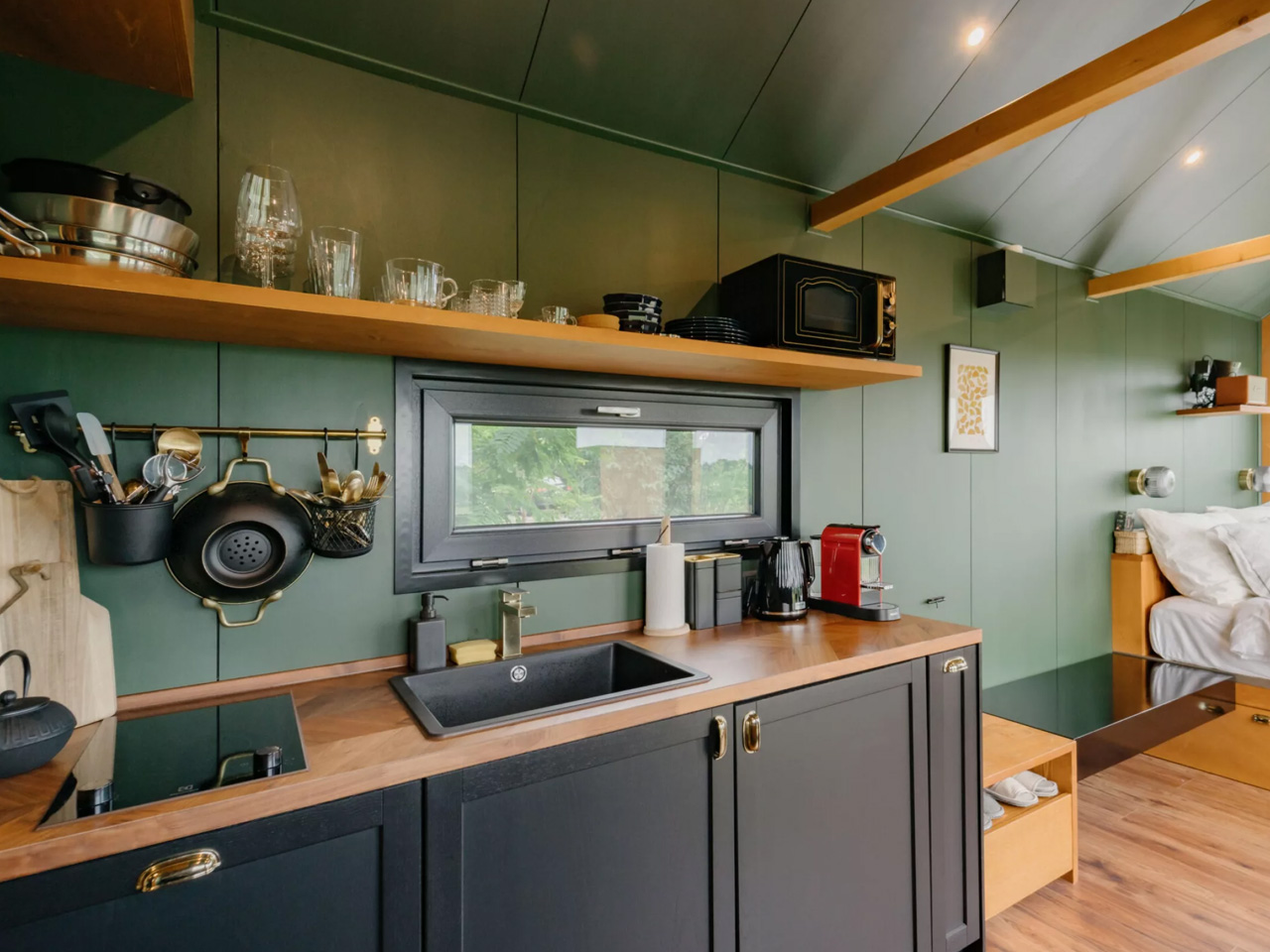
The kitchen proves you don’t need sprawling countertops to cook well. A built-in refrigerator and electric induction cooktop handle the essentials, while integrated storage keeps everything tucked away and surfaces clutter-free. The bathroom surprises with a walk-in shower that feels lifted from a luxury hotel, complete with quality fixtures and thoughtful lighting. No awkward curtains or cramped corners here, just a seamless design that prioritizes comfort in every square inch.

Eco Tiny House built this model with glamping sites and boutique resorts in mind. The €78,490 price tag positions it as an investment for property owners wanting to offer unique accommodations that stand out in crowded vacation rental markets. The company operates out of Romania, where they’ve been crafting tiny homes since the movement’s early days in Europe, building a reputation for quality construction and innovative design solutions.

What makes the Tiny Amsterdam work is its refusal to feel like a compromise. Every design choice serves the larger goal of making small-space living feel intentional rather than restrictive. The panoramic windows frame views that change with each new location, while the projector system creates entertainment without installing bulky equipment. For vacation properties in remote locations, this tiny house solves logistical headaches that traditional construction presents. A trailer-based home bypasses zoning issues and environmental concerns while delivering an upscale experience. The Tiny Amsterdam proves that scaling down doesn’t mean settling for less.

The post This $93K Tiny House Has a Cinema Screen That Drops Over the Windows first appeared on Yanko Design.
This $93K Tiny House Has a Cinema Screen That Drops Over the Windows

At 7.2 meters long, the Tiny Amsterdam feels like a study in spatial efficiency. Romanian manufacturer Eco Tiny House created this compact dwelling for couples who want a vacation retreat without sacrificing comfort. The design skips the typical tiny house loft, opting instead for a single-floor plan that makes the interior feel more like a boutique hotel suite than a cramped cabin. This approach eliminates the need for steep ladder climbs while creating a more accessible living environment for guests of all ages and mobility levels.

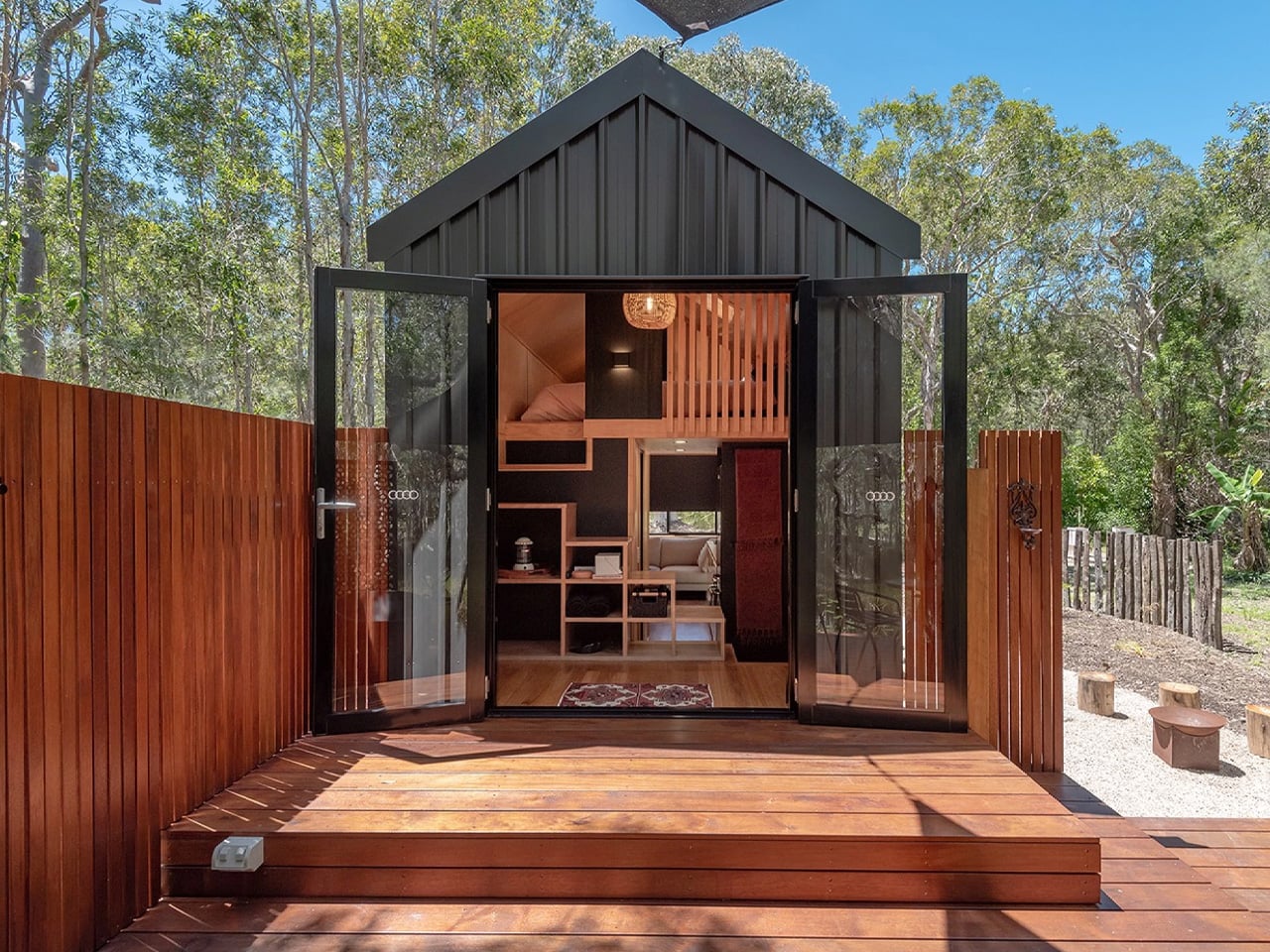
Engineered wood wraps the exterior, topped with a metal roof that gives the structure a contemporary edge. The home sits on a double-axle trailer, ready to move when needed, though it looks equally at home in semi-permanent installations. The version showcased at resorts includes a deck with a jacuzzi, transforming the tiny house into a destination rather than just a place to sleep. The exterior palette blends seamlessly into natural surroundings, whether nestled in forest clearings or positioned along lakefronts.

Designer: Eco Tiny House

Inside, 15.2 square meters stretch further than the measurements suggest. The bedroom becomes the heart of the home, with panoramic windows replacing traditional walls on three sides. Light pours in from every angle, making the compact quarters feel expansive and connected to the outdoors. At night, a projector screen descends over these same windows, converting the sleeping area into a private cinema. It’s the kind of feature that turns a simple stay into an experience worth remembering, perfect for romantic evenings or quiet movie nights under the stars.

The kitchen proves you don’t need sprawling countertops to cook well. A built-in refrigerator and electric induction cooktop handle the essentials, while integrated storage keeps everything tucked away and surfaces clutter-free. The bathroom surprises with a walk-in shower that feels lifted from a luxury hotel, complete with quality fixtures and thoughtful lighting. No awkward curtains or cramped corners here, just a seamless design that prioritizes comfort in every square inch.

Eco Tiny House built this model with glamping sites and boutique resorts in mind. The €78,490 price tag positions it as an investment for property owners wanting to offer unique accommodations that stand out in crowded vacation rental markets. The company operates out of Romania, where they’ve been crafting tiny homes since the movement’s early days in Europe, building a reputation for quality construction and innovative design solutions.

What makes the Tiny Amsterdam work is its refusal to feel like a compromise. Every design choice serves the larger goal of making small-space living feel intentional rather than restrictive. The panoramic windows frame views that change with each new location, while the projector system creates entertainment without installing bulky equipment. For vacation properties in remote locations, this tiny house solves logistical headaches that traditional construction presents. A trailer-based home bypasses zoning issues and environmental concerns while delivering an upscale experience. The Tiny Amsterdam proves that scaling down doesn’t mean settling for less.

The post This $93K Tiny House Has a Cinema Screen That Drops Over the Windows first appeared on Yanko Design.
This $93K Tiny House Has a Cinema Screen That Drops Over the Windows

At 7.2 meters long, the Tiny Amsterdam feels like a study in spatial efficiency. Romanian manufacturer Eco Tiny House created this compact dwelling for couples who want a vacation retreat without sacrificing comfort. The design skips the typical tiny house loft, opting instead for a single-floor plan that makes the interior feel more like a boutique hotel suite than a cramped cabin. This approach eliminates the need for steep ladder climbs while creating a more accessible living environment for guests of all ages and mobility levels.

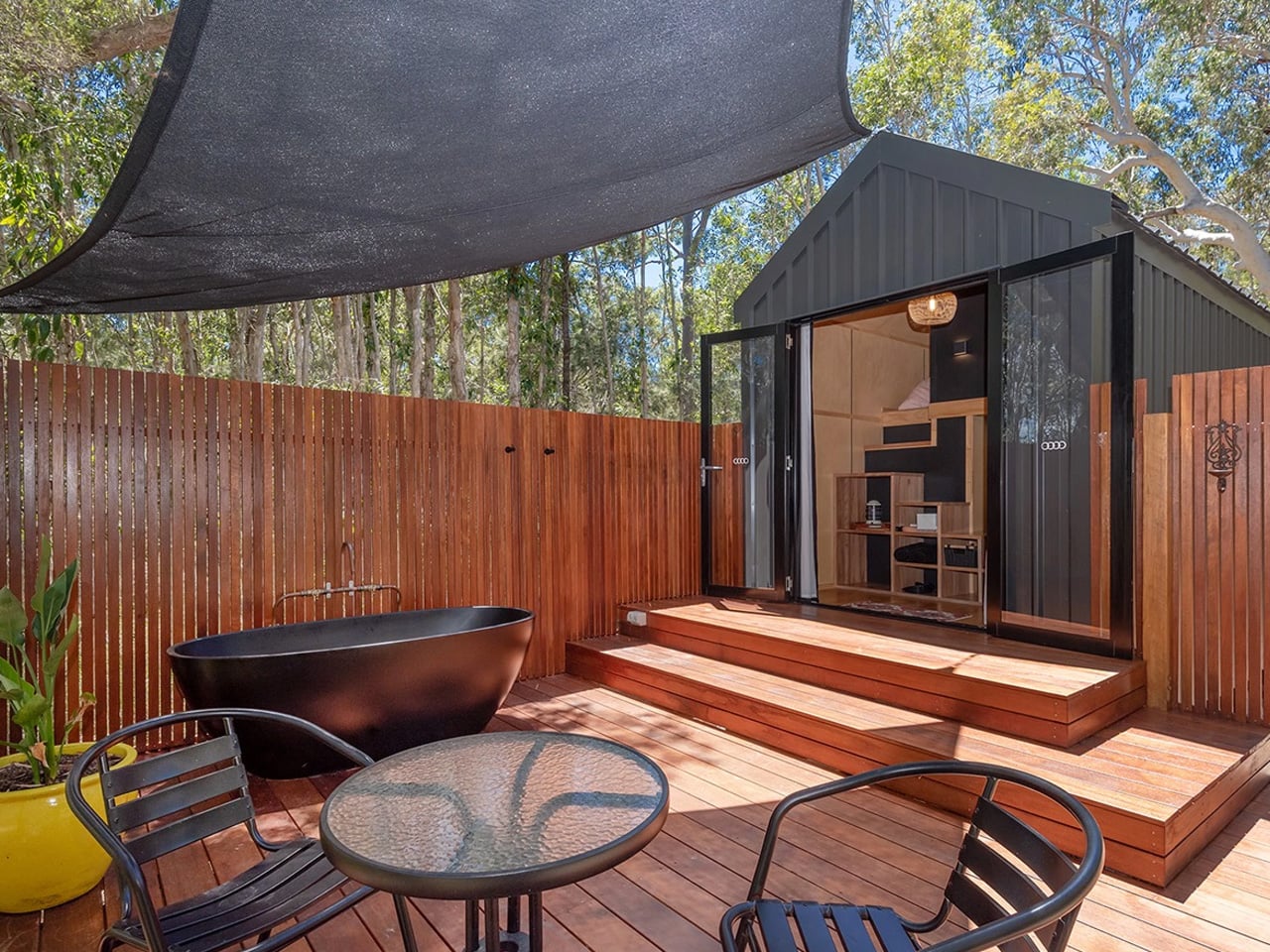
Engineered wood wraps the exterior, topped with a metal roof that gives the structure a contemporary edge. The home sits on a double-axle trailer, ready to move when needed, though it looks equally at home in semi-permanent installations. The version showcased at resorts includes a deck with a jacuzzi, transforming the tiny house into a destination rather than just a place to sleep. The exterior palette blends seamlessly into natural surroundings, whether nestled in forest clearings or positioned along lakefronts.

Designer: Eco Tiny House

Inside, 15.2 square meters stretch further than the measurements suggest. The bedroom becomes the heart of the home, with panoramic windows replacing traditional walls on three sides. Light pours in from every angle, making the compact quarters feel expansive and connected to the outdoors. At night, a projector screen descends over these same windows, converting the sleeping area into a private cinema. It’s the kind of feature that turns a simple stay into an experience worth remembering, perfect for romantic evenings or quiet movie nights under the stars.

The kitchen proves you don’t need sprawling countertops to cook well. A built-in refrigerator and electric induction cooktop handle the essentials, while integrated storage keeps everything tucked away and surfaces clutter-free. The bathroom surprises with a walk-in shower that feels lifted from a luxury hotel, complete with quality fixtures and thoughtful lighting. No awkward curtains or cramped corners here, just a seamless design that prioritizes comfort in every square inch.

Eco Tiny House built this model with glamping sites and boutique resorts in mind. The €78,490 price tag positions it as an investment for property owners wanting to offer unique accommodations that stand out in crowded vacation rental markets. The company operates out of Romania, where they’ve been crafting tiny homes since the movement’s early days in Europe, building a reputation for quality construction and innovative design solutions.

What makes the Tiny Amsterdam work is its refusal to feel like a compromise. Every design choice serves the larger goal of making small-space living feel intentional rather than restrictive. The panoramic windows frame views that change with each new location, while the projector system creates entertainment without installing bulky equipment. For vacation properties in remote locations, this tiny house solves logistical headaches that traditional construction presents. A trailer-based home bypasses zoning issues and environmental concerns while delivering an upscale experience. The Tiny Amsterdam proves that scaling down doesn’t mean settling for less.

The post This $93K Tiny House Has a Cinema Screen That Drops Over the Windows first appeared on Yanko Design.
Ingrid Tiny House Packs Two Bedrooms and Brilliant Storage into 26 Feet

When it comes to tiny houses, smart storage isn’t just a bonus; it’s essential. In a home where every square meter counts, thoughtful design must go beyond accommodating the obvious necessities and instead make clever use of every nook, drawer, and corner. The Ingrid tiny house does exactly that, delivering an impressive blend of storage capacity and spatial flexibility within a compact, towable footprint.

Designed and built by Polish firm Tiny Smart House, the same makers behind the striking Dark Vader model, the Ingrid offers a refreshing contrast in both mood and materiality. While Dark Vader embraced a dark, minimalist aesthetic, Ingrid leans into a light and colorful interior that feels open, cheerful, and highly livable. Despite its relatively modest 8 m 26 ft length, which places it slightly longer than some European tiny houses yet still smaller than many North American counterparts, the home manages to incorporate two bedrooms and an abundance of built-in storage.

Designer: Tiny Smart House

The Ingrid is based on a triple axle trailer, ensuring stability and roadworthiness for transport. Externally, it is finished in engineered-wood cladding, complemented by a sloping metal roof and crisp white-framed windows. The clean exterior lines suggest modern simplicity, while the interior reveals a more layered and dynamic approach to design.
The living room is undoubtedly one of the highlights of the home. Rather than treating it as a minimal seating nook, the designers have integrated a substantial entertainment center with extensive shelving, transforming the wall into both a focal point and a highly functional storage hub. The space includes a large L-shaped sofa and a television, creating a comfortable area for relaxation without sacrificing practicality. The shelving system ensures that books, décor, electronics, and everyday essentials all have designated places, reducing clutter and reinforcing the home’s organized ethos.

Adjacent to the living area is a drop-down dining table mounted to the wall. Designed for two, it can easily double as a work desk, an increasingly valuable feature in compact homes. One standard chair accompanies the table, while another seat is cleverly integrated into the kitchen unit itself. This kind of multifunctionality exemplifies how Ingrid maximizes usability without expanding its footprint.

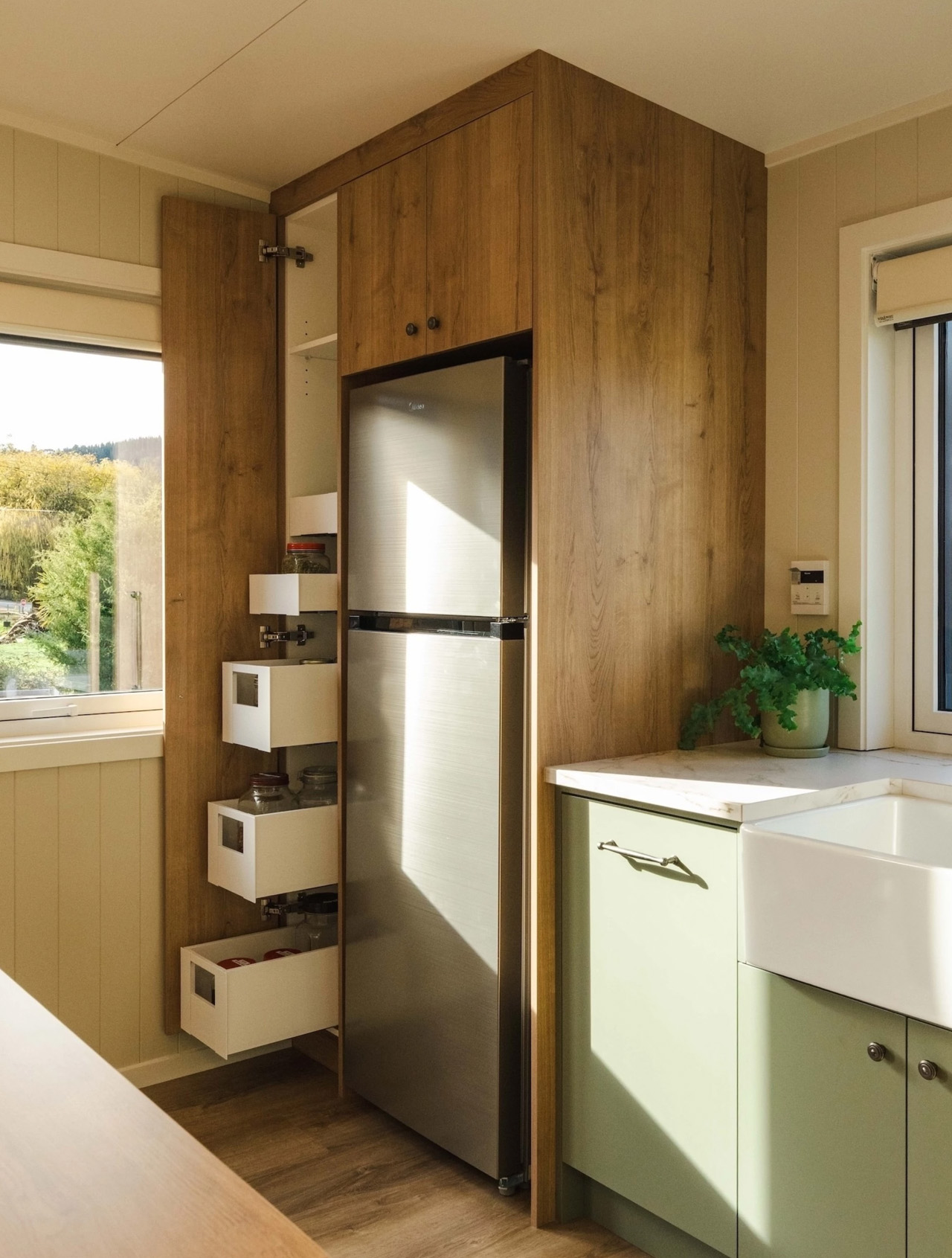
The kitchen continues the theme of efficiency paired with charm. It features a farmhouse-style sink, a propane-powered stove, an oven, and a fridge freezer, providing everything needed for full-time living. Storage is thoughtfully distributed throughout cabinetry and shelving, ensuring that cooking tools and pantry items remain neatly tucked away.

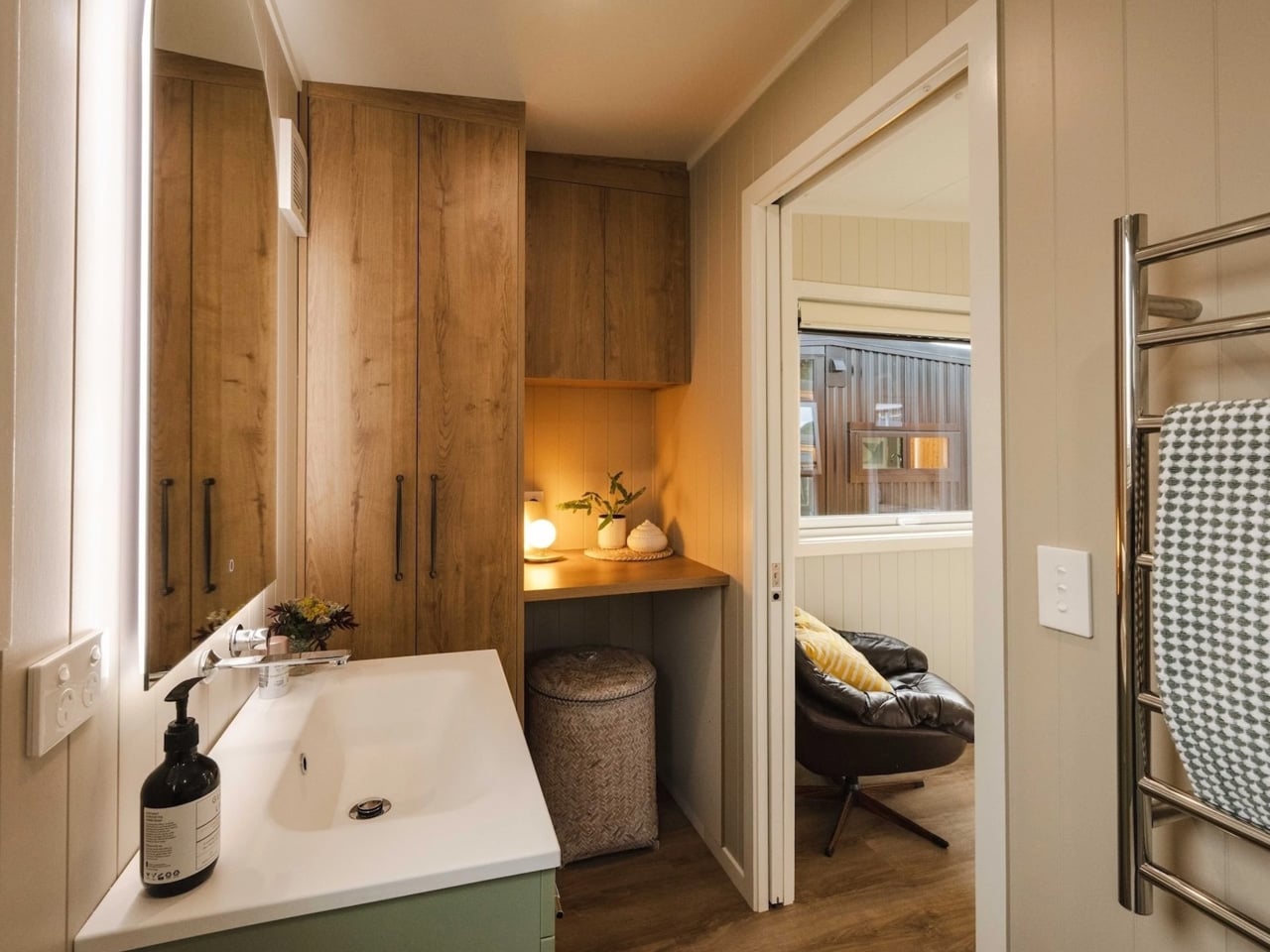
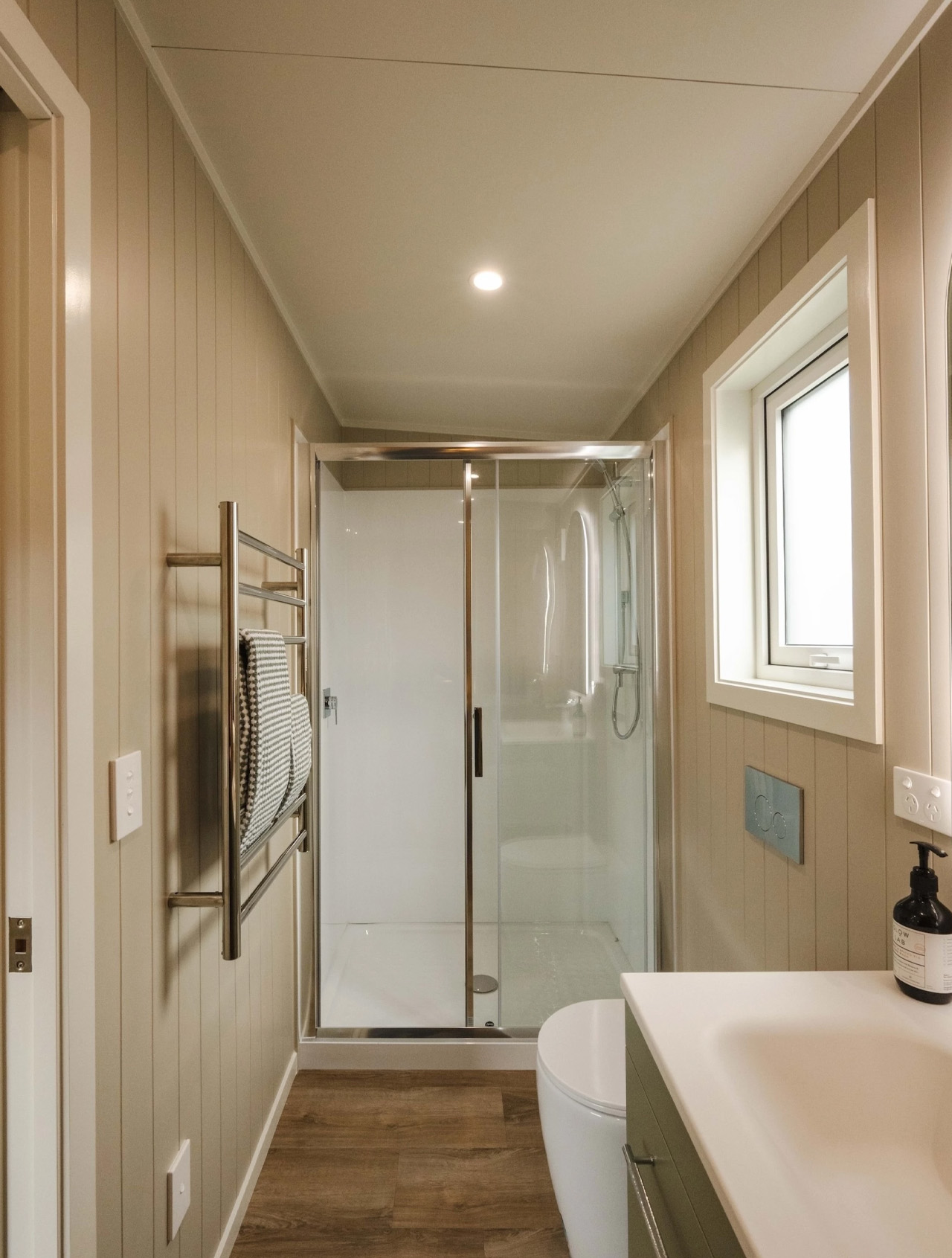
At the opposite end of the home lies the bathroom, and here Ingrid offers an unexpected luxury. Rather than opting for a compact shower stall, the designers included a regular-sized bathtub with a shower, a rare and welcome feature in tiny house design. The bathroom also contains a vanity sink, a flushing toilet, a washer-dryer unit, and additional storage, proving that comfort need not be sacrificed in small-scale living.
The Ingrid includes two loft-style bedrooms, both with low ceilings typical of tiny homes. The primary bedroom sits above the kitchen and bathroom and is accessed via a staircase with integrated storage, another smart solution that turns circulation space into usable storage. This loft accommodates a double bed and additional cabinetry. The secondary bedroom is positioned above the living room and accessed by a removable ladder. It offers generous storage and can serve as either a guest room or a more conventional second bedroom.

Already delivered to its owner, the showcased Ingrid demonstrates how intelligent design can transform a compact structure into a fully equipped, flexible home. While pricing details have not been disclosed, the model stands as a compelling example of how thoughtful architecture can make small-scale living both practical and genuinely comfortable.

The post Ingrid Tiny House Packs Two Bedrooms and Brilliant Storage into 26 Feet first appeared on Yanko Design.