Google bought all of a major solar farm’s output to offset its dirty data center emissions
Google has struck a deal to purchase a major solar project's entire electrical output to offset its fossil fuel emissions.
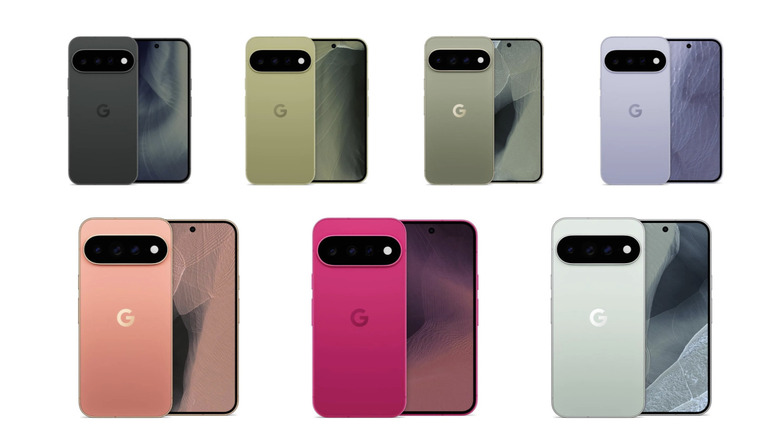
The back of a smartphone has historically been the least interesting real estate on the device. A logo, some camera lenses, and a flat slab of glass or metal. Nothing phones started to change that conversation a few years ago by threading LED strips through their transparent backs to indicate calls, charges, and timers with light patterns. The question since then has been whether anyone else would take the idea further.
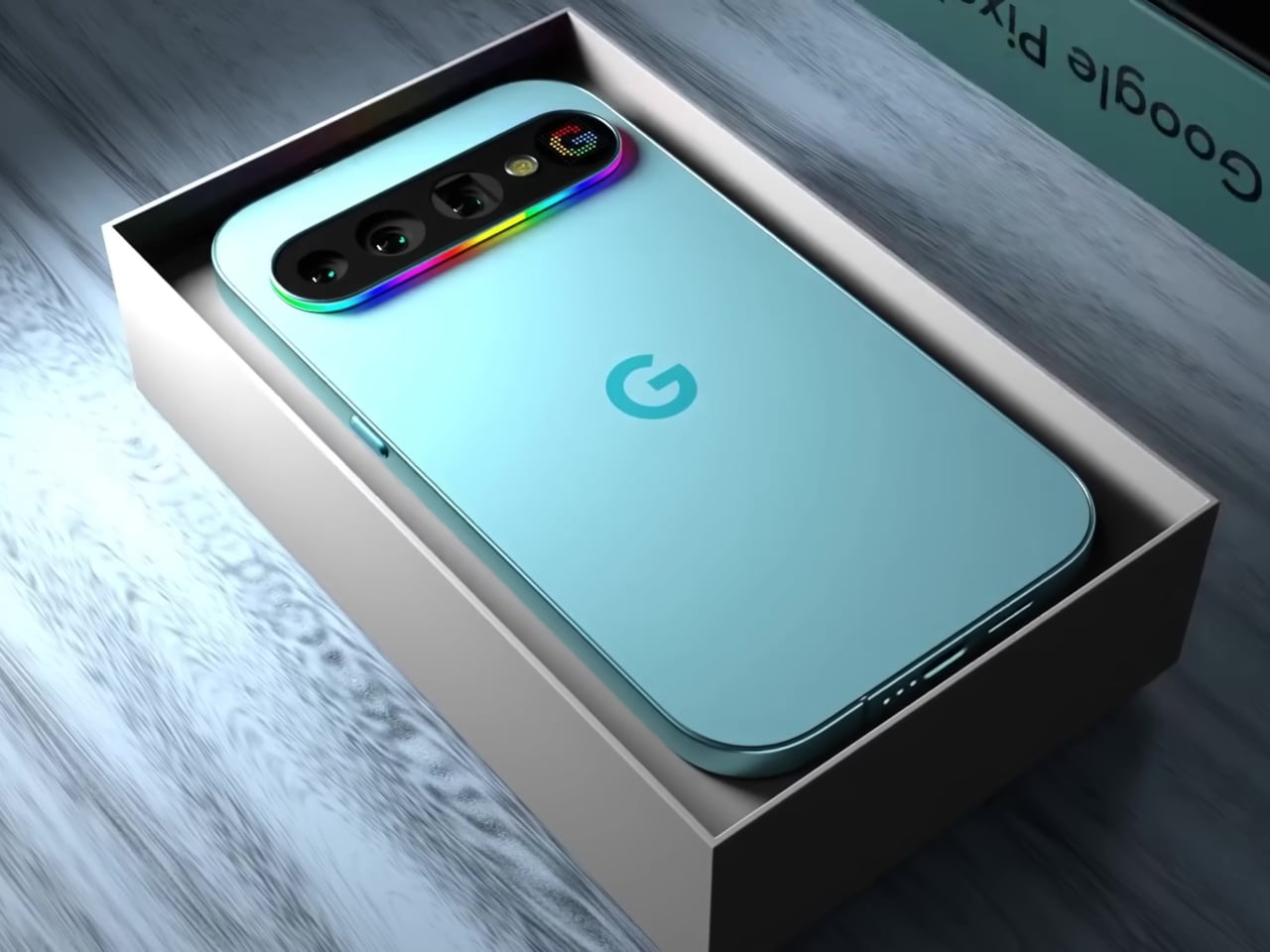
This concept for the Google Pixel 11 Pro imagines exactly that. Built around the Pixel’s signature horizontal pill-shaped camera module, it proposes two distinct types of back-panel feedback: a full-spectrum RGB light strip running around the entire perimeter of the camera bump, and a small dot-matrix display embedded at its right end that can render icons and text in pixel-art style.
Designer: AndroidLeo
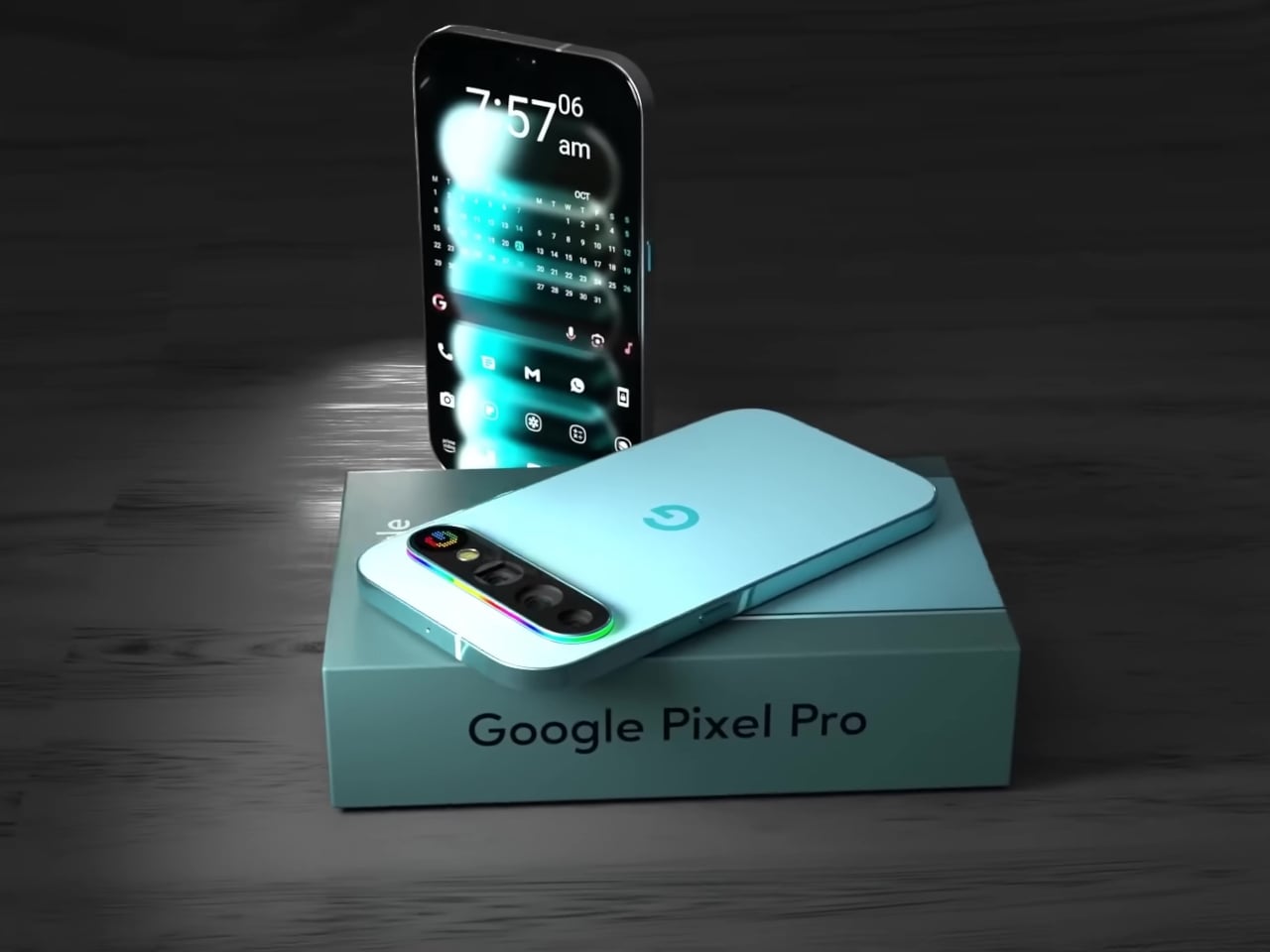
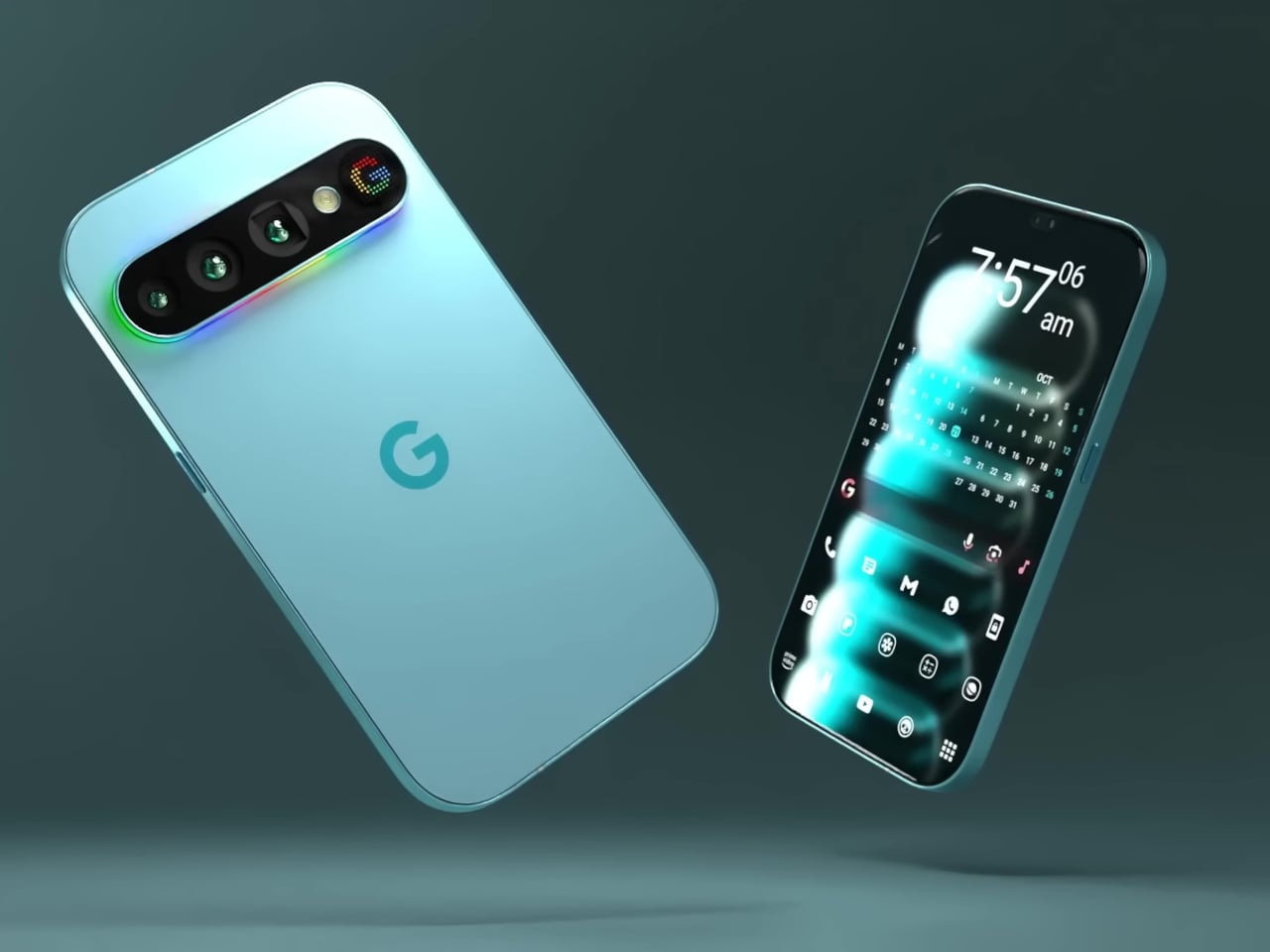
The light strip is the more immediately readable of the two. A continuous loop of addressable LEDs traces the full outline of the pill module, capable of cycling through any color and pattern the software dictates. A missed call could glow one color, a new message another, and a timer nearing its end could pulse differently again, all communicable from across the room without touching the phone.
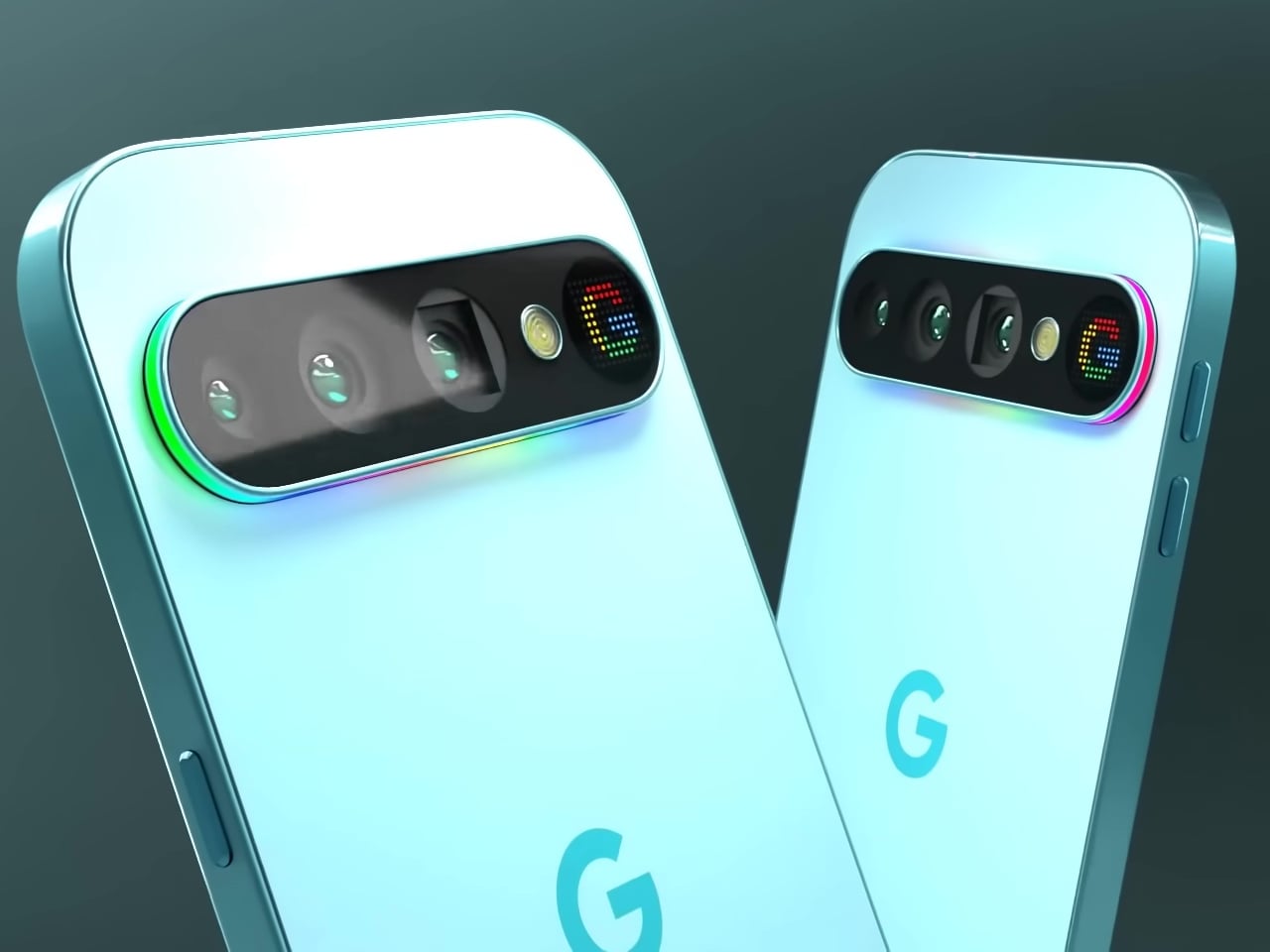
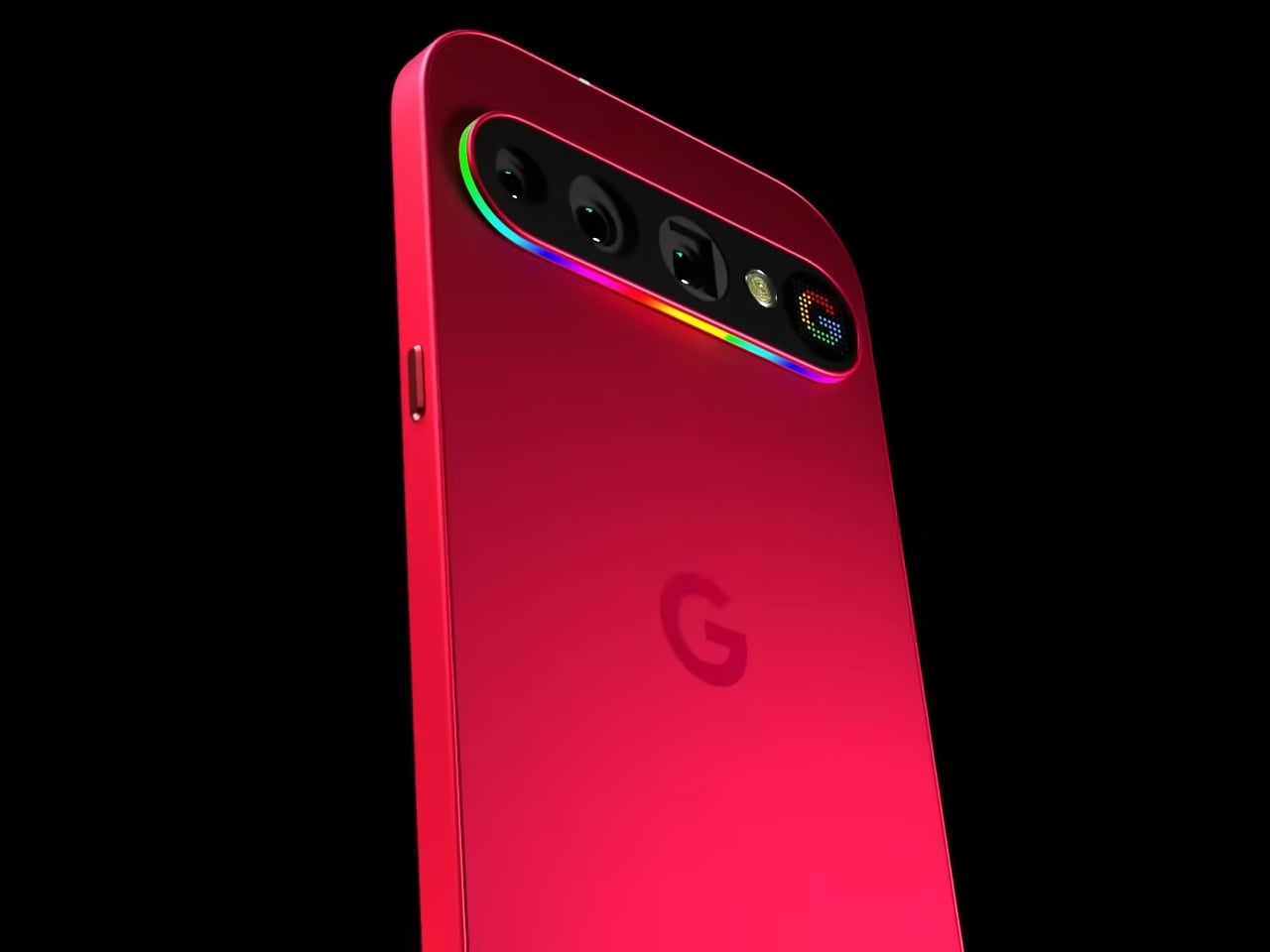
The dot-matrix panel, which the concept labels the “Pixel Display,” takes things a step further. Rather than a single color conveying a signal type, this small grid of colored LEDs can render simple graphics, caller ID icons, app logos, or even short scrolling text. It’s the difference between a traffic light and a small sign, and for a platform with as much software integration as Google’s, the implications are hard to ignore.
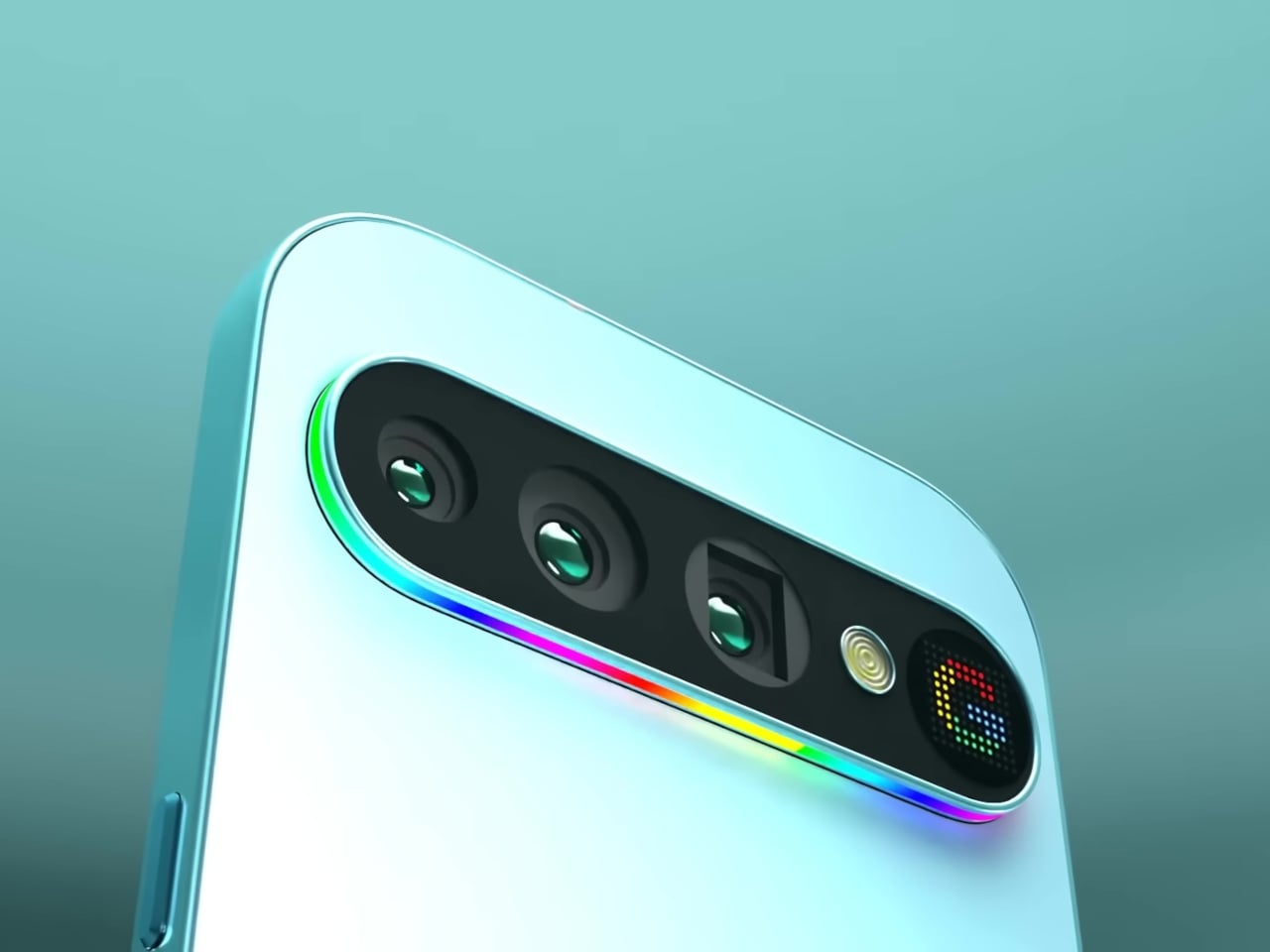
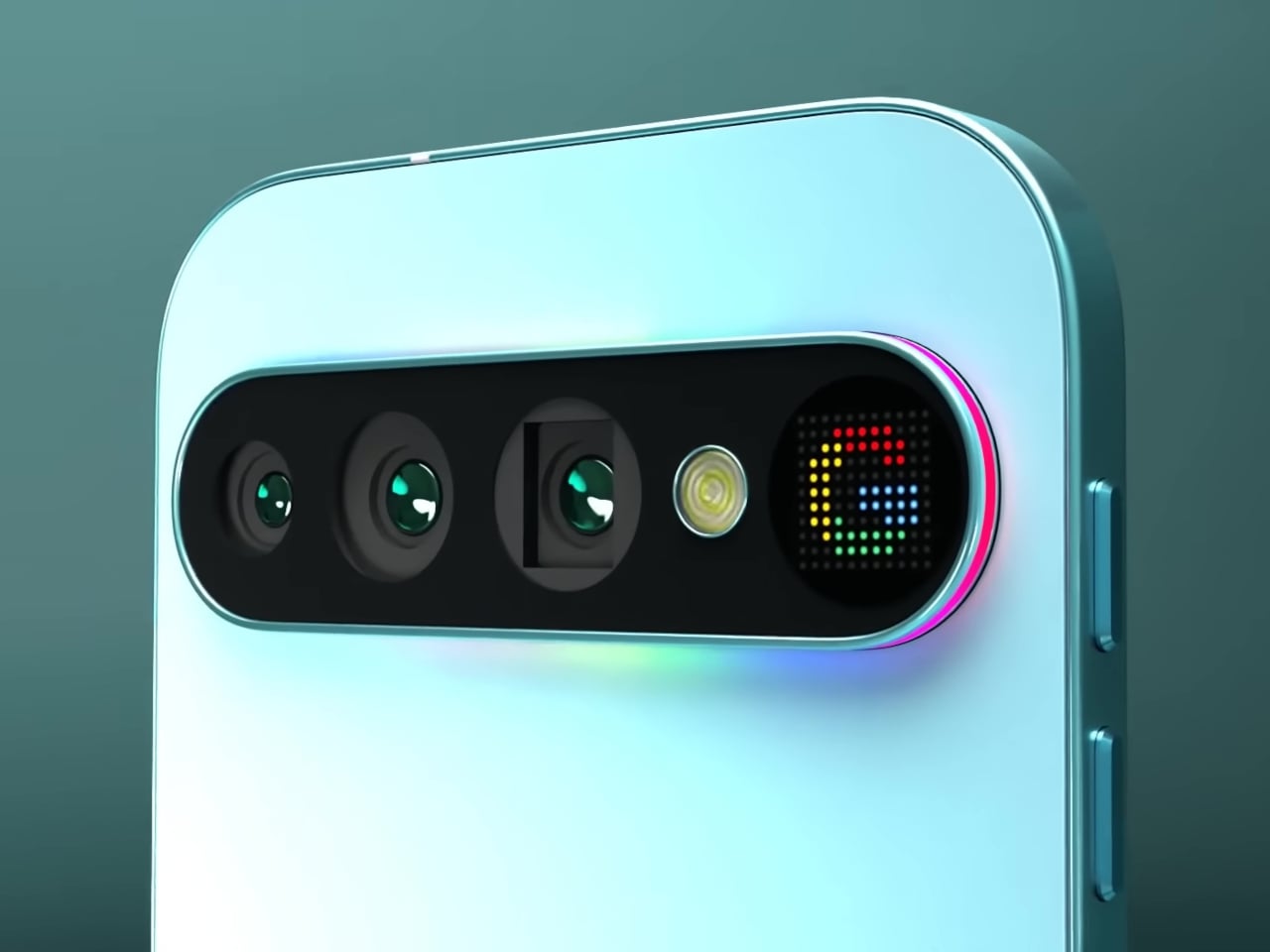
There’s an obvious precedent in Nothing’s Glyph Matrix, which brought a similar dot-matrix concept to Phone (3). That system already lets users assign custom animations to specific contacts and apps, turning the back of the phone into a secondary notification surface. What this Pixel concept adds is the light strip as a companion layer, the two systems working together rather than choosing between ambient mood and readable icon.
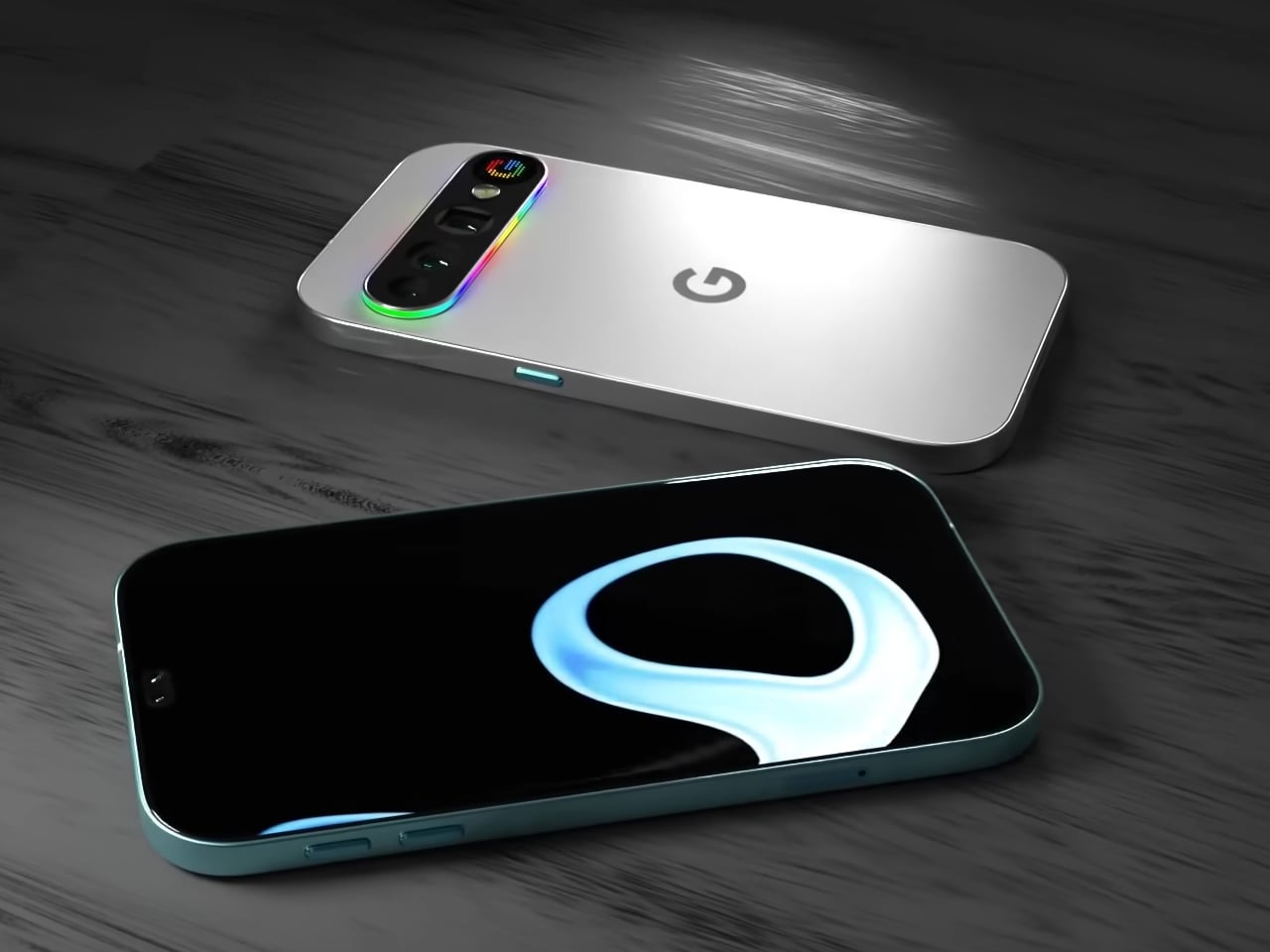
The practical case for this kind of design doesn’t require much imagination. Leave your phone face down on a table, and you will lose all notification awareness. Flip it over, and you get the full attention-grabbing brightness of the main display. A customizable light strip and a small icon panel would let the phone communicate at a much lower intensity, at a glance, rather than a full distraction.
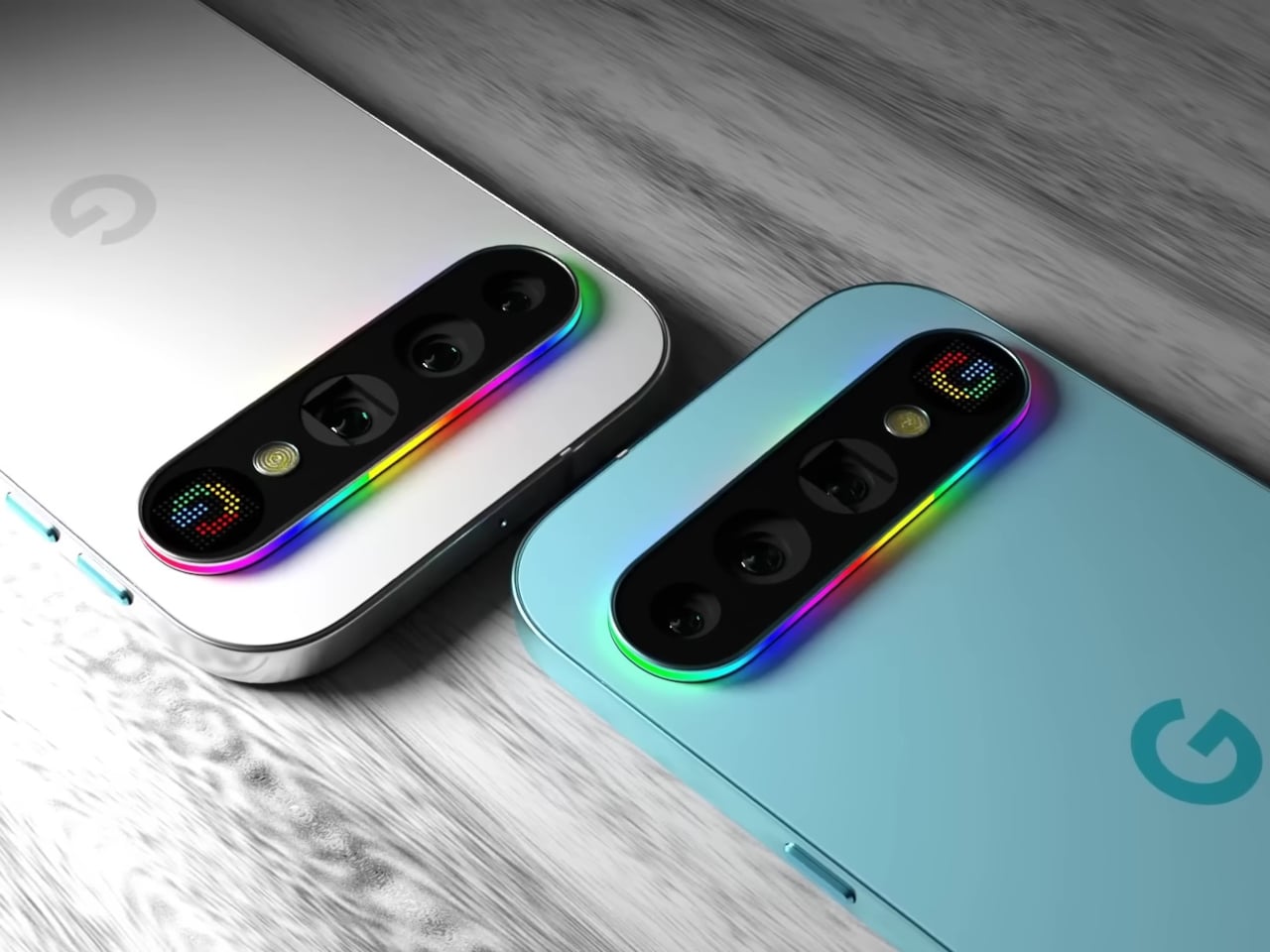
The concept renders the phone in both a pale aqua colorway and Parchment white, giving the full-spectrum strip a different quality in each: cool and vivid against the teal, soft and almost art deco against the white. Either way, the camera bump, typically the most criticized part of Pixel’s evolving design language, becomes something that actually earns its presence.
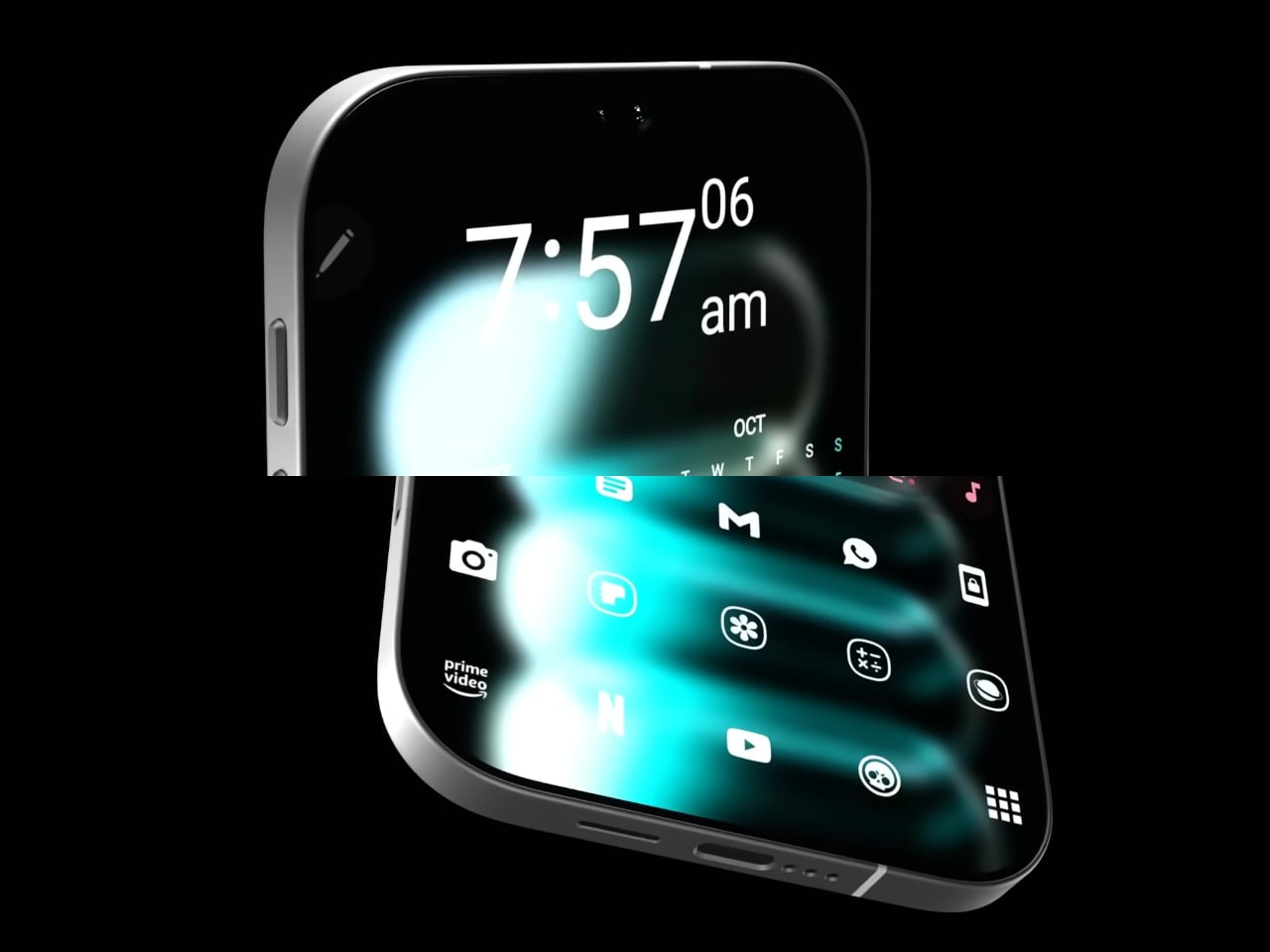
This is, of course, a fan concept rather than a leaked render or confirmed direction. The real Pixel 11 Pro hasn’t arrived yet, and nothing official confirms either the Pixel Display or the RGB strip. But the appetite for this kind of back-panel intelligence is clearly there, and if Nothing can build a devoted following around light strips alone, the version with two complementary systems and Google’s ecosystem behind it would be something worth watching for.
The post This Pixel 11 Pro Concept Makes the Camera Bump Its Best Feature first appeared on Yanko Design.

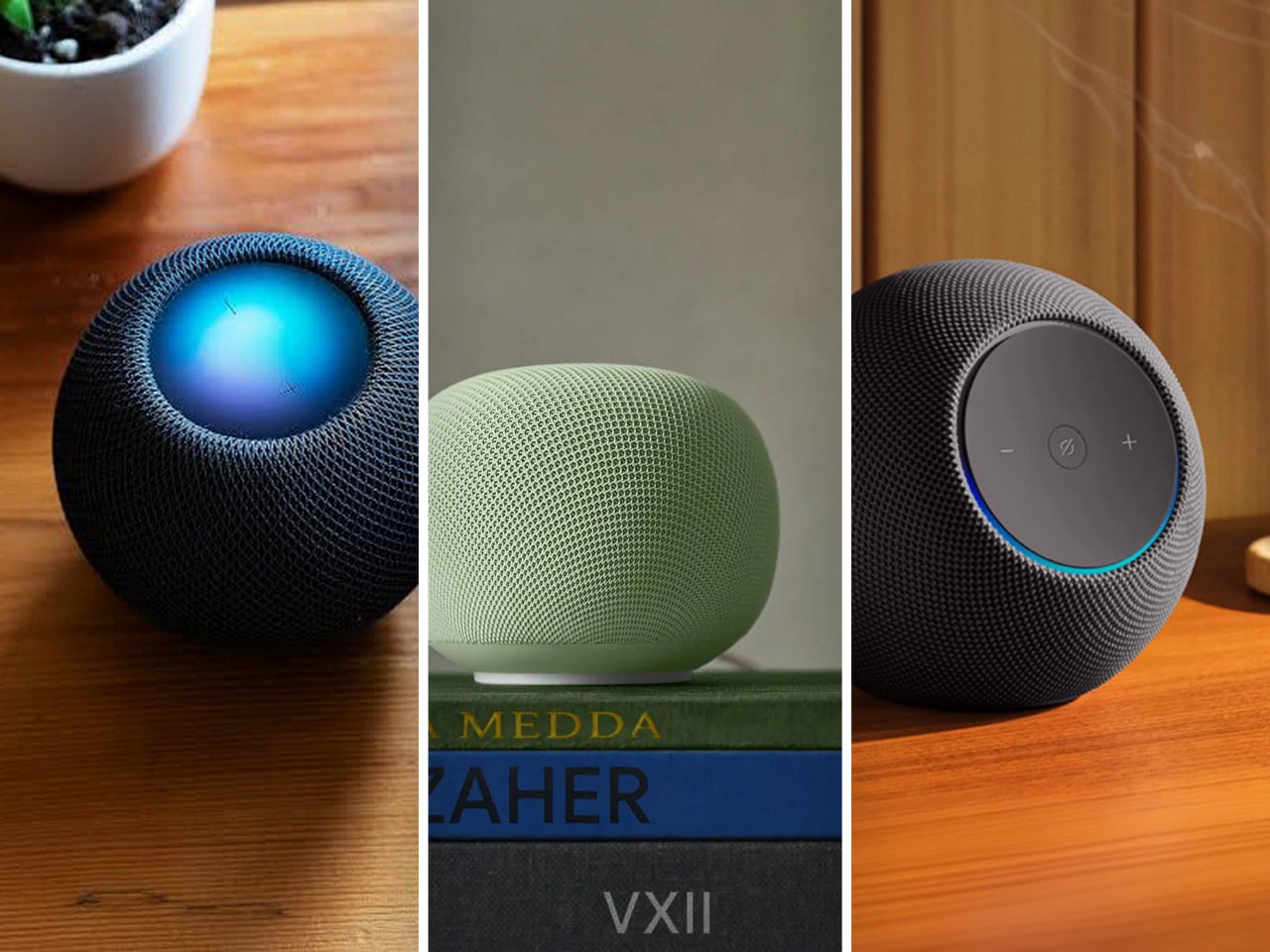
Between 2017 and 2021, Amazon’s devices division burned through over $25 billion, with Alexa and Echo hardware at the center of almost every bad quarter. The logic had always been that the hardware was just the entry point, a subsidized gateway to a much larger commercial relationship with the customer. But the gateway proved harder to monetize than expected. Alexa stayed useful but shallow. Echo devices multiplied without ever feeling essential. By the mid-2020s, the smart speaker category had the atmosphere of a bet that had come in wrong, expensive, underperforming, and quietly being maintained rather than championed. These fabric-covered cylinders became kitchen furniture, occasionally summoned for timers and weather forecasts, rarely inspiring anyone to rethink the room they lived in.
That atmosphere is lifting in 2026. Google, Amazon, and Sonos are each arriving with hardware that reflects a completely different set of priorities: softer silhouettes, AI that understands context, and audio that adapts to a space rather than simply occupying it. The smart speaker is being redesigned from the object outward, and the convergence across three separate companies suggests something closer to a category-wide correction than a coincidence of product cycles. The one company yet to offer a visible answer to this moment is Apple. It has the custom silicon, the acoustic engineering, and the design heritage to lead this reset. So far, it has chosen to watch.
The freeze began around 2020, right after the category normalized itself into oblivion. By that year, every major player had established its smart speaker lineup: a small version, a premium version, and often a screen-equipped version. Google had the Nest Audio and Nest Mini. Amazon had refined the Echo and Echo Dot into cheap, competent appliances. Apple had shipped the HomePod mini and repositioned the original HomePod as a premium but niche play. The market was saturated, the designs were settled, and the pace of innovation slowed to the rhythm of assistant software updates rather than genuine hardware rethinks. For half a decade, the smart speaker became something people bought once and forgot about. The category was not dead, but it had stopped asking interesting questions about itself.
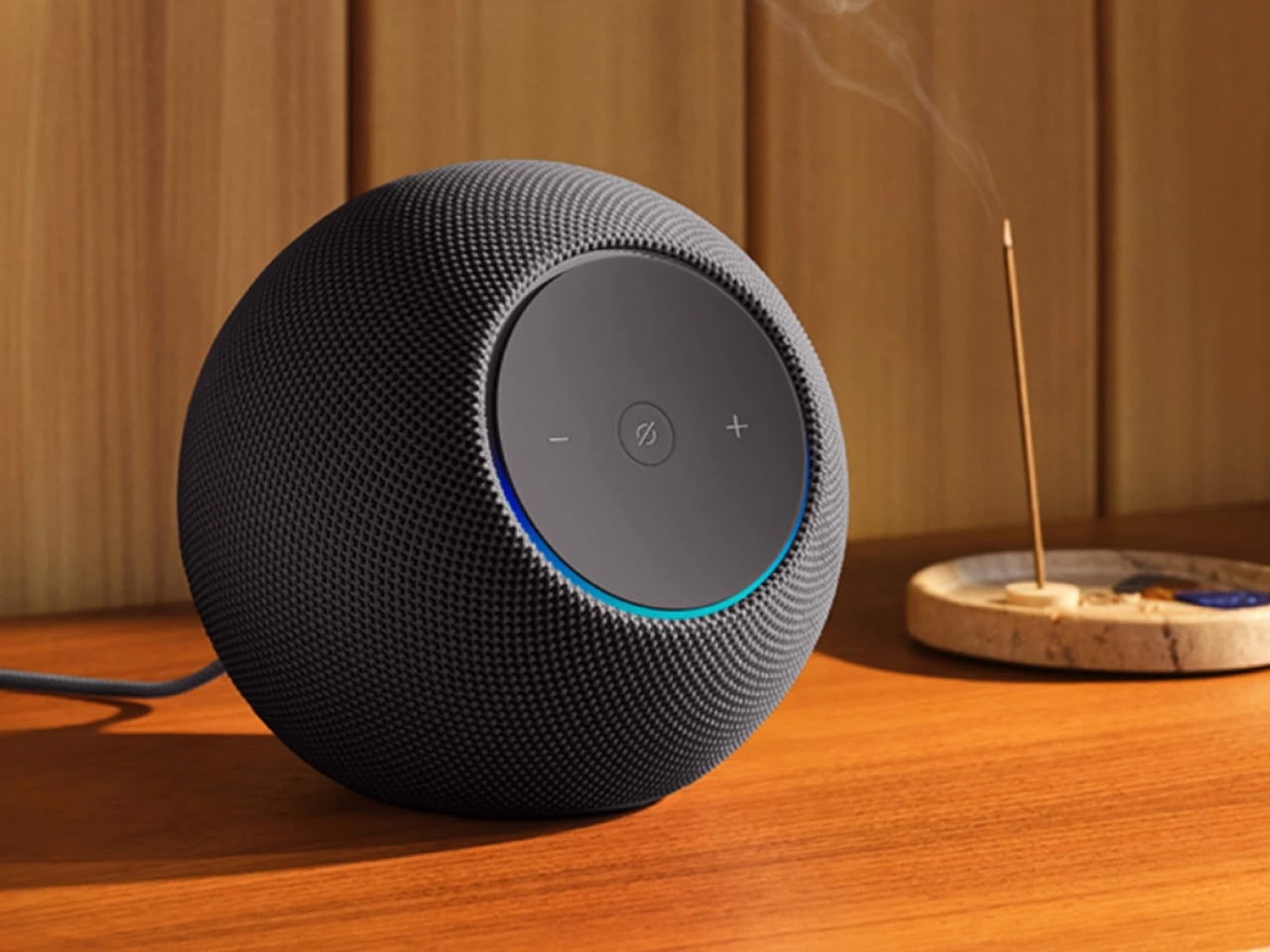
What is happening now feels like an answer to questions the industry spent years avoiding. The new generation is defined by a shared visual and behavioral language that cuts across competitive lines. Fabrics are softer, volumes are lower, edges are gentler. Google’s latest Home Speaker trades the aggressive branding and hard plastic of earlier models for something that reads more like a domestic object than a gadget. Amazon rebuilt four Echo devices from scratch for its Alexa+ platform, including the new Echo Dot Max and Echo Studio, both of which prioritize touch-first controls and room-blending forms. Sonos pushed the Play and Era 100 SL into the same softer, more architectural territory. These are not coincidental choices. They reflect a collective decision that the smart speaker should feel native to the home, a piece of the room’s fabric rather than an intrusion into it.
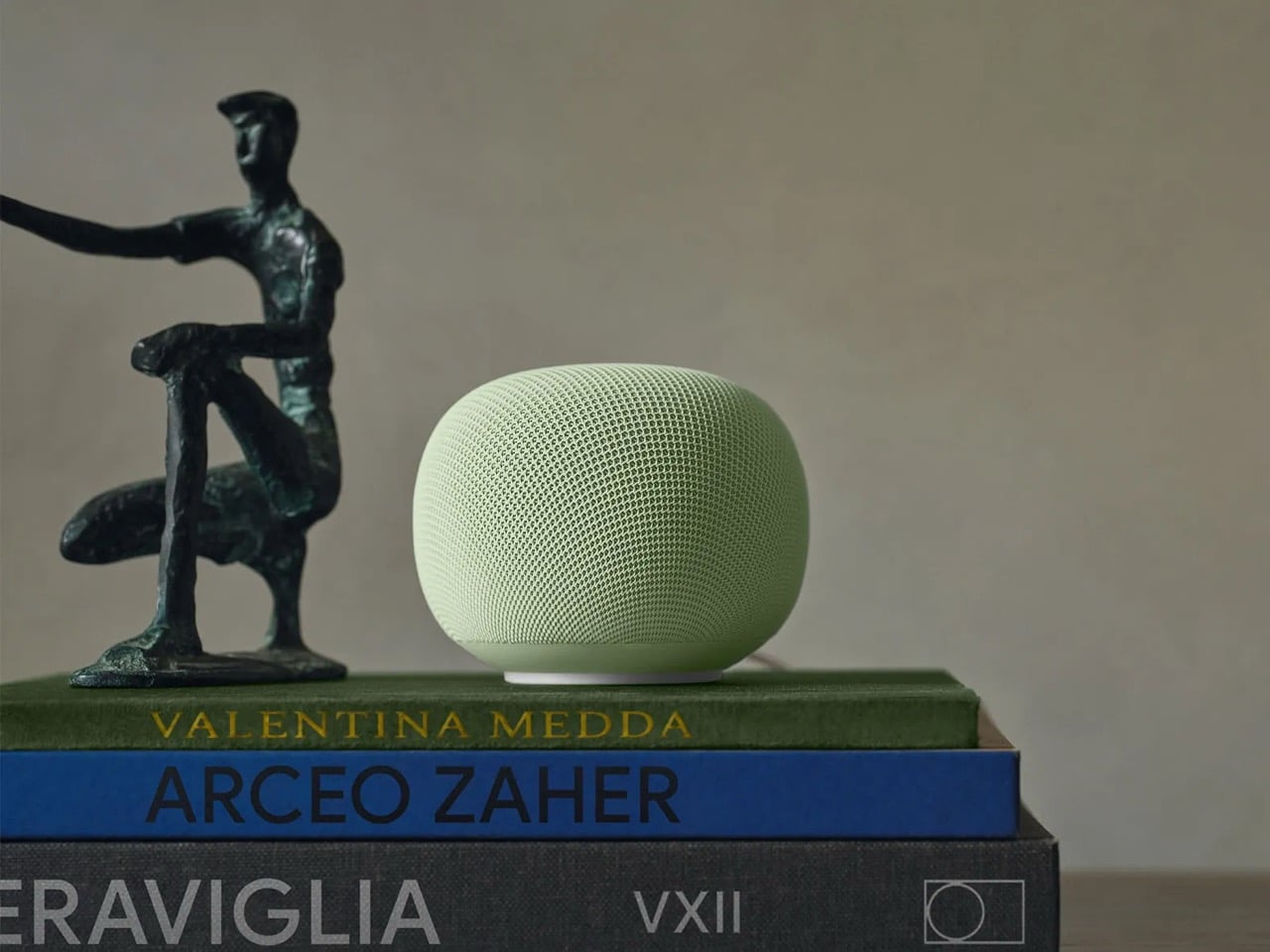
The surface redesign only works because the internal proposition has changed too. The smarter pitch in 2026 is about behavior, not specs. AI assistants are becoming more conversational, more capable of understanding context, and in many cases more locally responsive without needing constant cloud reliance. On-device processing means faster reactions and more natural interactions. Room-aware audio tuning means the speaker adapts its output to the acoustics of the space it occupies, rather than blasting a fixed profile into every environment. The result is a device that feels less like a tool you command and more like a presence that integrates into how you use a room. That shift from command-and-response to ambient intelligence is what separates this generation from everything that came before it.
Apple’s absence from this wave is conspicuous, and it lands differently now than it might have two years ago. The company has not publicly joined the 2026 reset in any visible way. Its HomePod and HomePod mini remain comparatively static in a market that is suddenly showing signs of genuine motion. That gap would be easier to dismiss if Apple were not also in the middle of a larger hardware leadership transition. Johny Srouji, who has led Apple’s silicon engineering since 2015, was promoted to Chief Hardware Officer in April 2026, taking control of not just chips but batteries, cameras, sensors, and the full stack of core hardware technologies. Alongside John Ternus, who oversees hardware engineering as Senior Vice President, Srouji is now reshaping Apple’s product roadmap from the silicon up. That internal realignment suggests Apple is rethinking what it builds and why at a structural level, which makes the HomePod silence feel less like neglect and more like a strategic pause.
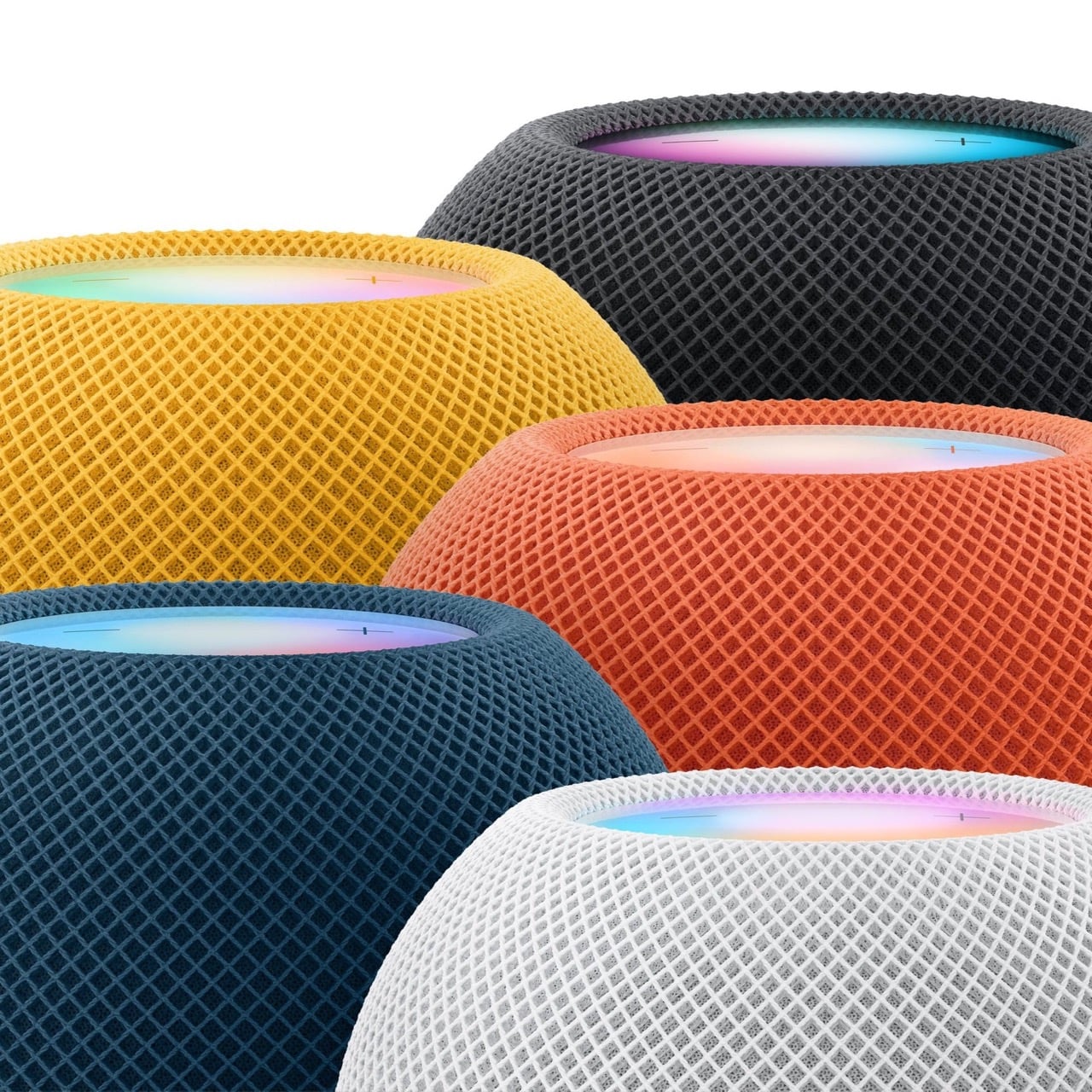
The question is what that pause means for the smart speaker itself. Apple could be deciding that the category remains secondary to other home devices in its hierarchy, or it could be planning a response that reflects the new leadership’s priorities in ways the current HomePod line does not. If Apple ships a more intelligent, more room-aware, more visibly rethought HomePod in the next twelve months, it will validate the broader industry thesis that smart speakers really are resetting around AI behavior and domestic presence. If it does not, then Apple may be signaling that it sees the smart speaker as a solved accessory category rather than a serious frontier worth heavy investment.
Either way, Apple’s eventual move will tell us more than just what the company thinks about voice assistants. It will reveal whether the smart speaker has genuinely earned a second act or whether the current wave of redesigns from Google, Amazon, and Sonos turns out to be the industry’s last serious attempt to make these devices matter. The category spent years being useful without being essential. The new generation is trying to close that gap. Apple’s decision to join that effort, or not, will be the clearest indication yet of whether the bet is finally worth taking seriously.
The post Google, Amazon, and Sonos All Redesigned Their Smart Speakers, Except Apple first appeared on Yanko Design.