Anthropic accuses three Chinese AI labs of abusing Claude to improve their own models

Anthropic is issuing a call to action against AI "distillation attacks," after accusing three AI companies of misusing its Claude chatbot. On its website, Anthropic claimed that DeepSeek, Moonshot and MiniMax have been conducting "industrial-scale campaigns…to illicitly extract Claude’s capabilities to improve their own models."

Distillation in the AI world refers to when less capable models lean on the responses of more powerful ones to train themselves. While distillation isn't a bad thing across the board, Anthropic said that these types of attacks can be used in a more nefarious way. According to Anthropic, these three Chinese AI firms were responsible for more than "16 million exchanges with Claude through approximately 24,000 fraudulent accounts." From Anthropic's perspective, these competing companies were using Claude as a shortcut to develop more advanced AI models, which could also lead to circumventing certain safeguards.

Anthropic said in its post that it was able to link each of these distilling attack campaigns to the specific companies with "high confidence" thanks to IP address correlation, metadata requests and infrastructure indicators, along with corroborating with others in the AI industry who have noticed similar behaviors.

Early last year, OpenAI made similar claims of rival firms distilling its models and banned suspected accounts in response. As for Anthropic, the company behind Claude said it would upgrade its system to make distillation attacks harder to do and easier to identify. While Anthropic is pointing fingers at these other firms, it's also facing a lawsuit from music publishers who accused the AI company of using illegal copies of songs to train its Claude chatbot.

This article originally appeared on Engadget at https://www.engadget.com/ai/anthropic-accuses-three-chinese-ai-labs-of-abusing-claude-to-improve-their-own-models-205210613.html?src=rss
The Cheapest Mini PC Costs Under $100 And Uses An Old Samsung Phone to run Steam and PS2 Games

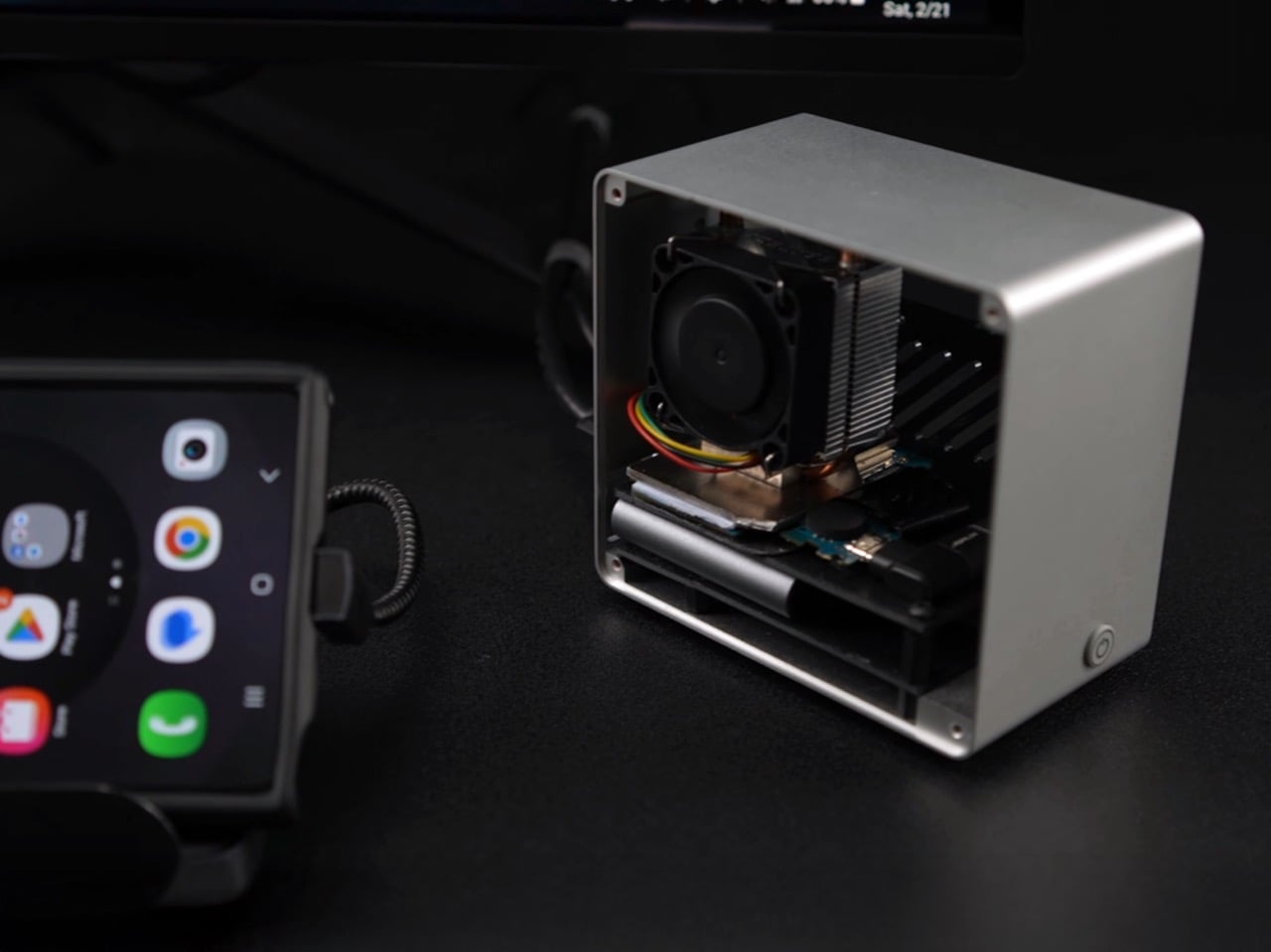
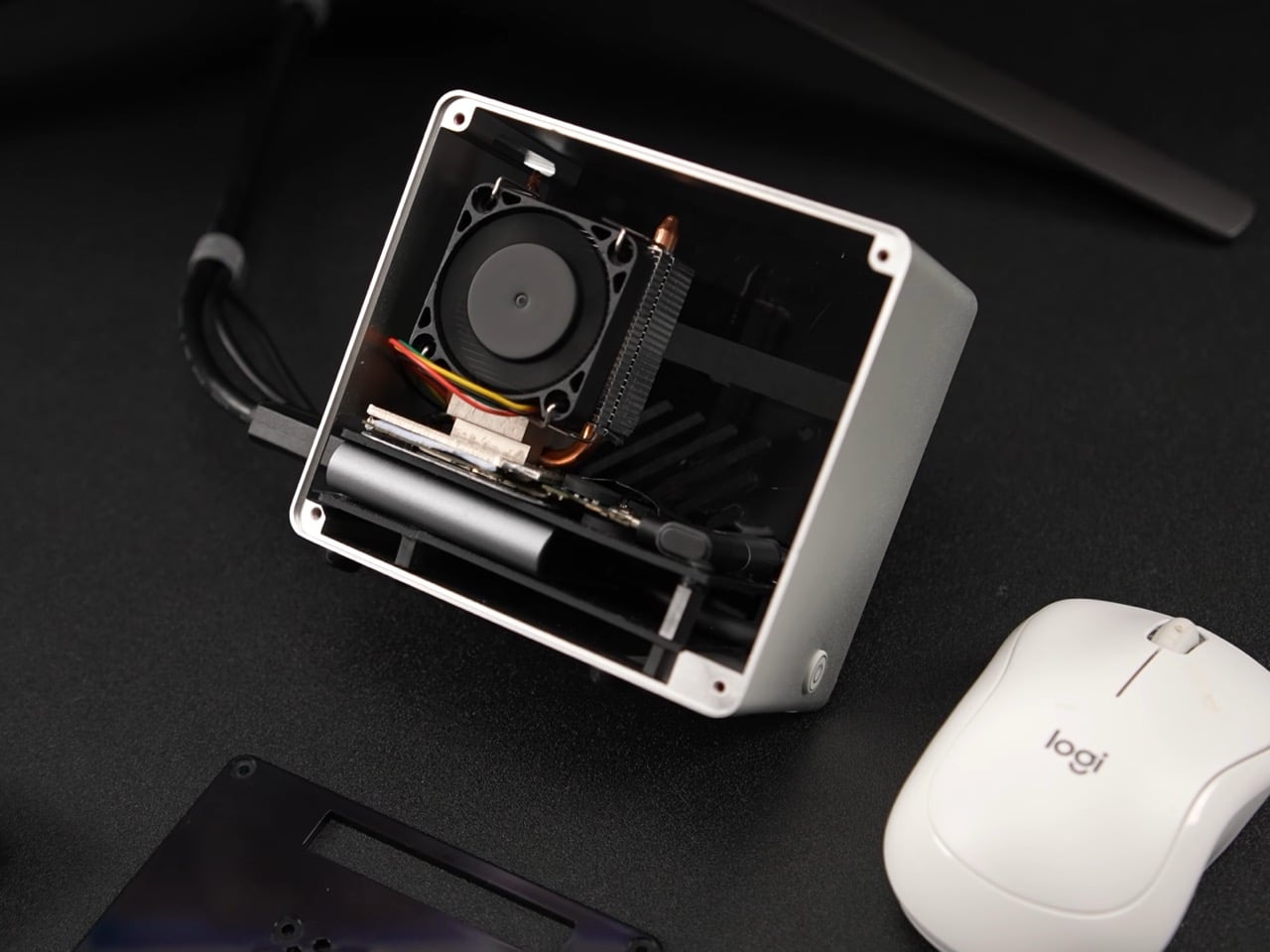
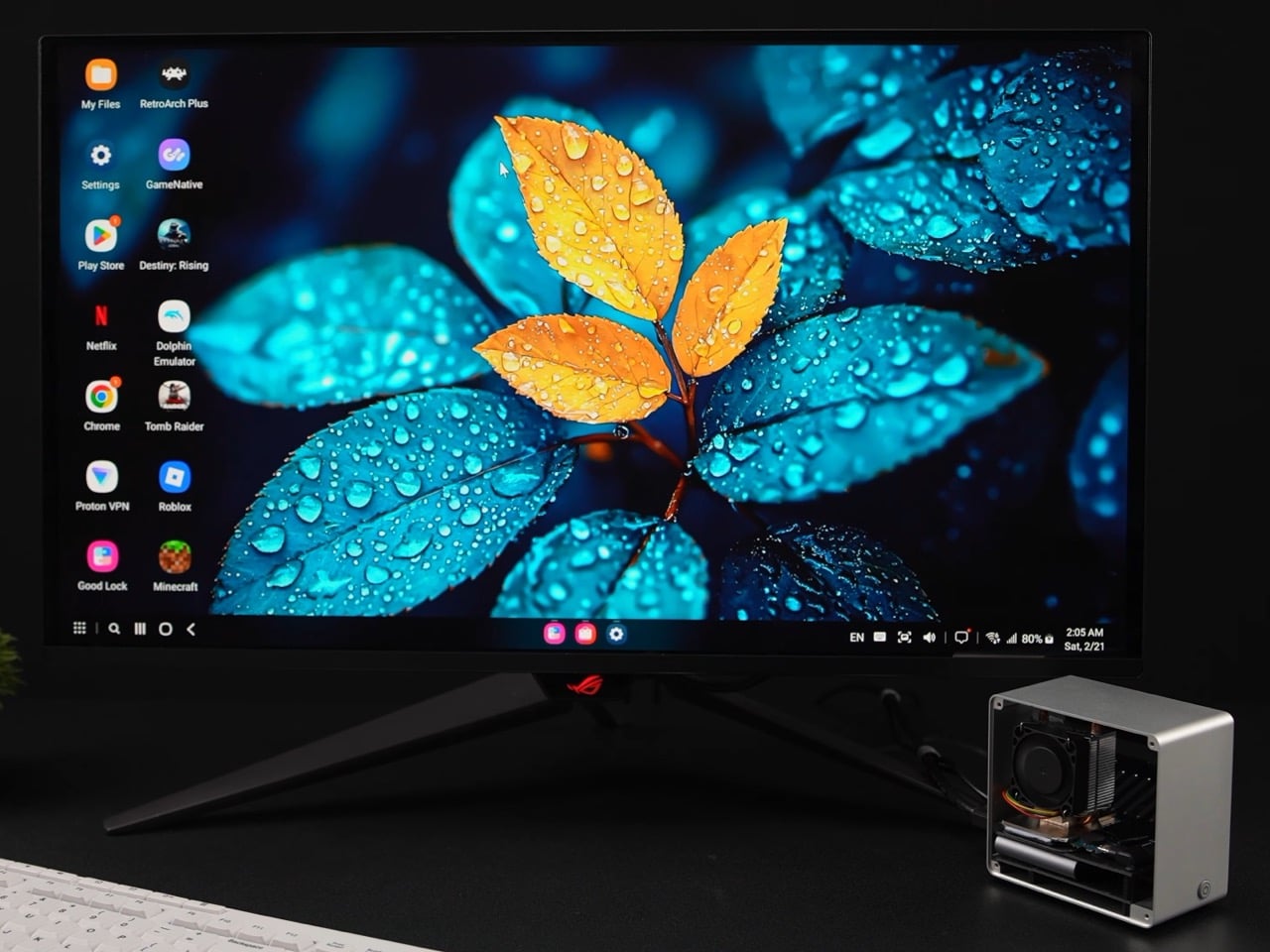
You know what’s ridiculously expensive these days? RAM. You know what isn’t? A broken phone on eBay. ETA PRIME spent under $70 on a Samsung Galaxy S20 FE with a busted screen, stuffed it into a Raspberry Pi tower case, and ended up with a mini PC that boots into Samsung Dex and runs Steam games. It sounds like the setup to a joke. It very much is not.

The Snapdragon 865 inside that cheap, busted Galaxy handles more than you would expect. Game Native connects it straight to your Steam library, PS2 and GameCube emulation run well, and Minecraft performs so smoothly ETA PRIME had his Xbox controller paired over Bluetooth within minutes. The whole thing costs less than a single night of impulse online shopping, which makes it either a genius budget build or a very convincing argument to check your eBay saved searches.

Designer: ETA Prime

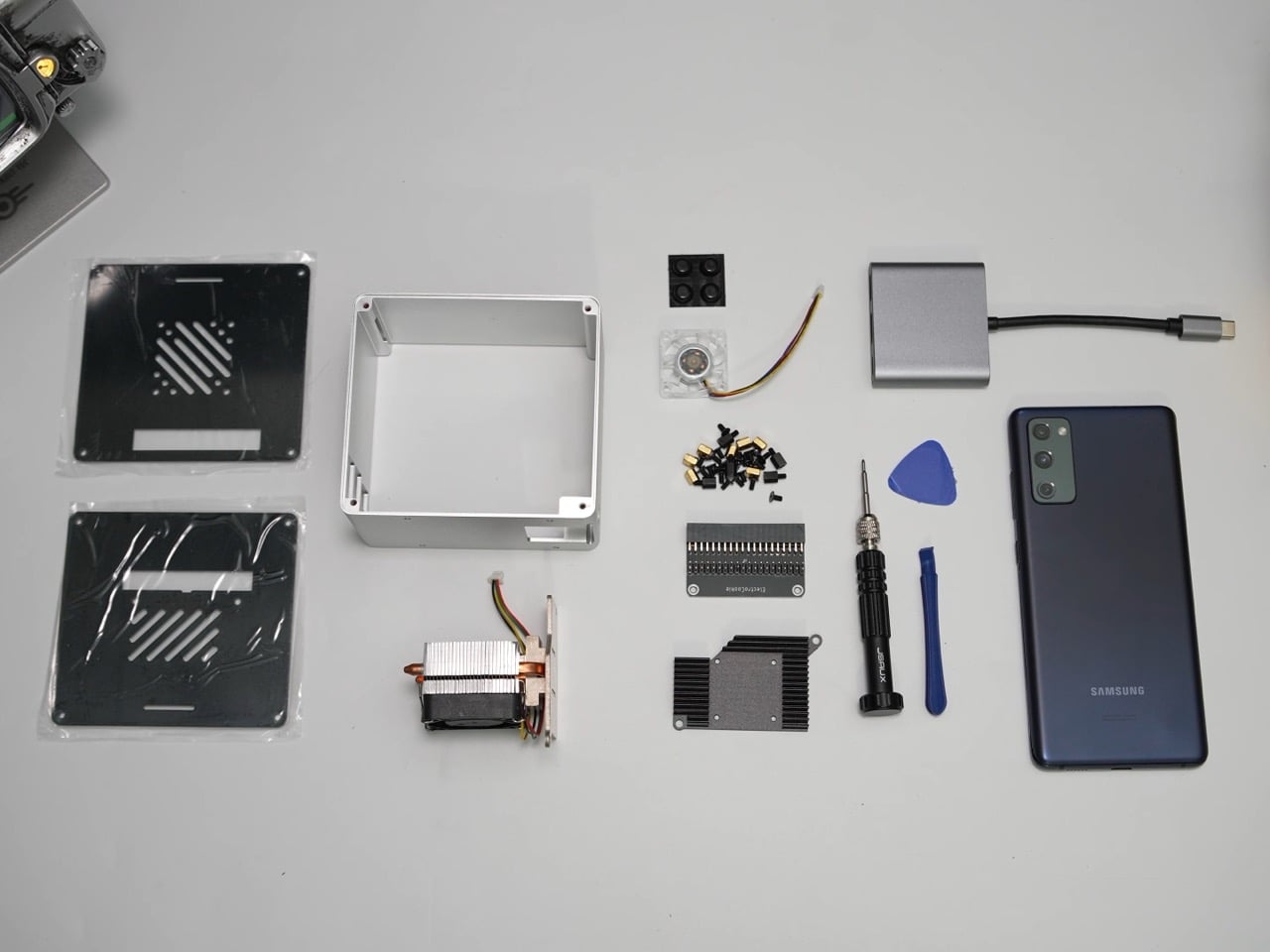
One Samsung Galaxy S20 FE with a broken screen runs about $70 on eBay. Add an aluminum Raspberry Pi tower case from Amazon, a USB-C to HDMI adapter, and a fan cooler strapped to the back for $10 to $15, and that is the entire bill of materials. ETA PRIME disassembled the phone and fitted the internals directly into the case, but he is clear that you can skip all of that, prop the phone on a stand, connect it to a dock, and get the identical Dex experience without touching a screwdriver. The screen, even busted, stays connected and functions as a secondary interface. Units with minor burn-in but an intact display are sitting at around $99 unlocked on eBay, fully updated with a security patch from October 2025.

Out of the box, the S20 FE runs Dex at 1080p on an external display. Install Good Lock from the Galaxy Store, grab the MultiStar plugin, enable high resolution for external displays, restart Dex, and the resolution options expand to 1440p, 1200p in 16:10, and 21:9 widescreen at 2560×1080. Windows resize, snap side by side, and you can run five apps simultaneously, more if you unlock it through MultiStar, though 6GB of RAM will start making its feelings known past a certain point. Chrome scales to a full desktop layout. So does Google Play. On a 1440p monitor this setup looks genuinely clean.

Hollow Knight: Silksong runs well on the 865. Left 4 Dead 2 was still downloading during ETA PRIME’s walkthrough but is expected to perform. Cyberpunk 2077 at 60fps is a non-starter on this chip with 6GB of RAM, and he says so without hedging. PS2 emulation through NetherSX2 puts God of War 2 at 2x resolution scale with occasional frame dips, 1.75x is the more stable setting. GameCube and Wii hold up across most titles, with demanding stages in games like F-Zero GX pushing the limits when upscaling is involved. Dreamcast, PSP, and Sega Saturn run clean.

A Galaxy S21, S22, or S23 gives you better RAM configurations and newer Snapdragon silicon if you want more ceiling. The S24 and S25 are still priced too high to make the economics work. The S20 FE sits at the right intersection of price, performance, and availability right now, and the Snapdragon 865 is old enough to be cheap but capable enough to handle a surprisingly wide range of workloads without flinching.

The full build walkthrough has not been posted yet. ETA PRIME recorded the entire process, around three and a half hours of footage, and has said he will publish it on YouTube if there is enough interest in the comments. Given how much this build has going for it, that video getting made feels like a matter of when.

The post The Cheapest Mini PC Costs Under $100 And Uses An Old Samsung Phone to run Steam and PS2 Games first appeared on Yanko Design.

Summer Game Fest runs from June 5-8

It's getting to be that time of year again. Summer Game Fest officially kicks off on June 5 and will go until June 8. The Live Kickoff show will once again be hosted by Geoff Keighley and takes place on June 5 at 5PM ET. This is where we'll see all of those juicy reveals and trailers.

The opening event will be streamed globally on just about every digital platform, including YouTube, Twitch, X and even Steam. Those in the Los Angeles area will be able to pick up tickets for the live show sometime in the Spring.

The kickoff event is just the beginning. There's something called Play Days, which is an expo in downtown LA produced by iam8bit. This invite-only event promises "immersive exhibits and hands-on experiences from the industry's leading publishers and developers." Coverage of this will be shared across digital and social platforms.

There is, of course, another Day of the Devs livestream scheduled for immediately after the kickoff. Day of the Devs: SGF Edition should provide us with even more trailers and reveals, this time for indie games.

Finally, there's a "thought leadership event" on June 8 that's primarily for developers and publishers. Game Business Live "brings together top industry voices on one stage for insightful discussions on key changes, challenges and opportunities shaping the global video game industry."

We'll be covering the event live and will have all of those trailers ready to go. After all, that's pretty much the main reason people watch these things.

This article originally appeared on Engadget at https://www.engadget.com/gaming/summer-game-fest-runs-from-june-5-8-193054418.html?src=rss

Bungie says ‘no second chances’ if you’re caught cheating in Marathon

Bungie isn't taking any prisoners when it comes to cheating on its upcoming extraction shooter, Marathon. In a detailed blog post explaining its anti-cheat measures, Bungie took a very declarative position against those caught trying to gain an unfair advantage.

"We are taking a strong stance against cheating and anyone found to be cheating or developing cheats will be permanently banned from playing Marathon forever, no second chances," the blog post read, adding that there will be an appeals system in place.

However, Bungie's anti-cheat standards go beyond punishment. In the blog post, Bungie detailed that Marathon's dedicated servers have full authority on movement, shooting, actions, and inventory. Since these key actions rely on the server, it will translate to smoother gunplay for players as well as the prevention of cheats related to teleportation, unlimited ammo or damage manipulation. Bungie is also incorporating a "Fog of War" system that limits an individual player's client to see only certain regions of a map, which should prevent wall hacks, ESP cheats or loot revealers. 

On top of these robust regulations, Bungie is utilizing BattlEye, a kernel-level anticheat that's seen with other popular multiplayer shooters like Fortnite, Rainbow Six Siege and Destiny 2. Bungie added that in the event of disconnecting, you'll be able to reconnect to your run without any hitches. If players can't reconnect due to an issue with the servers, Bungie said it will "attempt to return the starting gear to all impacted players."

Marathon isn't out until March 5, but Bungie is doing a preview weekend with the Server Slam event starting February 26. Still, it's obvious that Bungie already wants to get ahead of the competition, since Arc Raiders, another recently released extraction shooter, has been dealing with its own cheating problem. To address the rise in cheating, the game's developer, Embark Studios, implemented a three-strike system, which some players have criticized as too lenient.

This article originally appeared on Engadget at https://www.engadget.com/gaming/bungie-says-no-second-chances-if-youre-caught-cheating-in-marathon-191633998.html?src=rss

The Ultimate Guide to Setting Up Your Apple AirTag Like a Pro

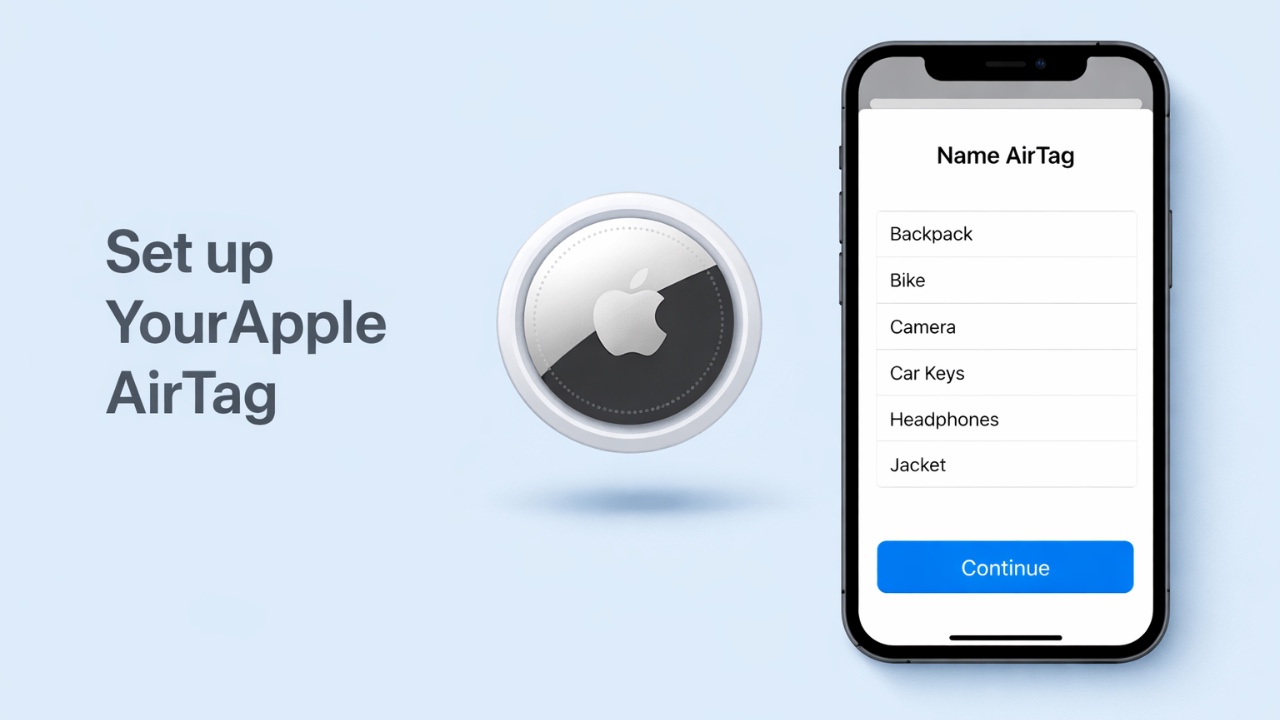
The Ultimate Guide to Setting Up Your Apple AirTag Like a Pro Apple AirTag

The Apple AirTag is a compact and efficient device designed to help you locate personal items such as keys, wallets, or backpacks. With its precise location tracking and secure connectivity, the AirTag is a reliable tool for keeping your belongings safe. Setting it up correctly ensures you can fully use its features. The video below […]

The post The Ultimate Guide to Setting Up Your Apple AirTag Like a Pro appeared first on Geeky Gadgets.

Posted in Uncategorized

Best CS2 Settings for Low-End PCs: Boost FPS and Optimize Performance

Best CS2 Settings for Low-End PCs: Boost FPS and Optimize Performance

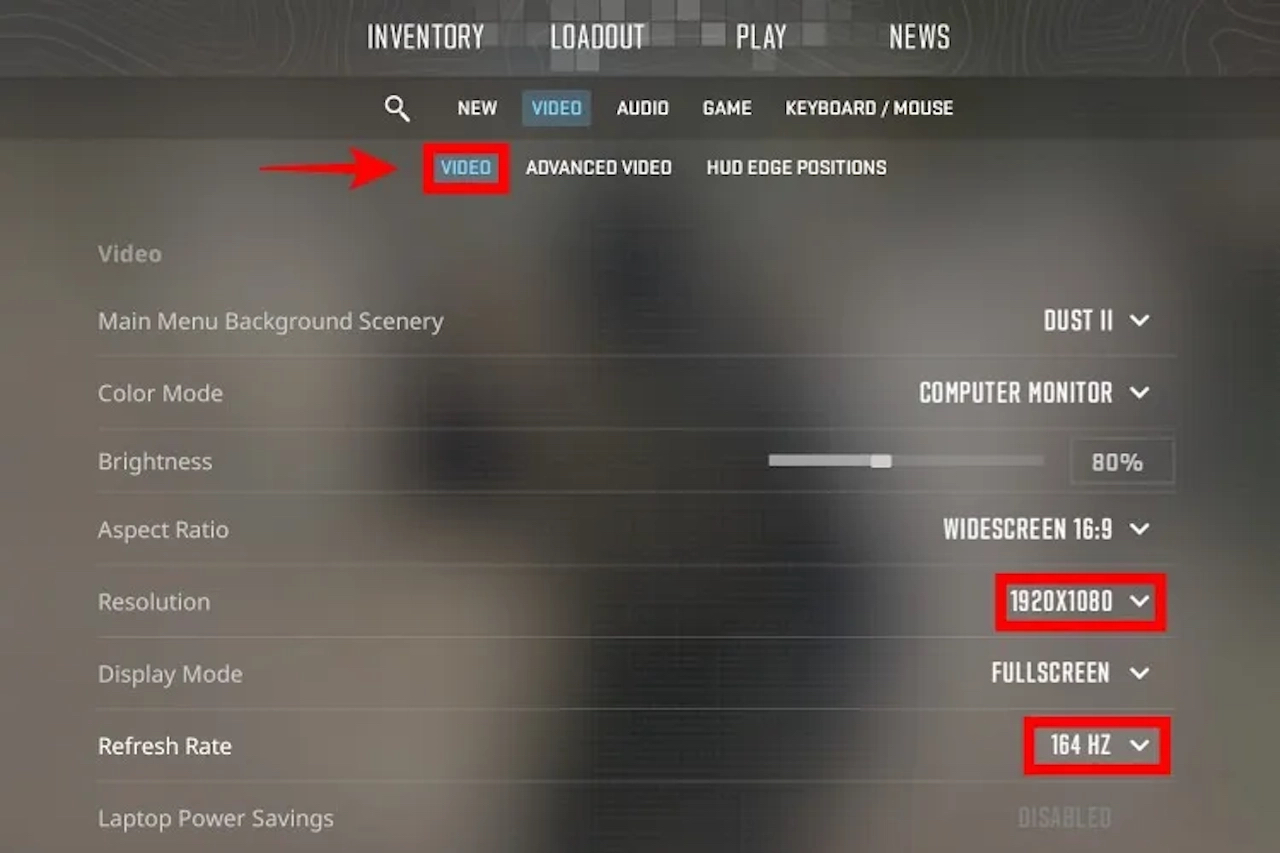
Counter-Strike 2 is built on the Source 2 engine, delivering improved lighting, volumetrics, and physics compared to CS:GO. While the visual upgrade looks impressive, it also demands more from your hardware. For players using older GPUs or budget laptops, performance can quickly become a problem. The good news? With the best CS2 settings low-end PC […]

The post Best CS2 Settings for Low-End PCs: Boost FPS and Optimize Performance appeared first on Geeky Gadgets.

Posted in Uncategorized

This 1080×1080 Round Touchscreen Saves Designers From Faking Circles

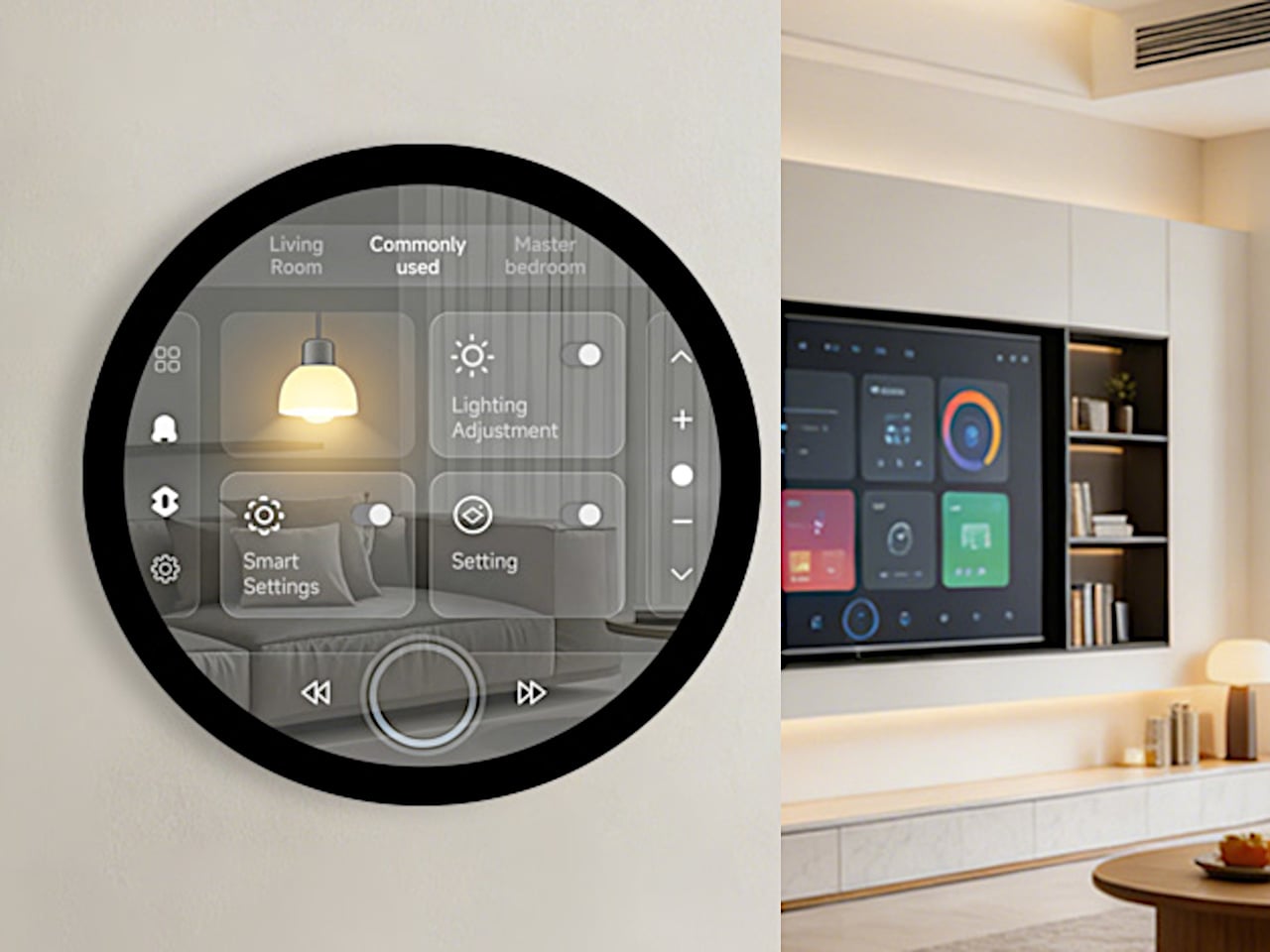
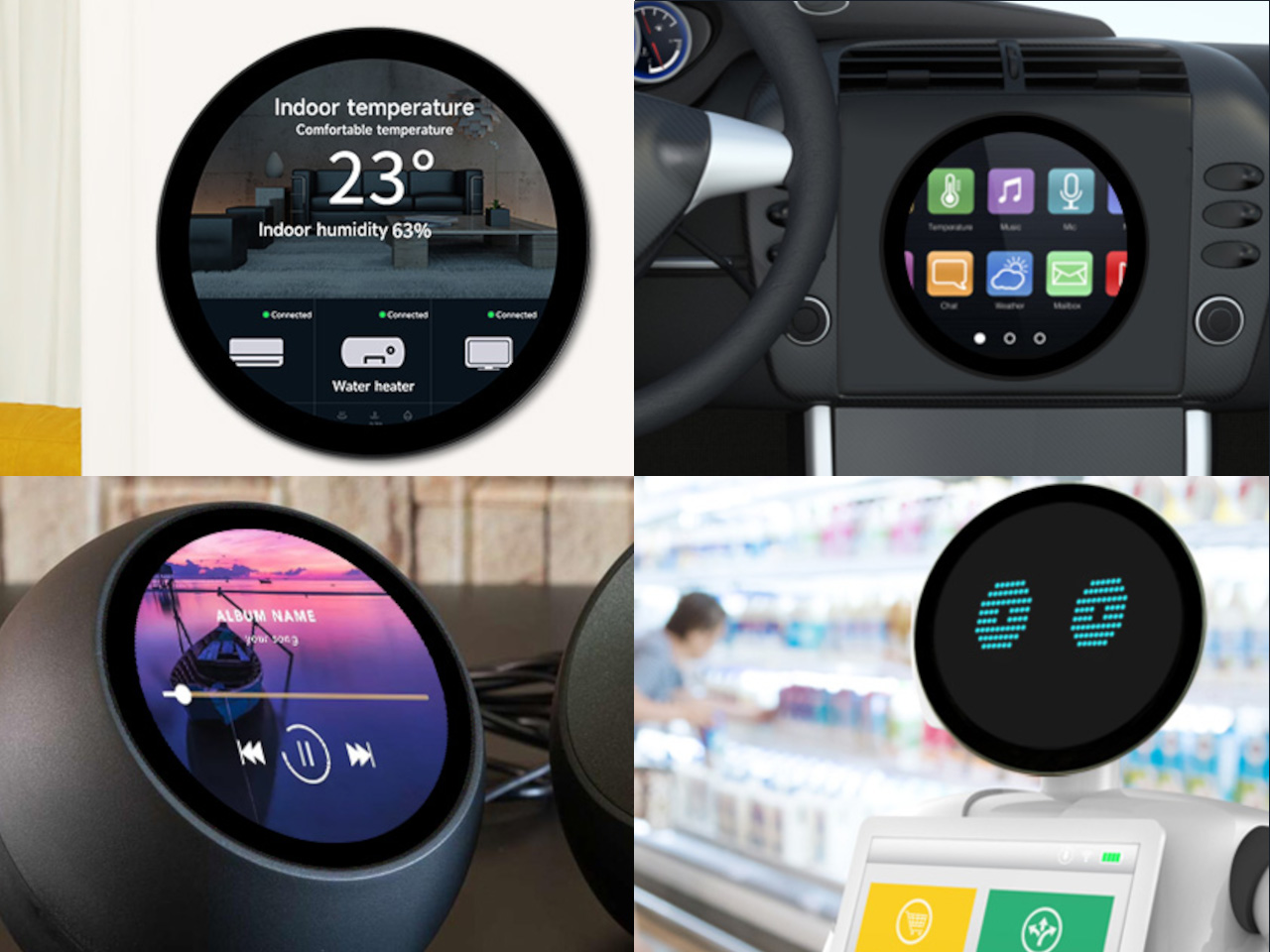
Circular interfaces keep showing up in design. Thermostats, smart speakers, automotive dials, wearable-inspired dashboards, the circle feels friendly and “instrument-like” in a way that rectangles don’t, especially when the goal is a glanceable, ambient piece of hardware rather than something you stare at for hours. The problem is that most prototyping hardware is rectangular, so designers either fake a round interface on a square screen or spend weeks sourcing a custom circular panel.

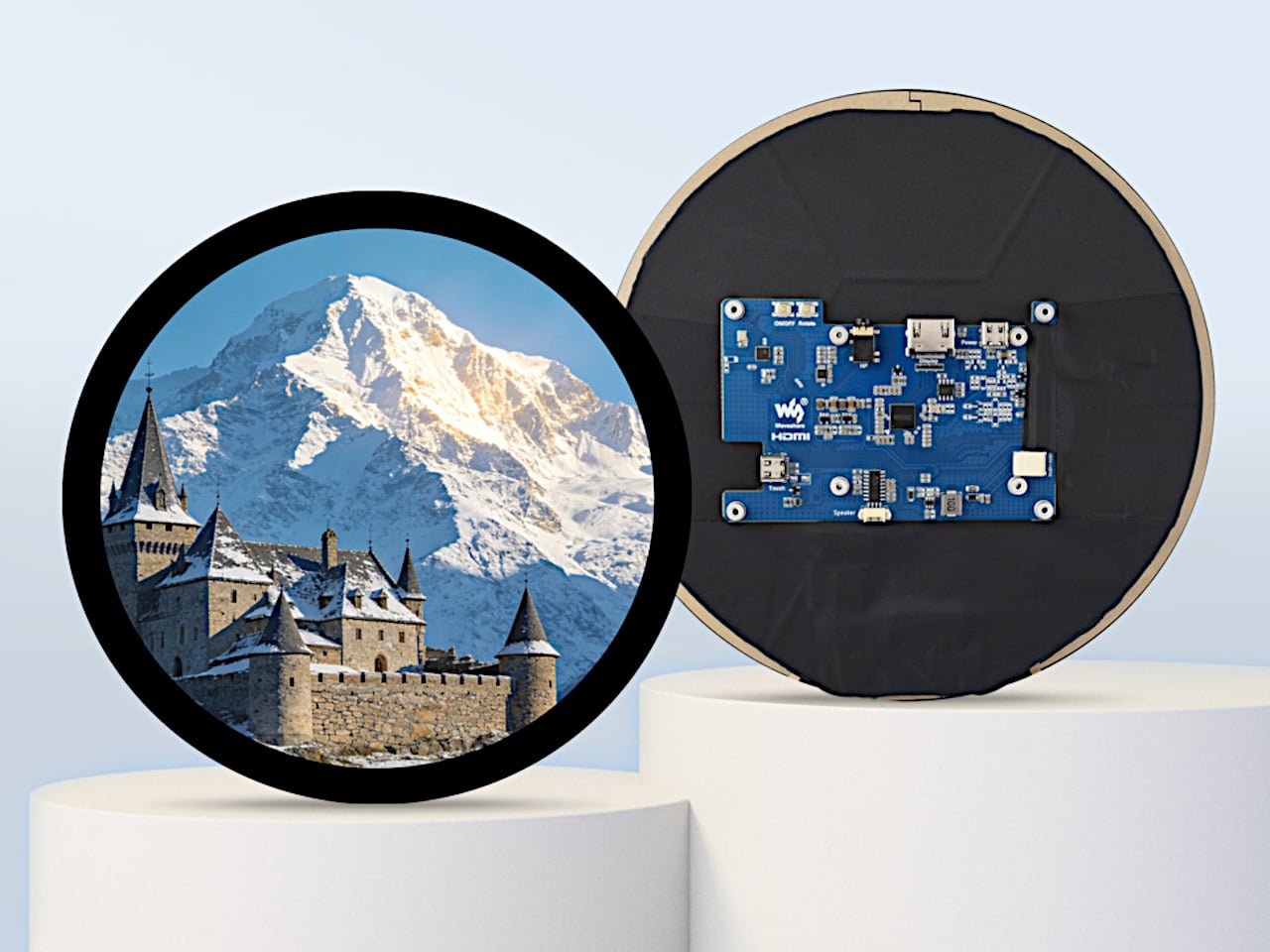
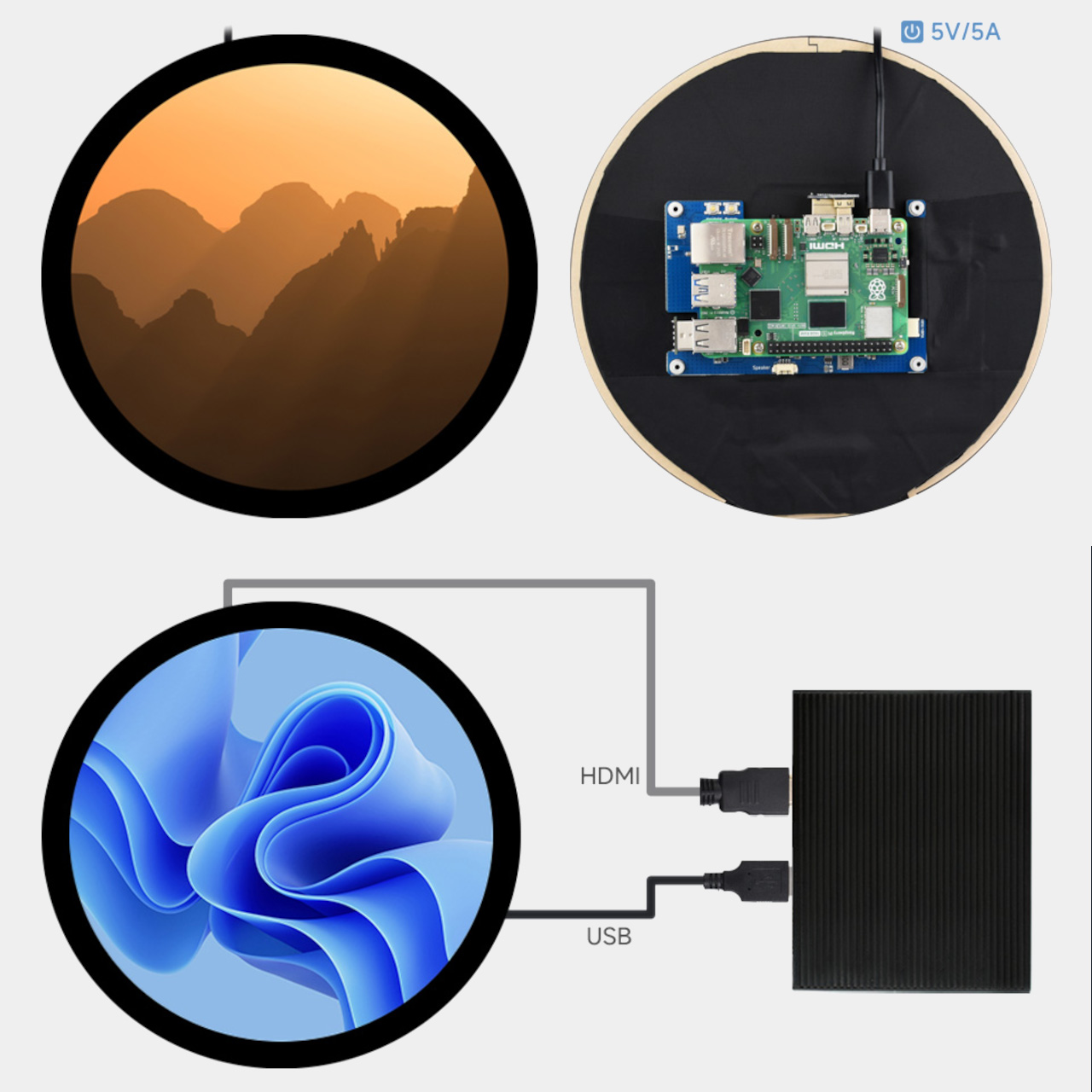
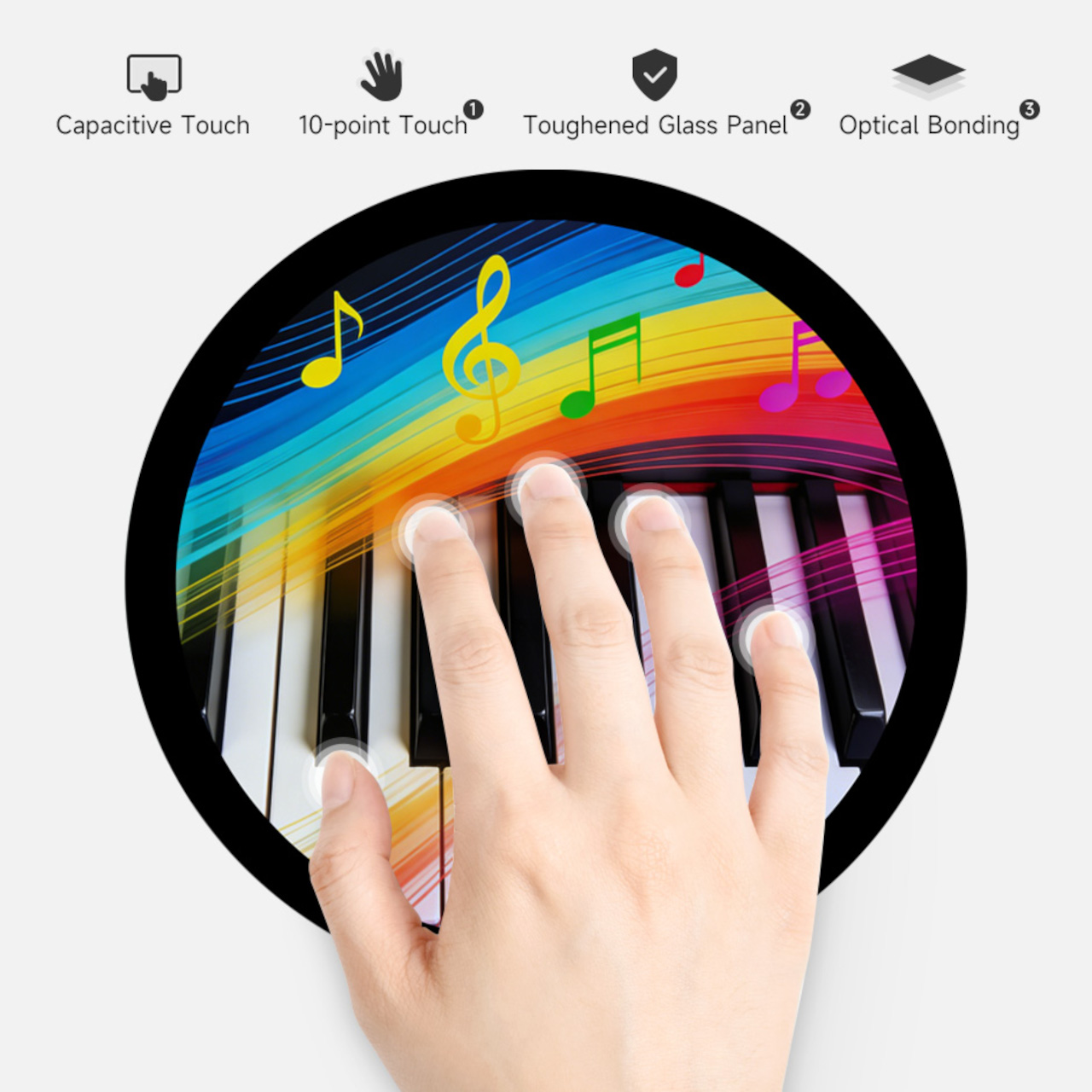
Waveshare’s 7-inch round touch display tries to remove that bottleneck. It’s a 1080×1080 IPS panel with 10-point capacitive touch, optical bonding, and toughened glass, all in a circular form factor that connects to a host device over HDMI with a separate USB-C cable for touch data. The premise is simple: treat it like a normal monitor and touchscreen, then build whatever circular UI you want on top of it.

Designer: Waveshare

The spec choices that matter for actual design work are mostly about reducing friction. HDMI video input and USB-C touch make the display behave like a standard external monitor to any device that supports it, so you’re not writing drivers or fighting kernel modules before you can see your UI on screen. Waveshare claims driver-free operation on Windows 11 down to Windows 7, plus Raspberry Pi OS with full 10-point touch, and Ubuntu and Kali with single-point, which is more than enough for early-stage prototyping.

Brightness is rated at 800 cd/m², with a 160-degree viewing angle from the IPS panel. For a prototype that’s going on a wall, into a vehicle mock-up, or onto a demo table for a client presentation, that combination means the display stays legible from reasonable distances and off-angle views. The optical bonding also closes the air gap between the glass and the LCD, so it reads more like a laminated consumer screen than a development board display, which makes a quiet difference when you’re showing work to someone who doesn’t build hardware for a living.

The small onboard controller adds a few practical tools: a physical touch rotation button for flipping between portrait and landscape without touching software, and a backlight adjustment that can be controlled via software. There’s also a 3.5mm audio jack and a 4PIN speaker header if you want to add sound to the build. None of these are headline features, but they’re the kind of things that accelerate iteration without requiring extra components or hacks.

Platform support stretches from Raspberry Pi 3 all the way through Pi 5, plus NVIDIA Jetson boards for more compute-intensive builds, and standard Windows PCs for larger installations or kiosk-style demos. That breadth means the same display can serve a lightweight Pi-based smart-home prototype one week and a Jetson-powered vision demo the next.

A circular screen goes beyond novelty into a very different product personality. Having an off-the-shelf option that handles touch, connects over standard cables, and doesn’t require driver work means designers can spend time on the actual interaction and enclosure instead of fighting the hardware stack to get a circle on screen.

The post This 1080×1080 Round Touchscreen Saves Designers From Faking Circles first appeared on Yanko Design.

Nothing reveals the Phone 4a ahead of schedule

Nothing has been slow-dripping news about the upcoming Phone 4a for a few days now, with a promise to reveal the handset on March 5. However, the company jumped the gun a bit and just posted an actual photo of the hardware. It looks pretty nifty, even if we don't have any real-deal specs just yet.

The image shows the handset from behind, displaying the company's trademark transparent design. The picture also features the redesigned Glyph Bar, which was first teased last week. This is a light-based notification system that features individually controlled mini-LEDs that light up in various ways to notify the user of missed calls and stuff like that. You can spot it next to the camera bump.

That's about all we know right now, though there are plenty of industry rumors. It's been reported that the Nothing Phone 4a will feature a Snapdragon 7-series chip and that the reveal will be accompanied by a Pro model with a more powerful camera. The Nothing Phone 3a was also launched alongside the 3a Pro.

We loved the 3a and 3a Pro, calling both "an easy recommendation." Let's hope this carries through for the 4a. Also, you didn't miss a release of the actual Nothing Phone 4. The company likes to release the a-series handsets before the flagship. Past as prologue, we'll likely see that one in early summer.

This article originally appeared on Engadget at https://www.engadget.com/mobile/smartphones/nothing-reveals-the-phone-4a-ahead-of-schedule-181905011.html?src=rss

Ball x Pit will land on iOS and Android on March 12

Ball x Pit, a delightful roguelite that was one of our favorite games of last year, is on the way to mobile devices. The chaotic brick-breaking action is coming to iOS and Android on March 12. There will be a free trial with no ads, and you can unlock the full game with an in-app purchase. This is Ball x Pit “for your pants pocket,” according to the latest trailer.

For the uninitiated, Ball x Pit is sort of a mix of Breakout and Vampire Survivors with some base building (and elements of many other genres) blended in. It’s all about finding powerful synergies between the character(s) you select, passive abilities and the balls you use to take out enemies before they get too close to damage you. These balls are regular ones that deal damage on impact (aka baby balls) or special balls that are infused with a range of effects and powers, such as Lightning, Ghost and Poison. These special balls can be fused to combine their effects or evolved into more powerful versions.

On each run, you’ll collect blueprints and resources that you’ll use to reconstruct a fallen town. Buildings unlock new characters and abilities that can aid you on your next run. Everything synergizes beautifully in Ball x Pit.

Ball x Pit should work well with touch controls on mobile. You can set the balls to fire automatically, so all you really need to worry about is moving your character and aiming, as well as choosing your next upgrade when you earn enough experience gems.

The first of three planned updates for this year arrived in January. I’m still waiting for developer Kenny Sun to add cross-progression since I’ve already plowed dozens of hours into this game on PS5, PC and Xbox — it’s available on Nintendo Switch and Switch 2 as well. Ball x Pit is also currently on Game Pass Ultimate and PC Game Pass.

This article originally appeared on Engadget at https://www.engadget.com/gaming/ball-x-pit-will-land-on-ios-and-android-on-march-12-175159137.html?src=rss

Lamborghini ditches plans for its all-electric supercar due to ‘close to zero’ buyer interest

Looks like we won't get to hear the powerful hum of an all-electric Lamborghini on the streets anytime soon. According to a report from The Sunday Times, Lamborghini has abandoned making a production version of the Lanzador EV concept, which was expected to hit the market in 2029.

Stephen Winkelmann, chairman and CEO of Lamborghini, told The Sunday Times that there was "close to zero" interest from its customer base for battery-powered EVs. Winkelmann also revealed that the verdict to kill off the Lanzador was made late last year, but this is the first public confirmation of the decision after Lamborghini's grand reveal of the EV concept in August 2023. The automaker's CEO told The Sunday Times that "EVs, in their current form, struggle to deliver this specific emotional connection," adding that the lack of noise could have played a part in failing to attract customers.

Instead, Lamborghini will replace the Lanzador with another plug-in hybrid electric vehicle, like its Reveulto and Urus. With this change, Lamborghini's entire lineup will be hybrid EVs by 2030, with Winkelmann confirming that the company would continue making internal combustion engines "for as long as possible." Still, the CEO hinted to The Sunday Times that Lamborghini could pursue another all-electric car in the future, but "only when the time is right."

This article originally appeared on Engadget at https://www.engadget.com/transportation/evs/lamborghini-ditches-plans-for-its-all-electric-supercar-due-to-close-to-zero-buyer-interest-173441263.html?src=rss