This Folded Knife Design Challenges 400 Years of Tableware

Sometimes the best designs come from asking a simple question nobody bothered to ask before. For designer Kathleen Reilly, that question was: why does a knife always have to lie flat on the table? The answer came in the form of Oku, a table knife that literally hangs around the edges of your plates and boards thanks to a unique folded handle that defies centuries of Western tableware convention.

When Reilly first arrived in Tsubame-Sanjo, a region in Japan’s Niigata Prefecture known for over 400 years of metalworking tradition, she wasn’t planning to revolutionize the humble dinner knife. The Scottish metalworker had been awarded a Daiwa Scholarship in 2019 and was eager to immerse herself in the legendary craftsmanship of Japanese artisans. What emerged from this cultural exchange was something that bridges East and West in a way that feels both natural and unexpected.

Designer: Kathleen Reilly

The genius of Oku lies in that distinctive bent handle. Instead of resting horizontally like every other knife you own, it hooks over the edge of a plate or wooden board, elevating the blade and creating this almost sculptural presence on your table. It’s a design choice inspired by traditional Japanese place settings and arrangement principles, where every object has intention and purpose. But it’s not just about aesthetics. That elevated position means the blade never touches the table surface, keeping things cleaner and adding an element of interaction between the knife and whatever it’s sitting on.

The project brought together some serious talent from Japan’s craft world. The metal work came from skilled craftspeople in Tsubame-Sanjo, using techniques passed down through generations. The wooden boards that pair with the knives are made by Karimoku Furniture, Japan’s leading wooden furniture manufacturer known for both quality and sustainability. Every piece of wood is sustainably sourced from Japanese forests managed to promote conservation, and the high-quality stainless steel is domestically produced. The whole project operates under Japan’s Ministry of Foreign Affairs Sustainable Development Goals, which gives it some serious environmental credentials.

What makes Oku particularly interesting is how it challenges assumptions. Western tableware has followed basically the same template for centuries, but Reilly looked at those conventions through fresh eyes informed by Eastern design philosophy. The result is functional yet unconventional, introducing what she describes as a refined aesthetic that breathes new life into dining spaces. Dezeen Awards judges agreed, naming Oku the Homeware Design of the Year in 2022. Their comments captured something essential about the design: “Oku has a certain humour to it while being beautiful and innovative. It is a beautiful, honest and delicate design, the way the knife and the block work together has a kind of unified function that is expressed through the form of each.”

There’s something playfully subversive about a knife that refuses to behave like other knives. It perches rather than lays, it interacts rather than just existing. The form tells a story about craft traditions meeting contemporary design thinking, about respecting heritage while pushing boundaries. It’s the kind of object that makes you reconsider other everyday items you’ve taken for granted.

For anyone interested in how design can create dialogue between cultures, Oku offers a compelling case study. It demonstrates that innovation doesn’t always mean adding more features or technology. Sometimes it means looking at something familiar from a completely different angle, informed by traditions that value mindfulness and intentionality in daily rituals. The collaboration between Scottish creativity and Japanese craftsmanship produced something neither culture would have created alone, and that’s where the magic happens.

The post This Folded Knife Design Challenges 400 Years of Tableware first appeared on Yanko Design.

This Oreo-shaped Tea Infuser Retains The Dunking Ritual With A Twist!

There’s something deeply comforting about a cup of tea, especially when it’s paired with an object that makes you smile before you even take the first sip. CookieTea, a tea infuser designed by Peleg Design, turns a familiar daily ritual into a small, joyful moment. Shaped like a classic sandwich cookie, it brings warmth, humor, and intention to the simple act of brewing tea.

At first glance, CookieTea looks almost edible. The resemblance to a real cookie is so convincing that you might hesitate for a second before dropping it into your cup. That playful confusion is part of its charm. Unlike regular tea bags, which tend to disappear into the mug, this infuser is meant to be seen. When dunked into hot water, it looks deliberate and thoughtfully placed, as if it belongs there by design rather than necessity. The act of steeping suddenly feels visual and expressive, not just functional.

Designer: PELEG DESIGN

Click Here to Buy Now

The experience goes beyond appearance. CookieTea is genuinely easy to use, even for someone who does not usually reach for loose-leaf tea. One side of the cookie lifts open effortlessly, creating a small compartment where you can add your preferred tea leaves. Once filled, it seals back securely with a simple press. There is no struggle, no fiddling, and no sense of fragility. The interaction feels natural and intuitive.

The cream layer of the cookie hides one of the smartest details of the design. A peelable strip controls how the tea infuses. When closed, it keeps the interior clean and contained. When opened, tiny perforations allow the flavor and aroma of the tea to mix with the water gently. This thoughtful mechanism ensures that the infuser performs just as well as it looks, balancing cleanliness with proper brewing.

Another small but meaningful detail is the hook-shaped edge built into the peelable strip. This allows CookieTea to rest securely on the rim of the cup, preventing it from sinking to the bottom or floating around while steeping. It also makes removing the infuser effortless once the tea is ready. It solves a common annoyance so quietly that you only realize how useful it is once you experience it.

After brewing, CookieTea continues to add value. Instead of feeling like something to hide away, it fits perfectly on a plate beside your cup. It adds to the overall table setting, enhancing the visual experience rather than disrupting it. Whether used during a quiet afternoon break or while hosting guests, it naturally becomes part of the moment.

CookieTea does not try to redefine tea drinking. It simply makes it more pleasant, more intentional, and more human. It is a reminder that good design lives in the details and that even the smallest everyday rituals deserve objects that spark joy.

Click Here to Buy Now

The post This Oreo-shaped Tea Infuser Retains The Dunking Ritual With A Twist! first appeared on Yanko Design.

Airline Meal Trays Are Broken: This Korean Design Fixes Them

There’s something deeply satisfying about opening a Korean meal to find those little side dishes, each in their own small bowl, arranged just so. The banchan tradition turns eating into a kind of visual feast before you even take a bite. Now, imagine bringing that same thoughtful, modular approach to one of the most notoriously cramped dining experiences: airplane meals.

That’s exactly what BKID co has done with their System Tray design, and honestly, it’s one of those ideas that makes you wonder why we didn’t think of this sooner. The project takes the organizational genius behind Korean side dish service and reimagines it for the narrow, tray-table constrained world of in-flight dining.

Designer: BKID co

Anyone who’s flown recently knows the struggle. You get your meal tray, and it’s this precarious balancing act of overlapping plastic containers, a wobbly cup threatening to spill, and utensils that somehow always end up on the floor. There’s no elegance to it, no sense that anyone actually thought about the experience beyond “how do we get food from point A to point B?” The System Tray flips that script entirely. Drawing inspiration from traditional Korean wooden trays that hold multiple small dishes, the design creates a modular system where individual plates nest together like a puzzle. Each piece has those beautiful organic, flowing shapes that lock into each other or fit perfectly within the main tray. It’s functional geometry that doesn’t look robotic or cold.

What makes this particularly clever is how it addresses real constraints. Airlines aren’t going to adopt anything that doesn’t meet strict safety standards or adds significant weight. So BKID co worked with lightweight materials like durable plastics and lightweight ceramics, keeping things practical while maintaining that elevated aesthetic. The pieces can stack when not in use, which means they take up less storage space in the galley. For airlines constantly trying to maximize every square inch of cabin space, that’s a huge selling point.

But let’s talk about the visual appeal, because this is where the design really shines. The color palette is subtle and sophisticated: soft creams, muted blues, warm beiges, and earthy browns. These aren’t the harsh primary colors or industrial grays we’re used to seeing on planes. The shapes themselves are organic and almost playful, with curved edges that interlock in unexpected ways. Laid out, they look more like modern art than airline serviceware.

There’s something almost meditative about the way the pieces fit together. You can configure them in different arrangements depending on the meal, whether it’s a full dinner service with multiple courses or a lighter snack. That flexibility is key because not every flight or passenger needs the same setup. The modular approach means the system can adapt rather than forcing one rigid solution.

This design also taps into a broader trend we’re seeing in travel and hospitality: the push to make utilitarian experiences feel special. We’ve watched airport lounges transform into design showcases. We’ve seen hotel rooms become Instagram-worthy destinations. Even train stations are getting architectural makeovers. Why should airplane meals be any different? The banchan tradition isn’t just about having multiple dishes. It’s about balance, variety, and presentation. It turns a meal into something communal and considered, where each element has its place and purpose. That philosophy translates surprisingly well to the challenge of airline food service, where space is limited but the desire for a pleasant dining experience remains.

What BKID co has created here isn’t just a better tray. It’s a rethinking of how we approach one of travel’s most mundane moments. It suggests that even in a space as constrained as an airplane cabin, there’s room for thoughtfulness and beauty. The design proves that solving practical problems doesn’t mean sacrificing aesthetics.

Will we see these trays on flights anytime soon? That’s the real question. Airlines move slowly, and switching out serviceware across an entire fleet isn’t a small undertaking. But as more carriers compete on experience rather than just price, innovations like this become more attractive. Passengers increasingly expect more, even in economy. A meal served on a thoughtfully designed tray system could become a differentiator.

For now, the System Tray stands as a brilliant example of cross-cultural design thinking, where a traditional dining practice inspires a modern solution to a very contemporary problem. It reminds us that good design often comes from looking at how people have solved similar challenges in different contexts, then adapting those insights with fresh eyes.

The post Airline Meal Trays Are Broken: This Korean Design Fixes Them first appeared on Yanko Design.
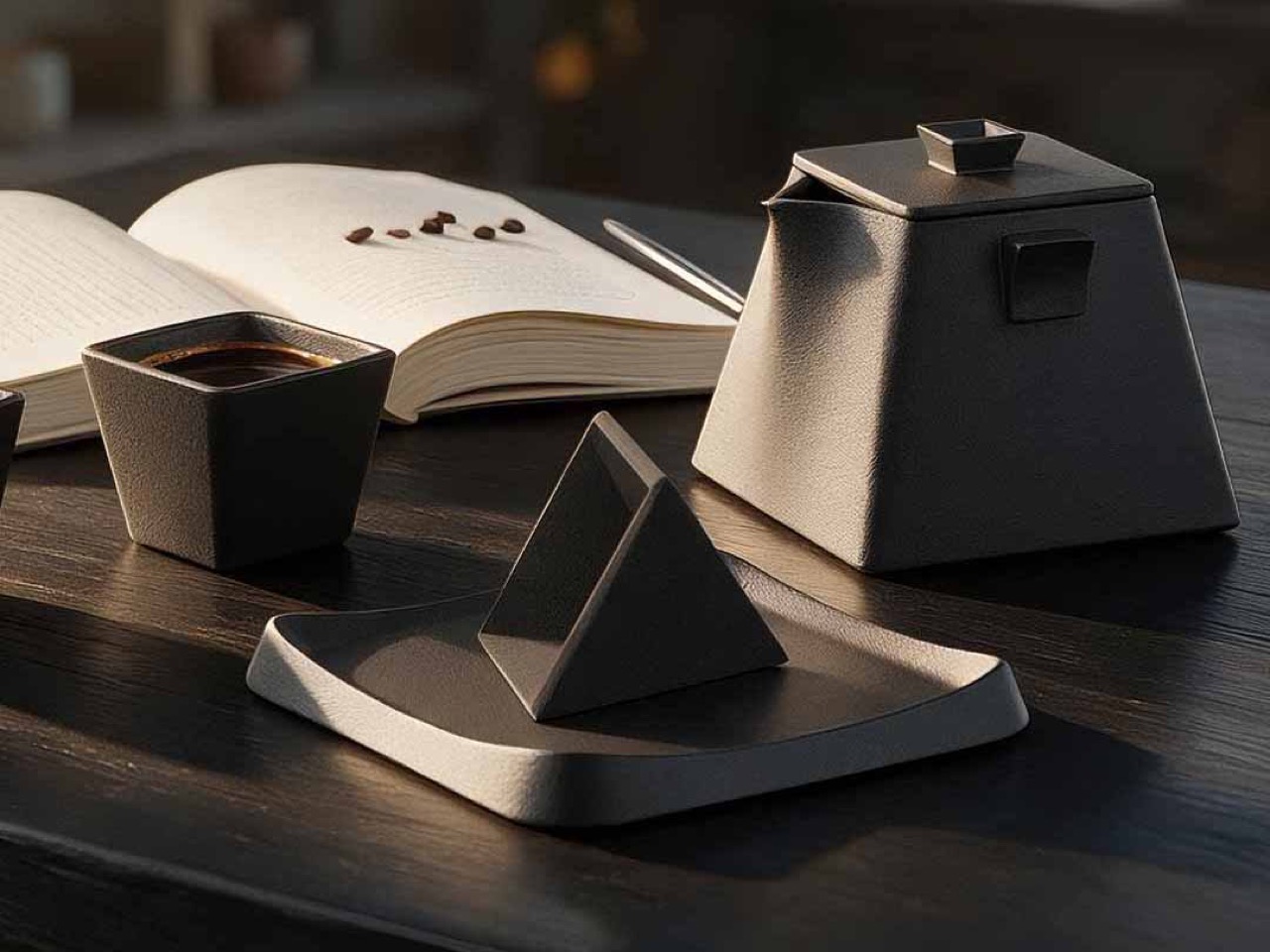
This Ceramic Bowl Has Secret Compartments for Pistachio Shells

Eating pistachios or olives usually means improvising a discard situation. Shells end up on napkins, side plates, or scattered across the coffee table, and by the time the bowl is empty, there’s a mess to clean up. Shared snack bowls at parties have the same problem: fresh food mixed with scraps, and everyone reaches in with uncertain hands trying to avoid the pile of pits someone left on the edge.

CALYRA treats that mess as part of the design brief rather than an afterthought. It’s a ceramic food and waste server that combines a main serving space with dedicated discard areas in a single form. The two pieces nest together symmetrically, both during use and when tucked away in a cupboard, so pits and shells have an obvious home from the start instead of wandering around the table.

Designer: Christina Tran

Picture a casual evening with pistachios on the coffee table. CALYRA’s larger basin holds the fresh snacks, while two smaller cavities collect empty shells and pits as you work through the bowl. Instead of juggling an extra plate or folding a napkin into an improvised waste pouch, everything stays within one footprint. When you’re done, you can carry the whole situation to the sink in one trip.

Once the food is gone, the two pieces nest into a compact stack. The cut-out legs and curved profiles lock into a stable shape that’s easy to store in a small cabinet. That symmetry means you can carry it as a single object from the cupboard to the table and back again, even when your hands are already full with wine glasses or a tray of something else that needs attention.

CALYRA’s smooth ceramic surfaces and rounded interiors make it simple to rinse or wipe clean, with no tight corners for residue to hide in. The neutral form and color let it move between different foods and settings, from solo snacks at a desk to shared tapas at dinner. It behaves like regular tableware, just with the added intelligence of a built-in waste plan that most bowls quietly ignore.

The concept focuses on the unglamorous part of eating, the shells, seeds, and pits that usually get handled as an afterthought. By folding that step into the serving piece itself, CALYRA turns a small annoyance into a smoother gesture. It’s the kind of quiet improvement that makes you wonder why most snack bowls still pretend the messy part doesn’t exist, as if ignoring it makes it less of a problem when you’re trying to enjoy pistachios without turning your table into a shell graveyard.

The post This Ceramic Bowl Has Secret Compartments for Pistachio Shells first appeared on Yanko Design.
Handcrafted Porcelain Dinnerware Redefines Everyday Dining Through Craft, Light, and Ritual

Porcelain dinnerware has long been shaped by the logic of industrial production. Uniform forms, limited color palettes, and standardized finishes dominate the contemporary table, reducing porcelain to a neutral backdrop rather than an active part of the dining experience. This porcelain dinner set positions itself in deliberate contrast to that reality. It proposes a quieter, more thoughtful vision in which craft, material honesty, and visual sensitivity redefine how everyday meals are experienced.

At the core of the design lies a simple but powerful idea: food presentation should be as engaging as flavor. Dining is not only an act of nourishment, but also one of attention, rhythm, and atmosphere. By merging handcrafted processes with functional versatility, the set bridges modern living and nostalgic familiarity. It feels contemporary in its restraint, yet warm in its tactile and visual language.

Designer: Monte Porcelain

The collection consists of four pieces designed as a cohesive system: a glass, a bowl, a deep plate known as the Saturn plate, and a service or supla plate. Rather than assigning each object a single rigid purpose, the designer embraced multi-use functionality. This approach reflects evolving dining habits, where objects are expected to adapt fluidly across meals, occasions, and spaces.

The glass is conceived as more than a vessel for drinks. Its form allows it to function equally well as a dessert or snack bowl, encouraging informal and flexible use. The bowl supports a wide range of meals, from soup and salad to breakfast cereal and hot appetizers. Along its upper edge, engraved firefly patterns introduce a subtle decorative layer. These motifs are filled with glaze, ensuring a smooth, sealed surface that interacts gently with light, adding depth without distracting from the food itself.

The Saturn plate is designed for both sauced and non-sauced dishes, such as pasta and main courses. Its flat-edged form frames the food cleanly, while the patterned base enriches the visual composition of the plate. The service plate anchors the set, offering generous proportions suitable for main course presentations or layered pasta services. Together, the four pieces create a table setting that is expressive yet balanced.

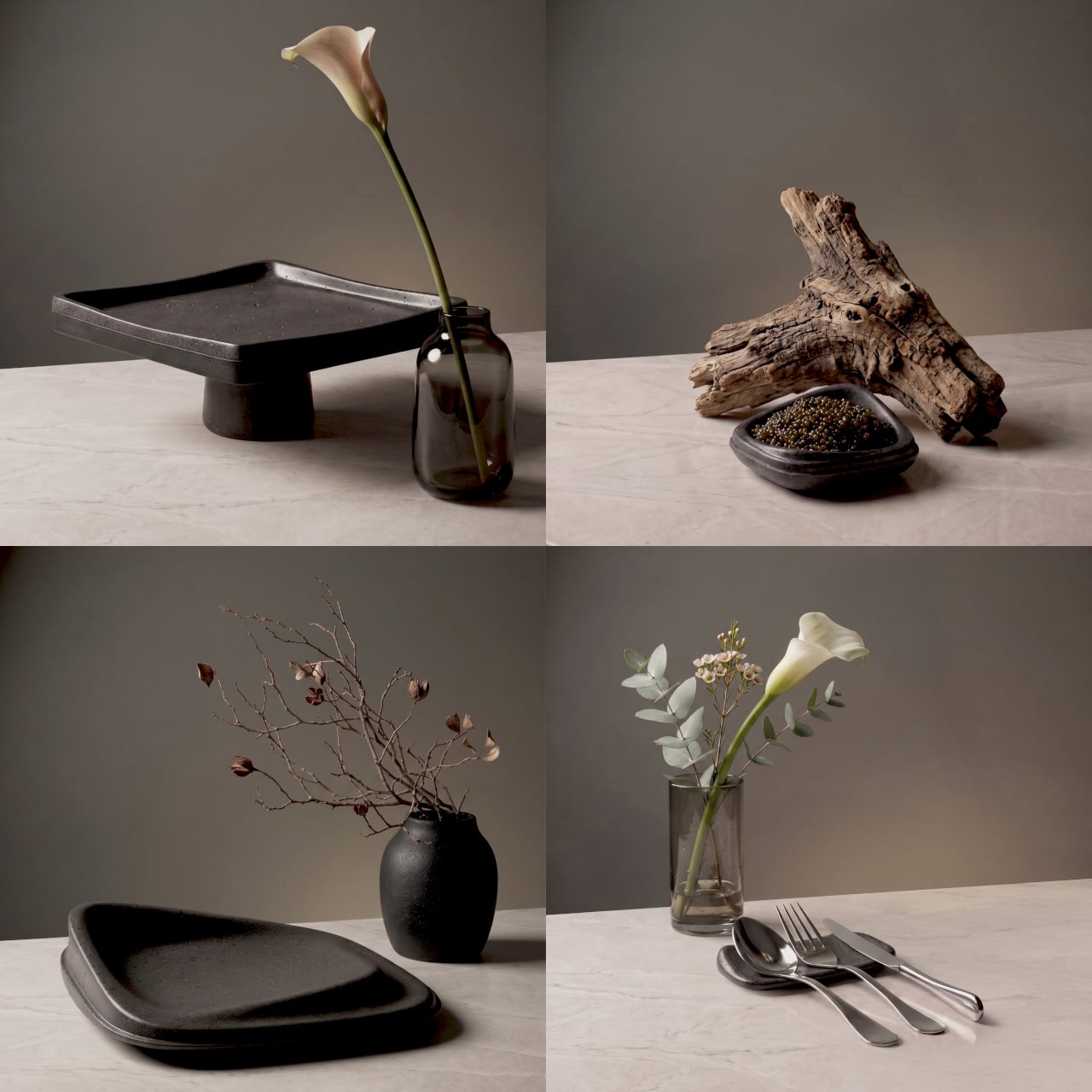
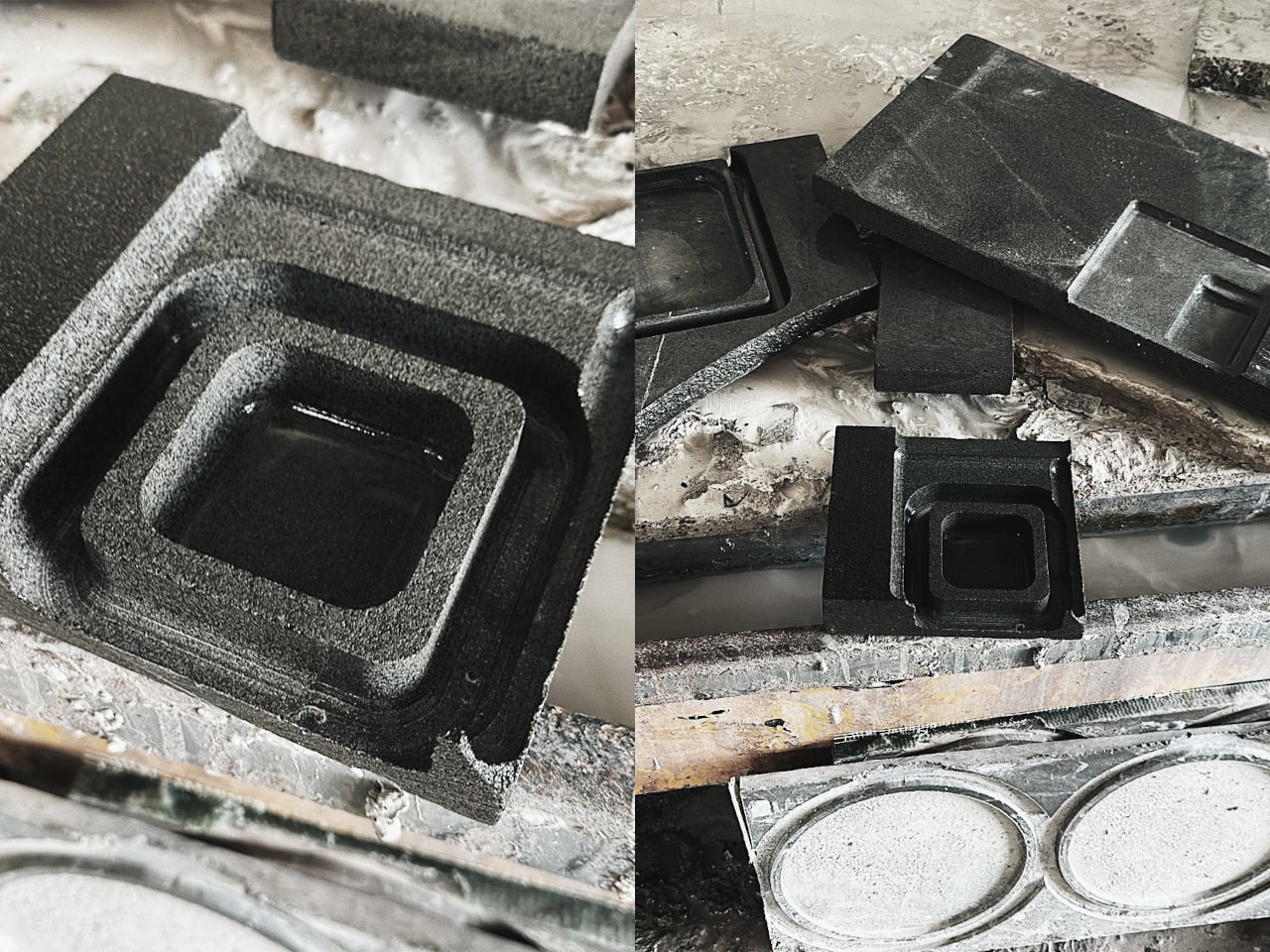
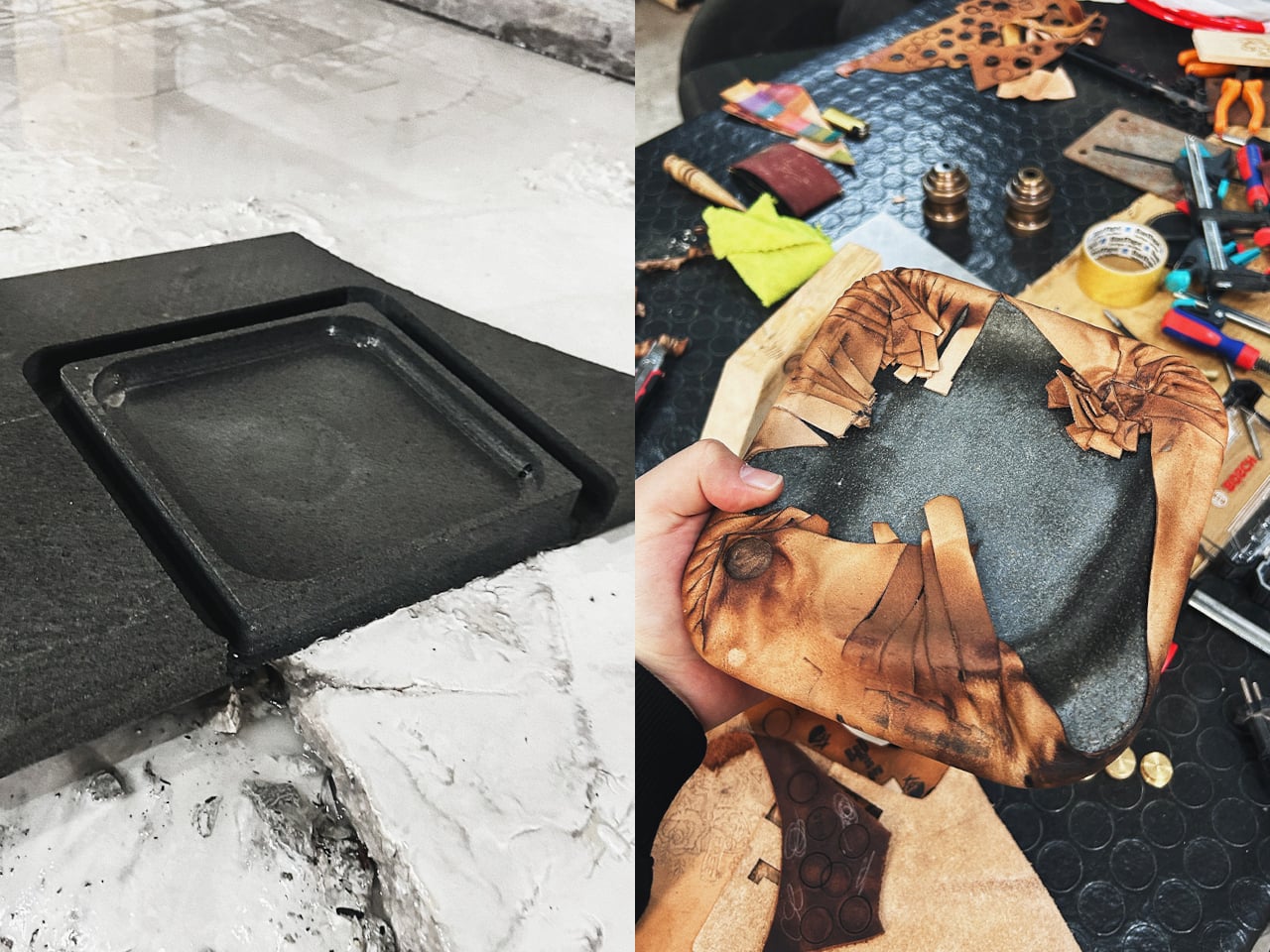
Material integrity and production ethics play a central role in the project. White porcelain, often referred to as bone porcelain, was selected for its suitability for food contact, durability, and timeless visual quality. Each piece was cast using high-quality porcelain clay in plaster molds, then fired at 1230 degrees with transparent glaze. The firefly patterns were engraved using a special technique and selectively colored or left transparent, allowing light to pass through while remaining fully sealed and hygienic.

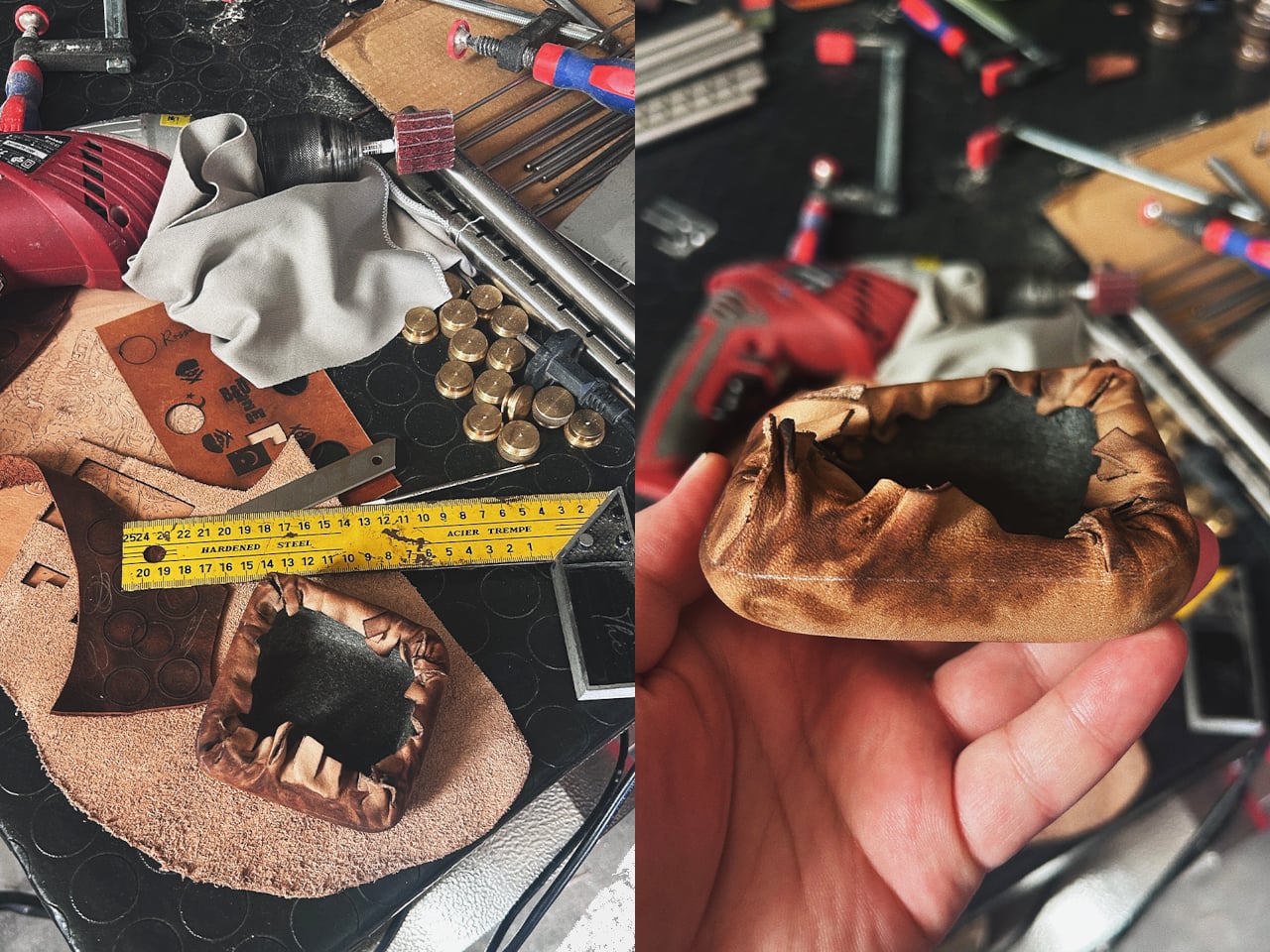
The project was developed over an eight-month period, beginning in June 2024 and completed in February 2025 at the Monte Porcelain Ayvalık Workshop. Every stage of production was carried out by hand, including molding, casting, glazing, and painting. Throughout the process, a fair production approach was maintained, with careful consideration for environmental responsibility and respect for nature. No living creatures were harmed at any stage.

Dishwasher safe, food safe, and designed for long-term daily use, the set demonstrates that handcrafted objects can be both poetic and practical. Recognized within international design contexts such as the A’ Design Award & Competition, this dinnerware collection repositions porcelain as an active participant in the dining ritual. It invites users to slow down, notice light and texture, and rediscover the quiet pleasure of thoughtfully designed everyday objects.

The post Handcrafted Porcelain Dinnerware Redefines Everyday Dining Through Craft, Light, and Ritual first appeared on Yanko Design.
This $109 Electric Moka Pot Lives on Your Desk, Not Your Stovetop

Coffee at work usually means a compromise, a paper cup grabbed between meetings or a lukewarm pot abandoned in the break room. The Flarix Pro steps into that gap as a compact electric moka pot that lives wherever you do your best thinking, quietly promising a richer, more focused cup without sending you on a pilgrimage to the office kitchen. It is a simple proposition, but one that required a complete rethink of a century-old brewing method, trading the romance of the flame for the quiet reliability of a dedicated electric base. The goal is to make good coffee a feature of your workspace, not a distraction from it.

Instead of treating great coffee as a weekend luxury, this little brewer integrates it into your everyday life. Plug it in beside your laptop, fill it with water and fresh grounds, and a few minutes later you have a dense, aromatic moka style coffee that feels closer to a ritual than a chore. This is also in part thanks to its avant-garde Alessi-esque Italian-design form factor. On the hardware front, you’ve got basic electronics wrapped in some clever design details, which essentially rewrites when and where good coffee is allowed to happen. This is not about replacing the café; it is about reclaiming the ten minutes at your desk with something that feels personal and well-crafted. The entire package is an argument for better coffee, right here and right now, without asking you to change your workflow. Think Moka pot reinvented for the modern age, because everything’s about convenience – and nobody likes the idea of leaving their desk to make (or worse, buy) coffee elsewhere.

Designer: CDKM

Click Here to Buy Now: $109 $199 (45% off) Hurry! Only 11 days left.

What makes this possible is the deliberate decoupling of the moka pot from the kitchen. By integrating a 365-watt heating element into a self-contained base, the designers have created a brewer that asks for nothing more than a standard wall socket. This modest power draw is key; it is low enough to play nice with office power strips and portable battery stations, making the “brew anywhere” claim feel credible. The unit weighs in at just 978 grams, light enough to be genuinely portable between home and the office. It is a clever piece of engineering that transforms the moka pot from a fixed kitchen appliance into a personal, relocatable coffee station that can follow you through your day.

Of course, putting a pressurized heating vessel on a desk crowded with electronics and paperwork demands a serious approach to safety. The Flarix Pro packs an Italian Albertinari safety valve – a world-class component known for its precise and reliable pressure release, and a critical feature in a device that literally operates on steam pressure. This is paired with a British Strix thermostat, the same kind of controller found in high-end electric kettles, which provides accurate temperature control and boil-dry protection. The system automatically shuts off when the brew is complete, a simple feature that provides enormous peace of mind when your attention is split between your coffee and your deadlines. Al; this is packed in a design that feels playful, unique, and pretty much deviates from the octagonal Moka pot design which feels almost like a template instead of an icon today. This product is fundamentally different, therefore it must look different, is the justification.

The Flarix Pro packs a patented spring-loaded funnel, which is a genuinely interesting departure from the standard passive funnel found in every other moka pot. This design appears to provide a gentle, consistent compression of the coffee grounds as you assemble the brewer. In theory, this could help create a more uniform coffee bed, reducing the risk of water finding a path of least resistance, a phenomenon known as channeling that leads to a thin, under-extracted brew. It is a small, mechanical detail that could have a significant impact on the final taste and consistency of the coffee, shot after shot.

The body is made from food-grade 304 stainless steel, which is durable, easy to clean, and does not impart any metallic taste to the coffee, a common complaint with older aluminum pots. The interior of the water chamber has been sandblasted, creating a matte texture that resists scale buildup and makes cleaning simpler. Even the spout has been carefully considered; its anti-drip design ensures a clean pour, an essential detail when you are serving coffee directly next to important documents or a keyboard. These are the kinds of thoughtful touches that separate a well-designed product from a mere novelty.

Flexibility is also built into the core design. The Flarix Pro comes with a dual-size filter basket, allowing you to easily switch between brewing two or four shots of moka coffee. This is a practical feature that acknowledges that coffee is not always a solo activity. The water chamber has clear internal markings for both volumes, removing any guesswork from the process. This adaptability makes the brewer suitable for a quick personal coffee break or for preparing a round for a small team meeting. The components are all fully detachable, which simplifies the cleaning process and prevents the buildup of old coffee residues that can ruin the taste of a fresh brew.

The result is an aesthetic and characteristic revival of the Moka Pot, which has been pretty much banished to the kitchen all its life. The Flarix Pro allows it to step out of its shell, and into any room you’d want to drink coffee in, whether it’s your home office, your workspace (accompanied by a few stares from coworkers, perhaps), your RV, or even your campsite. Although the classic brushed steel finish has my heart, CDKM offers a sky blue and a dark blue variant of the Flarix Pro, with a $109 price tag and global shipping starting February. Upgrade to the $199 perk, however, and you get the entire bundle, which also features milk steaming pitcher, a handheld electric milk frother, a coffee grinder, and an espresso cup + saucer.

Click Here to Buy Now: $109 $199 (45% off) Hurry! Only 11 days left.

The post This $109 Electric Moka Pot Lives on Your Desk, Not Your Stovetop first appeared on Yanko Design.
The ‘Biscuit Saver’ saves your Cookies And Oreos From Collapsing Into Your Beverage

Because there’s nothing more disheartening than a chocochip cookie that prematurely met its end in a mug full of milk. You have no way of knowing how much time you have before the cookie gives in, you also need to ensure the cookie is at the right stage of milk-absorption. Too fast and you have a crispy cookie that’s just milk-coated on the surface, too late and you now have to drink your milk with the last gulp being a sediment of soggy dough and half-melted choco chips.

The Biscuit Saver mitigates that. Like a lifesaver for your beverage-biscuit, this was originally designed to be paired with Parle-G biscuits (the world’s largest selling biscuit) and chai – a perfect combination in India. Chai disintegrates biscuits much faster than milk, given it’s usually served piping hot. The judgement requires some clever calculations, often boiling down to mere milliseconds. With Aditya Singh’s ‘Biscuit Saver’, that calculation becomes a little less existential, because you can always fish the broken biscuits out of your chai without using a spoon, or worse, your fingers.

Designer: Aditya Singh

The design concept (imagined using AI) takes inspiration from lifesaver tubes that are used to save humans at sea. Made out of food-grade plastic, the Biscuit Saver comes with a perforated basket, much like those tea infusers you see, and a tube around the top that keeps it floating on your drink. The design, which works primarily for the rectangular Parle-G biscuits, can be tweaked to work for cookies and Oreos too… and its predominant job is to ensure your baked goods don’t end up at the bottom of your beverage.

However, Singh mentions that the Biscuit Saver does one other crucial function too – it tells you exactly how much to dip your biscuit. Some of us overenthusiastic folks like to test the limits by dipping the biscuit/cookie all the way, a high risk with a low reward. The Biscuit Saver’s design stops your biscuit from being ‘over-dipped’. As soon as your biscuit hits the base, it acts as a tactile indicator for you to stop. You can still push the biscuit down further, but at your own peril.

The unique design works perfectly with Parle-G biscuits as well as Biscoff biscuits. The orange design and the nylon rope perfectly capture the product’s inspiration, and the tapered basket means you can stack multiple Biscuit Savers on top of each other. “A tiny everyday problem. Thoughtfully overdesigned,” says Singh humorously in his LinkedIn post, playfully reminding us all of the times when an overdunked cookie or overdipped biscuit was the most tense moment of our lives!

The post The ‘Biscuit Saver’ saves your Cookies And Oreos From Collapsing Into Your Beverage first appeared on Yanko Design.

This Studio Grows Coffee Cups From Gourds

Picture this: instead of manufacturing your next coffee cup, what if you could just grow it? That’s the beautifully simple yet radical idea behind The Gourd Project, an ongoing exploration by Brooklyn-based CRÈME Architecture and Design that’s turning heads in the sustainable design world.

Here’s the problem they’re tackling. Back in 2006, Starbucks alone used 2.6 billion cups at their stores. Each paper cup produces 0.24 pounds of CO2 emissions during manufacturing, and here’s the kicker: only 0.25% actually get recycled after disposal. We’ve been stuck in this wasteful cycle for decades, bouncing between plastic, paper, and ceramic options that all come with their own environmental baggage. CRÈME decided to ask a different question entirely: what if nature didn’t just provide the material, but also handled the manufacturing process?

Designer: CRÈME Architecture and Design

Enter the humble gourd. These fast-growing plants have been cultivated by humans for thousands of years, prized for their robust fruits that develop strong outer skins and fibrous inner flesh. Once dried, gourds become naturally watertight, which is why our ancestors used them as cups and containers long before Tupperware was a thing. CRÈME, led by designer Jun Aizaki, looked at this ancient practice and thought: we can do something with this.

But here’s where it gets really cool. The studio isn’t just hollowing out gourds and calling it a day. They’re using 3D-printed molds to actually shape the gourds as they grow, training them into specific forms like cups and flasks. Think of it as botanical architecture. You place the mold around the young fruit, and nature does the rest, filling the shape while it grows on the vine. The result? Vessels that are 100% biodegradable, manufactured using only sun and water, and look genuinely striking sitting on your shelf.

The project started small, with a few gourds grown in a backyard. But CRÈME has since scaled up production to a farm, with plans to eventually move operations indoors to better control for variables like pests and weather conditions. The entire production cycle currently takes about six weeks, and while the team is working to streamline that timeline, it’s still remarkably efficient compared to traditional manufacturing processes that involve mining, refining, molding, and shipping materials around the globe.

Each gourd vessel can be reused between three to six times before it starts to break down. At that point, you’re not adding to a landfill or hoping it makes it to a recycling facility. You just toss it in with your food waste and let it compost naturally. It’s a genuine cradle-to-cradle approach, where the end of one cup’s life becomes the beginning of nutrients for the next season’s growth.

The design world has noticed. The Gourd Project earned a finalist mention at the NYCxDesign awards and has been featured in major publications like Dezeen, Fast Company, and NowThis News. It’s easy to see why. In an era where greenwashing is rampant and “sustainable” often just means “slightly less terrible,” here’s a project that actually reimagines the entire system from the ground up, literally.

What makes this particularly exciting is how it challenges our assumptions about design and manufacturing. We’re so conditioned to think of products as things we make, things we control from start to finish in factories. The Gourd Project flips that script. It asks us to collaborate with nature, to work with biological processes instead of against them. The designers provide the framework, the blueprint. The plant does the actual building.

Will we all be sipping our lattes from gourds next year? Probably not. CRÈME is still refining the process and working toward a consumer launch. But that’s almost beside the point. The Gourd Project proves that radical sustainability doesn’t have to mean sacrifice or hairshirt aesthetics. These vessels are genuinely beautiful, with organic variations that make each one unique. They represent a fundamentally different way of thinking about the objects we use every day.

The post This Studio Grows Coffee Cups From Gourds first appeared on Yanko Design.
These Ceramic Cups Were Designed And Manufactured Entirely By An Algorithm

Sure, we could sit and fearmonger about how AI will one day replace designers, but here’s an alternative reality – what if AI didn’t replace us, it just created a parallel reality? Like you’ve got Japanese ceramics, Italian ceramics, and Turkish ceramics, what if you could have AI ceramics? Not a replacement, not a substitute, just another channel. That’s what BKID envisioned with ‘Texture Ware’, a series of cups designed entirely by AI and manufactured using 3D printing. Minimal human intervention, and minimal human cultural input.

The AI feeds itself a vast repository of data and uses its own database to make textural products that humans then use. BKID’s results look nothing like anything we’ve seen before, each cup of the Texture Ware series looks almost alien, an exaggeration of textures found in nature taken to an extreme. You wouldn’t find such cups in a handicrafts bazaar or your local IKEA. They’re so different that they exist as a separate entity within the industry, not a replacement of the industry itself.

Designer: BKID co

The workflow uses different AI services to go from prompt to cup. The only real input is a text prompt from a human specifying what sort of texture they want. The AI generates the texture image using ChatGPT’s Dall-E, creates  a cup out of it in Midjourney, and then translates the 2D image of a cup to 3D using Vizcom. The 3D file then gets 3D printed, eliminating pretty much any actual human intervention as the machine models and manufactures the design from start to end.

“What would normally require a considerable amount of time if crafted entirely by hand was instead realized through two to three generative tools and a process of repeated trial and error,” says BKID. “The exaggerated expressions and omitted forms that emerge in each stage invite the audience to experience the subtle differences in sensibility between traditional handcraft and craft shaped by generative software.”

Users can make cups inspired by brutalist textures of concrete, fuzzy textures of moss, rustic textures of wood-bark, wrinkled textures of crumpled paper, raw textures of coal, columnar textures of basalt rock, porous-like textures of coral, or even alien-like textures of fungi. Each cup looks unique and the AI never repeats itself, which means even cups within the same texture category could be wildly different.

The result truly feels alien, because the AI approaches design using an entirely different set of parameters. Their imperfections become design details, their lack of ergonomics or awareness become a unique design DNA. The result isn’t like any cup you’ve ever seen before, and that’s the point – it’s created by an AI that hasn’t ‘seen’ cups, hasn’t used cups, and doesn’t test its output. That being said, the cups are still usable because of the parameters set by the human. The cups don’t have holes, and contain enough volume to hold liquid efficiently. They’re perfect for espresso, saké, or green tea, something that’s savored in tiny quantities in vessels that feel less utilitarian and more ritualistic.

What BKID’s experiment proves is that AI (at least in this case) won’t replace designers, it’ll exist independent of them. Can an AI make a cup exactly like a regular designer would? Absolutely… but there’s a better case to be made to have AI make things beyond human creativity and culture. These cups contort nature and textures into something that feel extremely new, in a way that allows AI-made cups and human-made cups to coexist peacefully.

The post These Ceramic Cups Were Designed And Manufactured Entirely By An Algorithm first appeared on Yanko Design.
UNAVELA Machined This Cube Espresso Cup From One Aluminum Block

Espresso is a tiny daily ritual that usually happens in anonymous porcelain cups pulled from the cupboard without a second thought. More designers are turning their attention to these small moments, using precise materials and geometry to make them feel intentional rather than automatic. UNAVELA’s Aluminium Coffee Cup is one of those objects, taking something familiar and rendering it as a sculptural, almost architectural piece you’d want to keep visible on the counter.

The cup comes from French-Spanish studio UNAVELA, founded by two aerospace engineers who now apply that rigor to everyday objects. The set consists of a cube-shaped aluminium cup with a spherical handle and a square frame saucer, all bead-blasted and anodized in matte silver. It’s designed to be used, noticed, and kept rather than forgotten in a cupboard, and it’s the first piece in a broader collection of functional objects.

Designers: Javier De Andrés García, Anaïs Wallet (Unavela)

The cup itself is a tall, narrow cube machined from a single block of 6061 aluminium, with a square opening sized for a 50-milliliter shot. One face carries a solid metal sphere as a handle, creating a striking contrast between sharp edges and pure geometry. When filled, the silver interior reflects the warm color of the coffee, so the drink visually defines the inside rather than a separate finish or coating.

The saucer takes the form of a flat square frame with rounded rectangular cutouts and a central recess for the cup. From above, it looks like a thin border floating around the cube, especially when rotated into a diamond orientation. The open areas reduce visual weight and echo the cup’s square footprint, turning the saucer into more of a stage than a simple coaster or dish.
Of course, UNAVELA machines each cup from a single block using CNC technology, then bead-blasts the surface to achieve a soft satin texture that feels smooth in the hand. A transparent food-grade anodization protects the metal and keeps it safe for drinks, similar to traditional Italian moka pots. Each piece is assembled and checked by hand in their atelier in the south of France.

The cup isn’t too hot to hold; side-by-side tests with porcelain showed similar exterior temperatures. The anodized aluminium doesn’t affect taste and is safe for coffee. Despite the square opening, one side matches the average mouth width, so you drink from a flat edge rather than a corner, and the experience feels surprisingly normal when it touches your lips.

The cup should be rinsed with water only, no soap, dishwasher, or scouring pads, echoing the care routine of classic Italian coffee makers. The Aluminium Coffee Cup turns a quick espresso into a moment of interaction with geometry and material. It’s less about maximizing insulation or capacity and more about enjoying the shape of the ritual itself, holding something that feels as considered as the coffee inside it.

The post UNAVELA Machined This Cube Espresso Cup From One Aluminum Block first appeared on Yanko Design.