V8 powered Genisis x Skorpio off roader is not just a pretty face

Virtually every newly launched car these days is an electric vehicle, but Genesis is not shying away from the capabilities of a V8 engine fitted inside a vehicle that rides any terrain like a boss. Taking the challenge to Ford, which is building an off-road supercar under wraps, the X Skorpio produces 1,100 horsepower and 850 lb-ft of torque for rugged terrain supremacy. A bold direction for Genesis to take on the likes of 911 Dakar and Huracan Sterrato, perhaps. The luxury vehicle division of Hyundai Motor has experimented in the past with creations like the X-Trail Mountain Rescue and GMR-001 hypercar, but this one is a bold leap forward.

The launch of the howling off-road concept fittingly took place on the dunes of the Rub’ al Khali desert, also known as the Empty Quarter. Home to the famous Dakar rally, the region is known for its extreme landscape spanning thousands of square miles. S suggested by the naming convention, the V8 beast is inspired by the anatomy of a scorpion. The underpinning highlight of the performance car is its lightweight construction from a combination of carbon fiber, fiberglass, and Kevlar.

Designer: Genesis

The visual similarities of the venomous animal include flared wheel arches that resemble pincer claws, armor panels that emulate the rugged exoskeleton, and a roof-mounted intake that seems a bit like a coiled-up tail.  The segmented armor panels serve to expose the internal mechanics for quick repairs and maintenance in challenging conditions where time is of the essence. The purpose-built tubular frame has a full roll cage with four-point harnesses. X Skorpio gets a long travel suspension, securing the 18-inch beadlock rims with the 40-inch off-road tires. The result is a sizeable ground clearance and good approach and departure angles.

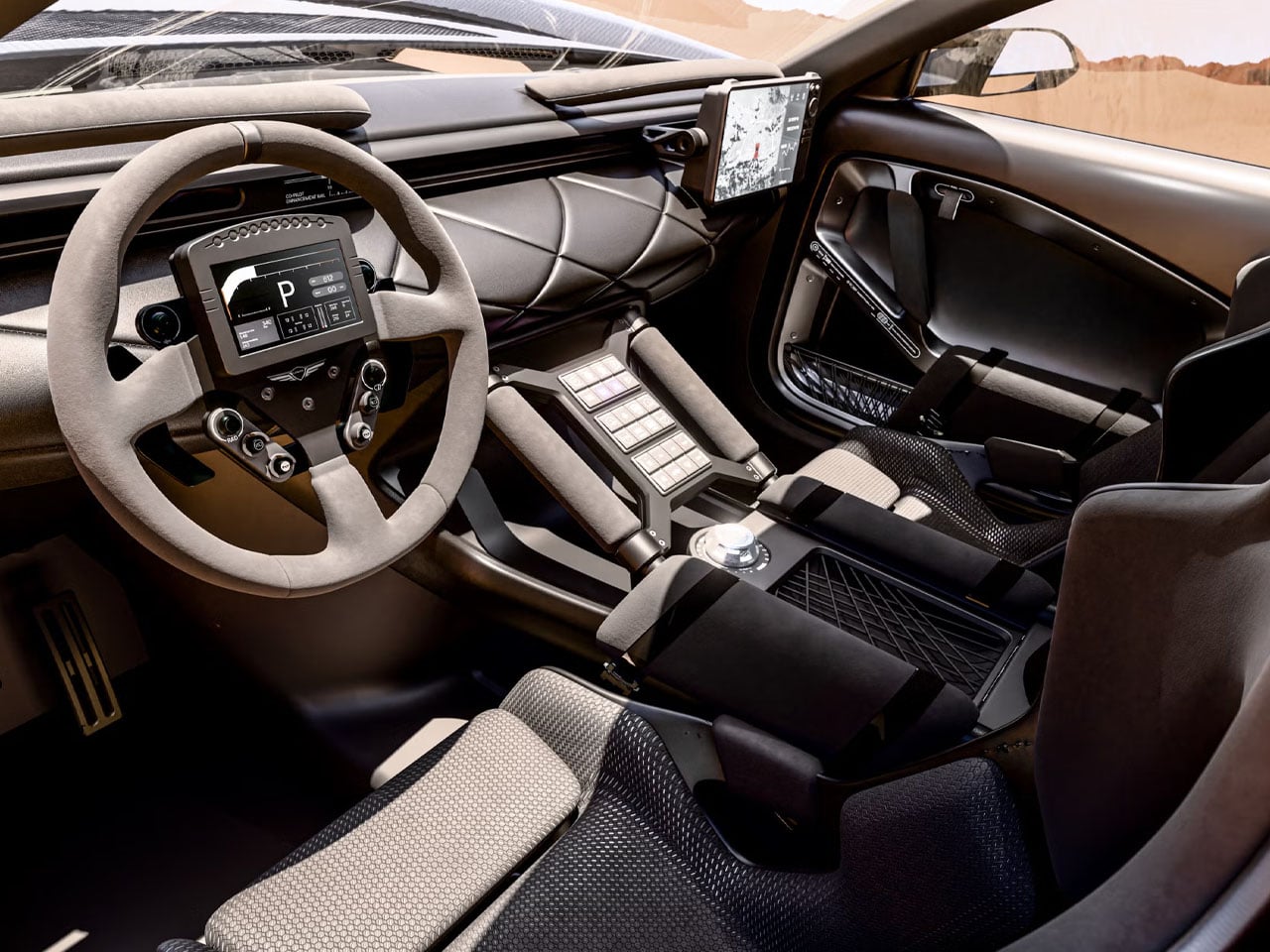
Normally, on a vehicle like this one, focusing on power and ruggedness, the interiors take the hit. Not with the X Skorpio, though, which is draped in luxury and modern features. The bucket seats and the dashboard are done in leather and micro-suede for a premium feel. There’s a climate control system and a sliding infotainment screen that slides to the center or front for easy access.
There’s no timeline yet about the production horizons of this concept, but we assume it is going to manifest in some form or another in the near future. With the World Endurance Championship season this year and the Dakar Rally on the horizon, the X Skorpio is going to ride the dunes in the near future.


The post V8 powered Genisis x Skorpio off roader is not just a pretty face first appeared on Yanko Design.
Tesla is killing off its Model S and X cars to make robots

Tesla will “basically stop the production” of its Model S and X electric vehicles next quarter, CEO Elon Musk has announced at the automaker’s earnings call for the 2025 fiscal year. “It’s time to bring the Model S and X program to a end with an honorable discharge, because we’re really moving into a future that’s based on autonomy,” Musk said. You can still buy the vehicles as long as there are units to be sold, and Tesla promises to support them for as long as people have them. Once they’re gone, though, they’re gone for good, because Tesla is converting their production space in the company’s Fremont factory into a space for the manufacturing of Optimus humanoid robots.

Model S is Tesla’s second vehicle and has been in production since 2012, while the Model X SUV has been in production since 2015. Their shine has faded over the years, however, and the newer Model 3 and Y now make up the bulk of the company’s sales. For the entirety of 2025, for instance, Tesla delivered 1,585,279 Model 3 and Y vehicles but only sold 418,227 Model S and X units. The company also had to stop selling Model S and X in China in mid-2025, because they were being imported from the US and were subject to China’s tariffs that were put in place in response to US President Donald Trump’s tariffs on imported goods.

In the call, Musk said that Tesla’s long-term goal is to be able to manufacture 1 million Optimus robots in the current Model S and X production space. At the World Economic Forum in Davos, Switzerland a few days ago, the CEO announced that Tesla will start selling Optimus to the public by the end of next year. Musk has big plans for Optimus and once said that it’s bound to become the “biggest product of all time,” bigger than cellphones, “bigger than anything.” But the humanoid robot has been failing to live up to the hype during demonstrations, and Musk is known for his overly optimistic timelines.

The company’s earnings report has also revealed that Tesla invested $2 billion in Musk’s other company, xAI. Tesla’s shareholders notably sued Musk in 2024 for starting xAI, which they argued is a direct competition to the automaker. The CEO has been claiming for years, after all, that Tesla is an AI company and not just an EV-maker. Still, Tesla’s shareholders approved Musk’s $1 trillion pay package in late 2025 on the condition that the company reaches a market value of $8.5 trillion.

This article originally appeared on Engadget at https://www.engadget.com/transportation/evs/tesla-is-killing-off-its-model-s-and-x-cars-to-make-robots-010621101.html?src=rss

This 3D-Printed Roof Is Saving 2,000-Year-Old Roman Tombs

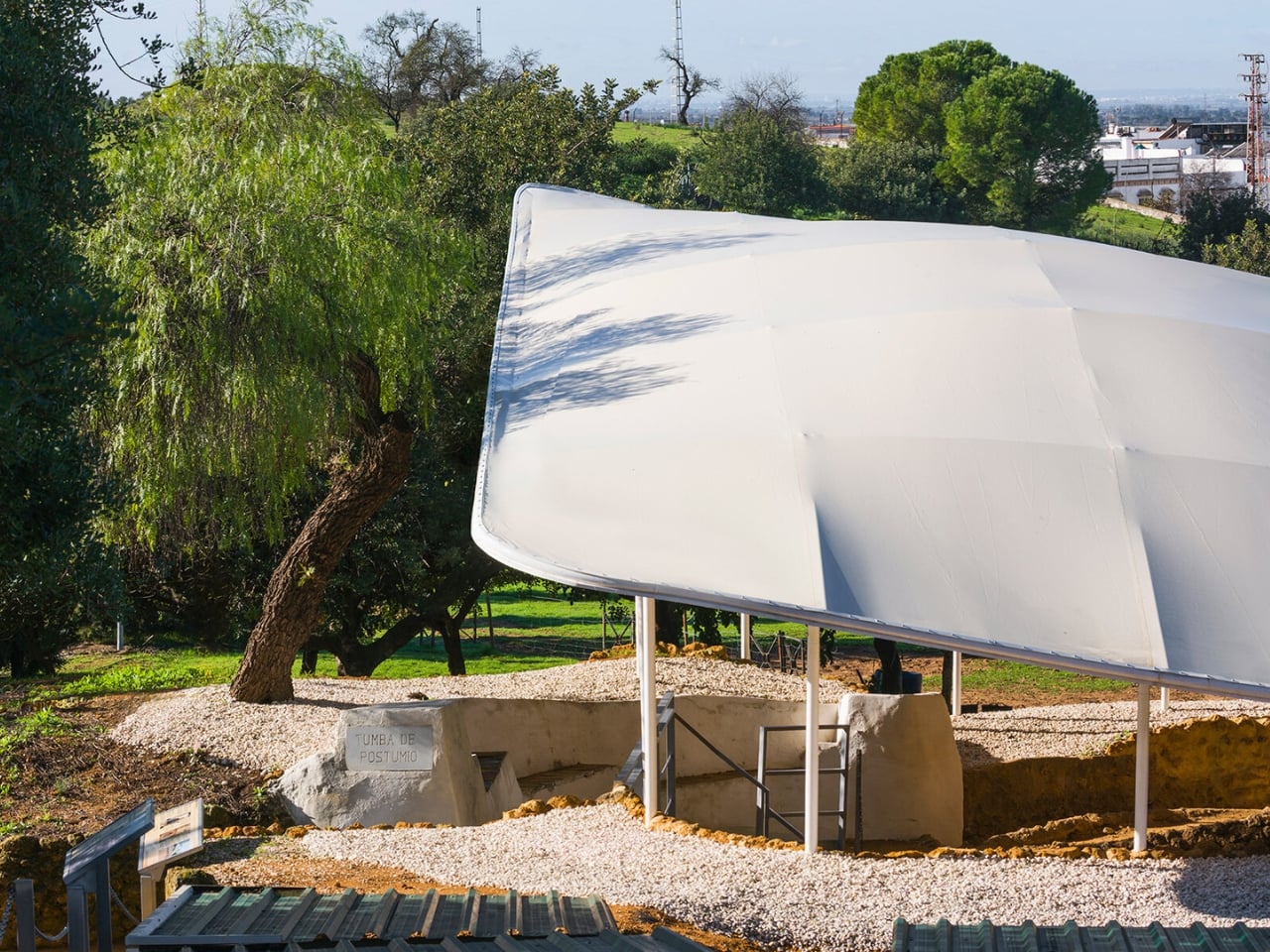
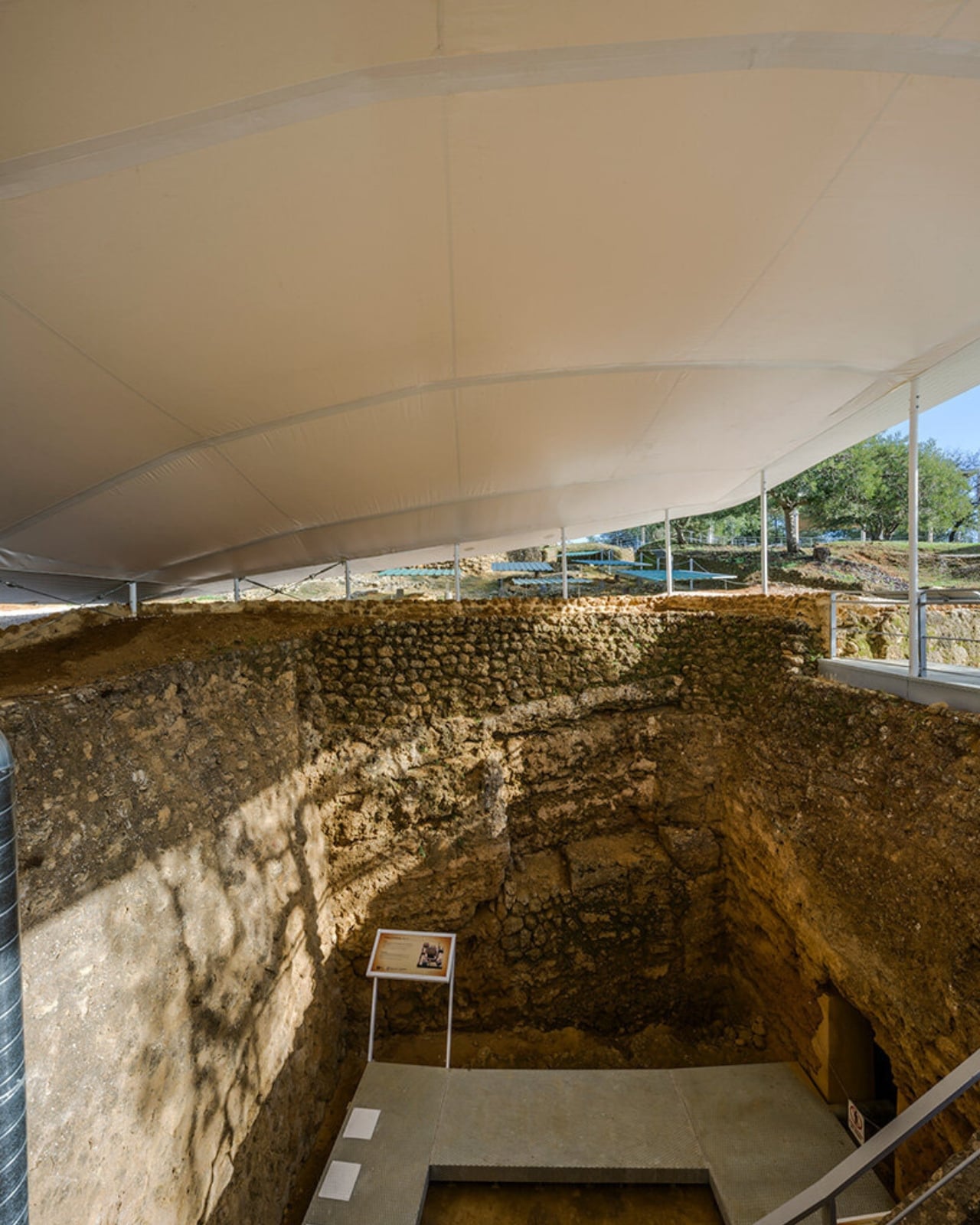
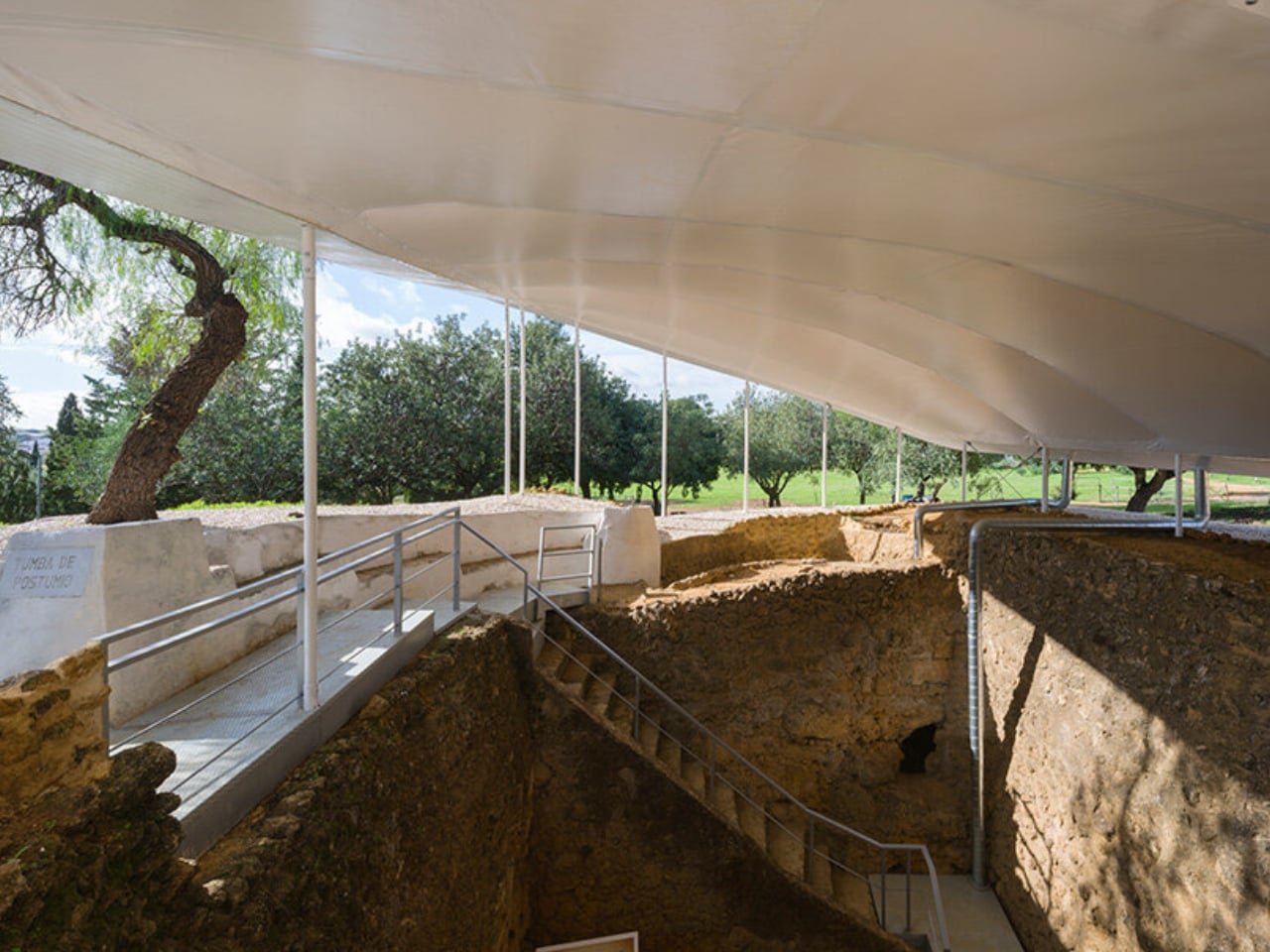
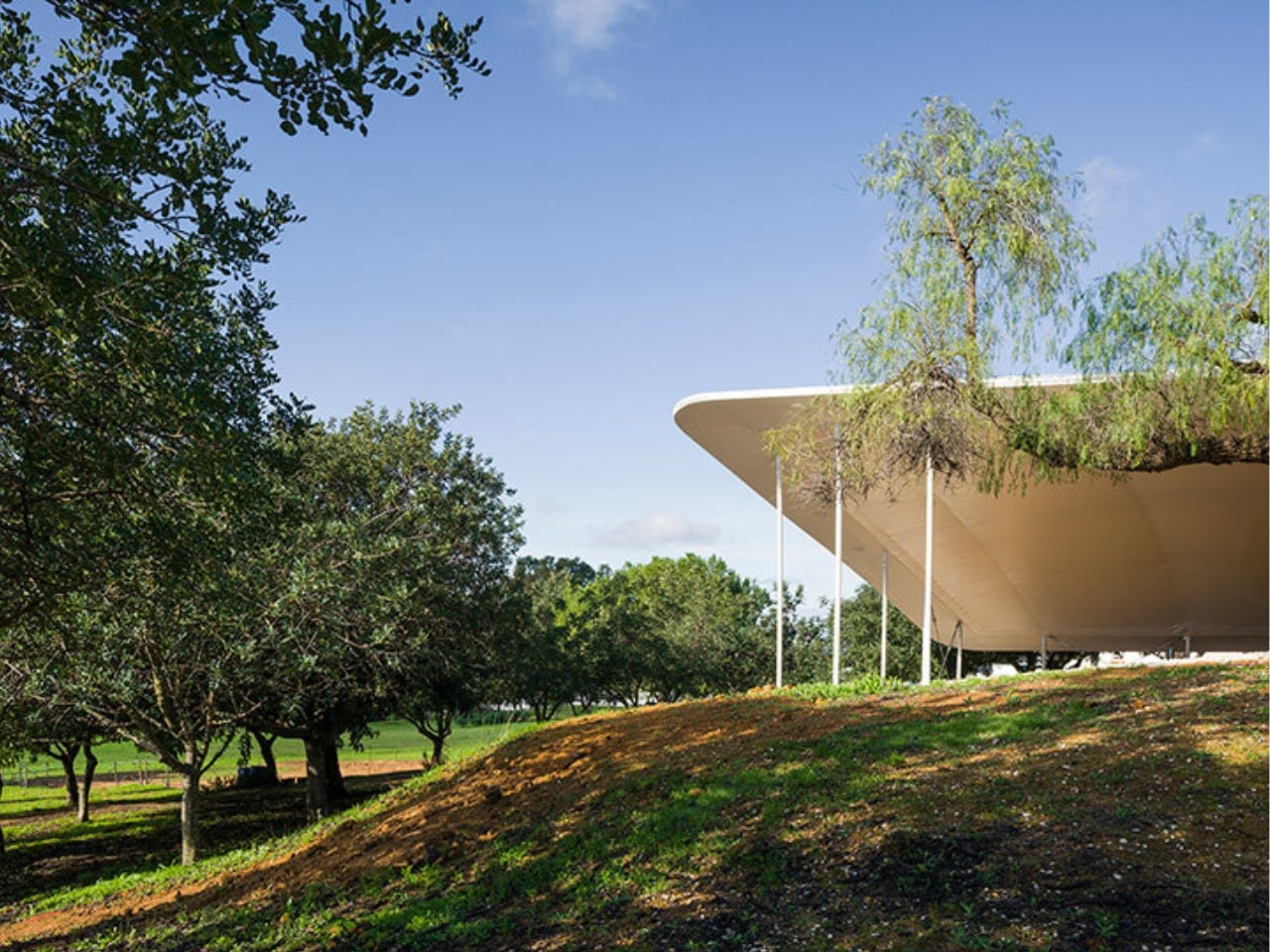
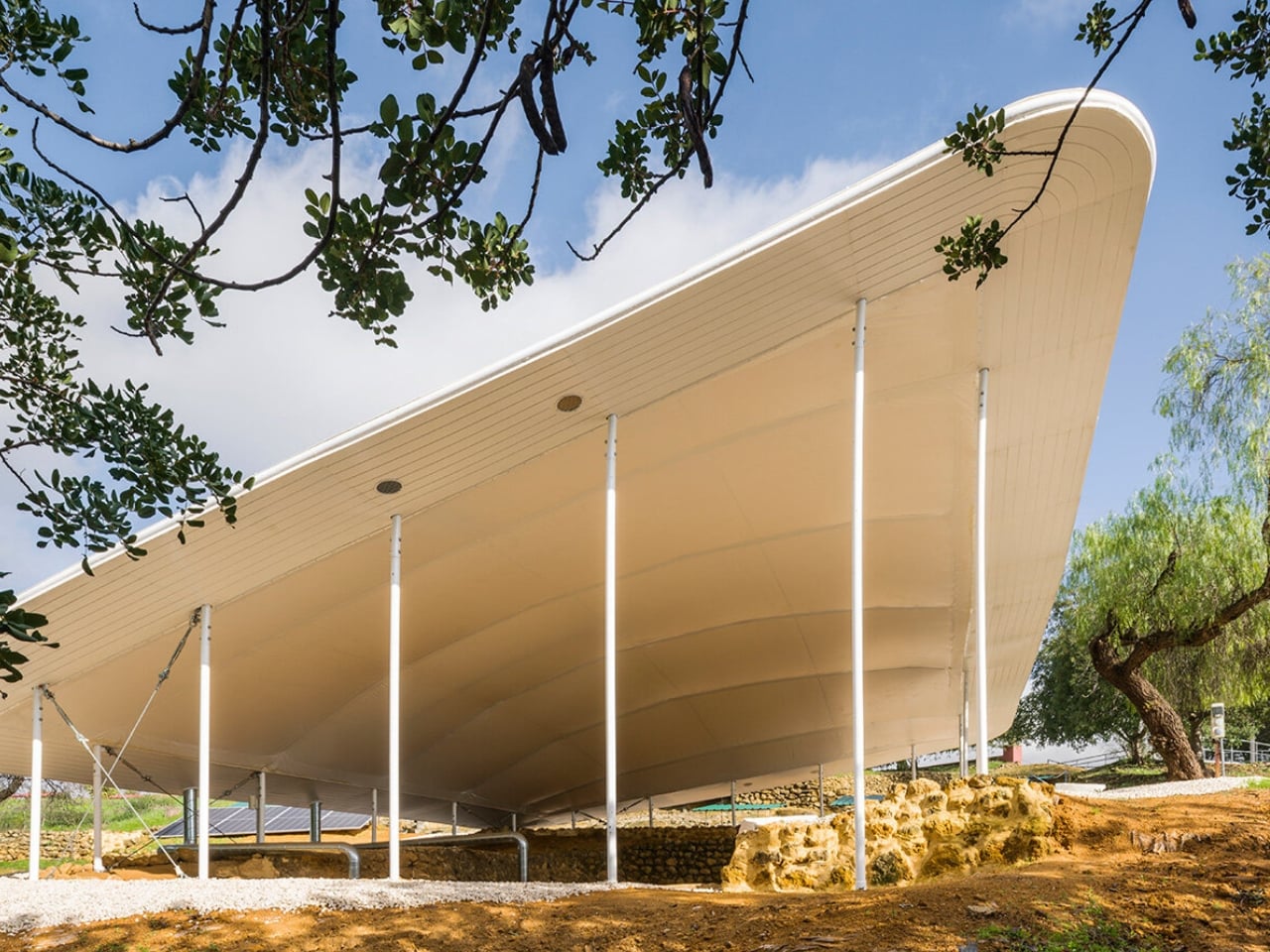
There’s something beautiful about watching cutting-edge technology come to the rescue of ancient artifacts. At the Archaeological Complex of Carmona in Spain, architects Juan Carlos Gómez de Cózar and Manuel Ordóñez Martín have created a stunning example of this intersection by designing a 3D-printed canopy that protects Roman tombs while barely making its presence known.

The project tackles a challenge that archaeologists face worldwide: how do you preserve delicate historical sites without turning them into enclosed museum pieces? These Roman tombs have survived centuries, but exposure to the elements continues to threaten their integrity. The solution needed to be protective yet unobtrusive, functional yet respectful of the site’s historical significance.

Designers: Juan Carlos Gómez de Cózar and Manuel Ordóñez Martín (photography by Jesús Granada)

What makes this canopy special isn’t just that it uses 3D printing technology, though that’s certainly impressive. It’s the way the designers thought about the entire system. Rather than simply throwing a roof over the tombs and calling it a day, they created what’s essentially a climate-control system disguised as architecture.

The canopy features a double-layer envelope that does way more than keep rain off ancient stone. Built into this roof are ventilation and air extraction components that actively regulate temperature and humidity. Think of it like a thermostat for history, maintaining the stable conditions these tombs need to survive another few centuries. The system works passively, meaning it doesn’t require constant energy input to function, which is both environmentally smart and practical for a site that needs long-term, low-maintenance protection.

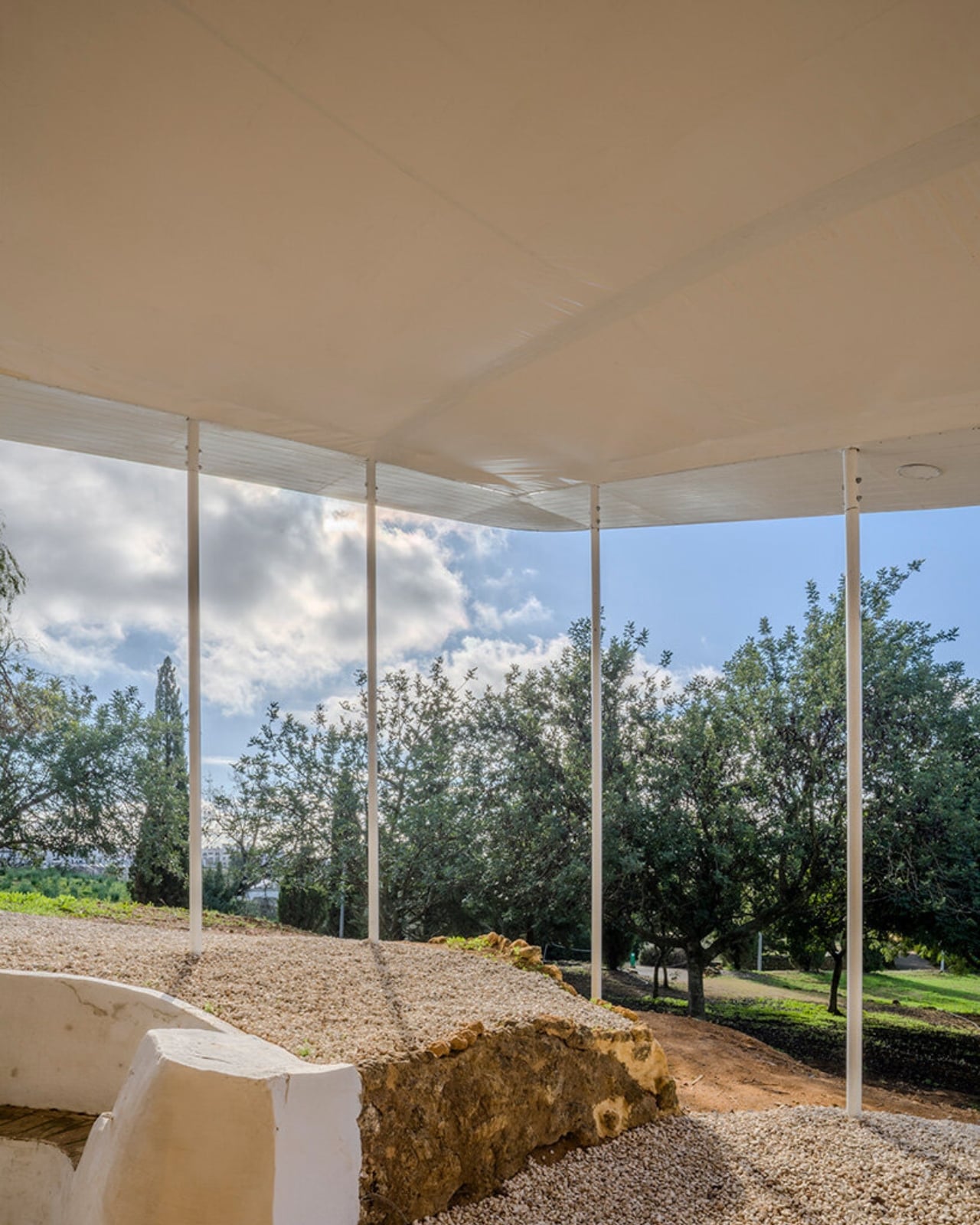
From a design perspective, the structure manages to be both present and invisible. The architects minimized the number of supports needed, creating an open, continuous space above the tombs rather than a forest of columns that would obstruct views and interrupt the spatial experience of the site. When you’re standing there, you get shelter and the tombs get protection, but the visual focus remains on the archaeology, not the modern intervention.

The use of 3D printing technology opens up possibilities that traditional construction methods can’t match. The canopy’s components could be fabricated with complex geometries optimized for both structural efficiency and environmental performance. This level of customization would be prohibitively expensive or simply impossible using conventional building techniques. Plus, the printing process allows for precision and repeatability, ensuring each element fits together exactly as designed.

Another thoughtful touch is that the entire system is reversible. This might not sound exciting, but it’s actually a big deal in heritage conservation. The principle of reversibility means that if better technology comes along, or if the site’s needs change, this intervention can be removed without damaging the original tombs. It’s a humble approach to design, acknowledging that today’s cutting-edge solution might be tomorrow’s outdated method.

This project sits at a fascinating crossroads of disciplines. It required archaeological expertise to understand the site’s needs, architectural skill to design an elegant solution, engineering knowledge to make it structurally sound, and technological savvy to leverage 3D printing capabilities. The fact that two PhD architects pulled this together speaks to the increasingly interdisciplinary nature of modern design work.

For anyone interested in how technology shapes our relationship with the past, this canopy offers a compelling case study. It proves that preservation doesn’t have to mean freezing things in time or hiding them away. Instead, smart design can create conditions where ancient sites remain accessible and experiential while getting the protection they need.

As 3D printing technology becomes more accessible and sophisticated, we’ll likely see more projects like this one. The ability to create custom, site-specific solutions for complex problems is exactly what heritage sites need. These tombs in Carmona are getting a second chance at longevity, wrapped in a protective embrace that honors both their ancient origins and our modern capabilities.

The post This 3D-Printed Roof Is Saving 2,000-Year-Old Roman Tombs first appeared on Yanko Design.
Halide co-founder joins Apple’s design team

Apple picked up an intriguing new member for its design team today in Sebastiaan de With, co-founder of the iPhone camera app Halide. He announced the move today on Threads, adding, "So excited to work with the very best team in the world on my favorite products."

The Halide app has caught our eye at Engadget at several points over the years. de With also is co-founder of Lux, which is Halide's parent company. The other Lux apps also have an emphasis on photography and videography, particularly on Apple devices. Prior to Halide, de With had done other work at Apple, collaborating on properties including iCloud, MobileMe and Find My apps. It's unclear if his exit will mean any notable changes for Halide, or for the Lux apps Kino, Spectre and Orion.

For a long time, Apple's design philosophy was personified by Jony Ive, who left the company in 2022. Since his departure, no single person has emerged as the face and voice of Apple's attitude toward design, which could be why recent moves such as Liquid Glass have been met with deeply divided reactions.

This article originally appeared on Engadget at https://www.engadget.com/big-tech/halide-co-founder-joins-apples-design-team-235023416.html?src=rss

This Mindful Seating Platform Turns Sitting Into a Ritual of Stillness and Connection

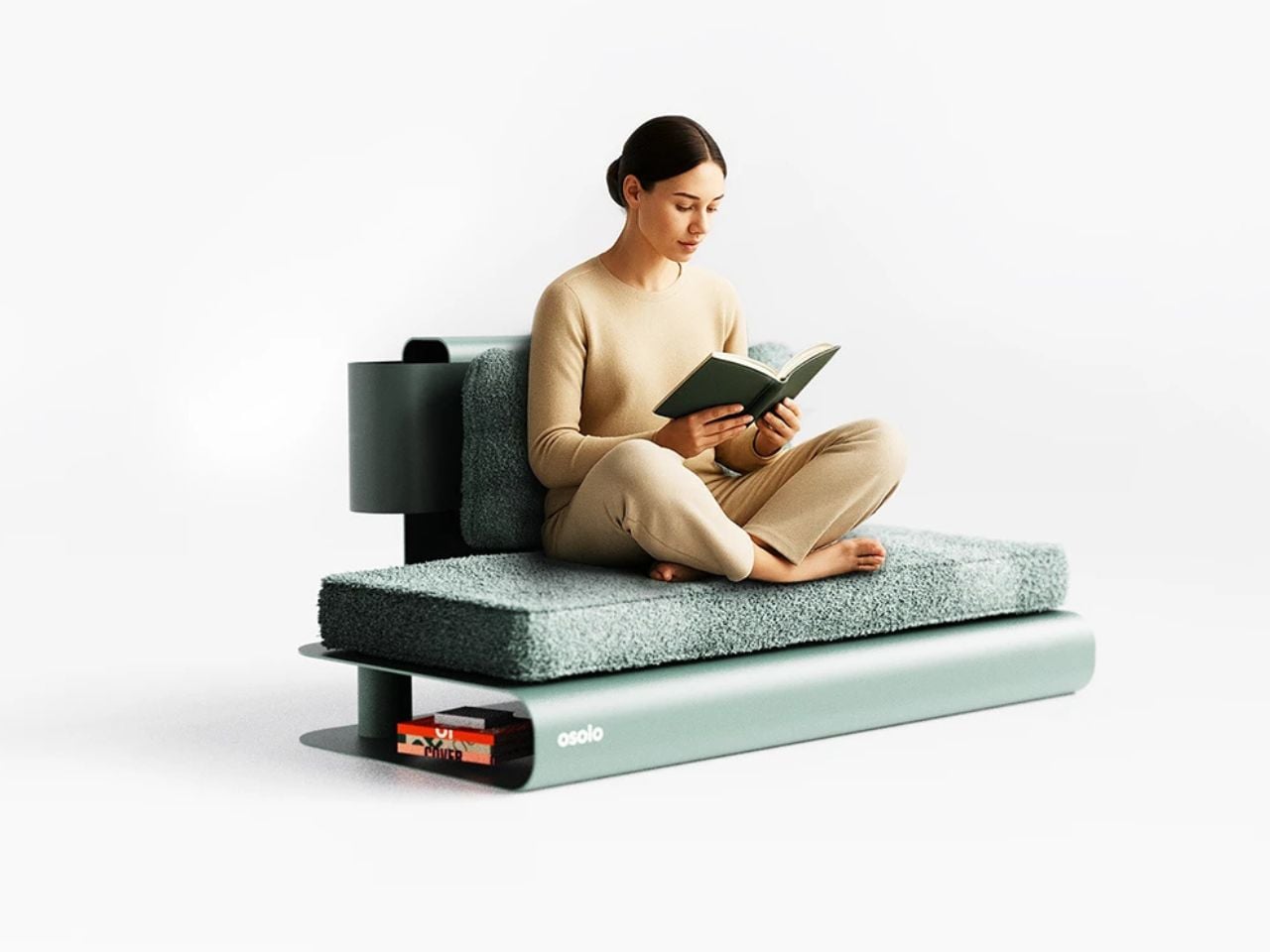
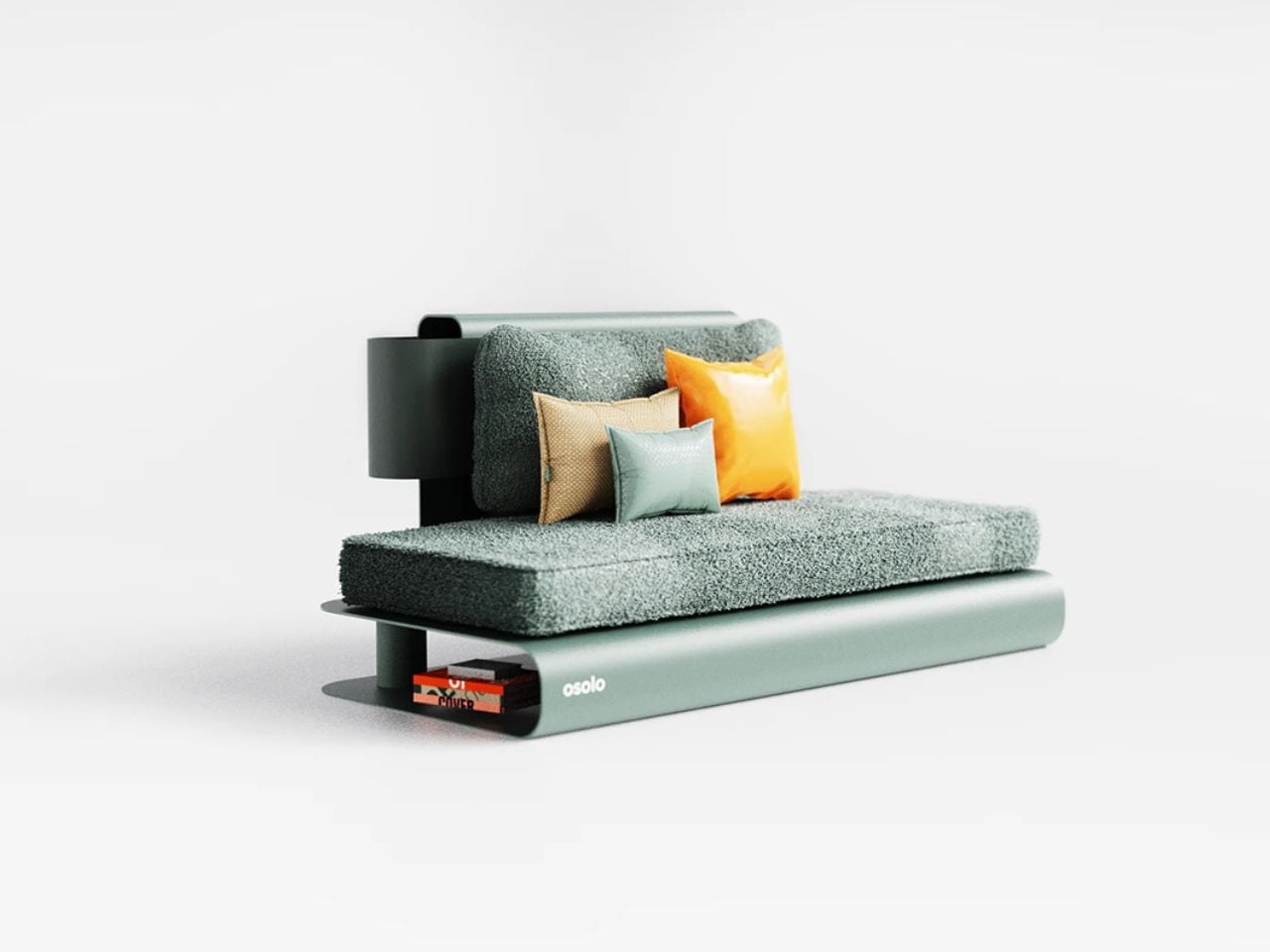
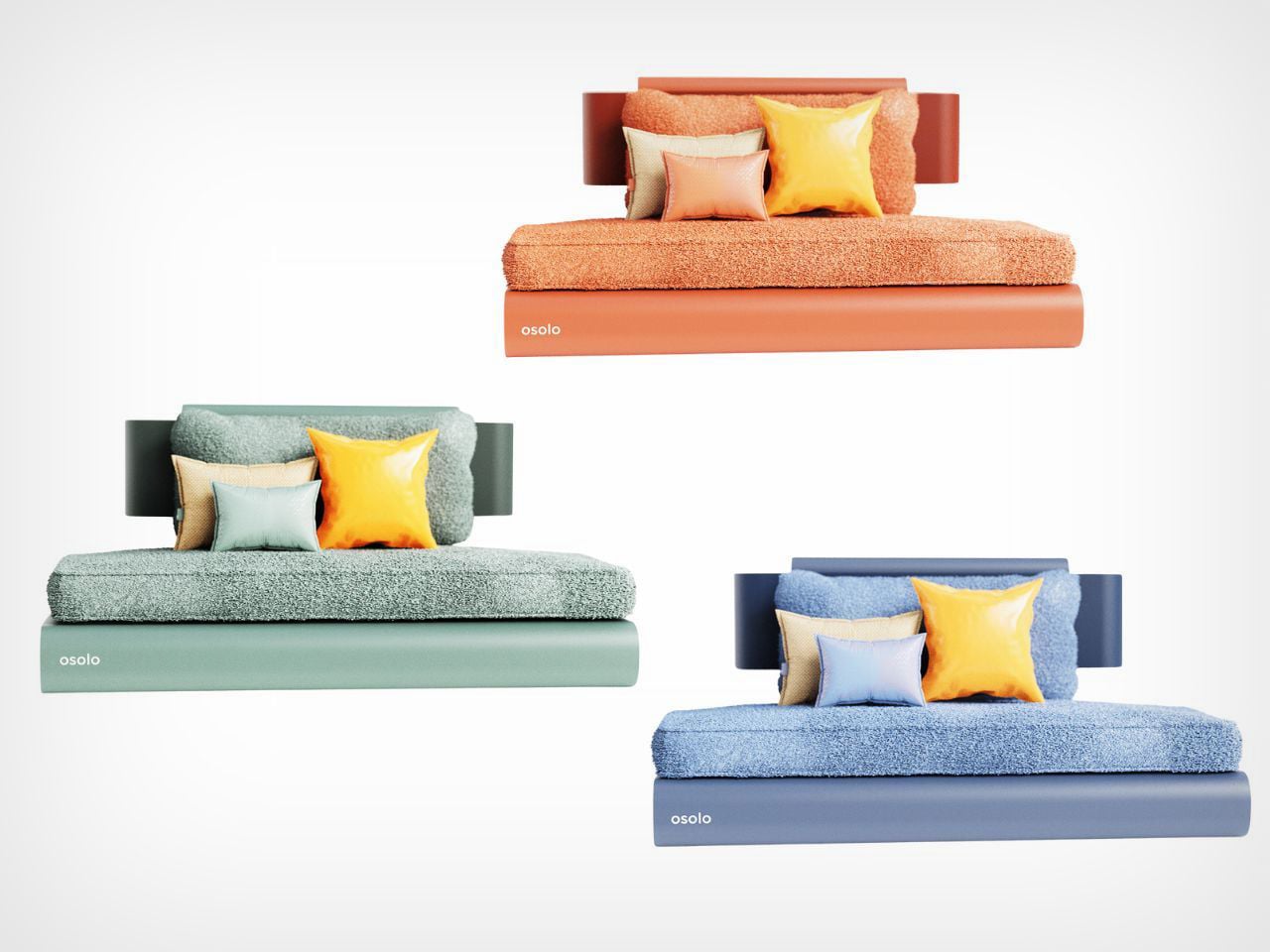
In contemporary interiors shaped by speed, productivity, and constant stimulation, seating has largely become passive. It is designed to hold the body while the mind drifts elsewhere. OSOLO challenges this condition. It is not a chair in the conventional sense, but a mindful seating platform, a ritual object that reconsiders how we sit, gather, and occupy space.

OSOLO emerges at the meeting point of two ancient cultures: Japanese stillness and Turkish hospitality. Though geographically distant, these traditions share a deep respect for simplicity, spatial awareness, and human connection. OSOLO translates these values into a contemporary design language, offering an alternative to chair-based living rooted in awareness rather than acceleration.

Designer: Gökçe Nafak

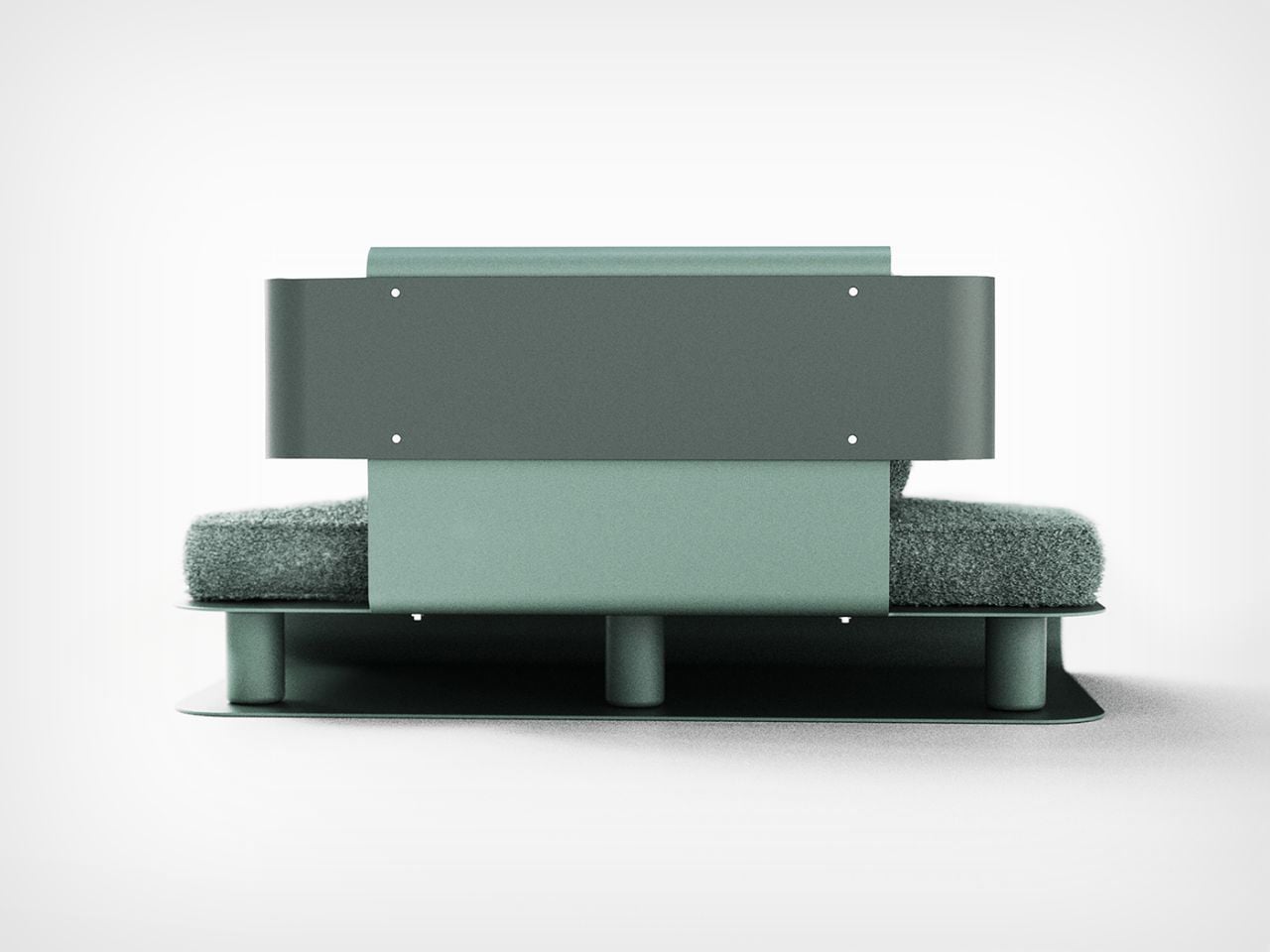
At the heart of OSOLO is the Japanese understanding of space. In Japanese spatial philosophy, emptiness is not absence. It is present. It allows rooms to breathe, objects to soften, and the mind to quiet. OSOLO reflects this belief through its low-profile form and restrained geometry. It does not dominate the room or impose visual hierarchy. Instead, it steps back, allowing architecture, light, and human presence to come forward.

This deliberate restraint transforms OSOLO into an object that reveals space rather than fills it. Its presence heightens spatial awareness, encouraging users to slow down and engage more consciously with their environment.

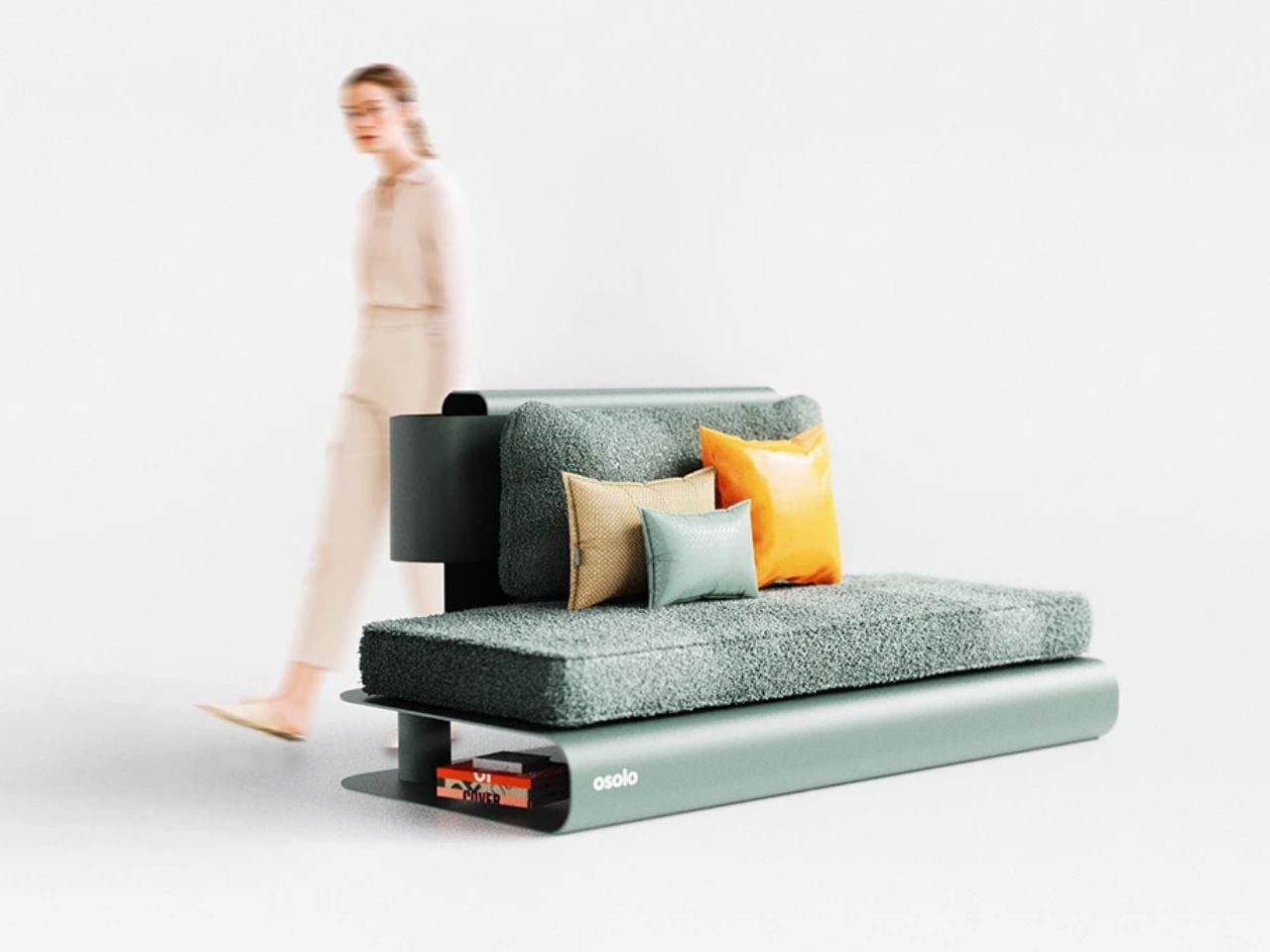
Inspired by the Turkish sedir tradition, OSOLO is inherently communal. Unlike single occupancy seating, it invites people to sit side by side, fostering shared presence rather than isolated comfort. In Turkish culture, seating is a social ritual. Stories are exchanged, time is stretched, and hospitality unfolds without urgency. OSOLO carries this spirit forward, existing not as an isolated object but as a platform for connection.

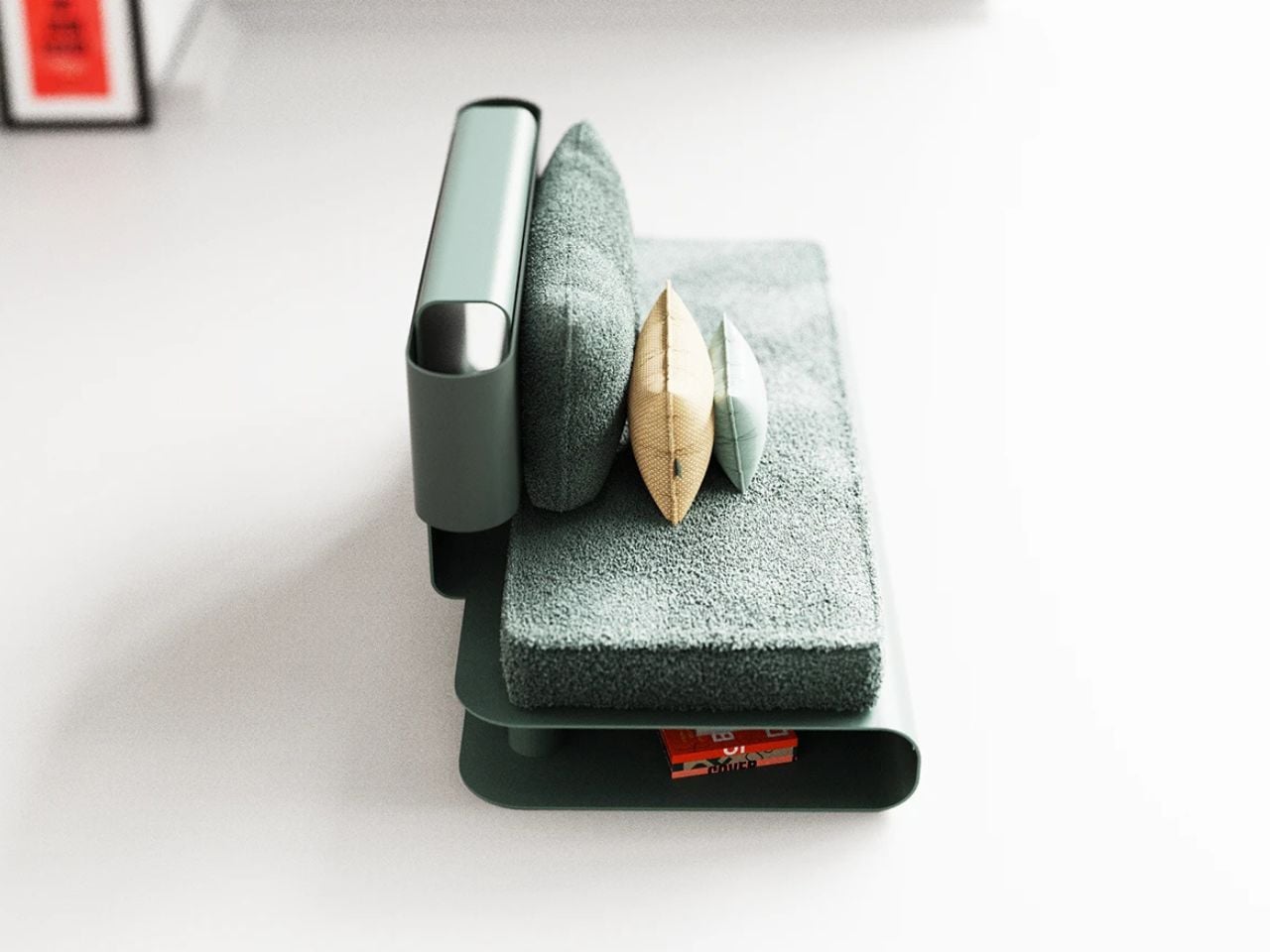
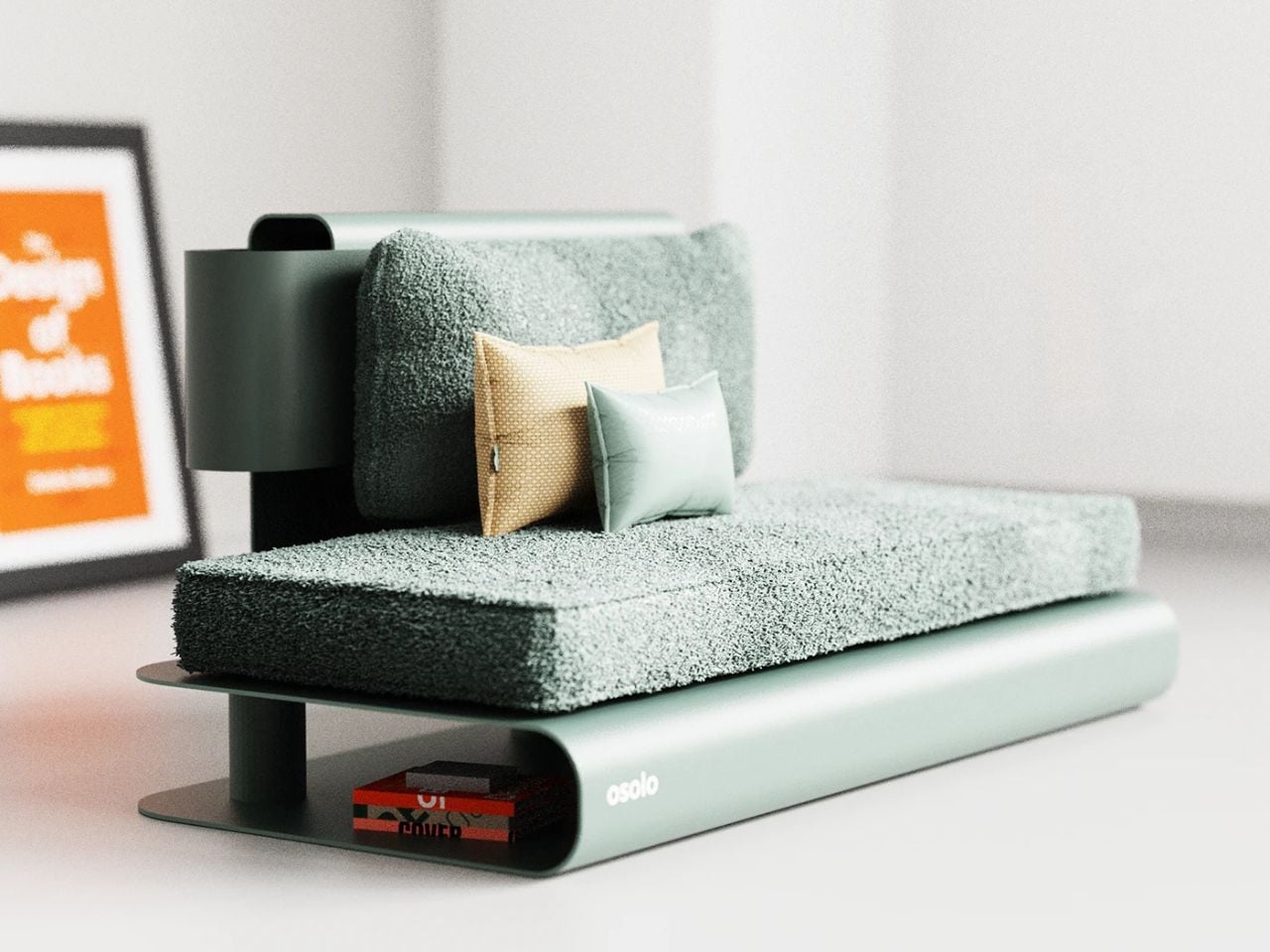
Hidden storage beneath the seating surface reinterprets the traditional cultural chest, integrating functionality without visual disruption. This discreet feature preserves the purity of the form while acknowledging everyday needs, allowing utility to exist quietly within stillness.

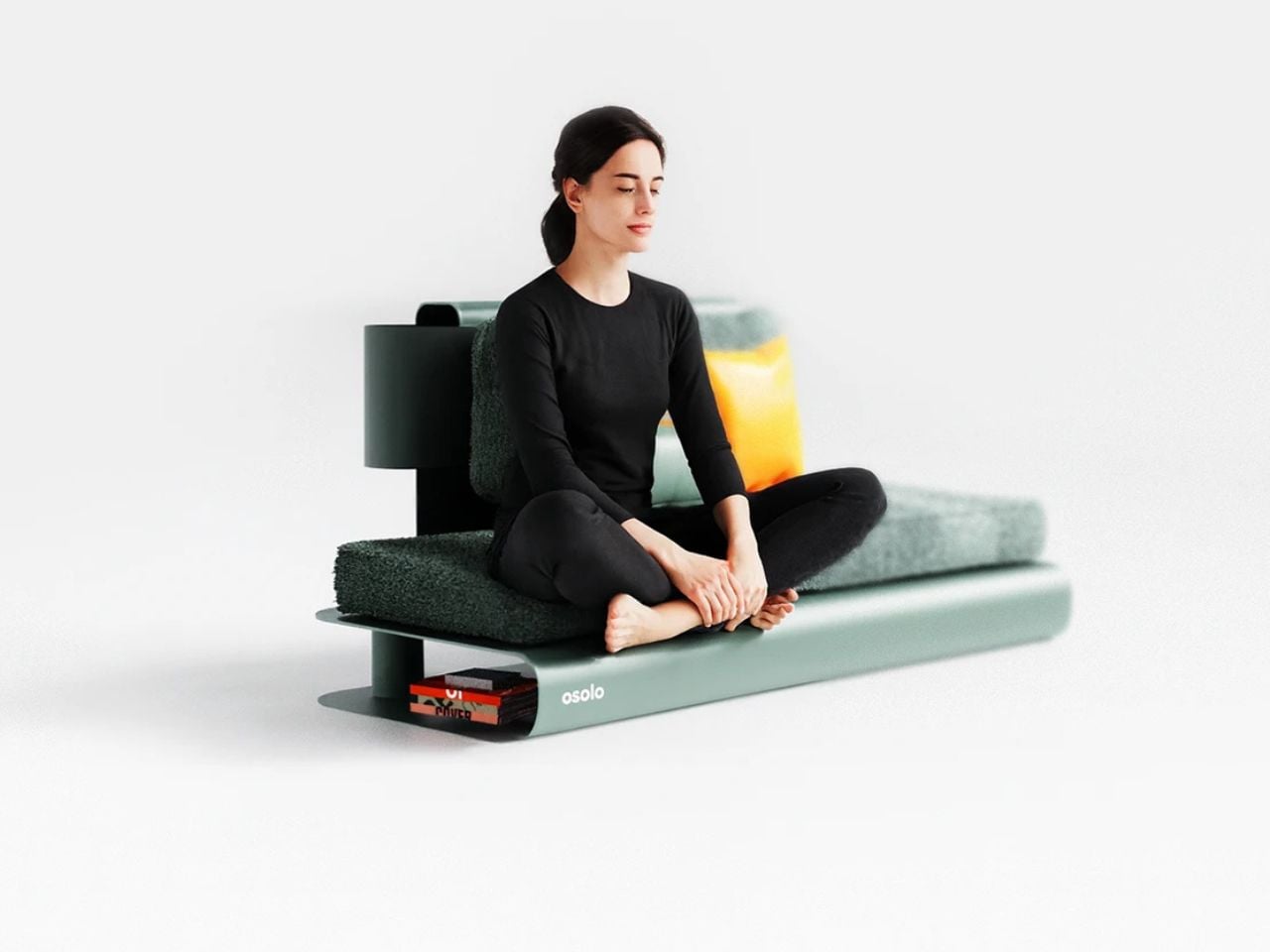
OSOLO is designed specifically for cross-legged, floor-adjoining sitting, offering an alternative to chair postures that often promote spinal compression and passive leaning. The platform supports the body’s natural intelligence by encouraging an aligned spine, open hips, and active posture.

By enabling balanced pelvic alignment, OSOLO reduces lumbar collapse and allows the torso to carry its own weight. The opening of the hip joints enhances mobility and helps release tension in the lower back, benefits often lost in conventional seating.

The platform’s elevation of approximately 20 to 25 centimeters from the floor is carefully calibrated to minimize pressure on the knee joints while maintaining the circulatory advantages associated with floor-level sitting. This height also isolates the body from direct contact with hard flooring, striking a balance between grounding and comfort.

Comfort is achieved through a dual-density foam system engineered for short to mid-duration activities such as meditation, reading, or creative practice. A high-density base layer ensures structural stability and pelvic support, while a softer upper layer distributes weight evenly to reduce localized pressure points. The result is a surface that remains supportive without collapsing, encouraging posture awareness rather than passive relaxation.

Upholstery surfaces are finished in breathable, high-friction textiles that prevent slippage during dynamic sitting positions. Removable covers allow for easy maintenance and long-term use, with materials selected to meet contract-grade durability standards suitable for both residential and semi-public environments.

The optional back support follows a soft contact principle. Rather than functioning as a rigid backrest, it provides gentle lumbar feedback during reading or meditation, supporting posture without encouraging full recline or slouching.

Available in four carefully curated colorways, OSOLO integrates seamlessly into a range of interior contexts while maintaining its minimalist identity. It is not designed to command attention, but to hold space. OSOLO invites a different relationship with furniture, one rooted in presence rather than performance.


The post This Mindful Seating Platform Turns Sitting Into a Ritual of Stillness and Connection first appeared on Yanko Design.
Mark Zuckerberg says Reality Labs will (eventually) stop losing so much money

Mark Zuckerberg says there's an end in sight to Reality Labs' years of multibillion-dollar losses following the company's layoffs to the metaverse division earlier this year. The CEO said he expects to "gradually reduce" how much money the company is losing as it doubles down on AI glasses and shifts away from virtual reality.

Speaking during Meta's fourth-quarter earnings call, Zuckerberg was clear that the changes won't happen soon, but sounded optimistic about the division that lost more than $19 billion in 2025 alone. "For Reality Labs, we are directing most of our investment towards glasses and wearables going forward, while focusing on making Horizon a massive success on mobile and making VR a profitable ecosystem over the coming years," he said. "I expect Reality Labs losses this year to be similar to last year, and this will likely be the peak, as we start to gradually reduce our losses going forward."

The company cut more than 1,000 employees from Reality Labs earlier this month, shut down three VR studios and announced plans to retire its app for VR meetings. Meta has also paused plans for third-party Horizon OS headsets. Instead, Meta is doubling down on its smart glasses and and wearables business, which tie in more neatly to Zuckerberg's vision for creating AI "superintelligence." 

During the call, Zuckerberg noted that sales of Meta's smart glasses "more than tripled" in 2025, and hinted at bigger plans for AR glasses. "They [AI glasses] are going to be able to see what you see, hear what you hear, talk to you and help you as you go about your day and even show you information or generate custom UI right there in your vision," he said. 

Zuckerberg has spent the last few years laying the groundwork for pivoting Meta's metaverse work into AI. He offered one example if what the means for Meta’s Horizon app. 

"You can imagine … people being able to easily, through a prompt, create a world or create a game, and be able to share that with people who they care about. And you see it in your feed, and you can jump right into it, and you can engage in it. And there are 3D versions of that, and there are 2D versions of that. And Horizon, I think fits very well with the kind of immersive 3D version of that.

“But there's definitely a version of the future where, you know, any video that you see, you can, like, tap on and jump into it and, like, engage and kind of like, experience it in a more meaningful way. And I think that the investments that we've done in both a lot of the virtual reality software and Horizon … are actually going to pair well with these AI advances to be able to bring some of those experiences to hundreds of millions and billions of people through mobile."

One thing Zuckerberg didn’t mention, though: the word “metaverse.”


This article originally appeared on Engadget at https://www.engadget.com/social-media/mark-zuckerberg-says-reality-labs-will-eventually-stop-losing-so-much-money-222900157.html?src=rss

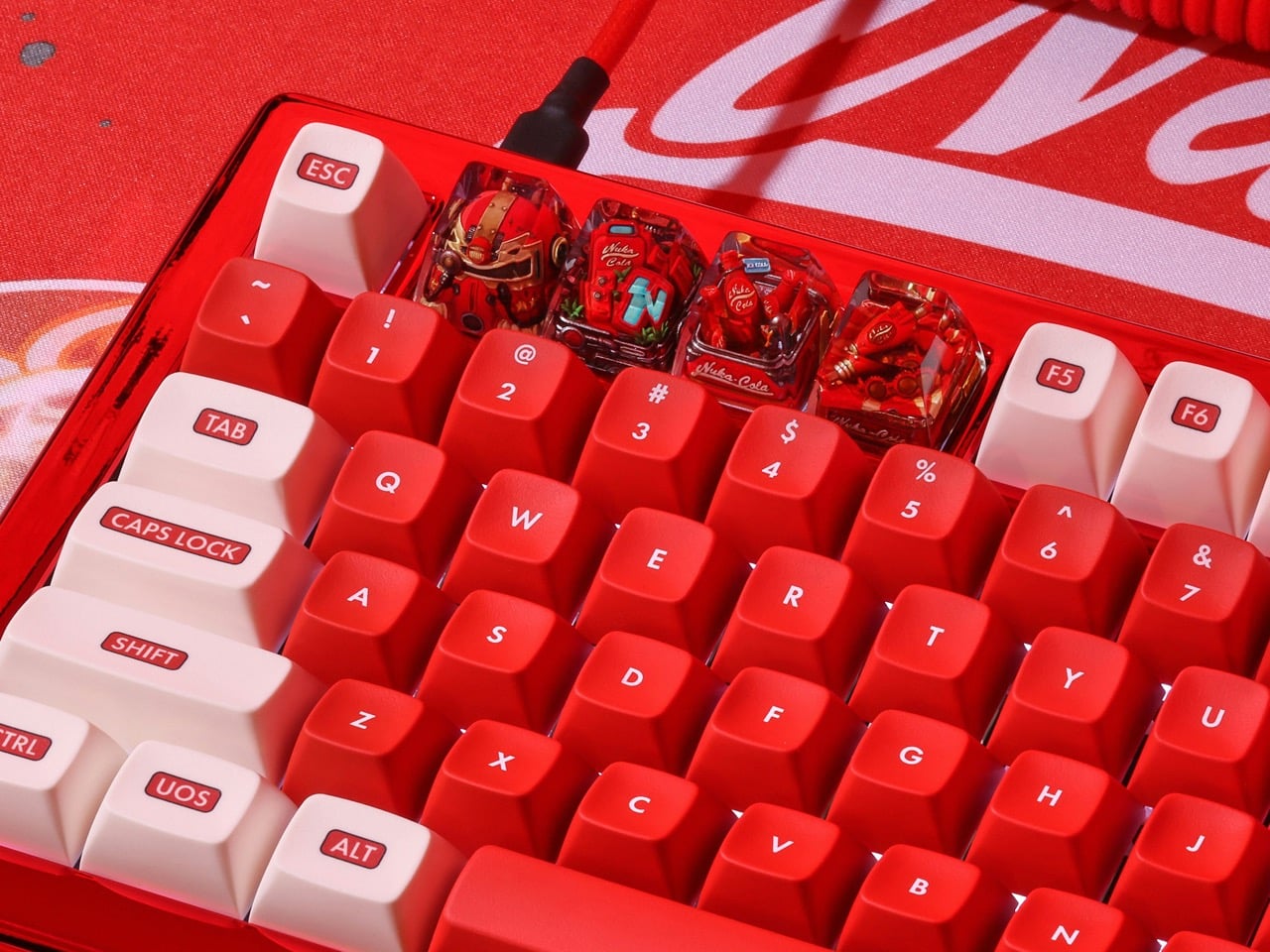
These Fallout Nuka-Cola artisan keycaps are ridiculous, beautiful, and exactly what your keyboard deserves

Fallout never lets go of Nuka-Cola. You can be ankle deep in irradiated sludge, low on ammo, and still your brain pings when you see that red script on a rusted machine. The games trained everyone to read those machines as little probability engines. Maybe caps, maybe chems, maybe a ghoul behind the door. That association sticks. You see Nuka-Cola now and your fingers almost reach for the VATS key out of habit.

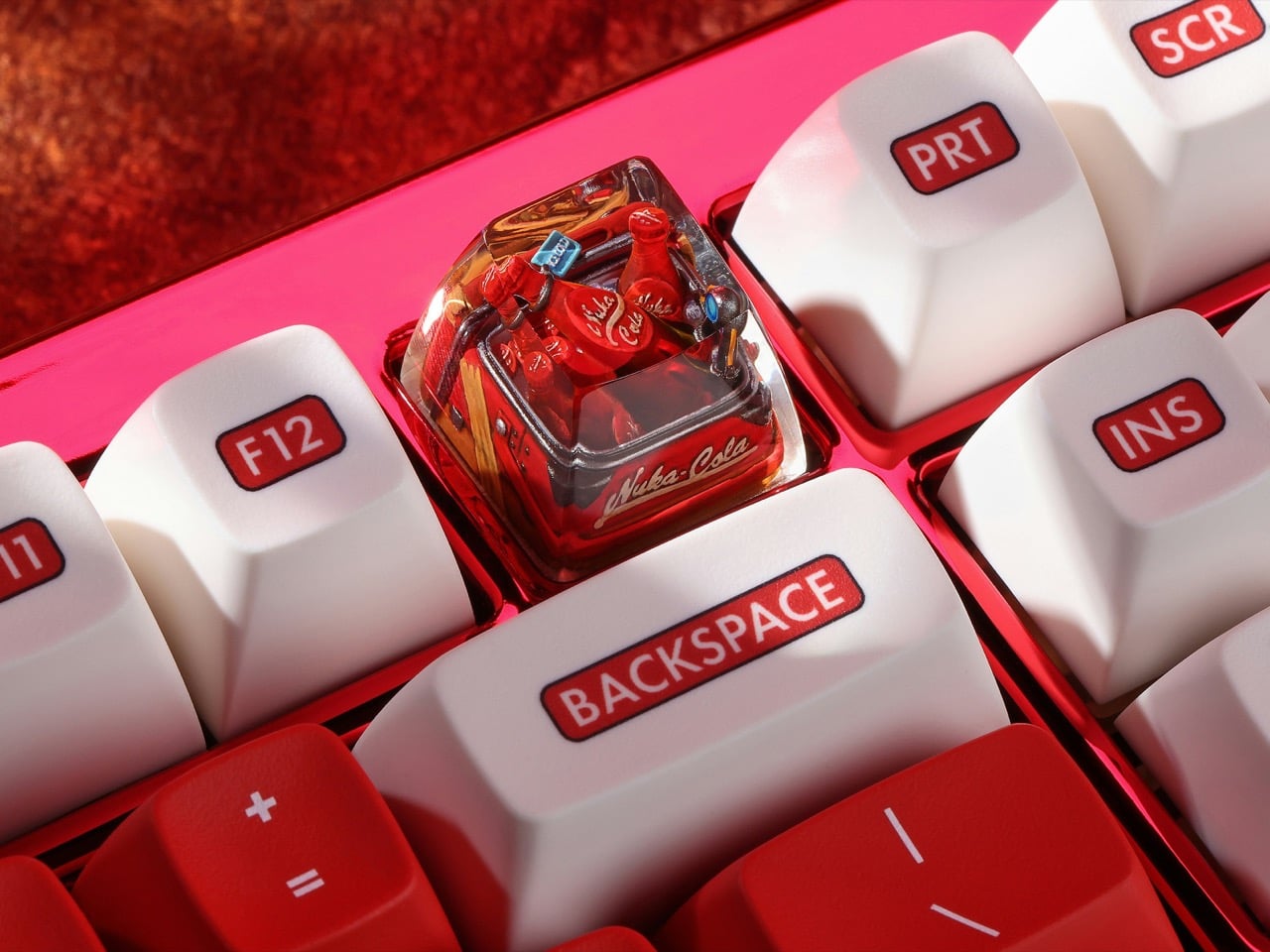
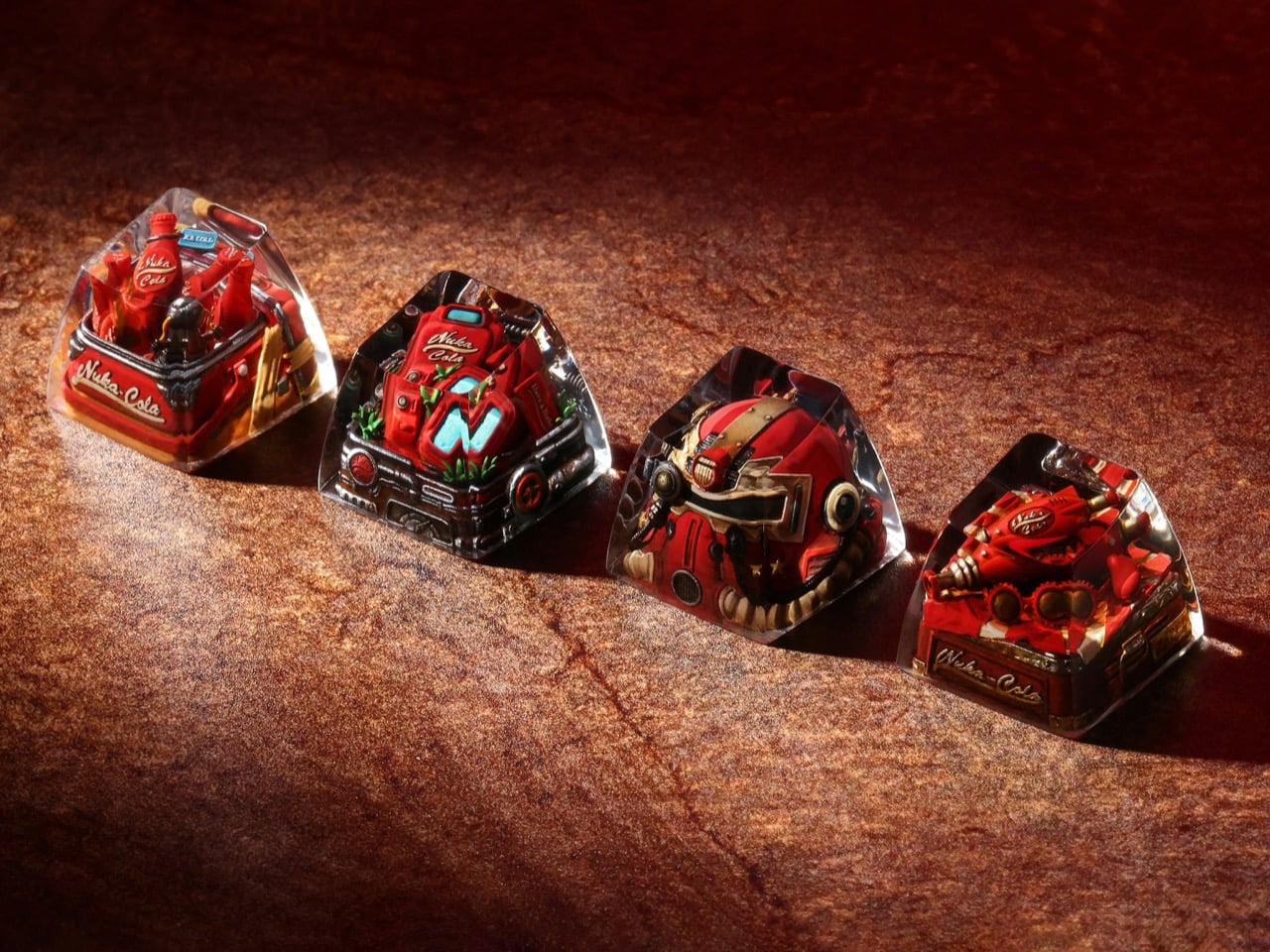
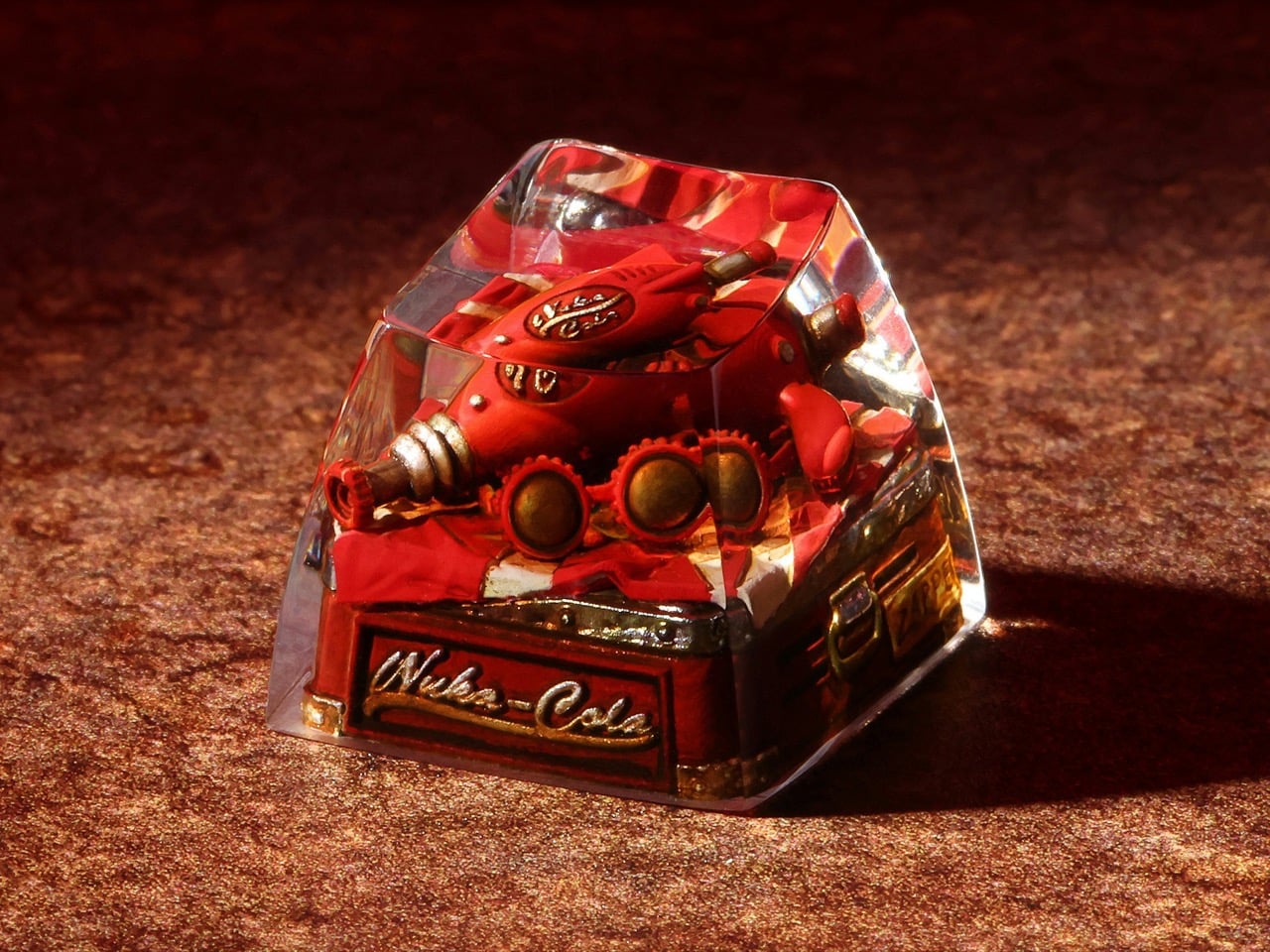
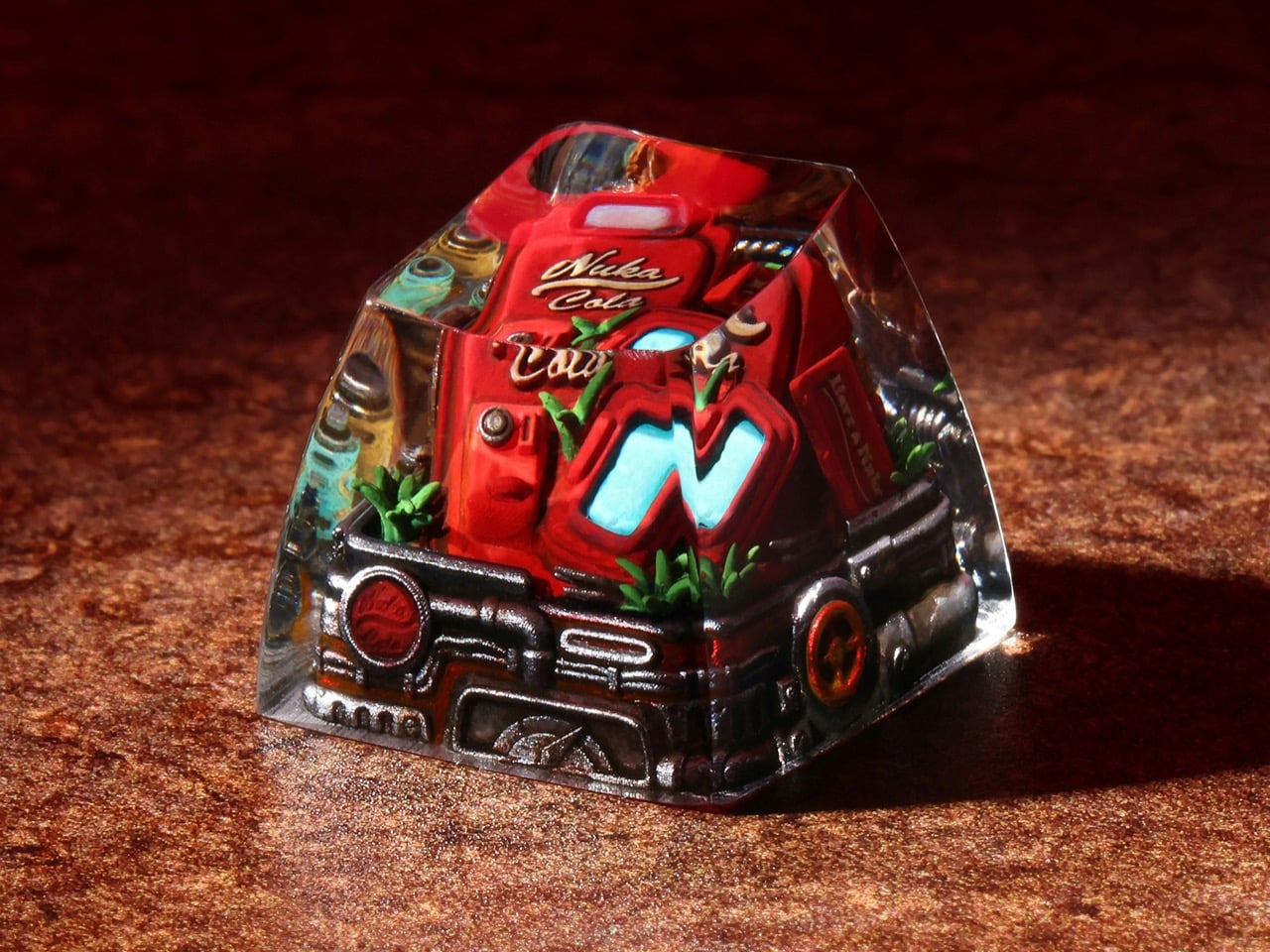
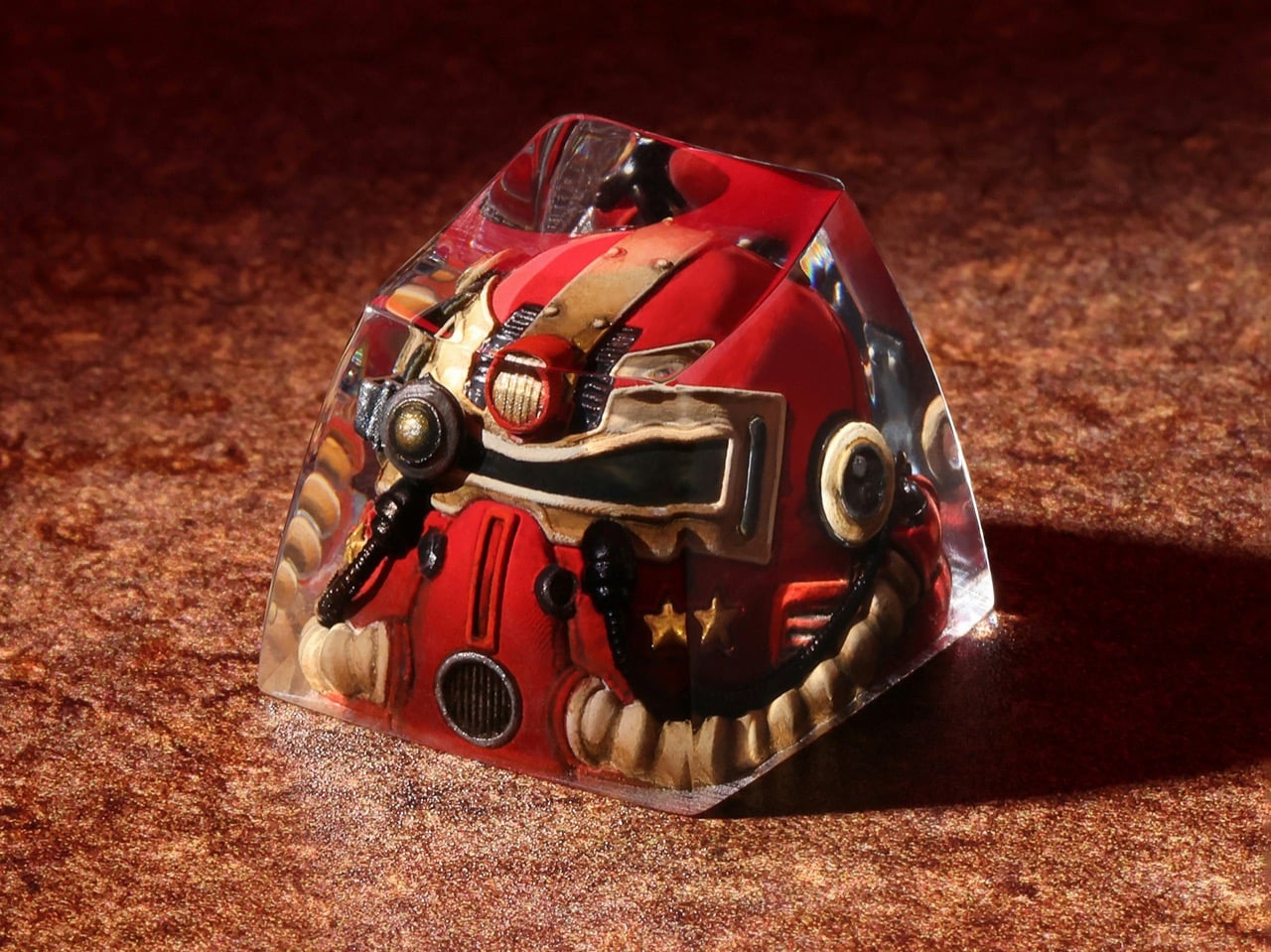
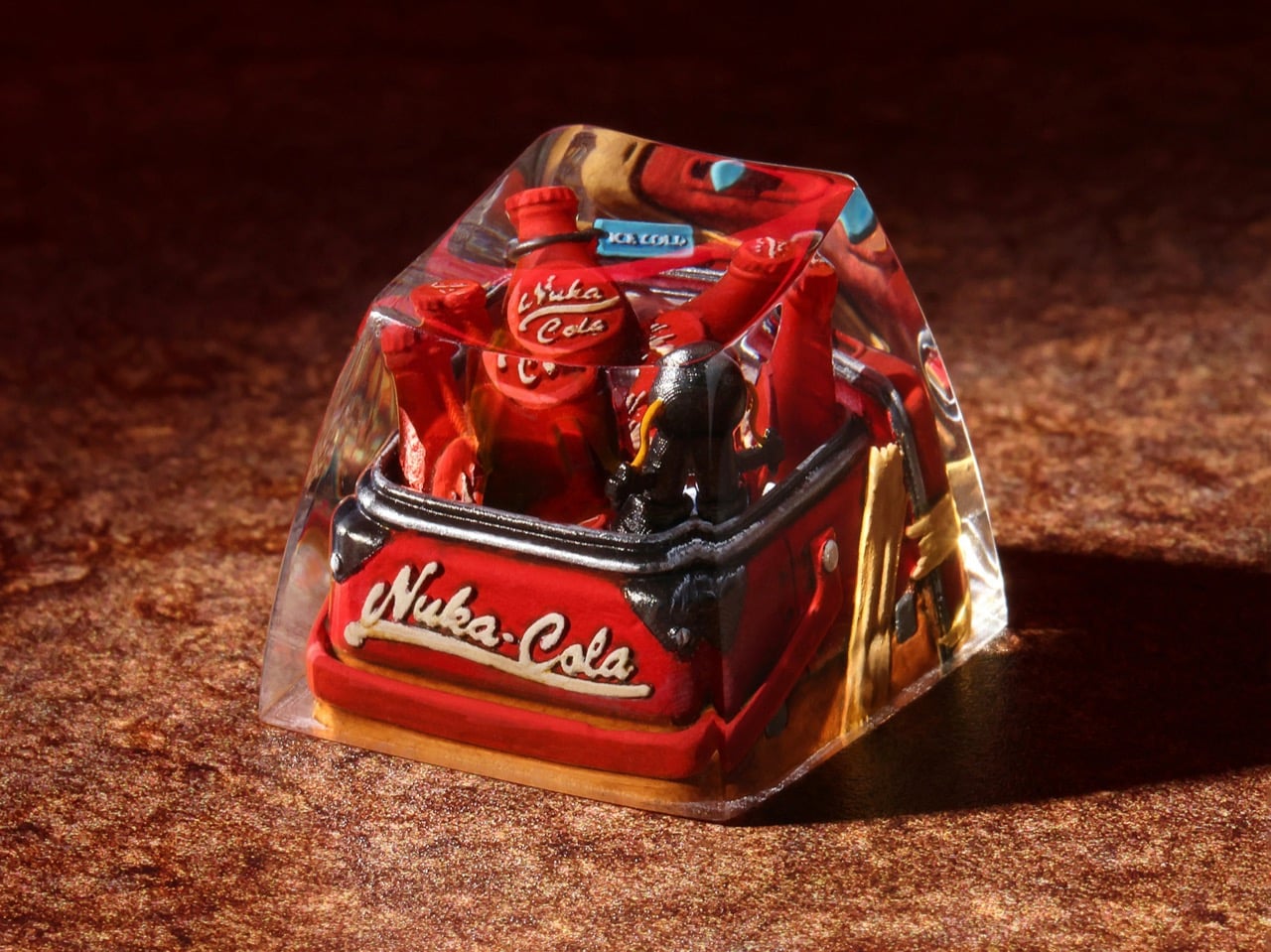
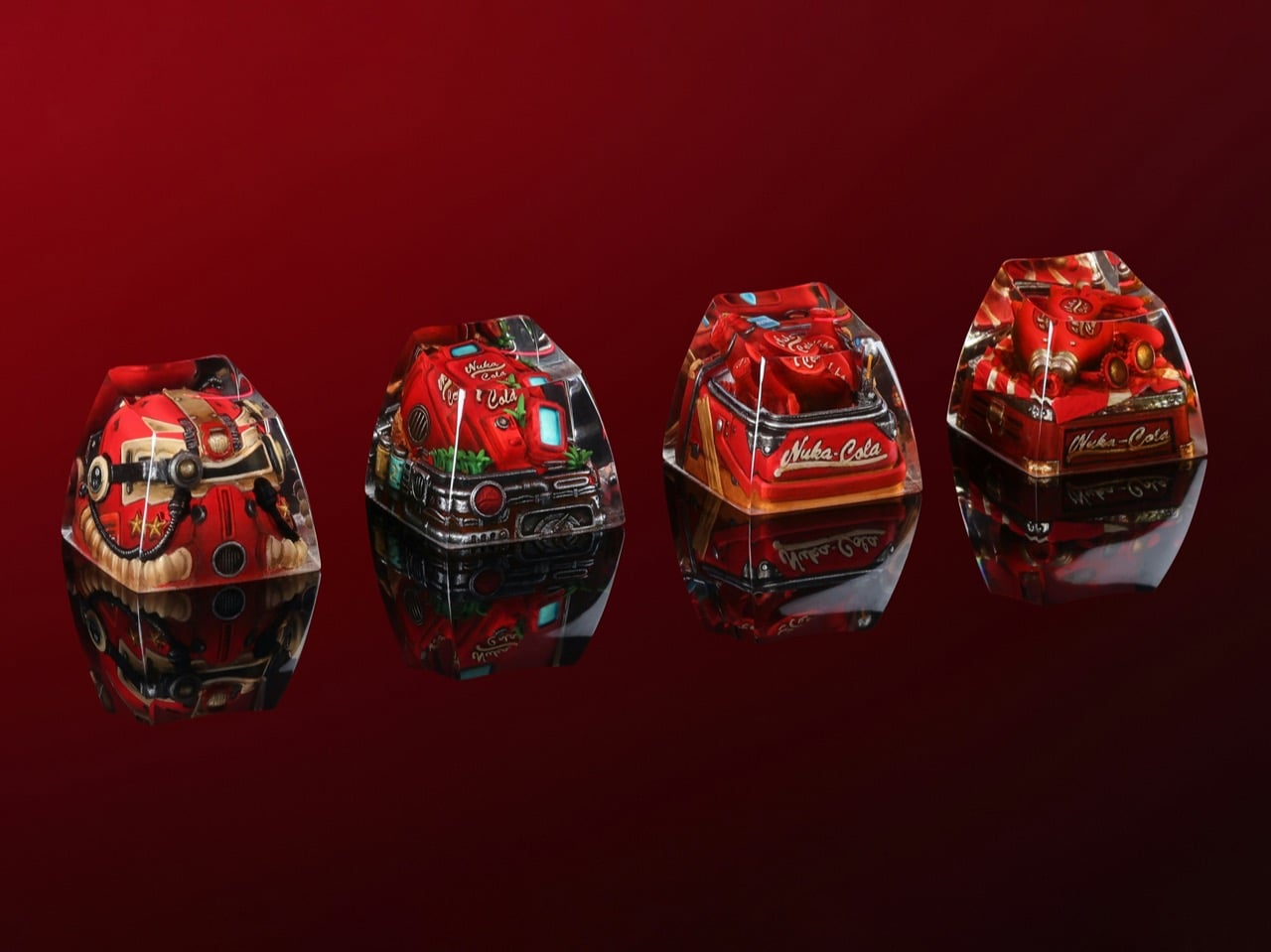
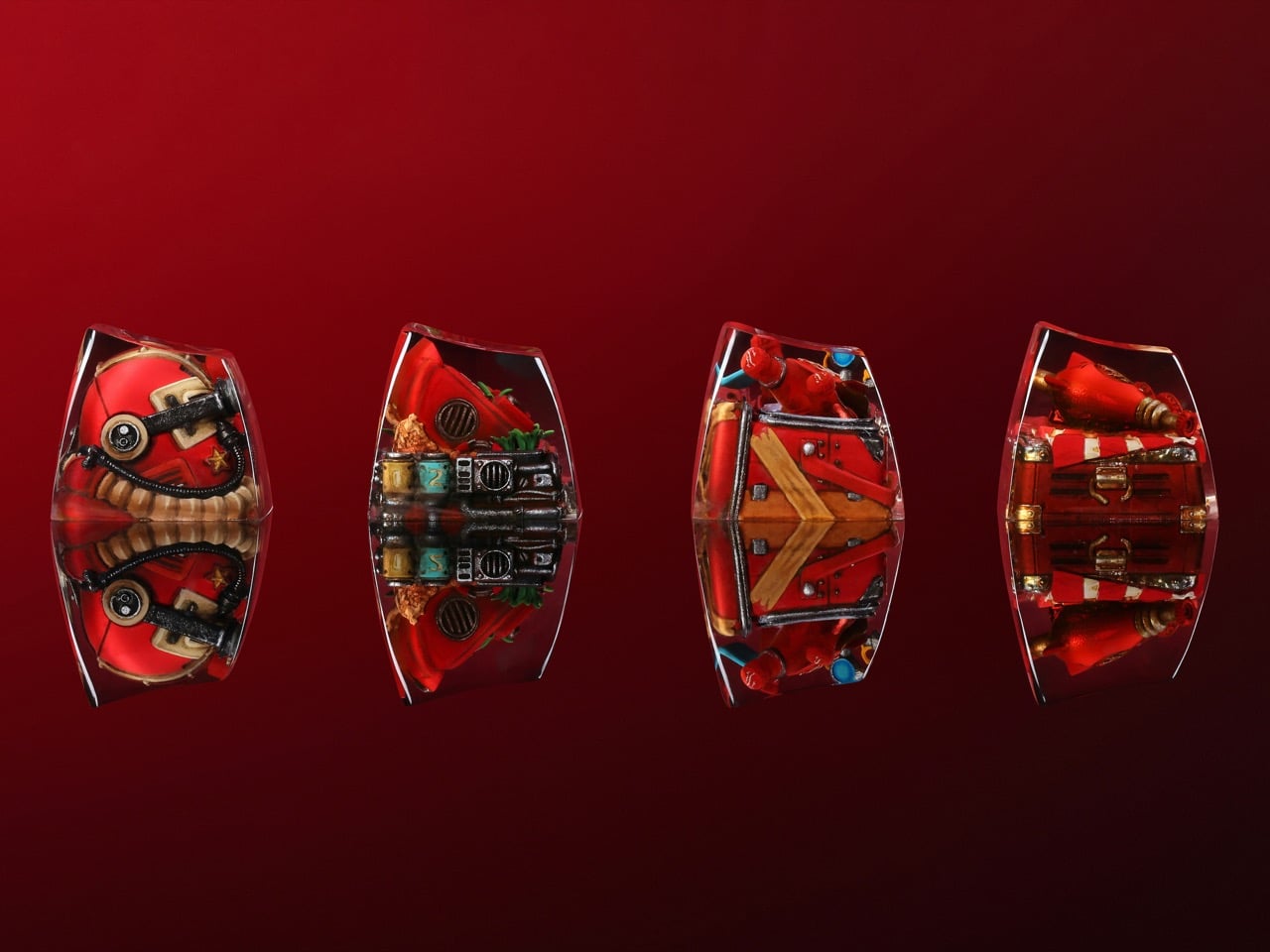
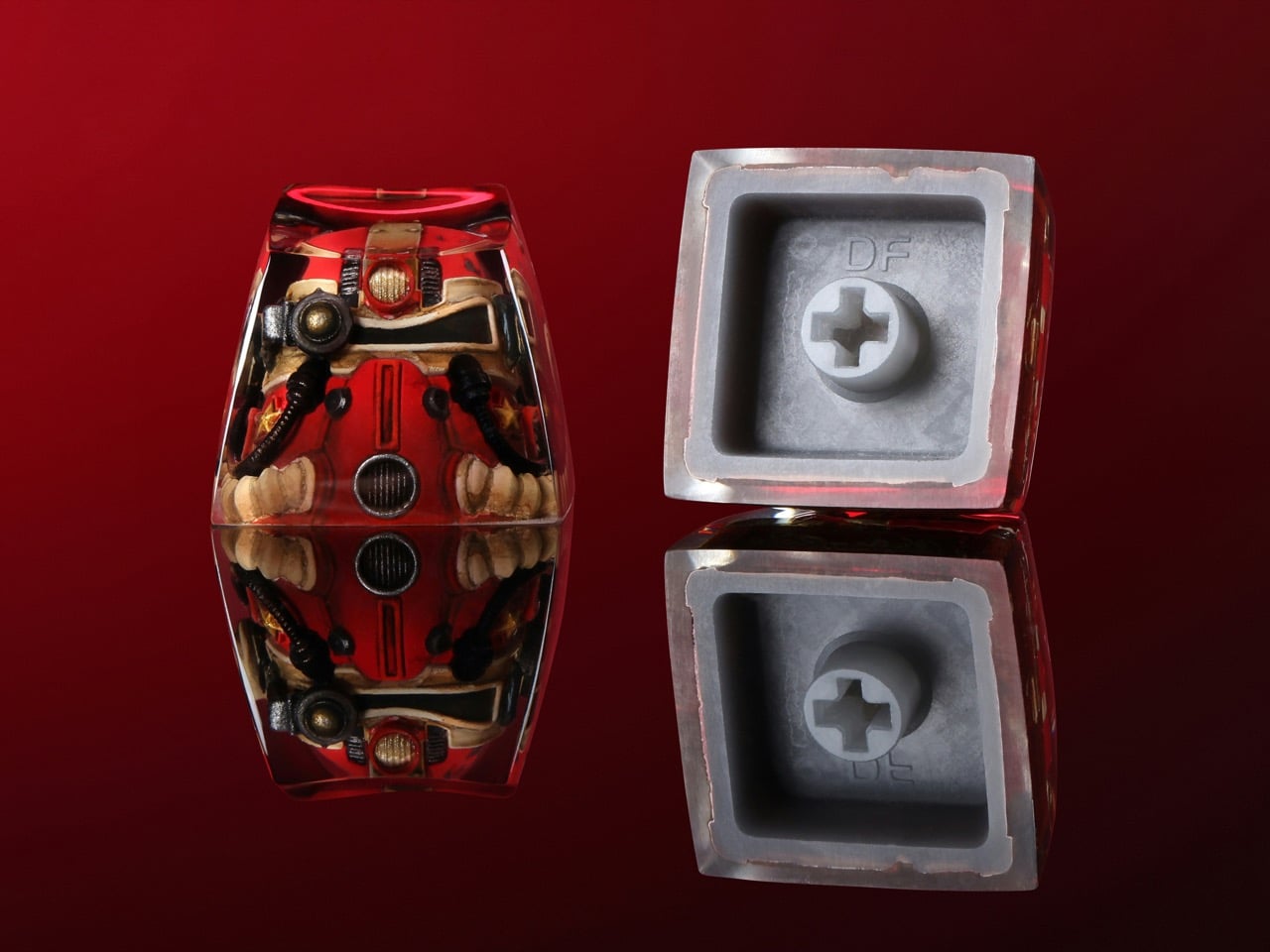
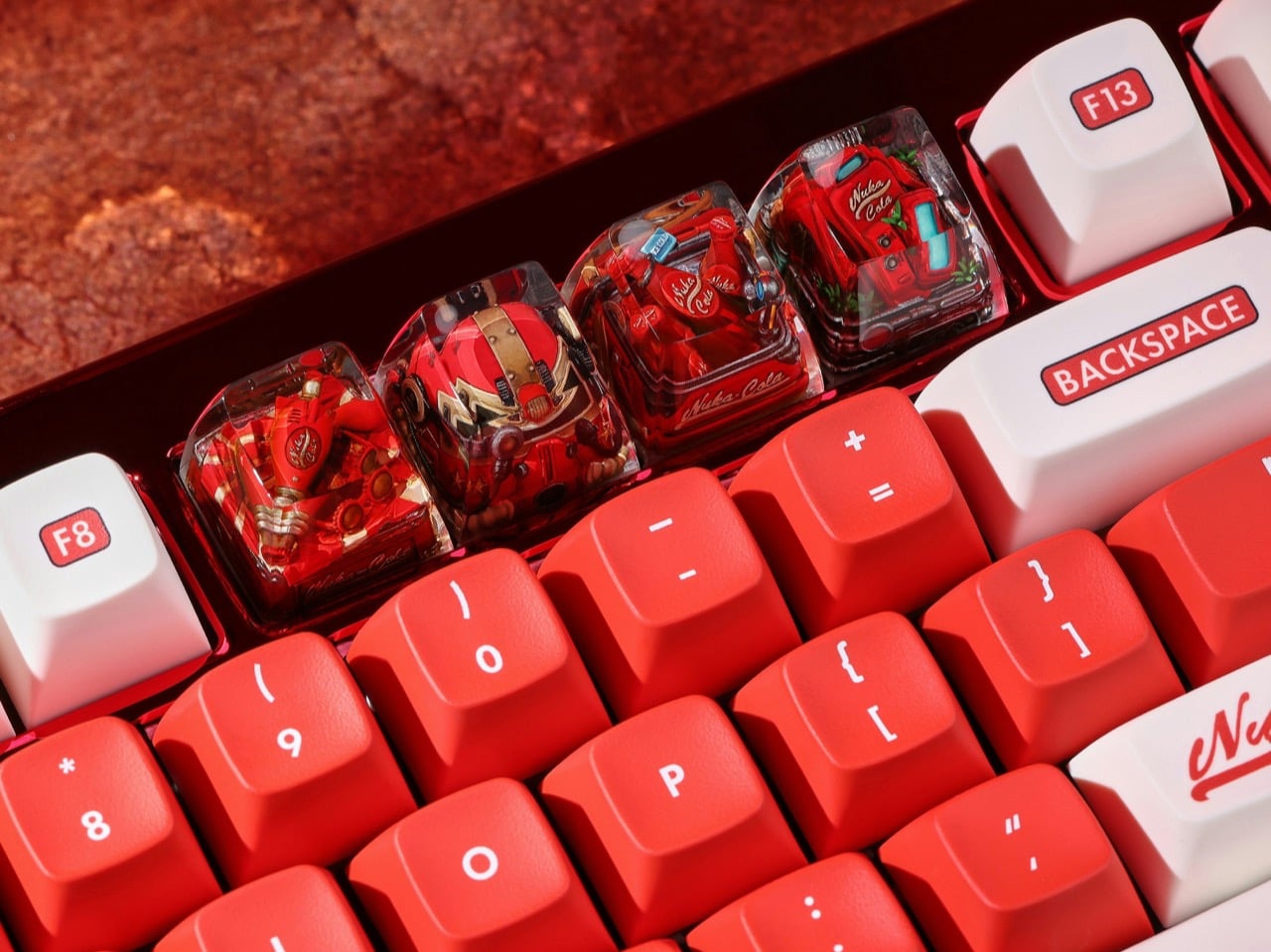
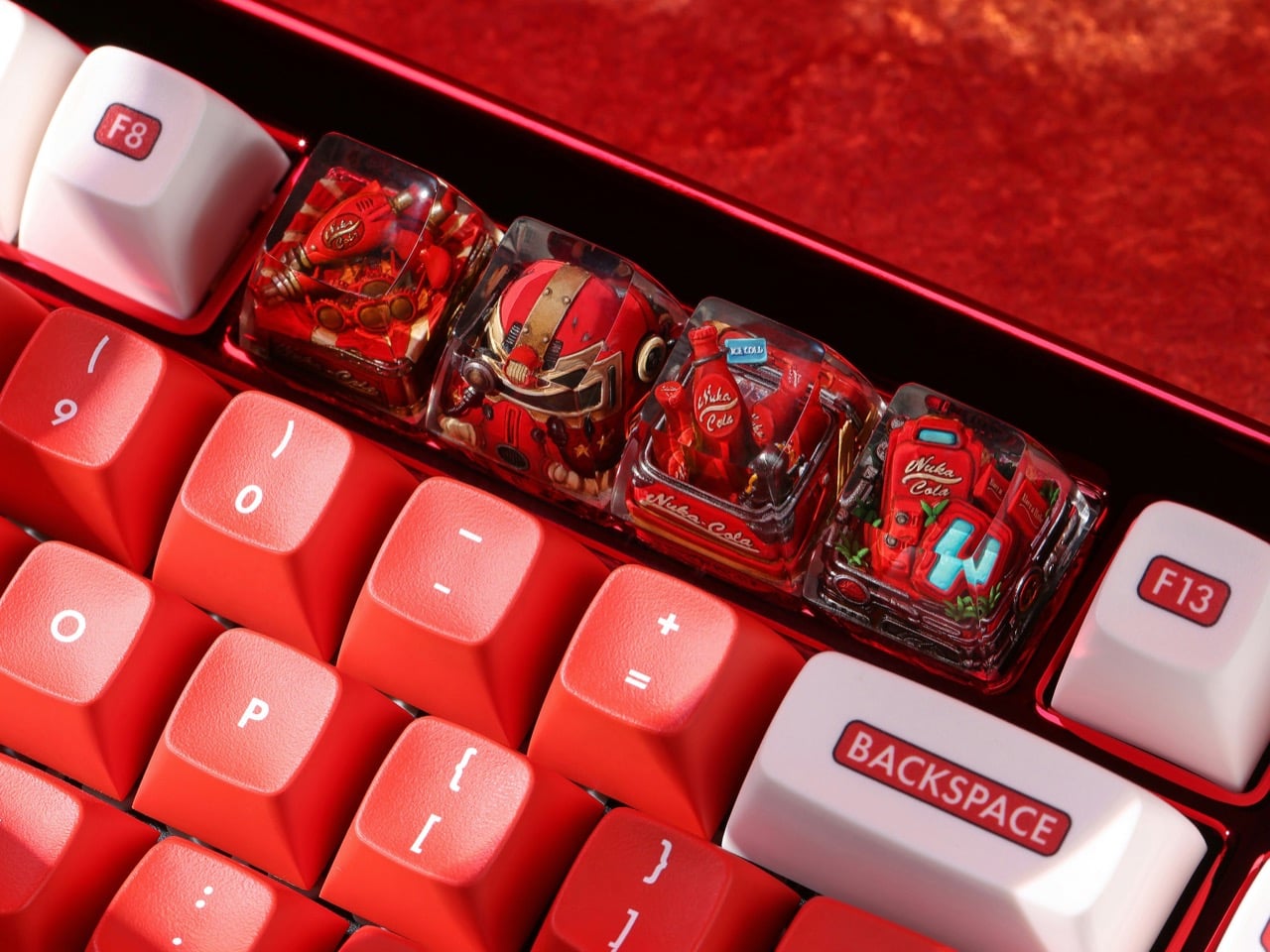
So when Drop and Dwarf Factory freeze that whole relationship inside a 1U keycap, it feels weirdly logical. Four tiny scenes, all Nuka flavored. Vending machine, bottle crate, Power Armor helmet, Thirst Zapper. Each one parked on an SA R1 profile shell, roughly 18 millimeters across, tall enough to tower over your number row. They are desk jewelry that behaves like keyboard hardware, and that crossover is where this stuff gets interesting.

Designer: Dwarf Factory for Drop

The sheer density of the diorama in each cap is something you have to respect. We are talking about a standard 1U footprint, roughly 18 millimeters square, that contains a fully realized scene with foliage, weathering, and legible micro-branding. The clear resin shell acts as a magnifier, giving the internal sculpture a sense of depth that tricks the eye. You can see the undercuts on the vending machine and the individual ropes on the bottle crate. Achieving that kind of fidelity in a multi-stage casting process, for a part that needs to meet the mechanical tolerances of a keyboard stem, is no small feat.

They were smart about the four designs they chose, too. It feels like a curated set that covers the core pillars of the Nuka-Cola experience: the vending machine for environmental storytelling, the bottle crate for loot, the Thirst Zapper for that weird corporate goofiness, and the Power Armor helmet for combat. It tells a more complete story than just slapping a Vault Boy face on a key. Together, they create a tiny narrative across your function row, a silent testament to the wasteland’s most persistent brand.

These things are tall, sitting at a full SA R1 profile height of around 16 millimeters. On a low-profile board they would look like monoliths, but that verticality feels right for Fallout’s chunky, retro-futuristic hardware. Dwarf Factory is using its standard multi-part resin casting and hand-painting process, all sealed in a polished acrylic shell. They fit standard Cherry MX stems, so compatibility is wide, but anyone running Kailh Box switches is out of luck due to the wider housing. It’s a niche product for a niche within a niche, and the specs reflect that.

Of course, that kind of hand-painted, multi-stage resin work is why these things have a seventy-dollar question mark attached to each key. That price point immediately pushes them out of the realm of simple accessories and into the category of functional jewelry for your desk. You are not just buying a keycap, you are commissioning a tiny sculpture that happens to be keyboard-compatible. It is an absurd purchase by any rational metric, but the entire custom keyboard hobby abandoned rationality several years ago. This is for the person who sees their keyboard as a gallery, not just a tool.

The way they interact with backlighting is another clever touch. The glow-in-the-dark pigment and internal geometry create this irradiated halo effect at night, with light bouncing around inside the resin instead of just shining through a legend. It looks like your keyboard has been sitting a little too close to a glowing sea. Drop one of these on a retro-themed beige board and it looks like canonical hardware from the Fallout universe. Put it on a modern RGB rig and it becomes a preserved relic, a piece of the old world trapped in a futuristic frame.

Given their handmade nature, these keycaps don’t come cheap. Each individual cap starts at $69 from Drop’s website (unless they get sold out and sell on the aftermarket for even higher). I assume the handcrafting cost is high, but the licensing fees with Fallout are even higher. Drop’s even debuted Fallout-themed mechanical keyboards/keycaps/mats that are more mass-produced which sell for a lot cheaper (you can see them in the images above and below)… although if you’re a bit of a collector, you’d want to spring for the artisan stuff, whether it’s to mount on a keyboard or showcase on a platform behind a glass cover.

The post These Fallout Nuka-Cola artisan keycaps are ridiculous, beautiful, and exactly what your keyboard deserves first appeared on Yanko Design.

Astronomers share new insights about the early universe via the Webb Space Telescope

Researchers using the James Webb Space Telescope have found a galaxy that is offering new data about the early stages of the universe's existence. The latest discovery shared by astronomers is about a bright galaxy dubbed MoM-z14. According to the team, this galaxy existed 280 million years after the Big Bang. 

The sounds like a long time, but in the context of the universe's estimated 13.8 billion years of existence, that's actually one of the closest examples astronomers have found to the Big Bang's occurrence. As a result, MoM-z14 can offer some insights and some surprises about what the early stages of the universe entailed.

"With Webb, we are able to see farther than humans ever have before, and it looks nothing like what we predicted, which is both challenging and exciting," lead author Rohan Naidu of Massachusetts Institute of Technology said. The findings about this galaxy were published in the Open Journal of Astrophysics.

The scientists were able to date MoM-z14 with Webb's Near-Infrared Spectrograph instrument, analyzing how light from the galaxy changed wavelengths as it traveled to reach the telescope. One of the initial questions sparked by this bright galaxy centers on the presence of nitrogen. Some early galaxies, including MoM-z14, have revealed higher nitrogen concentrations than scientists had projected was possible. Another topic of interest is about reionization, or the process of stars producing enough light or energy to permeate the dense hydrogen fog that existed in the early universe. 

“It’s an incredibly exciting time, with Webb revealing the early Universe like never before and showing us how much there still is to discover” said Pennsylvania State University graduate student and team member Yijia Li.

This article originally appeared on Engadget at https://www.engadget.com/science/space/astronomers-share-new-insights-about-the-early-universe-via-the-webb-space-telescope-213311848.html?src=rss

February’s PS Plus Monthly Games include Undisputed and Subnautica: Below Zero

We’ve somehow almost reached the end of January already, which means it’s time for Sony to divulge the list of PlayStation Plus Monthly Games for February. They are Undisputed, Subnautica: Below Zero, Ultros and Ace Combat 7: Skies Unknown. If you have a PS Plus subscription on any tier, you can claim these starting on February 3. After claiming them, these games will stay in your library as long as your PS Plus plan remains active. 

Undisputed (PS5) is a 2024 boxing game with dozens of licensed fighters across several weight classes. They include legendary figures like Muhammad Ali and Sugar Ray Robinson as well as modern greats including Canelo Alvarez and Oleksandr Usyk. 

Subnautica: Below Zero (PS4 and PS5) is a spin-off from adventure survival game Subnautica. It has more land-based areas to explore than the original game and you’ll need to keep an eye on a body temperature meter to make sure you stay warm enough. 

I’ve been meaning to check out Ultros (PS4 and PS5) for a while and its inclusion here is almost enough to make me want to re-subscribe to PS Plus. It's a Metroidvania with a striking neon palette. As for Ace Combat 7: Skies Unknown (PS4), that could be a good way for folks to dip back into the long-running combat flight sim series (or try it for the first time) before Ace Combat 8: Wings of Theve arrives later this year.

PS Plus subscribers still have until February 2 to add the Monthly Games for January to their library. Those are Need For Speed Unbound, Disney Epic Mickey: Rebrushed and Core Keeper.

This article originally appeared on Engadget at https://www.engadget.com/gaming/playstation/februarys-ps-plus-monthly-games-include-undisputed-and-subnautica-below-zero-205100847.html?src=rss

Patreon creators have to switch to subscription billing by November, thanks to Apple

Patreon creators will need to make some changes soon, thanks to Apple. On Wednesday, Patreon said Apple has renewed its requirement that all Patreon creators must move to subscription billing. The deadline to do so is November 1, 2026.

Patreon's blog post announcing the change made it clear that it had no other choice. "We strongly disagree with this decision," the company wrote. "Creators need consistency and clarity in order to build healthy, long-term businesses. Instead, creators using legacy billing will now have to endure the whiplash of another policy reversal — the third such change from Apple in the past 18 months."

Up to this point, Patreon’s billing model has operated in a gray area, allowing its creators to charge fans outside the App Store without paying Apple’s fees. When the issue first surfaced, TechCrunch described it as stemming from how paid content was accessed (only some creators offered content that could be consumed in-app). On Wednesday, a Patreon representative described the gray area as being “because Apple’s In-App Purchase system doesn’t support some of Patreon’s longstanding billing models.”

But now Apple has reimposed its subscription mandate, eliminating the gray area. "We know that Apple is serious about enforcing this mandate," Patreon wrote. "Late last year, they blocked a Patreon app update and made it clear that in order to remain in the App Store, we have to comply with their billing requirement. Because millions of fans use iOS as their primary way to access Patreon and connect with creators, having our app blocked — or not available in the App Store at all — isn't an option."

Patreon’s "whiplash" description isn't hyperbole. Apple first announced the mandate in 2024. At that time, the deadline for all Patreon creators to make the switch was set to November 2025 — one that Patreon grudgingly accepted. But according to the company, Apple told it last May that the original 2025 deadline was no longer in effect. Now, it appears to have reversed that again.

If there's a silver lining, TechCrunch notes that only 4 percent of Patreon creators are using the affected (legacy) billing models. And fans can still bypass Apple's fees on iOS by joining via their iPhone's web browser. Patreon has much more detail for creators in its announcement post.

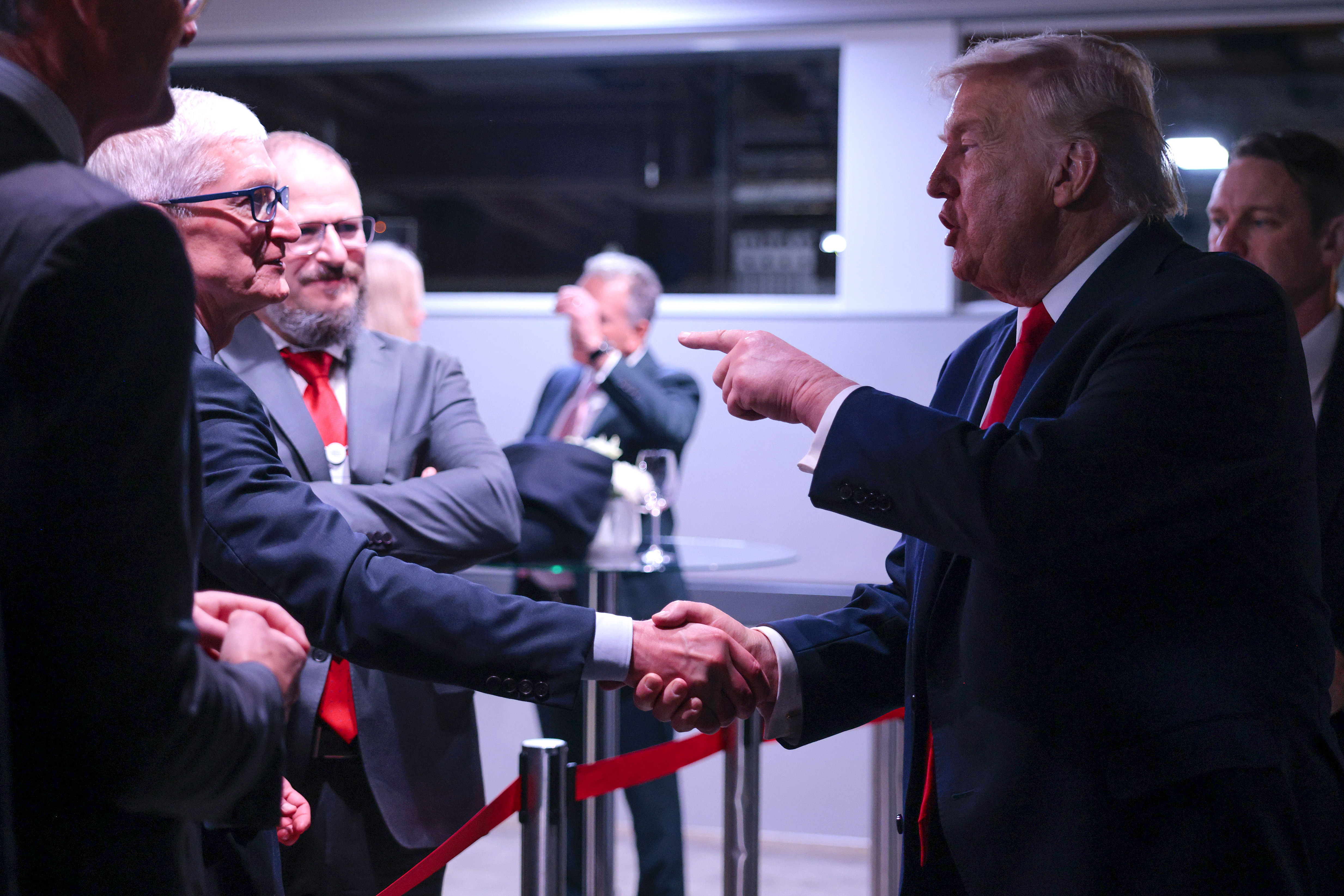
DAVOS, SWITZERLAND - JANUARY 21: U.S. President Donald Trump (R) speaks to Apple CEO Tim Cook (L) as he attends a reception for business leaders at the World Economic Forum (WEF) Annual Meeting on January 21, 2026 in Davos, Switzerland. The annual meeting of political and business leaders comes amid rising tensions between the United States and Europe over a range of issues, including Trump's vow to acquire Greenland, a semi-autonomous Danish territory. (Photo by Chip Somodevilla/Getty Images)
DAVOS, SWITZERLAND - JANUARY 21: U.S. President Donald Trump (R) speaks to Apple CEO Tim Cook (L) as he attends a reception for business leaders (Photo by Chip Somodevilla/Getty Images)
Chip Somodevilla via Getty Images

As for Apple, well, this familiar role of "Big, Bad App Store Taxman" pales in comparison to some of its other recent headlines. For starters, there was its removal of the ICEBlock app (and another that logged ICE arrest recordings) in October. At least as concerning is an app category that the “Privacy is a human right” company won't remove. Grok, X and (reportedly) dozens of other apps now allow iPhone owners to "digitally undress" real people, including children. 28 advocacy groups even called on the company to remove them, to no avail.

To top it all off, Tim Cook decided that Saturday — the day Alex Pretti was shot and killed by federal agents — would be a good time to attend the screening of Melania at the White House. He even posed for a selfie with accused rapist Brett Ratner, the film’s director.

Update, January 28, 2026, 5:22 PM ET: This story has been updated to clarify how the Patreon app operated in a gray area before Apple’s changes.

This article originally appeared on Engadget at https://www.engadget.com/big-tech/patreon-creators-have-to-switch-to-subscription-billing-by-november-thanks-to-apple-203759852.html?src=rss