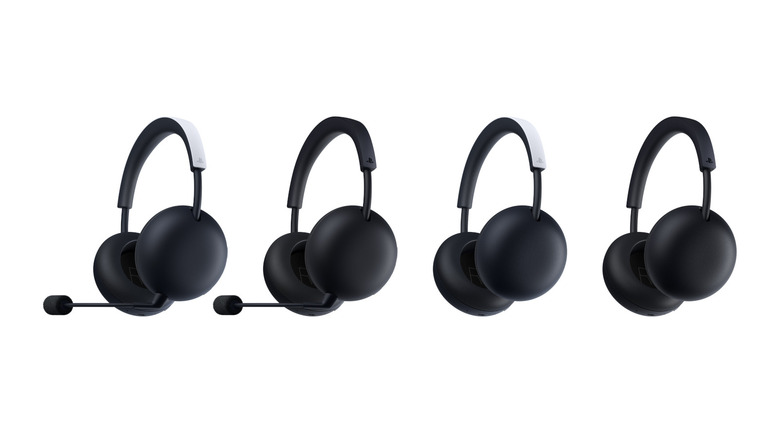
Sony unveils new PlayStation Pulse wireless headsets with ‘planar magnetic’ sound tech
Sony has introduced the PlayStation Pulse and Pulse Edge headsets, which feature planar magnetic drivers.

Free local AI coding setups are now more accessible, offering developers greater privacy and control over their workflows. The Stack examines three notable options: Open Code, PI (Minimal Agent Toolkit), and DeepSeek Harness. Open Code focuses on stability and manual configuration, while PI provides extensive API support alongside detailed documentation. DeepSeek Harness, though in its […]
The post PI a Minimal Agent Toolkit Offers an Easy Way to Run Local AI Agents appeared first on Geeky Gadgets.
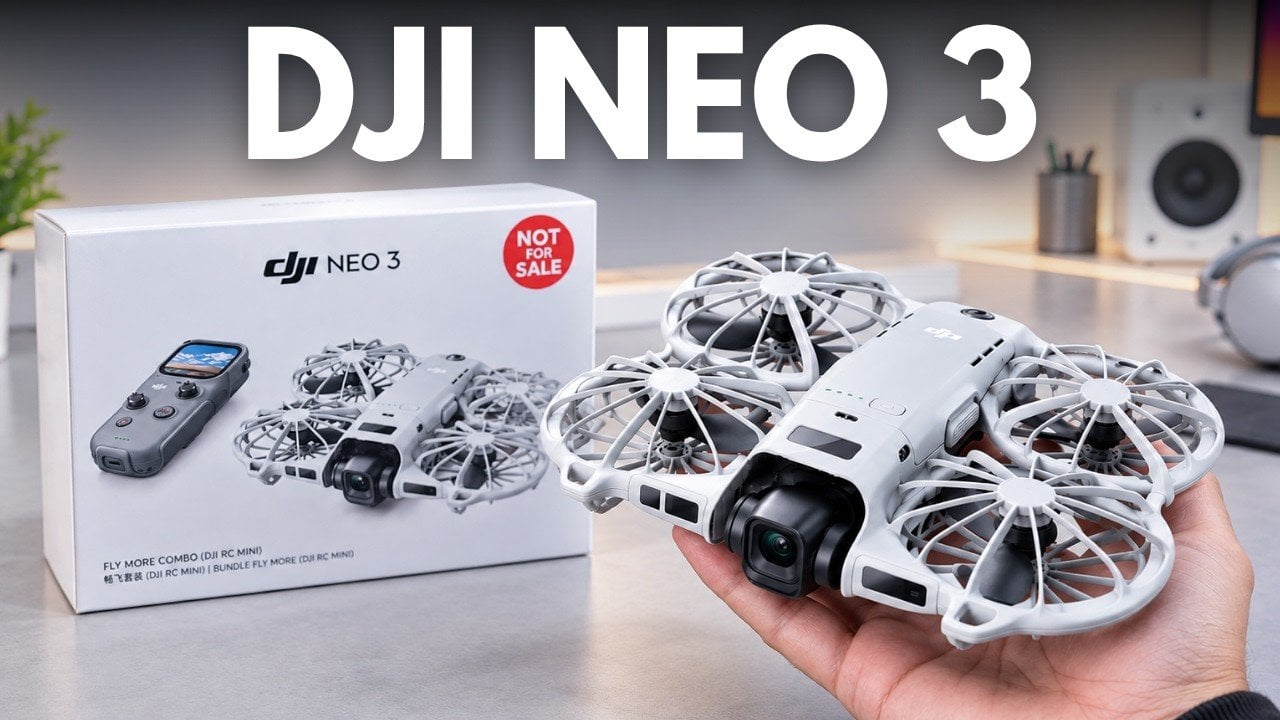
The recent leak of the DJI Neo 3 retail box has sparked both intrigue and skepticism within the drone community. Highlighting a potential leap in compact drone technology, the image suggests the inclusion of a new RC Mini controller and emphasizes portability. However, anomalies such as inconsistent motor orientation and minor branding errors have raised […]
The post Unidentified Upward Sensor Clouds the DJI Neo 3 Box Leak appeared first on Geeky Gadgets.
Most clocks either sweep hands around a dial or flash numbers on a screen, and neither option feels particularly satisfying to watch. OVODYO skips both approaches entirely, telling time with two rolling, dice-like balls that physically tumble into position every few minutes. It’s a clock built around a small mechanical performance rather than a passive glance at the wall.
Each ball is shaped like an icosahedron, a 12-sided solid closer to a fat die than a sphere, with one ball dedicated to hours and the other to minutes. The hours ball carries all 12 hour marks across its faces, while the minutes ball splits into 5-minute intervals, so together the two objects can display any time of day using nothing but which face happens to be sitting on top at that moment.
Designer: ekaggrat singh kalsi
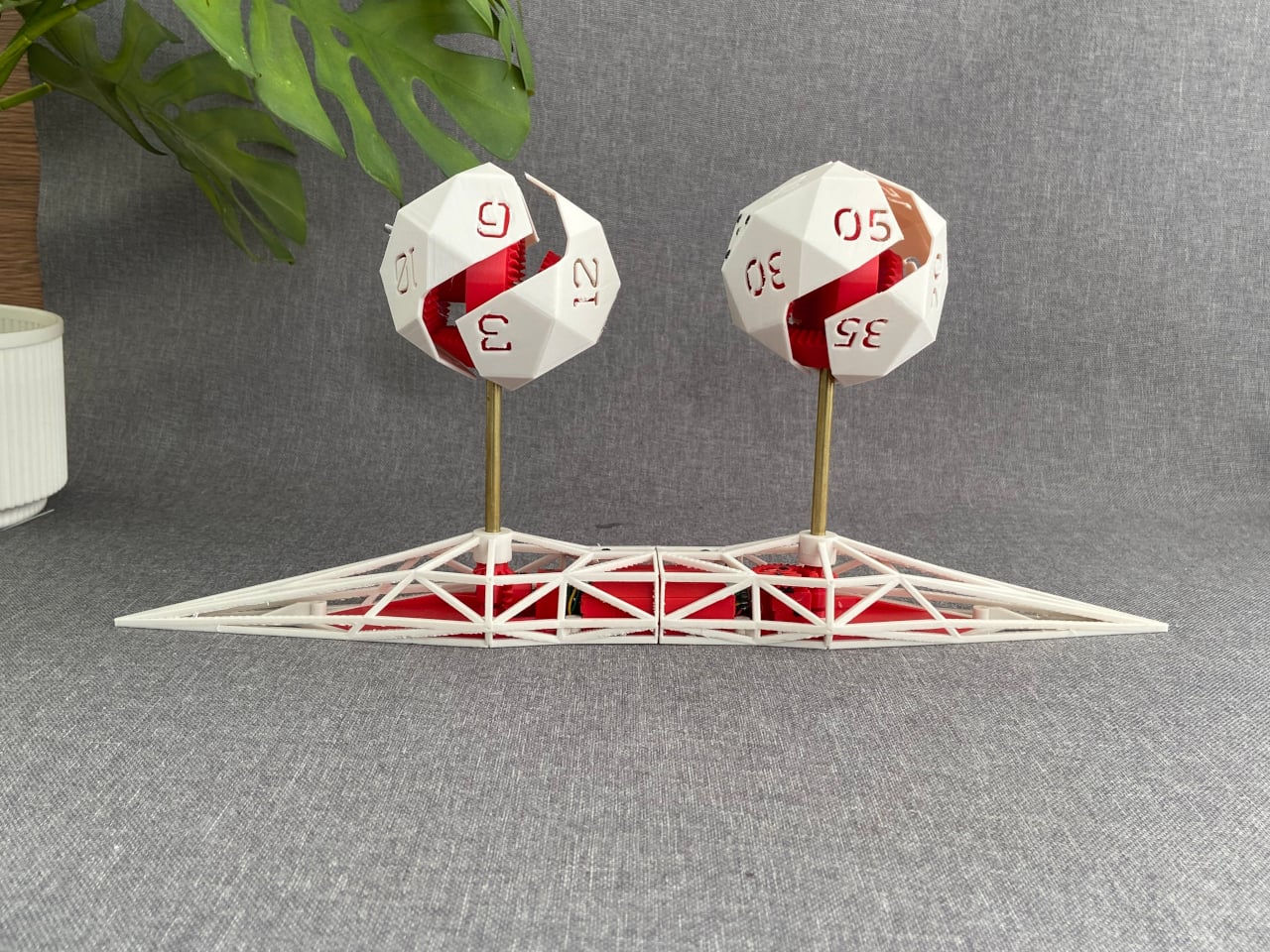
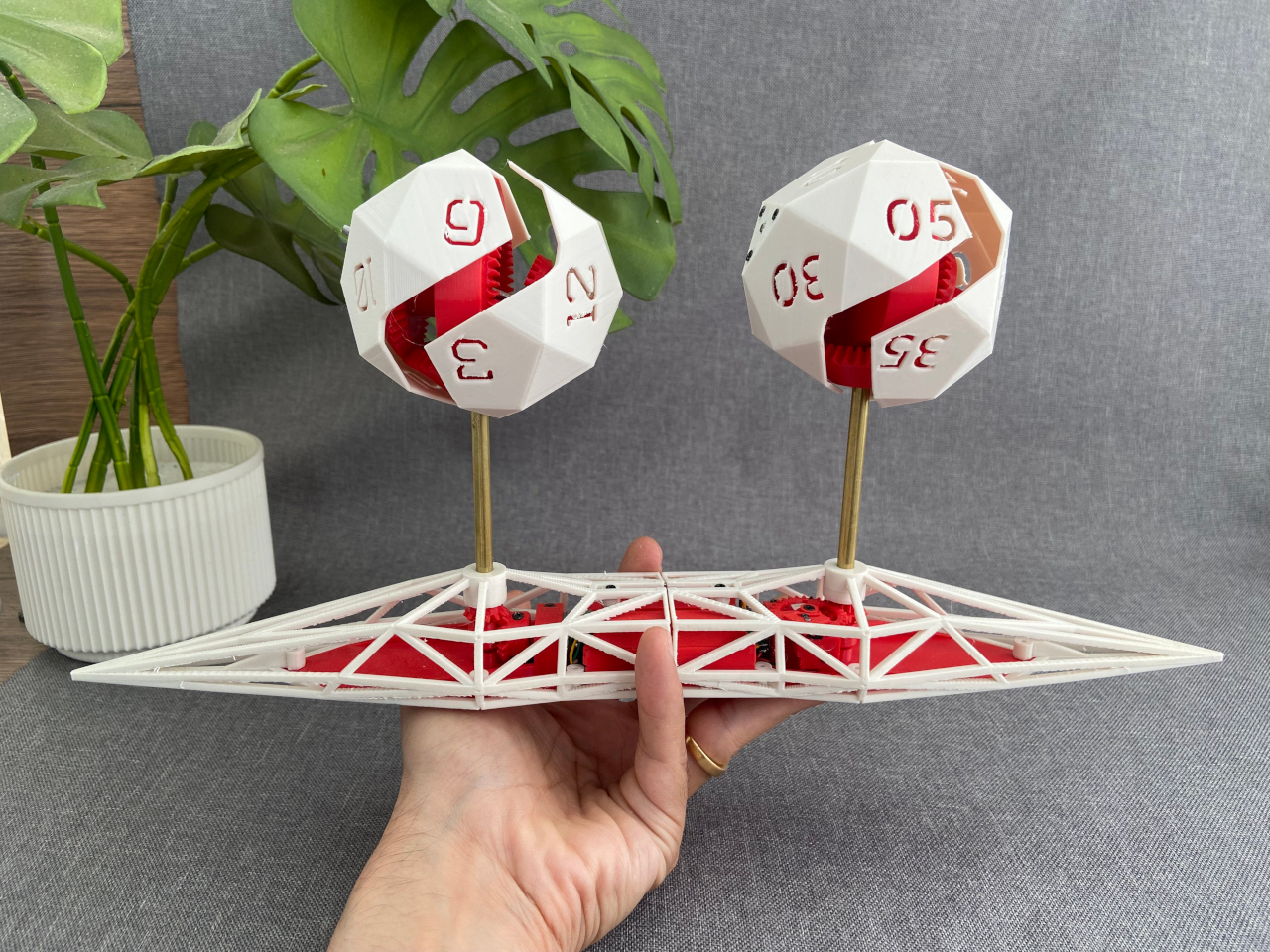
Getting those faces to land correctly took real mechanical problem-solving rather than a simple motor and a timer. A differential mechanism drives each ball forward in fixed increments, tumbling it forward until the correct face rotates into view, then holding it steady until the next update is due. Watching a rigid geometric shape tumble like a die and settle on the exact right face reads more like a magic trick than a timekeeping mechanism.
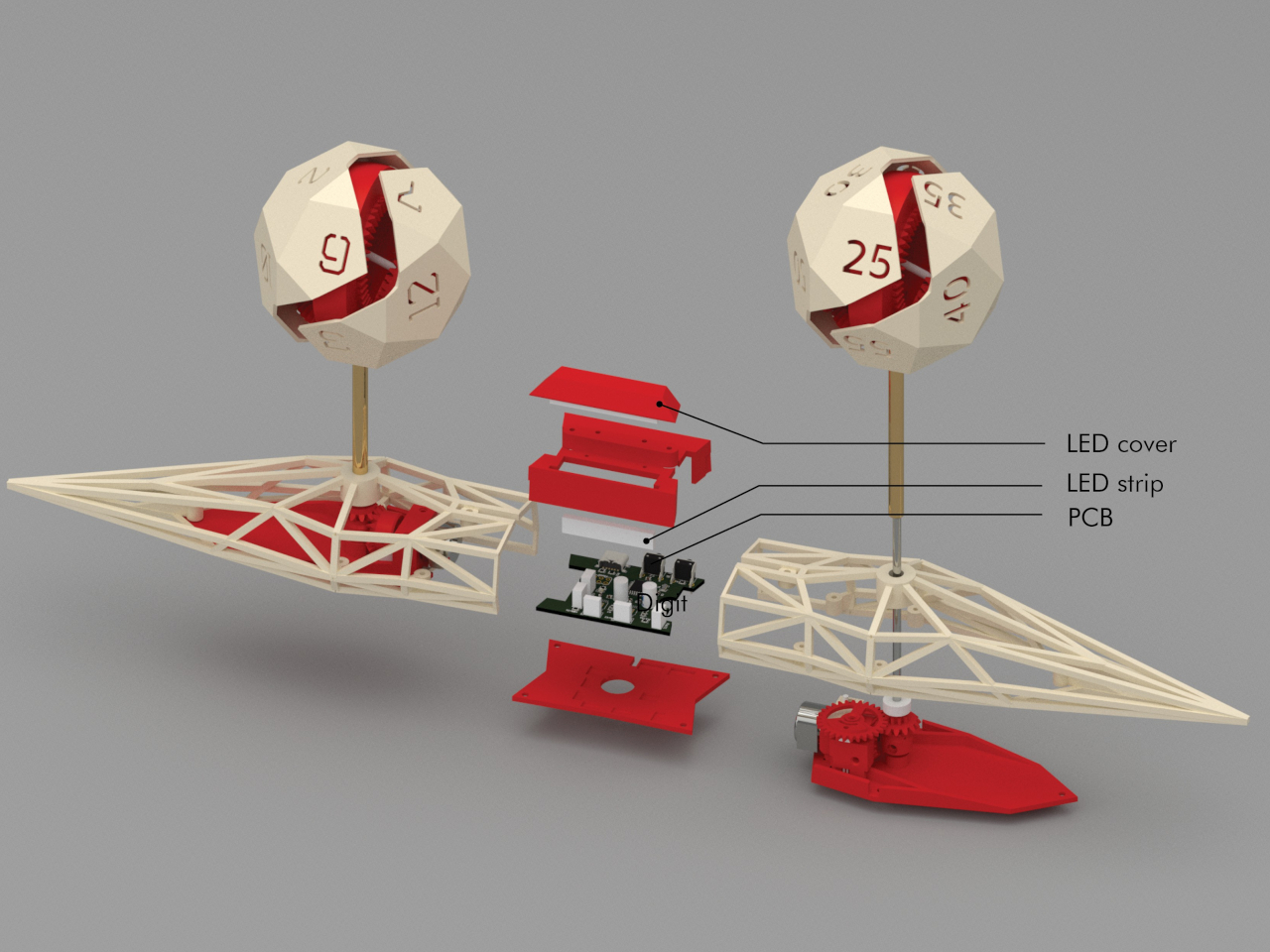
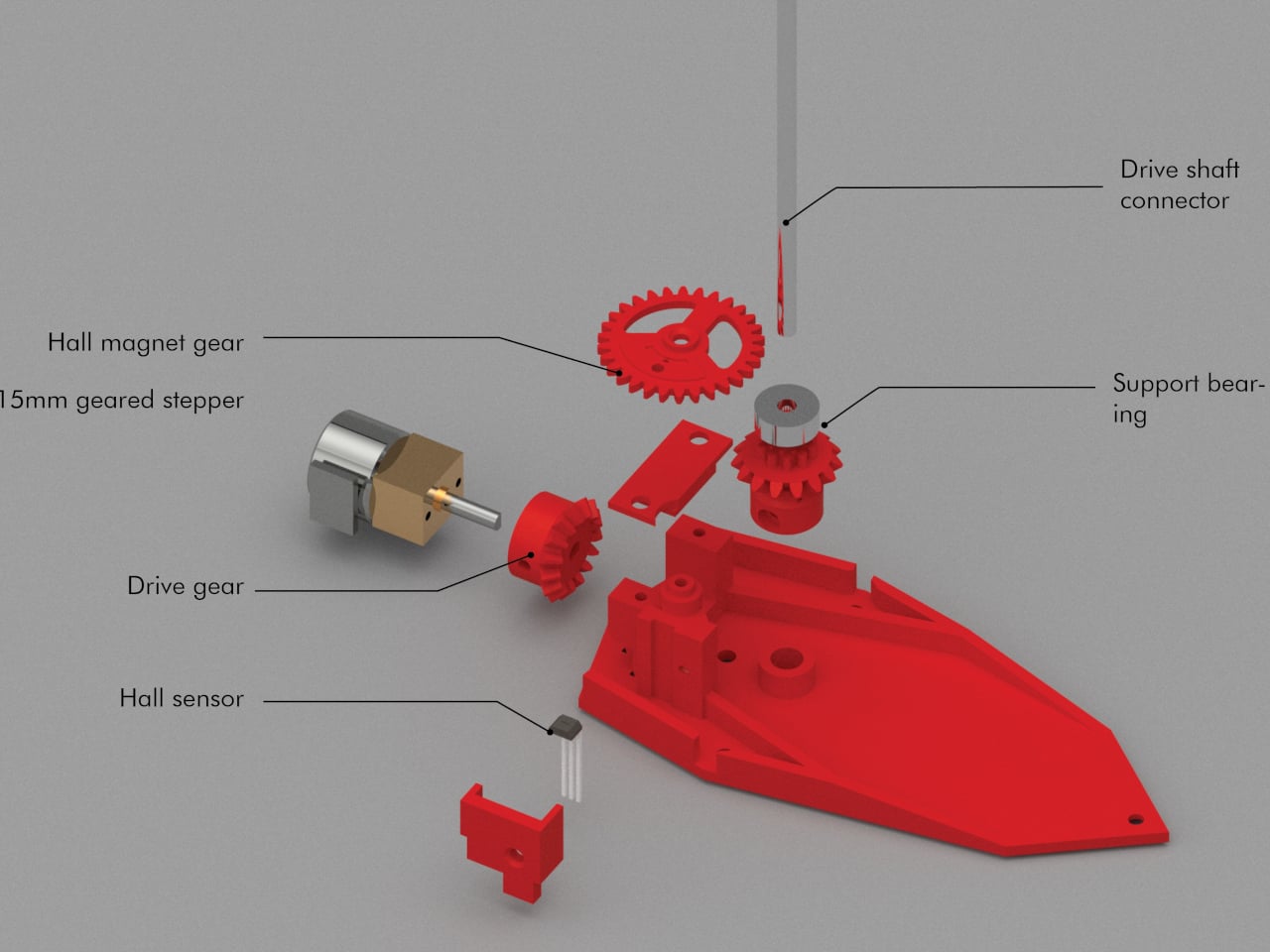
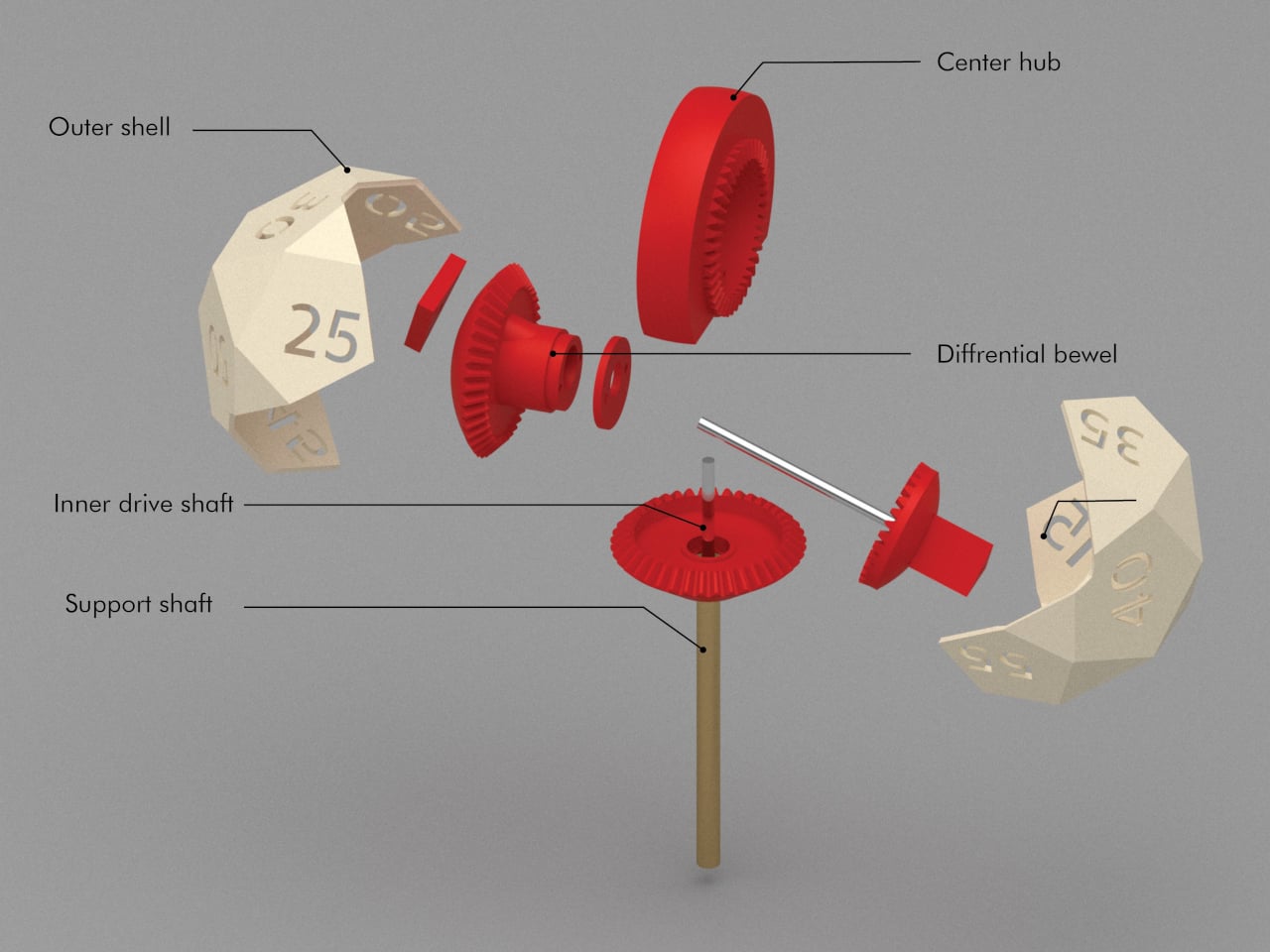
Behind that motion sits a fairly modest set of electronics for what the mechanism achieves. An ATmega8 chip runs the control logic, paired with a pair of DRV8833 driver boards handling the stepper motors that push each ball forward. Three Hall effect sensors track motor position in real time, giving the system enough feedback to know exactly when a face has rotated into the correct spot and stop turning at precisely the right instant.
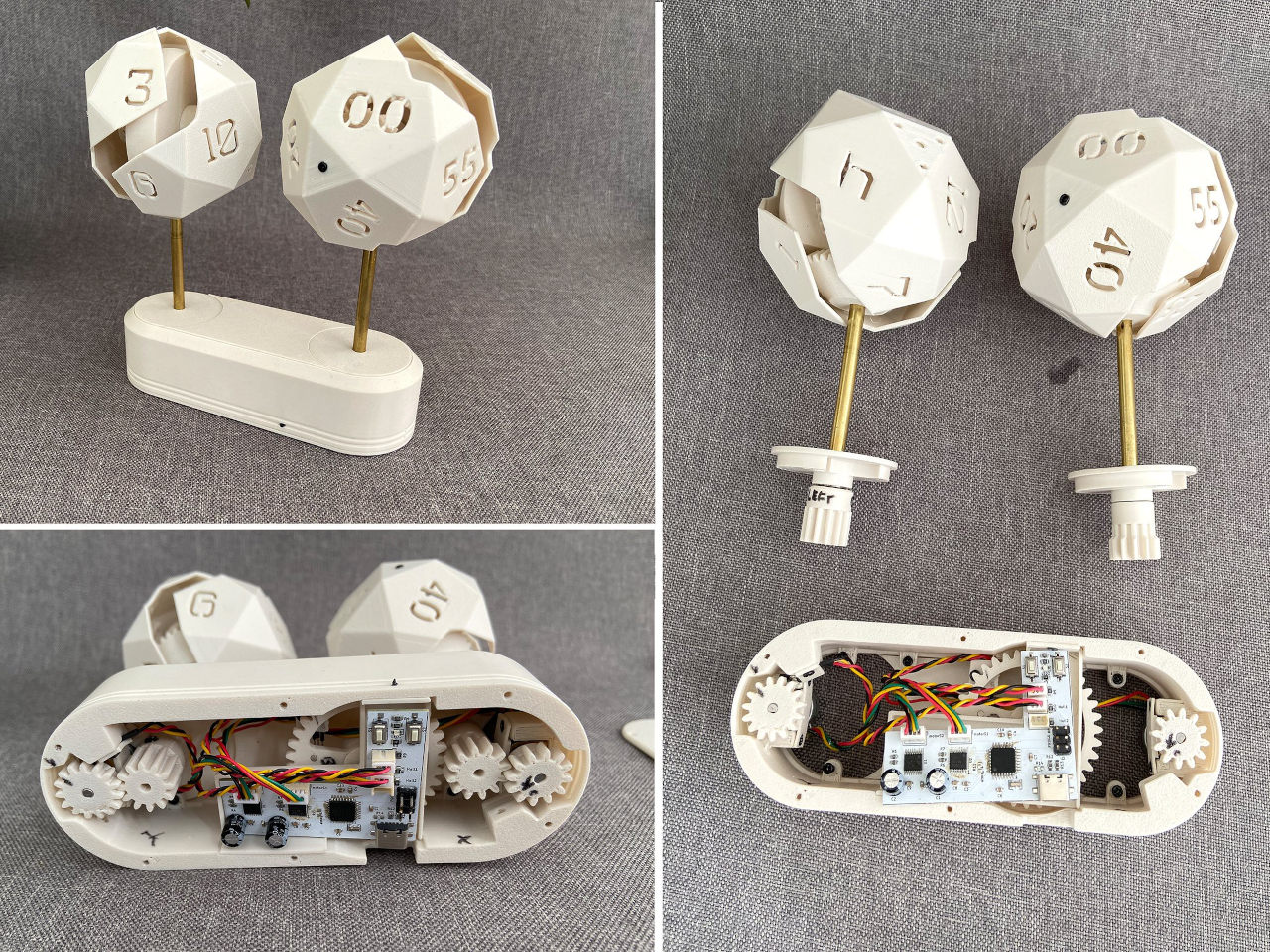
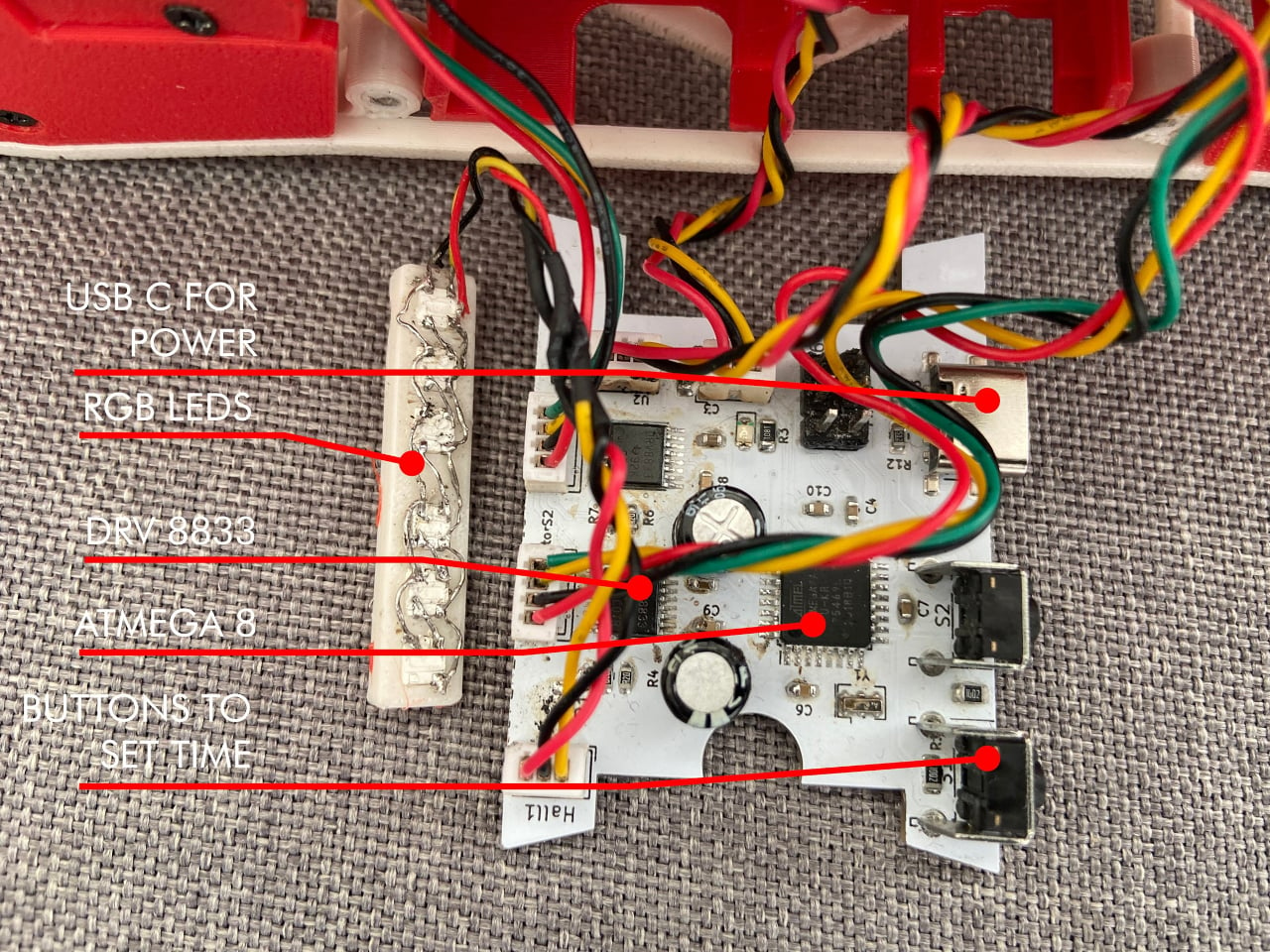
It definitely wasn’t a walk in the park to get that precision. An early prototype of the mechanism suffered from rough printed surfaces and enough friction that the small motors struggled to turn the balls at all. Adding bearings to both shafts solved that problem, smoothing out the rotation enough for modest motors to reliably drive a solid printed ball without stalling partway through a cycle.
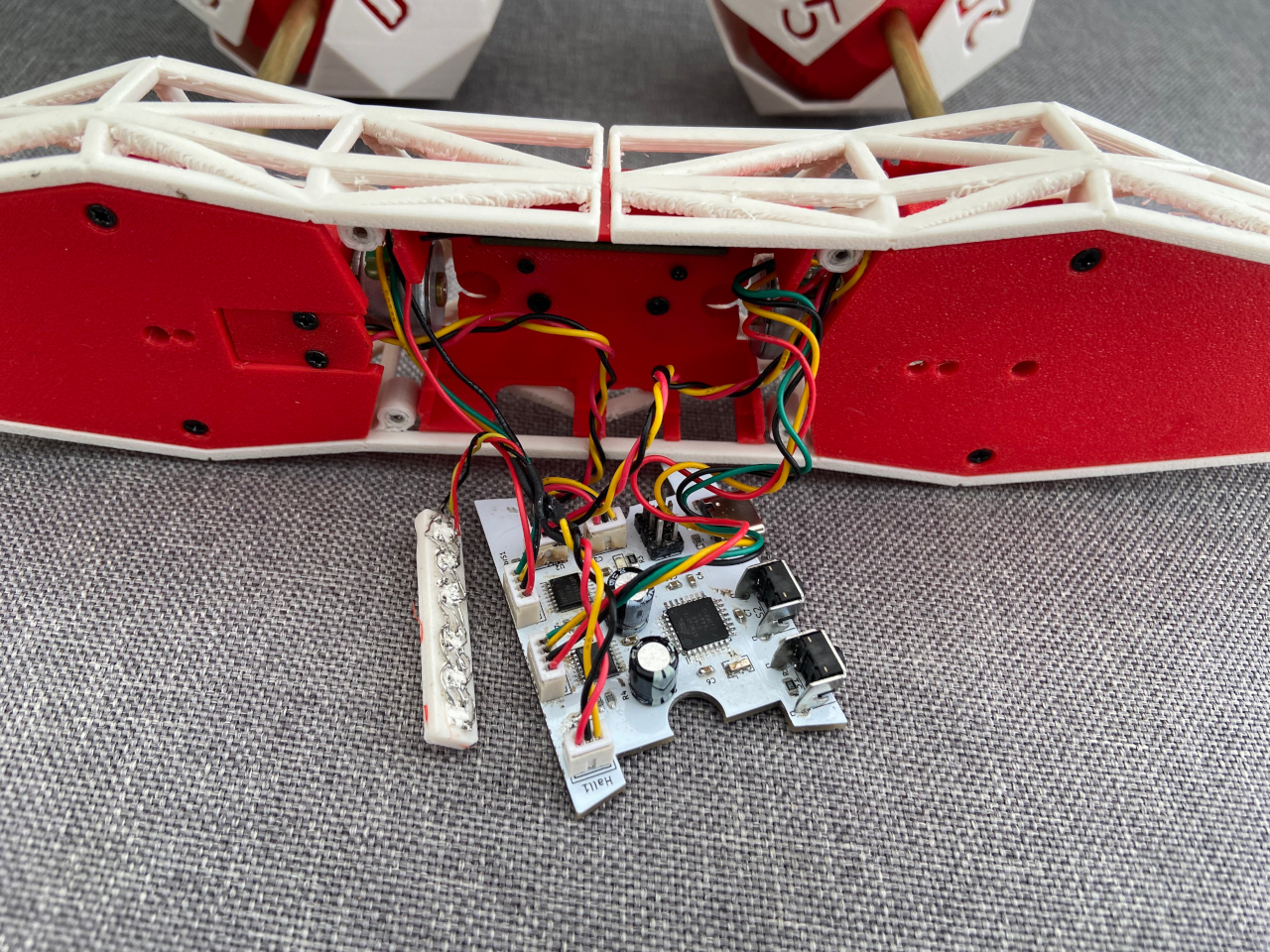
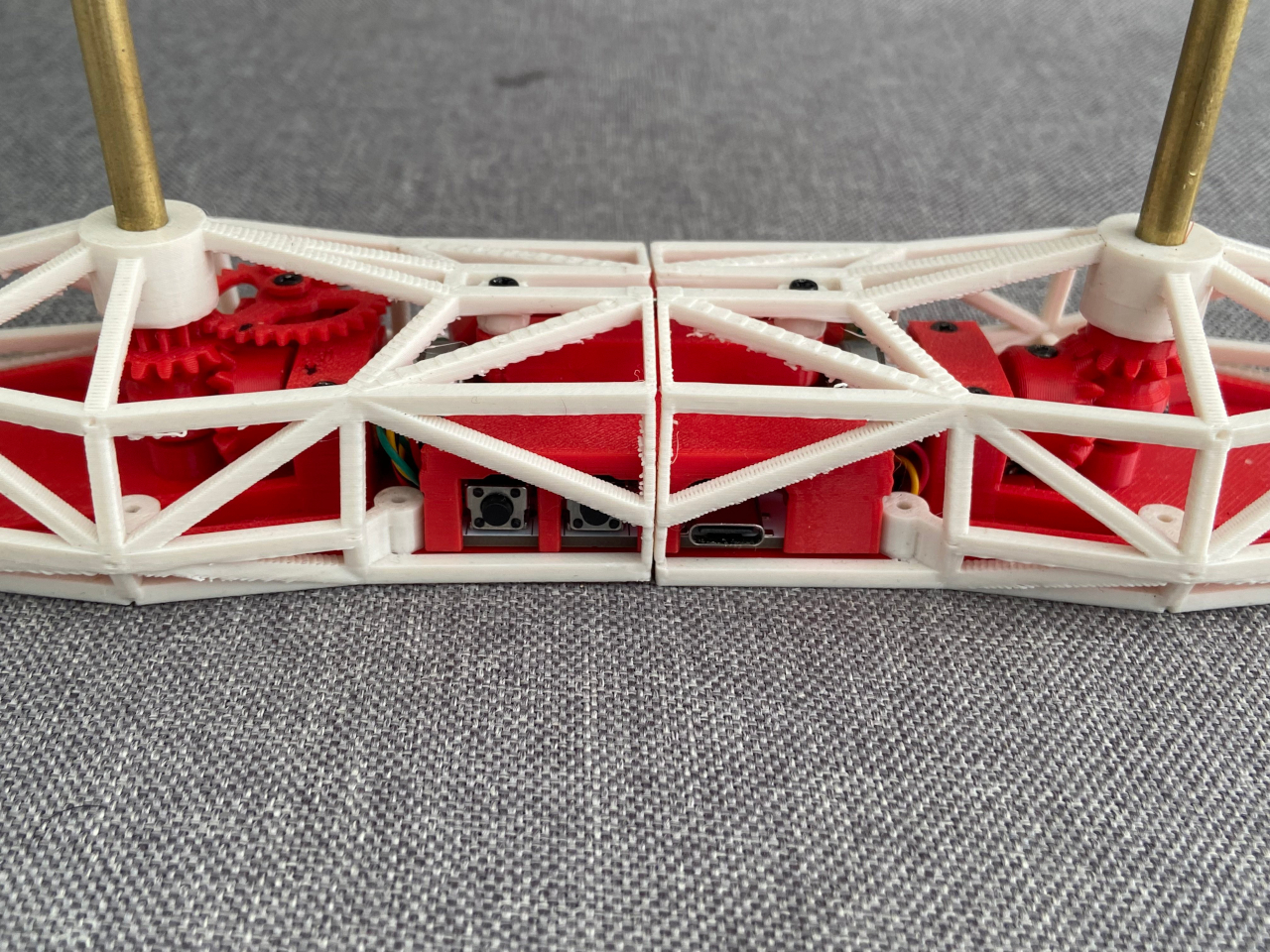
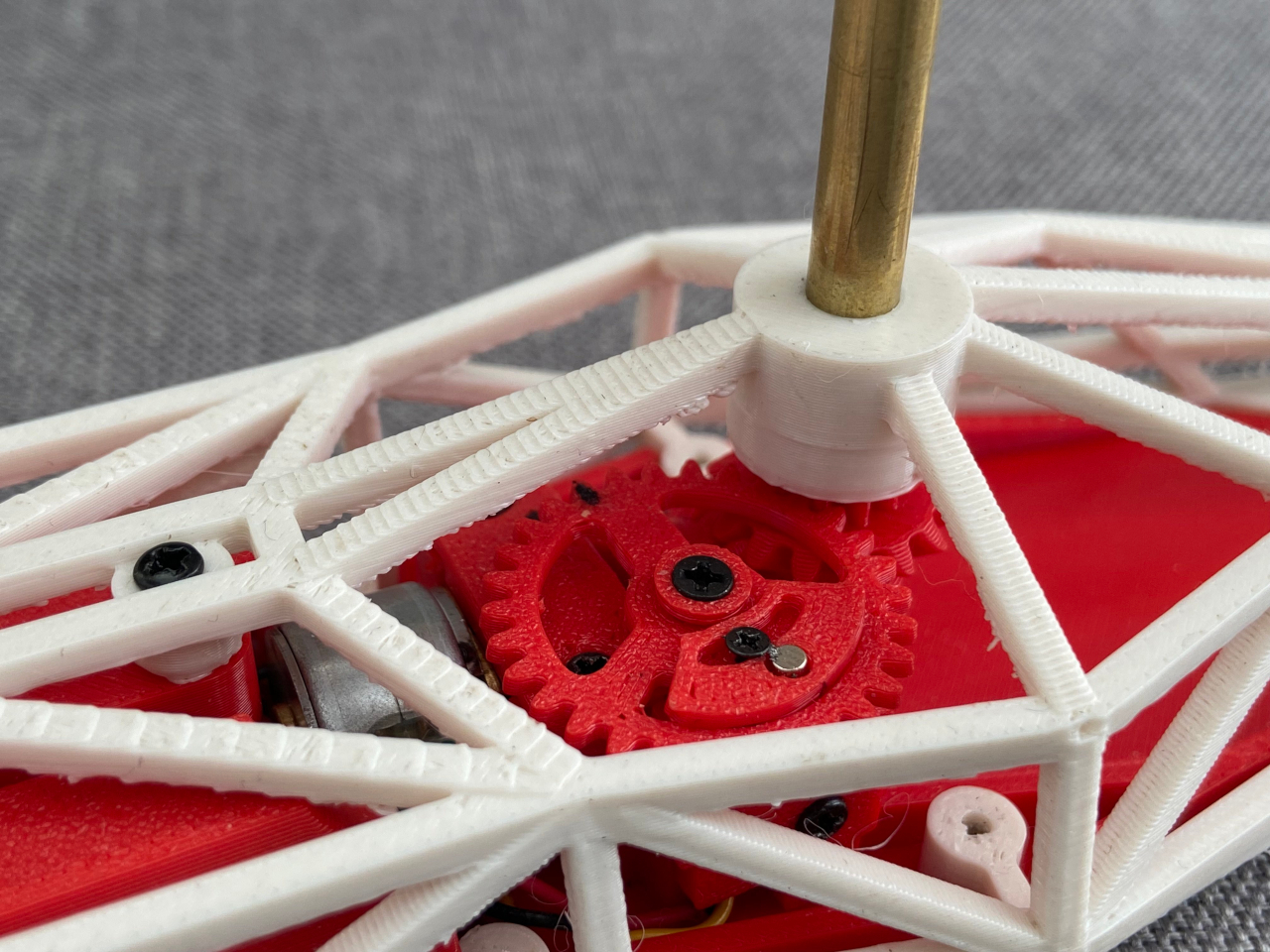
Solving the mechanism turned out to be the easier half of the project. A later prototype had both balls fully working inside a plain, solid base built purely to test function, and it looked the part of a lab bench rig rather than an actual object worth keeping in a living room. That gap between working and looking finished pushed a redesign of the base itself, treating the enclosure as its own separate design problem once the moving parts finally behaved.
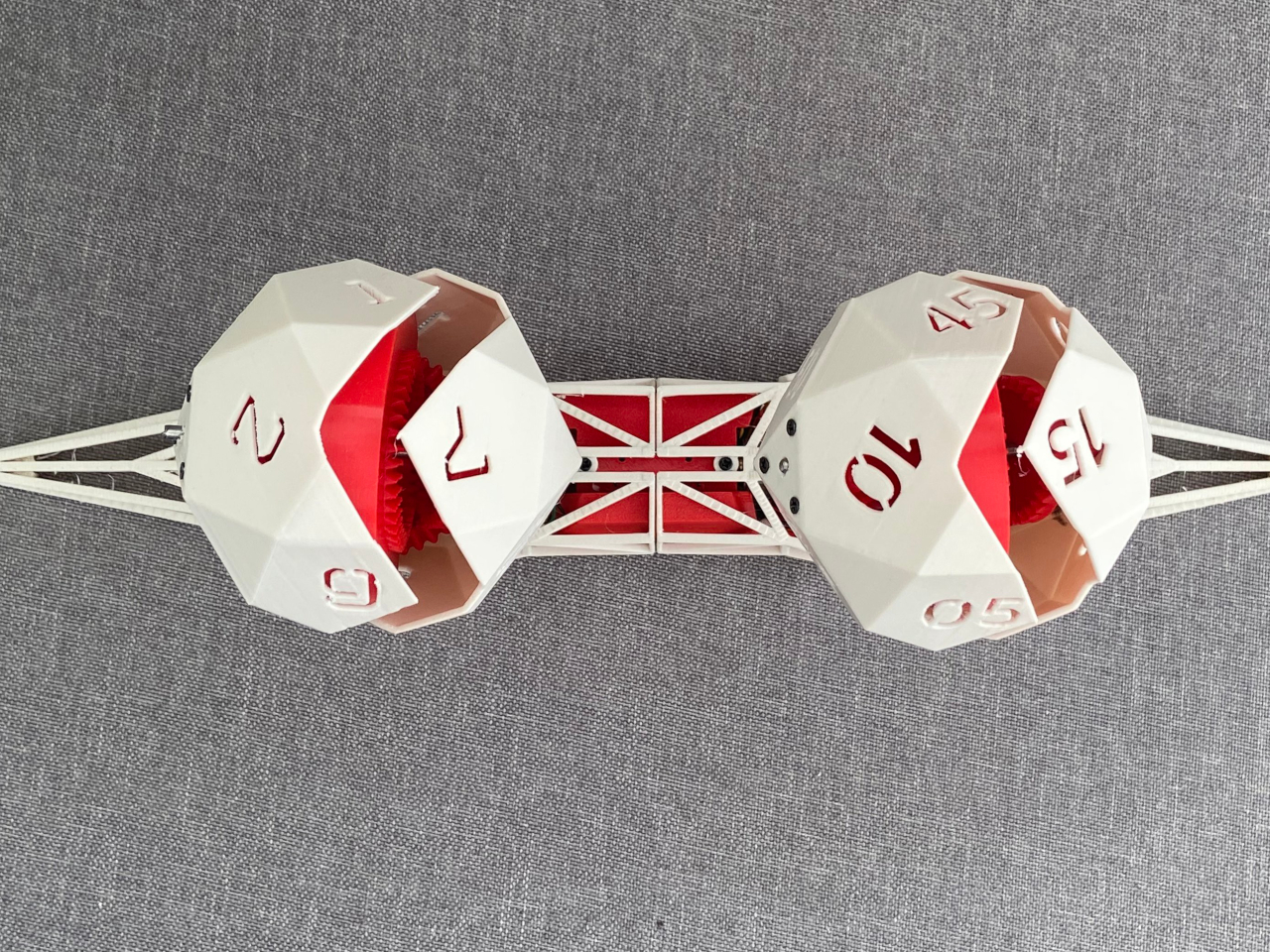
That order of operations tells you something about what makes a project like this hold together. The mechanism has to work before anyone can judge whether the object looks any good sitting out in a room, and OVODYO nails the harder half first. A desk clock built on two tumbling dice sounds like a novelty right up until you watch it settle on the correct hour with mechanical certainty, at which point it just looks like the obvious way a clock should have worked all along.
The post The Clock That Works Like a Music Box, With Dice Instead of Bells first appeared on Yanko Design.

Apple has introduced tvOS 27, a significant update designed to enhance the functionality, aesthetics, and overall usability of Apple TV. This update brings a host of new features, including a revamped interface, improved audio and video capabilities, and expanded accessibility options. With these enhancements, tvOS 27 aims to deliver a more seamless and enjoyable experience […]
The post Just Updated to tvOS 27? Why Your Apple TV Feels Brand New appeared first on Geeky Gadgets.
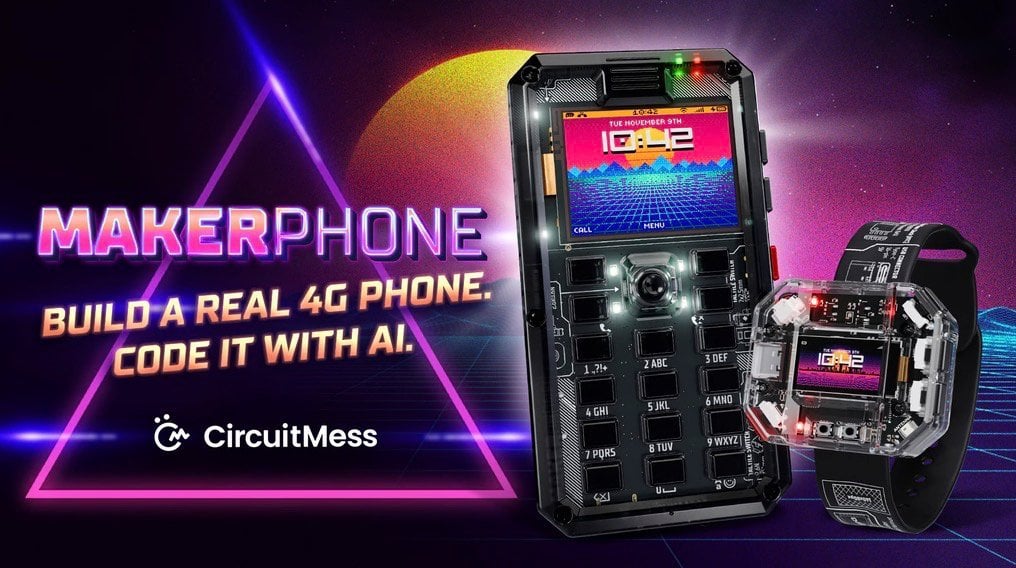
Building your own mobile phone might sound like a daunting task, but the MAKERphone 2.0 makes it surprisingly accessible. This DIY kit, highlighted by Kickbooster, allows users aged 9 and up to assemble a fully functional 4G mobile phone without the need for soldering. Featuring components like an ESP32-S3 processor, a 1.77-inch color display and […]
The post Build a Functional 4G Mobile Phone with the ESP32-S3 MAKERphone 2.0 Kit appeared first on Geeky Gadgets.
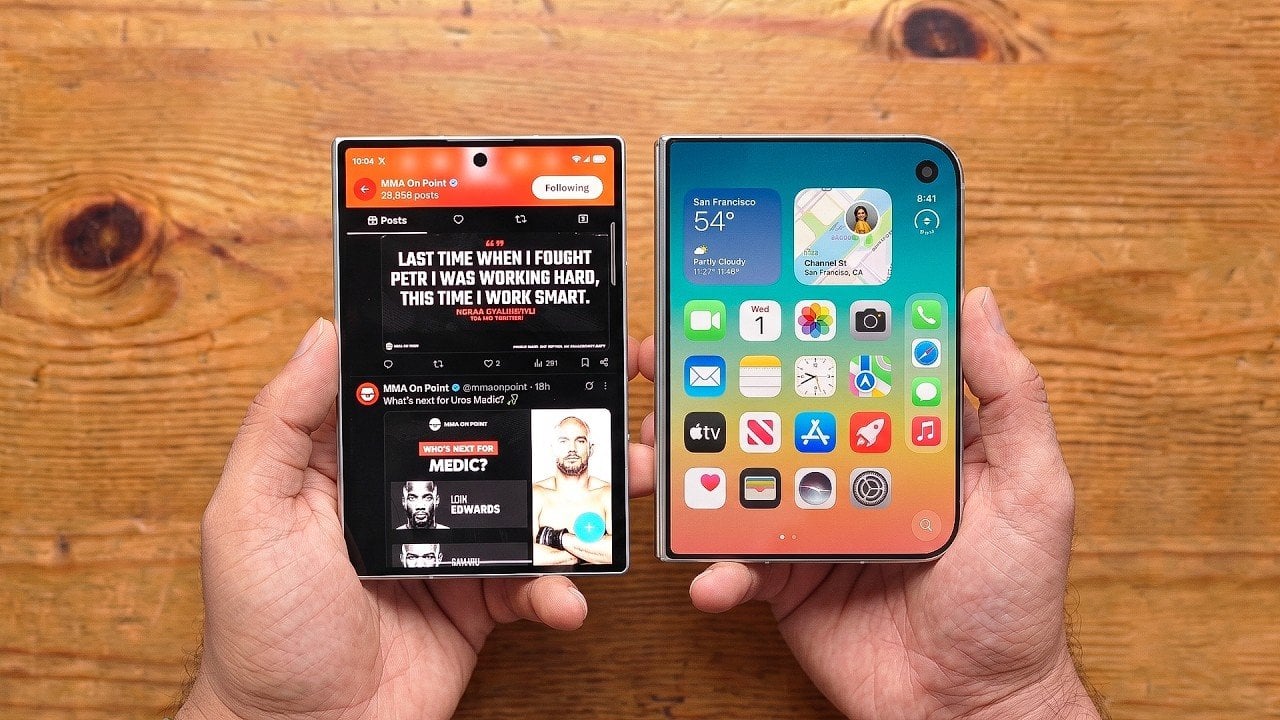
Apple’s debut in the foldable smartphone market with the iPhone Duo has introduced a compelling rival to Samsung’s Galaxy Z Fold 8. With its premium design and innovative features, the iPhone Duo challenges Samsung’s established dominance in the foldable space. However, Samsung’s years of experience and loyal user base provide it with a unique advantage. […]
The post iPhone Duo vs. Z Fold 8: Did Apple Just Beat Samsung at Its Own Game? appeared first on Geeky Gadgets.
My camera roll currently sits at just under 44,000 photos. I know this because my phone reminds me constantly, usually right as I’m trying to take one more picture and it tells me storage is full. Somewhere in that pile are sports events, concerts, selfies when I felt cute, and lots of coffee and journaling things. None of them exist anywhere except as pixels I’ll scroll past twice and then never open again. That’s not a personal failing. That’s just what happens to photos now. We take more of them than any generation in history and do less with them than ever before.
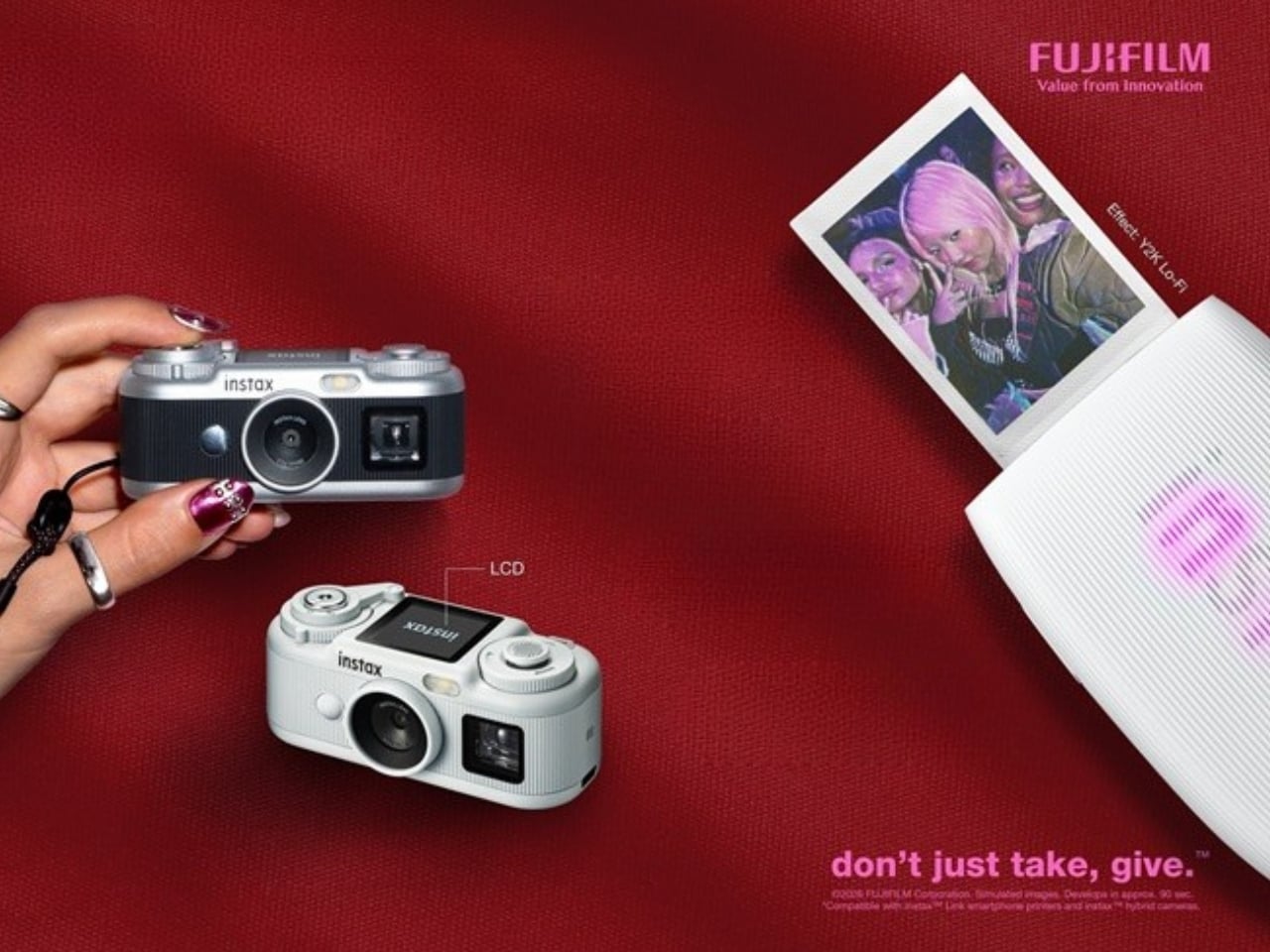
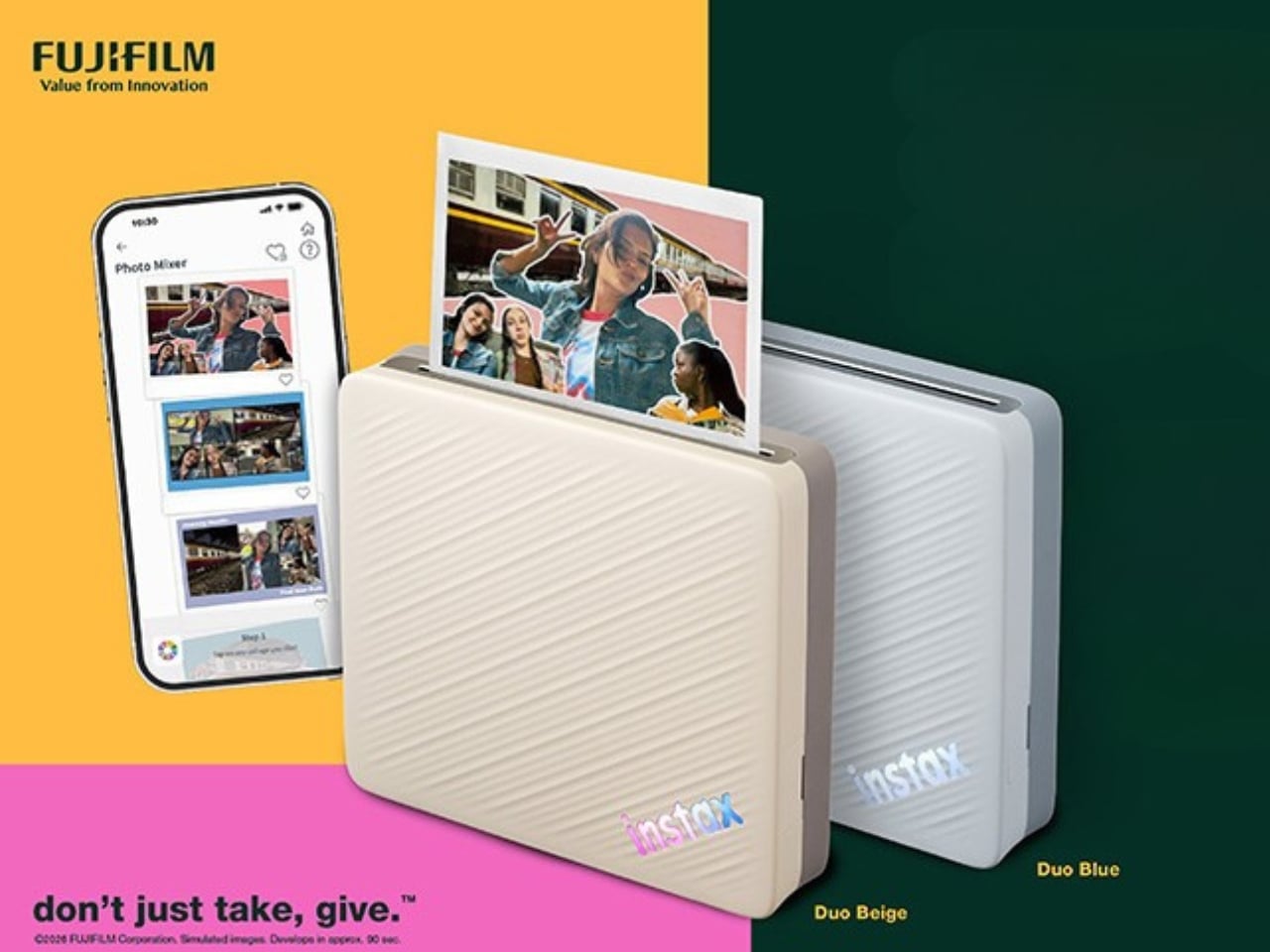
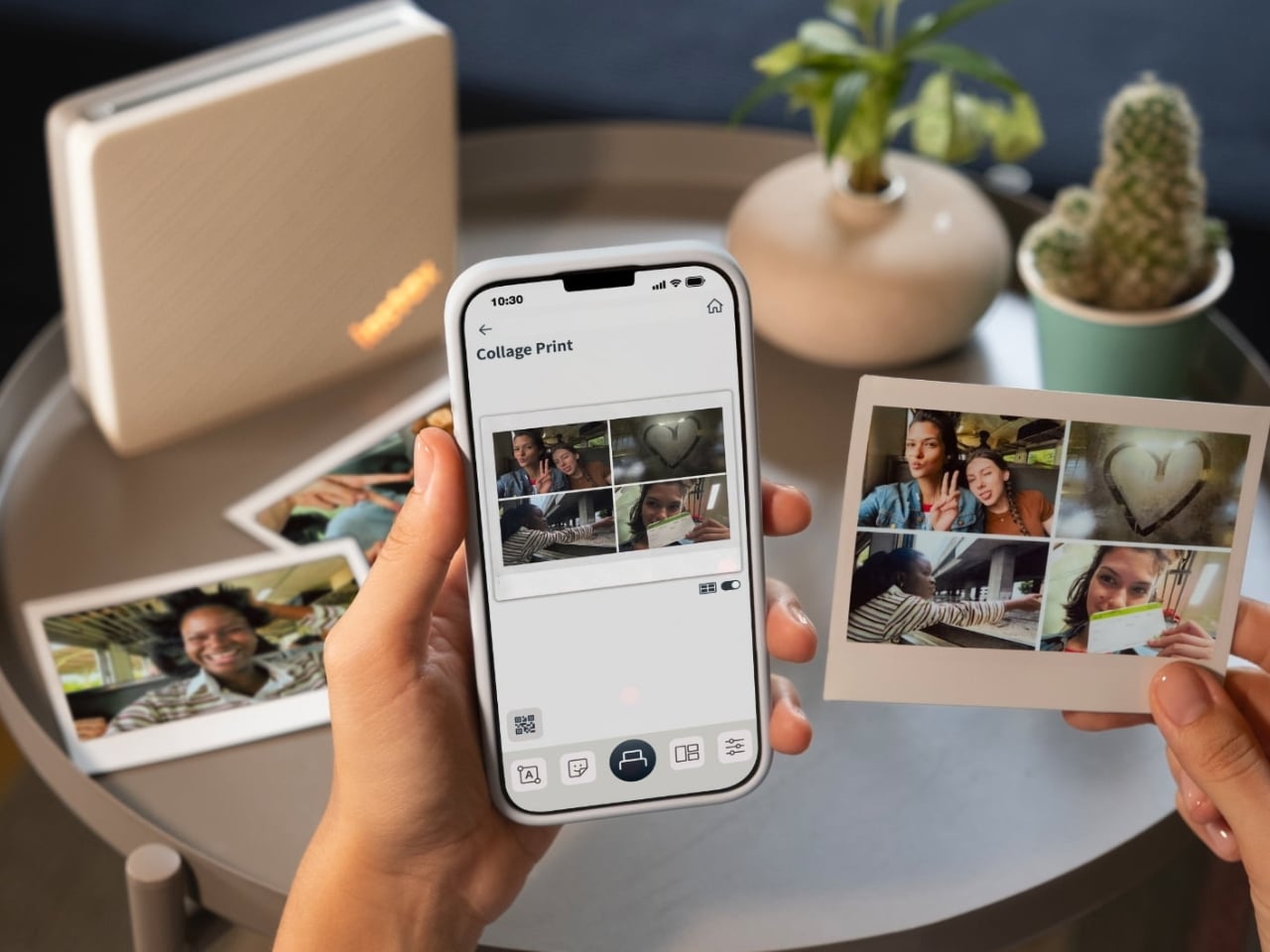
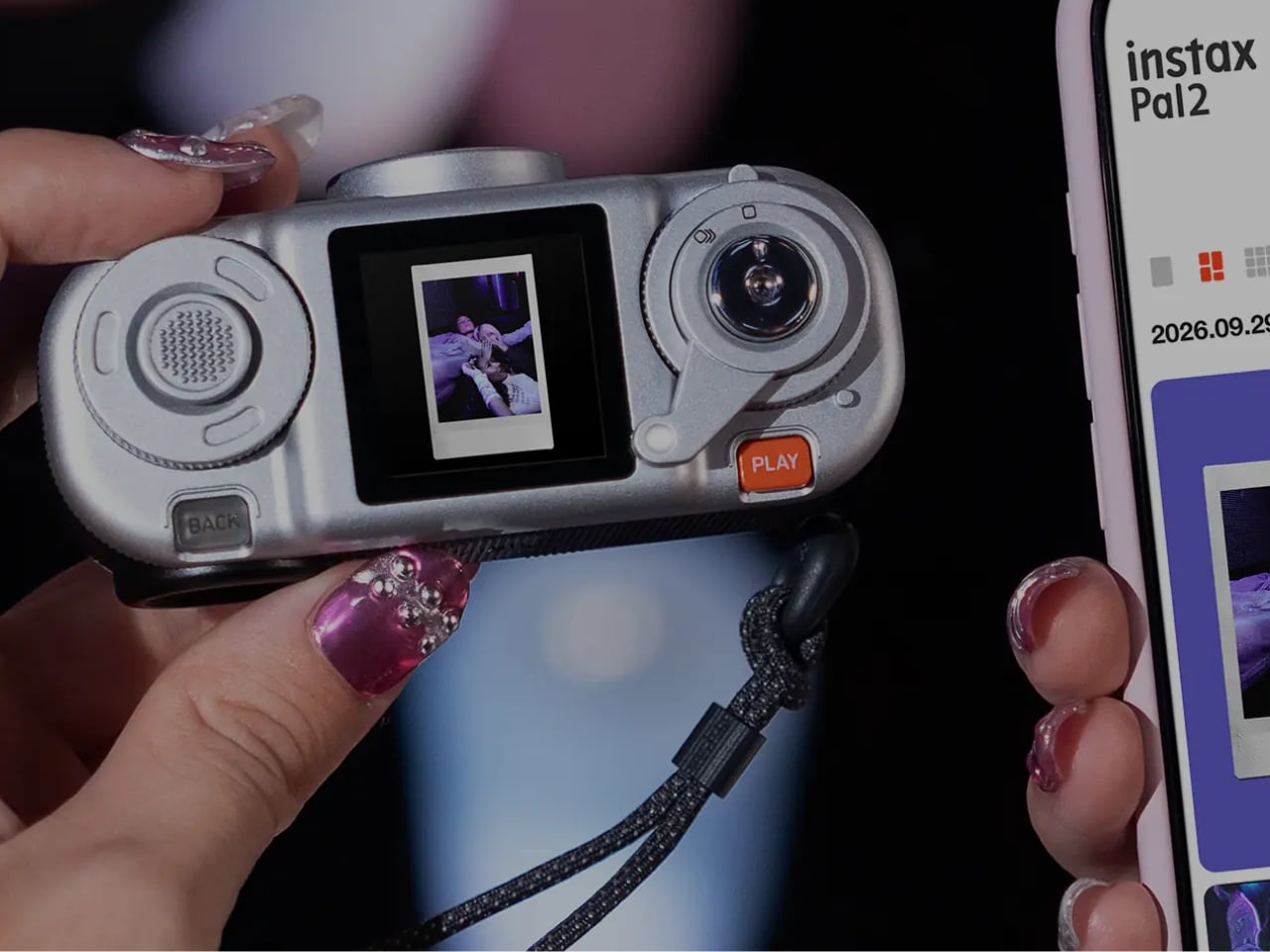
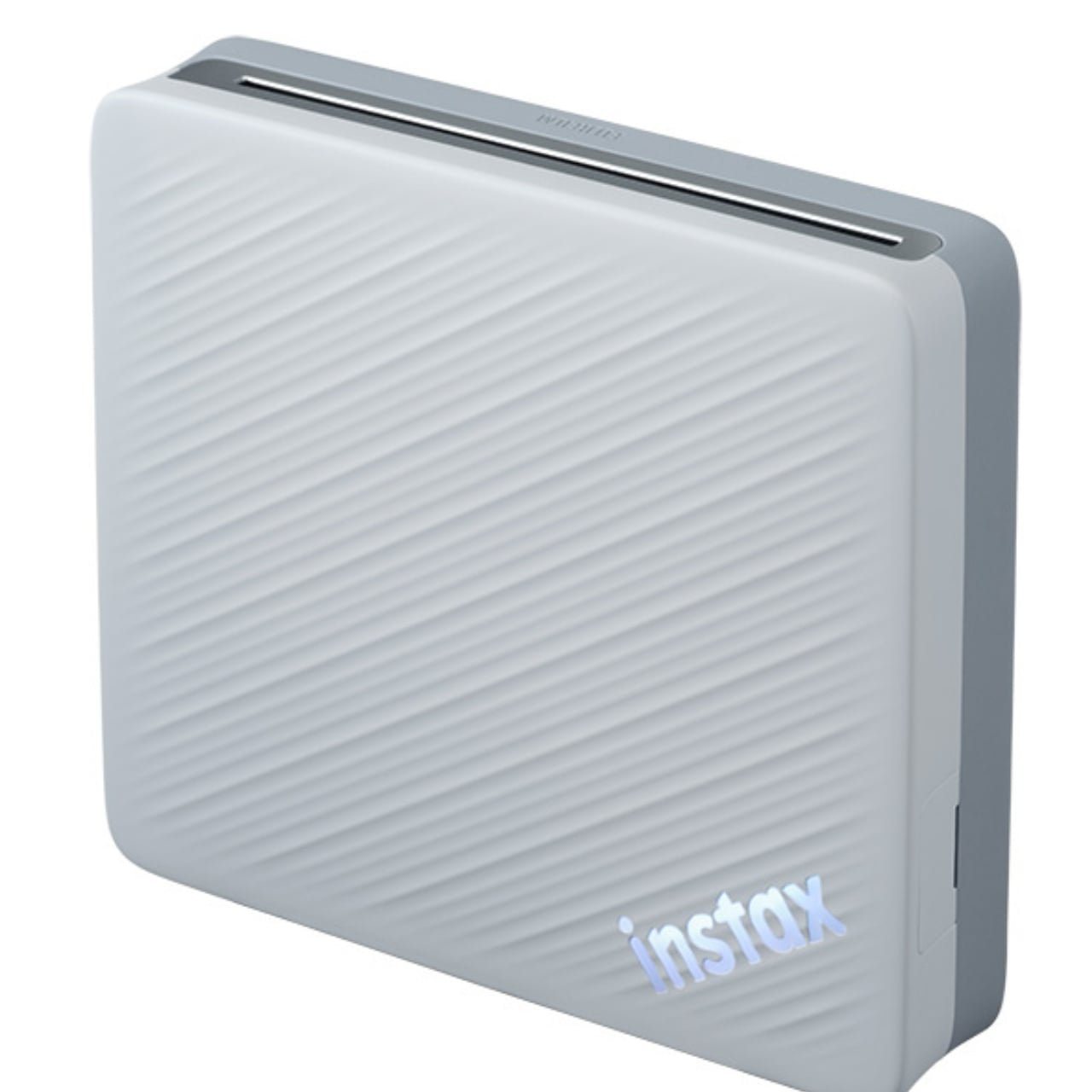
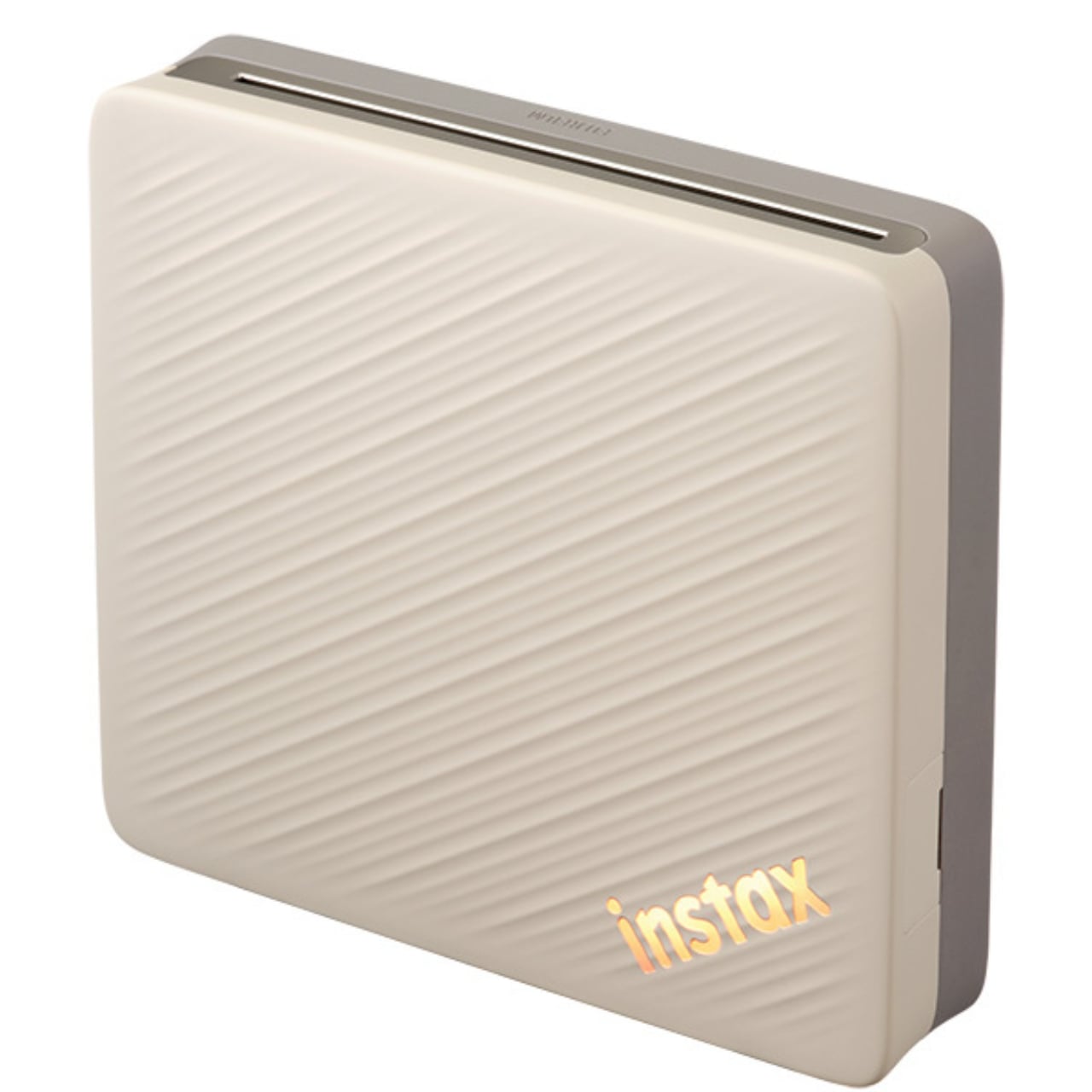
Fujifilm seems to have noticed the same thing, because the two products it just announced, the Instax Pal 2 camera and the Instax Link WIDE 2 printer, are built almost entirely around getting photos out of your phone and into your hands again. Not instead of your phone. Alongside it. That distinction matters, and it’s the smartest thing about this whole release.
Designer: Fujifilm
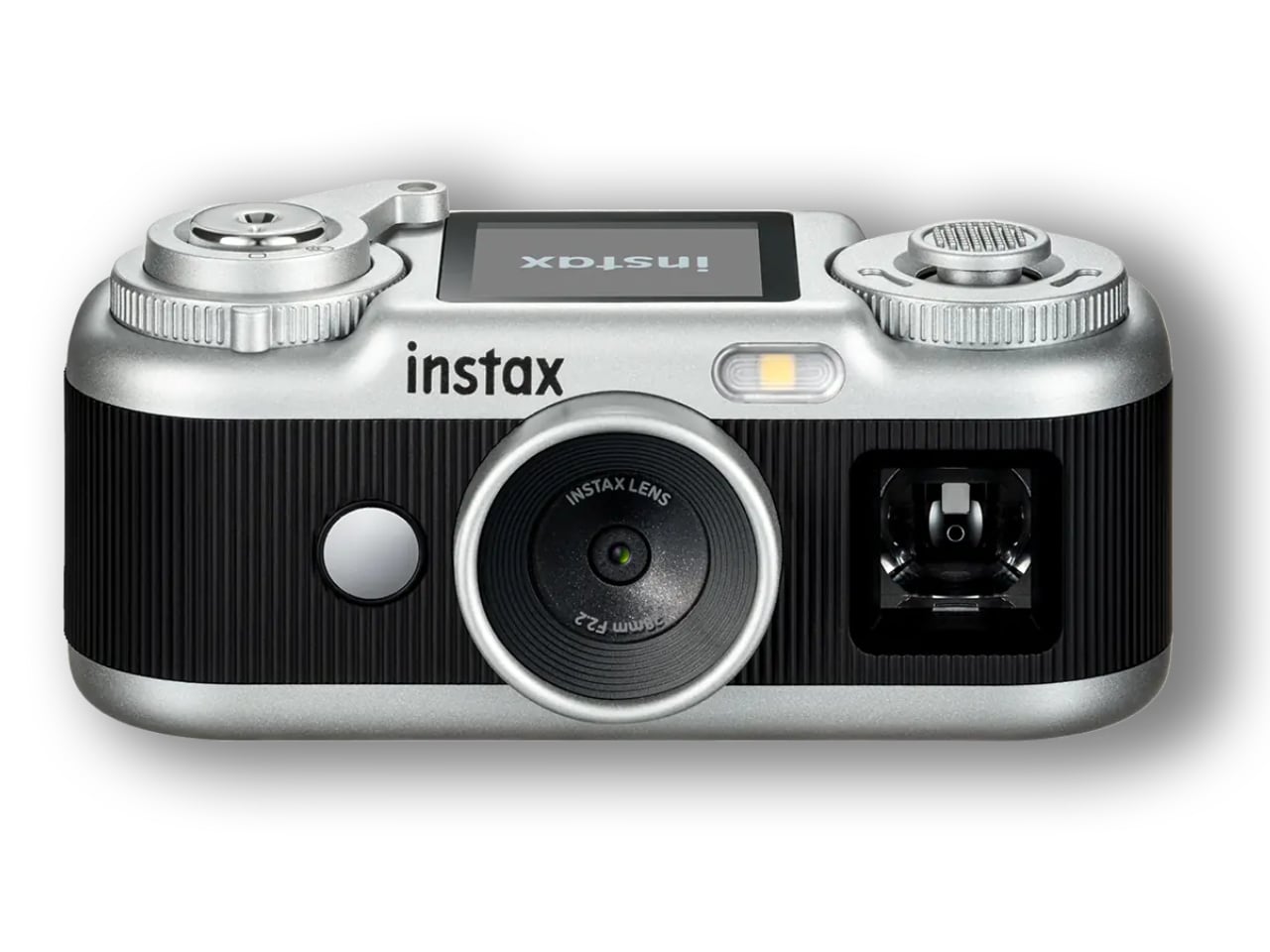
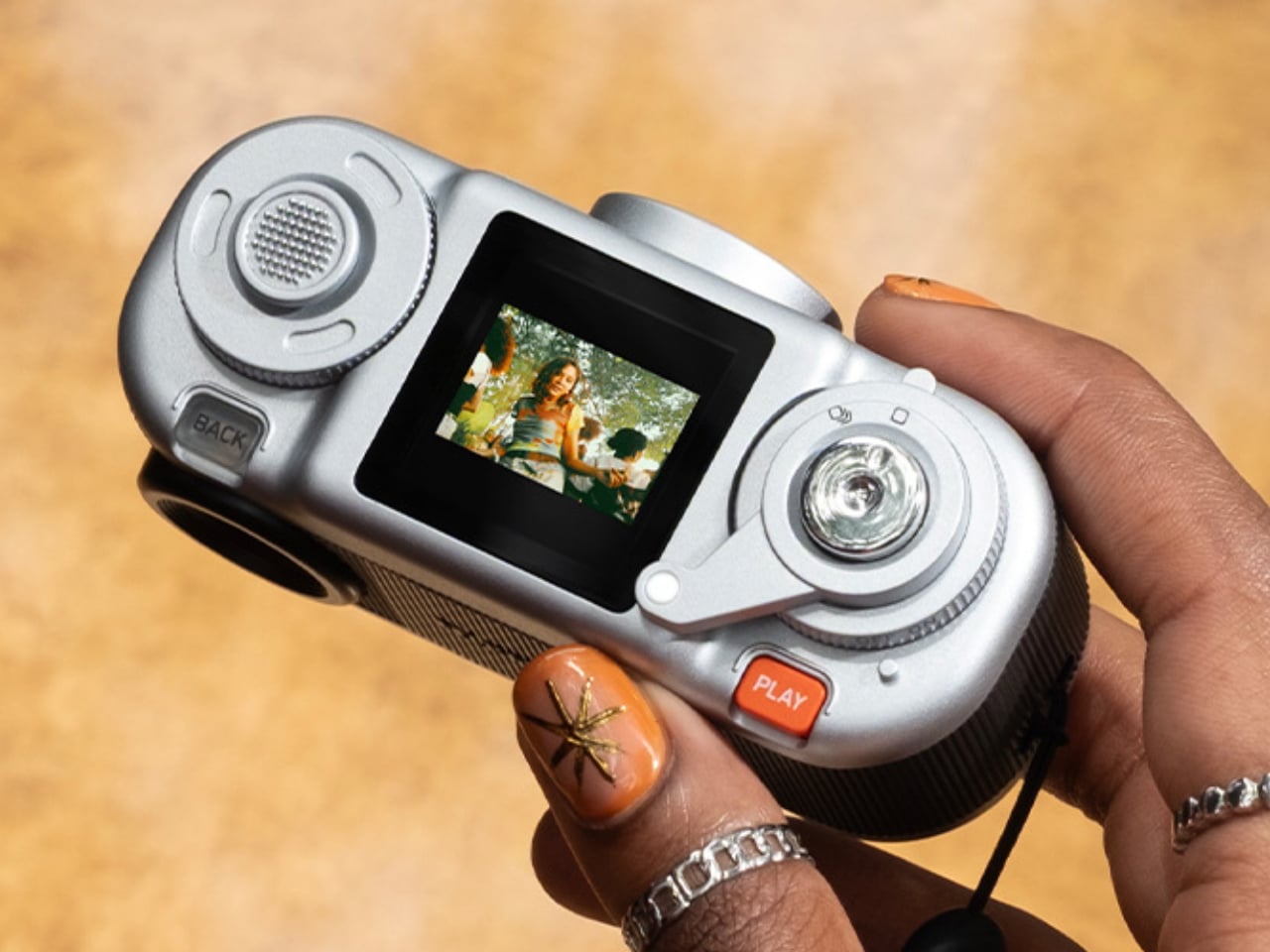
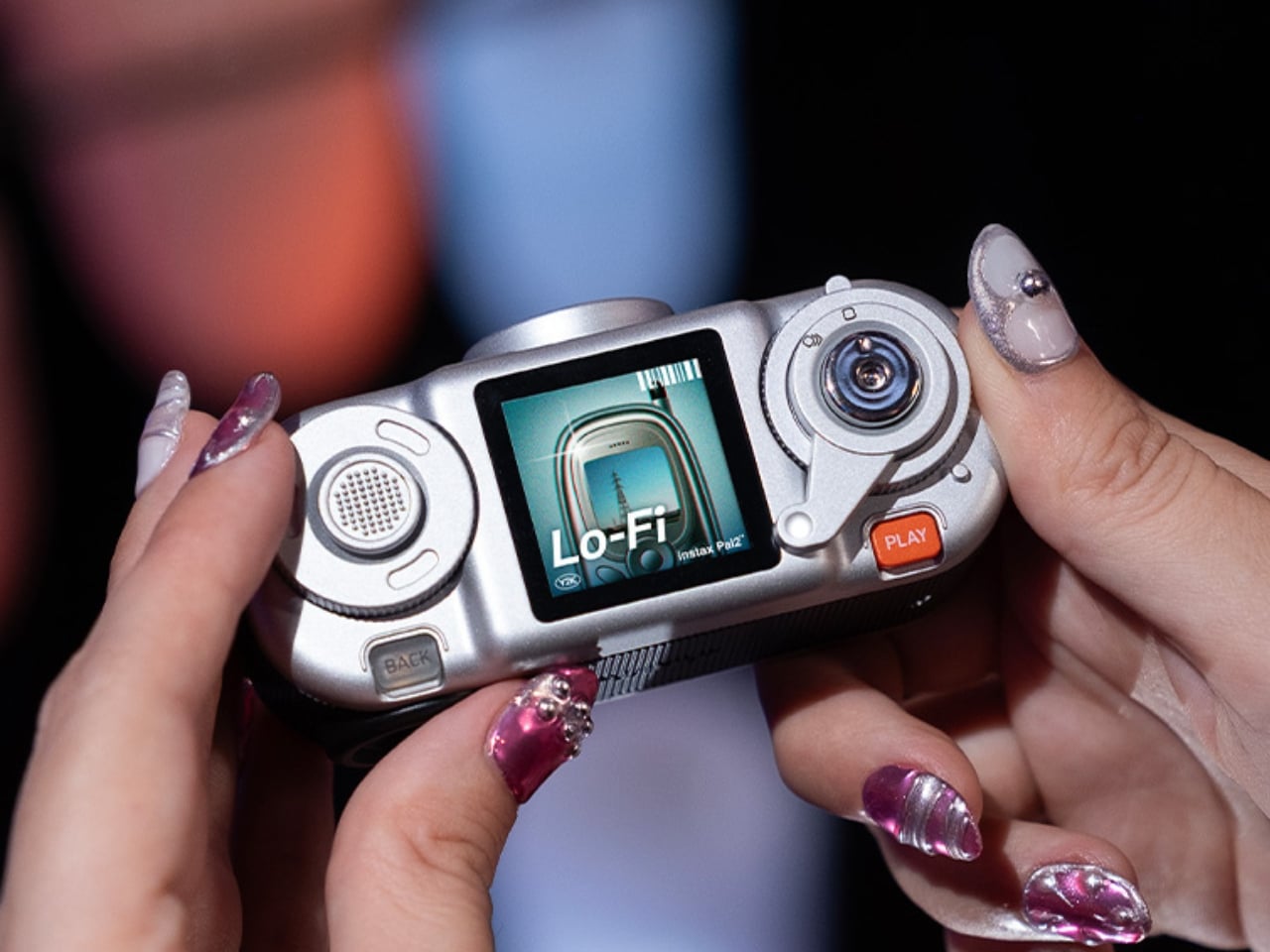
The Pal 2 is the more surprising of the two. It’s a digital camera, not a film camera, which sounds like a strange thing for an instant photo company to make. But that’s kind of the point. It bumps the resolution up to 10 megapixels, adds an actual optical viewfinder the original never had, and gives you a top-mounted screen so you can check a shot the way you’d check a photo on a real camera, not a phone screen. There’s a dial, a lever, a shutter button that clicks with intention. None of this is necessary in a purely practical sense. Your phone already does all of it. But intention is exactly what’s missing from most of our photography lately, and Fujifilm seems to understand that a slightly inconvenient, slightly deliberate process is what makes people actually care about the picture they just took.

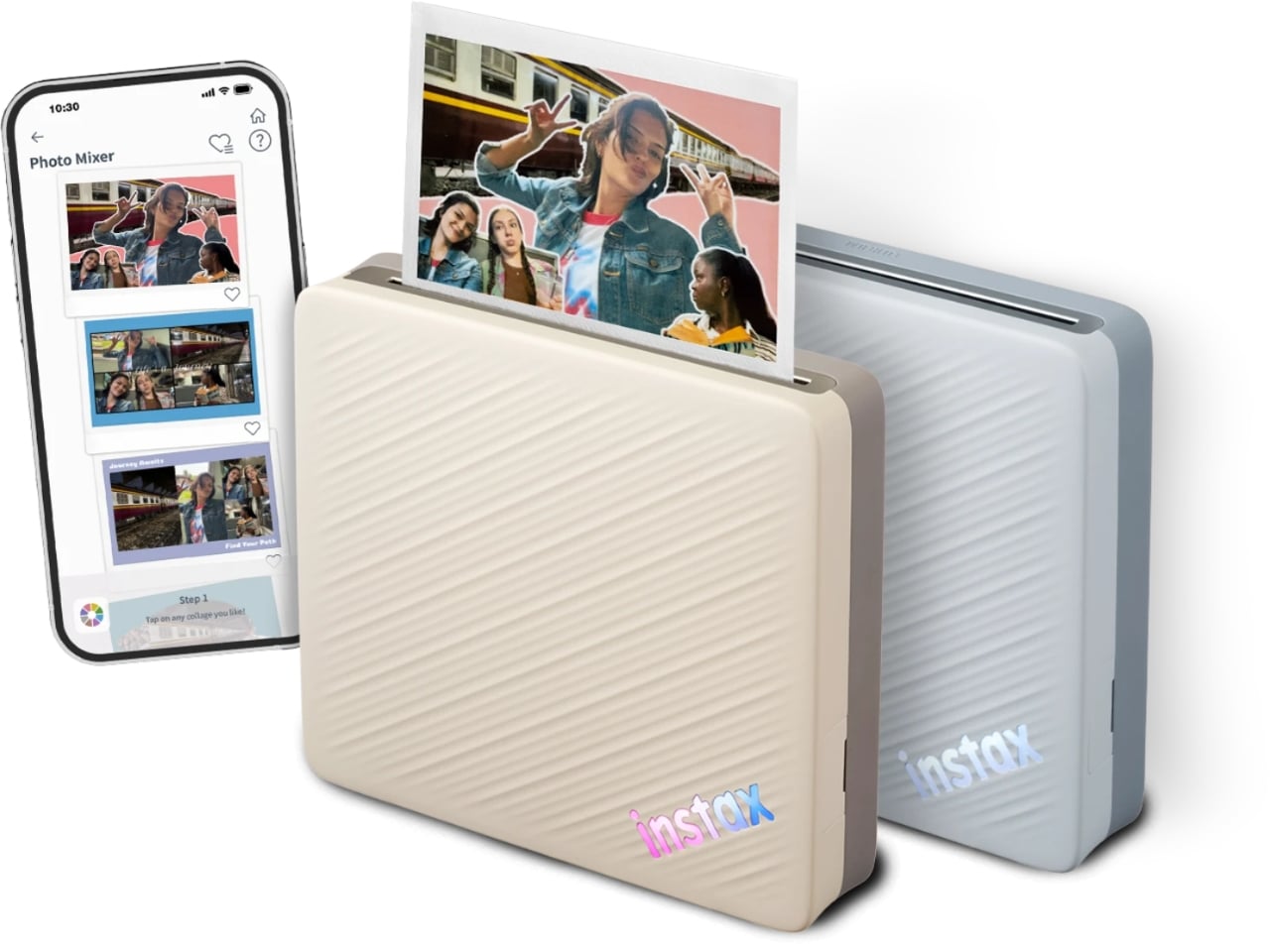
The Link WIDE 2 printer is where the idea gets finished. It prints Instax Wide film, the biggest format in the lineup, and it comes with a feature called Photo Mixer that lets you pull images straight from your phone’s camera roll and turn them into collage-style layouts before printing. You can remix a combination five times before committing. There’s also a QR Print Mode, which lets you tuck a hidden link into the print itself, a voice memo, a location, a note, whatever you want someone to find when they scan it later. It’s a small trick, but it’s a clever one. It turns a static print into something with a little more depth than what’s visible on the surface.
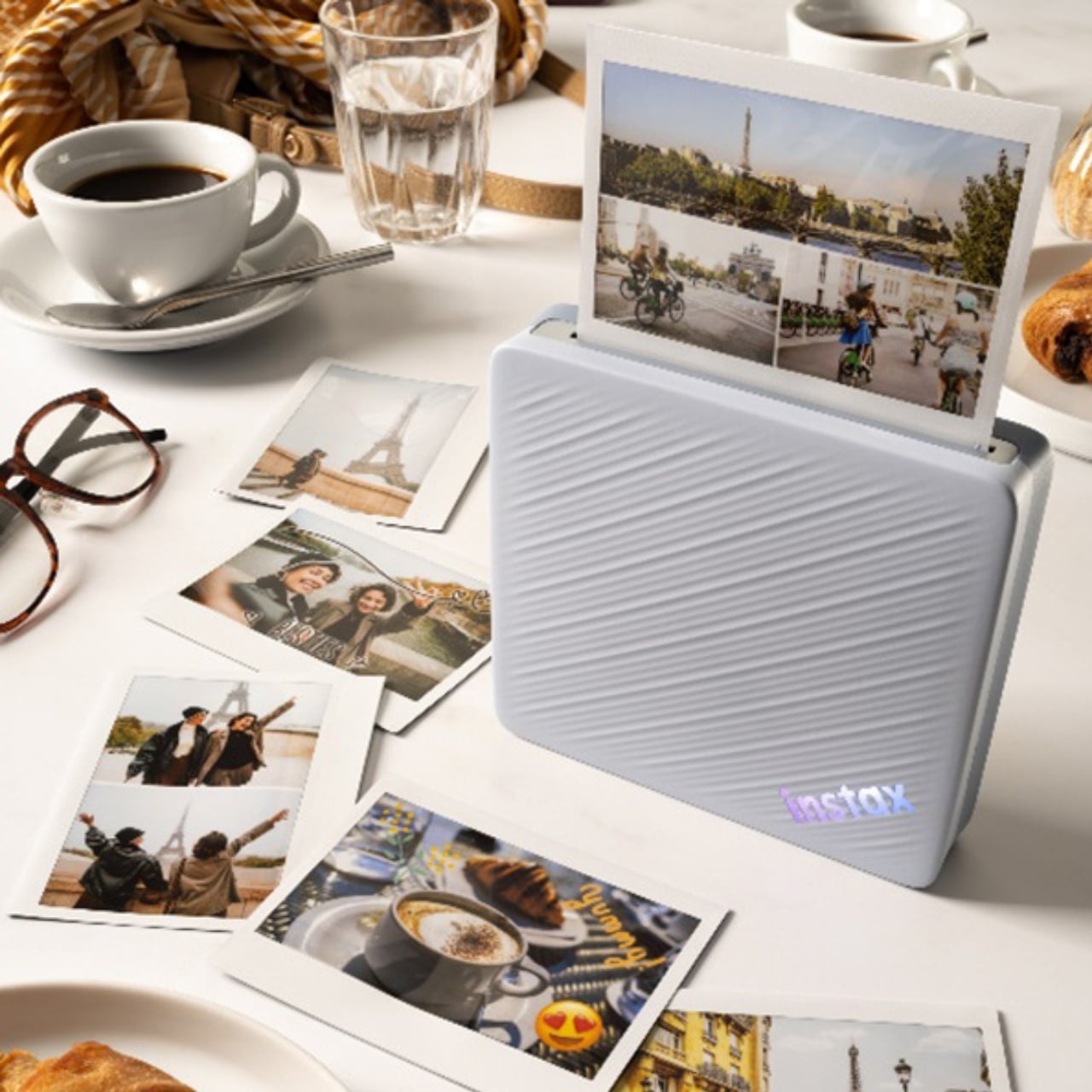

I don’t think either of these products is trying to replace phone photography, and I actually respect that they don’t pretend otherwise. What they’re doing instead is giving people a reason to slow down for the ten seconds it takes to pick one photo out of four hundred and make it real. That’s a small ritual, but rituals are basically what we’re missing. Nobody frames a JPEG. Nobody puts a camera roll on their fridge.
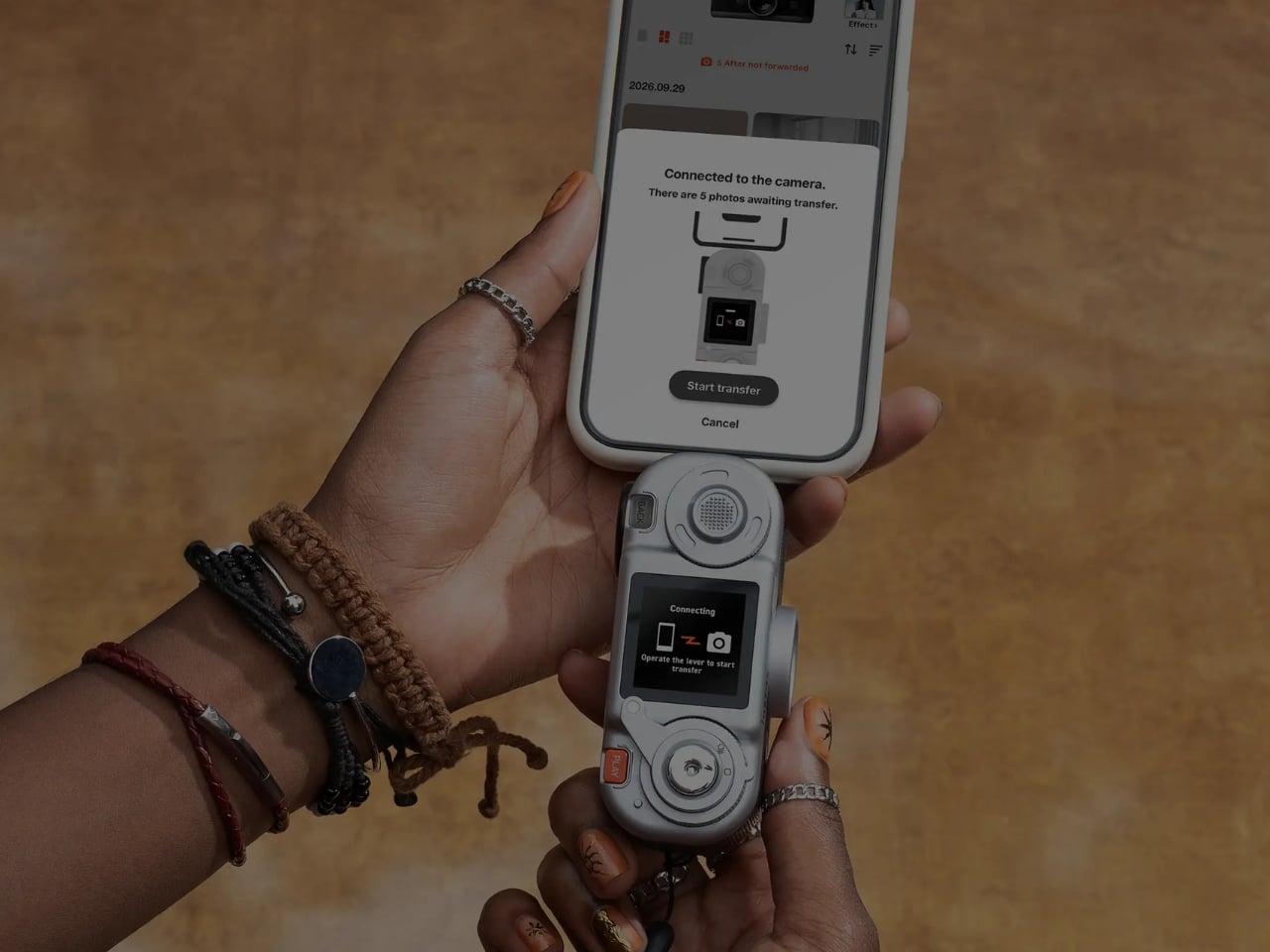

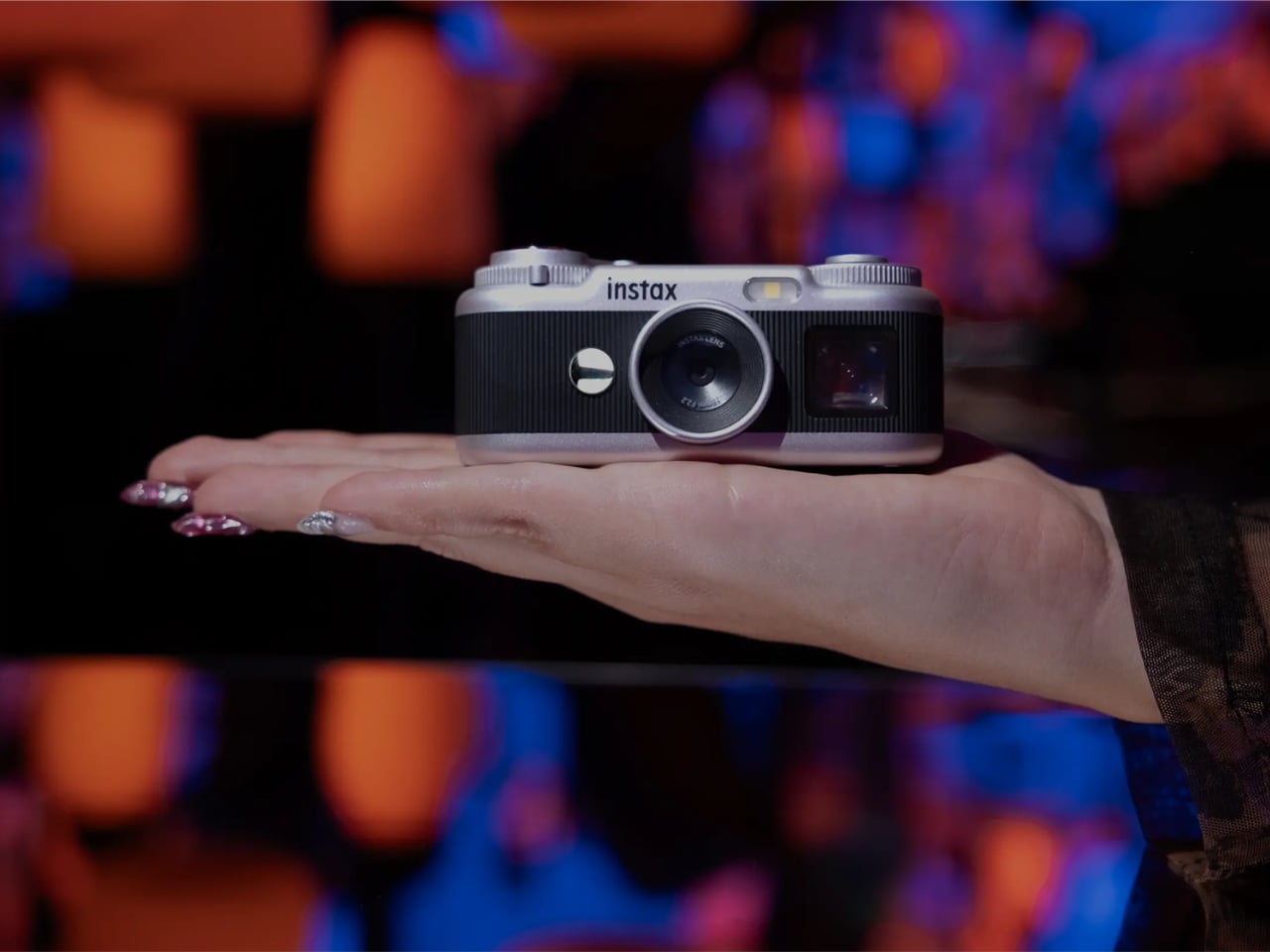
There’s a version of this story where Fujifilm is just capitalizing on nostalgia, riding the same wave that’s brought back film cameras and digital point-and-shoots among people too young to have used them the first time. That’s probably part of it. But nostalgia alone doesn’t explain why the company kept the analog controls, the viewfinder, the tactile dials, on a camera that has no film in it at all. That’s a design choice aimed at the feeling of taking a photo, not just the result.
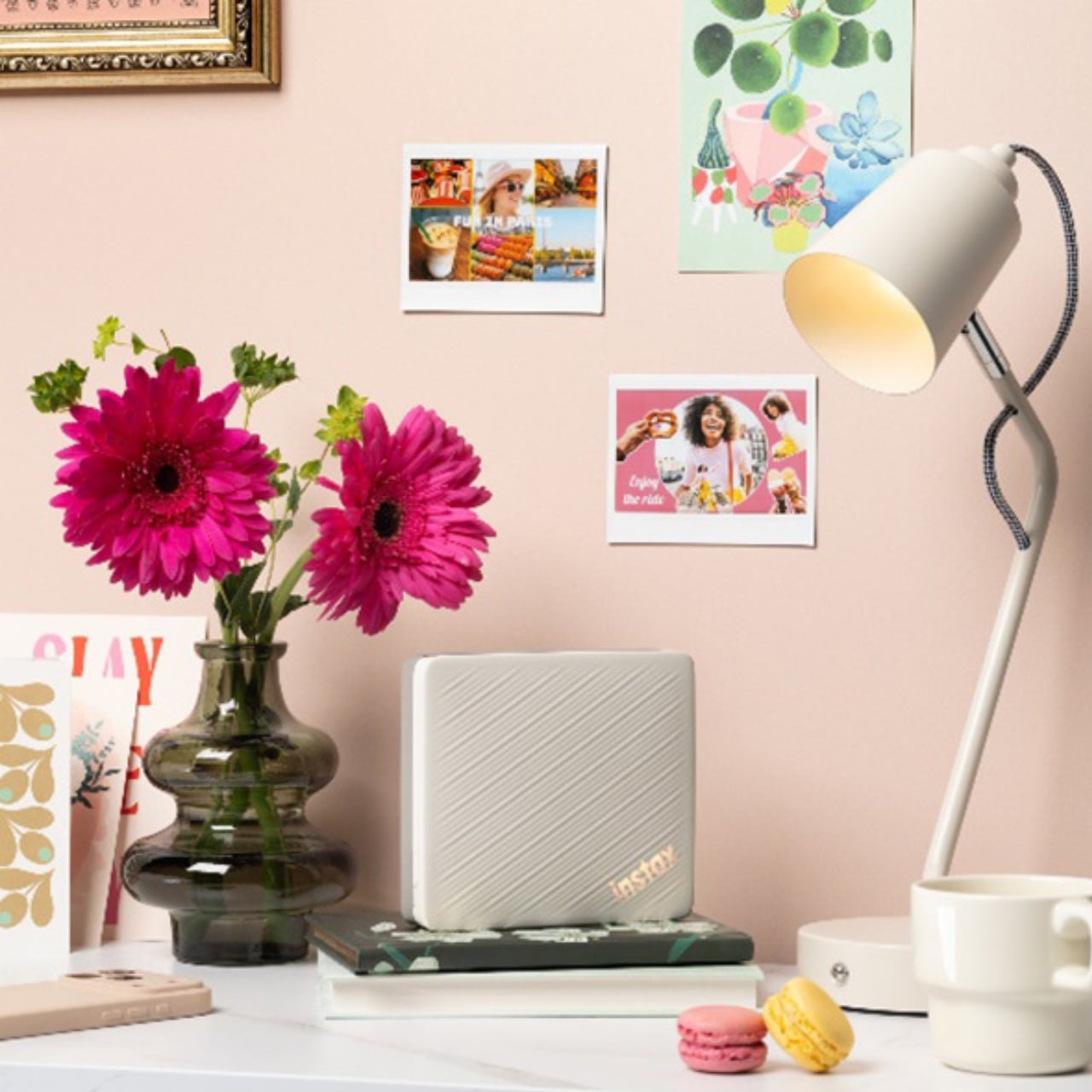

Both products land in late September, priced at $169.95 for the Pal 2 and $179.95 for the Link WIDE 2. Neither is going to fix the fact that I have 14,000 photos I’ll never look at again. But it might convince me to take one on purpose, print it, and put it somewhere I’ll actually see it. For a photo, that’s the whole job.

The post Instax Built 2 Products for Photos Nobody Actually Prints first appeared on Yanko Design.

Flying drones at night or in dimly lit environments can be a challenging task, but the ViFly spotlight for the DJI Neo 2 offers a practical way to enhance visibility and safety. This lightweight accessory delivers up to 300 lumens of brightness through its four high-intensity LEDs, making sure clear illumination even in complete darkness. […]
The post ViFly Spotlight Adds 300 Lumens to DJI Neo 2 for Night Flight appeared first on Geeky Gadgets.

For years, rugged phone cases have followed a simple formula: more protection means more material. Thicker corners, heavier shells, deeper bezels, and bulkier frames have traditionally been used to put more distance between a smartphone and the ground. TORRAS is challenging that brute-force approach with the Ostand Q3 Series. Instead of simply adding material, the […]
The post Ditch the Tank: How TORRAS Is Re-Engineering Phone Protection appeared first on Geeky Gadgets.