Architecture is a fluid art that blends various periods and styles while architectural history can be used as a method for tracking the development of architecture or buildings across diverse cultures and time periods, starting from the Stone Age to ancient Egyptian architecture and the building edifices of the modern era. Additionally, the construction styles have evolved across different centuries in different parts and civilizations of the world. Let’s delve into the architectural timeline, which spans from prehistoric times to the mid-20th century, and explore the different eras across various social and cultural backgrounds, influenced by early civilizations, religion, and social shifts.
Image courtesy of: wirestock
1. Prehistoric Architecture (11,600 BCE -3,500 BCE)
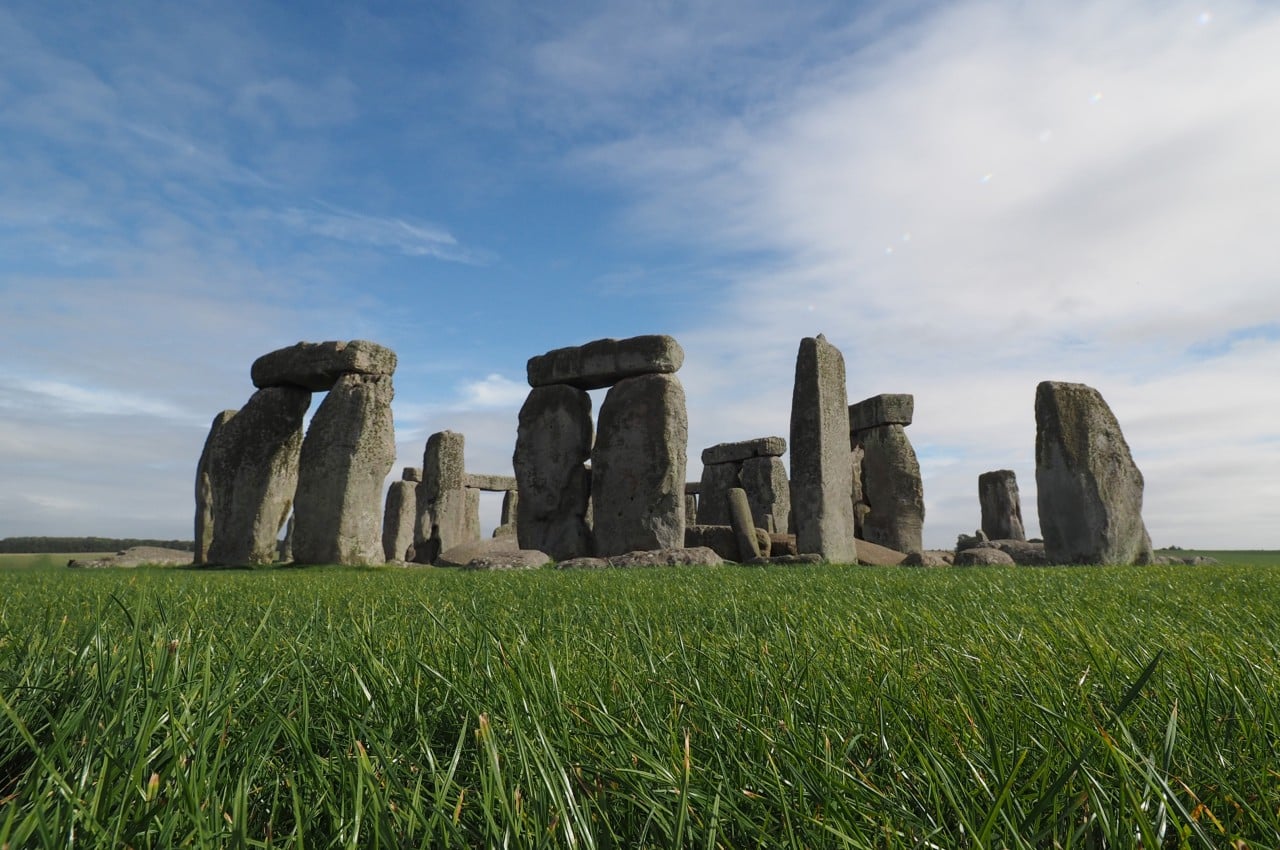
Prehistoric architecture refers to an era where there were no records of written history and shelters were primarily used for protection and storage of food out of organic materials like mud, foliage, stone, and animal products such as bone and hide. During this period some tombs and ceremonial structures were also constructed and these were often circular to reflect the celestial design. Stonehenge forms one of the first prehistoric monuments that was built nearly 5,000 years ago.
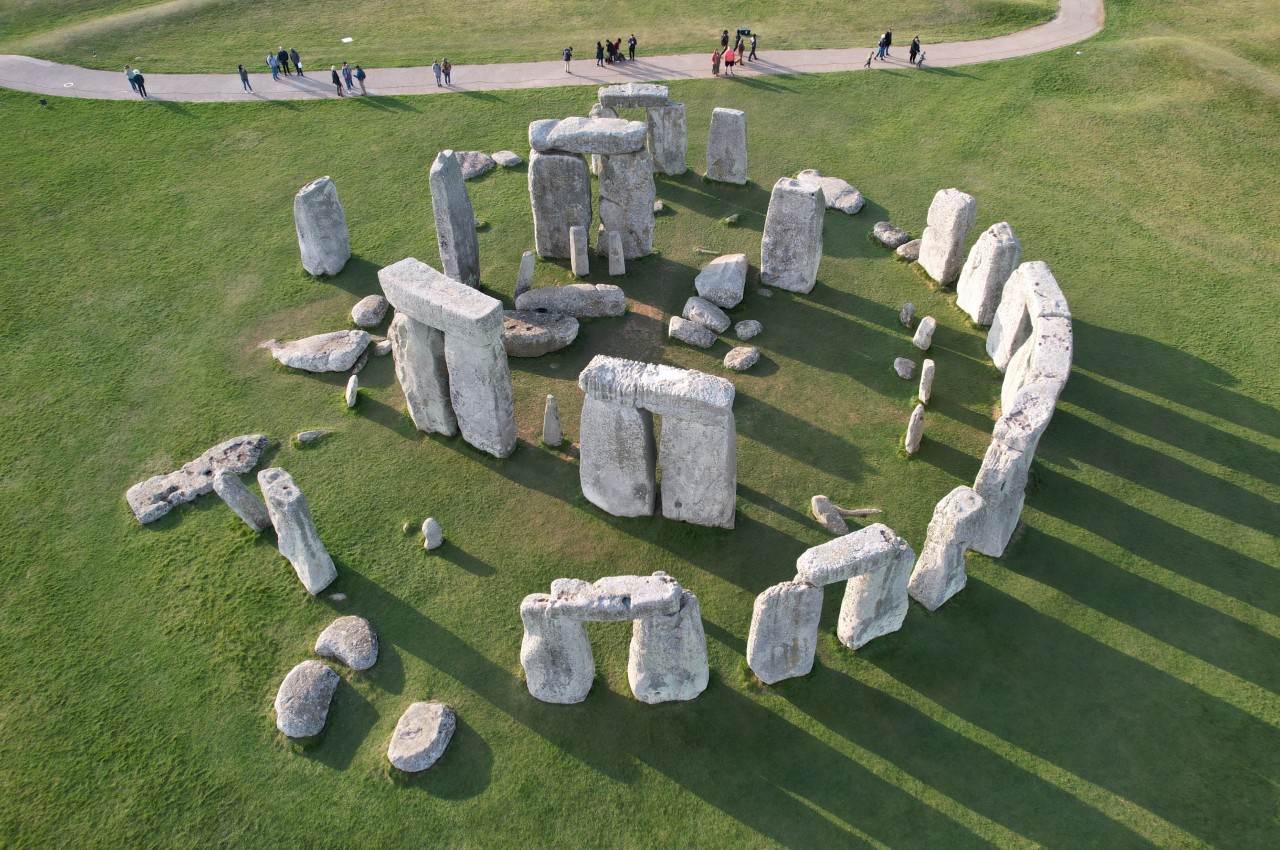
Image courtesy of: wirestock
2. Ancient Egyptian Architecture (3050 BCE – 900 BCE)
The ancient Egyptian civilization spans over 3000 years and one of the most notable examples of Egyptian architecture is the pyramids. The materials used for the excavated temples, palaces, and tombs were constructed using local materials like mud brick and limestone. The construction included the post and lintel method and many structures were aligned astronomically. Additionally, the structures included intricate carvings that were adorned with paint, but the paint has eroded over time.
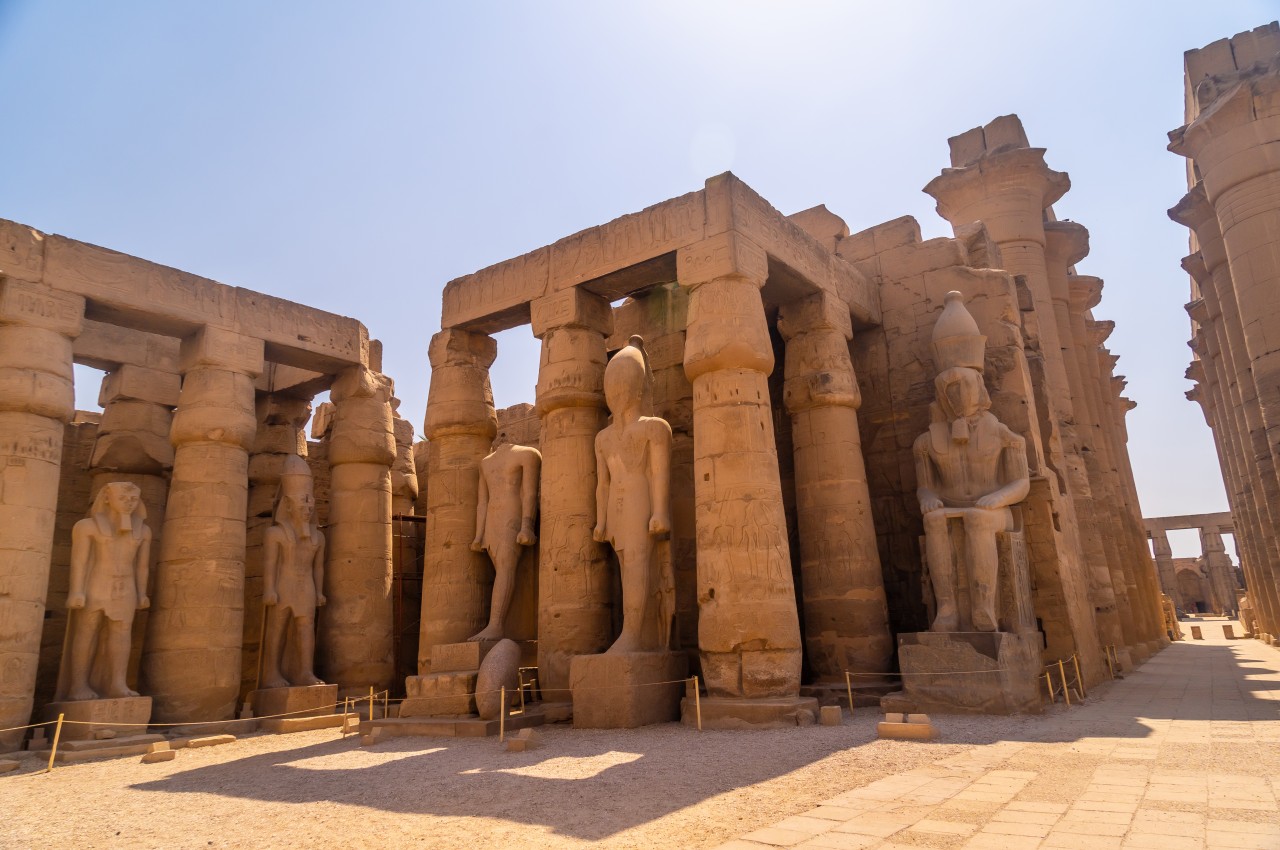
Image courtesy of: Unai82

Image courtesy of: Givaga
3. Mesopotamian Architecture (3200 BCE – 330 BCE)
Mesopotamian architecture forms the ancient architecture along the Tigris and the Euphrates. Some of the key achievements in Mesopotamian architecture include contributions towards urban planning and using the concept of courtyard houses. Another notable structure of this civilization was the design of the Ziggurats which was a massive structure in the form of a terraced step pyramid constructed with receding stories that led to a temple at the summit.
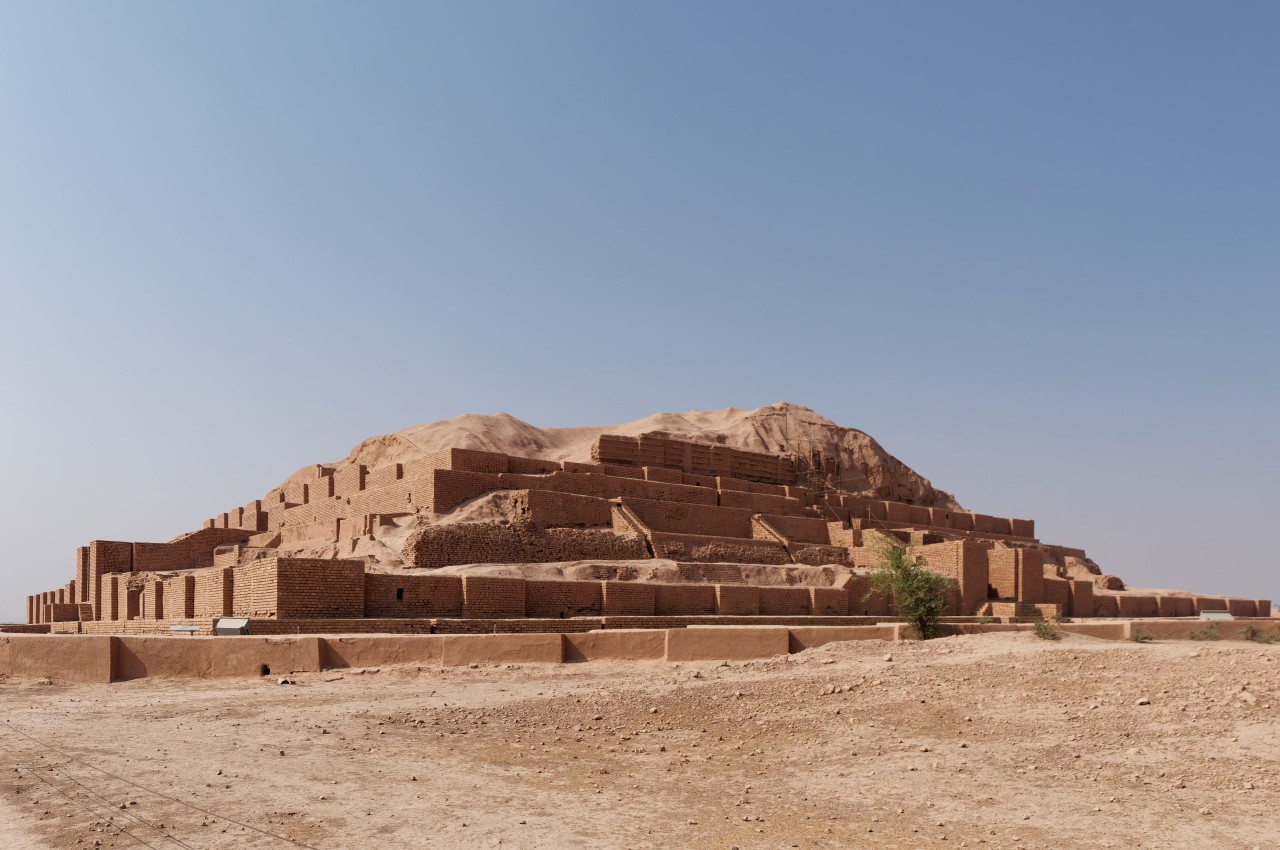
Image courtesy of: wirestock
4. Ancient Greek Architecture (900 and 30 BCE)
Ancient Greek architecture is renowned for its temples like the Parthenon, processional gateways, public squares enclosed by storied colonnades, town council buildings, public monuments, grand tombs, and stadiums. Temples, in particular, were conceived as sculptural entities harmonizing with their landscapes, often situated on elevated terrain to showcase their proportions and play with light. This architectural tradition introduced the division of styles into three orders: the Doric, Ionic, and Corinthian, profoundly influencing later Western architecture.
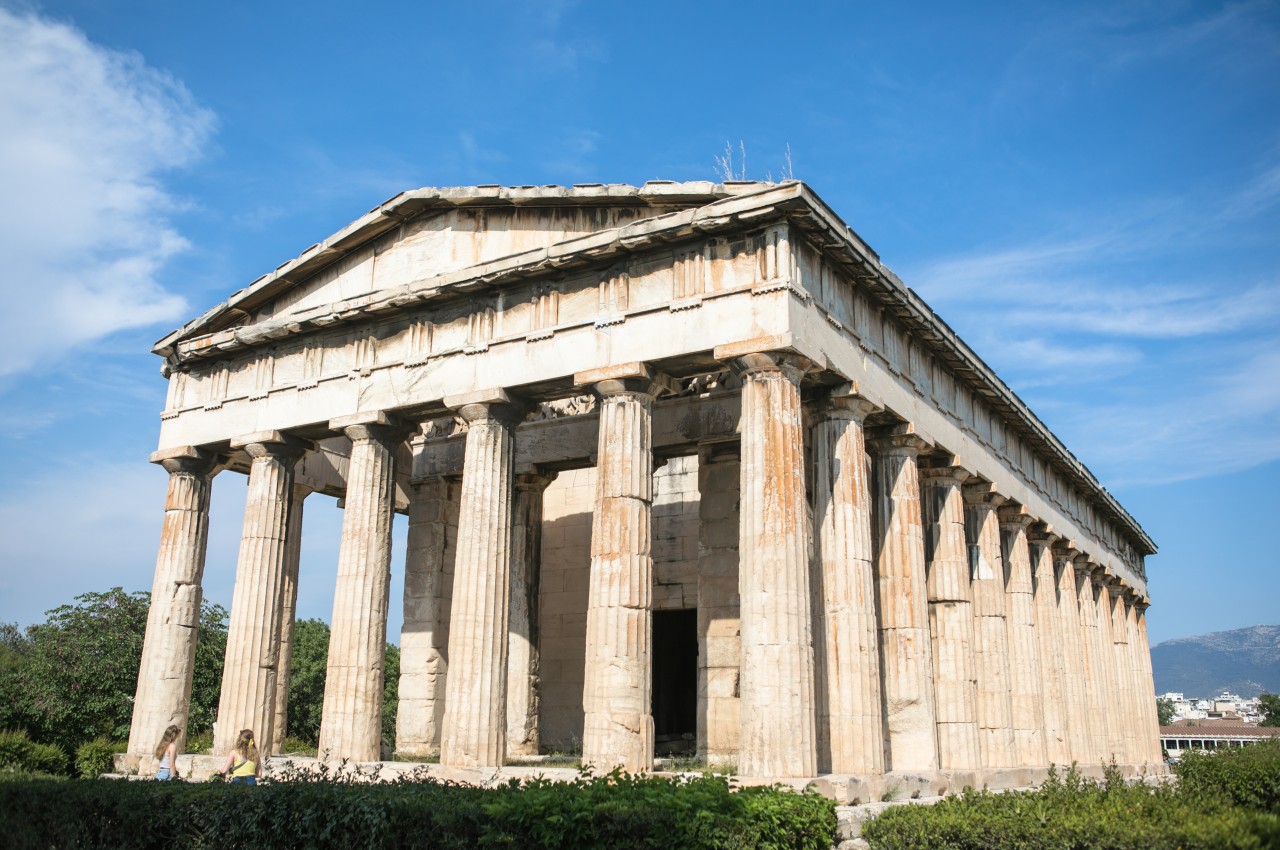
Image courtesy of: sokorspace
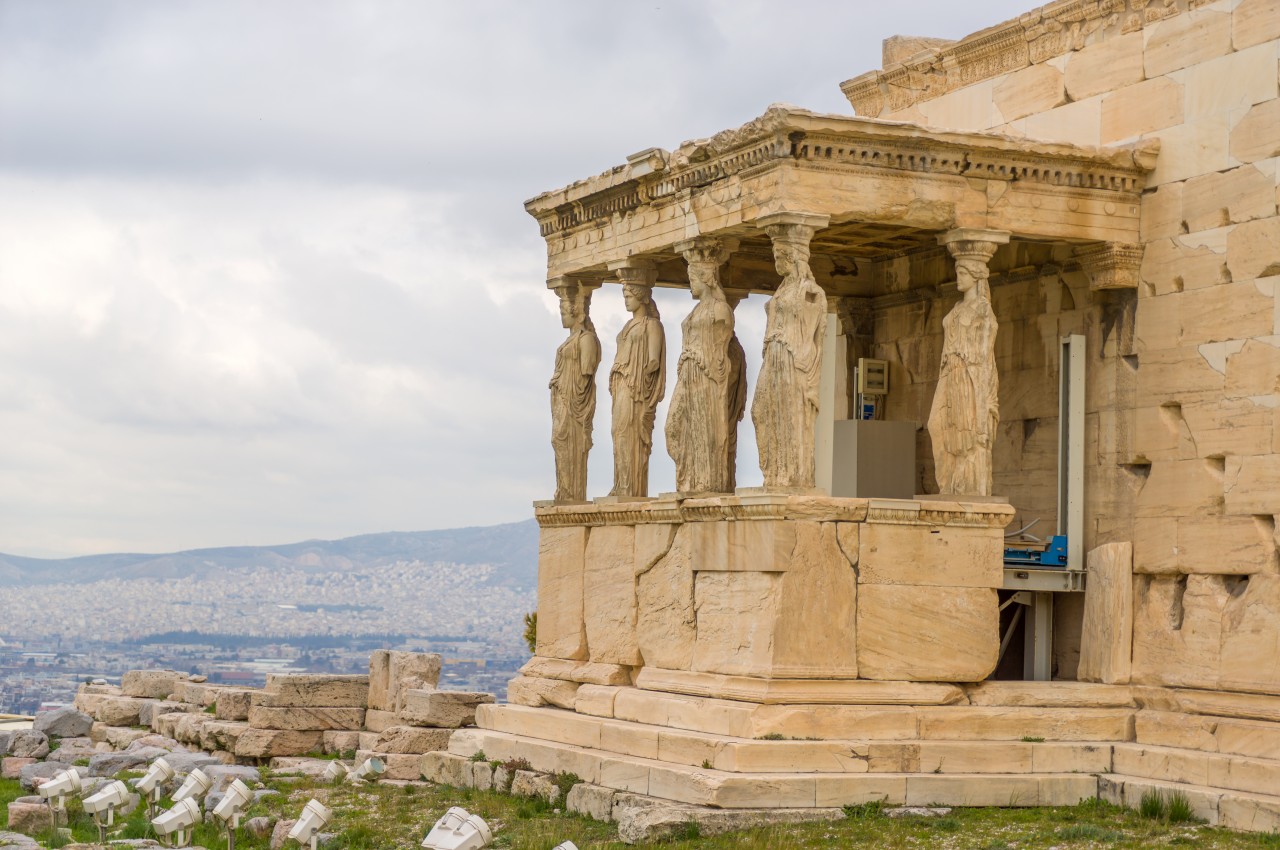
Image courtesy of: Netfalls
5. Ancient Roman Architecture (600 BCE – CE 476)
Ancient Roman architecture, initially influenced by Greek design, evolved into a distinct style, considered part of classical architecture. Thriving during the Roman Republic and Empire, it produced the most surviving structures. Romans used innovative materials like concrete and technologies such as arches and domes, resulting in sturdy buildings. This style emerged during the Imperial period, blending Etruscan and Greek elements, giving rise to classical architecture. It shifted from column-and-lintel construction to massive walls with arches and domes. The Roman architecture featured grand public structures, engineering marvels, and improvements in housing and sanitation, elevating living standards.
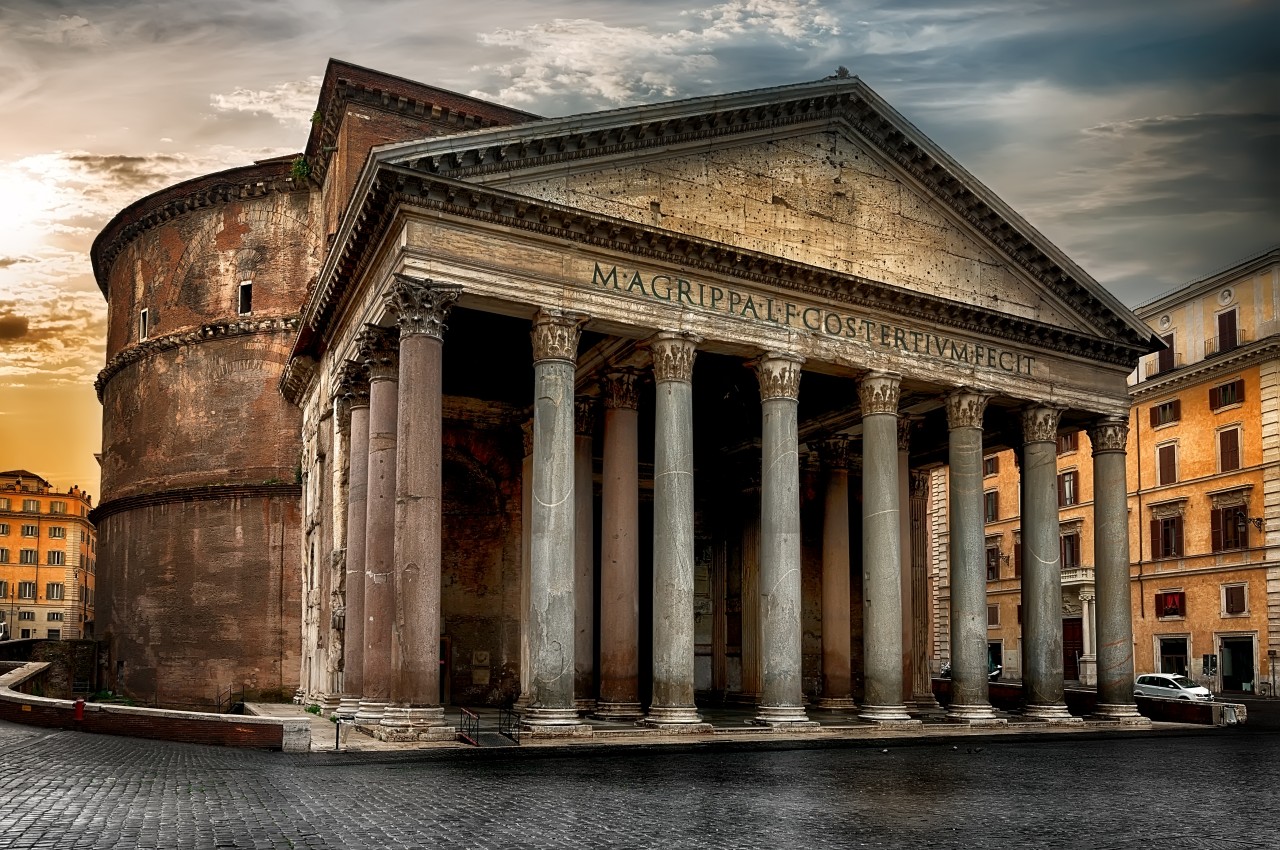
Image courtesy of: Givaga
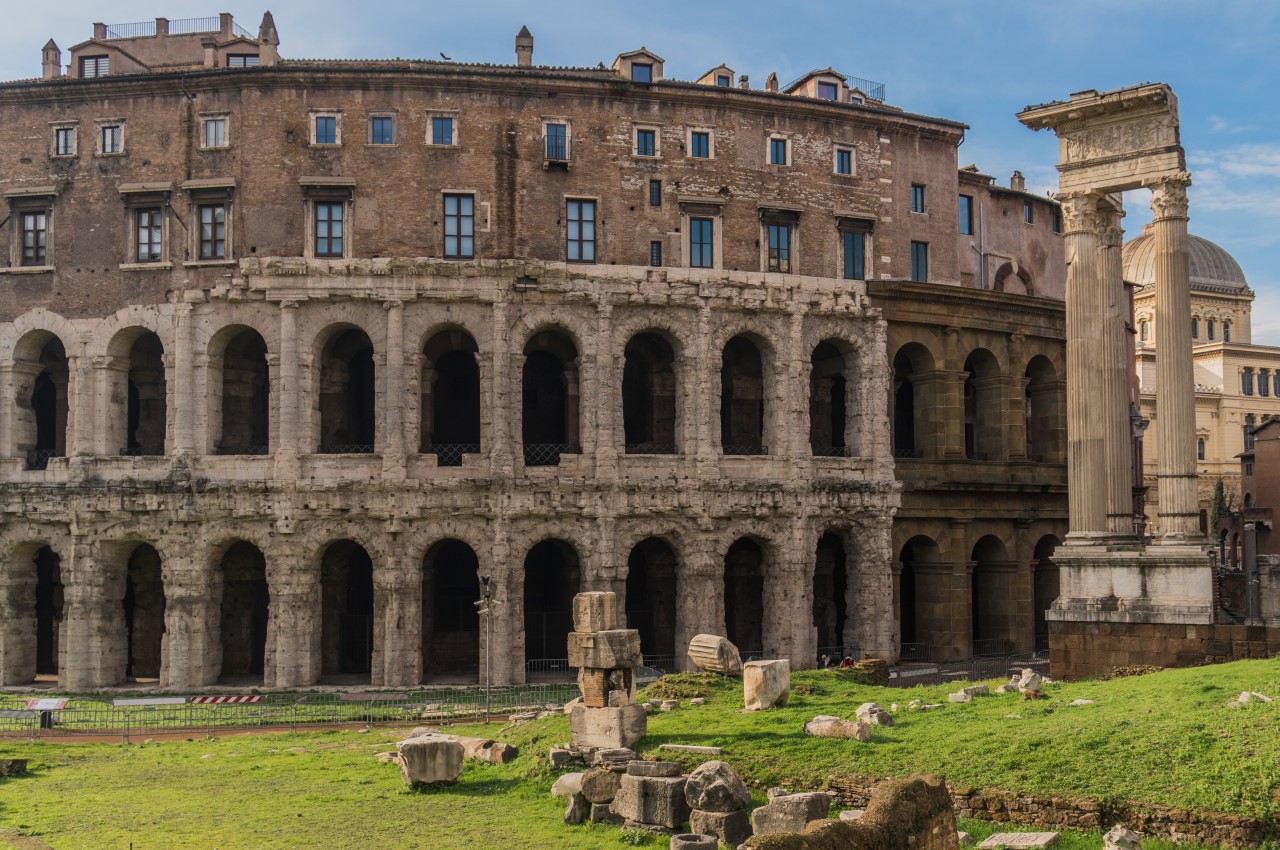
Image courtesy of: a_medvedkov
6. Byzantine Architecture (330 – 554)
Byzantine architecture was the architectural style of the Byzantine Empire, also known as the Eastern Roman Empire which spans from 330 AD, marked by Constantine the Great’s establishment of a new Roman capital in Byzantium (later Constantinople), to the empire’s fall in 1453. Notably, the early Byzantine architectural style is distinguishable from earlier Roman architecture in both aesthetics and structure as it developed into a distinct artistic and cultural entity, centered on the new capital of Constantinople (modern-day Istanbul), rather than Rome and its surroundings.

Hagia Sophia
Image courtesy of: tatiana_bralnina
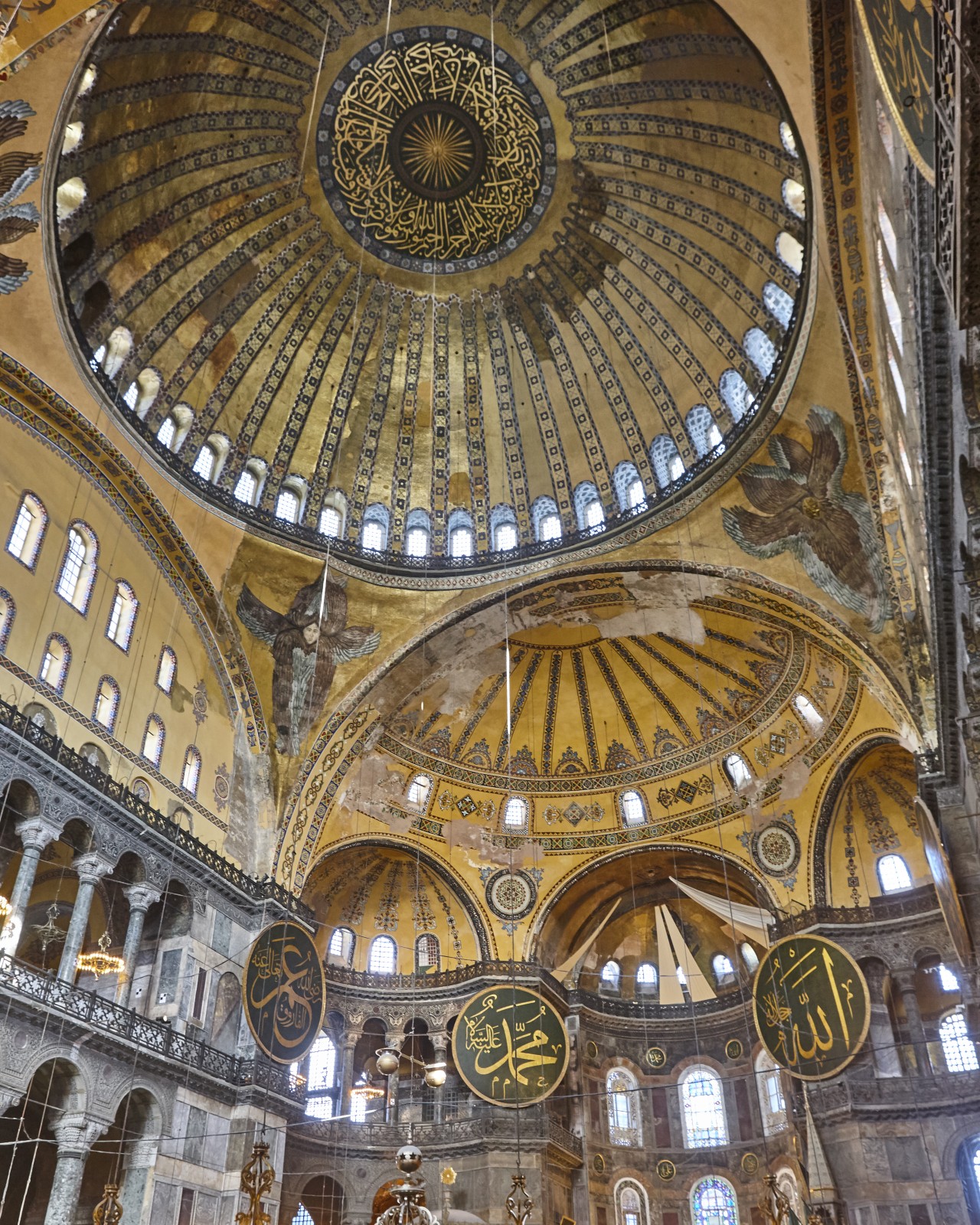
Image courtesy of: ABBPhoto
7. Romanesque Architecture (790 – 1150)
Romanesque architecture, characterized by semi-circular arches, emerged in medieval Europe, and it evolved into the Gothic style, recognizable by its pointed arches. Romanesque architecture blends elements from ancient Roman, Byzantine, and local traditions, featuring robust construction with thick walls, round arches, sturdy pillars, barrel vaults, tall towers, and decorative arcades. Structures display clear, often symmetrical forms, emphasizing simplicity compared to later Gothic edifices. While numerous castles were constructed during this era, churches predominate, with notable abbey churches still in use today.
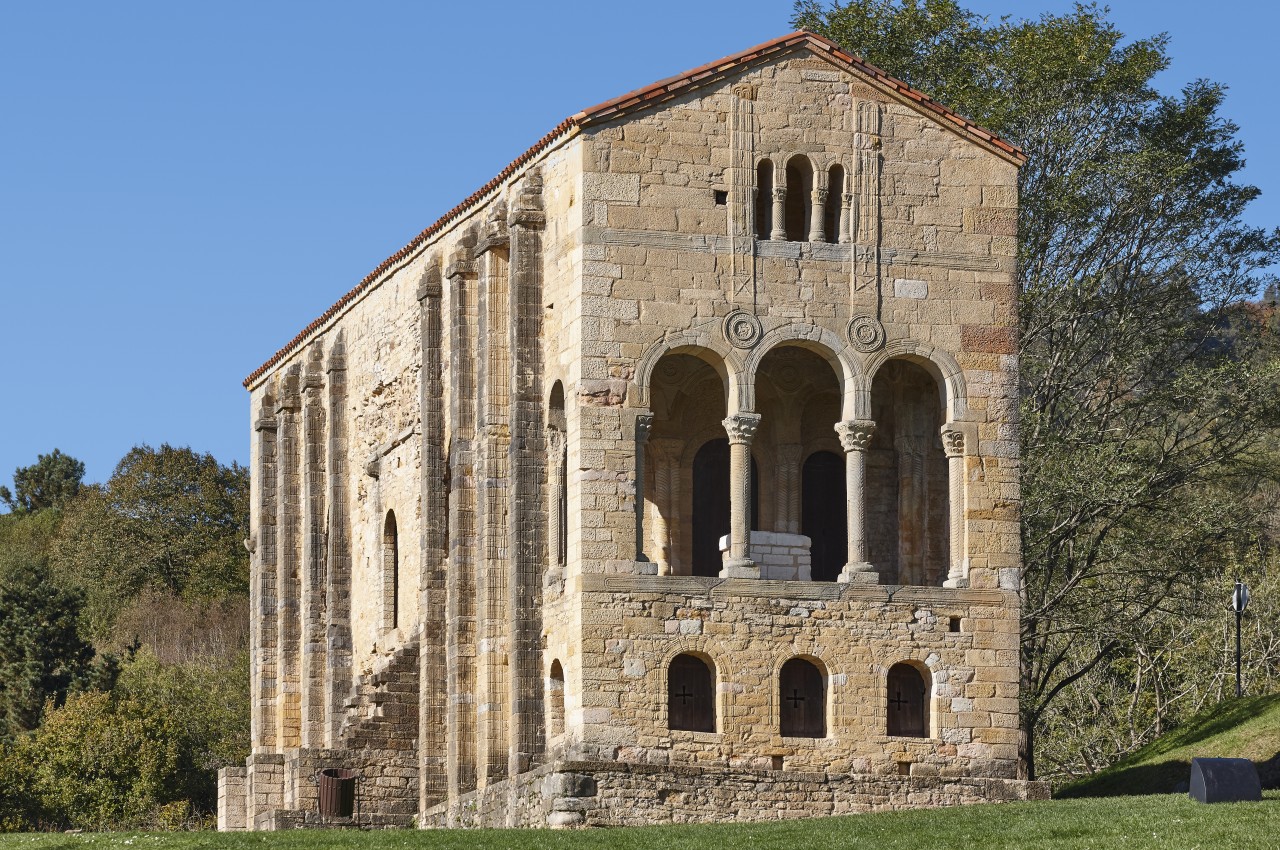
Image courtesy of: ABBPhoto
8. Gothic Architecture (1130-1500)
Gothic architecture, prevalent in Europe, evolved from Romanesque architecture and originated in northern France. The distinctive feature that defines Gothic architecture is the pointed or ogival arch, which, in turn, gave rise to the emergence of pointed rib vaults and flying buttresses, complemented by intricate tracery and stained-glass windows. Gothic architecture is evident in ecclesiastical buildings like cathedrals and churches, as well as castles, palaces, town halls, universities, and more.
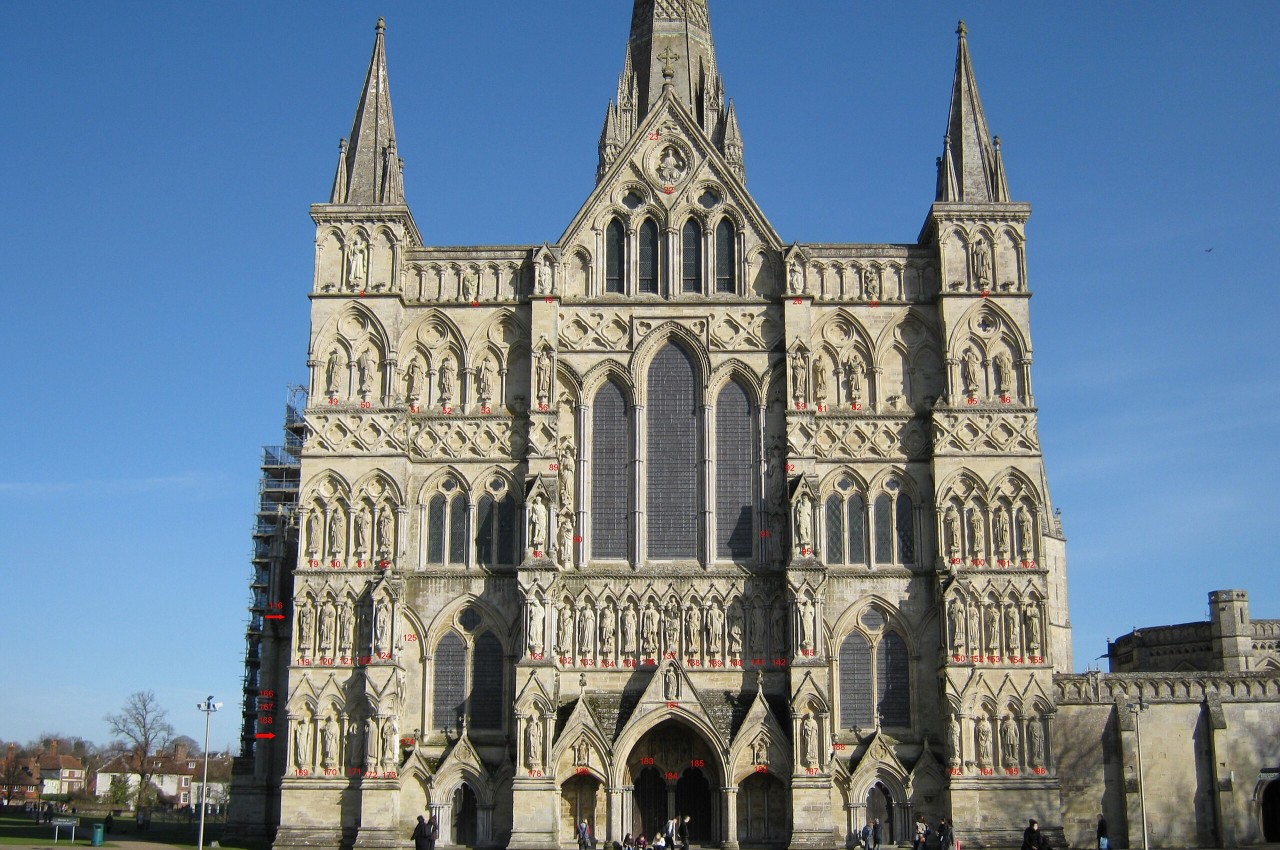
Statuary of the West Front of Salisbury Cathedral
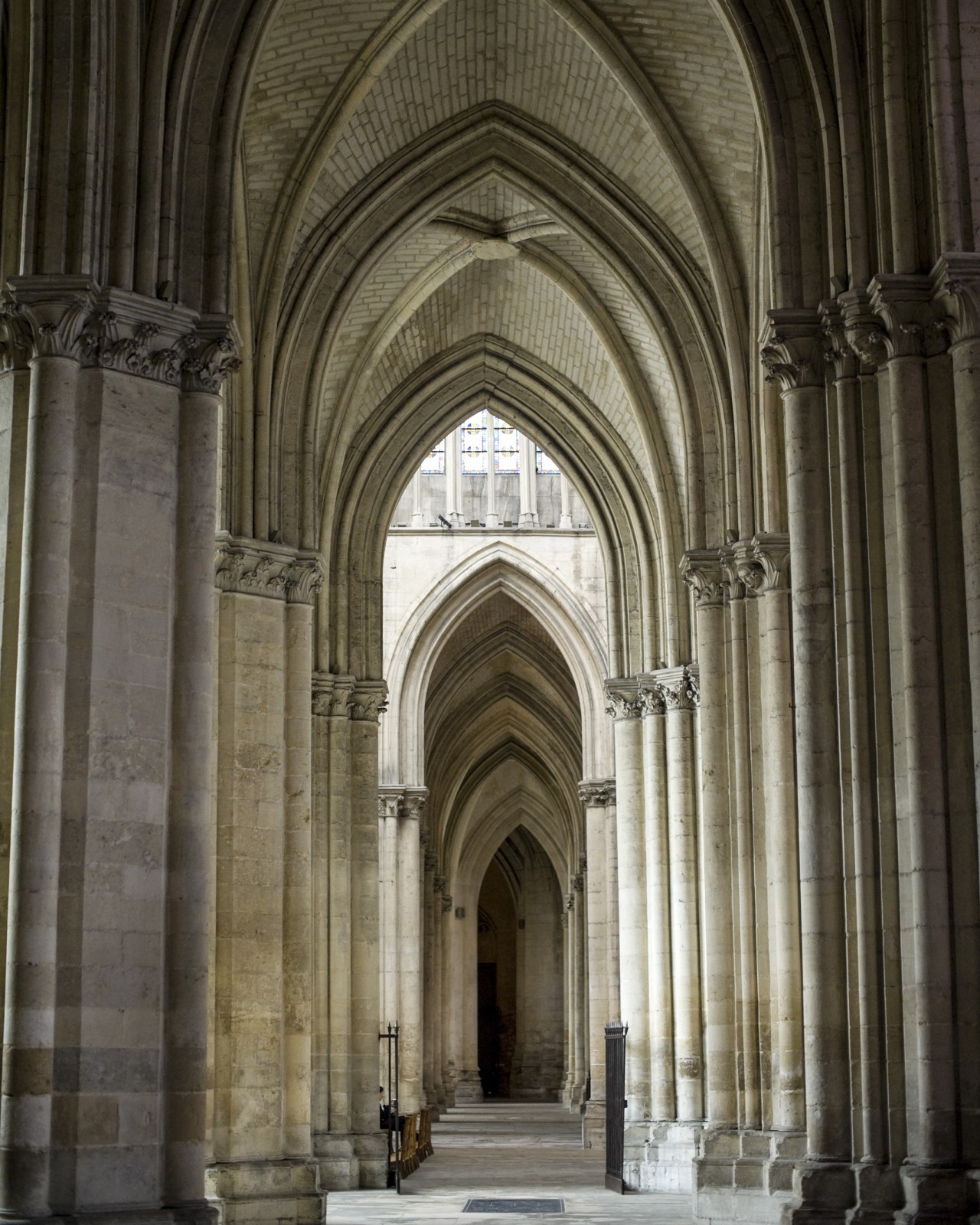
Image courtesy of: clodio
9. Renaissance Architecture (1400 – 1600)
Renaissance architecture marked a deliberate revival of elements from ancient Greek and Roman culture. The Renaissance style prioritized symmetry, proportion, geometry, and regularity, drawing inspiration from classical antiquity, especially ancient Roman architecture. It featured orderly arrangements of columns, pilasters, lintels, semicircular arches, hemispherical domes, niches, and aediculae, departing from the complex proportional systems and irregular profiles of medieval buildings.
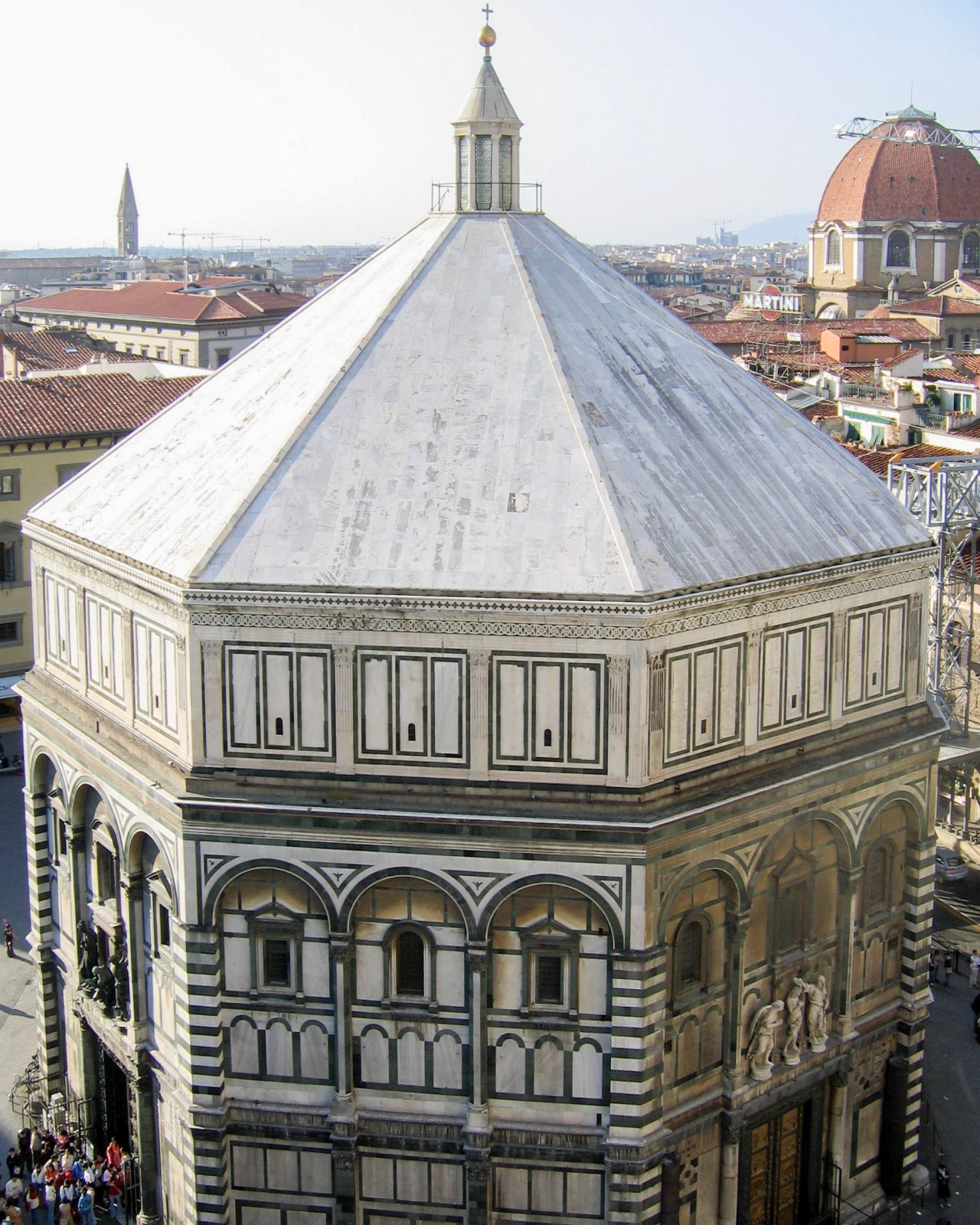
Florence Baptistry
10. Baroque Architecture (1584 -1750)
Baroque architecture, emerging in early 17th-century Italy, promoted by the Catholic Church, aimed for astonishment and awe. Architects heightened and adorned Renaissance elements, using quadratura, trompe-l’œil, and gilding to create heavenly illusions. Dramatic lighting, sculpted angels, twisted columns, and elaborate decorations defined the opulent style, notably in grand palaces. Baroque can be broadly classified into Early Baroque, High Baroque, and Late Baroque styles.
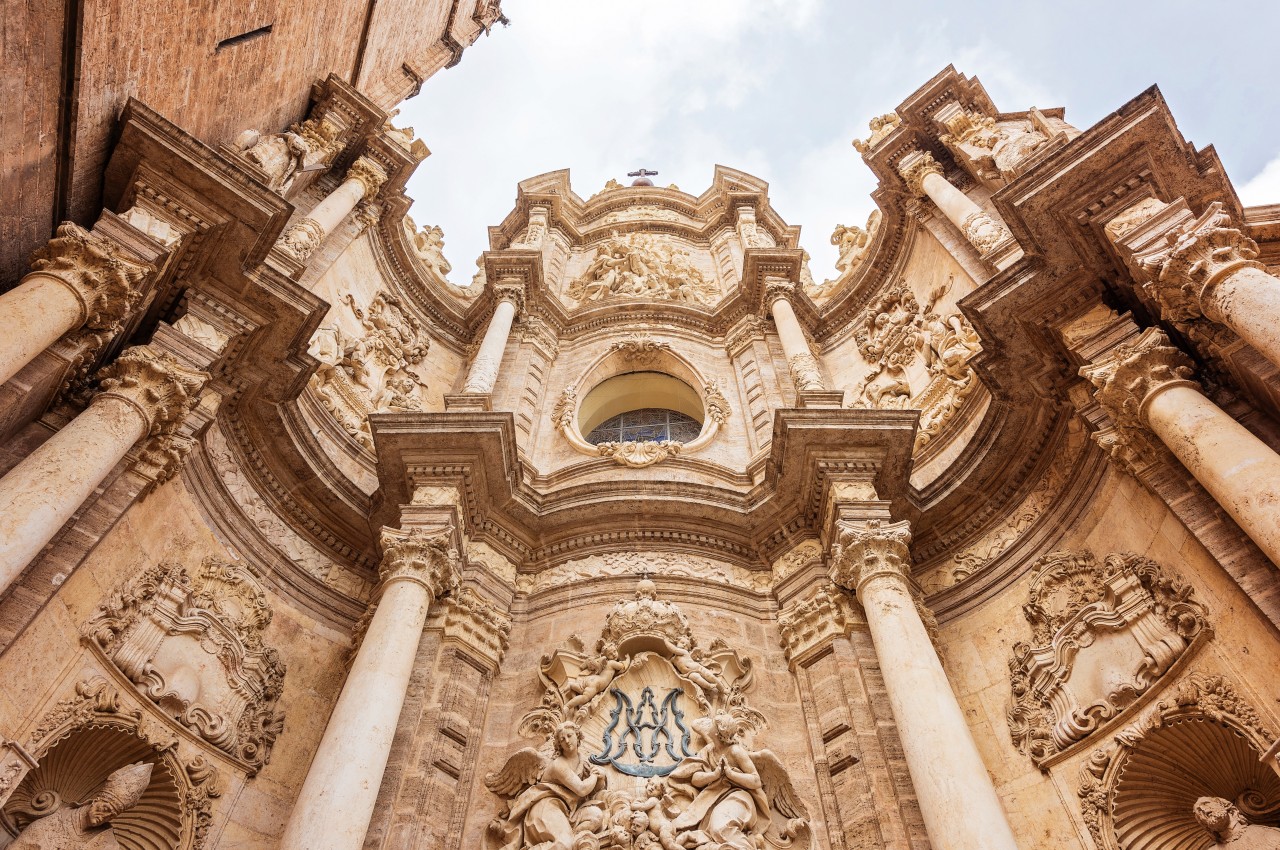
Image courtesy of: frimufilms
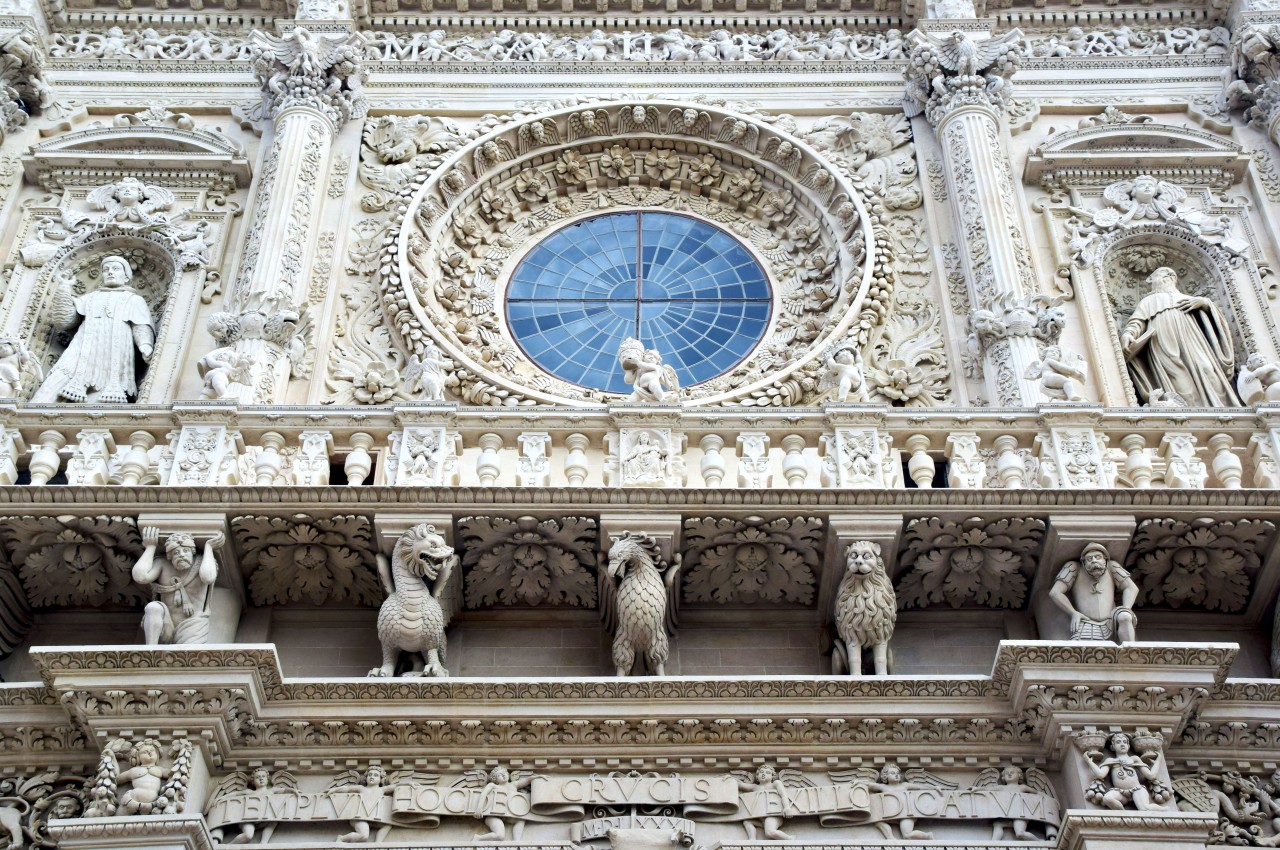
Image courtesy of: wirestock
11. Rococo Architecture (1723-1759)
Rococo is a highly decorative and theatrical architectural and artistic style marked by asymmetry, scrolling curves, gilding, pastel colors, sculpted molding, and trompe-l’œil frescoes, aiming to create surprise, motion, and drama. Rococo exudes exuberant decoration with abundant curves, undulations, and nature-inspired elements. Exteriors are typically simple, while interiors are ornate, aiming to impress immediately. Complex floor plans with interlocking ovals are common in churches, while palaces feature grand staircases offering varied perspectives of the décor.
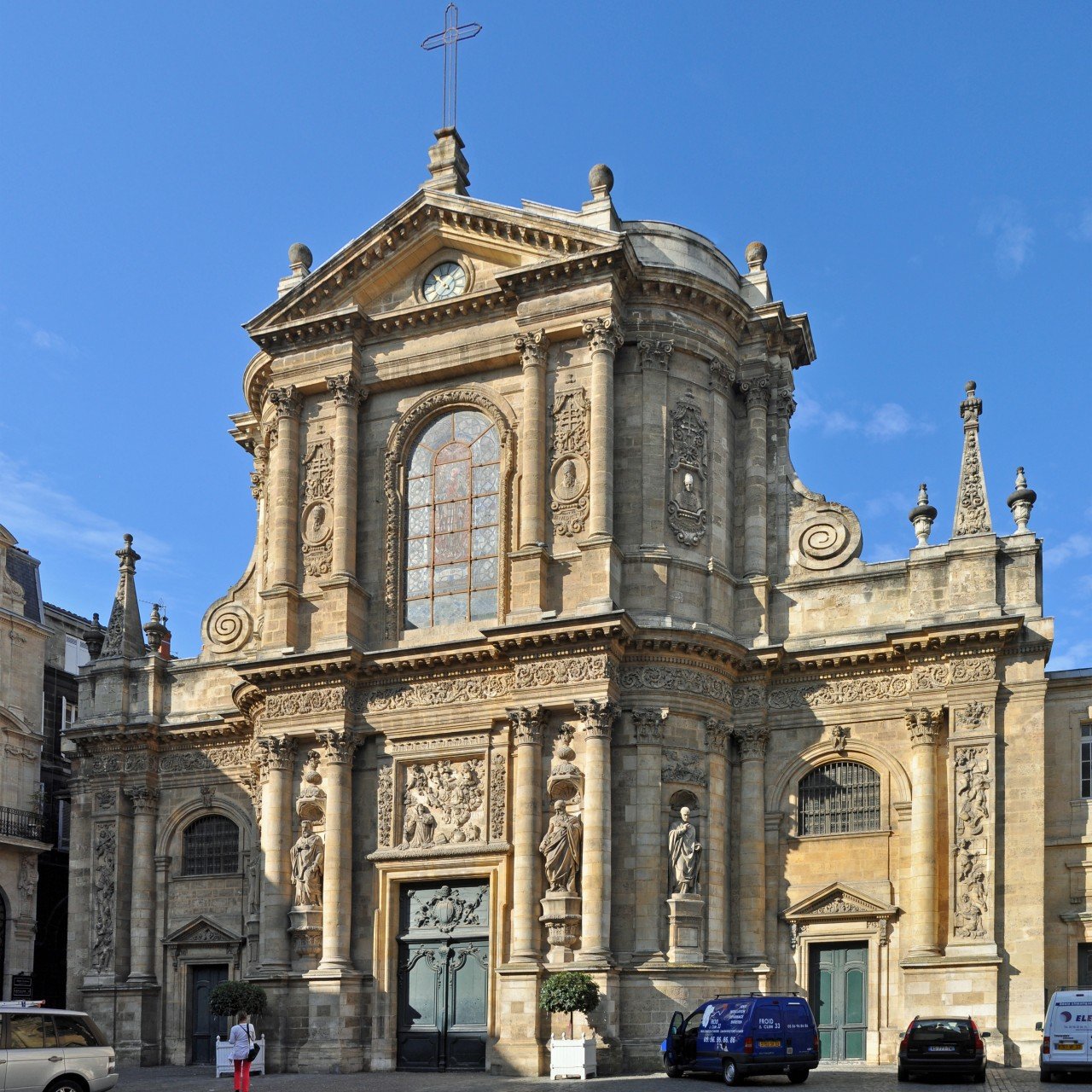
Eglise Notre-Dame, Bordeaux
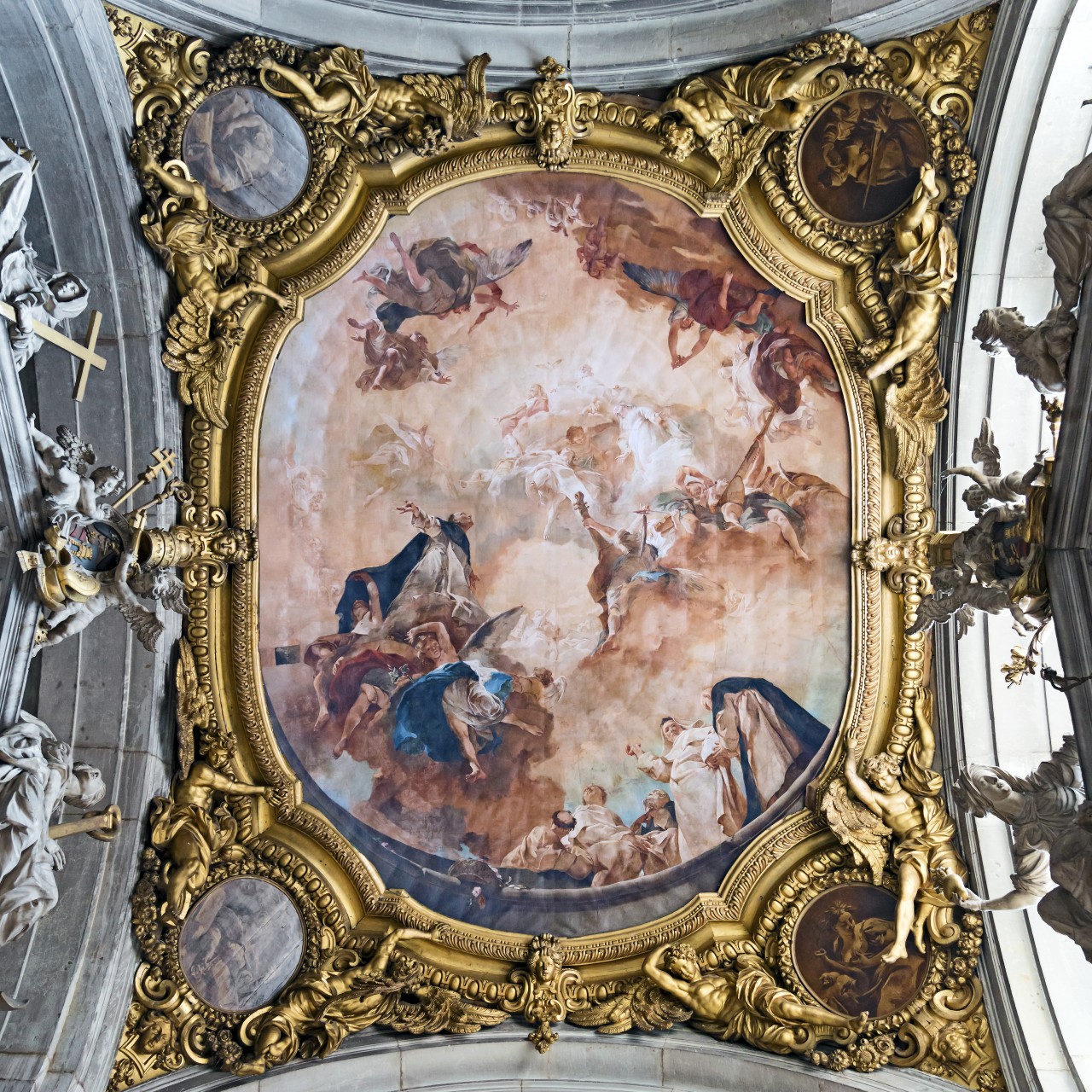
Ceiling of Santi Giovanni e Paolo, Venice, by Piazzetta
12. Neoclassical Architecture (1640-1850)
Neoclassical architecture, also known as Classical Revival architecture, aimed to return to a purer classical style, shedding the excesses of Late Baroque while adapting to contemporary needs. This architectural style emphasizes wall structure over ornamentation, emphasizing symmetry, simple geometry, and societal function. It contrasts with the naturalistic ornamentation of the Rococo style and incorporates classicizing features from the Late Baroque tradition.
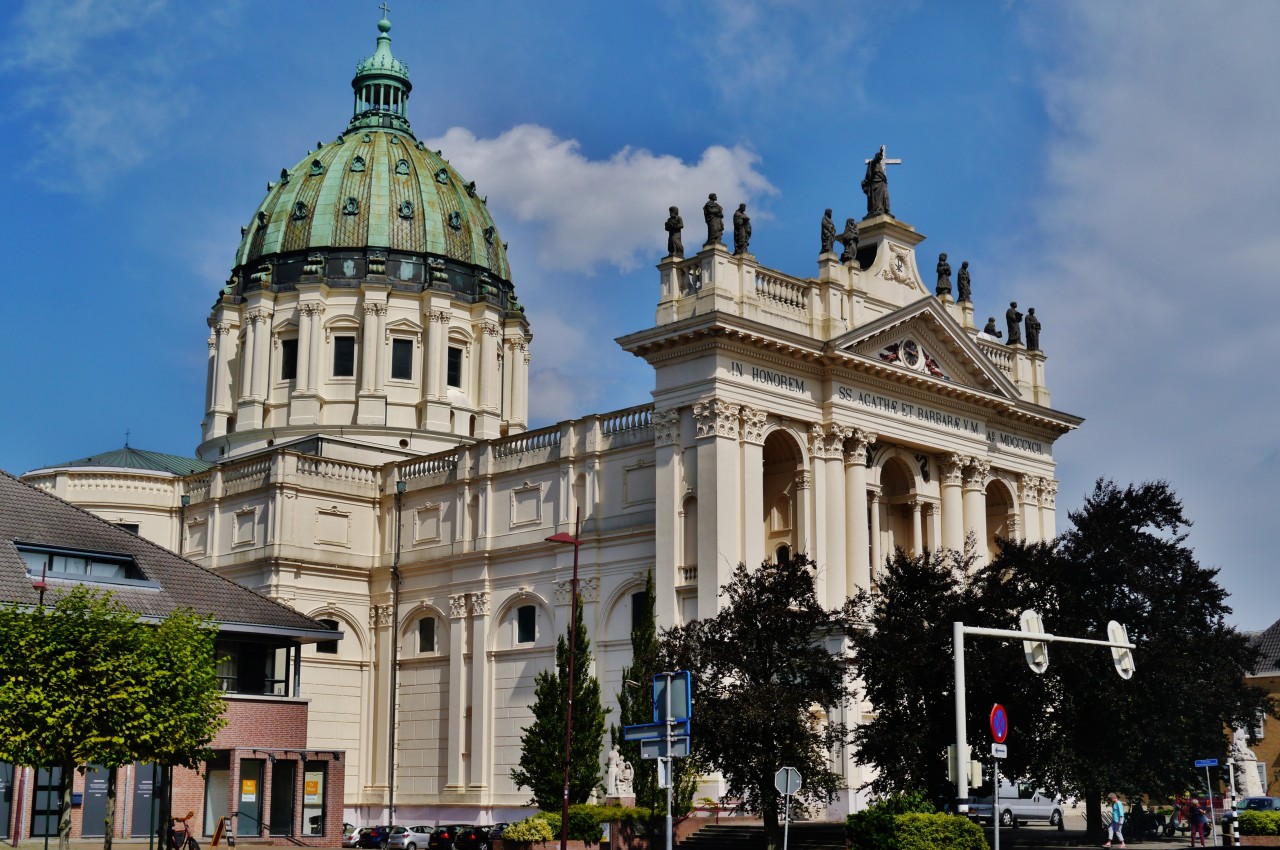
Oudenbosch Basilica
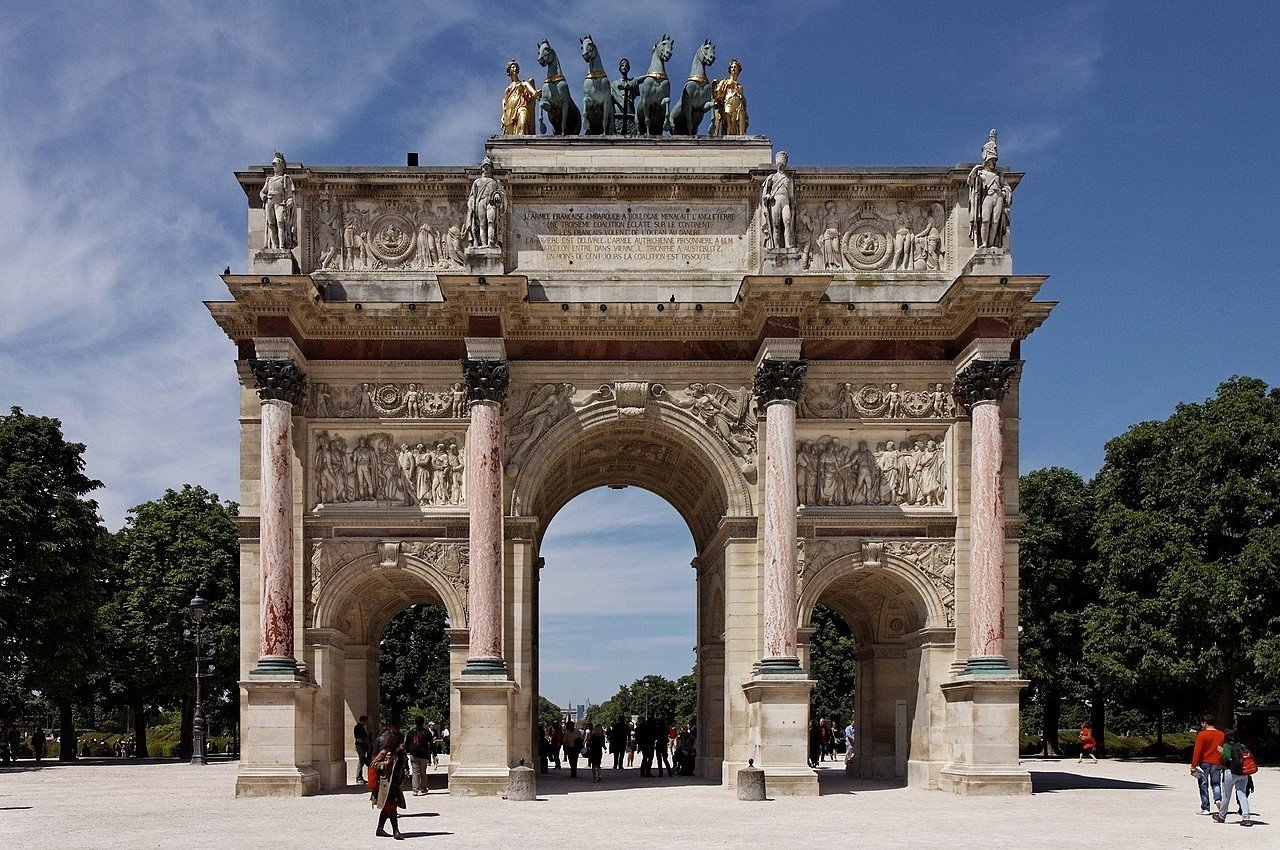
Arc de Triomphe du Carrousel
13. Modern Architecture (1900 to Present)
Modern architecture, or modernist architecture, is an architectural style rooted in innovative construction technologies, including glass, steel, and reinforced concrete. It emphasizes functionalism, minimalism, and the elimination of ornamentation. Emerging in the early 20th century, it dominated architecture after World War II until the 1980s when it gave way to postmodern architecture.
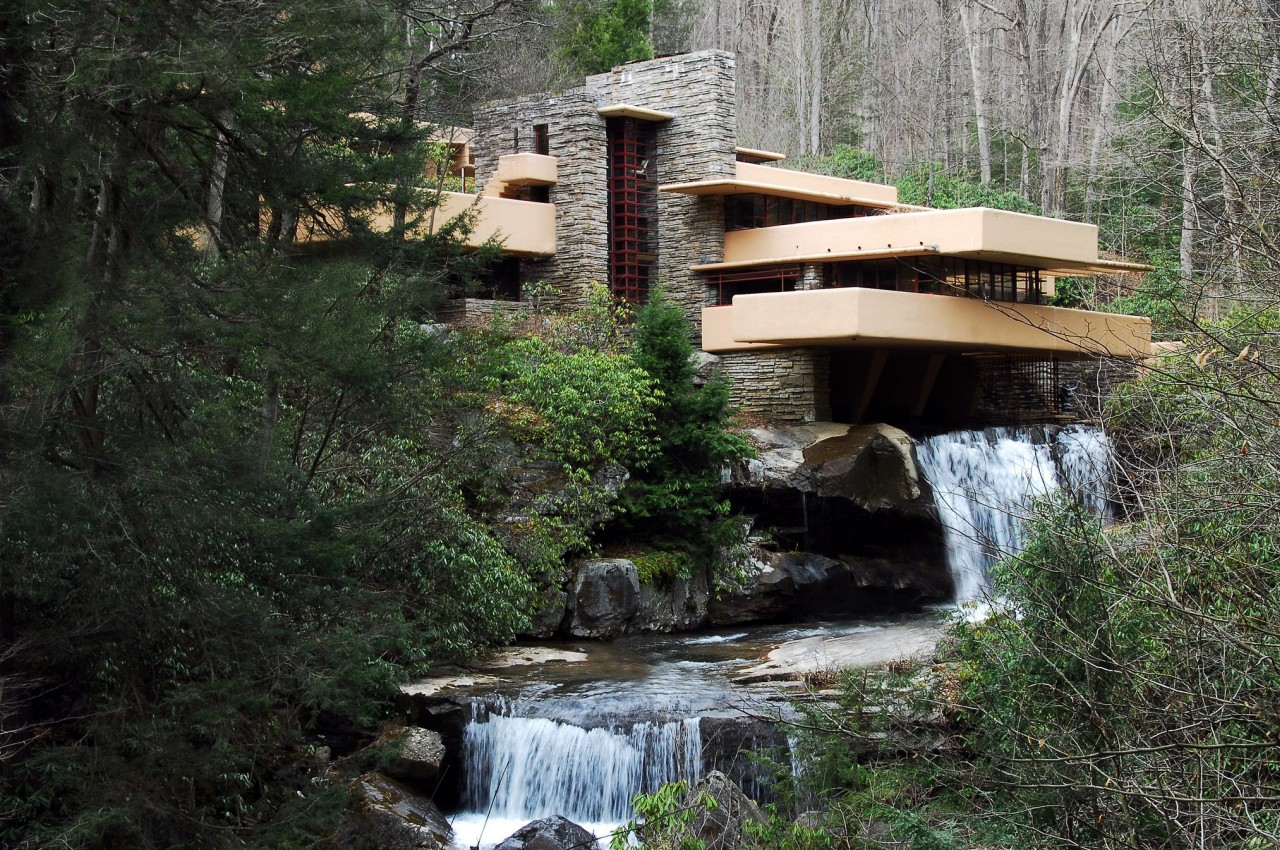
Designer: Frank Lloyd Wright
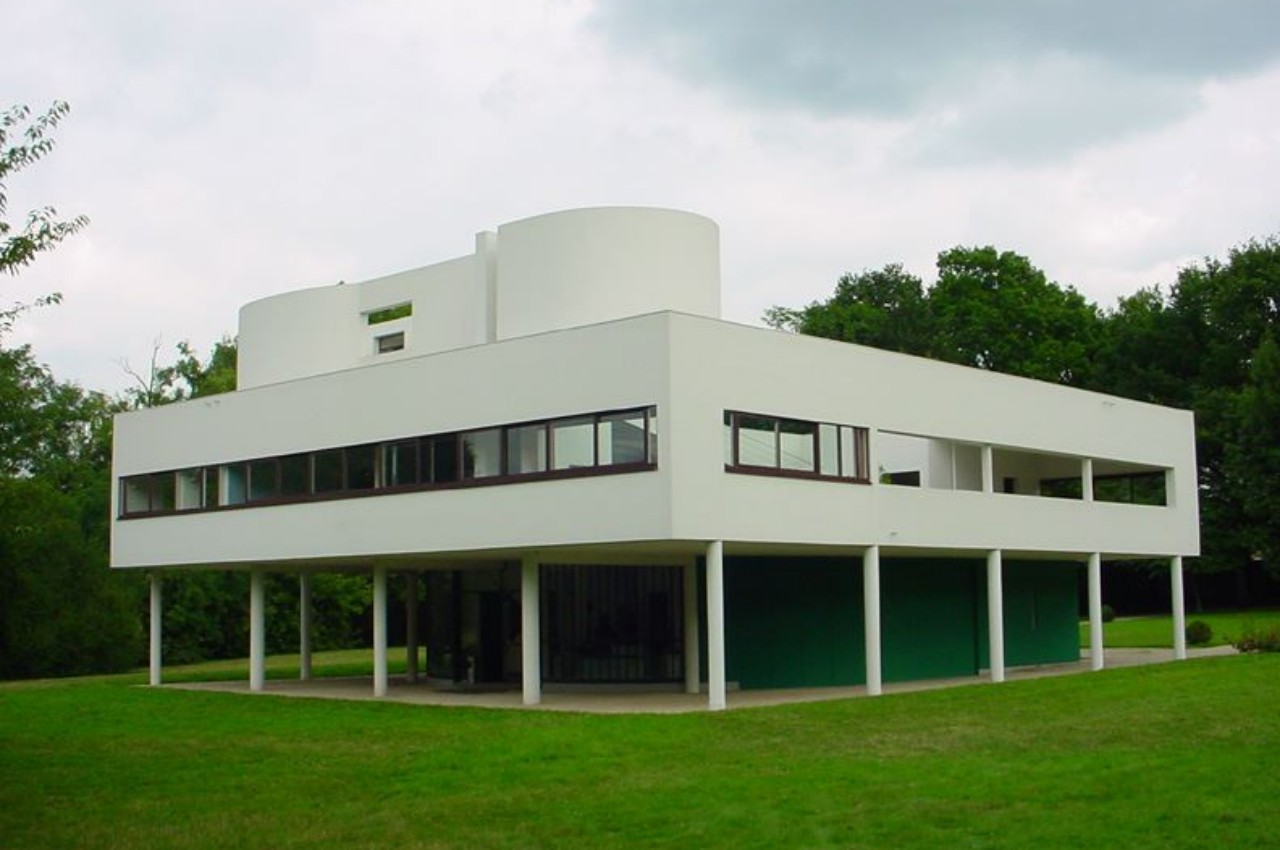
Designers: Le Corbusier, Pierre Jeanneret
14. Postmodern Architectural History (1964 to Present)
Postmodern architecture, emerging in the ’70s and ’80s, reacted against modernism and the international style by revisiting architectural history through references, quotations, and sampling. It aimed to reconnect with the public, resulting in a diverse range of buildings blending classicism and contemporary elements to create innovative designs.
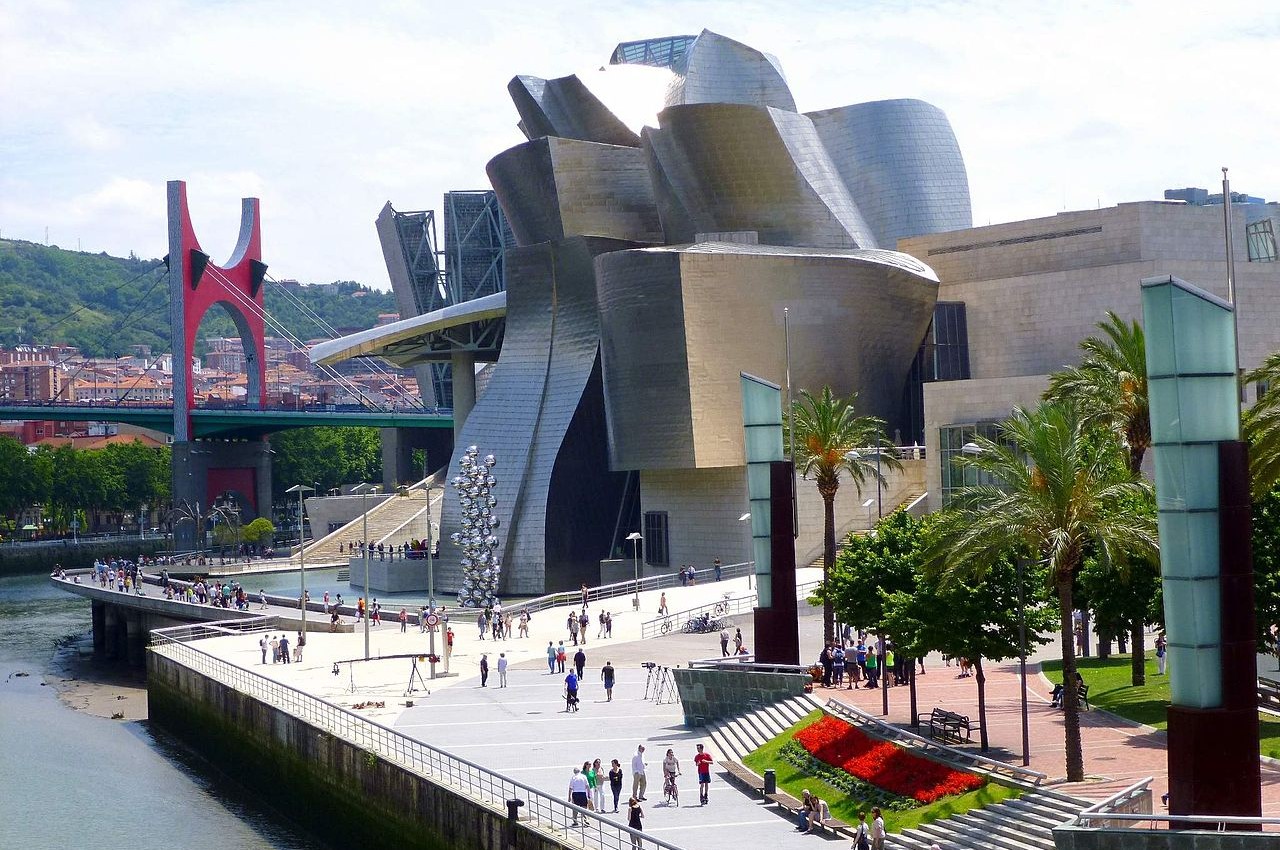
Designer: Frank Gehry

Petronas Twin Towers
Image courtesy of: GaudiLab

Image courtesy of: tampatra

Burj Khalifa
Image courtesy of: photocreo

Image courtesy of: wirestock
The post The History of Architecture: Important Timelines first appeared on Yanko Design.