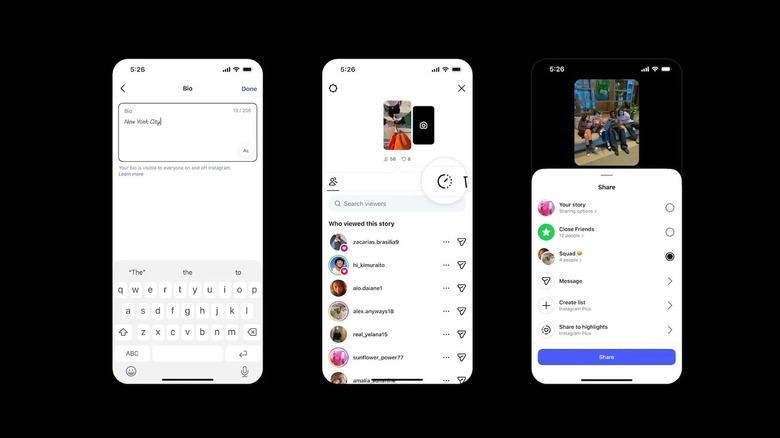
The Instagram Plus subscription has officially launched
Paying users will have tools for reaching either wider or more-specific audiences.
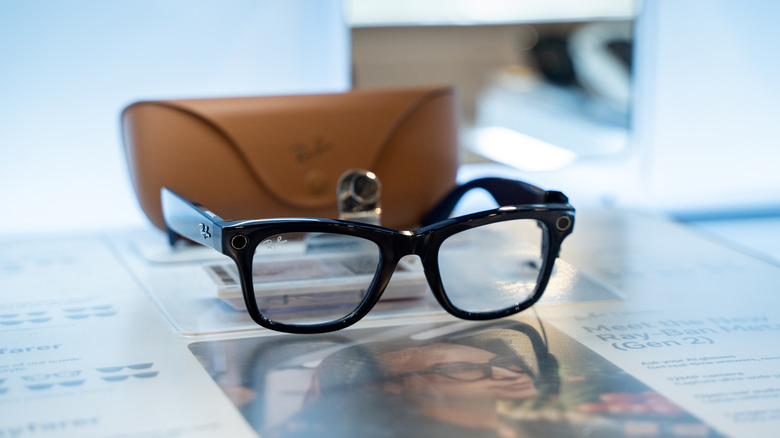
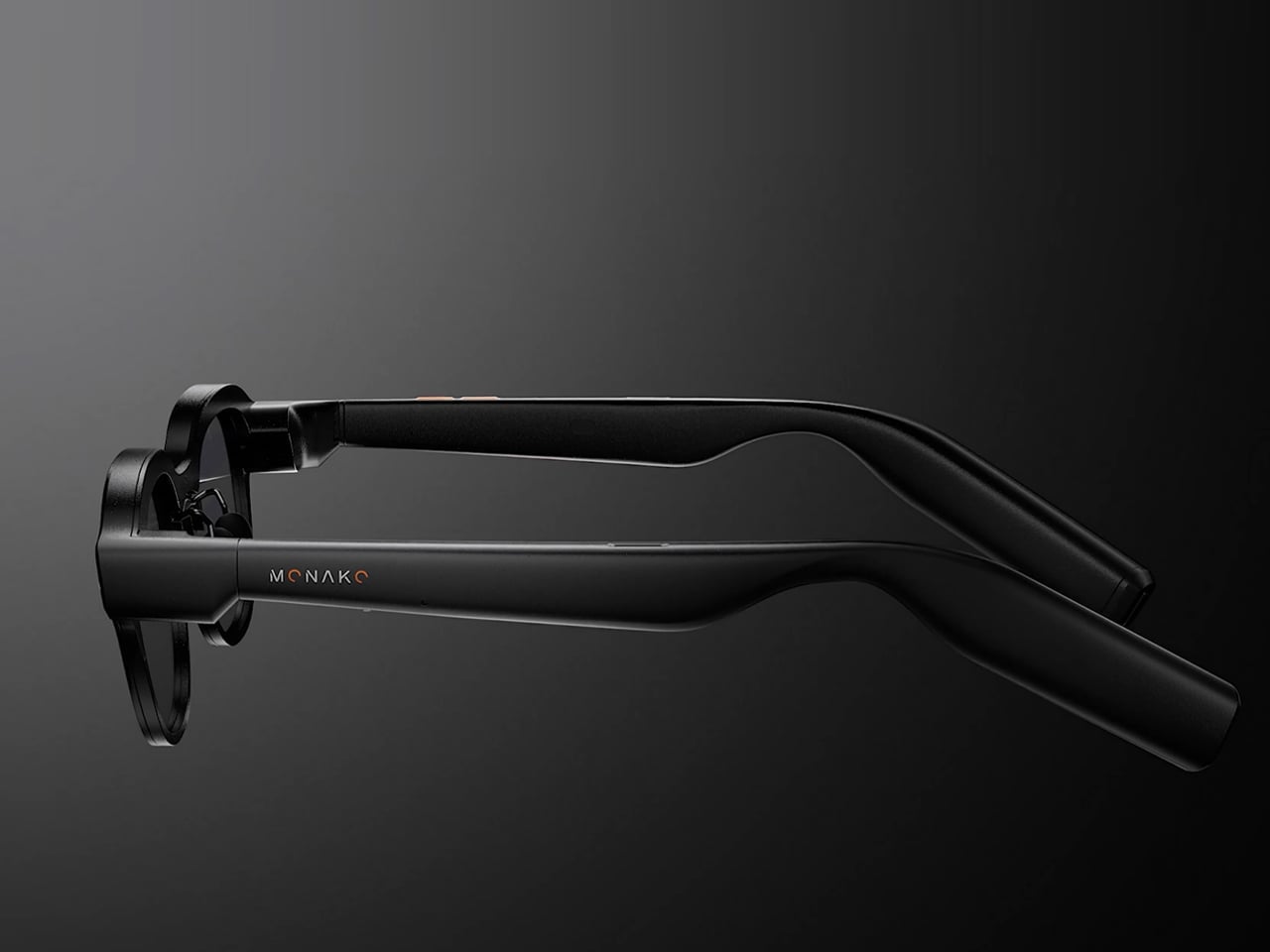
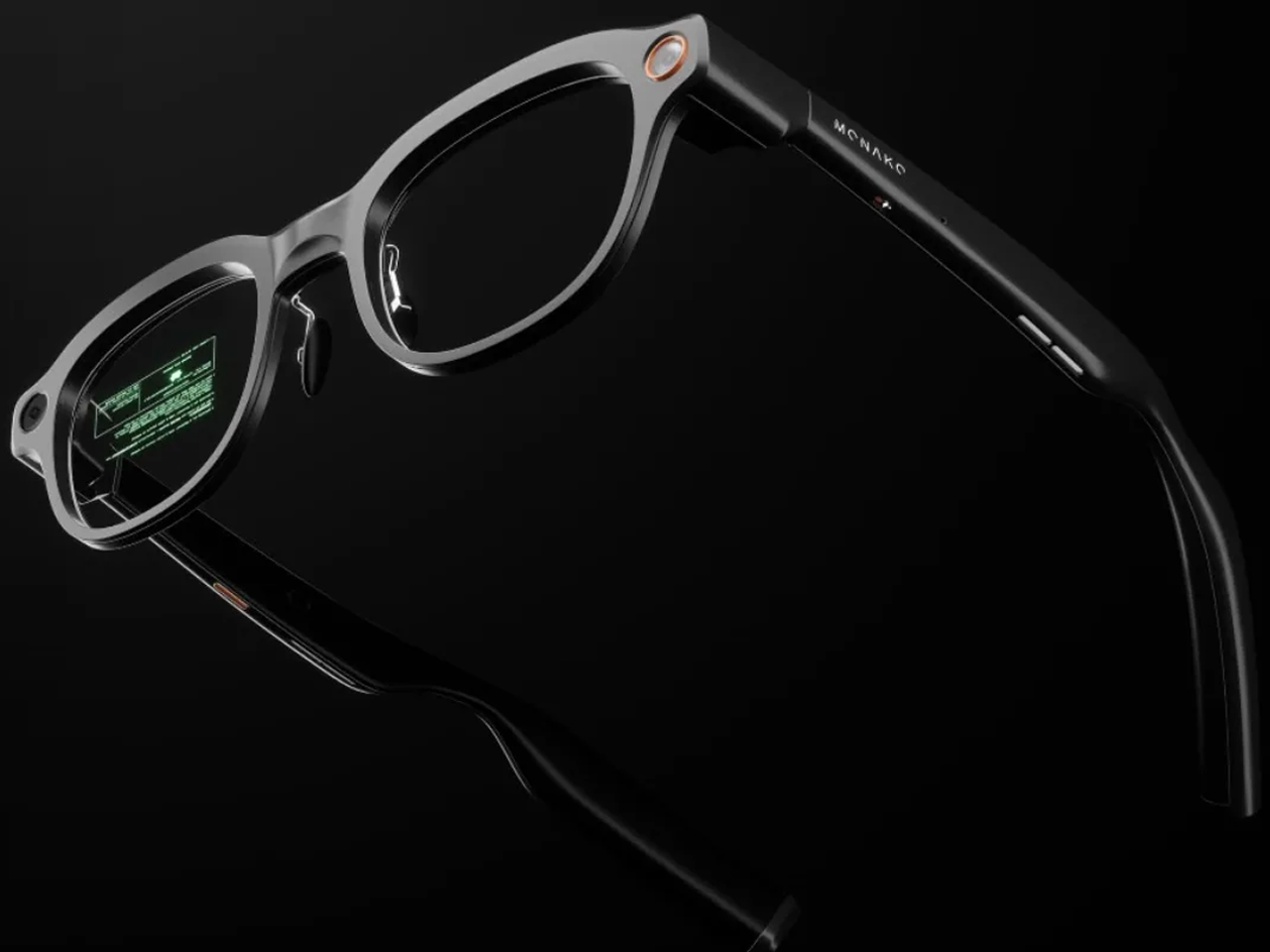
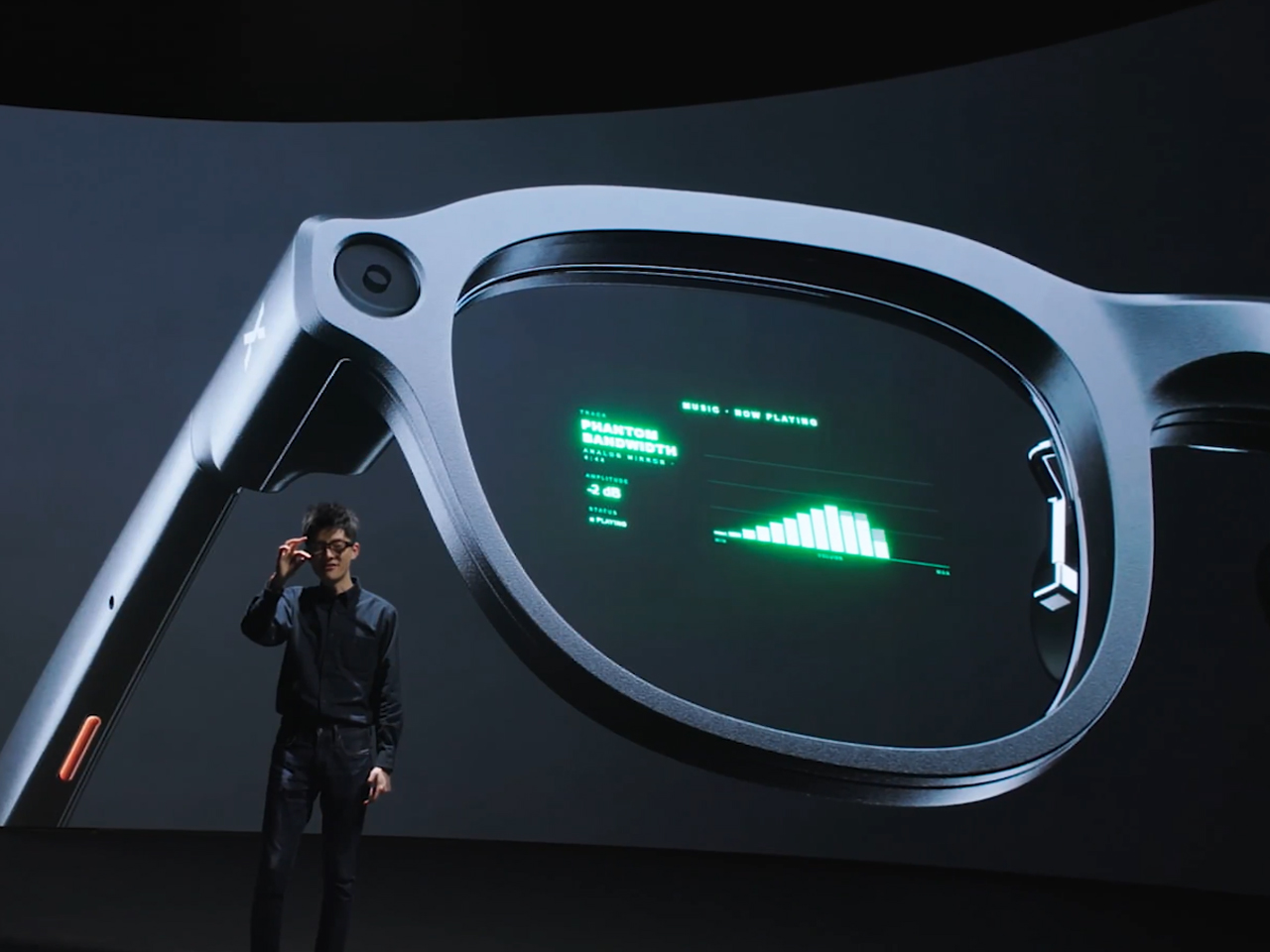
In the age of artificial intelligence, when you can tell the computer what you want, and it builds it for you, something seems missing. Maybe a wearable input device that would let you interact, code and build using AI, and you wouldn’t even have to move a muscle. Introducing the Monako Glass, the world’s first heads-up display smart glasses designed for vibe coding. It comes with wave guide display, camera, speakers, and bone conduction microphone.
Human and AI interaction is taking new turns with every passing day. Nothing is constant, it seems. In this overly paced world, the possibility of coding on a pair of glasses while walking around in the lab or sitting at home preparing a project for class sounds futuristic in the best way possible.
Designer: Monako Glass
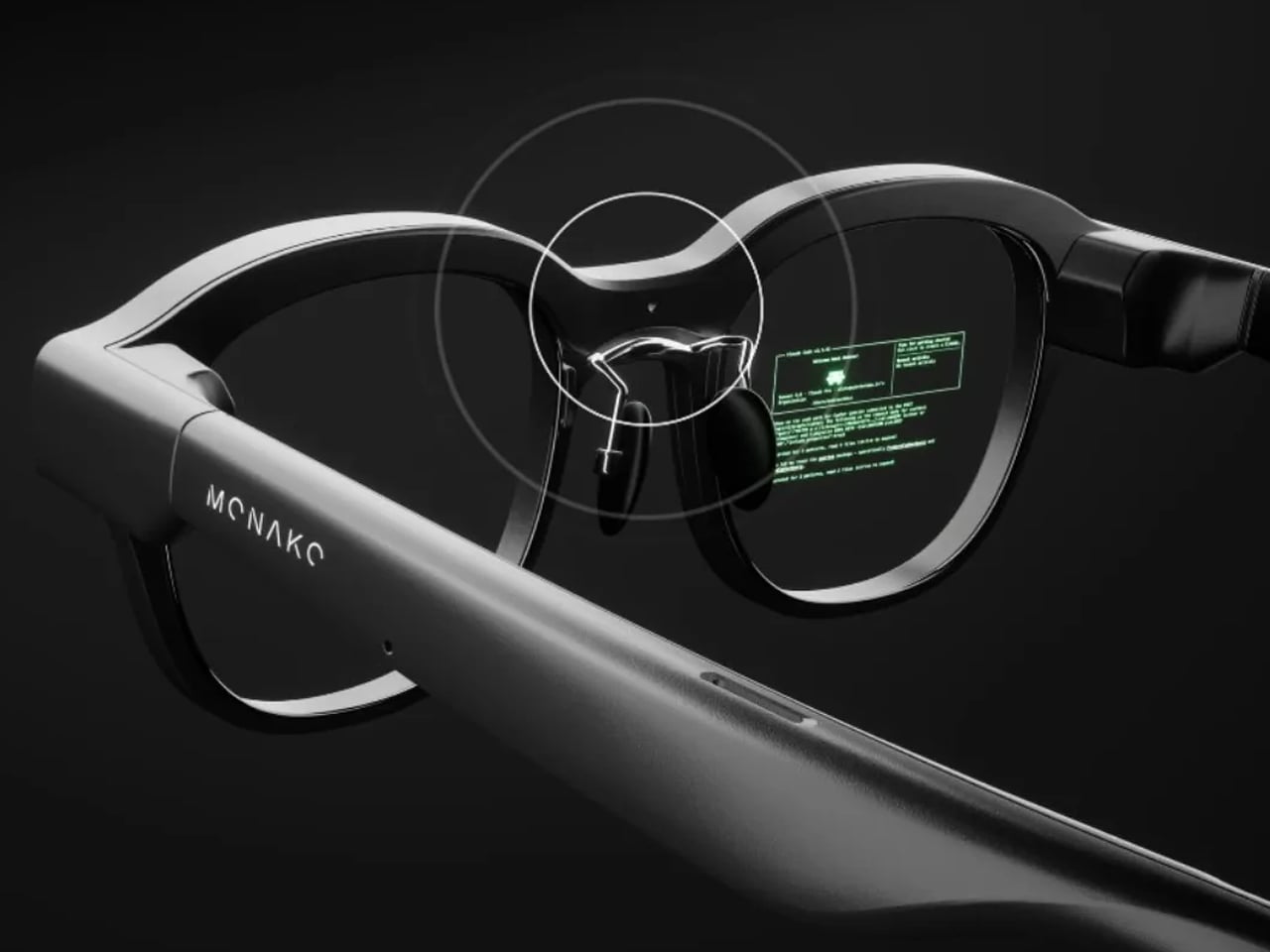
The 48g Monako Glass – a nicely developed Buildroot Linux computer in a pair of glasses – can run Claude Code, Codex and even allow you, as a creator, to run AI coding agents you’ve trained to your liking. The glasses feature all its electronics – including an ARM Cortex A7 chipset – on the right temple tip. A 300mAh battery, providing the power backup to all the vibe coding you’re going to do on these glasses, rests in the left temple tip. This positioning, Monako CTO informs, allows the glasses to feel light on the nose, making them wearable for long periods of time during the workday.
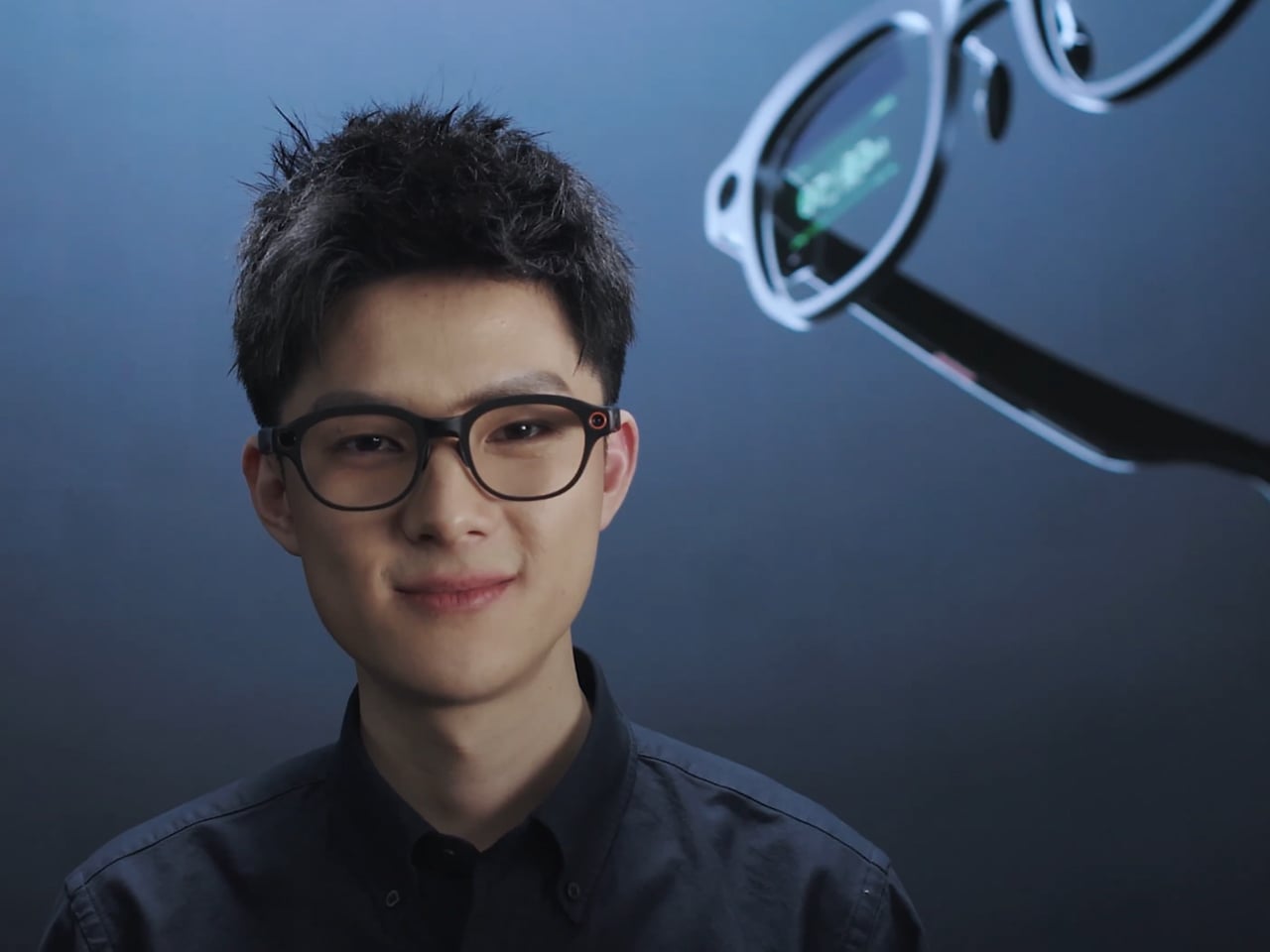
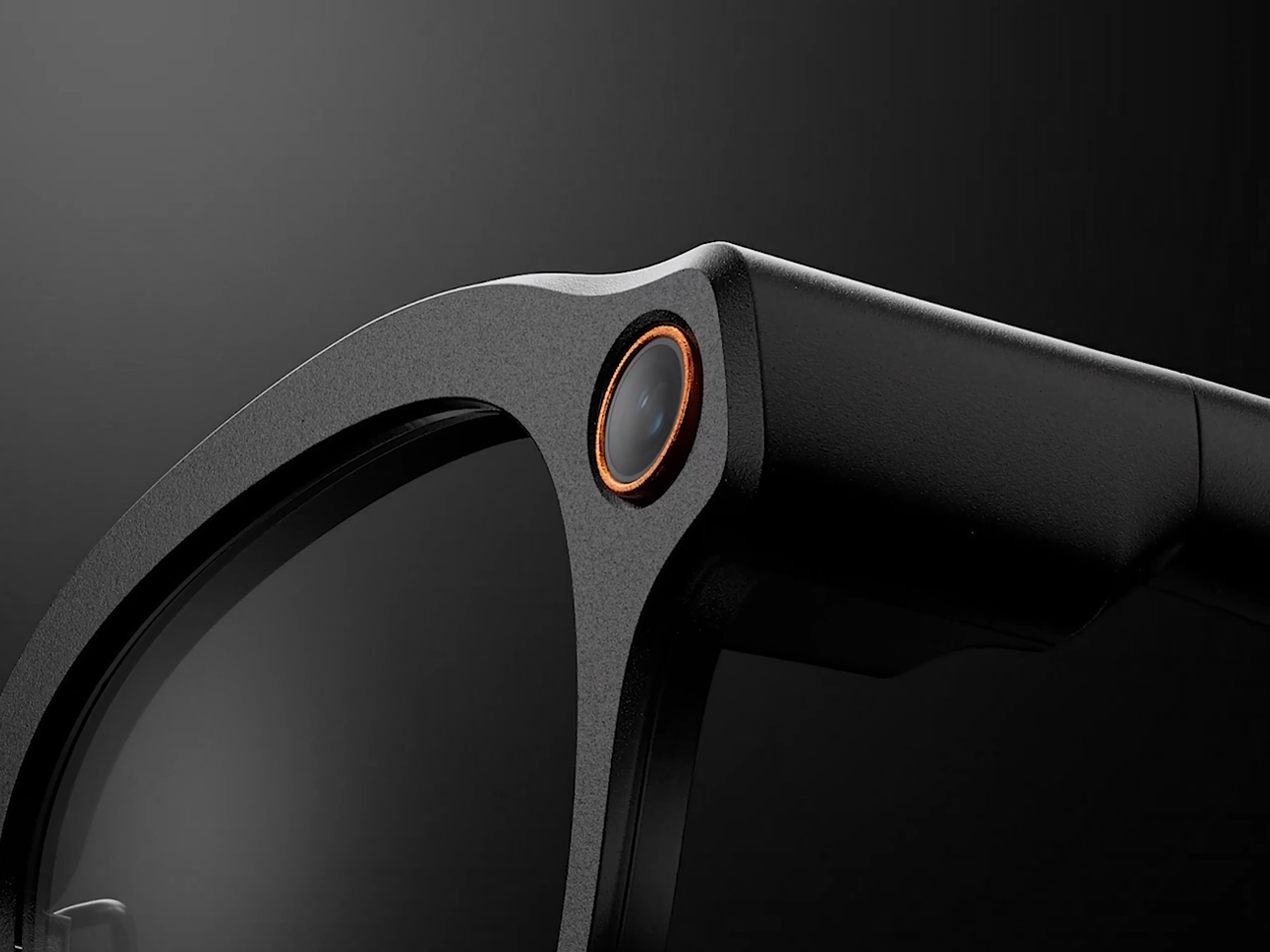
If you think it’s straight-up out of a sci-fi flick, this is not even the start. Inspired by Apple Vision Pro (which apparently takes a back seat in favor of AR glasses), Monako uses something called the Vision Engine (in the integrated camera), to translate finger and palm gestures into precise digital commands. For instance, raising the hand opens up the apps on the glass’s display, while pinch and slight back and forth drags of the forefinger and thumb can help scroll through the generated code or toggle volume in the music app.
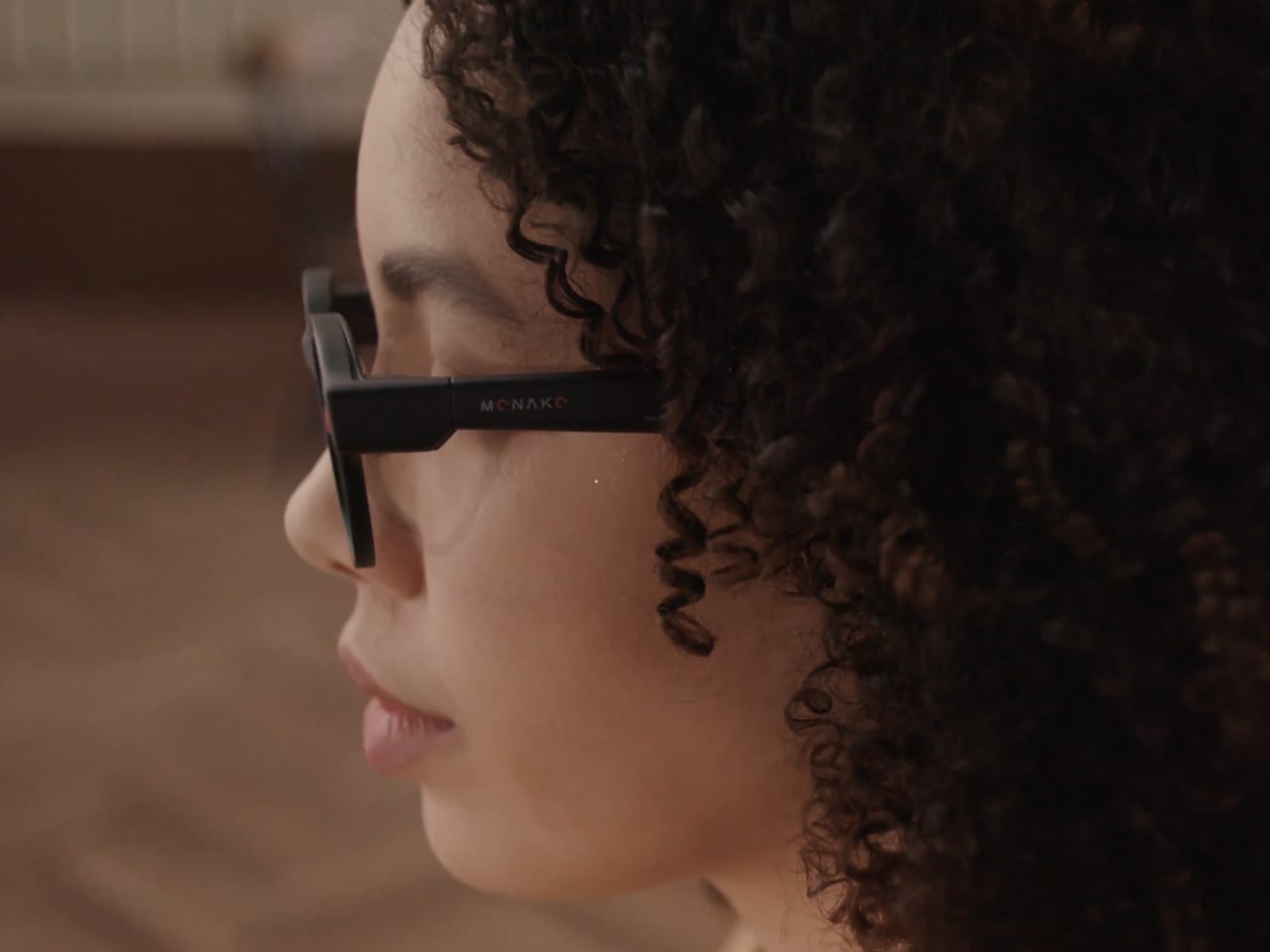
With the apps like “Claude Code, Codex, Unreal Engine, Blender and After Effects” on board, Monako Glass can be a single tool for all your needs. But still, you have the choice to “wipe the bundled apps clean, and replace all code with your own,” company CEO Candy informs. “The onboard Linux is fully open to you and your Claude,” she adds, so running full Linux, Claude Code, and your AI agents hands-free can be as smooth and fun as you like with the Monako Glass.
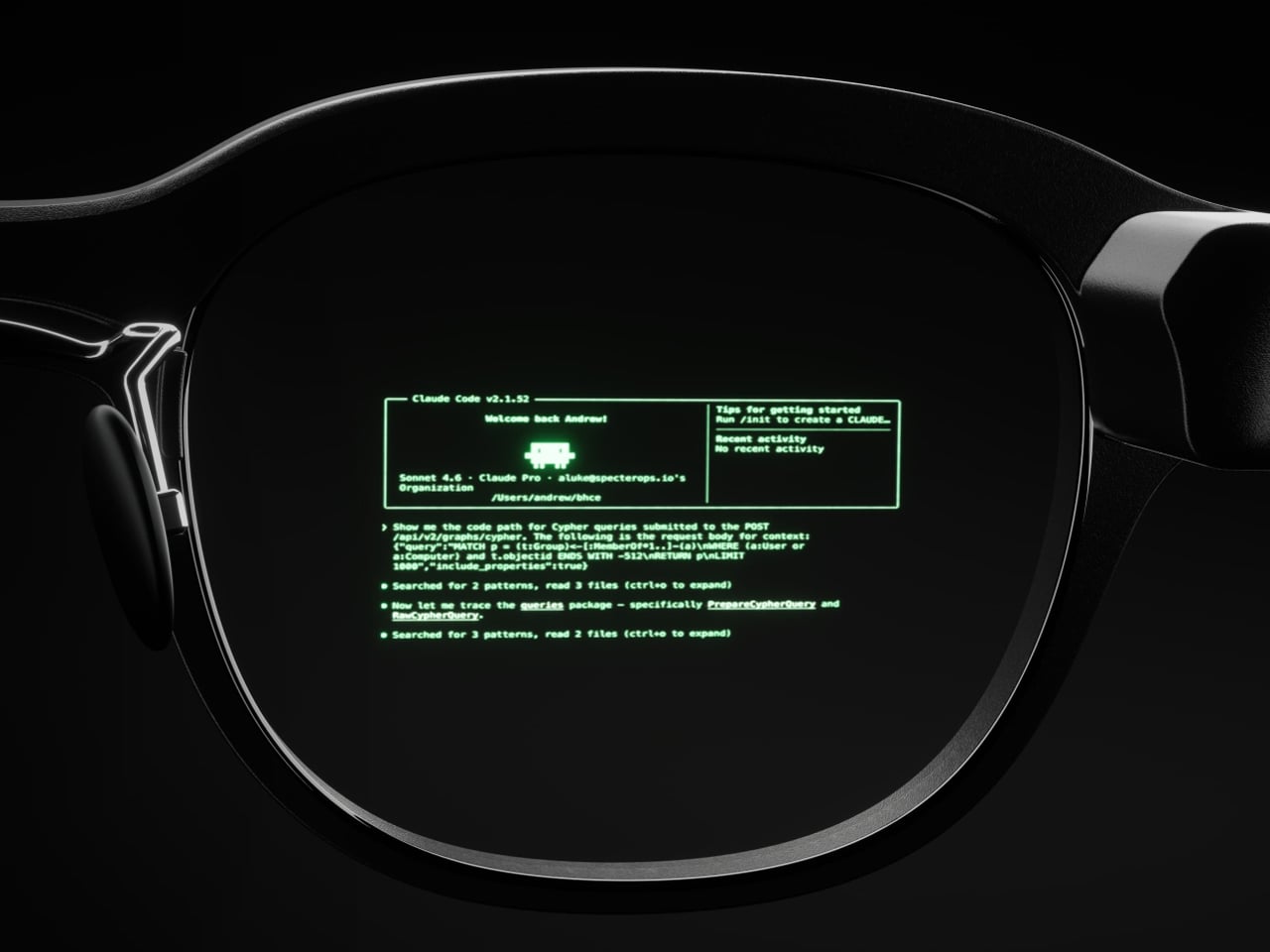
What really impresses me more than the gestural input system is the bone conduction microphone placed on the nose (bridge). The mic is strategically placed that it listens to the vibrations coming from your nasal bone. For instance, you’re in a busy café, the AI (courtesy the microphone) will listen to you alone and execute your input as a prompt to get the next computation of the code done on Monako’s monochrome screen.
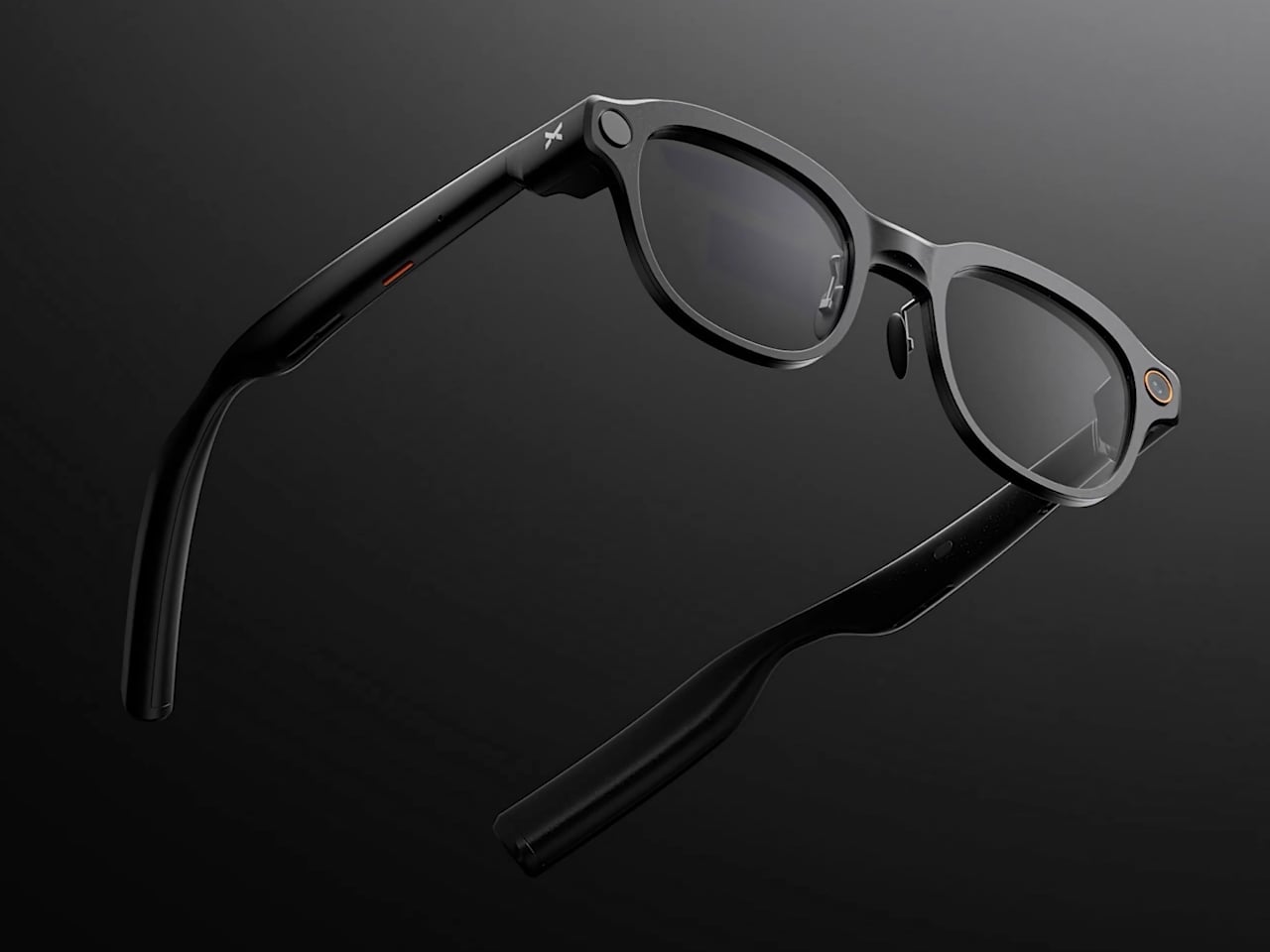
Monako Glass is still in the preproduction stage, but the company is hopeful of getting this first-ever wearable Linux computer to the market by August this year. It is for now available on preorder on Monako’s official website for $19, which should reserve a unit for you. Candy says, “early supporters will get Monako Glass for $399.”
The post This 48g Monako Glass puts Claude Code in front of your eyes so you can vibe code anywhere first appeared on Yanko Design.
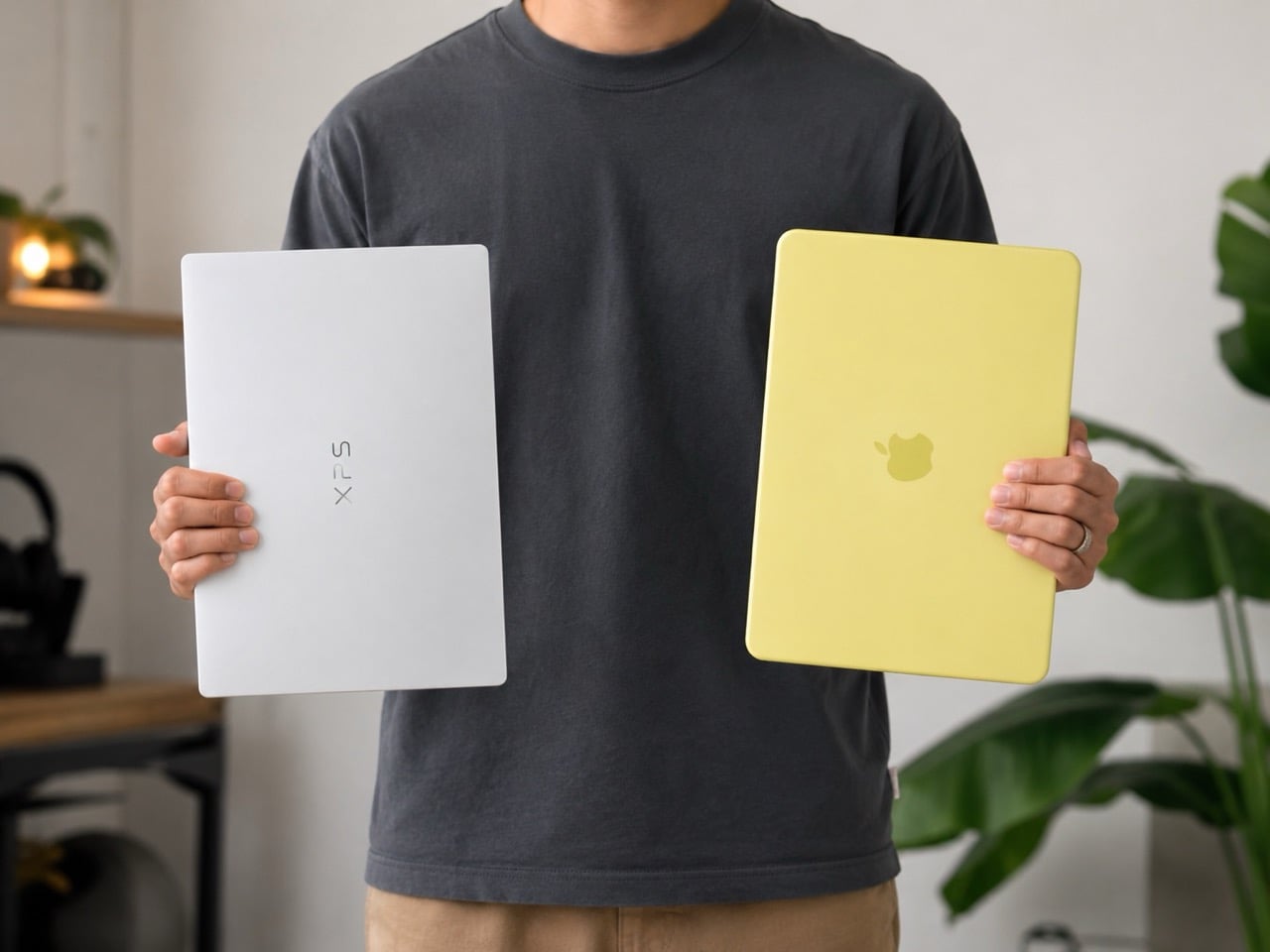
When Apple priced the MacBook Neo at $599 earlier this year, the reaction from the Windows side of the industry was roughly equivalent to a student showing up to a spelling bee having never studied. Manufacturers who had been selling mediocre plastic laptops at $700 and $800 suddenly had a very visible, very beautiful problem: a computer with premium aluminum construction, Apple Silicon efficiency, and a brand name that makes people line up outside stores, available for less than most of them were charging for hardware that couldn’t compete on any meaningful dimension. The demand that followed was so staggering that, as we covered recently, Tim Cook himself admitted Apple fundamentally misjudged how many people were waiting for exactly this moment, with production targets doubling and shipping estimates stretching to weeks. The scramble across the Windows world was predictable in direction if not in execution. What nobody quite predicted was that Dell, of all companies, would be the first to show up with a credible answer, and that it would look this good.
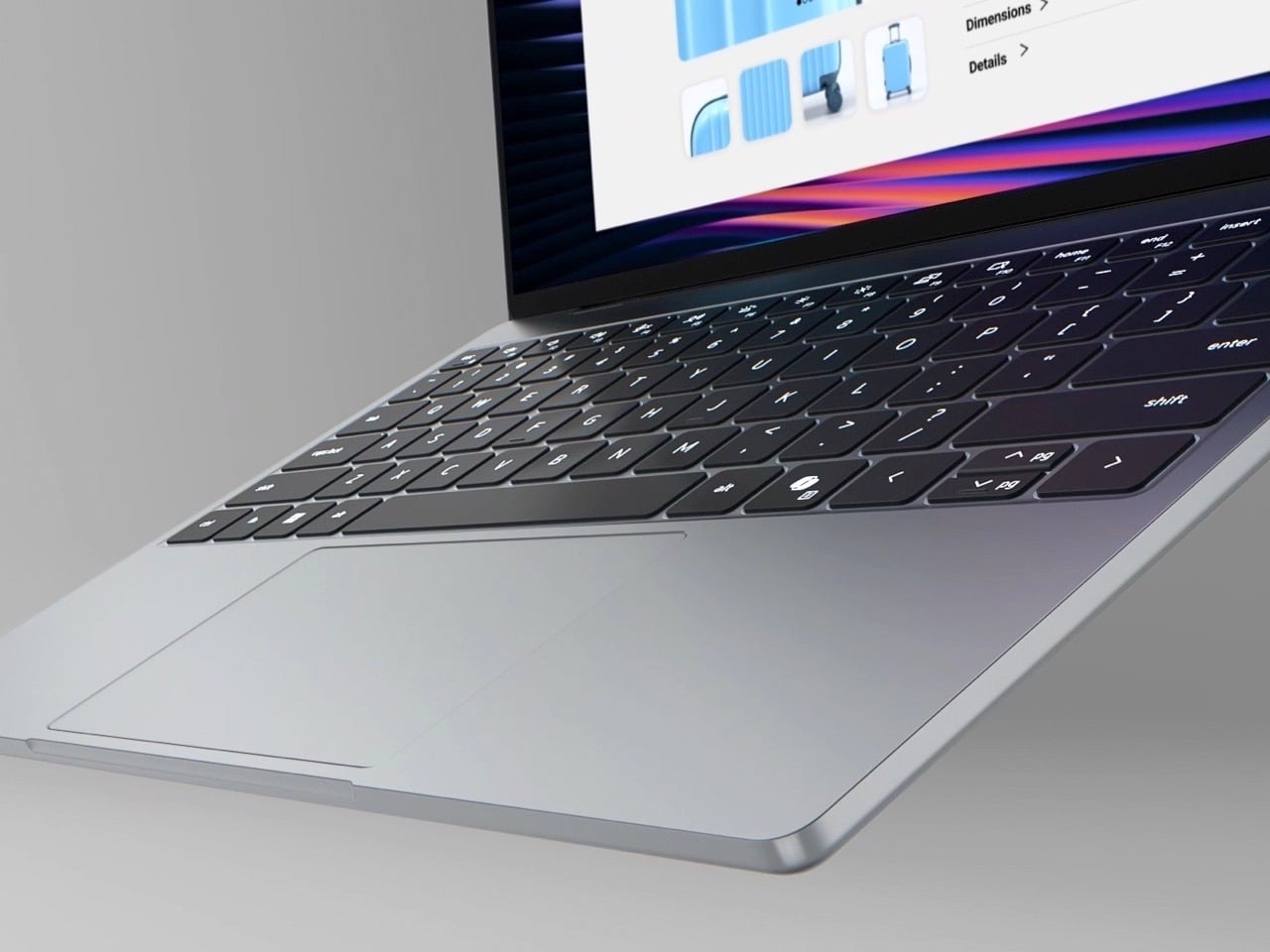
The new XPS 13, announced at Computex 2026, starts at $699 for general buyers and $599 for students, making it a direct price competitor to the Neo, and it arrives throwing considerably more hardware at the comparison. The display alone reframes the conversation: a 2.5K touchscreen running at up to 120Hz with HDR and Dolby Vision support, against the Neo’s non-touch panel that tops out at 60Hz. The chassis is CNC aluminum, the keyboard is backlit with chiclet keys, and the whole machine weighs 2.2 pounds at 12.7mm thin, lighter and slimmer than the Neo by a meaningful margin. Dell COO Jeff Clarke told journalists the company wasn’t chasing a pricing war but a value argument, and through the lens of pure hardware, that argument holds up convincingly right up until you hit the one decision that threatens to unravel all of it.
Designer: Dell

Let’s address the naming first, because it tells you everything about Dell’s thinking here. XPS stands for Xtreme Performance System, a designation Dell has historically reserved for its most capable consumer hardware, machines that justified the premium with raw processing muscle and build quality that could take on Apple’s best. Dropping that badge on a $699 laptop with a cut-down Intel Wildcat Lake processor and entry-level specs represents a deliberate repositioning of what the XPS identity means. Dell is essentially retiring the “extreme performance” promise and replacing it with “extreme value,” which is either a bold strategic pivot or a quiet brand dilution, depending on how the product actually performs in the real world. The hardware design team clearly delivered. The question is whether the product team followed through with the same conviction.
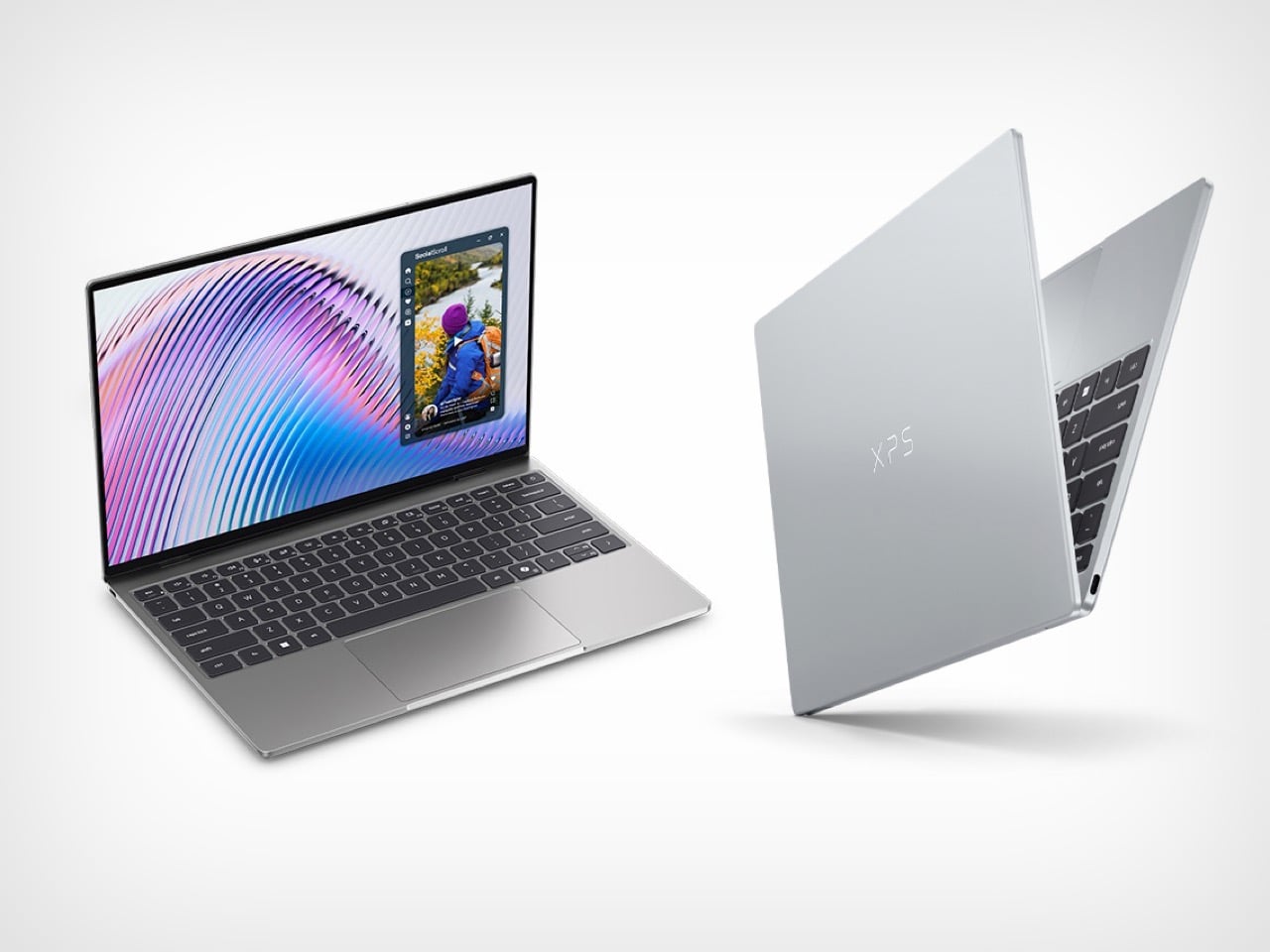
The base model ships with Intel’s new Wildcat Lake Core 5 320, a chip that shares its architecture with the Panther Lake lineup but is trimmed specifically for efficiency and lower price points. Paired to that processor is where the baffling decision lives: 8GB of LPDDR5x RAM in single-channel configuration, with 16GB as the upgrade option. On macOS, 8GB is a workable baseline, because Apple’s unified memory architecture and the efficiency of Apple Silicon mean the system manages that headroom with genuine intelligence. Windows in 2026 operates under an entirely different reality. Microsoft itself has publicly stated that 16GB is the recommended baseline for Windows going forward, and anyone who has watched a single Chrome tab push a Windows machine toward its memory ceiling knows this concern is grounded in daily experience. The XPS 13 can be configured up to 32GB, which is a meaningful long-term advantage over the Neo’s fixed 8GB ceiling, but that flexibility means very little if the entry configuration ships users straight into a frustrating afternoon.
One other cut worth flagging: there is no headphone jack on the XPS 13, while the cheaper MacBook Neo actually keeps one. In isolation this would barely register as a footnote, but alongside the RAM situation it starts to sketch a picture of a product team that obsessed over every physical surface while trimming in places that affect daily use. The build quality is genuinely exceptional, the display beats the Neo’s on paper in almost every measurable way, and the backlit keyboard is something Neo owners have been asking Apple to include since launch. These are real advantages. They just deserve a foundation that doesn’t wobble under the weight of a normal workday.
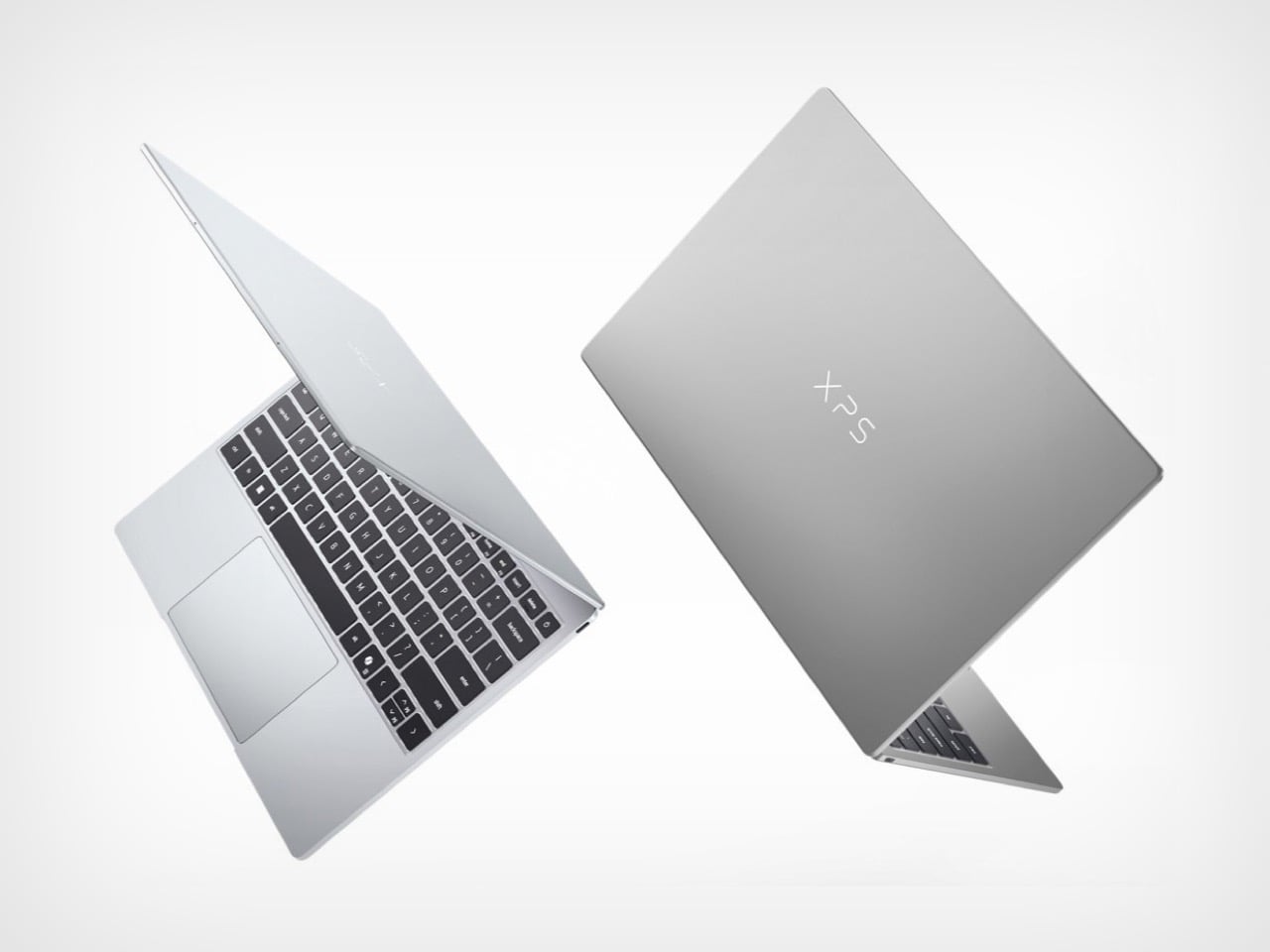
The broader industry moment here is genuinely exciting, and the XPS 13 deserves credit for existing at all. We’ve also been watching with cautious optimism (and maybe some slop-skepticism) the rumors around Google’s Googlebook, and which could represent Google finally waking up to the fact that the MacBook Neo is eating the lunch that Chromebooks spent a decade carefully building. Google essentially invented the affordable premium laptop category for education and casual users, then wandered away from it, and Apple walked straight through the door they left open. If the Googlebook turns out to be a real product with genuine ambition, this sub-$700 category suddenly has three serious players fighting for the same buyer, and that competition is exactly what consumers at this price point have deserved for years.
For now, the XPS 13 is the most compelling Windows laptop at this price in years, possibly ever. Spec up to 16GB of RAM and the value argument becomes genuinely hard to refute: a superior display, a backlit keyboard, Windows Hello biometrics, and CNC aluminum construction for the same money as a fully optioned Neo. But the base configuration, the one that captures the headline price and draws the comparison, asks buyers to trust that 8GB on Windows will be fine in 2026. That is a considerable ask, and Dell knew it when they made the call. The XPS may stand for Xtreme Performance System, but right now its most extreme feature is the optimism it takes to ship that memory configuration and call it done.
The post Dell Finally Built a MacBook Neo Rival for $700 – Then Made One Baffling Decision first appeared on Yanko Design.

Product design has always been part craft, part communication. Getting a concept from sketch to client approval demands a level of visual storytelling that most designers simply haven’t had the budget or tools to manage on their own. Video production, in particular, has long been the step that gets quietly skipped, not because the ideas aren’t there, but because the process is expensive, slow, and complicated.
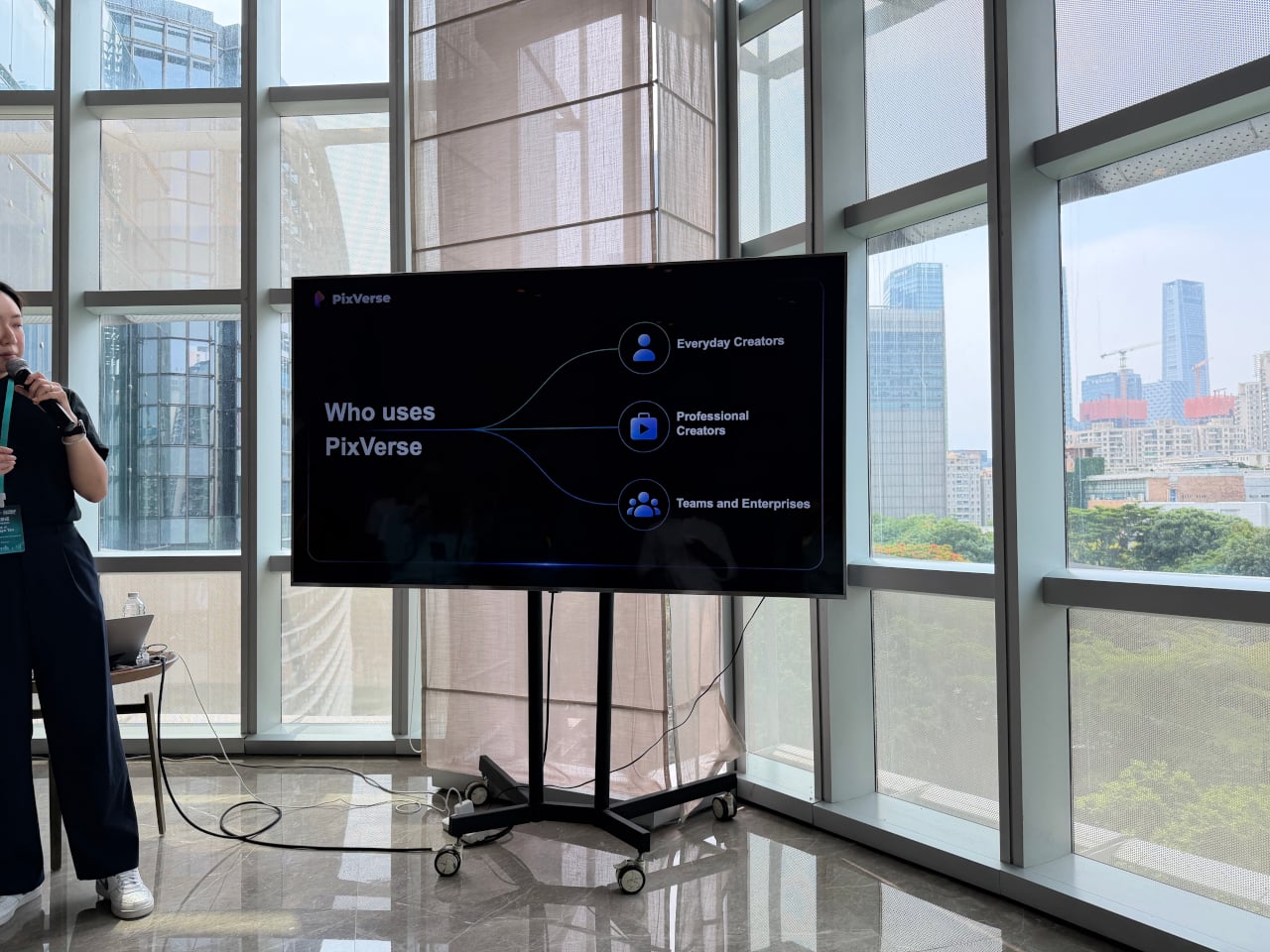
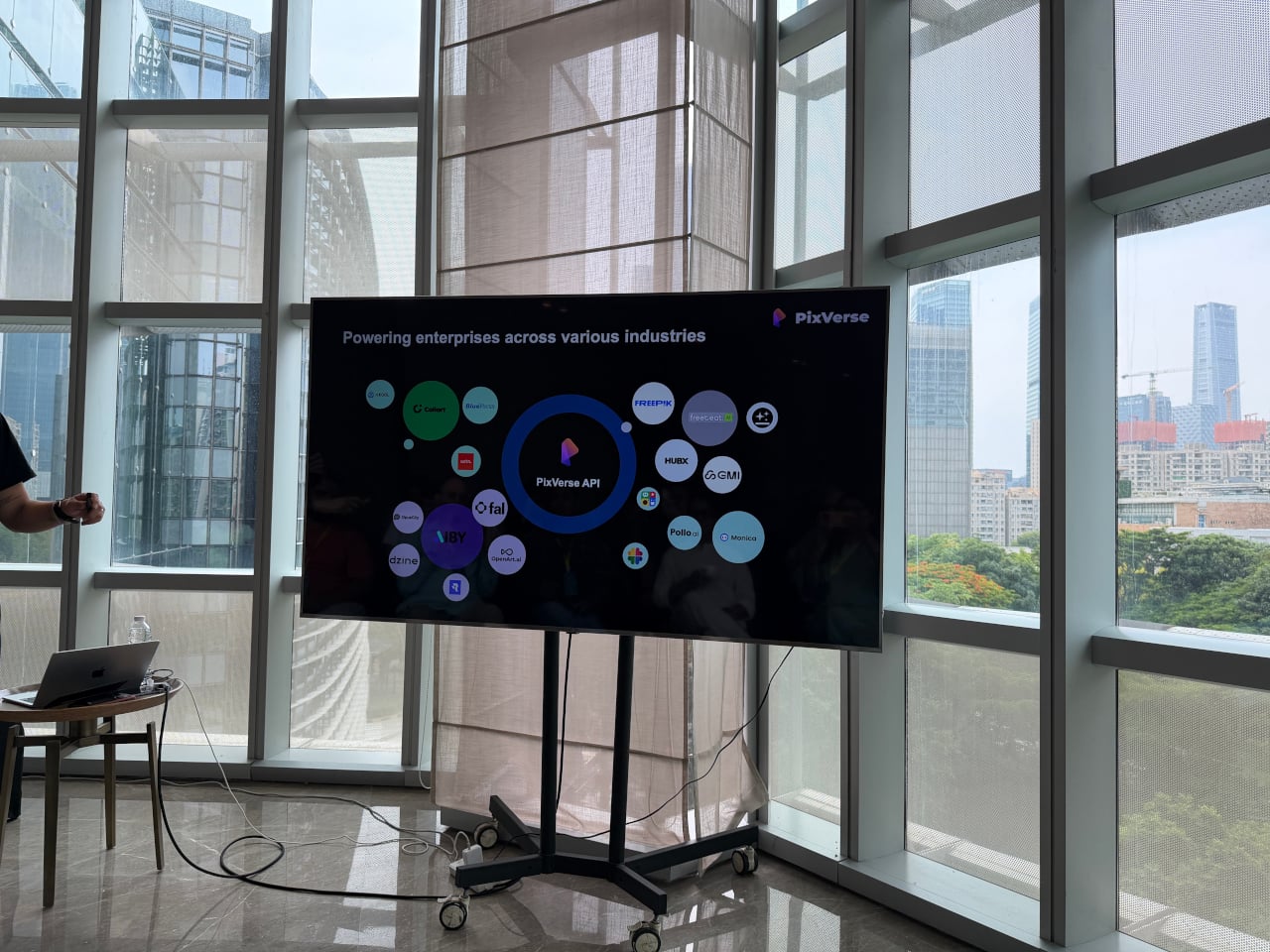
That’s a gap PixVerse has been working to close. Founded in 2023, the platform has grown to over 100 million users across 177 countries, powered entirely by proprietary models it builds in-house. At the iMpact Global Connect Show 2026, the company’s team walked through three distinct products that together make a compelling case for AI-generated video as a practical part of the design process.
Designer: PixVerse
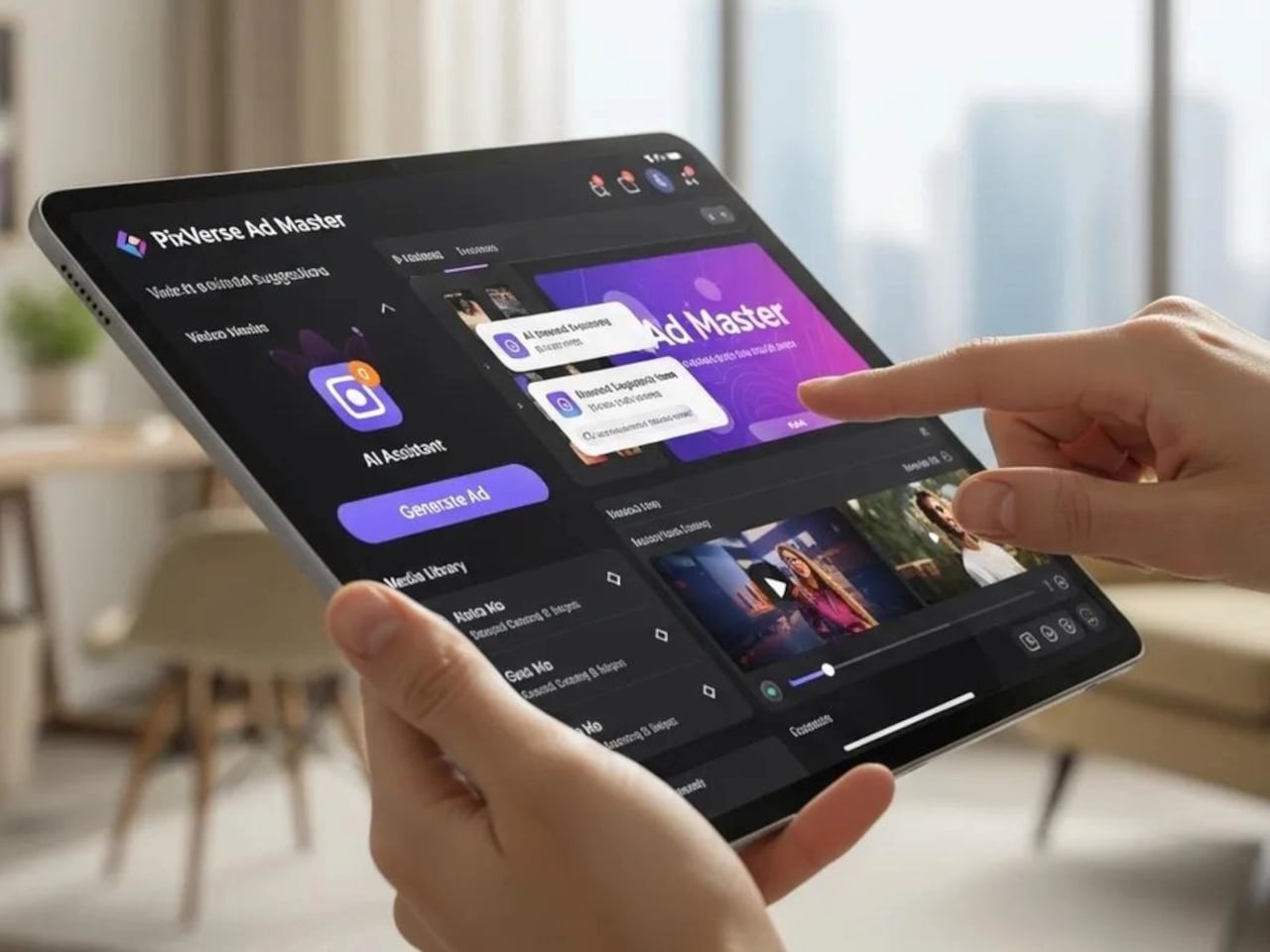
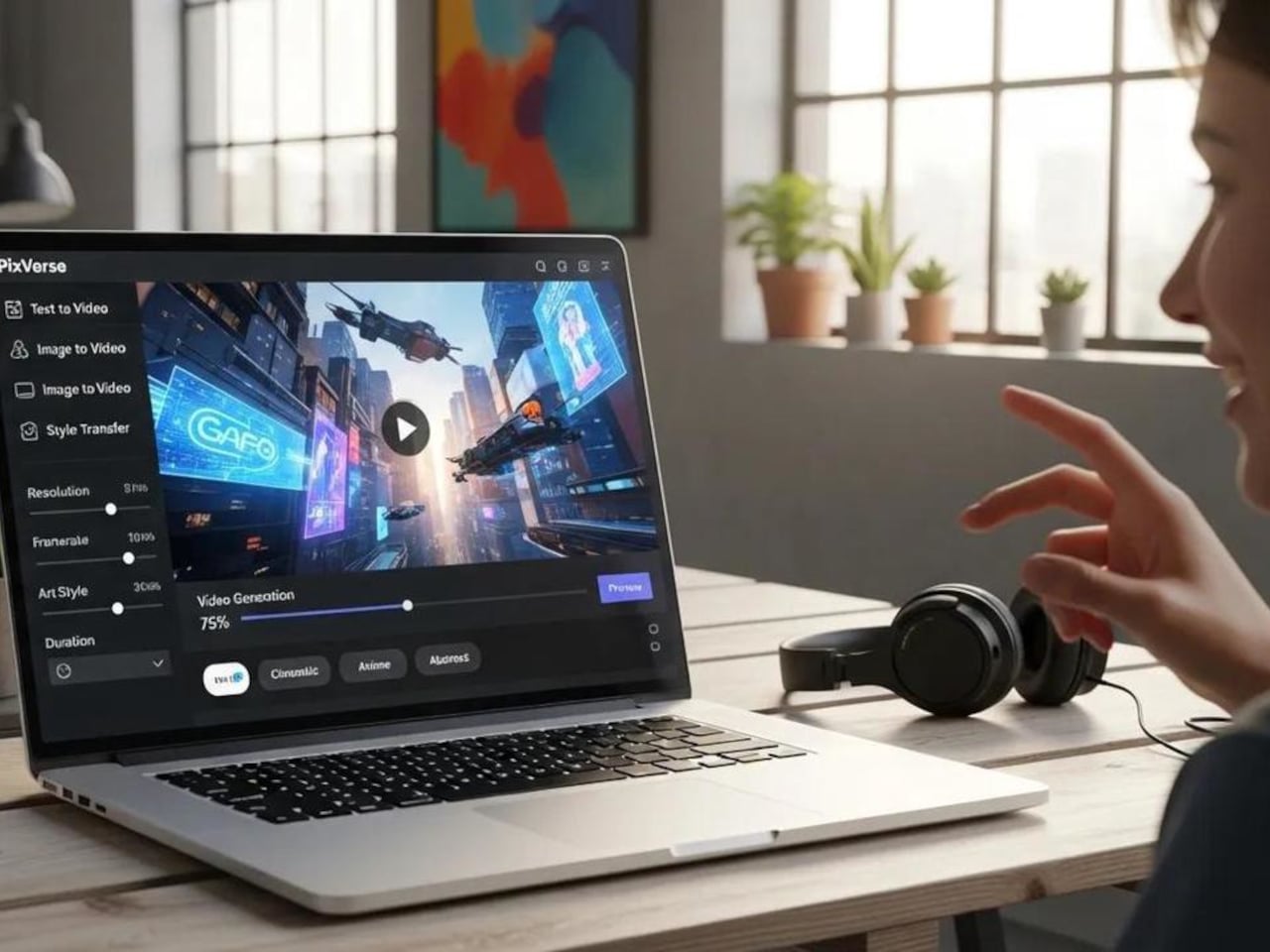
The most immediately useful of the three, at least for most designers, is V6. It’s the platform’s flagship model, and the latest update improves camera movement, character performance across scenes, and physical object interaction in noticeable ways. More significantly, V6 can now generate a complete multi-shot short film with native audio from a single prompt, without any separate editing or sound production steps involved.
Think about what that actually means for a product designer. A 30-second product video typically means writing a brief, hiring a videographer, sourcing music, shooting, and editing over several days or weeks. With V6, a designer who can clearly articulate how a product should look, move, and feel in context can produce that same result from a prompt and a reference image in considerably less time.
That kind of speed has obvious advantages for solo designers and small studios. A freelancer can arrive at a pitch with three distinct video directions instead of three mood boards. A startup preparing a crowdfunding campaign doesn’t need a separate production budget for a launch video. An in-house team can test how a product reads in a real context before committing to a full-scale shoot.

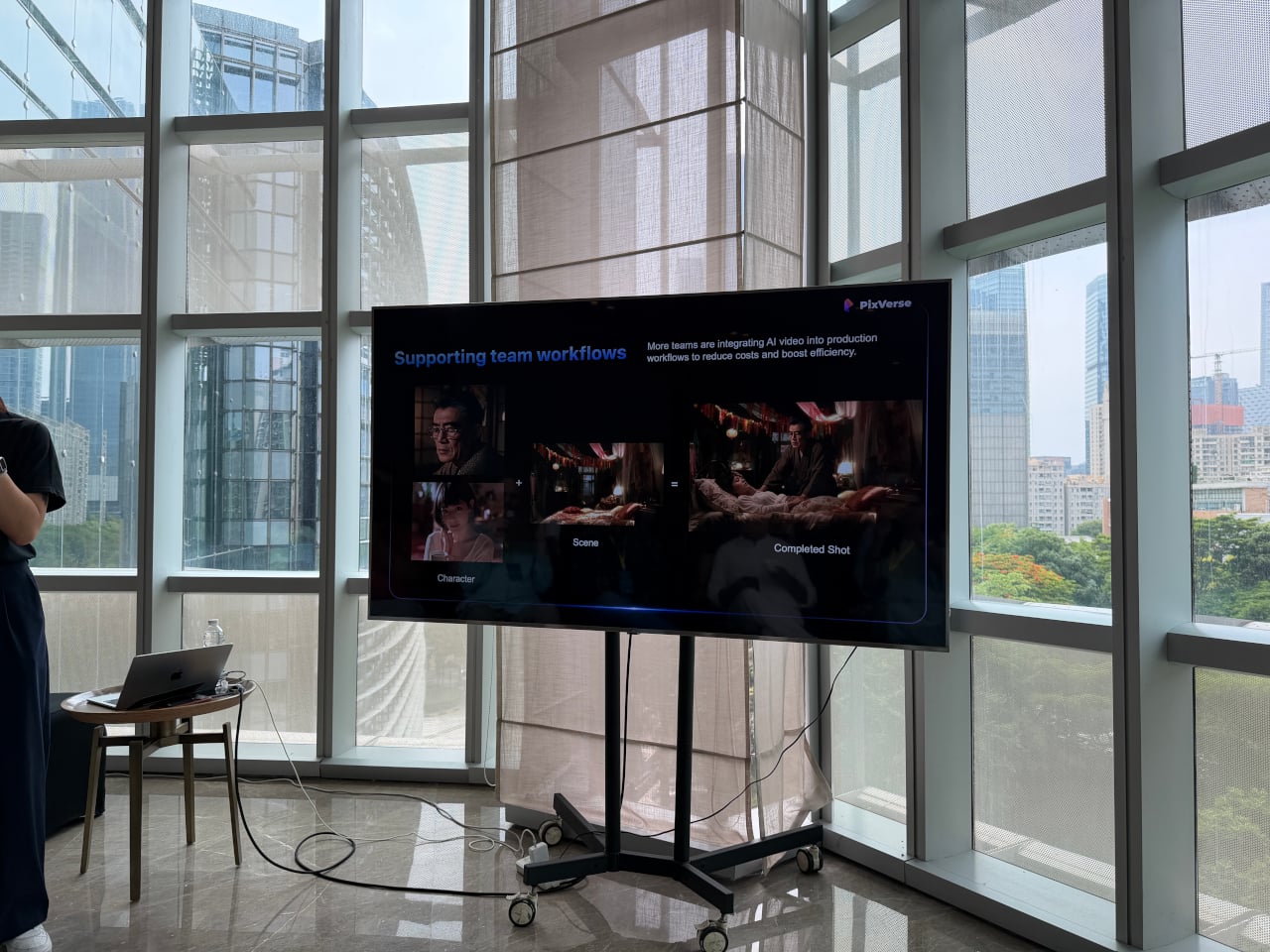
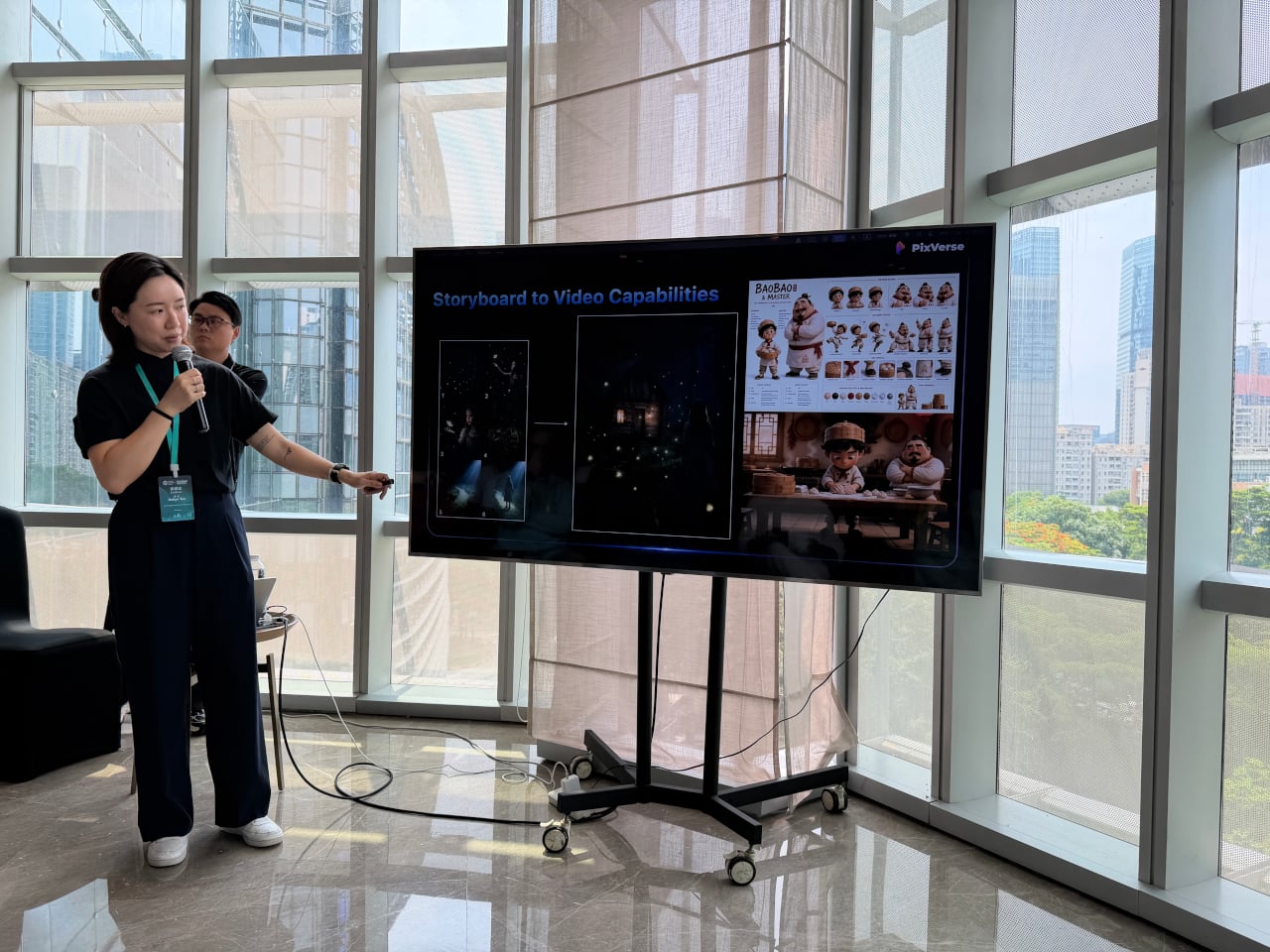
The second product, C1, goes further by targeting actual film production pipelines. It combines a cinematic visual effects system, an industrial-grade action engine, and a storyboard-to-video feature in a single workflow, letting production teams convert static panel layouts directly into continuous video sequences. Reference-guided generation also keeps characters and scenes consistent across shots, which has historically been one of the harder problems for AI video to solve.
For designers, that matters most when a concept already lives as a sequence of moments rather than a single frame. A transportation designer communicating a user journey, a consumer electronics team mapping how a device gets picked up, handled, and put down, or a lifestyle brand building a product narrative around daily routines, all of them are telling stories that C1 is built to handle.
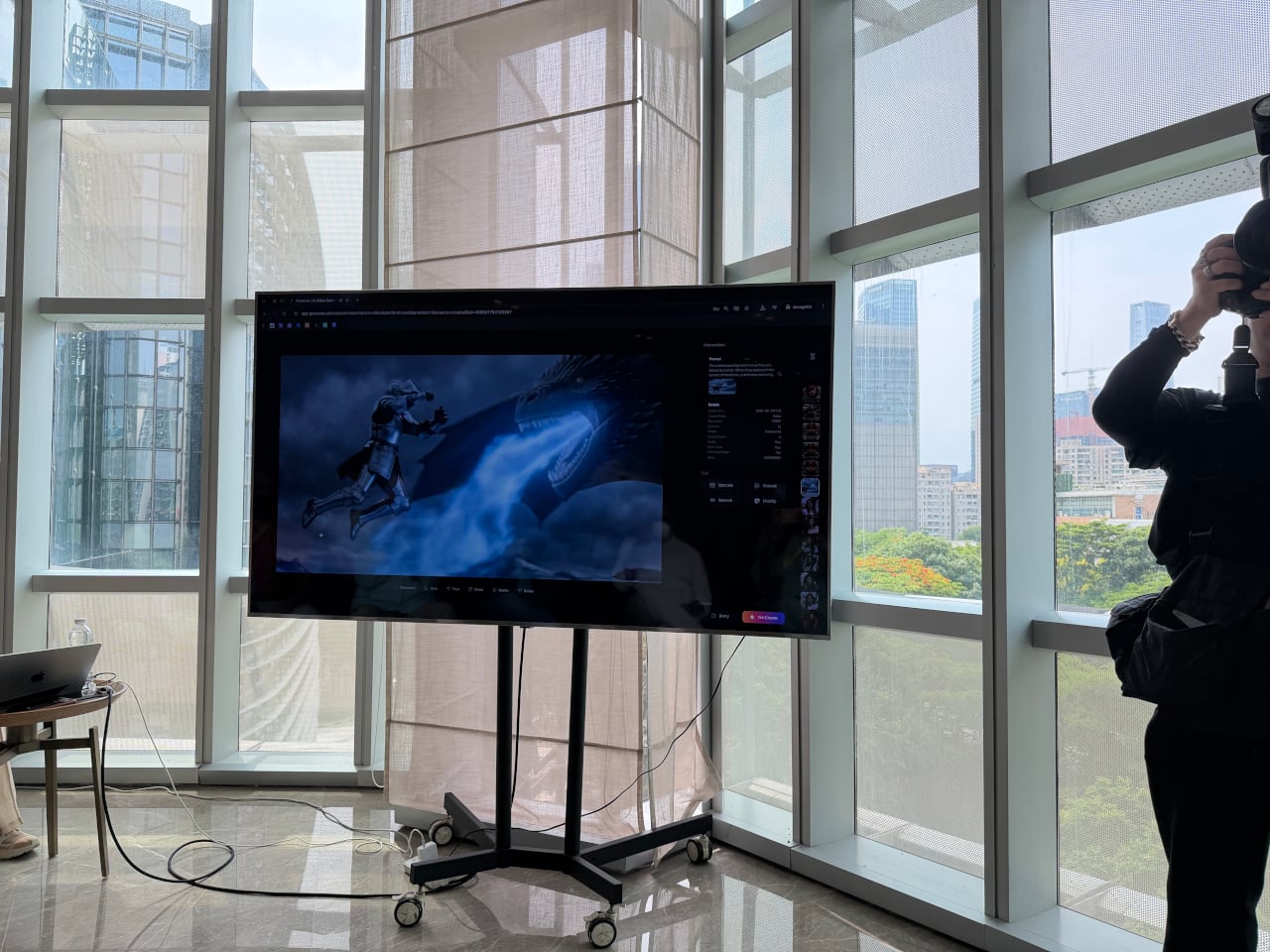
Then there’s R1, which doesn’t behave quite like any other AI video tool currently available. Rather than producing a fixed clip with a clear beginning and end, R1 generates a continuous, interactive visual environment that responds to user input as it runs. It’s less like watching a video and more like navigating a space that exists, evolves, and reacts, one that you can steer and share.
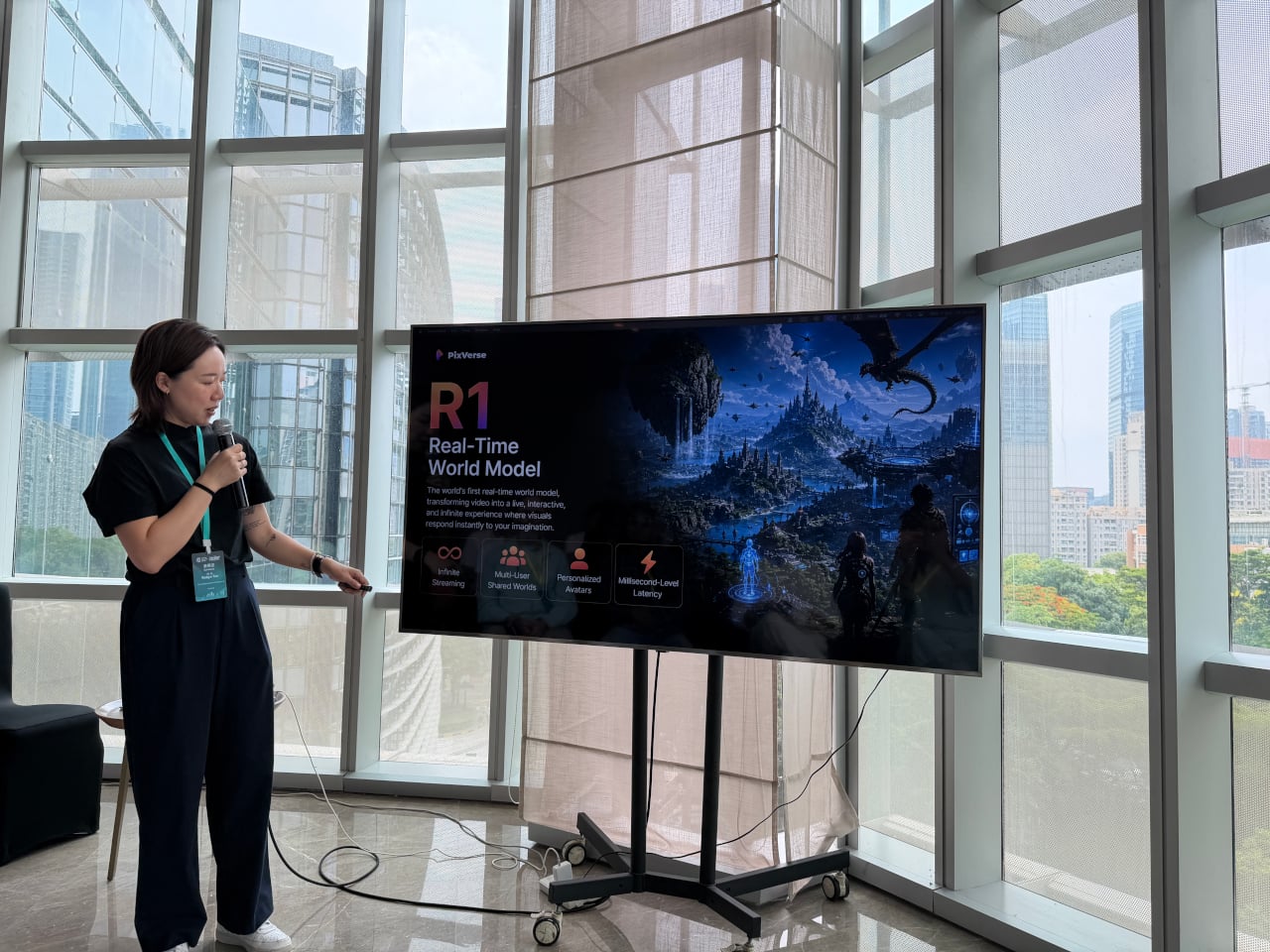
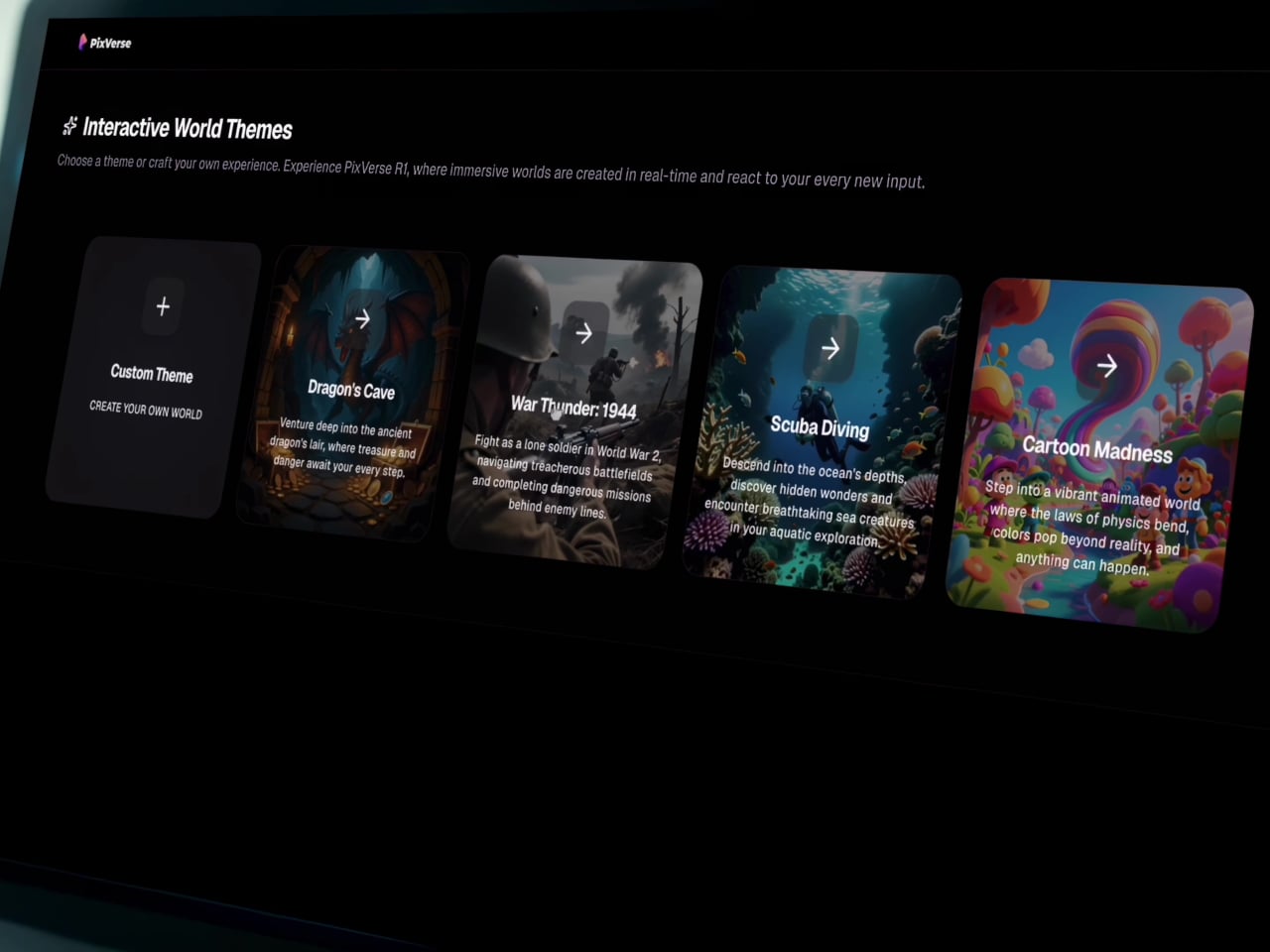
Users can build a personalized digital avatar from photos and enter these generated worlds alongside others in real time. During the demo, a shared environment called “Cat Takes Charge” had 118 users inside it at the same time, running continuously for over nine hours. Each participant could submit prompts into a live feed, with the AI realizing them as video within the shared space as they appeared.
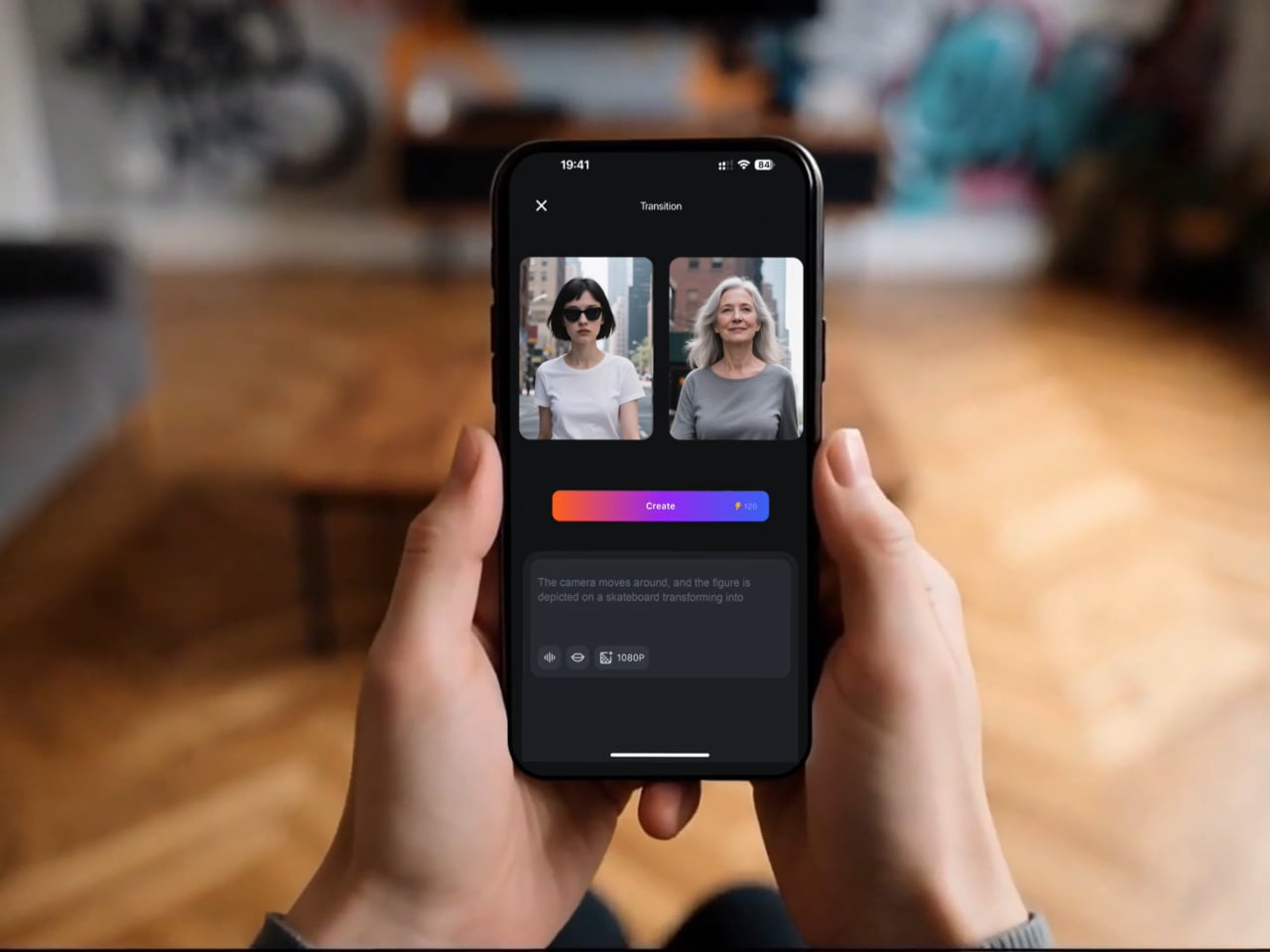
For product designers, R1 opens up possibilities that a rendered video simply can’t replicate. Imagine walking a client through a simulated retail environment built around a new appliance, or letting a stakeholder explore a furniture concept in a living, reactive interior before a prototype even exists. It’s the kind of tool that starts to make spatial storytelling feel accessible at the concept stage, not just post-production.
What all three tools share is that they reward the same skill designers already rely on: clarity of intent. A well-constructed prompt isn’t a technical exercise; it’s a creative direction, not unlike a solid design brief. Companies integrating PixVerse into their workflows reportedly cut costs by 68% and finish work 57% faster than conventional production methods, a significant gain for teams of any size.
None of that requires a production background, and it doesn’t even require familiarity with video editing software. What it does require is the ability to describe a vision precisely, which is something designers do every single day across briefs, sketches, and presentations. PixVerse just moved video closer to the beginning of that process, somewhere between the first concept and the final approval, rather than as an afterthought at the very end.
The post PixVerse Just Made Product Videos as Easy as Writing a Brief first appeared on Yanko Design.