Cessna 172 (The Most Manufactured Plane in History) Just Got Immortalized in 2,000 LEGO Bricks

The Cessna 172 has logged more flight hours than any other powered aircraft in history. Since its debut in 1956, it has carried student pilots over Kansas wheat fields, bush flyers above the Canadian tundra, and island-hoppers between Greek archipelagos. It is the plane that taught the world to fly.

Now, LEGO Ideas builder Mike_the_Brickanic has translated that enduring icon into approximately 2,000 bricks, capturing the 172’s distinctive high-wing silhouette, its trademark strut-braced wings, and a cockpit detailed down to the dual yokes and instrument panel. The result is a faithful tribute to one of aviation’s most beloved machines, rendered in a striking dark blue and curry yellow livery that feels every bit as purposeful as the real thing.

Designer: Mike_the_Brickanic

The real Cessna 172 Skyhawk sits at about 8.28 meters long with a wingspan of 11 meters, cruises at 226 km/h, and has a service ceiling of 4,300 meters. It weighs just 767 kg empty. That power-to-weight ratio combined with forgiving low-speed handling is why flight schools worldwide still default to it after nearly 70 years. Over 44,000 units have been produced. When Mike_the_Brickanic chose this as his subject, he picked something with real cultural weight, not just a recognizable shape, but a machine with a documented, measurable legacy in aviation history.

Building aircraft in LEGO is genuinely hard. Appliances have flat surfaces, buildings have right angles, but planes demand curves that flow into each other without telegraphing the underlying geometry. The 172’s fuselage is particularly tricky because it tapers toward the tail while simultaneously curving downward, and the wing root blends into the cabin in a way that feels almost organic. Mike solved this with a combination of curved slopes, ball joints at the wing sides, and clip connections at the cabin top, which is clever because it distributes structural load while preserving that smooth visual transition from windscreen to wing.

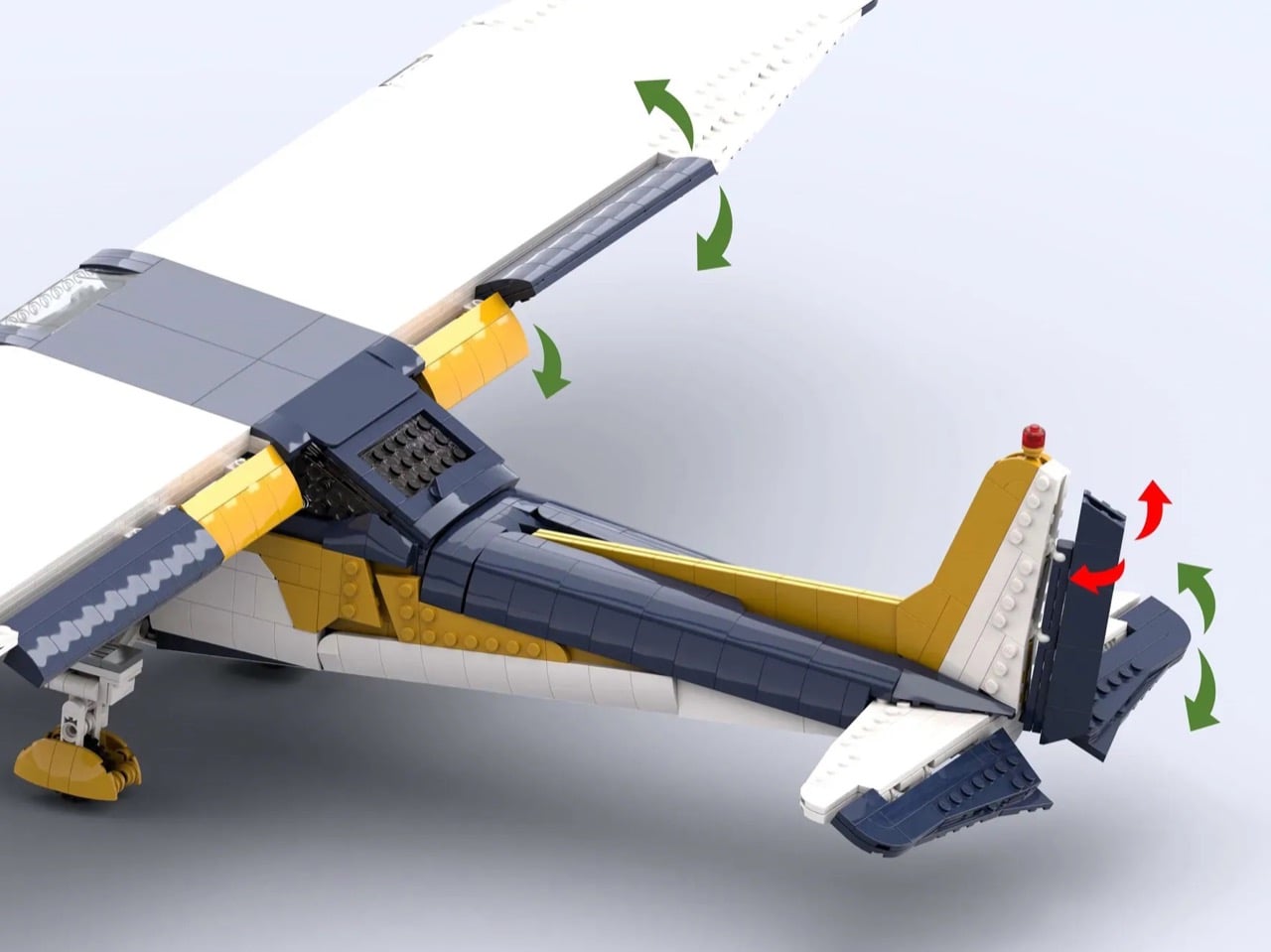
The ailerons, elevator, and rudder all move. The flaps extend to 40 degrees, which is accurate to the real 172’s full-flap configuration used during short-field landings. The propeller spins, the wheels roll and steer, and the nose gear is mounted on Technic axles for structural integrity. Those aren’t decoration, they’re engineering decisions that required real thought about how LEGO geometry intersects with aeronautical geometry. The “Remove Before Flight” tags on the pitot cover and control locks are a nerdy touch that actual pilots will absolutely clock.

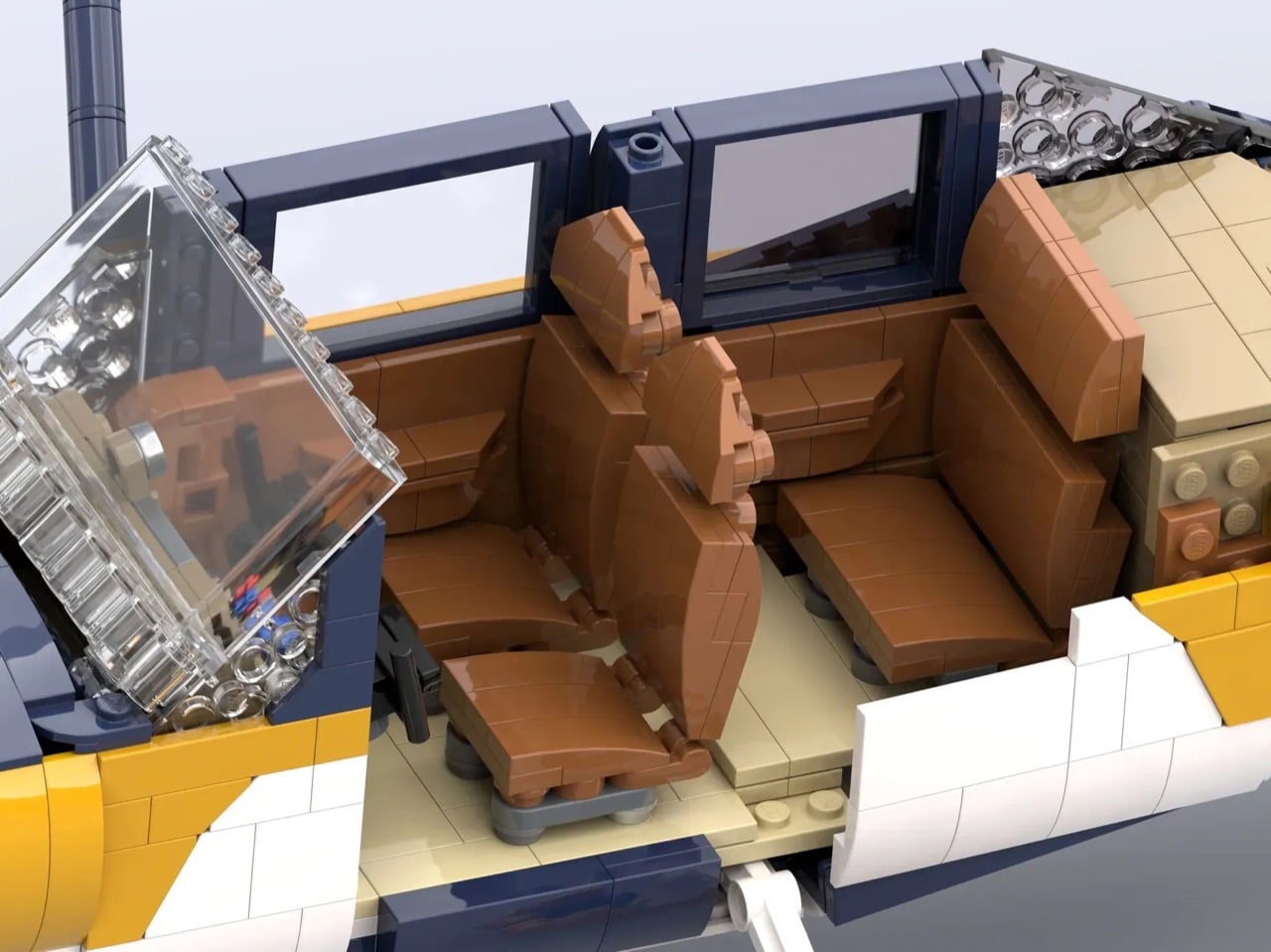
Open the door and the interior holds up. Two adjustable front seats rendered in medium brown, a rear bench, tinted rear windows, and a cockpit panel dense enough with sticker detail that you can actually identify individual instruments. The dual yokes are there. The throttle quadrant is there. This is the kind of interior work that separates builders who understand their subject from builders who are approximating it. The 172’s cockpit is famously approachable and uncluttered, and the model reflects that without oversimplifying.

The color choice is just *chef’s kiss*. Dark blue over dark yellow (curry) with white accents is not a scheme you see constantly in LEGO aviation MOCs, which tend toward red-white or military grey. It gives the model a particular visual weight, something that reads as contemporary but grounded. The way the curry stripe flows along the fuselage and up into the tail mirrors how real-world livery designers think about visual continuity across an airframe. Whether intentional or instinctive, it works.


LEGO Ideas is the official platform where fan-designed sets get a shot at becoming real retail products. Submissions need 10,000 supporters to trigger an official LEGO review, after which the company decides whether to produce it commercially. Mike’s Cessna 172 is currently sitting at just over 1,000 supporters with 598 days left on the clock, which means there is runway to work with. If you have any appreciation for aviation, precision building, or just want to see more interesting things on toy store shelves, head to the LEGO Ideas page and give it a vote.

The post Cessna 172 (The Most Manufactured Plane in History) Just Got Immortalized in 2,000 LEGO Bricks first appeared on Yanko Design.
French Artisans Built a 21-Foot Tiny House That Needs No Grid

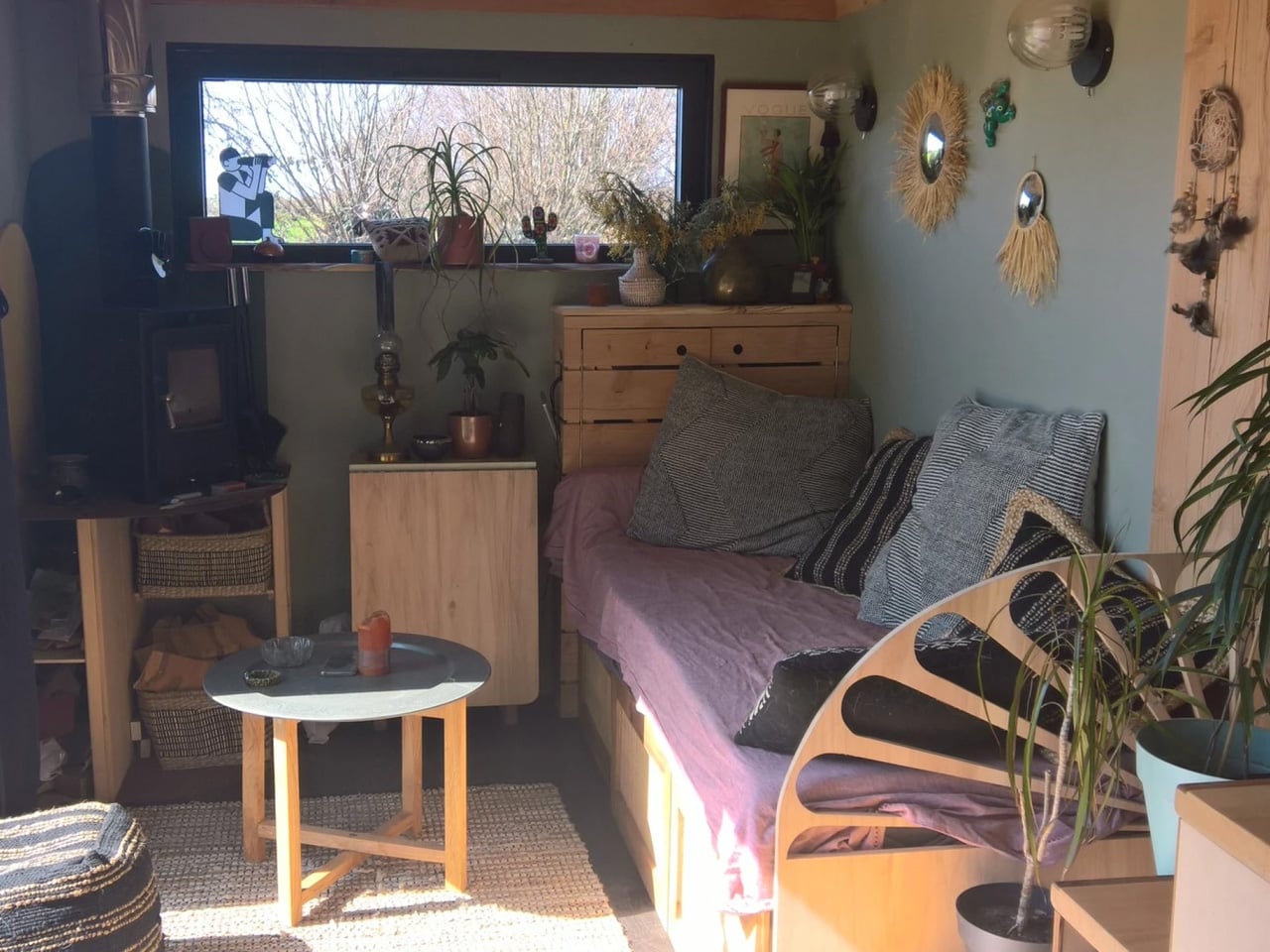
I love a home that is designed to do everything you need and nothing you don’t. The Chillhouse, or La Chillhouse as it’s known in its native tongue, is exactly that kind of home. Built for two, designed for off-grid living, and rooted in a distinctly French woodworking tradition, it’s the latest statement from Brittany-based artisan workshop Atelier Bois d’ici. Small in footprint, deliberate in execution, and almost stubbornly unhurried in its approach, the Chillhouse offers a compelling vision of what modern self-sufficient living can actually look like.

Atelier Bois d’ici, roughly translated as “the local wood workshop, has never been a typical construction company. Wood sits at the absolute center of everything they do, not merely as a raw material but as a guiding principle. The studio operates its own sawmill and timber storage facility on the same grounds as the workshop, meaning each build begins not with pre-cut lumber but with raw logs. This hands-on relationship with the material shapes every decision, from species selection to finish, and gives their homes a depth of character that factory-built alternatives simply cannot replicate.

Designer: Atelier Bois d’ici

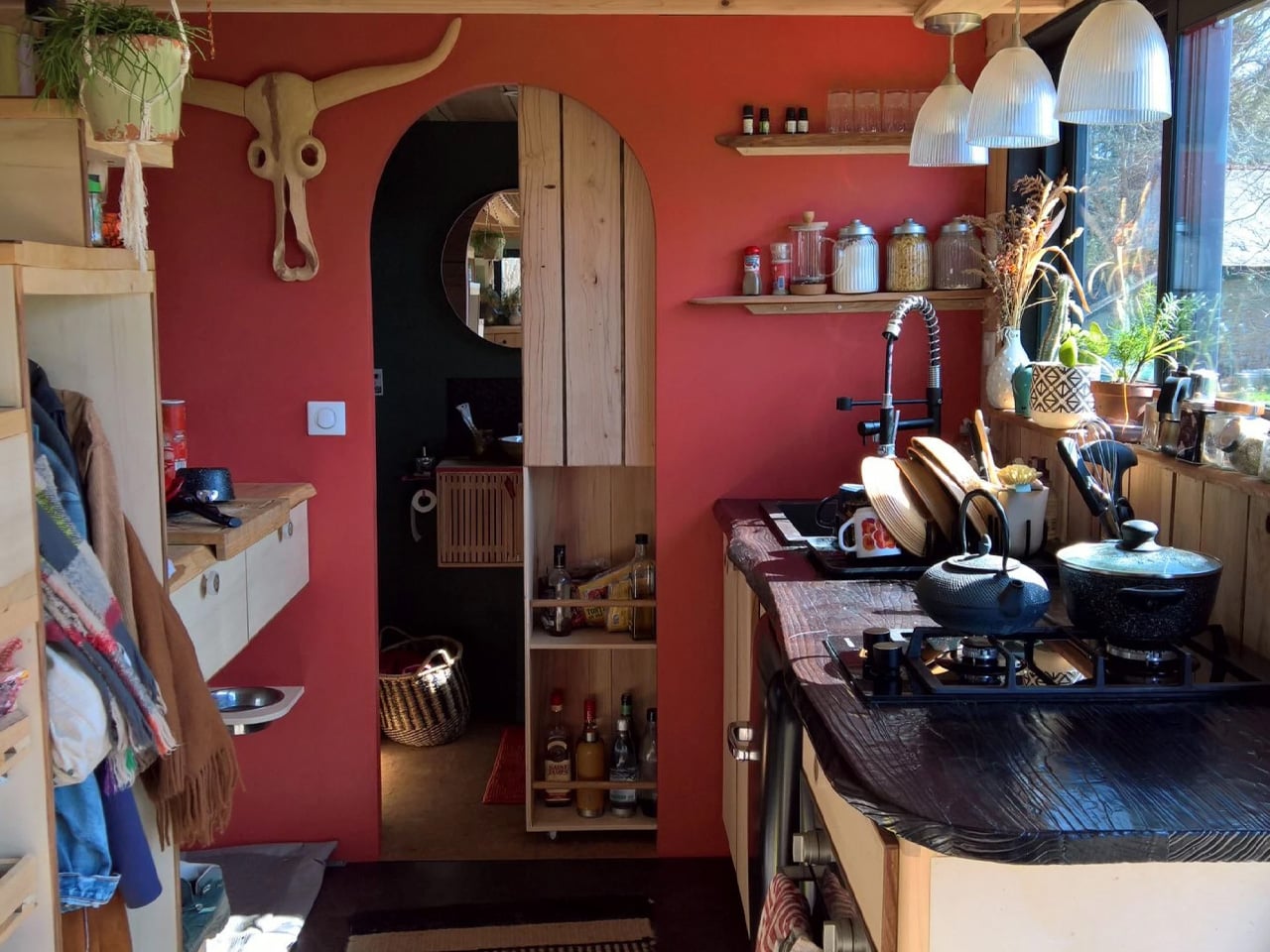
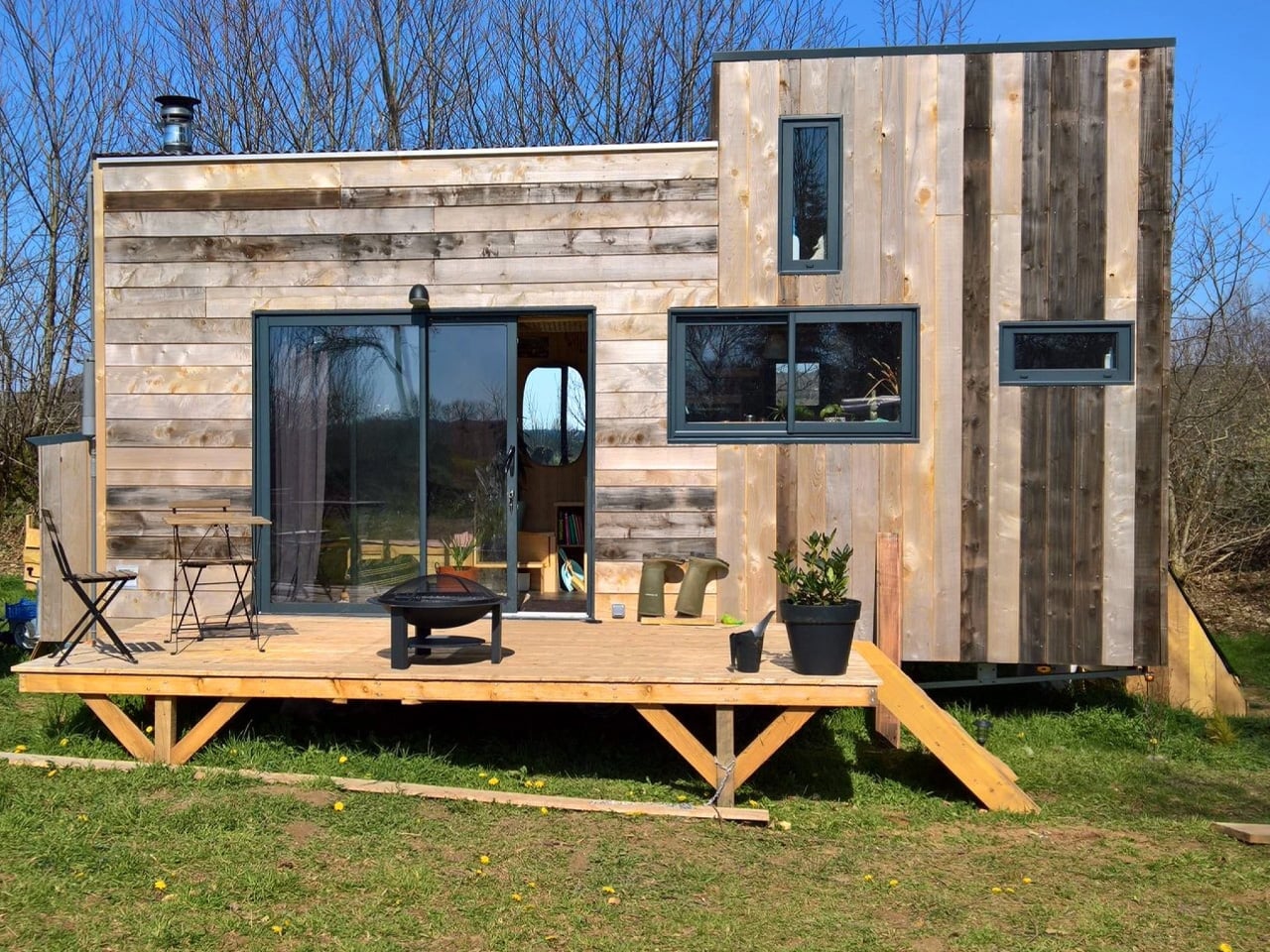
Sitting on a double-axle trailer and measuring 6.6 meters in length, the Chillhouse is compact by design rather than by compromise. The exterior is wrapped in natural timber cladding, warm and textured in a way that reads differently depending on the landscape around it — equally at home against pine trees or open countryside. The profile is clean without being cold, and the construction feels solid in a way that telegraphs craftsmanship before you’ve even stepped inside. It’s built for couples or solo dwellers ready to trade square footage for genuine freedom.

As you enter the home, the living room makes its intentions clear immediately. A low-profile sofa, discreet storage tucked into every available corner, and a wood-burning stove anchor the space with a sense of warmth that’s both literal and atmospheric. Nothing is decorative for the sake of it. Every element earns its place, and the result is a room that feels genuinely comfortable rather than curated for a photoshoot.

The kitchen runs on the same ethos of considered practicality. A two-burner propane stove, a compact oven, a sink, and a small refrigerator cover every real cooking need without overpromising on space. It’s a kitchen built for people who actually cook, not one designed to impress during an open house. Adjacent to it, the bathroom offers the essentials in a layout that wastes nothing.

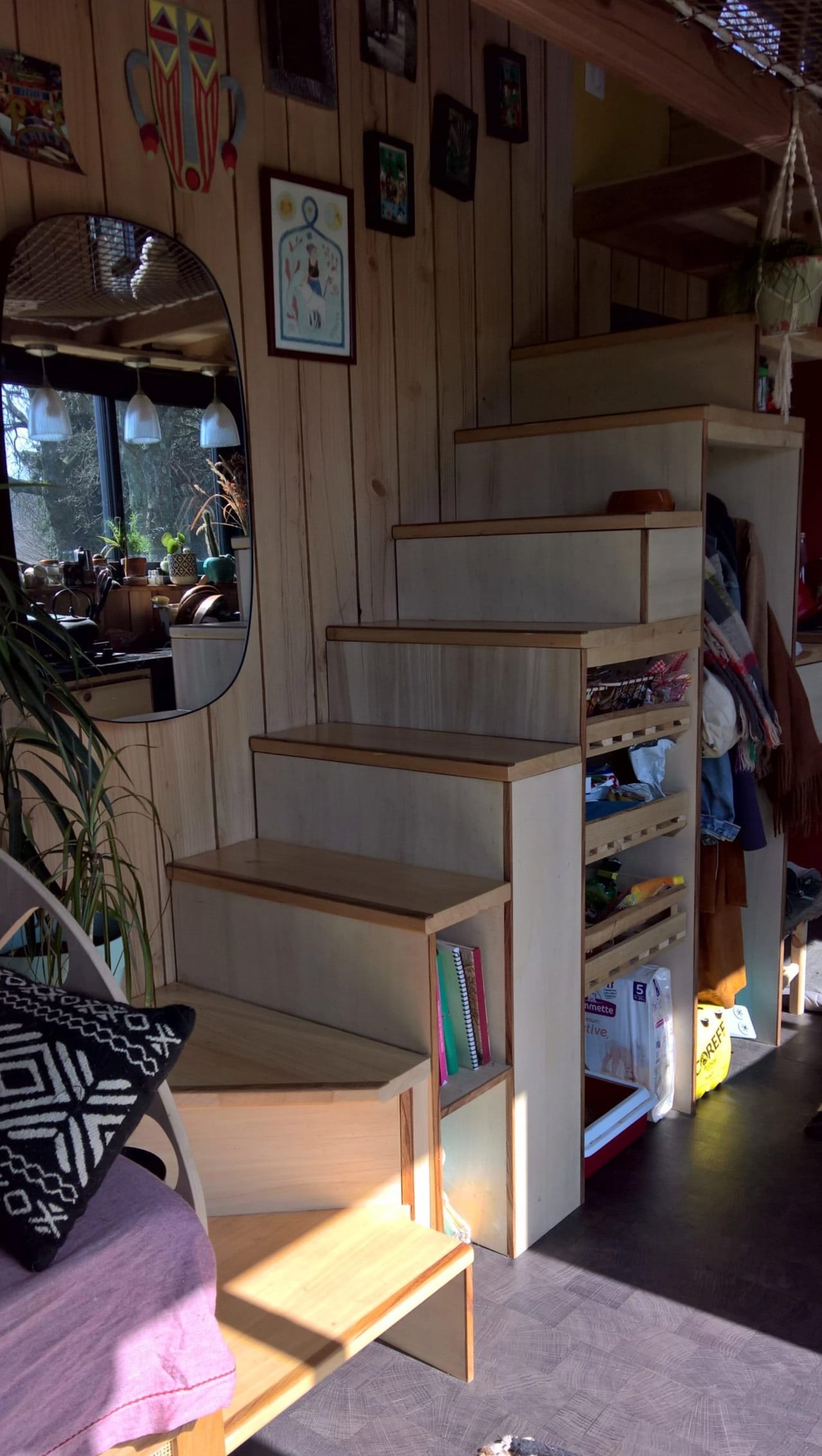
Above it all, the bedroom loft is reached by a staircase with storage built directly into each step — one of many small design decisions that quietly distinguish the Chillhouse from less considered builds. The sleeping space itself sits low under the roofline, intimate and removed from the rest of the home in the best possible way. Atelier Bois d’ici sources all timber from within a close radius of the workshop, avoiding chemical treatments entirely and letting the natural resilience of carefully chosen wood species do the work. The Chillhouse doesn’t shout about sustainability, it just lives it.

The post French Artisans Built a 21-Foot Tiny House That Needs No Grid first appeared on Yanko Design.

A Wind-Powered Sculpture Is Lighting Up Tanzania’s Plains

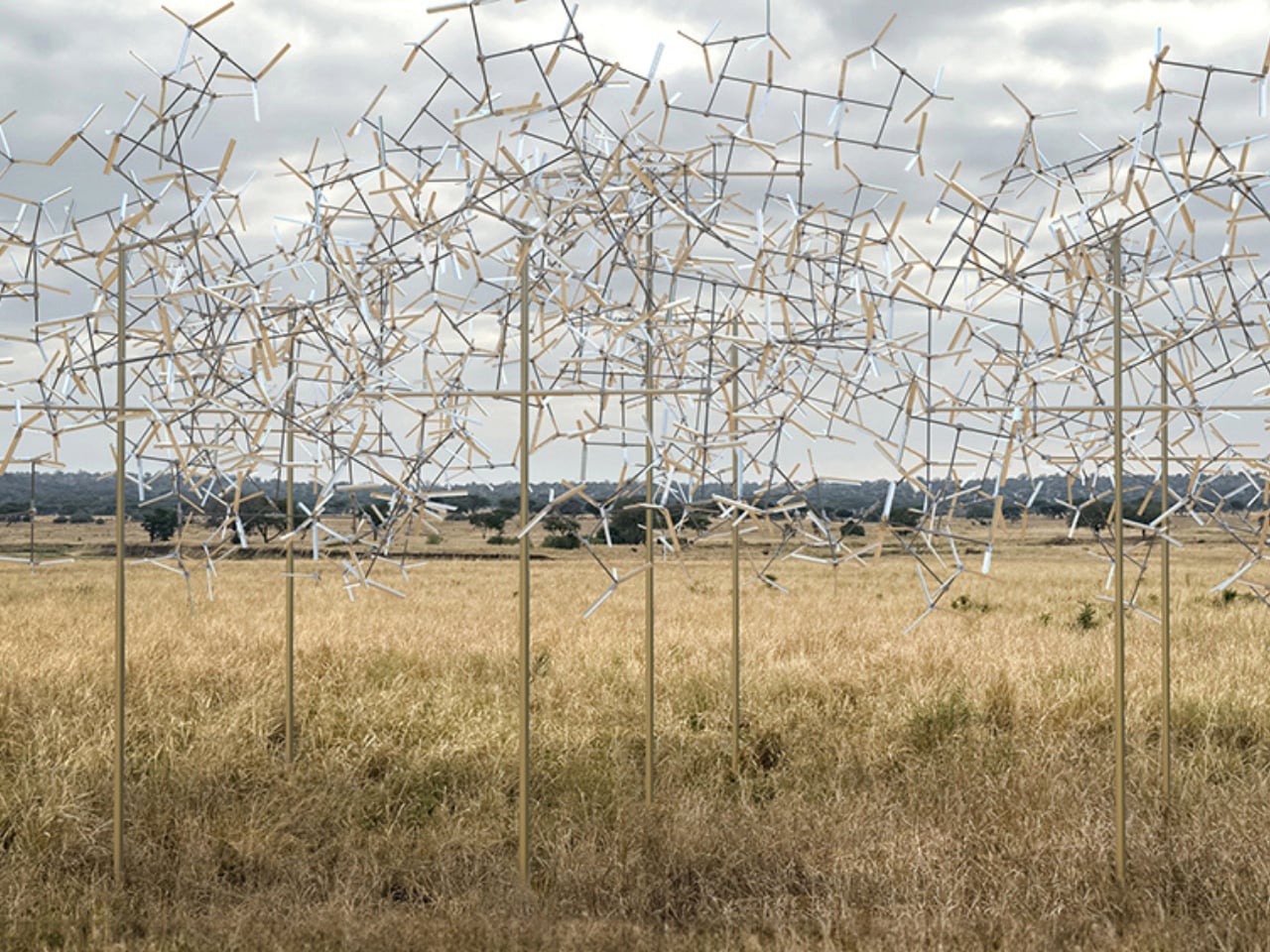
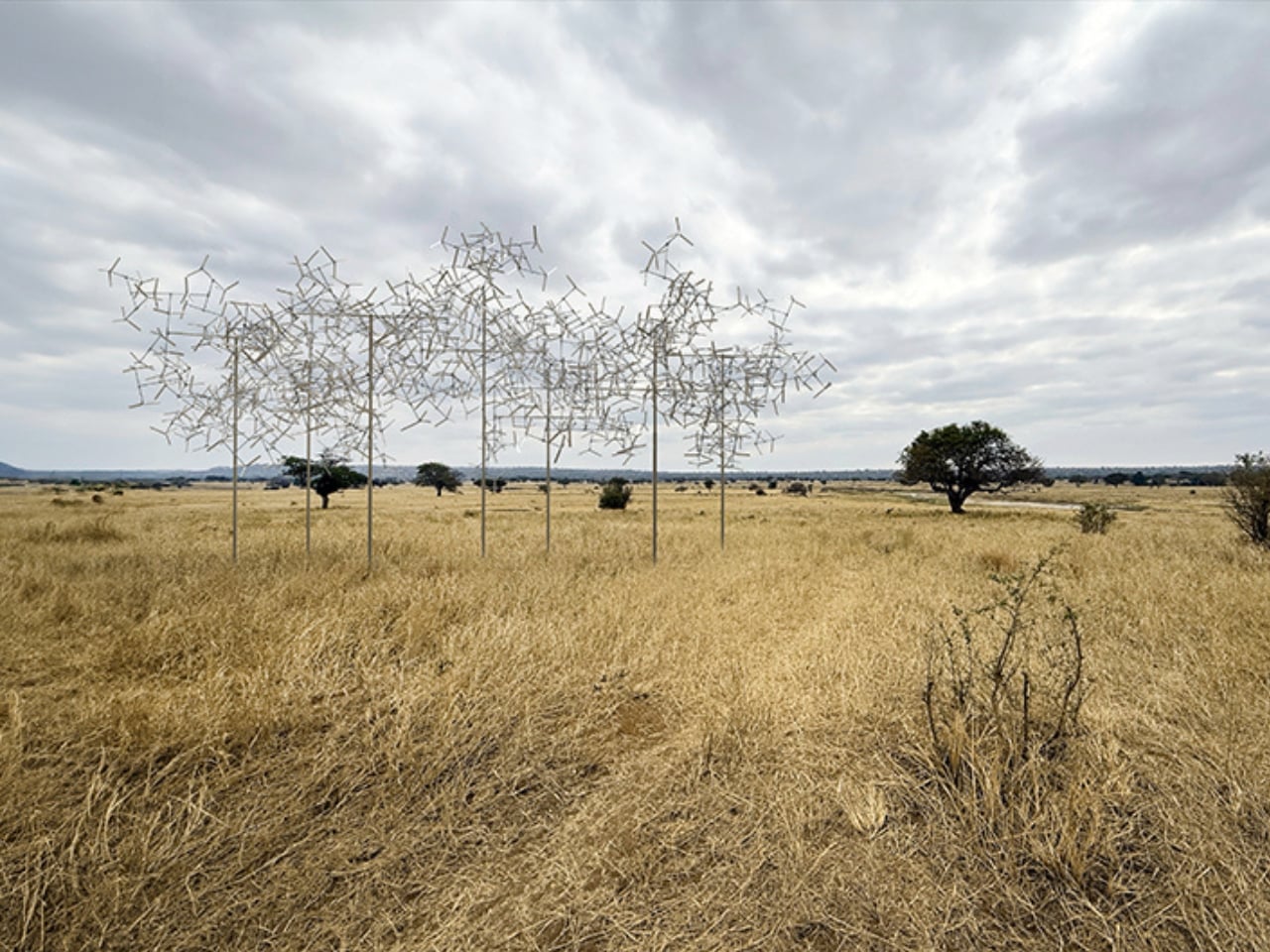
There’s something almost unsettling about a structure that appears to breathe. Not in a horror movie kind of way, but in that quiet, mesmerizing way that makes you stop, squint, and wonder if what you’re seeing is really happening. That’s exactly what Vincent Leroy’s Fractal Swarm does to people. It sits in the vast openness of the Tanzanian plains, and it moves. Not because of motors or hidden mechanisms, but because of the wind.

Leroy is a Paris-based French artist who grew up in rural Normandy tinkering with whatever he could get his hands on. That early habit of experimenting turned into a full-blown obsession with movement, which led him to study industrial design at the Ecole Nationale Supérieure de Création Industrielle in Paris. By the time he graduated, he was already making kinetic work that galleries wanted to show. Since then, he has built a practice that sits comfortably between sculpture, installation art, and something that doesn’t quite have a name yet. His work has appeared everywhere from Parisian museums to Zanzibar’s shoreline, and the thread that runs through all of it is the same: movement as a material, not just as an effect.

Designer: Vincent Leroy

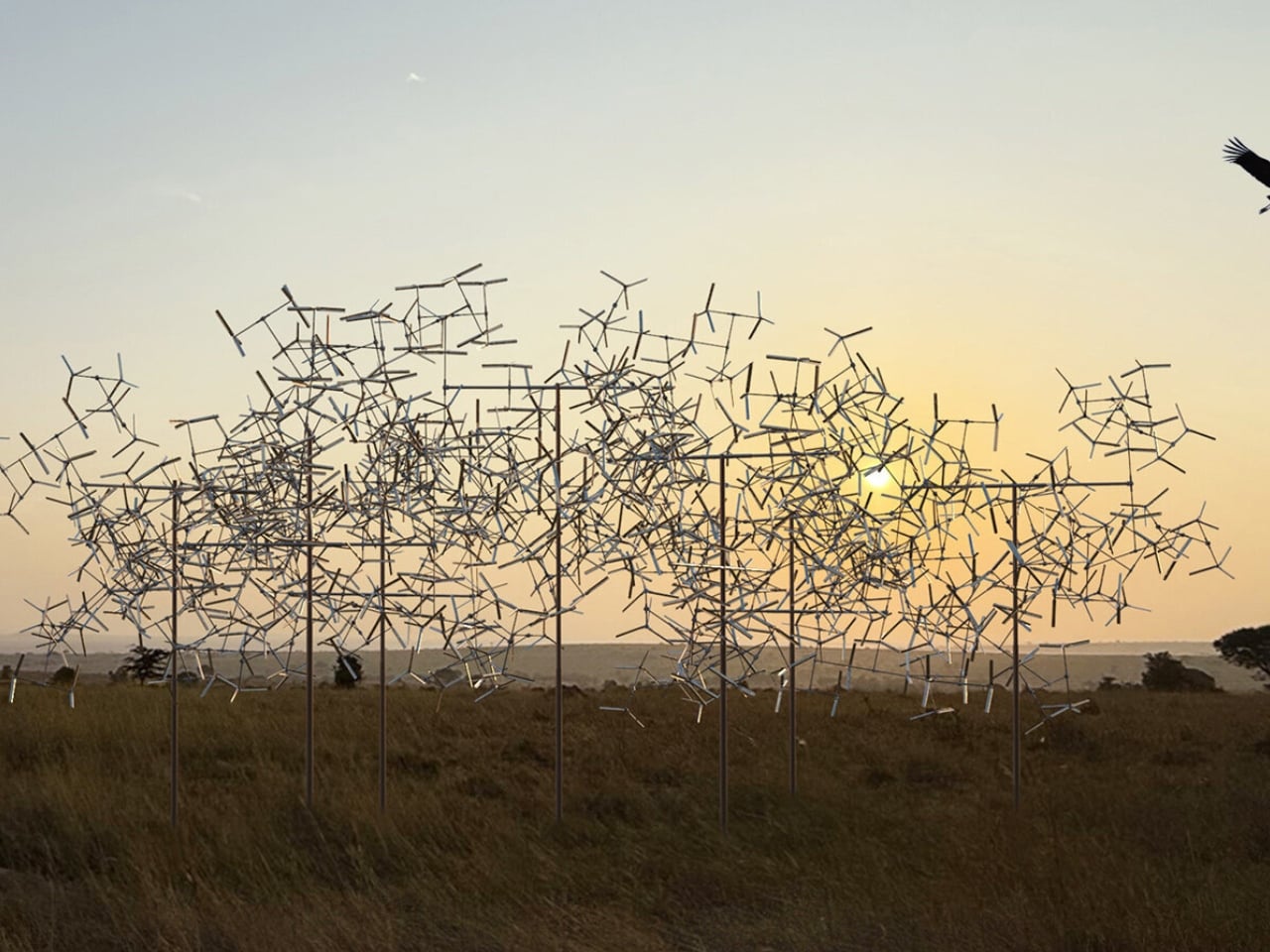
Fractal Swarm is his latest statement on that idea, and it might be the most ambitious one yet. The installation is built around the logic of fractal geometry, which is the kind of math that describes the way nature repeats itself at different scales. Think of the branching pattern of a tree, or the way a fern unfolds, or the texture of a coastline seen from above. Nature uses this structure constantly, and Leroy decided to make it visible in a landscape where that pattern is already everywhere.

The Tanzanian plains during the dry season are stripped down to essentials. Acacia trees stand with bare, branching silhouettes against the sky. The ground breaks into fragmented, textured patches of arid vegetation. Leroy’s installation mirrors all of that. Its branching configuration echoes the acacia silhouettes so closely that from a distance, it reads more like something that grew there than something that was built. That’s the point. Rather than imposing itself on the landscape, Fractal Swarm extends it.

What makes it come alive, literally, are the mirrored fins embedded within the structure’s modules. Thin and precisely placed, these fins catch and refract the intense light of the plains as they move. The wind sets everything in motion, and the fins respond by scattering light in constantly shifting patterns across the ground and the air around them. The result is something that changes every second depending on where you’re standing, what direction the wind is coming from, and what time of day it is. No two moments of looking at it are the same.

This is what Leroy keeps coming back to in his practice: the idea that slowing down and watching something move can completely change how you see it. His work tries to reveal the gaps that usually go unnoticed in today’s frenetic race for speed and performance. Fractal Swarm does that on a grand scale. It puts you in front of something enormous and quietly says: stand here. Watch this. Let the wind do something beautiful.

It’s also worth noting that Leroy isn’t new to working with wind in dramatic outdoor settings. His Drifting Cloud installation on Zanzibar’s east coast used rotating canvas discs that interacted directly with the shoreline’s breeze. Fractal Swarm takes that same sensibility deeper into the continent and scales it up into something more structural and mathematically precise.

What’s quietly radical about all of this is that Leroy uses some of the most rigorous abstract math available (fractal geometry) and turns it into something you feel before you think about it. You don’t need to understand the Mandelbrot set to be moved by Fractal Swarm. You just need to stand near it when the wind picks up and watch the plains light up like they’re waking. That’s the kind of art that sticks with you long after you’ve walked away.

The post A Wind-Powered Sculpture Is Lighting Up Tanzania’s Plains first appeared on Yanko Design.
Xbox head Phil Spencer is leaving Microsoft

Phil Spencer, CEO of Microsoft Gaming, is retiring, Satya Nadella has announced. Asha Sharma, the President of Microsoft's CoreAI division is taking over Spencer's role, while Sarah Bond, the current President of Xbox, is resigning.

"I am long on gaming and its role at the center of our consumer ambition, and as we look ahead, I’m excited to share that Asha Sharma will become Executive Vice President and CEO, Microsoft Gaming, reporting to me," Nadella says. "Over the last two years at Microsoft, and previously as Chief Operating Officer at Instacart and a Vice President at Meta, Asha has helped build and scale services that reach billions of people and support thriving consumer and developer ecosystems. She brings deep experience building and growing platforms, aligning business models to long-term value, and operating at global scale, which will be critical in leading our gaming business into its next era of growth."

In a thread on X, Spencer shared his thoughts on Sharma’s new position. “I’m excited for [Asha Sharma] as she steps into the CEO role,” Spencer wrote. “She’s joining an incredible group of people; teams full of talent, heart, and a deep commitment to the players they serve. Watching her lean in with curiosity and a real desire to strengthen the foundation we've built gives me confidence that our Xbox communities will be well supported in the years ahead.”

Alongside Sharma, Matt Booty, the current head of Xbox Game Studios, is getting promoted to Chief Content Officer, and will report to Sharma. Sarah Bond, who like Spencer served as a public face for the Xbox brand and was assumed to be his successor, is leaving Microsoft to "begin a new chapter." Bond has yet to make a public statement about her resignation.

Spencer joined Microsoft in 1988, and has worked on Xbox since at least 2001. He assumed responsibility for Microsoft's gaming brand and its various studios and associated subscription products in 2013, before becoming an Executive VP of Gaming in 2017 and later CEO of Microsoft Gaming in 2022. Spencer's biggest impact on Xbox will likely be remembered as the creation of Game Pass, Microsoft's "Netflix for Games" and the wave of studio acquisitions Microsoft completed from 2018 to 2022, which included smaller studios like Double Fine and the massive $68.7 billion purchase of Activision Blizzard King.

While Microsoft has plenty of developers and IP to fall back on, it's struggled to compete with the likes of Sony and Nintendo during the current console generation. Microsoft's gaming division has gone through widespread layoffs, its revenue continued to fall throughout 2025 and it raised the prices of both its consoles and Game Pass Ultimate, which likely won't help things going forward. Sharma is in many ways inheriting a broken-down car.

As far as her plans go, Sharma’s email to staff that was included in Nadella's announcement is light on details. Sharma says she plans to continue developing "great games," wants to "recommit" to core Xbox fans and "invent new business models and new ways to play." Whether that’s enough to turn Xbox's fortunes around remains to be seen.

Update, February 20, 4:52PM ET: Added statement from Phil Spencer shared on X.

This article originally appeared on Engadget at https://www.engadget.com/gaming/xbox/xbox-head-phil-spencer-is-leaving-microsoft-212838419.html?src=rss

Roland’s $299 Pocket-Sized Audio Interface Was Designed Specifically For TikTok and Instagram Music Creators

The bedroom studio era changed everything. A generation of musicians learned to record, mix, and release music without ever setting foot in a professional facility, and the results reshaped the entire industry. Now, that same creative energy has migrated to the livestream, where a single performance on TikTok Live or Instagram can reach more people than a record label could have dreamed of a decade ago. The bar for audio quality has quietly but decisively risen.

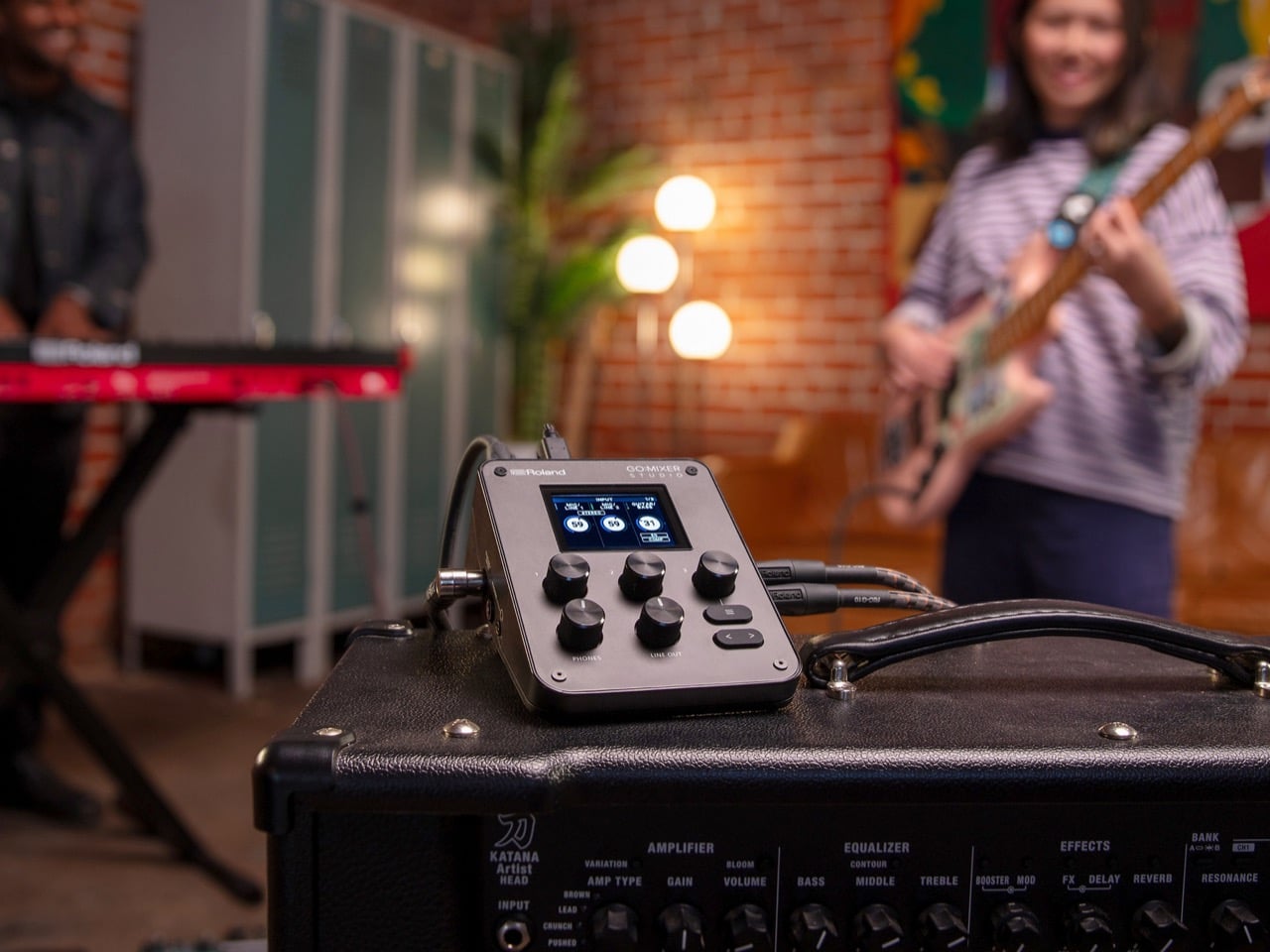
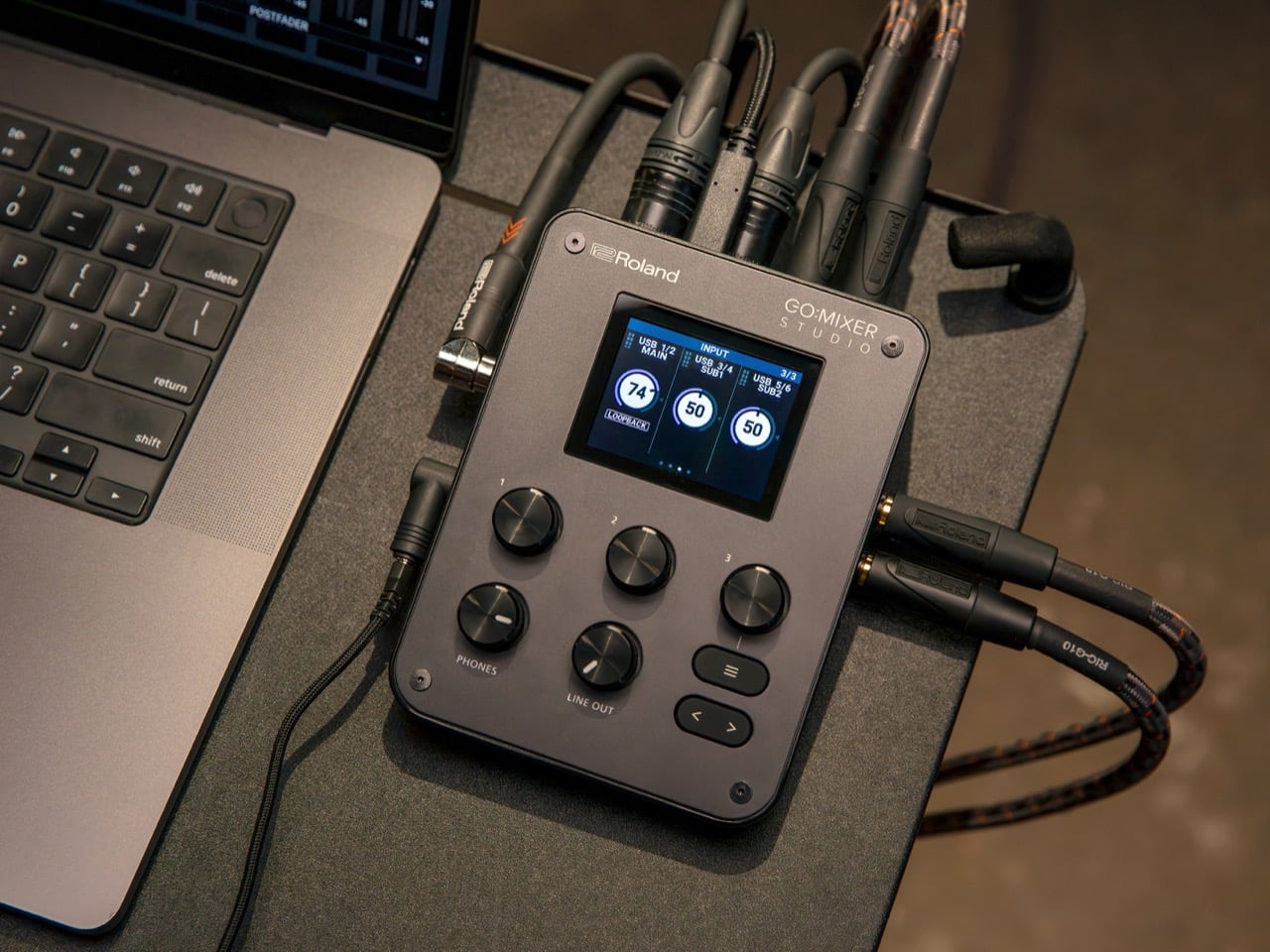
Roland’s GO:MIXER STUDIO arrives at exactly this inflection point. The company has been iterating on this product family since 2017, and with each generation you could feel them getting closer to something that actually made sense for serious creators. At $299, this latest version brings 24-bit/192kHz recording, onboard EQ, compression, and reverb modeled after Roland’s own studio processors, all into a chassis that weighs roughly as much as a large coffee mug. Whether that combination of specs and portability holds up in the real world, where cables get tangled and livestreams go sideways, is a more interesting question than the spec sheet alone can answer.

Designer: ROLAND

Click Here to Buy Now

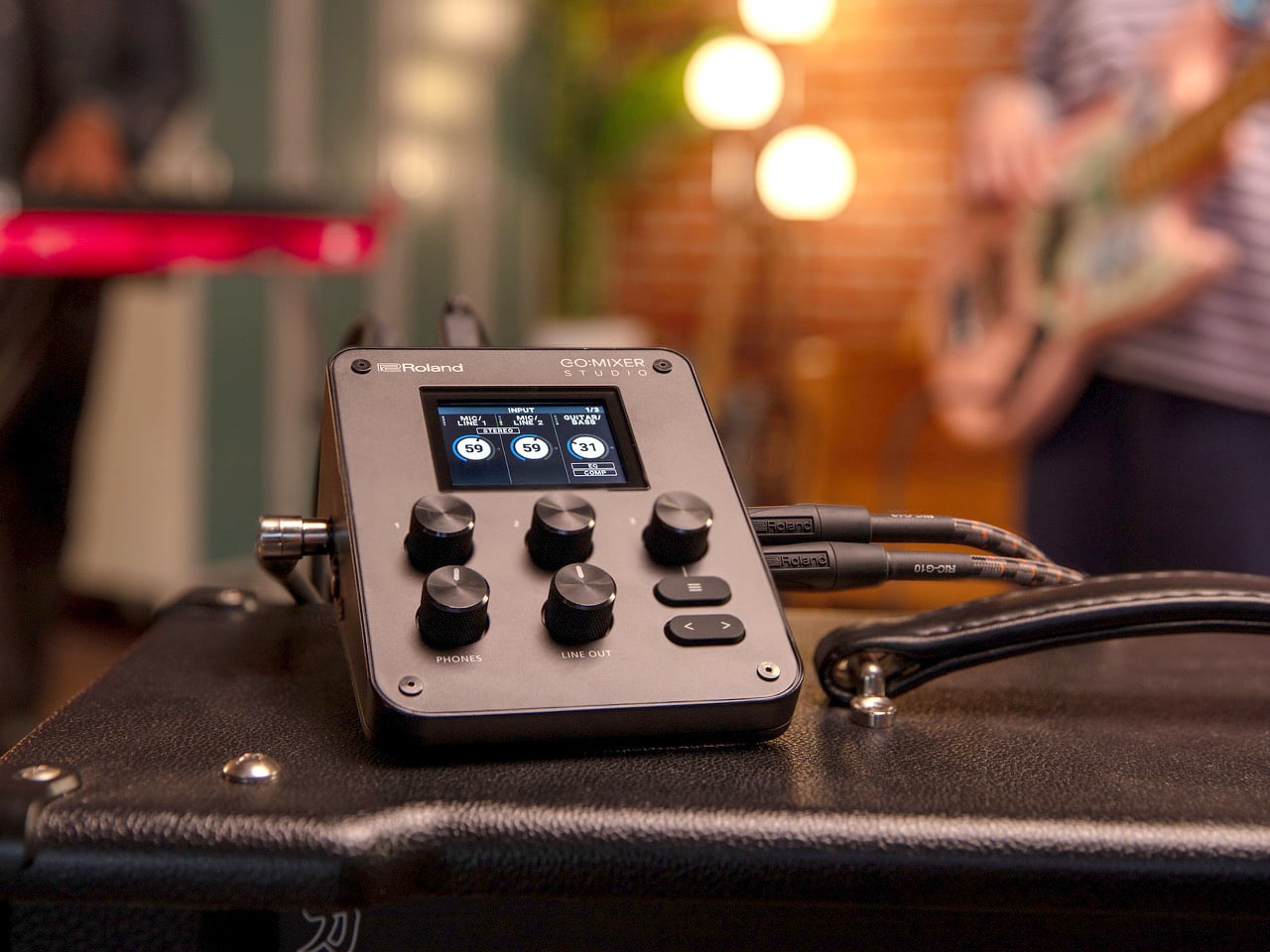
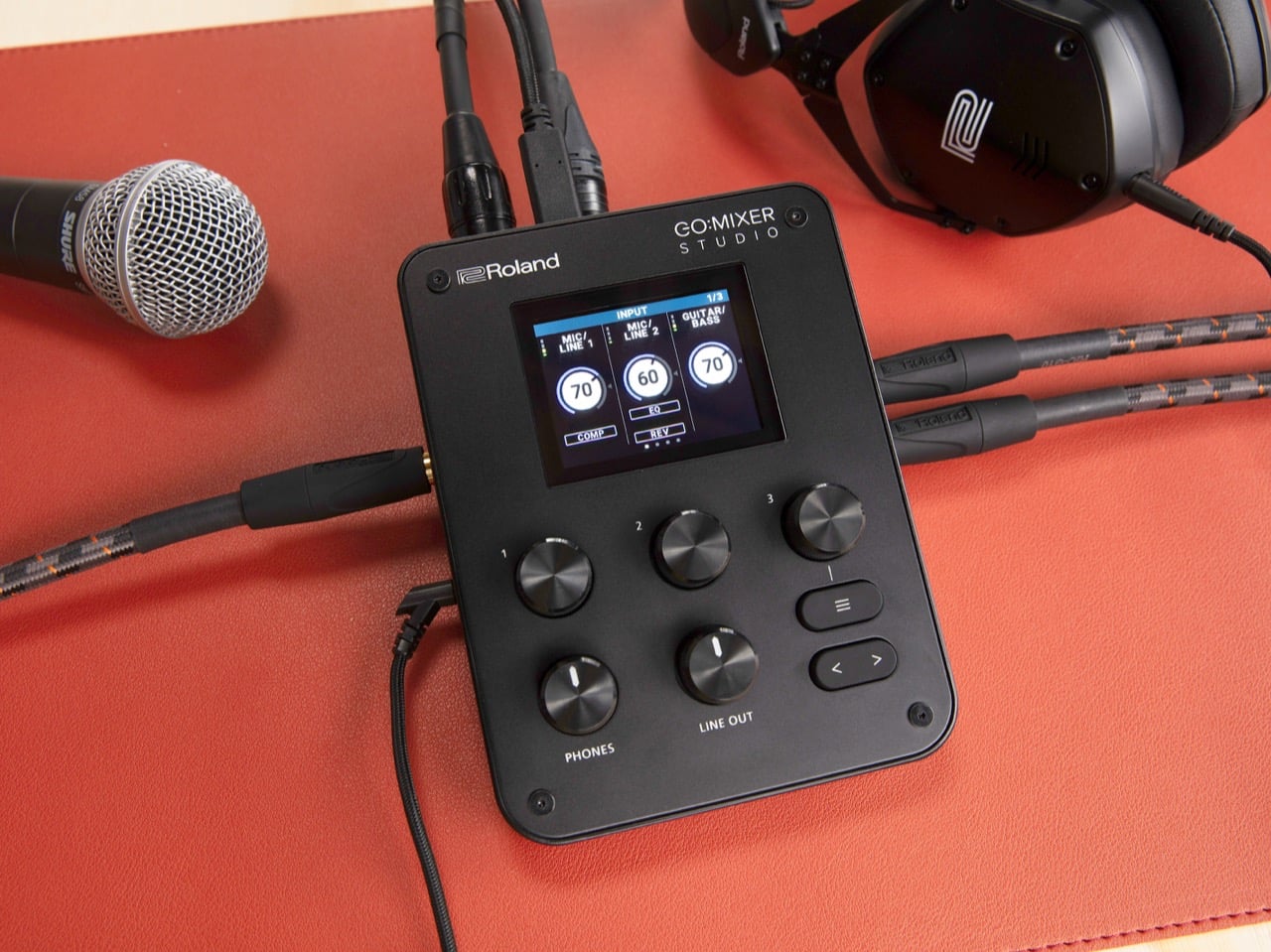
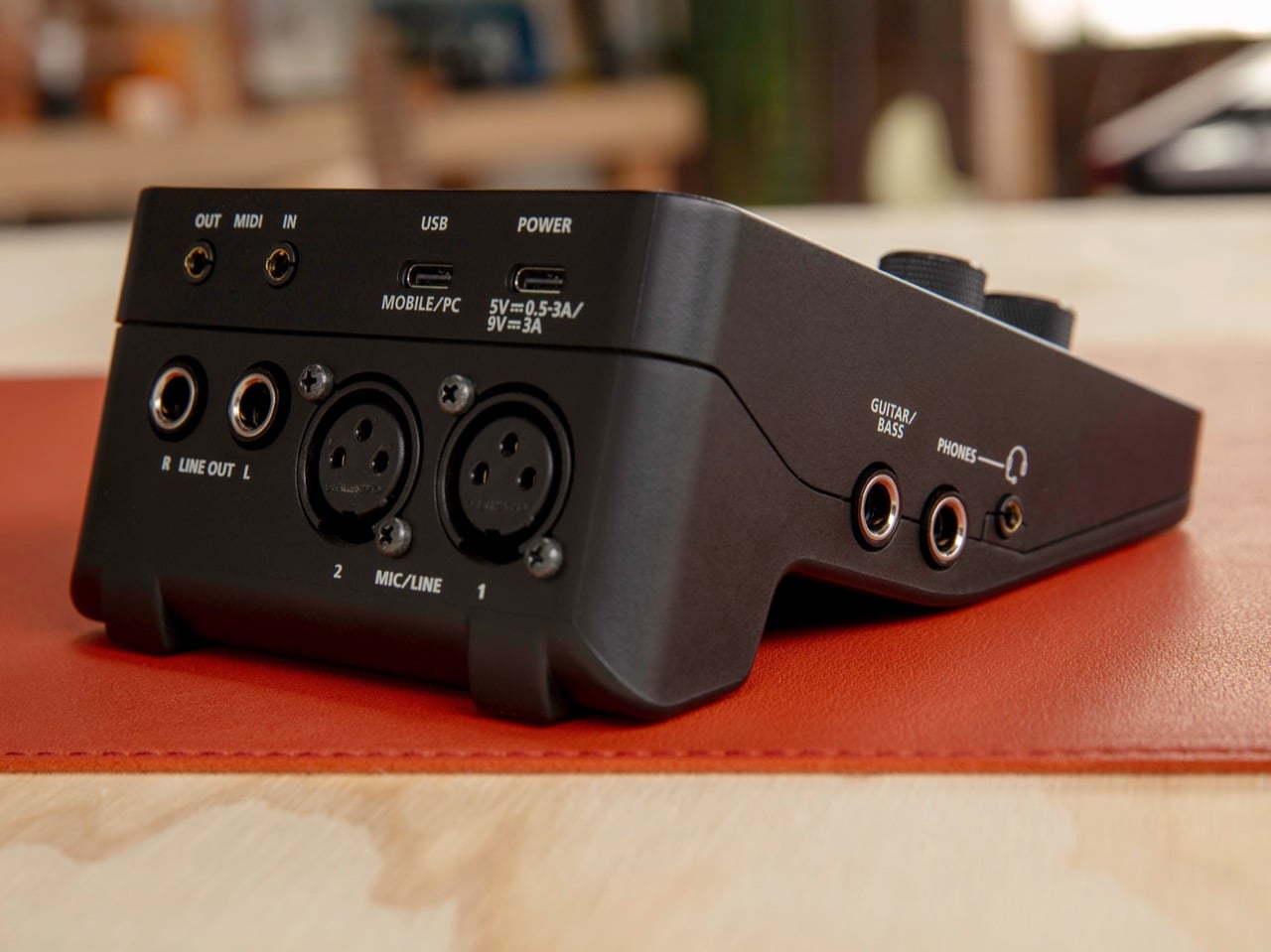
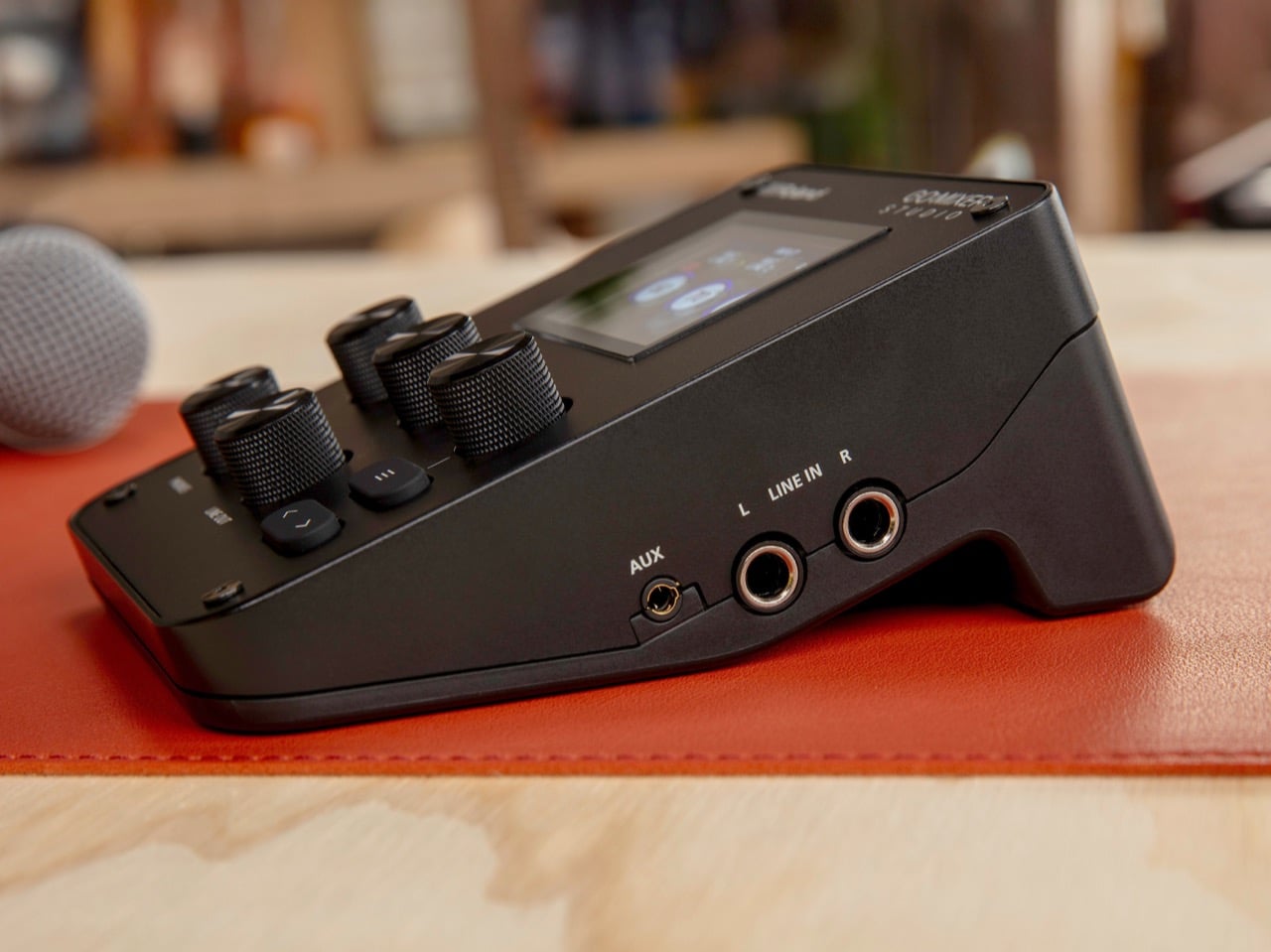
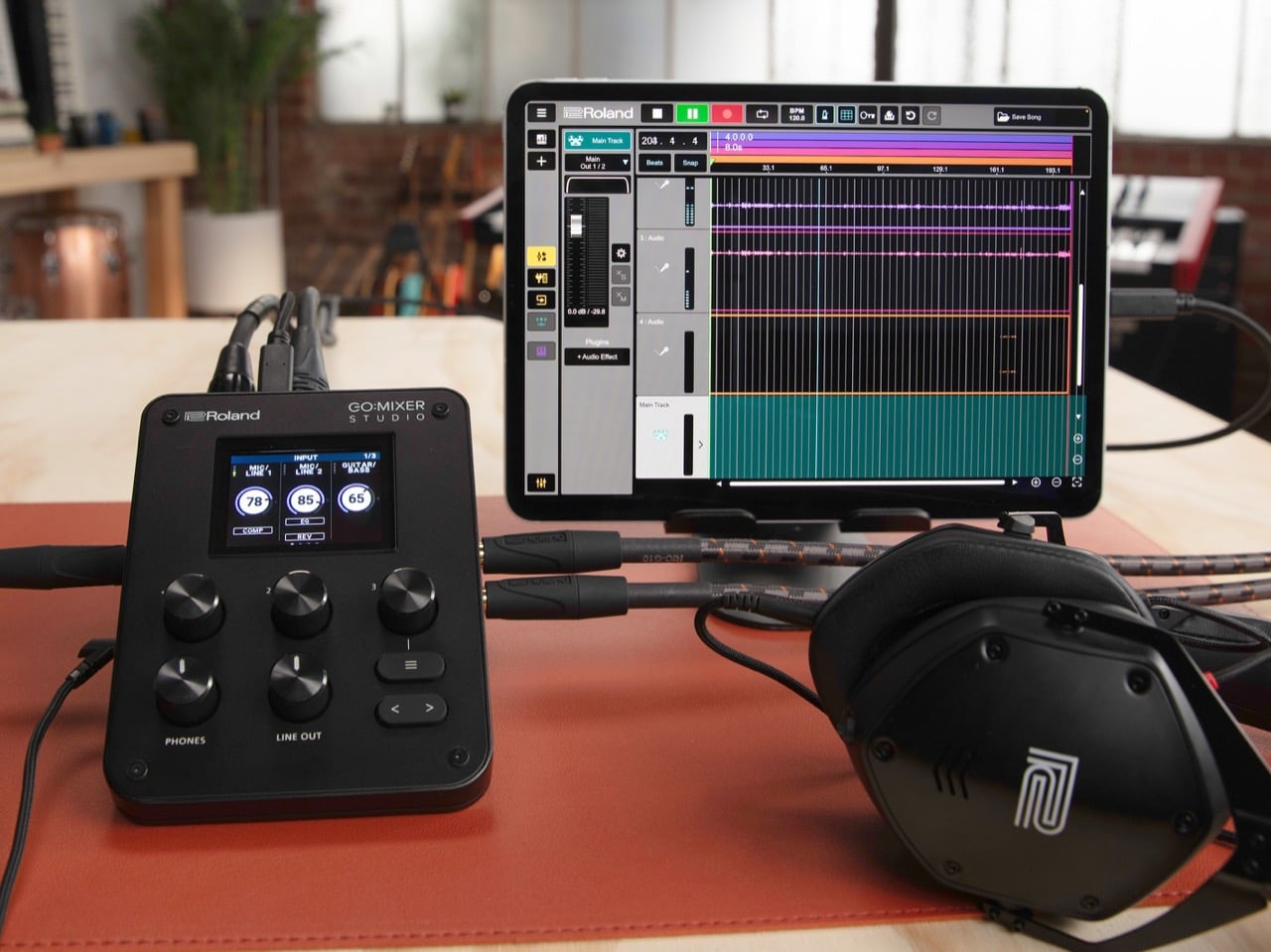
At 156 x 110 x 65mm and 440 grams, it sits comfortably on a mic stand next to a performer mid-set, which is a specific and deliberate choice. The color LCD showing per-channel EQ, compression, and reverb status is genuinely useful during a live session when reaching for your phone means losing eye contact with your audience. Three chunky knobs handle channel levels, and the whole thing can be powered by a USB battery pack, which means no wall outlet required and no excuses for bad audio in a green room, a hotel room, or the back of a van. The matte black chassis reads professional without being precious about it, the kind of gear that does not mind getting thrown into a backpack.

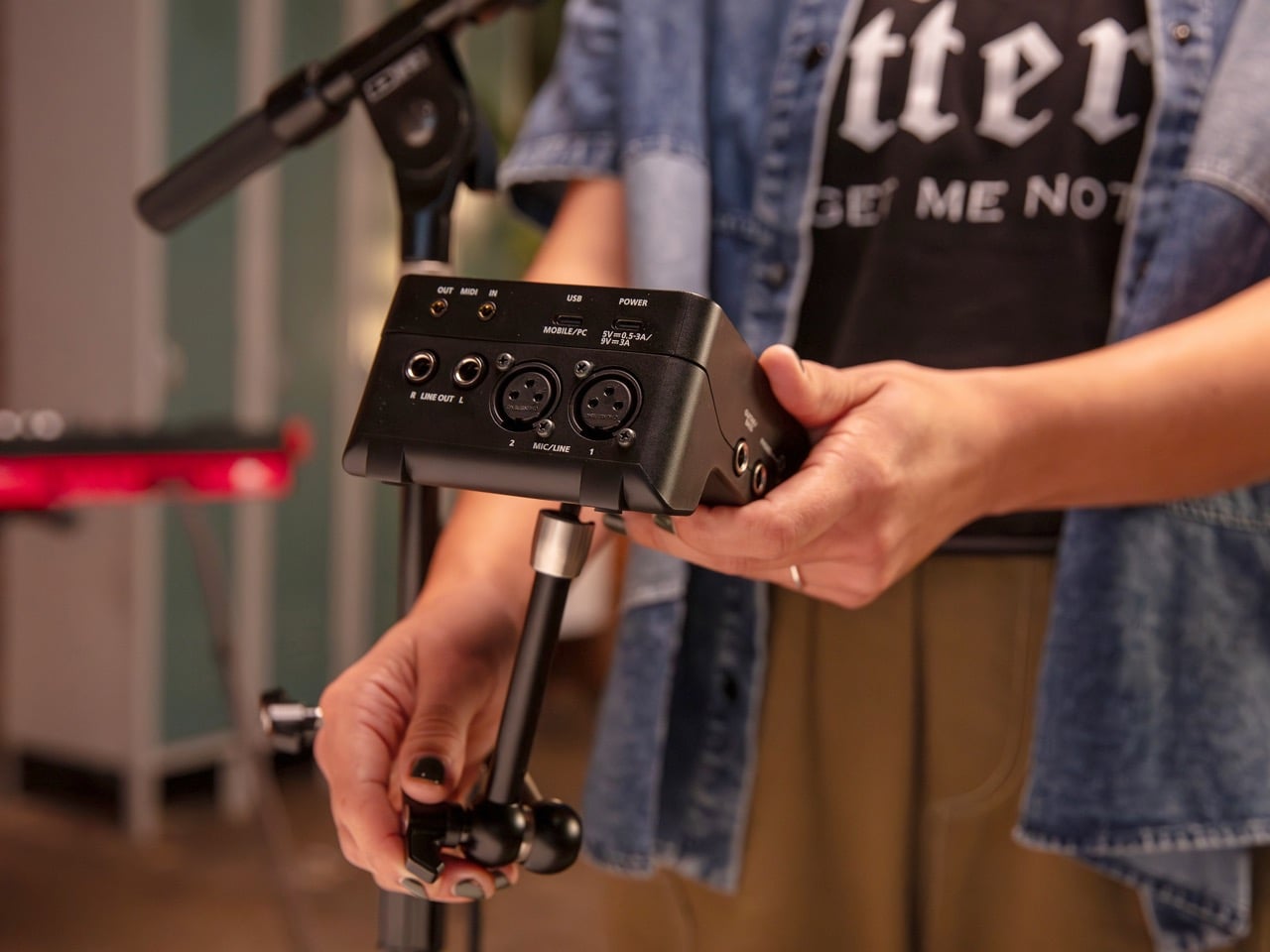
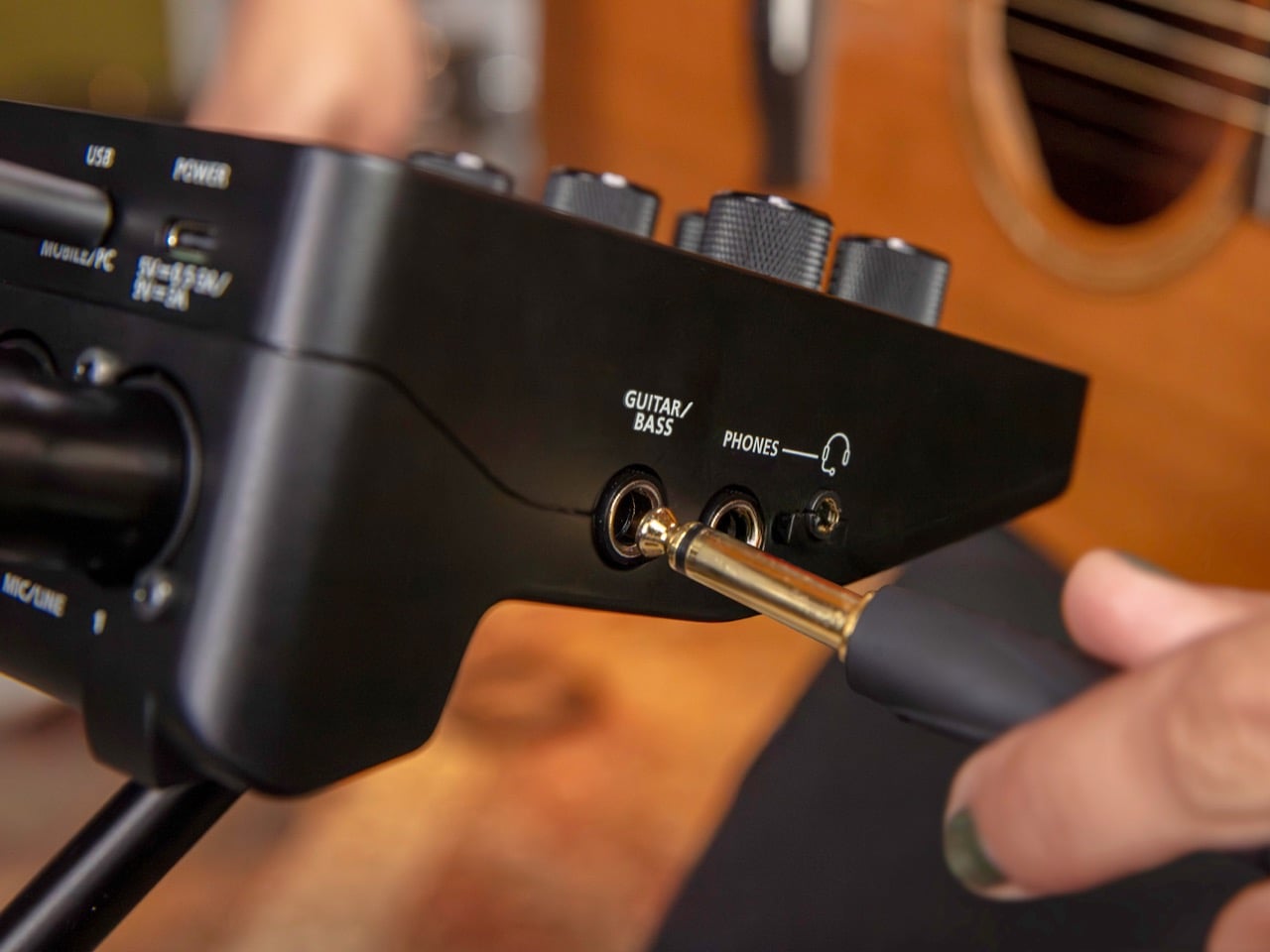
Twelve input channels is pretty great value for money. Two XLR mic inputs with 48V phantom power, a dedicated high-impedance guitar and bass input, stereo quarter-inch line inputs for keyboards or drum machines, a 3.5mm aux with TRRS support for mobile devices, and MIDI via 3.5mm TRS. That last one matters more than it might seem, because it means you can sync external hardware, run a click track, or trigger backing tracks without adding another piece of gear to your table. The 32-bit float internal processing handles the heavy lifting before anything gets committed to your recording at 24-bit depth, giving you real headroom for fixing gain mistakes in post.

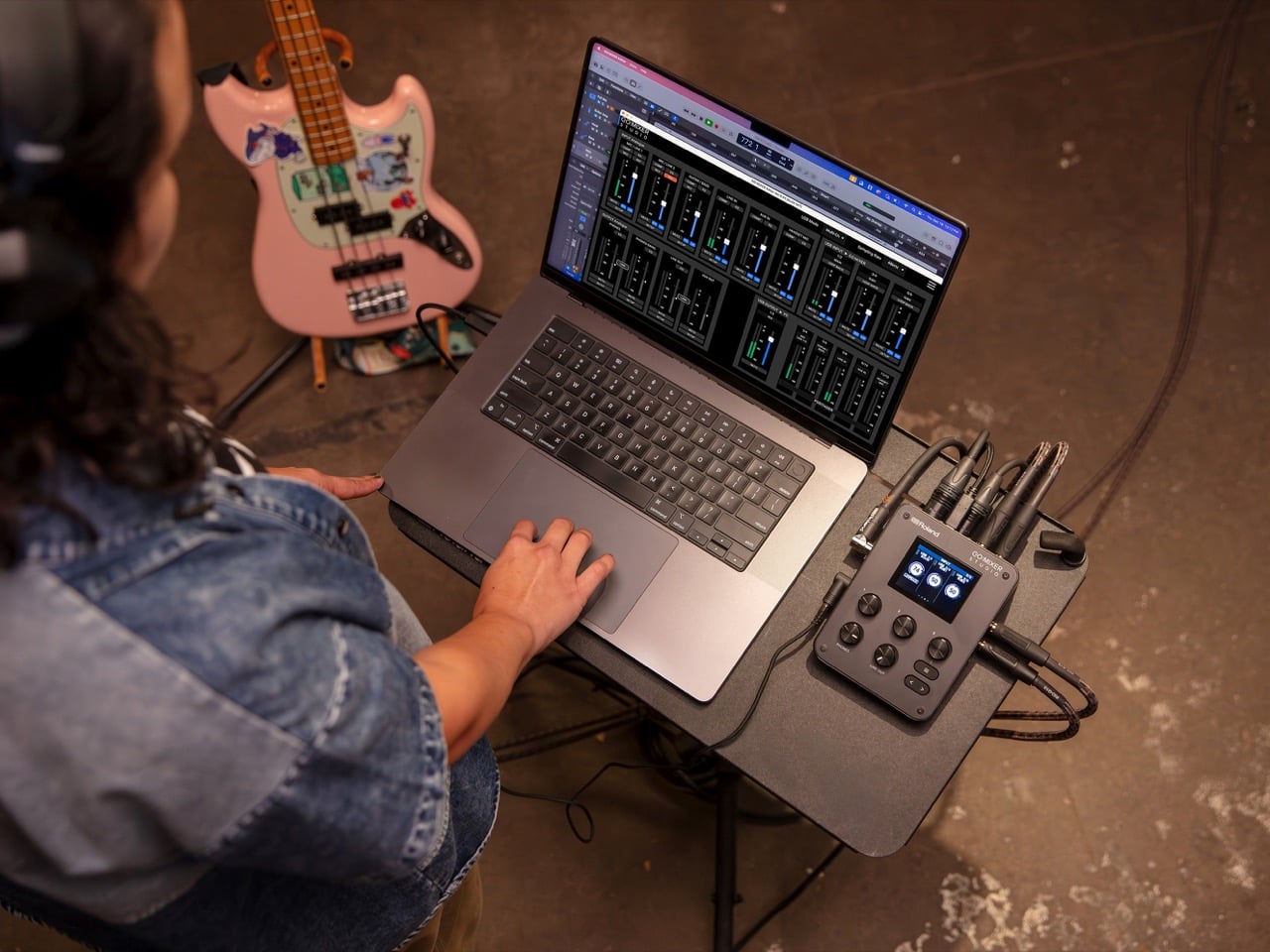
The GO:MIXER Cam app for iOS records genuine multitrack audio alongside your video, which opens up post-production options that creators on competing setups simply do not have. Standard camera apps give you a single stereo mix from whatever mic is closest, and that is the entire ceiling of what they can do. Roland also ships a desktop editor for macOS and Windows with full remote control of the mixer, and the 16 scene memory slots mean a creator with a regular weekly setup can recall their entire configuration instantly. That kind of workflow thinking is genuinely rare in gear aimed at the creator market, where the assumption is usually that you will rebuild everything from scratch each time.

No Android support is a real omission in 2026, full stop. SD card recording is also absent, meaning you are always dependent on a connected device and truly standalone operation is off the table. At 192kHz via USB, the channel count drops from 12 inputs to 8, a constraint worth knowing before planning a complex live setup around it. The Zoom LiveTrak L-8 and the Rode RodeCaster Pro II occupy overlapping territory, though both trade the GO:MIXER STUDIO’s portability for more features, and neither fits as naturally into a one-person mobile setup. Roland has made a very acceptable set of mild tradeoffs here, and at $299 the value case is solid for almost everyone that’s already tied into the Apple ecosystem.

Click Here to Buy Now

The post Roland’s $299 Pocket-Sized Audio Interface Was Designed Specifically For TikTok and Instagram Music Creators first appeared on Yanko Design.

The First ‘Surveillance Smartphone’ with Thermal Imaging and Night-Vision Cameras: Ulefone Armor 27T Pro+

Ulefone has a knack for designing rugged phones tagged with unique features that make them unique. Case in point, the Armor 30 Pro with a 4W 118dB loudspeaker in the middle of the hexagonal camera bump. Now the Chinese manufacturer has come up with another durable phone that has a feature most of us would love out in the wild.

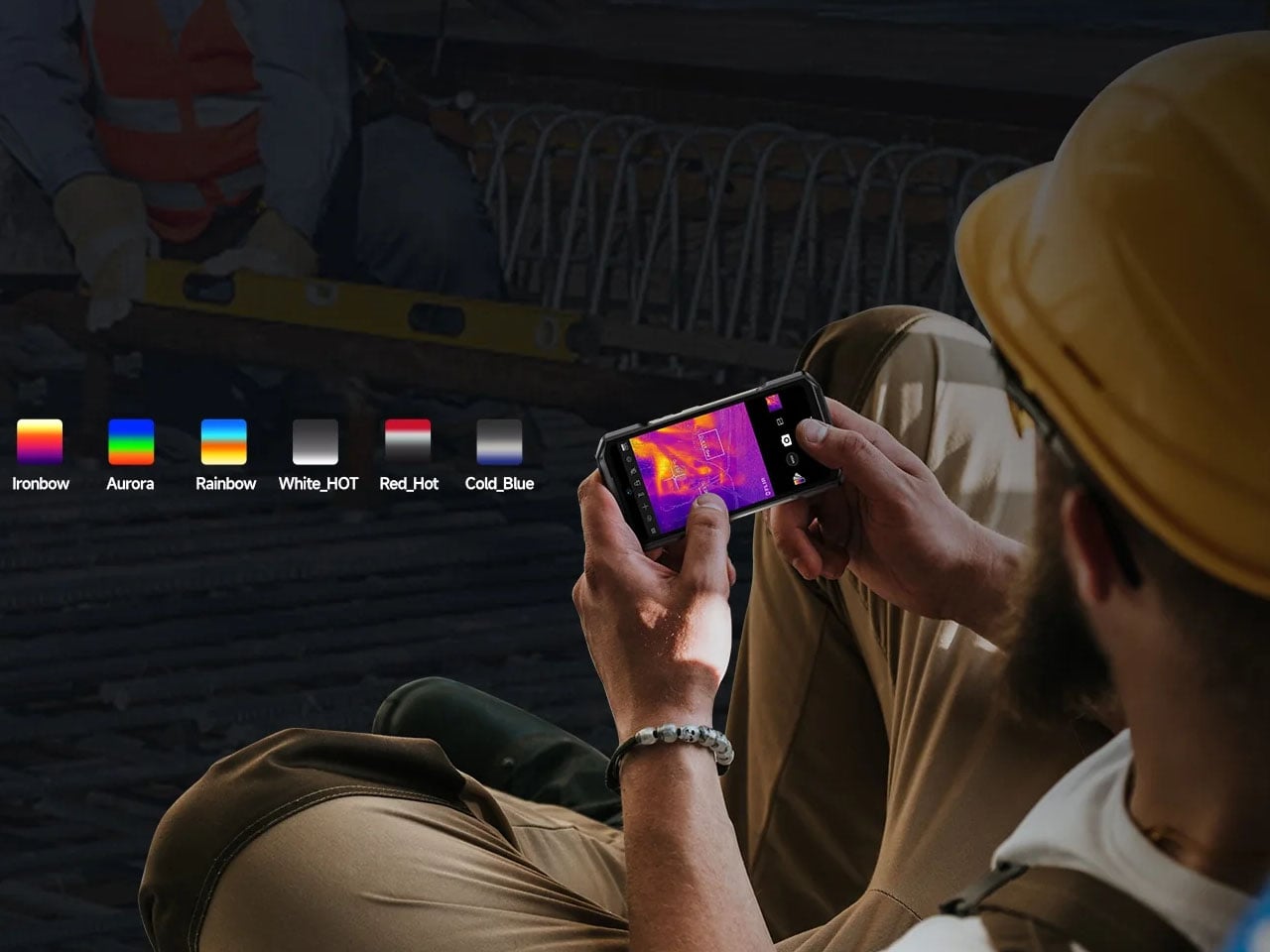
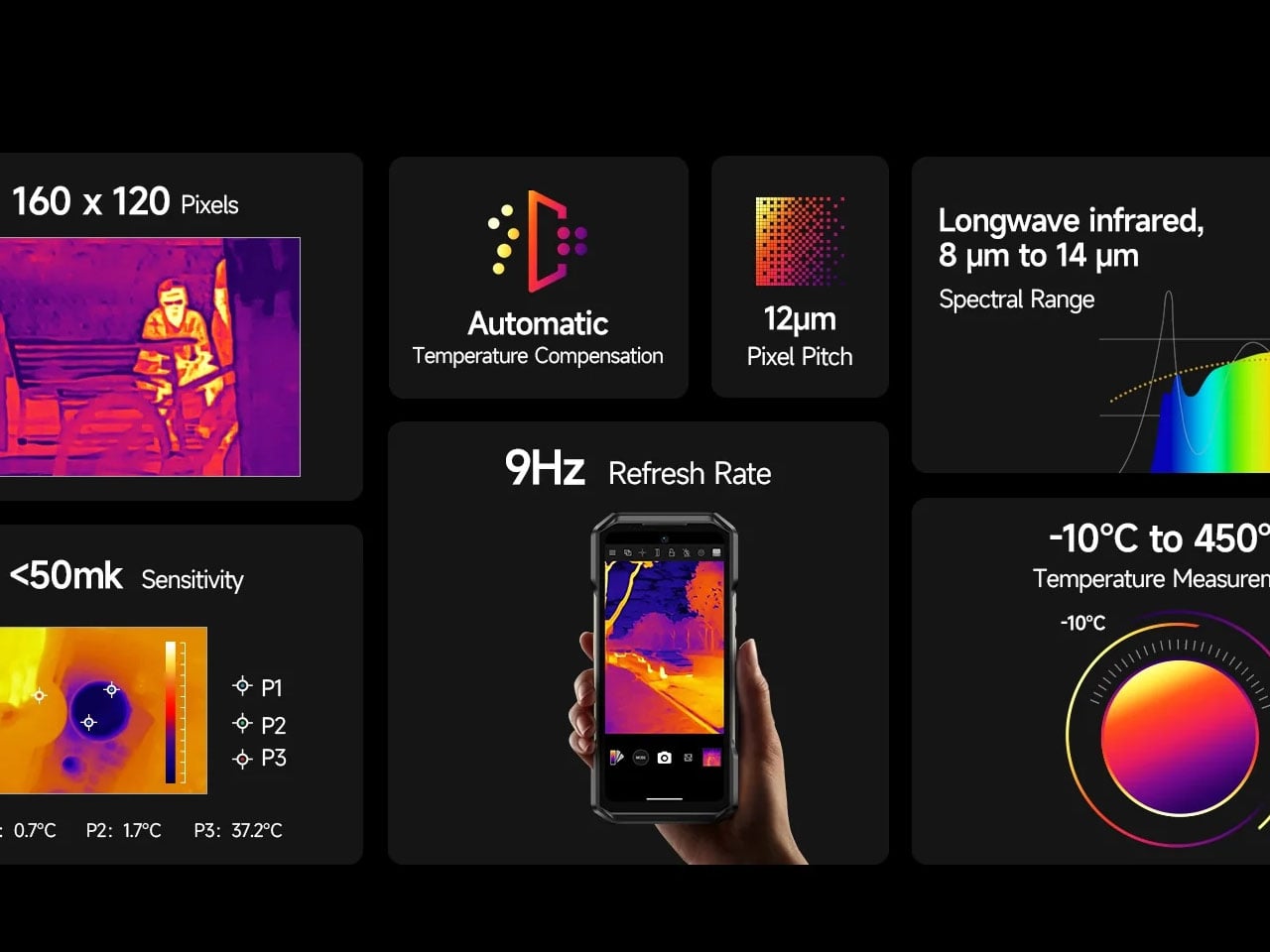
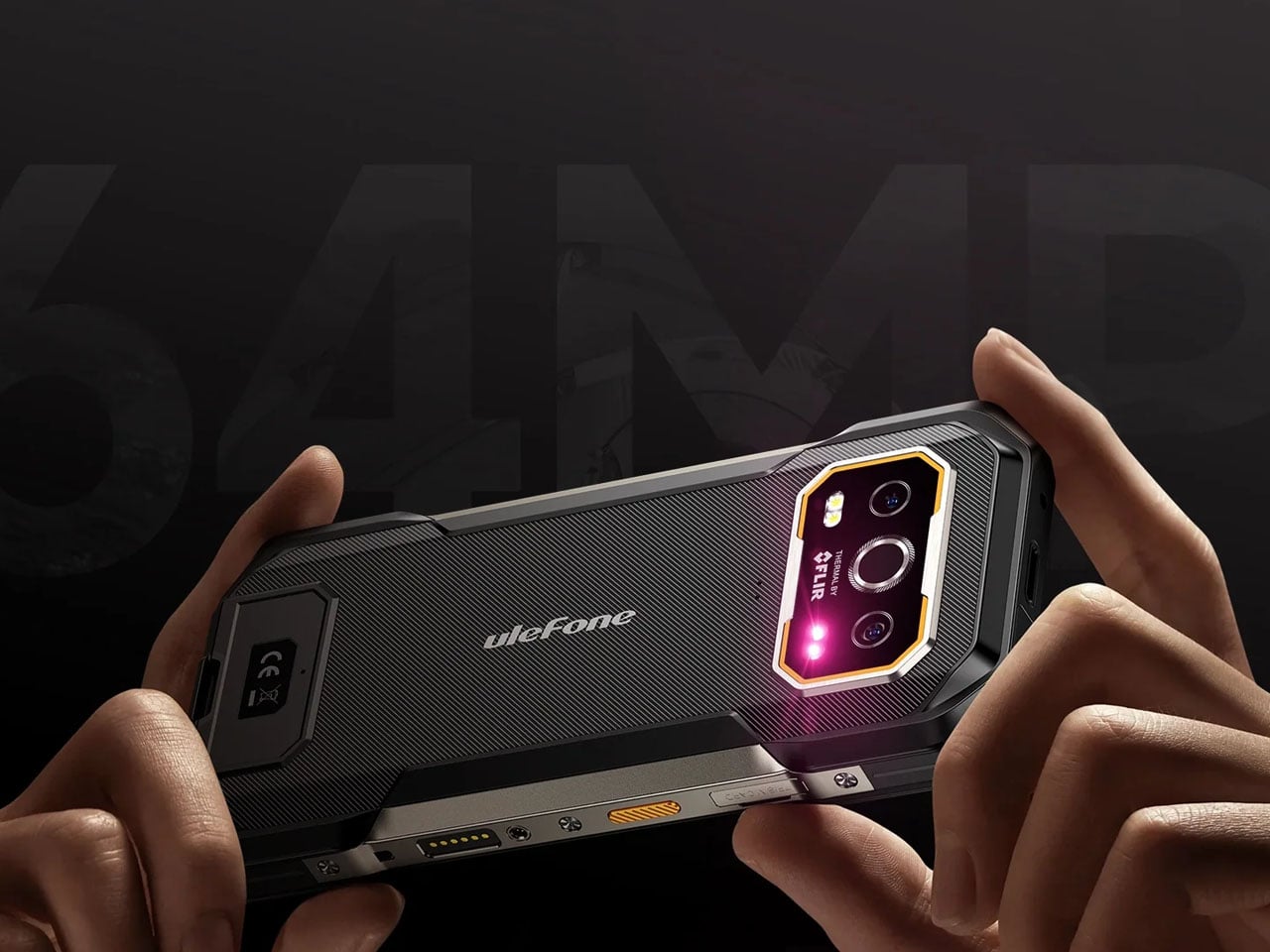
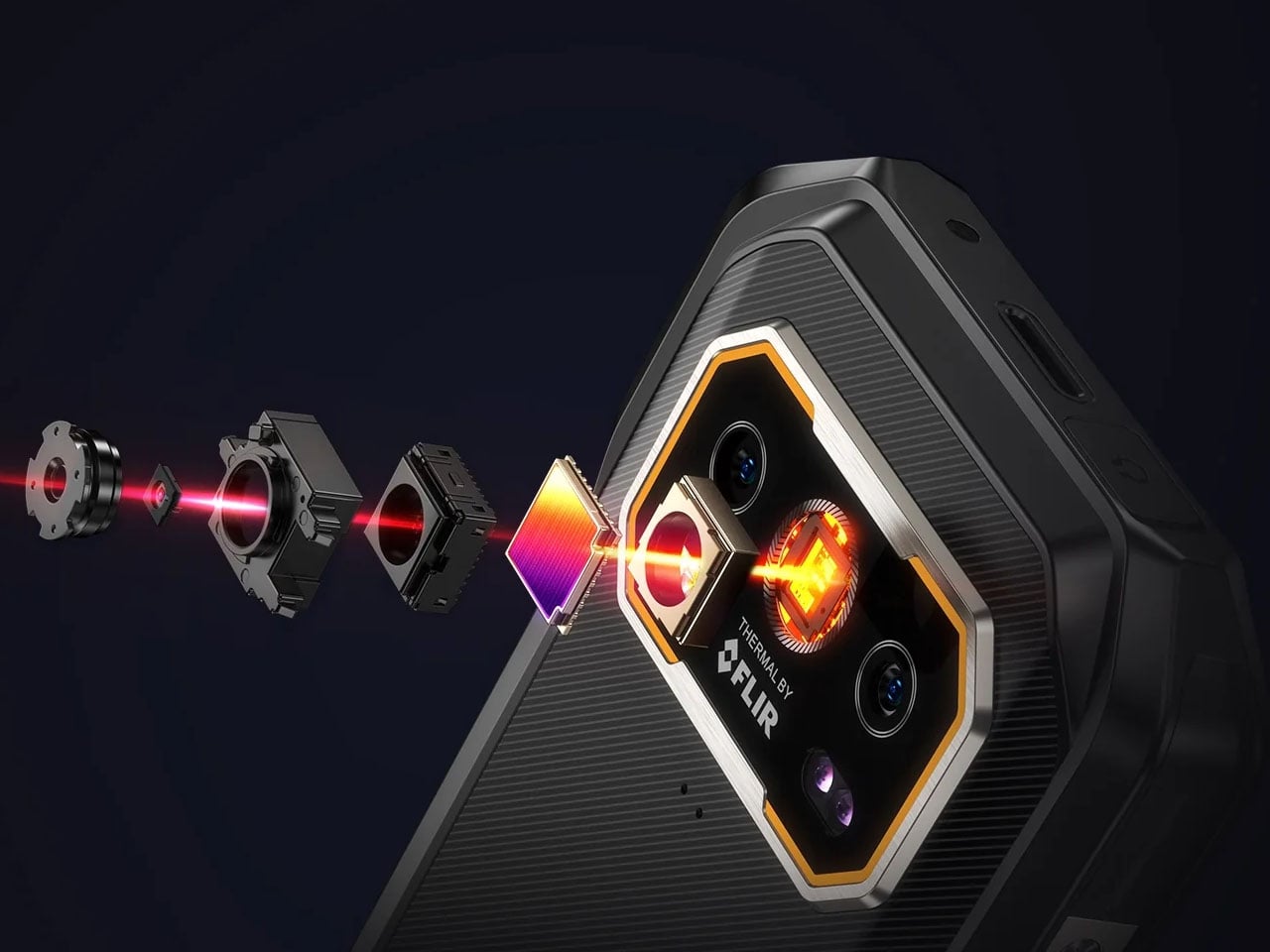
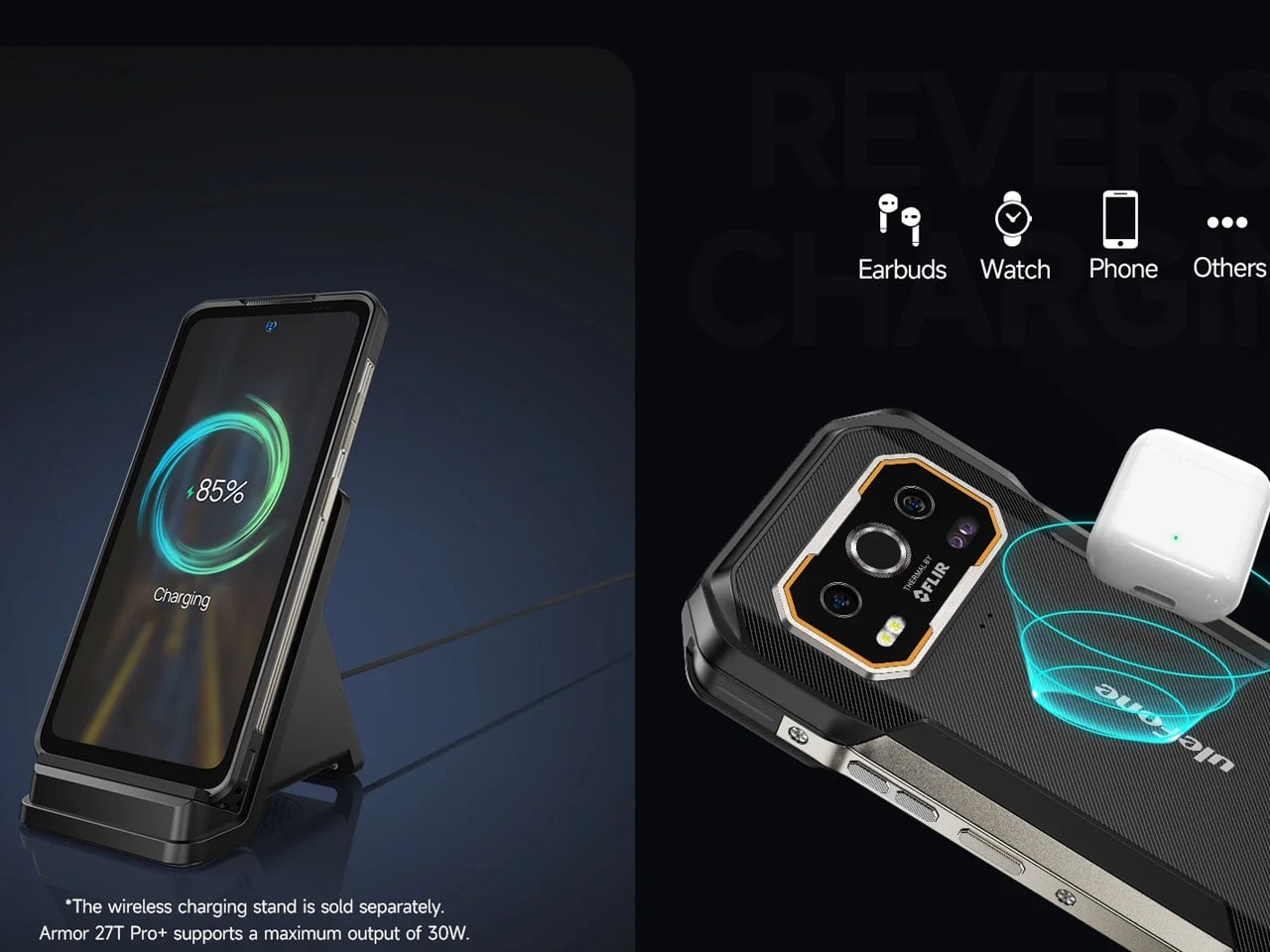
This is the Armor 27T Pro+ smartphone that boasts a triple camera setup that has more up its sleeve than most smartphones on the market. The device has a camera system capable of thermal imaging and infrared night vision, which should come in handy in a wide range of situations. Whether you are alone in the wild looking out for sneaky wild animals, tracking heat signatures in a complicated home vent system, or simply showing off some cool party tricks; the device stands out in the crowd. According to Ulefone, the FLIR thermal cam penetrates darkness, glare, fog, or dense smoke for a clear heat signature.

Designer: Ulefone

Armor 27T Pro+ extends its use beyond the daily driver use as it is the perfect fit for outdoor professionals, search & rescue personnel, or hobbyist hunters tracking their next elusive target. Built like a tank, the smartphone has P68 and IP69K water and dust resistance ratings, along with the MIL-STD-810H military durability certification. You can pressure wash it or simply shrug off the beat skipping drops that other phones would not survive. Clearly, the phone is meant for extreme outdoor conditions where your popular flagship will begin to show the signs of submission. With a weight twice that of a normal phone, the Armor 27T Pro+ creates a distinct niche for itself with the advanced camera system.

The 5G Android device is powered by the MediaTek Dimensity 6300 system-on-chip and paired with the 24 GB RAM (12GB virtual memory). The onboard storage of 256 GB is respectable, but can be extended to upto 2TB with the microSD card. 6.78-inch Corning Gorilla Glass Victus display is also impressive with the Full HD+ resolution (1,080 x 2,460 pixels), 120 Hz refresh rate and 680-nit peak brightness for viewing in bright outdoor conditions. The premium glass display gives you peace of mind against scratches and drops from as high as 6.6 feet on rock-hard surfaces.

Standout feature of the device is the 10,600-mAh solid-state battery, which offers higher energy density compared to a similar capacity Li-ion battery. On top of that, the battery also has a longer lifespan since it can perform well in extreme temperatures of -30 degrees Celsius. The phone supports wireless charging and reverse charging when needed. It comes with a uSmart 2.0 connector to tether the endoscope and microscope attachment for inspection tasks.

The post The First ‘Surveillance Smartphone’ with Thermal Imaging and Night-Vision Cameras: Ulefone Armor 27T Pro+ first appeared on Yanko Design.
Tunic publisher claims TikTok ran ‘racist, sexist’ AI ads for one of its games without its knowledge

Indie publisher and developer Finji has accused TikTok of using generative AI to alter the ads for its games on the platform without its knowledge or permission. Finji, which published indie darlings like Night in the Woods and Tunic, said it only became aware of the seemingly modified ads after being alerted to them by followers of its official TikTok account.

As reported by IGN, Finji alleges that one ad that went out on the platform was modified so it displayed a "racist, sexualized" representation of a character from one of its games. While it does advertise on TikTok, it told IGN that it has AI "turned all the way off," but after CEO and co-founder Rebekah Saltsman received screenshots of the ads in question from fans, she approached TikTok to investigate.

A number of Finji ads have appeared on TikTok, some that include montages of the company’s games, and others that are game-specific like this one for Usual June. According to IGN, the offending AI-modified ads (which are still posted as if they’re coming directly from Finji) appeared as slideshows. Some images don’t appear to be that different from the source, but one possibly AI-generated example seen by IGN depicts Usual June’s titular protagonist with "a bikini bottom, impossibly large hips and thighs, and boots that rise up over her knees." Needless to say (and obvious from the official screenshot used as the lead image for this article), this is not how the character appears in the game.

As for TikTok’s response, IGN printed a number of the platform’s replies to Finji’s complaints, in which it initially said, in part, that it could find no evidence that "AI-generated assets or slideshow formats are being used." This was despite Finji sending the customer support page a screenshot of the clearly edited image mentioned above. In a subsequent exchange, TikTok appeared to acknowledge the evidence and assured the publisher it was "no longer disputing whether this occurred." It added that it has escalated the issue internally and was investigating it thoroughly.

TikTok does have a "Smart Creative" option on its ad platform, which essentially uses generative AI to modify user-created ads so that multiple versions are pushed out, with the ones its audience responds more positively to used more often. Another option is the “Automate Creative” features, which use AI to automatically optimize things like music, audio effects and general visual "quality" to "enhance the user’s viewing experience." Saltsman showed IGN evidence that Finji has both of these options turned off, which was also confirmed by a TikTok agent for the ad in question.

After a number of increasingly frustrated exchanges in which TikTok eventually admitted to Saltsman that the ad "raises significant issues, including the unauthorized use of AI, the sexualization and misrepresentation of your characters, and the resulting commercial and reputational harm to your studio," the Finji co-founder was offered something of an explanation.

TikTok said that Finji’s campaign used a "catalog ads format" designed to "demonstrate the performance benefits of combining carousel and video assets in Sales campaigns." It said that this "initiative" helped advertisers "achieve better results with less effort," but did not address the harmful content directly. Finji seemingly also opted into this ad format without knowing it had done so. TikTok declined to comment on the matter when approached by IGN.

Saltsman was told the issue could not be escalated any higher, with communication not resolved at the time of IGN publishing its report. In a statement to the outlet, Saltsman said she was "a bit shocked by TikTok’s complete lack of appropriate response to the mess they made." She went on to say that she expected both an apology and clear reassurance of how a similar issue would not reoccur, but was "obviously not holding my breath for any of the above."

This article originally appeared on Engadget at https://www.engadget.com/gaming/tunic-publisher-claims-tiktok-ran-racist-sexist-ai-ads-for-one-of-its-games-without-its-knowledge-185303395.html?src=rss

Hot Water in 3 Minutes: The Garden Shower Fueled by Fire

If you’ve ever dreamed of taking a hot shower in the middle of your garden, off the back deck, or somewhere completely off the grid, an Austrian brand called Feuerwasser just made that dream look really, really good.

Feuerwasser, whose name literally translates to “fire water,” is a small manufactory based in Styria, Austria, and they’ve been quietly building a cult following with their line of wood-fired outdoor wellness products. Their latest spotlight moment? A patented garden shower that heats water using an integrated wood-burning stove, with zero electricity required.

Designer: Feuerwasser

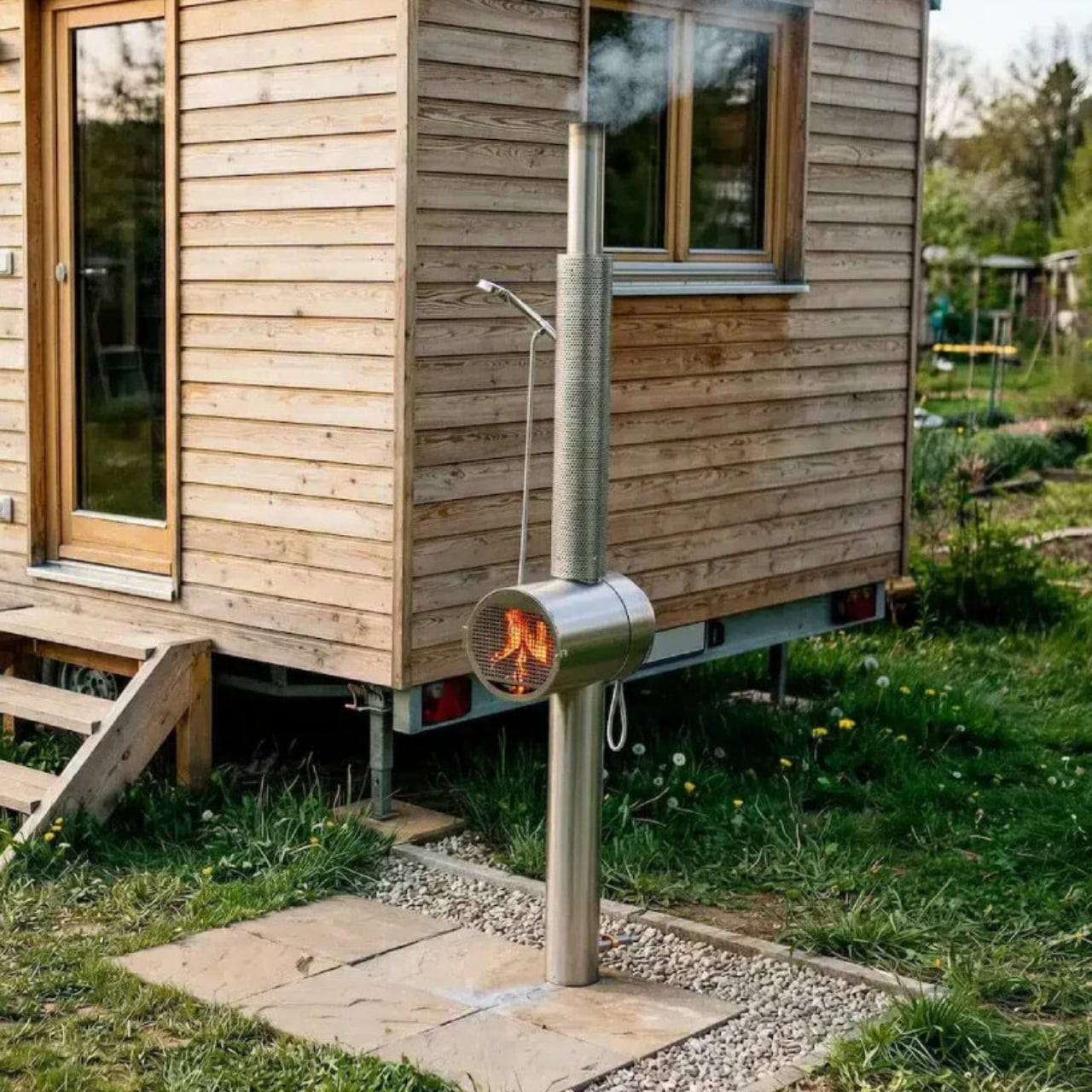
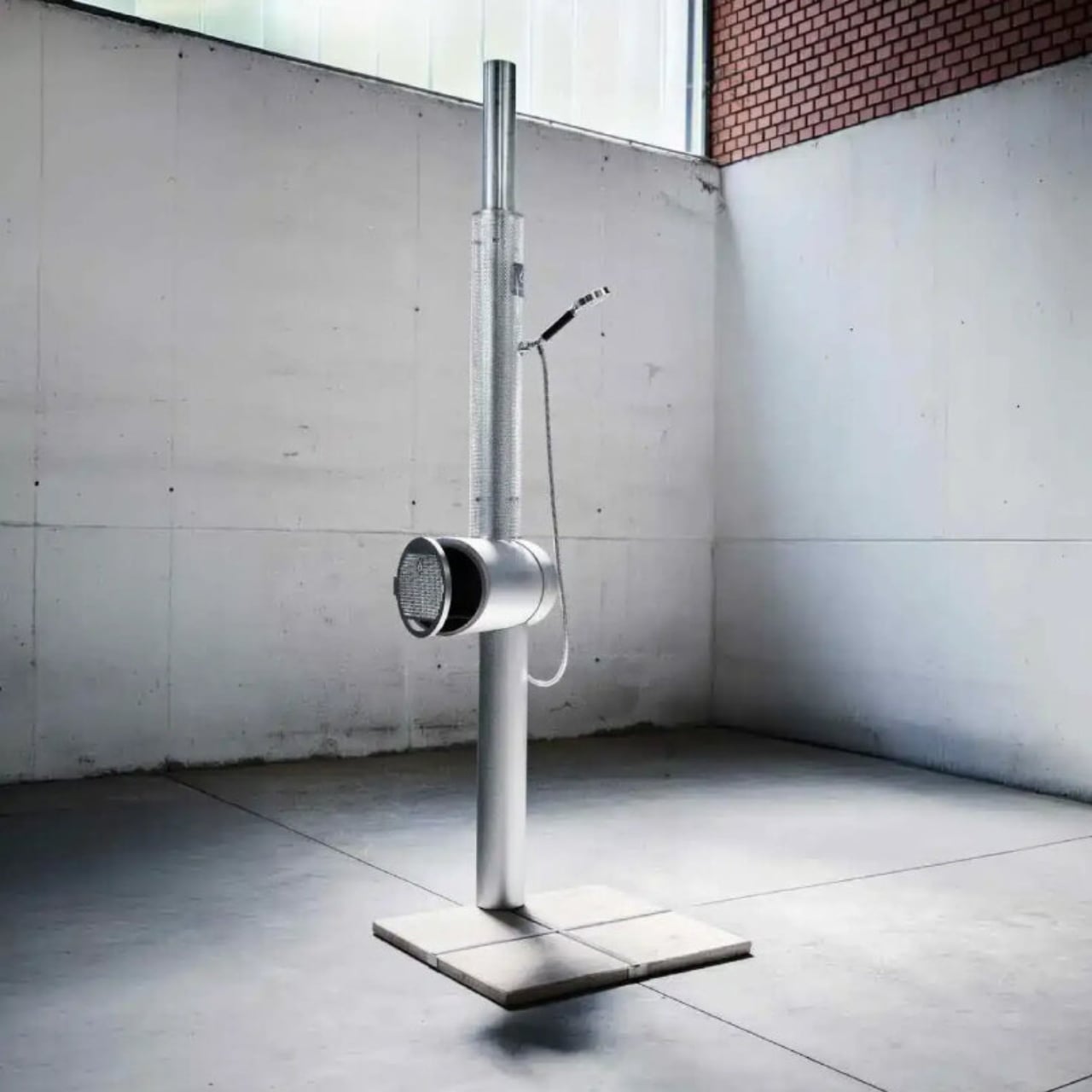
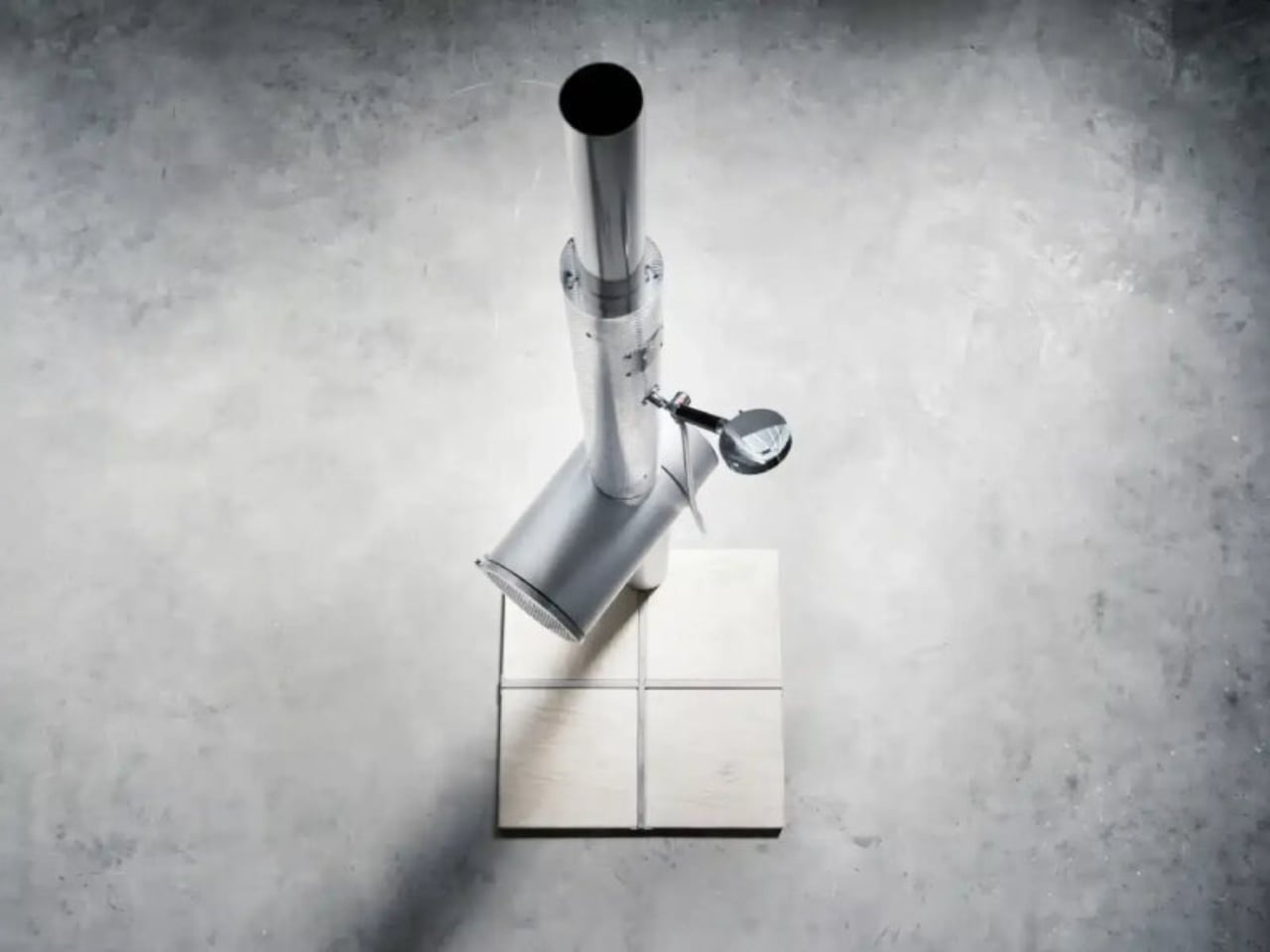
The concept is almost ridiculously simple, and that’s exactly what makes it so clever. The shower is built around a stainless steel frame with a wood-fired heater at its center. You connect a garden hose to fill the pipes with water, load up the stove with small logs, and in about three minutes, you’ve got hot water flowing through a fully functional outdoor shower. That’s it. No solar panels, no electrical hookups, no waiting for the sun to cooperate.

The fact that it works in winter is the part that really gets people talking. Most outdoor showers are a warm-weather luxury that gets packed away the moment temperatures drop. Feuerwasser’s design doesn’t care about the season. As long as you have water and a few blocks of wood, you’re showering in comfort. It’s the kind of design thinking that makes you wonder why no one did this sooner.

Temperature control comes through a mixing valve, so you’re not just getting a blast of scalding water with no say in the matter. You can dial it in to exactly where you want it, which honestly makes it feel far more intentional and refined than you might expect from something fueled by an open fire.

The structure itself is all stainless steel, which means it’s rust-resistant, easy to clean, and built to last through years of outdoor exposure. It doesn’t need to be drilled into the ground either. The shower comes with a freestanding base designed to be anchored with four stone slabs, keeping it stable without any permanent installation. That portability detail is a bigger deal than it sounds. Want to move it to a different corner of the yard? Done. Taking it to a vacation cabin? Also doable. It’s the kind of flexibility that makes a luxury product actually useful.

Since gaining wider attention online, including a viral moment with over four million views, the shower has drawn a lot of curiosity from people who never thought they’d be interested in an outdoor shower. And that’s the thing about great design: it reaches people who weren’t looking for it. Someone who camps might see it as the ultimate basecamp upgrade. A homeowner with a pool or sauna setup might see it as the missing piece. A design lover might just want it because it looks absolutely striking in a backyard setting, like sculpture you can actually use.

Feuerwasser’s garden shower starts at €3,490, which puts it firmly in the premium category. But for what it offers, a fully self-sufficient, no-infrastructure-needed hot shower that works year-round, looks beautiful, and is built from high-quality stainless steel, that price tag starts to make a lot of sense. Especially when you factor in that there’s no ongoing energy cost beyond the occasional bundle of firewood.

It’s one of those products that quietly reframes what “outdoor living” can mean. Not just a folding chair and a citronella candle, but a full, thoughtful experience that doesn’t compromise on comfort just because you’re outside. Feuerwasser has been doing this with their hot tubs and outdoor bathing products for a while now, but the garden shower is the piece that feels most universally appealing. Hot water, fresh air, the smell of a wood fire, and no electricity bill. That combination is hard to argue with.

The post Hot Water in 3 Minutes: The Garden Shower Fueled by Fire first appeared on Yanko Design.

OpenAI will reportedly release an AI-powered smart speaker in 2027

OpenAI is reportedly hard at work developing a series of AI-powered devices, including smart glasses, a smart speaker and a smart lamp. According to reporting by The Information, the AI company has a team of over 200 employees dedicated to the project.

The first product scheduled to be released is reported to be a smart speaker that would include a camera, allowing it to better absorb information about its users and surroundings. According to a person familiar with the project, this would extend to identifying objects on a nearby table, as well as conversations being held in the vicinity of the speaker. The camera will also support a facial recognition feature similar to Apple's Face ID that would enable users to authenticate purchases.

The speaker is expected to retail for between $200 and $300 and ship in early 2027 at the earliest. Reporting indicates the company's AI-powered smart glasses, a space currently dominated by Meta, would not come until 2028. As for the smart lamp, while prototypes have been made, it's unclear whether it will actually be brought to market.

Last year OpenAI acquired ex-Apple designer Jony Ive's startup io Products for $6.5 billion. Ive is considered largely responsible for Apple's design aesthetic, having been involved in designing just about every major Apple device since joining the company in the '90s before his departure in 2019. The acquisition of his AI-focused design firm sets the stage for Ive to lead hardware product development now for OpenAI.

Since the partnership was forged, there have already been delays due to technical issues, privacy concerns and logistical issues surrounding the computing power necessary to run a mass-produced AI device. Regardless of the behemoths behind the project, the speaker and other future products may still face a consumer reluctant to buy a product that is always listening to and watching its users.

This article originally appeared on Engadget at https://www.engadget.com/ai/openai-will-reportedly-release-an-ai-powered-smart-speaker-in-2027-173344866.html?src=rss

Tired of To-Do Apps? This Desk Device Has One Simple Button

Modern desks are full of productivity tools that end up making work harder. Too many tabs, too many apps, too many systems competing for the same attention they were supposed to protect. Most productivity tools favor discipline over engagement, and the result is a familiar cycle of guilt, burnout, and a to-do list that just keeps moving from one app to another without anything actually getting done.

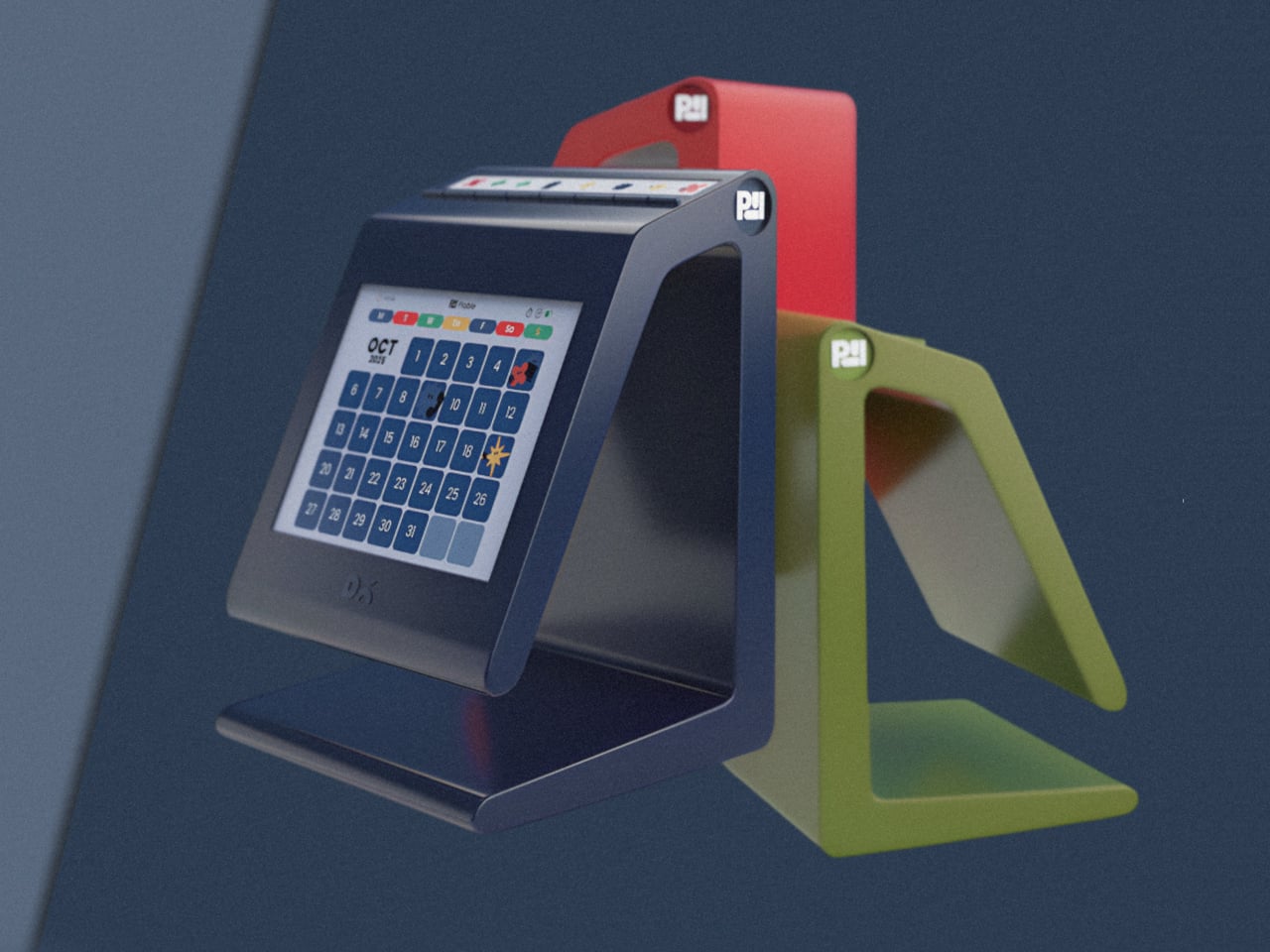
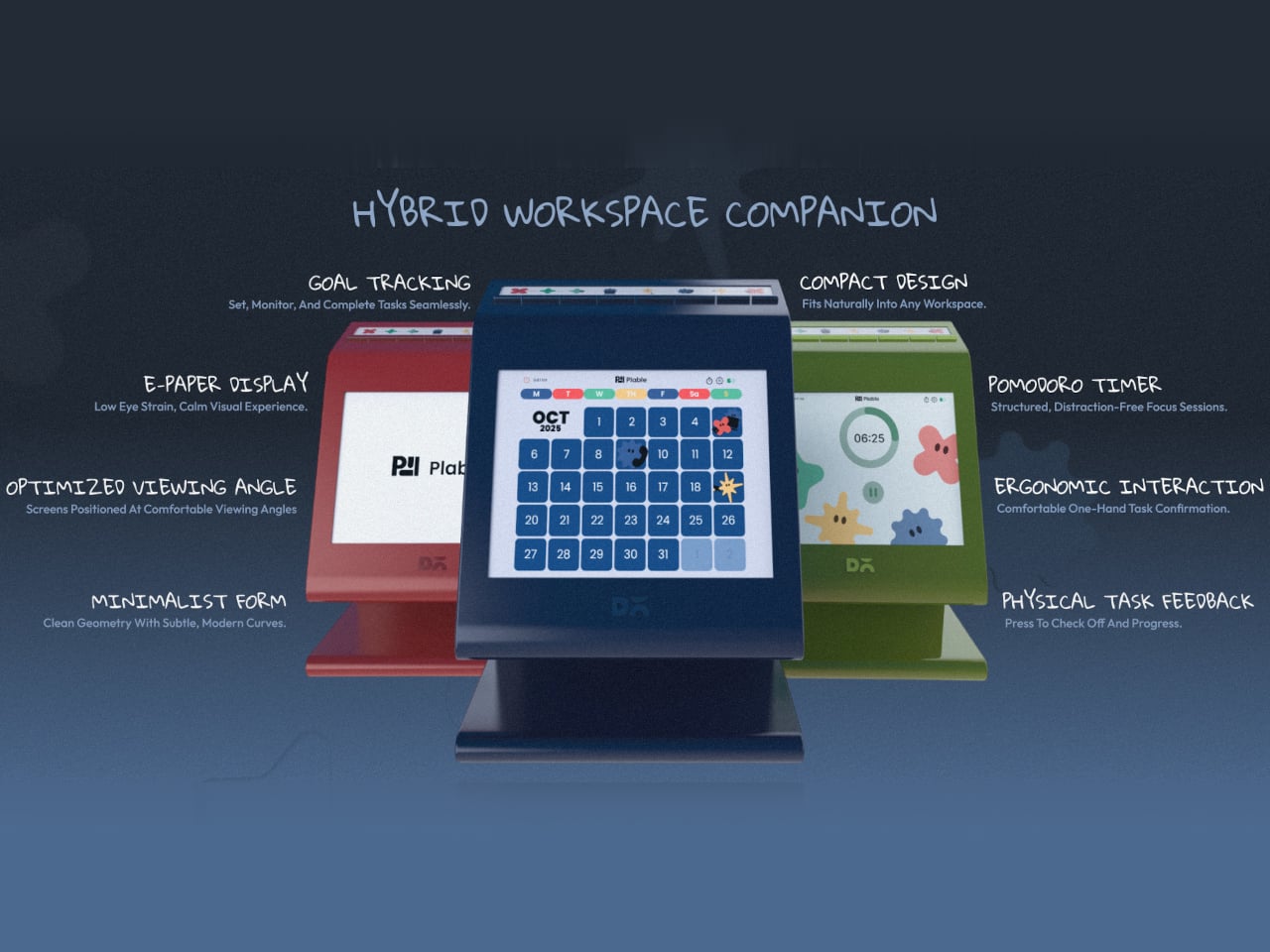
Plable is a hybrid workspace companion concept that tries to break that cycle by pulling tasks off the phone and onto the desk. Built around the tagline “Productivity meets playful rhythm,” it’s a small physical device that works alongside a companion app to create a calmer, more intentional workflow, one that builds focus through touch, rhythm, and gentle feedback instead of another notification.

Designer: Kaira Majahan

The concept calls the current situation the “Tool Trap,” the idea that users end up managing tools instead of focusing on their actual work. Plable identifies the specific gaps, cognitive overload from feature-heavy tools, missing positive feedback, fragmented workflows across disconnected apps, and static systems that don’t adapt to individual habits. The response is a single, compact desk presence that anchors everything without trying to replace every tool you already use.

The core interaction is satisfying by design. Daily tasks sit on a small, dedicated display on the desk, and a physical button press checks off the current task and advances progress. Each gesture is meant to feel like a small win rather than a chore, turning routine to-dos into encouraging moments instead of items being shuffled around a screen. That distinction between “pressing a button” and “tapping a phone” sounds minor until you realize how differently they feel.

The calm-tech choices reinforce that philosophy. An e-paper display keeps eye strain low and avoids the visual noise of a backlit screen sitting next to your monitor. The device is compact and angled for comfortable viewing, with a built-in Pomodoro timer for structured focus sessions and goal tracking to give the day some shape. It stays quiet and present rather than constantly pulling you back into an interface.

The companion app handles setup, broader planning, and organization across categories like deadlines, wellness, and priority tasks. That division matters because the app is where you plan, and the desk device is where you execute. Keeping those two layers separate means the phone stays in its lane instead of becoming another place where tasks disappear into the notification feed.

Plable was designed as a conceptual addition aligned with DailyObjects’ product language, soft geometry, playful minimalism, and bold color accents, though it’s an independent student project and not affiliated with or commissioned by the brand. What makes it worth paying attention to isn’t the brand reference but the underlying argument that productivity is an object-level problem as much as an app problem, and a small, tactile thing on your desk might do more for focus than another subscription ever will.

The post Tired of To-Do Apps? This Desk Device Has One Simple Button first appeared on Yanko Design.