Remembering details from meetings, conversations, and everyday interactions is hard when you’re splitting your attention between listening and taking notes. Amazon is addressing this with Bee Frontier and Bee Eclipse, two personal AI devices designed to capture conversations and turn them into summaries, reminders, and actionable tasks.
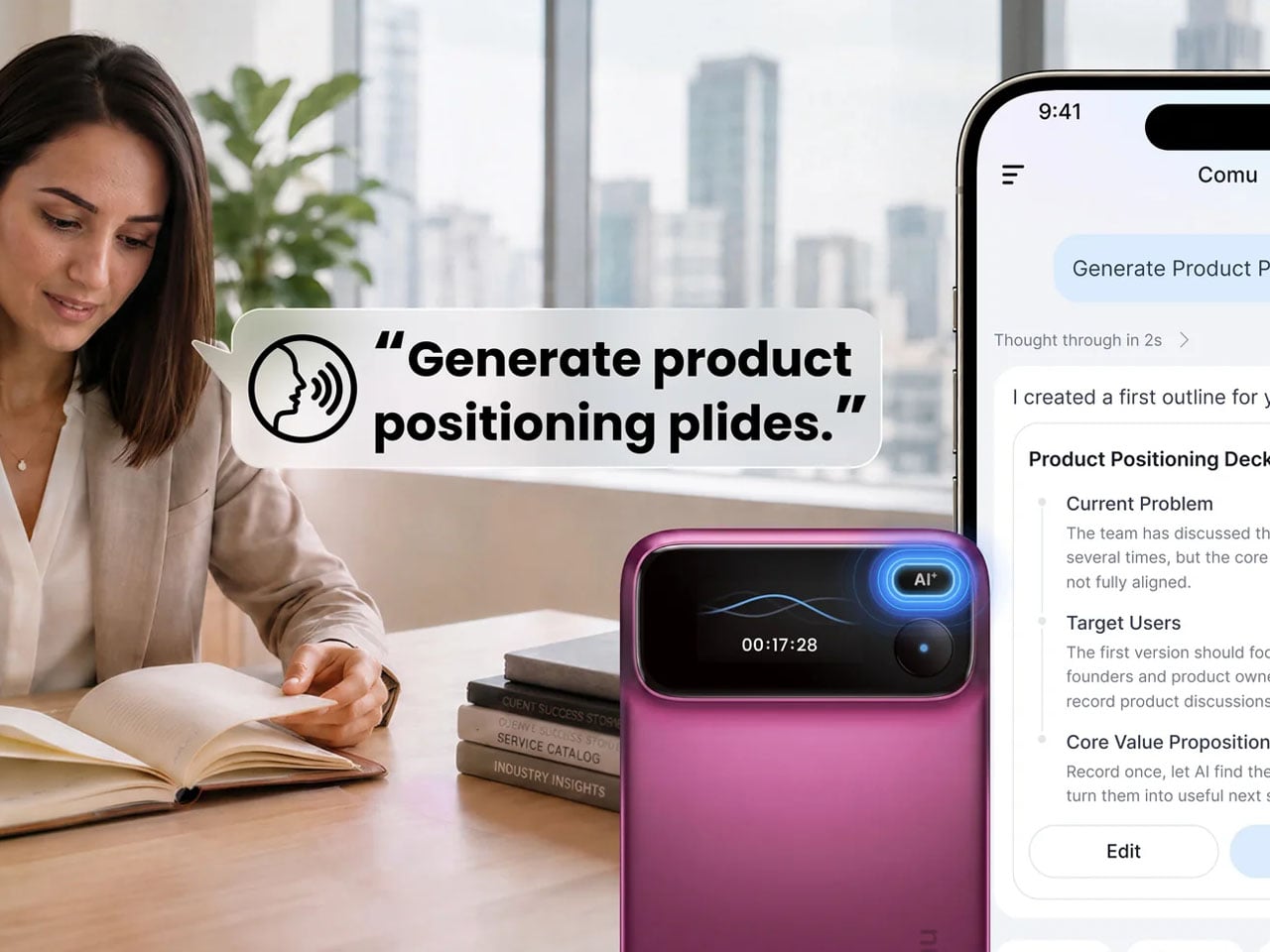
Both devices connect to the Bee app, where users can revisit key details without manually documenting every interaction. Integrations with Gmail, Google Calendar, and Microsoft Outlook turn discussions into follow-up emails and scheduled events, while Alexa+ lets you access personal notes and reminders hands-free.
Designer: Amazon

With one device worn on the body and the other attached to a phone, Amazon offers two ways to bring AI-assisted note-taking into everyday life without adding another screen to manage.
Bee Frontier Wearable AI Companion
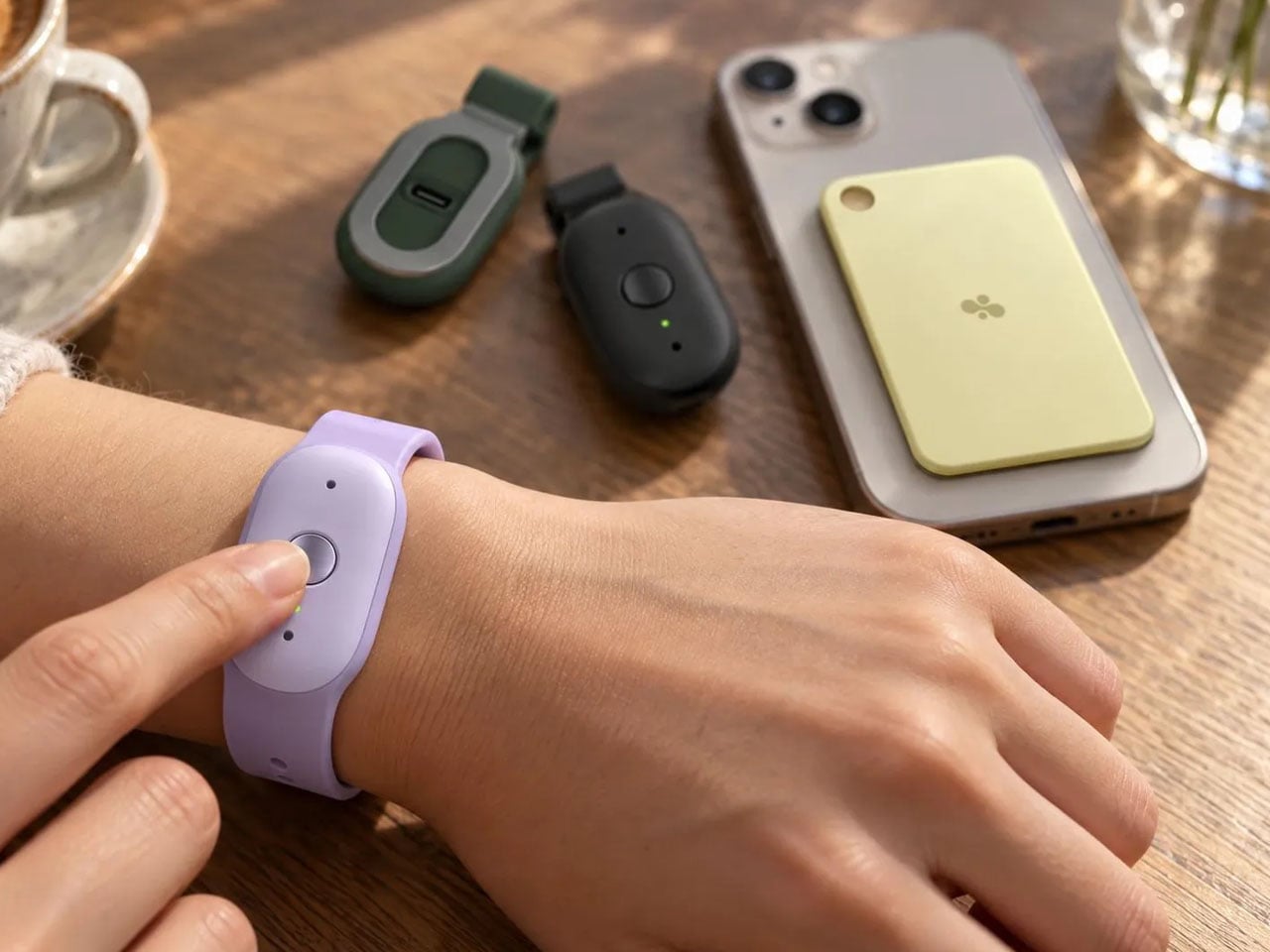
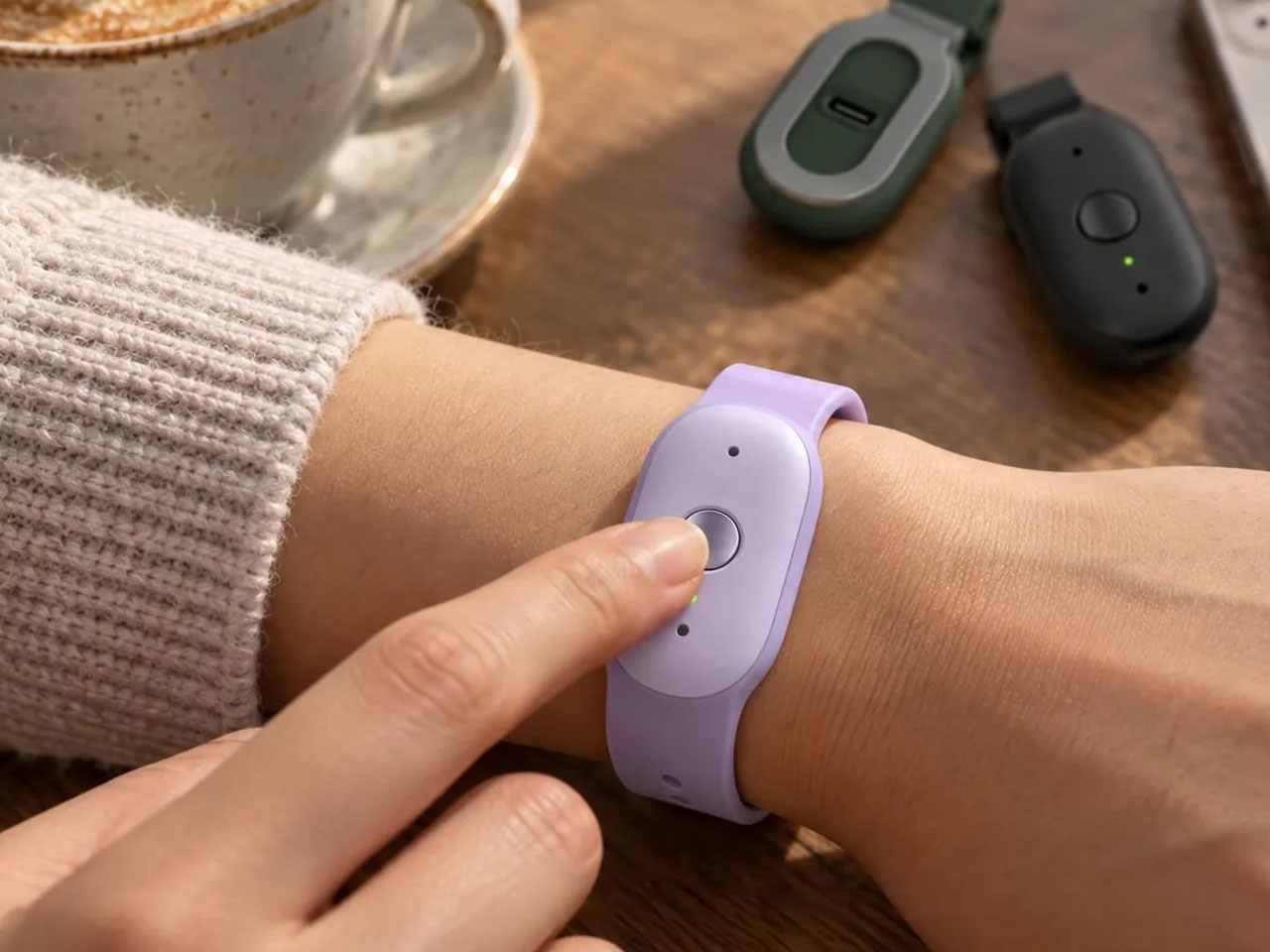
Bee Frontier is designed for people who want to keep track of conversations without repeatedly reaching for their phones. Worn on the wrist with a soft silicone band or clipped onto clothing, the lightweight device can accompany users through meetings, lectures, interviews, and everyday interactions. Someone attending back-to-back work meetings, for instance, could stay focused on the discussion instead of splitting their attention between colleagues and a notebook, then review the main decisions and follow-up tasks afterward.
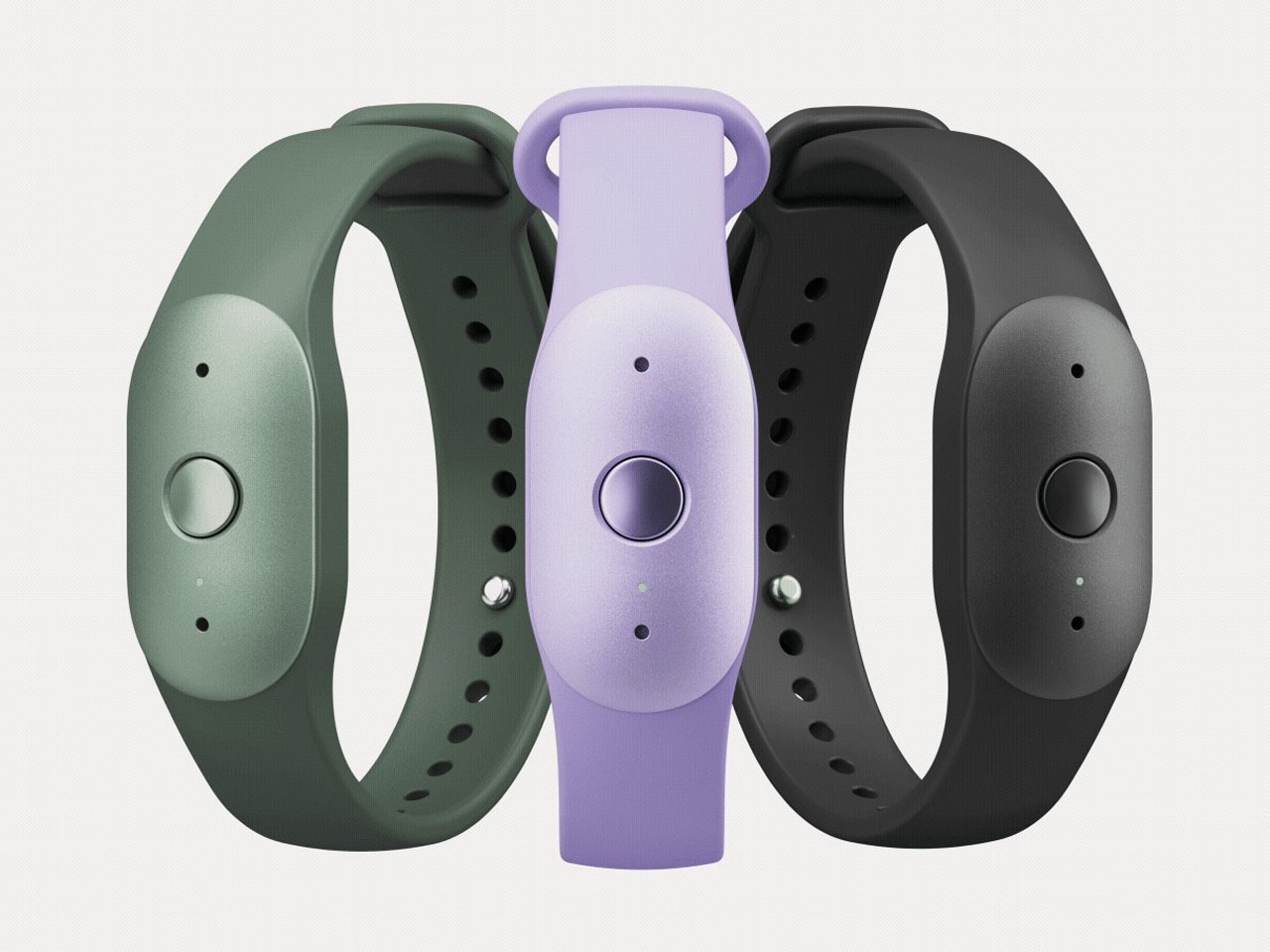
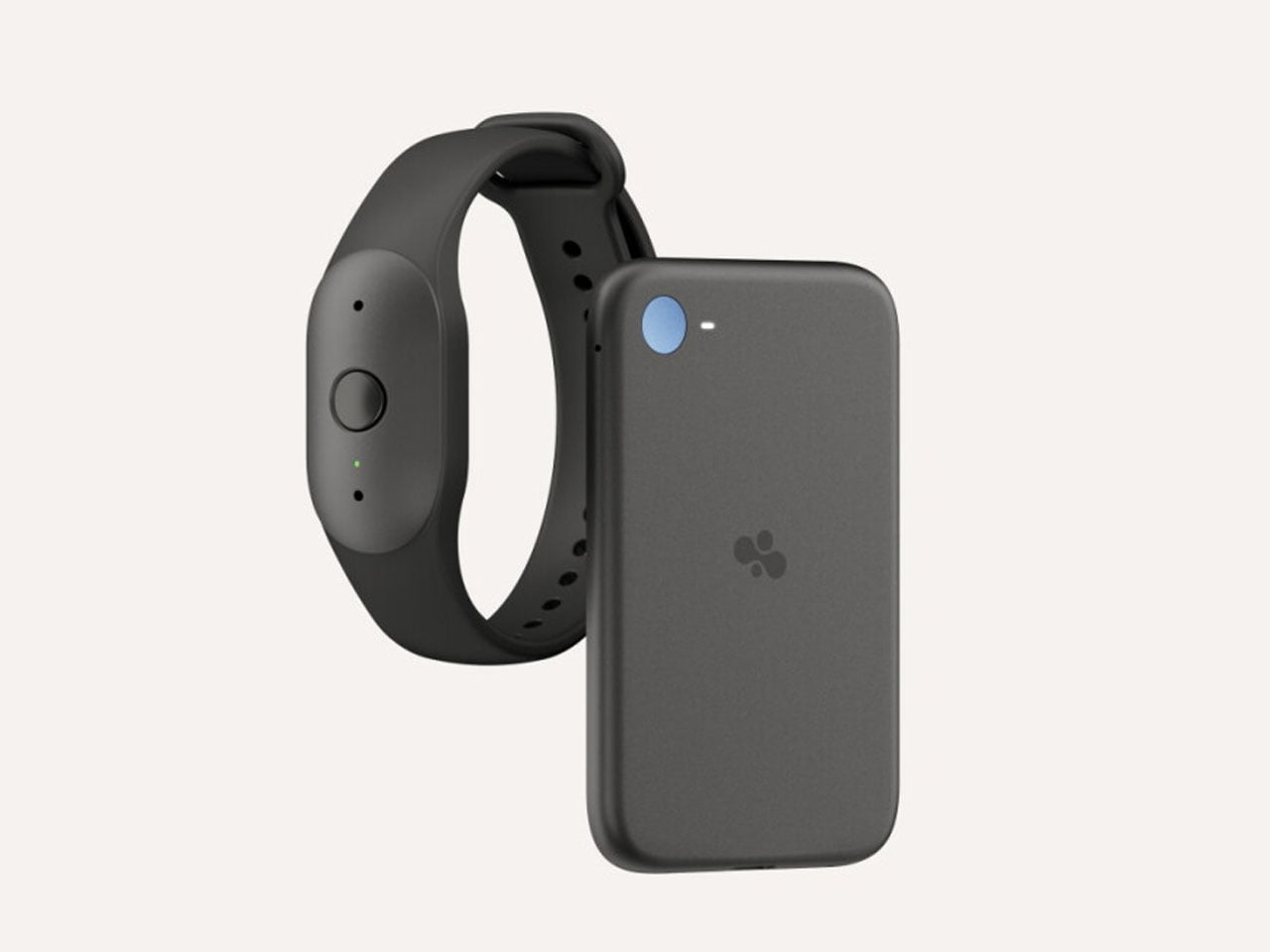
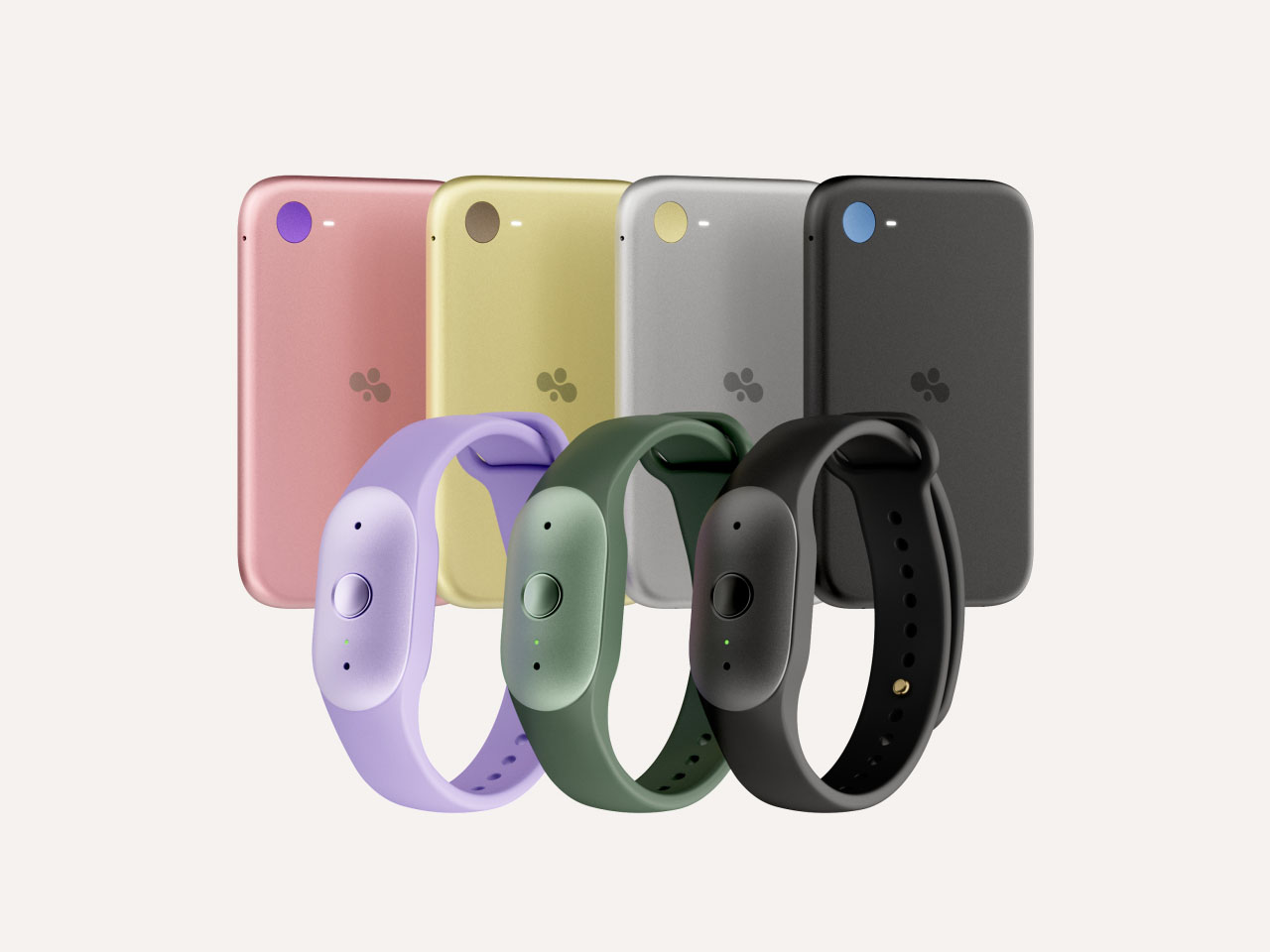
The wearable features dual microphones with noise filtering to pick up conversations in everyday environments. Its summaries can be organized using templates for different situations, including meetings, lectures, care plans, and brainstorming sessions. This gives users a way to revisit the information that matters, whether that means remembering a client’s requirements, reviewing a class discussion, or keeping track of tasks agreed upon during a team meeting. Available in Onyx, Lavender, and Sage, Bee Frontier also offers IP67 water resistance, USB-C charging, and up to seven days of battery life.
Bee Eclipse Adds AI to Your Phone
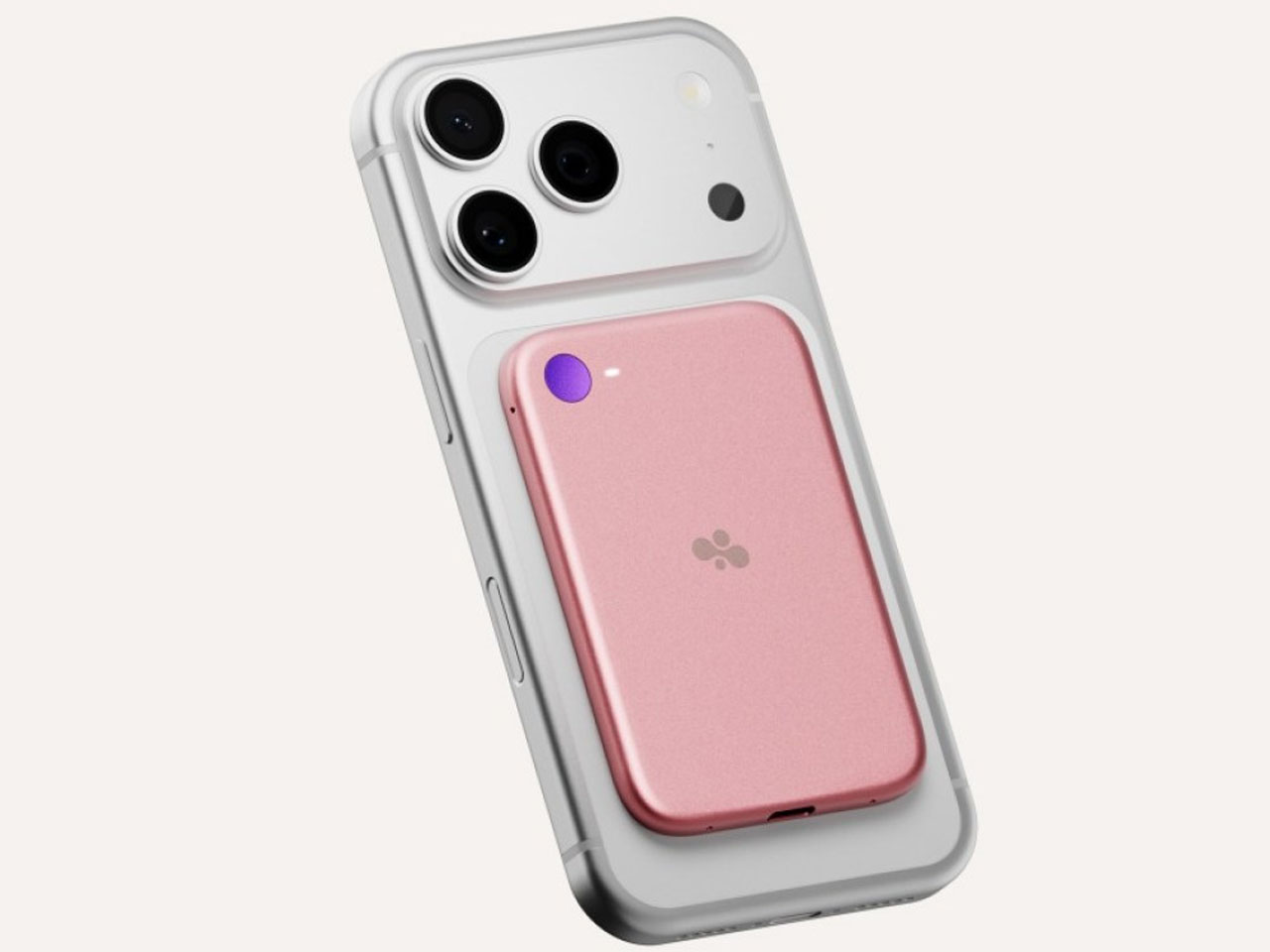
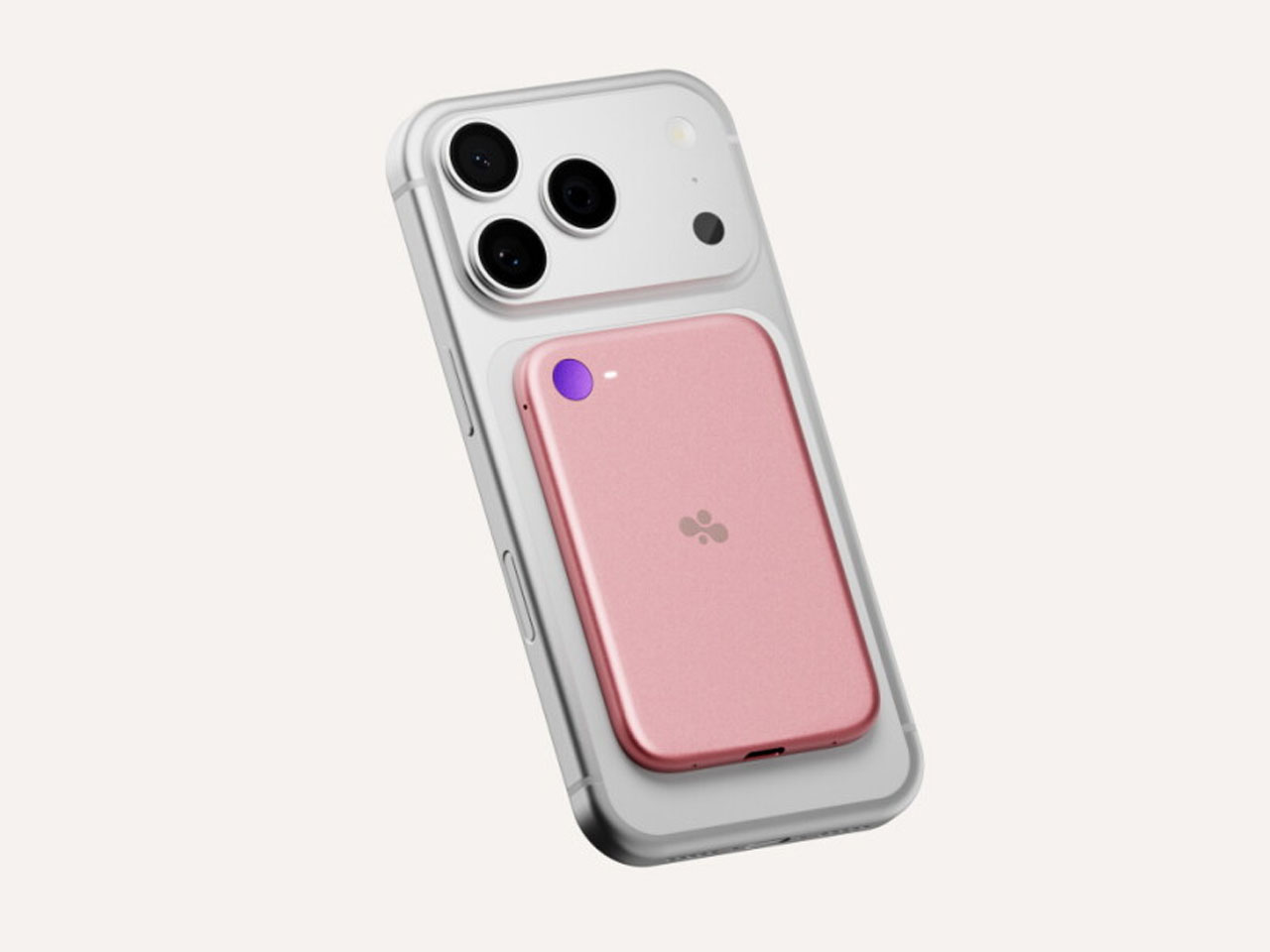
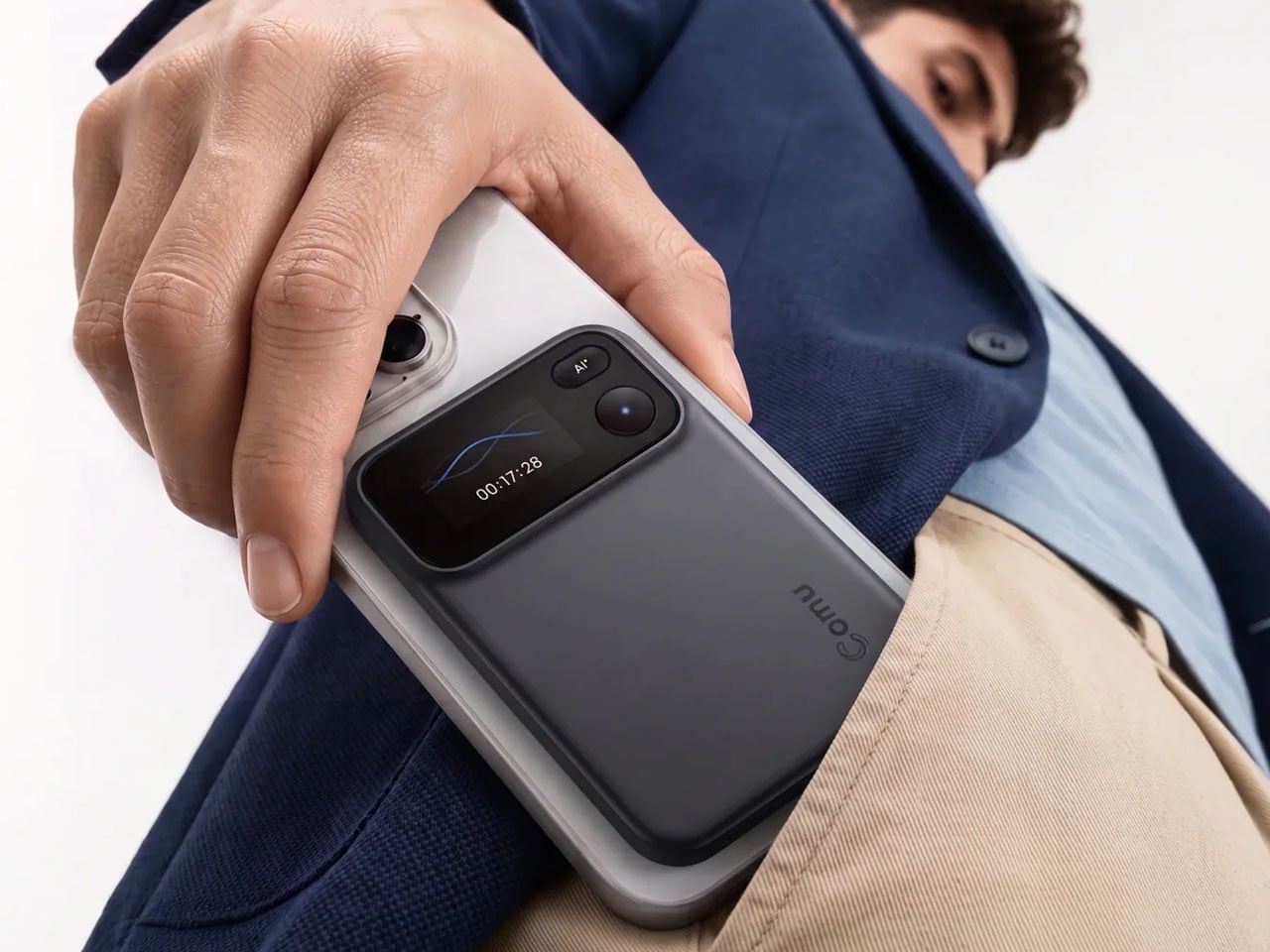
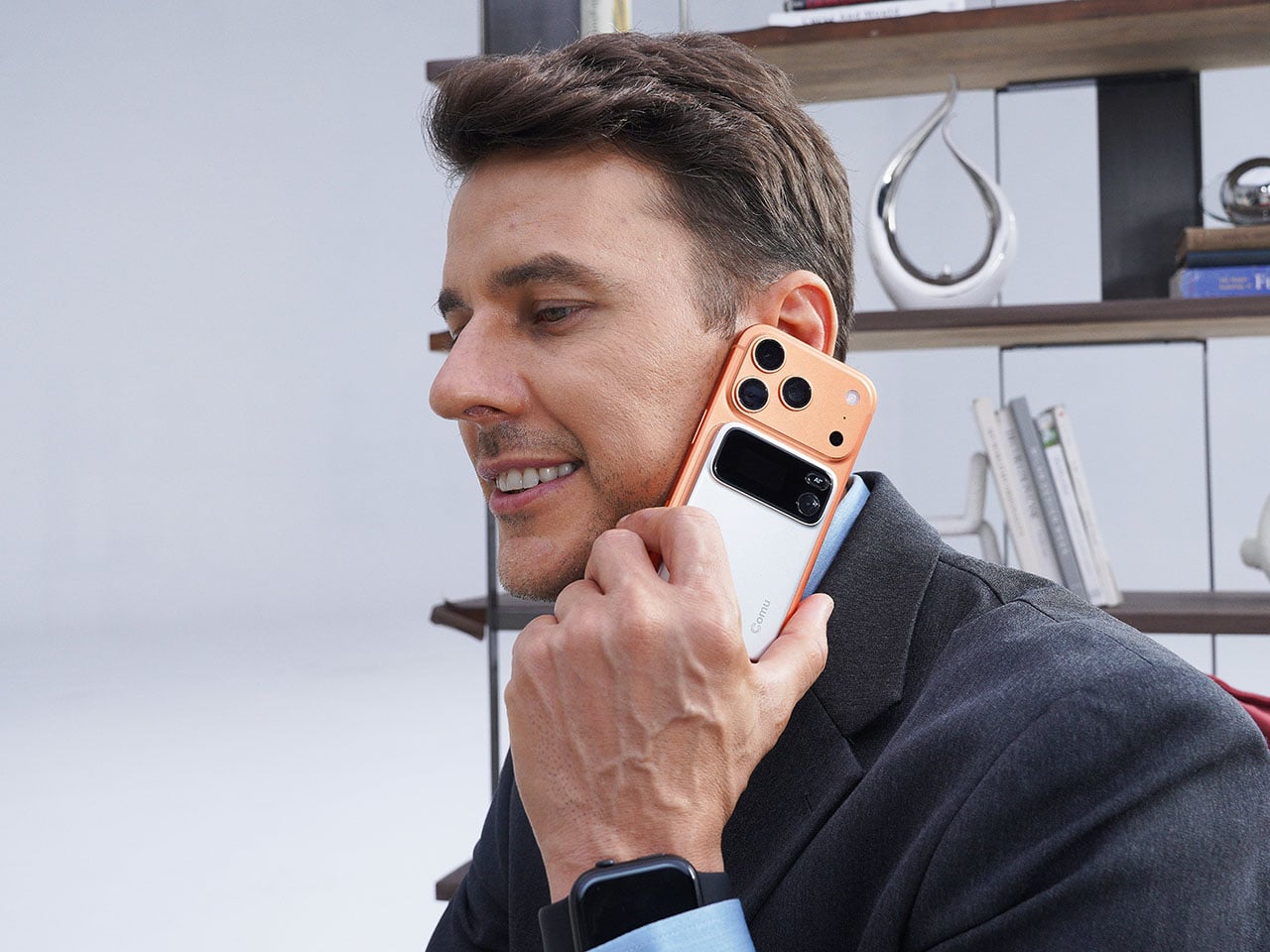
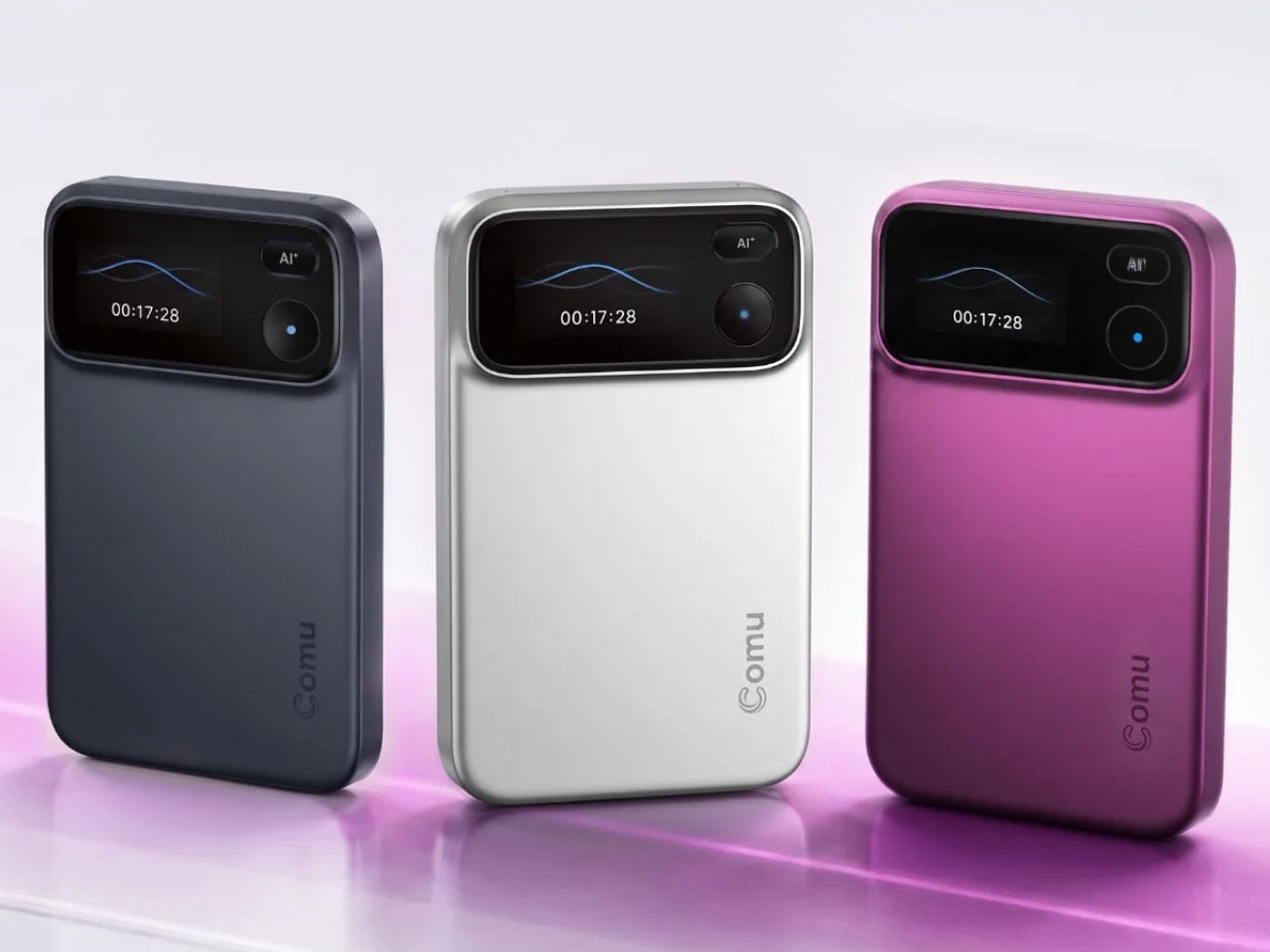
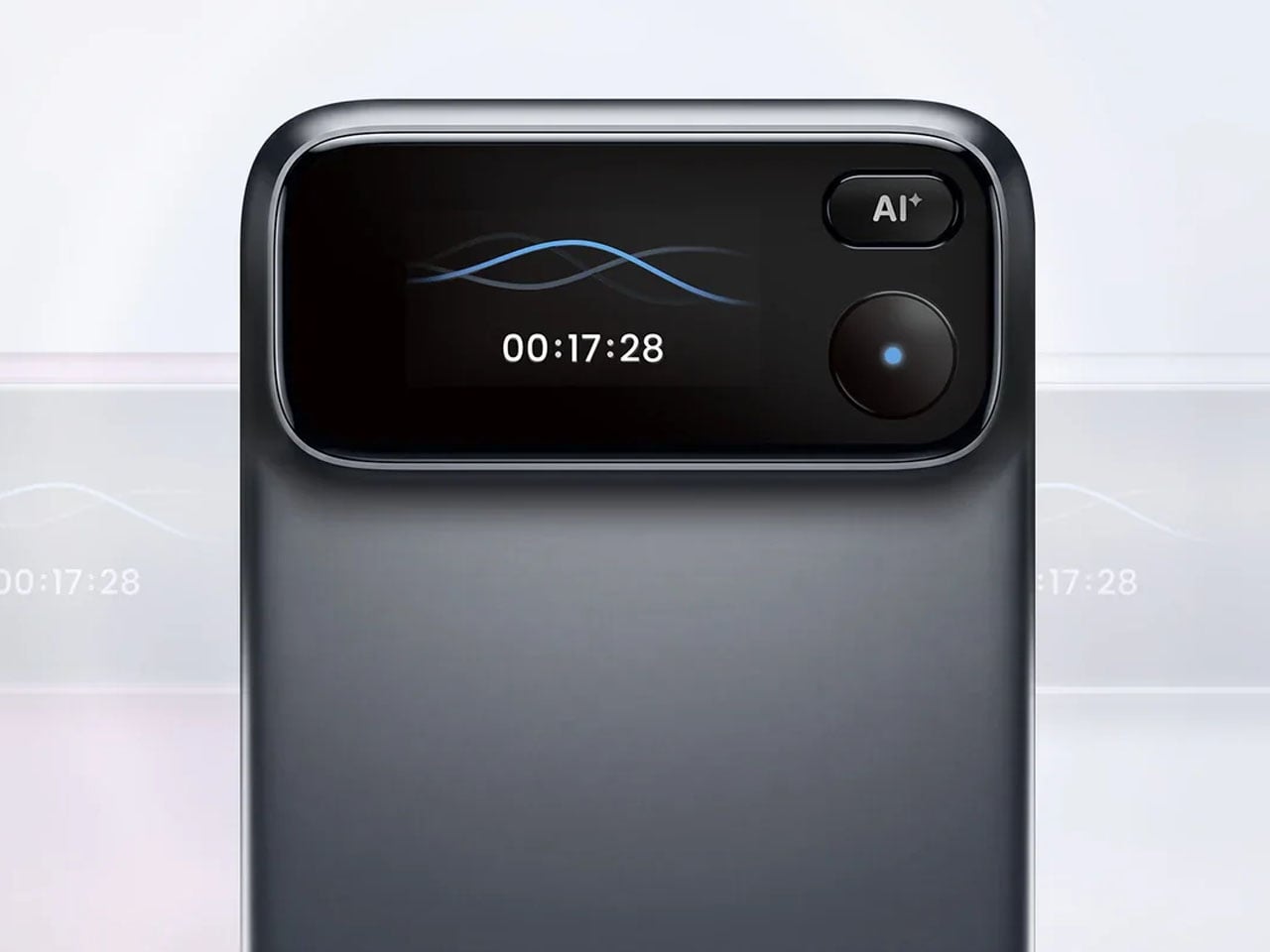
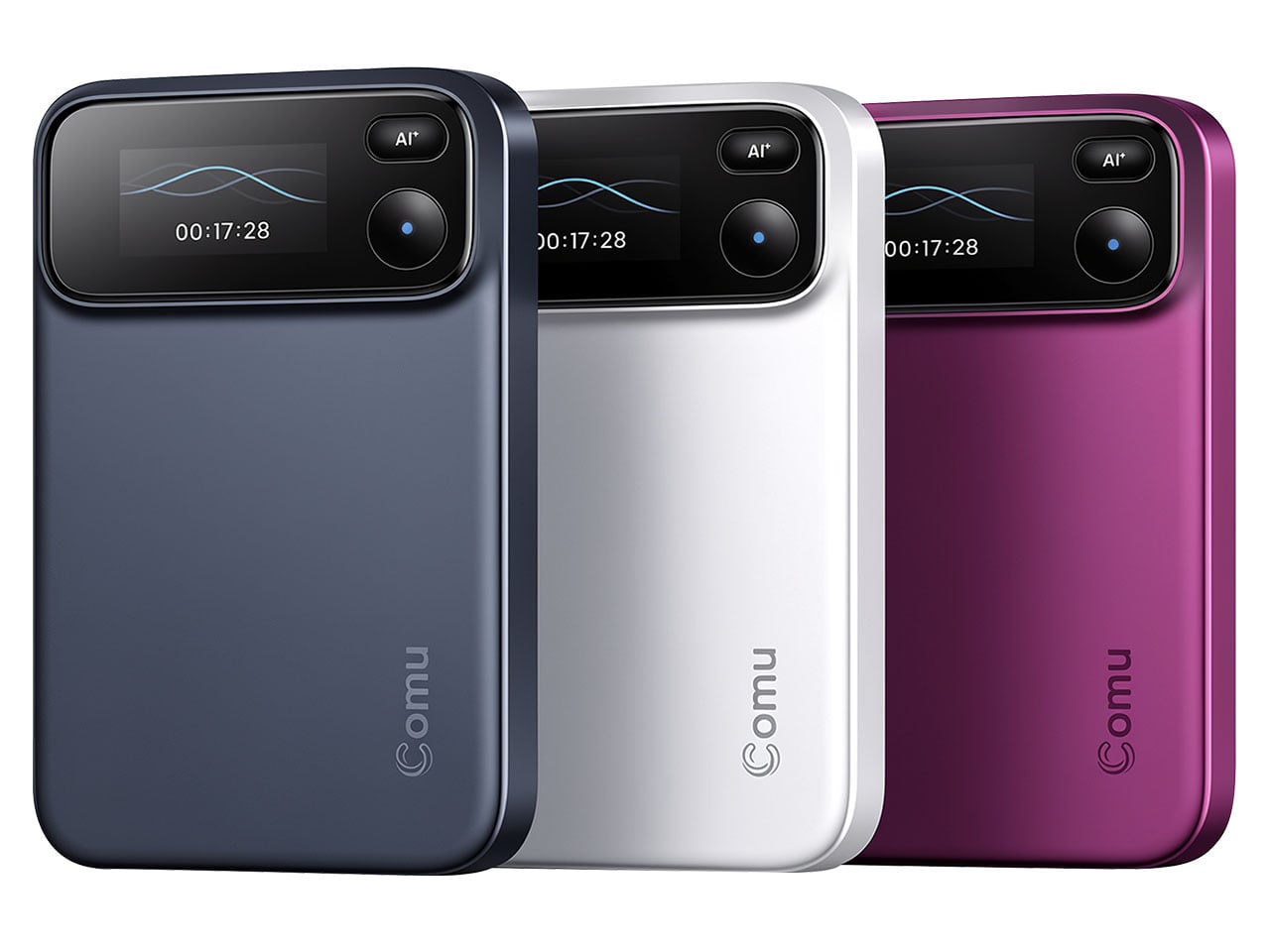
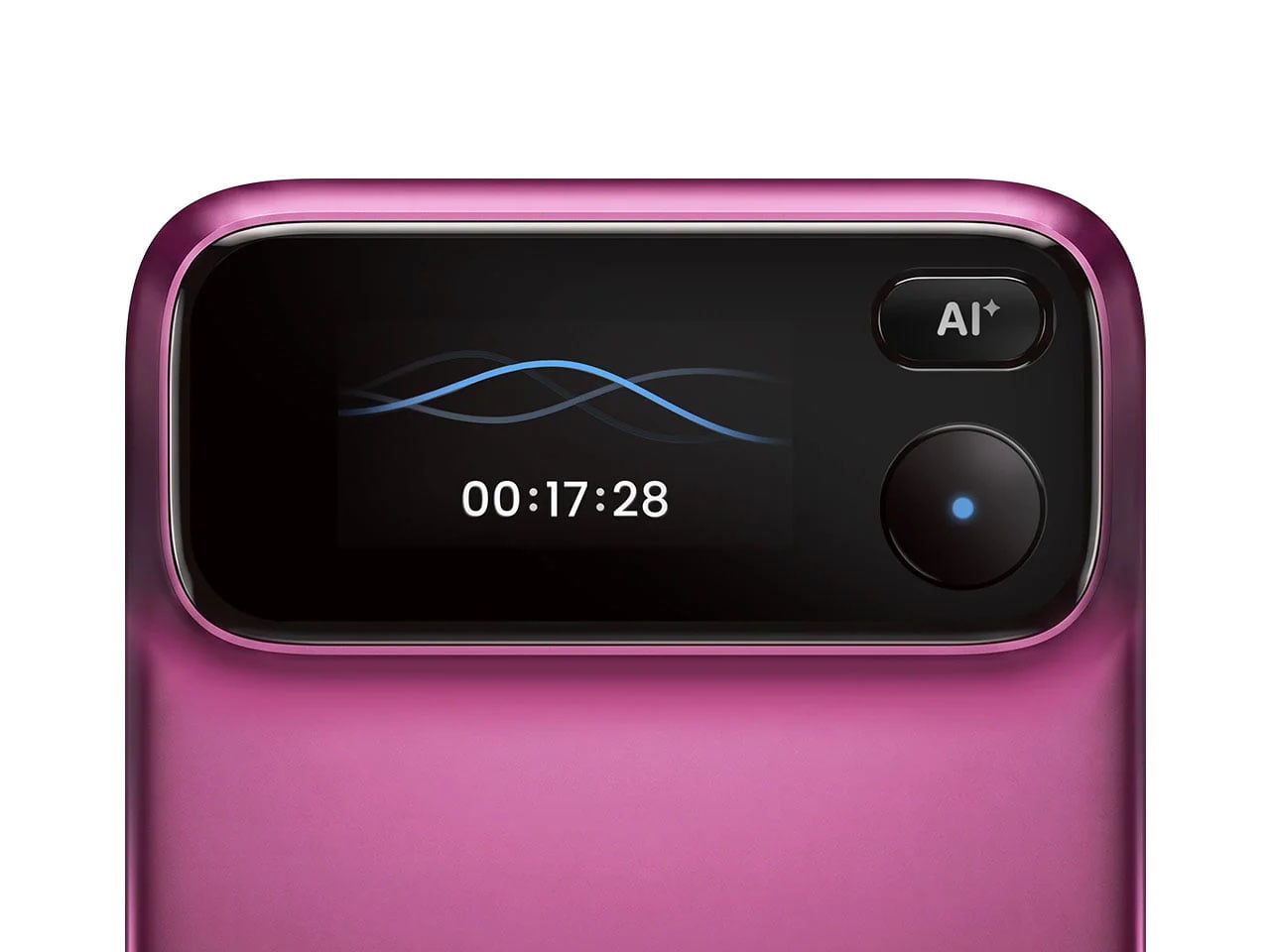
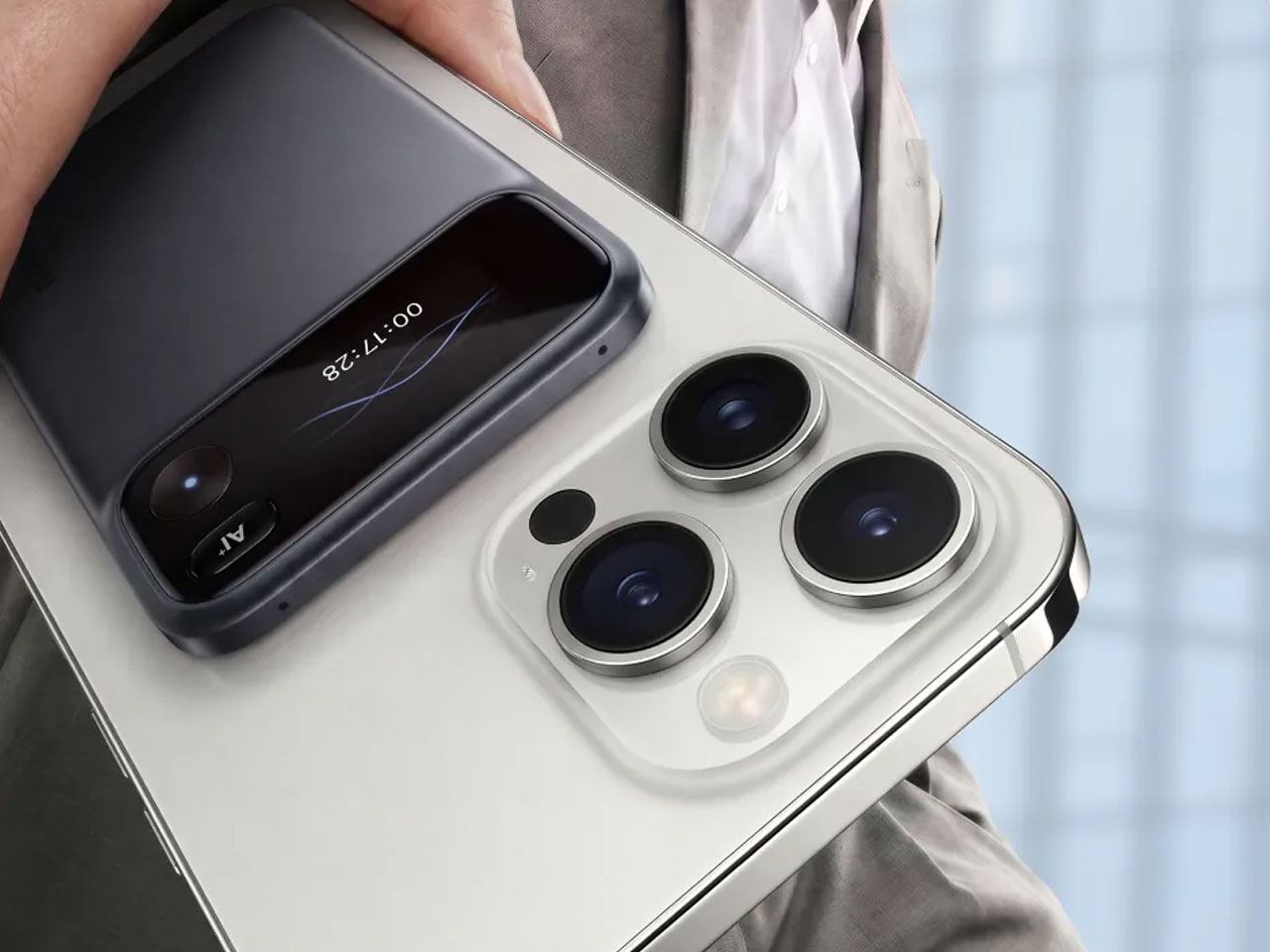
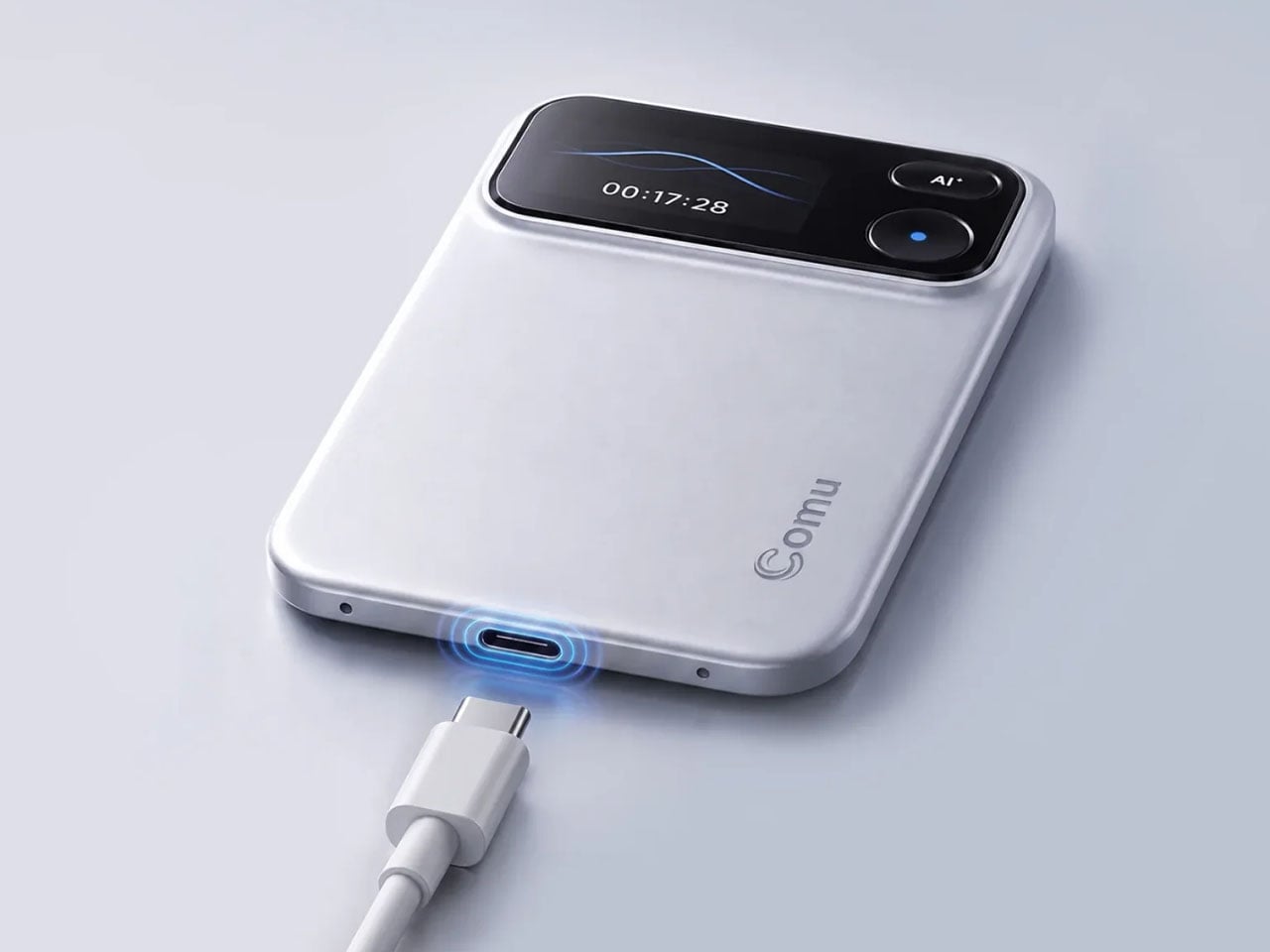
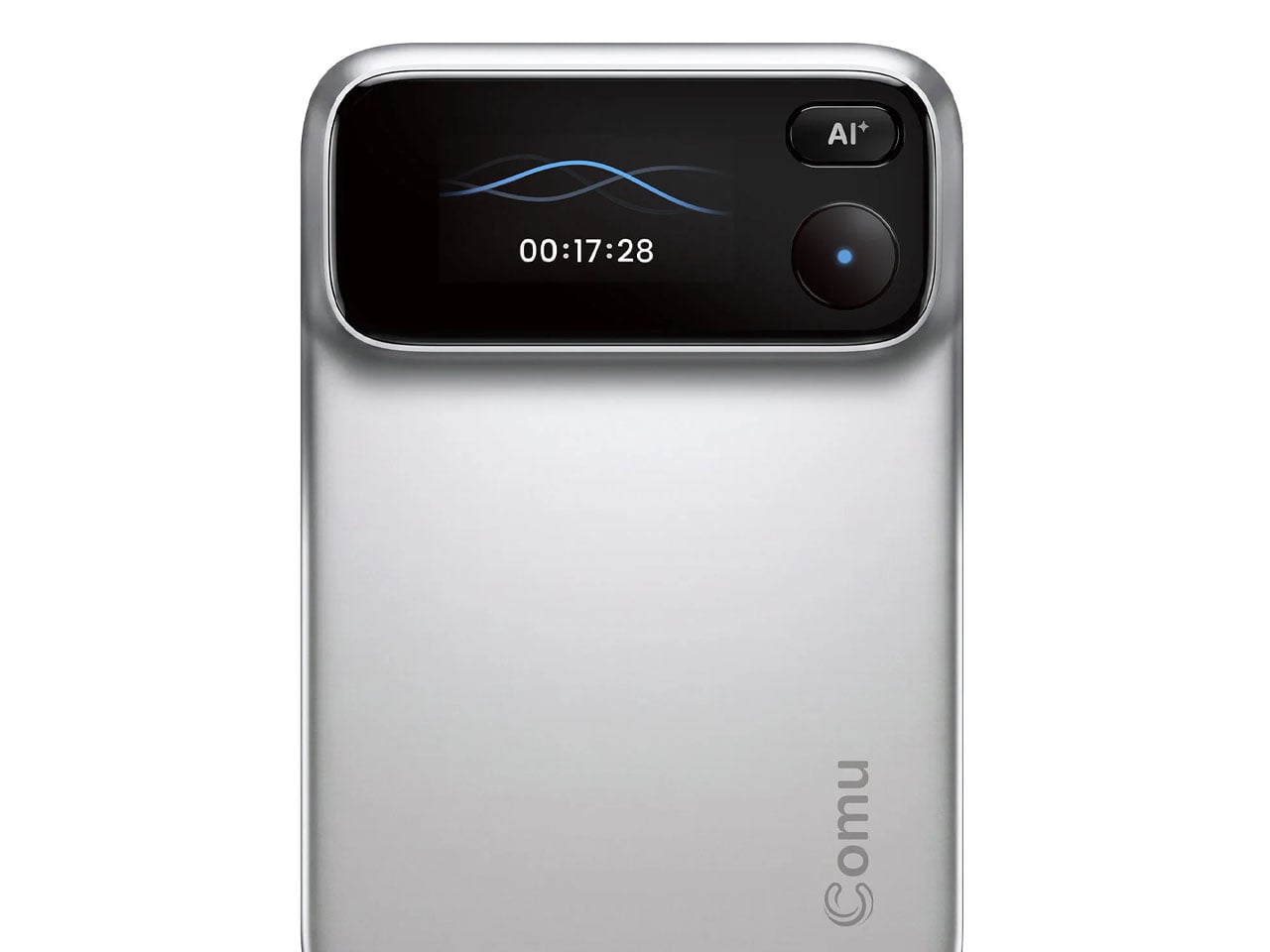
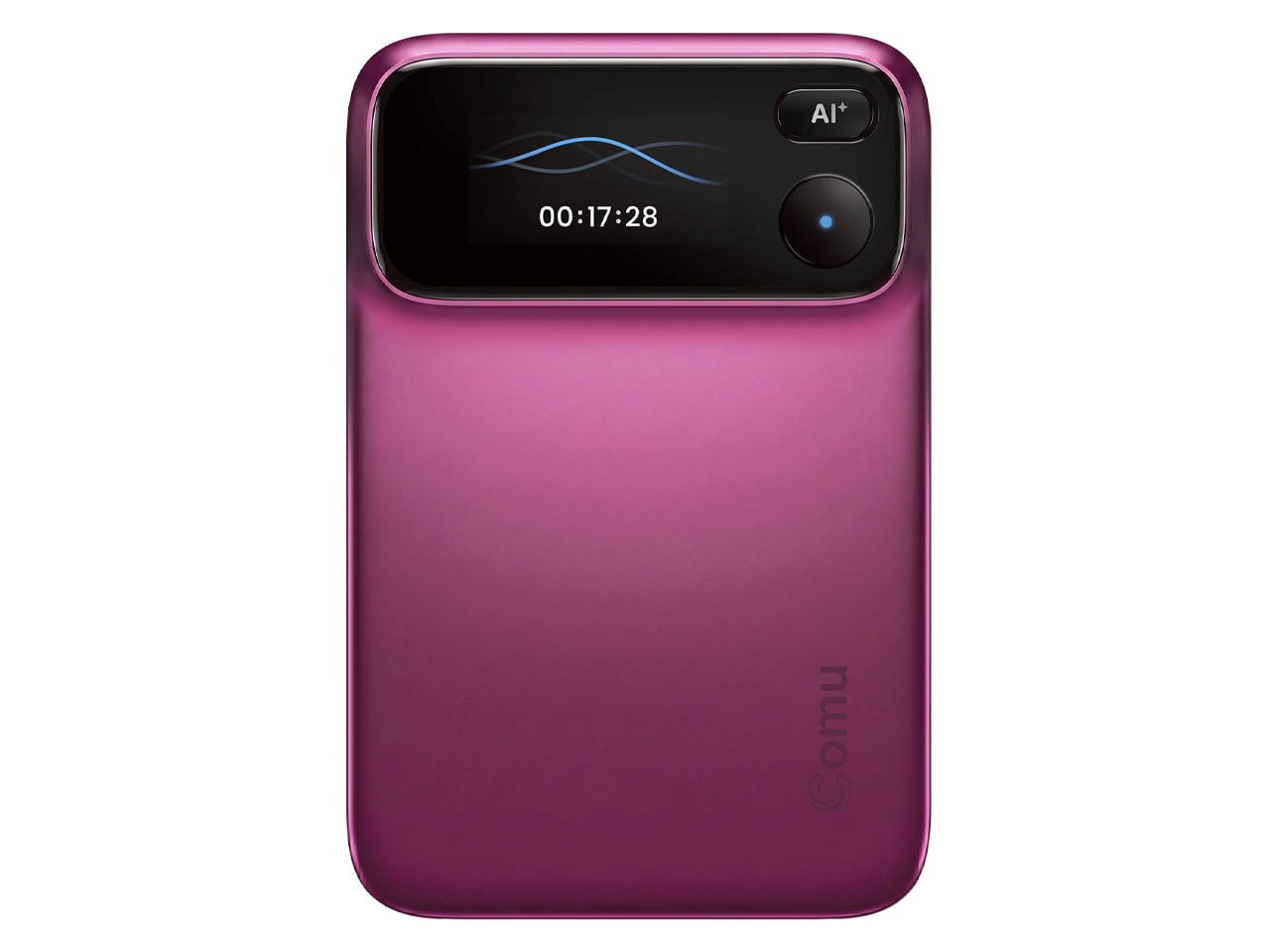
Bee Eclipse brings similar functionality to a familiar device rather than introducing something users need to wear. The slim magnetic attachment sits on the back of a compatible smartphone, making it a potential fit for people who prefer to keep their everyday technology consolidated around their phone. Its design also lends itself to situations where conversations move between calls and face-to-face discussions.
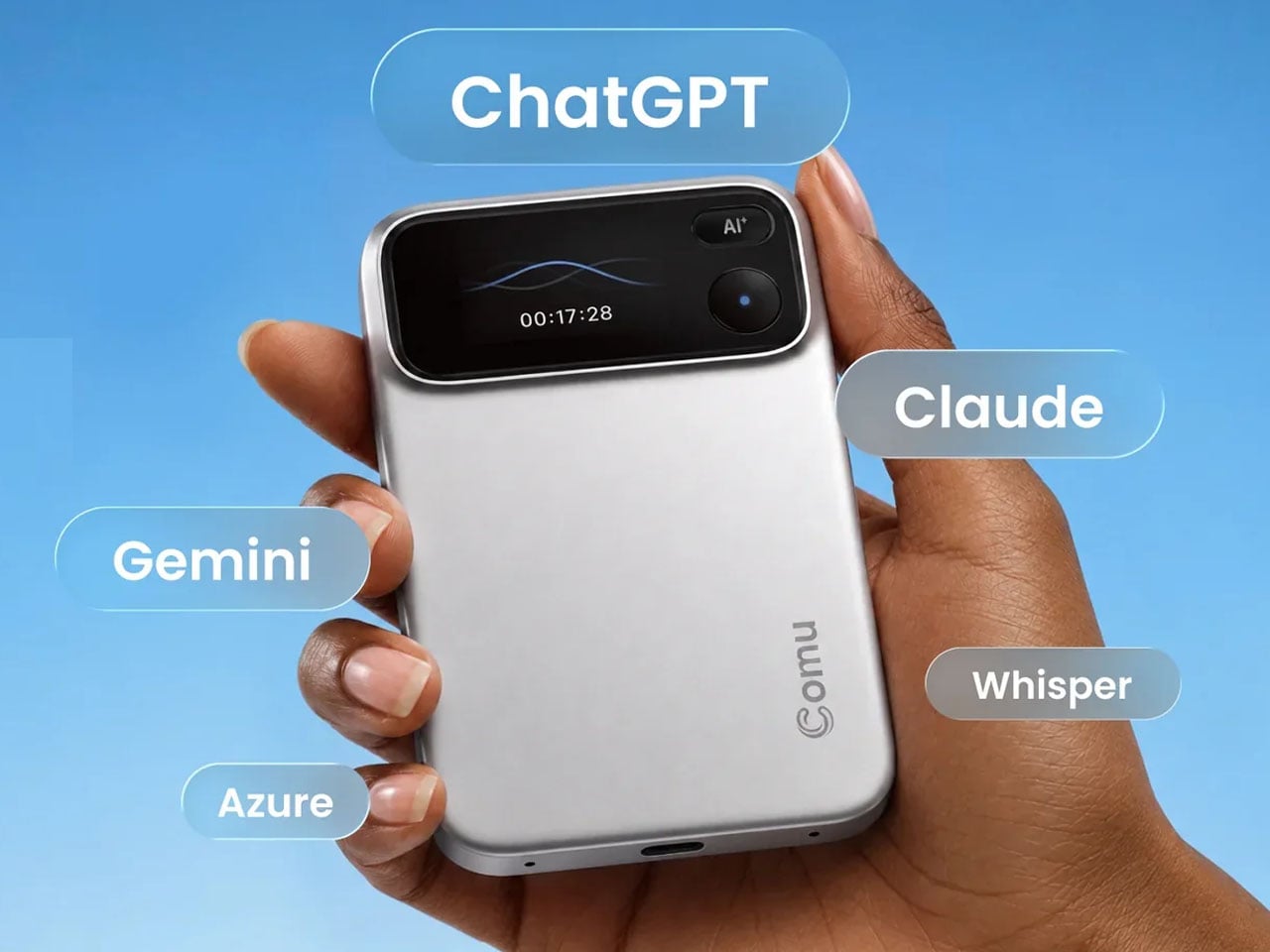
Measuring approximately 4.6mm thick and weighing 48.9g, Eclipse is roughly the size of a credit card. It uses four MEMS microphones and a vibration microphone to capture in-person conversations and both sides of phone calls. That could be useful for someone handling client calls throughout the day who wants to revisit important instructions later, or for professionals who need a record of discussions without interrupting the flow to type notes. Its battery is rated for more than 21 days on a single charge.
Privacy remains important for both devices. Amazon says its Bee Private Compute architecture processes audio in real time and deletes it afterward rather than retaining audio recordings. Transcripts are encrypted using keys controlled by the user’s device, and users can delete their summaries and transcripts. A physical button controls audio processing, while an LED indicates when the devices are active. Users should obtain permission from other participants before capturing conversations.
Bee Frontier is available for $74.99, while Bee Eclipse is expected to launch soon at $99.99. Both include basic conversation summaries and a 14-day memory history. The optional Bee Pro subscription costs $11.99 per month and adds expanded integrations, daily memories, suggested tasks, a personal AI assistant, and desktop access, with a 30-day trial for new customers.
By offering a wearable and a smartphone attachment, Amazon gives users two ways to make everyday conversations easier to revisit, with the choice largely depending on how they prefer to carry and use their technology.
The post Amazon’s new Bee AI devices help you remember more without taking notes first appeared on Yanko Design.





.gif)