The Mark II Turns a Bookmark Into a Second Memory for Readers

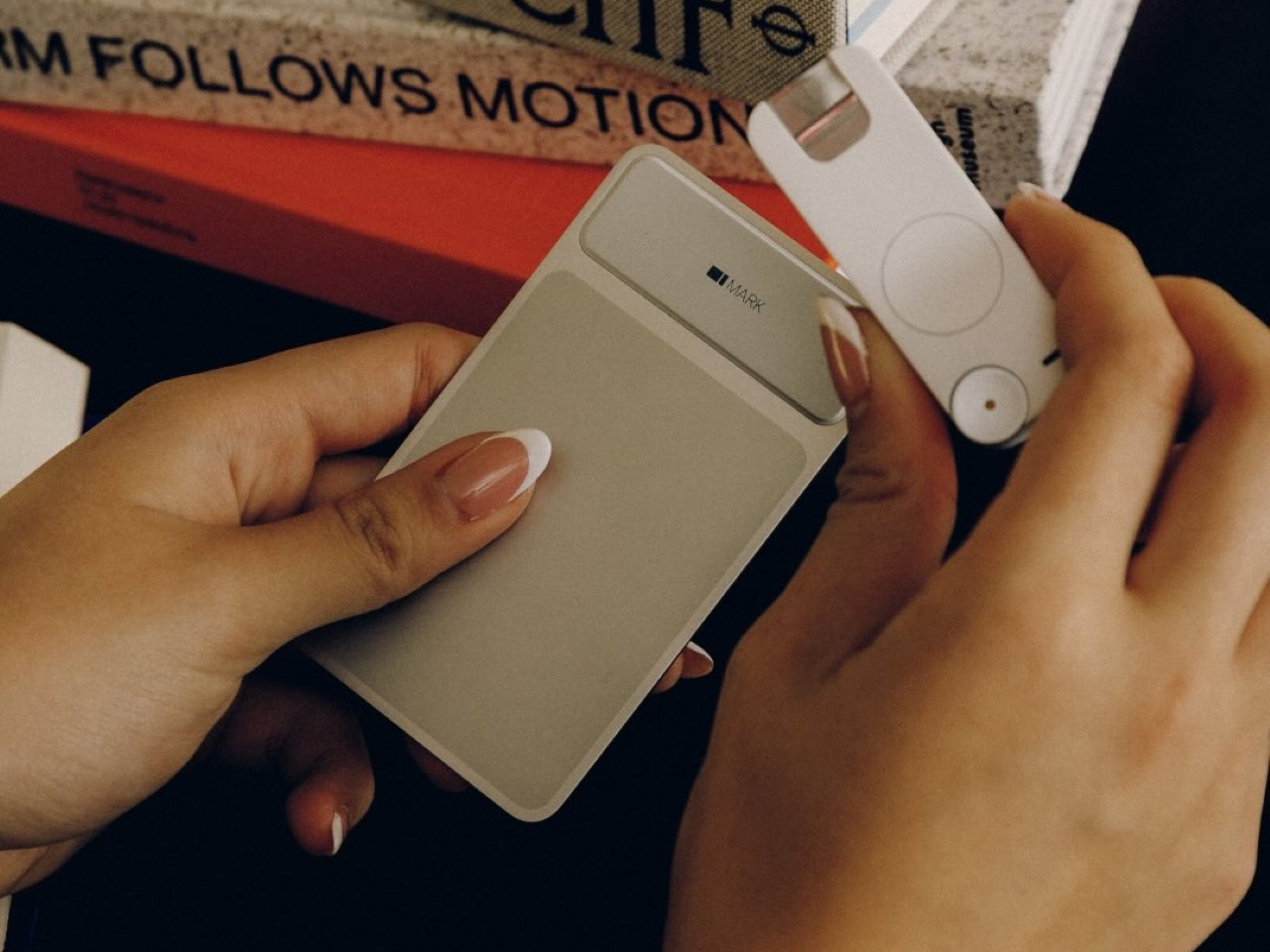
A bookmark’s only job has stayed the same for centuries: hold a place in a book, then disappear the moment reading stops. The Mark II asks that same humble object to do considerably more, turning a strip of aluminum and plastic into a scanner, a voice recorder, and a running archive of everything a reader decides is worth keeping between two covers.

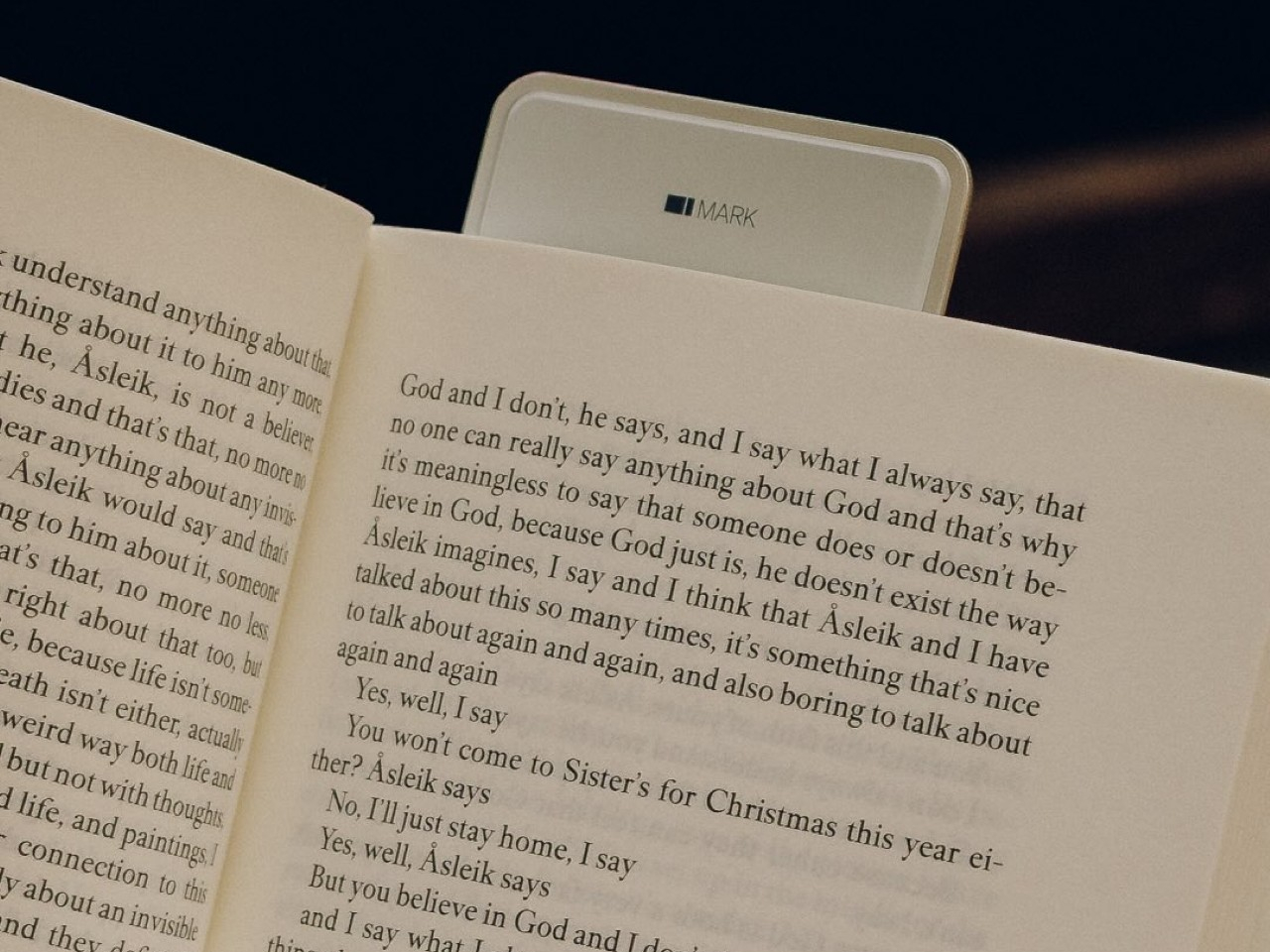
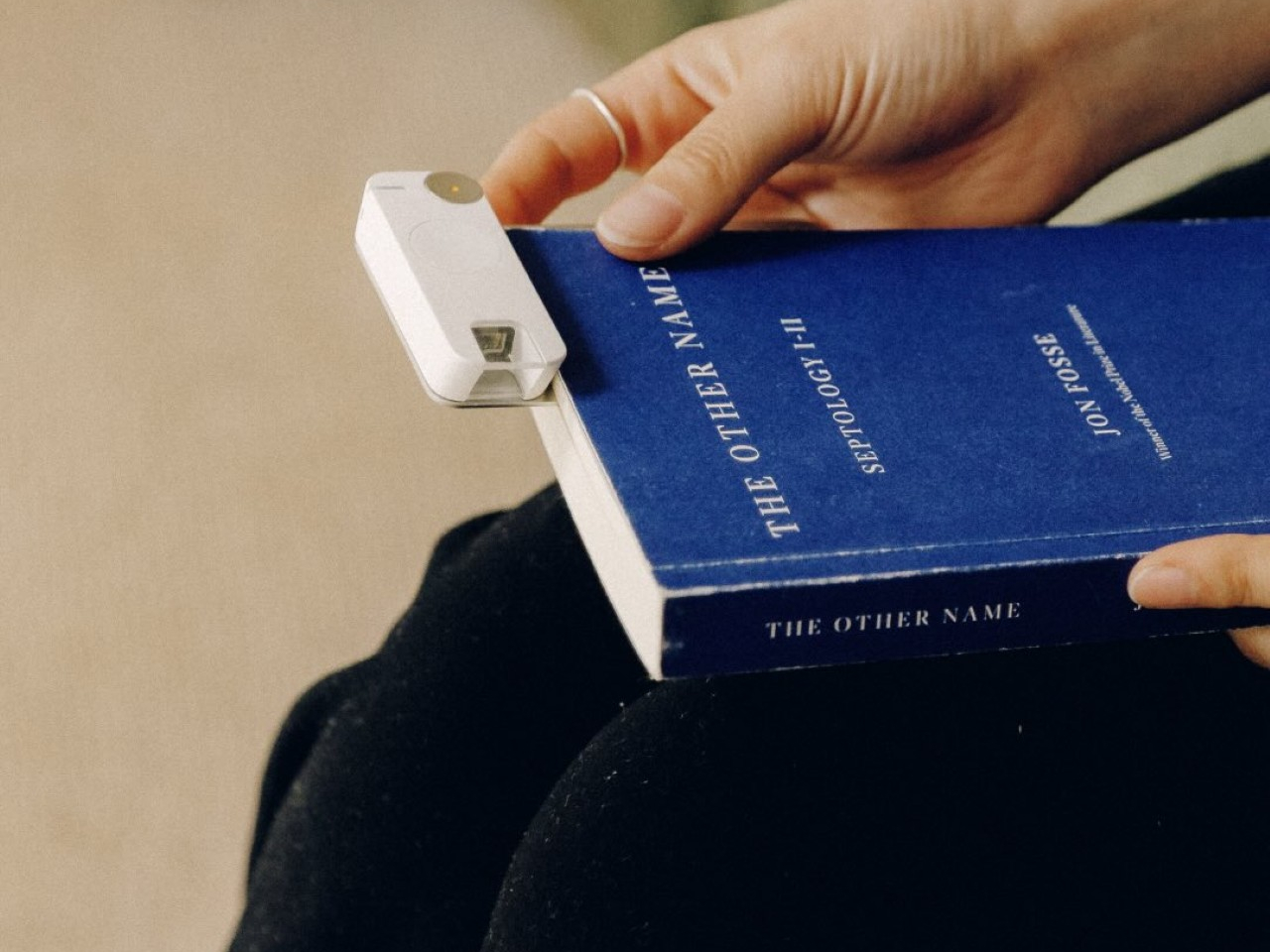
The system splits into two physical pieces working together. A slim bookmark stays tucked inside the book itself, marking the page the same way a scrap of paper always has. A separate highlighter piece does the actual capturing, gliding across a printed line to scan it, or getting pressed once to start recording a spoken thought before it slips away entirely.

Designer: Eason Tang
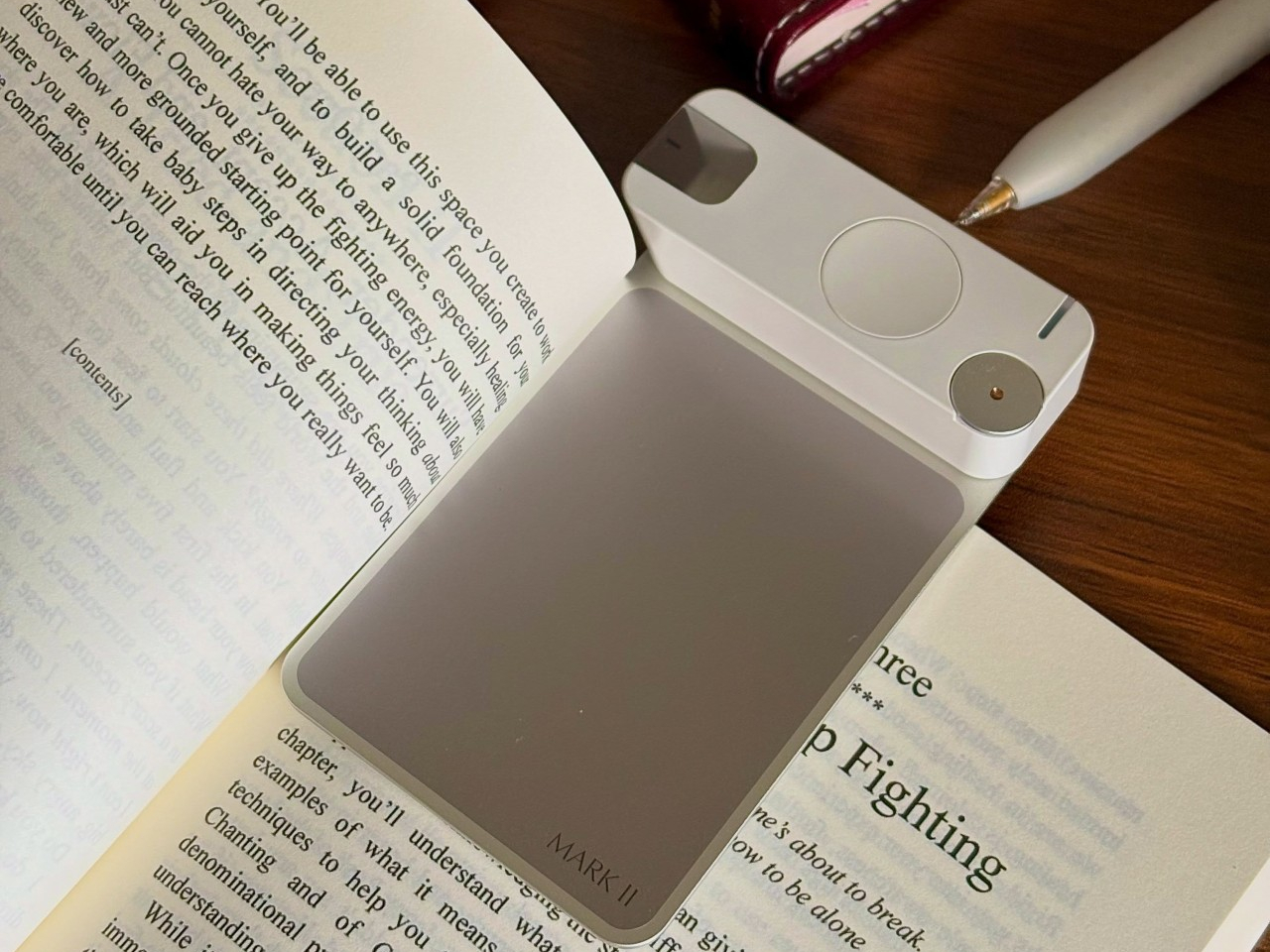
That scanning works across both paper and screens, reading handwriting in more than 100 languages just as easily as printed type. Nothing about the process asks a reader to break stride mid-page. The housing itself uses premium aluminum paired with ABS in a double-injection unibody build, a construction choice meant to survive being dropped, shelved, and carried in a bag daily without cracking.
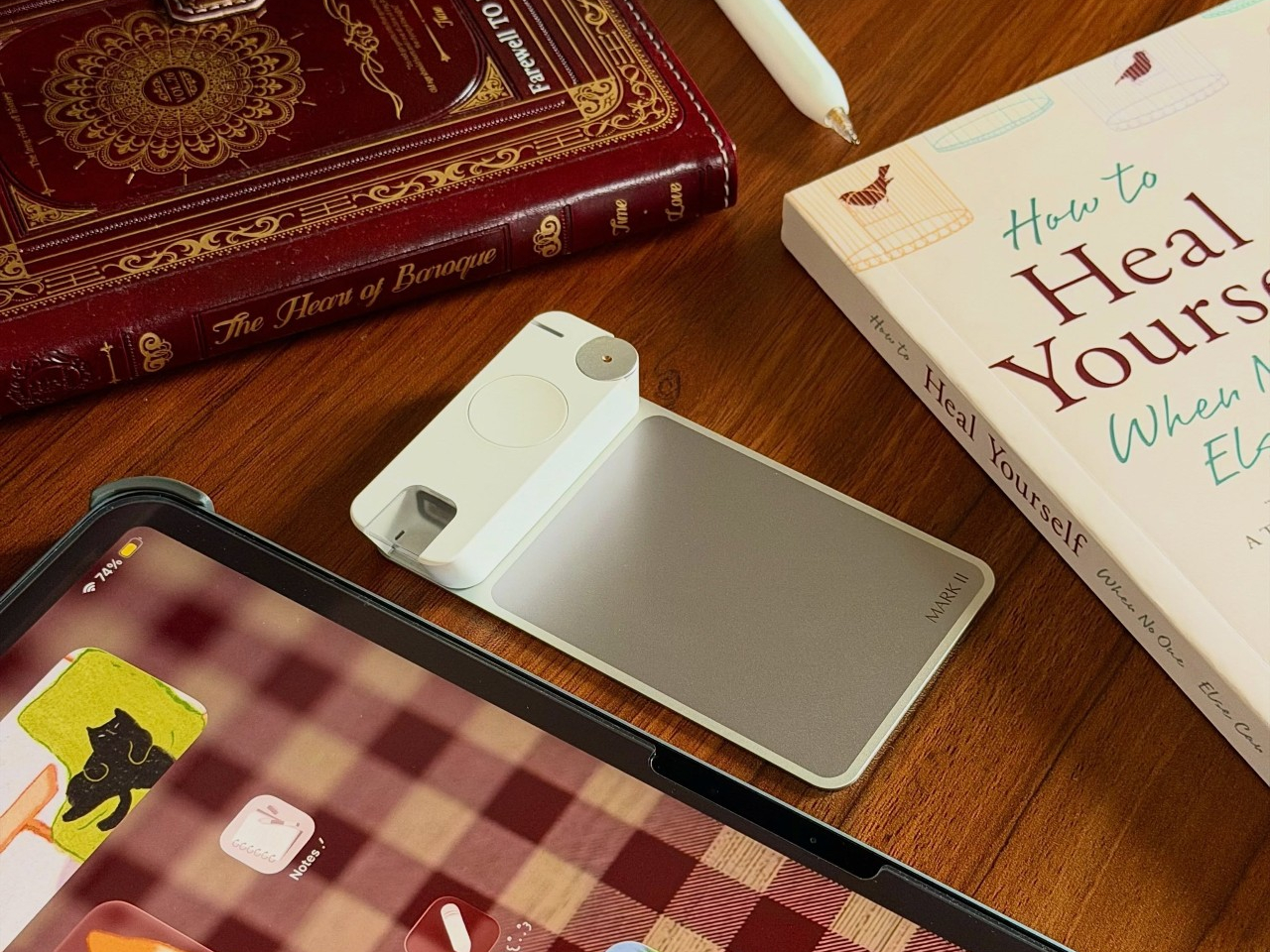
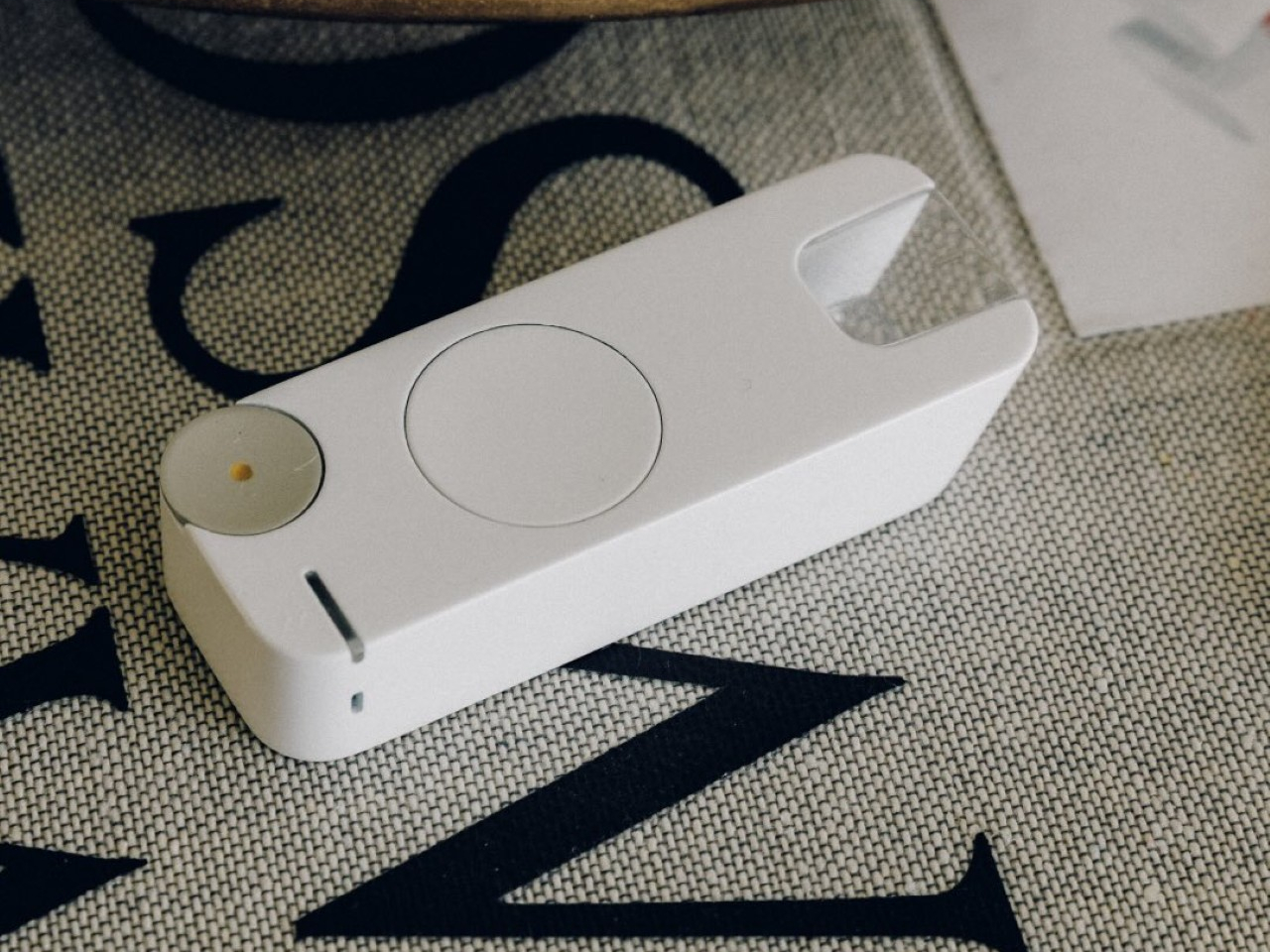
Battery life is advertised to stretch across roughly a week of regular reading before needing a recharge, topped back up through a standard USB-C cable rather than a proprietary dock. Every scan and recording is designed to land automatically inside the companion app, sorted by book, topic, or the moment it was captured, turning scattered notes into something that can actually be searched back through months later instead of forgotten in a drawer.

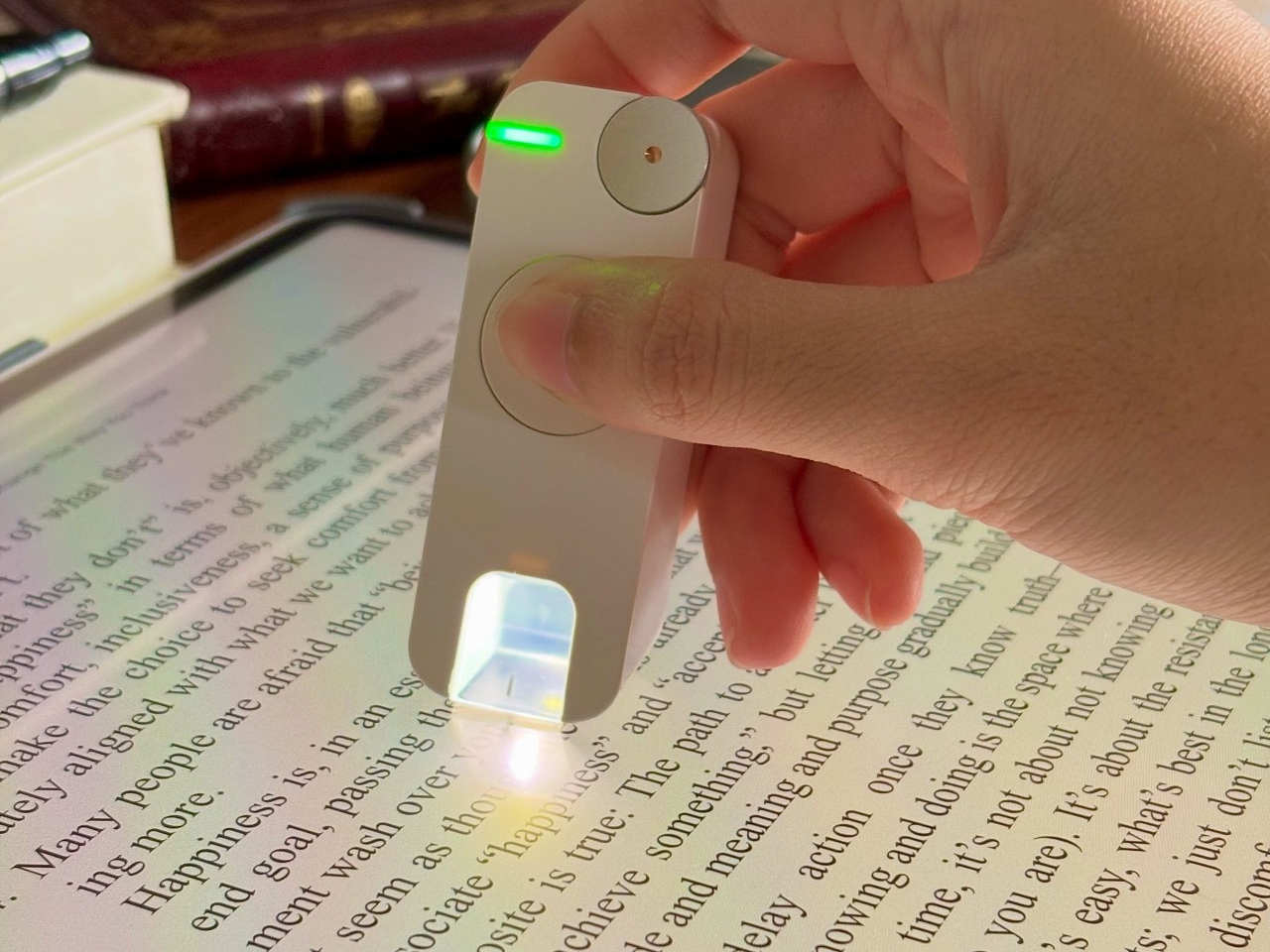
Half-remembered quotes get their own dedicated search, pulling back a fragment along with its original source rather than leaving someone to reread an entire chapter hunting for one line. A chat feature goes further, answering questions using only what’s actually been captured. It won’t invent a passage never highlighted or summarize a book never opened, a deliberate limit rather than a missing capability.
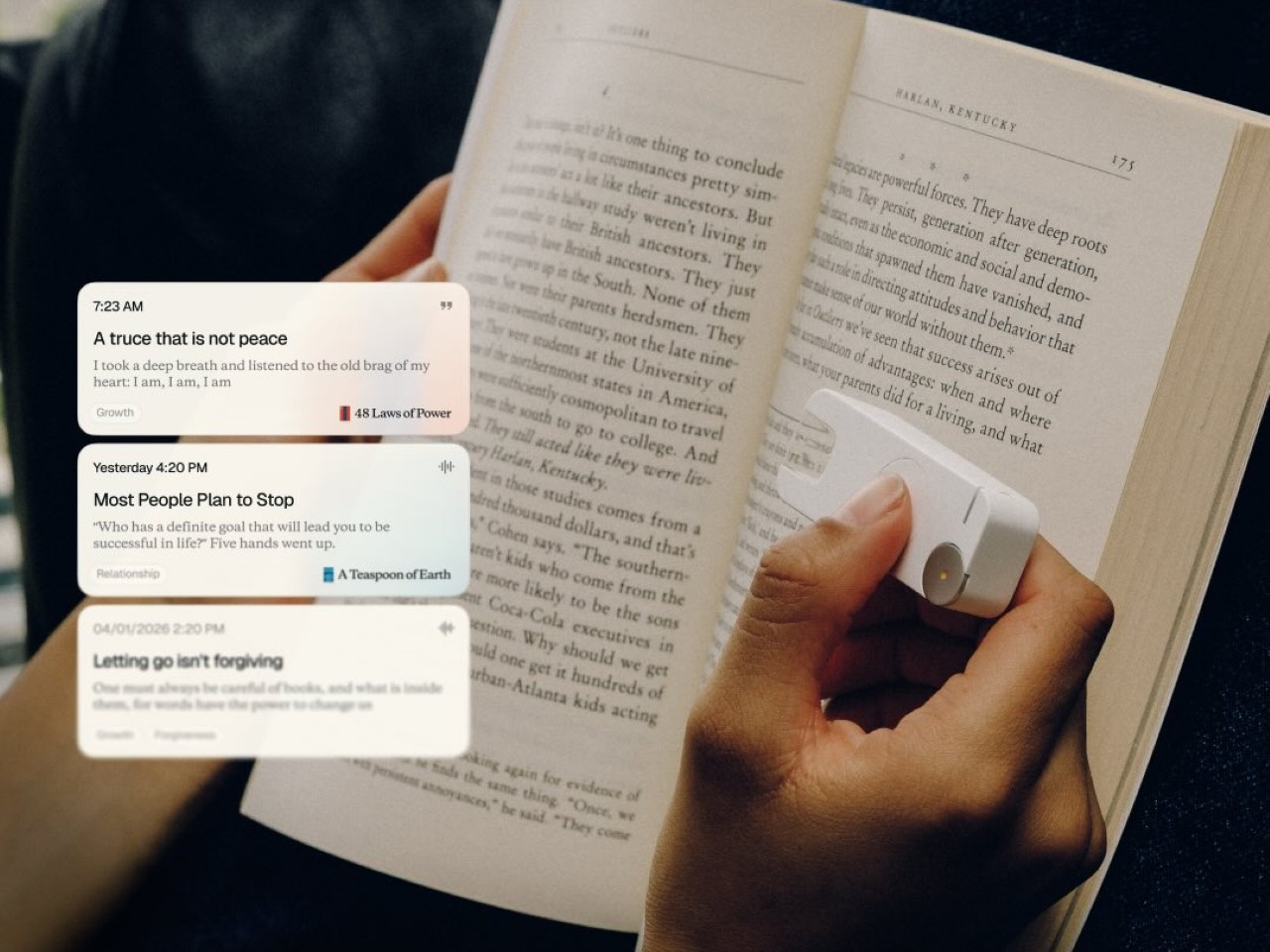
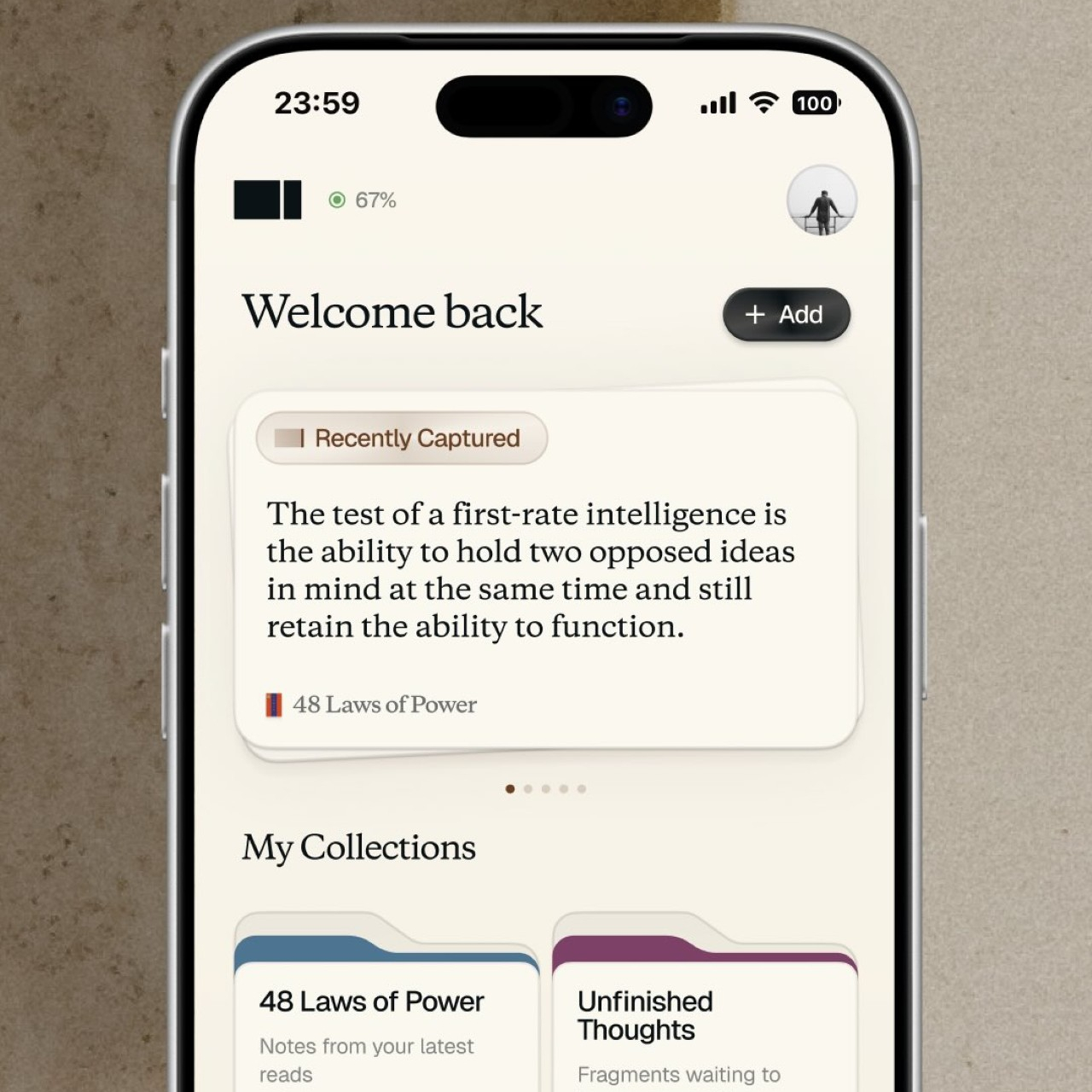
None of this demands abandoning tools already in use elsewhere. Captured highlights sync directly to Notion and Readwise, while a one-click import pulls existing notes from Obsidian or Apple Notes into the same catalog instead of starting from zero. That migration matters for anyone who’s already built years of scattered notes across three different apps and never quite trusted any of them.
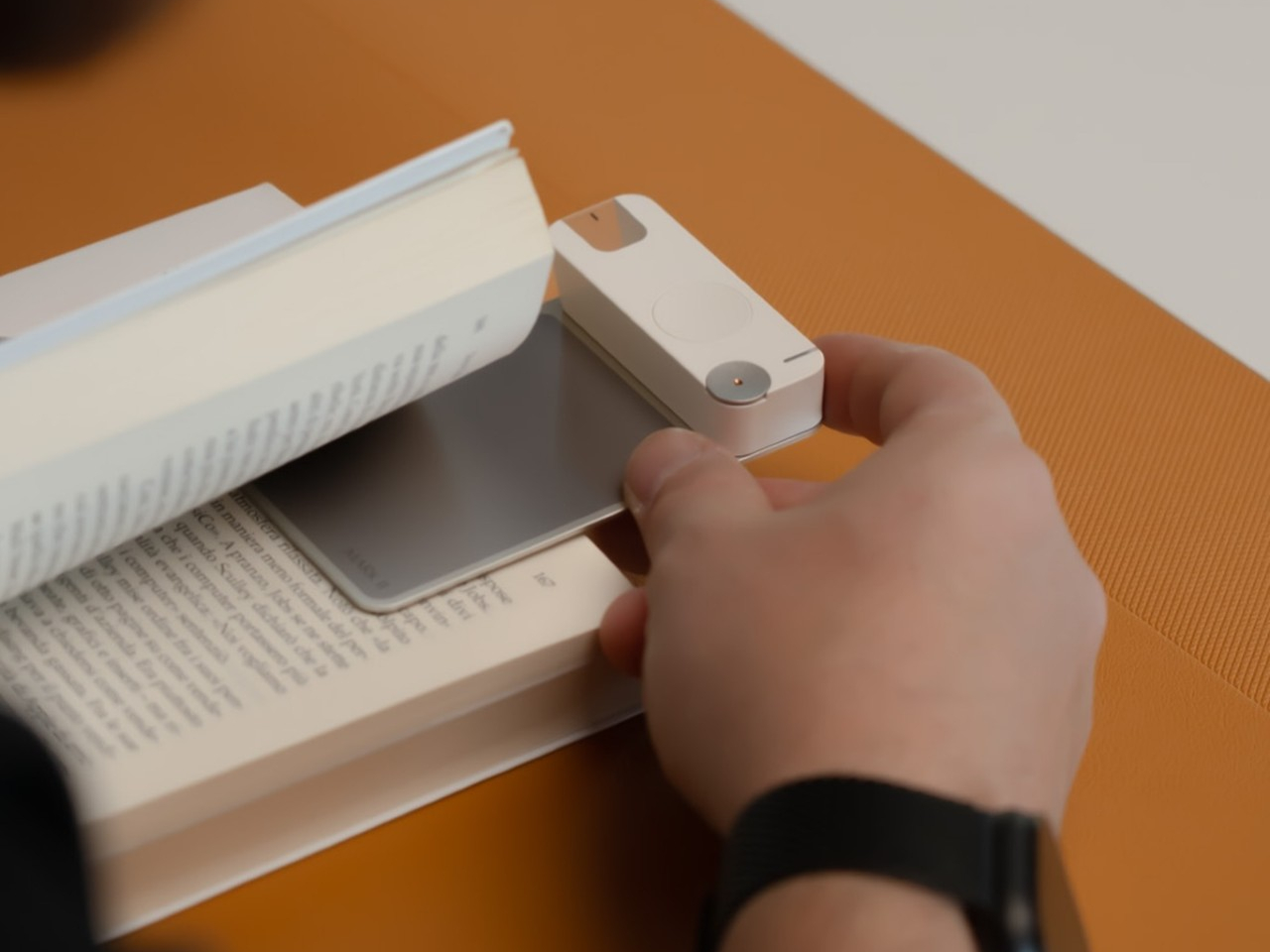
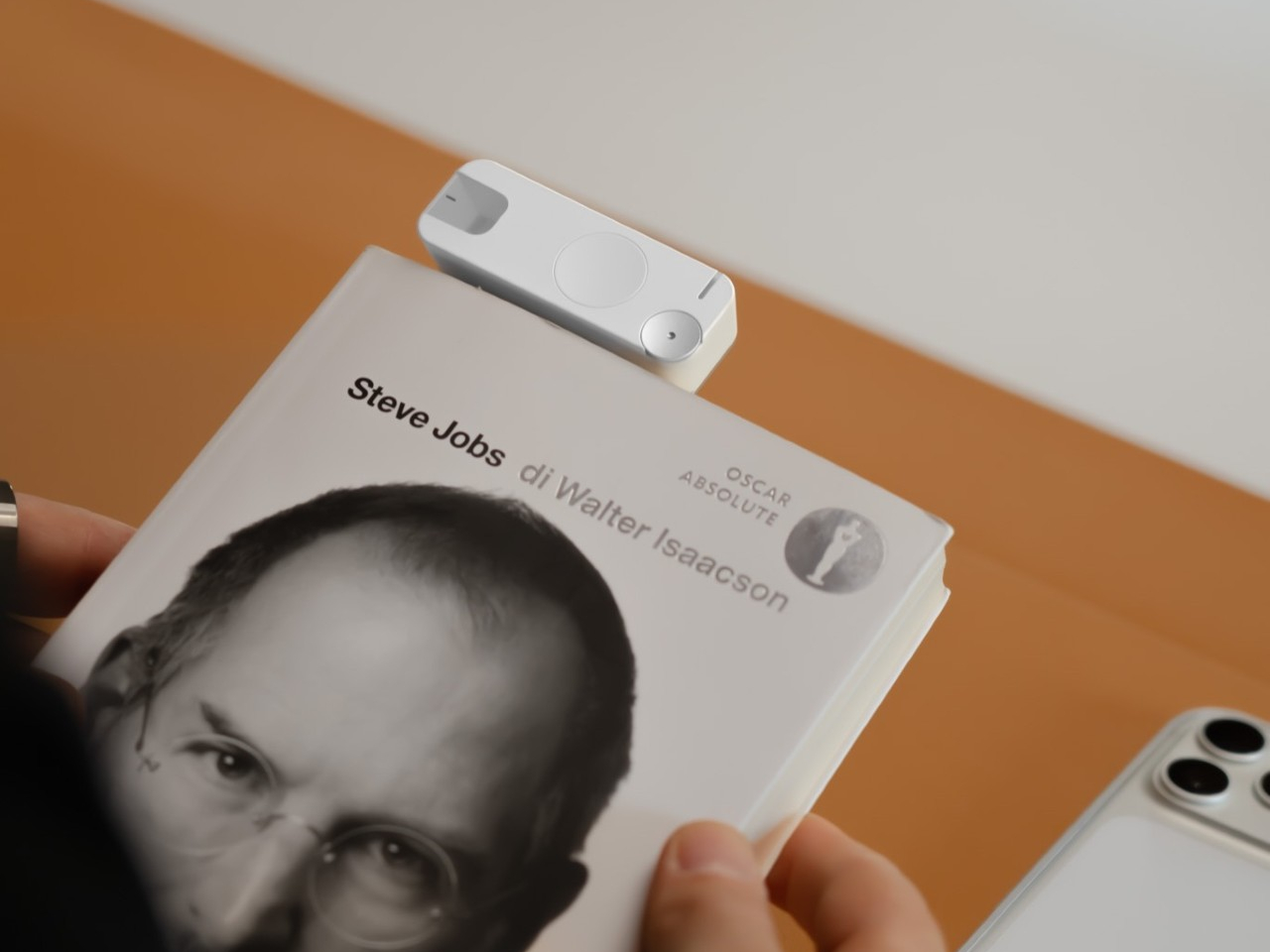
A research binge across a stack of library books usually ends with sticky notes multiplying on every page, half of them falling out before a deadline arrives. Sliding the highlighter across a passage instead replaces that entire ritual with one motion, leaving behind a searchable, sourced record rather than a pile of paper scraps nobody can match back to the right page.
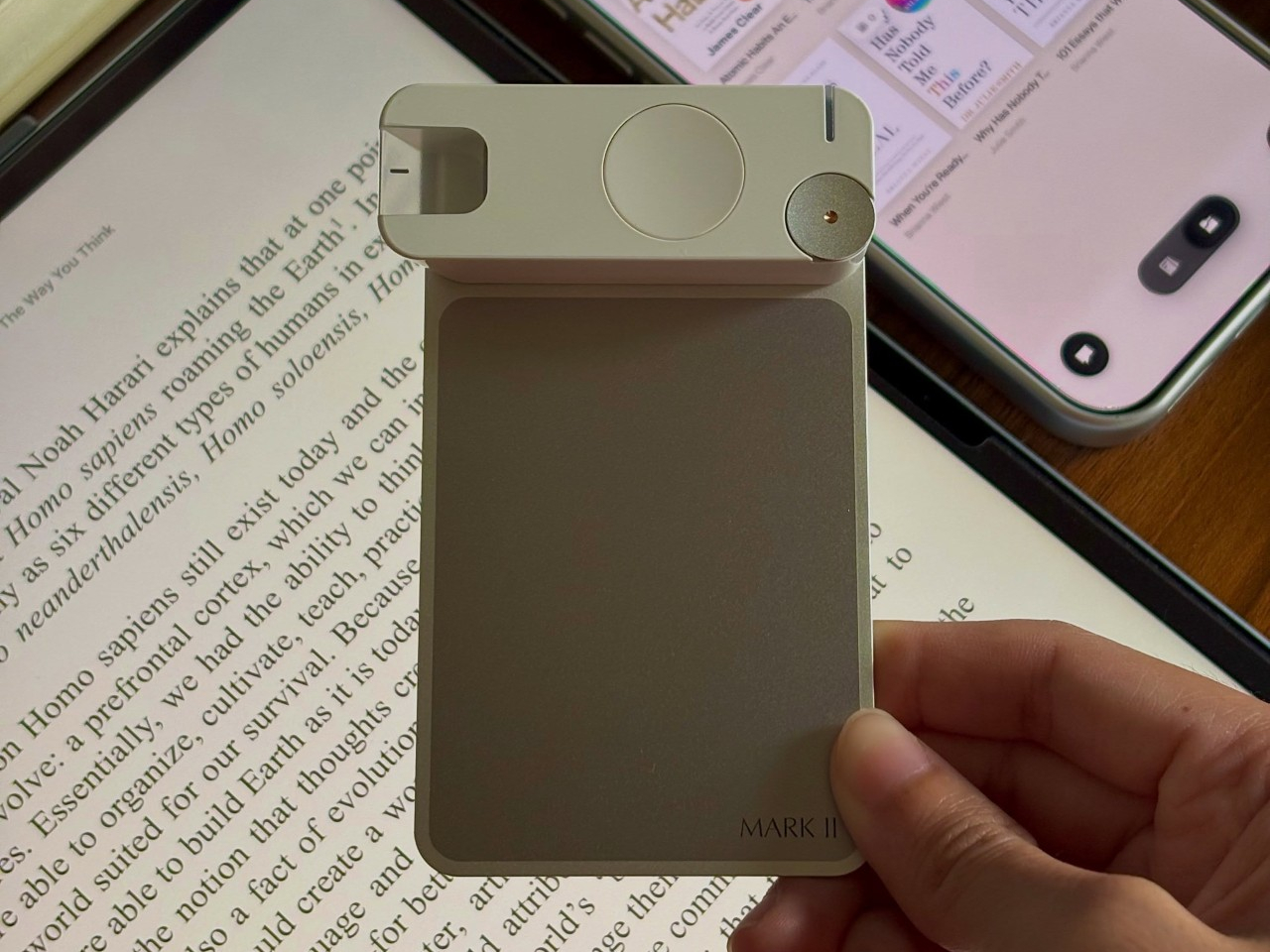
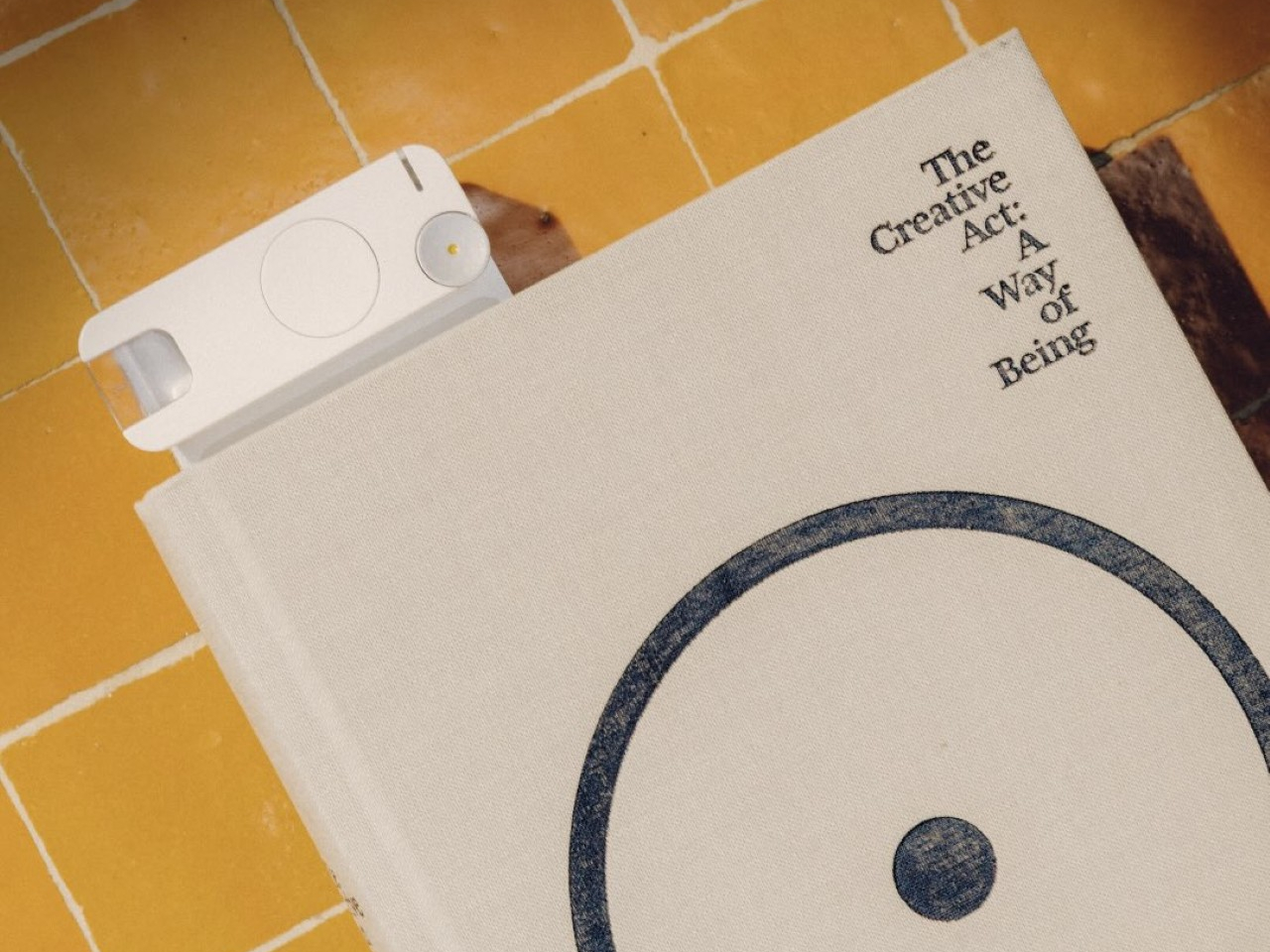
The device will ship in white or black, priced at $159, with availability starting in the US and Canada before expanding further. That price positions Mark II closer to a premium accessory than a casual gadget, a bet that readers serious enough to annotate books by hand will pay for a tool built specifically around that habit instead of a generic note-taking app.
The post The Mark II Turns a Bookmark Into a Second Memory for Readers first appeared on Yanko Design.
Minimalist Book Stand Works as Bookmark, Display, Bookends

Books in progress disappear easily in daily life. They slide beneath magazines, stack horizontally until the pile tips, or close flat on nightstands where they compete with phones and glasses for space. Bookends organize collections but ignore single volumes being actively read. Most stands prop books at awkward angles or take up more surface area than they deserve for what they accomplish.

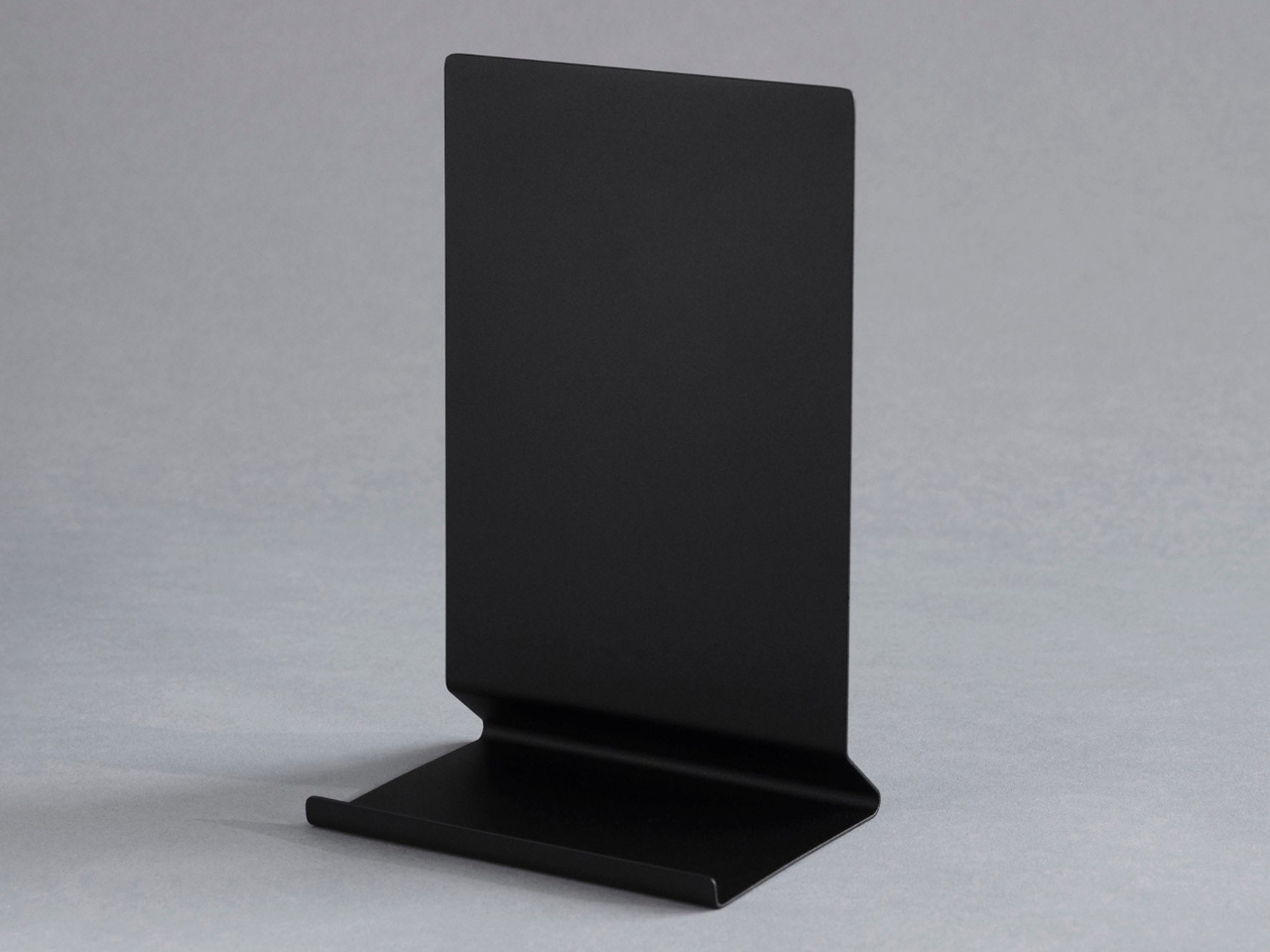
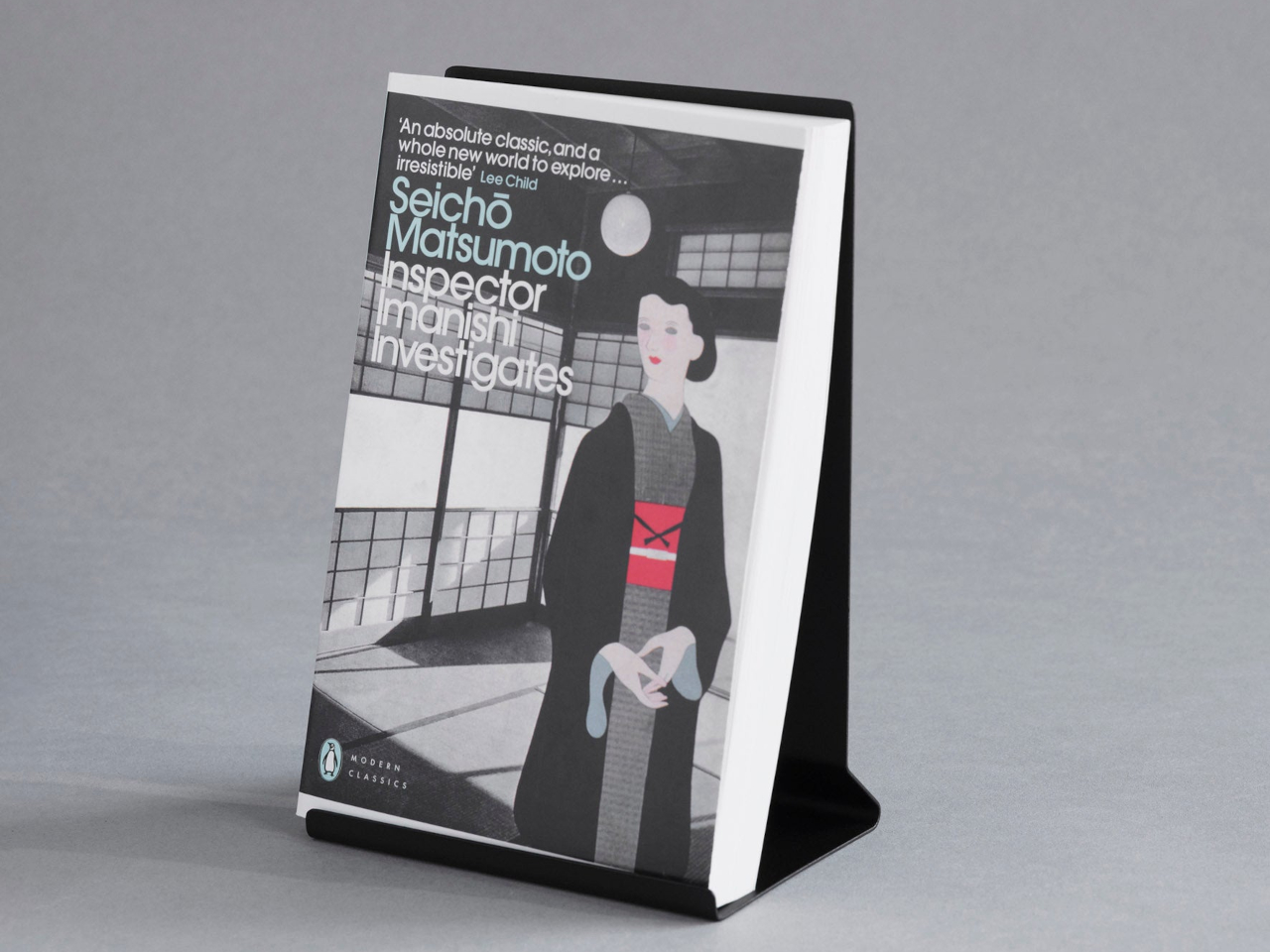
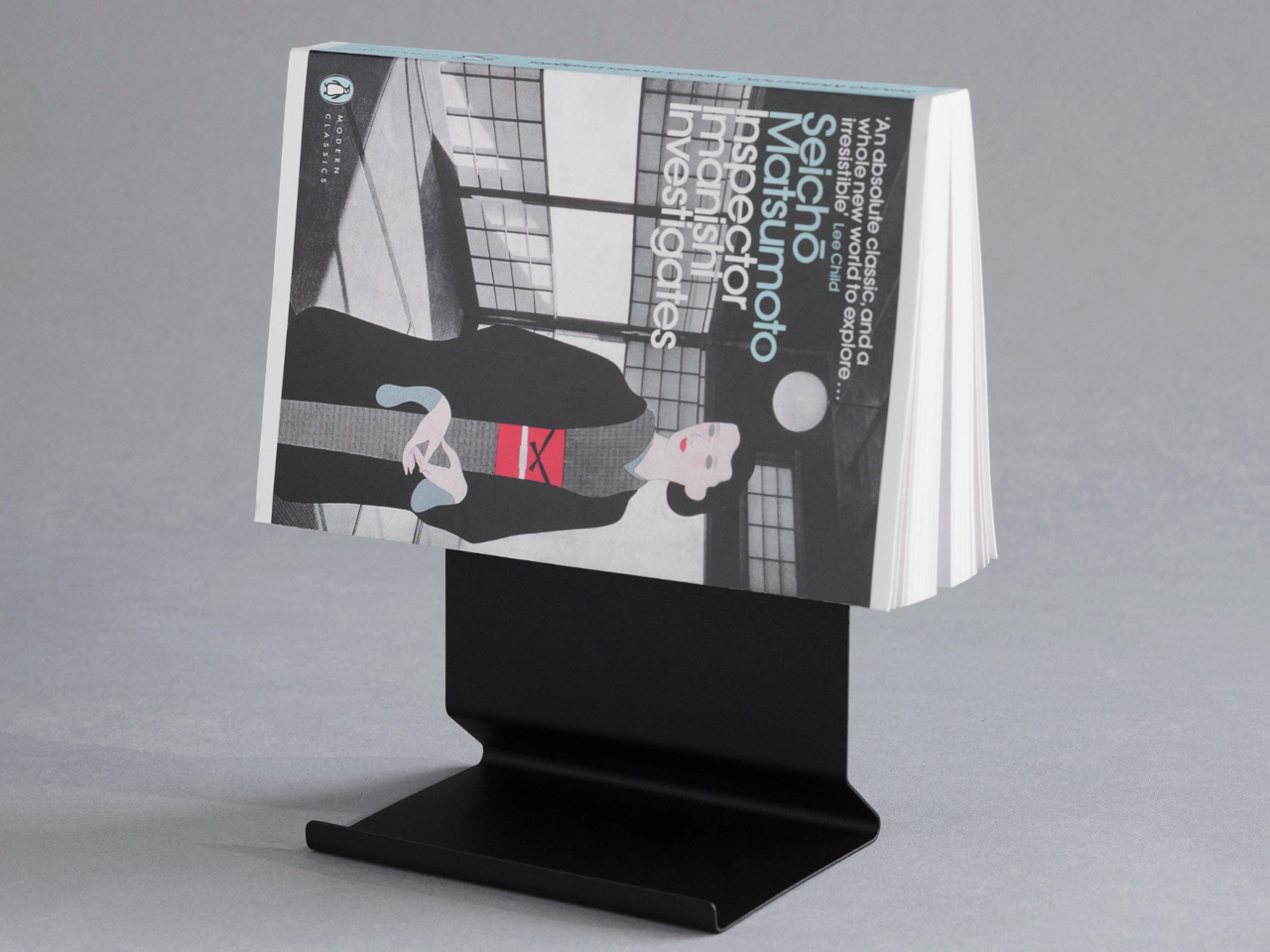
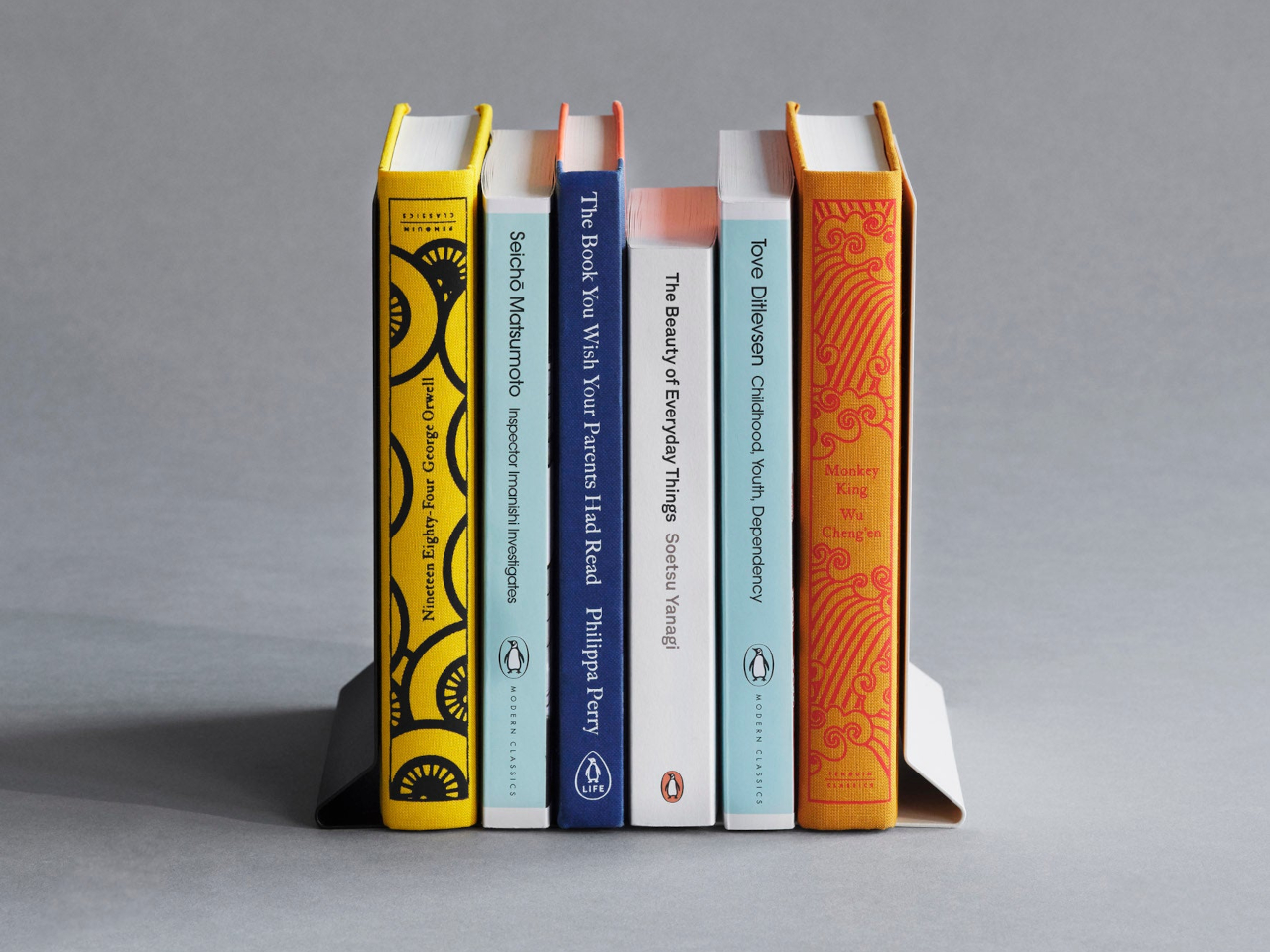
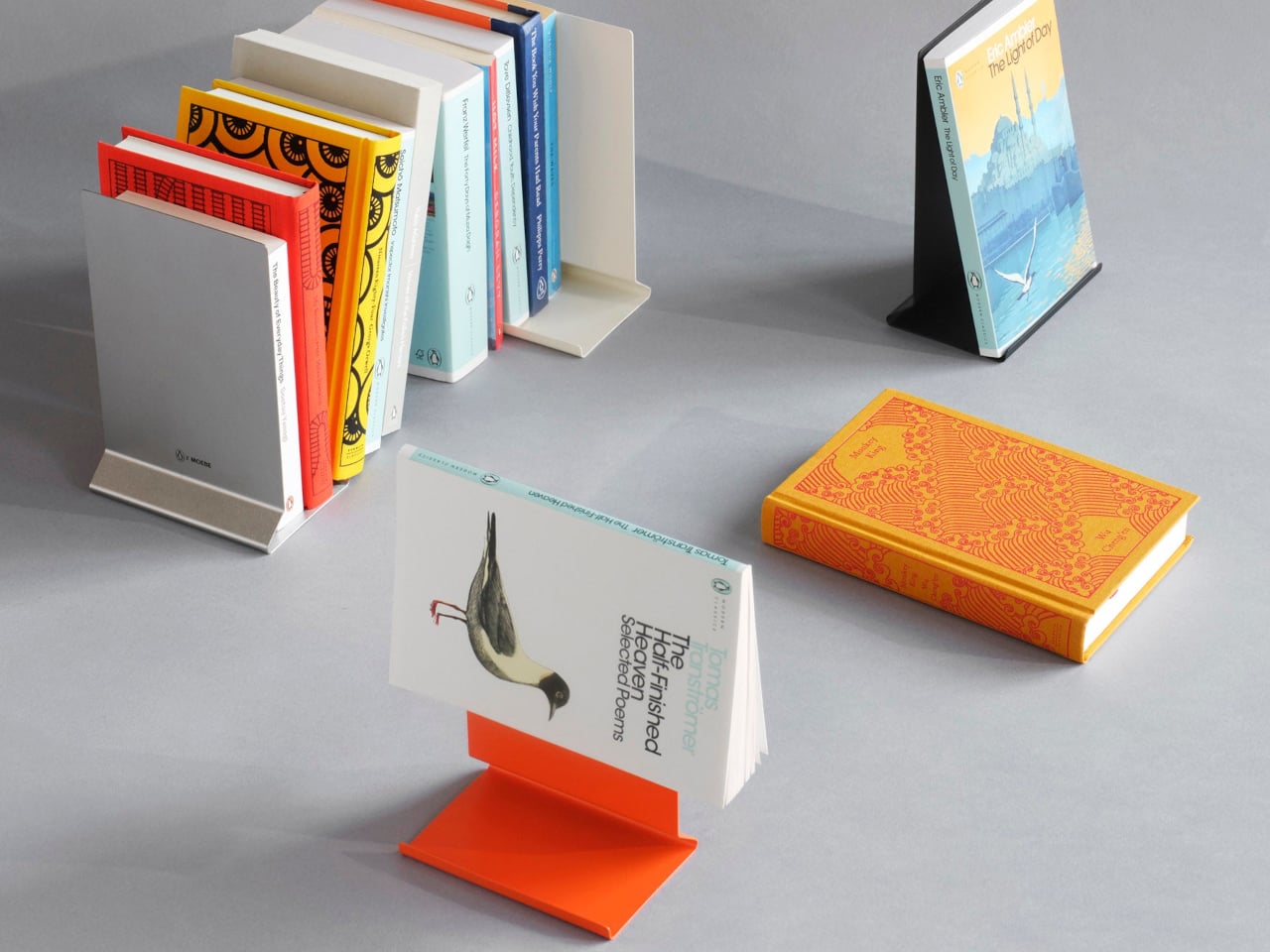
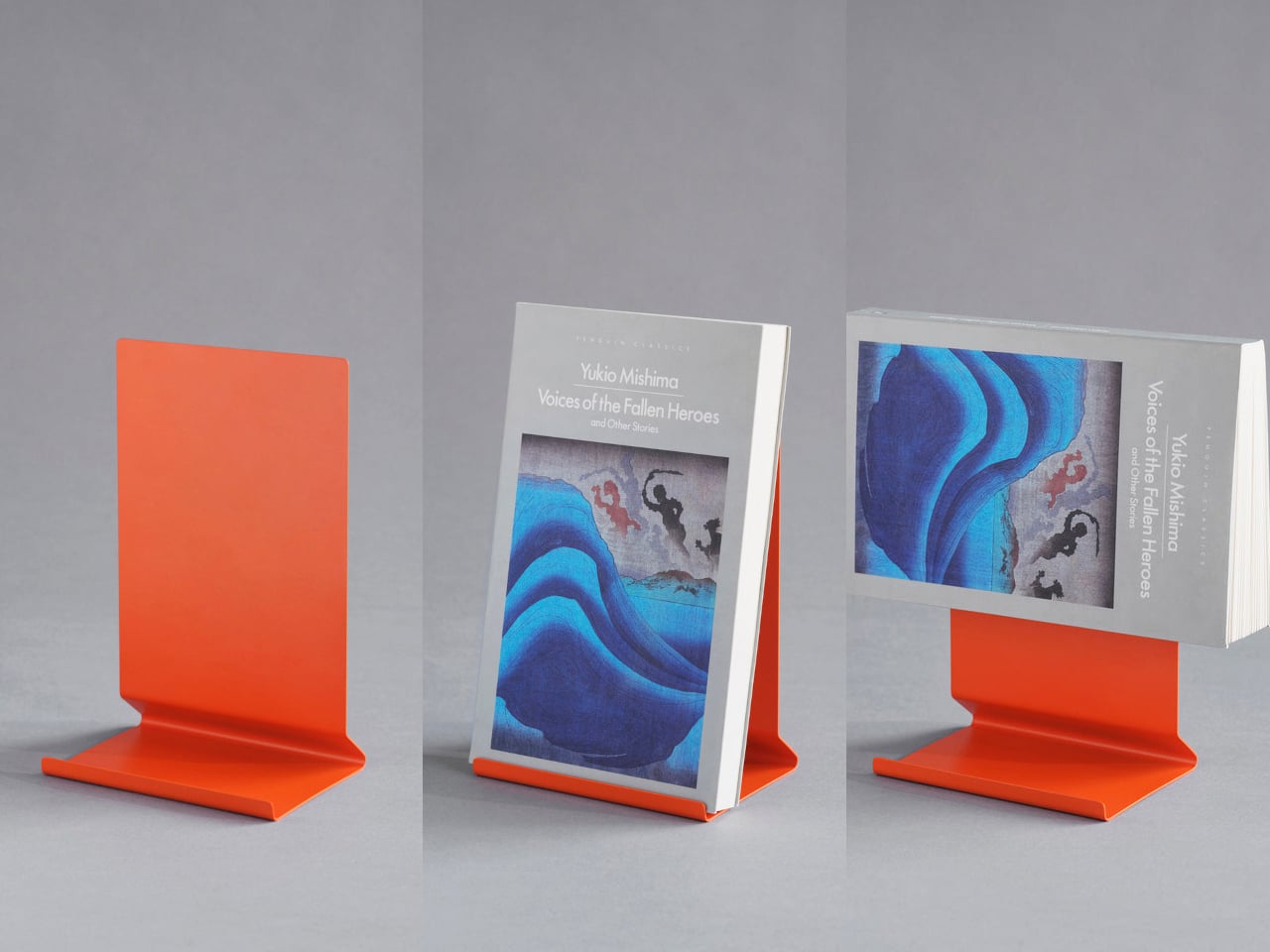
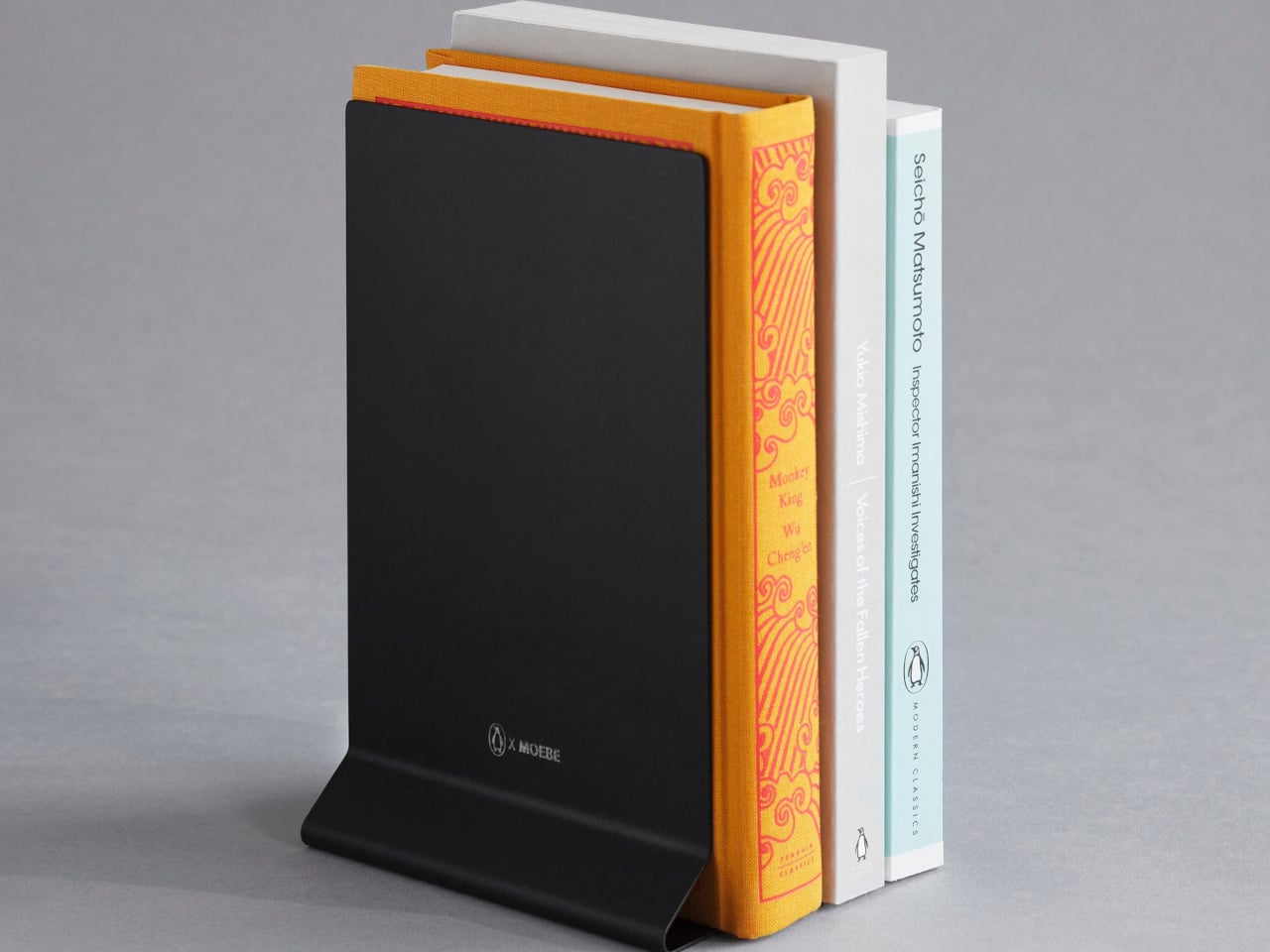
The Penguin x MOEBE Book Stand treats books as objects worth displaying rather than just storing. Created to celebrate Penguin’s 90th anniversary, the stand gives reading material a visible place that makes returning to your current page feel natural. Its bent steel construction holds books open, displays single volumes upright, or works in pairs as bookends depending on what you need.

Designer: MOEBE for Penguin

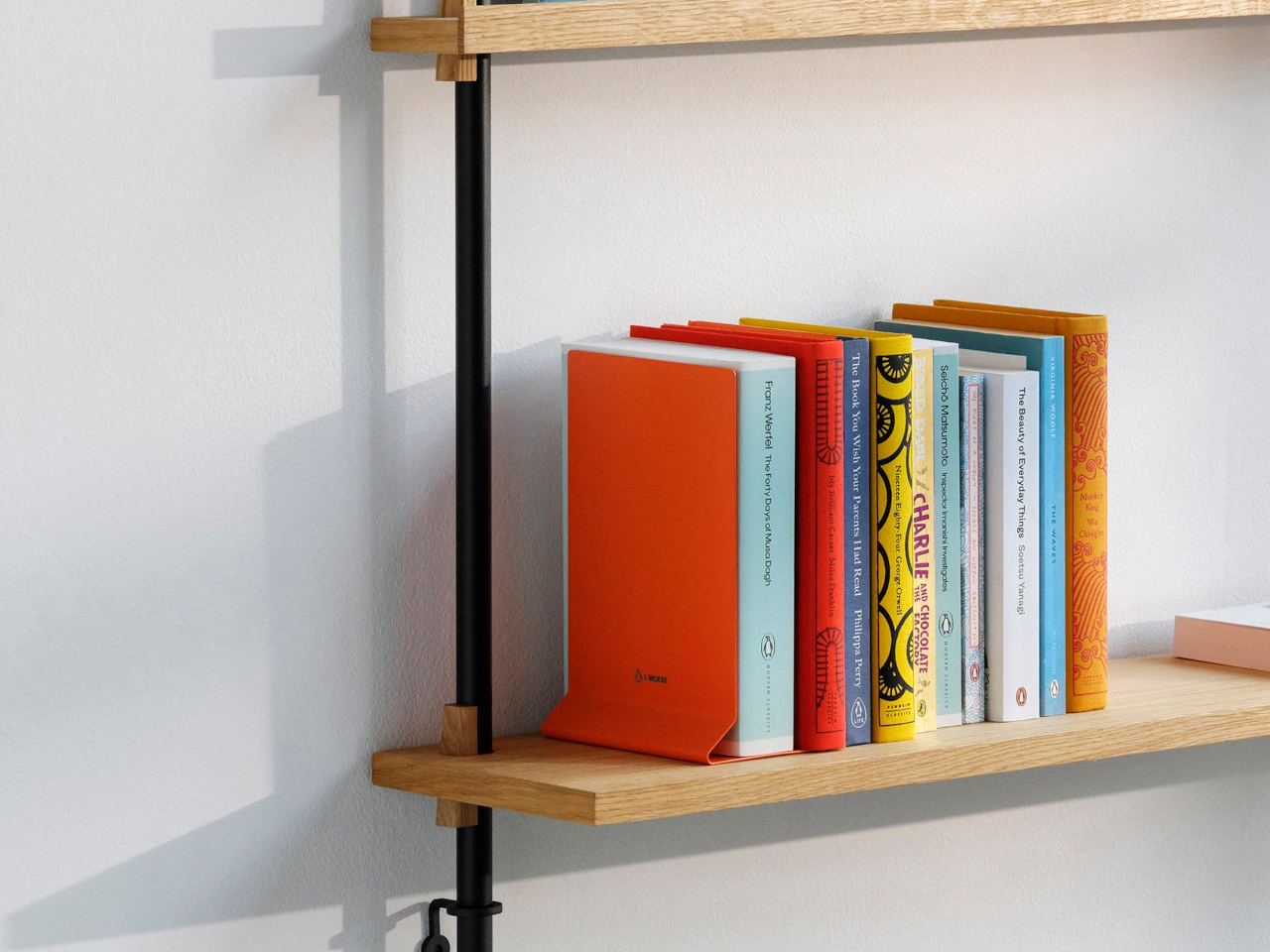
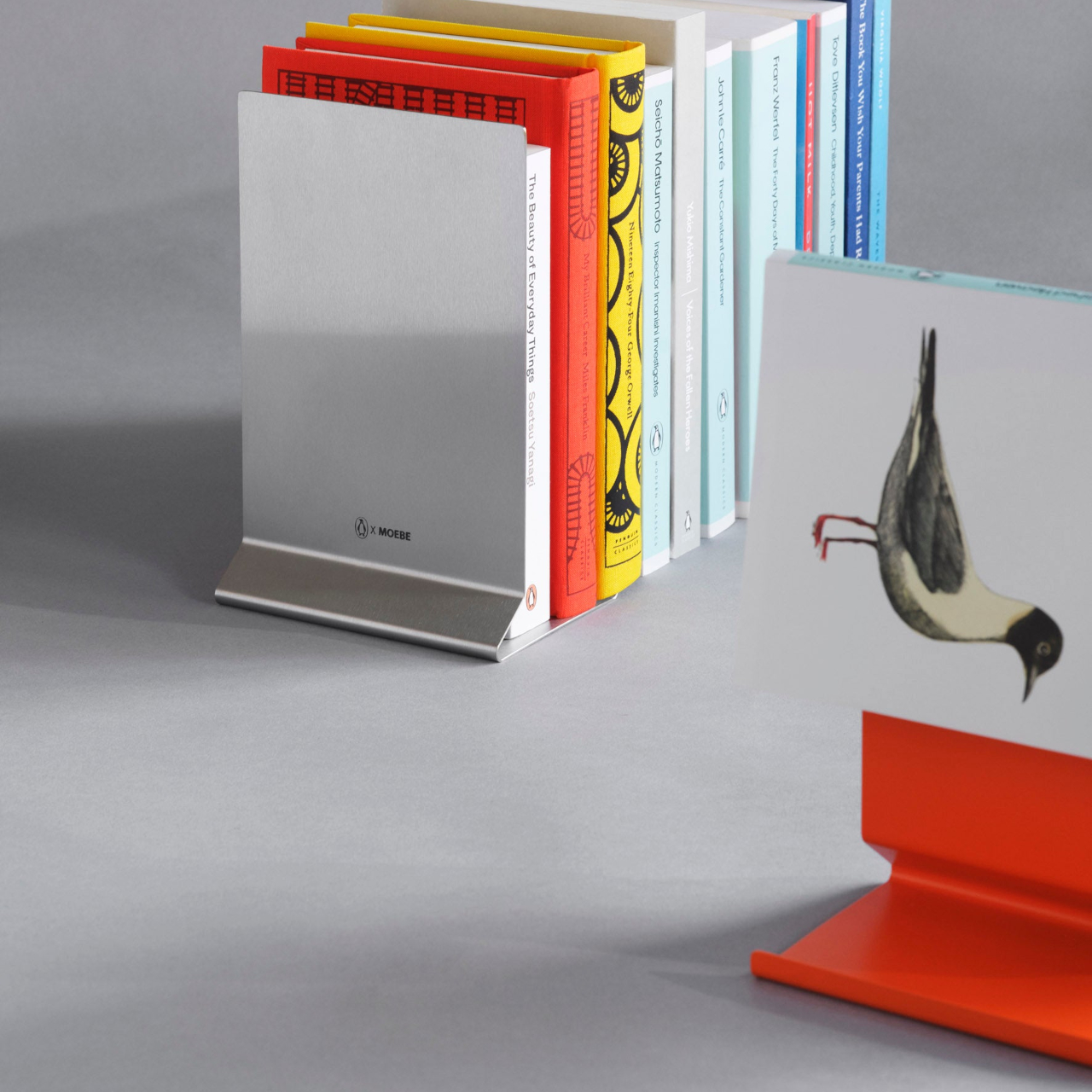
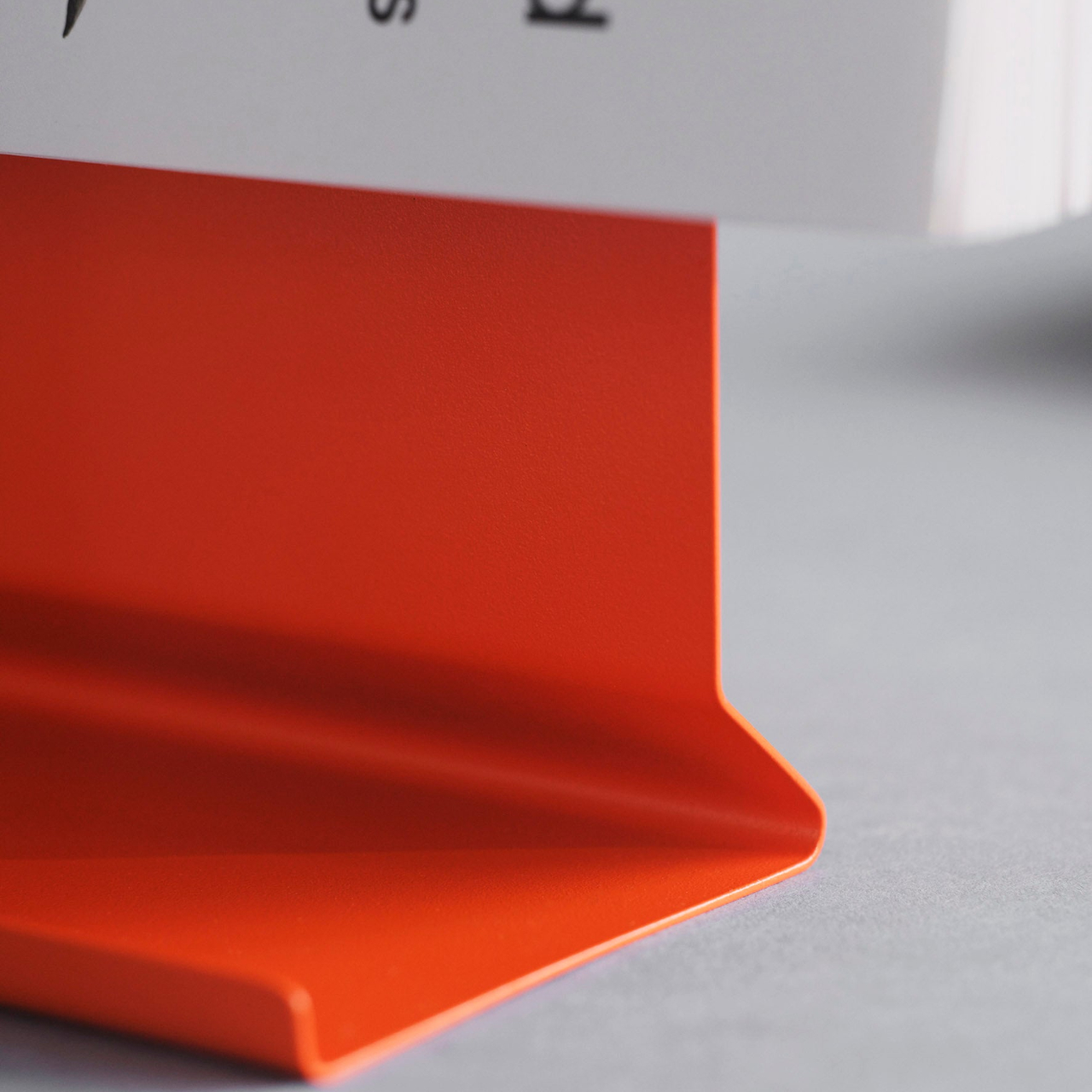
The stand comes in stainless steel, cream, black, and Penguin’s signature orange. Each version uses a single bent sheet of steel, creating a seamless L-shape with no visible fasteners. The matte finish stays quiet visually while the angled base supports books of different thicknesses without wobbling. Subtle Penguin and MOEBE marks sit on the base where they don’t interfere.

Functionally, the stand adapts without adjustment. Prop a novel open to your current page and it holds position, removing the need to constantly relocate your place. Stand a hardcover upright to display its cover temporarily. Pair two stands to bookend a small collection on a desk, with everything staying secure. The same object shifts between these roles depending on what you’re reading.

The compact footprint fits bedside tables, narrow shelves, or kitchen counters where cookbooks get referenced mid-recipe. The vertical back supports books without hiding spines or covers entirely. The open form lets you grab volumes from either side depending on where you’re sitting, which removes the awkward reaching that happens with conventional stands when books sit facing one direction.

Books become the primary visual element when the stand holding them stays minimal. A colorful Penguin paperback in the orange version creates complementary color pairings. Hardcovers with interesting artwork get framed rather than buried. The stand recedes visually while making whatever sits in it more noticeable, which feels backwards from typical accessories that announce their presence louder than their contents.

Using the stand shifts how books exist in rooms. Instead of closing a novel and setting it somewhere to get buried later, you leave it propped open where it stays visible. That reminder makes picking it back up feel easier than hunting through stacks for where you abandoned it last. The ritual around reading becomes slightly more deliberate without requiring extra effort.

The Penguin x MOEBE Book Stand handles practical storage while maintaining enough visual restraint to work on surfaces where aesthetics matter. It gives books presence without making the stand itself compete for attention, which most reading accessories struggle to balance properly. The bent steel form stays minimal while adding genuine utility to spaces where people actually read rather than just collect.

The post Minimalist Book Stand Works as Bookmark, Display, Bookends first appeared on Yanko Design.
A Side Table That Doubles as a Bookmark for Your Favorite Reads

Side tables typically end up holding whatever gets set down near them. Coffee mugs accumulate next to half-read novels that slide beneath remote controls and charging cables. Books in progress disappear into this visual clutter, creating friction between the intention to read and the reality of finding where you left off. Most furniture treats books as afterthoughts rather than priorities, offering no dedicated space that keeps them visible and within reach.

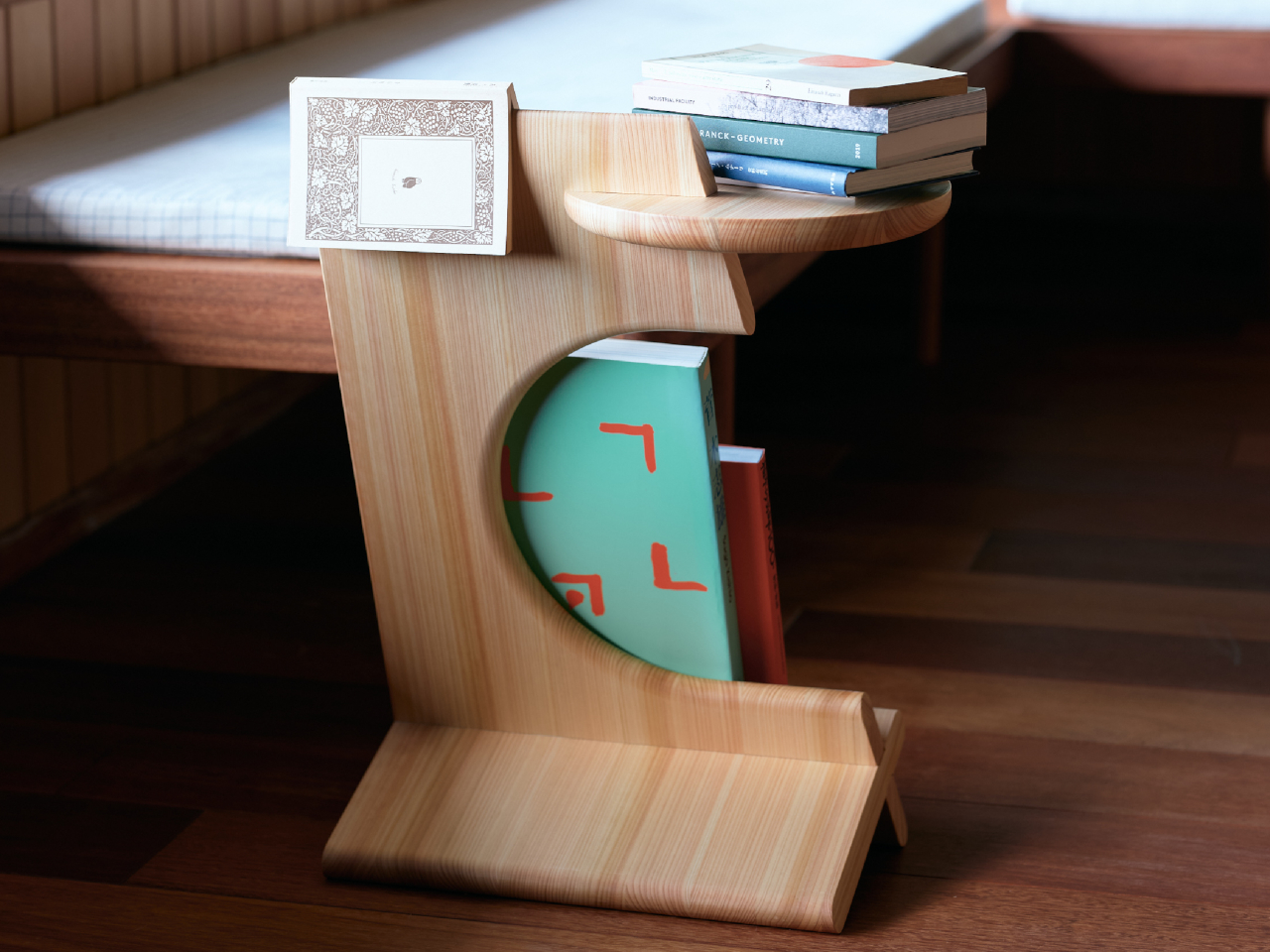
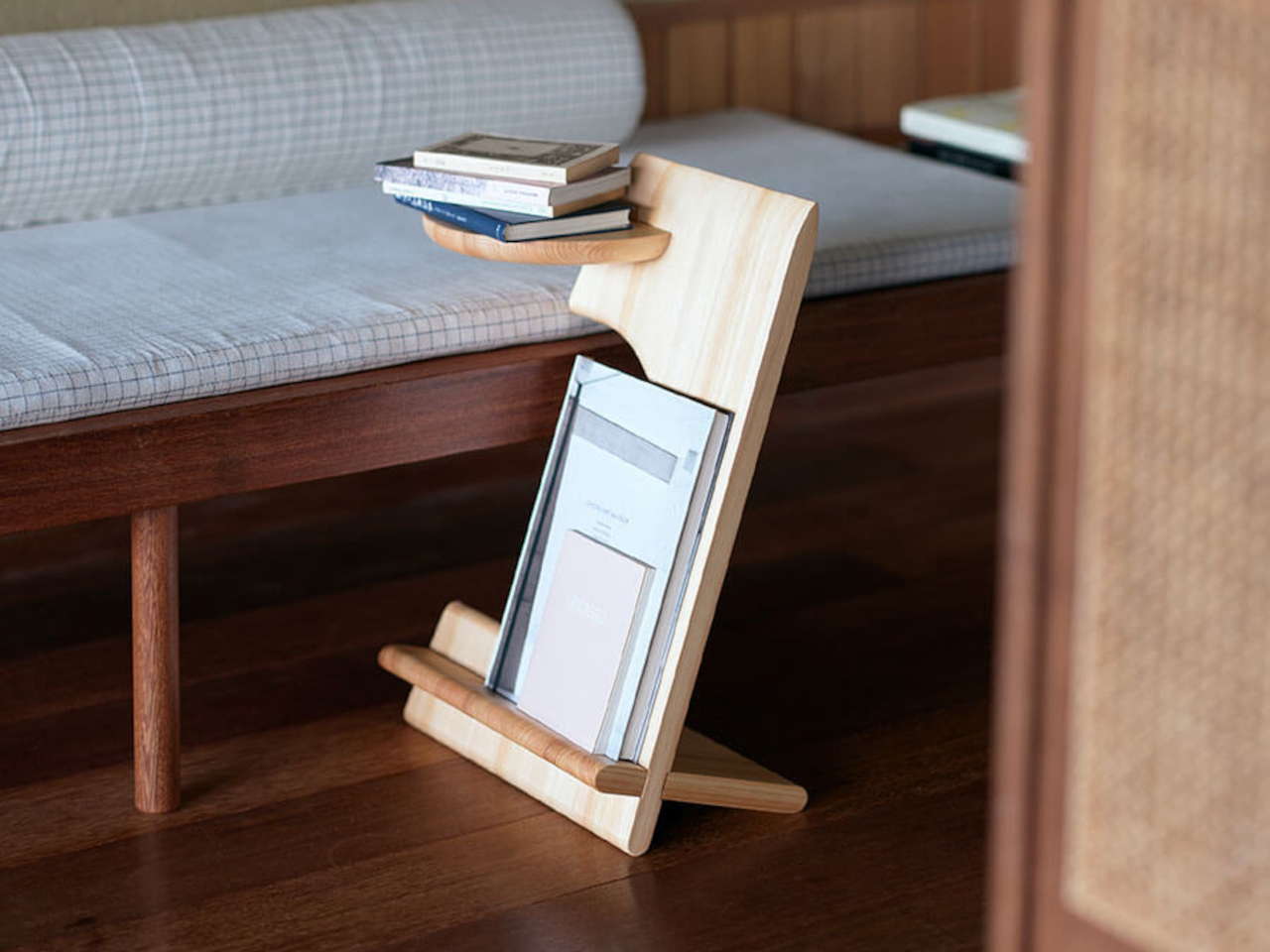
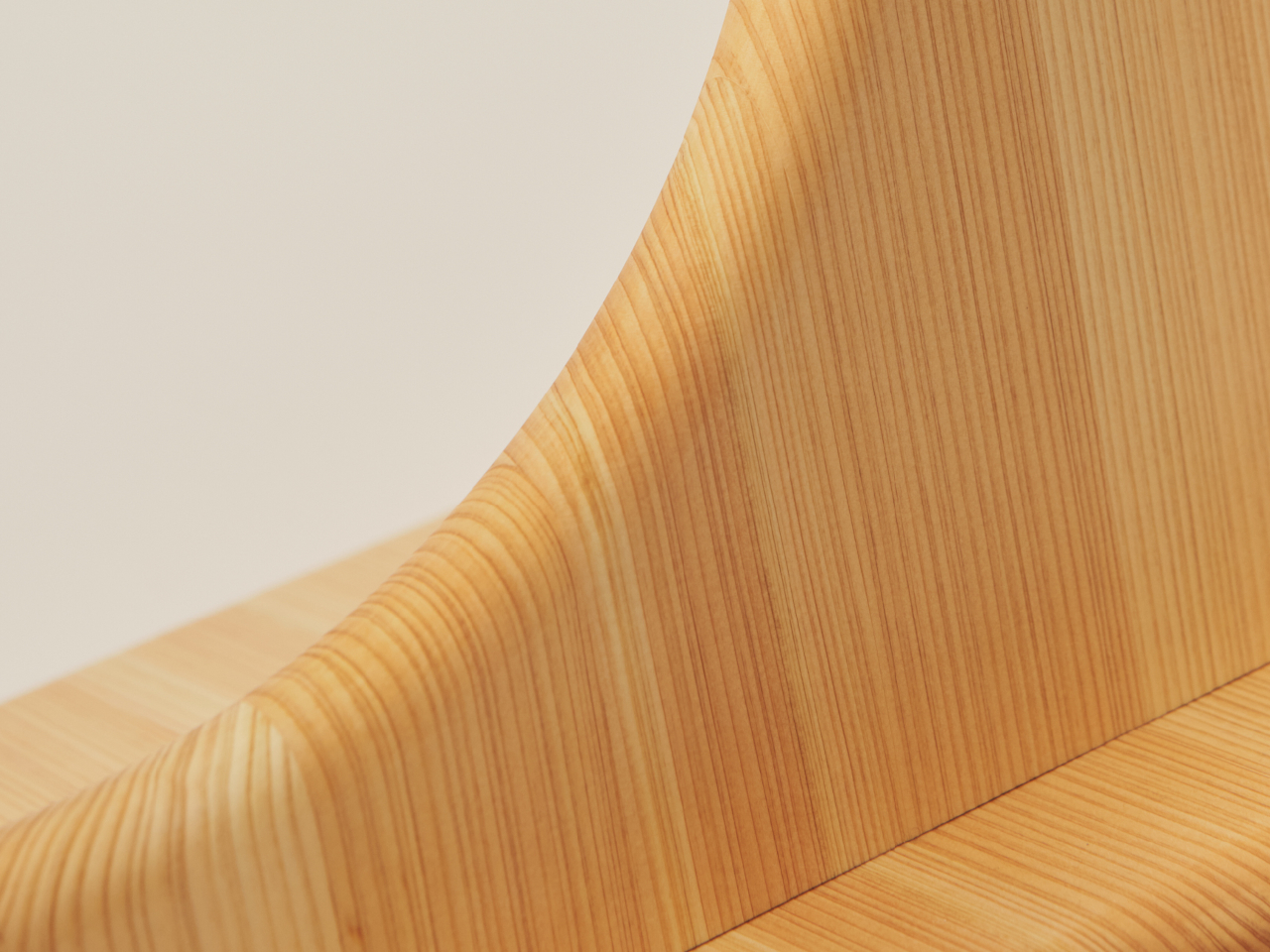
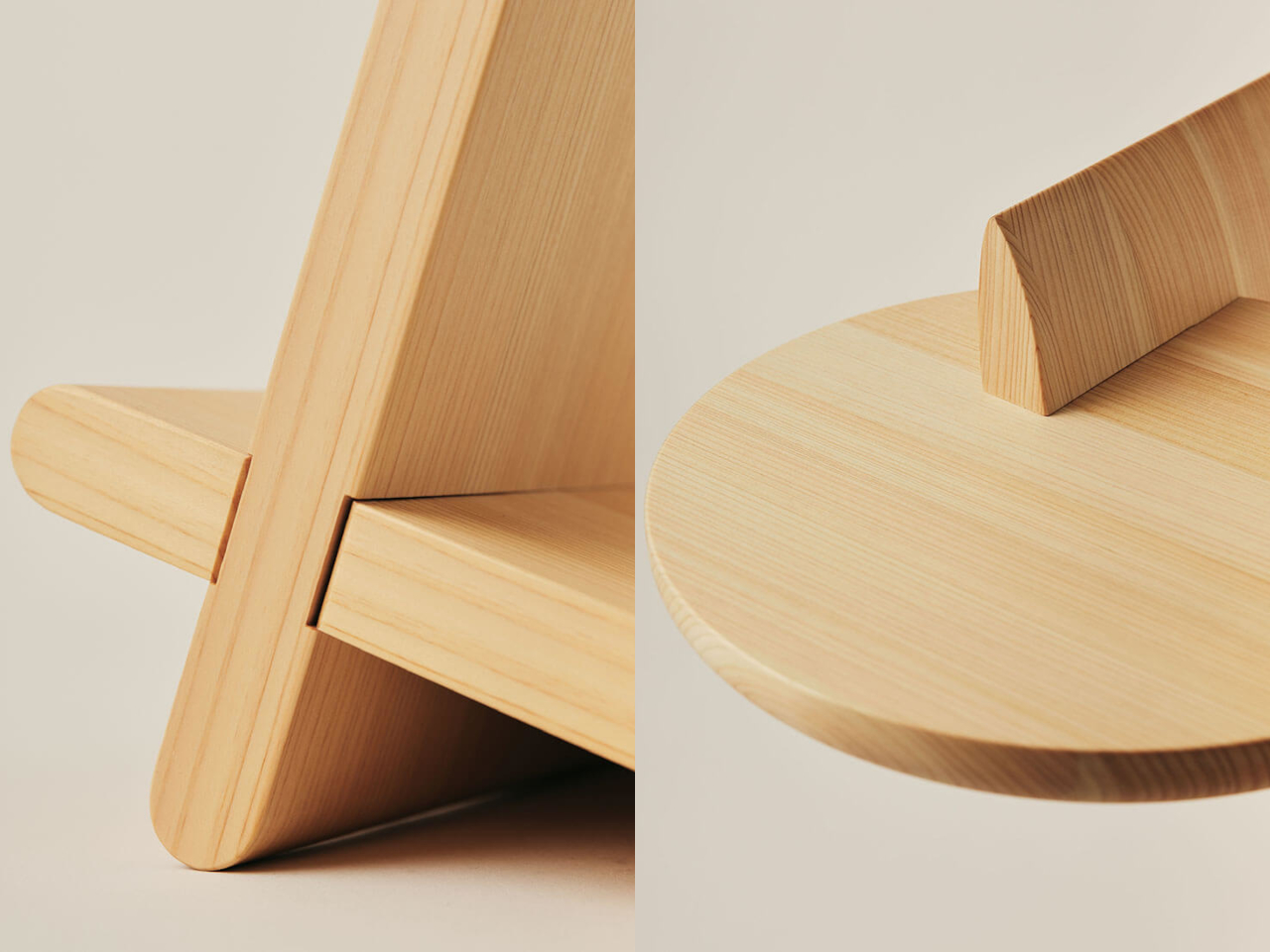
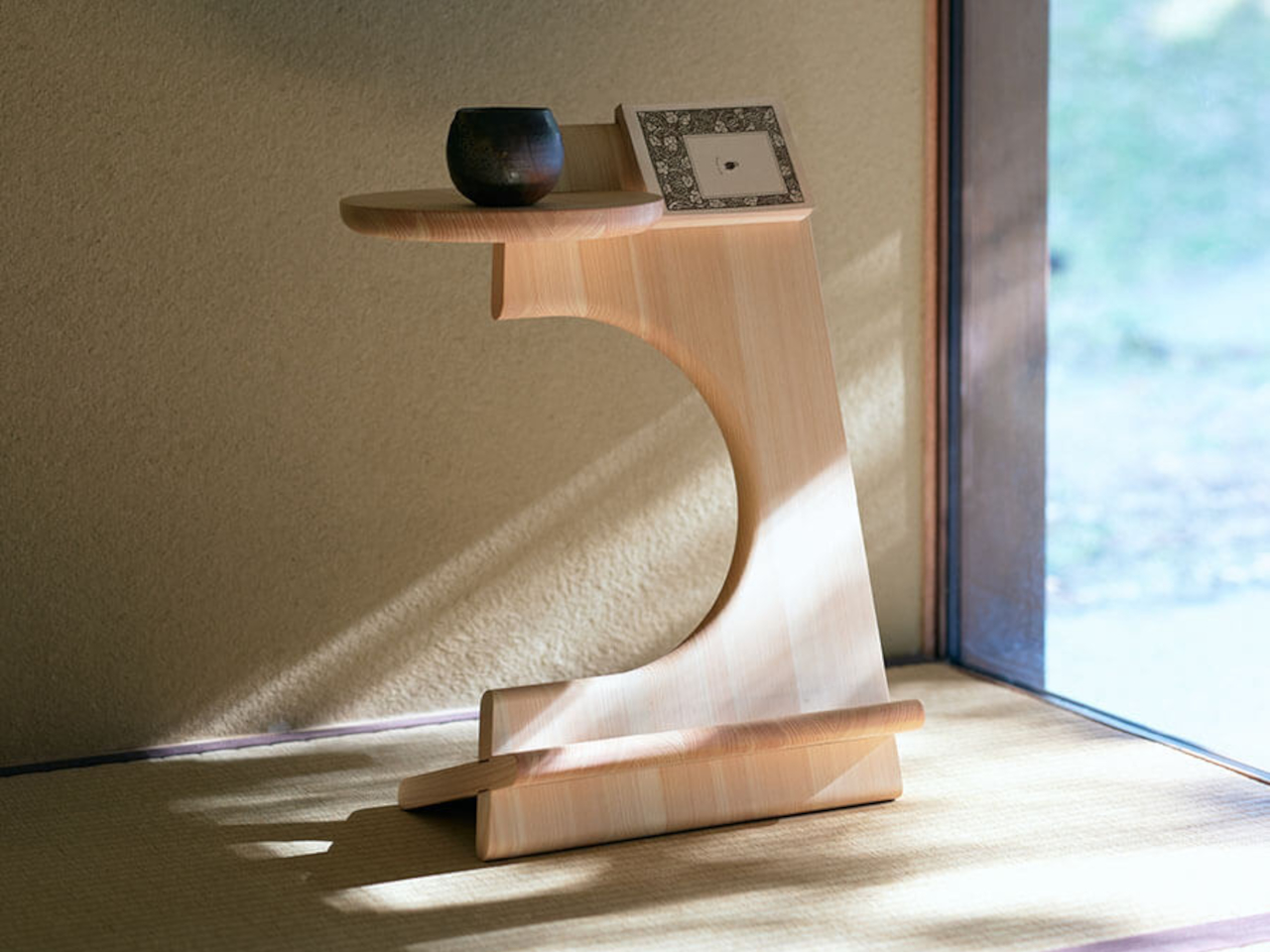
Bookmarker addresses this by treating reading as an activity worth designing for specifically. The table’s form creates a clear place for books in progress, making them visible rather than buried. Japanese cypress construction gives it a warm, tactile presence that reads as furniture first, while its cutouts and slots serve the practical needs of someone settling in with a novel and a drink.

Designer: studioYO for Bito

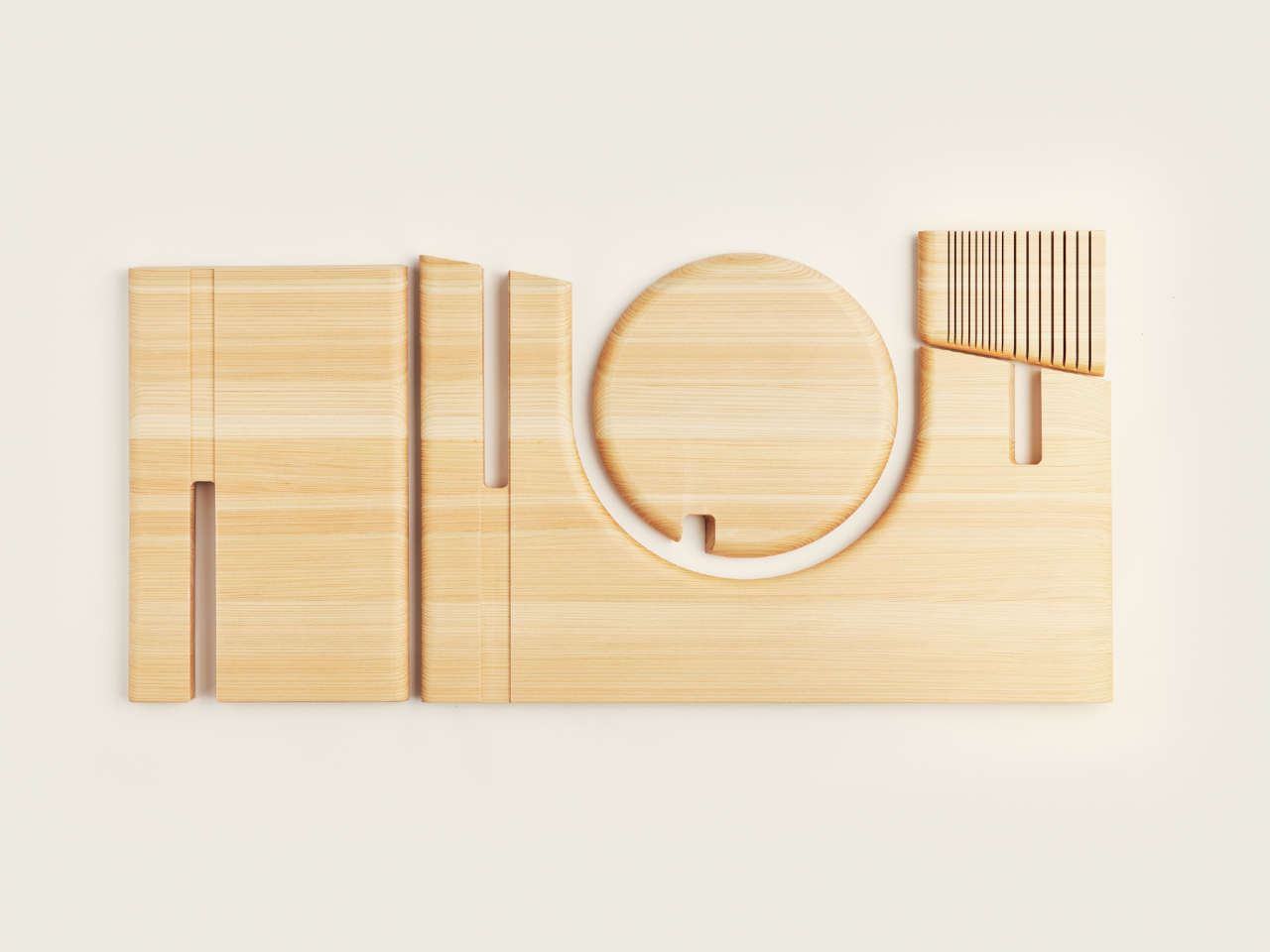
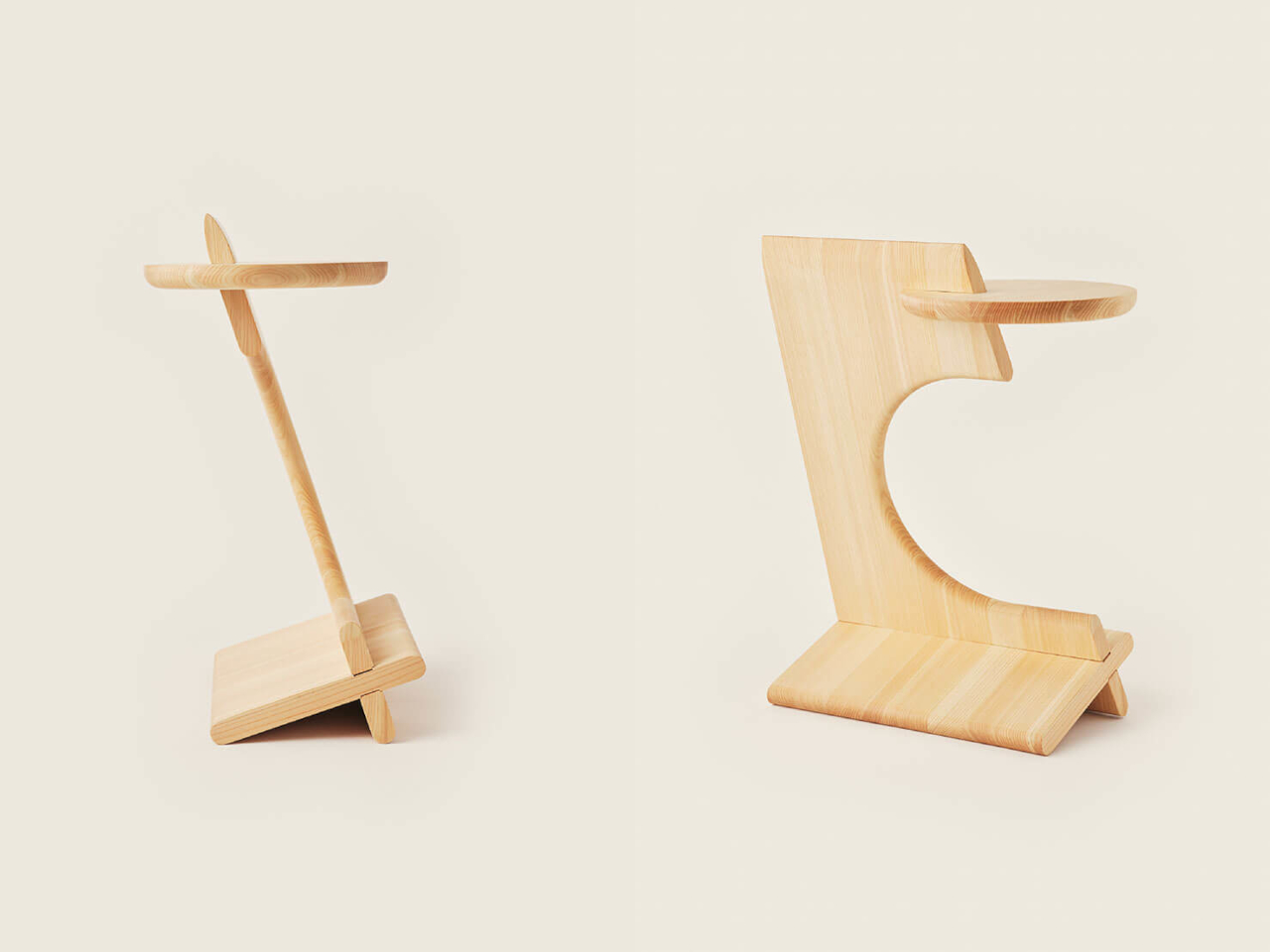
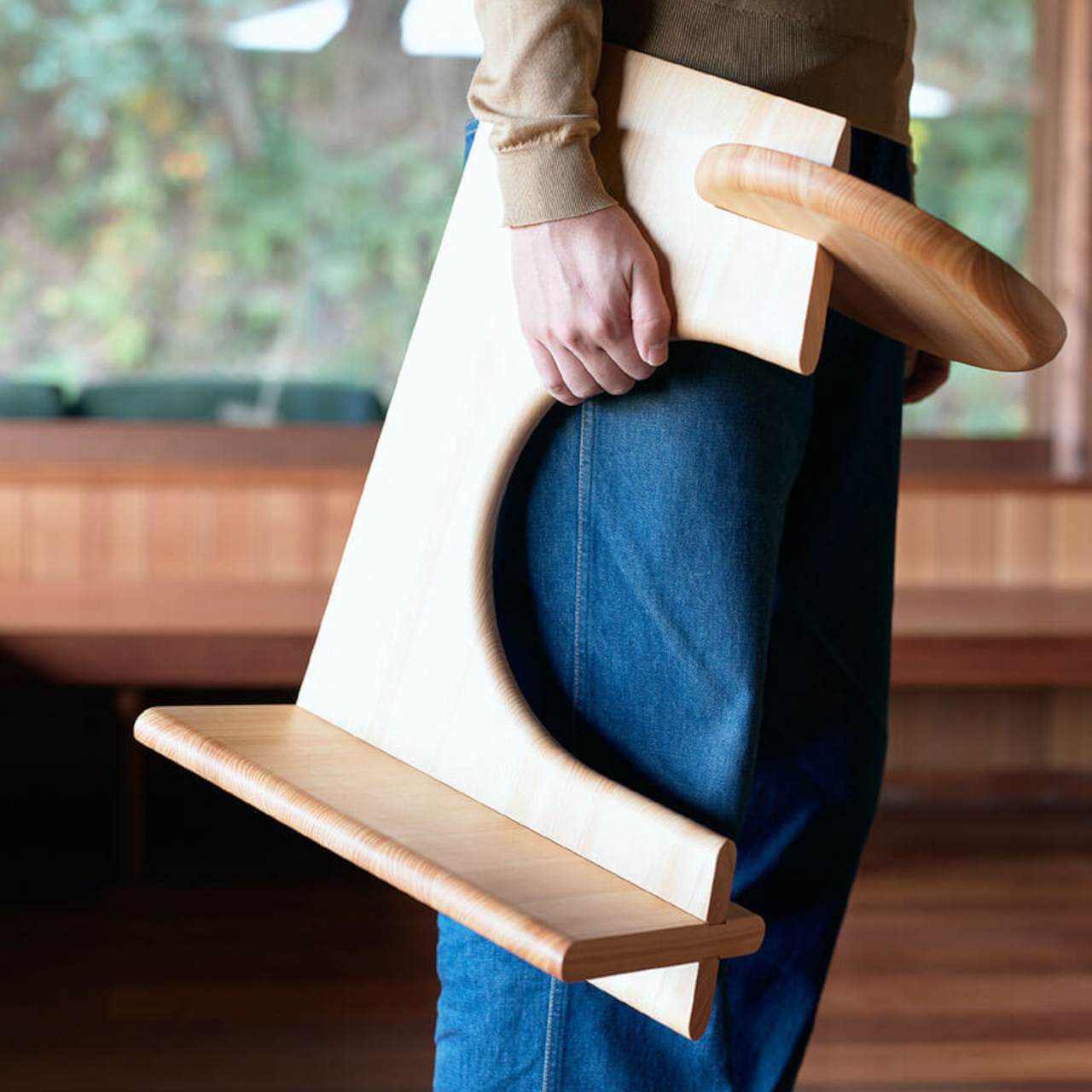
The entire piece cuts from a single board of vertically laminated cypress, producing three interlocking parts with minimal waste. This efficient approach allows the table to ship flat and assemble without hardware, reducing both material use and packaging volume. The cutouts that enable this nesting also define the table’s visual character, creating geometric negative space that feels intentional rather than incidental.

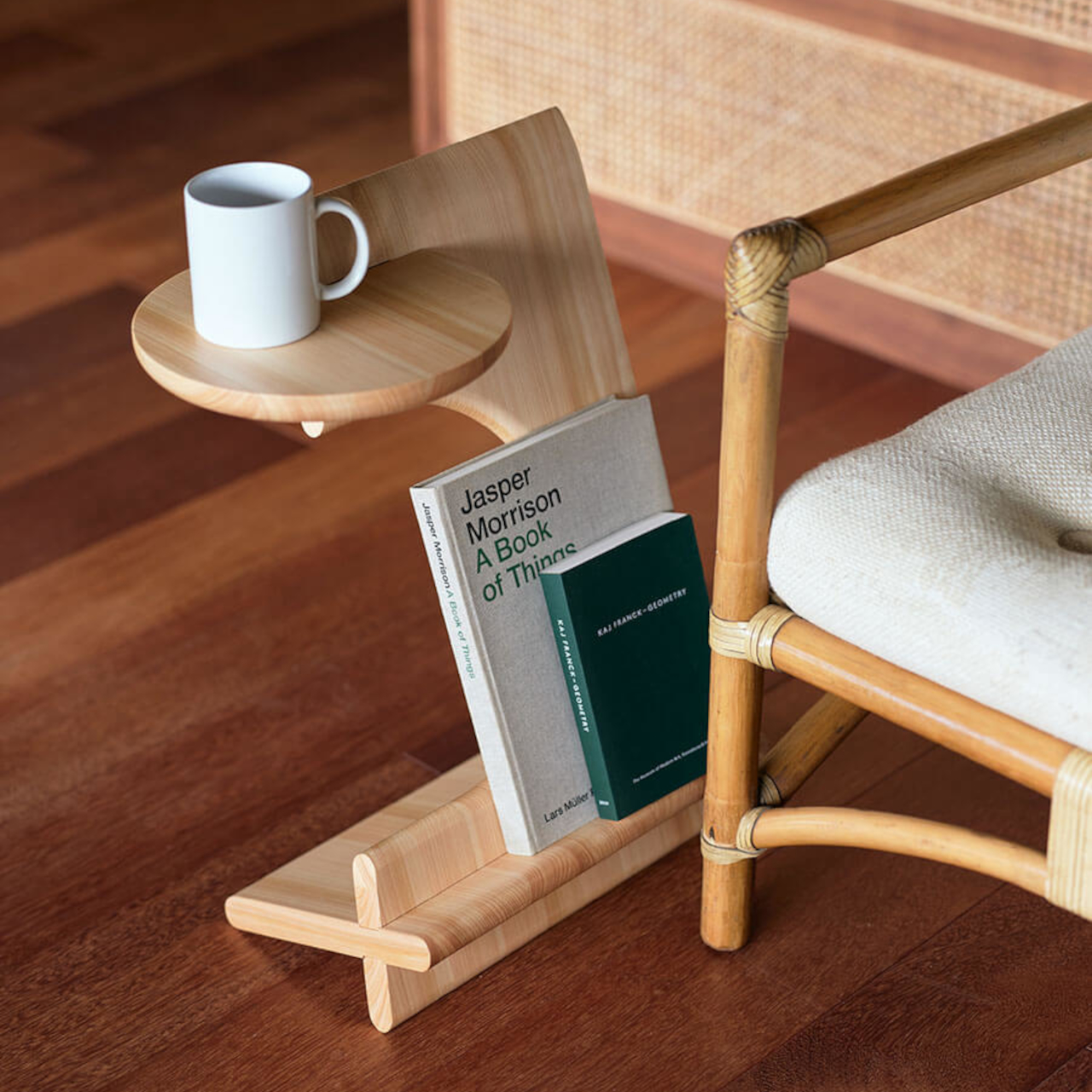
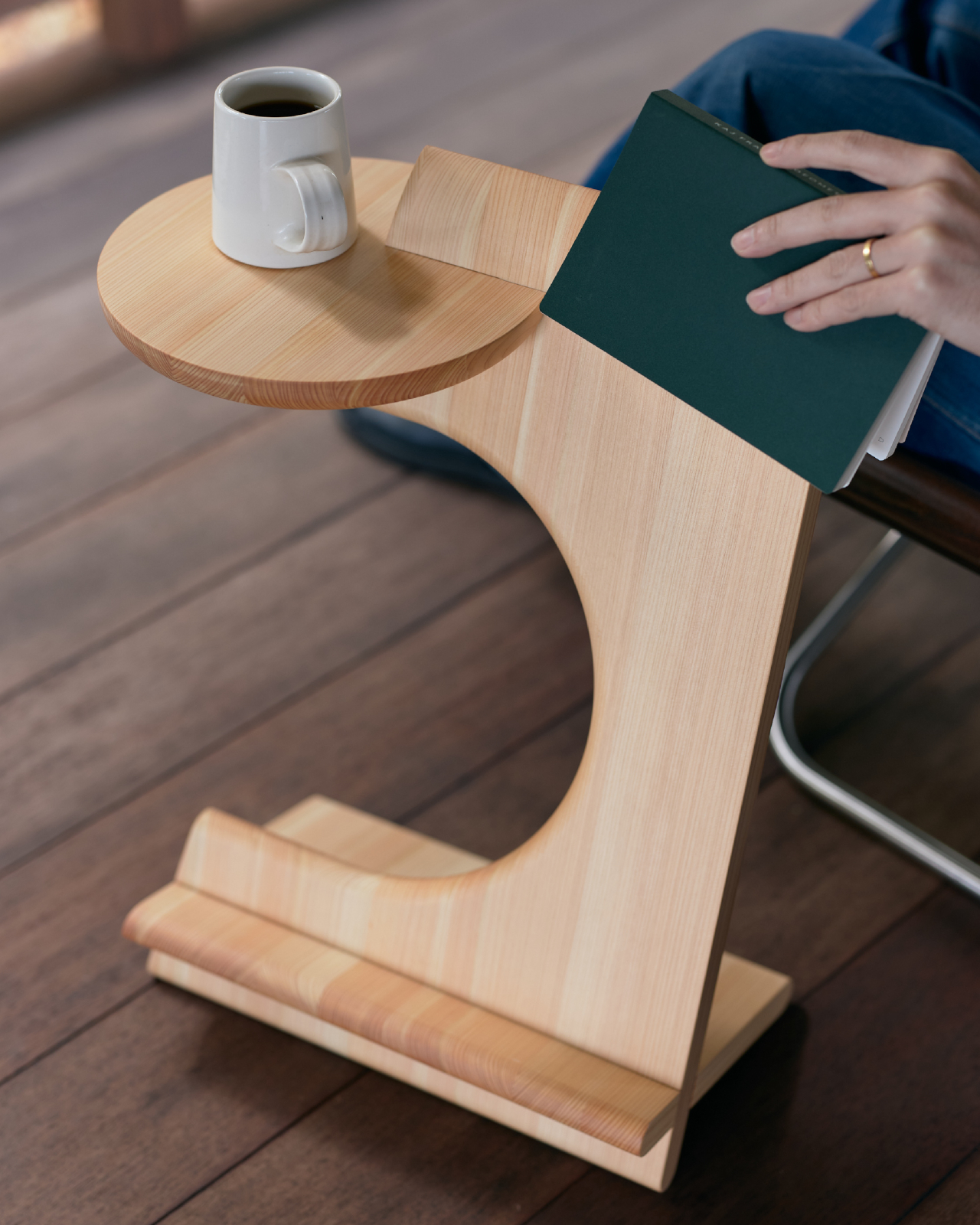
Assembled, the table forms a C-shaped profile with a circular opening and a vertical slot running through its center. Books slide into that slot and rest upright, accessible from either side depending on where you’re sitting. The circular cutout provides another grab point for reaching volumes stored within. This dual access removes the awkward leaning or reaching that happens with conventional side tables when you want a book stored underneath.

The top surface holds a mug, small plate, or reading glasses without crowding the book storage below. Water-repellent ceramic coating protects the cypress from condensation rings and accidental spills, which matters when hot drinks sit directly on wood. The coating maintains the natural wood finish rather than creating a glossy sheen that would feel out of place.

Leftover material from production becomes small cardholders included with each table, extending the zero-waste philosophy to packaging and accessories. The flat-pack design collapses the assembled table back into its three nested components, making storage or relocation straightforward if living situations change.

What distinguishes Bookmarker from typical side tables is how it makes reading visible in daily spaces. Books stored vertically in the slot create a small display of current interests rather than hiding beneath surfaces or leaning against walls. The table becomes a physical reminder of reading intentions, turning background clutter into foreground presence.

The cypress grain varies across each piece, ensuring no two tables look identical. Wood’s natural characteristics mean some sections show tighter grain while others spread wider. This variation reinforces the handmade quality and material honesty. The light tone works across different interior palettes without demanding specific color schemes.

Bookmarker occupies a specific niche between purely decorative furniture and purely functional storage solutions. It handles the practical needs of readers who want books and drinks close at hand while maintaining a sculptural quality that justifies its presence even when not in use. The table makes reading visible in daily spaces without forcing aesthetic compromises or demanding reorganization of existing routines.

The post A Side Table That Doubles as a Bookmark for Your Favorite Reads first appeared on Yanko Design.