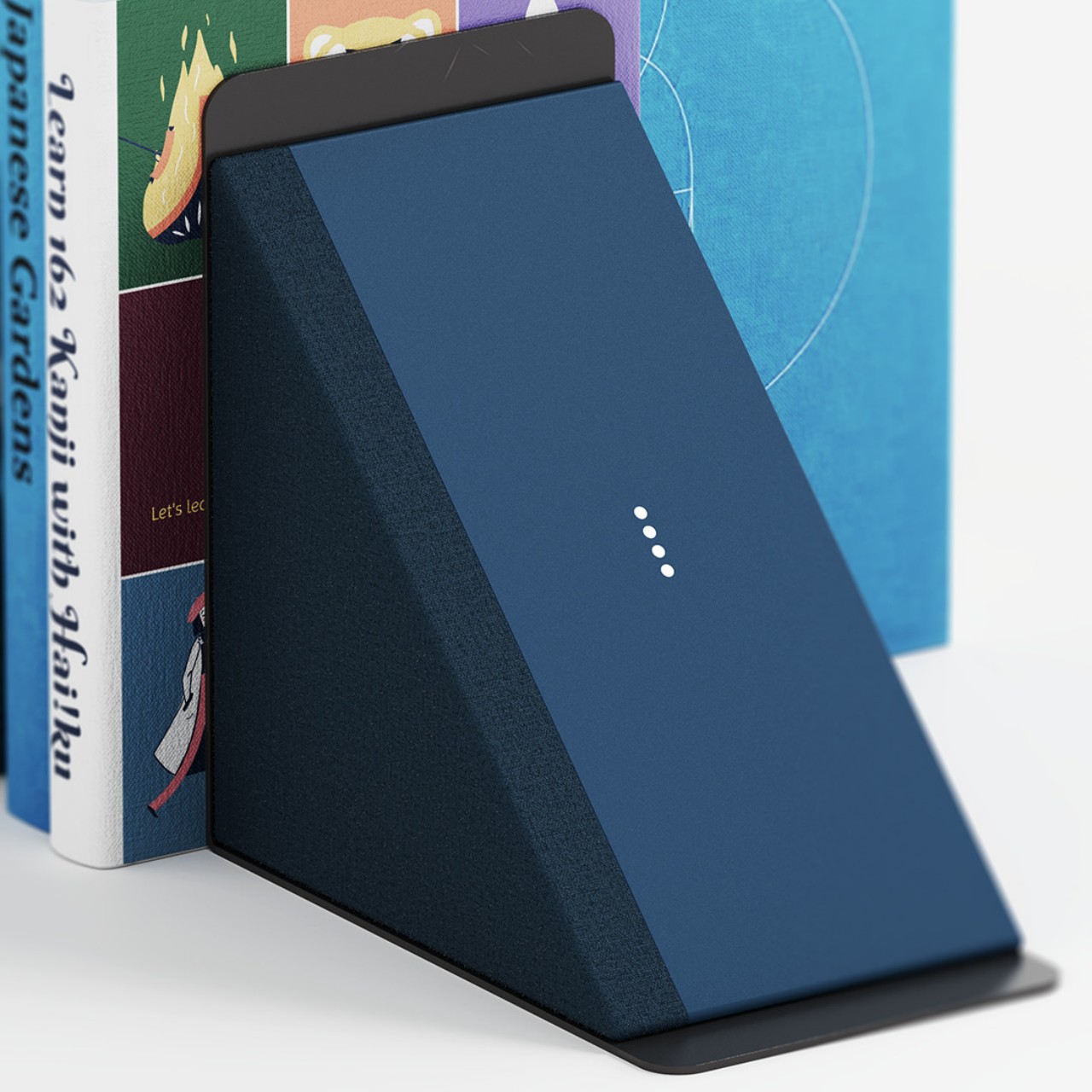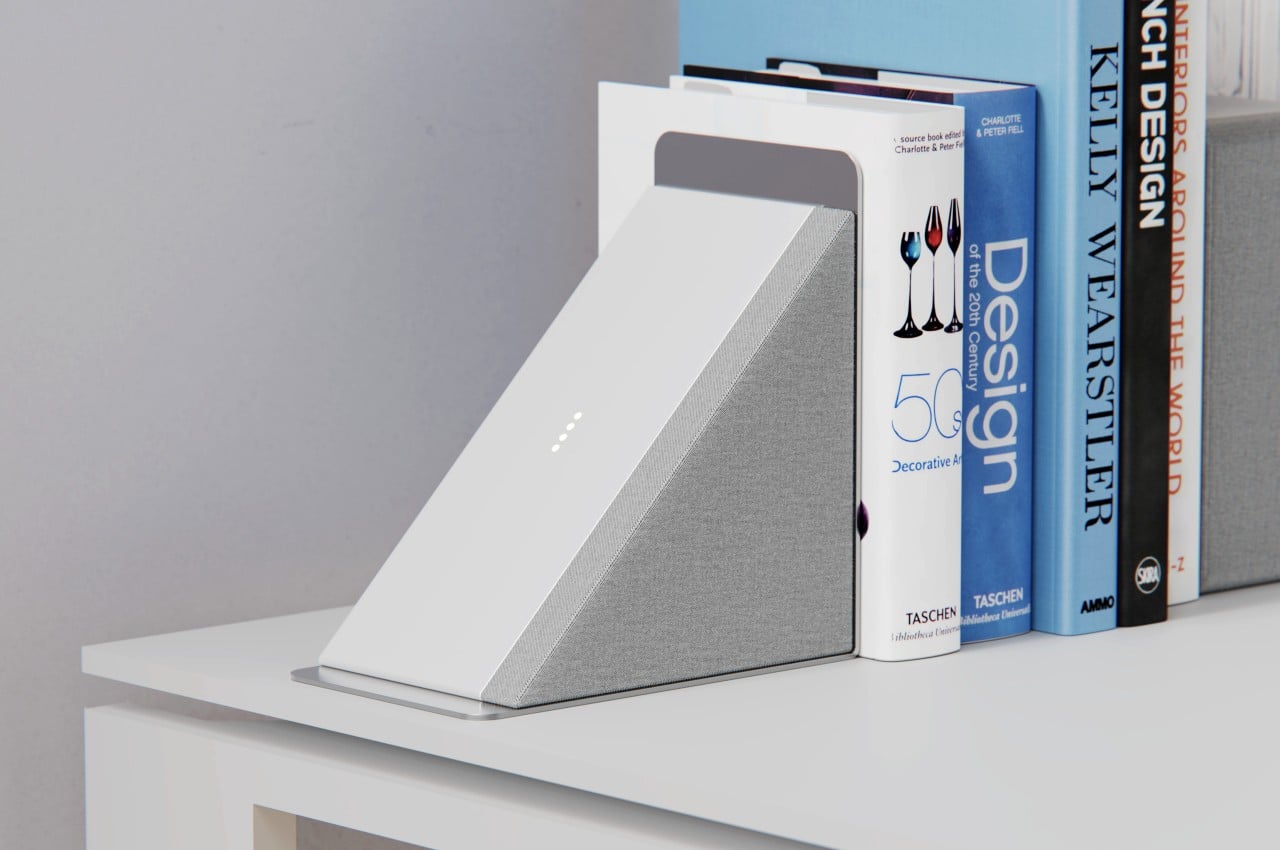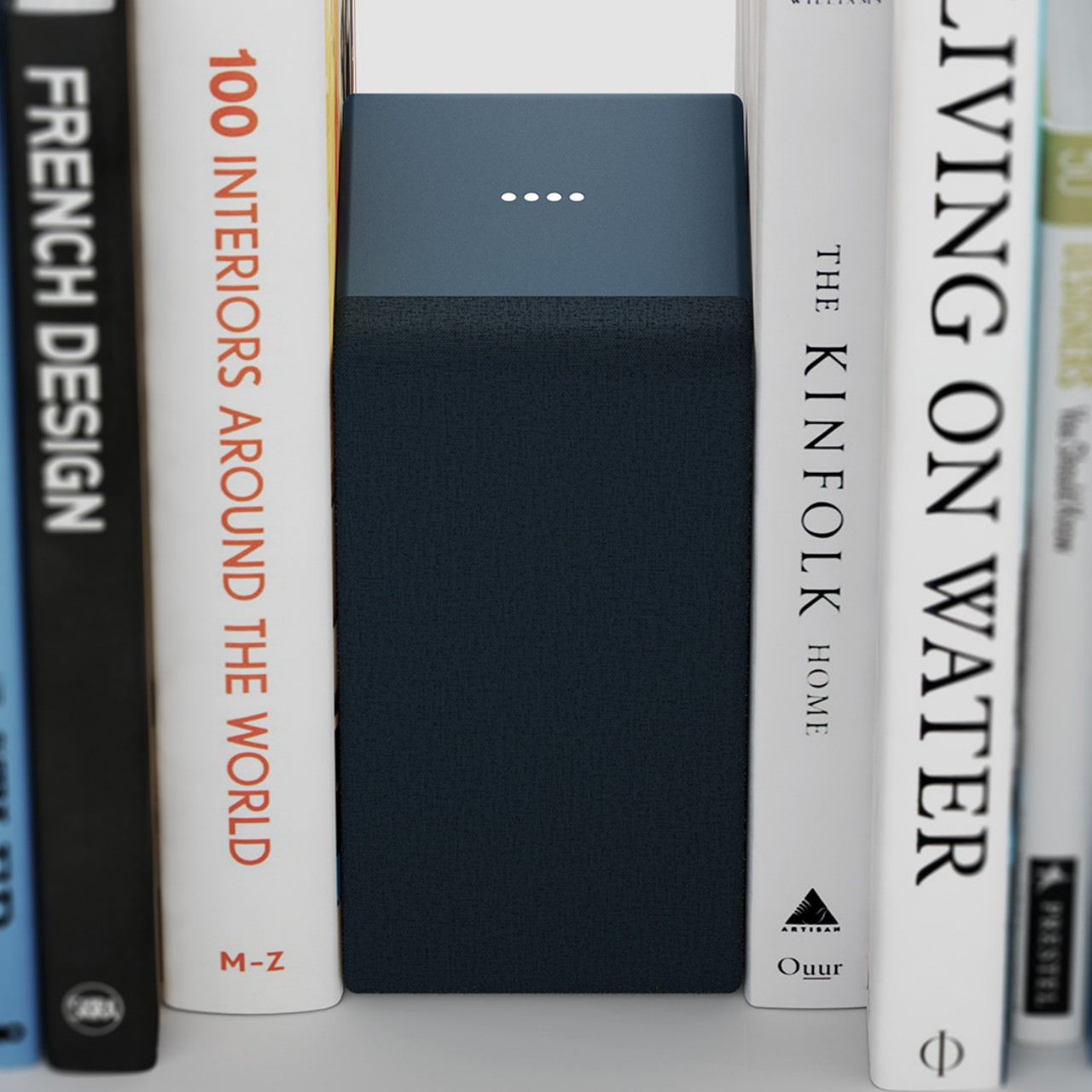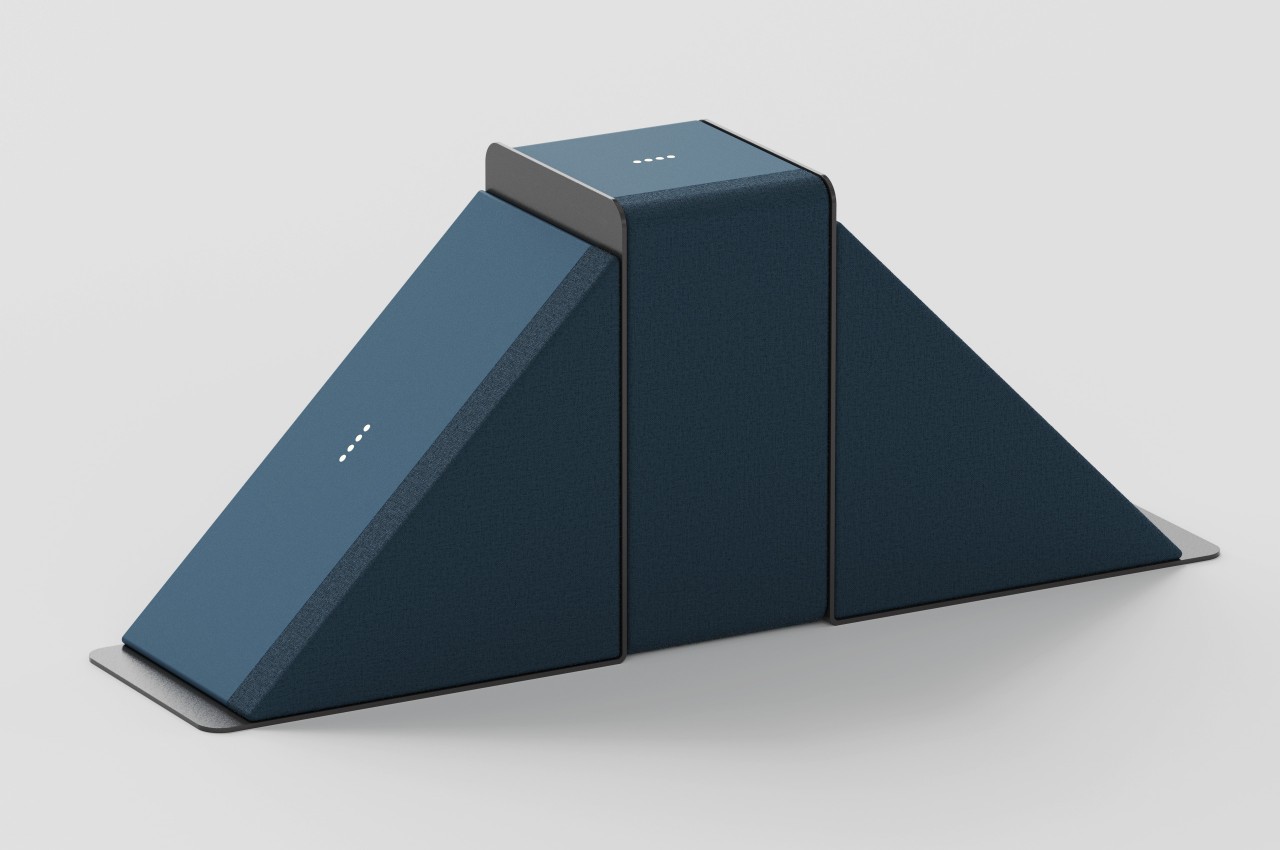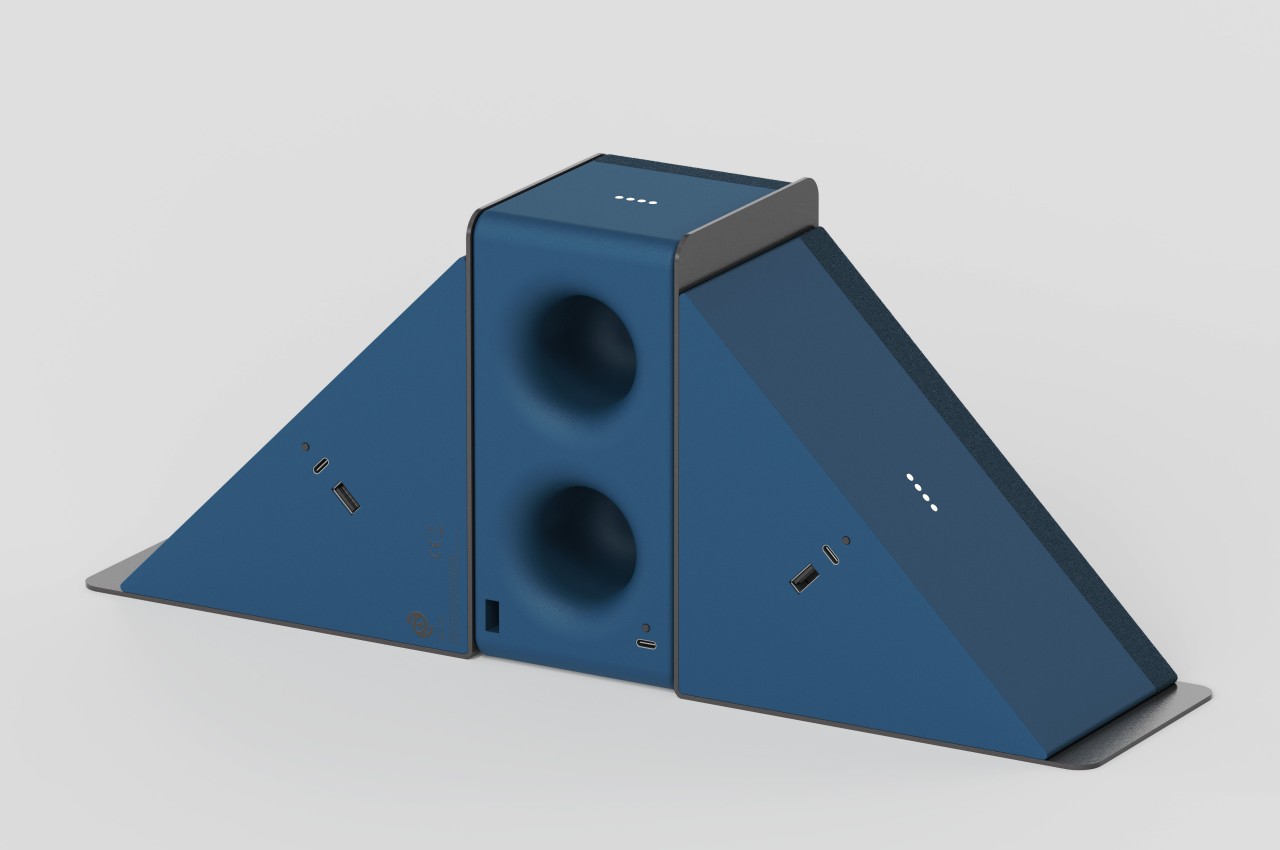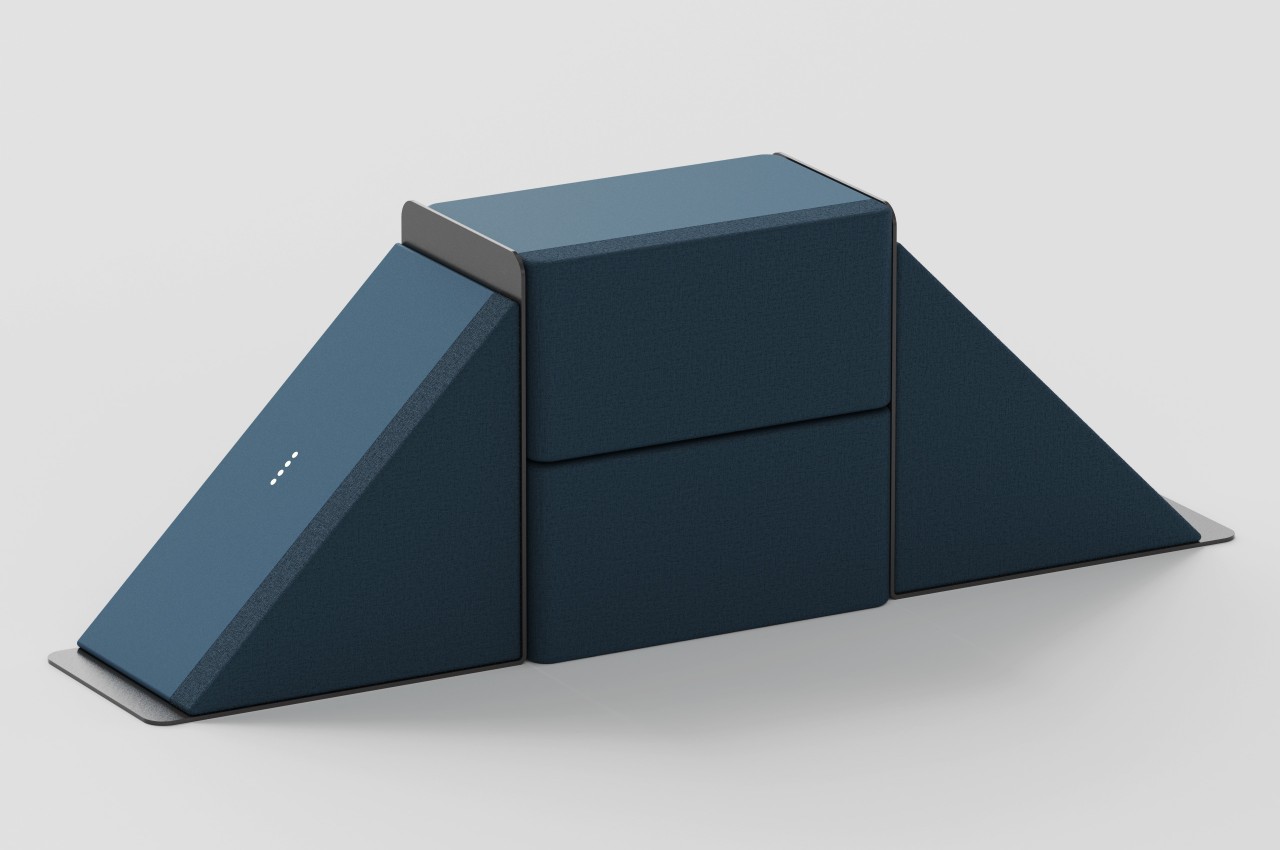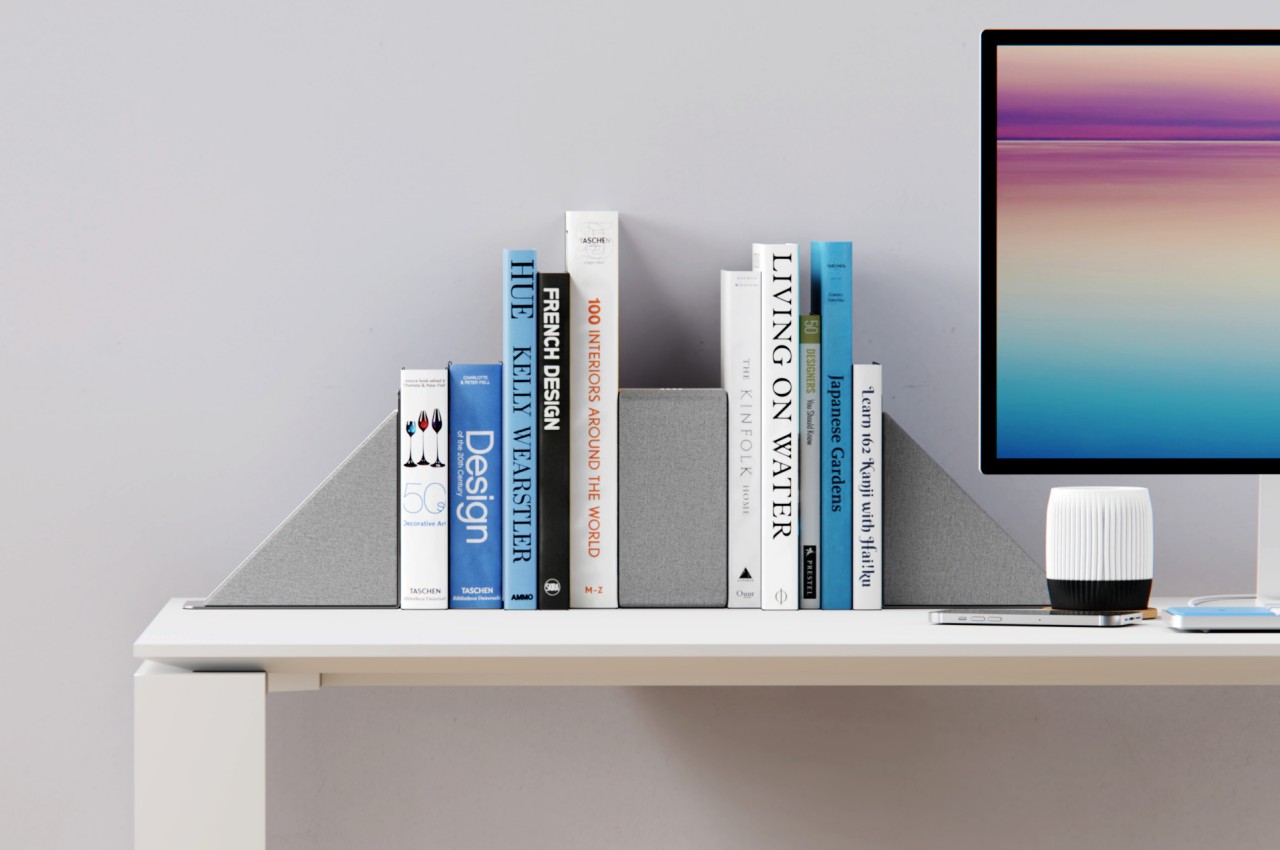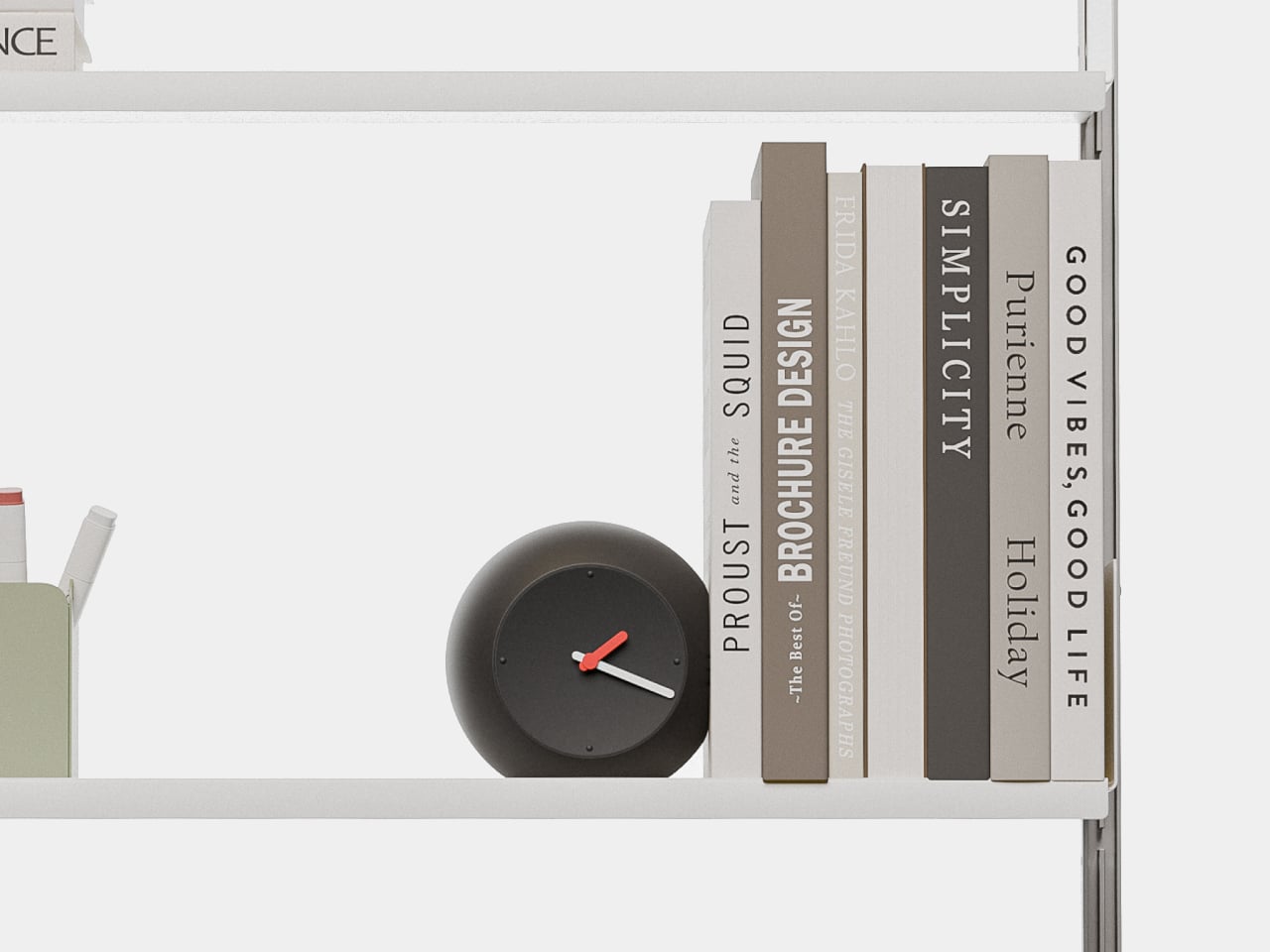
Desk clocks have always had a spatial problem. They take up flat surface area that shelves and desks often can’t spare, and most serve no other purpose besides telling the time. Bookends are purely utilitarian fixtures that rarely bring any real character to a shelf. The two objects share the same territory but have never quite figured out how to also share the job.
That’s the gap that the EDGE Clock concept sets out to close. Designed to sit against the corners of shelves, desks, and bookcases, it works as both a timepiece and a stabilizing weight for the books and objects around it. It is labeled as a ‘deskterior’ object, a term that describes desk items thoughtfully designed to do more than one thing at once.
Designer: HoHyeon Lim
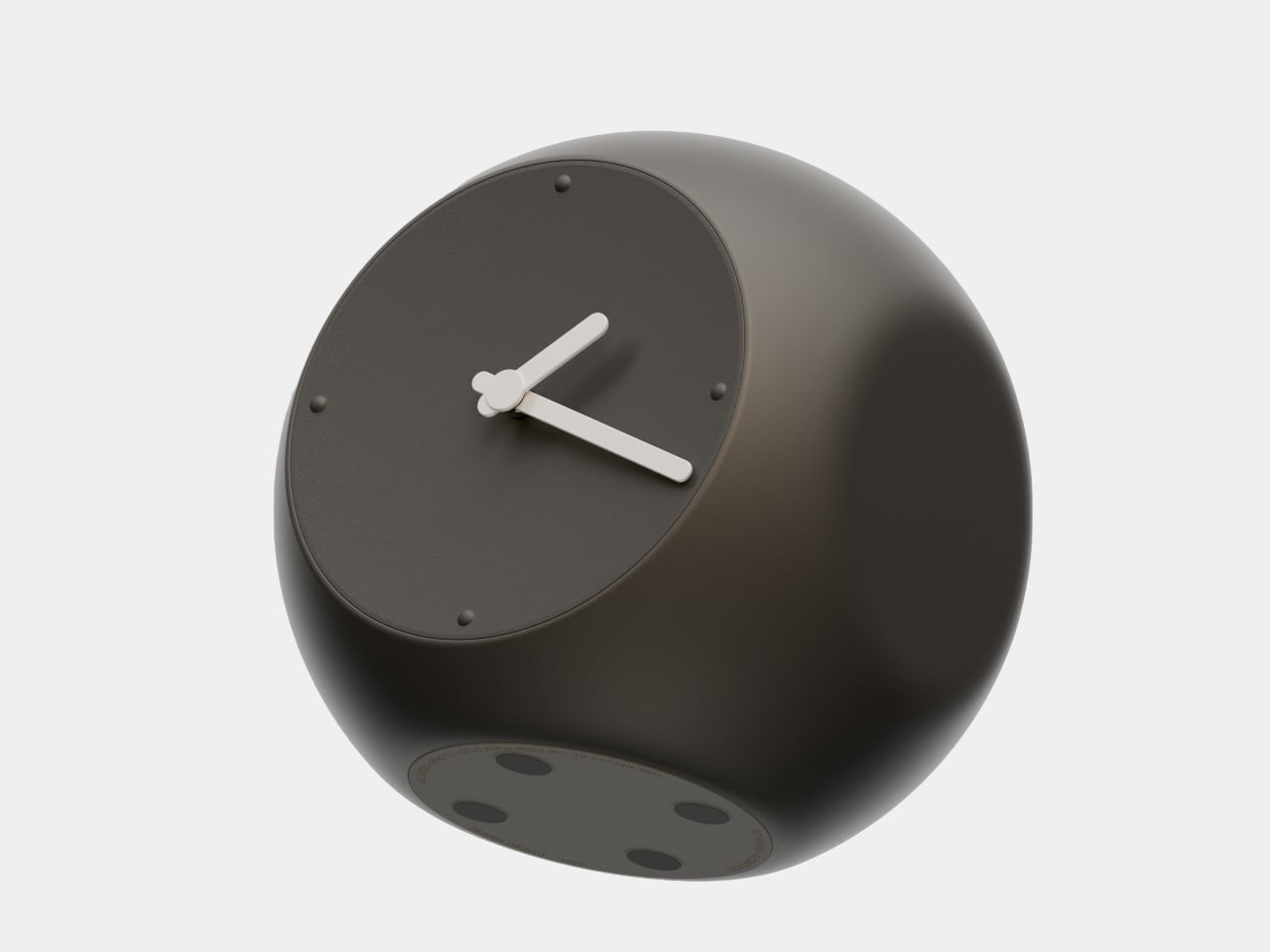
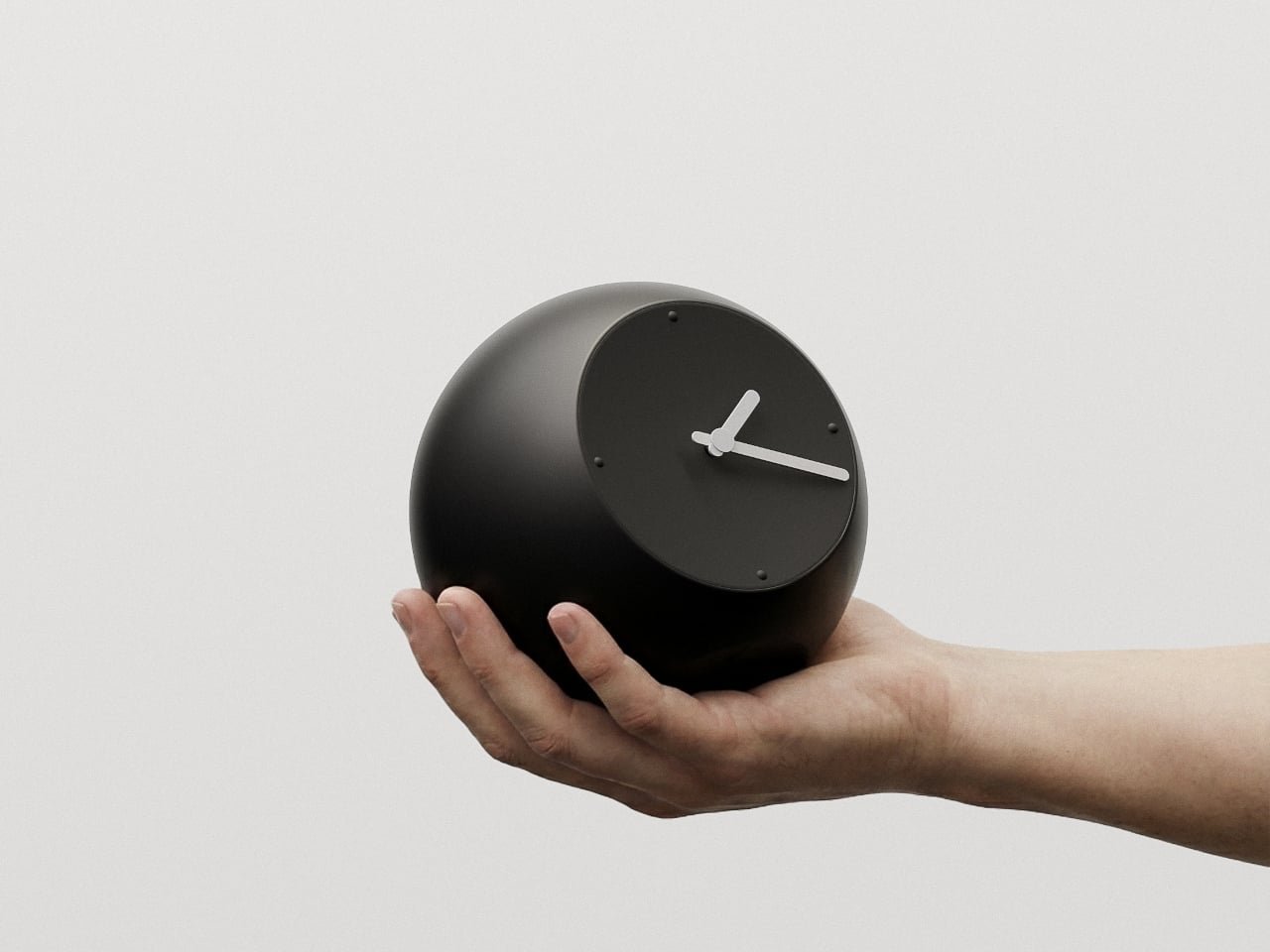
The inspiration comes from something most people do instinctively. Books and objects get leaned against corners all the time, using the meeting point of two surfaces as natural support. The EDGE Clock borrows that habit directly, concentrating the clock’s mass at its edge so it nestles securely into a corner rather than needing a flat, unobstructed surface to stand upright on its own.
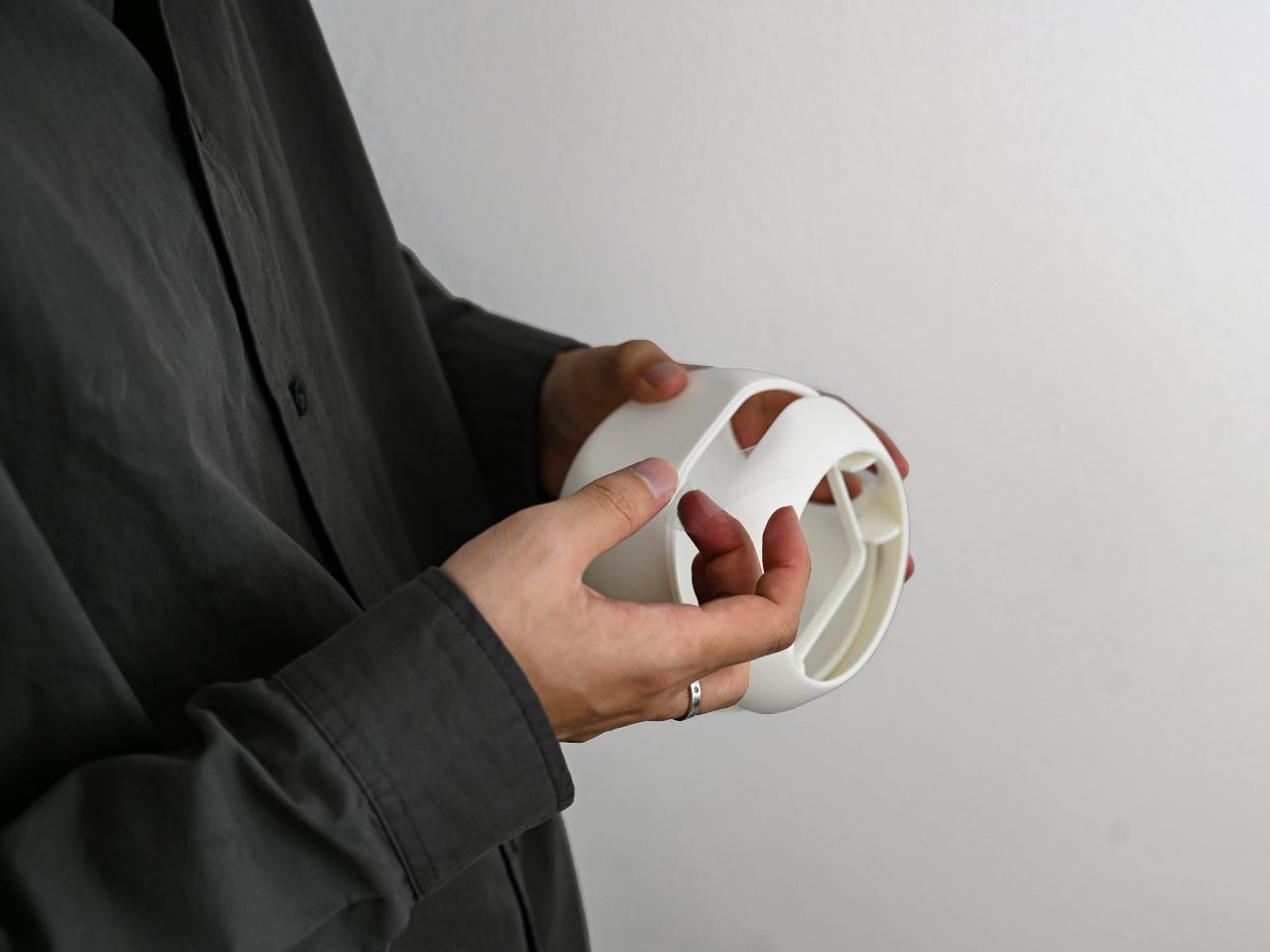
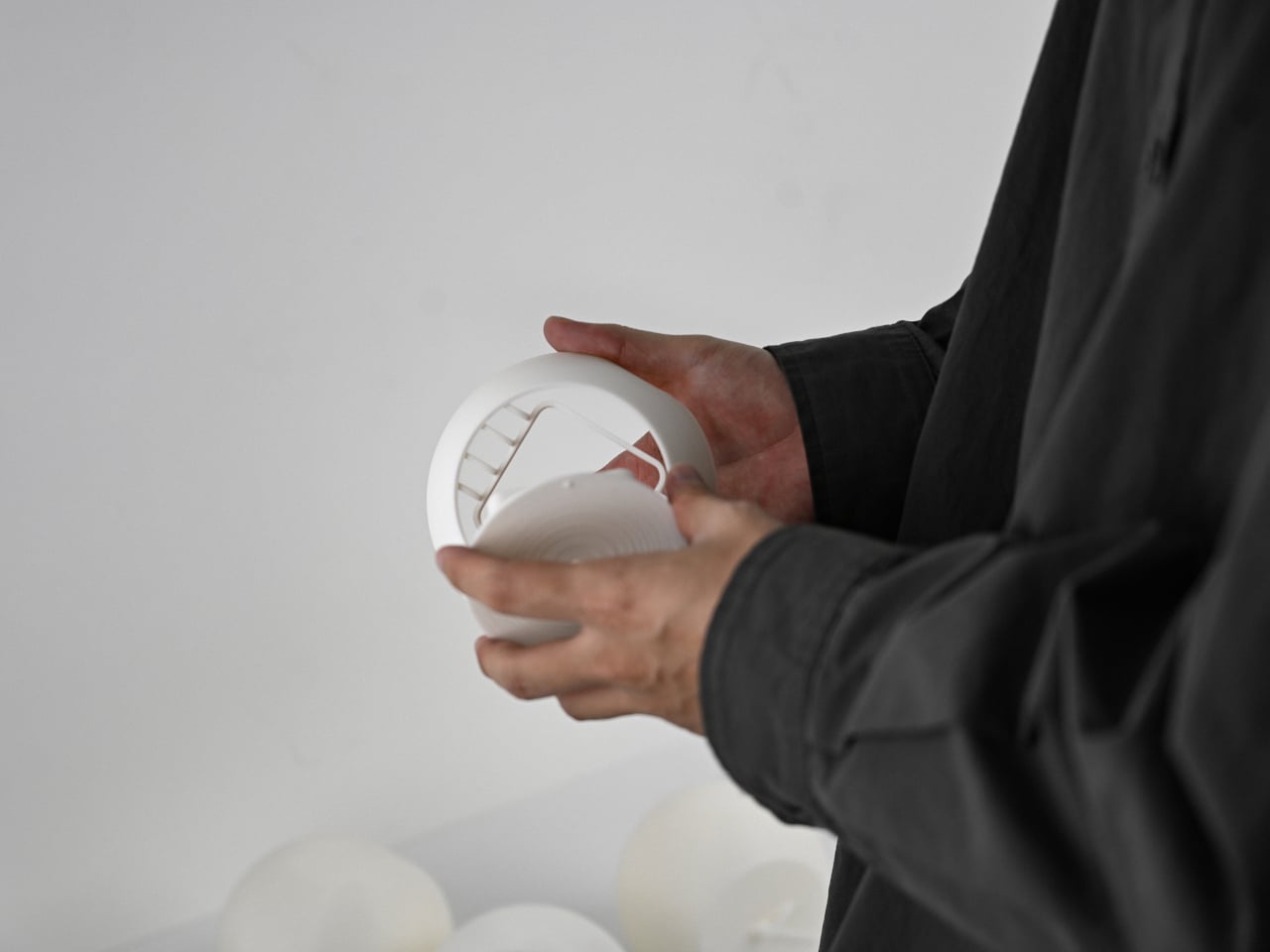
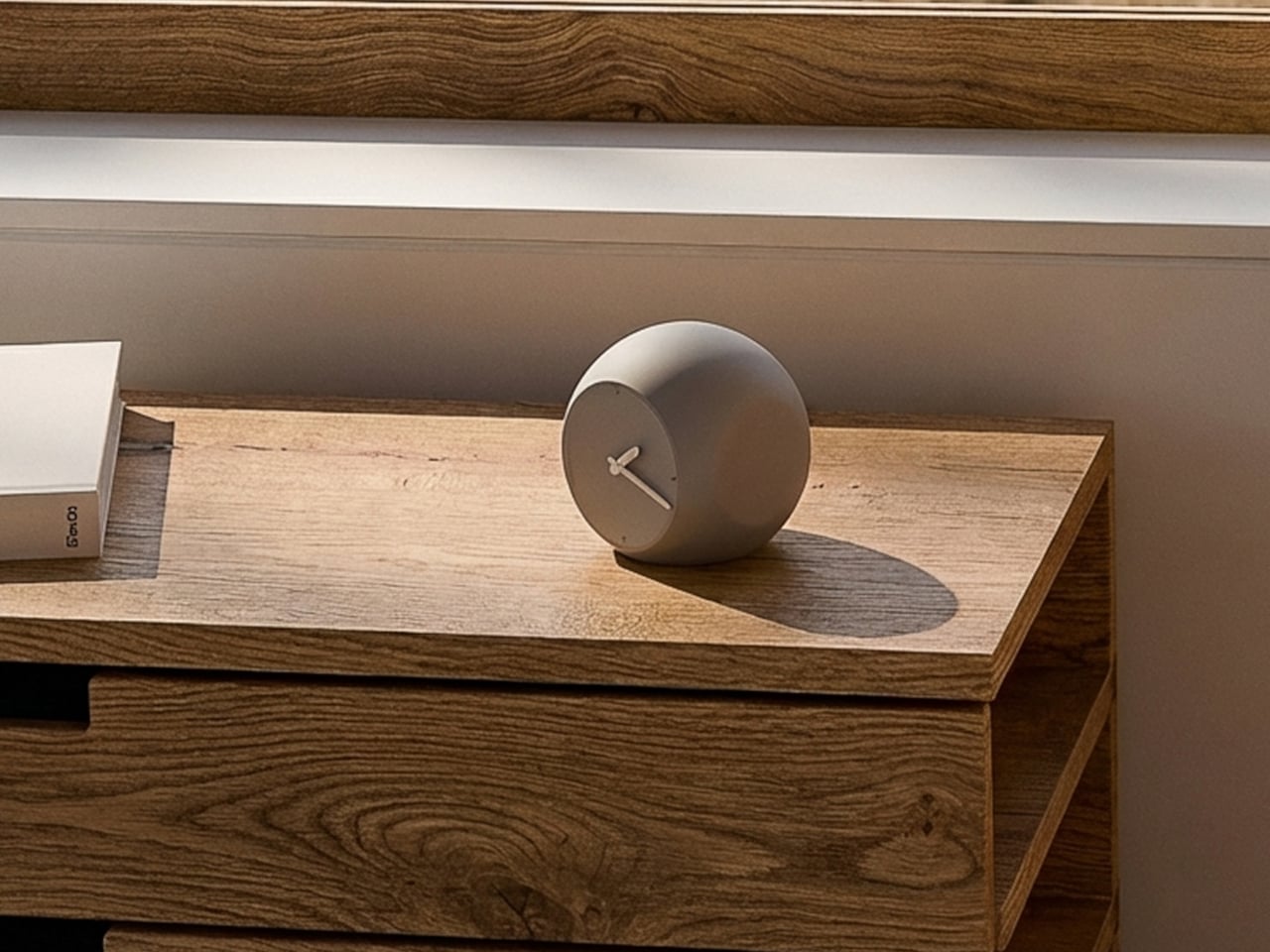
The form is deliberately spherical, its mass distributed so the curved body settles naturally against two surfaces at once. The clock face is angled in a way that makes it readable from above, the way you’d glance at something on a shelf. There’s no kickstand, no flat base, no bracket. The only thing holding it in place is its own weight, guided by the corner.
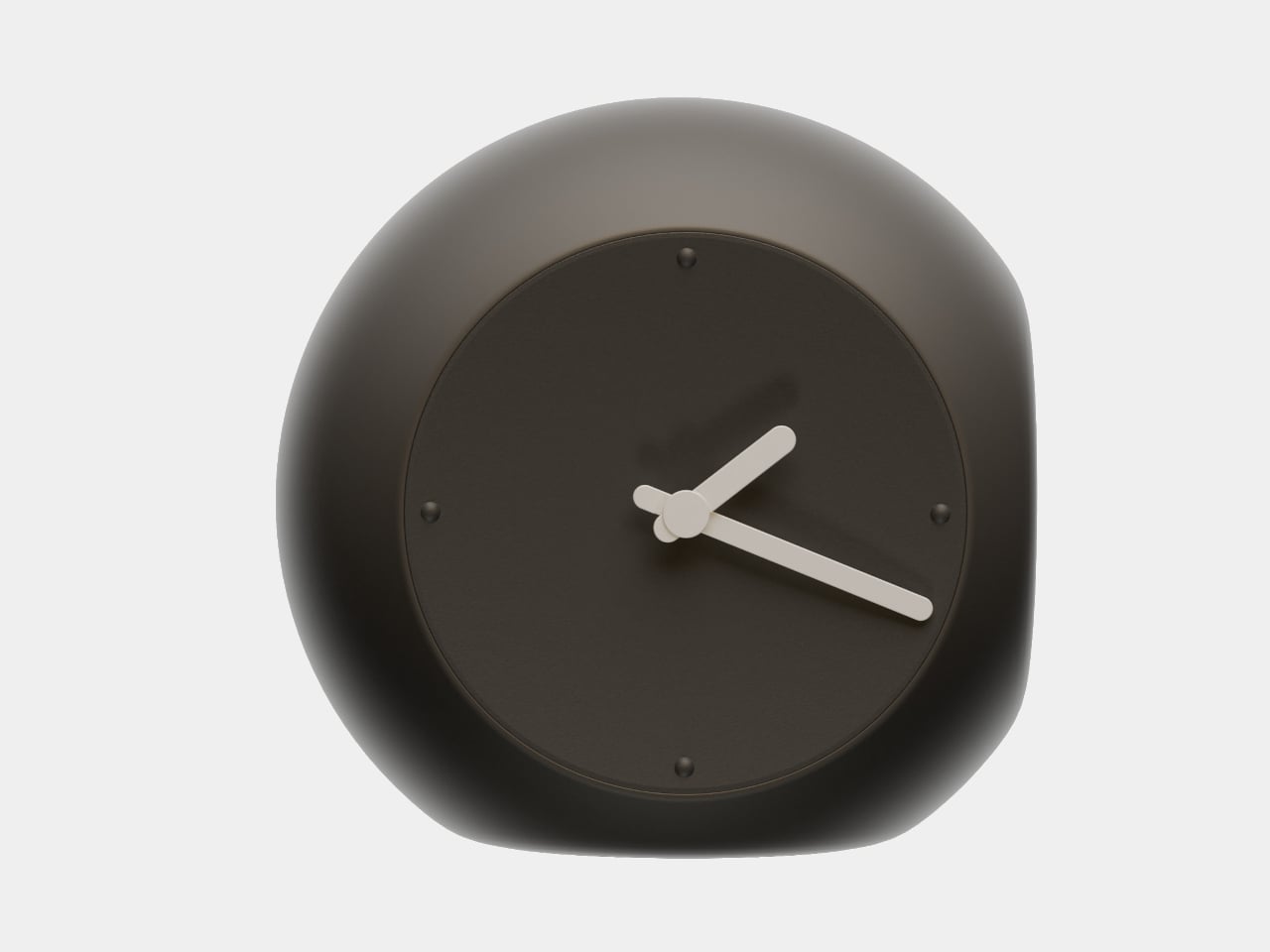
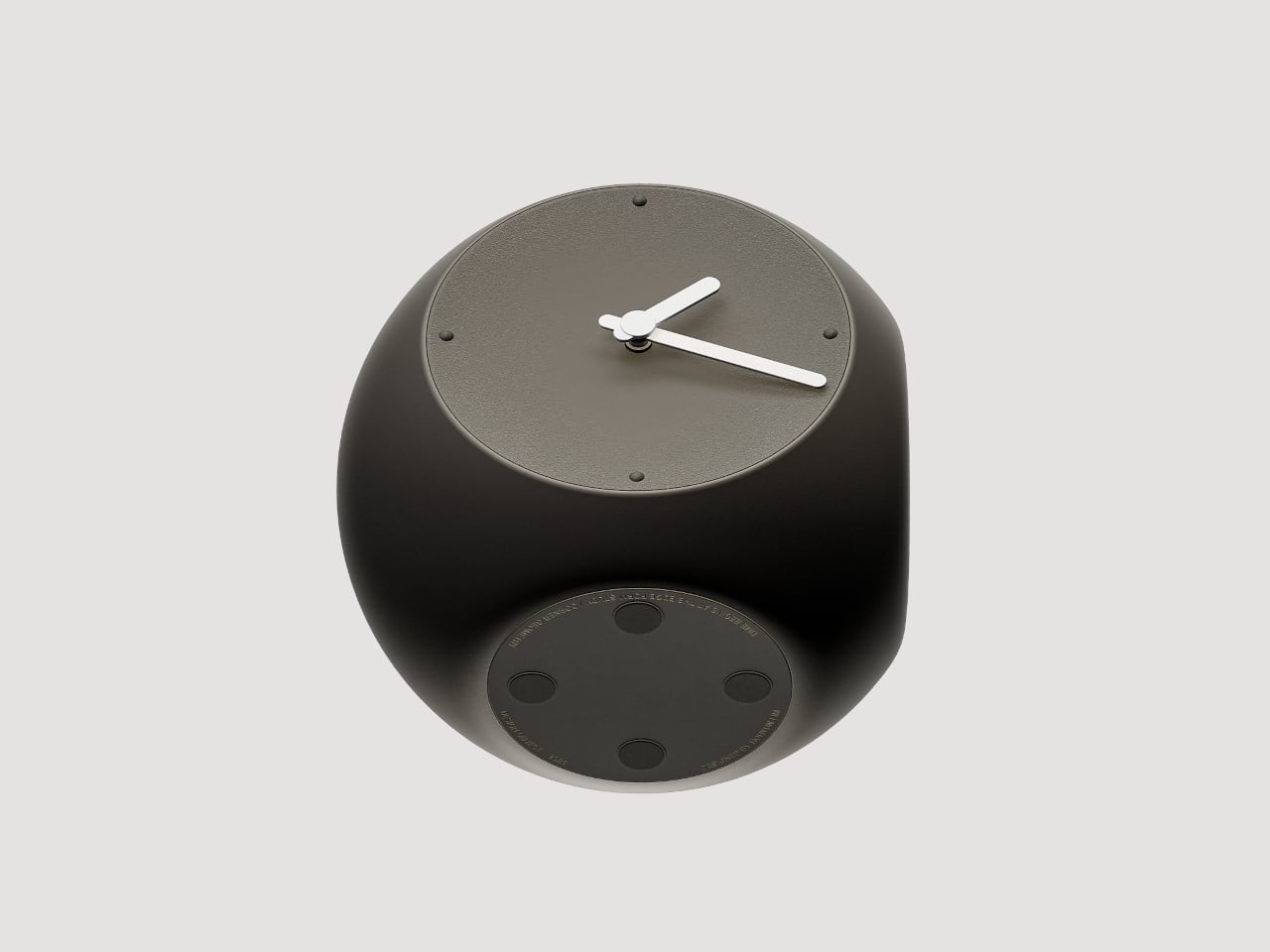
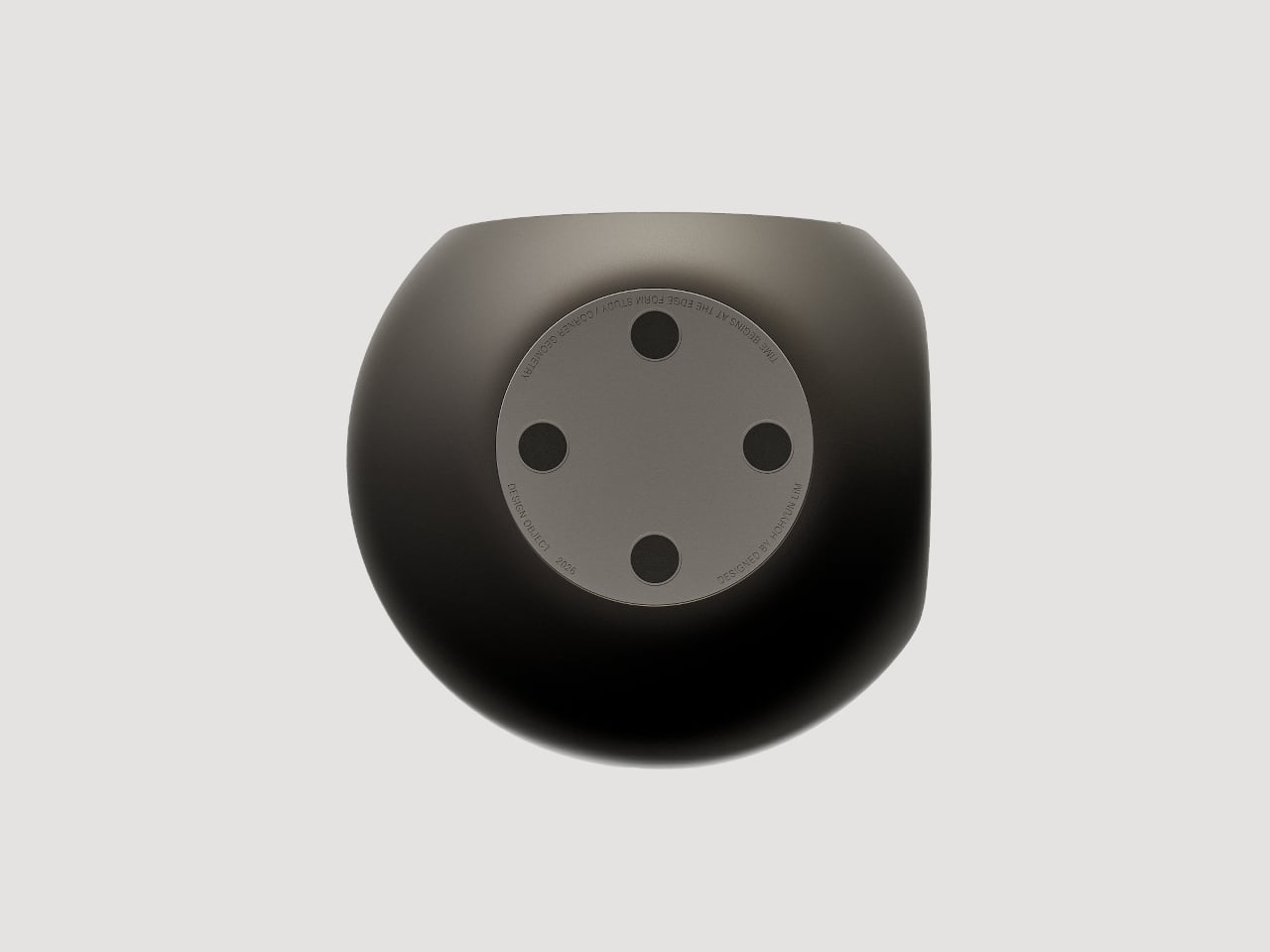
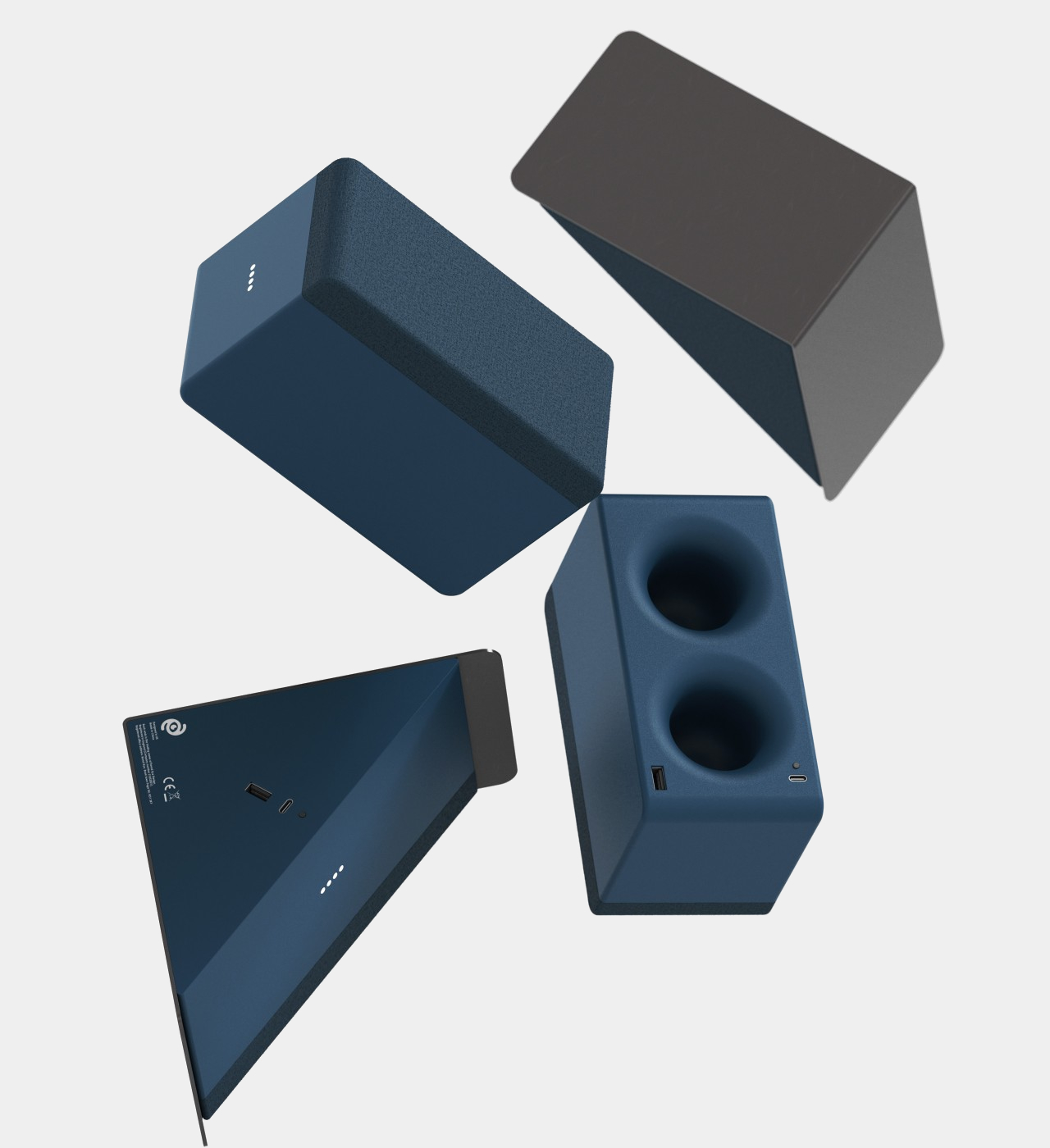
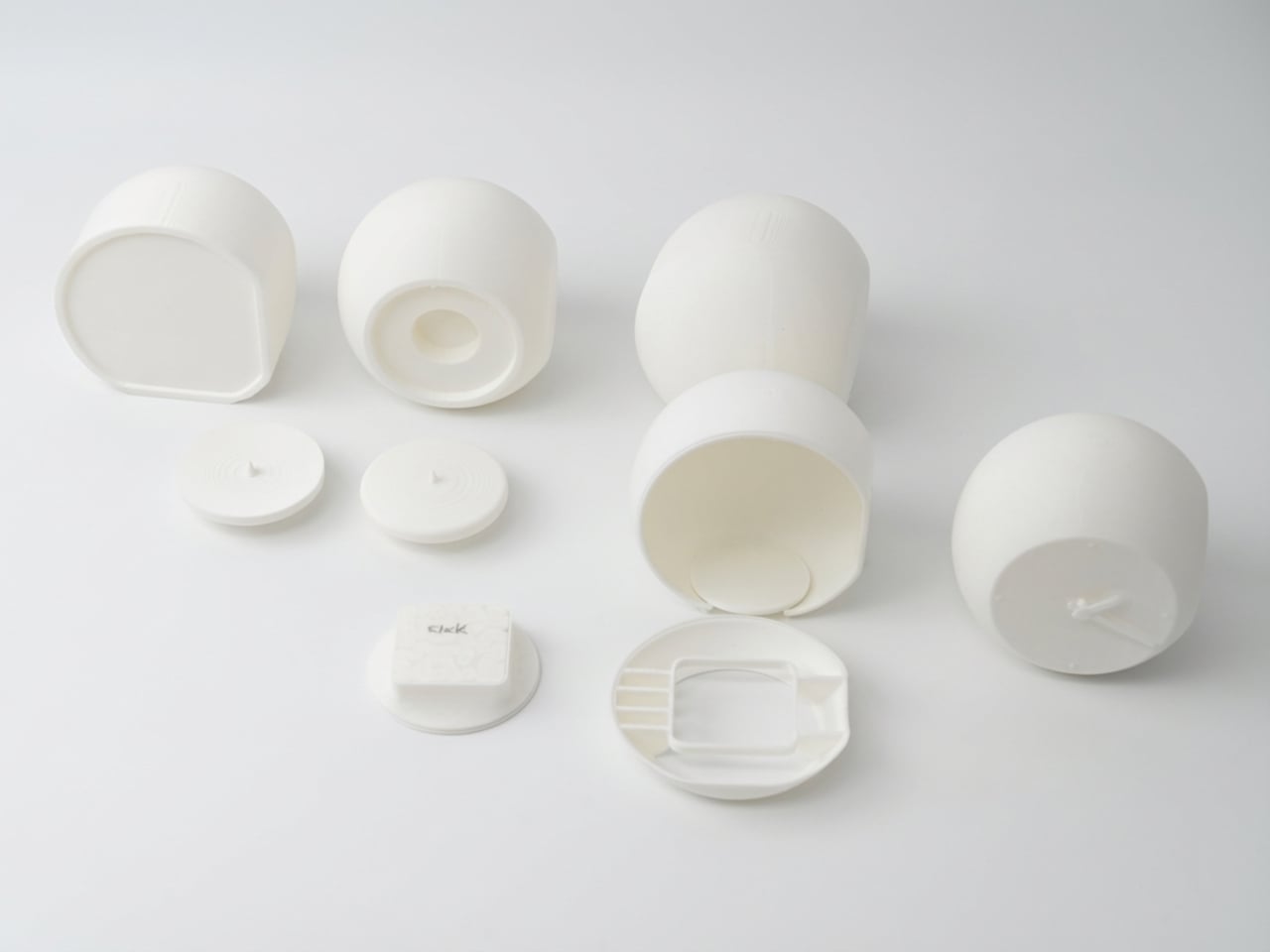
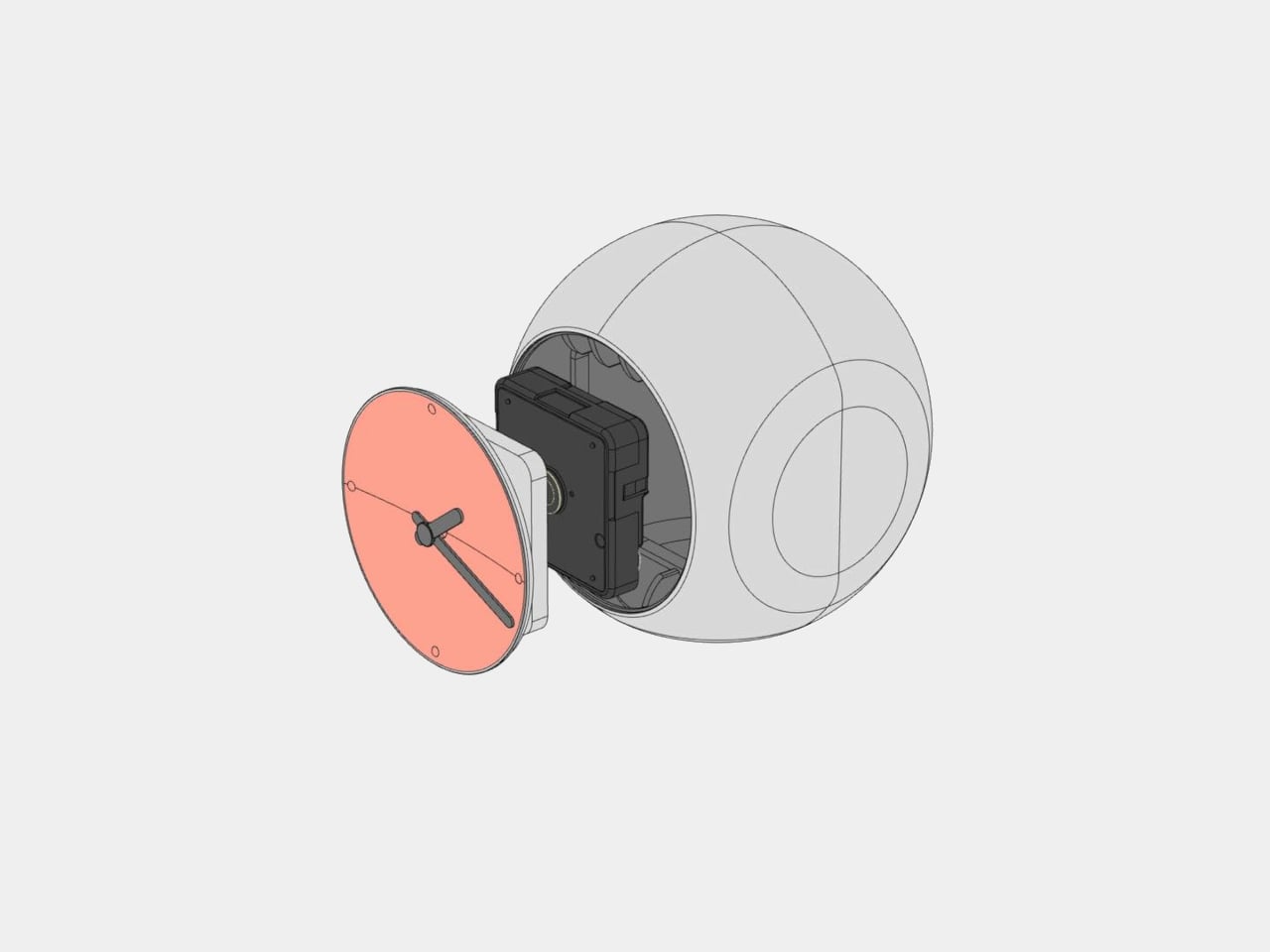
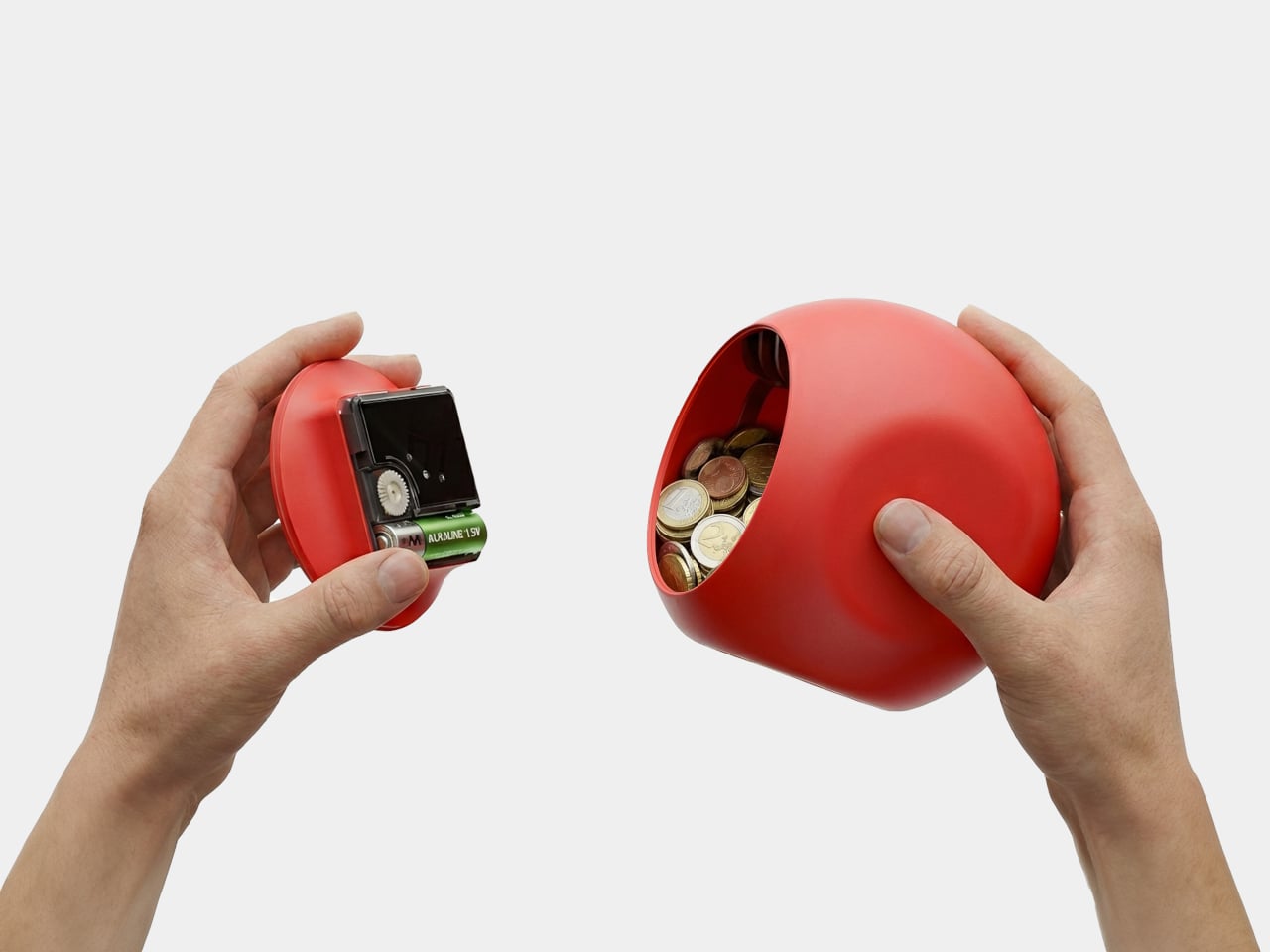
What makes the concept particularly clever is that the weight isn’t fixed. The body opens to reveal a hollow interior, and the user can drop in coins or small everyday objects to adjust how heavy and stable it sits. It’s a simple idea that adds a layer of personalization most clocks don’t offer. You’re essentially calibrating it to your shelf and the things you already keep on it.
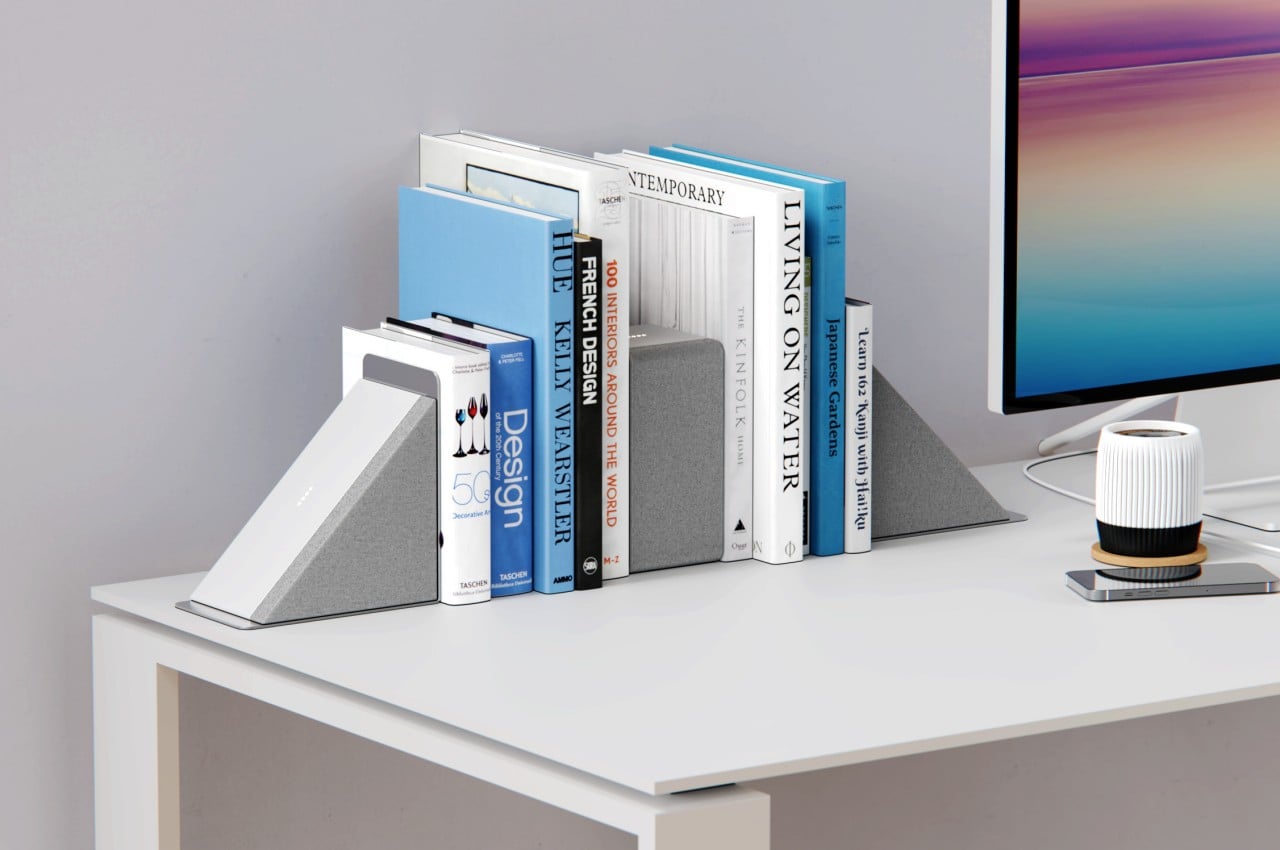
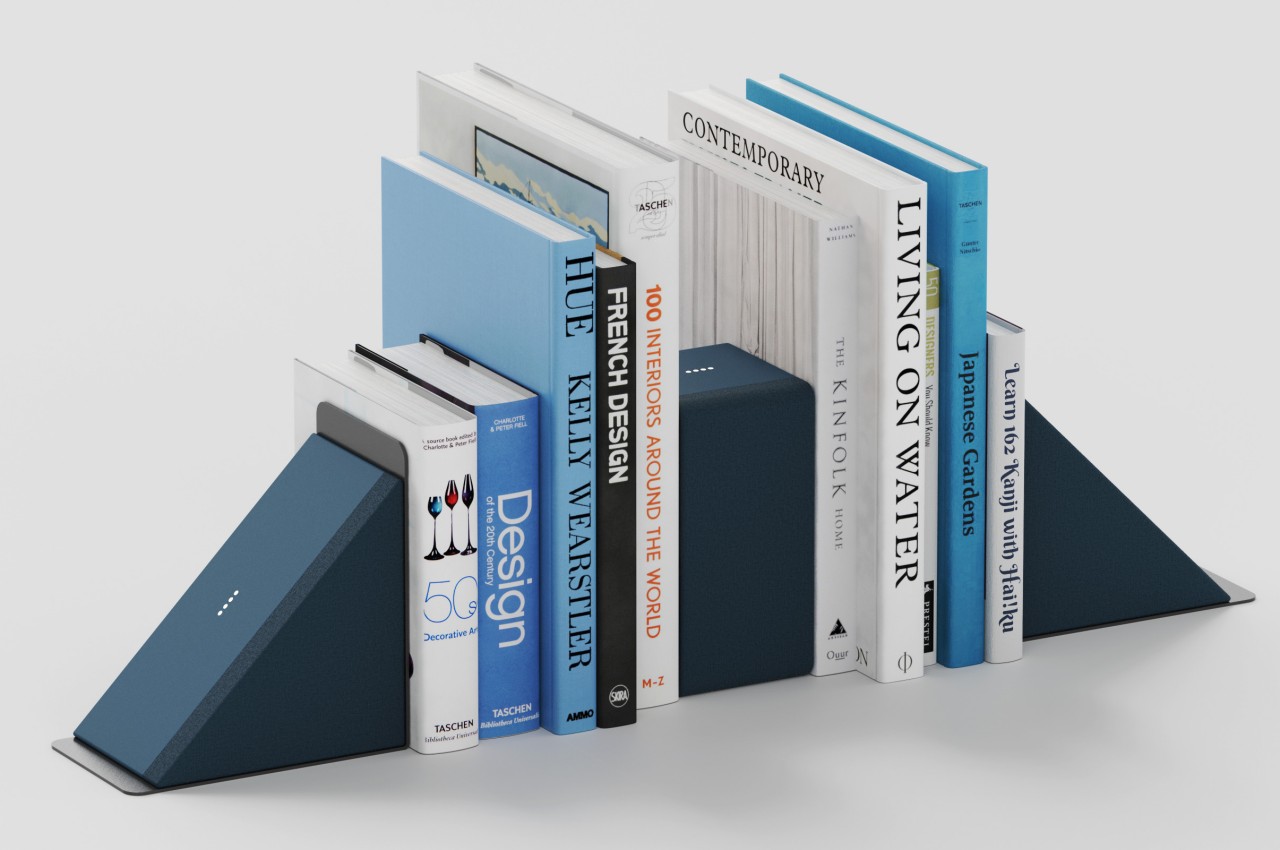
Set it at the end of a row of books on an open shelf, and it stops them from toppling while quietly telling the time. Prop it in the corner of a desk, and it keeps loose items from sliding away without any need for a dedicated organizer. The corner, usually the dead zone of any surface, becomes the most purposeful spot in the room.
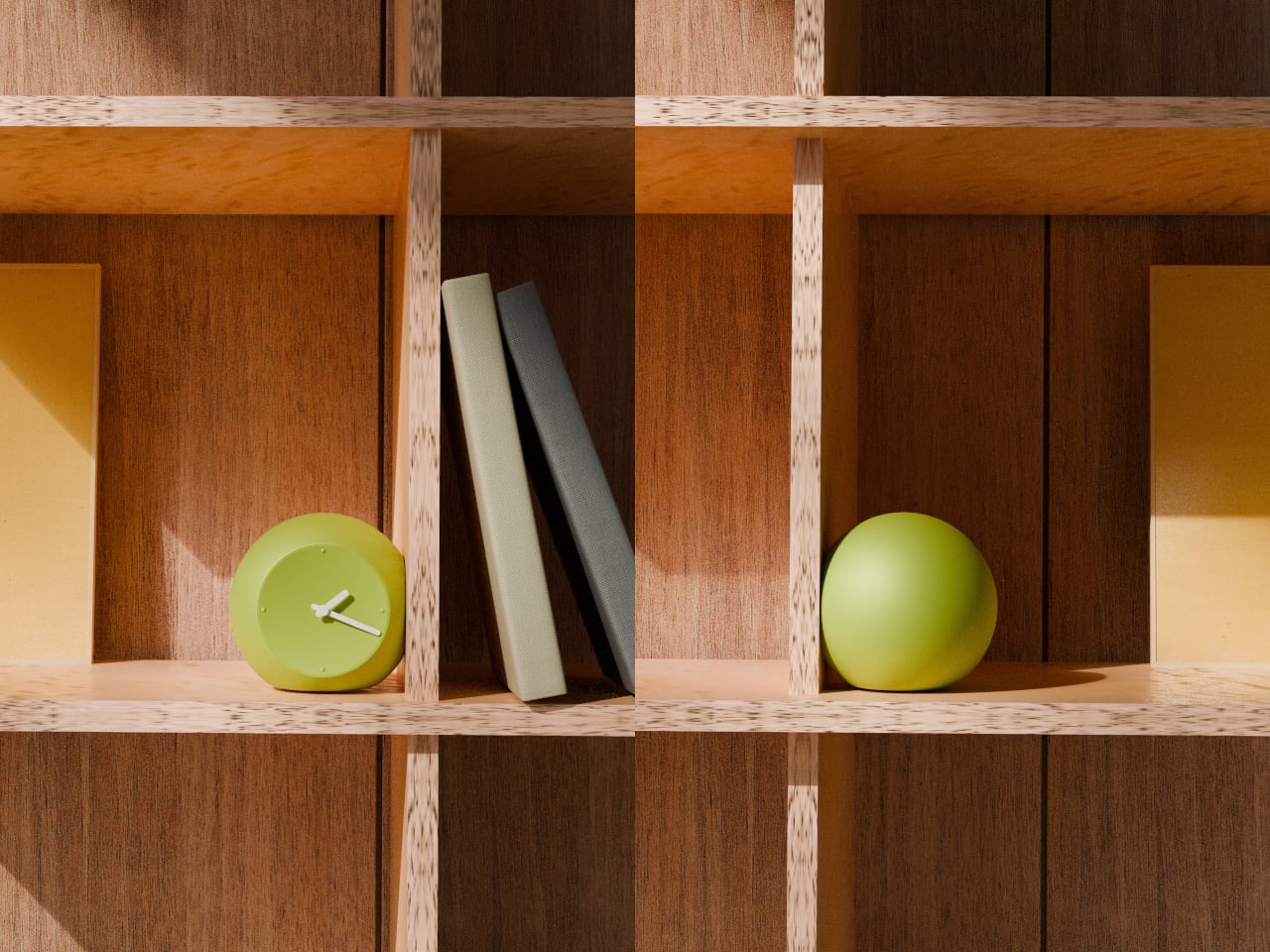
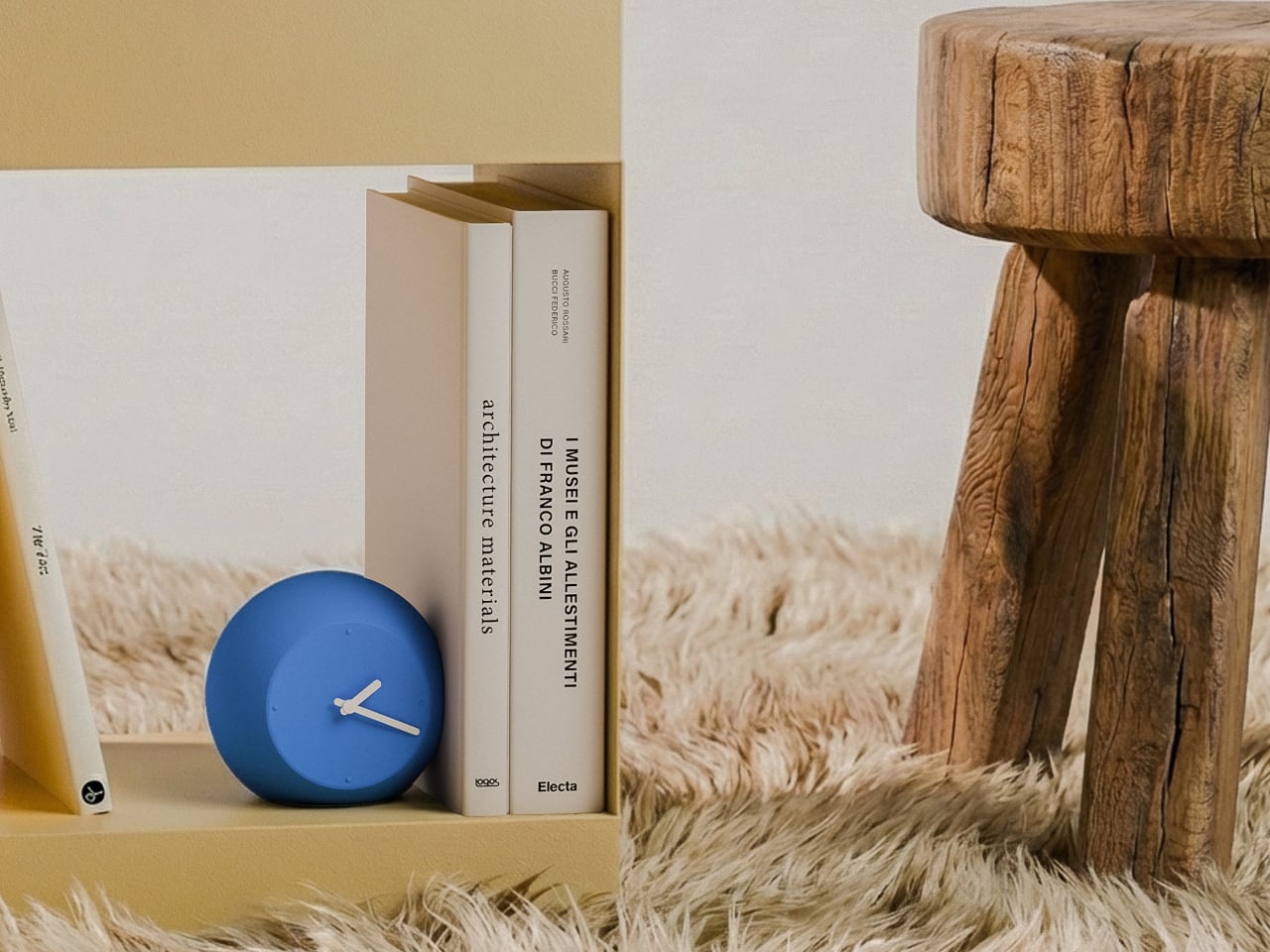
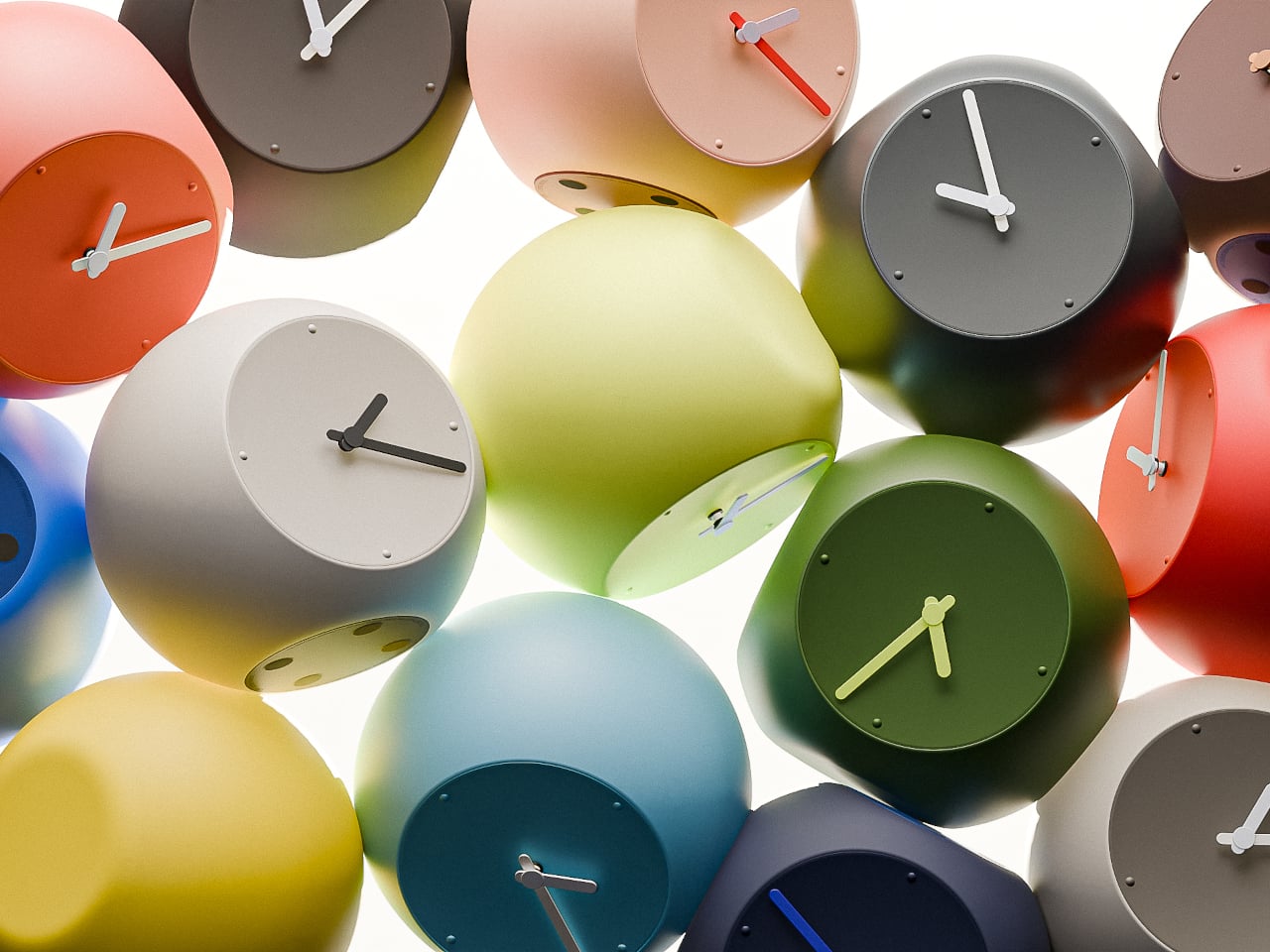
The concept is envisioned in a wide range of matte colors, from dusty sage and burnt orange to slate blue and near-black charcoal. The palette feels warm and considered rather than flashy, suited to the kinds of curated shelves where design-conscious people tend to collect objects. It fits naturally beside the books and trinkets already there, adding to the arrangement rather than competing with it.
The EDGE Clock is still a concept, but it touches on a problem that most desk objects don’t bother to address. A shelf corner tends to collect forgotten coins and stray pens rather than anything deliberate. This design treats that edge as prime real estate, turning an overlooked spot into one that actually holds the rest of the shelf together.
The post Your Shelf Corner Is Wasted Space: This Clock Turns It Into a Bookend first appeared on Yanko Design.