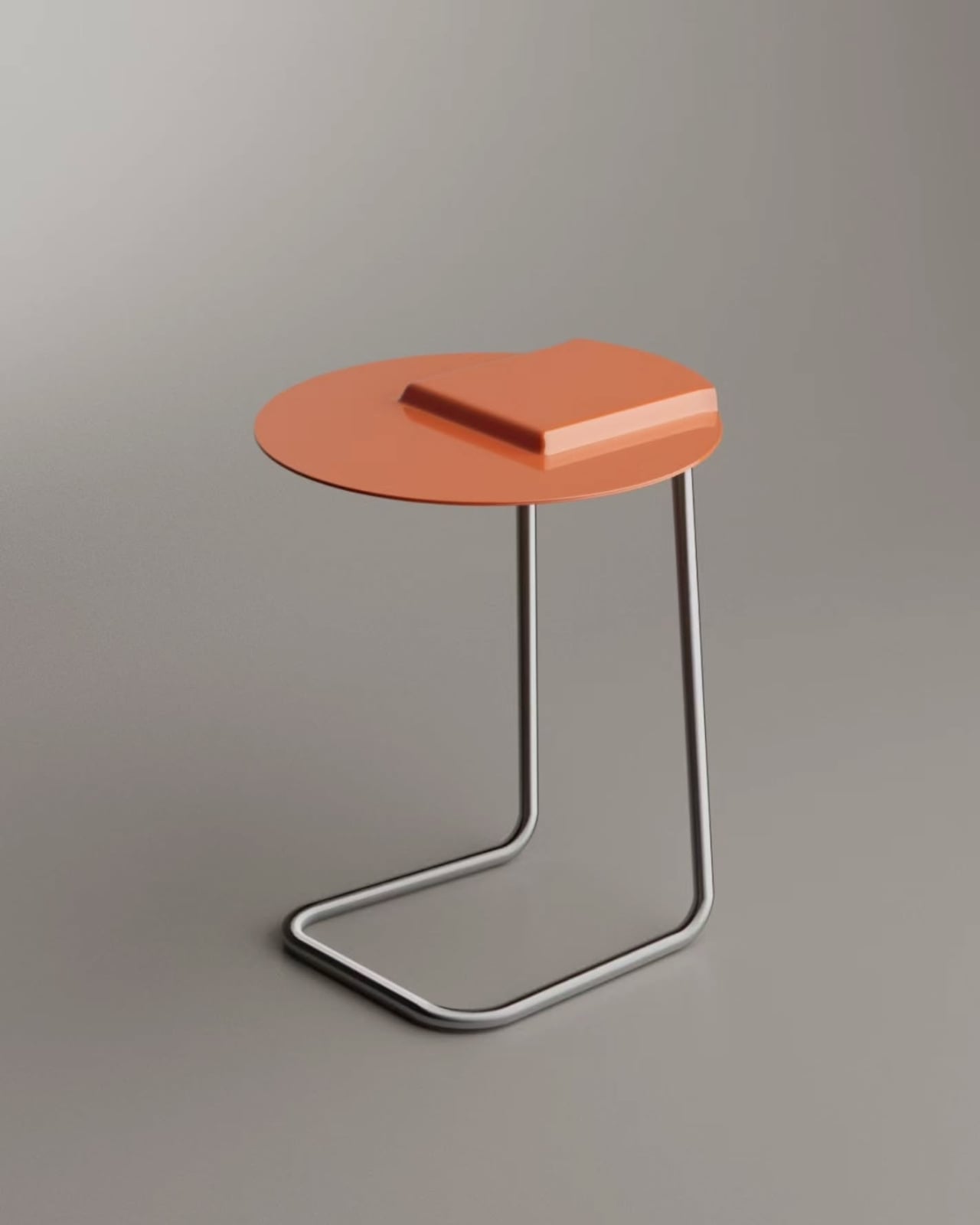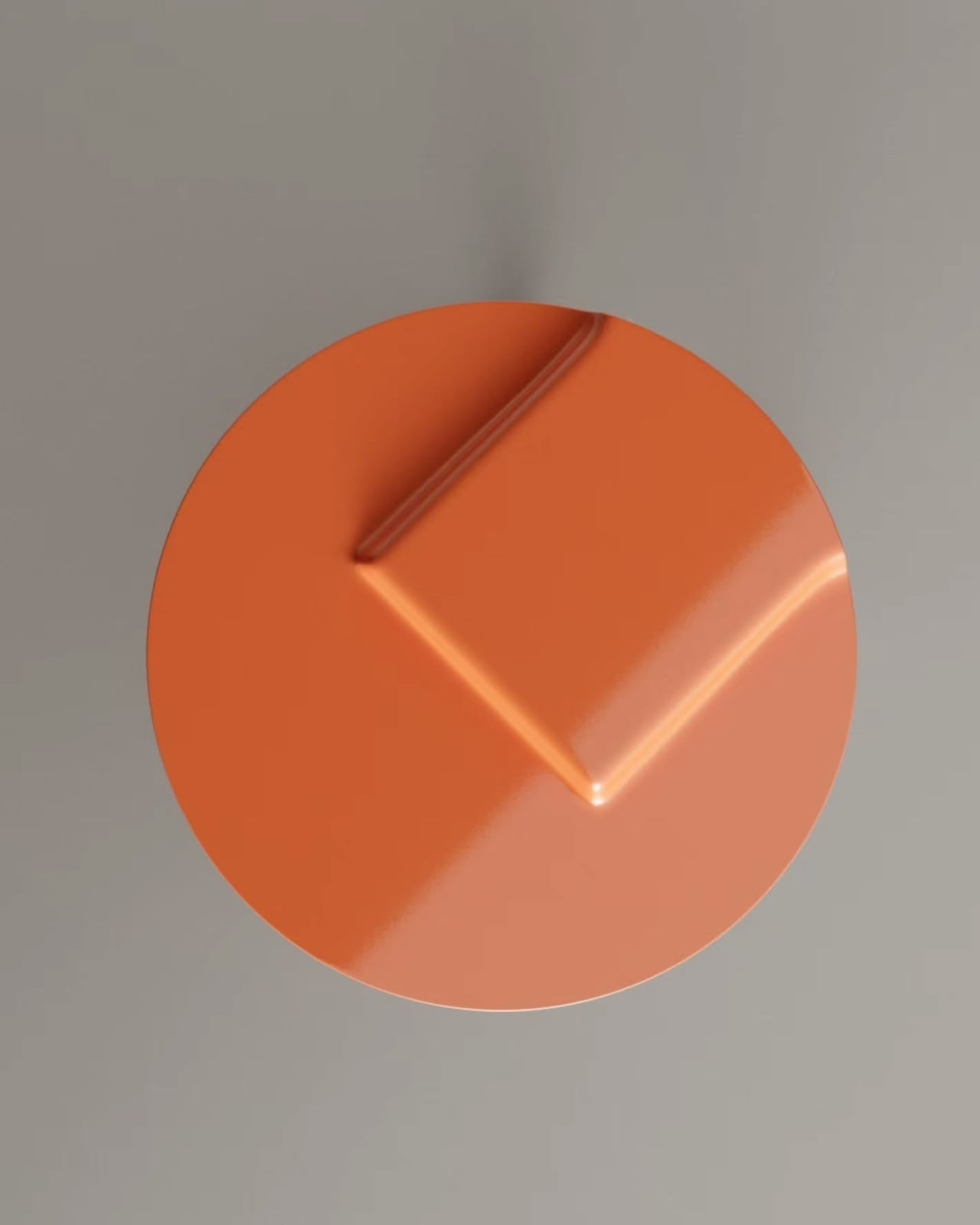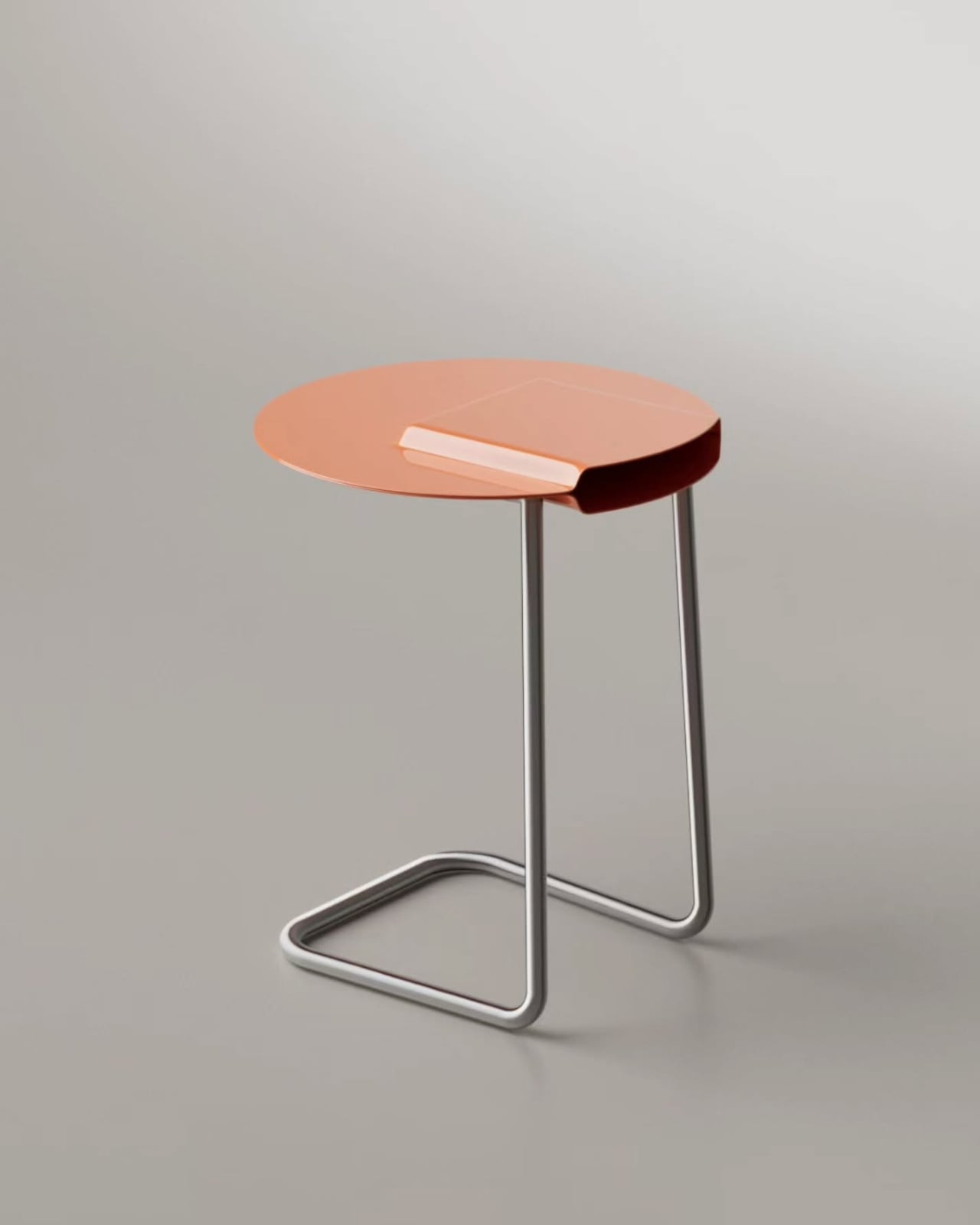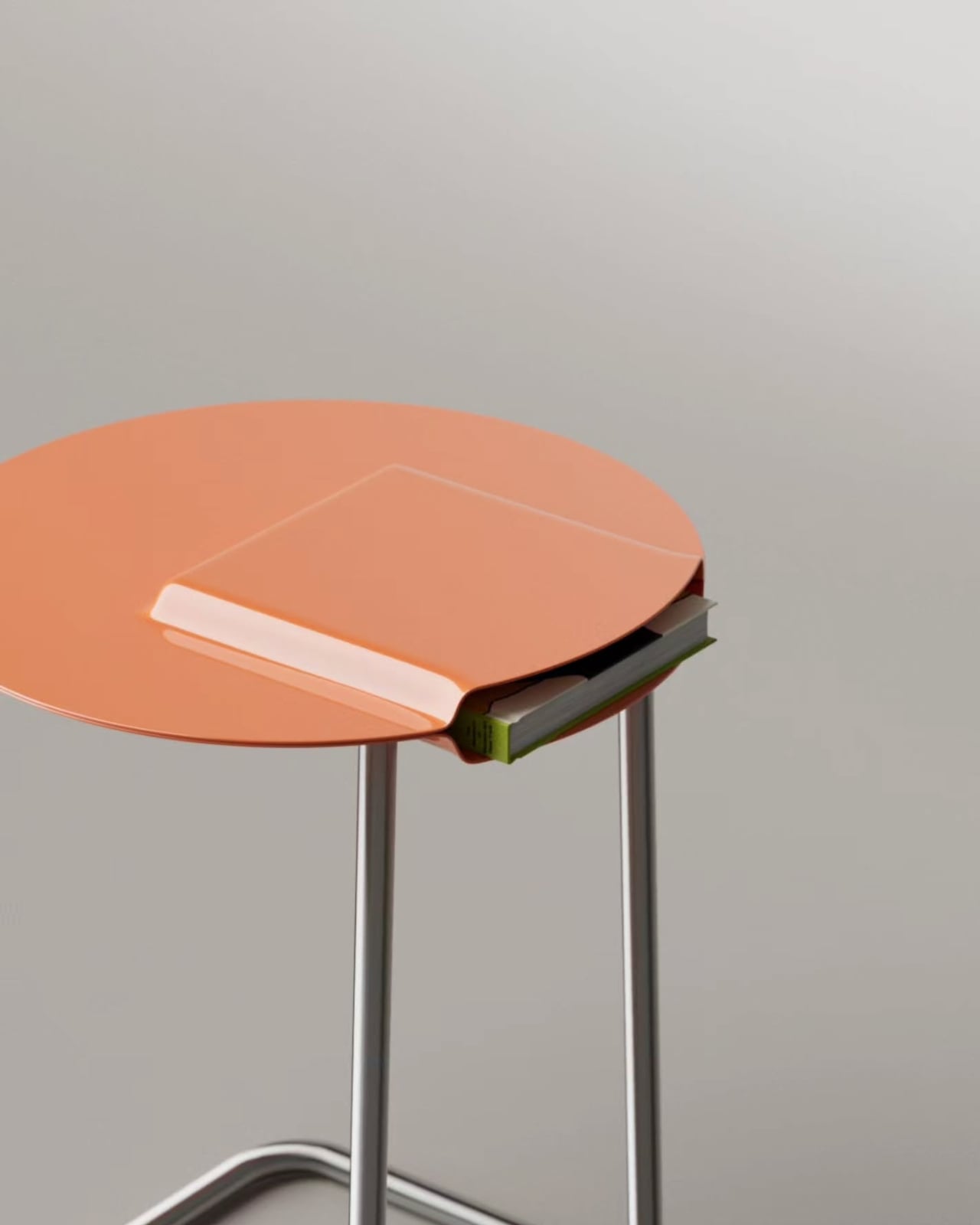
Tom Black Carves Travertine Tables That Look Like They’re Floating

Stone coffee tables often default to simple slabs or blocks, heavy objects that sit on the floor and announce their weight. More interesting pieces treat stone as something to carve and balance, not just to drop into a room. Coffee Table 01 and Side Table 01 by Tom Black lean into that second approach, using one curved gesture to make Italian travertine feel lighter, paired with a contrasting metal inlay that turns solid into void.

Coffee Table 01 is an exploration of form with a classic Italian materiality, carved from travertine with a soft curvature to the underside that gives a sense of floating and elevation. The top is not a flat slab, but a long trough lined with brushed metal, and this inverse layering of a metal finish into stone sets up a contrast in both finish and form, cool against warm, reflective against matte.

Designer: Tom Black

The underside curve lifts the edges off the floor so the table reads as a solid volume that barely touches the ground. The concave channel on top mirrors that curve, turning the center into a controlled void rather than a flat surface. The metal inlay sharpens that void, catching light differently from the travertine and making the negative space feel as intentional as the stone around it, a second reading of the same carved gesture.

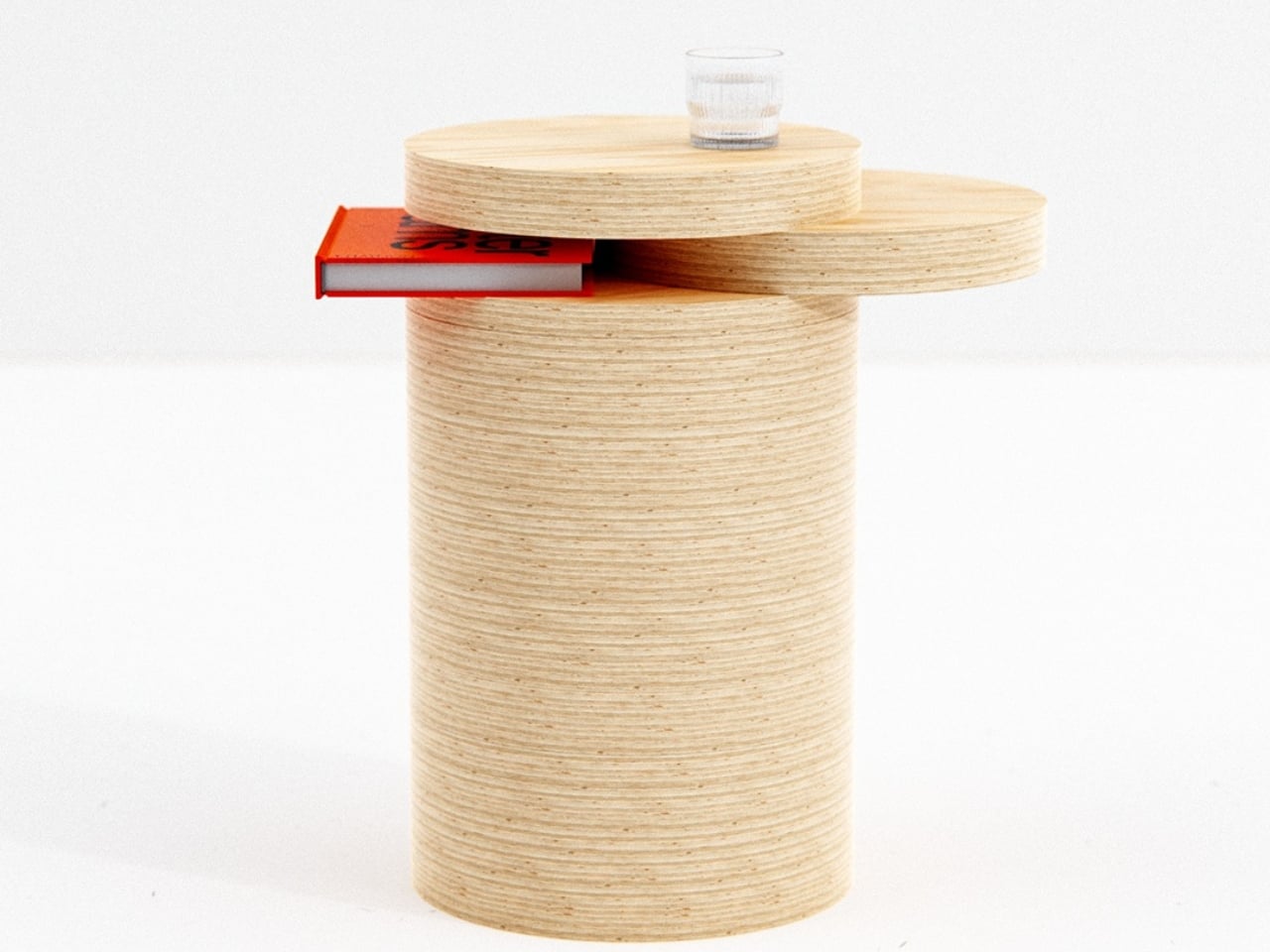
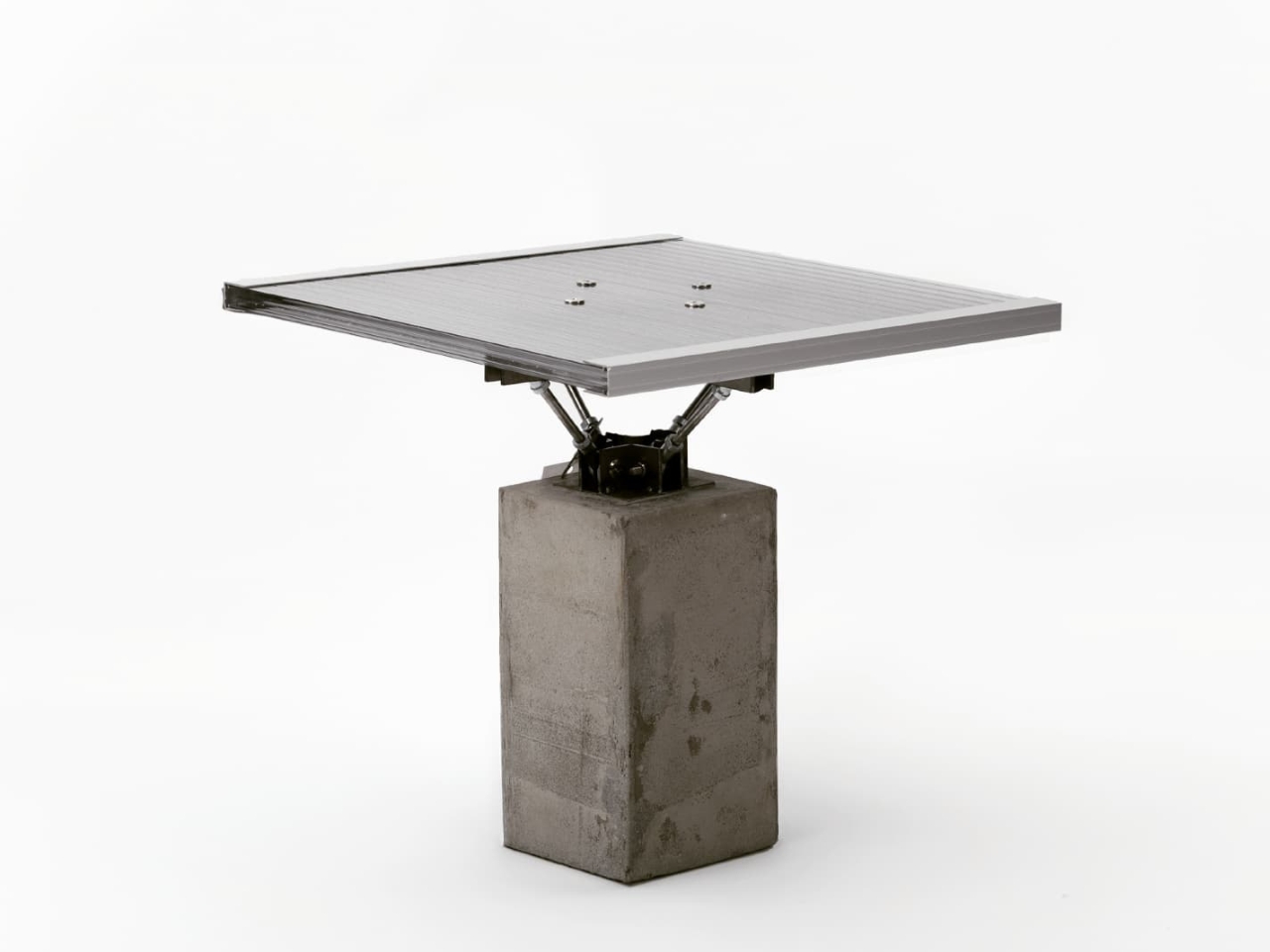
Side Table 01 is designed as the partner to Coffee Table 01 that can also stand alone. It shares the same exploration of form and material but takes a different approach to curvature. Instead of resting directly on the floor, the curved upper element sits on a rectangular base, and that base is what highlights the juxtaposition between curve and block, between the flowing top and the grounded plinth beneath.

The side table effectively rotates the coffee table’s gesture into a more vertical, totem-like object. The travertine trough becomes shorter and more upright, while the rectangular base grounds it. The relationship between the two parts, curved top and rectilinear plinth, makes the piece read as a small monument, echoing the coffee table’s floating mass but with a different emphasis in the room, more punctuation than sprawl.

The choice of Italian travertine brings a sense of permanence and architecture, with its horizontal veining and warm tone playing against the cool, brushed metal inlay. The stone offers classic materiality, while the metal introduces a precise, almost industrial note. Together, they feel less like a decorative veneer and more like a small section cut from a larger, imagined building, where structure and surface are the same thing.

Coffee Table 01 and Side Table 01 operate as a family. The coffee table stretches low and horizontal between seating, the side table stands as a vertical accent beside a sofa or chair, and both share the same carved gesture and material palette. For anyone who likes furniture that behaves like small pieces of architecture, these two feel like a quiet study in how far one curve can go when you pair it with the right material and the right inlay to make the mass feel like it might lift off the floor.

The post Tom Black Carves Travertine Tables That Look Like They’re Floating first appeared on Yanko Design.

TWIST Bends One Metal Sheet Into Table, Storage, and Handle

Side tables usually end up as simple flat discs on legs, doing little more than holding a drink or a phone you keep checking when you should be reading. There’s nothing wrong with that, but it also means they contribute almost nothing else to a room beyond a horizontal surface. The growing interest in compact, multi-functional furniture has designers rethinking how small pieces like side tables can quietly add storage and flexibility without cluttering a space.

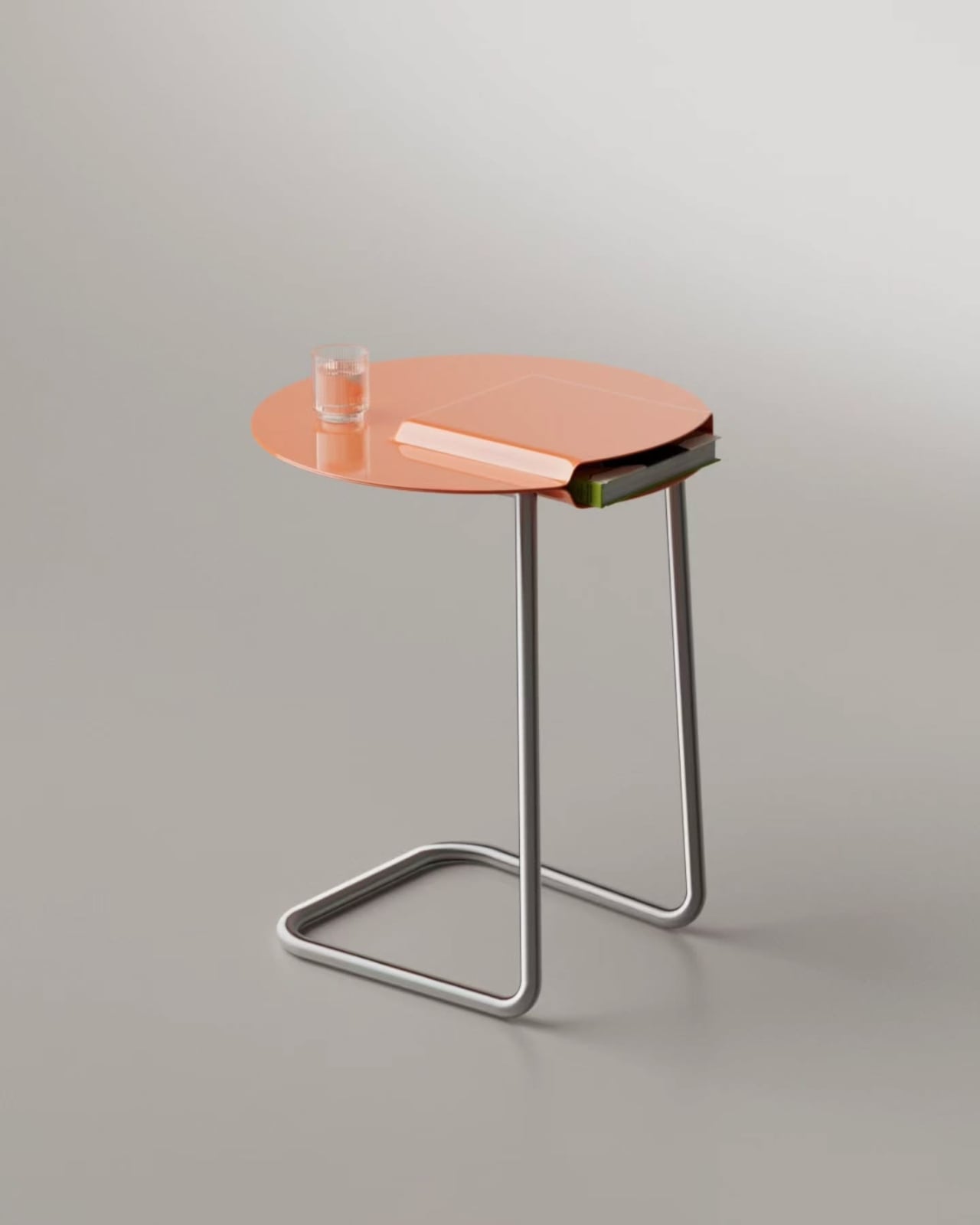
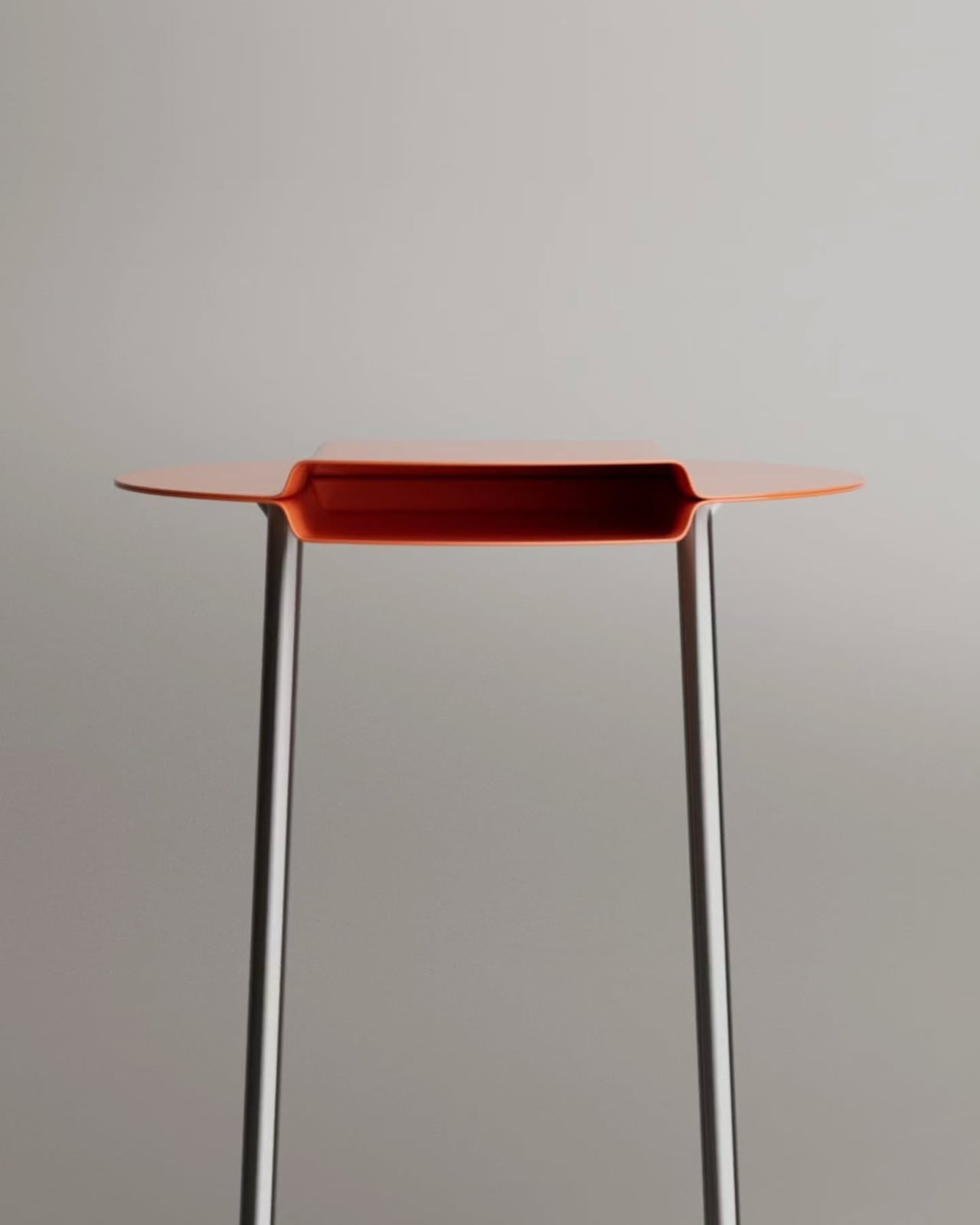
The TWIST side table uses a single sheet of metal looping in a circular motion to form a tabletop, support, and storage all at once. It integrates a carry handle and a book compartment, with a wooden base adding warmth to balance the cool metal. The whole piece reads like a ribbon frozen mid-twist rather than a collection of separate parts, giving it a sculptural quality that works even when it’s not holding anything.

Designer: Joao Teixeira

The geometry is surprisingly simple once you trace it. The metal rises from the floor as a vertical panel, bends into a round tabletop with a large central cut-out, then drops down and curls into an oval storage bin at the base. The tabletop forms a ring that frames whatever you place on it, while the circular void in the center lightens the visual mass and makes room for the handle element to pass through.

That handle emerges from the tabletop as a vertical fin aligned with the central opening. It’s wrapped with a soft material shown in a contrasting orange, making it comfortable to grip and visually highlighting the interaction point. The handle turns the table into something you can easily pick up and move around a room, reinforcing its role as a portable companion rather than a piece anchored permanently to one spot.

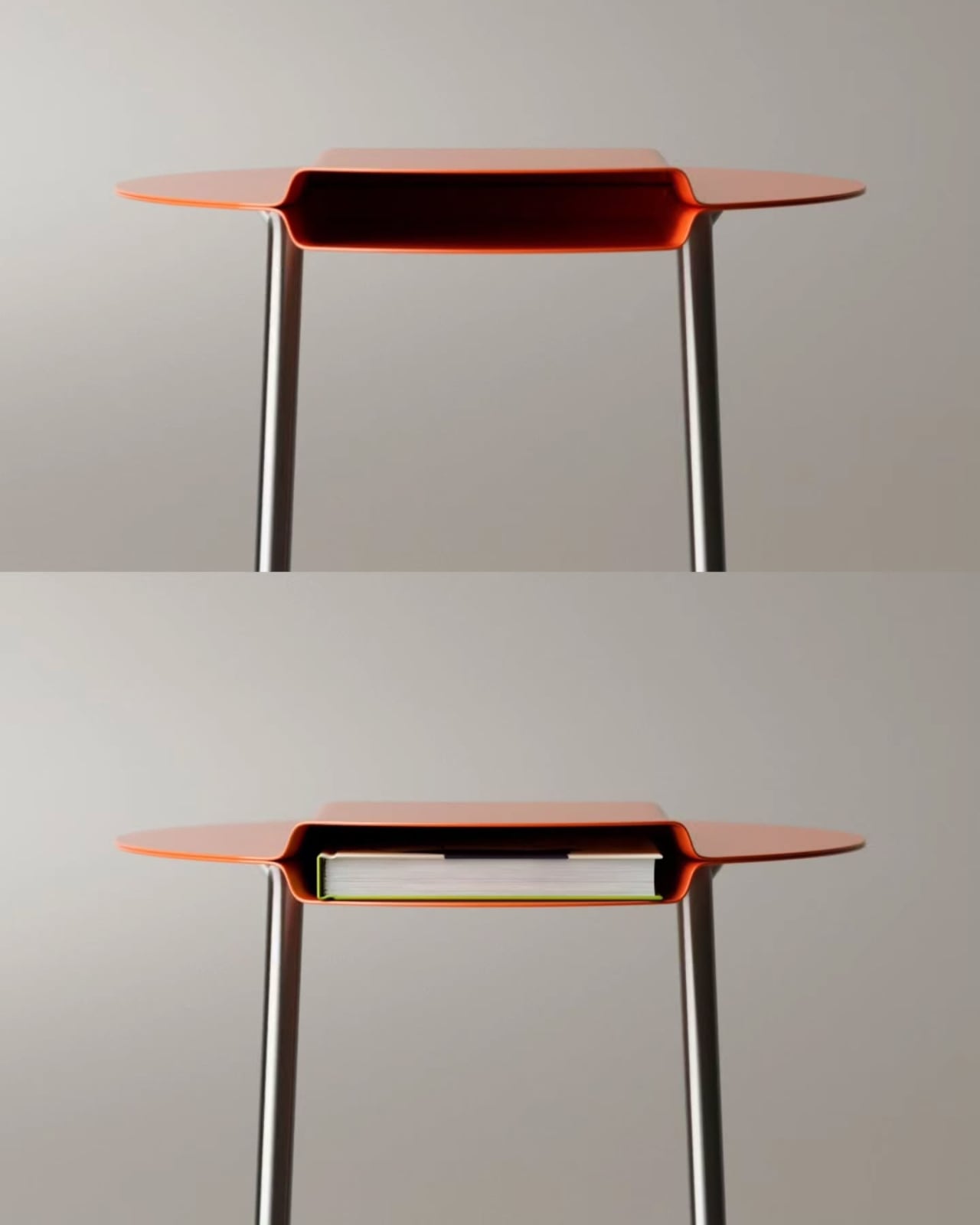
The lower section functions as an open-topped storage bin sized for books and magazines. The metal walls curve smoothly into rounded corners that echo the tabletop’s circular geometry, while a wooden base panel inside the bin adds warmth and keeps stored items stable. That wooden surface also grounds the piece visually, preventing the lower section from feeling too light compared to the tall vertical panel rising above it.

The material palette visible in the renders keeps everything calm and neutral. A matte, light beige metal body pairs with a pale wood base and a small orange accent in the handle. The orange gives the eye a focal point without dominating the design, while the wood base balances the cool metal and helps the table feel at home in living spaces rather than purely industrial settings.

TWIST works well next to a sofa or lounge chair, holding a glass on its circular top while a few favorite books rest in the lower bin. It functions as both a sculptural object and a practical helper, offering storage, surface, and a built-in way to move it wherever you need. It’s a small reminder that even a side table can be drawn as one thoughtful line.

The post TWIST Bends One Metal Sheet Into Table, Storage, and Handle first appeared on Yanko Design.

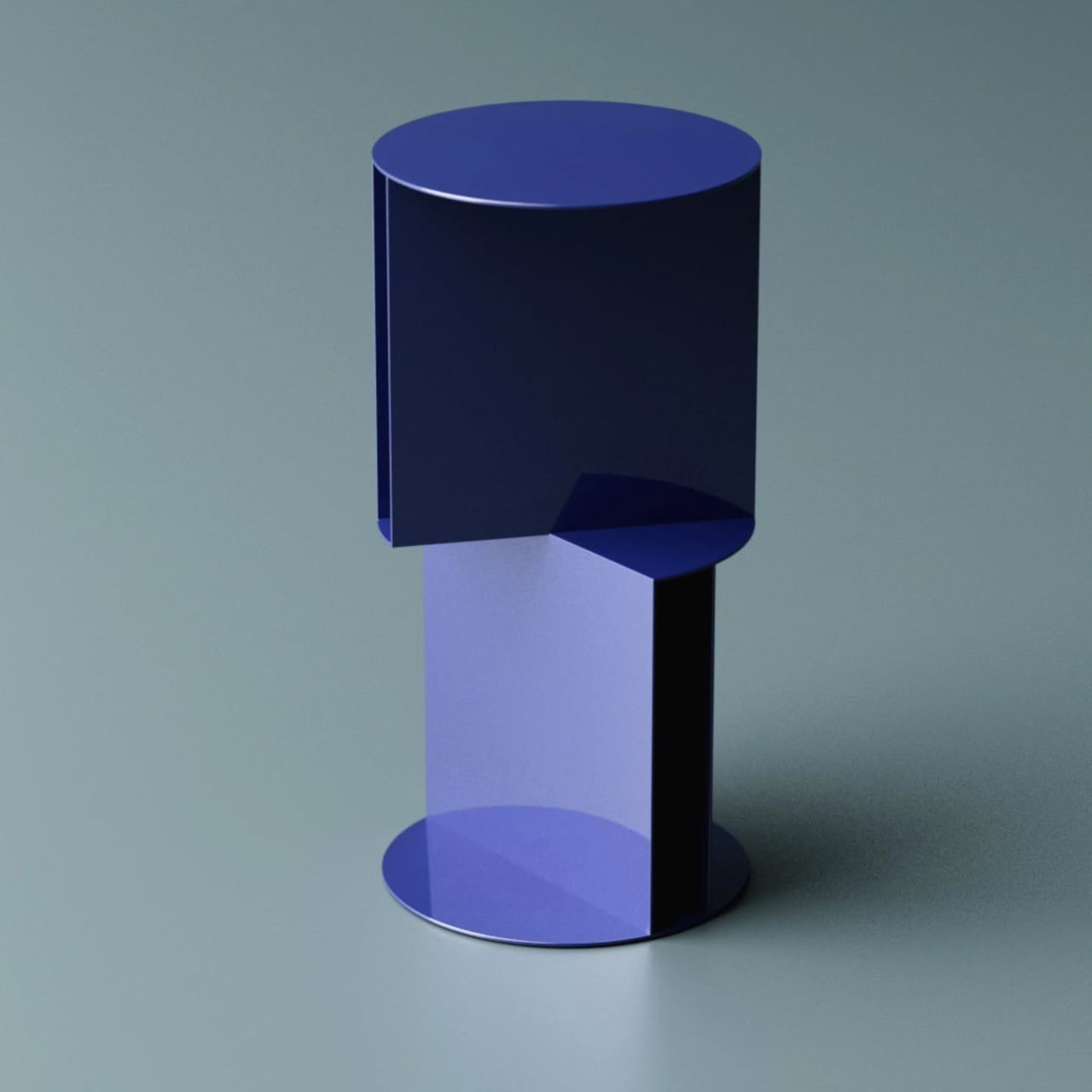
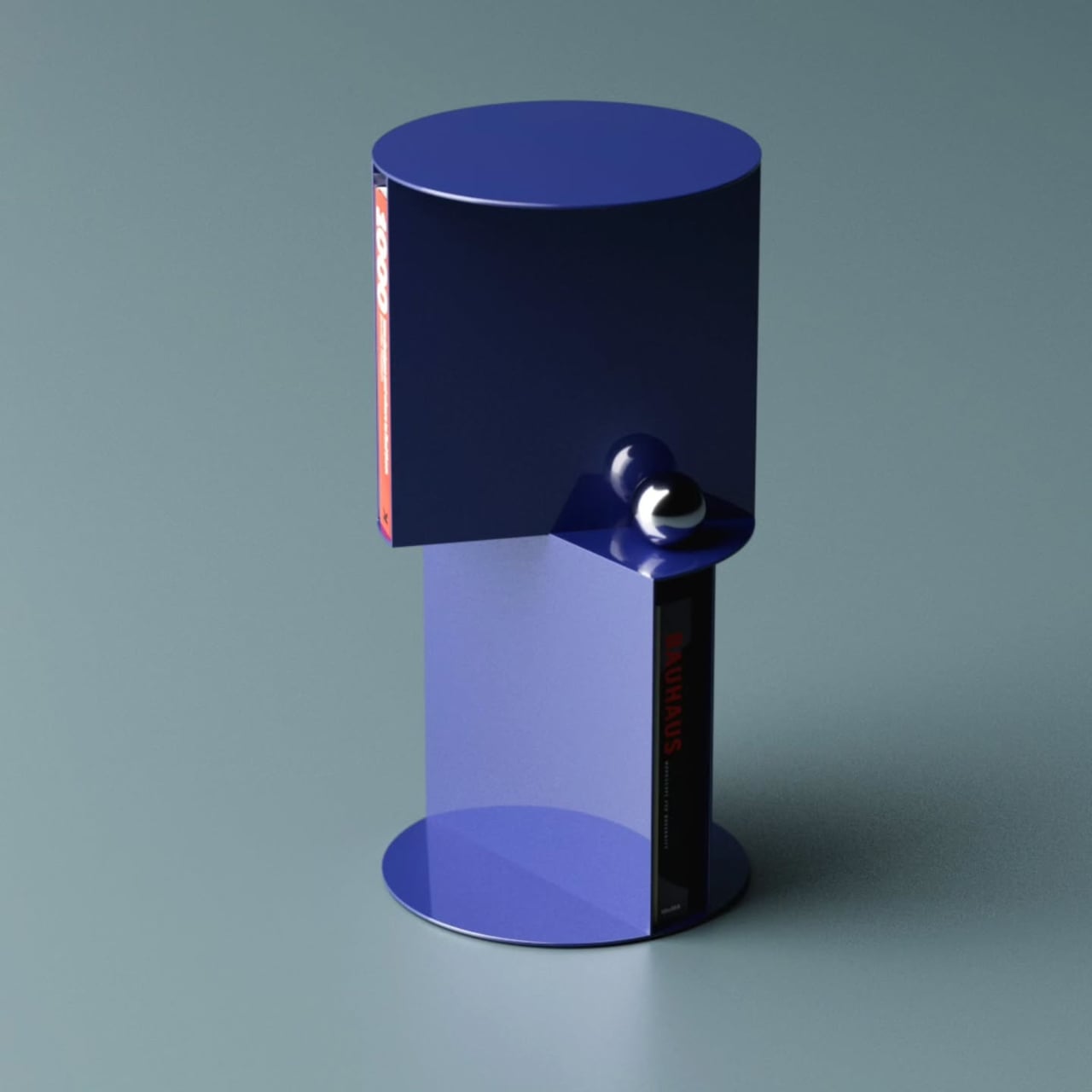
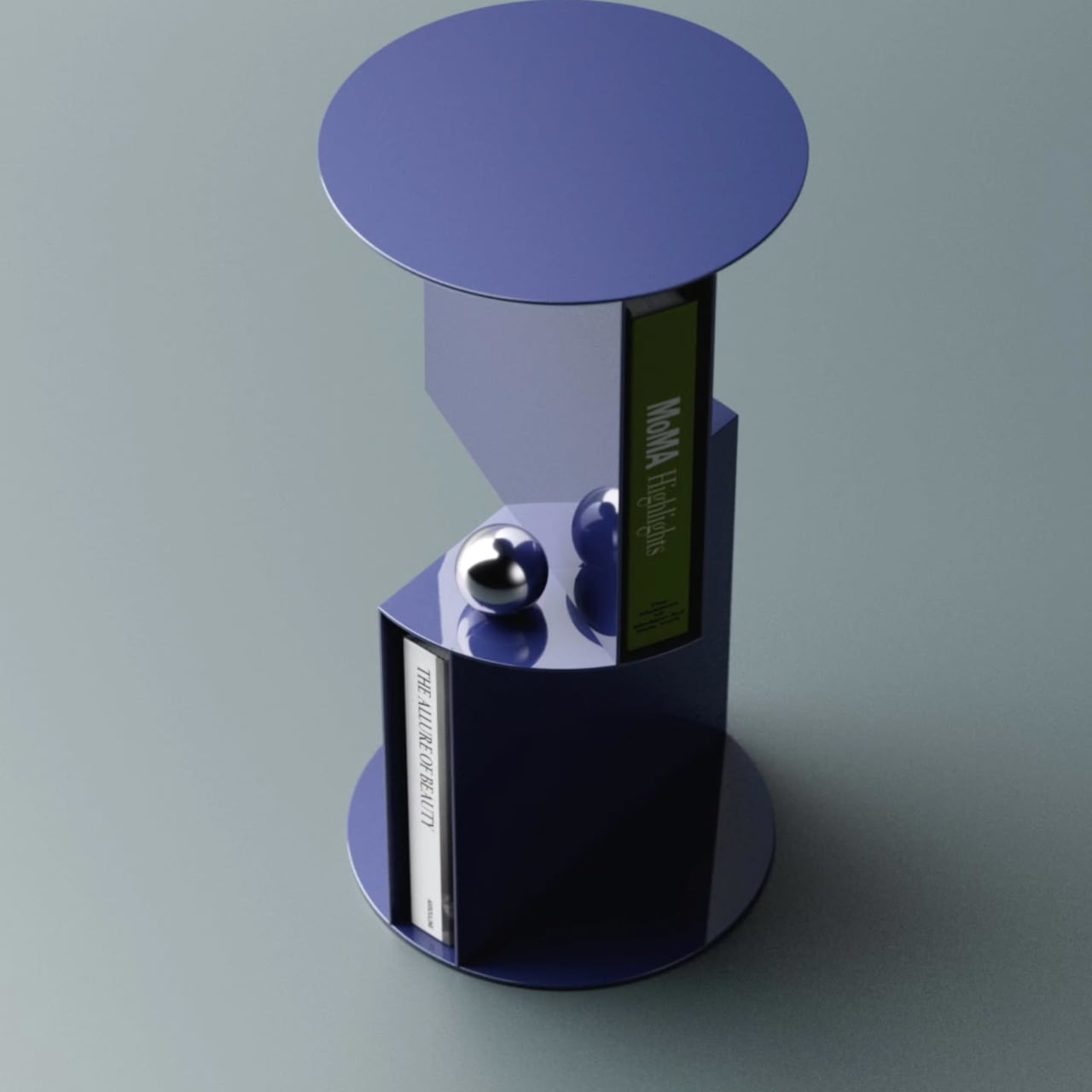
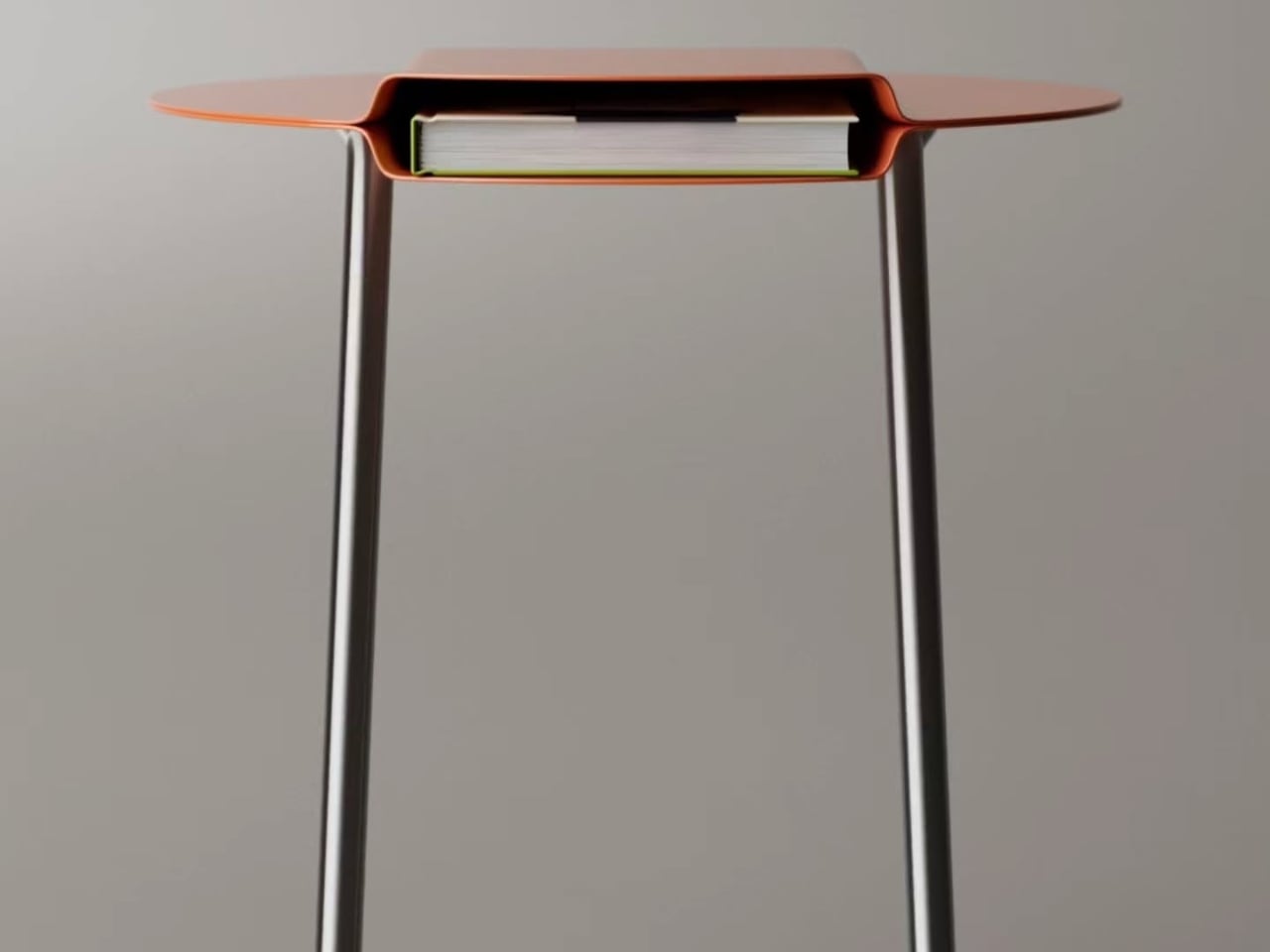
A Side Table That Doubles as a Bookmark for Your Favorite Reads

Side tables typically end up holding whatever gets set down near them. Coffee mugs accumulate next to half-read novels that slide beneath remote controls and charging cables. Books in progress disappear into this visual clutter, creating friction between the intention to read and the reality of finding where you left off. Most furniture treats books as afterthoughts rather than priorities, offering no dedicated space that keeps them visible and within reach.

Bookmarker addresses this by treating reading as an activity worth designing for specifically. The table’s form creates a clear place for books in progress, making them visible rather than buried. Japanese cypress construction gives it a warm, tactile presence that reads as furniture first, while its cutouts and slots serve the practical needs of someone settling in with a novel and a drink.

Designer: studioYO for Bito

The entire piece cuts from a single board of vertically laminated cypress, producing three interlocking parts with minimal waste. This efficient approach allows the table to ship flat and assemble without hardware, reducing both material use and packaging volume. The cutouts that enable this nesting also define the table’s visual character, creating geometric negative space that feels intentional rather than incidental.

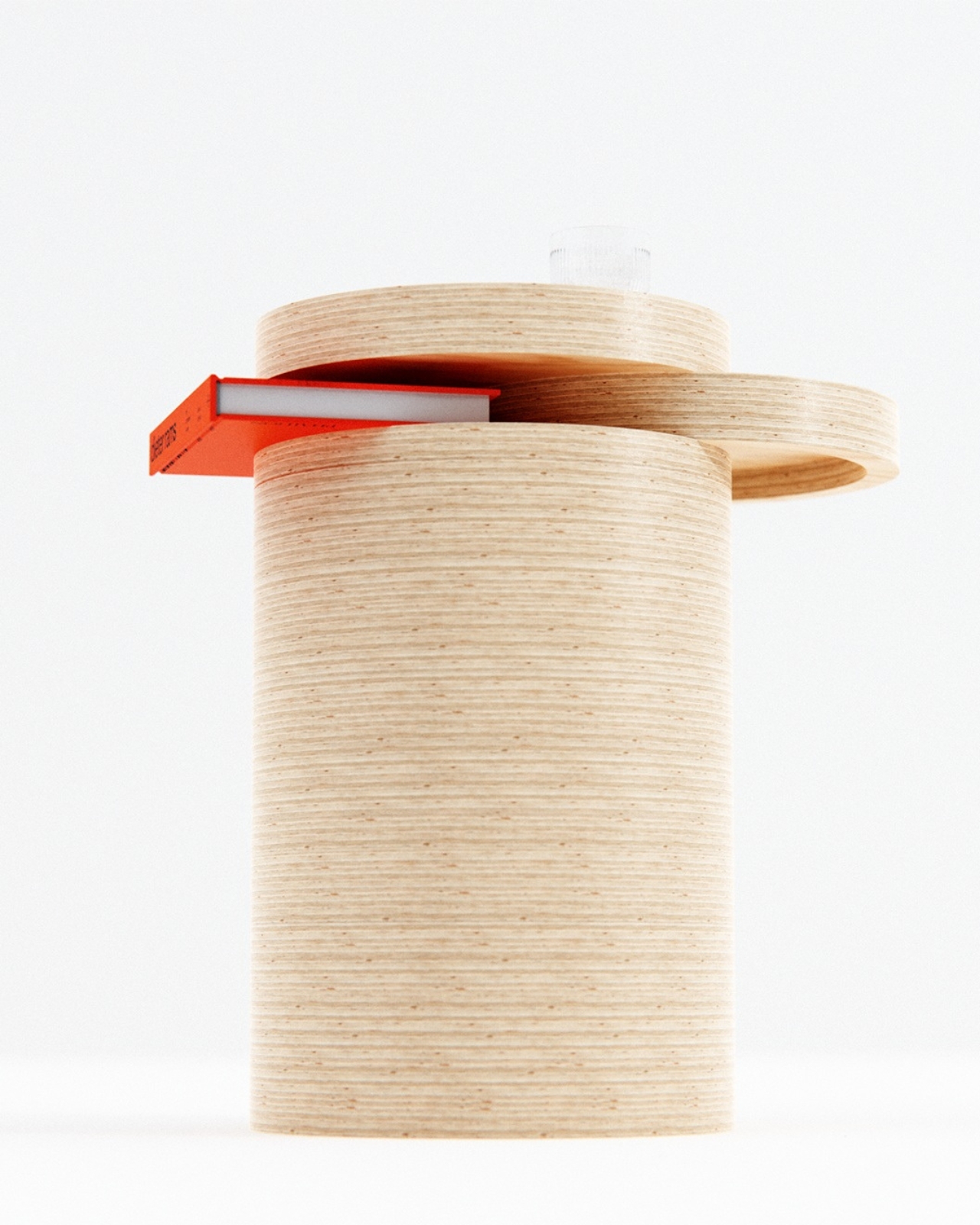
Assembled, the table forms a C-shaped profile with a circular opening and a vertical slot running through its center. Books slide into that slot and rest upright, accessible from either side depending on where you’re sitting. The circular cutout provides another grab point for reaching volumes stored within. This dual access removes the awkward leaning or reaching that happens with conventional side tables when you want a book stored underneath.

The top surface holds a mug, small plate, or reading glasses without crowding the book storage below. Water-repellent ceramic coating protects the cypress from condensation rings and accidental spills, which matters when hot drinks sit directly on wood. The coating maintains the natural wood finish rather than creating a glossy sheen that would feel out of place.

Leftover material from production becomes small cardholders included with each table, extending the zero-waste philosophy to packaging and accessories. The flat-pack design collapses the assembled table back into its three nested components, making storage or relocation straightforward if living situations change.

What distinguishes Bookmarker from typical side tables is how it makes reading visible in daily spaces. Books stored vertically in the slot create a small display of current interests rather than hiding beneath surfaces or leaning against walls. The table becomes a physical reminder of reading intentions, turning background clutter into foreground presence.

The cypress grain varies across each piece, ensuring no two tables look identical. Wood’s natural characteristics mean some sections show tighter grain while others spread wider. This variation reinforces the handmade quality and material honesty. The light tone works across different interior palettes without demanding specific color schemes.

Bookmarker occupies a specific niche between purely decorative furniture and purely functional storage solutions. It handles the practical needs of readers who want books and drinks close at hand while maintaining a sculptural quality that justifies its presence even when not in use. The table makes reading visible in daily spaces without forcing aesthetic compromises or demanding reorganization of existing routines.

The post A Side Table That Doubles as a Bookmark for Your Favorite Reads first appeared on Yanko Design.
Candy-like cylindrical tables change color when you nest them

Tables come in a wide variety of designs ranging from the basic flat surface on a stand to elaborate sculptural objects. There is also a spectrum of colors and materials, like wood, plastic, metal, or glass. Given their permanent functions, you’re often forced to choose one of these permutations upon purchase and be stuck with them forever.

Fortunately, there are some creative ways to get around that with a simple play of color and materials. These cylindrical side tables might look simple in their forms, but their playful colors give life to the room. Putting one inside the other, however, creates an almost magical appearance that also looks good enough to lick, though we definitely don’t recommend it, no matter how tempting it might seem.

Designers: Kristýna Mikolášková, Tereza Drobná

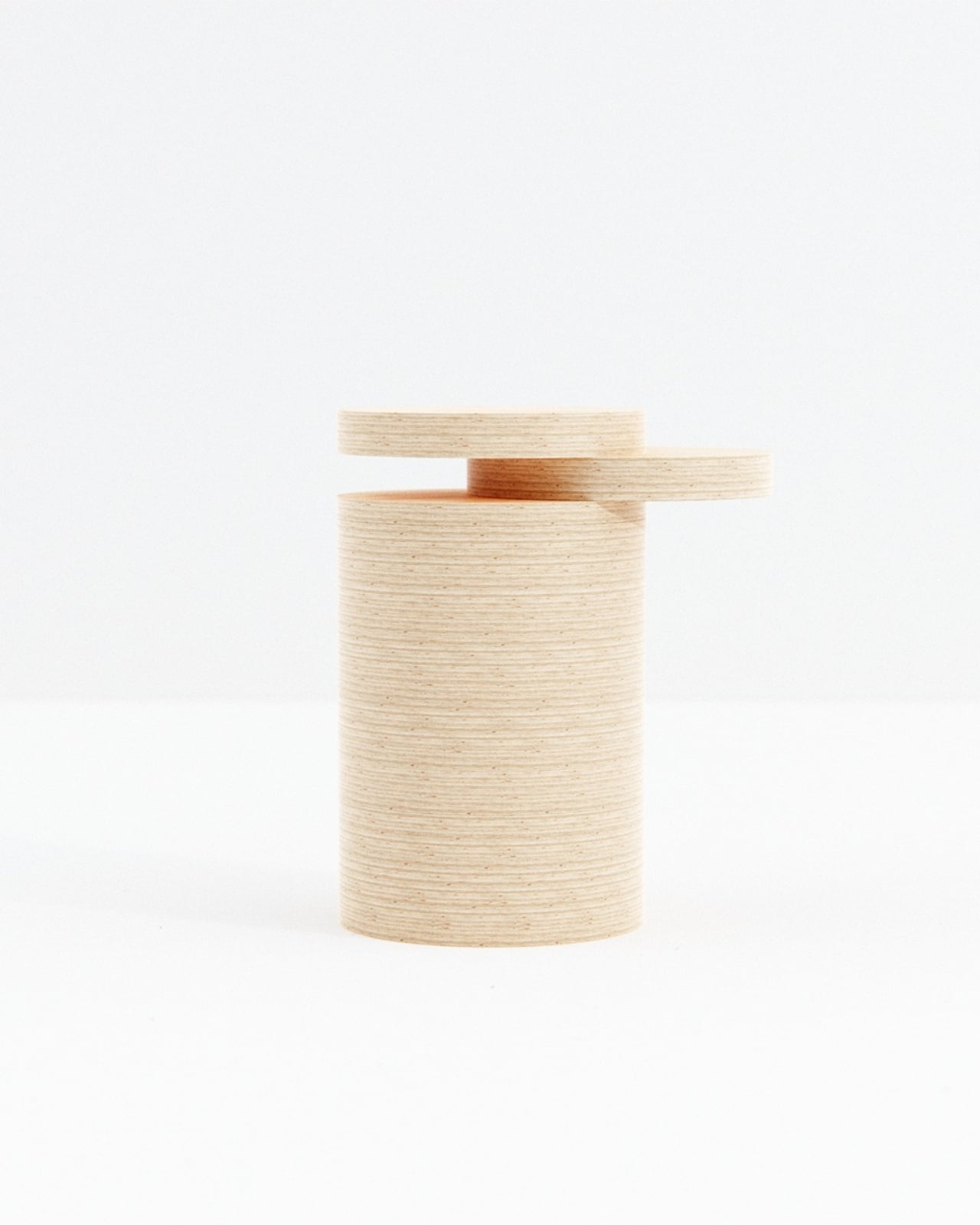
In terms of function, the Candy Tables collection is pretty basic. It comes in two variations – a solid cylindrical side table and a slightly larger hollow cylinder with an open bottom. They can be used independently, leaving you with two tables, but they can also be nested inside each other if you need to save space.

The magic happens through their colors, using a simple principle we all learn in grade school art class. Mixing two colors together creates a third color, depending on the ratio. In this case, the taller cylinder made of glass lets the metallic table inside show just a little of its color, mixing the two to create a visual effect that almost looks like hard candy.

The collection is available in six smaller metal tables and six larger glass cylinders. You can mix and match them, provided you have more than one pair, to create different combinations as the need arises. Or you can also just nest tables with the same hues to really highlight the color. It still looks pretty either way.

Candy Tables combines simple shapes and color theory to create a very pleasing and interesting aesthetic. The design also cleverly offers the benefit of having two tables or a single one, depending on the need and situation. More importantly, the lively design brings joy into any space, be it residential or commercial, completely transforming the room without complicated and sophisticated gimmicks.

The post Candy-like cylindrical tables change color when you nest them first appeared on Yanko Design.
SwitchBot Air Purifier Table includes a wireless charger for health and convenience

Air quality at home has become a key concern among homeowners in the past few years, finally raising awareness that the air we breathe indoors might be just as bad as the pollution-filed air outdoors. Pet owners have it especially bad, with fur and pet hair adding to their list of worries. While air purifiers are becoming more popular because of that situation, very few of them can be considered to have the same aesthetic maturity as more common appliances that have been around for decades. Many are not only uninspiring but also take up space that could have been otherwise given to more functional and appealing furniture. Venturing into the home appliances market, SwitchBot is launching an air purifier that looks a tad more interesting and definitely more useful thanks to its multi-functional design, doubling as a table you can also use as a phone charger.

Designer: SwitchBot

Many air purifier take on a cylindrical shape that maximizes air intake and output, but that means putting their less than attractive bodies in the middle of spaces where they stick out like a sore thumb. The new SwitchBot Air Purifier Table admittedly does have that cannister design, but it takes steps to set itself apart from the crowd and elevate your living space as well.

In addition to its minimalist style, this air purifier puts a flat oval on top that can be used as a table to hold your things while you sit back and relax for a bit. The wood-like finish gives it a bit of visual flair and helps make it match the other furniture in your living area or bedroom. It also encourages you to put the air purifier in places that get a lot of human presence, usually beside couches or beds or maybe even in the middle of the room, allowing it to have a better impact on the quality of the air people breathe.

Its “extra” functionality doesn’t stop there, however. That tabletop is also a wireless charger, supporting 15W charging for Android devices and 7.5W for iPhones. Simply place your phone there and let it charge while you read, watch, or just chill with friends. The Air Purifier Table has configurable lighting between the air purifier itself and the tabletop, allowing you to set the mood you want or be informed when the air quality in its immediate vicinity worsens.

Of course, the SwitchBot Air Purifier Table is an air purifier, first and foremost, and it boasts plenty of street cred for that. It’s also pretty proud of its ability to remove pet hair and prevent it from contaminating the air that humans breathe, all without stressing out the pet in the process. The SwitchBot Air Purifier Table, available now for pre-order, will set you back $269.99, but there’s also a simpler $219.99 version that trades the wireless charging table top for a smaller bowl-like structure that cats might love to sit on.

The post SwitchBot Air Purifier Table includes a wireless charger for health and convenience first appeared on Yanko Design.
Minimalist side table concept uses a single wood sheet with almost no offcuts

Wood is a favorite among designers, especially furniture designers, because of its innate beauty, unique grains, and sustainability. But although the material is indeed biodegradable and recyclable, most furniture designs still result in a lot of waste. There can be many uses for wood chips, sawdust, and unused wood pieces, but an even better solution would be to reduce the wasted material in the first place. That means making every square inch of a sheet of wood count, leaving very little behind once the piece of furniture has been put together. That’s the idea behind this beautiful minimalist side table, where designing for efficiency has also led to a very interesting organic shape in the process.

Designer: Deniz Aktay

Flat-packed furniture has become trendy, especially with the minimalist designs propagated by the likes of IKEA. But while these designs are indeed space-efficient and economical, most of the time they’re mass-produced in a manner that produces plenty of offcuts and waste by-products. After all, it is also more efficient to cut all the legs of tables from the same batch of wood and all the tabletops from another, even if their shapes mean there will be plenty of scraps literally left on the cutting room floor.

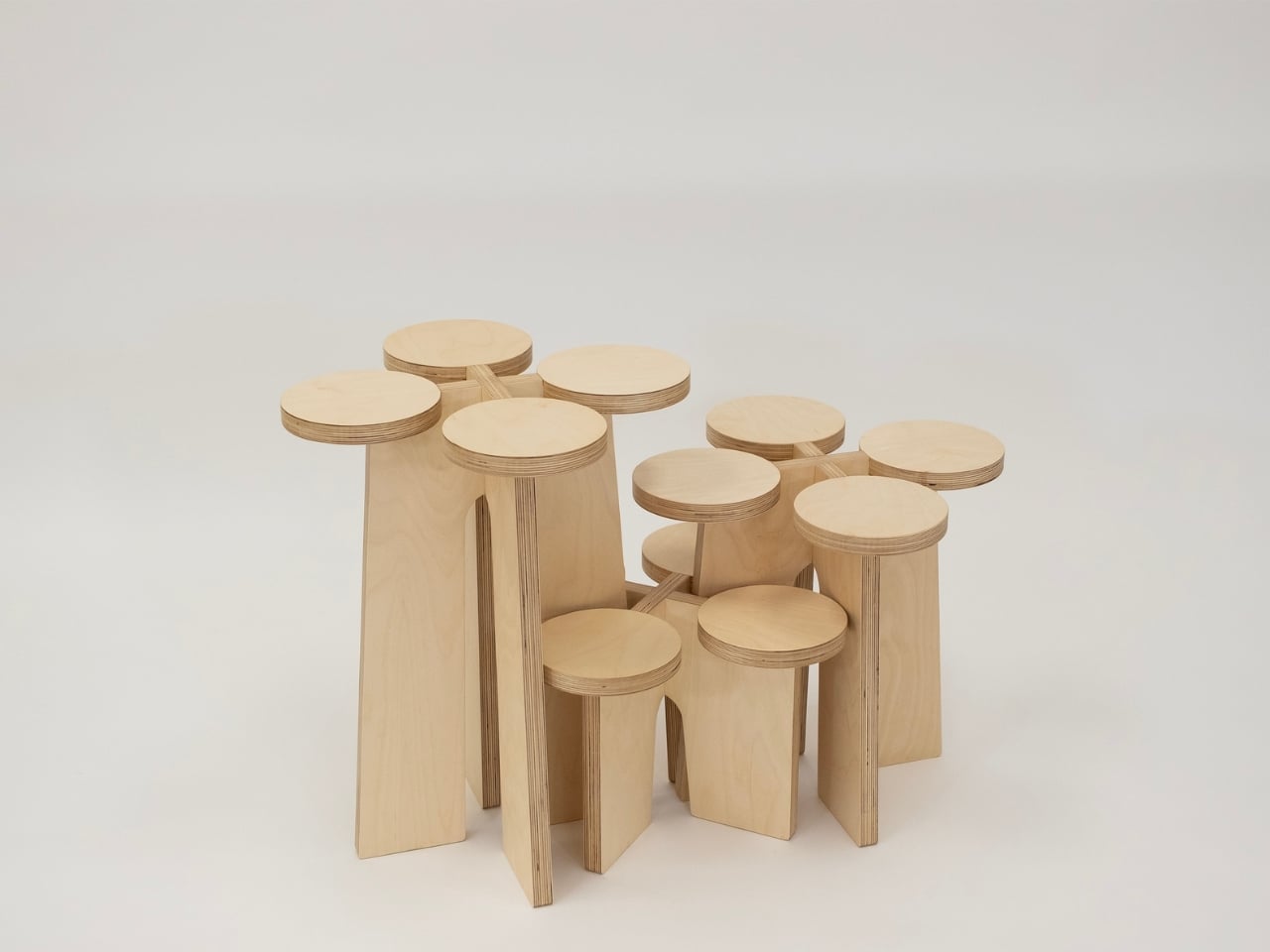
Slide Table is a design concept for a side table that advocates efficiency both in packaging as well as in manufacturing. Every part of the table is actually cut from a single sheet of wood, so even mass-produced versions would have the same qualities. Yes, there will still be some unused parts that are cut off to produce the gaps between parts, but the goal is to minimize this waste as much as possible rather than eliminate them completely.

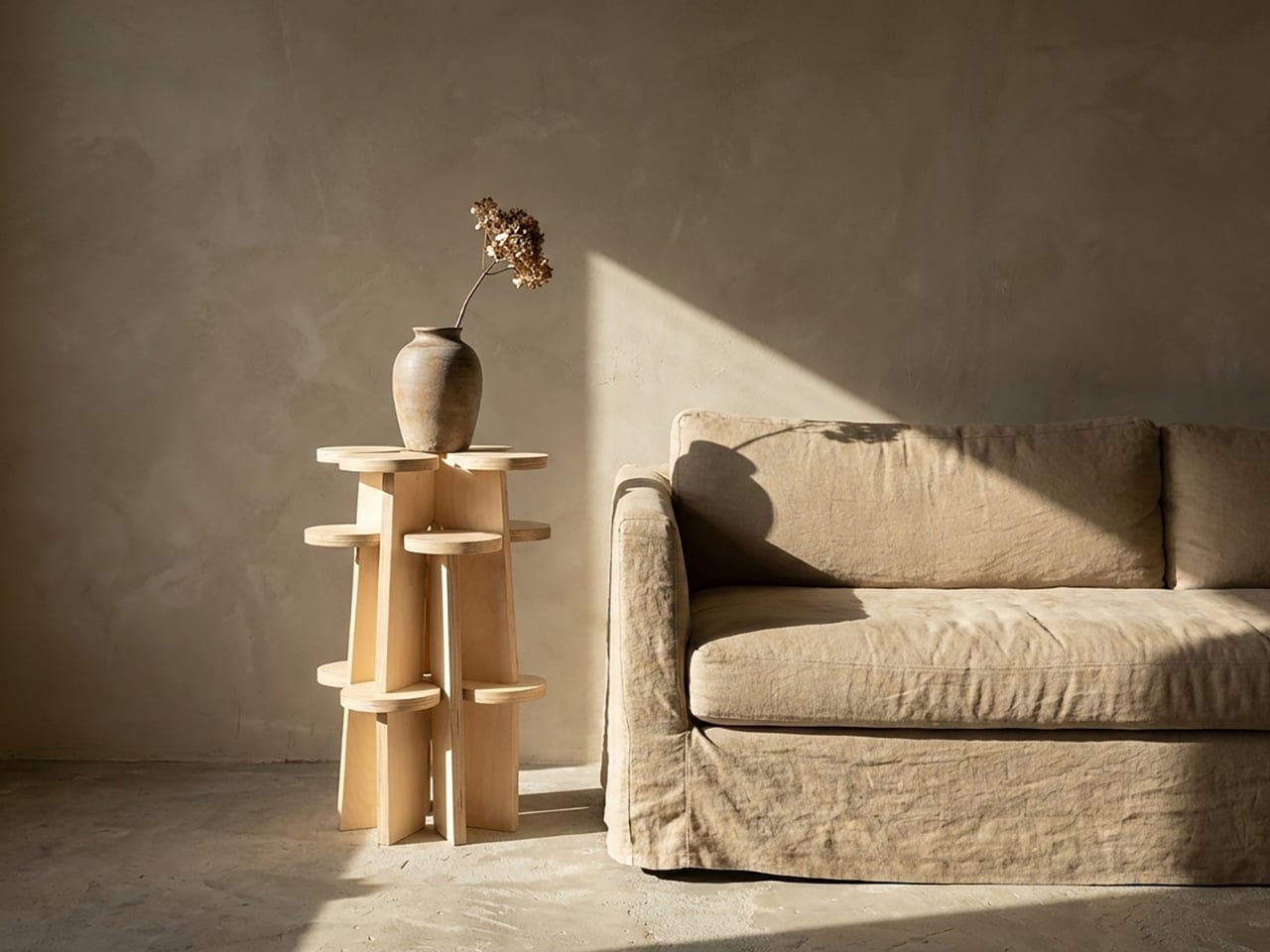
What makes this efficient use of the material is the rather unique design of the table itself. The tabletop is a disc carved from the middle of a rectangular plank of wood, and the remaining section is split in half to form the legs. The legs themselves “slide” into each other, connecting in the middle and forming a cross shape on which the circular top rests. It’s a simple yet intriguing shape that creates something like an optical illusion when viewed from the side.

While Slide Table does offer a beautiful and more sustainable design, it leaves some concerns about the stability of the furniture itself. There is no clear indication of how the legs stick together, or how the tabletop stays stable. It’s certainly possible that other smaller parts of the wooden sheet can be used as dowel rods to connect the pieces, which would further reduce the amount of wasted materials. This design, however, also has its limits in how big the table can be, as the tabletop will always be proportional to the rest of the sheet that would become its legs.

The post Minimalist side table concept uses a single wood sheet with almost no offcuts first appeared on Yanko Design.
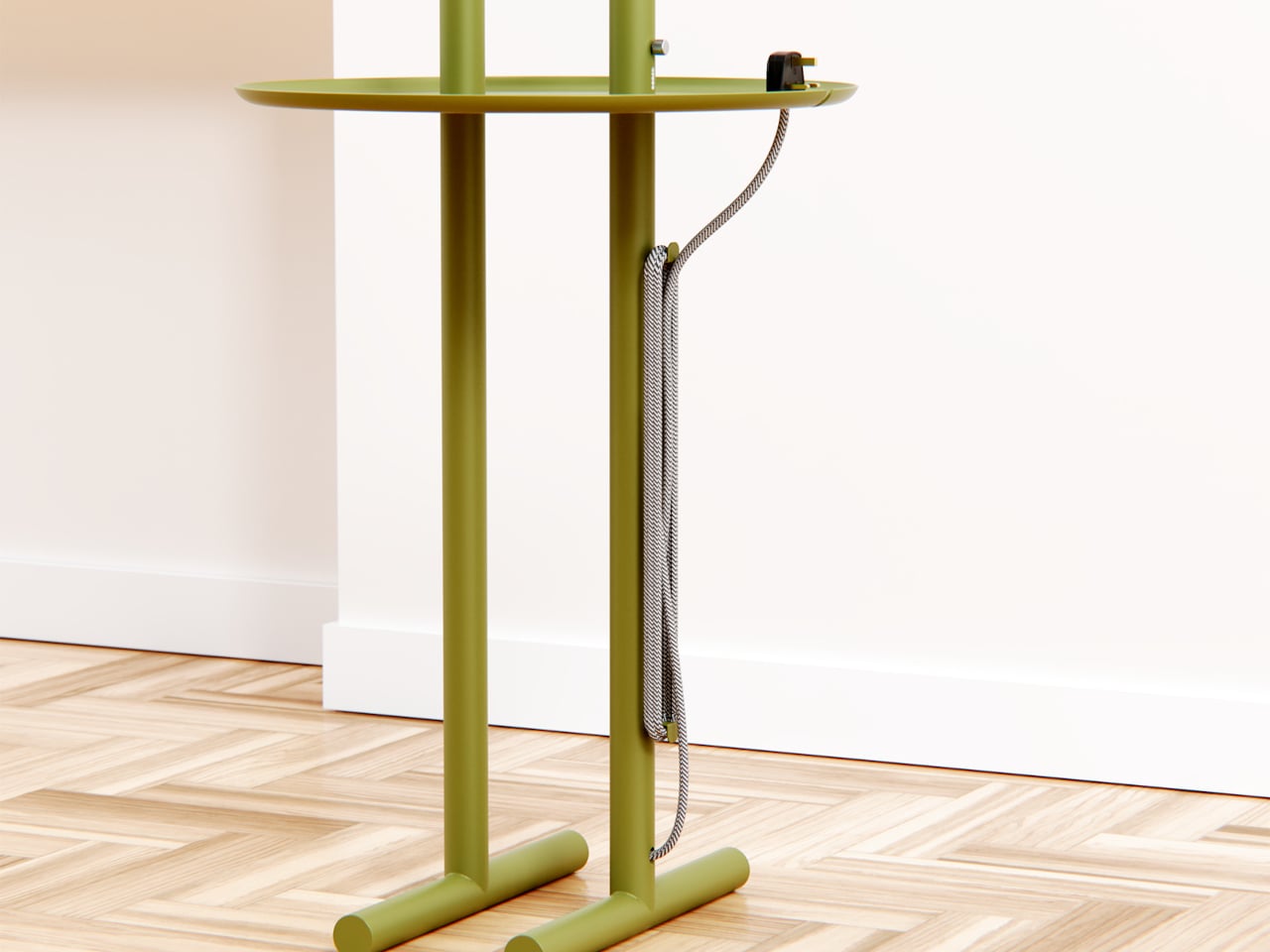
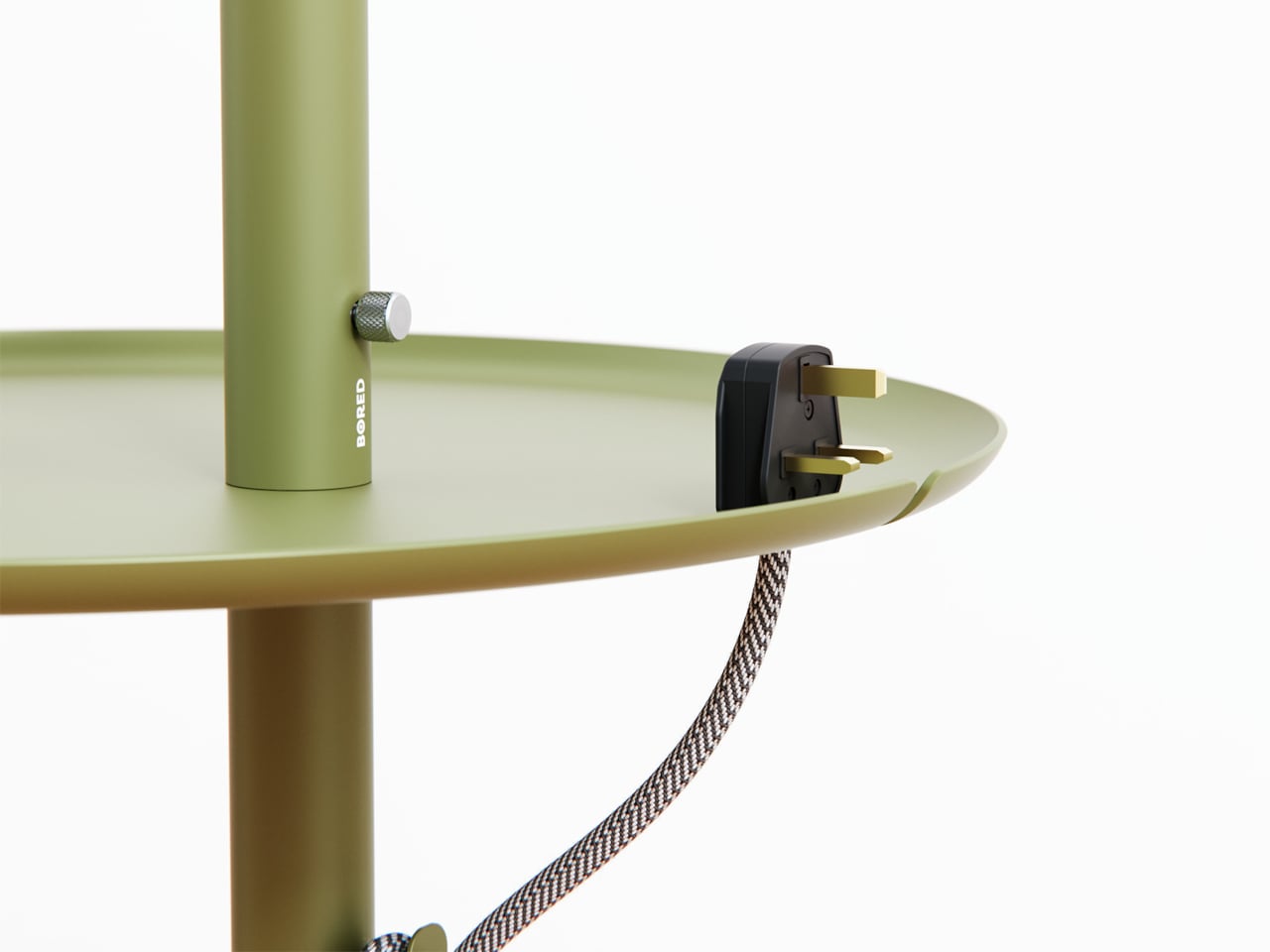
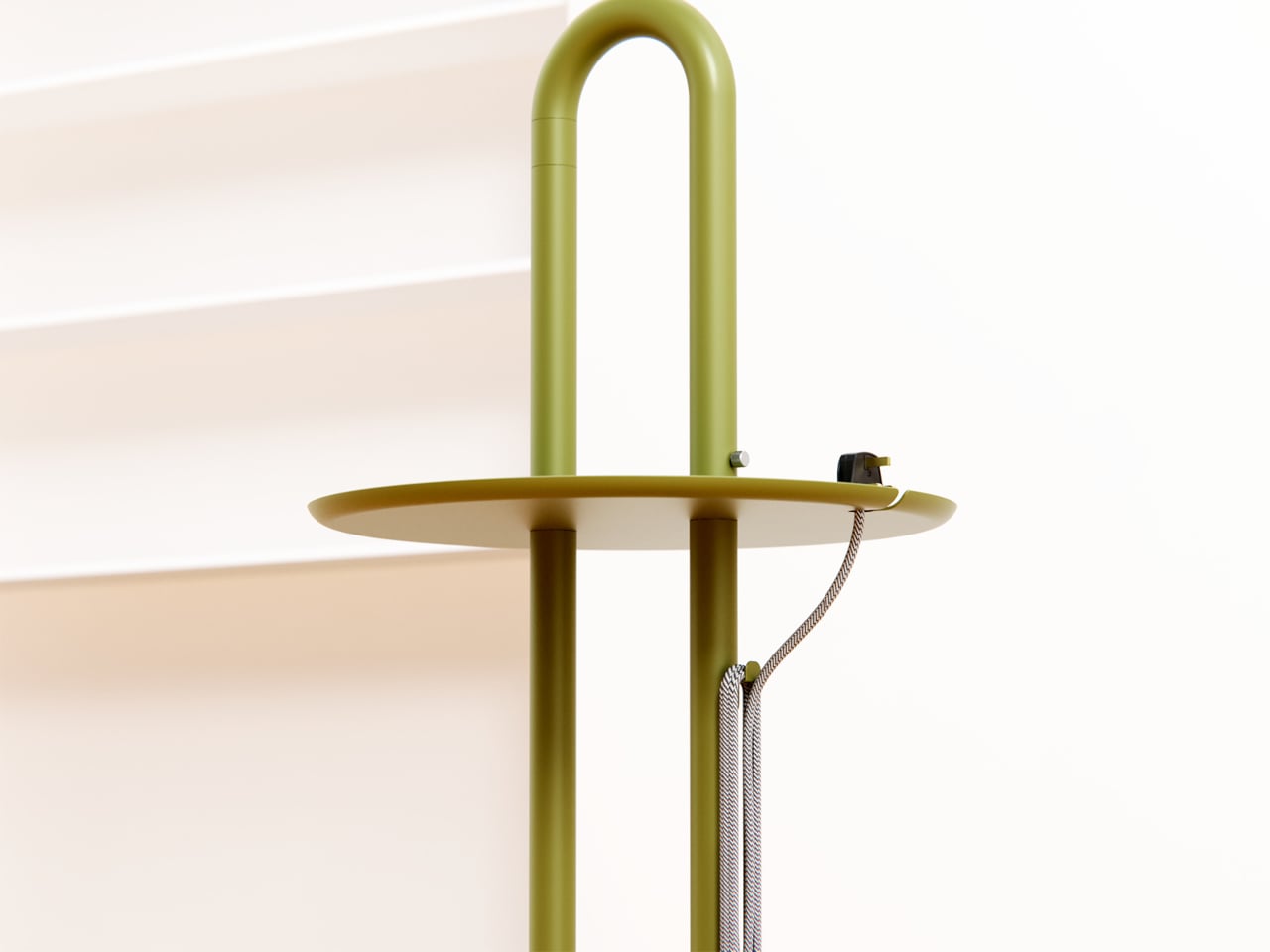
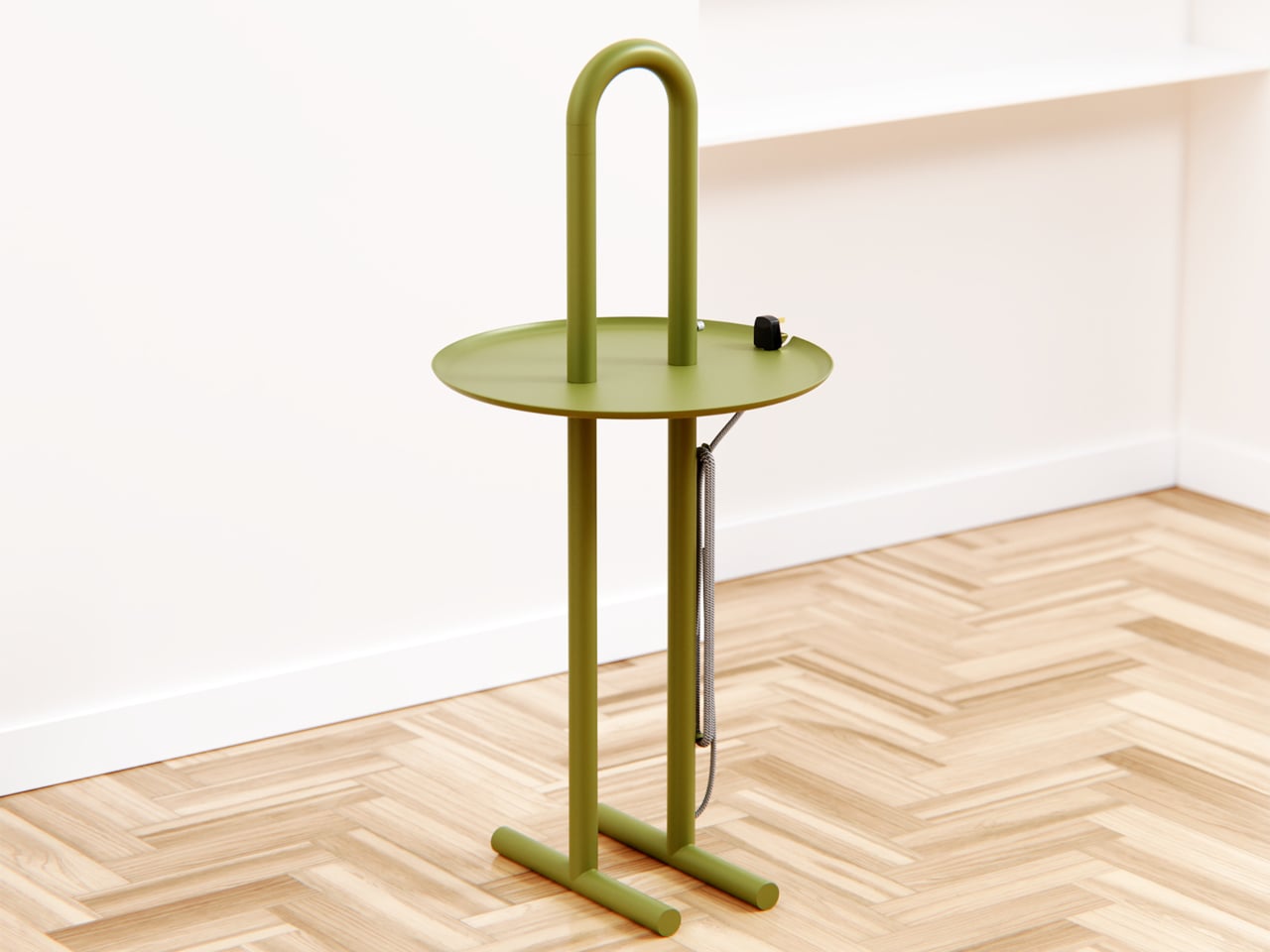
Minimalist Side Table Hides a Simple But Effective Cable Management System

Many of our everyday items find their way to the side tables sides couches, desks, and beds, and some of these items have cables that snake their way down and across the floor. These wires might not always ensnare your feet, but they definitely turn any beautiful interior into a dangling mess of cables. There are some side tables these days with built-in power outlets, but those still show the wires that crisscross each other. Some might even have the uninspiring charging bricks also rearing their ugly heads. This simple side table, on the other hand, has an equally simple solution that makes sure that nothing but your phones or tablets get the spotlight.

Designer: Rudolph Schelling Webermann

At first glance, the Charge Table looks like a pretty nondescript side table, albeit one with some elegance thanks to its minimalist design. The body itself is made from sturdy powder-coated steel that provides stability and handsome looks. The top of the table is lined with soft felt that protects your devices from scratches and bumps. It also gives a rough surface for mugs and cups to grip, keeping them from sliding.

This simplicity, however, is deceptive, because that tabletop slides out a bit to reveal a hidden compartment inside. This storage space has one primary function: to house a power strip that can charge your devices. You simply plug in your chargers, slide the tabletop back in, and have the charging cable discreetly coming out from the small gap at the side. And when you need to leave with that charger, simply slide the tabletop out again, unplug the charger, and go. You can also leave as many chargers in there thanks to the compartment’s spacious area.

As for the power strip’s own thick cable, a hole in the middle of that hidden storage for it to pass from beneath the table. Ideally, you’d have it find its way down one of the table’s legs or across to a nearby couch or chair, completely hiding it from view. Admittedly, it’s going to be trickier than keeping devices’ charging cables hidden, but at least there’s only one snake to wrangle.

The Charge Table offers a simple, elegant, yet very effective solution to ensuring that unsightly wires don’t ruin the aesthetics of your interior, though the compact size of the table does present another problem. Given today’s practice of owning more than one device per person, it might not be big enough to charge a phone and a tablet or a combination of multiple devices at the same time. Then again, the very design of the table itself encourages simplicity and frugality, and it might give people pause for thought on what’s really important, at least as far as the devices they keep close are concerned.

The post Minimalist Side Table Hides a Simple But Effective Cable Management System first appeared on Yanko Design.
Side table and shelf uses monochromatic lines and dots springing up from the ground

When it comes to side tables and shelves, I’m the kind of person who prefers it to be functional (also, affordable) rather than aesthetic. But there are also those who prefer for their furniture to be both functional and also pieces of art. Fortunately, there are a lot of designers out there who are experimenting with form while still making them useful as their original purpose.

Designer: Taeg Nishimoto, TN/MOS

Lines and dots is one such kind of furniture wherein the side-table and free-standing shelf are both pieces that you can use to place your items but can also double as sculptures in your space. It uses various materials like clay, wood, sisal twine, discarded concrete chunk, and liquid rubber to bring you something that looks pretty unique with its “spontaneous geometry” kind of design.

The lines are actually intertwining pieces of twine that start from the bottom and up. The concrete chunk that serves as the base is used to attach the sisal twine which also passes through the circular, horizontal planes in the middle. Those planes are the shelves and even though they are round, they are not perfectly circular so you get a sense of movement. The twine lines are covered in clay by hand and the traces of the fingers applying it are left there. Afterwards, all parts of the side table and shelves are covered with white liquid rubber while the clay lines get black dots.

Since the side table and shelves are in white with black dots, it comes “alive” when you place objects with vibrant colors on it. The entire look of these lines and dots gives the impression that your furniture actually “grew” vertically from the ground up. You can only place a few objects on it because of its small size but the main point is adding to the aesthetic of your space.

The post Side table and shelf uses monochromatic lines and dots springing up from the ground first appeared on Yanko Design.
Blown glass side tables look delicious enough to lick

Glass isn’t often used for tables and even when it is, it’s usually only limited to the tabletop part. Glass is strong yet also brittle, so you would rarely want to have it in something that meets a lot of accidents in daily use. At the same time, however, glass also has an exquisite quality to its appearance that has even made it the favored material for counterfeit jewelry. There’s a certain artistry in glassware, especially when their production involves more traditional methods like glass blowing, embracing imperfections and flaws as unique traits that give the design a personality of its own. These side tables, simple as their shapes may be, are fine examples of how skilled craftsmanship can turn glass into something so beautiful that they might be good enough to eat.

Designer: Sabine Marcelis

Although they are completely functional, side tables often act more as decorative pieces, making them the perfect subject for design experimentation and thinking outside the box. There’s never a scarcity of concepts that explore different forms and functions for side tables, from transforming furniture to tables that serve both humans and pets at the same time. There are also plenty of more artistic renditions of what a side table is, like this collection that looks like tempting gigantic hard candy.

Coming in a variety of sizes, these square and rectangular glass boxes create a playful display of light and color through their translucent materials and even through the imperfections inside that material. The smoky gray and amber hues make the glass look less like jewelry and more like sweet treats that are too big to put in your mouth. Despite what would normally be boring shapes, the Lokum side tables have a certain aura of fun owing to the design’s charming character.

The simple boxy shapes of the side tables would normally be perfect for using mass-produced techniques, but these are instead blown glass into their geometric forms as evidenced by the traces of ripples in the glass. What would normally be seen as flaws actually enhance the glass tables’ playful image, adding a touch of dynamism to a rather static form. It also affects the way light passes through and bounces off, creating shadows and patterns that draw your attention further.

Elegant, entertaining, and ephemeral all at the same time, these blown glass side tables definitely do more than just provide a temporary place for books or cups. They turn imperfections into beautiful impressions, transform plain shapes into mouth-watering forms, and give life to any space through their simple yet eye-catching design. All these, using a technique that’s been around for centuries and a material that is as common as the sand.

The post Blown glass side tables look delicious enough to lick first appeared on Yanko Design.

SOS Stool serves as side table, glass holder, and yes, a stool

When it comes to chairs, I prefer the ones that are functional and comfortable over the ones that are aesthetically pleasing. I would rather have something simple as long as I can sit on it properly rather than something that would look like an art piece in a museum but is uncomfortable to sit on. But if you could have both, then that would be a great piece of furniture to own and display.
Designer: Josh Owen

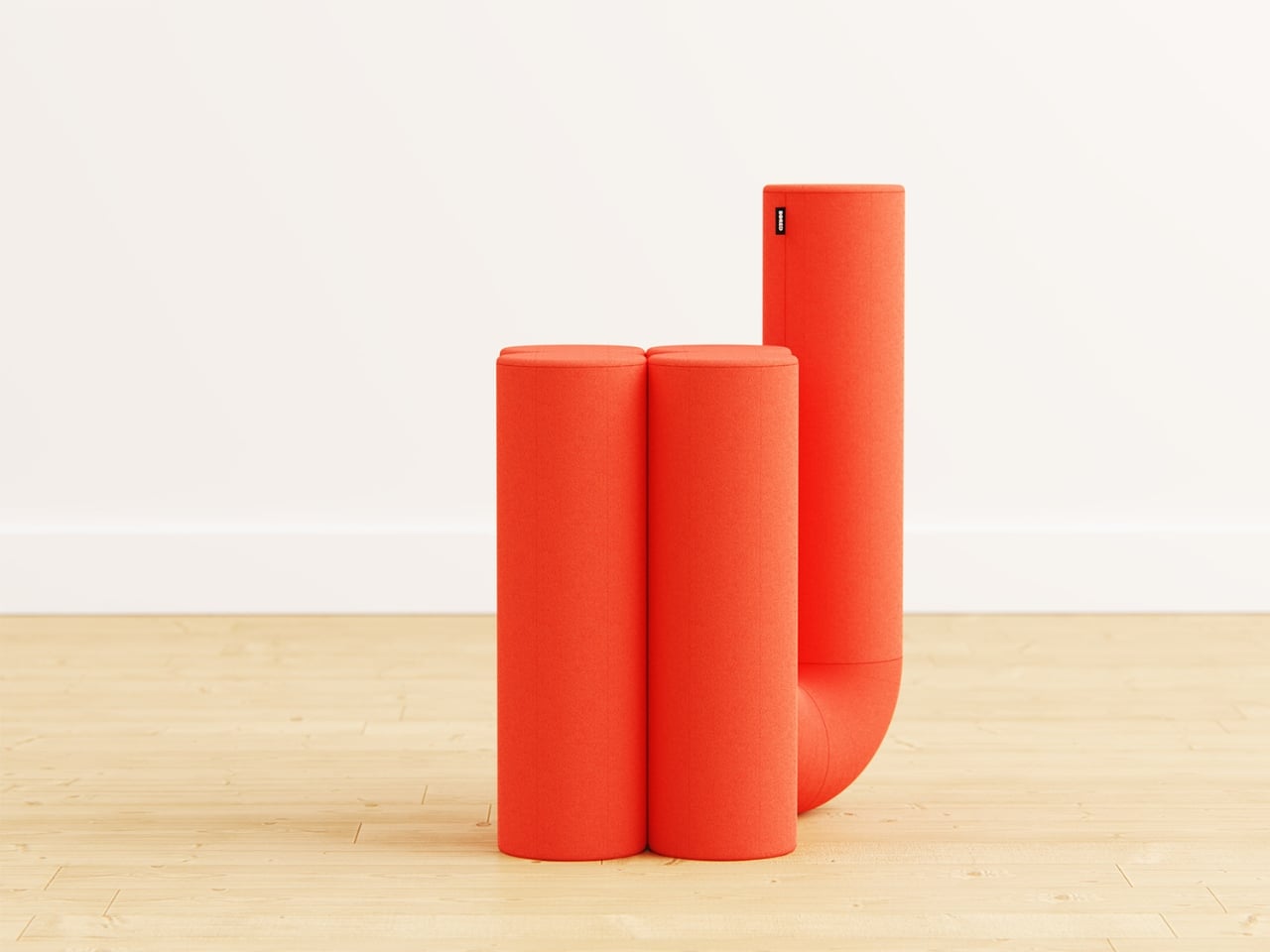
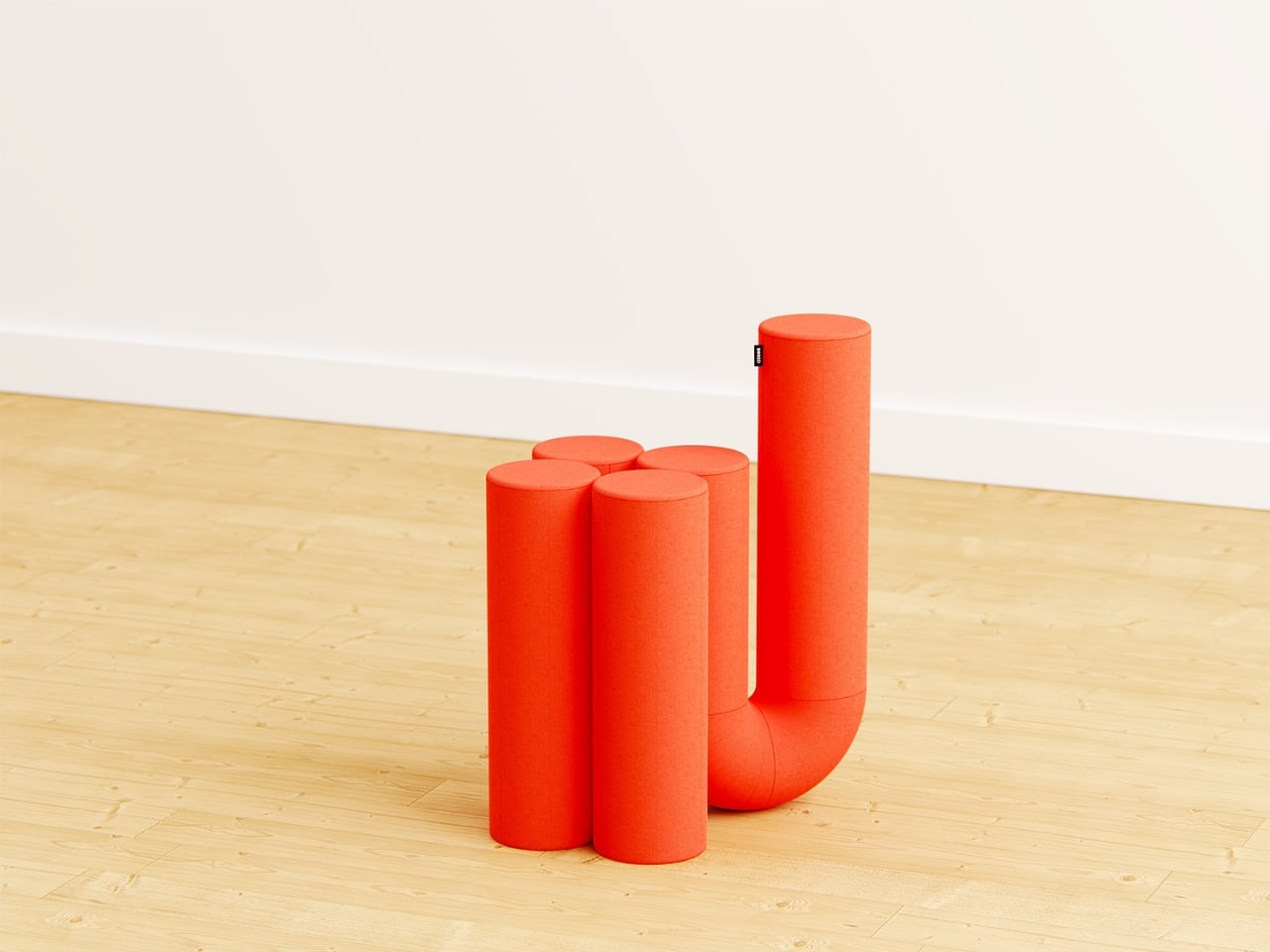
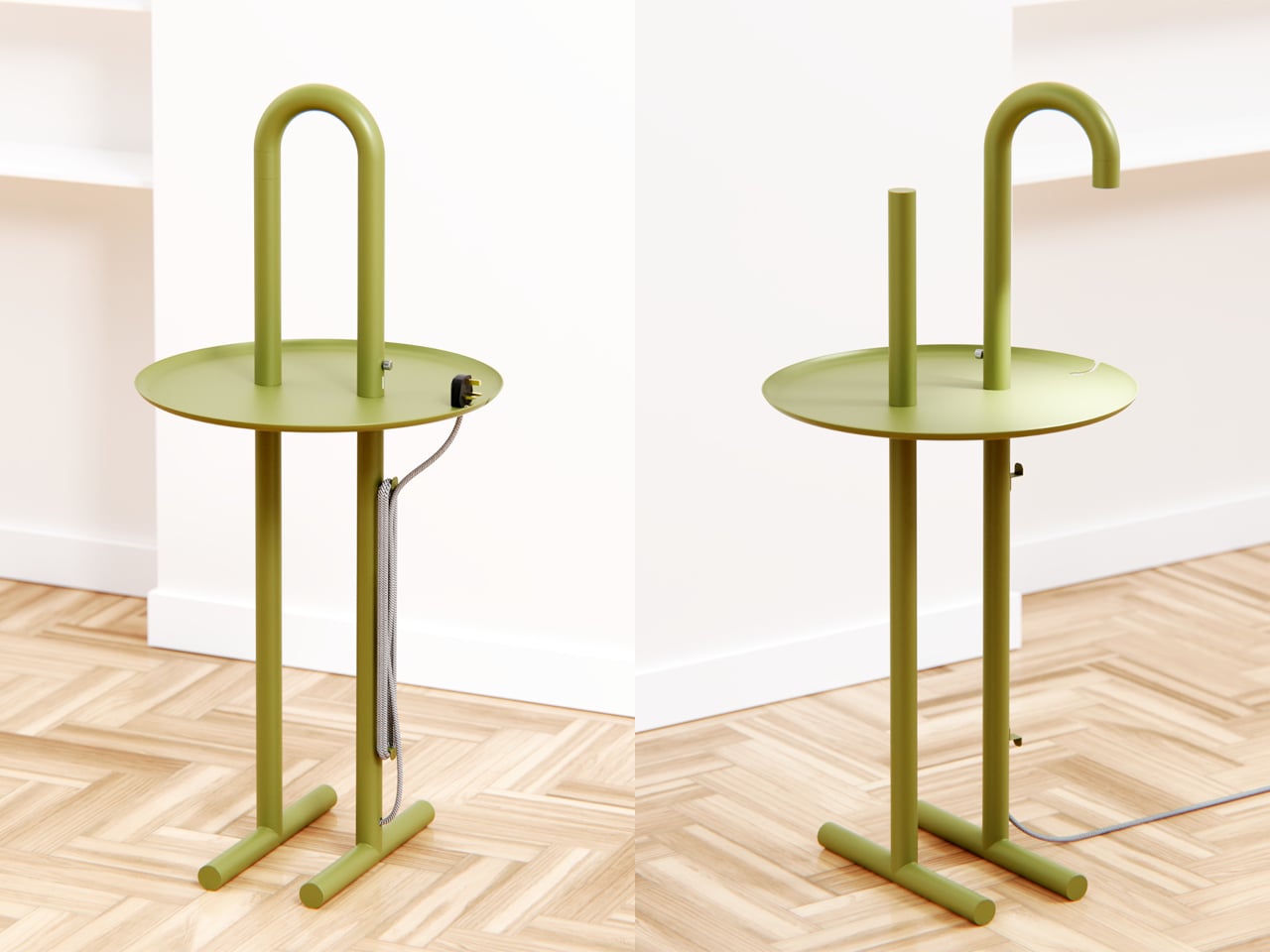
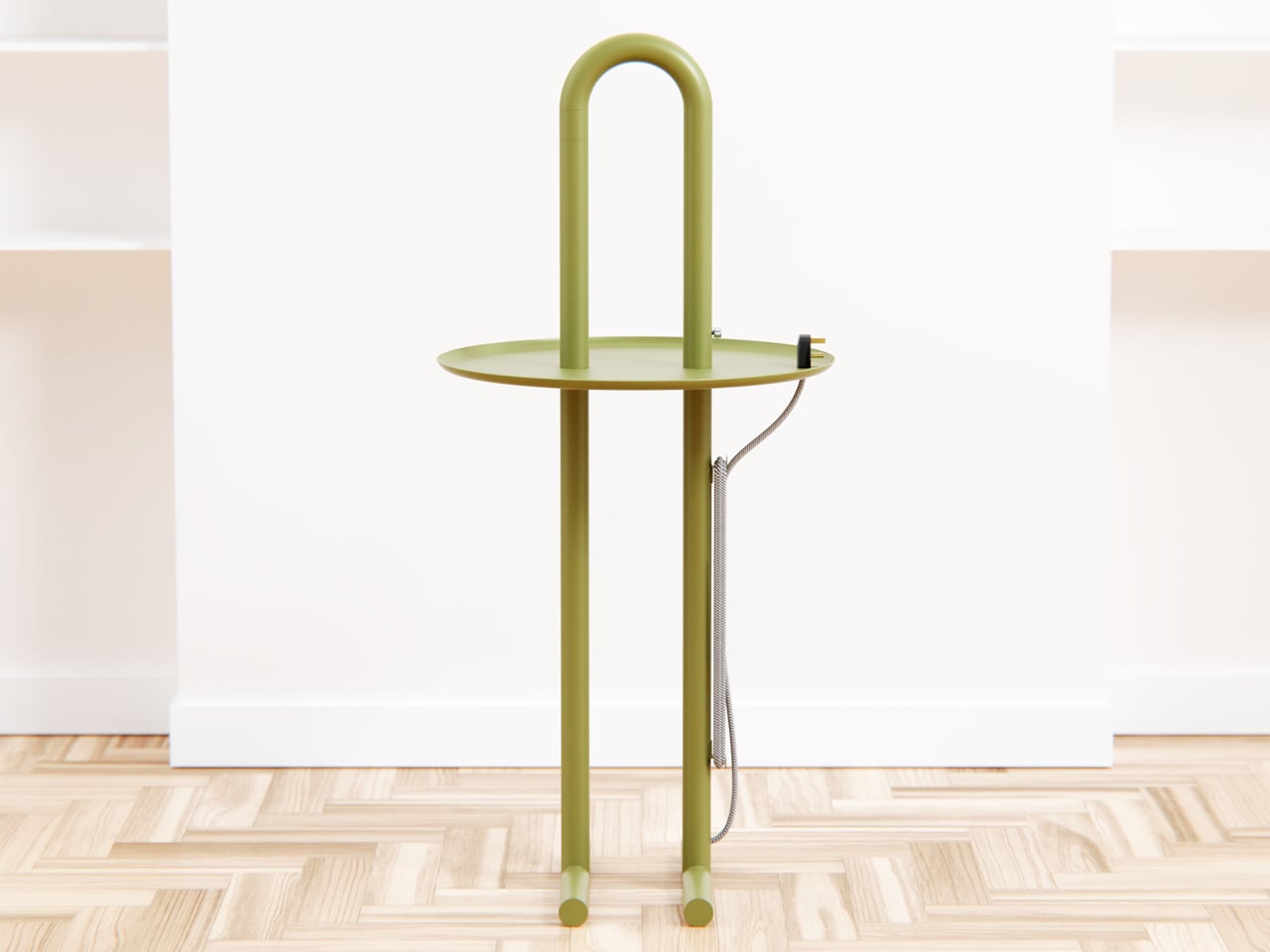
The SOS Stool is a pretty simple piece of furniture that actually has multiple functions in its tiny body. It is, of course, a stool on which one person can sit on. But it can also be a side table to hold your drinks, books, or other small items you need to place on its surface whether it’s beside your couch or bed or workspace. It’s perfect for small spaces as it can serve several functions.
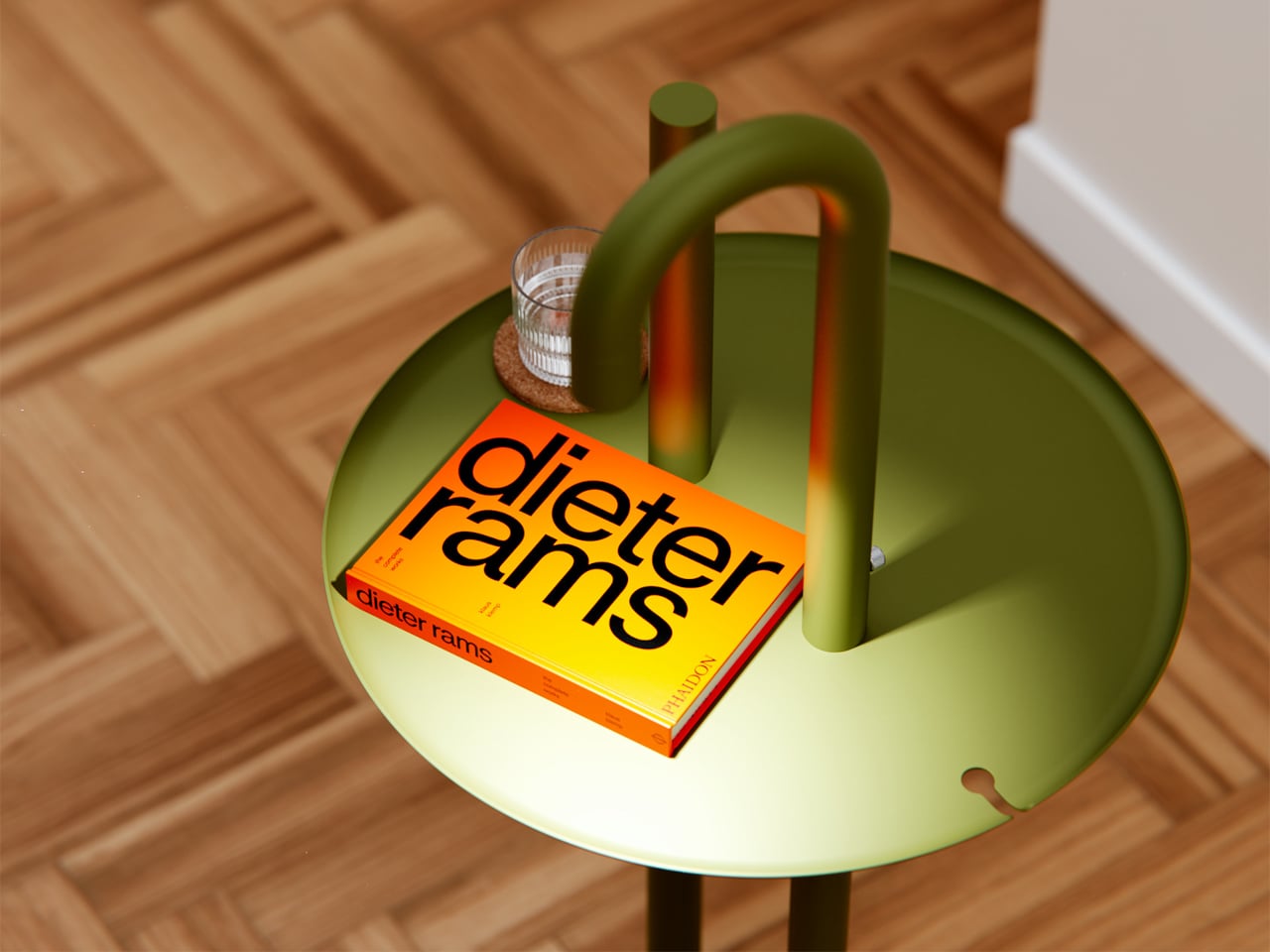
There are also two S hooks built in to the side of the stool so it can hold your glass or water bottle so you can reach for it easily when you’re sitting on the stool or using it as a side table. It’s a convenient mini storage solution especially if you can’t afford to have another piece of furniture which can hold your glass. It is also eco-friendly since it is made from Linear Low-Density Polyethylene that has 25% post-consumer recycled material.

The SOS Stool is available in five different colors: Olive, Red, Bone, Black, and Tomato. Its minimalist but stylish aesthetic has become part of several institutions like the Design Museum Brussels, the Philadelphia Museum of Art, and the Rhode Island School of Design Museum of Art. I’m still not convinced that I’ll be comfortable sitting on it but the side table and glass holder functions can be useful to me.

The post SOS Stool serves as side table, glass holder, and yes, a stool first appeared on Yanko Design.