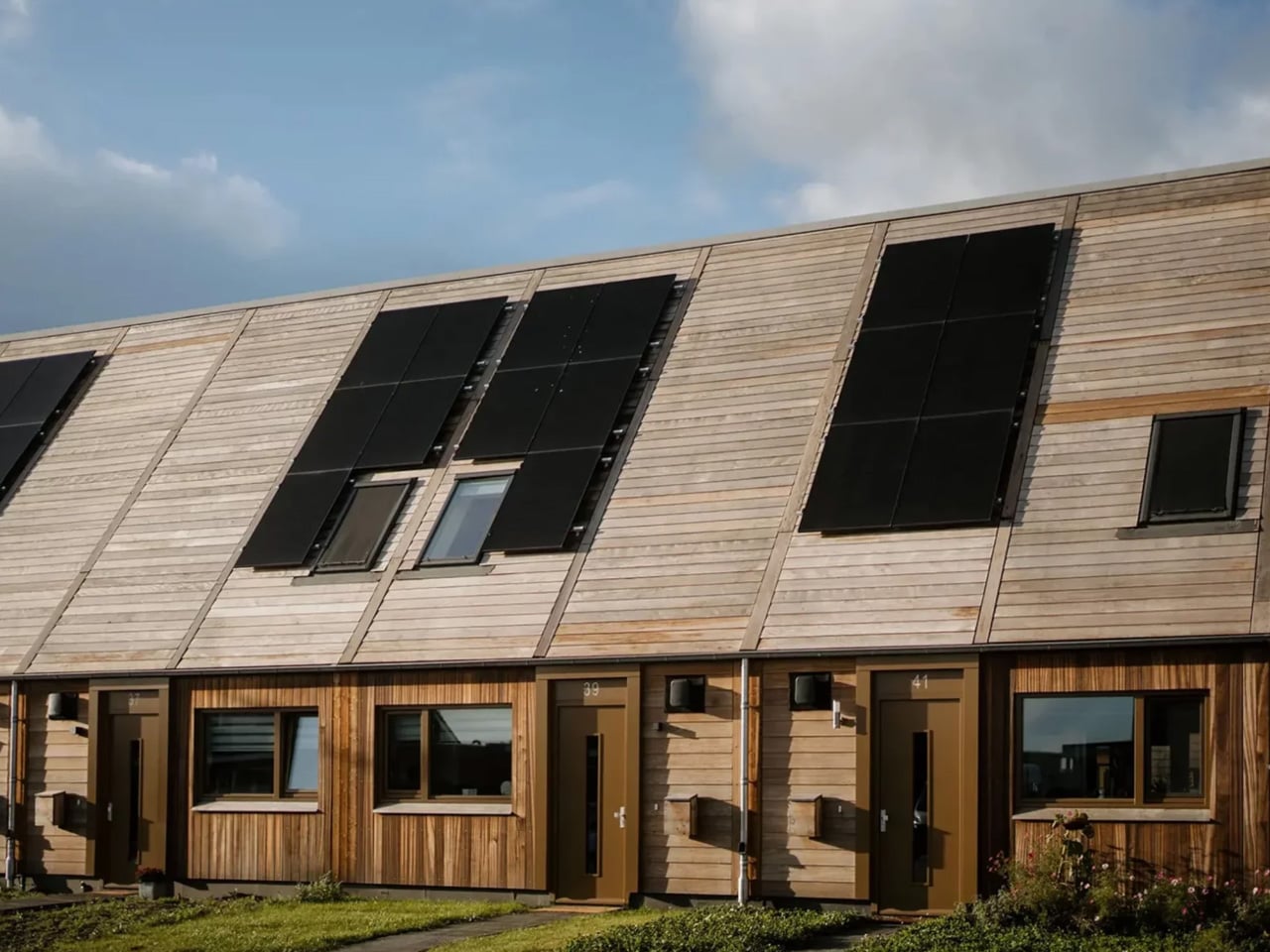
Architecture has long been one of the planet’s most significant contributors to carbon emissions. ORGA, a Dutch studio, is challenging that reality head-on with a carbon-negative neighborhood prototype built in the village of Marknesse, Netherlands — and the results are worth paying attention to.
Commissioned by housing association Mercatus, the project consists of 12 affordable rental homes designed specifically for first-time buyers and low-income households. From the outset, the goal was to minimize environmental impact at every stage — not as an afterthought, but as the foundation of every design decision made.
Designer: ORGA
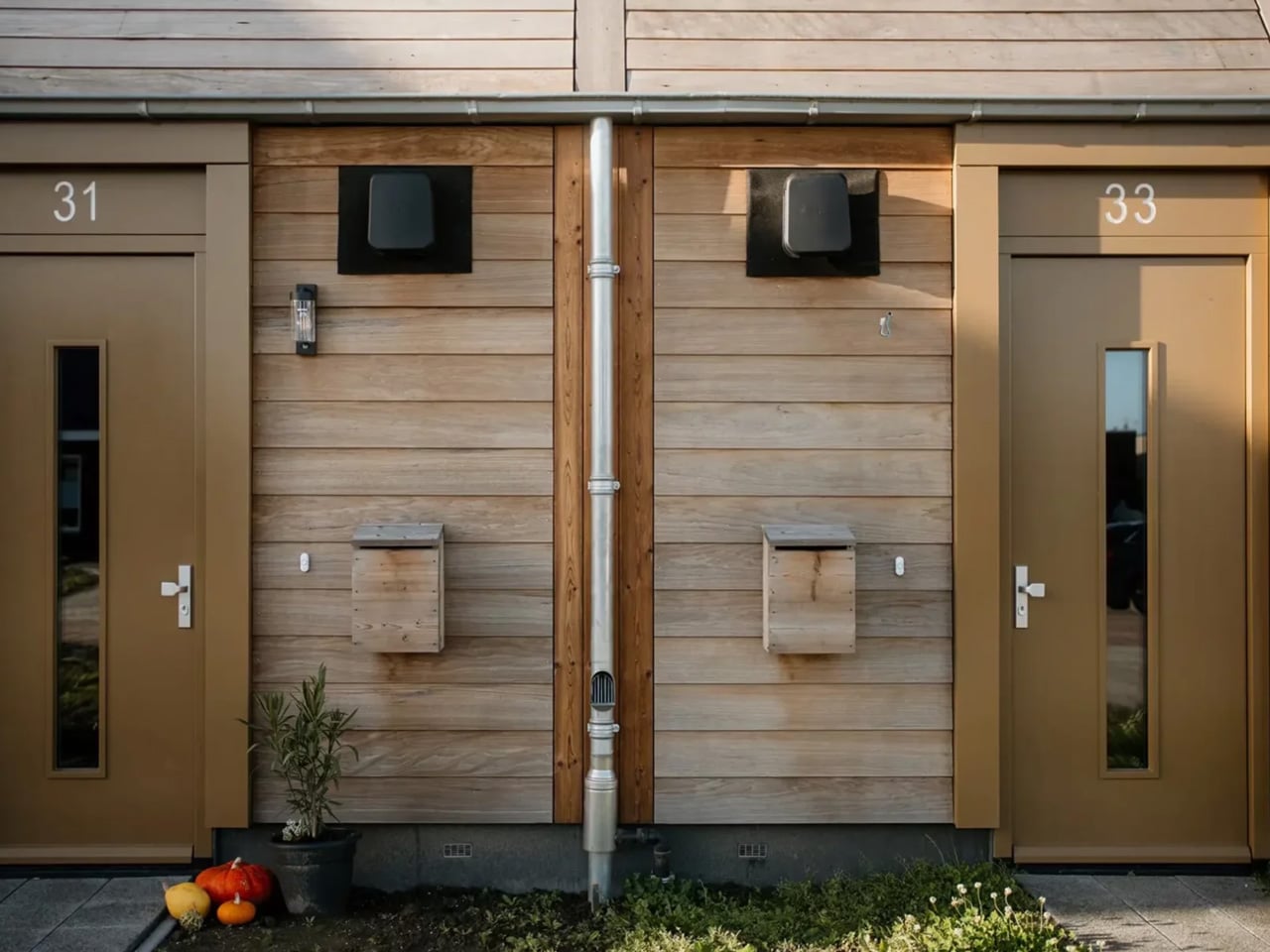
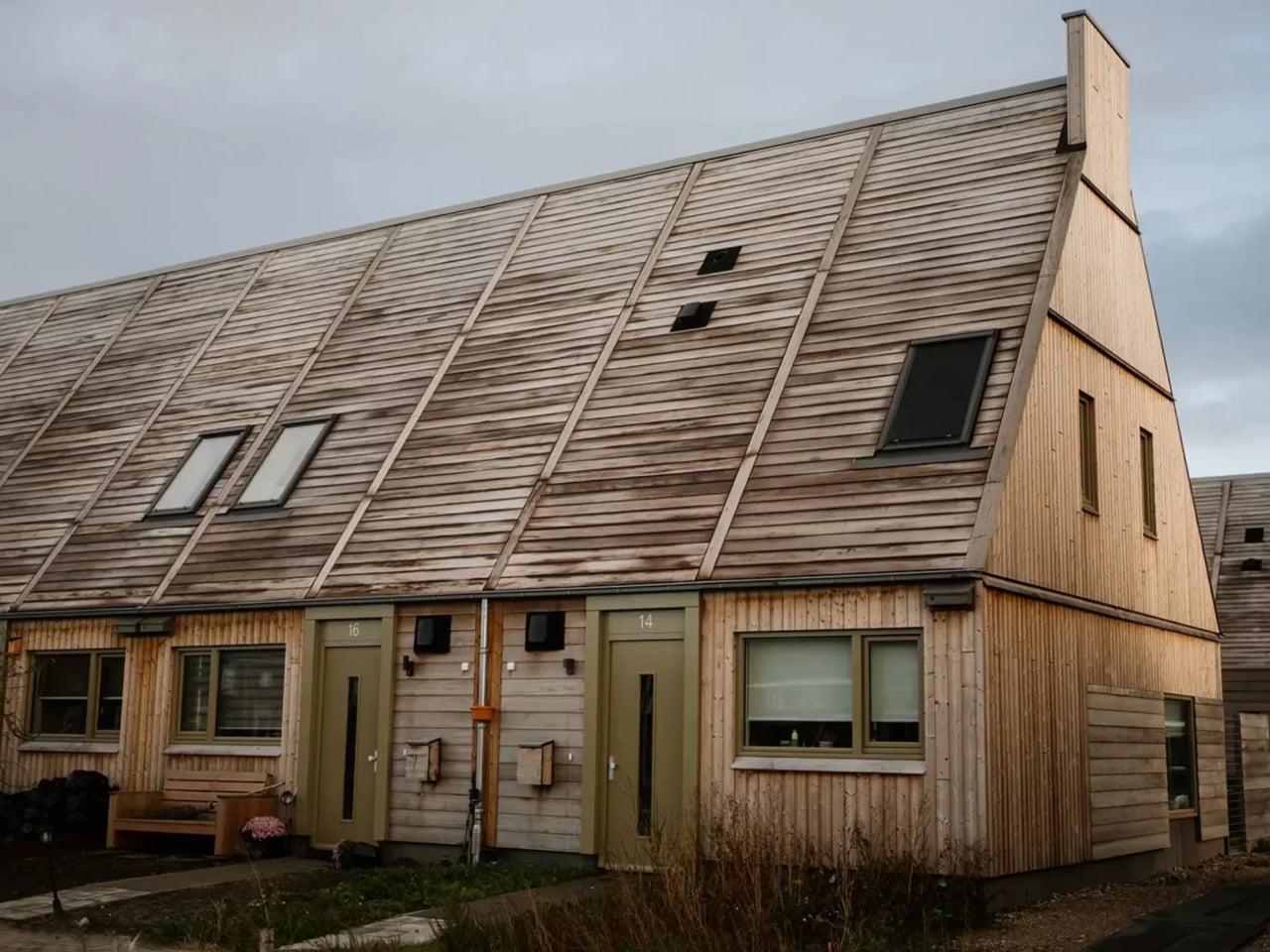
Marknesse sits in a region historically defined by its ‘Delft Red’ aesthetic: red clay bricks and orange-red roof tiles. Rather than abandon that visual identity, ORGA reinterpreted it through a modern lens, swapping out high-carbon materials for natural, renewable alternatives. The result is something rare in contemporary construction — a structure that stores more carbon than it produces. The architects also wove local ecology into the design, incorporating wooden chimneys that double as nesting sites for bats.
The numbers behind the project are striking. The prototype achieves a 76% share of bio-based and circular raw materials. Nearly everything is sourced from renewable materials, with the exception of the concrete foundation and essential components like windows and fasteners. It’s an approach that echoes projects like the 3D-printed Lib Earth House Model B in Japan, which similarly replaces cement with soil-based mixtures to reduce material impact.
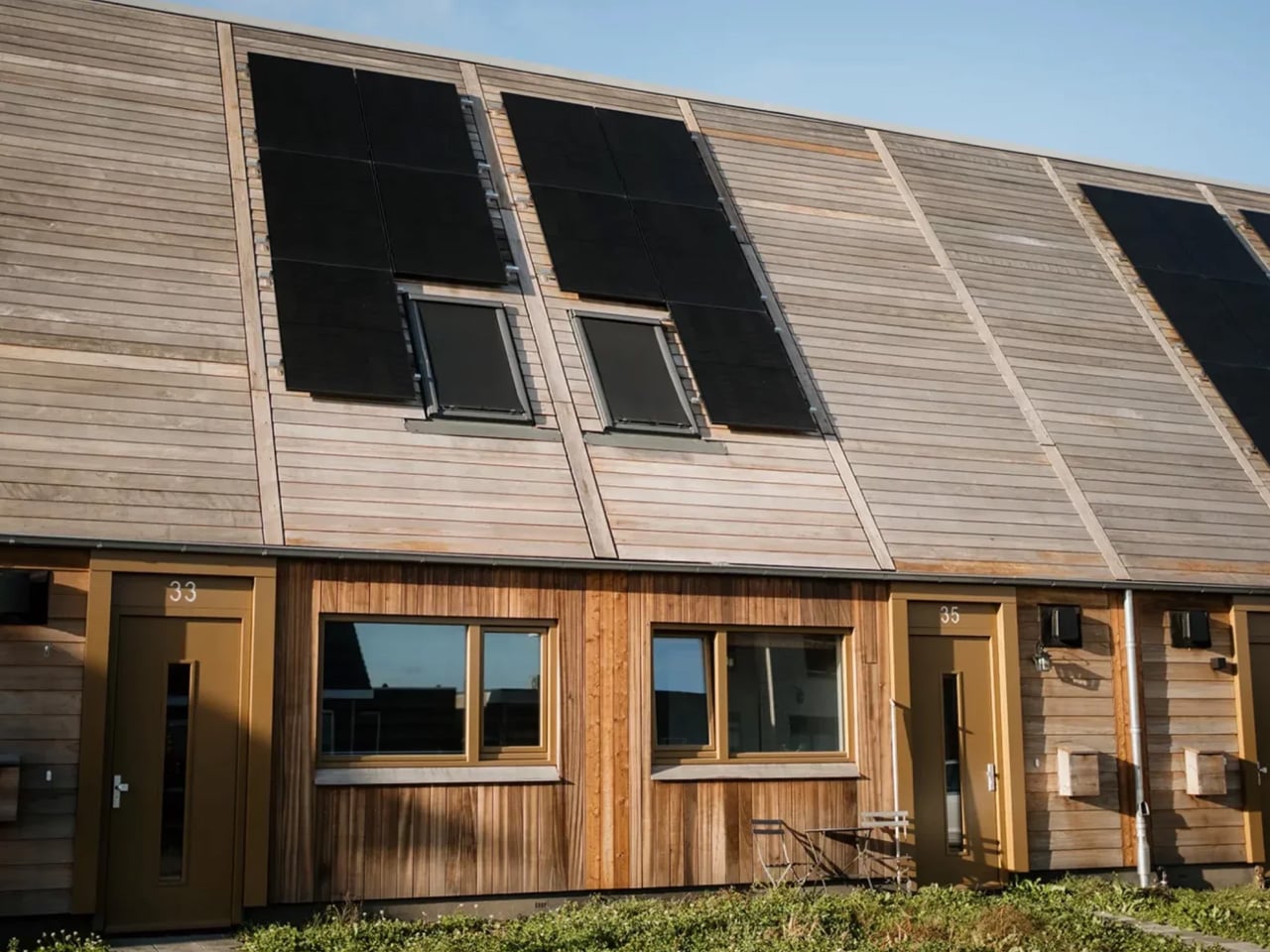
Construction efficiency was also a priority. The homes are built using prefabricated timber elements manufactured off-site and assembled on-site, a method that dramatically cuts construction time while reducing local disruption. This mirrors what’s been seen in mass timber projects like the 230 Royal York tower in Toronto, where prefabrication trimmed months off the build schedule.
Inside, the timber framing is insulated with wood fiber and other natural materials, enabling a completely foil-free, vapor-permeable construction. There are no synthetic plastic wrapping layers. Instead, the wall system is breathable — designed to passively regulate moisture and temperature without air conditioning or mechanical intervention. The building essentially manages its own climate.
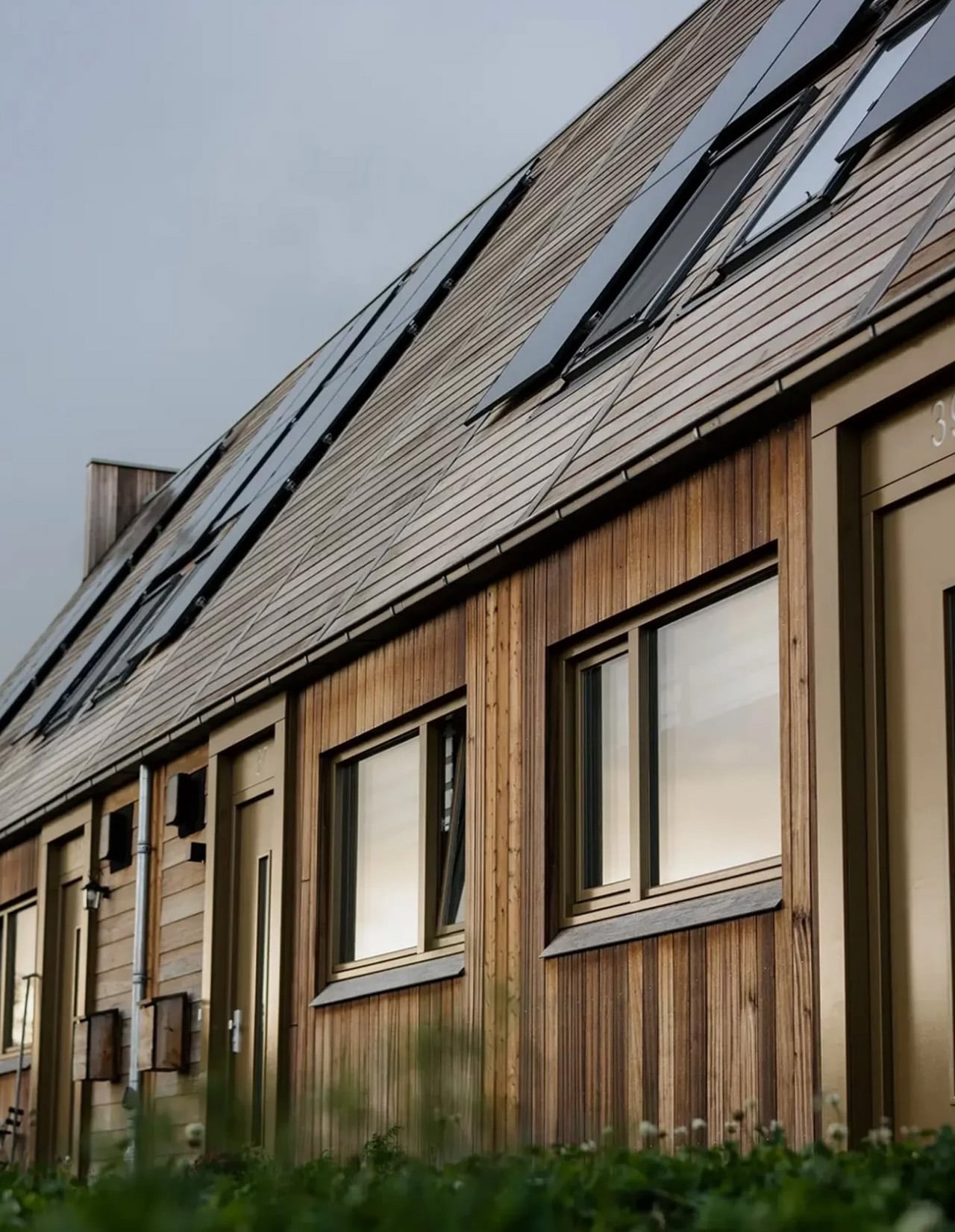
To close the loop on long-term sustainability, each home was cataloged using the Madaster Material Passport, an online dossier that tracks all materials and their applications. Residents also received user manuals to help them maintain and eventually repurpose components of the home. What ORGA has built in Marknesse is more than a prototype. It’s a proof of concept that bio-based, affordable, and carbon-negative architecture can coexist — and that meaningful ecological design doesn’t have to come at the cost of accessibility.
The post This Carbon-Negative Neighborhood in the Netherlands Is Rethinking Affordable Housing first appeared on Yanko Design.